
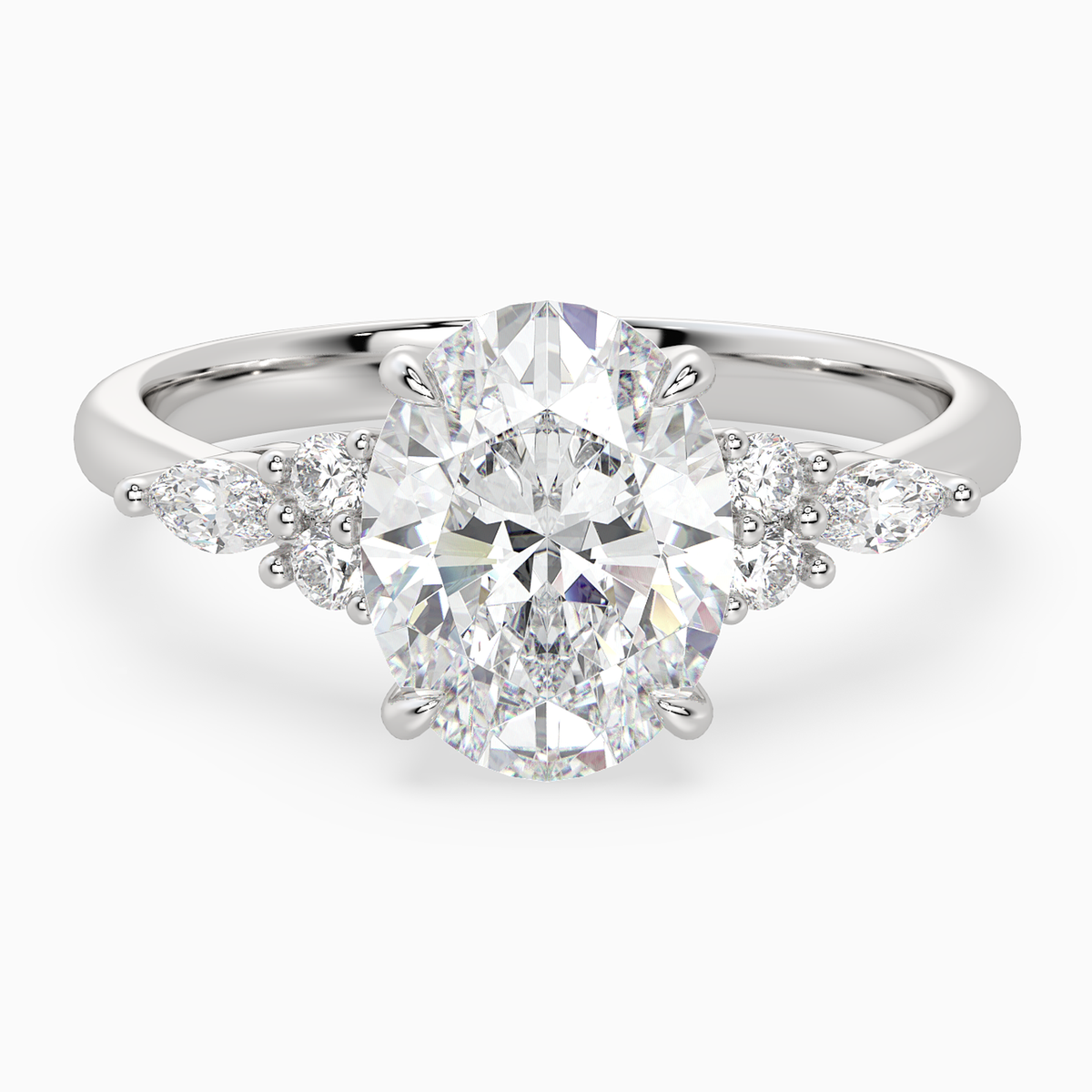


Round Diamond Engagement Rings in 14K Yellow Gold
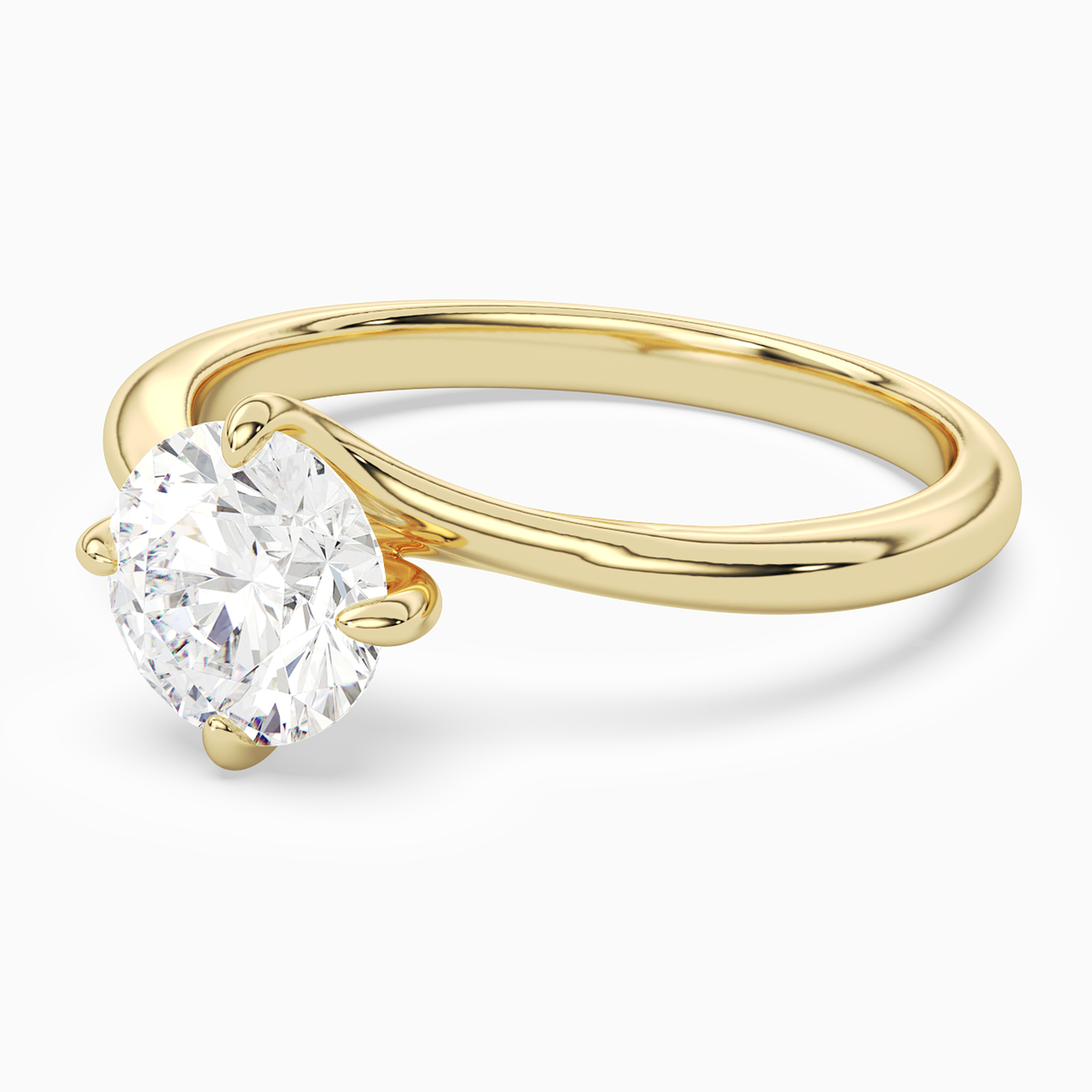
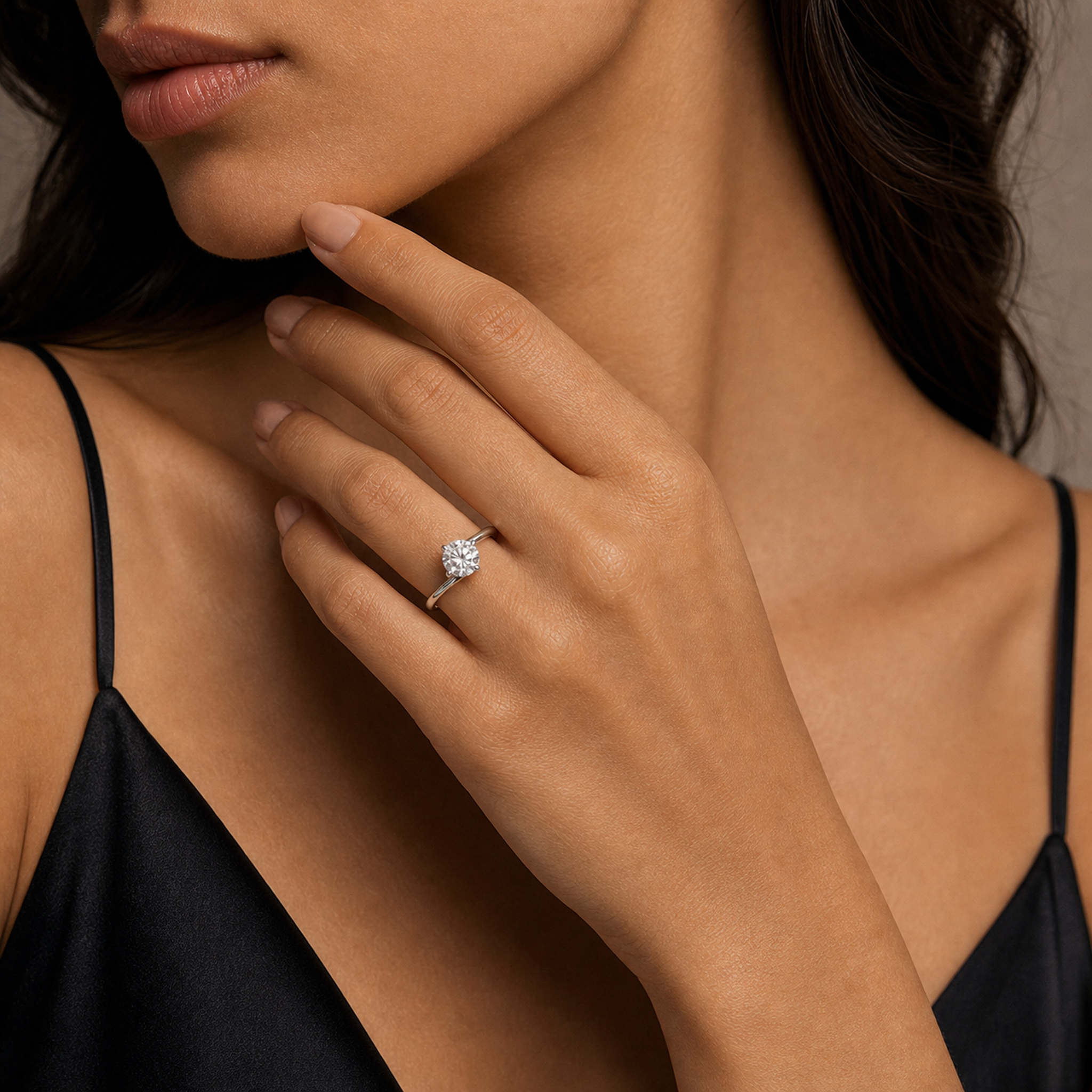
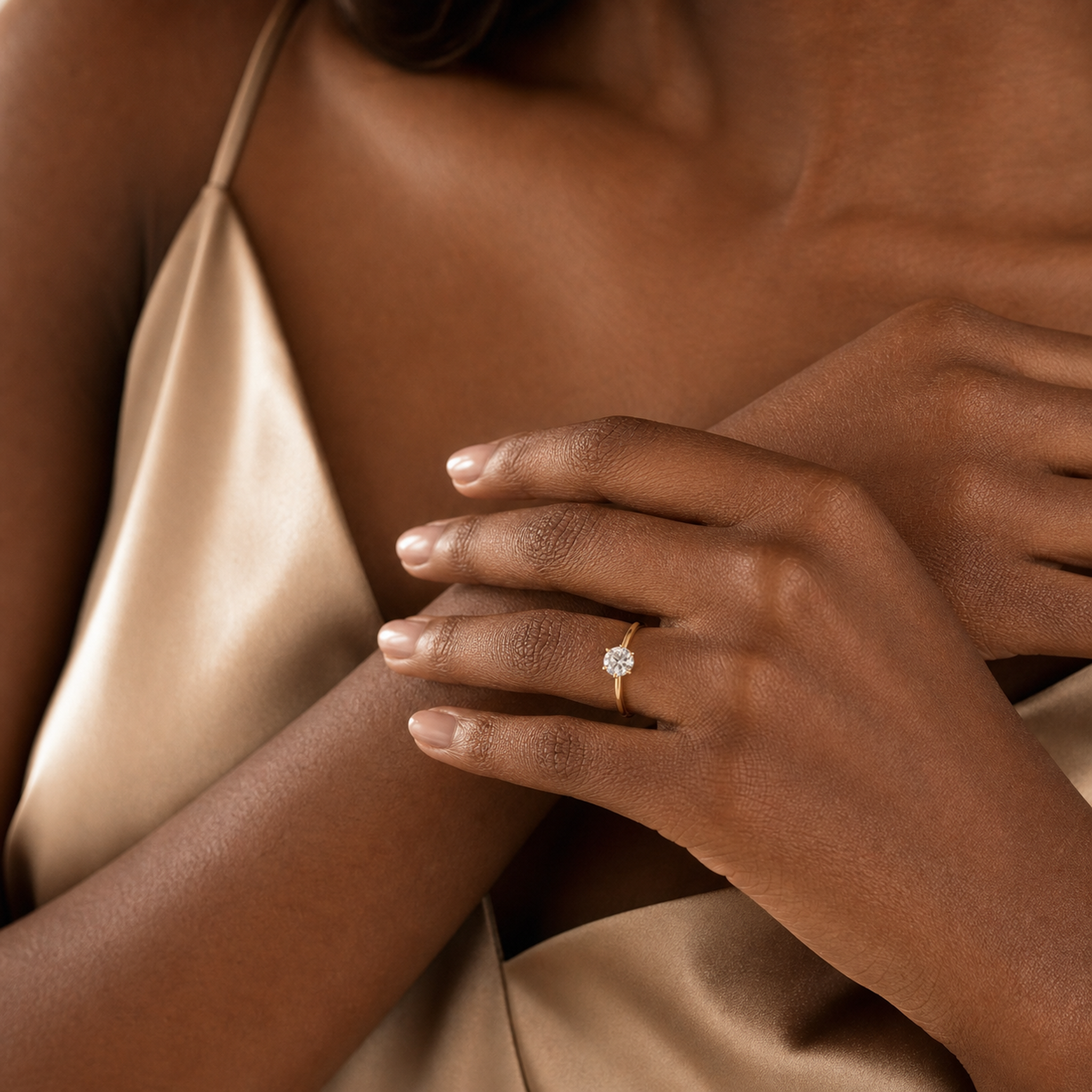
A circle given a golden edge. 14K yellow gold separates the round brilliant from its setting while keeping proportion and light in balance.


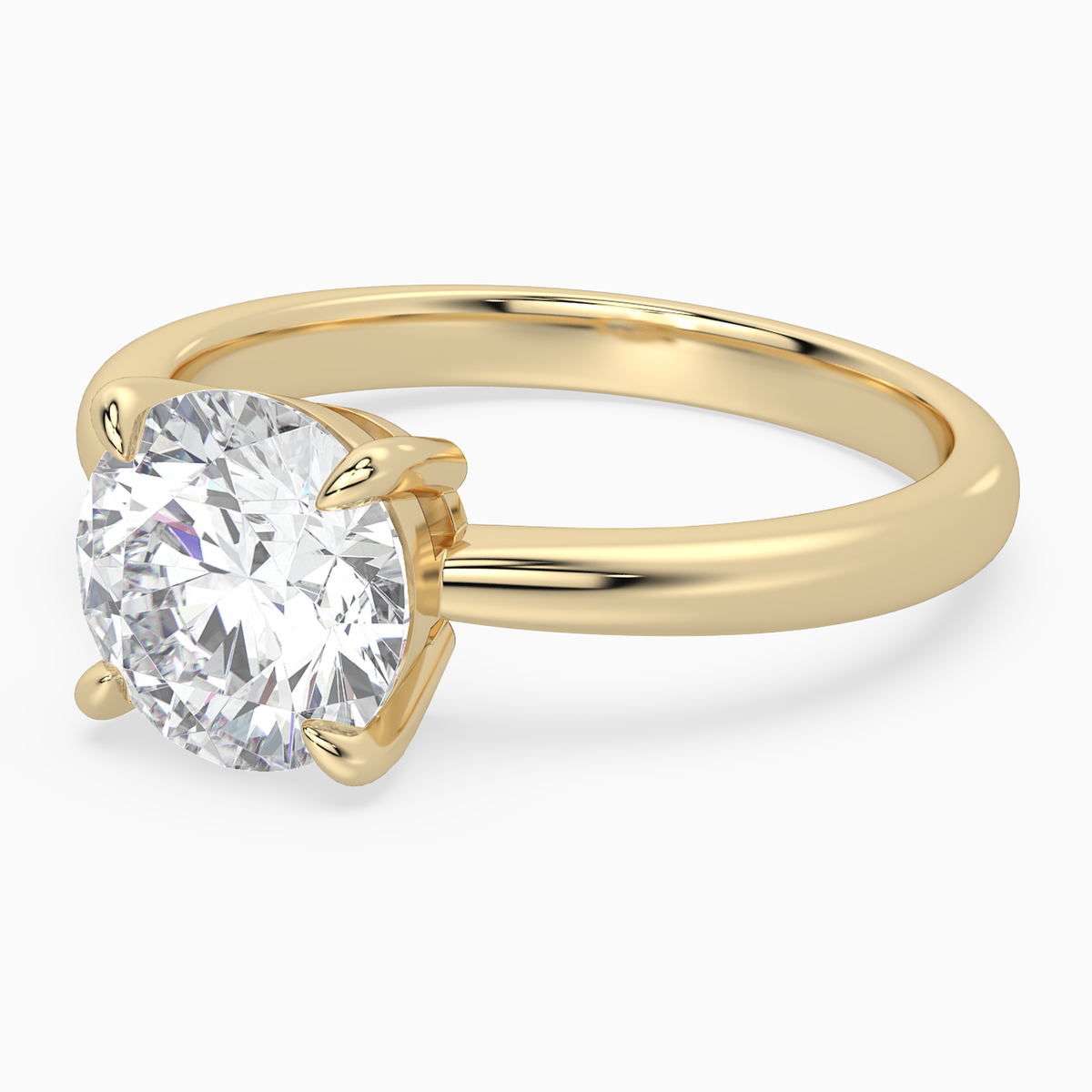
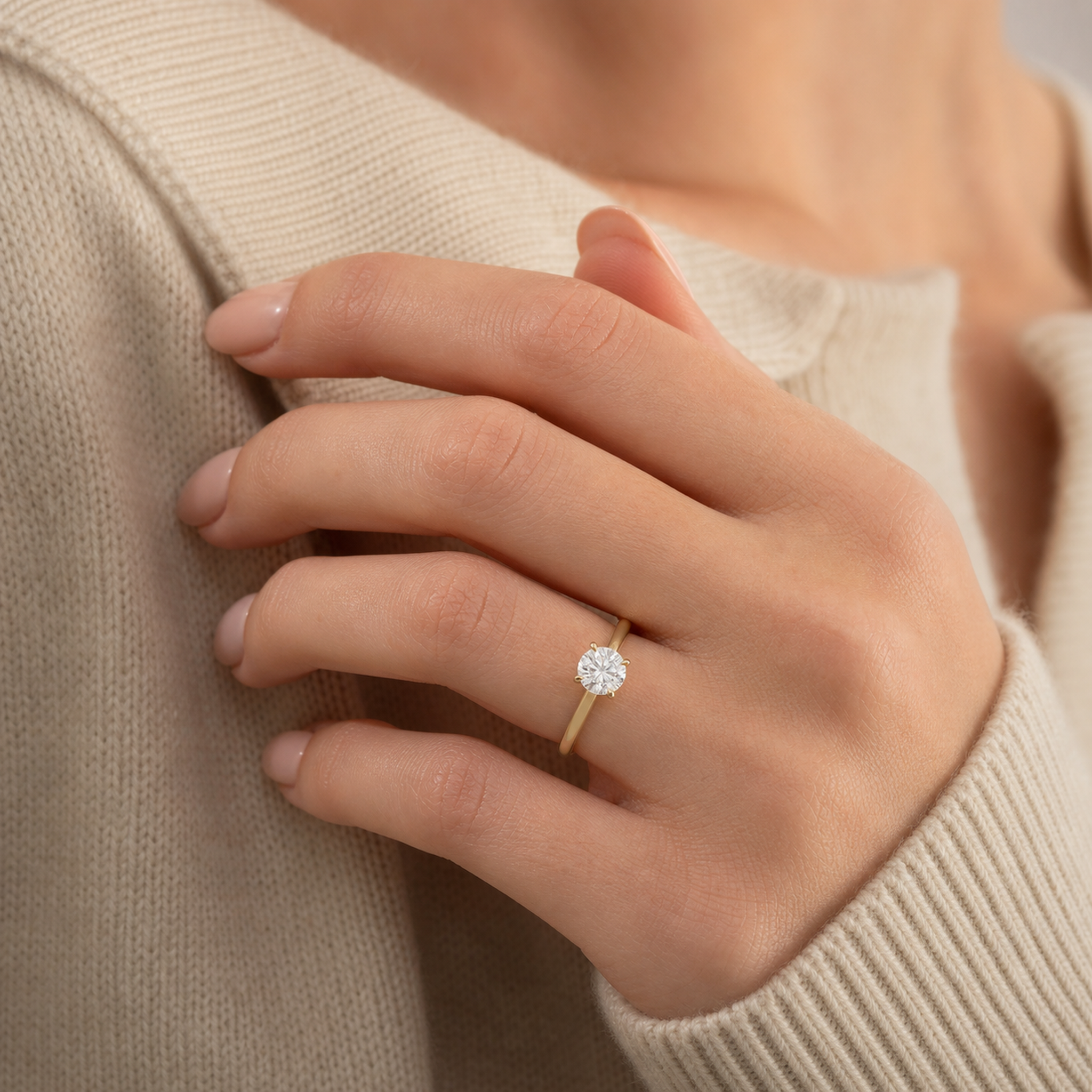


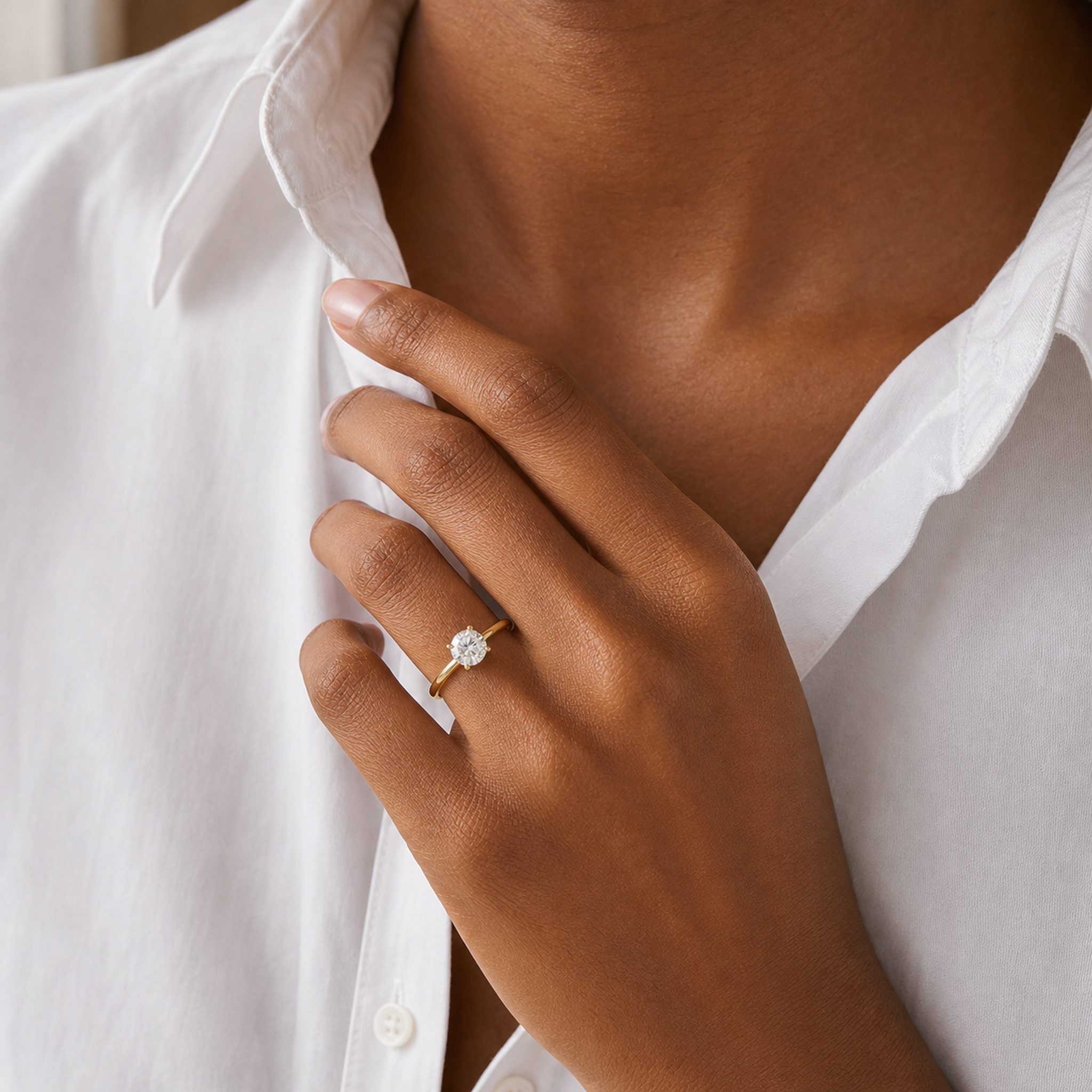


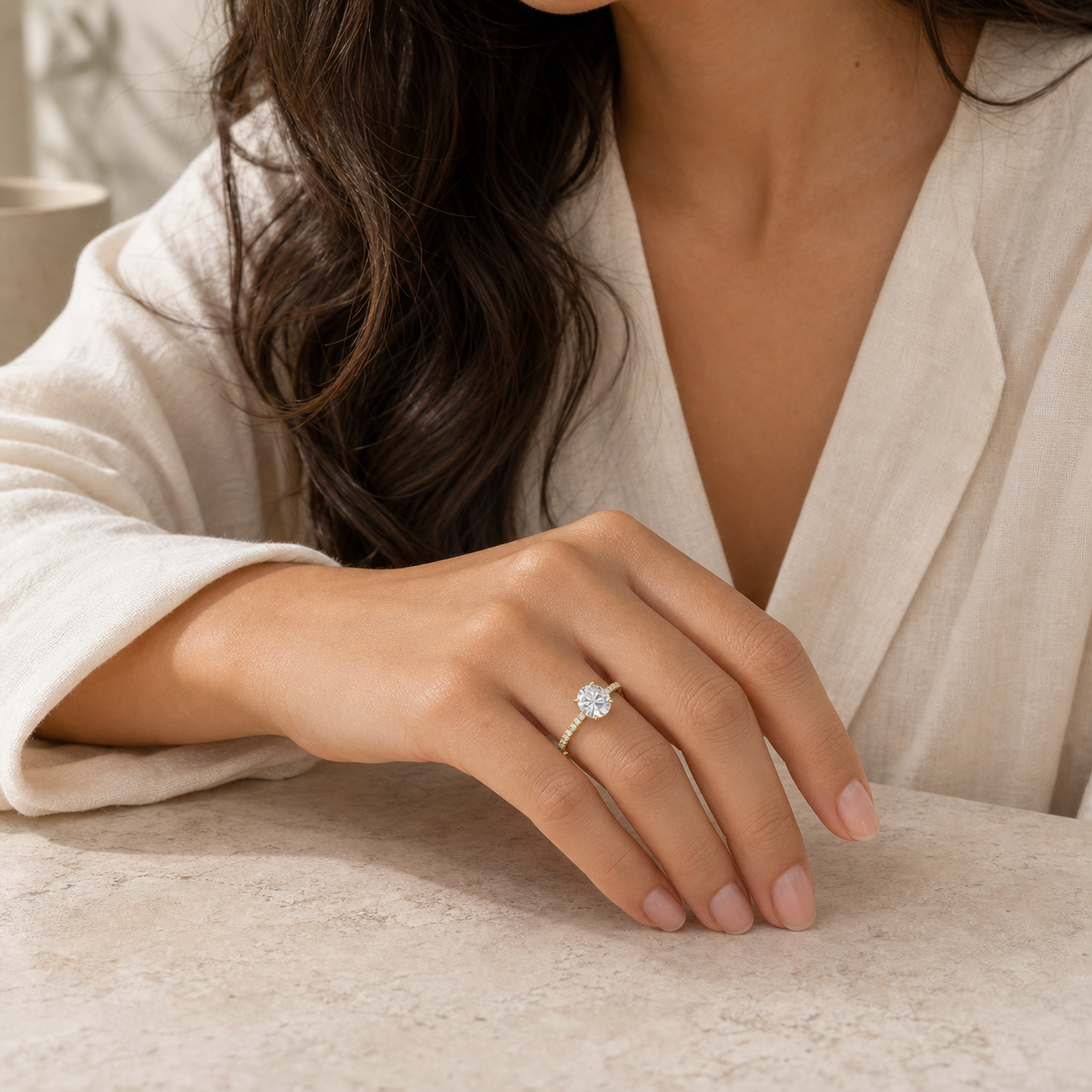


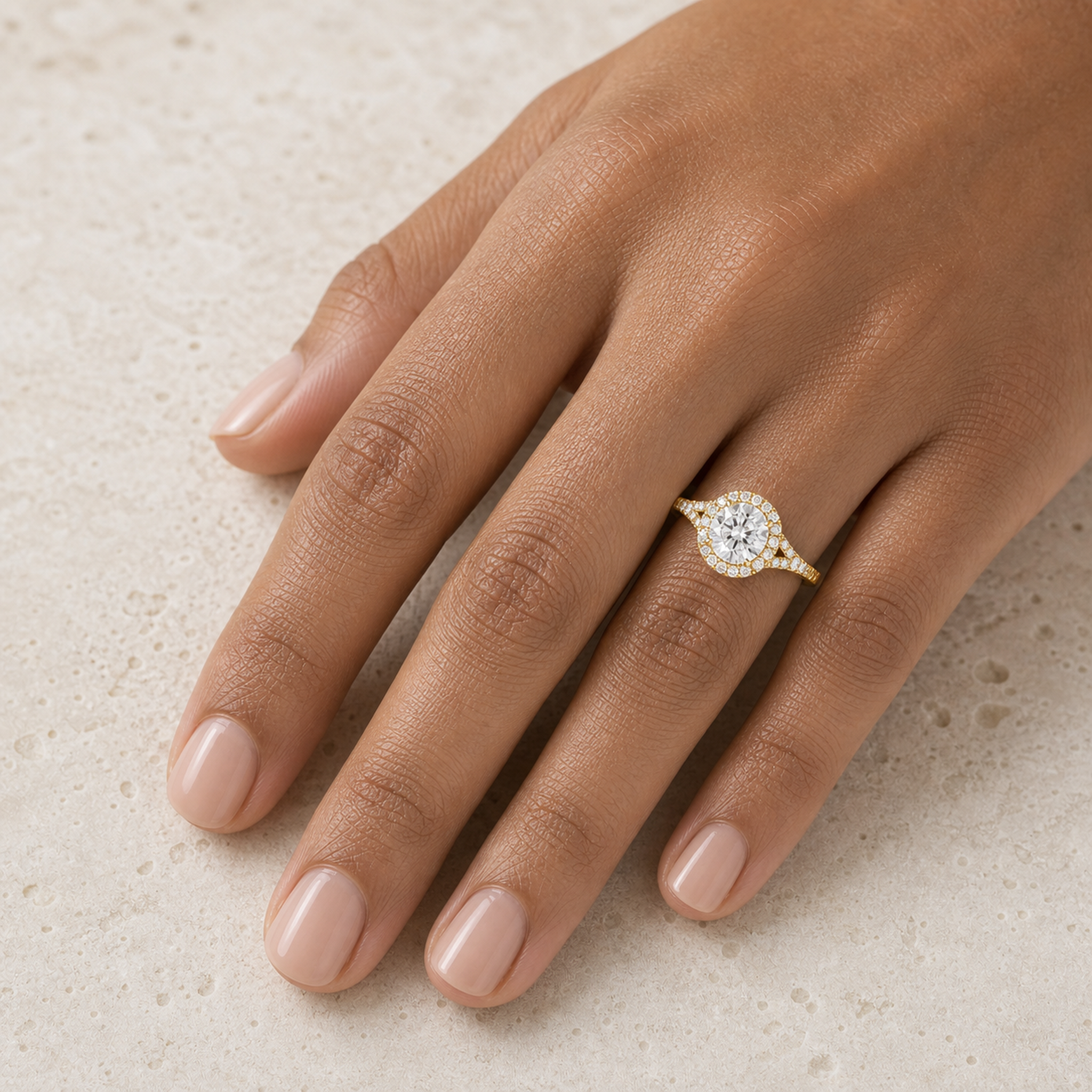


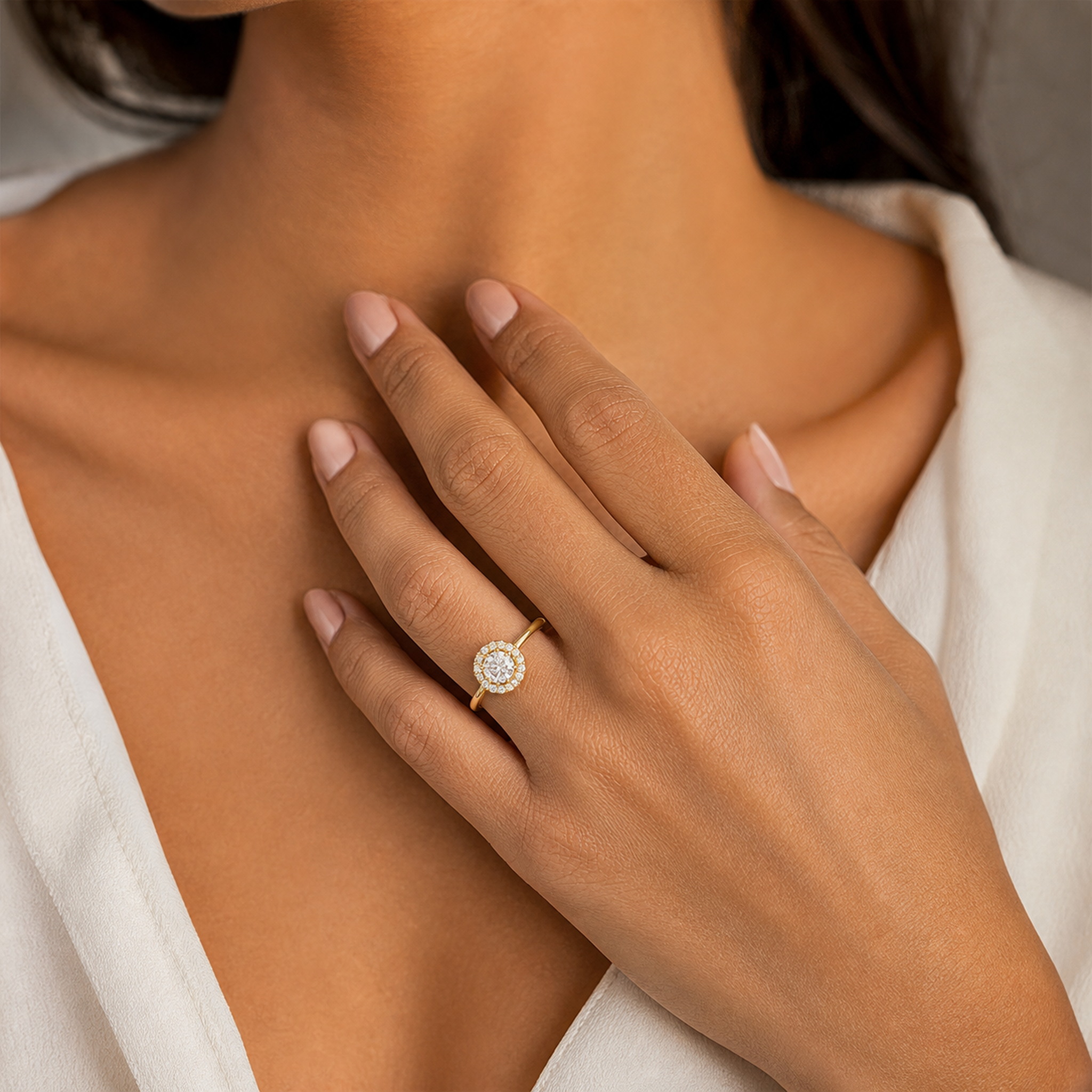


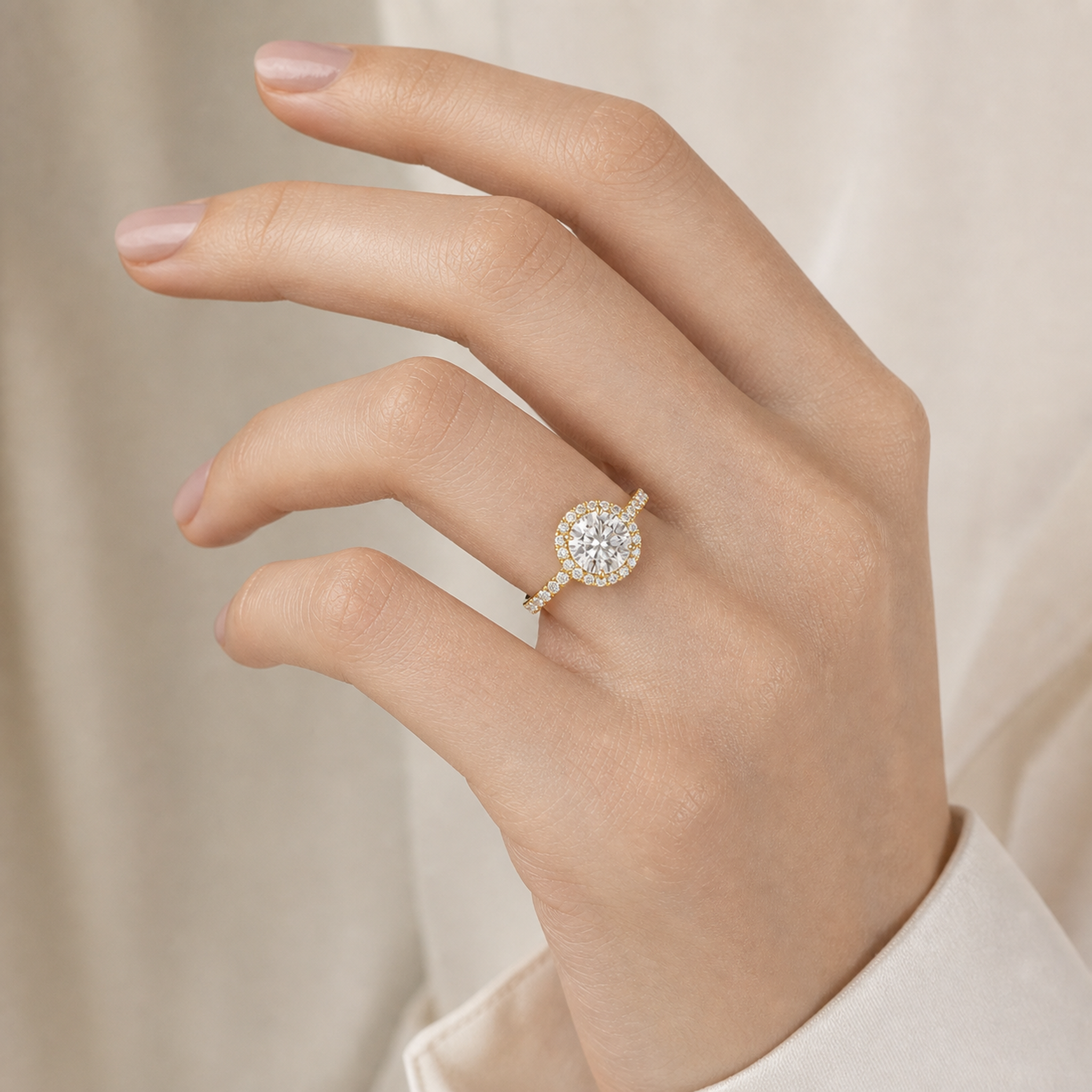

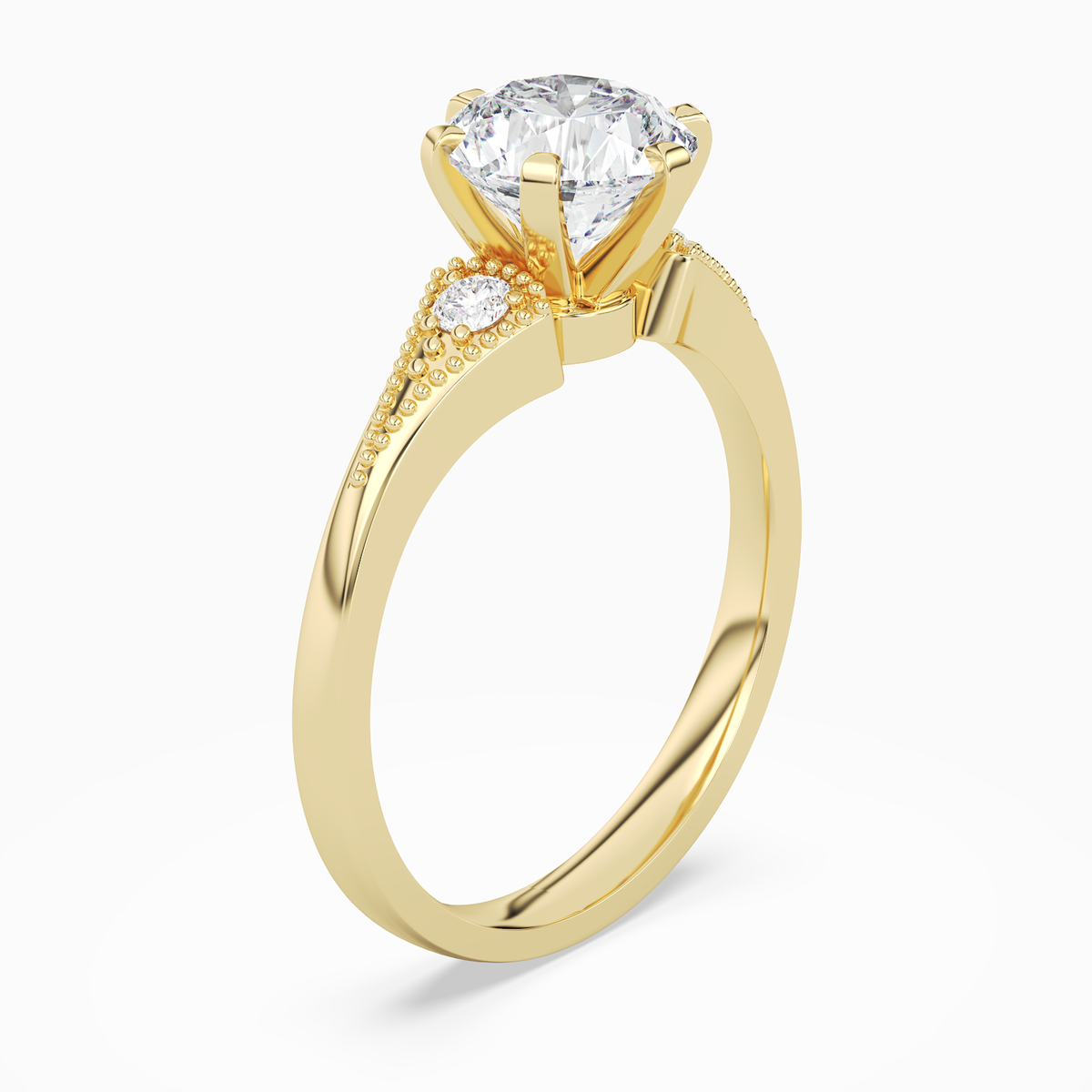


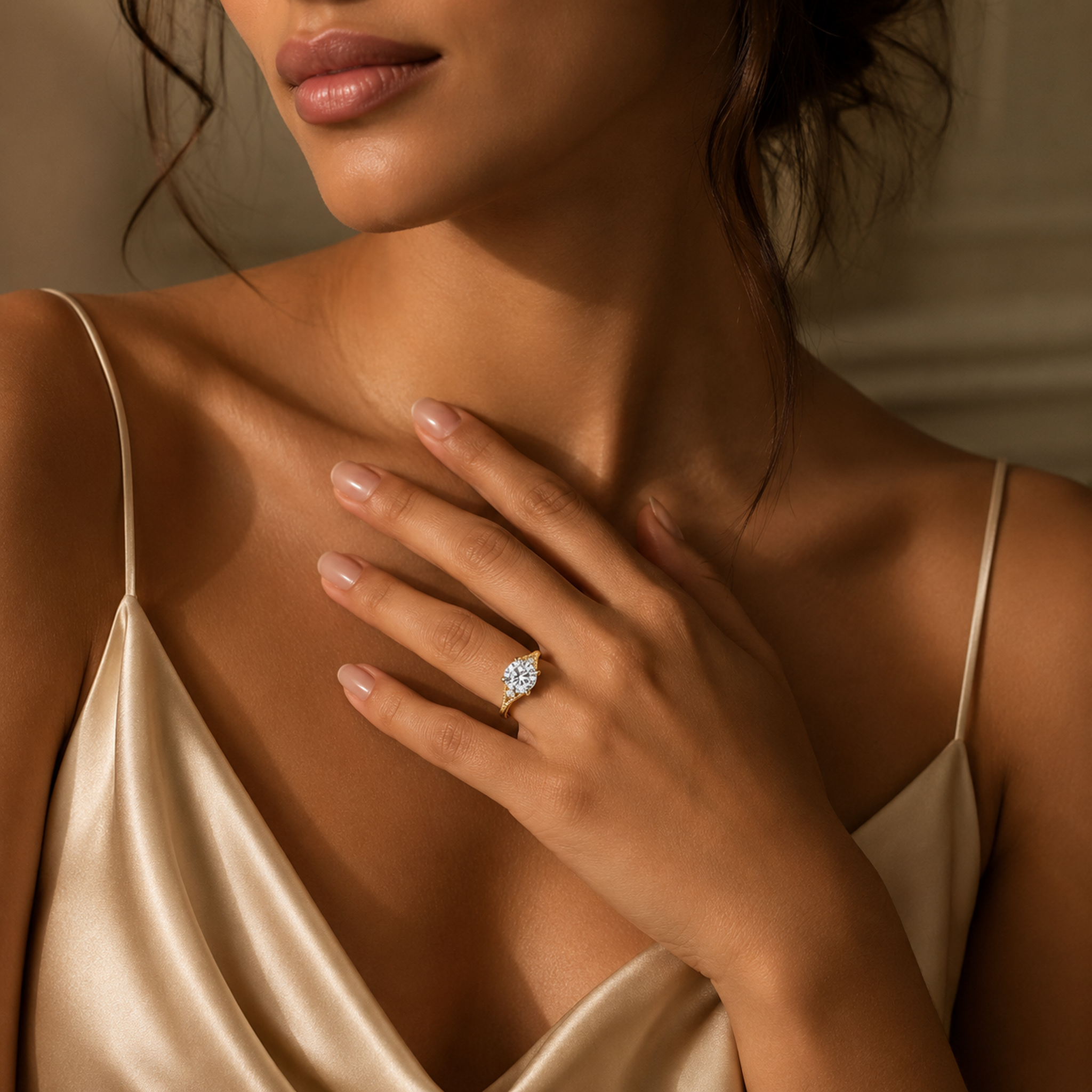


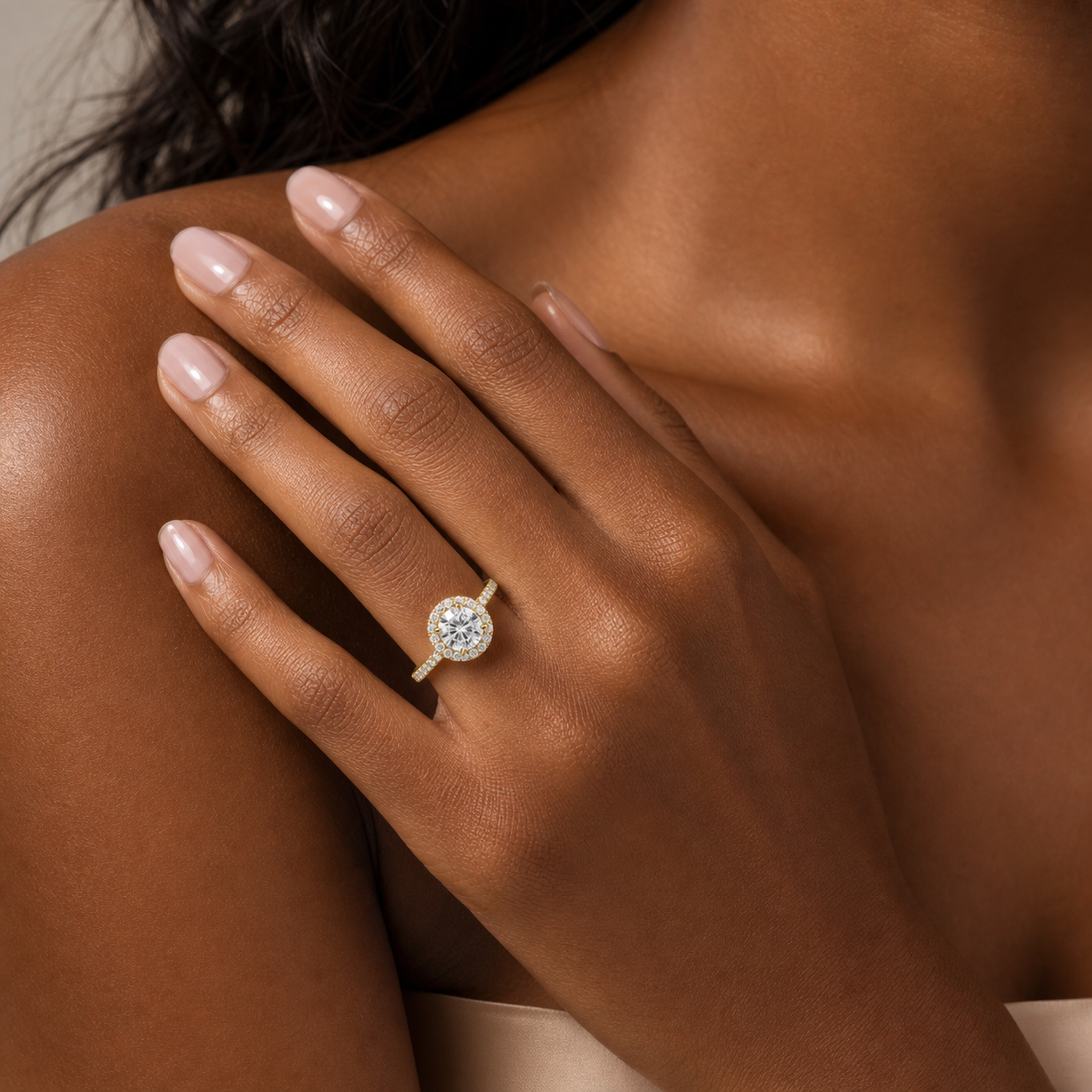


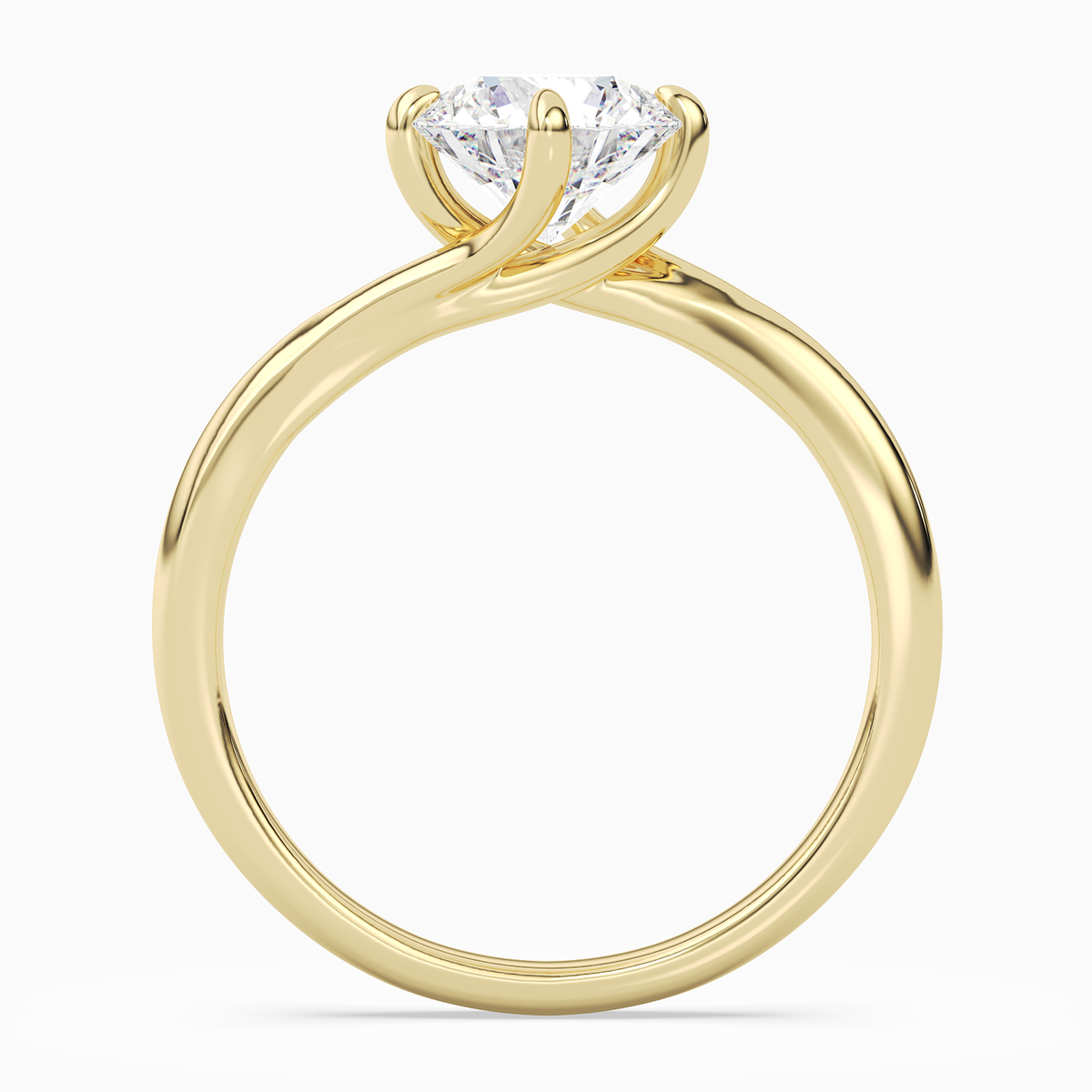





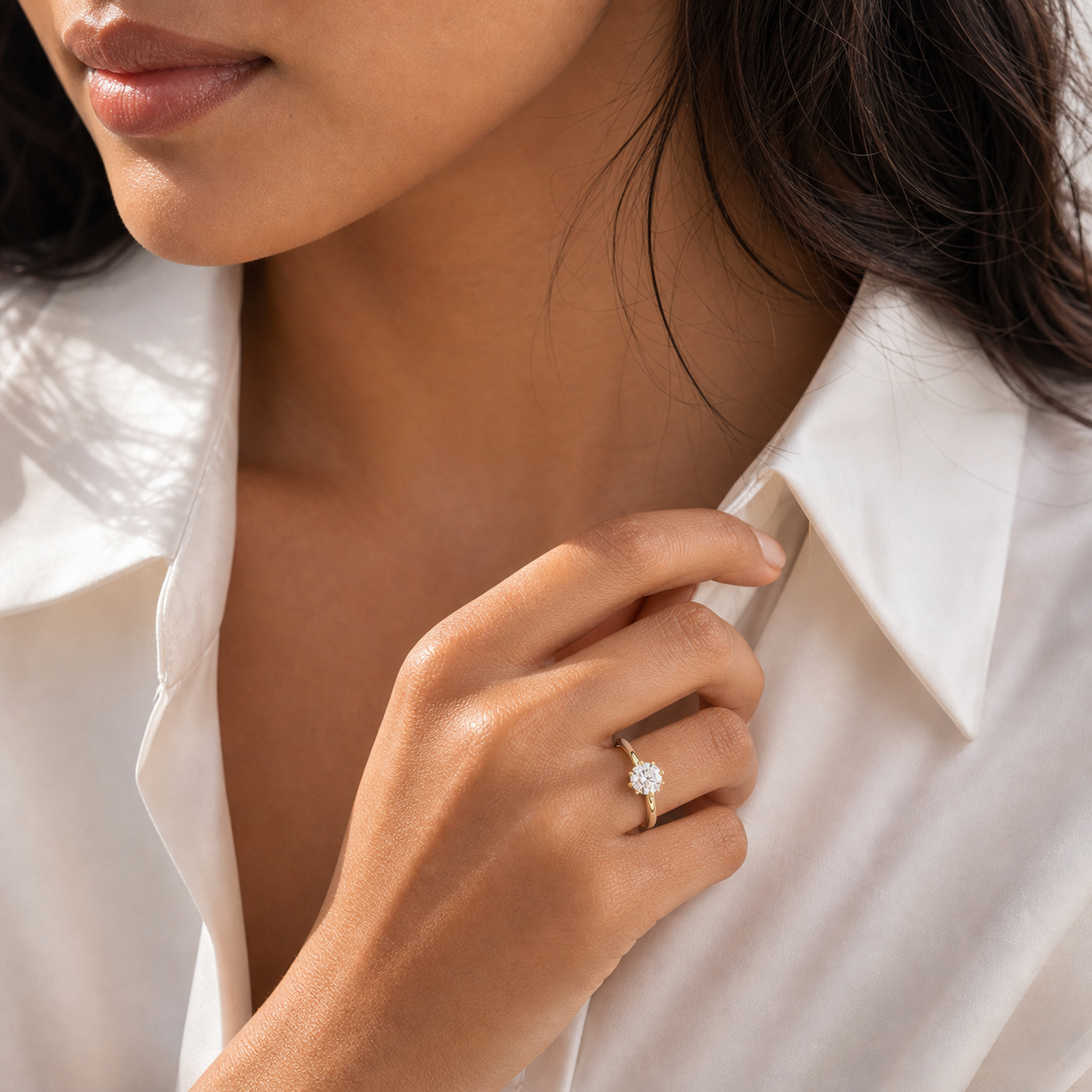


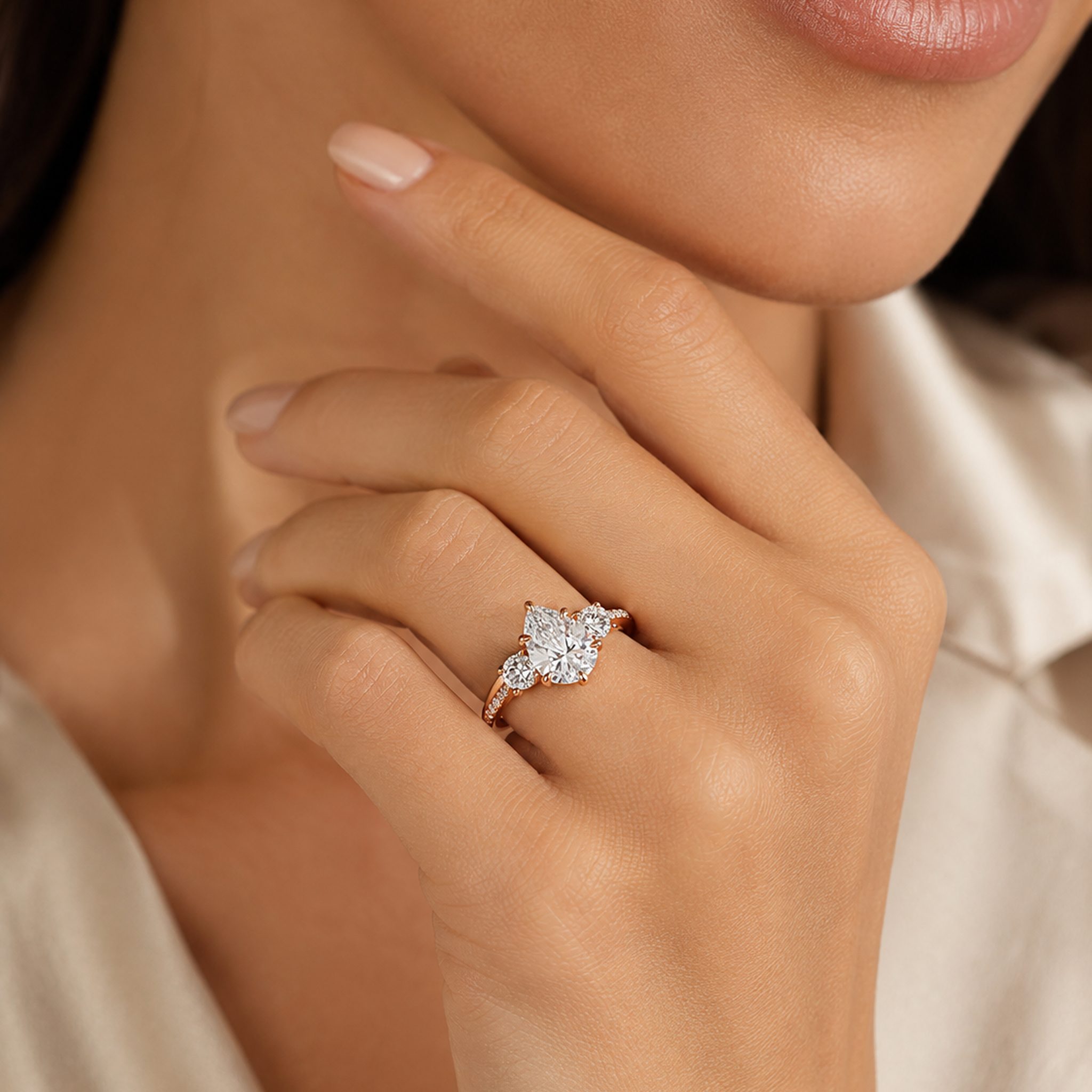


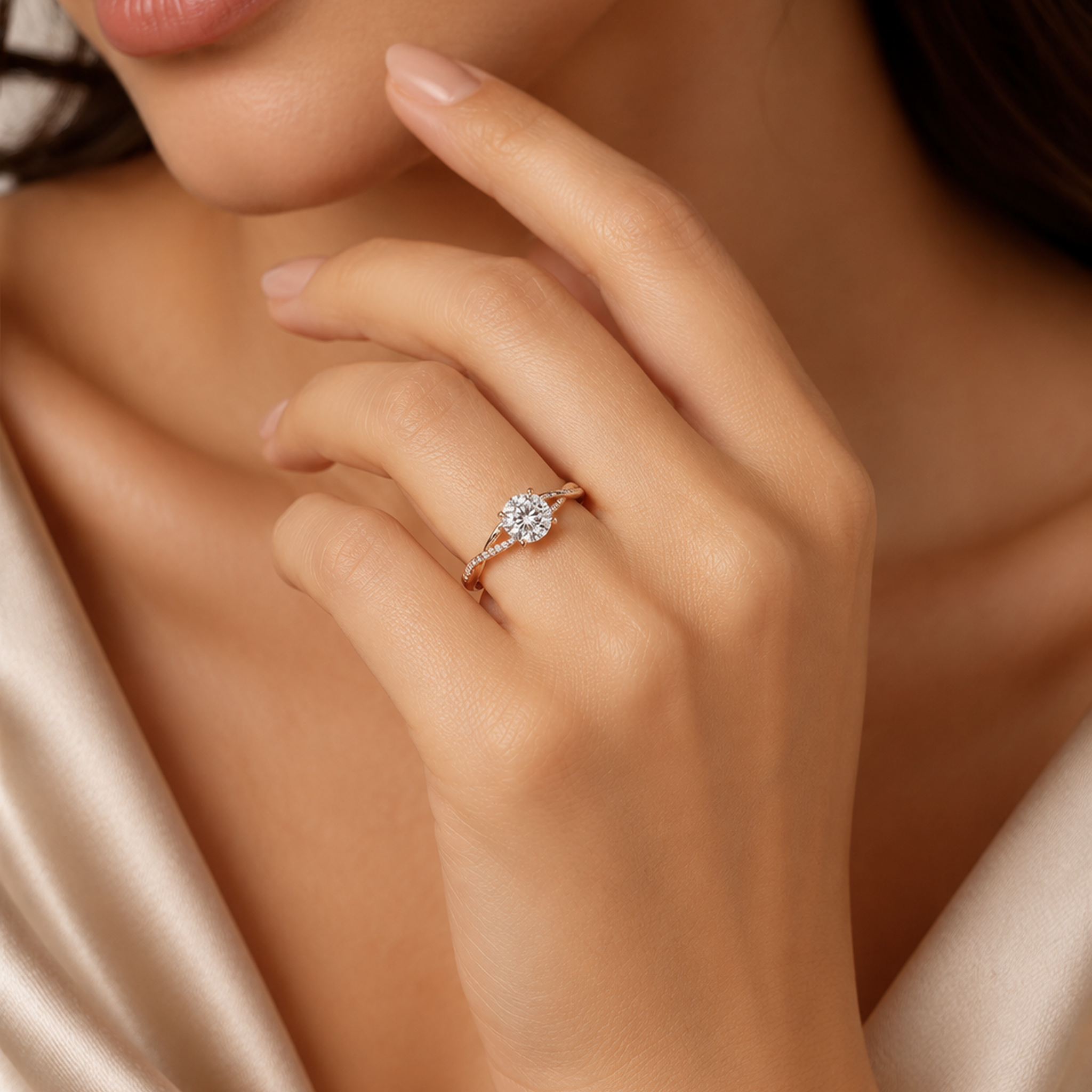


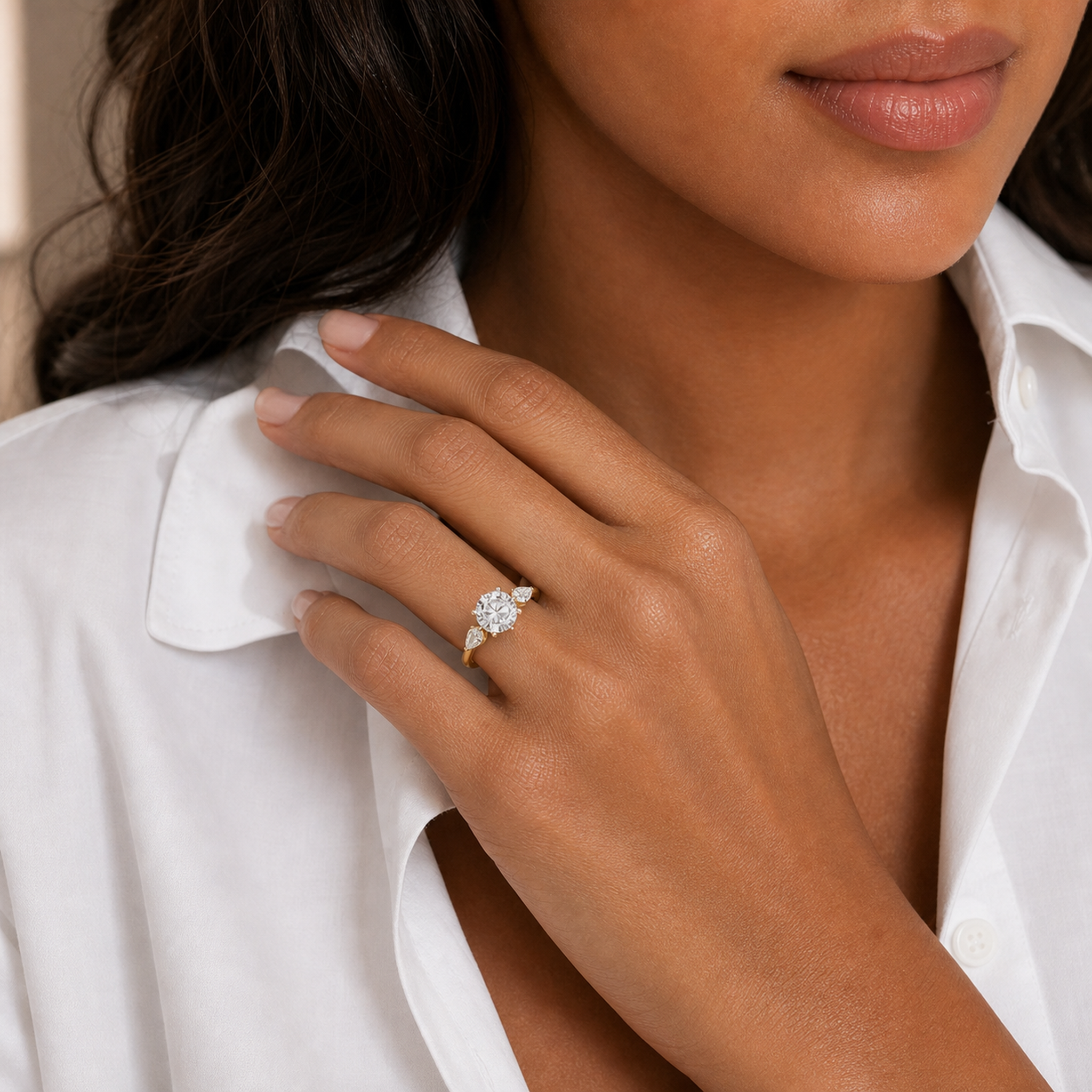
14K Yellow Gold Round Diamond Engagement Rings: A Golden Perimeter Around the Circle
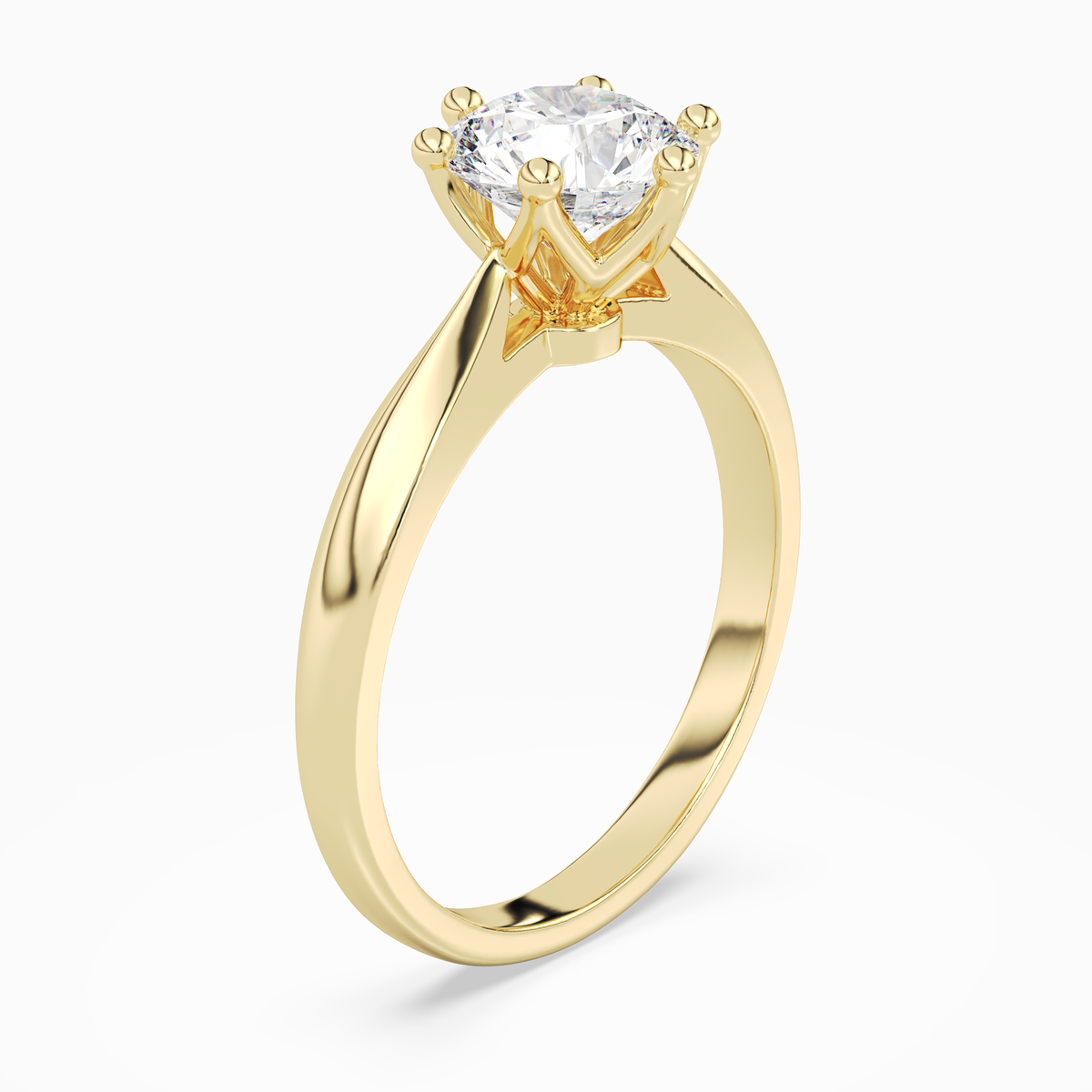
Yellow Gold makes the meeting between diamond and setting explicit. Around a round brilliant, its color can trace the prongs, reveal the basket, or carry the band directly toward the circular center. The contrast does not compete with the diamond when scale and spacing are controlled; it gives the edge a material definition.
The 14-design assortment includes seven Solitaires, four Halos, one Side Stone ring, and two Three Stone compositions. From an open basket to a double halo, and from a knife edge to a vine or split shank, each structure determines how much gold is visible and where the eye meets it first.
Gold Content Is Context, Not a Quality Rank
A 14K alloy contains approximately 58.3% gold. Exact shade, alloy formula, hardness, sensitivity profile, finish, and care remain product-specific. The karat mark provides composition context; it does not promise superior durability, a fixed yellow tone, or a maintenance-free surface.
The color appears strongest where more metal is exposed: wider shoulders, baskets, halo gaps, or side structures. Fine prongs create smaller points of gold. Compare equivalent constructions if deciding between metals, because a difference in setting architecture can be more visible than the karat label alone.
Use Contrast to Read the Round Outline
A round brilliant's light pattern is organized radially, but its edge is where the setting takes hold. Yellow prongs can mark that edge clearly. A halo places another bright perimeter beyond it. A Solitaire leaves open space around the circle, while Side Stone and Three Stone designs extend the ring across the finger.
None of these structures changes the center's cut grade. Brightness, fire, and scintillation come from the diamond's facet relationships and viewing conditions. Gold supplies contrast and direction; the independently graded center supplies the documented facts that describe its quality.
The Band Determines How Gold Approaches the Center
A cathedral shoulder lifts the line toward the basket. A knife edge creates a narrow ridge. A bypass bends around the center rather than meeting it symmetrically. Vine and split-shank designs open the band into multiple paths. These are materially different ways to frame the same circular outline.
Halo and Three Stone structures use more than one diamond relationship. In those rings, Yellow Gold can create separation between the round center and surrounding or flanking forms. The useful question is not whether gold is classic, but whether its visible intervals clarify the hierarchy of the complete ring.
Keep Color, Diameter, and Carat Distinct
Yellow Gold may create a warmer visual context, but it does not change the center's graded color. The amount of visible metal, prong treatment, accents, and lighting all affect perception. Review the actual center and configuration rather than relying on one universal color-grade recommendation.
Carat measures weight. Diameter and depth explain more of the round center's face-up scale, while the setting adjusts the total visual field. A halo can widen that field; a narrow band can increase surrounding negative space. Neither is evidence that the diamond itself has different dimensions.
Gold as a Deliberate Line
Wedding-band proximity depends on the engagement ring's lowest edges, halo, basket, shoulders, and side stones. A matching 14K Yellow Gold band can continue the color field, but matching material cannot guarantee flush fit, identical shade, or universal comfort.
Burvonti pairs responsibly sourced, independently graded lab-grown diamonds with settings resolved through proportion and human judgment. Custom possibilities may refine center specifications, prongs, basket, accents, band line, metal, or engraving where feasible. The golden perimeter becomes meaningful when every visible line has a reason.
Frequently Asked Questions
How does this page differ from the Round parent?
It explains how 14K Yellow Gold creates a visible perimeter around a round center across the current 14-design material assortment.
How much gold does 14K Yellow Gold contain?
Approximately 58.3%. The complete alloy and finish determine the final shade and behavior.
Is every 14K yellow gold ring the same color?
No. Alloy, finish, lighting, photography, and visible metal area affect appearance.
Does Yellow Gold change diamond color grade?
No. It changes the surrounding visual context, not the independently graded color.
Can Yellow Gold increase brilliance?
No. Brilliance and related light behavior belong to the diamond's cut and viewing environment.
What setting range is available here?
The verified page contains seven Solitaire, four Halo, one Side Stone, and two Three Stone designs.
Why is the perimeter important for a round center?
It is where prongs or a bezel-like boundary meet the continuous outline, making metal scale and placement especially visible.
Do halo rings change center diameter?
No. They extend the surrounding field while the center's documented diameter remains unchanged.
How should I compare carat and diameter?
Treat carat as weight and diameter as face-up measurement, then consider depth, girdle, cut, and setting scale.
Is 14K Yellow Gold more durable than 18K?
No universal hierarchy should be promised. Alloy, construction, dimensions, wear, and care all matter.
Can the gold surface scratch?
Yes. No gold surface is scratch-proof, and fine marks can accumulate with wear.
Will a matching band sit flush?
Not necessarily. Basket, halo, side stones, shoulders, and height determine contact.
What can Burvonti personalize?
Custom possibilities may include center specifications, prongs, basket, accents, band, metal, or engraving, subject to feasibility.