


Lab-Grown Diamond Stacking Bracelets
A stack is composed in the space between each piece. Explore diamond bracelets through proportion, movement, contrast and contact.


















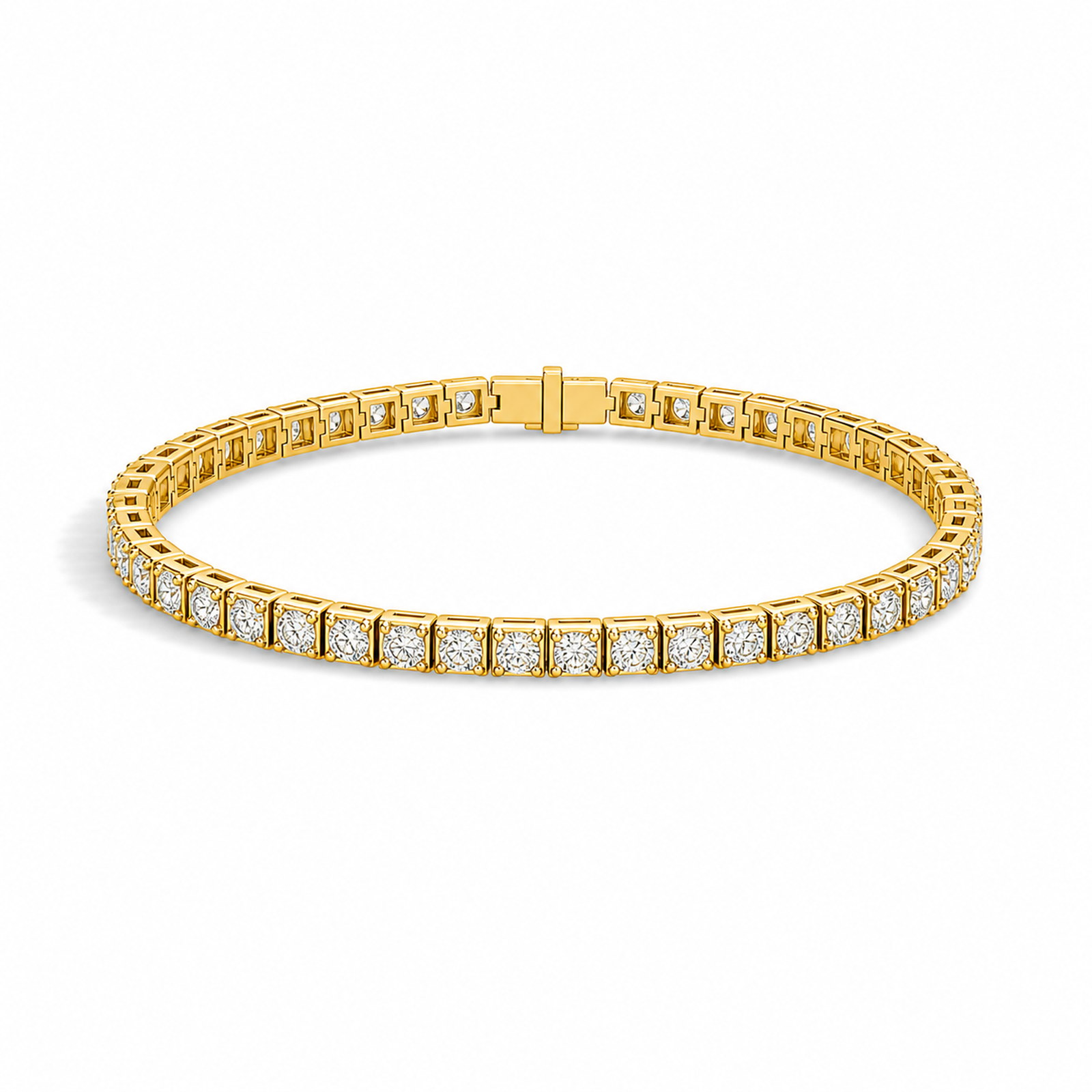
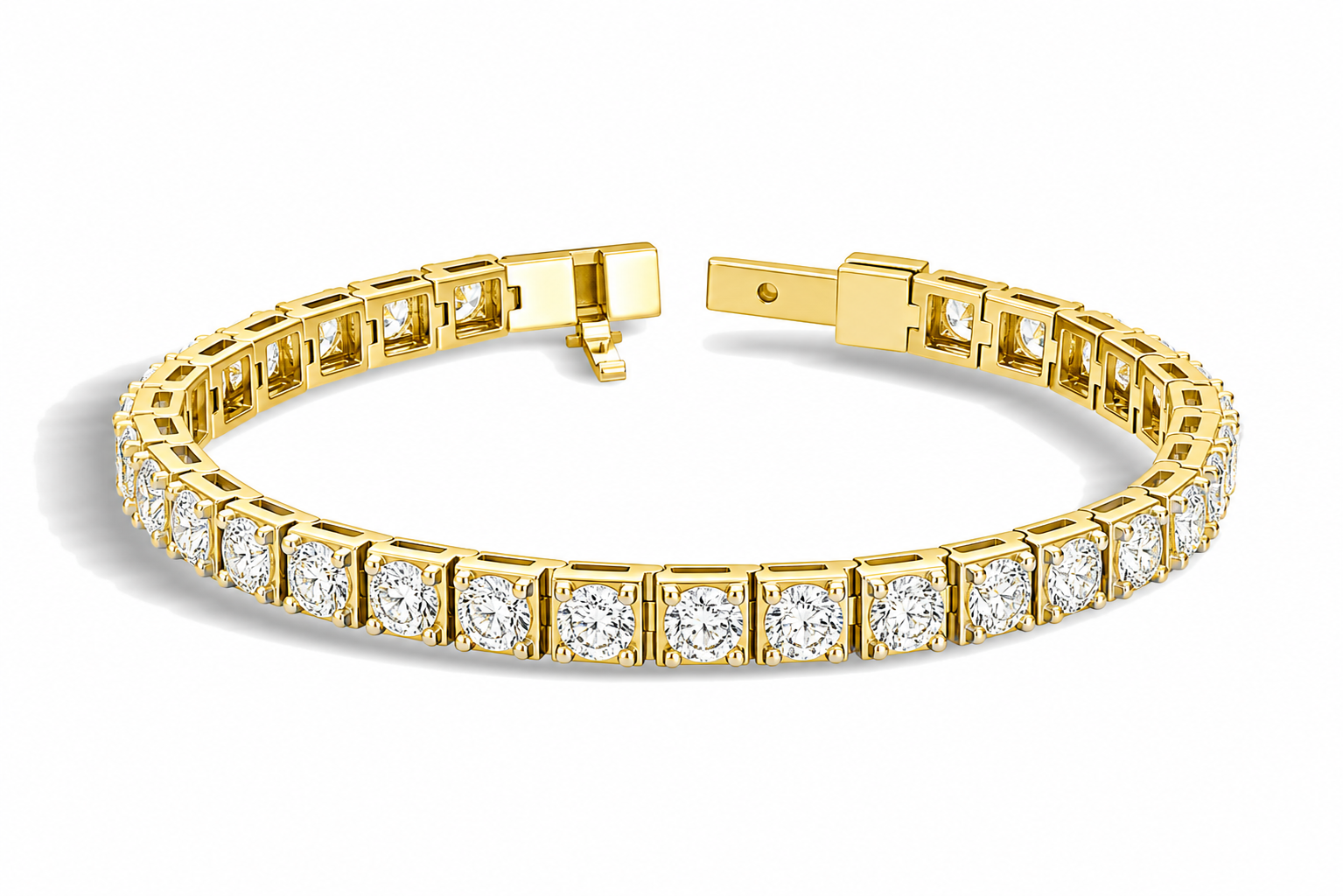

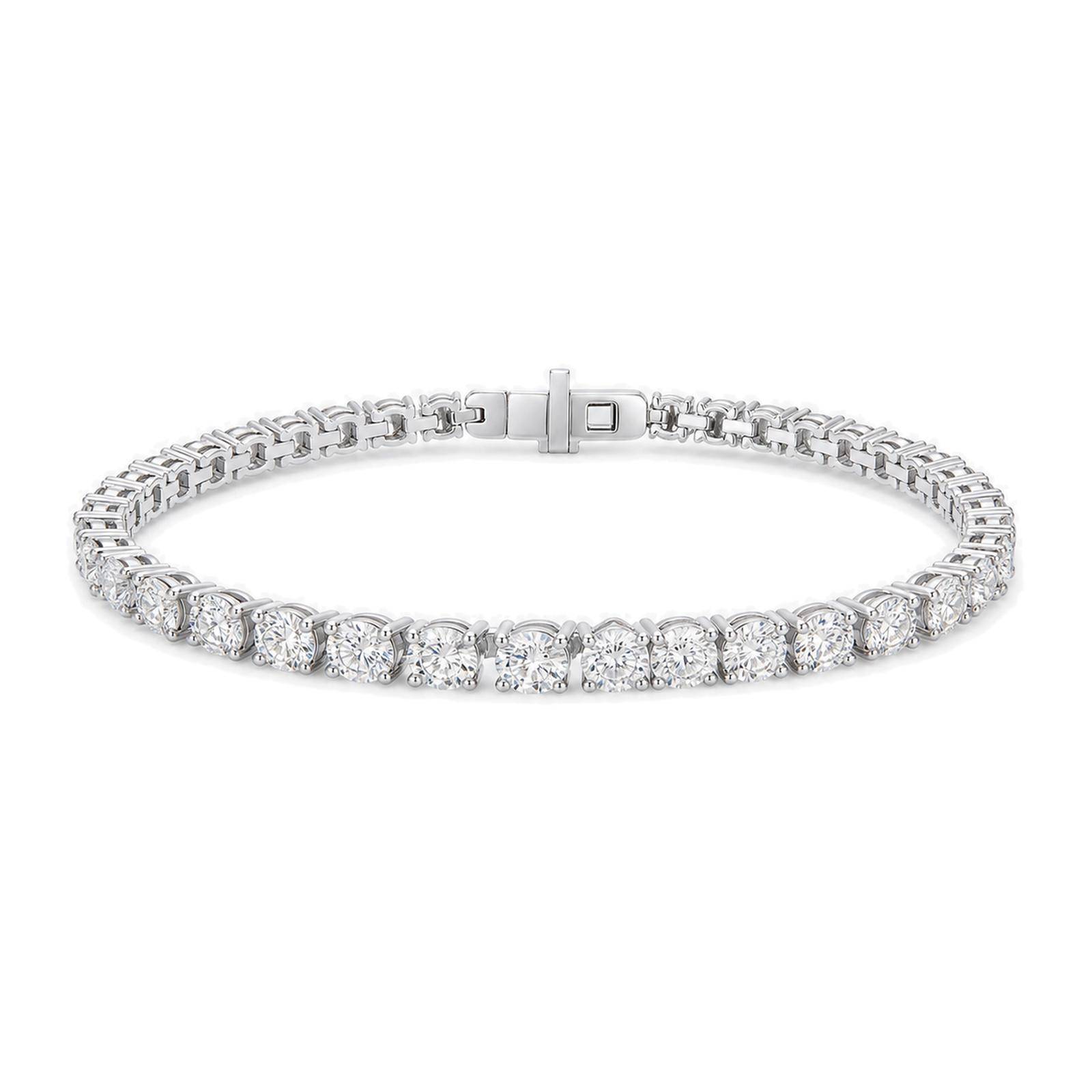
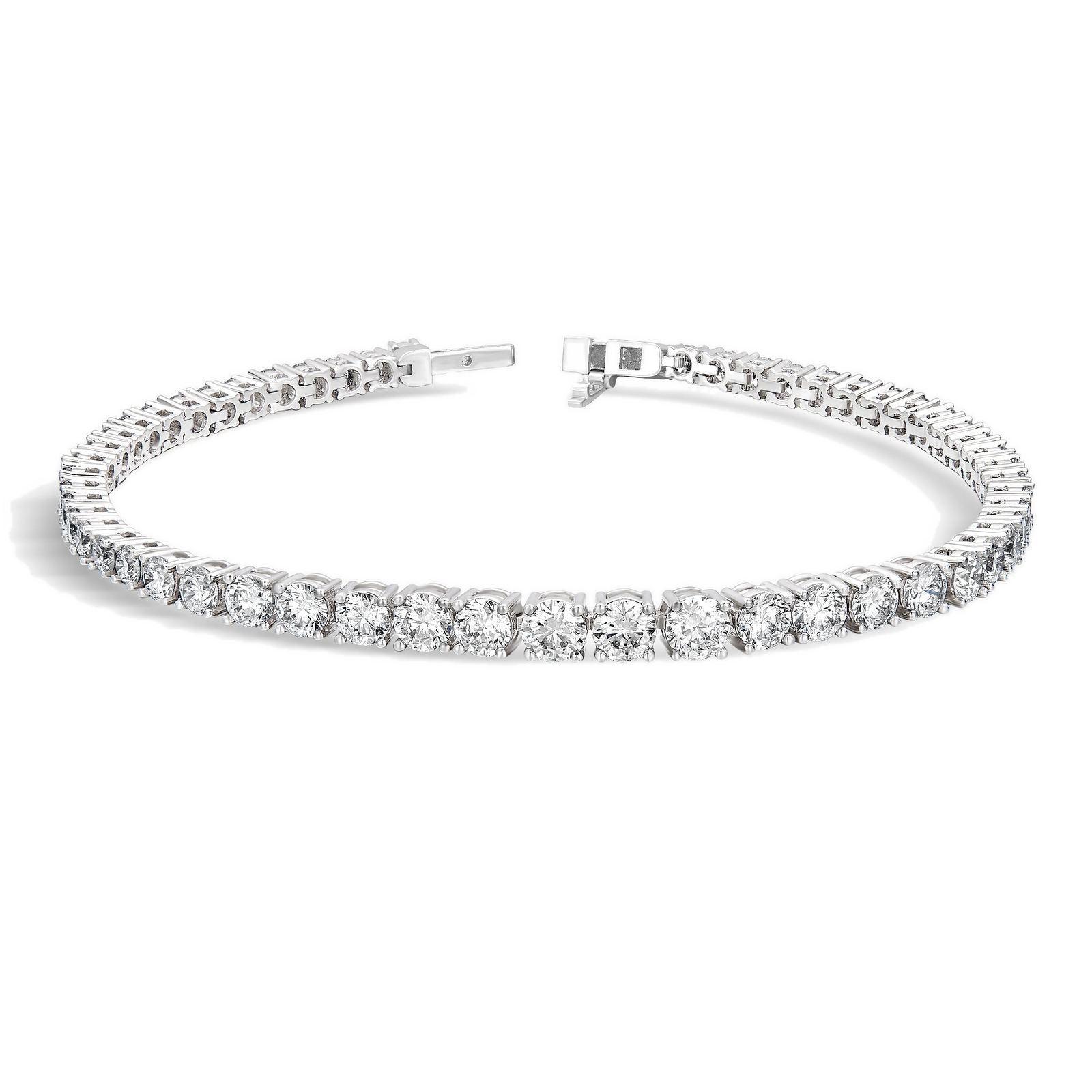

- Free Express Shipping
- Free Resizing
- 60-Day Free Returns
- Lifetime Warranty
The Space Between Each Line
A bracelet stack is not measured by how much it contains, but by how clearly each line can be read. One piece may establish the composition; another may introduce an interval, a change in structure, or a quieter point of light. The space between them is active. It allows different widths, profiles, and diamond rhythms to meet without becoming visually indistinct.
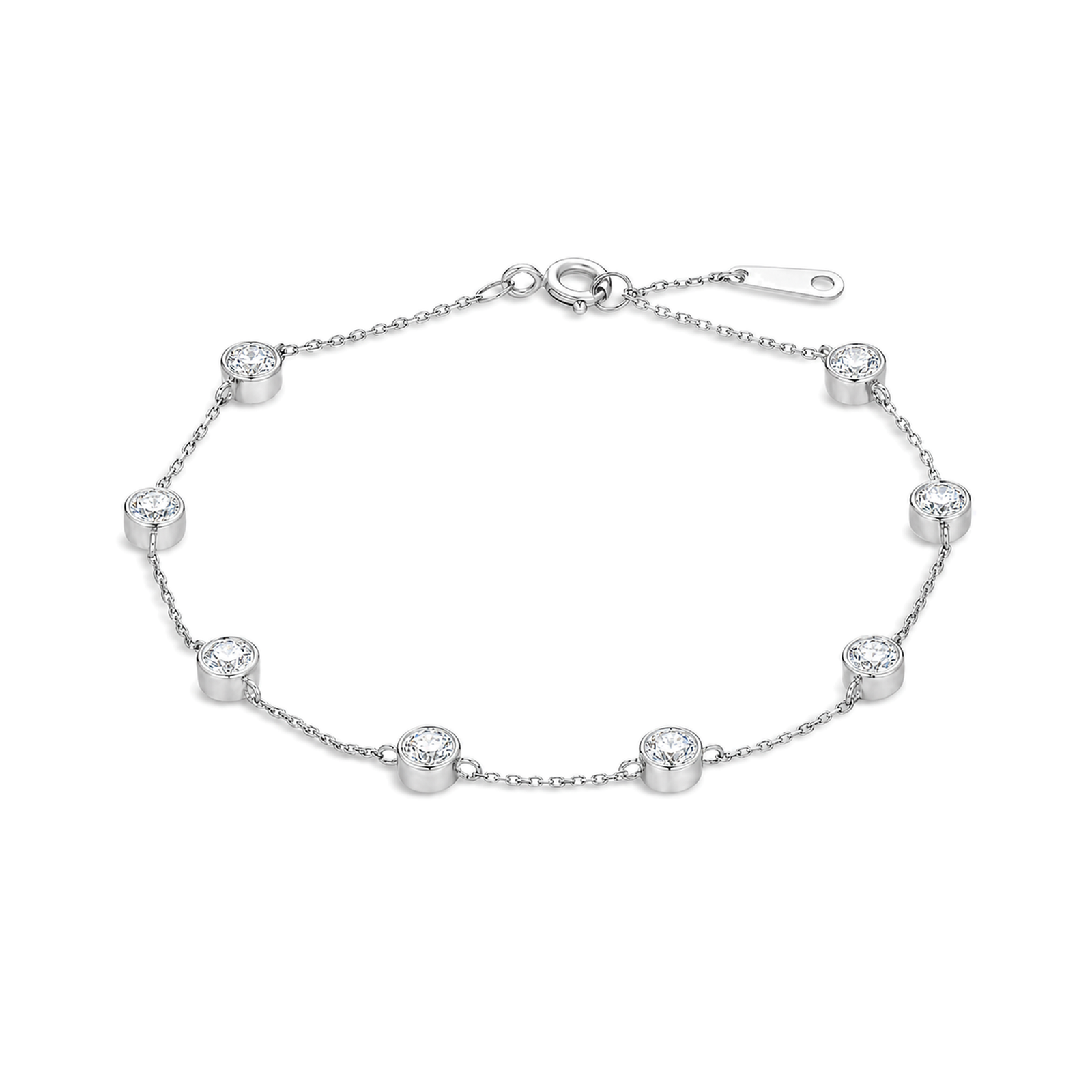
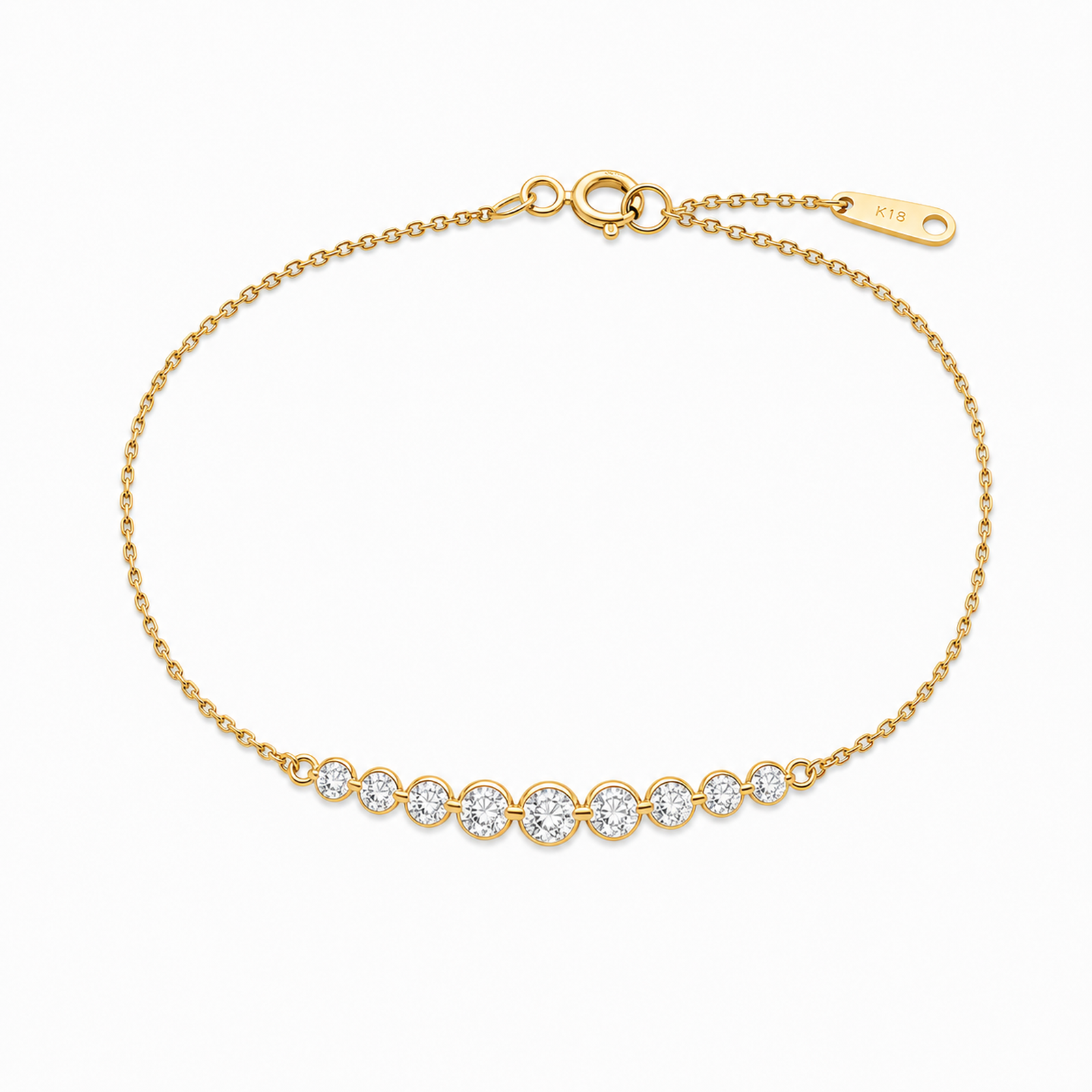
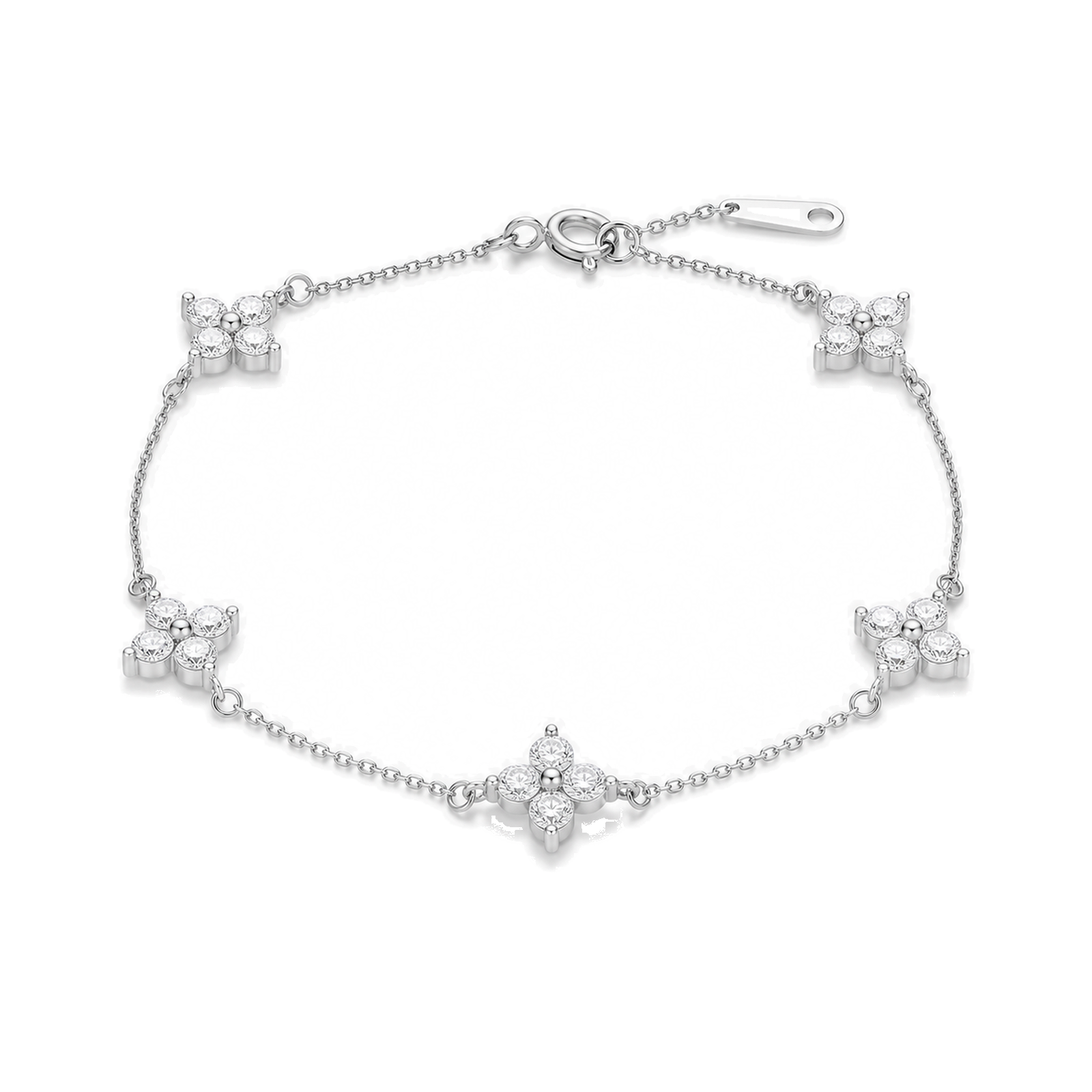
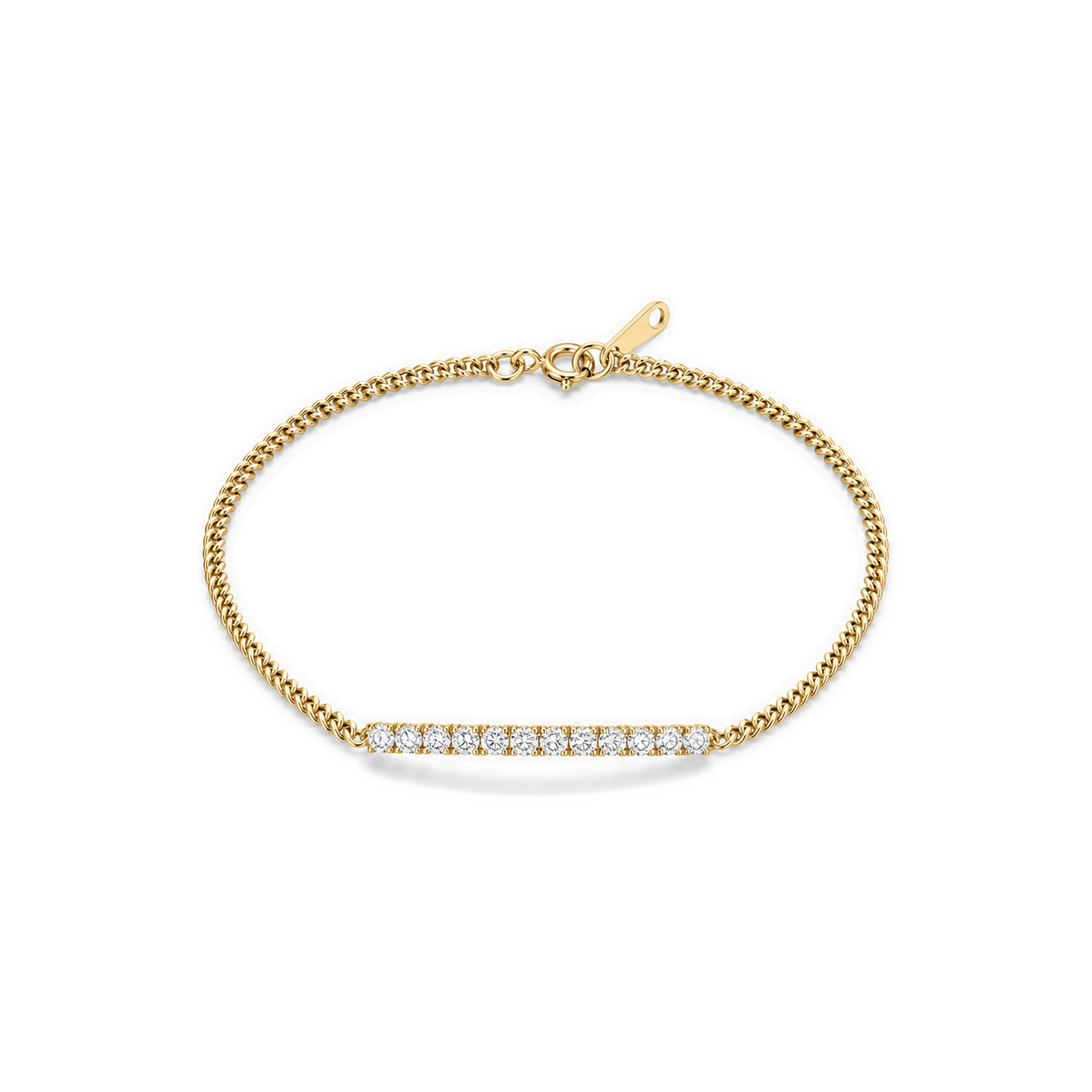
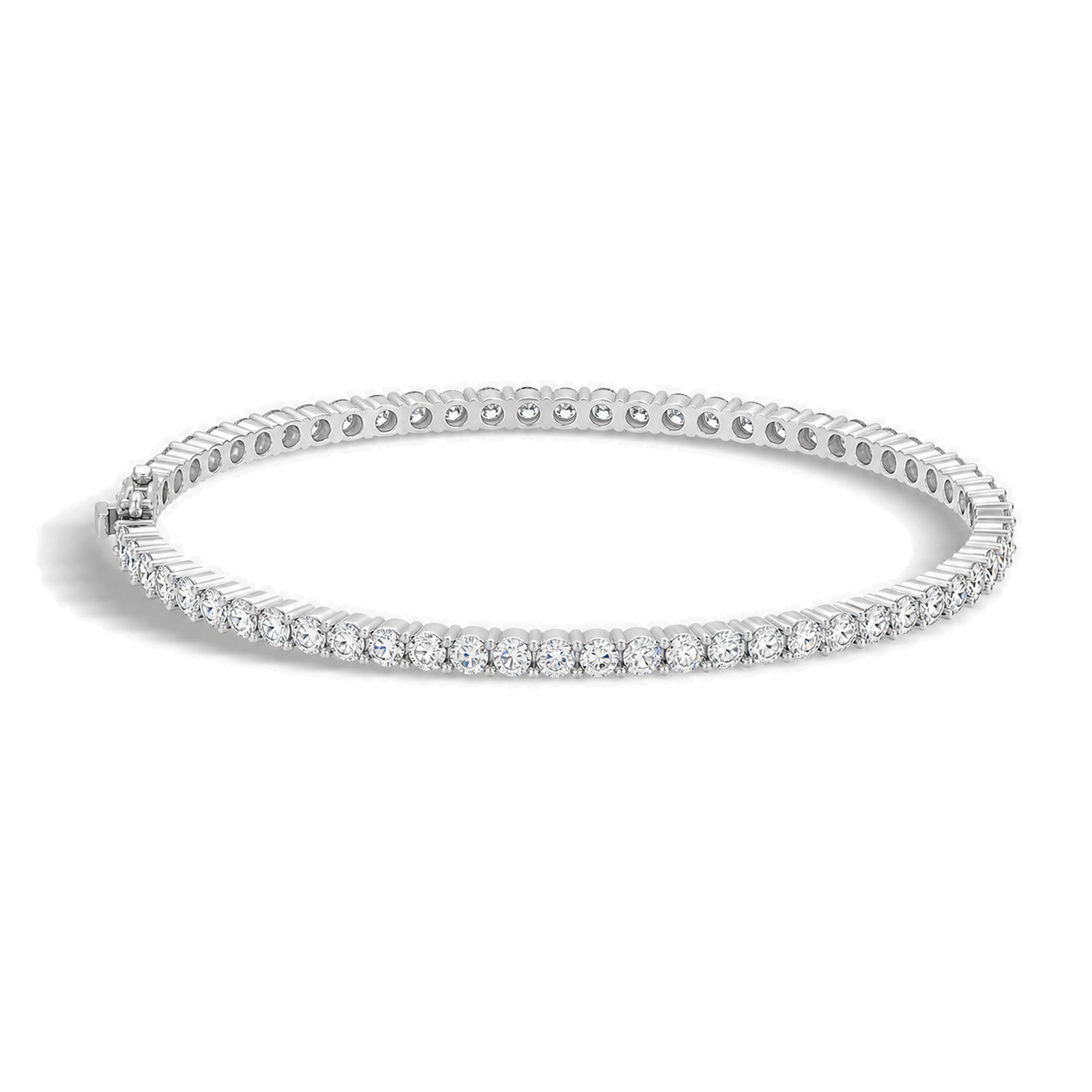
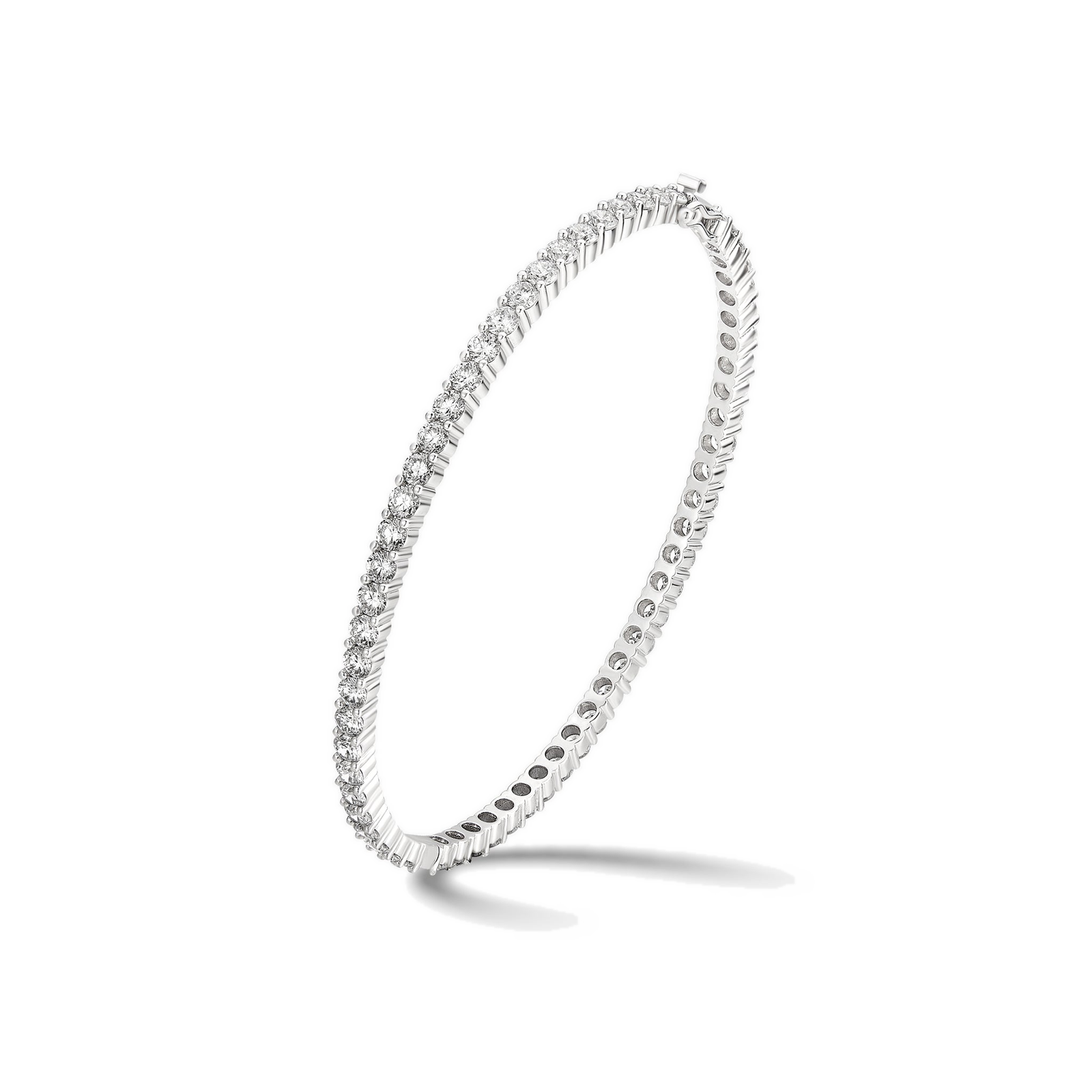
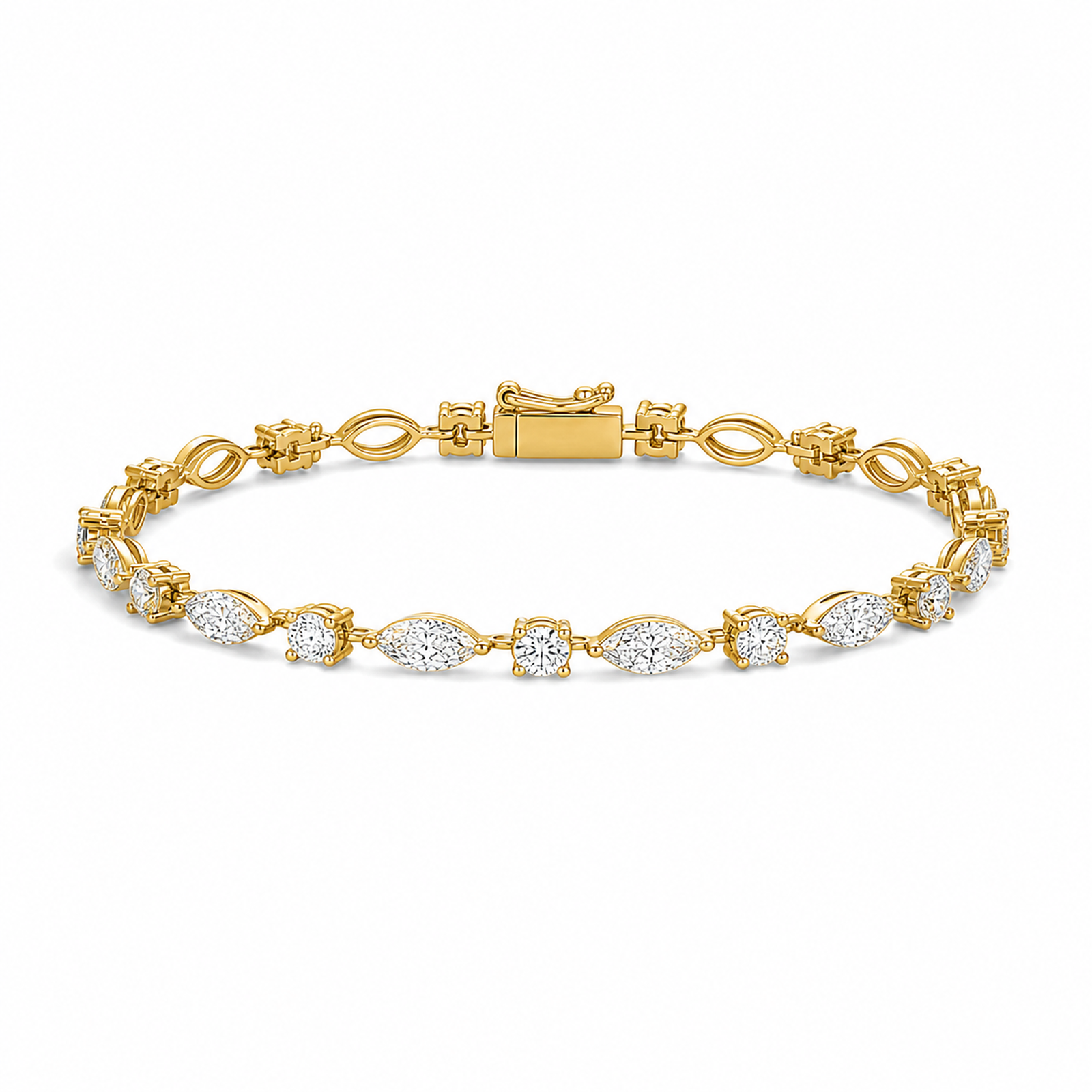
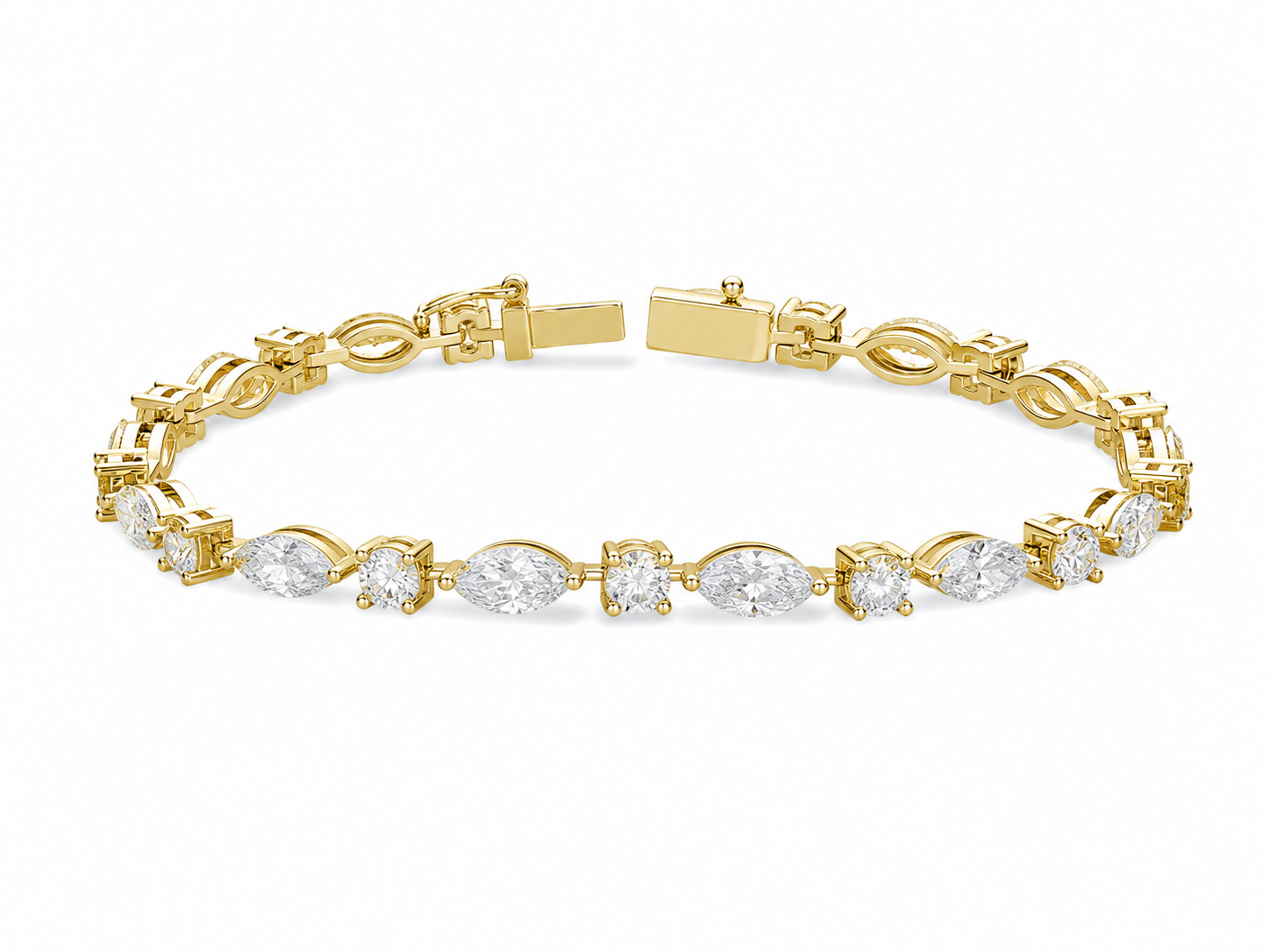
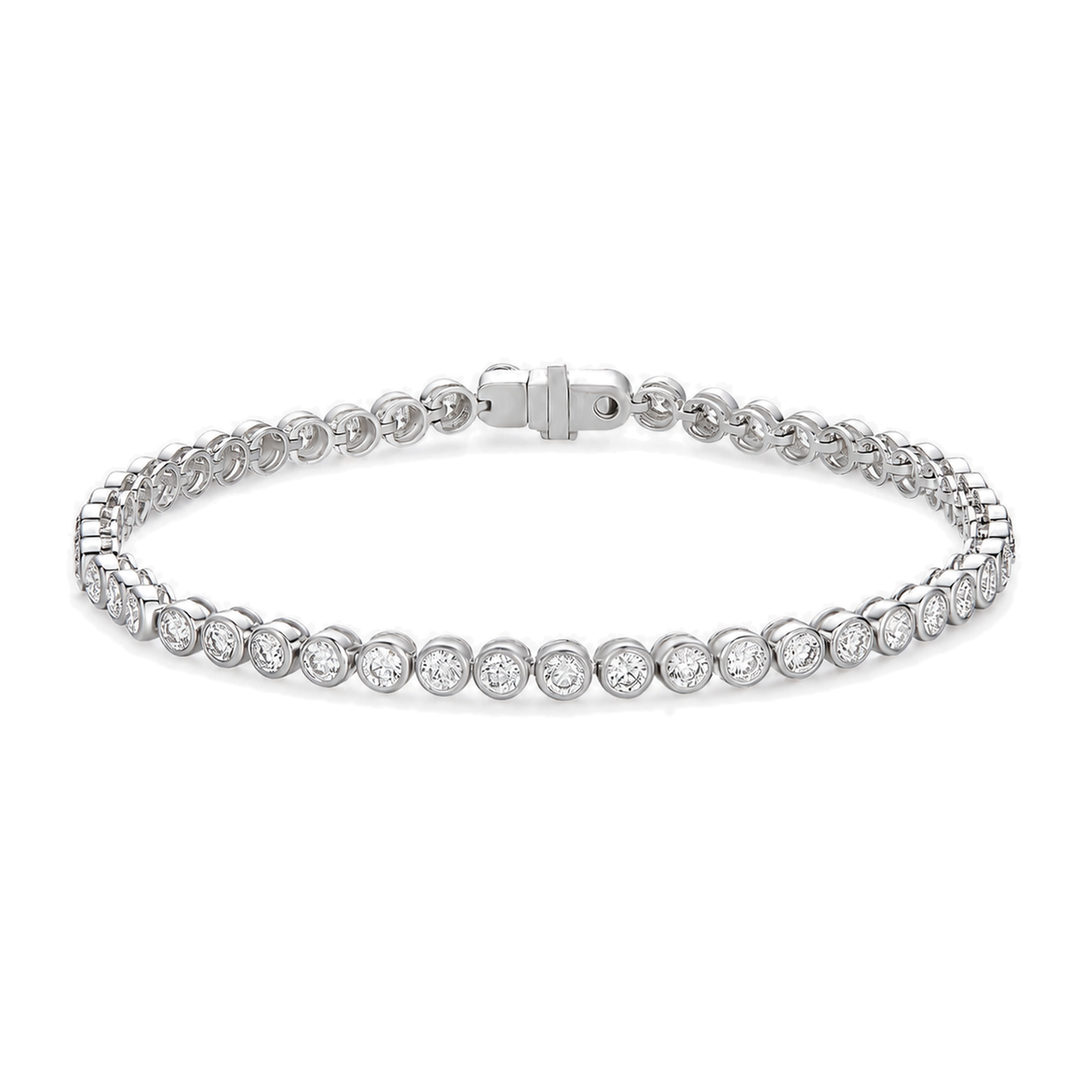
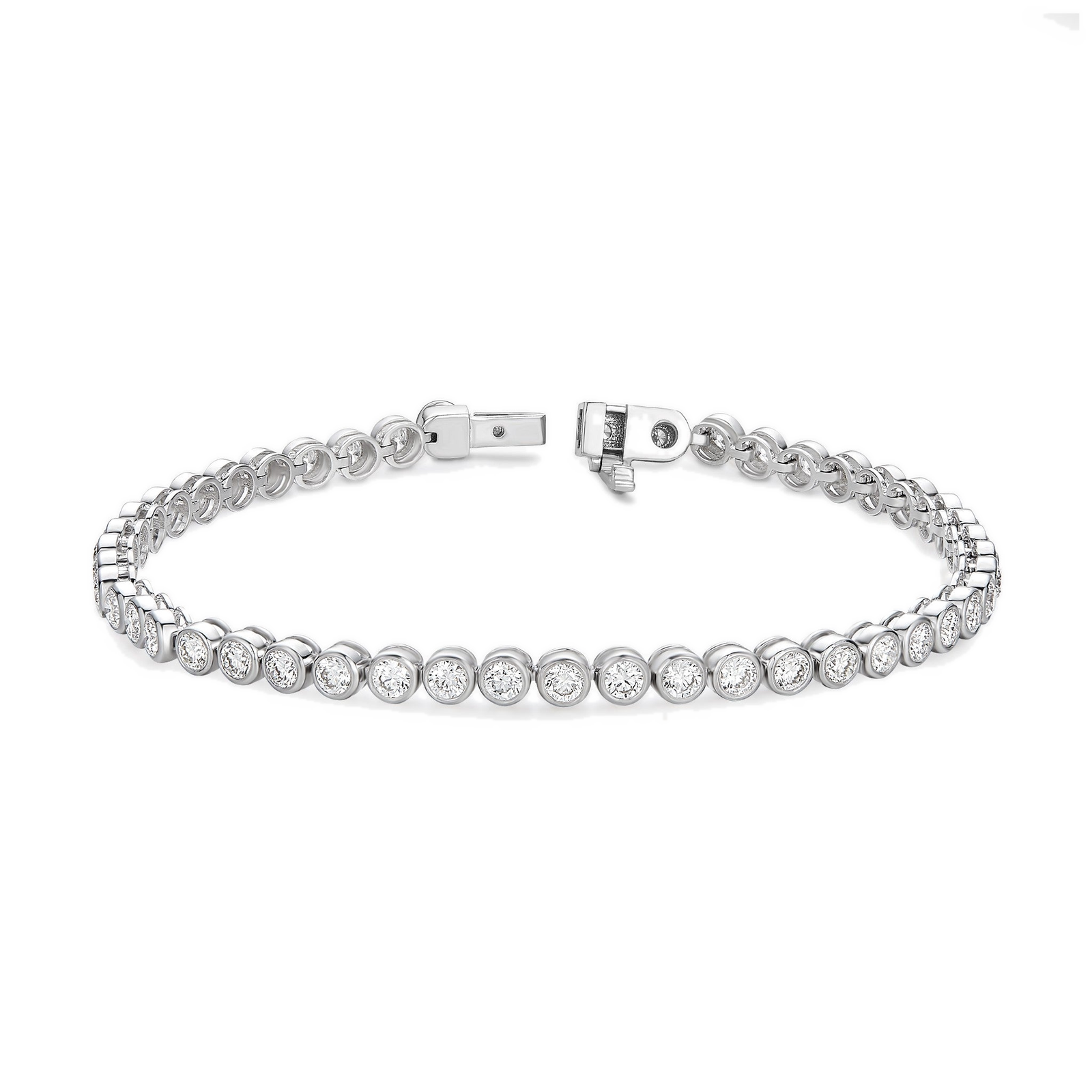
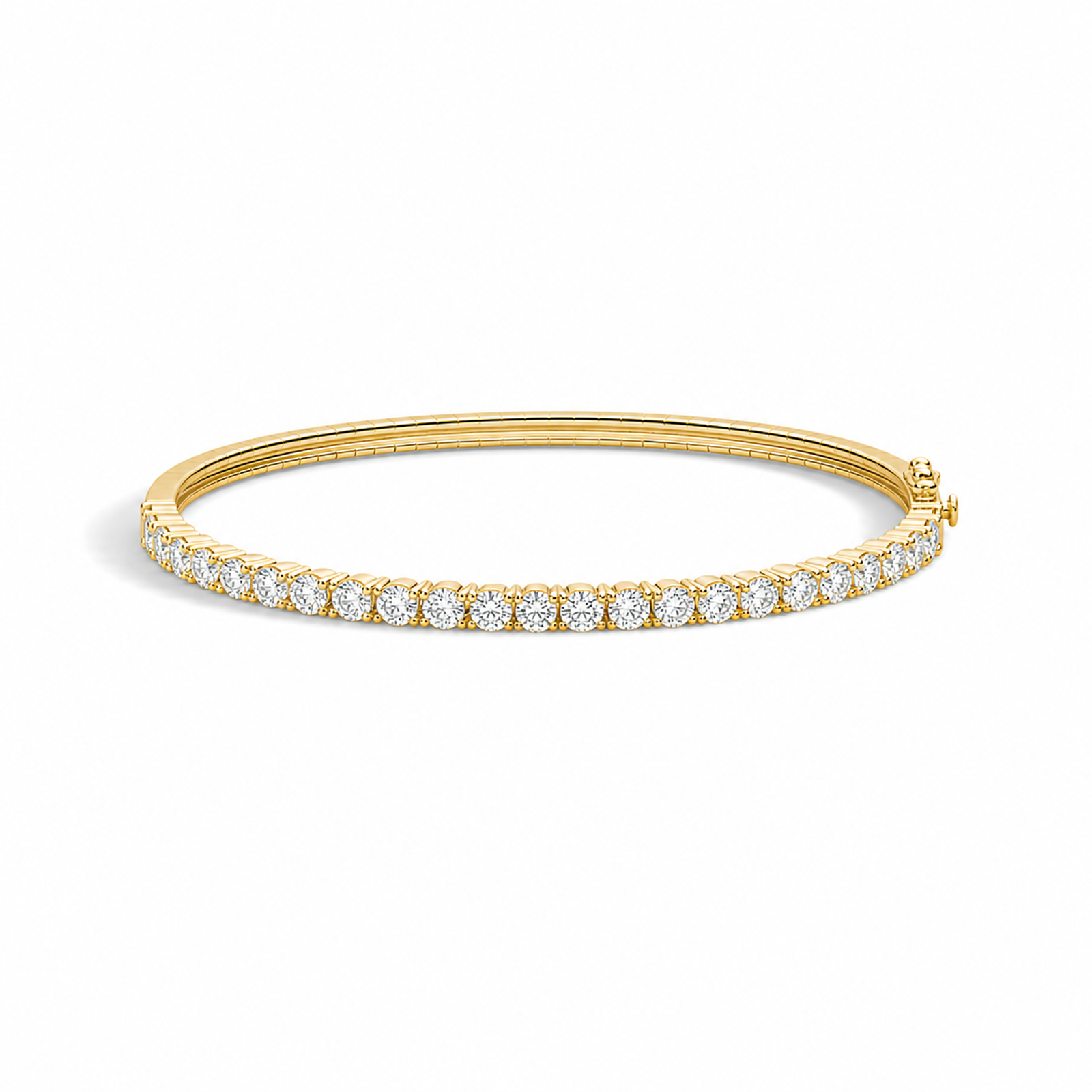
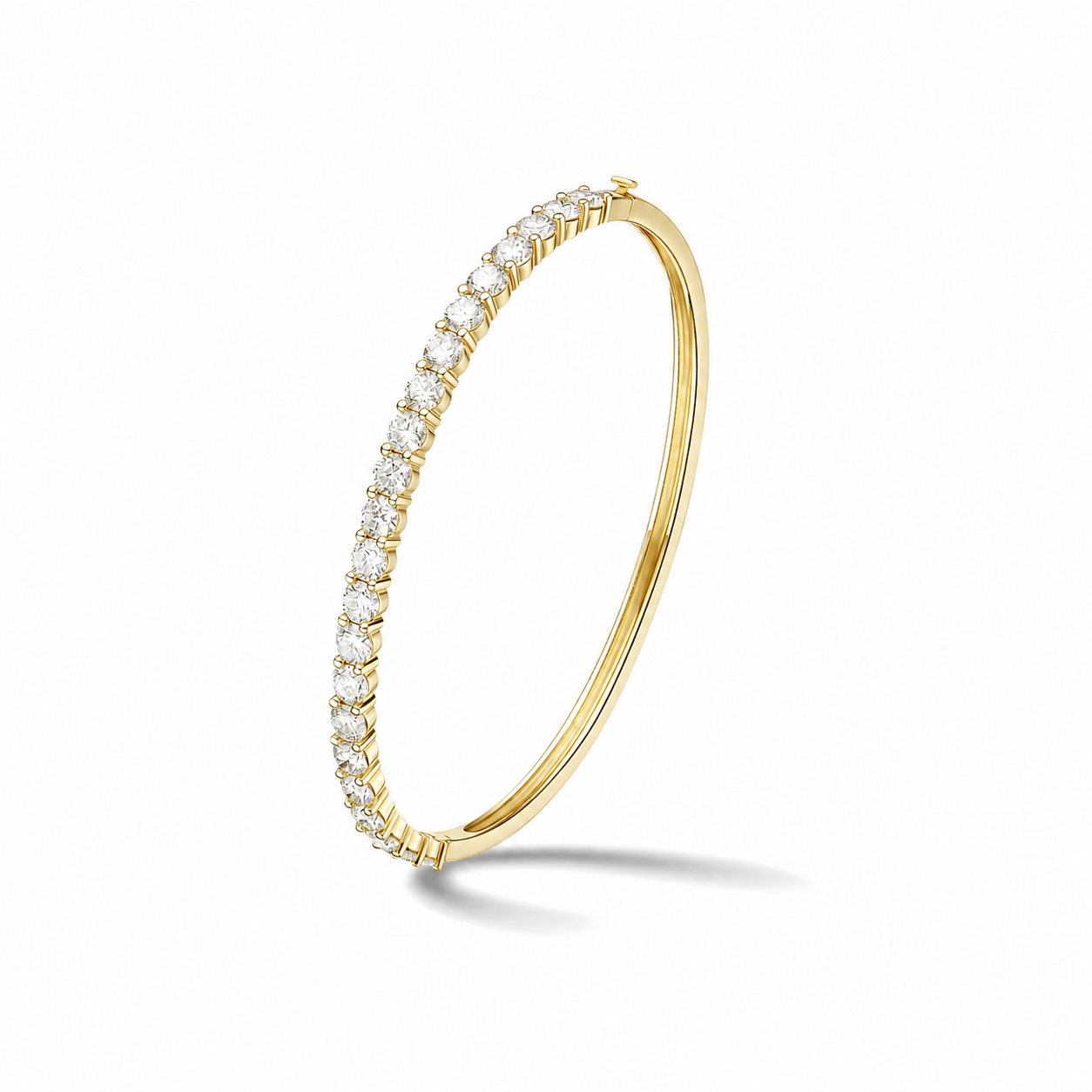
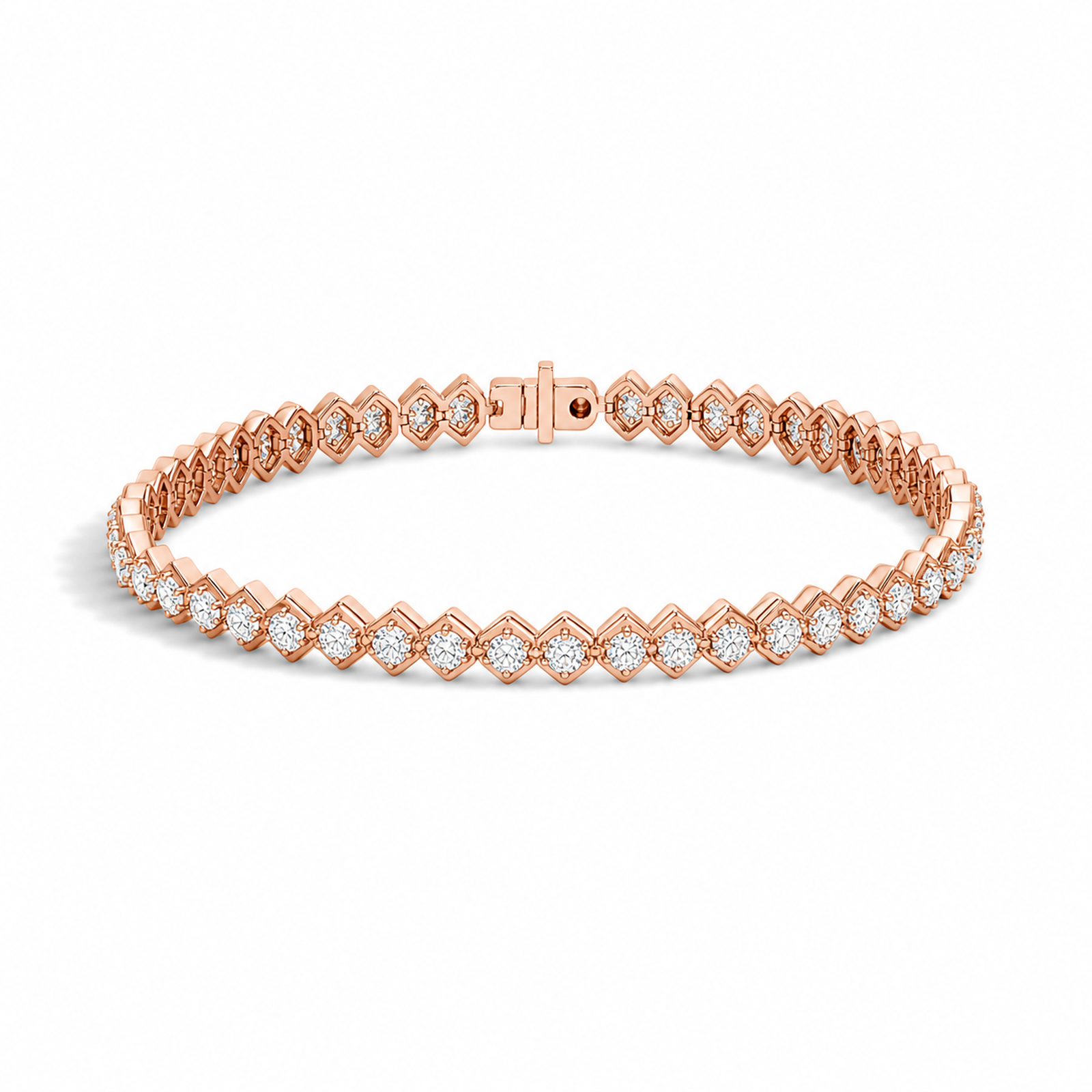
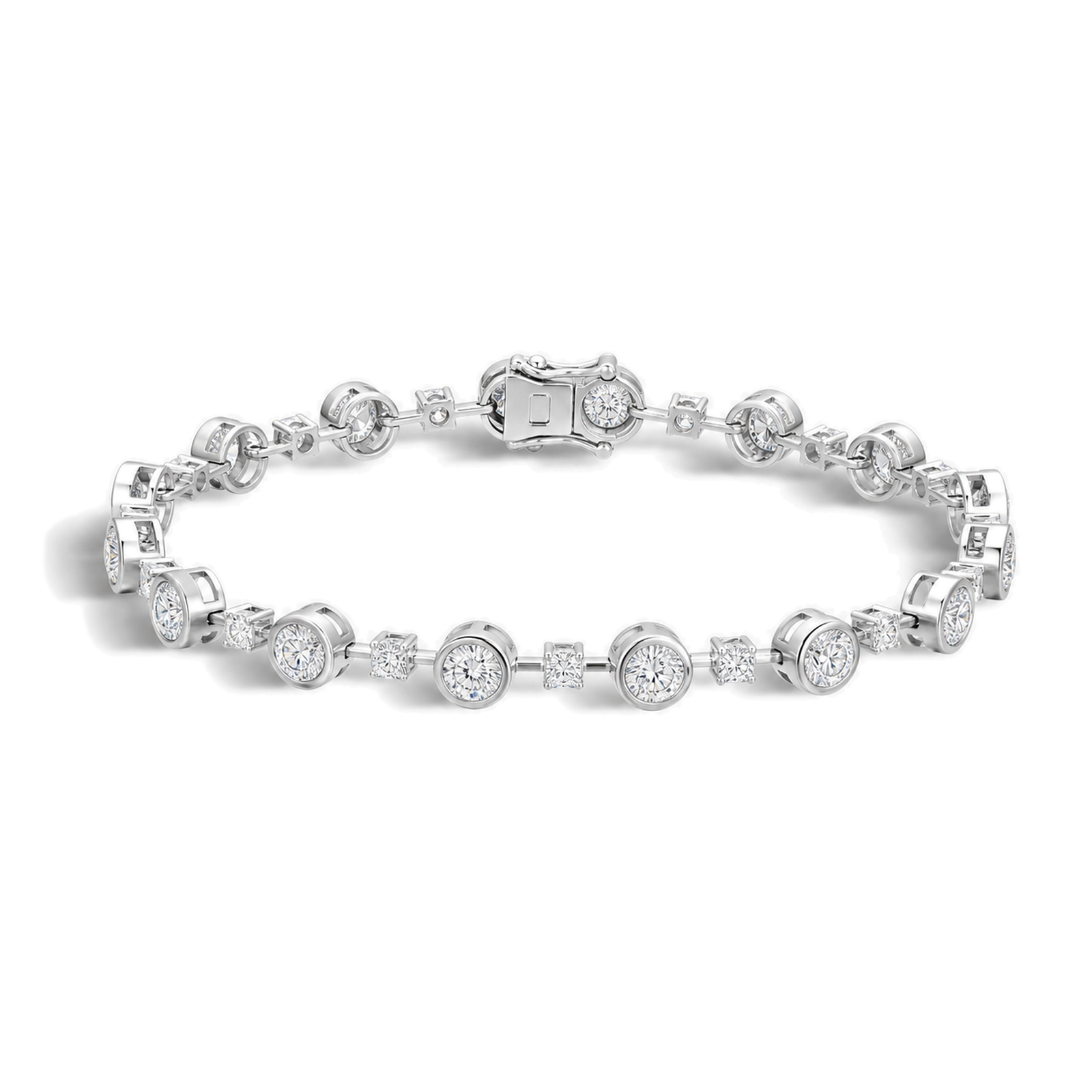
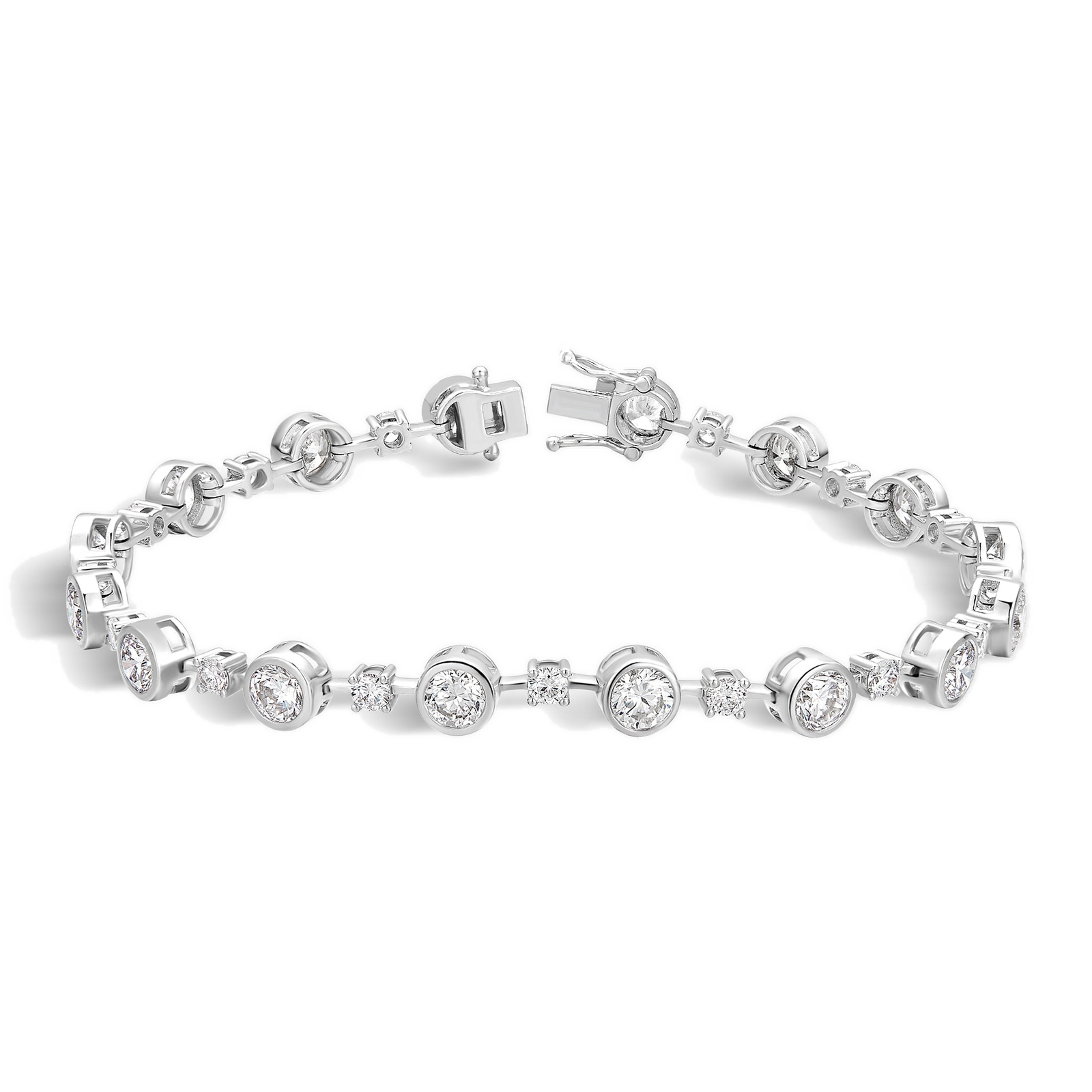
Burvonti’s current public Stacking Bracelet Collection contains 13 designs, exactly matching the current Bracelet and Fashion Bracelet Collections at the product-card level. The range includes chain-led stations, a graduated curve, multi-station charms, a bar, extended tennis lines, interlocking and box-link rhythms, mixed shapes, and two bangle constructions. This page therefore explains how those bracelets may relate when worn together; it does not invent a separate stackable construction or exclusive assortment.
Begin with a Line Worth Returning To
An anchor does not need to be the widest, most diamond-intensive, or most expensive piece. It is simply the line that gives the arrangement its point of view. A tennis bracelet can establish repetition. A structured bangle can define an edge. A station chain can introduce open intervals, while a bar, curve, charm, or interlocking design can create a focal interruption.
Choose that first relationship by silhouette and rhythm, then assess what the neighboring piece contributes. If it only repeats the same width, interval, and movement without adding clarity, the composition may need editing rather than another layer. Two well-resolved lines can be more expressive than a larger number with no hierarchy.
Proportion Is Read Across the Whole Wrist
Width is only one part of visual scale. Setting height, diamond count, negative space, link density, metal visibility, and the distance between focal elements all influence presence. A fine station bracelet can create a pause beside a continuous diamond line; a broader or more structured bangle can act as a boundary. Similar widths can also work when their rhythms are deliberately related.
There is no universal rule that a stack requires three pieces, an odd number, or a fixed portion of the forearm. Wrist circumference and shape, garment cuffs, hand movement, watch size, and the actual dimensions of every bracelet change the result. Evaluate the composition from above, in profile, and while the wrist moves—not only in a still front-facing image.
Movement and Contact Must Be Considered Together
Chain-led designs may drape and rotate more freely; articulated diamond lines follow the wrist through connected settings; bangles carry more of their own arc. Placed together, those structures can cross, press, strike, or slide against one another. A visually balanced stack is not automatically mechanically compatible.
Inspect setting edges, prongs or bezels, link transitions, bangle hinges or joints where present, and the direction each closure faces. Leave working room around clasps and focal settings. Spacing and order may reduce some unwanted contact for a particular wearer, but no arrangement can promise freedom from abrasion, impact, catching, tangling, pressure, or rotation.
A Watch Changes Both Rhythm and Mechanics
A watch introduces a larger case, fixed hardware, a strap or bracelet, and a different center of weight. A diamond bracelet may sit on the hand side, the forearm side, or on the opposite wrist. The choice is aesthetic and practical: compare case edge, crown, clasp, band links, finish, bracelet profile, and how far each object travels during ordinary motion.
A smartwatch adds screen and sensor considerations but does not create one universal stacking order. Avoid claiming that a particular bracelet position protects either object. If direct contact is frequent or the combination restricts movement, separate the pieces, change wrists, or reduce the stack.
Metal Can Unify or Draw a Deliberate Boundary
The current cards represent six designs in 14K White Gold, five in 14K Yellow Gold, and two in 14K Rose Gold. Repeating one metal can create continuity across different structures. A controlled metal contrast can make a bezel, prong line, chain interval, bar, or bangle edge more legible. Neither approach is inherently more refined.
Consider finish, rhodium plating where applicable, skin context, watch hardware, and the amount of visible metal in each design. Mixing metals does not establish compatibility, durability, or sensitivity outcomes. The best relationship is the one whose contrast remains intentional when the pieces shift, rather than depending on one perfectly aligned moment.
Fit Belongs to the Complete Arrangement
Current chain and articulated descriptions list either 6.3 or 6.7 inches, while the two bangle descriptions do not publish a length in the same field. Those numbers cannot be converted into one stacking allowance. A closer-fitting line, a freely moving chain, and a structured arc occupy the wrist differently, and the widest point of the hand may matter for some constructions.
Measure where each piece is intended to sit and compare product-specific length, internal dimensions, width, thickness, closure, and movement. Graduating lengths can create separation, but it can also let pieces travel into one another. Resizing or altering a diamond sequence is not universally possible and requires technical review.
Total Weight Does Not Add Up to a Styling Formula
All 13 current products use Total Carat Weight as an option label. Across a stack, adding those totals describes combined diamond material only. It does not describe individual stone size, complete width, coverage, visual balance, contact, or how diamonds are distributed between the pieces. A spaced station line and a closely repeated tennis line can carry very different presence at the same stated total.
Read each bracelet independently before reading the stack. Compare shape, count, sequence, setting, width, interval, and coverage where published. Burvonti does not prescribe a minimum or maximum total for everyday, formal, subtle, or statement wear.
Build Slowly, Then Care for Every Relationship
A stack may begin with one bracelet and develop over time. Photographs of the existing piece, accurate wrist measurements, metal and setting details, and a clear description of movement can make a future addition more considered. Custom possibilities may refine length, sequence, coverage, metal, closure, or scale when technically feasible; they do not guarantee compatibility with every existing piece.
Burvonti uses responsibly sourced lab-grown diamonds and supports independent grading and certification where applicable. Confirm how documentation applies to each selected bracelet. Clean and inspect pieces separately, including diamonds, settings, links, joints, chains, and closures. Store them without abrasive contact rather than leaving the stack assembled.
Frequently Asked Questions
What is a stacking bracelet?
It is a bracelet selected to work within a layered wrist composition. Stackable does not define one setting, width, clasp, or construction.
Is the current Stacking Bracelet Collection different from the Bracelet Collection?
Its purpose is different, but its current 13 product cards exactly match the parent Bracelet Collection. This page owns stacking guidance, not an exclusive assortment claim.
How many bracelets should be in a stack?
There is no required number. Two resolved lines may be sufficient; wrist size, widths, structures, movement, clothing, and desired presence should guide the choice.
Does a bracelet stack need an anchor piece?
Not necessarily, but identifying one dominant rhythm can help. The anchor may be a tennis line, bangle, station chain, bar, curve, charm, or another personally significant piece.
Can I mix tennis bracelets, chains, and bangles?
Yes, after comparing width, profile, articulation, setting edges, closures, movement, and contact. Visual contrast does not prove mechanical compatibility.
Can I mix different bracelet widths?
Yes. Width contrast can create hierarchy, while similar widths can create continuity. Complete profile and setting height matter as much as the face-up width.
Should bracelets be arranged from heaviest to lightest?
No universal order applies. Weight, width, movement, clasp position, wrist shape, and contact determine how the pieces actually behave.
Can I wear stacked bracelets on both wrists?
Yes. Dividing the composition can reduce visual density on one wrist, but comfort, activity, watches, and each bracelet’s movement remain individual decisions.
Can I stack a diamond bracelet with a watch?
It can be styled beside or opposite a watch, but case edges, crown, band, clasp, finish, movement, and repeated contact should be assessed.
Can I stack a diamond bracelet with a smartwatch?
Possibly. Consider screen, sensor, case, band hardware, bracelet profile, movement, and direct contact; no position guarantees protection for either object.
Can I mix white, yellow, and rose gold bracelets?
Yes as an aesthetic choice. Compare visible metal, finish, settings, watch hardware, and contrast; mixed metals do not create a universal wear or sensitivity outcome.
How can I stop stacked bracelets from tangling?
Different lengths, profiles, or structures may reduce some crossing, but no arrangement is tangle-proof. Observe movement and separate pieces when necessary.
Will spacing prevent stacked bracelets from scratching?
No guarantee applies. Spacing can change contact, but movement can still cause abrasion, impact, pressure, catching, or rotation.
How should stacked bracelets fit?
Measure each intended wrist position and assess length or internal dimensions, width, thickness, structure, closure, desired movement, and neighboring pieces together.
Should every bracelet in a stack have a different length?
Not necessarily. Graduated lengths may create separation but can also allow pieces to travel into one another. Product-specific behavior matters.
How should Total Carat Weight be compared in a stack?
Read each bracelet first. Combined total does not reveal individual stone size, distribution, width, coverage, hierarchy, or mechanical relationship.
Can I build a bracelet stack over time?
Yes. Preserve measurements and product details for existing pieces, then compare each new bracelet’s structure, profile, metal, closure, and movement.
Can a bracelet be customized for an existing stack?
Length, sequence, coverage, metal, closure, or scale may be possible after technical review, but compatibility with every existing piece cannot be guaranteed.
Are all diamonds in stacked bracelets independently graded?
Do not assume one report identifies every diamond or every bracelet. Confirm what each document covers for each selected piece.
How should stacked bracelets be stored and cared for?
Clean and inspect each piece separately and store them without abrasive contact. Check diamonds, settings, links, joints, chains, and closures if movement or alignment changes.