


Men's Bracelets
A bracelet meets the wrist through proportion, movement and presence. Explore diamond lines and structured arcs on your own terms.







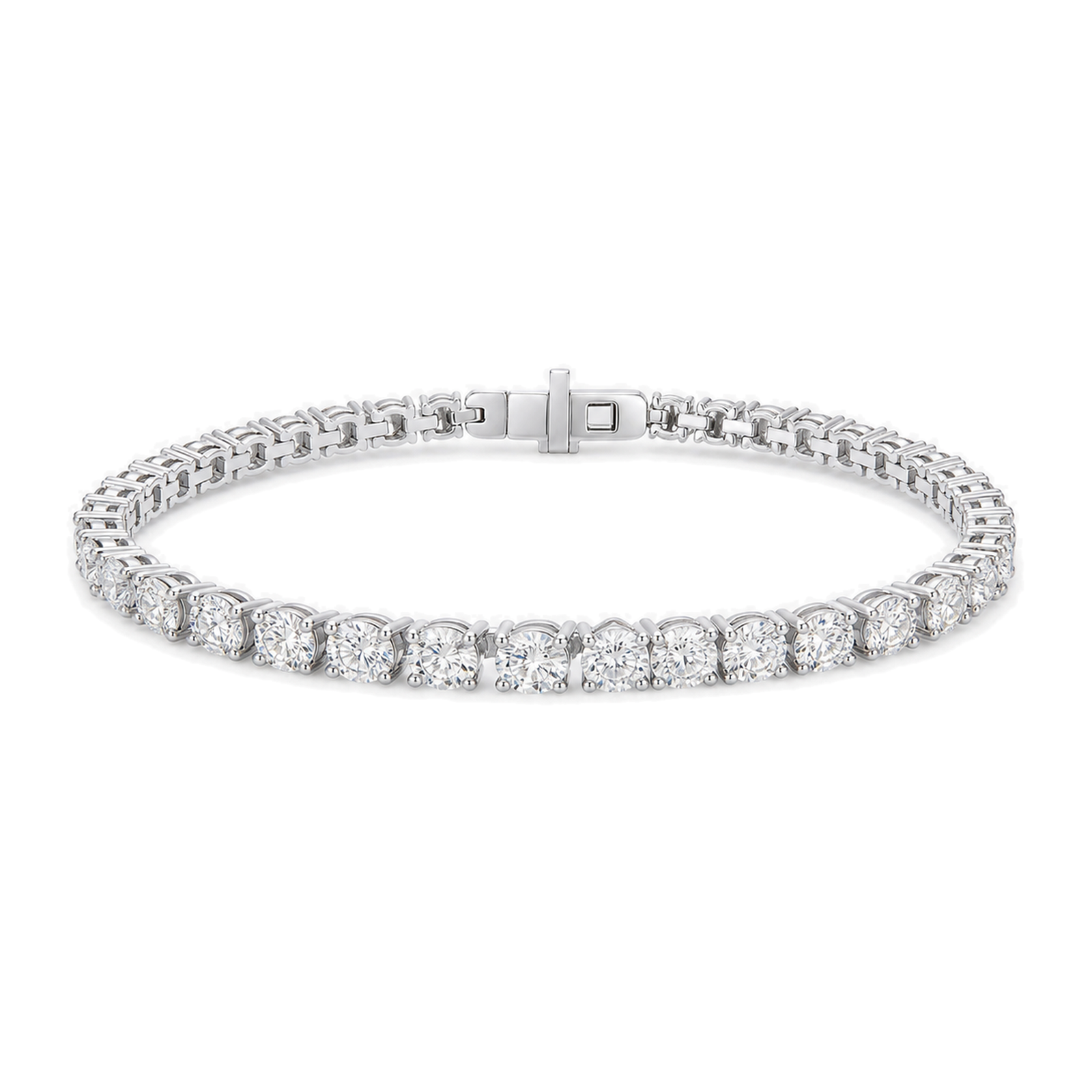
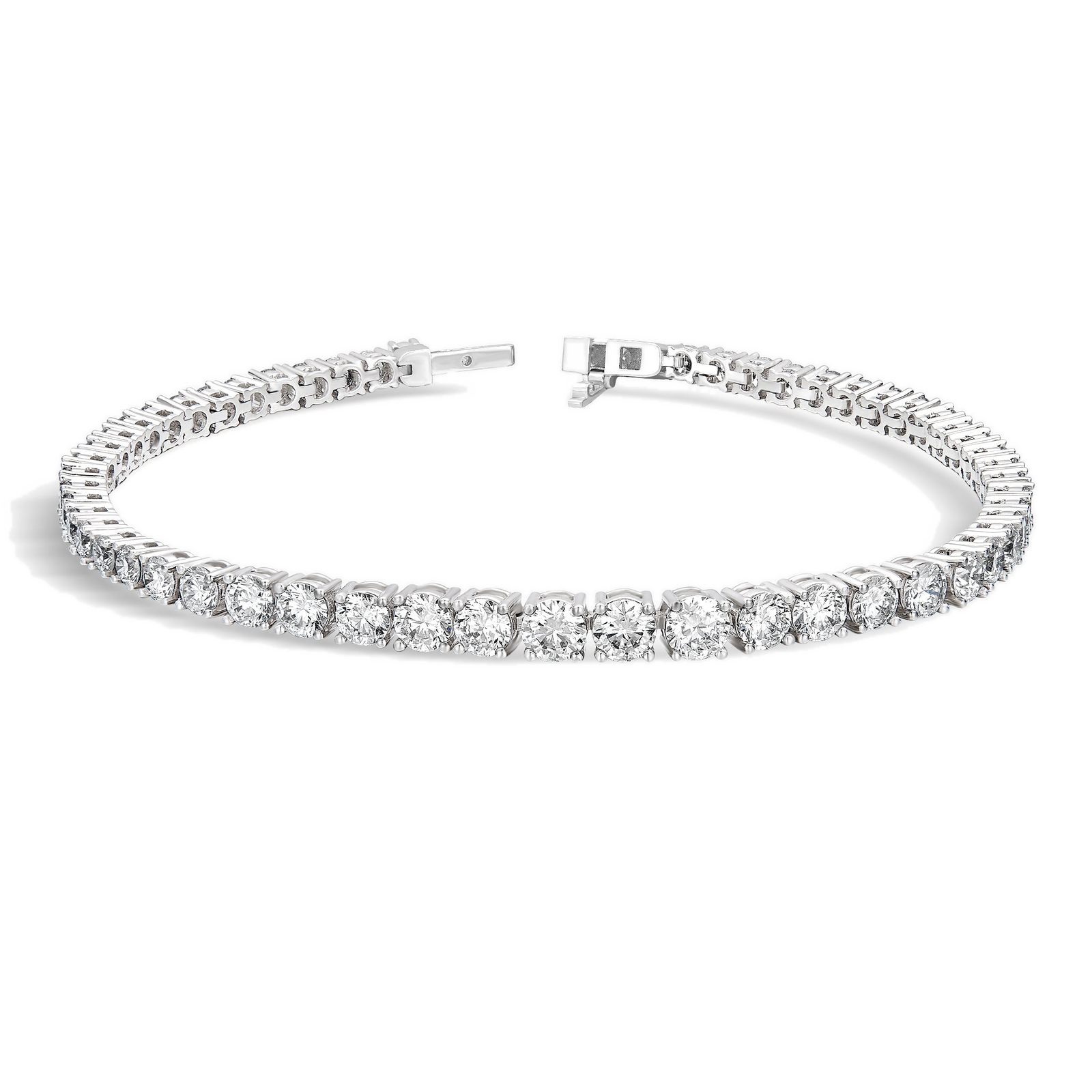

A Personal Measure of Presence
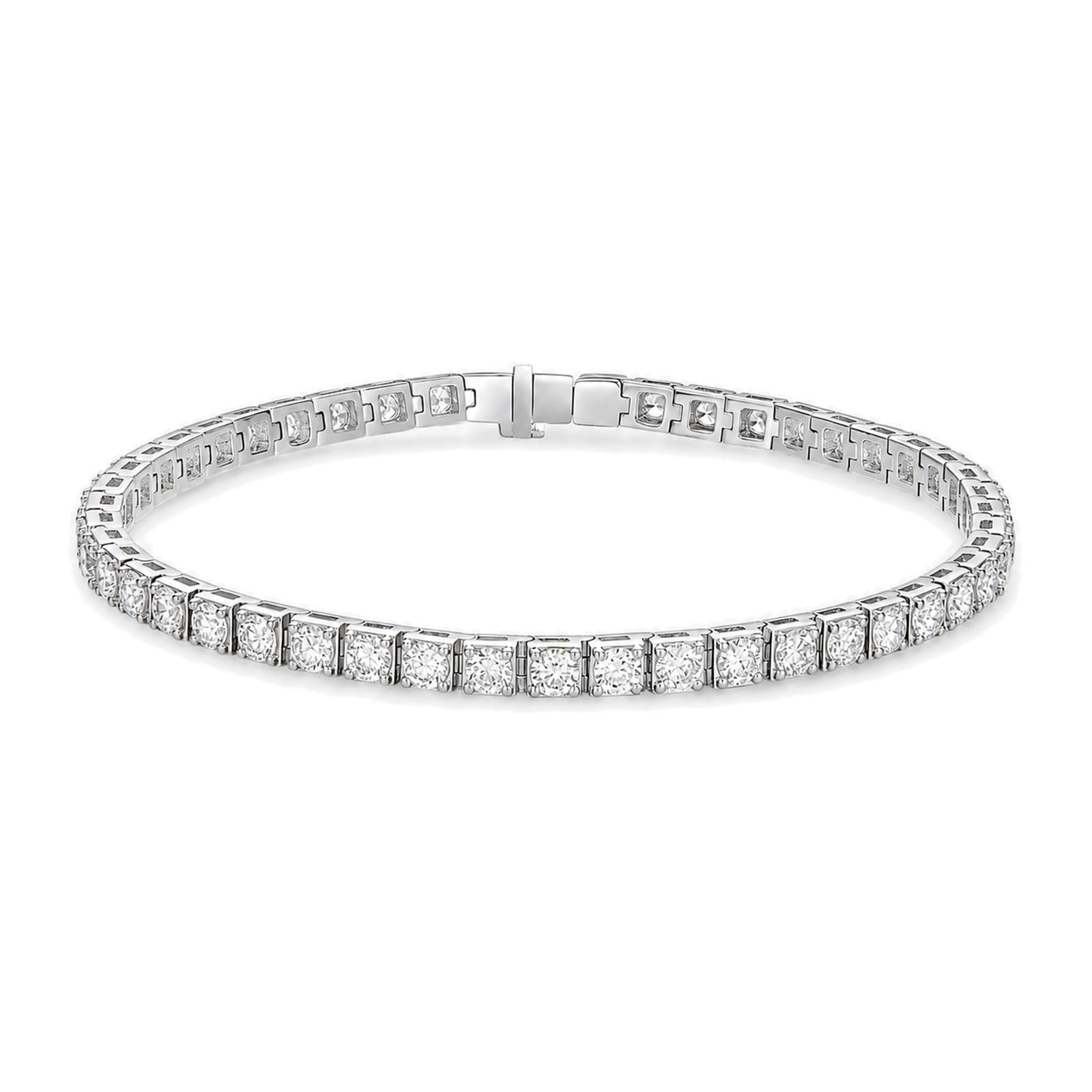
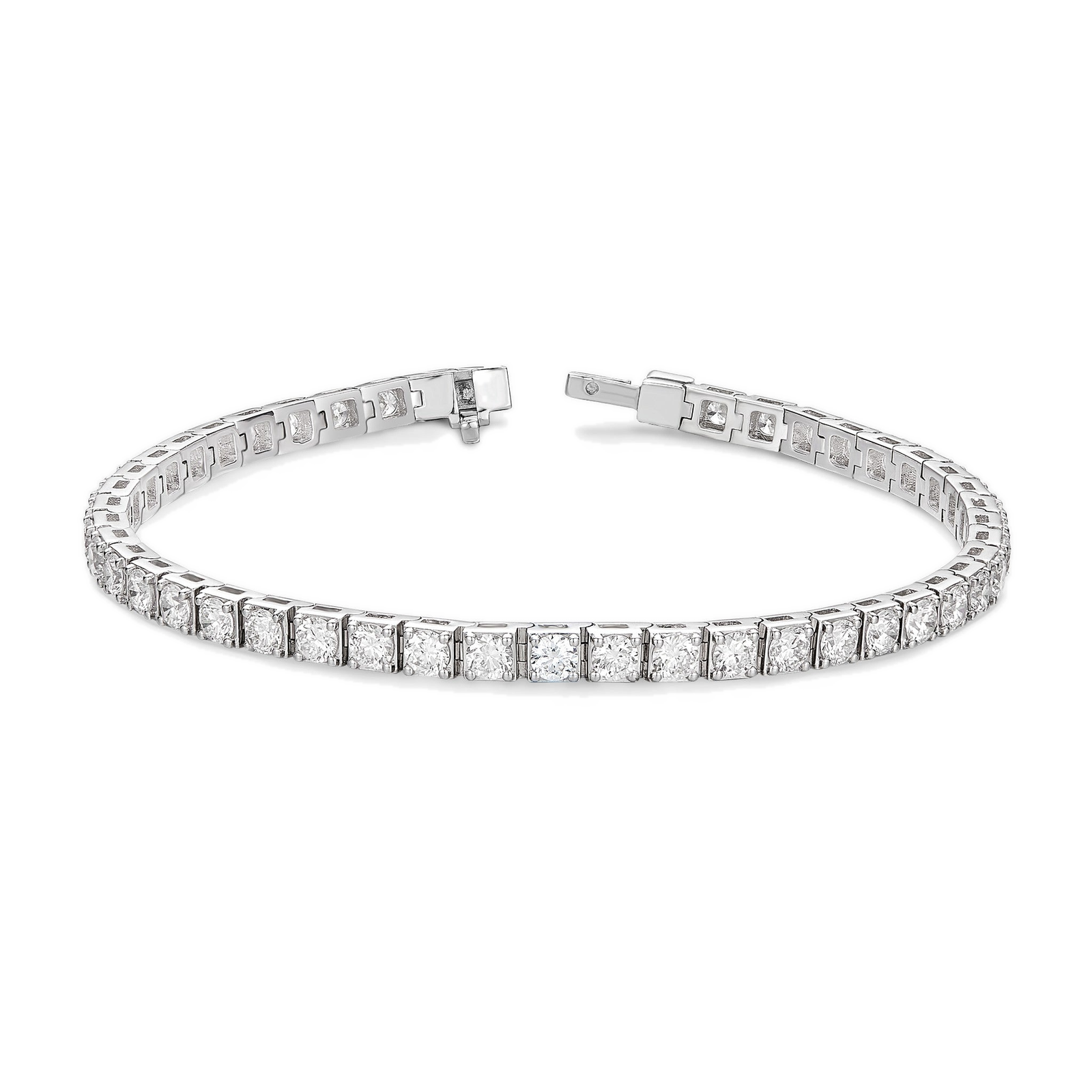
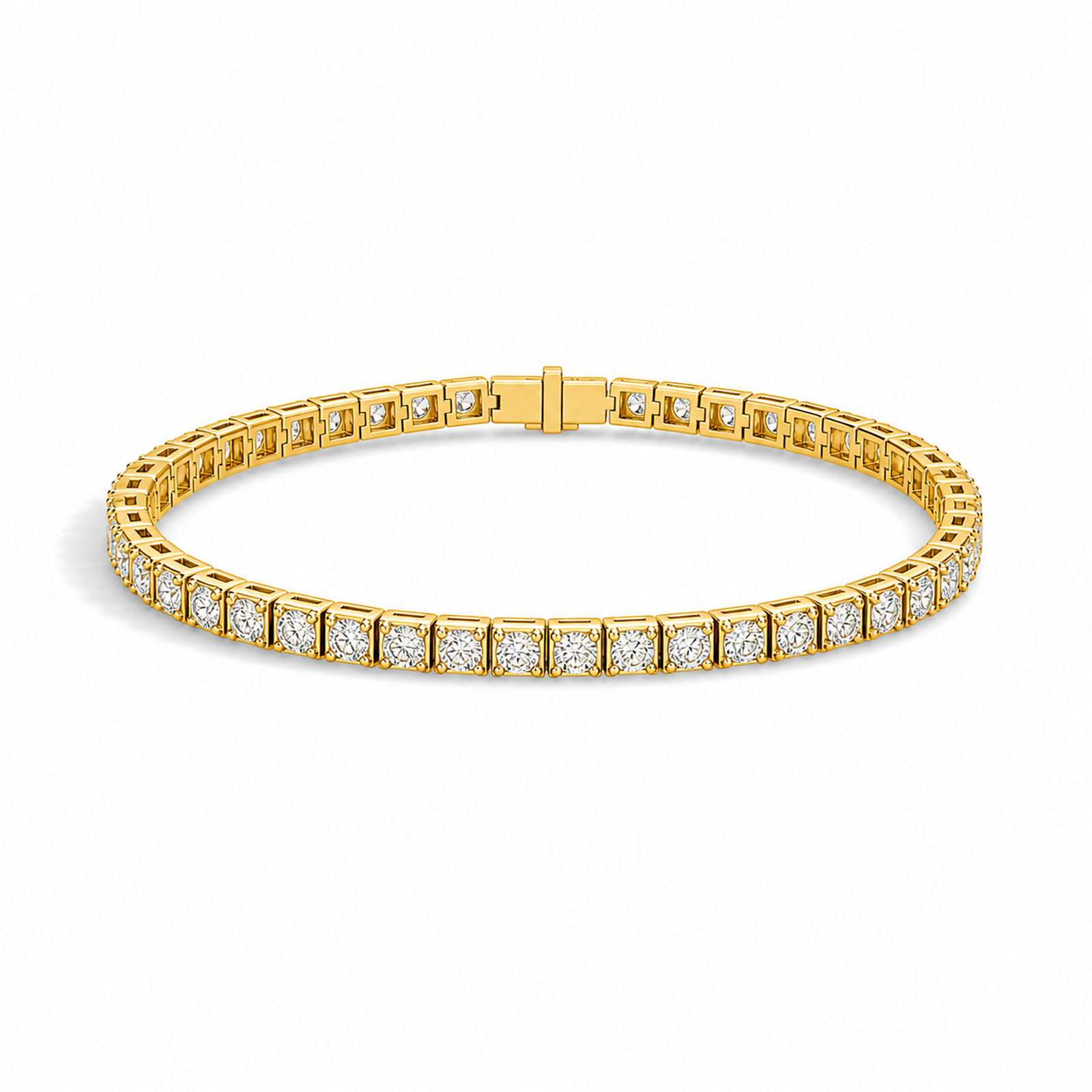
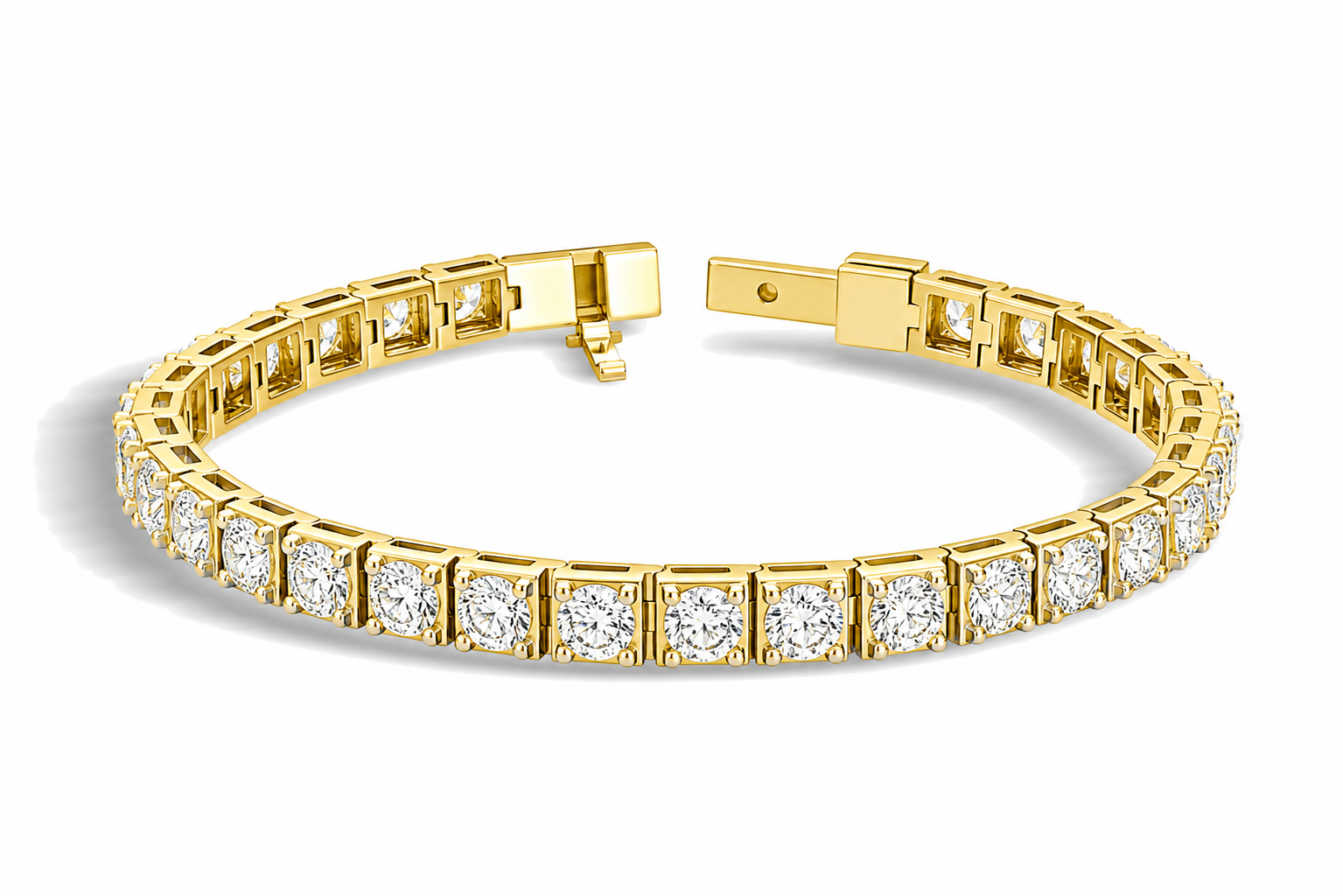
A bracelet does not become personal by conforming to a prescribed idea of masculinity. It becomes personal through proportion: how a line meets the wrist, how much metal remains visible, how freely the structure moves, and whether the piece holds its own beside a watch or is complete when worn alone. Presence can be quiet, continuous, graphic, or structured without being assigned to one gendered scale.
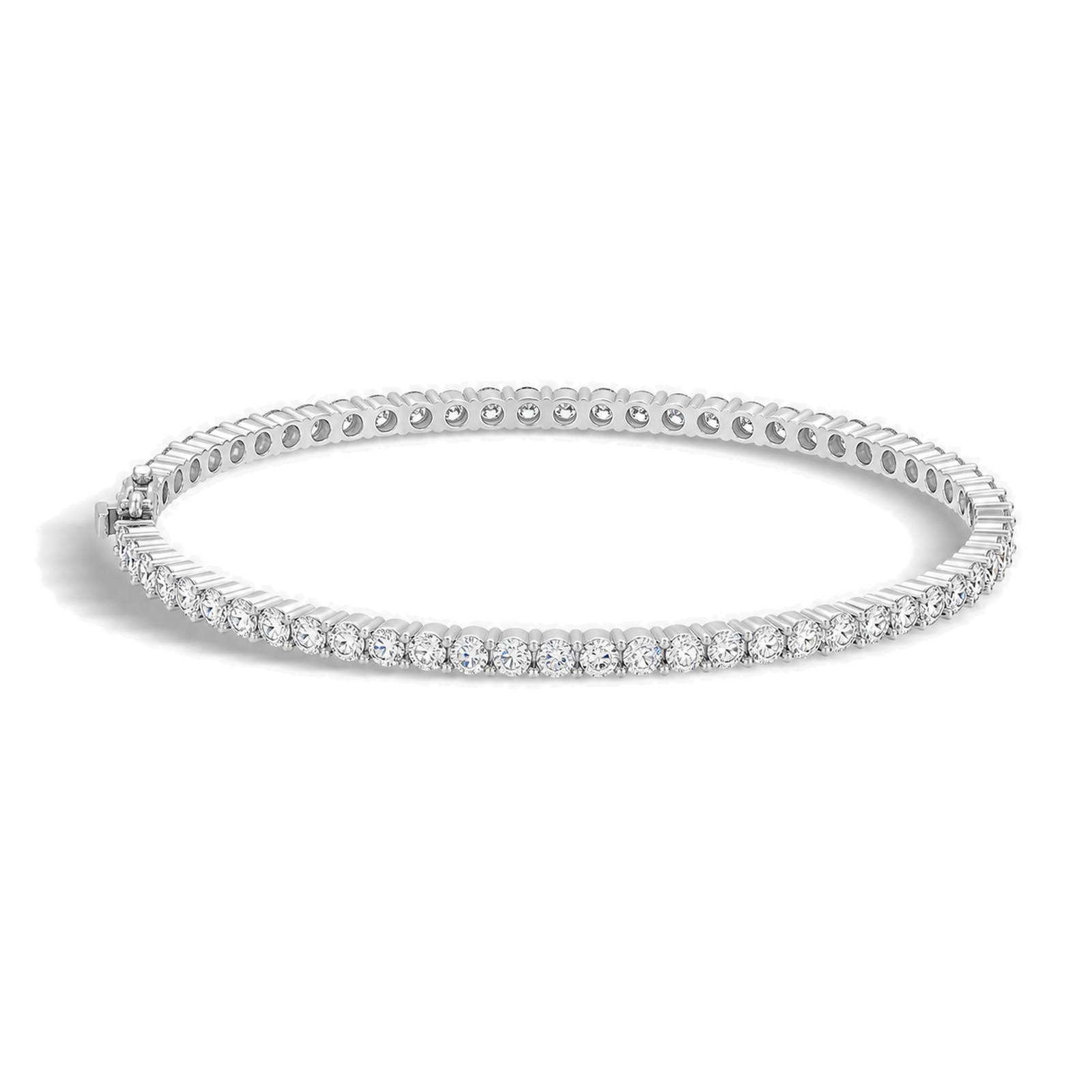
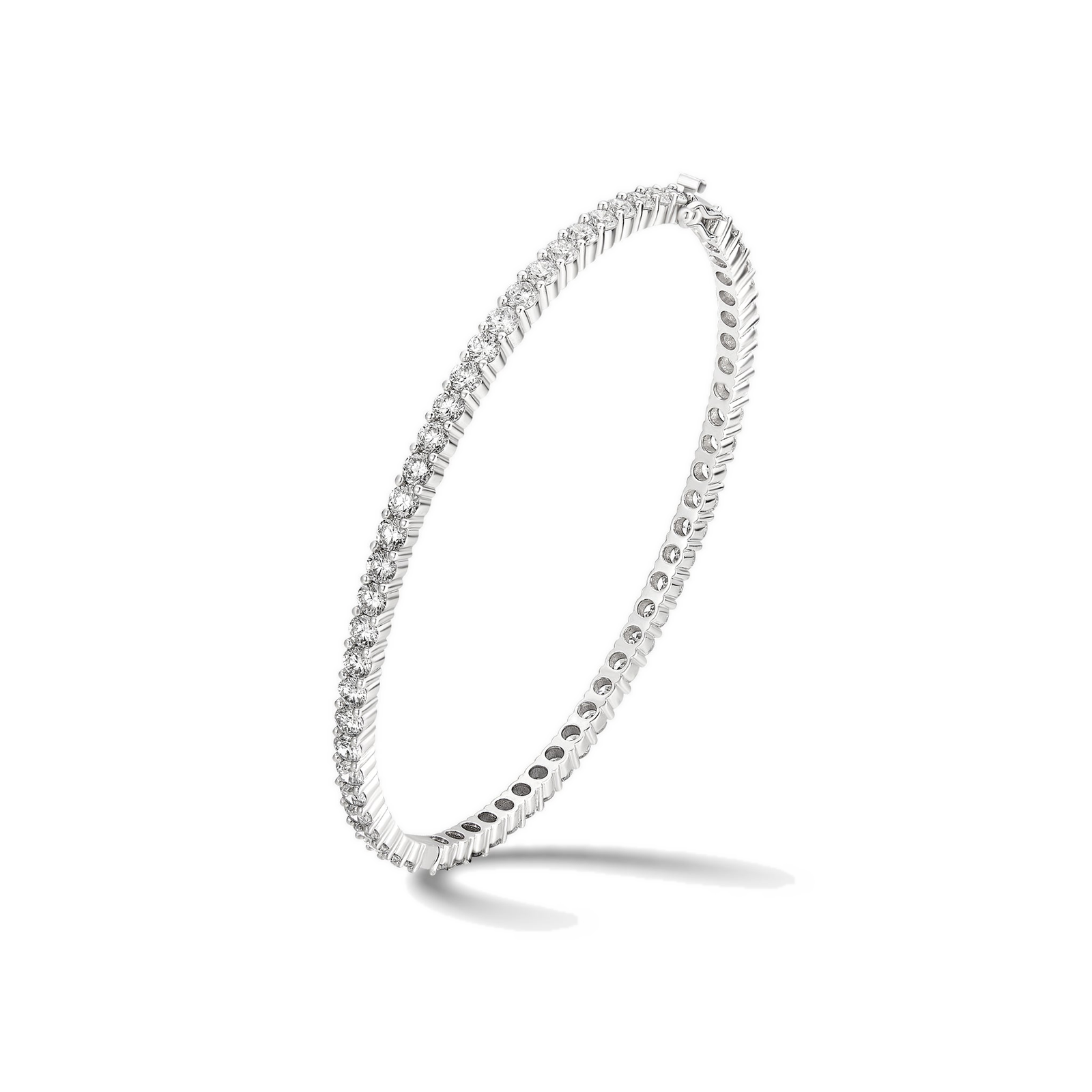
Burvonti’s current public Men’s Bracelet Collection contains five designs: Astraea, a diamond bangle, and four tennis-line bracelets—Faye, Oriana, Paloma, and Soleia. All five have normalized design counterparts in both the parent Bracelet and Tennis Collections. At the exact product-card level, three overlap the parent and one overlaps Tennis because some Collections use different representative metals. This page is an audience navigation edit, not a claim that these products use men-only construction, larger standard sizing, heavier metal, or a separate engineering system.
Begin with Line or Arc
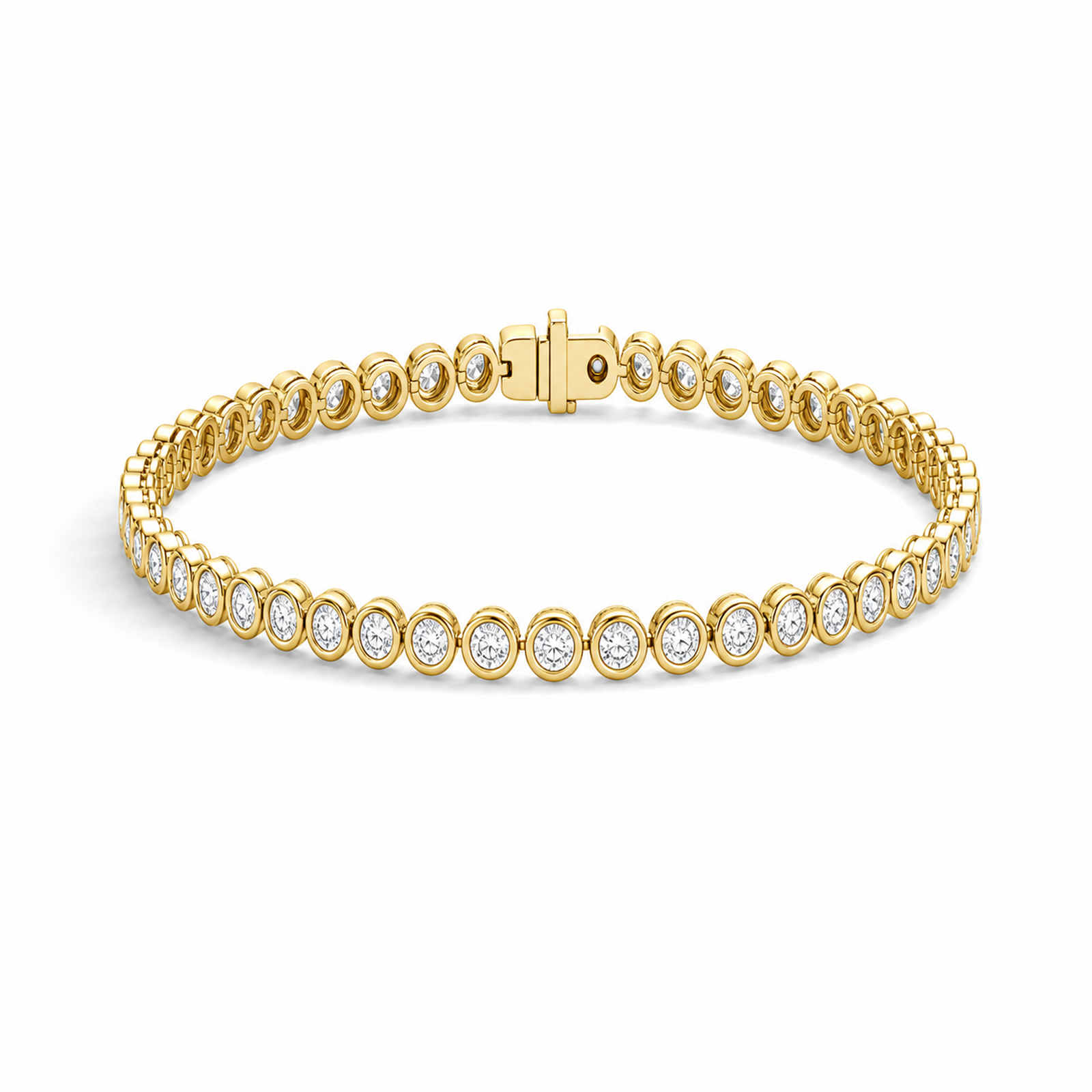
The four tennis-line designs distribute diamonds through connected repetition. Faye uses a bezel edge; Oriana introduces an interlocking interval; Paloma carries a box-link rhythm; Soleia uses four-prong language. Astraea holds more of its own bangle arc. Those differences determine how the piece moves and how its pattern is read before any idea of boldness or subtlety is applied.
Choose the structure that makes sense at your wrist. A continuous line can feel restrained when closely scaled; an interlocking or box-link rhythm can create stronger geometry; a bangle can establish a firmer boundary. No construction is inherently more masculine, formal, modern, durable, or expressive.
Width Is One Measure of Presence
The four articulated descriptions list widths from 2.7 to 4.3 mm. Astraea does not publish width in the same field. Face-up width influences presence, but so do setting height, link geometry, diamond size and count, metal visibility, coverage, clasp, and the relationship between bracelet and wrist.
A wider line is not automatically better suited to a larger wrist, and a narrower line is not inherently delicate or feminine. Compare the complete profile at realistic scale. If a watch is part of the composition, its case, band width, hardware, and position also change how the bracelet is perceived.
Total Weight Must Be Read Through Distribution
Current Total Carat Weight options are 2 2/3, 3 1/2, 3 2/3, 5, and 6 2/3. These totals span bezel repetition, interlocking rhythm, box-link structure, four-prong continuity, and a bangle arc. They do not disclose individual stone size, count, bracelet width, complete coverage, setting dimensions, or visible intensity.
Read TCW with diamond count and dimensions where published, spacing, setting, coverage, width, and imagery. A higher total may be distributed through more diamonds, larger diamonds, broader coverage, or a combination. Burvonti does not prescribe one total as the correct masculine, statement, everyday, or milestone scale.
Fit Is Individual, Not Gendered
Faye and Soleia list 6.7 inches; Oriana and Paloma list 6.3 inches. Astraea does not publish length in the same field. These current values do not support one standard men’s bracelet length. Wrist circumference, shape, intended position, width, structure, closure, movement preference, and whether the piece sits beside a watch all affect fit.
Measure the actual wrist and compare the selected product rather than using average male sizing. Too little clearance may restrict movement or load connections; too much may let the bracelet rotate, catch, or approach the hand. No universal one-inch slide, one-finger gap, or gender-based addition applies.
Setting Changes the Edge, Not the Wearer
Four current designs use prong-set language; Faye uses bezel. Prongs create discrete metal contacts around each diamond, while a bezel follows more of the perimeter. That distinction affects outline, spacing, profile, and metal visibility. It does not define personality, gender, or a universal performance outcome.
Neither setting guarantees maximum light, perfect calibration, security, impact resistance, or freedom from snagging. Inspect front, side, underside, links, connections, and setting transitions for the selected bracelet. Complete construction and condition matter more than a style label.
Metal Establishes Temperature and Contrast
Current cards represent three designs in 14K White Gold and two in 14K Yellow Gold. White gold may visually recede among colorless-looking diamonds in some settings; yellow gold can make prongs, bezels, links, and intervals more explicit. Exact effect depends on finish, rhodium plating where applicable, width, coverage, skin context, and light.
Metal should be chosen by the relationship you want, not by a gender rule. It can coordinate with a watch, contrast with one, or stand apart when the bracelet is worn alone. Current membership does not establish Rose Gold, 18K Gold, Platinum, sensitivity outcomes, or superior durability for these exact cards.
A Watch Introduces Another System
A watch adds a case, crown, strap or bracelet, clasp, finish, and a different center of weight. A diamond bracelet can sit on either side or on the opposite wrist, but no placement universally protects either object. Compare widths, profiles, edges, closures, movement paths, and how often the surfaces meet.
Matching metals can create continuity; controlled contrast can separate the objects. Neither strategy proves mechanical compatibility. If repeated contact, pressure, catching, or restricted movement occurs, separate the pieces rather than using the bracelet as a buffer or assuming a heavy-duty construction.
Closure, Documentation, and Care
The four tennis-line designs use Barrel Clasps; Astraea uses a Box Clasp. Those names do not establish dual safety catches, complete security, loss resistance, ease of use, or daily-wear suitability. Review selected-product operation, transitions, maintenance, and condition.
Burvonti uses responsibly sourced lab-grown diamonds and supports independent grading and certification where applicable. Confirm what documentation covers within a multi-diamond bracelet. Custom possibilities may refine length, coverage, width, sequence, setting, metal, or closure when technically feasible. Clean and inspect every diamond, setting, link or bangle section, joint, and clasp; store without abrasive contact.
Frequently Asked Questions
What makes a bracelet a men’s bracelet?
Here it is an audience navigation category, not a distinct engineering standard. Any wearer may choose by proportion, structure, setting, metal, fit, and personal expression.
How many Men’s Bracelets are currently included?
The public Collection contains five products: one bangle and four tennis-line designs. All five have normalized counterparts in Bracelet and Tennis, though exact representative-metal cards differ.
Are men’s bracelets always wider or heavier?
No. Width and weight are design variables, not gender requirements. Choose according to wrist proportion, profile, movement, and personal preference.
Which bracelet structures are currently represented?
Current membership includes one bangle plus bezel, interlocking, box-link, and four-prong tennis-line designs.
What widths are currently listed?
The four articulated designs list 2.7 to 4.3 mm. The bangle does not publish width in the same field; confirm selected-product dimensions.
What lengths are currently listed?
The four articulated designs list 6.3 or 6.7 inches. The bangle does not publish length in the same field.
Is there a standard men’s bracelet length?
No Collection-wide standard is assumed. Measure the actual wrist and assess length or internal dimensions, width, structure, closure, and desired movement.
How should a men’s diamond bracelet fit?
It should suit the wearer’s intended movement without restricting the wrist or passing over the hand. Product-specific dimensions and structure must be considered.
What Total Carat Weights are currently represented?
Current options span 2 2/3 through 6 2/3 TCW across different line and bangle constructions. Total alone does not describe visible scale.
Does a higher TCW create a more masculine look?
No. Presence depends on distribution, count, width, setting, coverage, metal, wrist proportion, and context—not a gendered carat rule.
Which settings are currently represented?
Four current designs use prong-set language and one uses bezel. Exact coverage, profile, connections, and maintenance remain product-specific.
Which metals are currently represented?
Current cards represent 14K White and Yellow Gold. Metal choice does not determine gender, sensitivity, occasion, or durability outcome.
Can a men’s bracelet be worn beside a watch?
Yes after comparing case, crown, band, finish, bracelet profile, closure, movement, and contact. No arrangement prevents all abrasion or impact.
Should a bracelet match the watch metal?
It may coordinate or deliberately contrast. The decision is aesthetic; matching metal does not establish mechanical compatibility.
Which clasps are currently represented?
The four tennis-line designs use Barrel Clasps; the bangle uses a Box Clasp. No heavy-duty or dual-safety feature is assumed.
Are men’s bracelets built for daily impact?
No universal daily-impact claim applies. Fit, setting, links, closure, activity, contact, maintenance, and condition all affect wear.
Are all diamonds perfectly matched?
Do not assume zero variance or identical grading. Confirm selected-product specifications, calibration language, and what any documentation covers.
Can a men’s bracelet be resized?
Possibly, but not universally. Alteration can affect sequence, symmetry, settings, links, arc, closure, documentation, and cost.
Can a men’s bracelet be customized?
Length, internal dimensions, coverage, width, sequence, setting, metal, or closure may be possible after technical review.
How should a diamond bracelet be cared for?
Use gentle care and inspect every diamond, setting, link or bangle section, joint, and clasp if fit, alignment, or movement changes.