
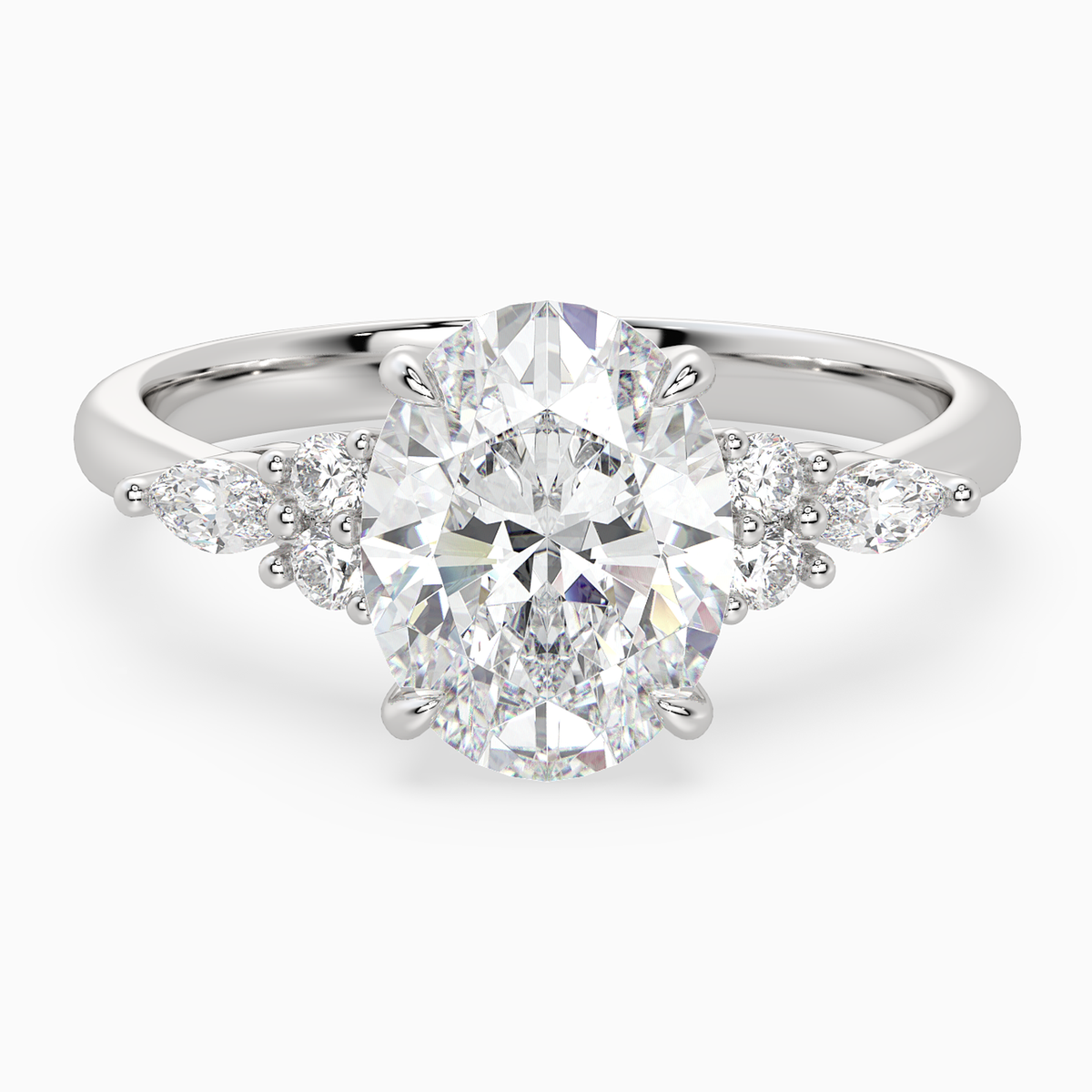


Lab Grown Diamond Rings
A line of light, composed for the hand. Explore diamond rings through rhythm, negative space, contour and measured scale.





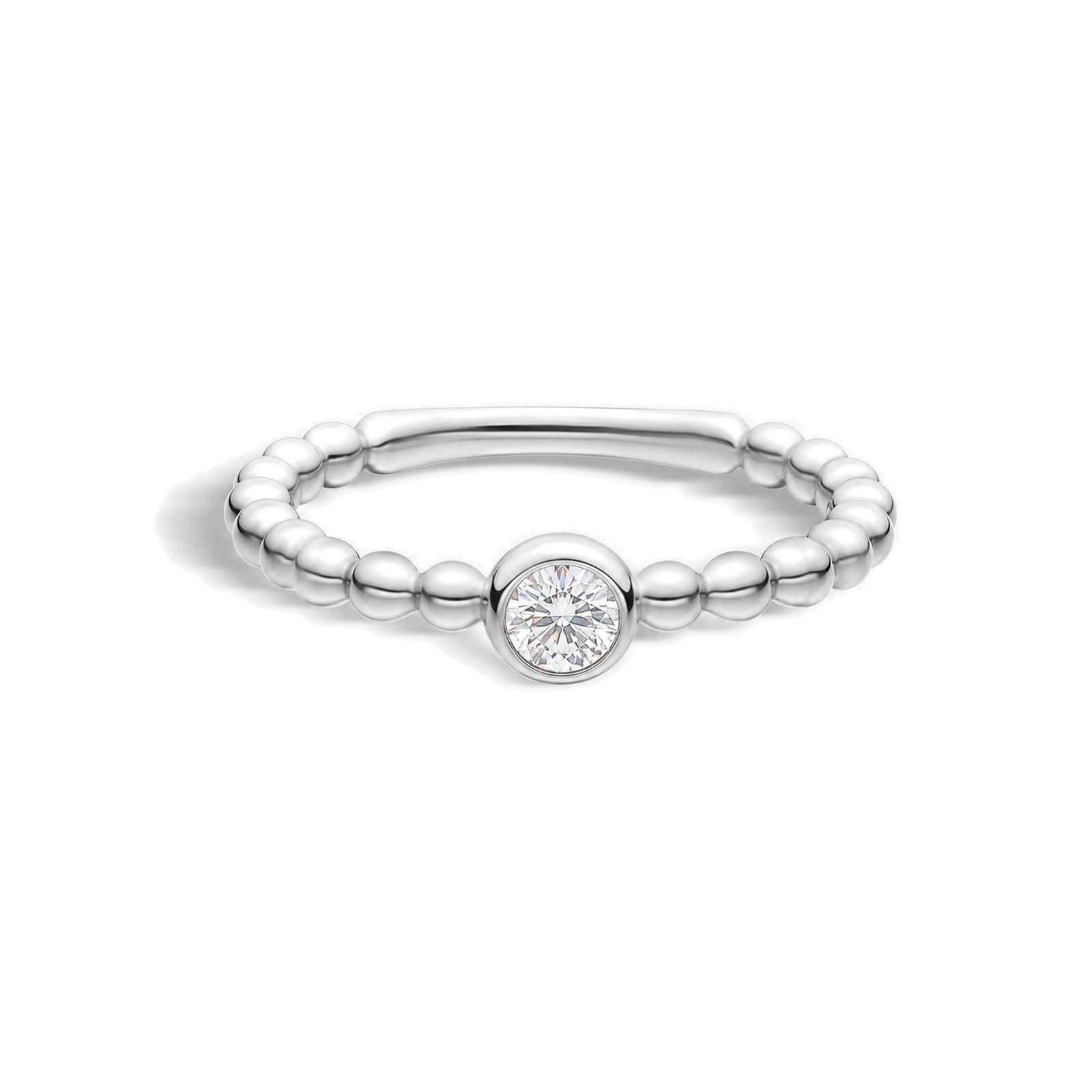
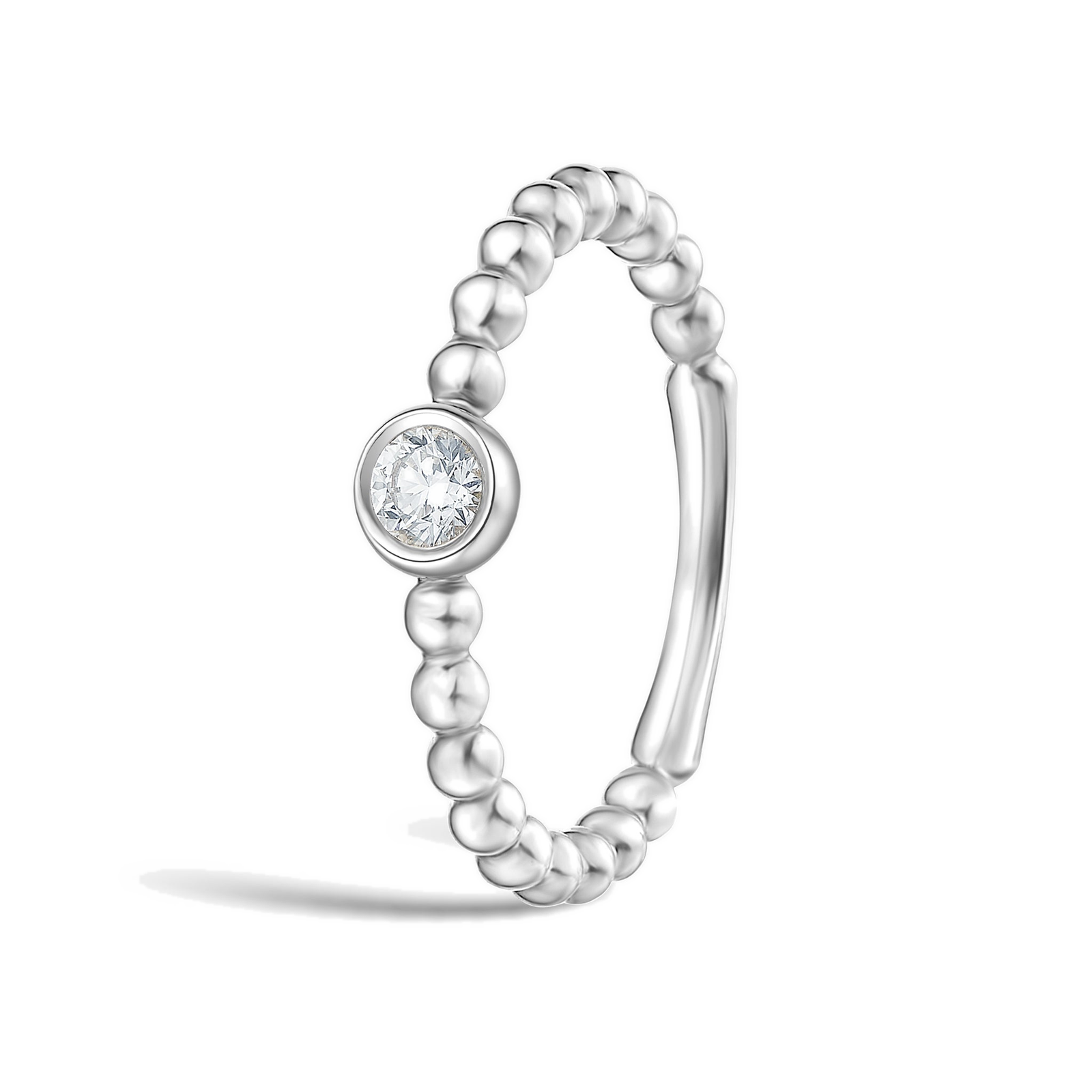

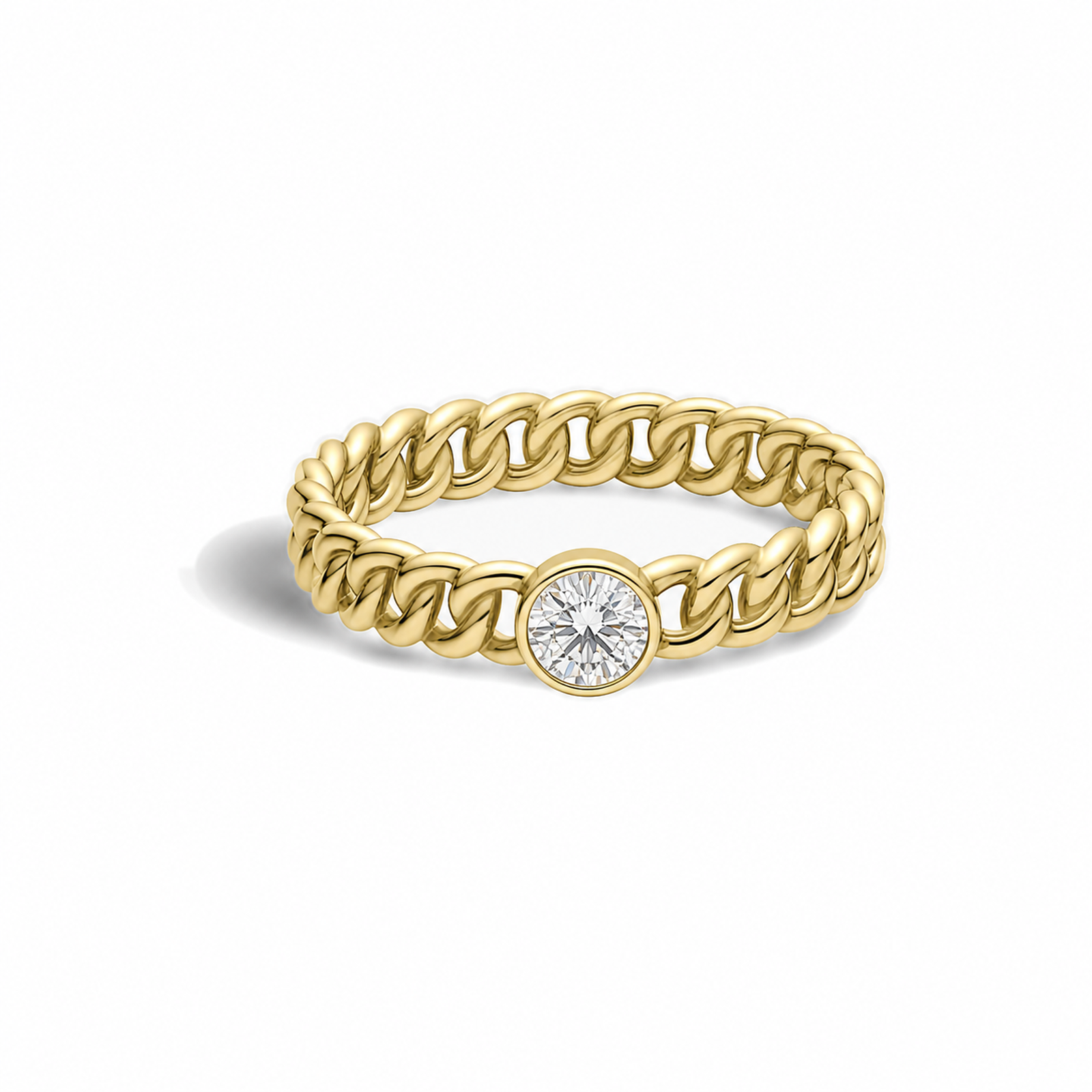
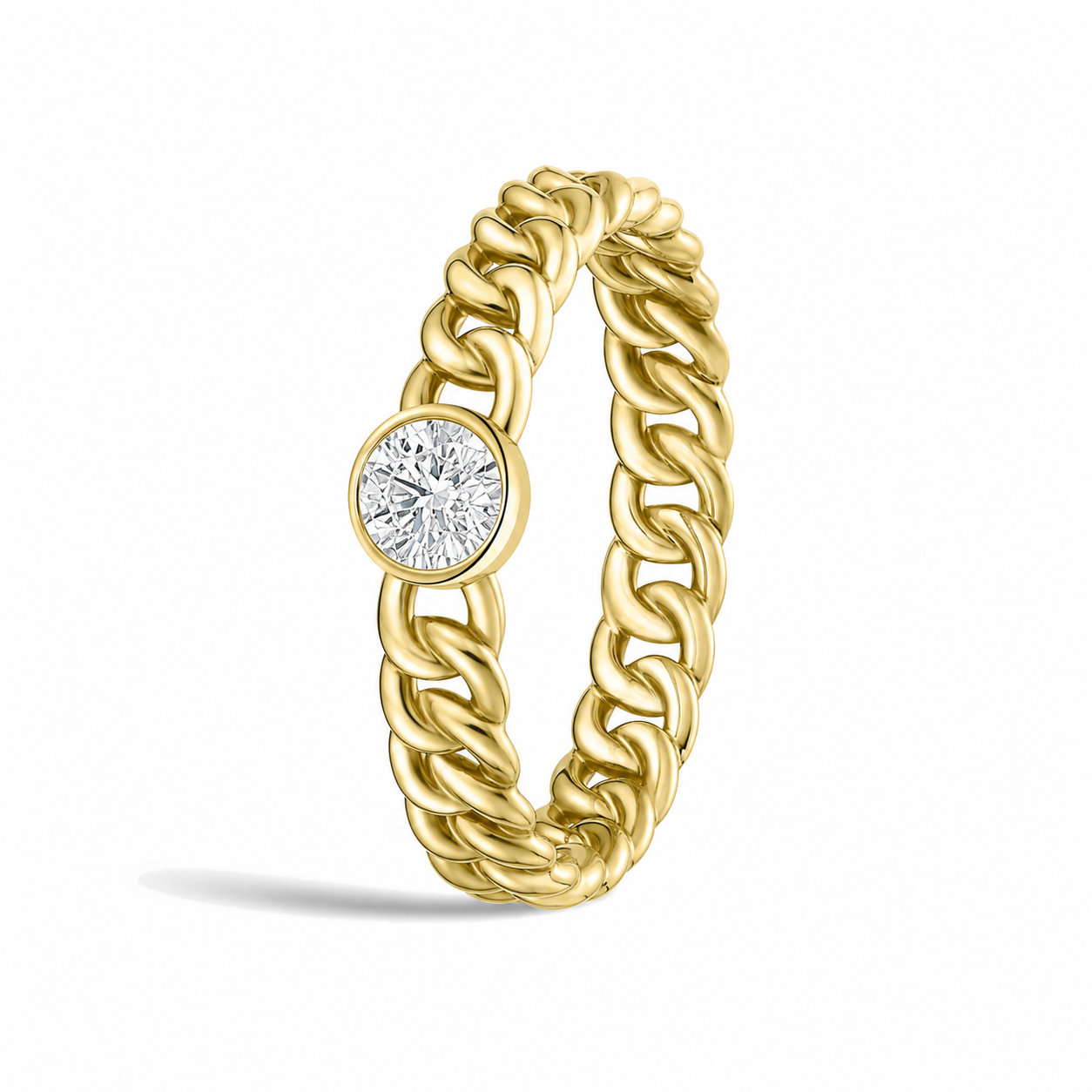

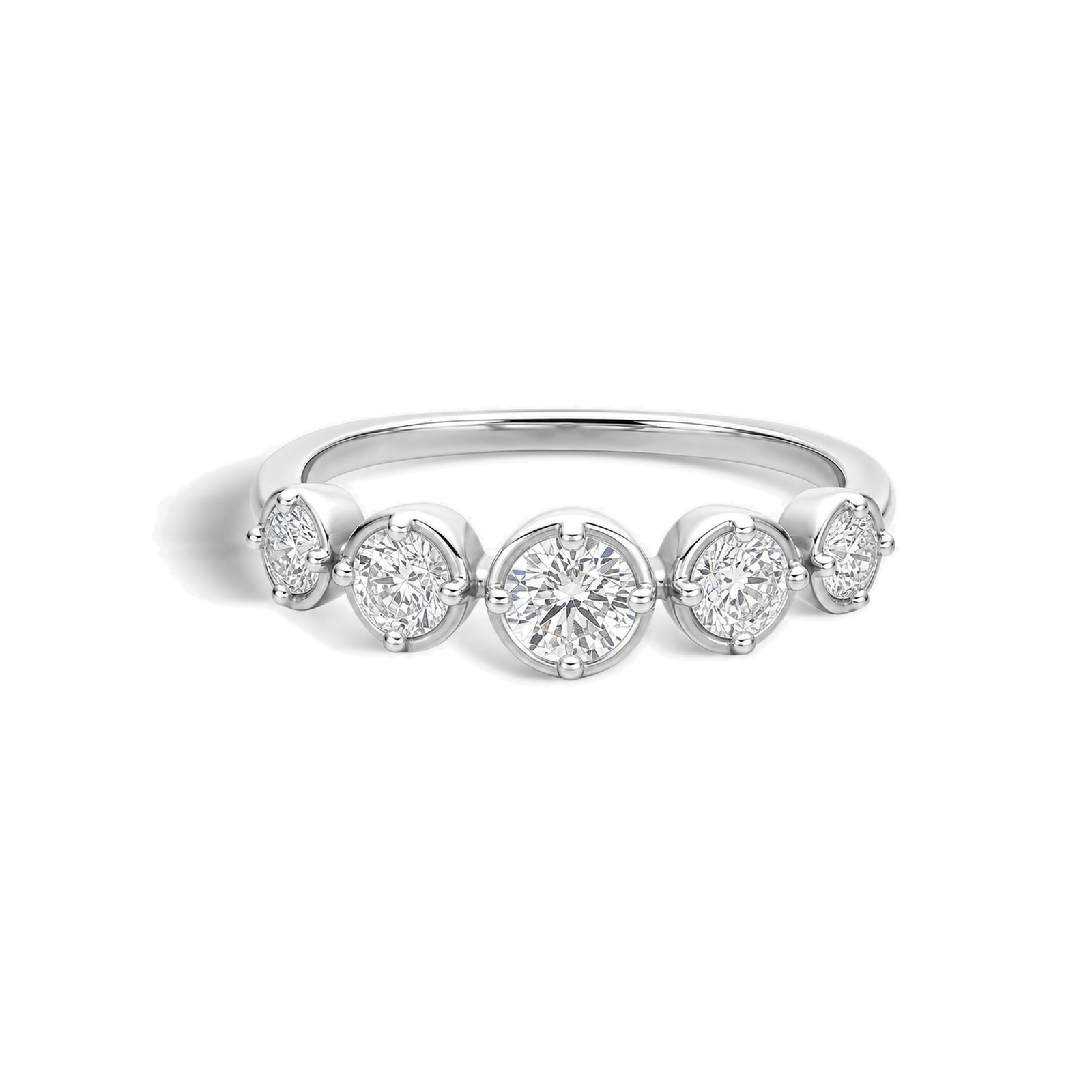
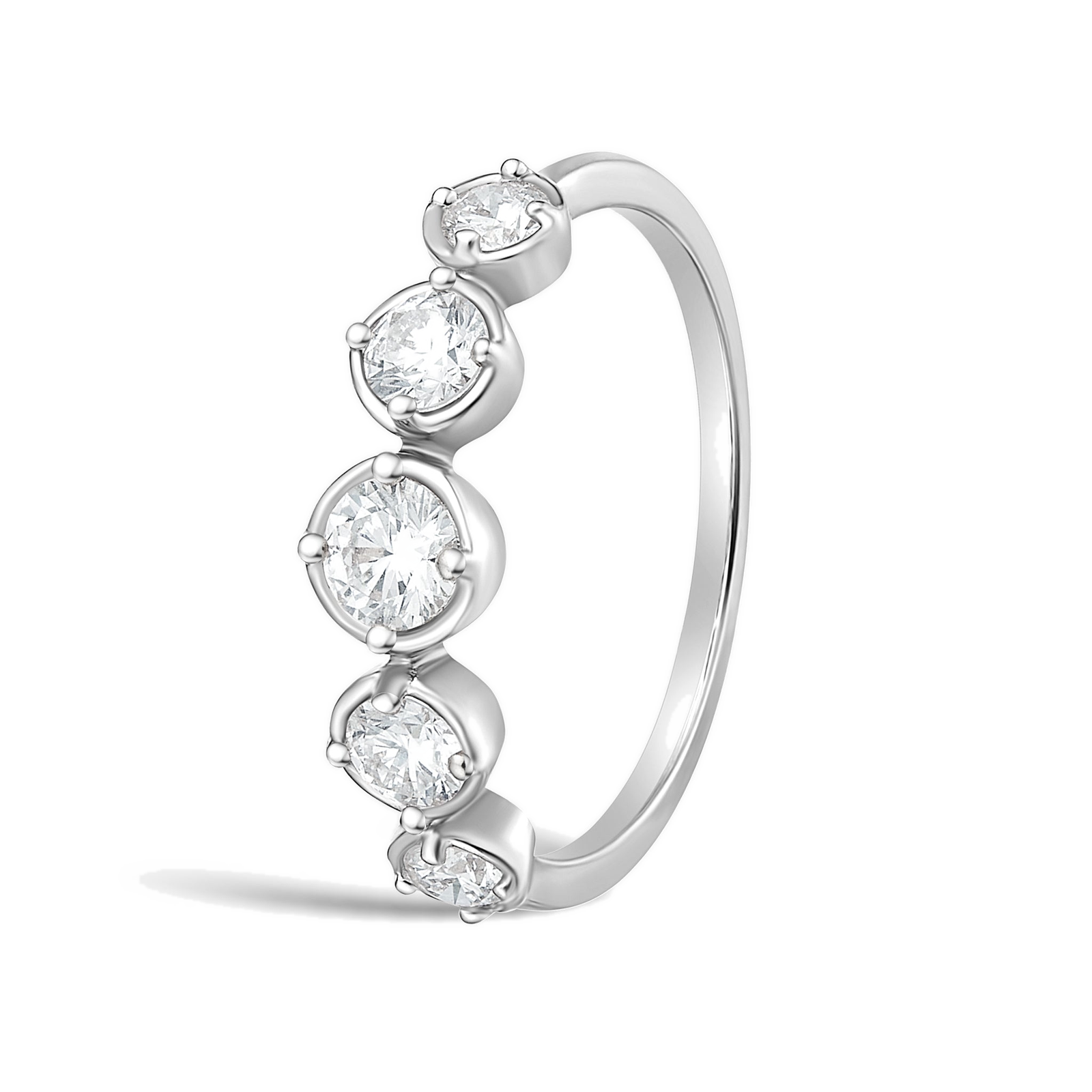

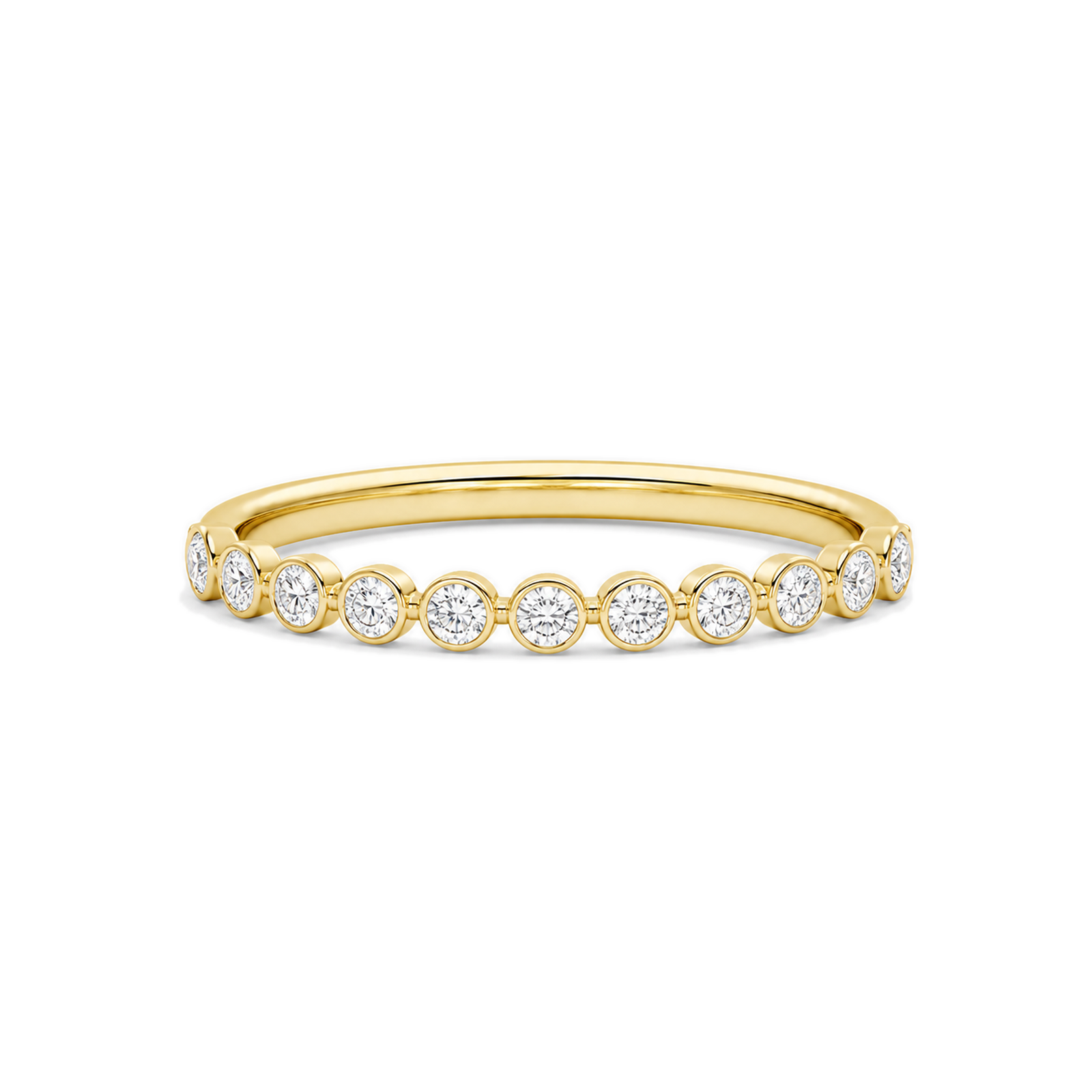


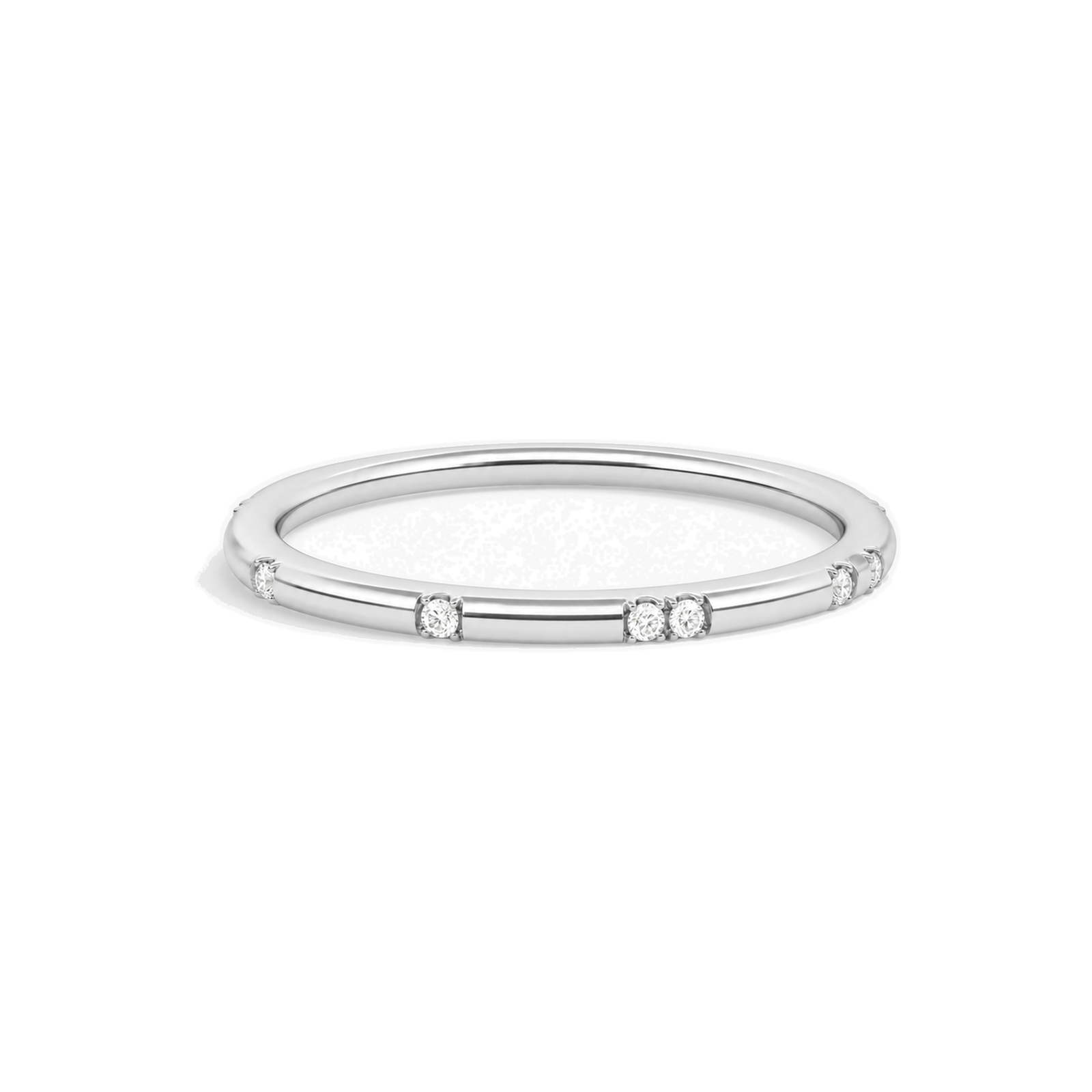


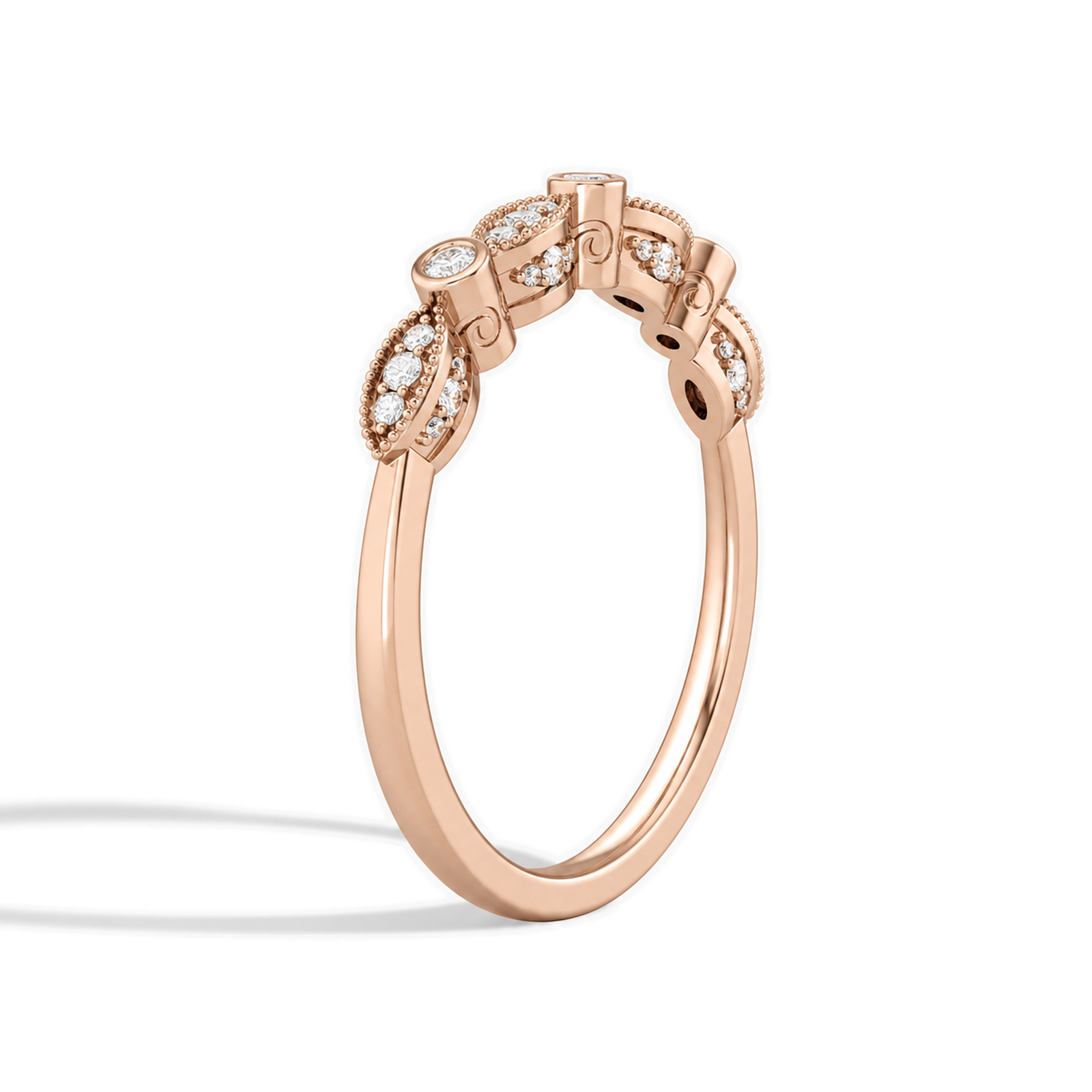

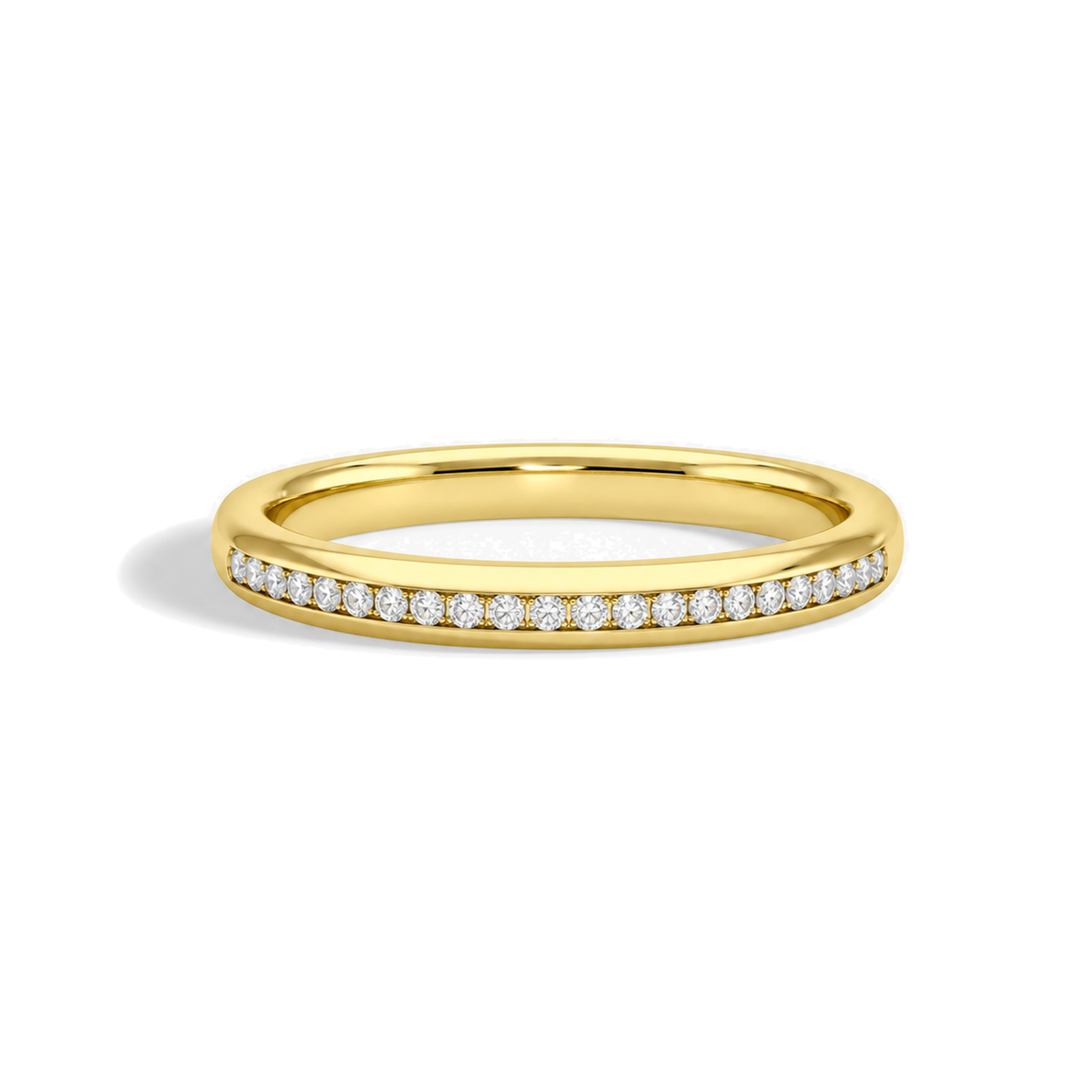
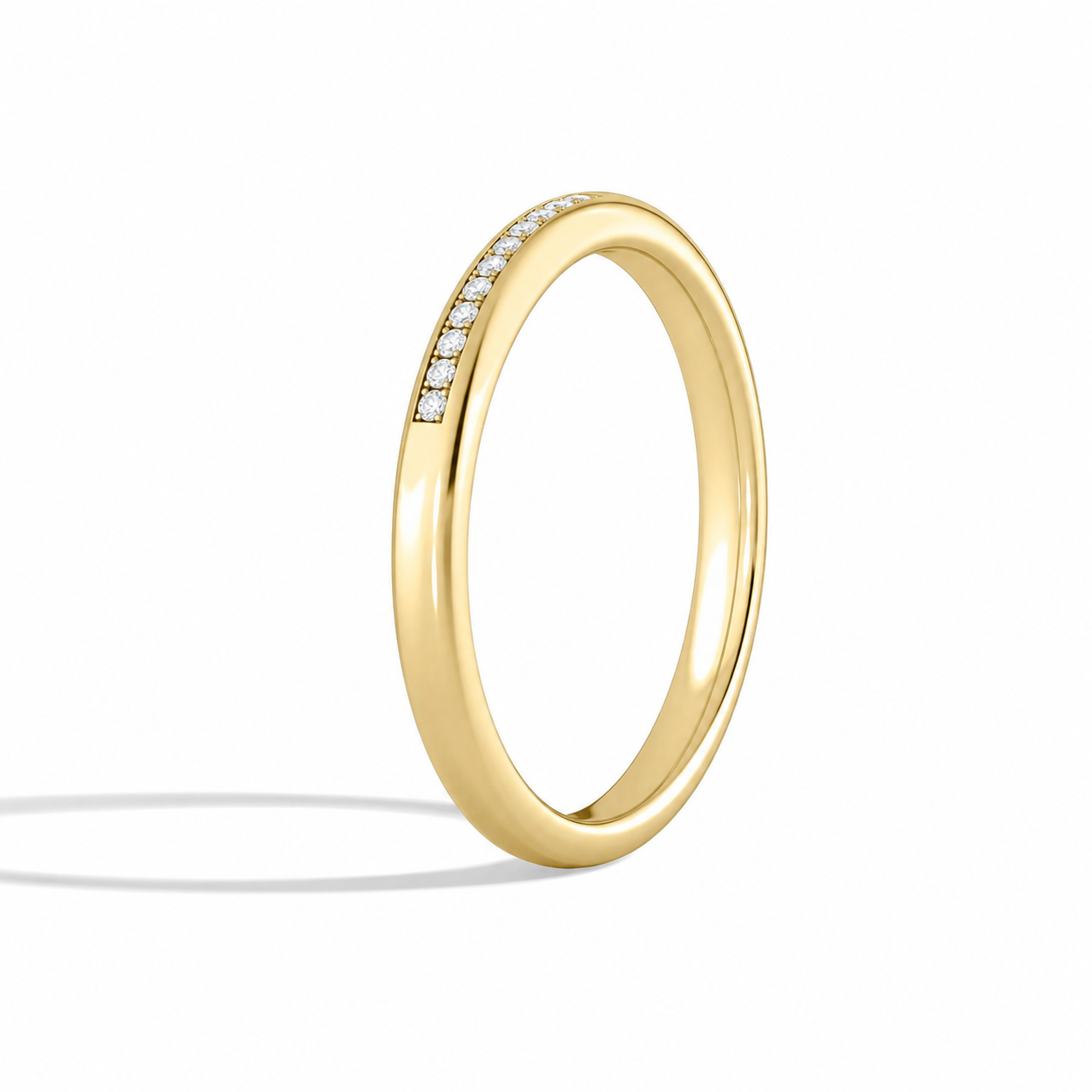

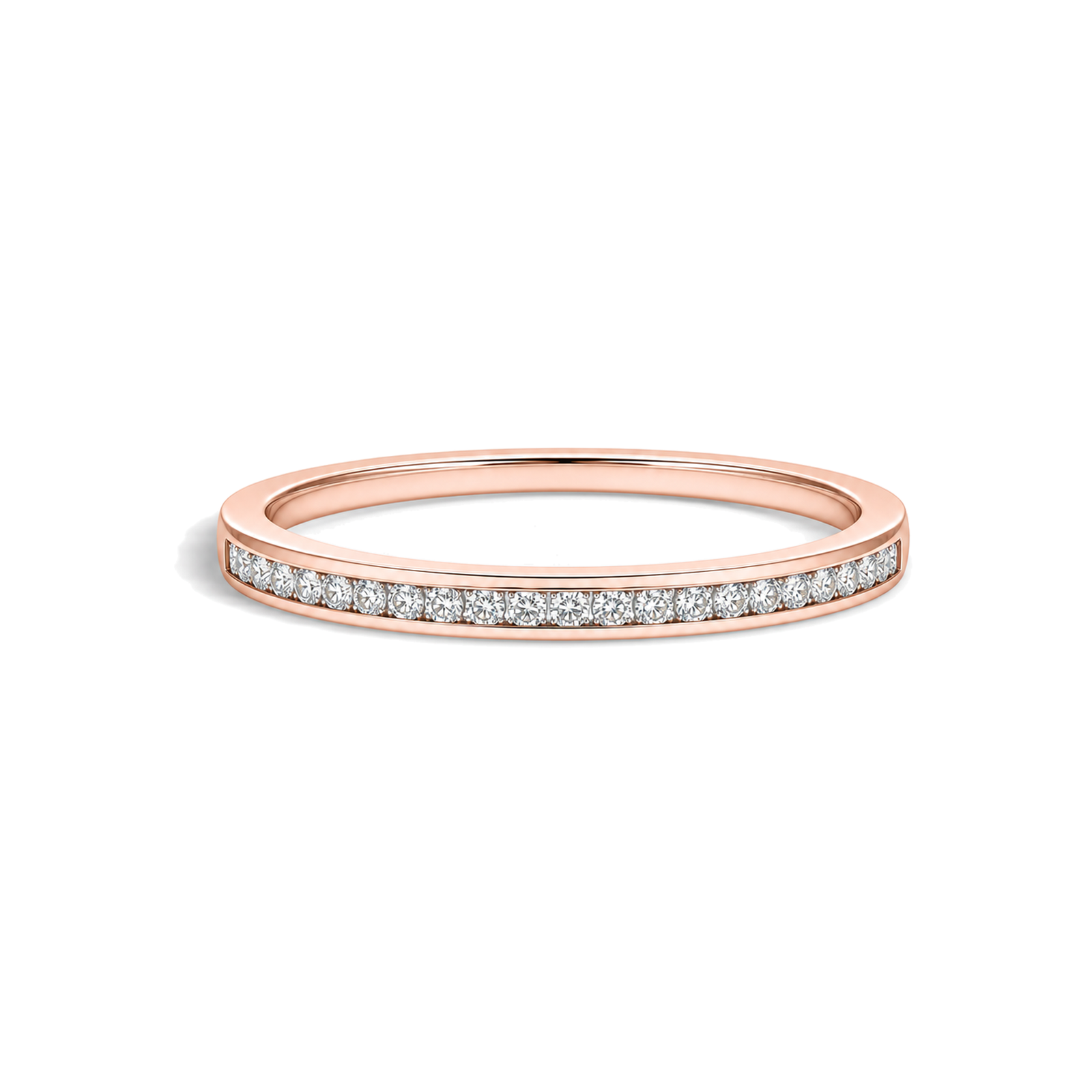


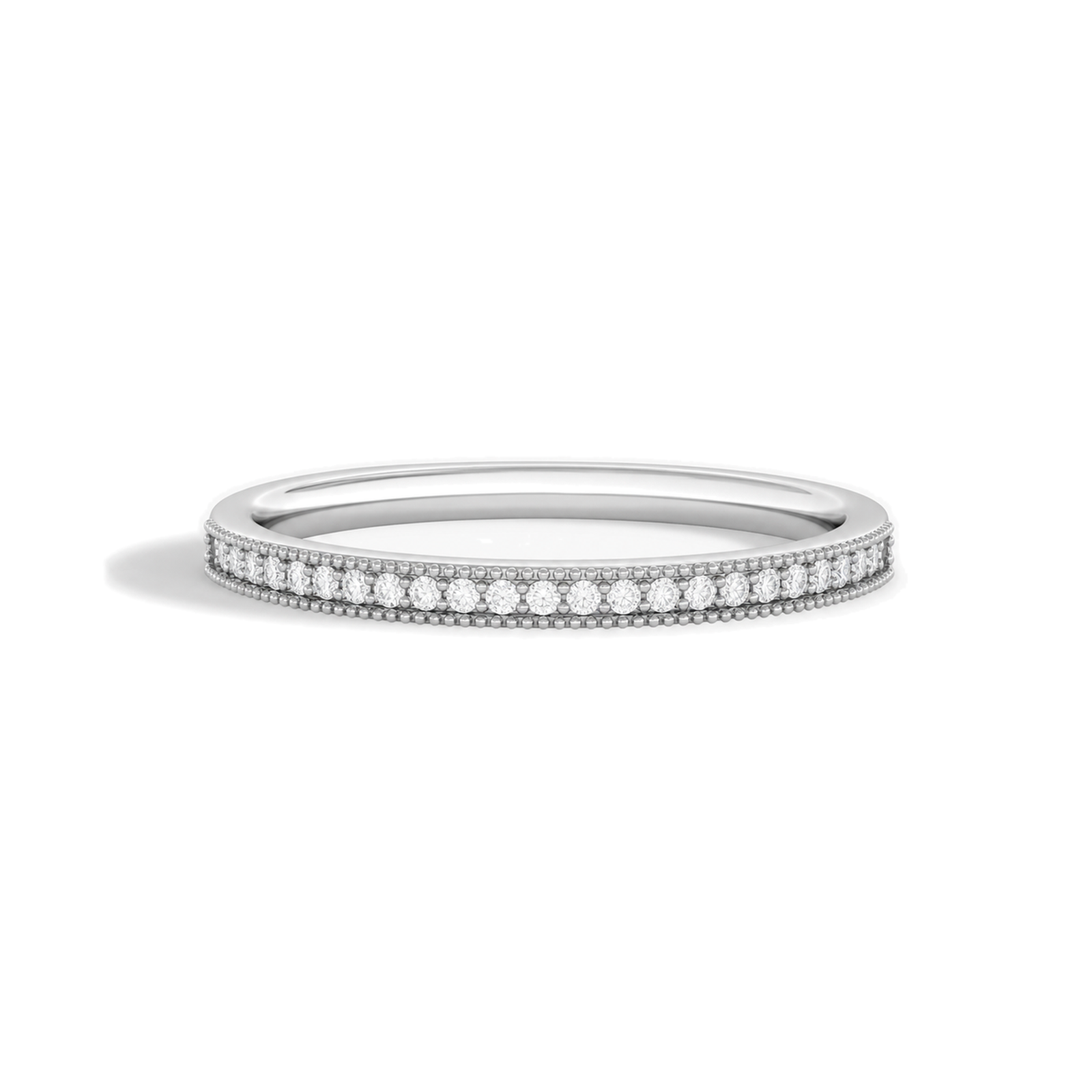
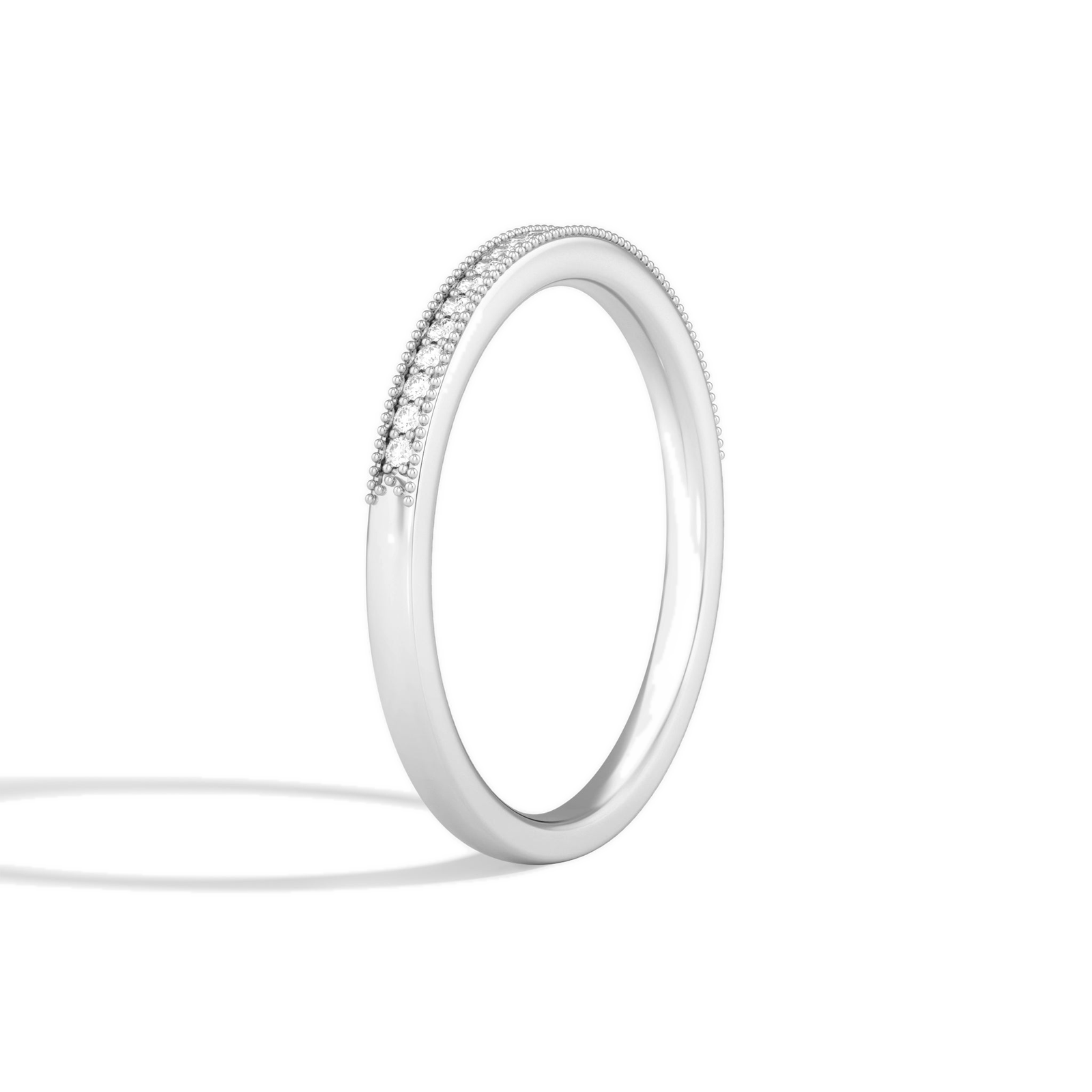

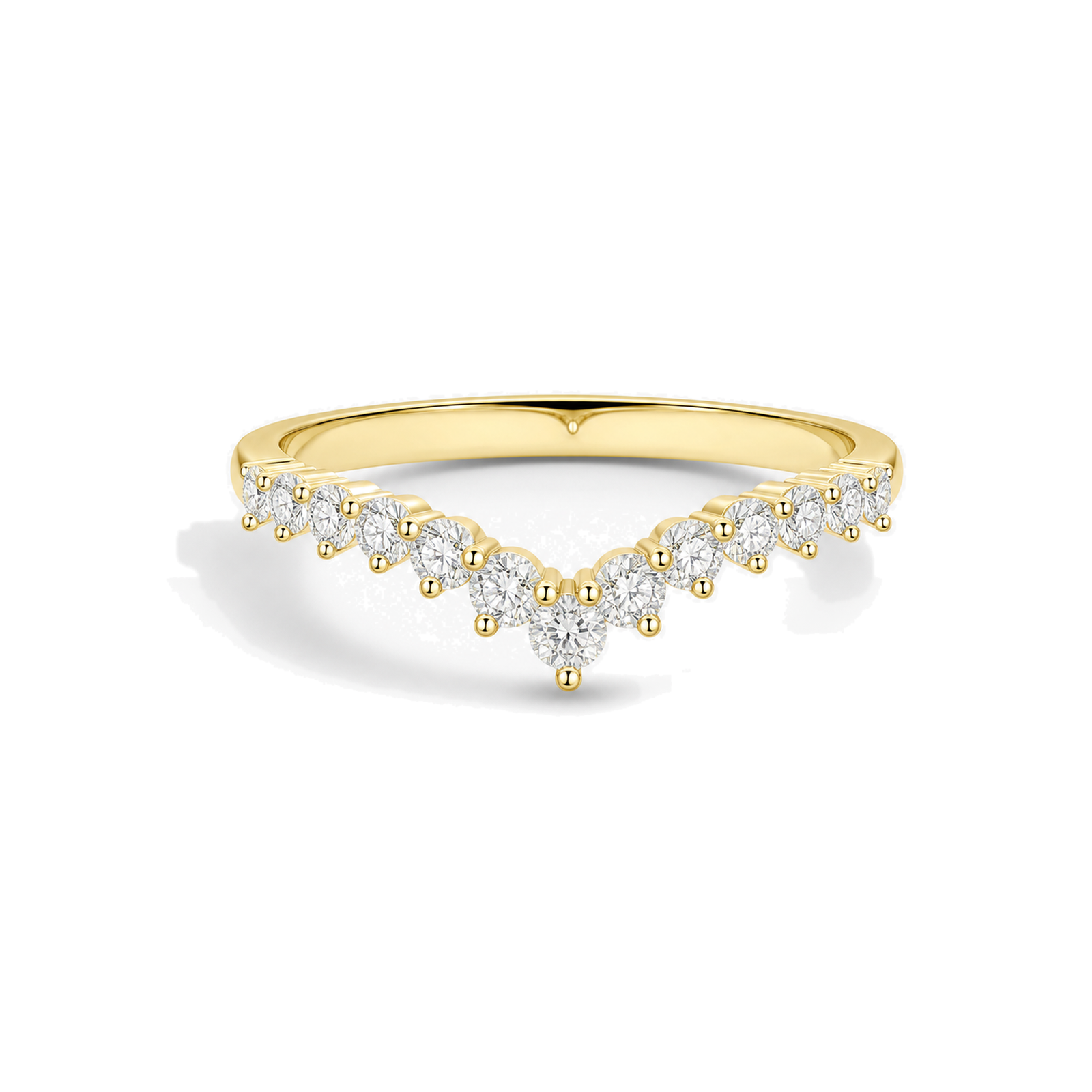
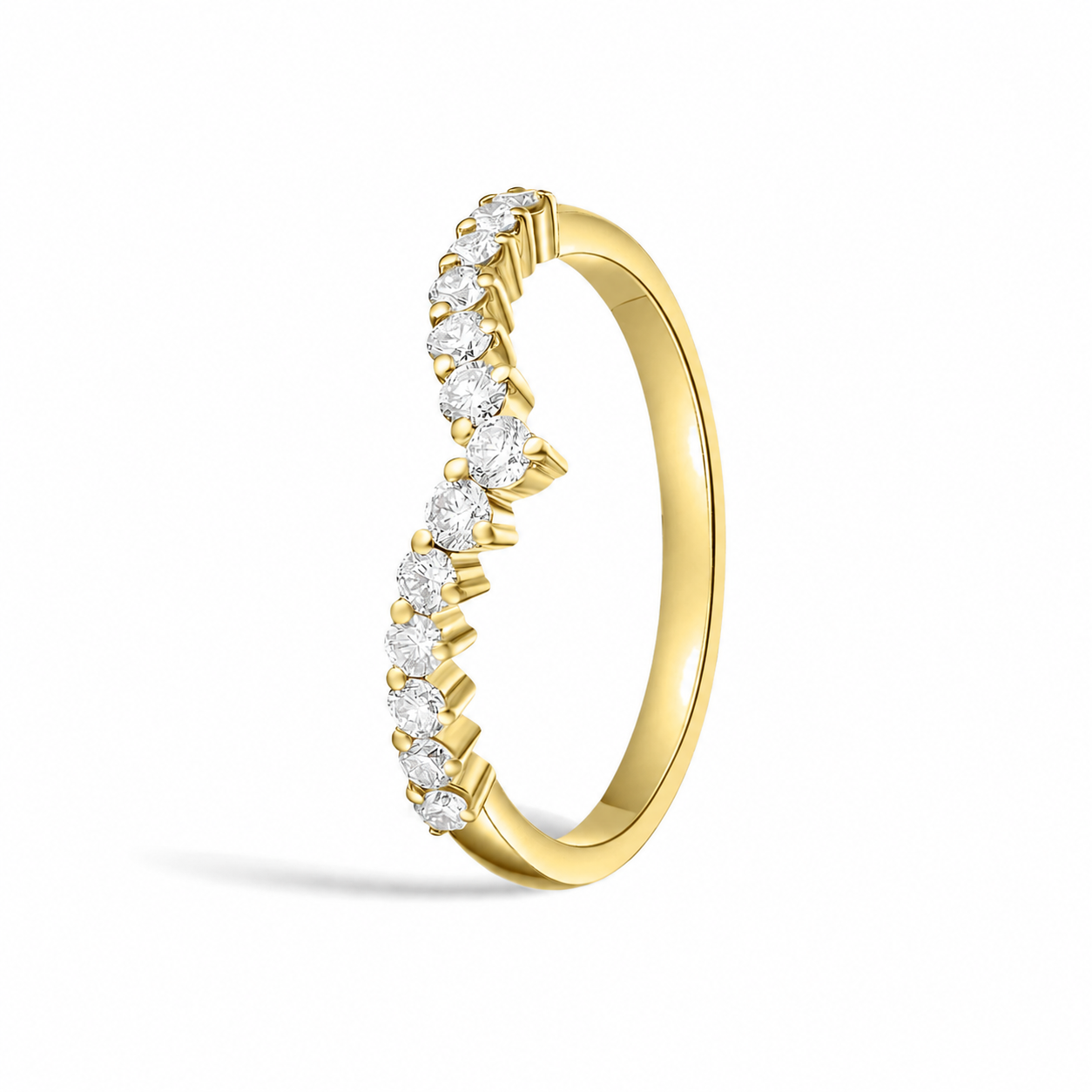

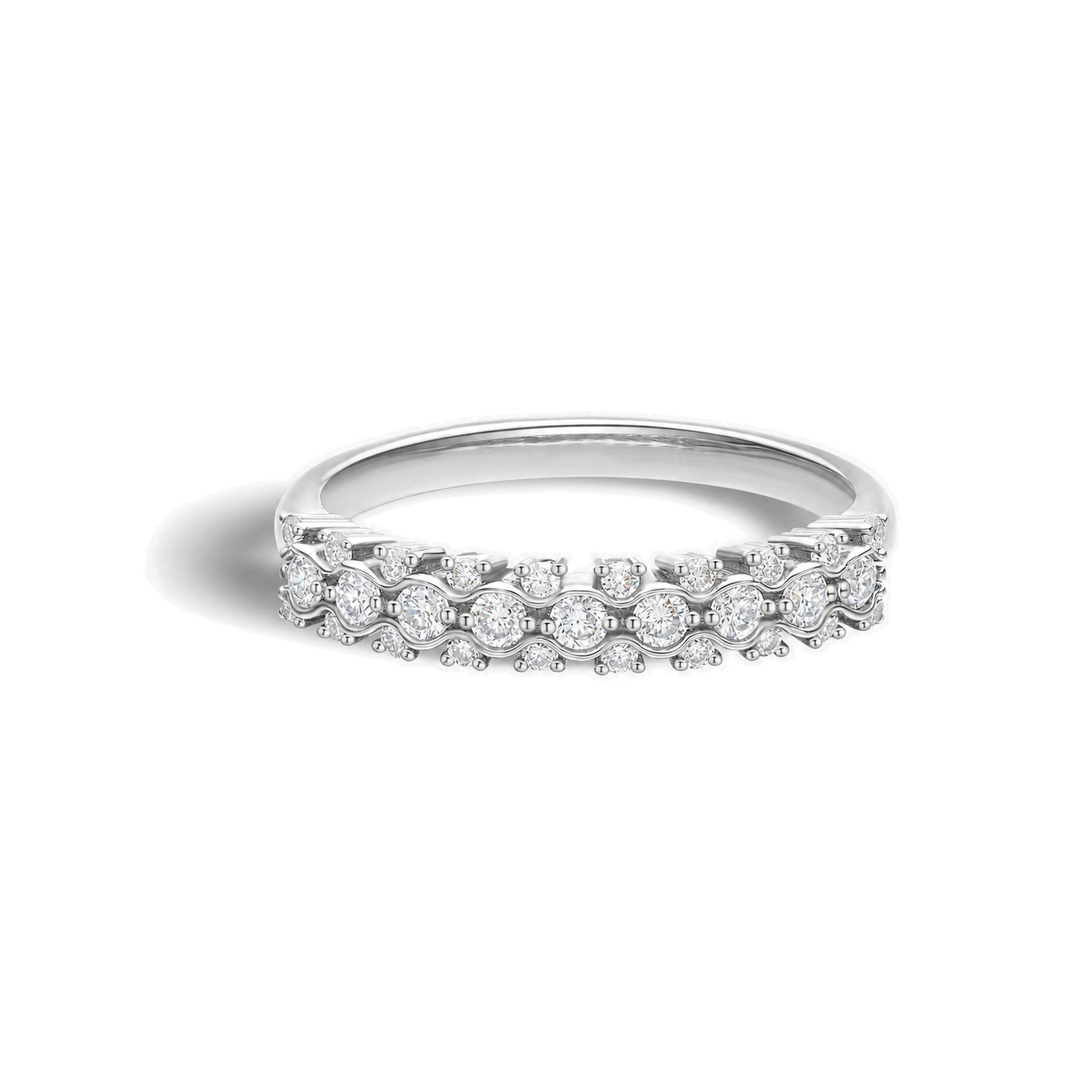
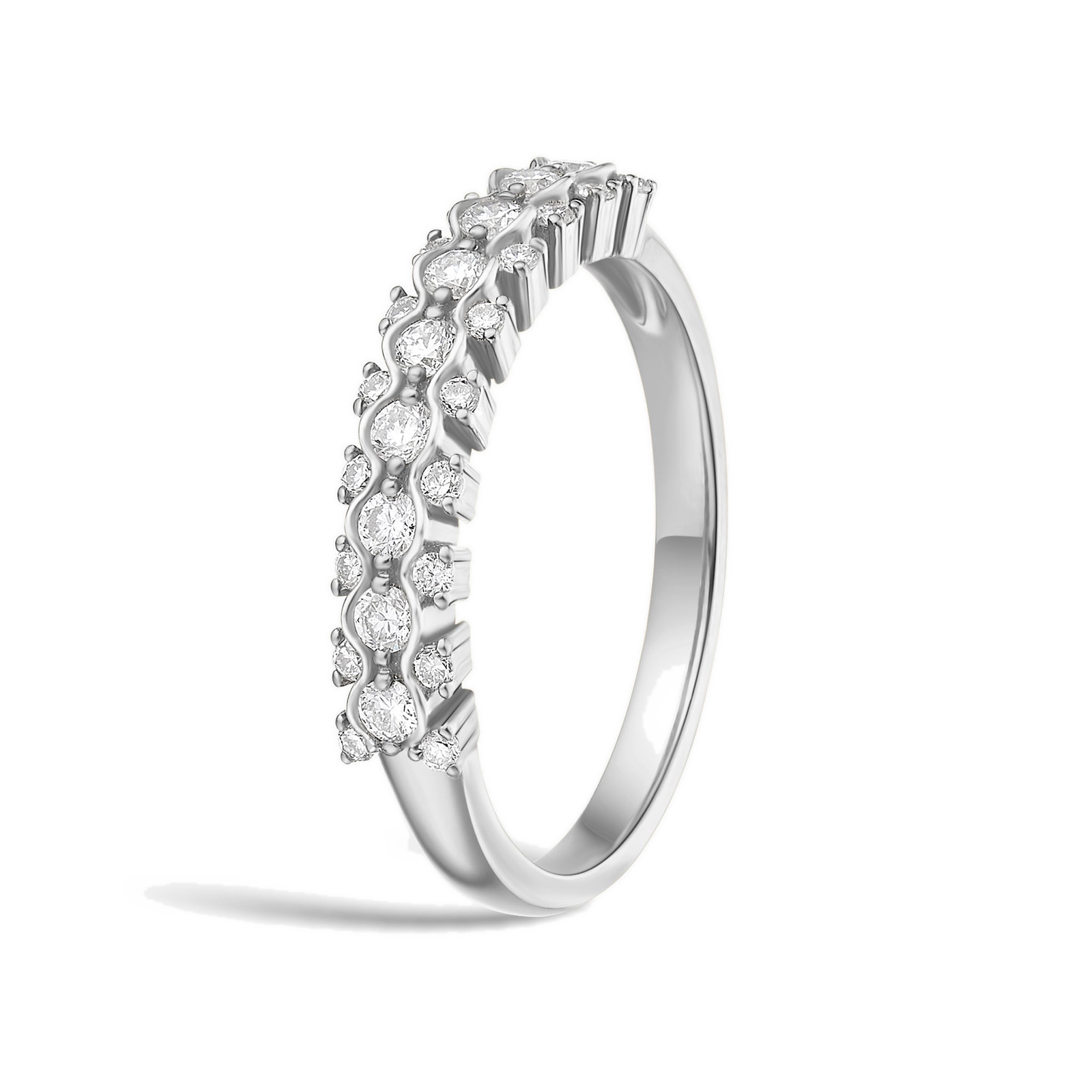


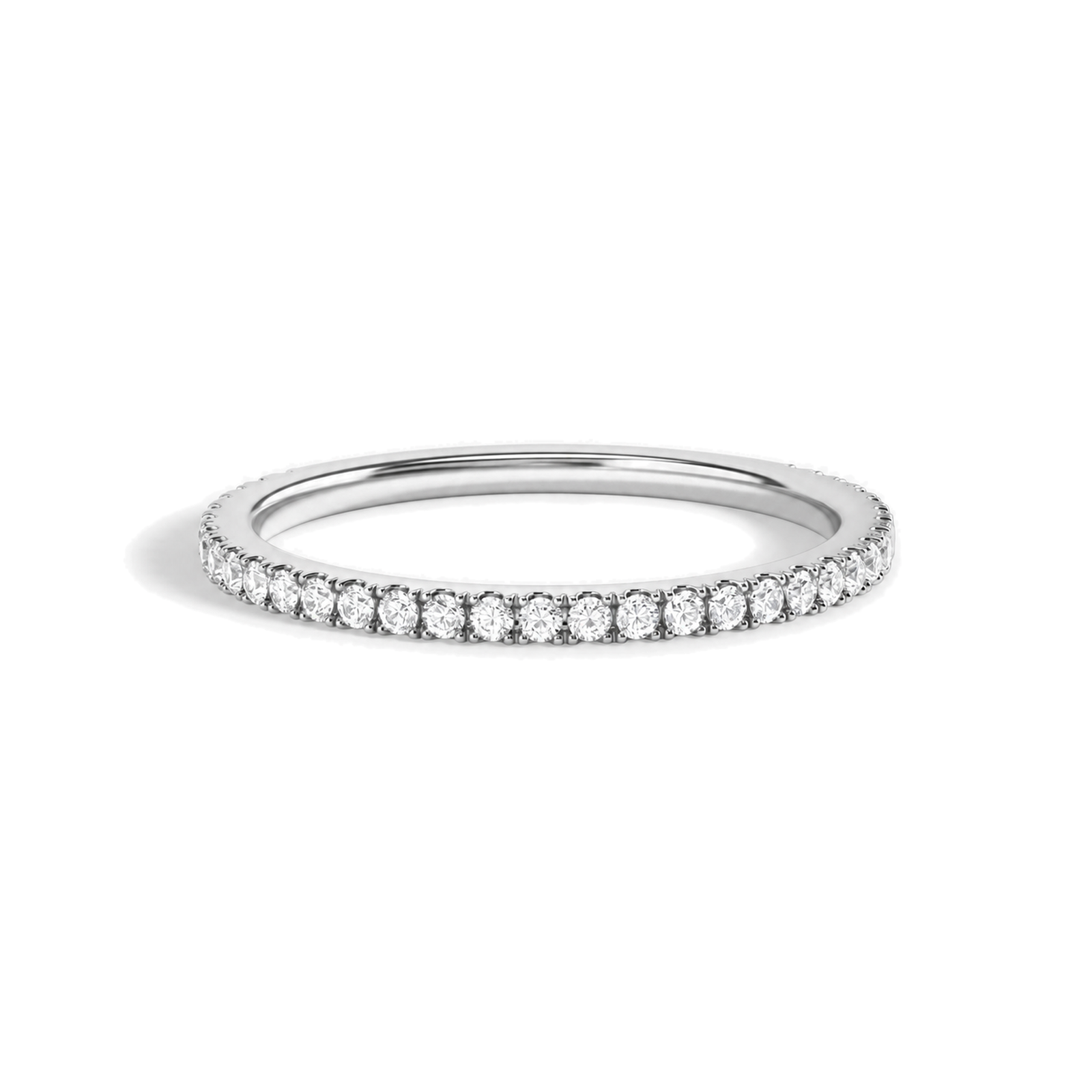
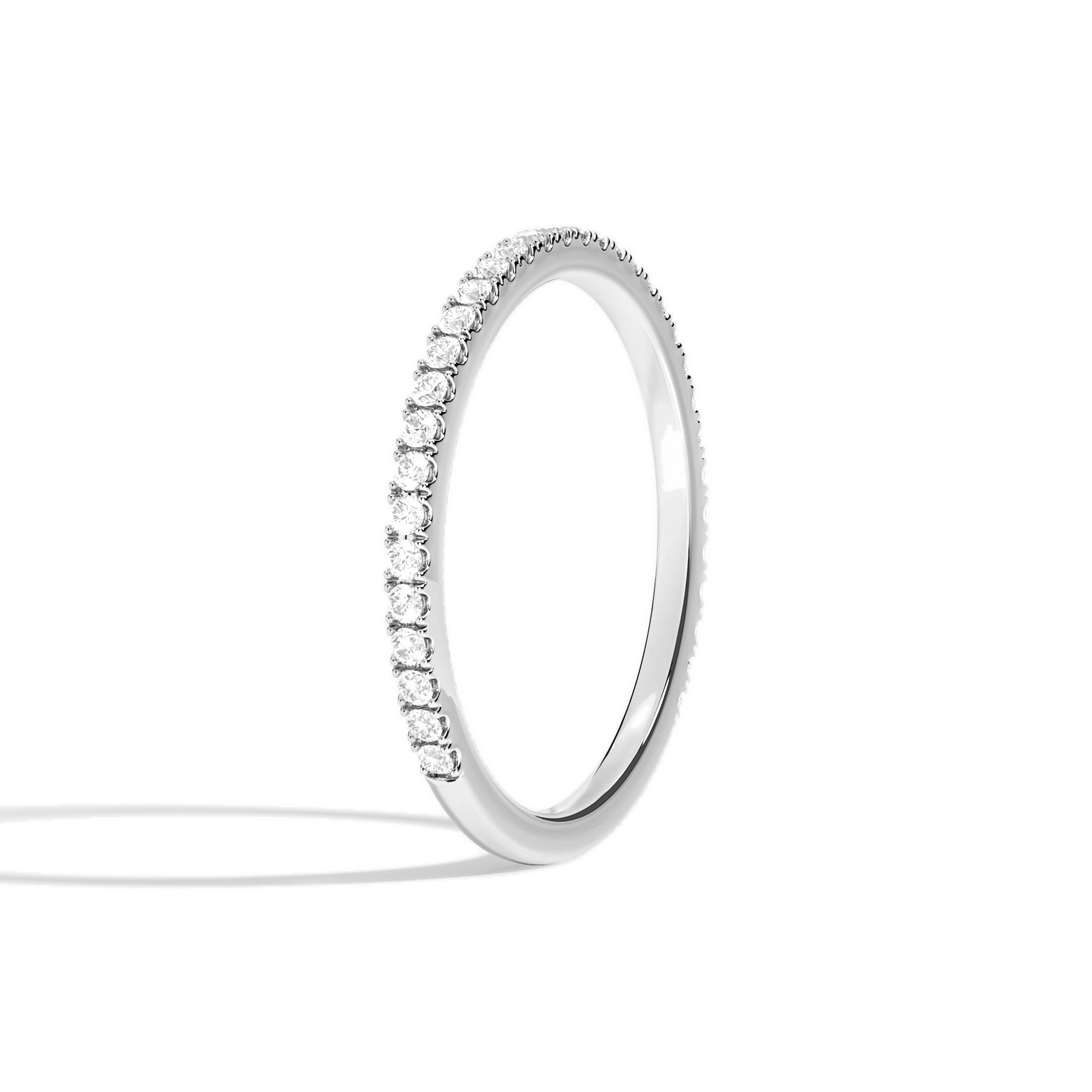

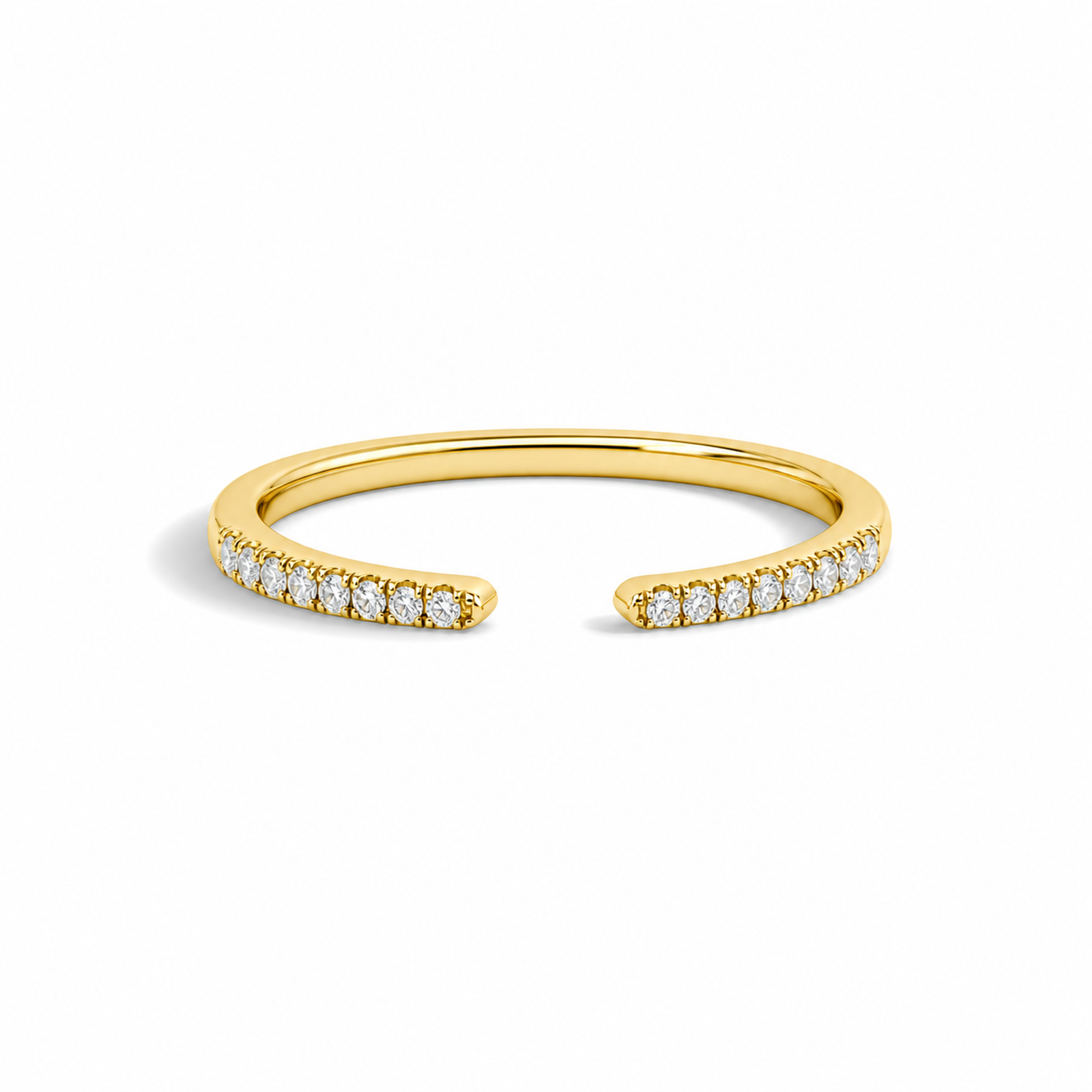


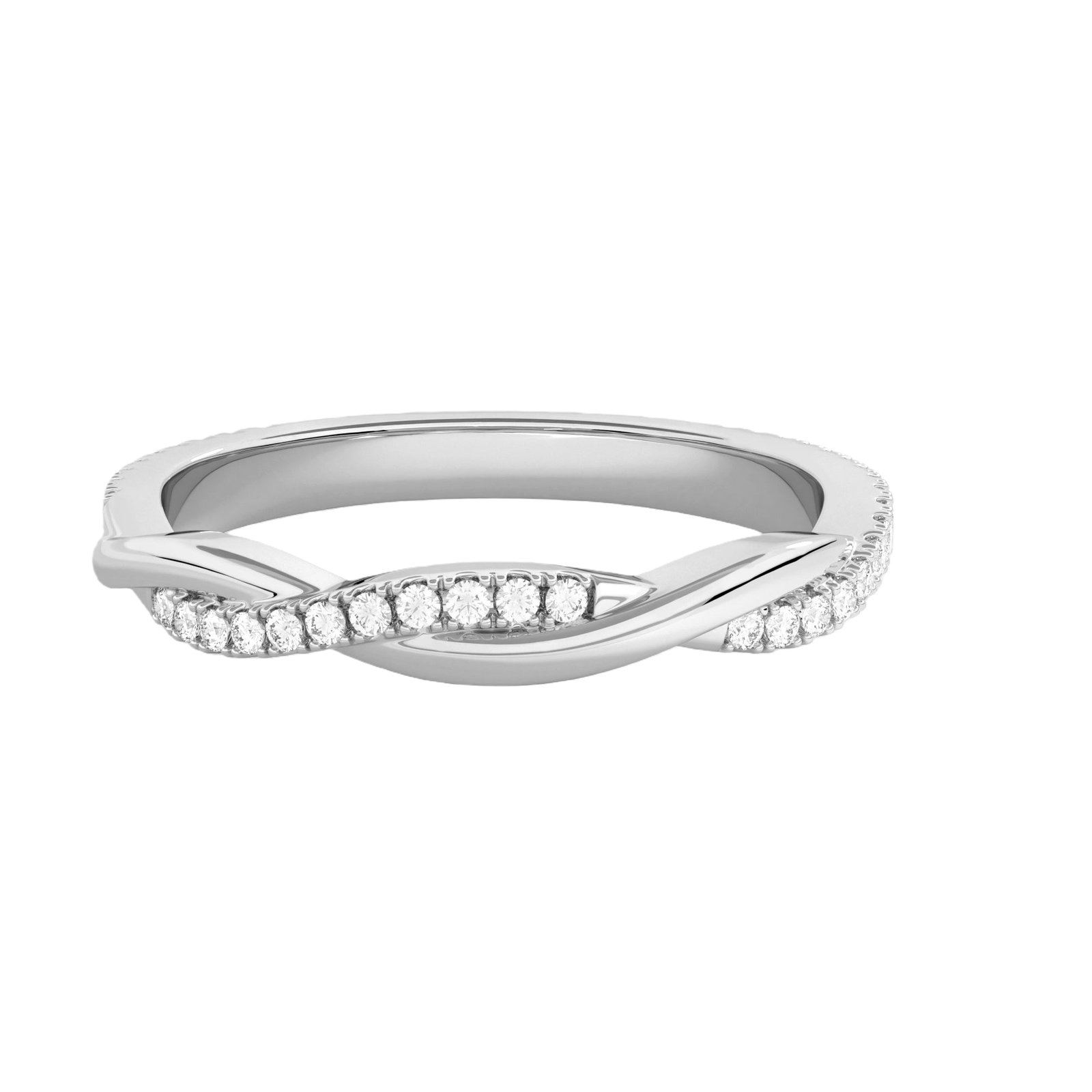


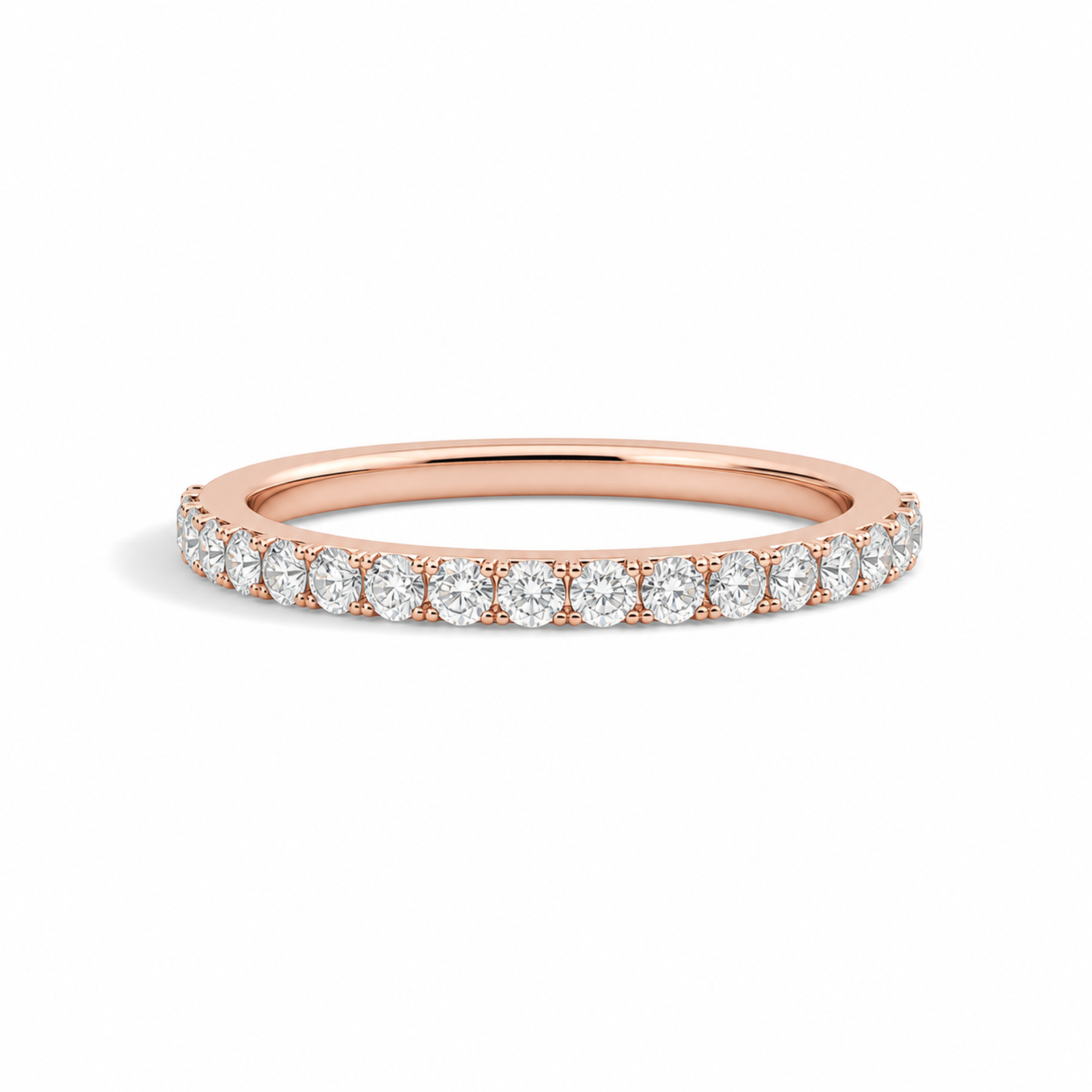


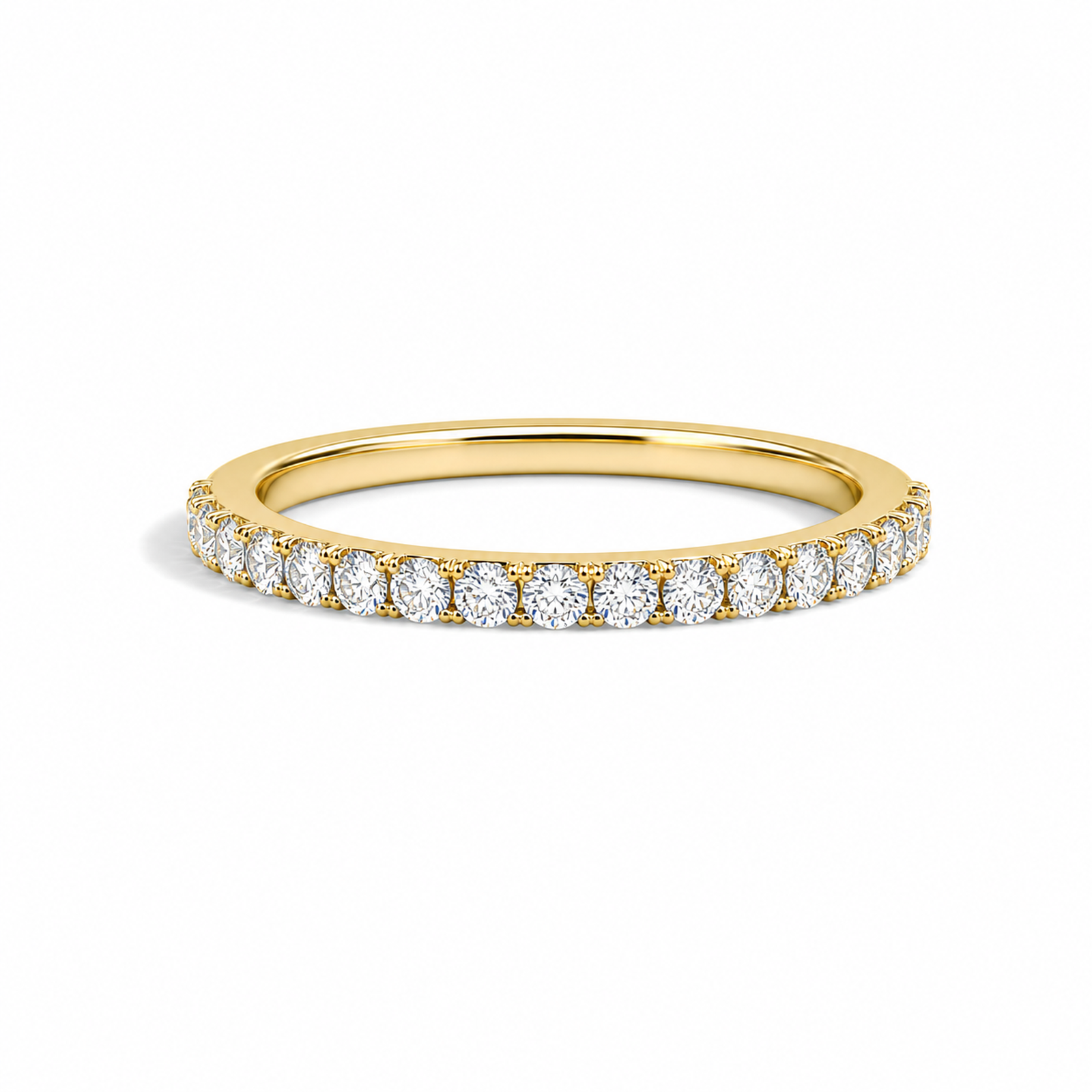


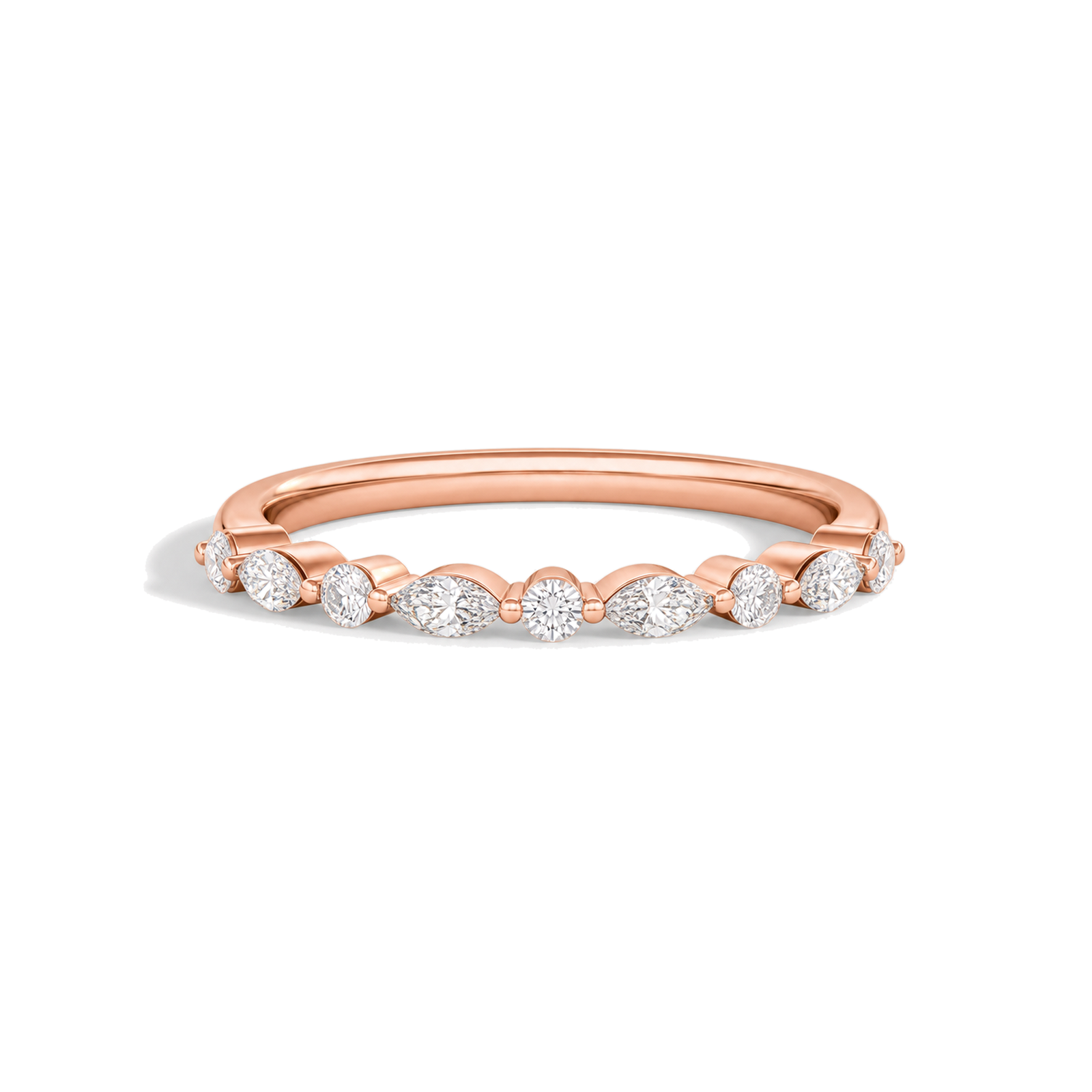


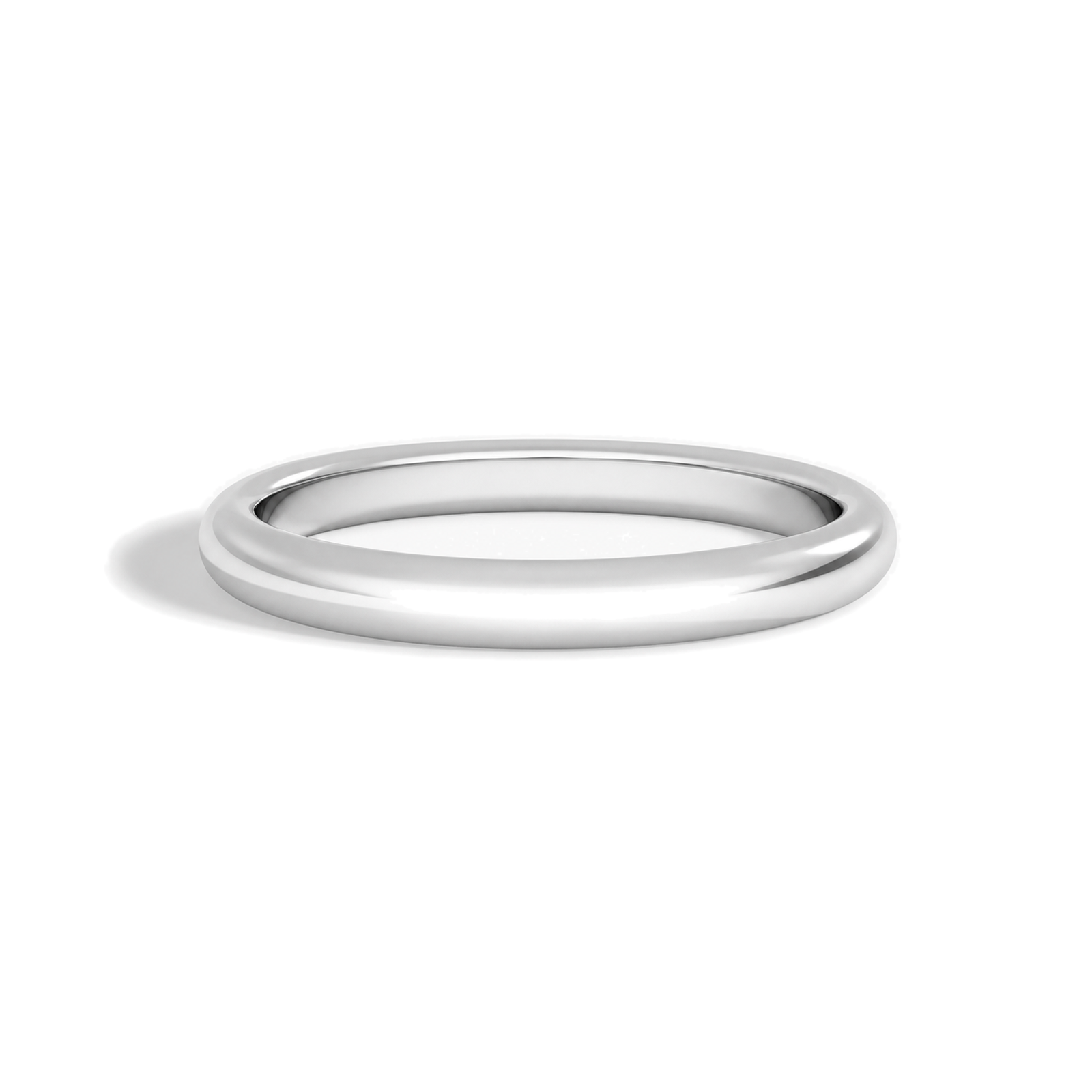
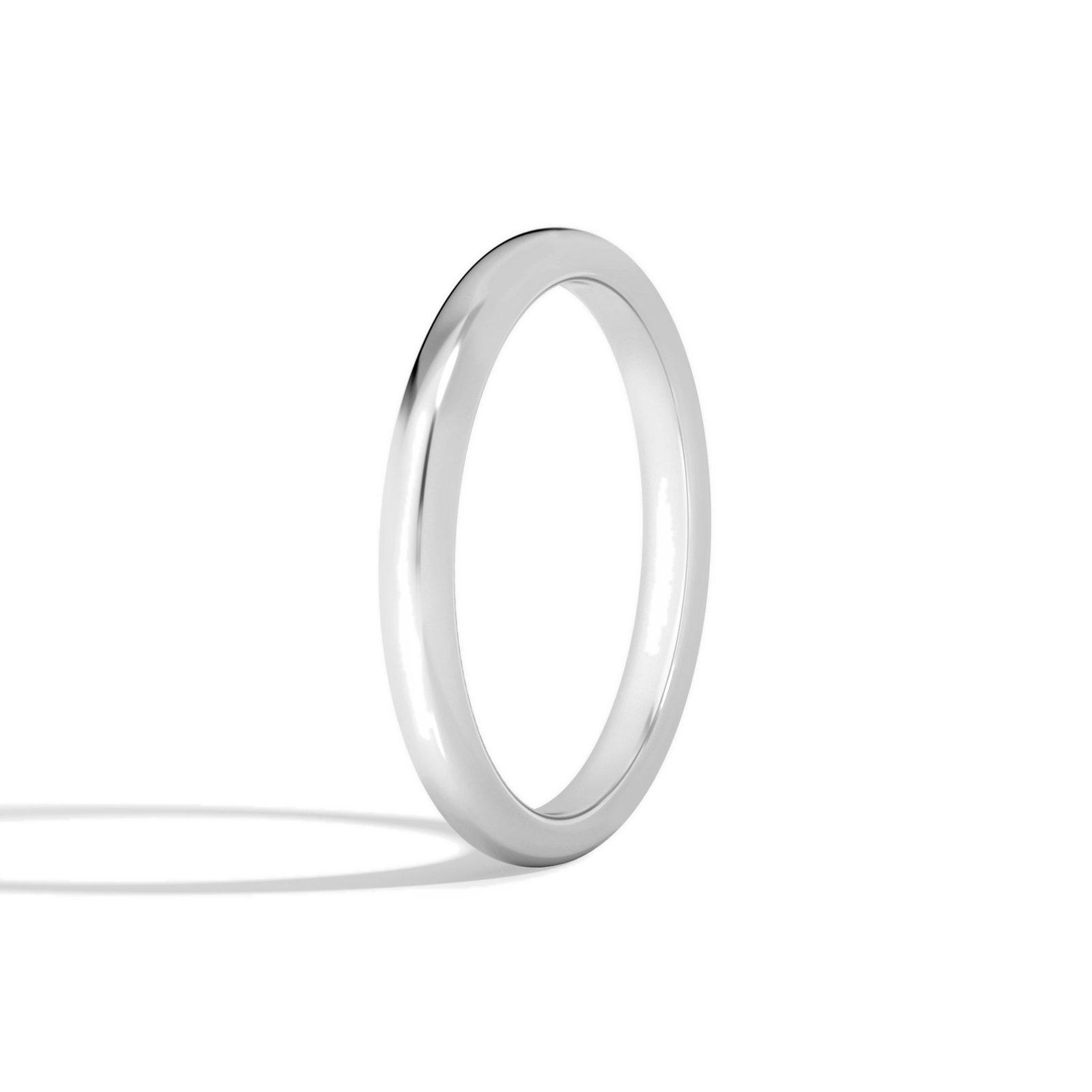

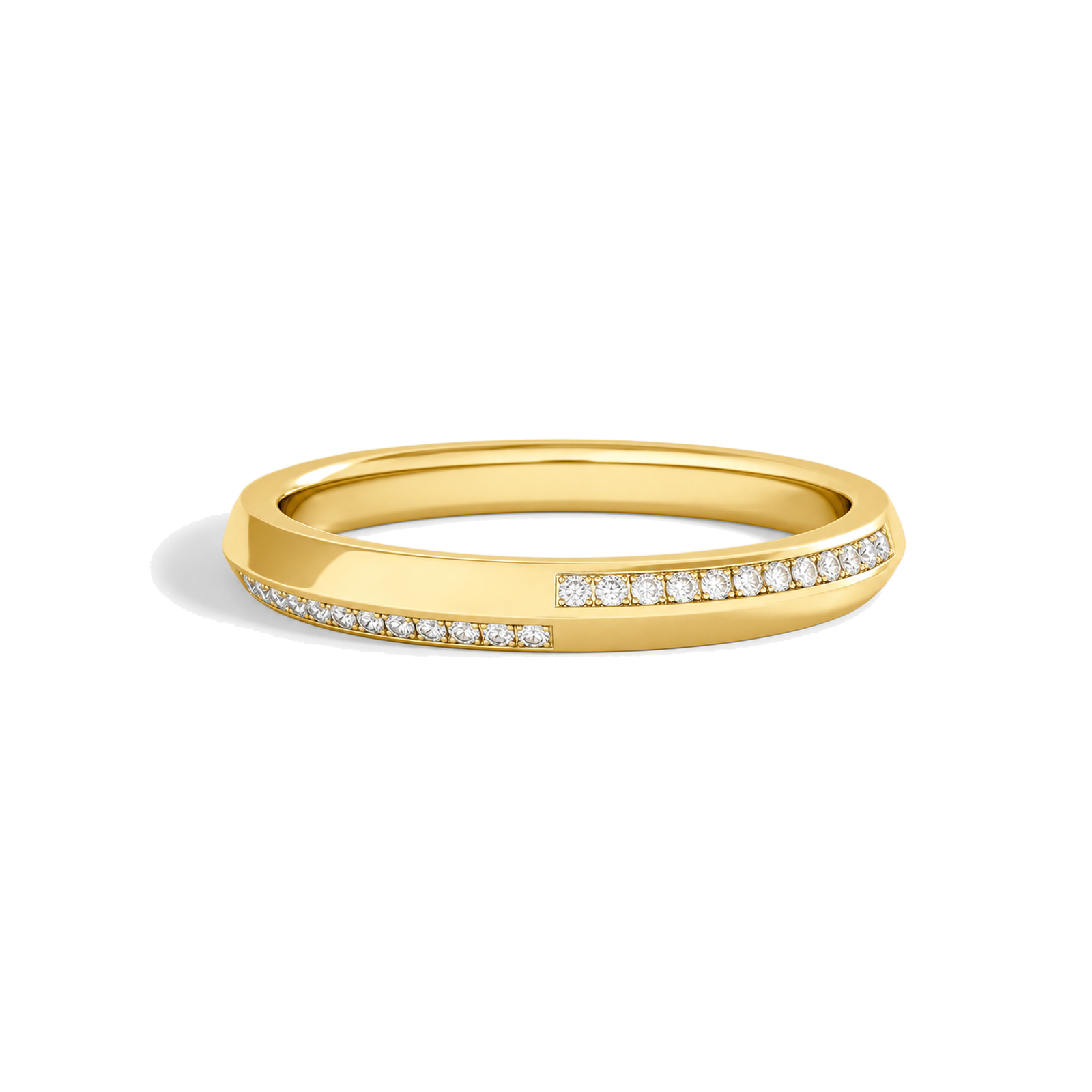





Lab-Grown Diamond Rings: Light, Line, and the Space Between
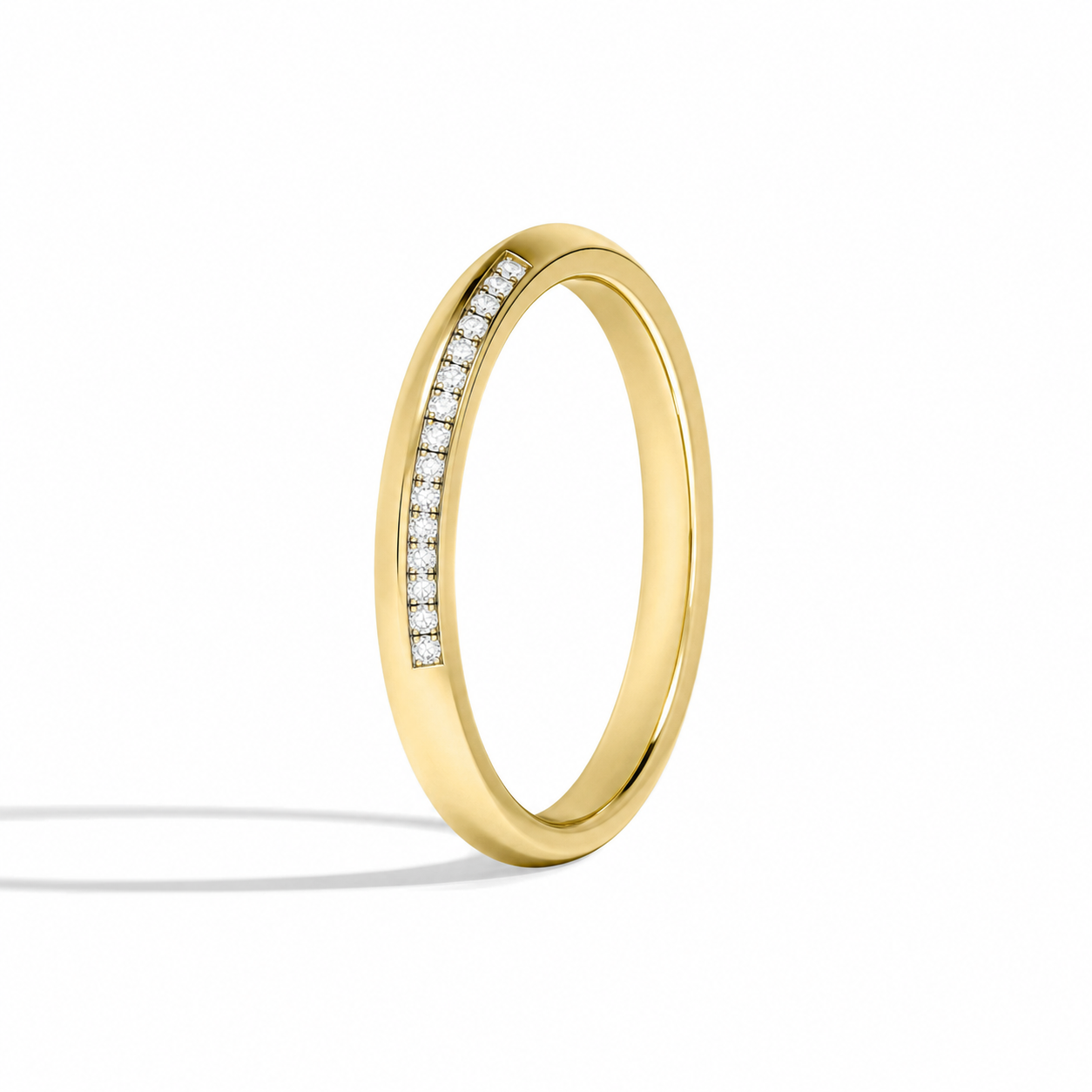
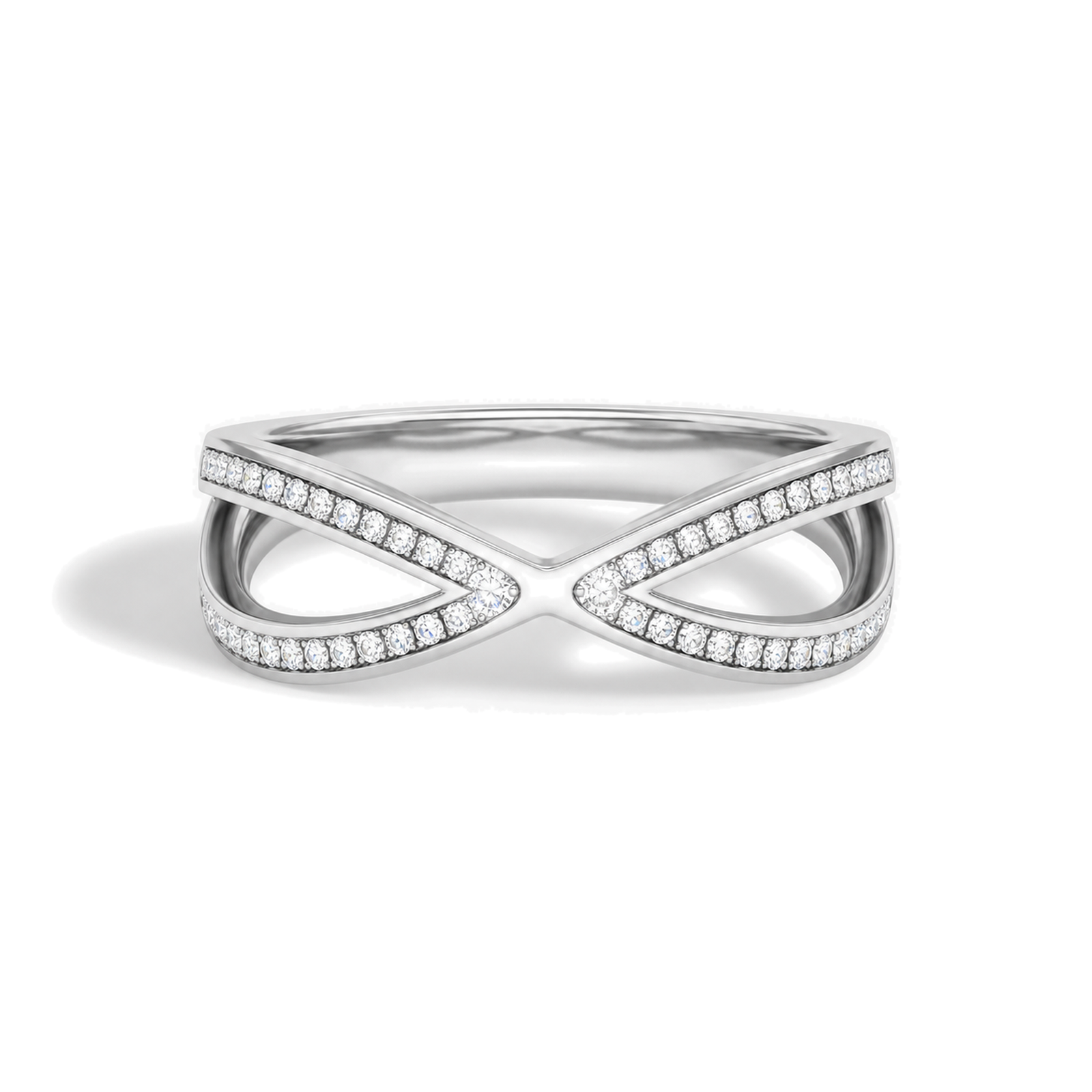
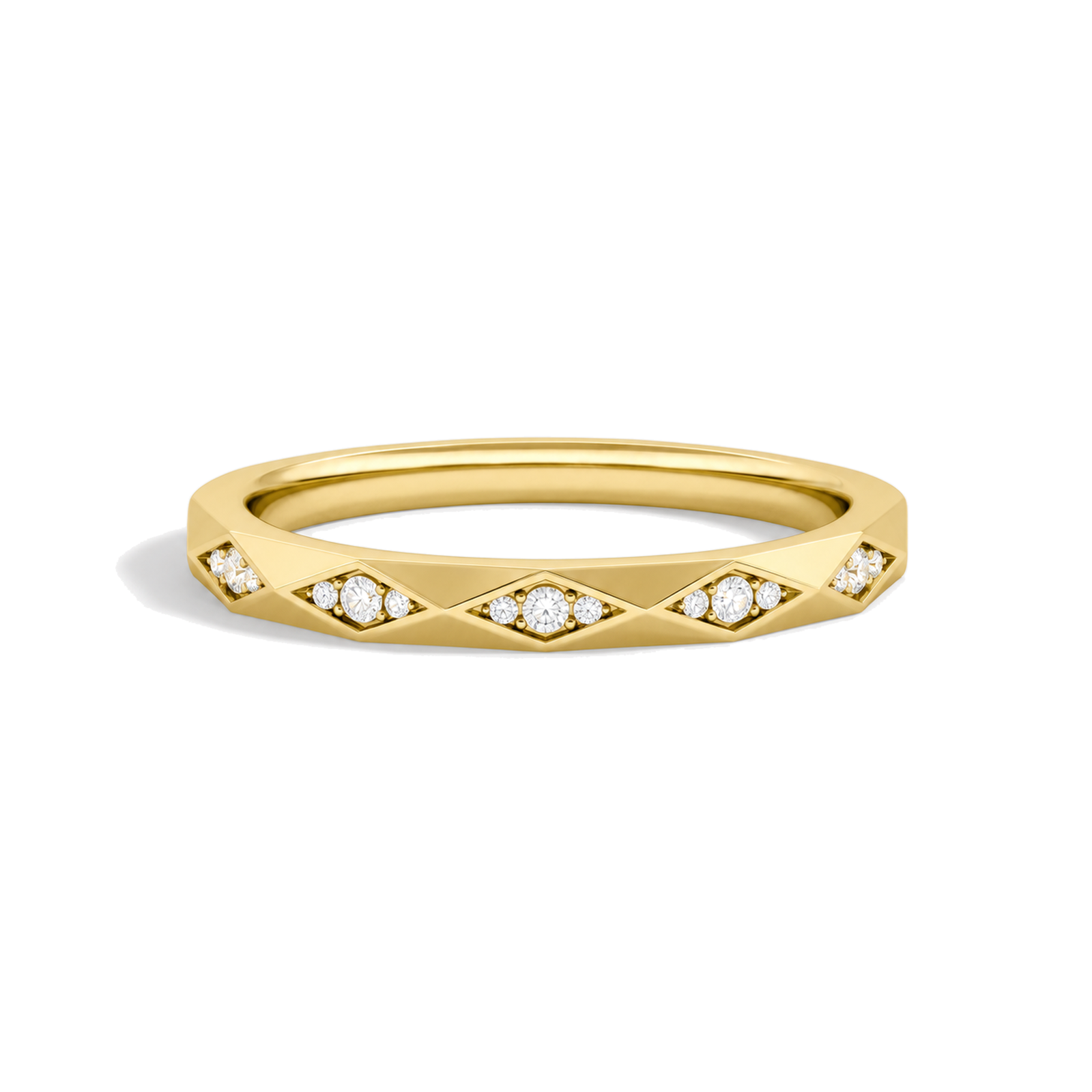
A diamond ring can mark a milestone, enter a personal stack, hold its own as a sculptural object, or simply become part of the hand’s daily language. Burvonti’s current collection moves through fine lines, eternity rhythms, open and curved silhouettes, crossed bands, bezel and channel structures, and rings with greater visual weight. No single occasion is required to make the design meaningful.
What connects that range is proportion. Diamond placement, band width, profile, metal edge, and negative space determine whether a ring feels quiet, graphic, fluid, or deliberately prominent. The useful comparison is not between minimal and statement as opposites, but between different ways a complete composition can occupy the hand.
Read the Ring as a Silhouette
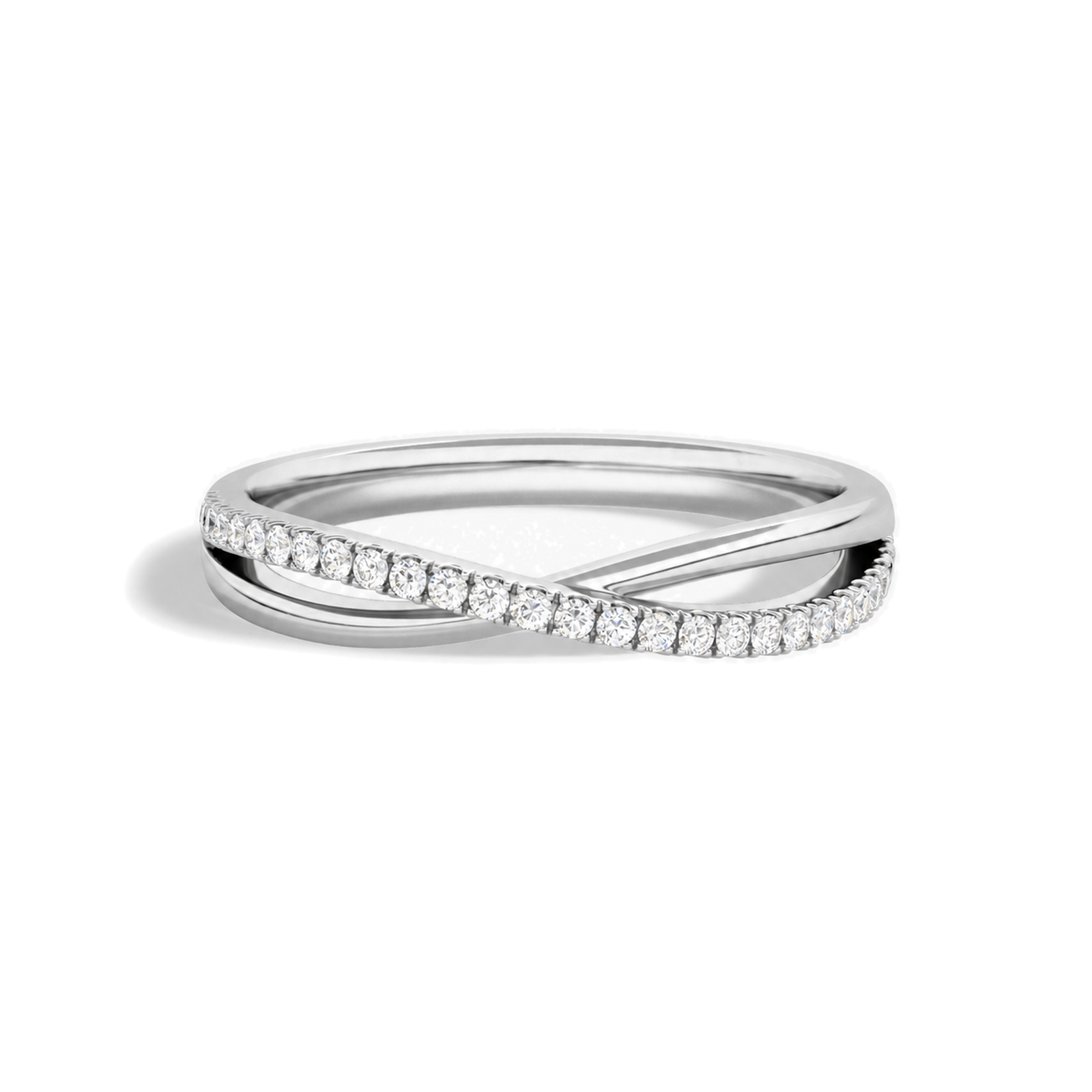
Begin with the outer line. A straight band establishes regularity; a curve creates direction or makes room for another ring; a bypass turns two ends past one another; an open ring makes the interval between its terminals part of the design. Crisscross and split structures widen the composition without requiring one uninterrupted surface.
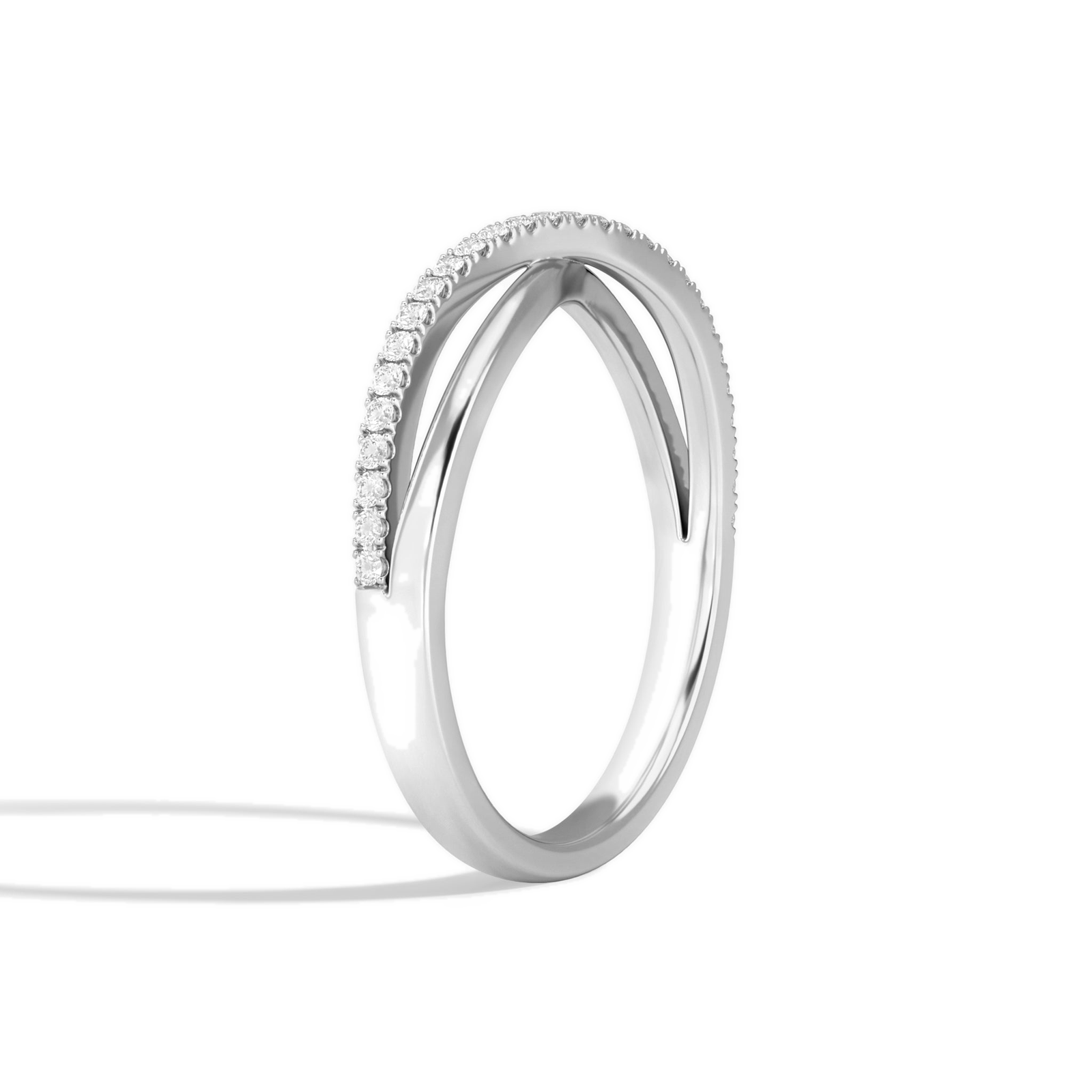
View the ring from above and in profile. A silhouette that appears fine face-up may rise more visibly at the setting. A wider band may remain low but occupy more of the finger. Edge shape, shoulder transition, gallery or understructure, and the relationship between set and unset metal all affect how the design is perceived and worn.
Diamond Coverage Creates Rhythm
Full eternity, partial coverage, graduated sequences, spaced diamonds, and one-sided focal arrangements distribute light differently. A continuous circle offers no single visual front, while partial coverage concentrates diamonds across the visible face and leaves more uninterrupted metal below the hand. Neither is inherently more complete; the choice changes appearance, sizing possibilities, maintenance, and contact with adjacent surfaces.
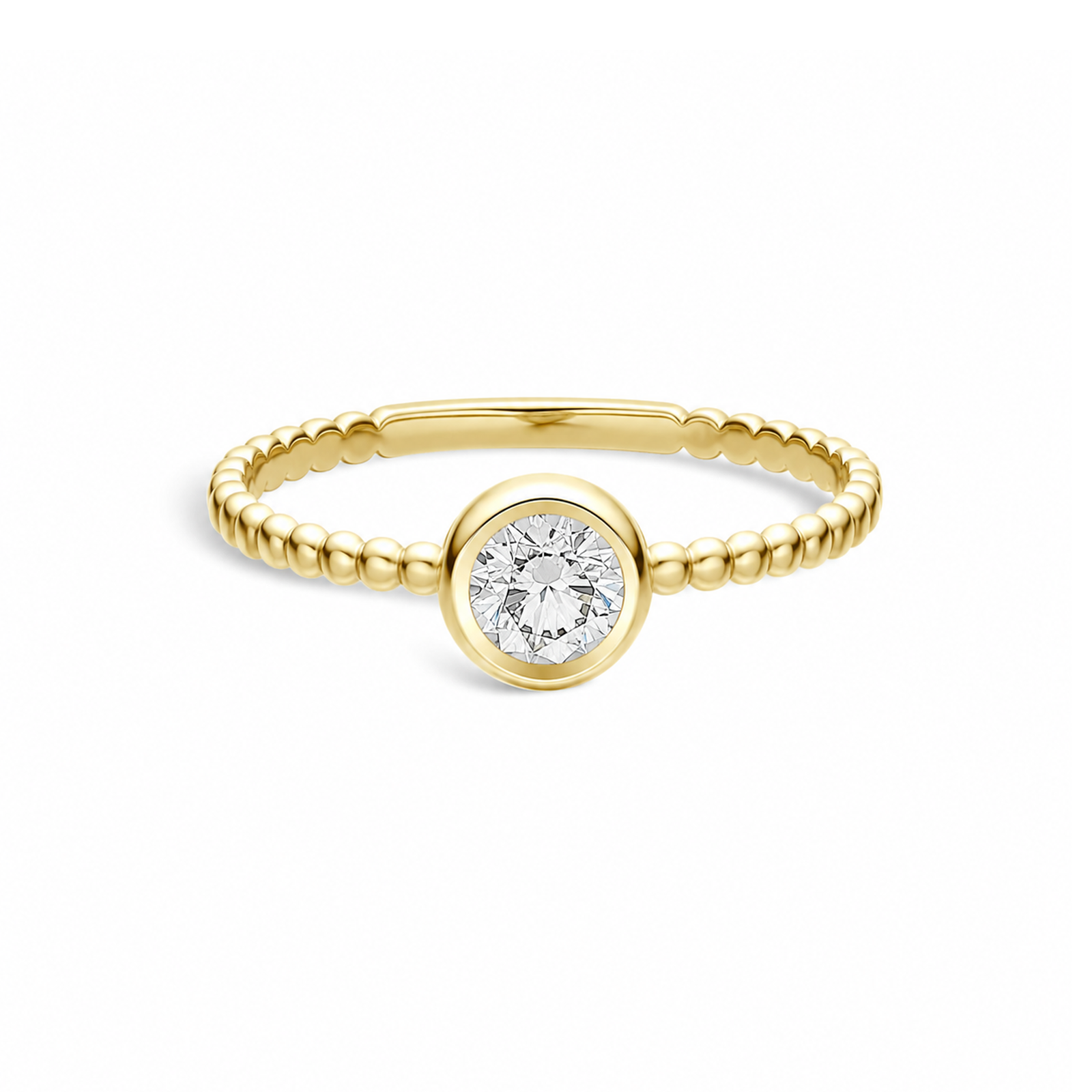
Setting language changes the cadence again. Shared prongs can make neighboring diamonds read as a line. Individual bezels separate them into measured units. Channels hold stones between metal walls; bead and milgrain details bring a finer metal texture into the rhythm. Security and wear still depend on the exact seat, stone, dimensions, workmanship, condition, and use—not on a setting name alone.
Stacking Is a Question of Contact and Interval
A considered stack begins with geometry rather than a fixed number of rings. Compare total width, height, edge shape, curvature, and where the pieces meet. Two straight bands may align closely; a raised setting or projecting detail may create contact at one point; a curved ring can follow another silhouette; an intentional gap can give open or crossed forms the space they need.
Rhythm can come from similarity or contrast. Repeating one diamond scale creates continuity, while alternating fine and broad bands changes pace. Shared metal offers a unified field; mixed metals make each line more distinct. Rotate, add, or remove rings based on the complete composition rather than treating every piece as permanently assigned to one stack.
Fit Includes More Than the Number Inside the Band
Ring size is a starting measurement. Band width, interior profile, temperature, time of day, knuckle relationship, and the number of rings worn together can change how the same nominal size feels. A wider or multi-band composition may require a different fit assessment from a single fine ring. Product dimensions and a direct sizing review are therefore more useful than a universal adjustment rule.
Resizing is also construction-specific. Full eternity diamonds, open terminals, continuous patterns, multiple rows, engraving, and complex shoulders can limit conventional methods or change how much alteration is prudent. A ring should never be described as resizable solely because another ring in the Collection can be adjusted. Confirm the exact product and intended size change.
Metal Clarifies Edge, Warmth, and Contrast
The current public Collection is represented in 14K White, Yellow, and Rose Gold. White Gold gives the diamond line a cooler setting; Yellow Gold makes bezels, channels, and band edges warmer and more visible; Rose Gold introduces a softer blush. None is universally best for every design, wearer, or stack.
Metal color may be repeated throughout a group or used as contrast. When mixing, look for another element that holds the rings together: similar edge treatment, a recurring diamond shape, related widths, or a shared level of polish and texture. Exact alloy, finish, metal weight, sensitivity considerations, and alternative-metal feasibility remain product-specific.
Understand Which Collection Owns the Question
This Collection owns the broad diamond-ring form: eternity, stacking, open, curved, bezel, channel, crossed, and sculptural possibilities for personal wear and varied milestones. Engagement Rings own center-led commitment shopping, including detailed shape and setting comparison. Wedding Bands own ceremonial bands and the specific question of pairing with an engagement ring.
Those intentions can overlap in real life. A diamond band may be chosen as a wedding ring, anniversary piece, stack component, or independent design. The page boundary is not a rule about how the customer must wear it; it is a way to keep navigation and education clear. Product naming, construction, fit, and intended relationship should guide the final choice.
A Personal Register, Calibrated in the Details
Burvonti brings responsibly sourced lab-grown diamonds, documented specifications, setting architecture, and human observation into the same composition. Total carat weight, where stated, describes combined diamond weight; it does not establish visible width or presence by itself. Diamond dimensions, distribution, metal, profile, and space determine what the ring actually becomes on the hand.
Custom possibilities may refine metal, diamond arrangement, scale, width, contour, profile, or selected details when structurally feasible. For care, use a gentle method suited to the complete ring, avoid abrasive products and harsh chemicals, limit hard contact between stacked pieces, and arrange inspection if a stone moves, a setting changes, or the ring receives significant impact.
Frequently Asked Questions
What types of lab-grown diamond rings does Burvonti currently offer?
The current public assortment includes eternity and partial-coverage bands, stacking rings, open and curved silhouettes, bypass and crossed forms, bezel and channel structures, milgrain details, and more sculptural standalone compositions.
How is this Collection different from Burvonti Engagement Rings?
This page owns the broad diamond-ring form, including stacking, eternity, open, curved, and sculptural designs. Engagement Rings focus on center-led commitment rings and deeper center-shape and setting comparison. The distinction guides navigation; it does not prescribe how a ring must be worn.
How is this Collection different from Wedding Bands?
Wedding Bands own ceremonial band shopping and engagement-ring pairing. Some diamond bands can also appear relevant here because they function as independent rings, stack components, anniversary pieces, or personal designs. Product construction and intended relationship should guide the choice.
What is the difference between a full and partial eternity ring?
A full eternity design continues diamonds around the complete circumference. A partial design concentrates them across part of the band and leaves more uninterrupted metal. Appearance, sizing possibilities, maintenance, and surface contact differ by exact construction.
What is a stacking diamond ring?
It is a ring designed or readily suited to combine with other rings, often through a considered width, edge, contour, or repeated diamond rhythm. The label does not guarantee a close fit with every neighboring piece.
How should I build a diamond ring stack?
Compare total width, heights, edge shapes, curves, contact points, and diamond rhythm. Repeat one element for continuity, then vary scale, texture, setting, or metal only where the complete group remains balanced.
Do stacked rings need to sit flush?
No. A close fit is one option; a deliberate interval can protect visual space or answer a raised, curved, open, or crossed structure. Check whether contact causes abrasion, pressure, or unwanted movement between the exact rings.
Can I mix white, yellow, and rose gold rings in one stack?
Yes. Mixed metals can feel intentional when another feature connects the rings, such as edge treatment, width, diamond shape, setting rhythm, or finish. Exact alloy and surface-care considerations remain product-specific.
How should a diamond ring fit?
It should pass the knuckle without undue force and sit securely without painful pressure. Band width, interior profile, temperature, swelling, and the number of rings worn together affect fit, so a nominal size alone is not a complete assessment.
Do wider rings need a larger size?
Sometimes a wider band or multi-ring stack feels tighter, but there is no universal size increase that suits every finger and profile. Evaluate the exact width, interior shape, knuckle, and intended stack with a direct sizing review.
Can all lab-grown diamond rings be resized?
No. Full eternity coverage, open terminals, continuous patterns, multiple rows, engraving, and complex shoulders can limit or change resizing. Confirm the exact ring and intended adjustment rather than relying on a Collection-wide rule.
Are open or bypass diamond rings adjustable?
Not automatically. An opening does not make a fine-jewelry ring safely bendable by the wearer. Terminal settings, band tension, alloy, dimensions, and stone placement determine whether any professional adjustment is feasible.
Which diamond setting is best for a ring?
There is no universal best. Prongs, bezels, channels, shared settings, and bead-set details create different light, metal visibility, profile, and maintenance needs. Security depends on exact execution, condition, and use rather than the category name alone.
Can lab-grown diamond rings be worn every day?
Many can be worn frequently, but suitability depends on setting height, exposed edges, diamond placement, band profile, work and activity, contact with other rings, and maintenance. Review the individual construction for your routine.
What does total carat weight mean for a diamond ring?
It is the combined weight of the diamonds included in the stated ring. It does not specify each stone’s weight, dimensions, coverage, or face-up presence unless those details are separately provided.
Which metal is available in the current Burvonti diamond ring Collection?
The current public Collection audit found representative rings in 14K White, Yellow, and Rose Gold. Platinum, 18K Gold, exact alloy composition, and alternative-metal availability should be confirmed for the specific design.
How should I clean a lab-grown diamond ring?
Use a gentle method appropriate to the diamonds, alloy, setting, finish, and any milgrain or delicate surfaces. Avoid abrasive products and harsh chemicals, clean beneath accessible settings carefully, and do not assume ultrasonic cleaning suits every ring.
Can a Burvonti lab-grown diamond ring be customized?
Custom possibilities may include metal, diamond arrangement or scale, width, contour, profile, engraving, or selected setting details when structurally feasible. Exact scope, documentation, sizing, timing, and price require individual confirmation.