
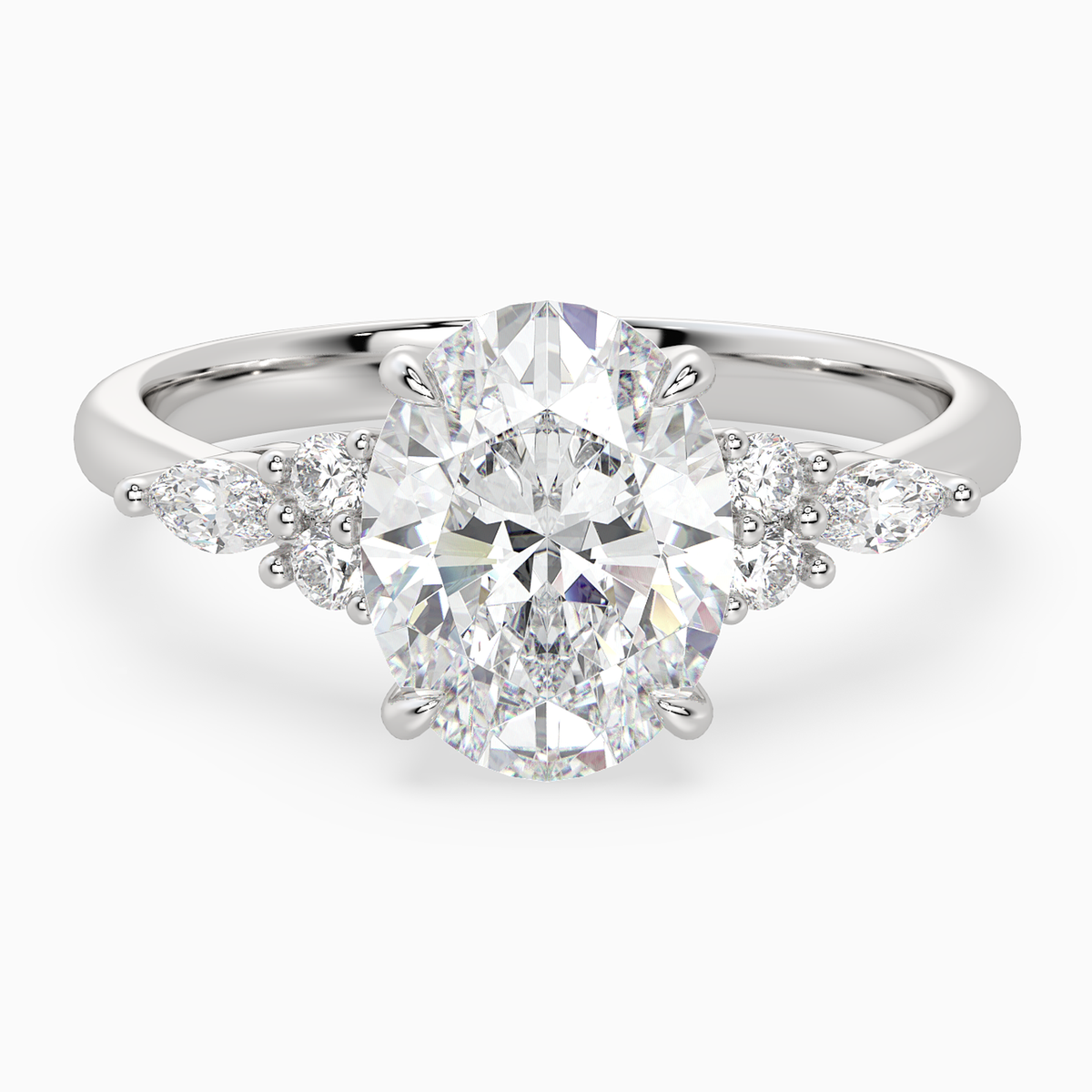


18K Yellow Gold Engagement Rings
Gold at its most articulate. 18K yellow gold gives engagement settings a richer tone, drawing a deliberate line between diamond and band.


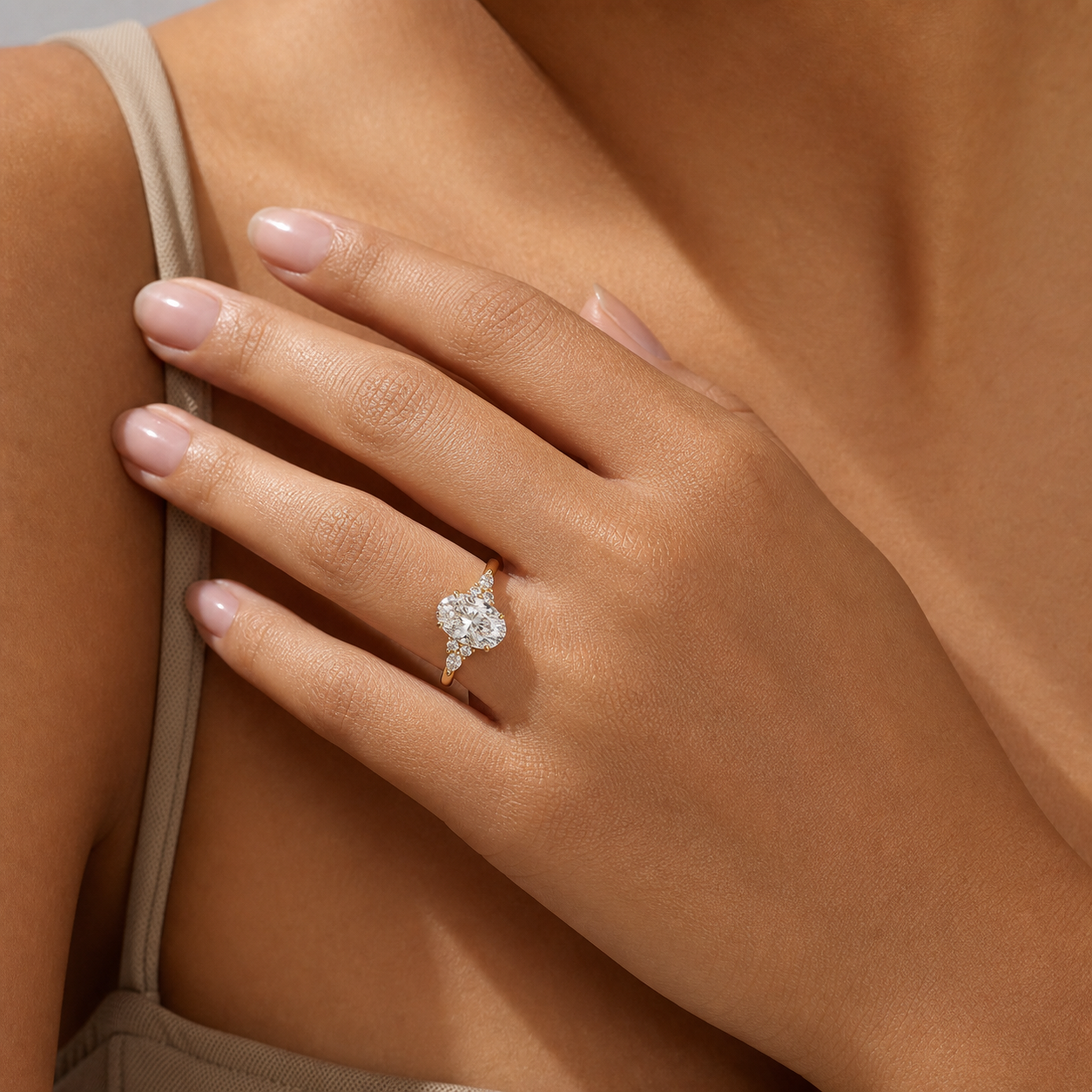


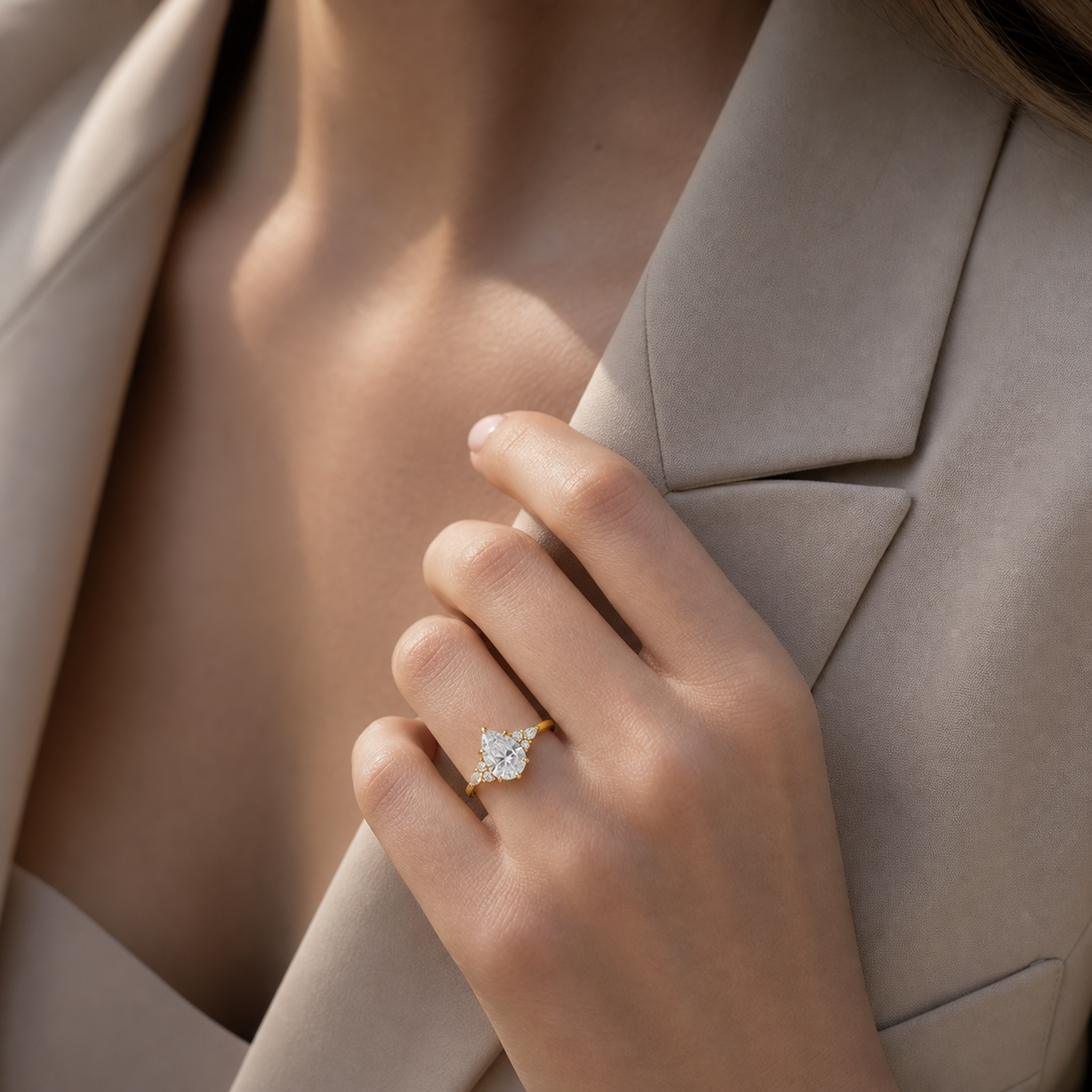


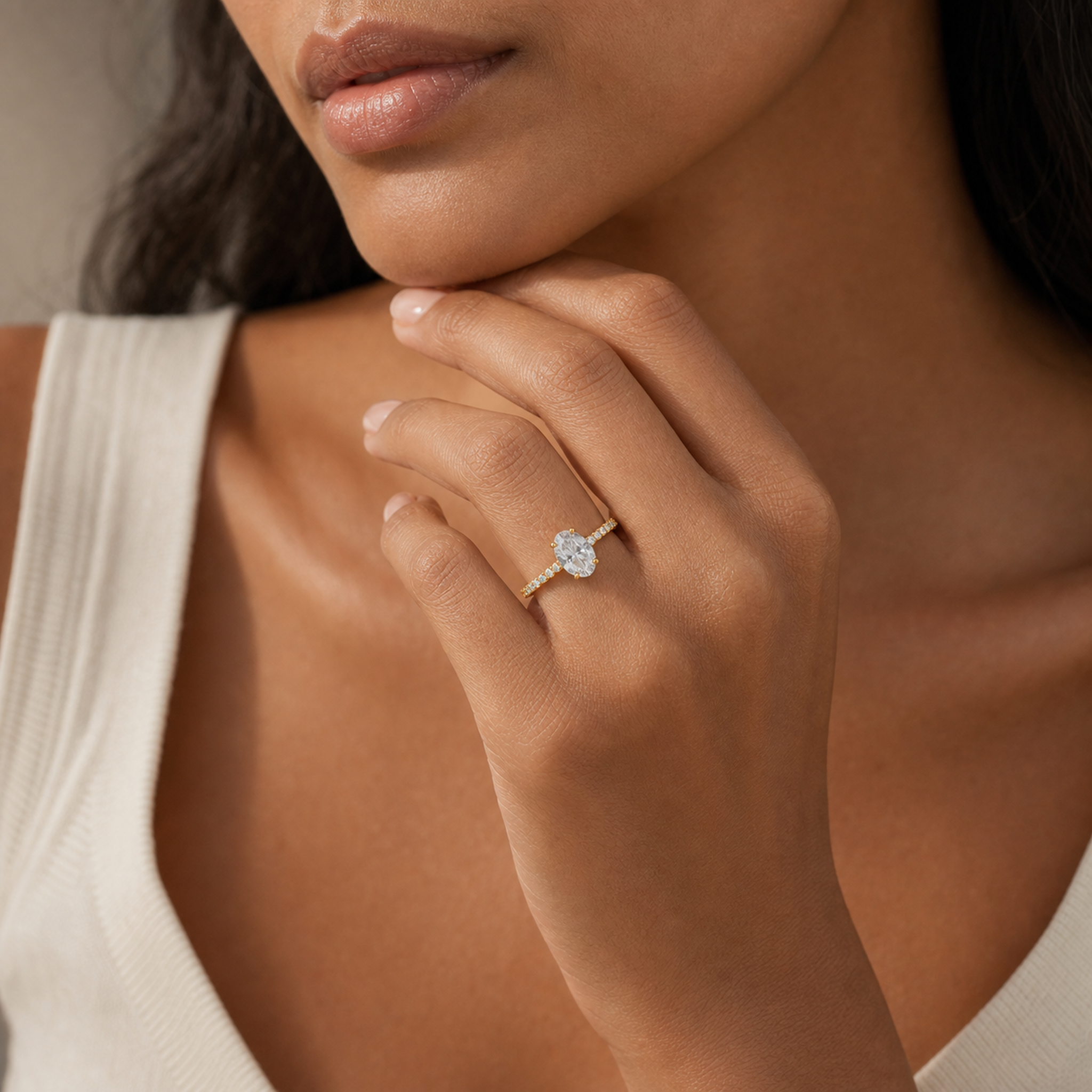


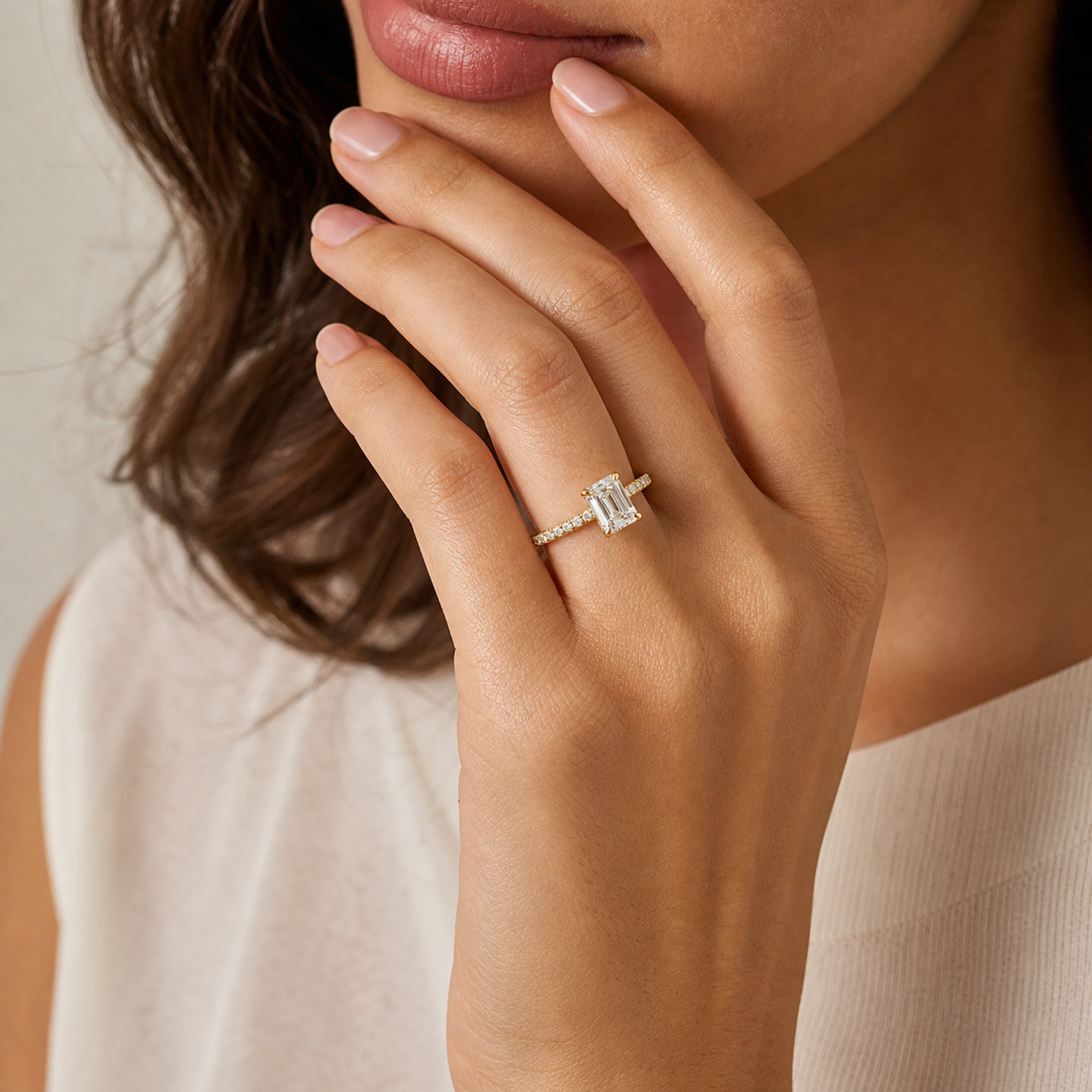


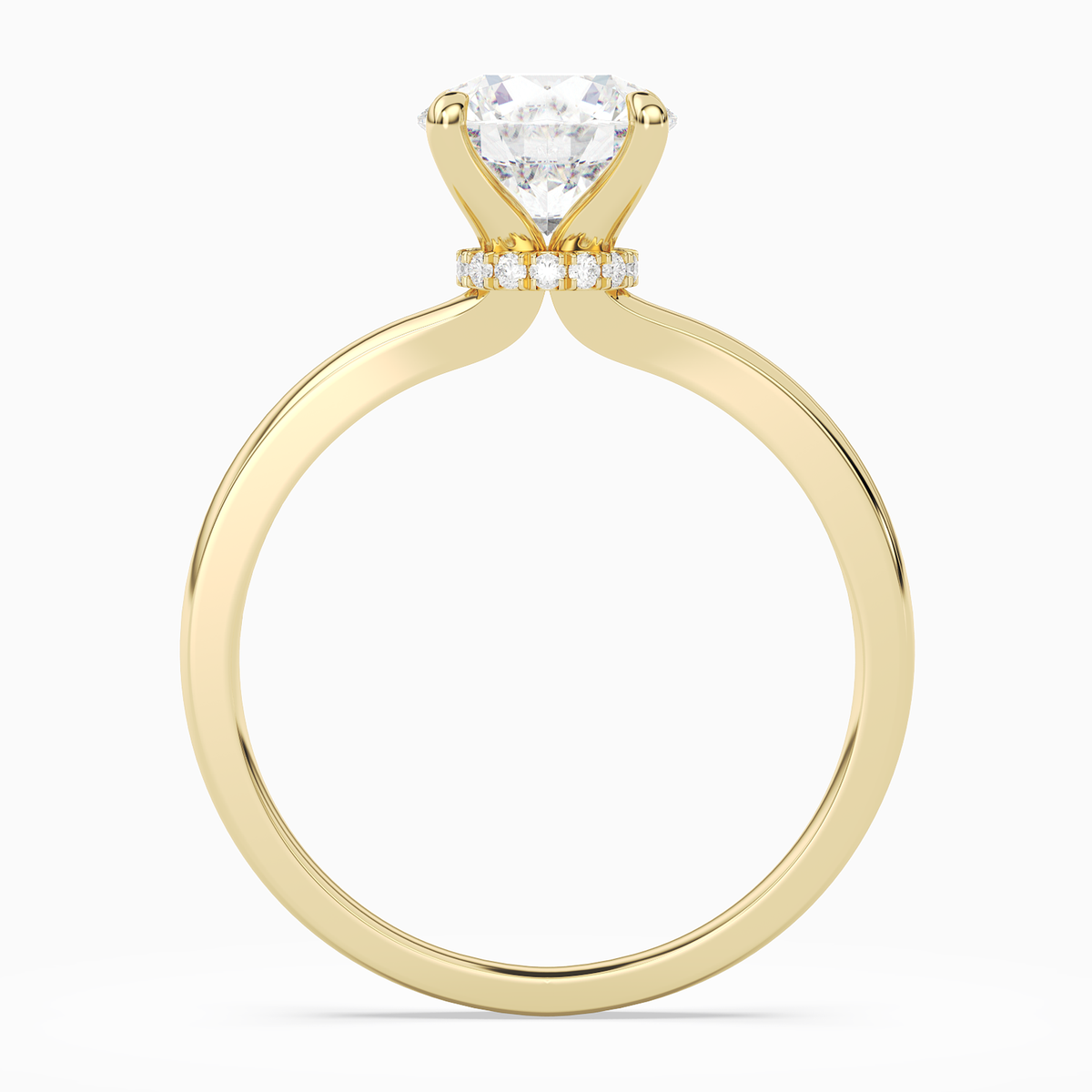

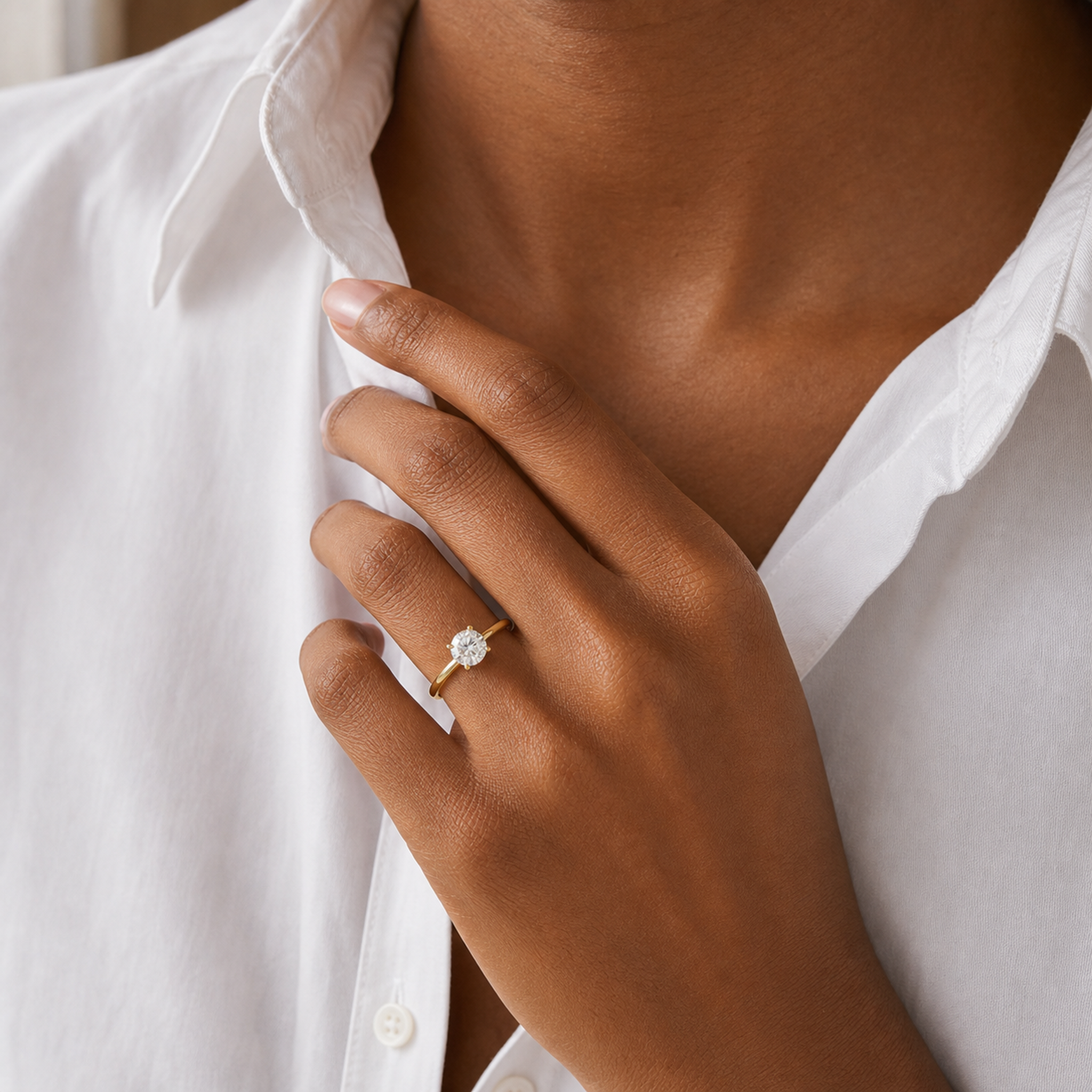


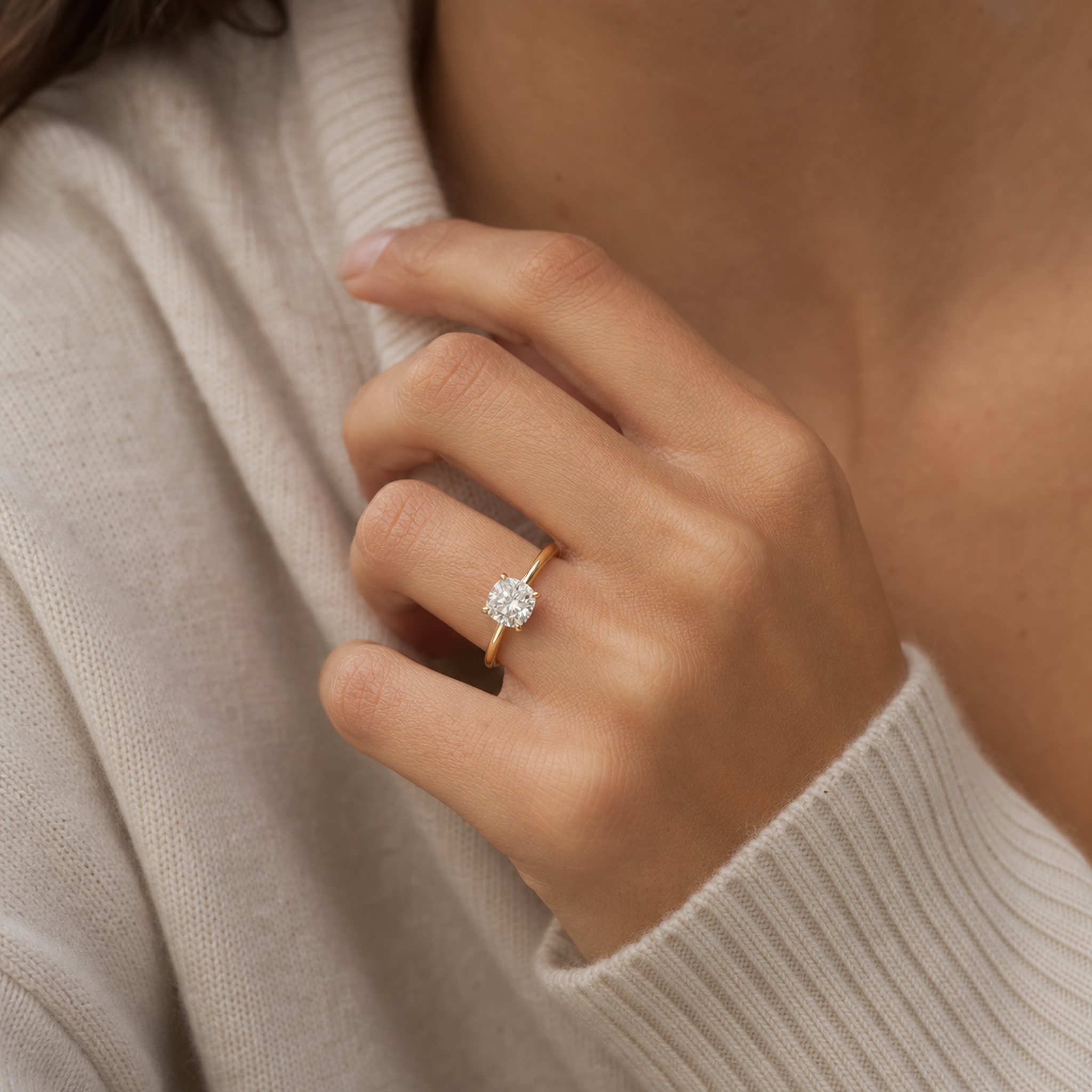


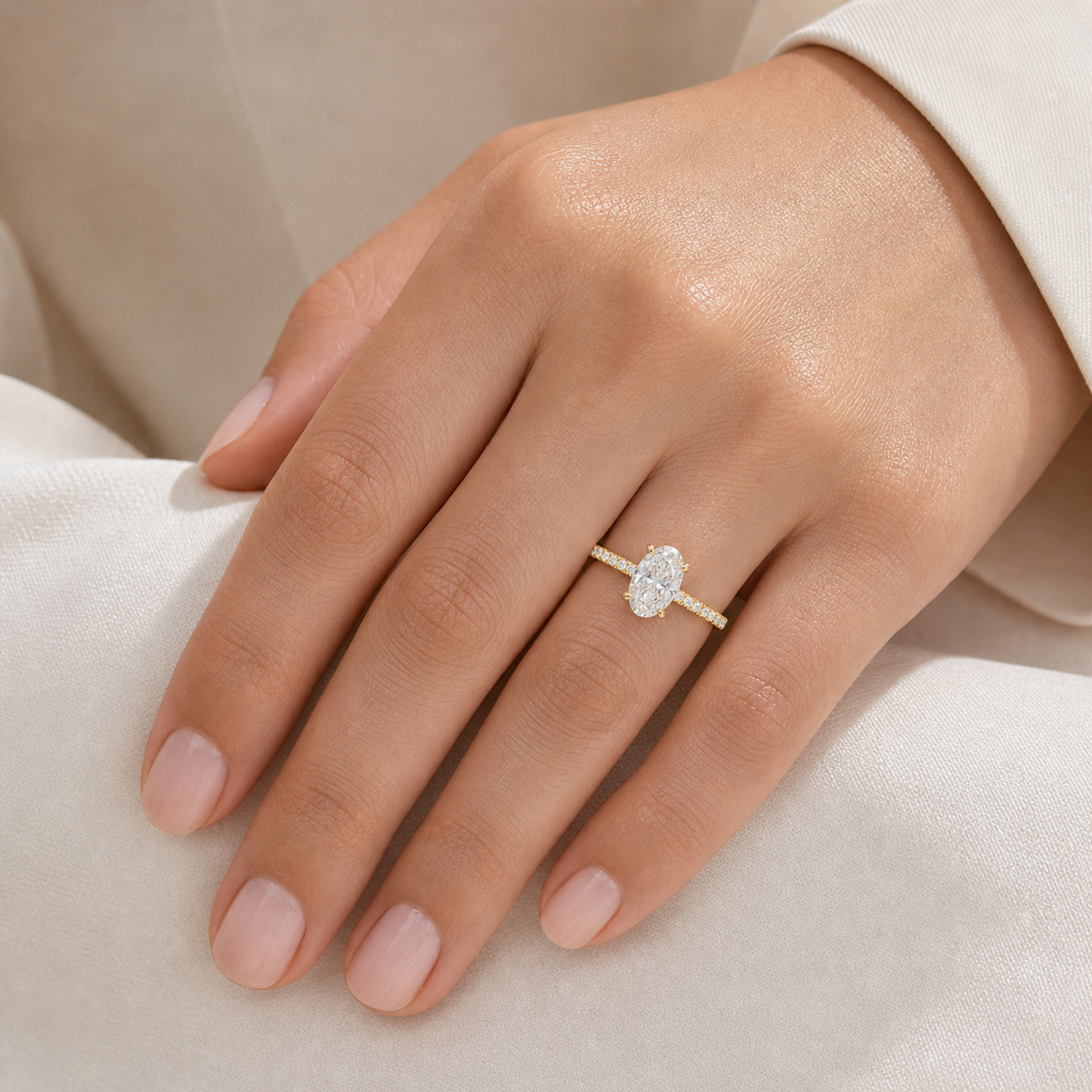


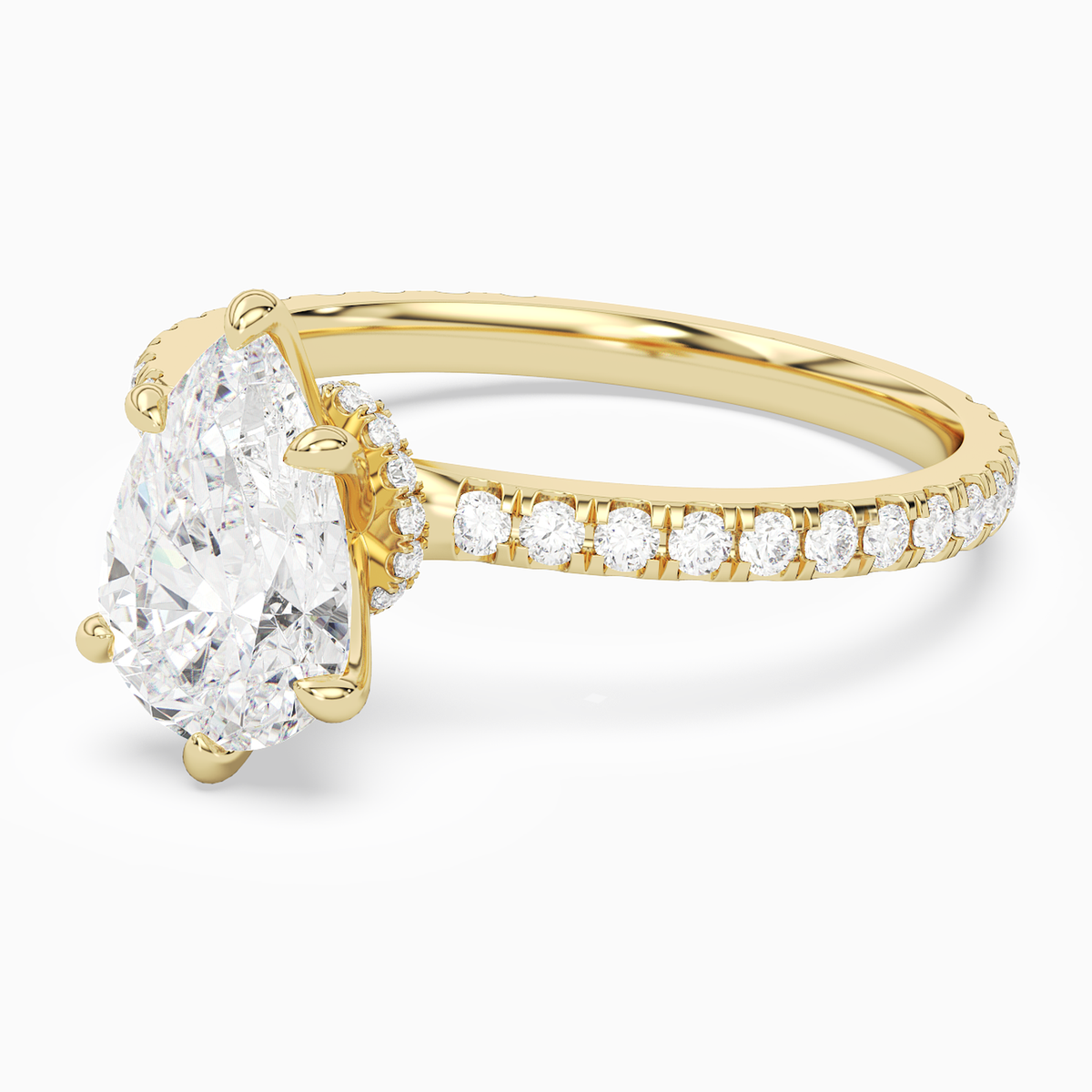
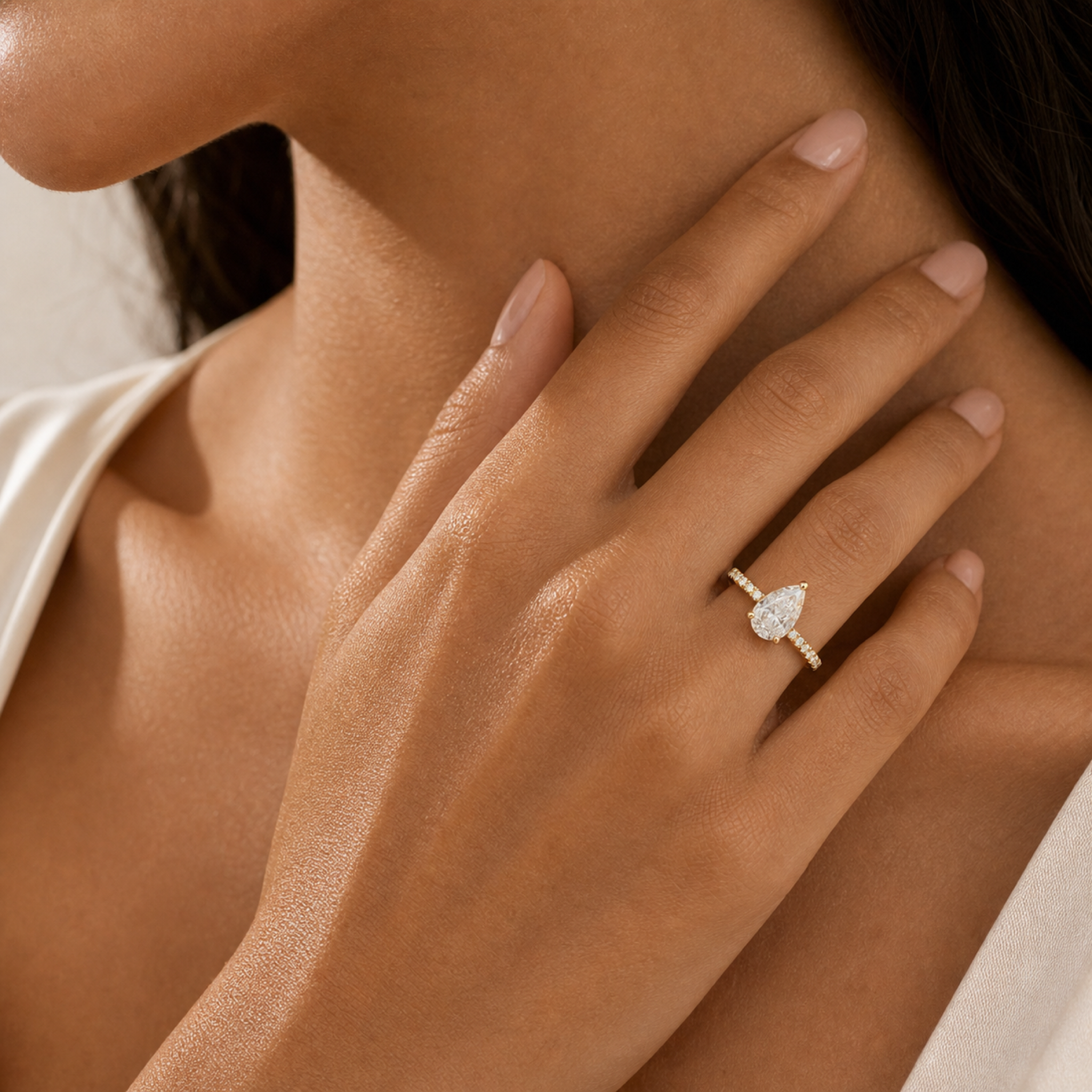


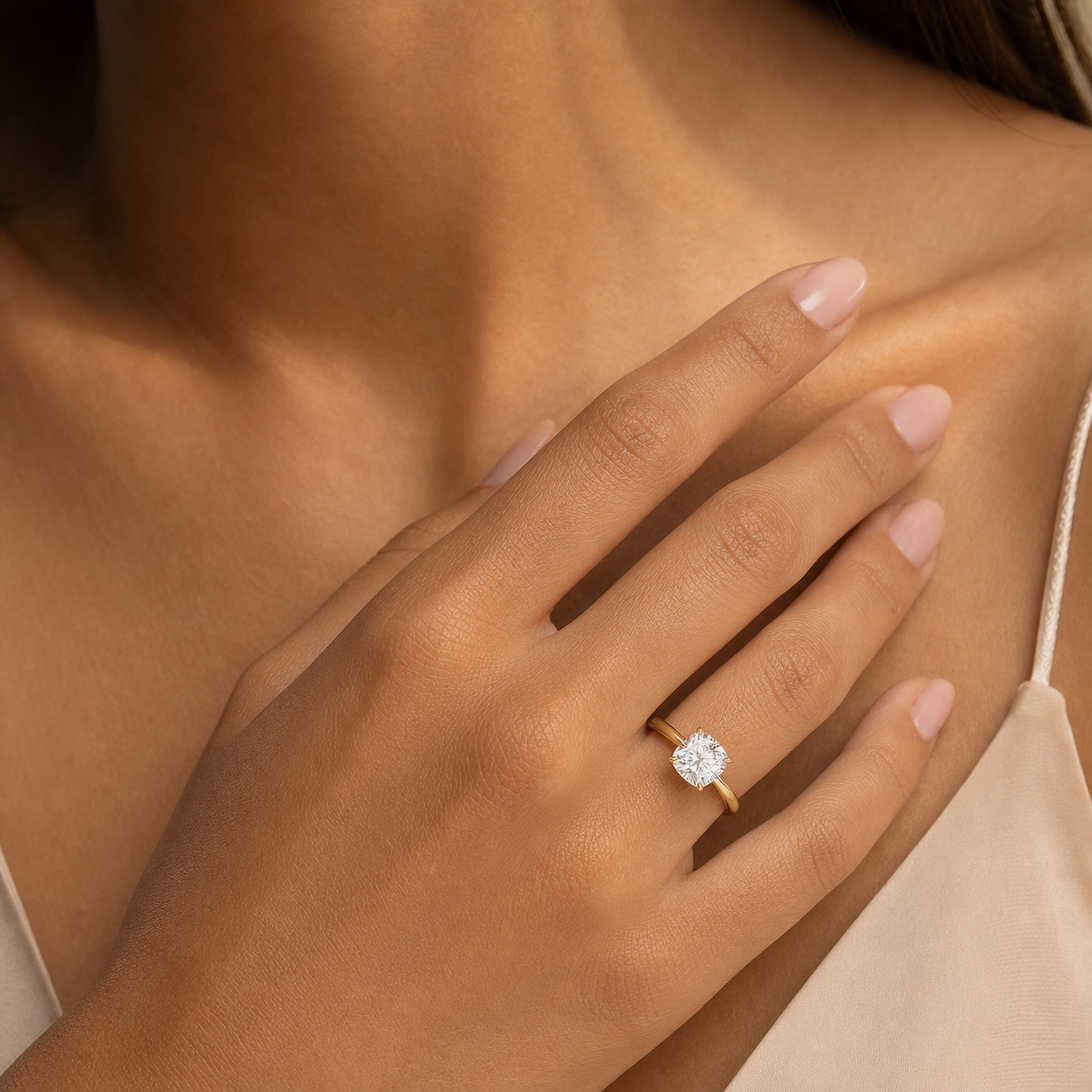


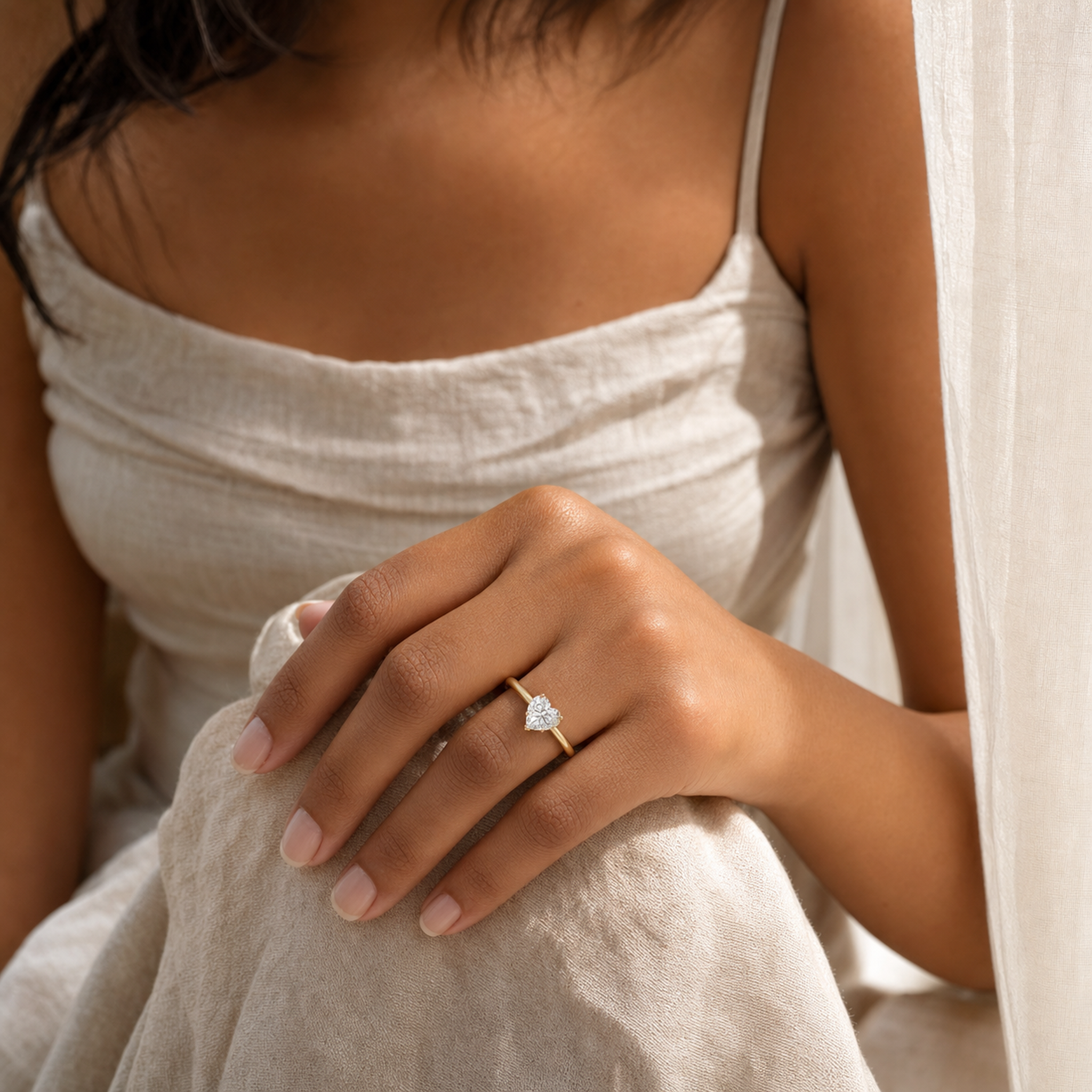


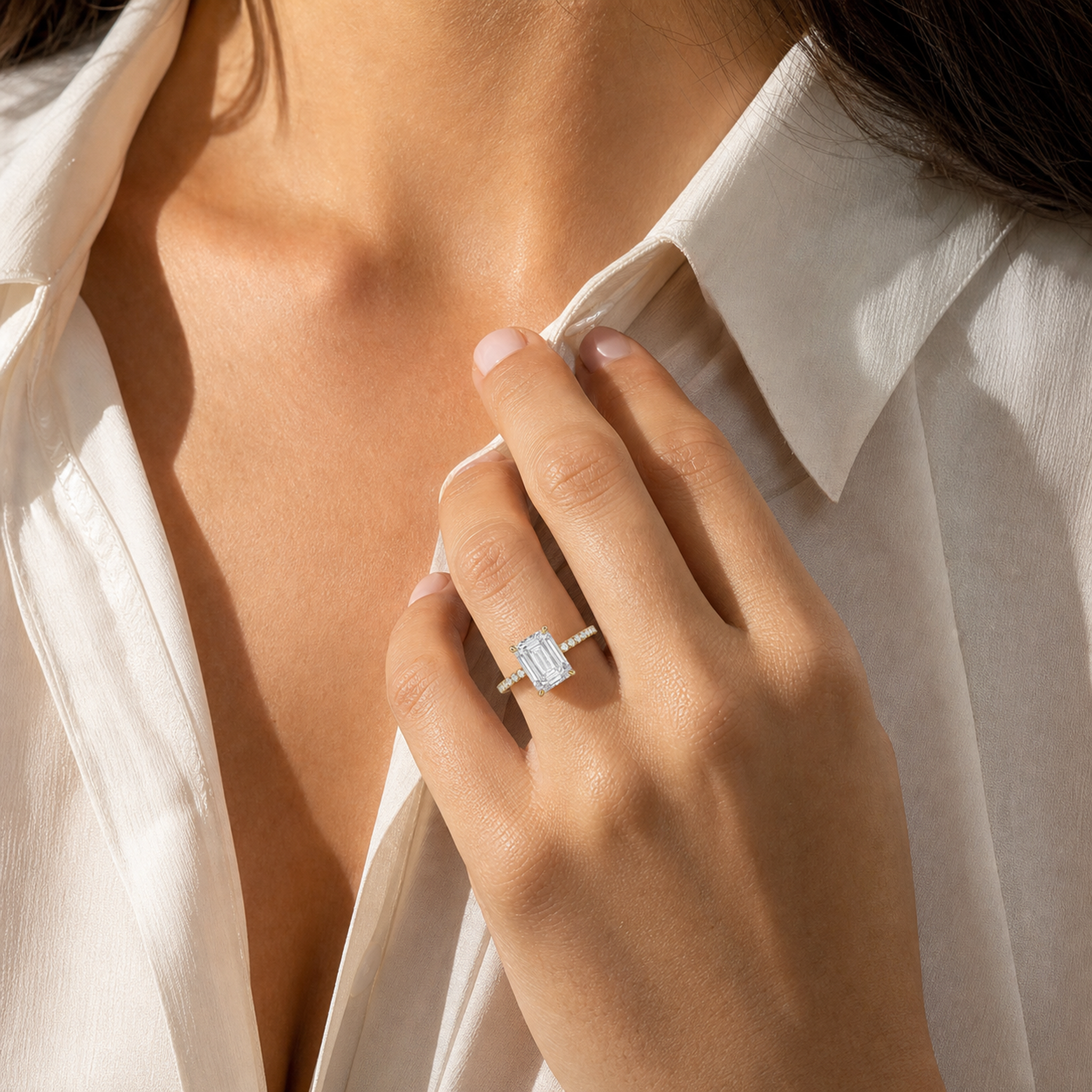

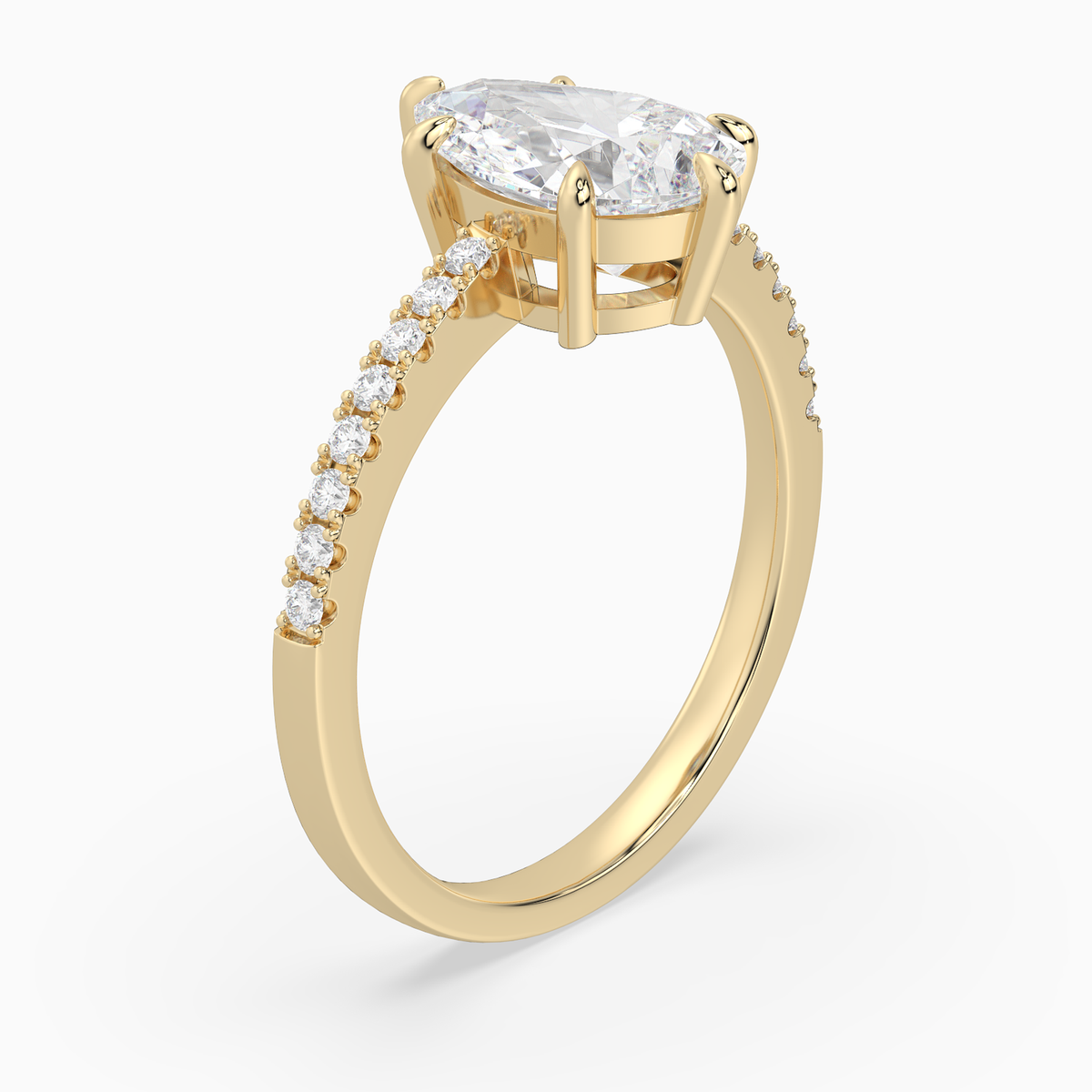


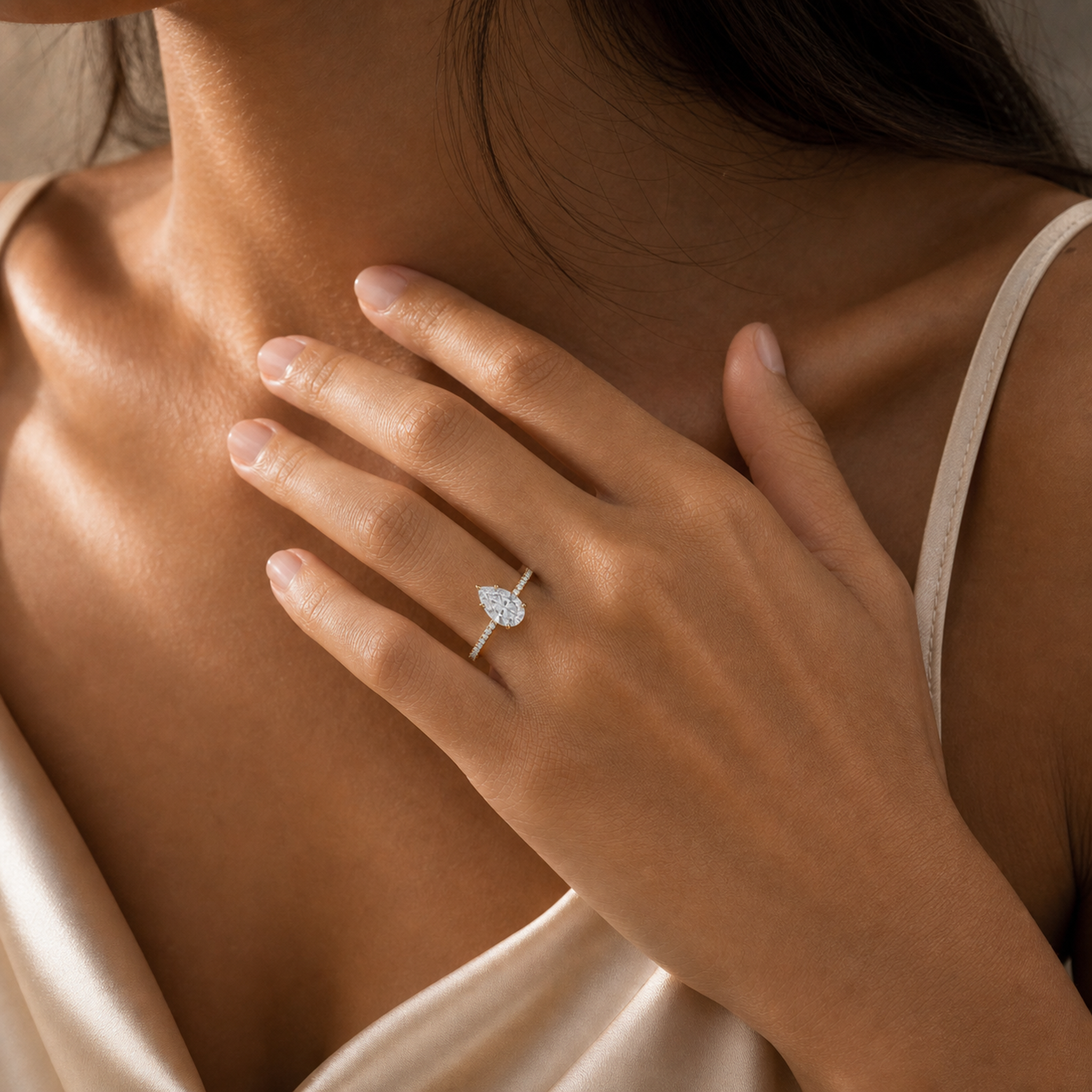


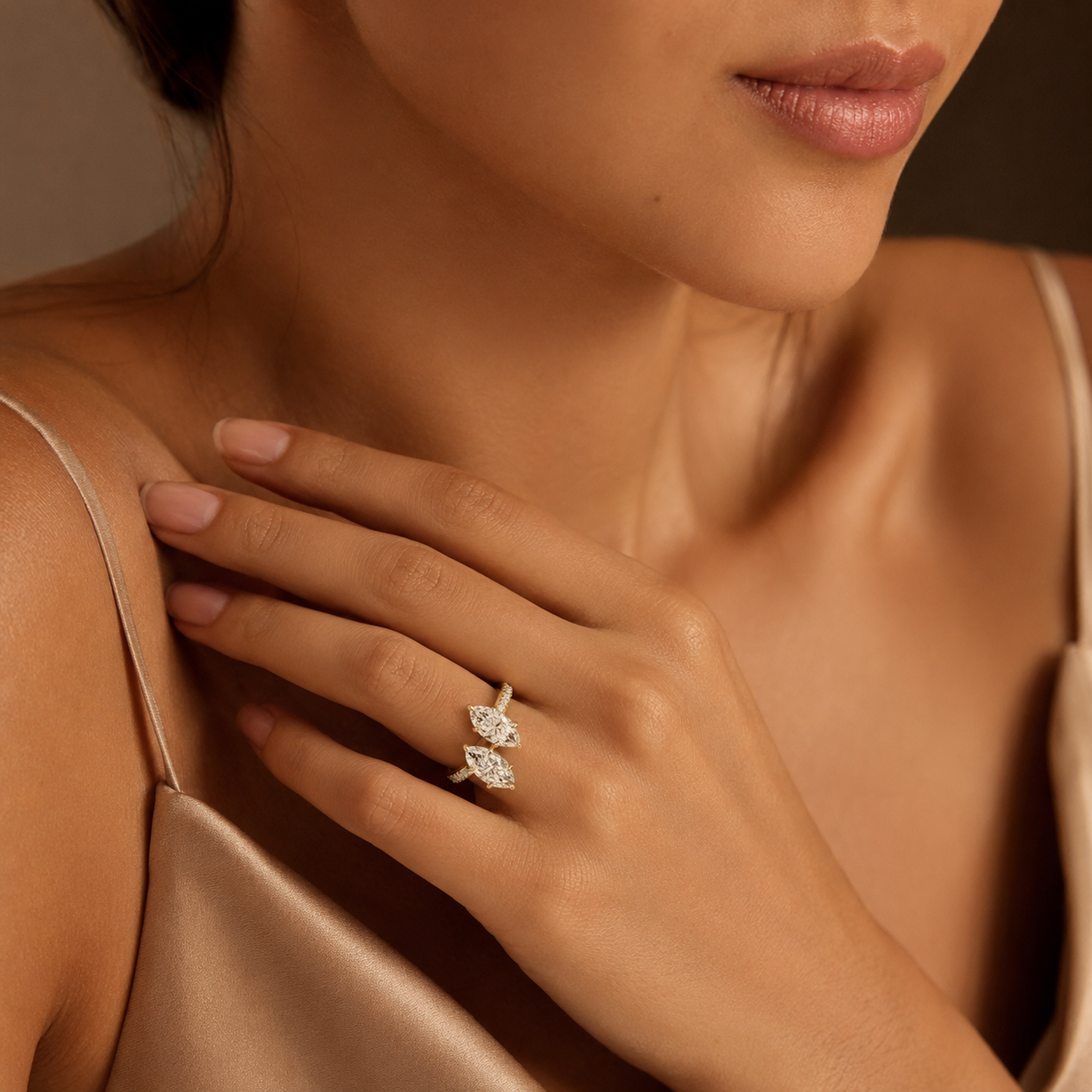


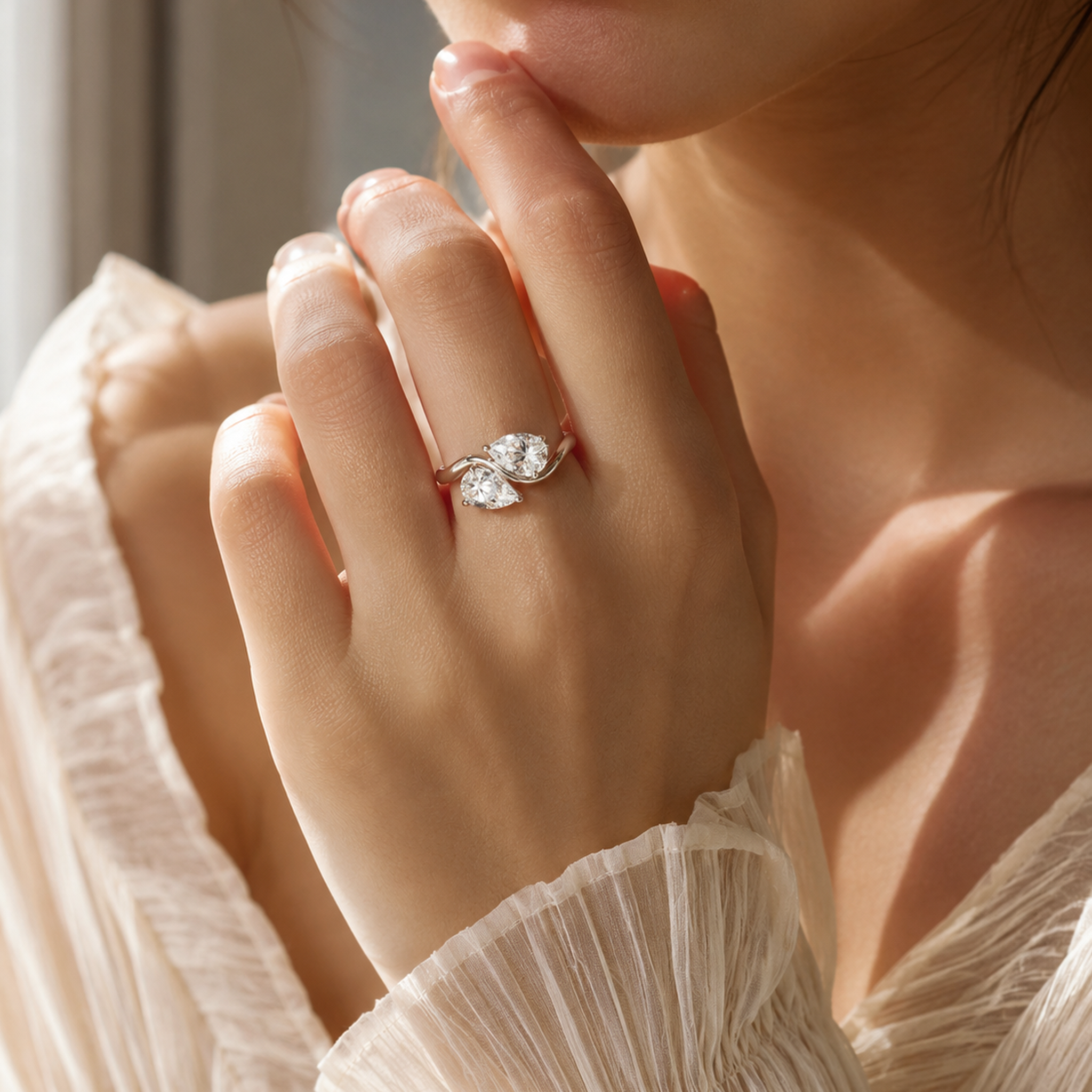


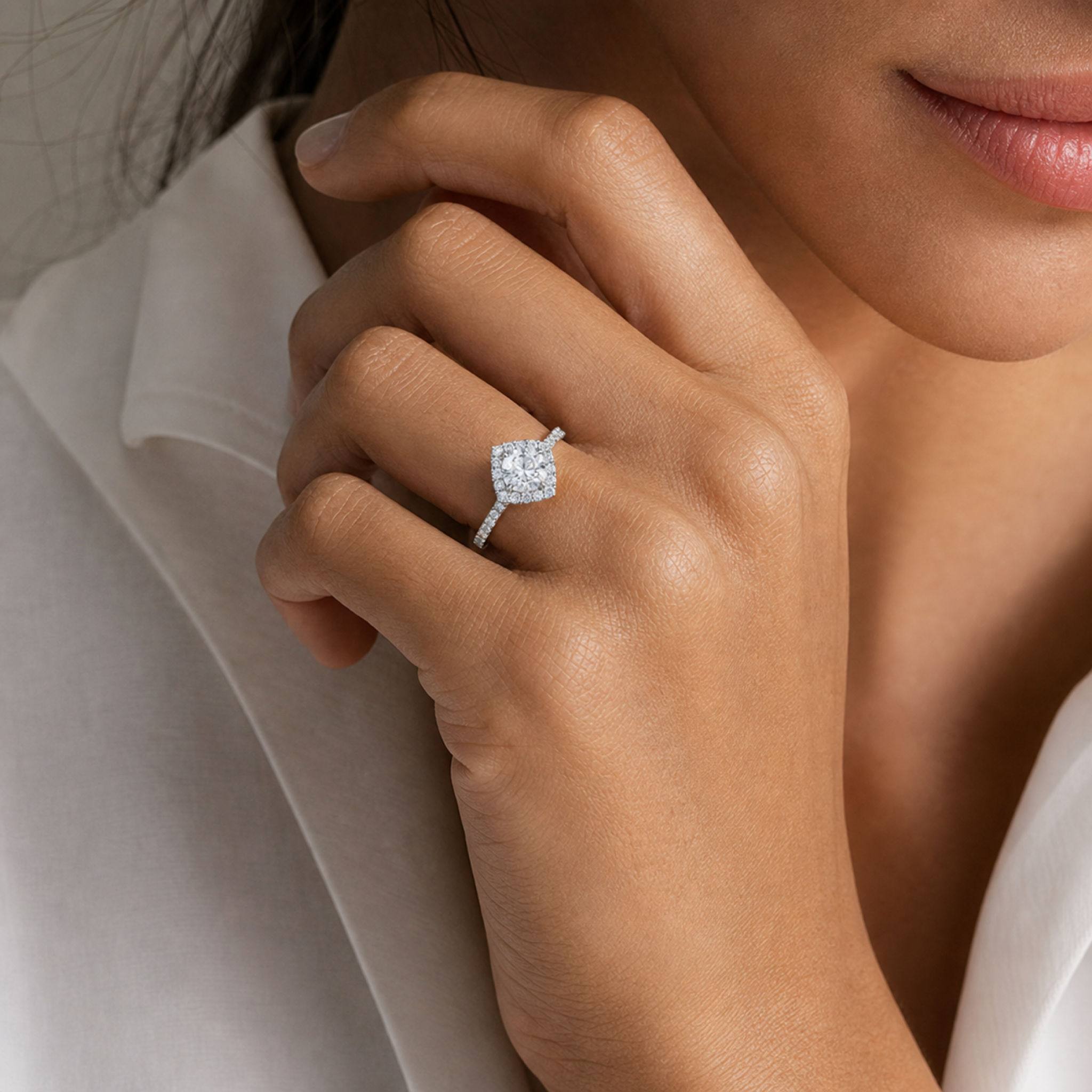


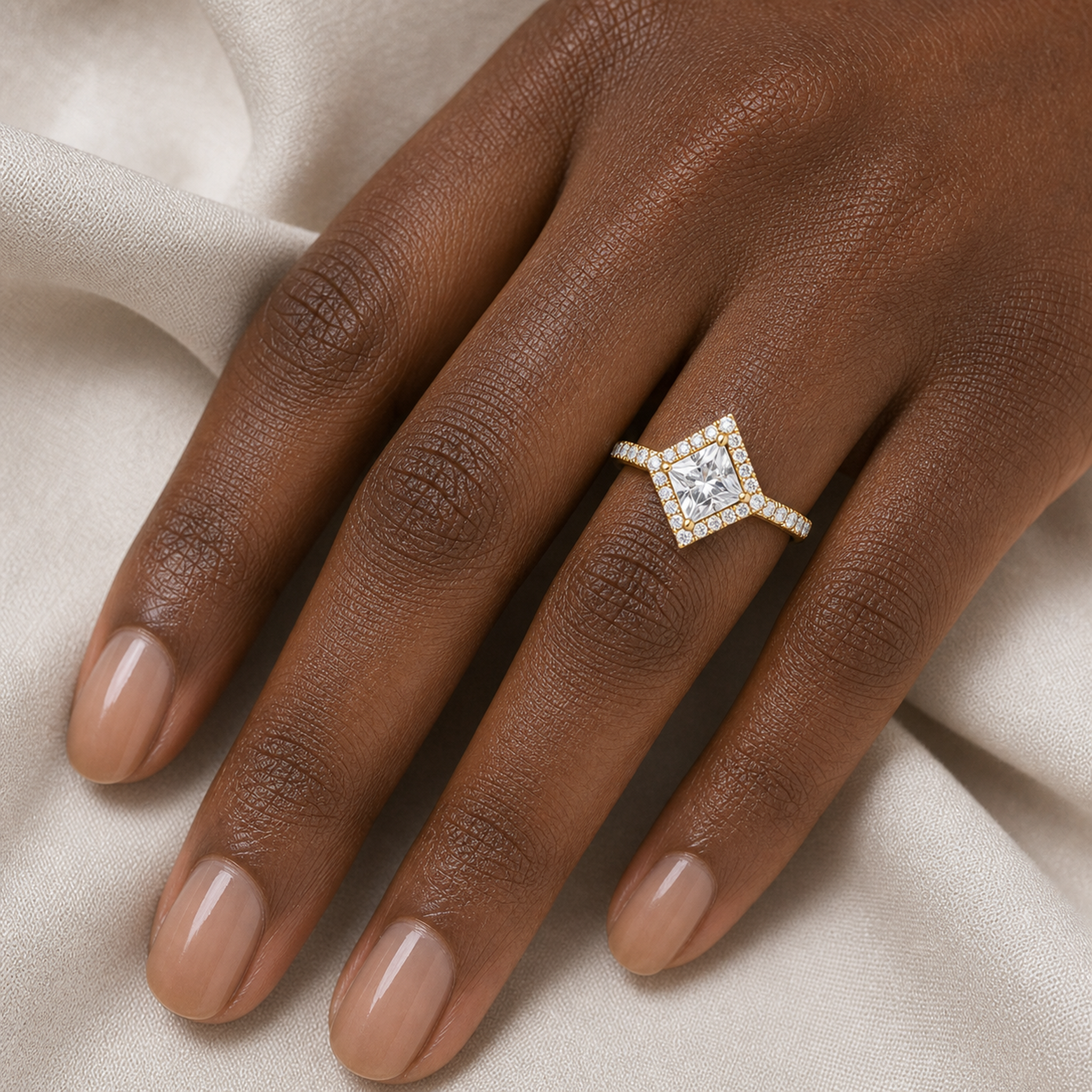


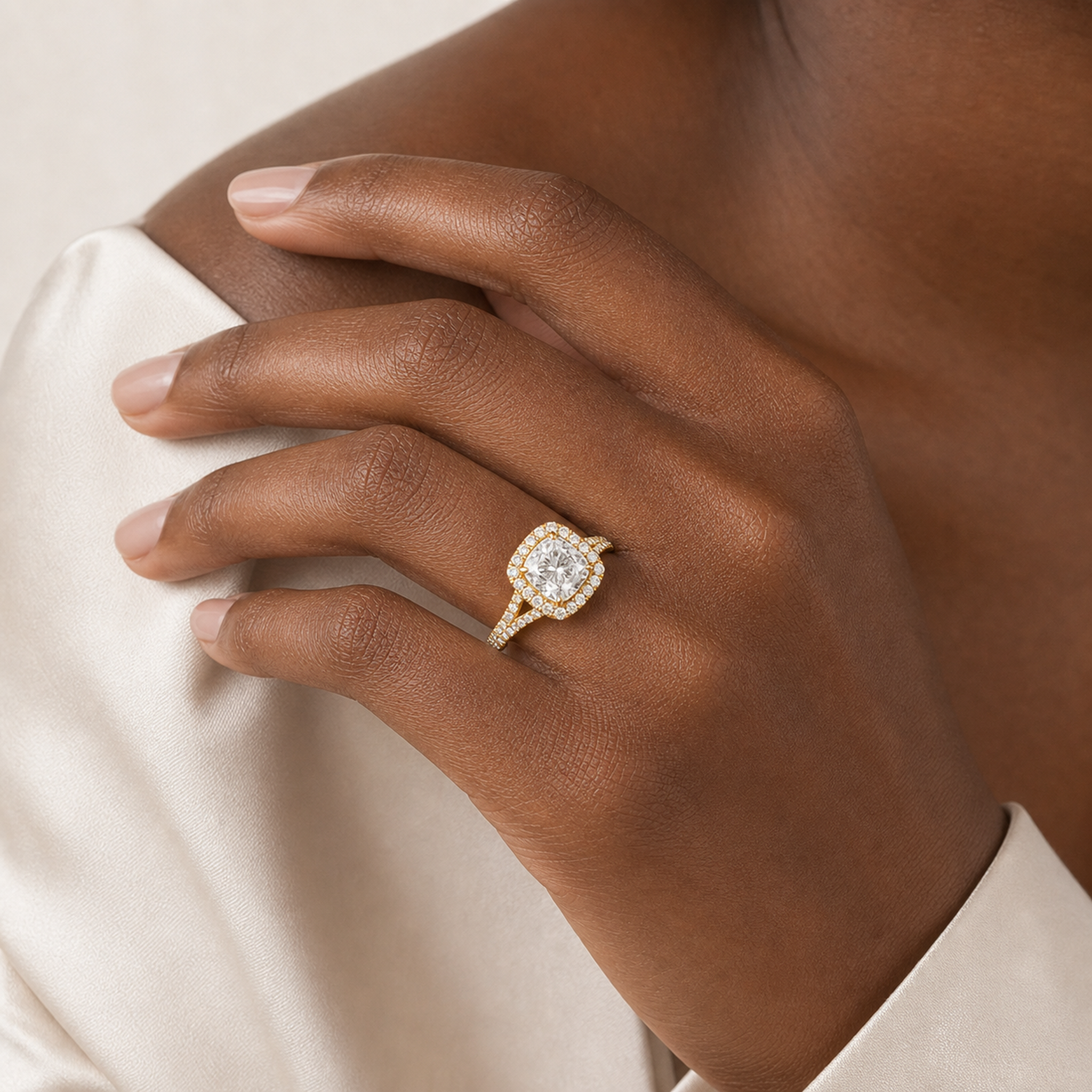
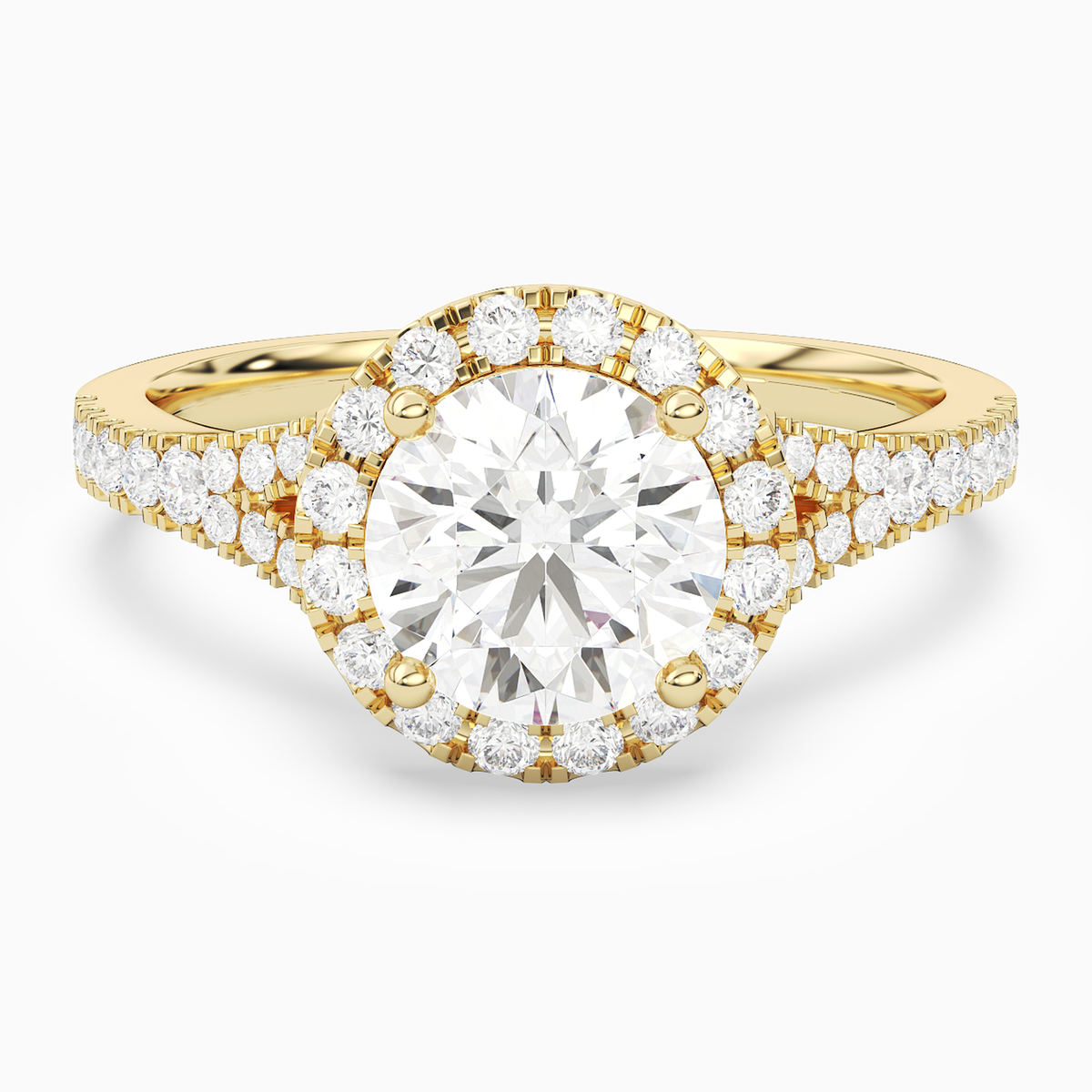


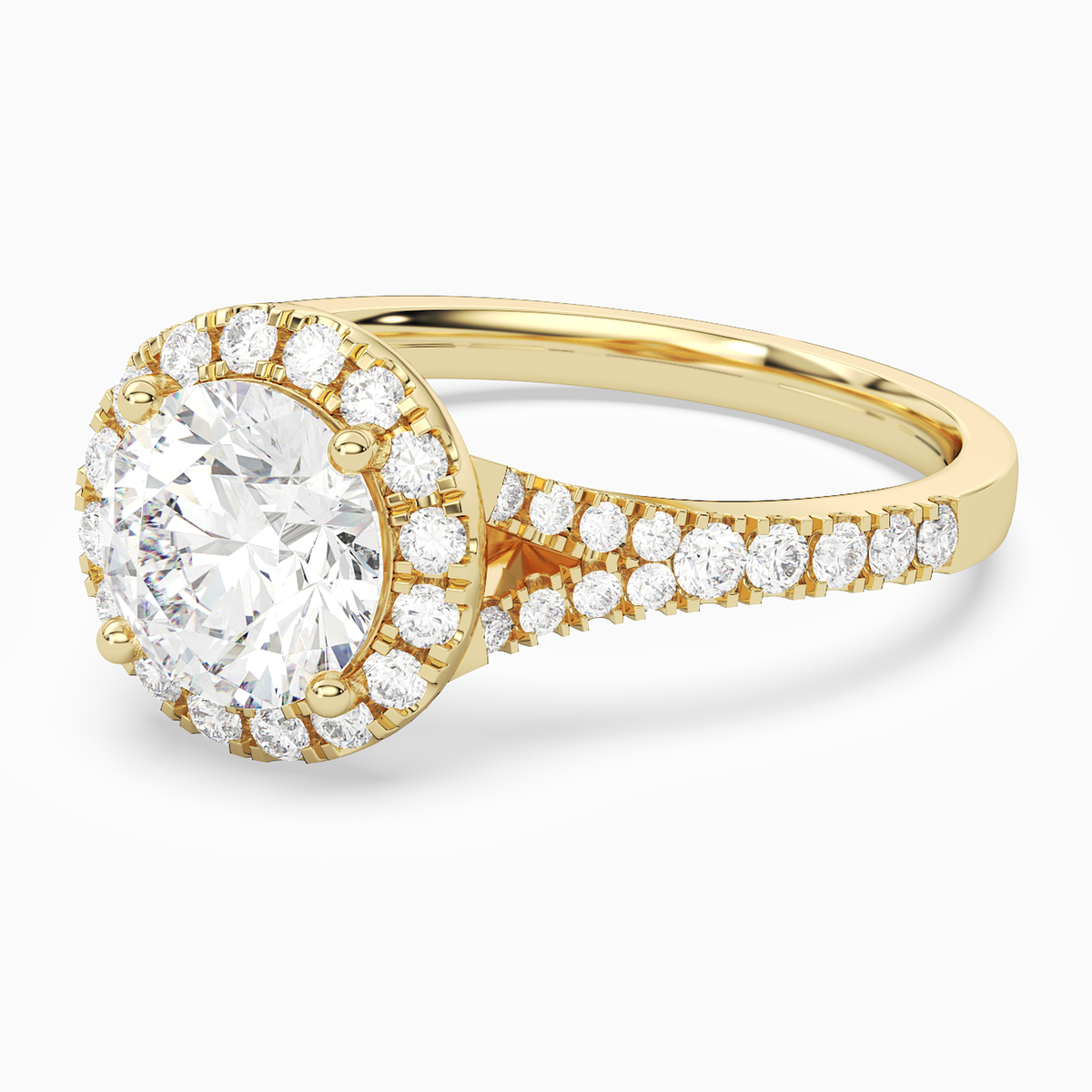
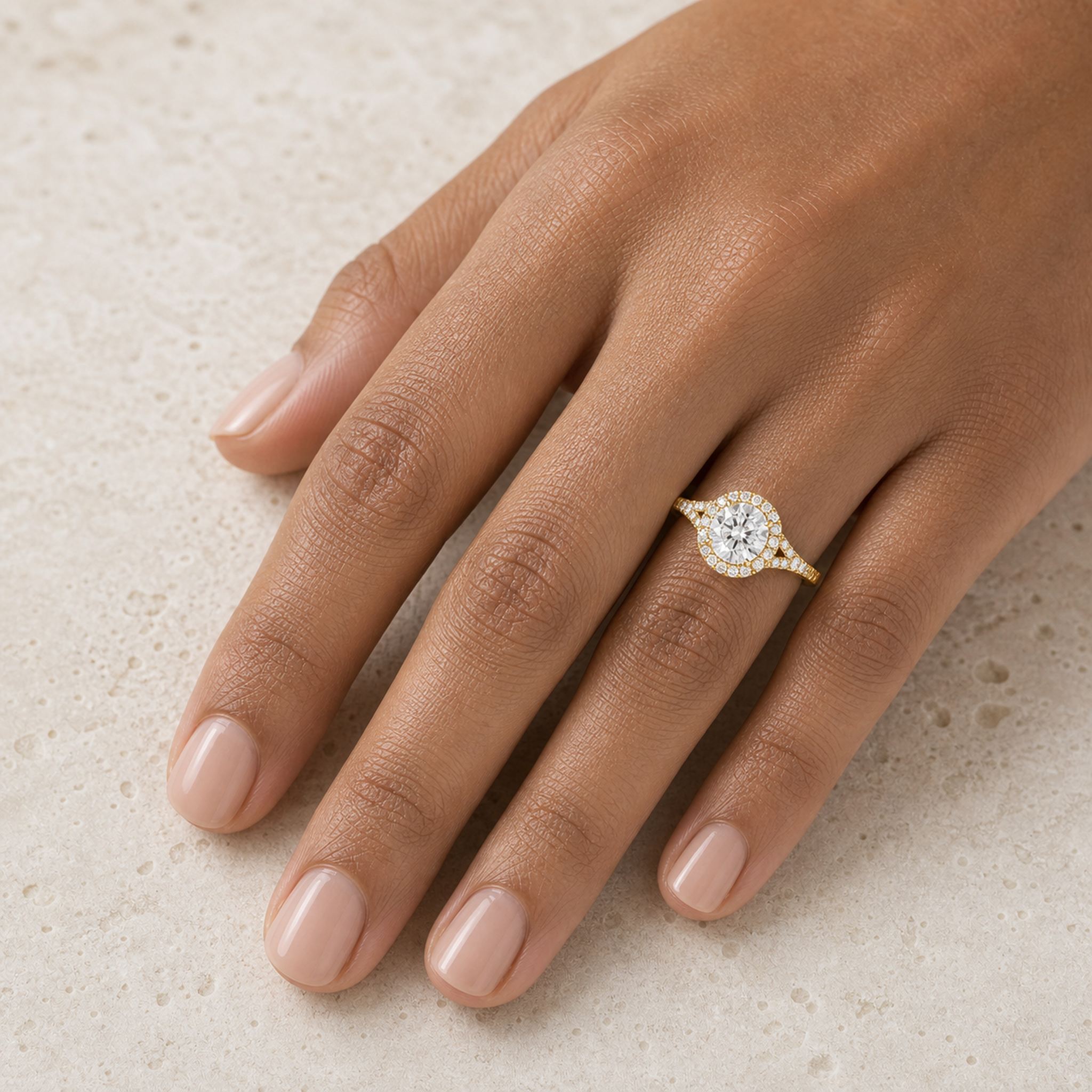


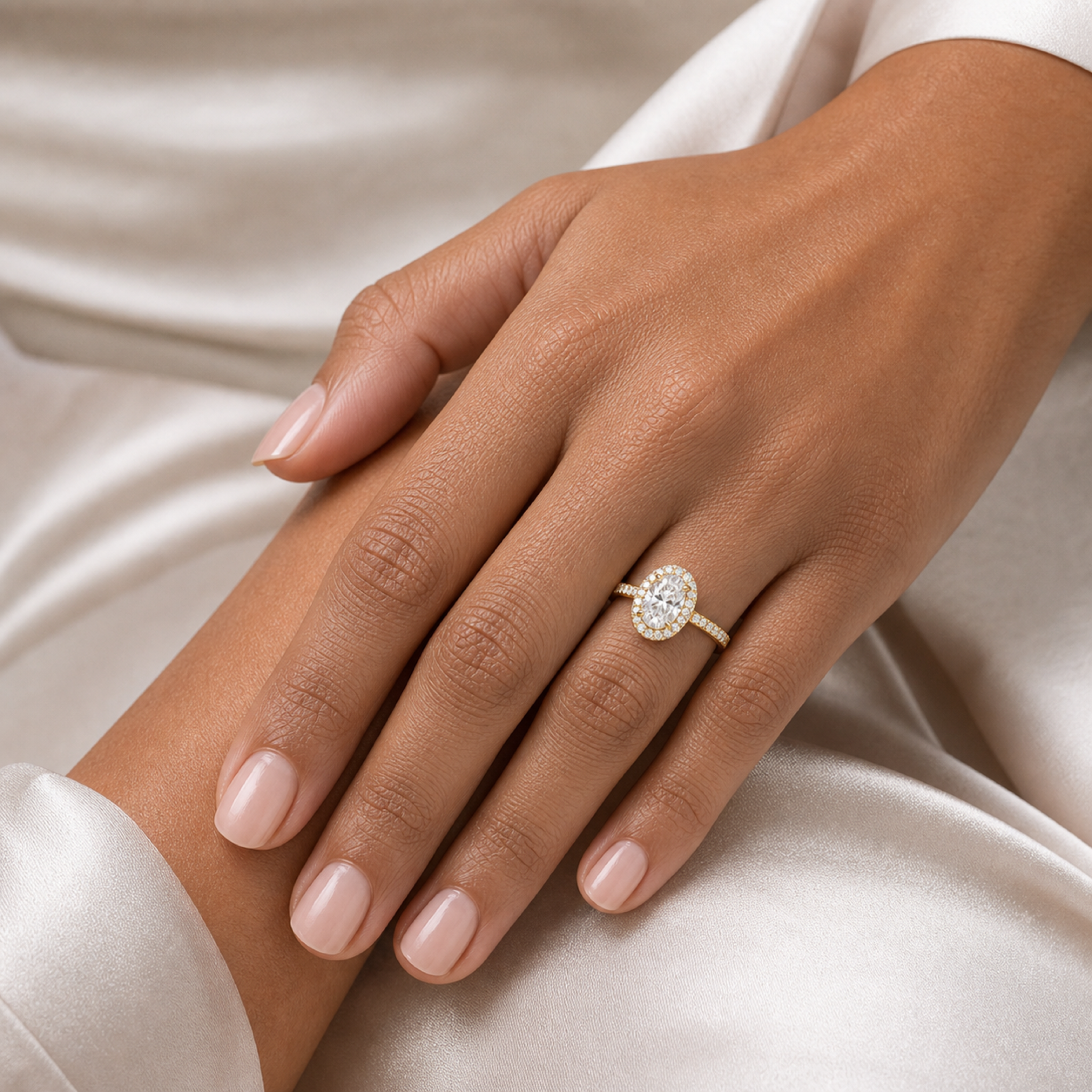
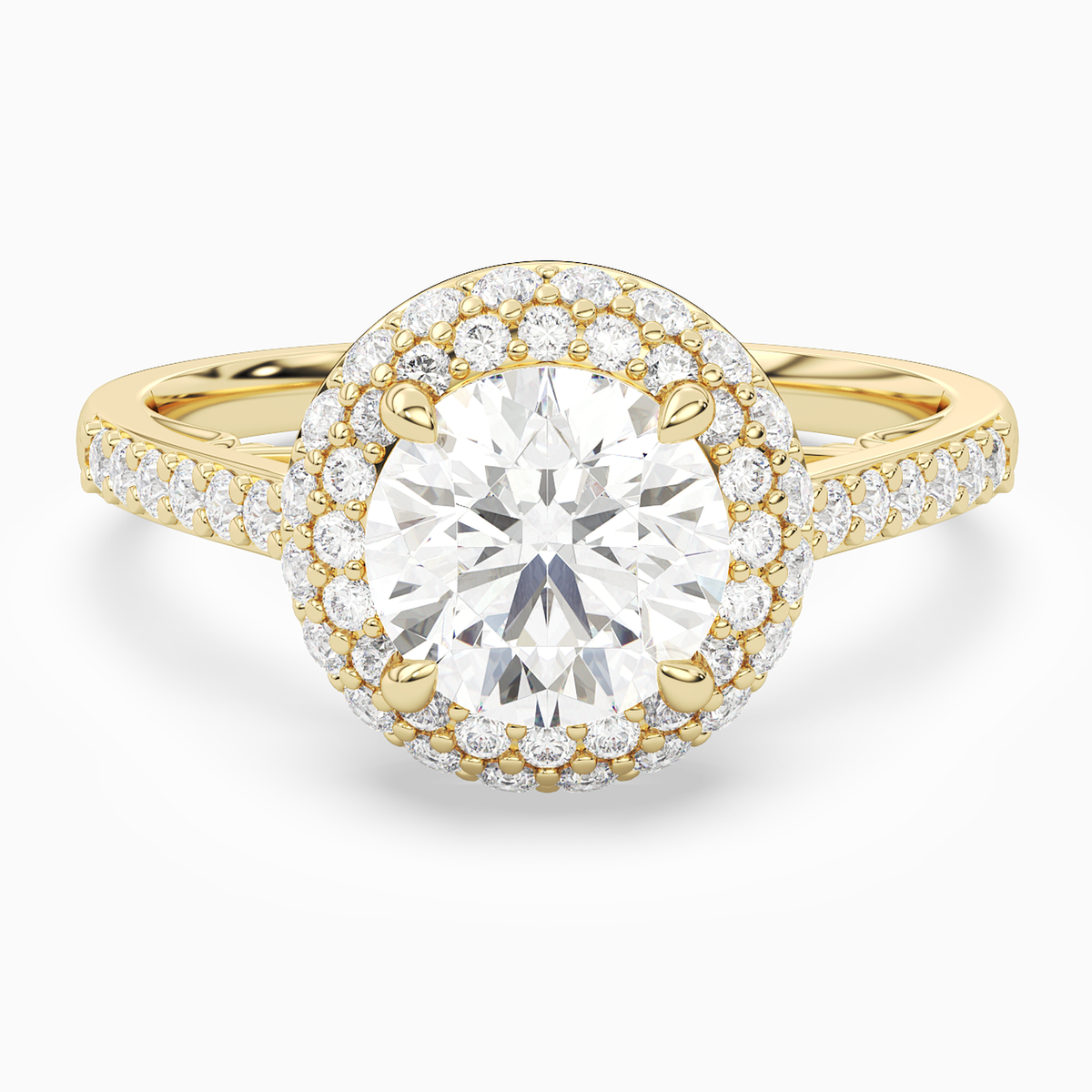


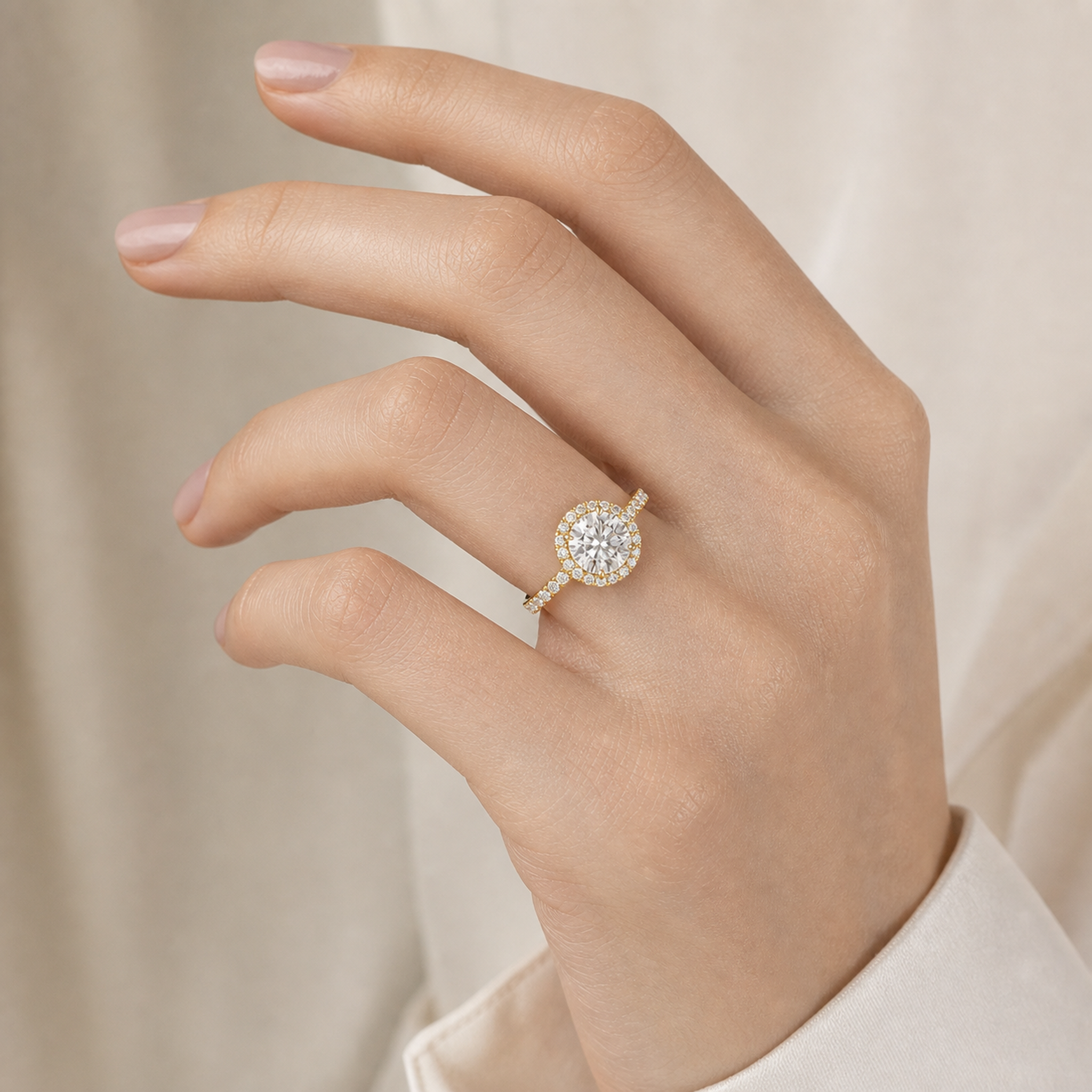


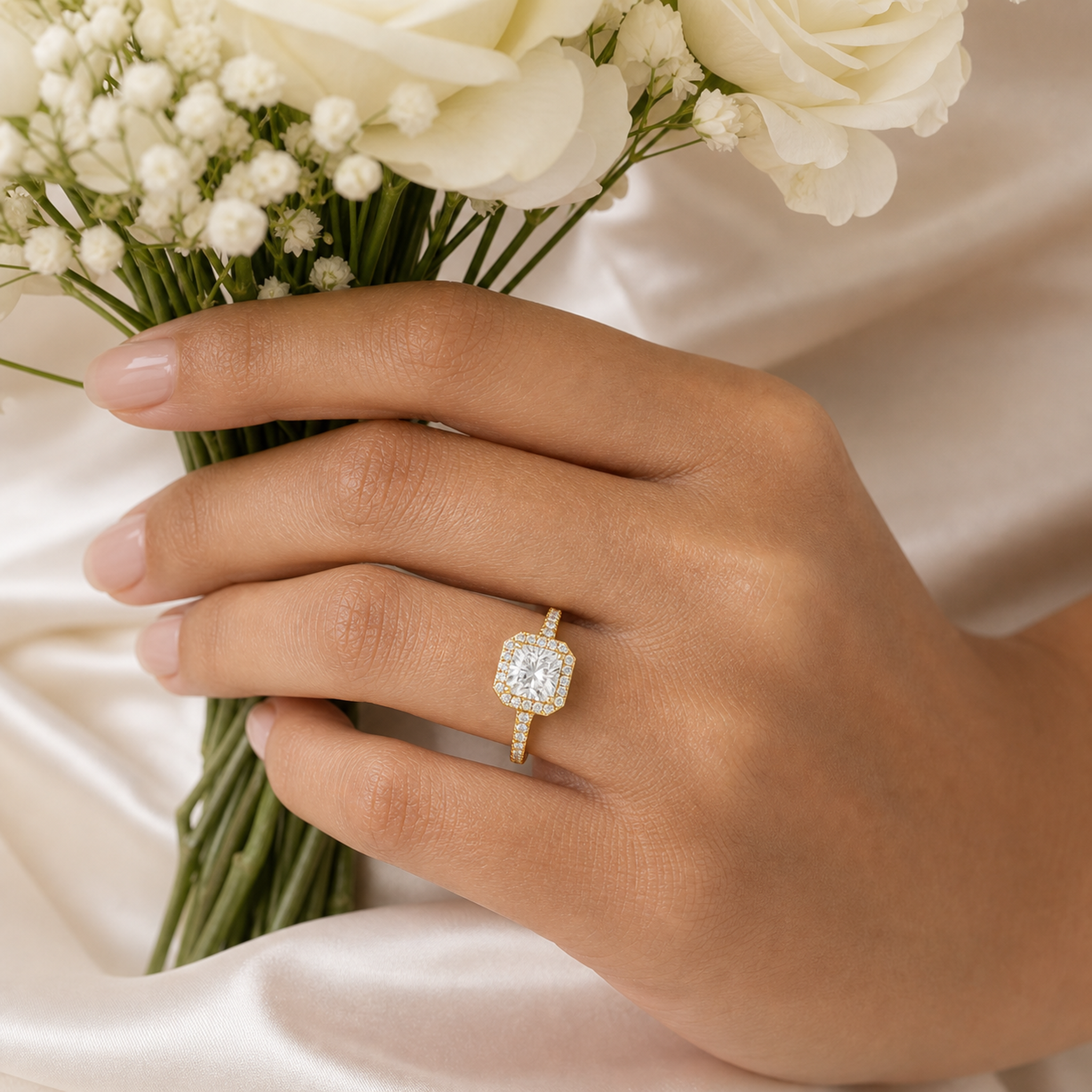


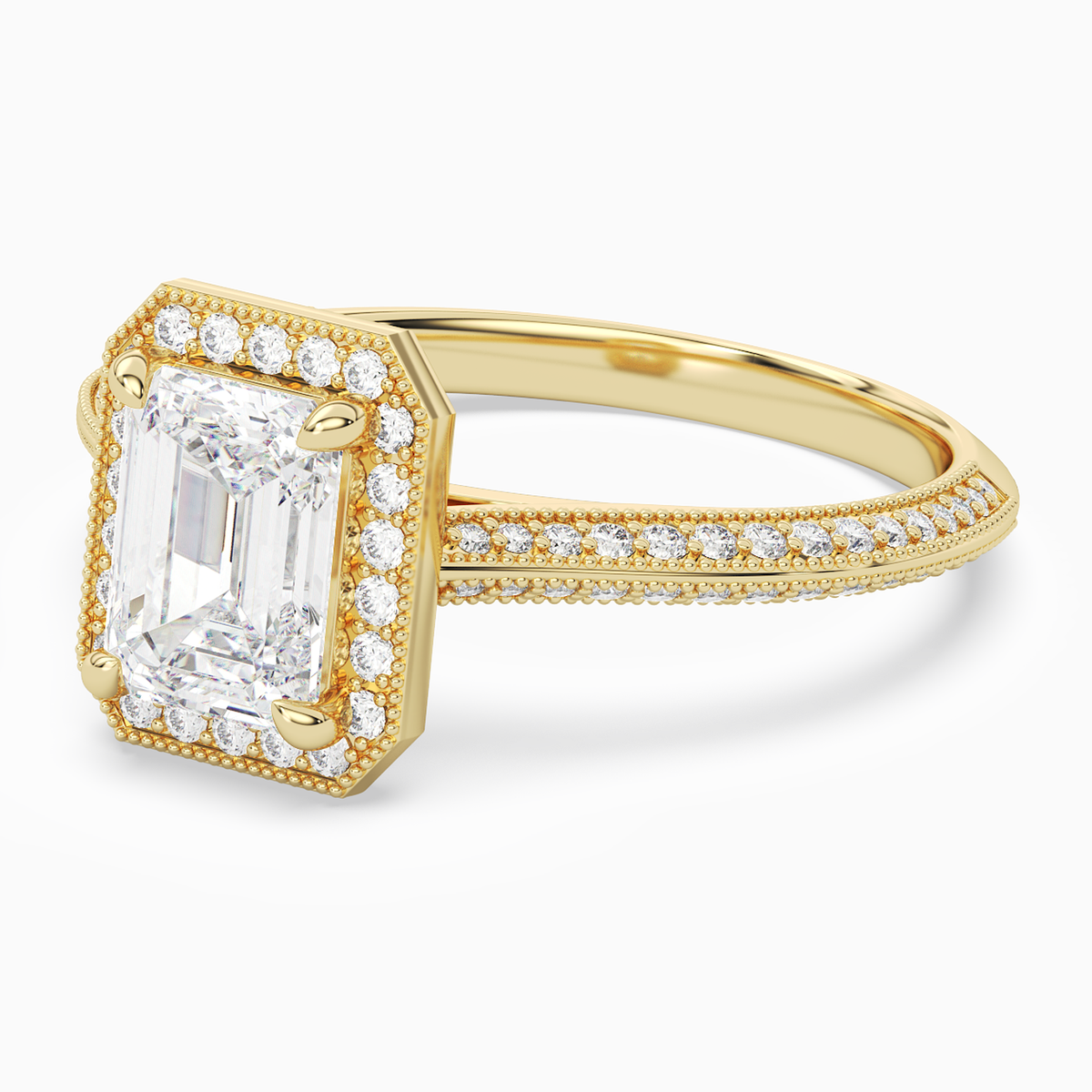
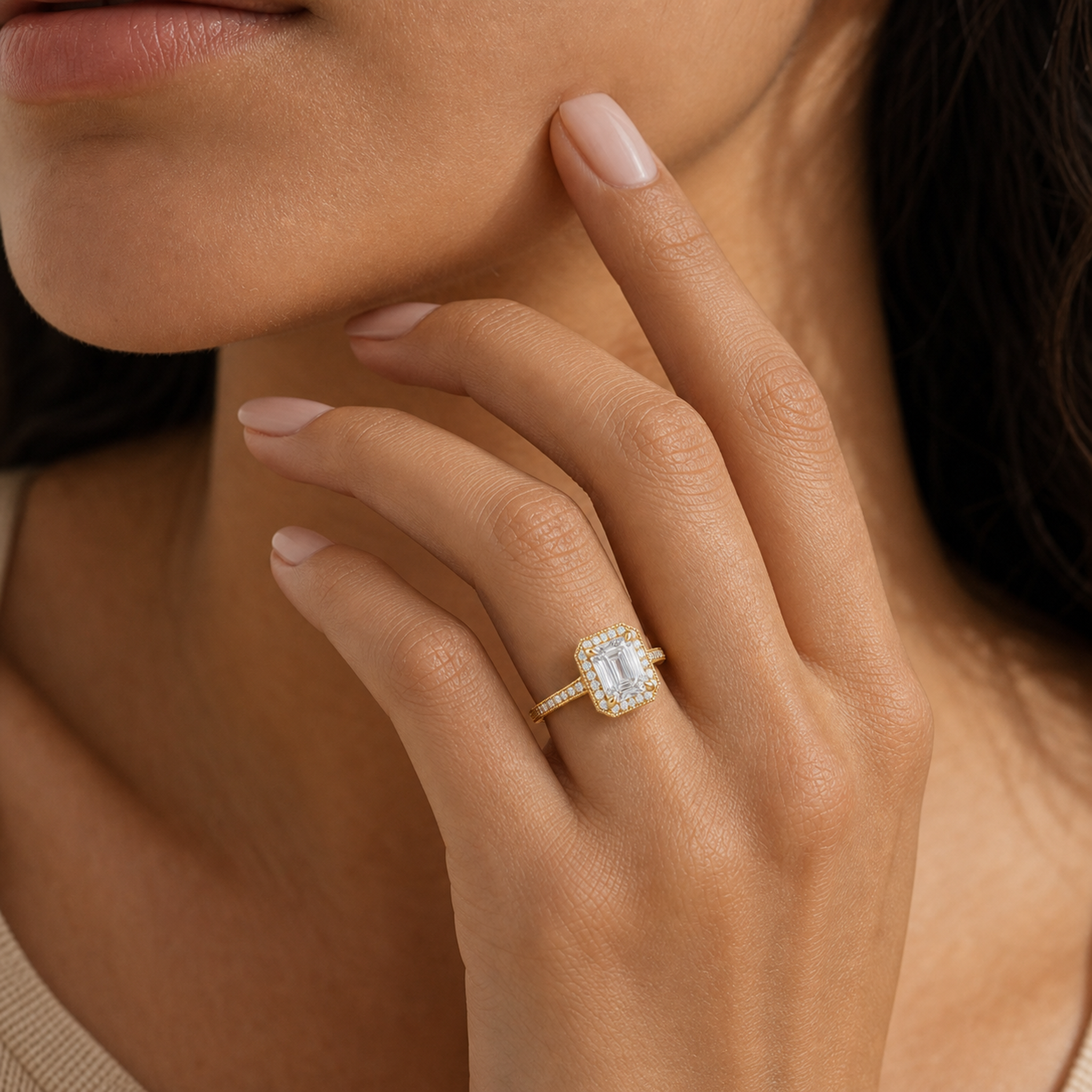


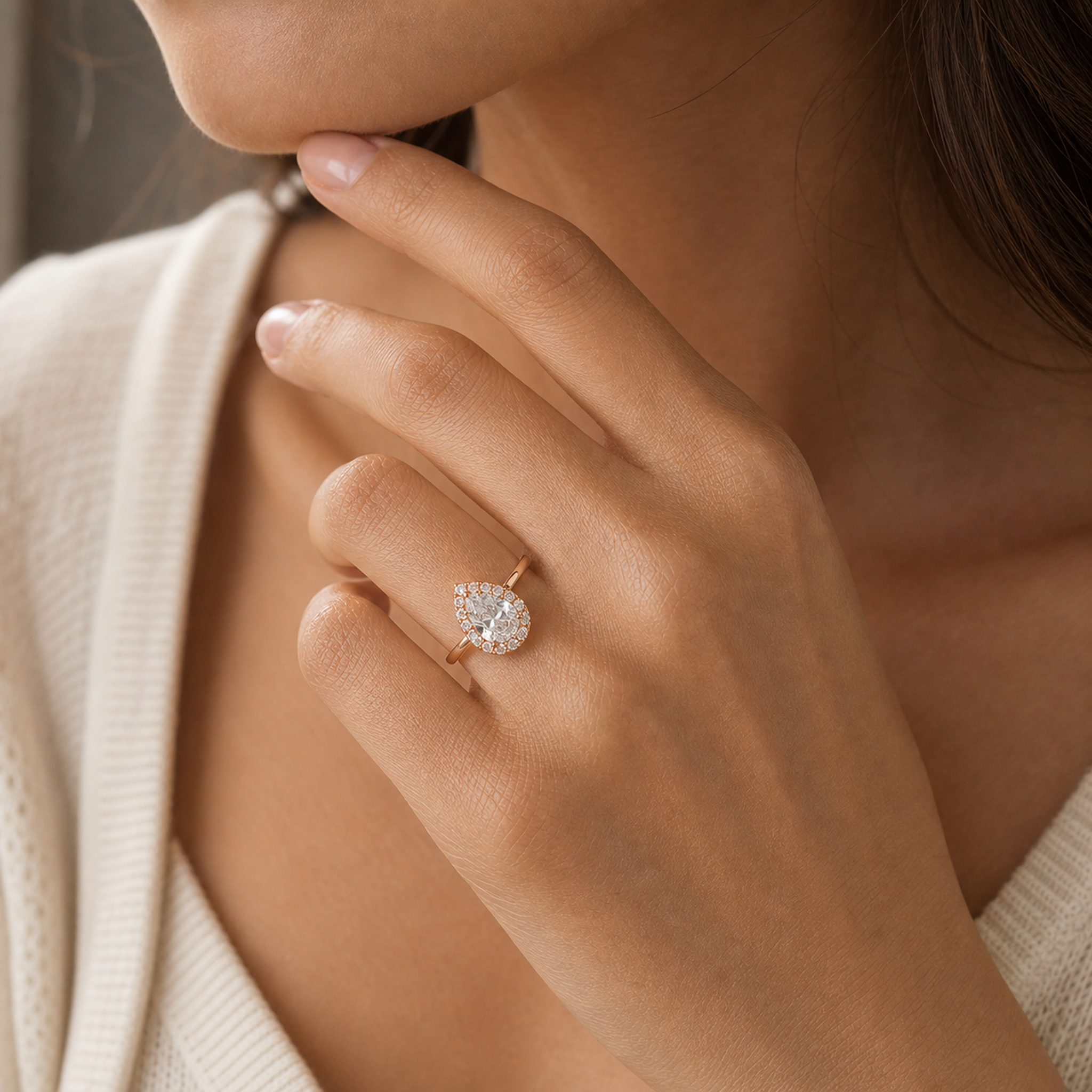


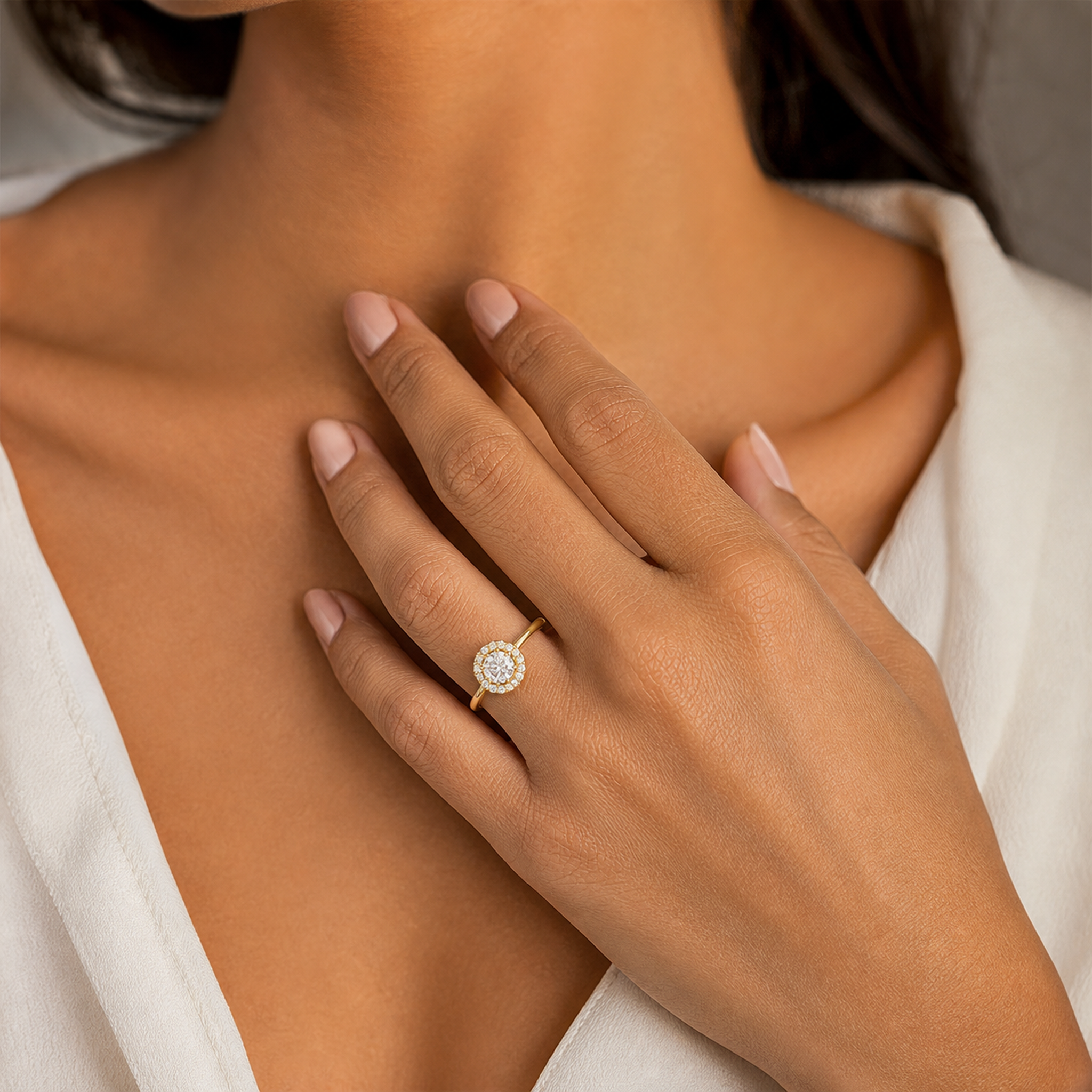
18K Yellow Gold Engagement Rings: Color with Conviction
18K Yellow Gold does not disappear behind a diamond. It establishes a visible field of color, giving the center stone a warm architectural frame and allowing the band to remain part of the composition. With 75% pure gold, its tone is typically richer than 14K Yellow Gold, though the precise hue still depends on the alloy and finish of the individual ring.
Burvonti’s 18K Yellow Gold Engagement Rings collection brings that color into designs ranging from quiet solitaires to halos, three-stone arrangements, pavé bands, bezels, and sculptural silhouettes. The purpose of the collection is not to place traditional and modern design on opposite sides. It is to show how a clearly golden metal can give either one greater definition.
What the 18K Mark Changes
An 18K alloy contains 18 parts gold and six parts other metals, equal to 75% gold. Yellow Gold commonly combines gold with metals such as silver, copper, or zinc, but formulas vary and should not be inferred from color alone. Compared with 14K, the higher proportion of naturally yellow gold usually produces a fuller, more saturated tone and a lower proportion of strengthening alloy metals.
That composition creates a real choice rather than a quality ranking. 18K may appeal when richness of color and higher gold content matter most. 14K may appeal when a lighter yellow and greater resistance to everyday surface marking better suit the wearer. The setting’s width, finish, and amount of visible metal can make the color difference feel stronger or quieter than a karat comparison in isolation.
Contrast Is Part of the Setting
Yellow Gold creates separation between a bright diamond and its band. On a solitaire, that boundary can make the center stone appear visually distinct from a restrained shank. In a halo or pavé design, warm metal may appear in the small intervals between diamonds, giving the surface a more layered rhythm. A bezel uses more visible metal at the stone’s edge, so the golden perimeter becomes a defining graphic element.
The surrounding metal can also be reflected within a diamond’s facets, especially near the setting. That perception does not change the diamond’s color grade, and Yellow Gold should not be promised to make every diamond appear whiter. The useful decision is whether you want the contrast, reflection, and warmth created by the complete ring.
How Shape and Style Respond to Richer Gold
Different shapes give the metal different work to do. An oval or marquise establishes length and lets the band’s color run beneath a directional center. Emerald and Asscher cuts bring broad, ordered facets that can feel especially composed against a distinct gold outline. Round and cushion shapes soften that geometry, while pear shapes create an asymmetric point that makes orientation and prong color more noticeable.
Setting style changes the balance further. A slim solitaire holds color in reserve. A wider or split shank gives it more presence. Three-stone arrangements use metal to organize the spaces between stones, while vintage-informed details can draw on Yellow Gold’s historical associations without requiring the ring to feel antique. Start with the designs that hold your attention, then compare how available diamond shapes alter their balance.
Consider Prongs, Bands, and the Whole Stack
Some Yellow Gold designs continue the same metal through the prongs; others may use a white-metal head or mixed-metal detail. A matching head creates a continuous gold outline around the stone, while a white-metal head can make the prongs less visually prominent. This is a product-specific construction or custom decision, not an assumption to make from the collection name.
The wedding band adds another line of color and proportion. Matching 18K Yellow Gold can create continuity, but compatibility also depends on profile, setting height, diamond placement, and contact between the rings. A mixed-metal band can be deliberate rather than incidental when those structural relationships have been considered.
Made Specific Through Judgment
Burvonti brings responsibly sourced, independently graded lab-grown diamonds together with settings shaped by proportion rather than excess. Custom possibilities can refine diamond shape, scale, metal treatment, engraving, or another personal detail when the collection establishes the right direction but not yet the final expression. Every product-specific change remains subject to design and structural confirmation.
Browse the complete Engagement Rings collection to compare every material, or place 18K beside 14K Yellow Gold when depth of color and wearing behavior are the central questions. A considered choice does not need to follow a prescribed sequence. It comes from seeing how the diamond, setting, and metal resolve as one object.
Frequently Asked Questions
What is 18K yellow gold?
18K yellow gold is an alloy containing 75% pure gold and 25% other metals. Those additional metals influence hardness, hue, and working properties; the exact formula can vary between manufacturers and products.
Is 18K yellow gold more yellow than 14K?
It is typically richer and more saturated because it contains more naturally yellow gold and fewer alloying metals. The visible difference also depends on the alloy recipe, polish, band width, and lighting, so the actual ring remains the best reference.
Is 18K yellow gold better than 14K for an engagement ring?
Neither is universally better. Choose 18K for higher gold content and a fuller yellow tone; consider 14K for a lighter color and generally greater resistance to scratches and dents. Design, wear habits, care, and budget should decide the balance.
Can an 18K yellow gold engagement ring be worn every day?
18K Yellow Gold is widely used for engagement rings. Because it is generally softer than 14K, thoughtful wear matters: remove it for impact-prone work, exercise, and chemical exposure, and arrange periodic professional checks of the setting.
Does 18K yellow gold scratch easily?
Any polished precious metal can acquire fine surface marks. Eighteen-karat gold is generally softer than 14K and may show them sooner, but the result depends on the ring’s dimensions, finish, setting structure, and the wearer’s routine.
Does 18K yellow gold tarnish or change color?
Gold alloys resist corrosion, and Yellow Gold does not rely on a white rhodium layer to establish its color. Surface luster can still soften through wear, residue, or fine marks. Cleaning and professional refinishing can address appearance when appropriate.
How should I clean an 18K yellow gold engagement ring?
Use lukewarm water, a small amount of mild soap, and a soft brush when the diamond and setting permit. Rinse carefully and dry with a soft cloth. Avoid chlorine, harsh chemicals, abrasive cleaners, and unsupported home repair methods.
Does yellow gold change a diamond’s color grade?
No. The grading report describes the diamond itself. Nearby Yellow Gold can create warm reflections or visual contrast, but it does not alter the assigned color grade or guarantee that the diamond will appear whiter.
Which diamond shapes suit 18K yellow gold?
All shapes can work. Elongated ovals, pears, and marquises use the band as a directional base; emerald and Asscher cuts emphasize ordered contrast; round and cushion shapes create a softer center. Proportion and setting architecture matter more than a universal rule.
Which settings show the most 18K yellow gold?
Wider bands, bezels, split shanks, sculptural shoulders, and settings with larger polished surfaces generally make the metal more visible. Fine solitaires and pavé bands can keep the gold quieter while preserving a warm line around the diamond.
Can an 18K yellow gold ring have white-metal prongs?
Some designs use a white-metal head or prongs to reduce visible color immediately around the diamond, while others continue Yellow Gold throughout. Availability is specific to the product or custom brief and should be confirmed rather than assumed.
Should the wedding band also be 18K yellow gold?
It can be, but matching metal is not the only consideration. Review band profile, setting height, diamond placement, and contact points. A mixed-metal pairing may also work when contrast is intentional and the two rings sit together safely.
Can I customize an 18K yellow gold engagement ring?
Custom possibilities may refine diamond shape, scale, setting details, engraving, or mixed-metal treatment. The available changes and their structural feasibility depend on the selected ring and require confirmation before production.