
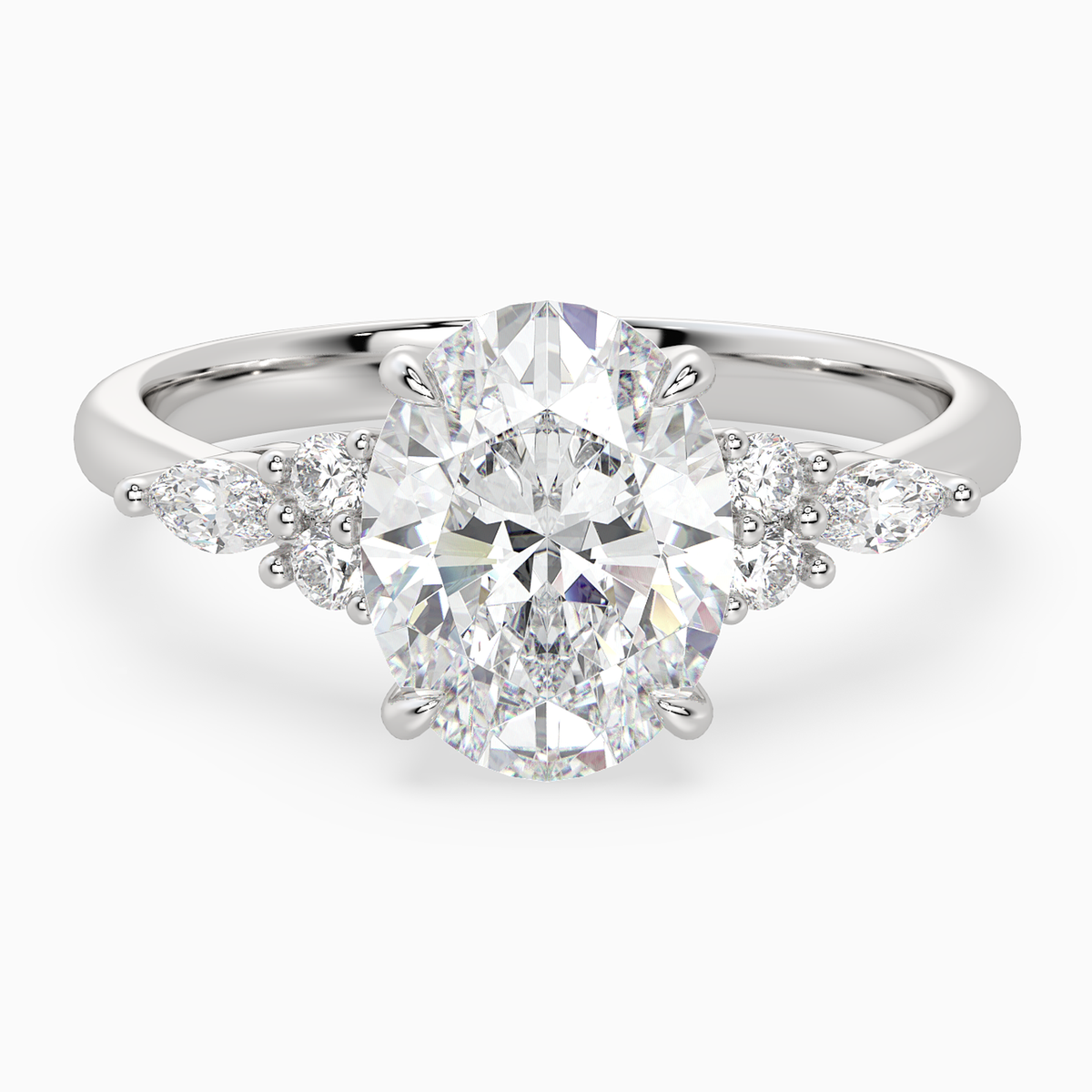


Lab Grown Diamond Fashion Bracelets
From quiet intervals to an unbroken line, each bracelet shapes a different presence at the wrist through silhouette, scale and movement.








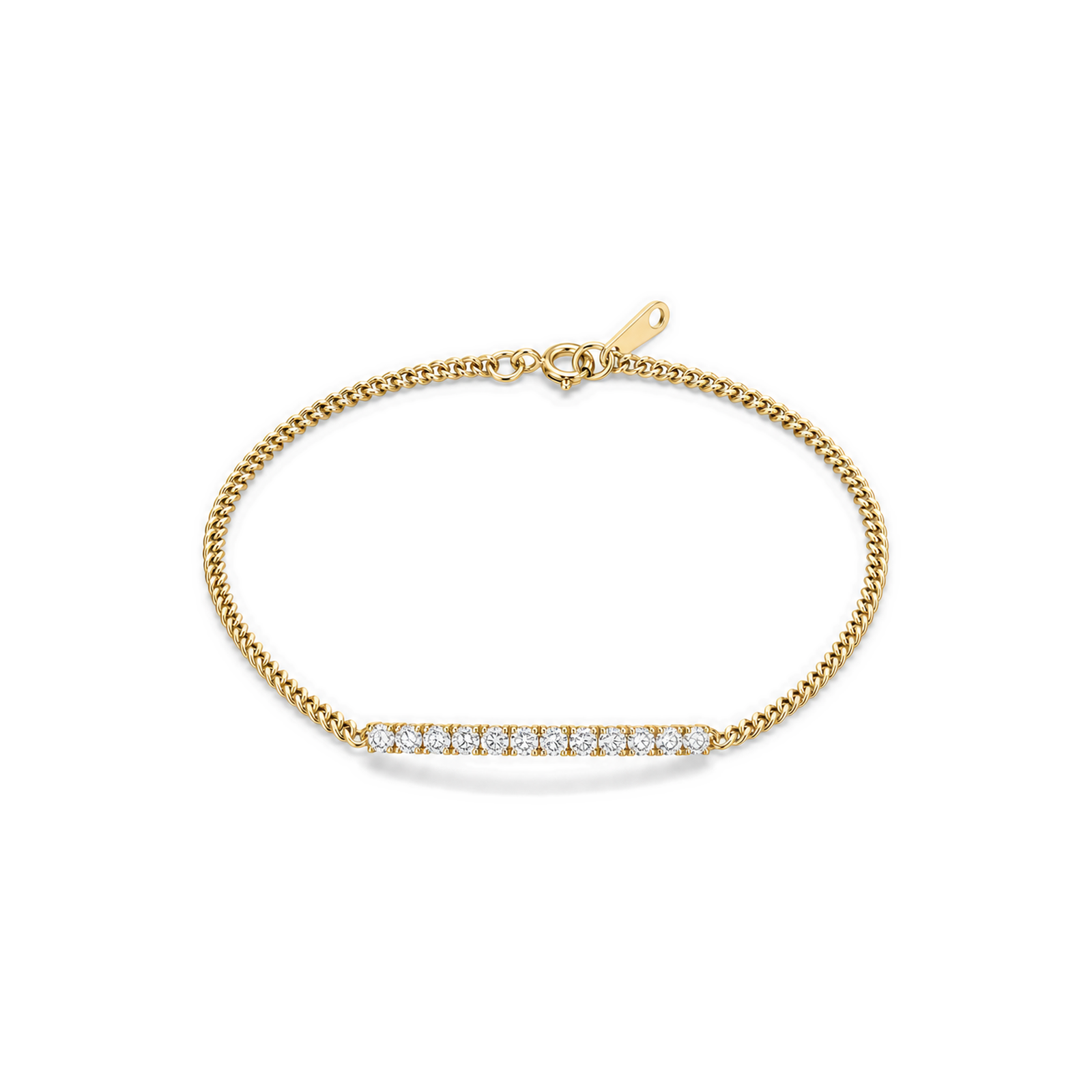


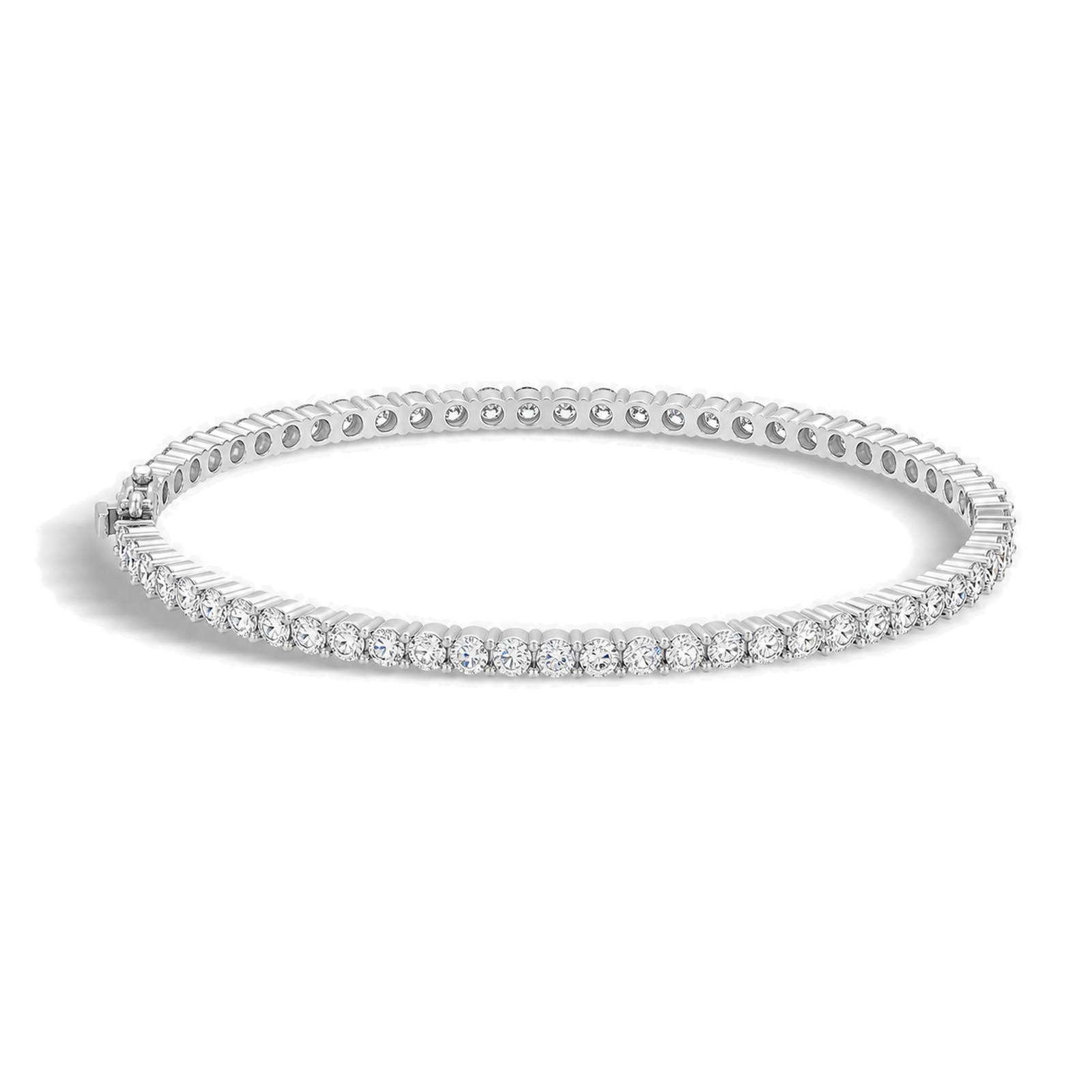
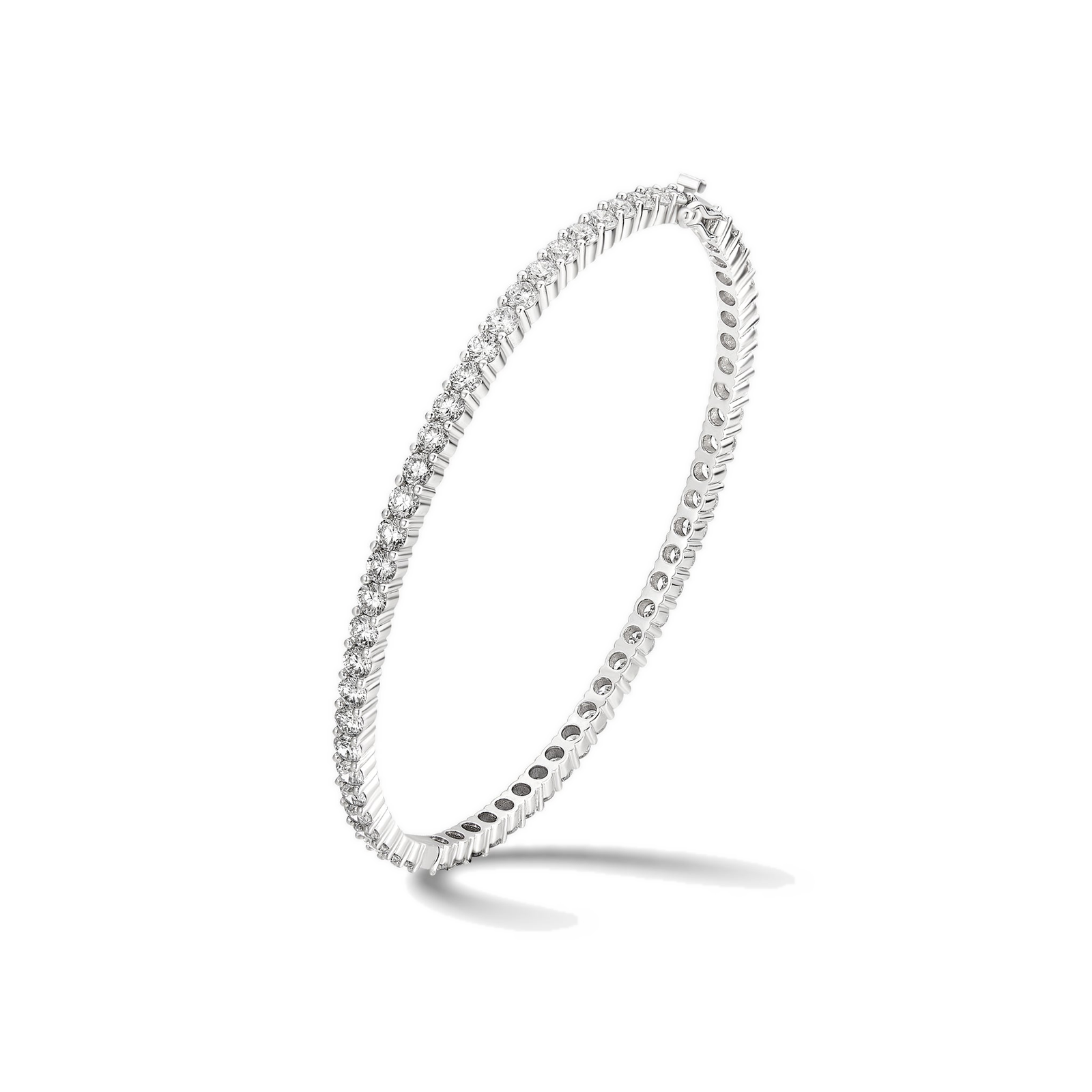

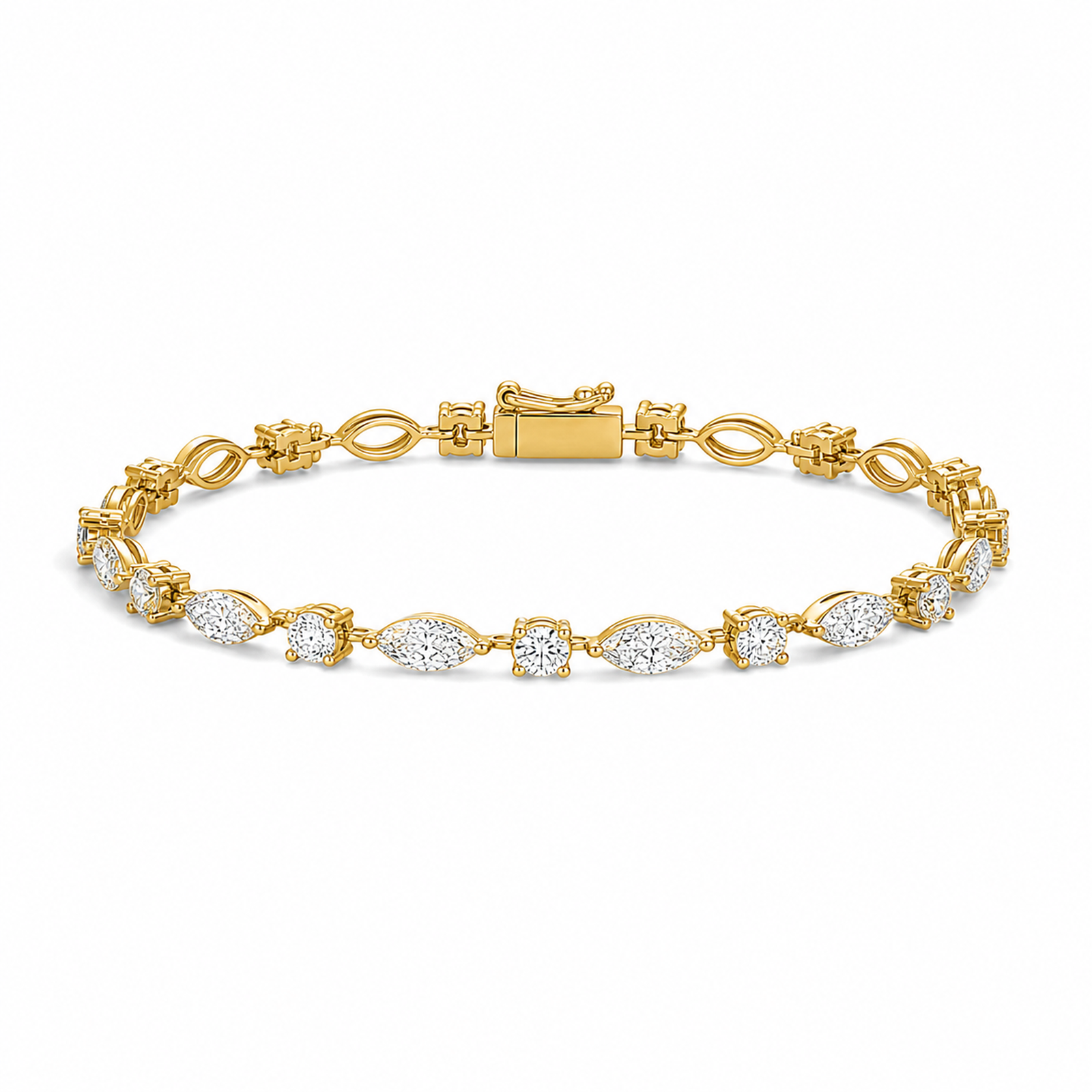
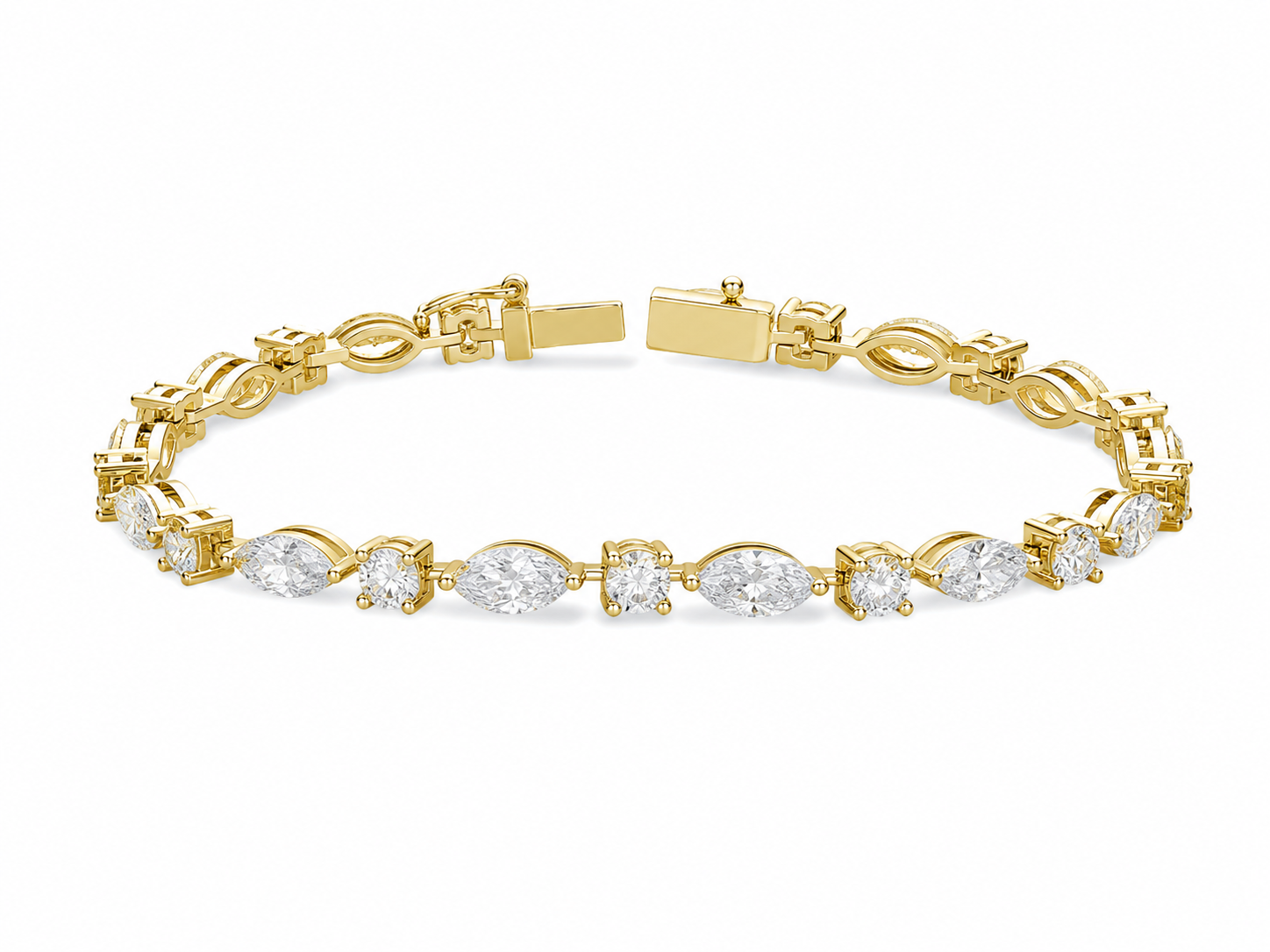

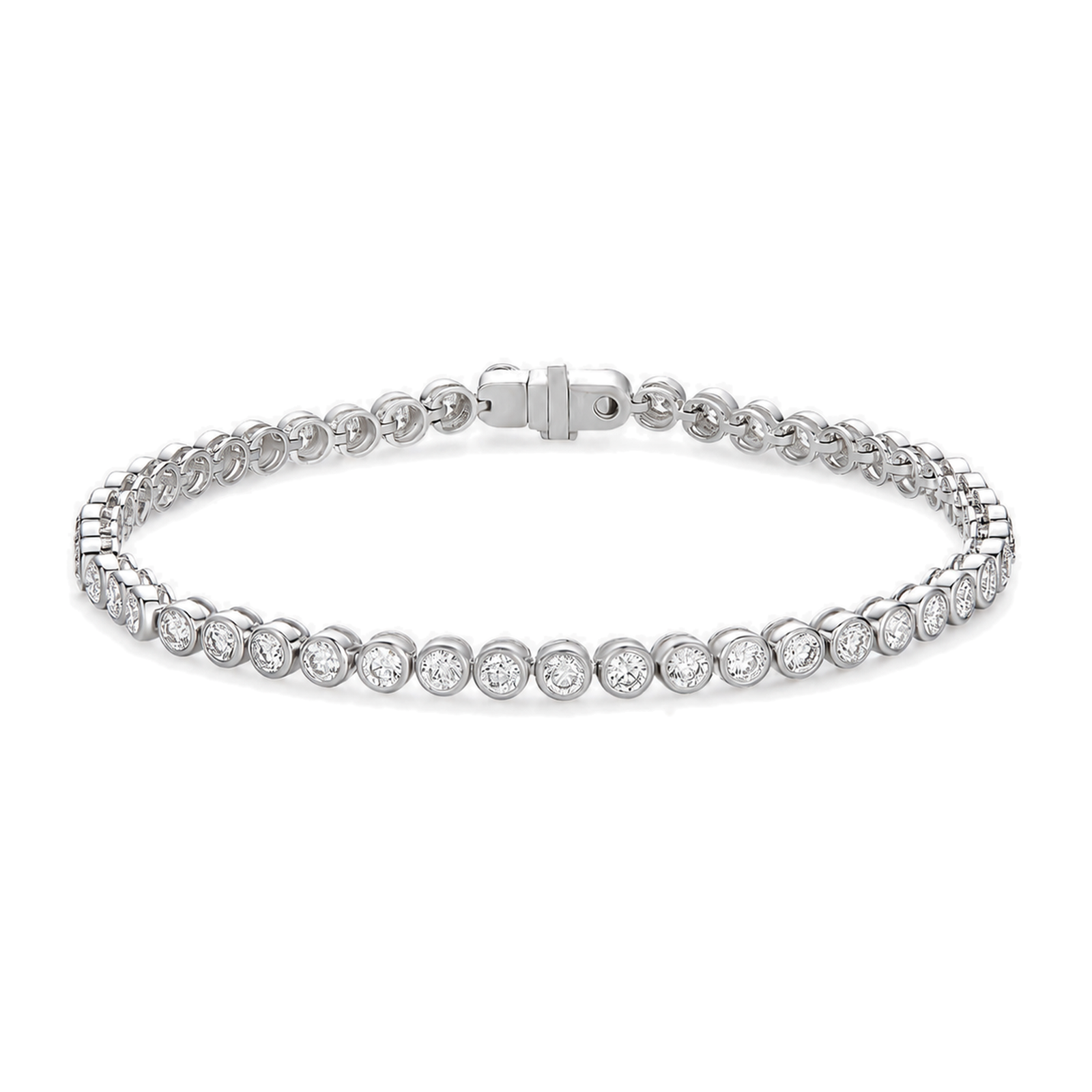
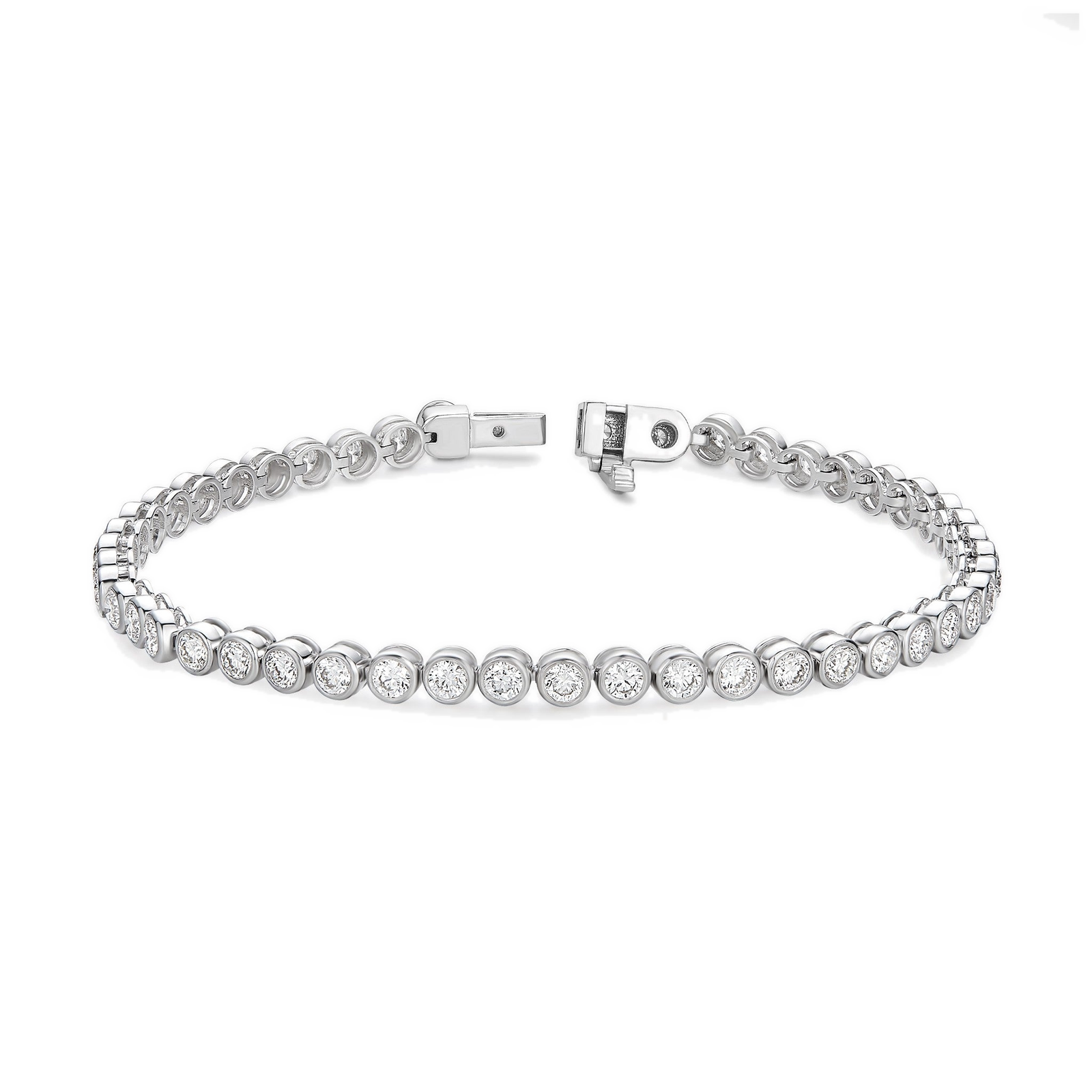


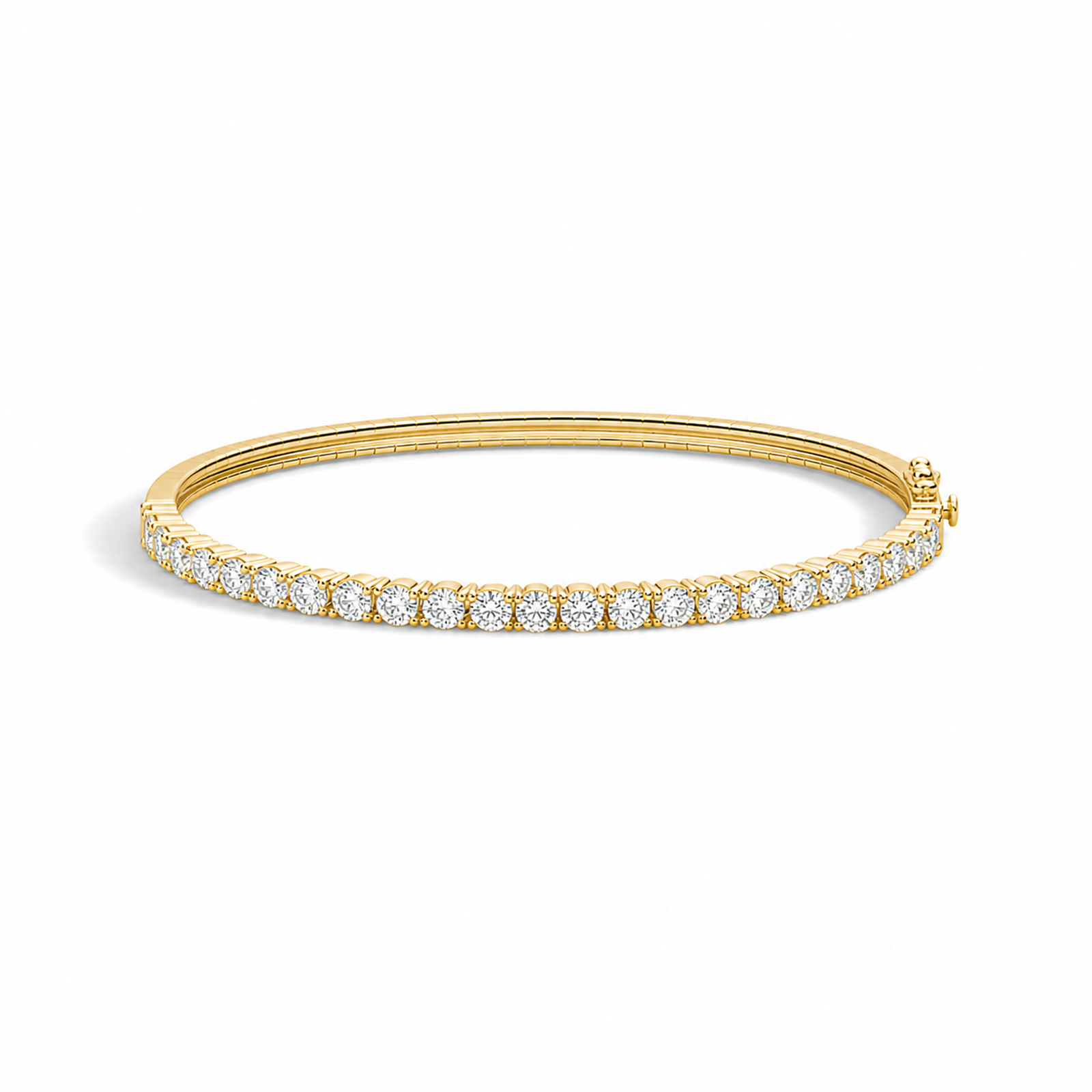
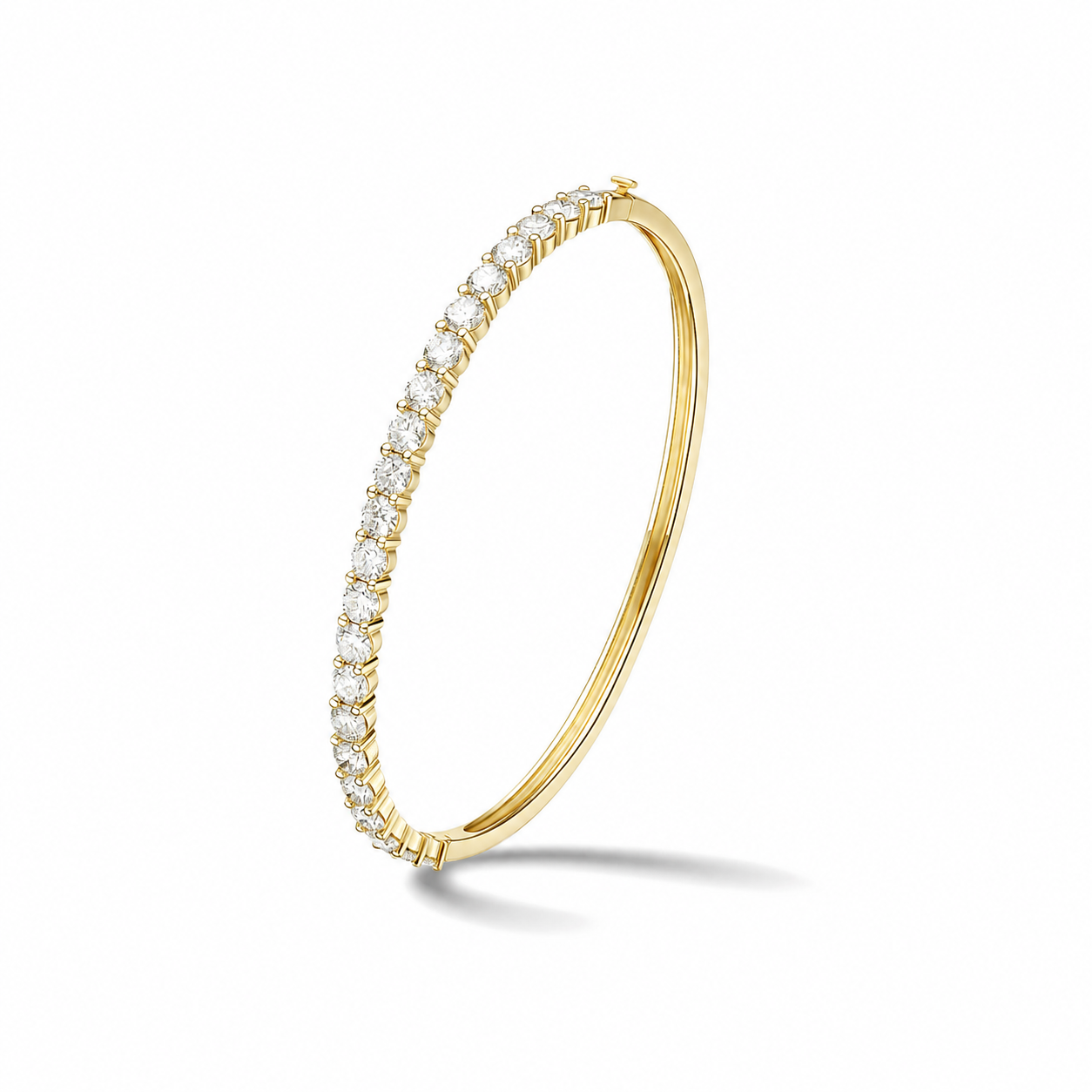

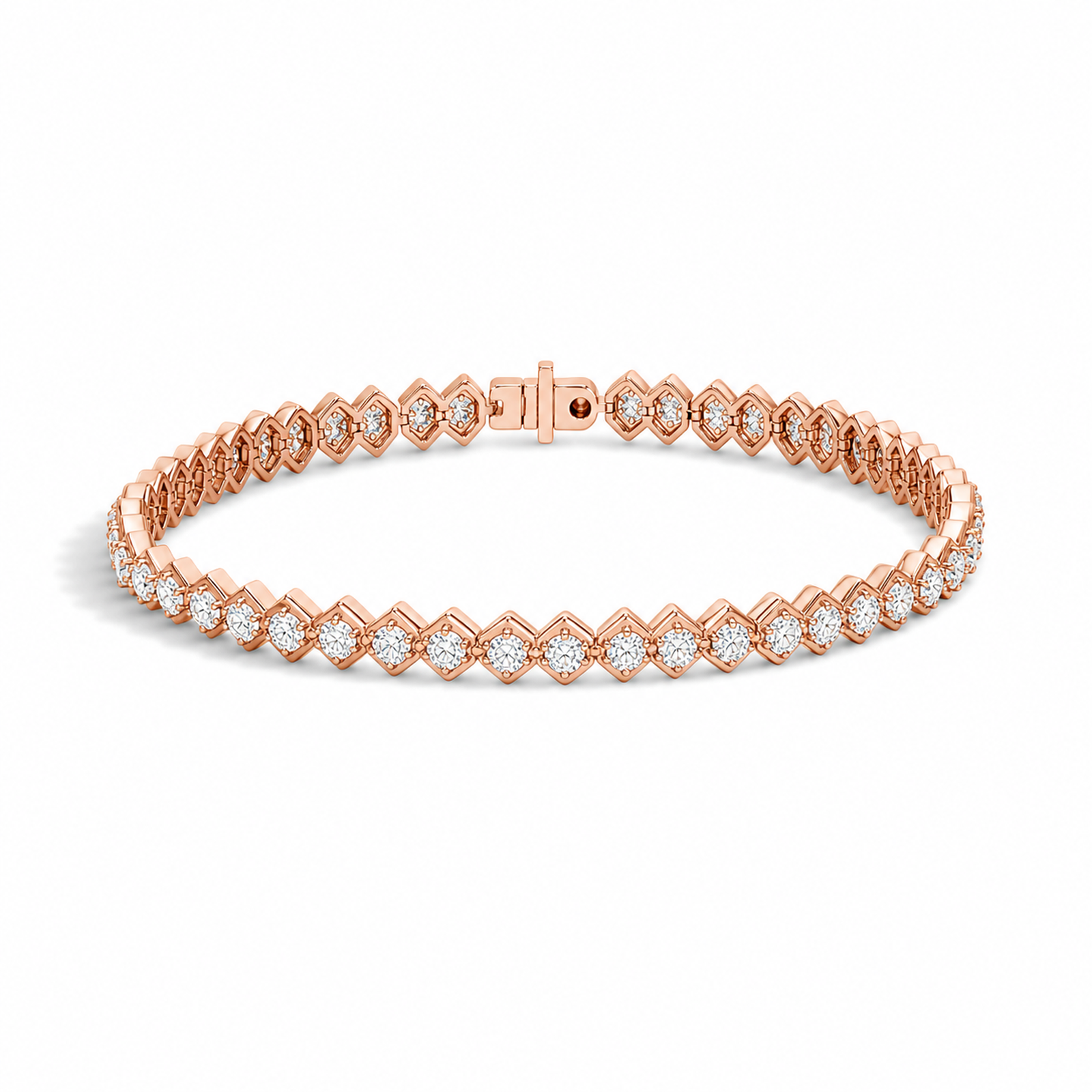


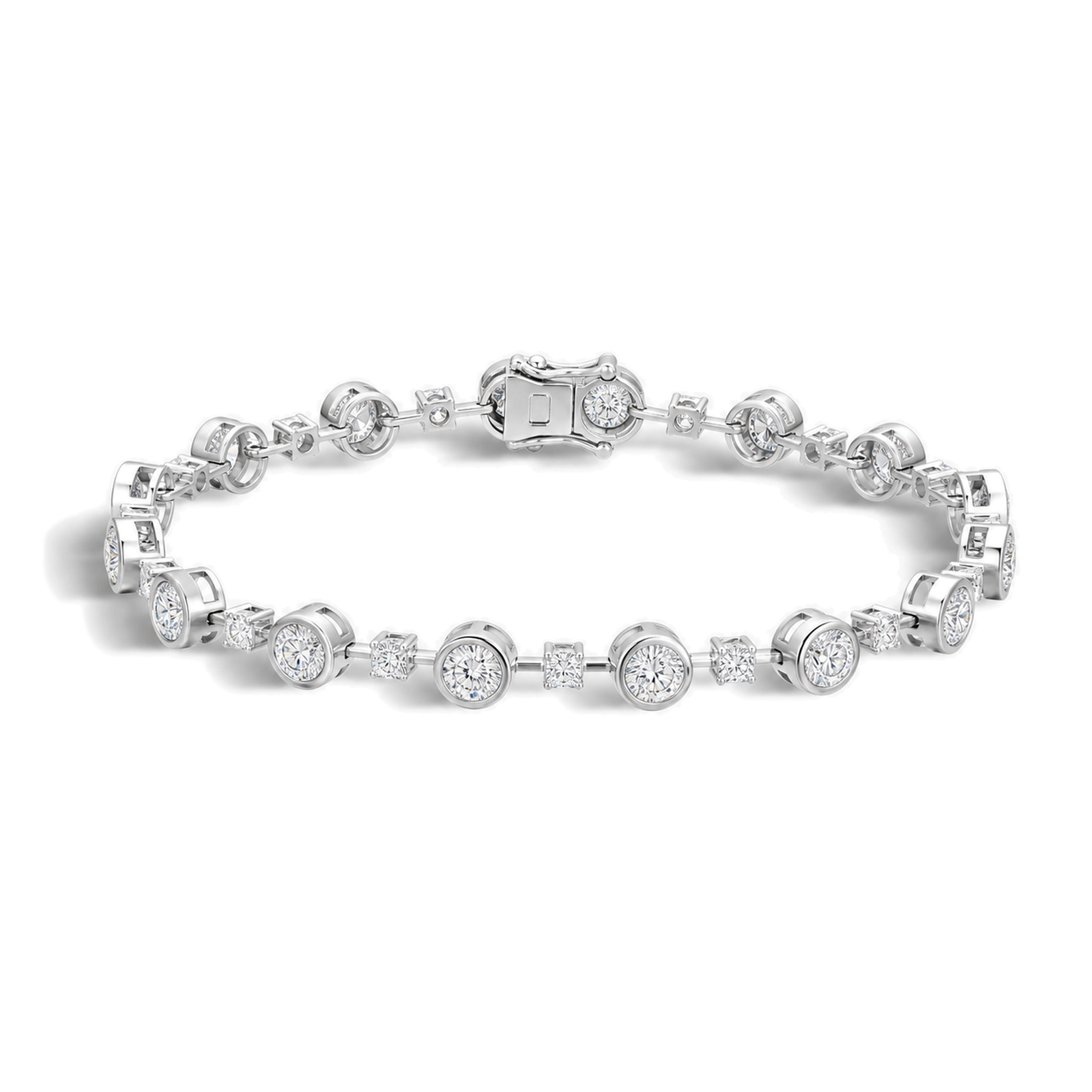
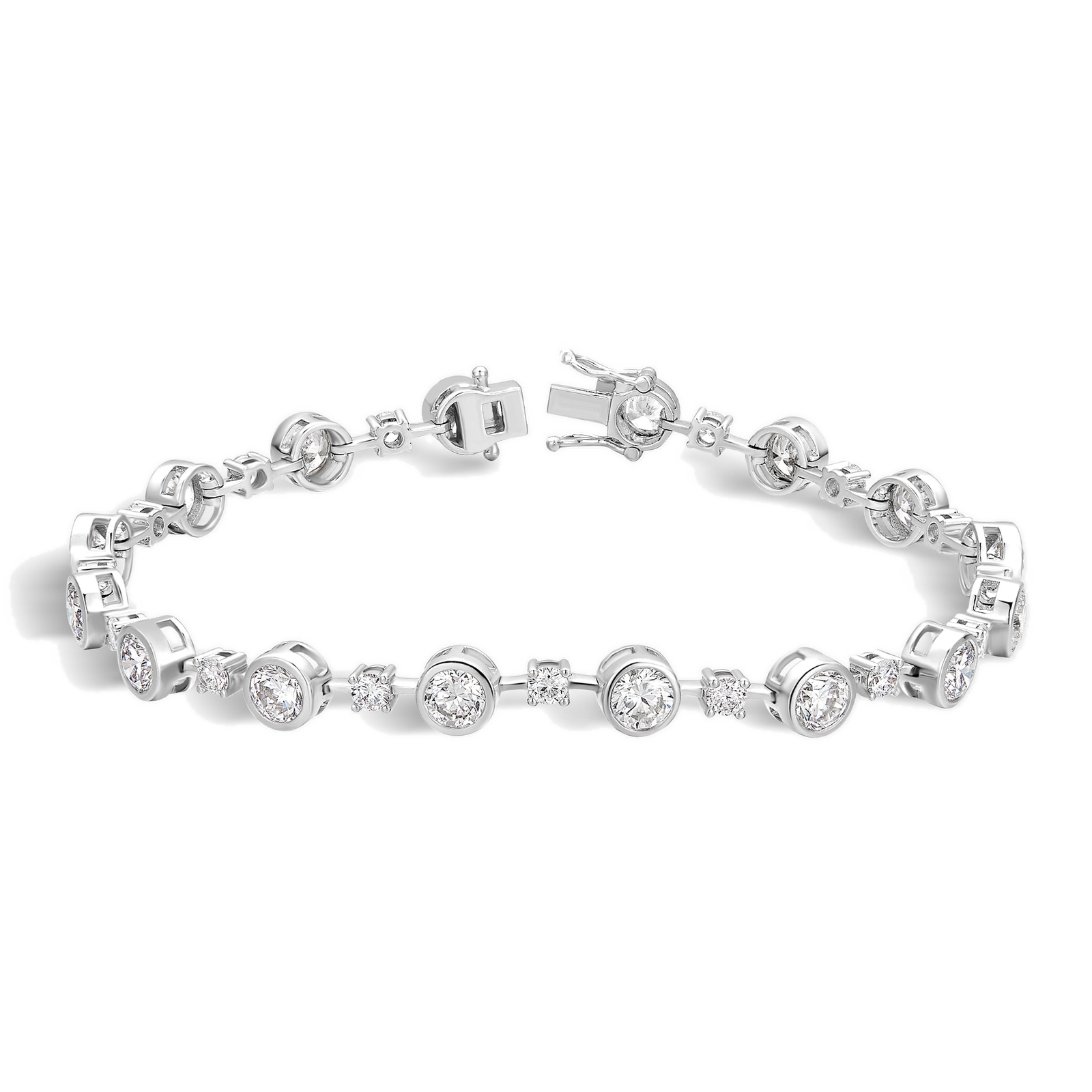

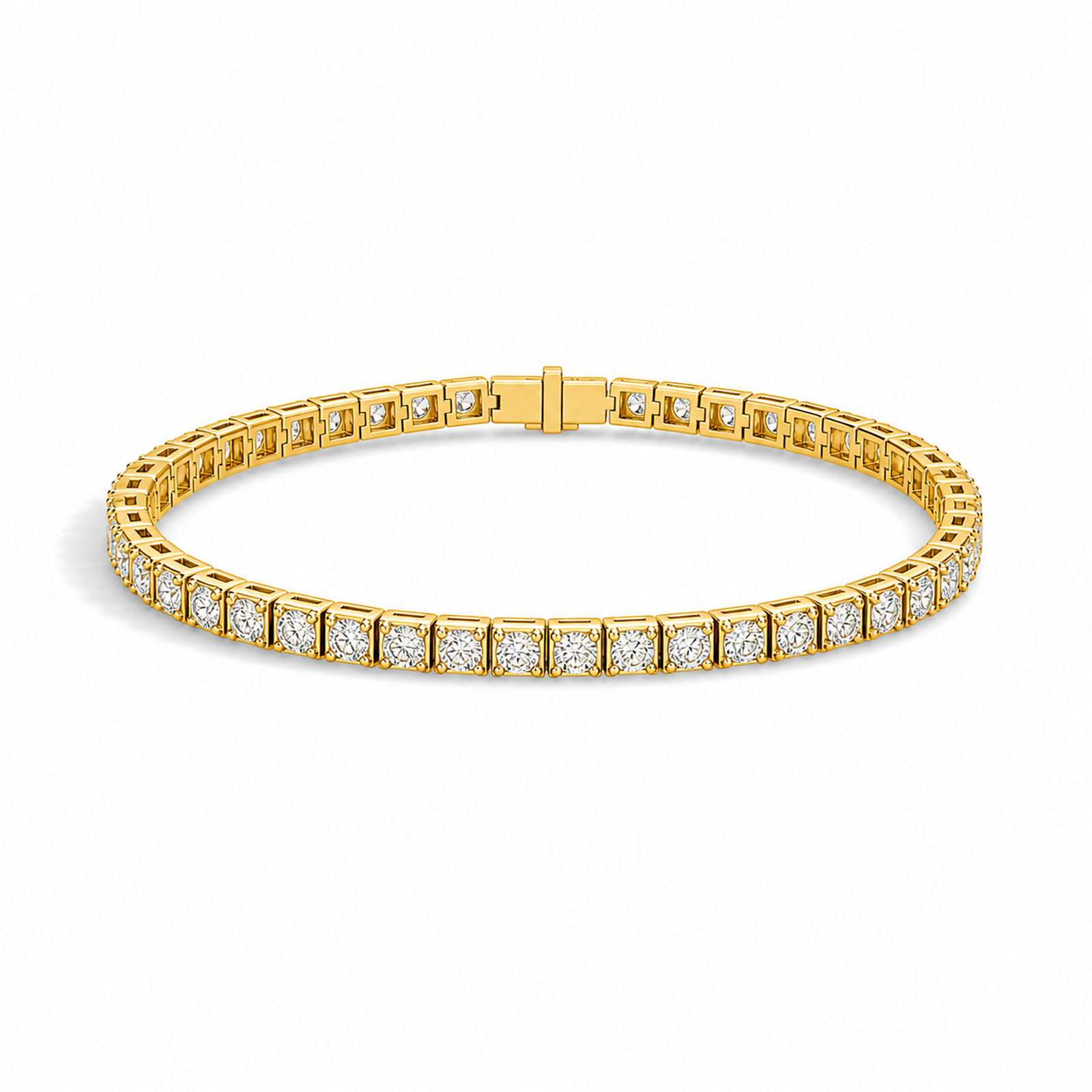
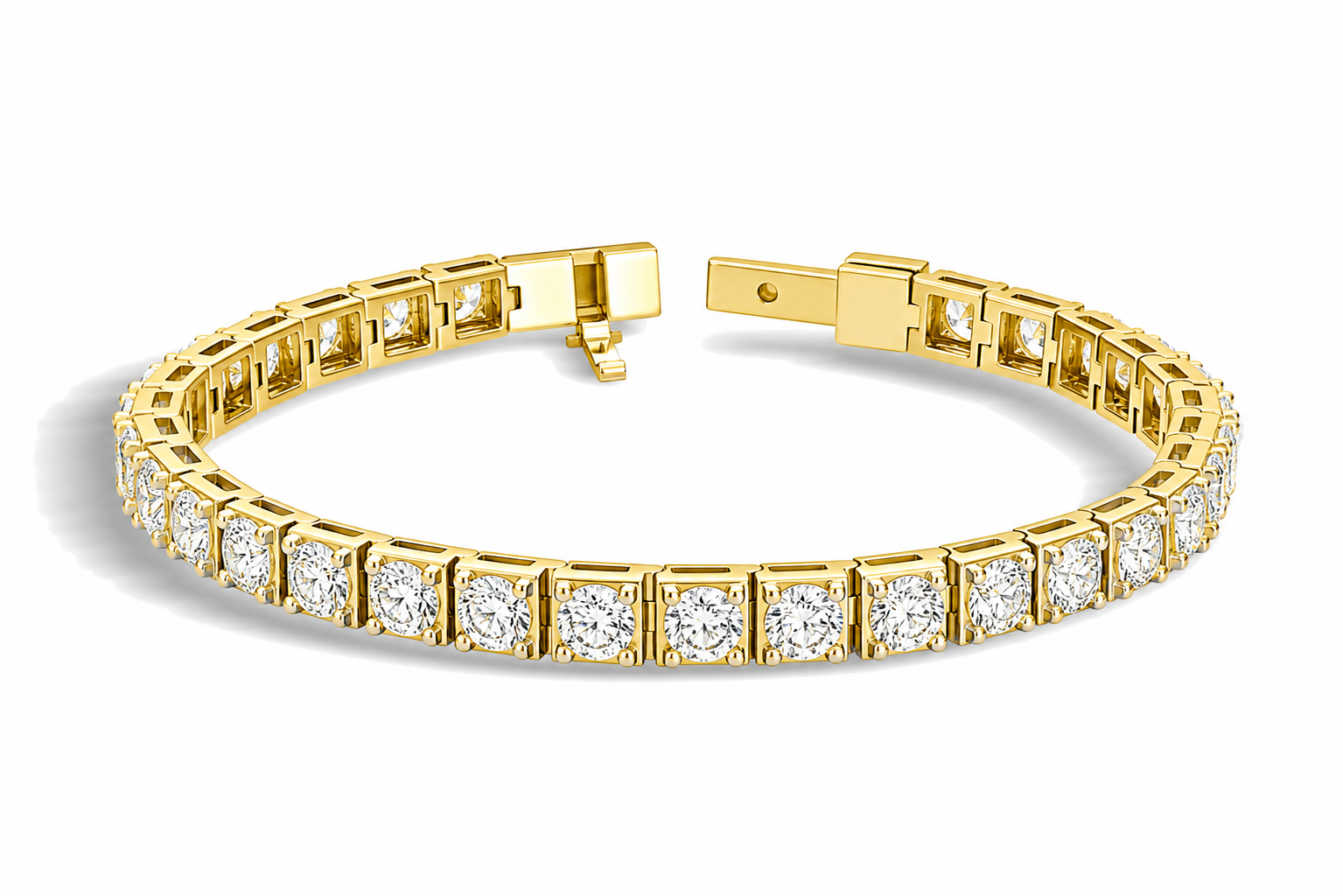

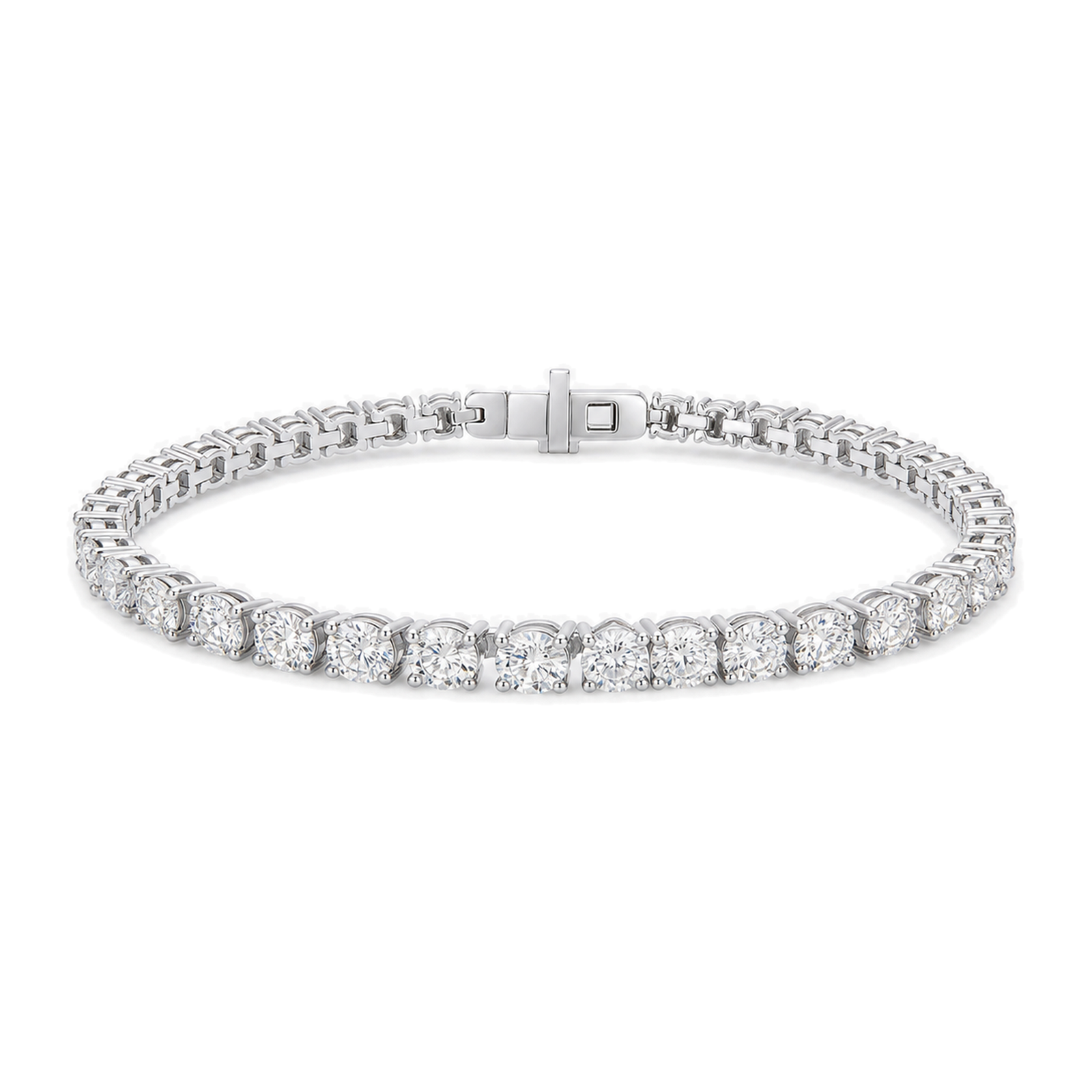
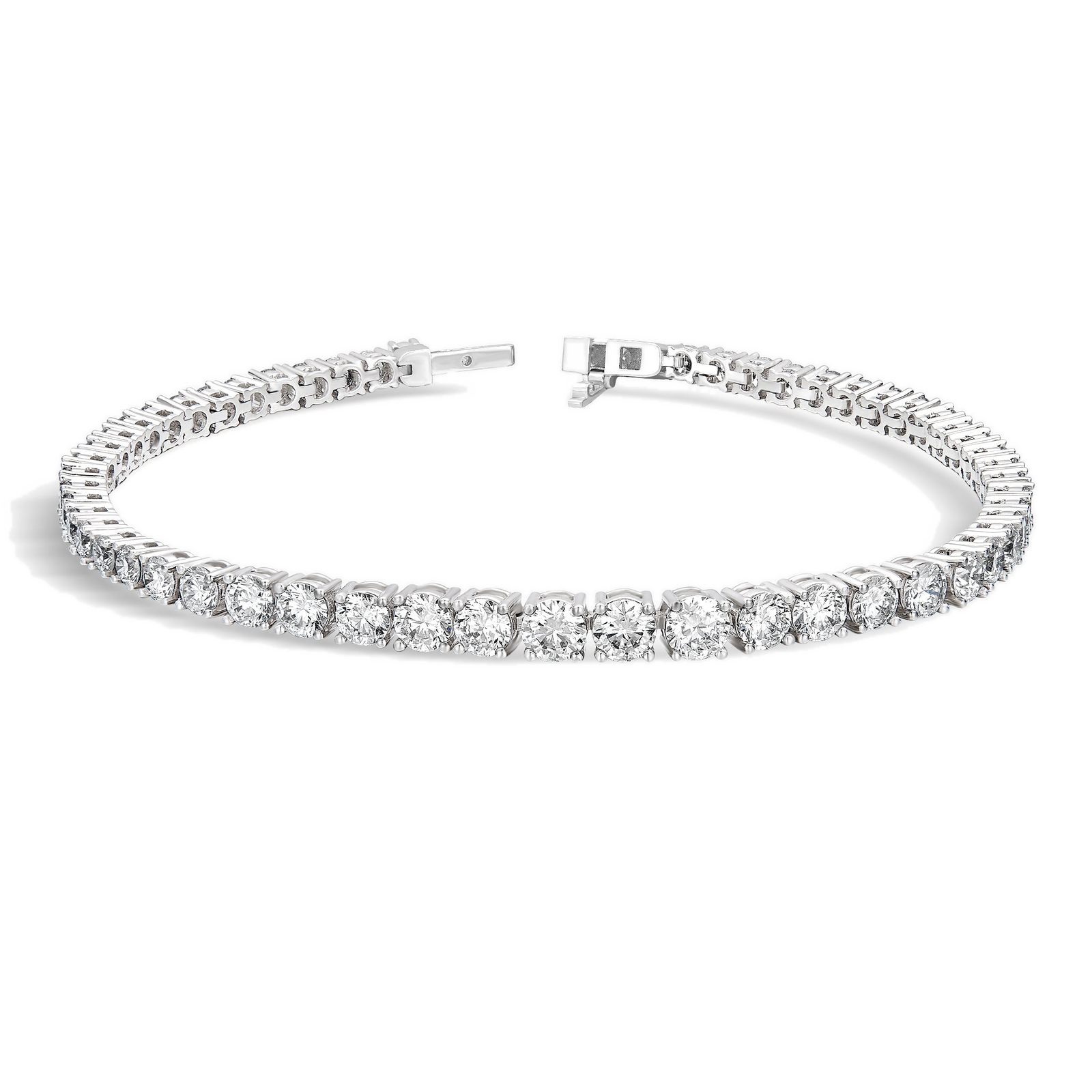

Form, Worn with Intention
Fashion, in jewelry, is not a synonym for novelty. It is the decision to make form personal: how a line sits against the wrist, how much metal remains visible, where light gathers, and whether movement feels quiet, graphic, or unexpected. A bracelet can be expressive without being oversized, and restrained without disappearing.
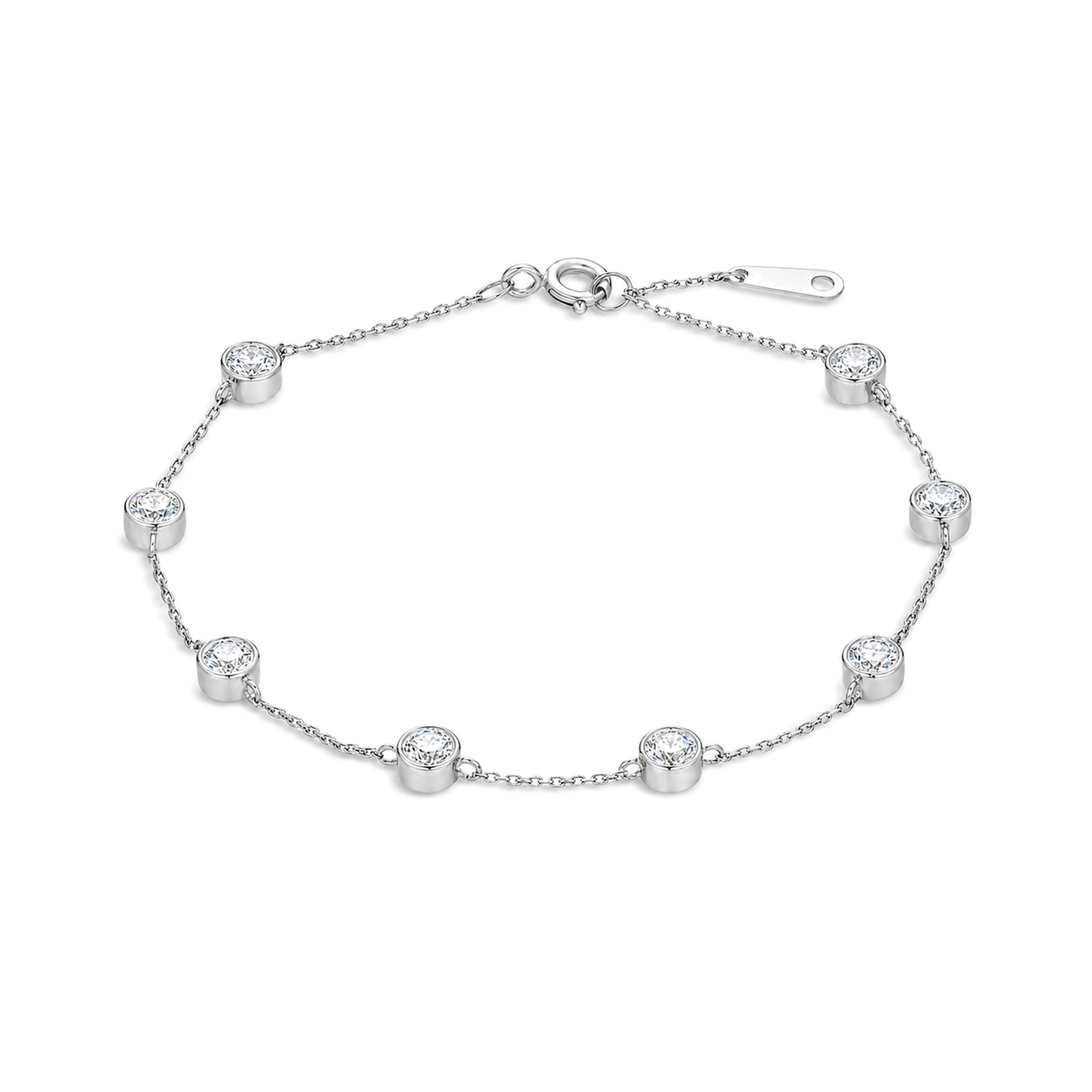
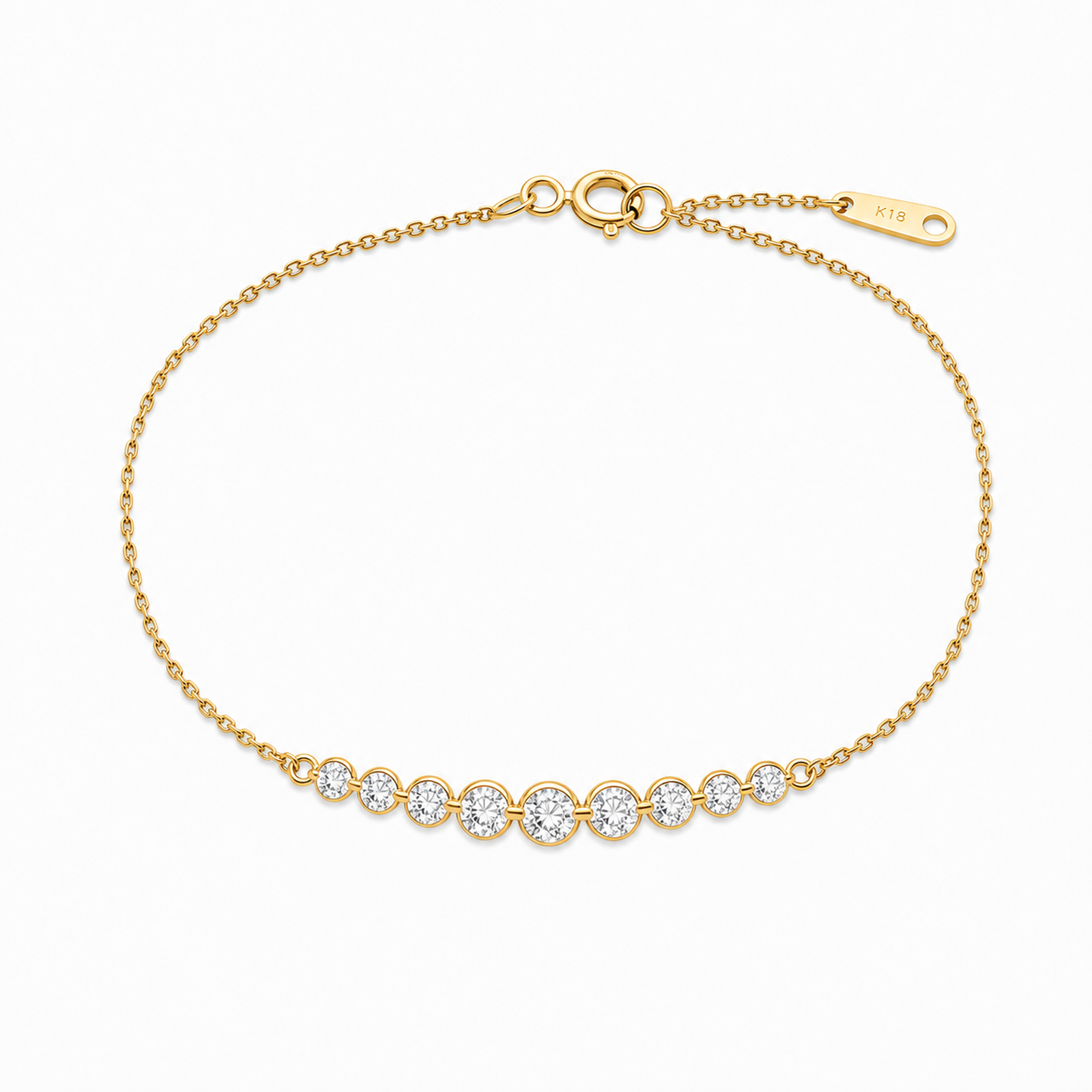
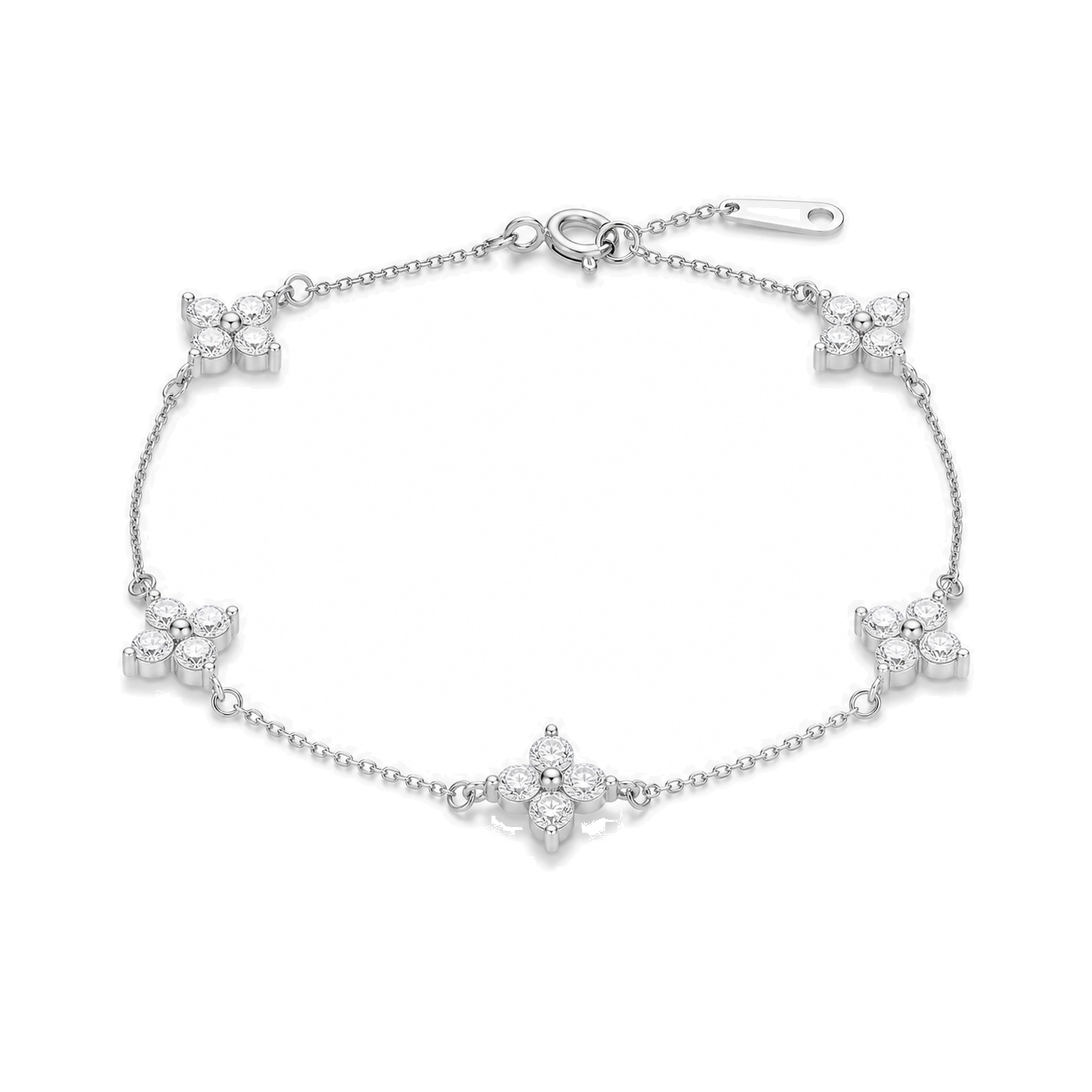
Burvonti’s current public Fashion Bracelet Collection contains 13 designs, exactly matching the current Bracelet and Stacking Bracelet Collections at the product-card level. It includes station, graduated-curve, charm, bar, tennis, interlocking, box-link, bezel, mixed-shape, eternity-bangle, and half-tennis-bangle compositions. The independent value of this page is an editorial way to read those forms, not a claim that Fashion is a separate engineering category or exclusive product pool.
Silhouette Establishes the First Impression
Some bracelets draw one continuous register around the wrist. Others concentrate attention in a bar, curve, charm sequence, or front-facing field. A station chain uses open intervals as part of its silhouette; a bangle defines a firmer arc; an interlocking or mixed-shape design introduces a visible change in geometry. The choice begins with what kind of outline you want the wrist to carry.
Review the design from front, side, and back. A face-up photograph can compress height, connection points, chain, clasp, and non-diamond sections into one idealized line. The complete silhouette includes how the bracelet turns and how its focal area resolves beyond the top of the wrist.
Rhythm Can Be Continuous, Spaced, or Interrupted
Repeated diamonds can create composure through consistency. Stations allow skin and chain to become deliberate intervals. A graduated curve changes pace through scale; charms establish separate points of attention; mixed shapes use orientation and outline to create contrast. None is inherently more modern, timeless, subtle, or expressive than another.
Look at the distance between diamonds, the amount of visible metal, whether the sequence repeats evenly, and where the pattern changes. A clear rhythm gives the bracelet identity even when total scale is restrained. An interruption can be the design’s most important gesture when it is calibrated rather than added for effect.
Scale Is More Than Total Carat Weight
All 13 current products use Total Carat Weight as an option label. Total weight describes diamond material across the stated composition; it does not describe individual stone size, count, bracelet width, coverage, height, flexibility, or visual intensity. A spaced station bracelet and an extended tennis line can distribute the same total in fundamentally different ways.
Read scale through diamond dimensions and count where listed, setting width, bracelet profile, coverage, negative space, and the relationship between focal and supporting elements. Burvonti does not assign one total as fashionable, understated, everyday, formal, feminine, masculine, or appropriate for a particular age.
Setting Defines the Edge of the Design
Ten current designs use prong-set language and three use bezel language. Prongs create discrete points of metal around a diamond; a bezel establishes a continuous perimeter. Across a line, those edges influence how separate stones, links, and intervals are read. In a focal design, they can make the diamond outline feel more exposed or more explicitly drawn in metal.
Setting names do not establish universal brilliance, protection, comfort, snag resistance, or durability. Compare coverage, profile, connection geometry, finish, and selected-product views. Design expression is inseparable from the structure that produces it.
Metal Changes Temperature and Graphic Definition
The current cards represent six designs in 14K White Gold, five in 14K Yellow Gold, and two in 14K Rose Gold. White gold may visually recede among colorless-looking diamonds in some settings. Yellow or rose gold can make prongs, bezels, links, bars, or negative space more explicit. The exact effect depends on finish, rhodium plating where applicable, diamond distribution, width, skin context, and surrounding objects.
Choose metal as part of the drawing, not as a prescribed identity. Repeating the metal of a watch or ring can create continuity; contrast can be equally deliberate. No metal determines gender, occasion, trend relevance, sensitivity outcome, or level of refinement.
Movement Is Part of the Bracelet’s Character
A chain-led bracelet may drape and rotate; an articulated diamond line follows the wrist through connected settings; a bangle carries more of its own arc. These behaviors change which section is visible, how a focal element returns to position, and whether the bracelet reads as fluid, structured, or somewhere between.
Current chain and articulated descriptions list 6.3 or 6.7 inches, while the two bangle descriptions do not publish length in the same field. Fit, wrist shape, width, thickness, closure, and weight distribution all affect movement. No bracelet can be promised to remain perfectly centered or motionless.
Context Should Clarify, Not Limit, Personal Style
A diamond bracelet may be worn alone, beside a watch, within a stack, with a tailored cuff, or against an open wrist. Those contexts change proportion and contact, but they do not assign the design to one occasion. A clear continuous line can feel quiet when scaled closely; a station or bar design can become graphic through contrast; a bangle can define structure without relying on volume.
Use the selected bracelet to establish a point of view, then edit the surrounding pieces and clothing. Personal expression is not achieved by adding every available motif. It comes from knowing which relationship—line, interval, curve, geometry, metal, or motion—deserves emphasis.
Documentation, Custom Possibilities, and Care
Burvonti uses responsibly sourced lab-grown diamonds and supports independent grading and certification where applicable. In a multi-diamond bracelet, one document does not automatically identify every diamond or the finished piece. Confirm how Total Carat Weight, color and clarity fields, individual stones, and documentation correspond to the selected design.
Custom possibilities may refine length, sequence, coverage, setting, metal, closure, or scale when technically feasible. Care should follow the complete construction: diamonds, settings, links, chains, bangle sections, hinges or joints, and closure. Store without abrasive contact and inspect the full circumference if alignment, movement, or fit changes.
Frequently Asked Questions
What is a fashion bracelet?
It is an editorial category for bracelets chosen through personal design expression. It does not define one setting, structure, metal, size, gender, or occasion.
Is the current Fashion Bracelet Collection different from the Bracelet Collection?
Its editorial purpose is different, but the current 13 product cards exactly match the parent Bracelet and Stacking Bracelet Collections.
Does fashion jewelry mean trendy or short-lived?
Not here. Fashion describes an intentional relationship between form and wearer, not a prediction about how long a style will remain relevant.
Which bracelet styles are currently represented?
The current range includes station, curve, charm, bar, tennis, interlocking, box-link, bezel, mixed-shape, eternity-bangle, and half-tennis-bangle compositions.
Can a subtle bracelet still be expressive?
Yes. Interval, proportion, metal contrast, setting edge, and movement can establish a clear point of view without large scale.
How do I choose a bracelet silhouette?
Decide whether you prefer a continuous line, spaced intervals, concentrated focal field, repeated motifs, mixed geometry, or a structured arc, then inspect the complete profile.
How should I compare Total Carat Weight?
Use it with diamond count and dimensions where listed, setting width, profile, coverage, spacing, and imagery. Total alone does not describe visible scale.
Does a higher Total Carat Weight make a bracelet more fashionable?
No. Presence depends on distribution, shape, count, setting, width, negative space, metal, and context—not one total.
What is the visual difference between prong and bezel settings?
Prongs create discrete metal contacts; a bezel creates a continuous perimeter. Exact edge, profile, coverage, and visual effect remain product-specific.
Which metals are currently represented?
Current cards represent 14K White, Yellow, and Rose Gold. Exact alloy, finish, rhodium plating, sensitivity, and maintenance remain product-specific.
How does metal change a bracelet’s appearance?
Metal can recede or define prongs, bezels, links, bars, and negative space. Finish, width, skin context, and diamond distribution affect the result.
Can a fashion bracelet be worn alone?
Yes. A single bracelet can establish a complete line, focal interval, or structured arc without requiring additional pieces.
Can a fashion bracelet be stacked?
Yes after comparing profile, structure, movement, closures, and contact. Stacking can create abrasion, impact, catching, pressure, or tangling.
Can I wear a fashion bracelet with a watch?
It may be styled beside or opposite a watch, but compare case edges, hardware, finish, bracelet profile, movement, and repeated contact.
How should a fashion bracelet fit?
Measure where it will sit and assess length or internal dimensions, width, thickness, structure, closure, desired movement, and neighboring objects together.
Will a focal bracelet stay centered?
Not universally. Fit, weight distribution, wrist shape, movement, clothing, and neighboring pieces influence rotation and position.
Can a fashion bracelet be a gift?
Yes, but obtain wrist measurements and consider the recipient’s preferred silhouette, metal, scale, movement, closure, and existing jewelry rather than relying on a generic style label.
Are all diamonds independently graded?
Do not assume one report identifies every diamond. Confirm what each document covers and how product-level color, clarity, and Total Carat Weight are represented.
Can a bracelet be customized?
Length, sequence, coverage, setting, metal, closure, or scale may be possible after technical review.
How should a diamond fashion bracelet be cared for?
Use gentle care for the complete construction and inspect diamonds, settings, links, chains, joints, bangle sections, and closure if movement or alignment changes.