
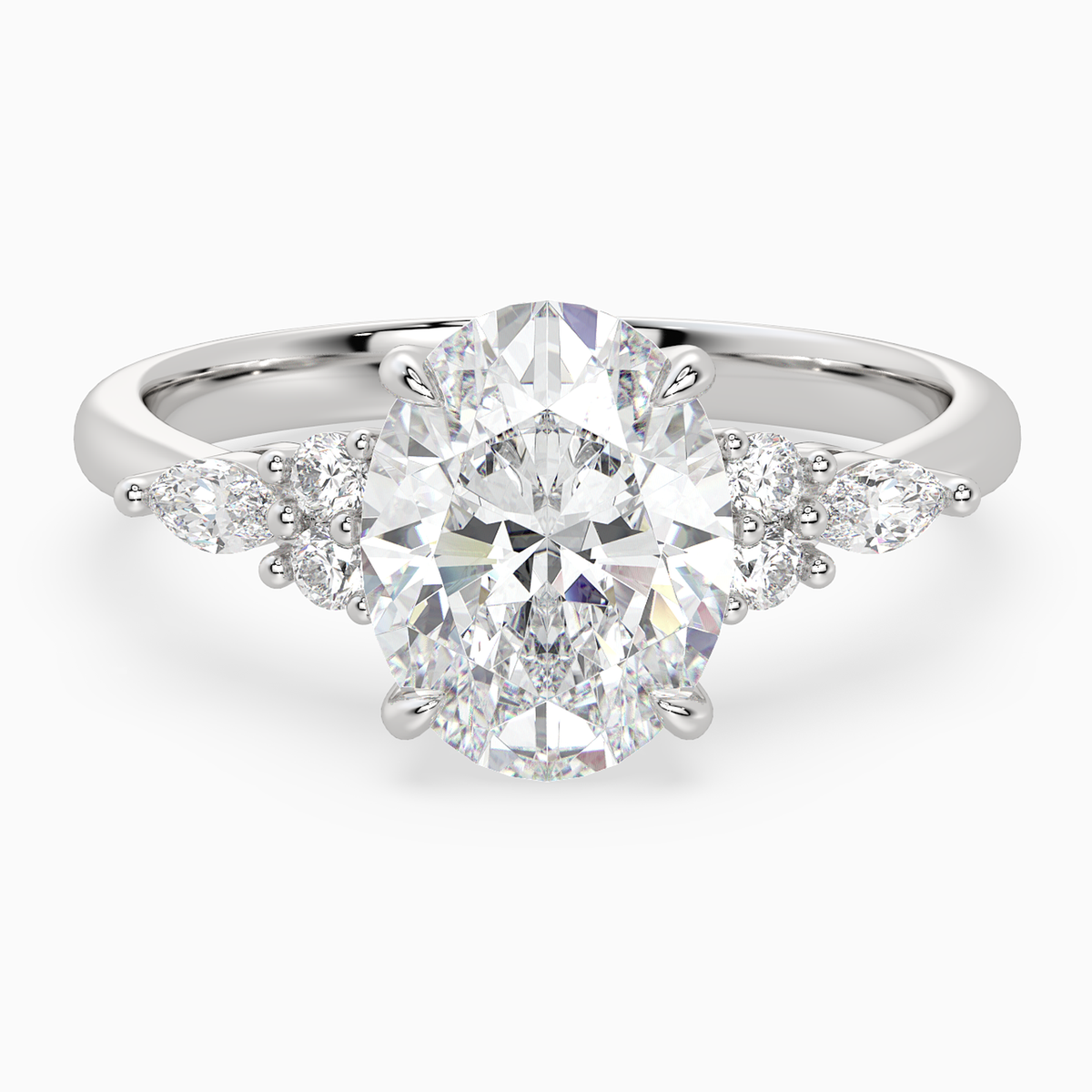


Lab Grown Diamond Necklaces
Light is composed at the neckline—from a single calibrated center to measured lines and multi-stone forms designed around proportion.


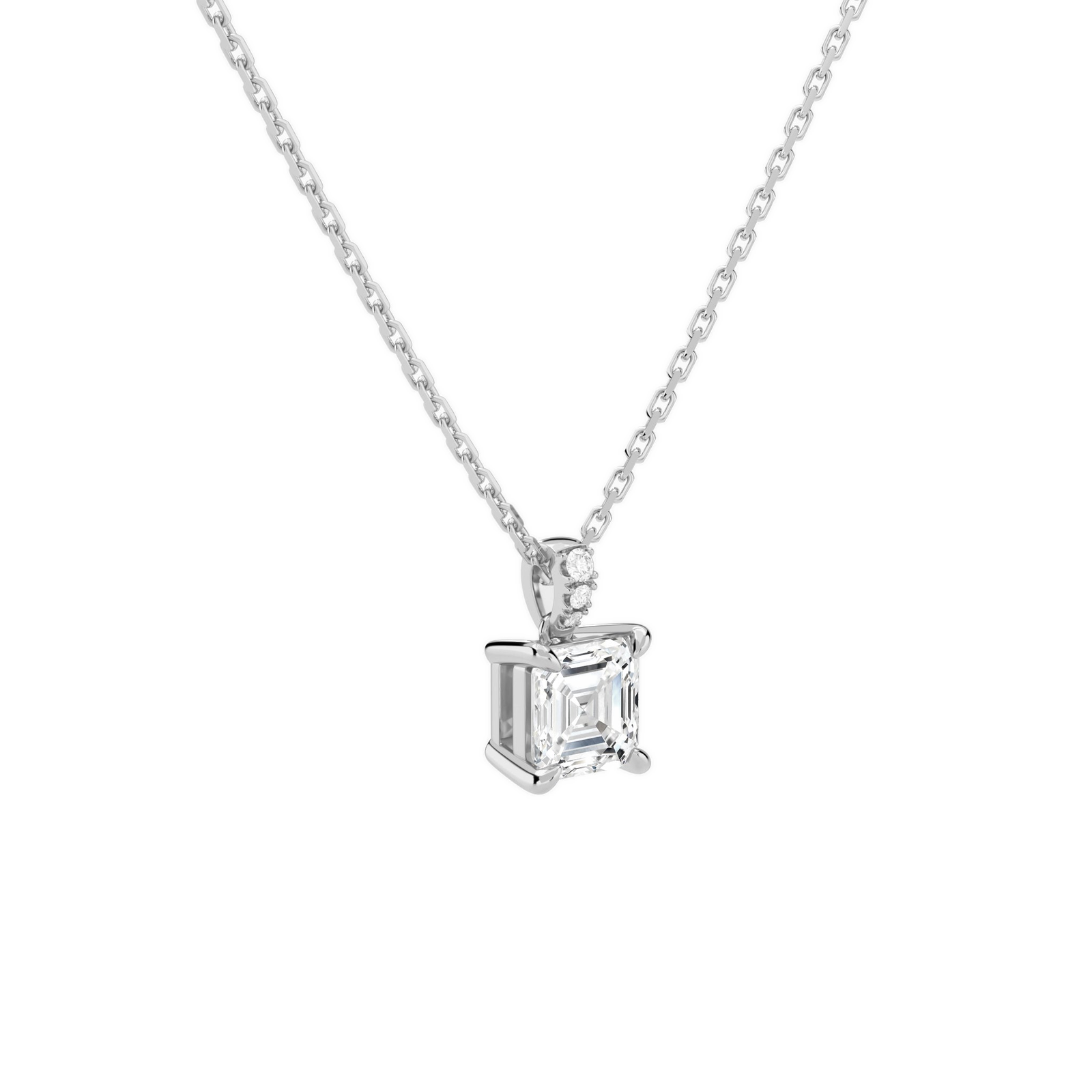


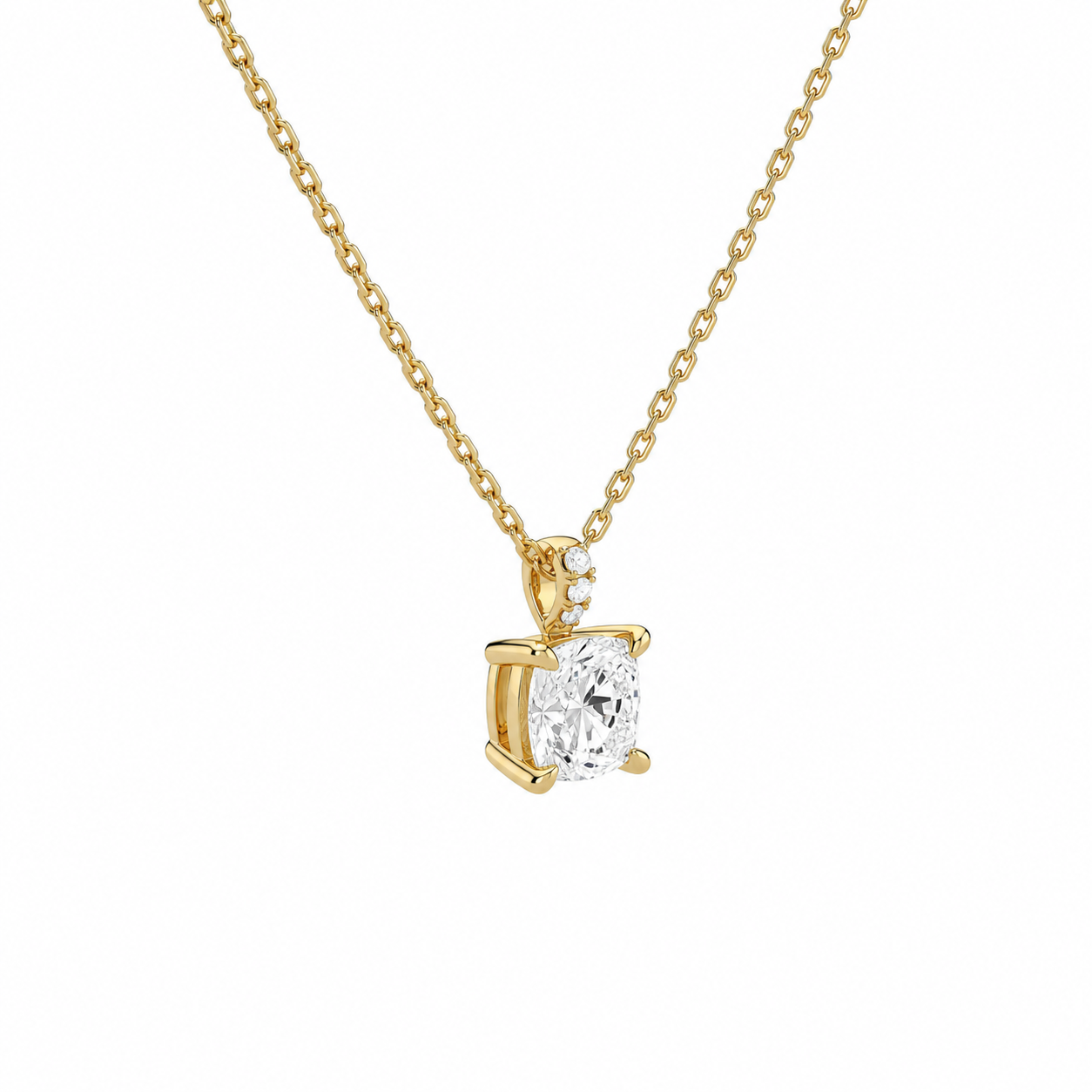


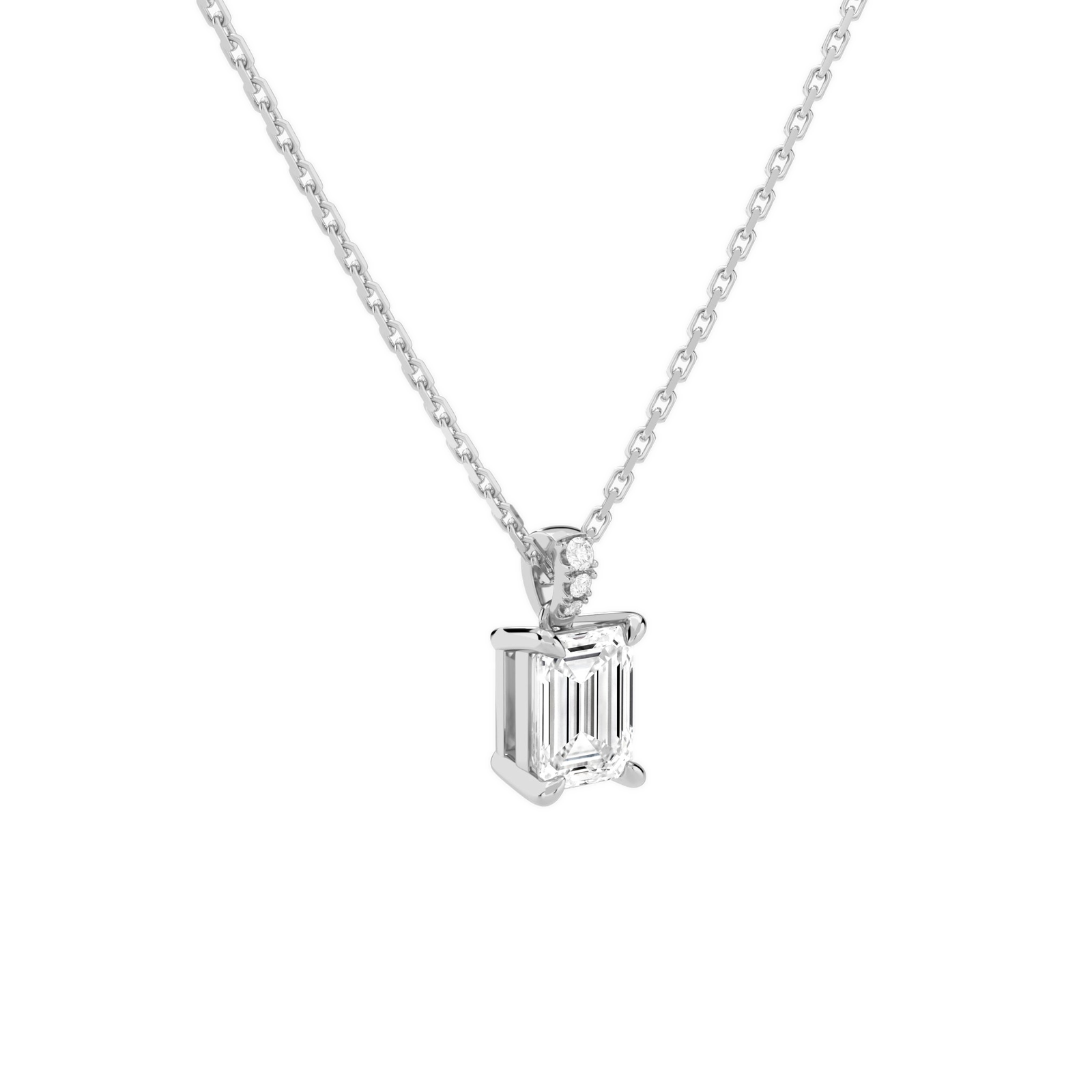


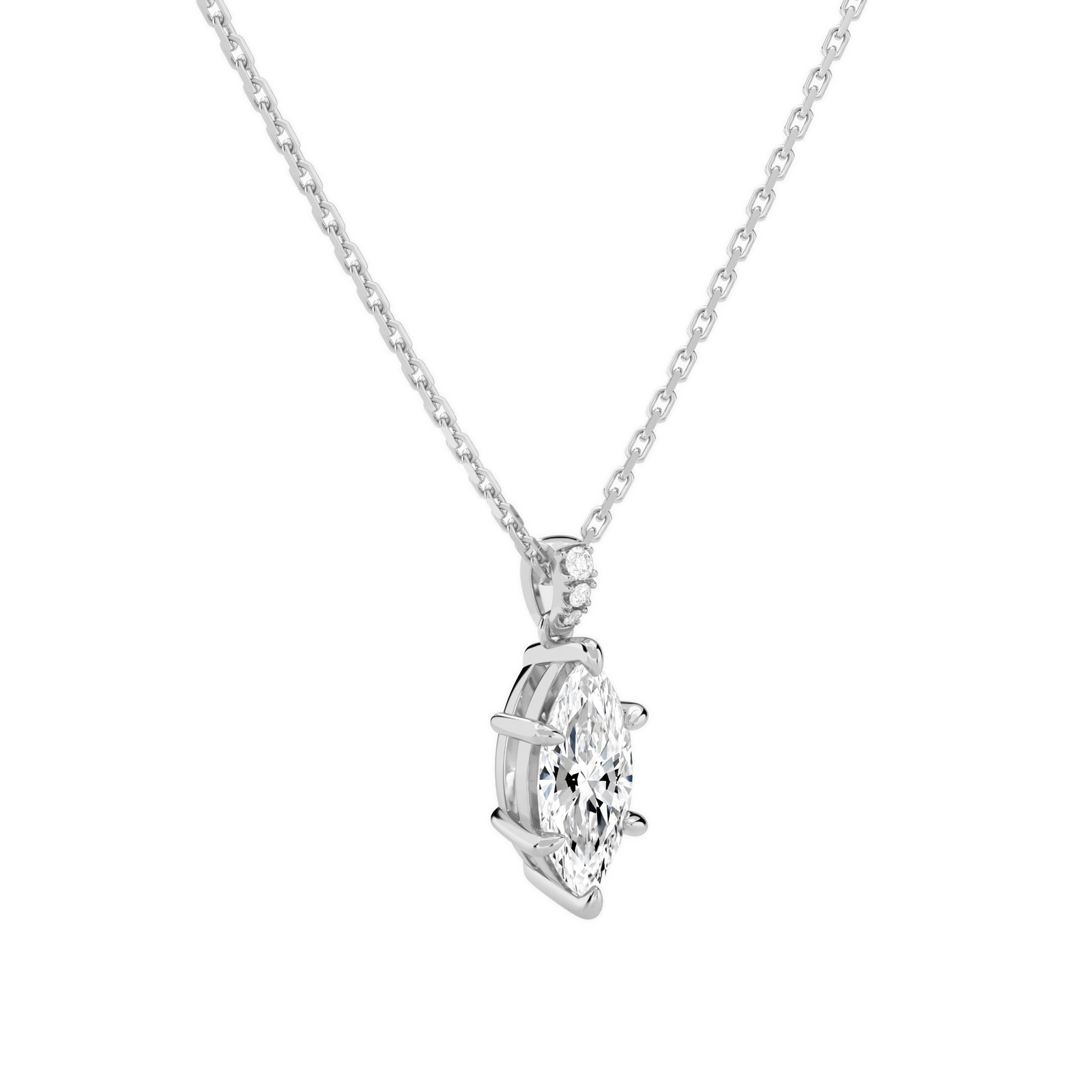


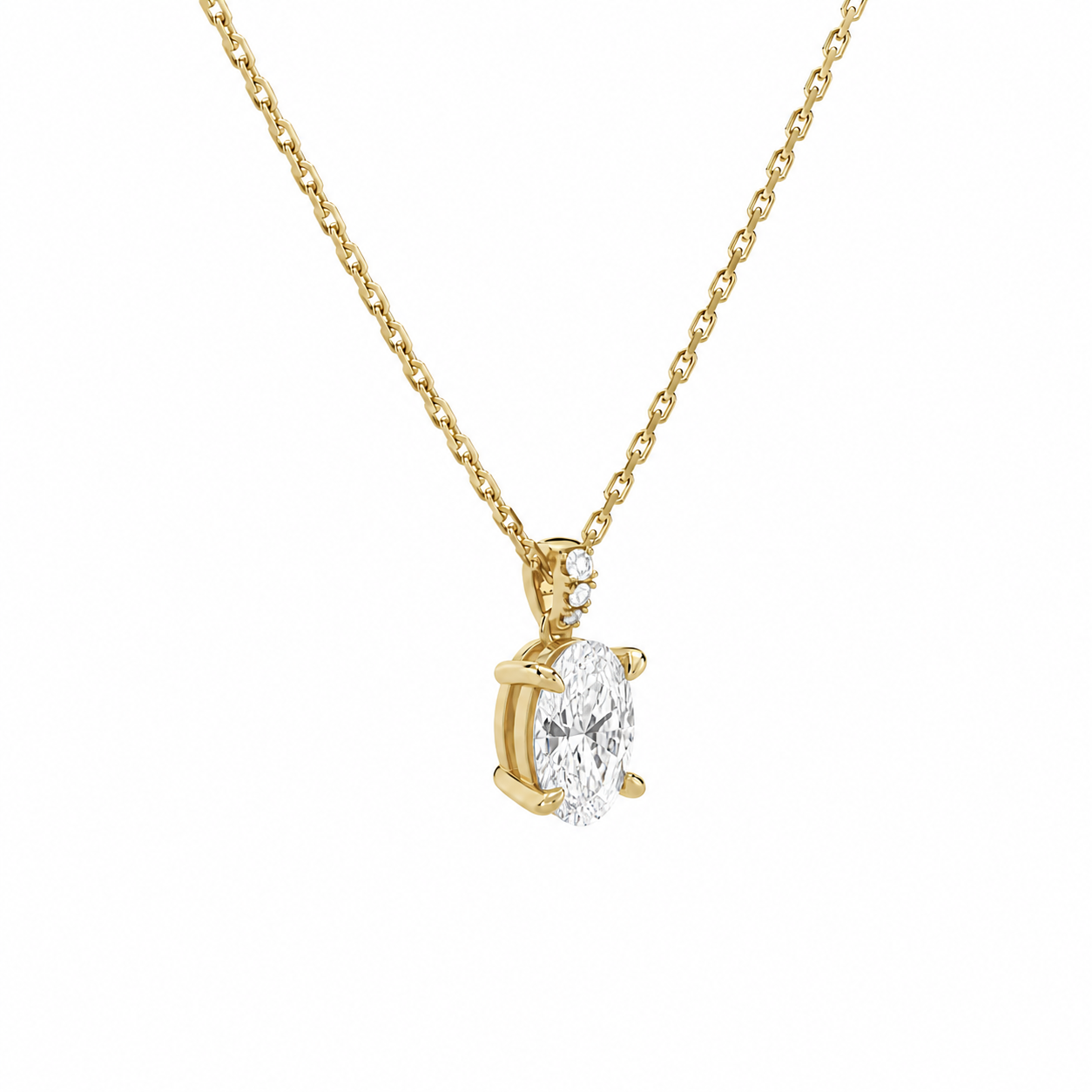


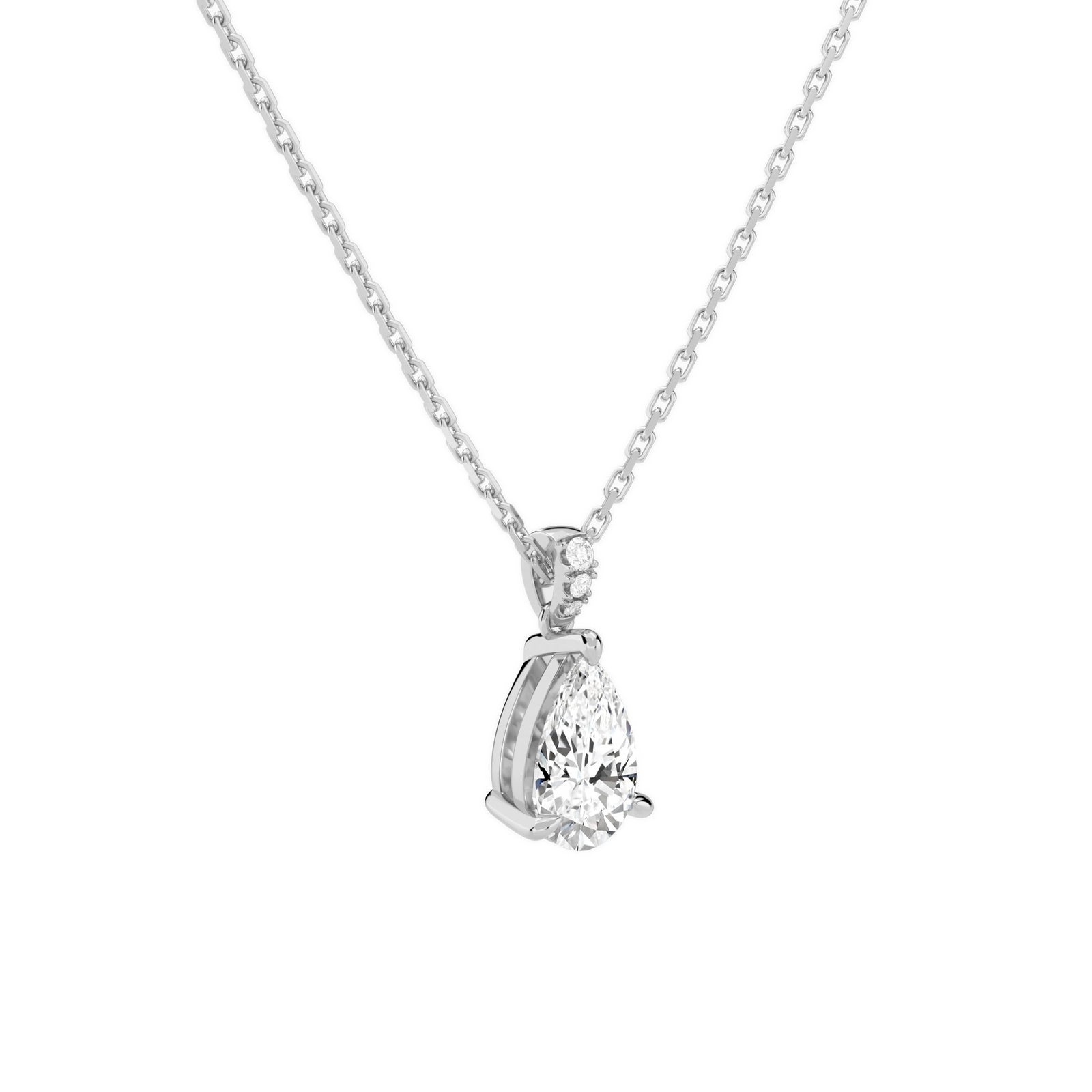


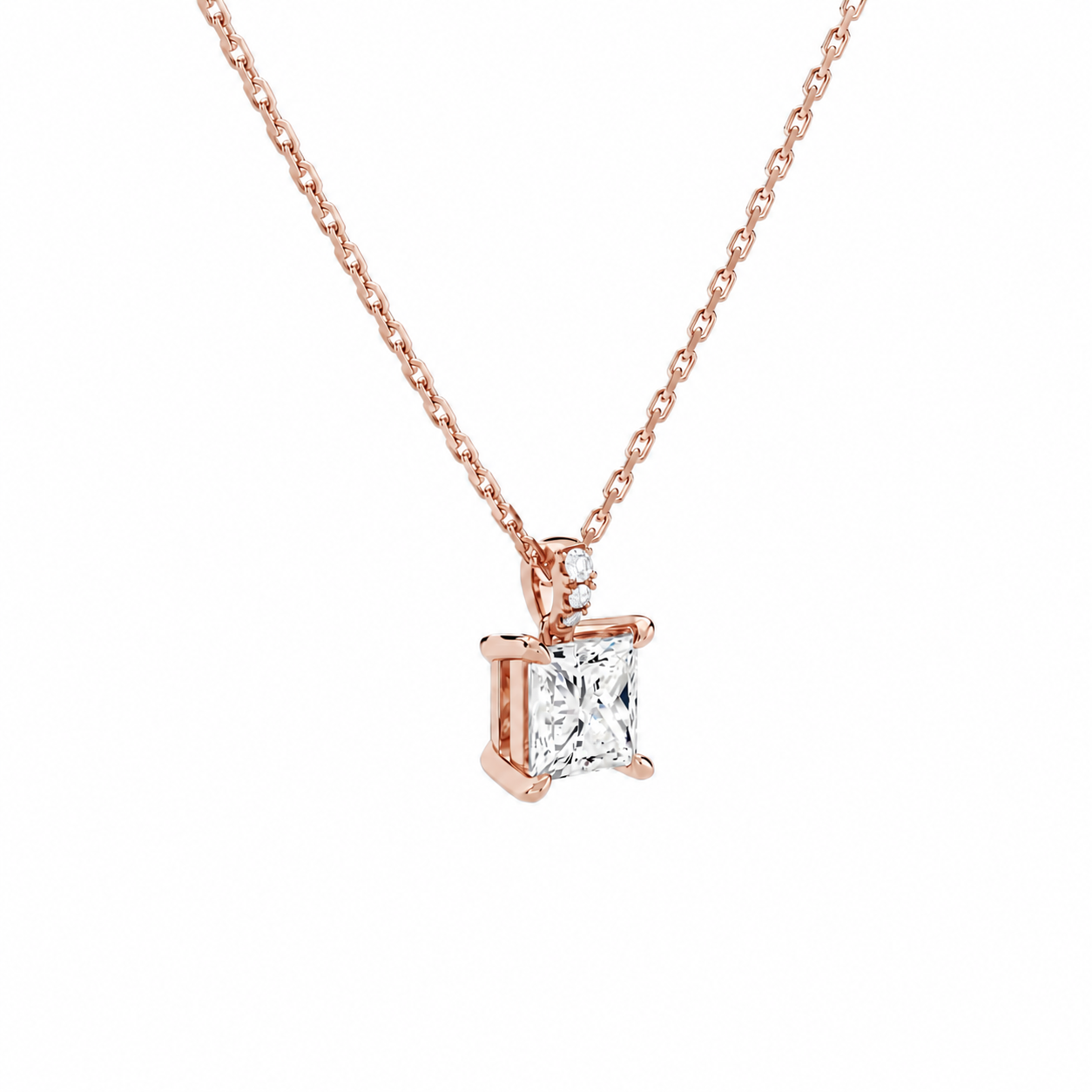


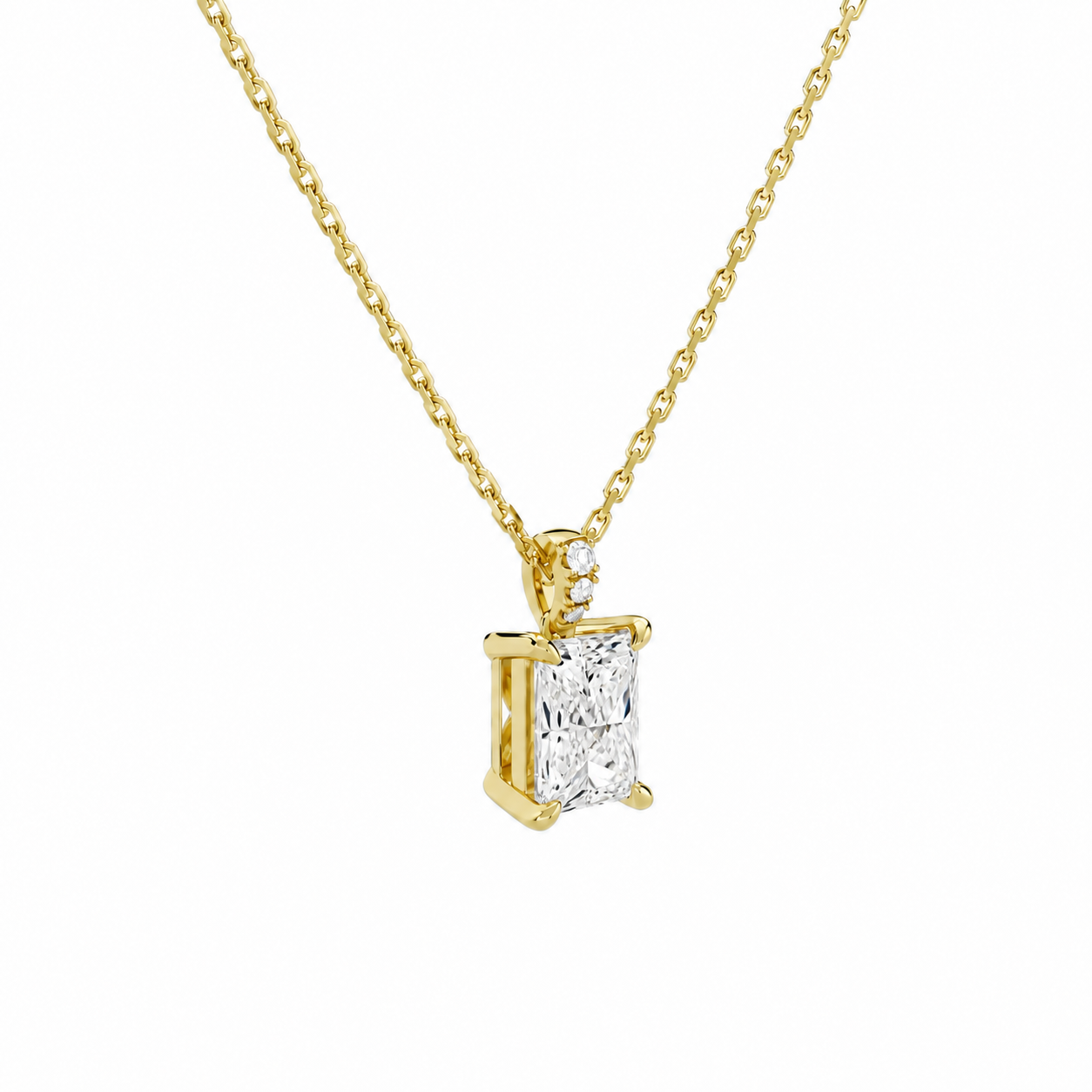


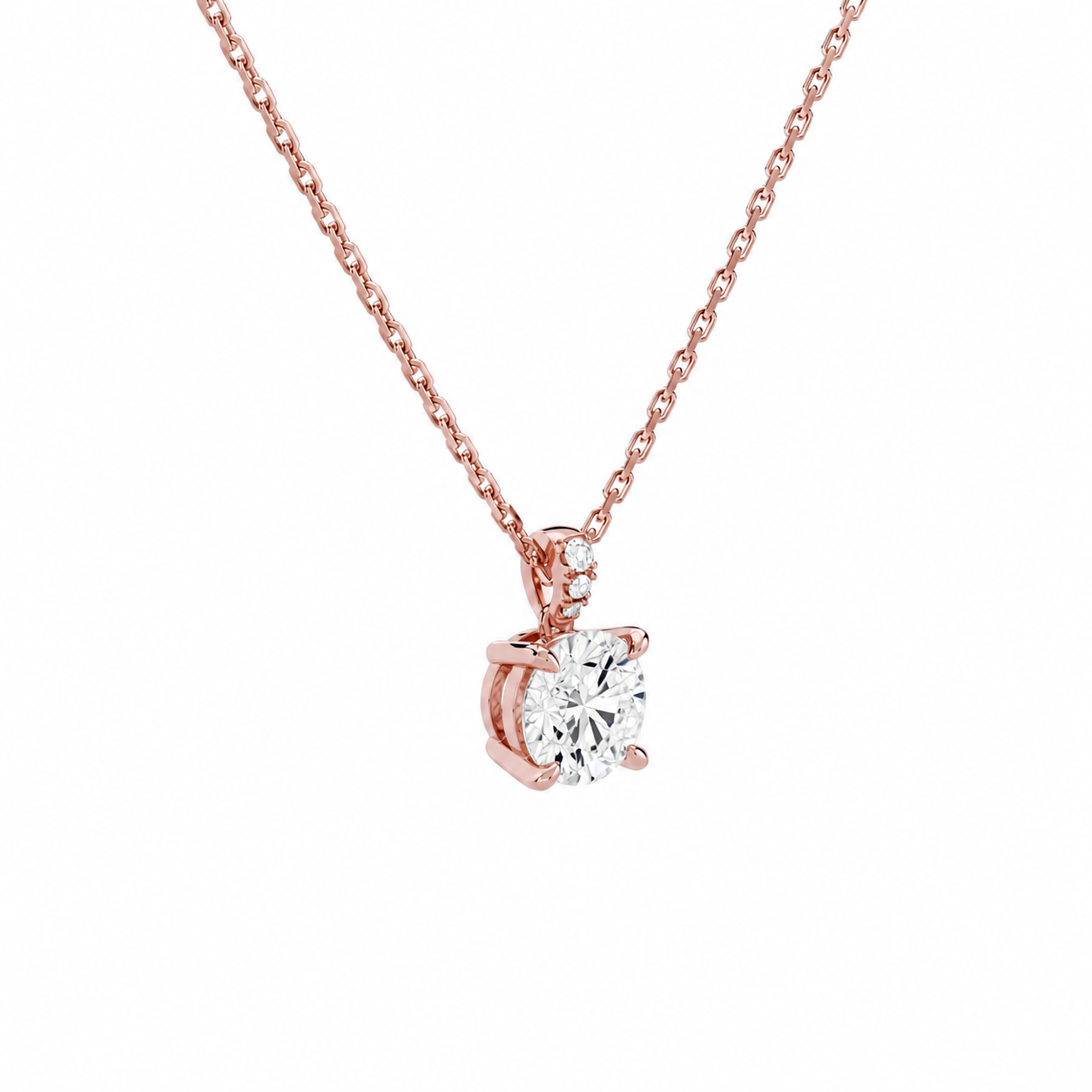


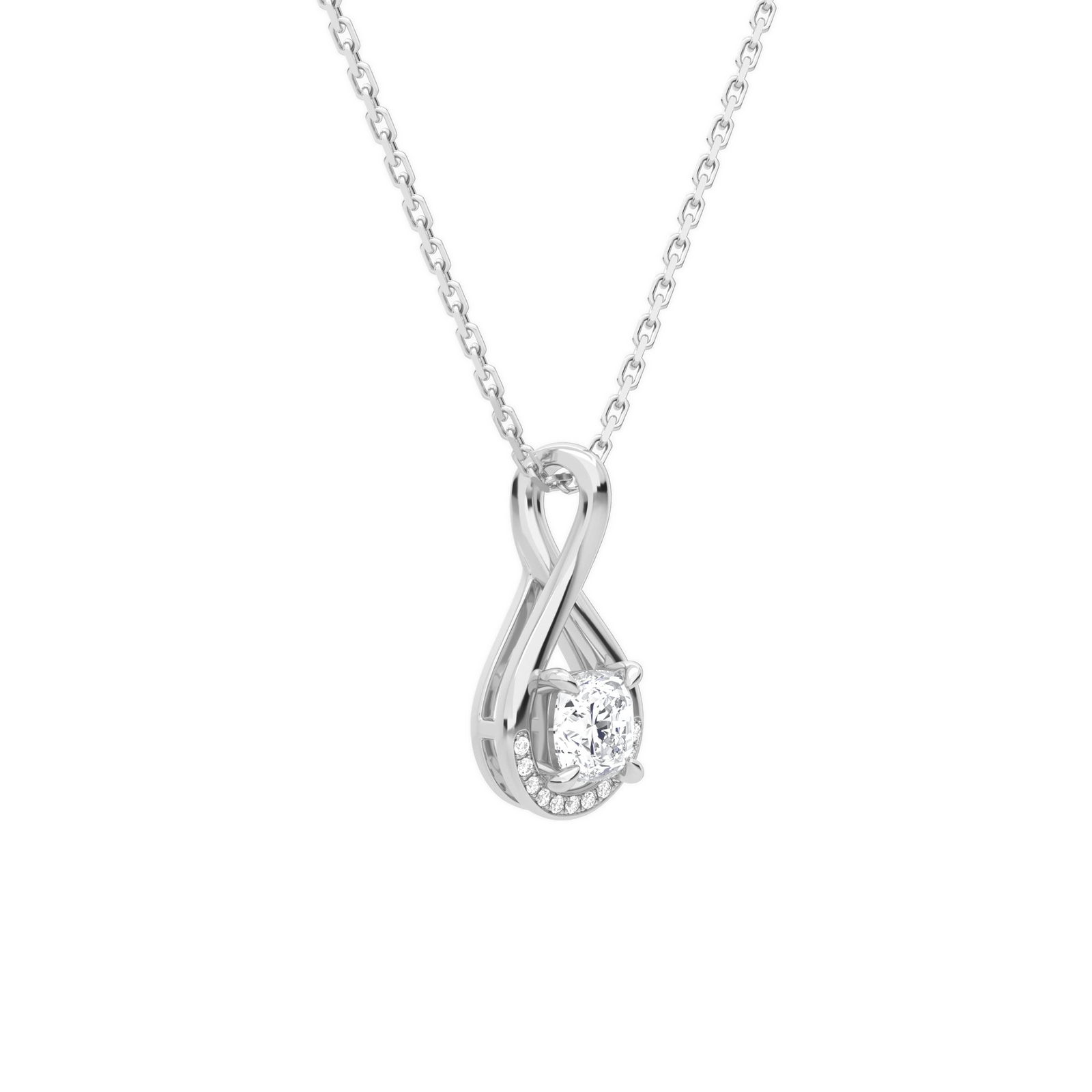


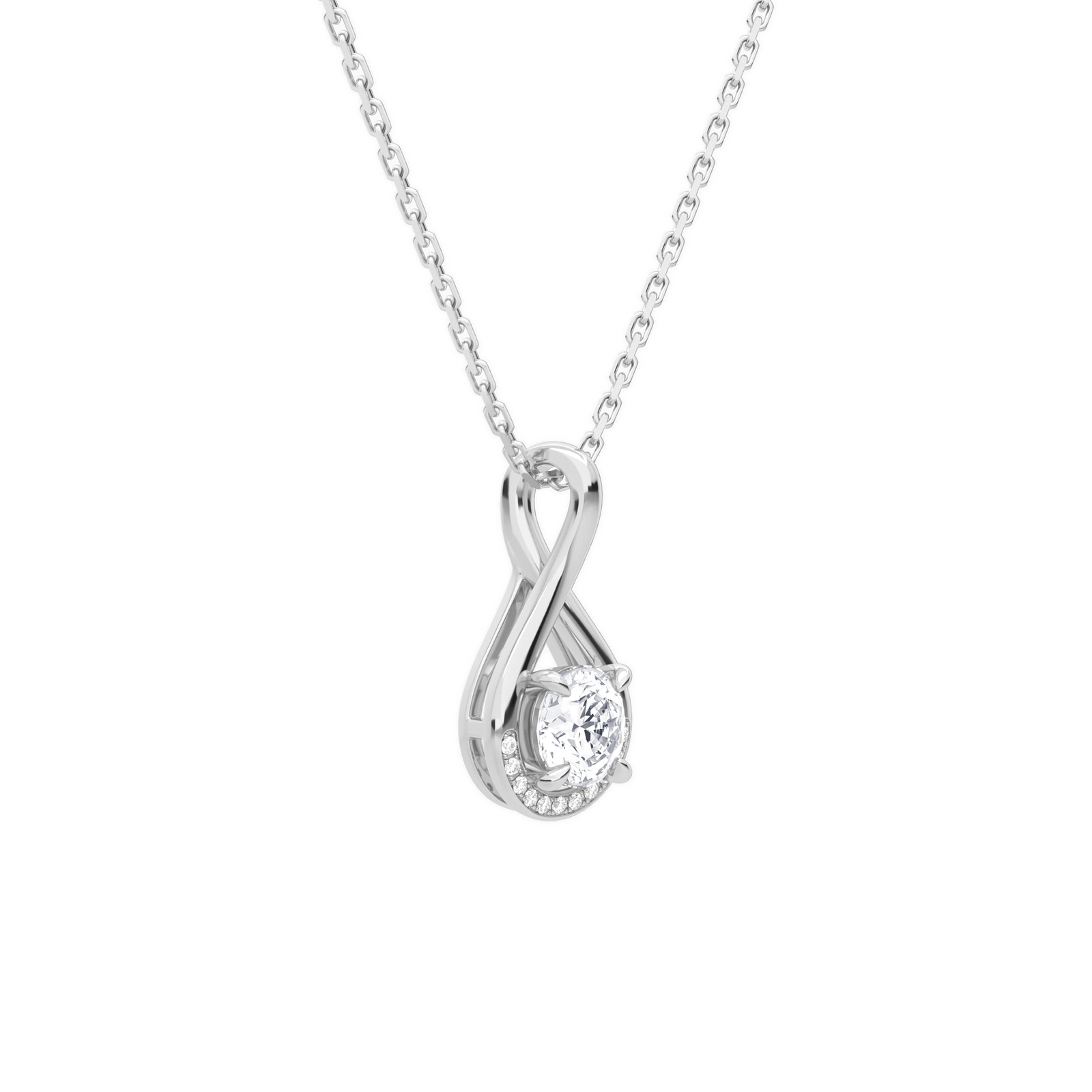


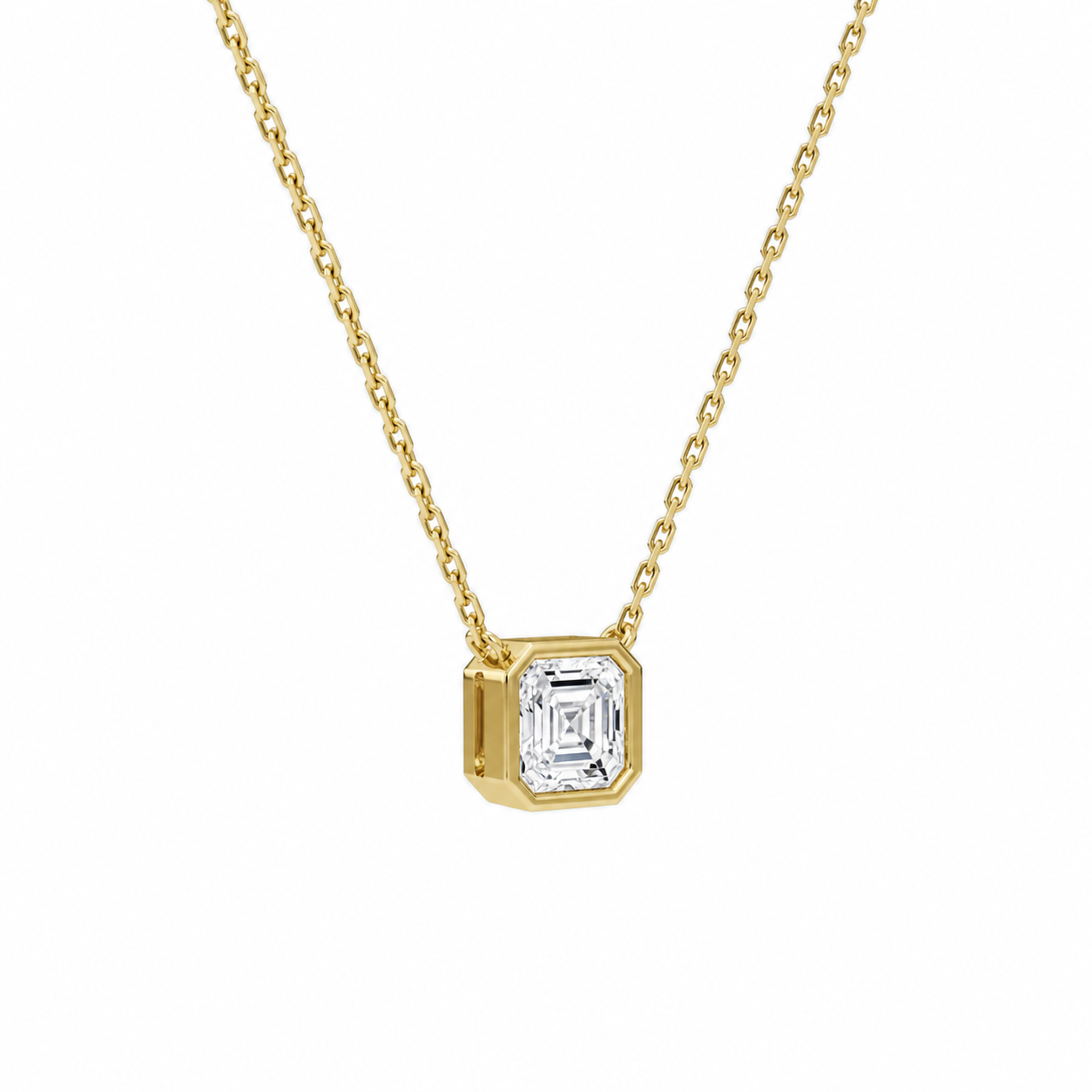


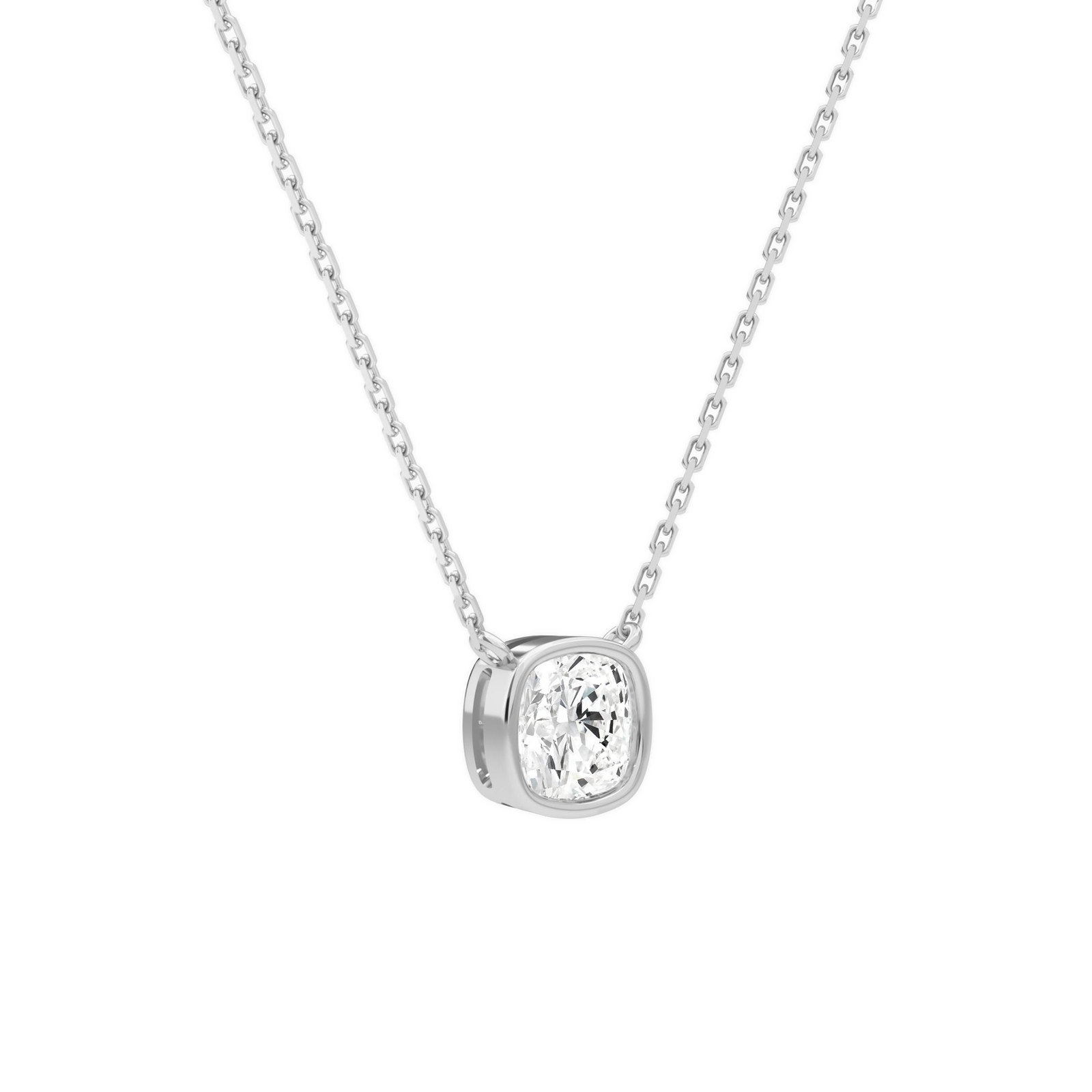


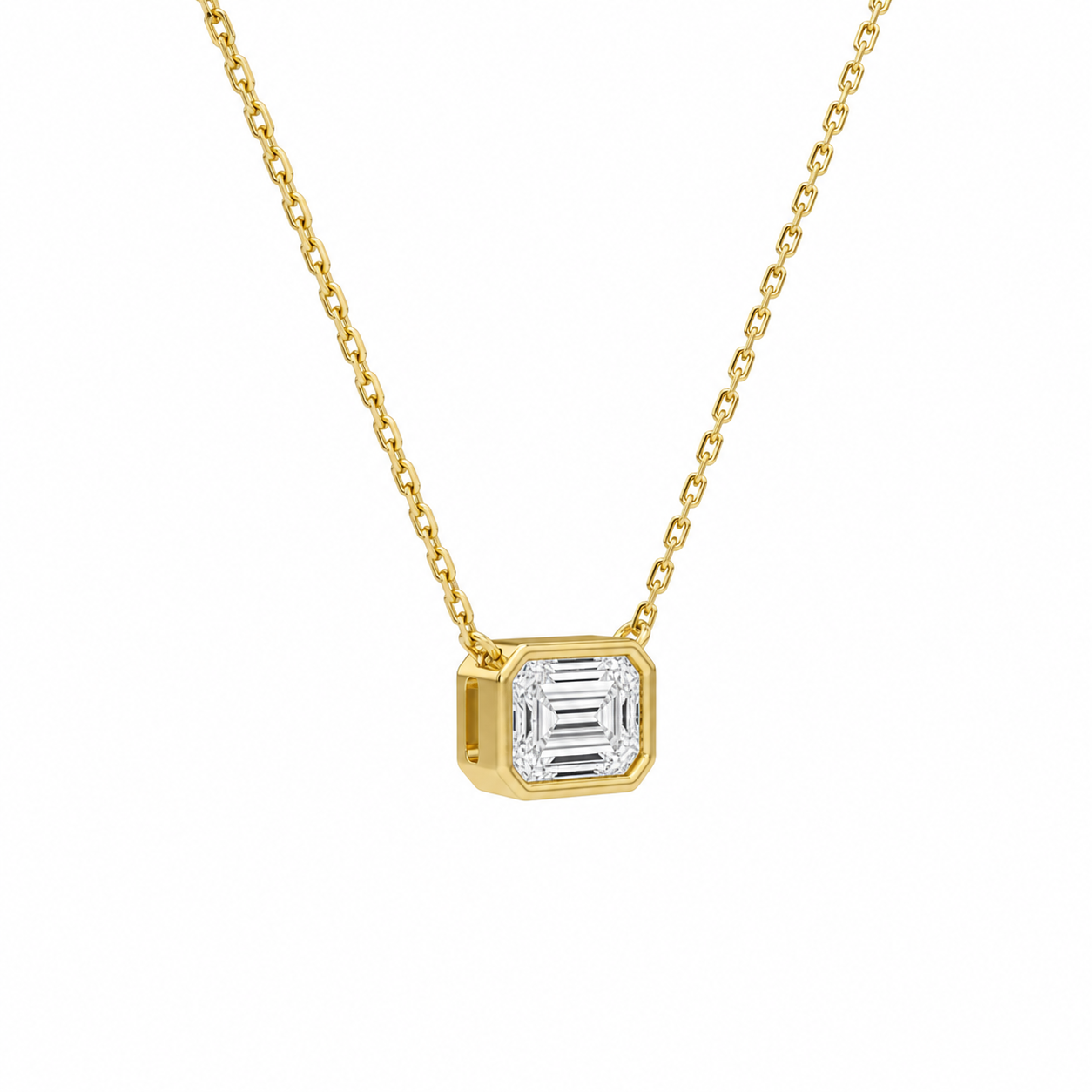


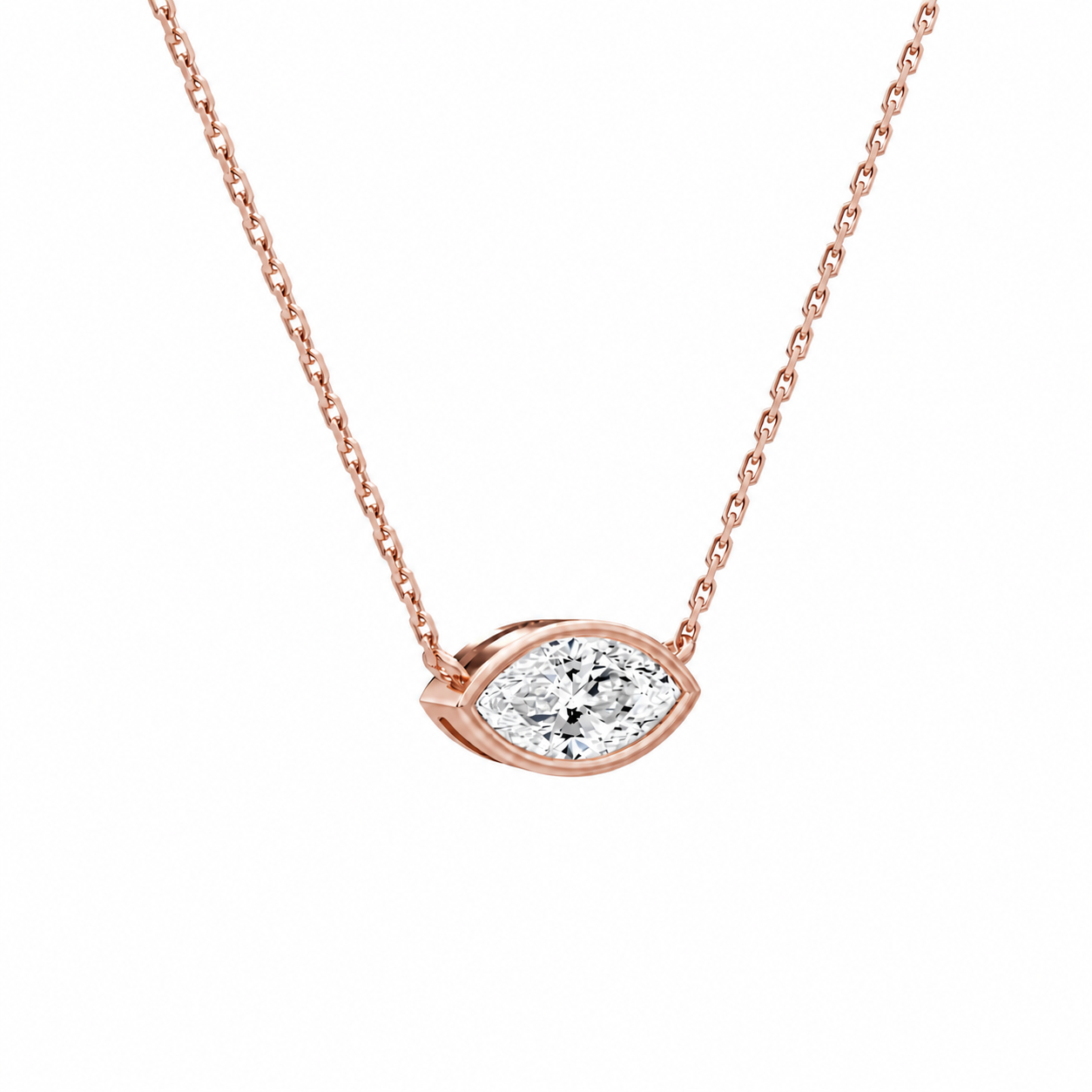










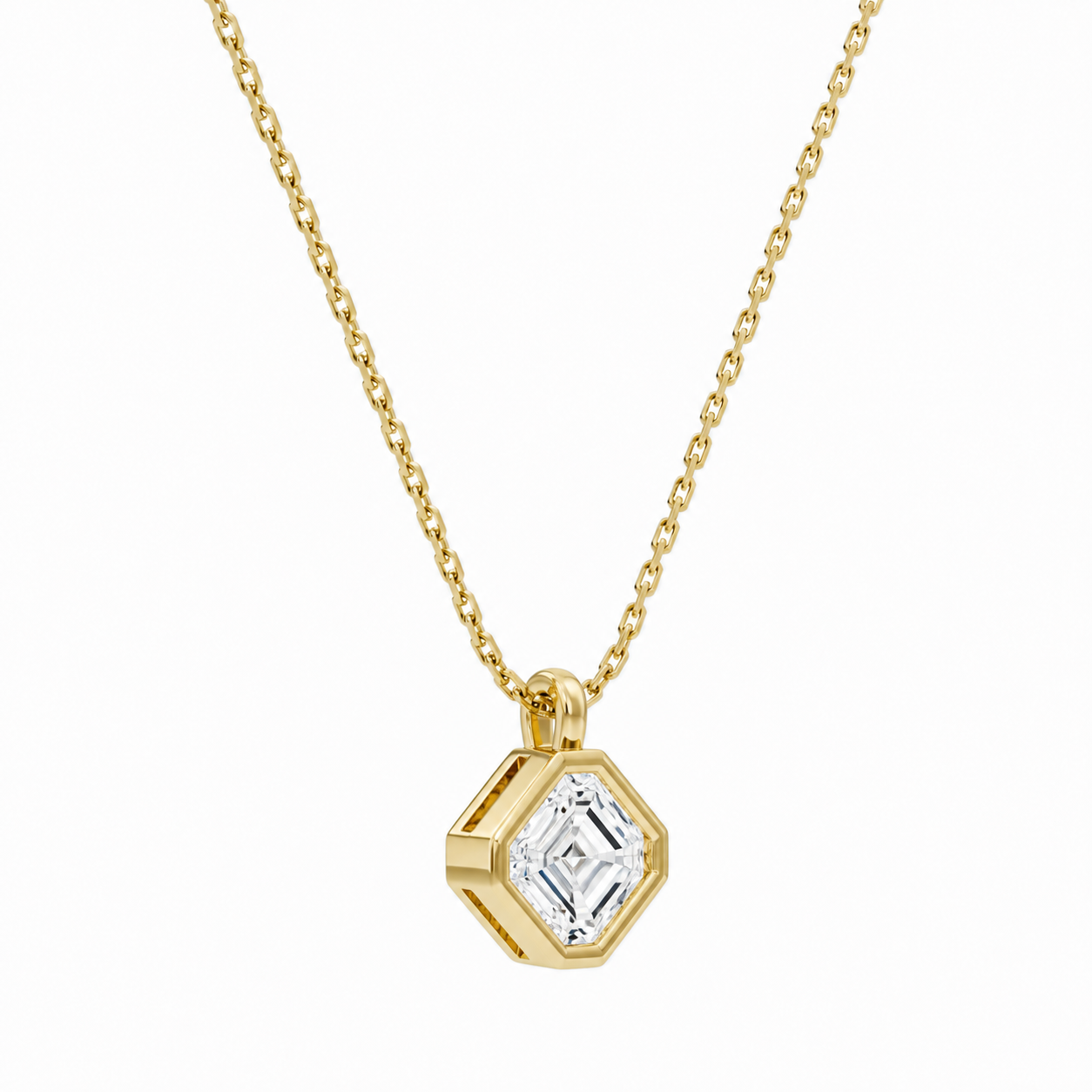

Lab-Grown Diamond Necklaces: Light Composed at the Neckline
A necklace is read as a complete composition: diamond, setting, chain, length, and the space around the neckline. One calibrated center creates a concentrated point of light. A halo expands that center into a wider field. A bar, link, tassel, cluster, or paired-diamond arrangement moves the eye across or down the body. The useful first question is where the design should place emphasis.
Burvonti’s current public Necklace Collection contains 126 designs. It includes solitaire, bezel, halo, accented-bail, twist, cross, Toi et Moi, duo-drop, cluster, charm, open-circle, link, tassel, and curved-bar compositions. The Collection is broader than the Pendant page by eight designs whose light is distributed along a line or wider motif. It does not currently present a tennis necklace in the public product set, so this guide does not borrow tennis-specific fit or flexibility claims from a competitor assortment.
Begin with the Composition, Not the Occasion
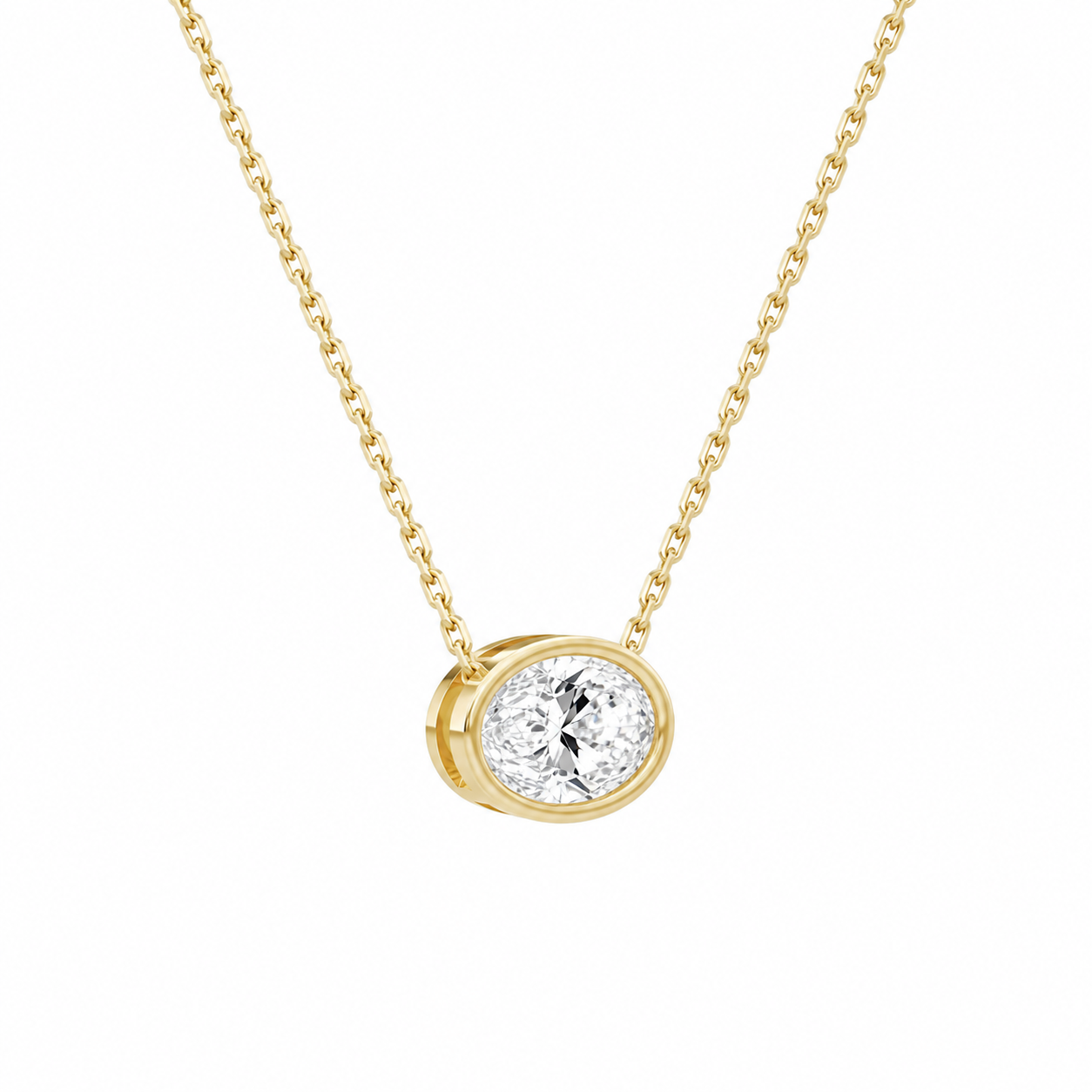
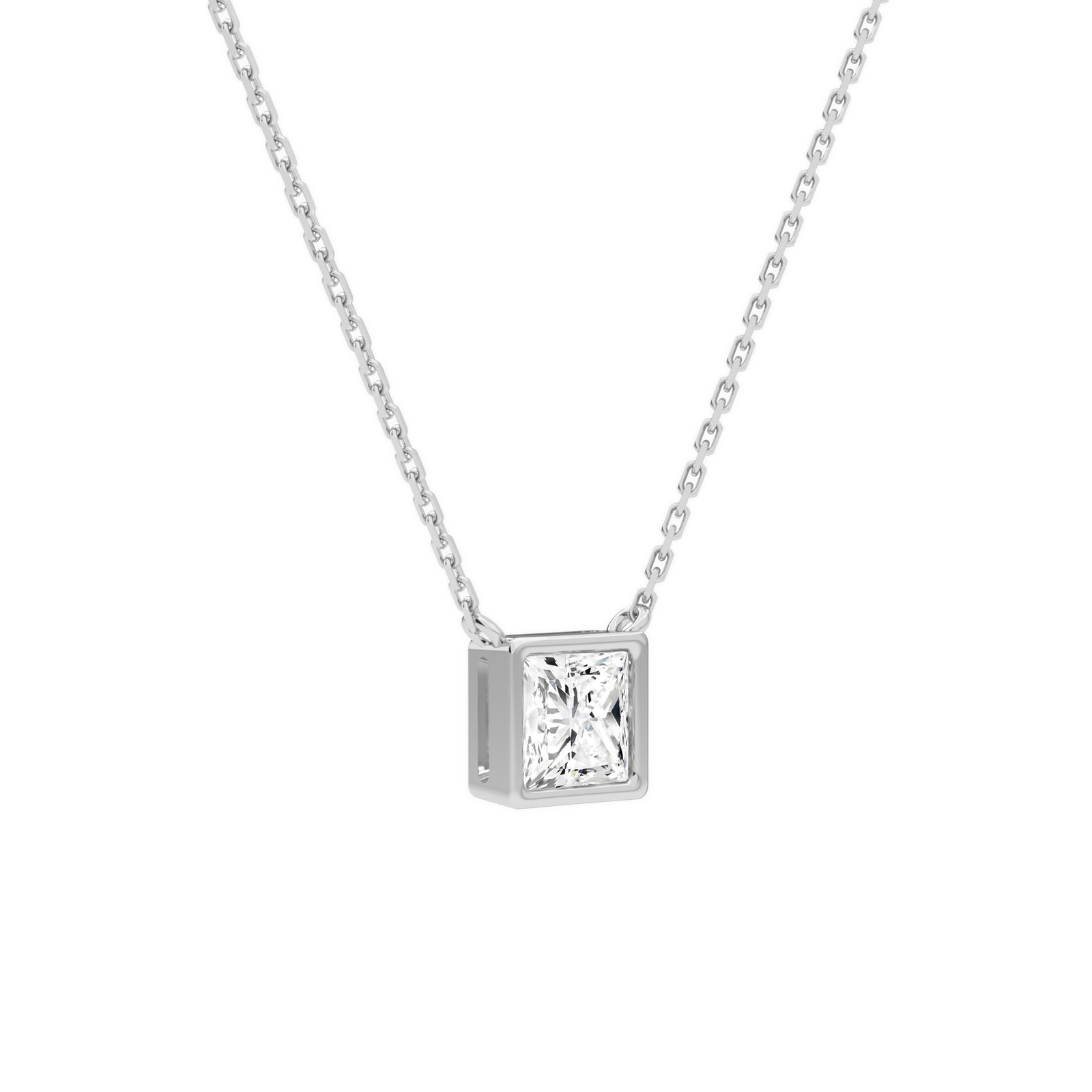
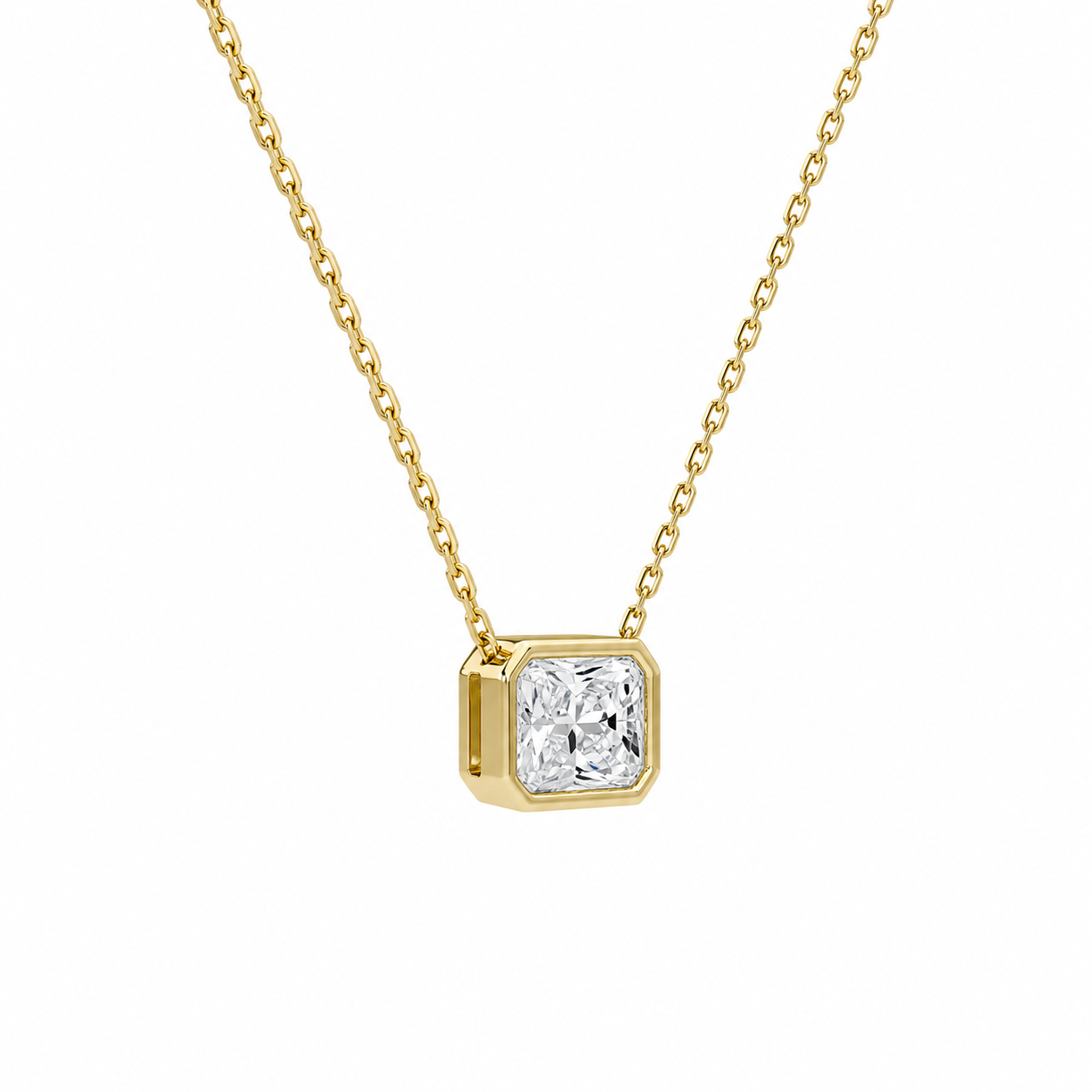
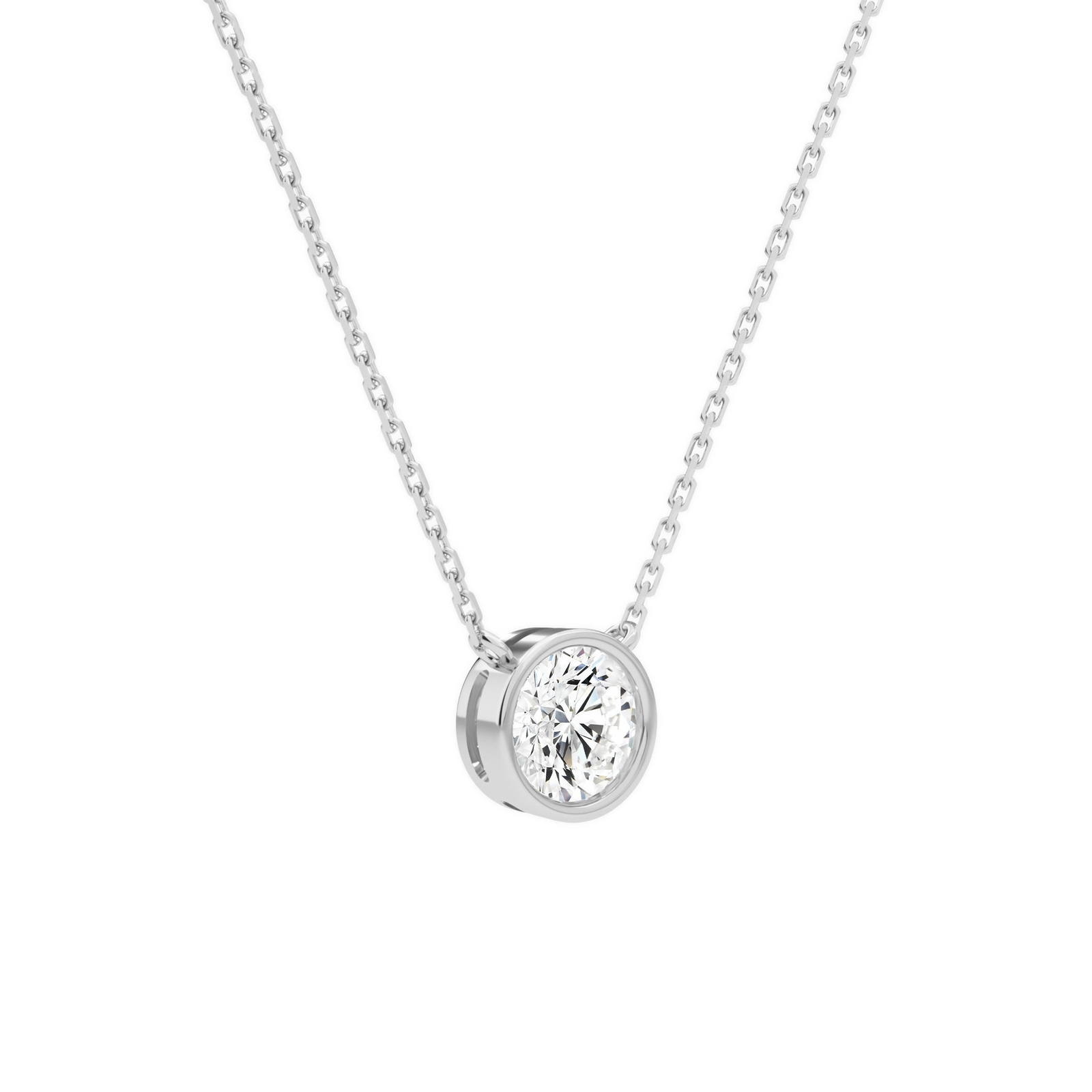
A single center gives the diamond’s outline the clearest authority. A bezel adds a continuous metal boundary; a halo builds an accent field around the center; an accented bail draws attention upward into the connection with the chain. Two-stone and duo-drop forms create a relationship between shapes, while clusters and crosses are read as complete motifs rather than as one isolated center. Curved bars, links, charms, and tassels extend the composition across a broader area.
These structures are more useful than rigid labels such as everyday or statement. A motif can feel emphatic when its geometry is sharp, while a longer form can remain quiet when scale and spacing are restrained. Compare at body scale: neckline, clothing, and other jewelry change the reading.
The Chain Is Part of the Architecture
Some necklace centers are visually integrated into the chain, some connect through a bail, and some are supported from two points. A focal element may slide, articulate, rotate, or remain comparatively fixed depending on the construction. Product titles alone do not establish that behavior. Look at the attachment points, bail opening, chain path, back view, and product details before assuming how the center will move or orient on the body.
The eight current parent-only designs make this distinction especially clear. A curved bar establishes a horizontal line; a tassel introduces a vertical sequence; a link or charm composition places more than one interval along the chain. These are not merely pendant synonyms. They give the parent Collection a wider buying role: choosing how light travels across the neckline, not only choosing the object suspended at its center.
Shape Sets Direction; Setting Controls the Edge
The current assortment represents Round, Oval, Cushion, Pear, Princess, Emerald, Marquise, Asscher, Radiant, and Heart centers, alongside several mixed-shape compositions. Round creates a continuous outline; elongated forms introduce vertical direction; square and cropped-corner shapes give the center a more architectural stop; pointed shapes make orientation more visible. Exact proportions, setting, and neighboring accents can change each effect.
Setting determines how that outline meets metal. Prongs leave more of the perimeter visually open. A bezel defines it with a continuous edge. A halo changes the perceived field around the center, while an accented bail or twist continues detail beyond it. None of these structures guarantees maximum brilliance, perfect orientation, or absolute protection. They are decisions about boundary, profile, maintenance, and visual emphasis.
Scale Must Be Read in More Than Carat Weight
Carat weight describes weight, not the complete face-up size of a necklace. Two diamonds of equal weight can differ in visible dimensions, and a halo, bezel, bail, cluster, or motif can enlarge the total composition beyond the principal stone. Multi-stone products may use total carat weight for several diamonds, while centerstone options may refer to one principal diamond. Read the option label and product specification together.
Compare center dimensions, total motif width and height, setting profile, chain width, and where the piece sits. Current products use Centerstone, Total Carat Weight, Quality, and Pendant Size options, so the same number does not mean the same thing across every card.
Length Determines Placement and Layering Space
All 126 current public product descriptions identify an adjustable 16–18-inch length and a lobster clasp; the chain width is listed as 0.95 mm. This is current assortment evidence, not a permanent Collection-wide promise. On an individual wearer, the same length can sit differently because neck circumference, neckline, chain construction, and the scale or weight of the center affect placement.
When layering, assign each necklace a distinct vertical interval and decide which design should lead. Separation in listed length does not guarantee that two pieces will remain apart: chain drape, pendant movement, center weight, clothing, and activity can bring them together. Repeat one element—metal, diamond shape, or setting edge—to create continuity, then vary length or scale with enough space for both compositions to remain legible.
Metal Changes Contrast, Not a Fixed Meaning
The current product cards represent 51 designs in 14K White Gold, 51 in 14K Yellow Gold, and 24 in 14K Rose Gold. White gold can reduce visible contrast around some diamond settings, while yellow or rose gold can make the framework more explicit. No metal carries one prescribed gender, occasion, skin-tone rule, or level of refinement.
Consider metal across the entire necklace: center setting, bail or connection, chain, clasp, and any accent structure. Exact alloy, finish, rhodium plating, sensitivity, alternative-metal availability, and maintenance remain product-specific. If coordinating with earrings or bracelets, an exact match is optional; a repeated proportion or diamond shape can create a quieter connection than matching every material detail.
Clarity Extends from Origin to Construction
Burvonti uses responsibly sourced lab-grown diamonds and supports independent grading and certification where applicable. Laboratory-grown diamonds are diamonds rather than simulants, but a grading report identifies the stone or stones named in that document. It should not automatically be read as describing every accent, the chain, or the finished necklace. Confirm whether a listed grade applies to a center, multiple principals, or the complete diamond layout.
Custom possibilities may refine diamond shape, scale, setting, motif, metal, attachment, chain, length, or clasp when technically feasible. Care should be calibrated to the complete construction: use a gentle method suited to the diamonds and metal, avoid pulling the chain through a cloth, store necklaces with space from abrasive contact, and inspect settings, links, attachment points, and clasp if movement changes. Precision here is not spectacle; it is the discipline of understanding the whole piece.
Frequently Asked Questions
What necklace styles are currently included in Burvonti’s Collection?
The current 126-product set includes solitaire, bezel, halo, accented-bail, twist, cross, Toi et Moi, duo-drop, cluster, charm, open-circle, link, tassel, and curved-bar designs.
How is the Necklaces Collection different from Pendant Necklaces?
The parent includes all current pendant design families plus eight additional designs that distribute light through tassels, links, charms, clusters, an open circle, and curved bars. The Pendant page concentrates on a focal element in relation to its chain.
Does the current Necklace Collection include tennis necklaces?
No tennis necklace appears among the 126 current public product cards. Use current collection navigation and product details rather than assuming that every broad necklace category is represented.
How should I choose a necklace composition?
Decide whether you want one concentrated center, a framed center, paired shapes, a symbolic motif, a vertical drop, or light distributed across a line. Then compare scale, setting, chain relationship, and placement.
Which diamond shapes are represented?
Round, Oval, Cushion, Pear, Princess, Emerald, Marquise, Asscher, Radiant, and Heart are represented, along with several mixed-shape layouts. Exact proportions and orientation remain design-specific.
Is one diamond shape best for necklaces?
No. Shape changes outline and direction, while setting, scale, accents, and orientation change how it reads. Choose the geometry that works with the complete necklace and wearer.
Should I choose a solitaire, bezel, or halo necklace?
A solitaire concentrates attention on one center, a bezel adds a continuous metal edge, and a halo builds a wider accent field. Compare profile, total dimensions, maintenance, and visual emphasis.
What does carat weight tell me about necklace size?
Carat is weight, not total visible size. Compare face-up center dimensions, overall motif dimensions, setting, bail, accents, and whether the figure refers to one center or multiple diamonds.
What is the difference between Centerstone and Total Carat Weight options?
Centerstone generally identifies a principal diamond option, while Total Carat Weight may combine multiple diamonds. The precise scope must be confirmed on the selected product.
What lengths are represented in the current assortment?
All 126 current public descriptions identify an adjustable 16–18-inch length. Fit varies by wearer and construction, and future or custom products may differ.
How do I judge where a necklace will sit?
Compare listed length with neck circumference, neckline, center dimensions, attachment, and chain drape. A model image is a reference, not a universal placement guarantee.
Can these necklaces be layered?
They can be considered for layering when length, chain drape, focal scale, movement, and clothing leave enough separation. Different listed lengths do not guarantee that pieces will not overlap or tangle.
What chain and clasp are used in the current Collection?
Current public descriptions list a 0.95 mm chain and lobster clasp across all 126 products. Confirm the exact selected item because construction and future availability can change.
Can I wear a lab-grown diamond necklace every day?
Frequent wear may be suitable for an individual piece, but it depends on chain, attachment, setting, clasp, activity, impact, pulling, care, and condition. There is no Collection-wide daily-wear guarantee.
Are lab-grown diamonds real diamonds?
Yes. Laboratory-grown diamonds are diamonds rather than diamond simulants. Origin does not replace the need to assess the individual diamond, setting, chain, and documentation.
Is every diamond in a necklace independently graded?
Do not assume that a report covers every accent or the finished necklace. Confirm which center or centers the document identifies and how smaller diamonds are represented.
Which metals are currently represented?
The current cards represent 14K White, Yellow, and Rose Gold. Exact alloy, finish, rhodium plating, sensitivity, and alternative-metal feasibility remain product-specific.
How should a diamond necklace be cleaned, stored, and customized?
Use a gentle method suited to the full construction, avoid pulling the chain through cloth, store it without abrasive contact, and inspect moving points. Custom shape, scale, motif, metal, chain, length, or clasp may be possible after technical review.