
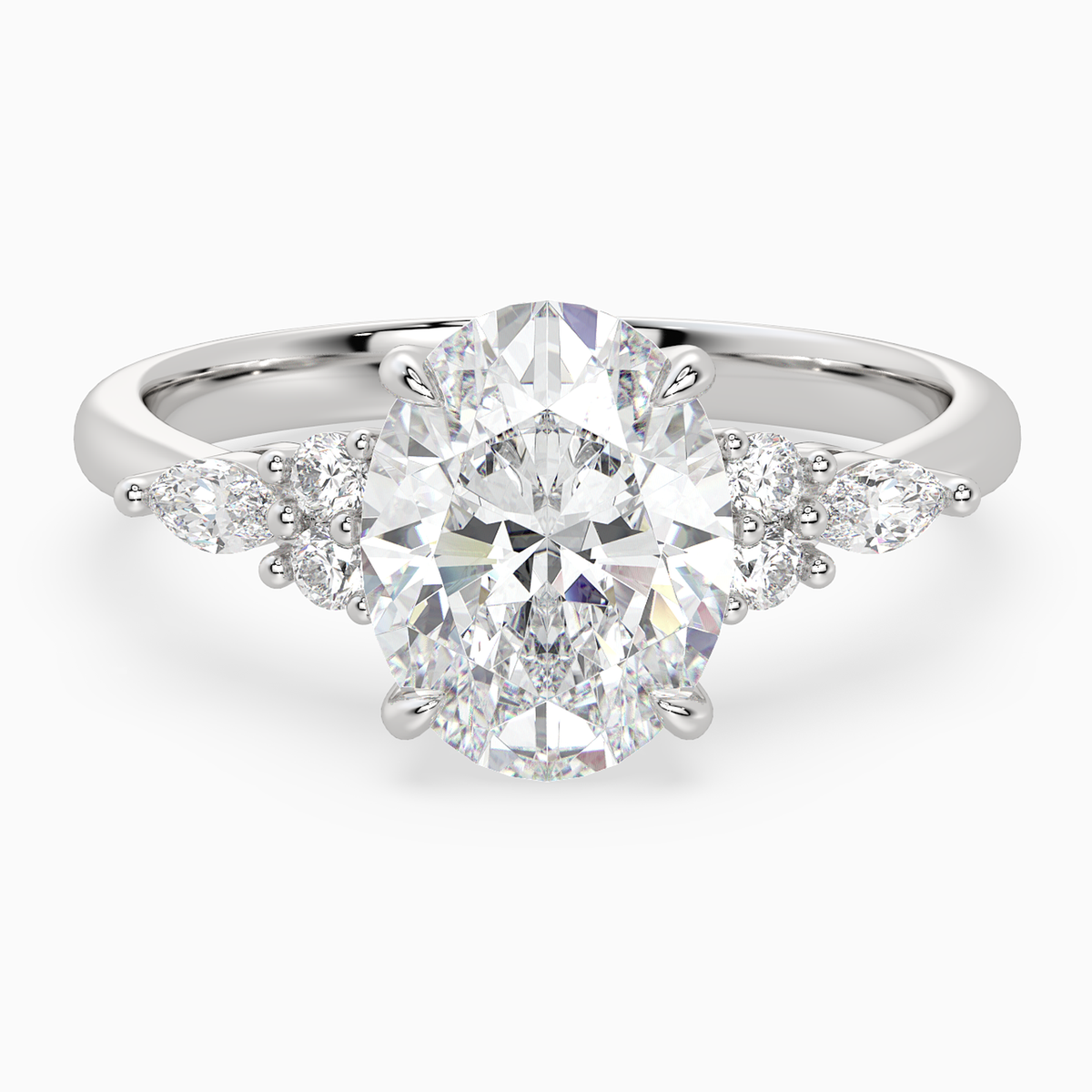


Lab Grown Diamond Fashion Rings in 14K Yellow Gold
Yellow gold gives edges and intervals a clear register. Compare 69 rings by curve, crossing, diamond rhythm, surface, scale, and presence.


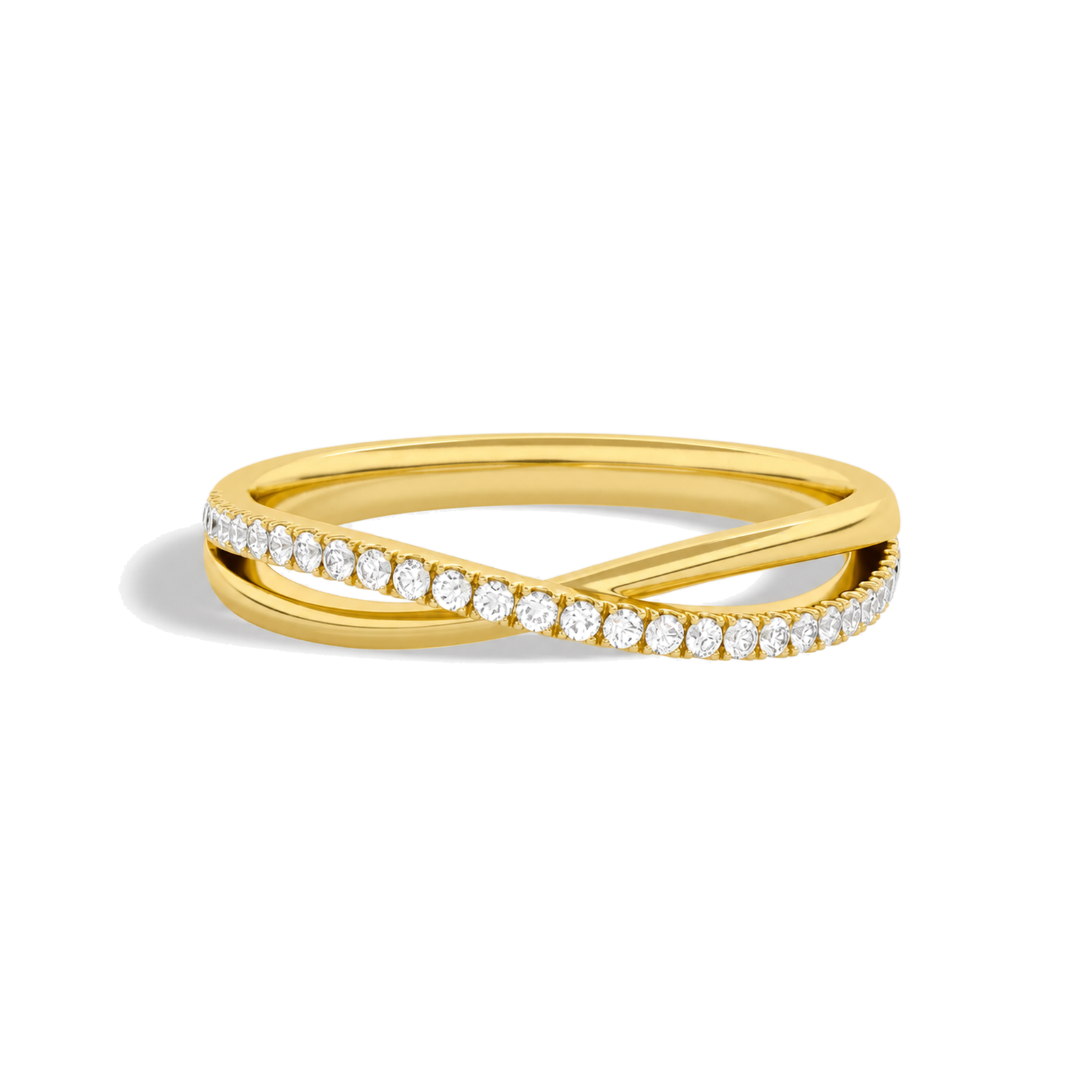
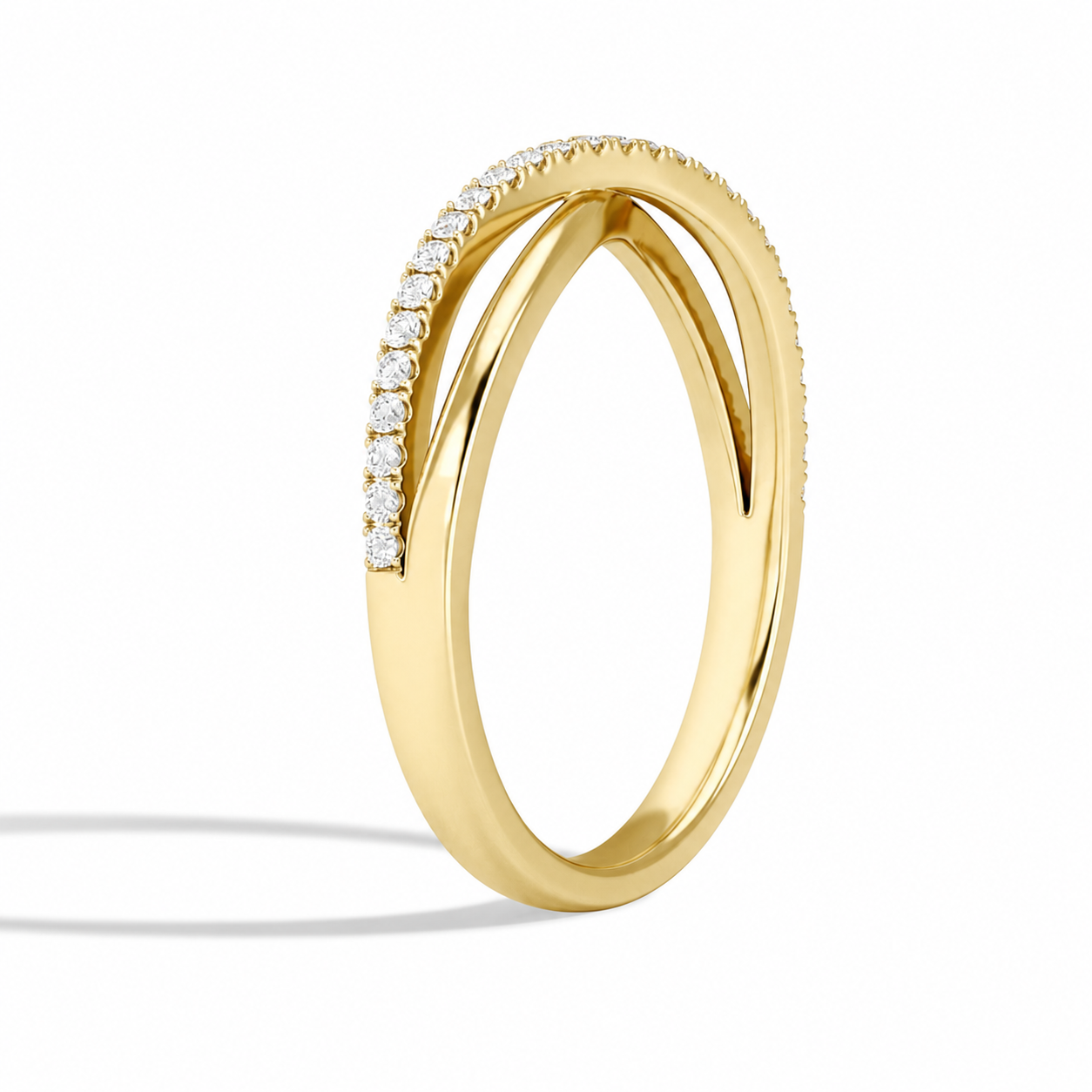
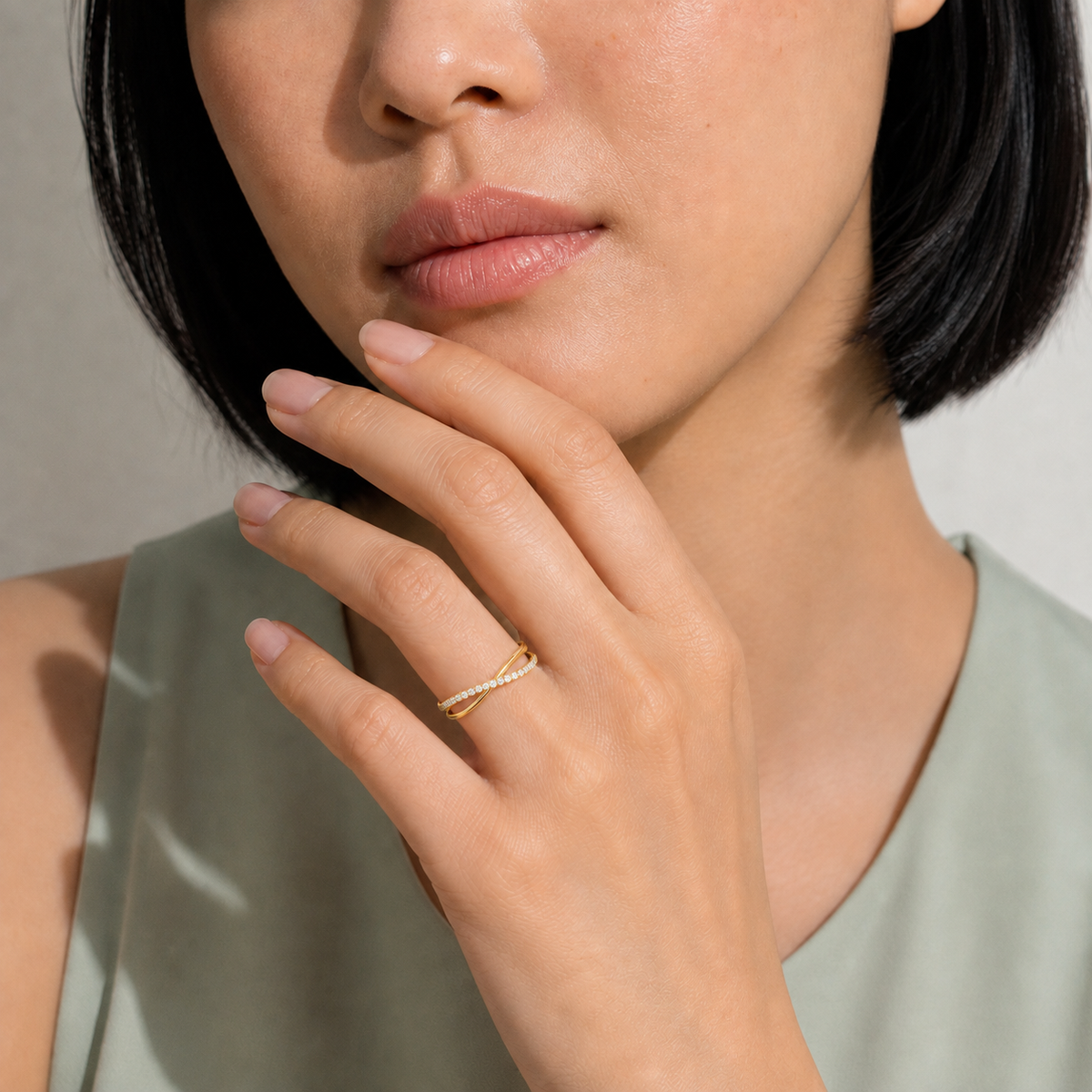
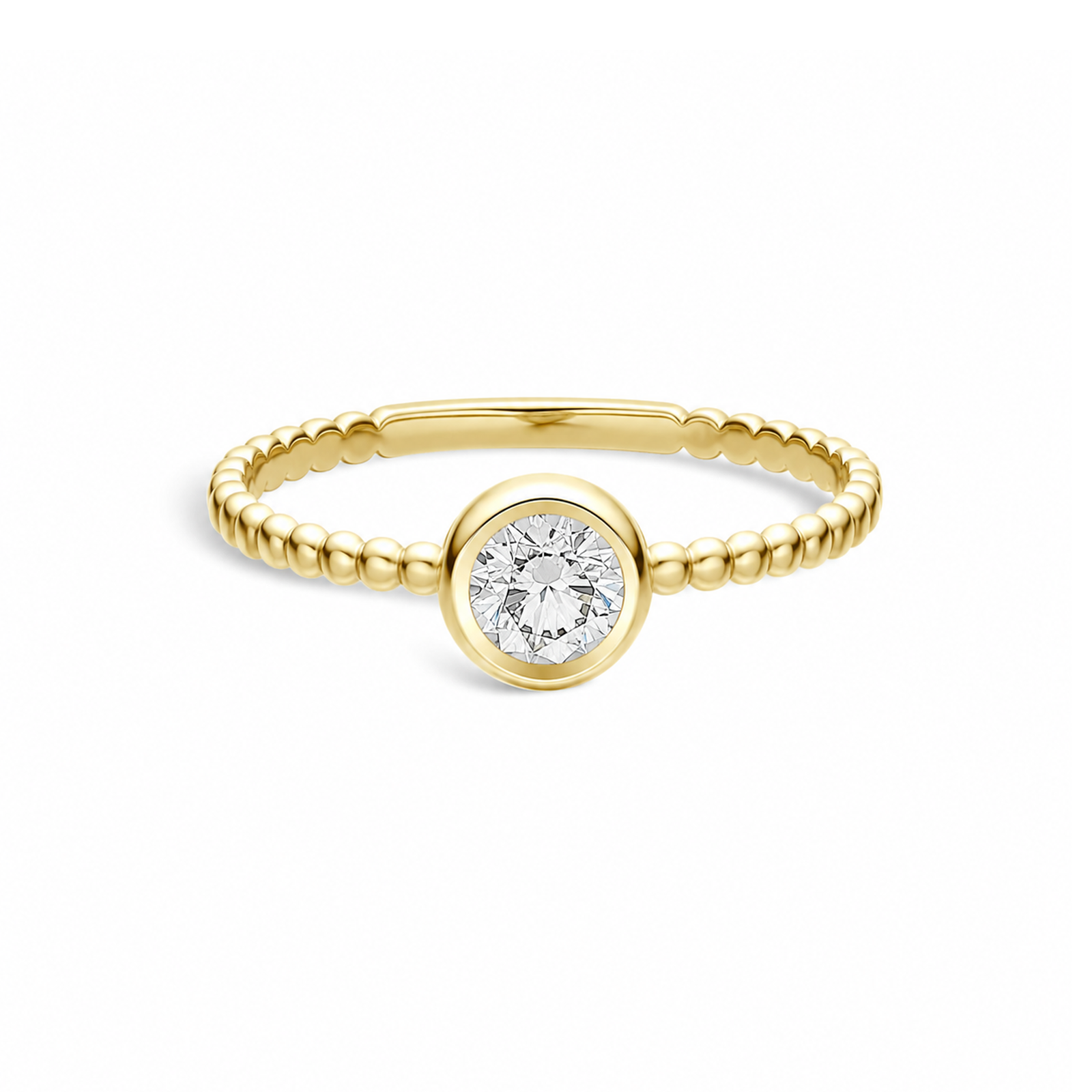


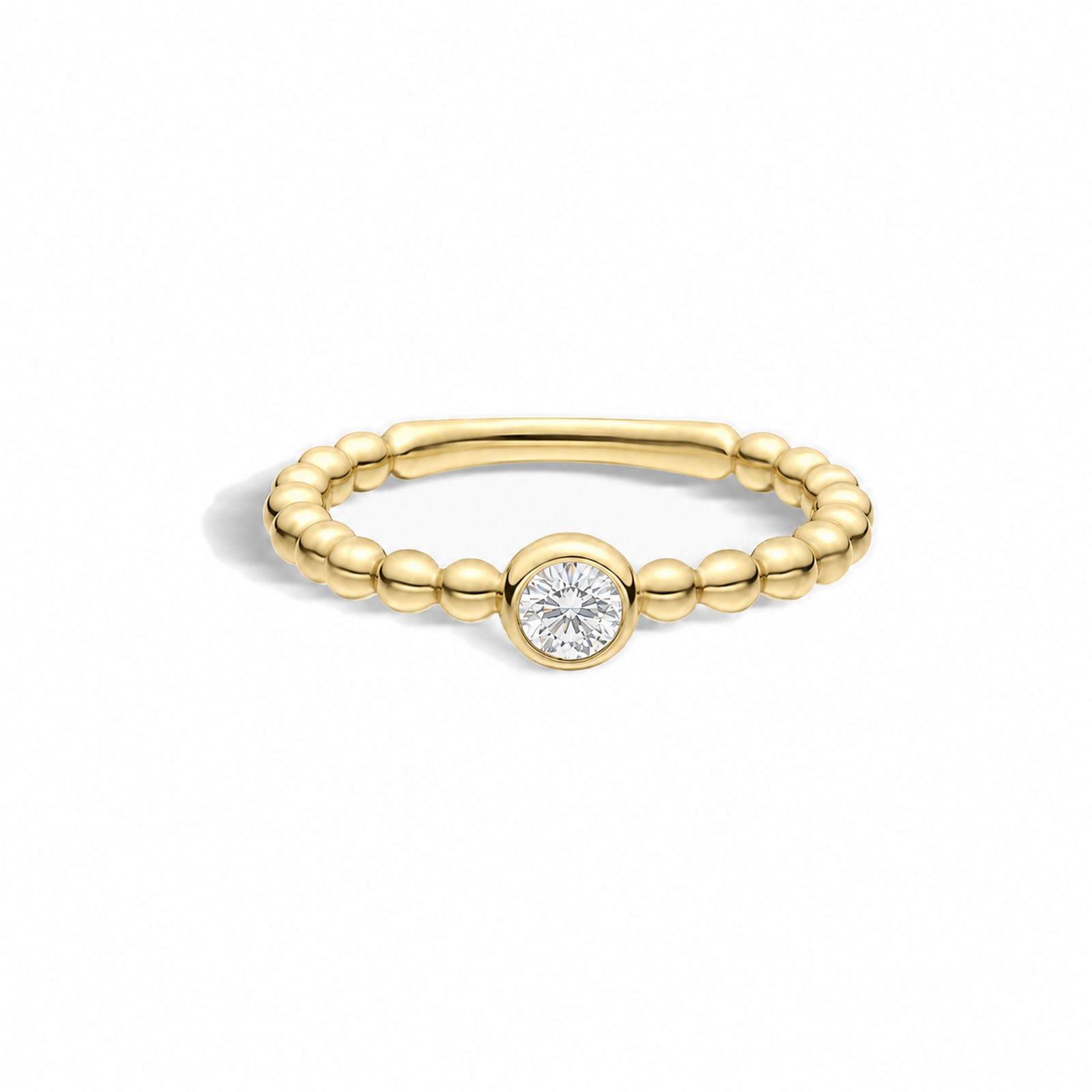


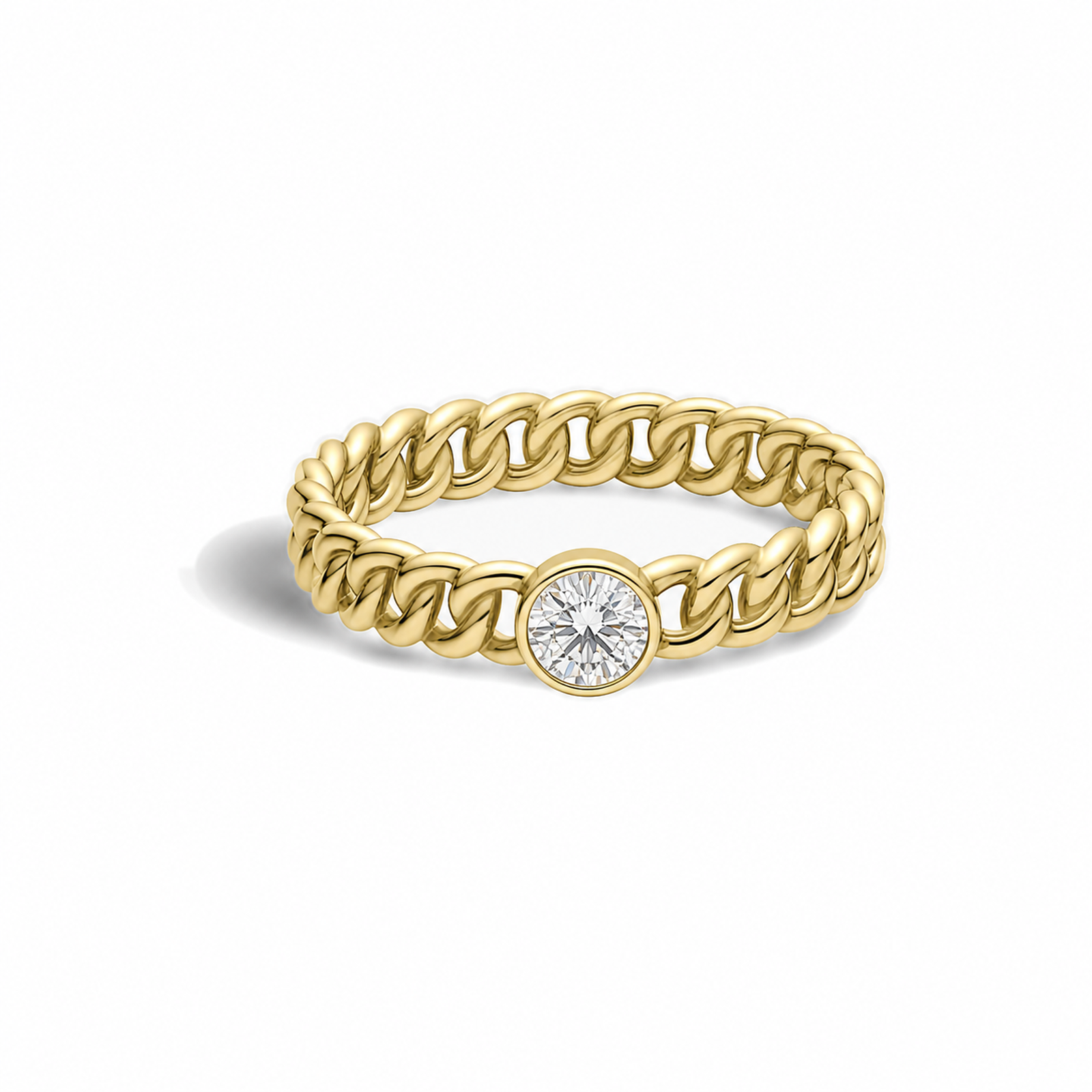
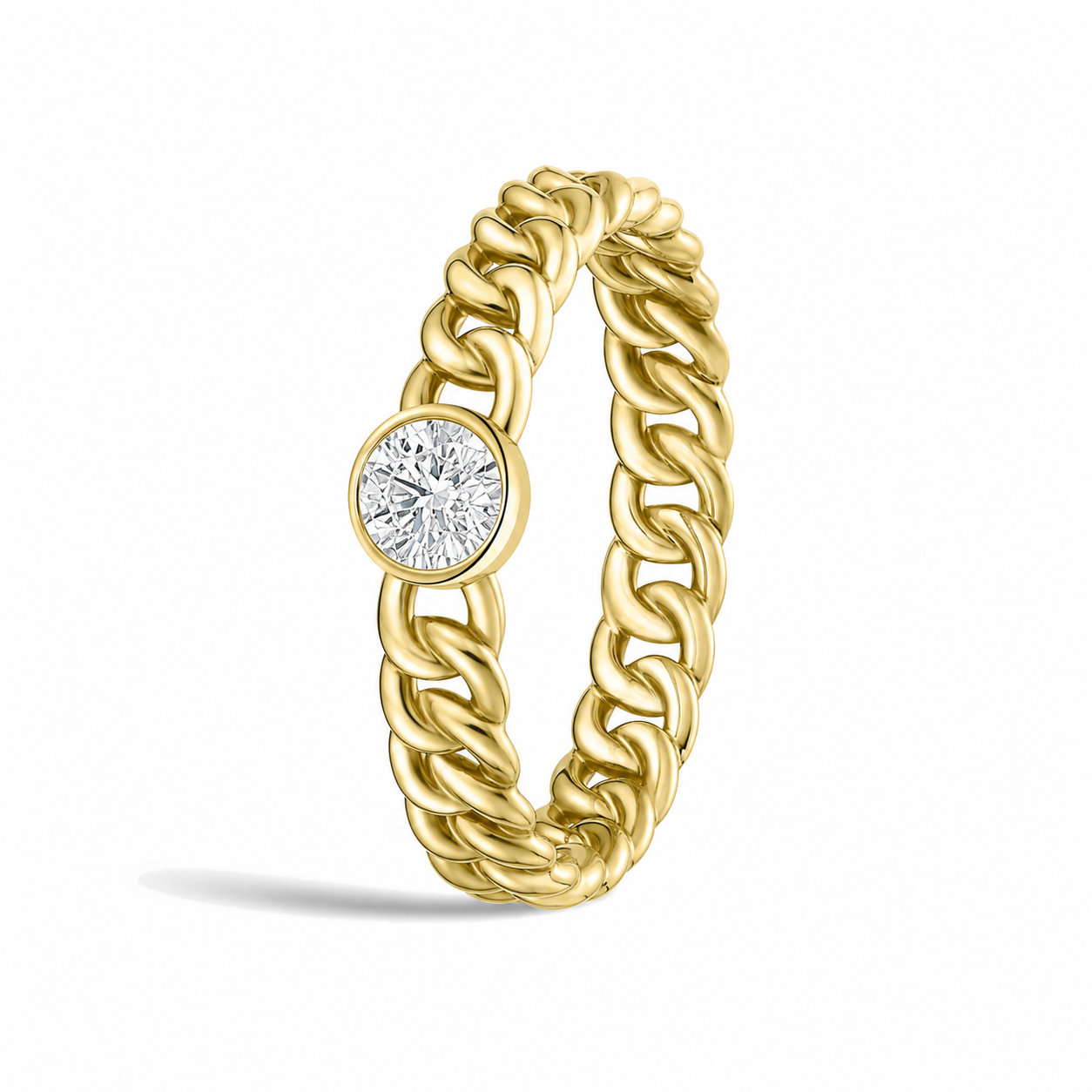


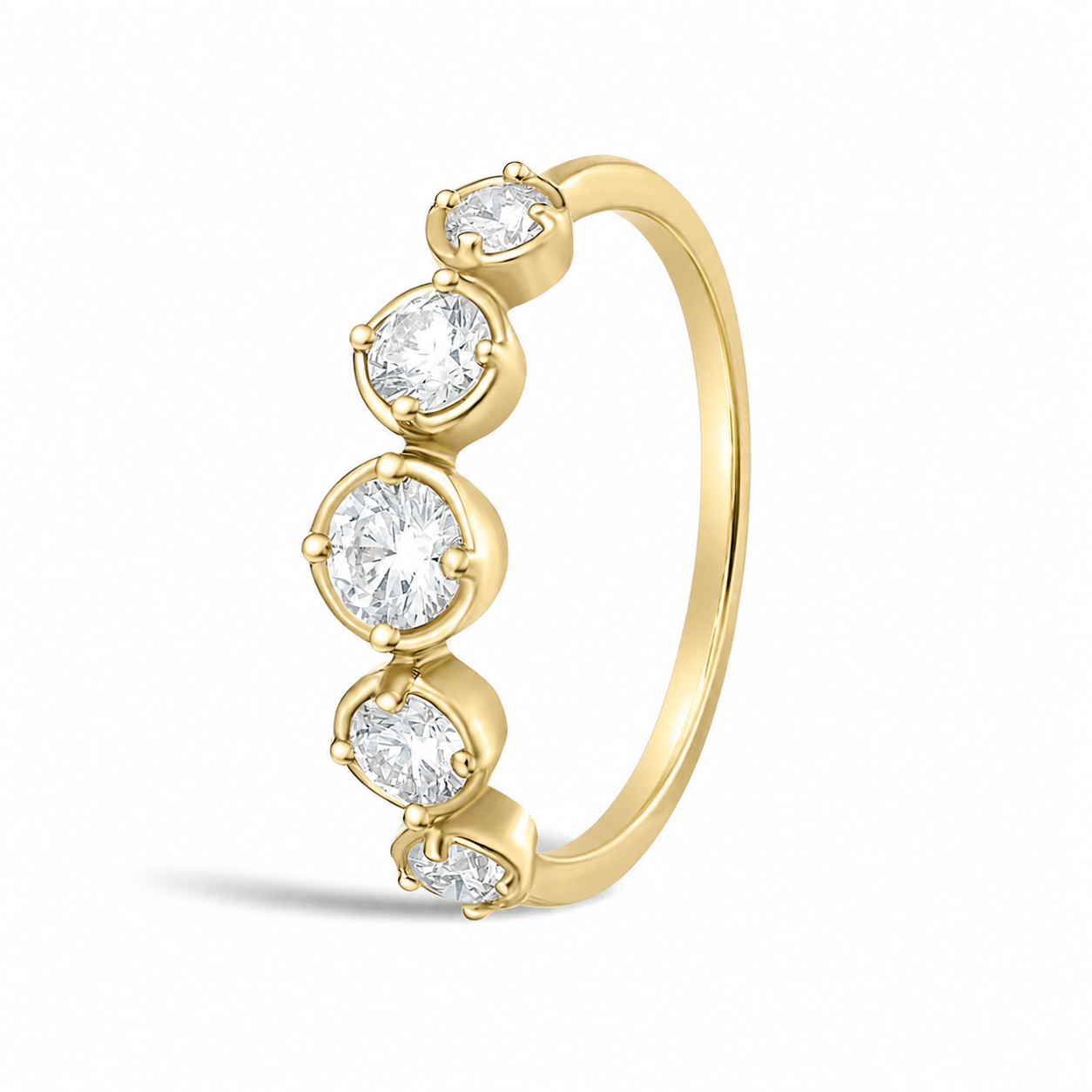

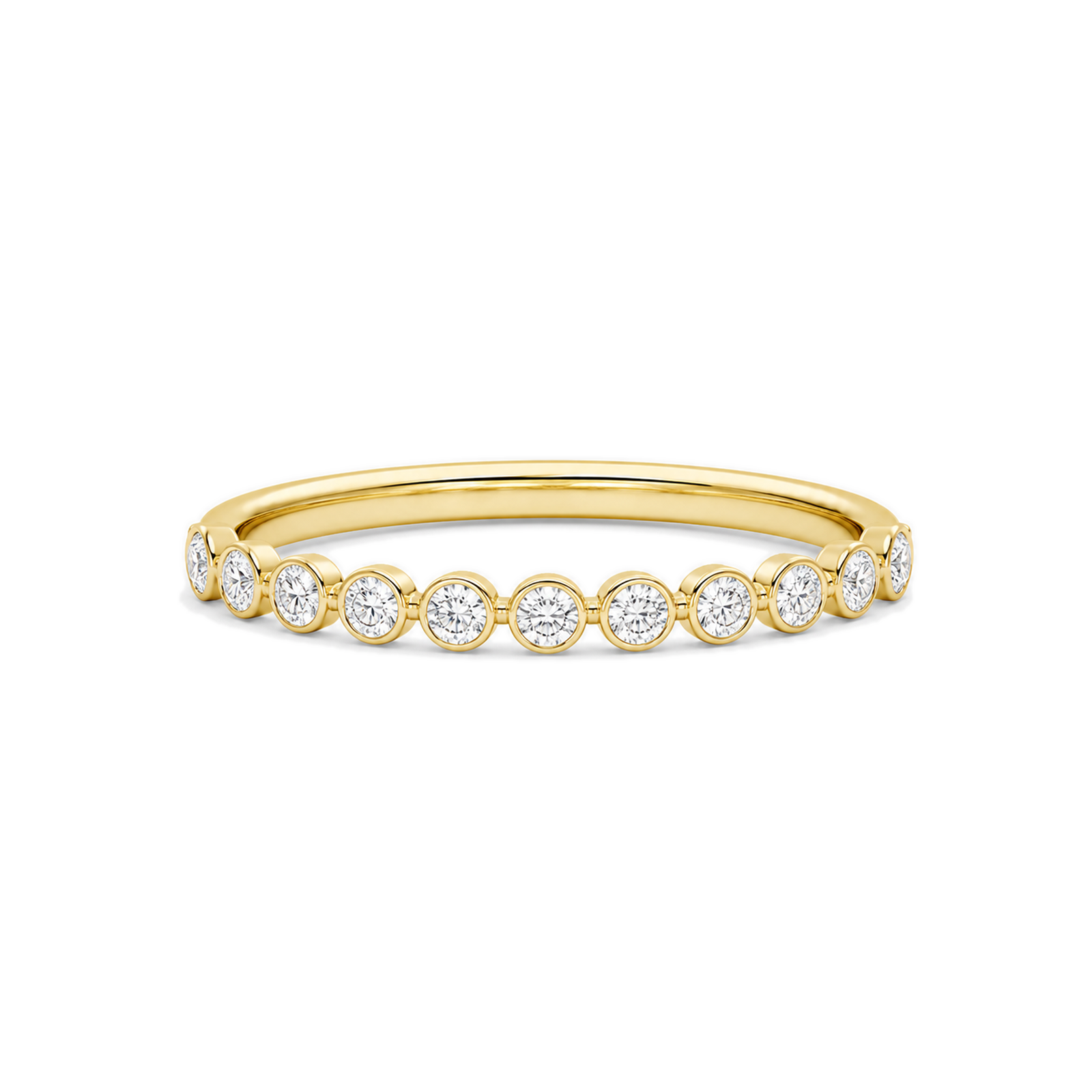


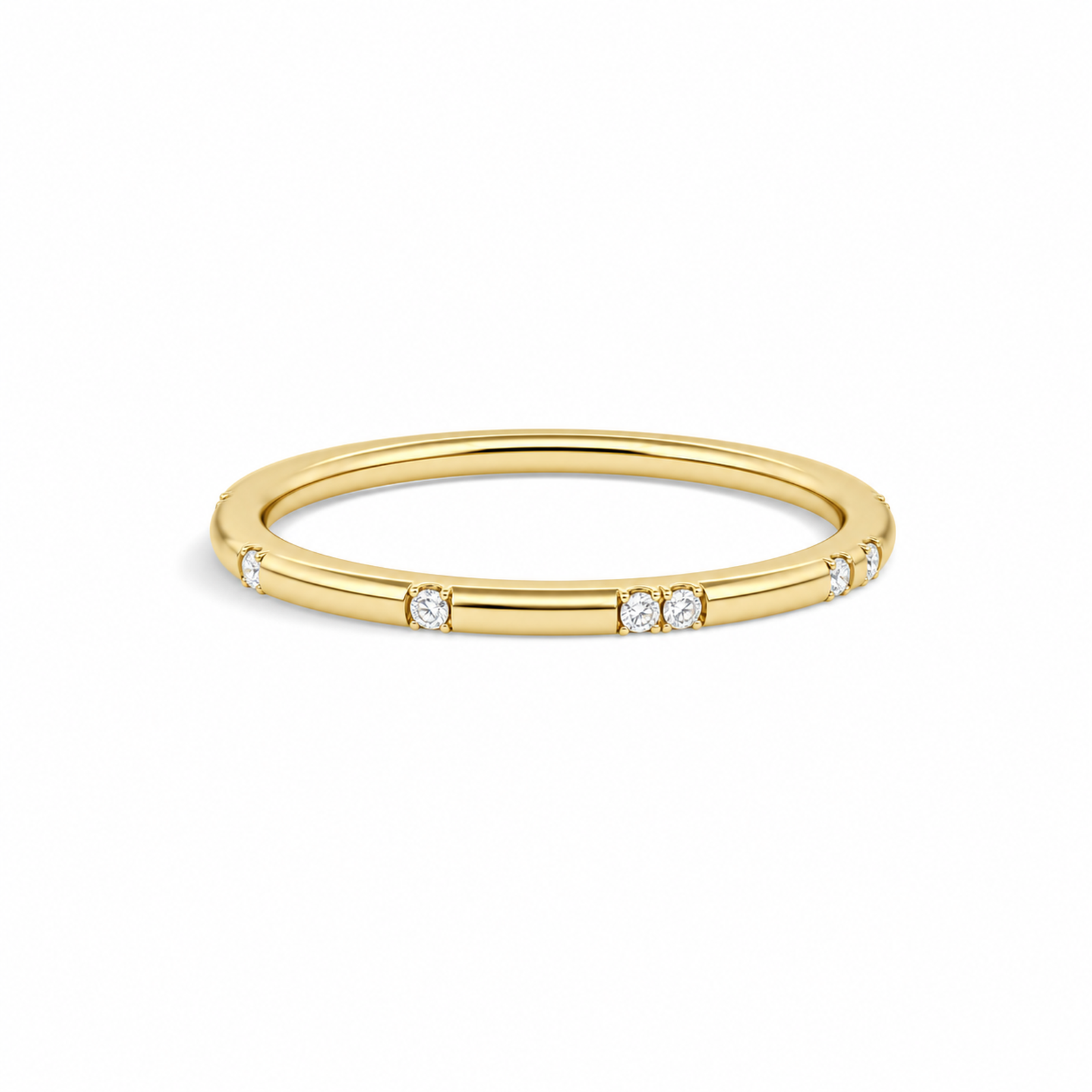


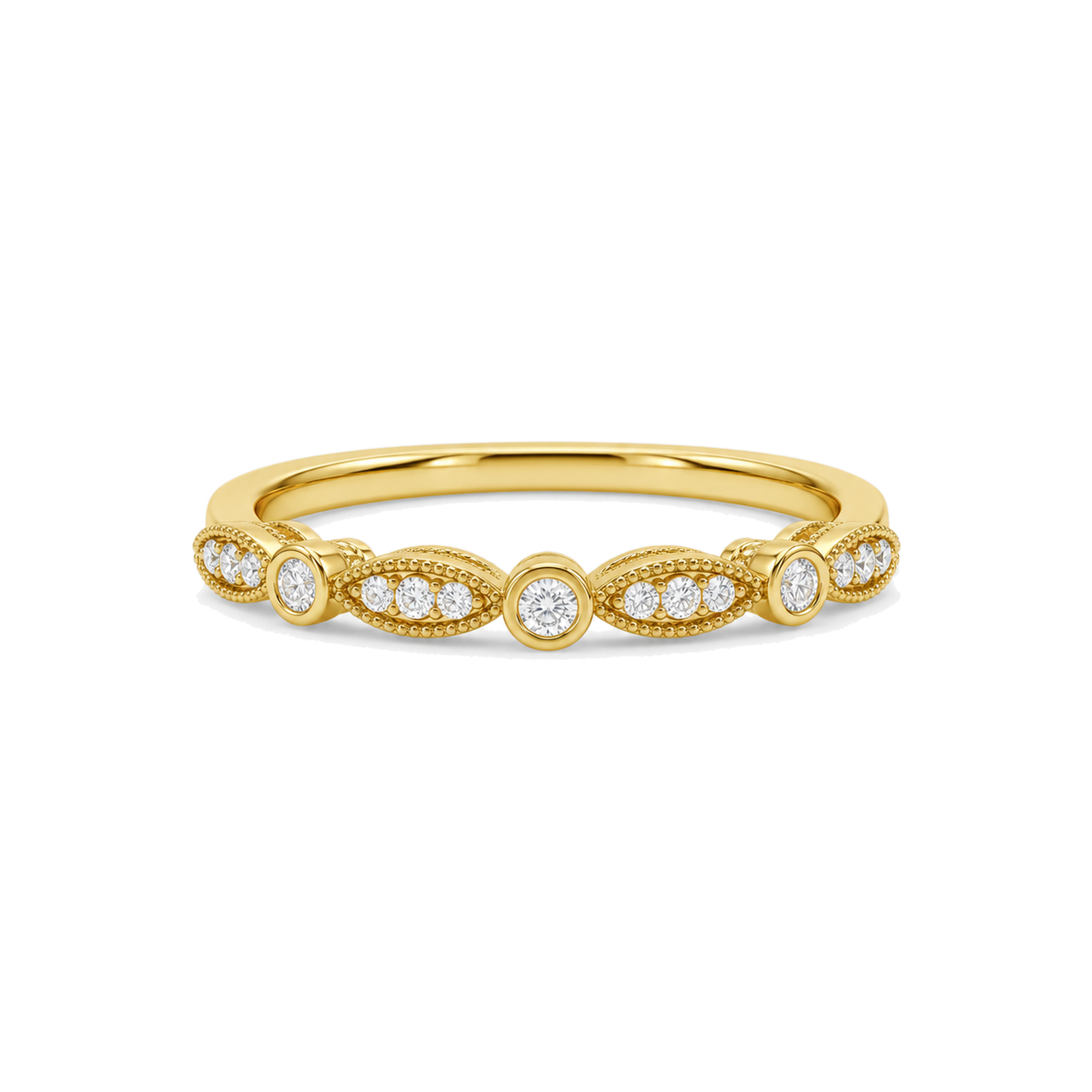


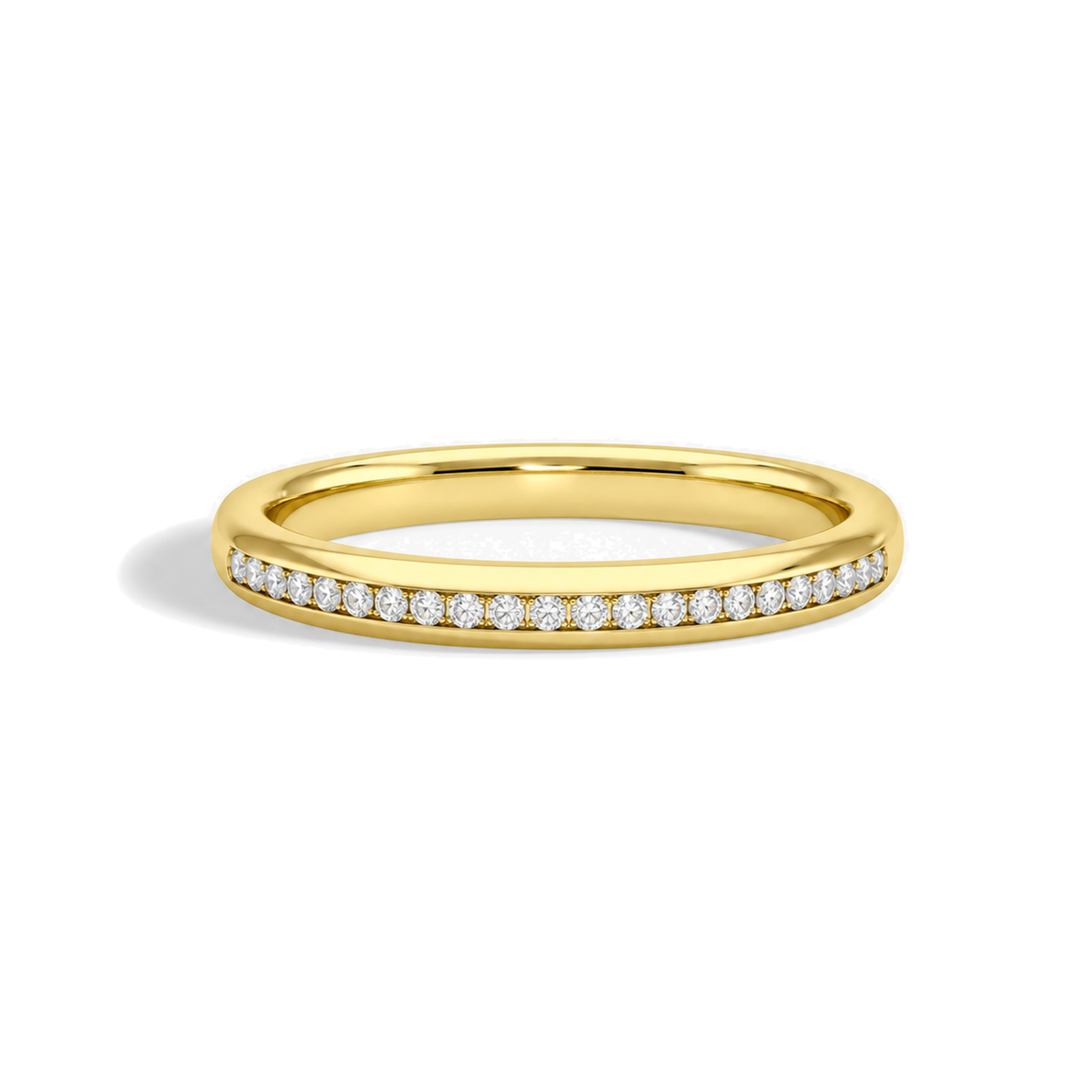
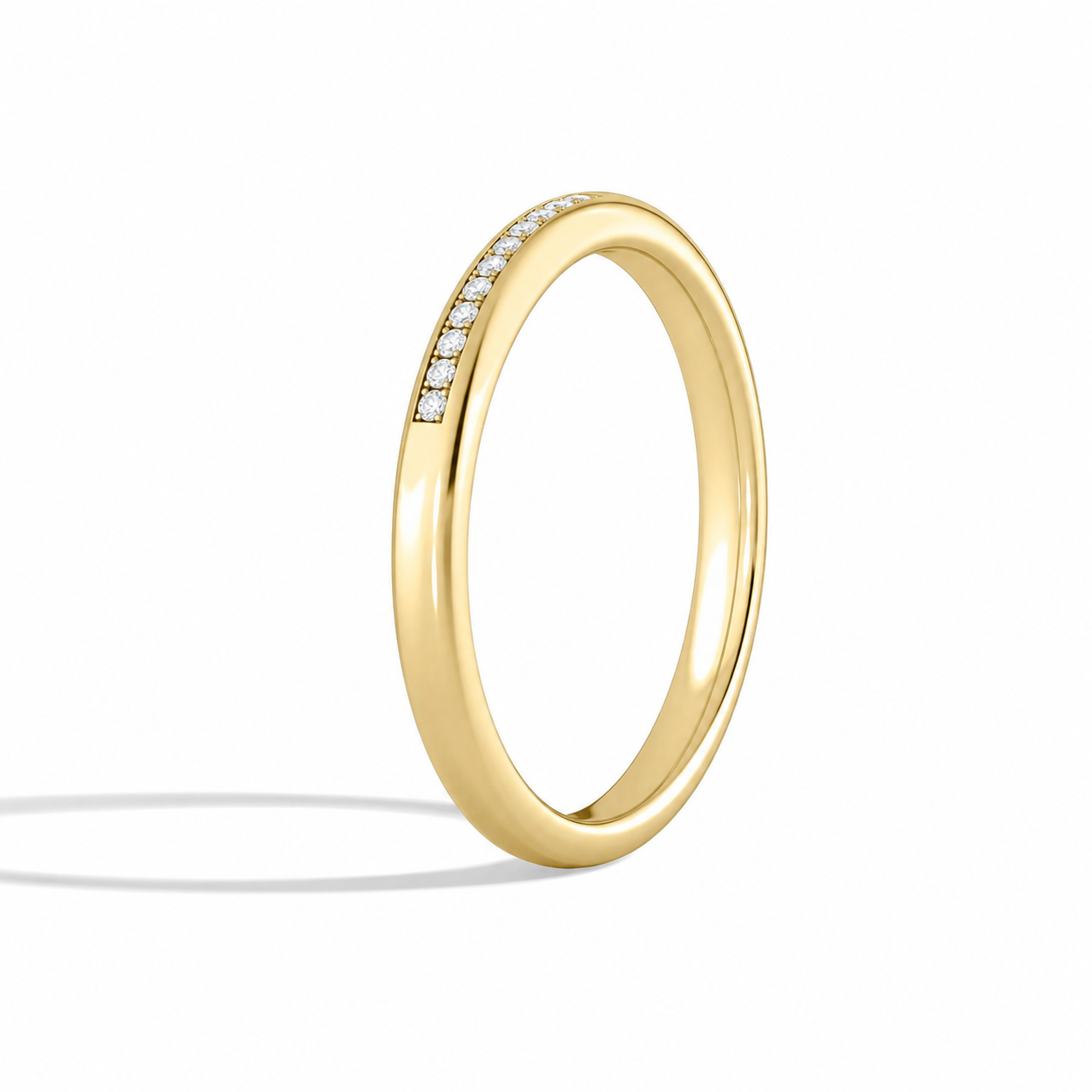

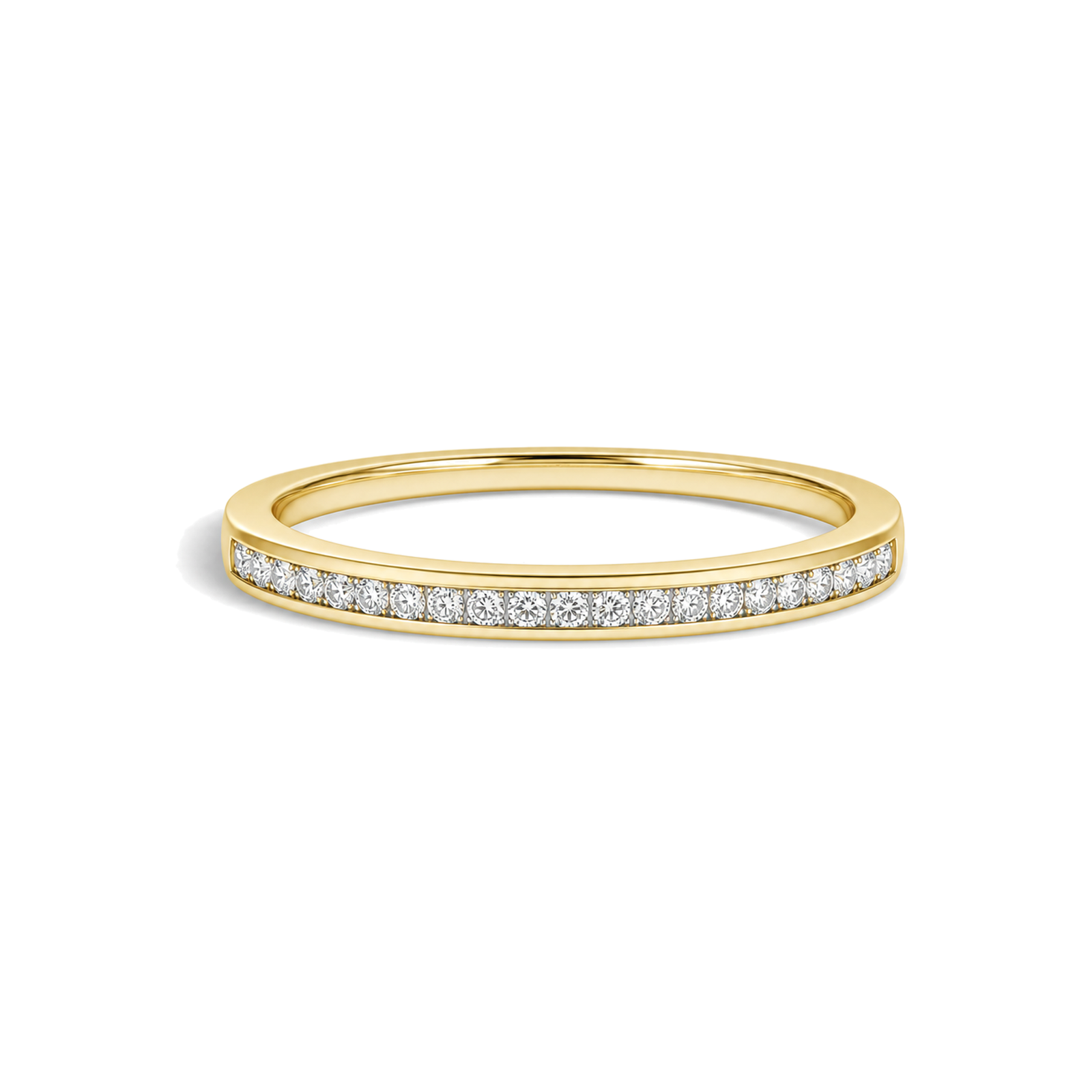
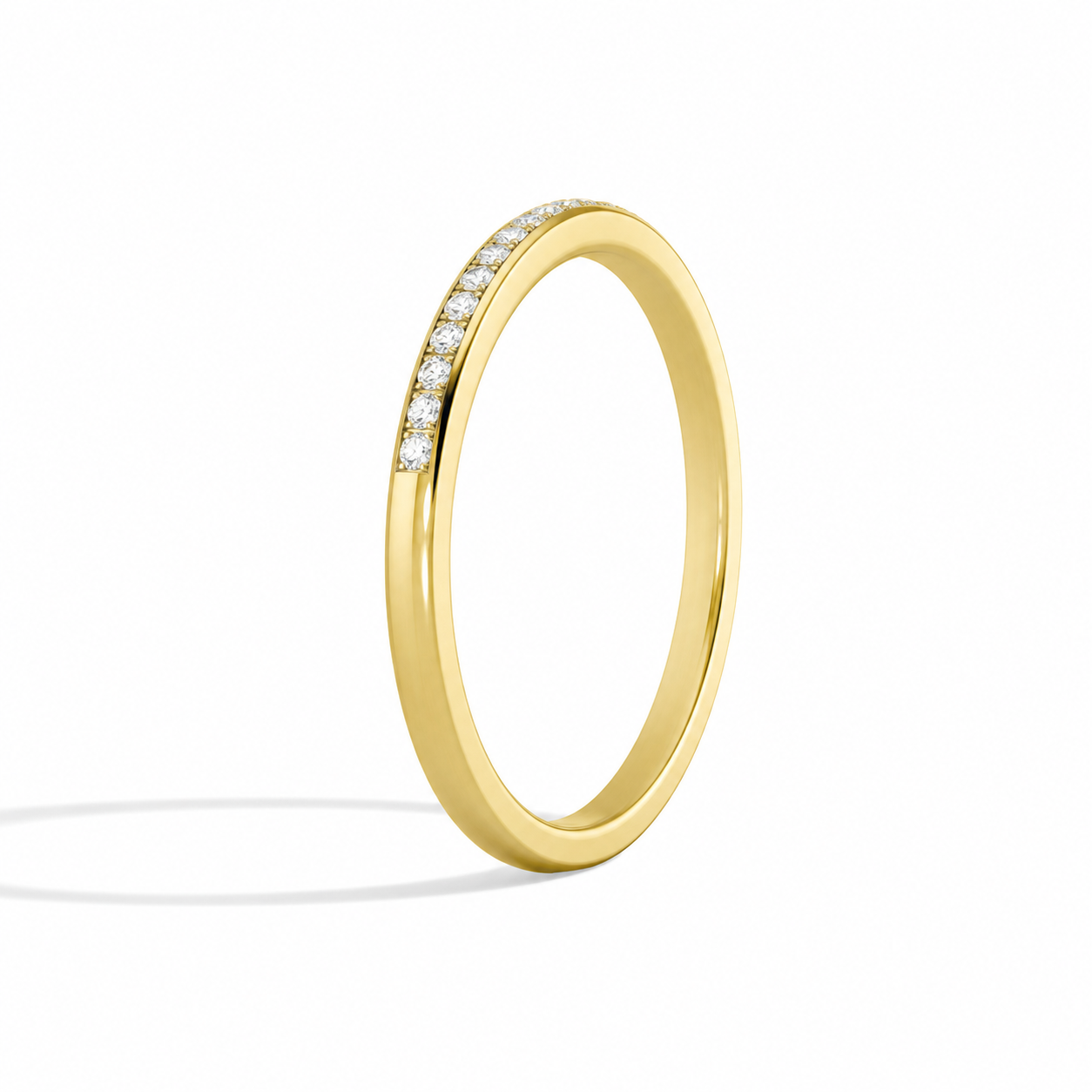
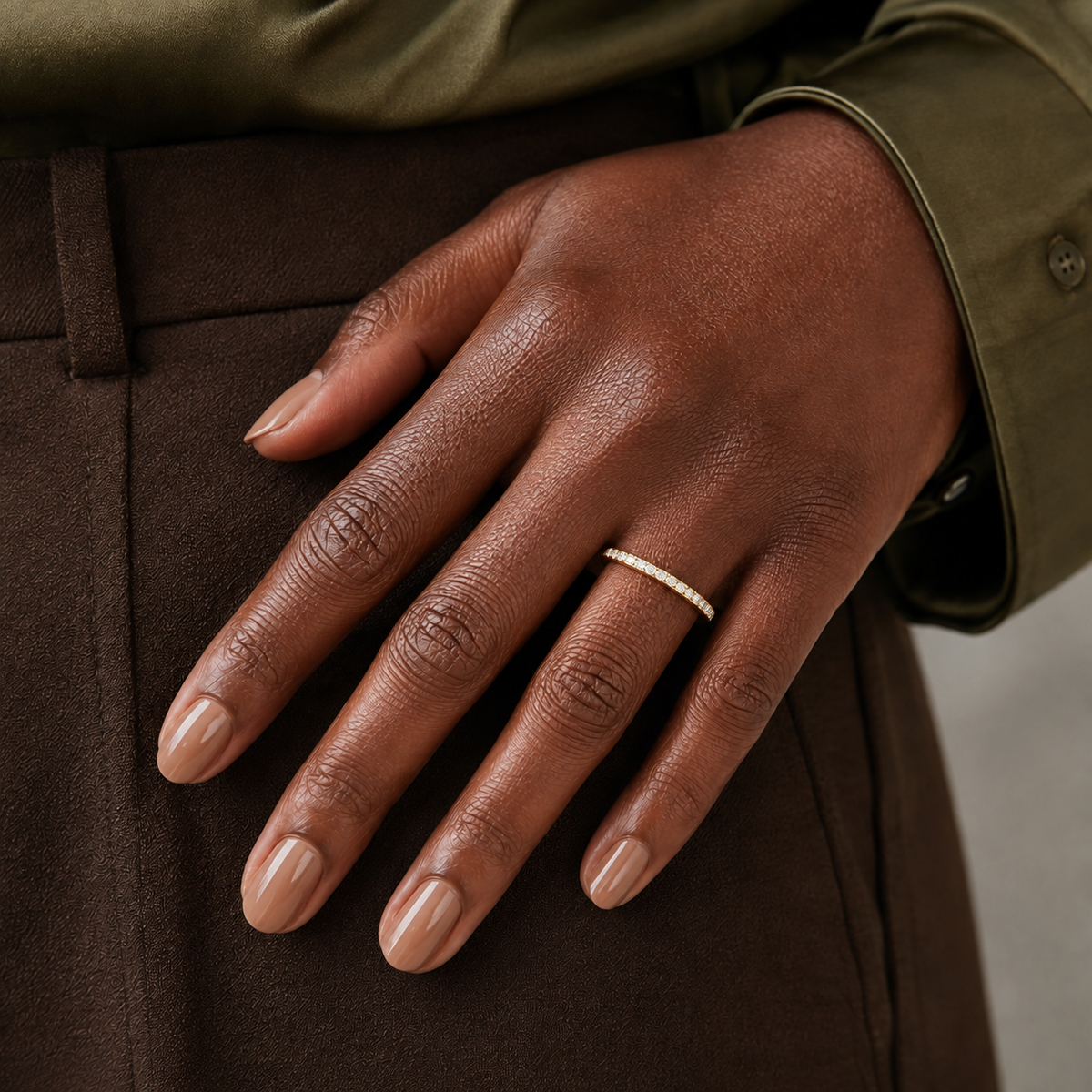

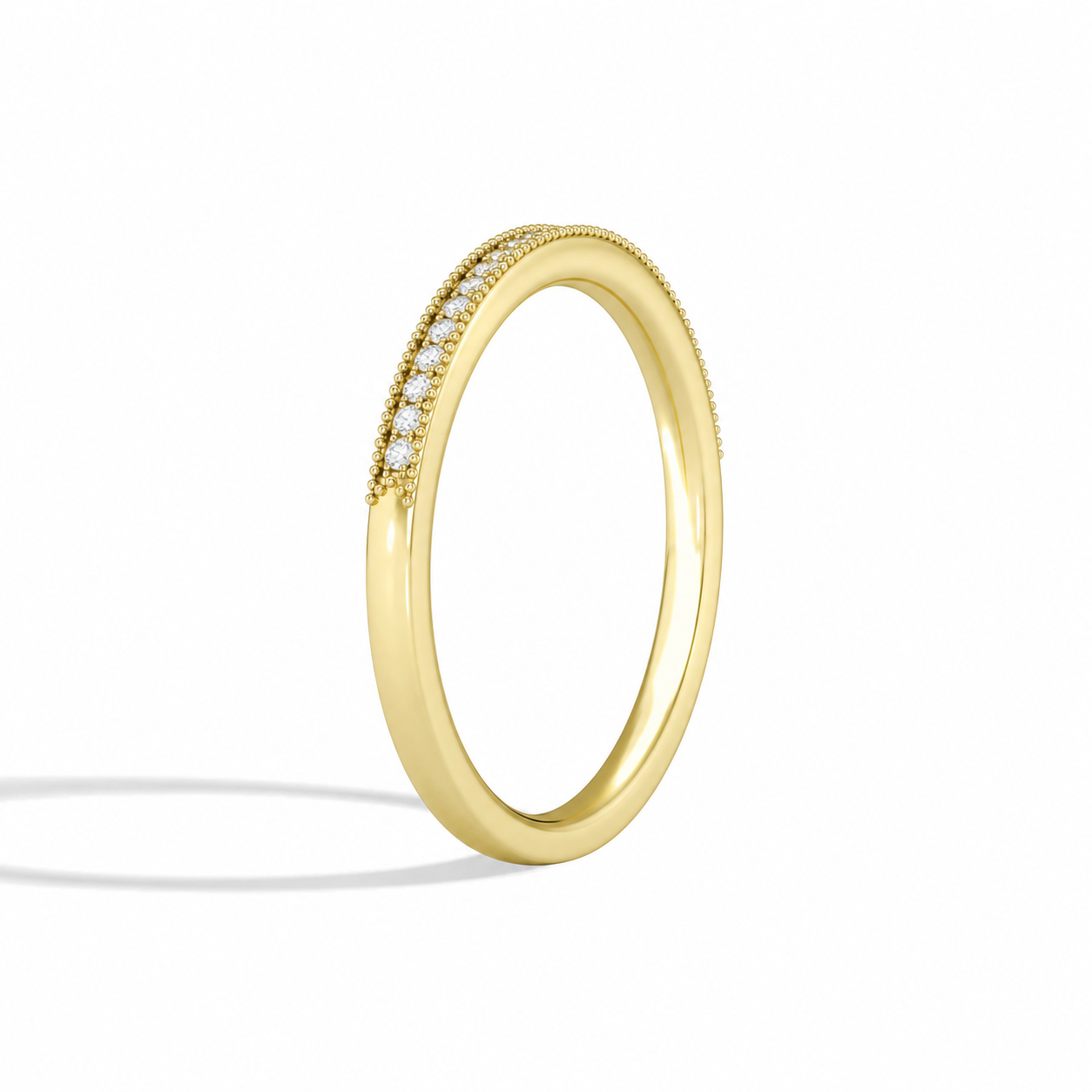

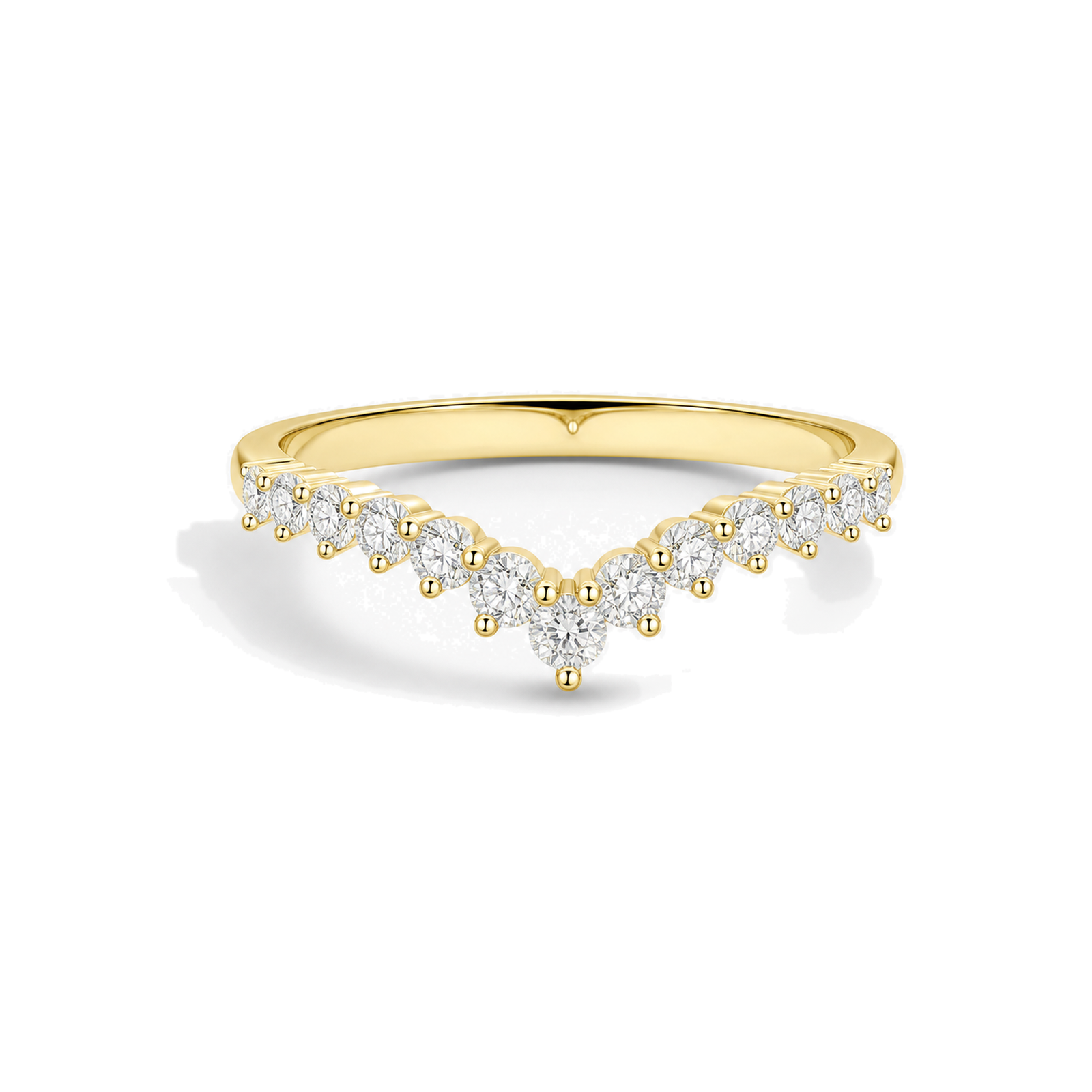
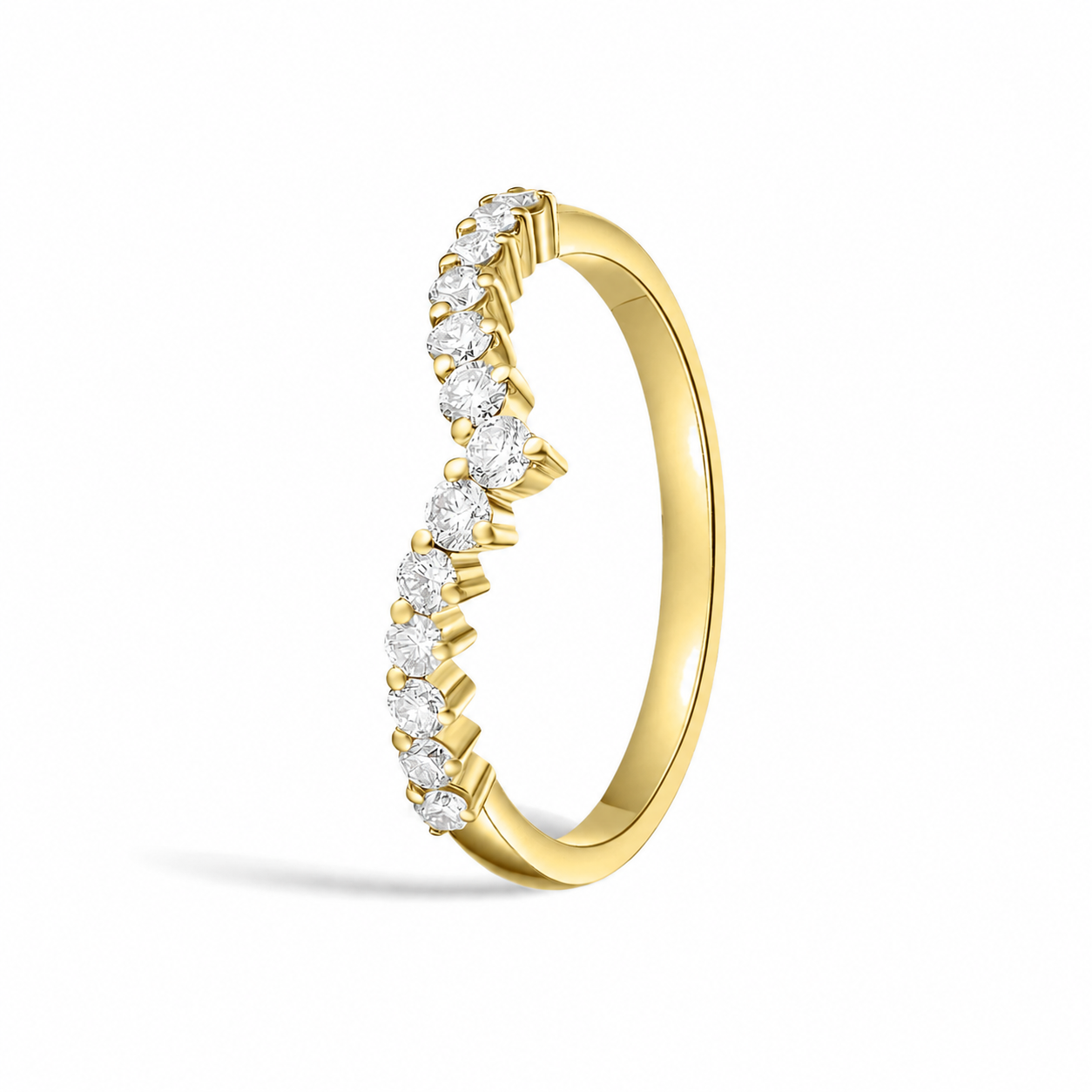

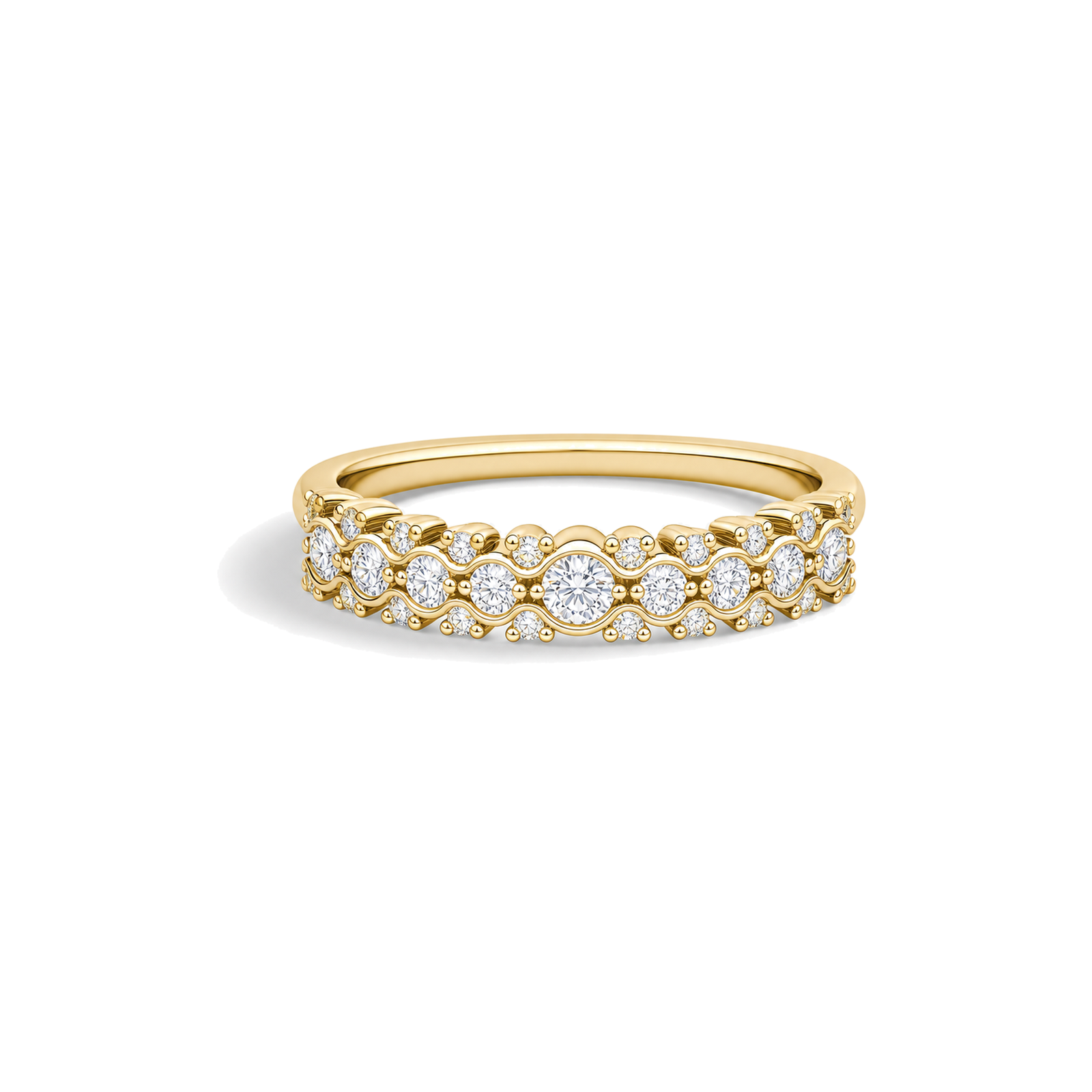


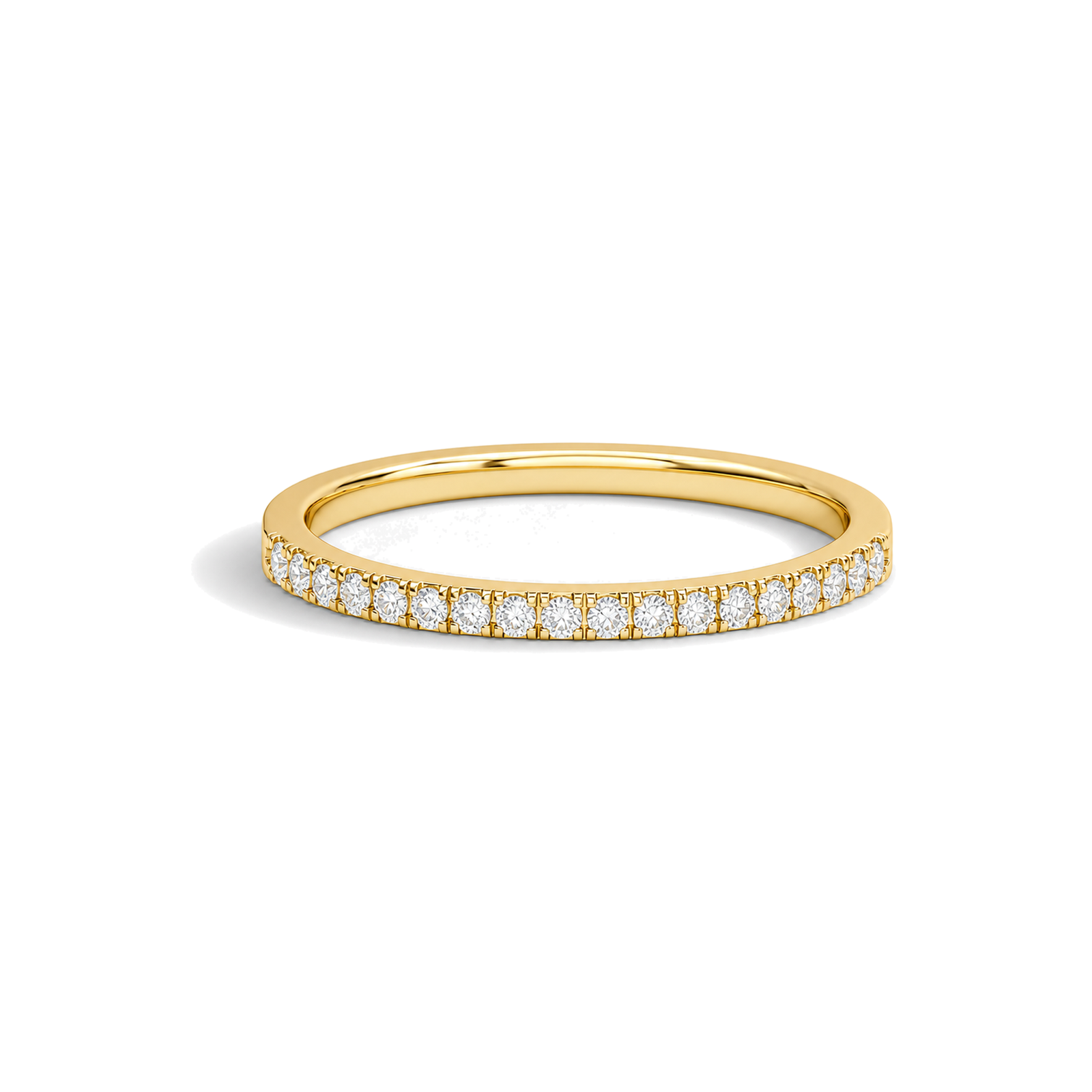


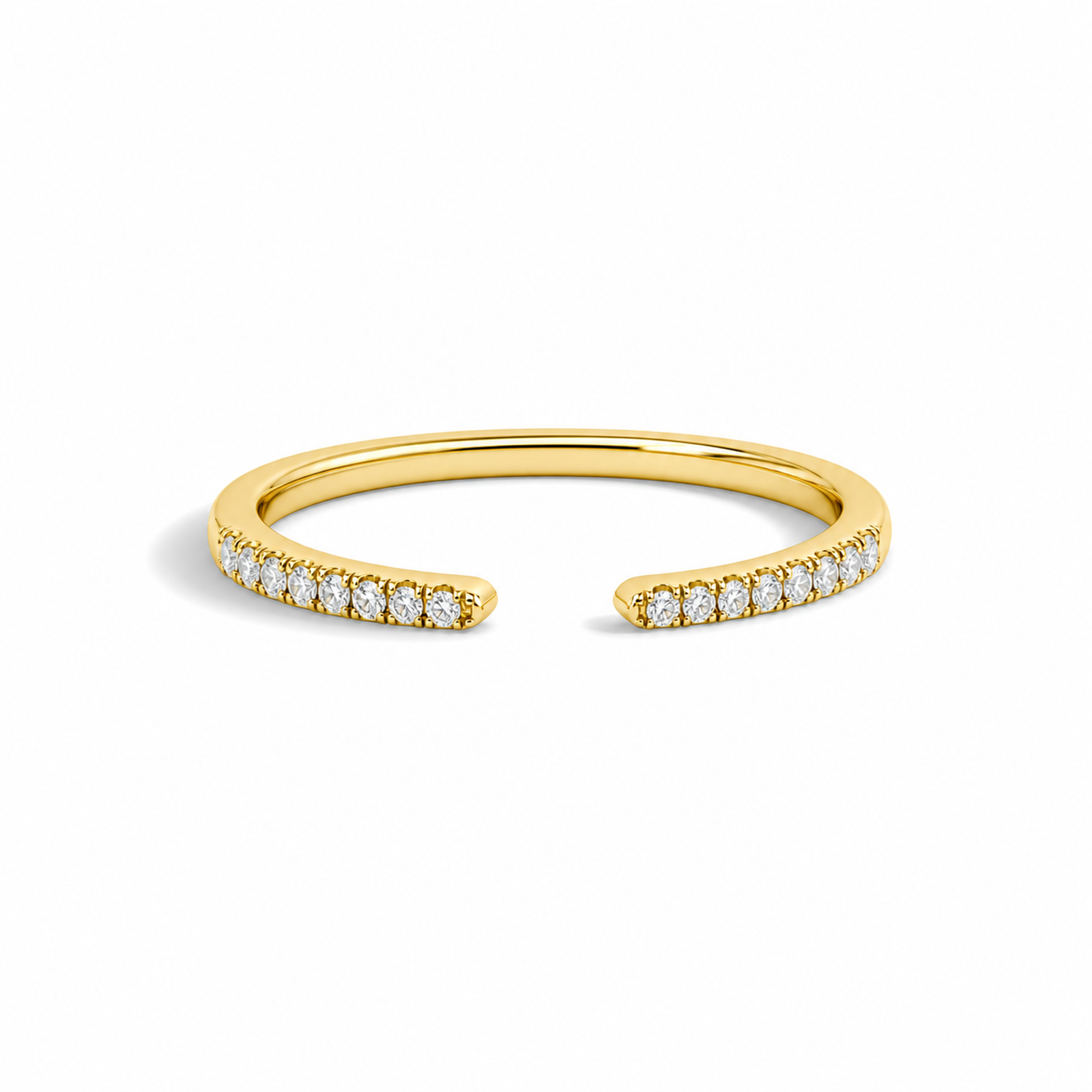


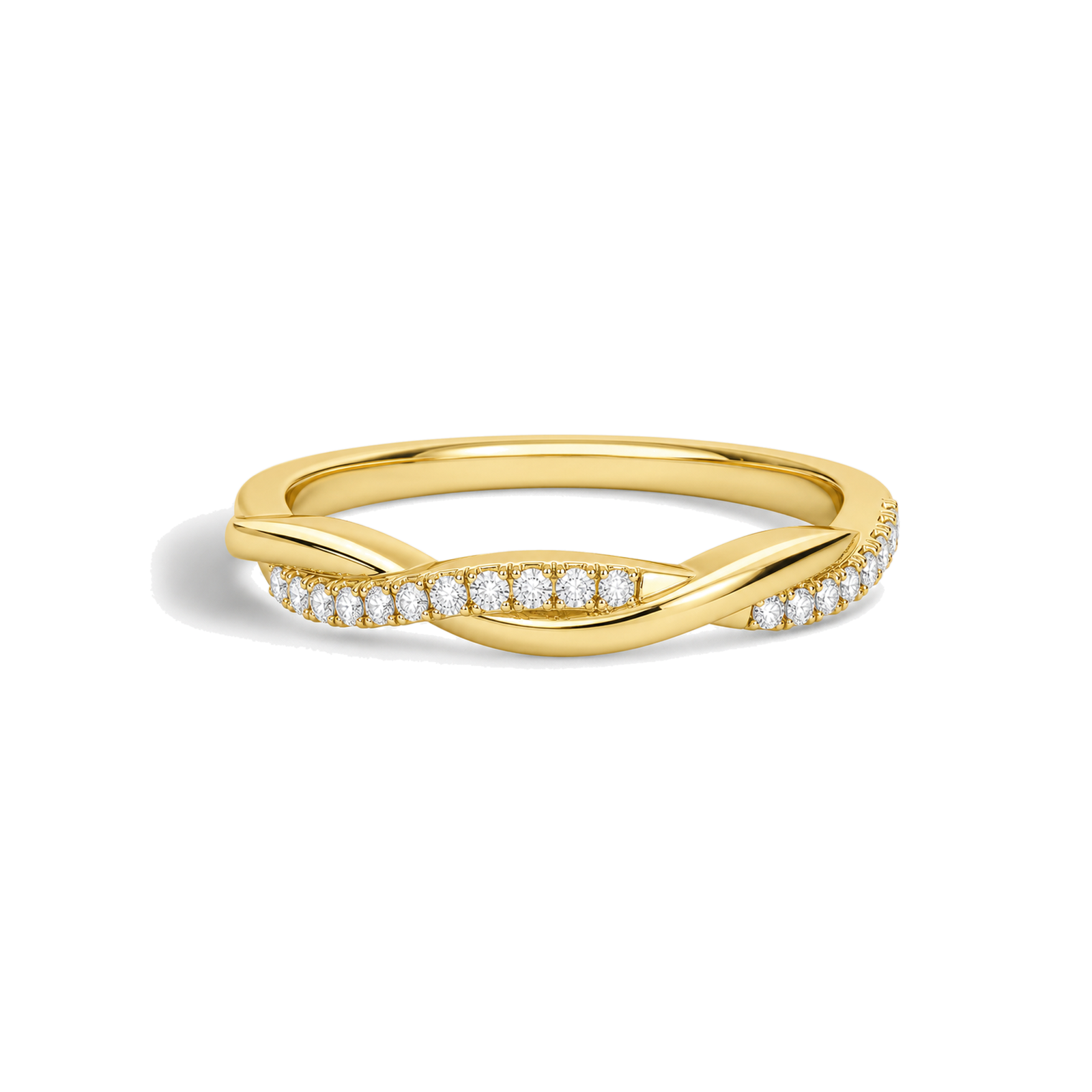
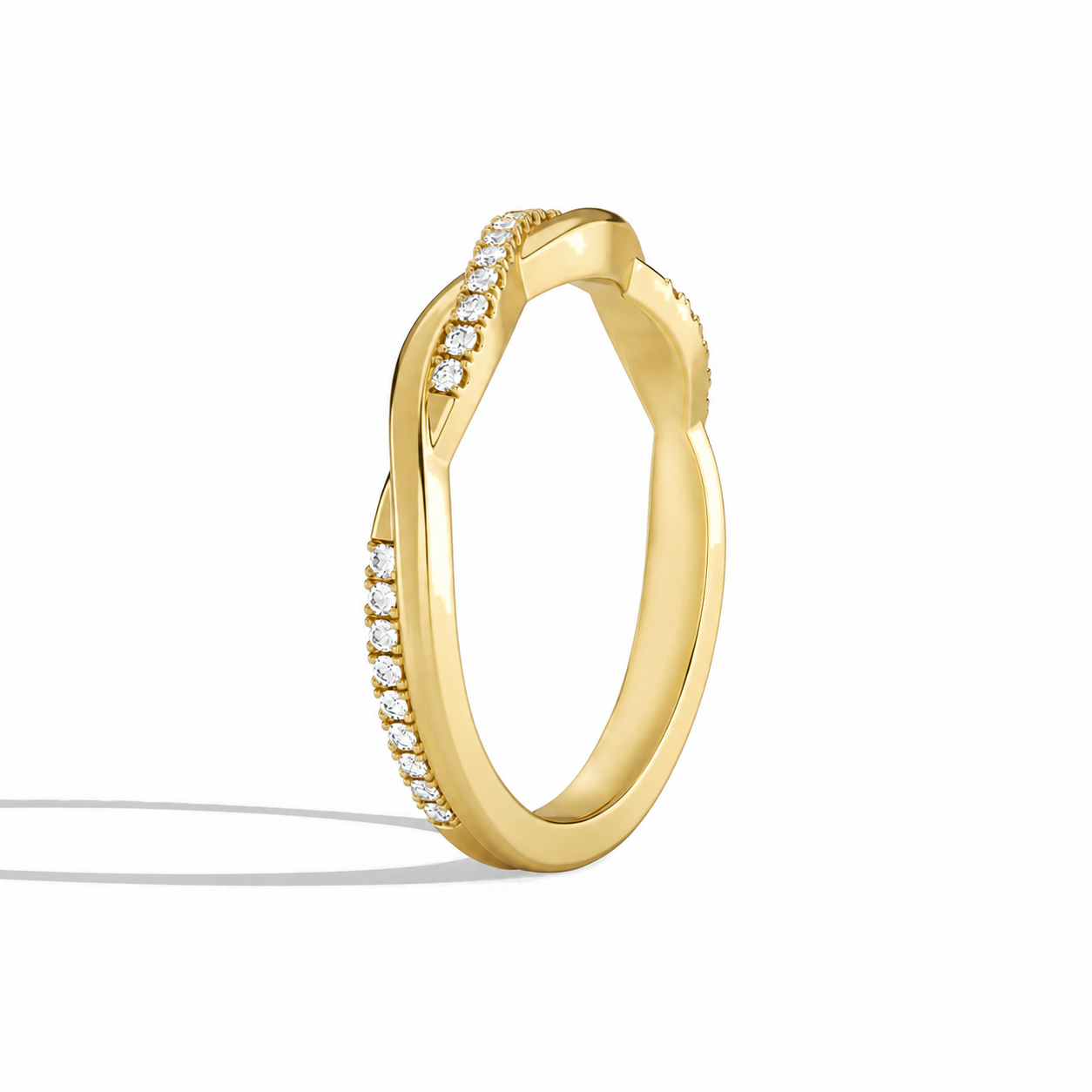

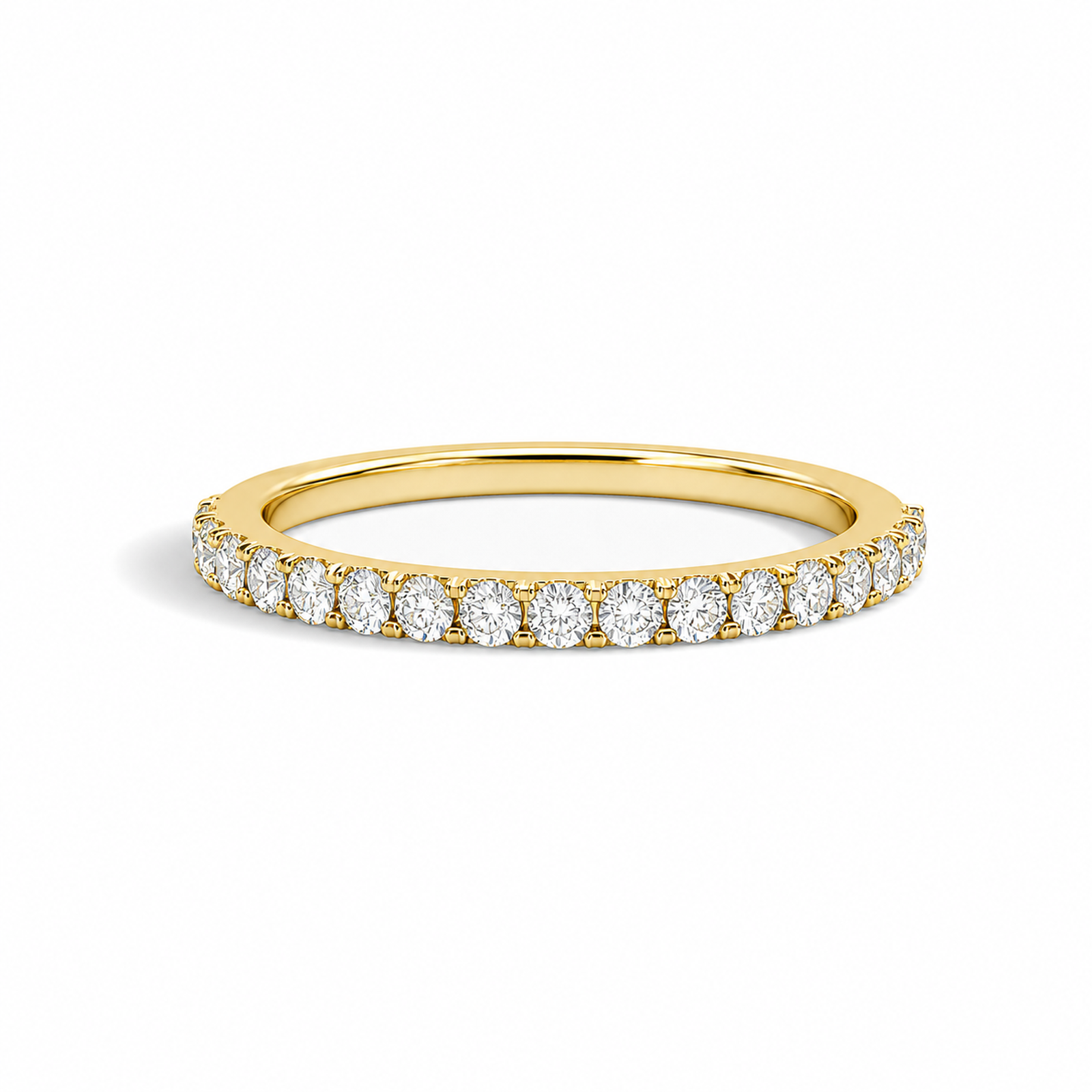
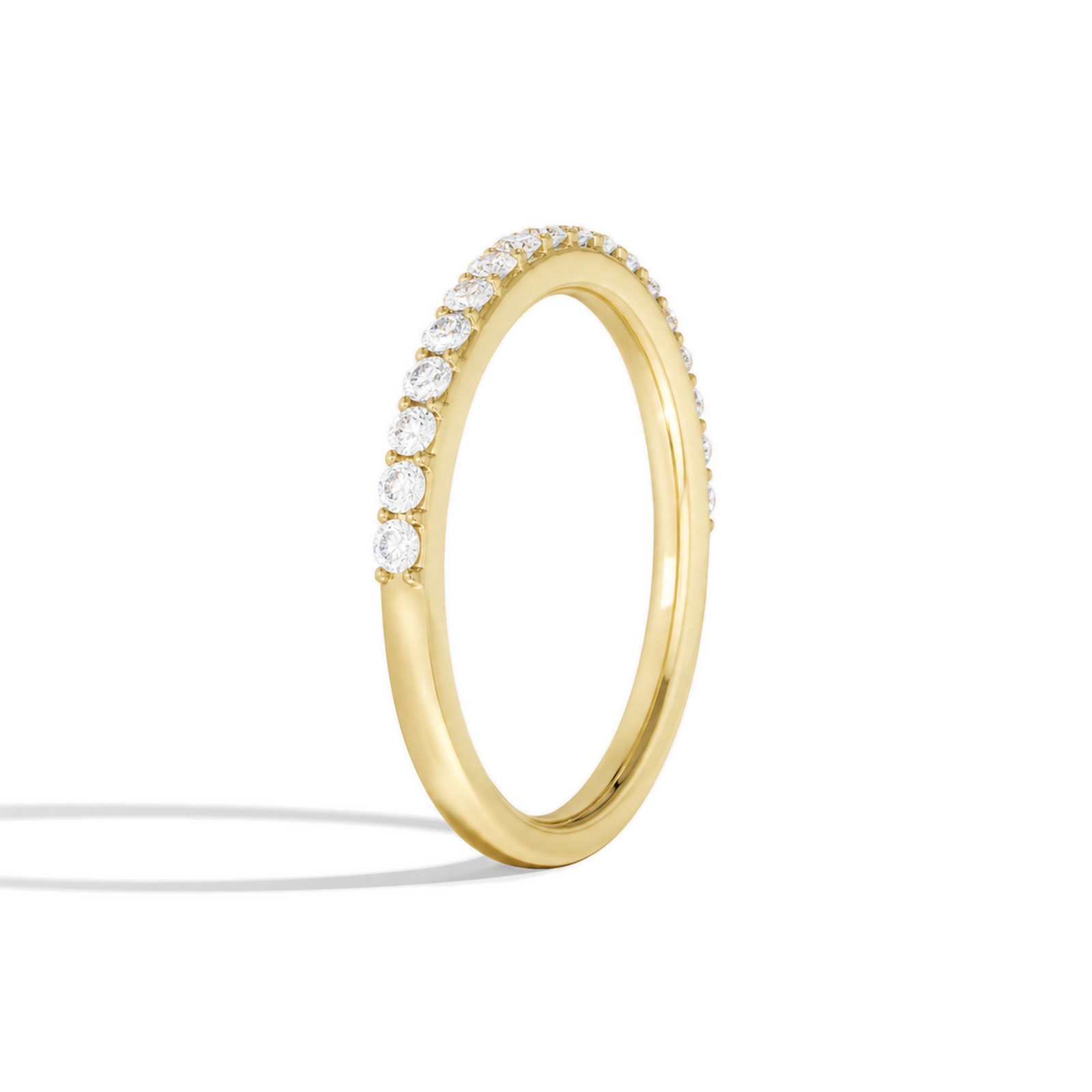

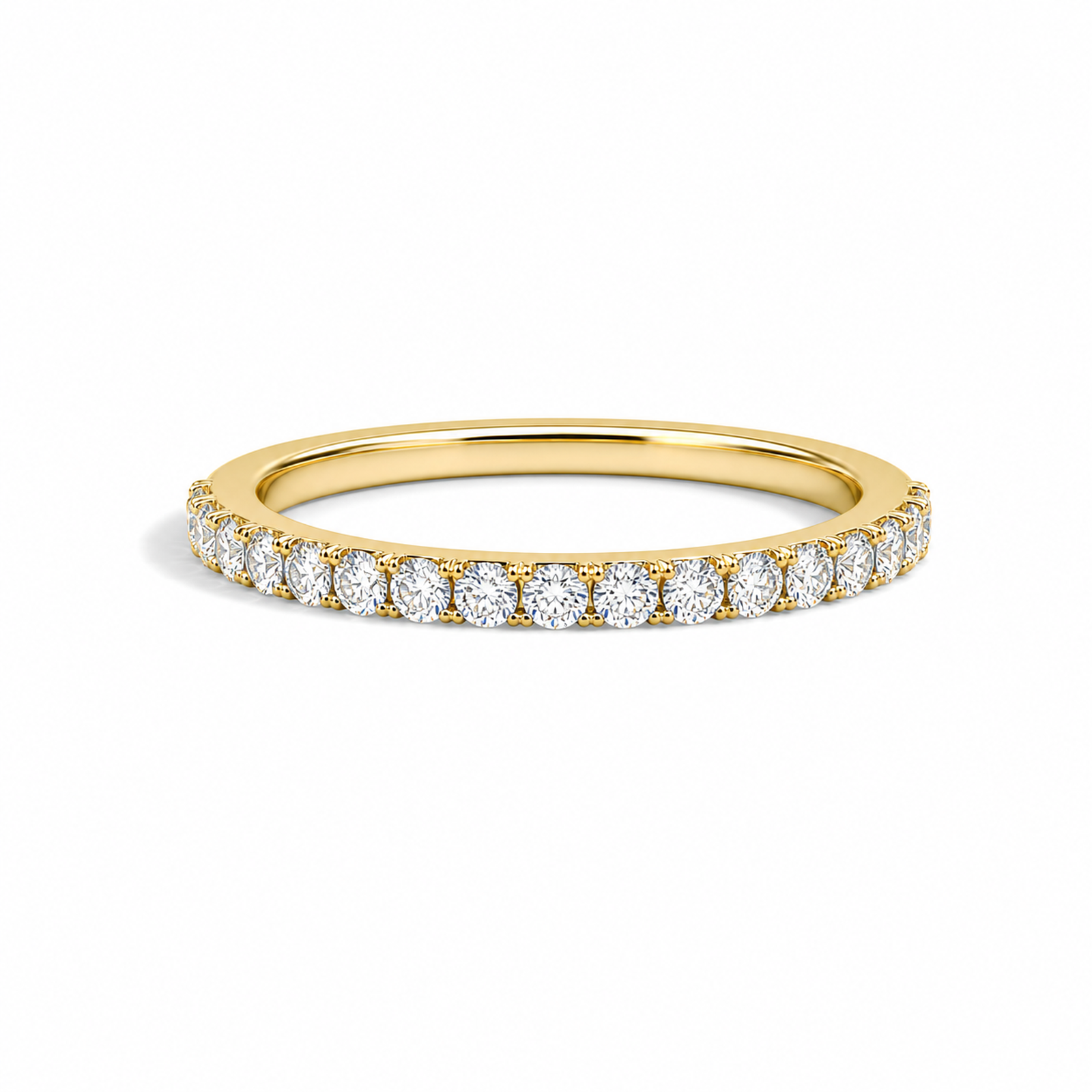


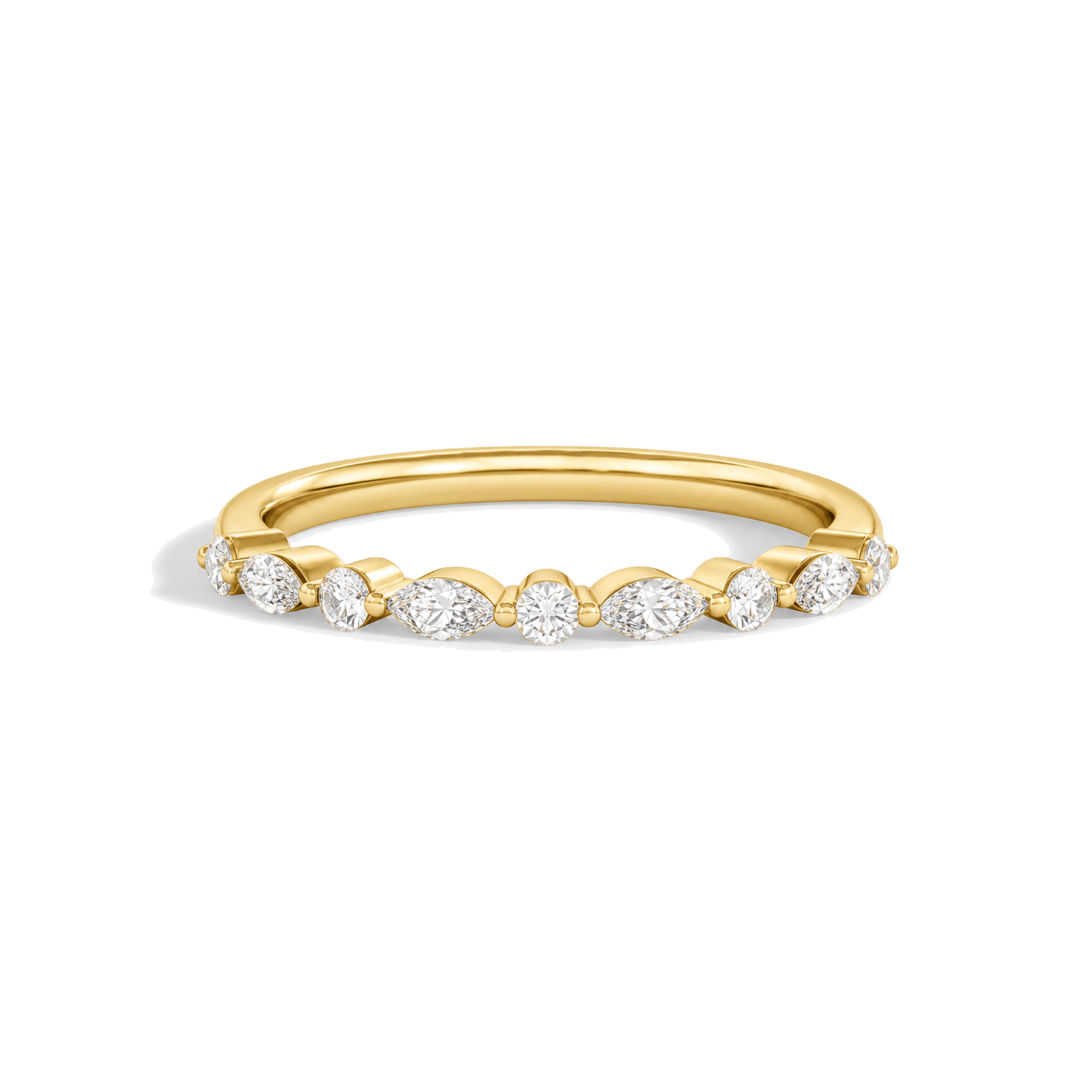


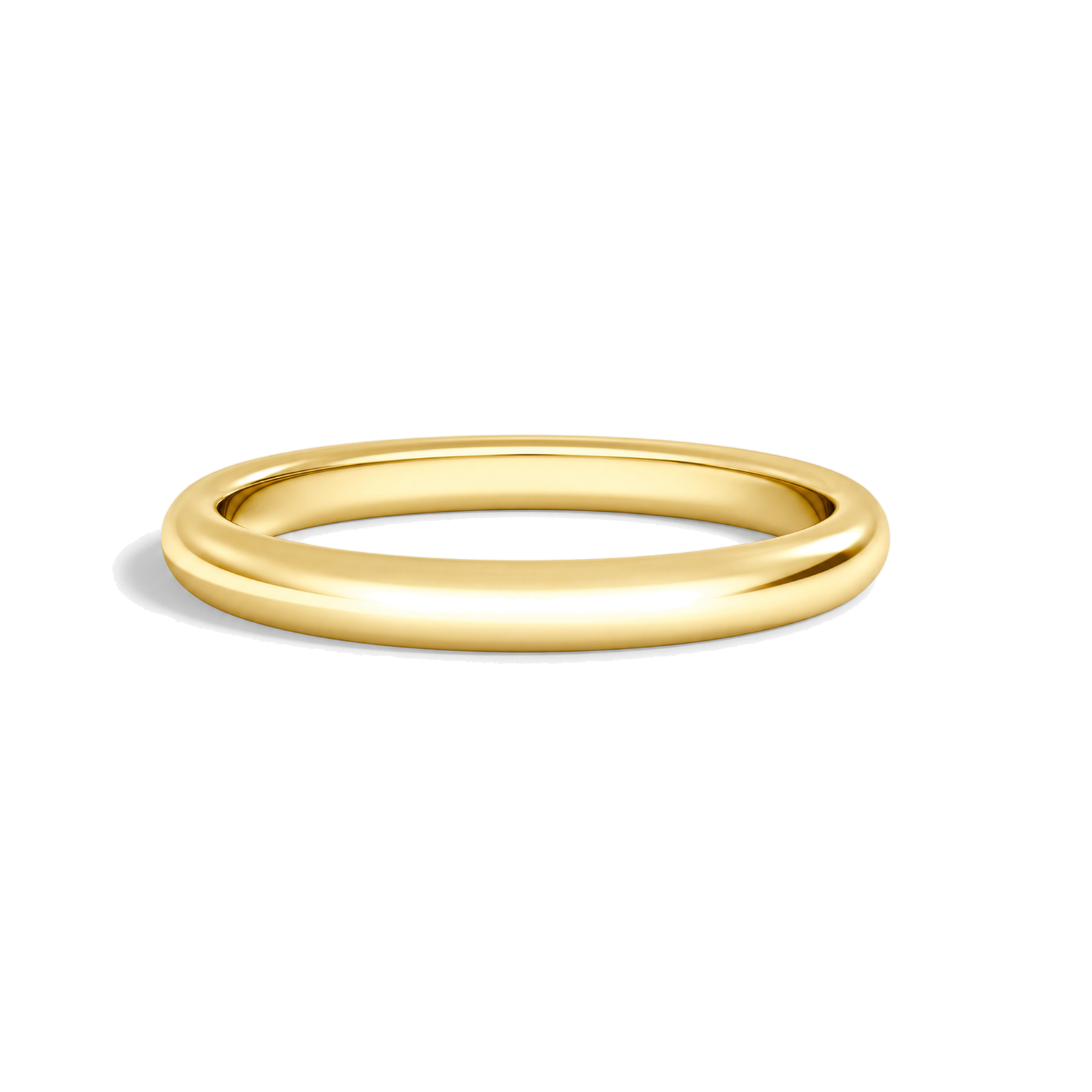
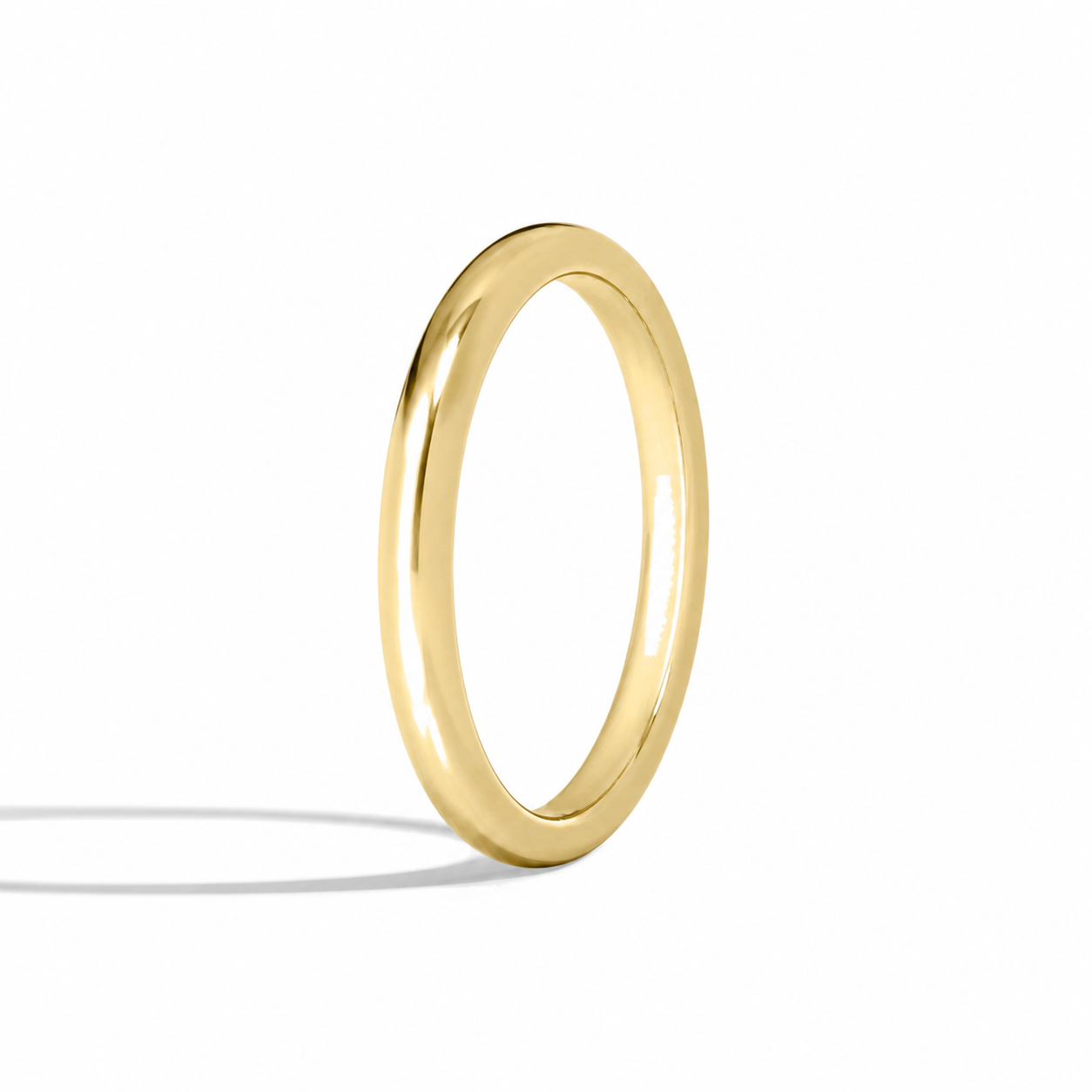

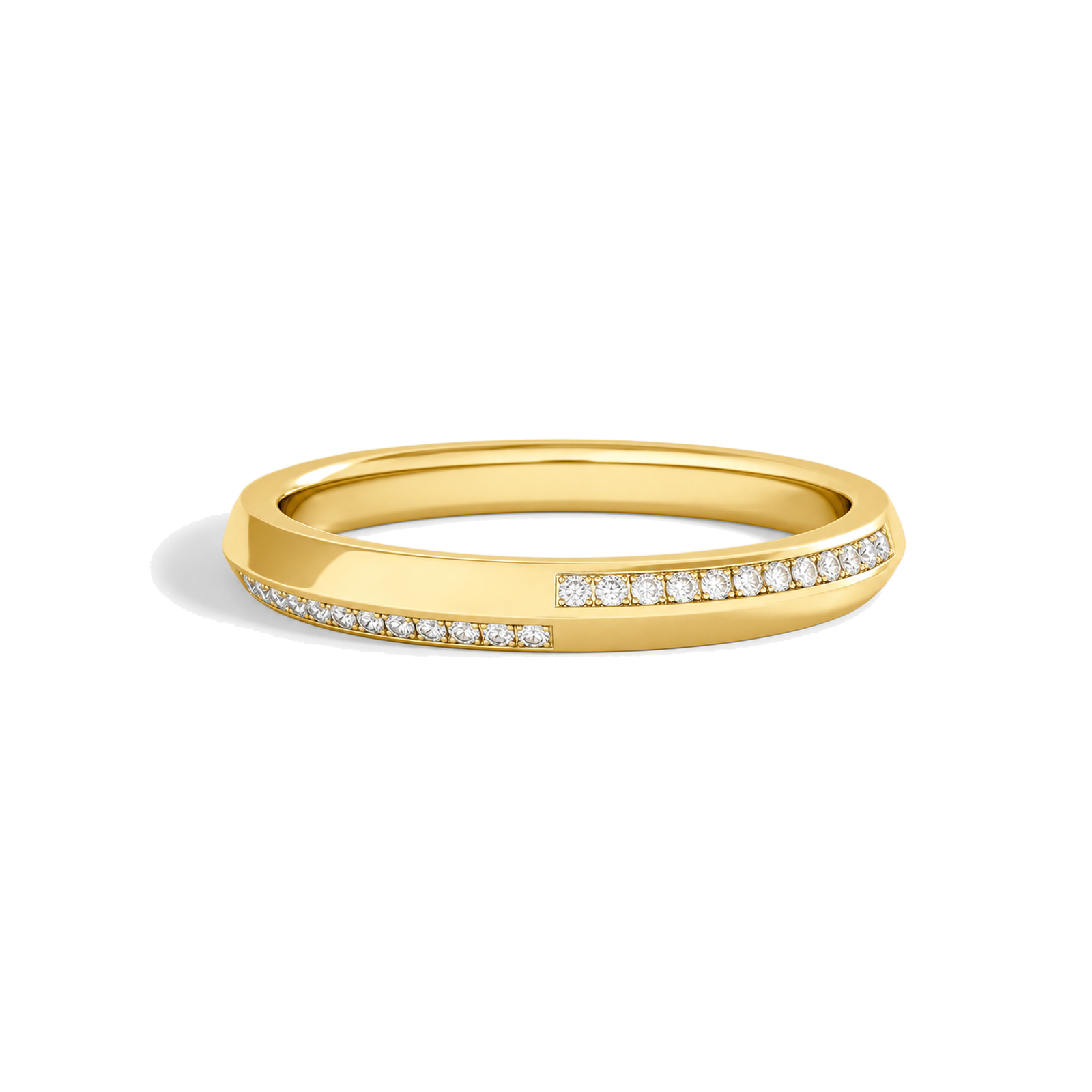
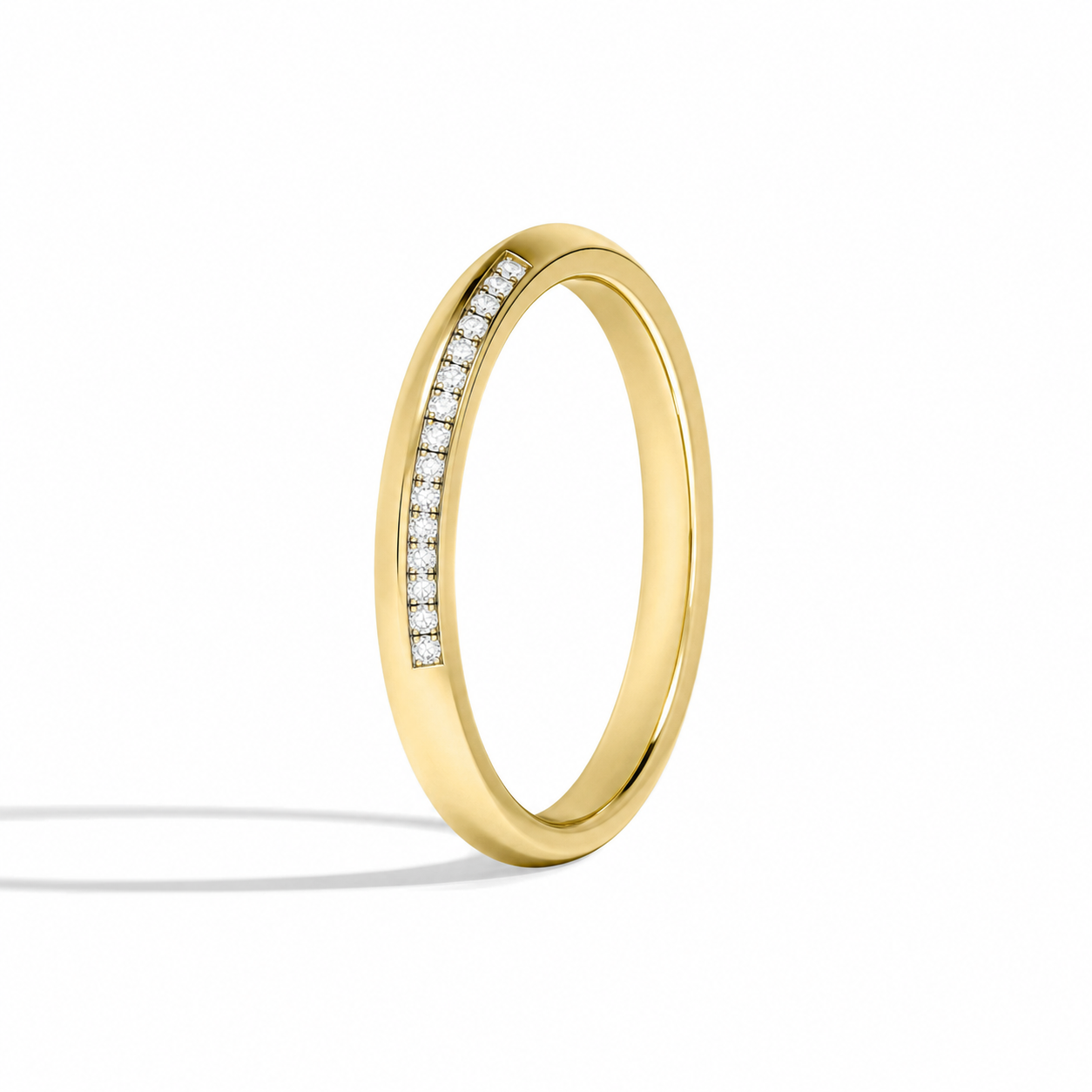

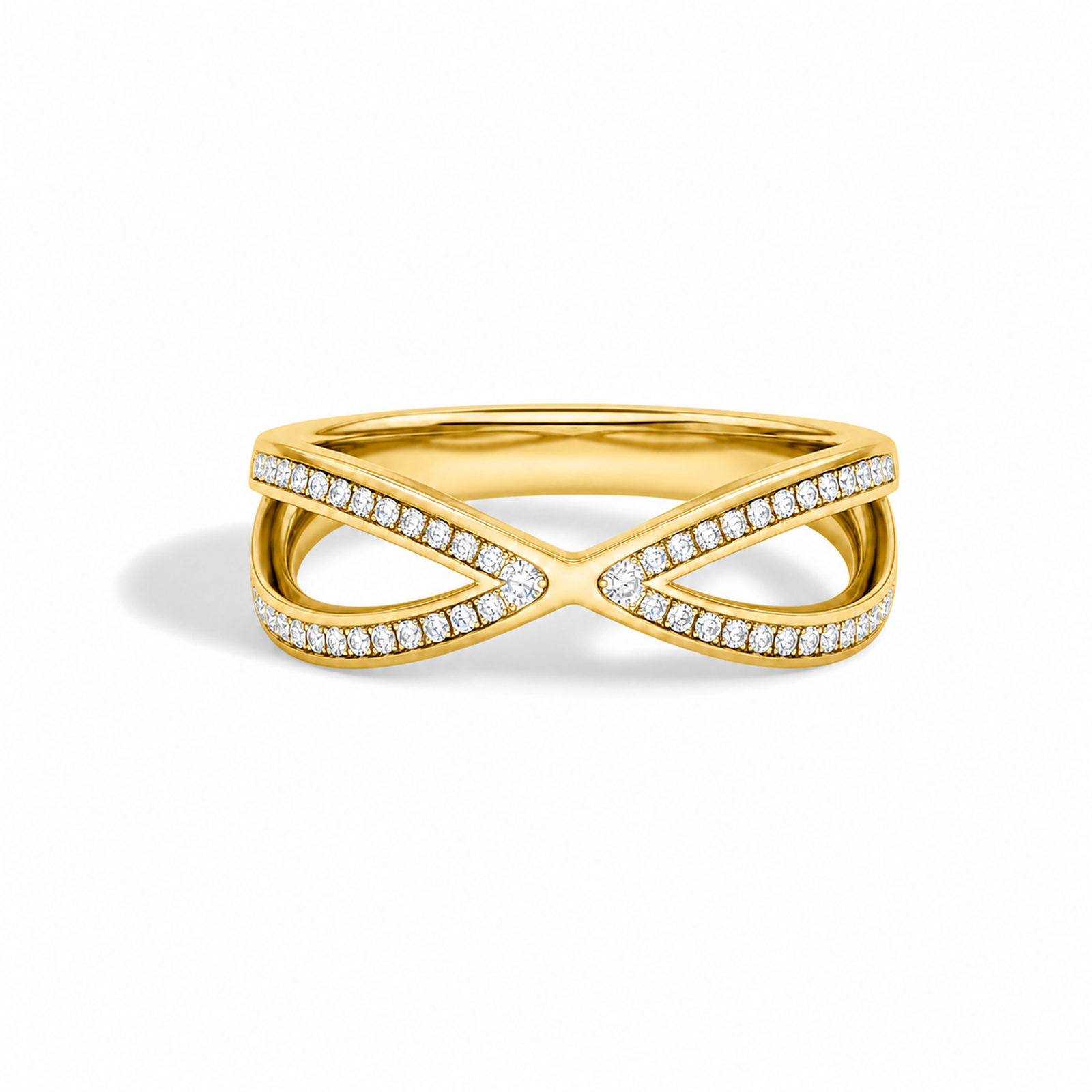


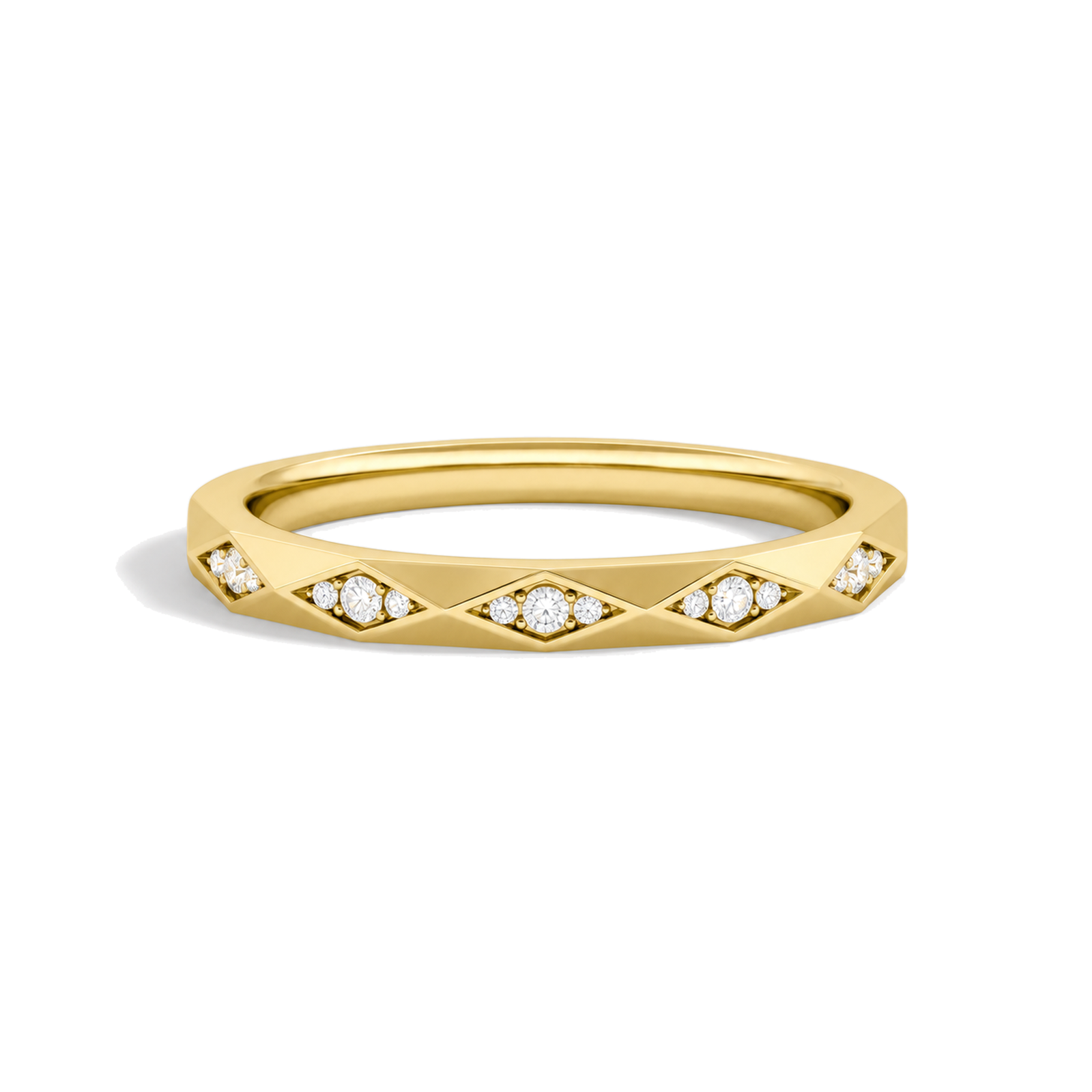


14K Yellow Gold Fashion Rings: Edge, Interval, and Independent Presence
Yellow Gold keeps metal visible as part of the ring's drawing. Edges frame diamonds, open intervals expose the finger and crossings redirect the eye. These choices can carry personal identity without relying on an engagement, wedding or anniversary narrative.
The sixty-nine-design page is a complete normalized duplicate of same-metal Rings, Anniversary Rings and Wedding Bands. Forty-five forms overlap Stacking Rings and eleven overlap Curved Rings. Its defensible task is design reading, not product exclusivity.
Use the Edge as a Design Instrument
A knife-like line, rounded boundary, milgrain trace or channel wall can define the ring before stone size is considered. Yellow metal can make that boundary more apparent, but the actual result still depends on finish, spacing and setting coverage.
Crossovers and open forms introduce direction and pause. They should be read from multiple angles because rotation and hand position can change the interval. Neither form promises a fixed orientation, no catching or universal adjustability.
Decide Whether One Ring Is Enough
Standalone presence can come from proportion, surface or one exact interruption. A layered role asks different questions: combined width, neighboring edge, profile height and motion. Fashion permits both without treating a stack as the more expressive outcome.
Current average widths span 1.4–5.0 mm. Scale also includes face-up spread, line count and diamond distribution; TCW or width alone cannot summarize the silhouette.
Let Gold Remain a Material Fact
14K is approximately 58.3% gold. Exact shade, mass and wear response depend on alloy, dimensions, finish and construction. A visible yellow field is an aesthetic register, not a performance ranking.
Engraving, resizing and care must follow the selected structure. Channels, coverage, open ends and surface work can create distinct technical limits.
Frequently Asked Questions
What is the independent job of this page?
It helps read form, edge, interval and personal wear outside a prescribed ceremony.
How many designs does it contain?
There are sixty-nine normalized 14K yellow gold rings.
Are all products also in the general Rings route?
Yes, and the complete set also appears in Anniversary Rings and Wedding Bands.
What portion overlaps Stacking Rings?
Forty-five designs.
What portion overlaps Curved Rings?
Eleven designs.
Does fashion require a statement scale?
No. Fine lines and quiet surfaces can be equally resolved.
What can an edge communicate?
It can frame a diamond field, maintain continuity or create a deliberate boundary.
How do crossovers differ from open forms?
A crossover redirects intersecting lines; an open form leaves a visible interval.
Is an open fashion ring automatically resizable?
No. Construction and requested change require direct review.
Can one ring be a complete composition?
Yes; stacking is optional rather than a measure of expression.
What width range is current?
Approved public facts span 1.4–5.0 mm.
Does TCW define the visual scale?
No. Count, distribution, setting and face-up spread still matter.
Can yellow gold be a deliberate contrast?
Yes aesthetically, without implying identical contact or maintenance behavior.
How much gold is in 14K?
Approximately 58.3%.
Does this page recommend a specific finger?
No. Fit, proportion and intended use should guide placement.
Can every textured ring be engraved?
No. Existing surface and usable area may restrict an inscription.
How should layered contact be assessed?
Inspect edges, profiles, settings and movement in the intended sizes.