
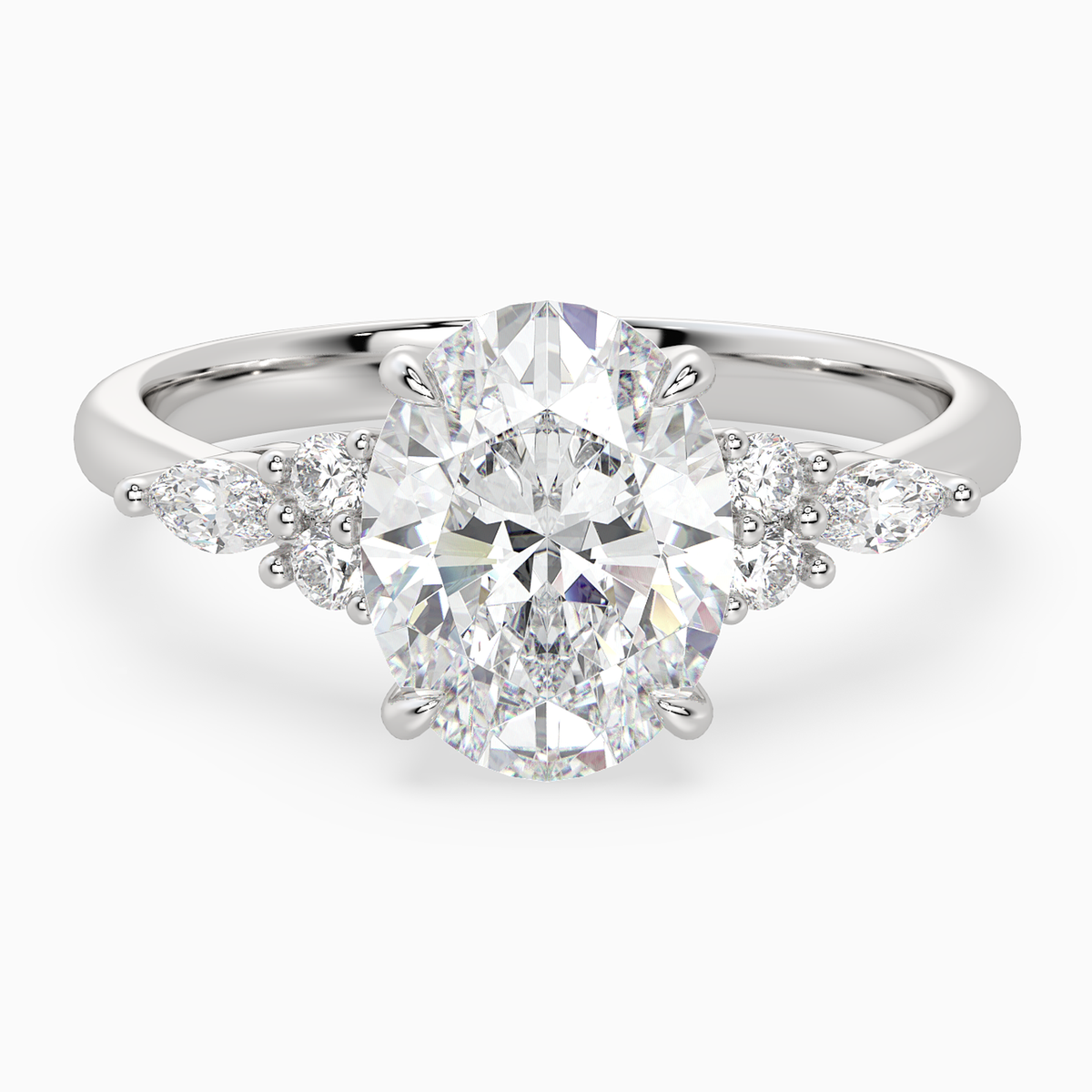


Lab Grown Diamond Fashion Rings in Platinum
Natural-white metal keeps architecture clear in wear. Compare 69 rings by contour, interval, profile, diamond placement, scale, and role.


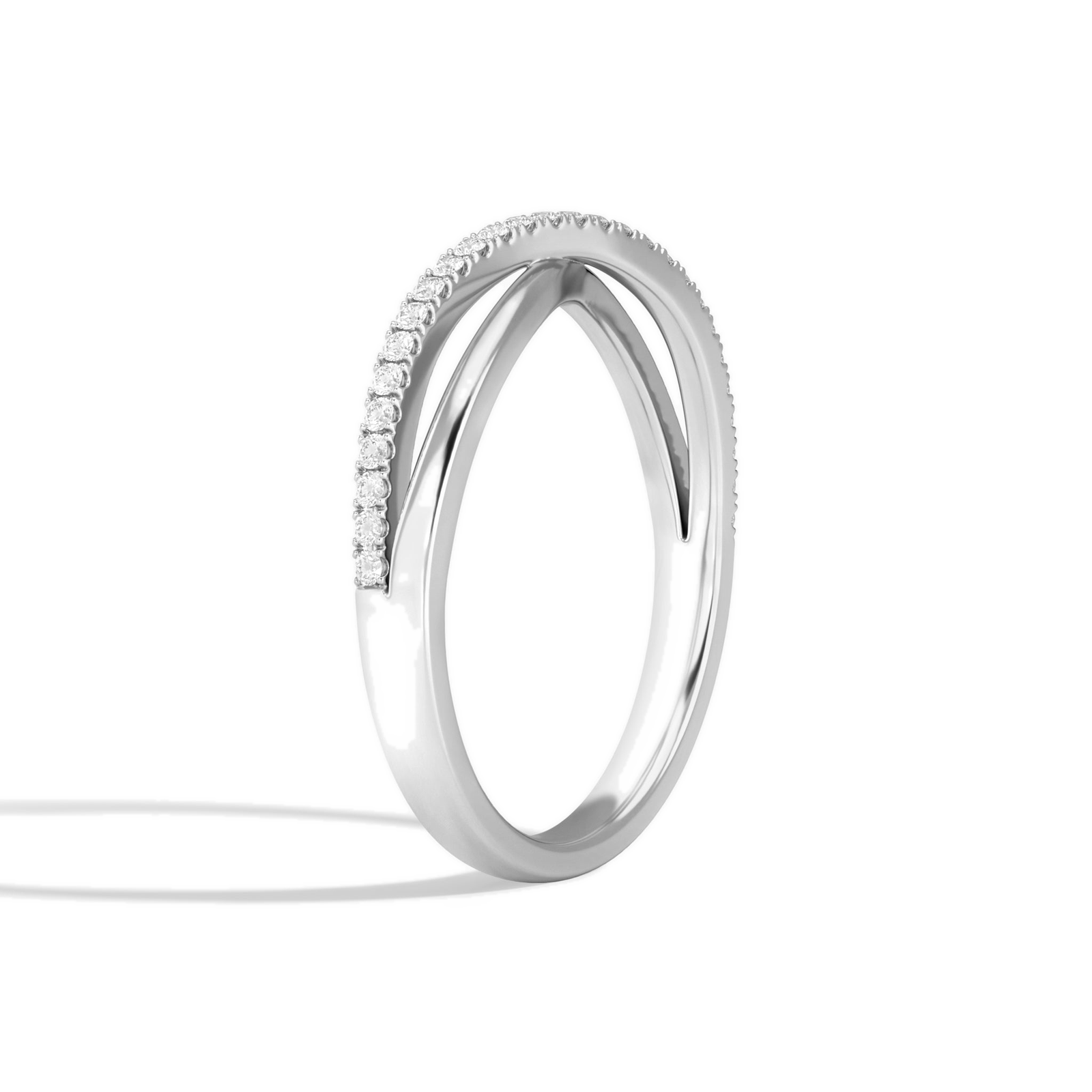

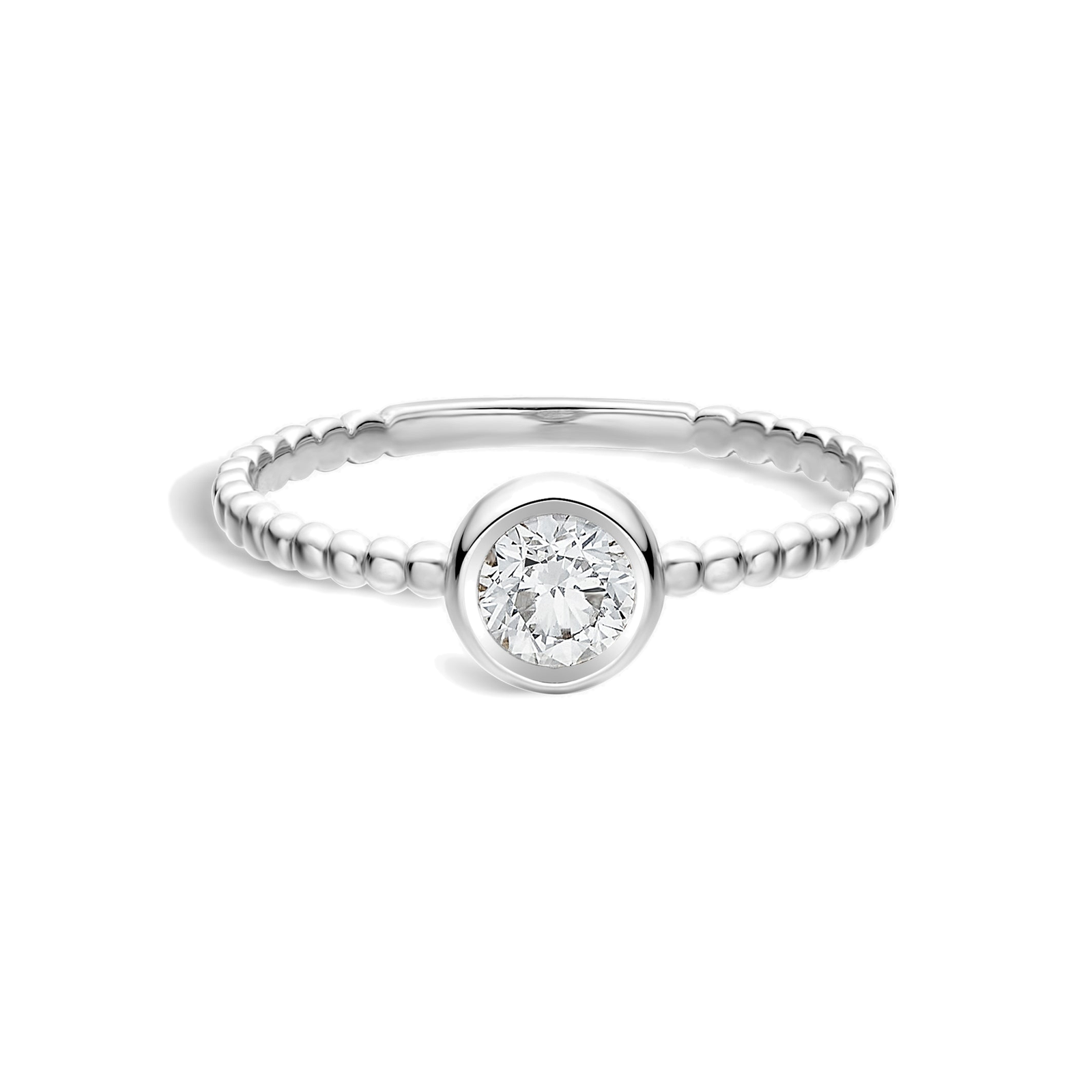
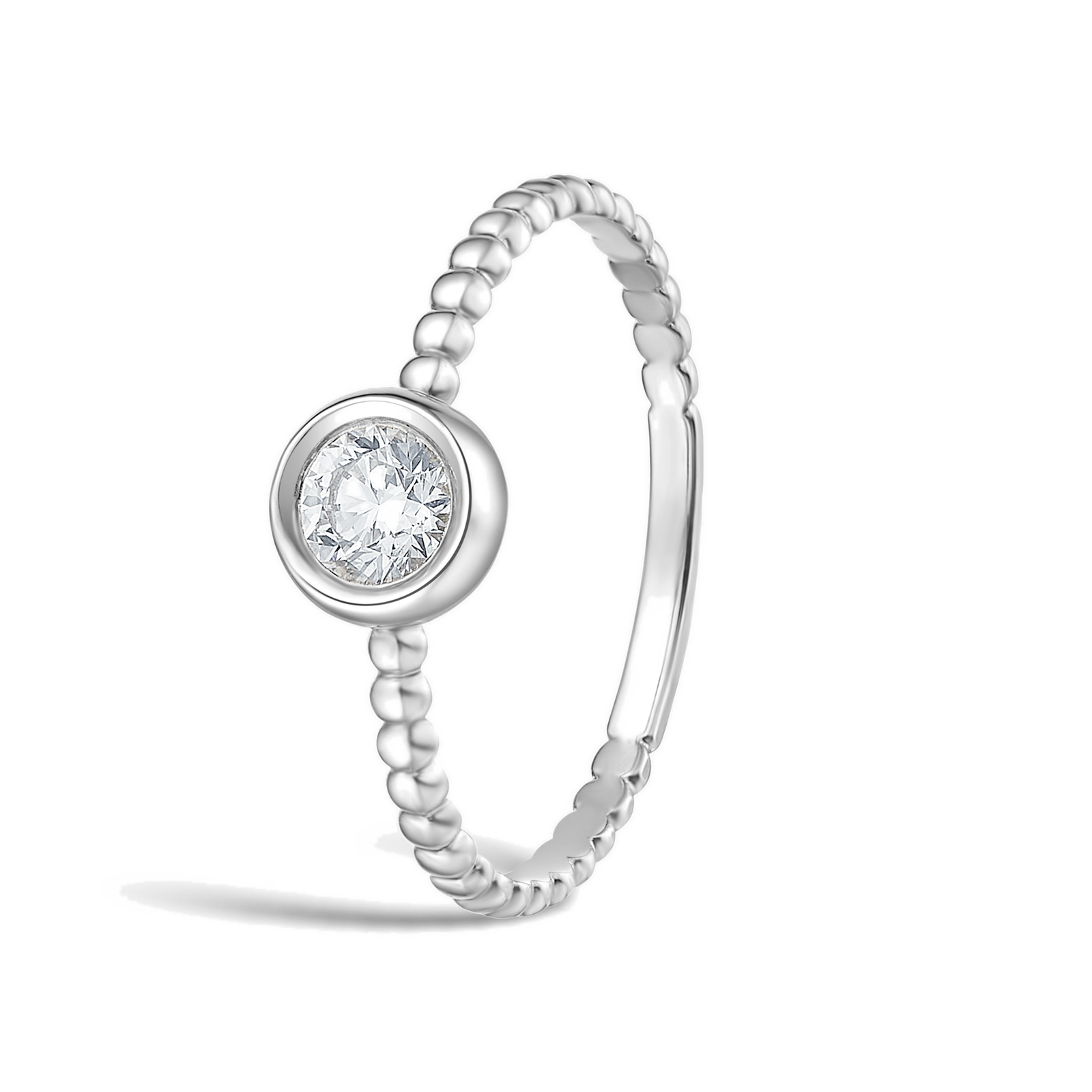

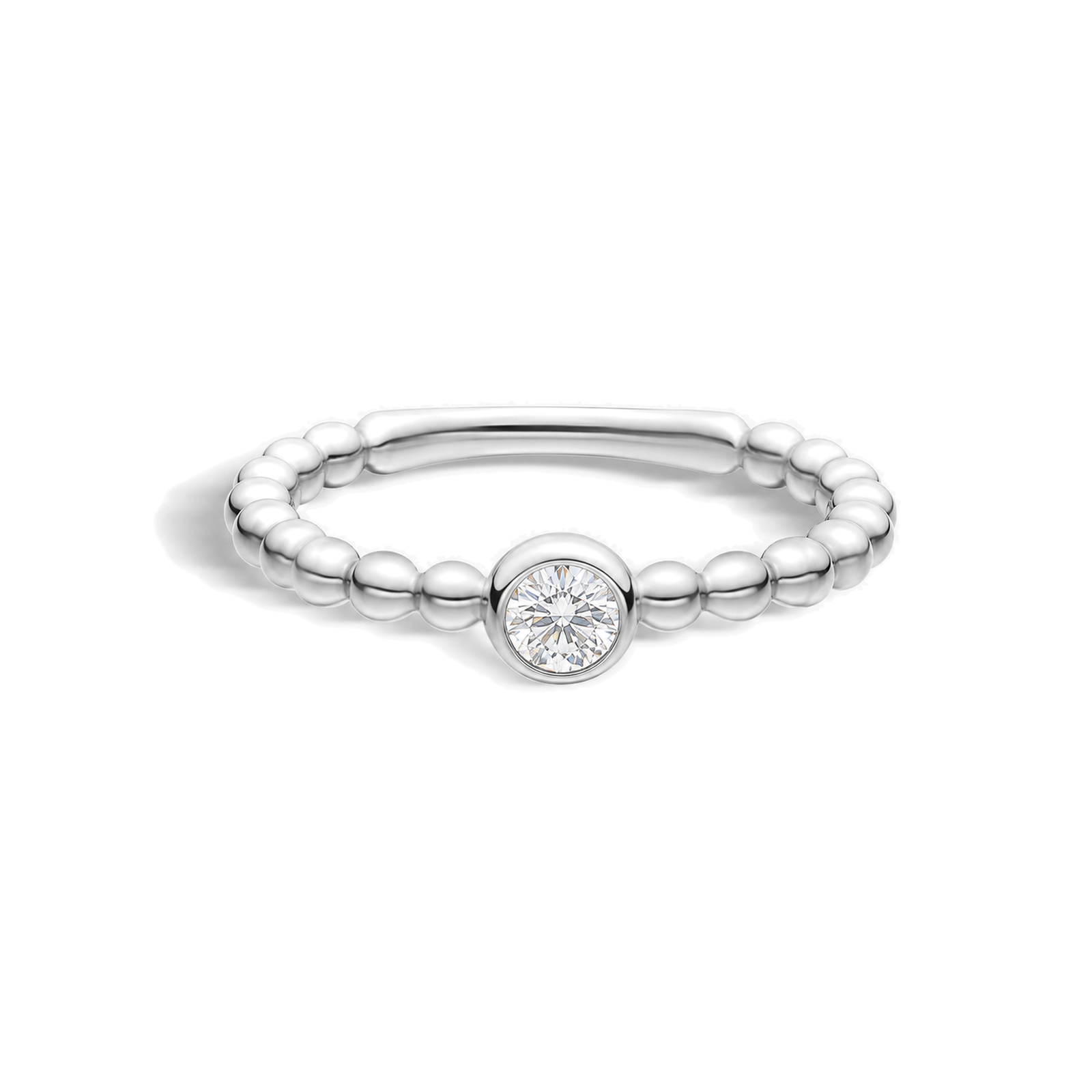


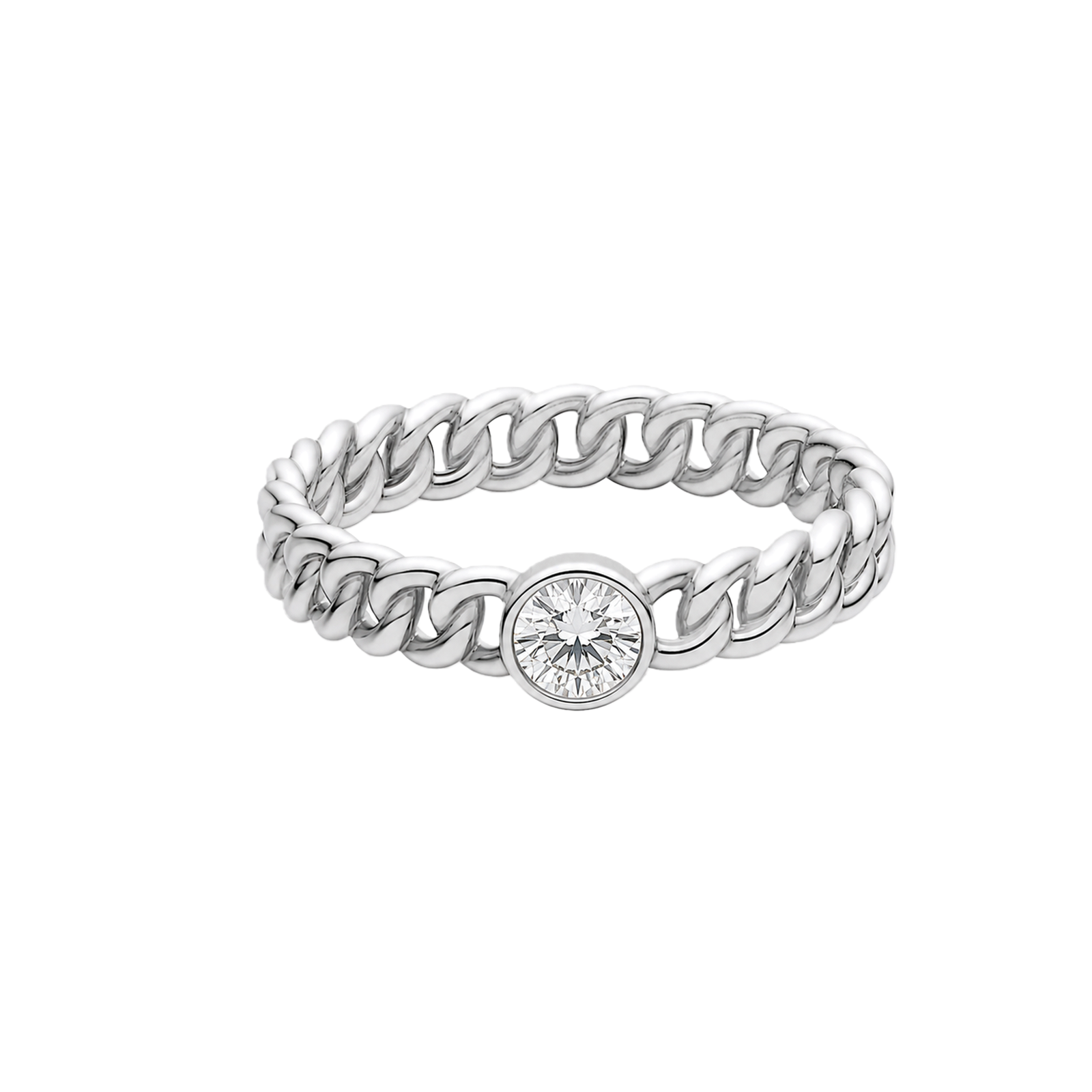
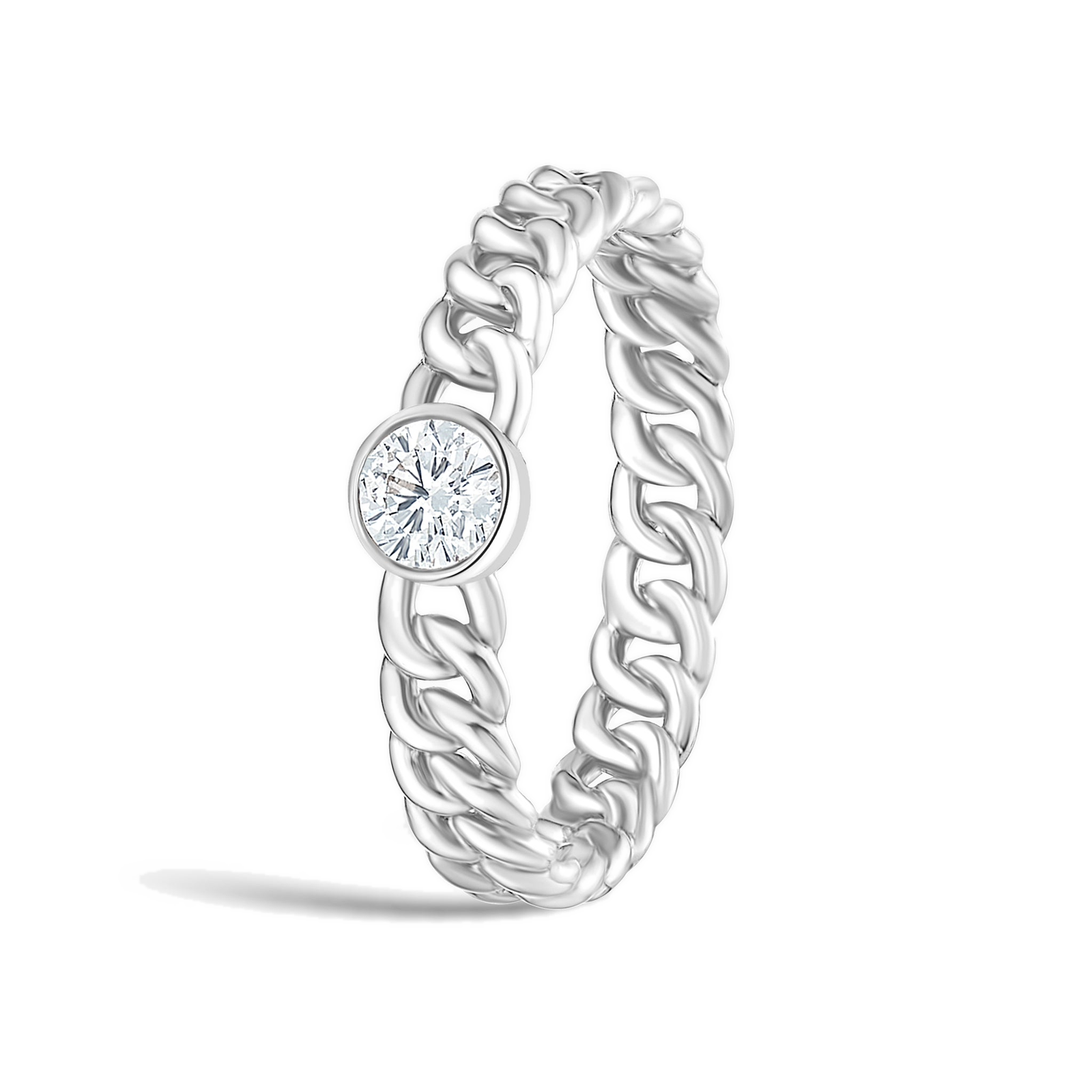

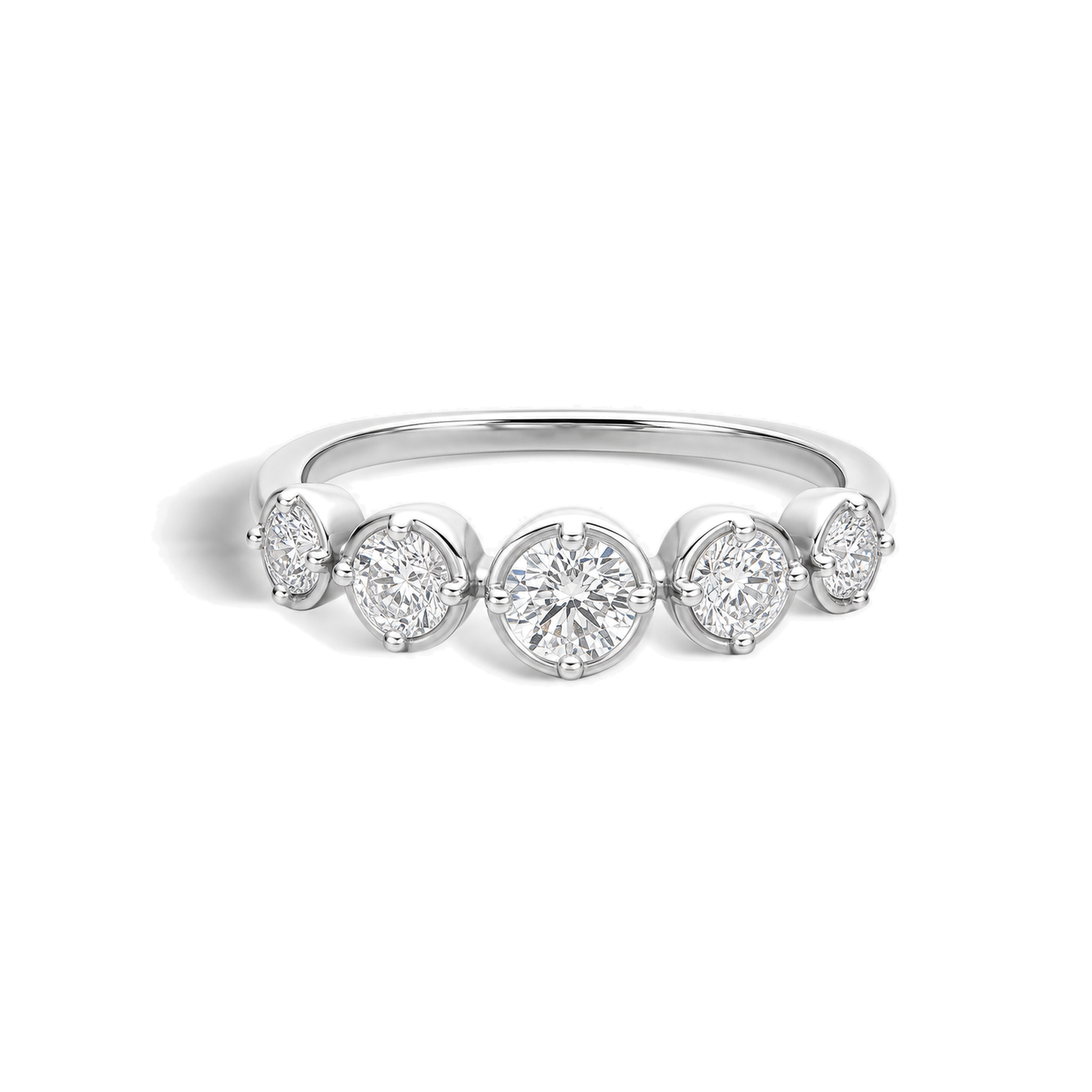


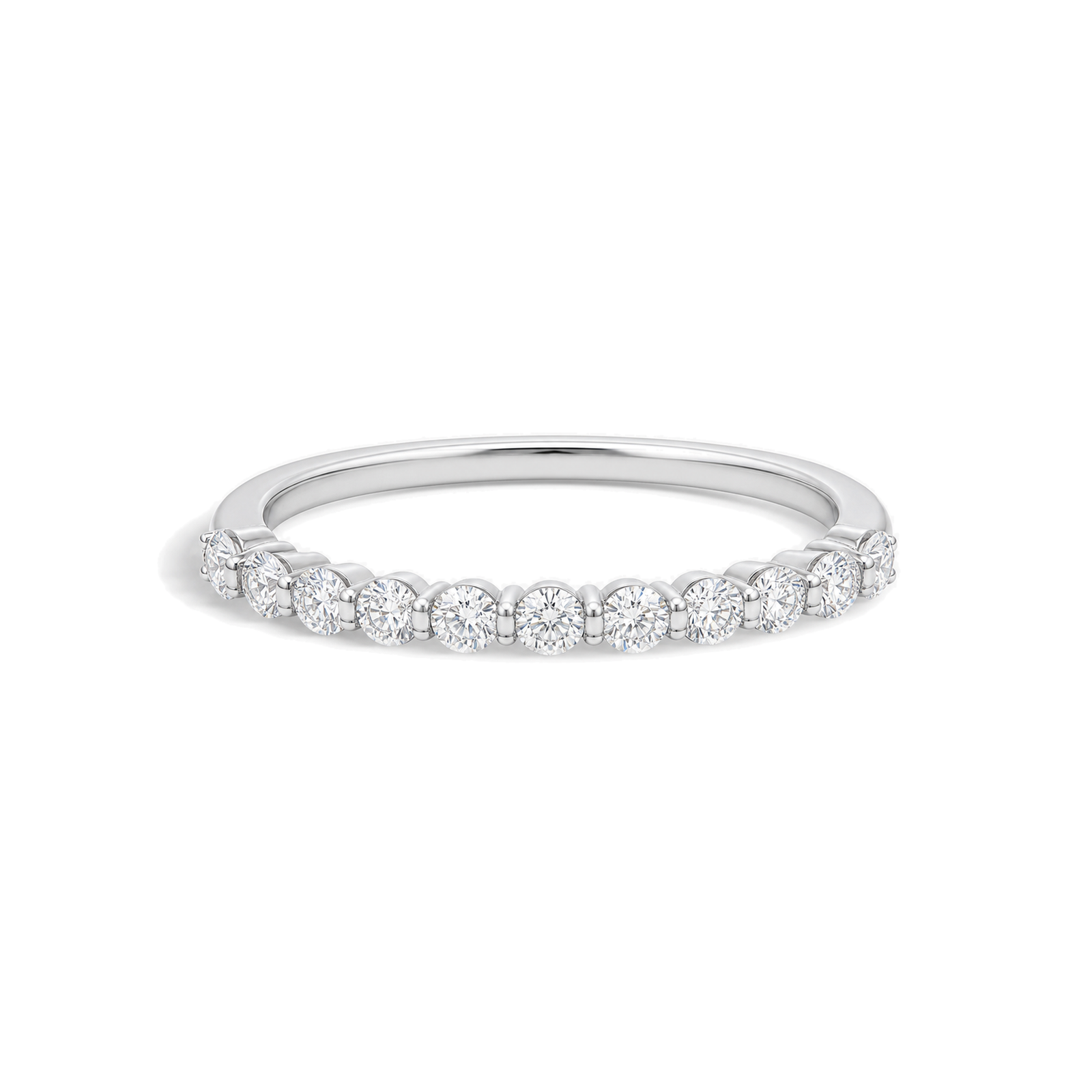
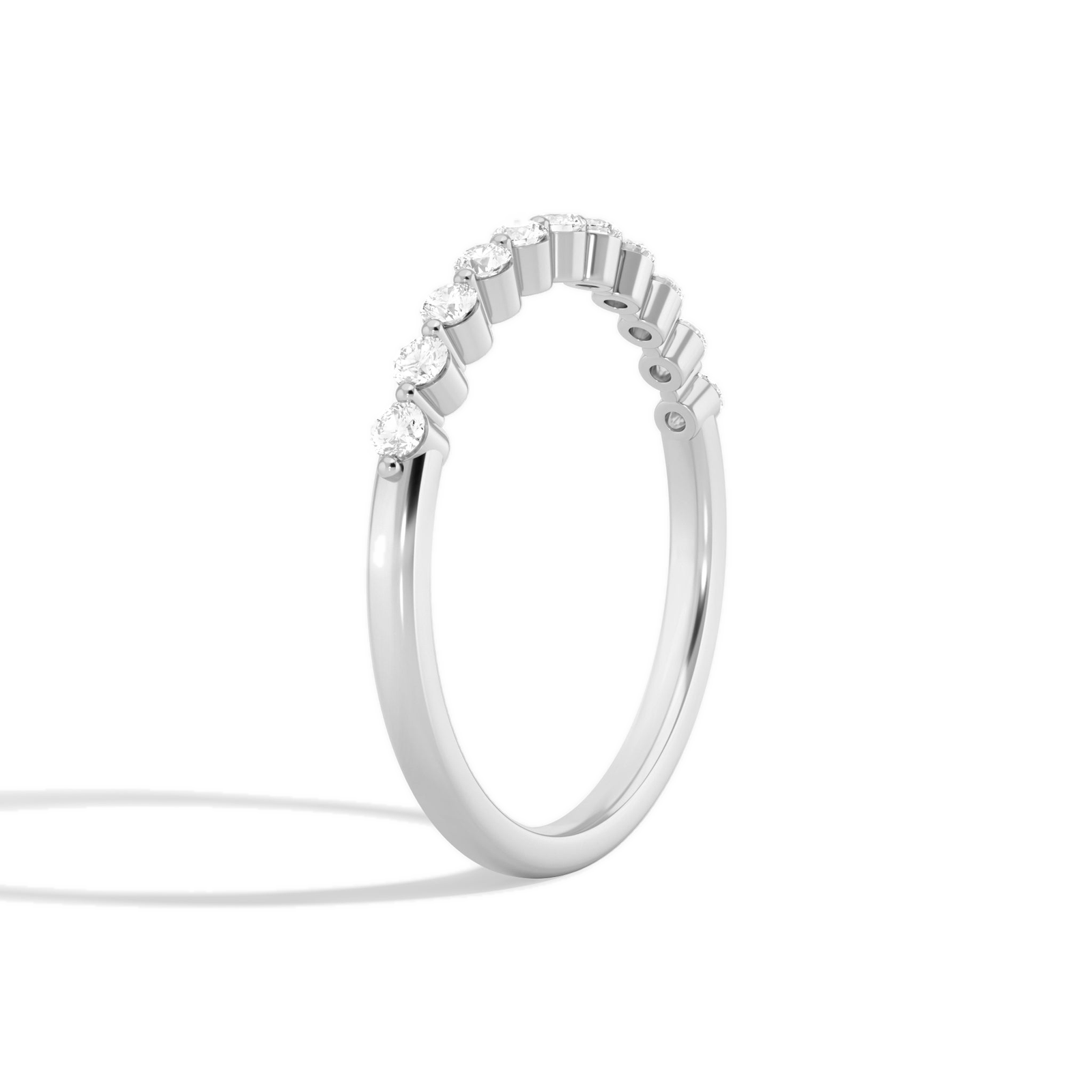

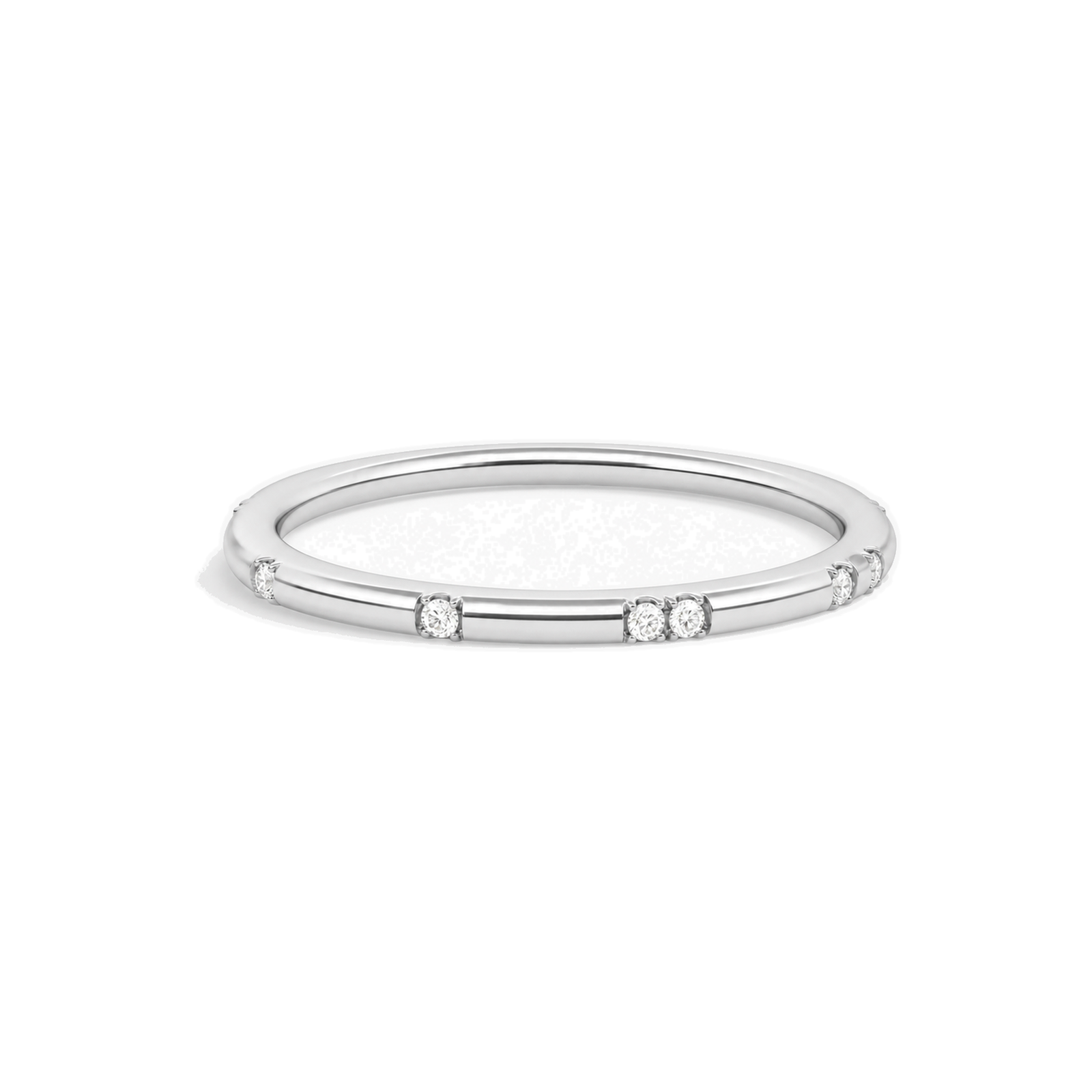


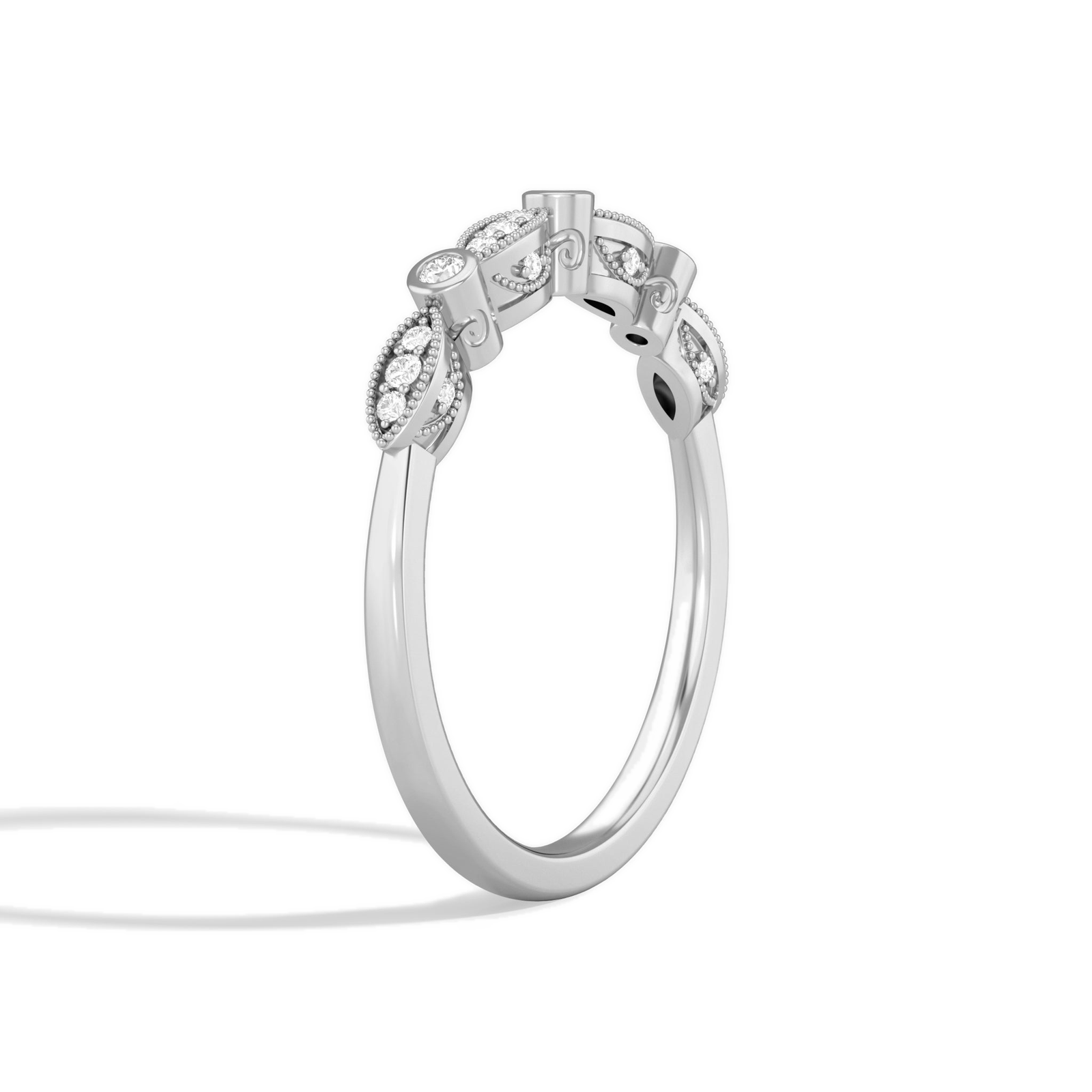

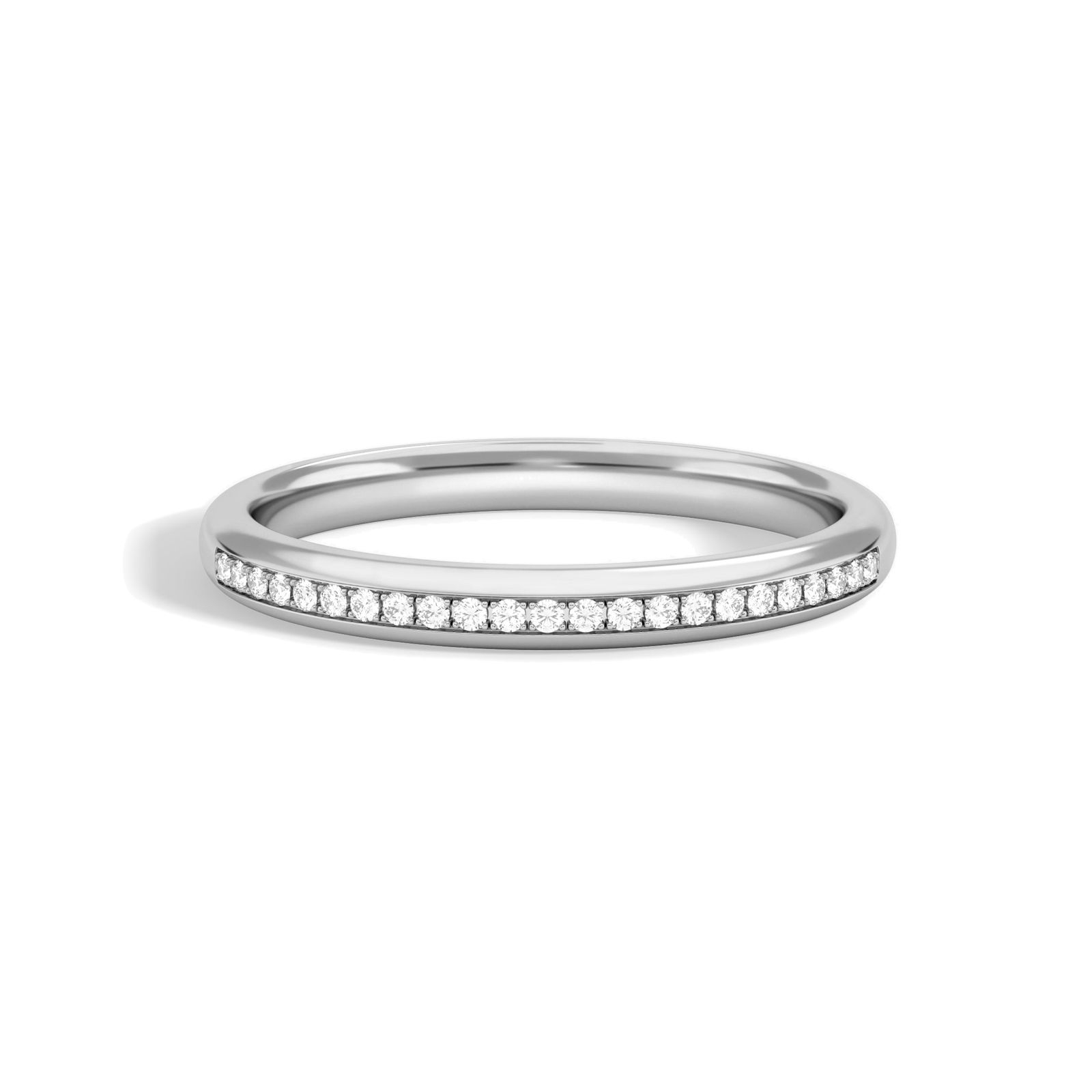


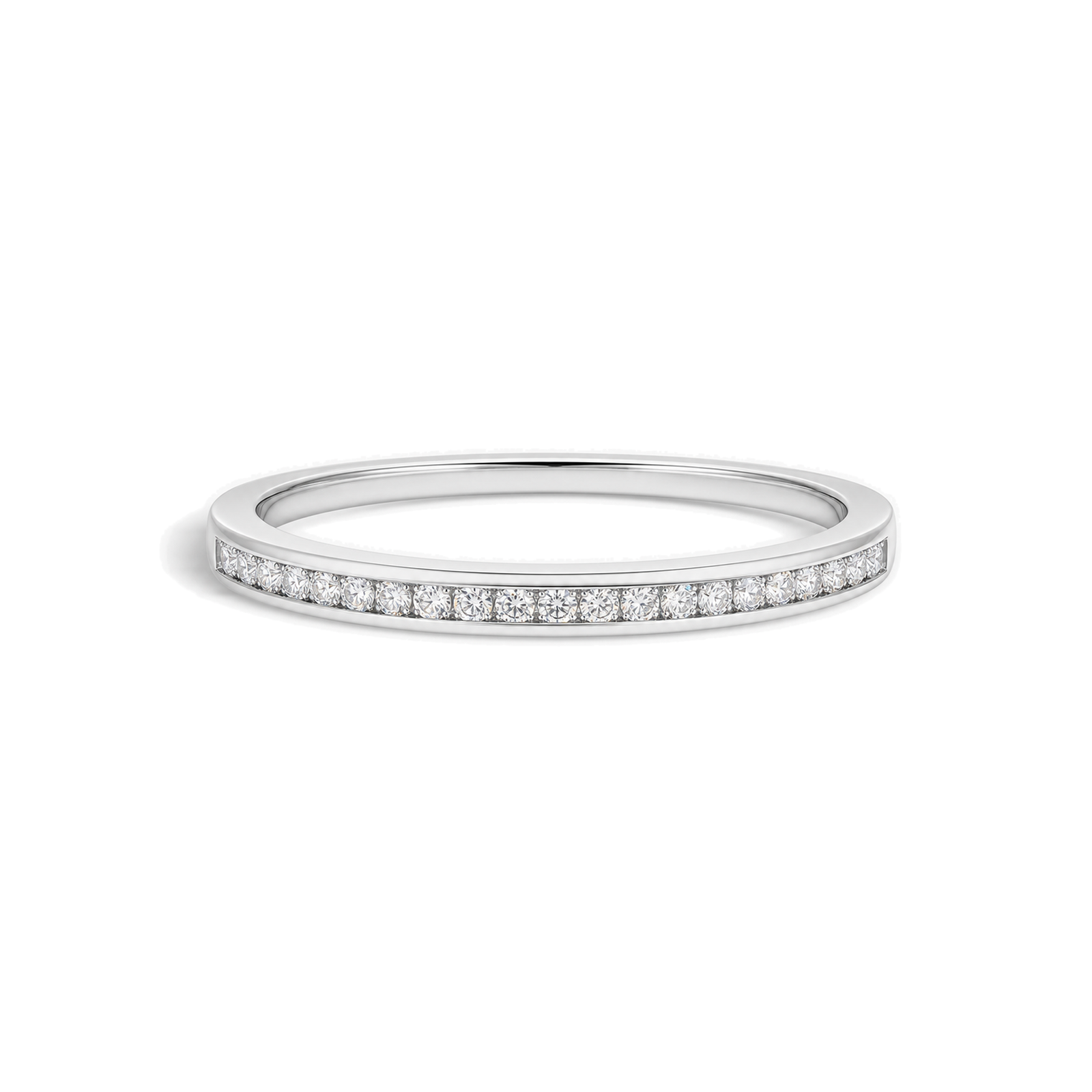
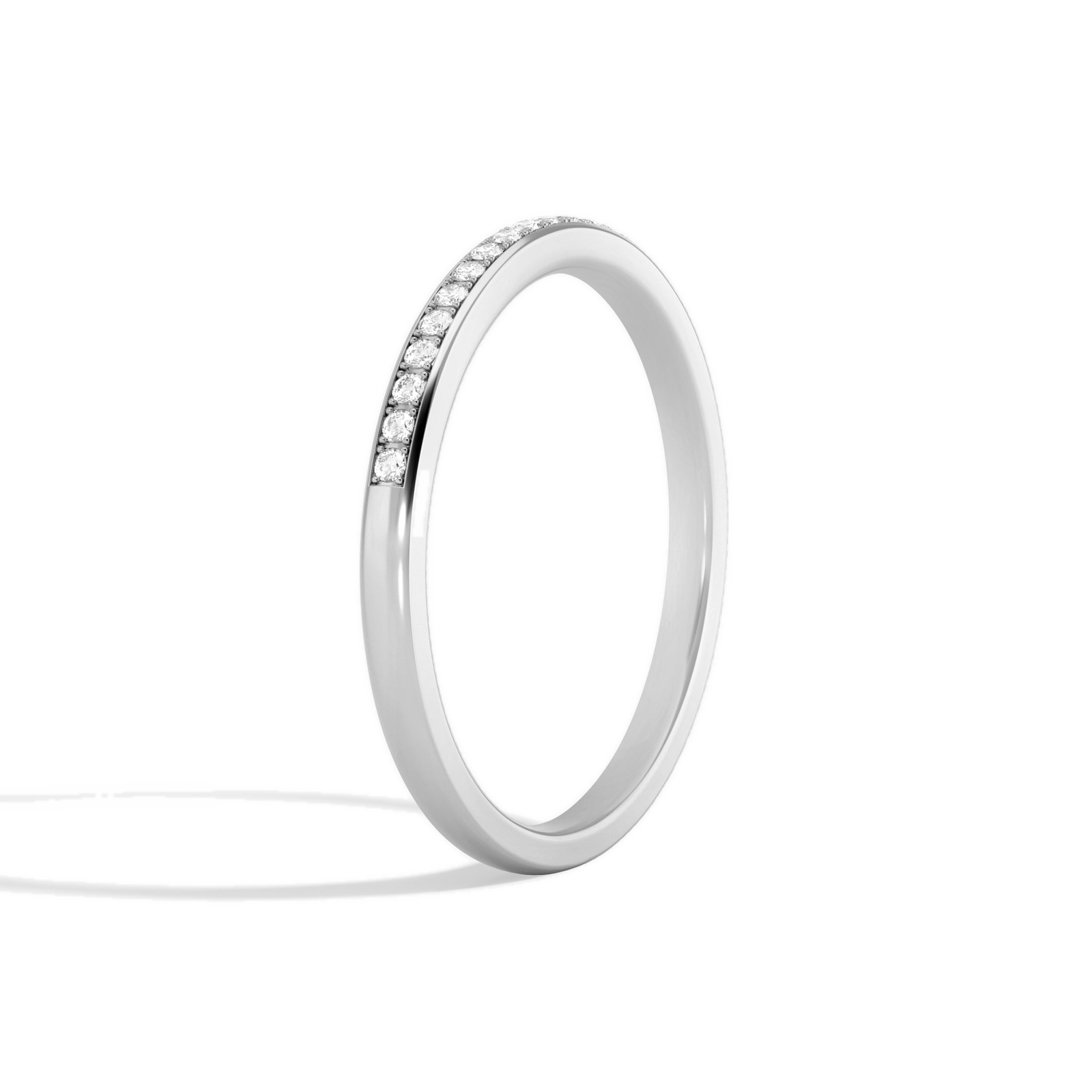

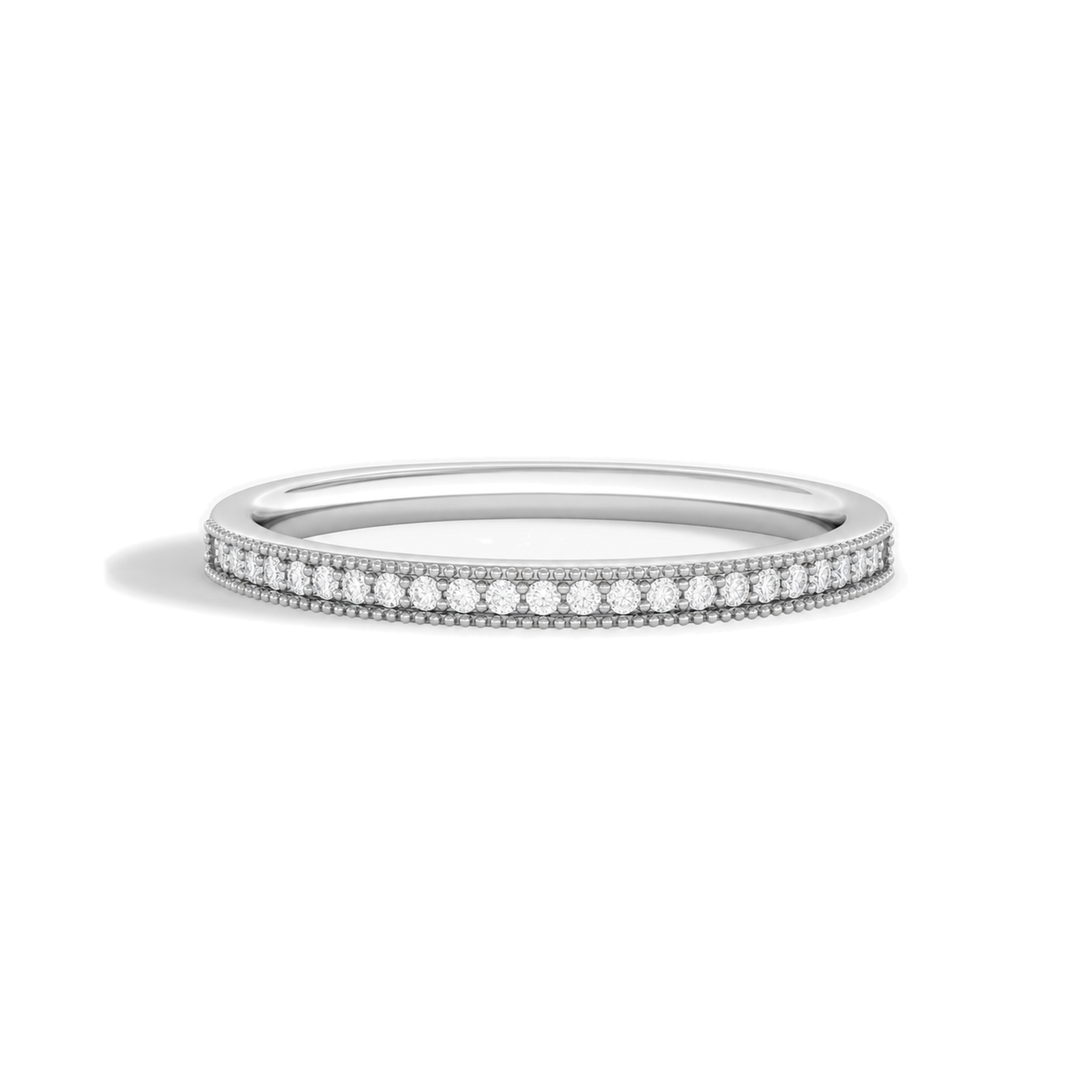
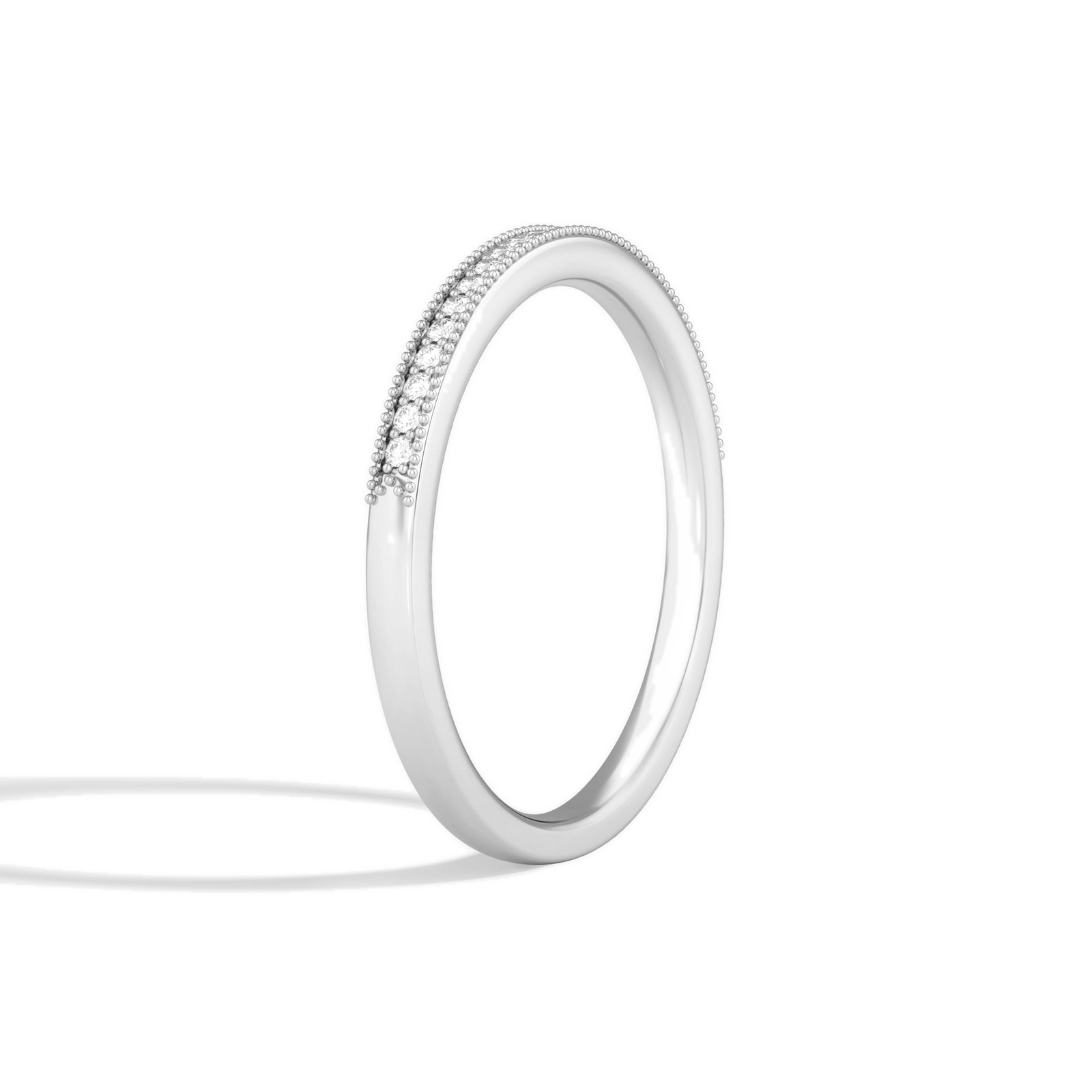

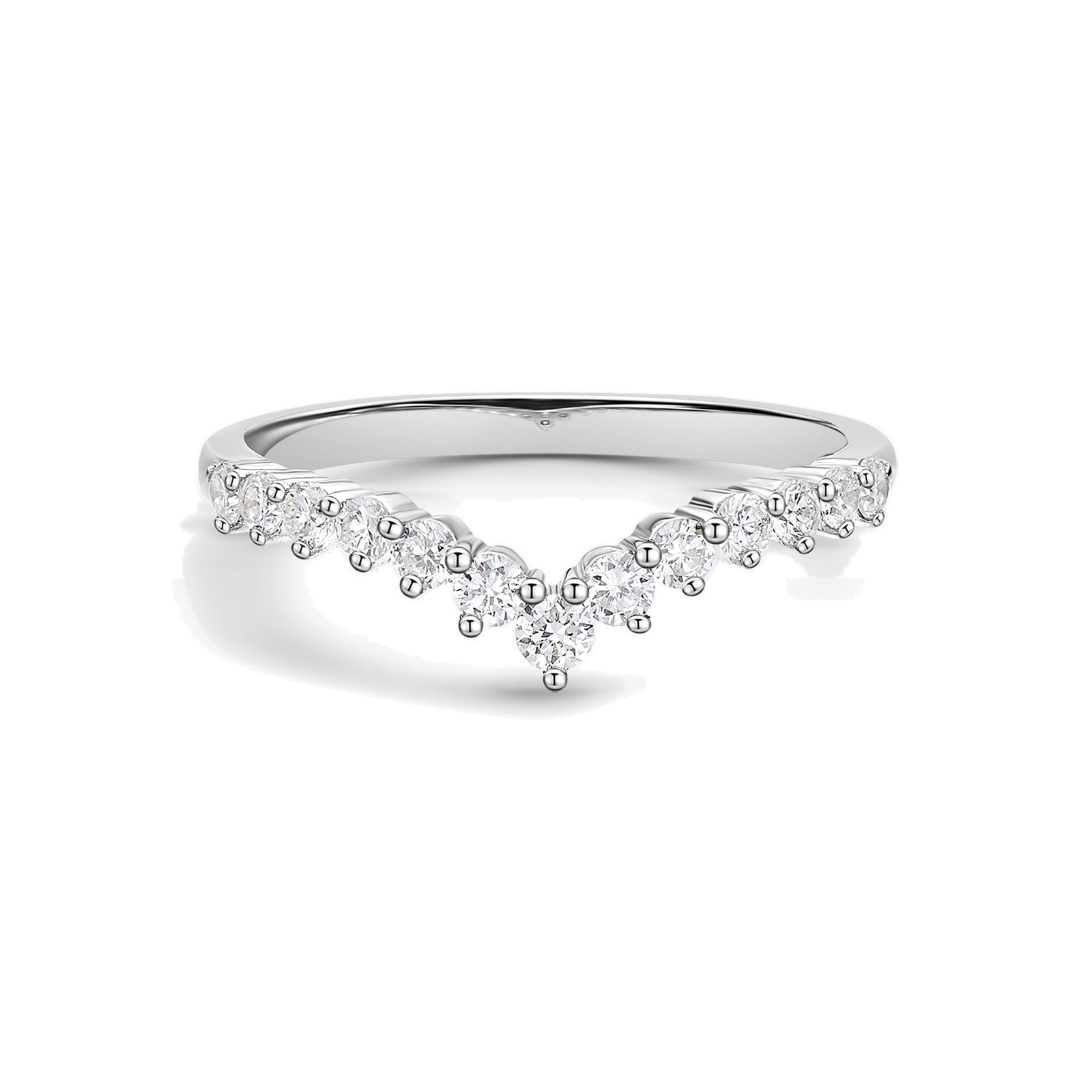
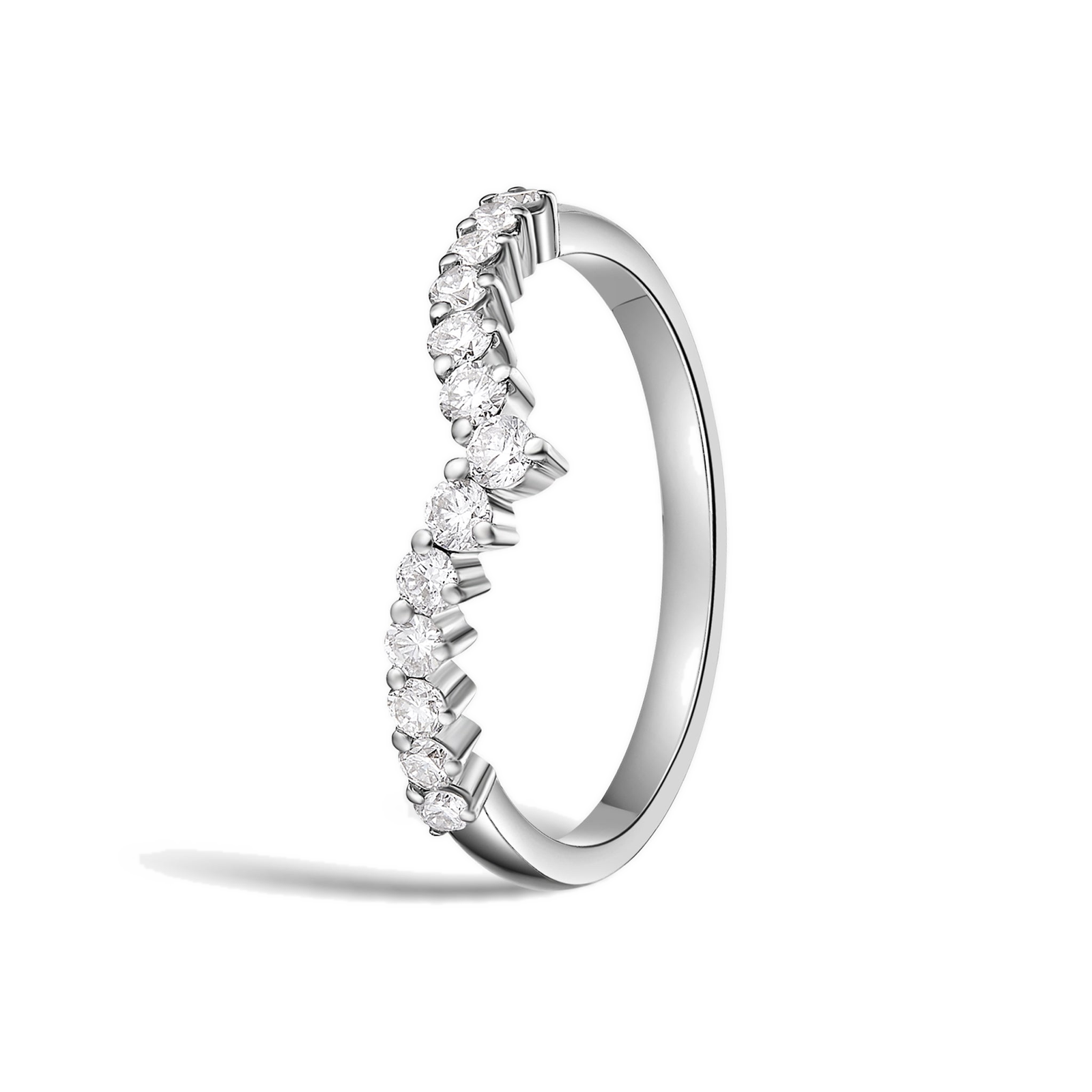

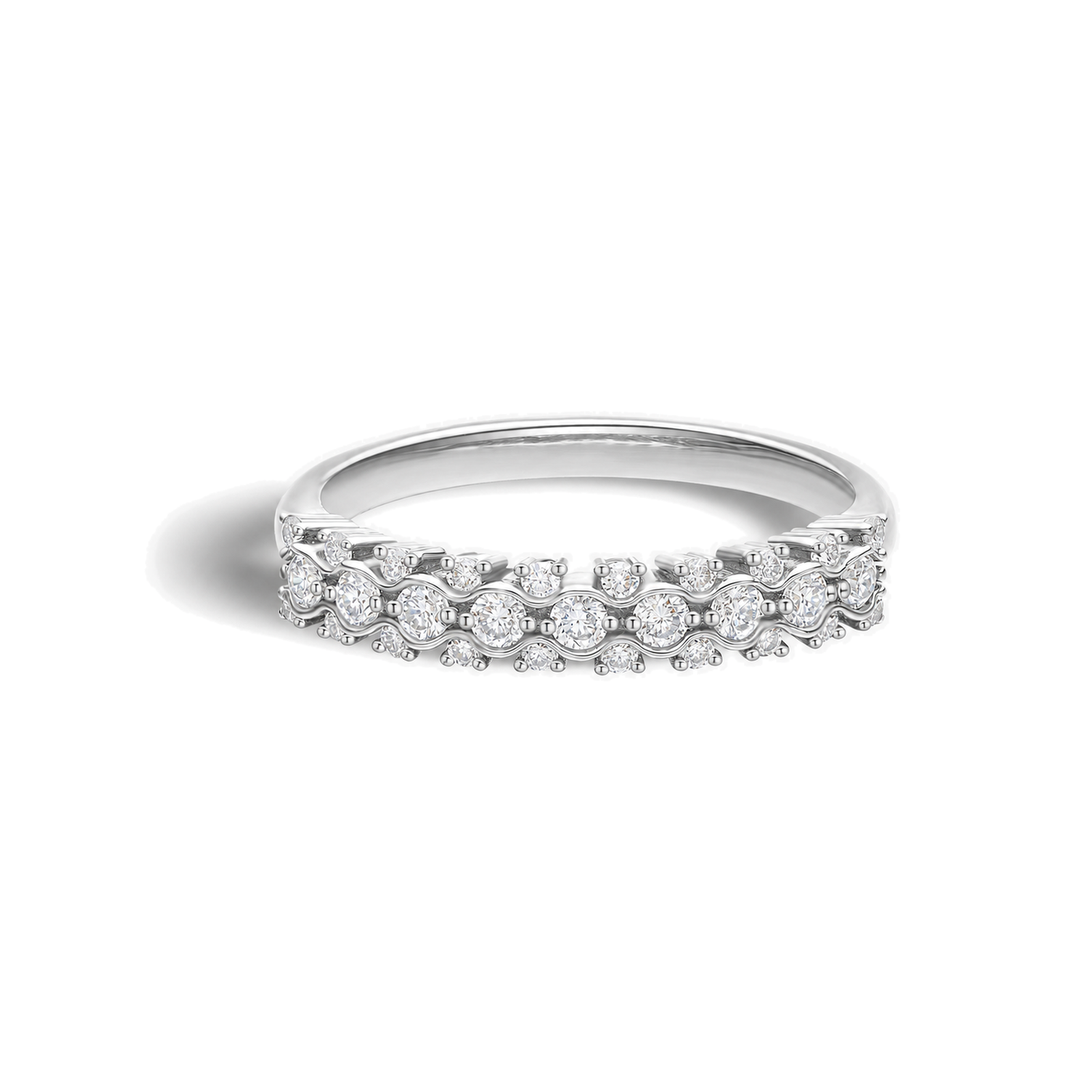







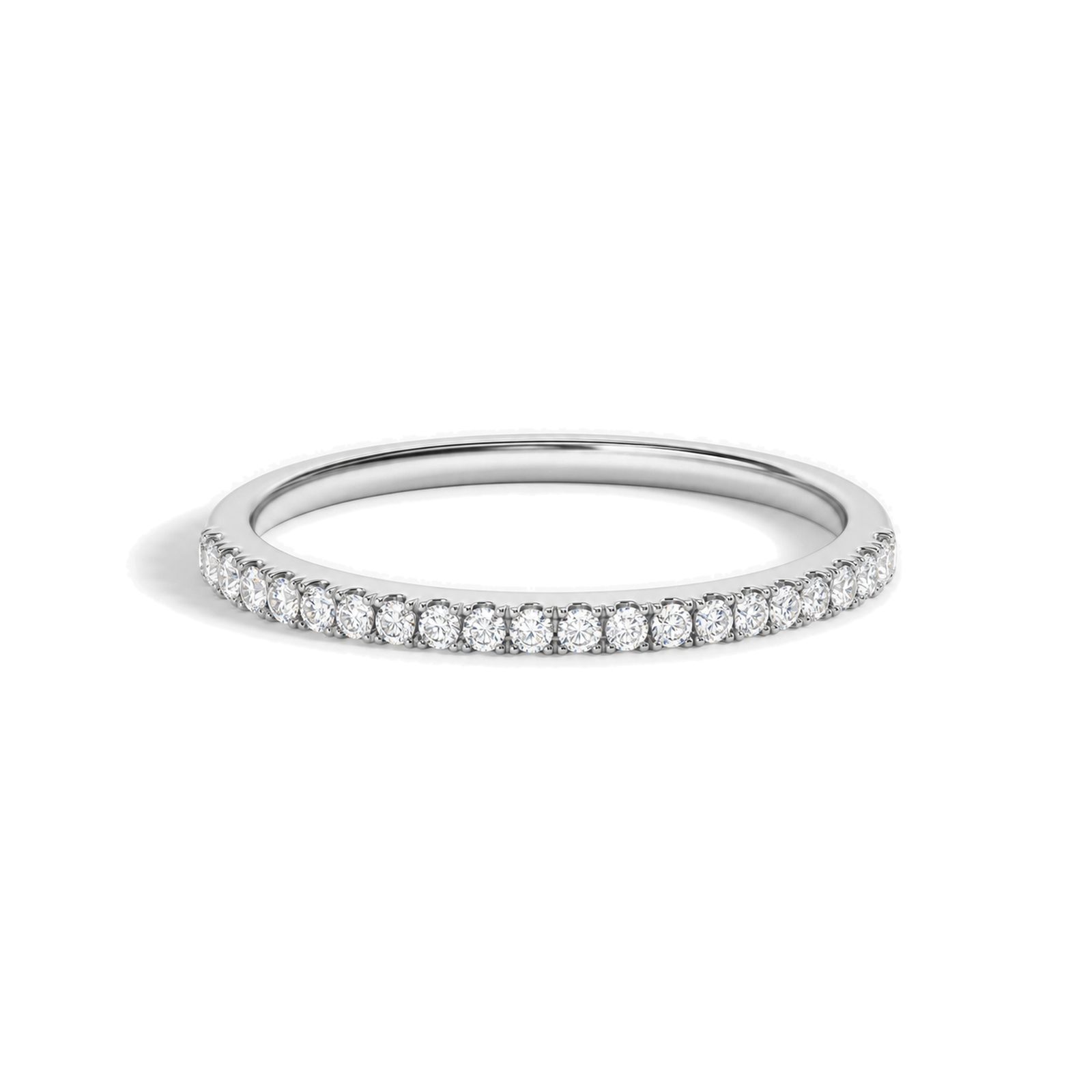
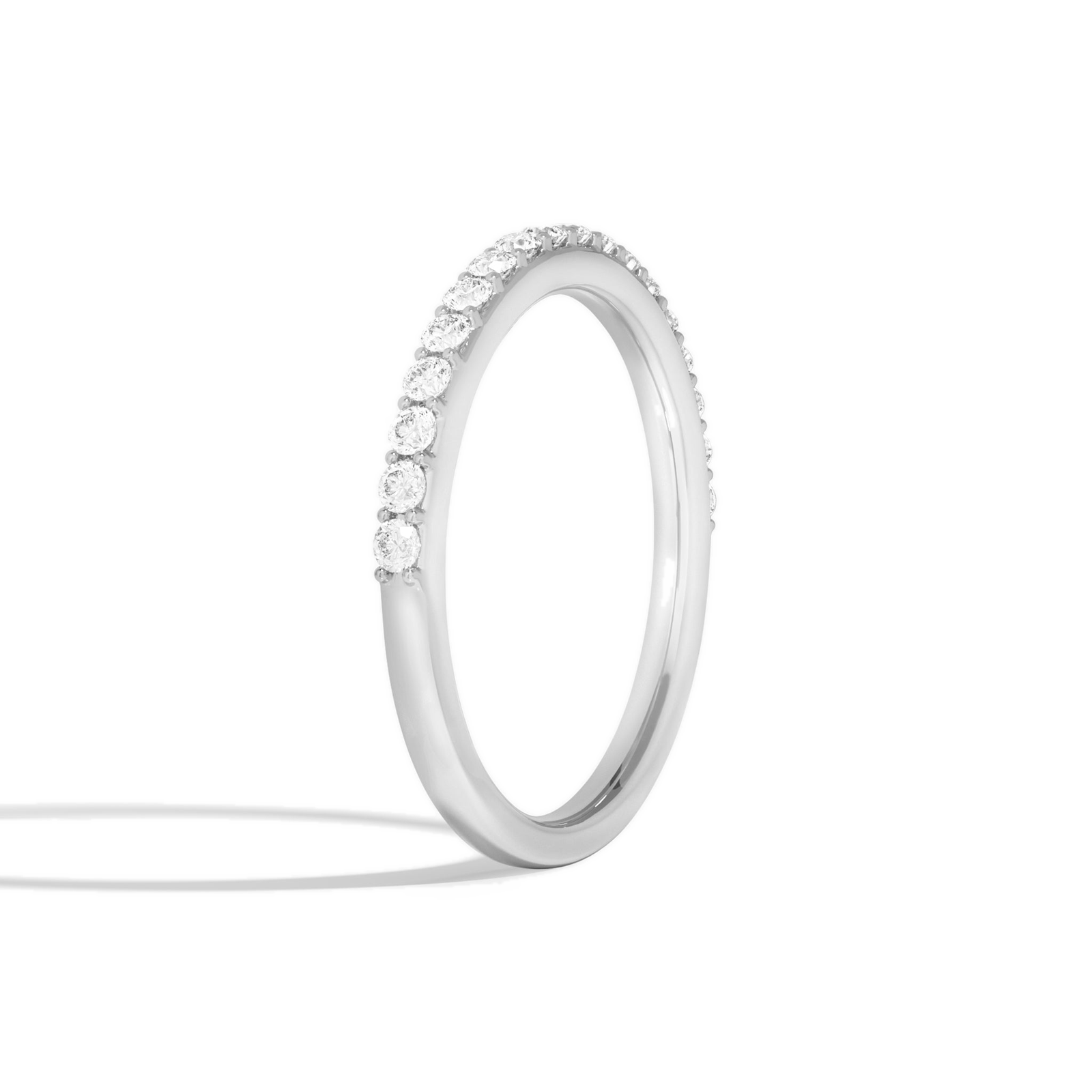


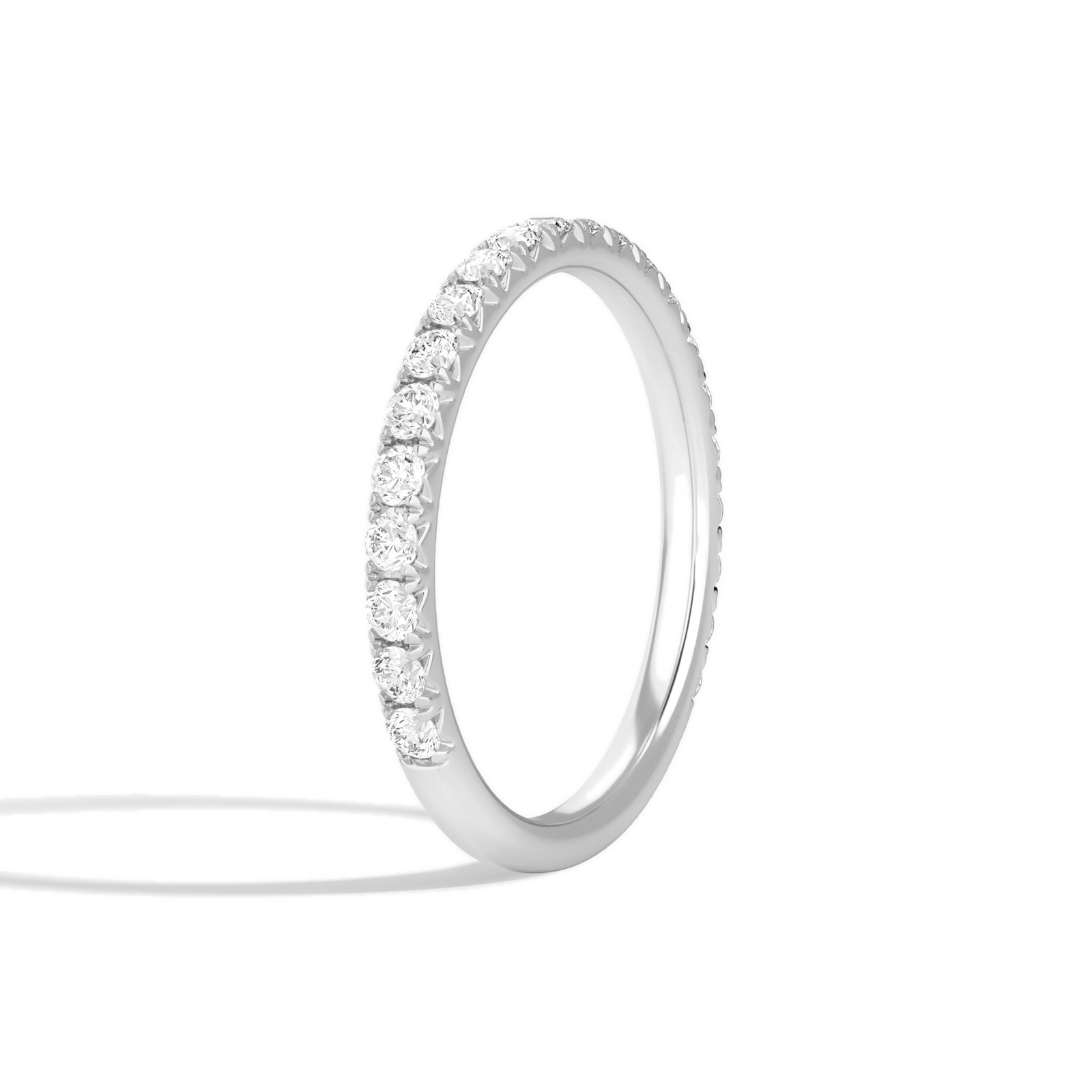

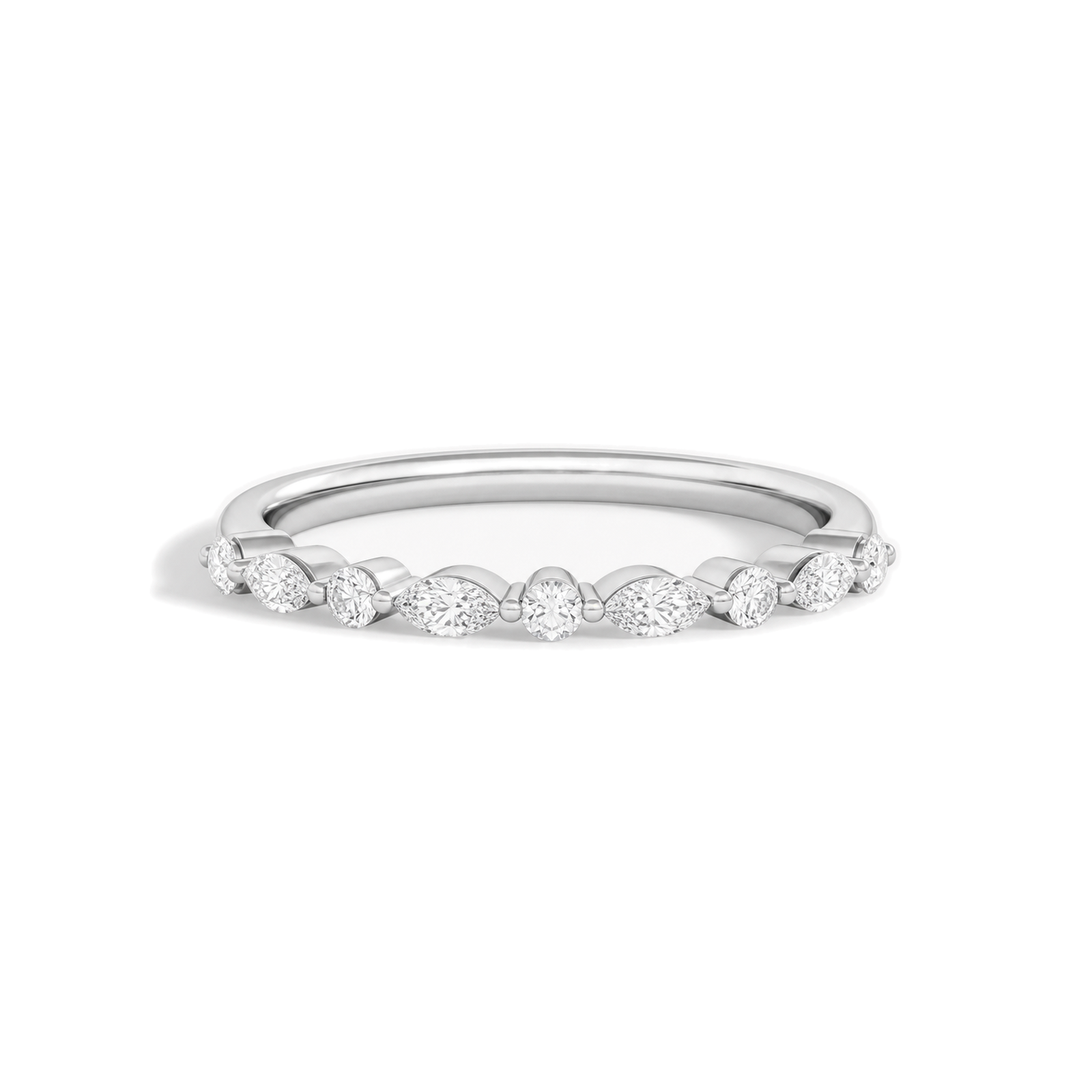
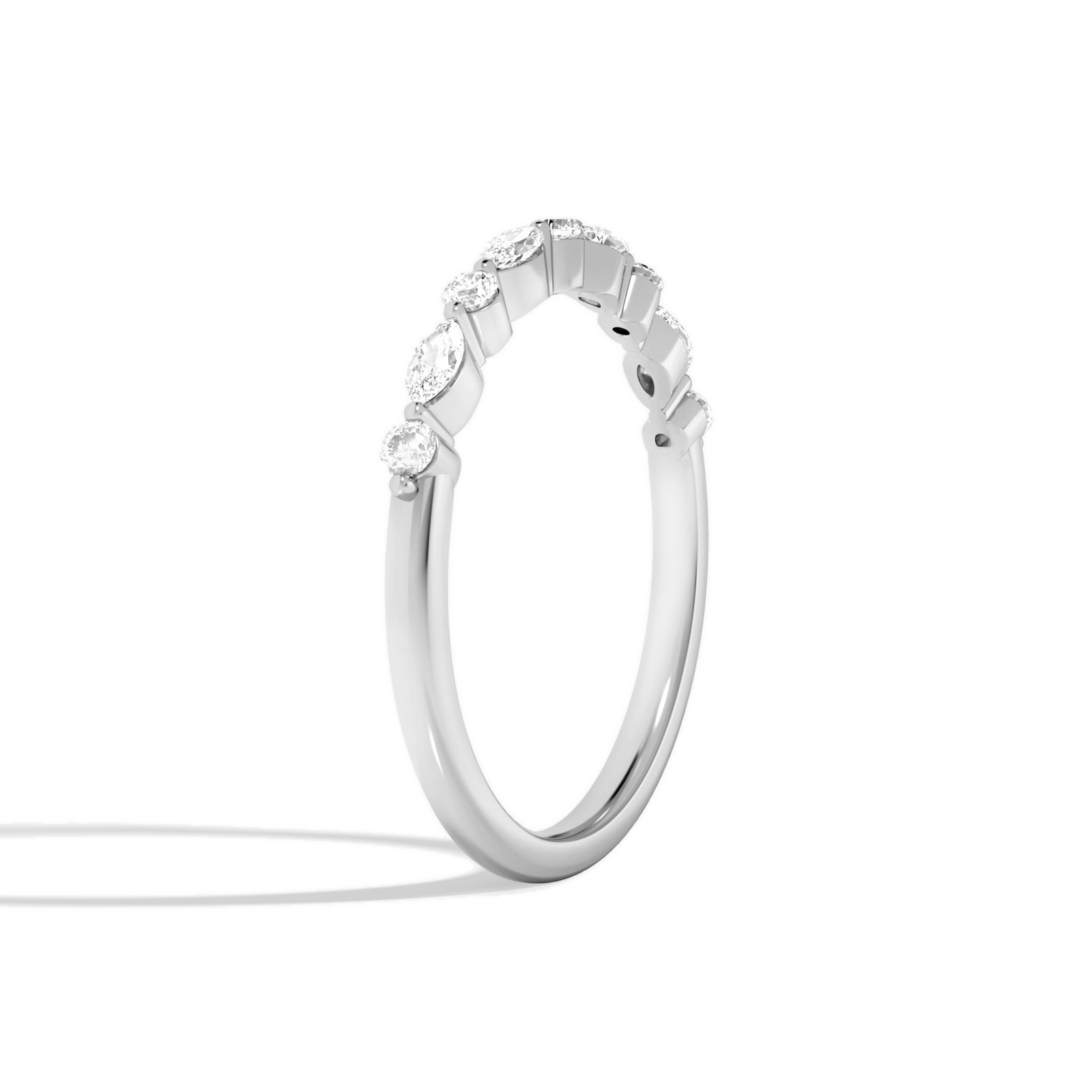

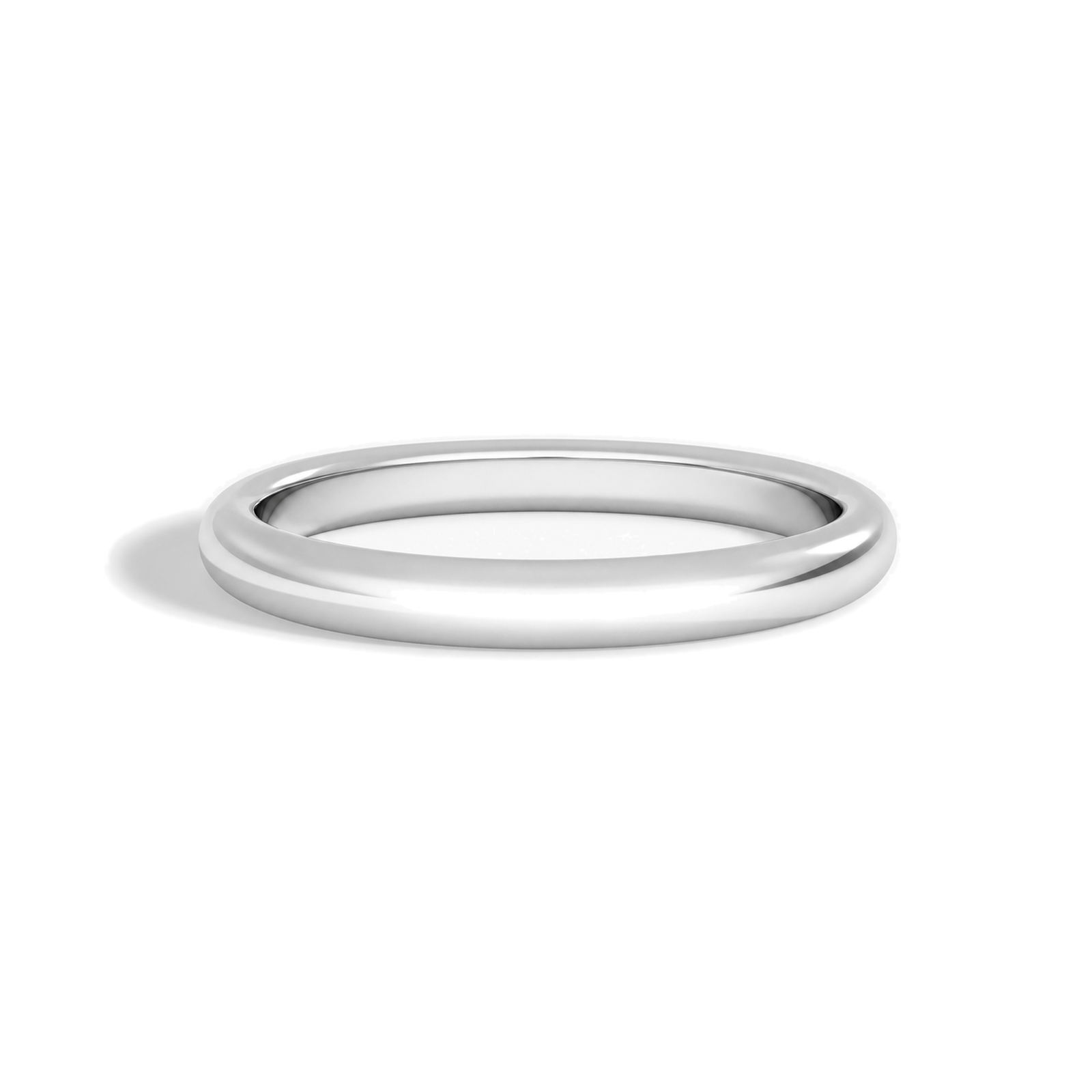
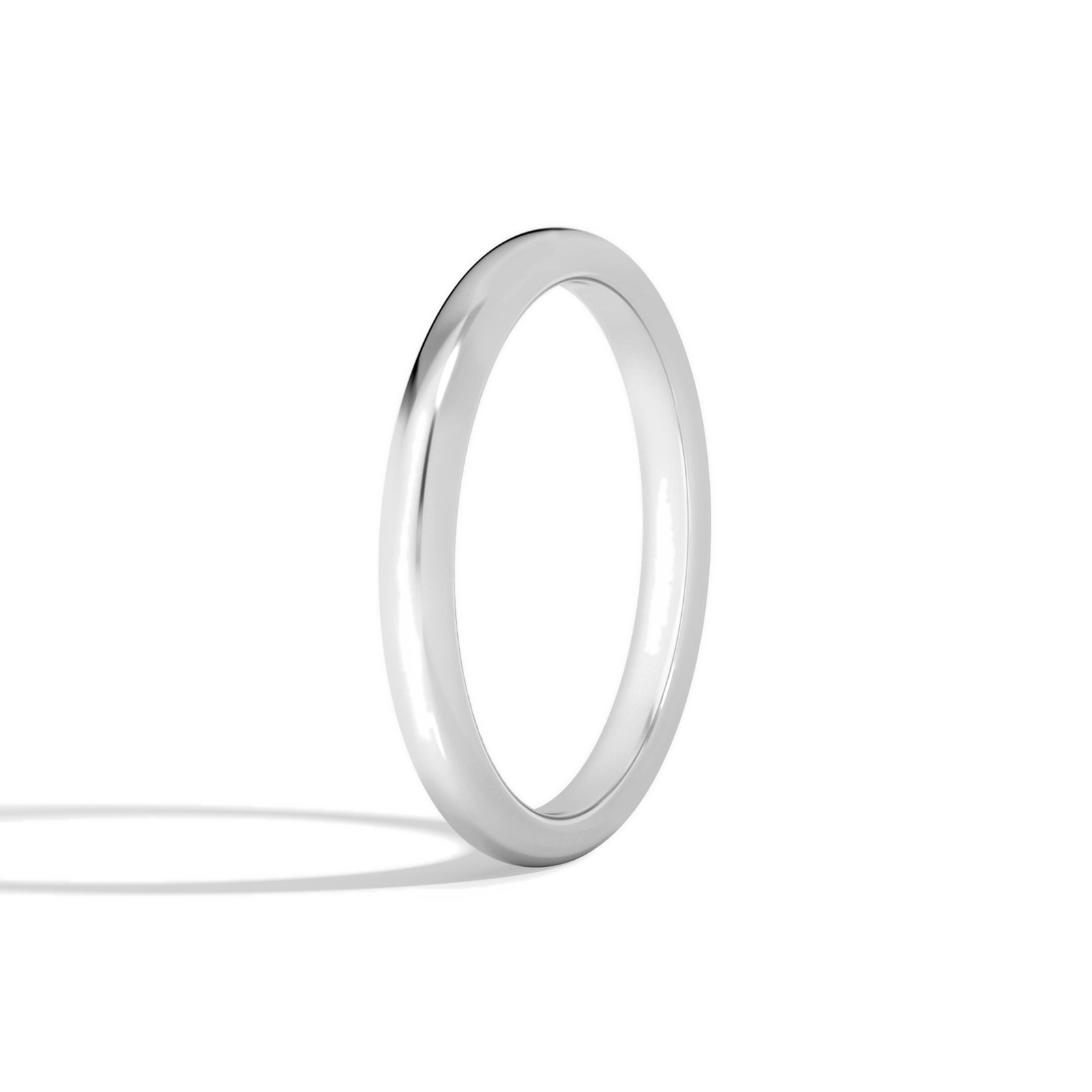

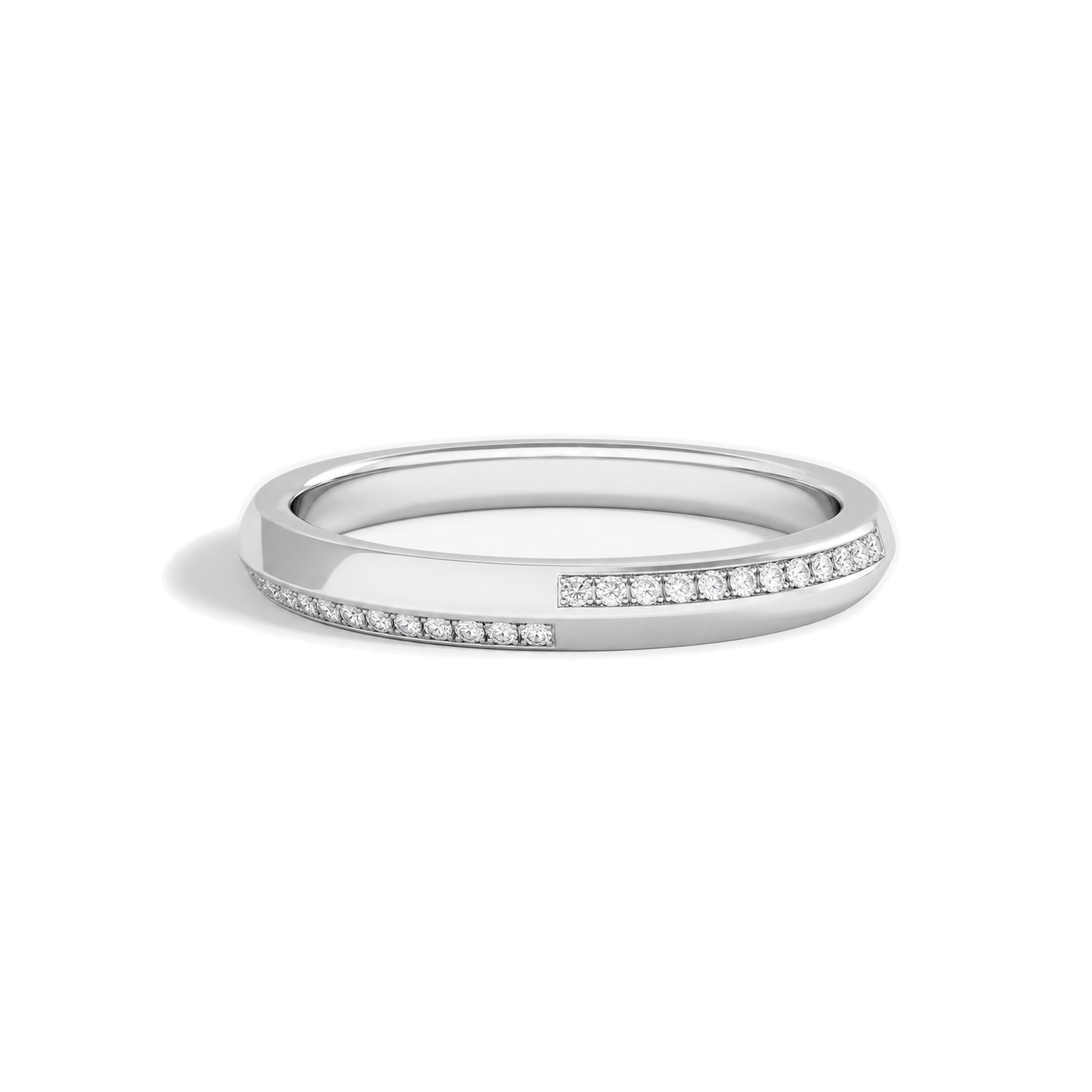


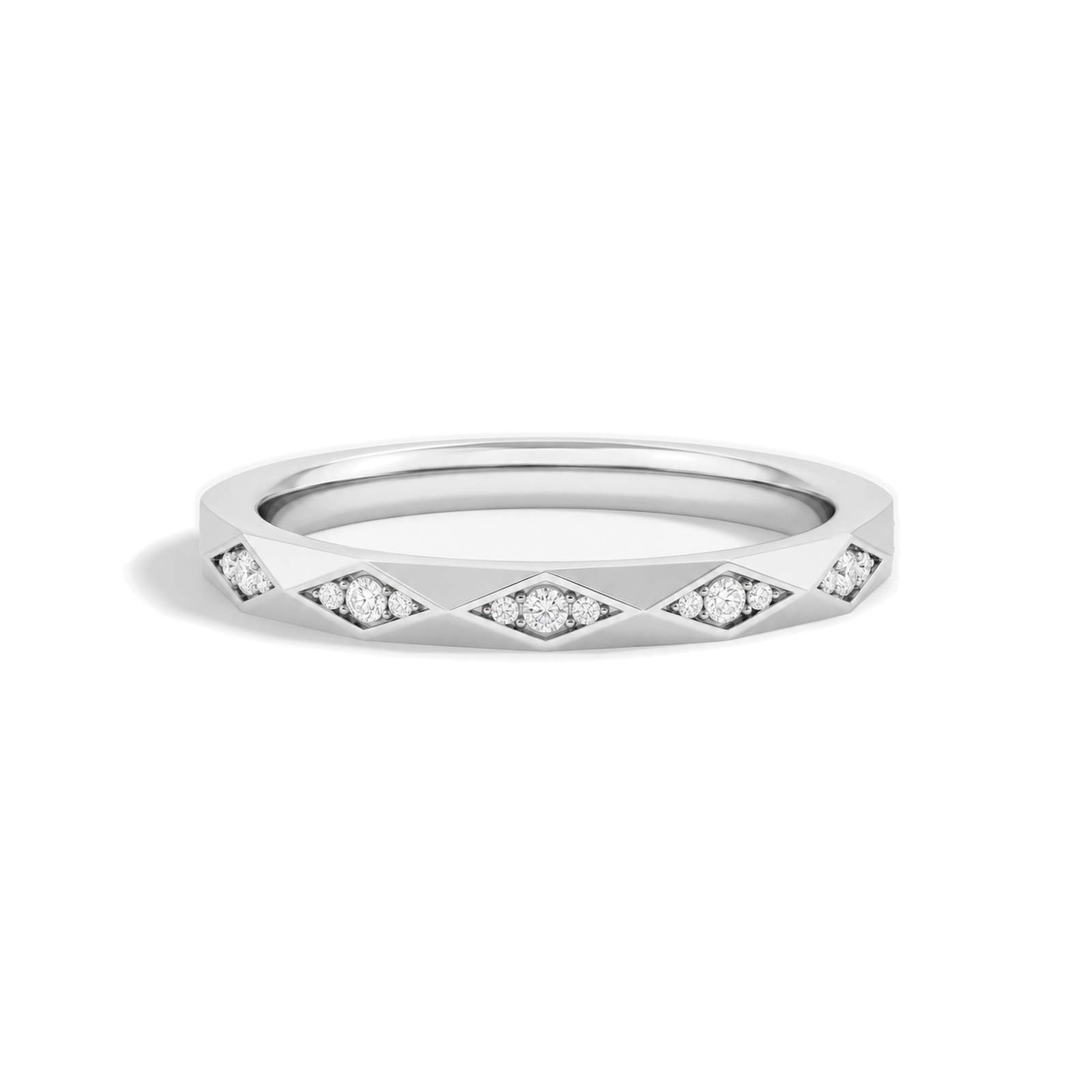


Platinum Fashion Rings: Architecture without Ceremony
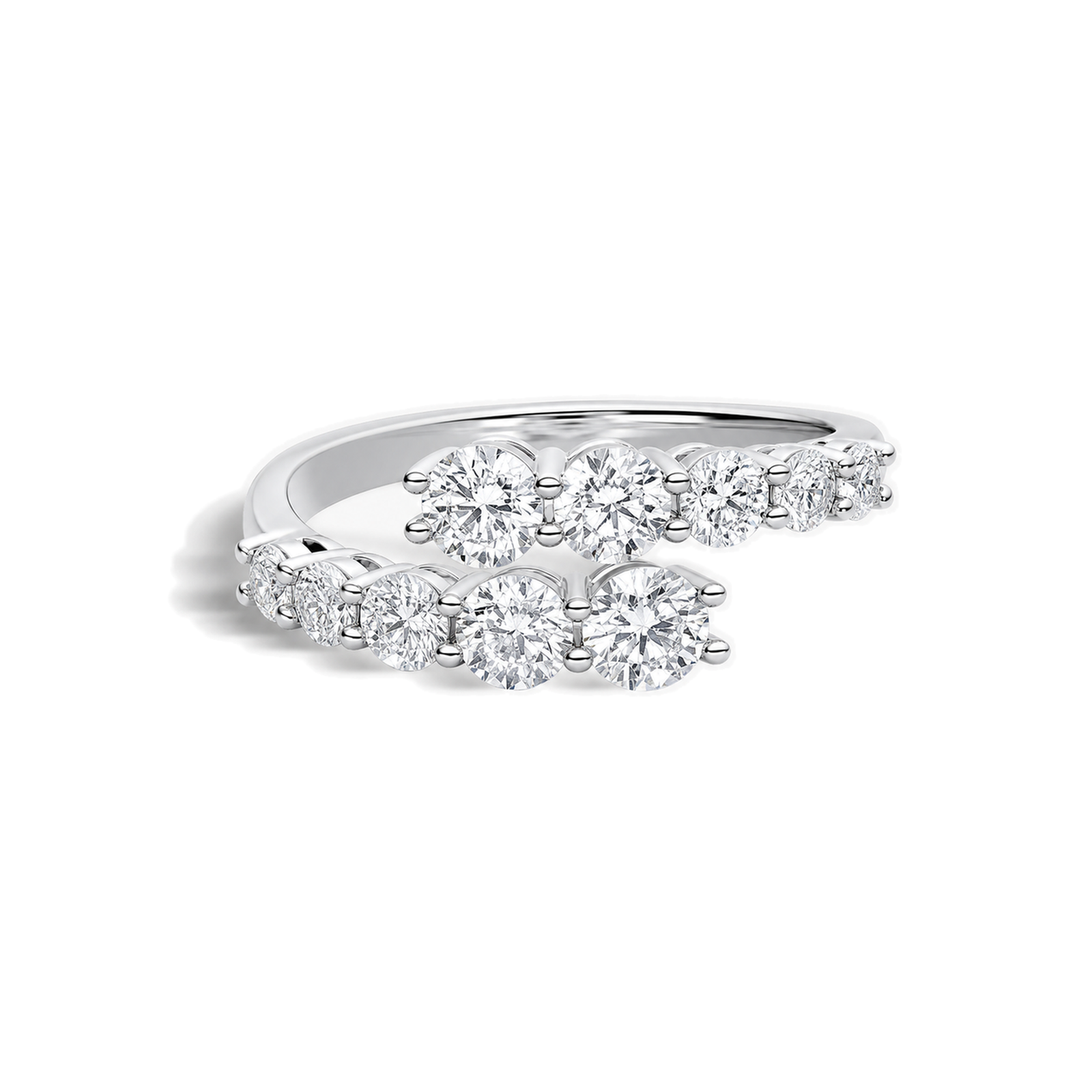
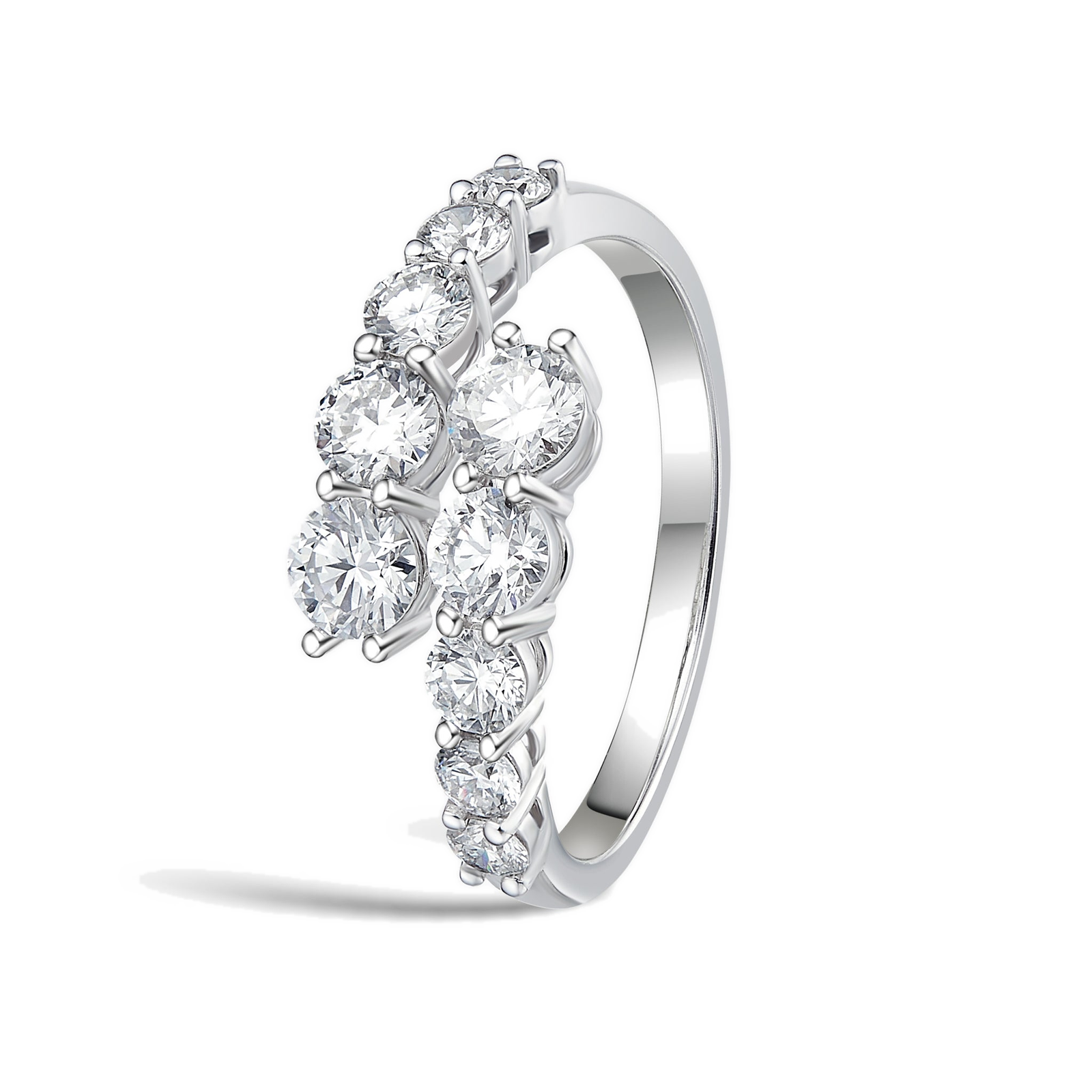
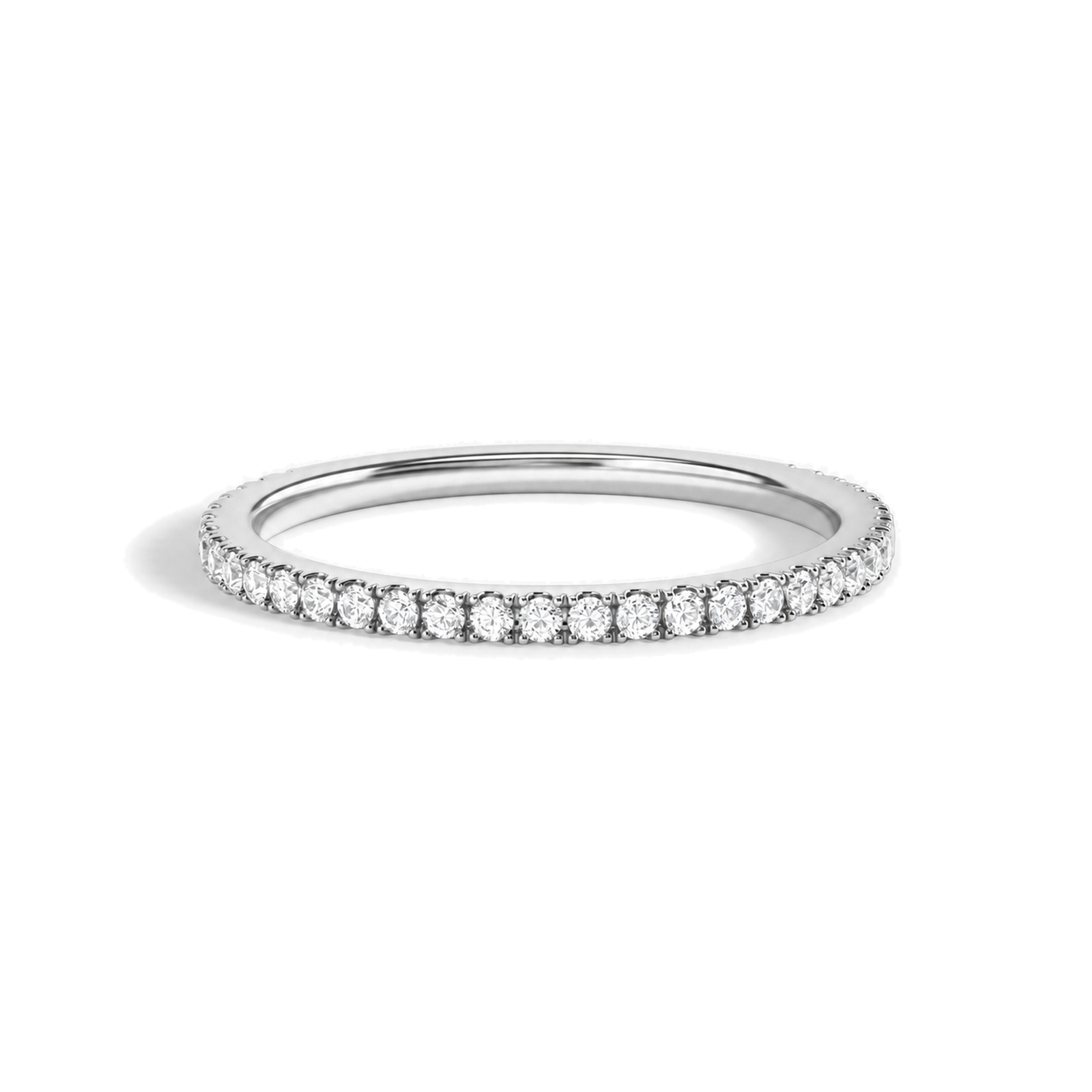
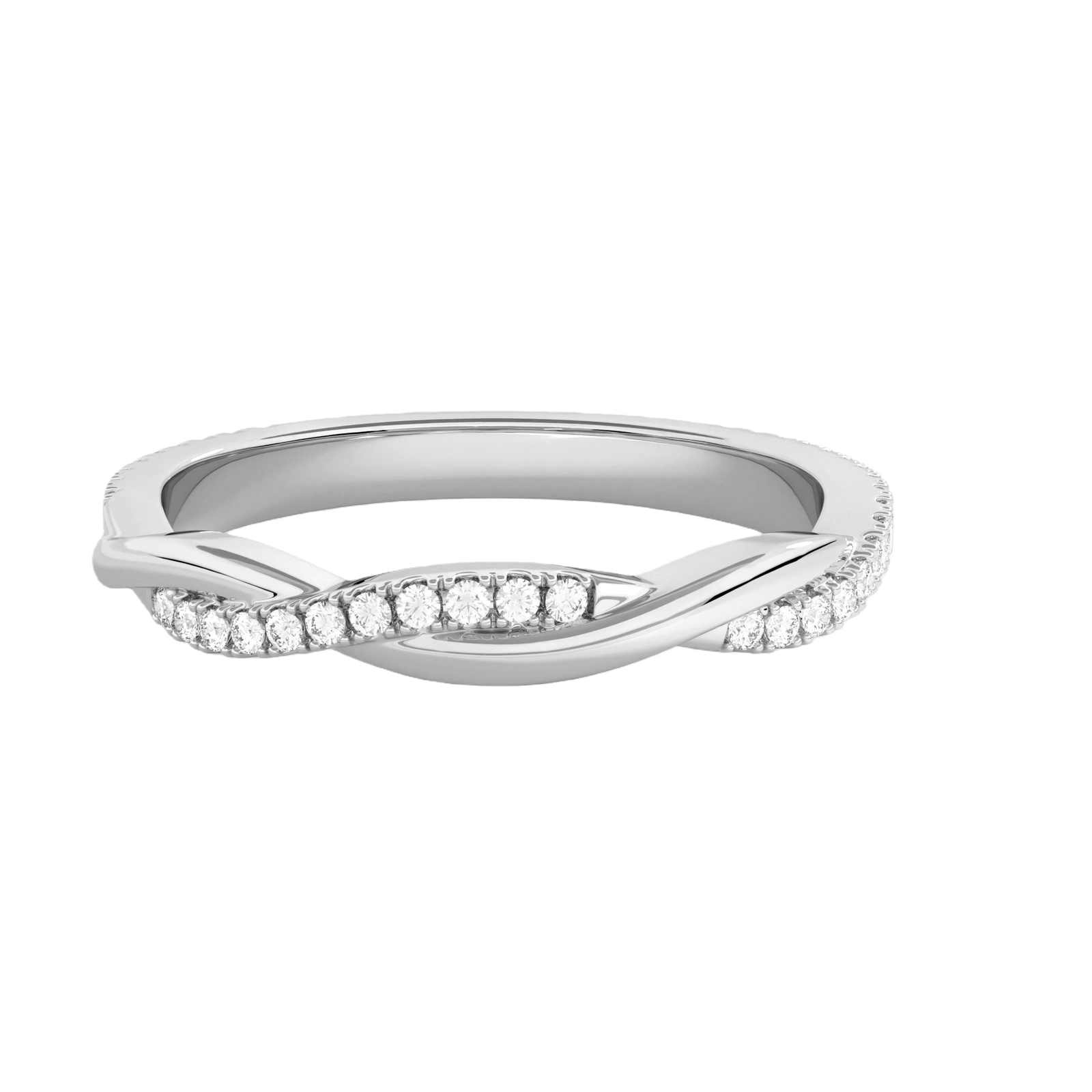
Platinum provides a natural-white field in which contour, interval and diamond placement can be read directly. A ring may form a continuous horizon, leave an opening or redirect its line across the finger. None of those gestures needs a ceremonial explanation.
The page's sixty-nine normalized designs exactly duplicate Platinum Rings, Anniversary Rings and Wedding Bands. Forty-five also appear in Stacking Rings and eleven in Curved Rings. The Fashion route contributes a design-first reading, not exclusive availability.
Separate Architecture from Styling Rules
Contour describes how a line bends; interval describes the space it leaves; profile describes how the object rises and meets the hand. These coordinates allow a ring to be considered without prescribing an outfit, trend, gender or occasion.
A standalone role may emphasize the complete silhouette. A layered role introduces edges, combined width and movement. No arrangement guarantees fixed alignment, low contact or freedom from catching.
Let Diamond Placement Change the Cadence
Bezel, channel and prong structures create different boundaries and intervals. Partial coverage can establish a front-facing field, while an opening or crossover introduces asymmetry. Setting labels do not promise durability, security or maintenance outcomes.
Average widths run from 1.4–5.0 mm in current approved facts. Thickness, face-up spread, mass and interior contour are separate and should not be inferred from width.
Keep Platinum Product-Specific
The public Collection does not establish one purity for every ring. It also cannot support universal weight, sensitivity, scratch, comfort or performance claims.
Resizing, engraving and refinishing depend on diamond extent, openings, symmetry and surface. Confirm the selected product before treating an alteration as available.
Frequently Asked Questions
What role does this Platinum Fashion page own?
A design-first comparison of architecture and personal placement outside ceremonial intent.
How many designs are included?
Sixty-nine normalized Platinum rings.
Where is the membership completely duplicated?
In same-metal Rings, Anniversary Rings and Wedding Bands.
How many overlap the Stacking route?
Forty-five designs.
How many overlap Curved Rings?
Eleven.
Is Fashion being treated as an outfit category?
No. The framework centers object architecture and intended wear.
Does the page prescribe current trends?
No seasonal or popularity rule is used.
What is contour?
The path of the ring line as it bends around or across the finger.
What is an interval?
Visible space between lines, ends, diamonds or neighboring forms.
Can a Platinum fashion ring stand alone?
Yes as a compositional role, subject to the selected ring and wearer.
What is the average-width range?
Current approved facts span 1.4–5.0 mm.
Does that range reveal mass?
No. Thickness, volume, alloy and settings remain necessary.
Is every Platinum ring hypoallergenic?
No universal sensitivity outcome is stated.
Is Platinum scratch-proof?
No material or finish receives that claim.
Do prongs guarantee security?
No Collection-wide security conclusion follows from a setting label.
Are all open designs adjustable?
No. Geometry and approved sizing require individual evidence.
Can every Platinum ring be altered?
No. Coverage, symmetry, surface and requested work determine feasibility.