
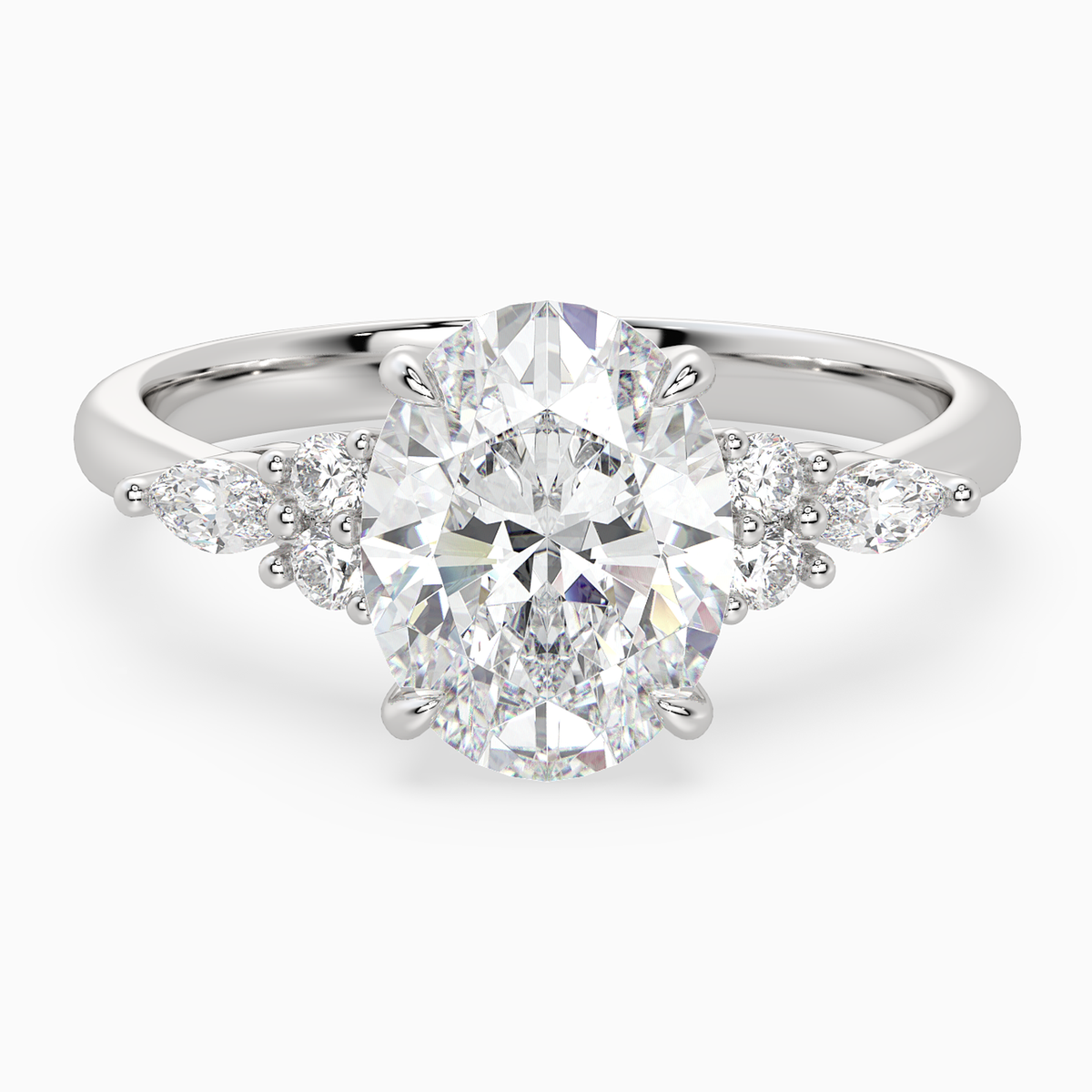


Lab Grown Diamond Fashion Rings in 14K White Gold
A quiet white field lets structure lead without ceremony. Compare 69 rings by line, setting, surface, proportion, and intended finger.


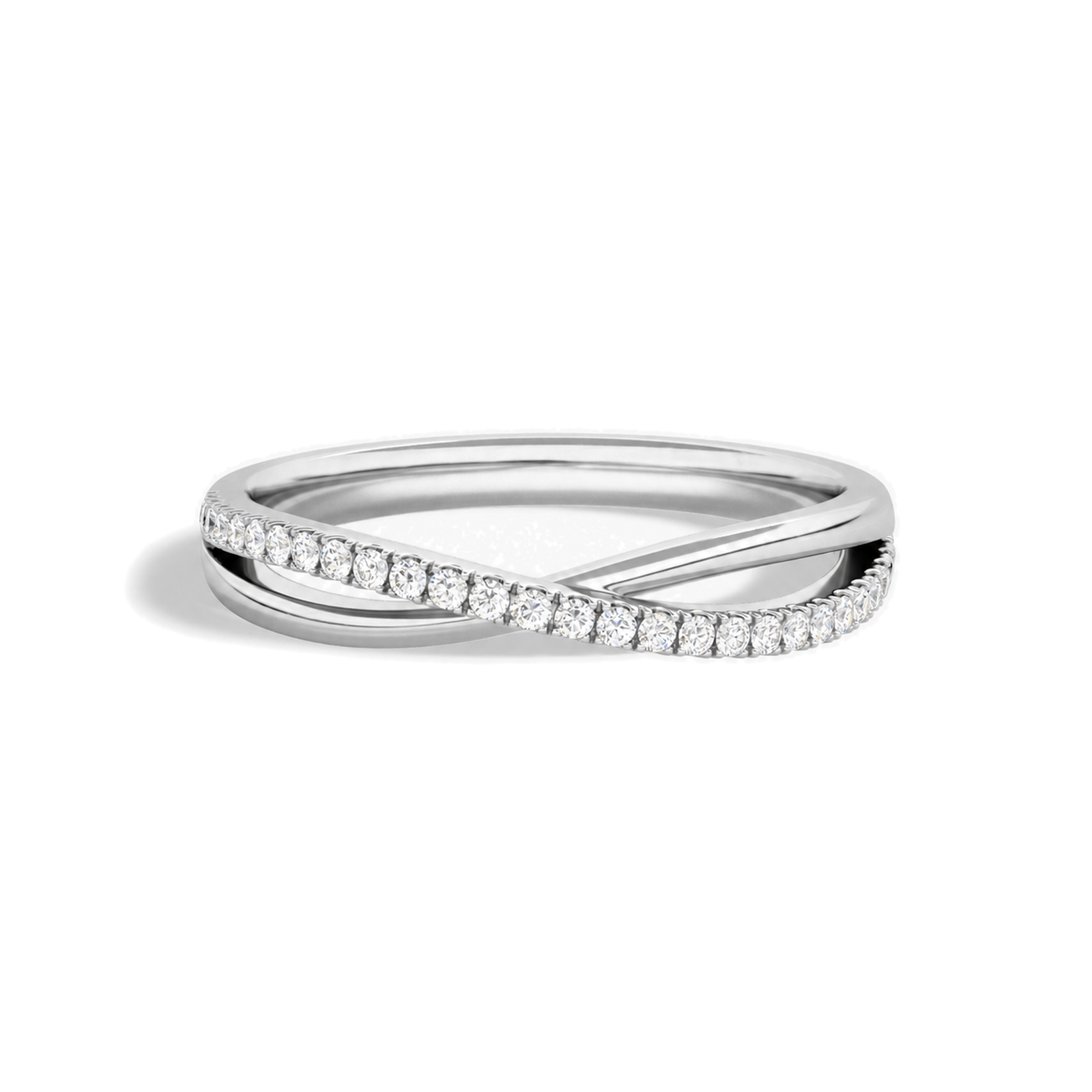
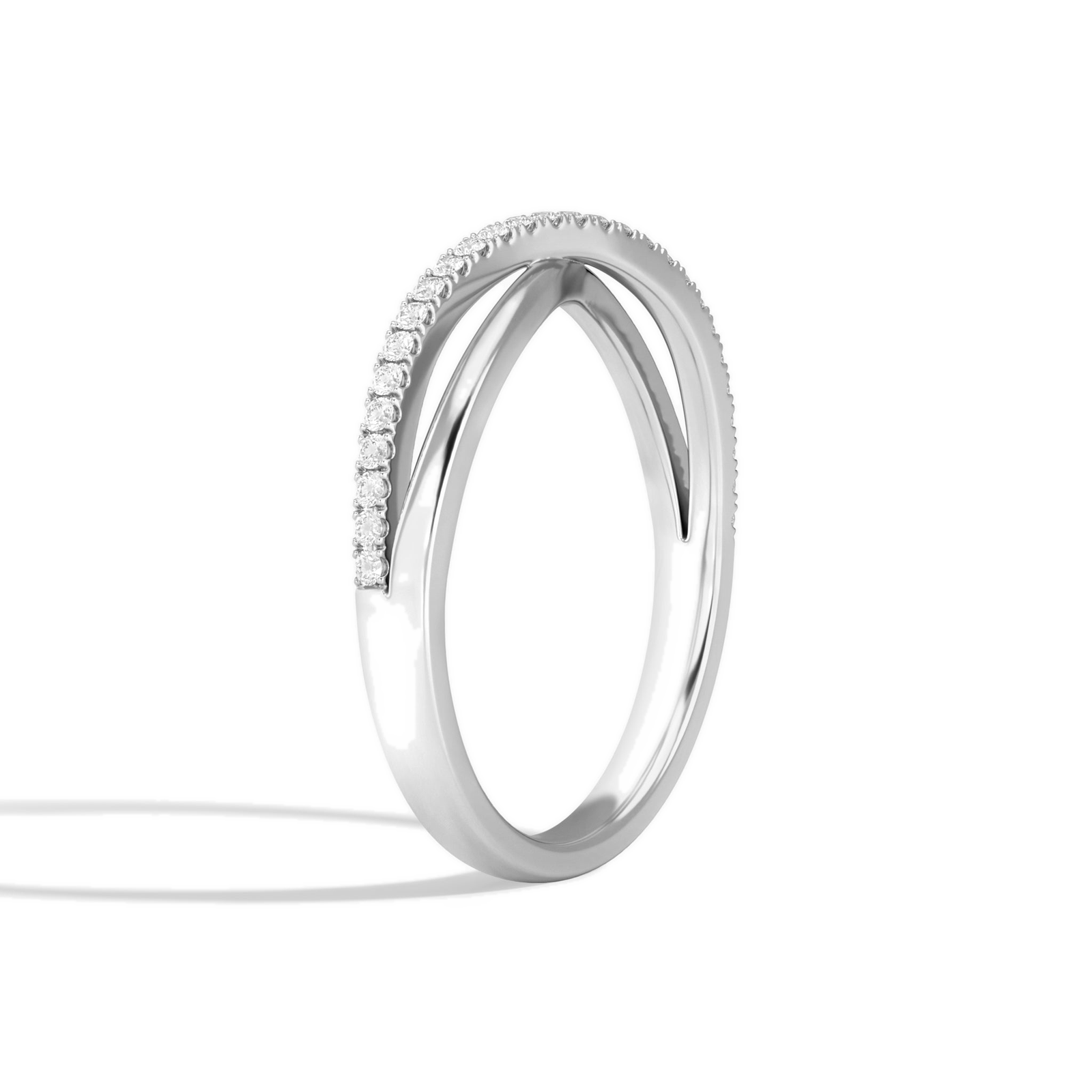

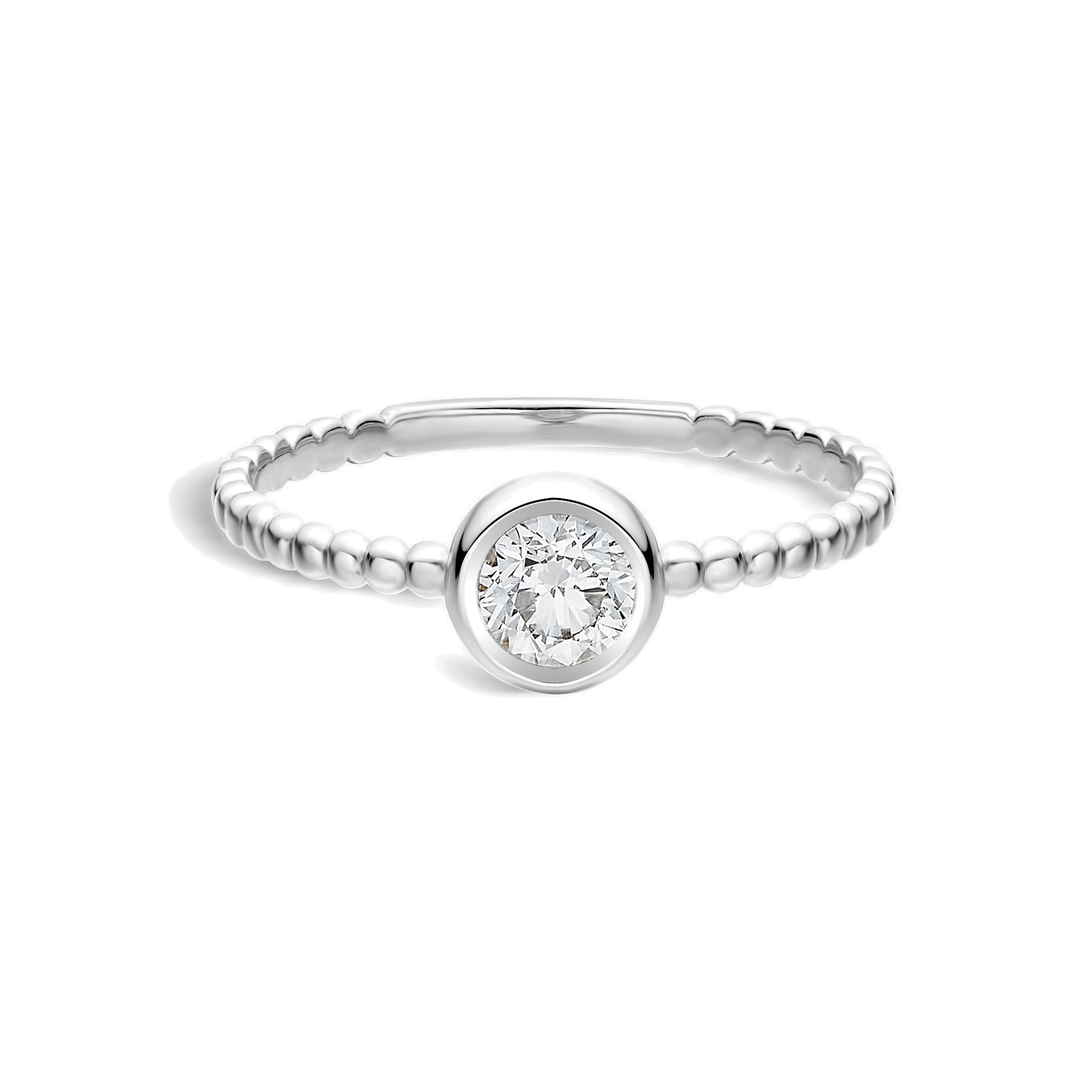
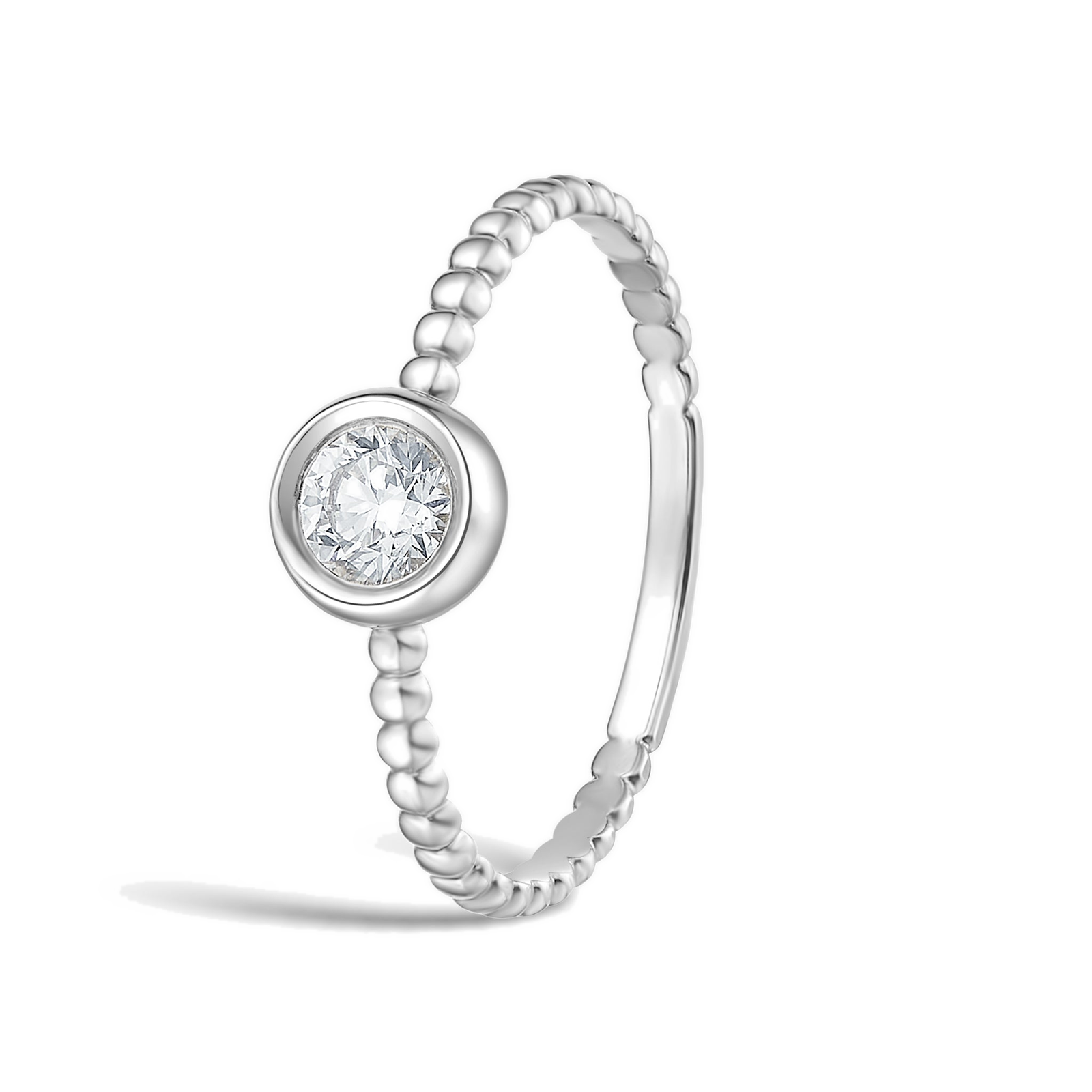

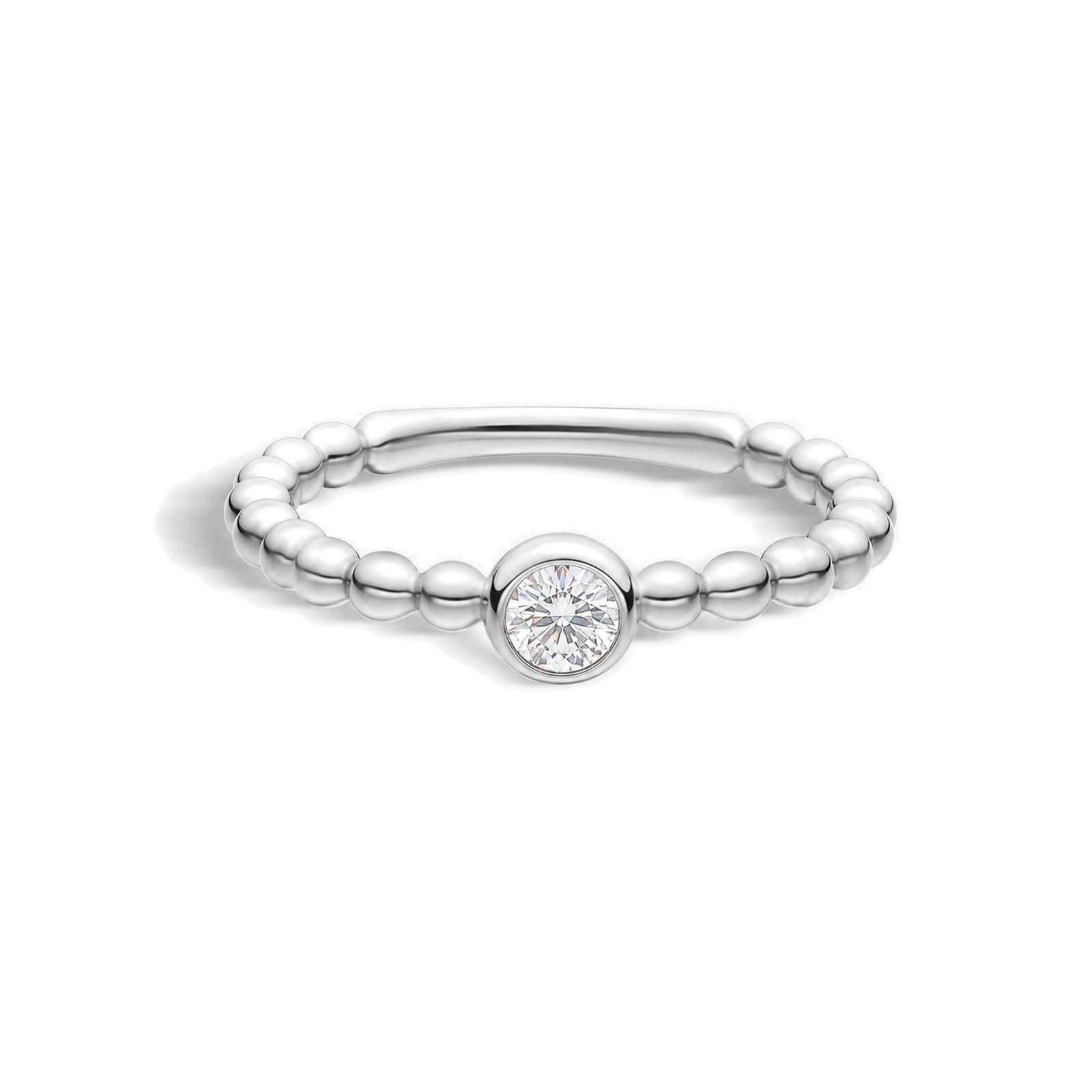
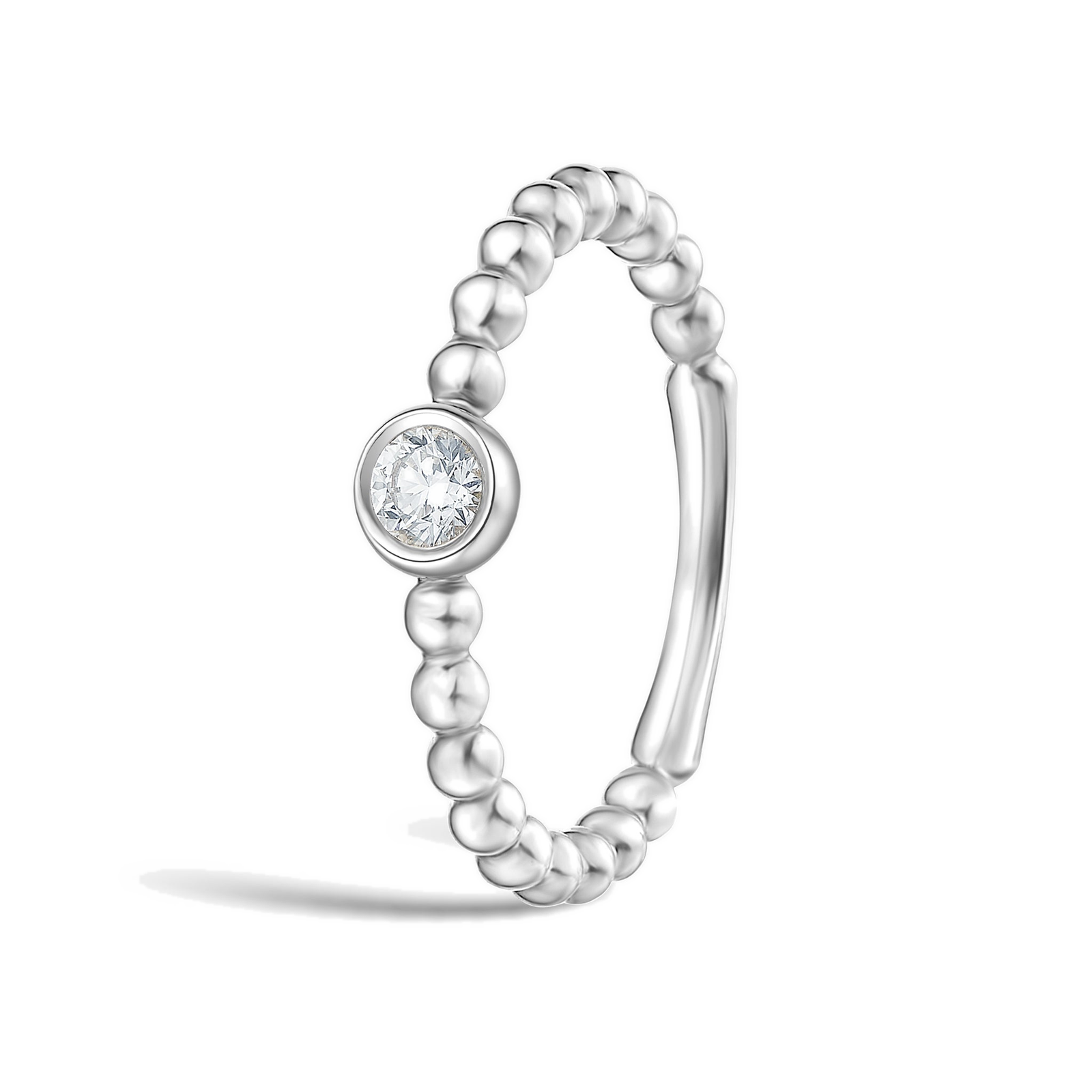

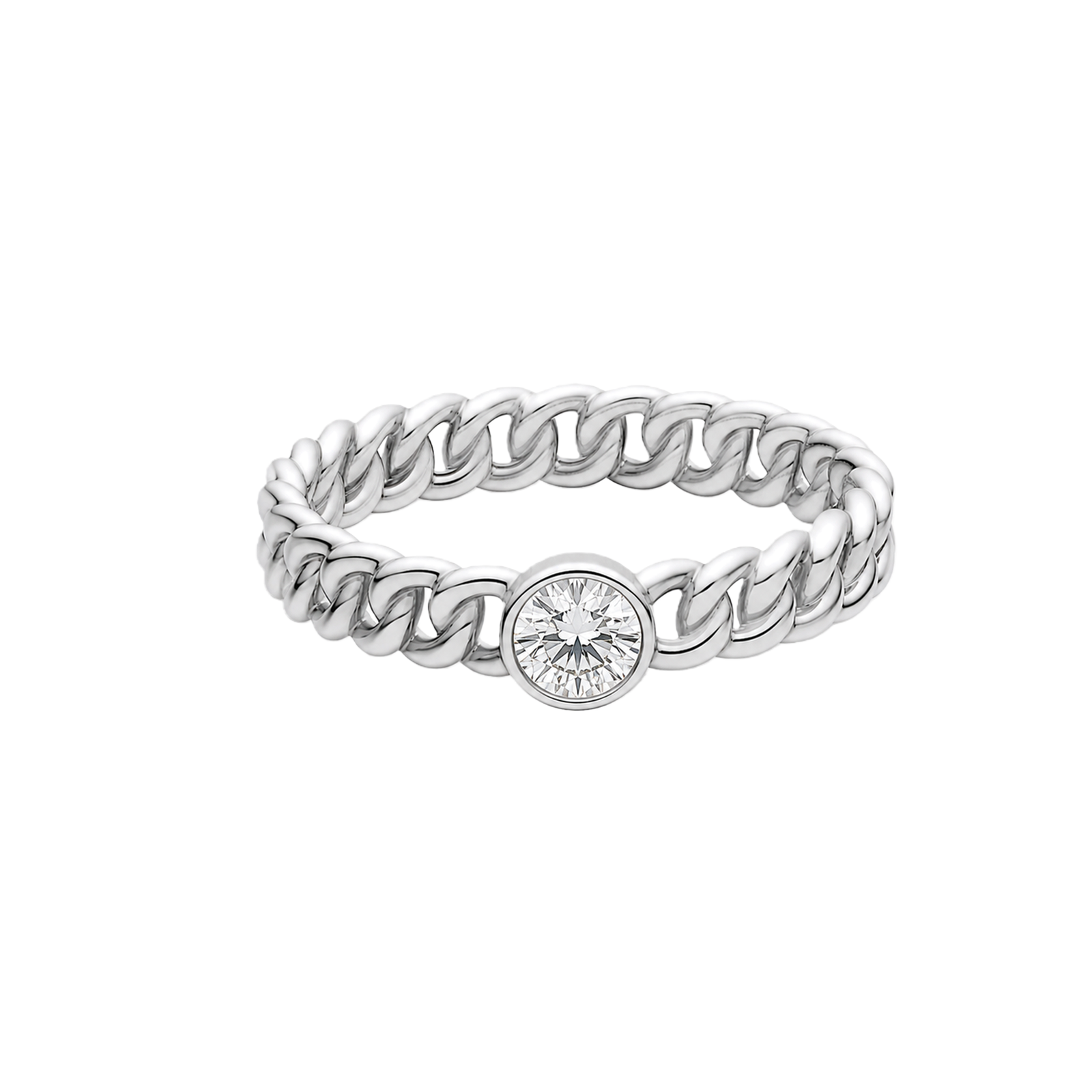
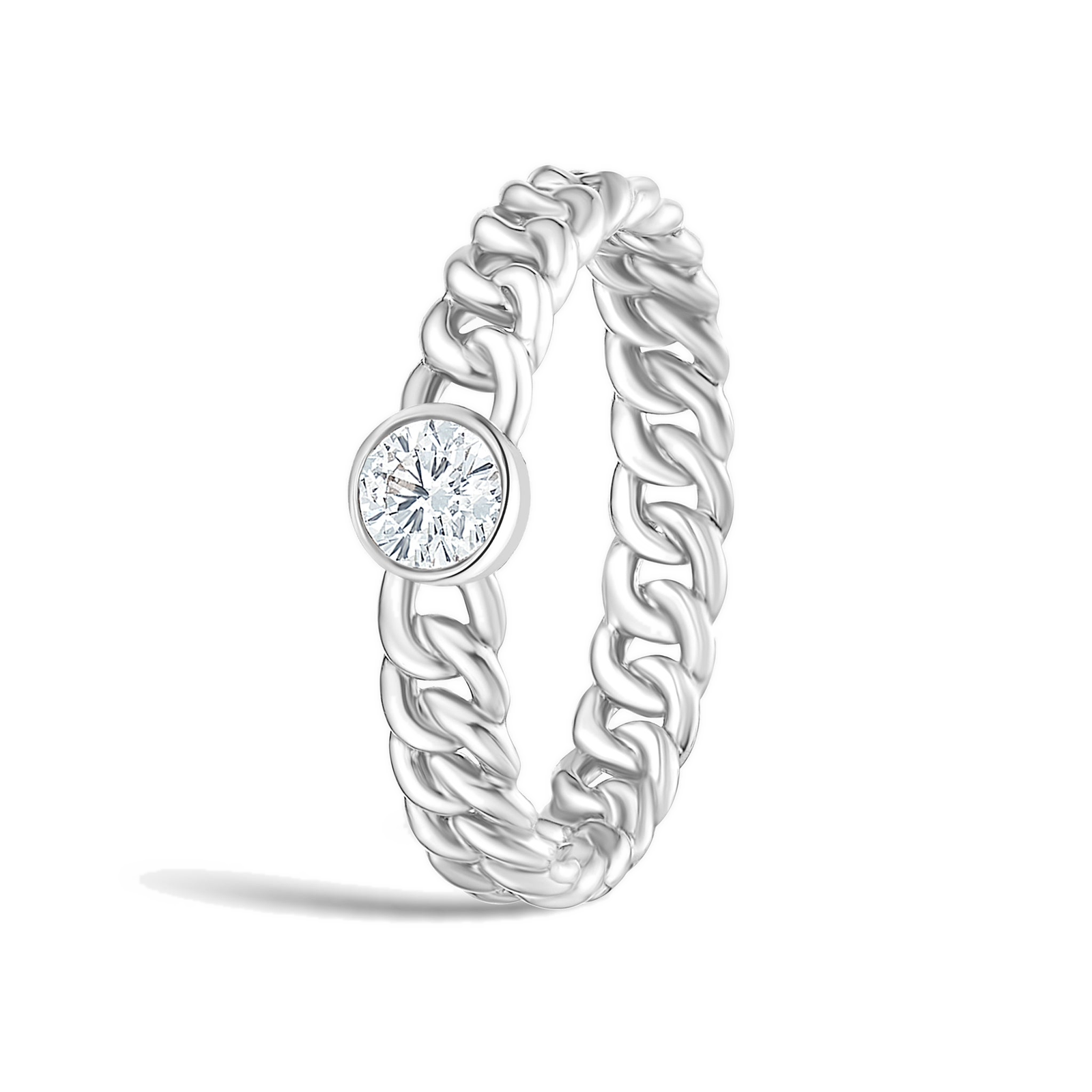

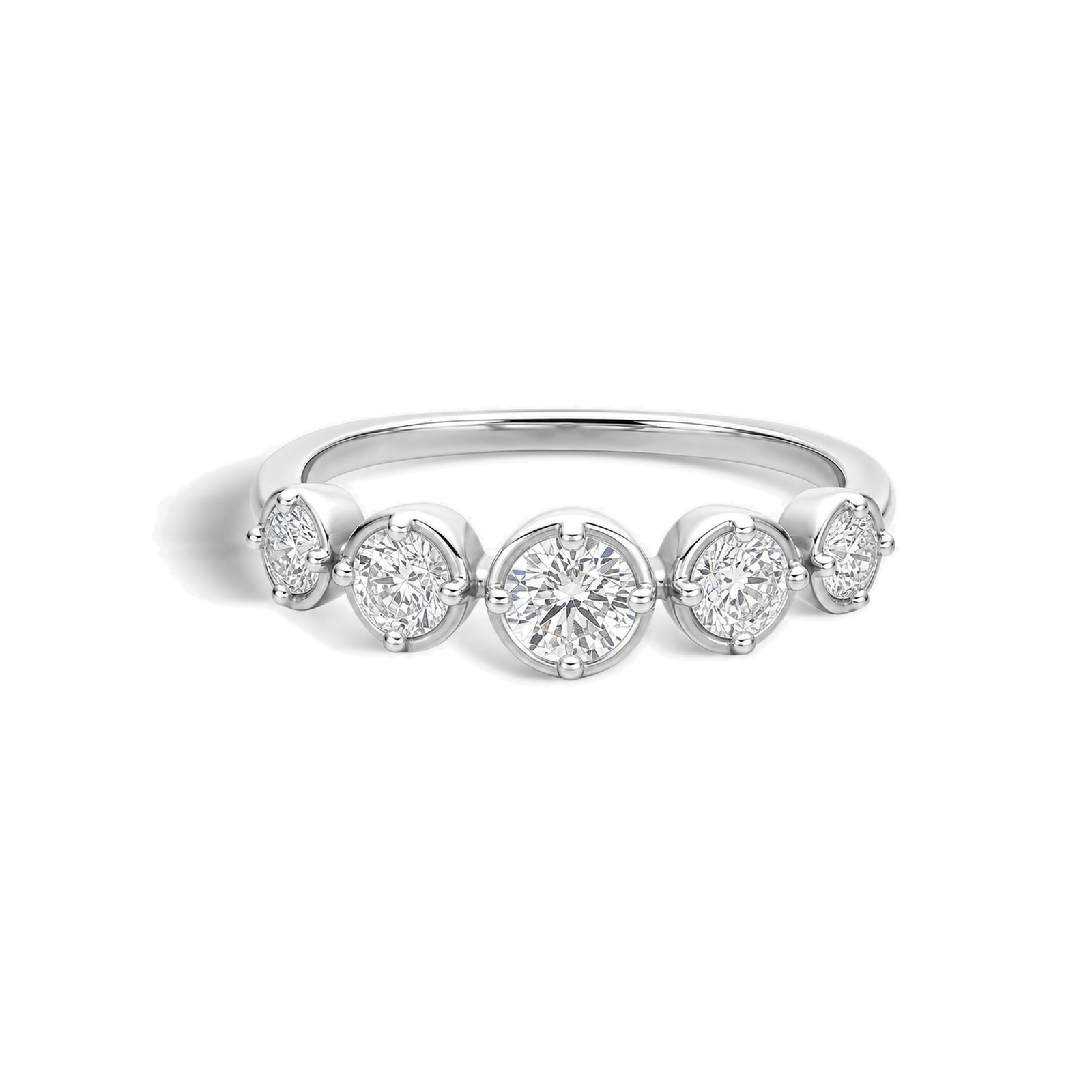
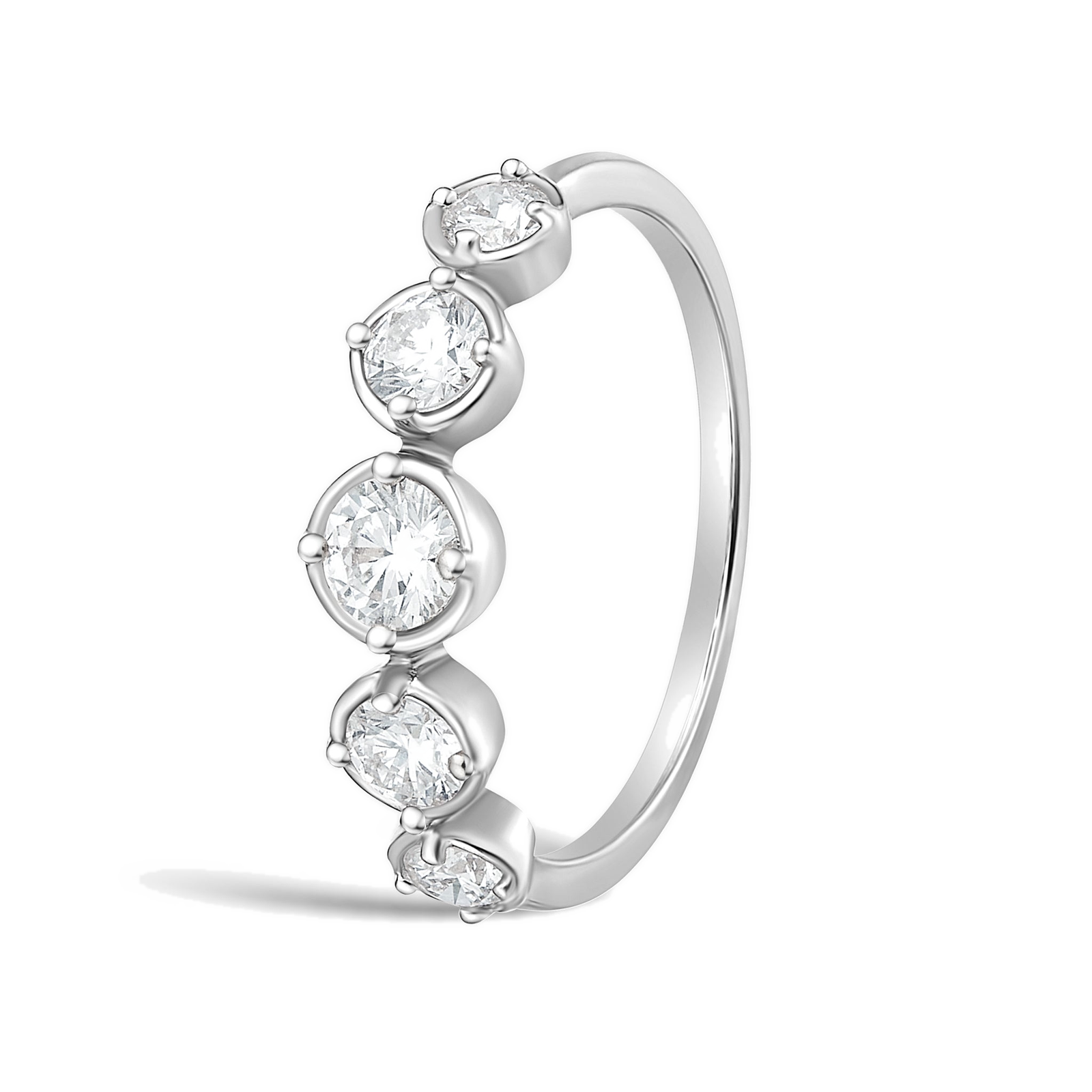


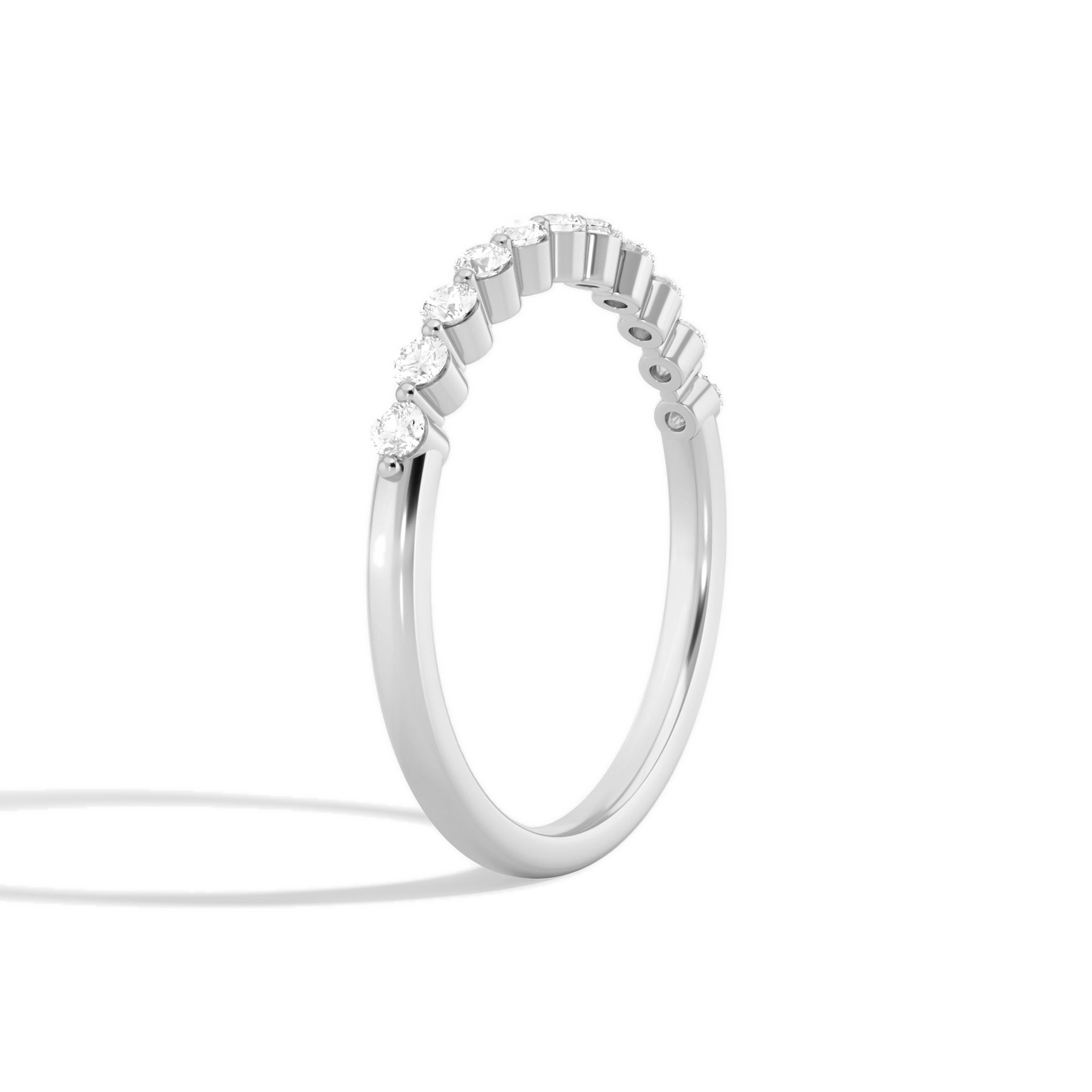

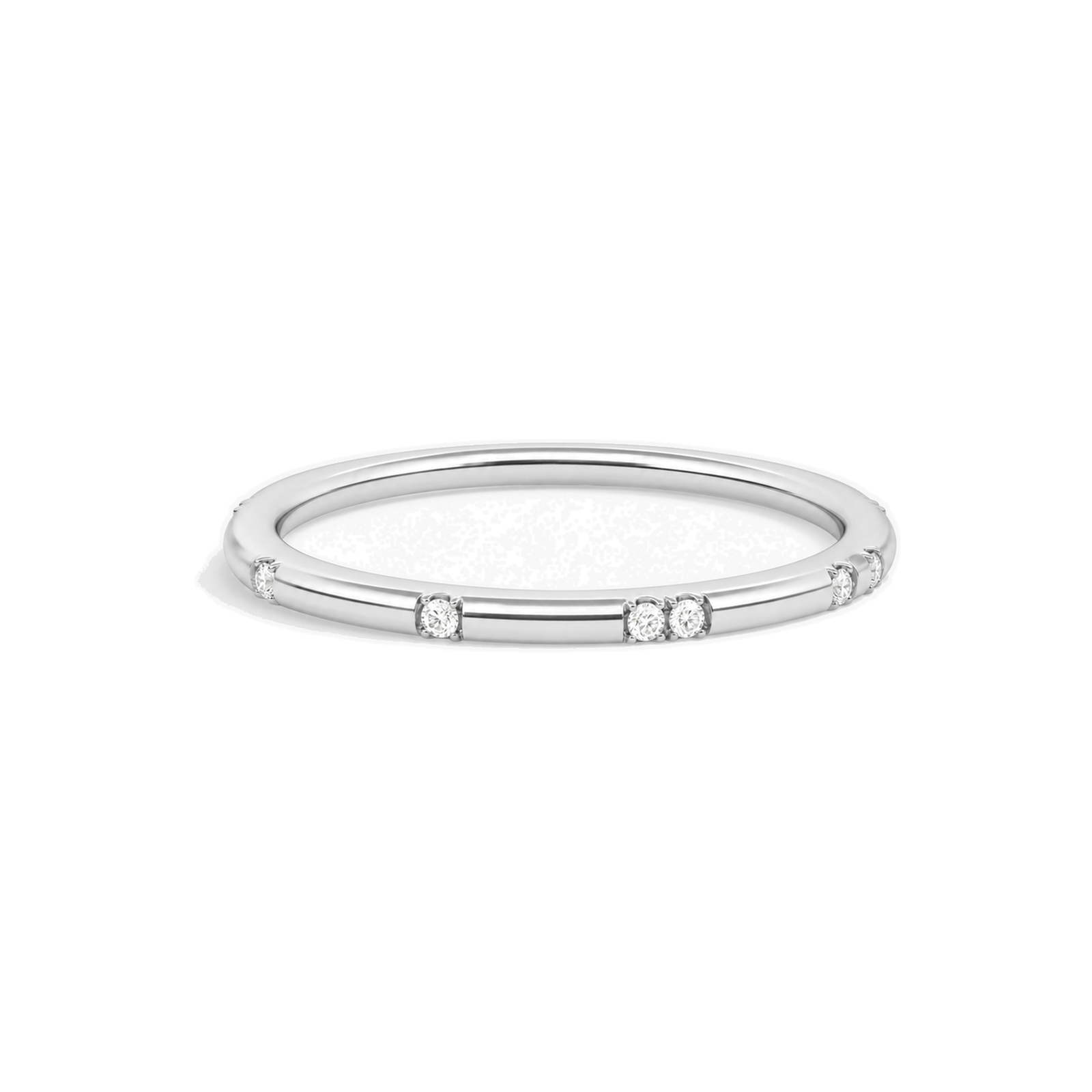


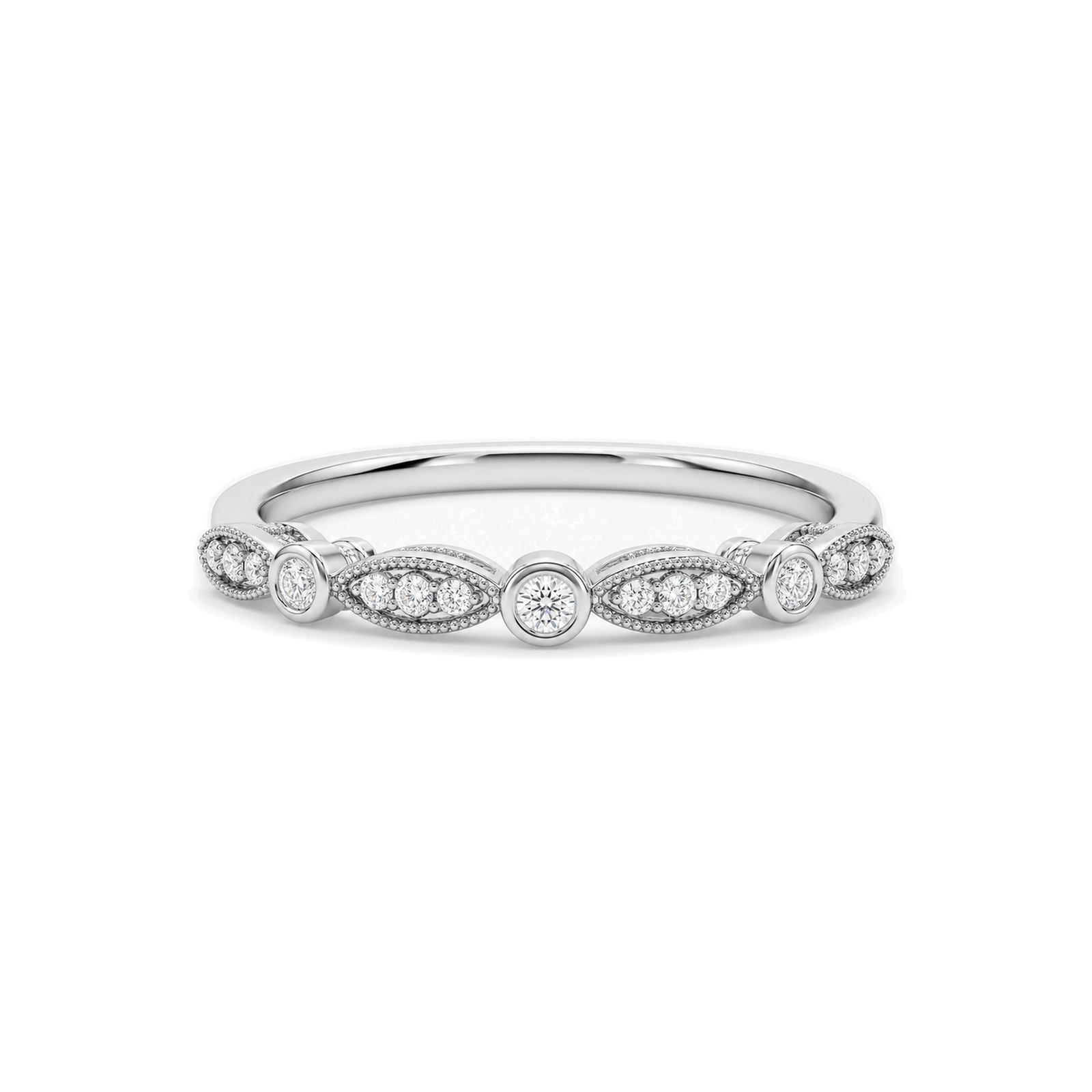
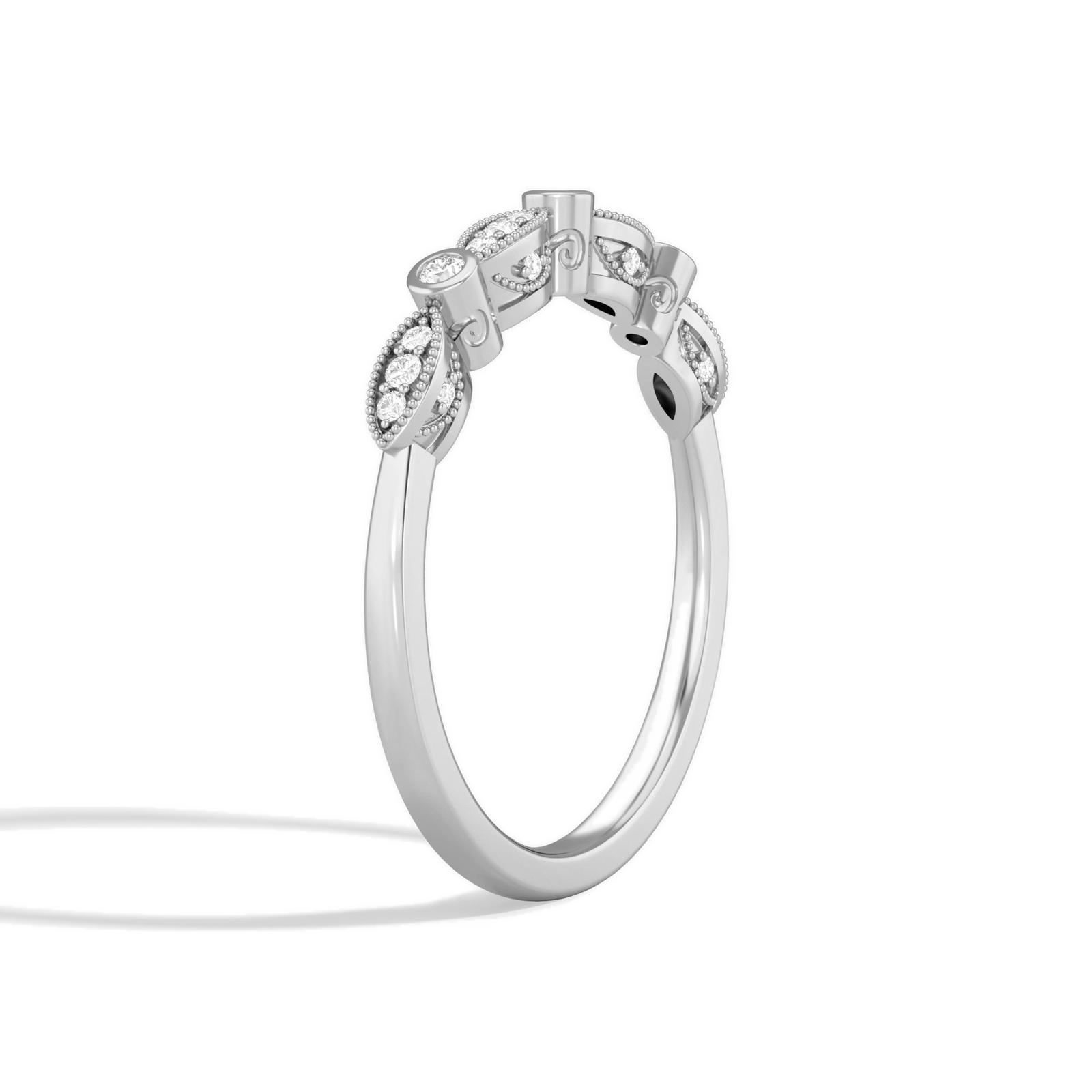

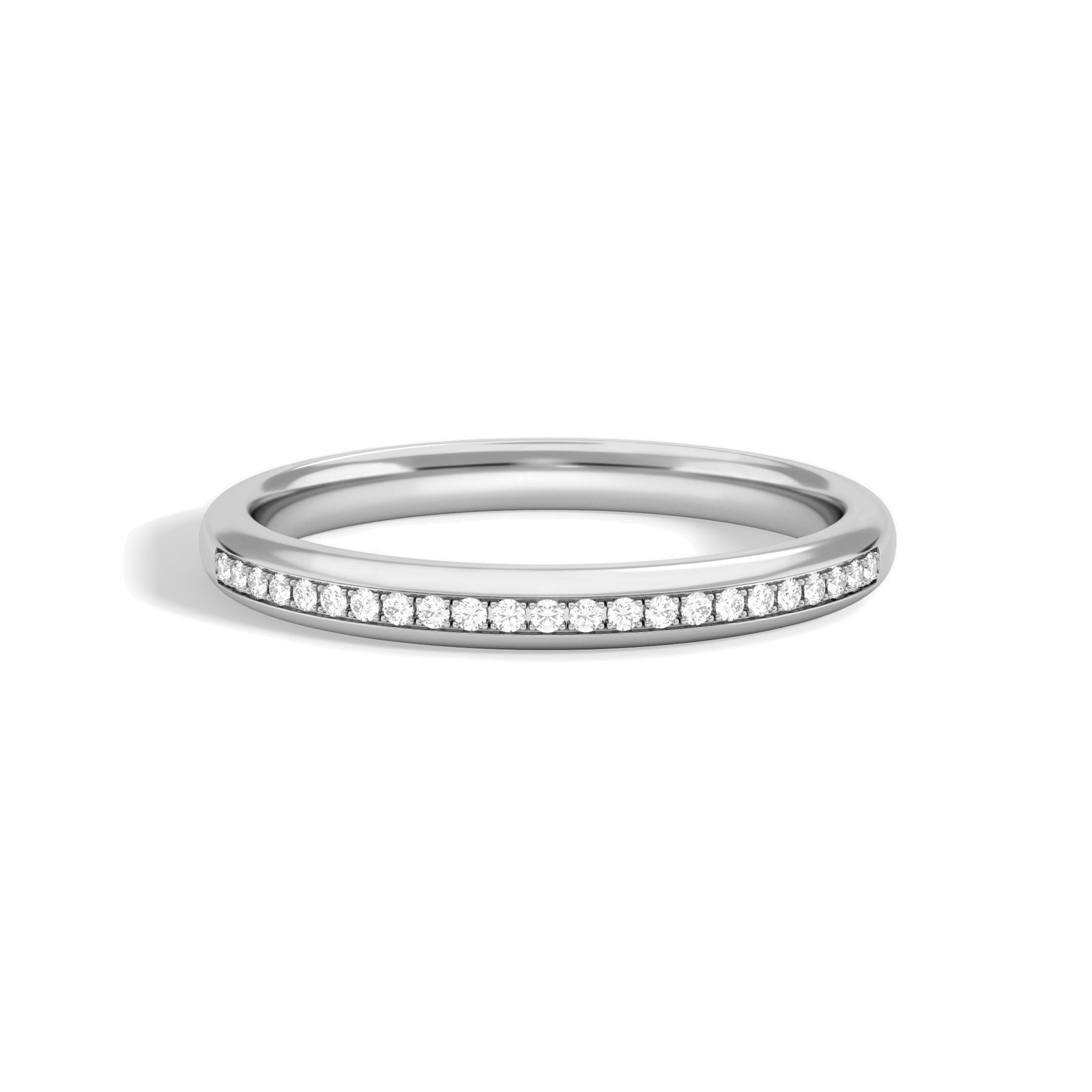
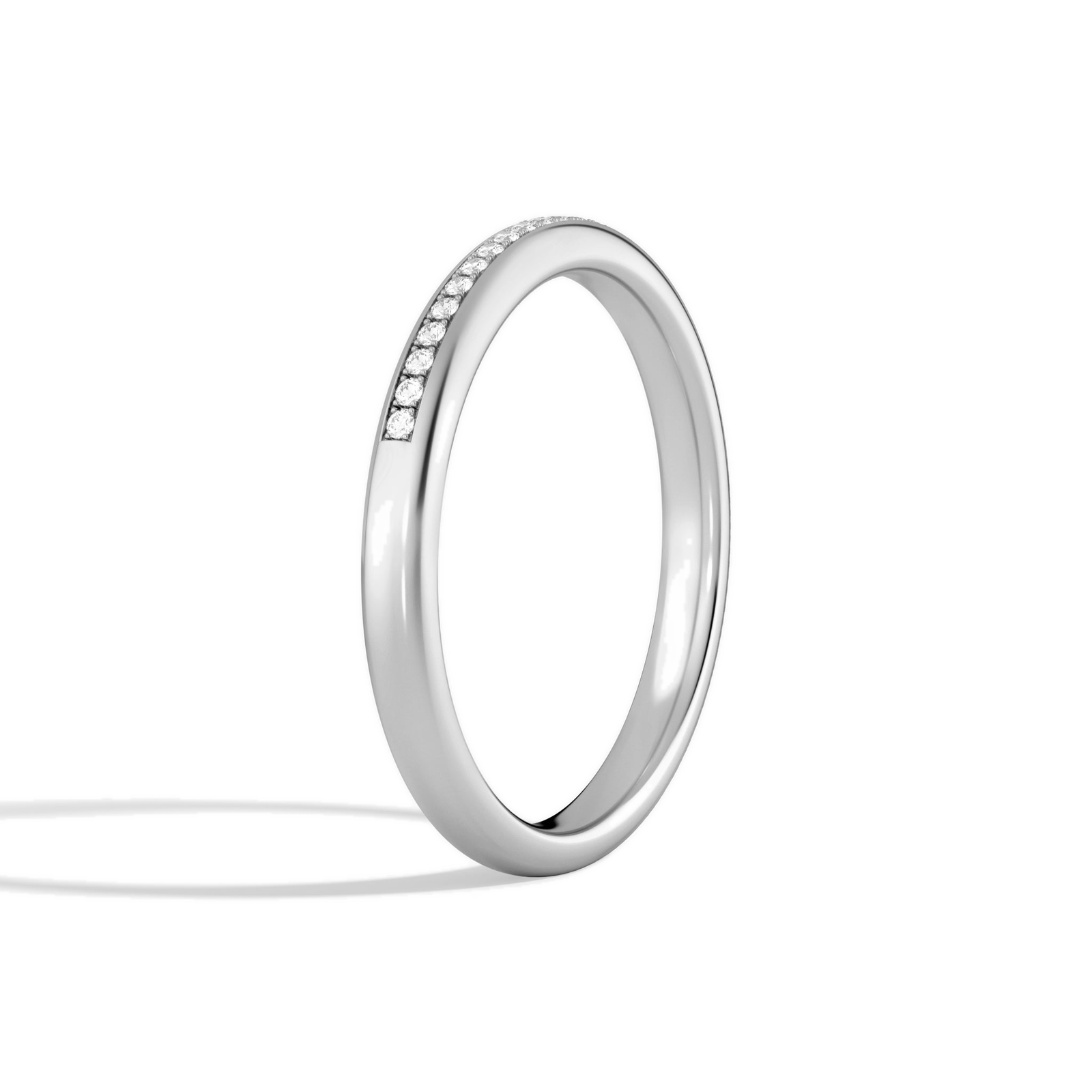

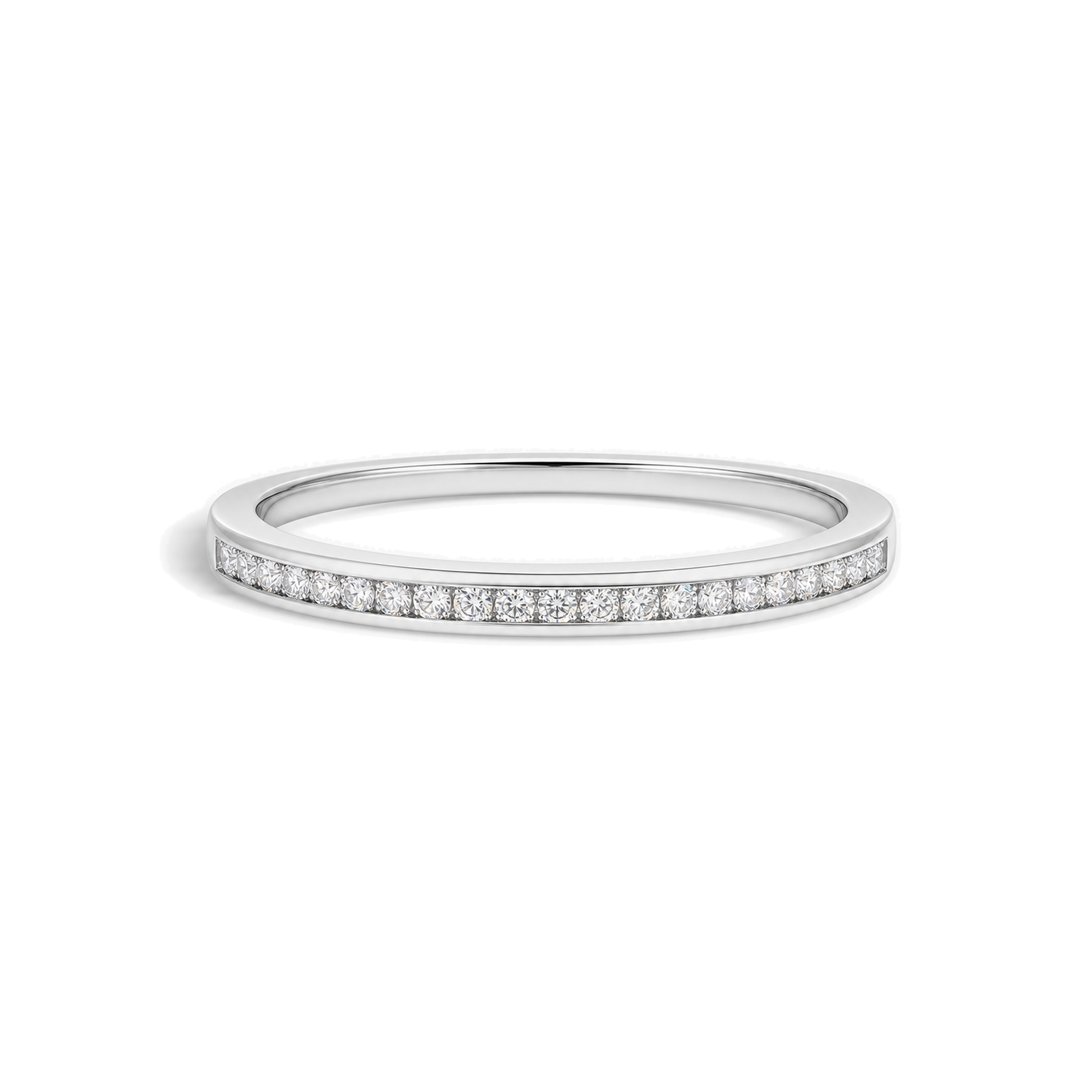


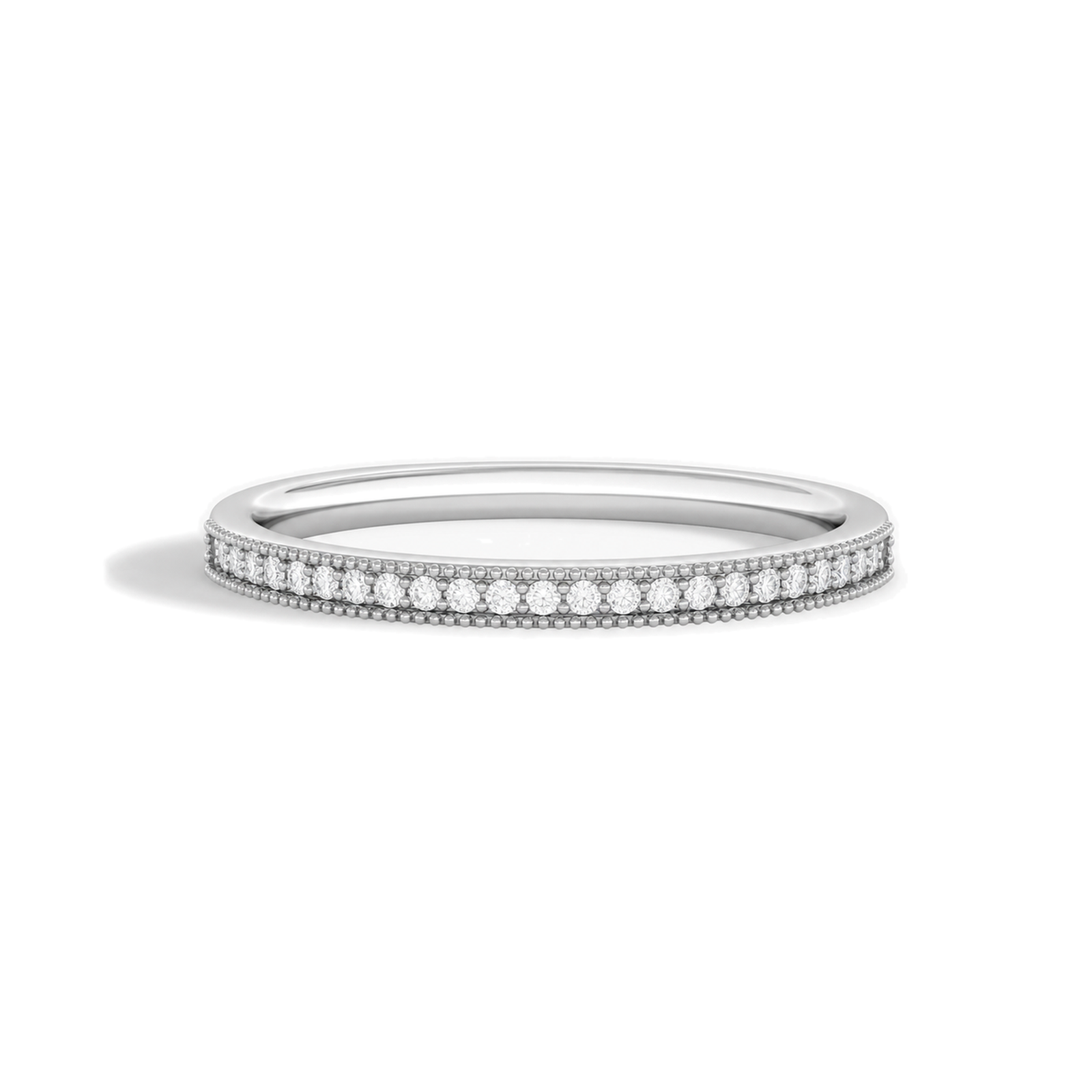
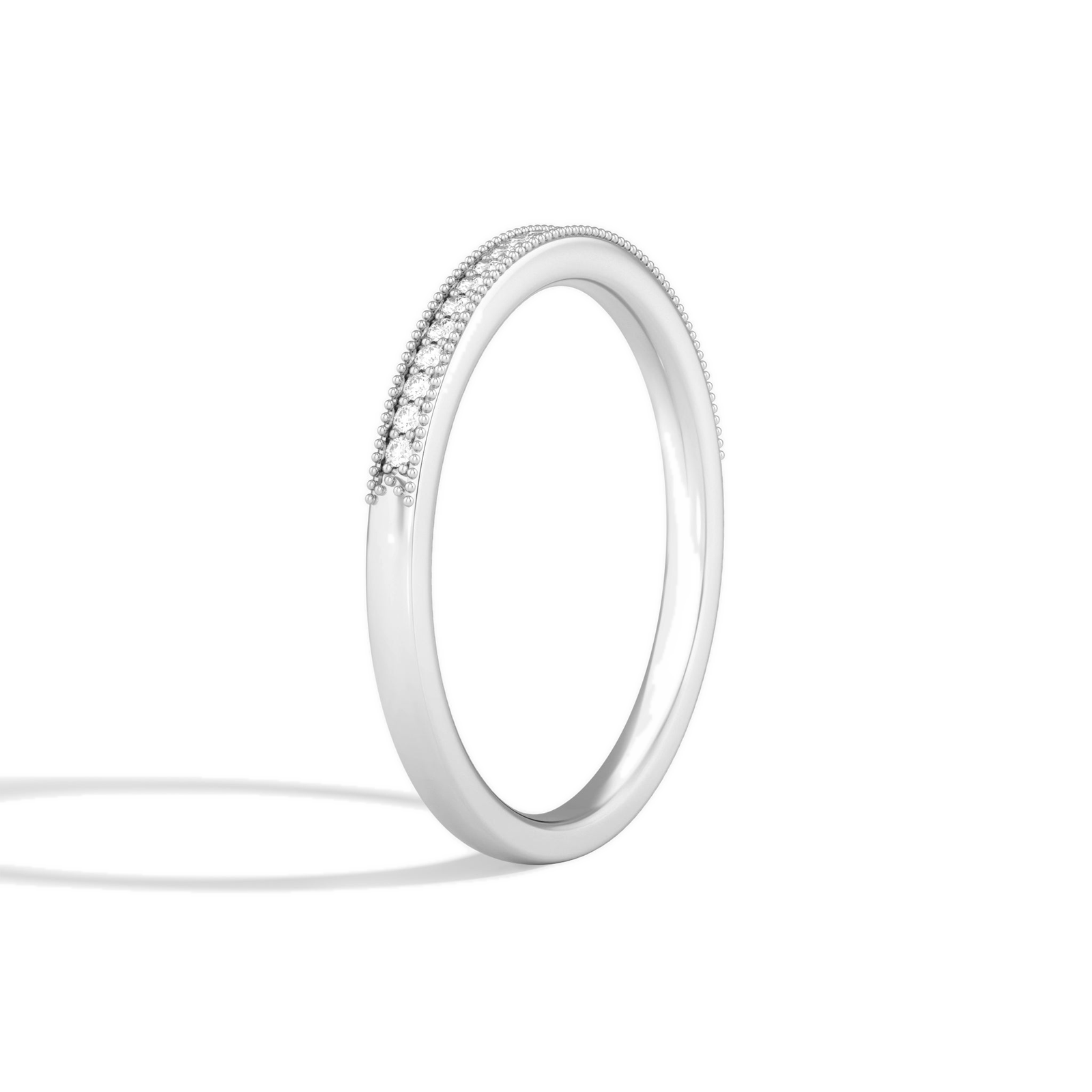

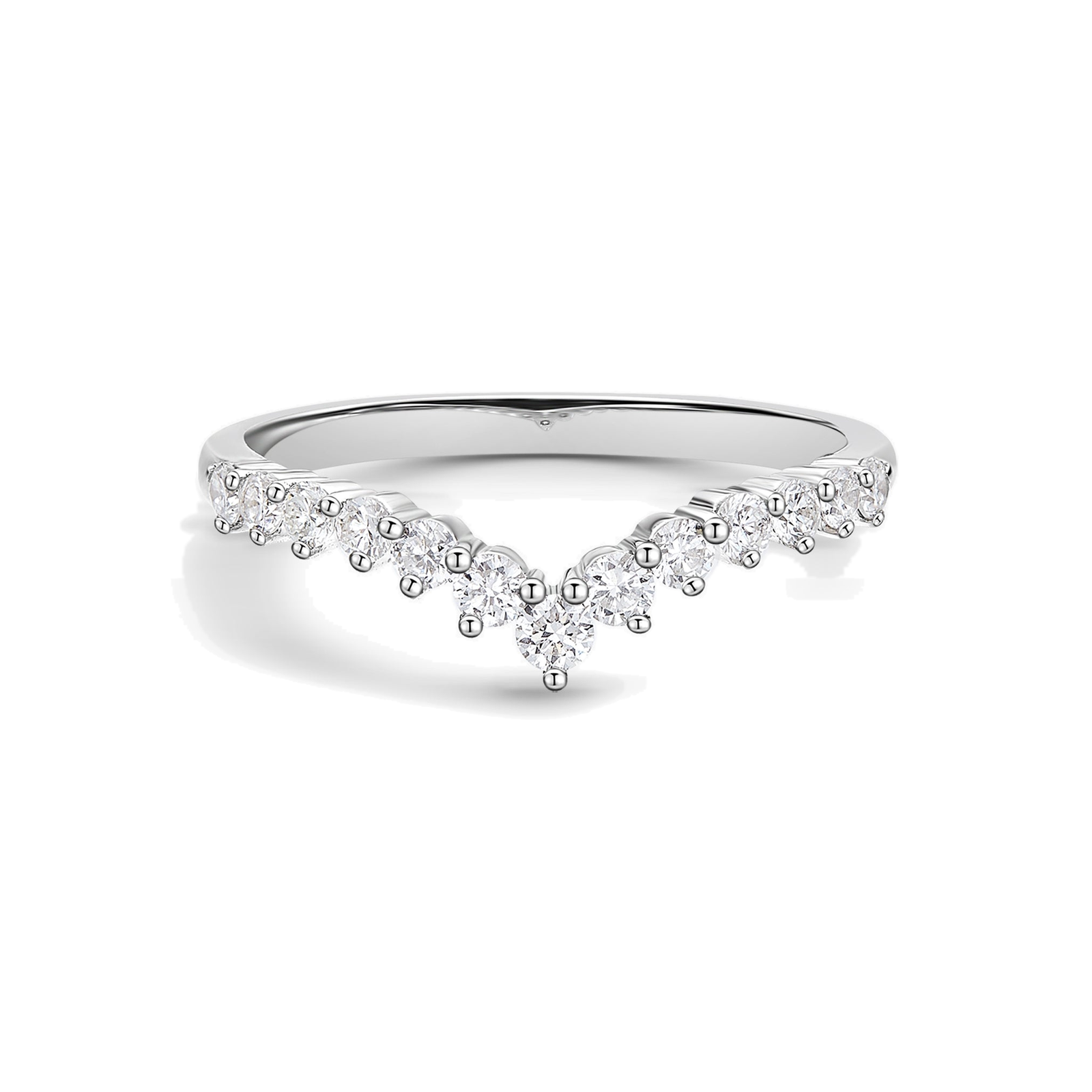
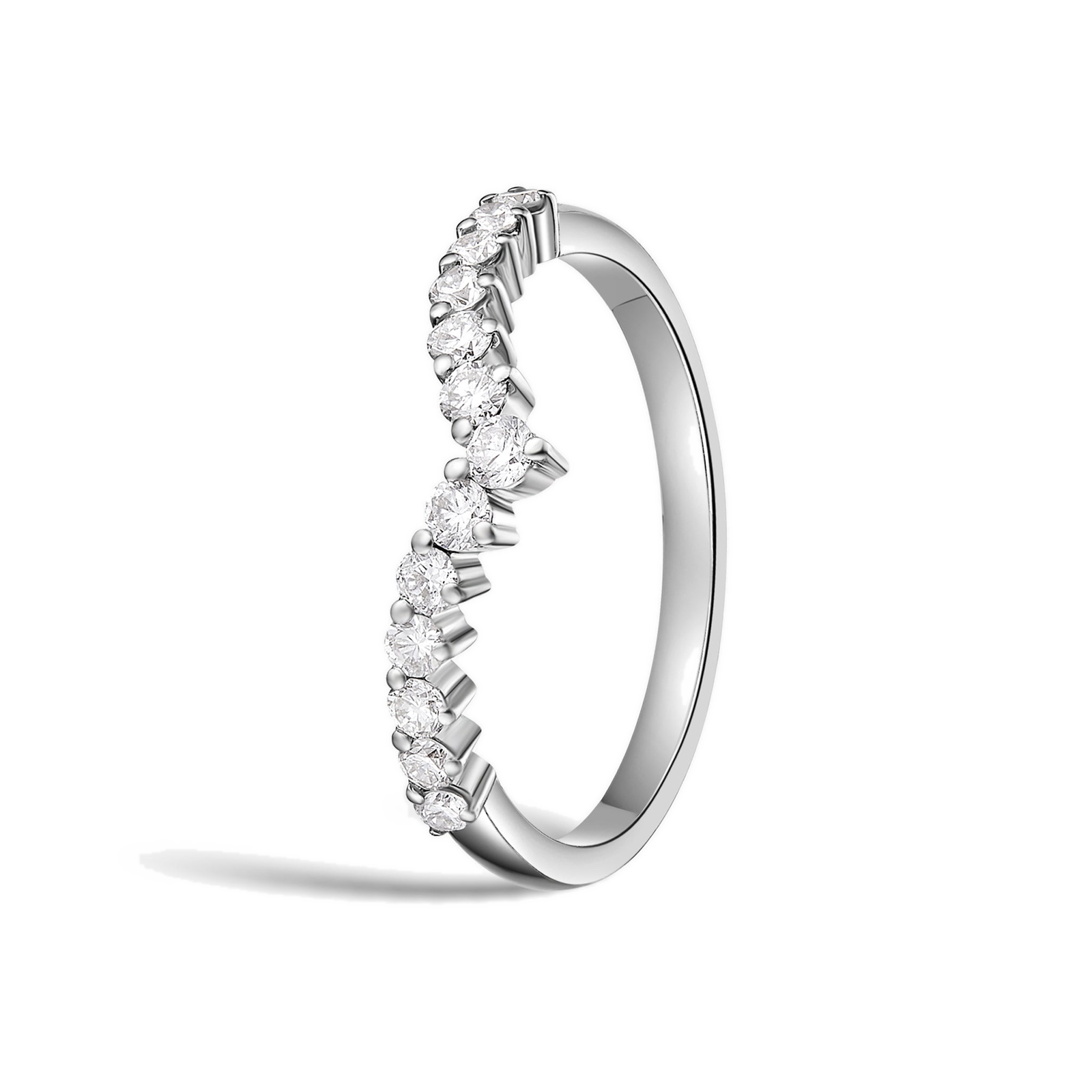

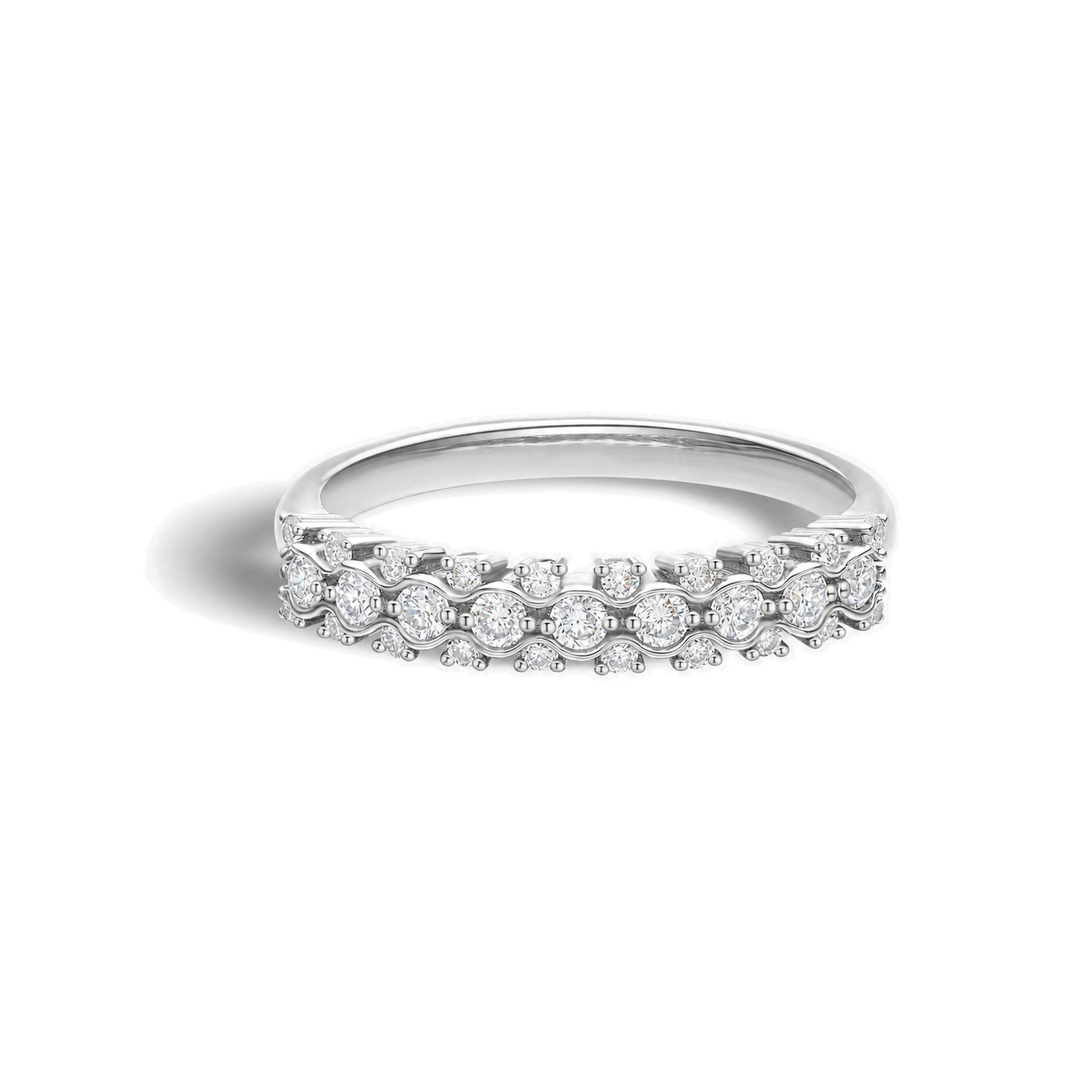
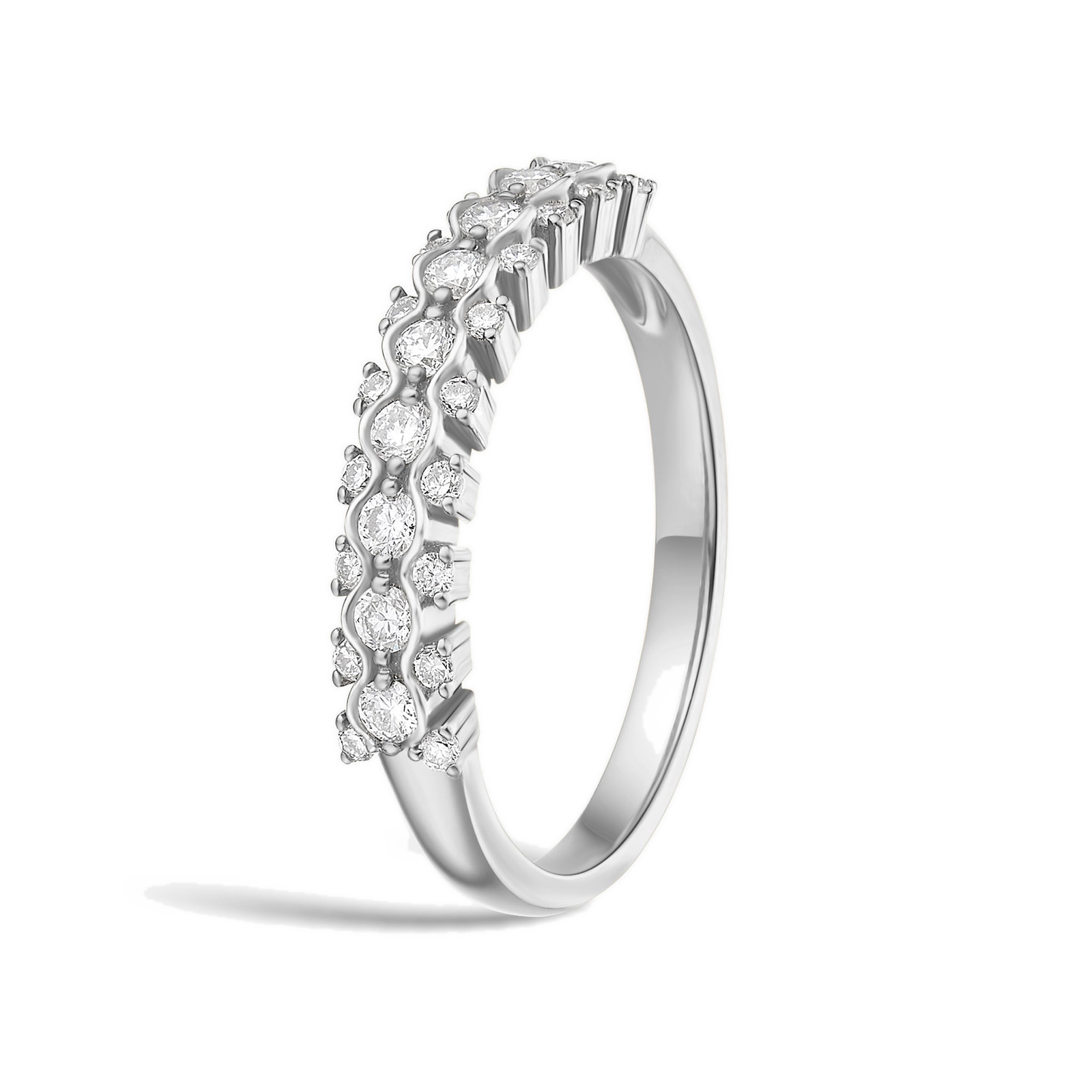

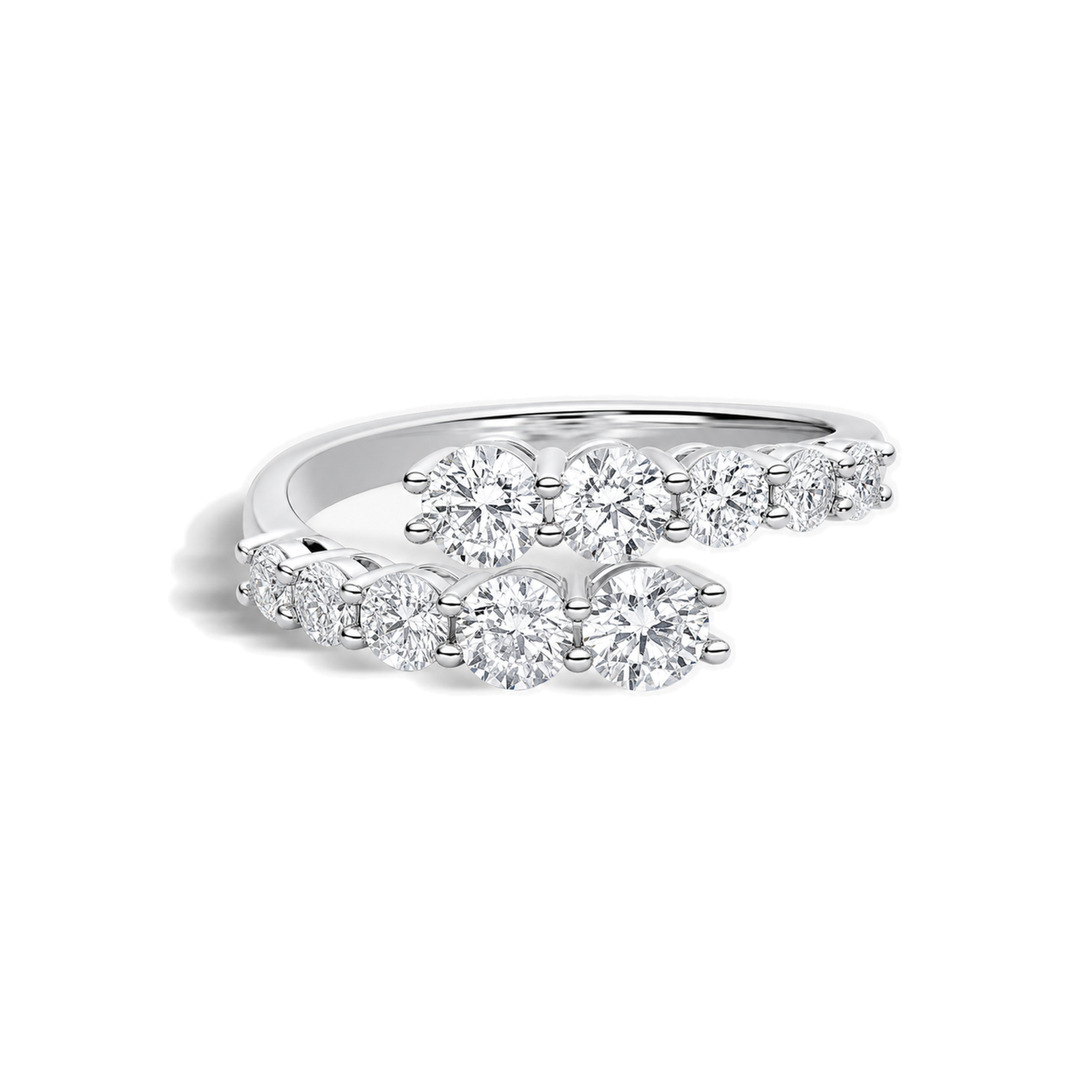
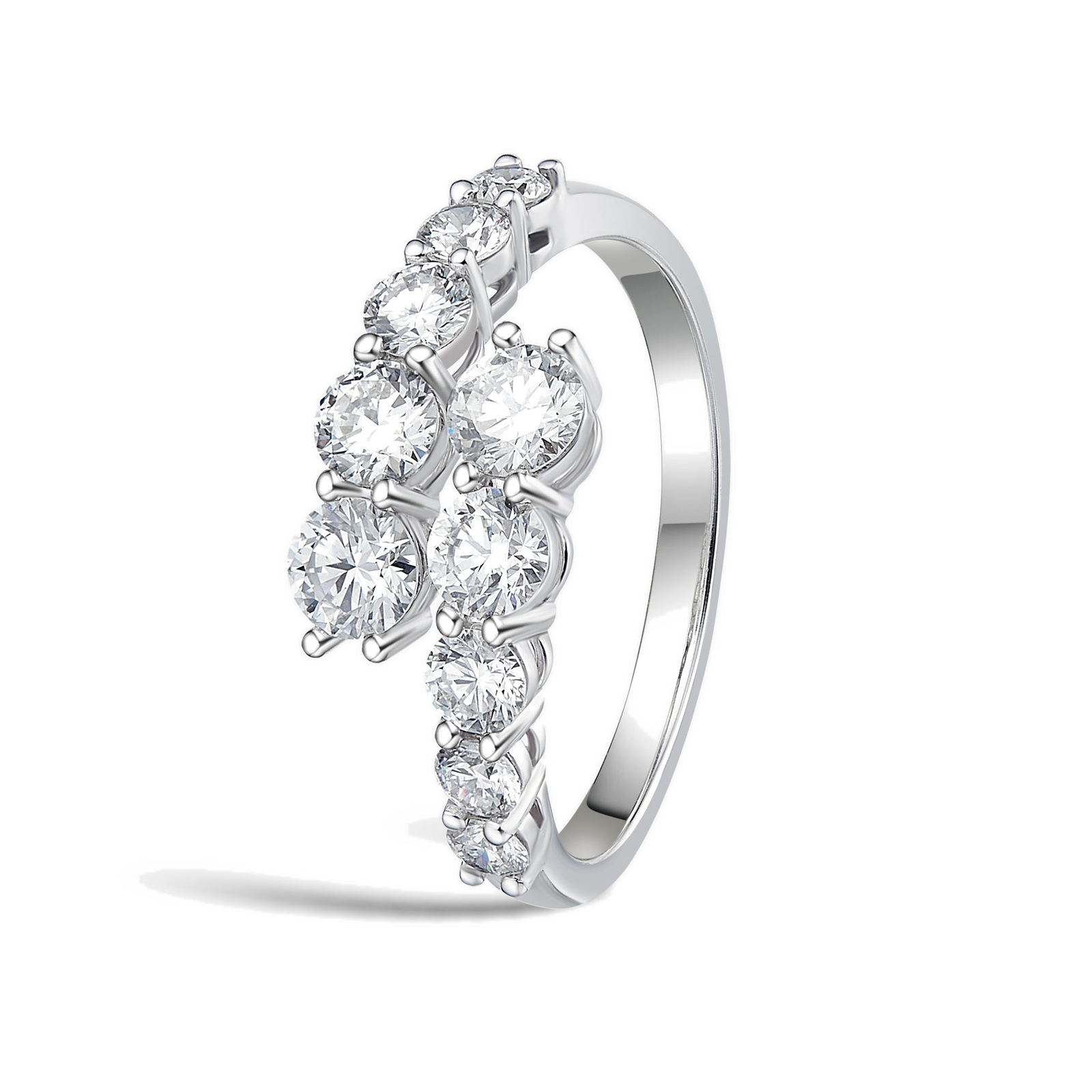

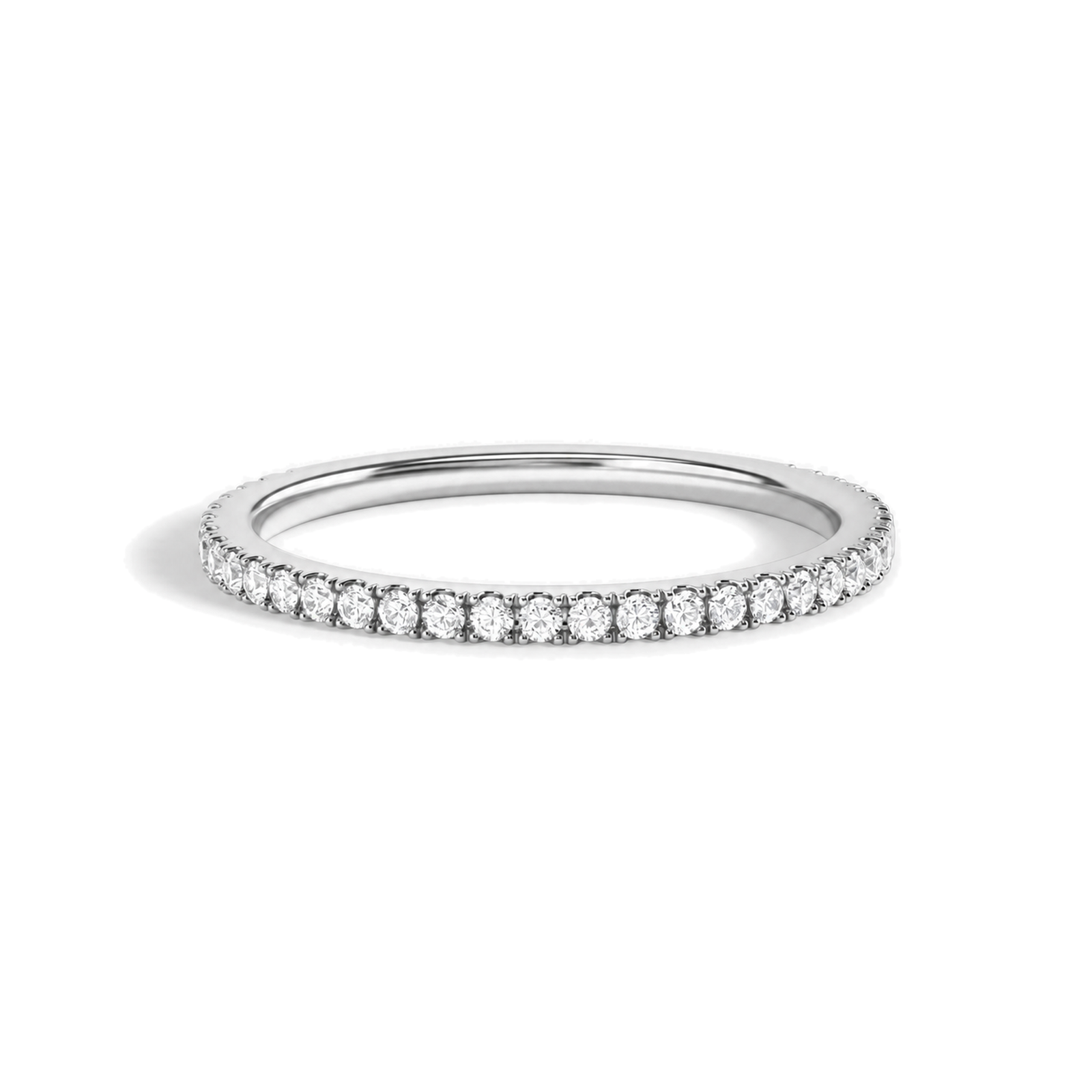
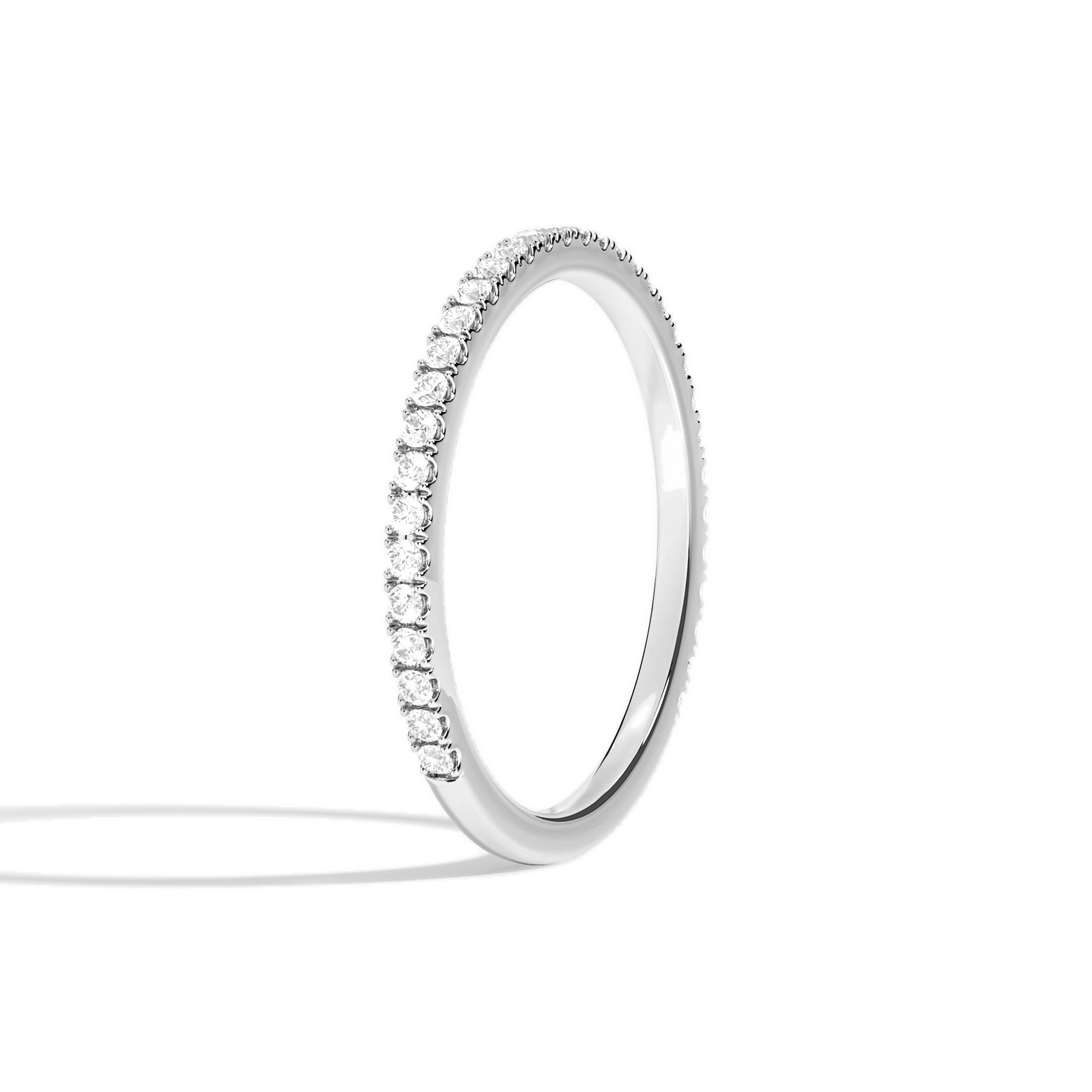

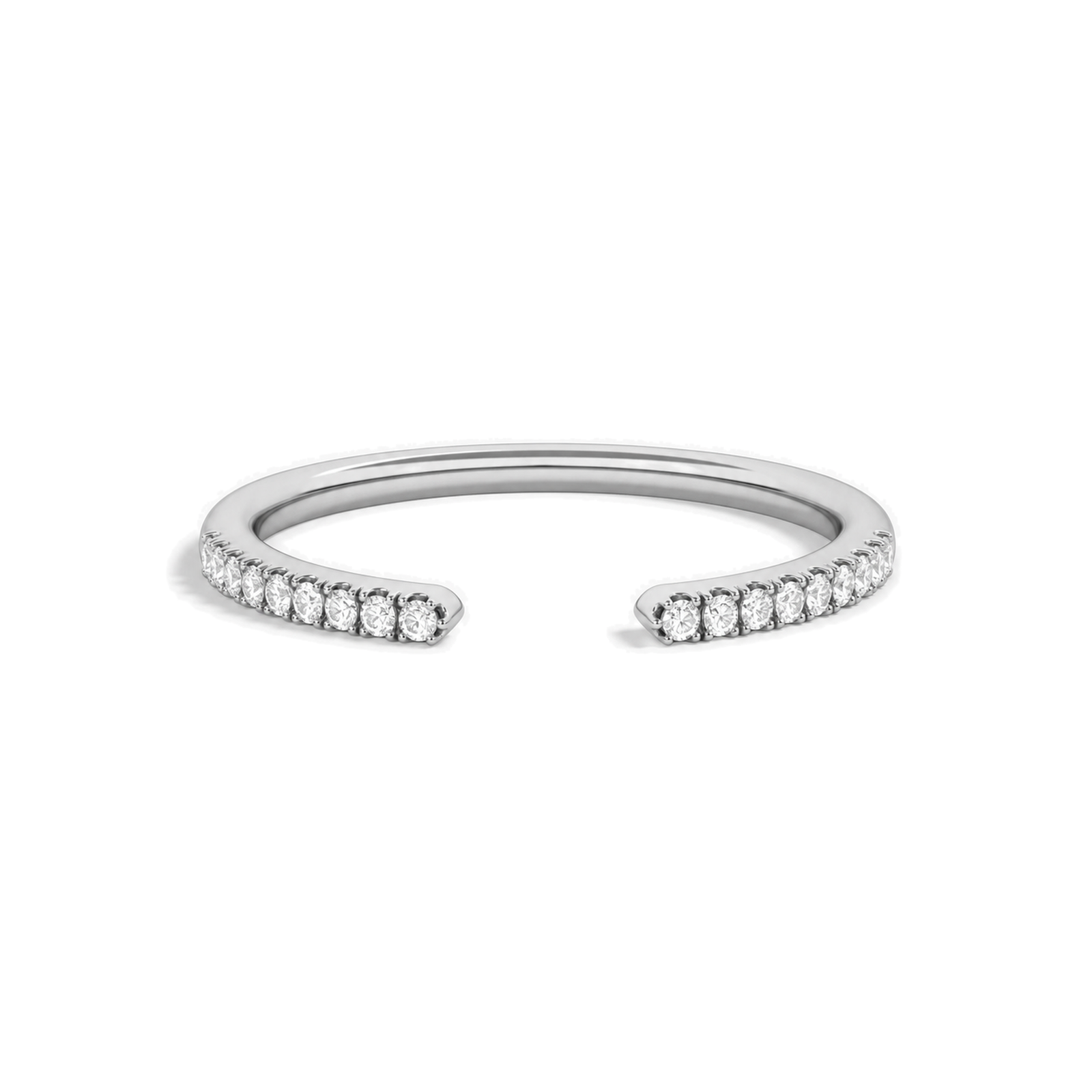


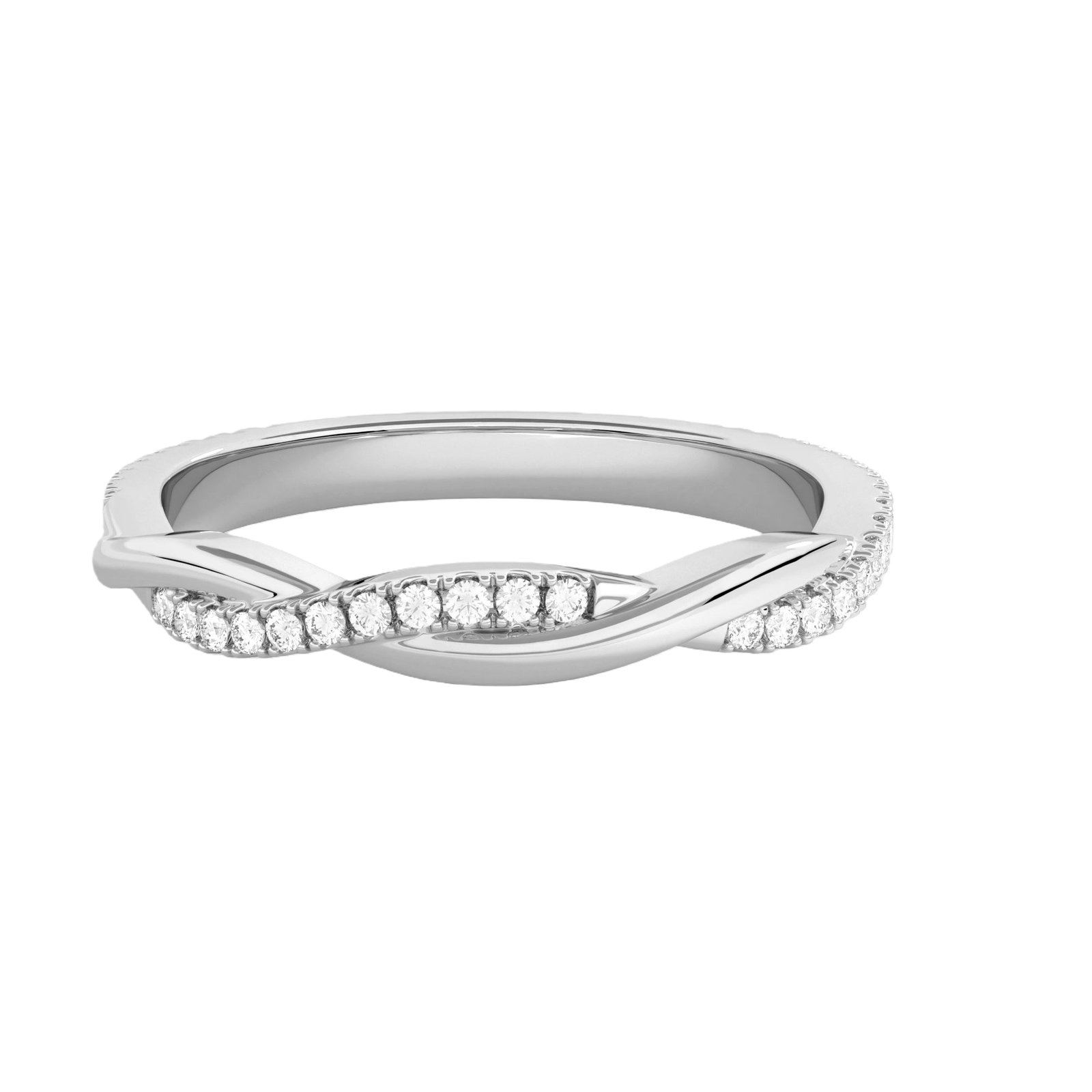


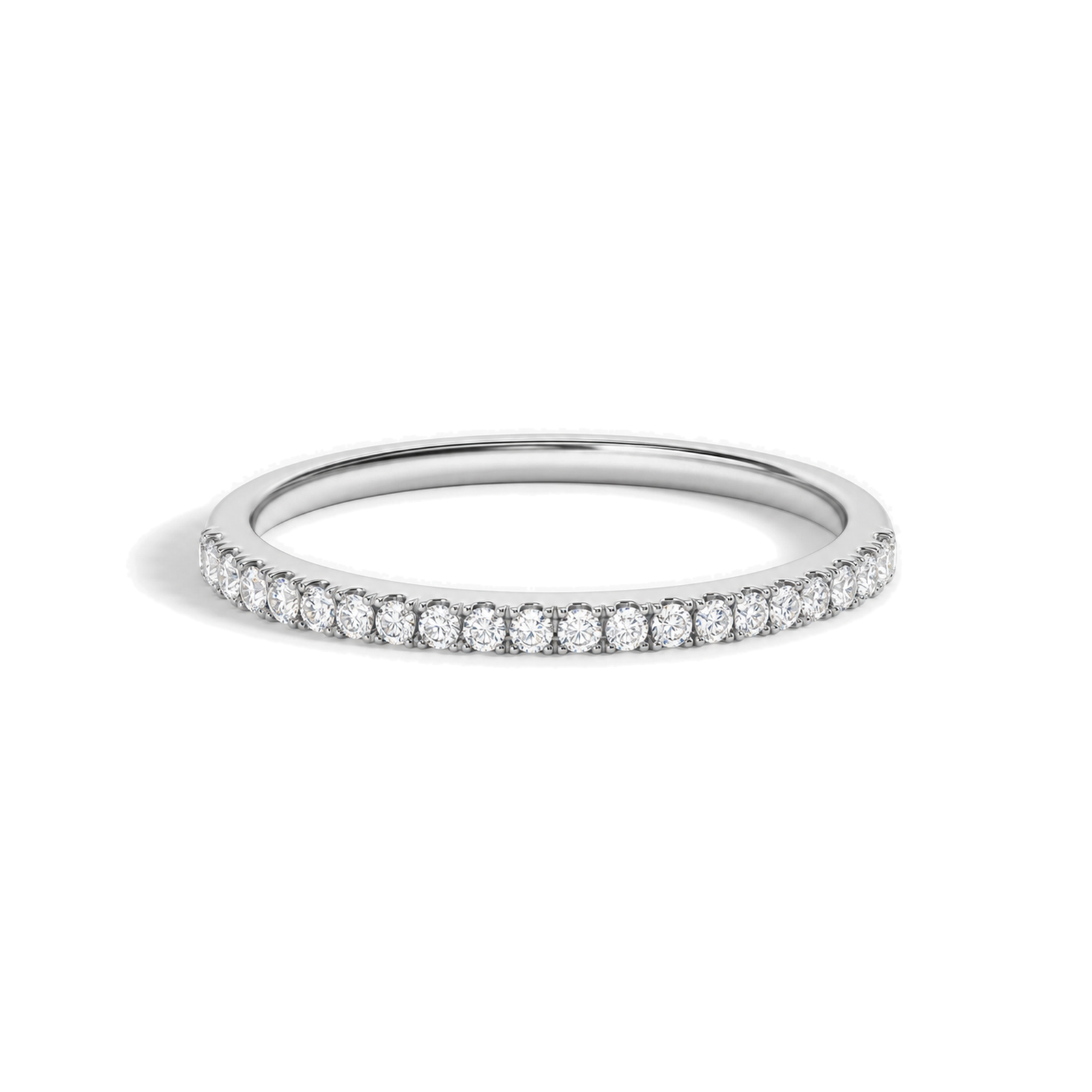
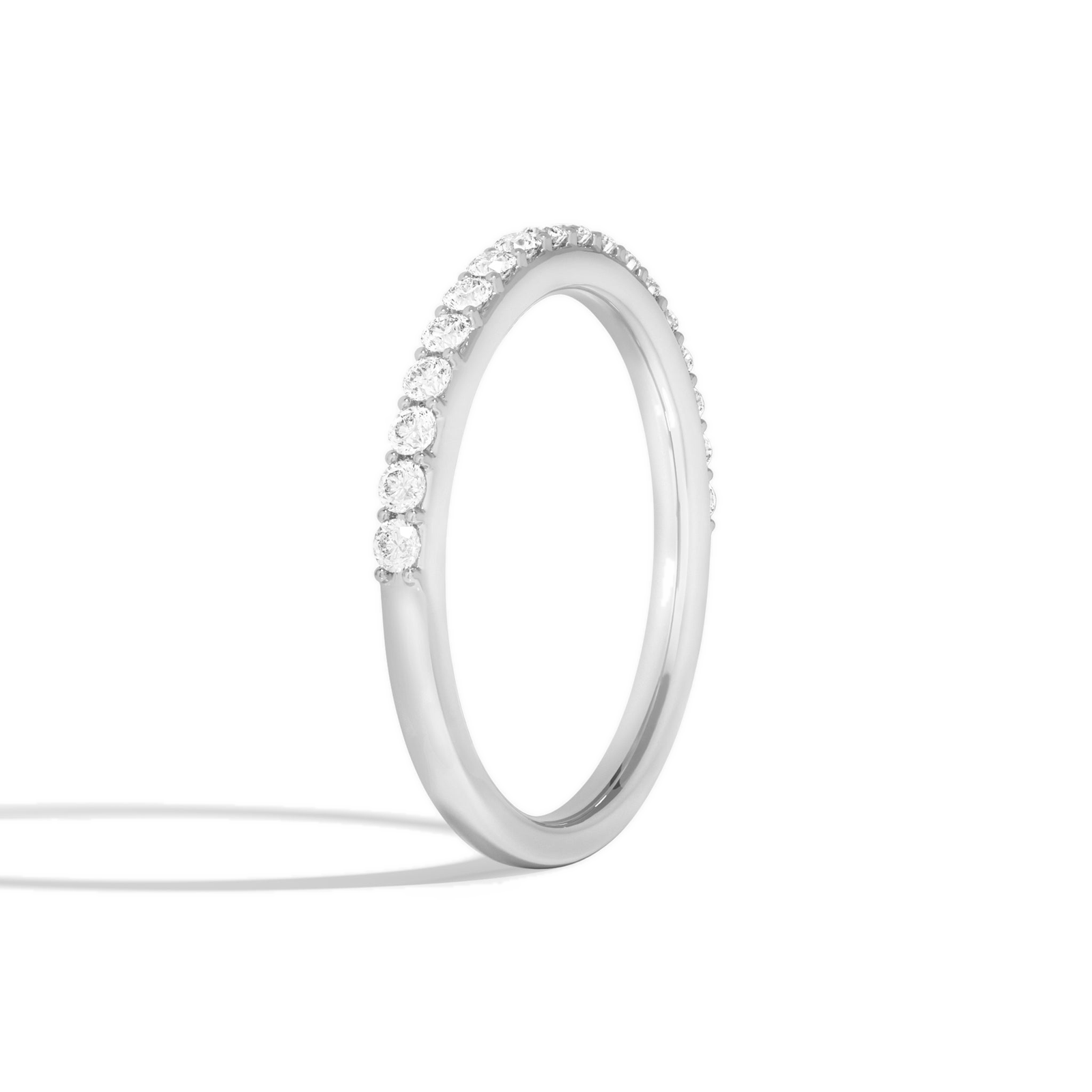

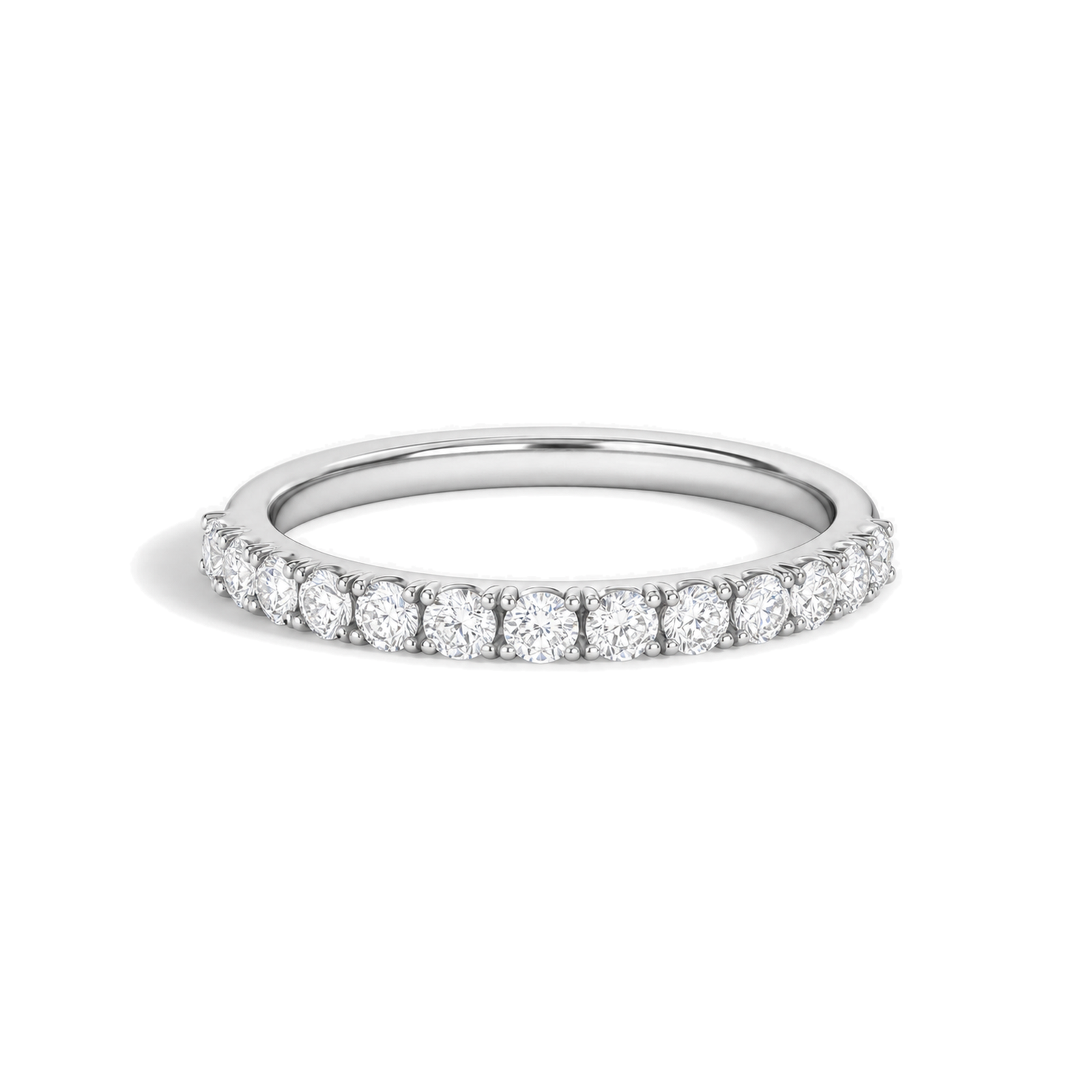
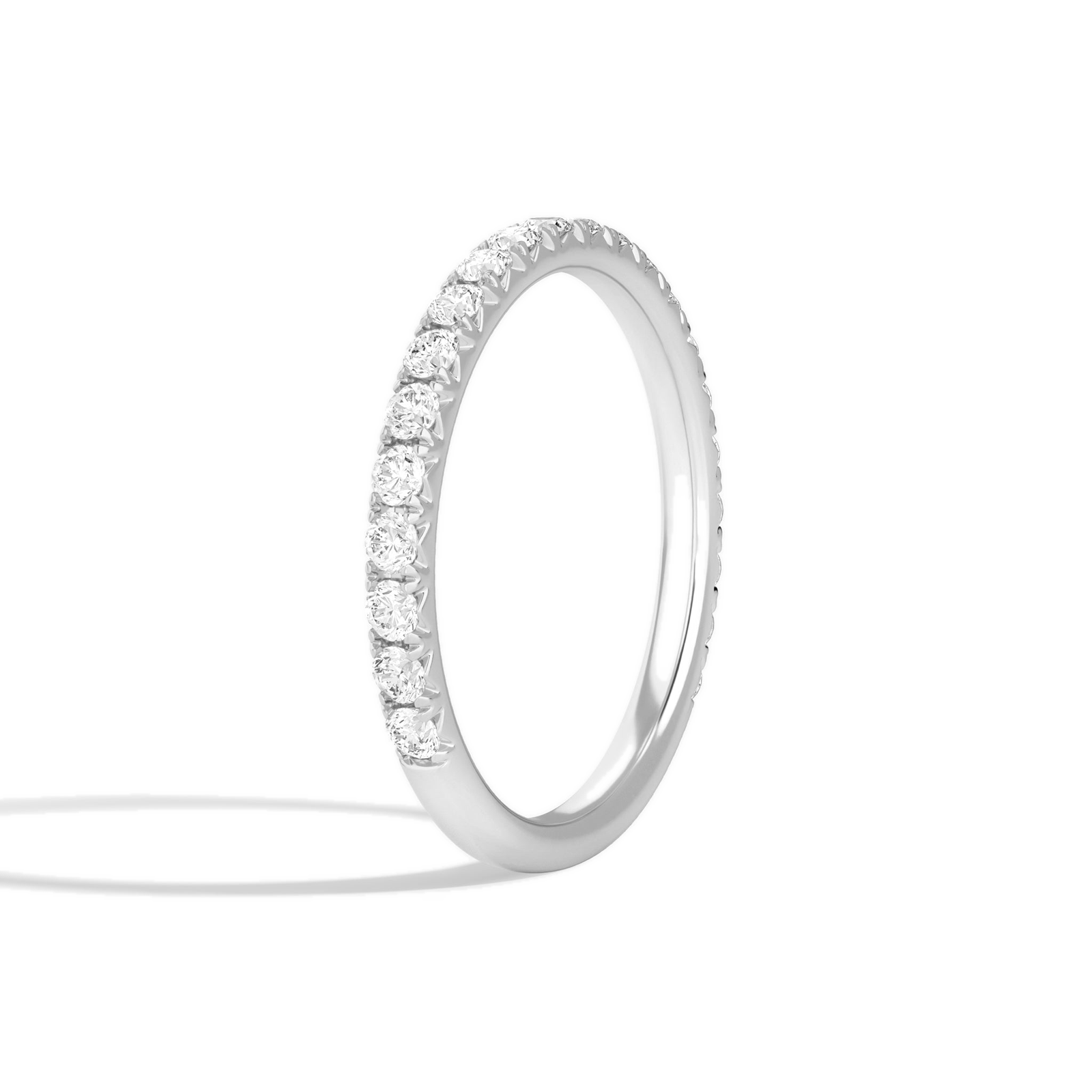

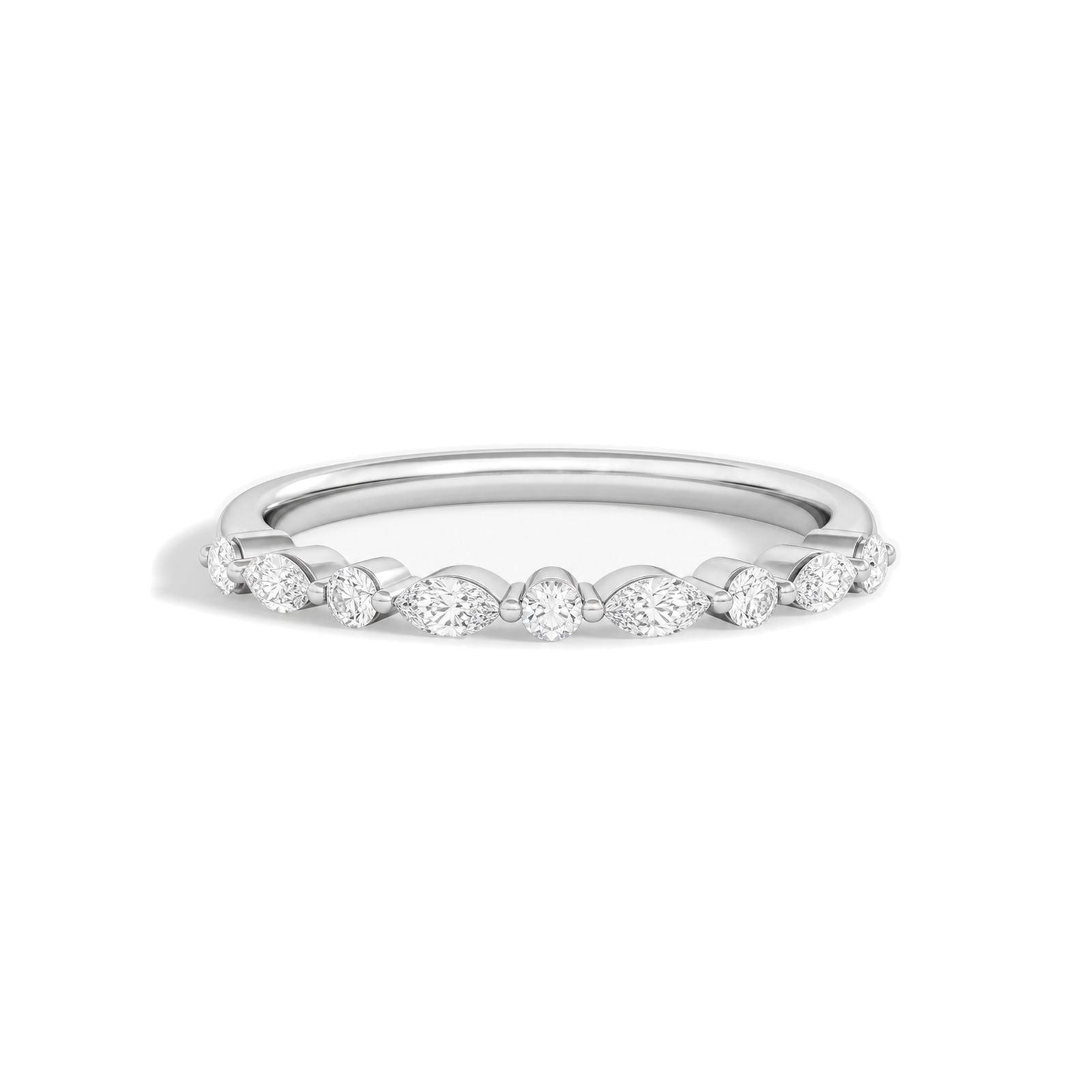
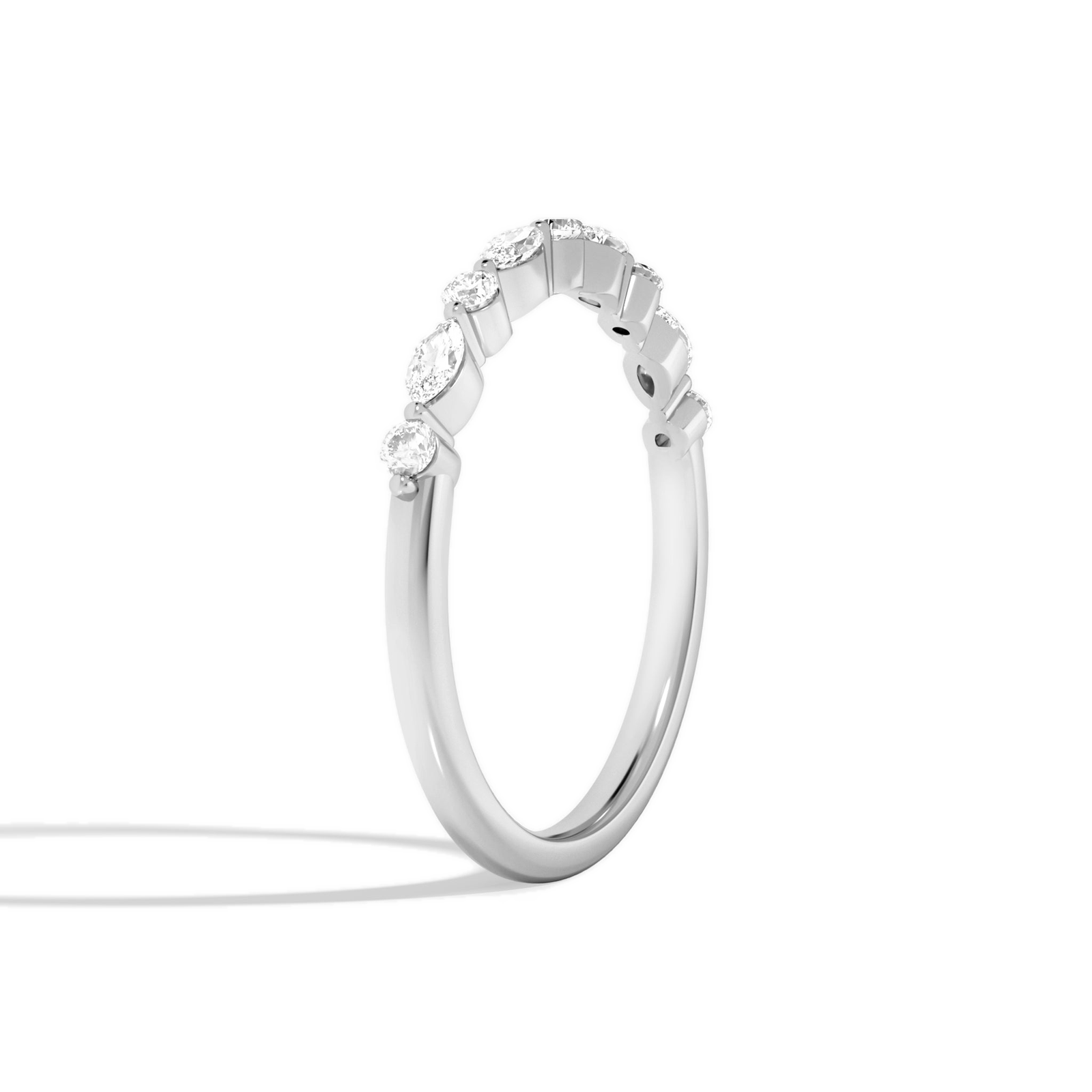

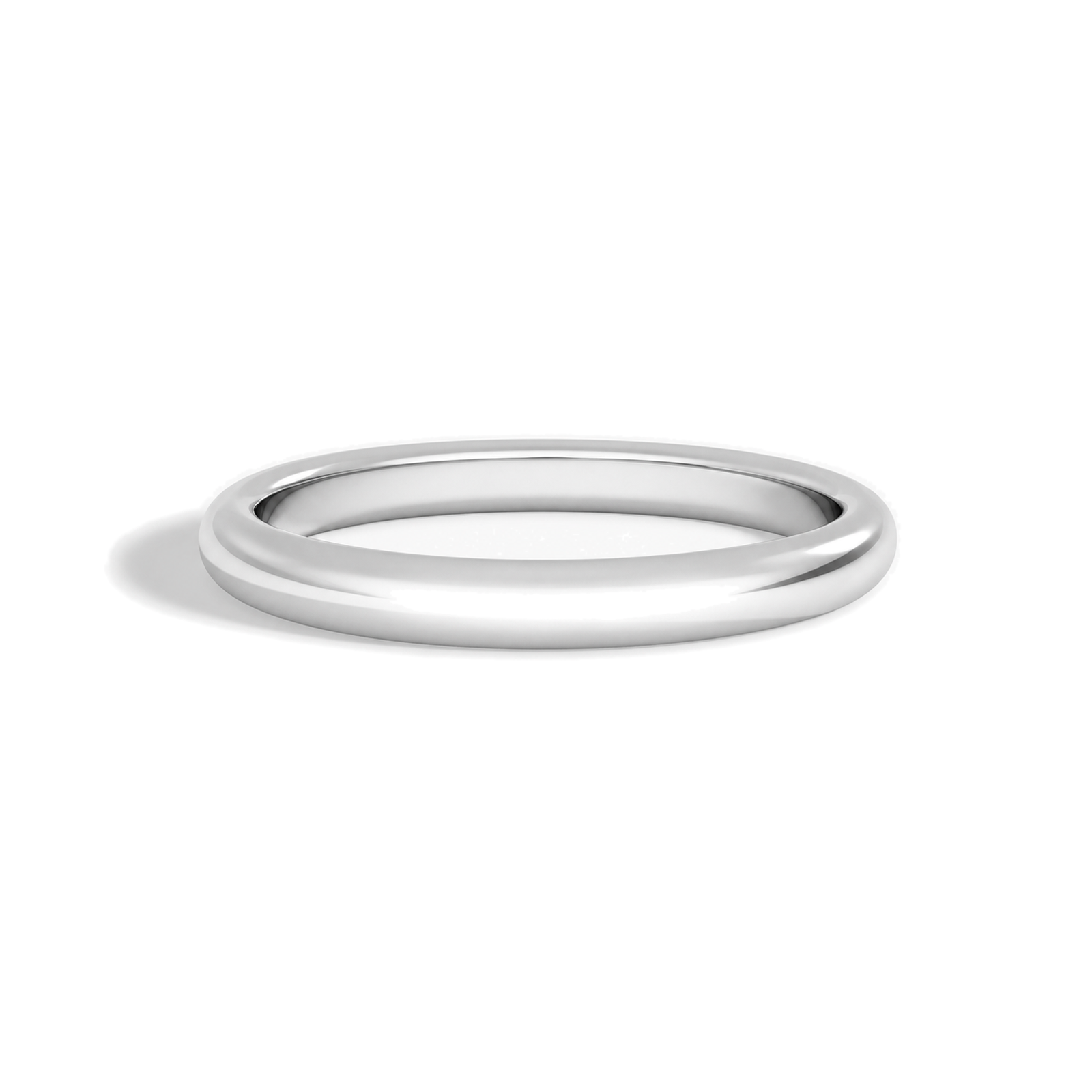
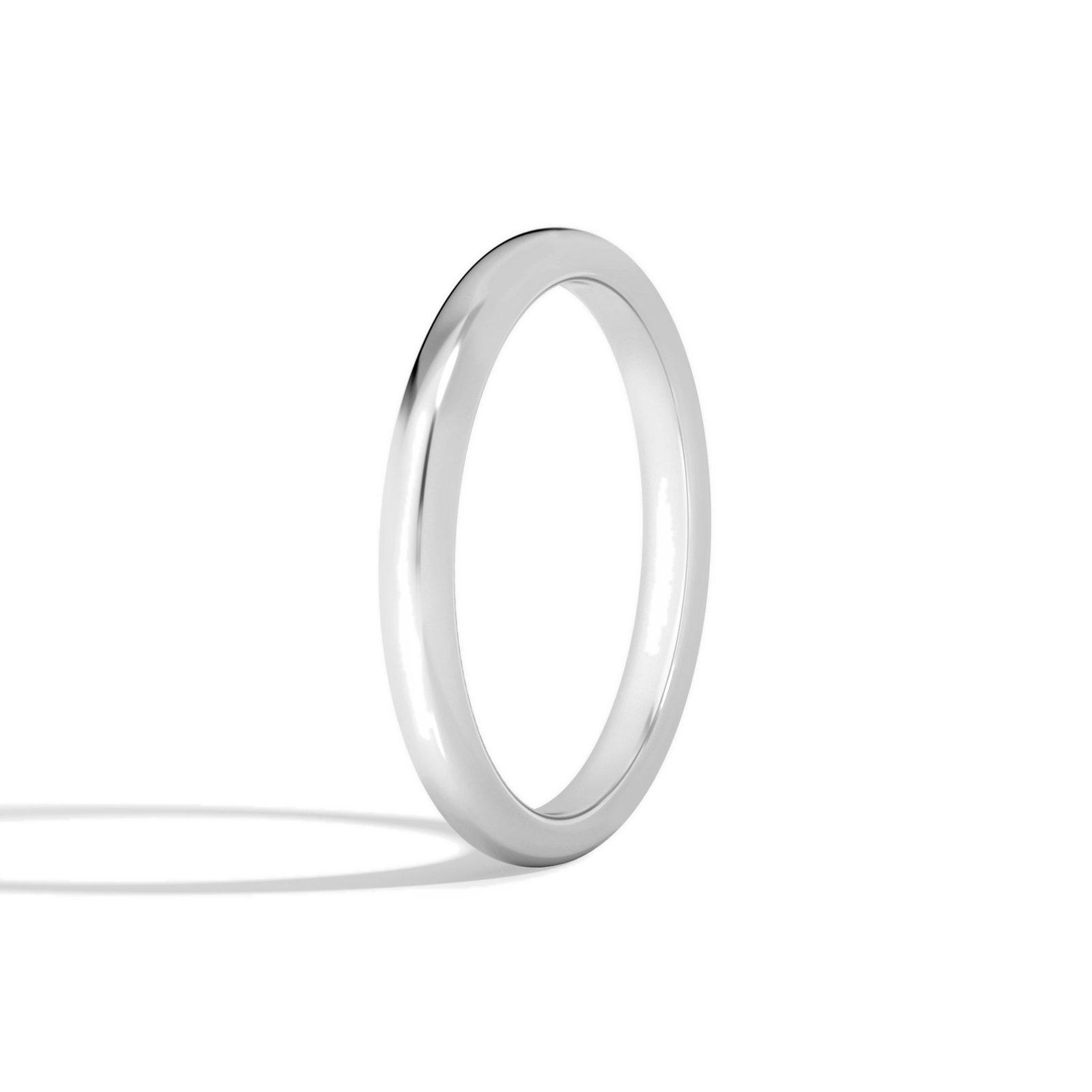

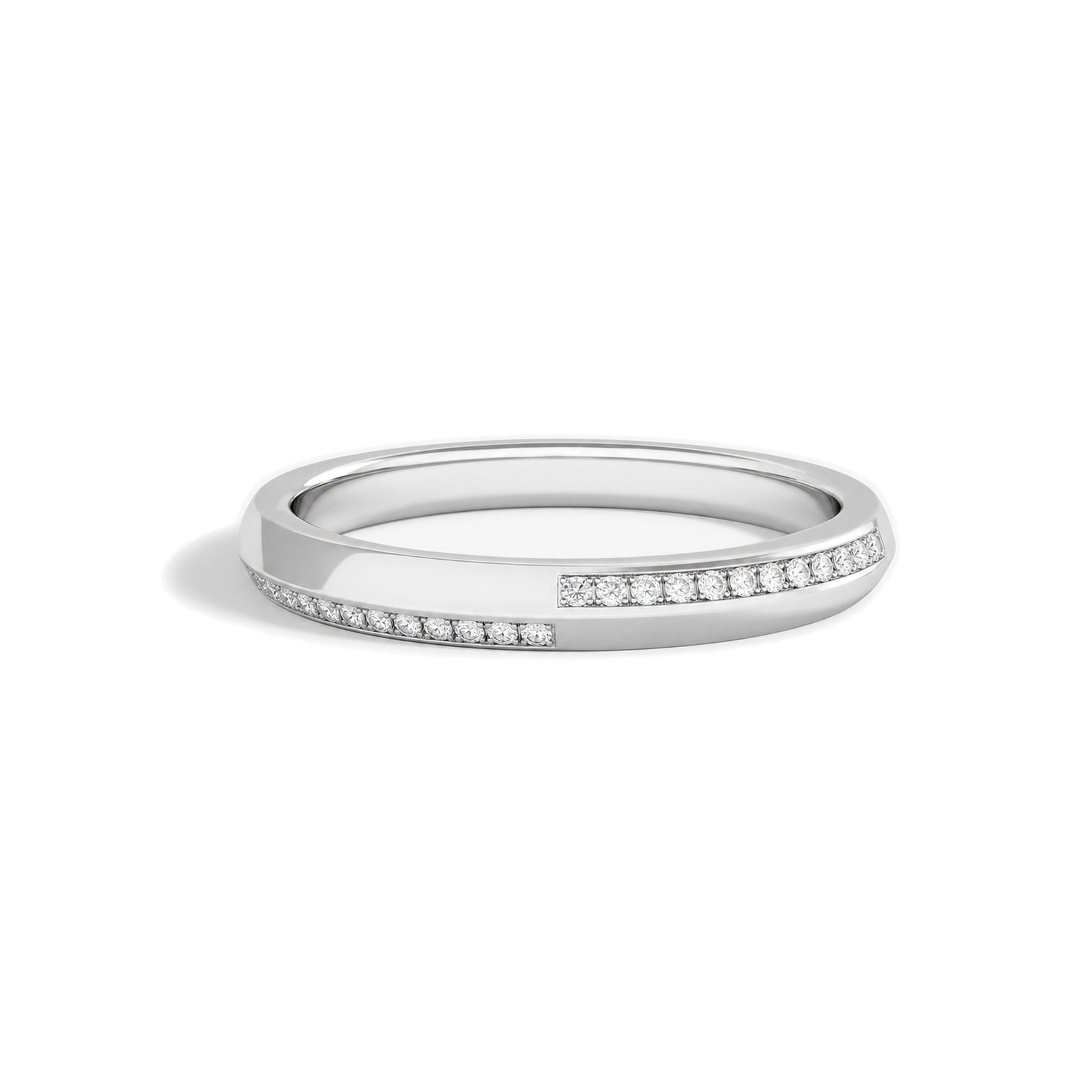
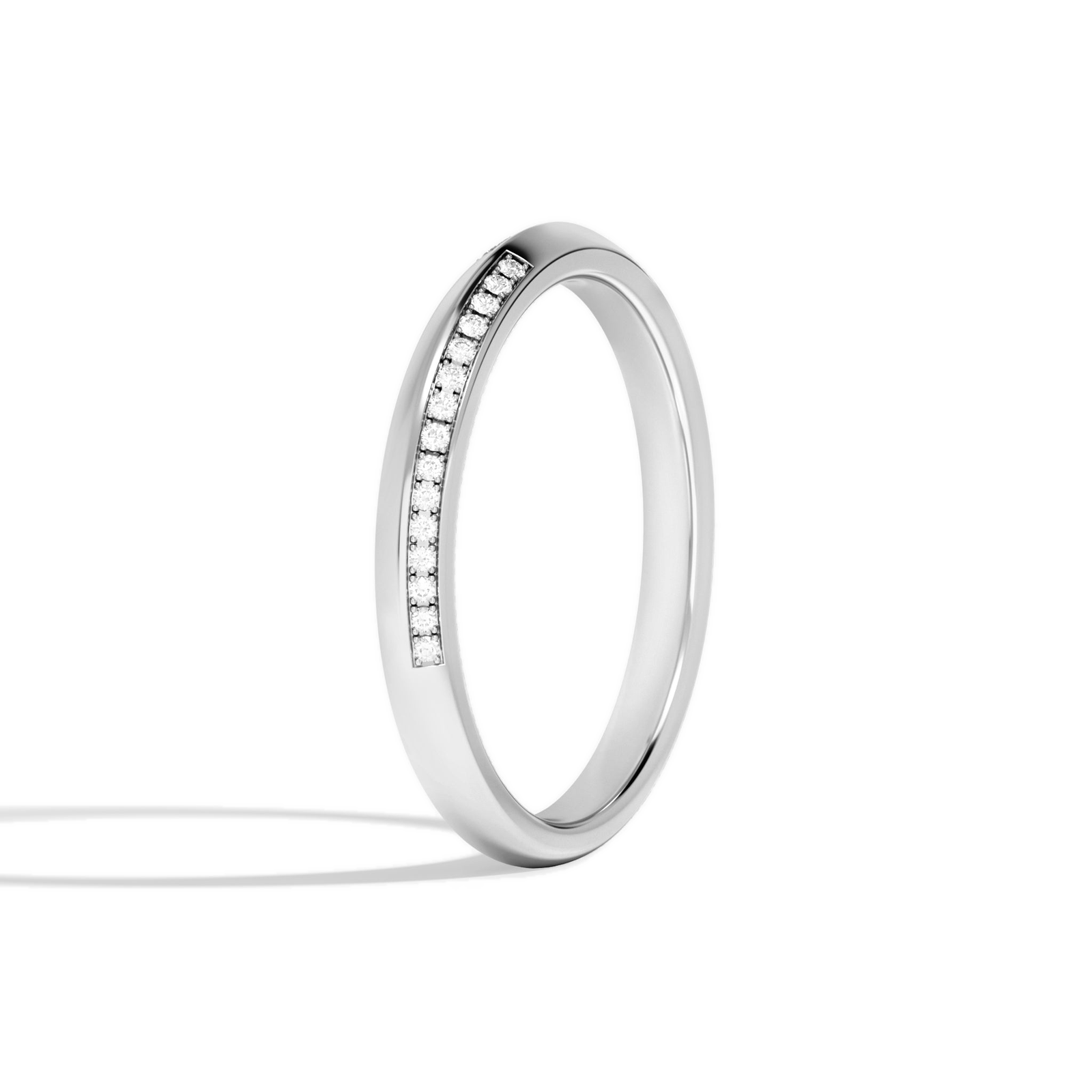
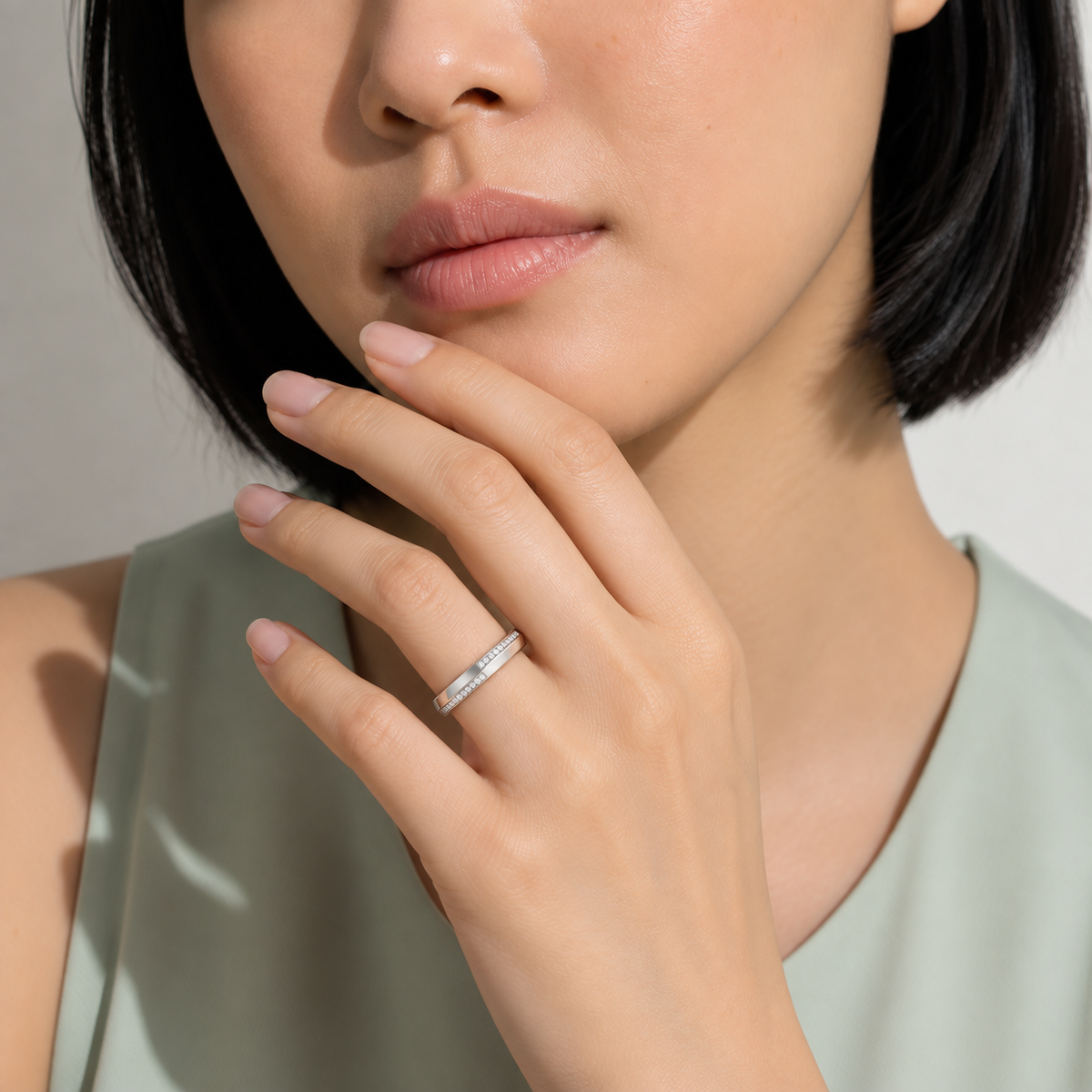
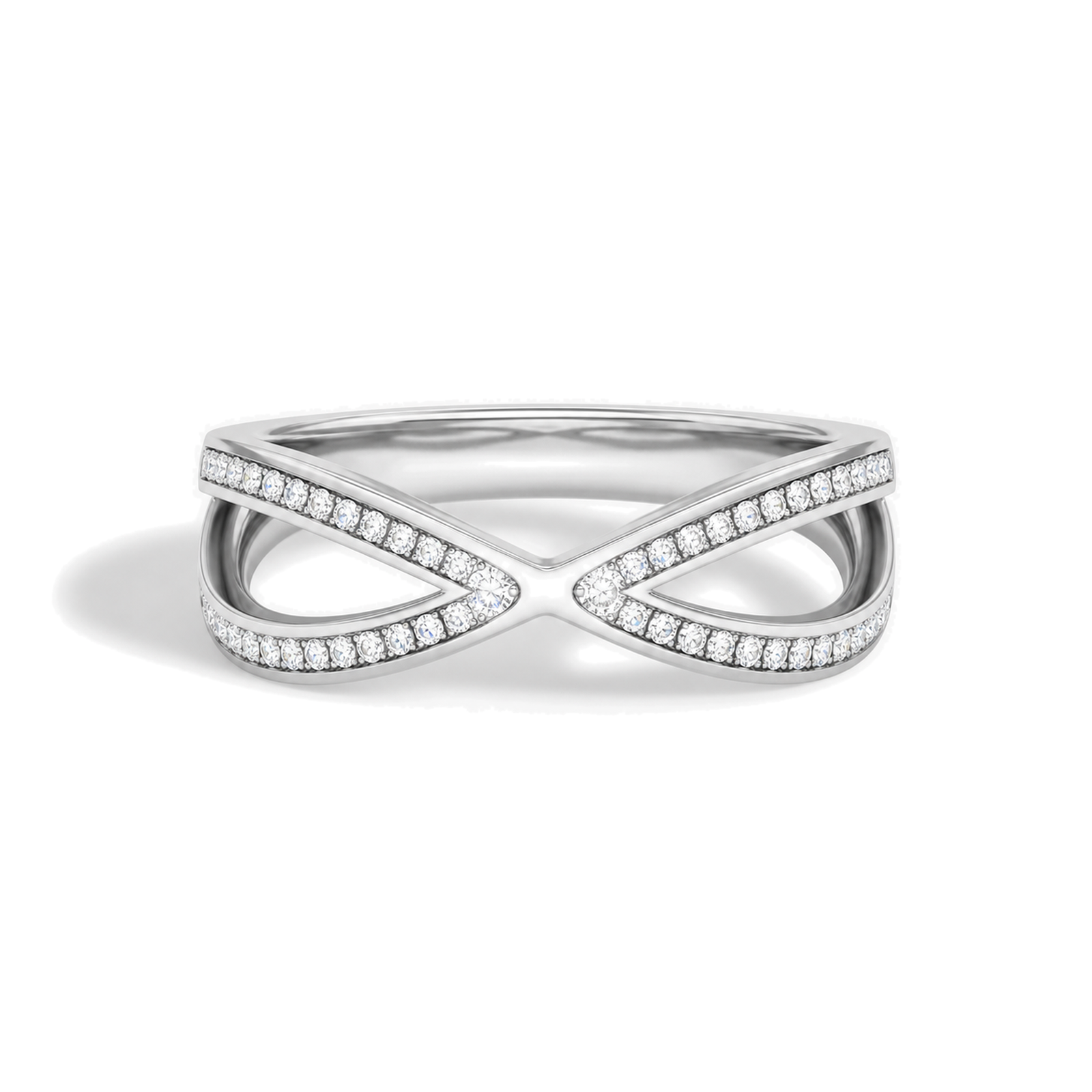


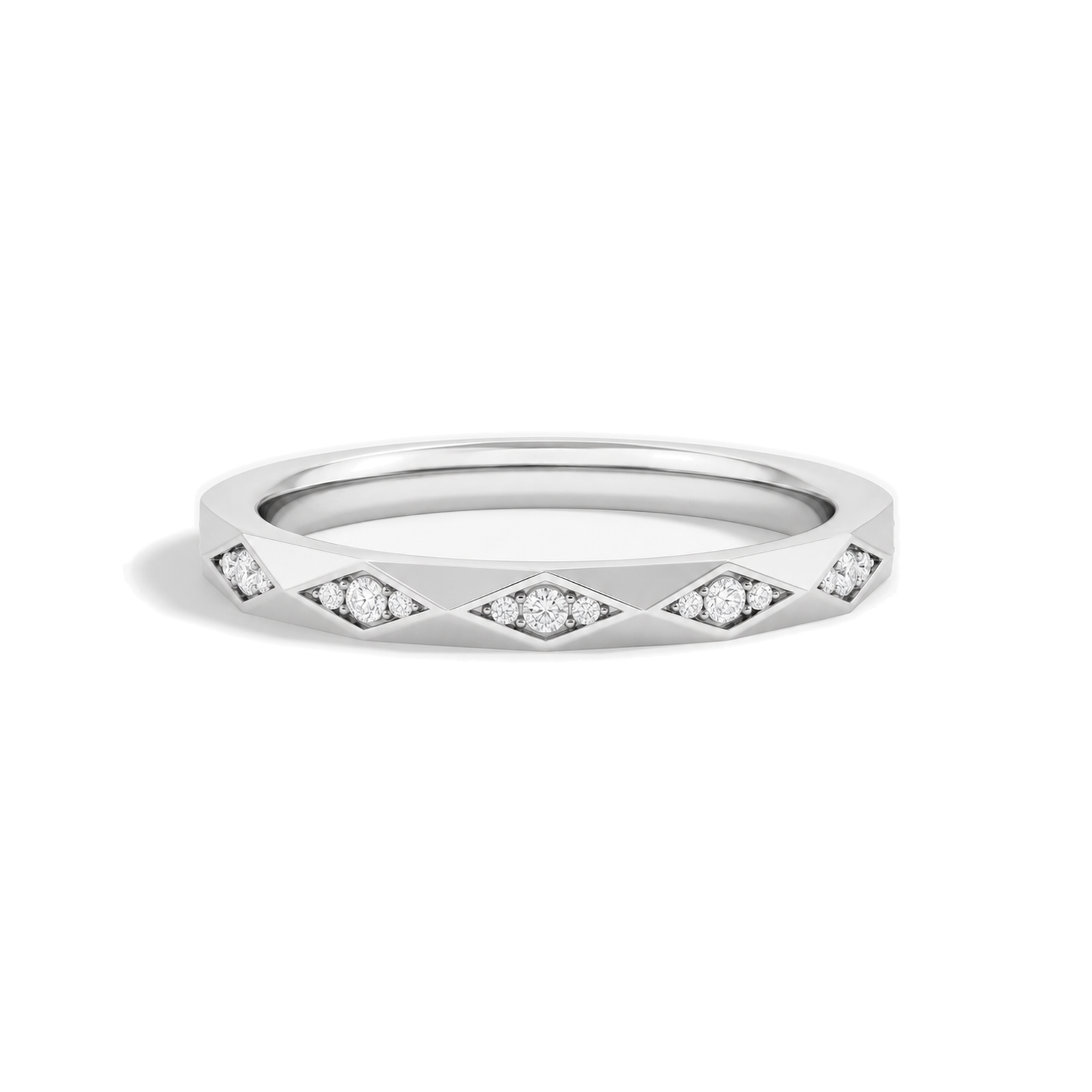


14K White Gold Fashion Rings: Structure before Category
White Gold can lower the color boundary between metal and diamond, bringing architecture forward. A bezel may read as a precise outline, a channel as a track, an opening as pause and a crossover as direction. None needs a ceremonial assignment to feel resolved.
All sixty-nine normalized designs also live in Rings, Anniversary Rings and Wedding Bands for 14K White Gold. Stacking Rings shares forty-five; Curved Rings shares eleven. The Fashion page is a non-prescribed interpretation of the same objects, not a differentiated assortment claim.
Begin with What the Line Does
Look for continuity, interruption, repetition and asymmetry before reaching for a broad style label. A small change in diamond interval or edge can carry more identity than scale alone. Fashion is not being used here as shorthand for novelty, seasonal trend or maximal ornament.
The intended finger changes how the line is read. Neighboring fingers, knuckle proportion and existing rings can alter apparent balance, but no finger is prescribed by the category.
Let Surface and Setting Divide the Light
Prongs create discrete points; bezels draw boundaries; channels hold a continuous corridor. Milgrain, facets, engraving or polished fields shift attention between diamonds and metal. These are observable structures, not guarantees of snag resistance or maintenance ease.
Average widths range from 1.4–5.0 mm in the approved parent evidence. Width must be read with profile, face-up spread and setting height, especially if the ring may join another piece.
Keep White-Metal Claims Exact
14K denotes approximately 58.3% gold. White appearance alone does not prove a shared alloy, rhodium state, future color, sensitivity response or care schedule across all products.
Open construction does not imply adjustability, and a fashion label does not promise resizing. Verify the selected ring's surface, symmetry, coverage and service options before planning changes.
Frequently Asked Questions
How is a fashion ring defined here?
It is selected first through visual structure and personal use, without a mandatory ceremonial function.
What is the current page count?
Sixty-nine 14K white gold normalized designs.
Does the page have unique membership?
No; Rings, Anniversary Rings and Wedding Bands repeat every normalized design.
How many belong to Stacking Rings too?
Forty-five current designs share that route.
How many also appear as Curved Rings?
Eleven of sixty-nine.
Is a fashion ring the same as a cocktail ring?
Not necessarily; this page includes restrained, band-led, open and stackable forms as well as focal designs.
Do current trends determine the edit?
No seasonal trend list governs the selection framework.
Which visual questions should come first?
Consider continuity, pause, direction, repetition, asymmetry and surface.
Can a quiet ring have strong identity?
Yes. A precise bezel, edge or interval may establish the complete gesture.
What does setting change?
It changes boundary, spacing and how metal and diamonds divide attention.
What is the published width spectrum?
Current approved evidence runs from 1.4 to 5.0 mm.
Does width predict comfort?
No. Interior, thickness, anatomy, size and neighboring rings remain relevant.
Is every white gold ring rhodium plated?
No Collection-wide finish statement is supported.
What percentage of 14K is gold?
Approximately 58.3% by fineness.
May the ring be moved to another finger?
Possibly, after the intended finger and correct size are assessed.
Do openings allow the ring to flex?
No shared flexibility or adjustment claim follows from an opening.
Can surface detail limit alteration?
Yes; engraving, texture, settings and symmetry can affect possible work.