
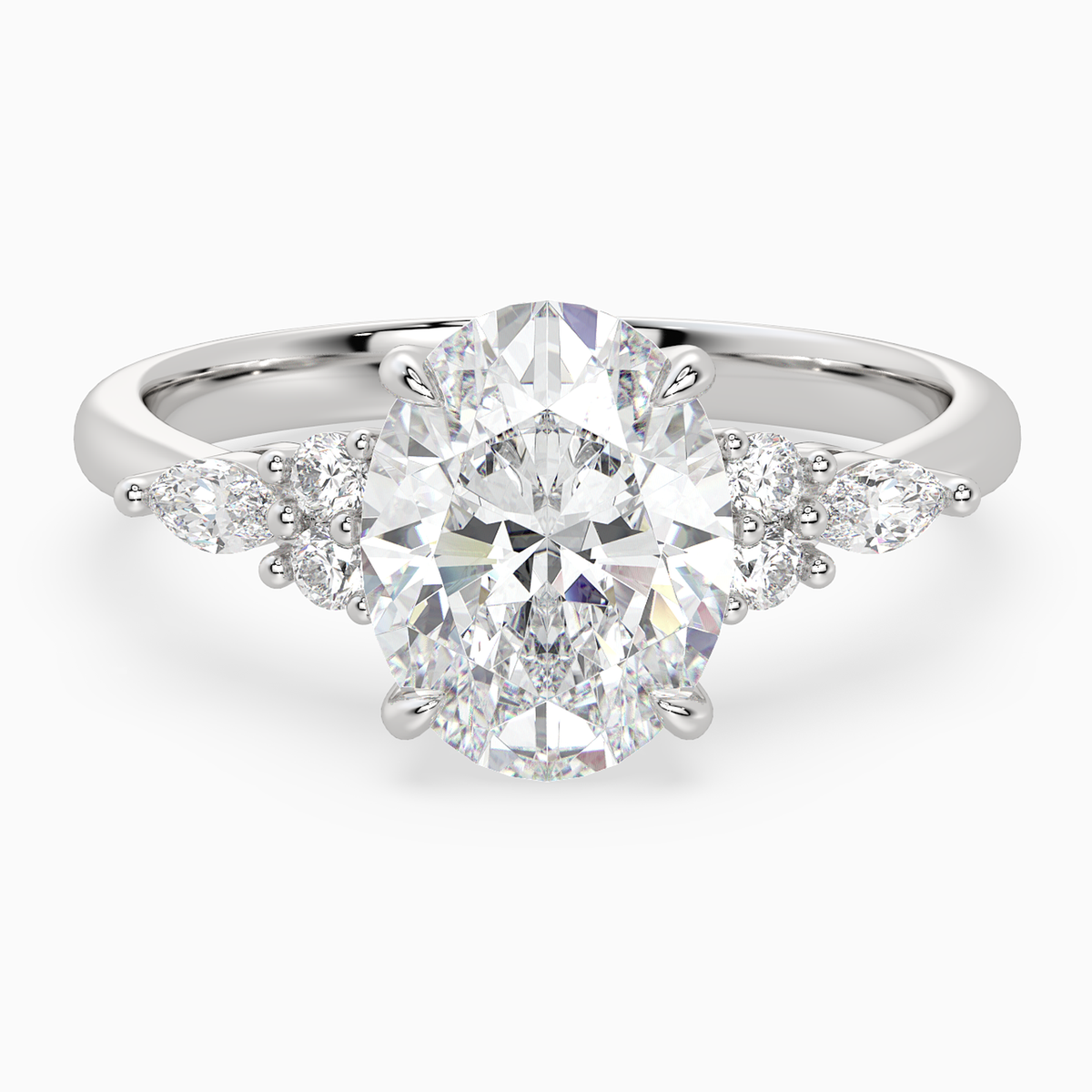


Lab Grown Diamond Anniversary Rings in 18K Yellow Gold
A fuller yellow field gives the milestone material presence. Compare 69 rings by rhythm, coverage, form, proportion, and intended placement.


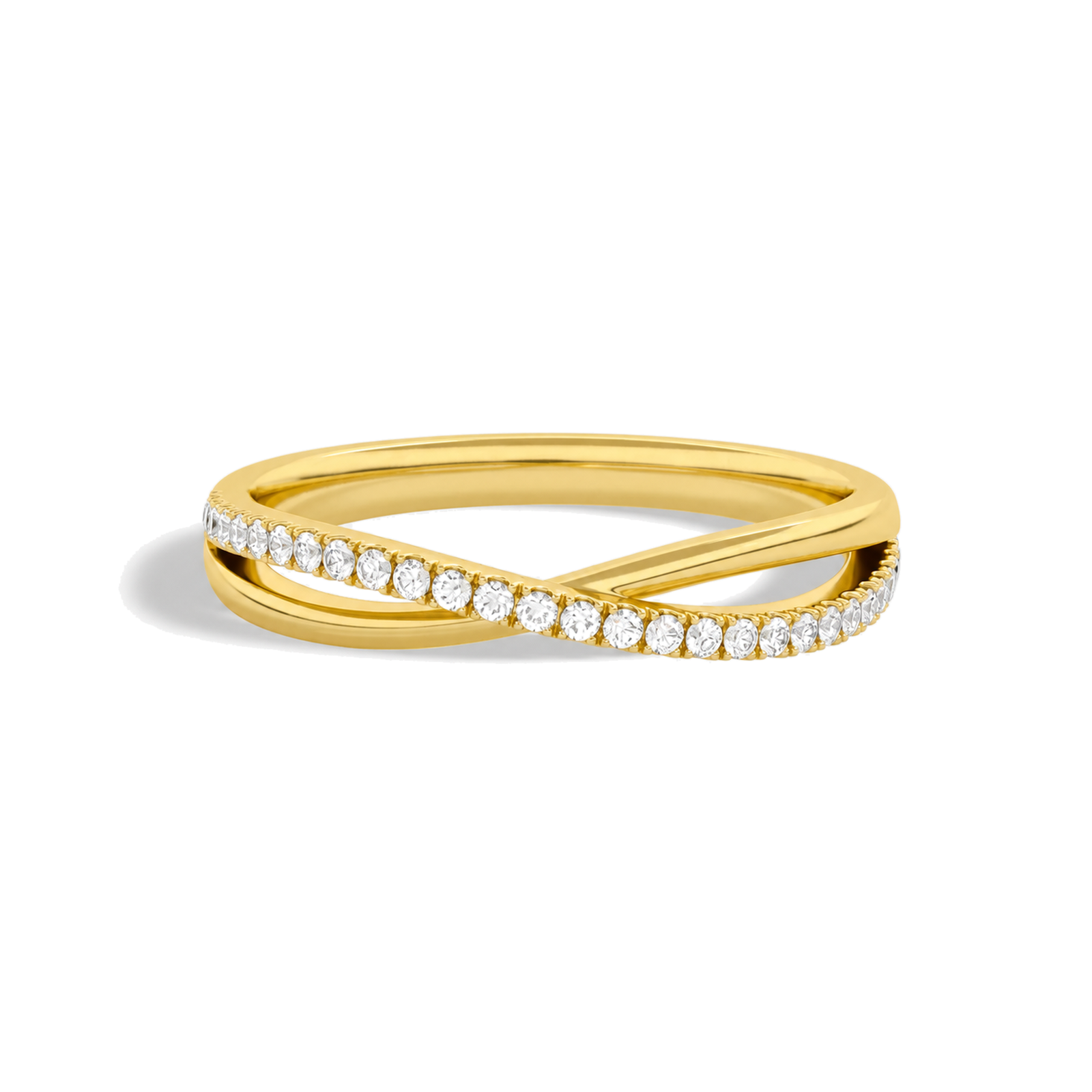
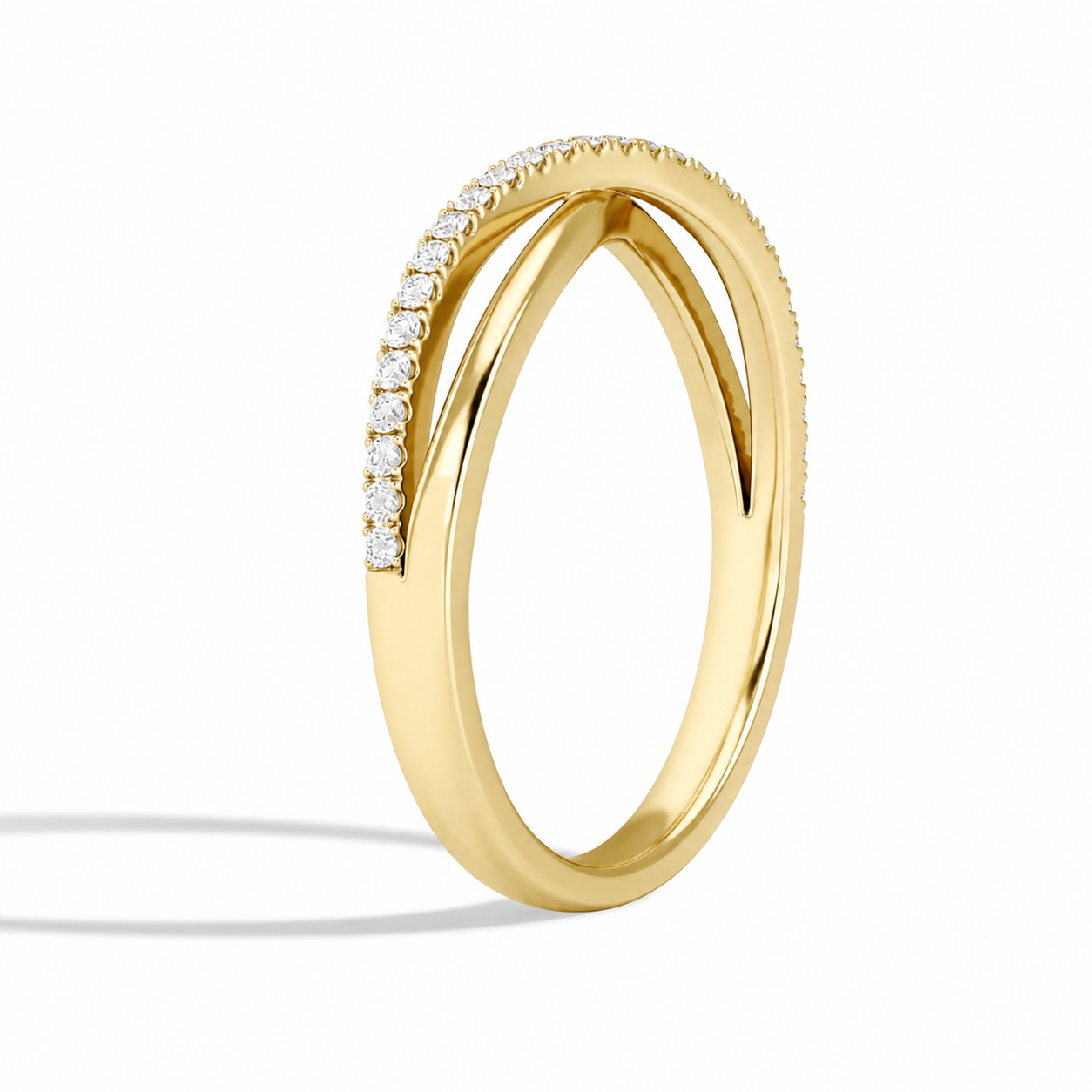

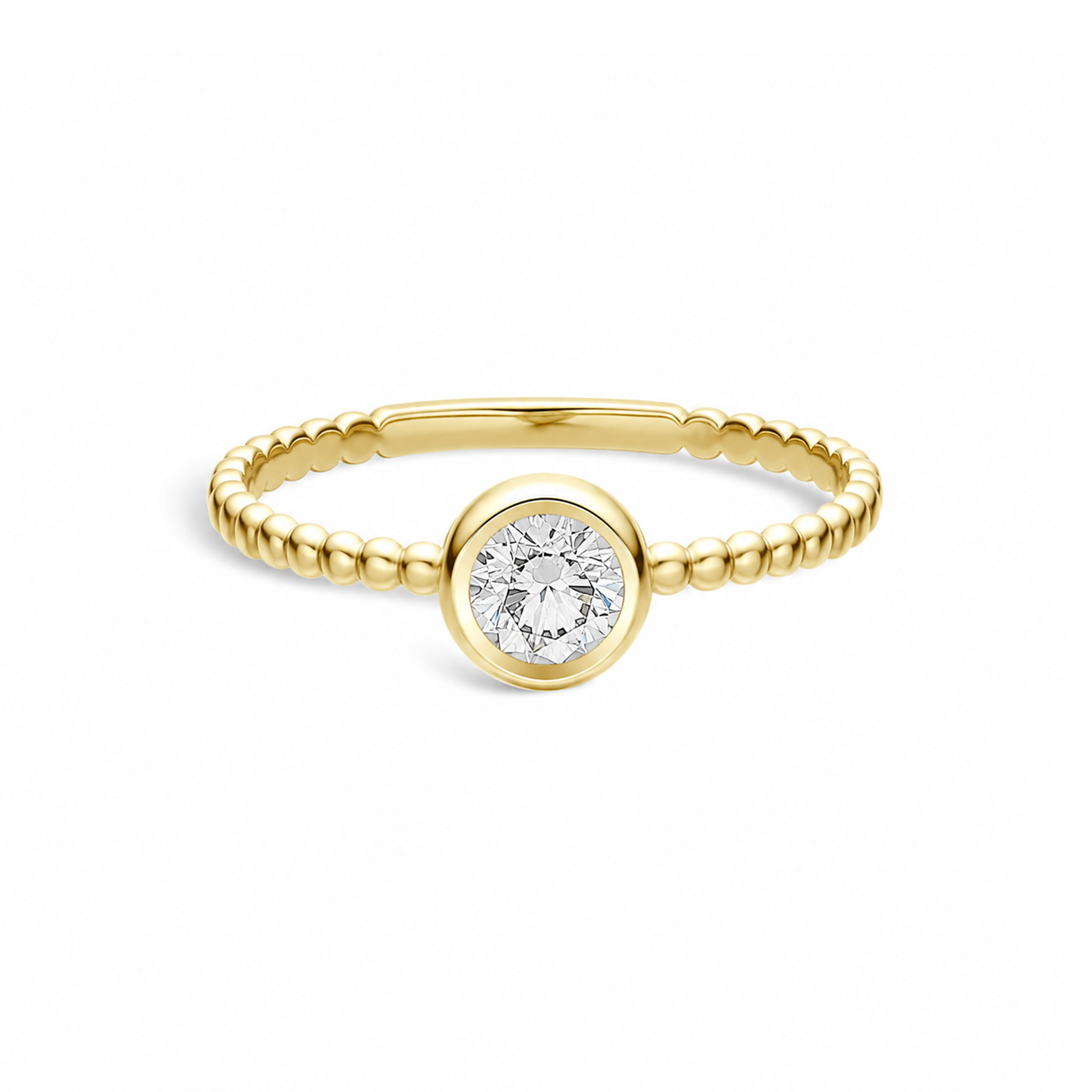
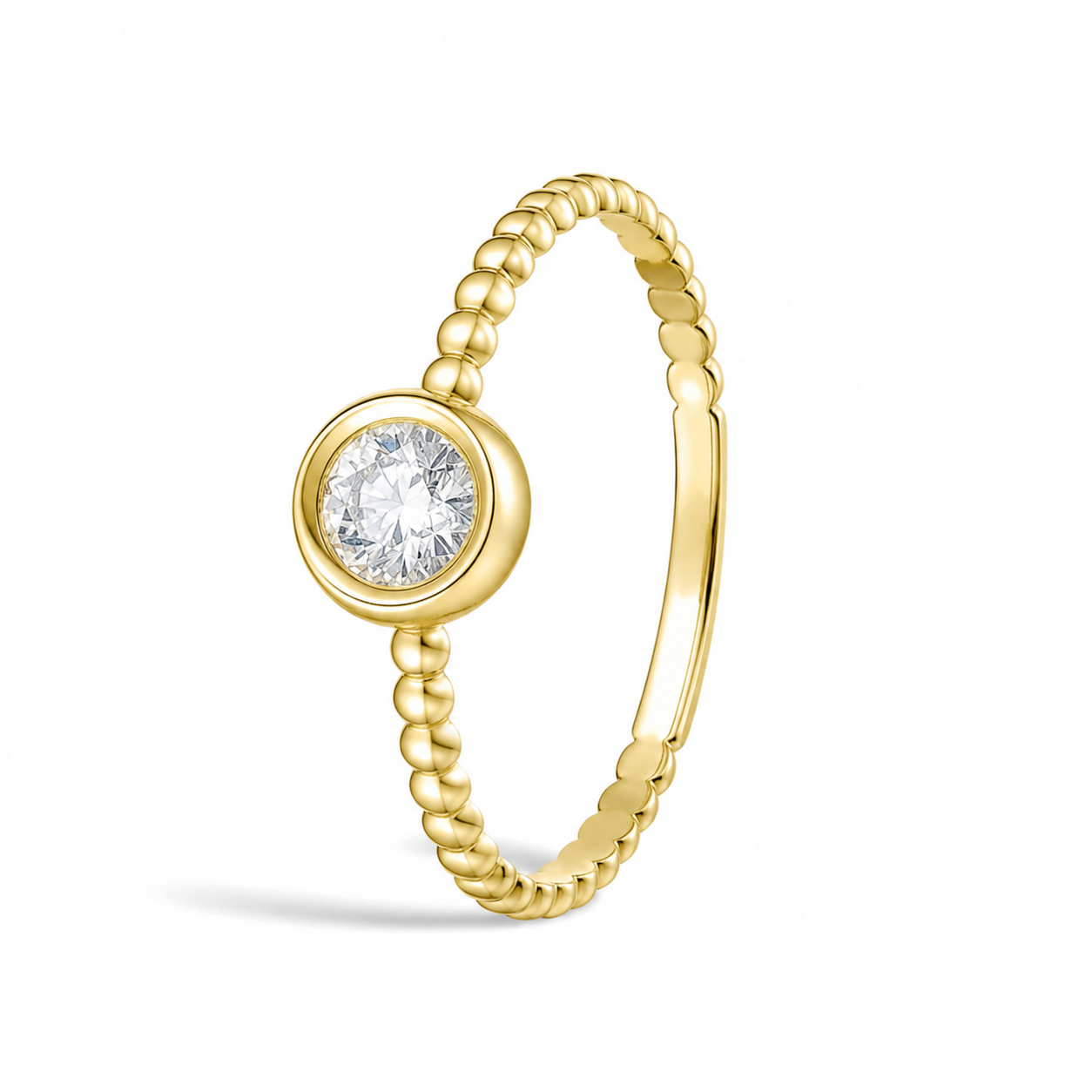

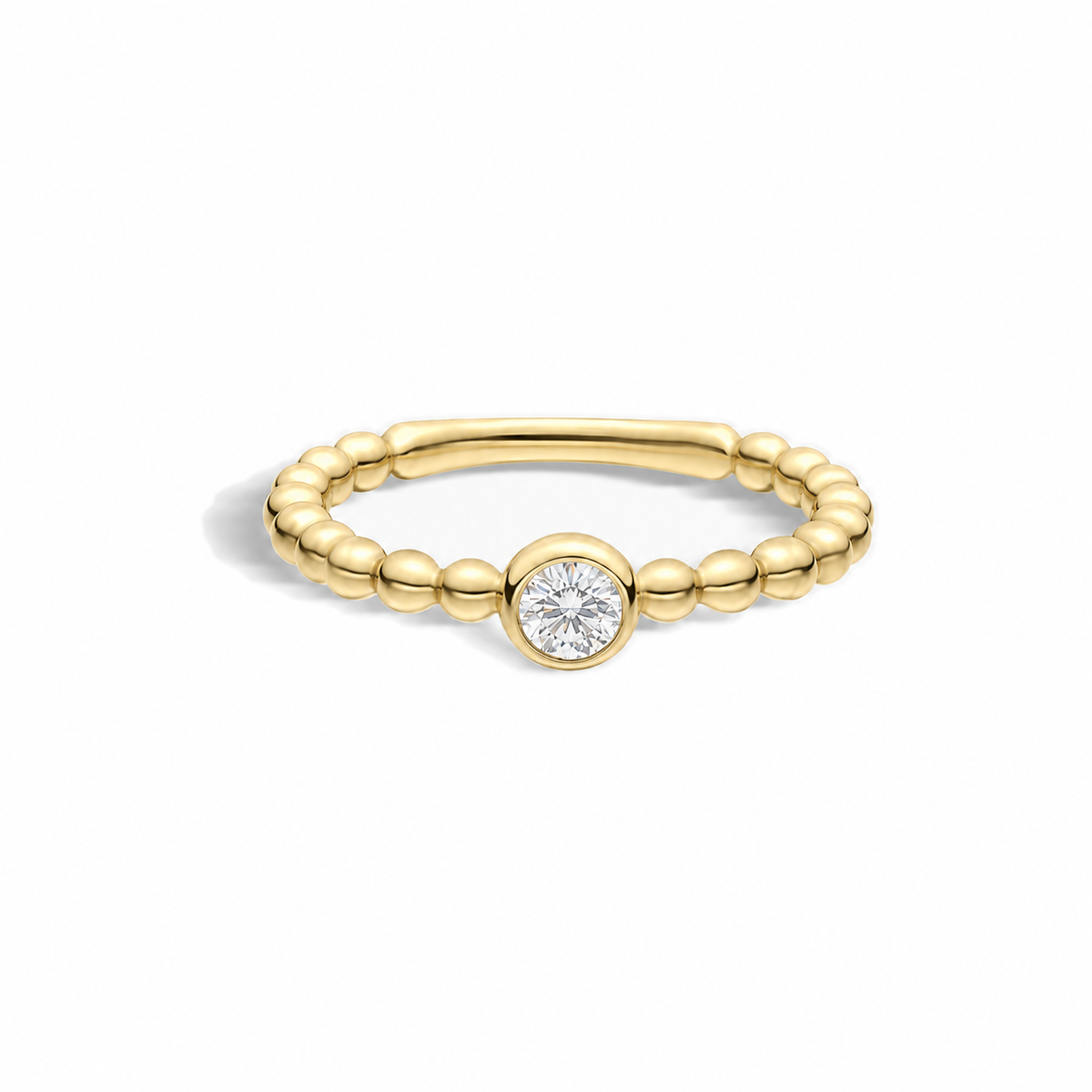


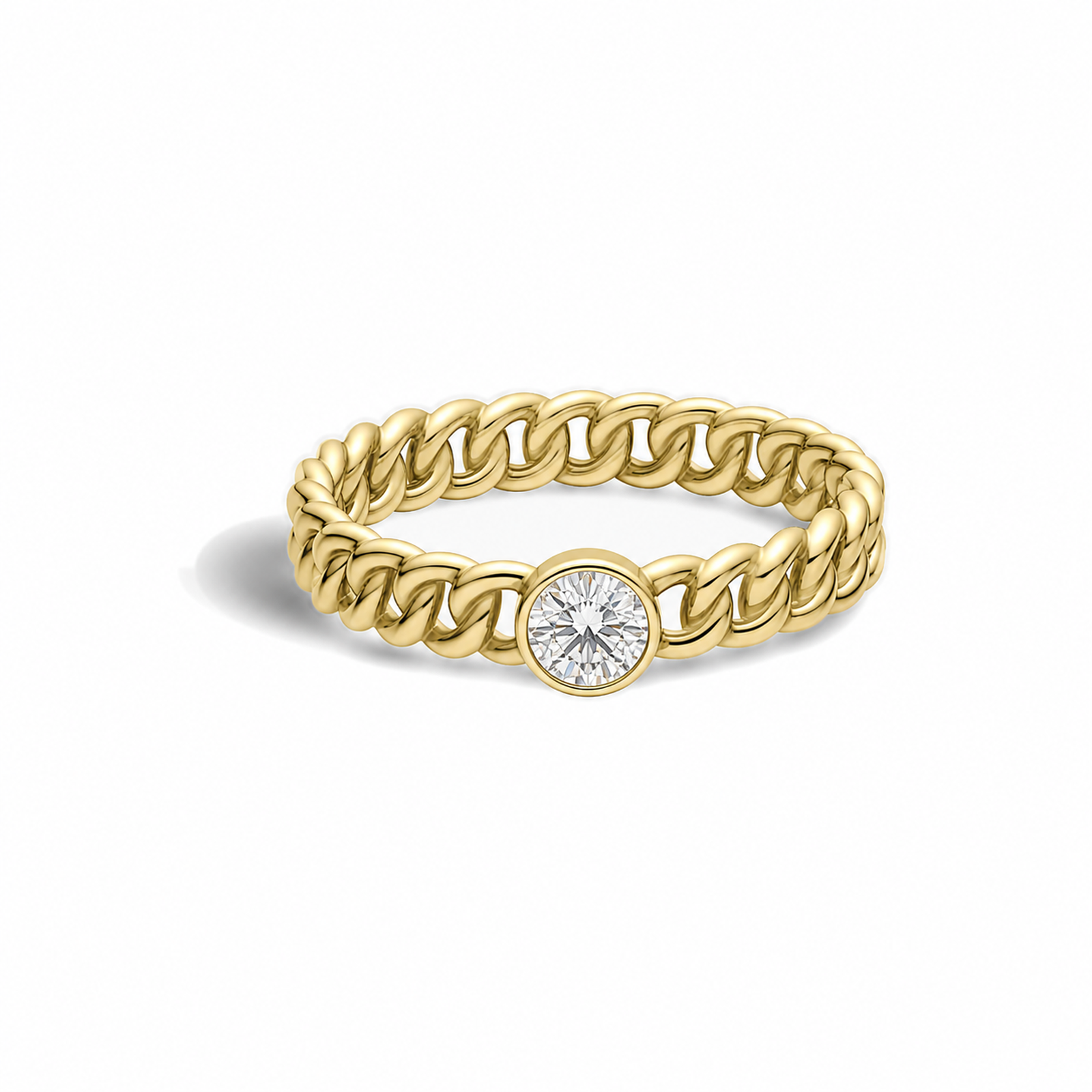
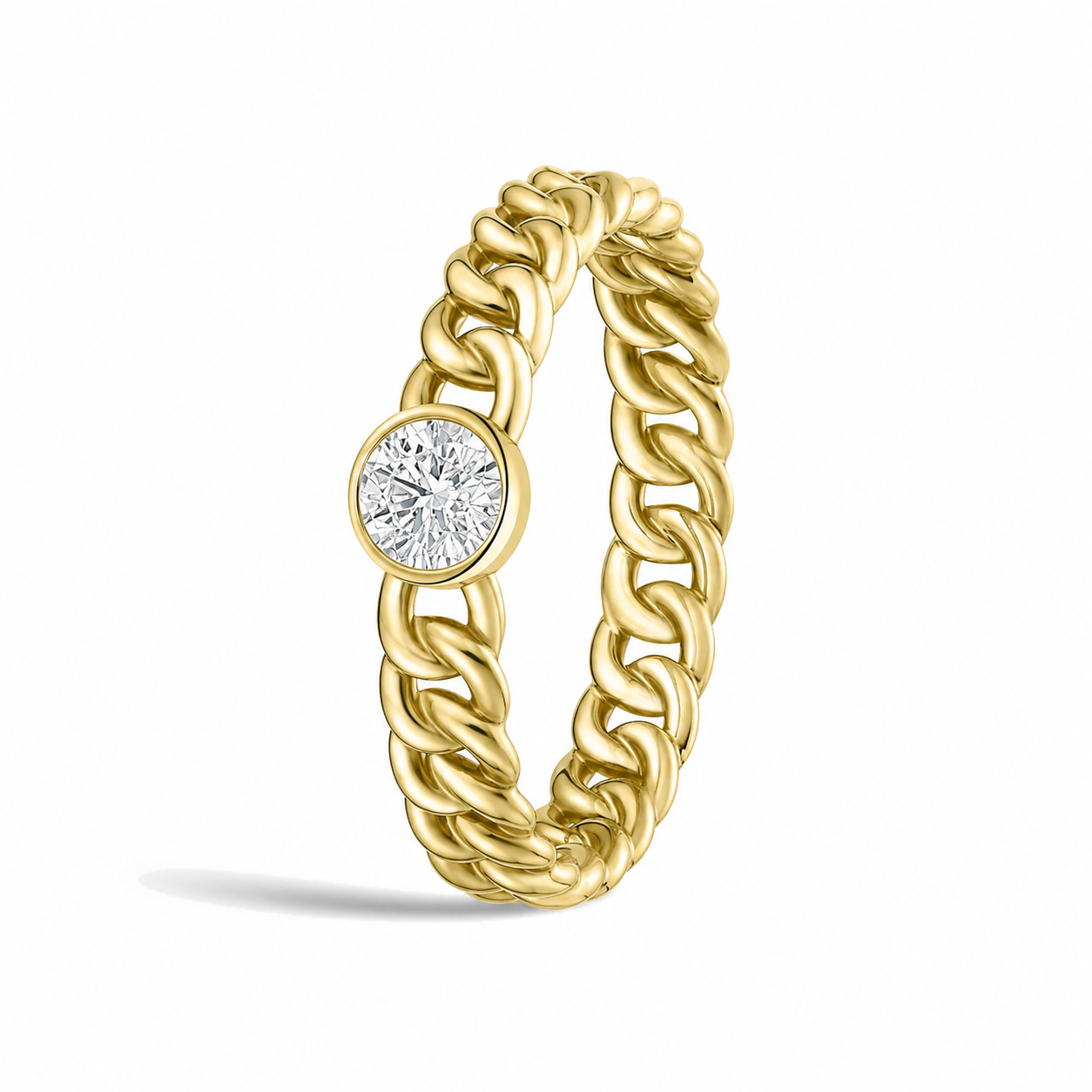

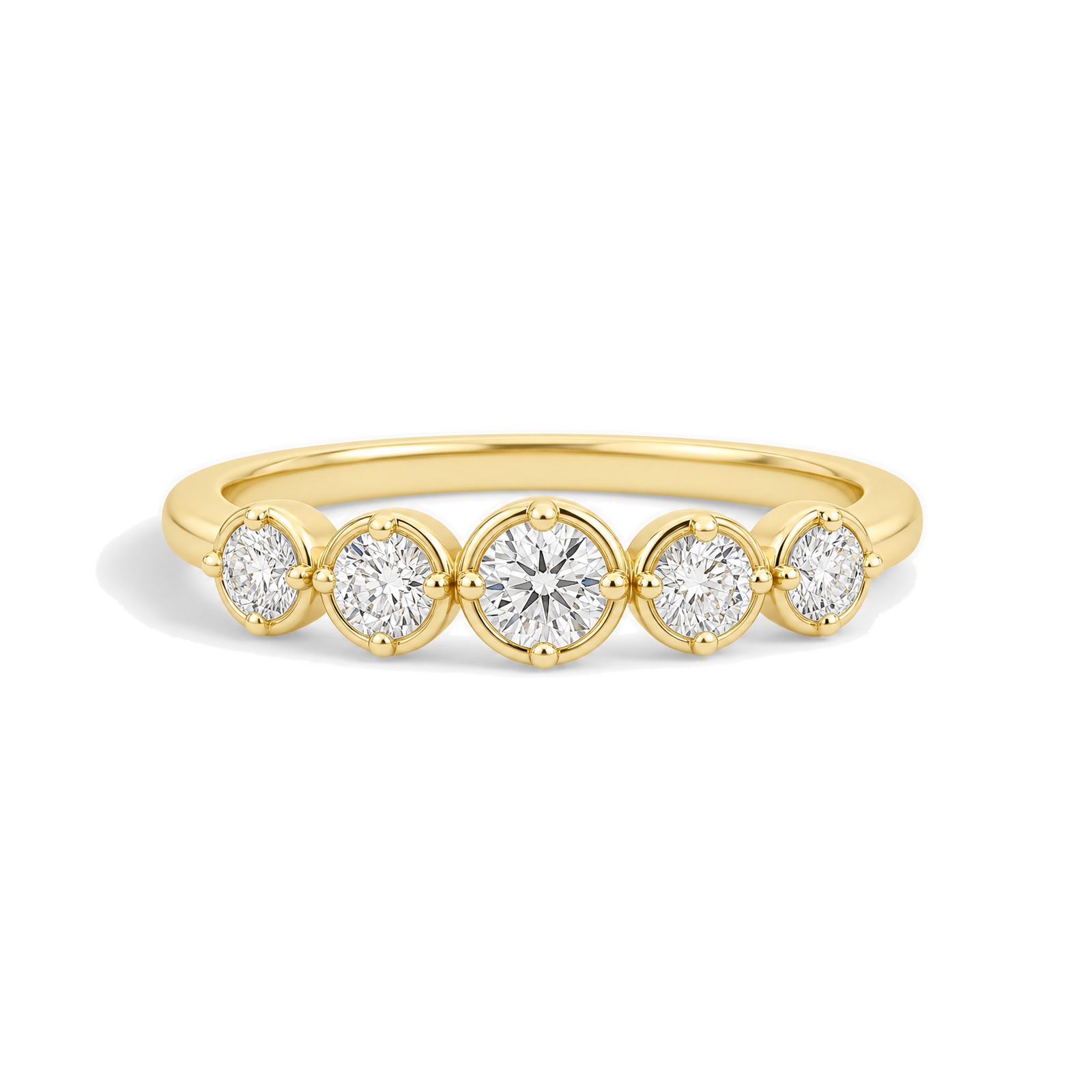
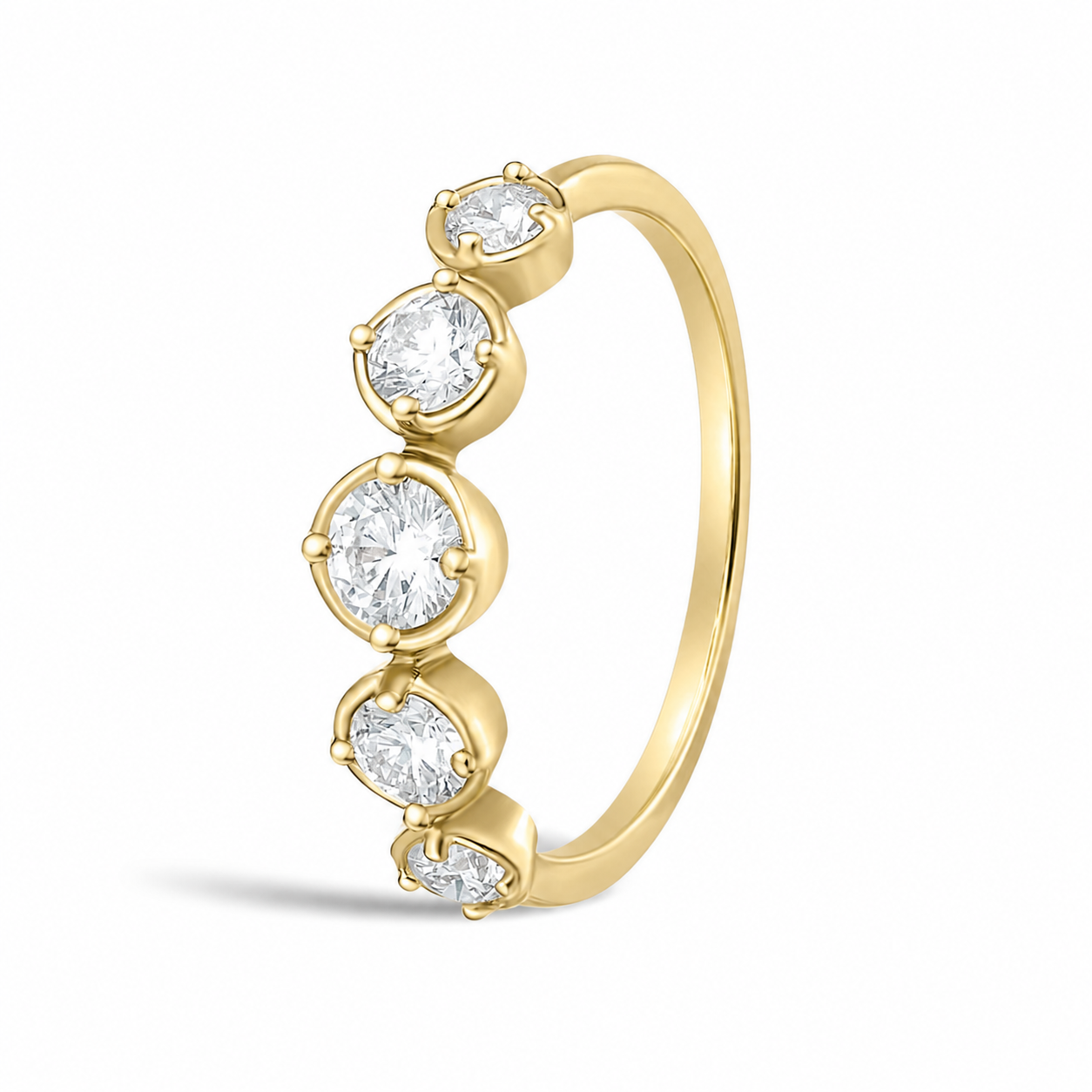

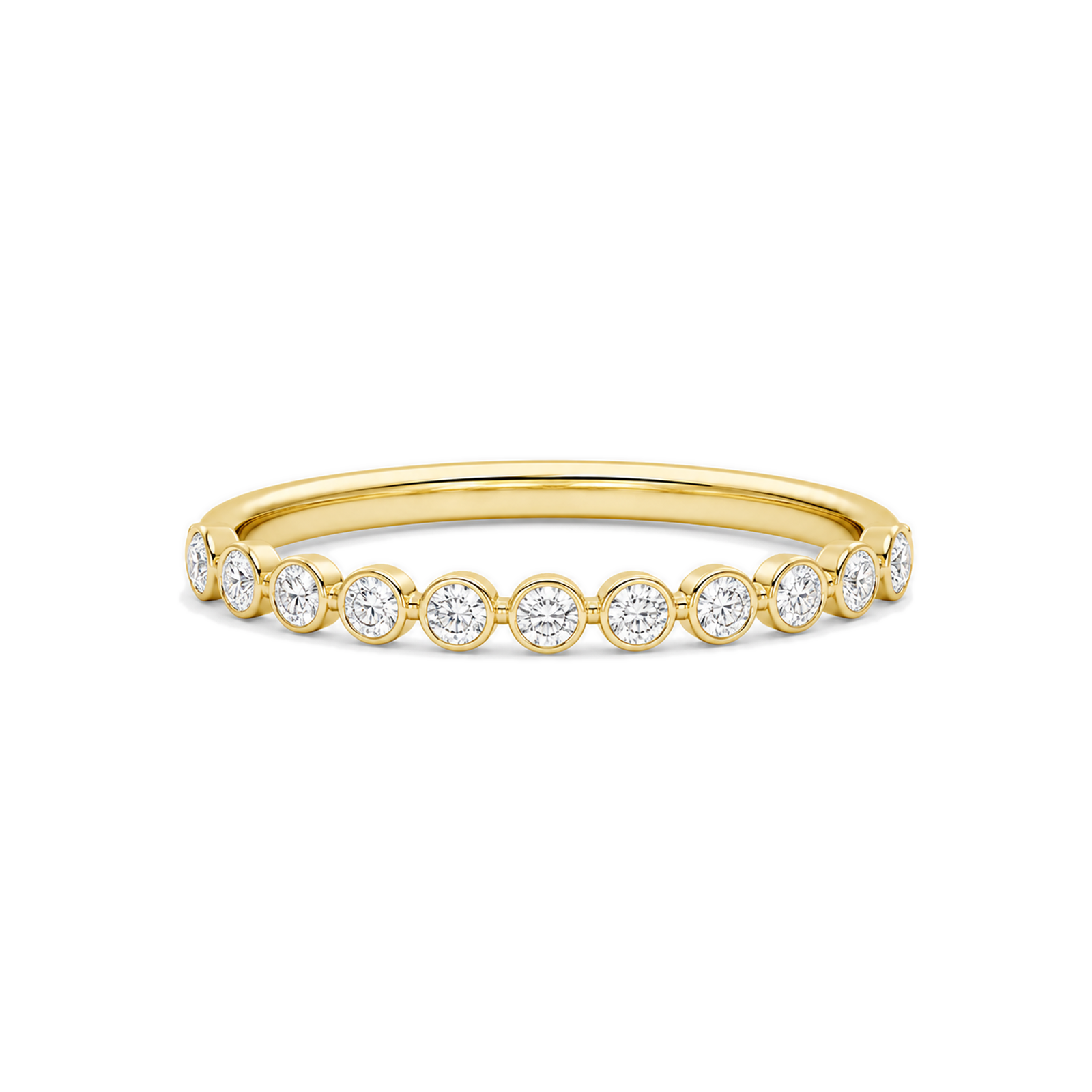
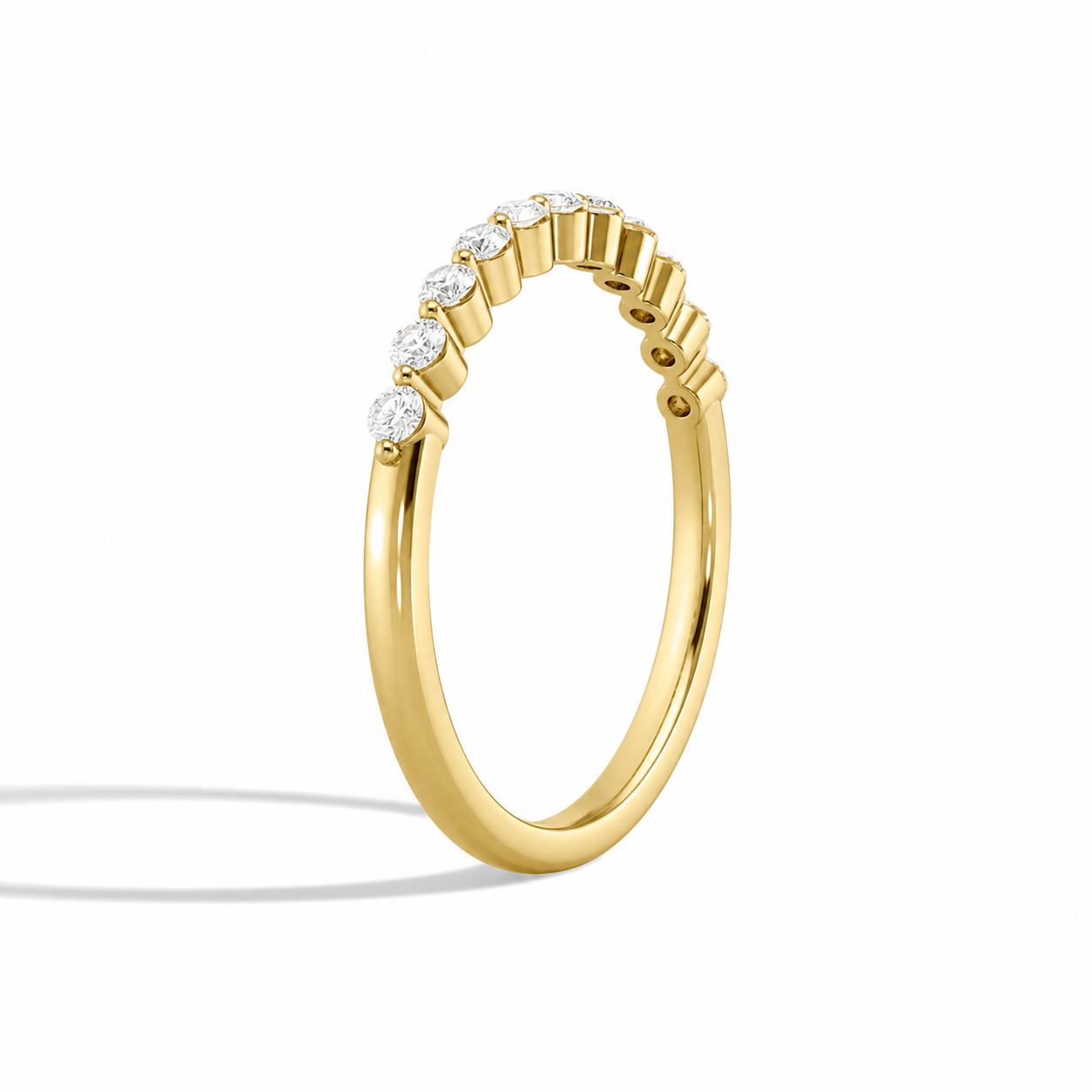

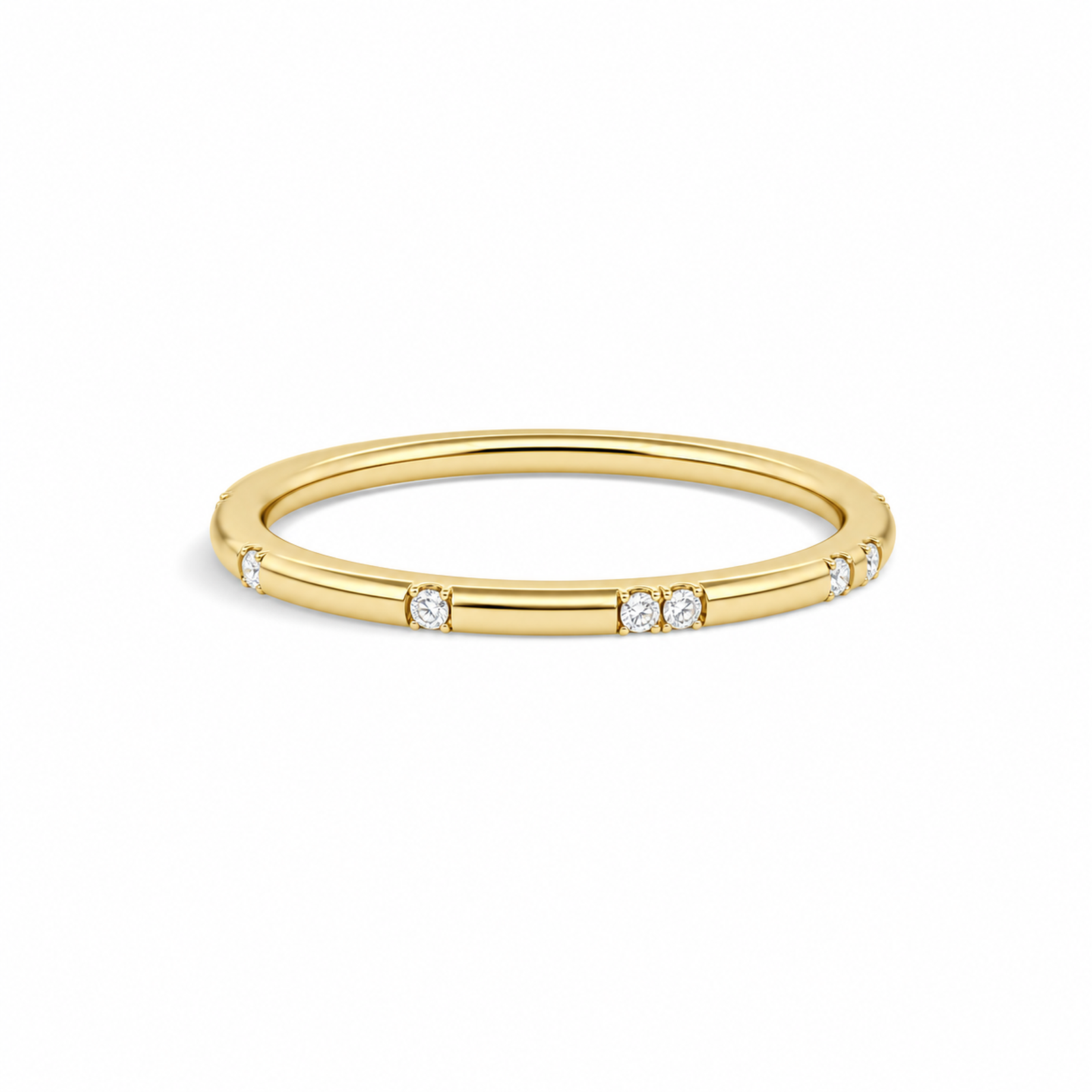
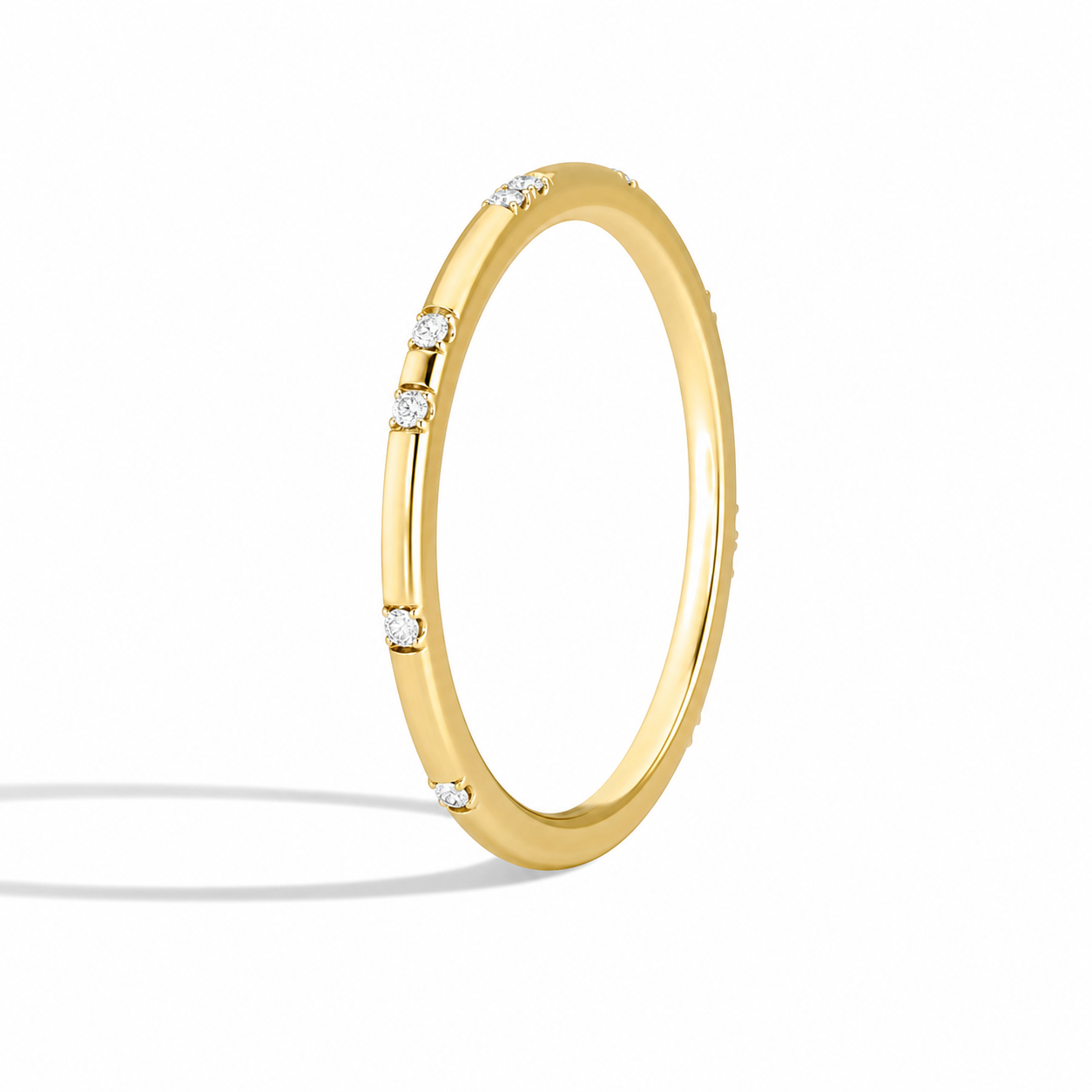

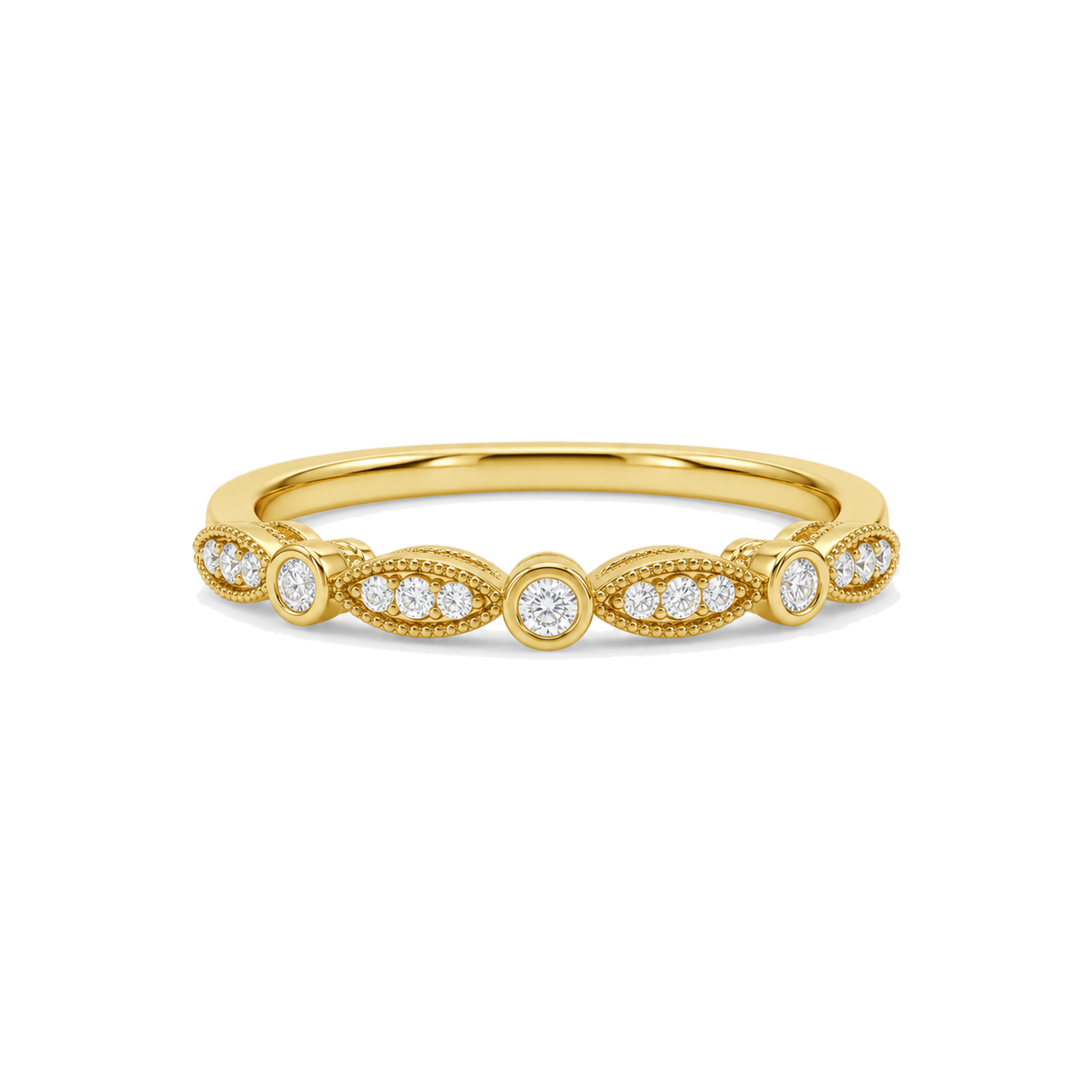
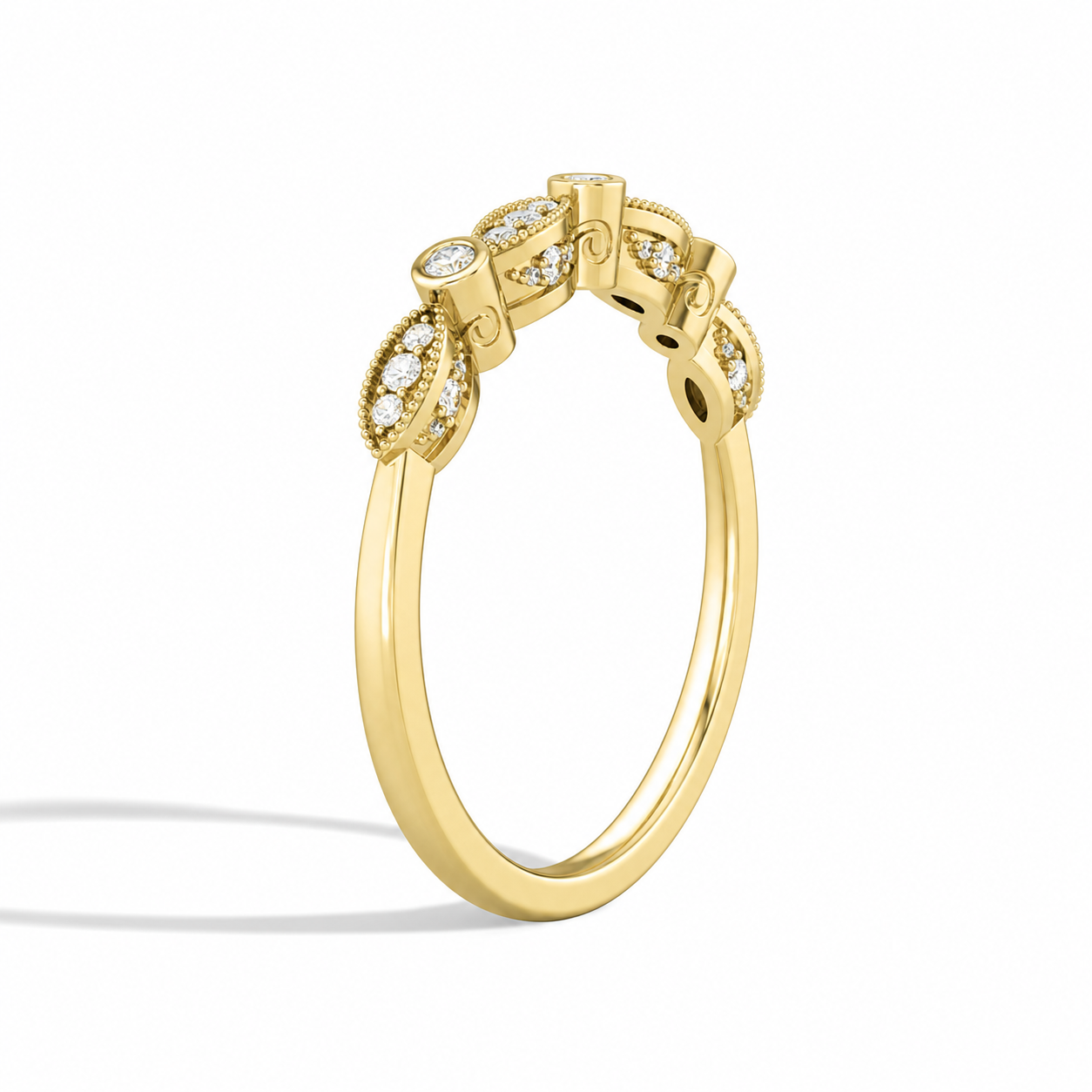

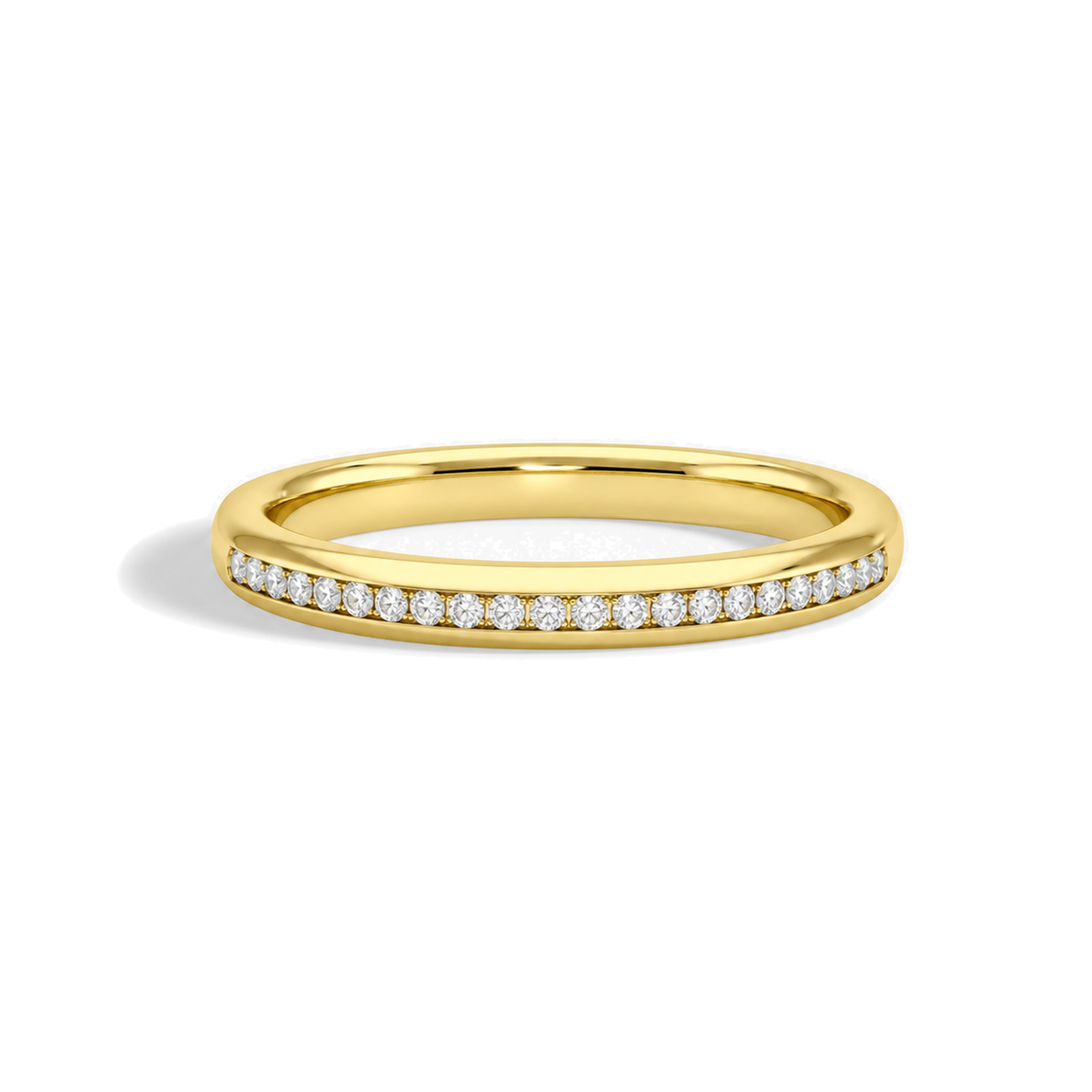
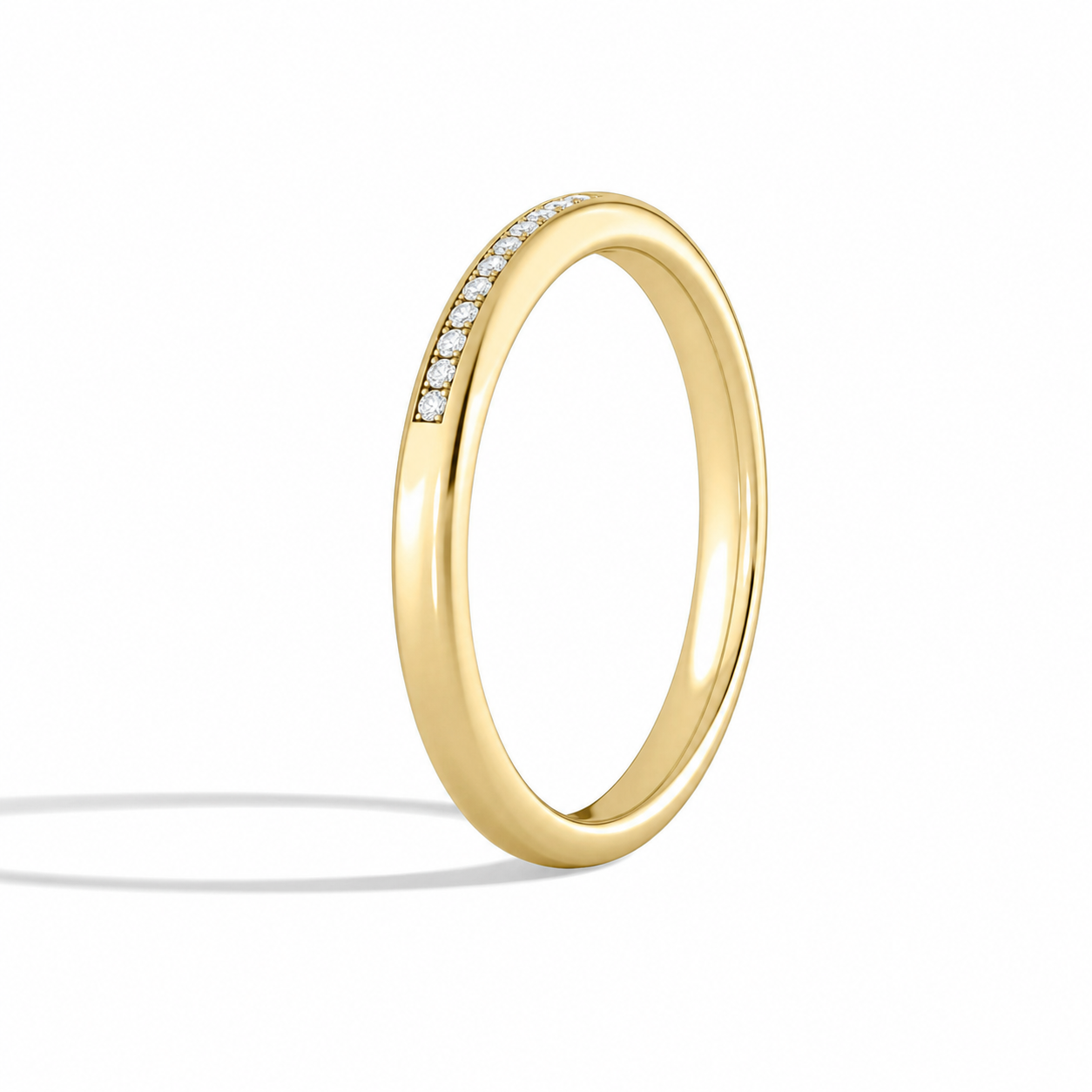


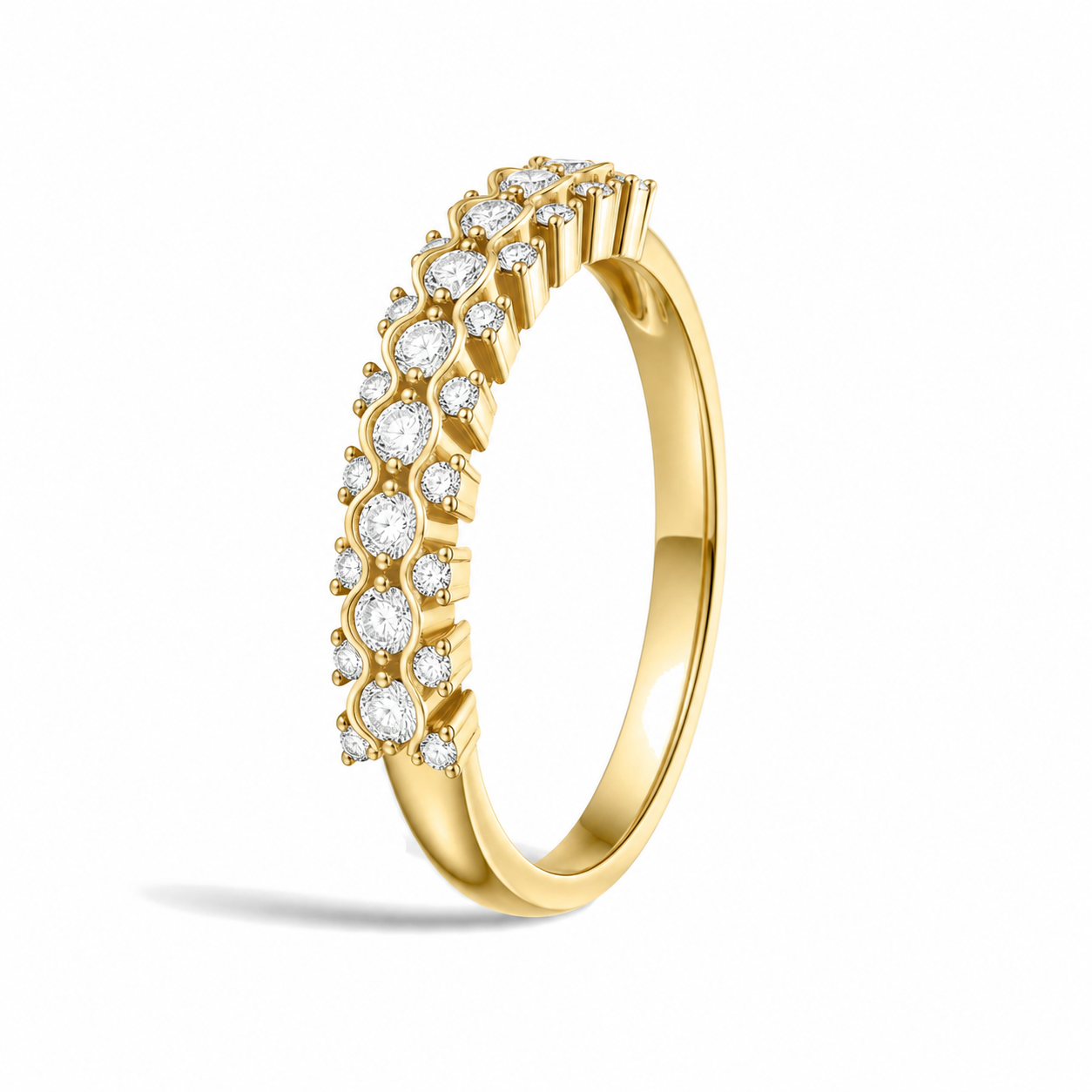

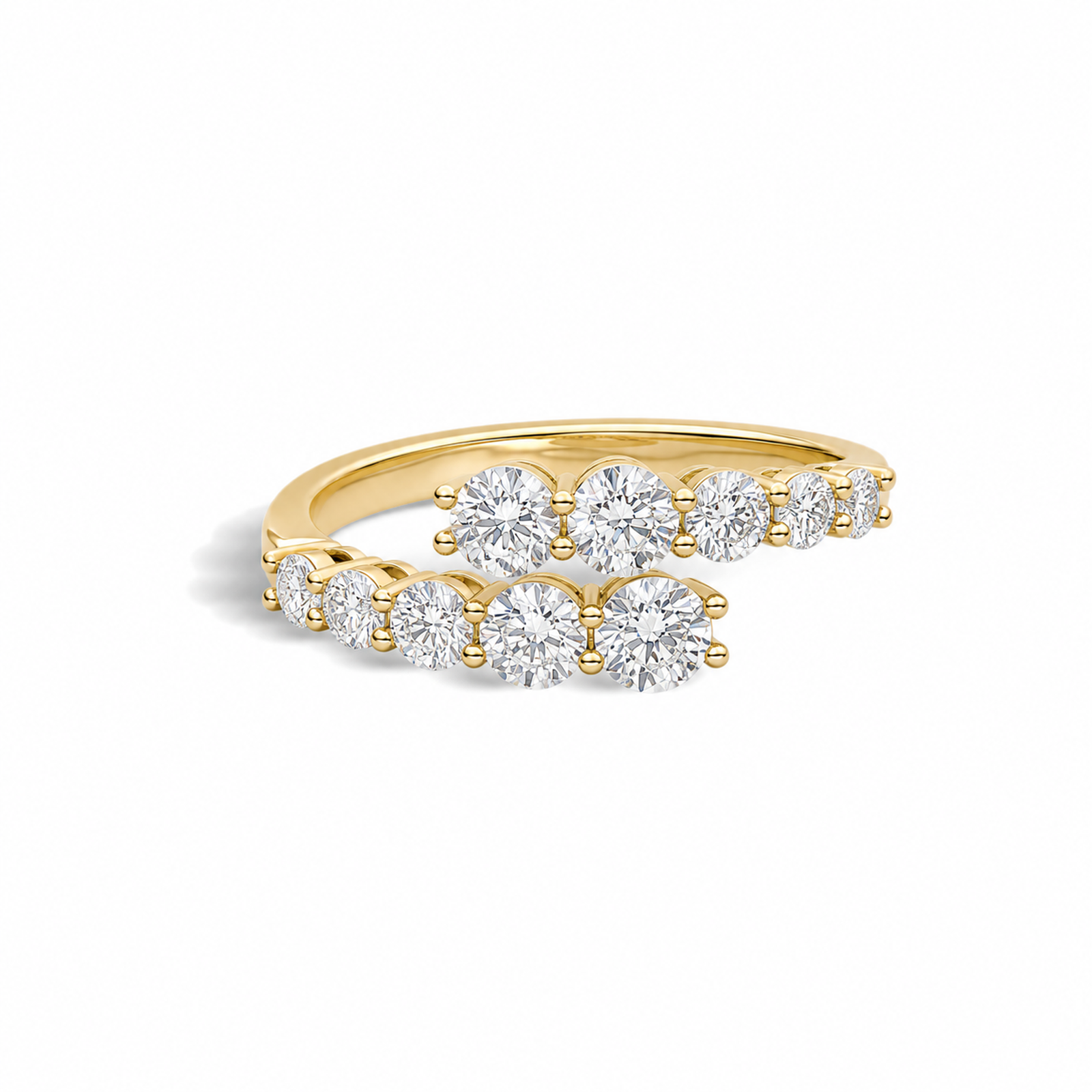
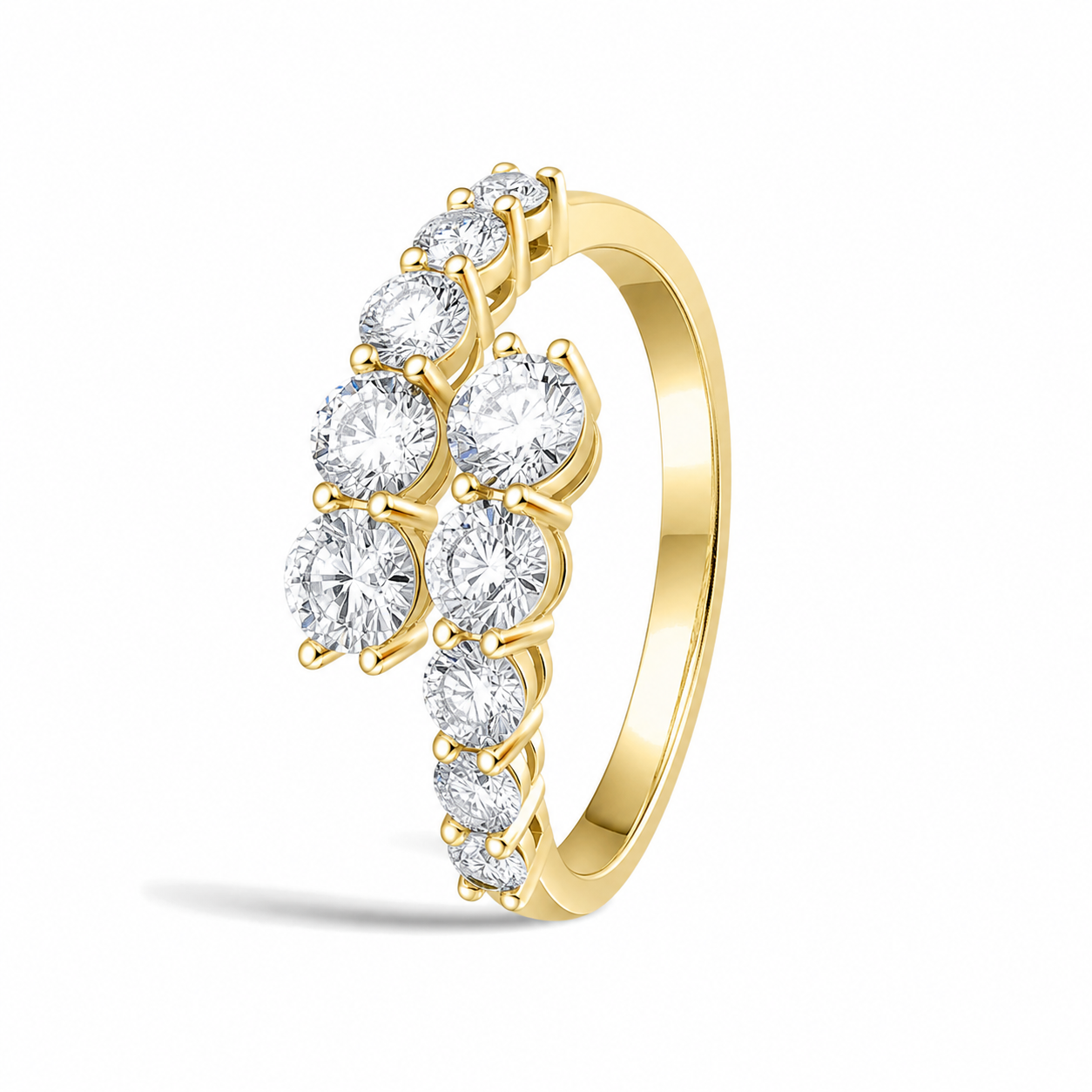

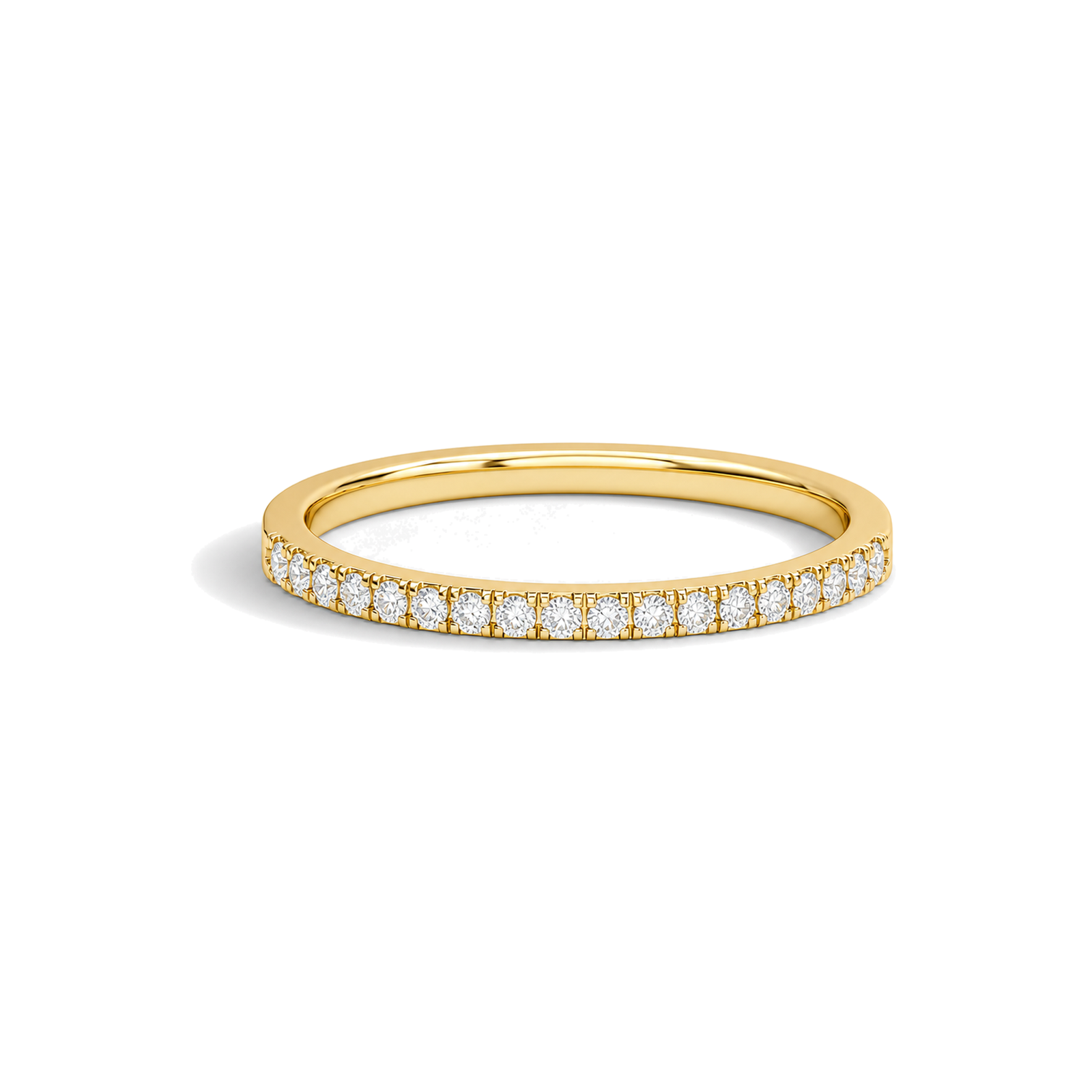
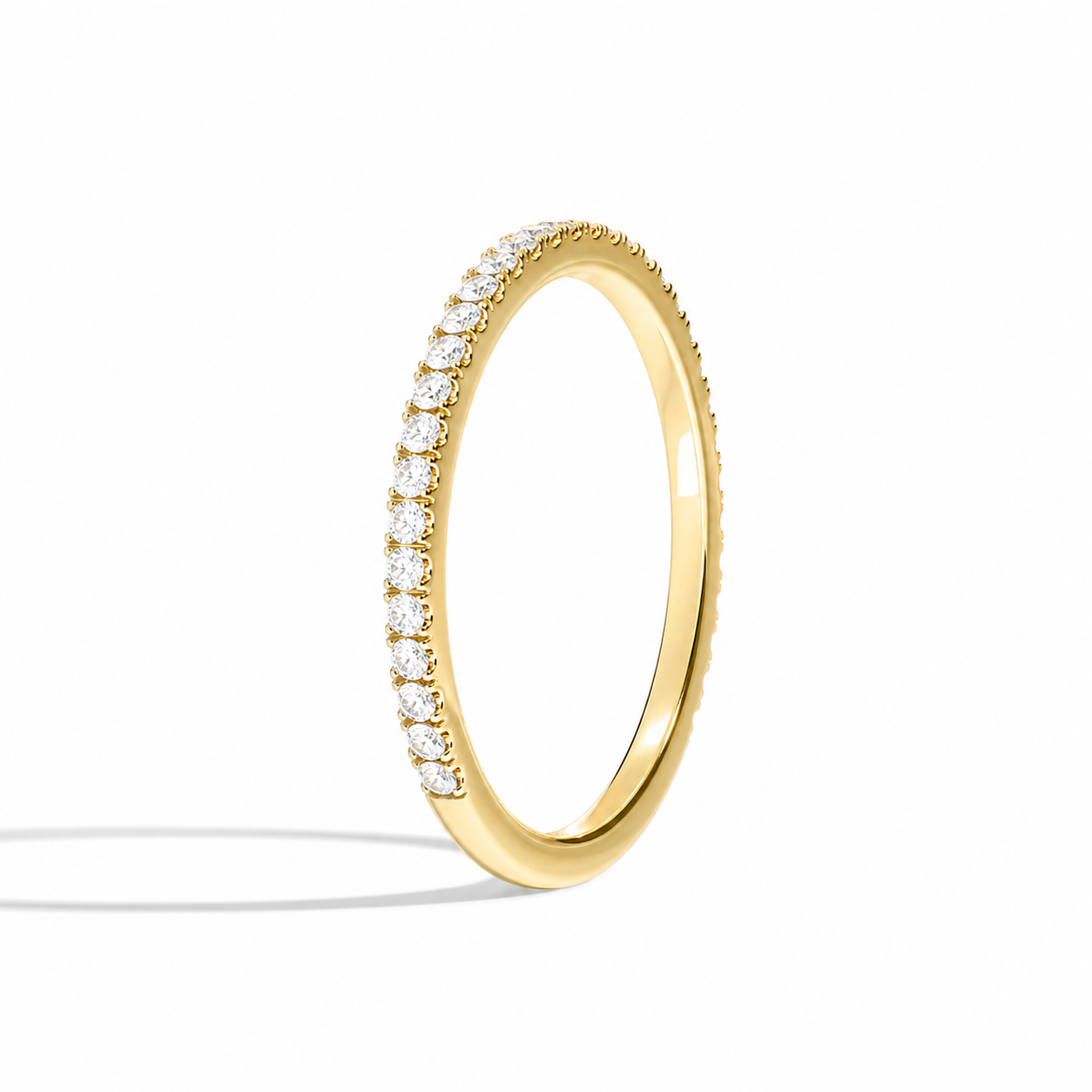

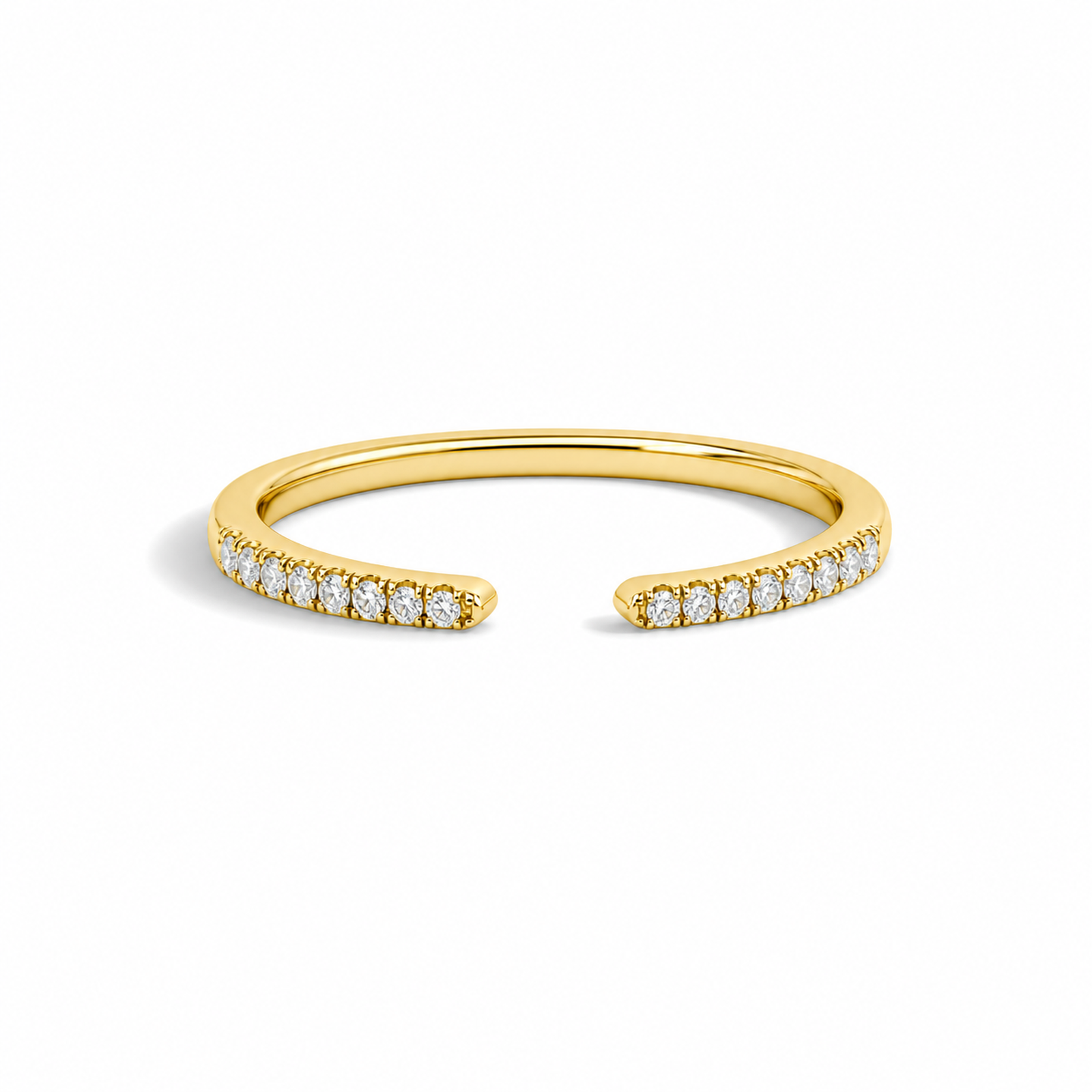
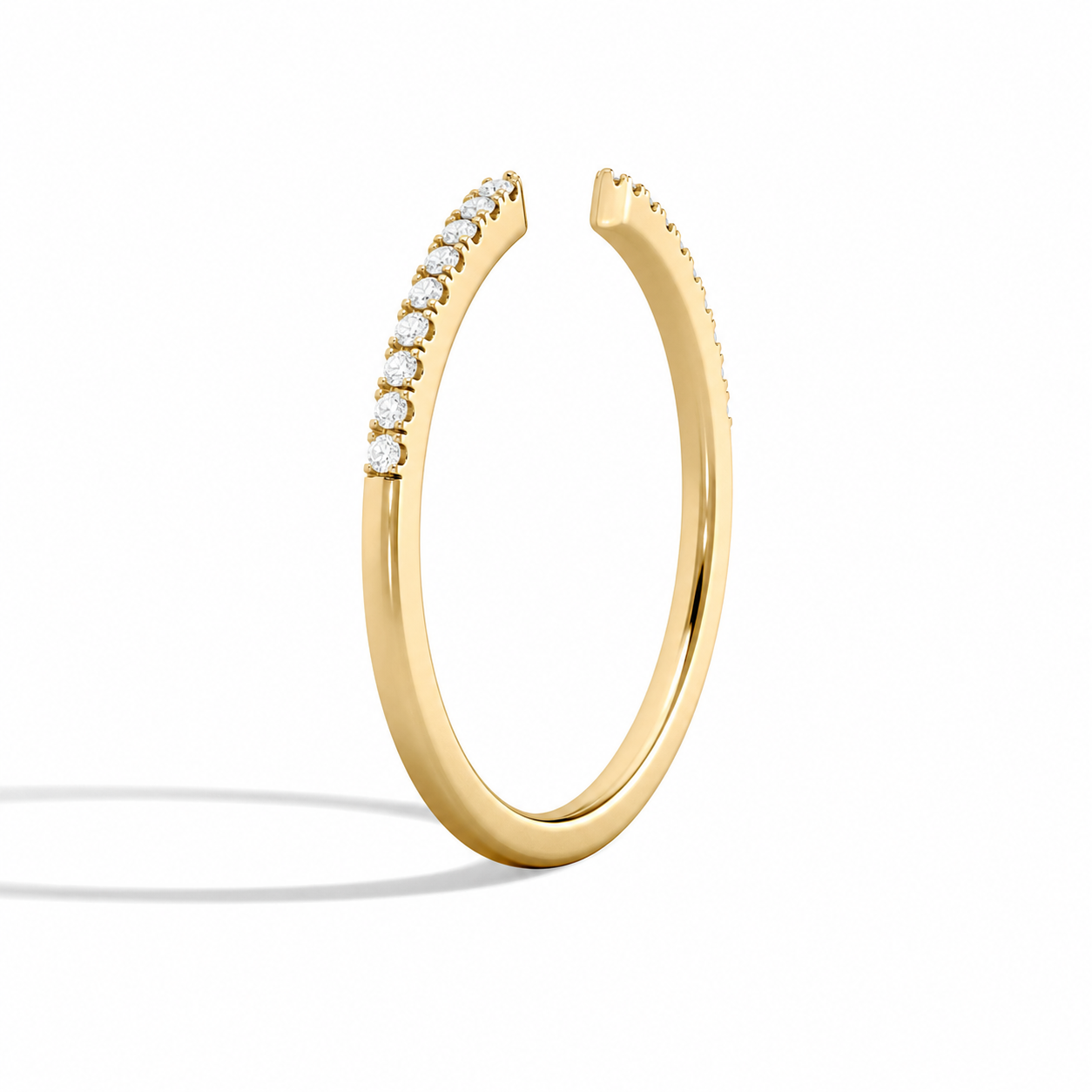

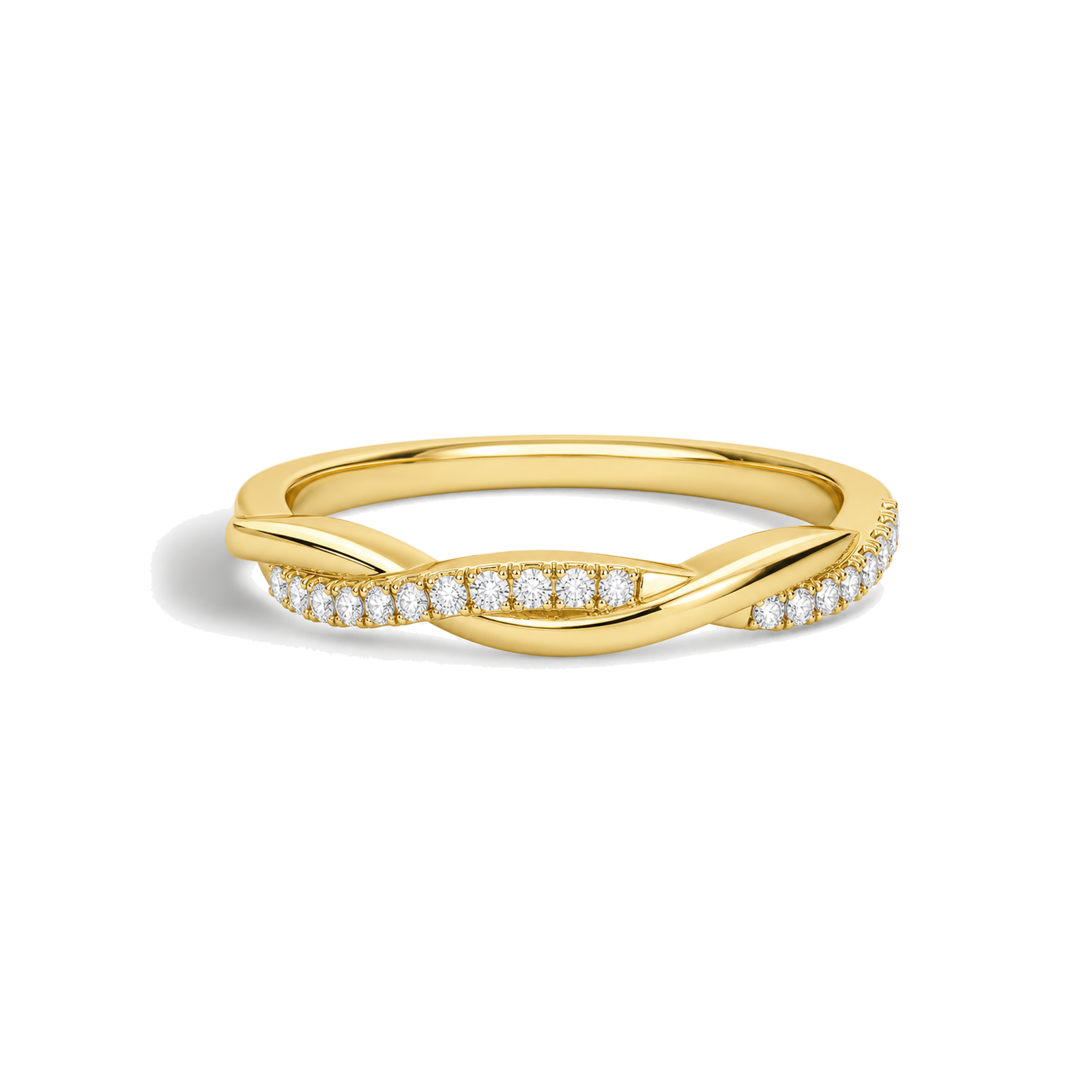
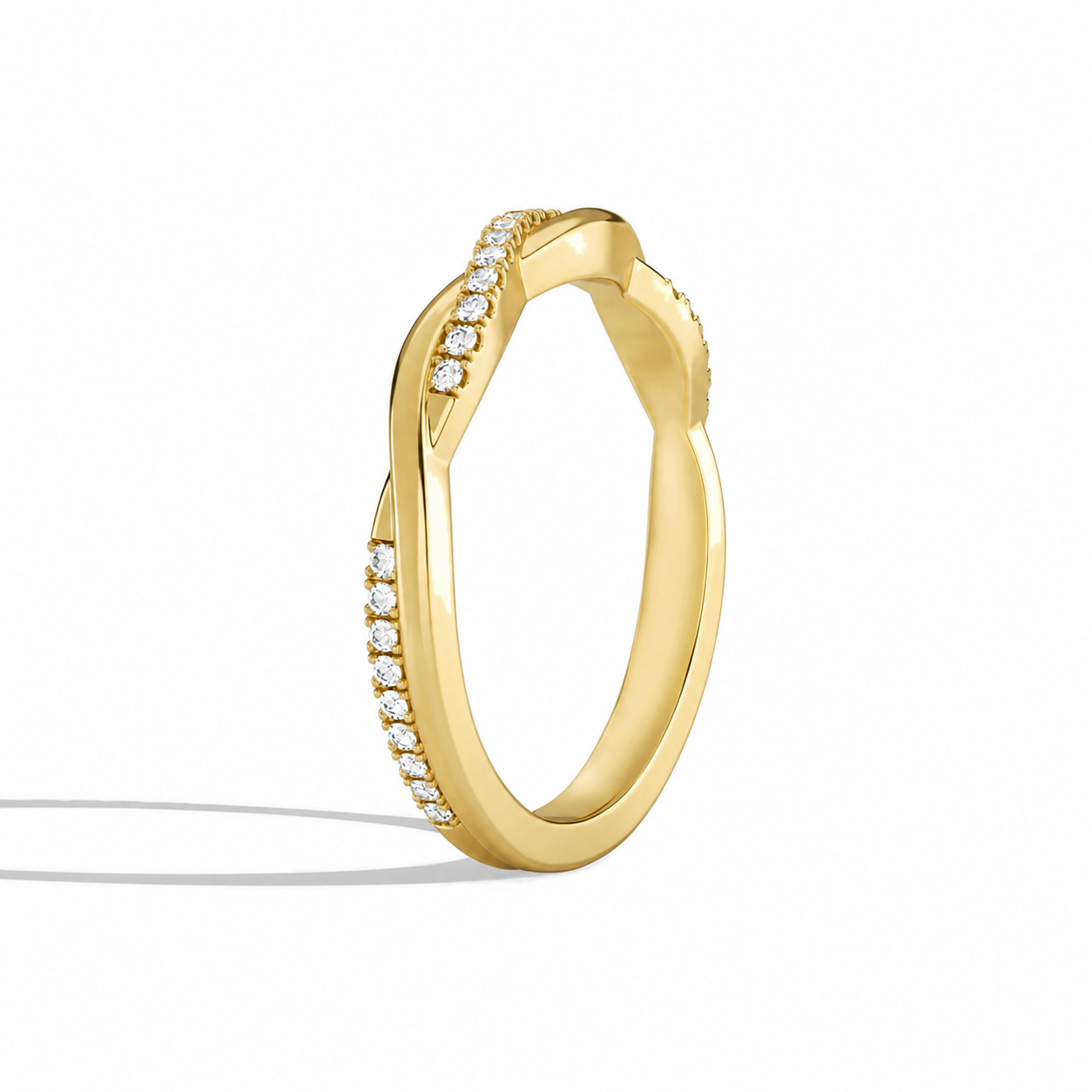

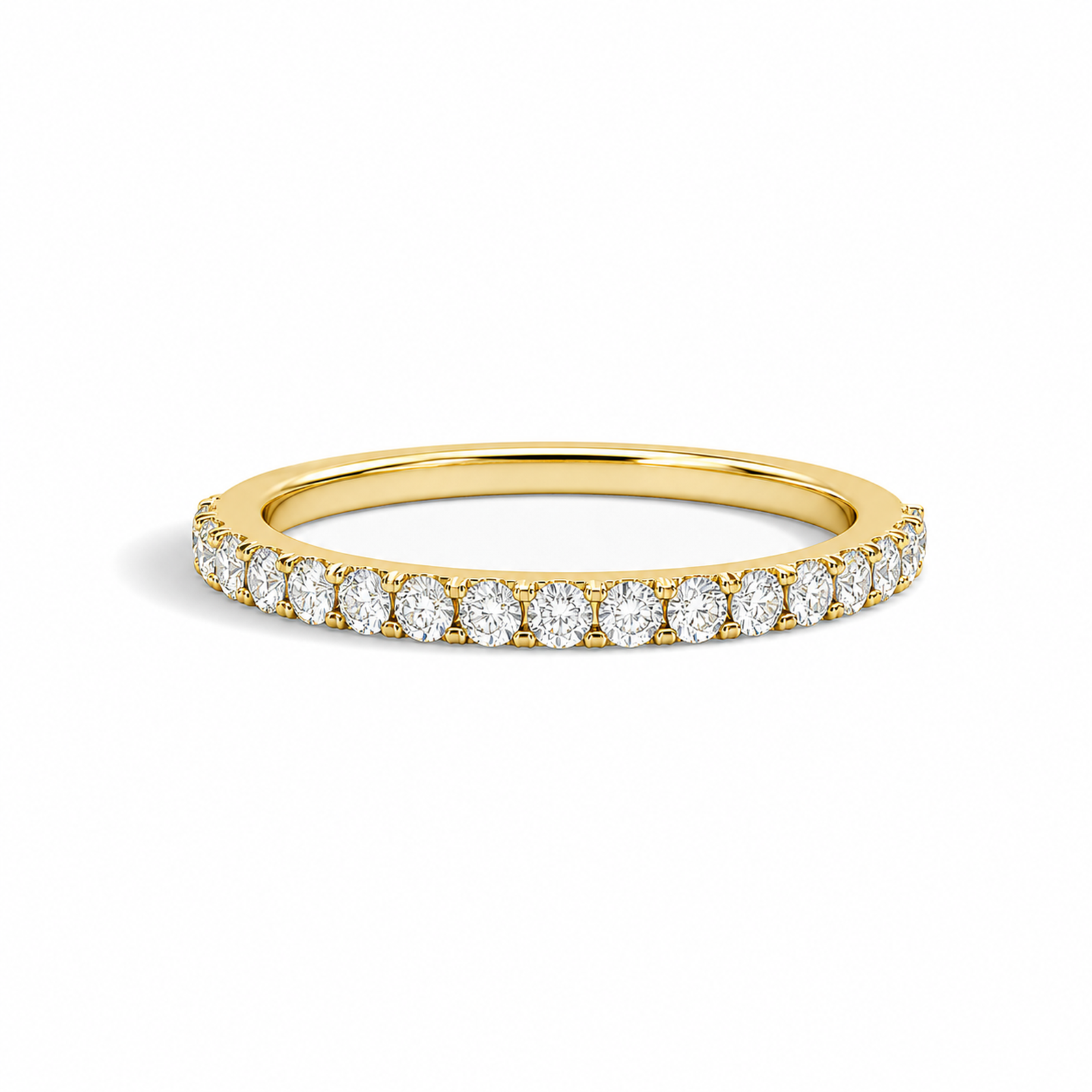
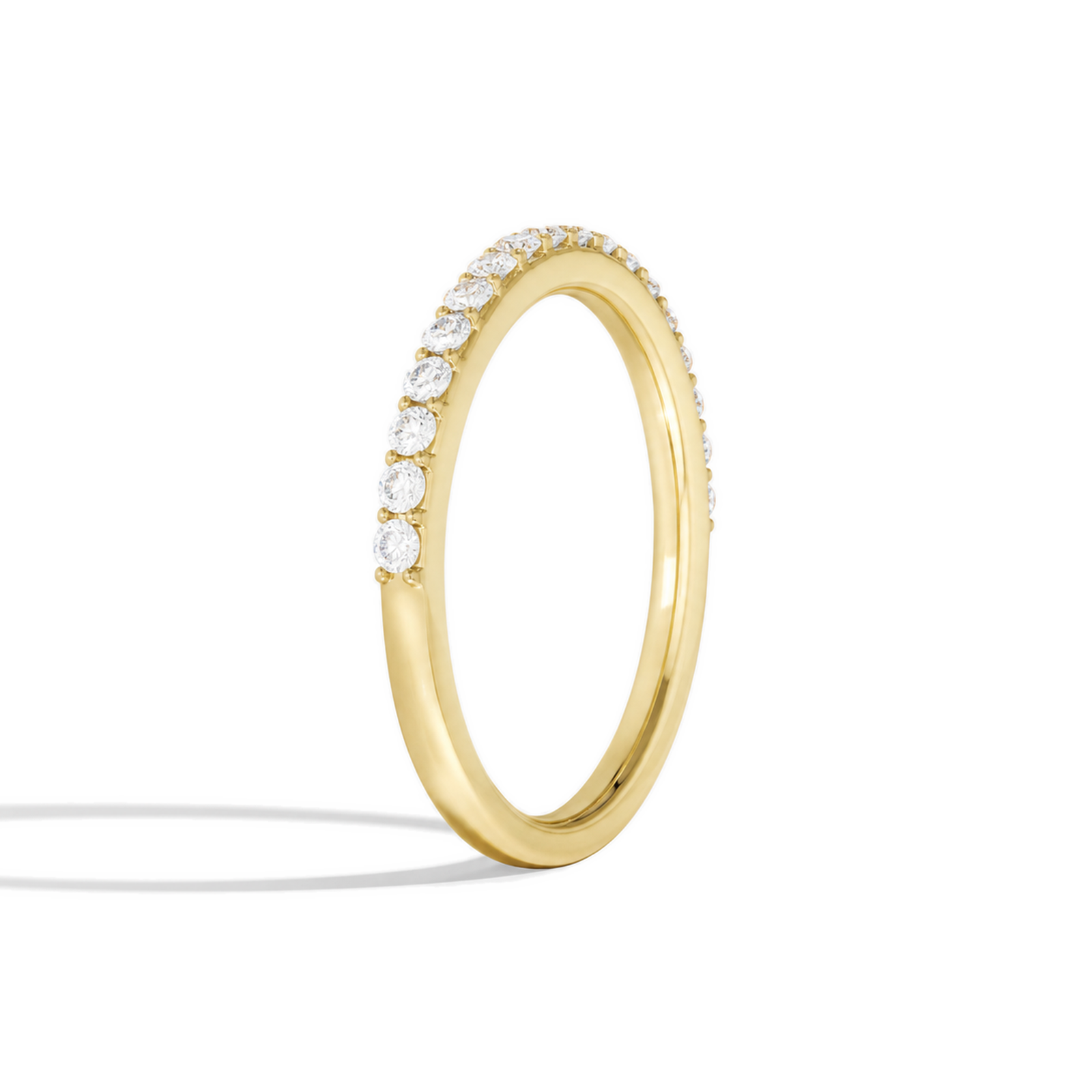

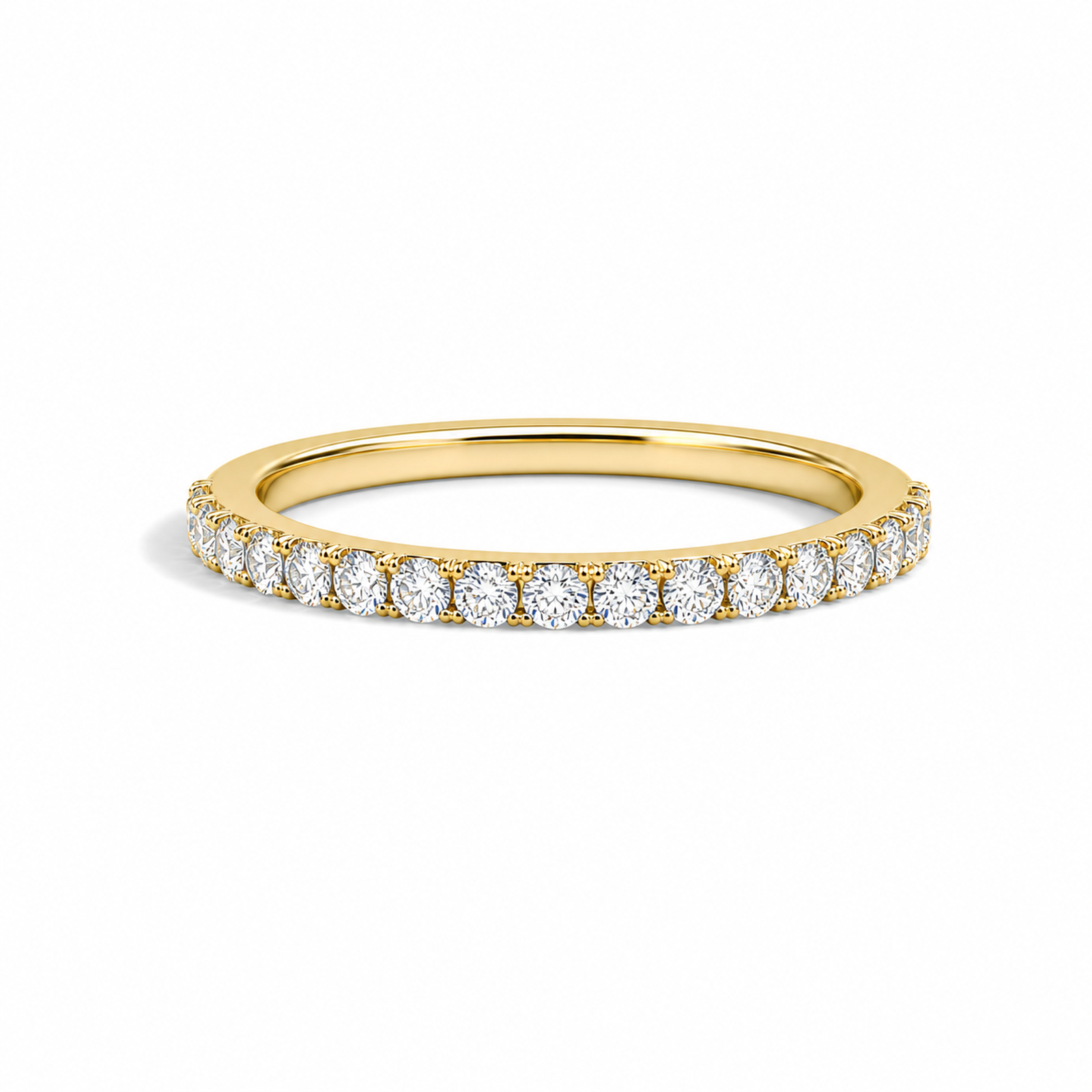
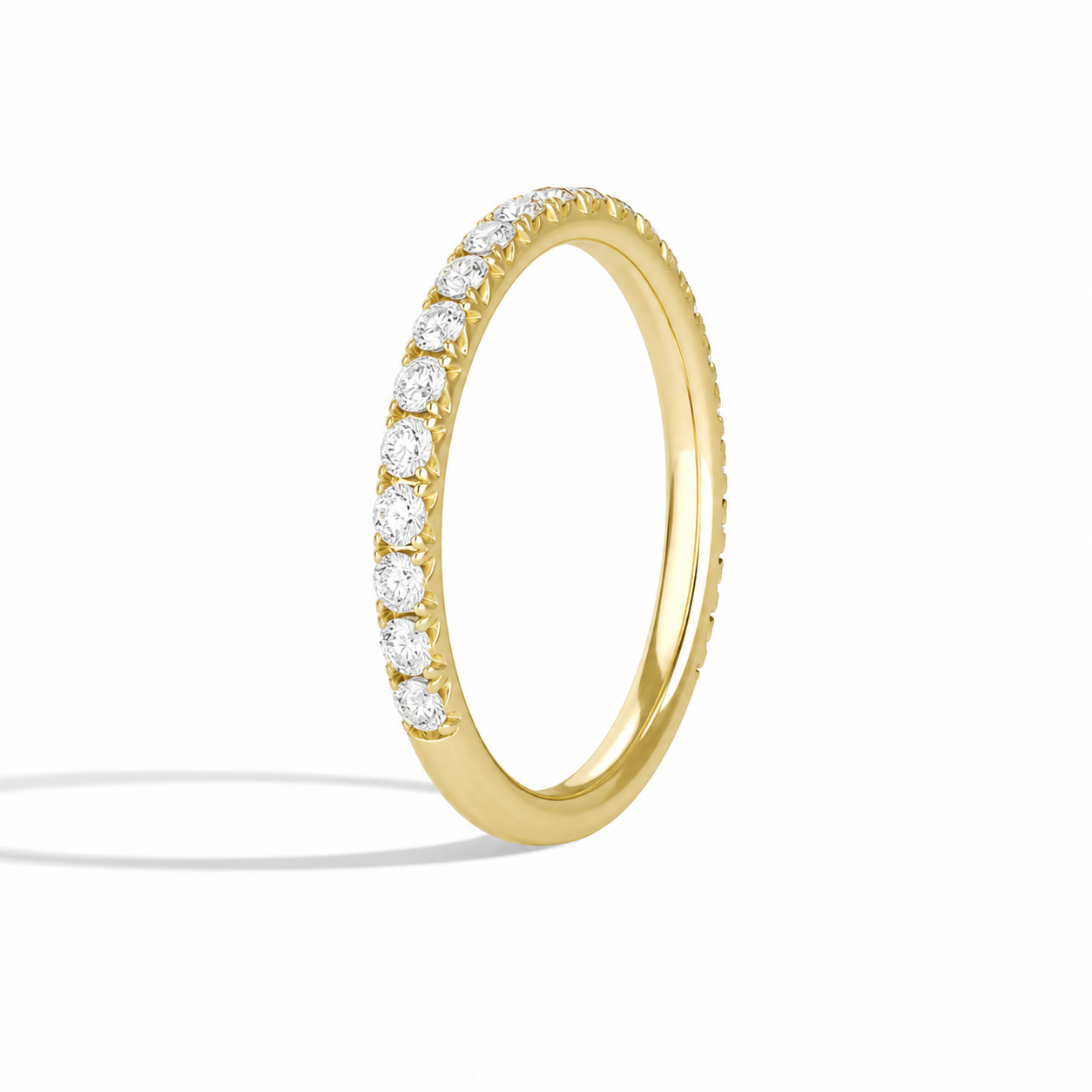

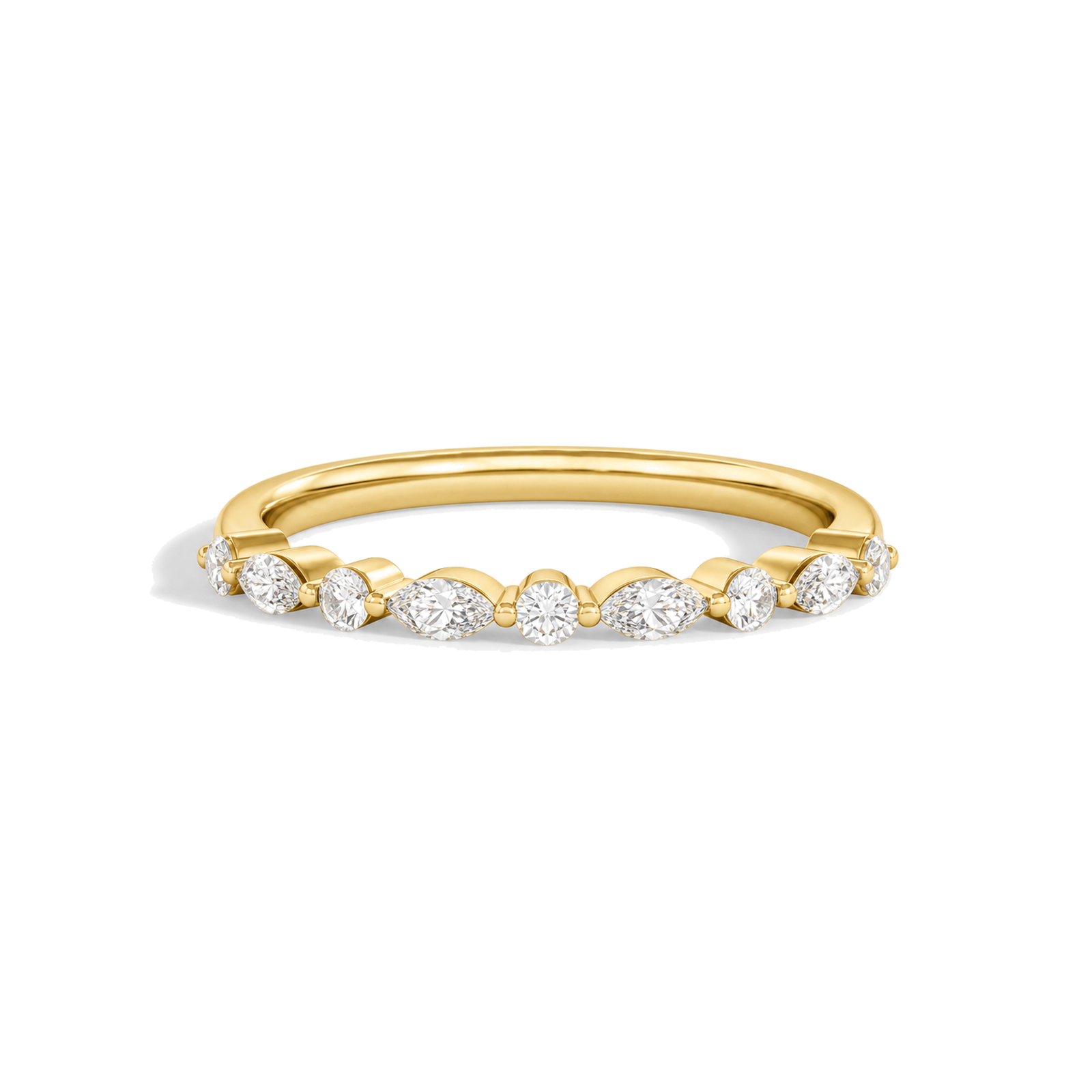
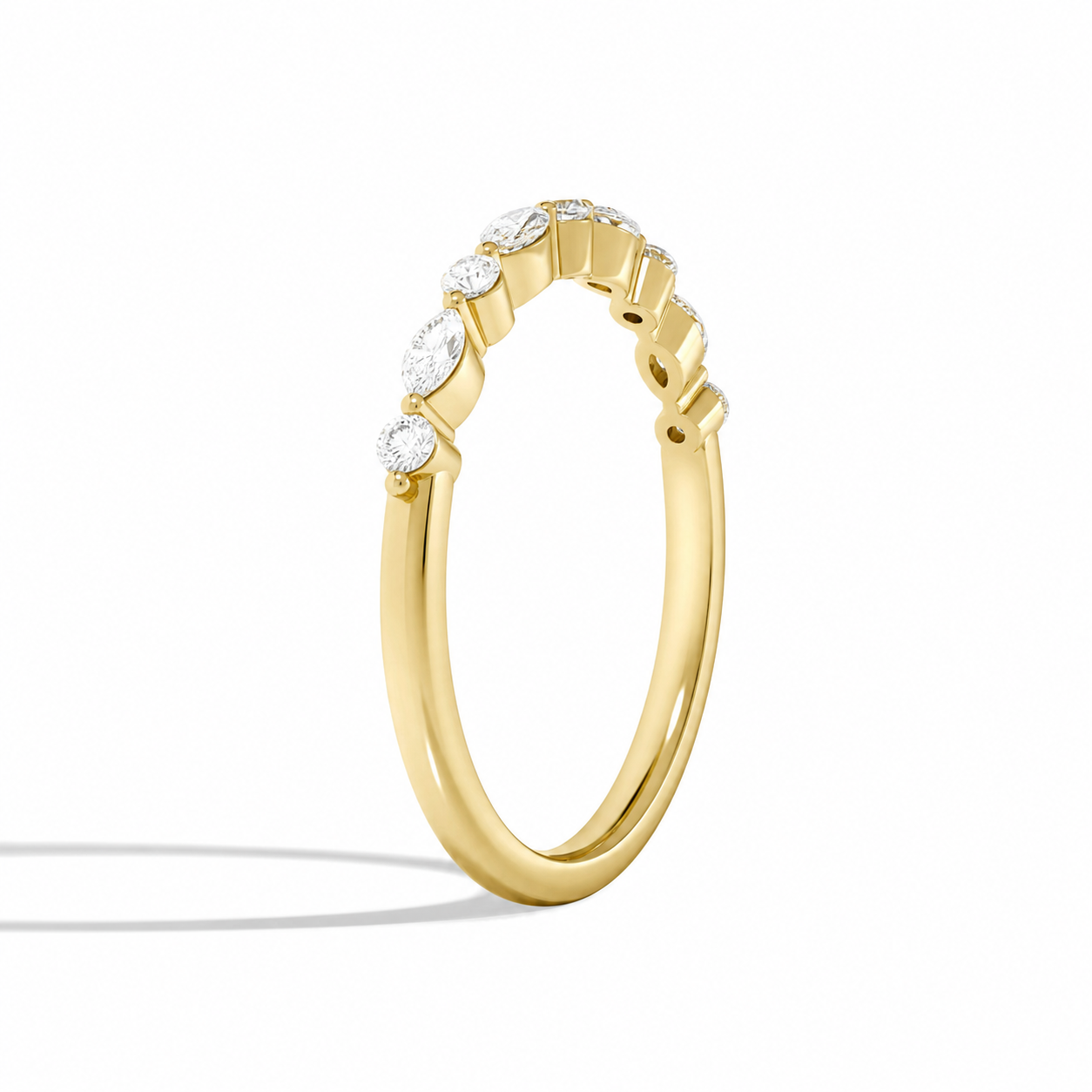

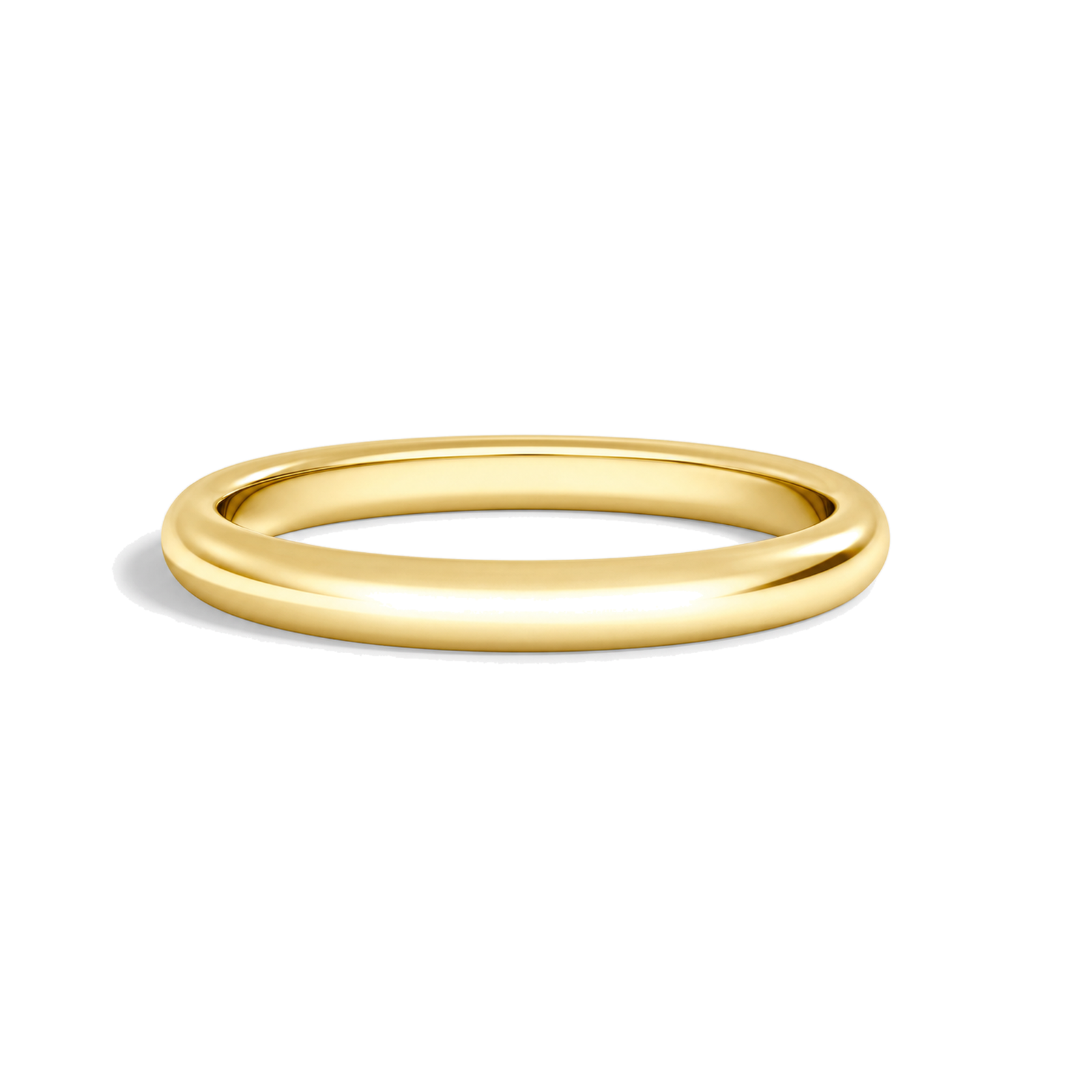
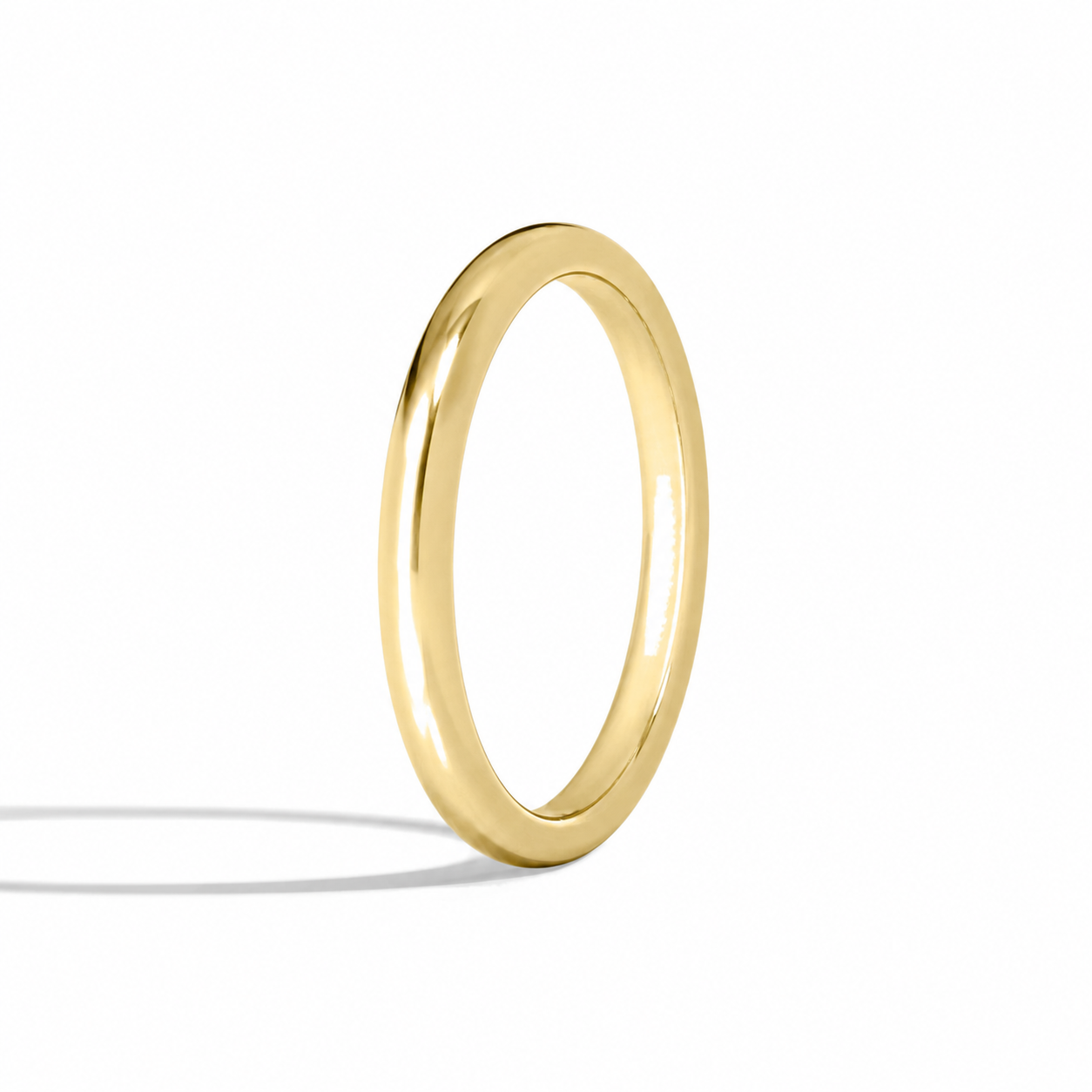

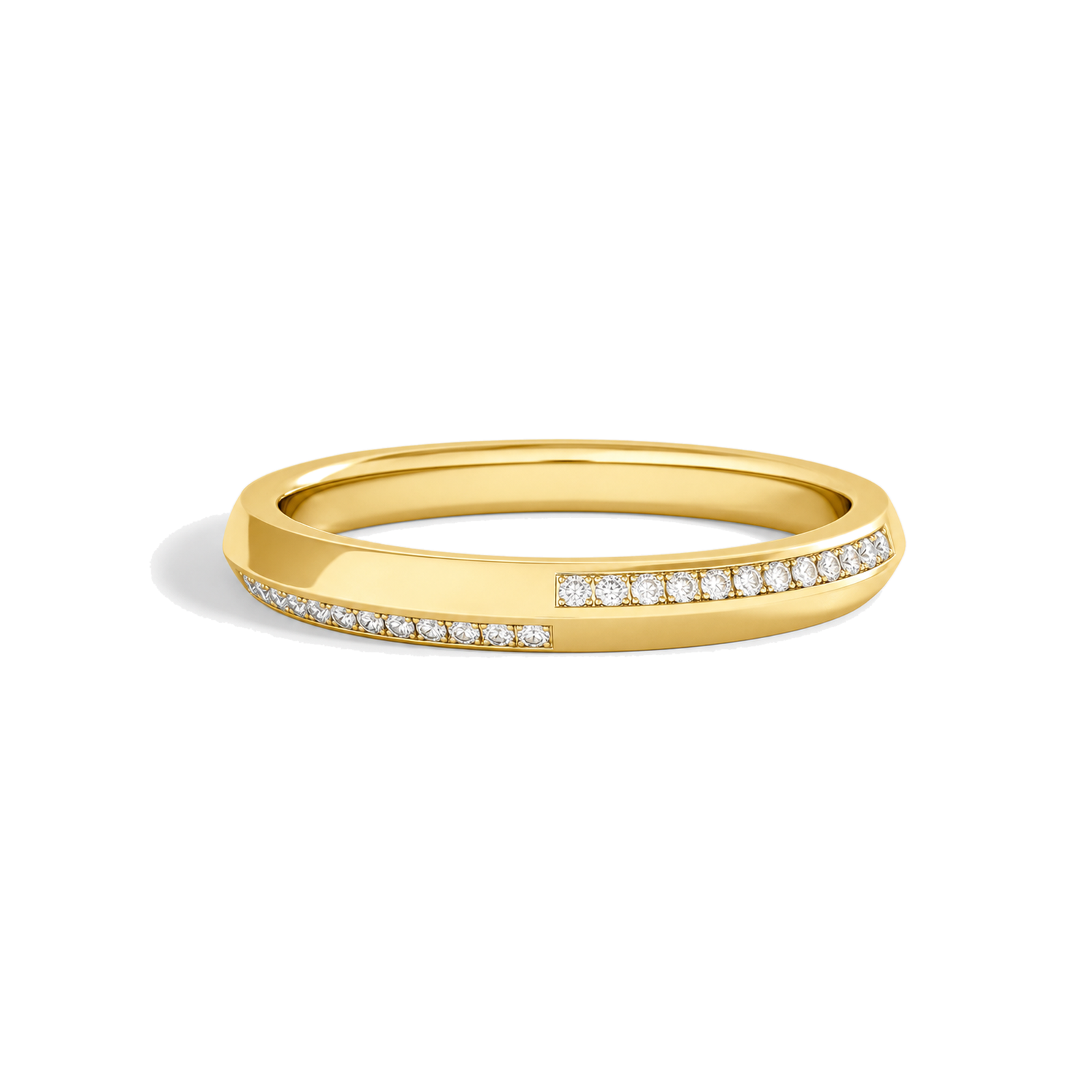
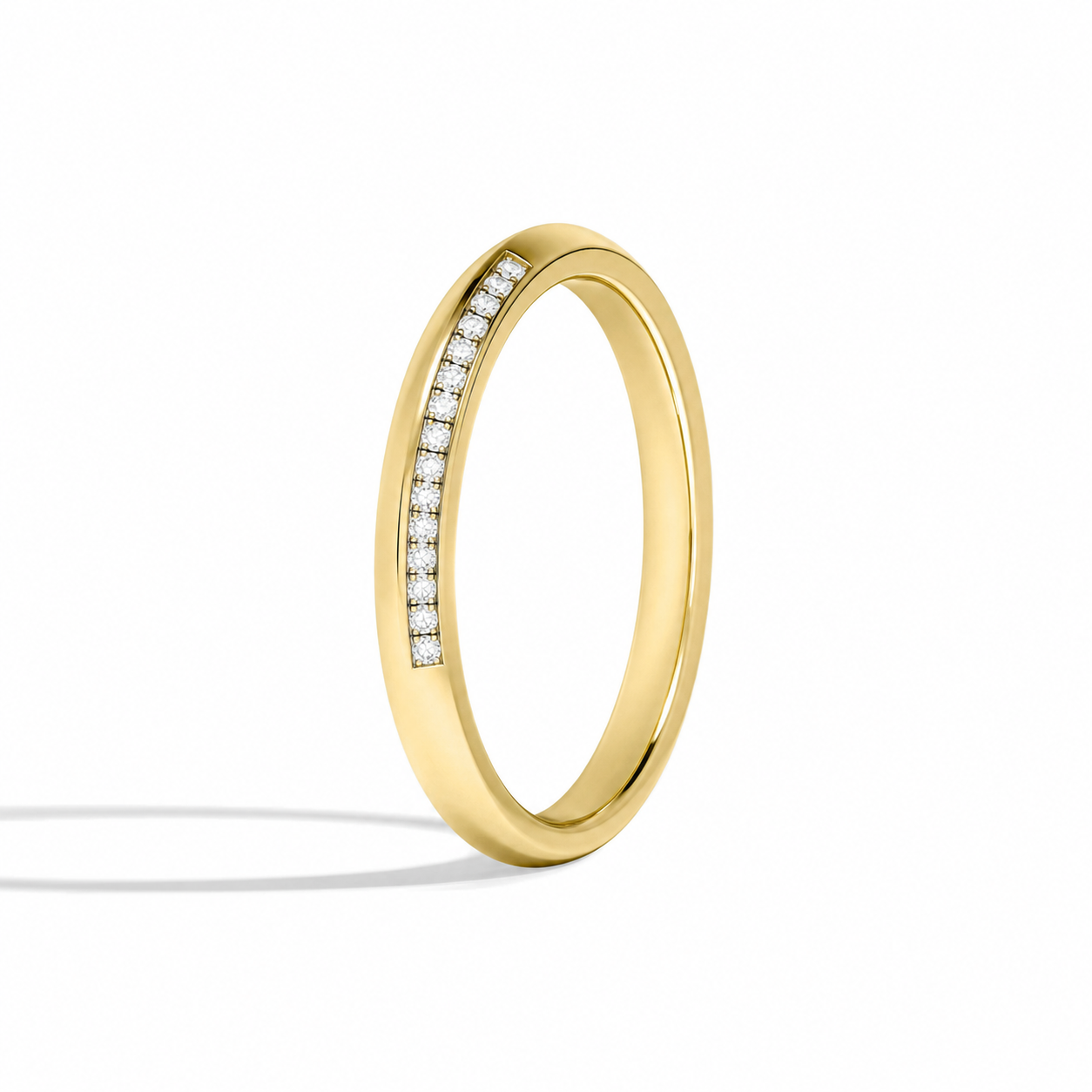

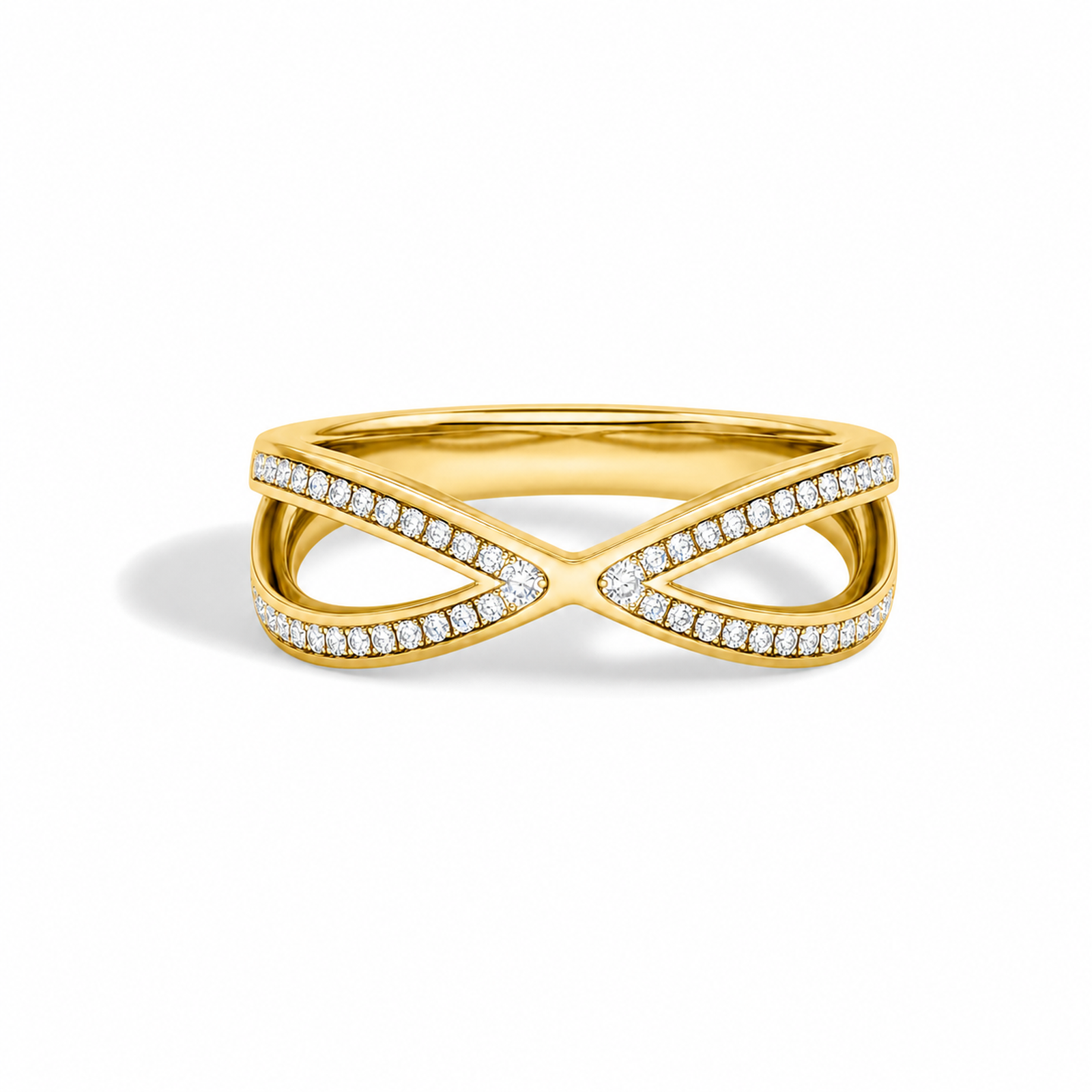


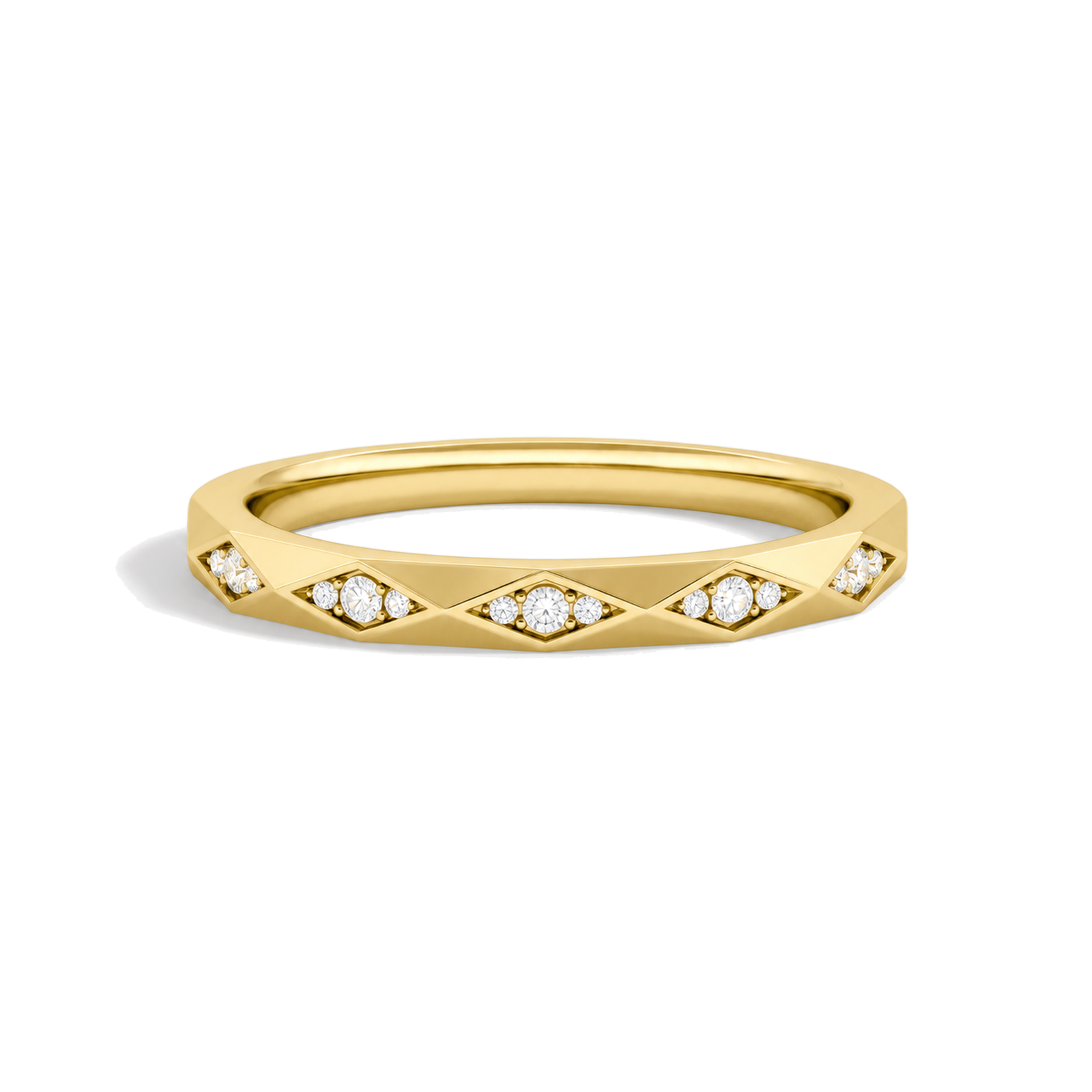


18K Yellow Gold Anniversary Rings: Material Presence without Prescription
18K Yellow Gold gives the band a visible material register, whether it appears as a fine edge around diamonds or a broader uninterrupted surface. That presence can acknowledge a milestone without relying on a prescribed year, a required stone arrangement or a standardized romantic script.
The same sixty-nine normalized designs appear in Rings, Fashion Rings and Wedding Bands. Forty-five also belong to Stacking Rings and eleven to Curved Rings. The anniversary route contributes meaning, recipient context and placement—not an exclusive edit.
Decide What the New Ring Should Change
The ring may extend an existing yellow-gold language, set a warmer boundary within a mixed-metal composition or begin a separate arrangement. Look for the detail that should repeat—edge, width, curve or diamond interval—and the detail that may remain independent.
When pieces meet, compare height, gallery, shoulders, prongs and edges in addition to color. A named curve or opening cannot guarantee alignment, fixed spacing or absence of abrasion.
Scale the Form to the Whole Hand
Published average widths span 1.4–5.0 mm. Fine rings can trace a measured line; broader ones give more visual area to gold, channels or surface. The rings beside them and the intended finger alter how that scale is read.
Eternity, partial-coverage and three-quarter arrangements create different rhythms, while crossover, contour, open and comfort-fit structures organize the band in other ways. None is reserved for a larger anniversary.
Separate Fineness from Outcome
18K means 75% gold. It does not, by itself, establish finished mass, comfort, durability, exact shade or maintenance. Remaining alloy, dimensions, settings and finish complete the material fact.
Alteration and personalization remain equally specific. Verify whether coverage, symmetry and surface allow resizing or engraving before incorporating those acts into the anniversary plan.
Frequently Asked Questions
What distinguishes this from a general 18K yellow gold ring page?
It organizes the choice around a milestone and the ring’s role within an existing jewelry language.
How many designs are currently included?
The public Collection contains sixty-nine normalized rings.
Are all sixty-nine available through Wedding Bands too?
Yes, as normalized product counterparts in the same metal.
Do Fashion Rings and Rings also match completely?
Yes. Both same-metal routes contain the full sixty-nine-design membership.
Is a particular year required for 18K yellow gold?
No anniversary-year or metal schedule governs this page.
Can the ring introduce mixed metal?
Yes as a design choice, with contact and finish considered product by product.
What detail can connect different rings?
Metal color, edge, curve, width or diamond interval may create a visual echo.
Must an anniversary ring be part of a stack?
No. It may remain a complete standalone piece.
What is the current average-width span?
The published range extends from 1.4 to 5.0 mm.
Does a wider ring contain more gold in every case?
No. Thickness, volume, settings and complete construction also affect material quantity.
What does 18K mean numerically?
It identifies seventy-five percent gold by fineness.
Do eternity designs carry greater meaning?
No. Structure does not assign emotional rank.
Are half-coverage designs less complete?
No; coverage is an architectural choice, not a value judgment.
Can a crossover create directional movement?
It can create a visual crossing or change of line, depending on the actual design.
Will an open form avoid another setting?
Not automatically; opening dimensions and movement need direct comparison.
Is resizing assured for non-eternity rings?
No. Settings, symmetry, surface and requested change still control feasibility.
Can every 18K yellow gold ring be engraved?
No shared promise applies; inspect usable area and product options.