
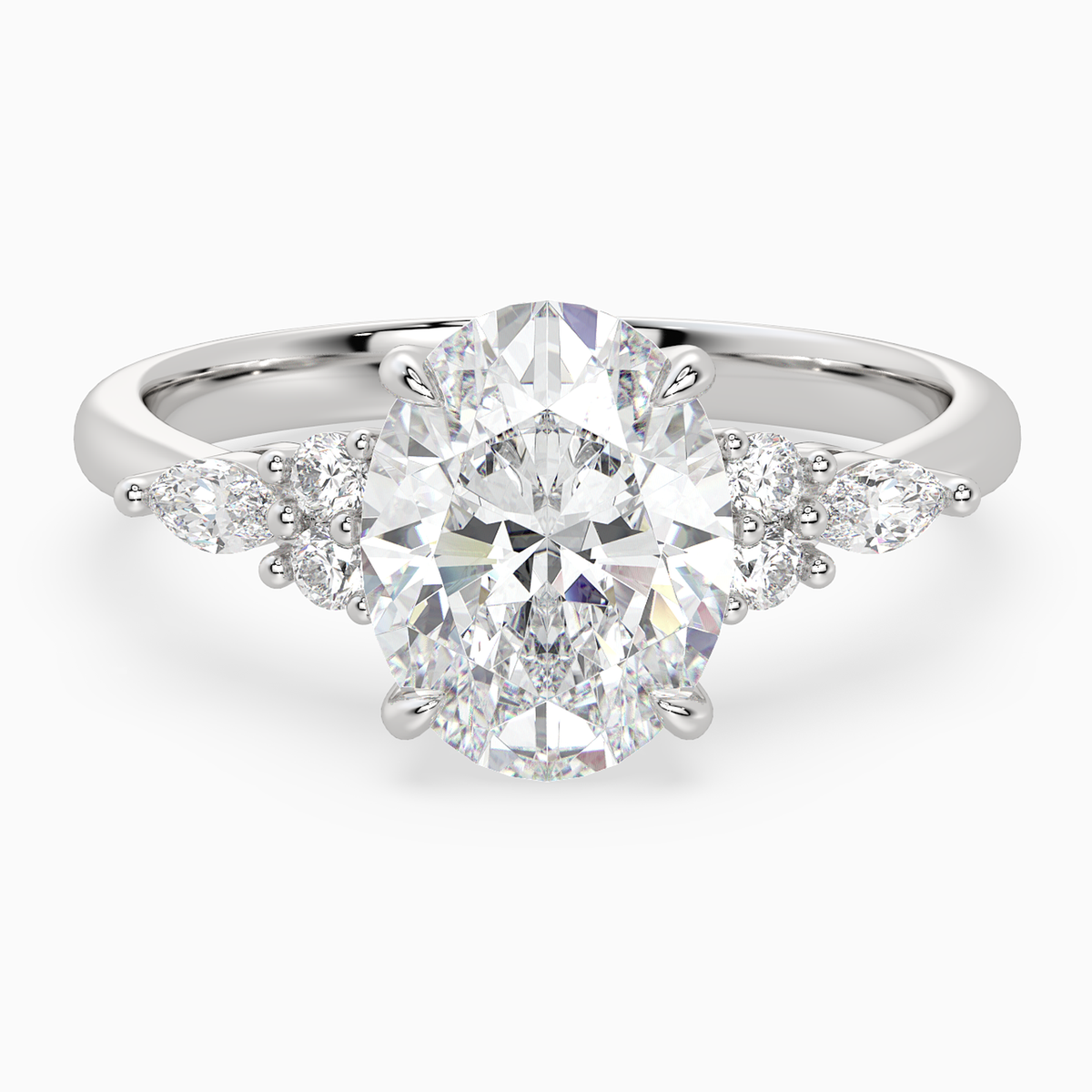


Lab Grown Diamond Anniversary Rings in 18K White Gold
A pale metal field lets form carry the anniversary. Compare 69 rings by coverage, contour, profile, width, spacing, and placement.


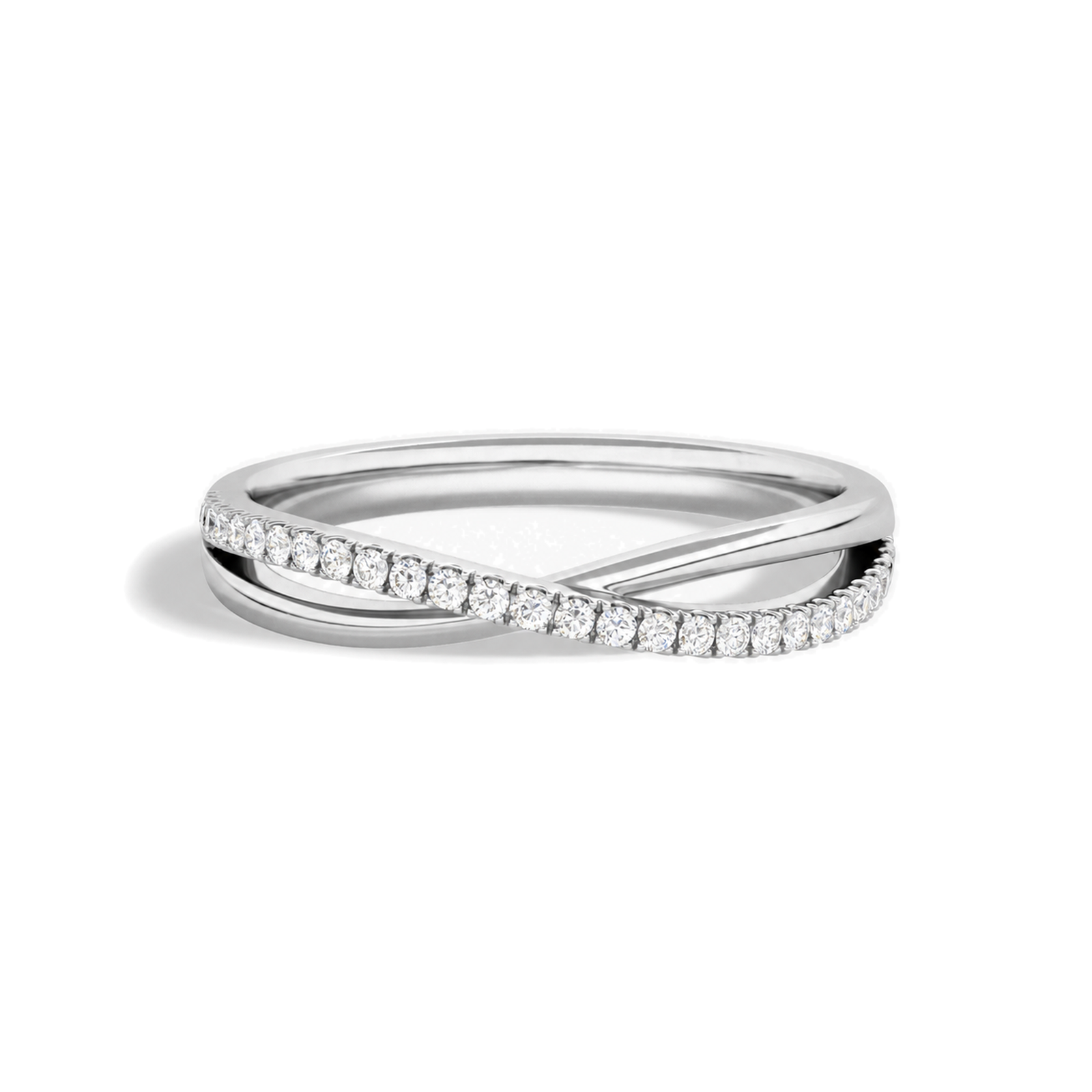


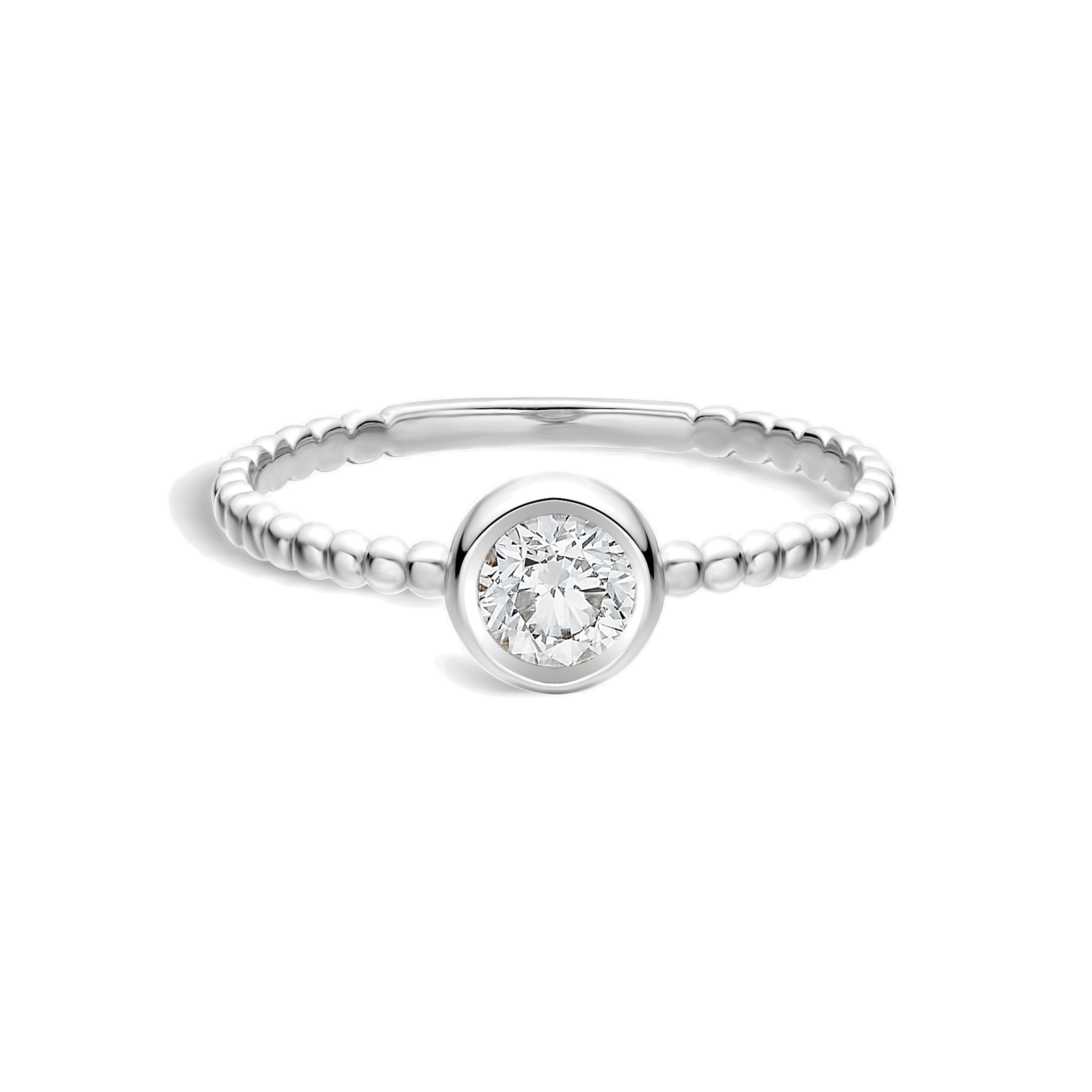
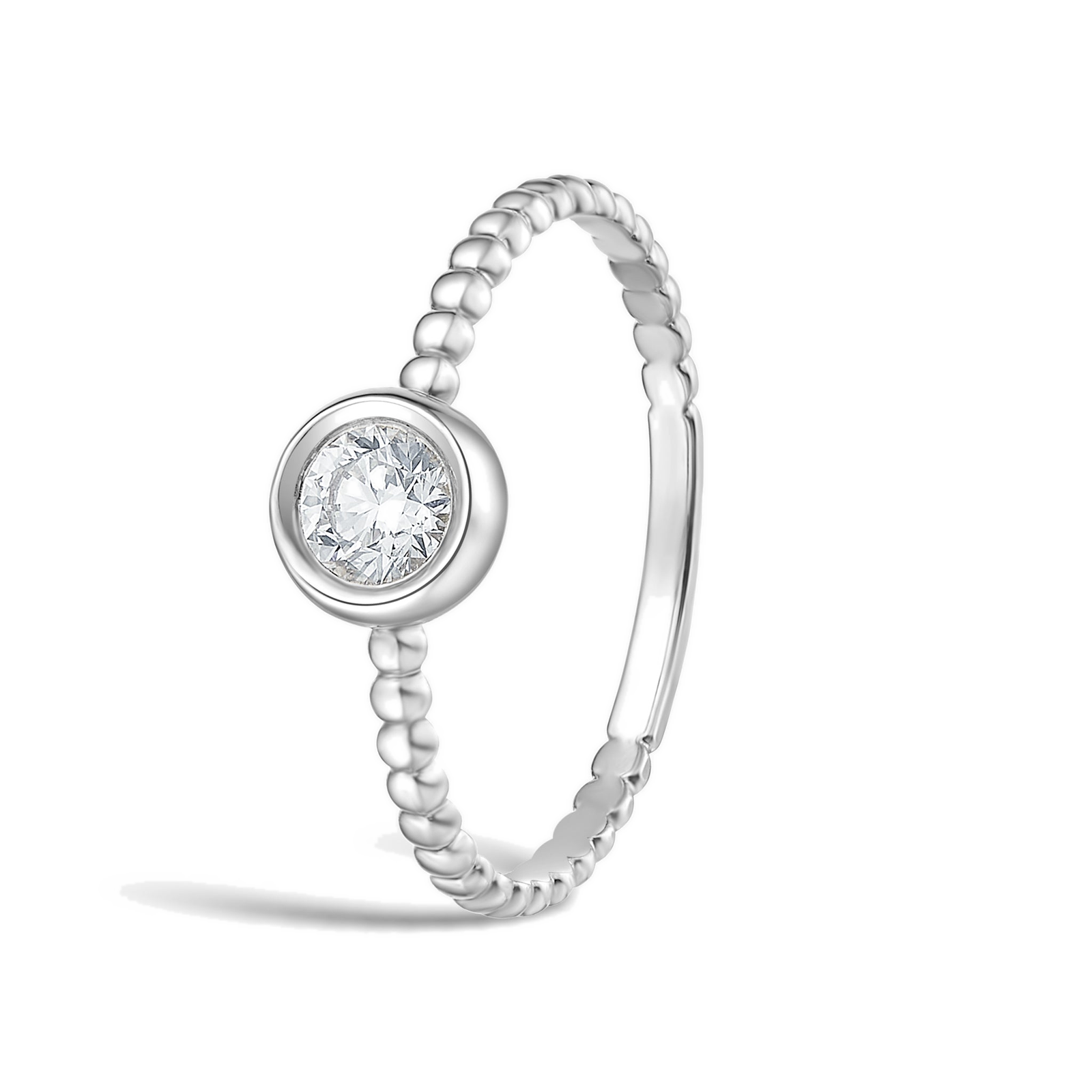

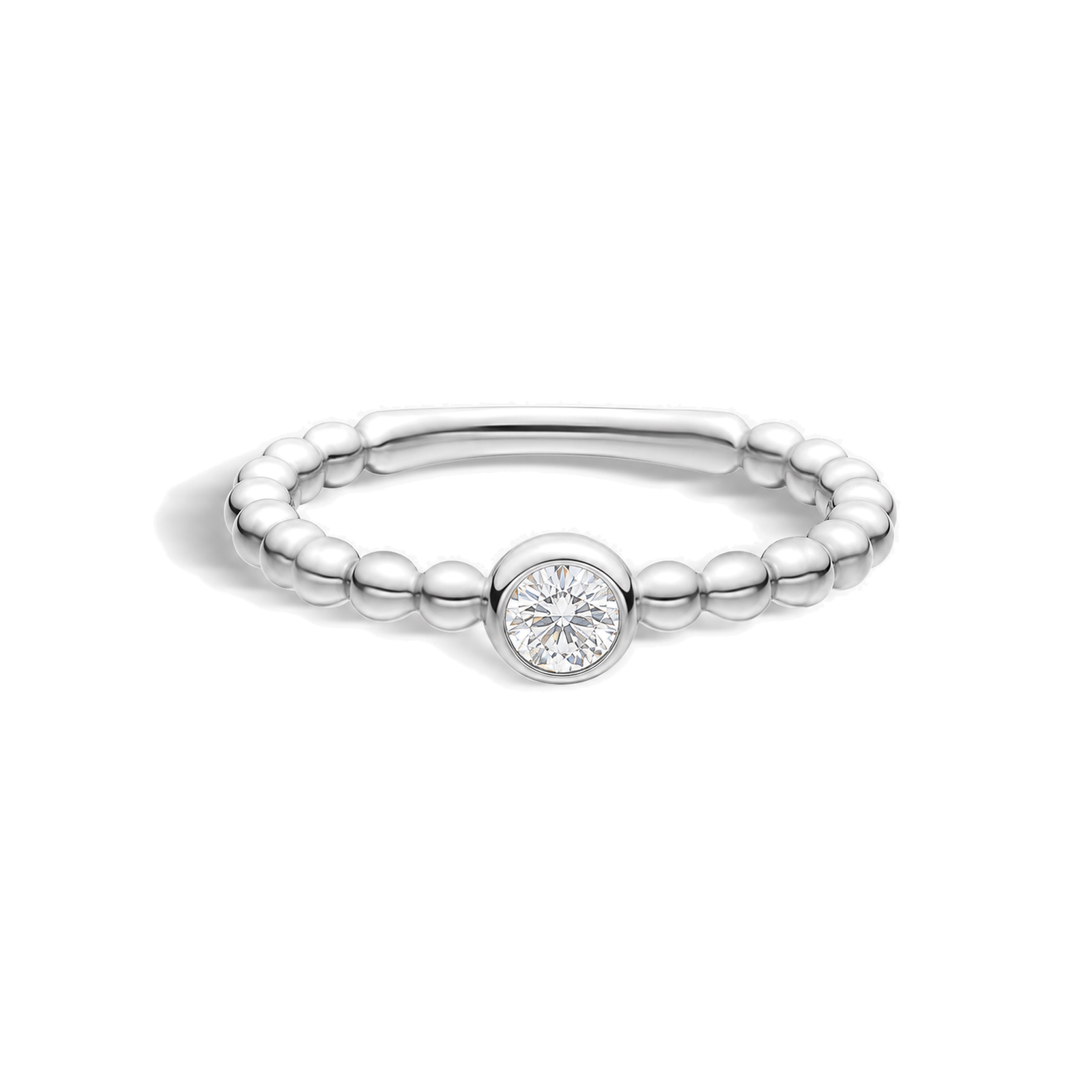
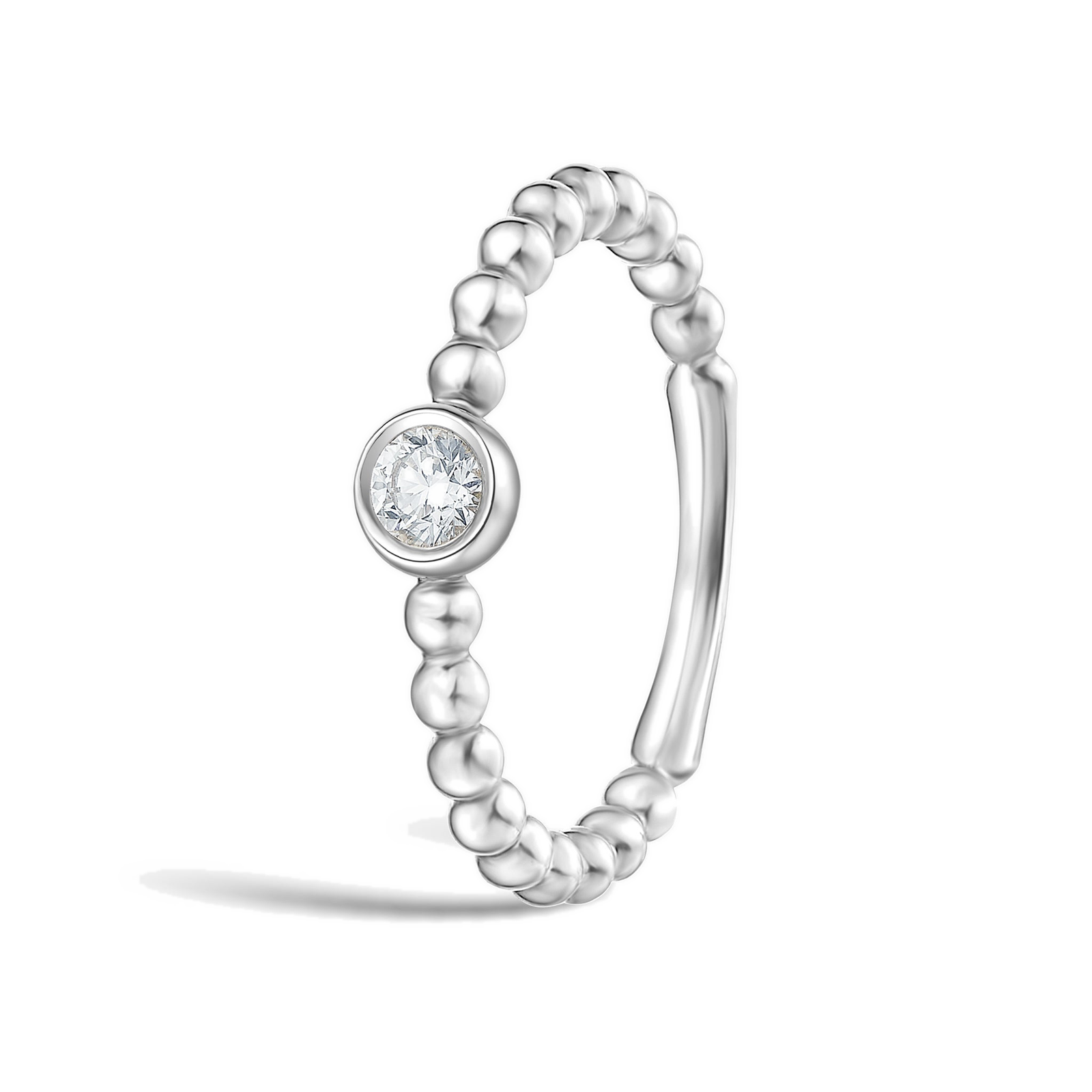

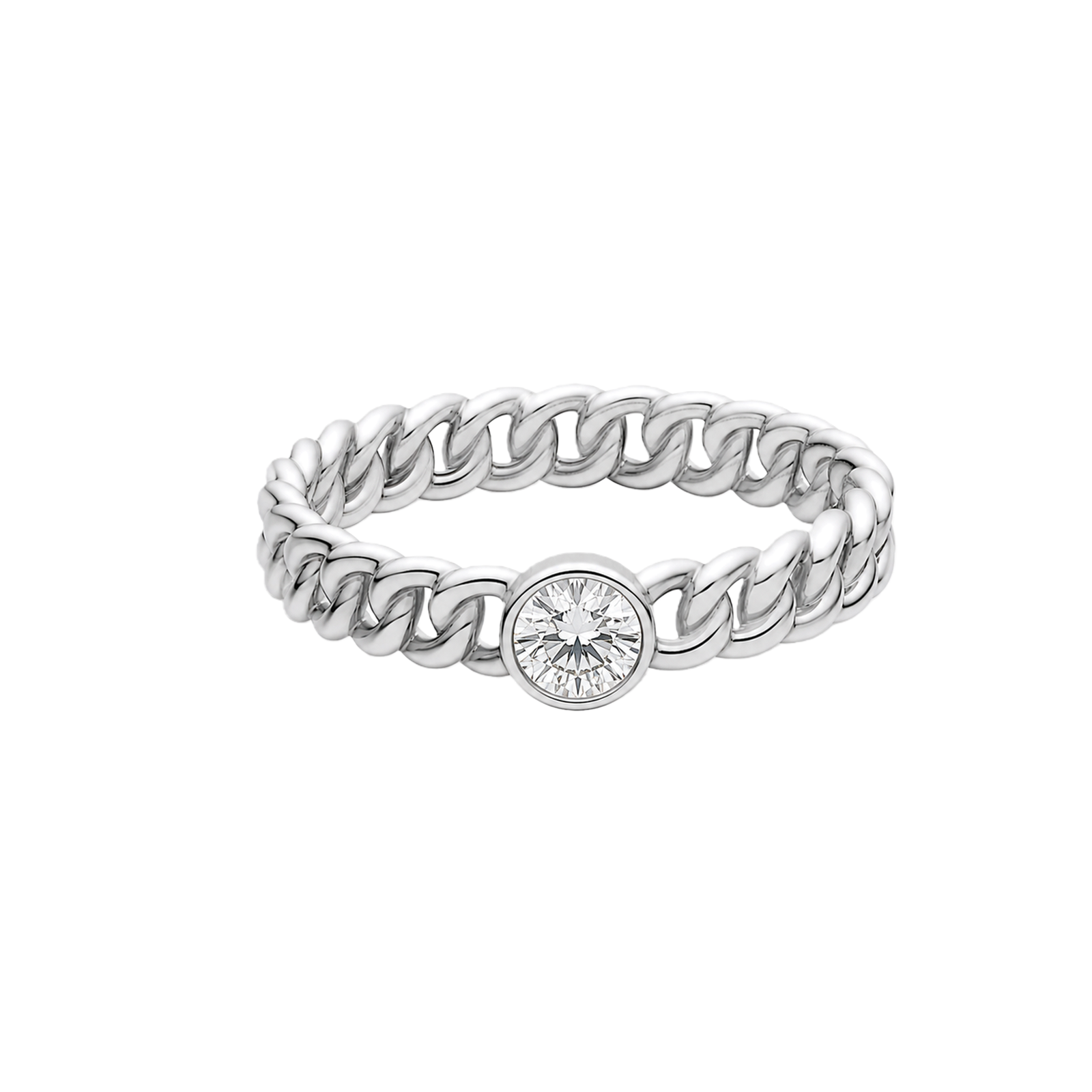


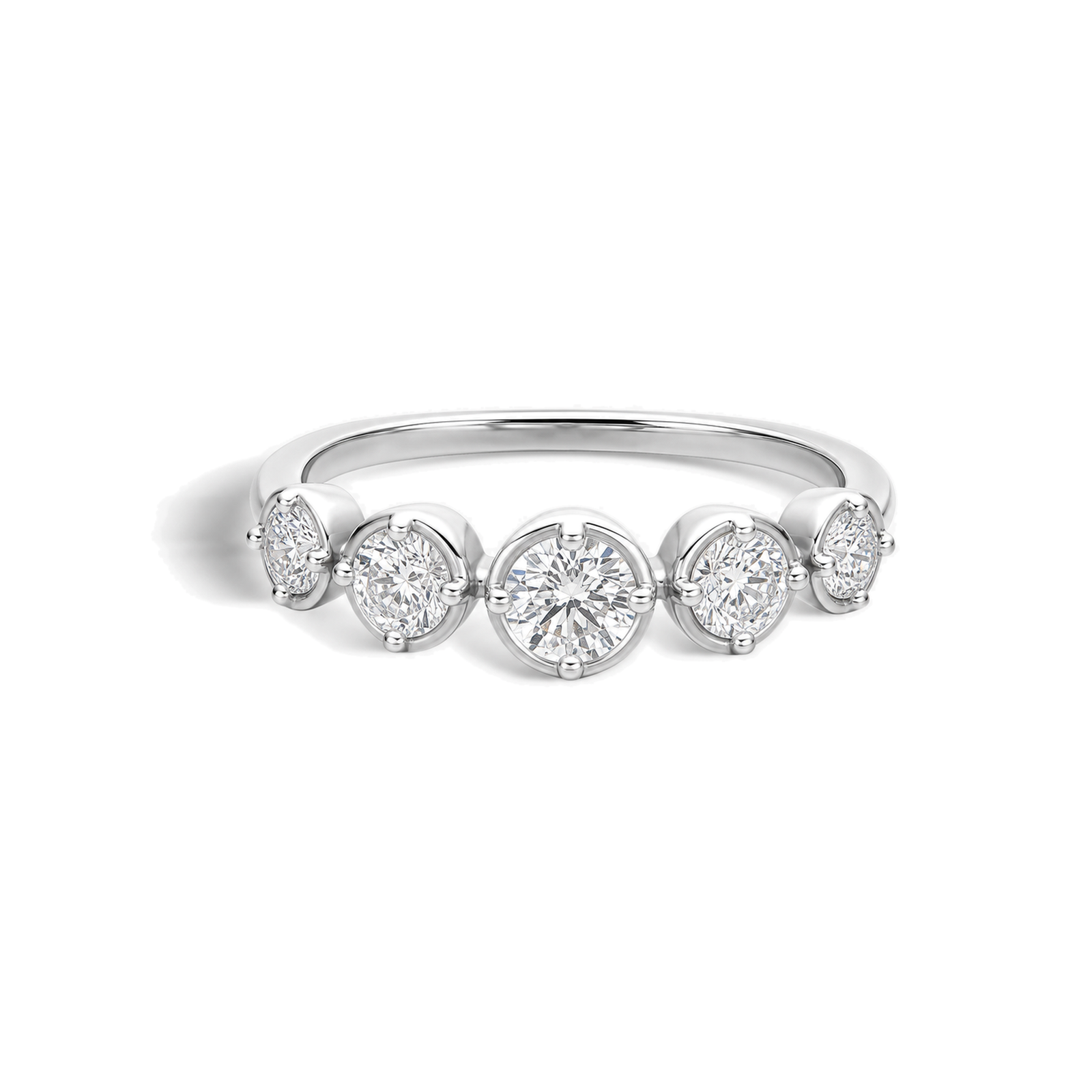
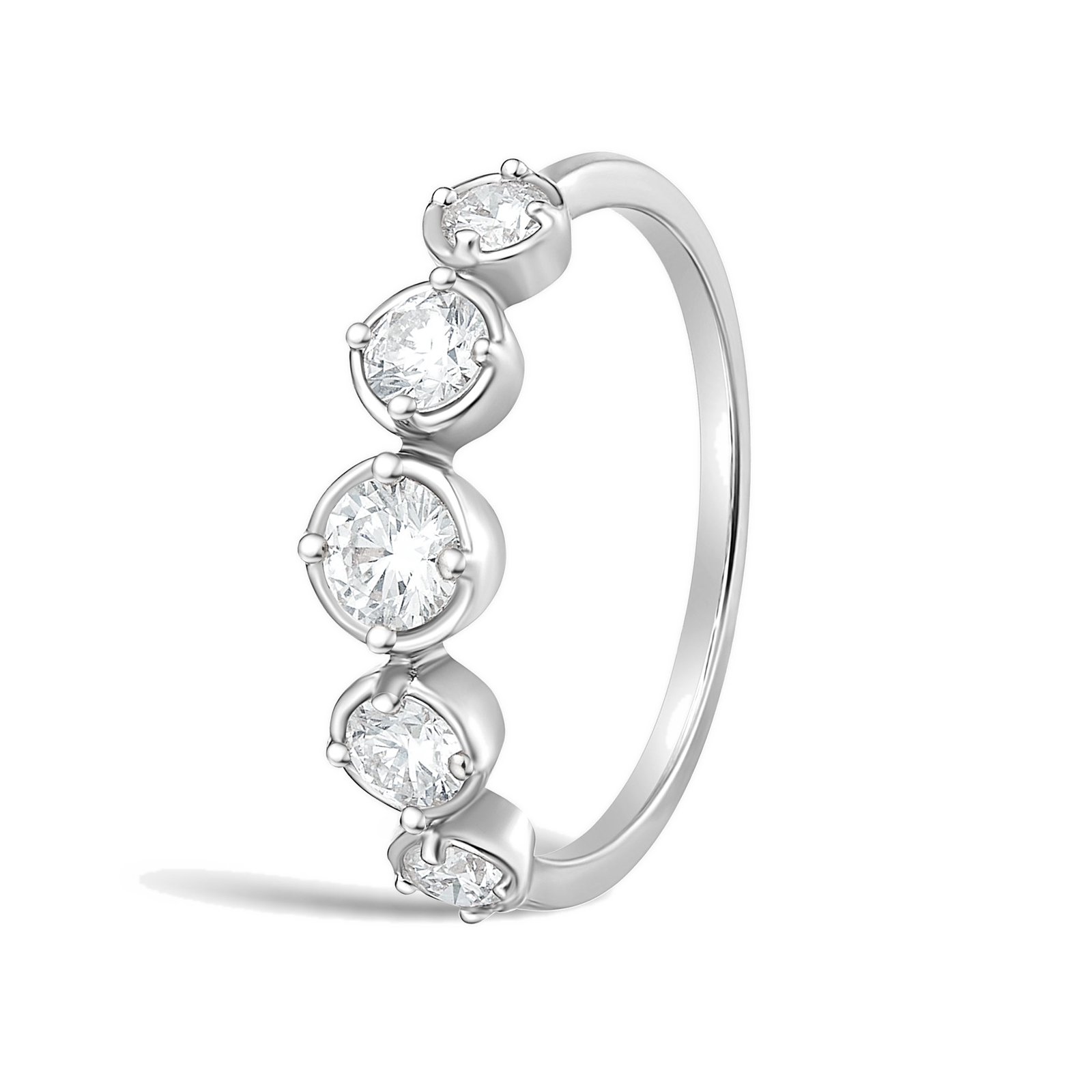

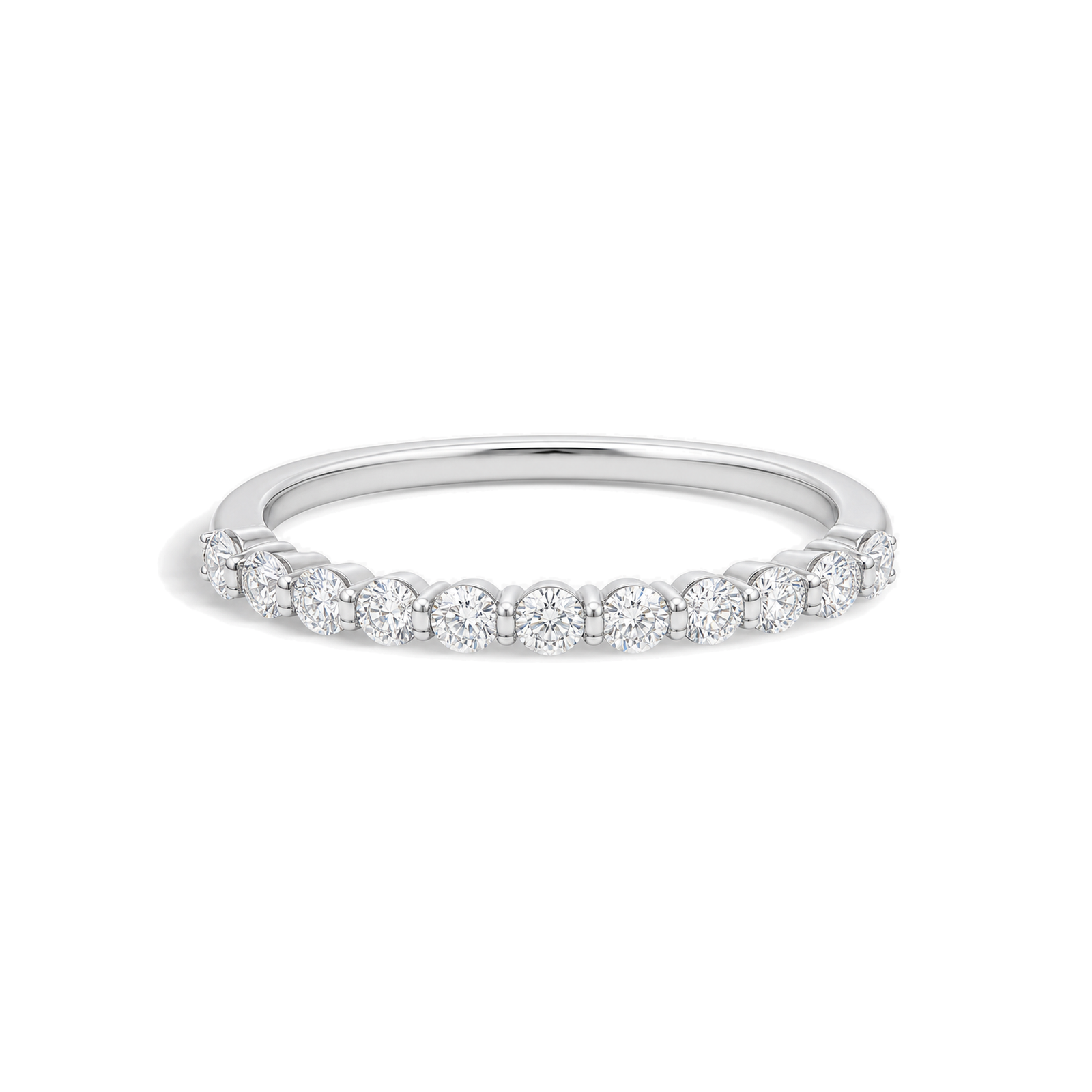
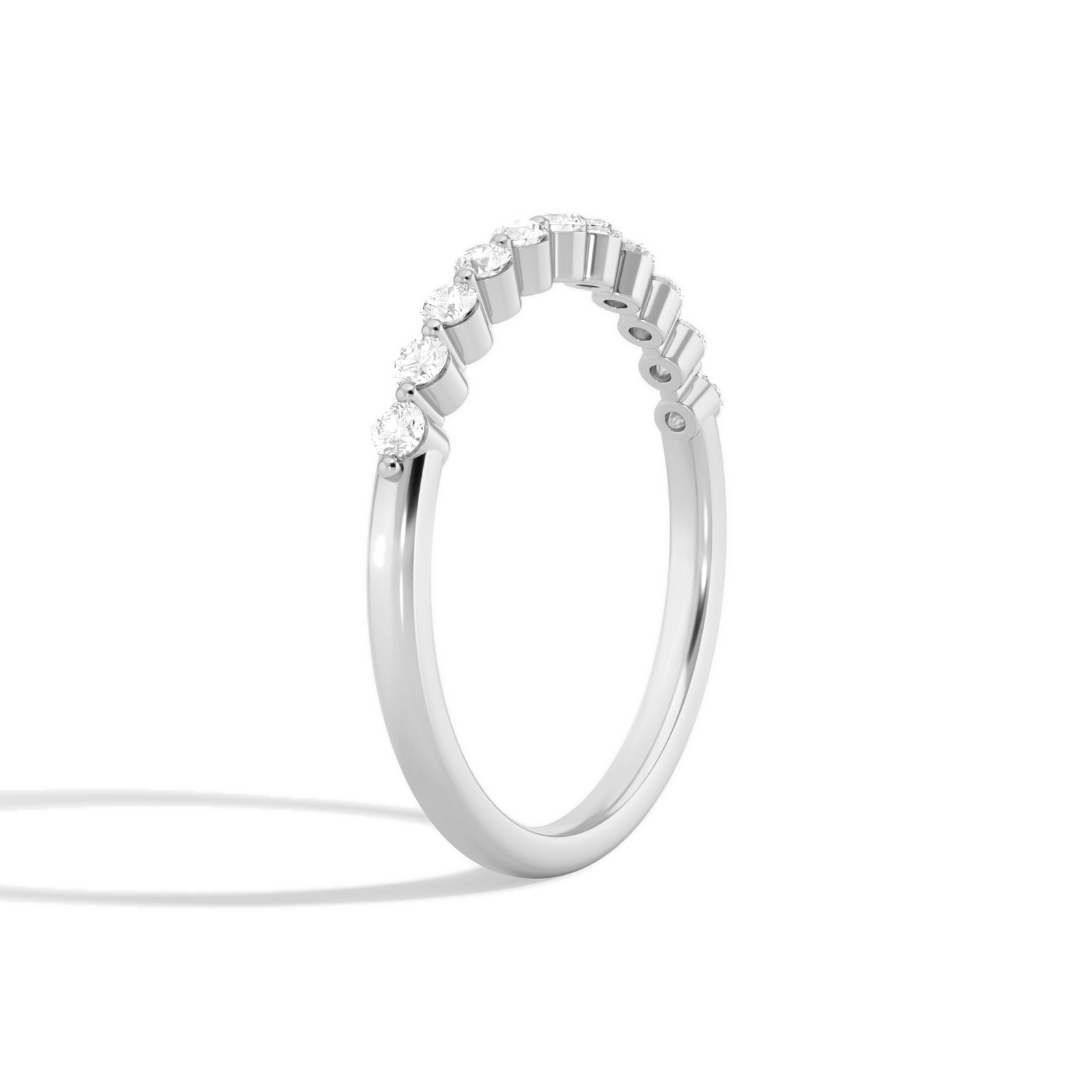

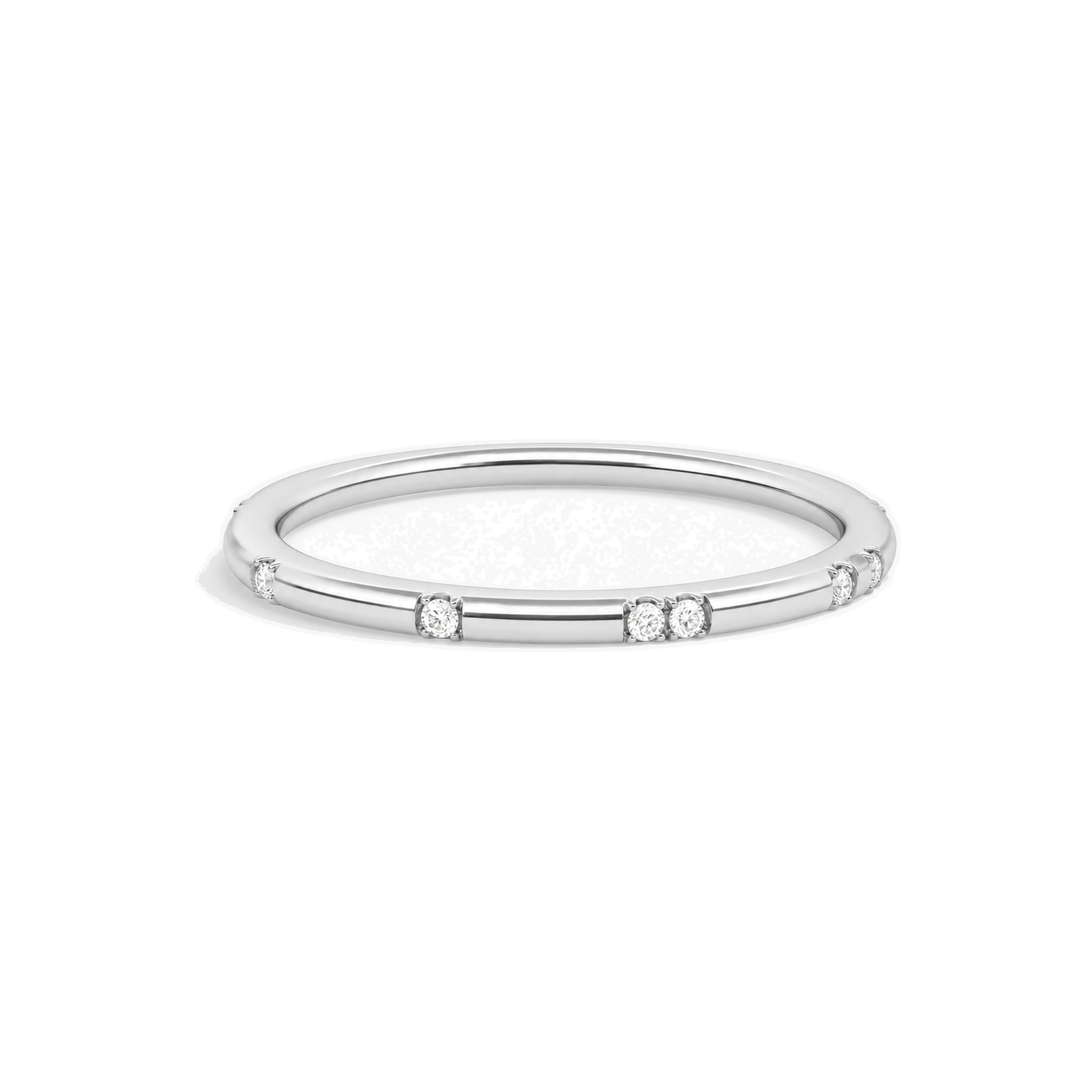
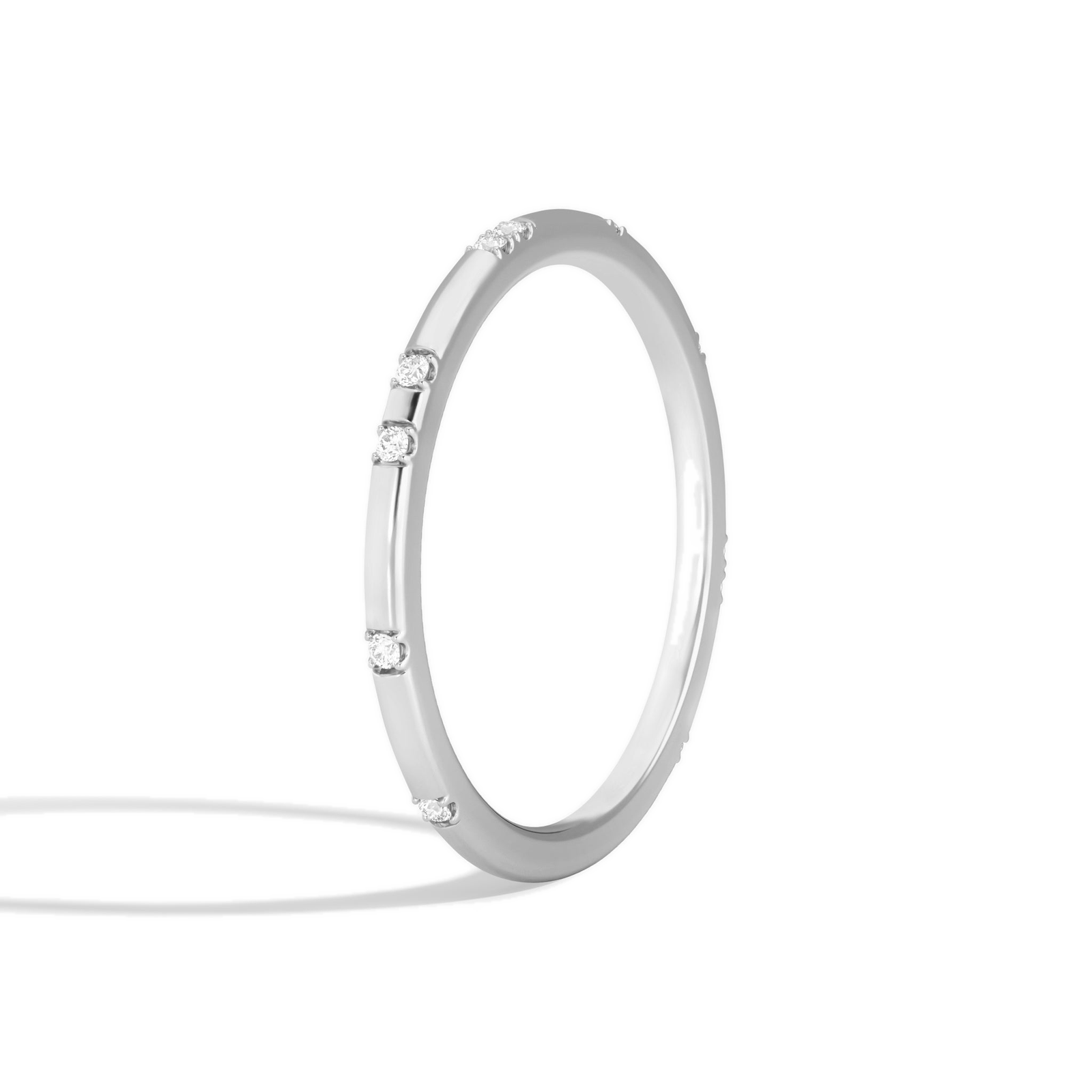

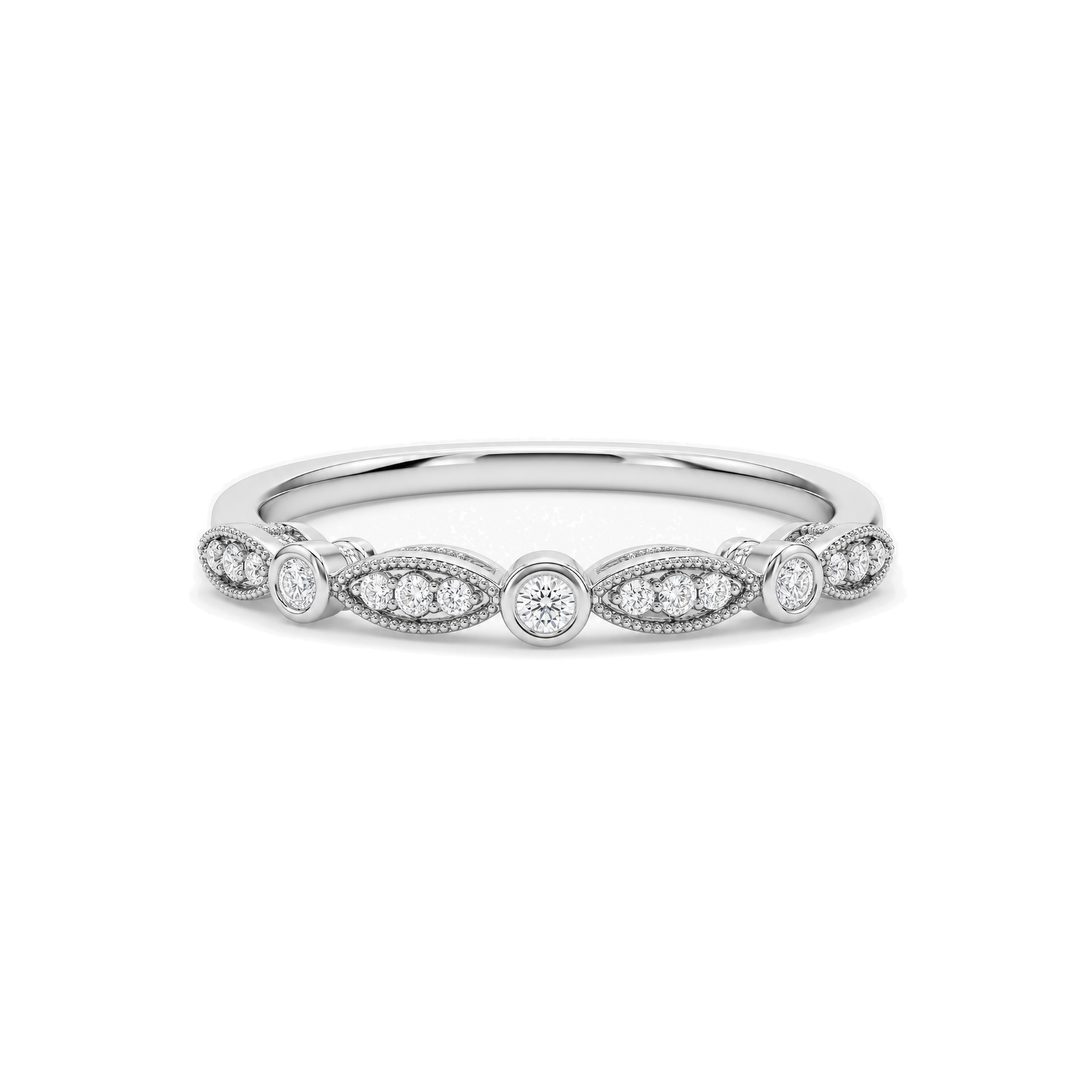


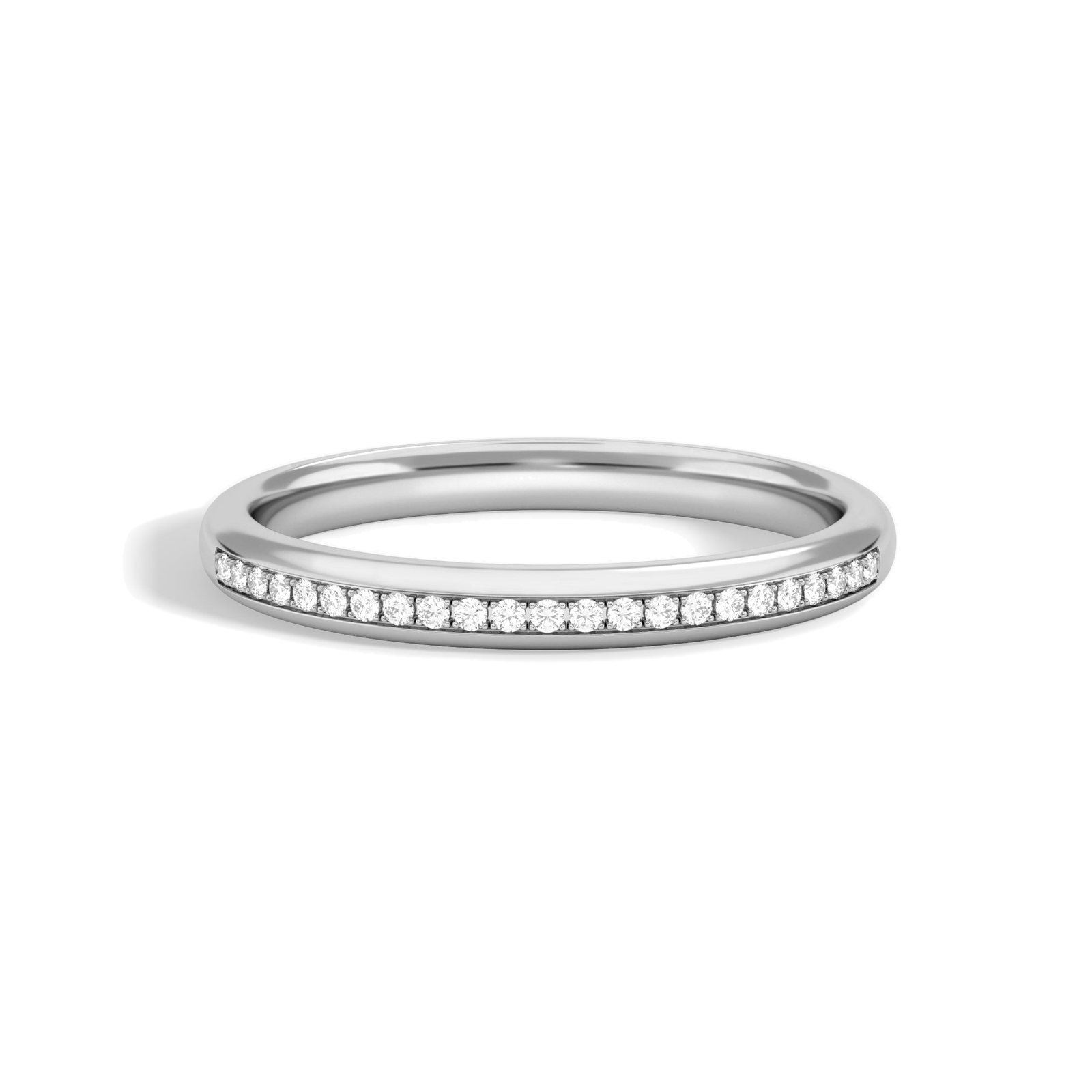
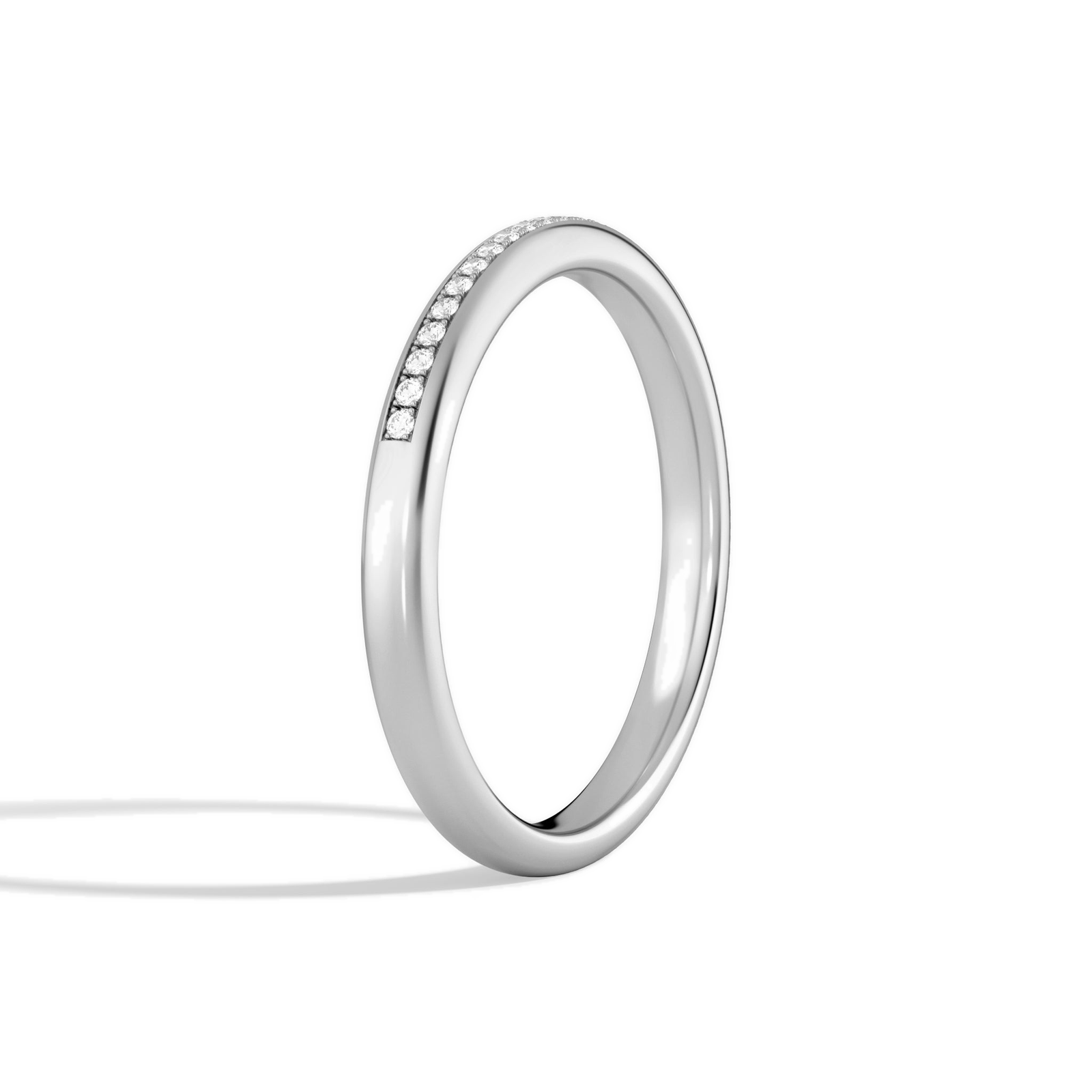

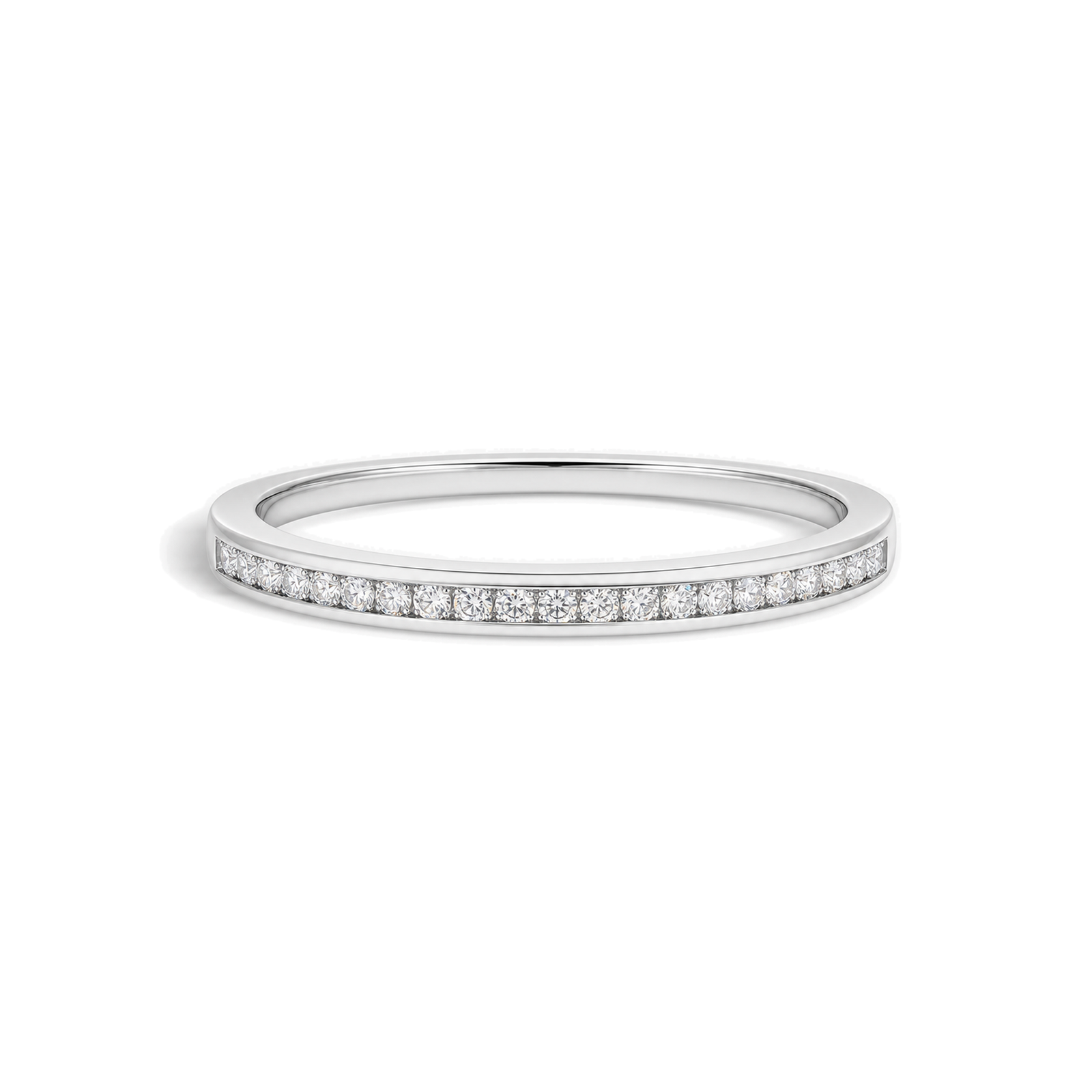


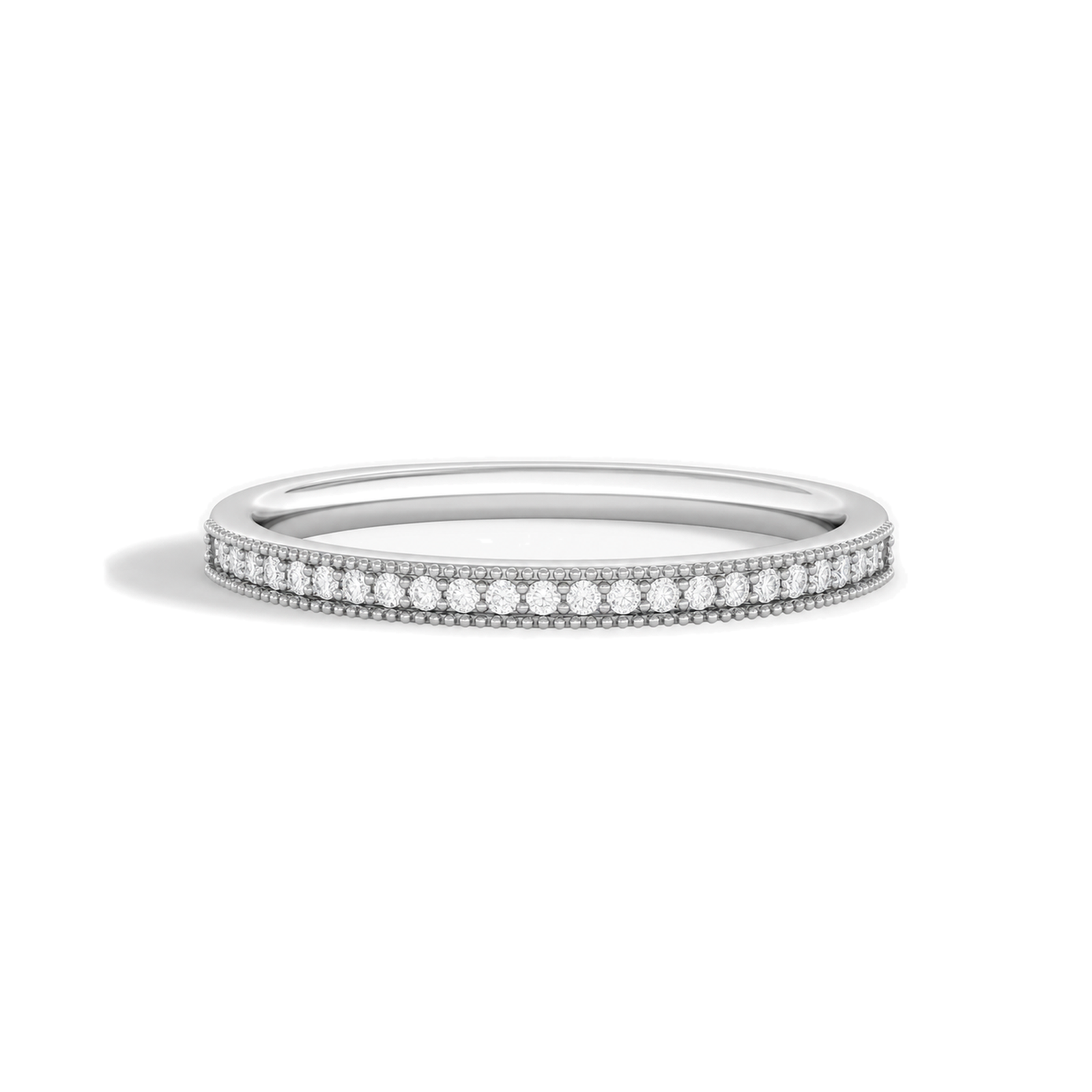


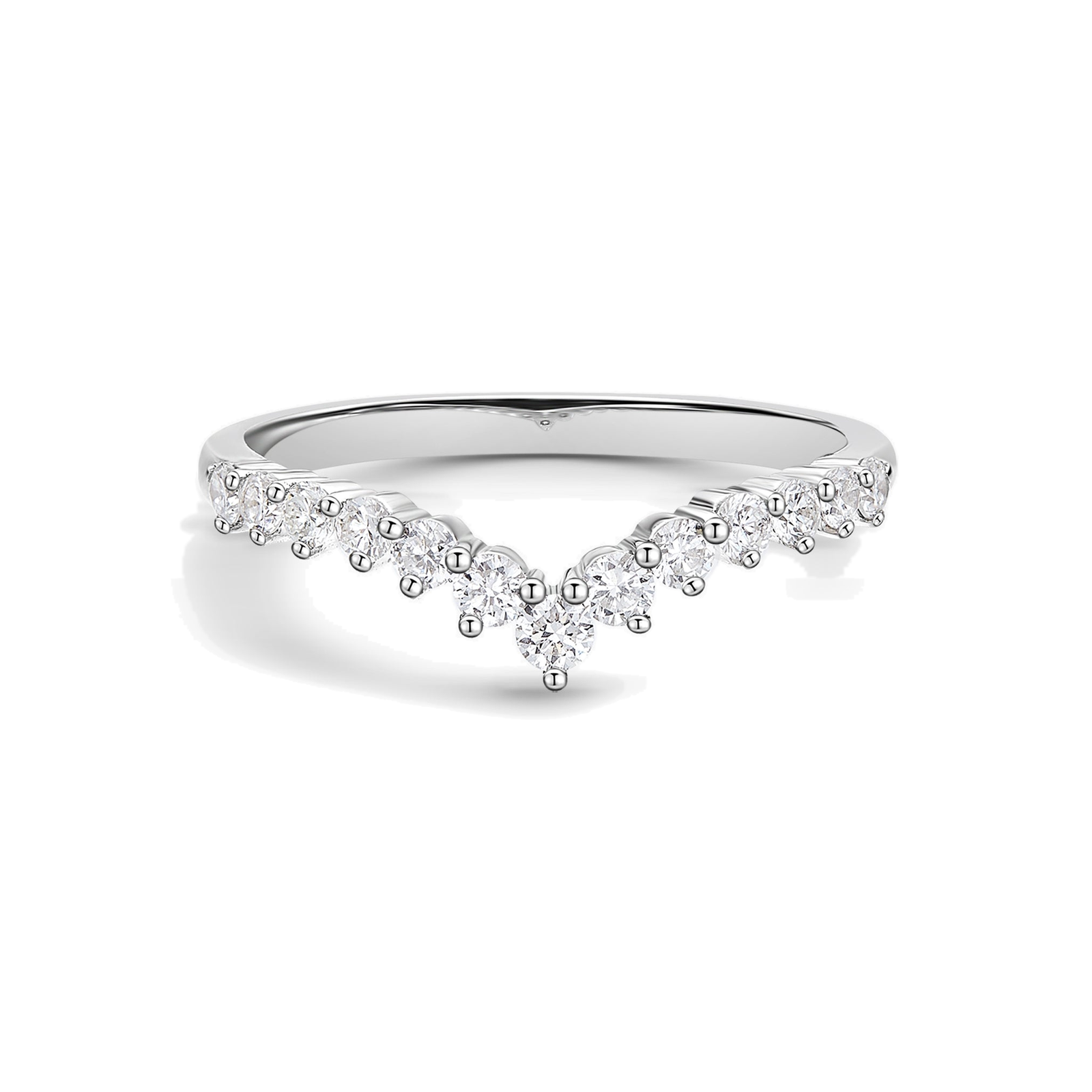
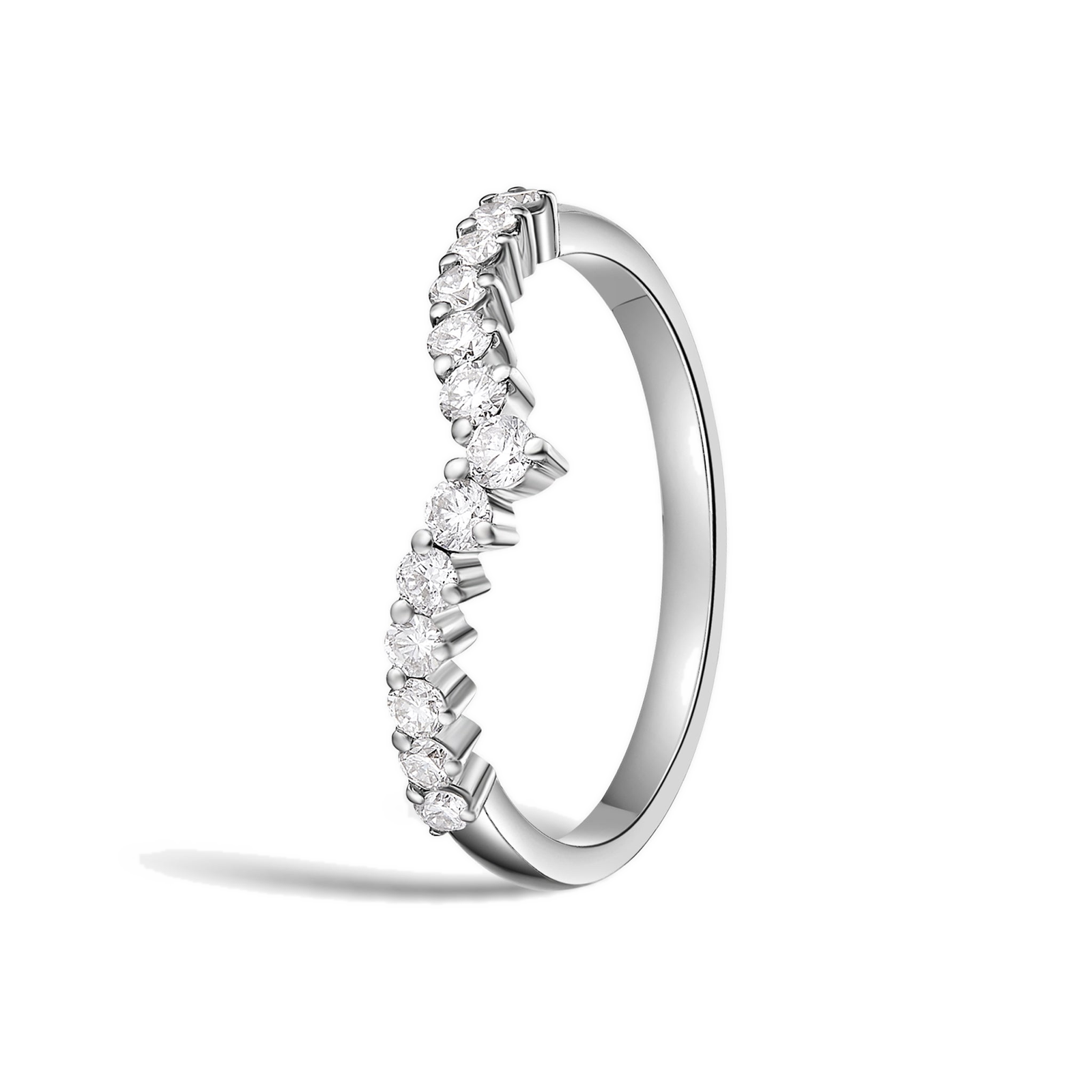

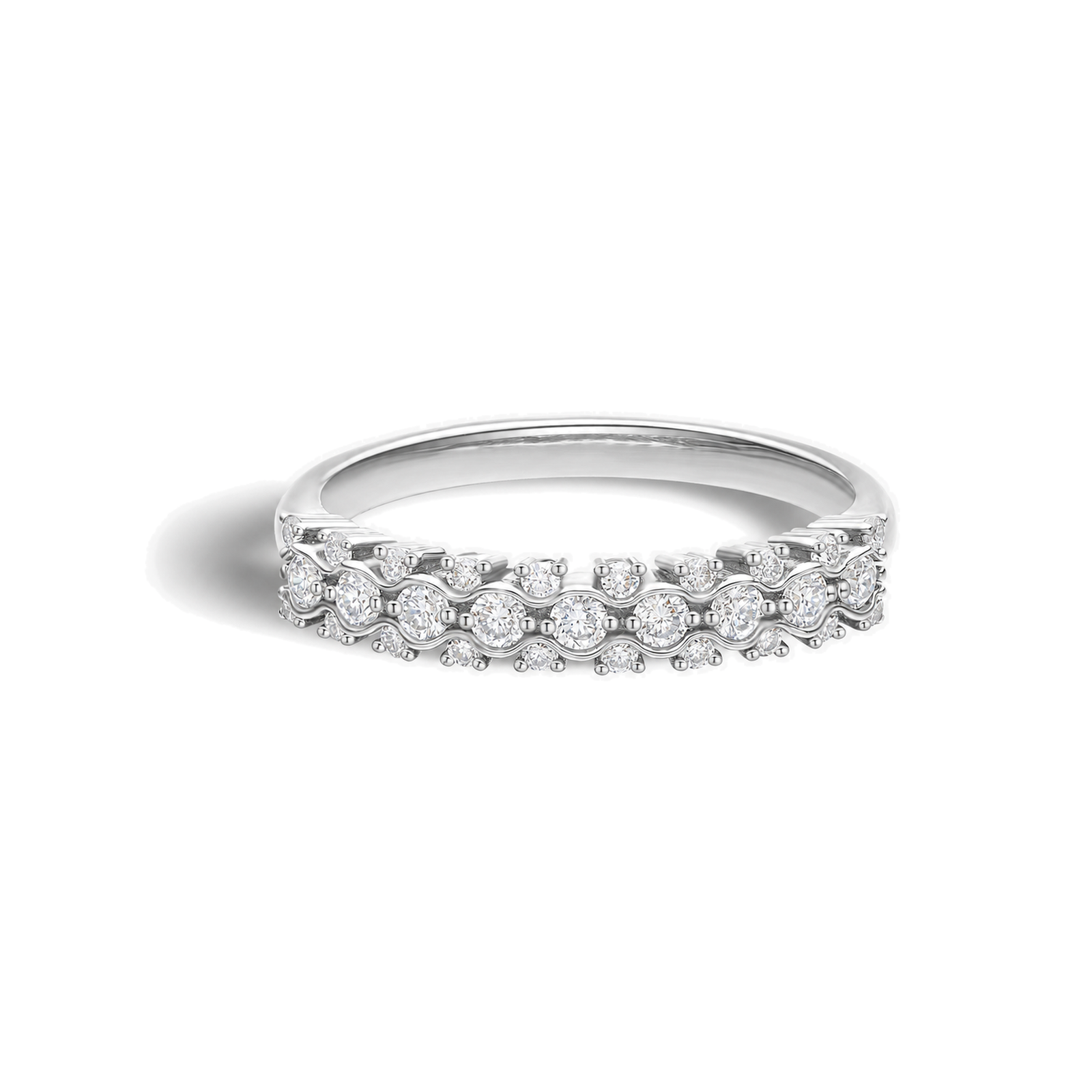


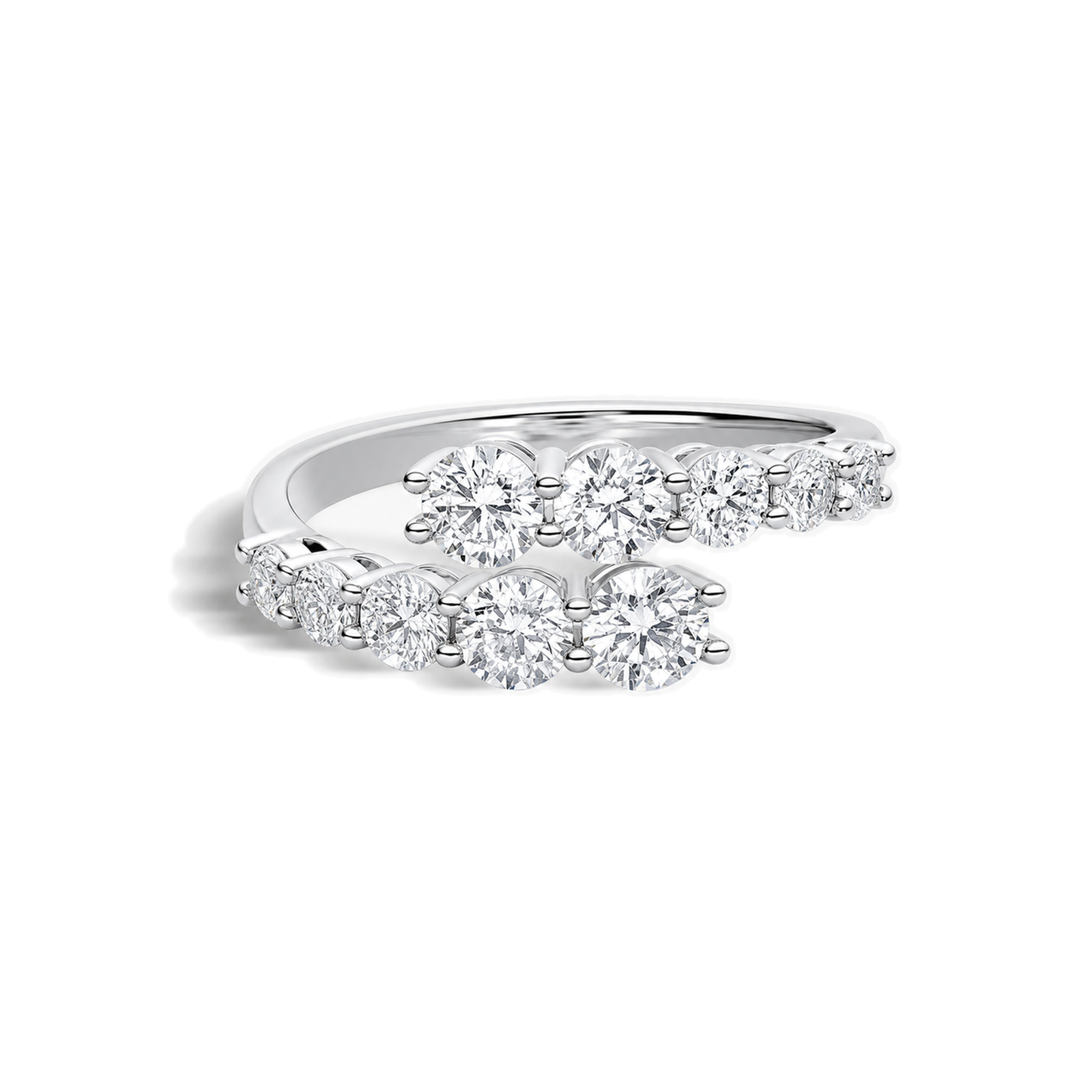


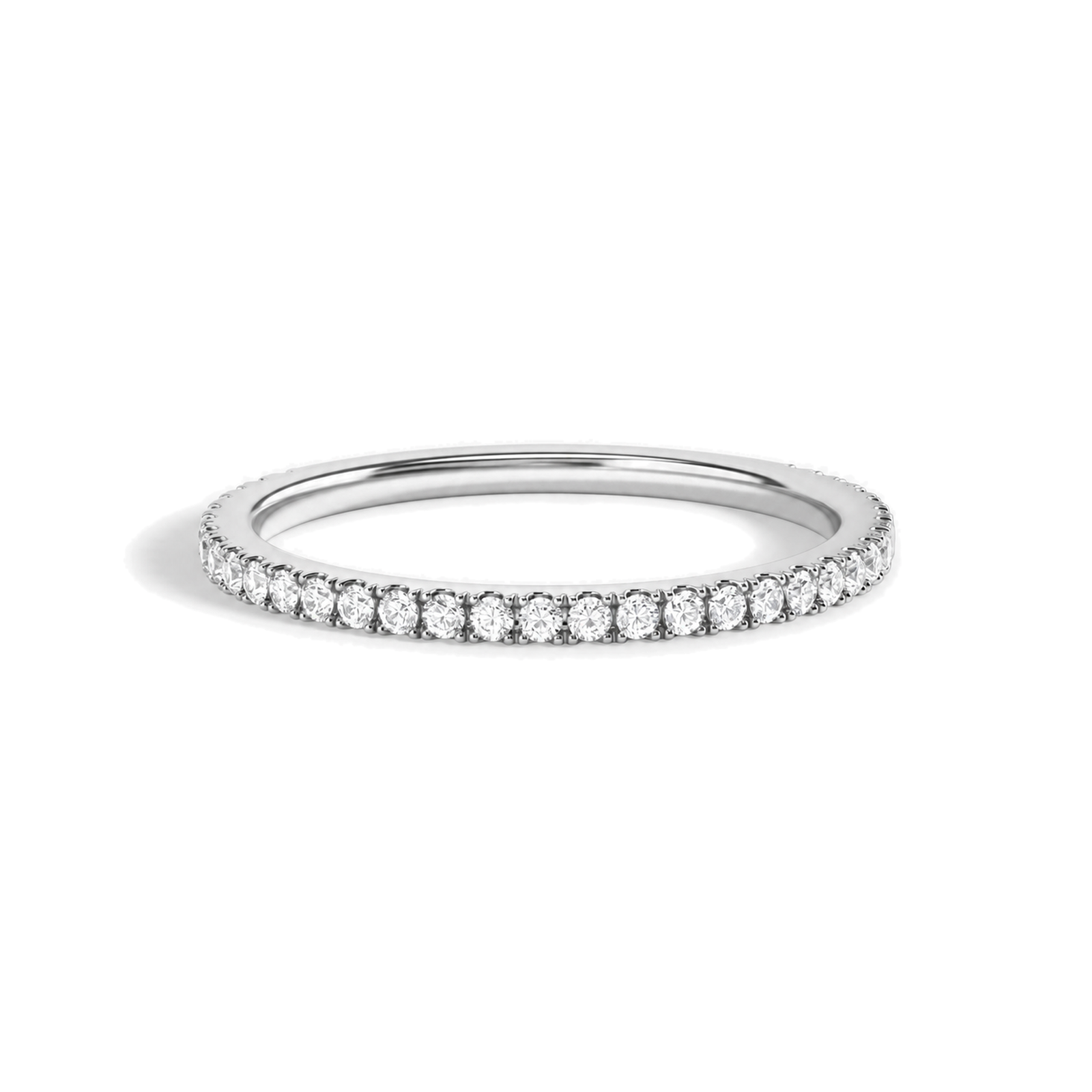
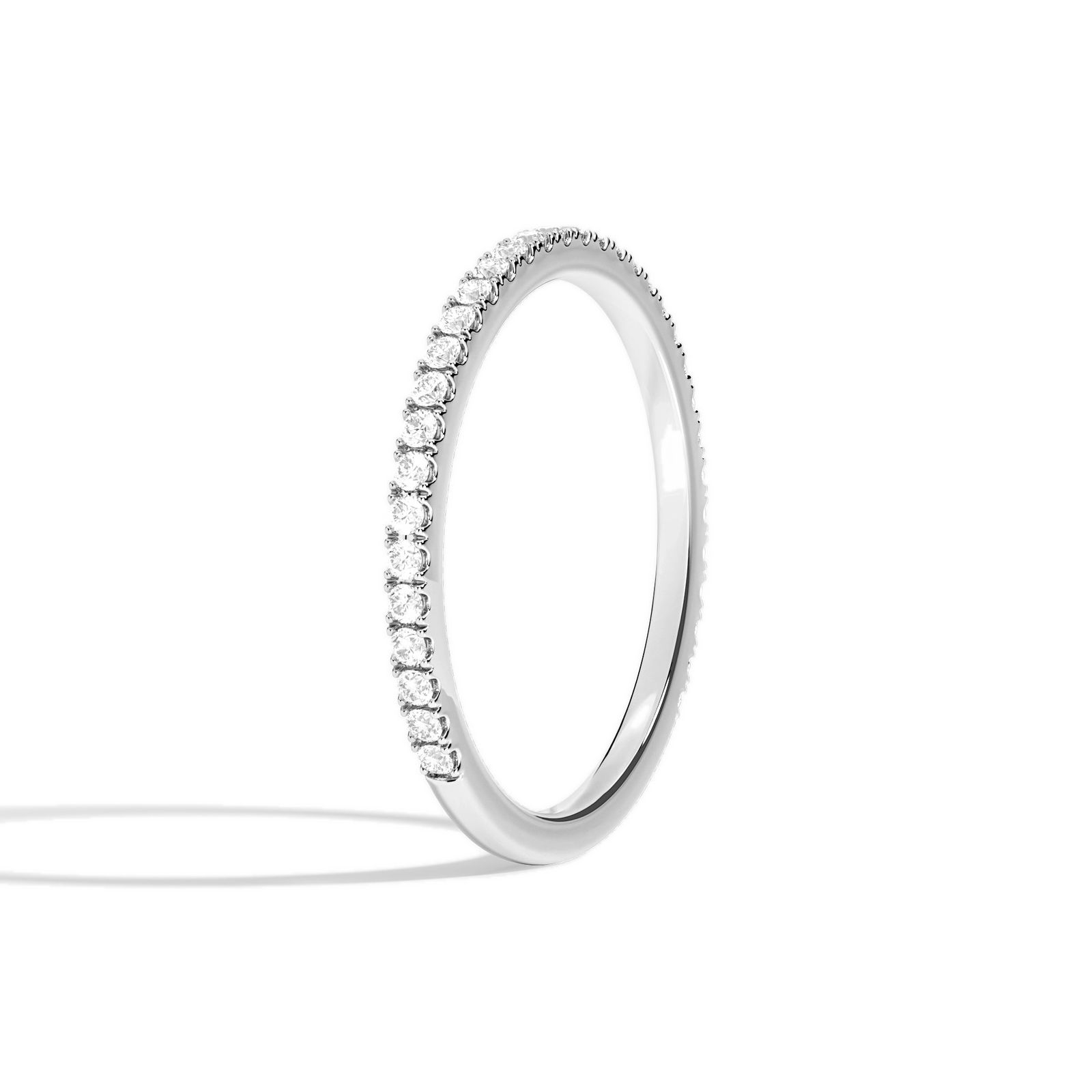


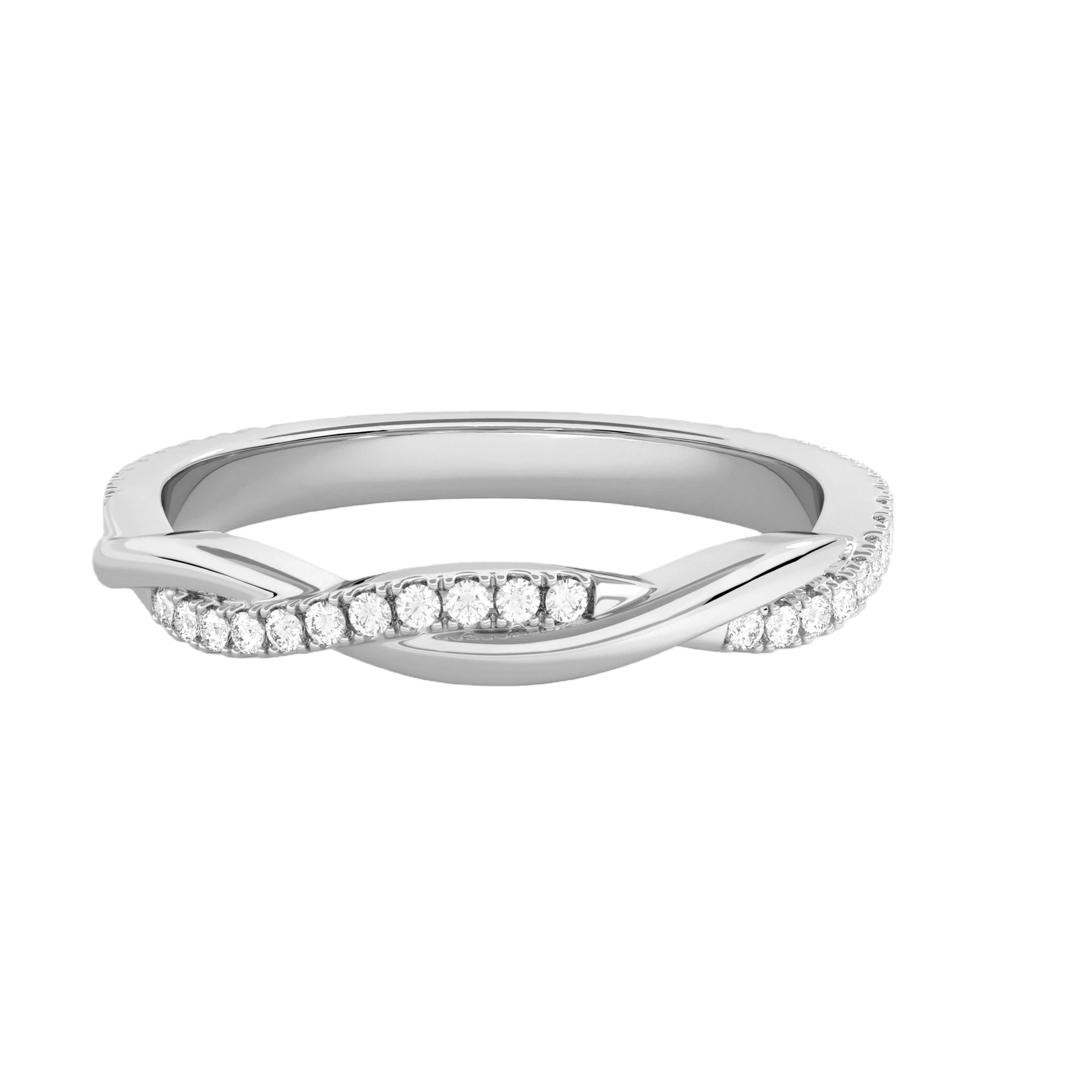


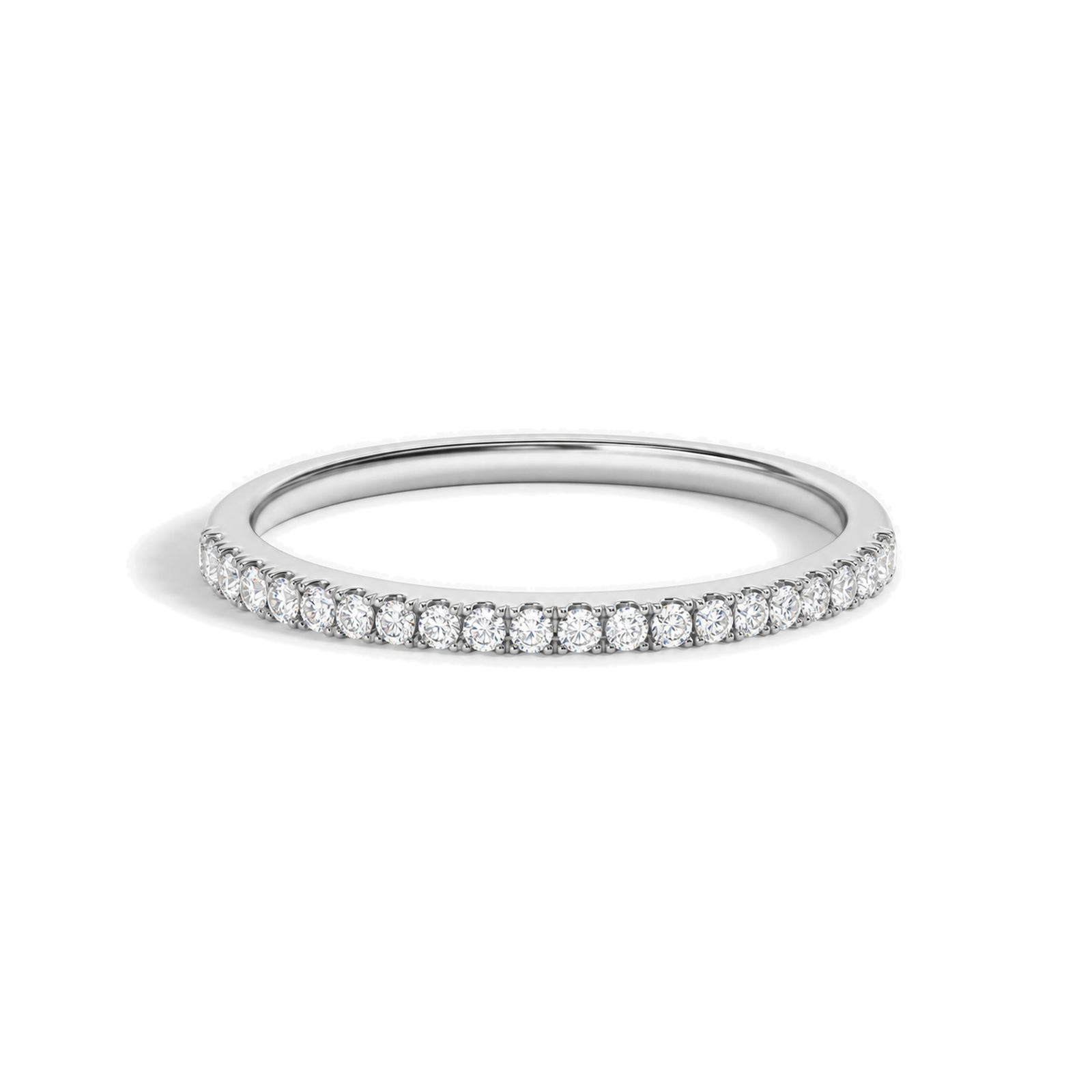
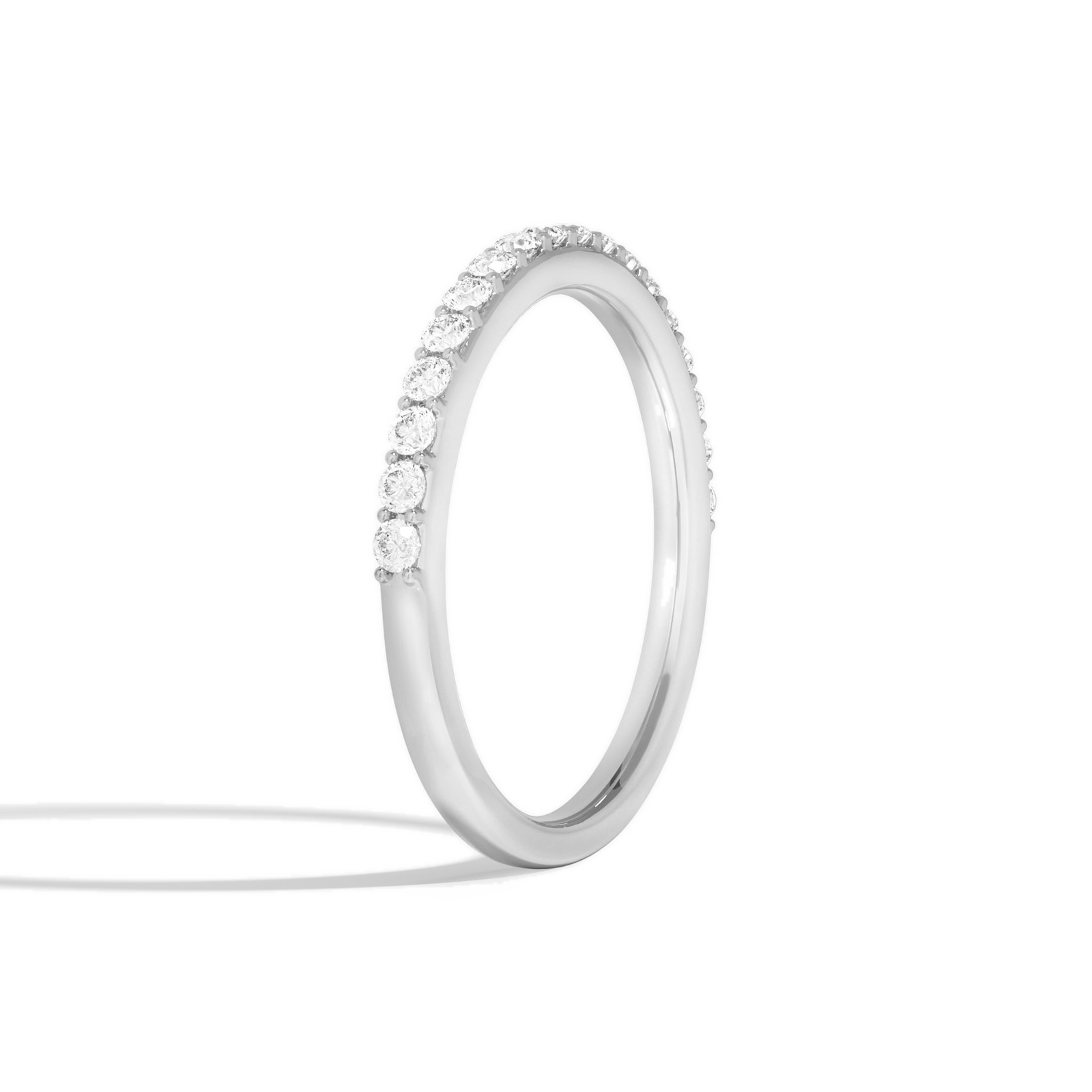

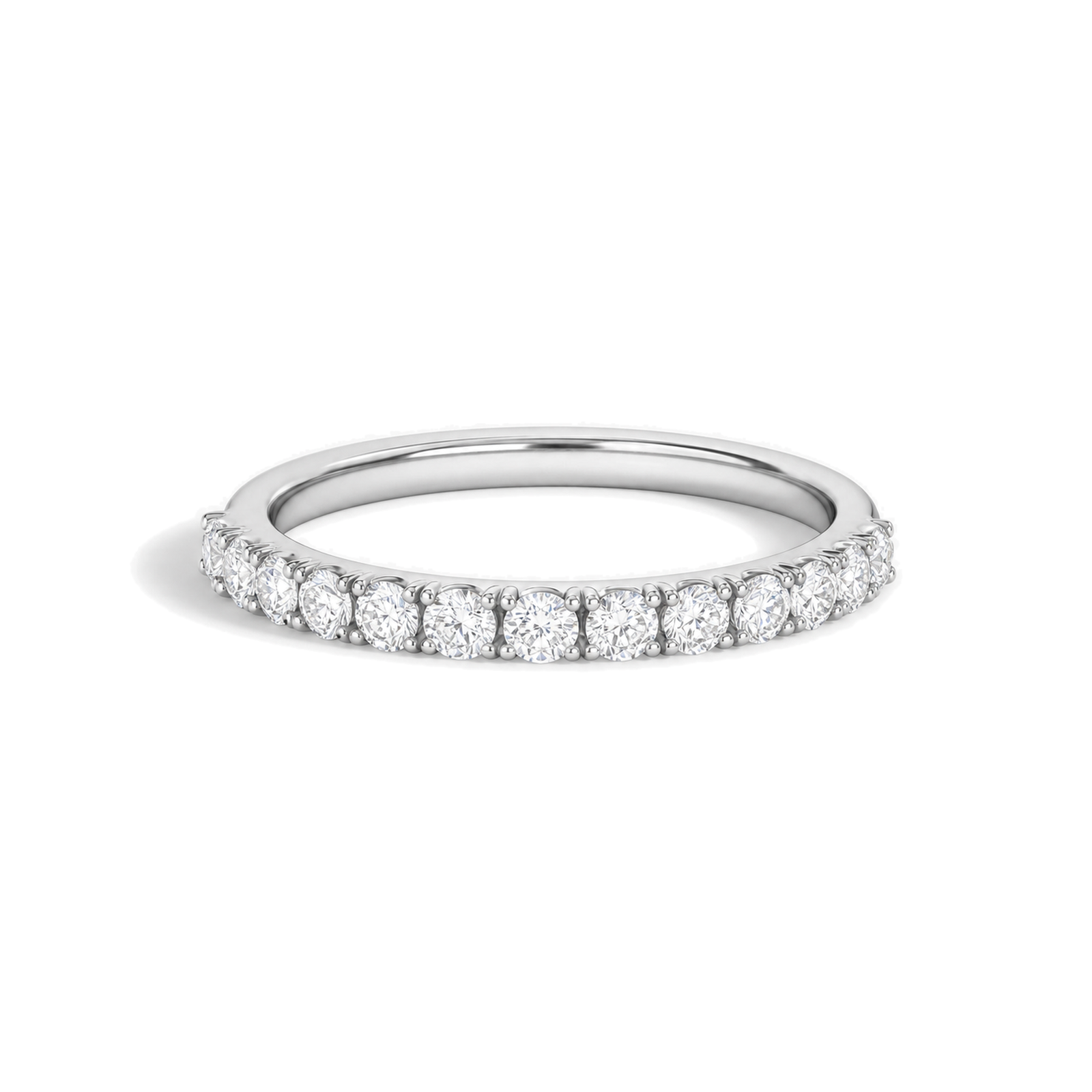
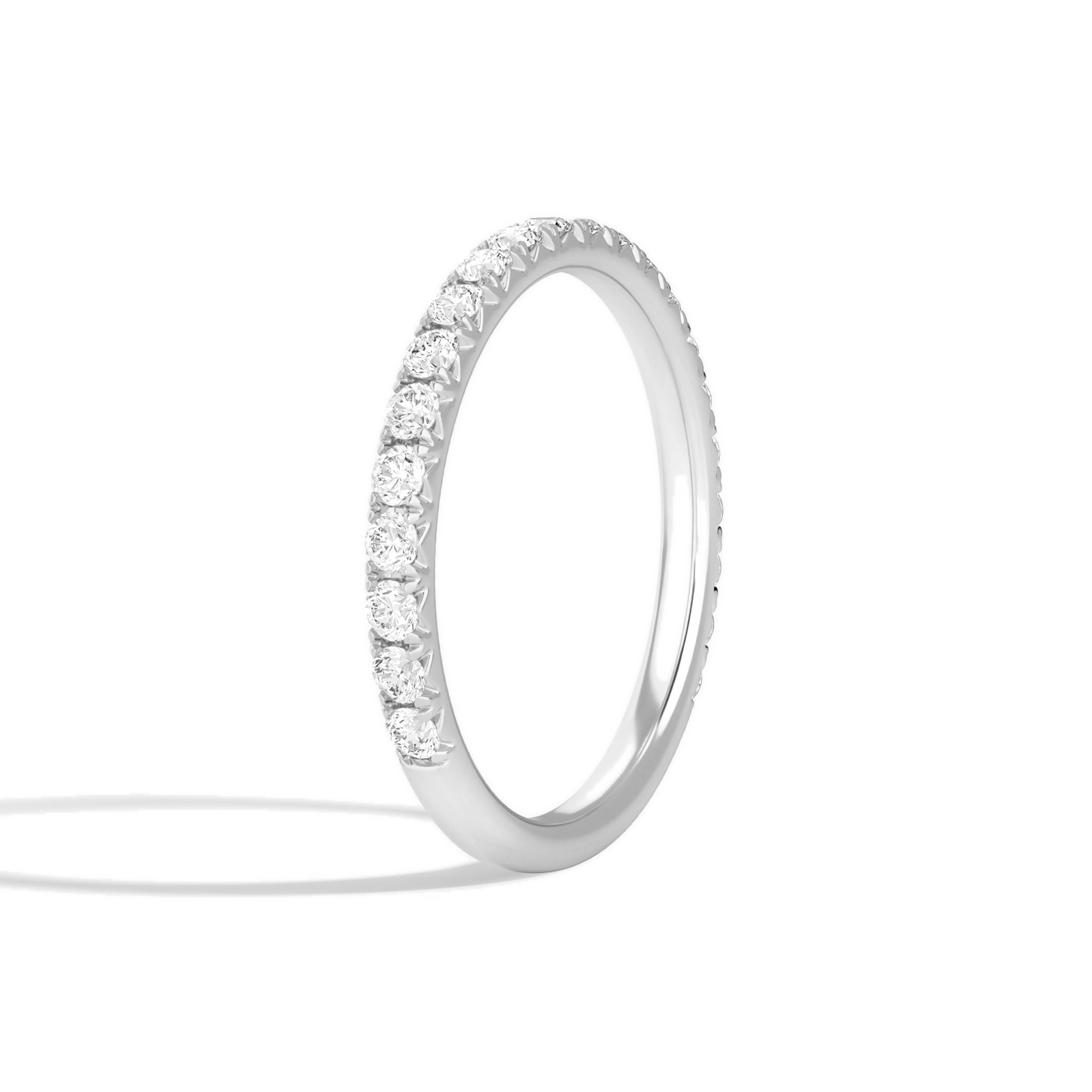

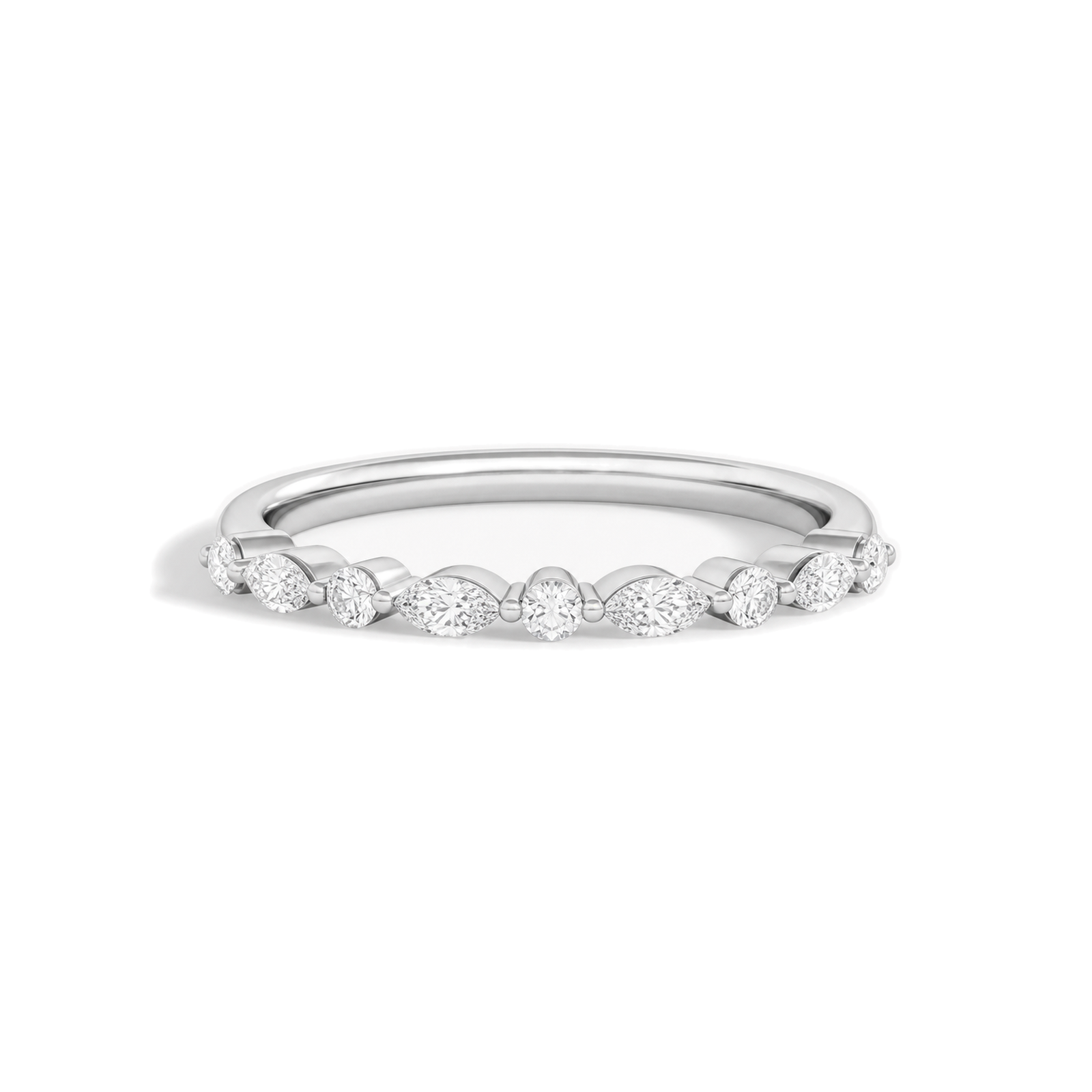
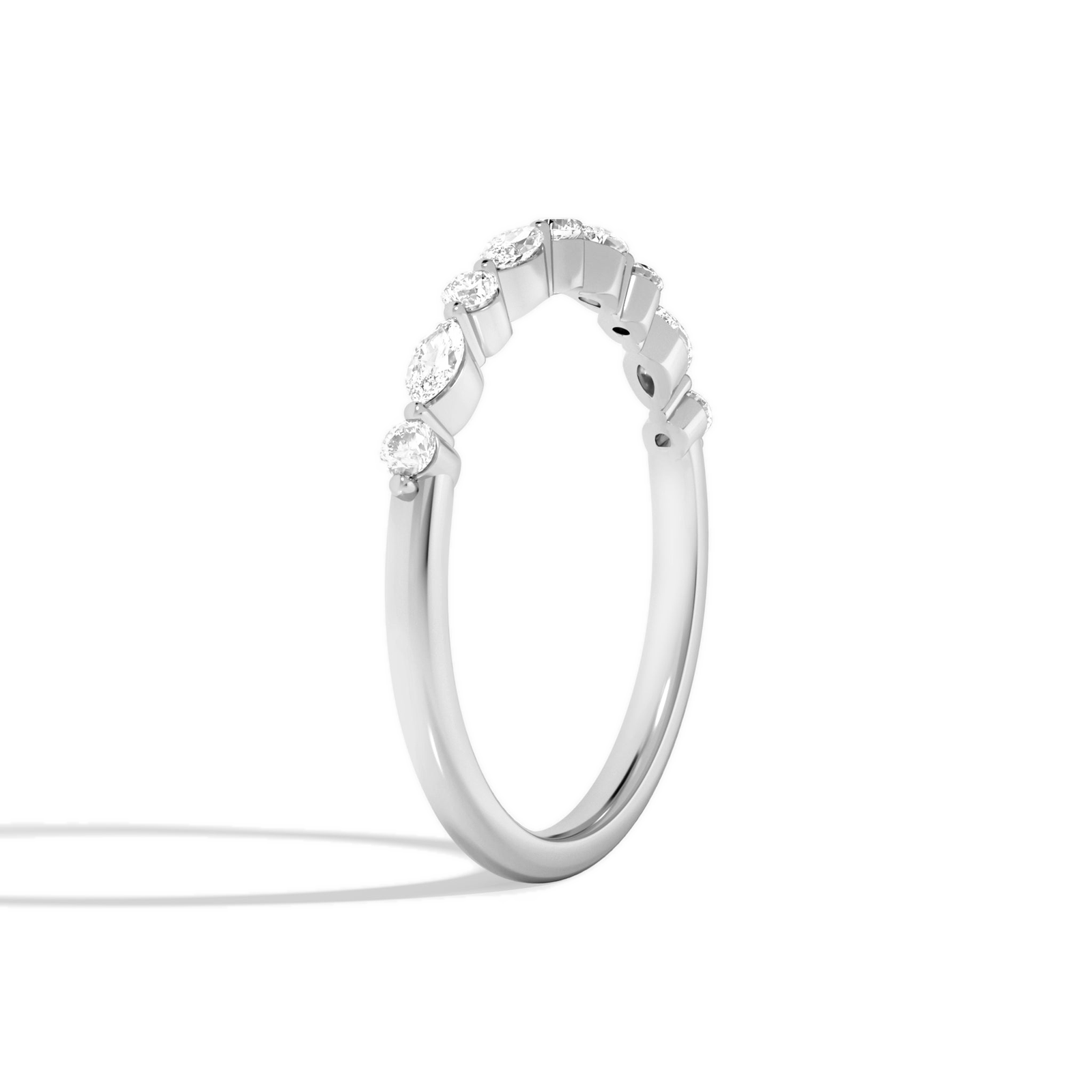

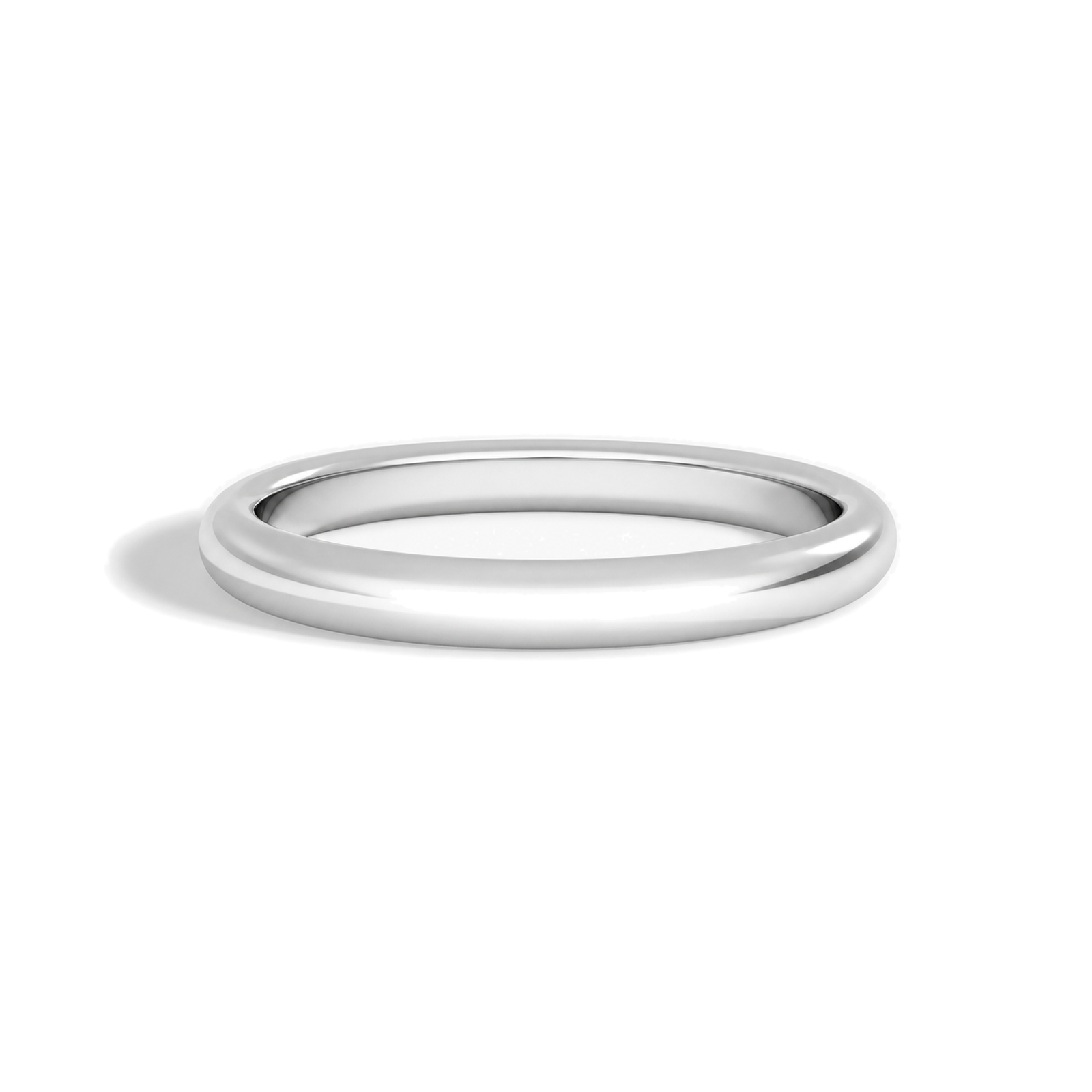
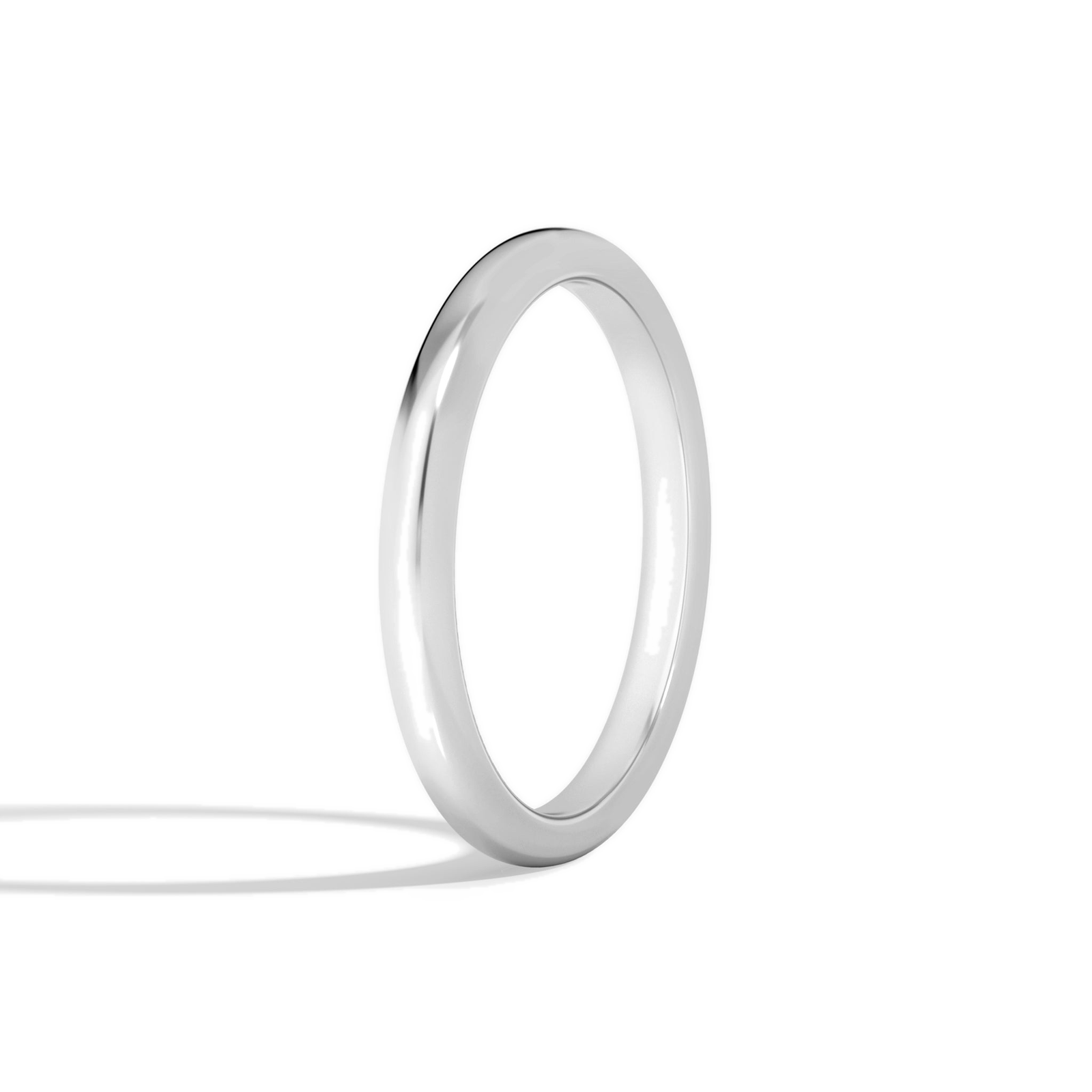

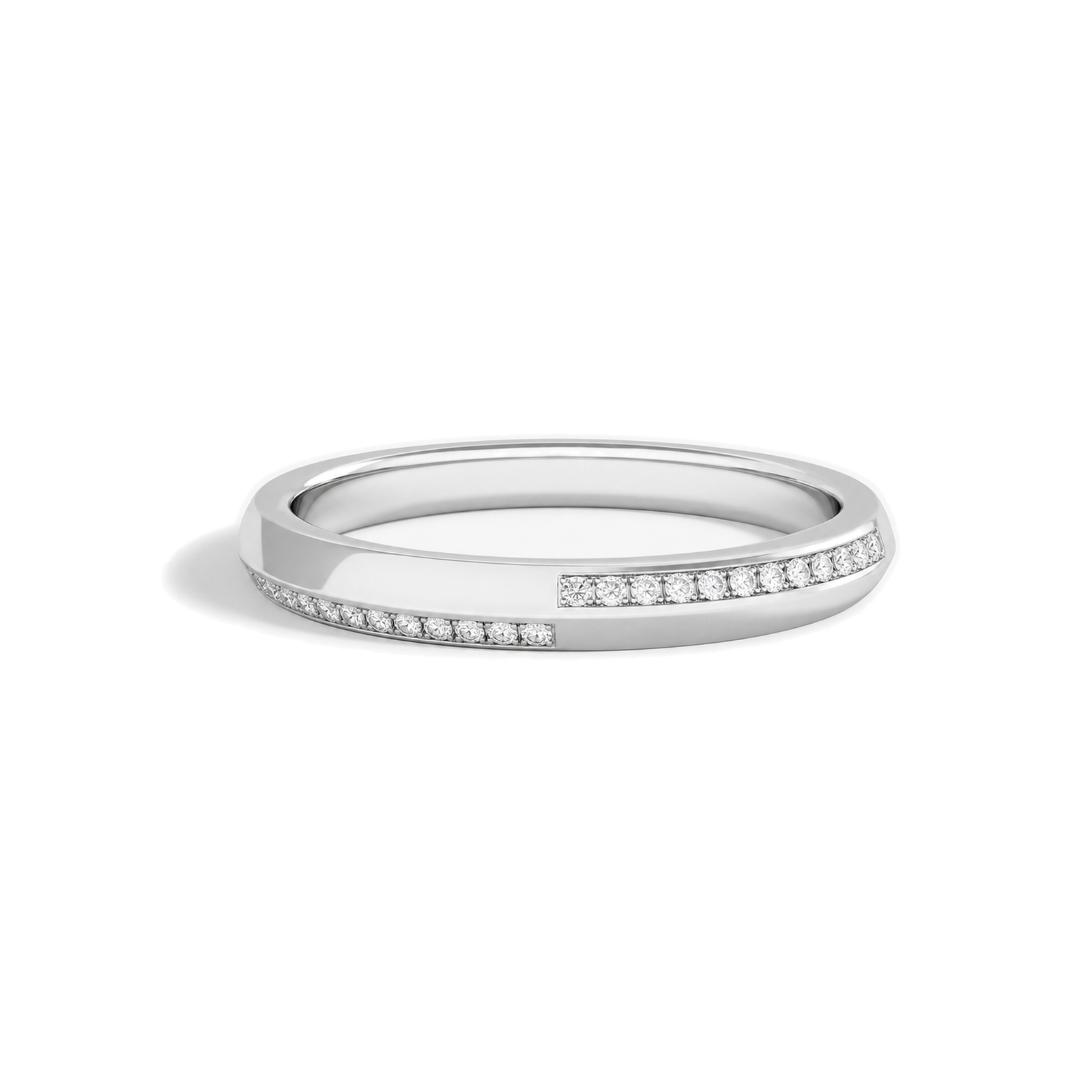


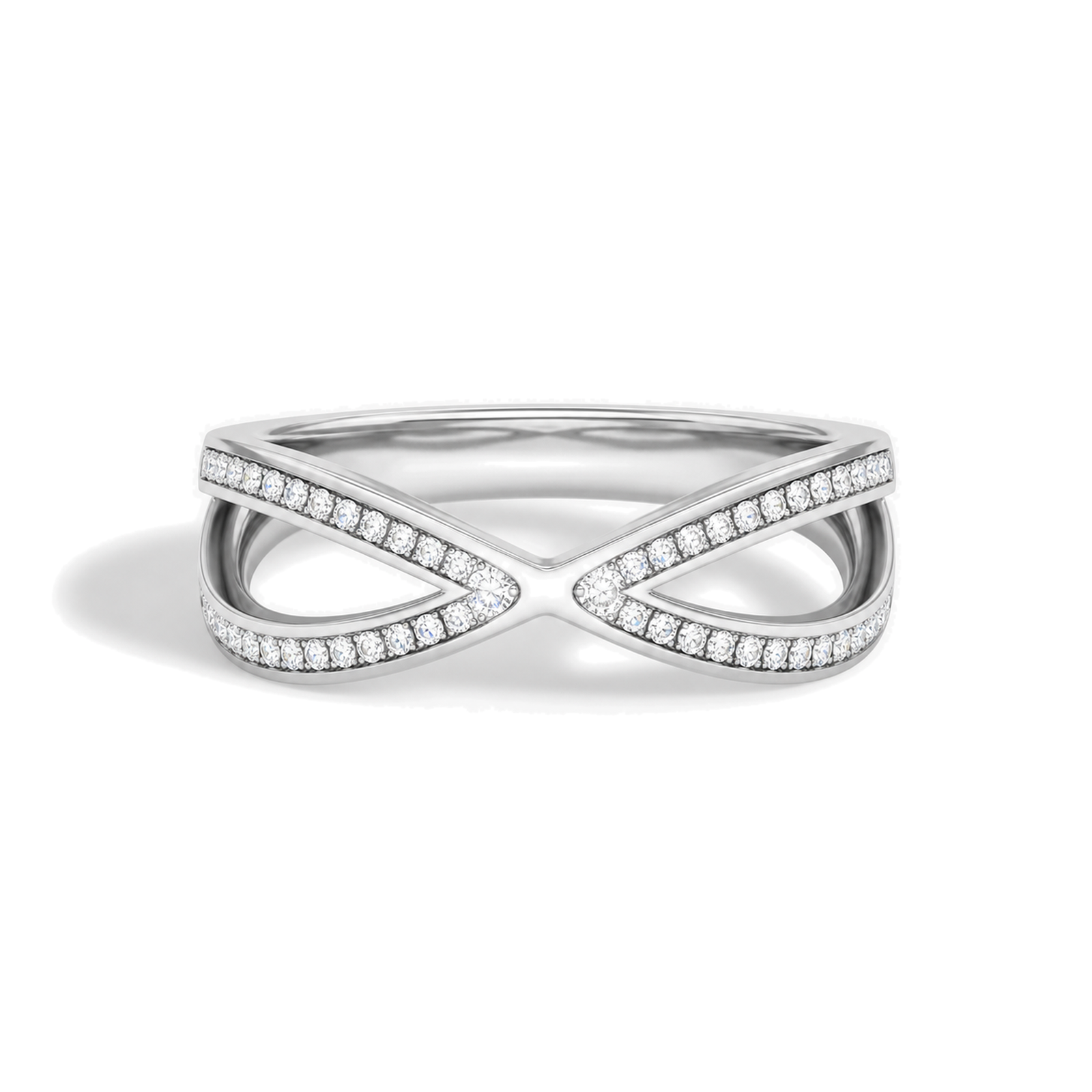
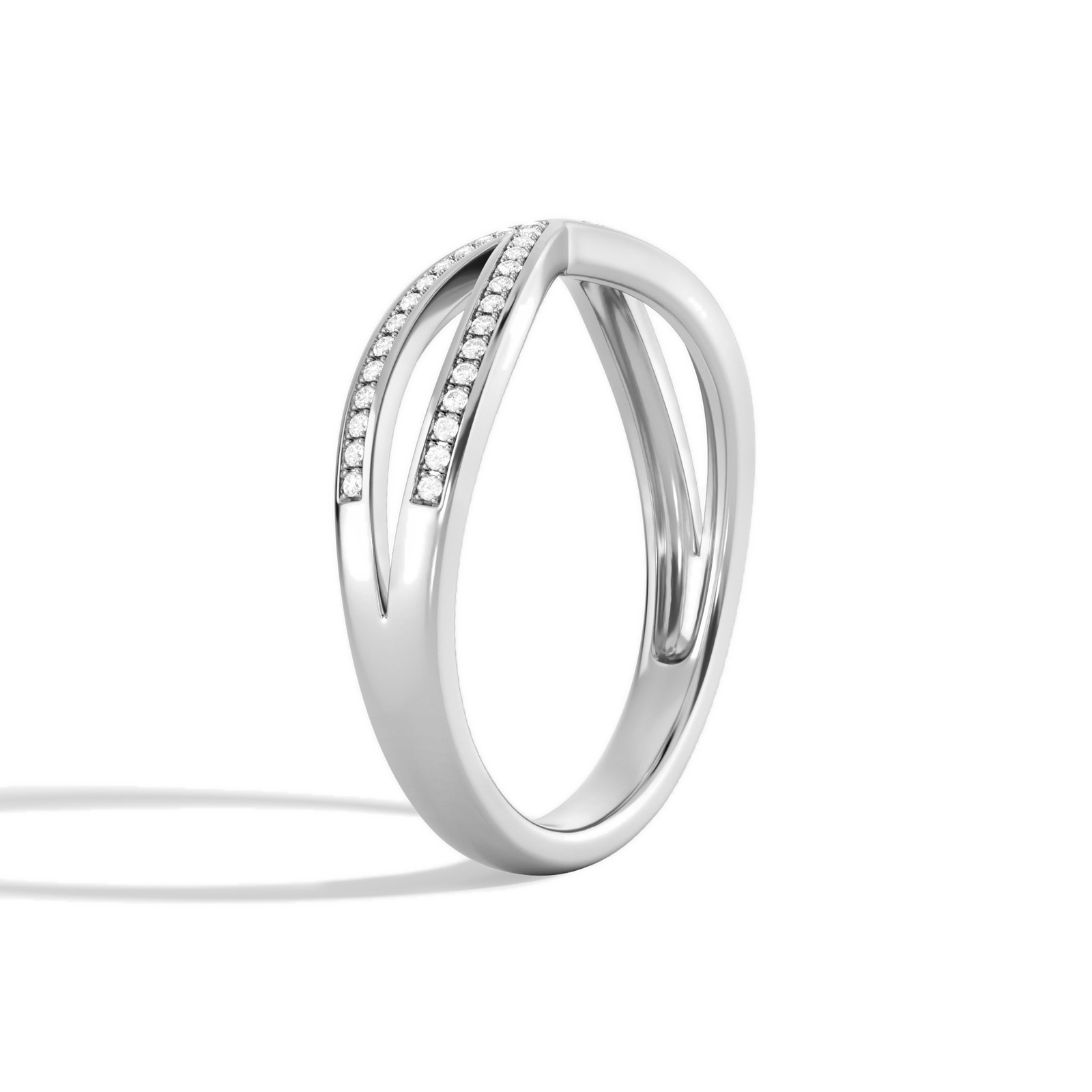

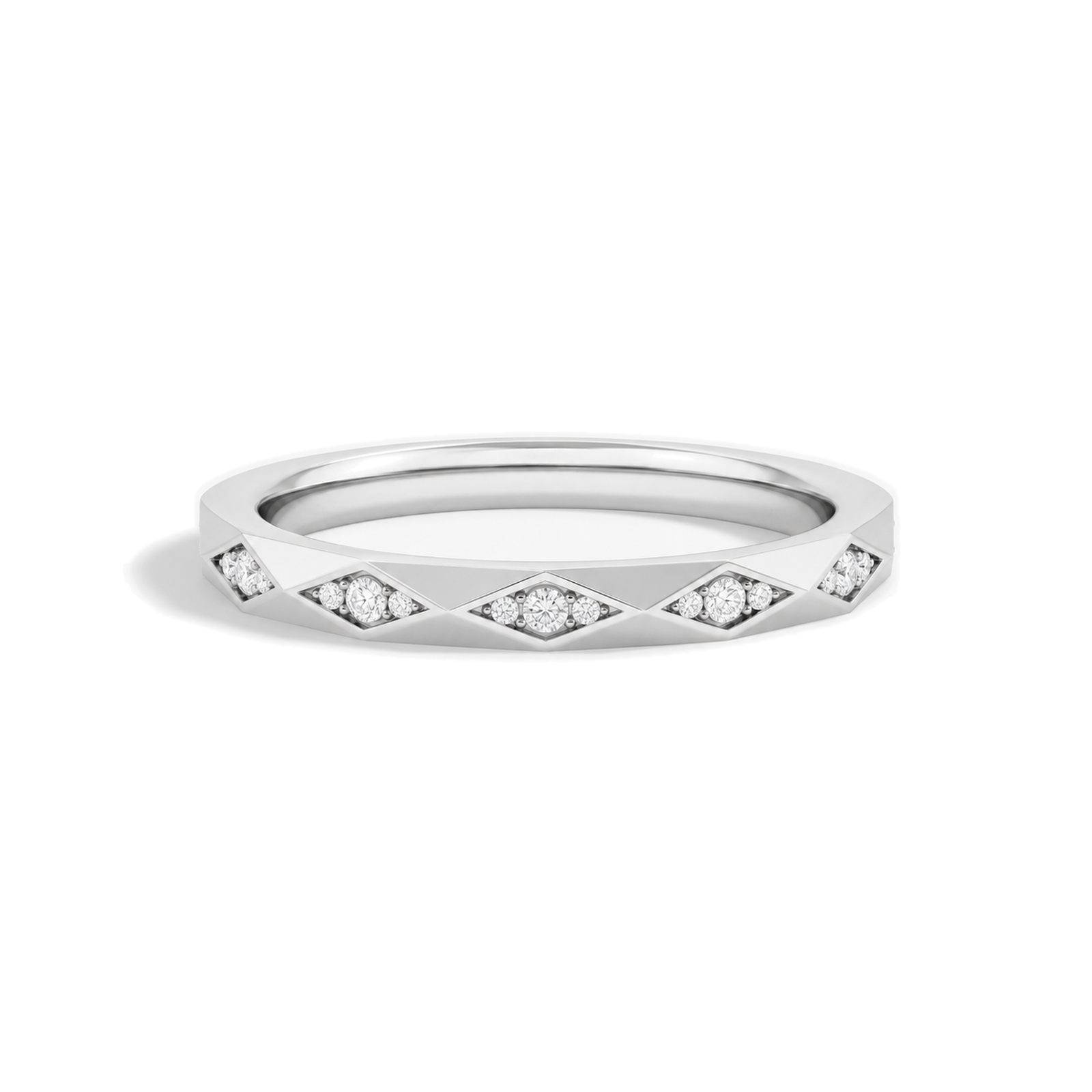
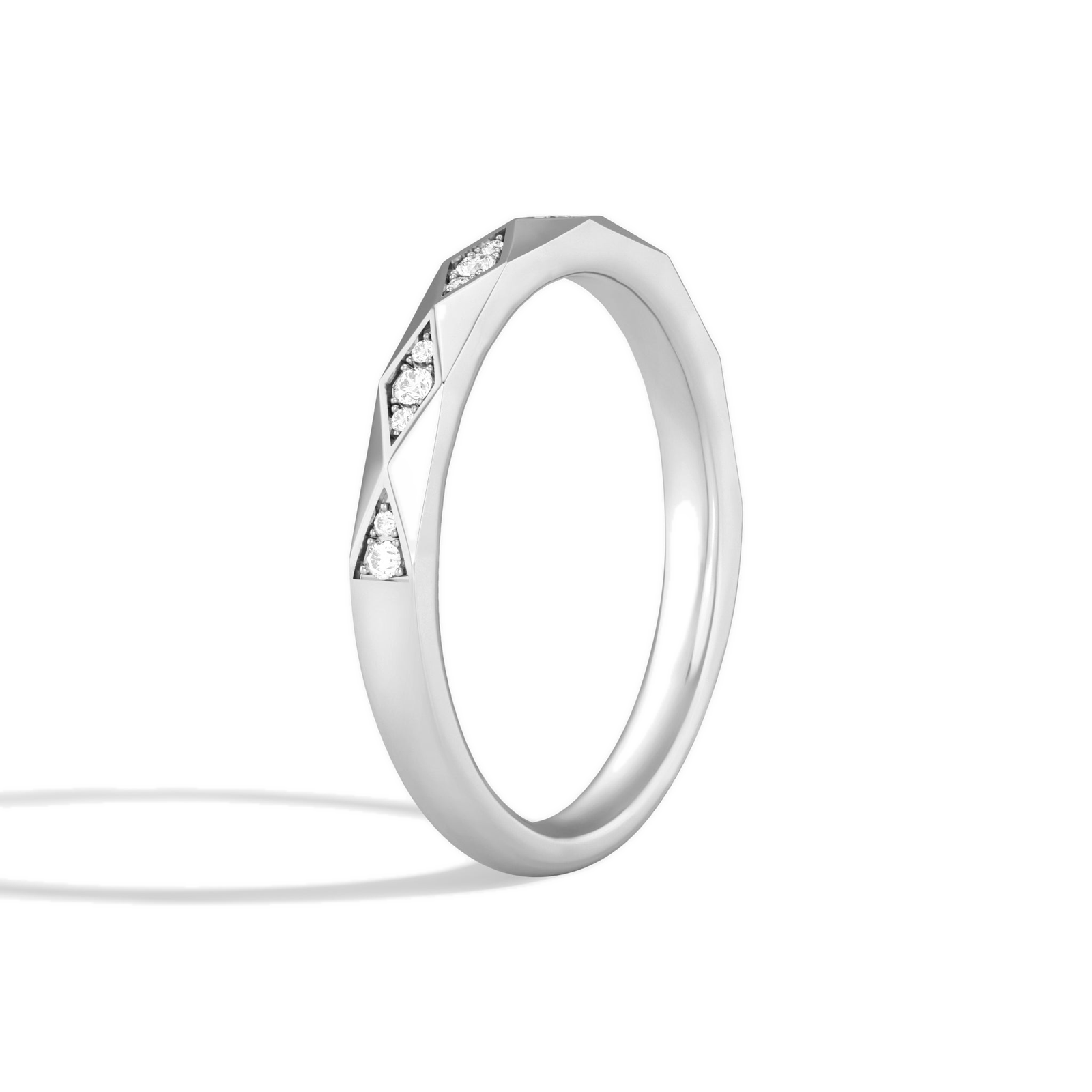

18K White Gold Anniversary Rings: A Pale Field for Deliberate Form
An anniversary can be marked through continuity, change or a detail understood only by the wearer. In 18K White Gold, the pale field can keep attention on diamond rhythm, a curved edge or a quiet band profile without deciding what the milestone must mean.
Every one of the sixty-nine normalized designs is also present in Rings, Fashion Rings and Wedding Bands for 18K White Gold. Forty-five recur in Stacking Rings and eleven in Curved Rings. This is a high-overlap occasion lens, not a claim to differentiated assortment.
Place the Ring within the Actual Composition
First clarify whether the piece will sit alone, beside a bridal set, in a separate stack or on another hand. That role changes which dimensions matter. Side profile, gallery, shoulder, prongs and edge position can be more consequential than a face-up color match.
Curves and openings may negotiate another silhouette, while straight bands can preserve a deliberate interval. No category label establishes a perfect nest, stable spacing or contact-free wear.
Use Coverage to Set Rhythm, Not Rank
The current evidence separates eternity-titled, half-coverage, three-quarter-coverage and fifty-three other structures. A repeated diamond field can create continuity; channel edges can frame it; open and crossover forms can establish direction. The milestone does not impose a hierarchy among them.
Average widths range from 1.4–5.0 mm. Read millimeters together with surface, setting and combined stack width. They do not predict thickness, sensation or required size adjustment.
State 18K Precisely
18K gold is 75% gold by fineness. Complete alloy and finish determine exact appearance; no universal rhodium, sensitivity, maintenance or weight outcome follows from the category.
Future resizing, engraving or refinishing should be reviewed against diamond extent, symmetry and surface. A commemorative intention cannot make every technical change feasible.
Frequently Asked Questions
What decision does this Collection support?
It connects an anniversary intention with 18K white gold form, placement and existing-ring geometry.
How broad is the public page?
It currently holds sixty-nine normalized designs.
Is any design unique to Anniversary Rings?
No; the same sixty-nine appear in Rings, Fashion Rings and Wedding Bands.
What other overlap should be disclosed?
Forty-five designs overlap Stacking Rings and eleven overlap Curved Rings.
Does an anniversary band need to replace anything?
No. It can join, alternate with or remain separate from an existing set.
Why inspect side profile?
It reveals gallery, shoulder, prongs, height and likely meeting points.
Does a contour ensure zero spacing?
No. Both rings’ exact dimensions and motion govern the result.
Can an interval be intentional?
Yes. Visible space may belong to the composition when its contact behavior is understood.
Which coverage categories are present?
Eternity-titled, half or half-coverage, three-quarter-coverage and other structures occur.
What is the narrowest published average width?
The current lower bound is 1.4 mm.
What is the widest published average width?
The current upper bound is 5.0 mm.
Can width determine ring-size adjustment?
No Collection-wide adjustment follows from width alone.
How much gold does 18K contain?
Seventy-five percent by fineness.
Is rhodium confirmed for every ring?
No. Finish language must follow the selected product evidence.
Does white gold guarantee a low-sensitivity outcome?
No wearer response is promised at Collection level.
Can full or extended coverage affect resizing?
Yes; diamond extent and symmetry can restrict possible work.
What should be verified before engraving?
Available surface, setting placement, selected size and the product’s technical options.