
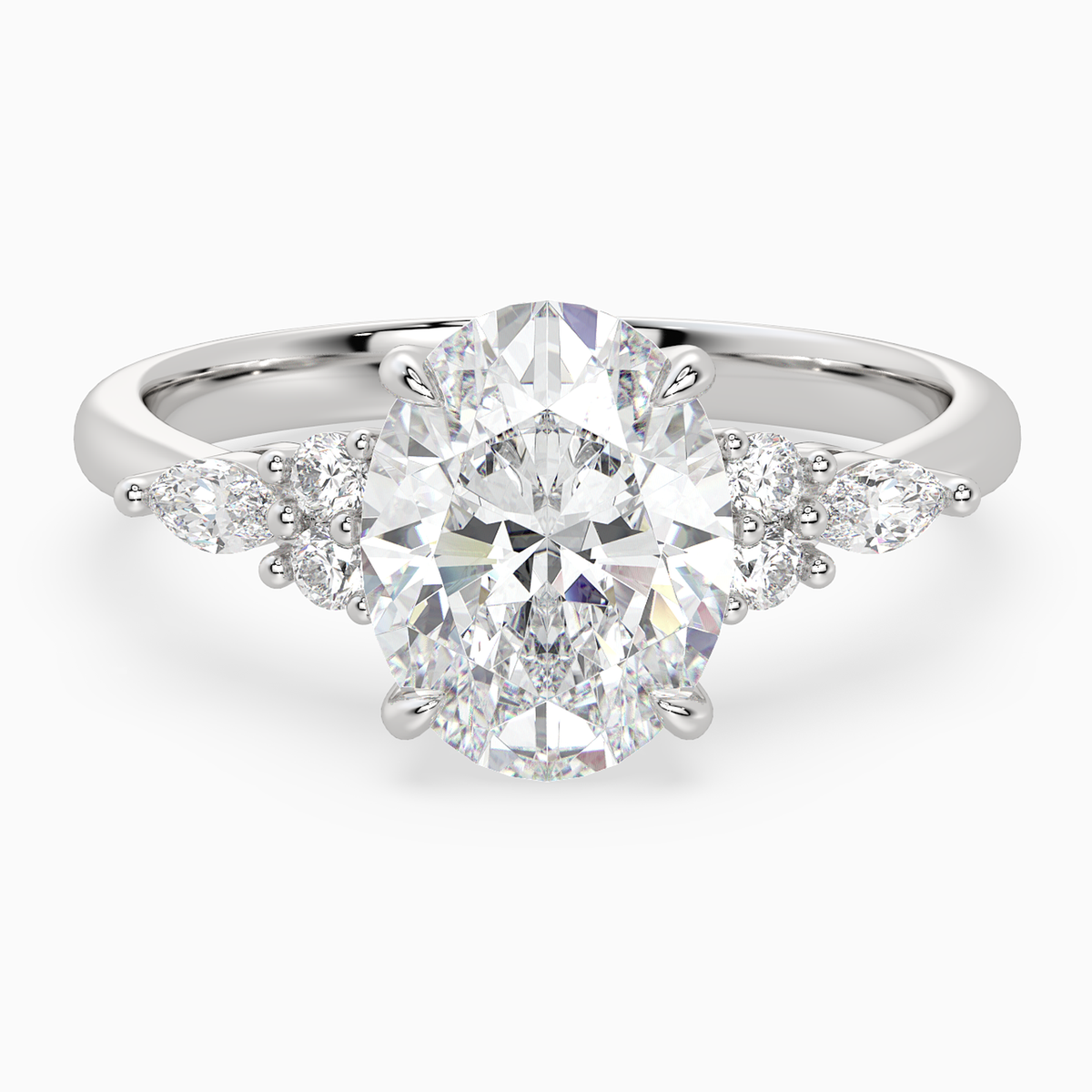


Lab Grown Diamond Anniversary Rings in Platinum
Natural-white metal keeps architecture clear for a milestone. Compare 69 rings by form, coverage, profile, width, placement, and set role.


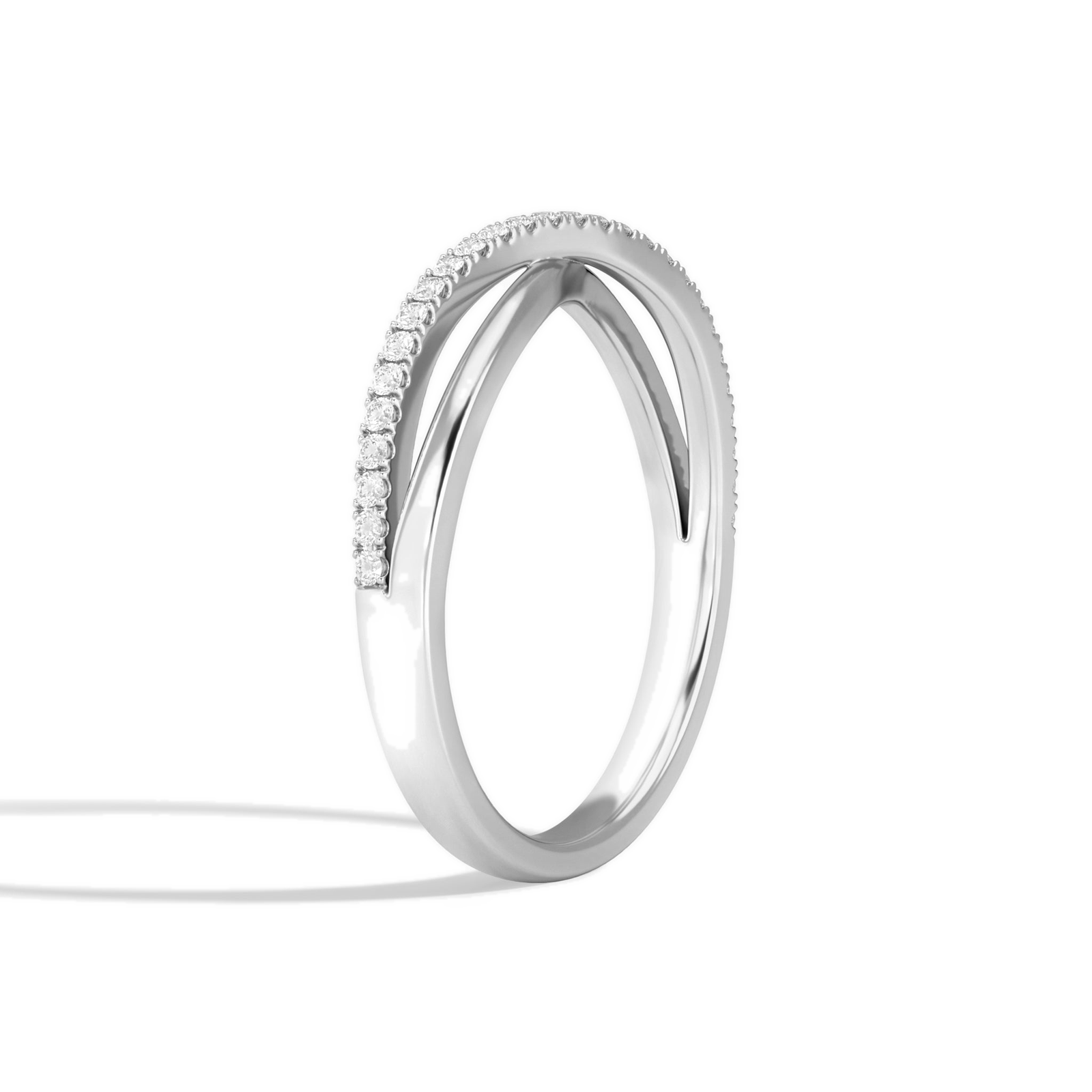

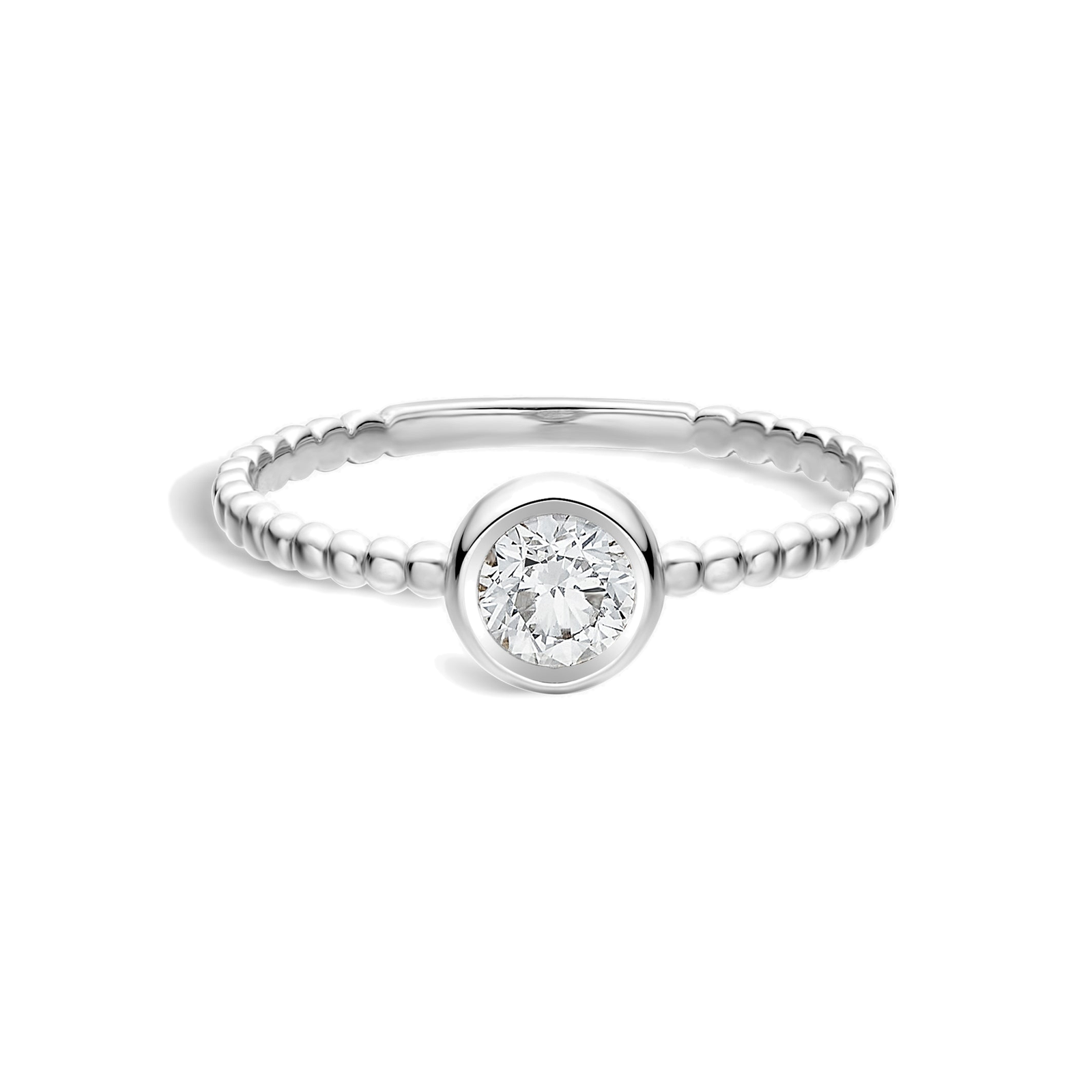
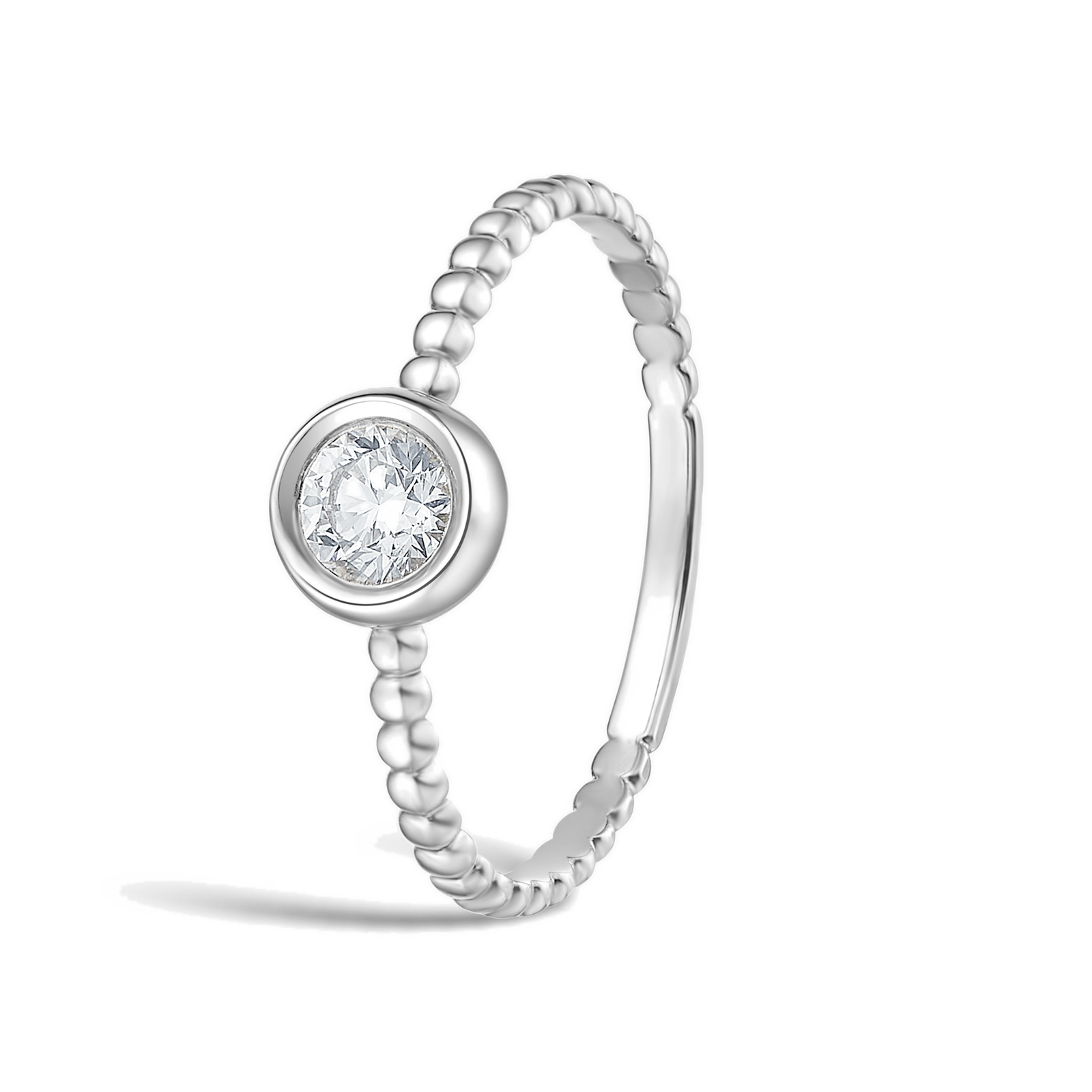

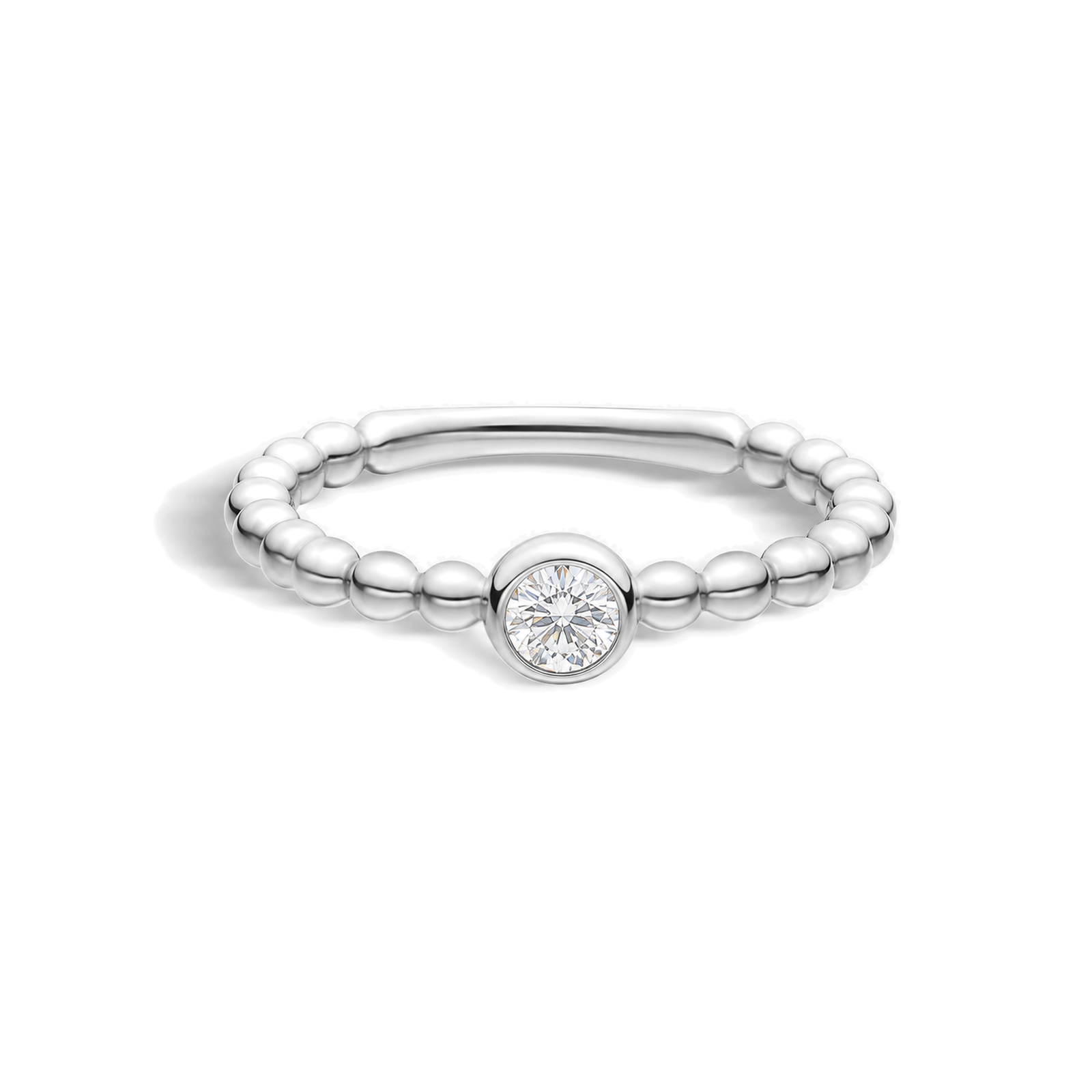


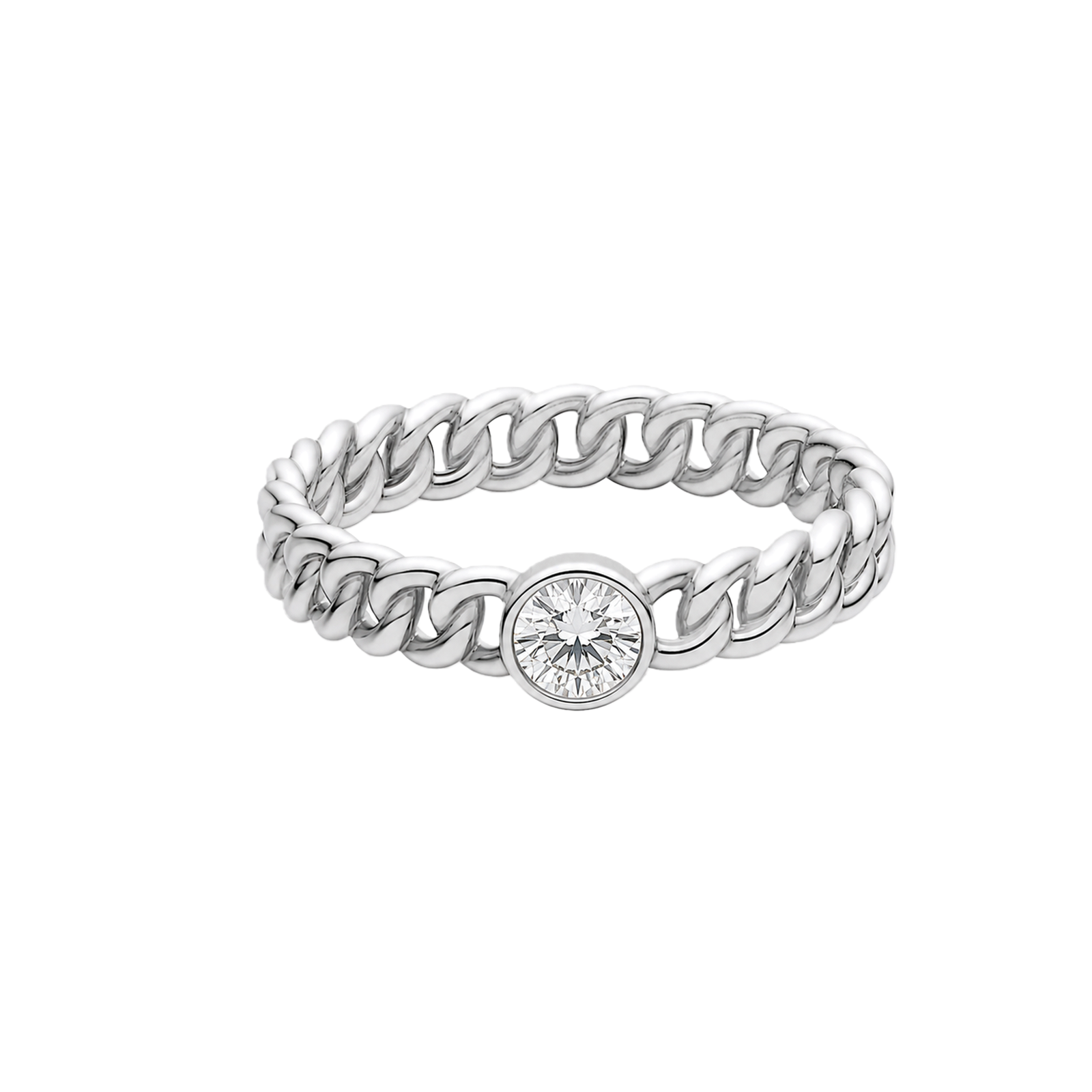
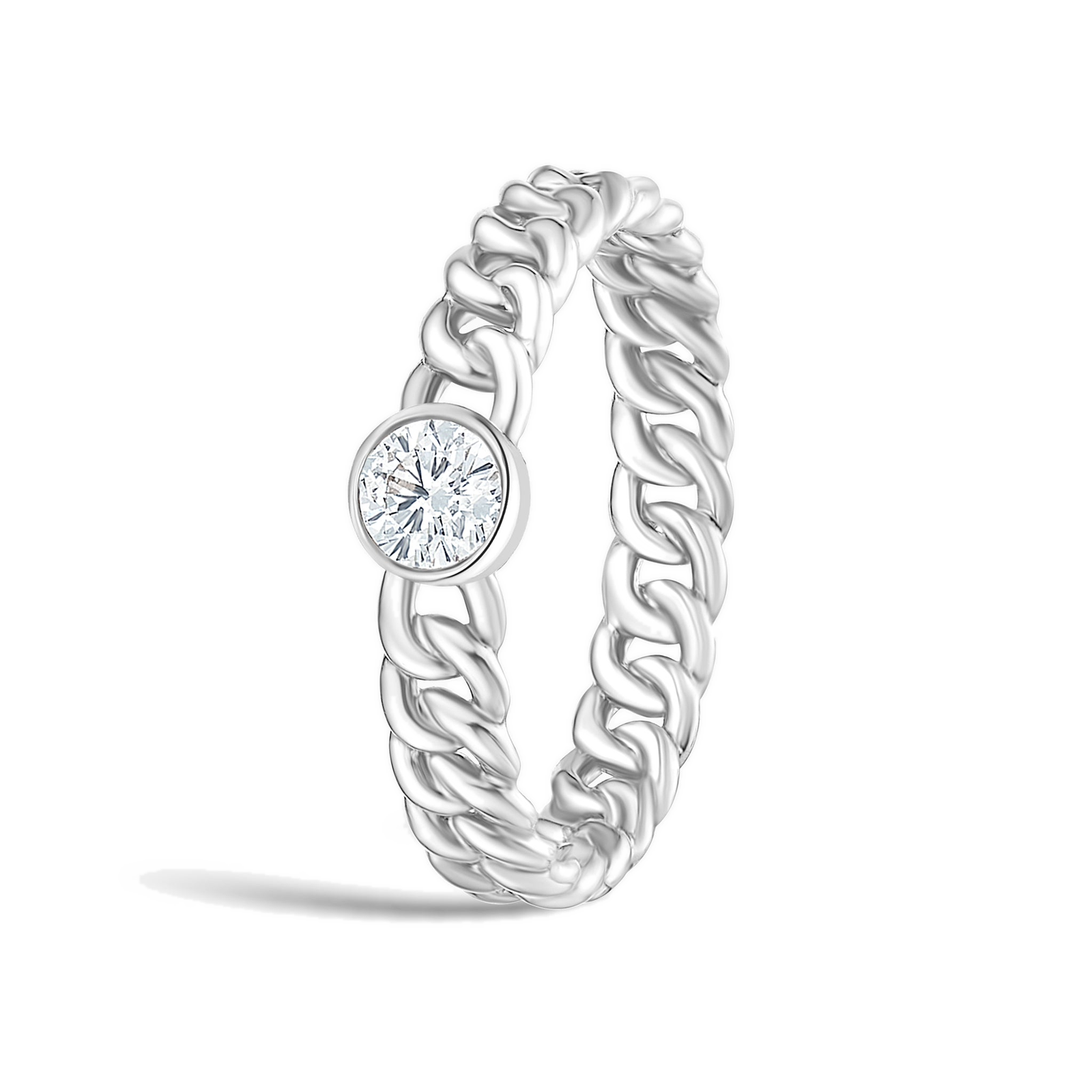

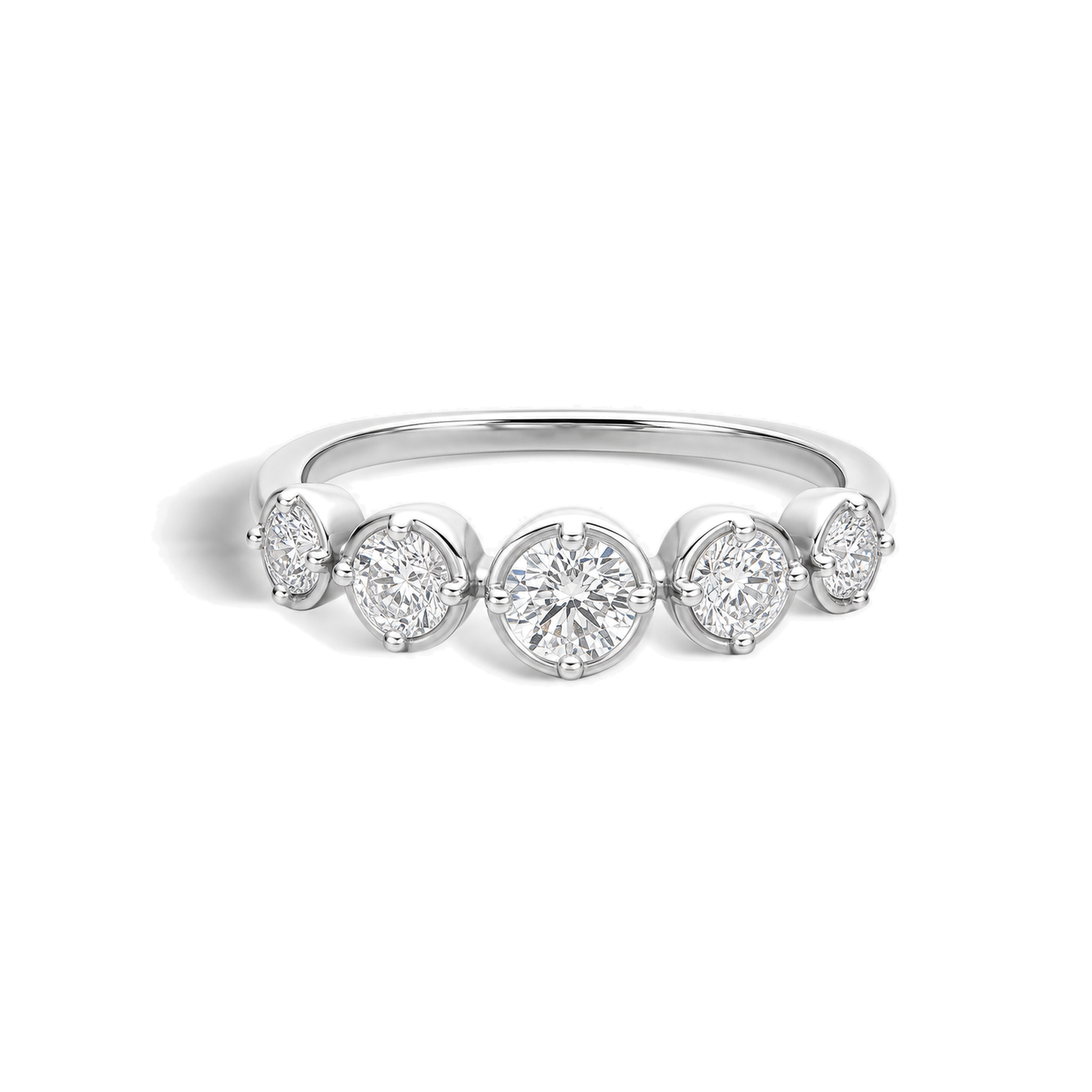


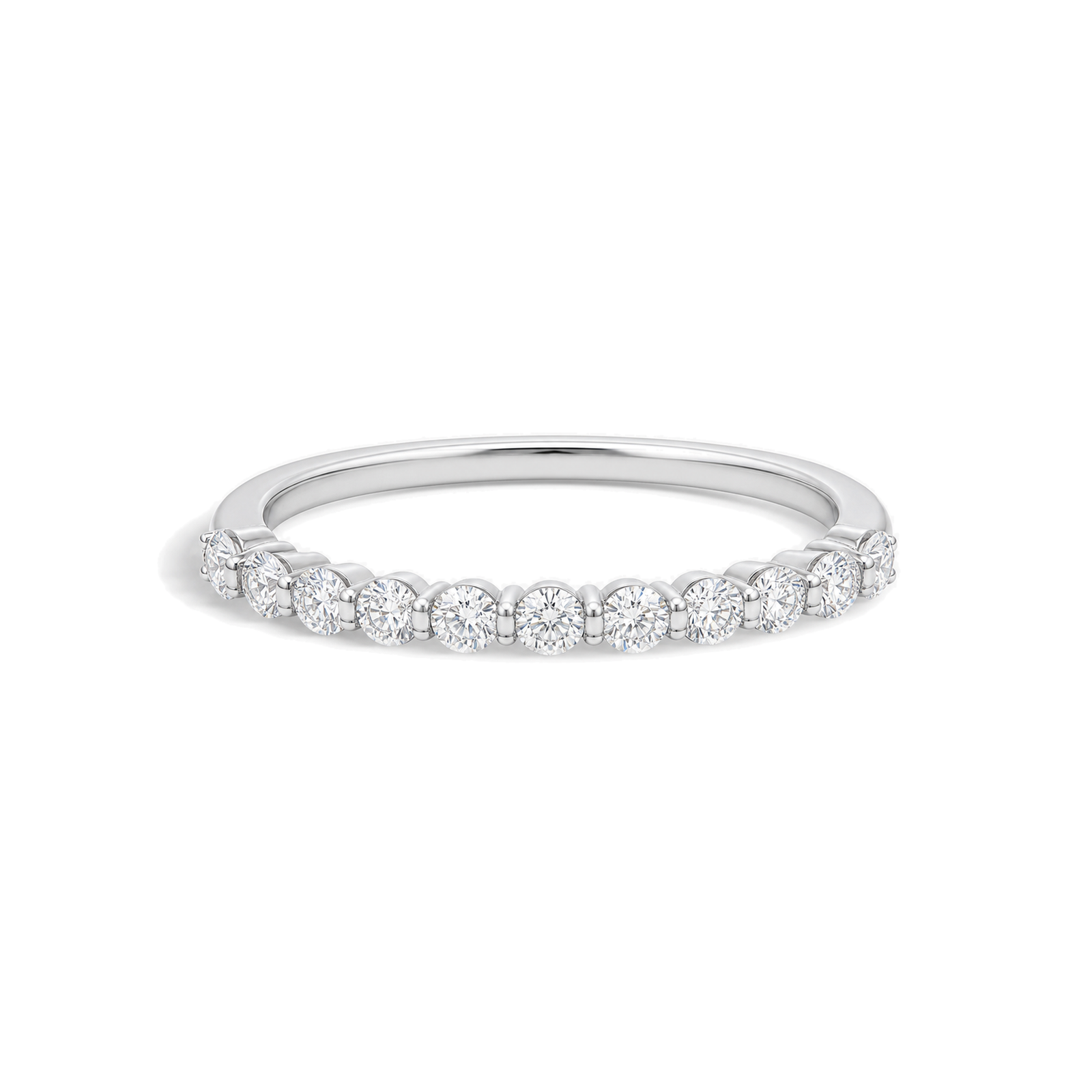
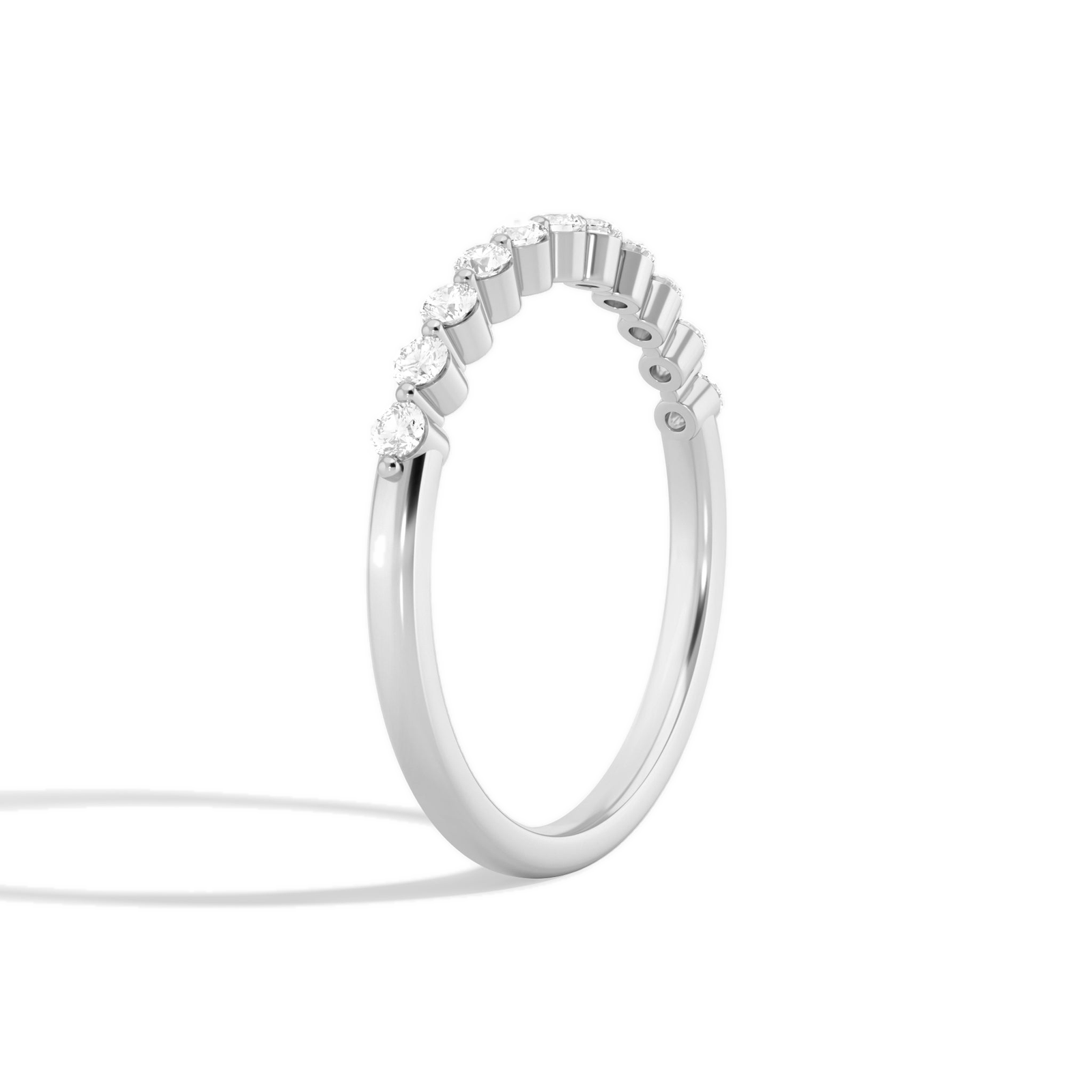

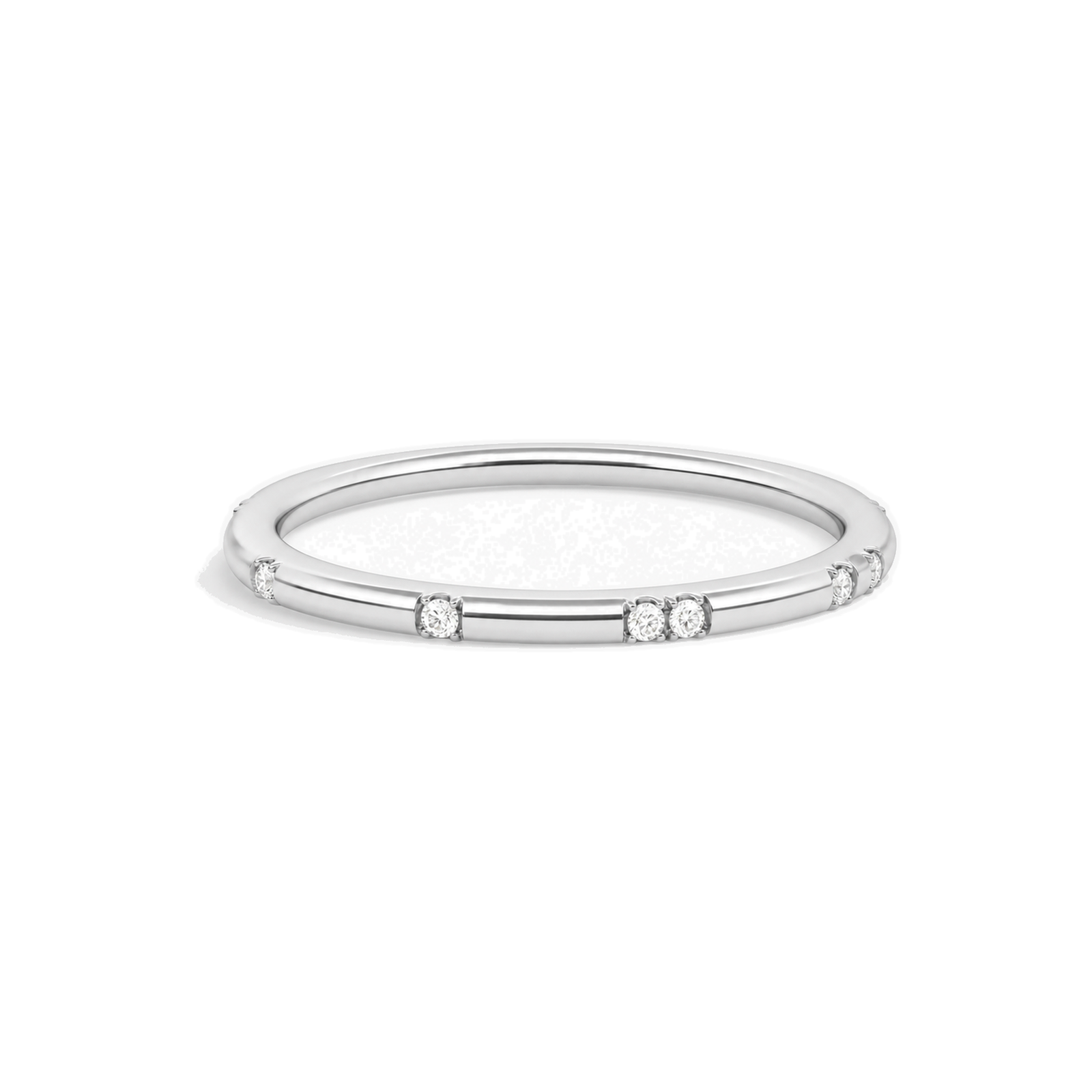


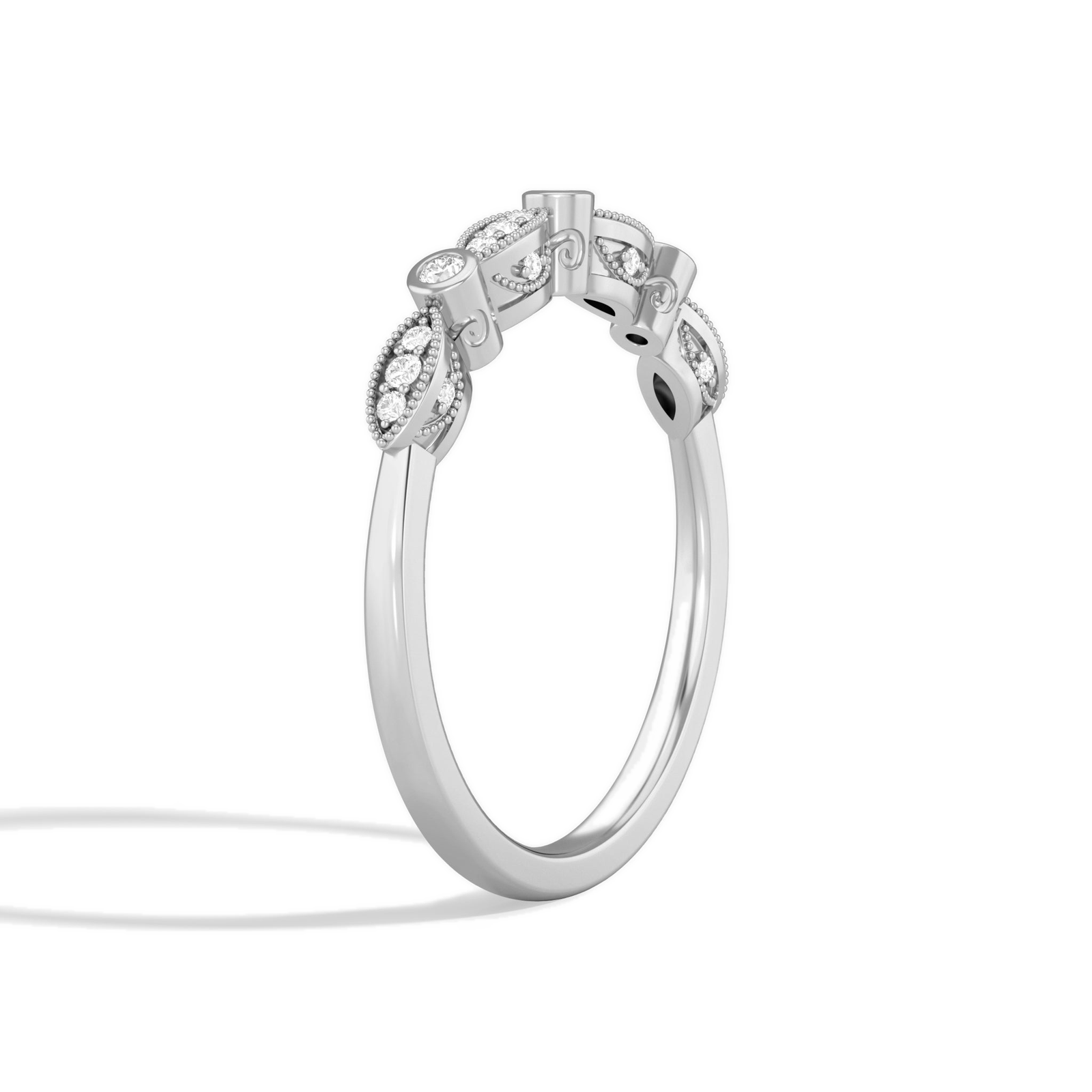

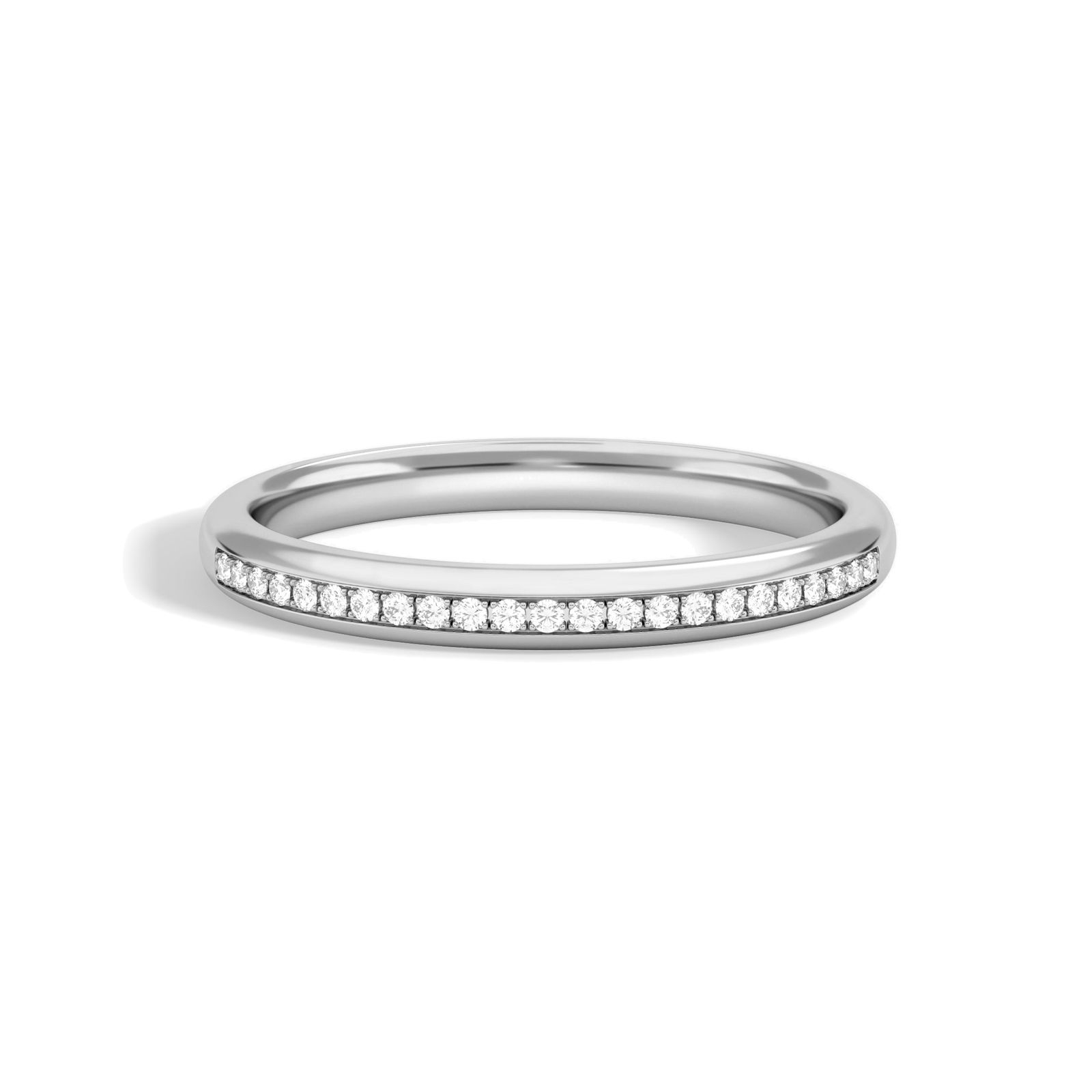


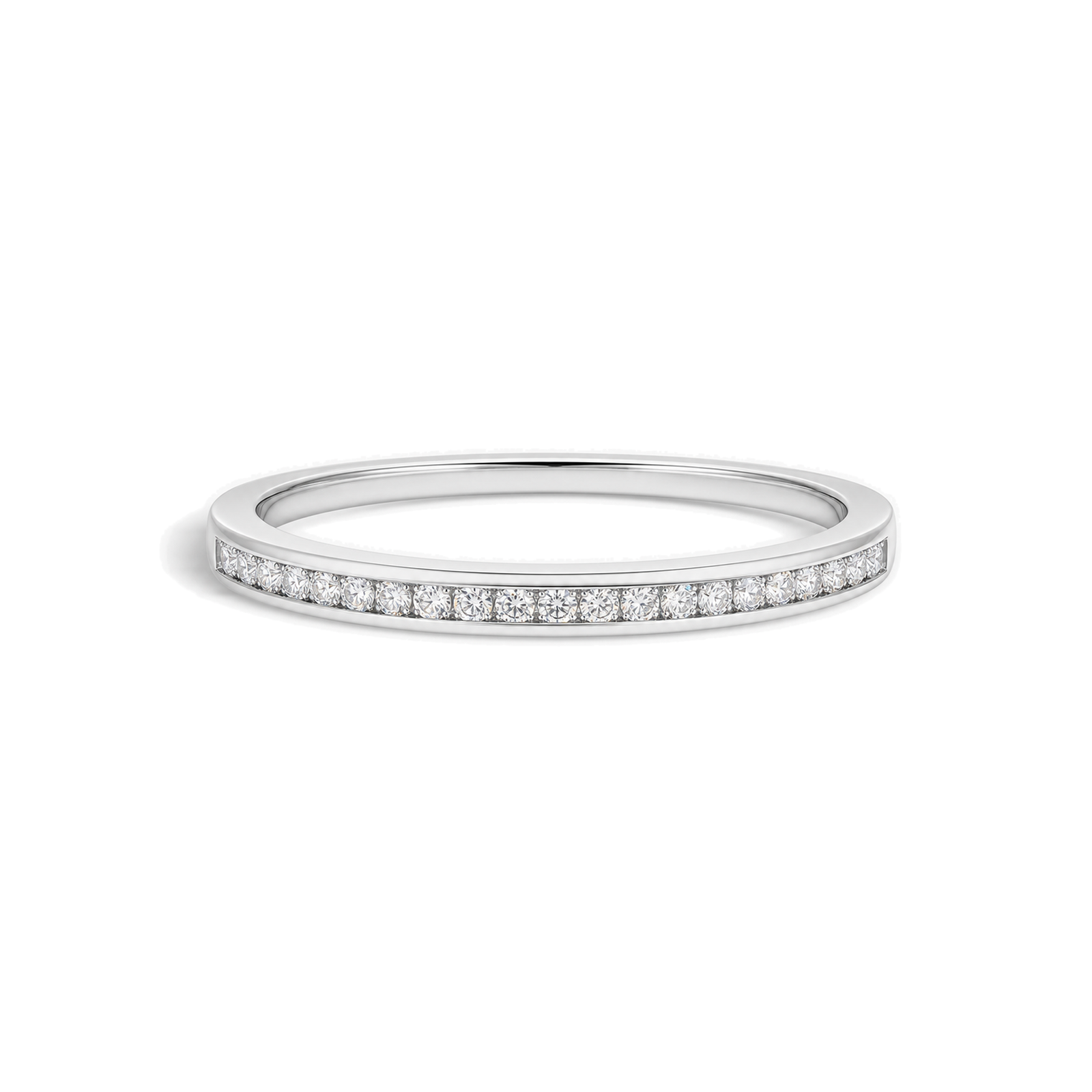
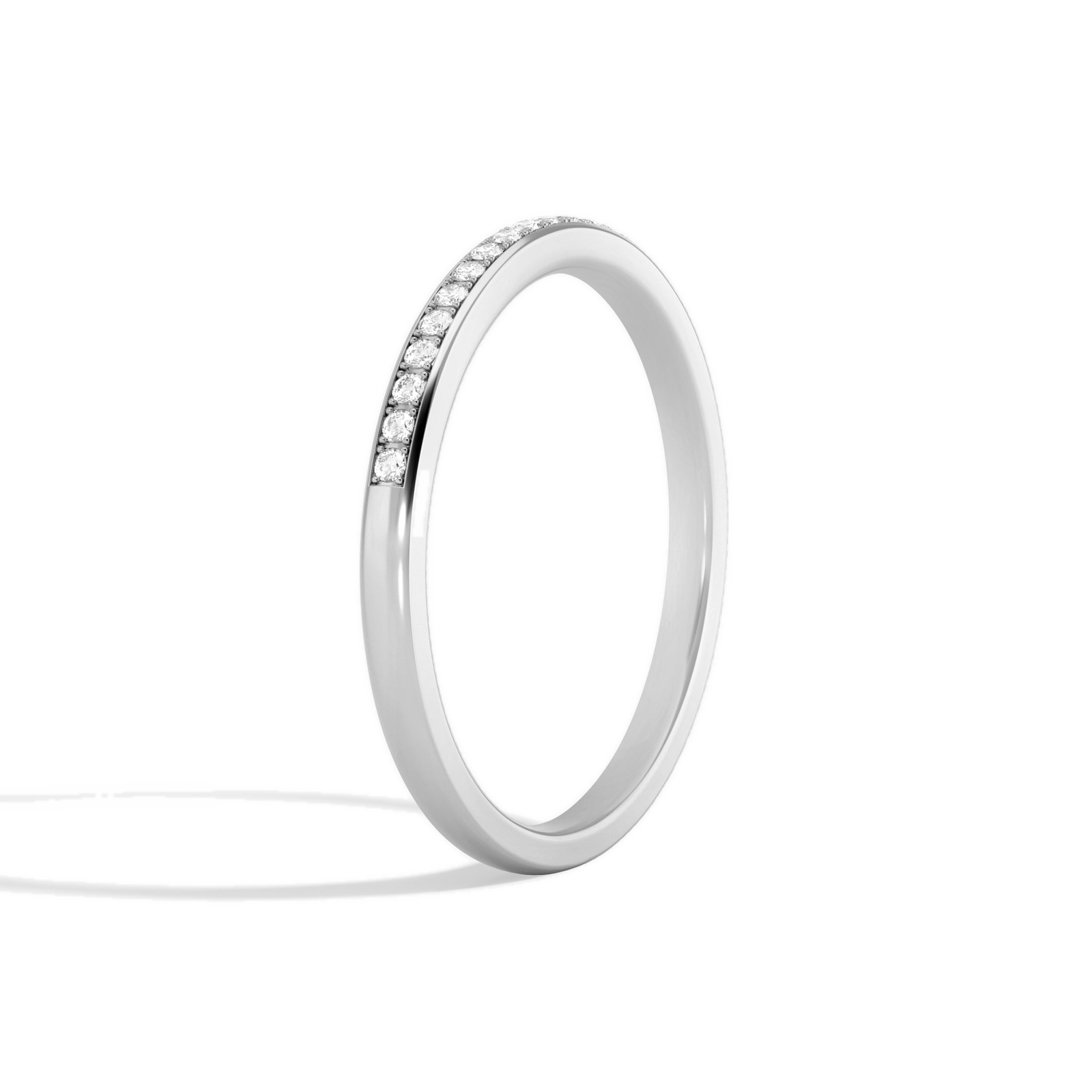

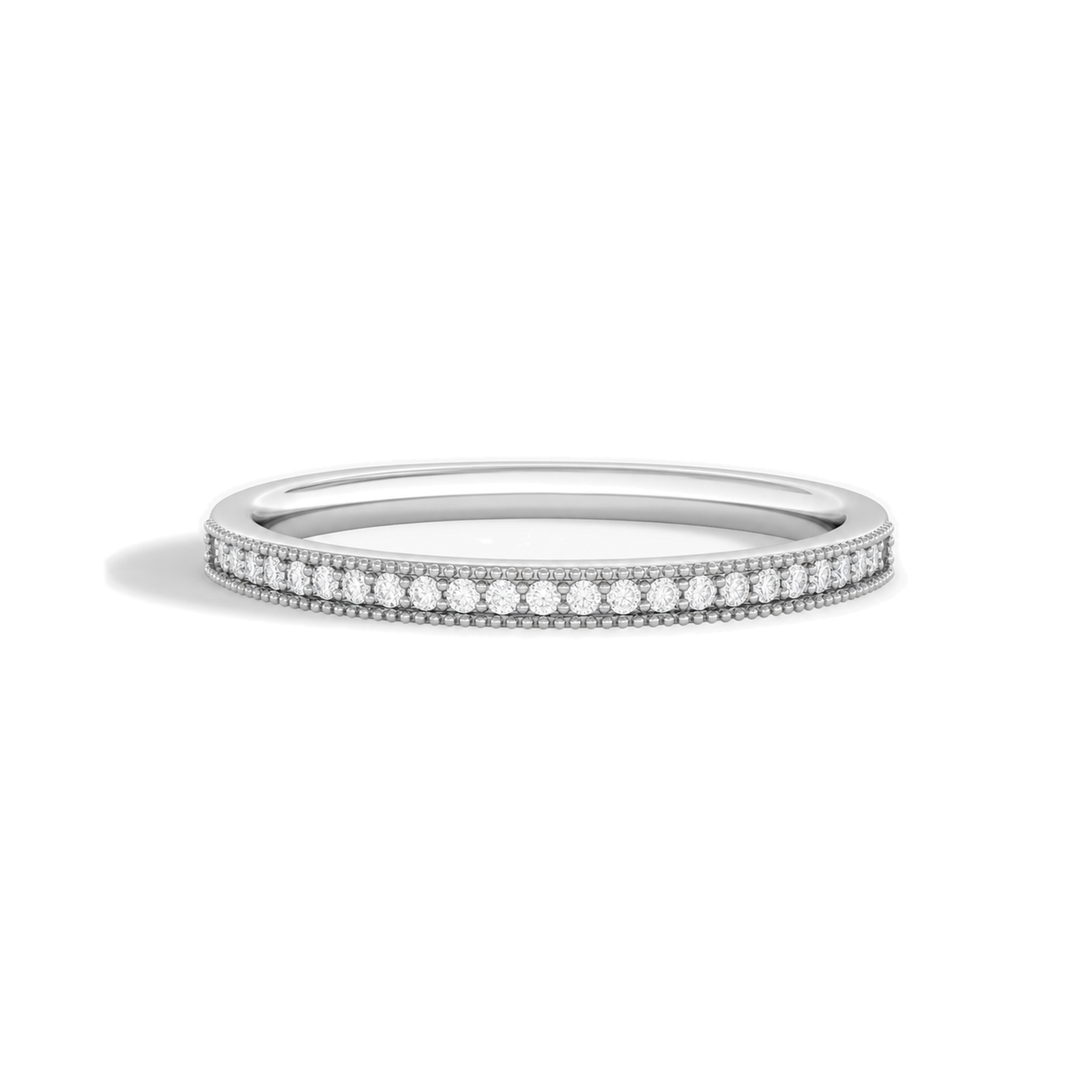
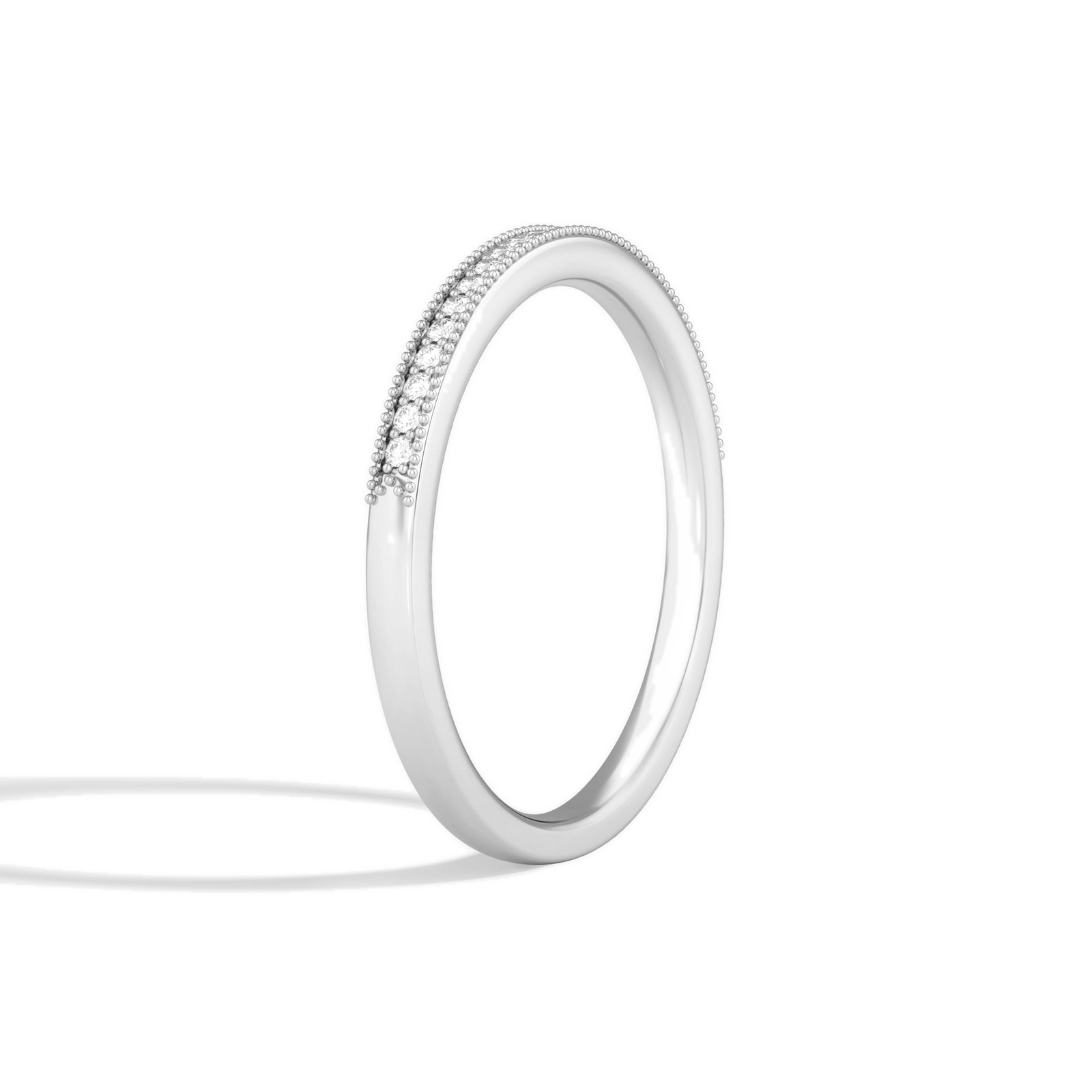

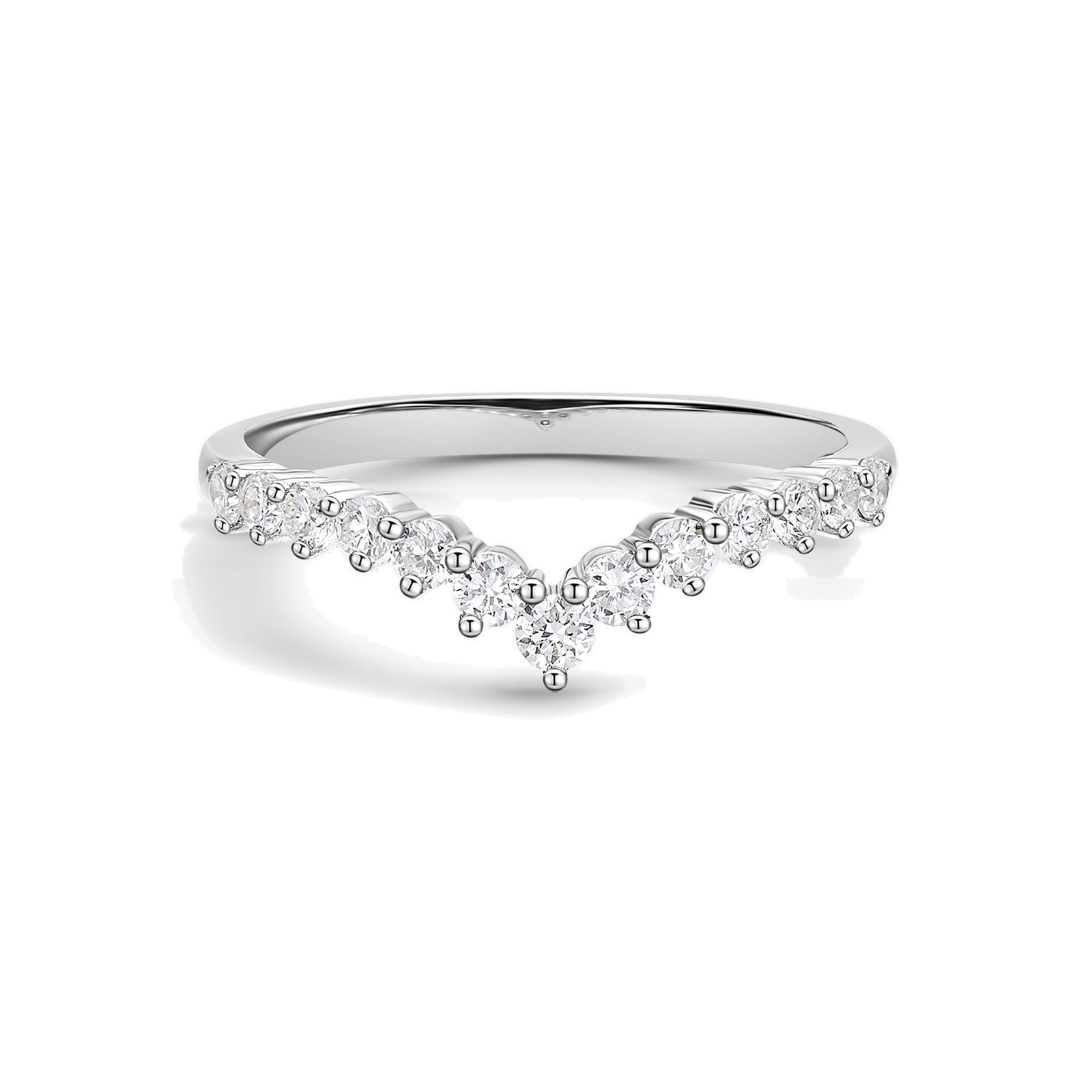
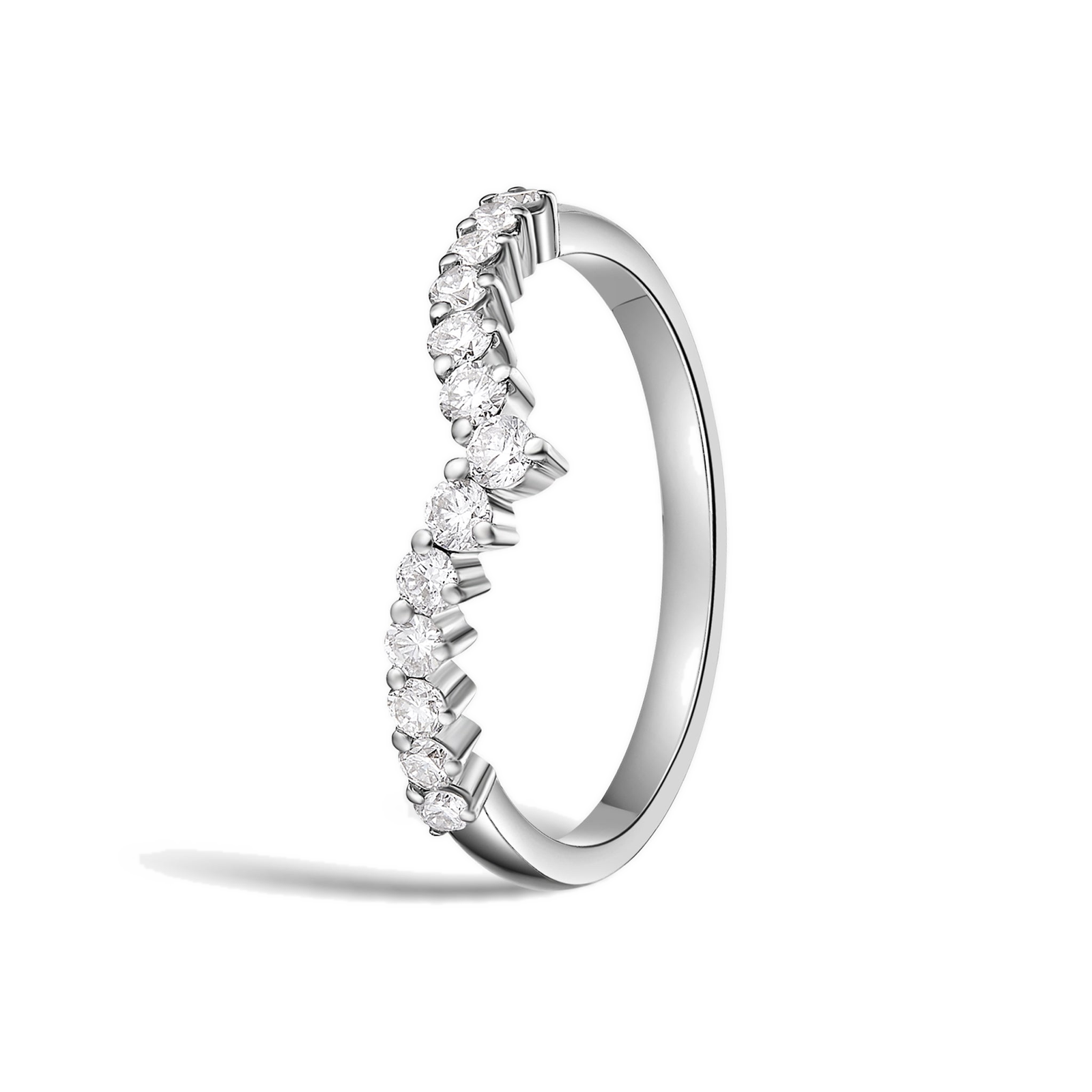

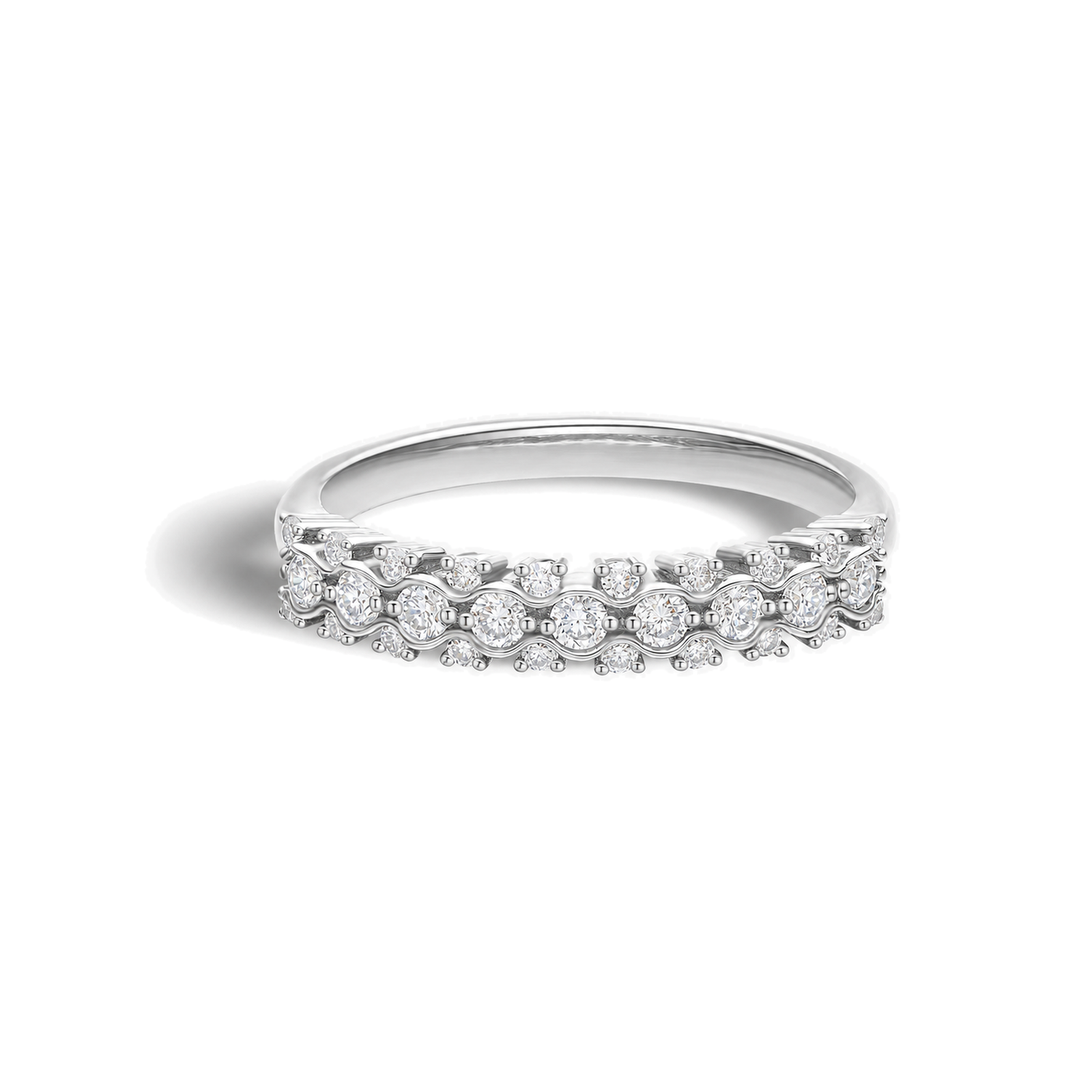


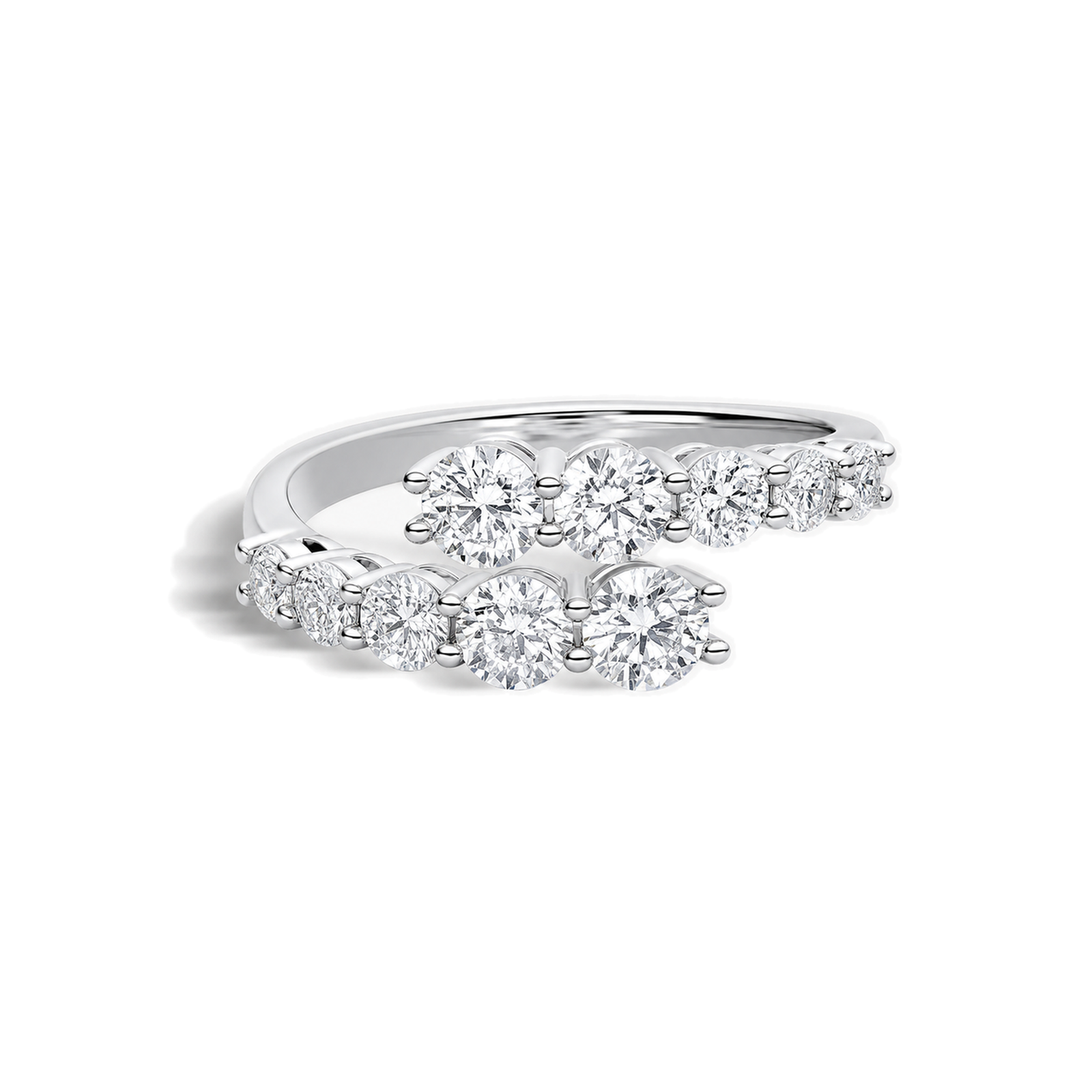
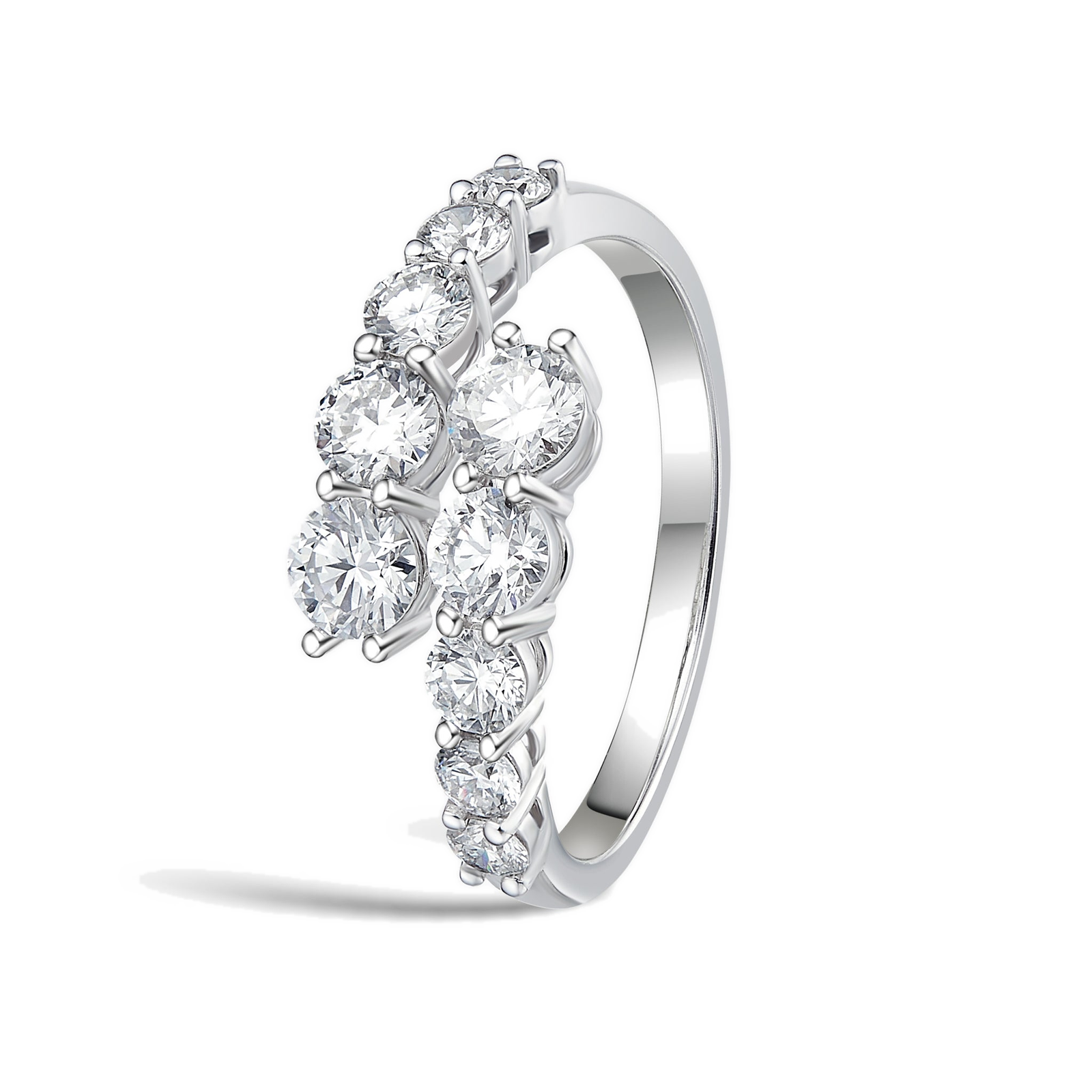

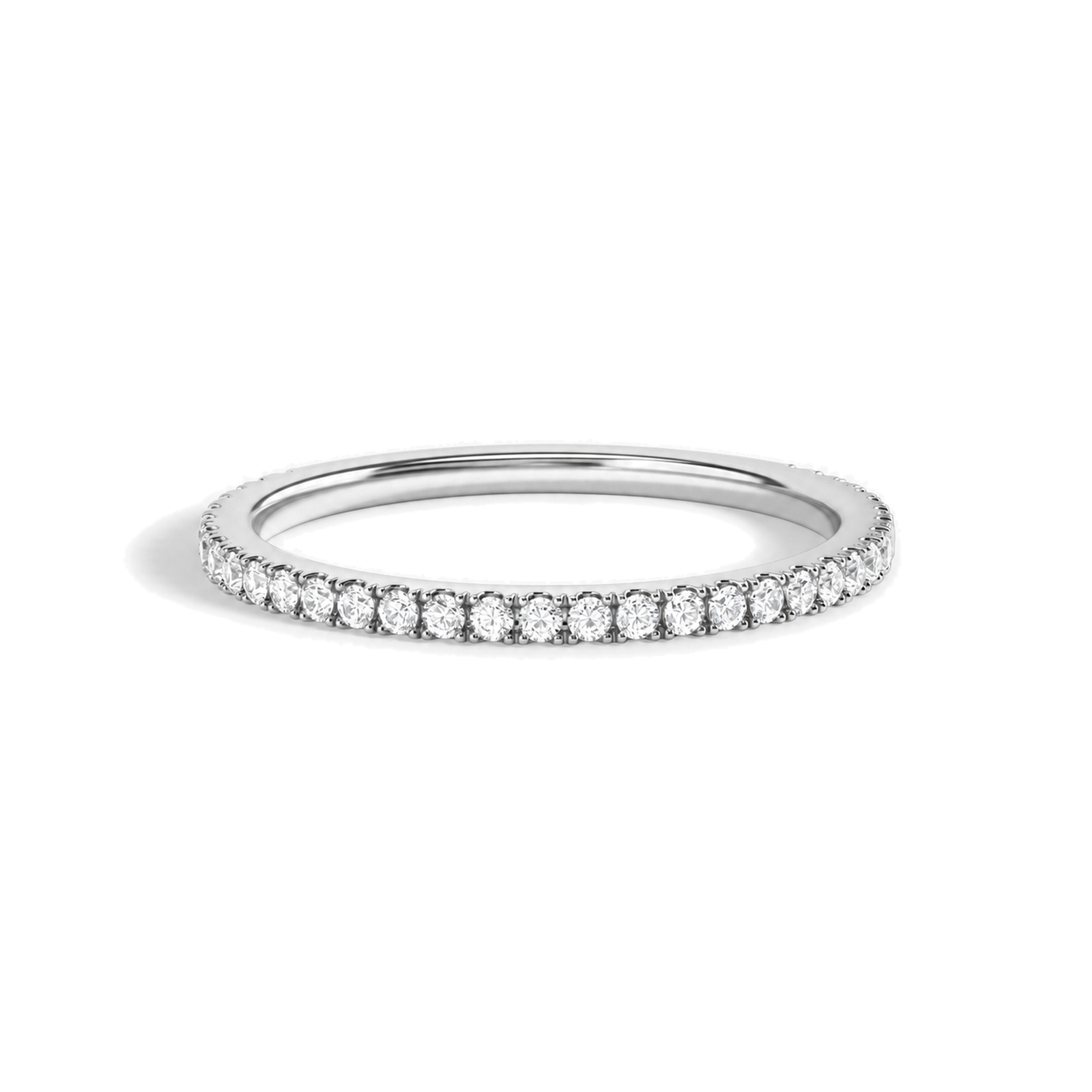


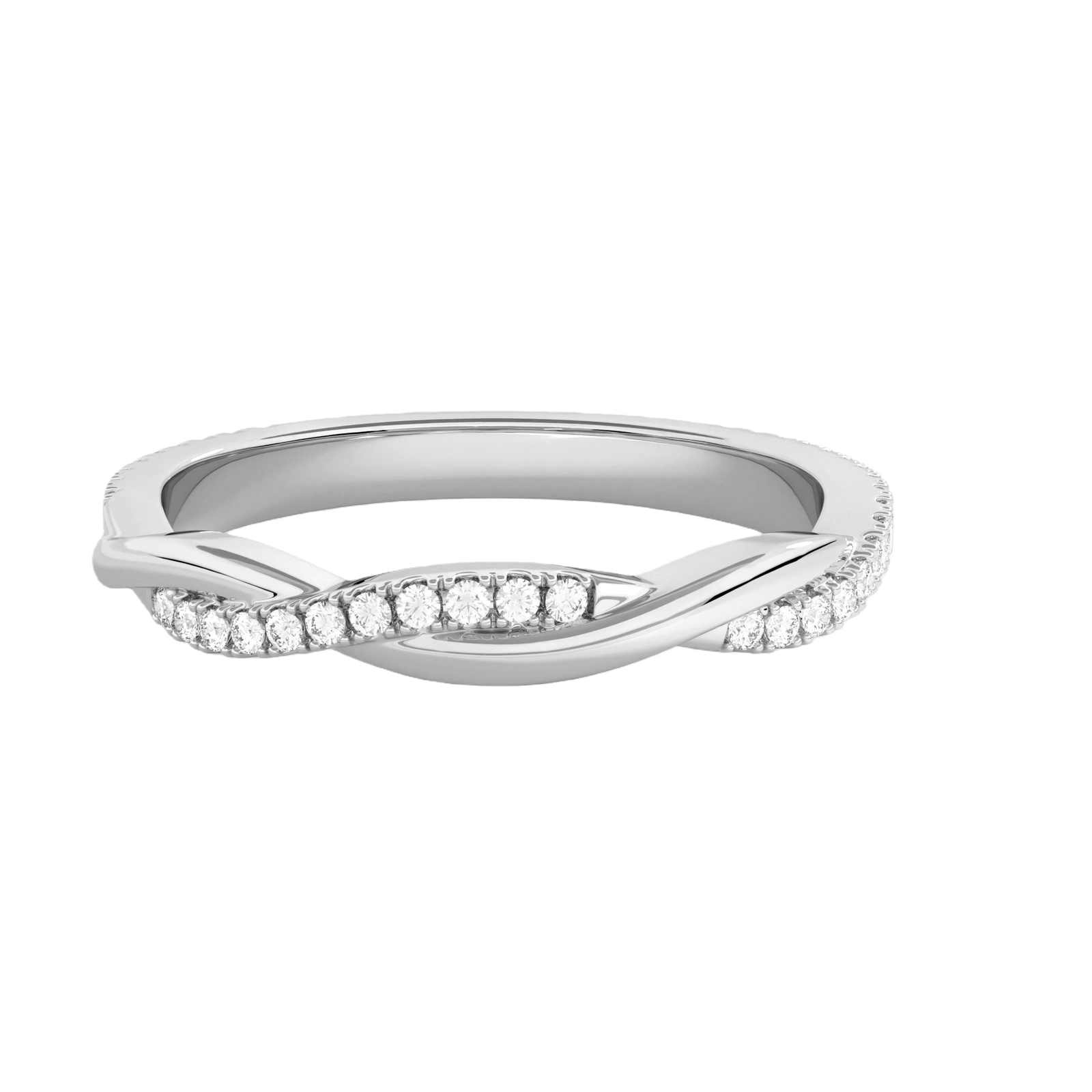


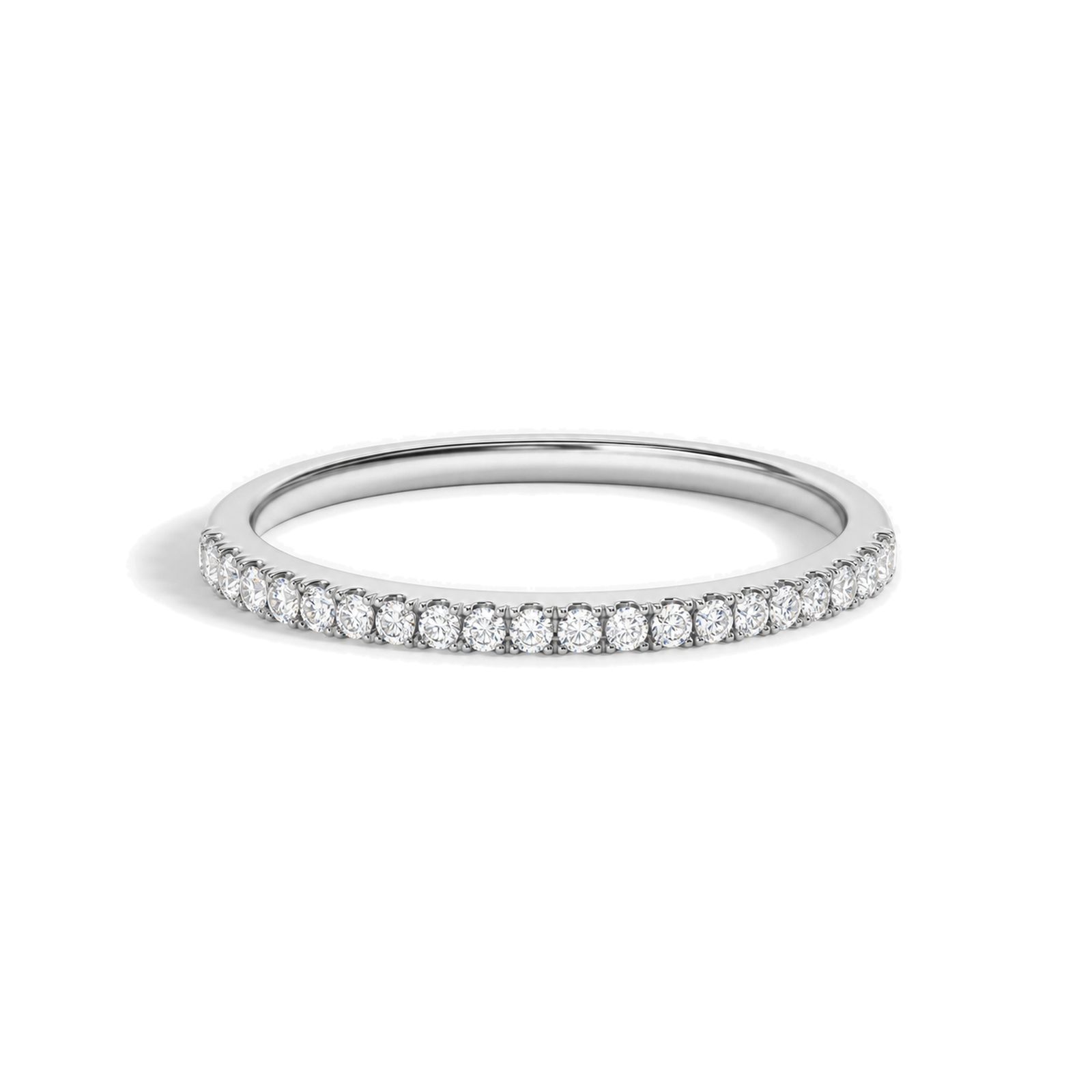
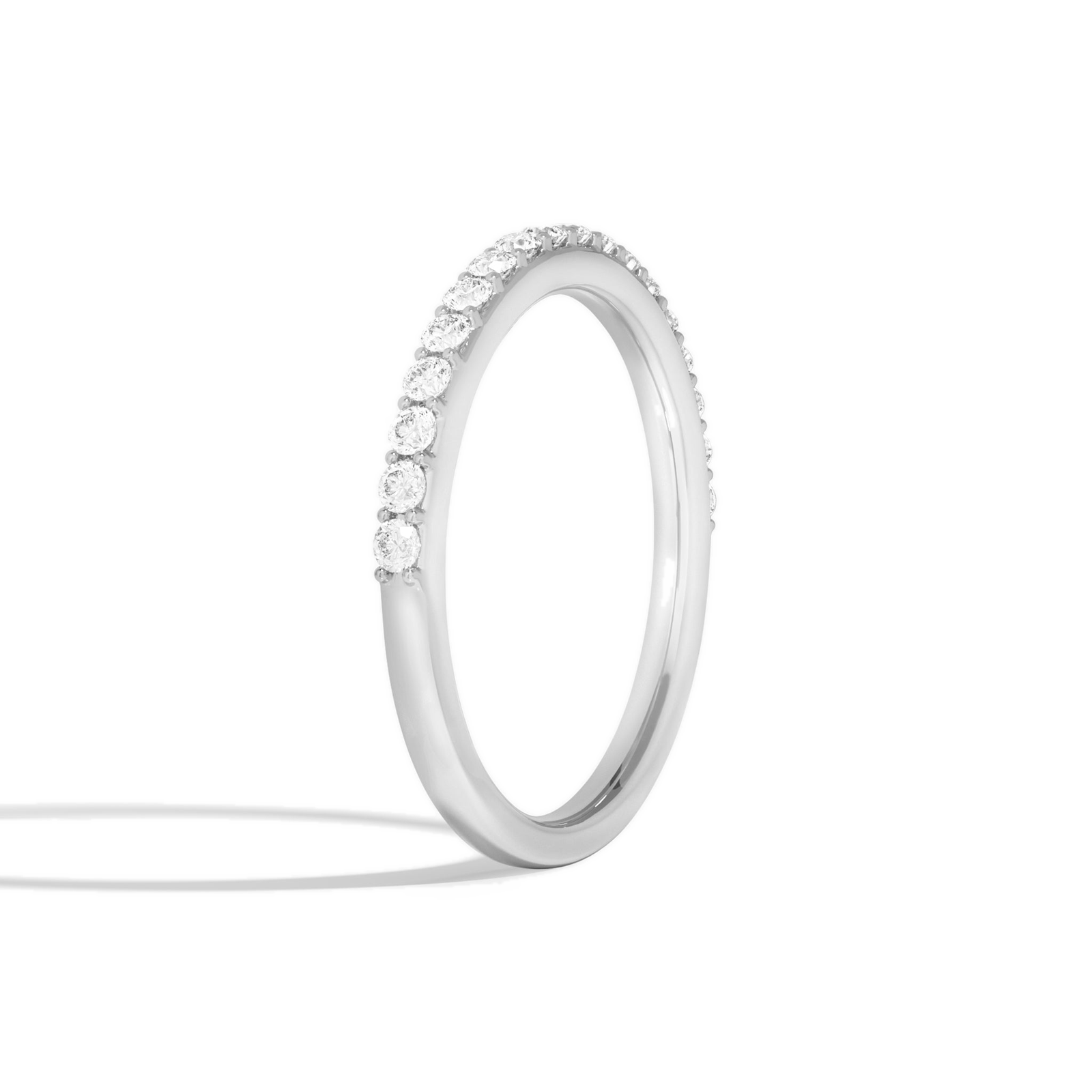


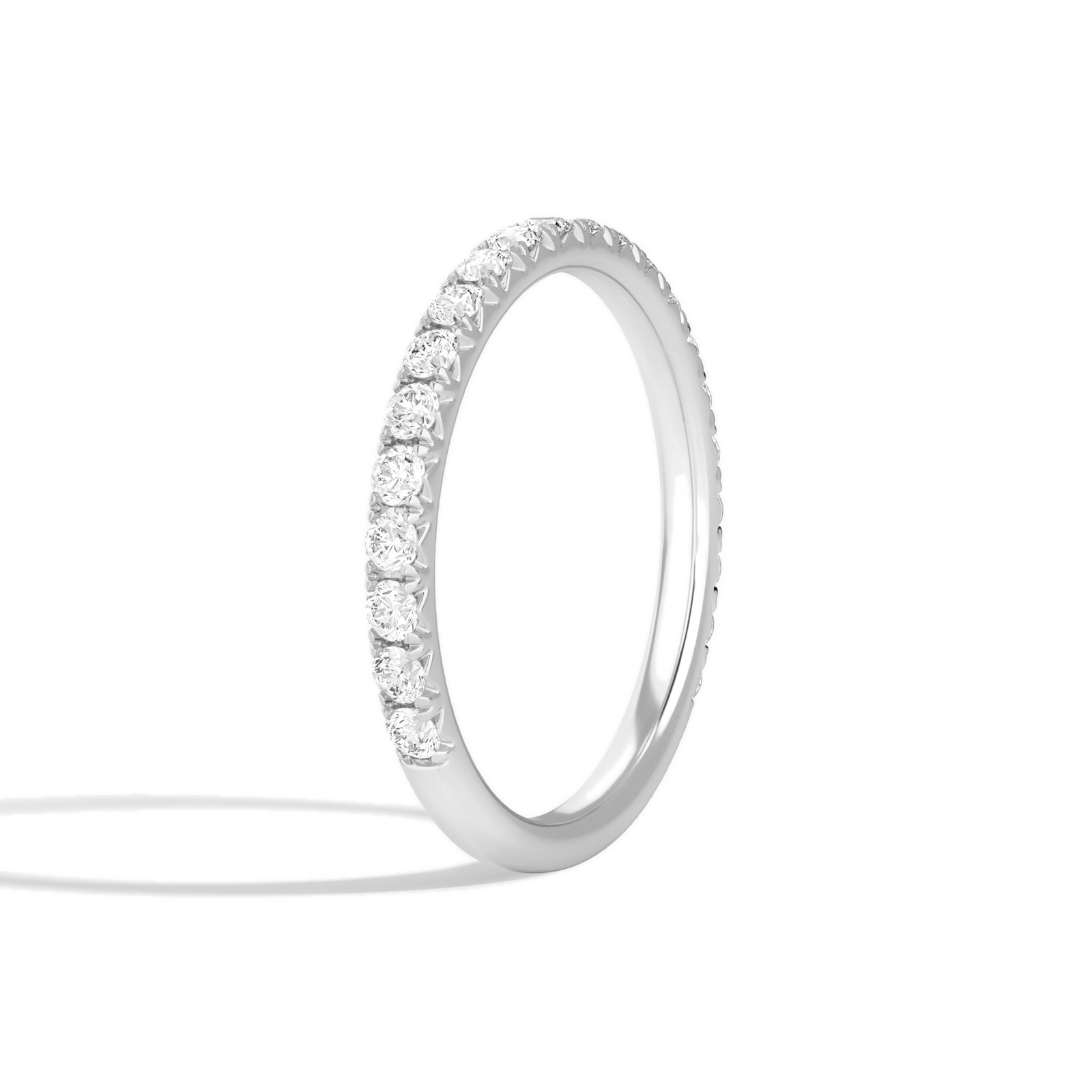

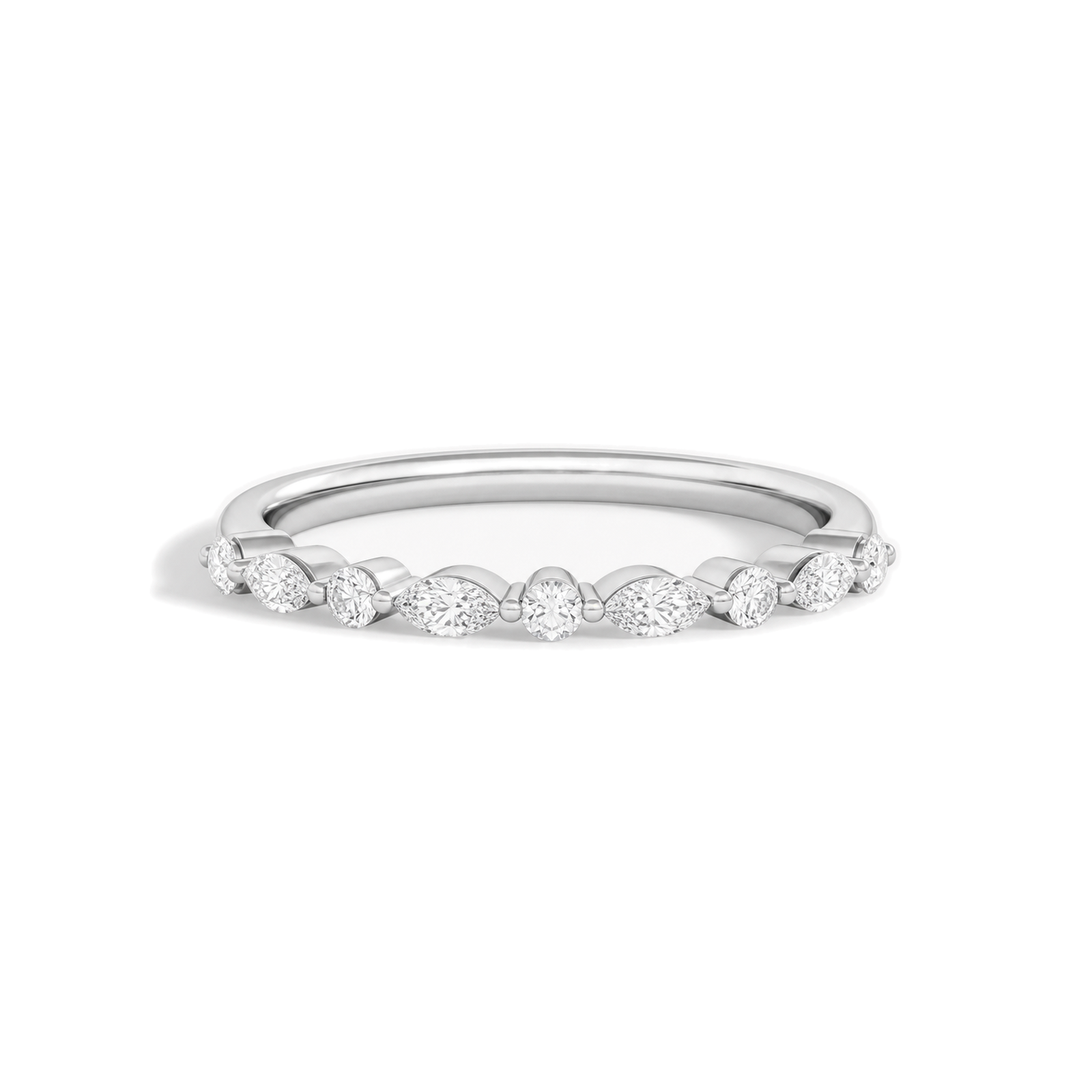
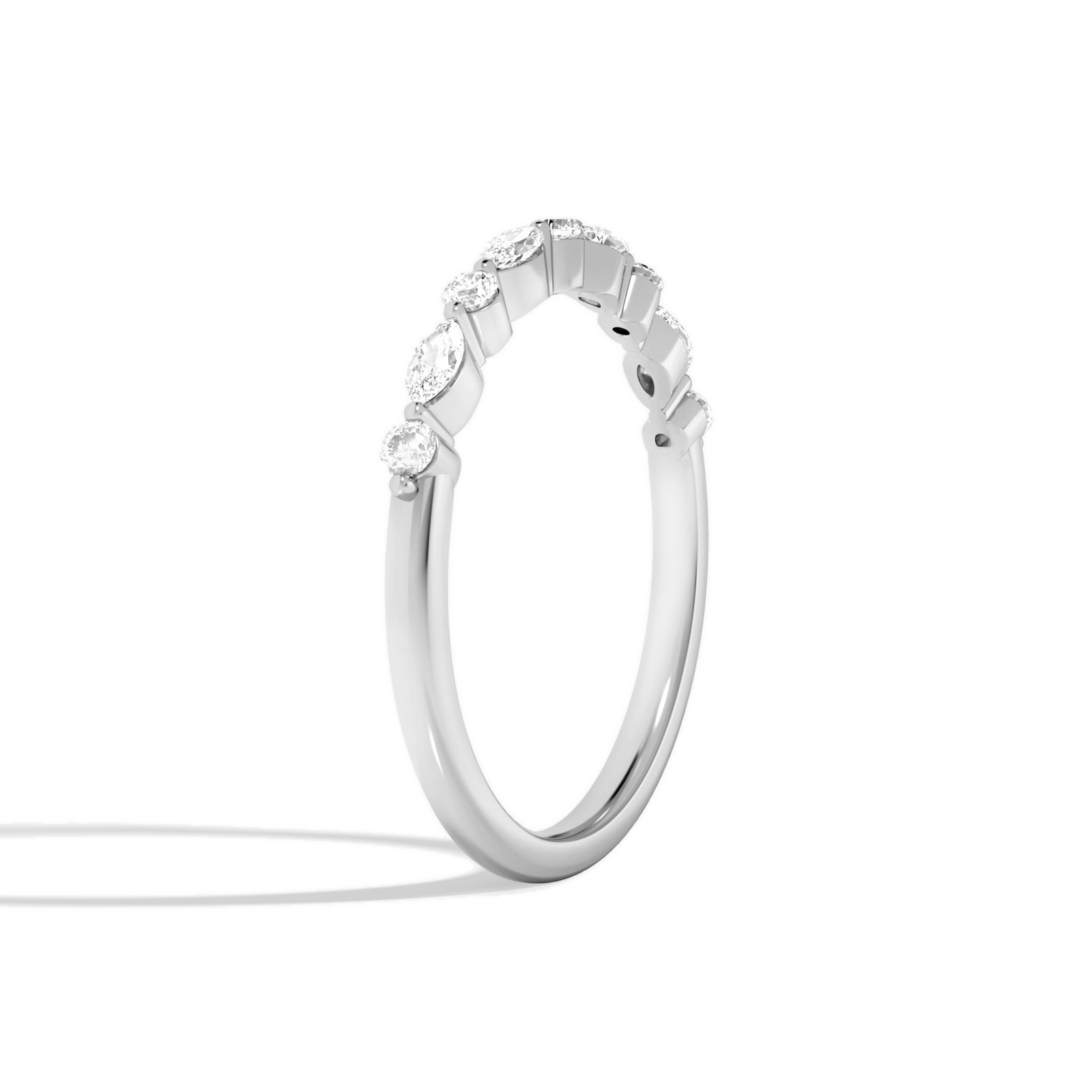

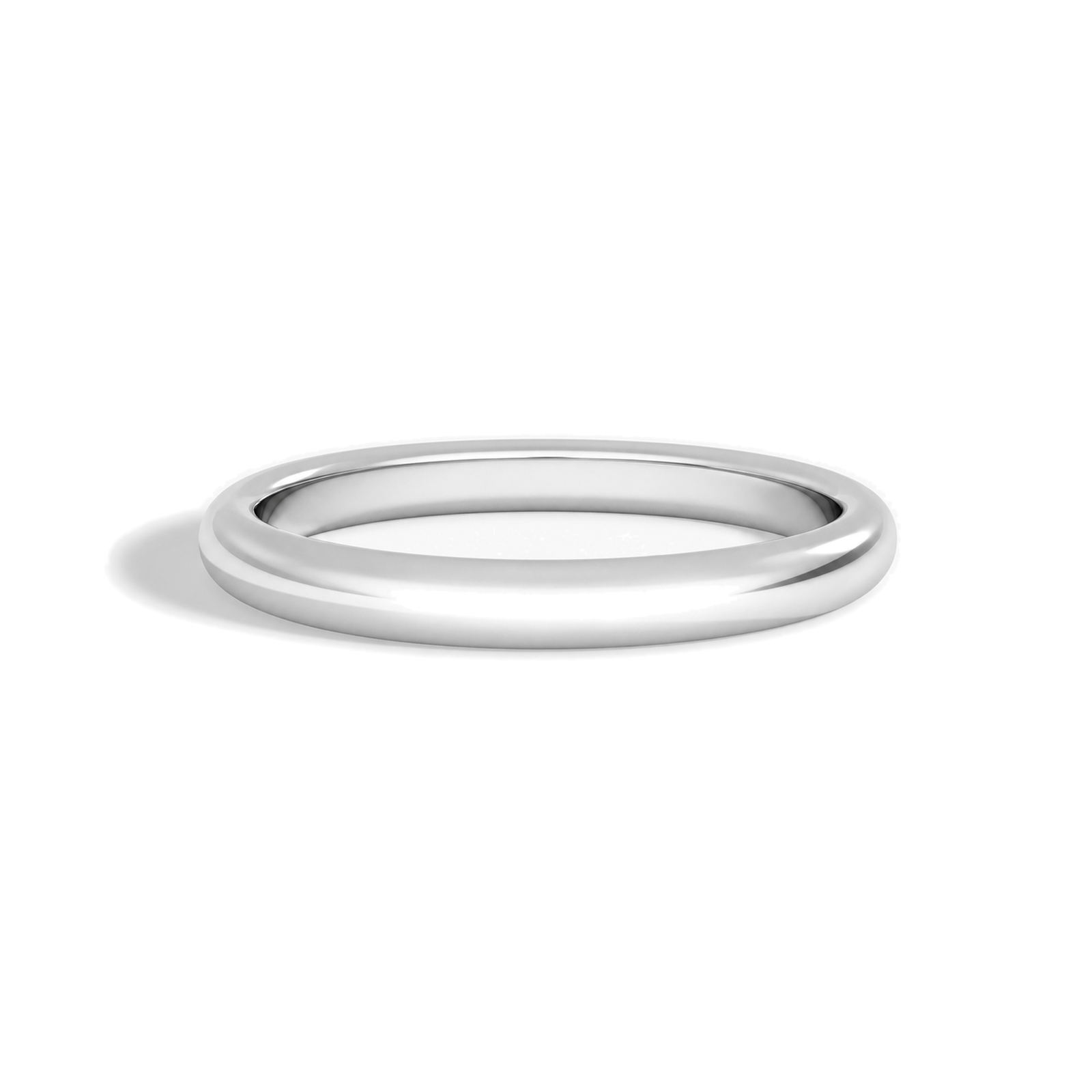
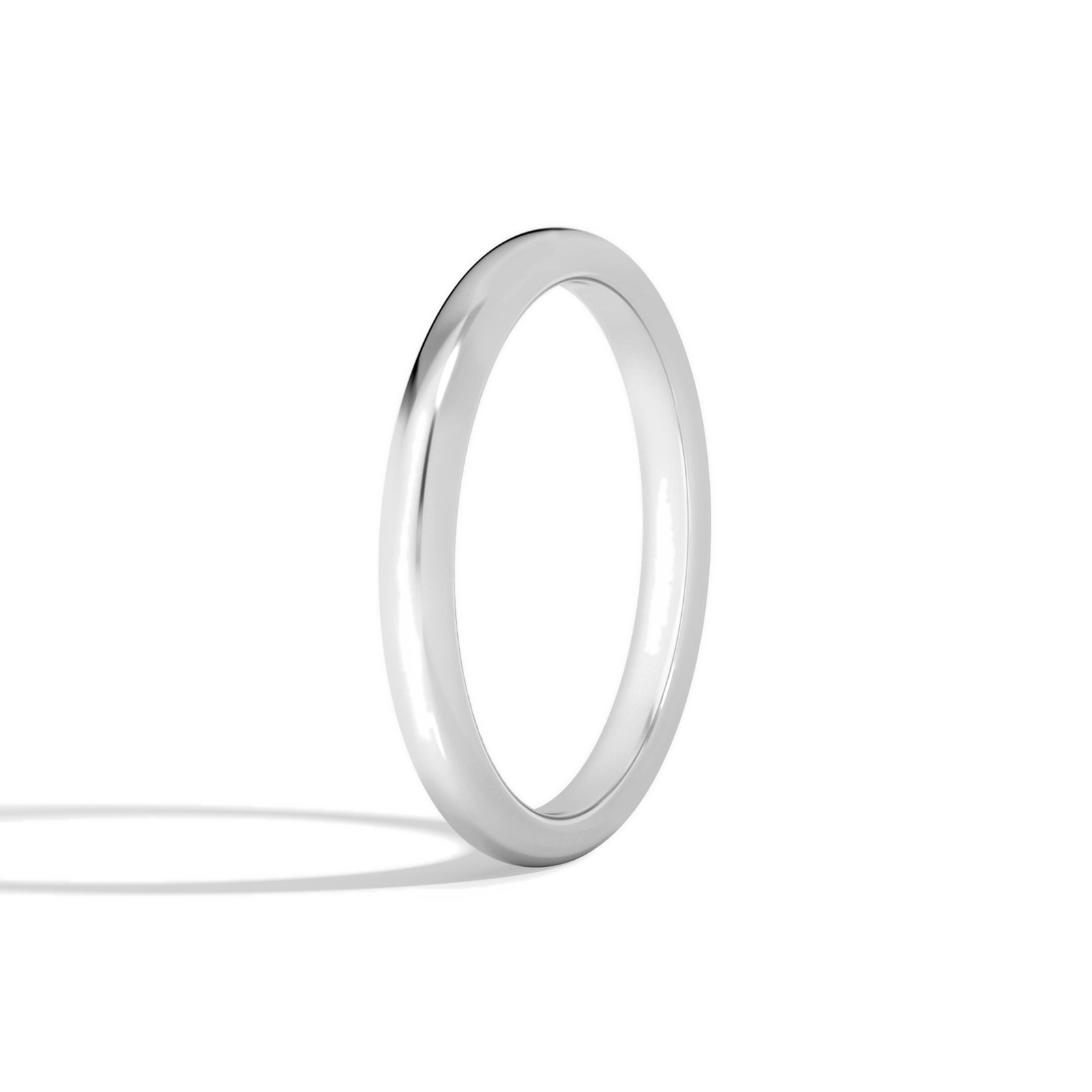

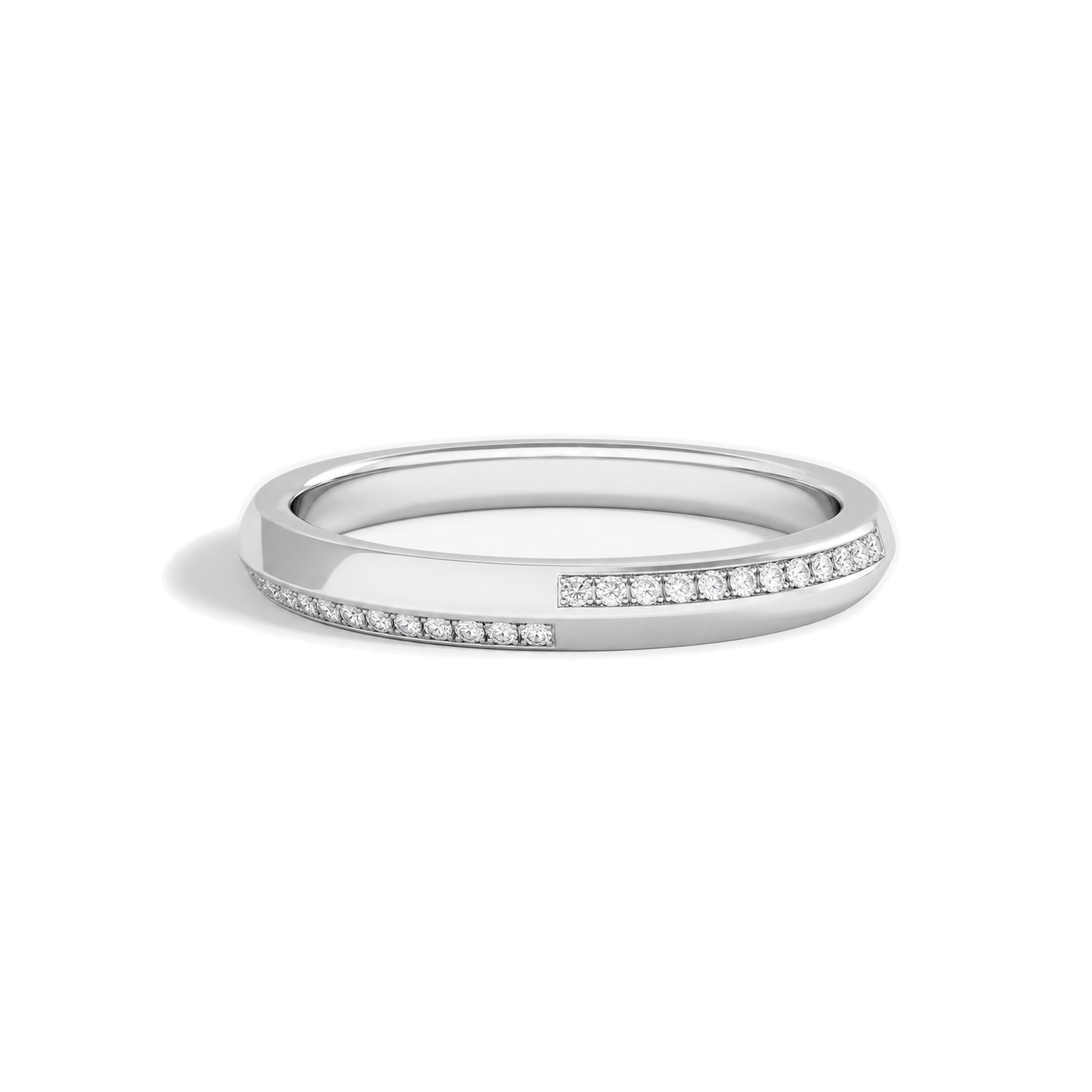


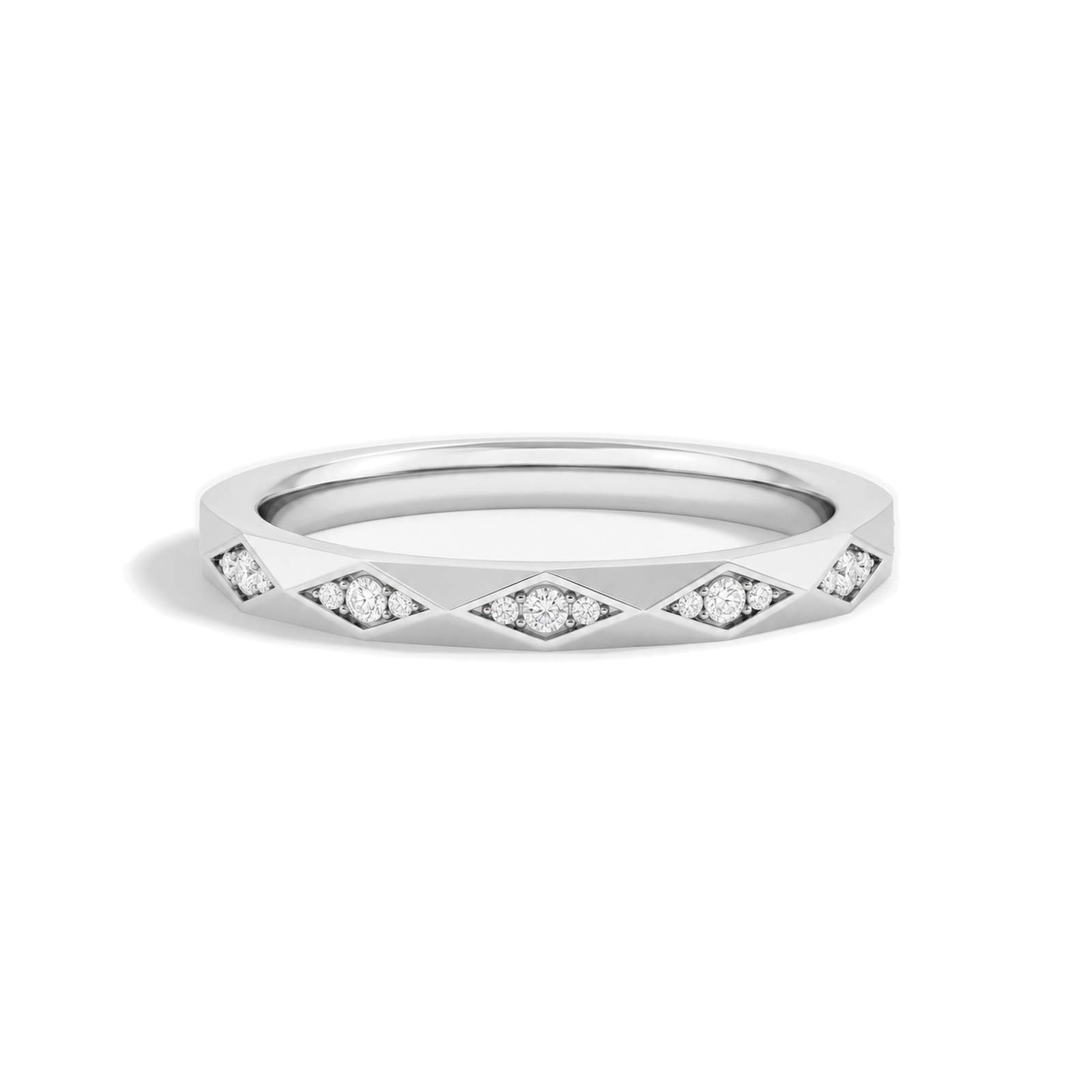


Platinum Anniversary Rings: Architecture before Assumption
Platinum gives an anniversary ring a natural-white material field, allowing contour, edge and diamond arrangement to remain legible. The ring may continue an existing composition, create a separate milestone marker or move between those roles over time.
All sixty-nine normalized designs also appear in Platinum Rings, Fashion Rings and Wedding Bands. Forty-five recur in Stacking Rings and eleven in Curved Rings. The value of this page lies in occasion and relationship questions, not exclusive merchandise.
Map the Ring's Present and Future Place
Consider where the ring will begin: alone, beside an engagement ring, within a stack or on another hand. Then consider whether that role may change. A form that works in one composition may meet different edges or settings in another.
Straight, curved and open structures organize space but do not settle it. View basket, gallery, prongs, shoulders and profile together; no geometry promises perfect nesting, fixed alignment or zero contact.
Let Proportion and Coverage Remain Independent
Current average-width evidence runs from 1.4–5.0 mm. A fine line can preserve space around neighboring rings; a wider form can give more attention to metal edge or diamond field. Width does not state thickness, mass, interior contour or sensation.
The assortment includes eternity-titled, half-coverage, three-quarter-coverage, channel, contour, open, crossover and restrained structures. Select the rhythm that serves the wearer rather than assigning one arrangement to a particular milestone.
Keep Platinum Claims at Product Level
The current public collection does not establish one alloy purity for every ring. Nor does the category support universal claims for weight, sensitivity, durability, scratch behavior, comfort or maintenance.
Coverage, settings, symmetry and surface can also shape resizing, engraving and refinishing options. Confirm the selected product before planning a future change or permanent inscription.
Frequently Asked Questions
What is the page’s primary anniversary job?
It connects a milestone with Platinum form, placement and the wearer’s existing ring composition.
How many Platinum designs are shown?
There are sixty-nine current normalized designs.
Are they exclusive to Anniversary Rings?
No. Rings, Fashion Rings and Wedding Bands repeat all sixty-nine.
How many share Stacking Rings membership?
Forty-five normalized designs overlap that Platinum route.
What is the Curved Rings overlap?
Eleven of the sixty-nine designs also appear there.
Does Platinum prescribe a seventieth anniversary here?
No. This Collection avoids fixed year-to-metal rules.
Can a Platinum anniversary ring be worn alone?
Yes as a design role, provided the selected ring and intended finger are suitable.
What matters when adding it beside another ring?
Compare profile, setting projection, shoulders, edges, spacing and motion.
Will a curved design always nest?
No. Compatibility depends on both pieces’ exact geometry.
What published width range is available?
Current average-width facts extend from 1.4–5.0 mm.
Does width establish finished weight?
No. Thickness, volume, alloy and settings remain necessary.
Is every Platinum ring hypoallergenic?
No universal sensitivity outcome is claimed.
Is the metal scratch-proof?
No material or finish is described as scratch-proof.
Is Platinum always more durable here?
No Collection-wide performance hierarchy is supported.
What coverage organizations appear?
Eternity, partial and three-quarter fields sit alongside many other architectures.
Can all Platinum designs be resized?
No. Diamond extent, symmetry and construction can restrict work.
What should precede an engraving decision?
Verify usable surface, selected size, settings and product-level service options.