
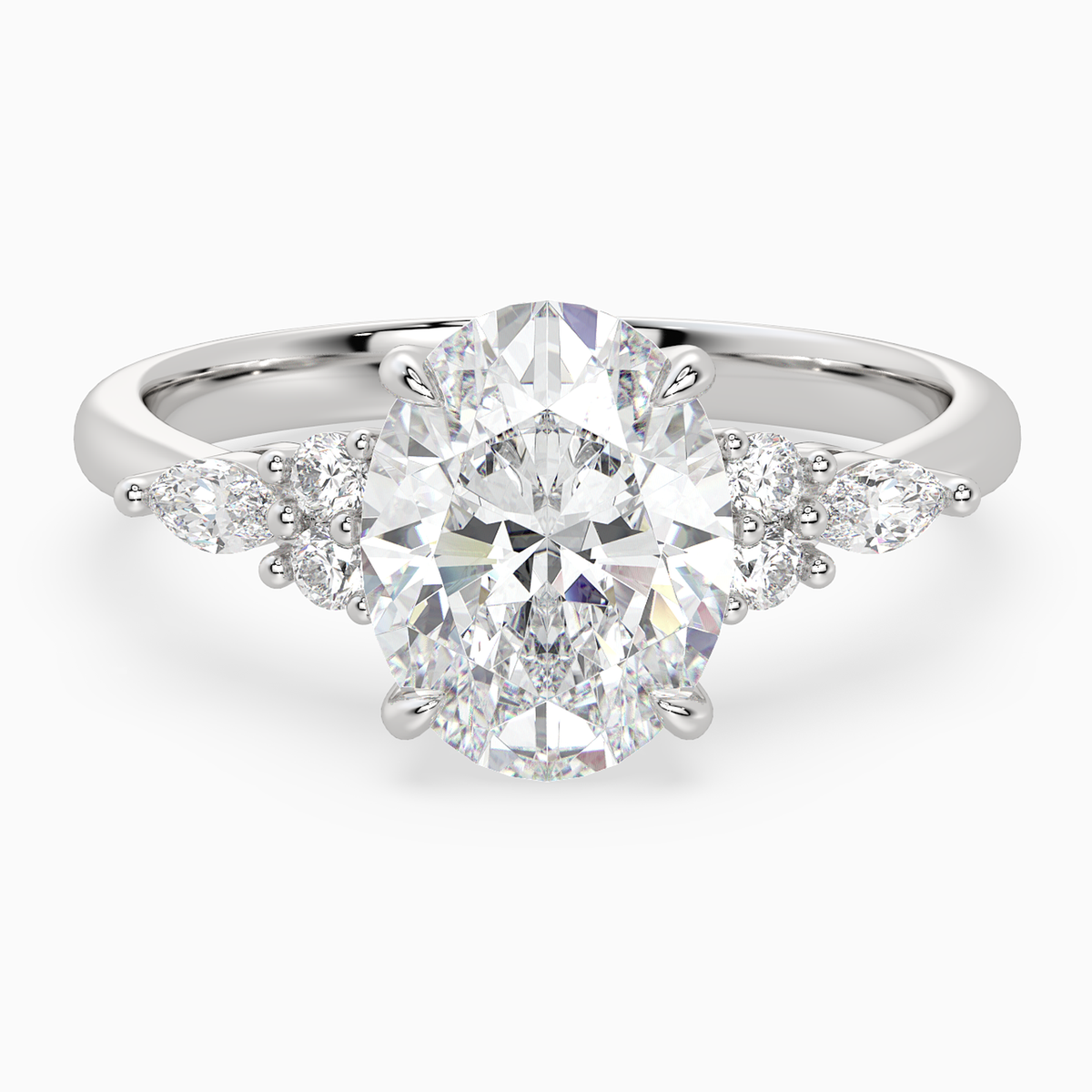


Lab Grown Diamond Fashion Rings
A ring can belong first to the wearer. Explore diamond forms through line, scale, negative space, setting and how they occupy the hand.


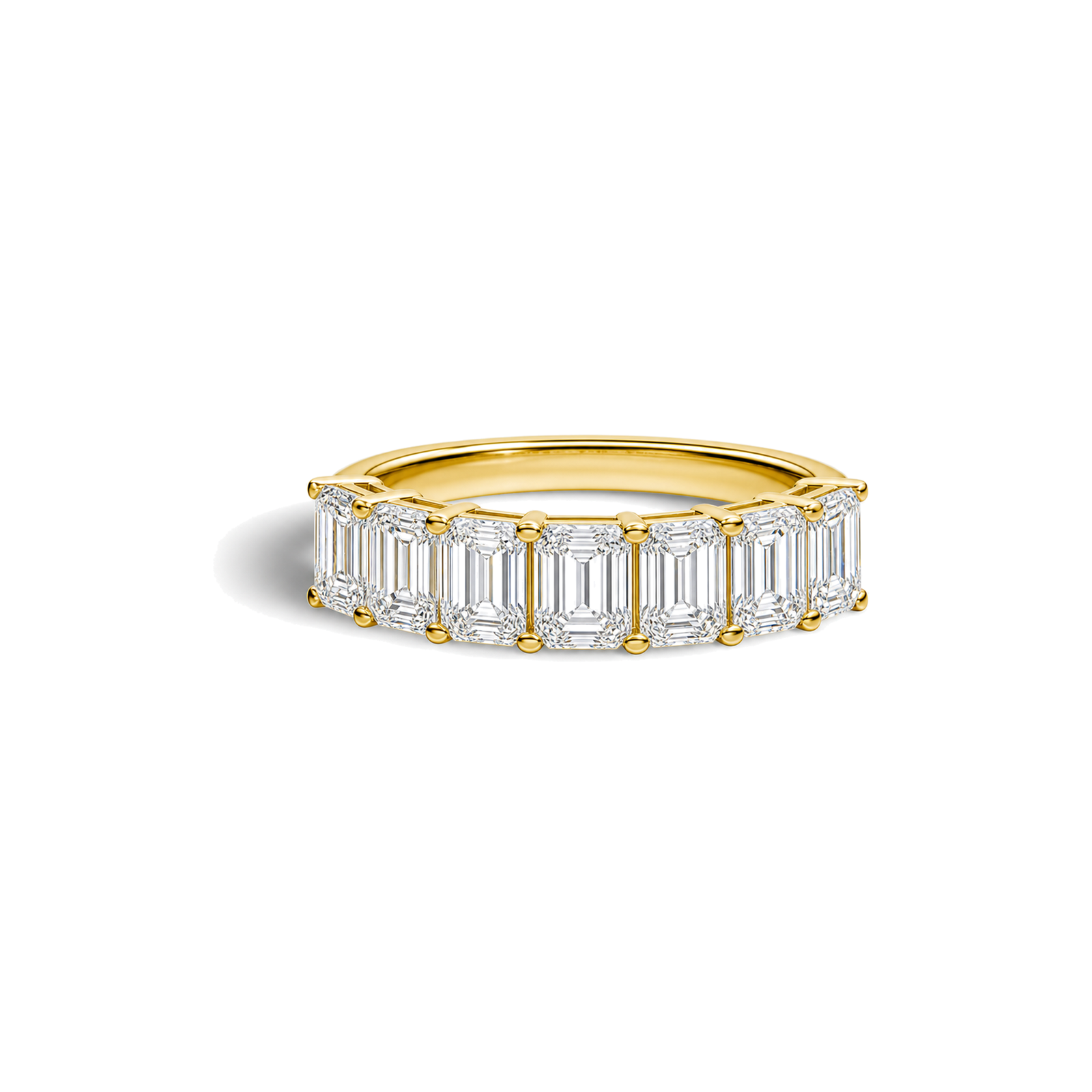
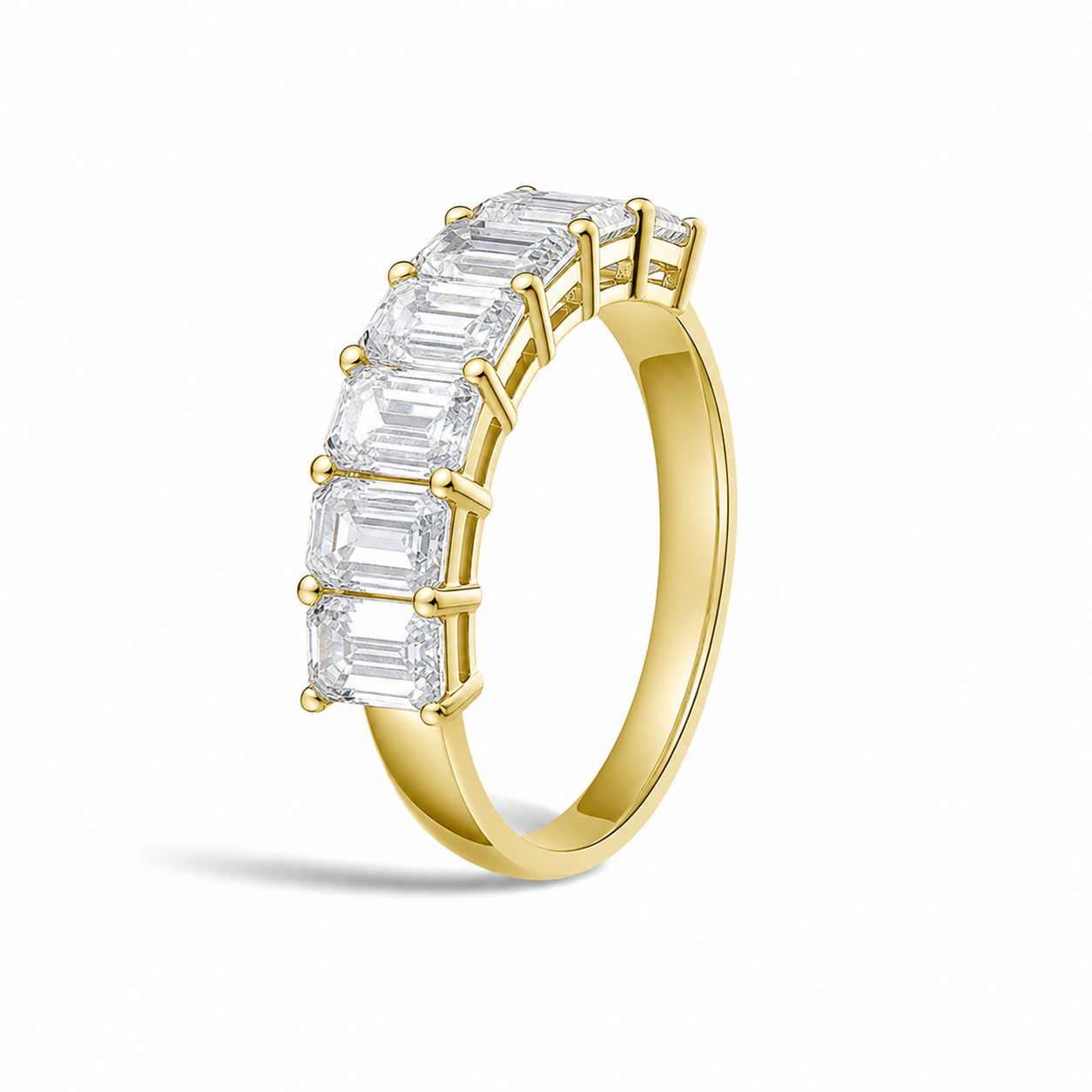

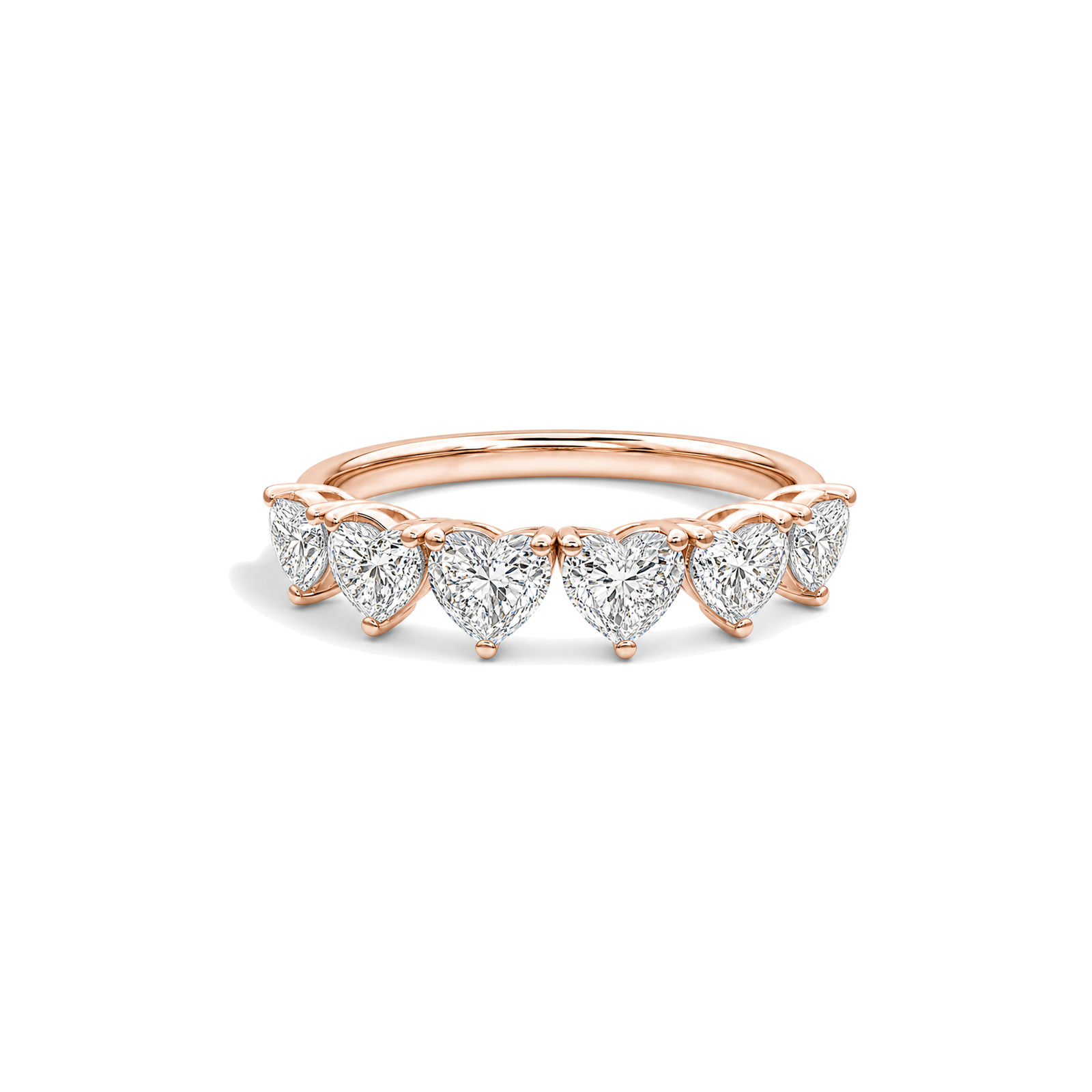
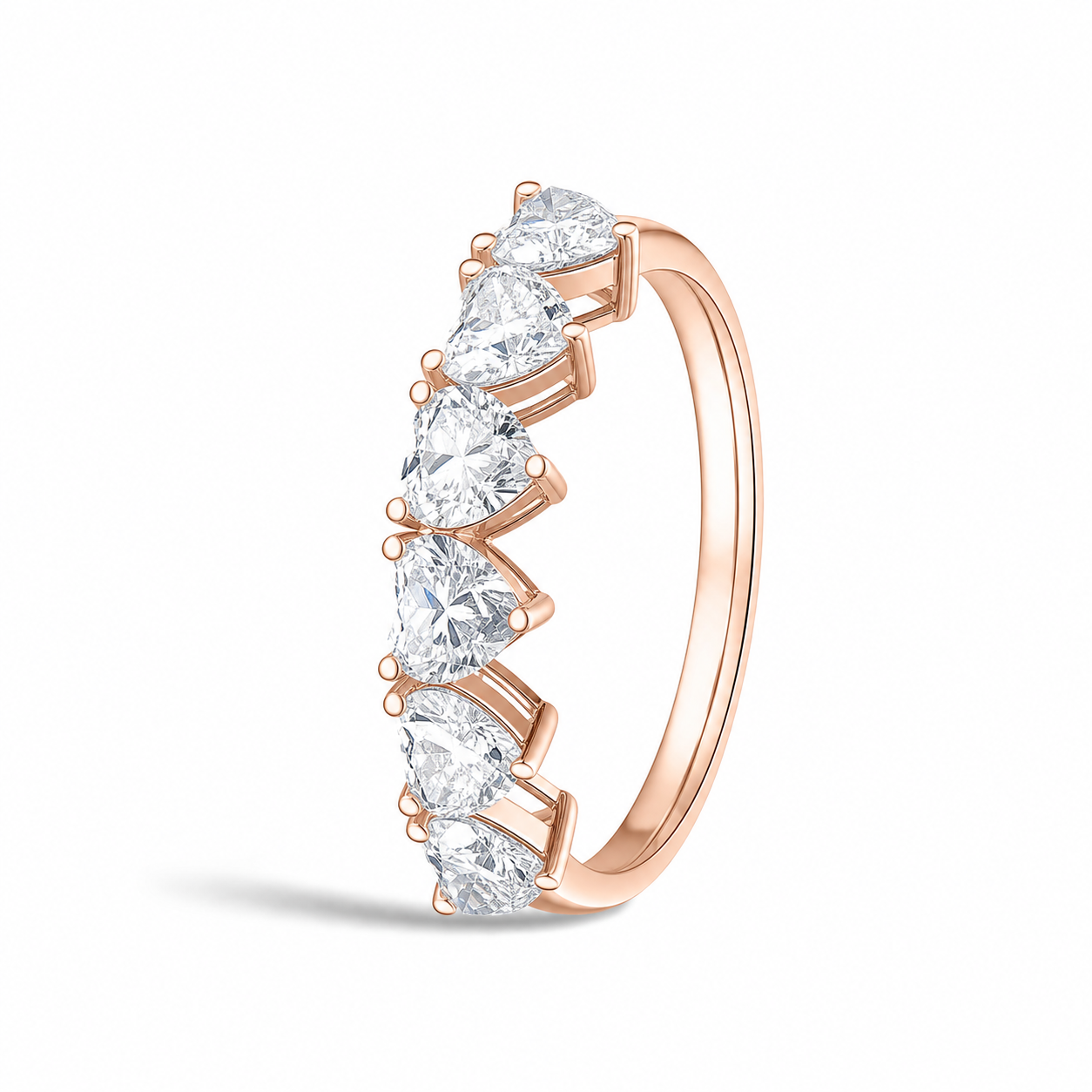

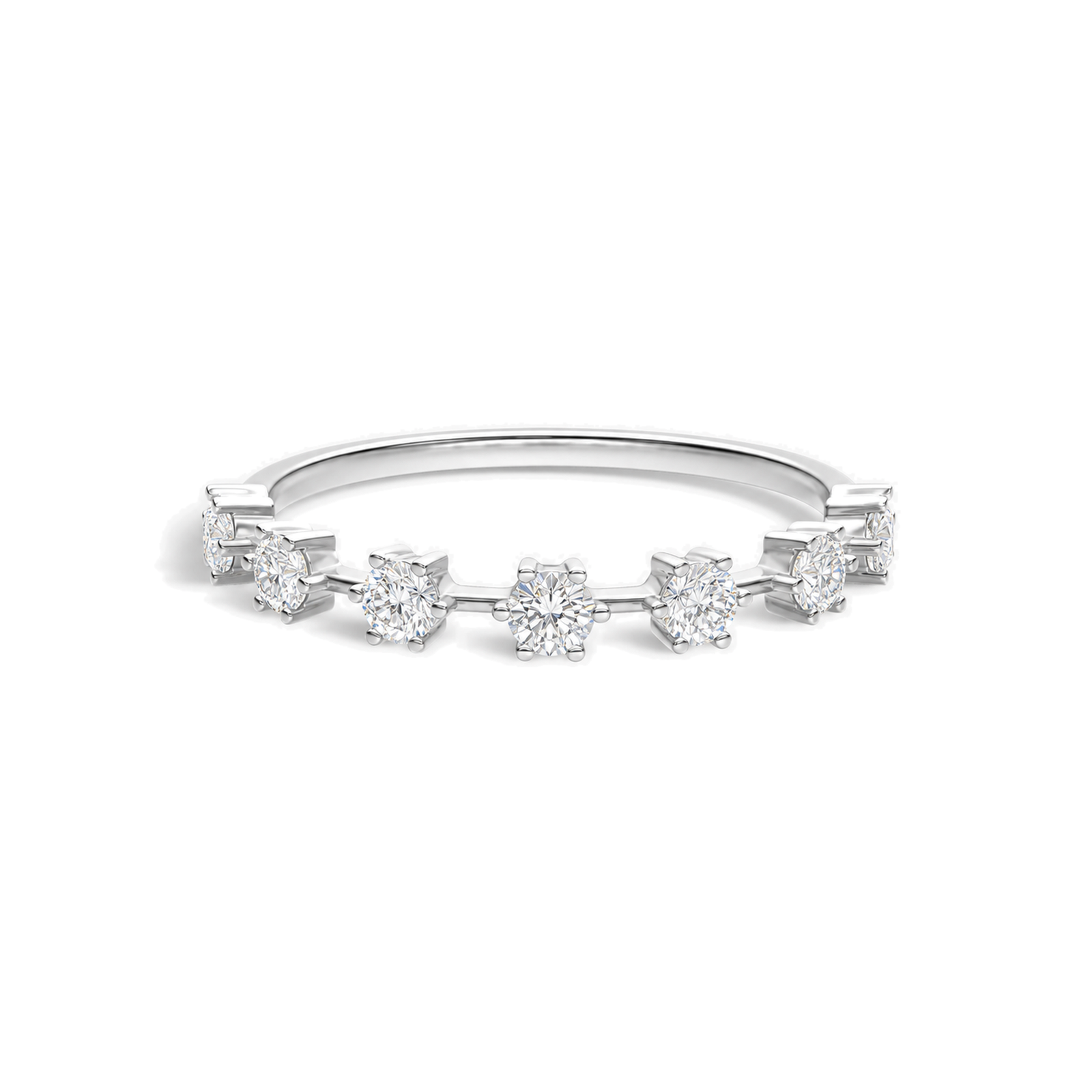
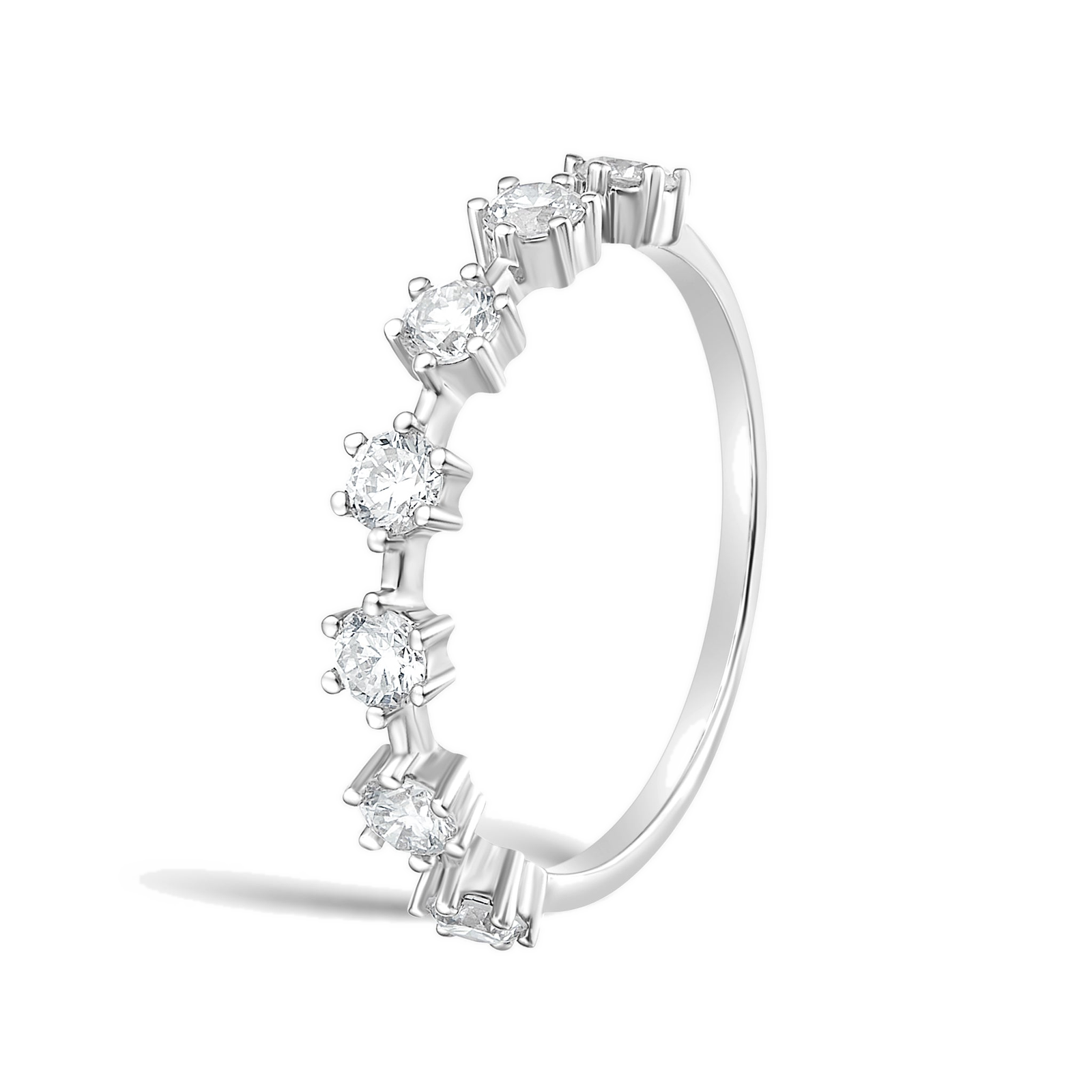

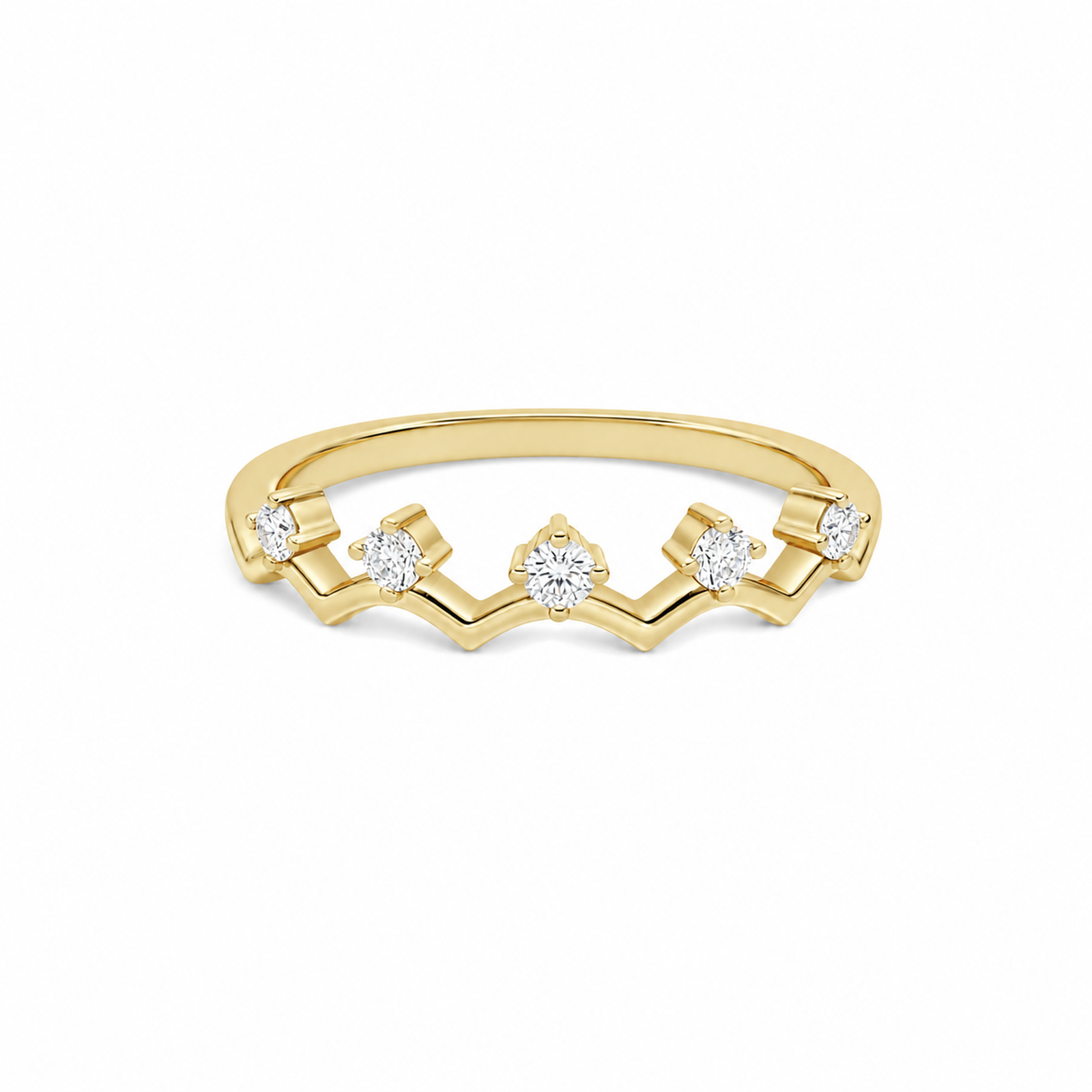
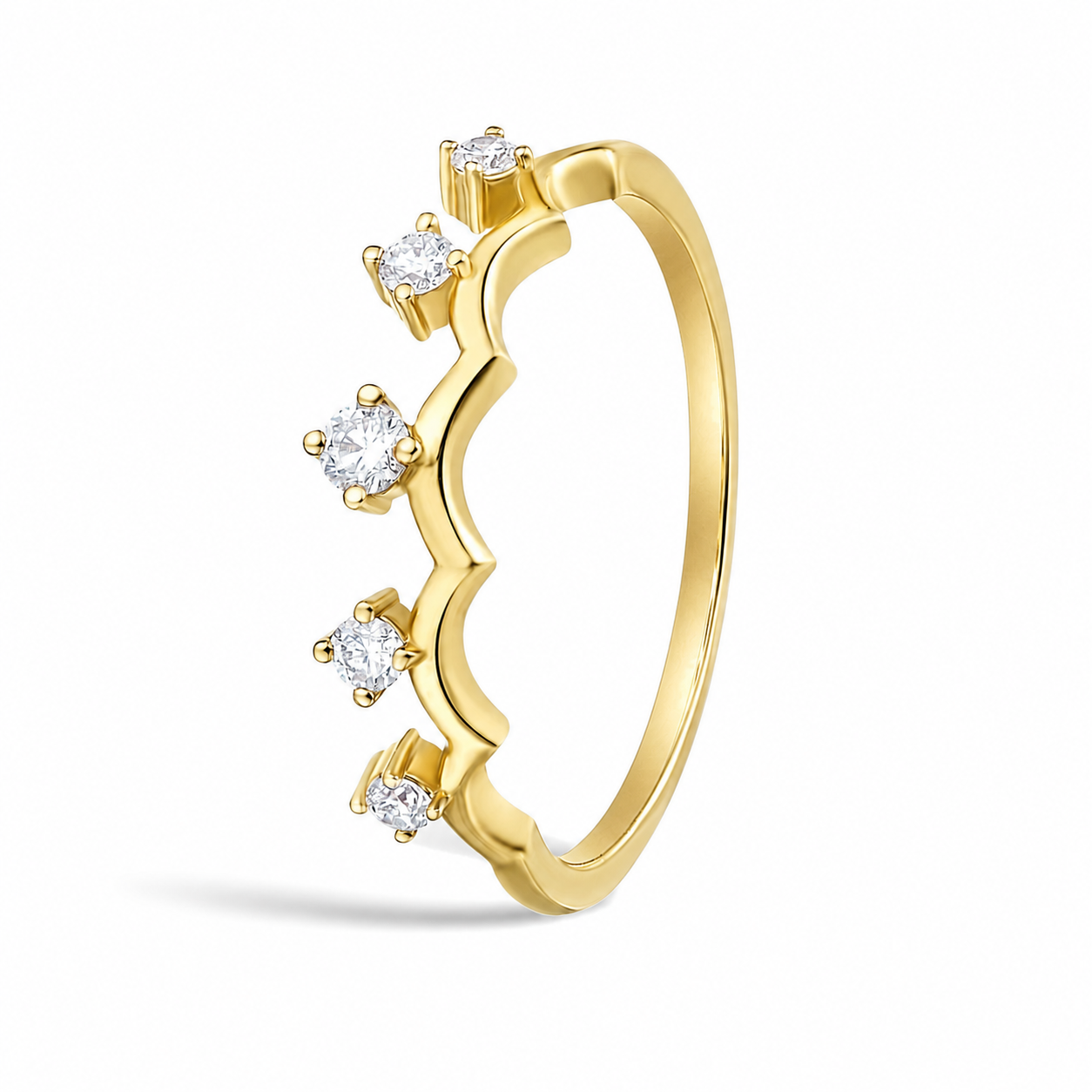

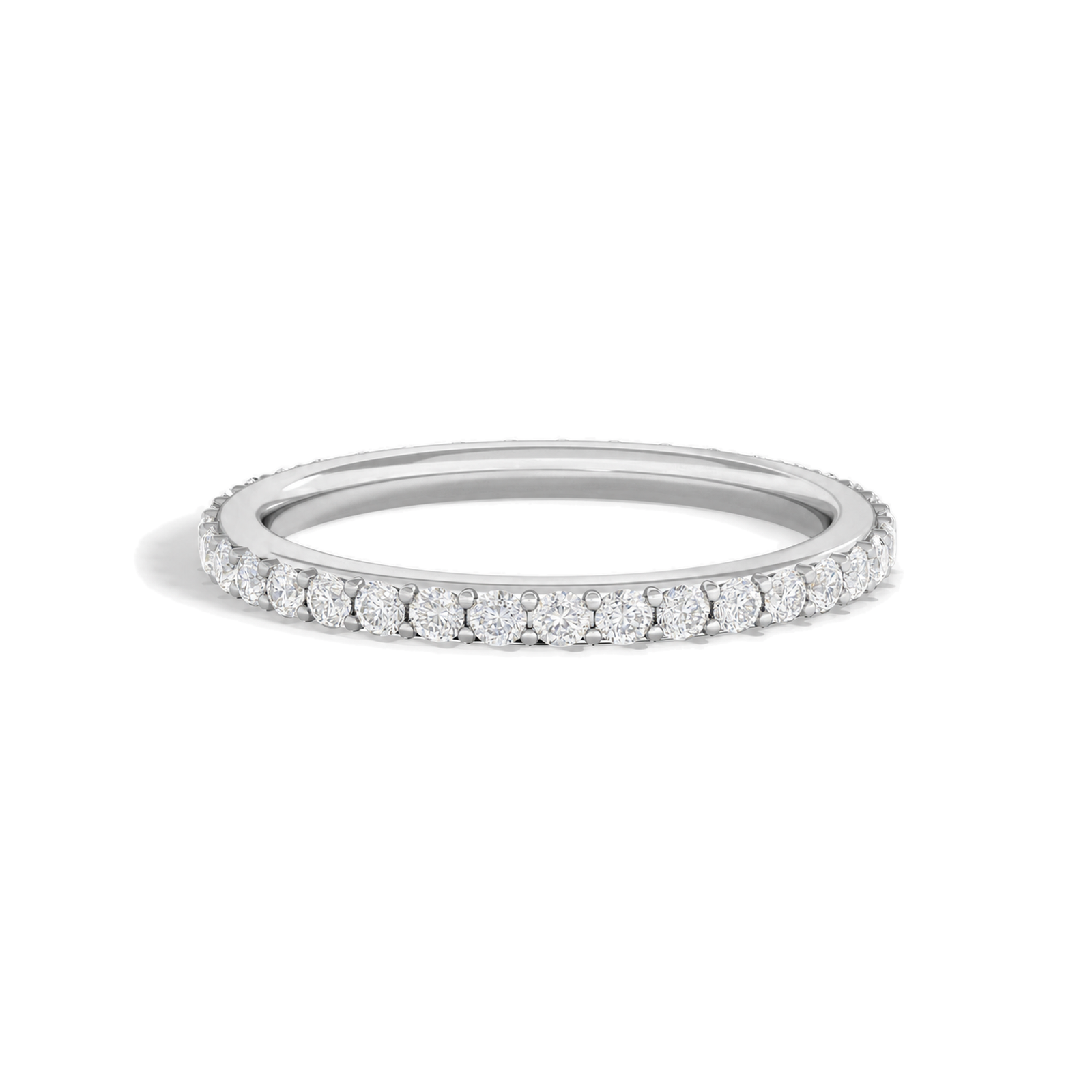
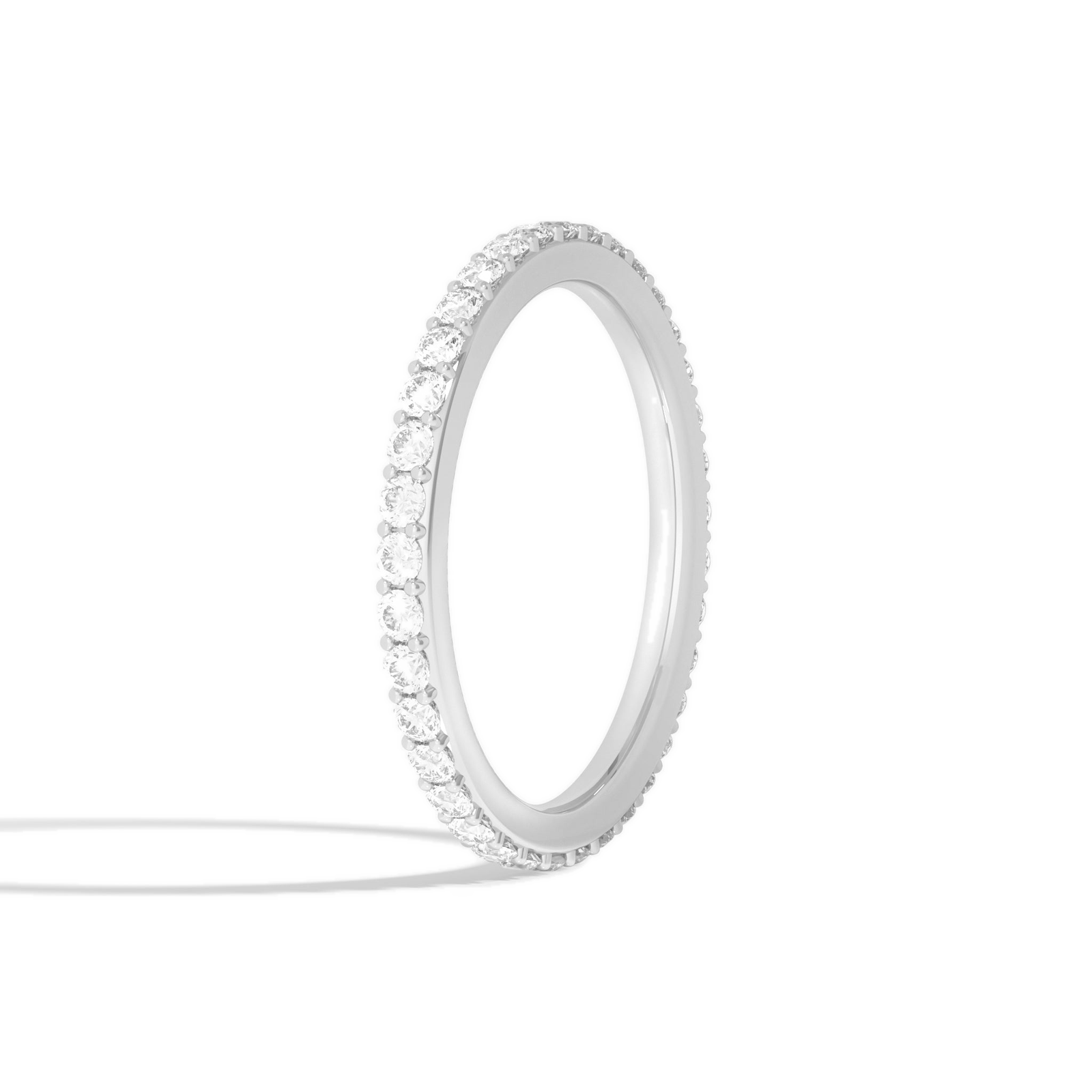

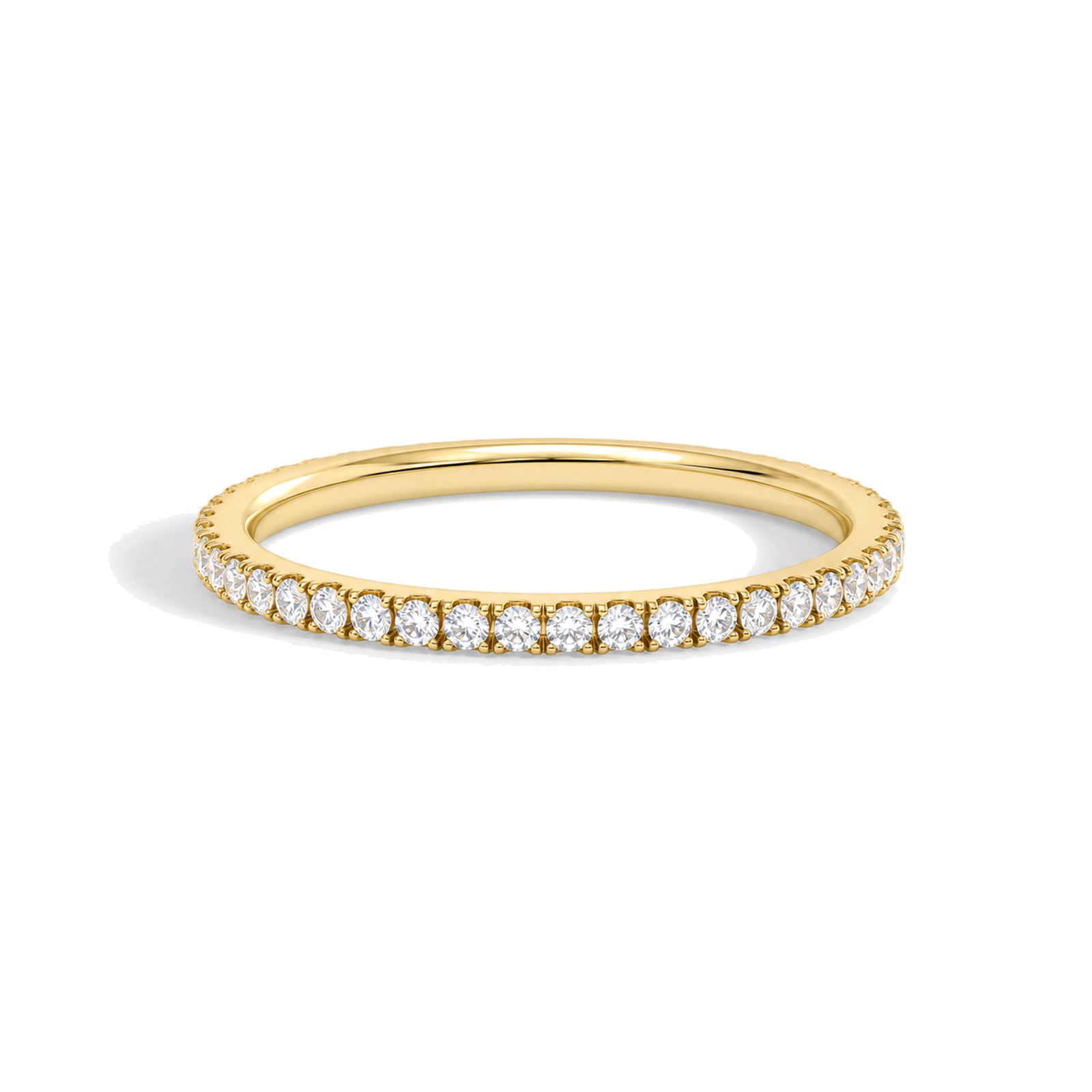
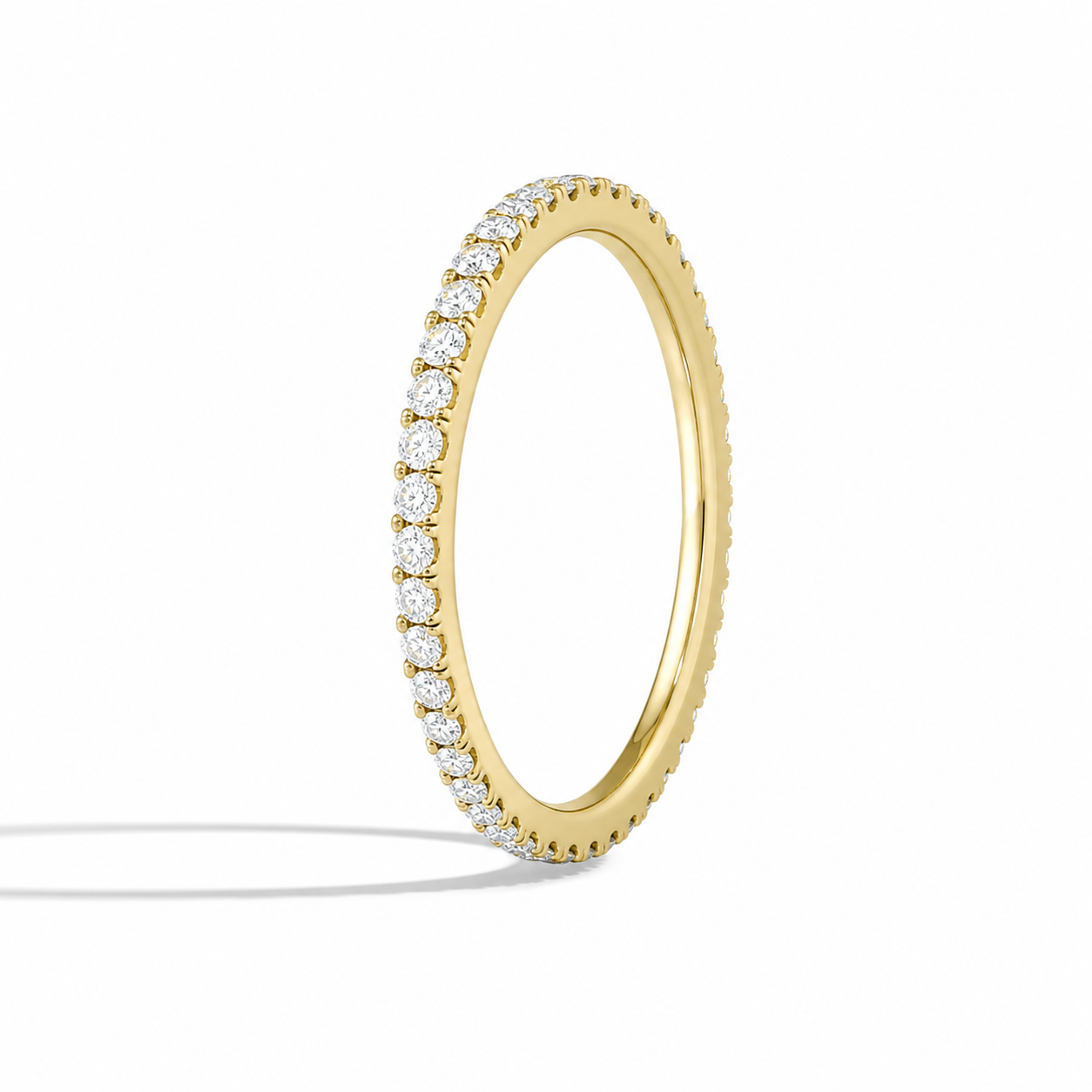

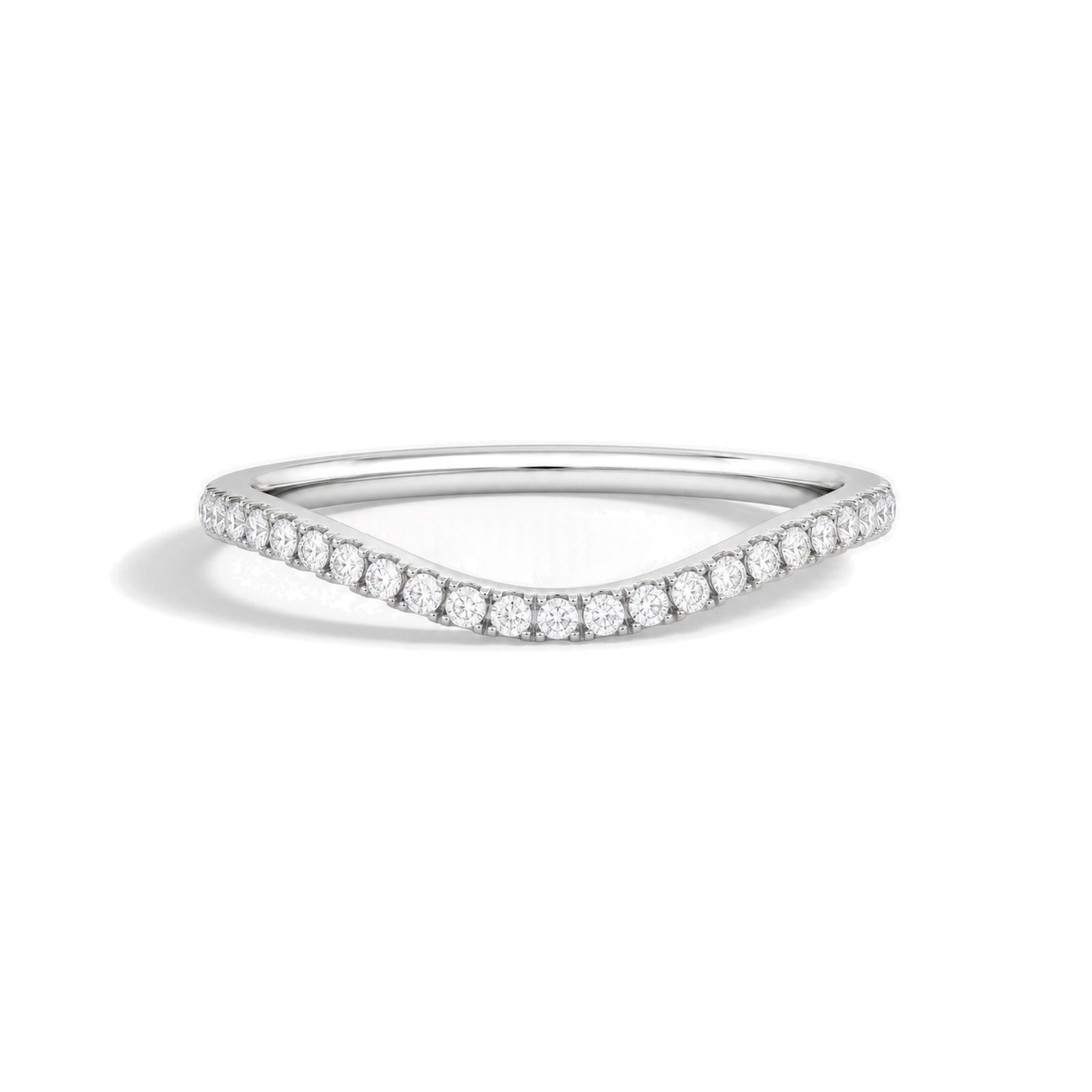
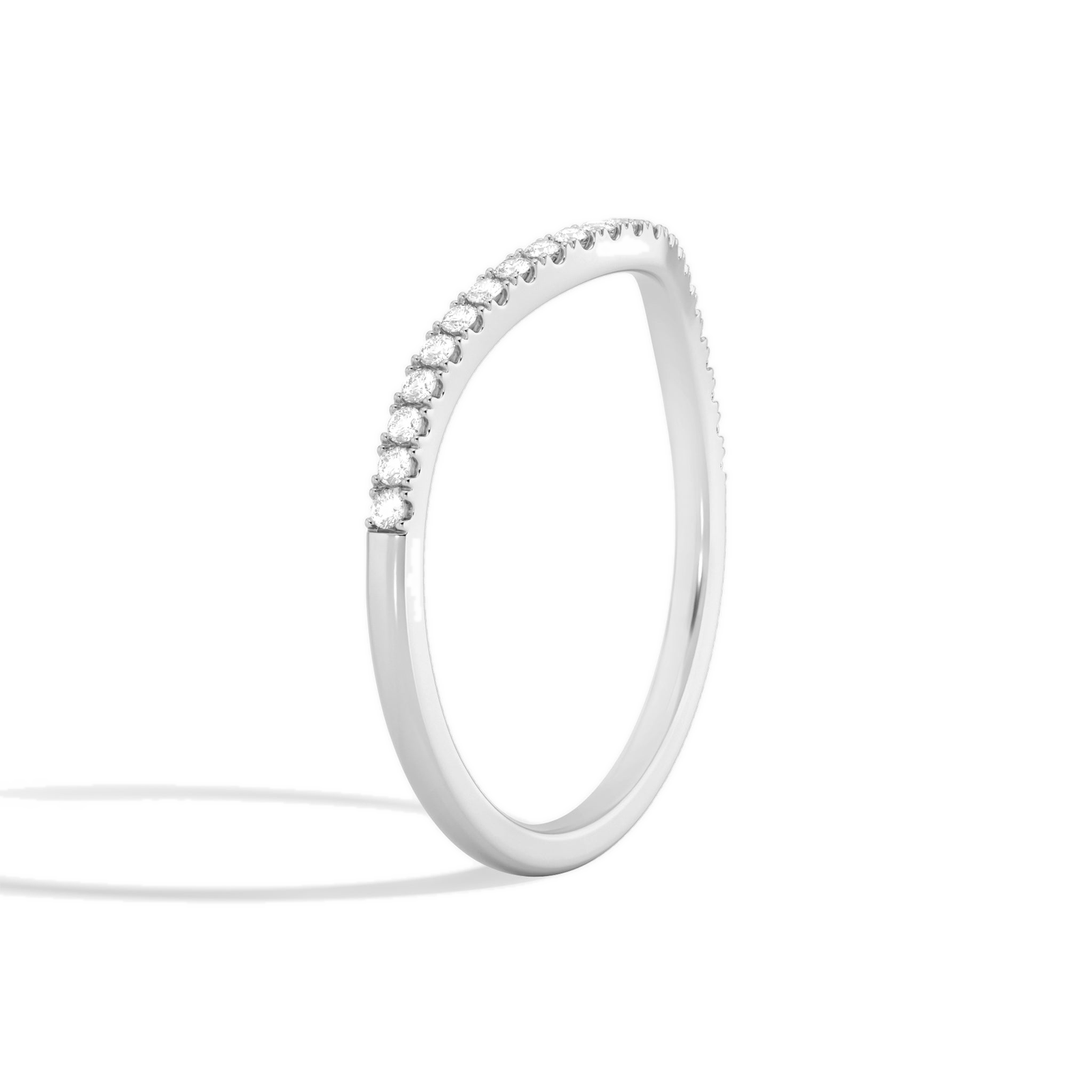

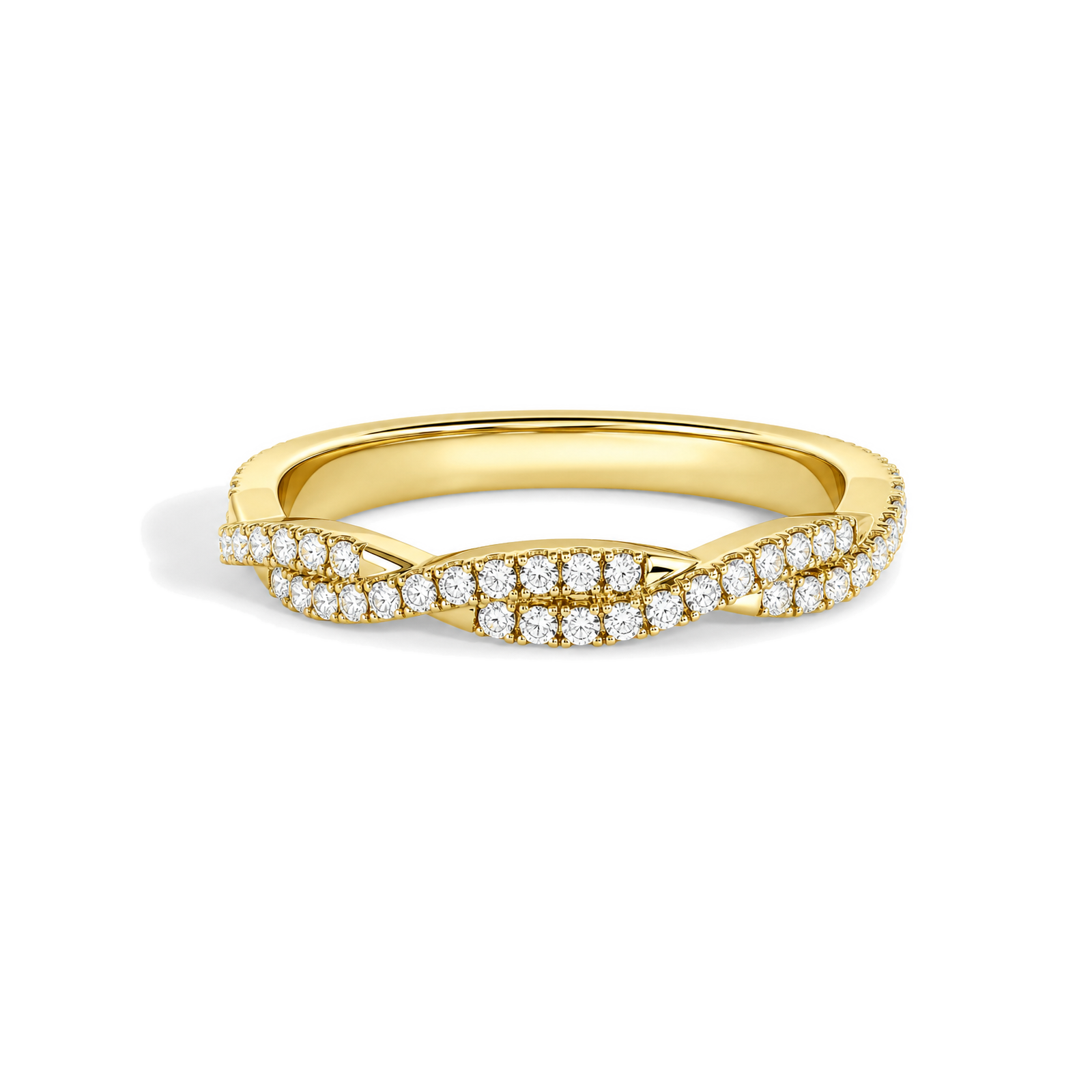
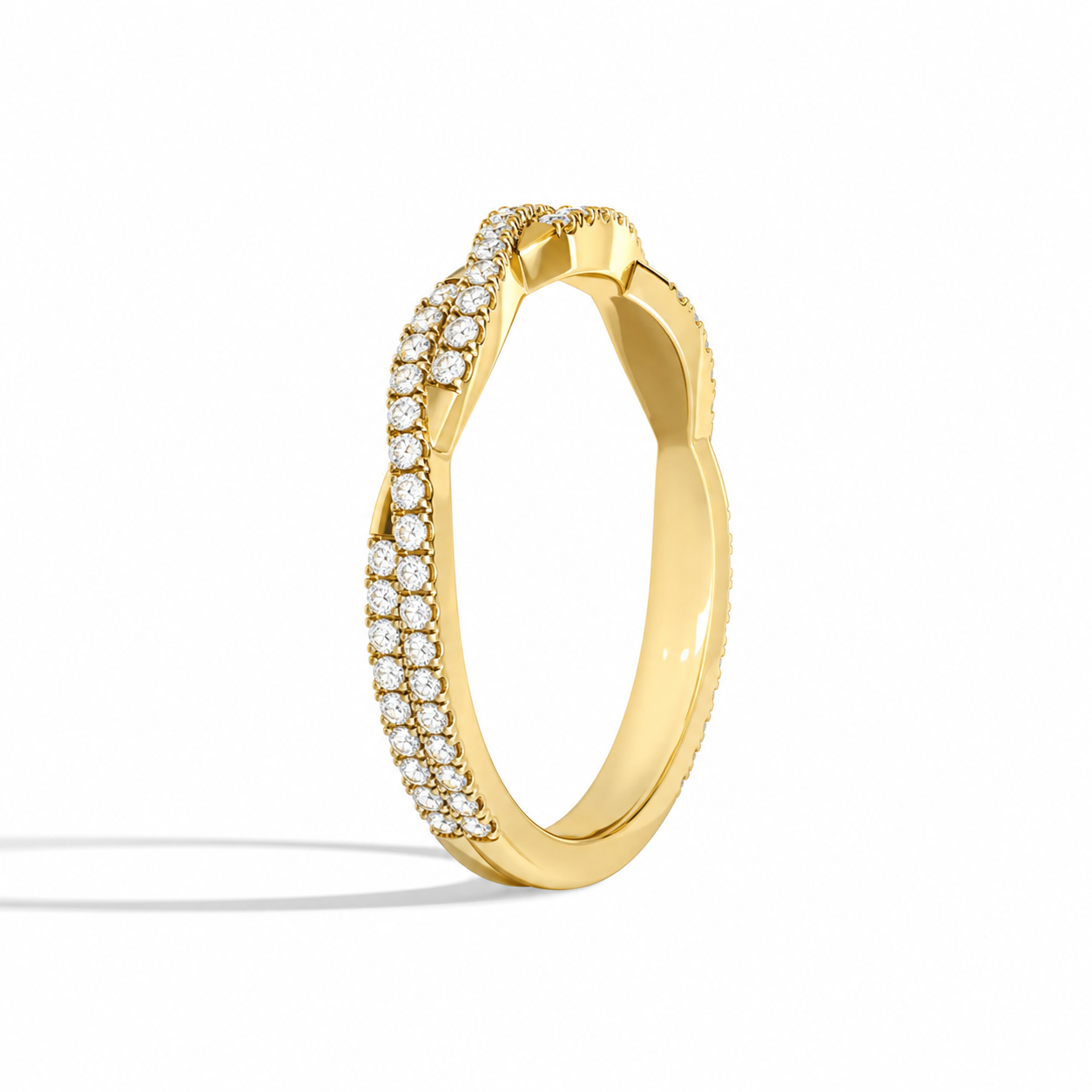

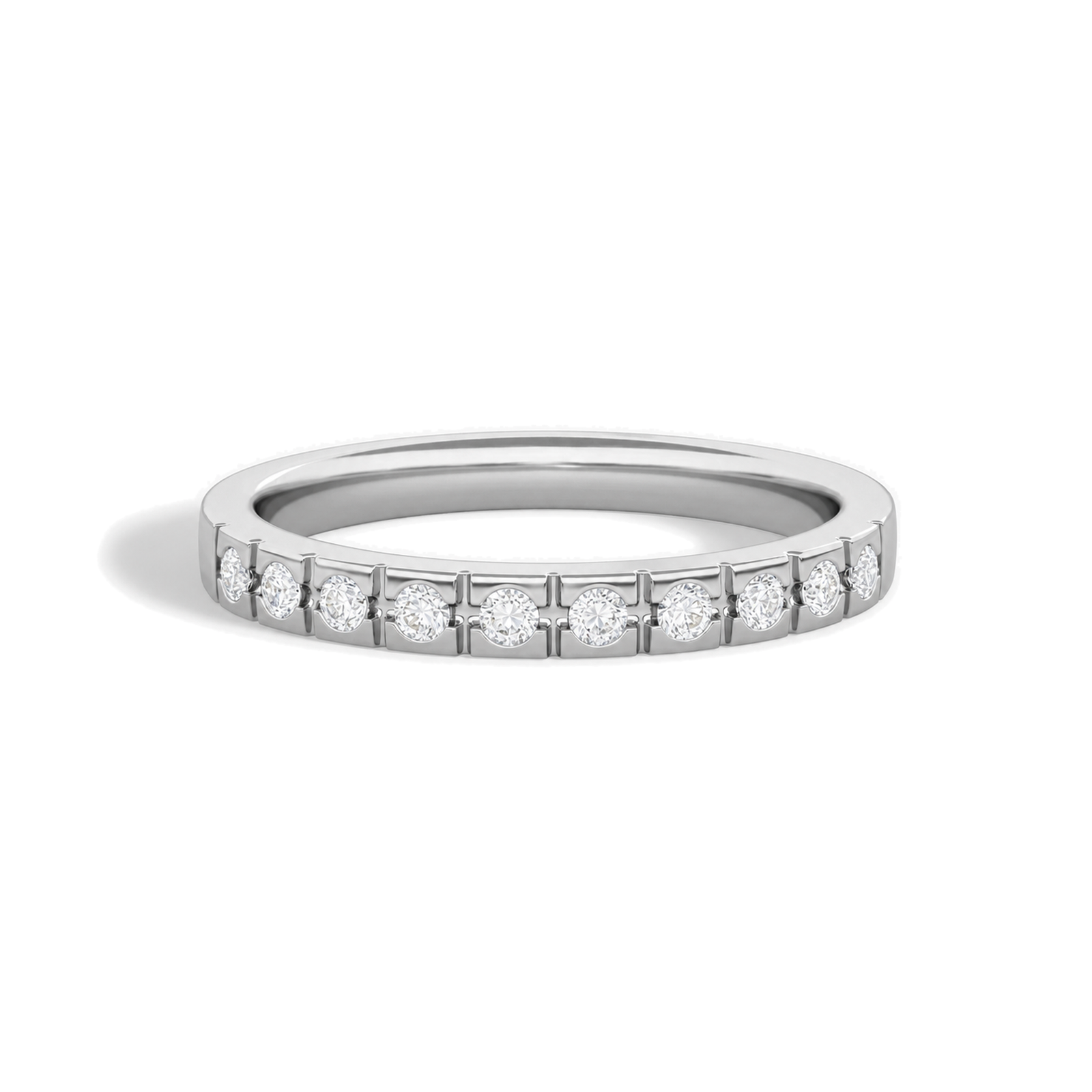
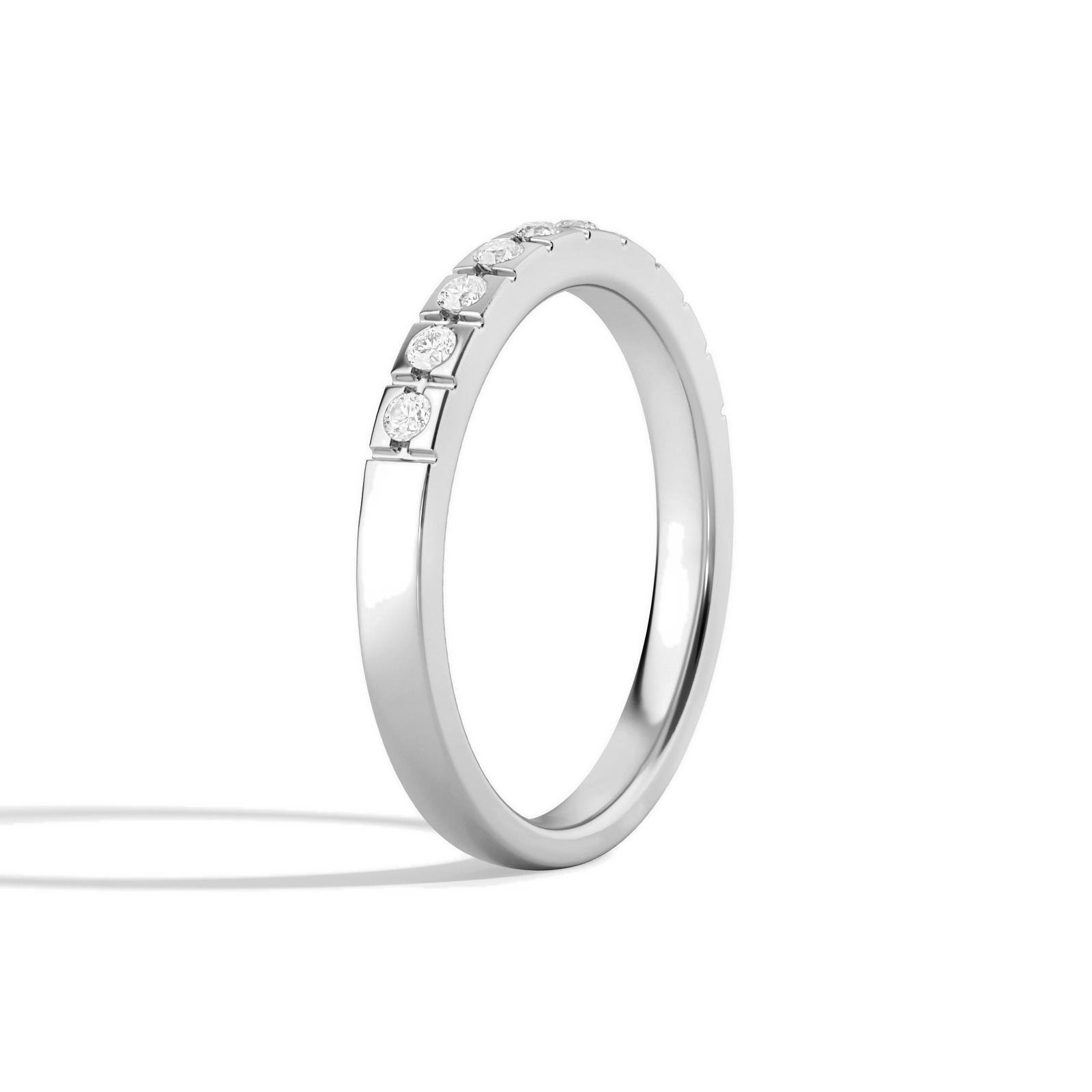

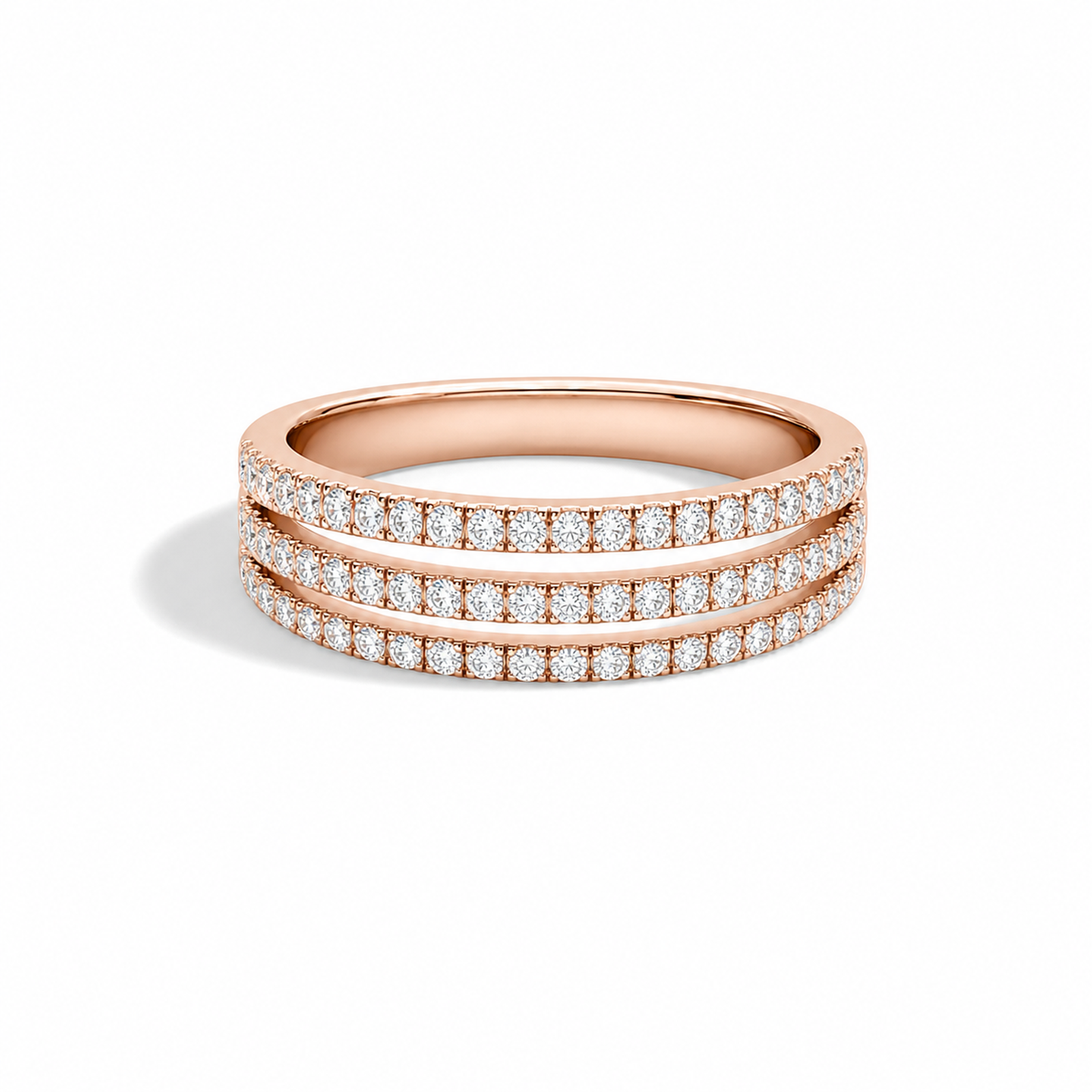
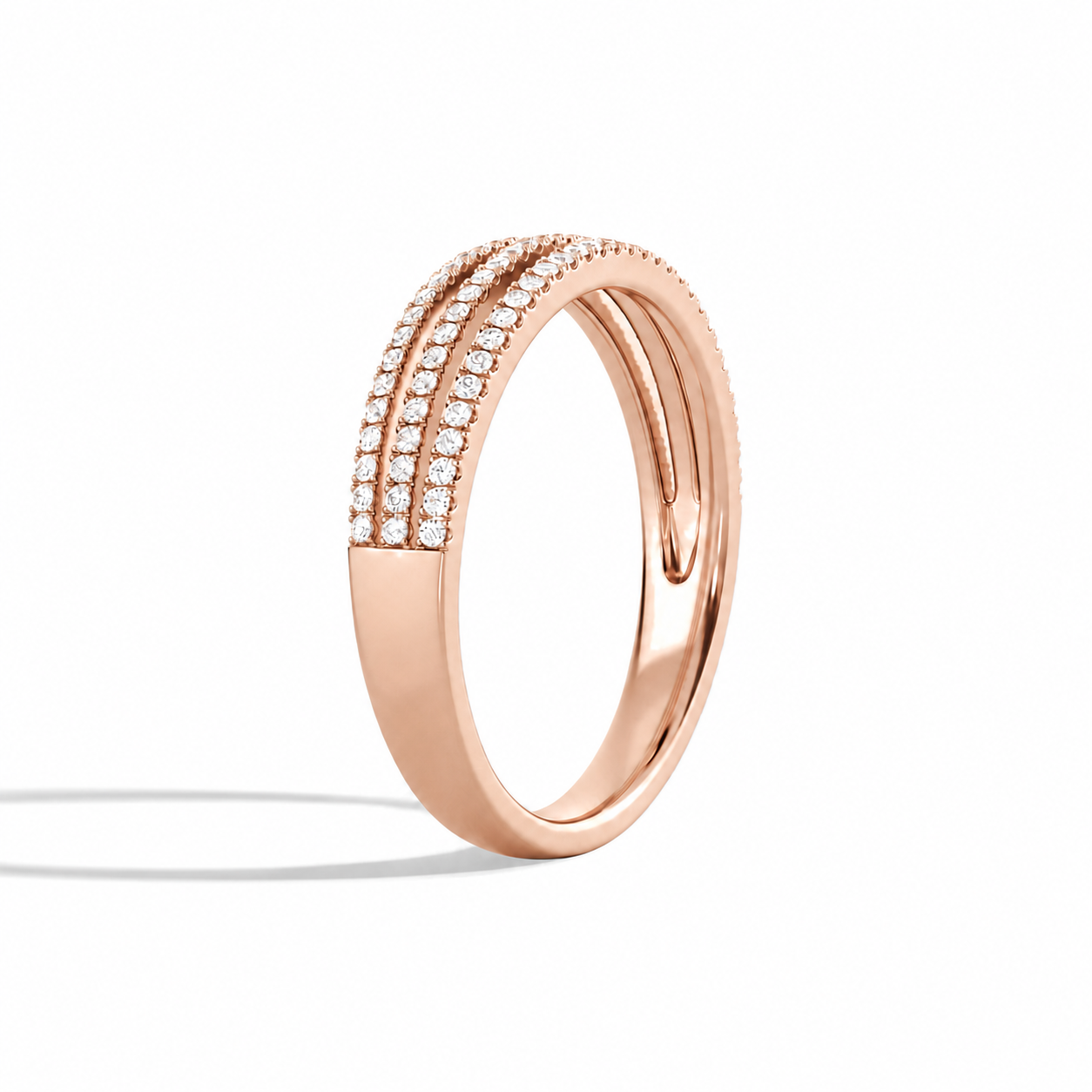

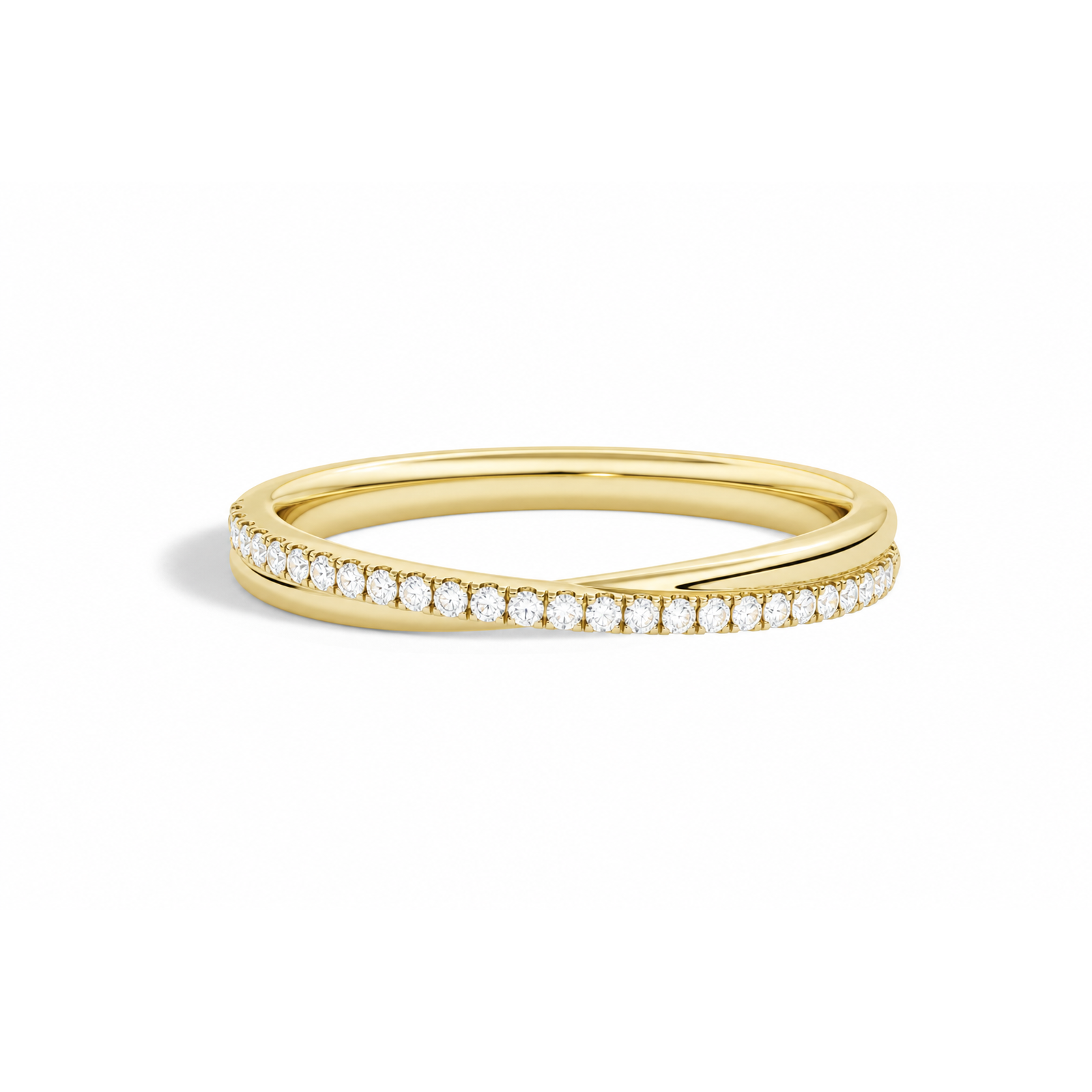
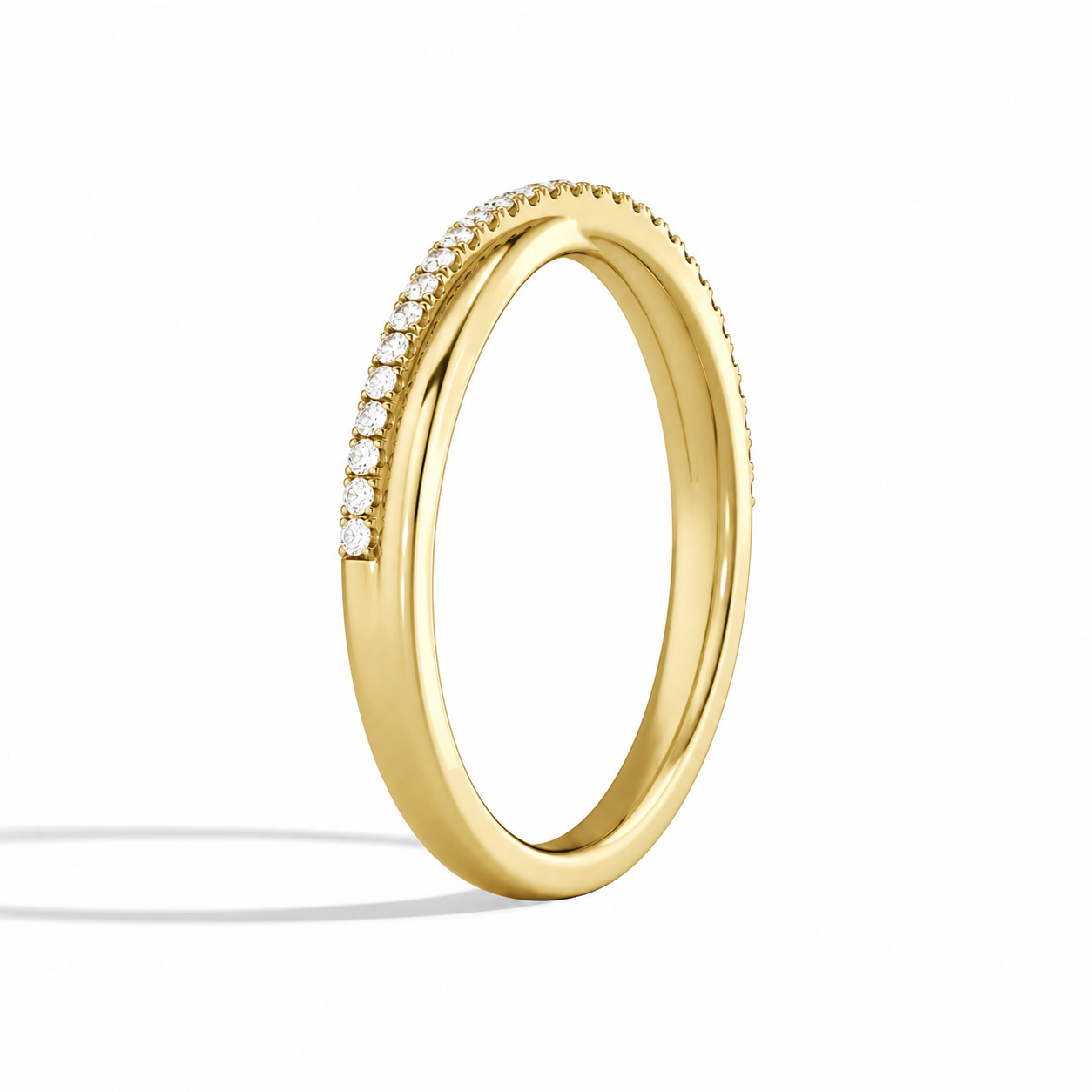

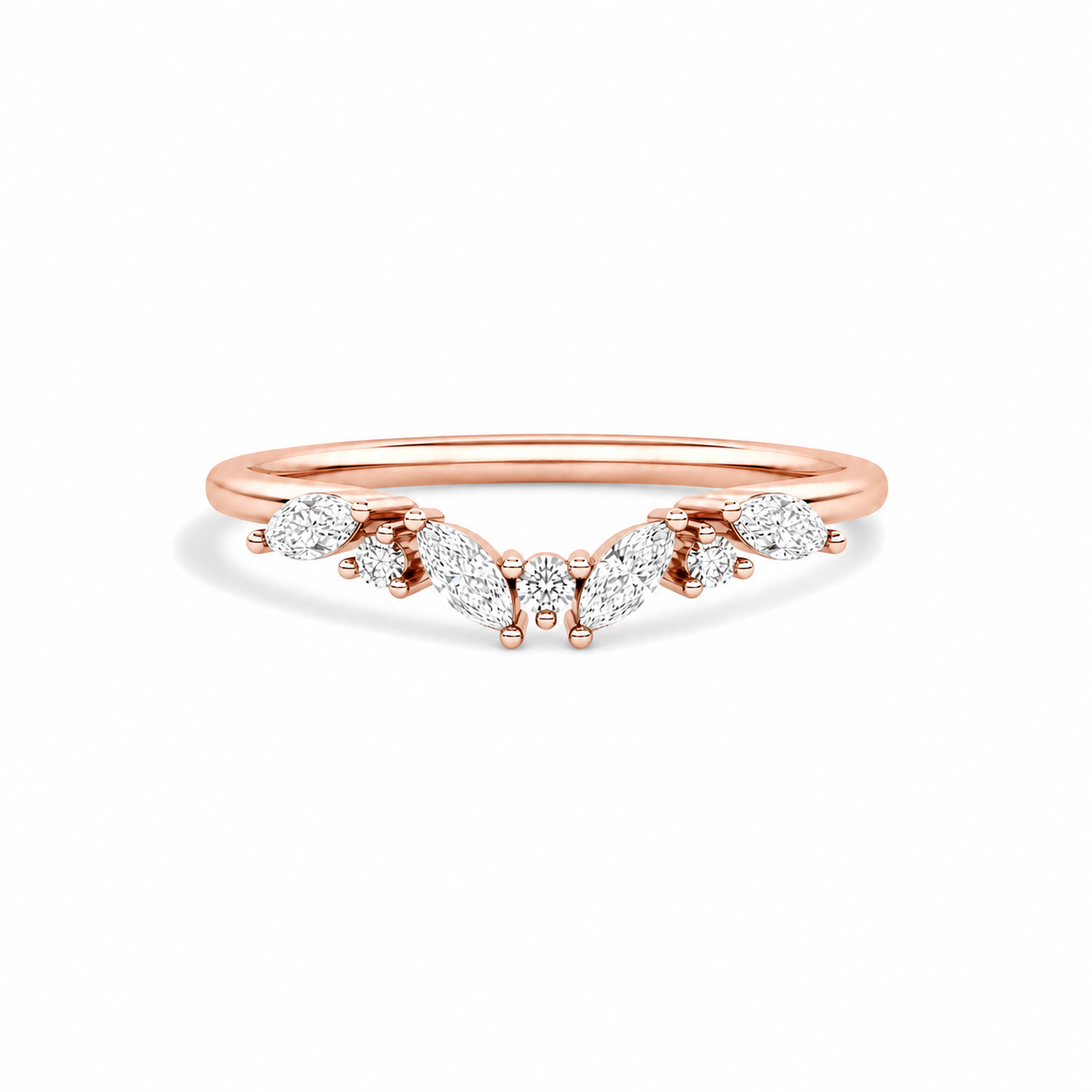


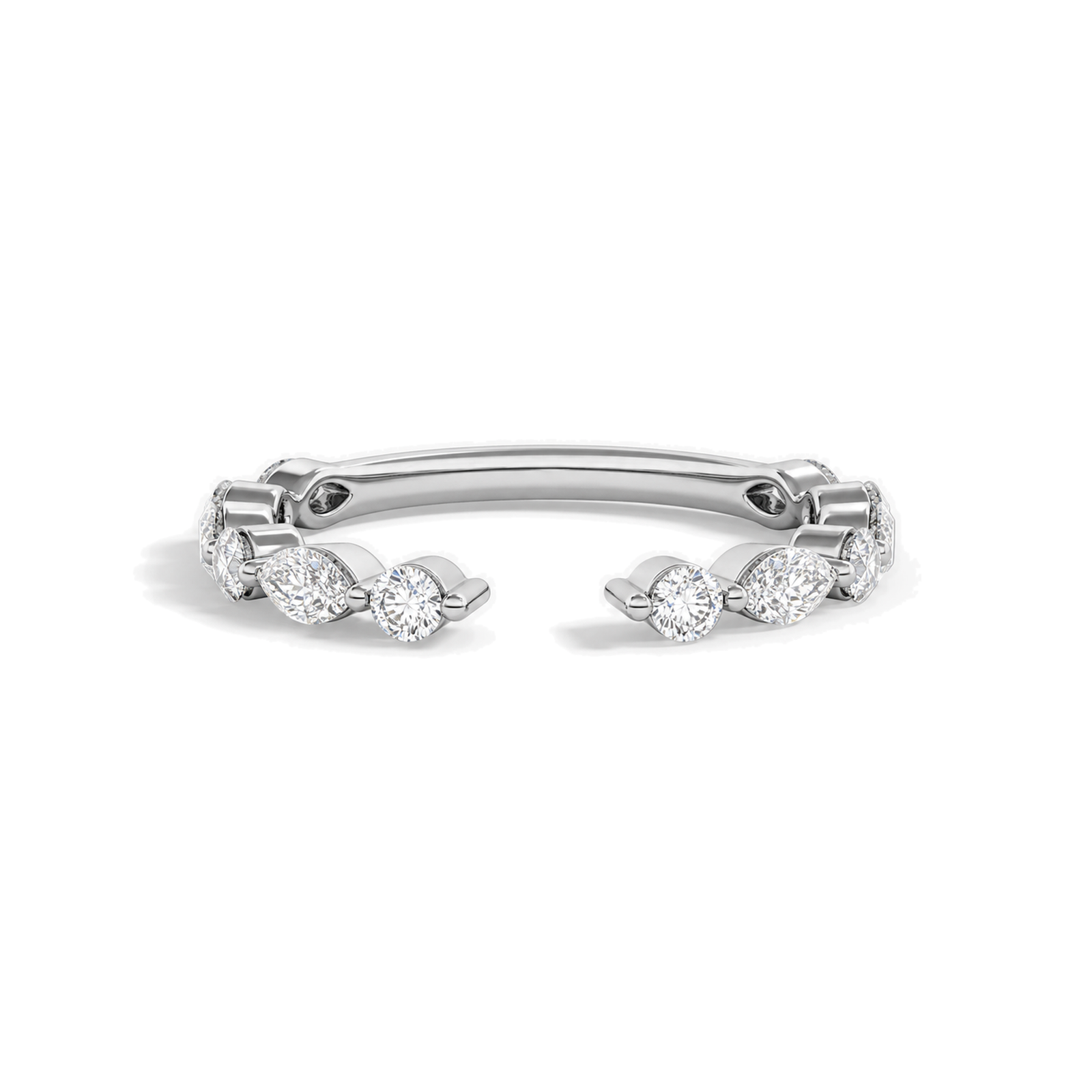
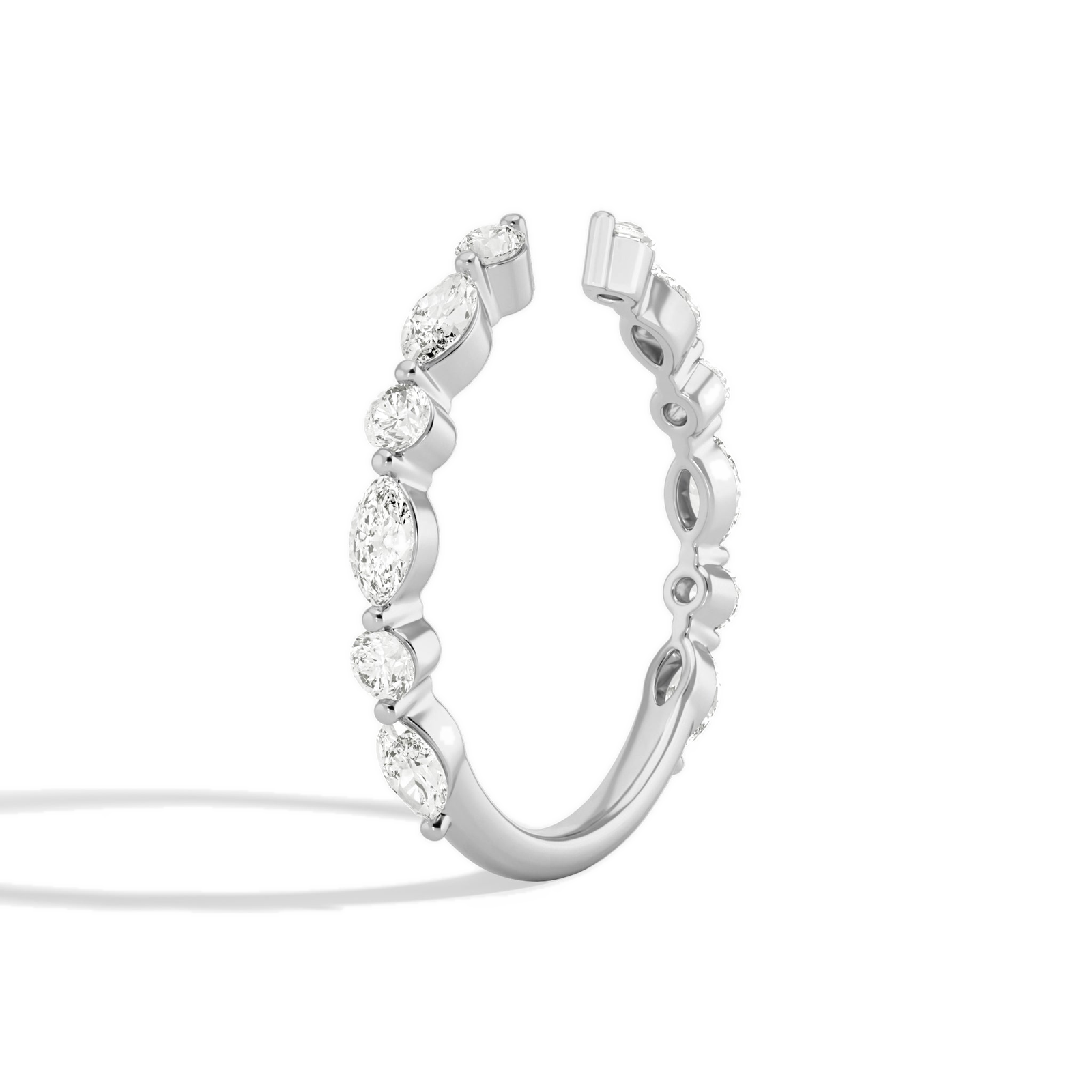
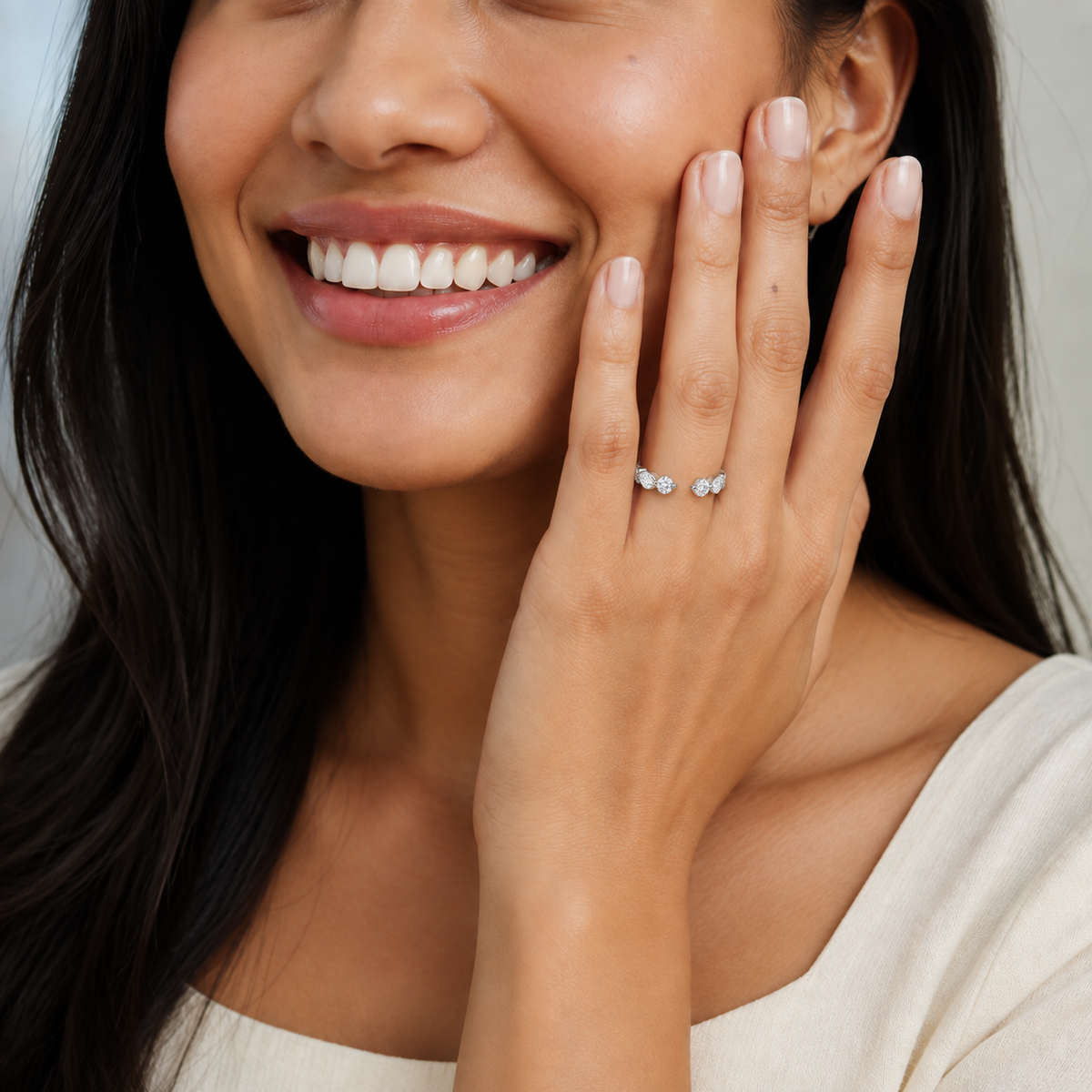
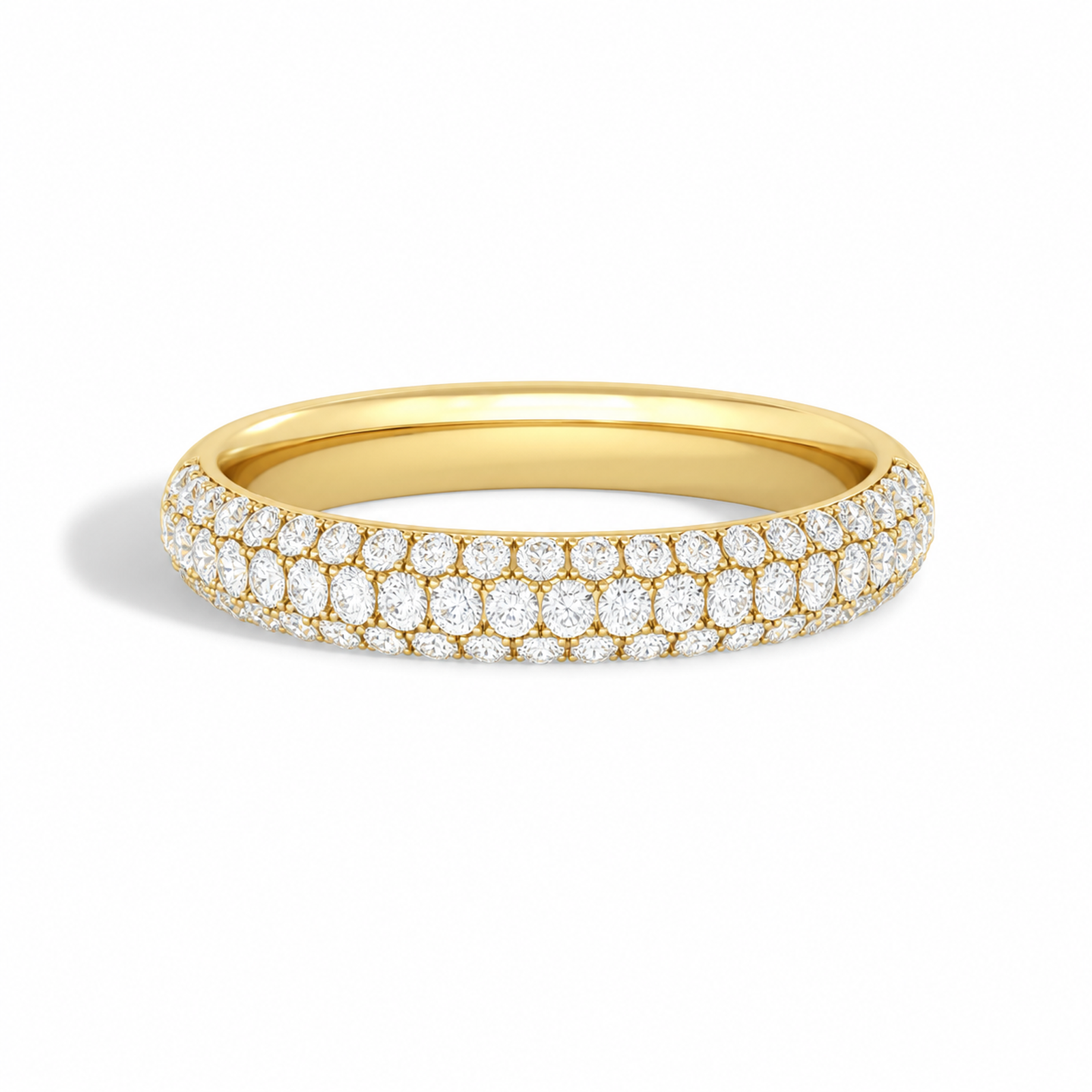
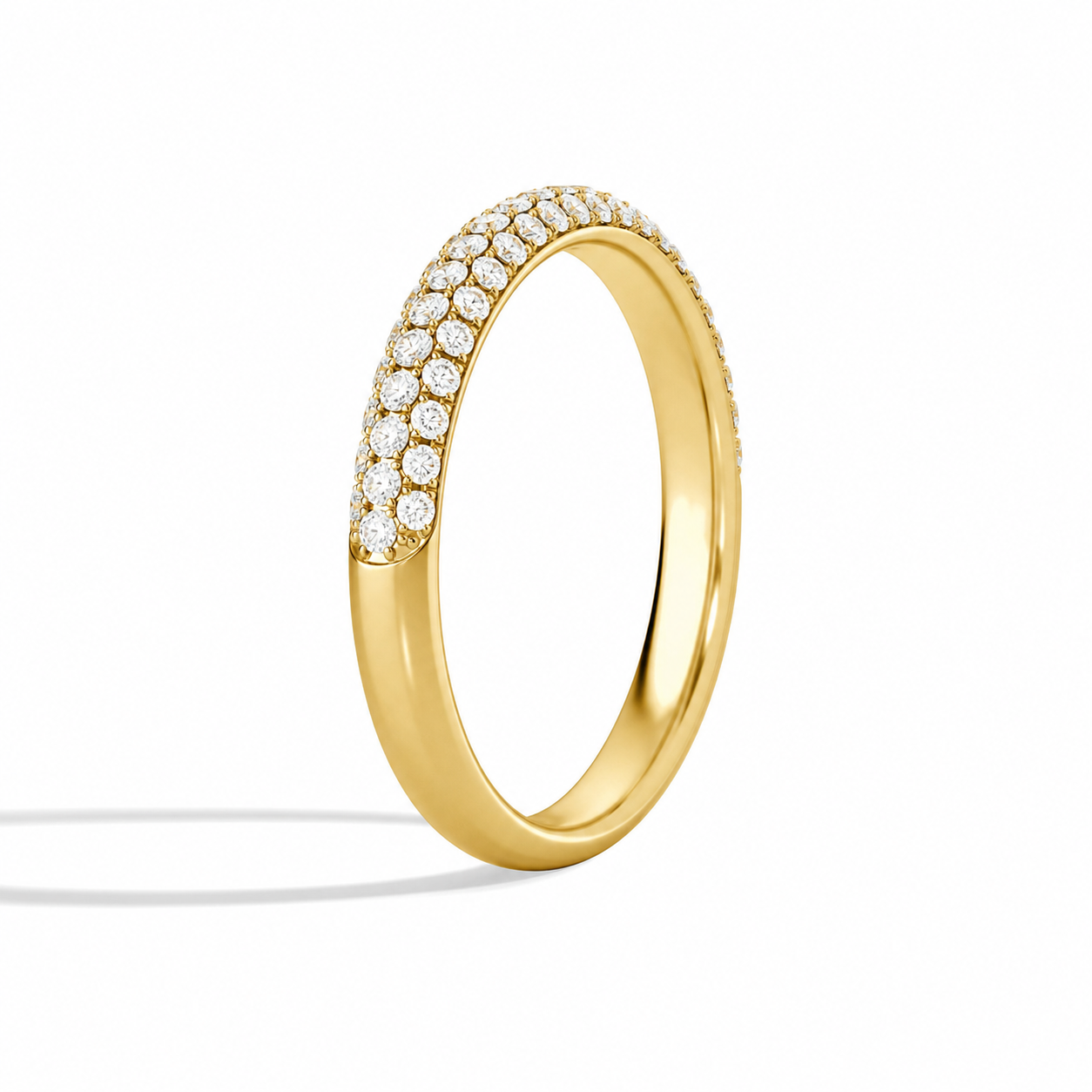

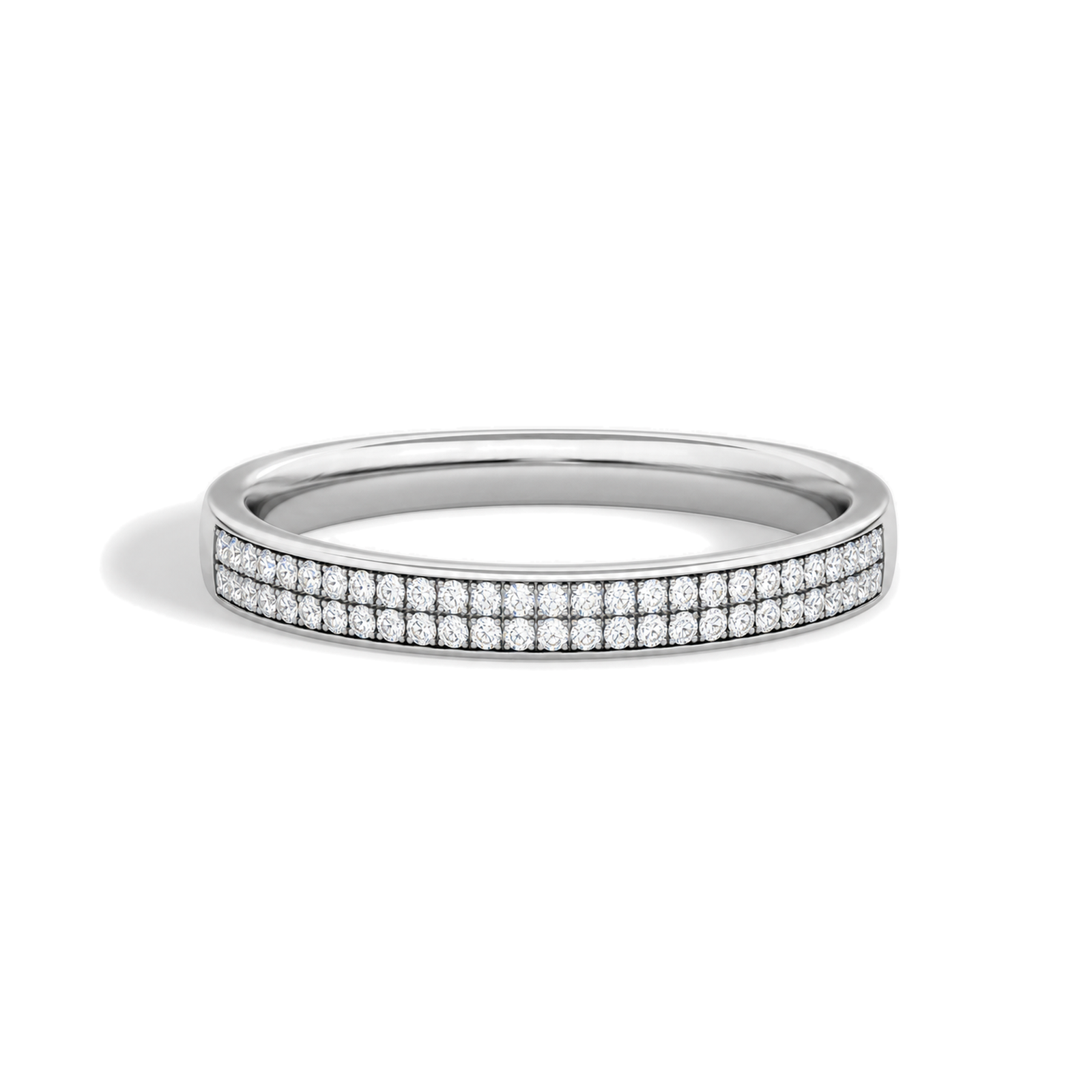
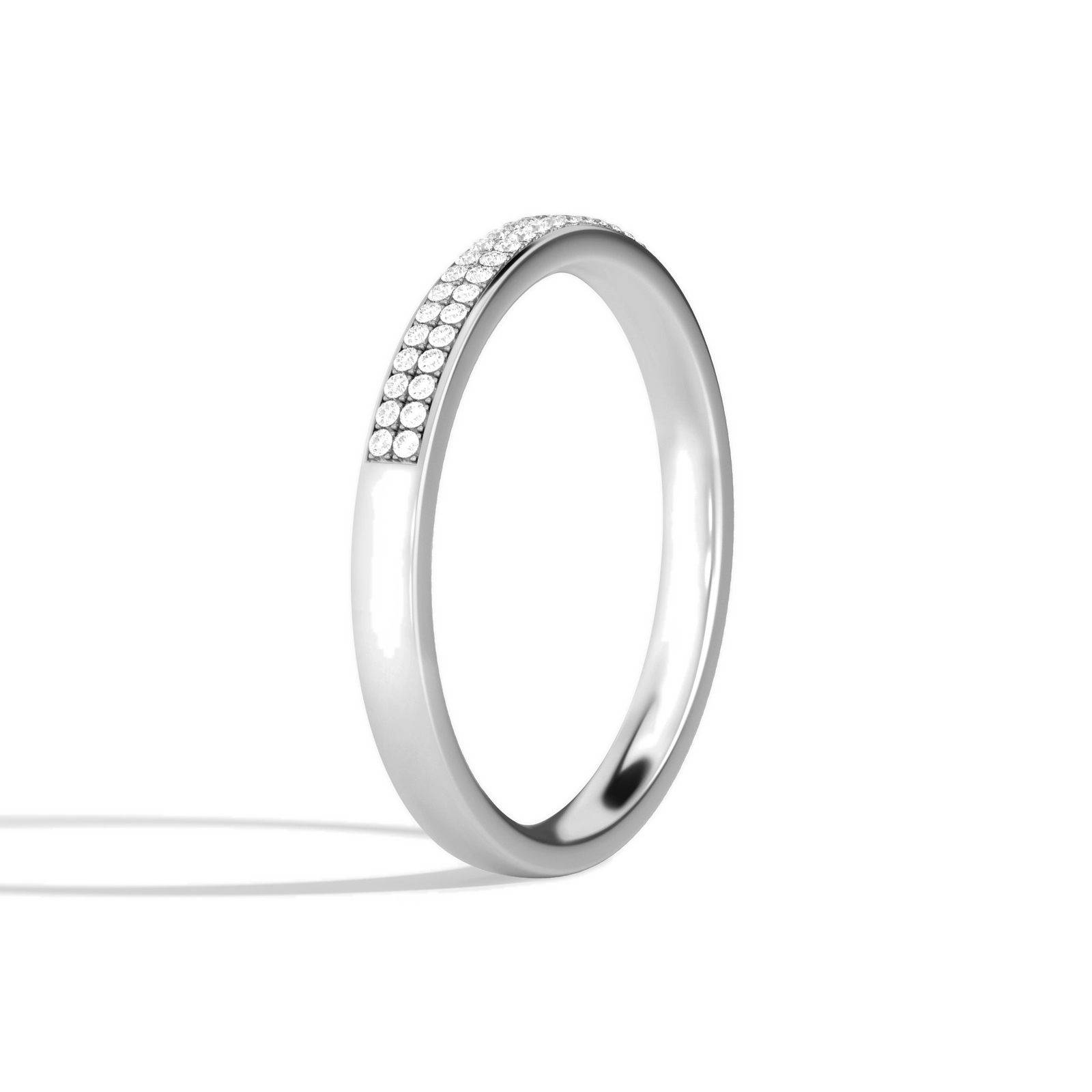

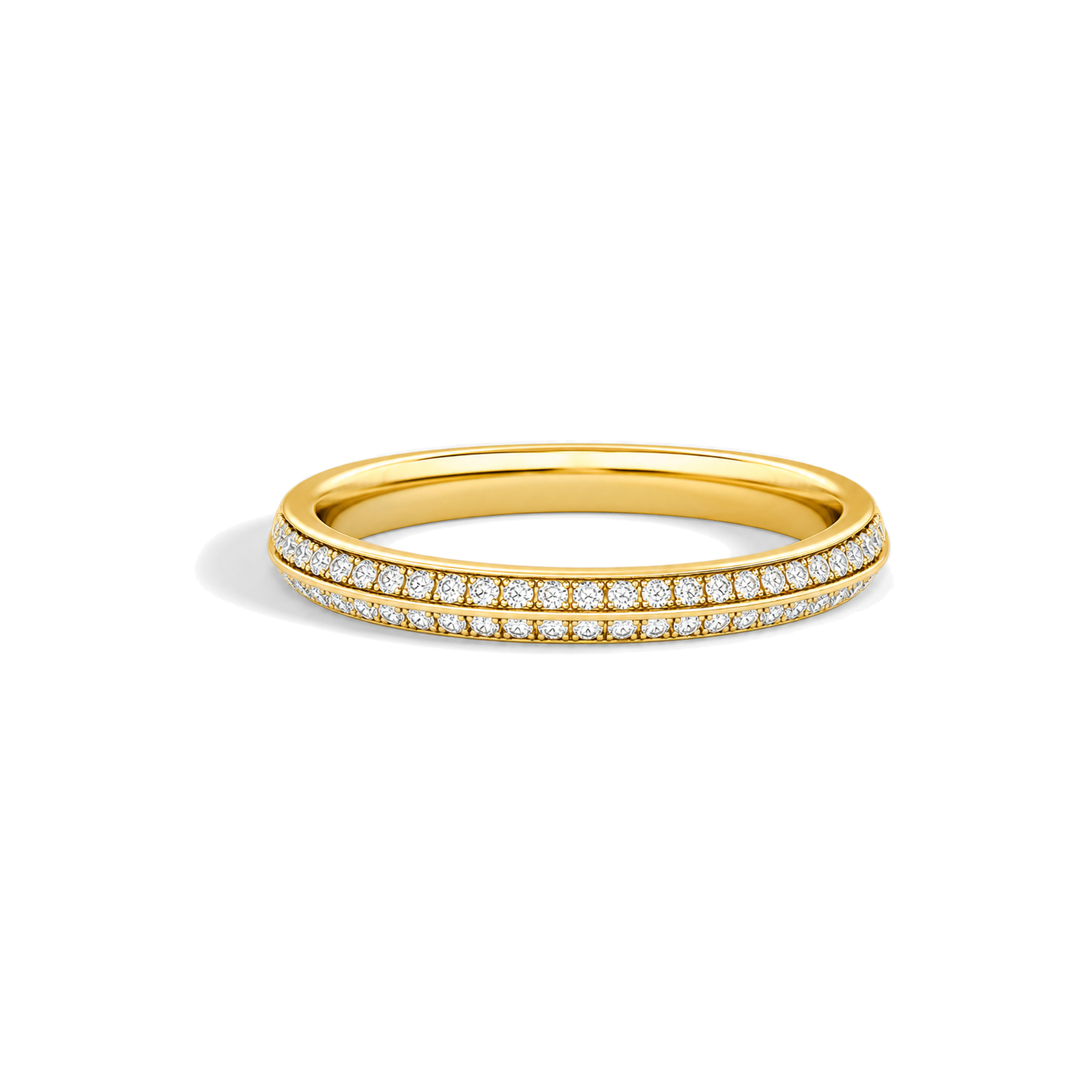
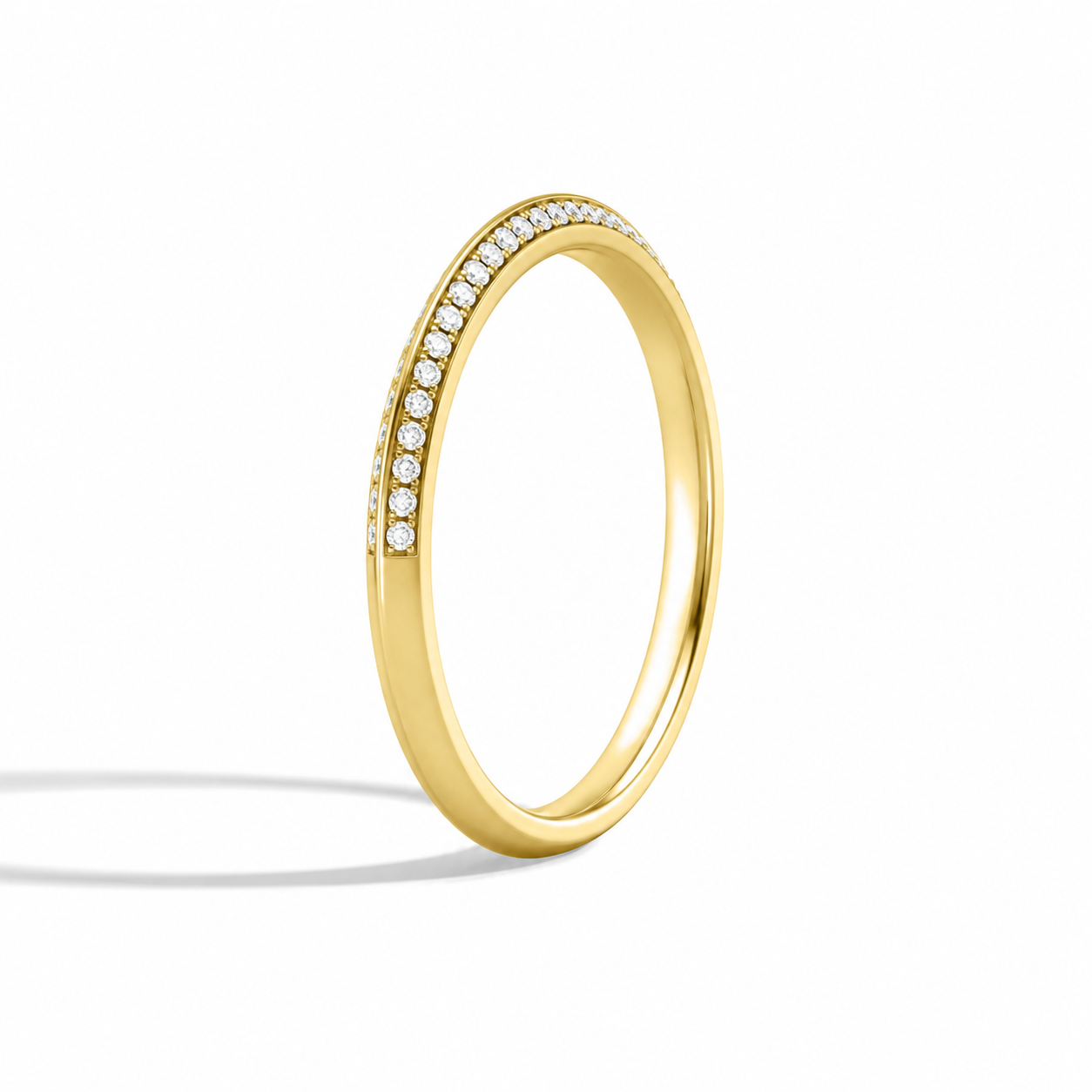

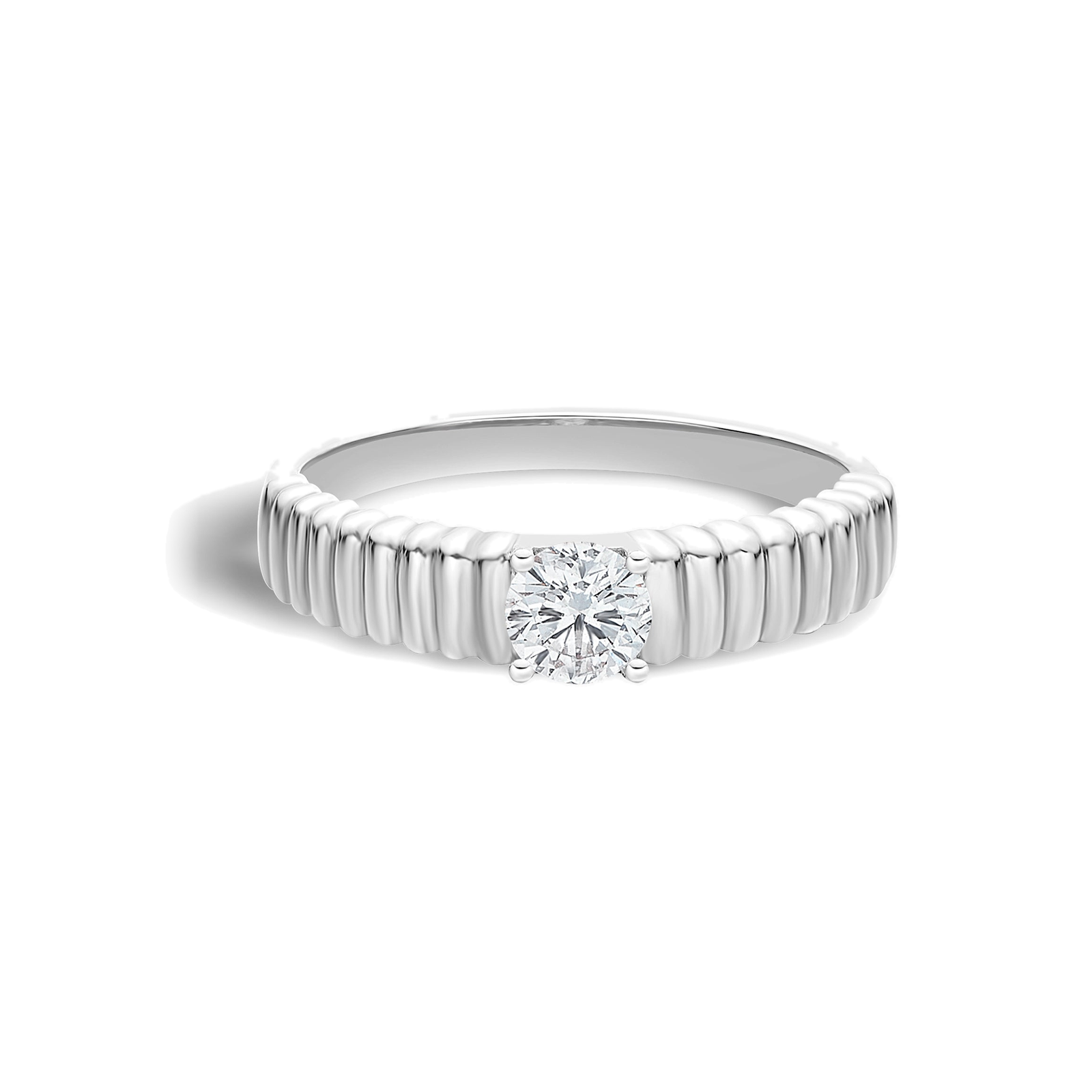
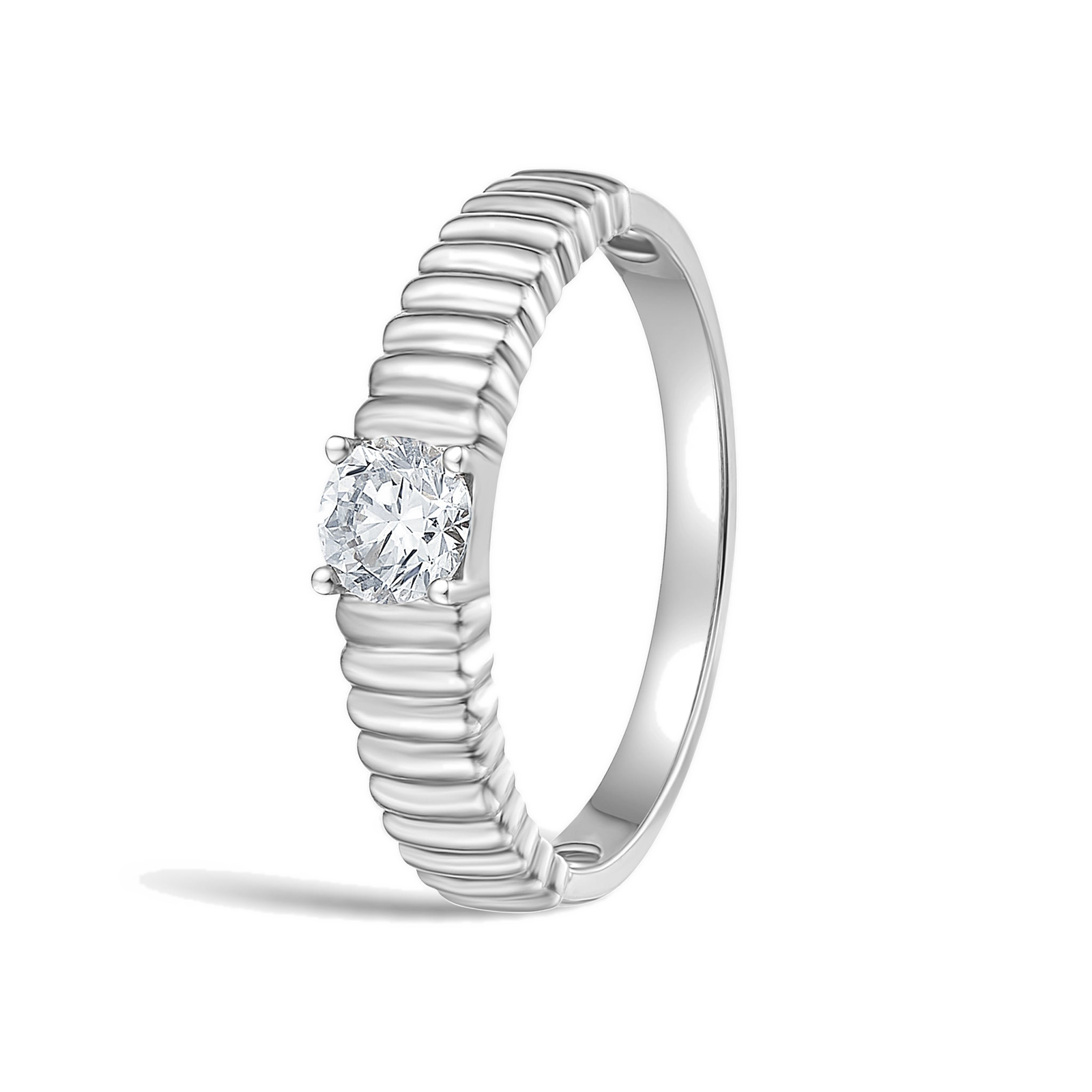

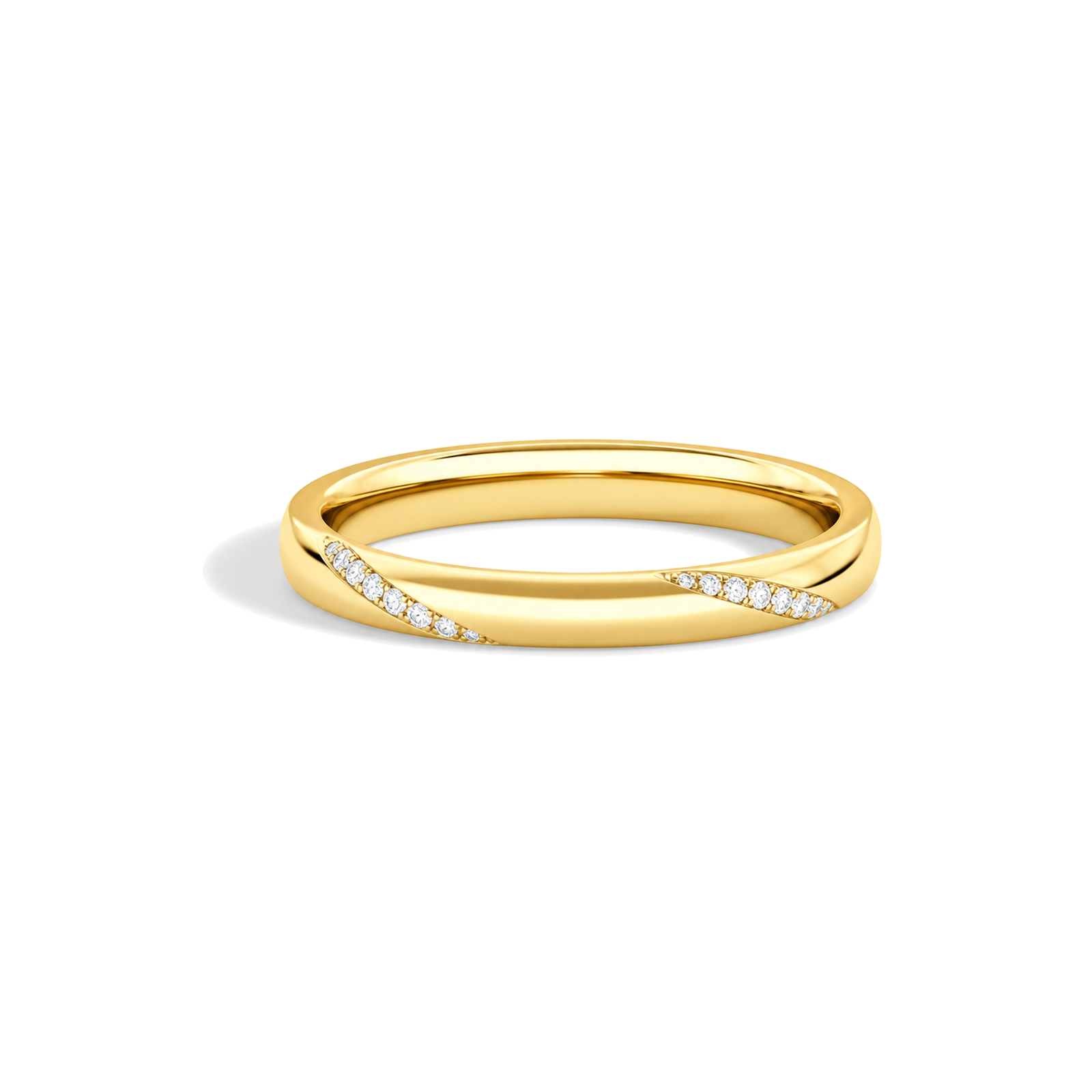
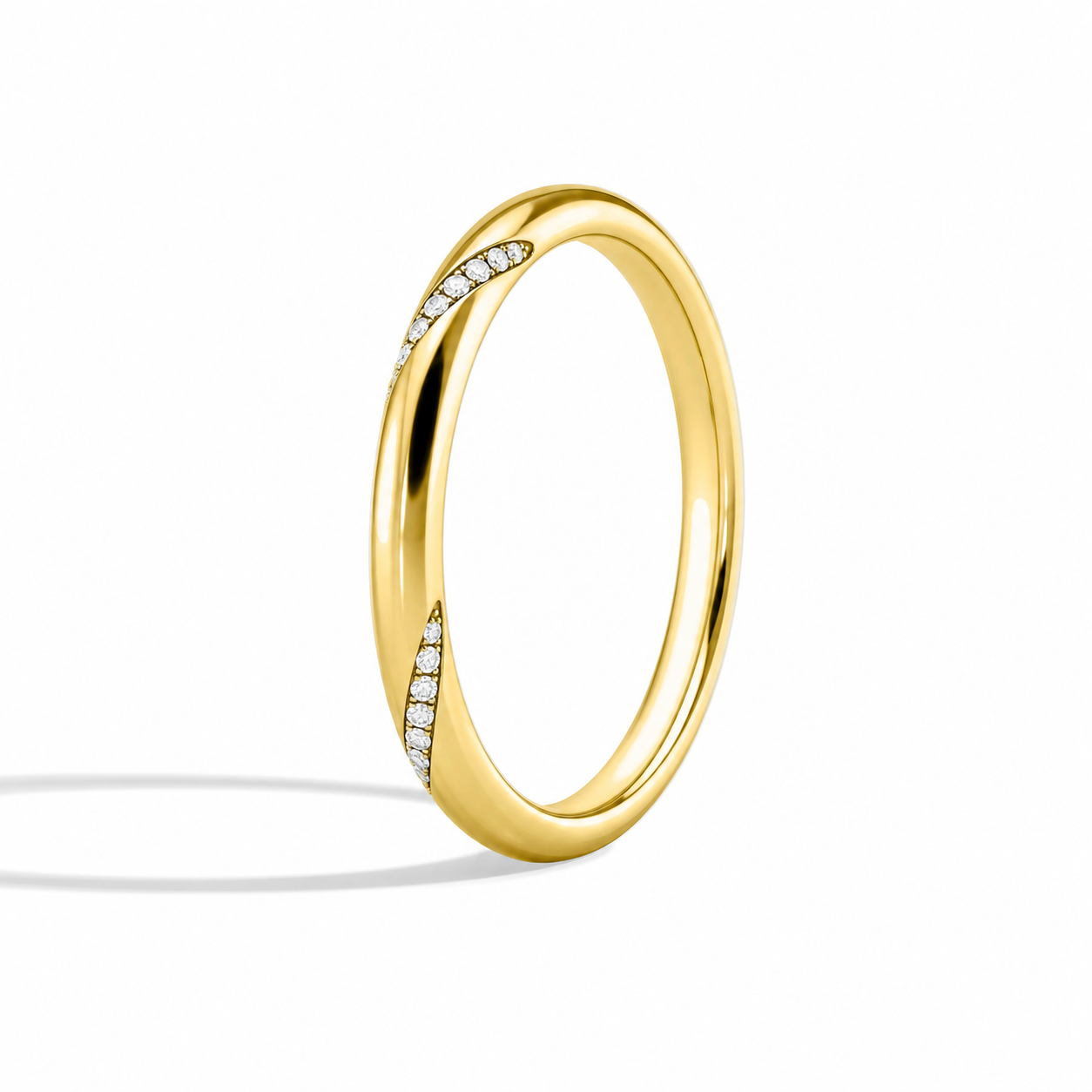

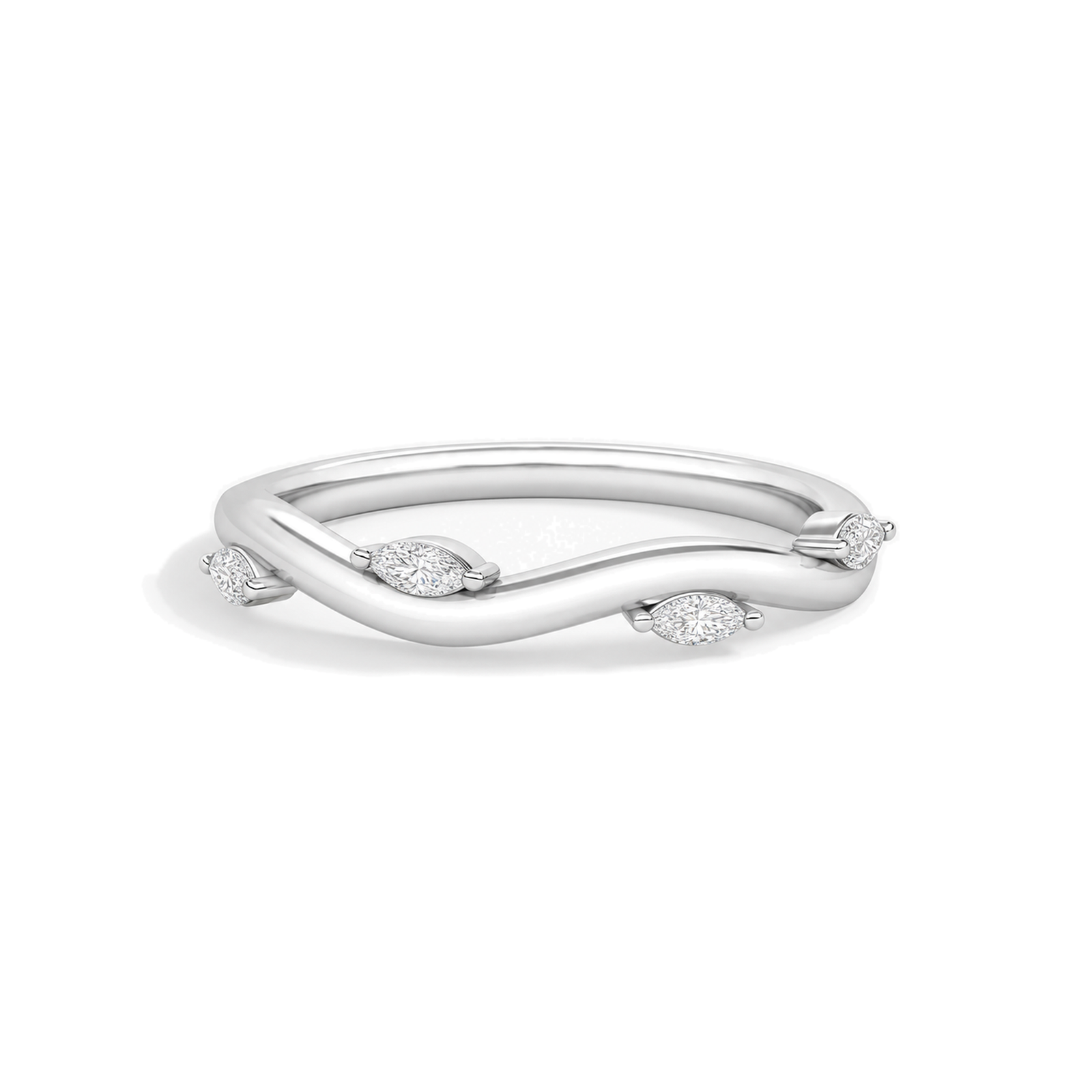
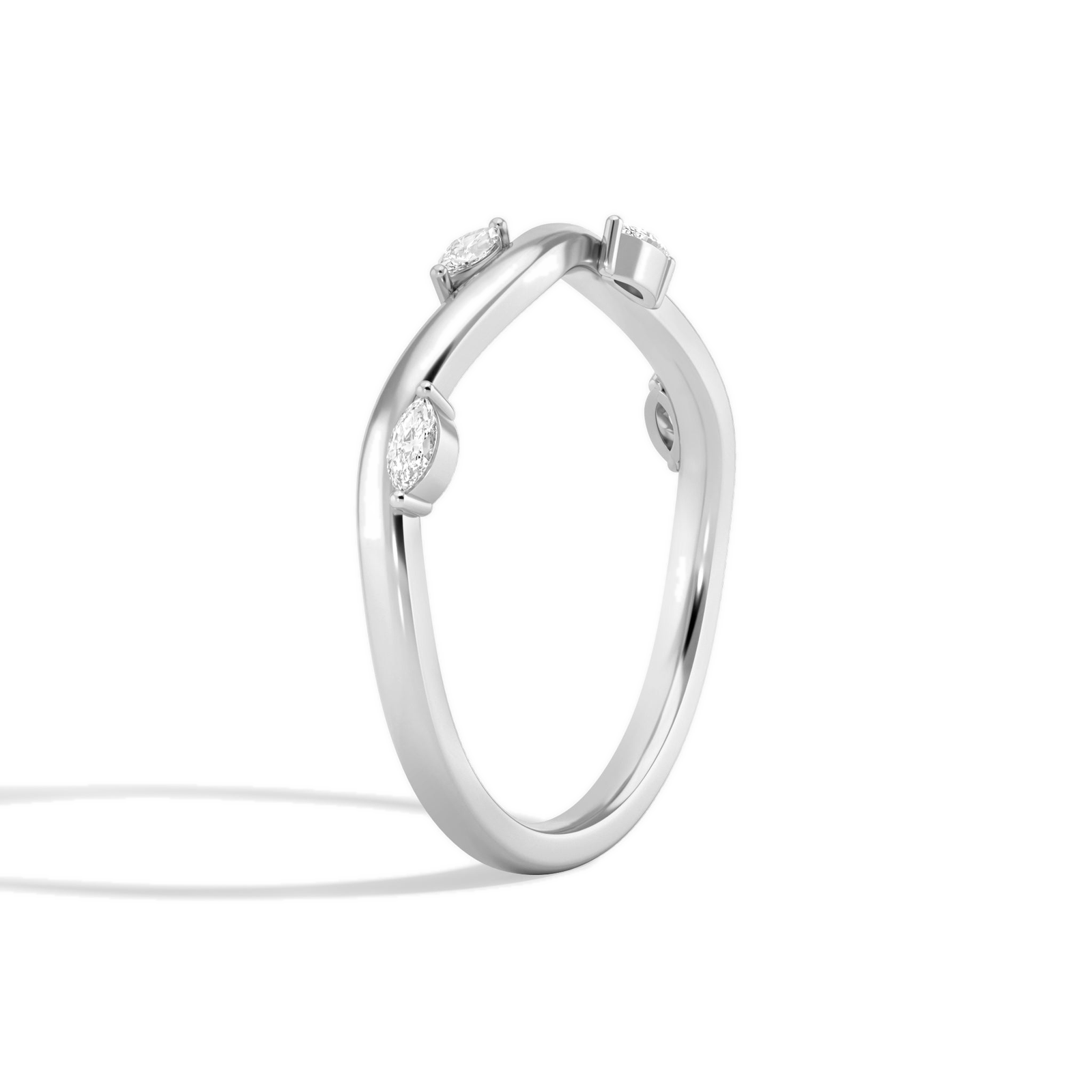

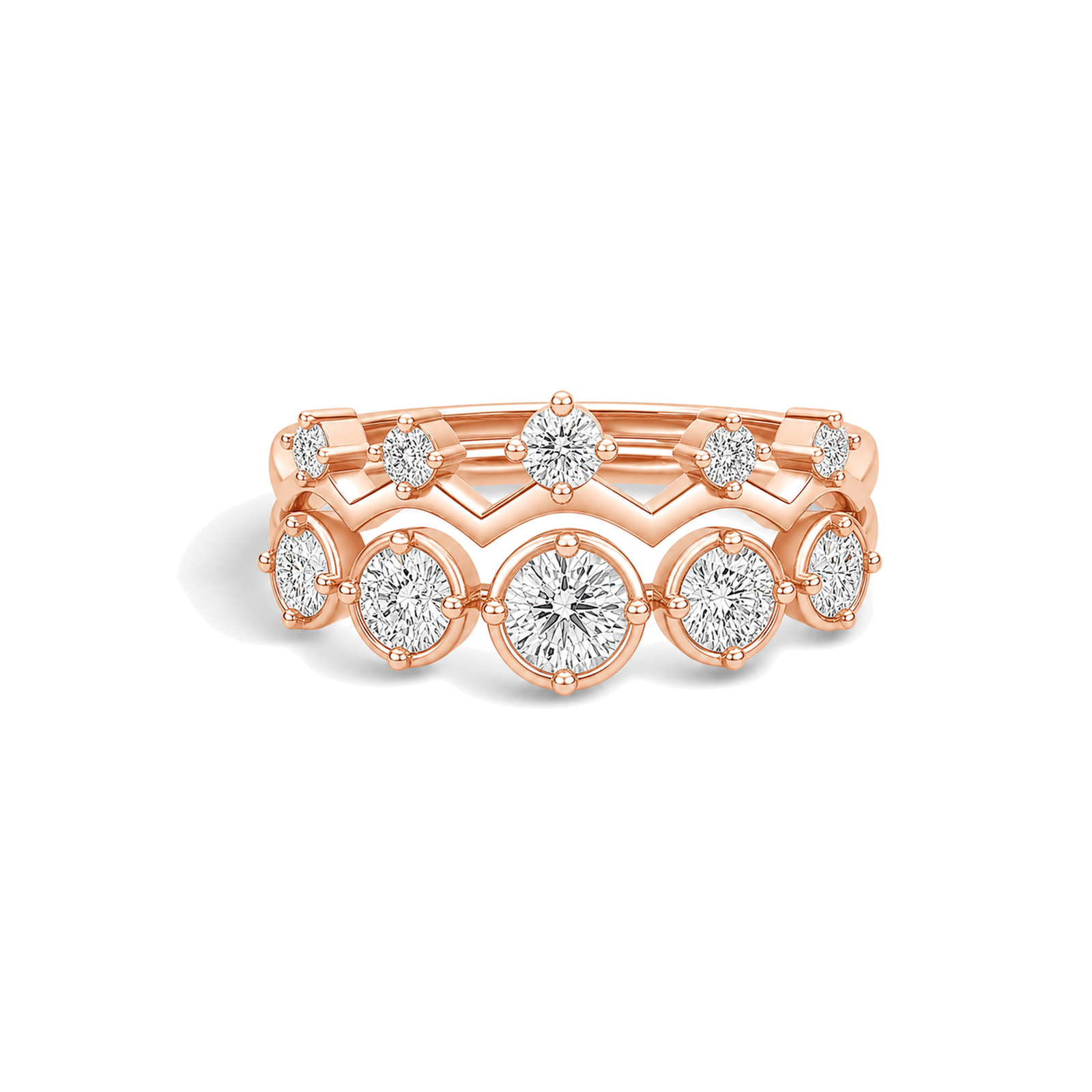


Form, Chosen Without Prescription
A fashion ring is not defined by novelty or a season. It is a ring chosen first for its point of view: the way a line turns, a diamond interrupts the surface, an opening changes the silhouette, or a setting gives the hand a new proportion. It may mark something personal, but it does not need an engagement, wedding, or anniversary role to feel complete.
Burvonti’s current public Fashion Ring Collection contains 69 products and exactly matches both the parent Lab-Grown Diamond Ring and Anniversary Ring Collections at product-ID level. It spans bezel, channel, eternity, curved, open, stacking, crossover, comfort-fit, textured, and wedding-band-titled forms. This page is therefore a design lens across the same ring universe—not an exclusive assortment or proof that every product was created only for fashion wear.
Begin with the Gesture
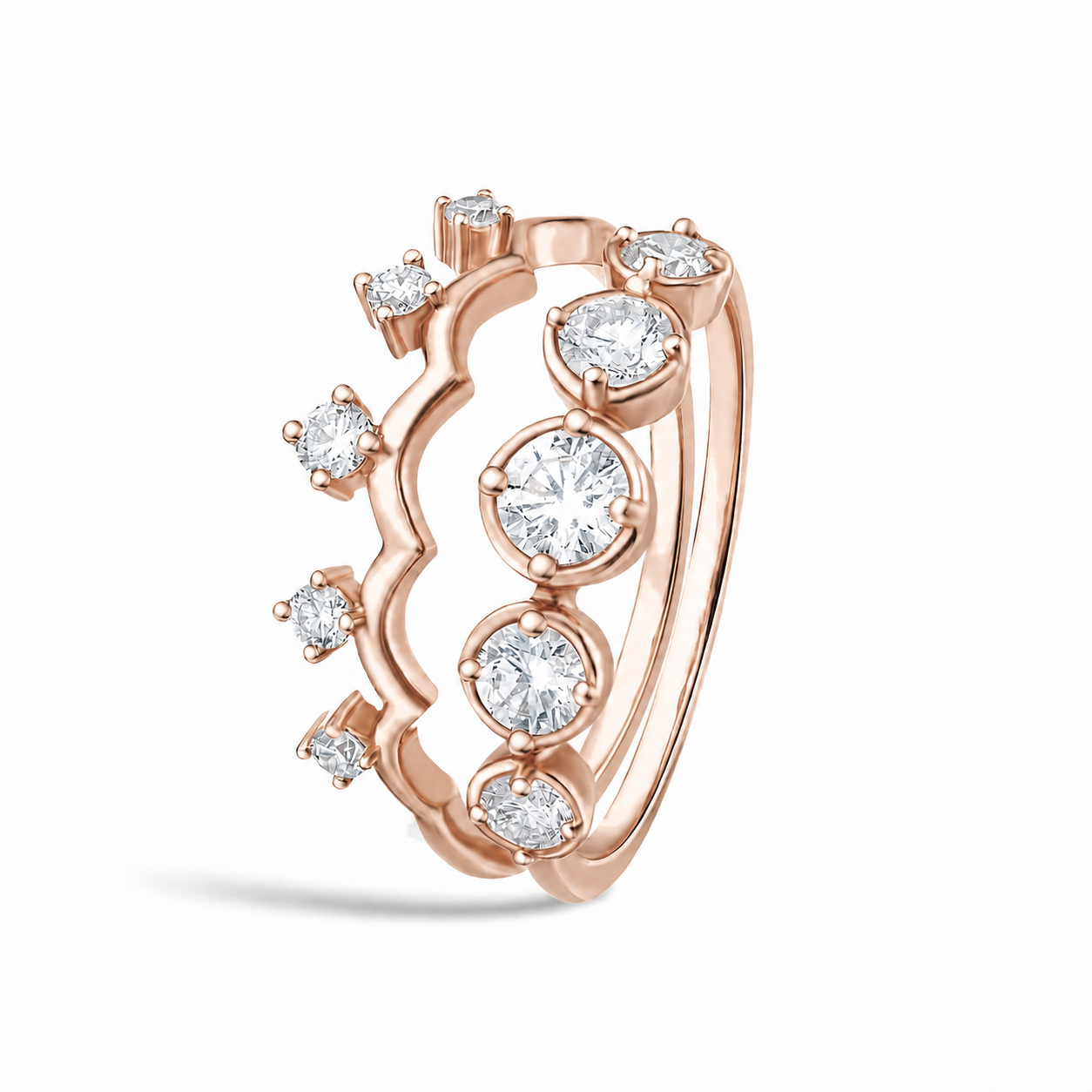
Some rings establish a continuous horizon around the finger. Others cross, split, curve, open, rise into a crown, or hold one diamond as punctuation. Begin by asking what the ring does visually before deciding what it is called. Direction, pause, repetition, and asymmetry often reveal more than a broad style label.
A quiet gesture can have strong identity. A slim bezel, single interruption, or measured curve may feel more resolved than a larger composition when its proportion is exact. Burvonti does not equate fashion with maximal scale, trend, boldness, or ornament.
Negative Space Is Material
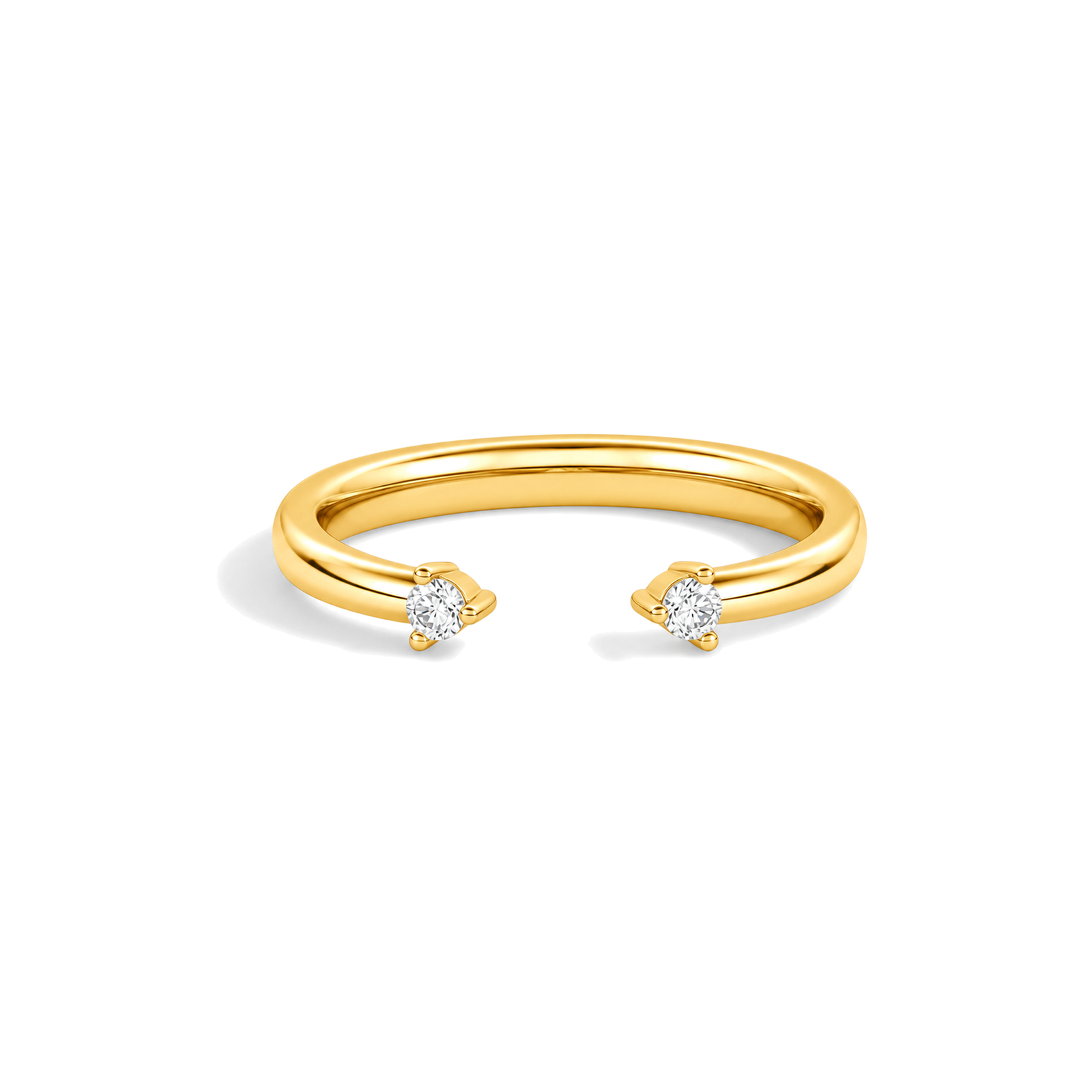
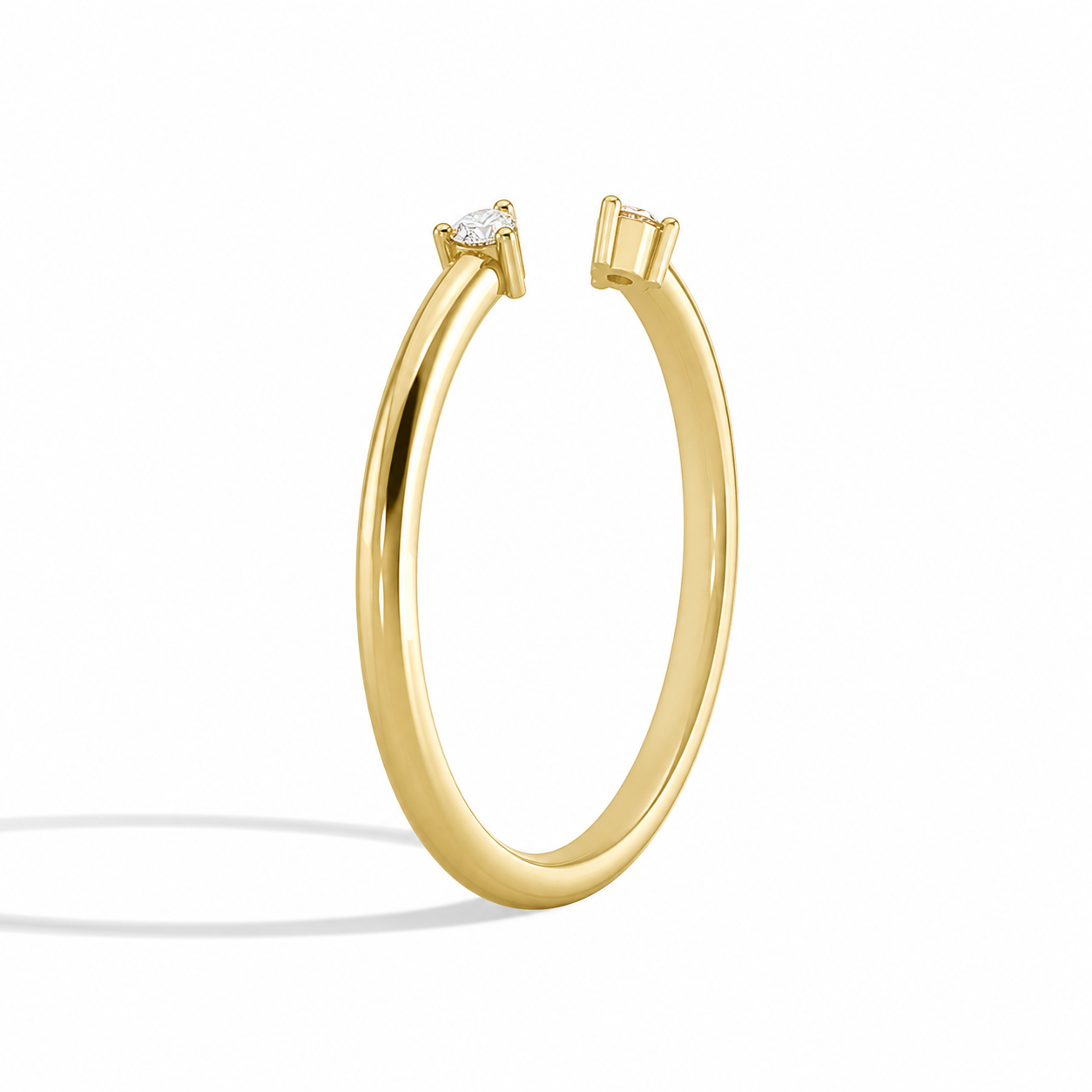
Open rings, crossed lines, curved bands, and spaced settings make the uncovered finger part of the design. Space can separate two diamonds, preserve the outline of an adjoining ring, or allow a directional form to remain legible. It is not simply the absence of metal or stones.
Read open ends and projecting details from every angle. Negative space can change with rotation, finger position, and stacking. No open construction guarantees adjustability, flexibility, snag resistance, or a fixed orientation.
Scale Is More Than Width
Current published average widths span 1.4 to 5.0 mm. Width influences presence, but profile height, spread across the finger, diamond dimensions, line count, setting, and visible metal can make similar measurements read differently. A ring may be narrow at the shank and expansive across its face.
Current TCW options span 1/9 to 3 across 61 products; eight show Default Title instead. Total weight does not describe silhouette, count, distribution, coverage, or visual authority. Choose scale through the complete object and the hand that carries it.
Setting Gives the Diamond a Voice
Bezel edges draw a continuous boundary. Channels create a track. Prongs establish discrete contacts and intervals. Milgrain, engraving, facets, ribbing, or polished metal can shift attention from pure diamond repetition toward surface and construction. The same diamond shape can feel restrained, graphic, or directional depending on how it is held.
Current named shapes include Round, Marquise, Trapezoid, Princess, Emerald, and Heart; eight products do not name a shape in the same field. Shape should be read with orientation, spacing, and setting rather than as a style conclusion on its own.
Standalone Presence and Layered Roles
A ring worn alone needs no supporting piece if its proportion and gesture feel complete. In a stack, that same ring may become an interval, a directional accent, or the anchor around which quieter bands are ordered. Fashion does not require multiple rings, and stacking does not reduce an individual design to decoration.
When layering, compare height, edge, contour, open ends, settings, combined width, and movement. A visual relationship does not guarantee mechanical compatibility, and no position or spacer prevents all abrasion, pressure, impact, or catching.
Metal Changes the Register
Current cards represent 28 14K White Gold, 28 14K Yellow Gold, and 13 14K Rose Gold designs. White metal may quiet the boundary around near-colorless-looking diamonds; yellow or rose metal can make line and interval more explicit. Actual effect depends on finish, rhodium treatment where applicable, light, skin, and setting coverage.
A ring can coordinate with an existing jewelry wardrobe or become its deliberate exception. Matching metal names do not prove identical alloy, surface, age, or maintenance, while mixed metals require no fixed ratio to appear considered.
Fit Belongs to the Intended Wear
The intended finger, ring position, width, inner profile, knuckle, temperature, swelling, and neighboring pieces all affect fit. A ring moved between fingers may need a different size; a ring added to a stack may feel tighter because combined width increases contact across the finger.
Do not infer resizing or adjustability from an open, comfort-fit, or fashion label. Eternity coverage, channels, open ends, symmetry, engraving, settings, and requested size change can limit alteration.
Personal Meaning Without a Required Occasion
A fashion ring may be self-chosen, gifted, inherited, or selected to mark a private transition. Meaning can come from a shape, a date, a material relationship, or simply the experience of recognizing one’s own taste. It does not become less significant because it sits outside a prescribed ceremony.
Custom possibilities may refine proportion, contour, diamond arrangement, setting, metal, or a personal detail when technically feasible. Custom does not mean every design, material, size, timeline, or price can be changed.
Documentation and Care
Burvonti uses responsibly sourced lab-grown diamonds and supports independent grading and certification where applicable. One report does not automatically identify every accent diamond or the finished ring. Confirm what selected documentation covers.
Clean according to the complete construction and inspect diamonds, settings, open ends, channels, textured surfaces, edges, and stack contact points. Store without abrasive contact. A ring chosen for visual freedom still benefits from precise care.
Frequently Asked Questions
What is a diamond fashion ring?
It is a diamond ring chosen primarily for form and personal wear rather than a required engagement, wedding, or anniversary role.
Are fashion rings the same as cocktail rings?
Not necessarily. Cocktail rings often suggest larger focal designs; fashion rings can also be restrained, open, stackable, curved, textured, or band-led.
How many Fashion Rings are currently included?
The public Collection contains 69 products and exactly matches the current Ring and Anniversary Collections at product-ID level.
Are these rings exclusive to the Fashion Collection?
No. This is a design-led navigation lens across the same current 69-ring universe, not an exclusive assortment.
Do fashion rings need to follow current trends?
No. Choose through form, proportion, setting, material, fit, and personal relevance rather than a seasonal trend list.
Can a fashion ring mark a meaningful occasion?
Yes. It may be self-chosen or mark a private milestone without adopting a prescribed ceremonial category.
Can fashion rings be worn alone?
Yes. A ring with resolved line, scale, surface, or negative space can be complete as a standalone design.
Can fashion rings be stacked?
Possibly. Compare profile, edge, contour, open ends, settings, combined width, movement, and contact before layering.
What structures are currently represented?
Current membership spans bezel, channel, eternity, curved, open, stacking, crossover, comfort-fit, textured, accented, and band-led forms.
Which diamond shapes are currently named?
Named details include Round, Marquise, Trapezoid, Princess, Emerald, and Heart; eight products do not name a shape in the same field.
What widths are currently represented?
Published average widths span 1.4 to 5.0 mm. Face-up spread and profile may differ from shank width.
What Total Carat Weights are currently represented?
Sixty-one products show options from 1/9 to 3 TCW; eight show Default Title. Total alone does not define visual scale.
Which metals are currently represented?
Current cards represent 14K White, Yellow, and Rose Gold. Exact alloy, finish, plating, sensitivity, maintenance, and alternatives remain product-specific.
Can I mix a fashion ring with other metals?
Yes as an aesthetic choice. No ratio is required, and mixed or matched metals can still wear at contact points.
Are open fashion rings adjustable?
Not automatically. Opening, flexibility, size range, setting stress, and alteration feasibility must be confirmed per product.
Which finger should hold a fashion ring?
There is no required finger. Choose according to fit, proportion, activity, neighboring rings, and how the design is intended to be read.
How should I choose a fashion ring as a gift?
Consider verified size, existing jewelry, preferred metal and forms, intended finger, and whether the recipient favors standalone or layered wear.
Can a fashion ring be resized?
Possibly, but coverage, channels, open construction, symmetry, engraving, settings, and requested change affect feasibility.
Can a fashion ring be customized?
Proportion, contour, arrangement, setting, metal, or personal details may be possible after technical review.
How should a diamond fashion ring be cared for?
Clean gently, inspect settings and structural details, and store without abrasive contact, especially for open, textured, or stacked designs.