
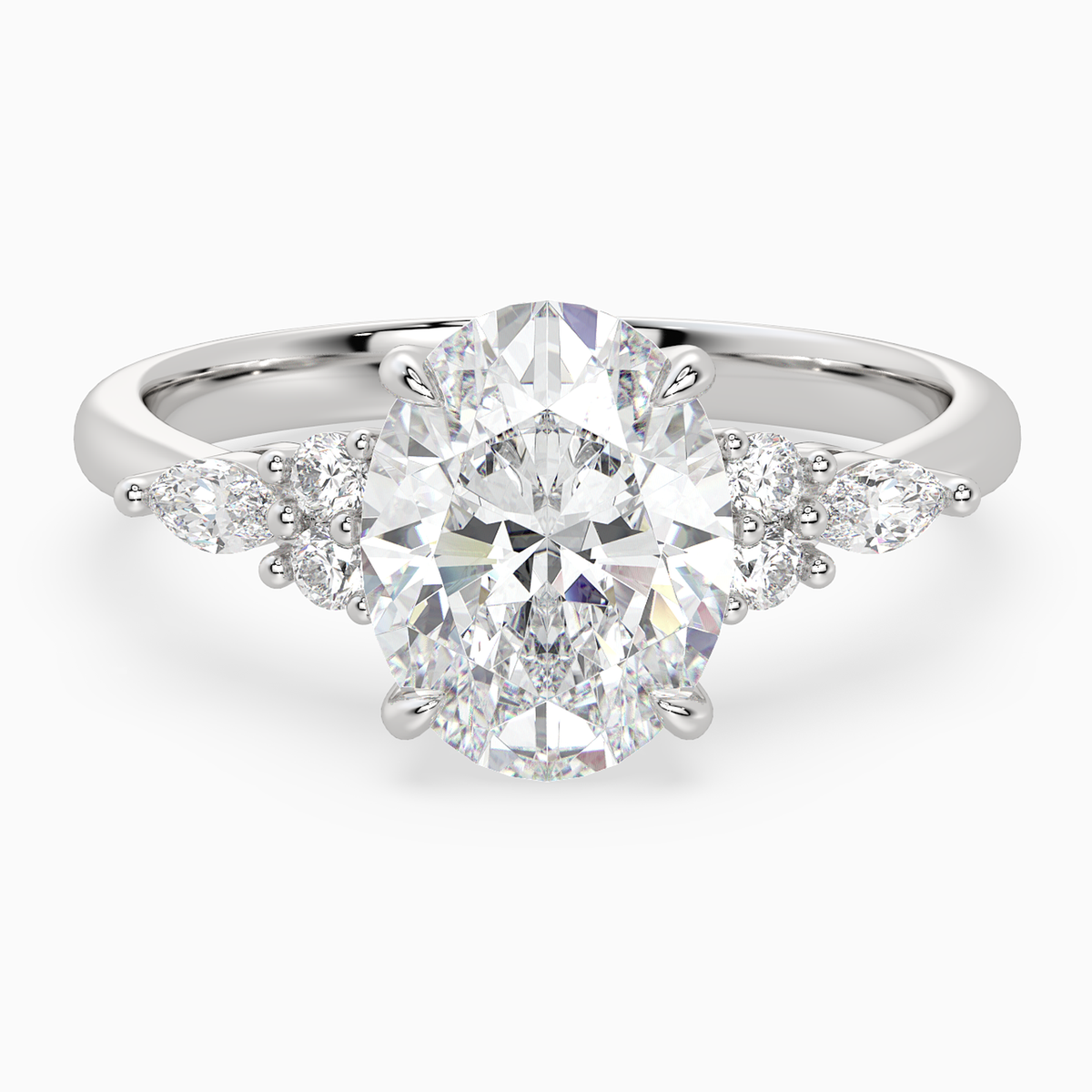


IGI-Certified Lab-Grown Diamonds: How to Read the Report Before You Buy

When shoppers search for an IGI-certified lab-grown diamond, they are usually looking for confidence. They want to know that the diamond's identity, origin, and quality details are documented by a third-party grading lab, not described only by a seller's product title.
The report helps you verify that the stone is lab-grown, compare the 4Cs, review measurements and proportions, and confirm the report details before buying. The smartest purchase still comes from reading the full report, comparing diamonds like-for-like, and choosing the stone that fits your setting, budget, and visual preference.
This guide explains what IGI certification means in everyday shopping language, which parts of the report matter most, and how to use the information without treating a certificate as a substitute for judgment.
What Does IGI-Certified Mean for a Lab-Grown Diamond?
IGI stands for International Gemological Institute, a third-party diamond grading organization. In consumer language, people often say "IGI-certified diamond." More precisely, the diamond has an IGI grading report that documents its lab-grown origin and key quality characteristics.
That distinction matters. A grading report is evidence and structure. It gives you a shared language for evaluating a diamond: carat weight, color, clarity, cut, measurements, polish, symmetry, fluorescence, inscriptions, and comments when applicable. It does not make taste decisions for you, and it does not mean every IGI-graded stone has the same beauty or value.
It verifies the diamond category
The report identifies the stone as lab-grown, which is essential when you are intentionally choosing a modern diamond rather than relying on vague product language.
It records measurable traits
Carat, color, clarity, dimensions, cut-related grades, and other details help you compare diamonds with less guesswork.
It supports like-for-like comparison
A report lets you compare two stones by the same categories instead of being distracted by one impressive number.
It creates a paper trail
Report numbers, inscriptions, and documentation can help you keep the diamond's identity clear during purchase, setting, appraisal, or future service.
Why IGI Reports Matter When Buying Lab-Grown Diamonds
Lab-grown diamonds can offer strong value, but value only matters when the details are clear. Without a grading report, a product page may tell you a diamond is beautiful, near-colorless, or high clarity, but you have less structure for comparison. With a report, you can ask better questions.
For Burvonti, that aligns with a simple buying principle: the diamond should be selected with intention, and the setting should be built around that choice. A report helps keep the diamond decision transparent before design, setting, and final proportions enter the conversation.
Certification helps separate evidence from impression
A diamond can look bright in a photo because of lighting, editing, or angle. A grading report gives you information that does not depend on a single image. It helps you understand whether the visual appeal is supported by the diamond's documented specifications.
It helps you compare cost intelligently
Two lab-grown diamonds can be the same carat weight but differ in measurements, color, clarity, cut quality, fluorescence, and face-up presence. The report will not tell you which one you personally prefer, but it gives you the details needed to compare value more intelligently.
It is especially useful for engagement rings
For an engagement ring, the diamond and setting interact. A deep stone may face up smaller than expected. A color grade may appear different depending on metal tone. A clarity feature may matter more or less depending on its location and visibility. Reading the report helps you ask these questions before the diamond is set.

What to Check on an IGI Lab-Grown Diamond Report
You do not need to become a gemologist to read the report well. Focus on the sections that change buying decisions.
| Report detail | What it tells you | Why it matters for buying |
|---|---|---|
| Lab-grown origin | The report identifies the diamond as laboratory-grown. | Confirms the category you intended to buy and supports transparent product representation. |
| Shape and cutting style | Describes whether the diamond is round brilliant, oval, emerald, pear, cushion, or another shape. | Shape affects face-up size, sparkle pattern, setting choice, and personal style. |
| Measurements | Shows physical dimensions, usually in millimeters. | Helps you understand spread and fit, not just carat weight. |
| Carat weight | Records diamond weight. | Important for budget and presence, but best read with measurements and cut quality. |
| Color grade | Indicates how colorless or warm the diamond is within the grading system. | Helps you choose the right balance of brightness, metal tone, and budget. |
| Clarity grade | Documents inclusions or internal features under grading conditions. | Useful, but eye-clean appearance and feature location matter more than the grade alone. |
| Cut, polish, and symmetry | Shows how well the diamond is fashioned and finished. | Strong cut-related grades can support brightness, balance, and overall optical performance. |
| Report number or inscription | Connects the physical diamond to its report when applicable. | Helps confirm that the stone and documentation belong together. |
A diamond with a strong color and clarity grade can still be less compelling if its proportions, face-up size, or visual pattern are not right for the setting. The report is a starting point for judgment, not the end of the decision.
IGI-Certified vs. Uncertified Lab-Grown Diamonds
There are situations where small accent stones may not come with individual grading reports. But for a center stone or any meaningful diamond purchase, documentation matters. It protects clarity in the buying conversation and gives you a record of what was selected.
| Buying factor | With an IGI report | Without an independent report |
|---|---|---|
| Origin clarity | Lab-grown origin is documented by the grading report. | You rely more heavily on seller description. |
| 4Cs comparison | Grades and measurements create a common comparison framework. | Comparison may depend on product copy, photos, or broad quality ranges. |
| Setting planning | Measurements and shape details can inform setting fit and proportions. | Design decisions may have less precise stone information. |
| Buyer confidence | Report details can be reviewed before purchase and kept after purchase. | Confidence depends more on brand trust alone. |
How to Compare Two IGI-Certified Lab-Grown Diamonds
When two diamonds both have IGI reports, the stronger choice is not always the higher carat weight or the higher clarity grade. Use the report to compare the full profile.
- Compare measurements after carat weight. A diamond's spread affects how large it appears.
- Balance color against metal tone. A near-colorless grade may be practical in warm metals, while a cooler white metal may make color more noticeable.
- Look for eye-clean clarity, not only a label. The visibility and location of inclusions matter.
- Prioritize cut quality for sparkle-sensitive shapes. Especially for round brilliants, cut-related details can matter more than small clarity differences.
- Match the diamond to the setting. A delicate setting, bezel, halo, solitaire, and three-stone design all place different demands on proportion and visual balance.

What an IGI Report Cannot Decide for You
A grading report is important, but it cannot replace human judgment. It cannot tell you whether an elongated oval feels graceful on a specific hand, whether a warmer diamond feels beautiful in yellow gold, or whether a stone's personality suits the ring you want to build.
It also should not be treated as an investment promise. The report documents diamond characteristics; it does not guarantee resale value or make a diamond financially superior. For most engagement ring buyers, the better question is whether the diamond is transparent, well-matched to the setting, and chosen with enough clarity that you feel comfortable owning it.
After reviewing report details, explore lab-grown diamond rings to compare complete designs.
Choose the Diamond First, Then Build With Intention
Use the report to compare lab-grown diamond options, then choose the setting and proportions around the actual stone instead of forcing a diamond into a generic design.
Explore lab-grown diamond rings Read more diamond education Ask a diamond questionHow Burvonti Thinks About Certified Lab-Grown Diamonds
Burvonti's approach is not to treat certification as a decorative label. The report is a technical foundation. It lets the diamond decision become more transparent, and it gives the design process a precise starting point.
For a custom engagement ring, that means the setting should respond to the selected diamond: its measurements, shape, table, depth, and visual rhythm. A certificate gives the information; careful design turns that information into a ring that feels deliberate.
For a related guide, continue with What to Check Before Buying a Lab Grown Diamond Engagement Ring.
Frequently Asked Questions
Is IGI certification good for lab-grown diamonds?
IGI reports are widely used for lab-grown diamonds and give shoppers a structured way to review origin, 4Cs, measurements, and other grading details. The report is useful, but the best choice still depends on the individual diamond and setting.
Does IGI certification mean a diamond is high quality?
Not automatically. It means the diamond has been graded and documented. You still need to read the grades, measurements, proportions, and comments to understand whether the diamond fits your priorities.
What is the difference between certified and uncertified lab-grown diamonds?
A certified or graded lab-grown diamond has an independent report documenting its characteristics. An uncertified diamond may still be beautiful, but you have less third-party information for comparison and verification.
Should every lab-grown diamond have an IGI report?
For a center stone or meaningful diamond purchase, a grading report is strongly useful. Very small accent diamonds are often sold without individual reports because they are selected and matched in groups.
Can I compare IGI and GIA lab-grown diamond reports?
You can compare them, but pay attention to how each report presents grading details and terminology. The practical goal is to compare the actual diamond characteristics, not only the laboratory name.
What should I ask before buying an IGI-certified lab-grown diamond?
Ask for the report number, confirm the diamond's measurements and 4Cs, review whether it is eye-clean, consider how it will look in the chosen metal, and make sure the setting is designed around that actual stone.
Final Thought
An IGI-certified lab-grown diamond gives you something valuable before the ring is even made: clarity. It turns a beautiful stone into a documented choice. Use the report to compare honestly, then let your final decision include proportion, setting fit, and the way the diamond actually looks to you.