
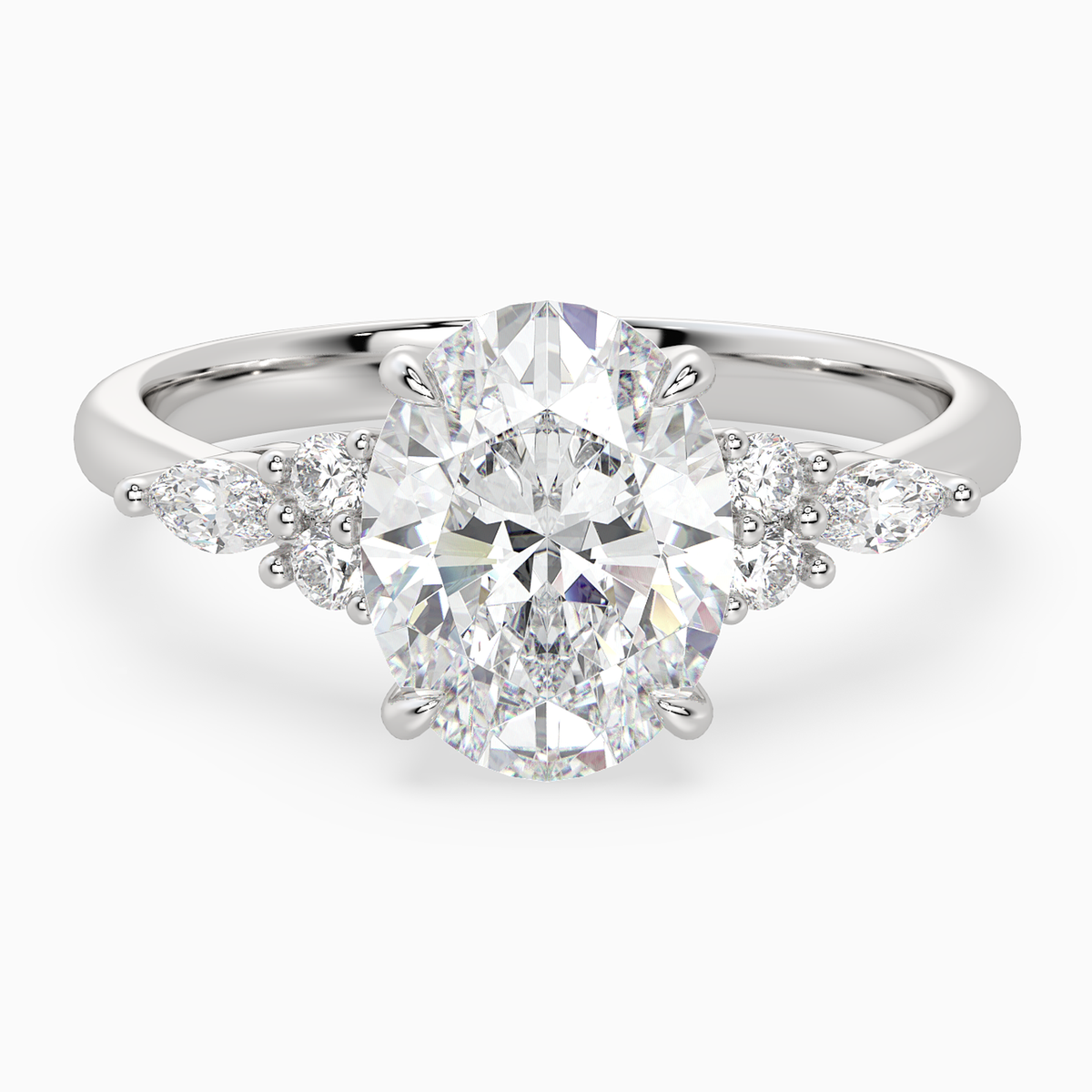


Lab Grown Diamond Bracelets in Platinum
Natural white tone carries considered weight. Platinum gives settings, links, closures, and structured arcs a quiet presence at the wrist.


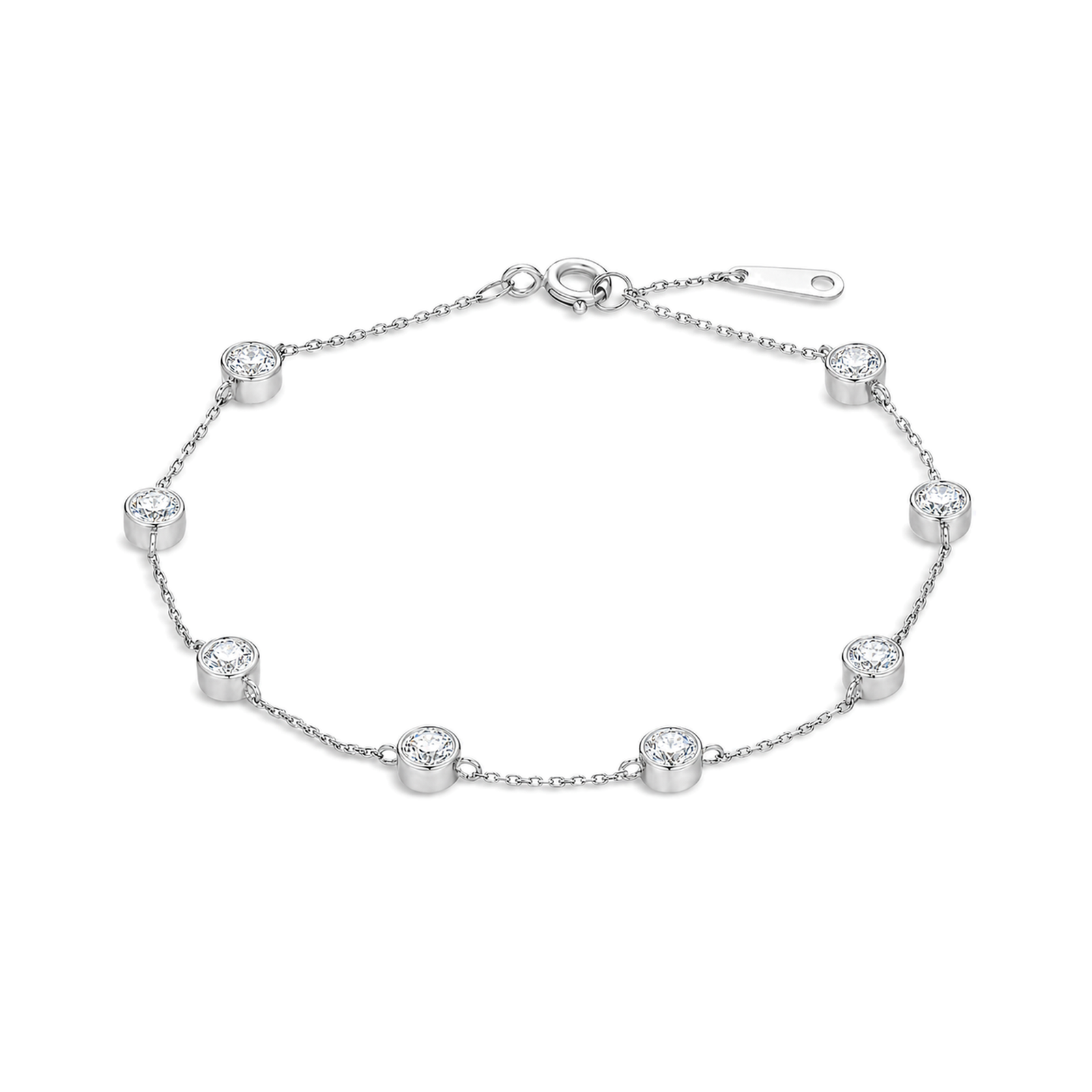


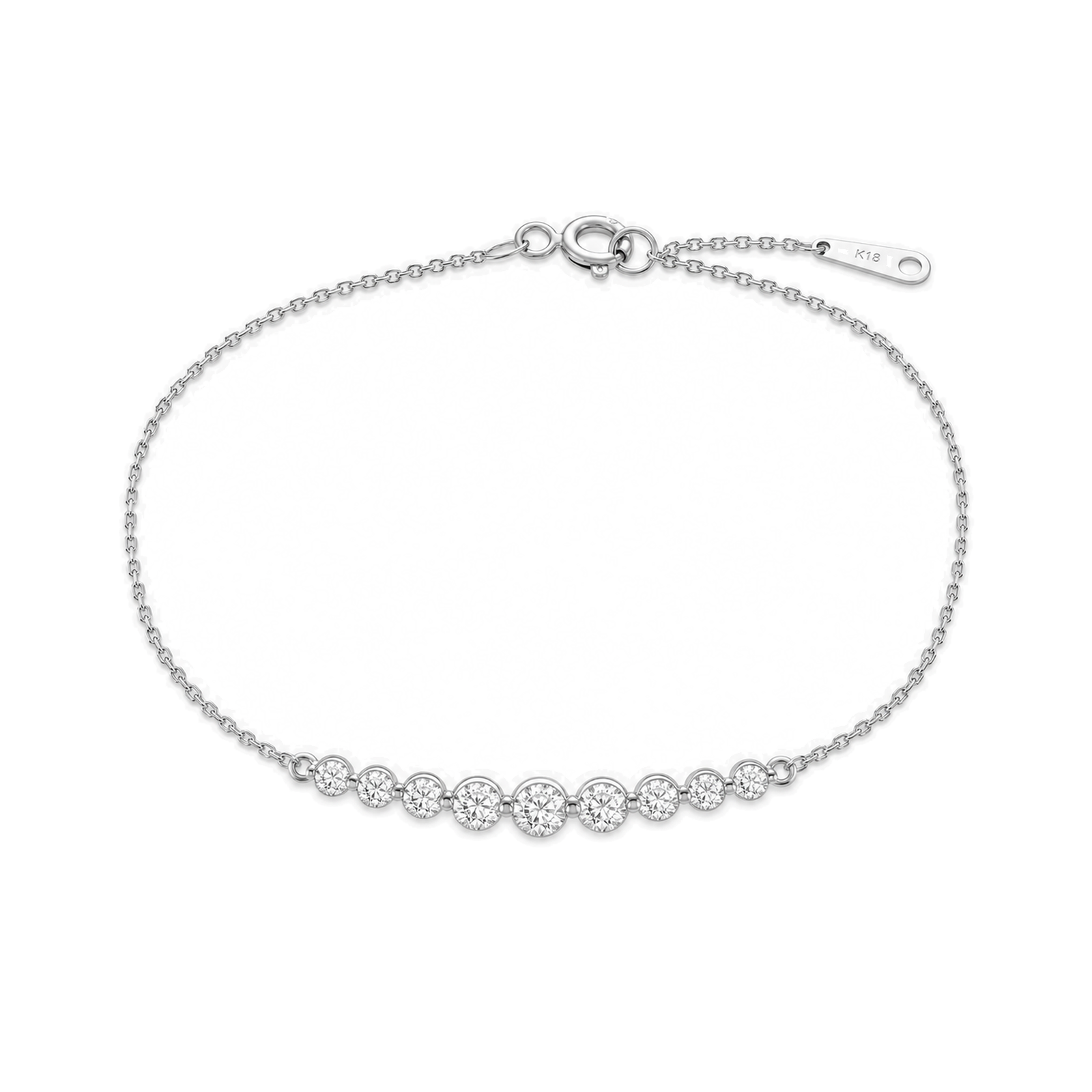
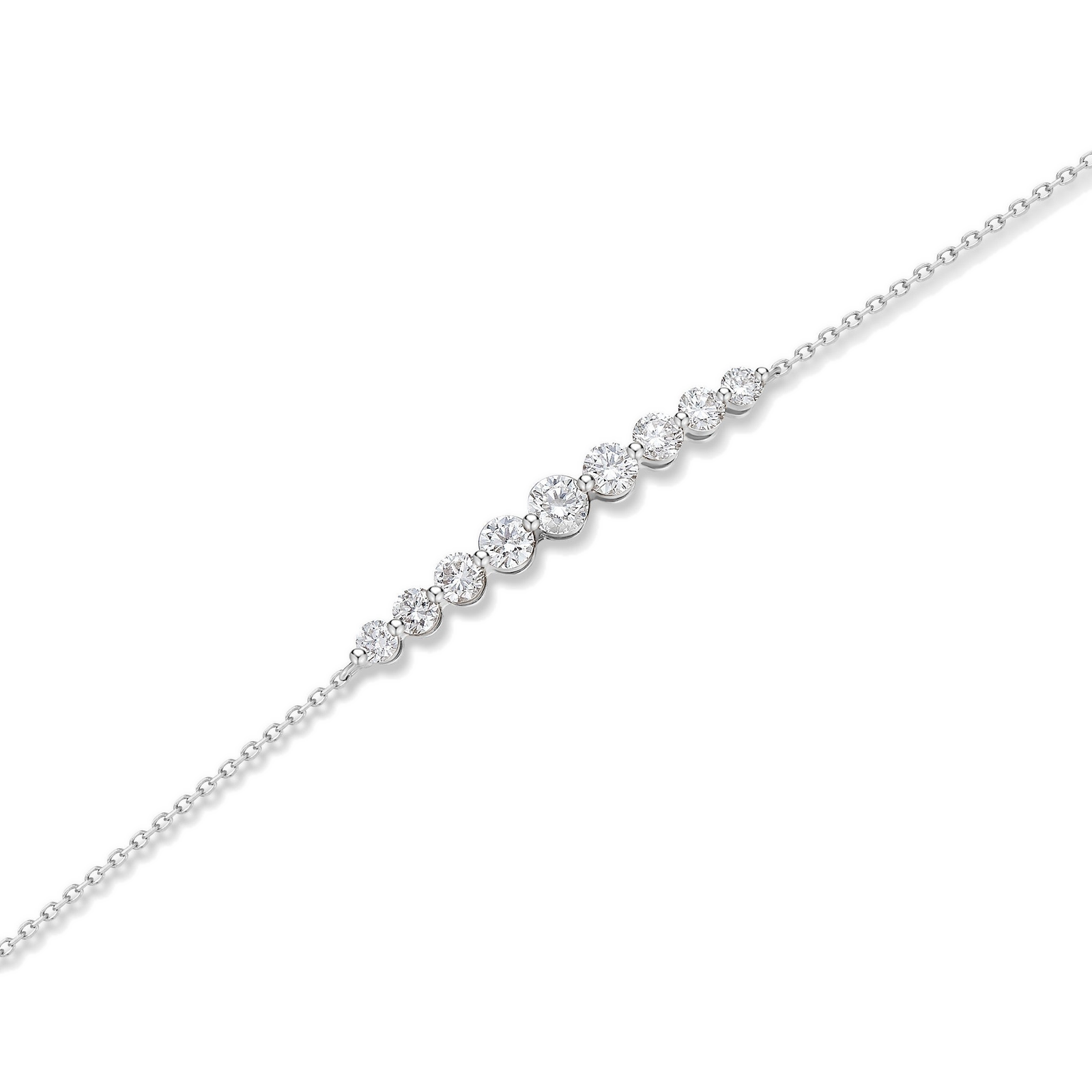






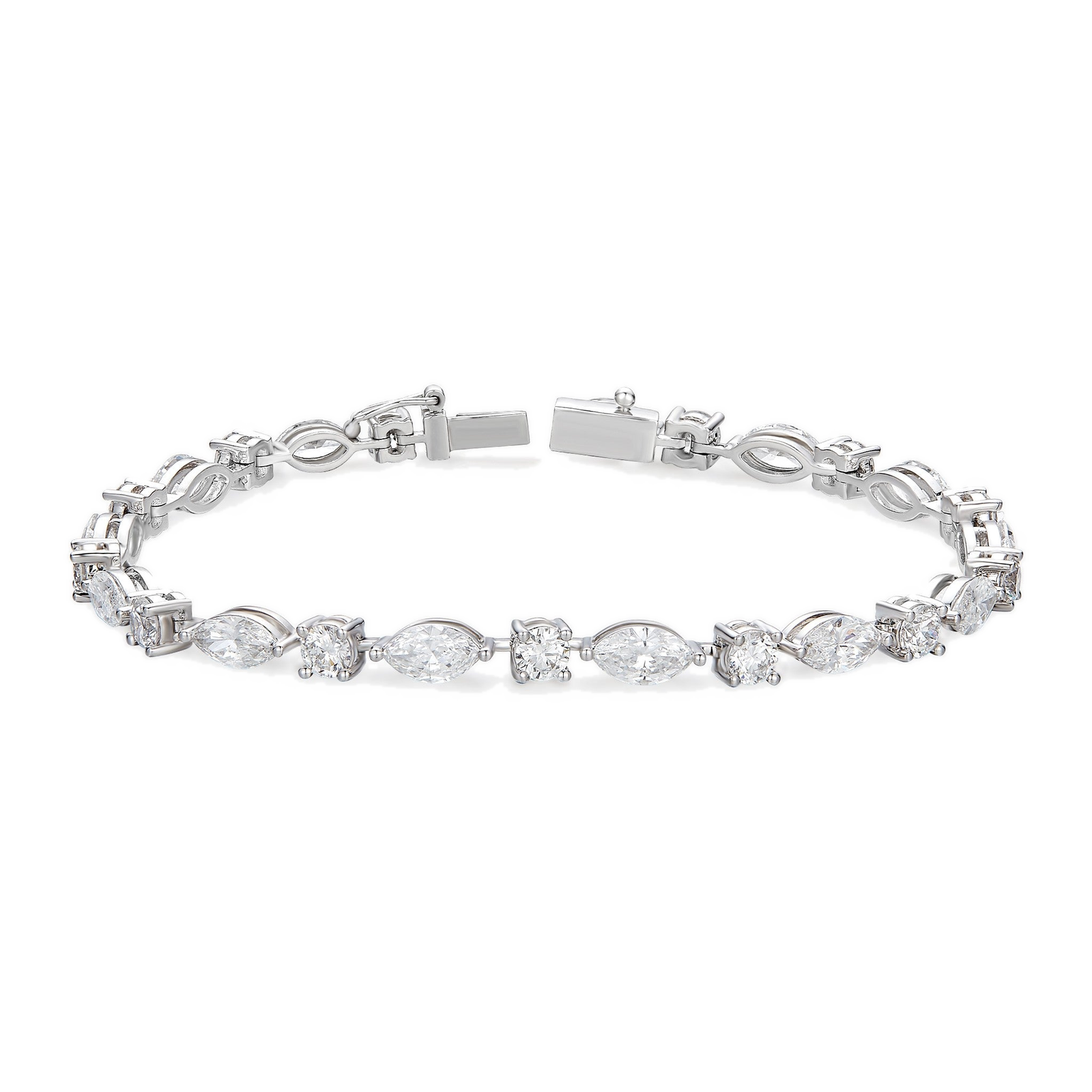

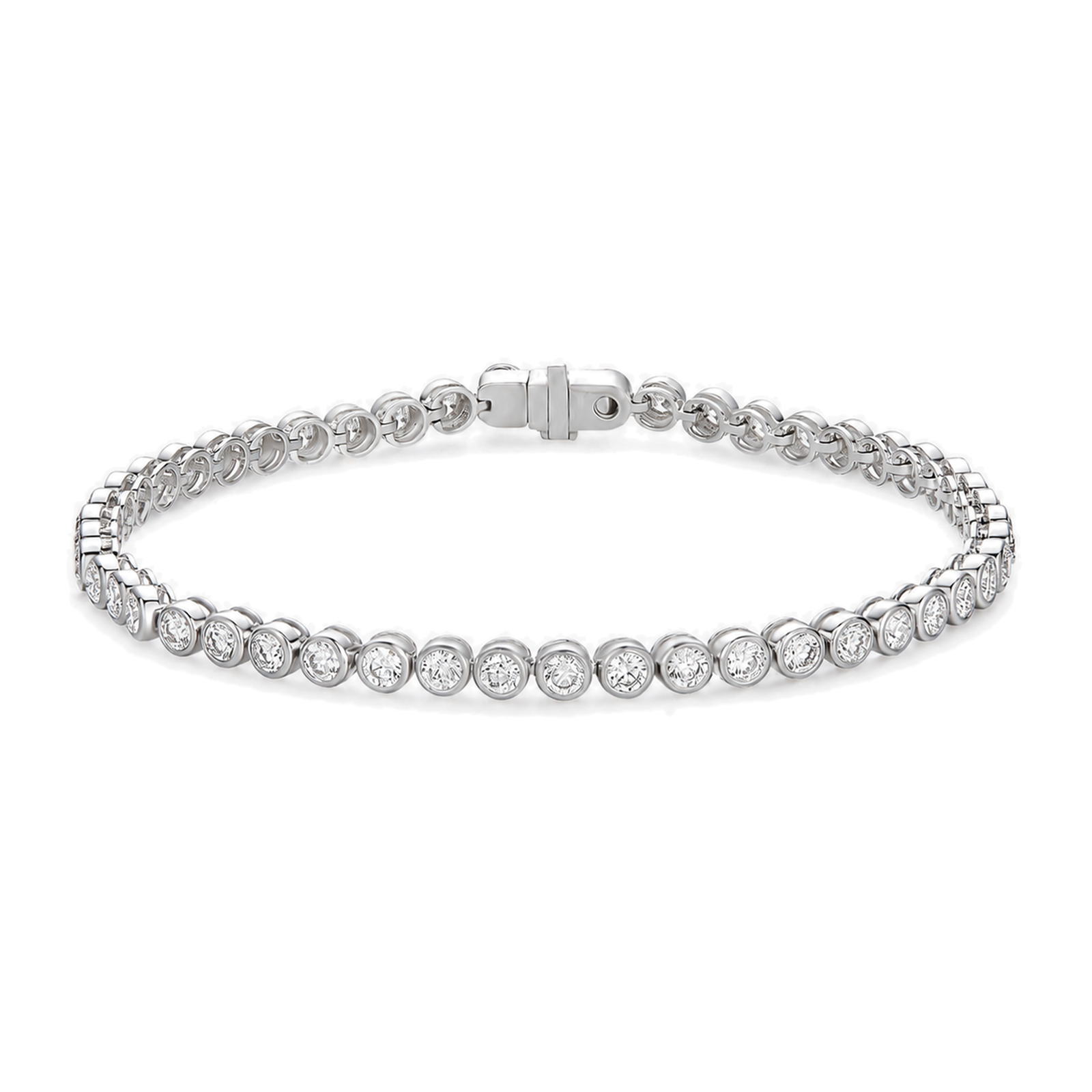
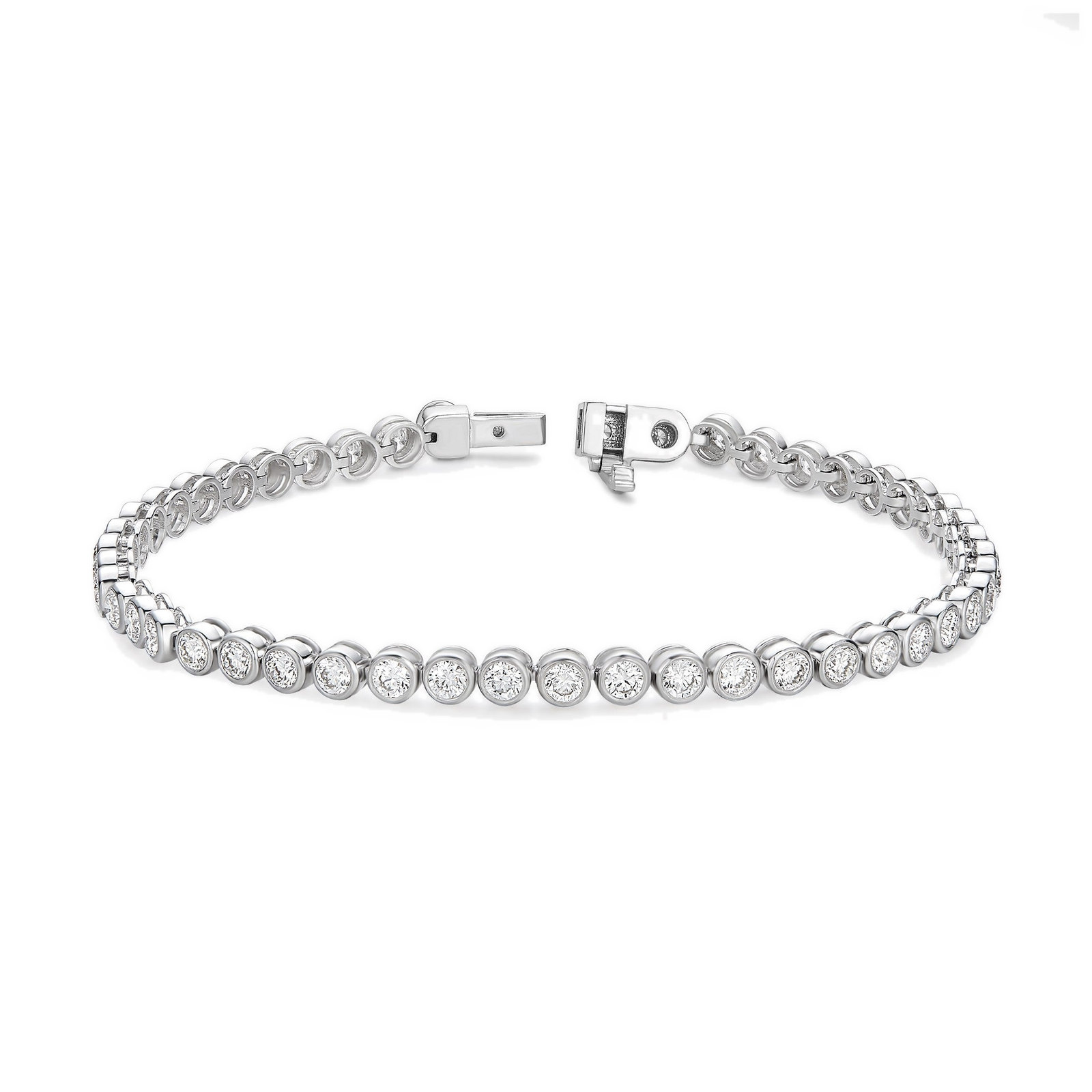

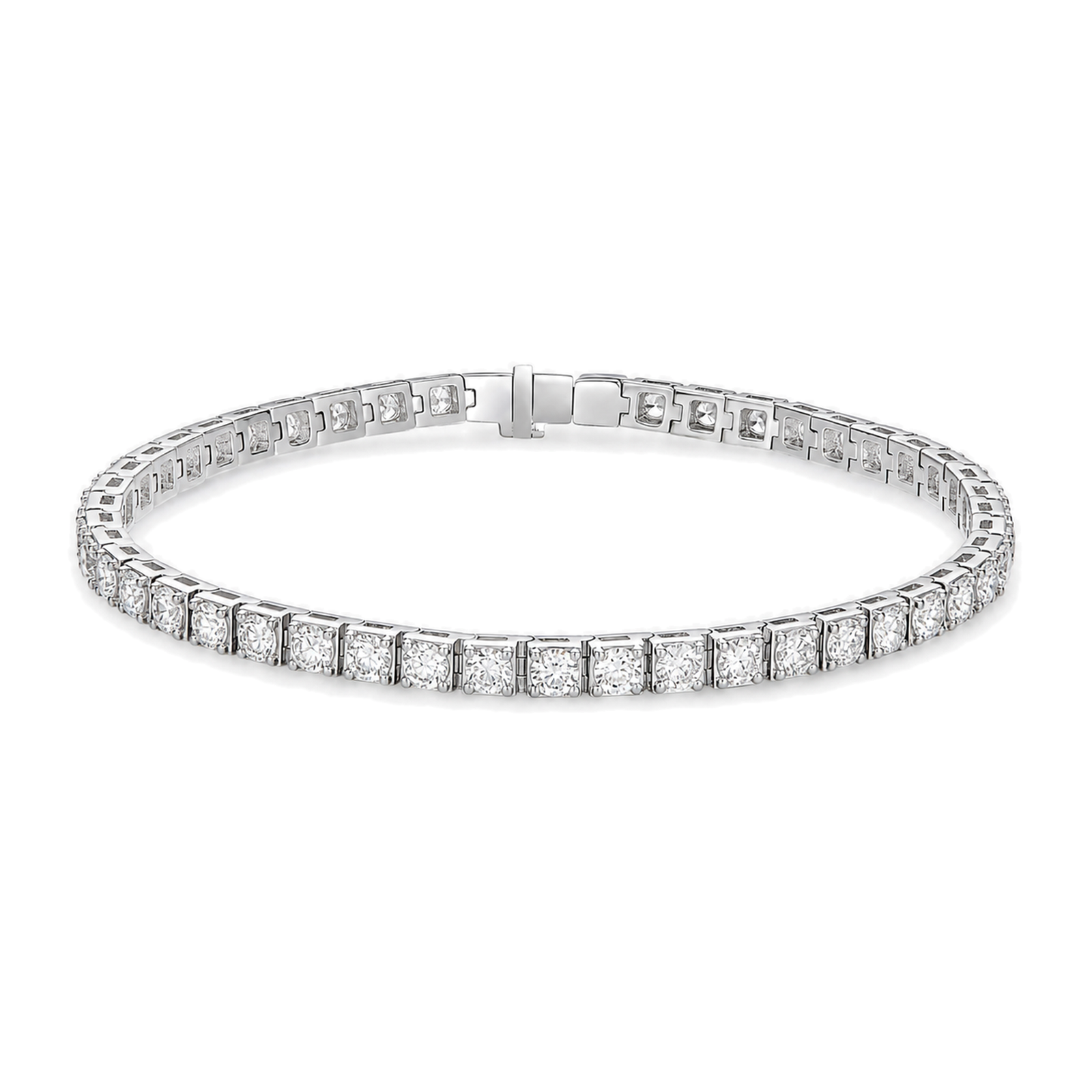





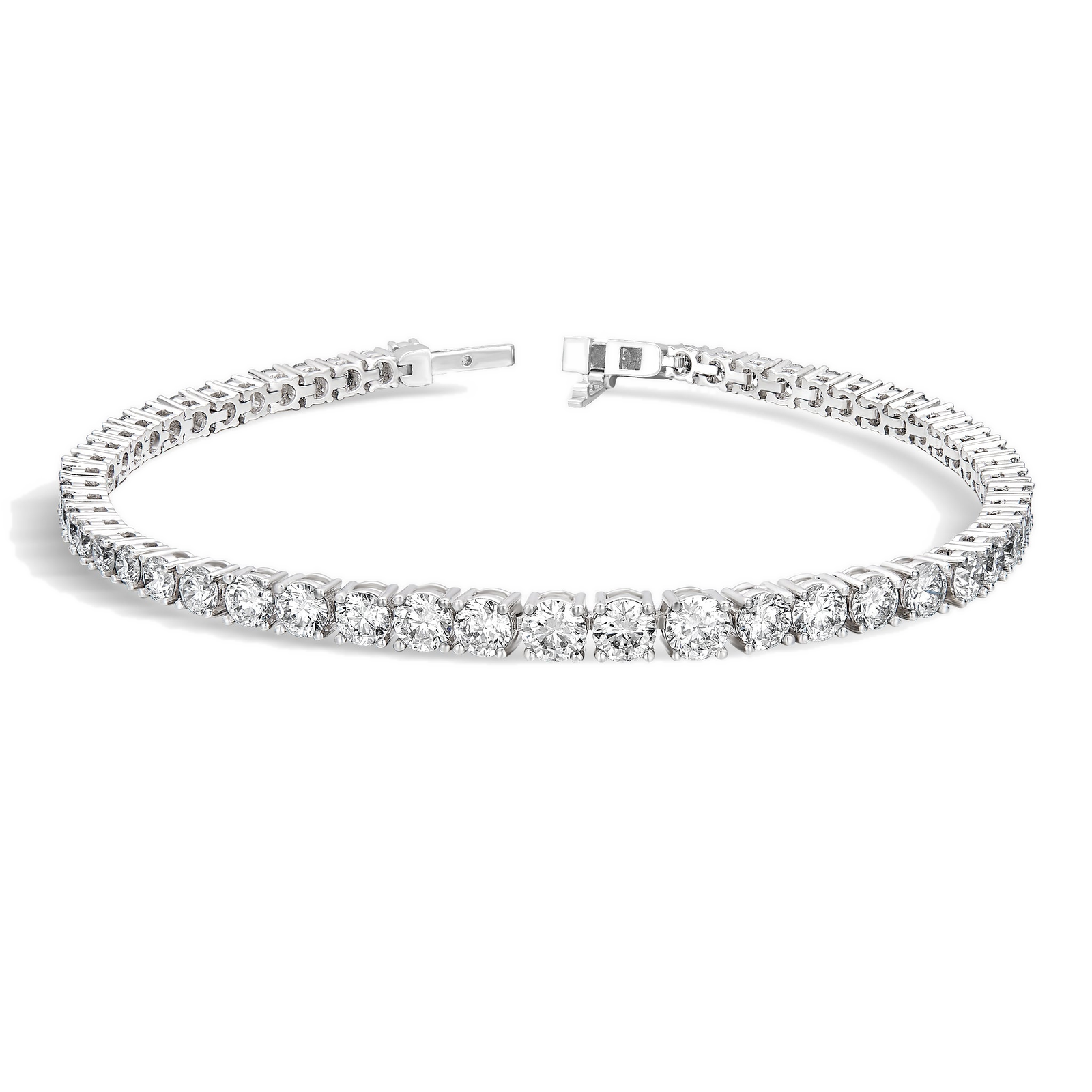

Platinum Lab-Grown Diamond Bracelets: Presence around a Moving Wrist
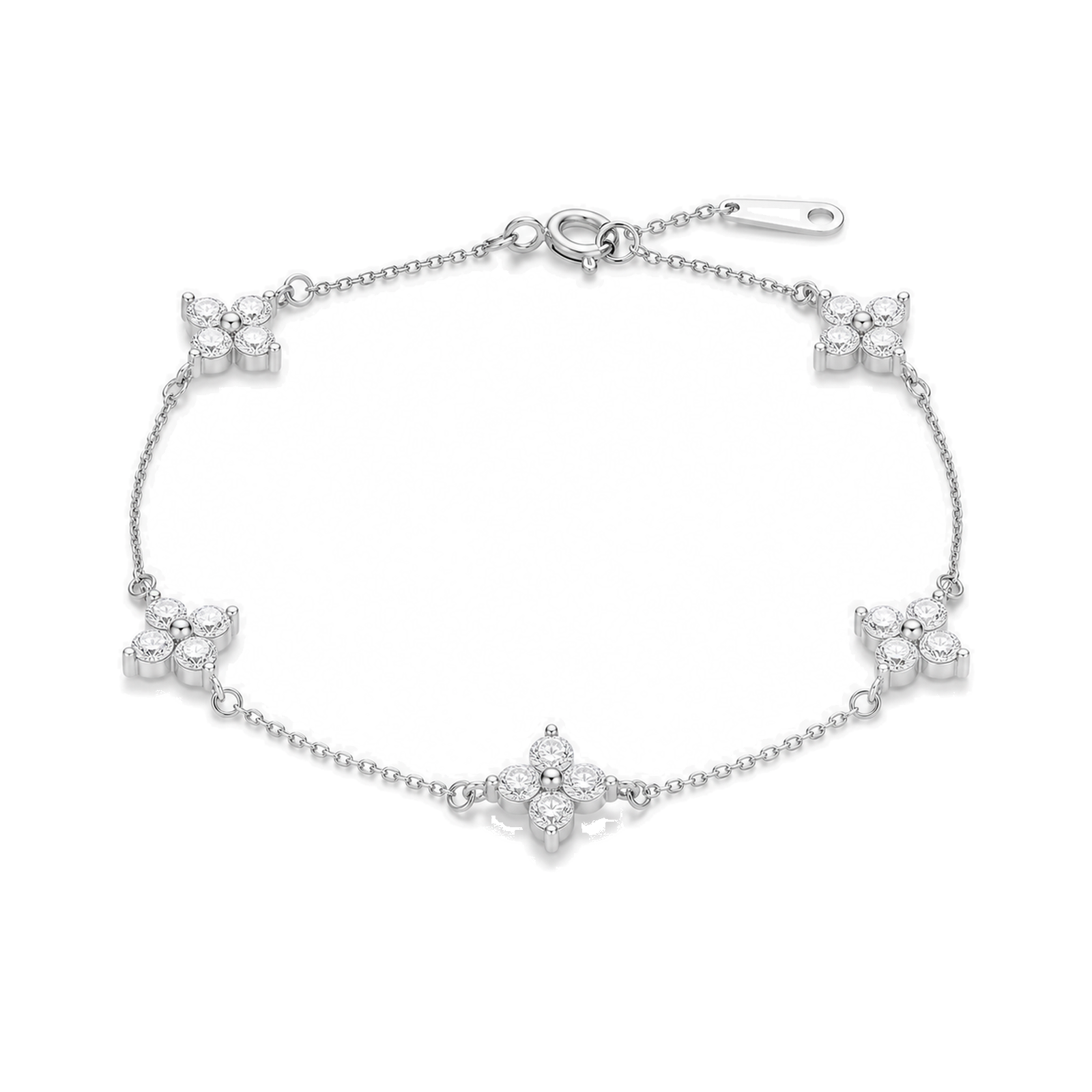
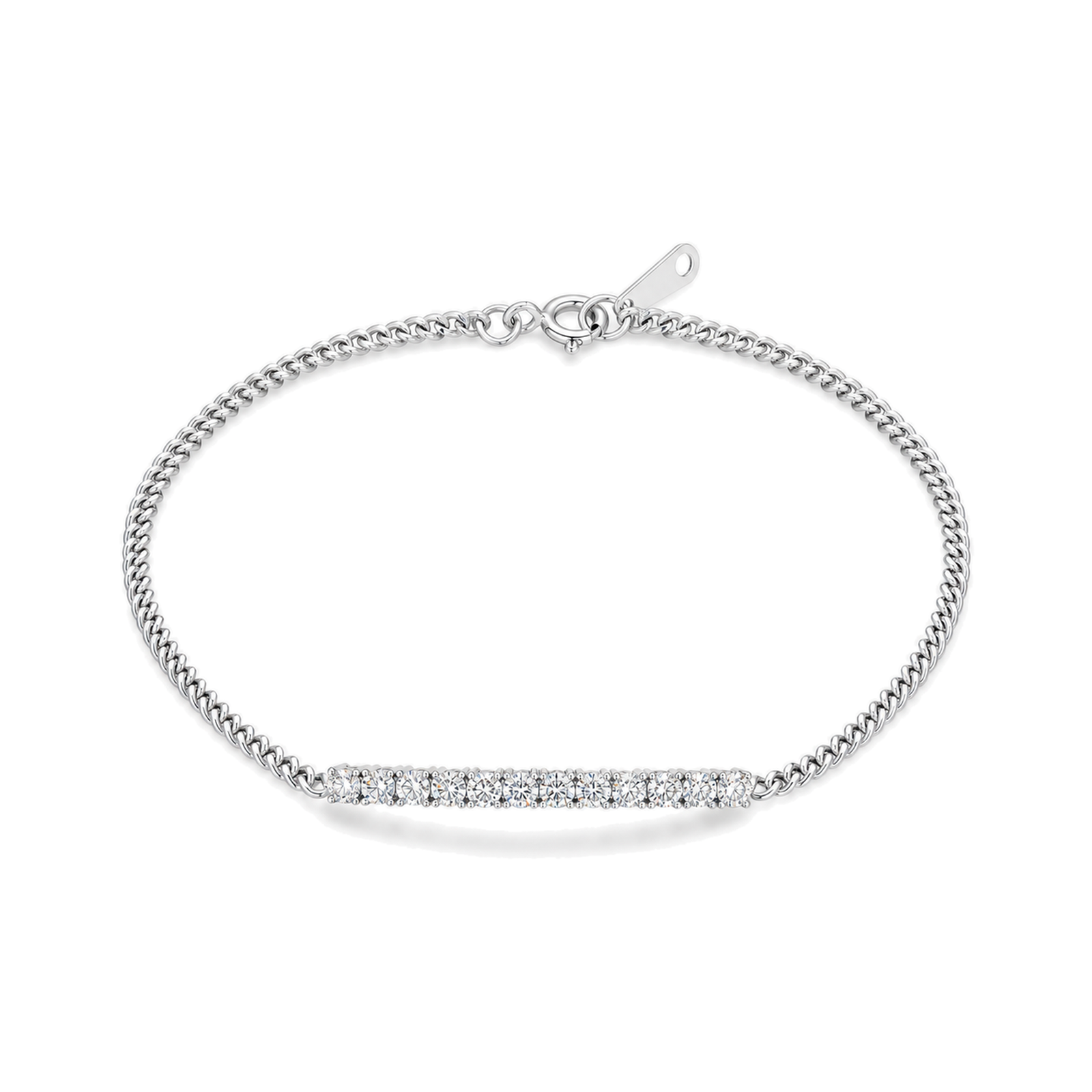
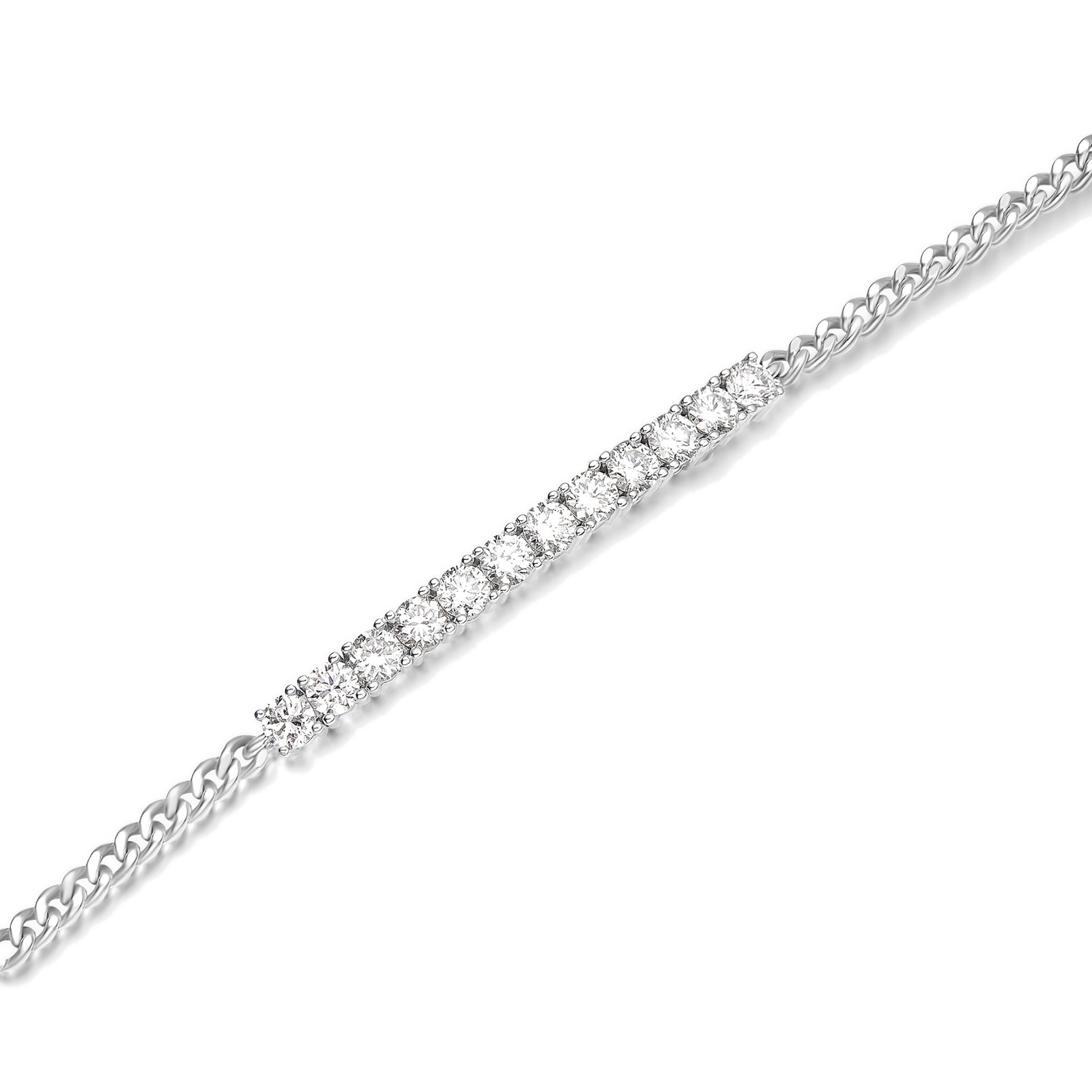
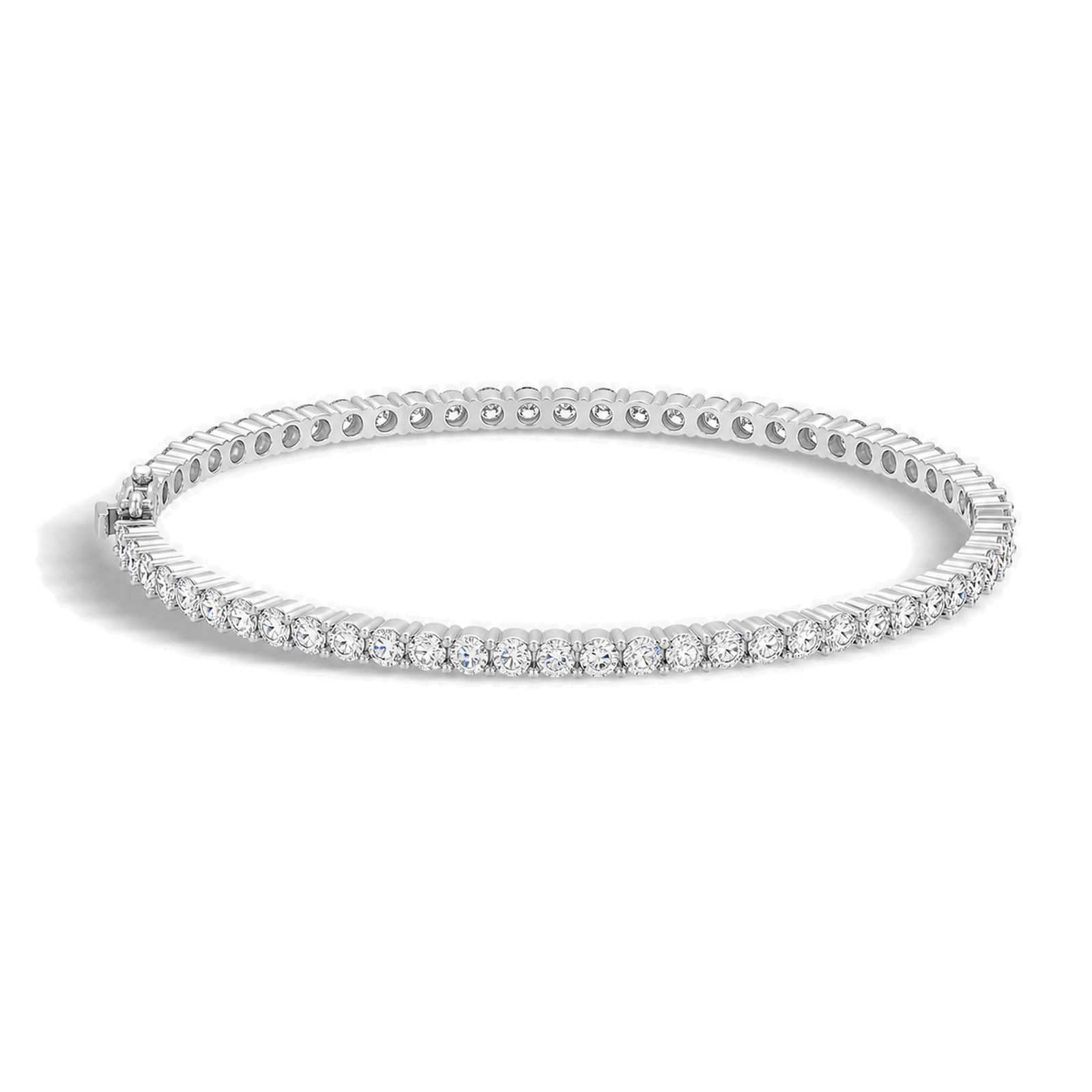
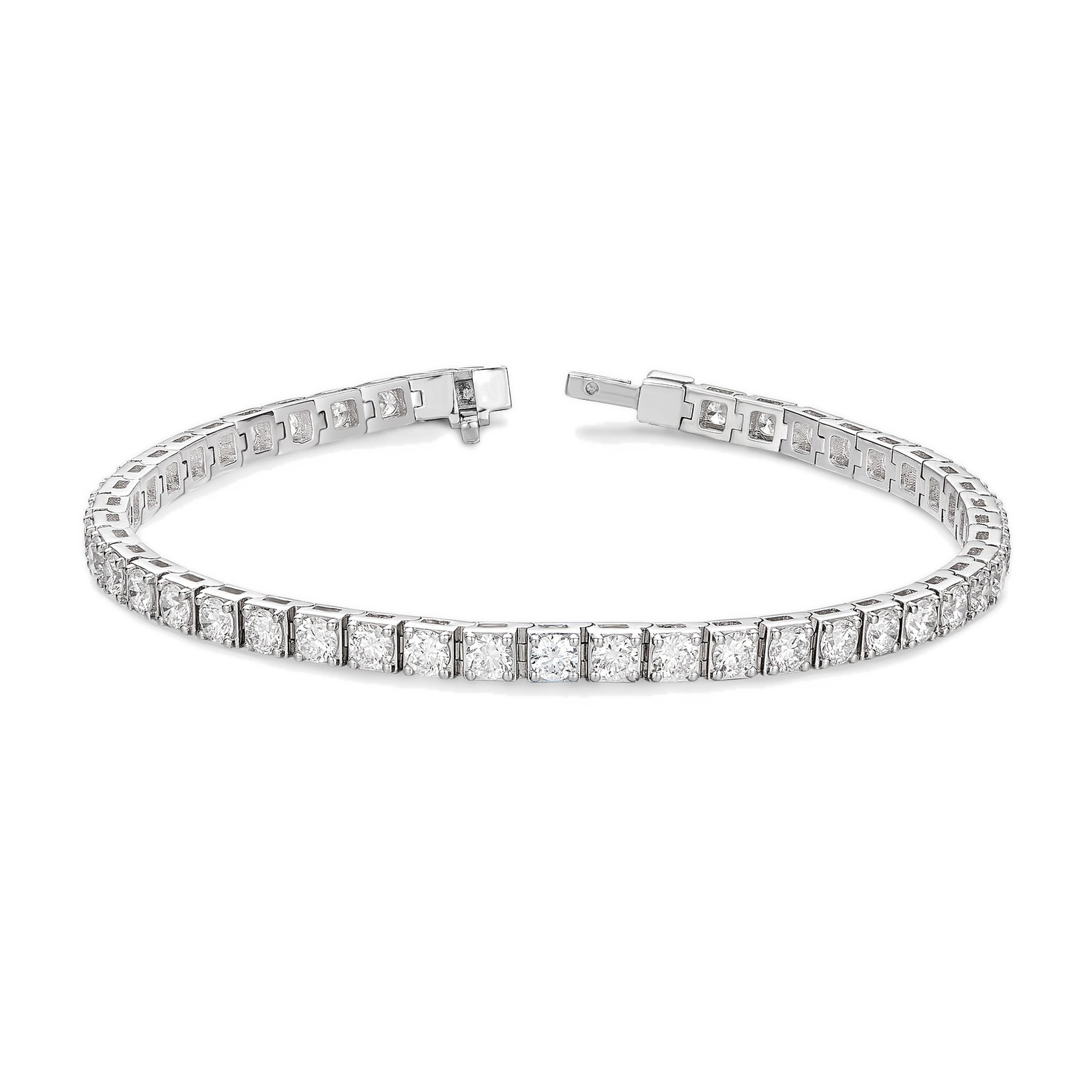
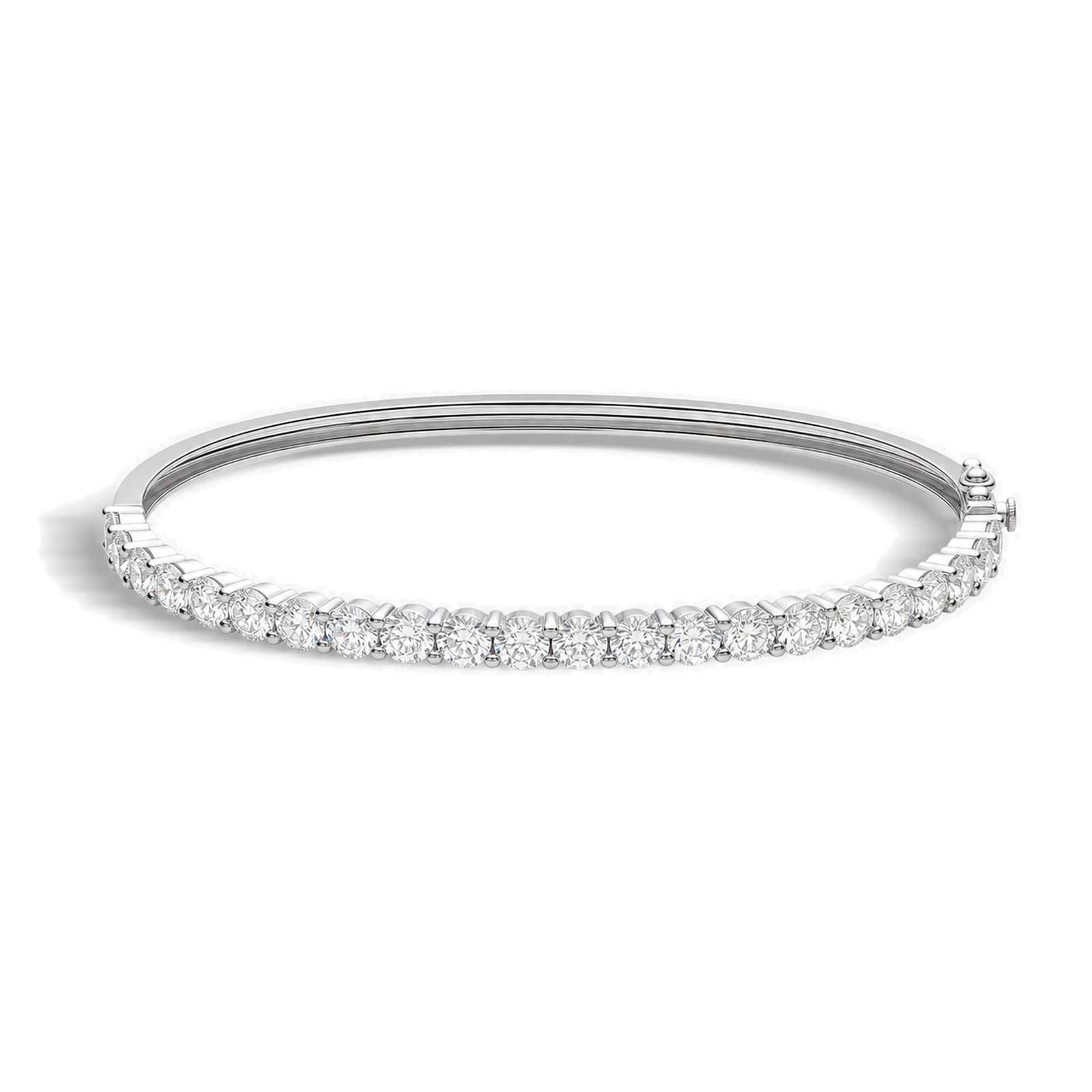
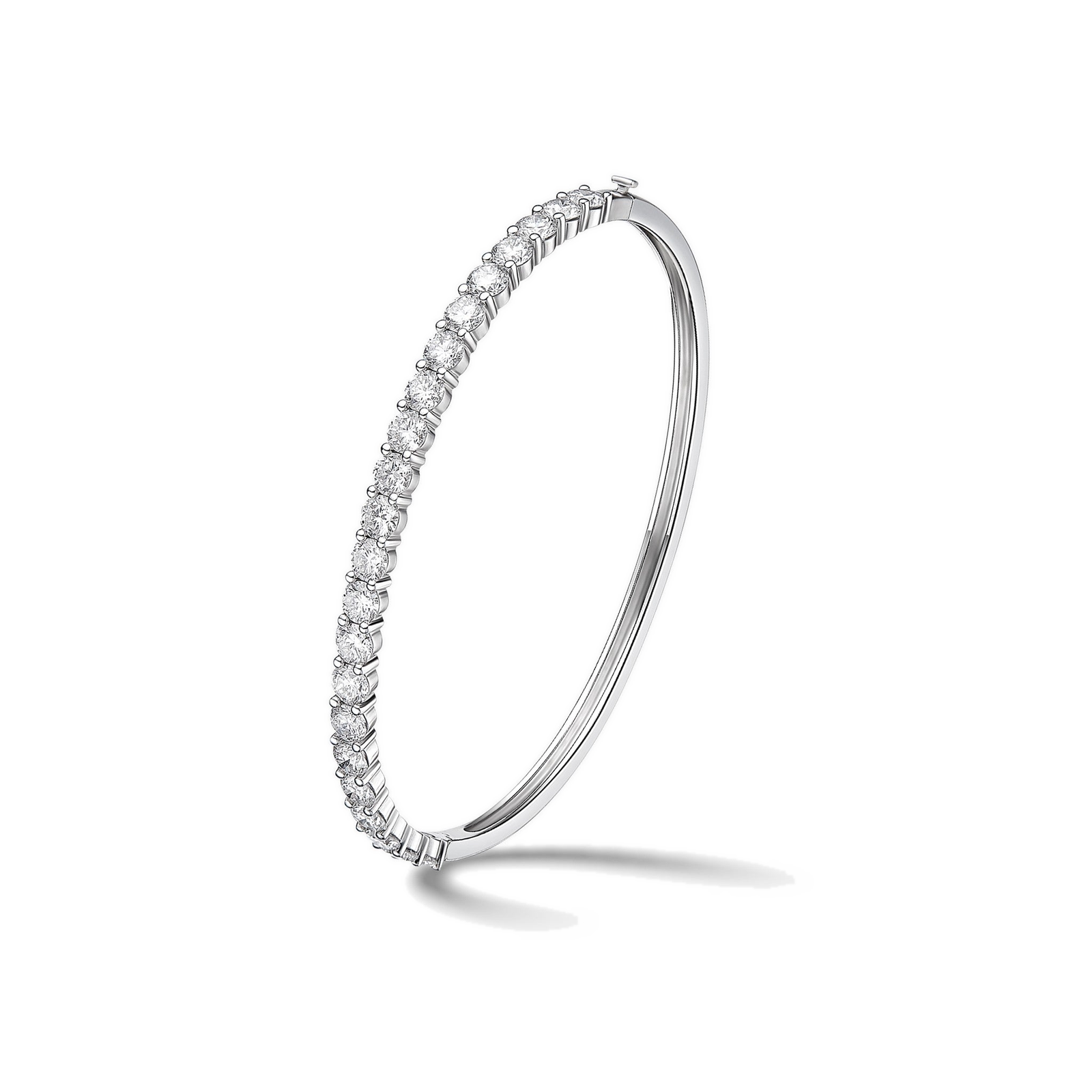
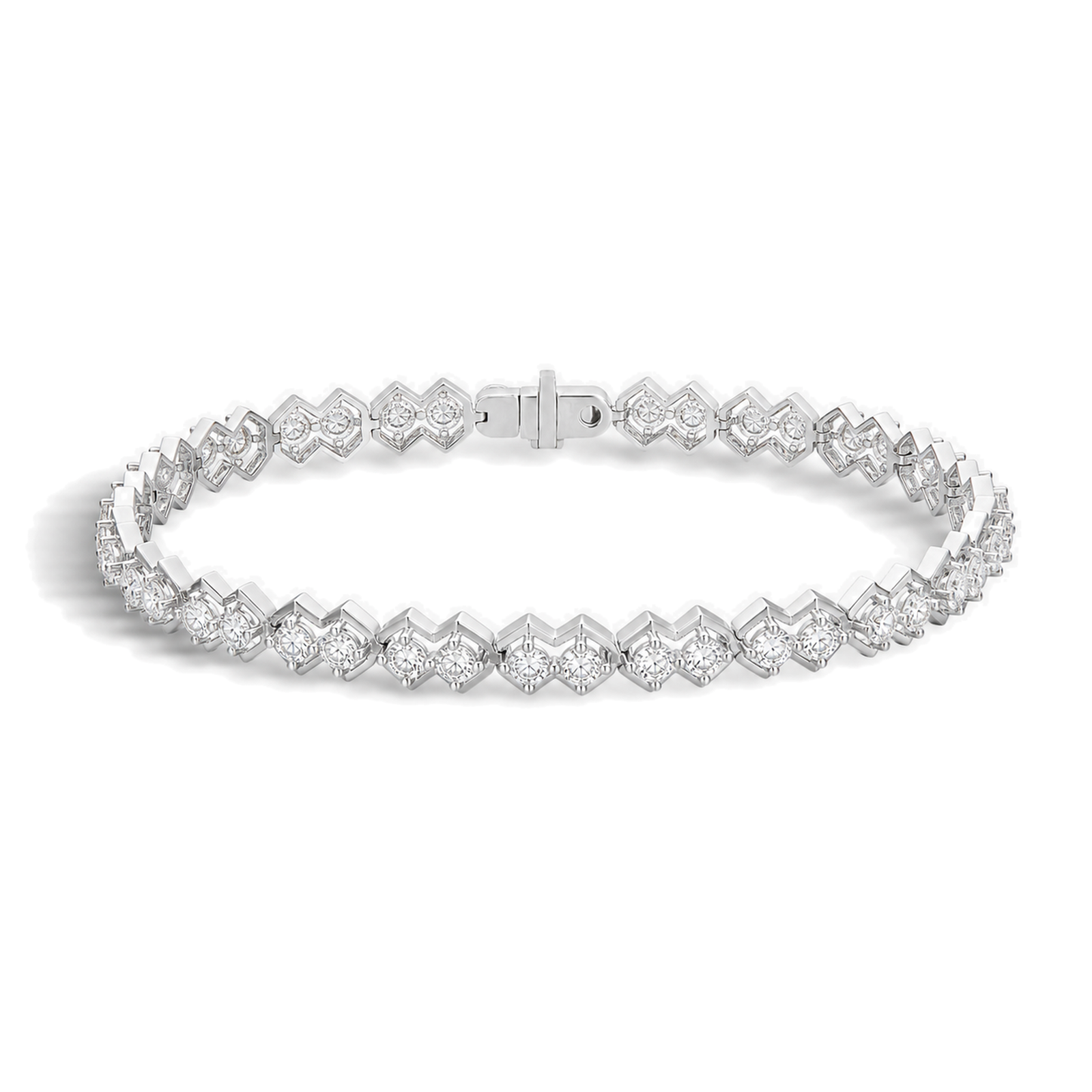
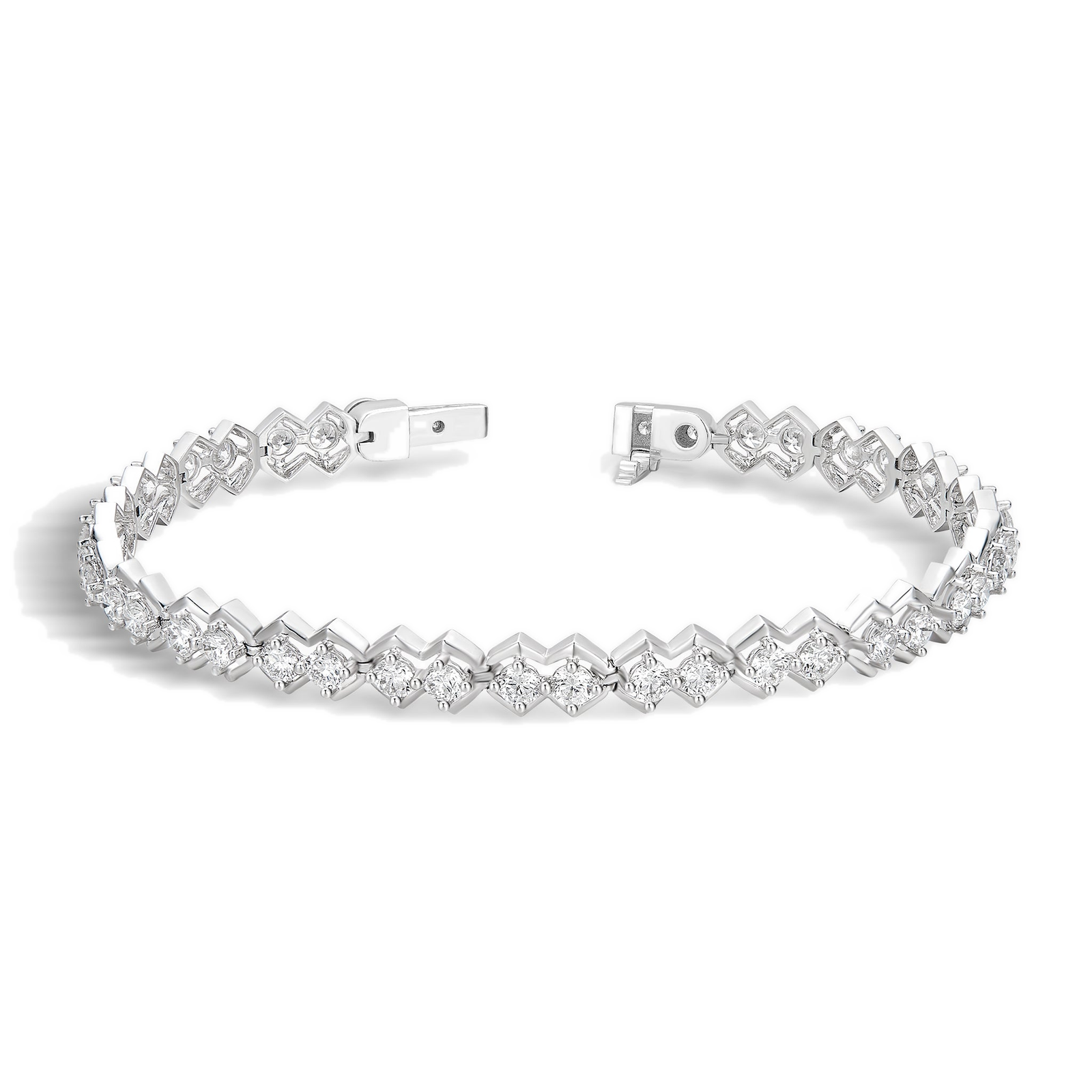
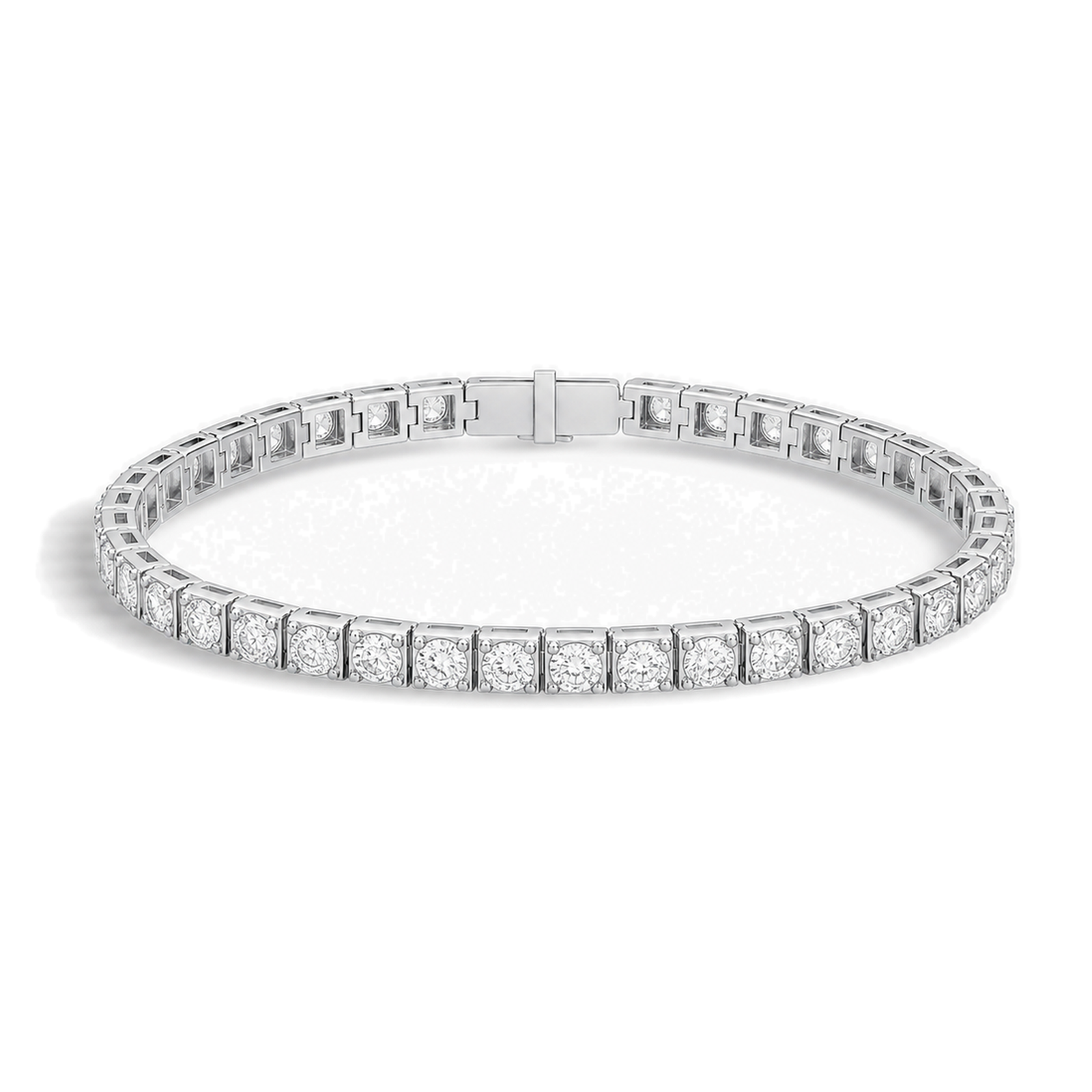
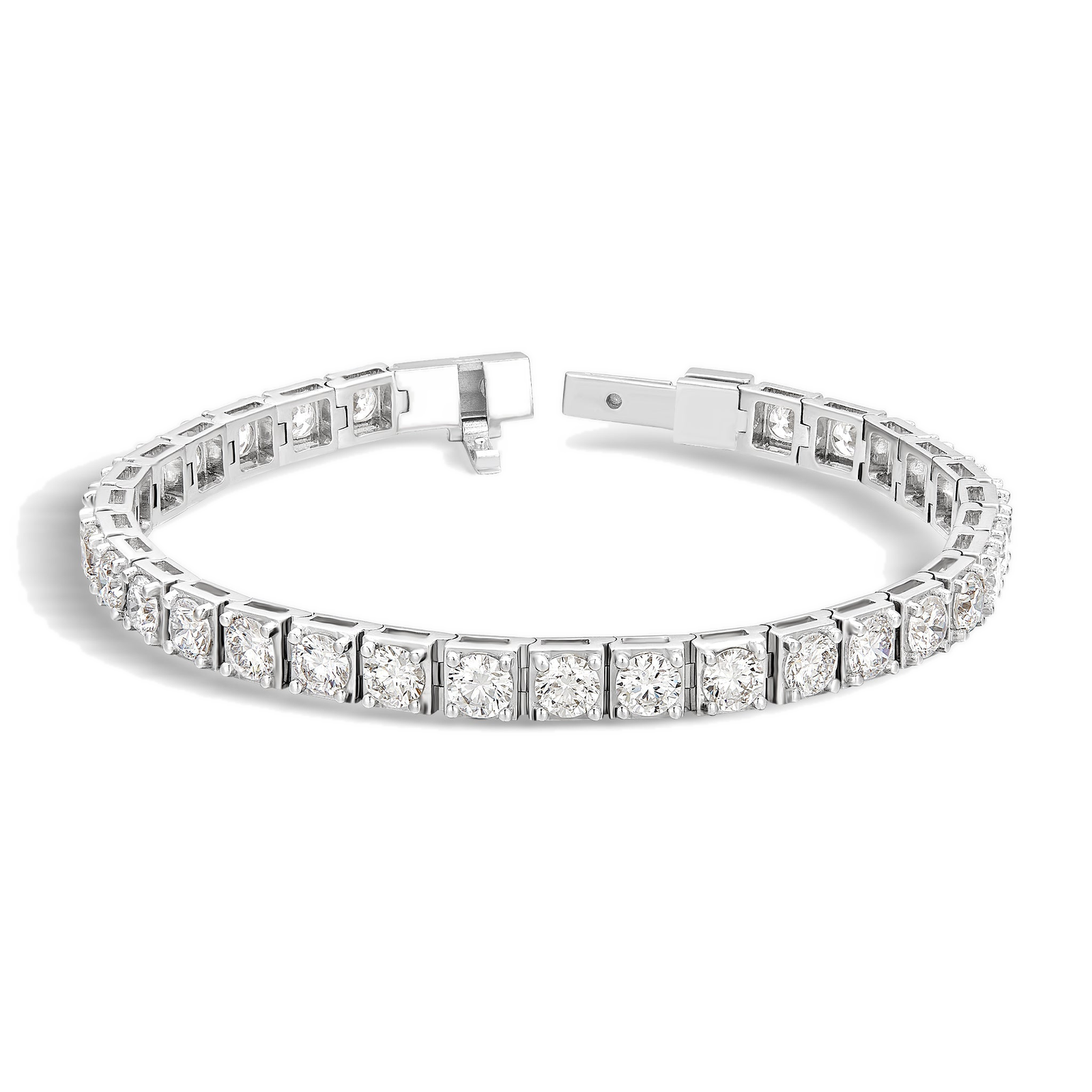
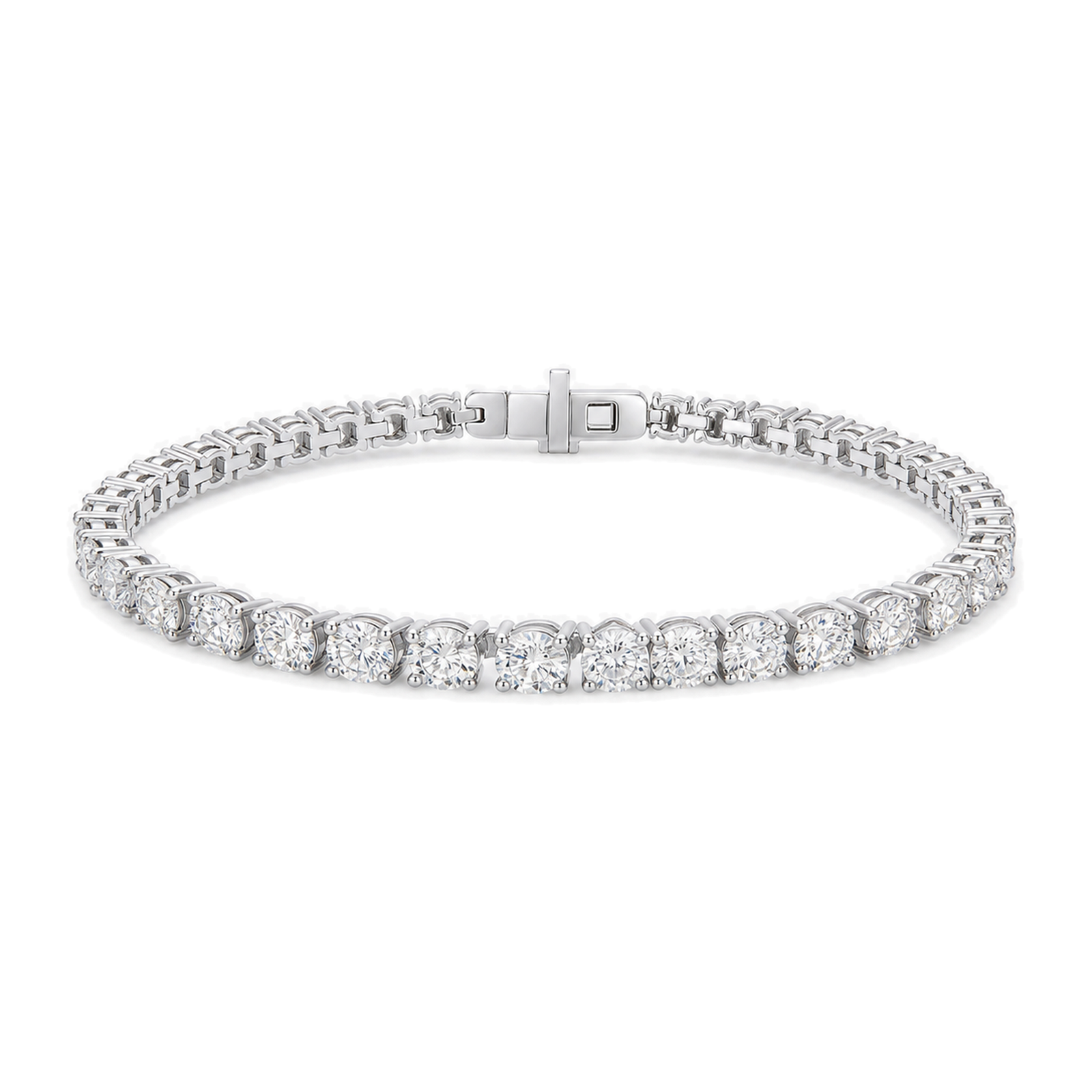
Platinum is experienced through the complete circumference of a bracelet. Its material presence moves from setting to link, joint, side profile, transition, and closure, then changes as the piece rotates around the wrist. A fine chain, articulated diamond line, interlocking form, and structured bangle distribute that presence differently.
Burvonti’s current 13-design set includes four chain-led station, curve, charm, and bar forms plus nine extended-line, bezel, mixed-shape, link, or bangle structures. Each has a normalized parent counterpart, while current product IDs differ from the parent’s representative variants. This page owns Platinum selection, not exclusive design claims.
Confirm Fineness, Surface, and Complete Weight
Platinum is a metal family, not one guaranteed fineness or alloy formula. Confirm the selected product’s specification and hallmark where relevant. Density can contribute to material presence, but finished weight depends on metal volume, dimensions, settings, links, closure, length, and size.
Natural white tone does not require a white-color plating claim, yet surface condition can evolve with contact and wear. Patina describes accumulated surface change, not damage in every case. Refinishing feasibility depends on exact settings, links, joints, details, dimensions, and service guidance.
Security Belongs to Every Connection
Ten current descriptions use prong-set and three bezel language. Four identify Spring, four Box, and five Barrel Clasps. Platinum does not make these constructions equally secure, impact-proof, snag-free, or maintenance-free. Geometry, material allocation, fit, use, condition, and operation all remain relevant.
Inspect setting edges, the transition into each link, articulated joints, bangle hinges where present, and the complete clasp. The natural white field may keep diamond and metal tonally close, but it cannot increase brilliance, improve grade, change dimensions, or prevent loss.
Current listed widths range from 0.5 to 5.4 millimeters. Total Carat Weight describes combined diamond weight within the stated scope, not metal mass, individual stone dimensions, coverage, articulation, or finished weight. In Platinum, keeping diamond weight and material weight conceptually separate is especially important.
Distribute Weight with the Wrist
Current chain and articulated descriptions list 6.3 or 6.7 inches; two bangles omit length from the same field. Fit depends on wrist circumference and shape, width, structure, closure, distribution, and desired movement. Density alone cannot determine how the bracelet balances or rotates.
A front-led curve can turn away from the top of the wrist; an articulated line can drape across changing planes; a bangle holds more arc and may contact neighboring pieces differently. Alteration and custom length require technical review of sequence, links, settings, symmetry, closure, and bangle construction.
Choose Presence without Absolutes
Choose Platinum when its tone, surface, weight distribution, and construction support the exact bracelet. Do not reduce the decision to strongest, safest, forever, or best. When stacking or placing it beside a watch, compare profile, movement, clasp, surface, and contact rather than color alone.
Burvonti pairs responsibly sourced lab-grown diamonds with human calibration at wrist scale. Documentation applies within its stated scope. Custom possibilities may refine length, sequence, coverage, setting, metal, closure, or scale when feasible. Clean and service according to complete construction, and inspect settings, links, joints, chain, and clasp whenever condition or movement changes.
Frequently Asked Questions
How is this page different from the parent Bracelet Collection?
It focuses on Platinum fineness, density, surface, weight distribution, links, closures, fit, and wrist movement.
What platinum fineness does Burvonti use?
Confirm the selected product’s specification and hallmark; this page should not assume one formula for every item.
Which bracelet structures are currently represented?
The 13 designs include station, curve, charm, bar, tennis-line, interlocking, box-link, bezel, mixed-shape, and bangle forms.
Is a Platinum bracelet always heavier than a gold bracelet?
Not necessarily as a finished piece. Density, metal volume, dimensions, settings, links, closure, length, and size determine weight.
Does Platinum stay unchanged forever?
No. Surface condition evolves with wear, contact, care, and service.
What is Platinum patina?
It is accumulated surface change from wear; retaining or refinishing it is an aesthetic and product-specific service decision.
Does Platinum make diamond settings more secure?
Metal alone cannot guarantee security. Geometry, material allocation, fit, use, condition, and operation all matter.
Does Platinum improve diamond brilliance?
No. It changes the material context, not facet relationships, dimensions, or grading facts.
Which settings and closures appear?
Current descriptions identify prong and bezel settings plus Spring, Box, and Barrel Clasps.
What lengths are currently listed?
Chain and articulated descriptions list 6.3 or 6.7 inches; the two bangles omit length from the same field.
How should Platinum bracelet fit be assessed?
Use wrist measurement with exact length, width, structure, weight distribution, clasp, desired movement, and stack plan.
Will a Platinum bracelet stay centered?
Not universally. Fit, distribution, wrist shape, structure, movement, clothing, and neighboring pieces affect orientation.
Can every Platinum bracelet be resized?
No. Links, sequence, settings, symmetry, closure, bangle construction, and requested change affect feasibility.
Can Platinum be stacked or worn beside a watch?
Yes aesthetically, while profile, movement, clasp, surface, and exact contact are reviewed.
Is Platinum hypoallergenic?
No universal wearer outcome should be promised without confirming the complete alloy and individual concern.
Can Burvonti customize a Platinum bracelet?
Length, sequence, coverage, setting, metal, closure, scale, or selected details may be possible after technical review.
How should a Platinum bracelet be cared for?
Follow product-specific guidance and inspect the complete circumference, including settings, links, joints, chain, clasp, and surface.