
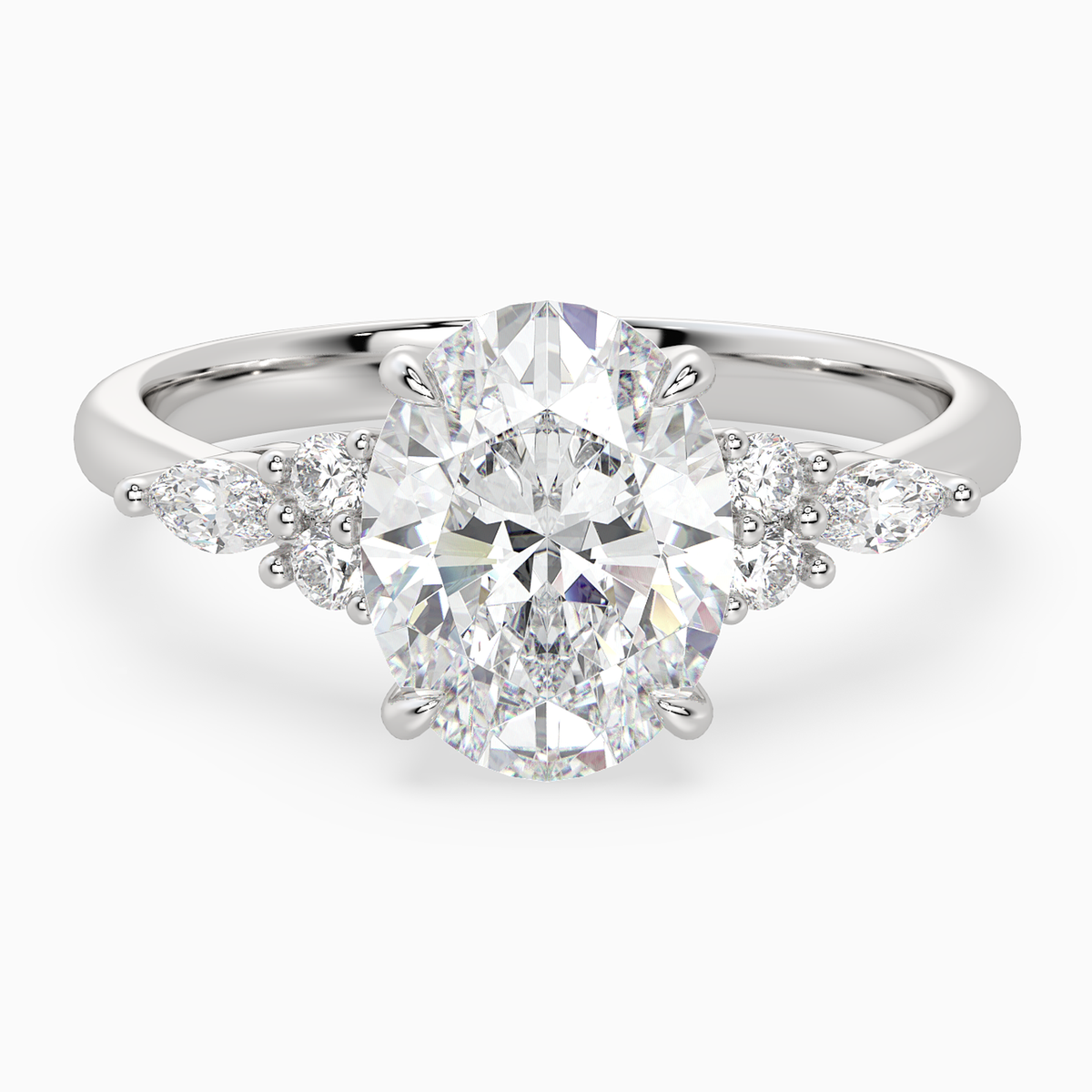


Ring Setting Guide
Prong Settings Explained: Types, Benefits, and How to Choose

Short answer: a prong setting holds a diamond or gemstone with small metal tips called prongs. It is one of the most popular engagement ring settings because it shows more of the stone, supports strong light return, and works with many shapes. The tradeoff is maintenance: prongs should be checked over time, especially if the ring is worn daily.
Prongs look simple, but they do a technical job. They must hold the stone securely, avoid covering too much of the diamond, follow the shape of the stone, and stay comfortable enough for everyday wear. A well-made prong setting feels light and precise. A poorly made one can snag, sit too high, or fail to protect vulnerable corners.
This guide explains how prong settings work, how three-prong, four-prong, and six-prong settings differ, how prongs compare with bezel and channel settings, and what to check before choosing one for an engagement ring or fine jewelry piece.
What Is a Prong Setting?
A prong setting uses narrow pieces of metal to grip the edge of a diamond or gemstone. Each prong rises from the setting, bends over the stone's girdle, and helps hold the stone in place. The goal is controlled exposure: enough metal for security, but not so much that the stone looks crowded.
Prongs are especially common for center stones because they let light enter from multiple angles. That is why a prong-set diamond often looks open, bright, and visually lifted from the band. The same openness also means the setting must be made and maintained carefully.
Light Access
Less metal around the stone can support a brighter, more open face-up appearance.
Shape Control
Prongs can be placed to support round, oval, pear, marquise, emerald, princess, and cushion cuts.
Maintenance Need
Prongs should be inspected periodically because daily wear can loosen, bend, or thin the metal over time.
Main Types of Prong Settings
The number and placement of prongs affect the ring's look, security, and how much of the stone remains visible. More prongs usually means more contact points. Fewer prongs often means a lighter, more open look.

| Prong Type | Best Use | Buyer Notes |
|---|---|---|
| Three-prong | Trillion cuts, triangular stones, and minimal designs. | Shows a lot of stone, but placement must be precise because there are fewer contact points. |
| Four-prong | Round, oval, cushion, emerald, and many classic solitaire rings. | Balanced, open, and common. It can make round diamonds look slightly more square depending on placement. |
| Six-prong | Round diamonds, larger stones, and buyers who want added security. | Creates a classic crown-like look and distributes support, but covers slightly more of the diamond edge. |
| Double claw prongs | Elongated shapes and rings with a more refined design detail. | Uses paired small tips for a tailored look; requires careful finishing so the prongs do not feel bulky. |
| V-prongs | Pear, marquise, princess, and other shapes with pointed ends. | Protects vulnerable tips better than a standard rounded prong. |
Why Choose a Prong Setting?
Prong settings are popular because they create a strong balance between beauty and function. The diamond remains visually dominant. The setting can be classic or modern. The ring can be built low or high, slim or substantial, minimal or detailed.
For buyers who care about brilliance, prongs are especially appealing because they do not wrap the stone in a continuous rim of metal. That open structure gives the diamond room to interact with light. For buyers who care about a clean, timeless look, a prong solitaire is also easy to understand and easy to pair with many wedding bands.
Prong Setting vs. Bezel, Channel, and Pavé Settings
No setting is universally best. The right choice depends on the stone, the style, and the way the jewelry will be worn. Prongs prioritize openness and brightness. Bezel settings prioritize edge protection and a smooth profile. Channel and pavé settings are often used for smaller accent stones or bands. For a broader map of setting styles, continue with the Engagement Ring Settings Guide; then compare the enclosed profile in Bezel Setting Explained.
| Setting | Strength | Tradeoff |
|---|---|---|
| Prong | Open, bright, versatile, and stone-forward. | Requires periodic prong checks and can snag if too high or poorly finished. |
| Bezel | Smooth, protective, and low-profile. | Covers more of the stone edge and creates a more framed look. |
| Channel | Secure and clean for rows of smaller stones. | Less open light access than exposed prongs. |
| Pavé | Adds surface sparkle and fine detail. | Small stones and tiny prongs need careful wear and maintenance. |
How Prongs Should Match the Stone Shape
The shape of the stone should guide the prong plan. Round diamonds are flexible and can work well with four or six prongs. Oval diamonds often need thoughtful placement at the ends so the shape stays elegant. Pear and marquise stones usually benefit from a V-prong at the tip. Princess-cut diamonds need corner protection because the corners are more vulnerable.
Prong style also affects the perceived shape. Rounded prongs can soften a diamond. Claw prongs can make the setting feel sharper and more contemporary. Double claw prongs can add definition, especially on elongated cuts, but they should remain proportional to the stone.

Daily Wear: Height, Snagging, and Security
Prong settings can be practical for daily wear, but height matters. A very high setting can look dramatic and make the diamond feel prominent, but it may catch on fabric or feel exposed during active routines. A lower prong setting can feel easier to wear, though it still needs enough structure to support the stone safely.
- Check the profile. View the ring from the side, not only from the top.
- Feel the prong tips. They should be smooth and secure, not sharp or raised.
- Match setting height to lifestyle. Active daily wear often benefits from a lower, more protected profile.
- Protect pointed stones. Pear, marquise, and princess cuts need extra attention at tips and corners.
- Plan inspections. Have prongs checked if the ring is knocked, catches repeatedly, or starts to feel different.
Metal Choice for Prong Settings
Metal affects both appearance and durability. Platinum is naturally white and dense, which makes it a strong choice for fine prongs. White gold can create a bright look and is widely used, though rhodium maintenance may apply. Yellow or rose gold can be beautiful for the band, while white-metal prongs can help keep a diamond looking visually crisp.
Two-tone prong settings are common for a reason: the band can carry warmth while the prongs stay visually quiet around the diamond. The best choice depends on the diamond color, metal preference, setting style, and how much contrast you want in the finished ring.
How to Care for a Prong Setting
Prongs need regular attention because they are small metal contact points. Clean the ring gently with warm water, mild soap, and a soft brush. Avoid aggressive pressure under the stone. Dry with a lint-free cloth. Remove the ring before heavy lifting, harsh chemicals, or activities where the setting may be hit.
A professional inspection once or twice a year is a practical habit for an engagement ring worn daily. The jeweler can check whether the prongs are tight, aligned, worn, or catching. Early maintenance is usually simpler than repairing a setting after a stone loosens.
How Burvonti Thinks About Prong Settings
A prong setting should not be chosen only because it is classic. It should be calibrated for the diamond, the wearer's lifestyle, and the visual balance of the ring. A setting that works beautifully for a round diamond may not be right for a pear shape. A dramatic high setting may not suit someone who wants a low-maintenance daily ring.
Burvonti's approach is to treat the diamond and setting as one decision. The stone, prong style, height, metal, and band relationship should be selected together so the final ring feels intentional, secure, and visually precise.
After comparing prong structures, explore engagement rings to see different setting directions.
Choose the diamond, then refine the setting around it.
Compare lab-grown diamond options and explore engagement ring designs with the setting, profile, and daily wear experience in mind.
Frequently Asked Questions
Are prong settings secure?
Yes, a well-made prong setting can be secure, but it needs periodic inspection. Prongs are small metal points, so wear, impact, or snagging can affect them over time.
Is a four-prong or six-prong setting better?
Four prongs look open and balanced, while six prongs provide more contact points and a classic crown-like look. The better choice depends on stone size, shape, style preference, and lifestyle.
Do prong settings make diamonds sparkle more?
Prong settings can help a diamond look bright because they leave more of the stone open to light. Cut quality still matters most for sparkle.
Do prong settings snag on clothing?
They can if the setting is high, the prongs are worn, or the tips are not finished smoothly. A lower profile and regular inspections reduce the risk.
What stones need special prong protection?
Pear, marquise, and princess-cut stones need careful protection at tips or corners. Softer gemstones may also need more metal support than diamonds.
How often should prongs be checked?
For a daily-wear engagement ring, a professional inspection once or twice a year is a good habit. Have it checked sooner if the ring is hit, catches on fabric, or the stone feels loose.