
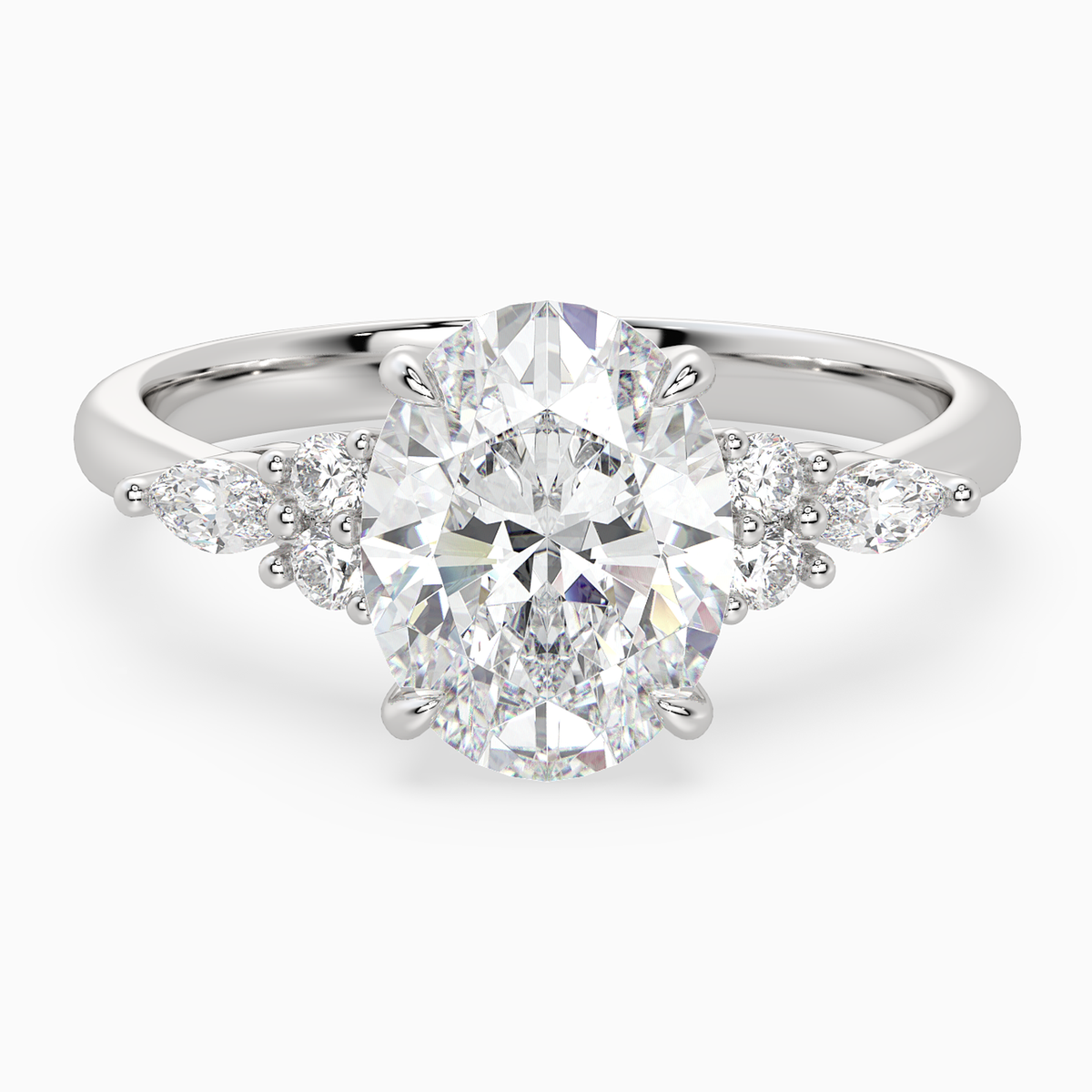


Platinum Jewelry Guide: Engagement Rings, Bands and Daily Wear

Platinum is often treated as the quiet choice in fine jewelry. It does not have yellow gold's warmth or rose gold's color story, but it has something many everyday pieces need: natural whiteness, density, secure setting performance, and a low-maintenance look that ages with the wearer.
Short answer: platinum is worth considering for engagement rings, wedding bands, diamond earrings, pendants, and bracelets when you want a naturally white precious metal with strong prong security, comfortable purity, and long-term durability. It costs more upfront than most gold options and develops a soft patina, so the best choice depends on your budget, finish preference, and daily-wear habits.
The reference point for many shoppers is white gold. Both can create a bright diamond look, but they behave differently over time. White gold is an alloy that usually relies on rhodium plating for its crisp white surface. Platinum is white by nature, usually used at high purity, and has a heavier hand feel. That difference matters when the jewelry is meant to be worn constantly.
What Makes Platinum Different?
Platinum is a dense, naturally white precious metal. In fine jewelry, it is commonly used in high-purity alloys, often around 90% to 95% platinum depending on the maker and standard. That purity is one reason platinum feels substantial and is often selected for jewelry that needs to hold a diamond securely for many years.
The metal is also known for the way it wears. When platinum is scratched, the metal tends to move rather than disappear in the same way softer gold alloys can wear down over time. This does not mean platinum stays mirror-perfect forever. It means daily marks build into a satin-like patina while the piece keeps much of its metal volume.
Platinum vs. White Gold: The Practical Difference
White gold and platinum can look similar at first glance, especially when white gold is freshly rhodium plated. The difference becomes clearer after months and years of wear.
| Factor | Platinum | White Gold |
|---|---|---|
| Color | Naturally white and does not require rhodium plating to stay white. | Made from yellow gold alloyed with white metals and often rhodium plated for brightness. |
| Feel | Denser and heavier, with a substantial feel on the hand. | Lighter in weight, which some wearers prefer for comfort or budget. |
| Wear pattern | Develops a soft patina; scratches tend to displace metal. | Can lose plating and may need periodic replating to restore a bright white finish. |
| Cost | Usually higher upfront because of density, purity, and specialized work. | Usually more accessible upfront, especially in 14K white gold. |
| Best for | Daily-wear bridal jewelry, sensitive-skin shoppers, and larger diamonds needing secure prongs. | Shoppers who want a bright white look with more flexibility on price and weight. |
Why Platinum Works So Well for Engagement Rings
An engagement ring is not only a style decision. It is one of the few fine jewelry pieces expected to survive constant contact with hands, water, fabric, desks, and daily motion. Platinum's density and malleability make it especially useful around prongs, baskets, and delicate setting details.
For lab-grown diamond engagement rings, platinum can also support a clean visual relationship between the stone and the setting. A colorless or near-colorless diamond often looks especially seamless in a naturally white metal, because the metal does not introduce yellow or rose warmth into the face-up impression.

Daily Wear Is Where Platinum Makes Sense
Platinum is a strong candidate when the ring will be worn every day and the wearer wants a cool white look without routine replating. It is especially compelling for solitaire settings, hidden halo designs, pave bands, and wedding sets that rub against each other over time.
Explore Engagement RingsIs Platinum Good for Sensitive Skin?
Platinum is often a good option for sensitive skin because platinum jewelry is commonly made with high-purity alloys and is less likely to rely on nickel than some gold alloys. That said, every person's skin is different. If you have known metal allergies, confirm the exact alloy with your jeweler before buying any ring, earring, or chain.
This is one reason platinum is popular for earrings and everyday bands. Jewelry that touches sensitive areas for long periods should be chosen with comfort in mind, not only appearance.
How Platinum Ages: Polish, Patina and Maintenance
Platinum does scratch. The important distinction is how those scratches age visually. Instead of staying permanently glossy, platinum gradually develops a soft, grey-white patina. Many people like that finish because it makes the piece feel personal and lived in. Others prefer a freshly polished mirror finish.
If you want high polish at all times, platinum may need periodic professional polishing. If you like a quieter finish that records daily wear without looking yellow, platinum can be a low-maintenance choice.
Platinum Across Fine Jewelry
Although platinum is most often discussed in engagement rings, it can also work beautifully across a jewelry capsule. Its naturally white tone keeps diamond jewelry visually consistent, while its secure setting behavior is useful for pieces with small stones and frequent movement.

Where Platinum Is Especially Useful
Wedding bands: platinum is useful for bands that sit beside an engagement ring every day.
Diamond earrings: high-purity platinum can be appealing for sensitive ears.
Pendants and bracelets: platinum can support delicate white-metal designs where strength and security matter.
Pros and Cons of Platinum Jewelry
| Pros | Cons |
|---|---|
| Naturally white color that does not rely on rhodium plating. | Higher upfront cost than many gold options. |
| Dense, substantial feel for rings and bands. | Heavier feel is not every wearer's preference. |
| Strong choice for prongs and stone security. | Will show scratches and develop patina with wear. |
| Often suitable for sensitive-skin shoppers when alloy details are confirmed. | May require polishing if you want a constant mirror finish. |
Who Should Choose Platinum?
Choose platinum if your priority is long-term daily wear, a naturally white look, secure diamond setting, and a substantial feel. It is a strong match for shoppers who want an engagement ring or wedding band built around practical longevity rather than only first-day shine.
Consider white gold instead if you want a lighter ring, a lower initial price, or you do not mind occasional rhodium replating. Yellow gold or rose gold may be better if you want warmth, contrast, or a more visibly colored metal.
Burvonti's View on Platinum
At Burvonti, metal choice is part of the ring's architecture. Platinum is compelling because it supports the diamond physically and visually: the setting can stay quietly white, the prongs can feel secure, and the ring can age in a way that reflects real wear instead of fighting it.
Choose the Metal Around the Way You Live
If you are deciding between platinum, white gold, yellow gold, and rose gold, start with the way the ring will be worn. Burvonti can help you compare metal feel, diamond color, setting style, and long-term maintenance before you choose.
Explore Engagement Rings Book a ConsultationFor a related guide, continue with White Gold vs. Yellow Gold: Which Metal Makes Your Diamond Look Better?.
Frequently Asked Questions
Is platinum better than white gold for engagement rings?
Platinum can be better if you want a naturally white metal, a heavier feel, strong prong security, and no routine rhodium replating. White gold can be better if you prefer a lighter ring or a lower upfront price.
Does platinum jewelry scratch?
Yes. Platinum scratches and develops a patina with daily wear. The difference is that the metal tends to move rather than wear away quickly, so many people see platinum as a durable long-term choice.
Why does platinum cost more than gold?
Platinum jewelry usually costs more because platinum is dense, often used in high-purity alloys, and requires specialized work at the bench. A finished platinum ring also contains more metal by weight than a comparable gold ring.
Is platinum hypoallergenic?
Platinum is commonly considered a good option for sensitive skin because it is often used at high purity and is less likely to include nickel than some gold alloys. If you have a known allergy, always confirm the exact alloy before purchase.
Does platinum need rhodium plating?
No. Platinum is naturally white, so it does not need rhodium plating to maintain a white color. It may still be professionally polished if you prefer a brighter, more reflective finish.