
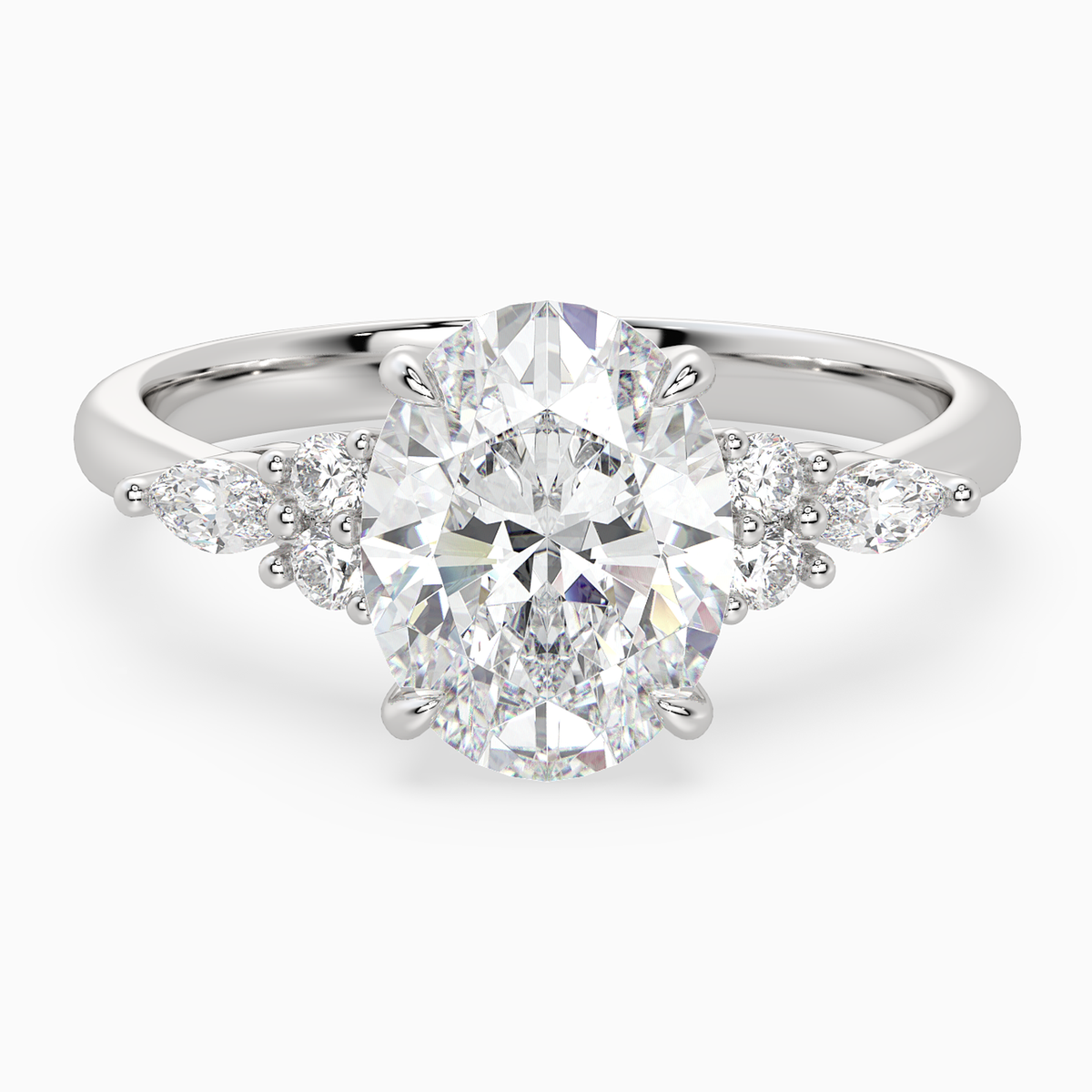


Lab-Grown Diamond Pricing: What You're Really Paying For

Lab-grown diamond pricing can look simple from a distance: choose a carat weight, compare a few stones, and find the lowest number. In reality, the final price is shaped by quality, grading, design, and the way the diamond will be worn.
Lab-grown diamonds often let buyers choose a larger or higher-spec diamond for the same budget compared with many mined diamond options. The strongest purchase is not always the largest stone. It is the stone and setting combination that gives you the most beauty, confidence, and daily wear value for your budget.
This guide explains what actually moves the price, where it is worth spending more, and how to compare lab-grown diamonds without getting trapped by a single number.
What Determines Lab-Grown Diamond Pricing?
A lab-grown diamond is a real diamond grown in a controlled environment rather than mined from the earth. Its price is not random. It reflects a mix of measurable specifications, visual judgment, and jewelry craftsmanship.
Carat weight and face-up size
Carat measures weight, not exact visible size. Two diamonds with the same carat weight can look different on the hand because shape, proportions, and depth affect face-up spread.
Cut quality
Cut controls how light moves through the diamond. A well-cut diamond can look brighter and more refined than a larger stone with weaker proportions.
Color and clarity
Higher grades usually cost more, but the best value is often a grade that looks clean and bright in real life, not simply the highest grade on paper.
Shape and availability
Round, oval, emerald, cushion, pear, radiant, marquise, and princess cuts each have different cutting loss, demand, and availability patterns that can affect price.
Certification
A grading report from a recognized lab makes comparison easier and supports buyer confidence. It also helps clarify the exact specs behind the price.
Setting and craftsmanship
The finished ring price includes more than the center stone. Metal choice, prong work, side stones, hidden halos, pave, comfort, and finishing all matter.
Why Lab-Grown Diamonds Usually Cost Less Than Mined Diamonds
Lab-grown diamonds are often more affordable because they do not rely on the same mining, rarity narrative, and extraction supply chain as mined diamonds. Production has also become more efficient, which has made high-quality lab-grown stones more accessible.
That lower price does not mean lab-grown diamonds are imitation stones. They are diamond. The practical difference for many buyers is budget flexibility: you may be able to choose a larger center stone, a better cut, a more refined setting, or a custom design path without stretching the same budget as far.
Exact lab-grown diamond prices change with supplier inventory, grading, shape, and market conditions. Use any public price range as a snapshot, not a promise. For a real purchase decision, compare live diamonds with complete specs and a current quote.
How to Think About 1, 2, and 3 Carat Budgets
Carat weight is usually the first number shoppers mention, but it should not be the only number guiding the decision. A smart budget starts with the visual result you want, then works backward through shape, cut, color, clarity, and setting design.
| Carat direction | Best use of the budget | What to watch |
|---|---|---|
| 1 carat range | Prioritize cut quality, bright face-up performance, and a setting that gives the ring presence without overwhelming daily wear. | Do not sacrifice cut just to move slightly higher in carat. A crisp, well-proportioned diamond often looks more elegant. |
| 2 carat range | Balance scale with quality. This range can feel substantial, so shape, proportion, color, and setting height become more visible. | Review profile height and comfort. A larger stone still needs a secure, wearable setting. |
| 3 carat and above | Use the budget deliberately. The larger the diamond, the more obvious cut quality, color tint, inclusions, and setting proportion can become. | A bigger stone is not automatically a better ring. Visual balance, certification, and craftsmanship become especially important. |

Where Your Budget Matters Most
The best lab-grown diamond value usually comes from choosing the right tradeoffs. Spend where the difference is visible, structural, or confidence-building. Save where the improvement exists mainly on paper.
| Budget area | Usually worth prioritizing | Where to compare carefully |
|---|---|---|
| Cut and proportions | Brightness, symmetry, contrast, and face-up beauty. | A larger carat weight with weaker light return can look less impressive than a smaller, better-cut stone. |
| Color and clarity | A diamond that looks bright and eye-clean in the setting you want. | The highest paper grade is not always necessary if the visual difference is hard to see. |
| Certification | A clear grading report from a recognized lab for easier comparison and long-term documentation. | Do not compare two prices unless you also compare the grading details behind them. |
| Setting design | Security, comfort, prong quality, metal choice, side-stone matching, and finishing. | A low center-stone price can still become a weaker overall purchase if the ring setting is poorly made. |
The Setting Changes the Final Price Too
Many buyers start by asking how much the diamond costs, then later discover that the setting meaningfully changes the final ring price. A simple solitaire, a hidden halo, a three-stone ring, a pave band, and a custom low-profile design do not require the same labor, metal, or stone matching.
That is why a complete budget should include both the center diamond and the finished jewelry design. A refined setting can make a diamond feel more intentional, secure, and wearable. It can also be the reason a slightly smaller or more carefully chosen diamond looks better than a larger stone in a generic mount.

Lab-Grown Diamond Pricing vs. Long-Term Value
Pricing and value are related, but they are not the same. A low price is useful only if the diamond is beautiful, documented, and set well. A high specification is useful only if it improves the ring in a way you can actually see and enjoy.
For most shoppers, lab-grown diamonds are strongest as a purchase-value choice: they can give you more visible diamond, more design flexibility, and more clarity about specifications for the money. They should not be treated as guaranteed resale investments. If you are weighing value, resale, and ownership expectations, read our guide to whether lab-grown diamonds are worth it.
Compare the Whole Ring, Not Just the Stone
You can compare Compare engagement rings, explore , or contact Burvonti for a clear review of diamond specs, setting options, and budget tradeoffs.
Start a Design ReviewLab-Grown Diamond Pricing Checklist
- Compare diamonds with the same shape, similar carat weight, and full grading details.
- Prioritize cut quality and real visual performance before chasing the biggest carat number.
- Choose color and clarity grades that look right in the actual setting, not just on a chart.
- Make sure the quote includes the setting, metal, accent stones, and finishing expectations.
- Ask how the diamond is documented and whether the grading report matches the stone you are buying.
- Keep enough budget for craftsmanship, comfort, and long-term wear.
FAQ: Lab-Grown Diamond Pricing
How much do lab-grown diamonds cost?
Lab-grown diamond prices vary by carat weight, cut, color, clarity, shape, certification, supplier inventory, and market timing. Instead of relying on a fixed price chart, compare live stones with complete grading information and the setting cost included.
Why are lab-grown diamonds cheaper than mined diamonds?
Lab-grown diamonds are usually more affordable because they are produced in controlled environments and do not rely on the same mining supply chain or rarity narrative. They are still real diamonds, but their market structure is different.
Is a higher carat always the best use of budget?
No. A larger diamond can be beautiful, but cut quality, shape, face-up proportion, color, clarity, and setting design all affect the final look. A slightly smaller, better-balanced diamond can be a stronger choice.
What should I prioritize when comparing lab-grown diamond pricing?
Start with cut quality, visual brightness, certification, and the finished ring design. Then compare color, clarity, carat weight, and shape based on what is visible and meaningful for the piece you want.
Does the ring setting affect the total price?
Yes. Metal choice, prong work, side stones, hidden halos, pave, ring profile, comfort, and custom details can all change the final price. A complete budget should include both the center stone and the setting.
Final Takeaway
Lab-grown diamond pricing is not just about finding the lowest number for a certain carat weight. It is about understanding what each dollar changes: light performance, visual size, documentation, setting quality, comfort, and the finished piece you will actually wear.
If you want help weighing diamond specs against design goals, contact Burvonti for a clear, low-pressure review before you choose the final stone.