
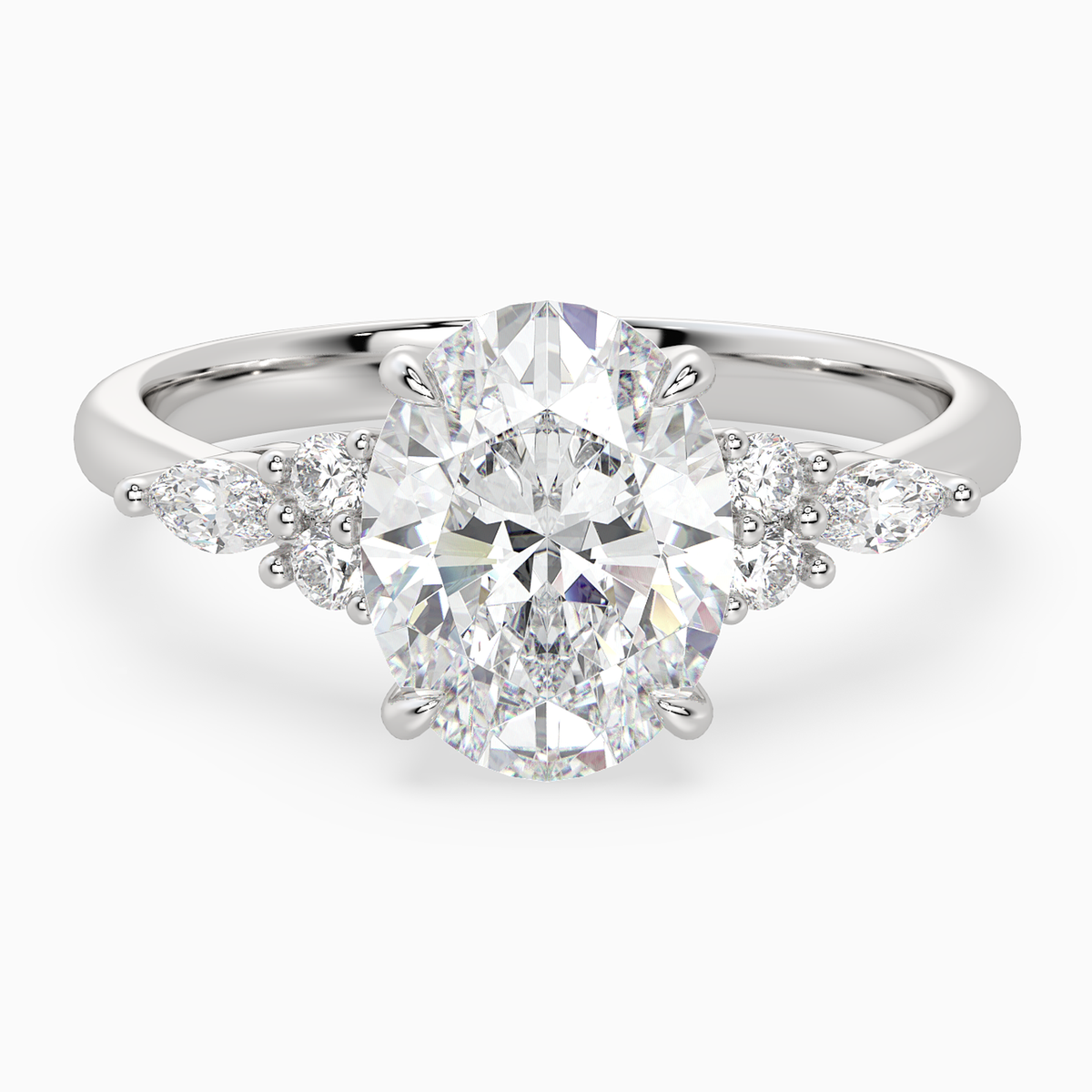


Are Lab-Grown Diamonds Worth It? Value, Resale, and What You Really Get

Lab-grown diamonds have changed how many shoppers think about value. They make it possible to choose a larger, higher-quality, or more carefully designed diamond piece within a budget that might feel limiting in mined diamonds. But value does not mean the same thing as resale profit.
If you want beauty, transparent specifications, modern origin, and more design freedom for your budget, lab-grown diamonds can be very worthwhile. If your main goal is resale appreciation, approach them with realistic expectations and buy for wear, quality, and meaning first.
This guide explains what gives lab-grown diamonds value, why resale can be different from purchase value, and how to choose a lab-grown diamond ring or jewelry piece with confidence.
What Makes a Lab-Grown Diamond Valuable?
A lab-grown diamond is a real diamond grown in a controlled environment rather than mined from the earth. The two main growth methods are HPHT, or High Pressure High Temperature, and CVD, or Chemical Vapor Deposition. The result is diamond crystal made of carbon with the durability, brilliance potential, and optical behavior shoppers expect from diamond jewelry.
Its value comes from several layers working together:
Diamond quality
Cut, color, clarity, carat weight, shape, proportions, and visual performance all influence how beautiful and desirable the stone is.
Transparent documentation
A respected grading report makes the diamond easier to compare and gives future buyers clearer information.
Jewelry craftsmanship
The setting, prong work, stone security, metal choice, comfort, and finishing can add lasting value beyond the loose stone.
Personal utility
A ring worn often has value that resale markets cannot fully measure: beauty, comfort, meaning, and daily confidence.
For most shoppers, the strongest reason to choose lab-grown diamonds is not speculation. It is the ability to get more visible diamond quality and design intention for the same budget. Use our 4Cs diamond guide for the broader decision framework; then compare Lab Grown vs. Mined Diamonds.
Do Lab-Grown Diamonds Hold Their Value?
Lab-grown diamonds usually should not be purchased with the expectation that they will hold resale value the way a rare collectible or financial asset might. Resale markets for lab-grown diamonds can be limited, pricing changes quickly, and new production continues to make high-quality stones more available.
That does not mean a lab-grown diamond has no value. It means the value is mostly realized at purchase and during ownership. You may be able to choose better cut quality, a larger carat weight, a more refined setting, or a custom design path for the same total spend. Those are real benefits, even if resale recovery is uncertain.
Think of a lab-grown diamond as a jewelry decision, not an investment product. The right question is not only, "What could I sell this for later?" It is also, "Does this diamond give me the beauty, quality, documentation, and design result I want now?" Continue with Lab-Grown Diamond Pricing for the next comparison.
Purchase Value vs. Resale Value
Purchase value is what you receive for the price you pay today. Resale value is what another buyer may pay later in a secondary market. These are related, but they are not the same.
| Question | Purchase Value | Resale Value |
|---|---|---|
| What it measures | Beauty, specifications, size, craftsmanship, and design quality for your budget. | What a future buyer, jeweler, or marketplace may pay for the piece. |
| Most important drivers | Cut quality, carat size, color, clarity, certification, setting design, and brand experience. | Market demand, documentation, condition, original quality, and buyer trust. |
| How to optimize it | Choose a diamond that looks excellent in real viewing conditions and pair it with a well-made setting. | Keep grading reports, receipts, service records, and original packaging when available. |
| Best mindset | Buy for the ring or jewelry you will actually wear and enjoy. | Manage expectations and treat resale as optional, not guaranteed. |

Lab-Grown Diamonds vs. Mined Diamonds: Value Differences
Lab-grown and mined diamonds can look visually identical to the unaided eye when quality is comparable. The main difference is origin, market structure, and pricing behavior. Mined diamonds carry natural scarcity as part of their value story. Lab-grown diamonds carry technology, transparency, and access as part of theirs.
For shoppers, this often means lab-grown diamonds can offer a lower entry price for comparable visible quality. The tradeoff is that resale expectations may be less predictable because supply, production costs, and consumer demand continue to evolve.
| Factor | Lab-Grown Diamonds | Mined Diamonds |
|---|---|---|
| Origin | Grown by HPHT or CVD technology in a controlled environment. | Formed naturally underground and extracted through mining. |
| Visual beauty | Can have excellent brilliance when cut well and graded carefully. | Can also have excellent brilliance when cut well and graded carefully. |
| Budget efficiency | Often allows more carat size, higher specs, or more setting detail for the same budget. | Usually carries a higher price for comparable visible specifications. |
| Resale expectation | Often less predictable; best approached as a jewelry purchase, not an investment. | More established resale market, but resale still depends heavily on quality, demand, and purchase price. |
| Best for | Shoppers who prioritize beauty, transparency, size, design freedom, and modern origin. | Shoppers who strongly value natural origin, rarity narratives, and traditional market perception. |
What Affects Lab-Grown Diamond Value?
1. Cut quality
Cut is one of the strongest drivers of visible beauty. A well-cut lab-grown diamond can look bright, lively, and balanced, while a poorly cut diamond can look dull even if the carat weight is impressive. Do not trade away cut quality just to move up in size.
2. Certification
A grading report from a respected laboratory helps document cut, color, clarity, carat weight, measurements, growth method, and other details. Certification does not guarantee resale value, but it makes the diamond easier to understand and compare.
3. Desirable specifications
High-demand shapes, balanced proportions, appealing color and clarity, and strong face-up appearance can all make a diamond more desirable. The most valuable choice is not always the highest number on paper. It is the best overall combination for the design.
4. Setting quality
A loose diamond is only one part of a finished piece. Prong security, metal durability, setting height, comfort, finishing, and stone alignment all affect how the jewelry wears over time. A well-built setting can protect the diamond and make the whole piece feel more valuable.
5. Documentation and condition
Keep the grading report, receipt, care records, and any service notes. Clean the jewelry properly, store it safely, and inspect prongs over time. If resale ever matters, condition and documentation make the piece easier to trust.

How to Buy a Lab-Grown Diamond for Lasting Value
- Start with your real use case. An engagement ring, anniversary gift, tennis necklace, pendant, or earrings may require different priorities for size, security, and daily wear.
- Prioritize cut and visual performance. Brightness, fire, scintillation, and balanced proportions matter more than a size increase that looks flat.
- Choose documented quality. Look for a grading report and keep a copy with your purchase records.
- Compare total design value. A better setting, secure prongs, a comfortable profile, and thoughtful proportions may be more valuable than a slightly larger stone.
- Manage resale expectations. Buy because the piece makes sense for your life now. Treat any future resale as secondary.
You can compare Compare engagement rings, explore engagement ring settings, or continue through the Burvonti Journal if you are still deciding how to balance value, design, and specifications.
Build Value Into the Whole Ring, Not Just the Stone
Burvonti helps you compare lab-grown diamonds by visible beauty, documented quality, setting fit, and long-term wear. The result is a ring built around your decision, not a stone chosen by price alone.
Compare engagement rings Start a Custom DesignCommon Mistakes to Avoid
- Buying lab-grown diamonds as a resale investment. They are better understood as a jewelry value decision.
- Chasing carat weight only. A larger diamond with weak cut quality can feel less impressive in daily wear.
- Ignoring the setting. Stone security, comfort, and proportion affect how valuable the finished ring feels.
- Skipping documentation. Keep grading reports and purchase records in a safe place.
- Assuming all lab-grown diamonds are equal. Origin category alone does not determine beauty. Individual quality still matters.
Frequently Asked Questions
Are lab-grown diamonds worth buying?
They can be worth buying if you value diamond beauty, transparent specifications, modern origin, and more design flexibility for your budget. They are not ideal if your main goal is guaranteed resale appreciation.
Do lab-grown diamonds have resale value?
They may have resale value, but resale can be unpredictable and often lower than the purchase price. Documentation, quality, condition, and market demand all affect what a future buyer may pay.
Are lab-grown diamonds real diamonds?
Yes. Lab-grown diamonds are diamond crystals grown by technology such as HPHT or CVD. They are not diamond simulants like cubic zirconia.
What makes a lab-grown diamond more valuable?
Cut quality, desirable color and clarity, balanced proportions, carat weight, certification, setting craftsmanship, condition, and documentation all contribute to value.
Should I choose a mined diamond instead for value?
It depends on what value means to you. If natural origin and traditional resale perception matter most, mined diamonds may feel more aligned. If visible quality, size, transparency, and design freedom matter more, lab-grown diamonds can be a strong choice.
Final Takeaway
Lab-grown diamonds are valuable when they help you make a clearer, more intentional jewelry decision. They can offer excellent beauty for the budget, strong documentation, and more freedom to design the ring you actually want. Just keep the resale conversation honest: buy the diamond for the life you will wear it in, not for a promise that it will appreciate later.
If you want help weighing stone quality, setting design, and budget, contact Burvonti before you choose the final diamond.