
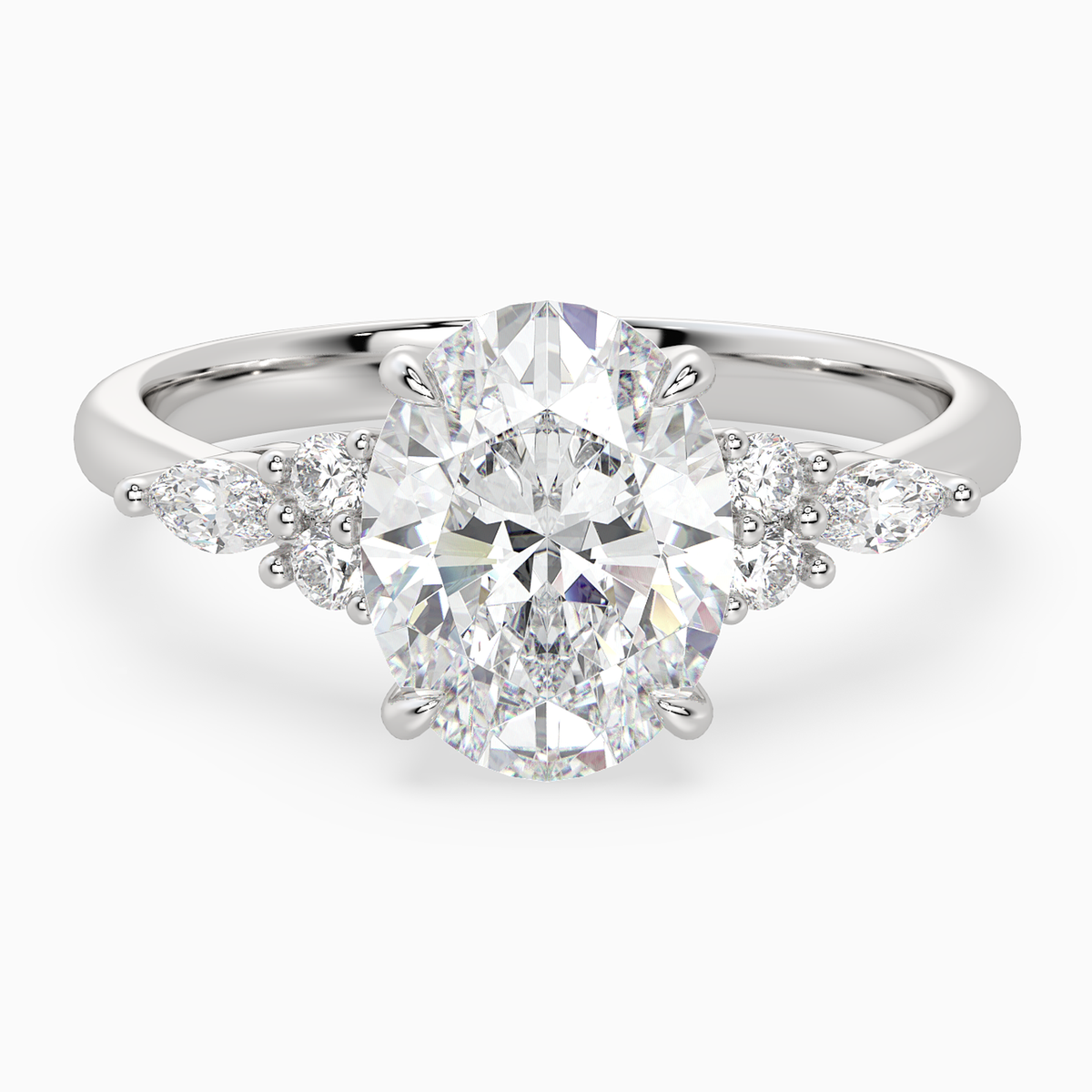


Lab Grown Diamond Fashion Earrings
Beyond a single category, composition becomes the signature. Explore diamond earrings through contrast, movement and personal expression.


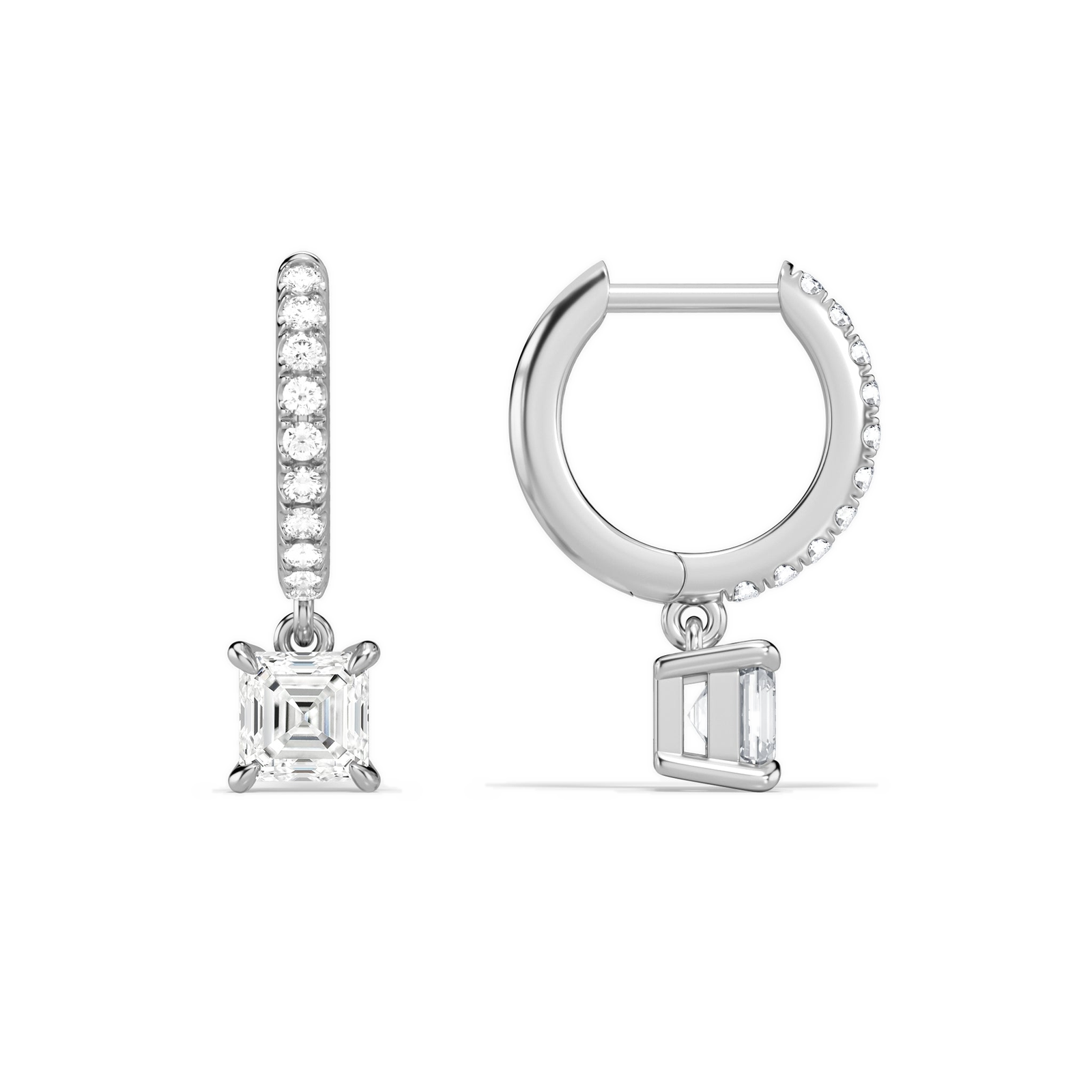


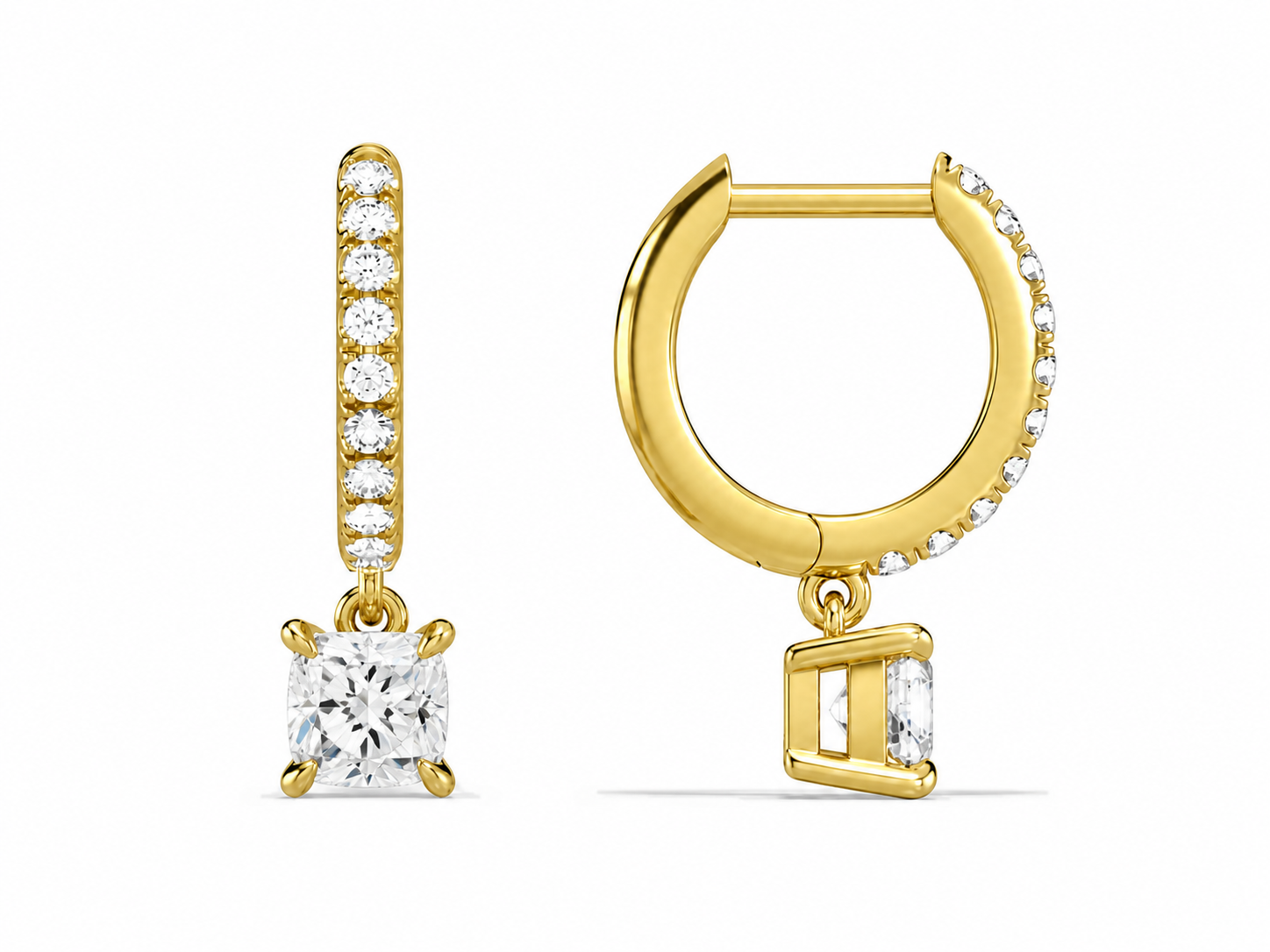


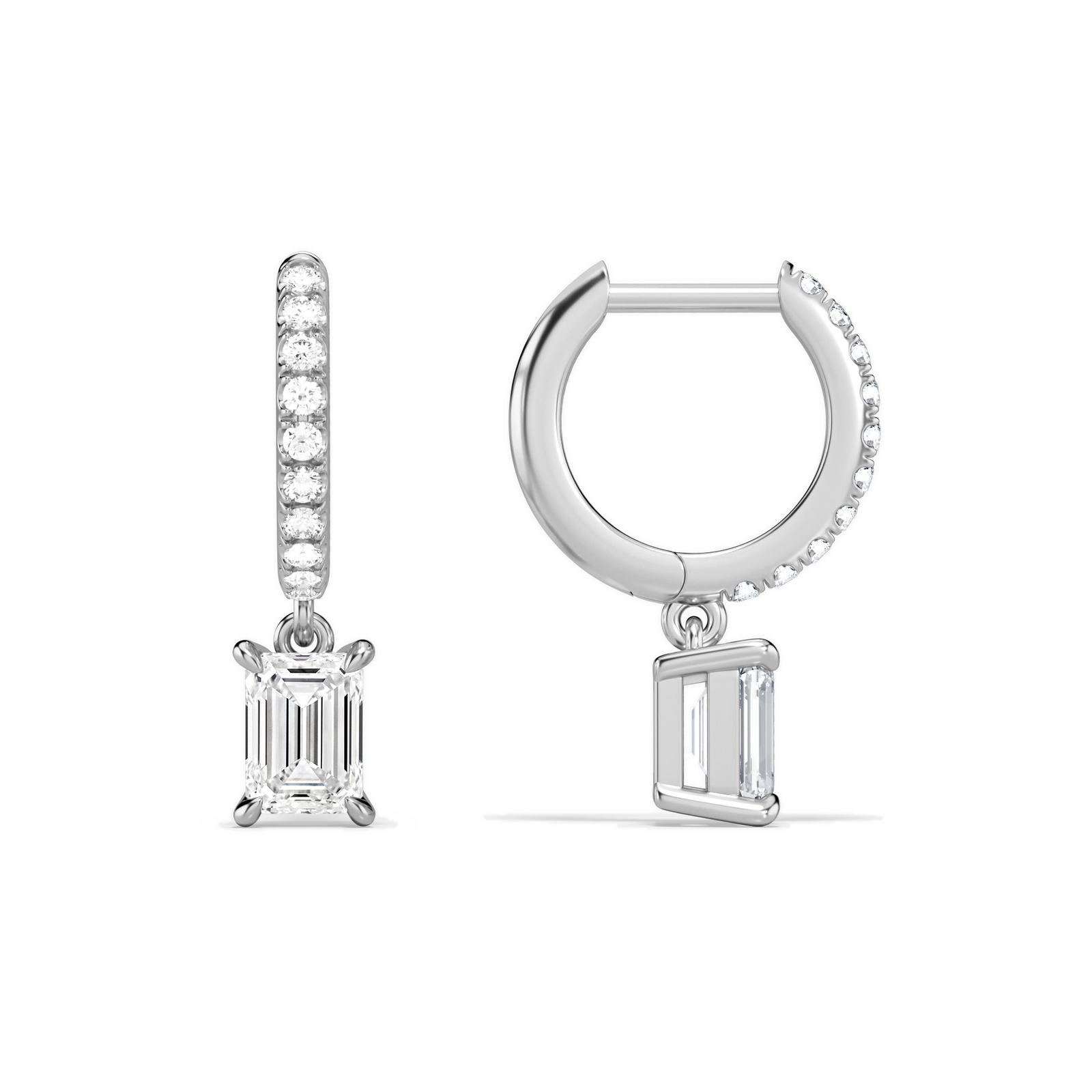


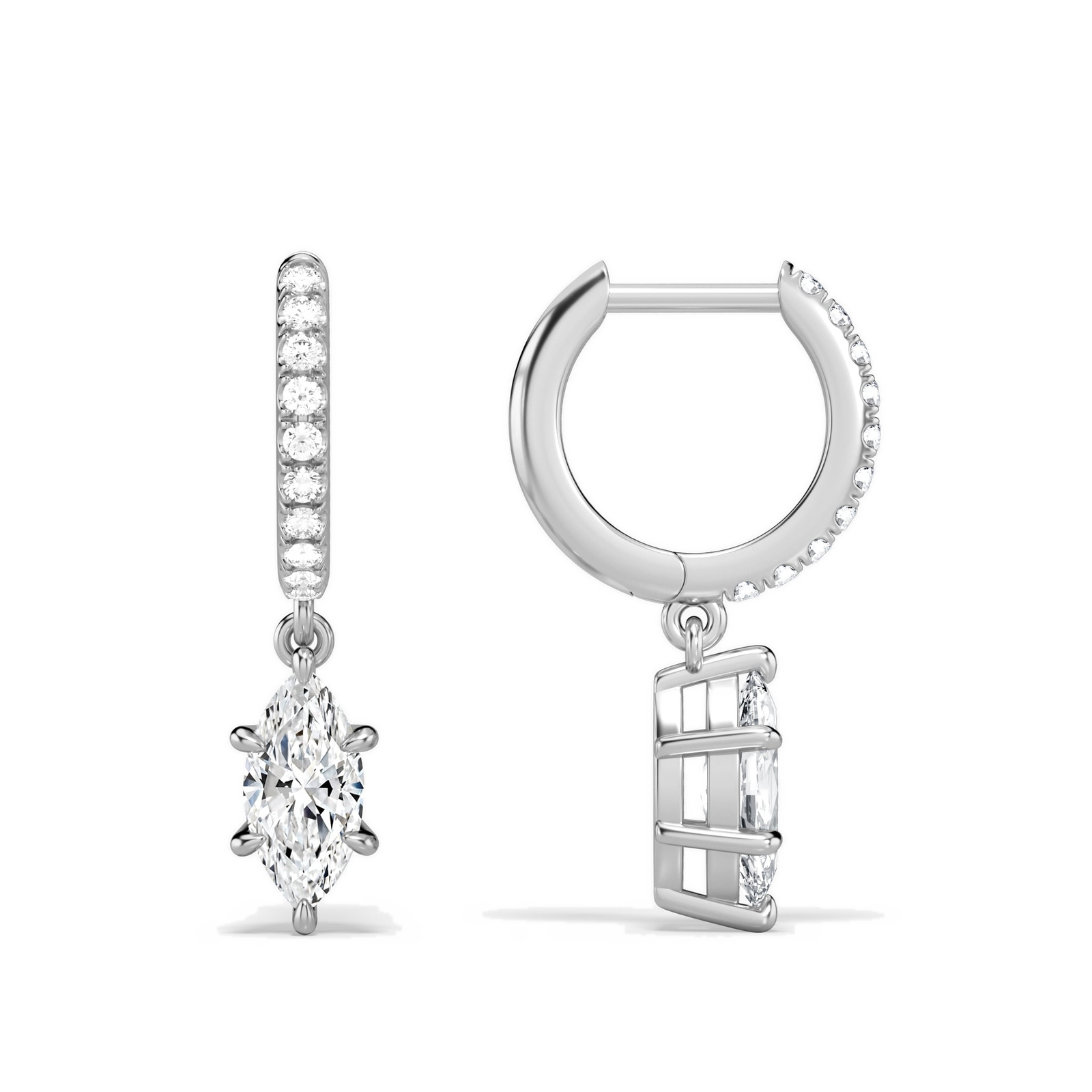


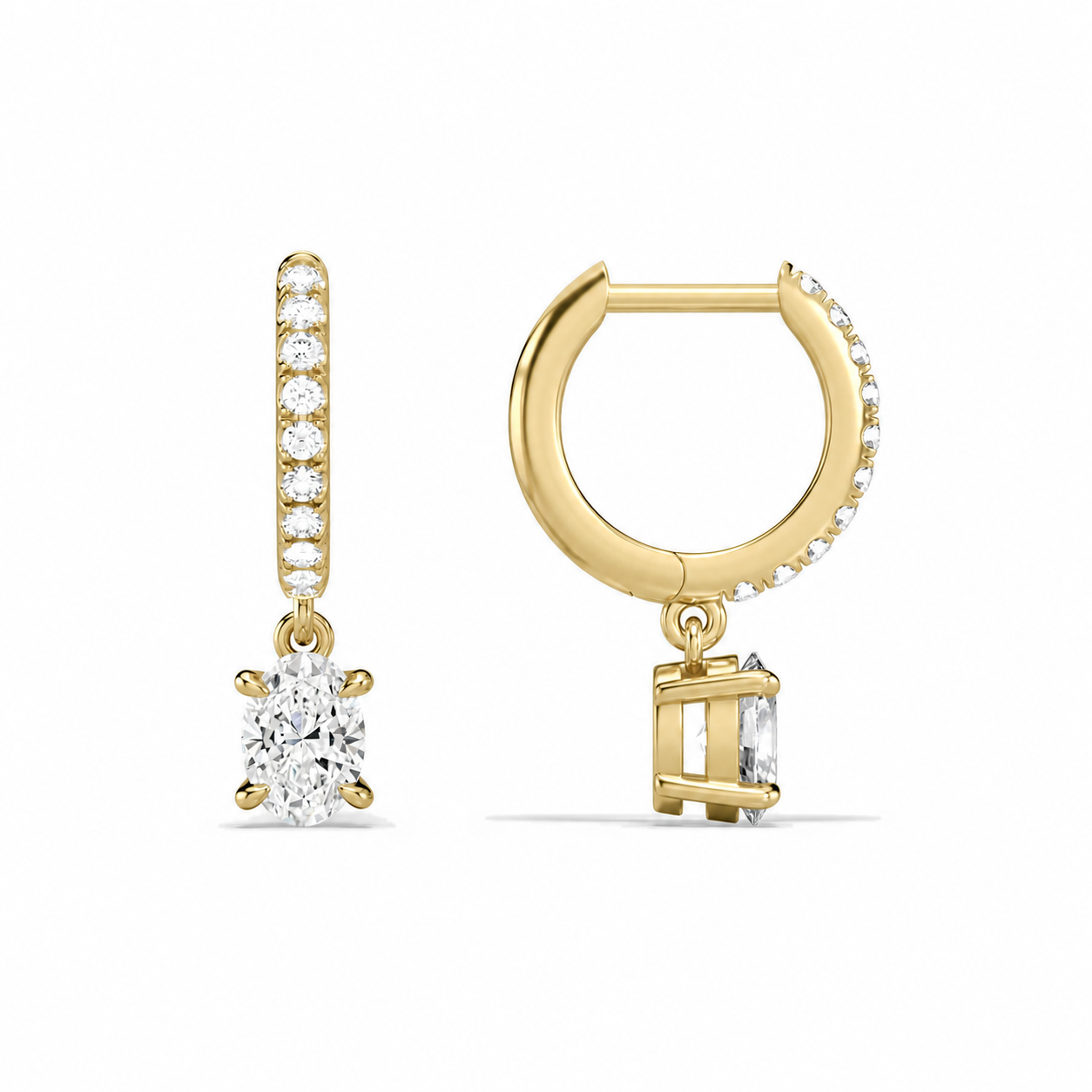


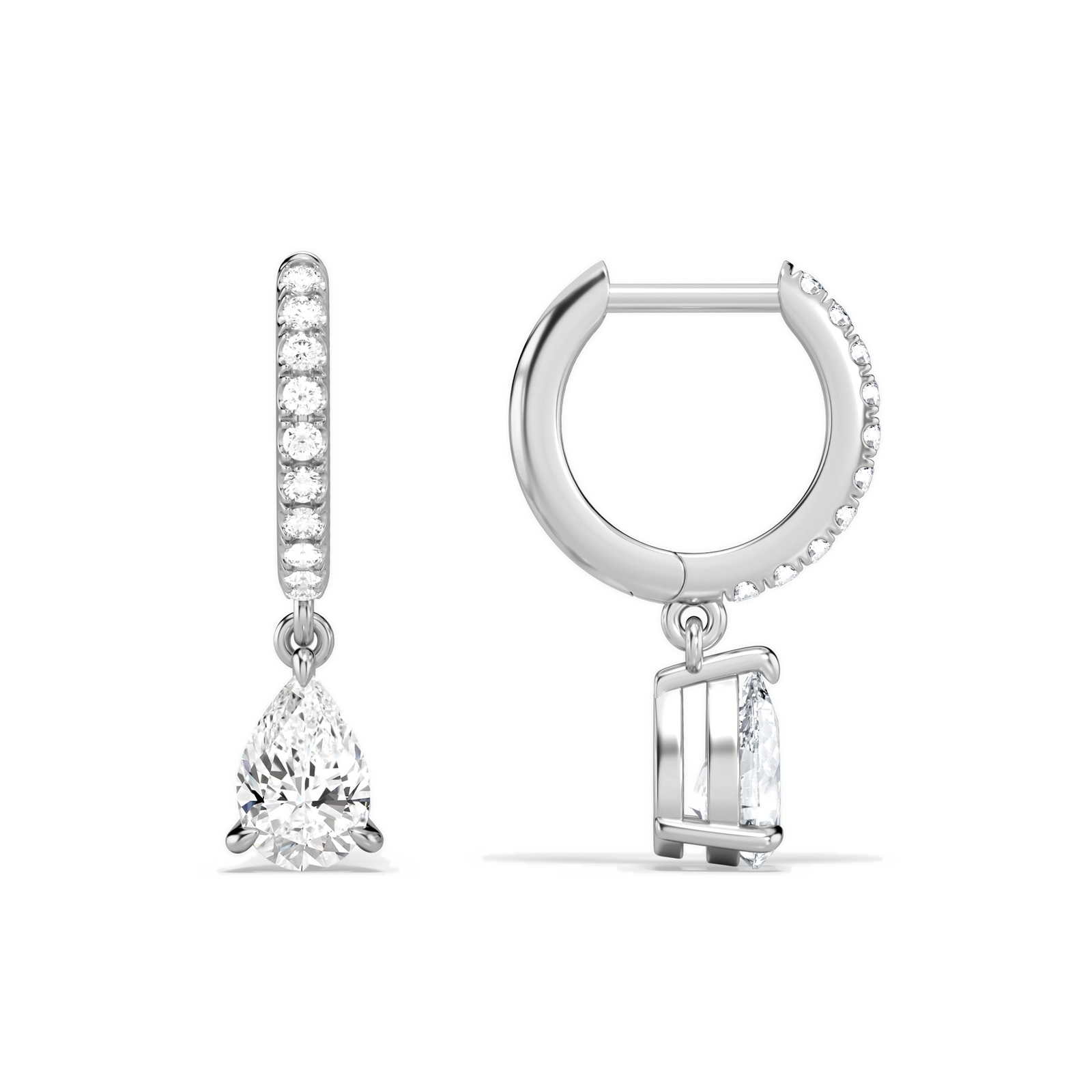


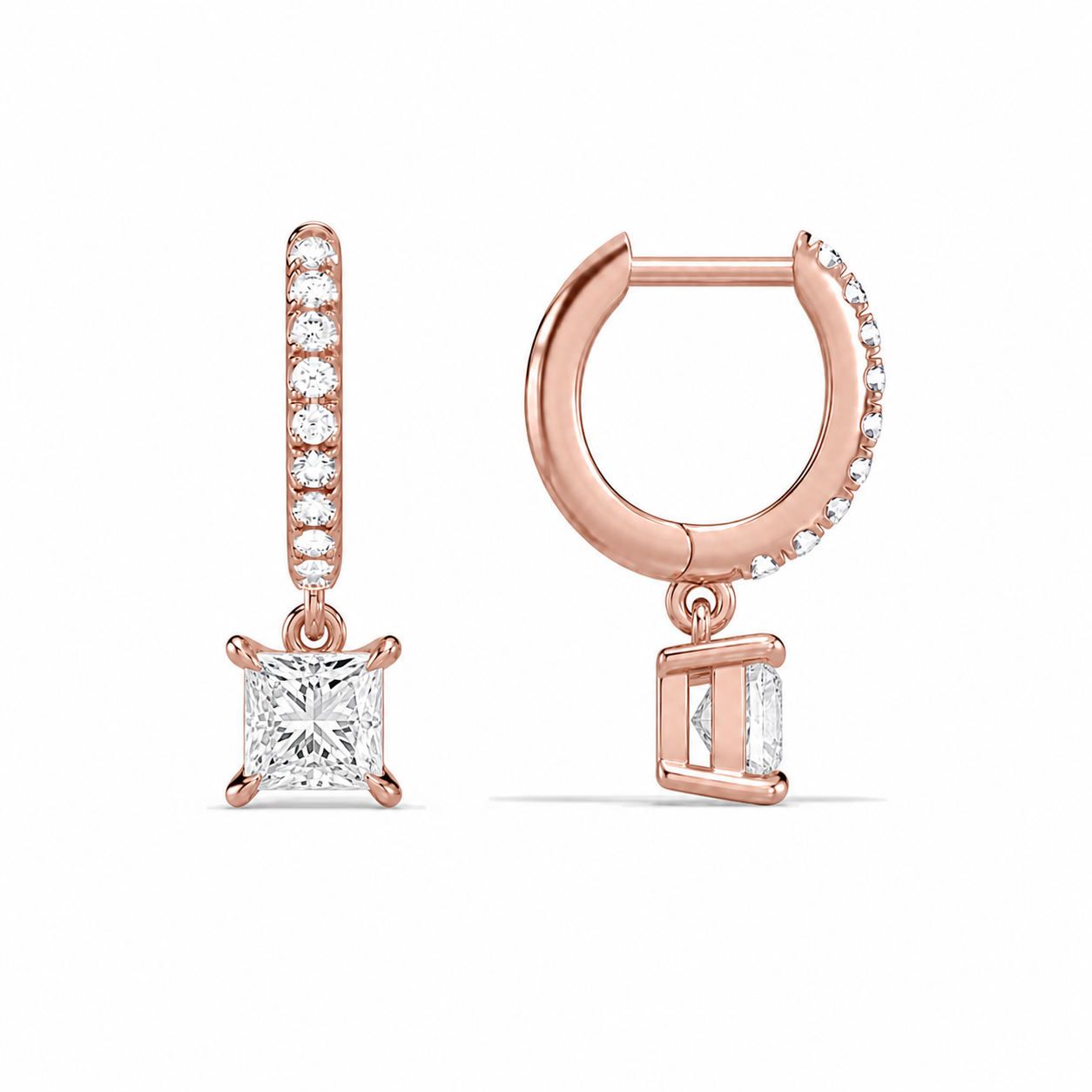


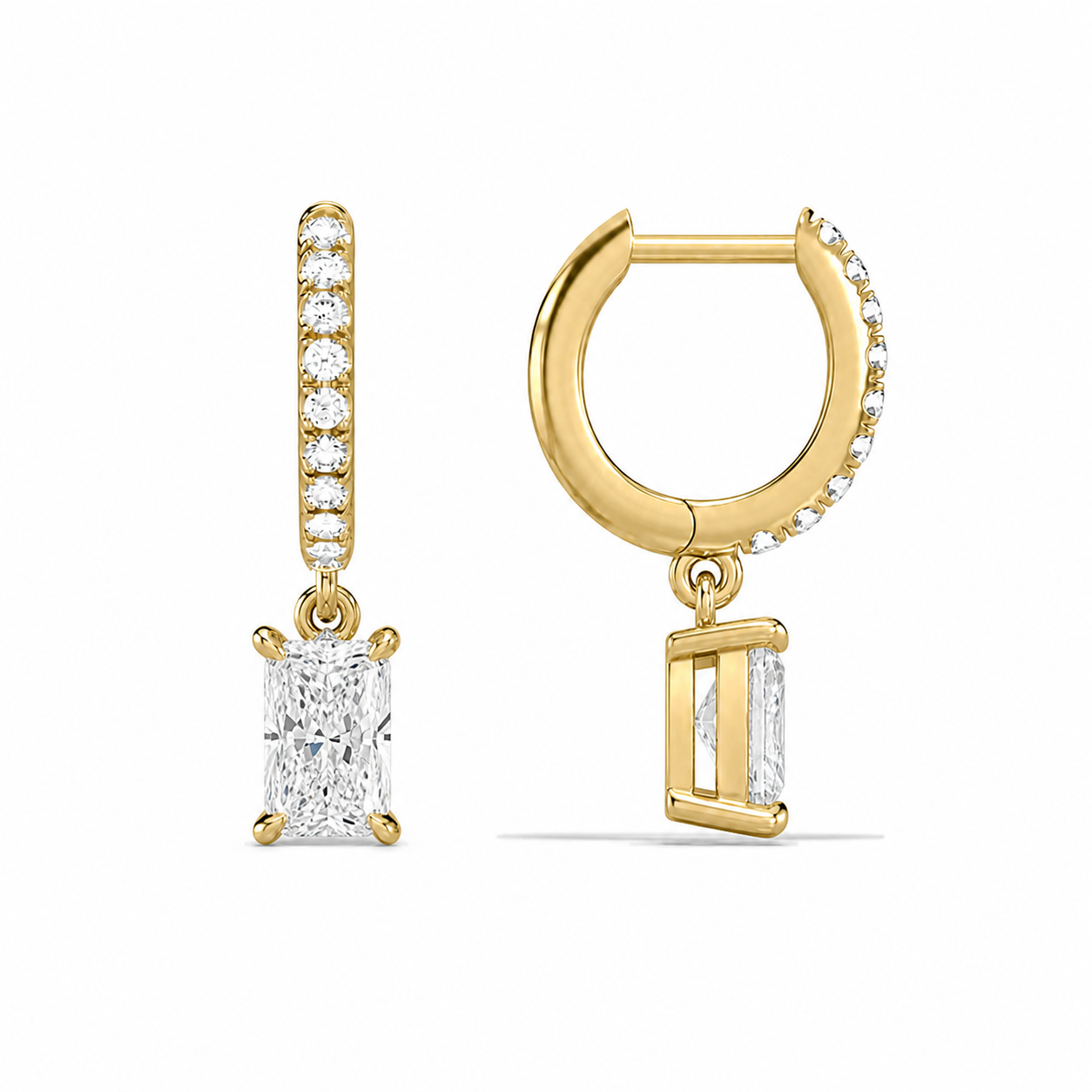


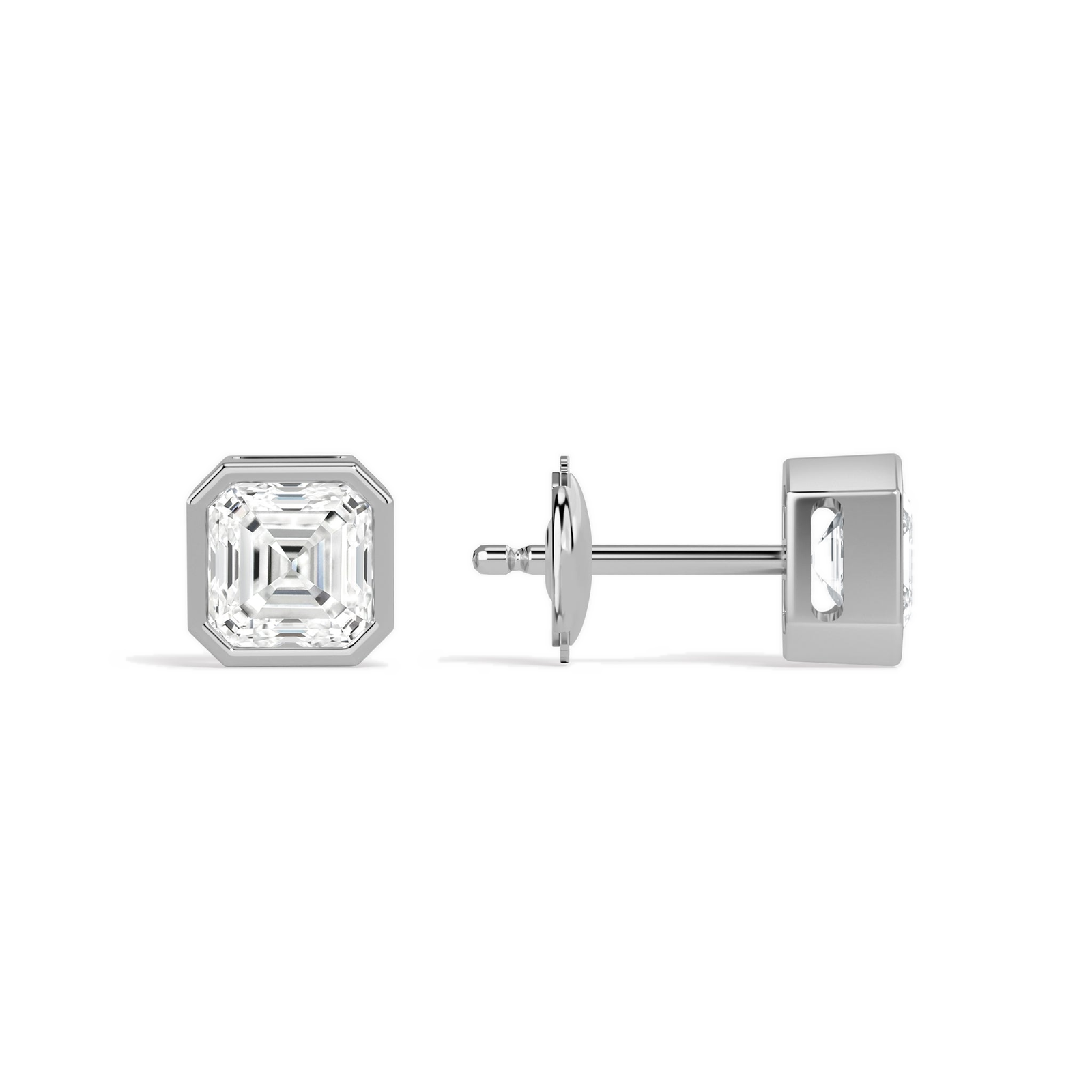


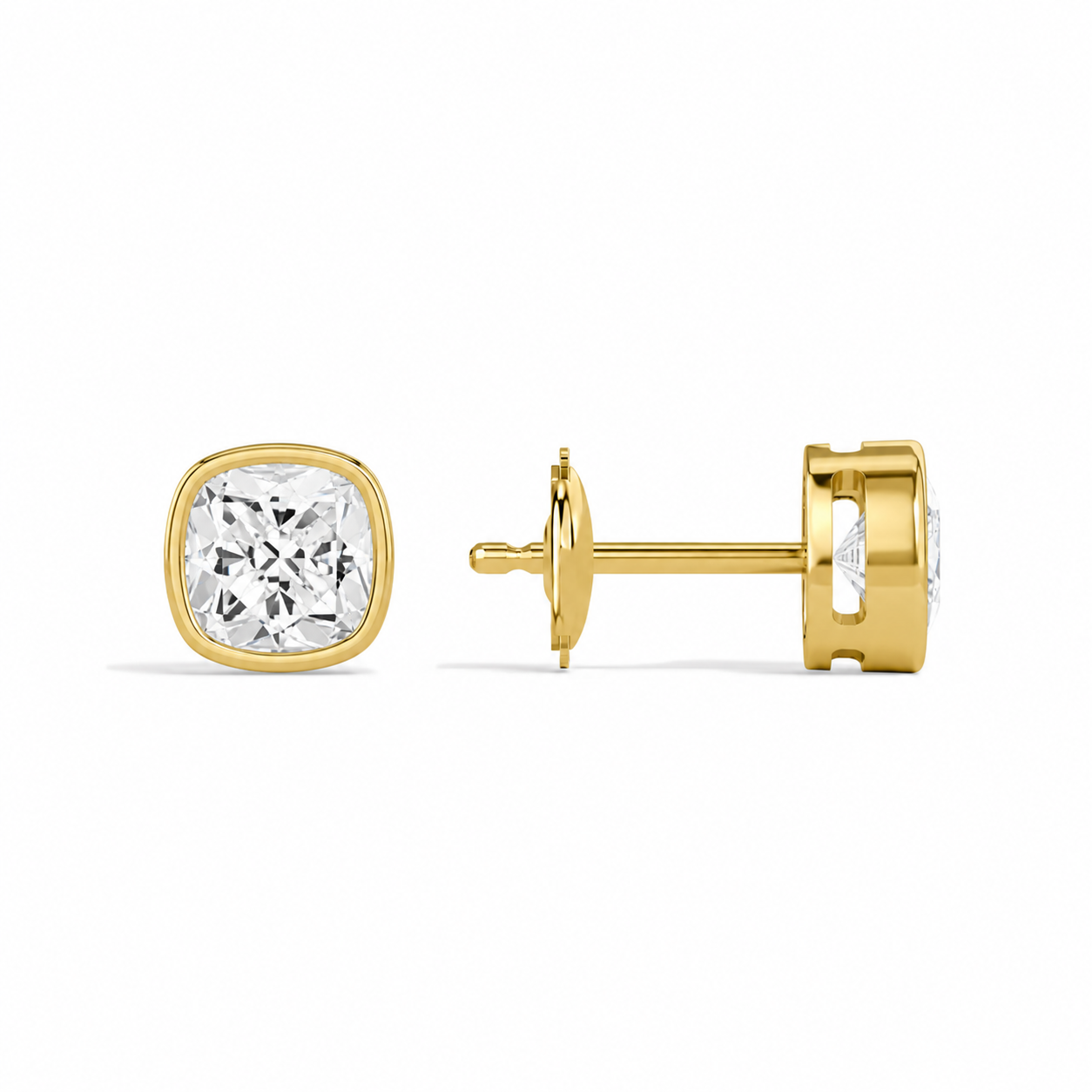


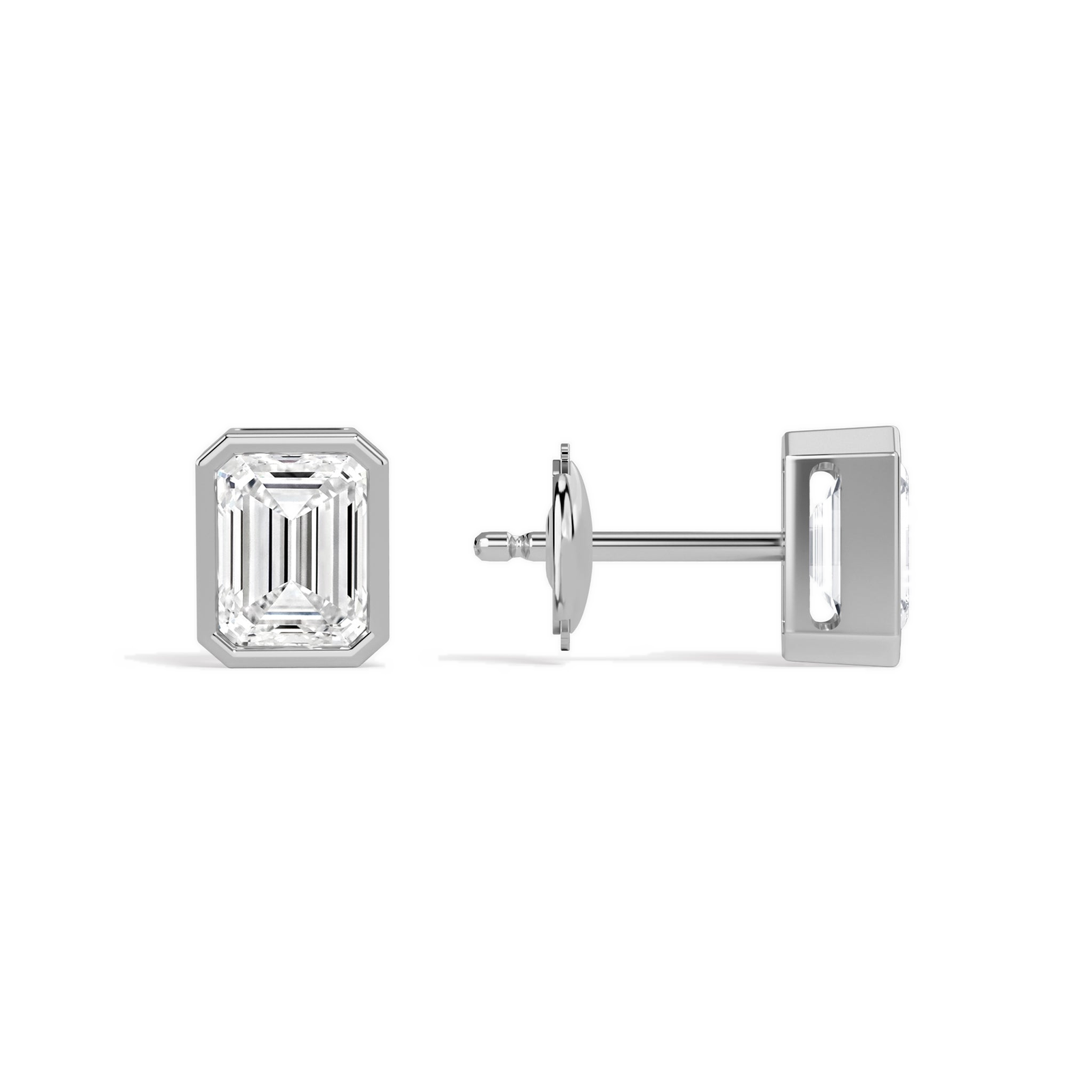


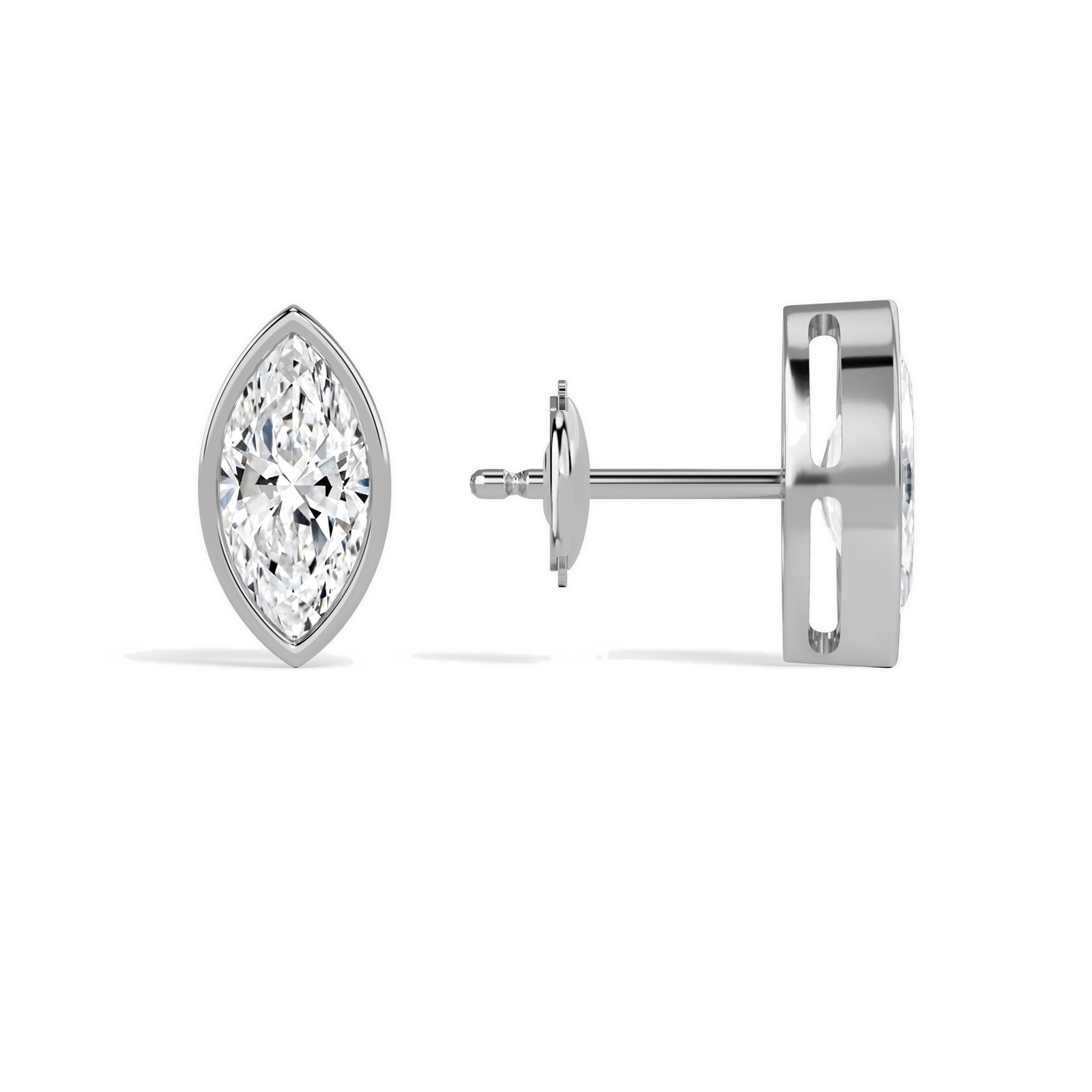


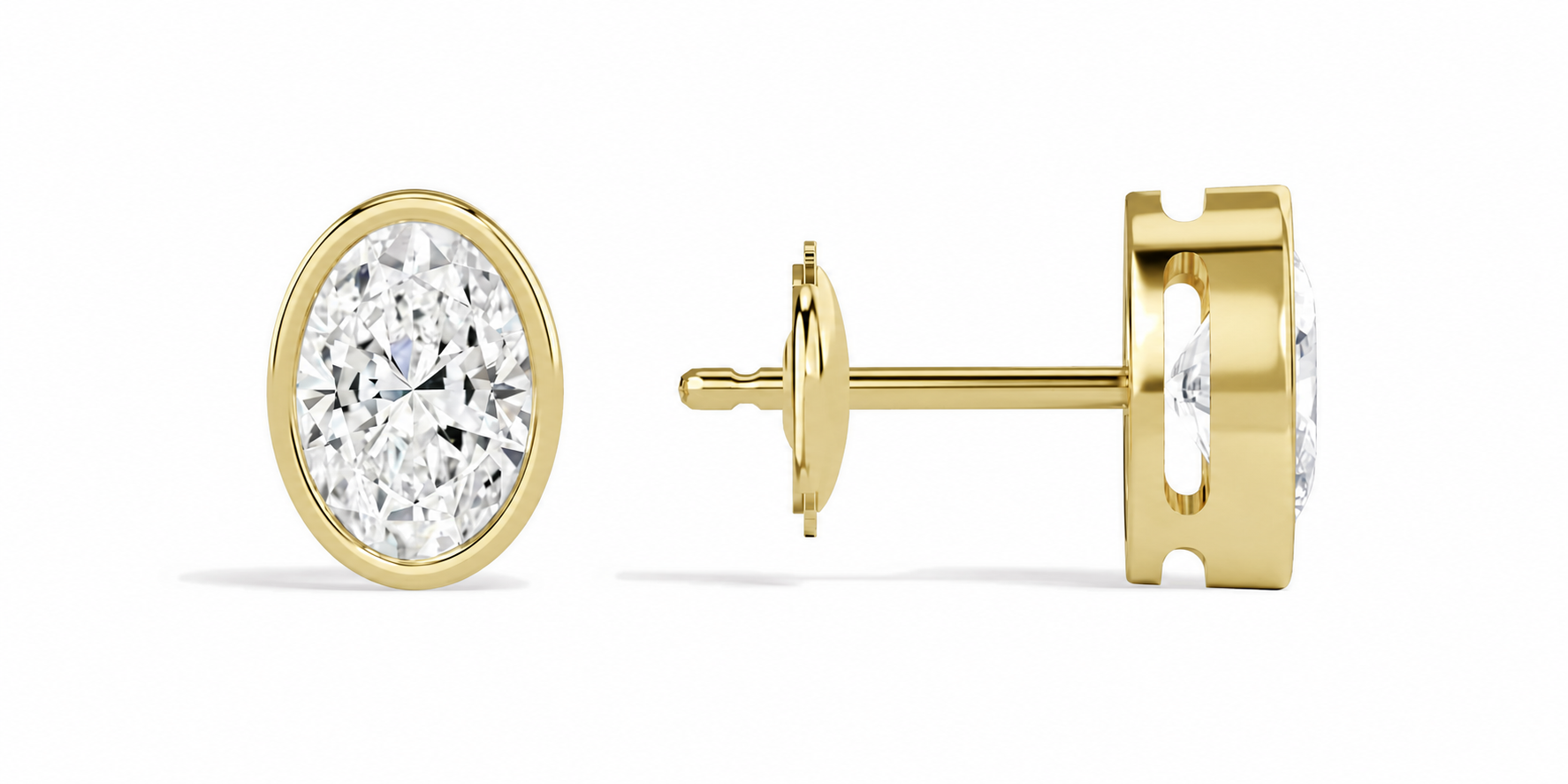


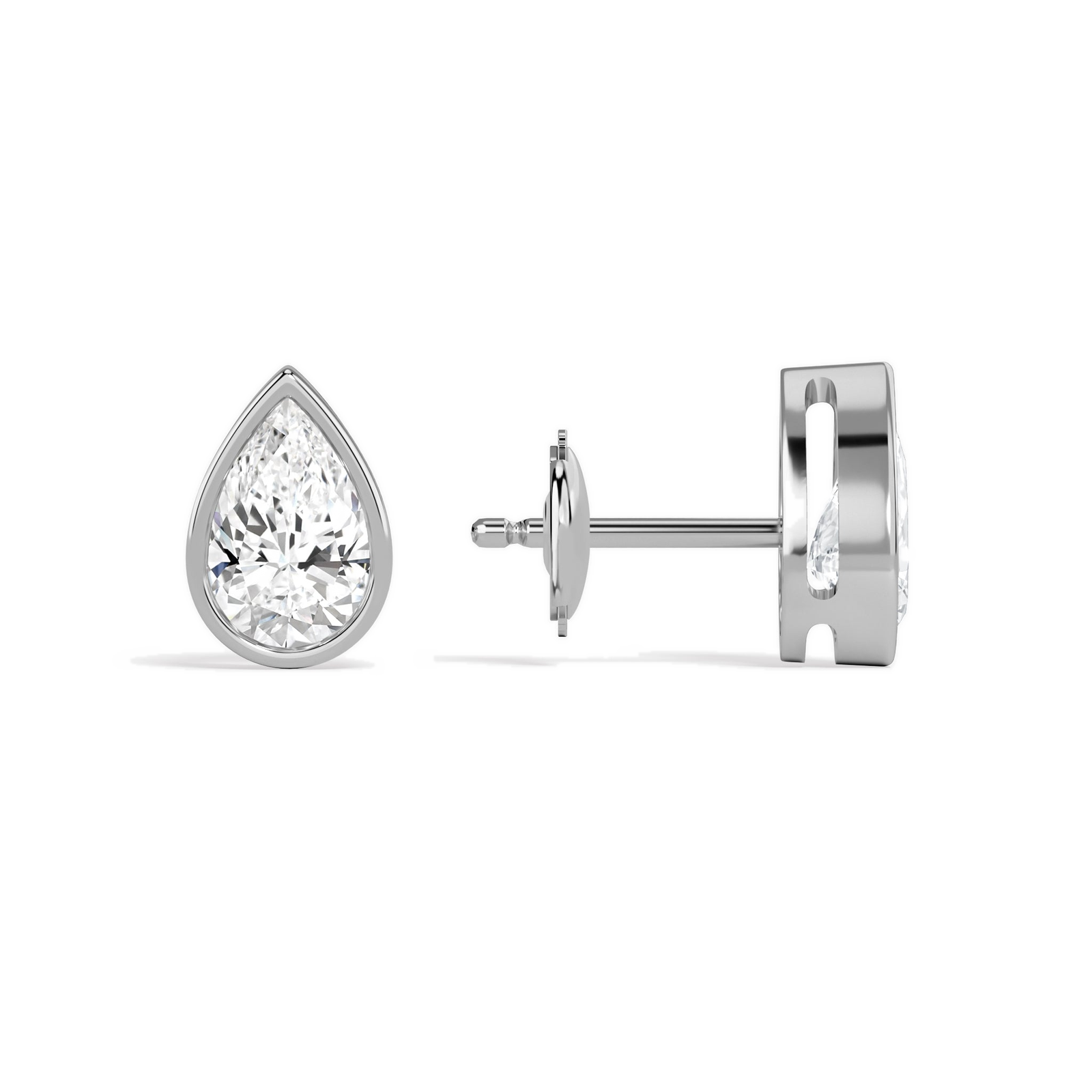


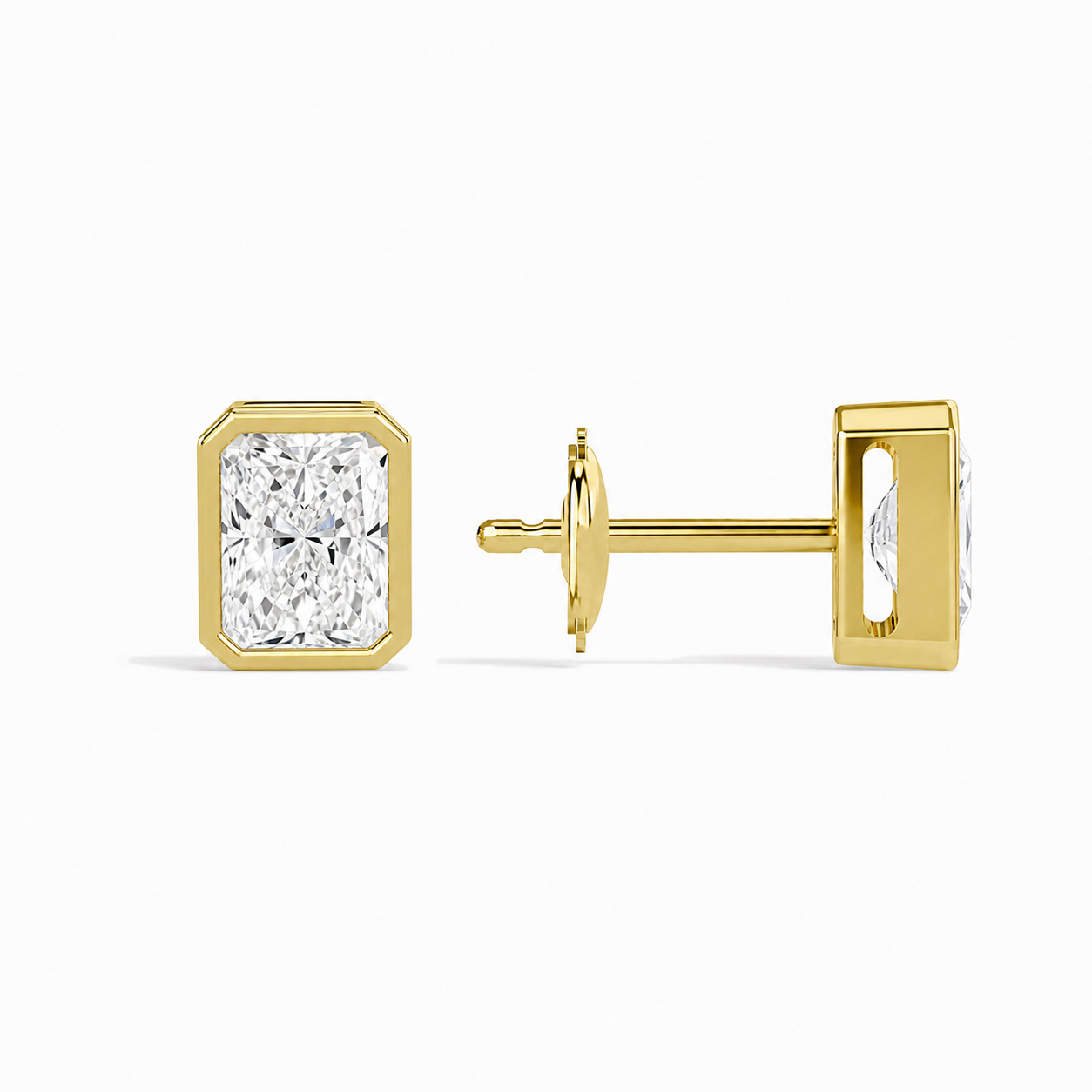


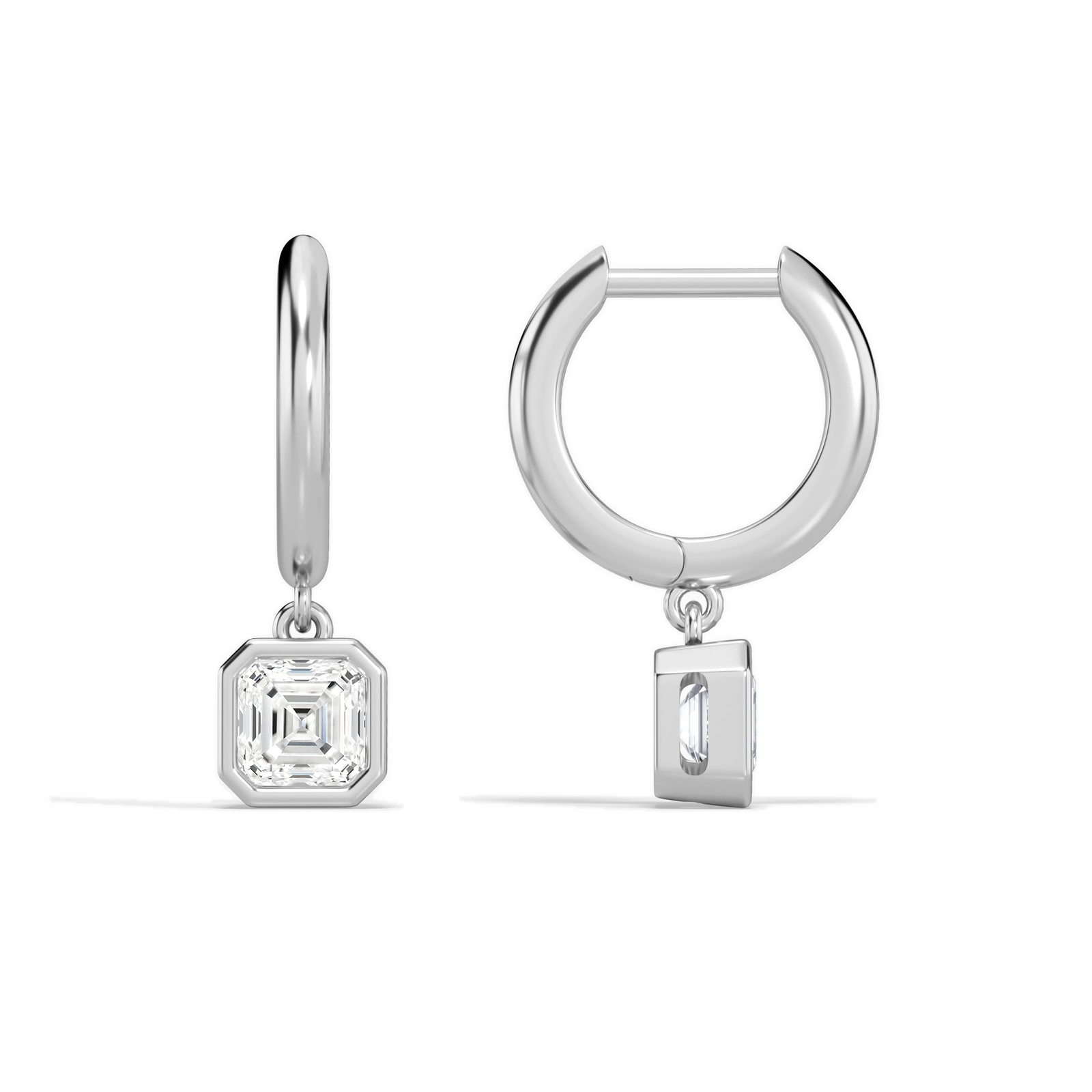


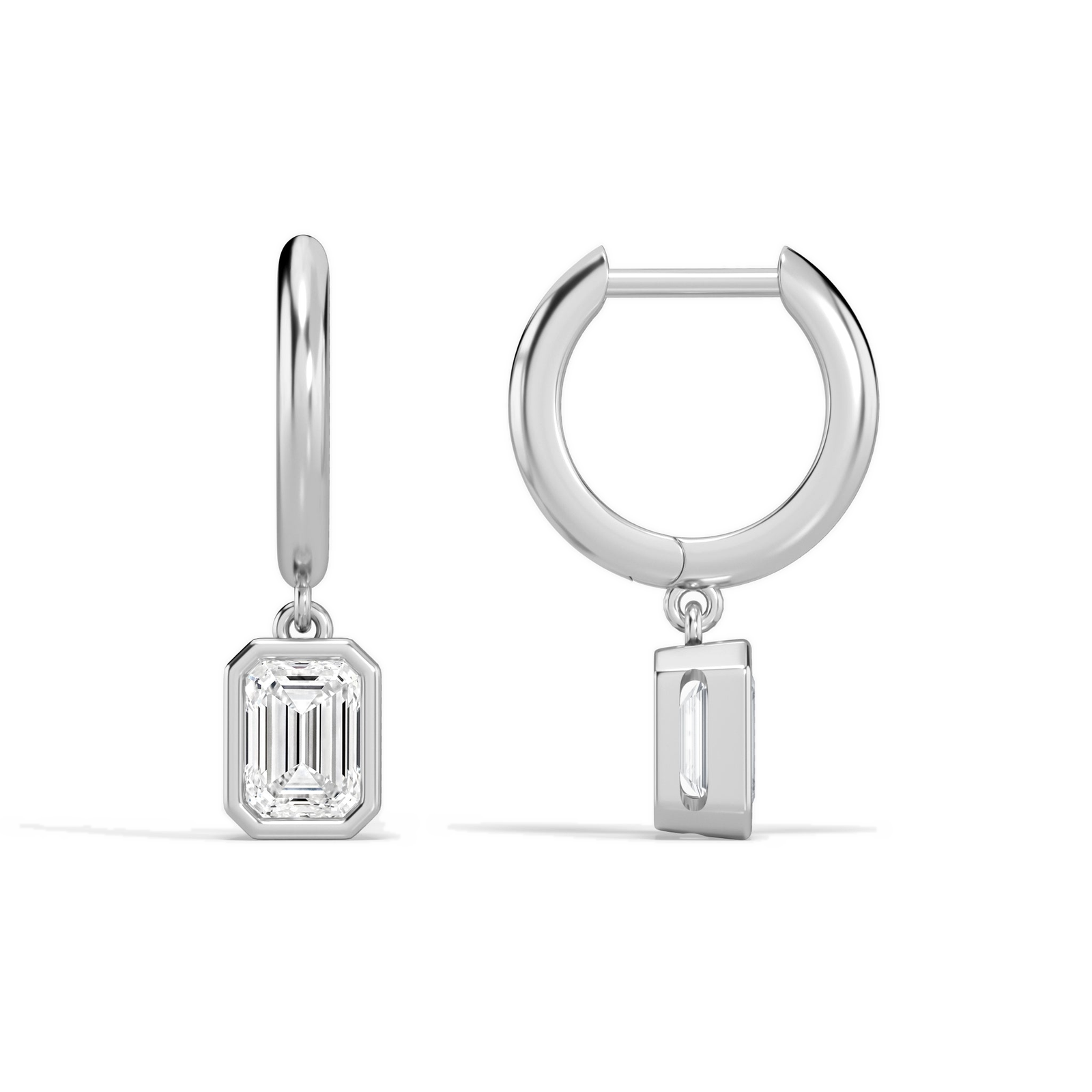


Lab-Grown Diamond Fashion Earrings: An Edit of Form and Expression
Fashion is not one earring mechanism. It is the way form, scale, movement, and contrast are brought into a personal composition. A solitaire stud can become the deliberate quiet point in a wider ear stack; a shaped drop can set the direction of an entire look; an inside-out hoop or climber can make structure itself the focal gesture.
Burvonti’s current Fashion Earrings Collection spans the same 87 products as the broader Earrings page. This copy therefore does not invent a separate product universe. It offers a different reading of those pieces: less about identifying categories, and more about deciding what should lead, what should recede, and how the complete ear relates to the wearer.
Expression Begins with Hierarchy
A strong composition rarely asks every element to speak at equal volume. One earring may establish the focal point through scale, shape, articulation, or diamond density. Another can answer it with a smaller outline, a quieter metal edge, or a repeated detail. Hierarchy gives even an expressive arrangement clarity.
This does not require a statement piece in the conventional sense. A precisely placed bezel stud can carry more intention than several larger forms without a clear relationship. Fashion value comes from judgment: which feature matters, where it appears, and how much space is left around it. Even a matched pair can feel directional when orientation, metal contrast, or the frame around the diamond is clearly resolved.
Contrast Can Be Structural, Not Decorative
Contrast may come from stillness beside movement, a continuous bezel beside interrupted prongs, a round outline beside an elongated shape, or polished metal beside a denser diamond field. The current assortment provides studs, huggies, open and inside-out hoops, drops, a climber, graduated forms, halo frames, and longer lines for building those relationships.
Choose one primary contrast rather than stacking every available difference. Repeating a metal, setting edge, or diamond shape can hold the composition together while another variable changes. This creates expression without reducing the ear to a list of trends. It also gives the composition a logic that remains legible from conversational distance, not only in a close product image.
Asymmetry Requires Deliberate Balance
Asymmetry can mean wearing different pieces from side to side, distributing multiple piercings differently, or letting one articulated earring lead while the other remains quiet. It does not mean that every product is sold singly or that a matched pair should be separated without confirming the purchase format.
Compare total visual weight, length, movement, setting width, and the amount of skin visible around each ear. Balance can be achieved through shared scale, metal, or shape even when the two sides are not identical. Comfort, posts, backs, and clearance remain practical constraints within the visual decision.
Shape and Movement Set the Direction
The current public assortment represents ten diamond shapes. An elongated center can extend a drop’s vertical line; a square or cushion outline can create a wider stop; a heart or pear introduces a pointed direction; a round form can act as a neutral interval between more directional pieces. Exact orientation and setting modify each reading.
Movement adds time to the composition. A suspended center changes as the head turns, while a stud remains comparatively still. A hoop establishes an arc and a climber redirects the line along the lobe. Decide whether movement is the main gesture or a supporting one, then judge length and articulation at the scale of the wearer. Hair, collars, eyewear, and adjacent pieces can change that motion, so styling and physical clearance should be considered together.
Metal Connects the Edit
The current Collection is represented in 14K White, Yellow, and Rose Gold. Repeating one metal can unify different shapes and structures. Mixed metals can work when another element—such as a bezel edge, center shape, or diamond rhythm—provides continuity. No single combination is inherently more modern or refined.
Metal also changes contrast. White gold may visually recede around some diamond settings; yellow or rose gold may make the architecture more explicit. Exact alloy, finish, rhodium plating, skin context, sensitivity, and care remain product-specific.
Style Is Not a Fixed Occasion
A dramatic drop is not reserved for evening, and a stud is not limited to routine wear. Suitability depends on the wearer, setting, closure, movement, scale, clothing, activity, and comfort—not on a universal occasion rule. The same piece can take on a different character when the surrounding composition changes.
Trends can be useful references, but they should not replace observation. Proportion, hierarchy, and a clear point of view give an earring arrangement more lasting coherence than copying a prescribed stack. The wearer decides how quietly or visibly the piece enters daily life. Product imagery can offer a starting point, but personal anatomy and the surrounding wardrobe complete the composition.
Personal Expression, Precisely Resolved
Burvonti pairs responsibly sourced lab-grown diamonds with forms considered at the scale of the ear. Laboratory-grown diamonds are diamonds rather than simulants, while grading documents must be read according to the stones they identify. A report for one center does not automatically describe the whole pair or its accents.
Custom possibilities may refine shape, scale, metal, setting, movement, single-or-pair composition, or closure when technically feasible. Store different forms without abrasive contact, clean them according to their complete construction, and arrange inspection when a diamond, joint, post, backing, or hinge changes.
Frequently Asked Questions
What does fashion earrings mean at Burvonti?
It is a cross-type styling lens rather than one setting or mechanism. It considers contrast, hierarchy, movement, asymmetry, negative space, and personal expression across the current earring assortment.
Is the current Fashion Earrings assortment different from the Earrings Collection?
No. The current public product membership is identical at 87 products. The intended difference is styling intent, which remains an indexability review issue until stronger curation or search evidence exists.
Do fashion earrings need to be bold or oversized?
No. Expression can come from a precise shape, metal edge, placement, or contrast at a small scale. Visual intention matters more than a fixed size threshold.
Which current earring structures can be used in a fashion composition?
The current assortment includes studs, huggies, hoops, drops, a dangle, climber, inside-out hoop, bezel, halo, solitaire, cluster, graduated, and tennis-line structures.
How do I choose one focal earring?
Compare scale, length, movement, shape, diamond density, metal contrast, and placement. Let one variable lead and use quieter neighboring pieces to support it.
How do I style fashion earrings with multiple piercings?
Start with spacing, projection, posts, backs, and movement clearance. Establish one focal point, then repeat a shape, metal, or setting detail without giving every piece equal visual weight.
Can I wear different earrings on each side?
Yes as a styling choice, but confirm whether products are sold as pairs or singles. Balance the two sides through scale, metal, shape, length, or visual weight rather than requiring identity.
Are Burvonti fashion earrings sold individually?
This cannot be assumed Collection-wide. Confirm the exact product purchase format before planning an asymmetric composition or separating a matched pair.
Which diamond shapes are represented in the current Fashion Collection?
Asscher, Cushion, Emerald, Heart, Marquise, Oval, Pear, Princess, Radiant, and Round are represented, subject to live availability.
How can I mix diamond shapes without creating visual clutter?
Choose one dominant shape or direction and connect the others through metal, scale, setting edge, or spacing. A clear hierarchy is more useful than a fixed number of shapes.
Can I mix bezel, halo, and prong-set earrings?
Yes. Treat their boundaries as deliberate contrasts: continuity, a wider accent field, and selected perimeter points. Check profile and physical clearance as well as appearance.
Can I mix white, yellow, and rose gold earrings?
Yes when another repeated feature holds the composition together. Current public products are represented in all three 14K colors; exact alloy and sensitivity considerations remain product-specific.
Are fashion earrings only for special occasions?
No. Occasion does not define the category. Suitability depends on structure, movement, closure, activity, anatomy, comfort, and the wearer’s preferred level of presence.
Are abstract or open earring designs difficult to clean?
Cleaning depends on the exact surfaces, openings, settings, joints, and closures. Use a gentle method suited to the complete piece and avoid assuming that every design tolerates ultrasonic cleaning.
What does total carat weight mean in an expressive multi-stone earring?
It describes the combined diamond weight covered by the product specification, commonly across the pair. It does not reveal distribution, length, dimensions, or number of stones without more detail.
Do current trends determine which earrings I should choose?
No. Trends can provide references, but proportion, hierarchy, comfort, and personal expression should determine whether a composition works for the wearer.
Can Burvonti create an original earring concept?
Custom possibilities may include form, shape, scale, metal, setting, movement, and single-or-pair composition when technically feasible. Documentation, comfort, price, timing, and purchase format require confirmation.