
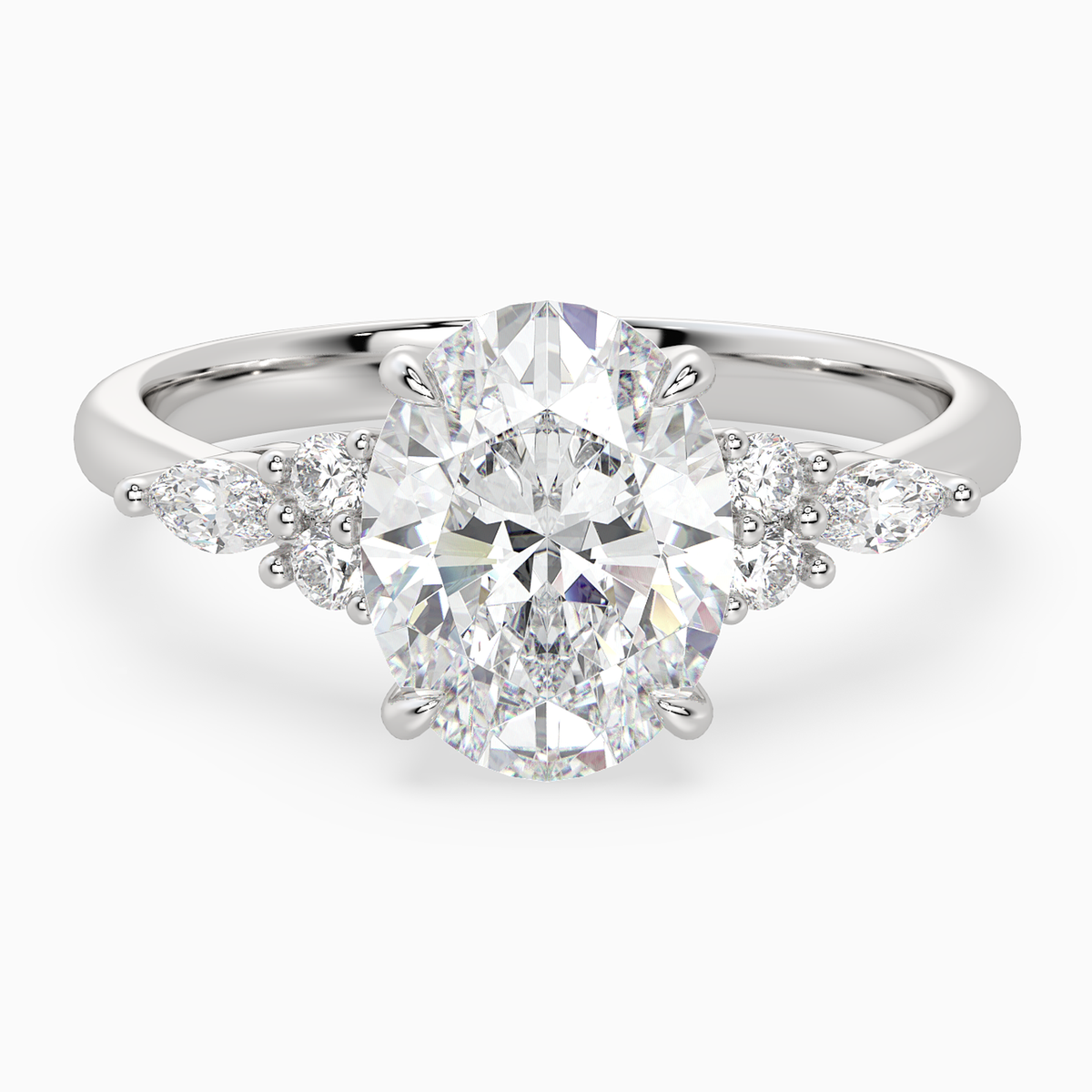


Lab Grown Diamond Fashion Earrings in 14K White Gold
A quiet white field lets structure set hierarchy. Compare 87 earrings by placement, scale, setting edge, movement, and surrounding space.


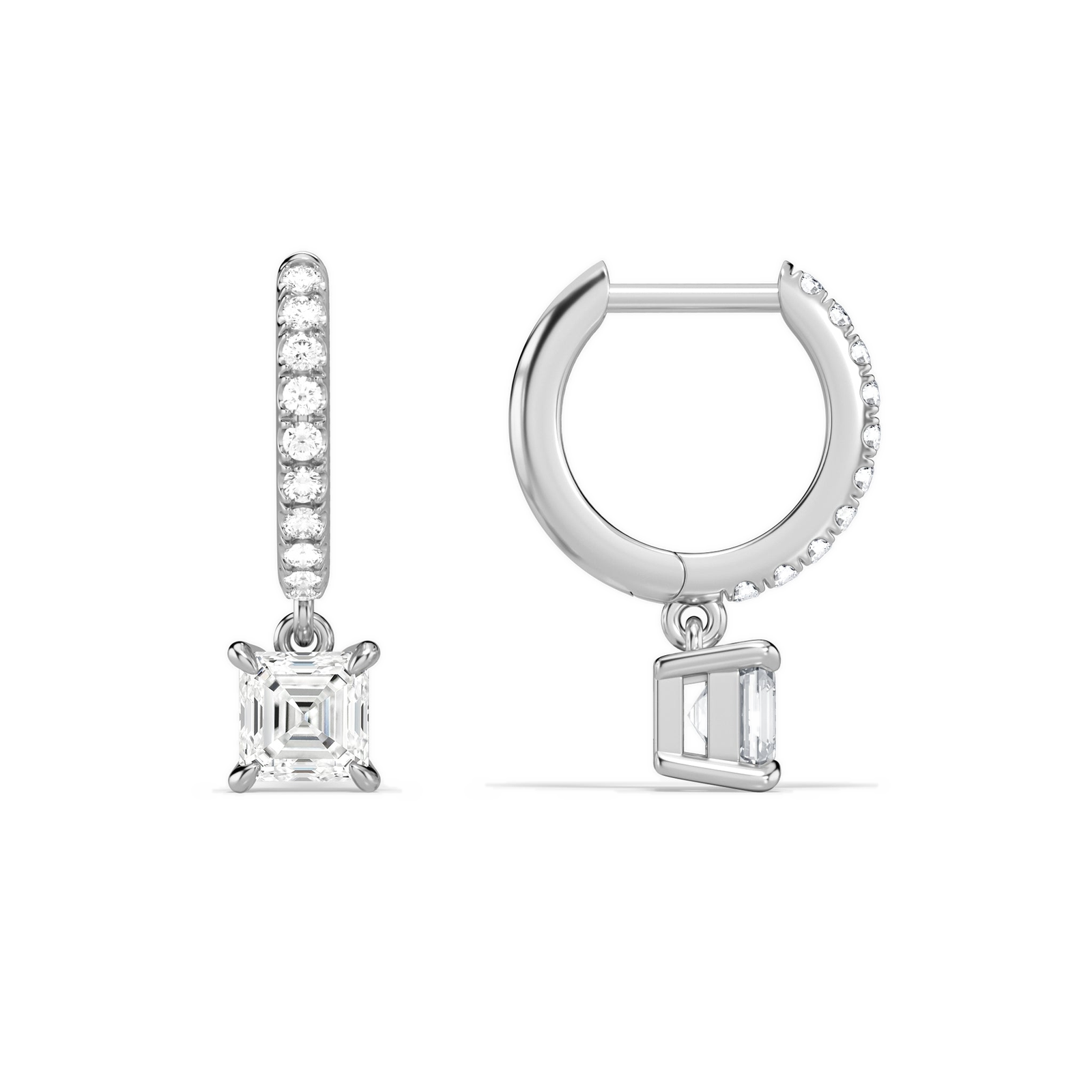


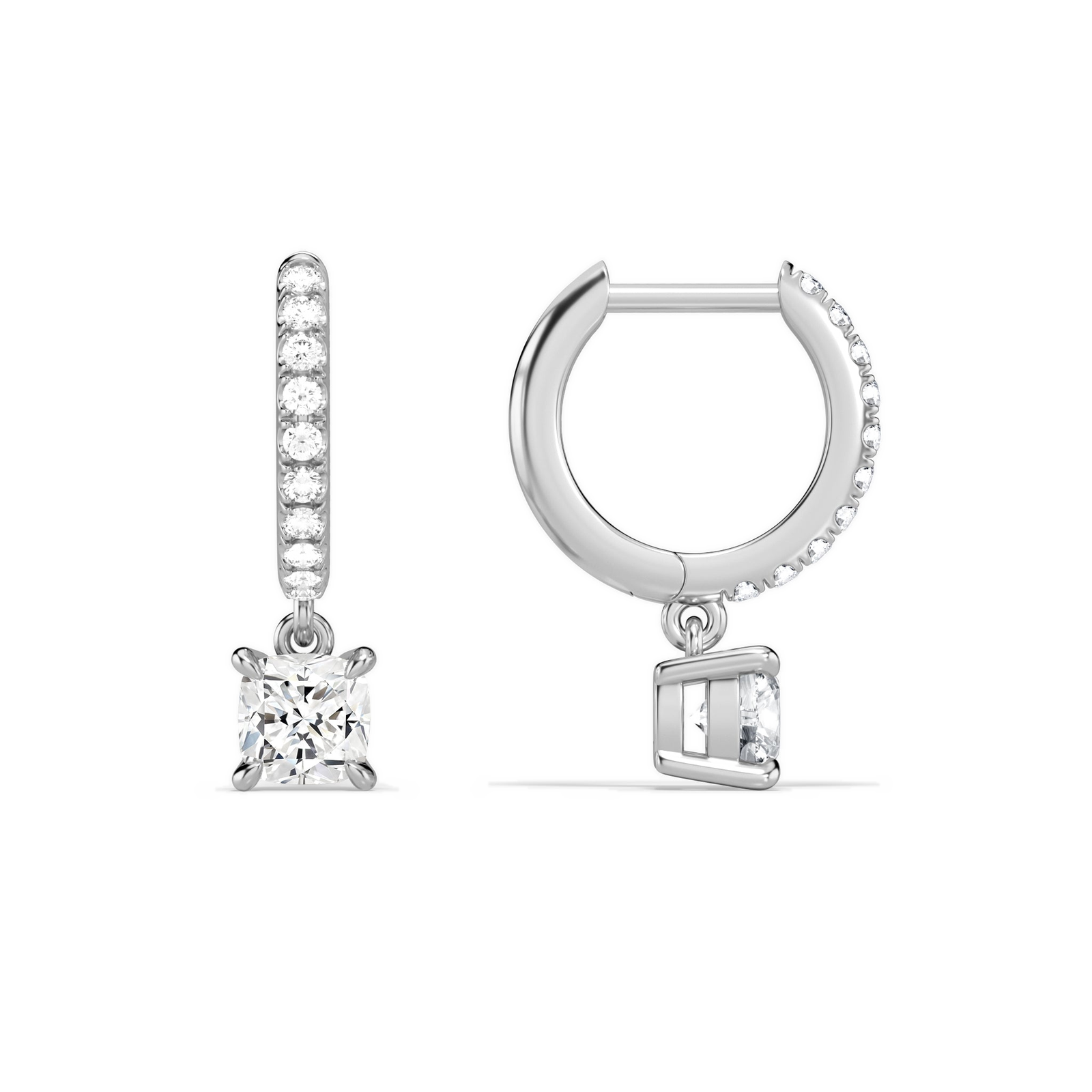


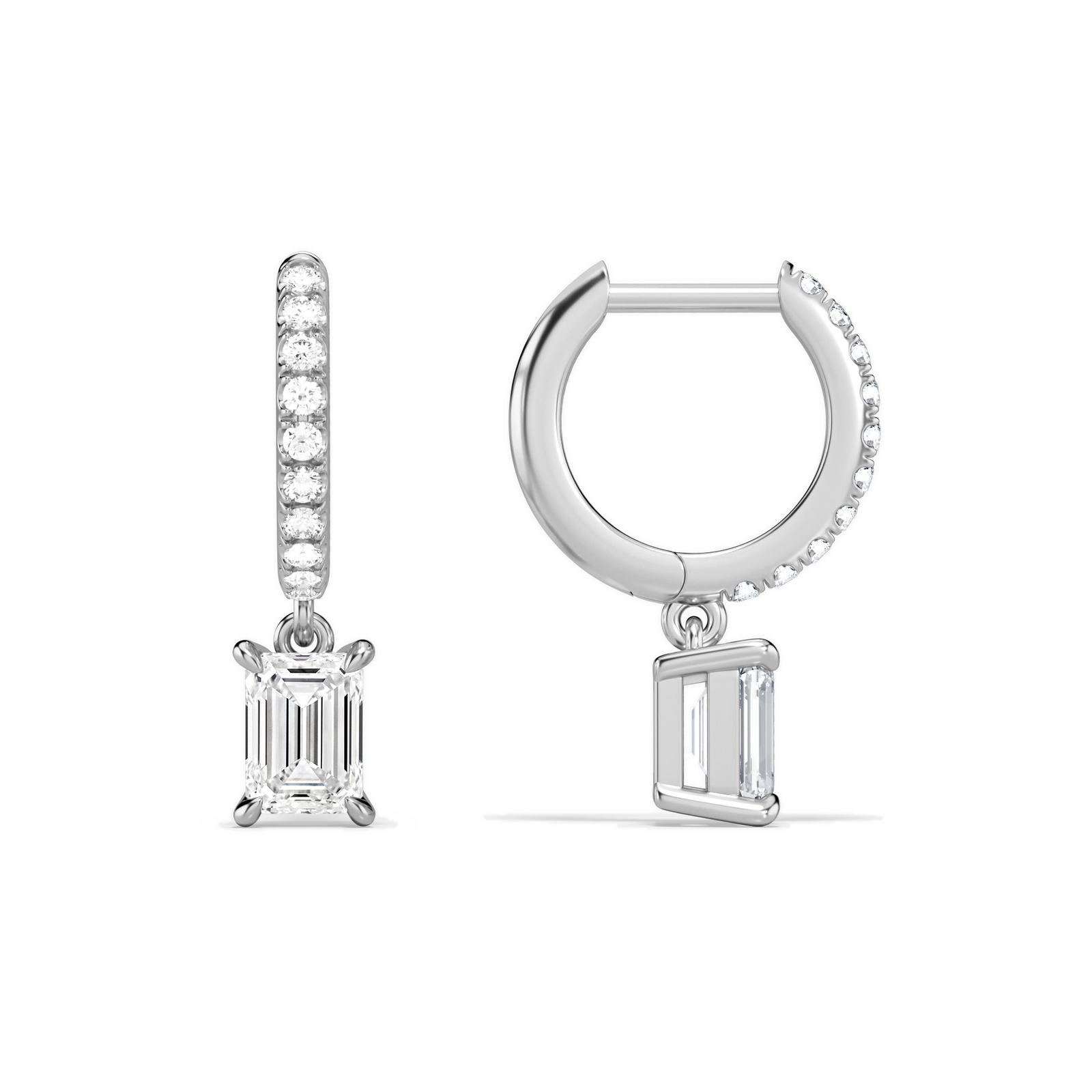


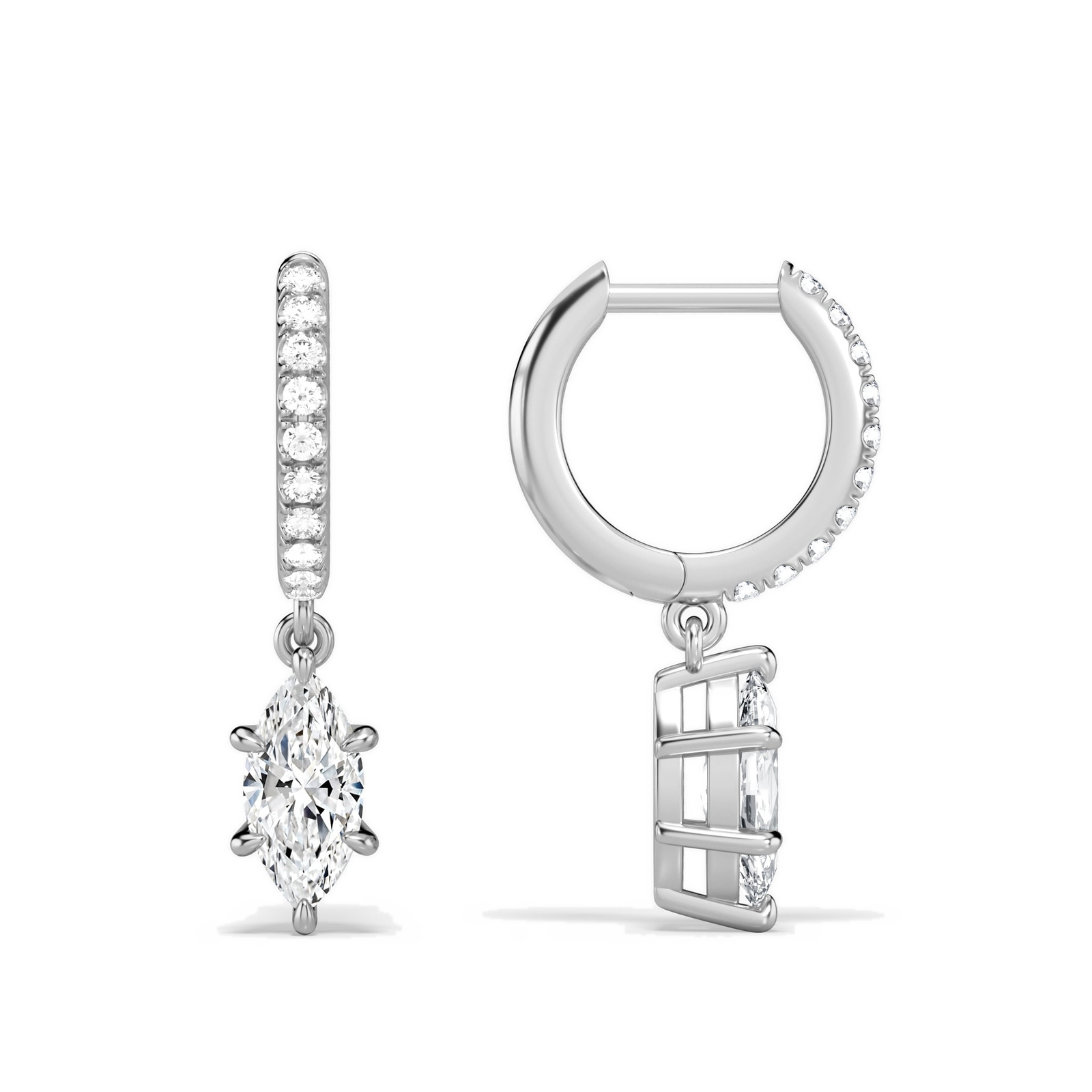


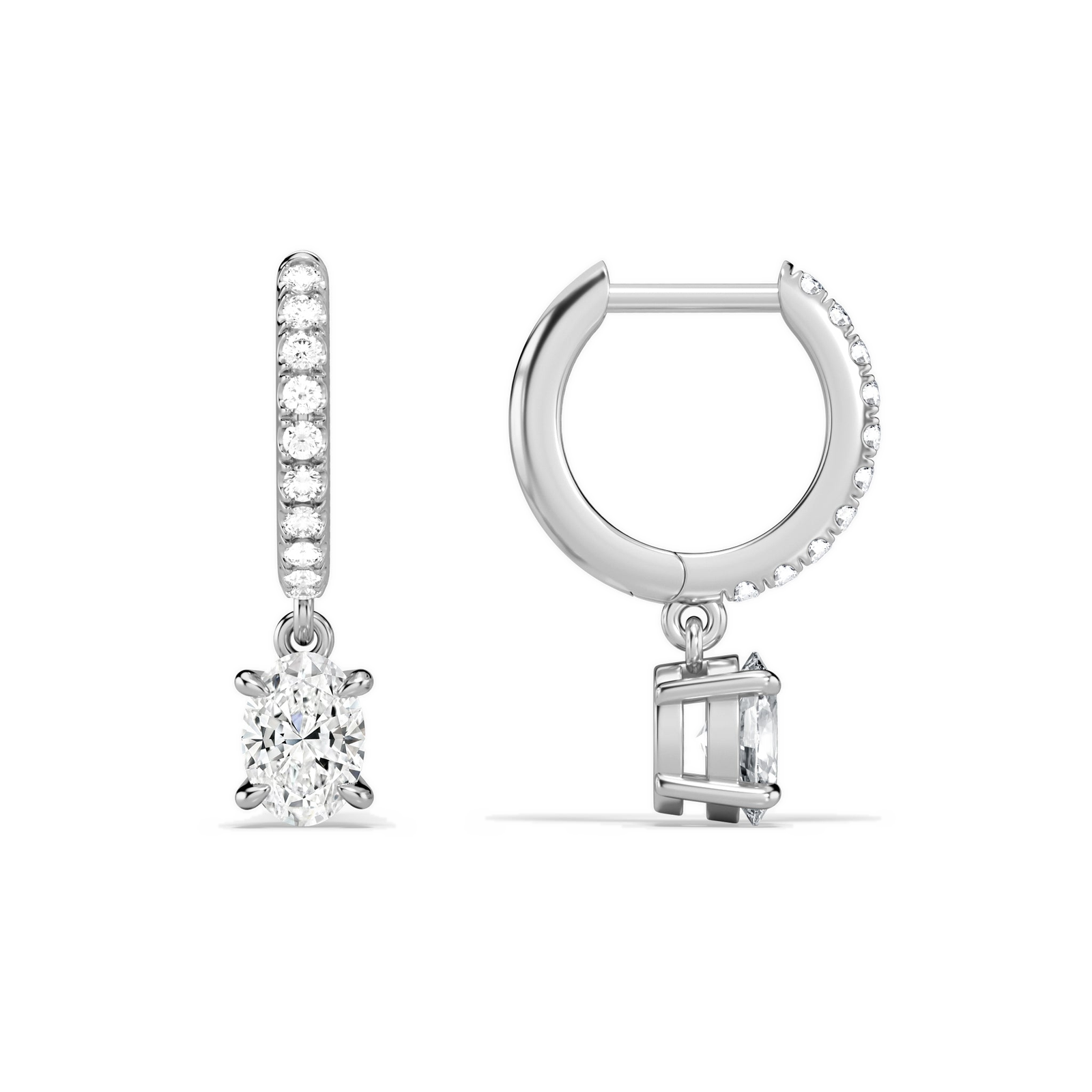


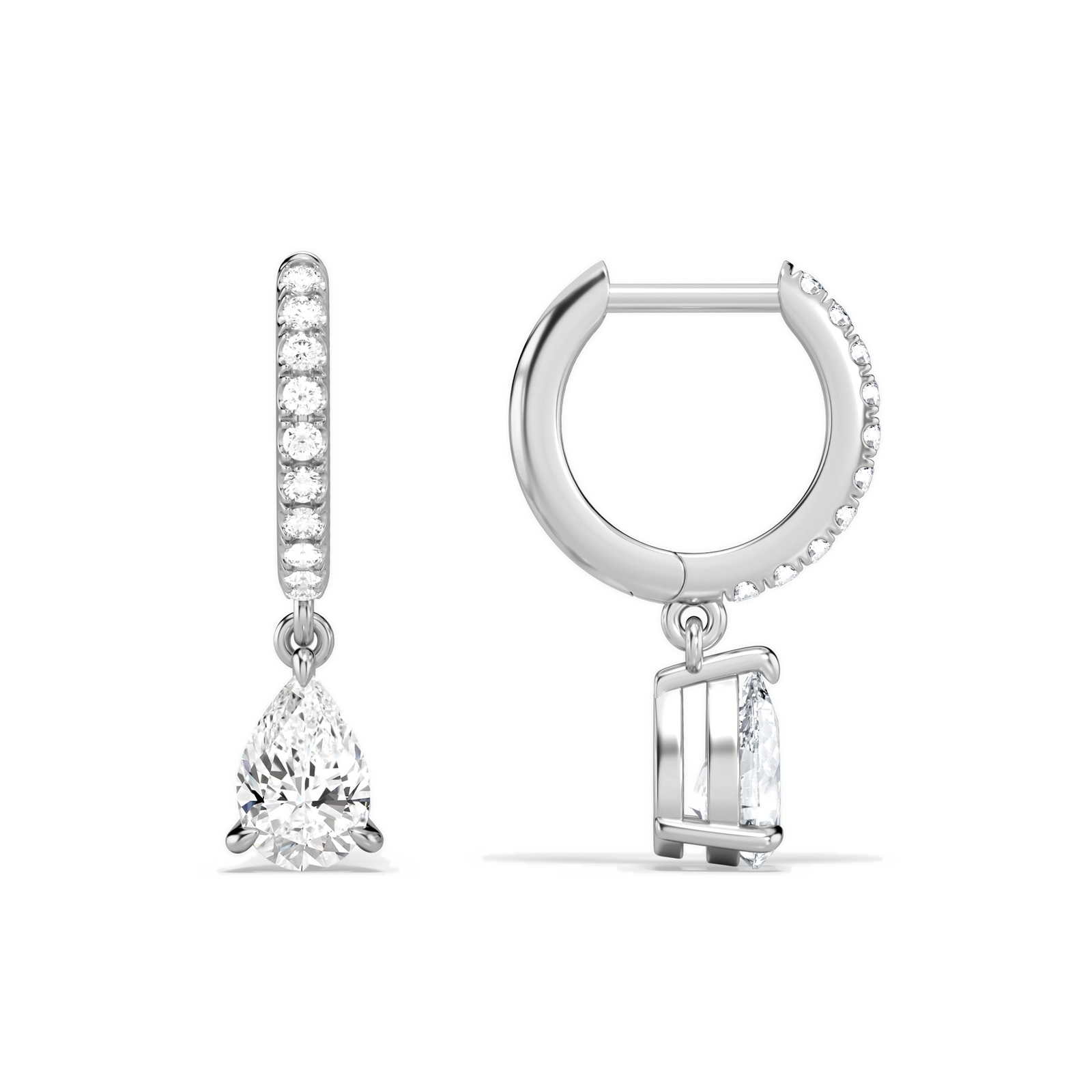


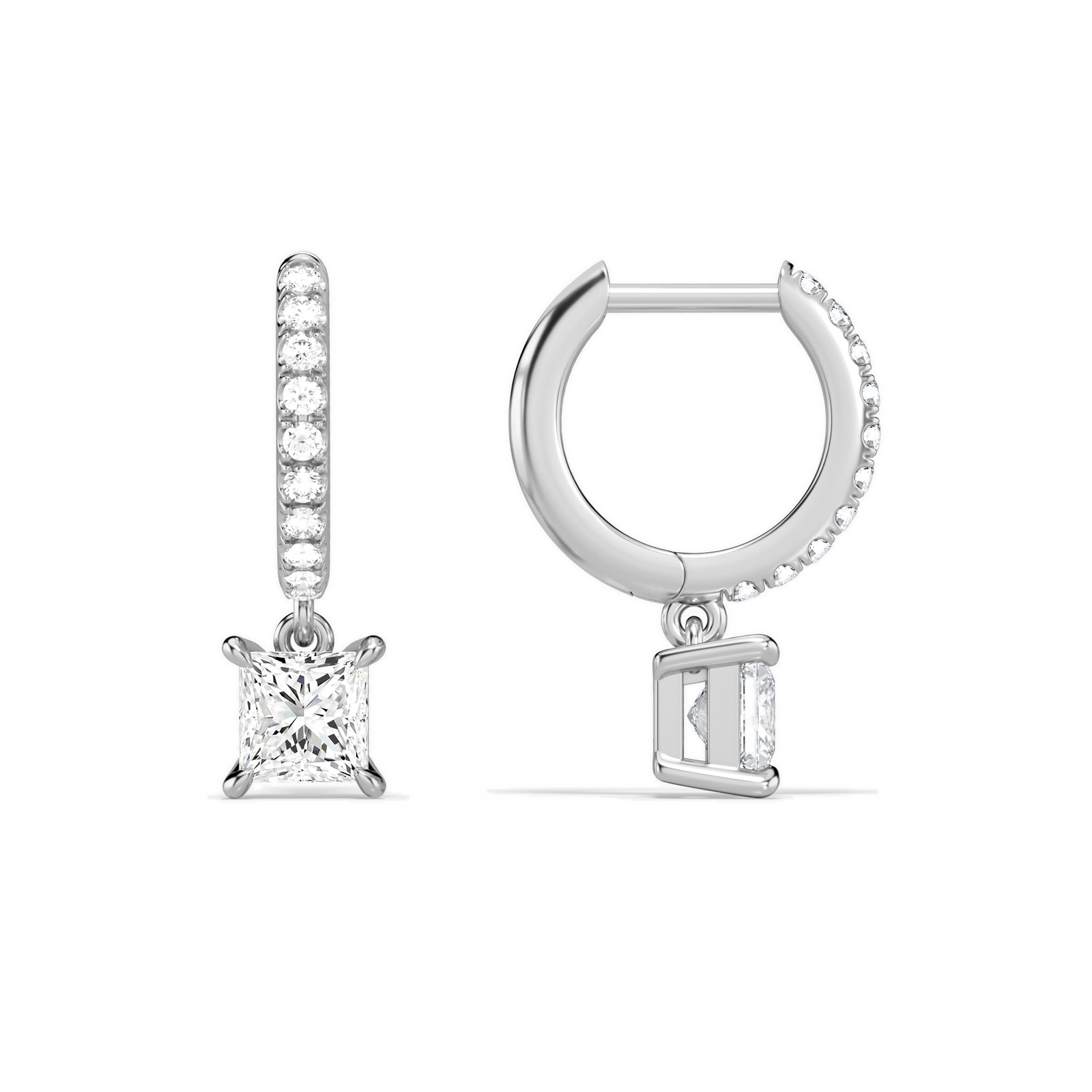


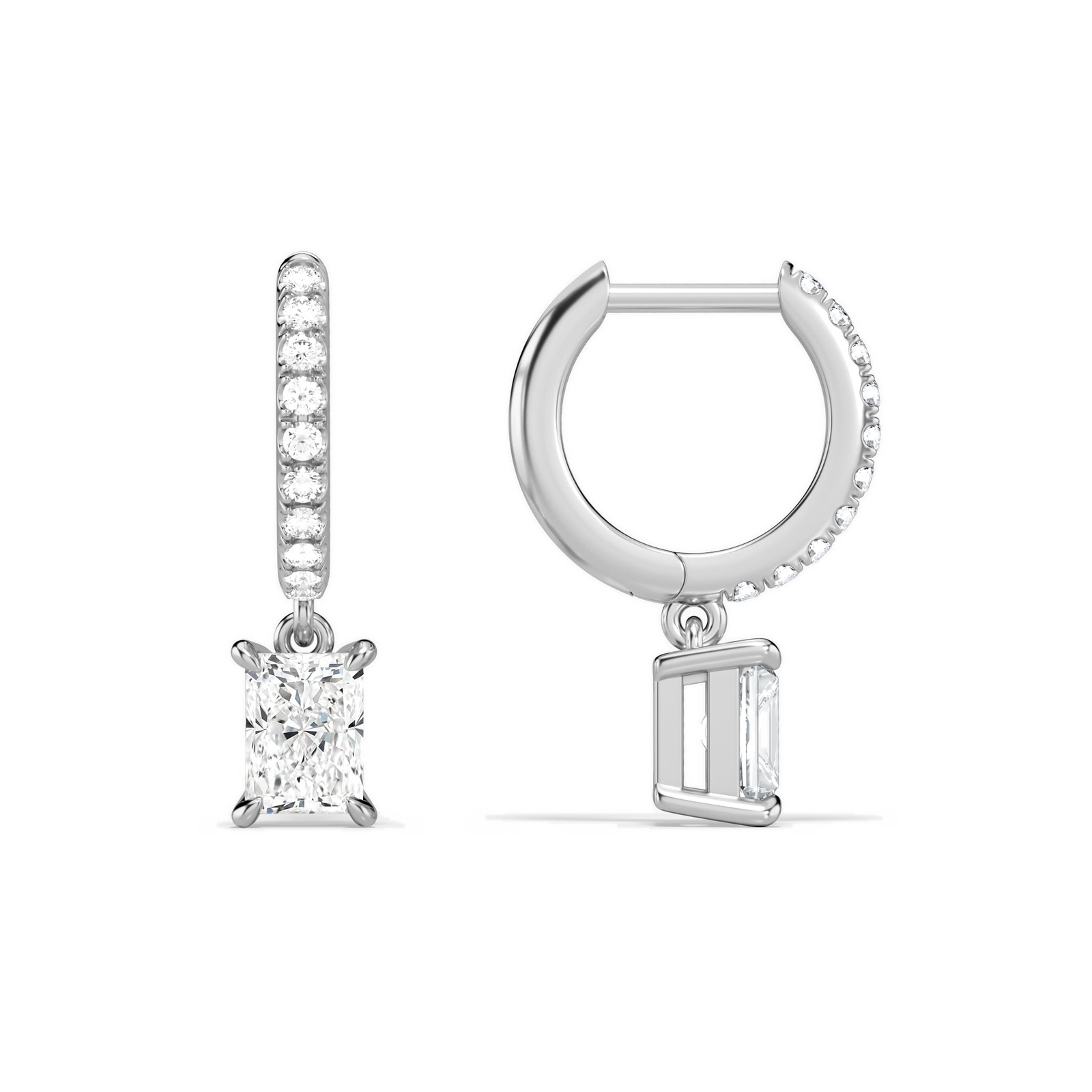


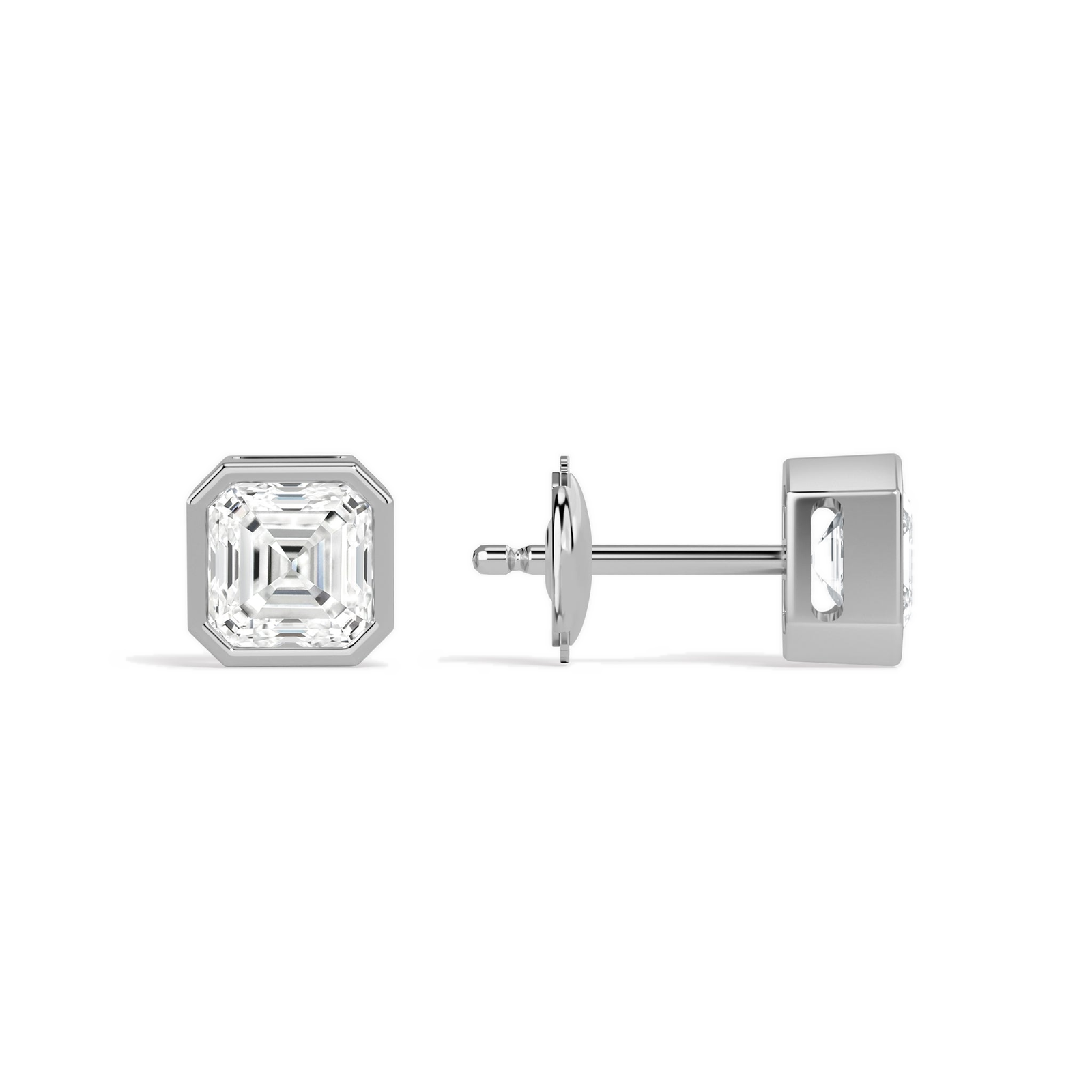


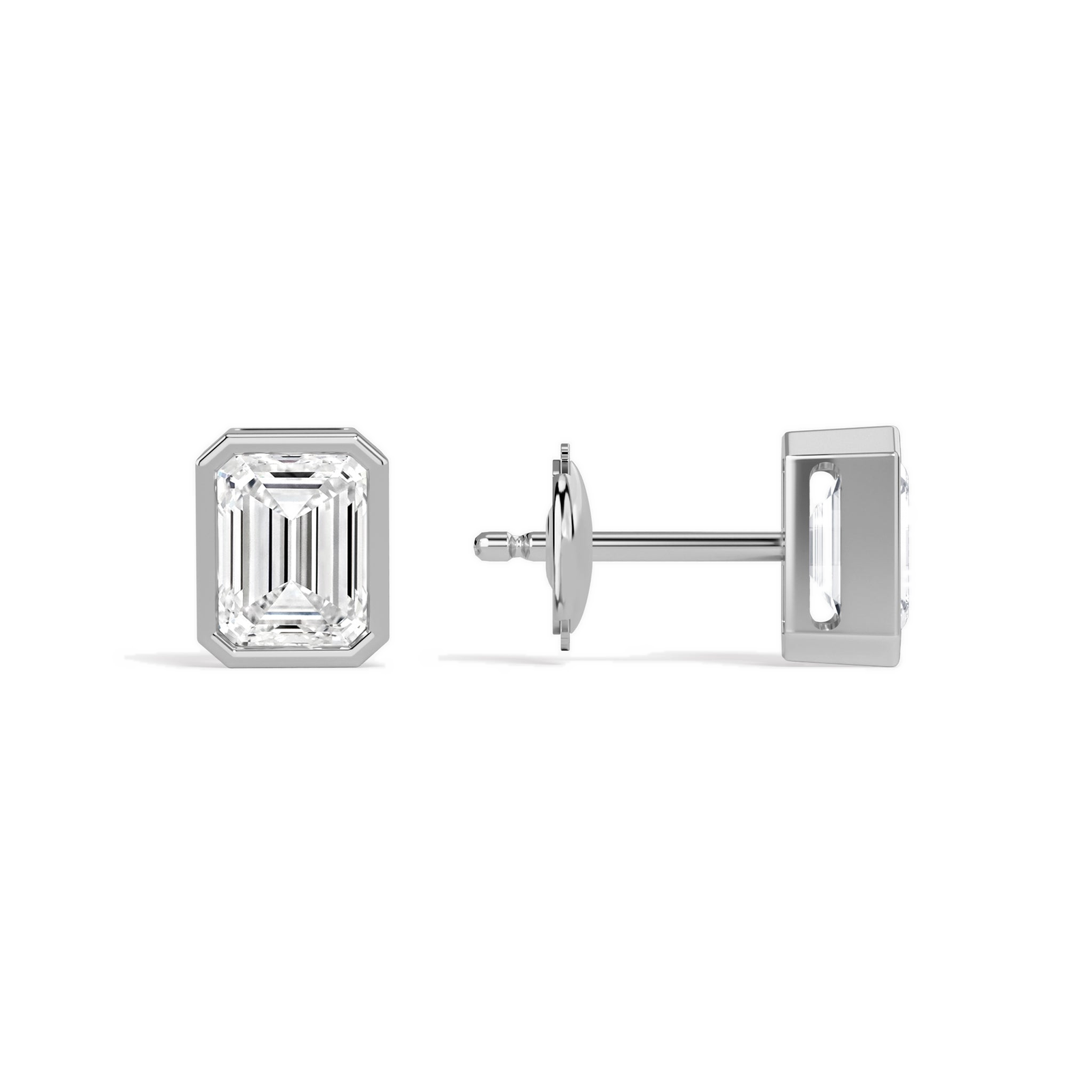


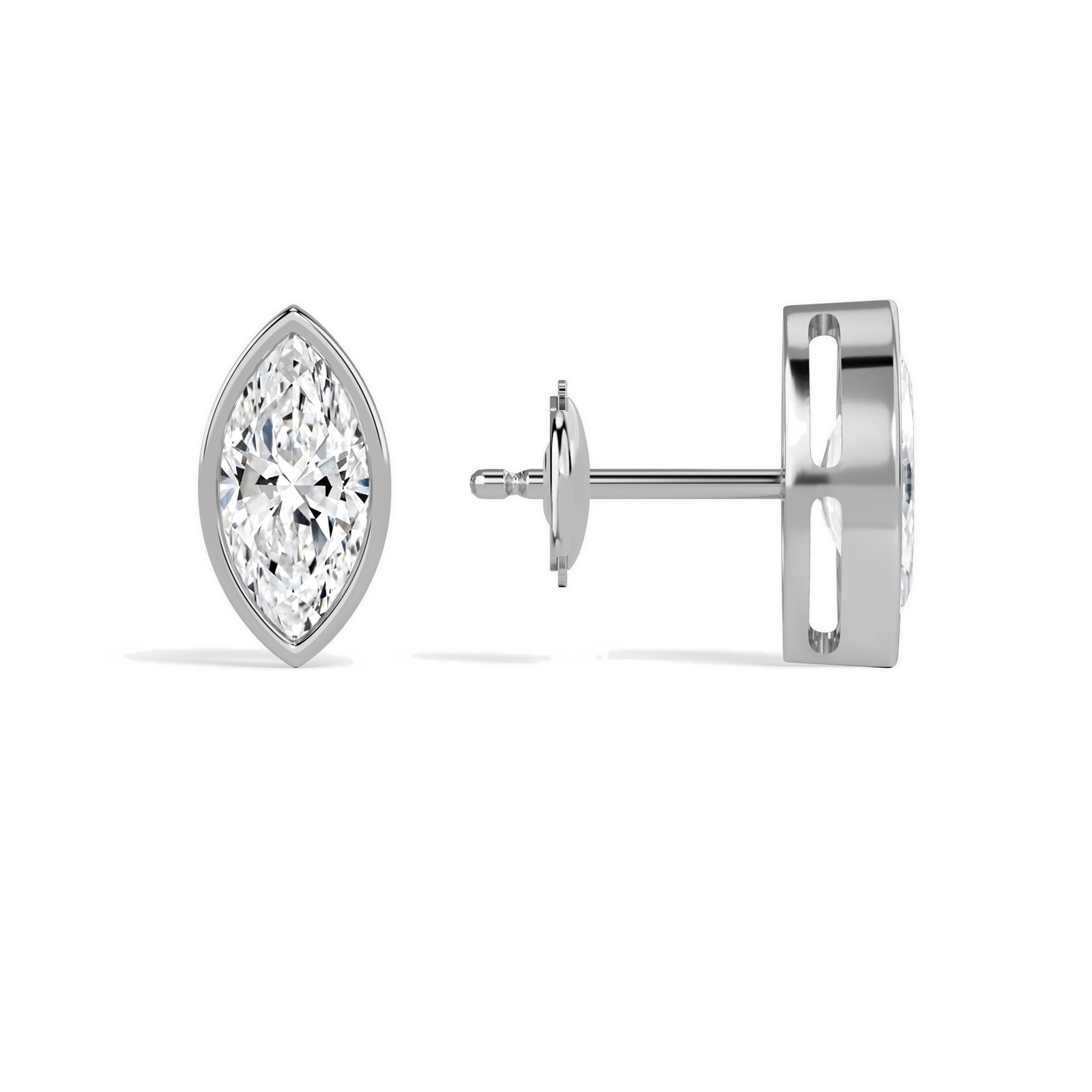


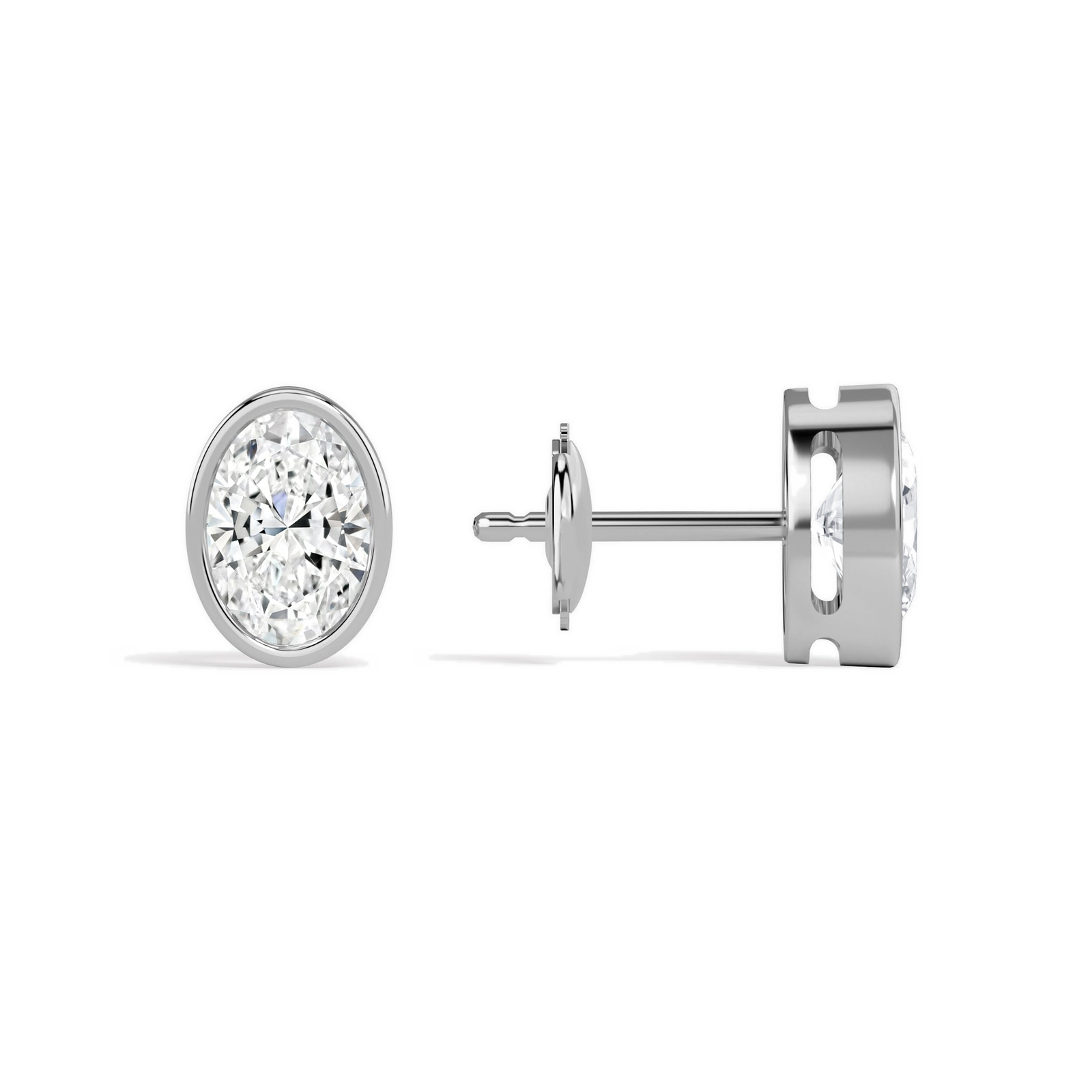


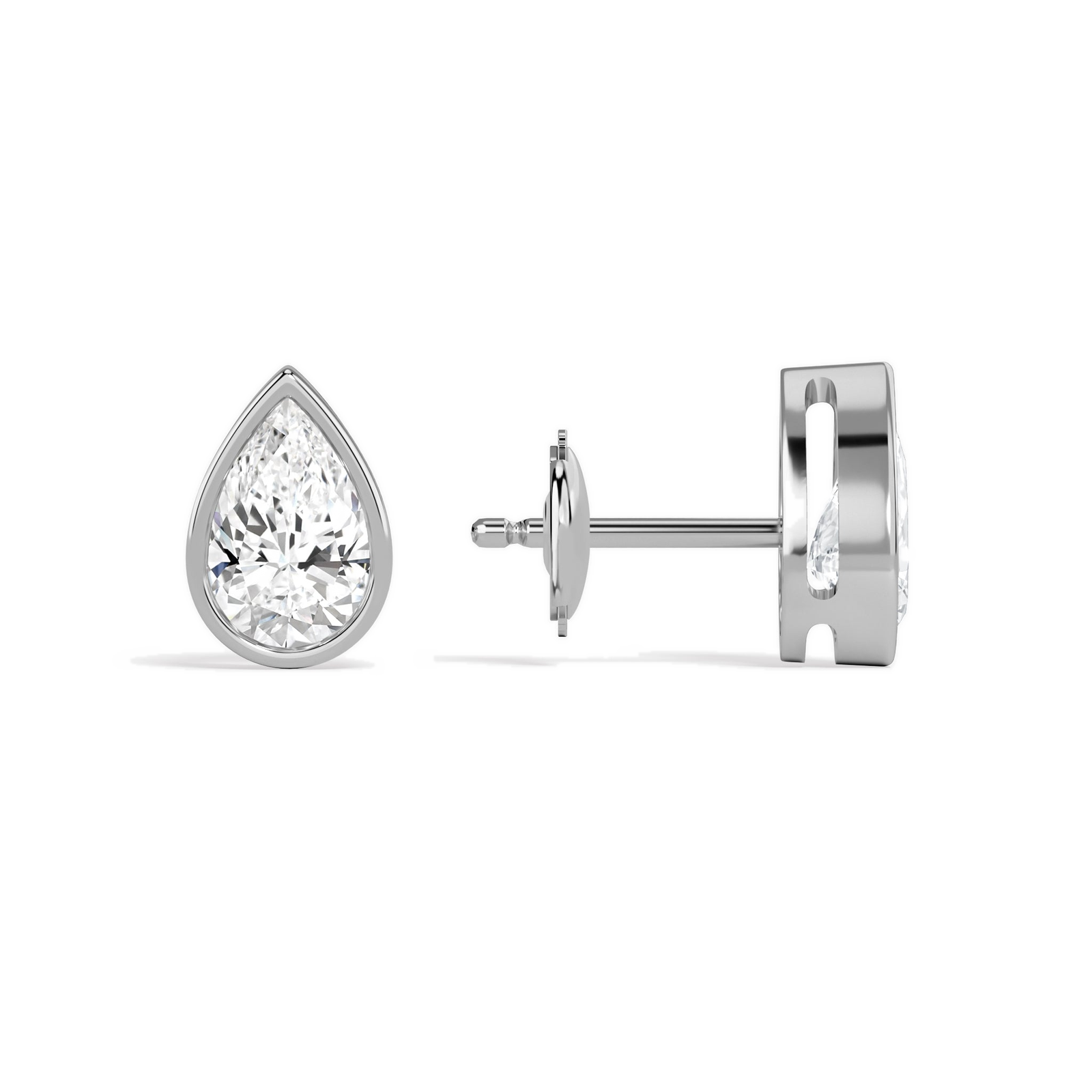


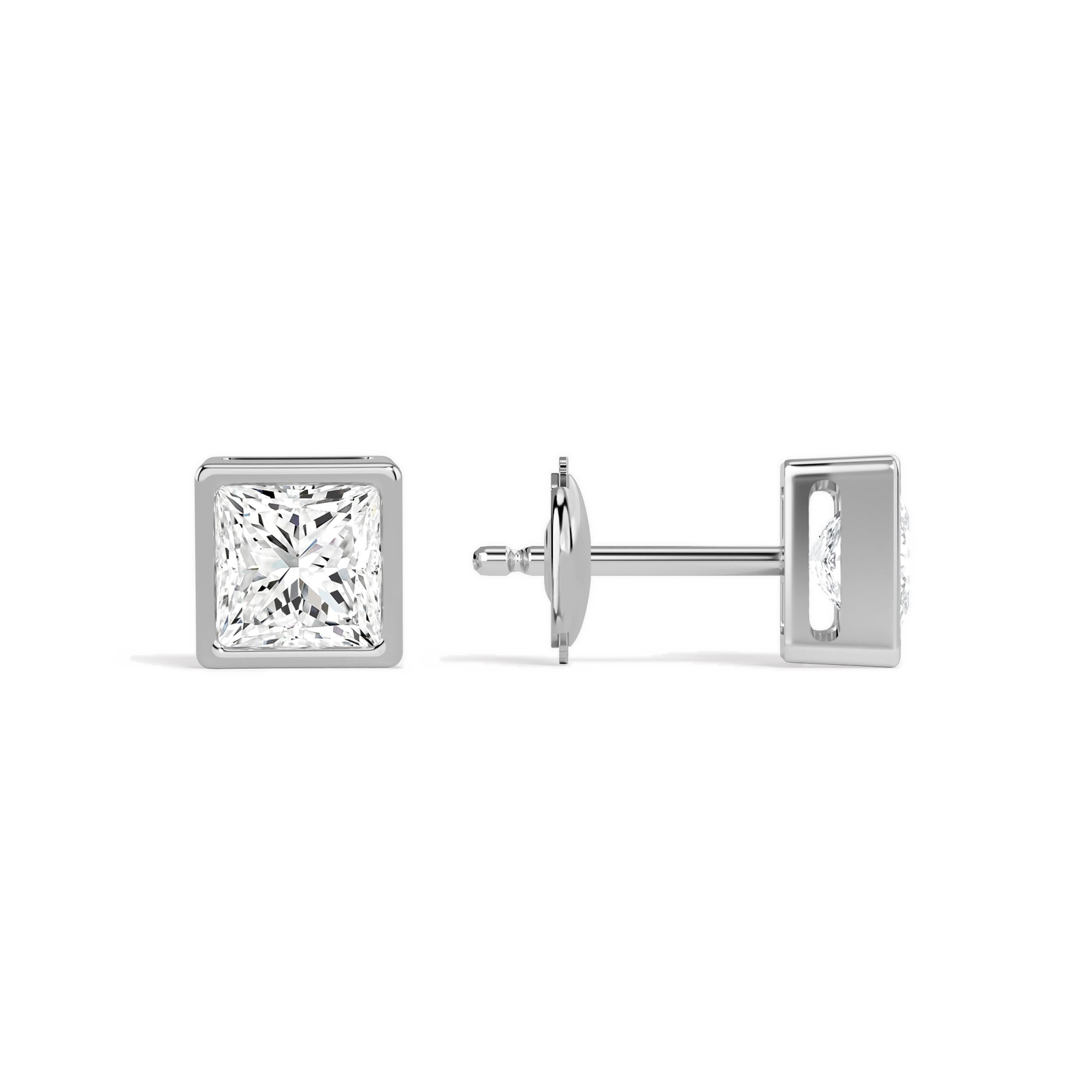


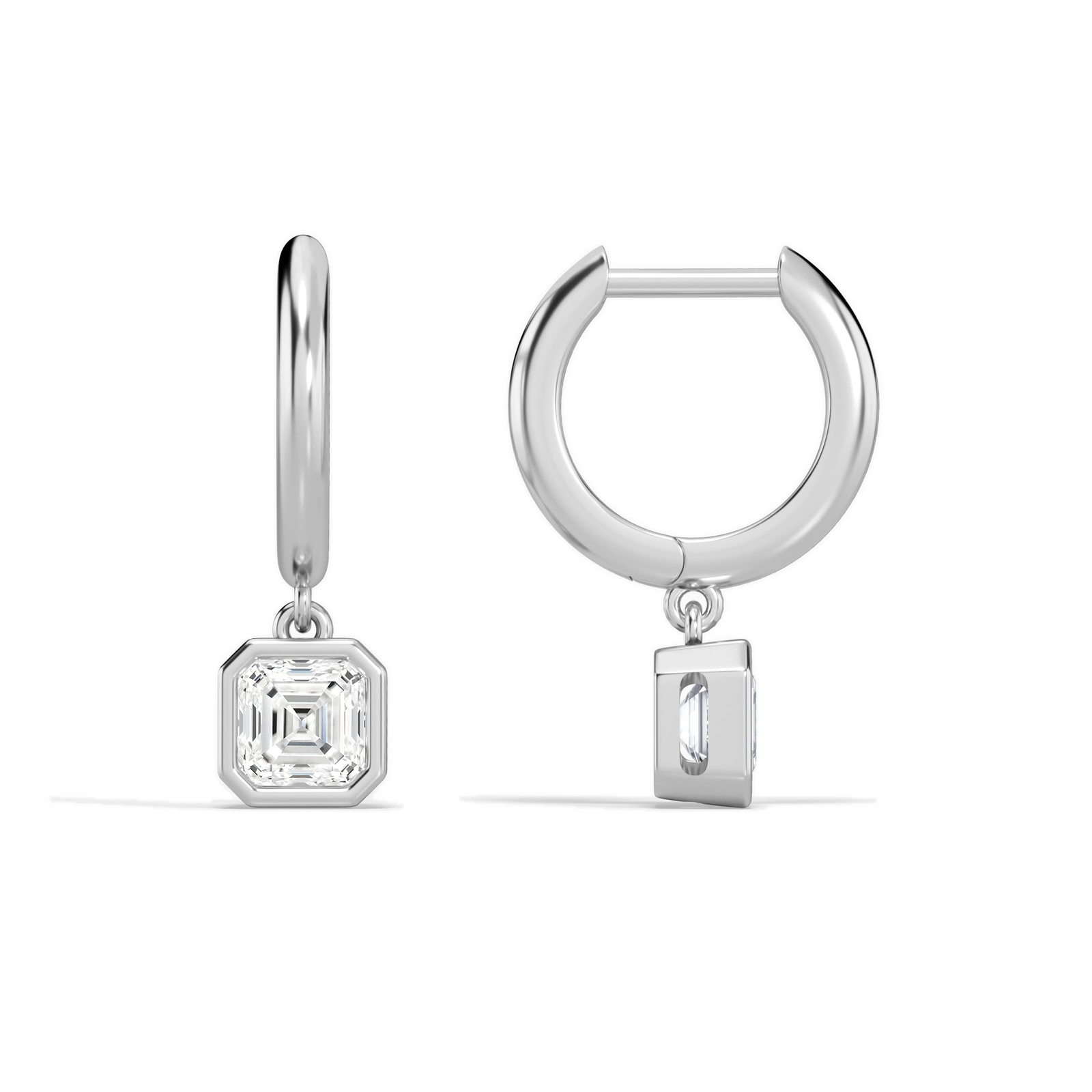


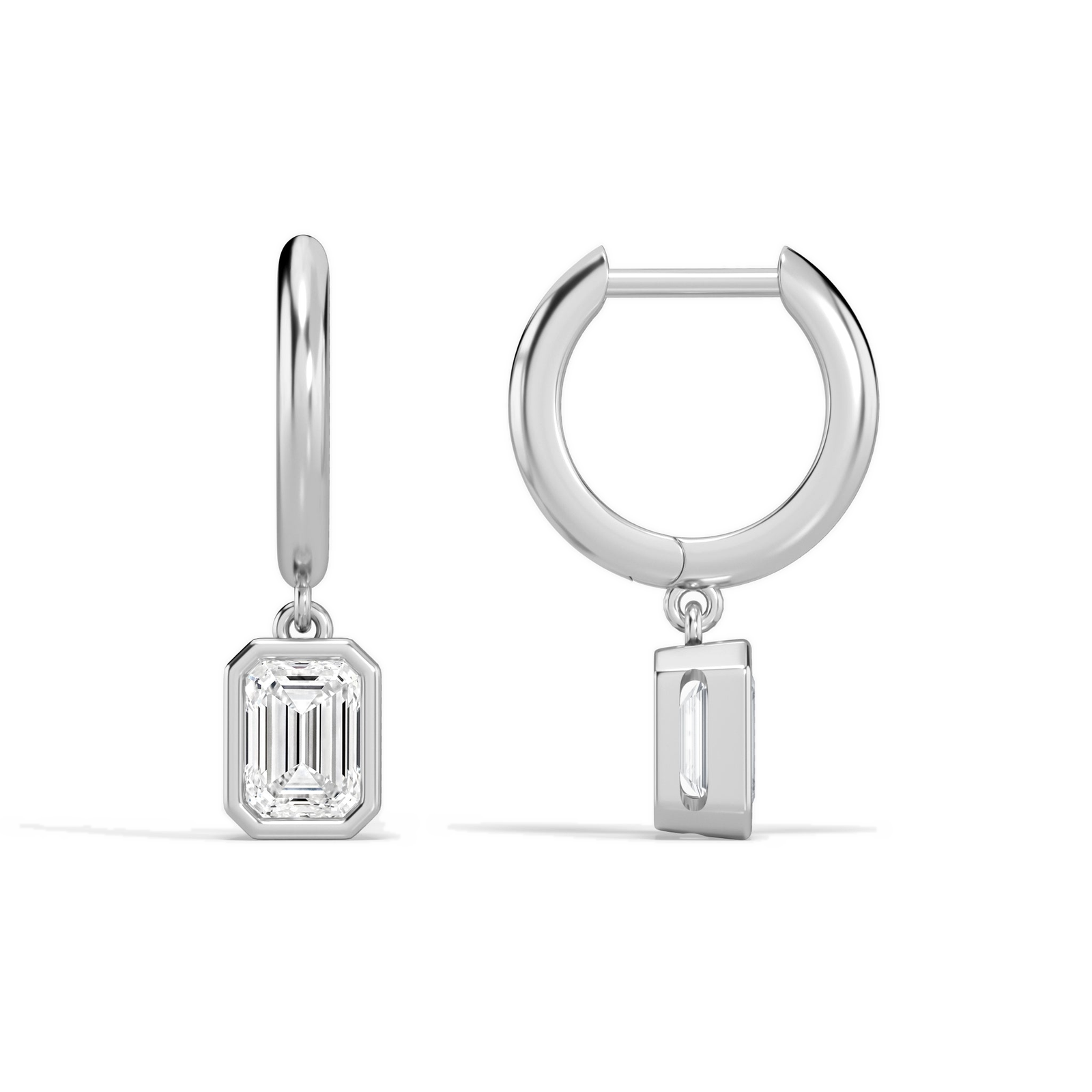


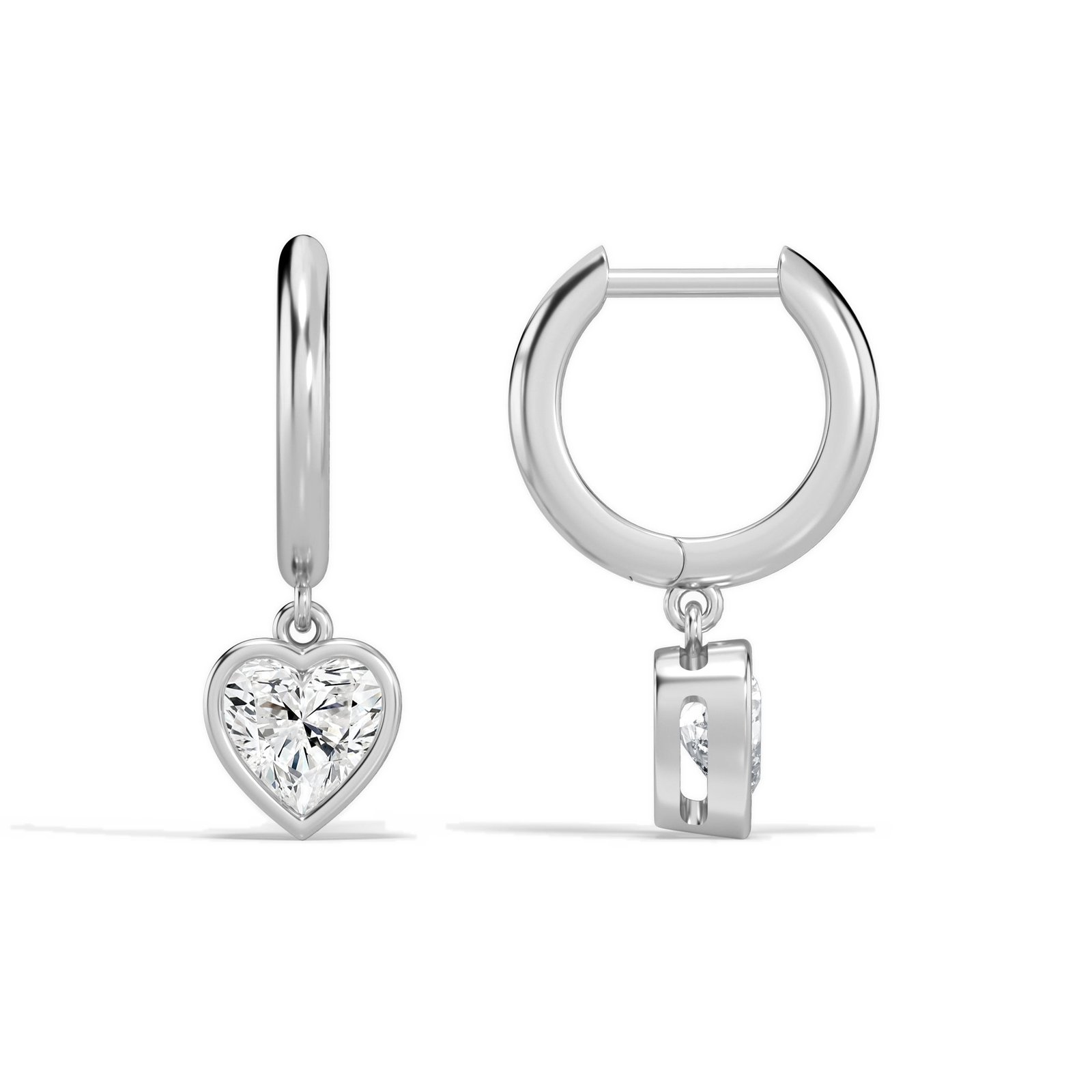

14K White Gold Fashion Earrings: Structure Sets the Hierarchy
White Gold can reduce the visual boundary between metal and diamond, so structure carries more of the composition. A bezel may draw a continuous edge, prongs may create discrete contacts and a halo may widen the field. Placement determines which boundary is read first.
The complete eighty-seven-design membership is identical to the same-metal Earrings Collection. Subcategory overlap is thirty-two Stud, fifty-three Hoop, fifty-three Drop, twenty Bezel and thirty Halo designs. Fashion reorganizes attention across them; it does not create another product universe.
Give Each Placement a Clear Function
A primary piercing may hold the largest scale, but it does not have to. A smaller focal shape can lead through contrast while a larger hoop remains quiet. In multiple piercings, compare lobe space, projection, backing clearance and the interval between settings.
Do not infer a standard spacing map from product images. Anatomy, piercing position and closure geometry can change the arrangement, and no composition promises pressure-free wear.
Use Setting Boundaries to Create Continuity
Repeating a bezel edge or prong rhythm can connect different silhouettes. A halo can act as a wider stop beside a fine arc. Shape, setting and metal may repeat in different proportions without making the ear stack mechanically compatible.
Asymmetric styling can balance through shared scale, line or white-metal field, yet the pair-or-single format must be verified before any separation is planned.
Keep Finish Claims Exact
14K contains approximately 58.3% gold. White appearance does not establish a Collection-wide alloy, rhodium state, sensitivity result or maintenance schedule.
Closures, posts, hinges and articulated links require product-level care. A change in alignment, resistance or backing should be inspected rather than treated as a styling issue.
Frequently Asked Questions
What is the page’s independent task?
To compare cross-type placement and hierarchy within the shared Earrings assortment.
How many white-gold designs appear?
Eighty-seven normalized products.
Does Fashion have separate products?
No; its membership exactly matches Earrings.
What is the Stud overlap?
Thirty-two designs.
How many overlap Hoop and Drop?
Fifty-three designs belong to each route because many are hybrids.
How many use Bezel or Halo paths?
Twenty overlap Bezel and thirty overlap Halo.
Can a second piercing hold the focal earring?
Yes as a visual choice if scale and physical clearance work.
What should spacing review include?
Piercing position, lobe area, setting width, projection, backs and movement.
Does a repeated setting guarantee compatibility?
No. Similar appearance does not prove equal dimensions or contact behavior.
Can matched earrings still feel directional?
Yes through shape orientation, line and placement.
Is asymmetry required for fashion styling?
No. A matched pair may provide the complete composition.
Are all pieces available as singles?
No Collection-wide availability is assumed.
What is the gold content of 14K?
Approximately 58.3%.
Is rhodium confirmed for every item?
No. Verify the selected product evidence.
Does white gold guarantee comfort?
No. Anatomy, size, posts, backs and weight remain relevant.
How should a hinge be assessed?
Follow product guidance and inspect if resistance or alignment changes.
Can custom placement be promised?
No. Technical feasibility and purchase format require review.