
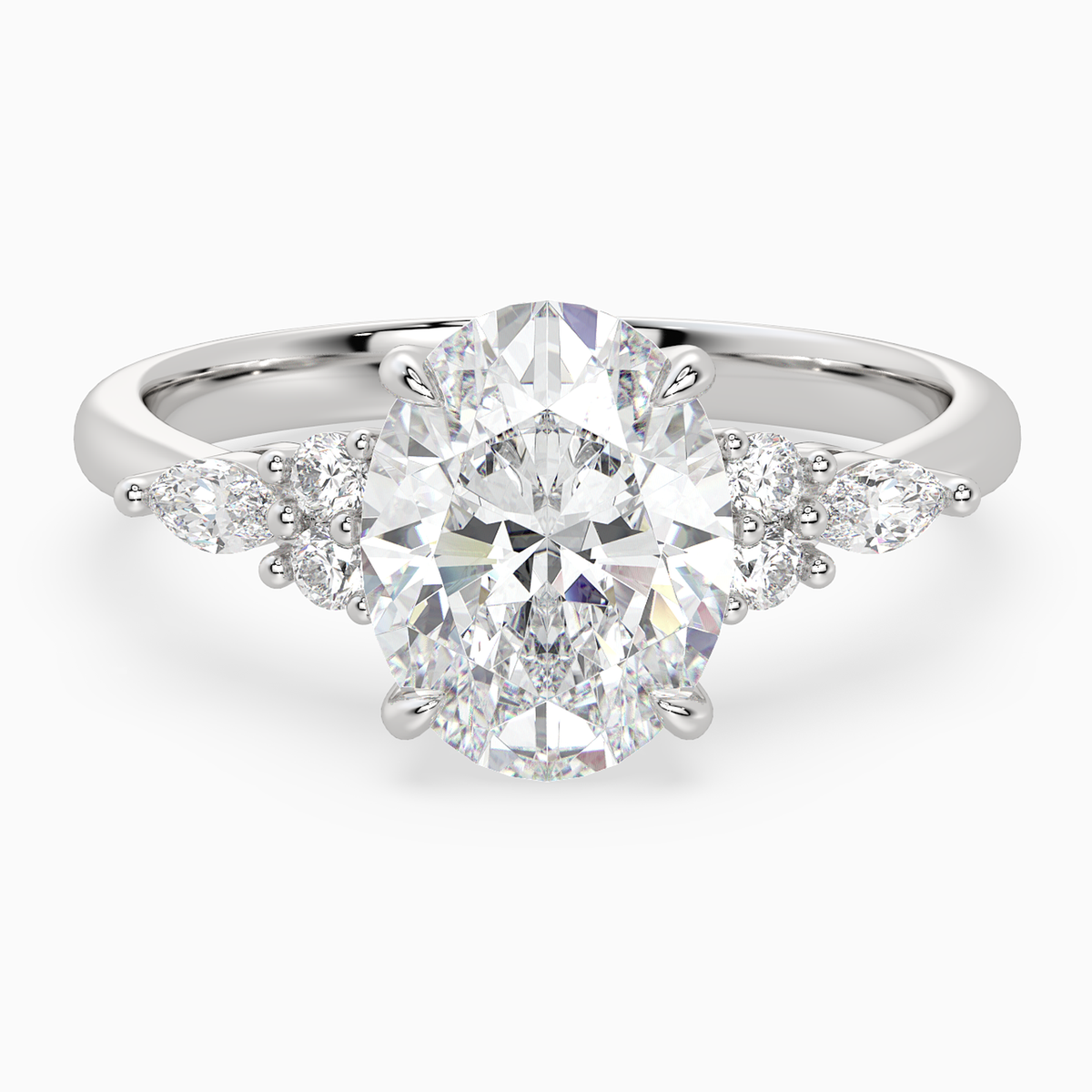


Lab Grown Diamond Earrings in 18K White Gold
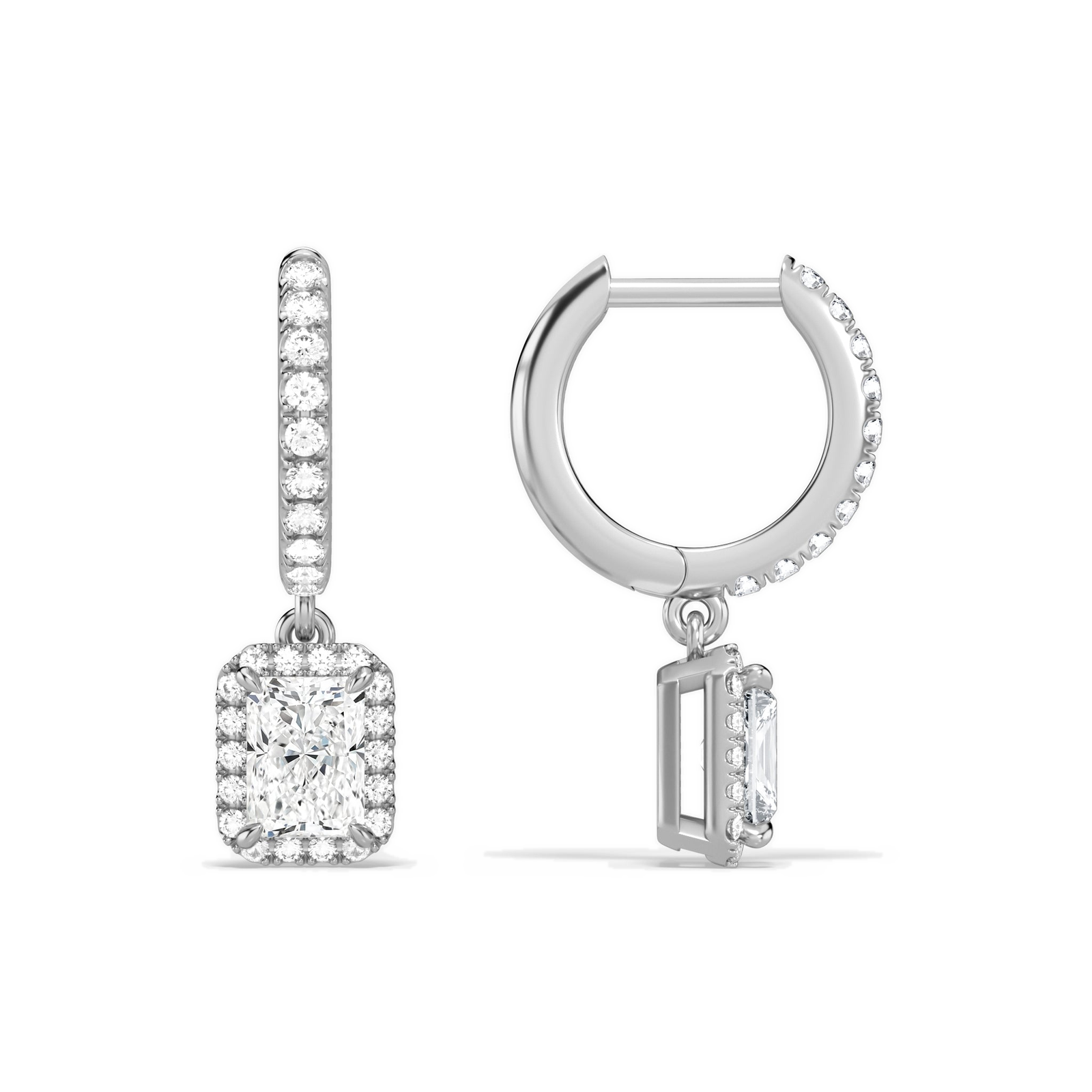
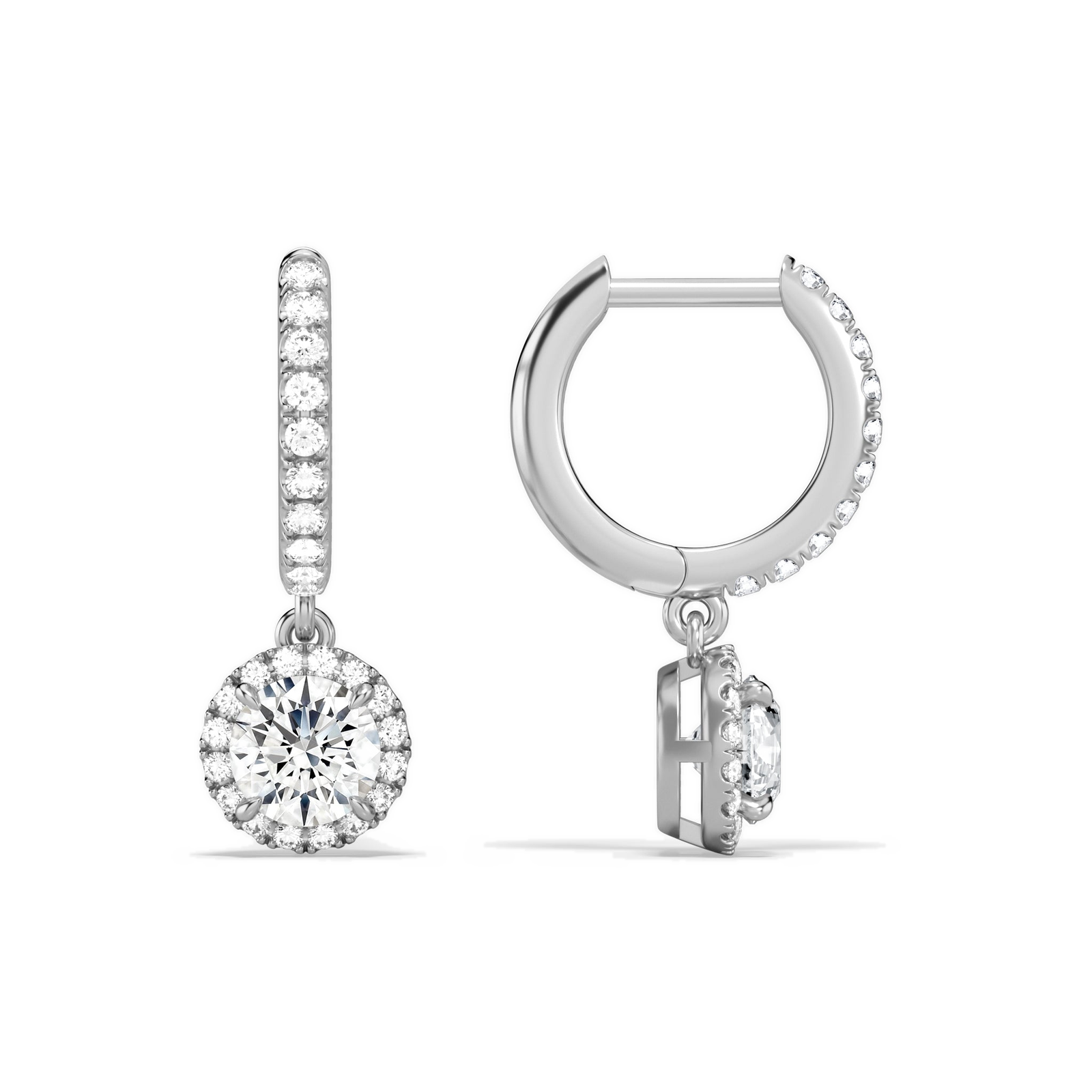
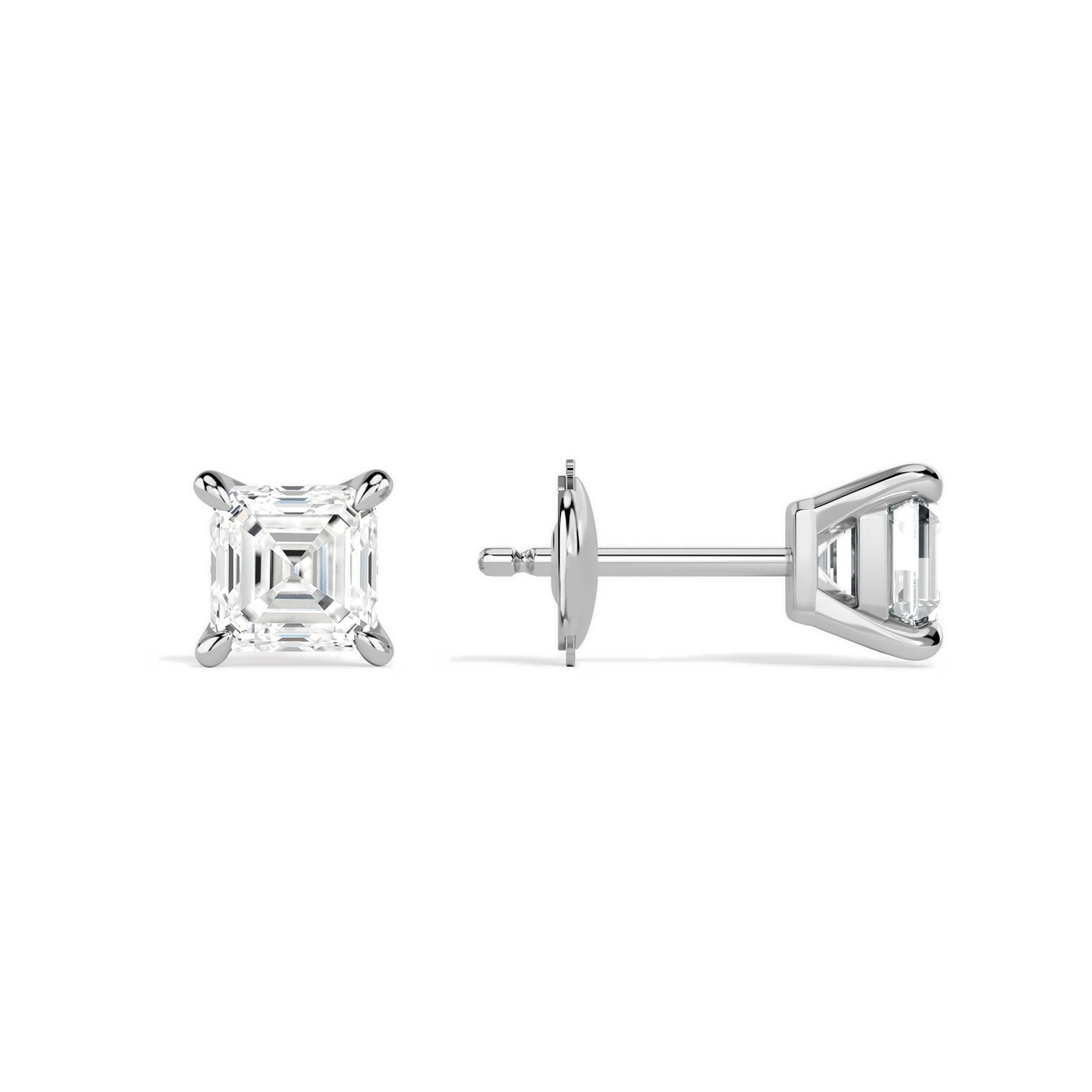
Quiet in color, exact at small scale. 18K white gold carries studs, hoops, and drops through a refined framework of edges and joints.


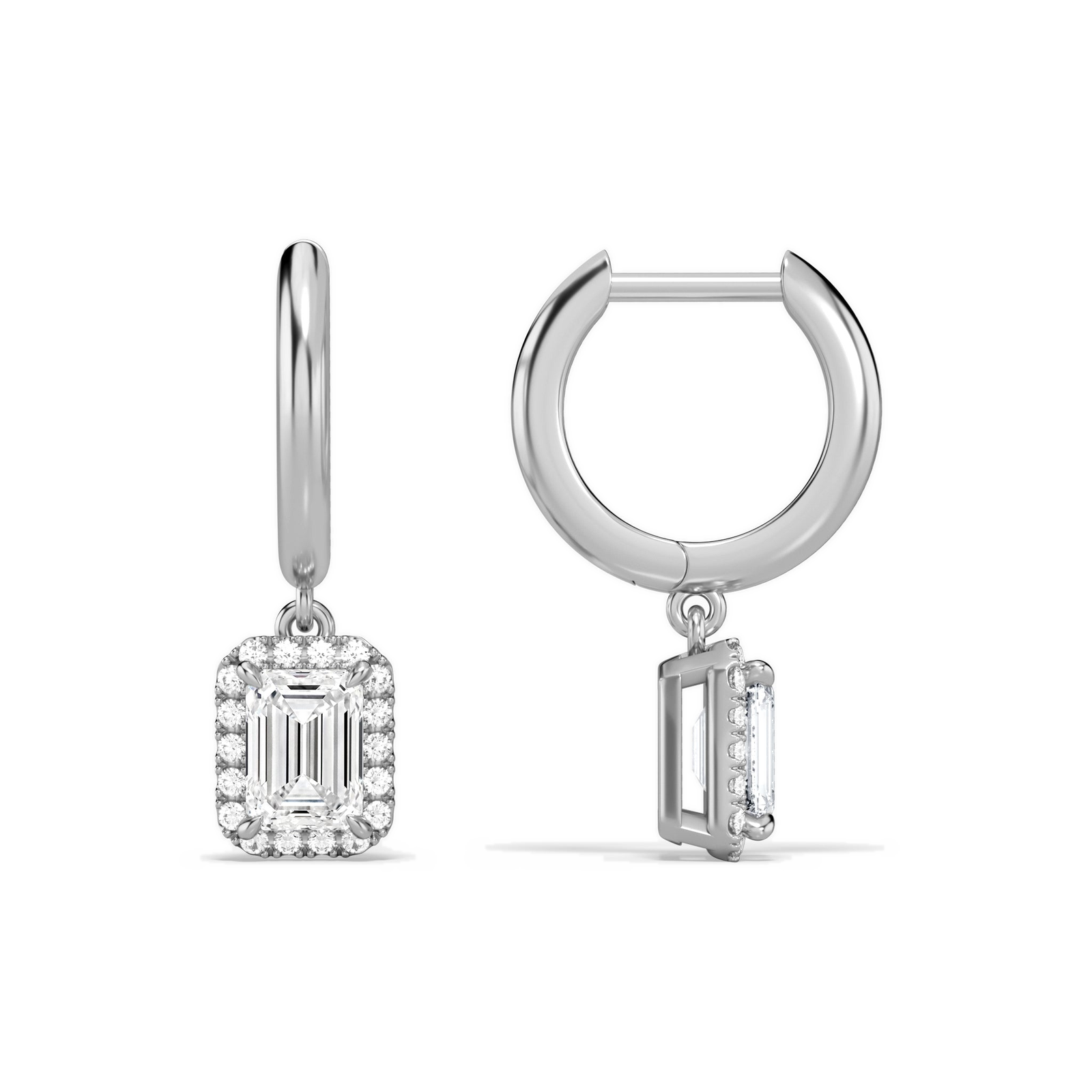


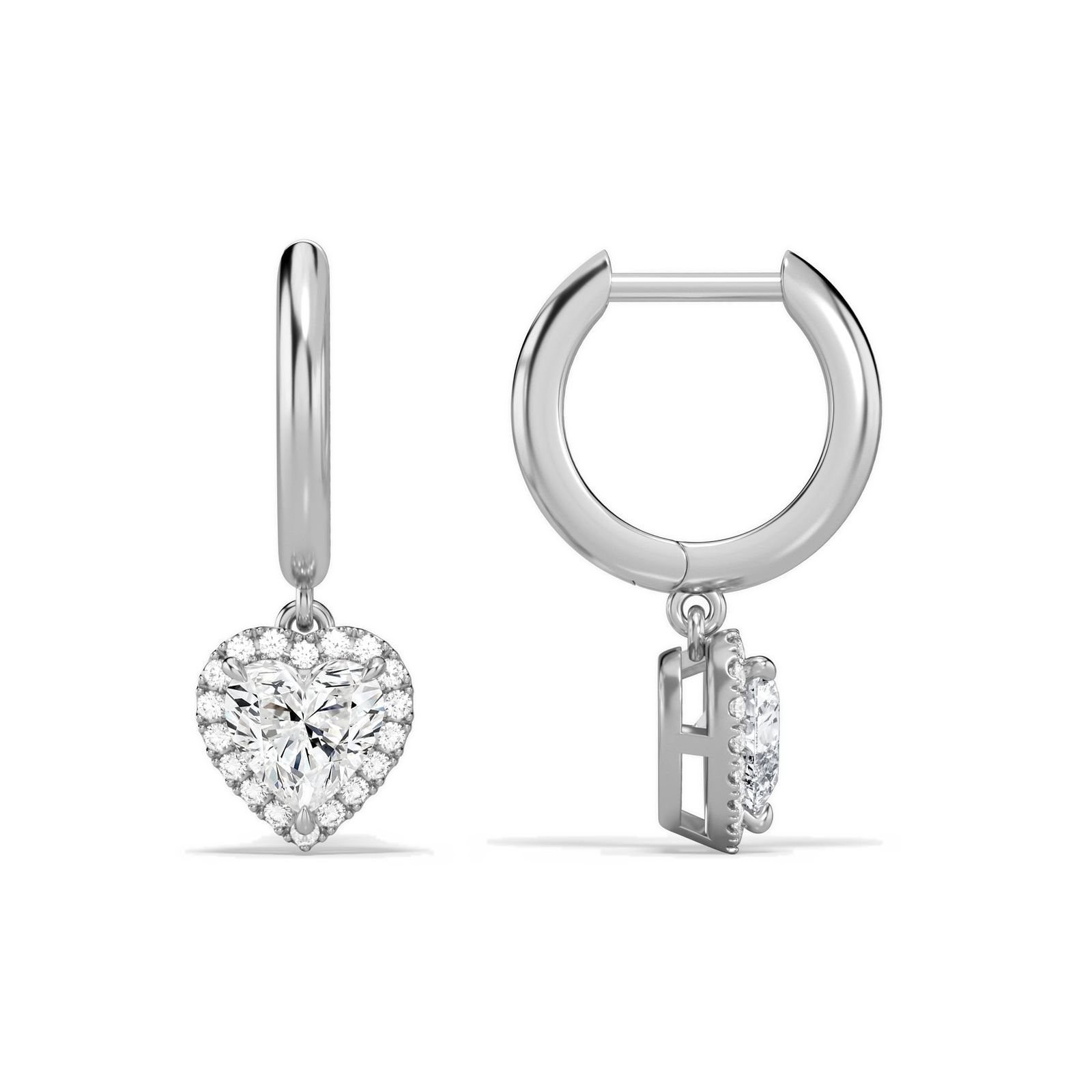


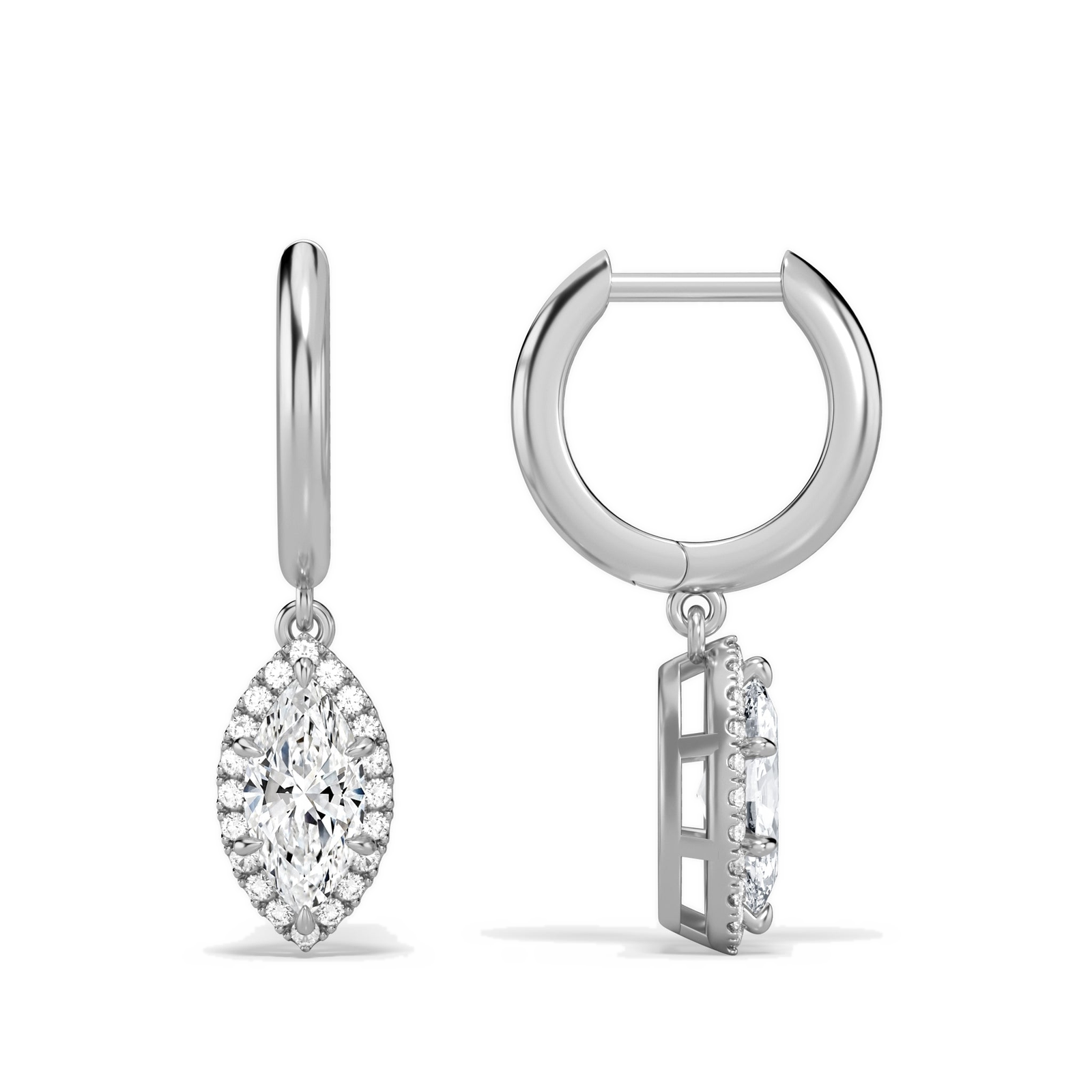


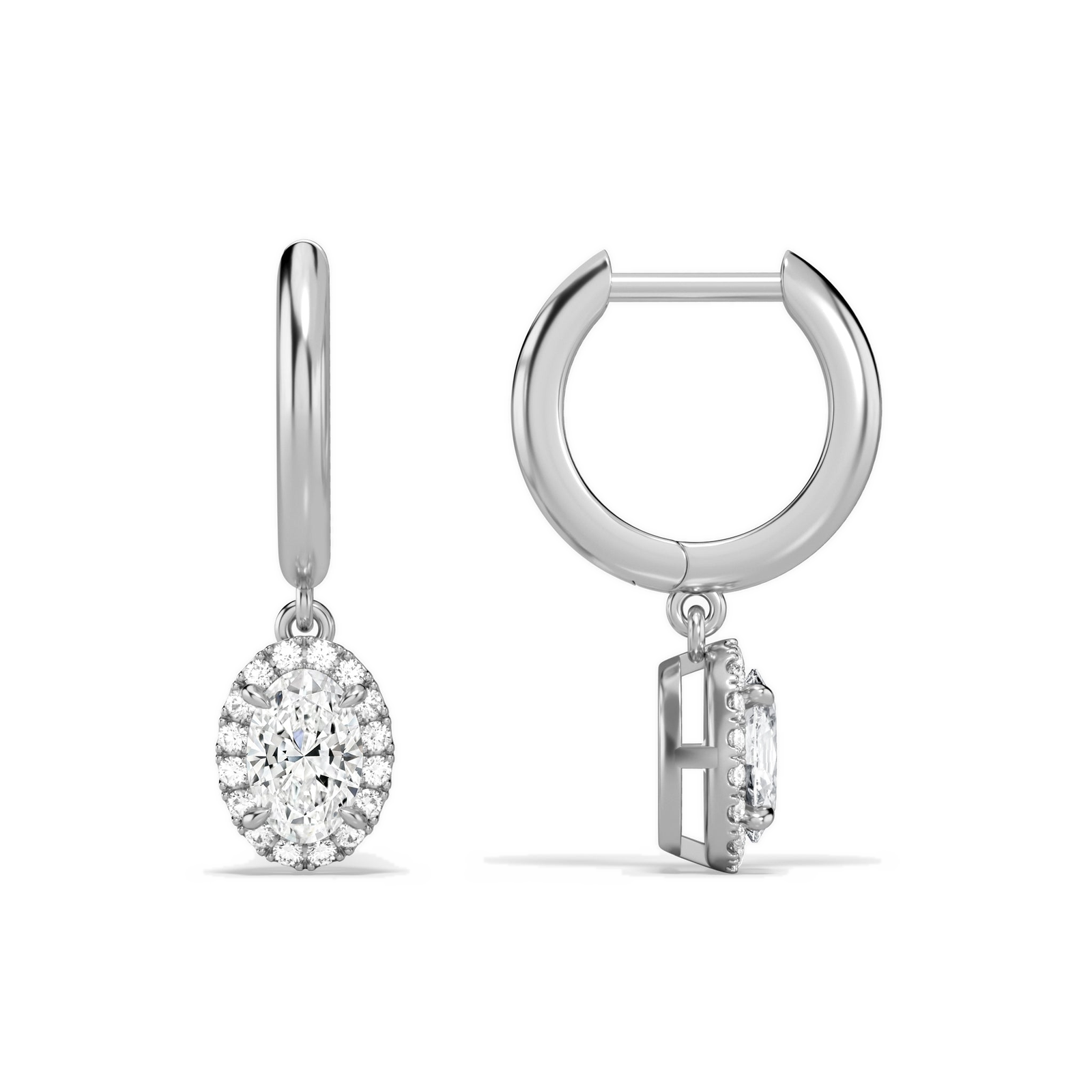


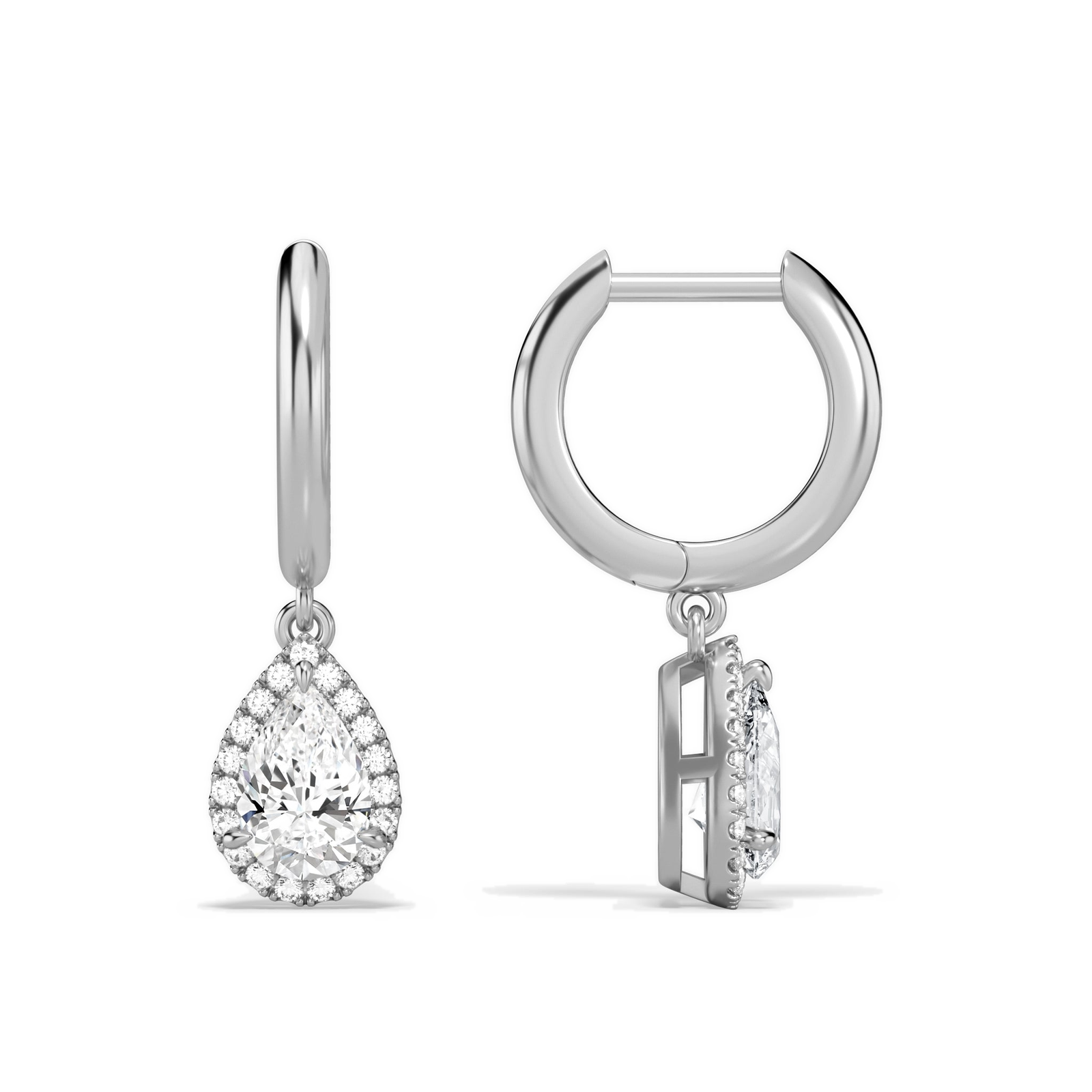


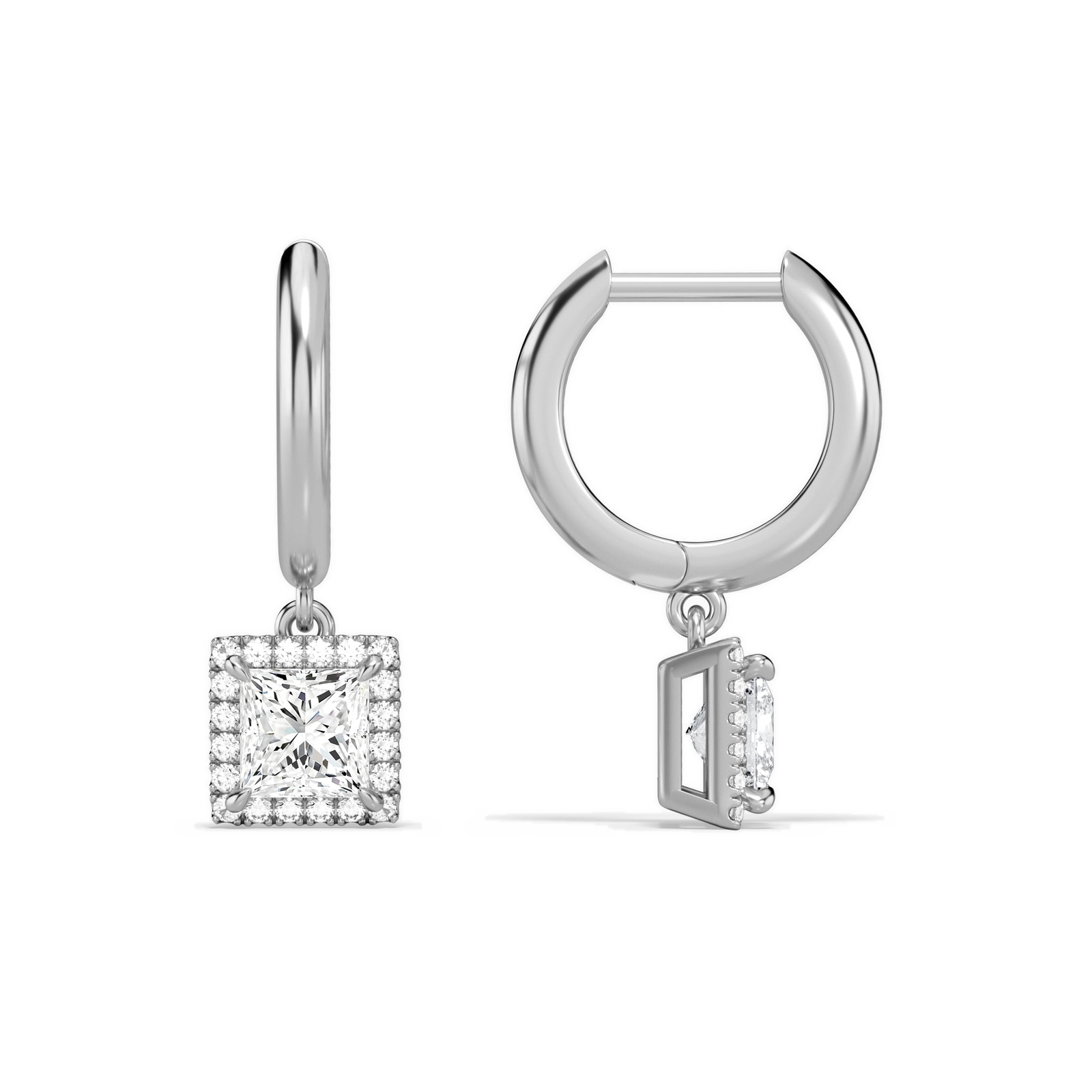


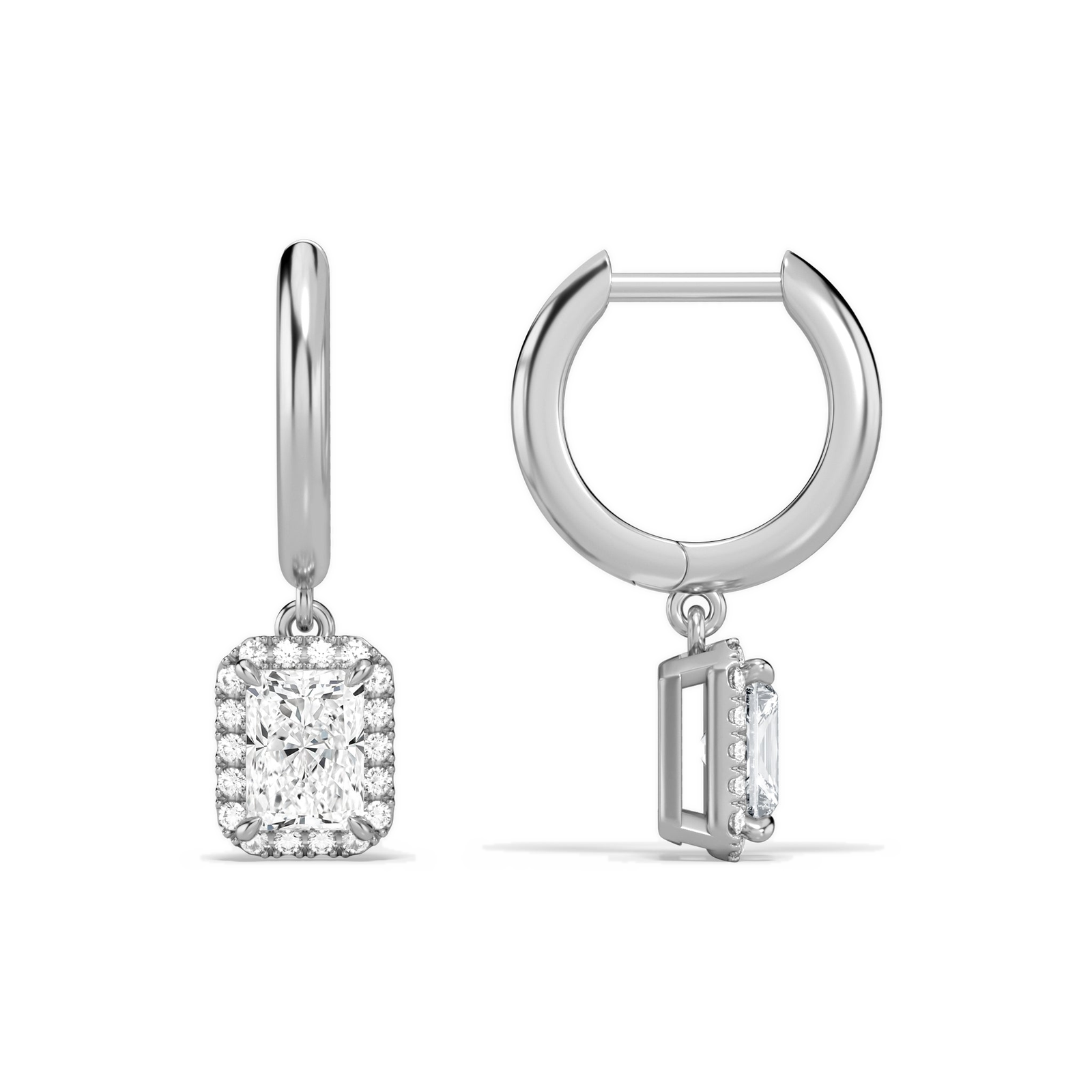


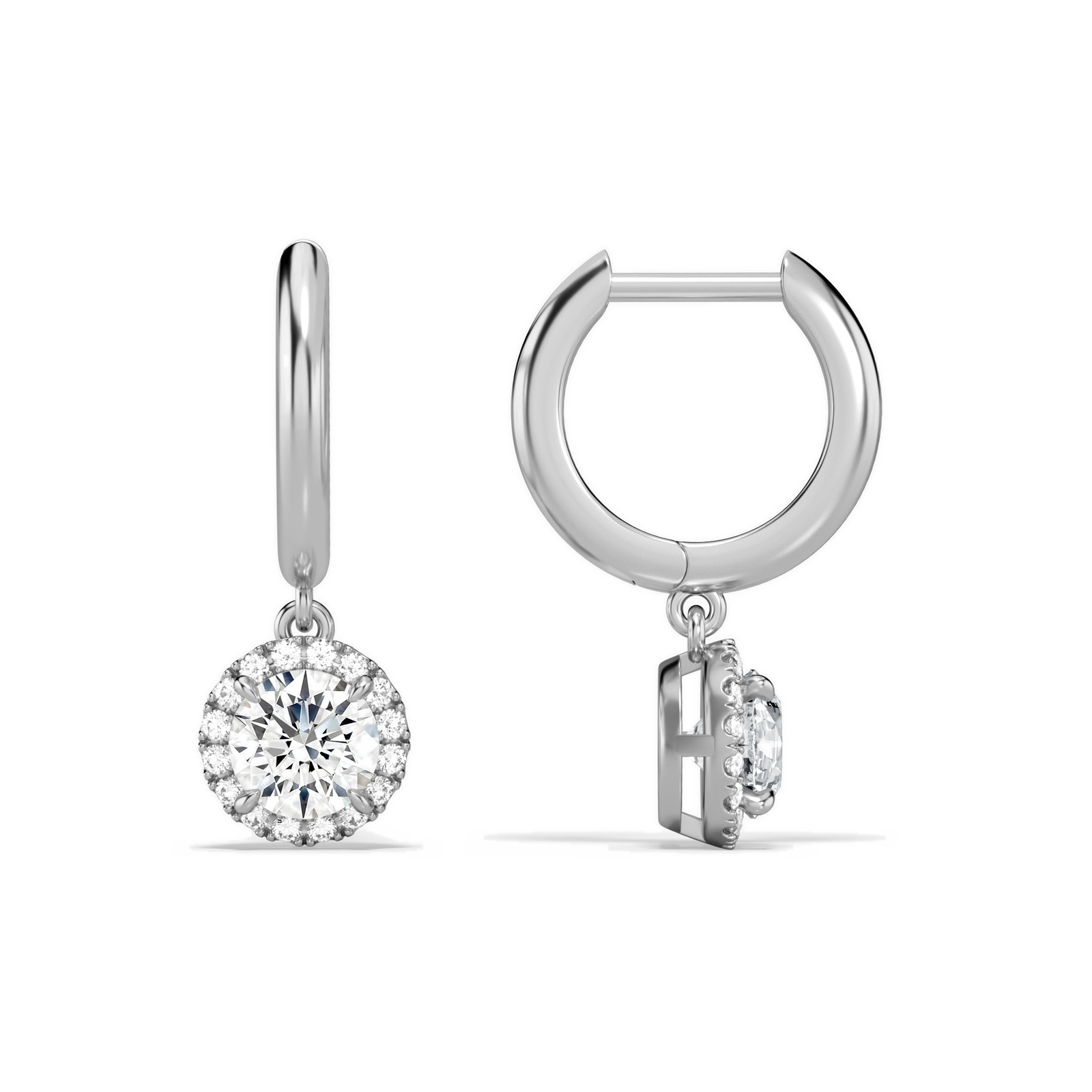


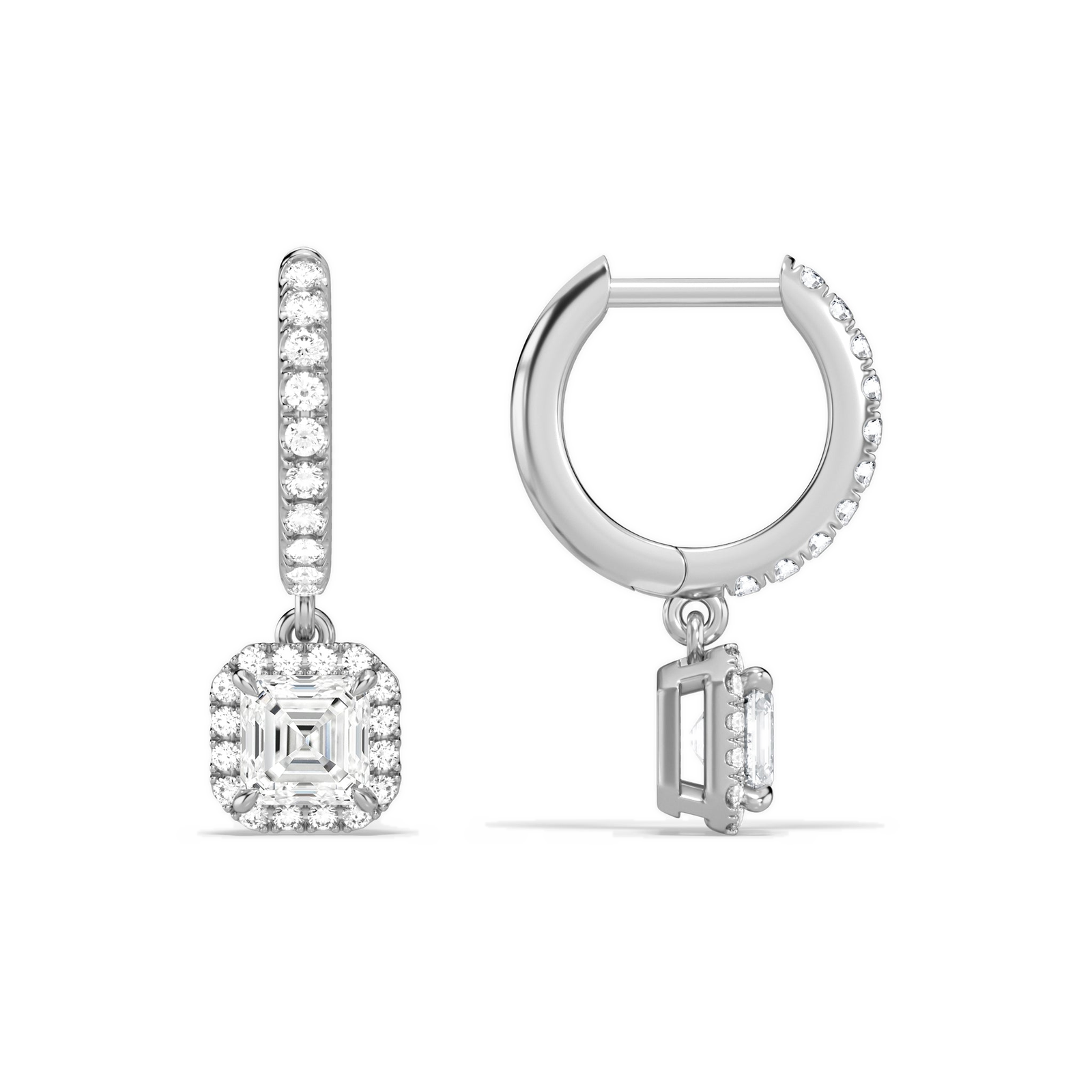


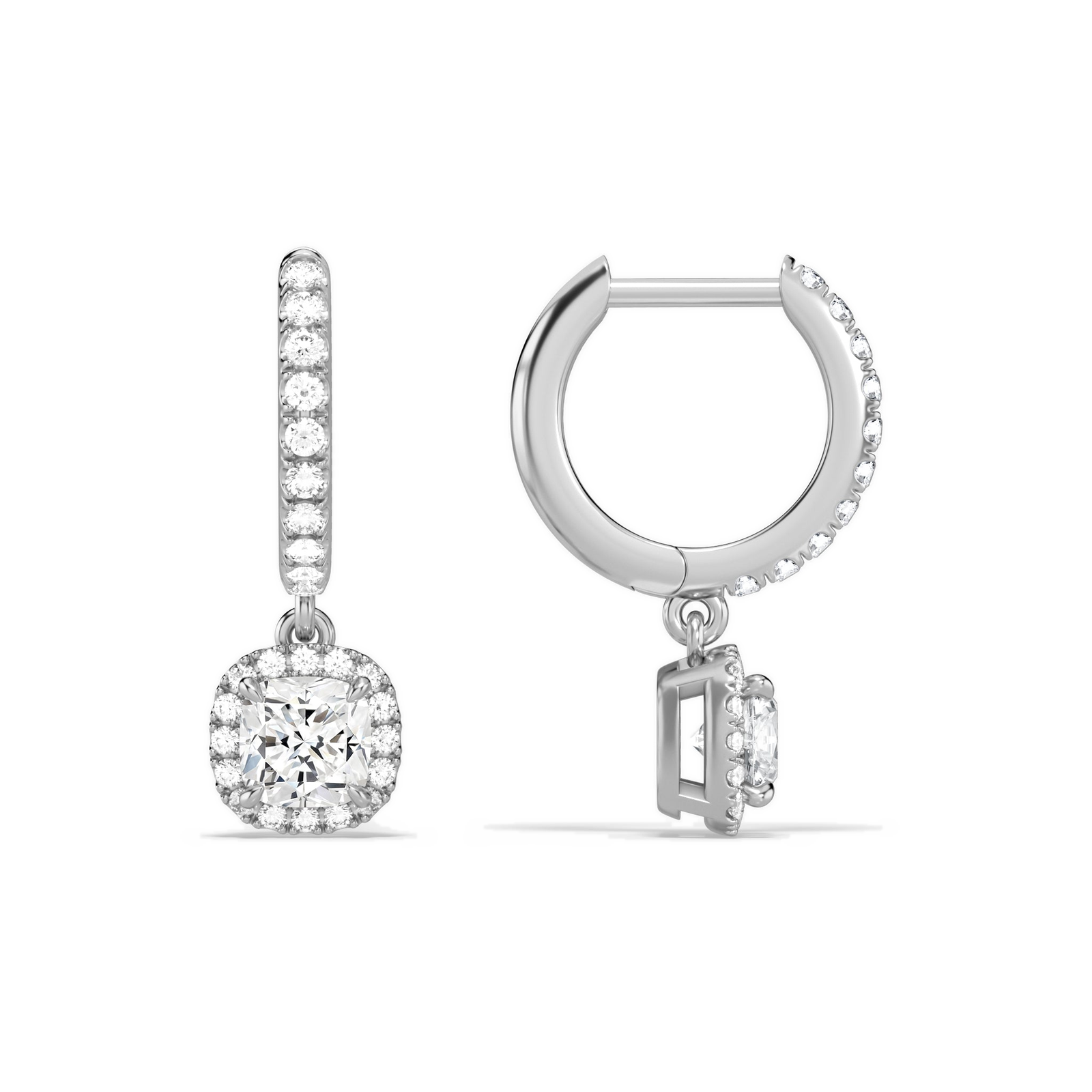

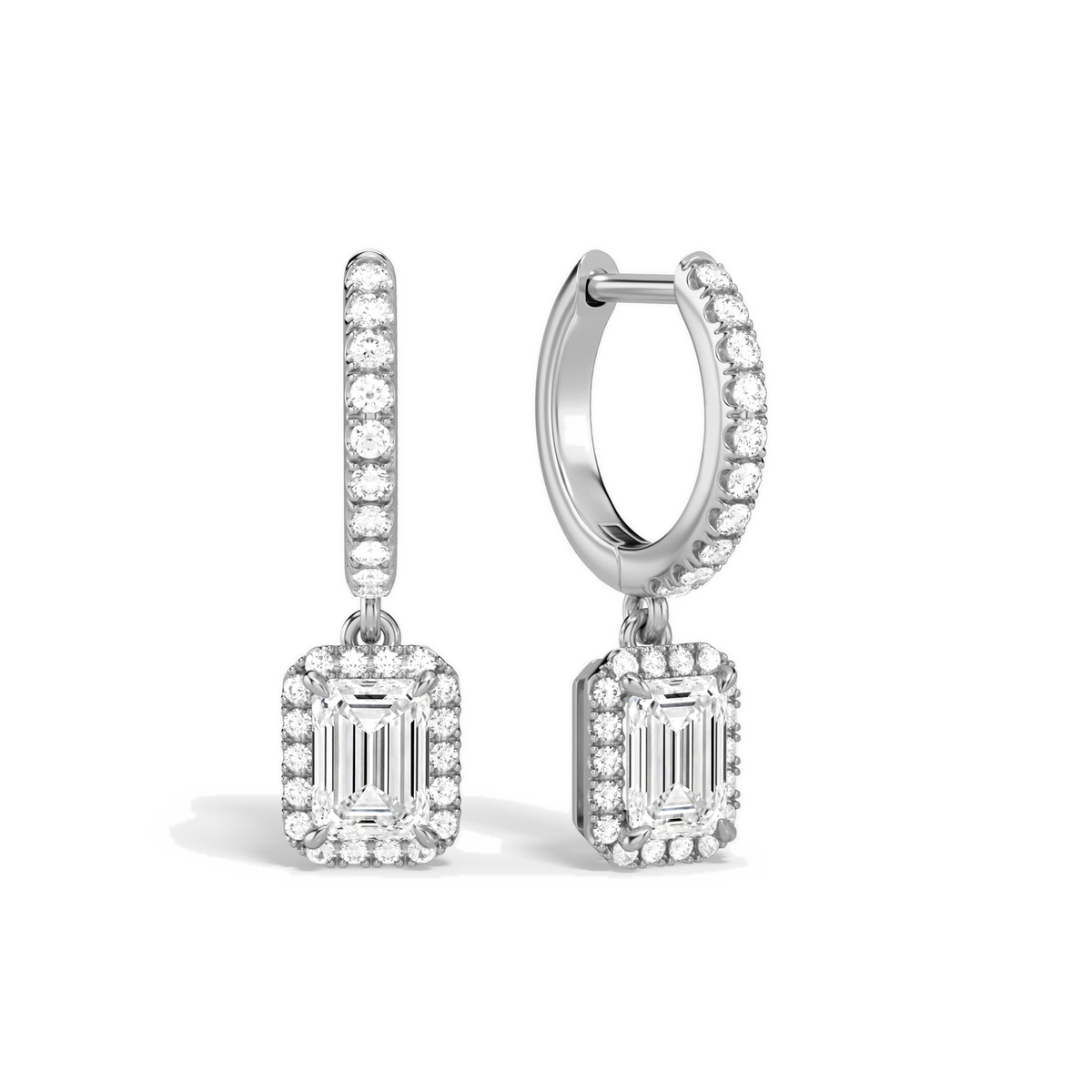
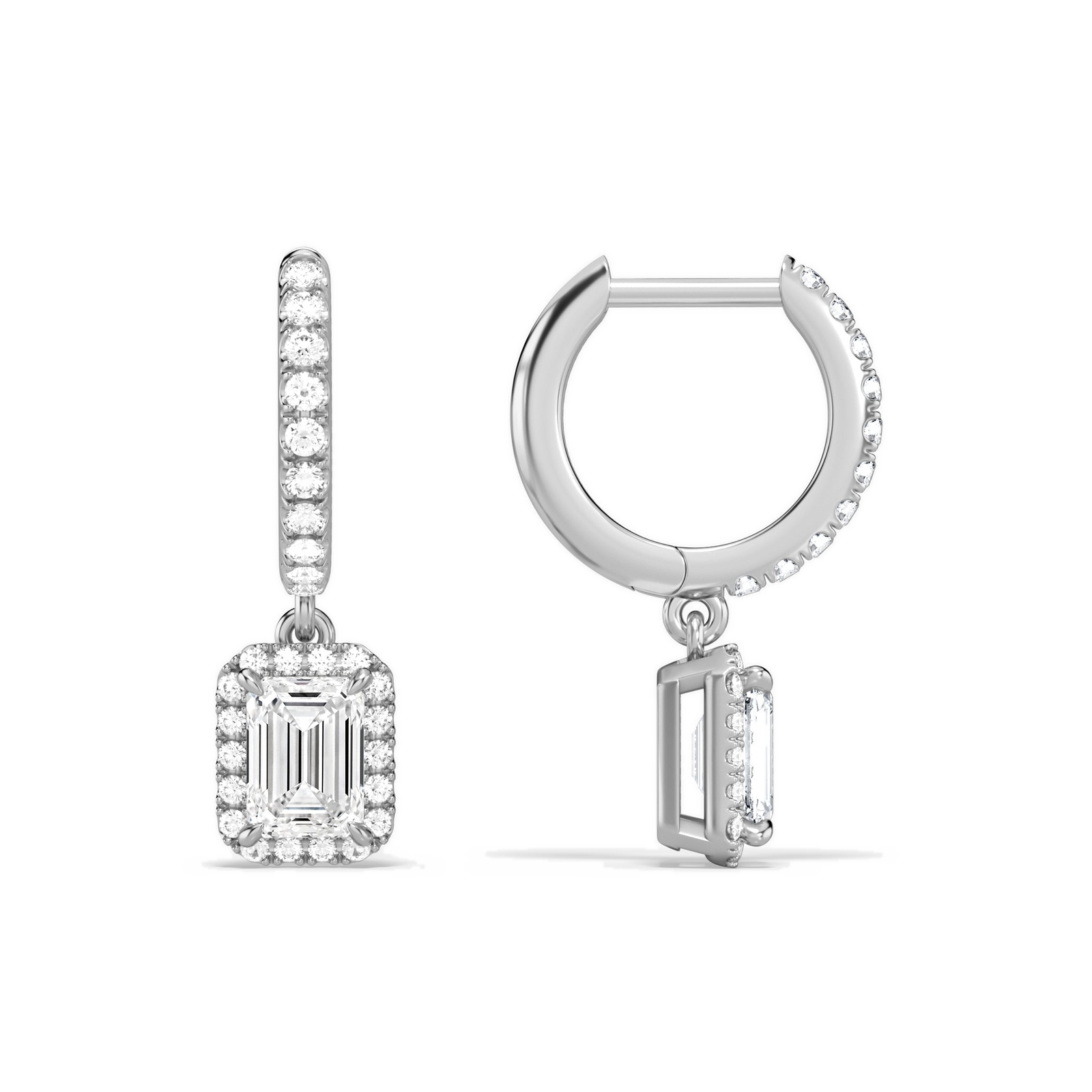


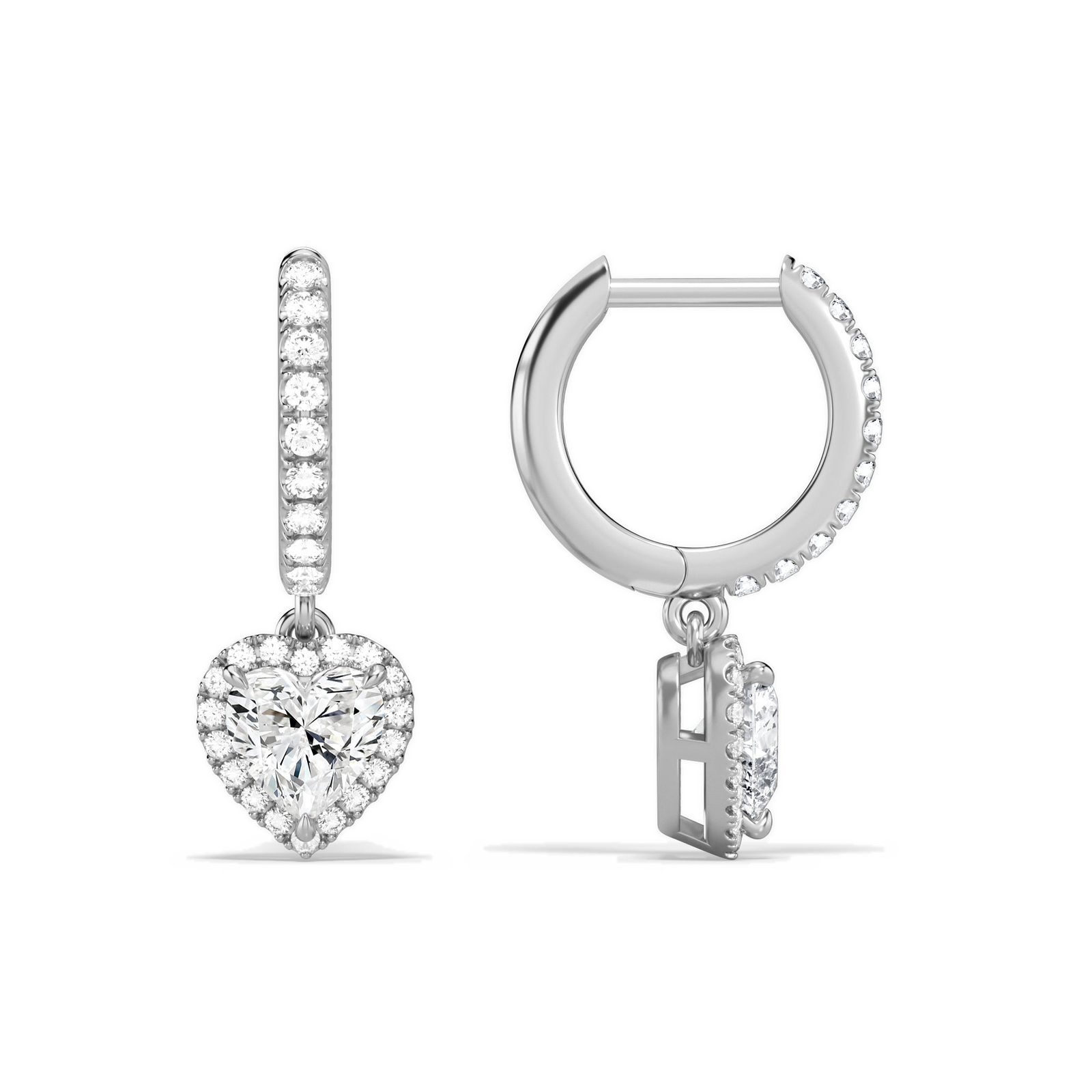

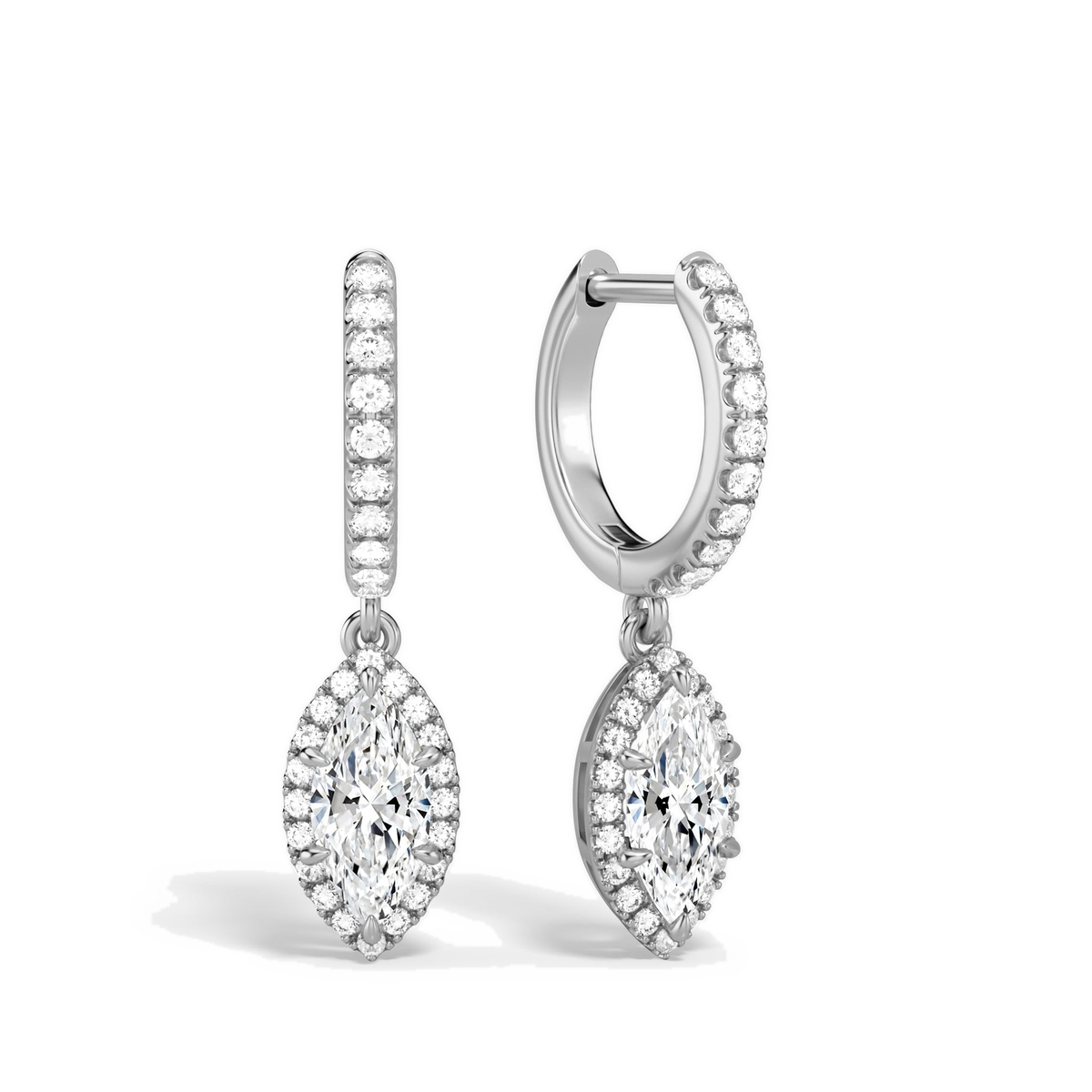
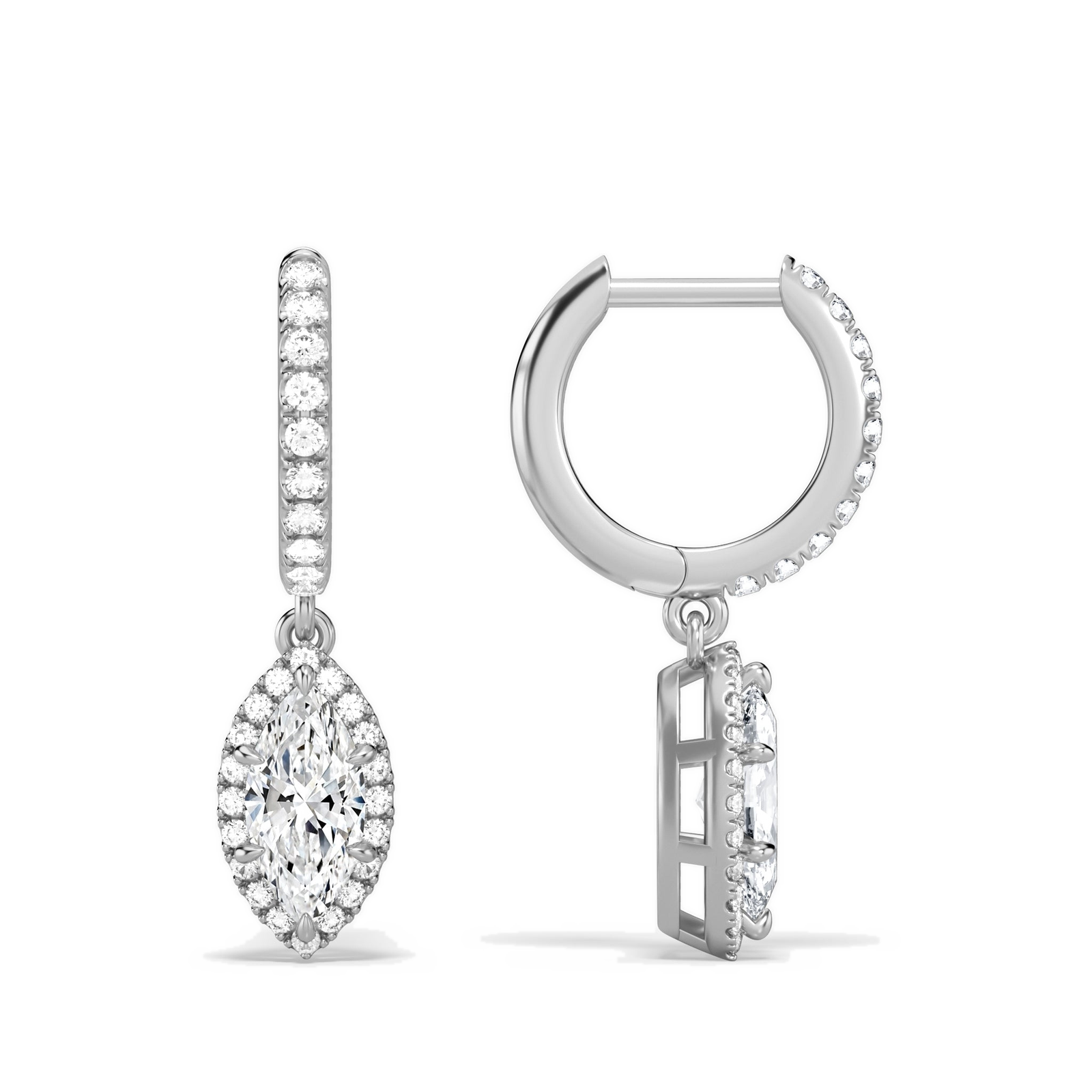
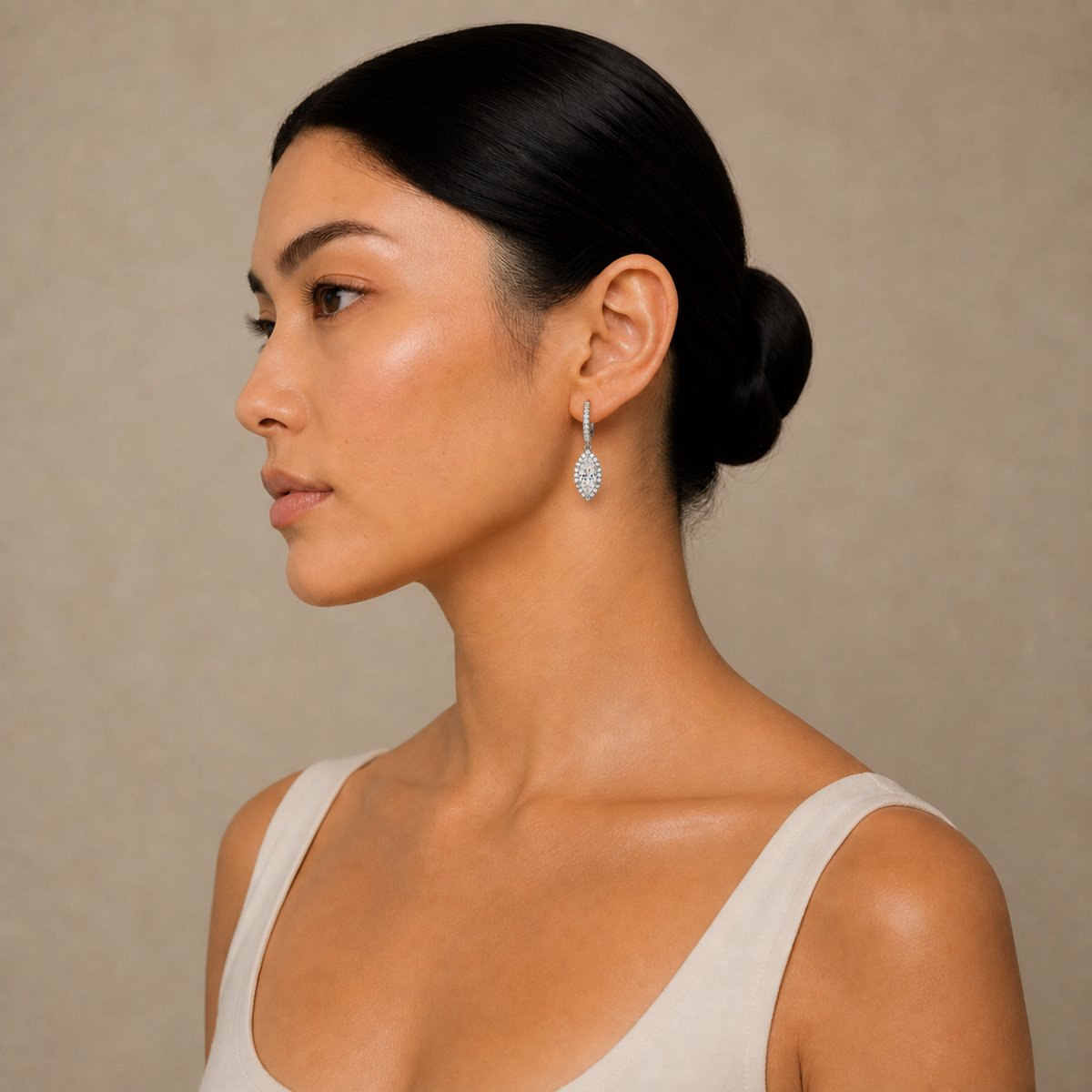
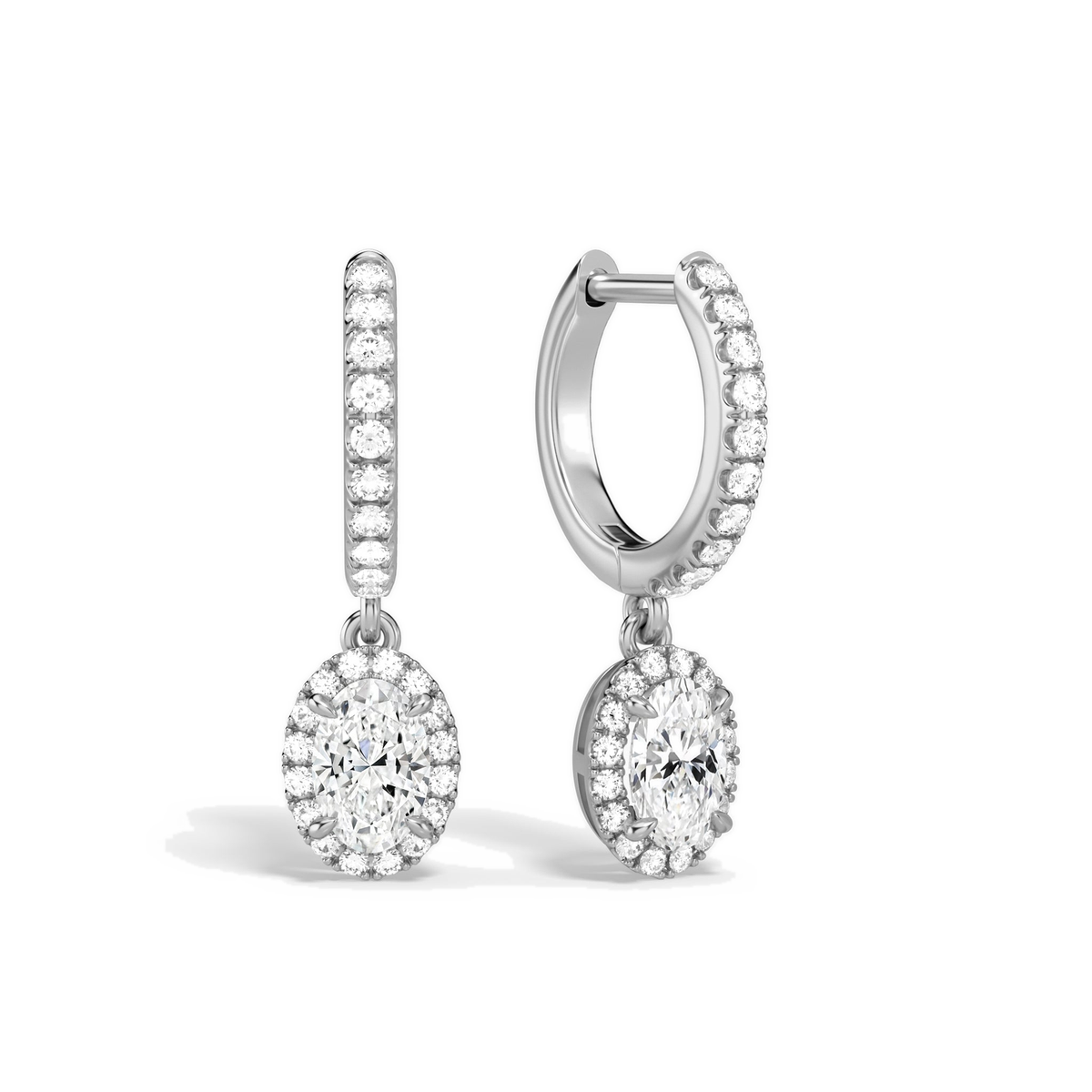
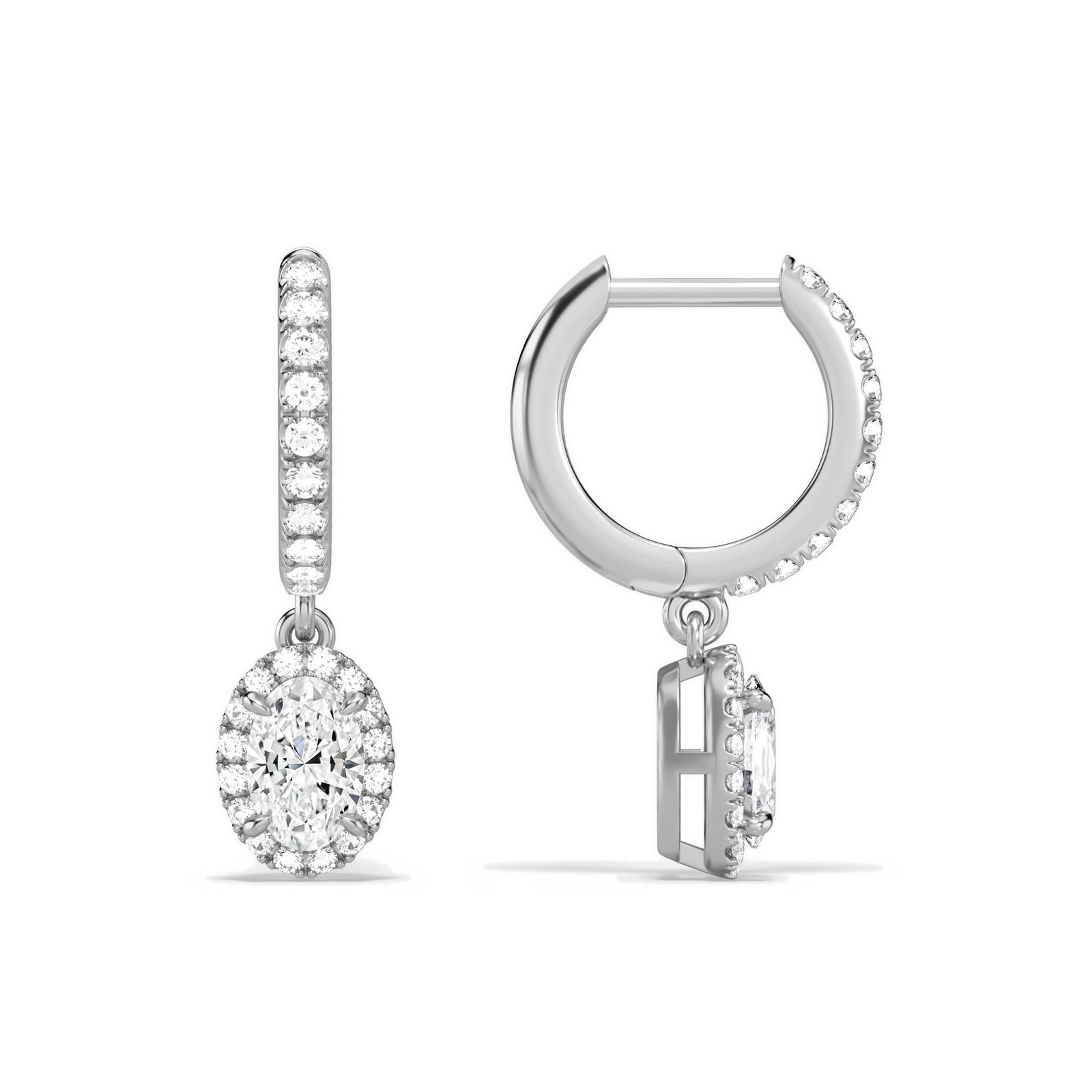


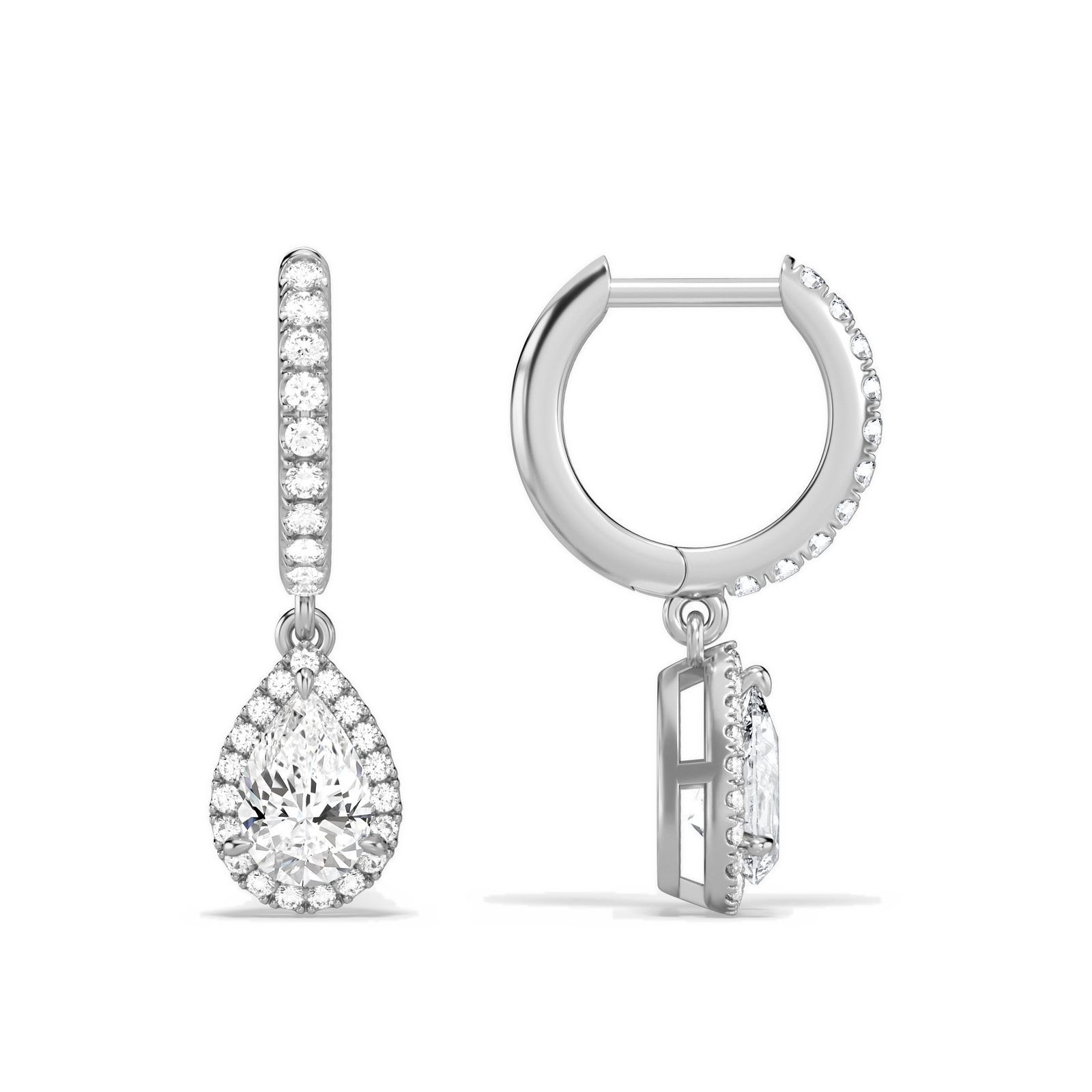

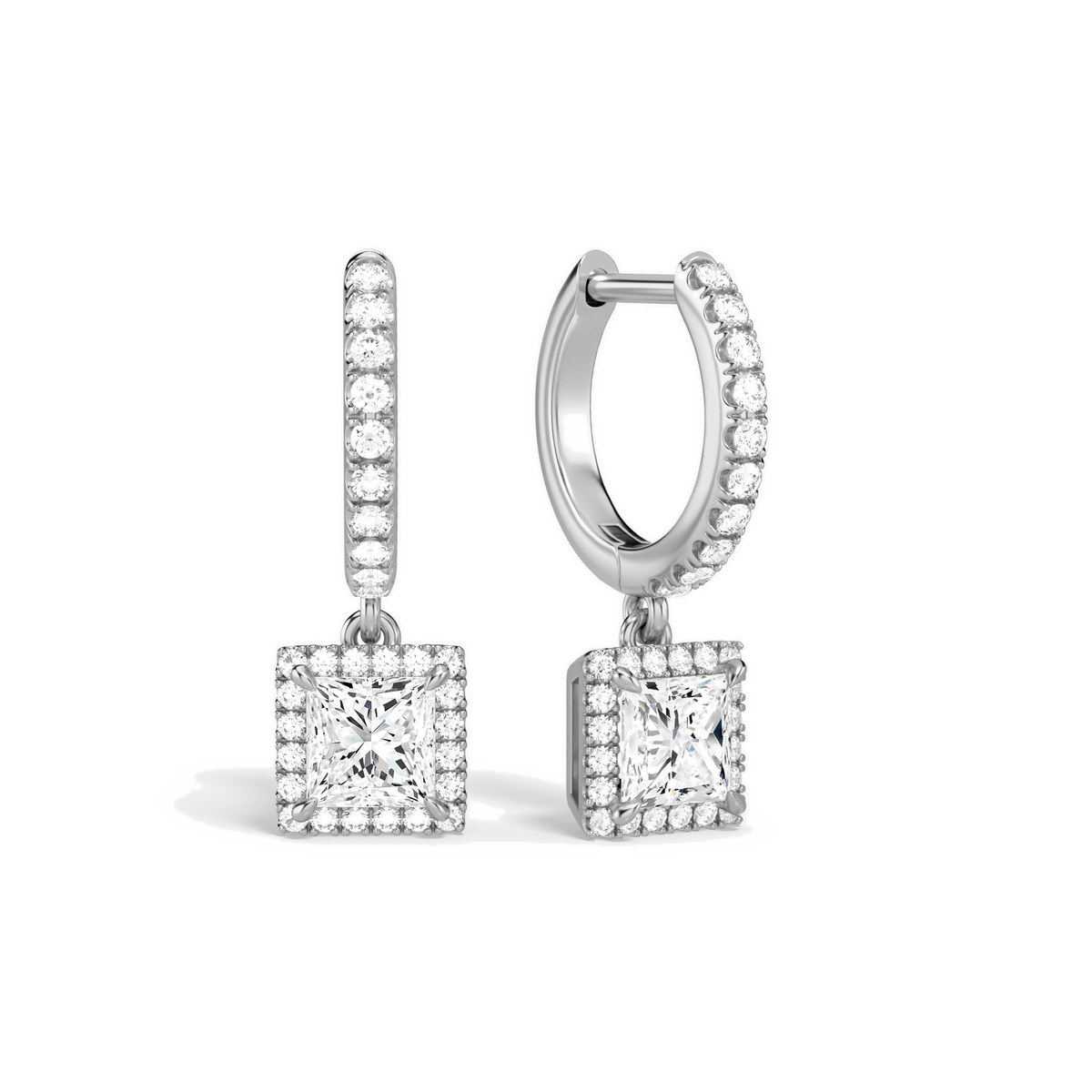
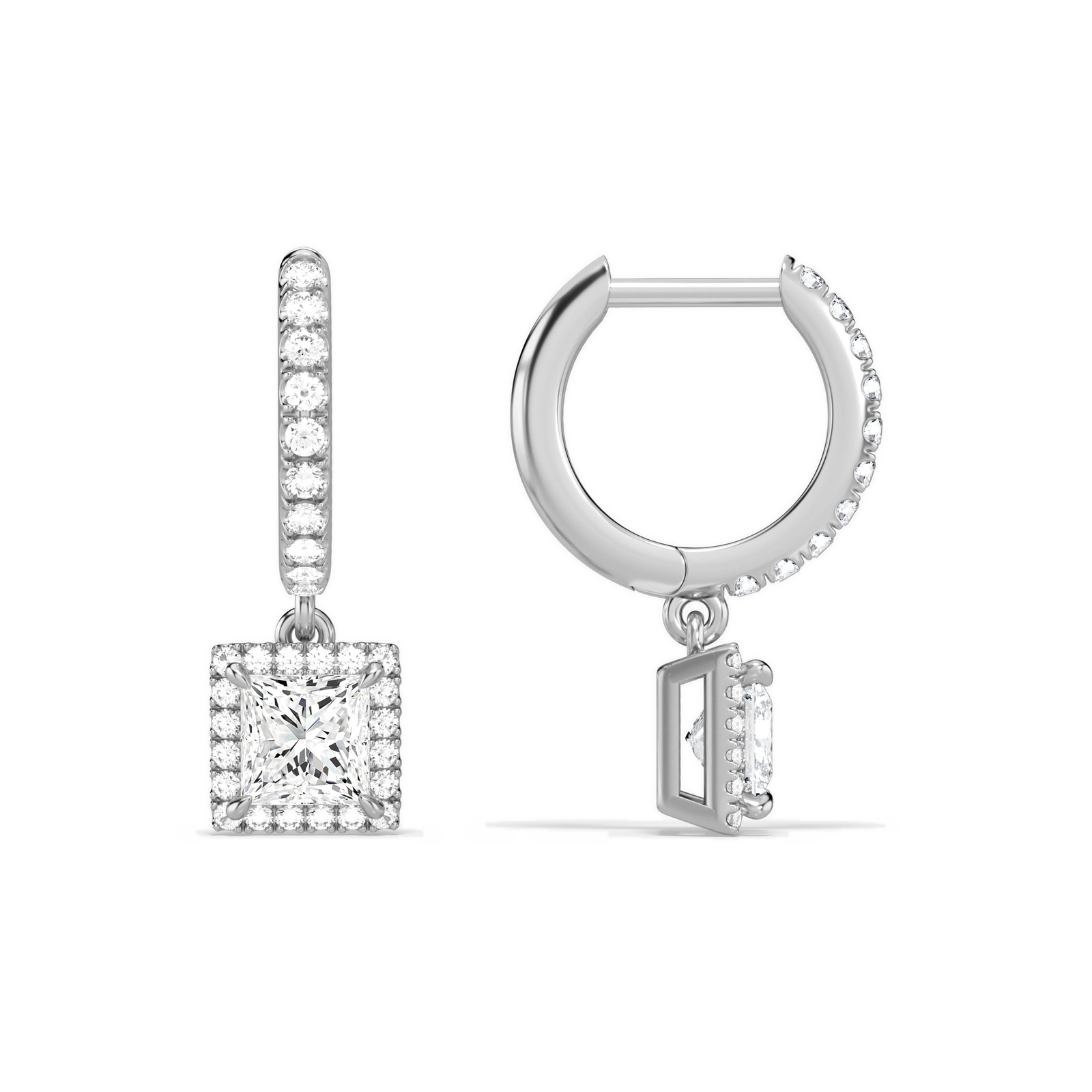
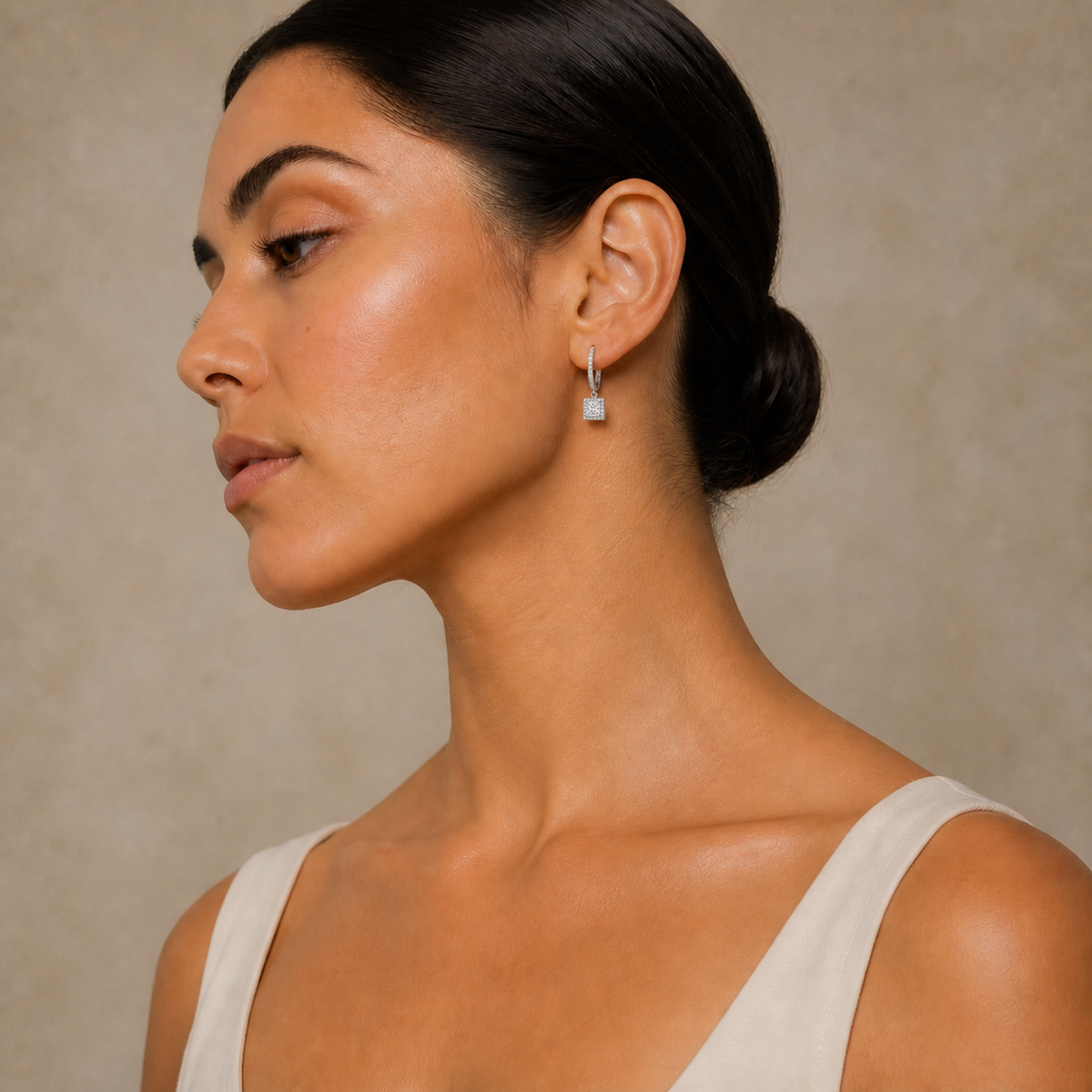
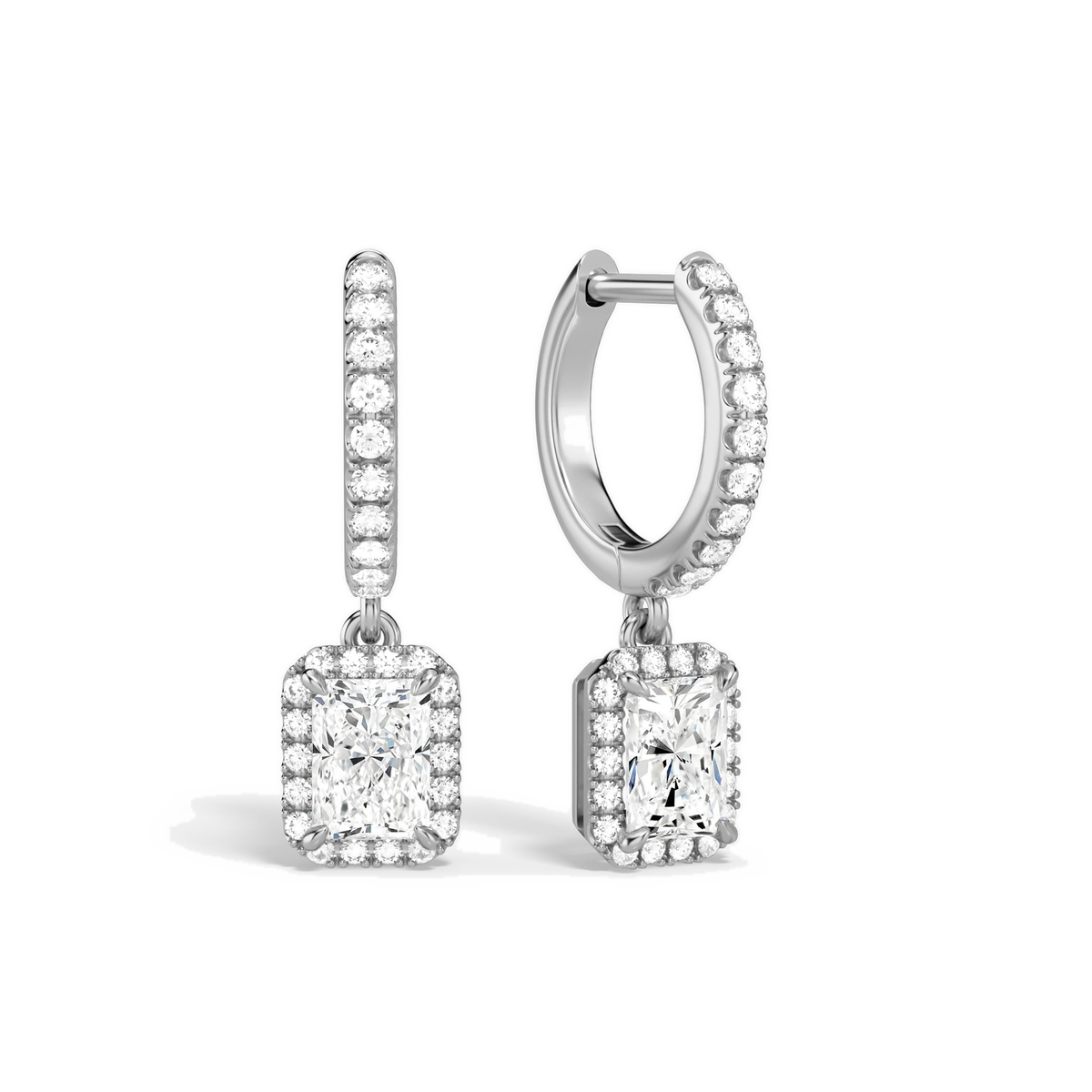





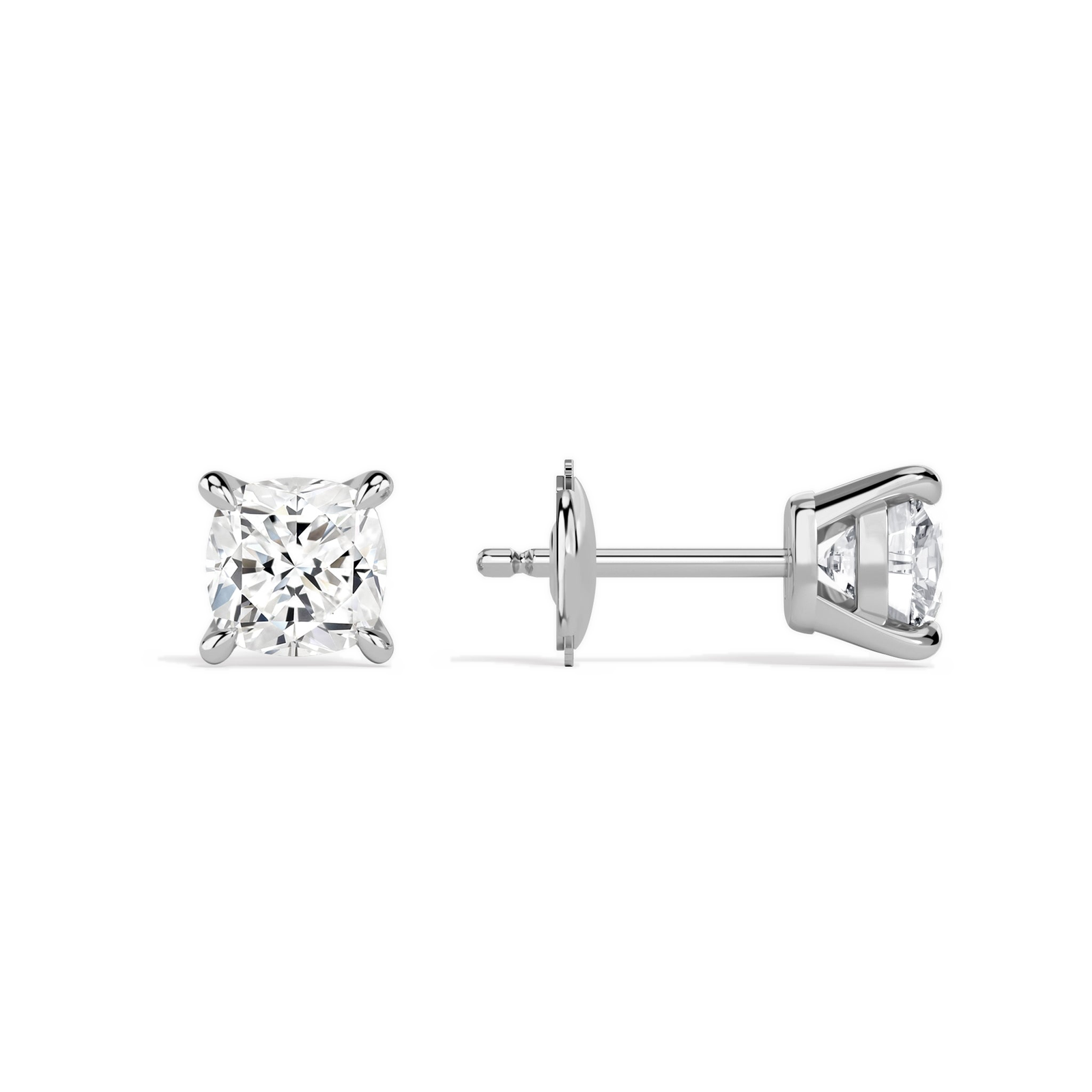


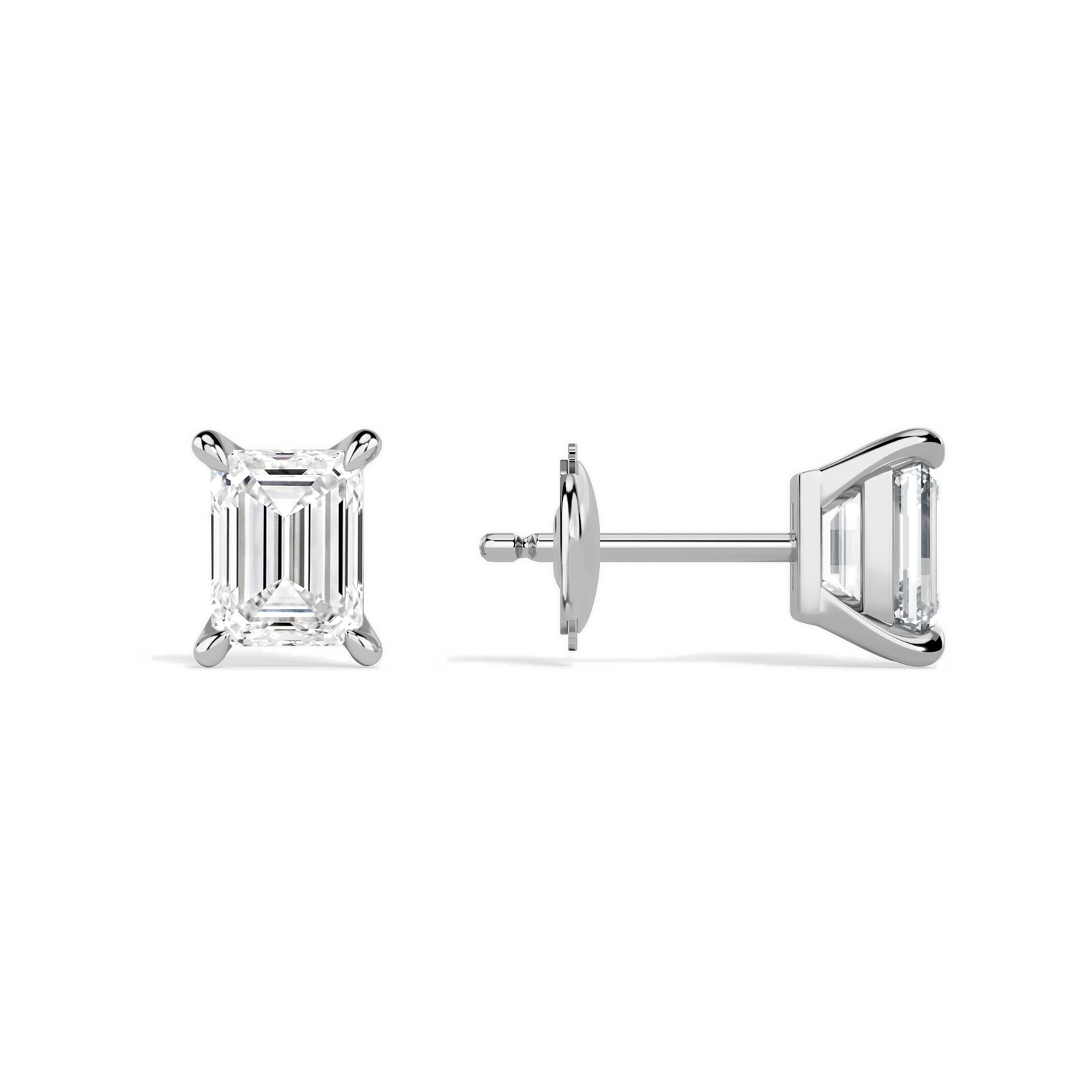


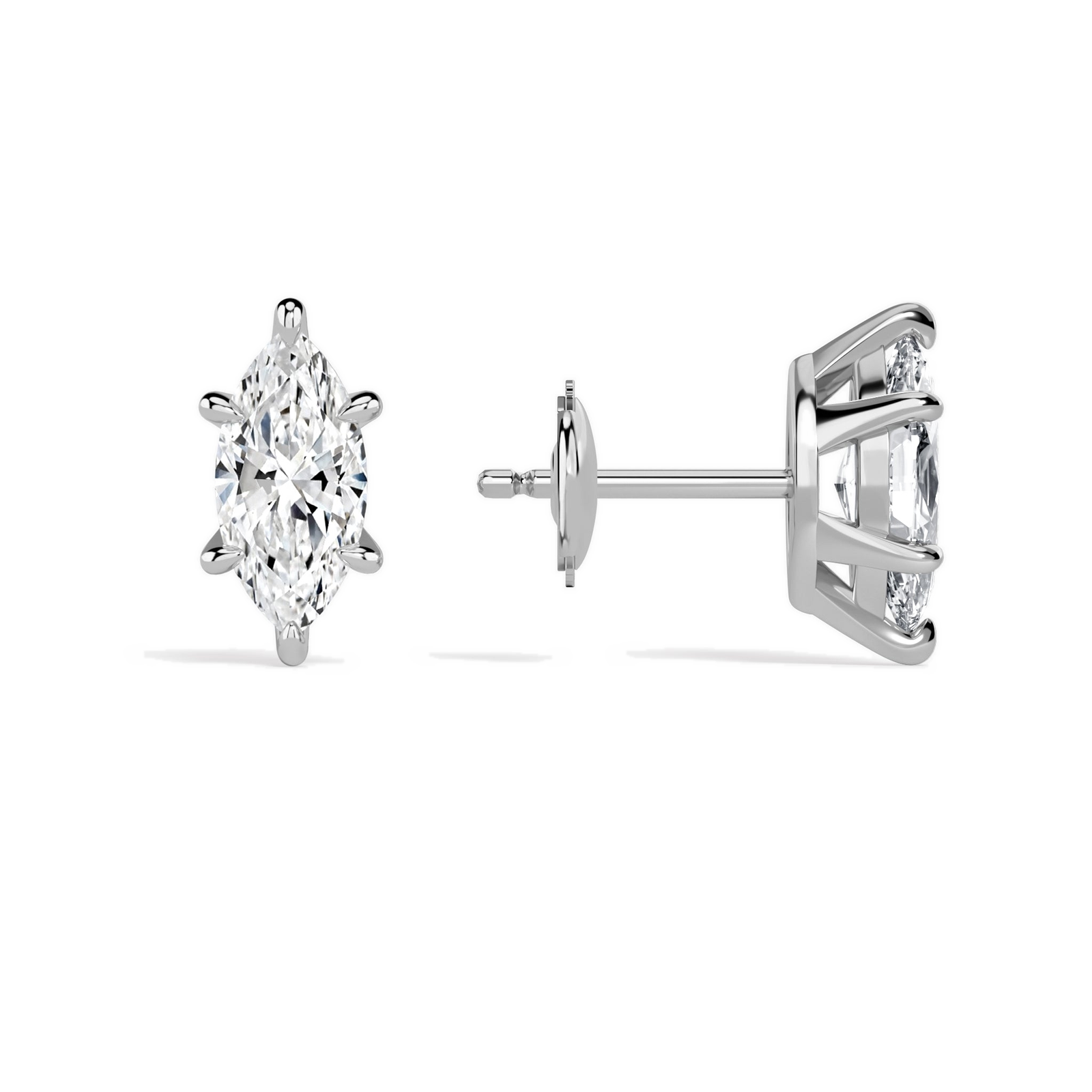


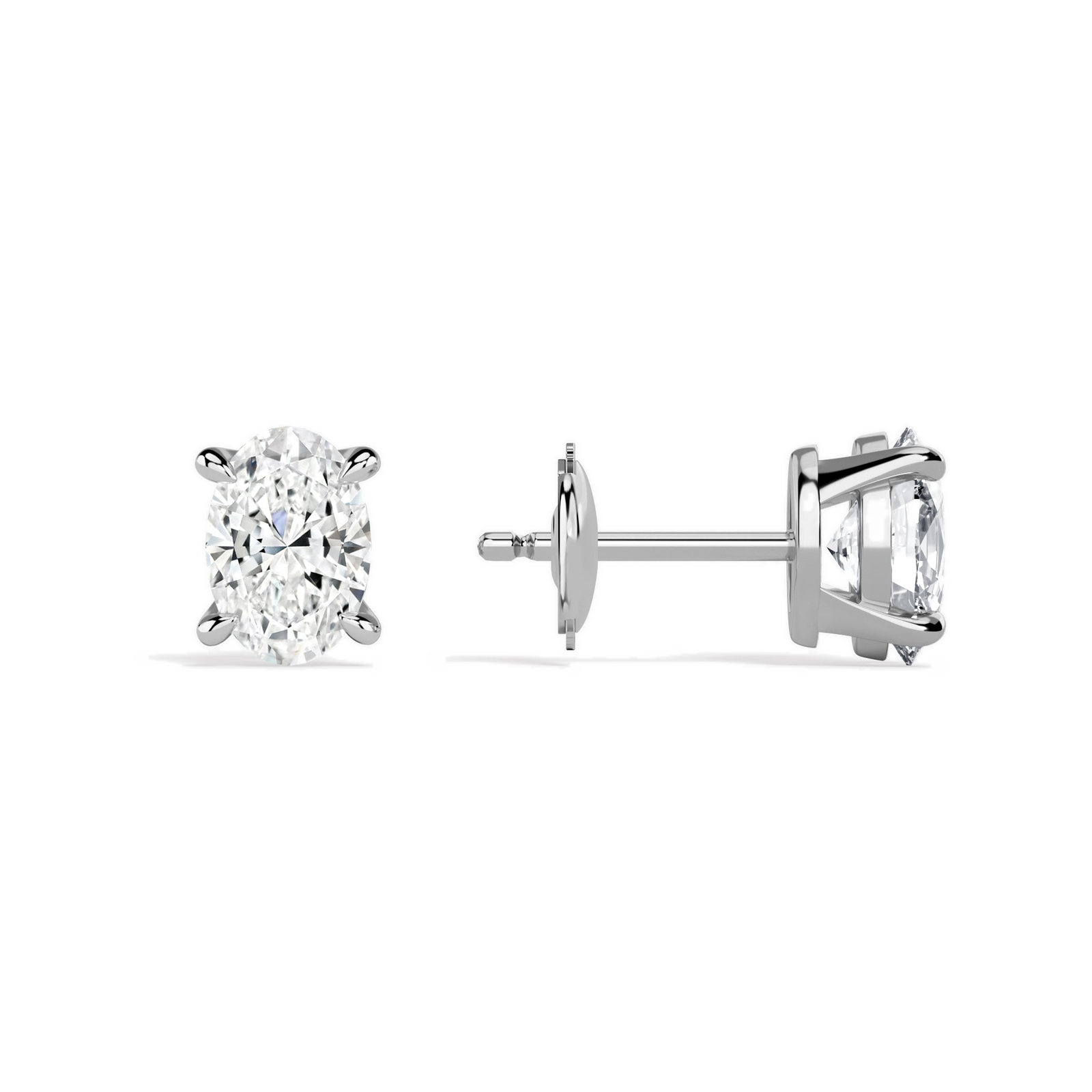

18K White Gold Lab-Grown Diamond Earrings: Quiet Material at Small Scale
Earrings compress architecture into a small space. A prong, bezel wall, hinge, post, or articulated link may be only one part of the whole, yet it determines how the form meets the ear and moves. 18K White Gold gives those components a restrained color while retaining a materially present framework.
Burvonti's current 87-design collection includes 32 Stud-labelled, 53 Hoop-labelled, and 52 Drop-labelled products, with overlap between categories. Close-set studs, huggies, drop hoops, halos, bezels, a climber, an inside-out hoop, and longer articulated lines make the quality of small junctions especially relevant.
Seventy-Five Percent Gold, Not a Universal Outcome
An 18K alloy contains 75% gold. Other alloying metals and any finish establish the final white tone and working behavior. Gold content does not by itself prove a rhodium treatment, hardness, weight, sensitivity result, maintenance interval, or superiority over 14K.
The restrained color allows diamond outline and spacing to lead. Even so, prongs should remain legible at the perimeter, a bezel should have a deliberate wall, and a hinge should look integrated with the arc. Quiet color is most useful when it keeps construction readable.
Resolve Every Edge and Joint
Among the 87 products, 67 are identified as prong-set and 20 as bezel-set. Halo, solitaire, accented, and multi-stone forms establish different amounts of visible metal. Ten diamond shapes add distinct outlines, from complete rounds to step-cut rectangles and directional points.
18K White Gold cannot increase brilliance, neutralize color, or change dimensions and grading facts. It can create tonal continuity around a diamond, but the individual shape, facet pattern, face-up scale, and setting coverage still determine what the eye sees.
Closures Carry the Final Part of the Structure
Current public product details identify 35 secure lock backs, 50 hinge openings with posts that snap closed, and two lever backs. Those are observed mechanisms, not promises of loss prevention. Correct use, fit, condition, impact, and inspection remain necessary.
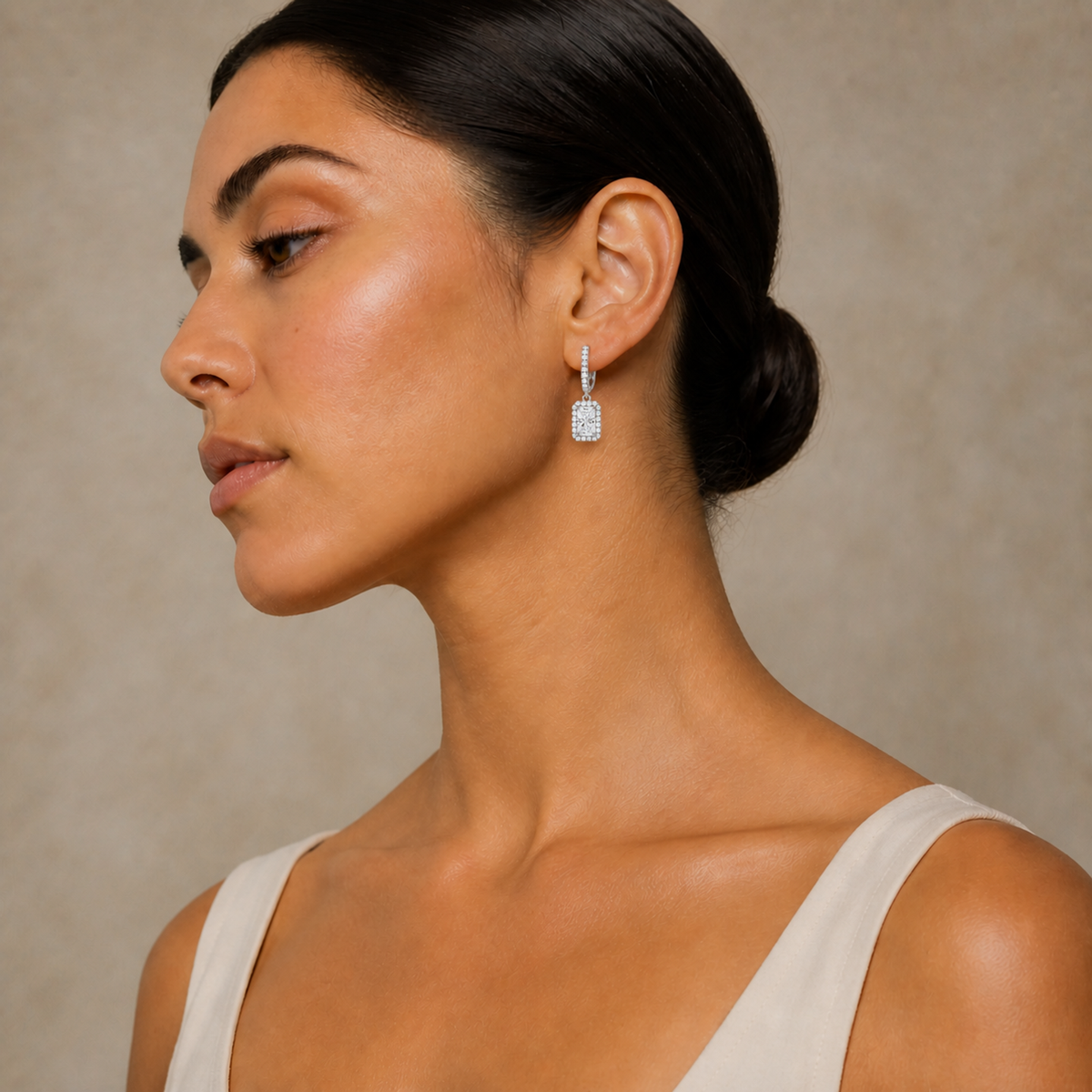
At the ear, closure geometry affects projection and balance as much as the front view. A hoop's hinge and post must resolve its curve; a stud backing meets the lobe directly; a lever back supports a different hanging relationship. Comfort remains wearer- and product-specific.
Balance Pair Scale with Material Presence
Total carat weight commonly covers the combined pair and the diamonds specified within it. Metal weight is a separate question, and exact product weight is not available as a Collection-wide fact. A longer earring is not automatically heavier, and greater gold content does not establish one wearing experience.
Compare face-up dimensions, projection, total length, hoop diameter, articulation, and closure with piercing placement and anatomy. For multiple piercings, use hierarchy: one moving form can lead while smaller white-metal forms provide a quieter frame.
A Quiet Framework, Judged in Motion
Burvonti pairs responsibly sourced lab-grown diamonds with structures calibrated at the scale of the ear. Independently graded or certified principal diamonds should be understood within the scope of their documentation; one report does not automatically cover every accent.
Custom possibilities may refine shape, pair scale, setting, drop length, closure, or metal where feasible. Confirm finish and care for the selected configuration, store moving parts without strain, and arrange inspection when a hinge, backing, or stone changes. Precision is complete only when front, profile, motion, and closure agree.
Frequently Asked Questions
How is this page different from the parent Earring Collection?
It focuses on 18K White Gold composition, finish, edges, joints, and closures; the parent owns broad cross-metal earring education.
How much gold is in 18K White Gold?
75% by mass. Other alloying metals and any finishing treatment influence the final appearance and behavior.
How does 18K White Gold differ from 14K White Gold?
18K contains 75% gold; 14K contains approximately 58.3%. Exact shade, hardness, finish, weight, and care remain product-specific.
Is 18K White Gold always rhodium plated?
That should not be assumed. Confirm the selected product's finish.
Which earring structures appear?
The 87 designs include studs, huggies, hoops, drops, a climber, inside-out hoop, longer line drop, and dangle.
Why do the style categories overlap?
A single design may combine a huggie hoop attachment with a suspended drop or use a stud closure in an extended climber.
Which settings are represented?
The normalized assortment includes 67 prong-set and 20 bezel-set products, alongside halo, solitaire, accented, and multi-stone forms.
Does 18K White Gold improve diamond light performance?
No. It changes the setting context, not facet relationships, dimensions, or grading facts.
What does total carat weight mean?
It commonly describes combined diamond weight across both earrings and the stones included in the stated specification.
Which closures are currently represented?
Secure lock backs, hinge openings with snapping posts, and selected lever backs appear in current public details.
Does 18K White Gold make a closure more secure?
No universal security result follows from karat. Geometry, workmanship, condition, use, impact, and maintenance matter.
Is 18K White Gold hypoallergenic?
No universal outcome should be promised. Confirm the complete alloy when sensitivity is a concern.
Are 18K earrings heavier than 14K earrings?
The alloys may differ in density, but total weight also depends on metal volume and construction. Confirm the exact product.
Can 18K White Gold earrings be worn in a stack?
Yes, when scale, spacing, projection, and closure clearance suit the piercings and wearer anatomy.
Can Burvonti customize 18K White Gold earrings?
Custom possibilities may include shape, scale, setting, drop relationship, closure, or metal, subject to feasibility.