
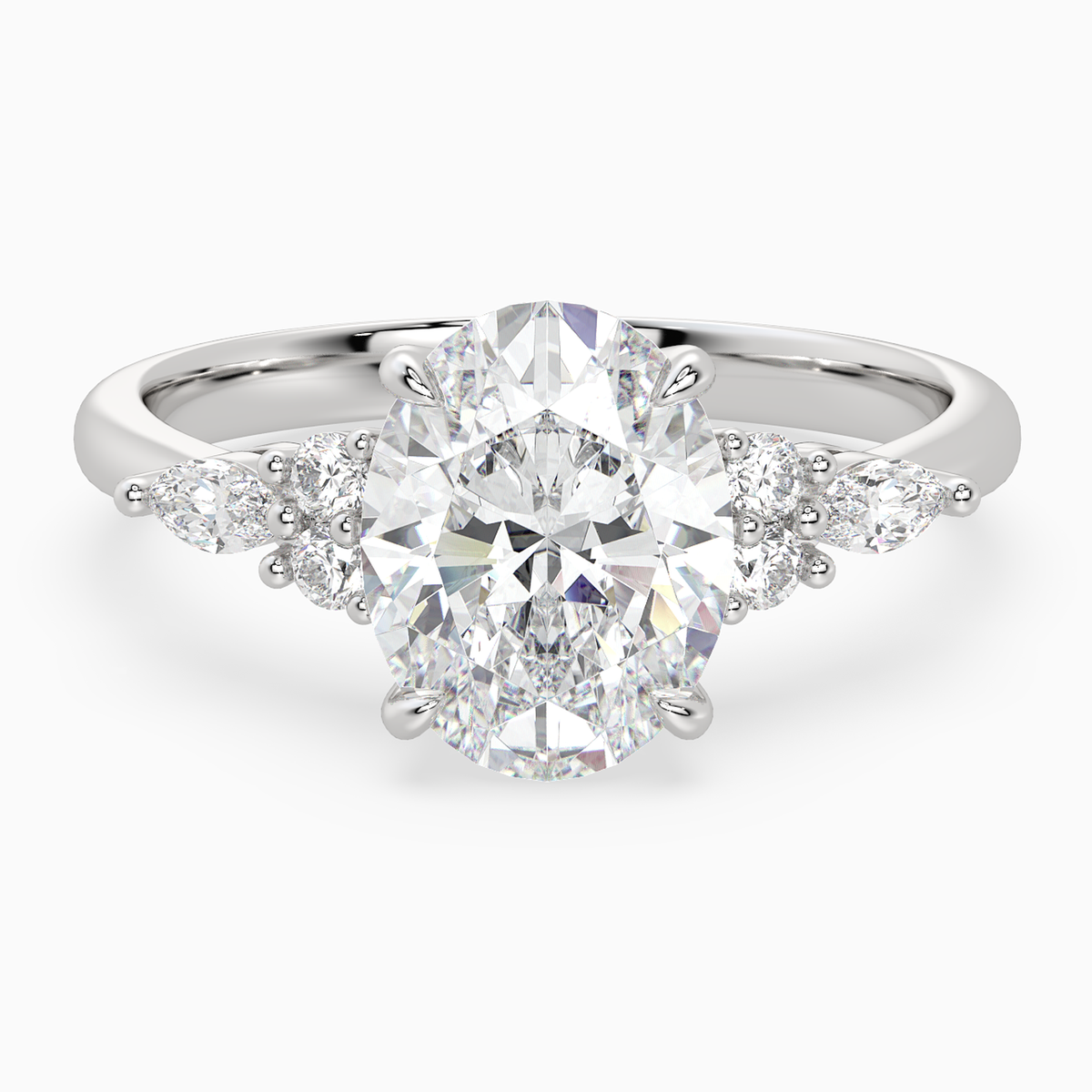


Lab-Grown Diamond Platinum Engagement Rings
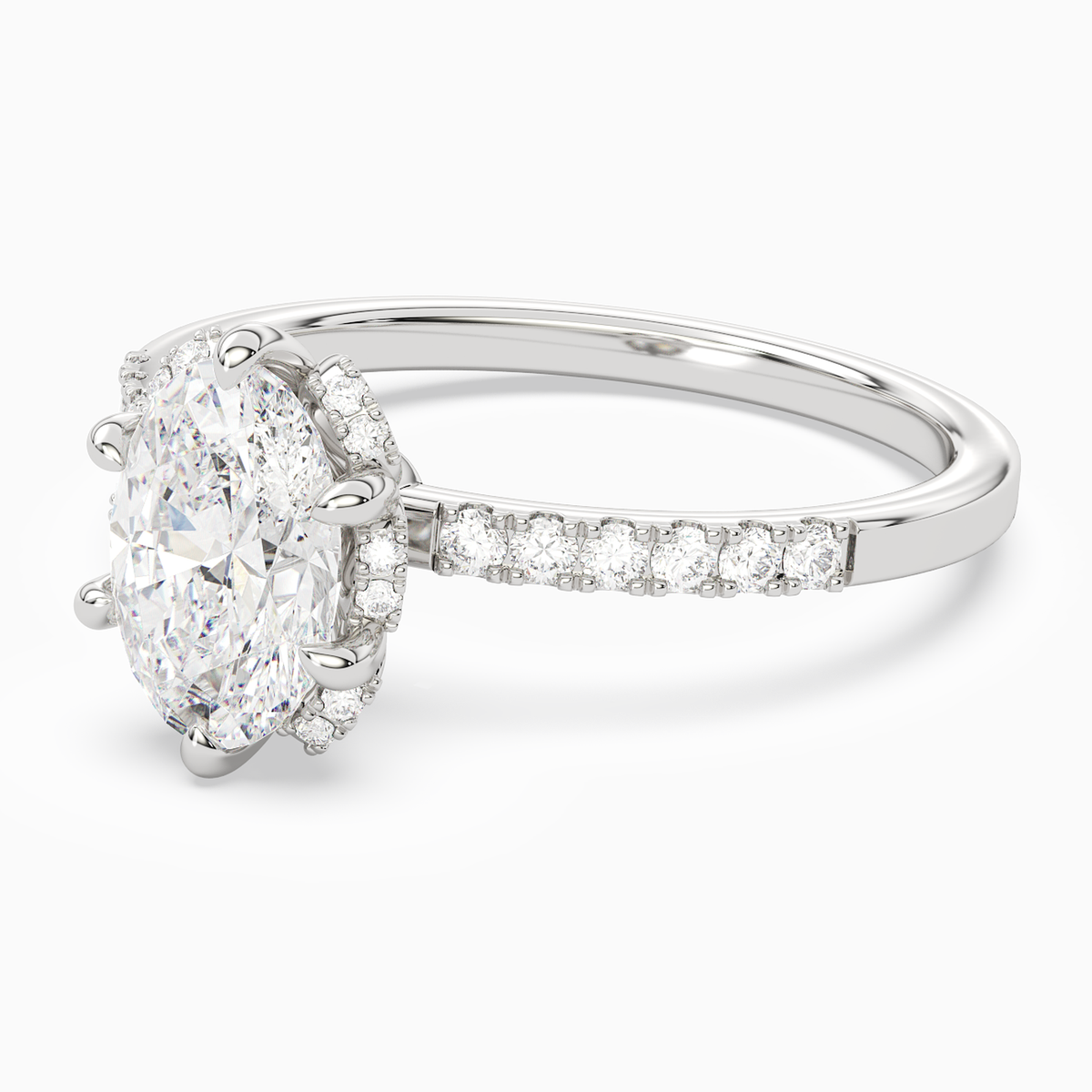
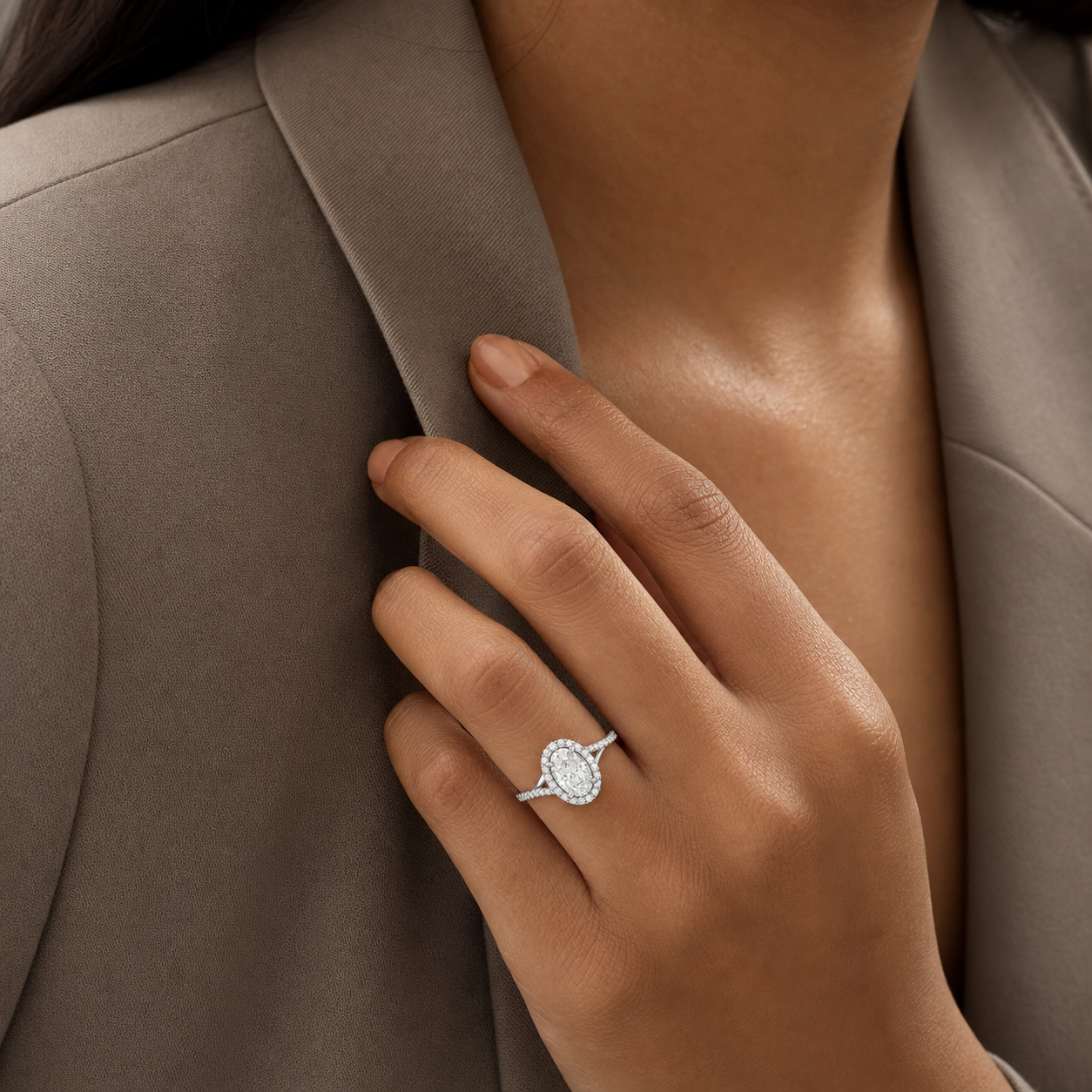
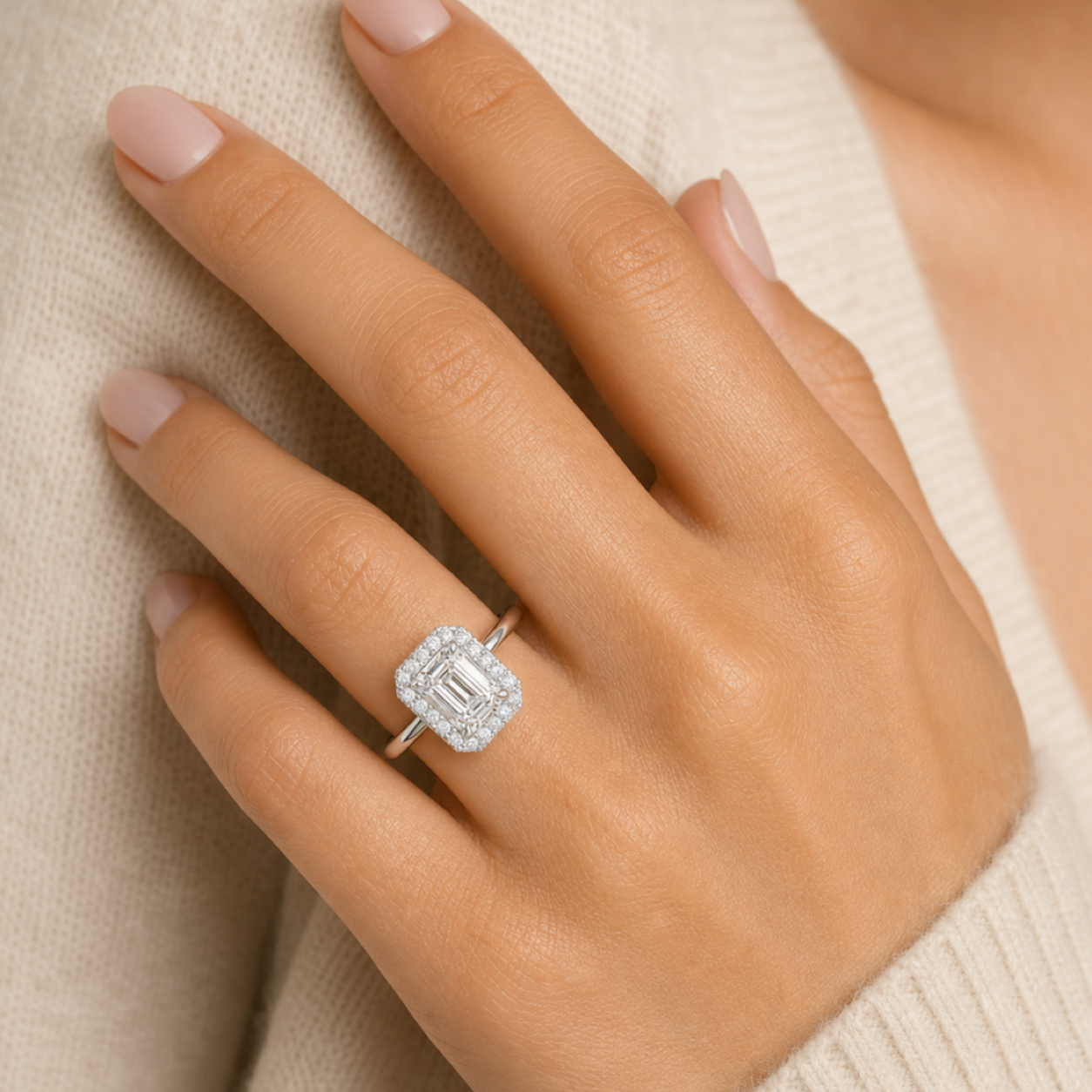
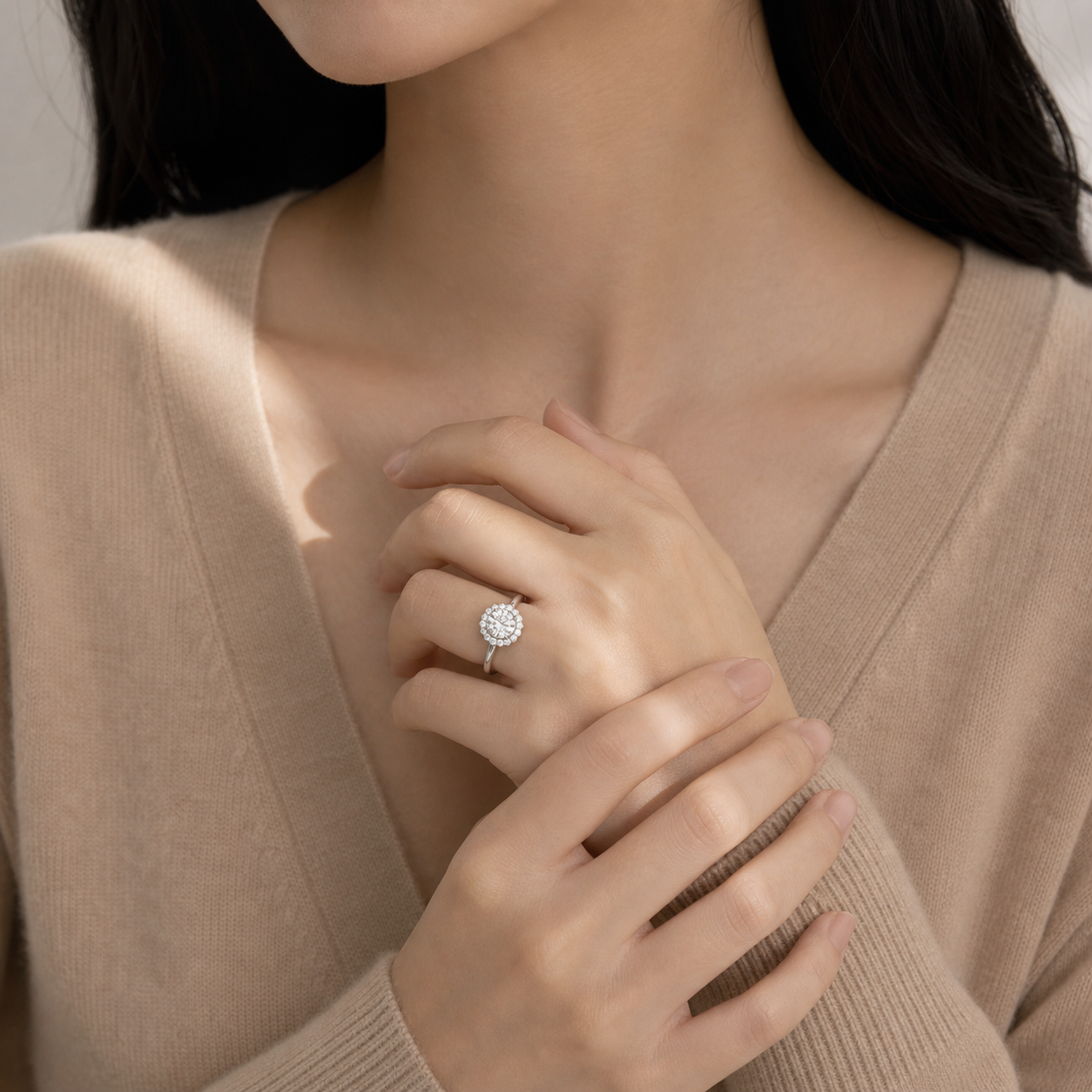
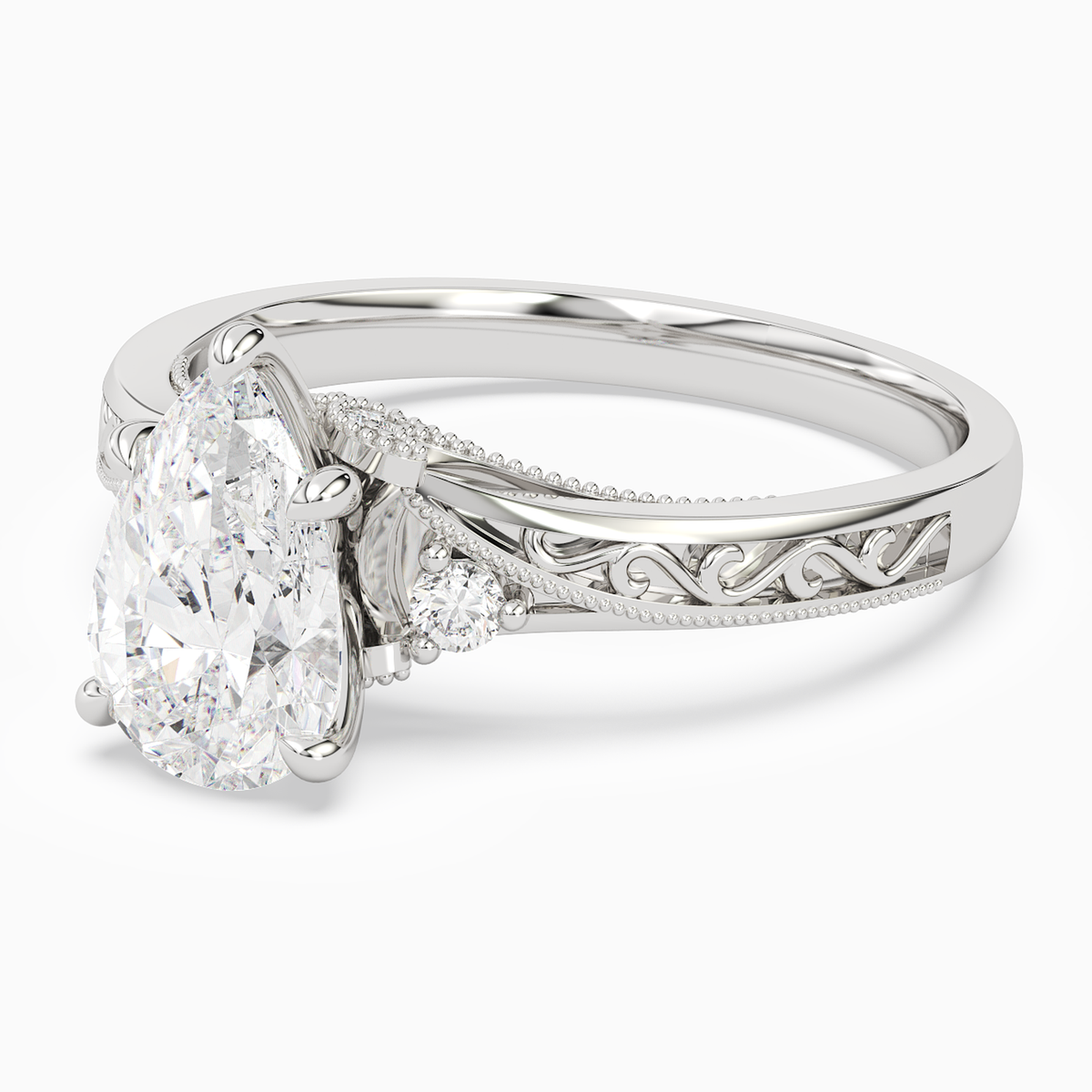
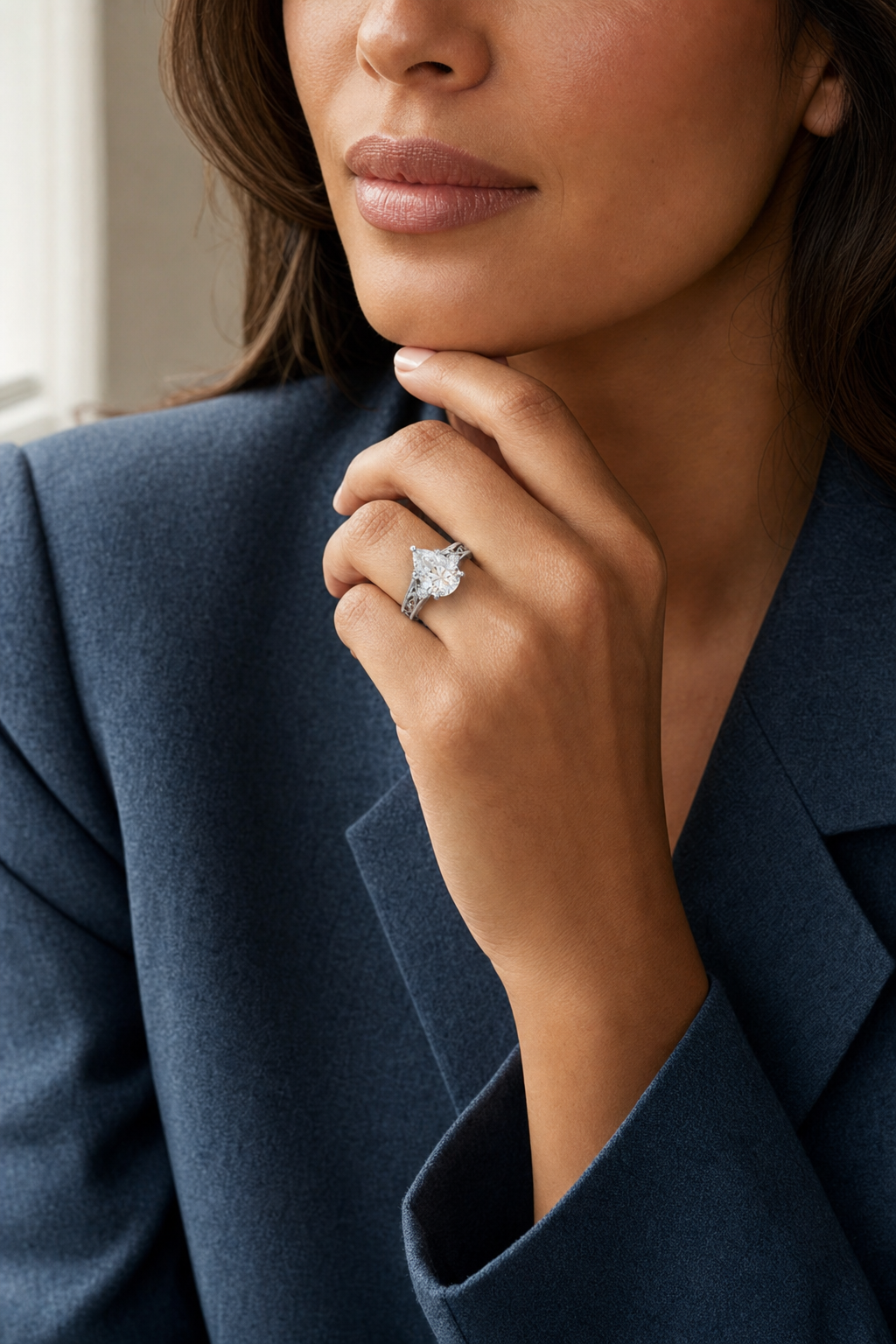
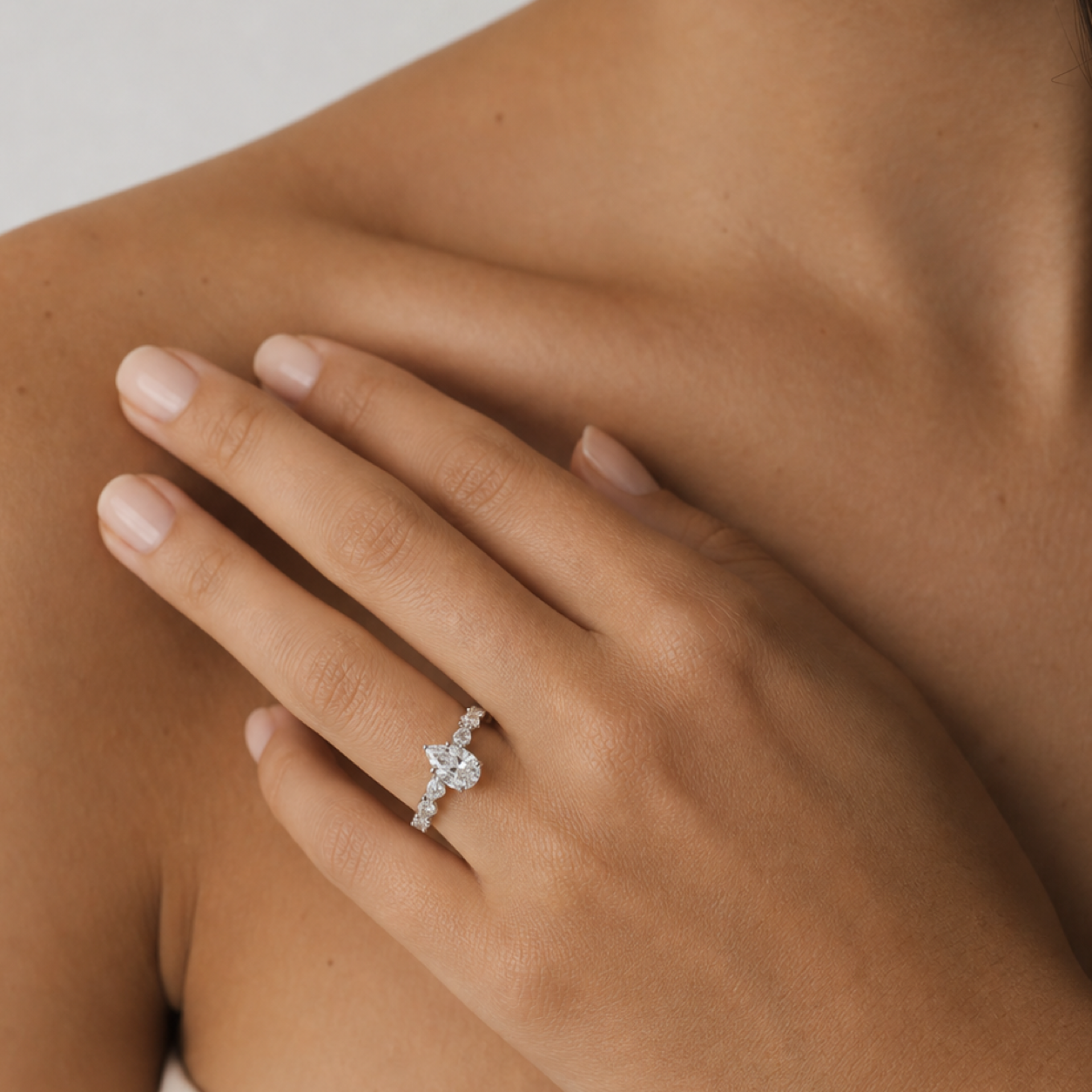
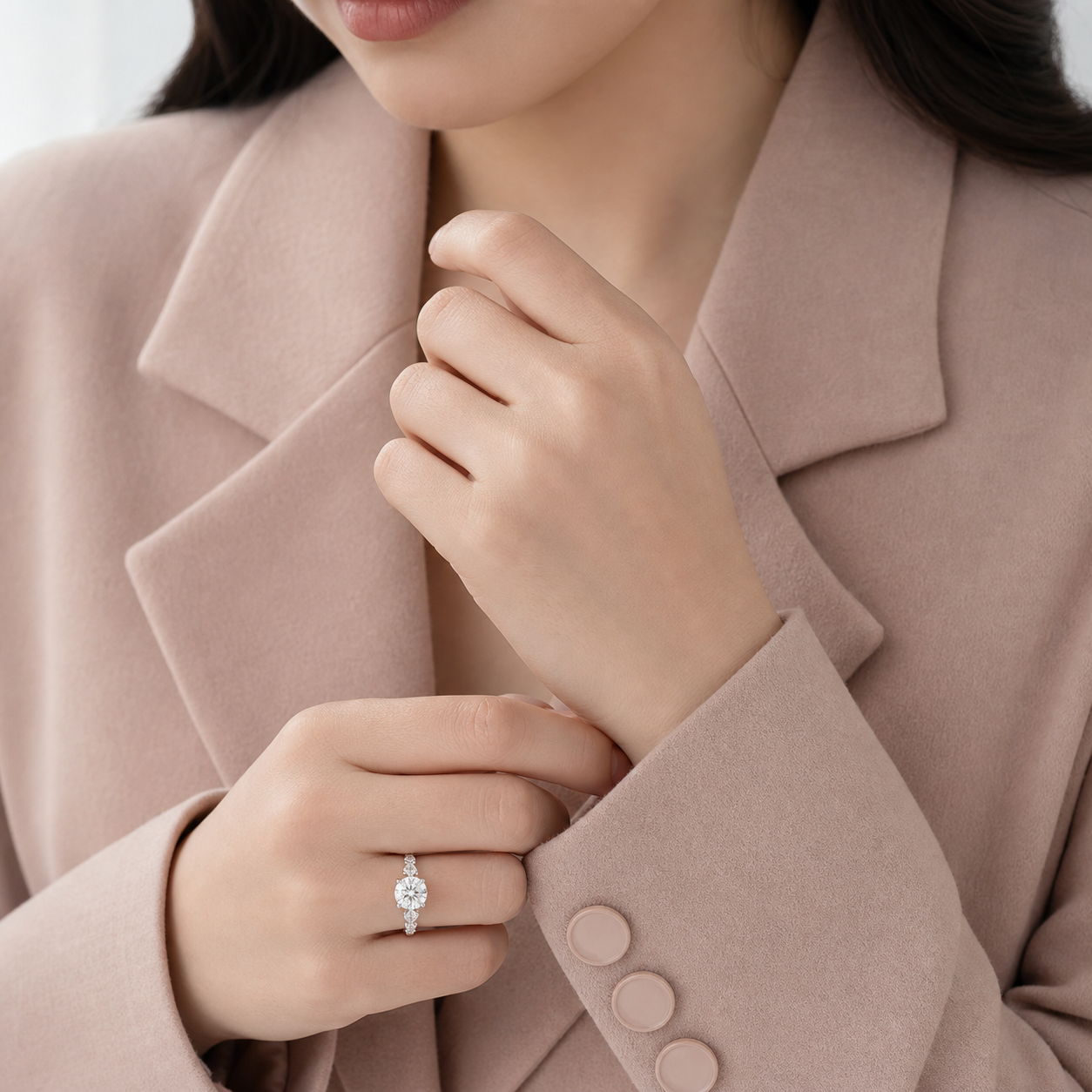
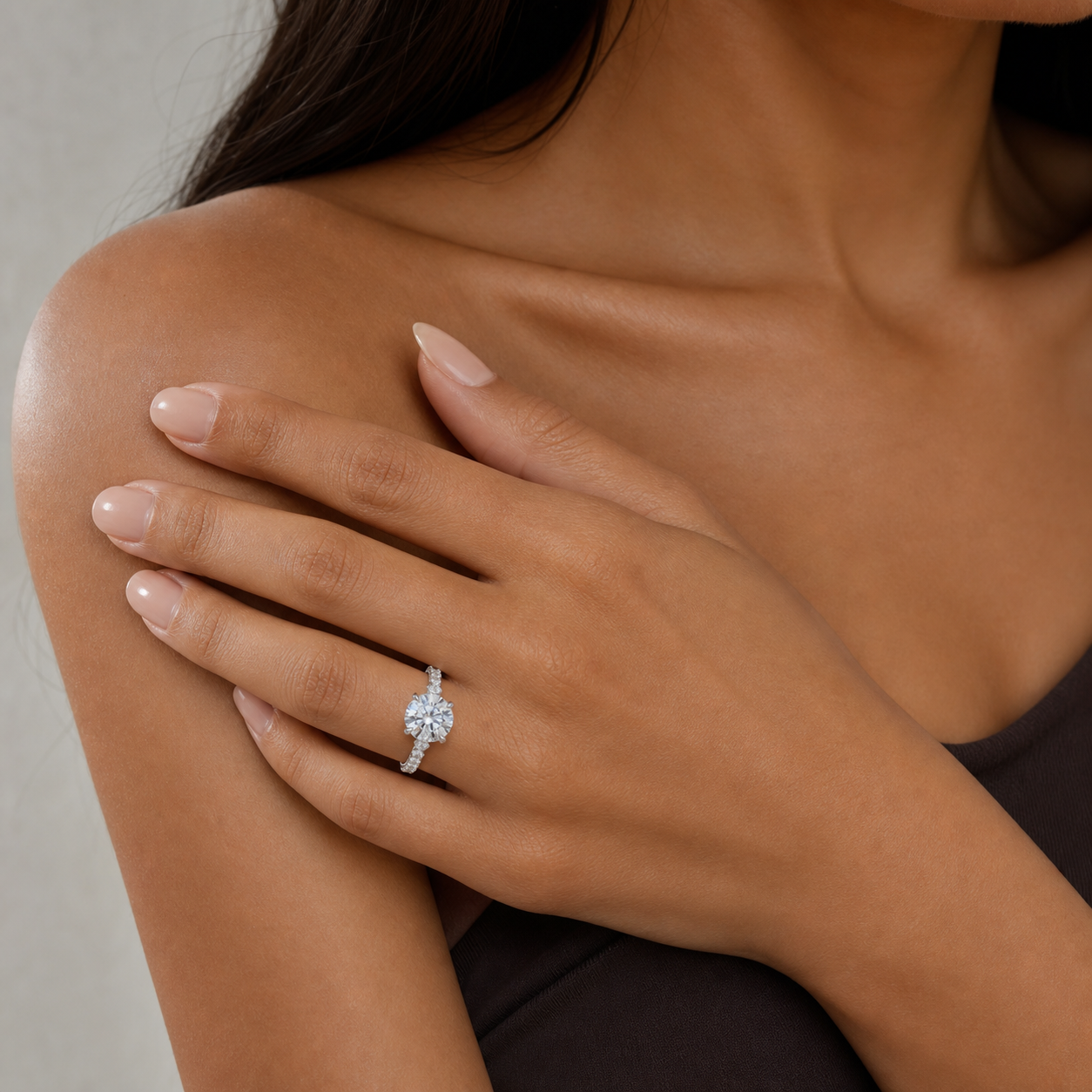
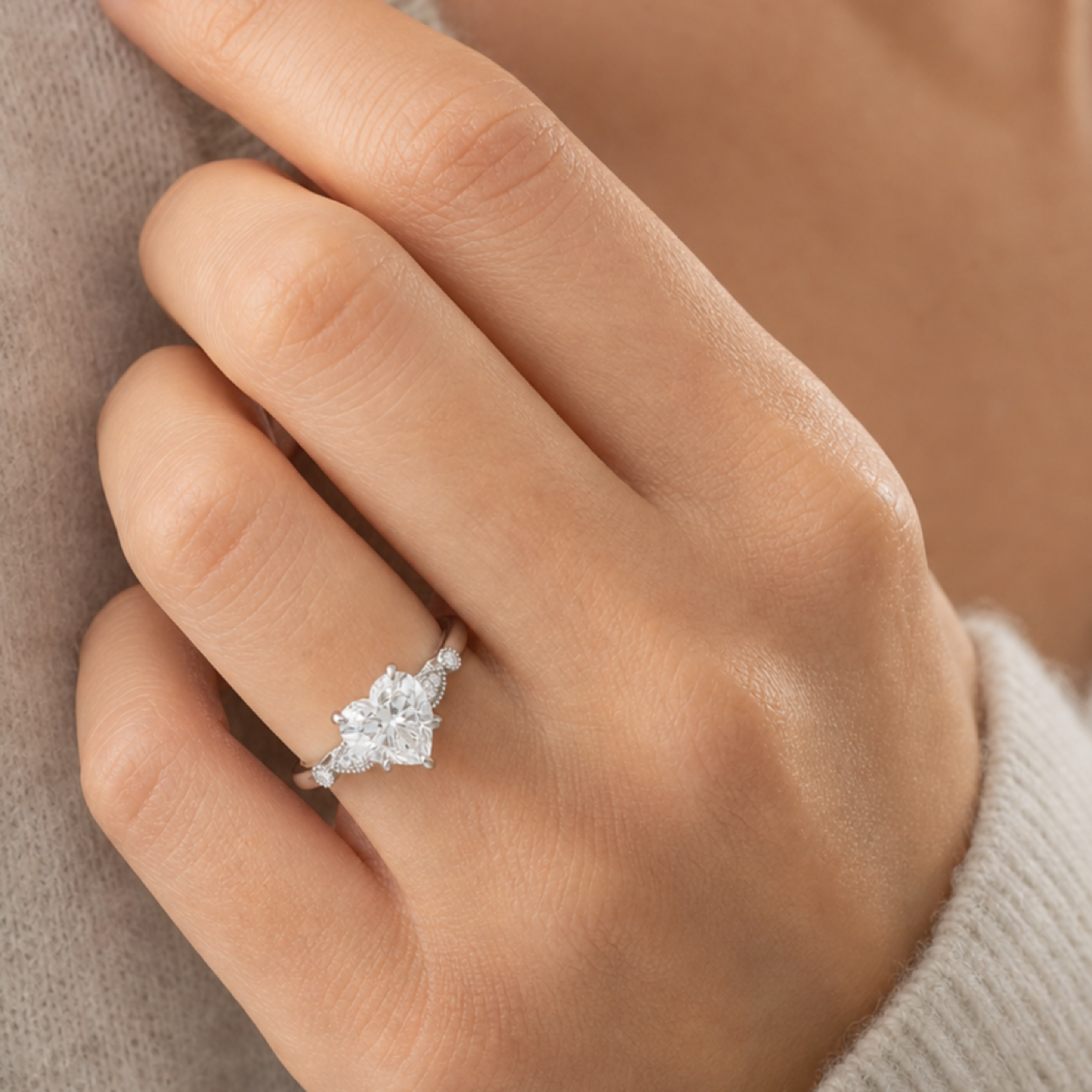
Naturally white, quietly substantial. Platinum gives each diamond shape and setting a cool, continuous frame.


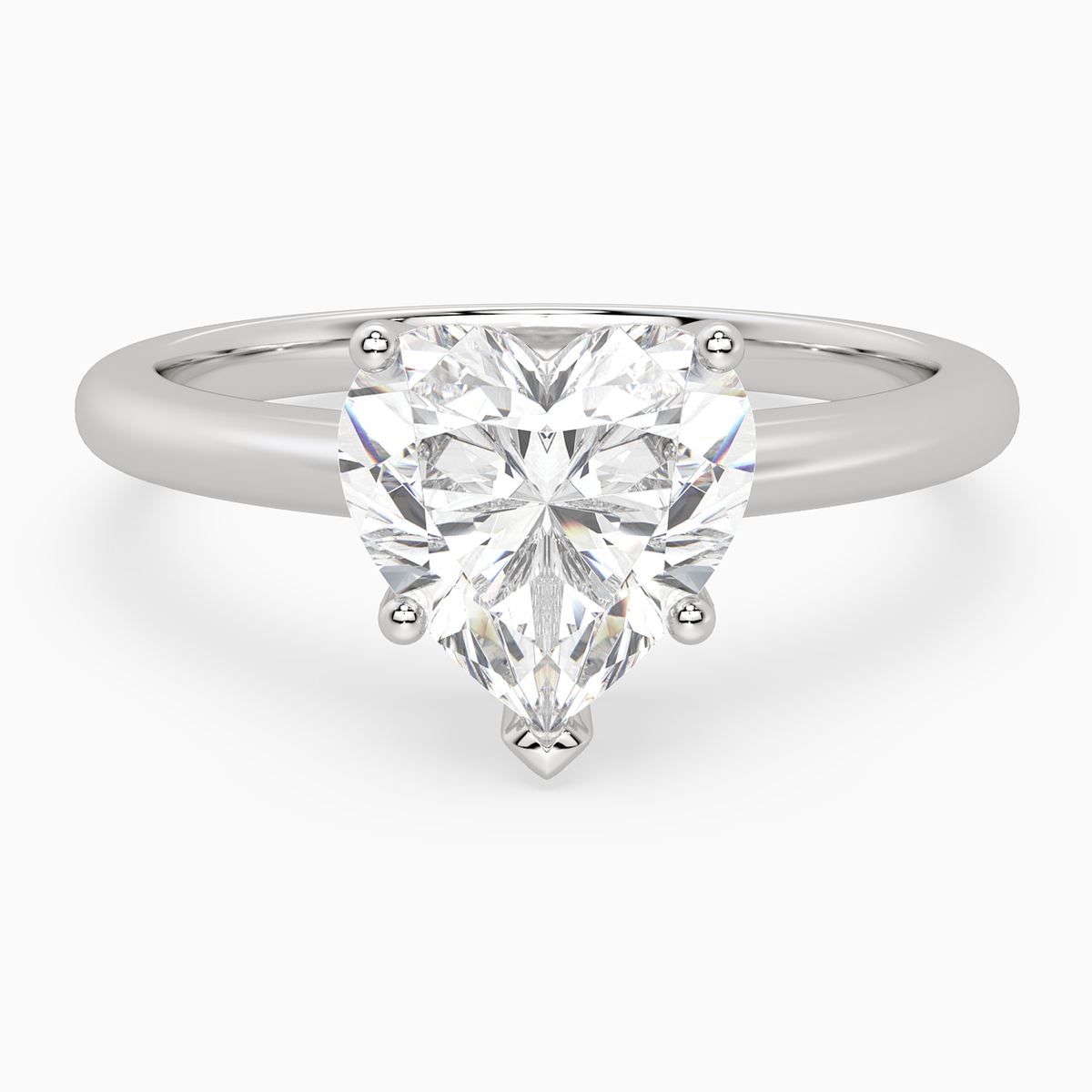

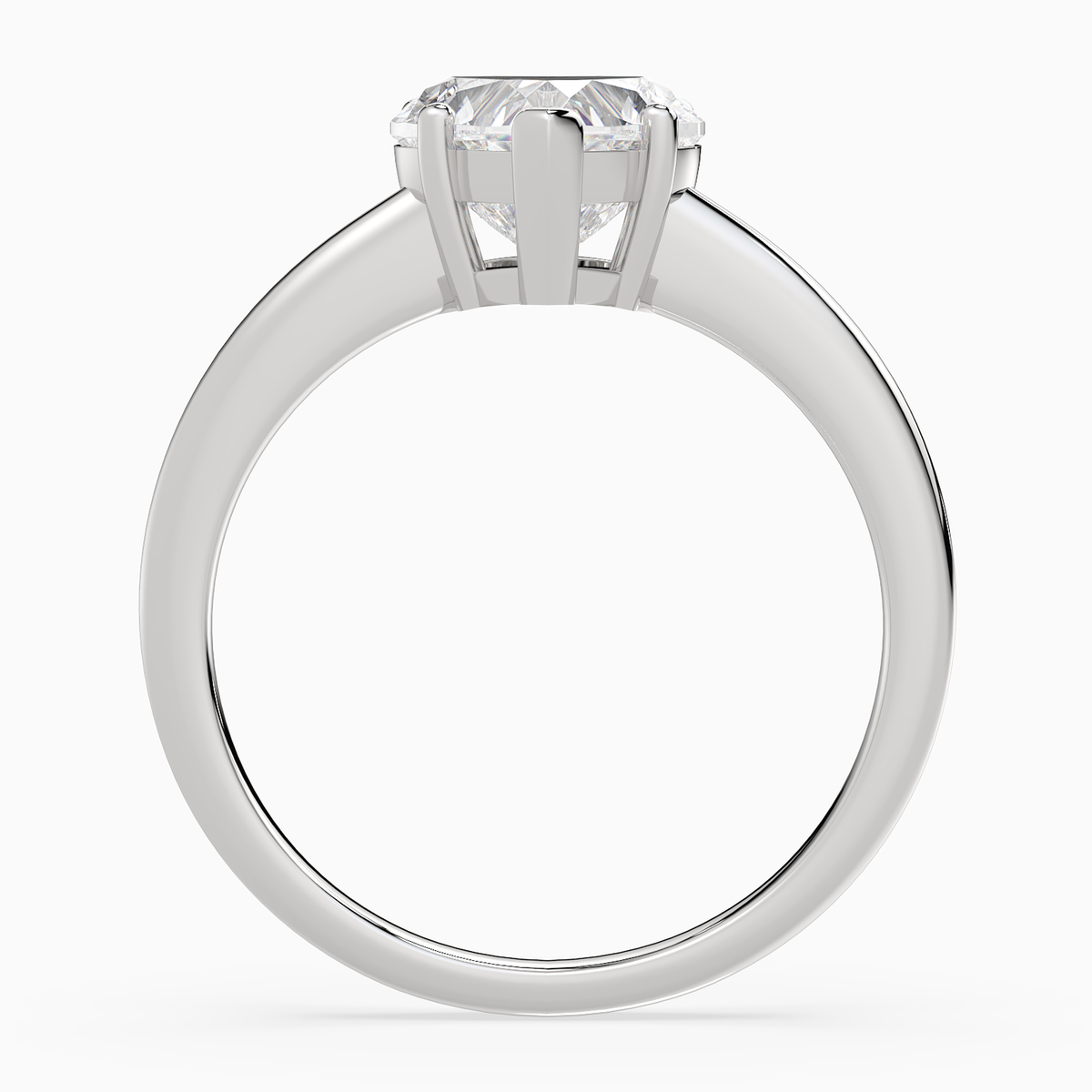

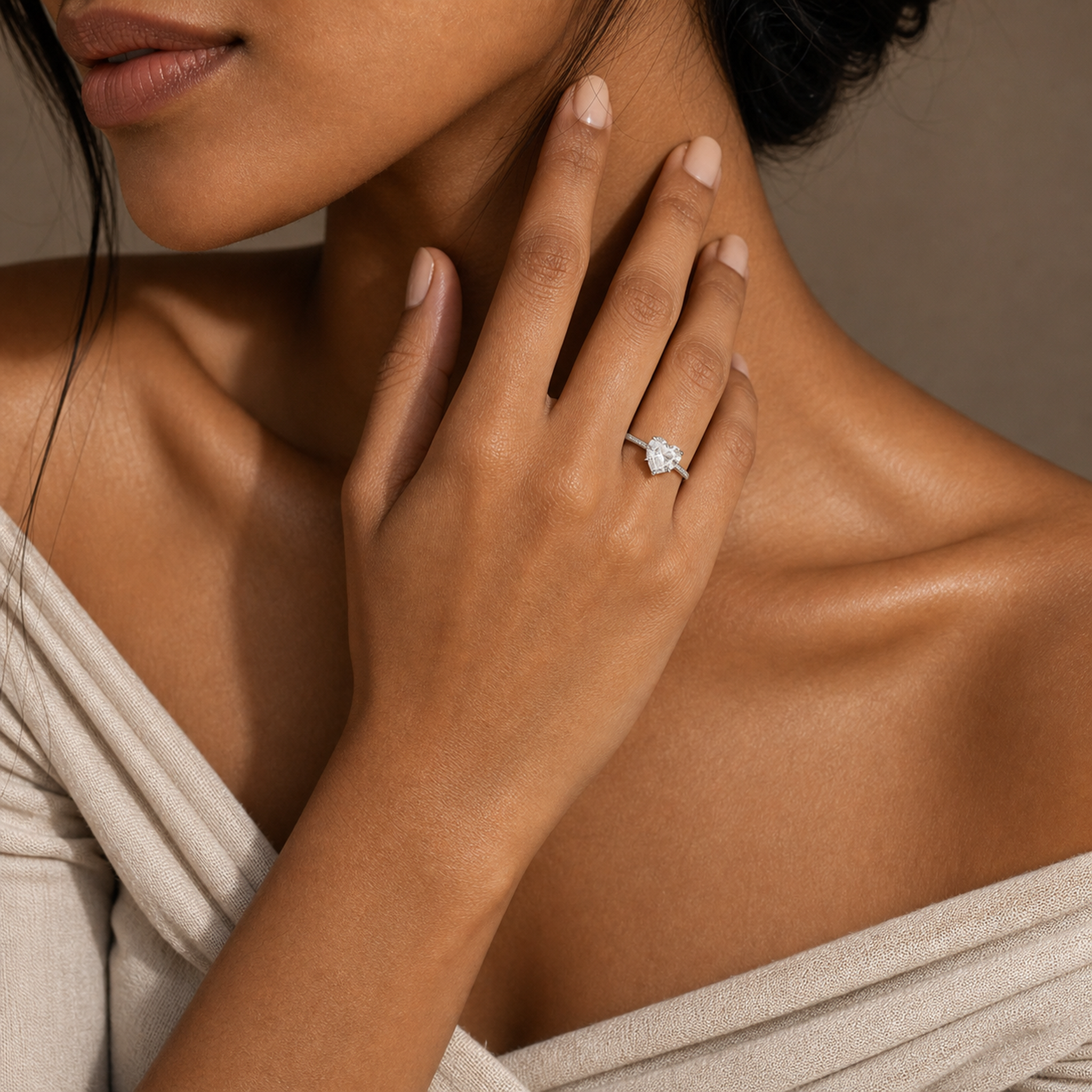
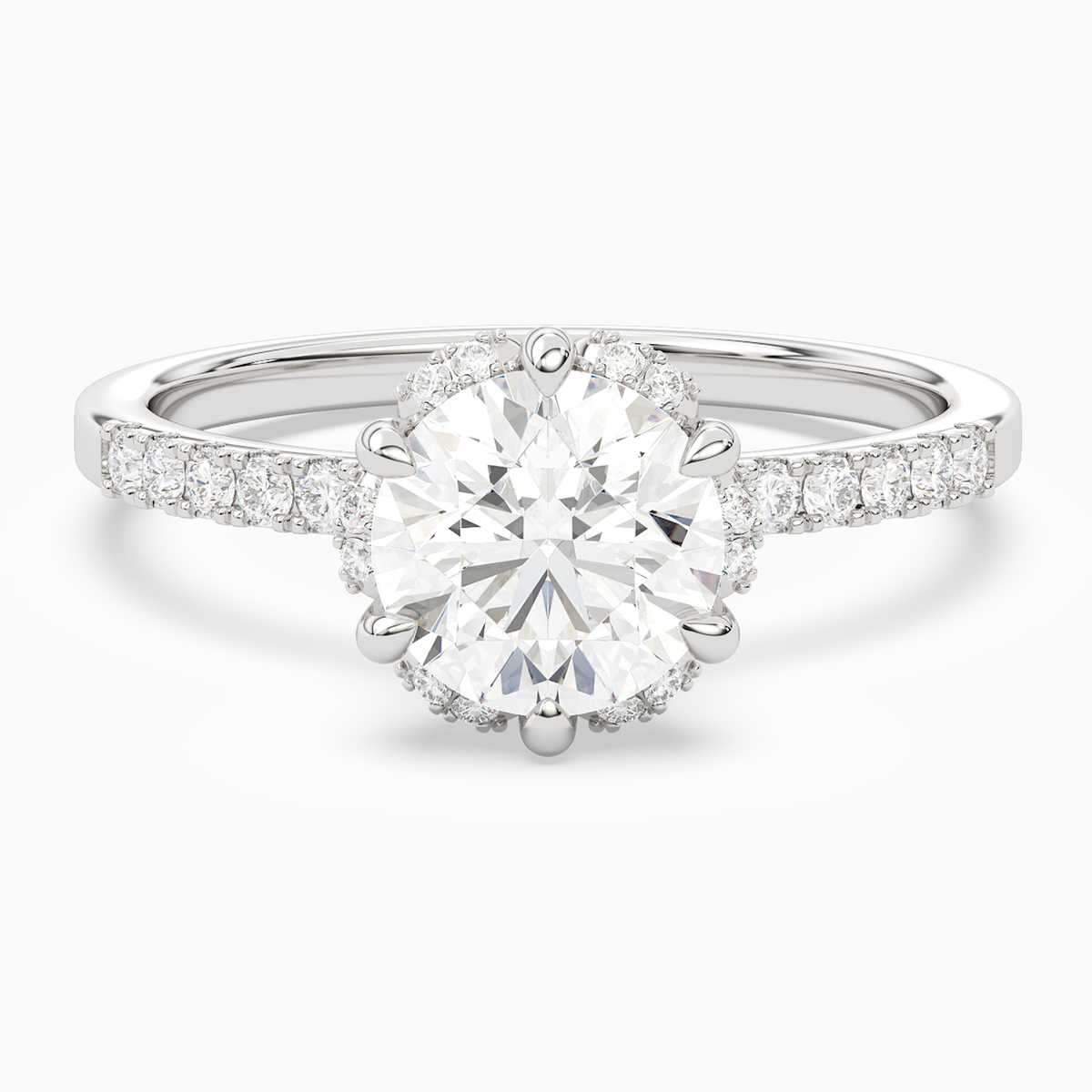
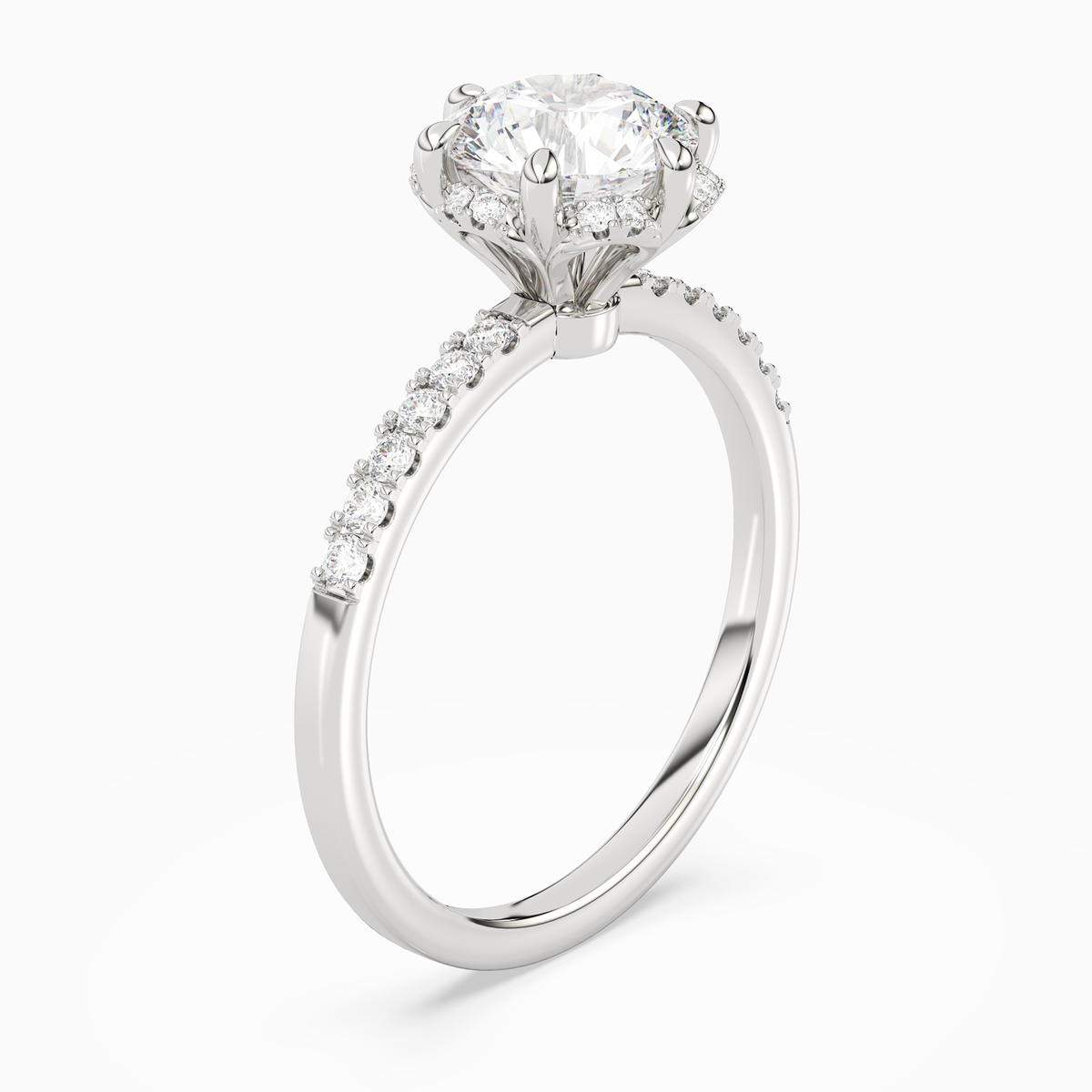
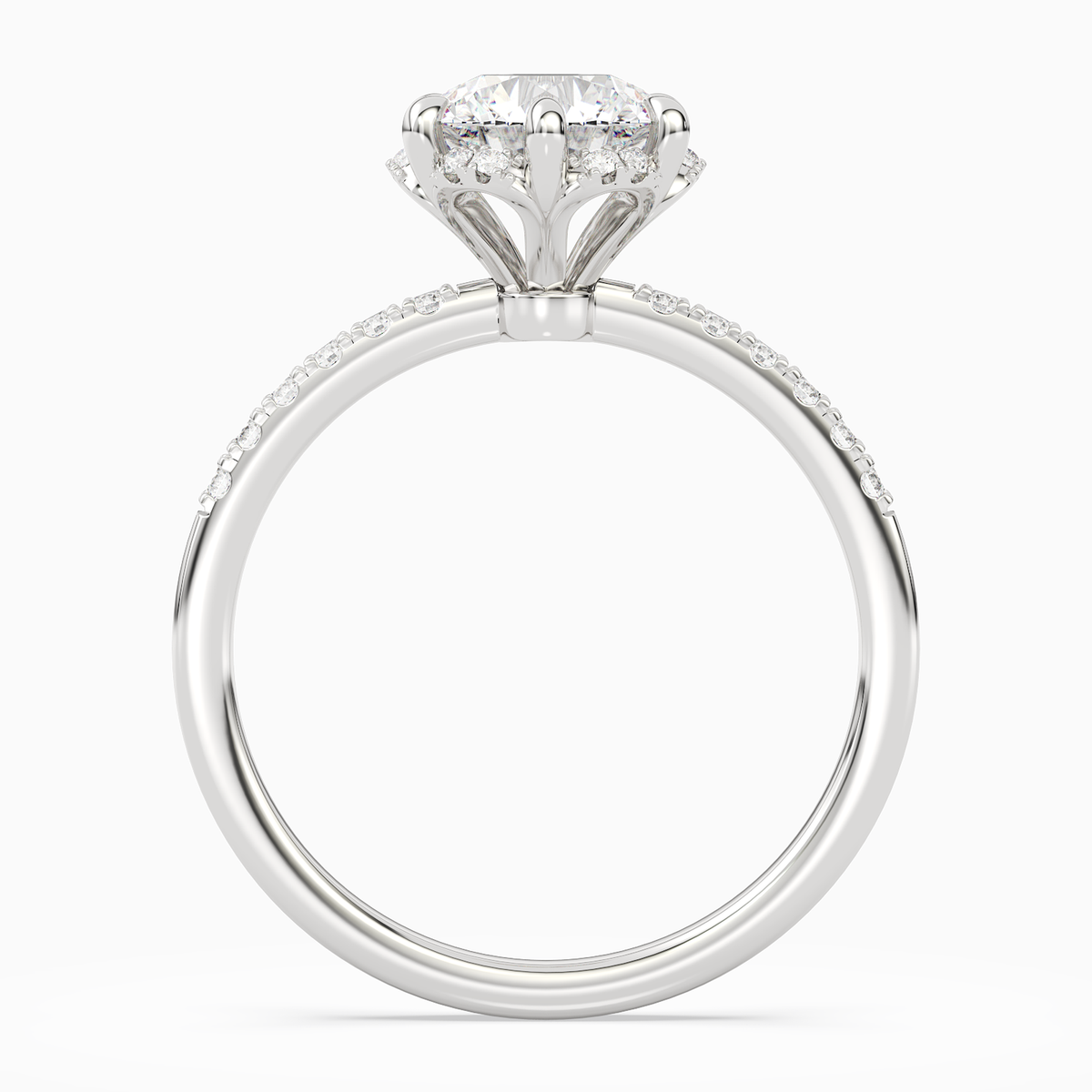
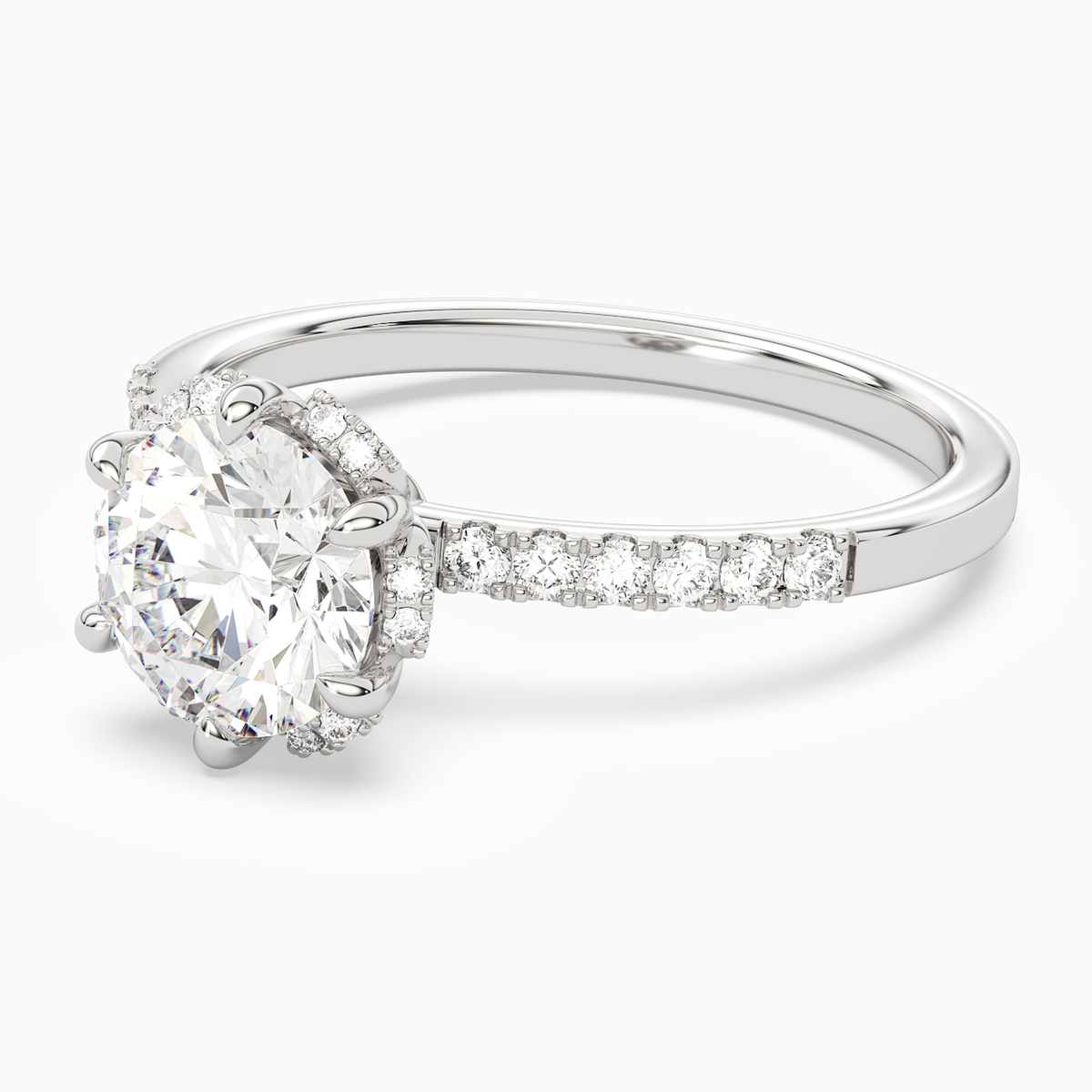
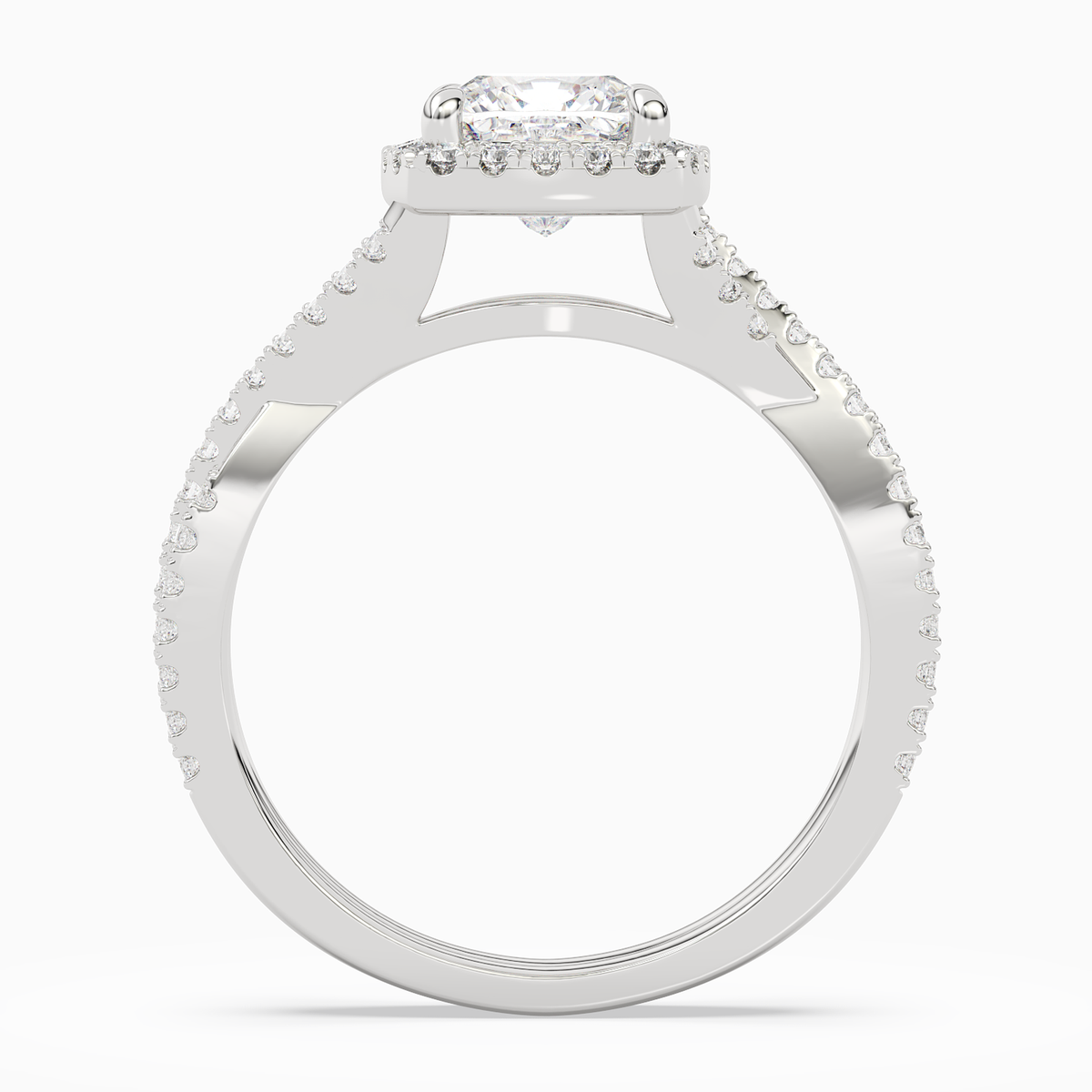
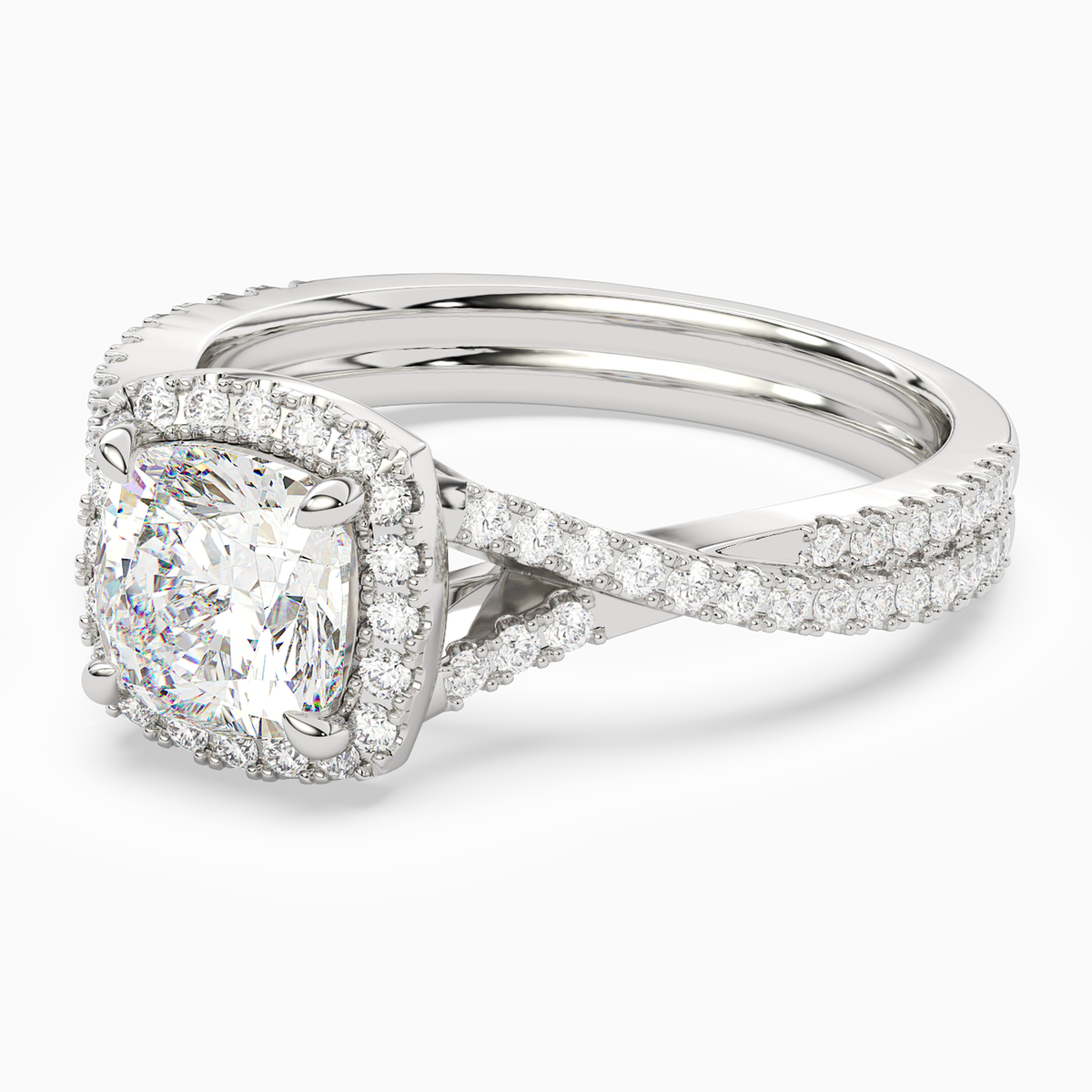
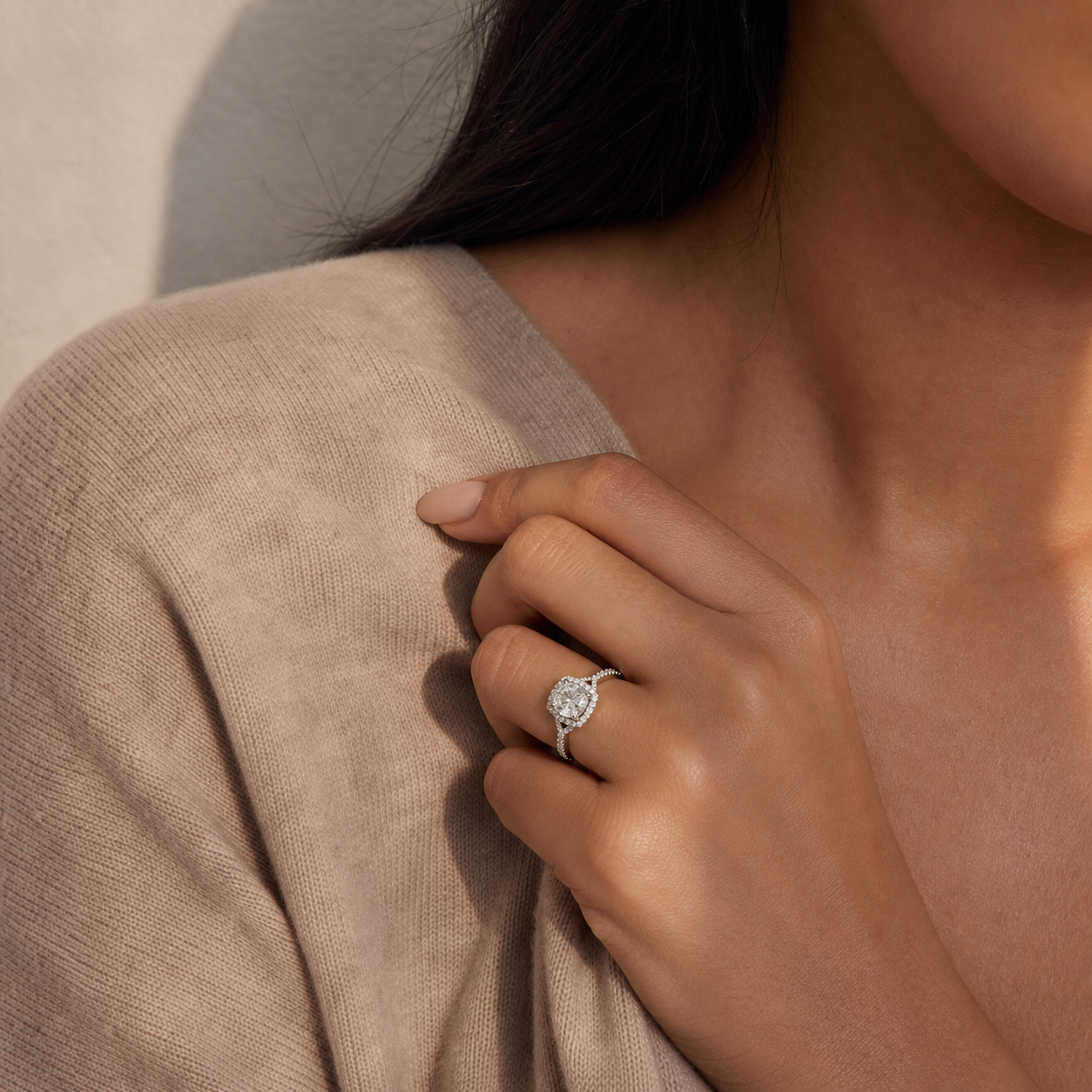
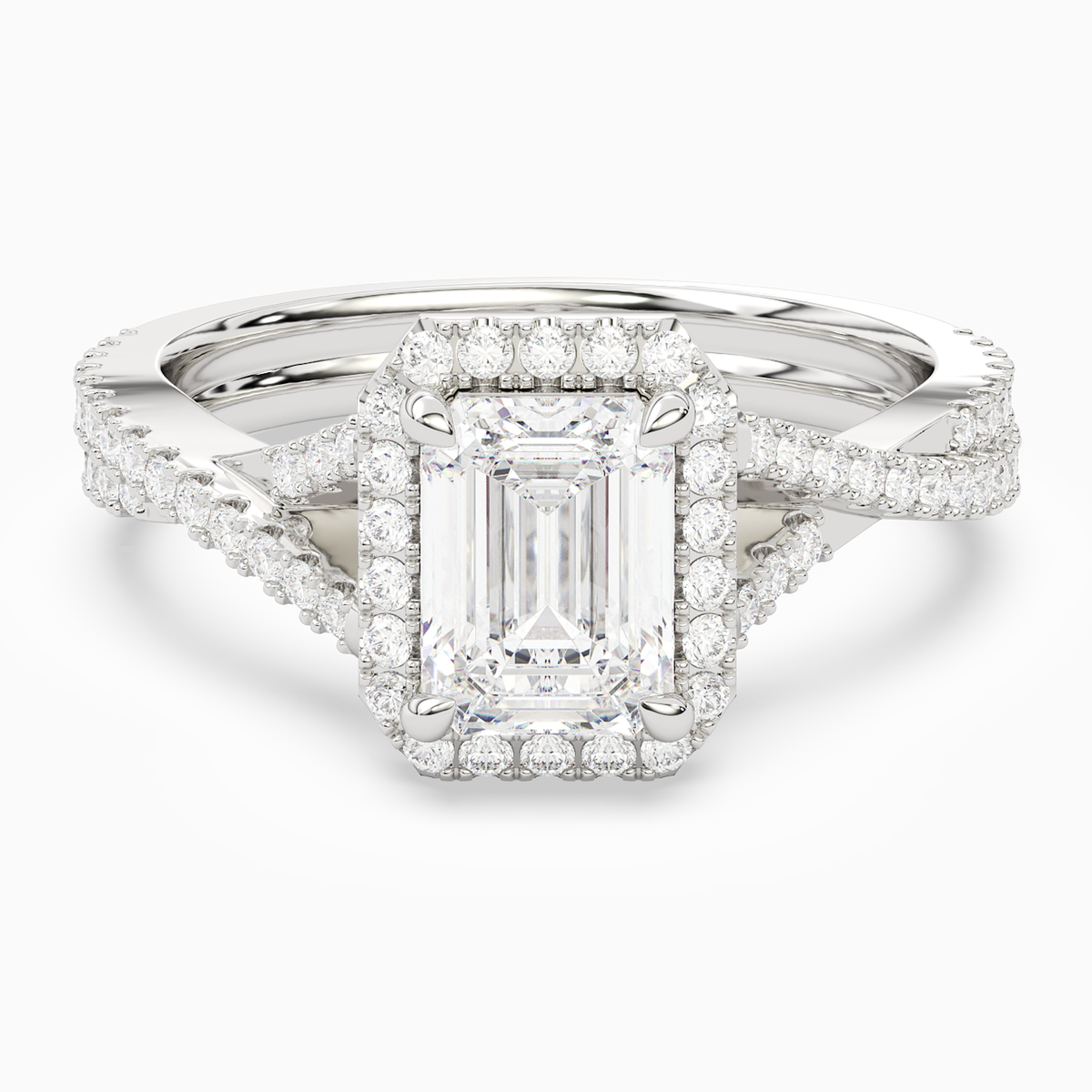
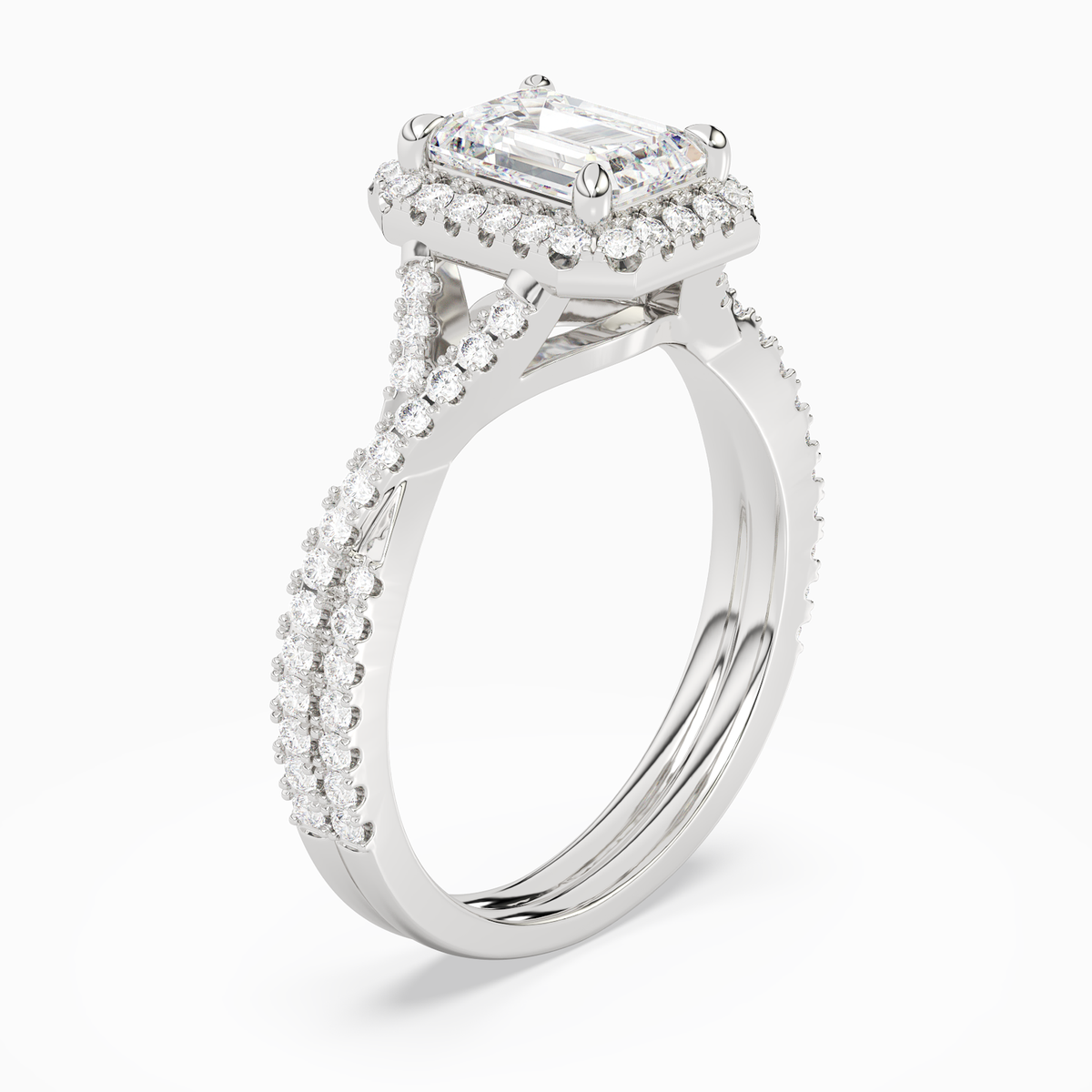
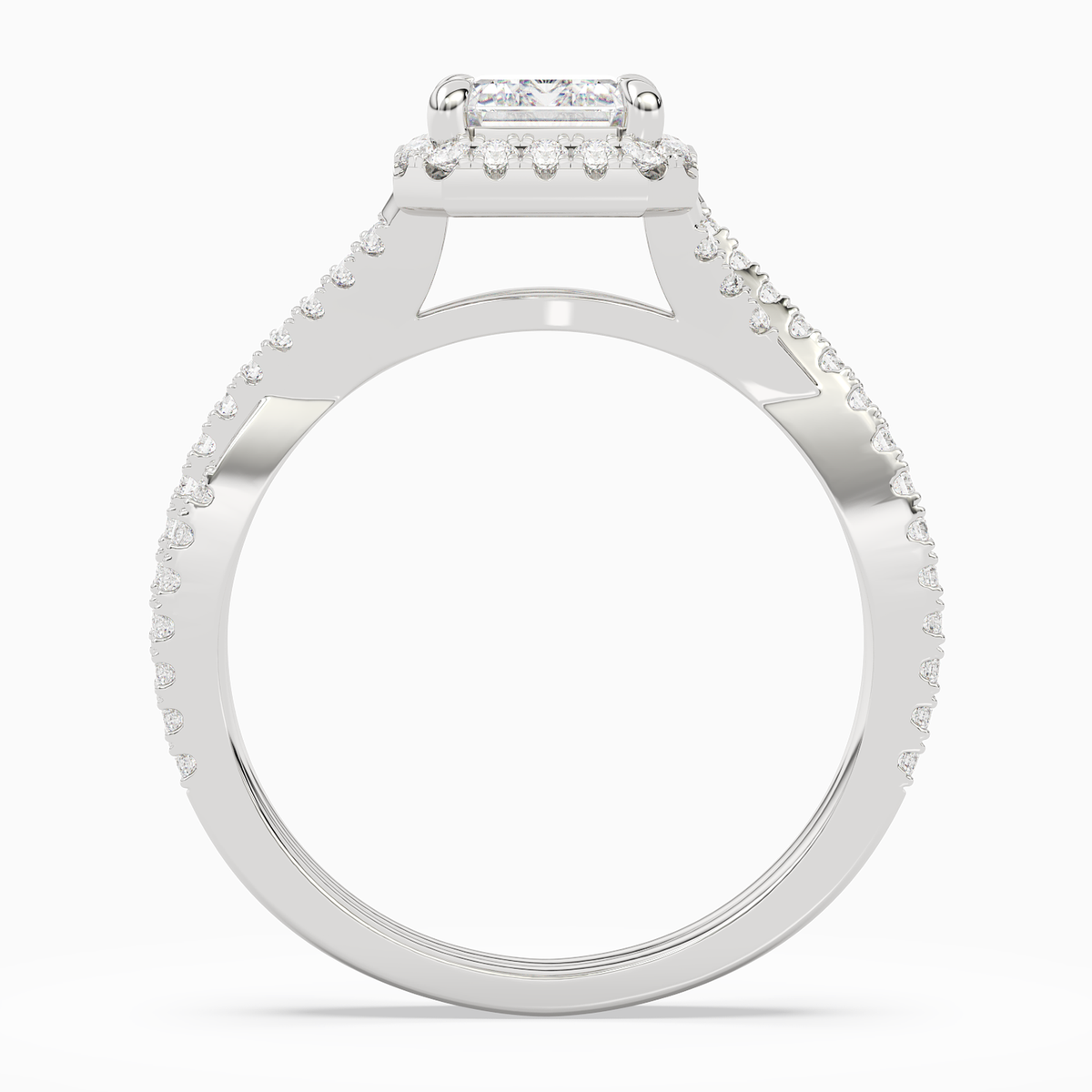
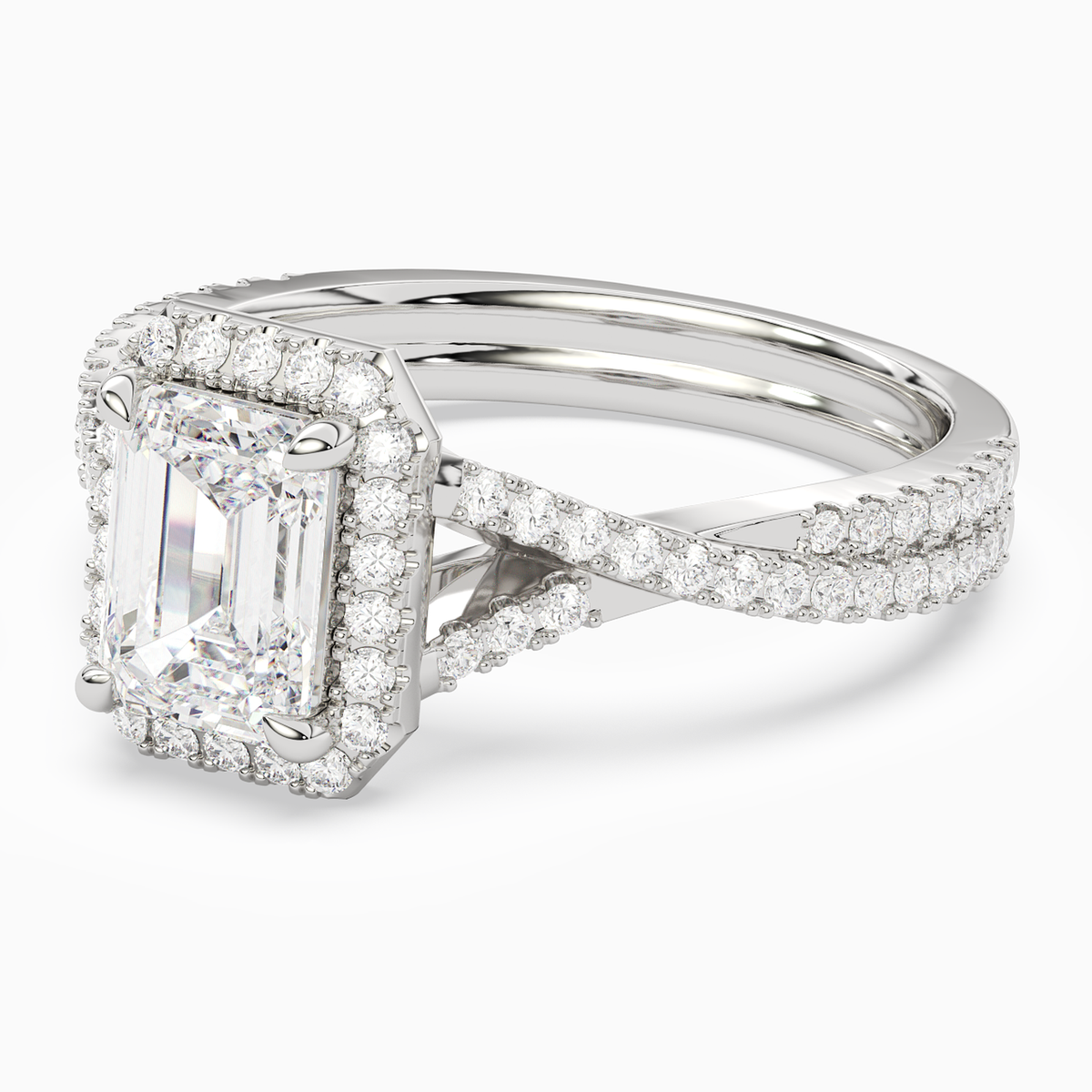
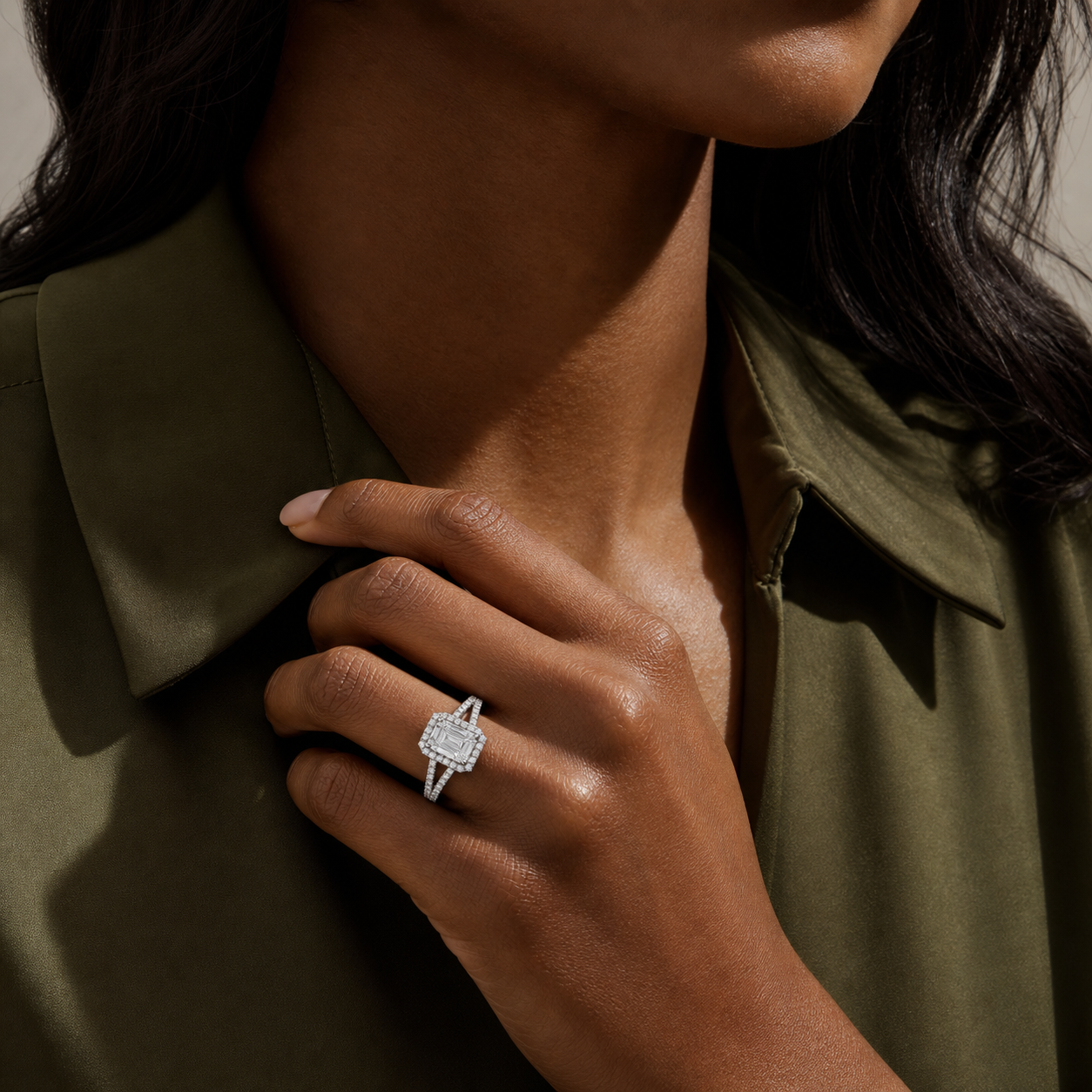
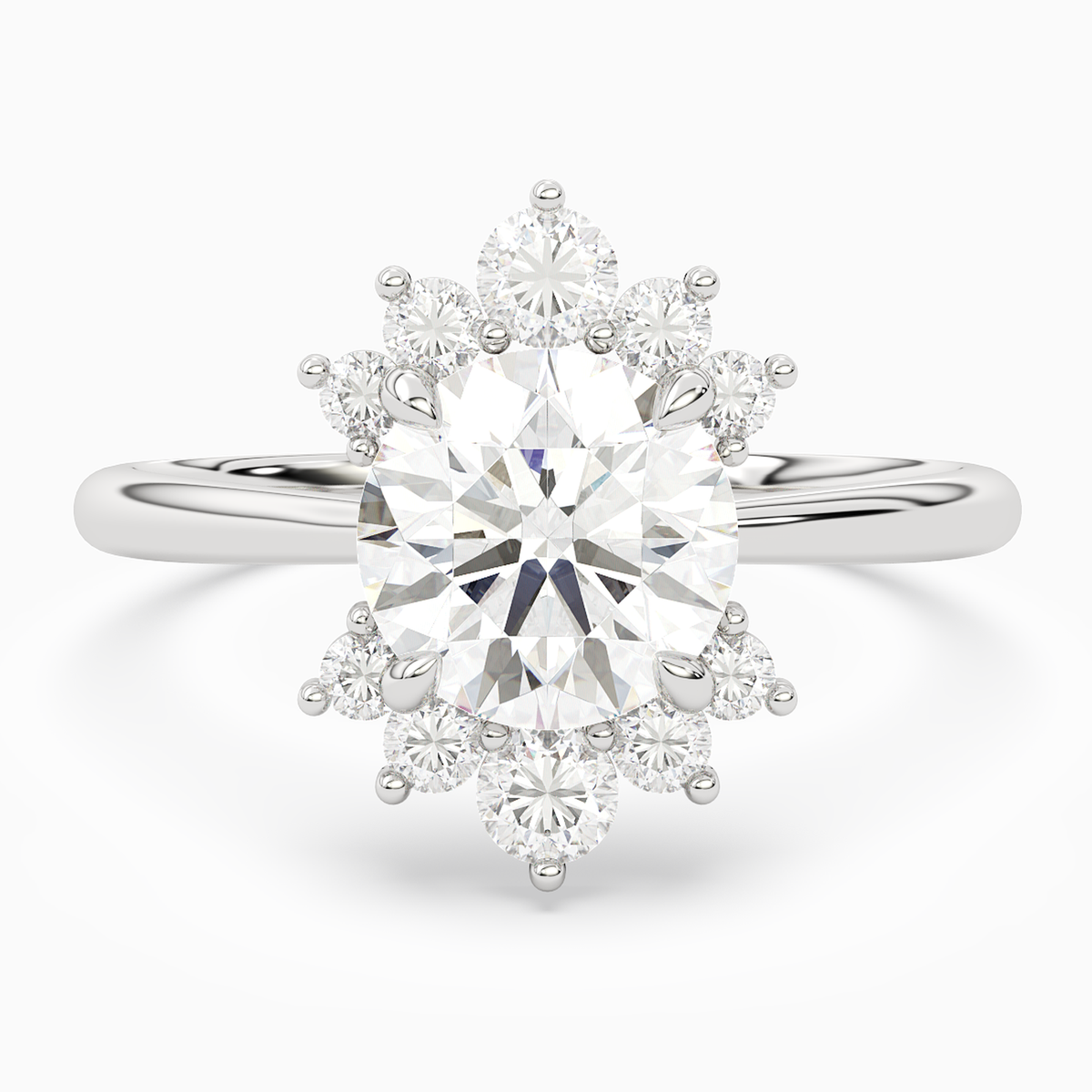
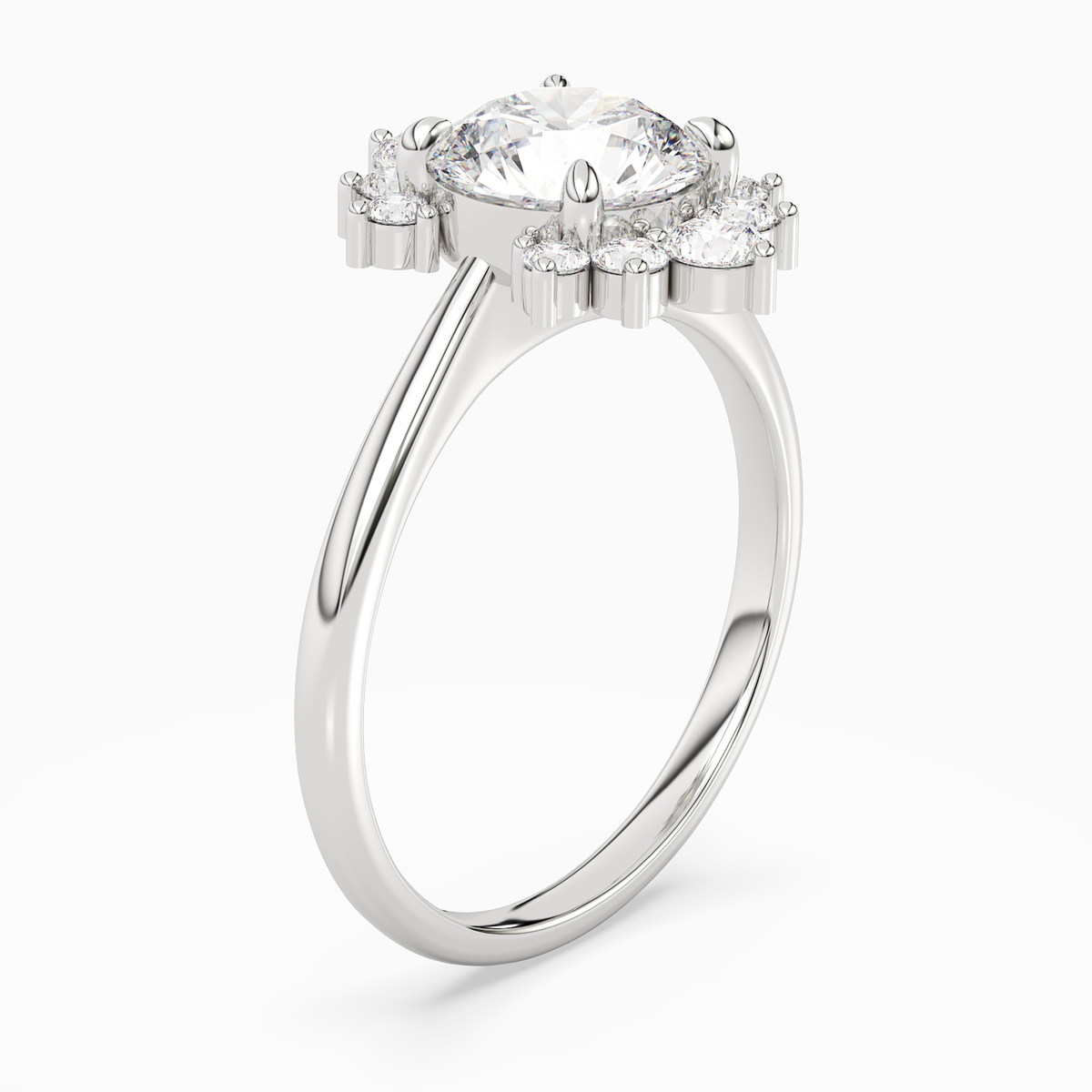
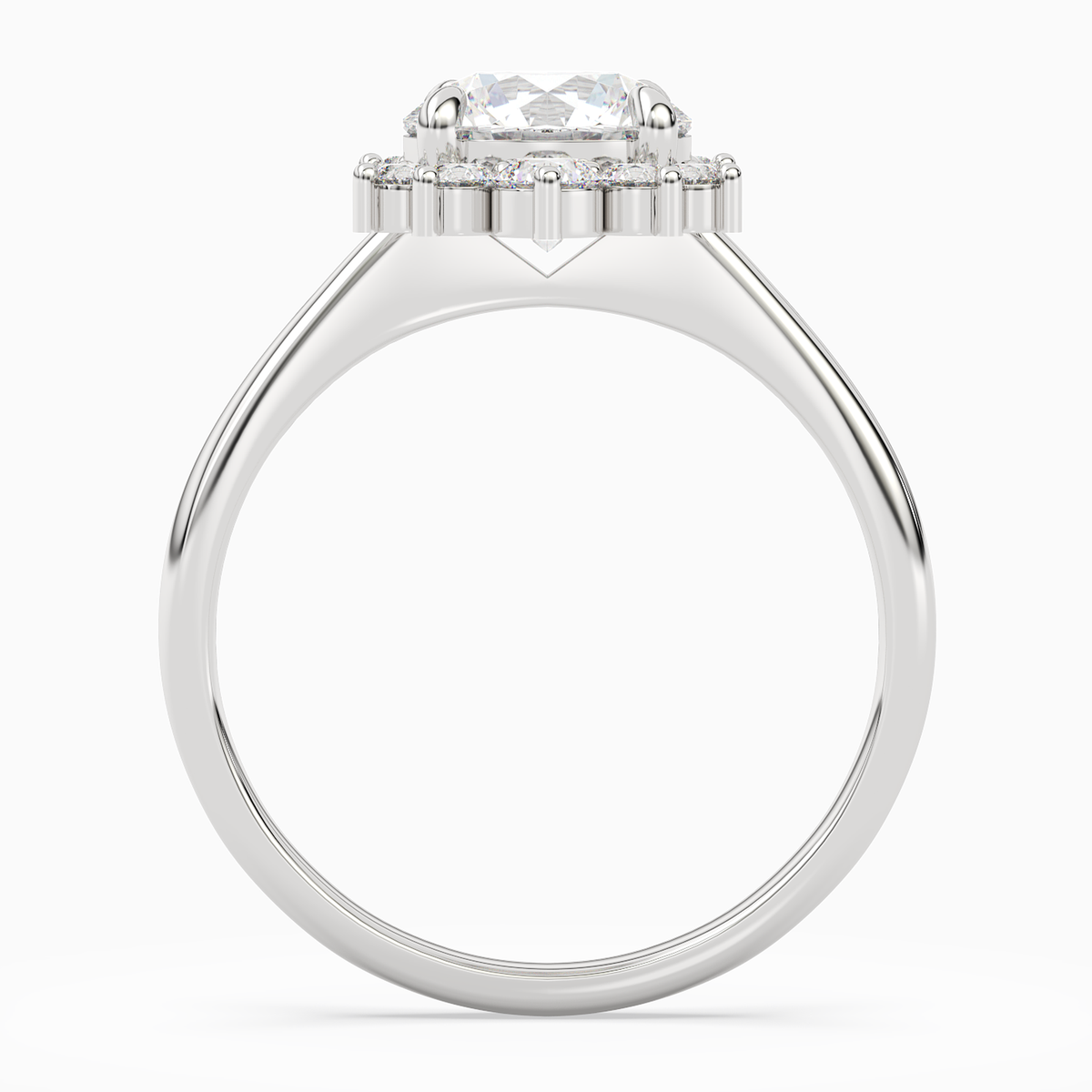

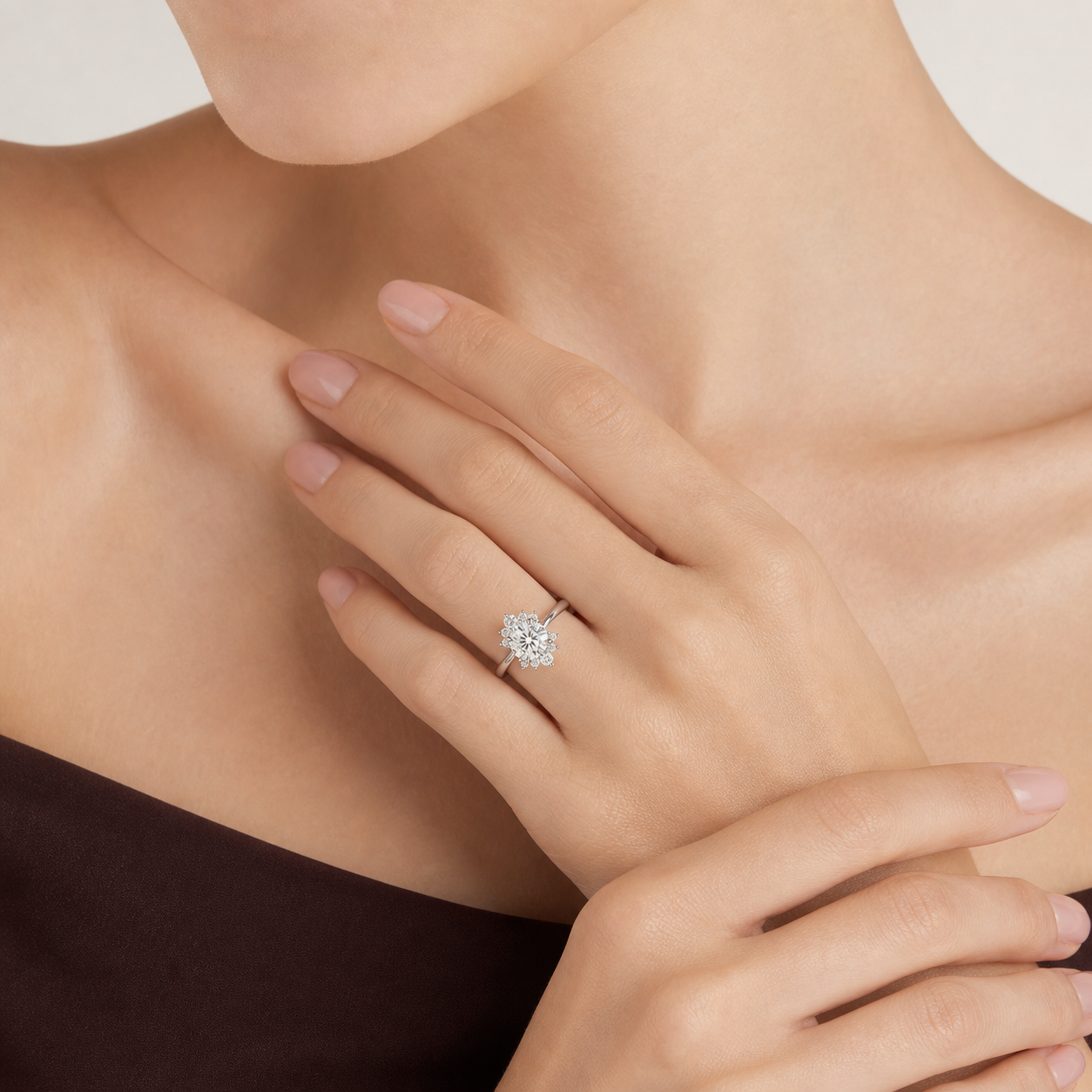
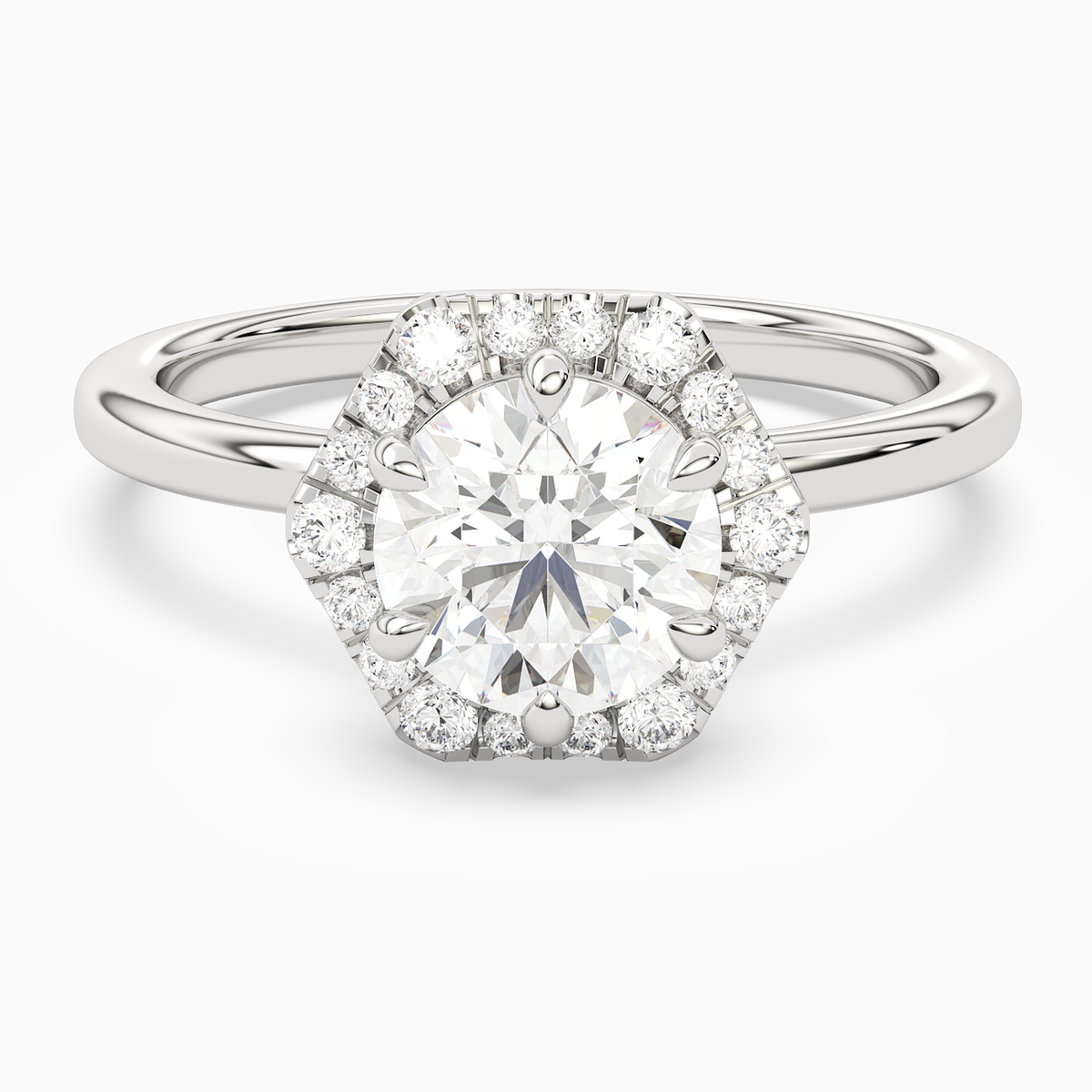
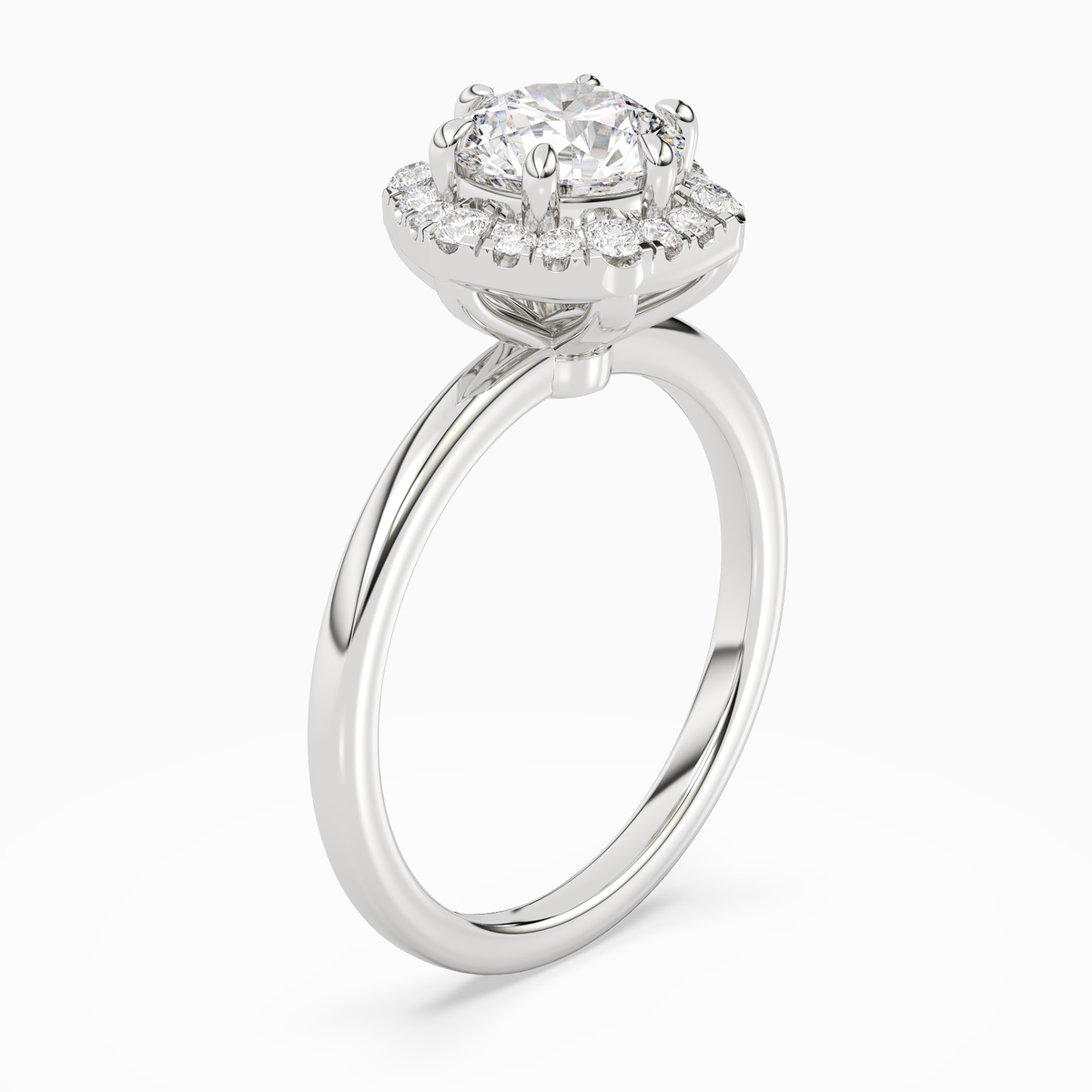
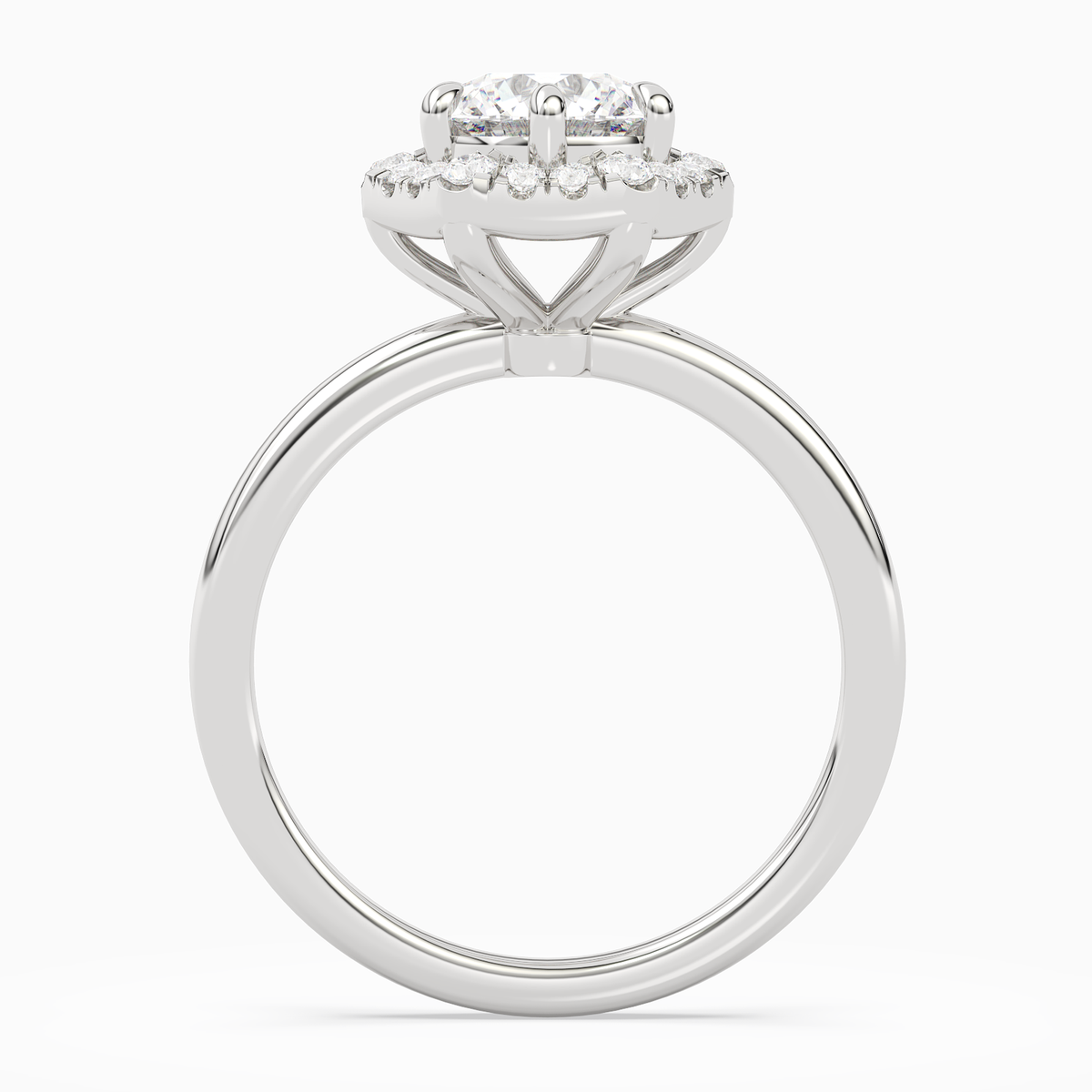
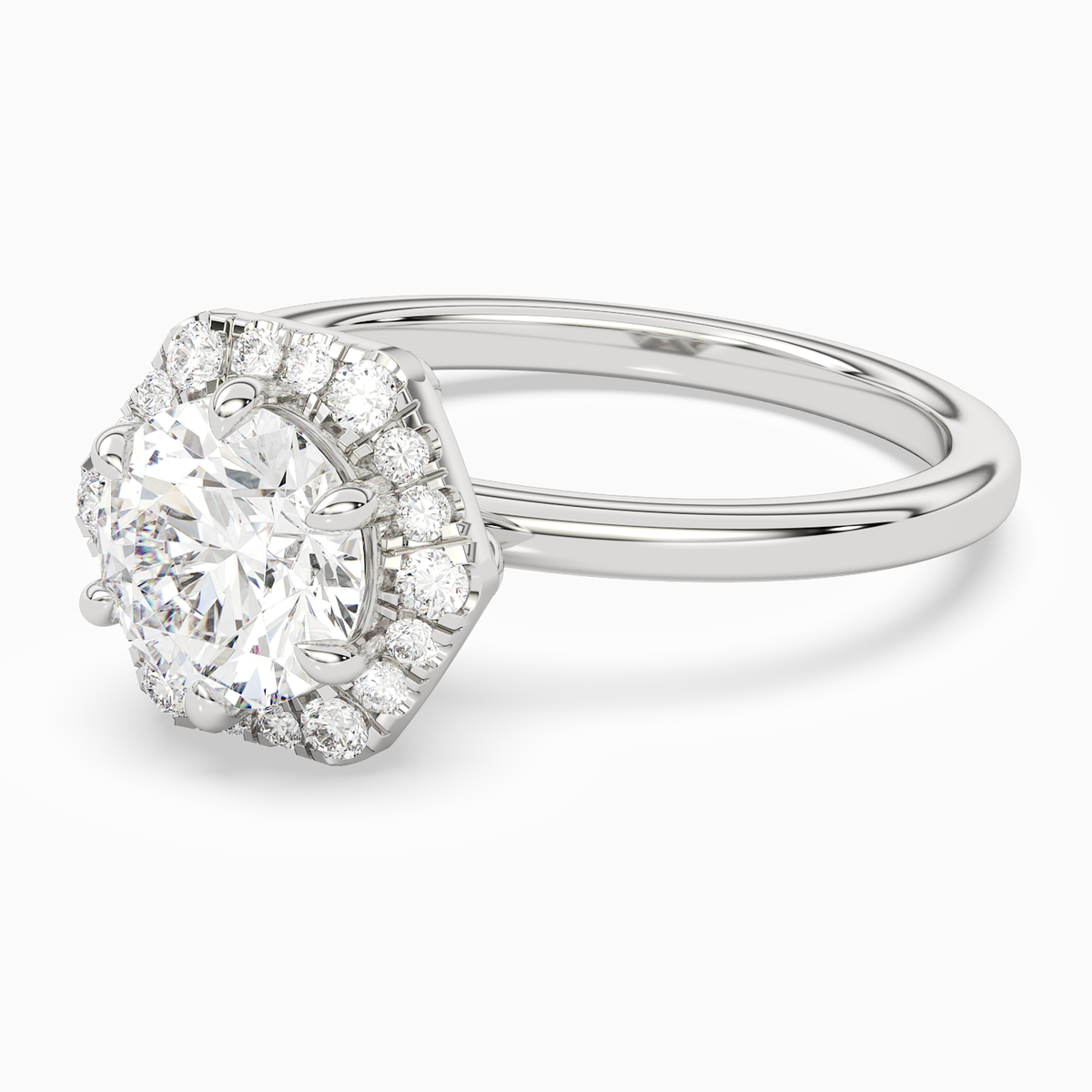
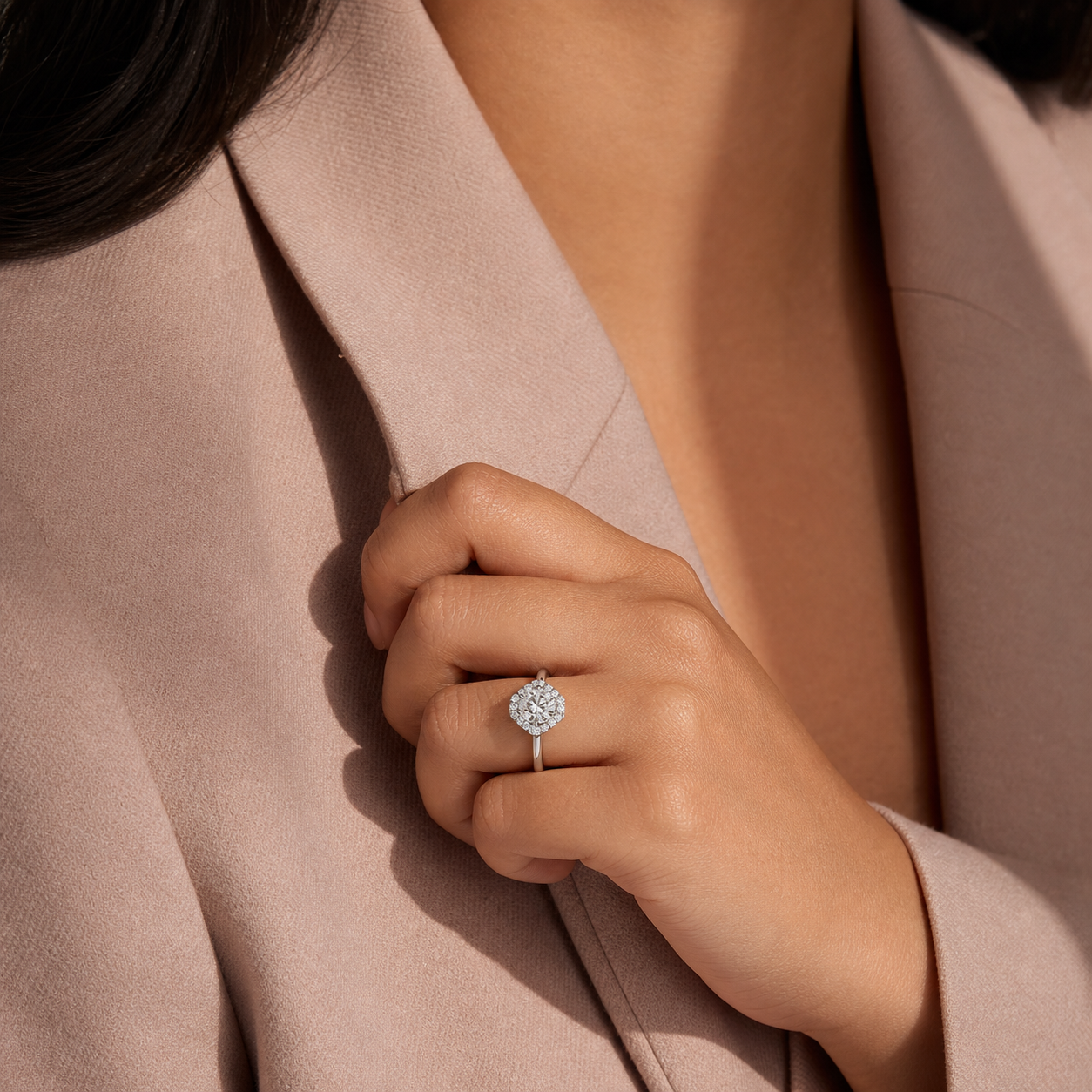
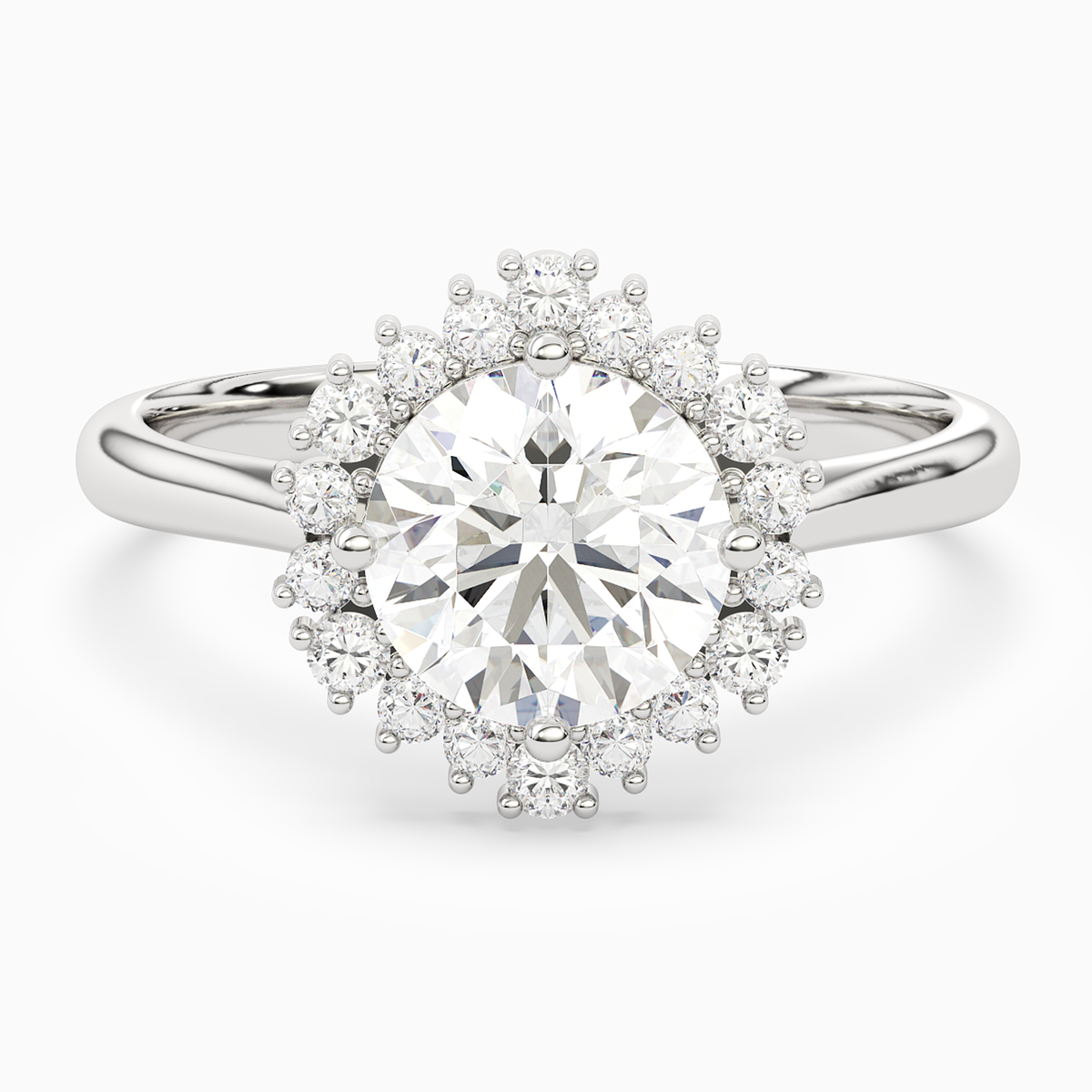
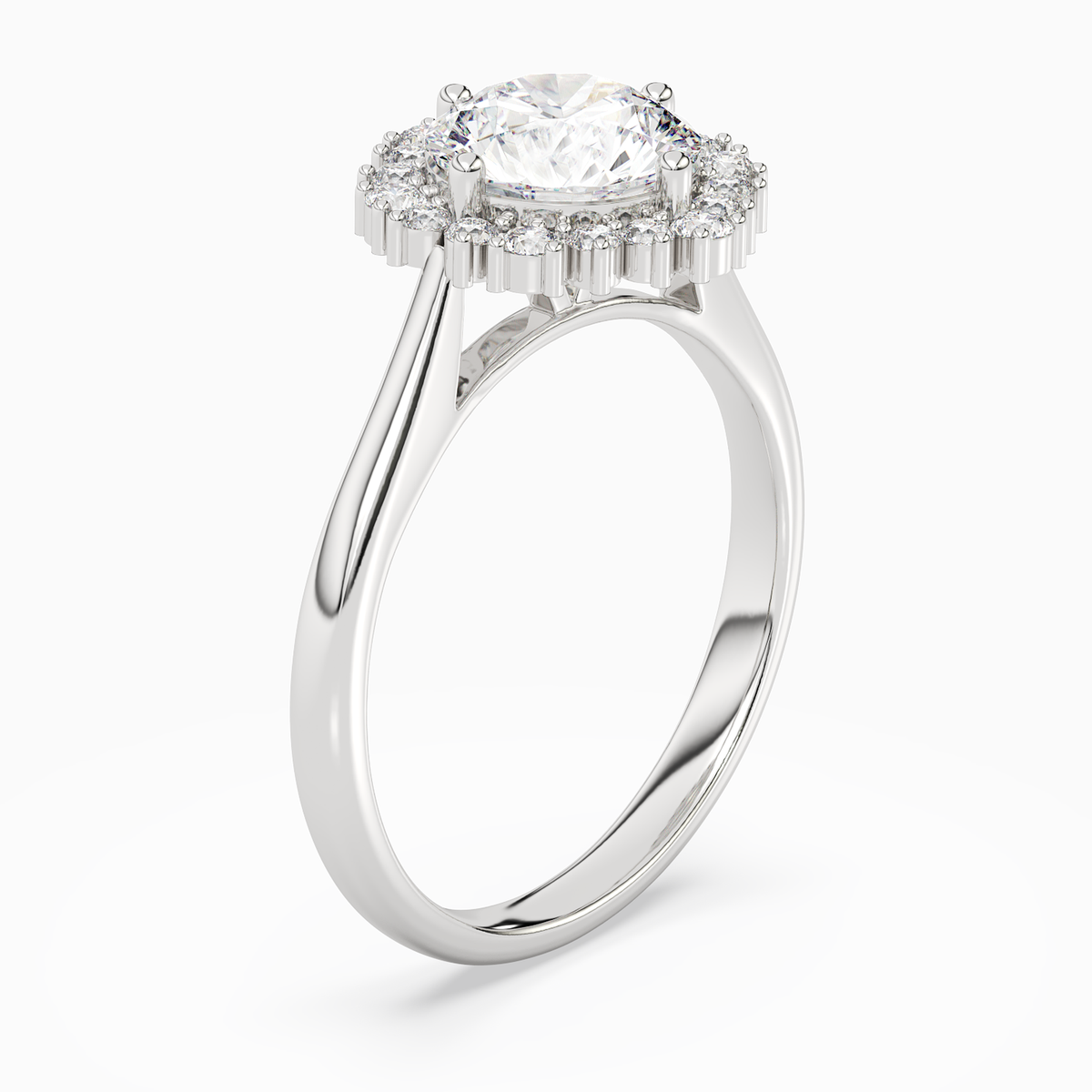
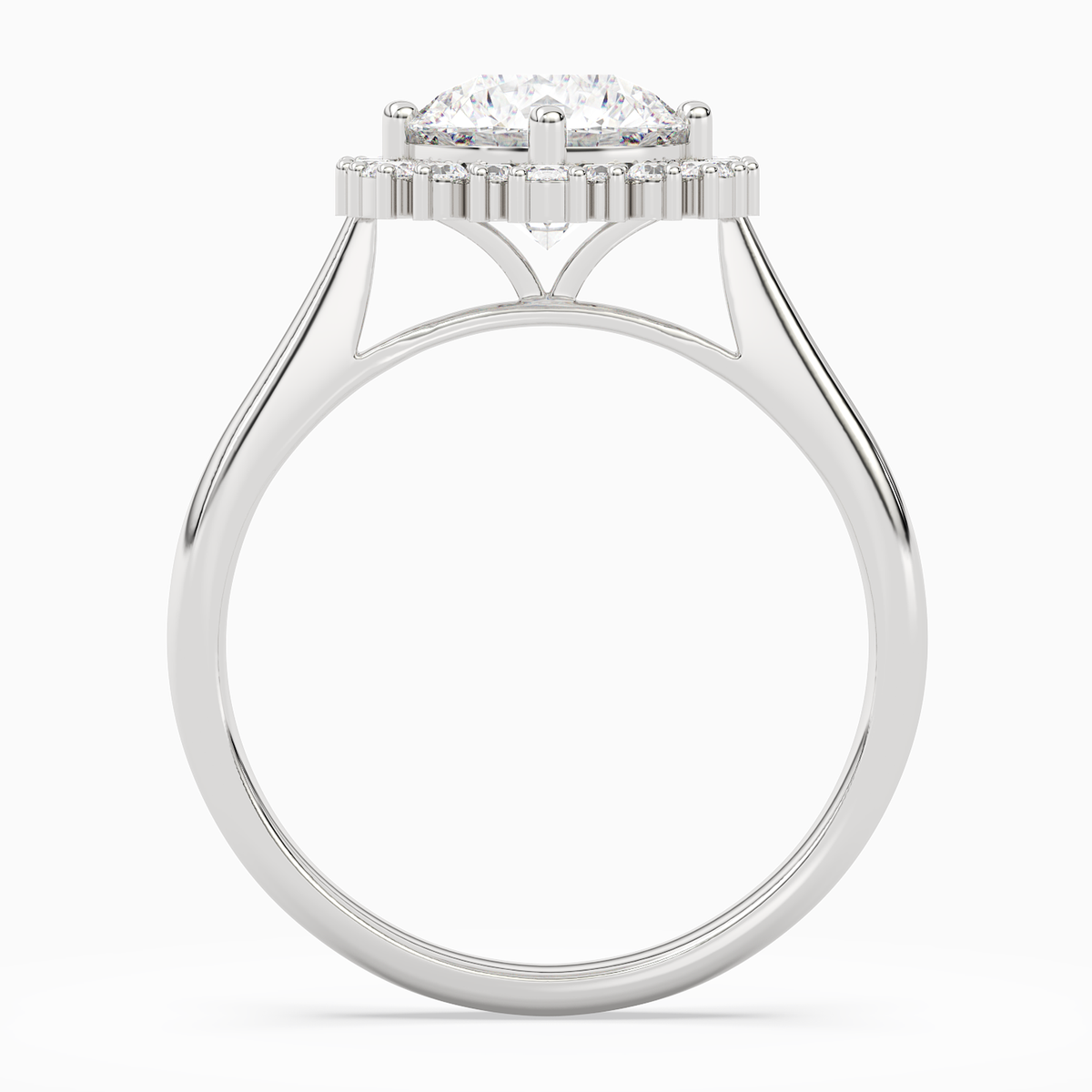
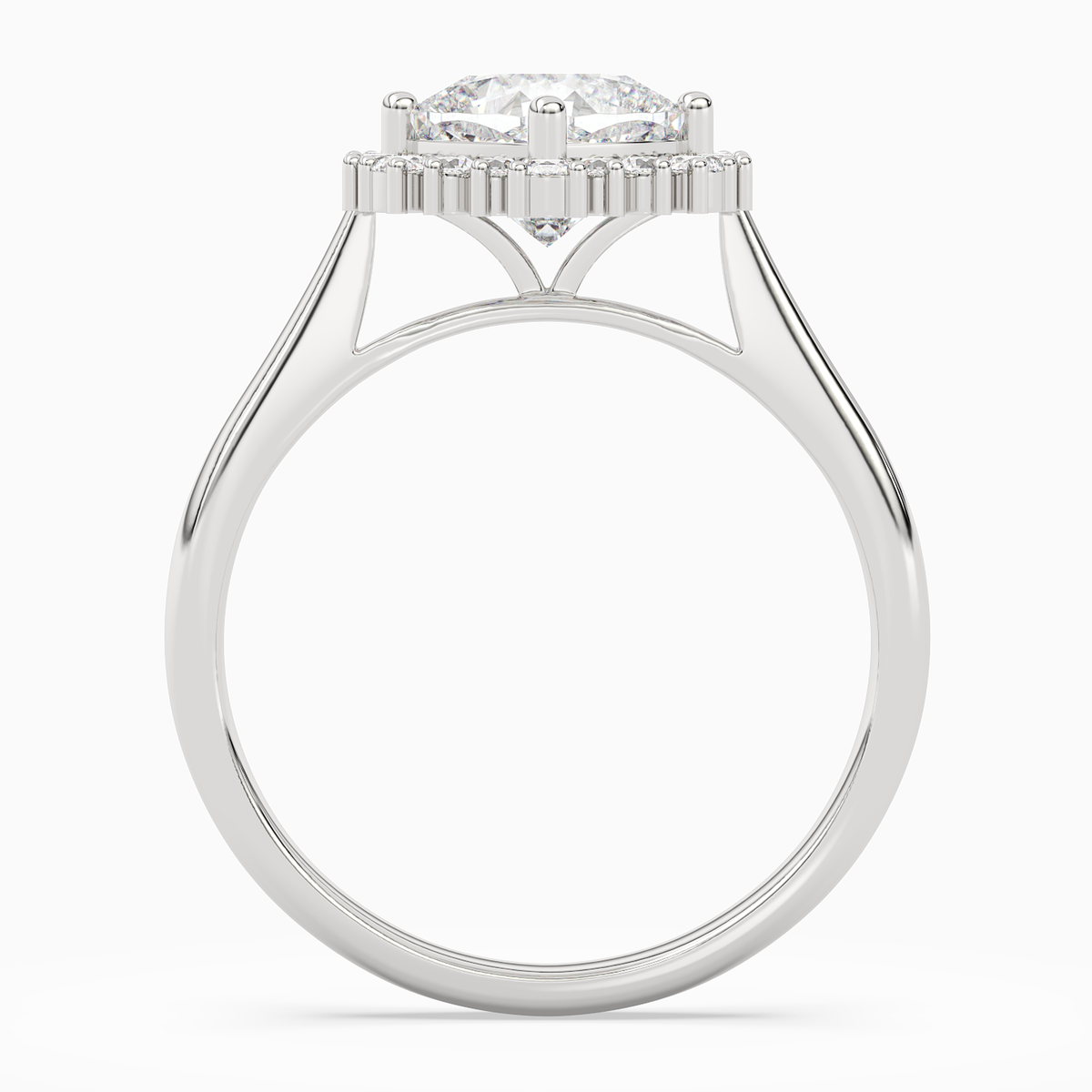
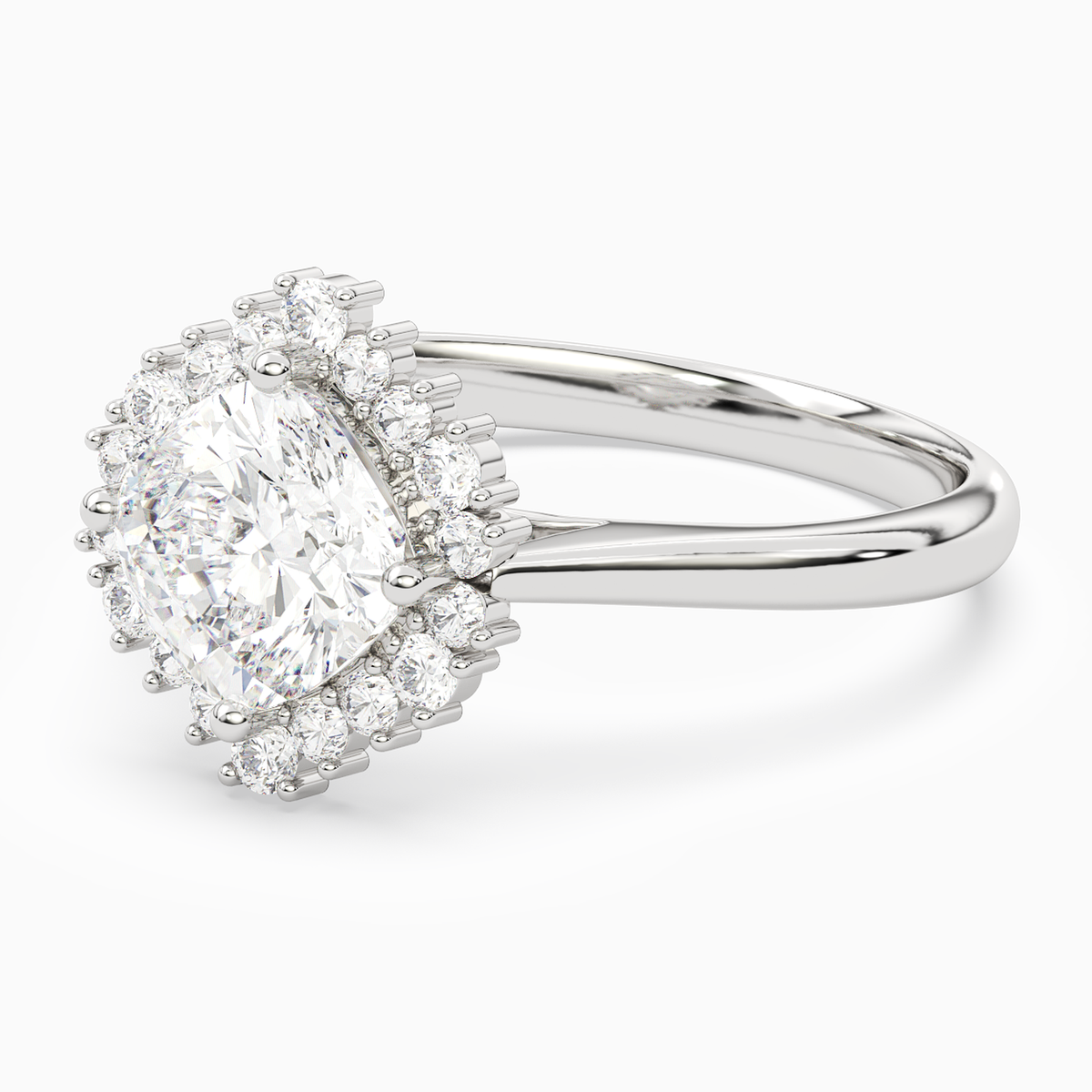
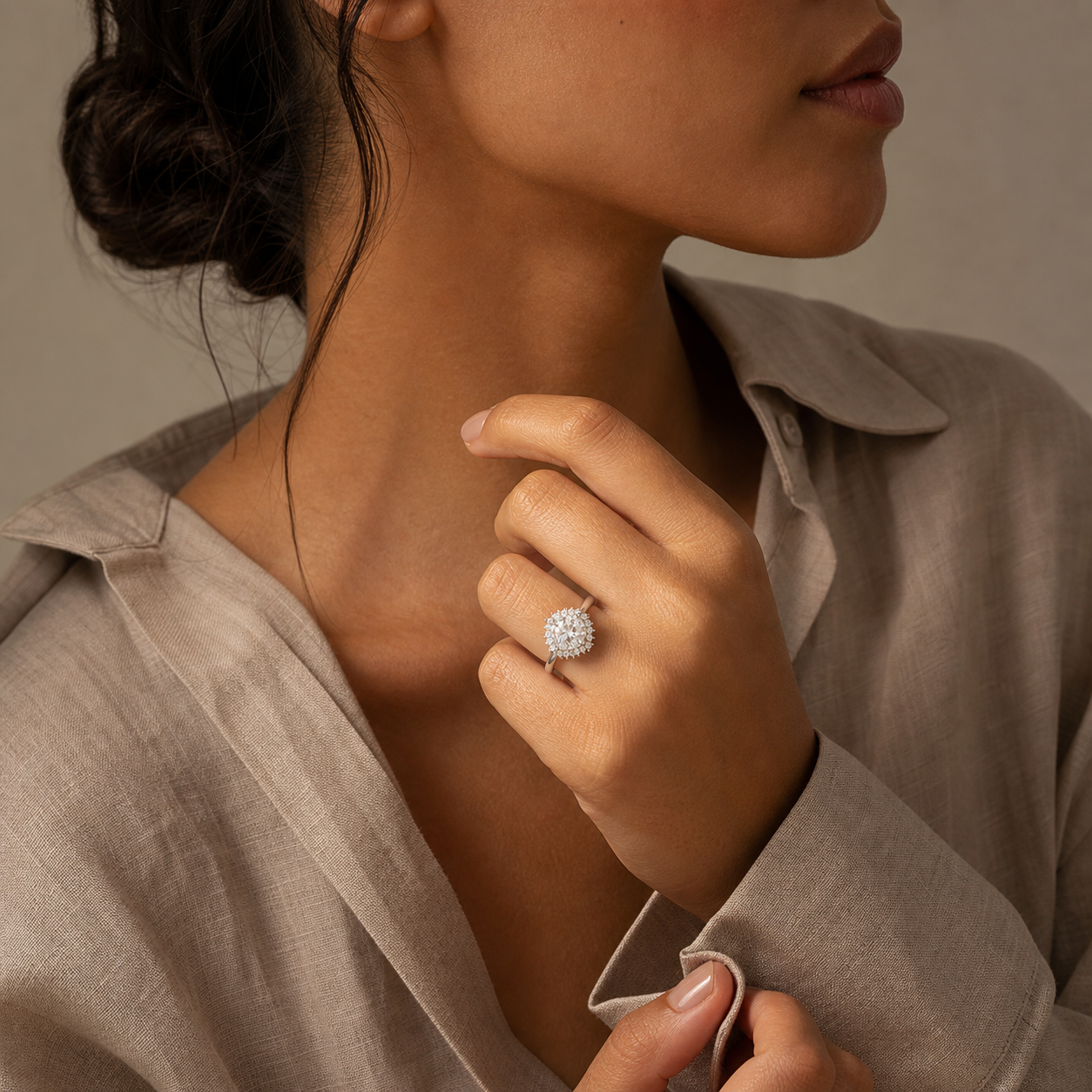

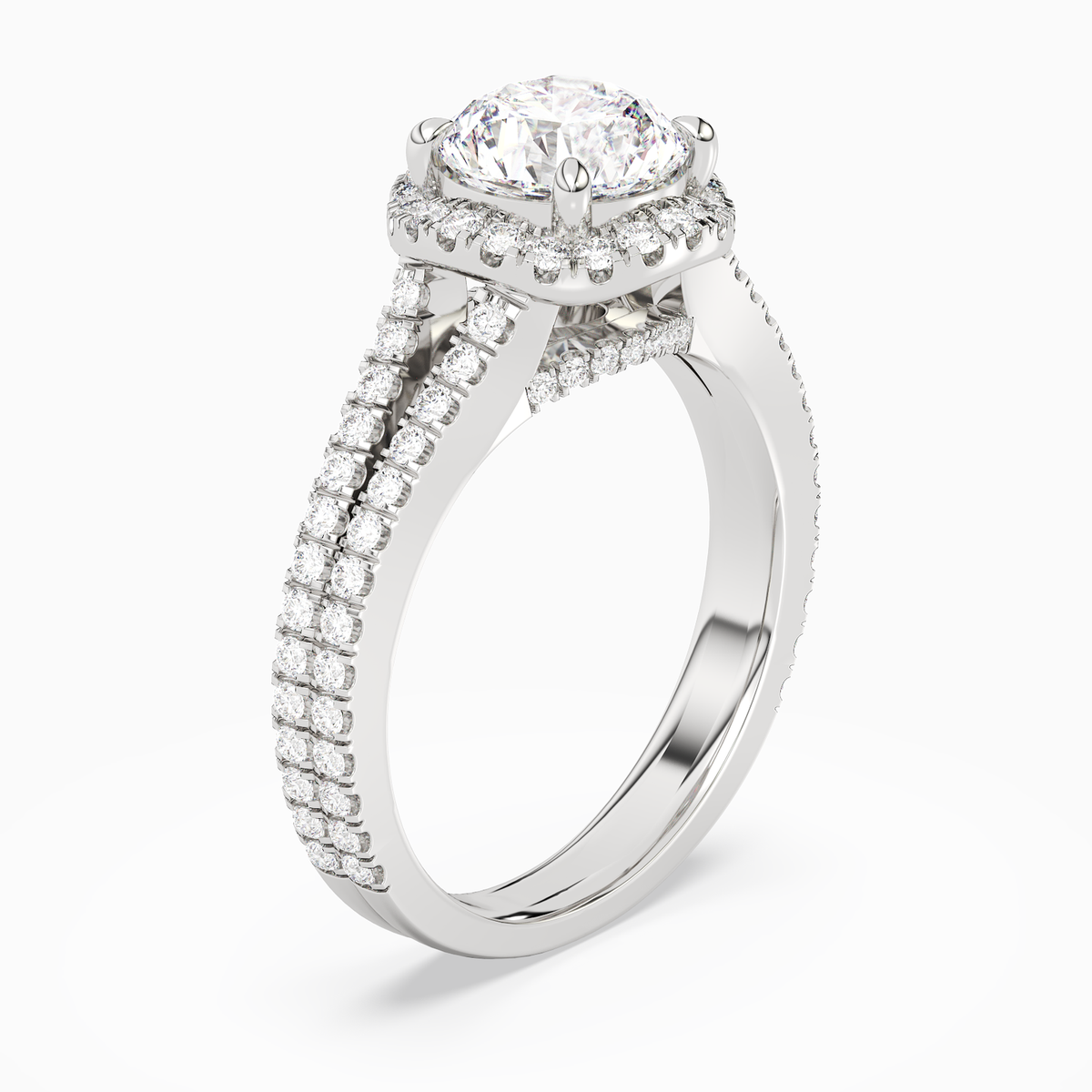
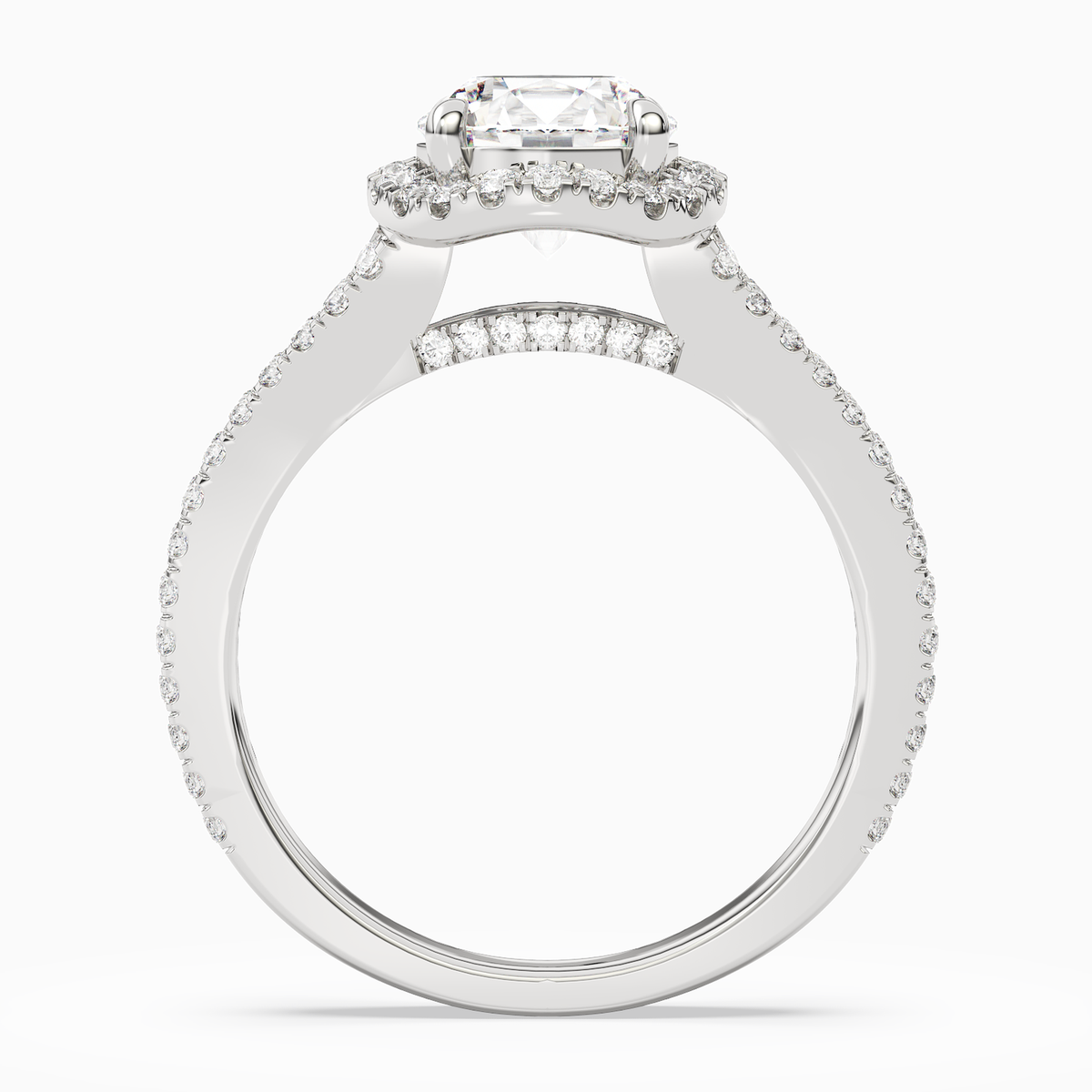
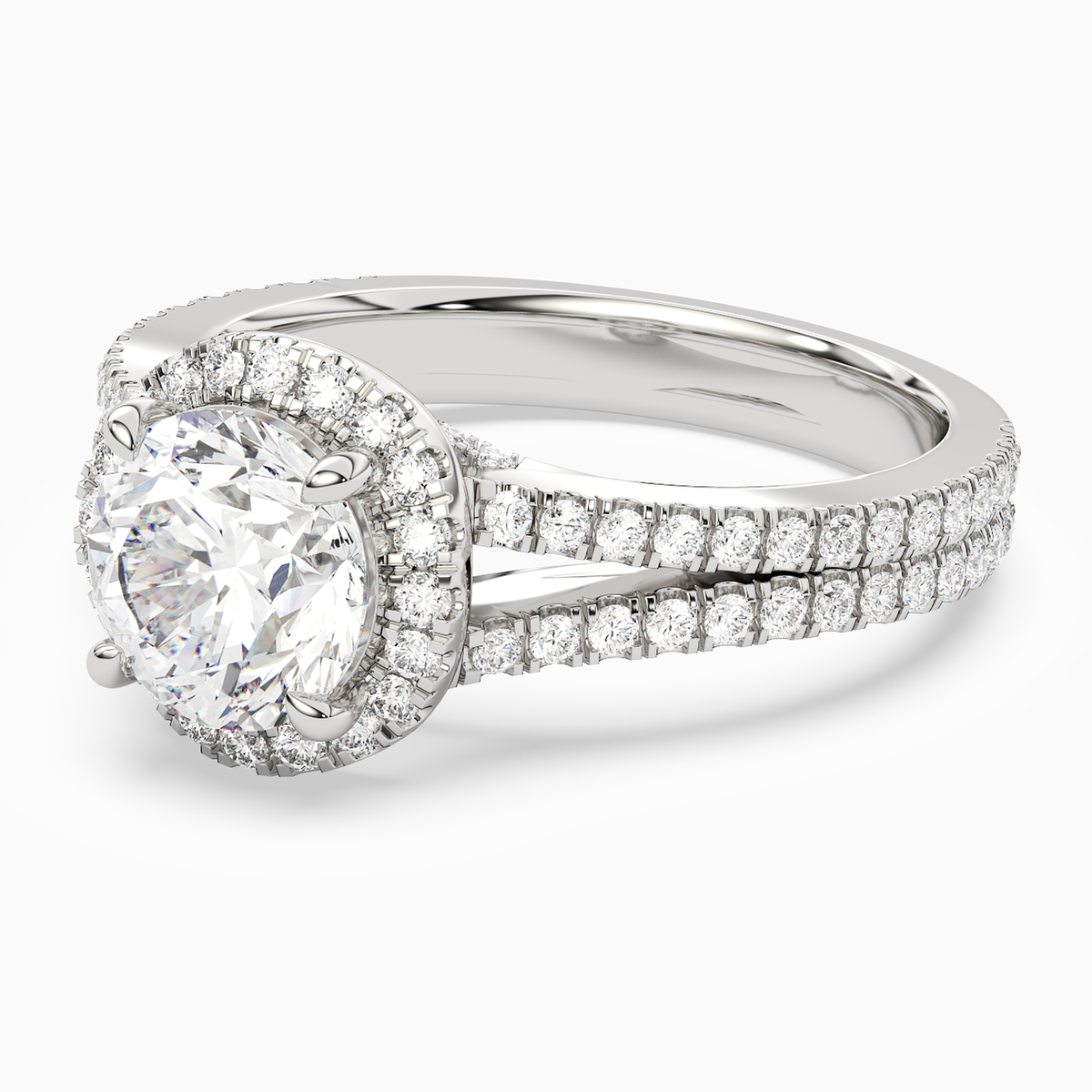
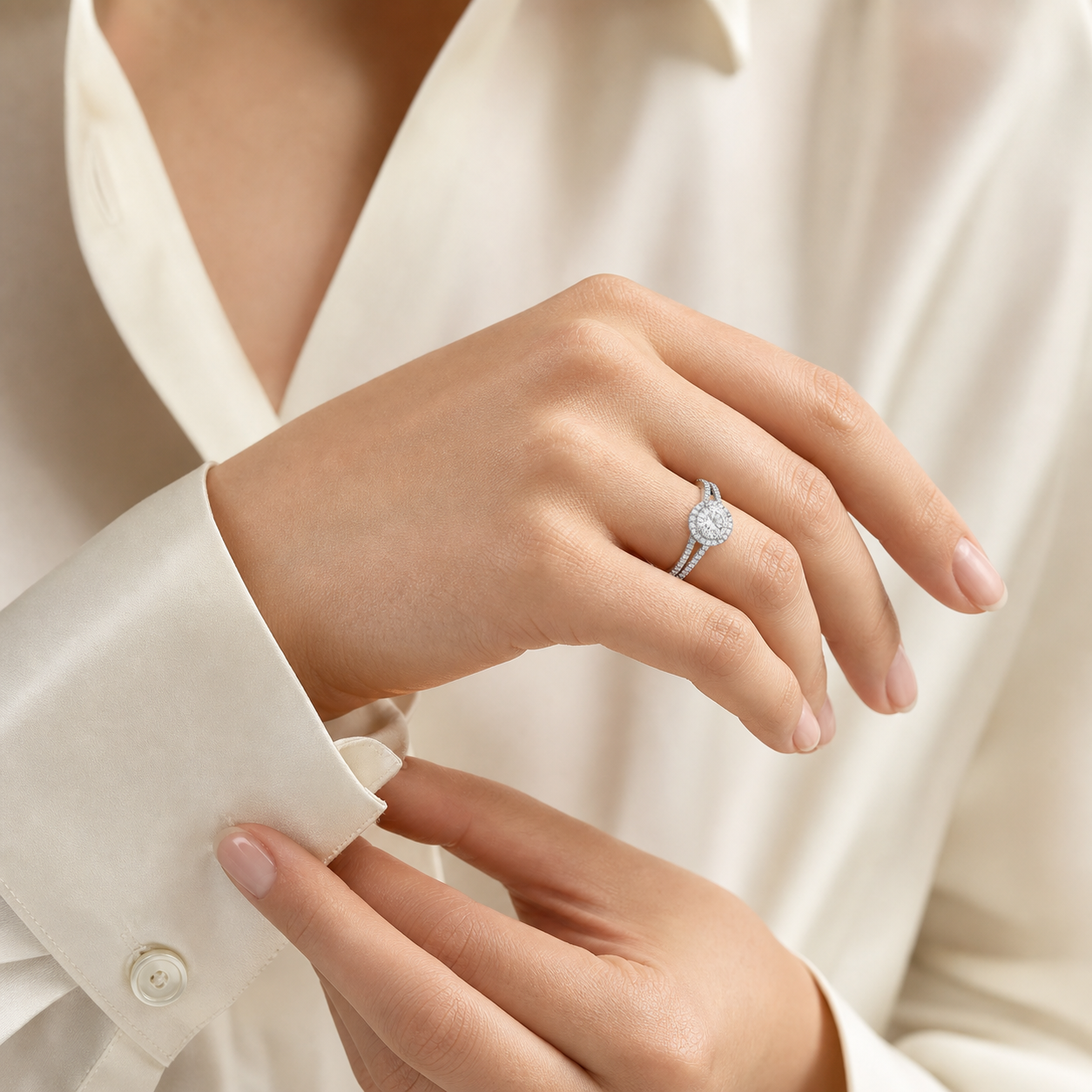
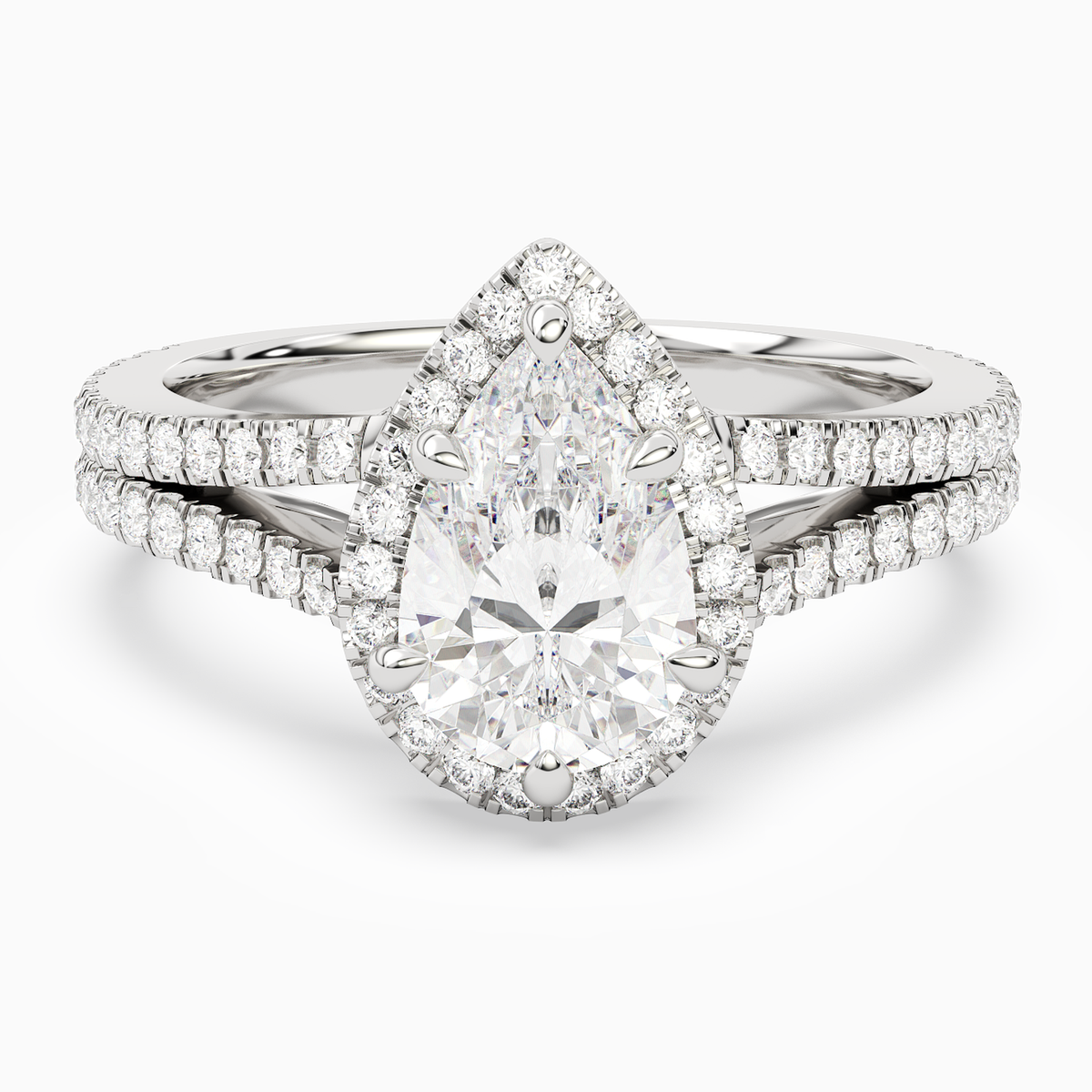
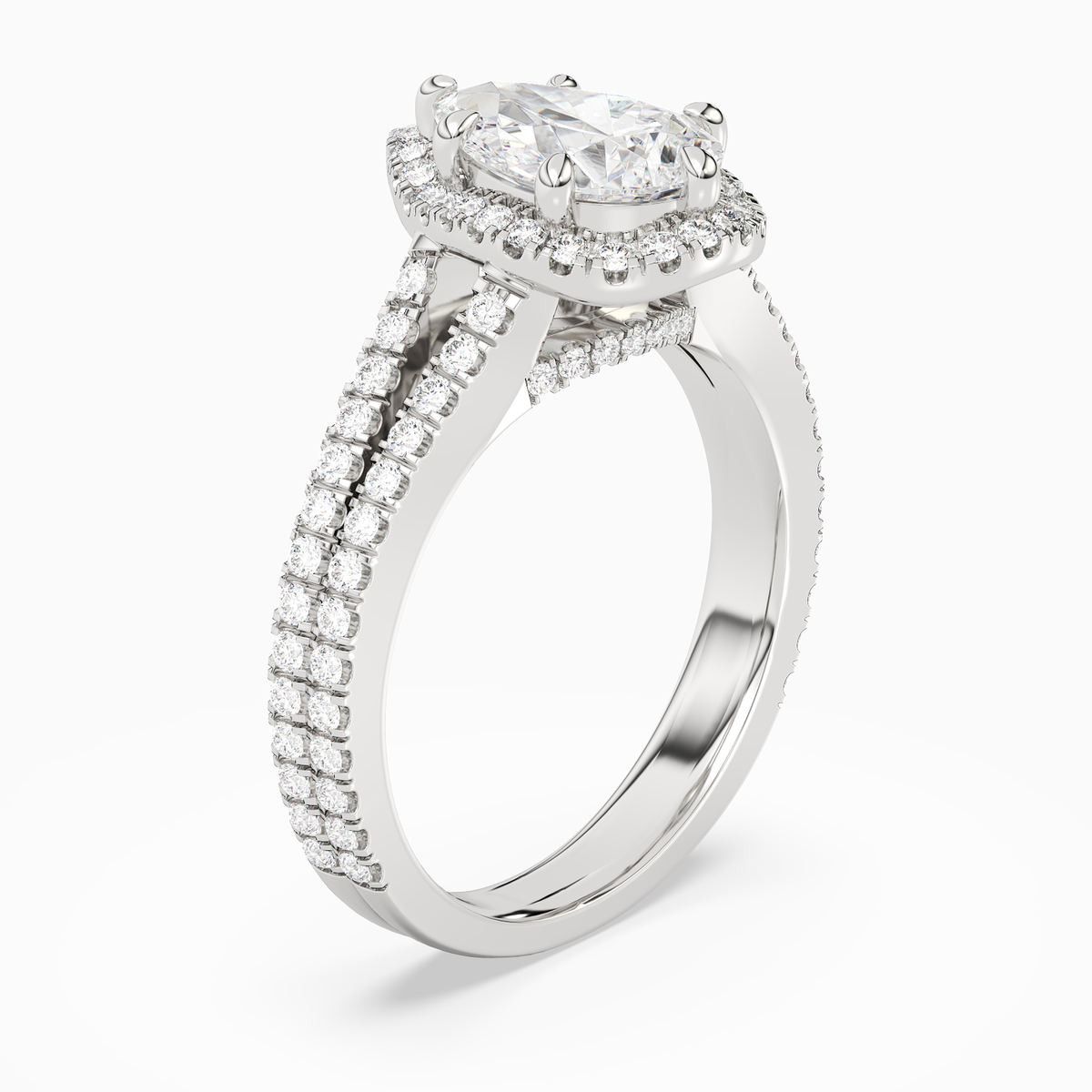
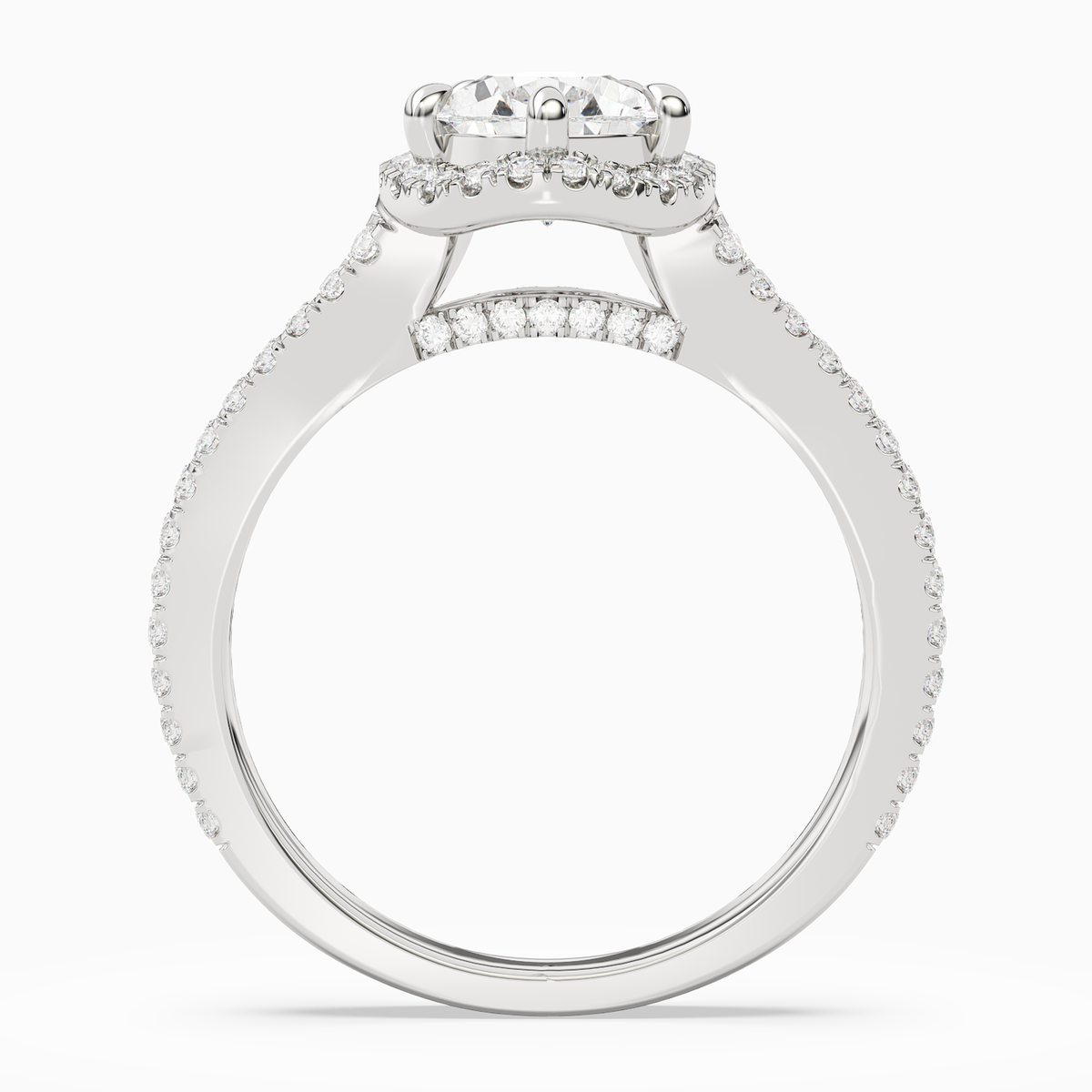
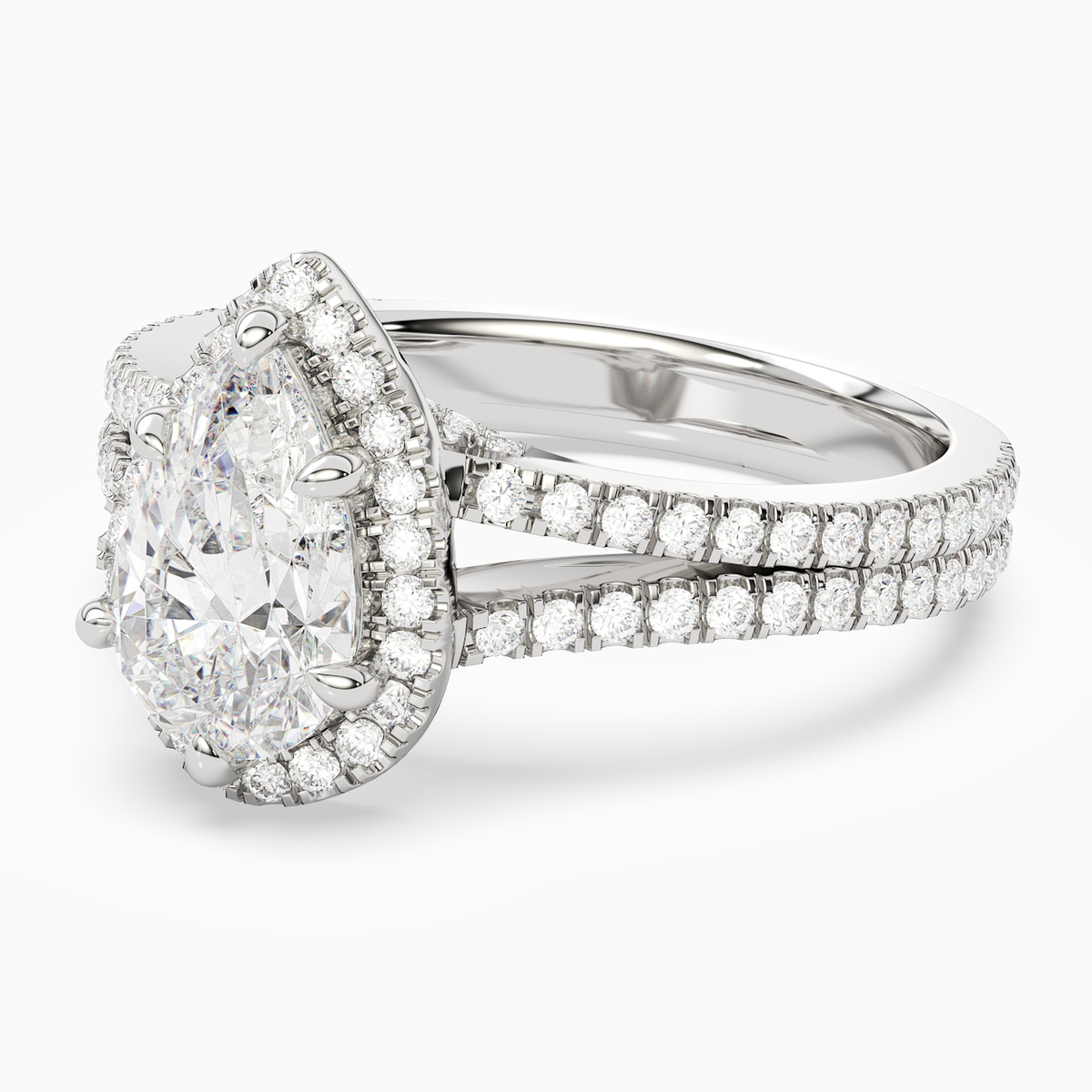
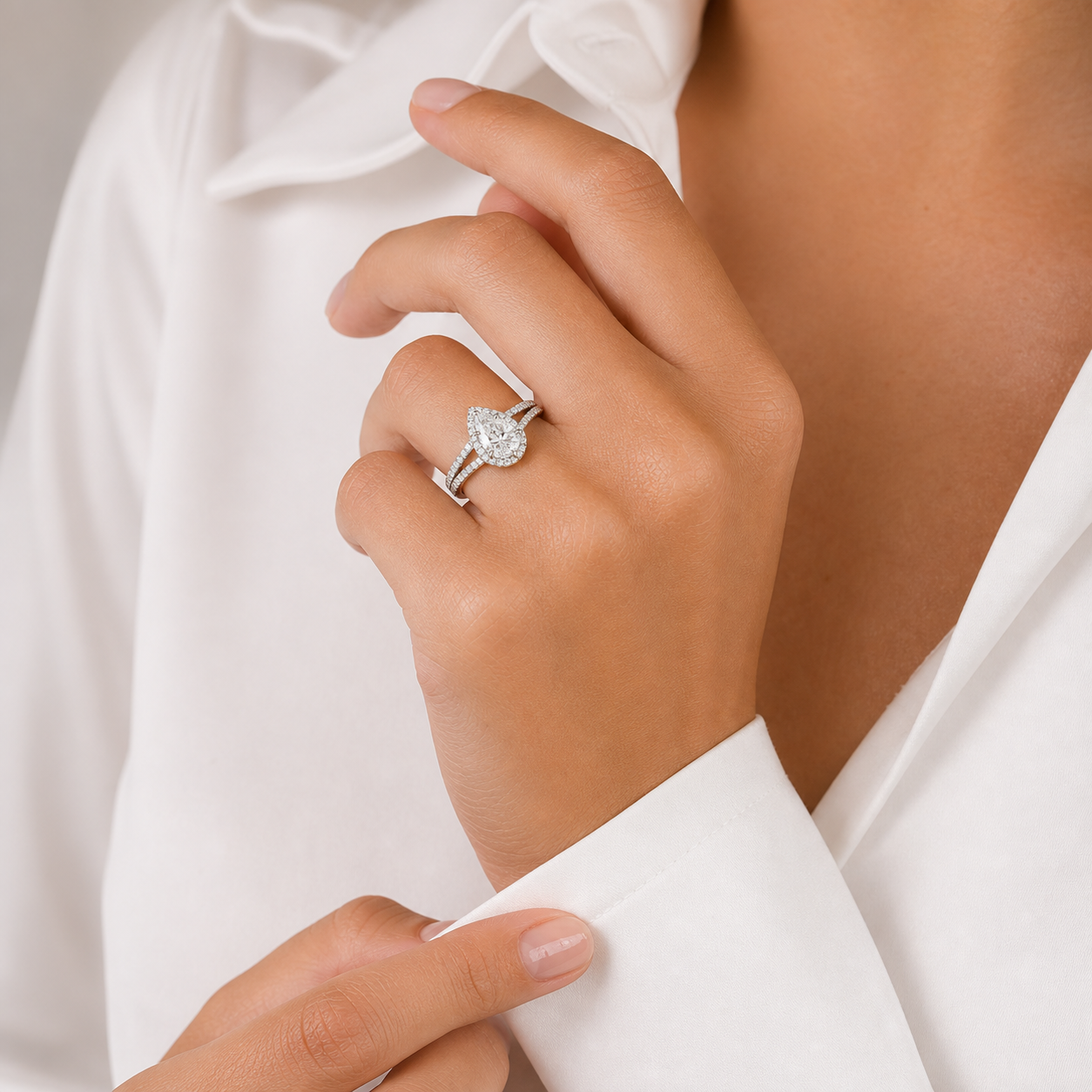
















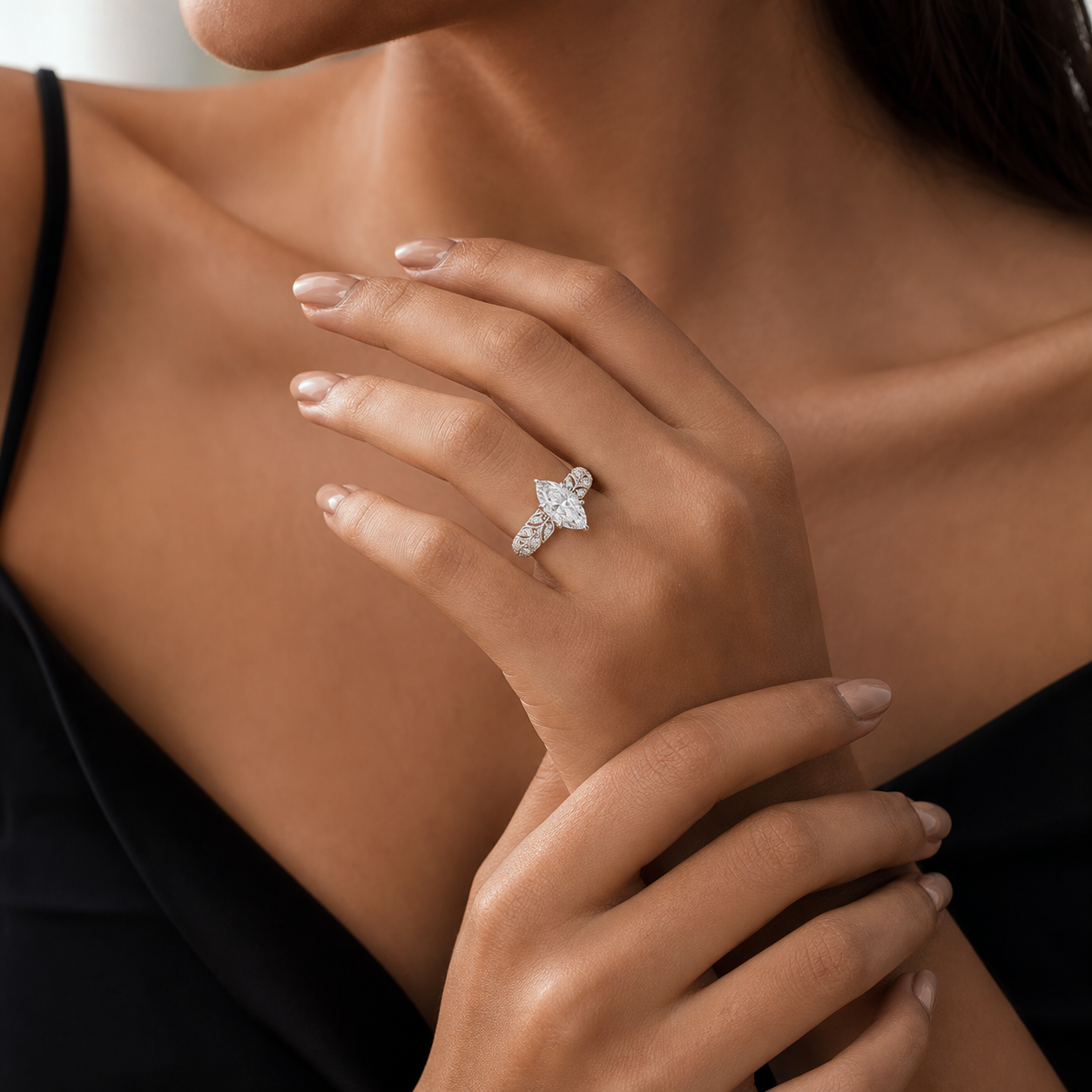


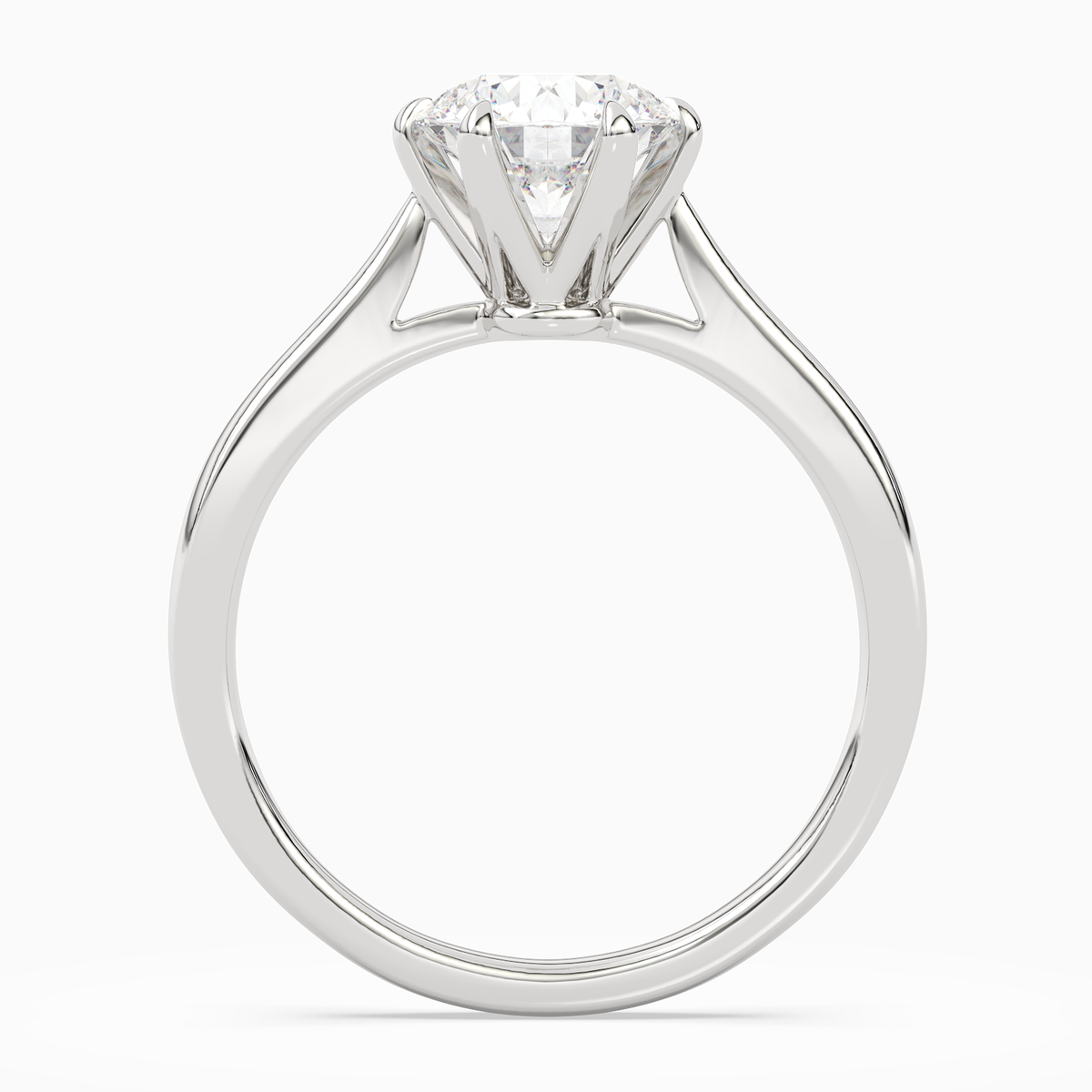
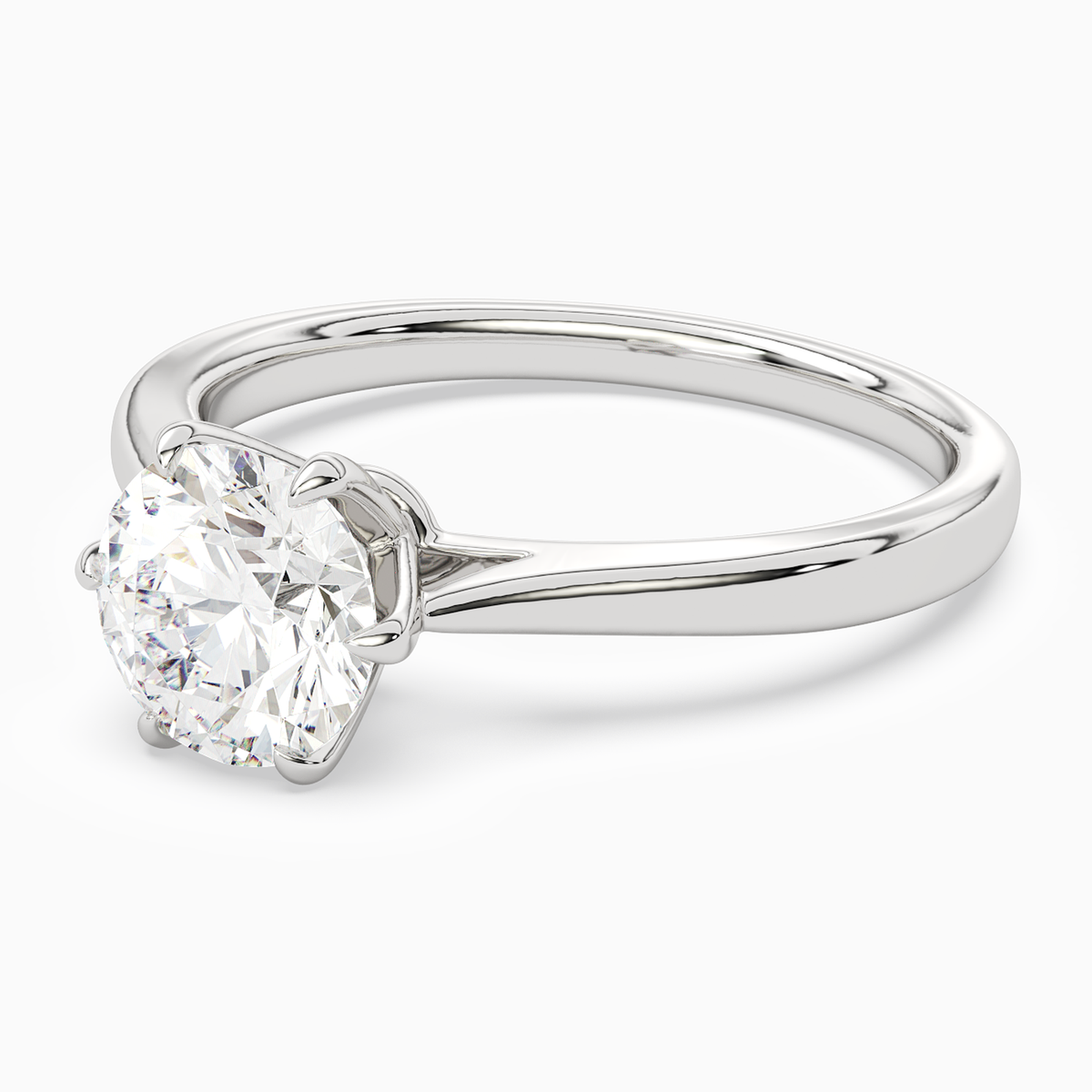
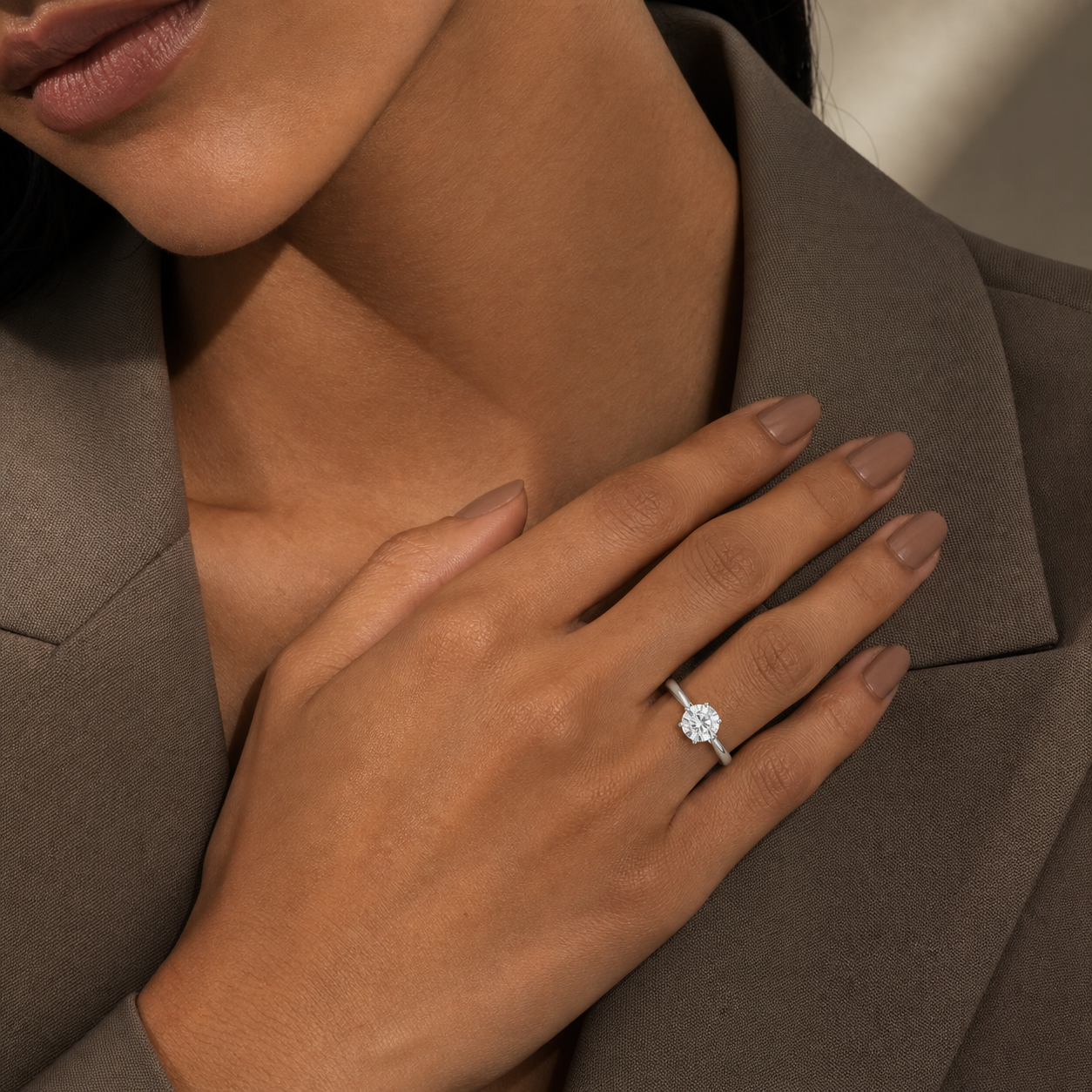
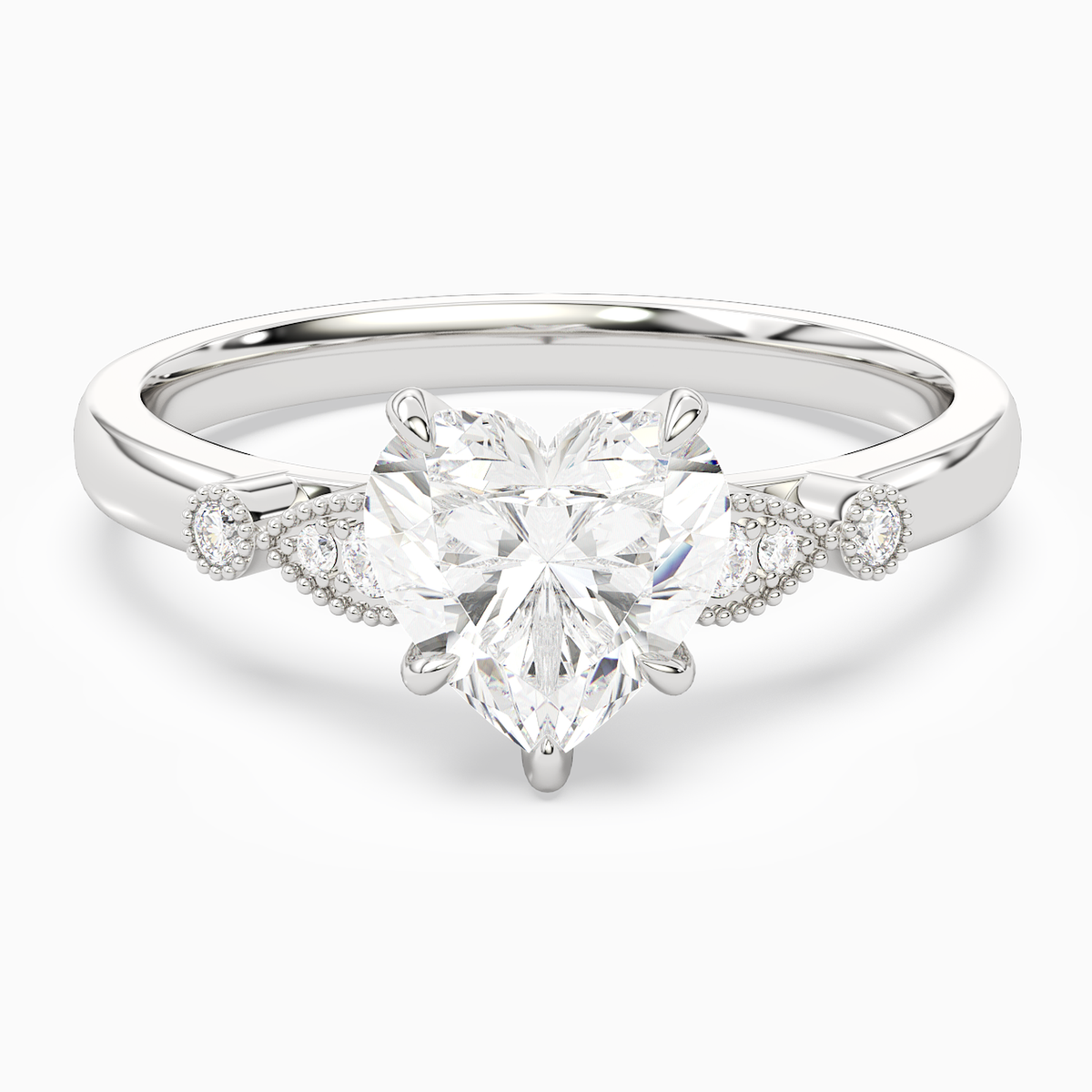
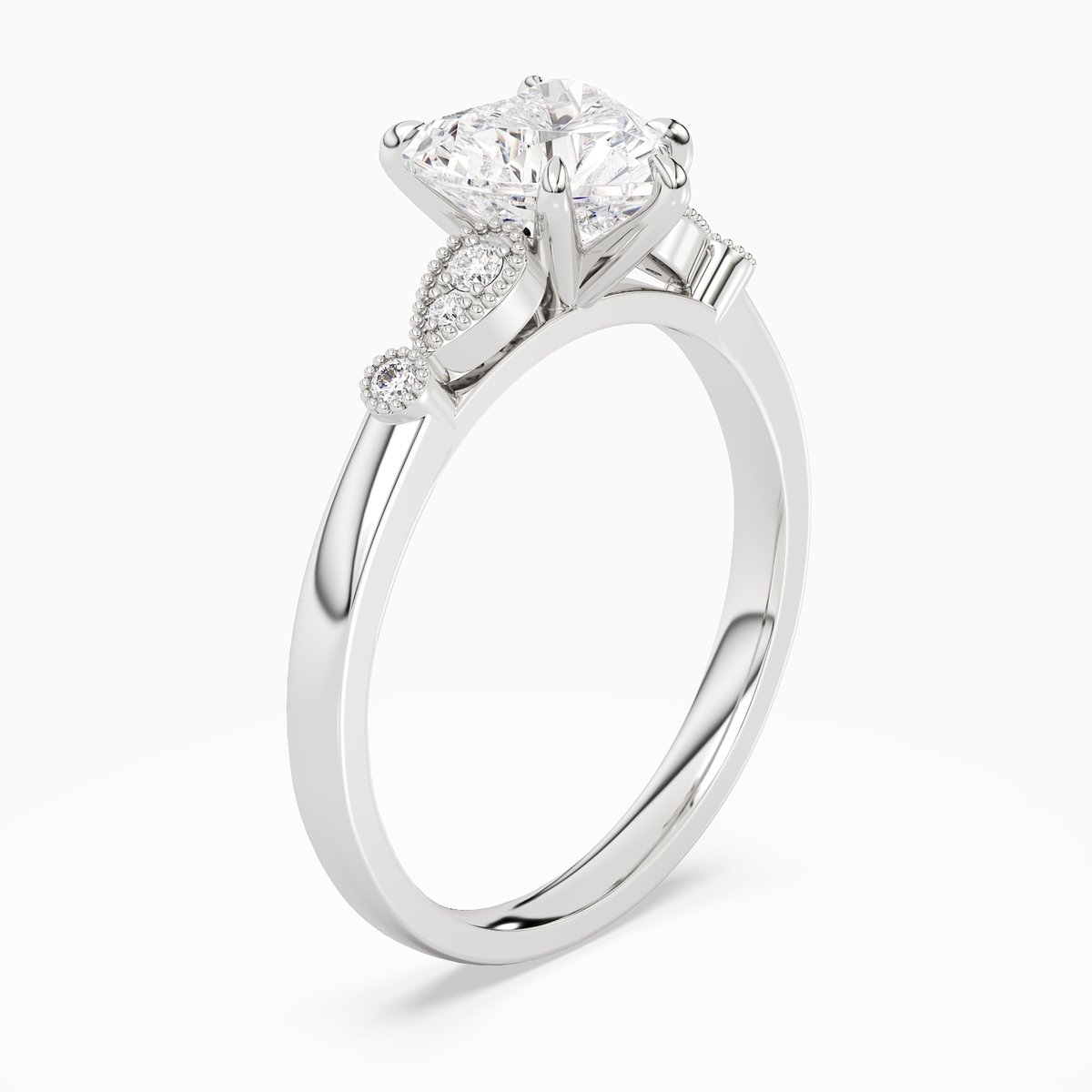
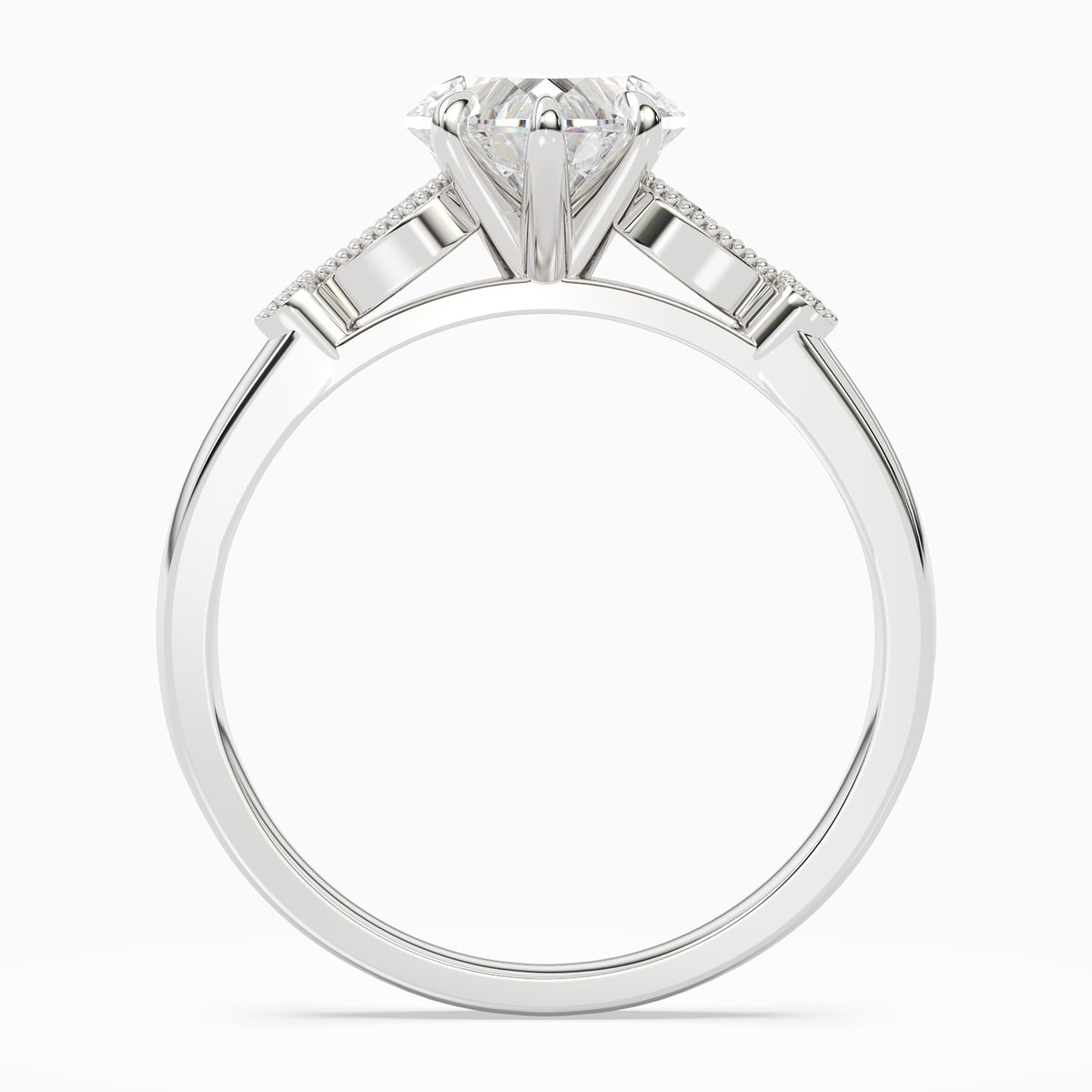
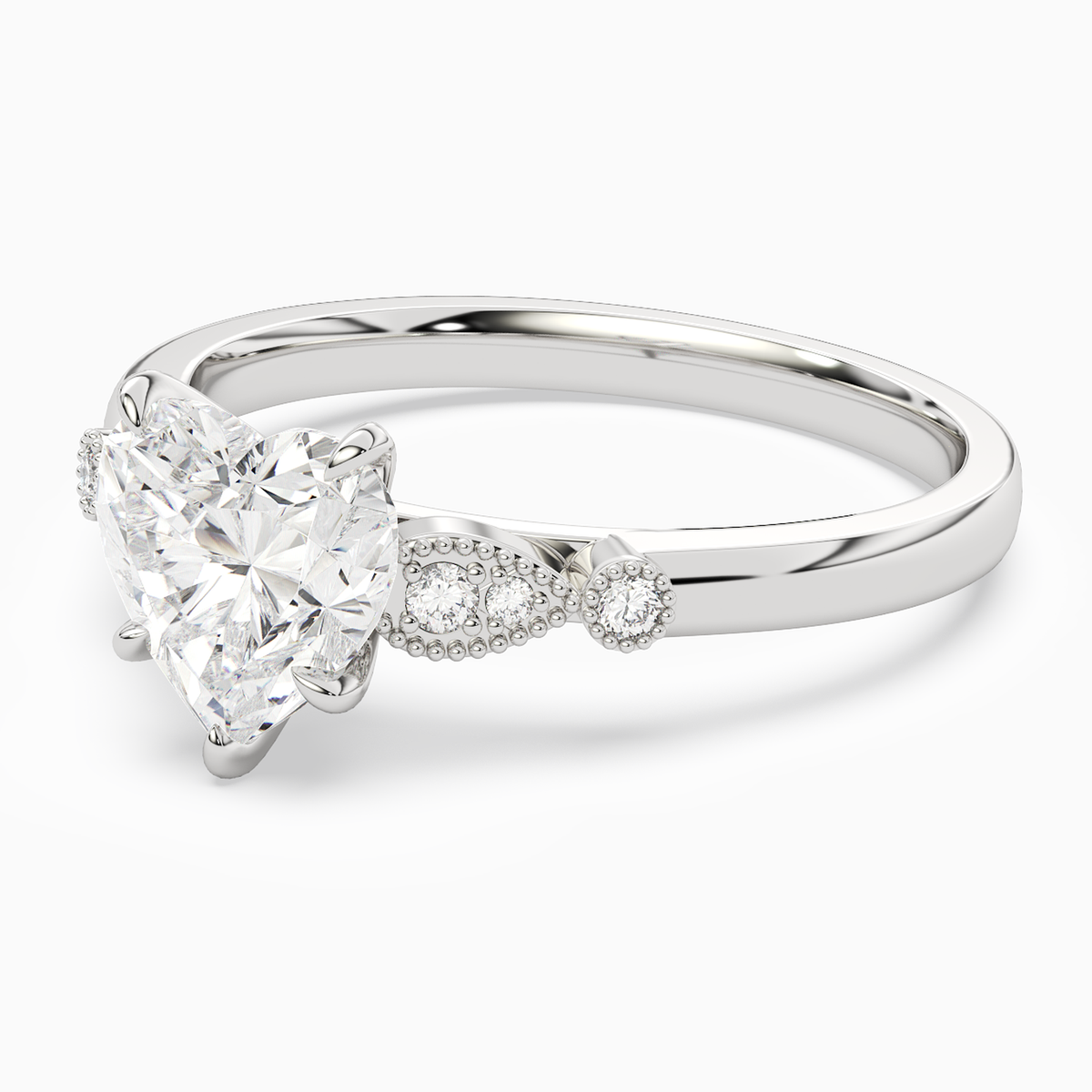
- Free Express Shipping
- Free Resizing
- 60-Day Free Returns
- Lifetime Warranty
Platinum Engagement Rings: The Quiet Architecture of White Metal
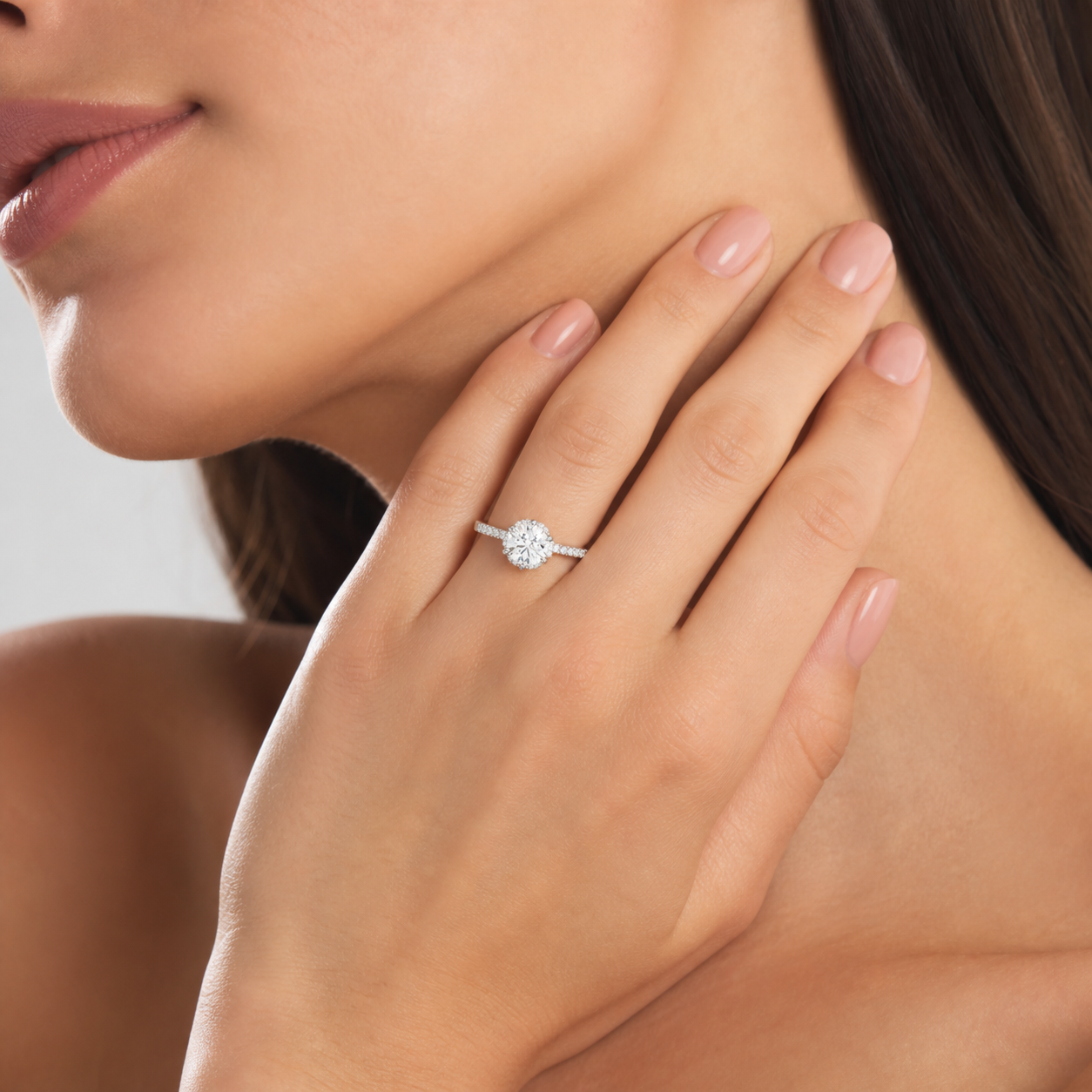
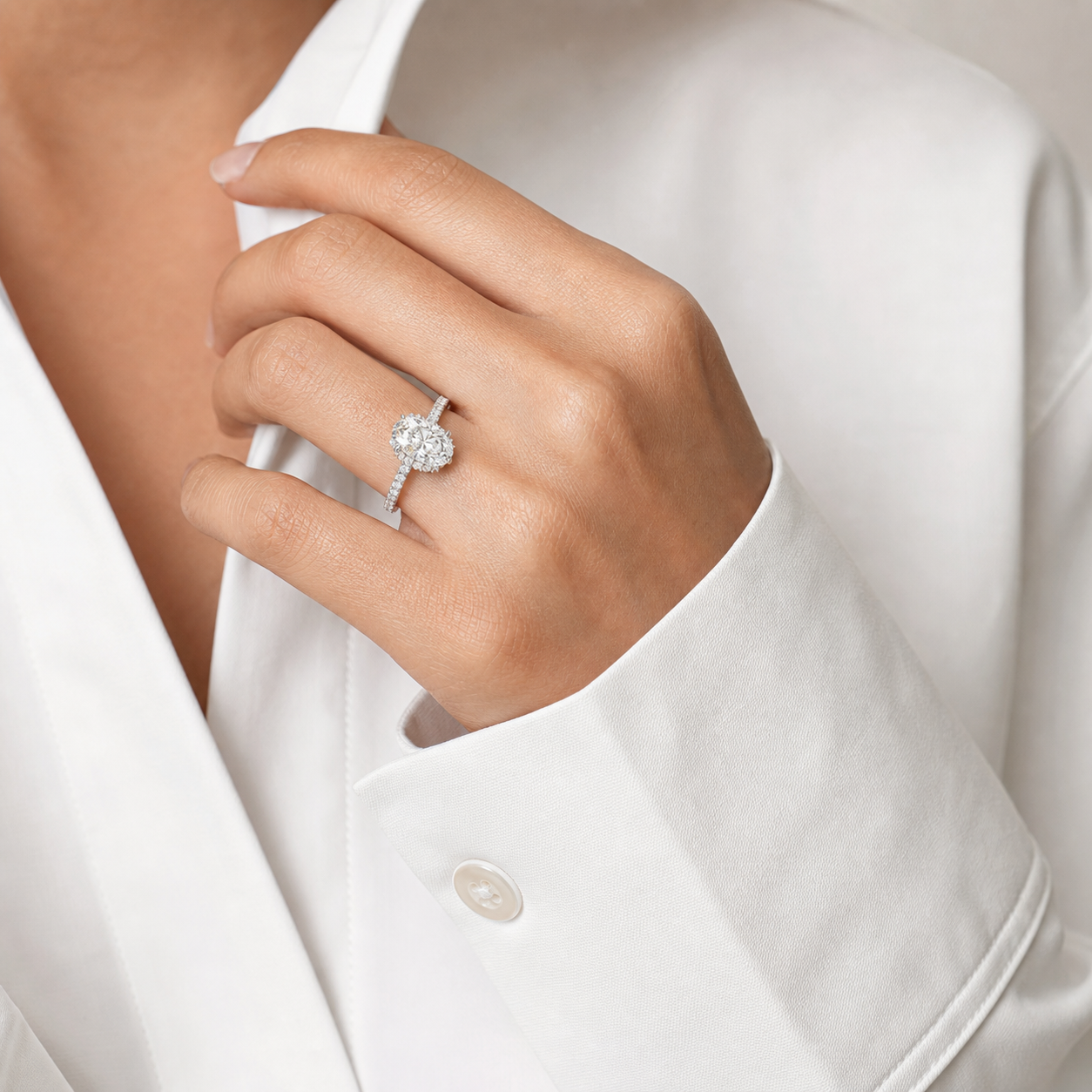
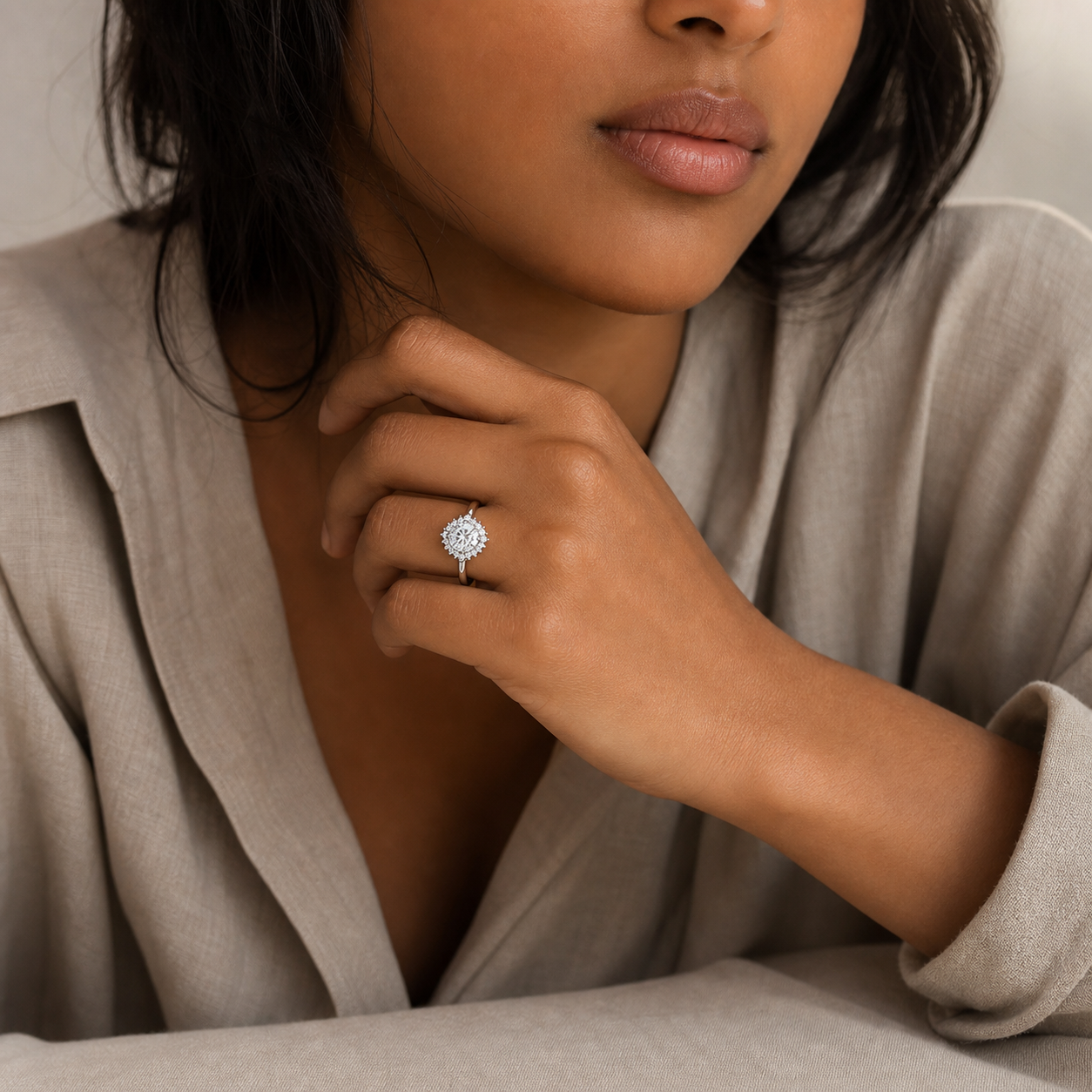
Platinum does not ask to be noticed before the diamond. Its naturally white tone creates a cool, continuous field from band to prong, allowing the center stone’s outline and the setting’s geometry to remain clear. Its density gives the ring a distinctly substantial presence in the hand—an experience that is felt as much as seen.
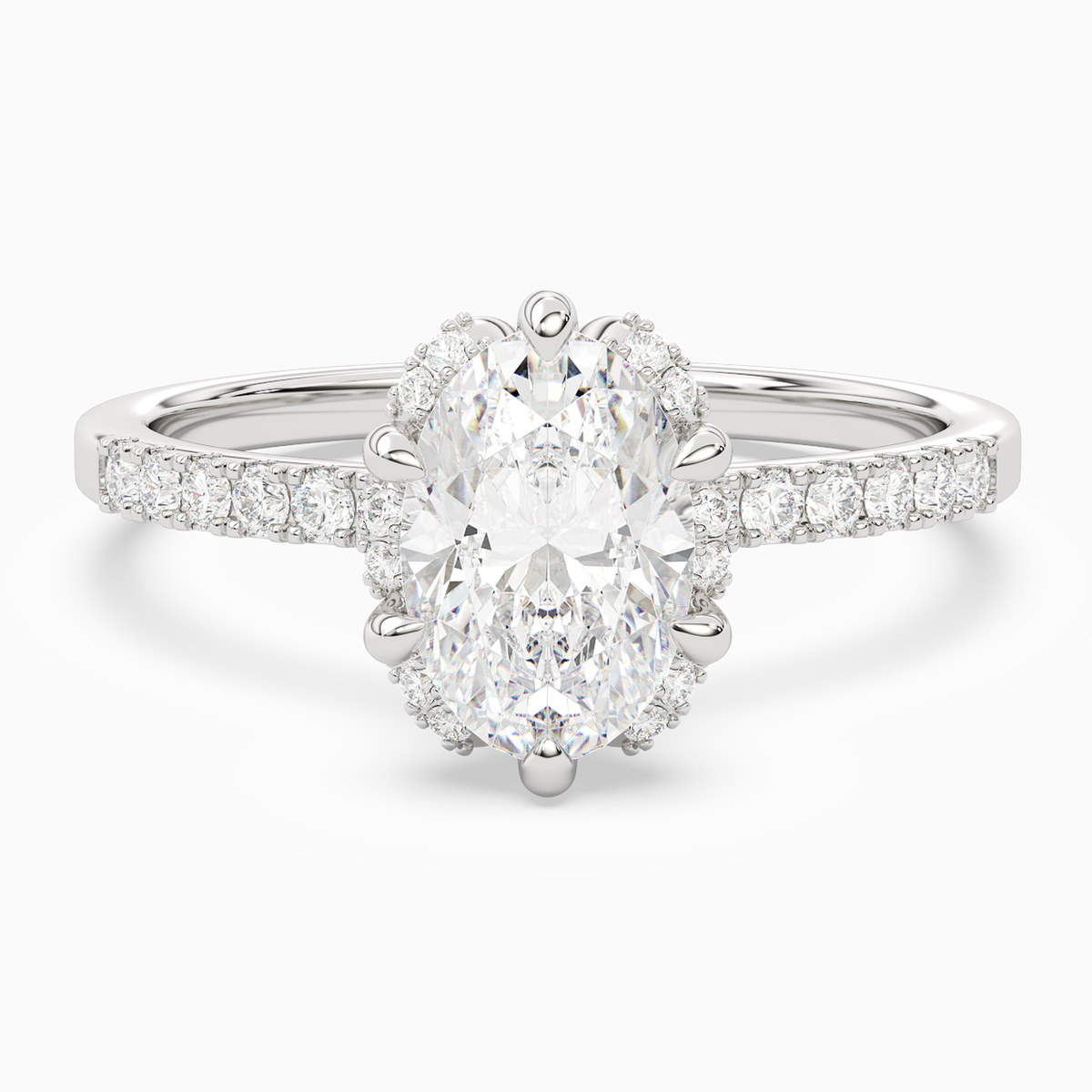
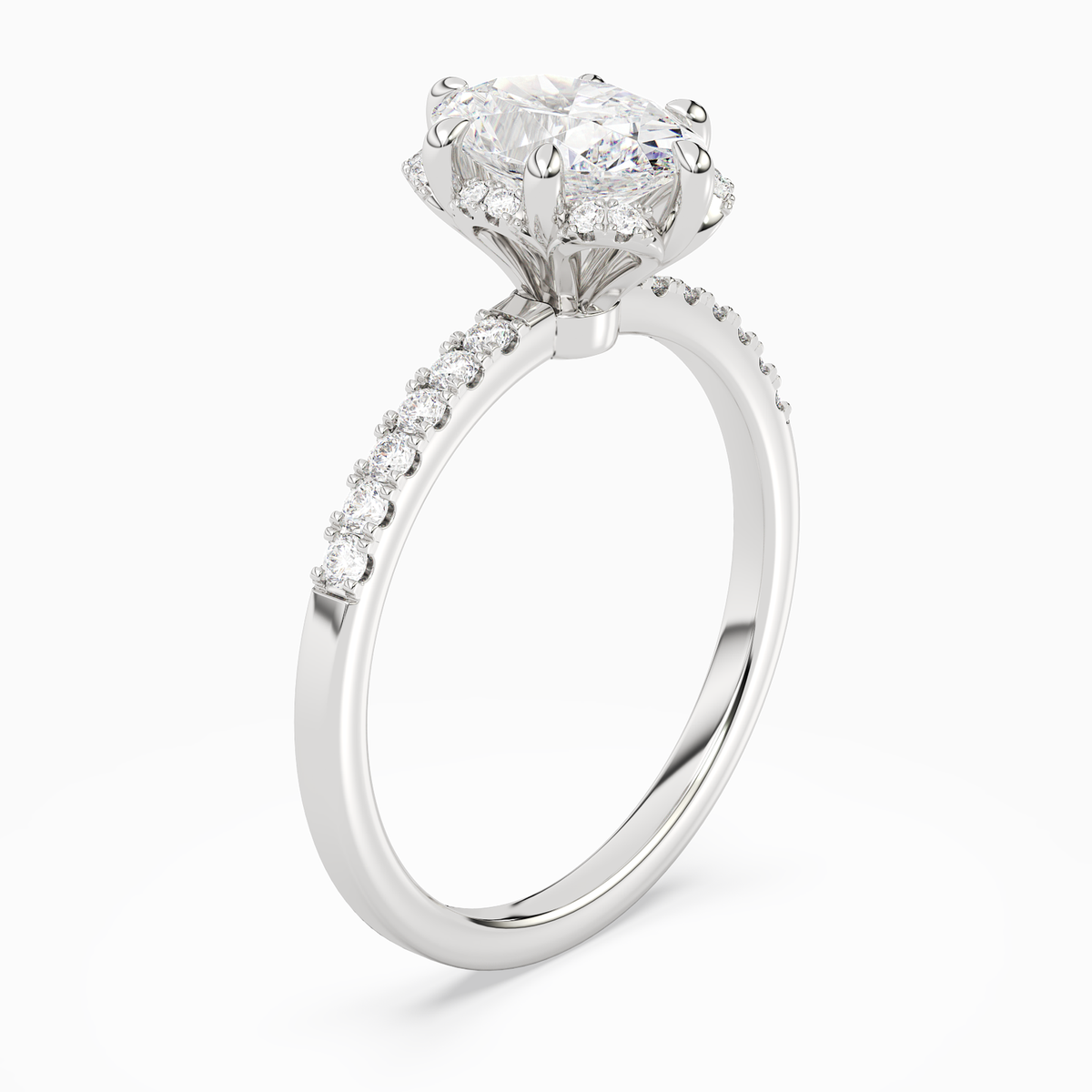
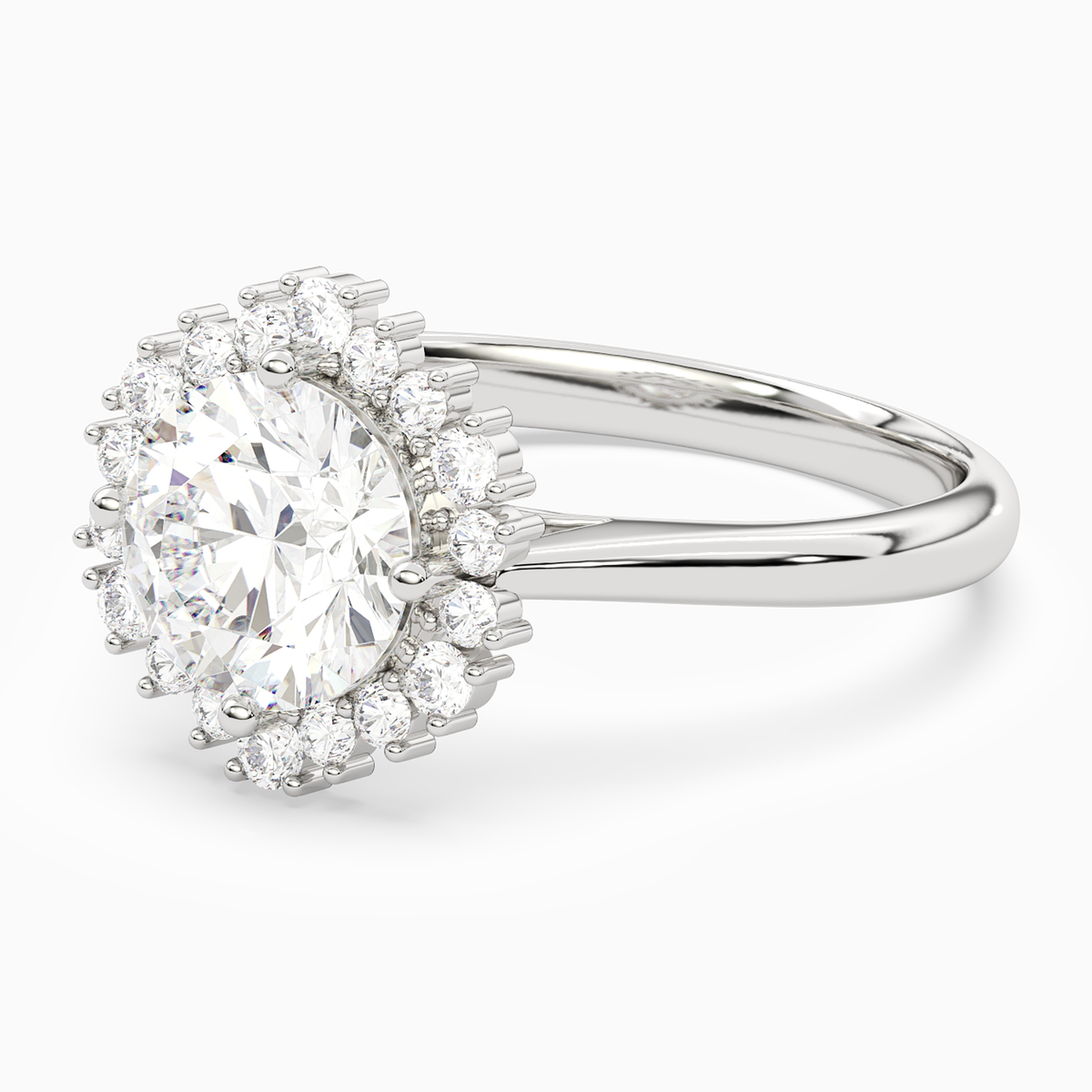
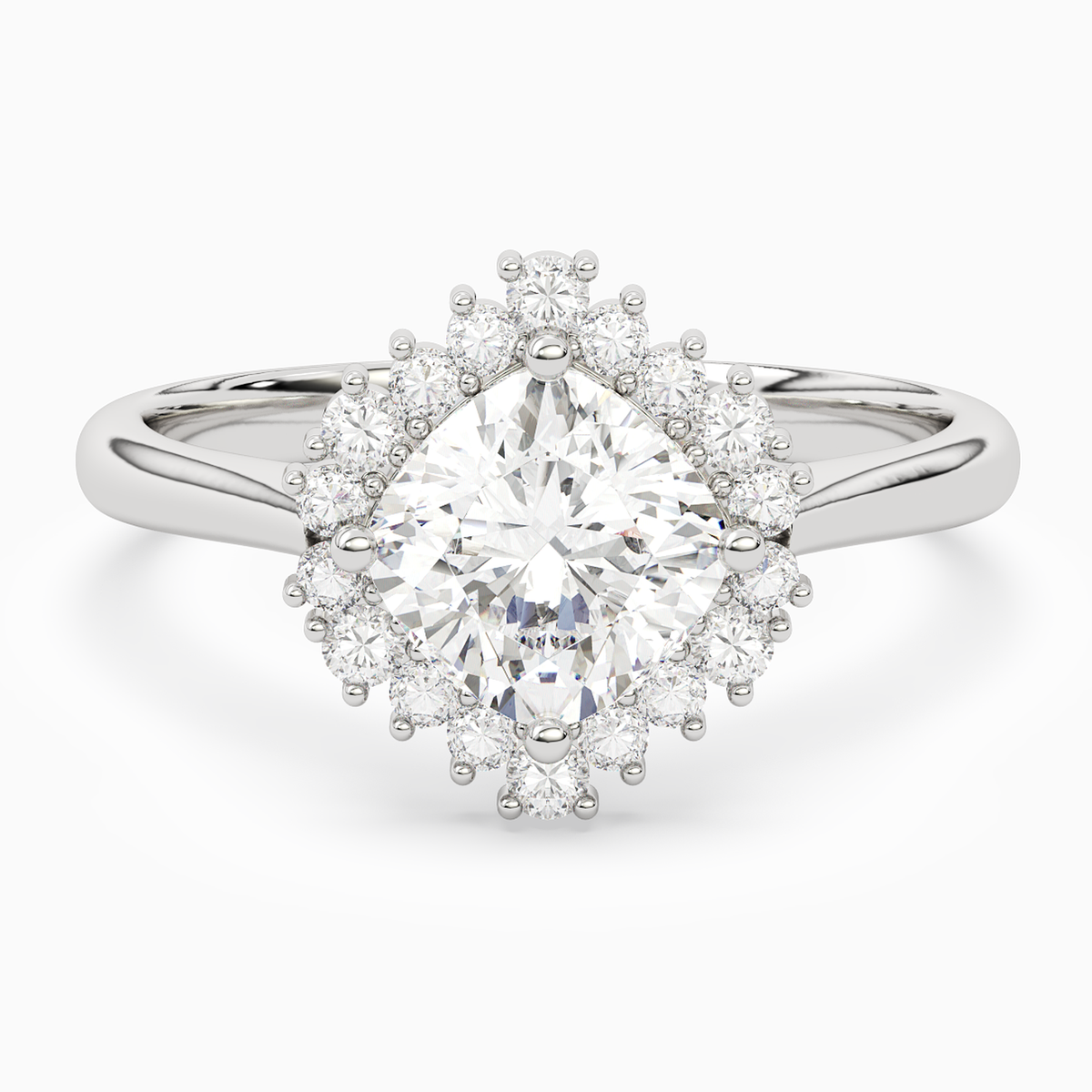
Burvonti’s Platinum Engagement Rings collection brings the breadth of our engagement designs into that specific material context, so you can compare proportions, profiles, and setting details as they read in this metal. The full Engagement Rings collection remains the place to explore the category more broadly.
What Platinum Changes—and What It Does Not
Platinum begins with its own naturally white color. Around a colorless diamond, that can reduce visible contrast between stone, prongs, and supporting structure; against warmer metal accents, it creates a more deliberate distinction. The effect is not simply ‘more white.’ It is a sense of continuity that lets line, scale, and negative space carry the design.
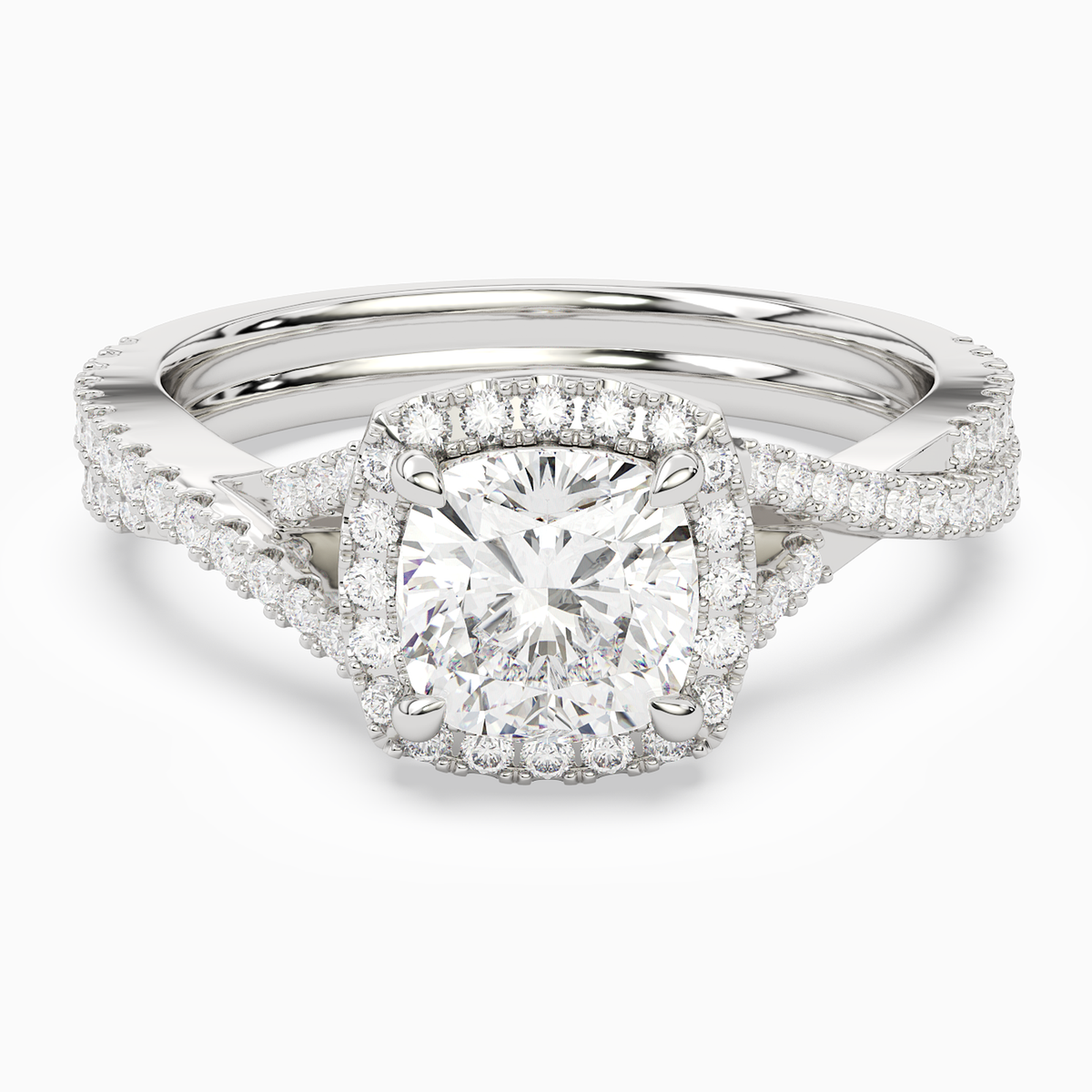
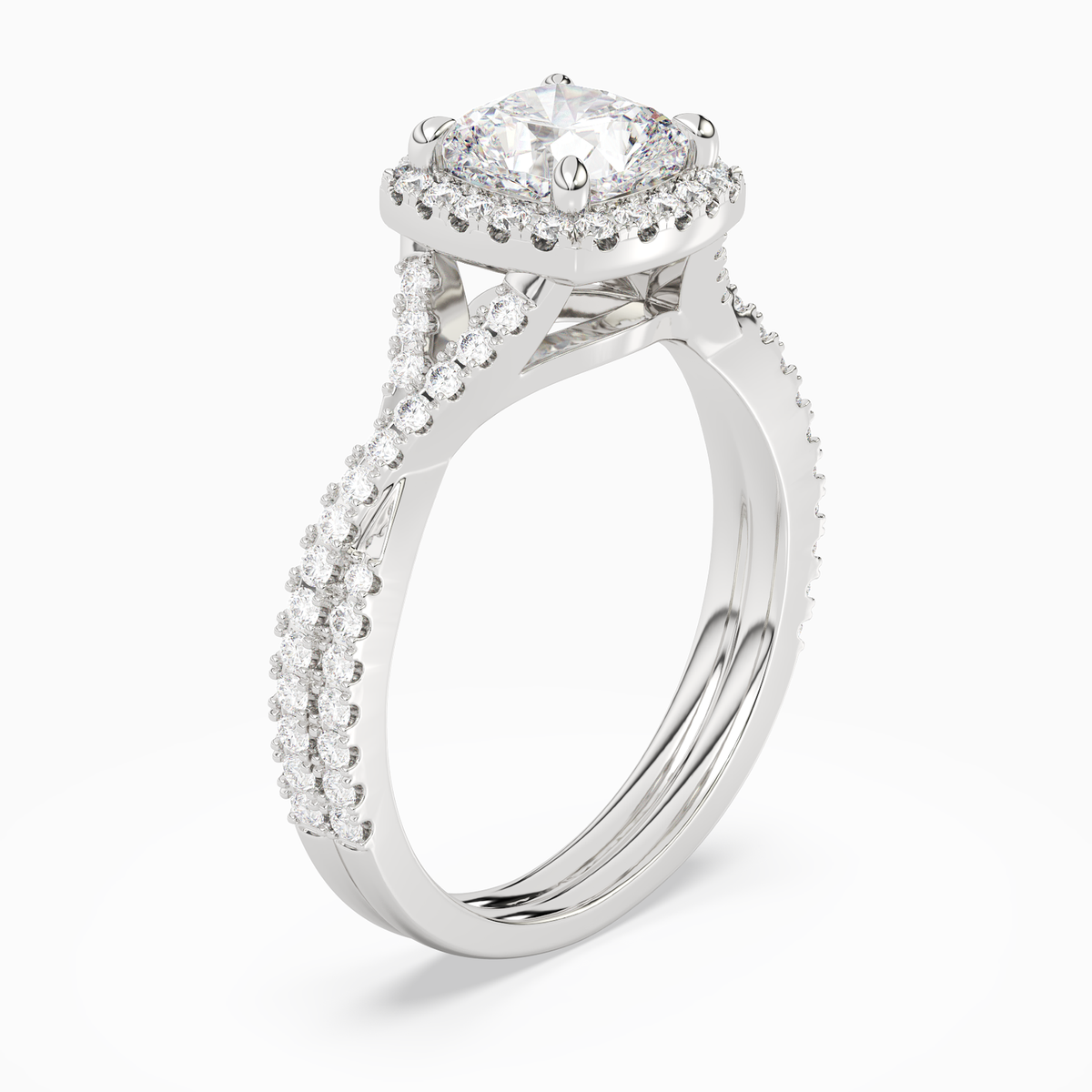
The metal does not decide whether a ring feels restrained or expressive—the setting still leads. In Platinum, a slender Solitaire can feel especially uninterrupted; a Halo can read as a more unified field of light; Side-Stone and Three-Stone settings can make the transition from center diamond to band feel composed within one tonal frame.
Read the Setting, Not Just the Metal
In a Solitaire, the relationship between center-stone scale, prong language, shoulder taper, and band width becomes especially visible. The fewer the elements, the less room there is for imbalance. Platinum can make the support around a bright diamond feel visually quieter, but the proportions still need to be resolved for the individual stone.
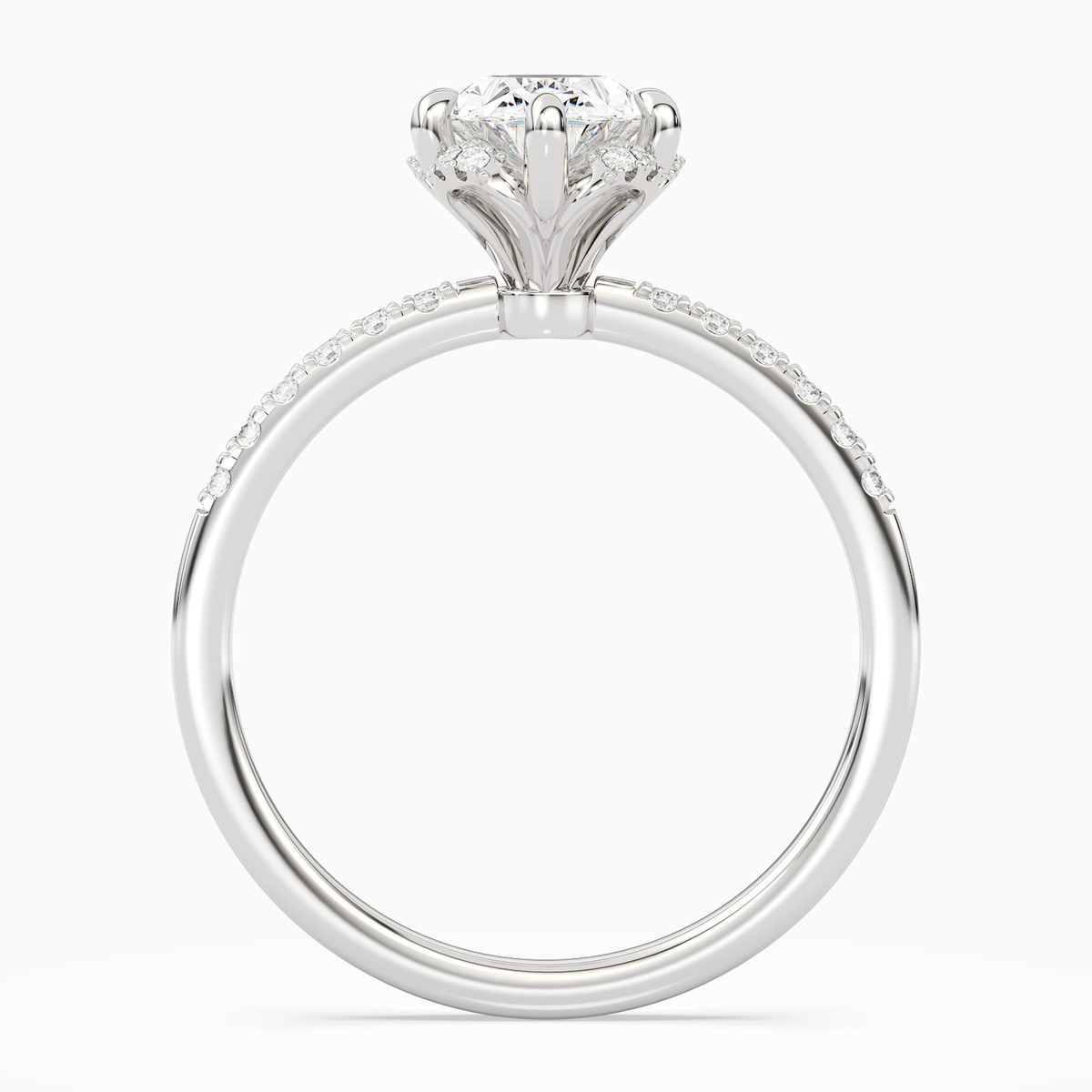
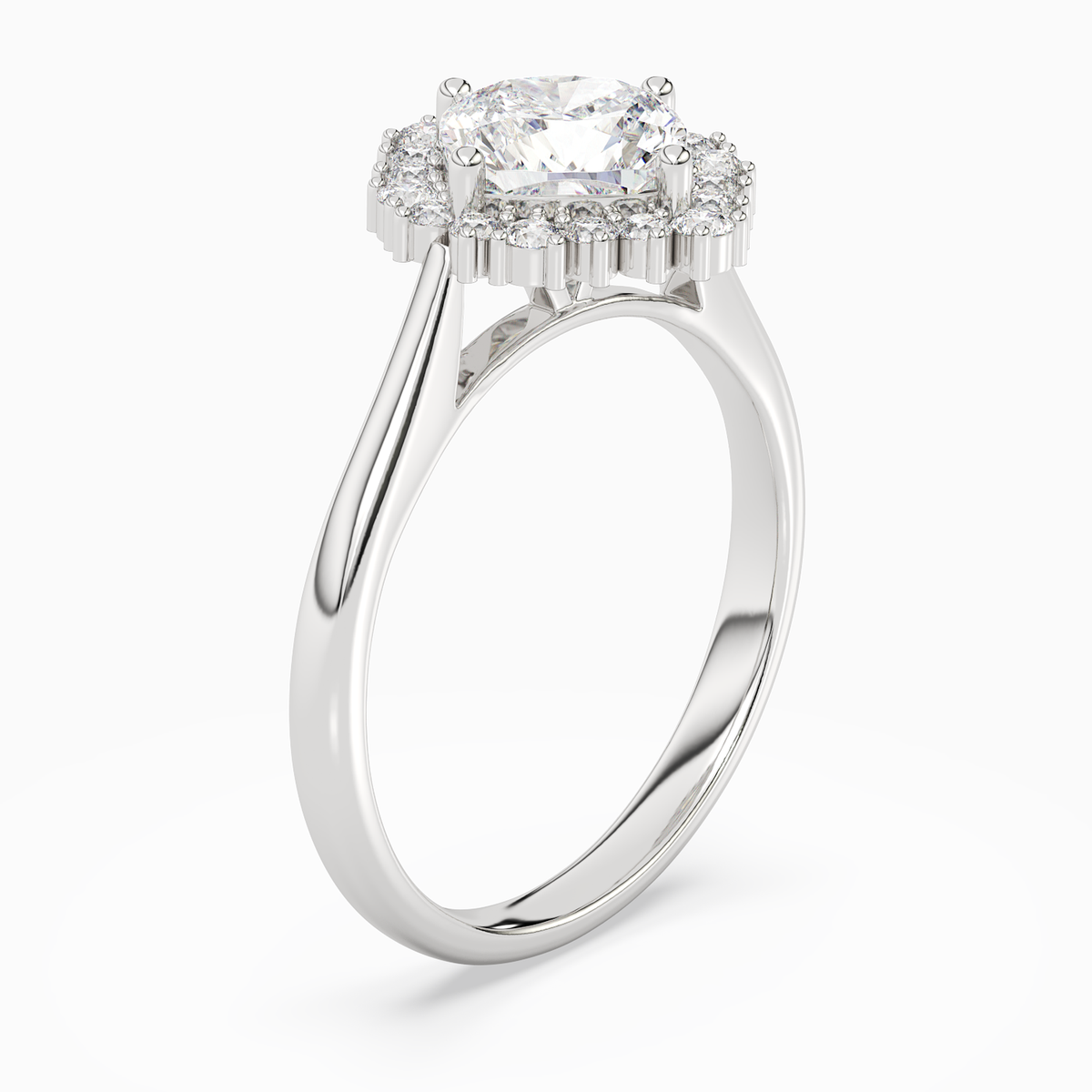
Halos and Hidden Halos use the same metal in different ways. A visible Halo extends the face-up composition around the center; a Hidden Halo places detail below it, changing the side profile without replacing the diamond’s outline from above. Side-Stone and Three-Stone designs depend on another relationship: how secondary diamonds step down in scale, meet the band, and preserve a clear center. Platinum gives these structures continuity, not automatic harmony.
Begin With the Design—or the Diamond Shape
You may begin with the ring design that feels right, then consider which diamond shape gives it the intended character. Round and Oval diamonds bring a more fluid rhythm; Pear and Marquise shapes lengthen the line of the ring; Emerald and Asscher cuts make symmetry, prong placement, and band proportion more explicit. The same Platinum setting can feel entirely different as the center outline changes.
There is no required setting-first or diamond-first sequence. Start with whichever element is clearest to you, then judge every other choice in relation to it. Basket scale, setting height, prong position, band width, and the diamond’s individual proportions should work as one composition rather than as isolated selections.
Platinum or White Gold: Similar Palette, Different Presence
Platinum and White Gold can both create a cool-toned setting for a diamond, but they are not interchangeable. Platinum is naturally white and notably dense, giving a comparable ring profile a more substantial feel. White Gold is a gold alloy selected for a white appearance and may feel lighter in a similar design. Neither is universally the better choice; the decision belongs to the finish, physical presence, and design relationship you prefer.
With wear, Platinum can develop a softer surface patina while retaining its natural color. That evolving finish is part of the material’s character, though professional care can be considered when a brighter polish is preferred. The exact care approach should follow the ring’s construction and setting details, not a generic timetable.
Consider the Wedding Band as Part of the Profile
A wedding band is not only a later accessory; it changes how the engagement ring is read and how the two profiles meet. Setting height, basket width, gallery structure, and band curvature determine whether a straight band sits close or whether a curved or contoured design creates a more natural relationship.
Matching Platinum can extend one continuous metal tone across the pair. A different metal can introduce intentional contrast. Before deciding, compare the rings from the top and side, and consider the space between them as part of the composition rather than treating a completely flush fit as the only successful result.
Burvonti Clarity, Calibrated to the Ring
Burvonti works with responsibly sourced lab-grown diamonds, with independent grading or certification where applicable to document cut, color, clarity, and carat weight. Those facts create a clear foundation, but they do not resolve how a diamond should live within a Platinum setting. Face-up proportion, light behavior, stone fit, profile, and visual weight still require human judgment.
Custom possibilities can refine the center shape, Platinum setting, band profile, prong language, and selected design details when a curated ring does not fully express the intended balance. You can begin with a setting you already respond to or with a diamond shape you want to explore. Burvonti’s role is to calibrate those preferences into one coherent ring—not to force them through a fixed sequence.
Frequently Asked Questions
What makes Platinum different from other engagement-ring metals?
Platinum is a naturally white and notably dense precious metal. In an engagement ring, that combination creates a cool-toned setting with a more substantial physical presence than many comparable gold designs. Its surface can develop a soft patina with wear, while the metal retains its natural color.
Is Platinum the same as White Gold?
No. Platinum is a distinct, naturally white metal. White Gold is gold alloyed with other metals to create a white appearance and may also use a rhodium finish, depending on the piece. They can look similar when polished, but their composition, density, surface character, and care considerations differ.
Is Platinum better than White Gold for an engagement ring?
Neither metal is universally better. Platinum may suit someone who prefers a naturally white metal, a more substantial feel, and the character of a surface that develops with wear. White Gold may suit someone who prefers a lighter physical presence or a different finish. The setting profile and intended wedding-band pairing should also inform the choice.
Is a Platinum engagement ring heavier than a Gold ring?
A Platinum ring will generally feel heavier than a comparable Gold ring because Platinum is denser. The exact weight still depends on band width, setting architecture, ring size, and the amount of metal used, so the difference should be considered within the specific design rather than as a fixed number.
Does Platinum scratch?
Yes. Like other precious metals, Platinum can show surface marks through regular wear. Over time, those marks can soften a bright polish into a satin-like patina. Some clients value that quieter finish; others may choose professional polishing when they prefer a brighter surface.
Does Platinum tarnish or change color?
Platinum is valued for retaining its naturally white color and resisting tarnish. Its surface finish can become softer or more matte with wear, but that patina is different from the underlying metal changing from white to another color.
How should I clean a Platinum engagement ring?
For routine care, use warm water, mild soap, and a soft cloth or soft-bristled brush, then rinse carefully and dry with a lint-free cloth. Avoid abrasive products and harsh chemicals. The setting and prongs should also be inspected periodically by a qualified jeweler, especially if the ring is worn daily.
Which engagement-ring settings work well in Platinum?
Platinum can support Solitaire, Halo, Hidden Halo, Side-Stone, Three-Stone, Bezel, and other setting structures. The more useful comparison is how each design uses the metal: a Solitaire emphasizes band and prong proportion, while a Halo or multi-stone setting depends on spacing, transitions, and the relationship between the center and supporting diamonds.
Which diamond shapes suit a Platinum setting?
Round, Oval, Pear, Marquise, Emerald, Asscher, Radiant, Cushion, Princess, and other diamond shapes can all be set in Platinum. Shape should be judged together with the setting: outline, corner structure, prong position, basket scale, and band width must be calibrated to the individual diamond.
Can a Platinum engagement ring be resized?
Many Platinum rings can be resized, but feasibility and range depend on the individual design. Continuous pavé, eternity coverage, intricate galleries, and stone placement can limit what is advisable. The specific ring should be reviewed before any resizing decision is made.
Can I pair a Platinum engagement ring with a wedding band in another metal?
Yes, mixed-metal pairings can create deliberate contrast. Because different metals develop and wear differently, the two rings should be reviewed where their edges and profiles meet. Matching Platinum creates greater tonal continuity; another metal can make the separation between the rings more visible.
Can a Burvonti Platinum engagement ring be customized?
Yes. Custom possibilities may include the diamond shape, setting profile, band width, prong language, wedding-band relationship, engraving, and selected design details. Each requested combination still needs to be reviewed for proportion, stone fit, structural compatibility, and the intended visual balance.
Are the lab-grown diamonds in Burvonti Platinum engagement rings independently graded?
Applicable center stones include independent grading or certification that documents cut, color, clarity, and carat weight. Those specifications establish the measurable facts; Burvonti also considers face-up proportion, light behavior, setting compatibility, and how the diamond reads within the finished ring.