
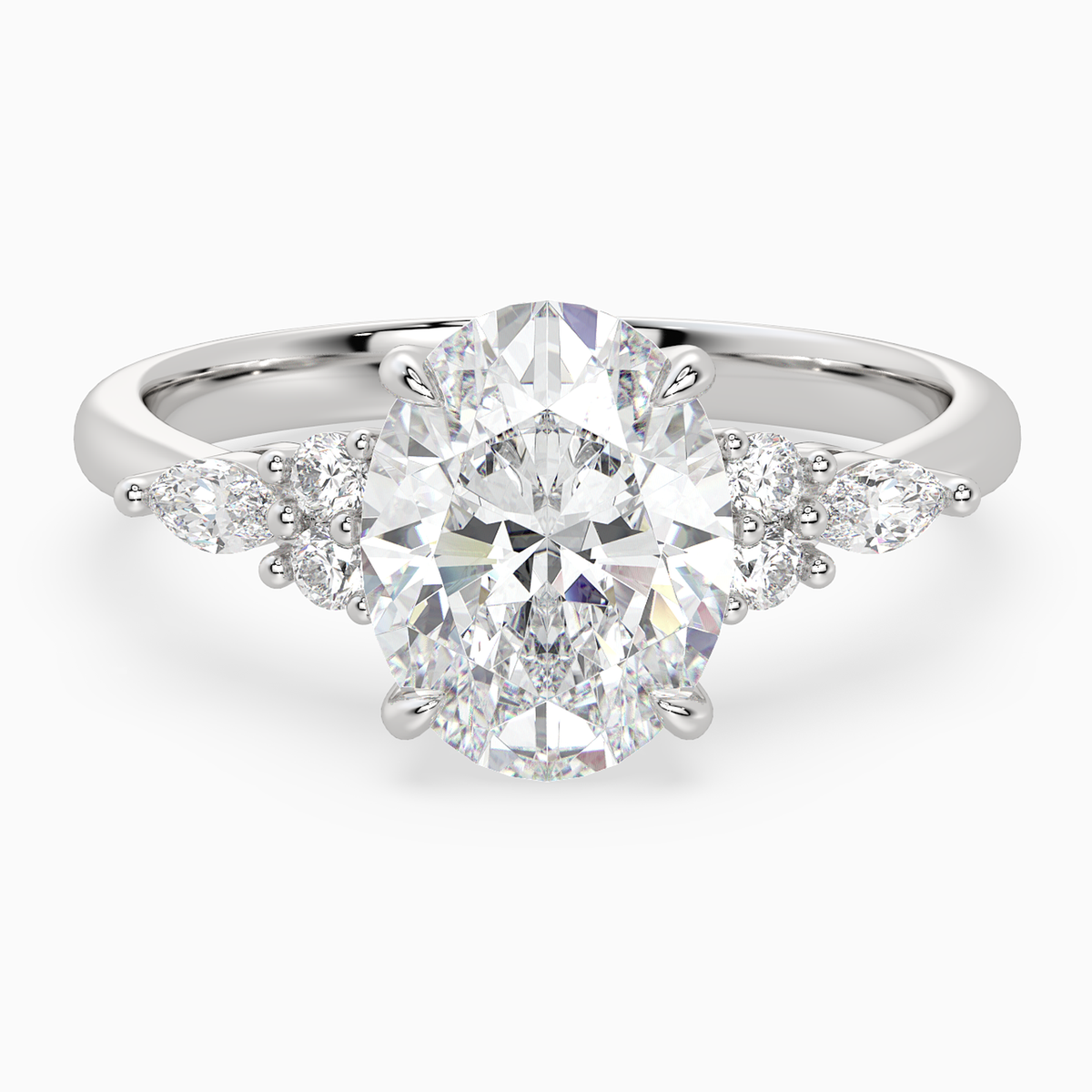


Lab Grown Diamond Stud Earrings in 18K White Gold
A quiet 75% gold frame brings close-scale structure into balance. 18K white gold refines outline, profile, post, and backing.


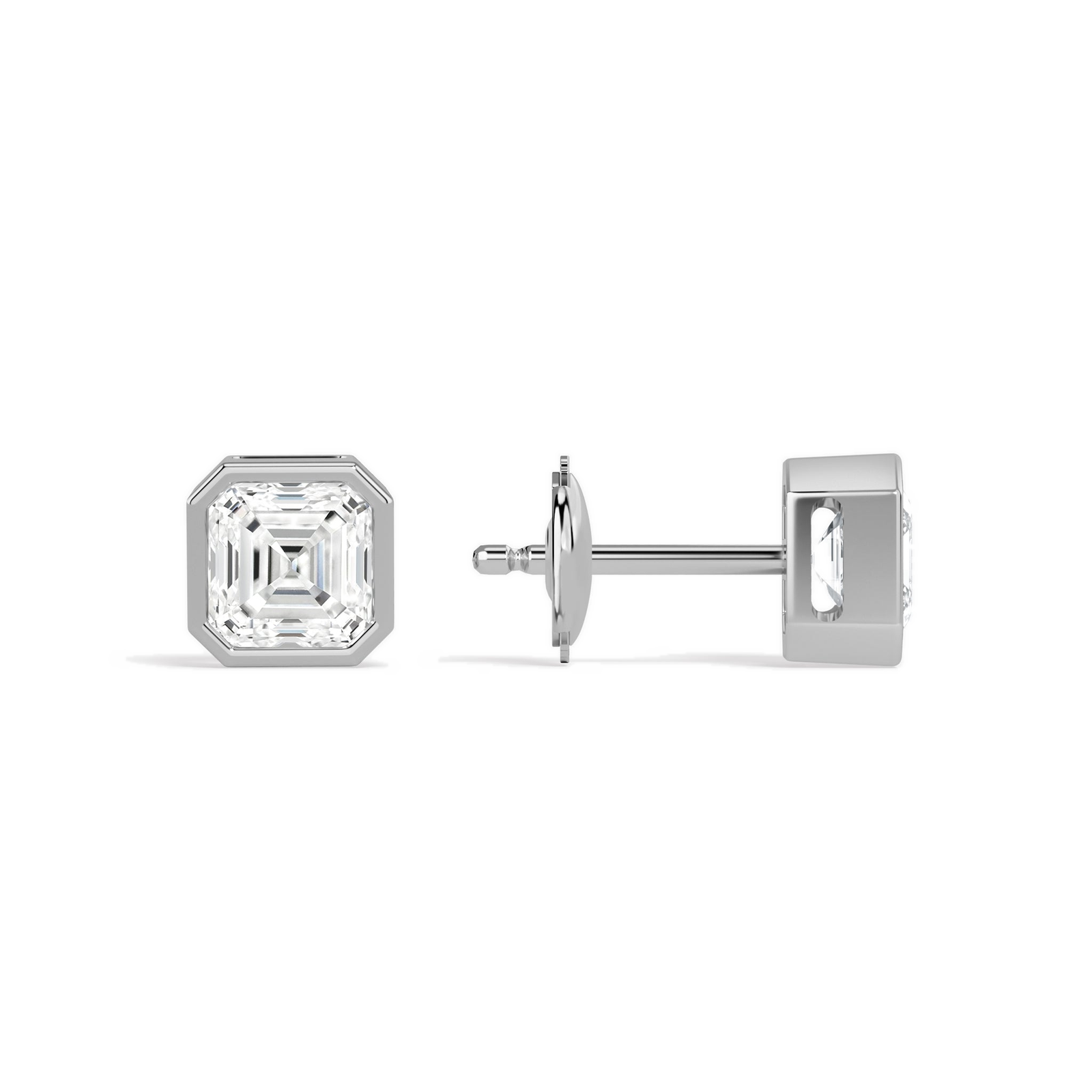


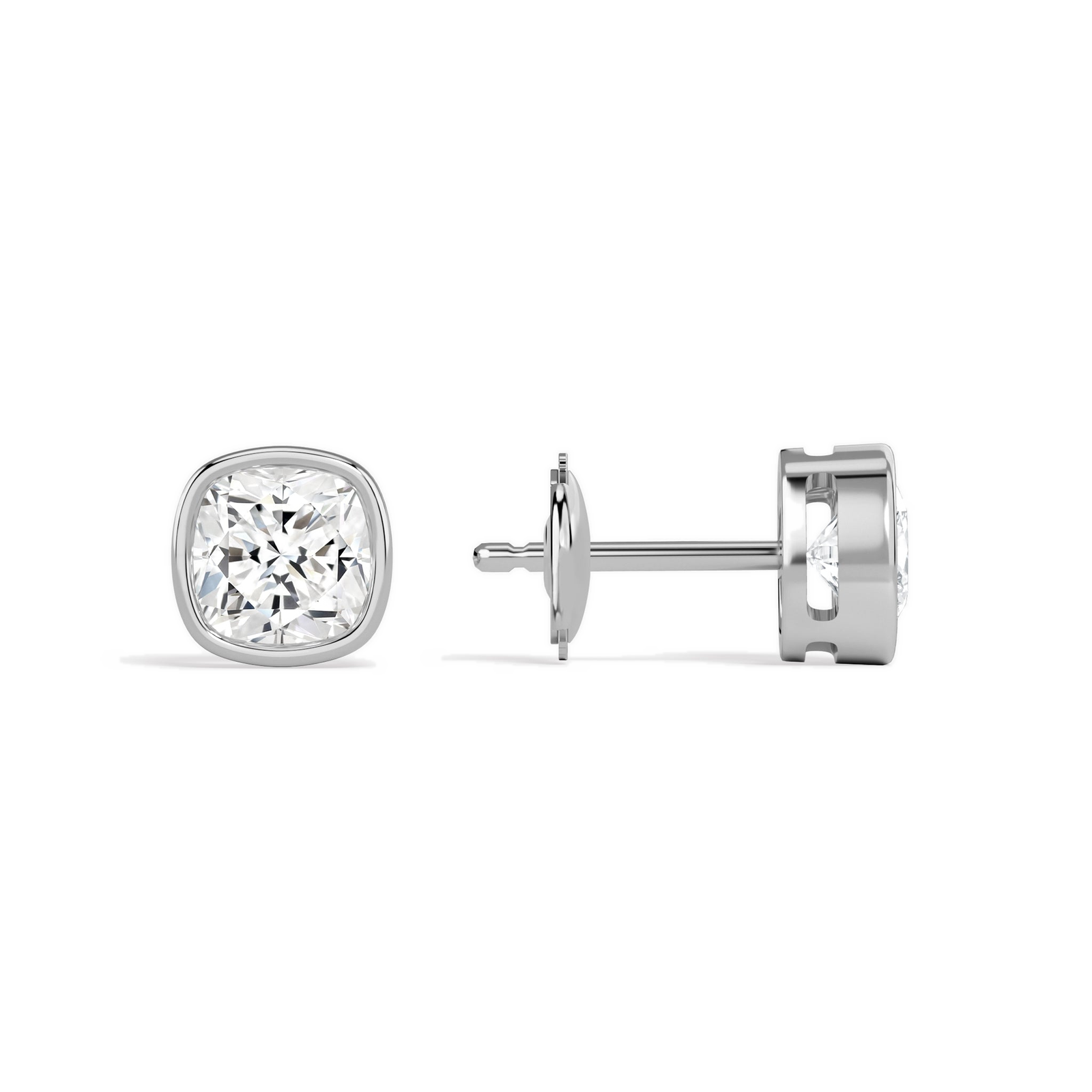


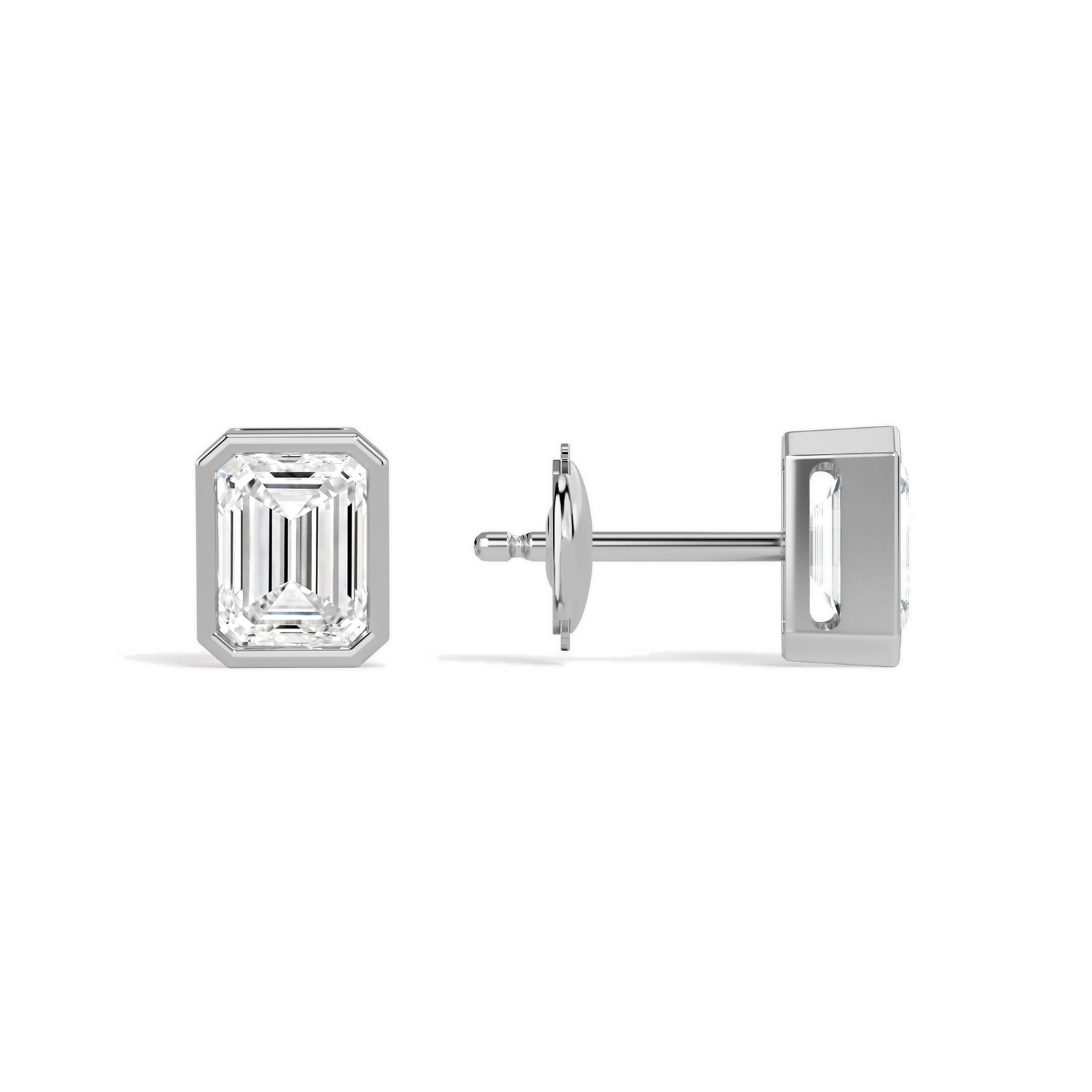


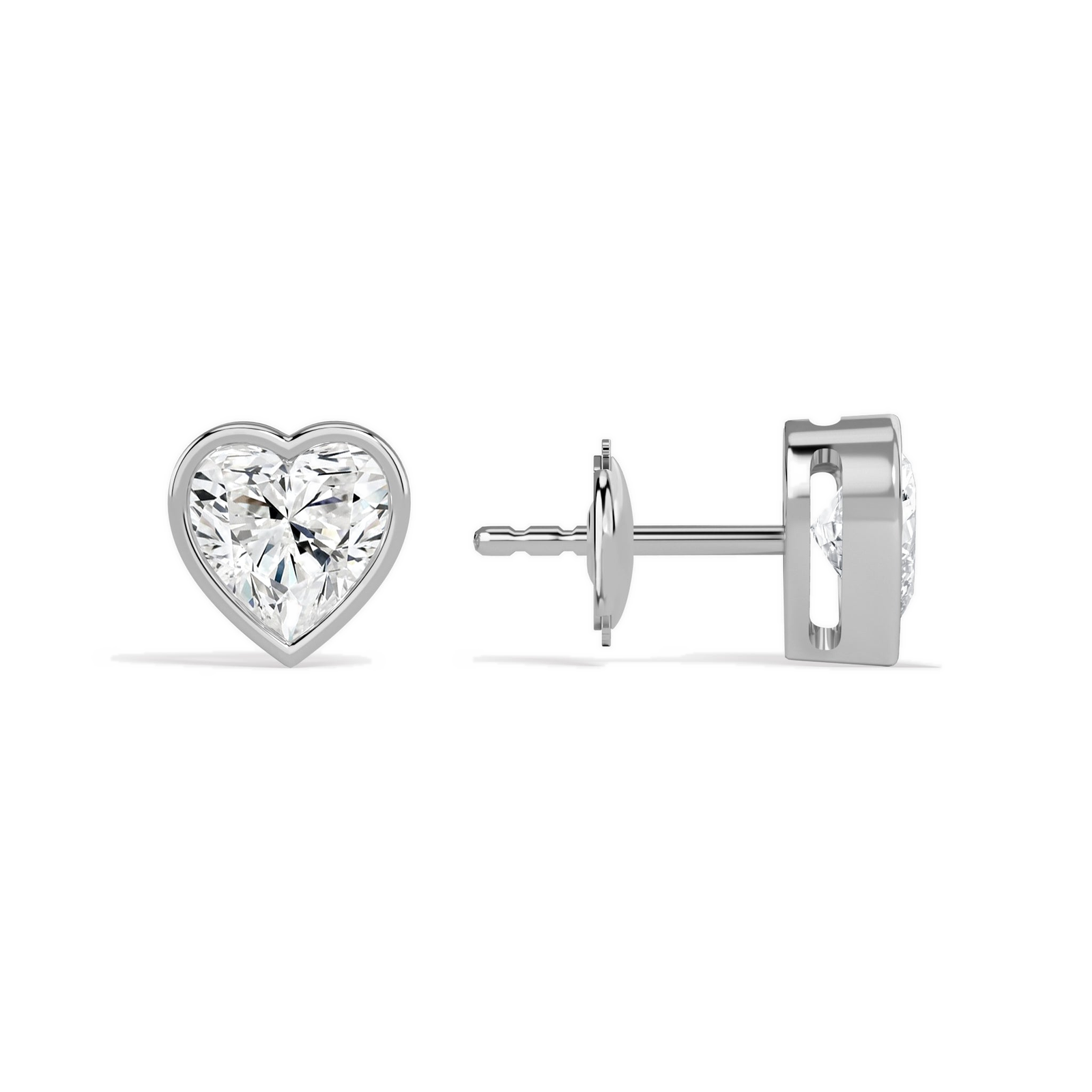


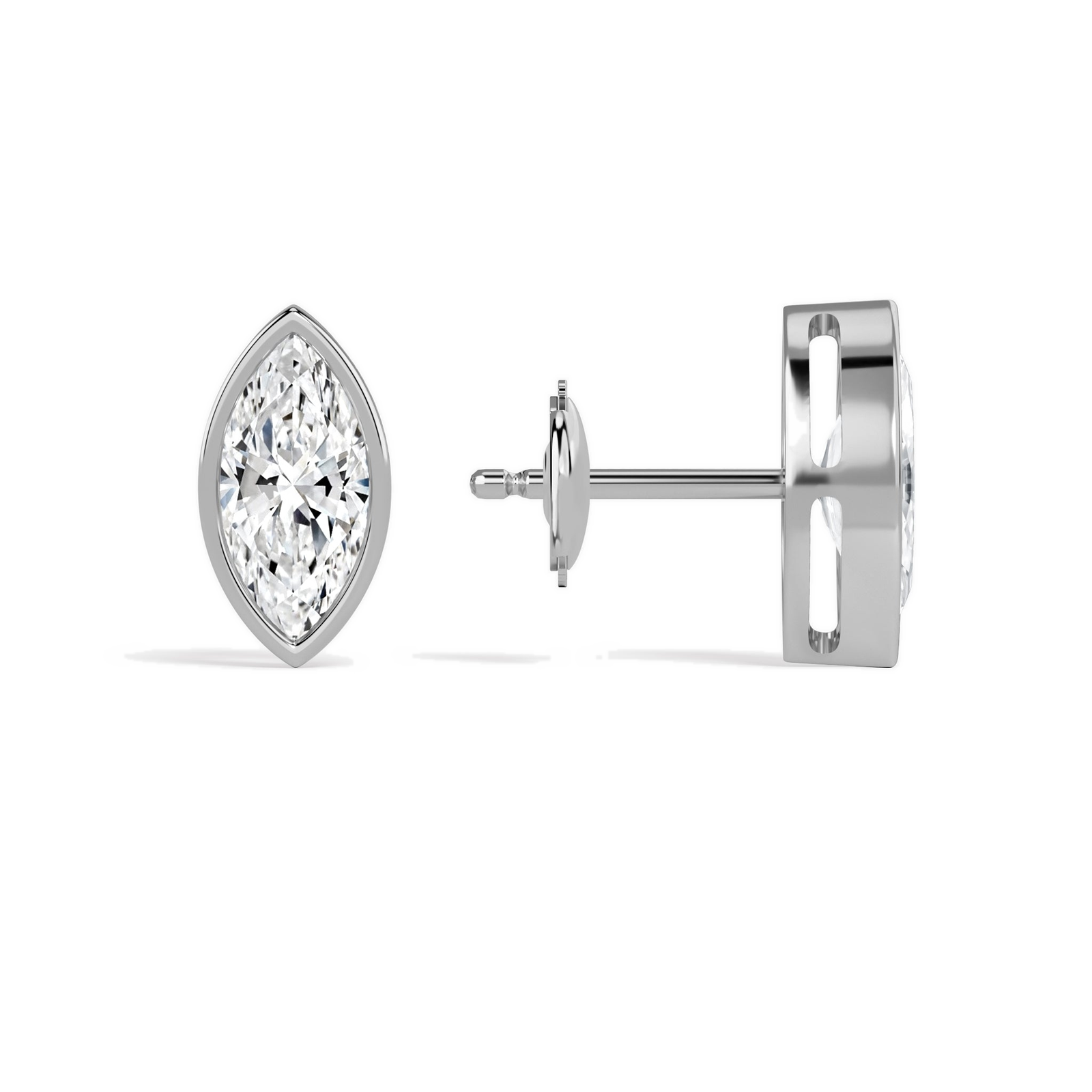


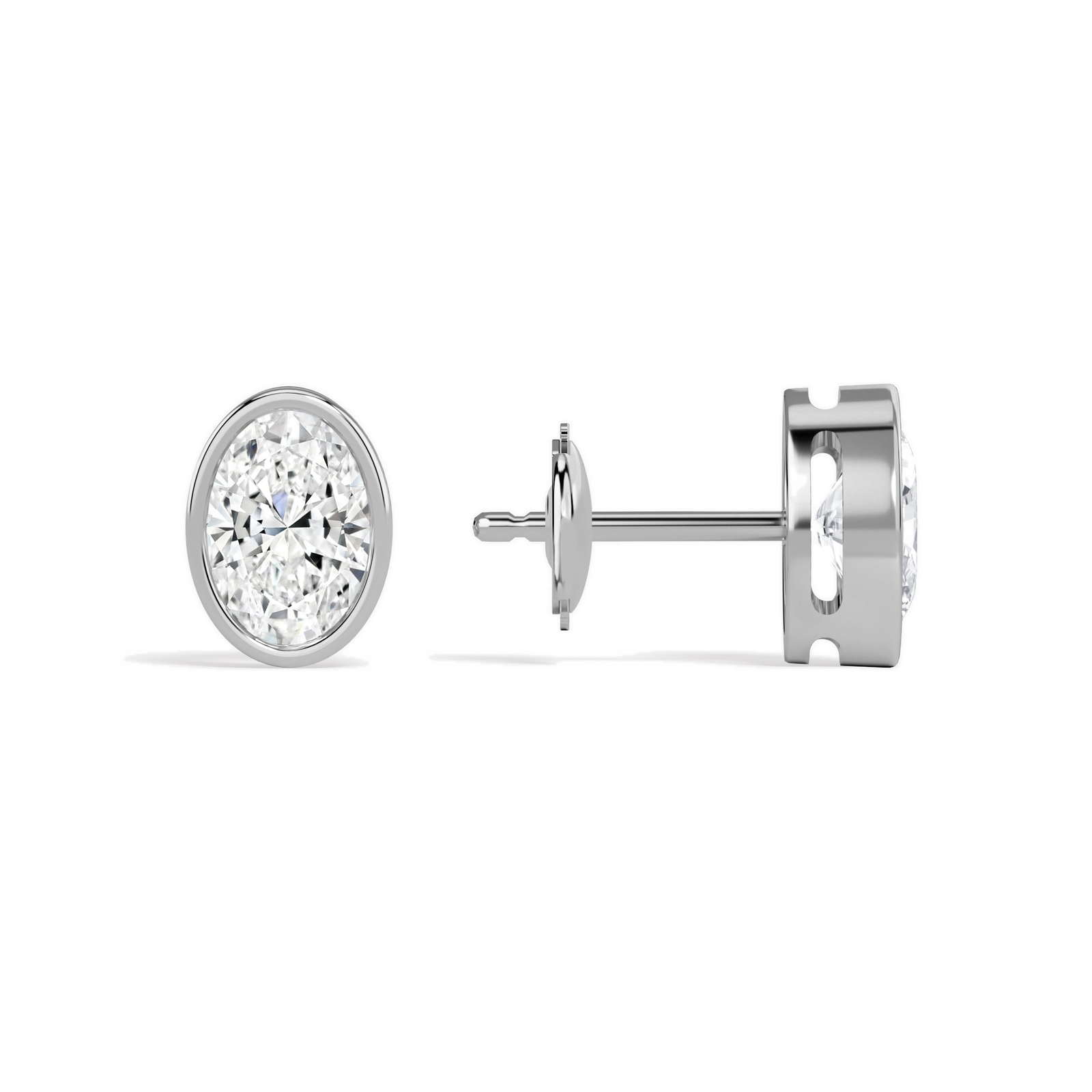


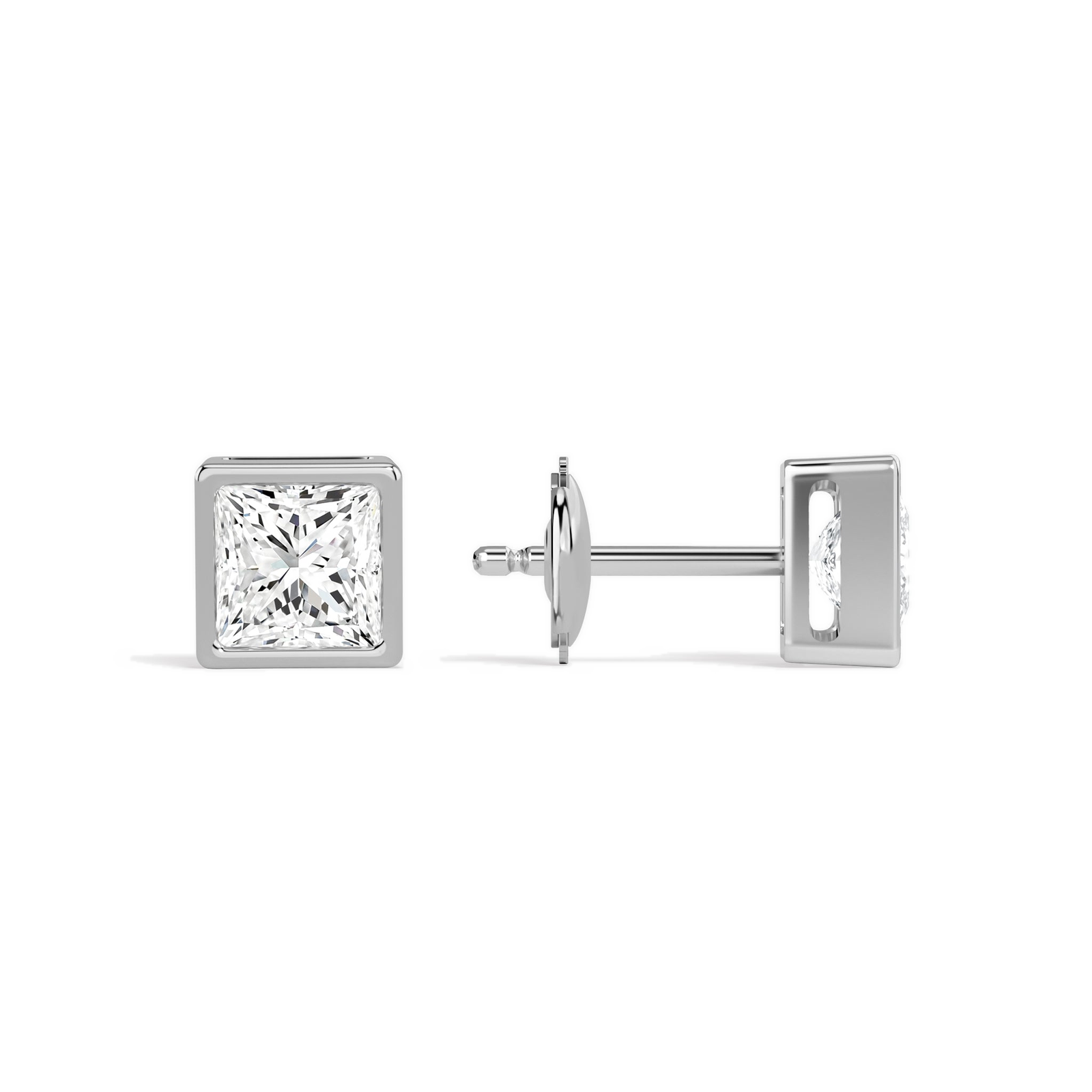


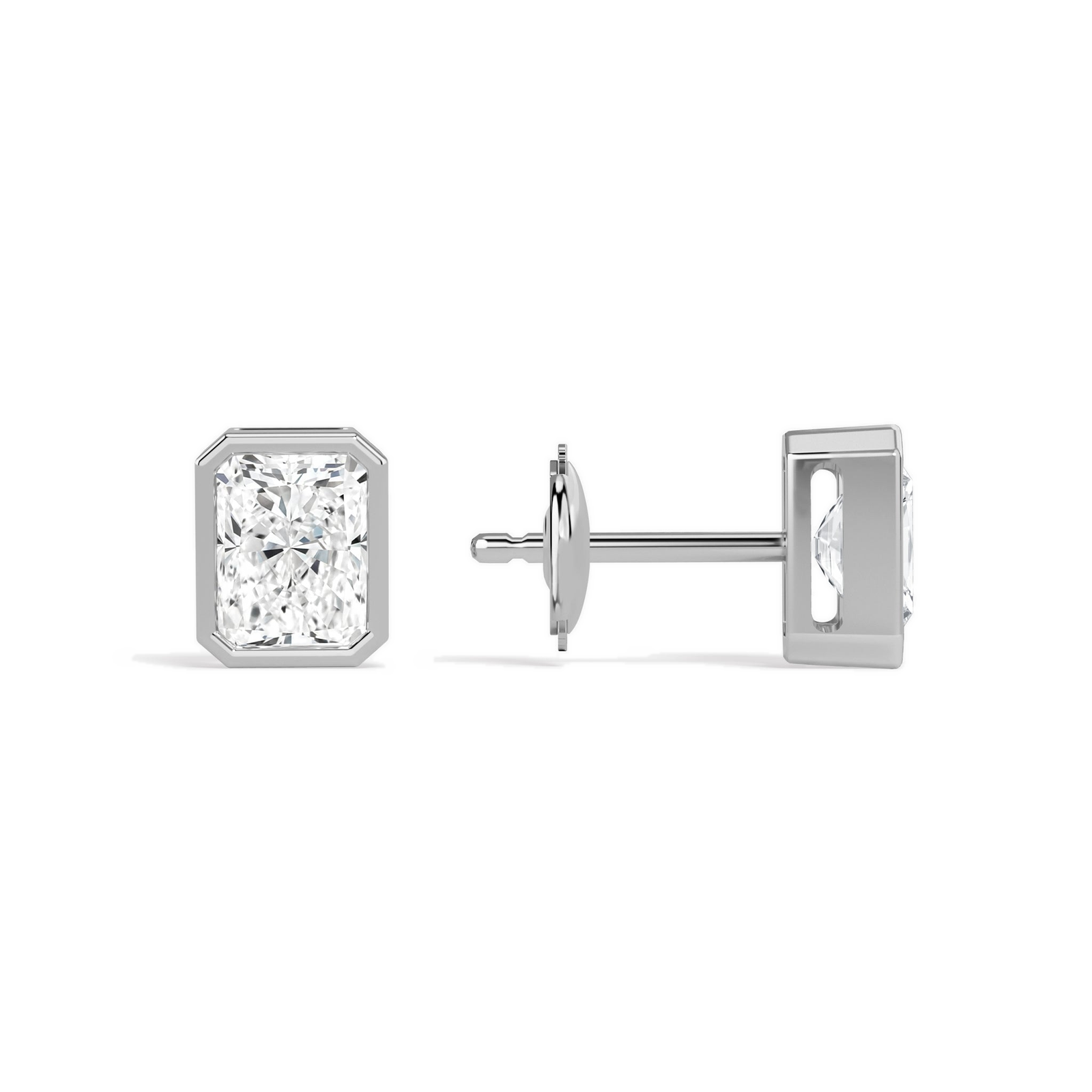


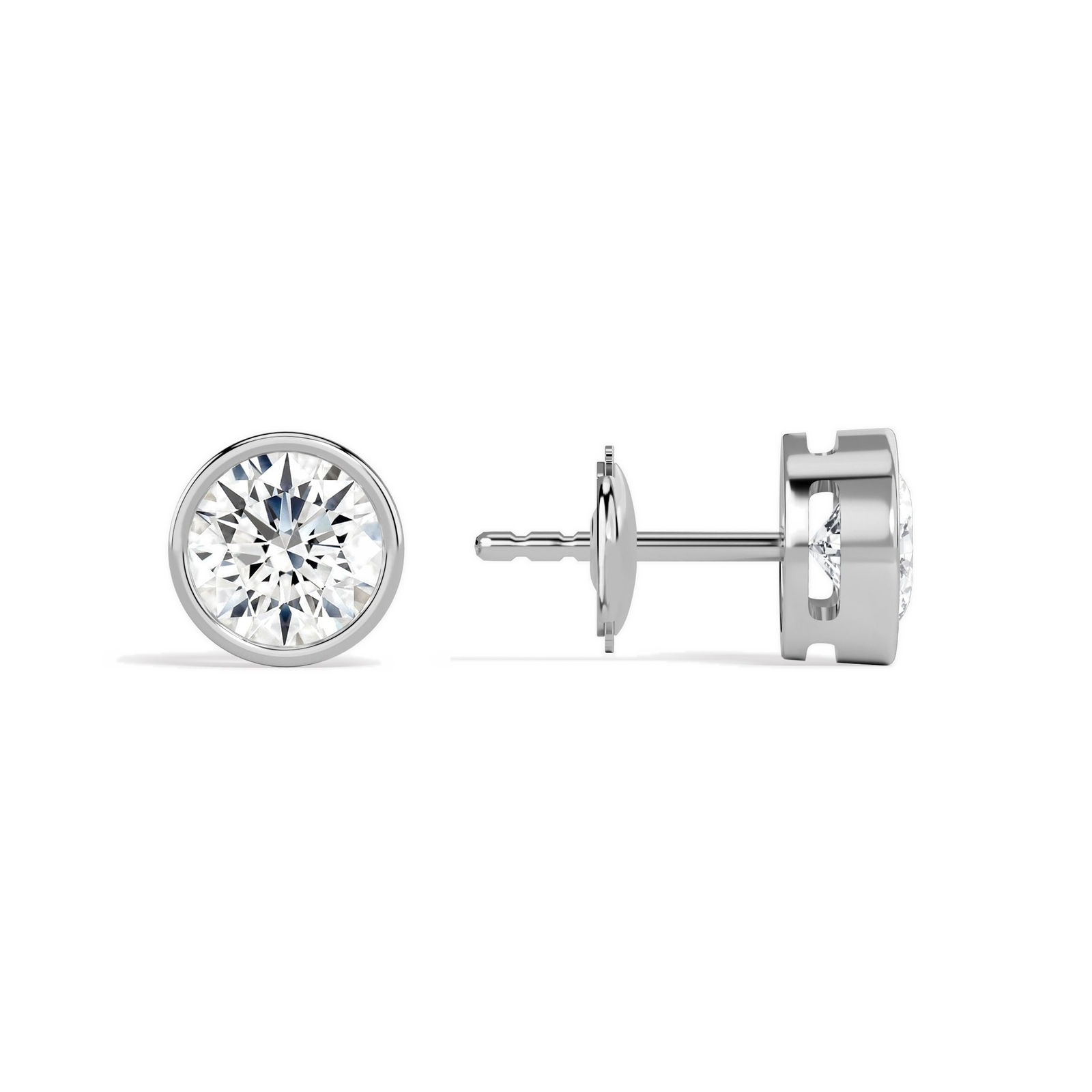


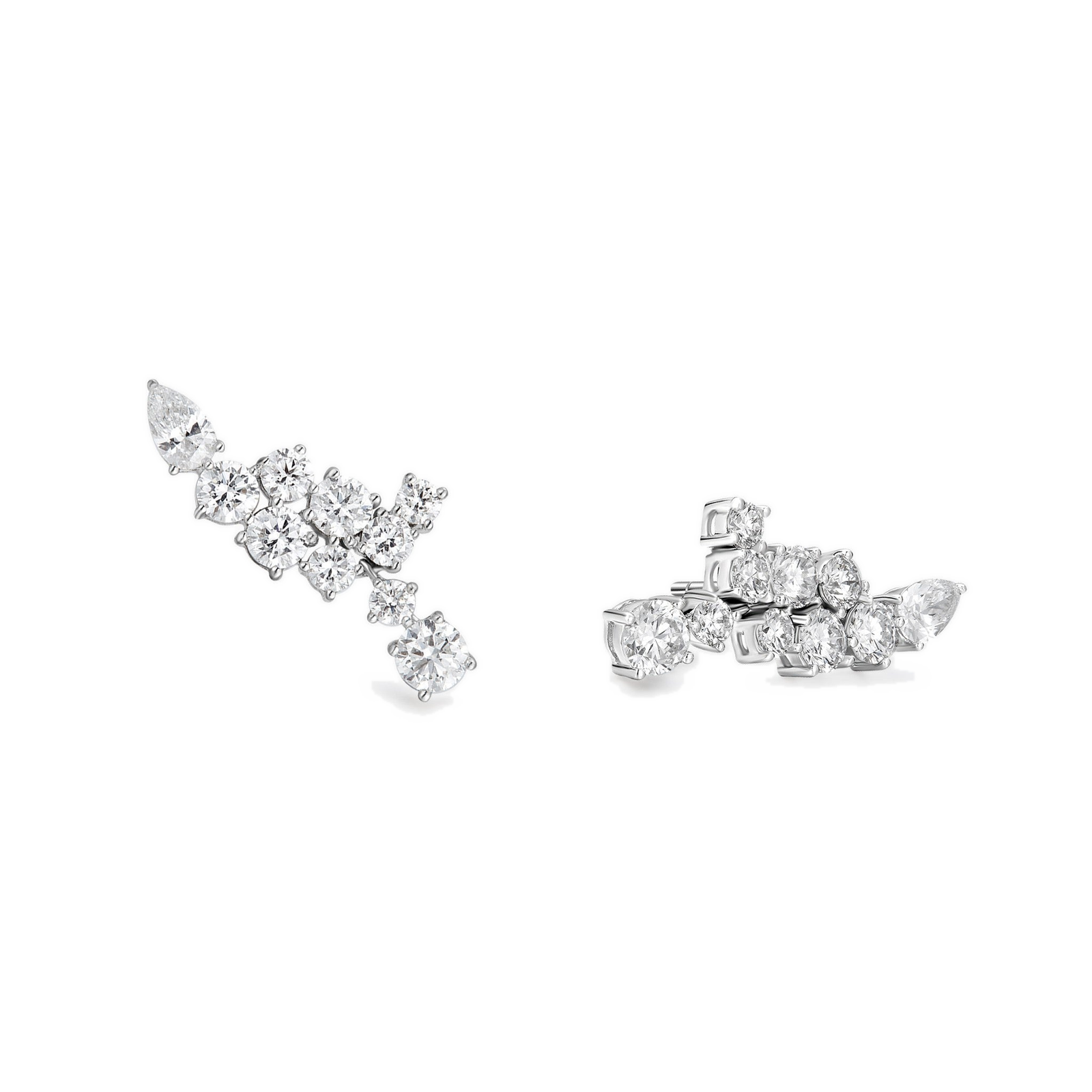


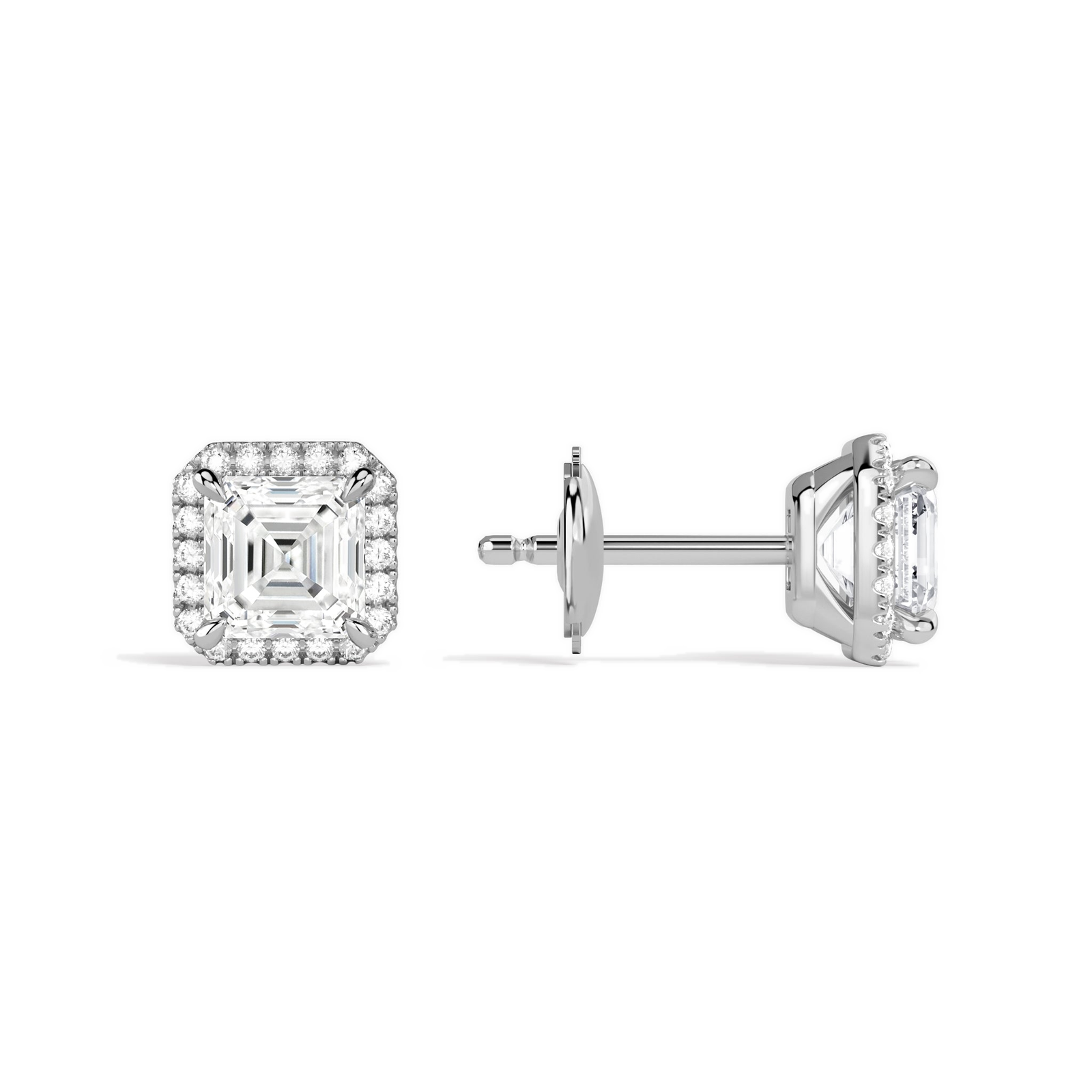


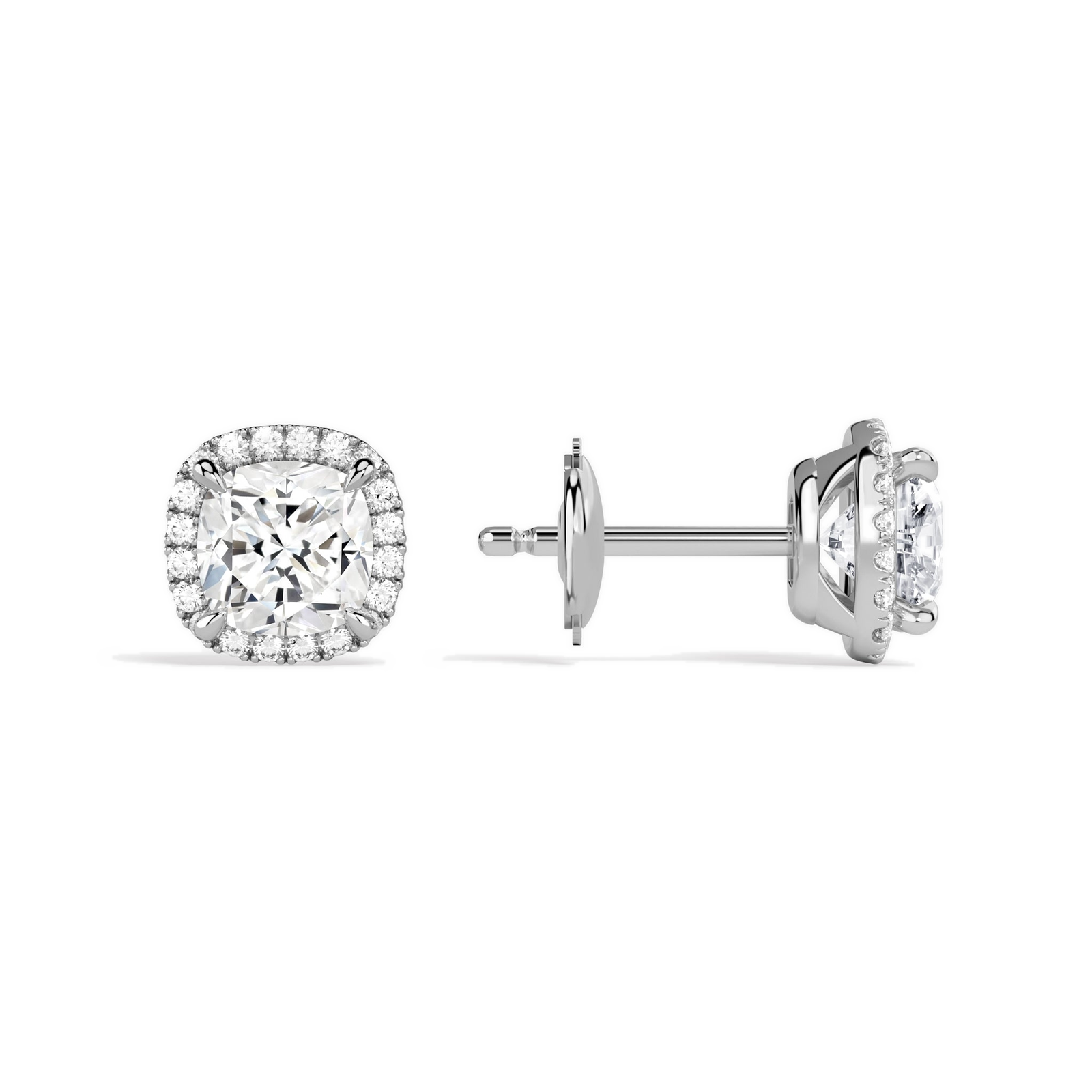


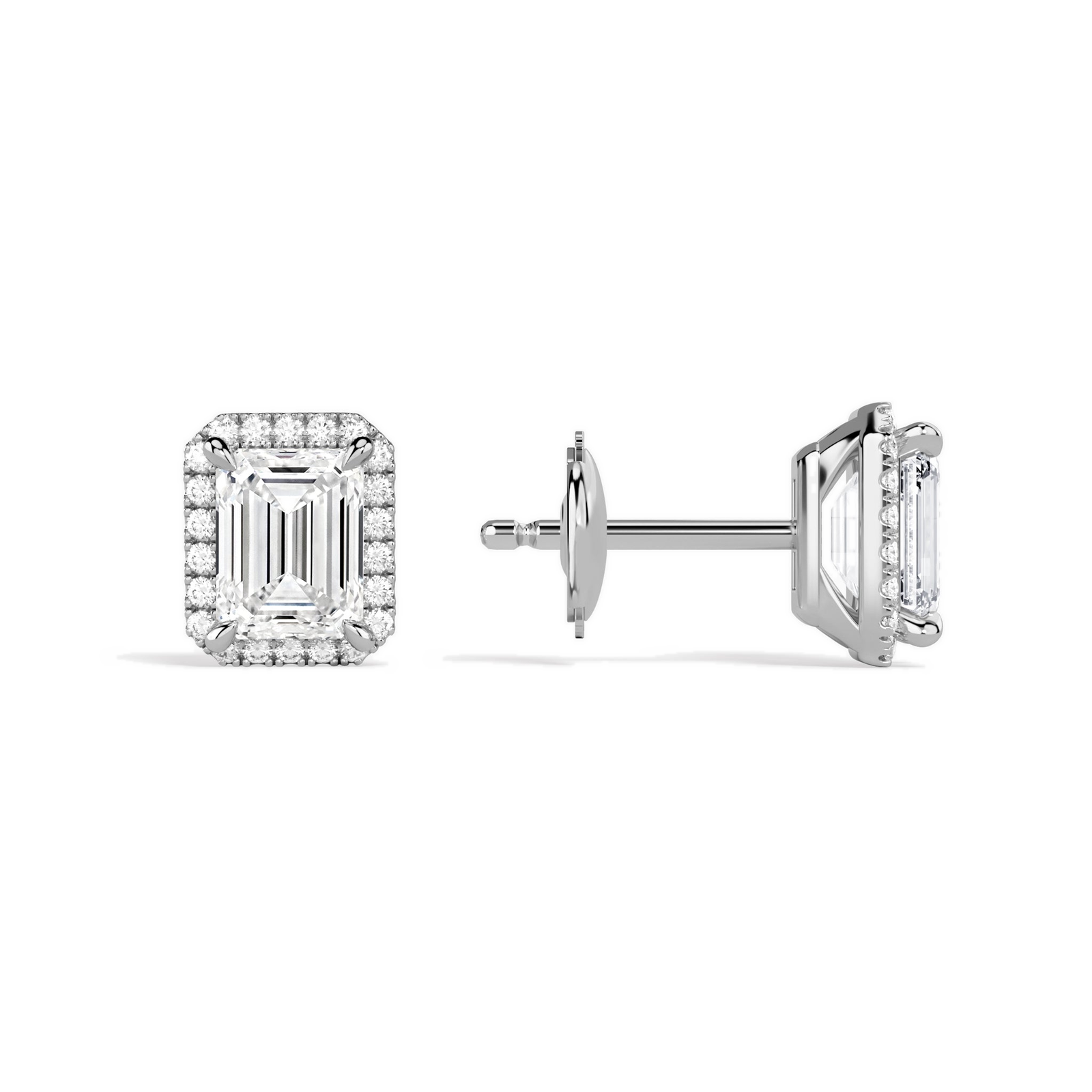


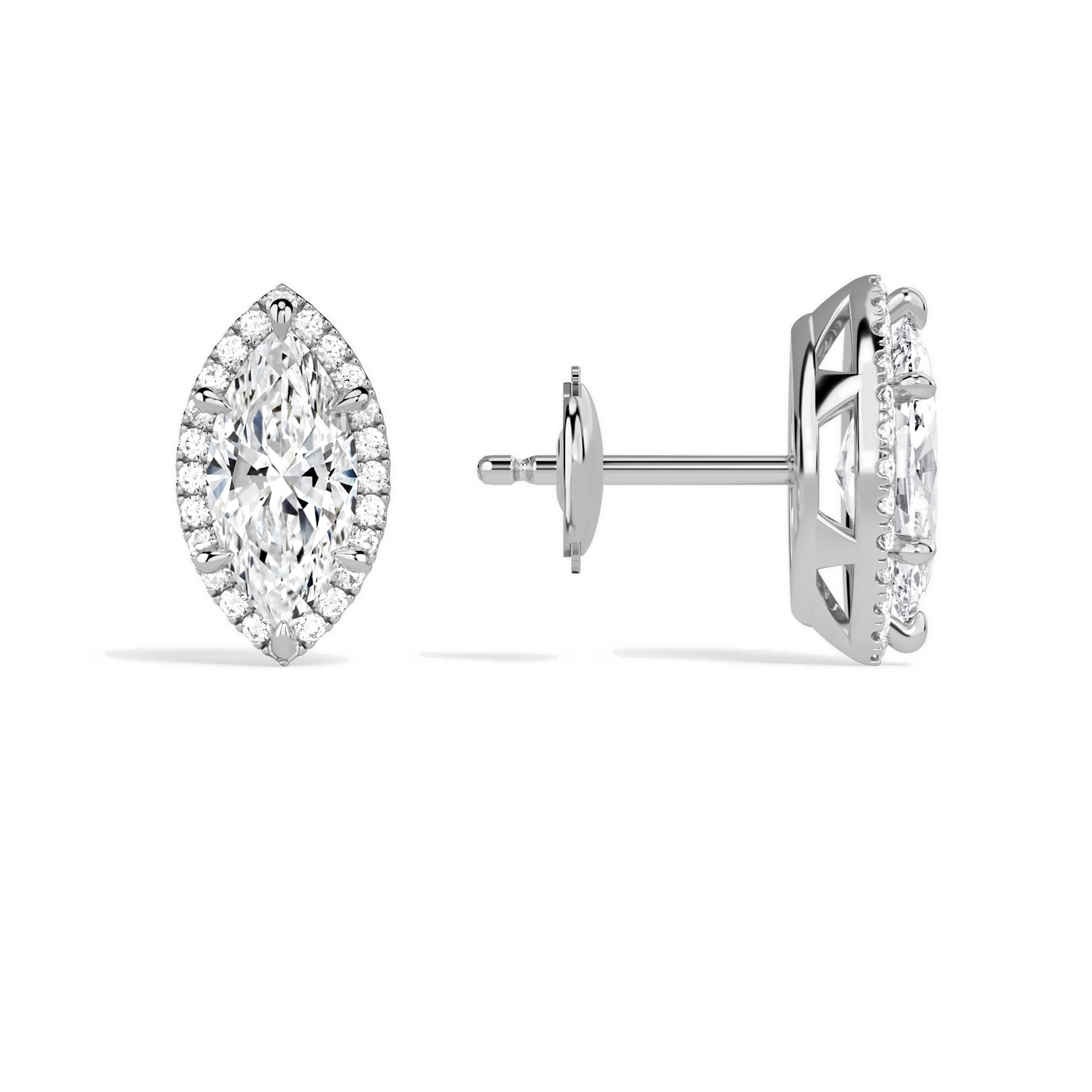


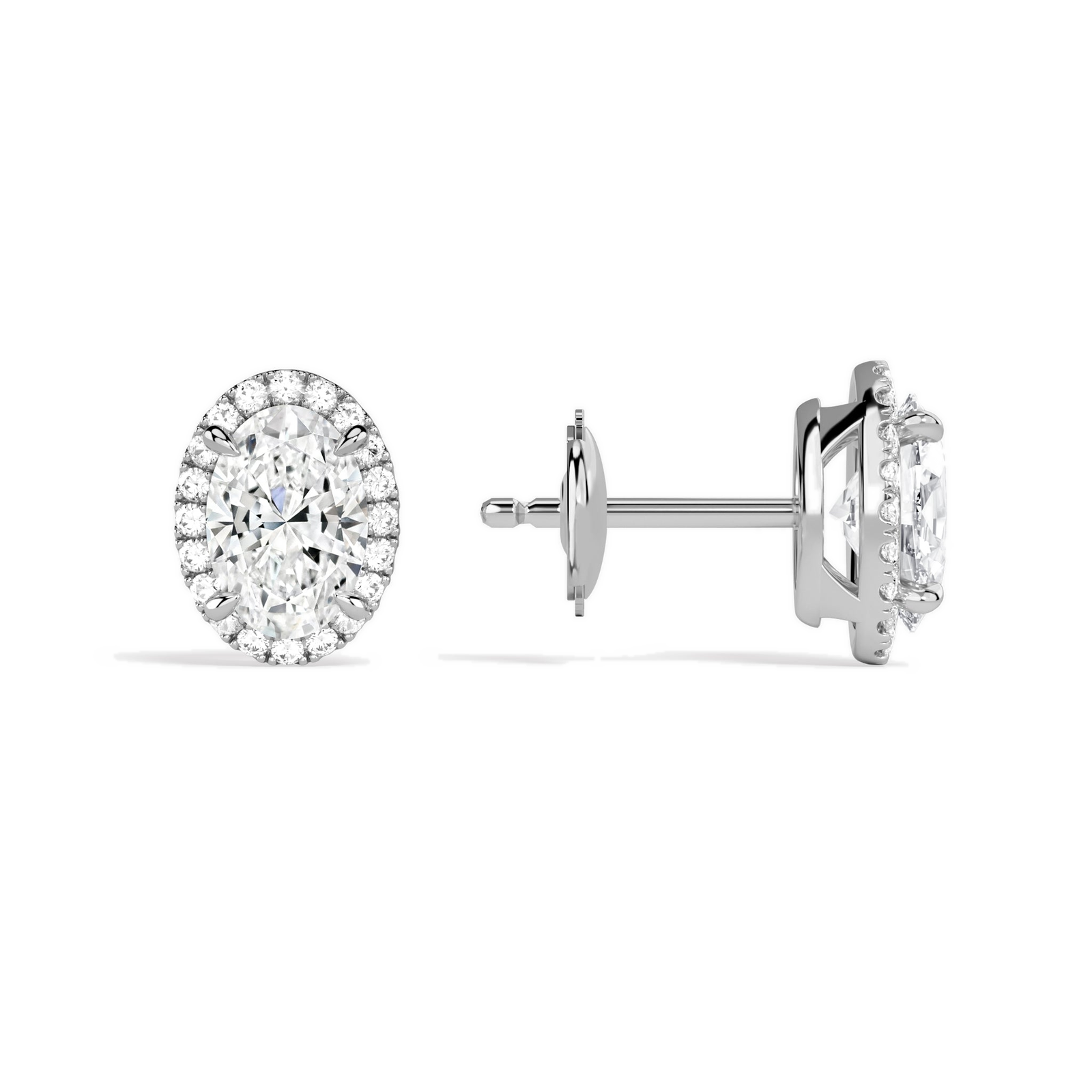

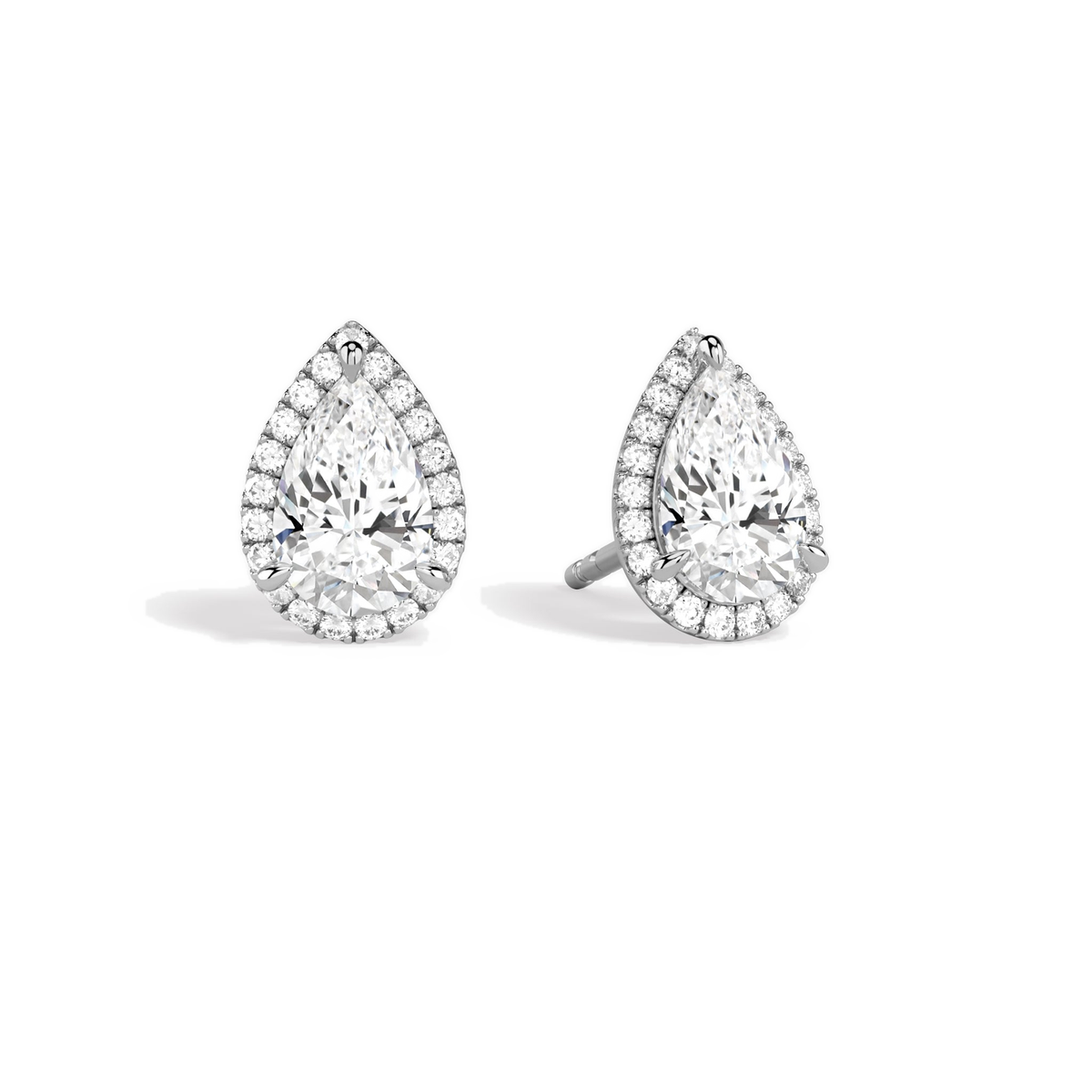
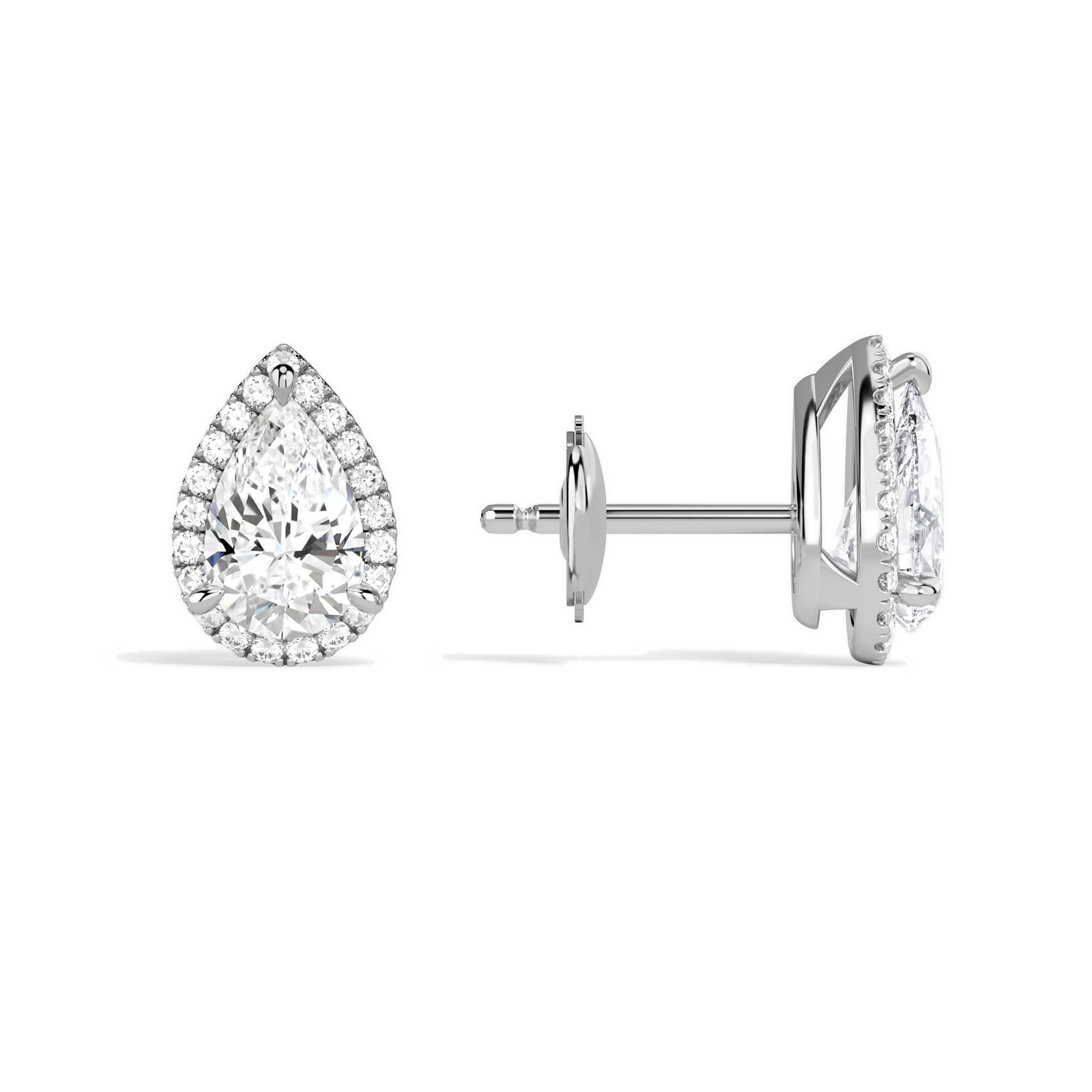
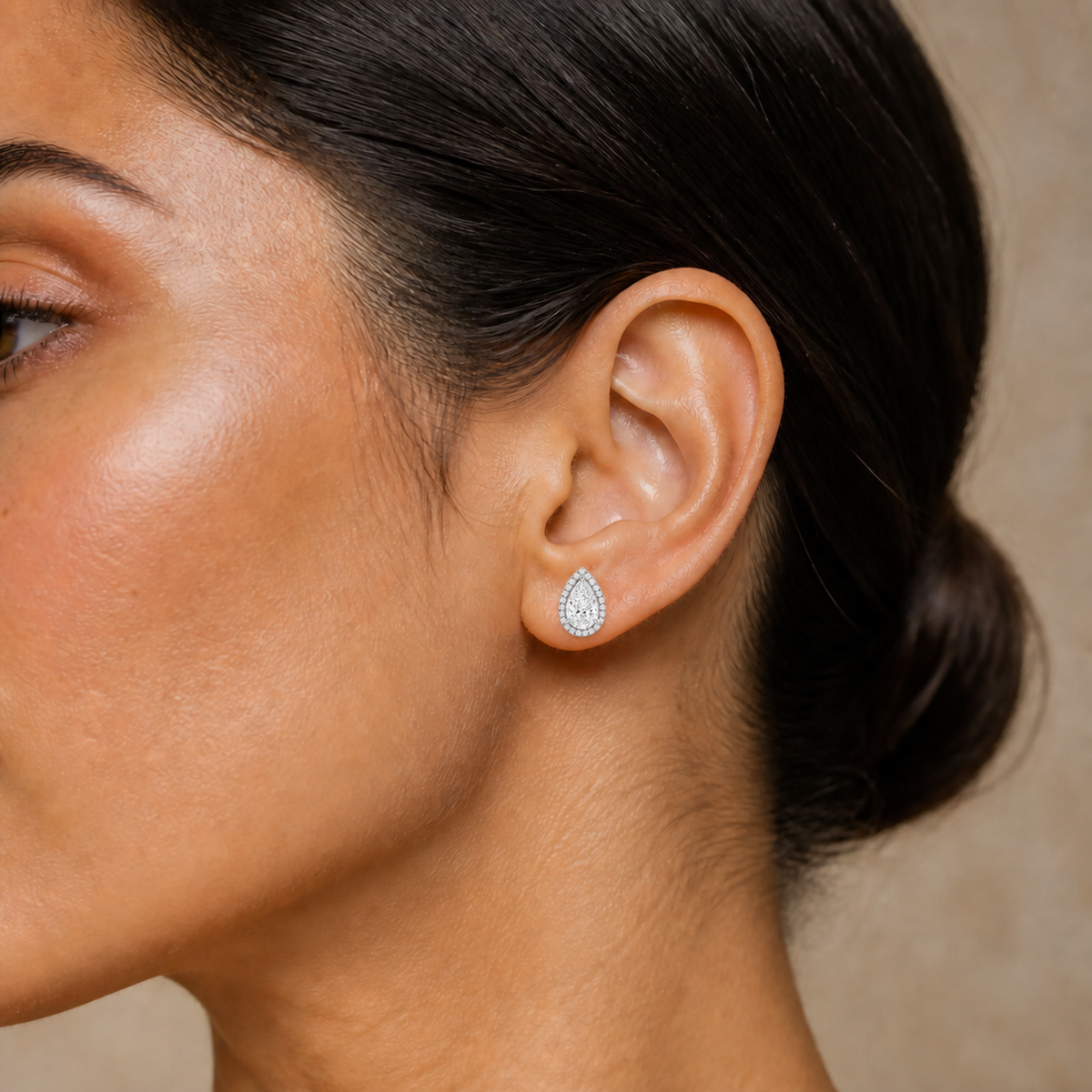

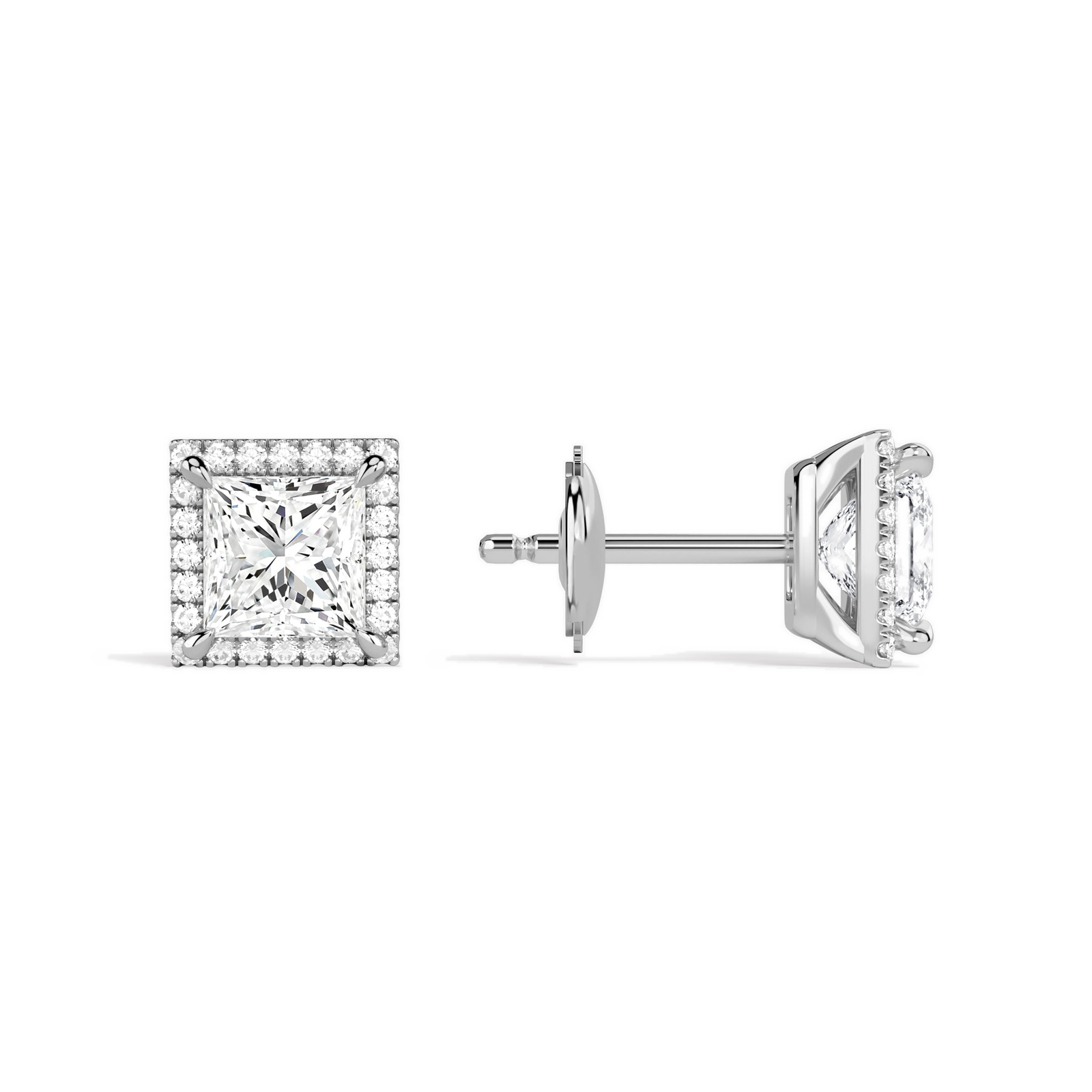


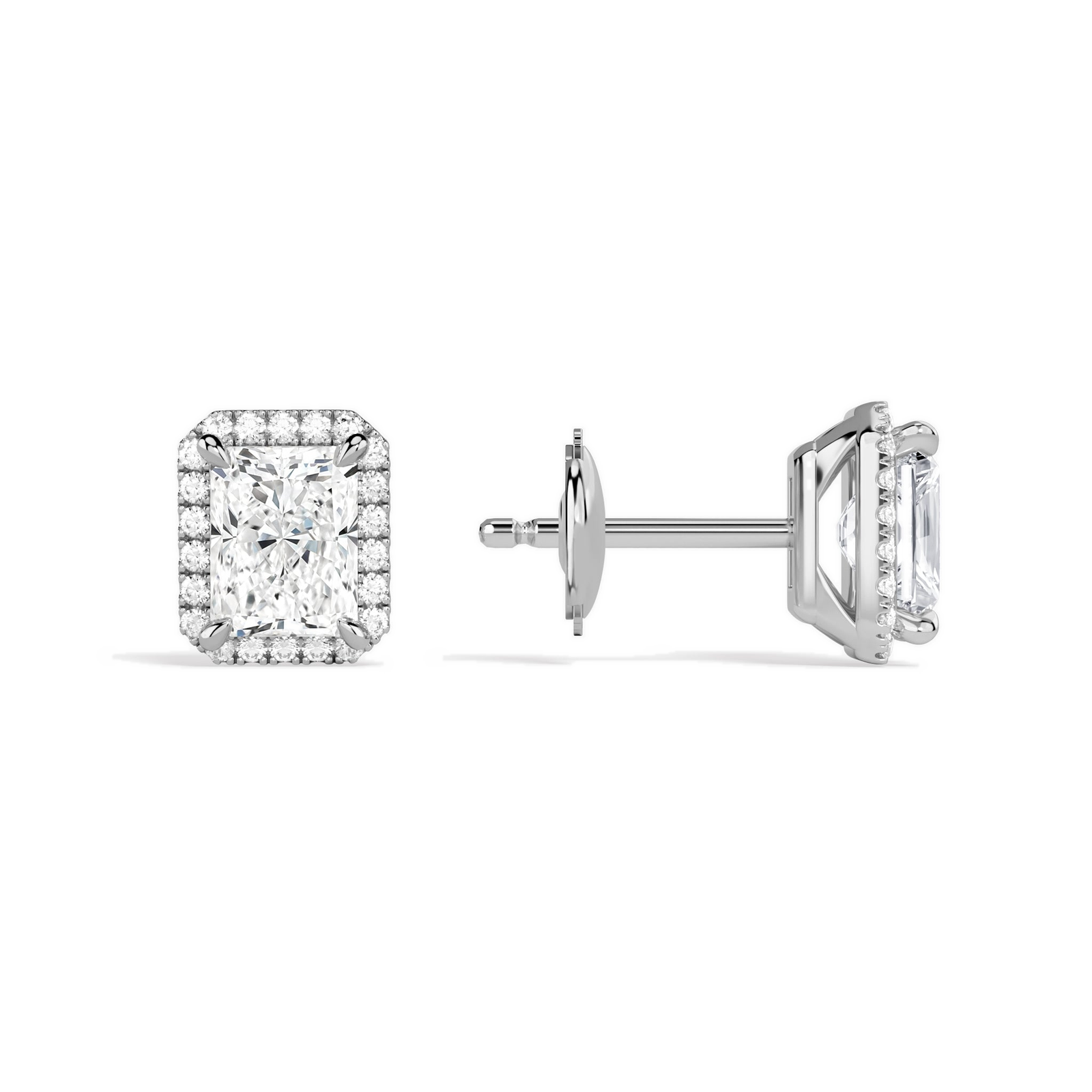


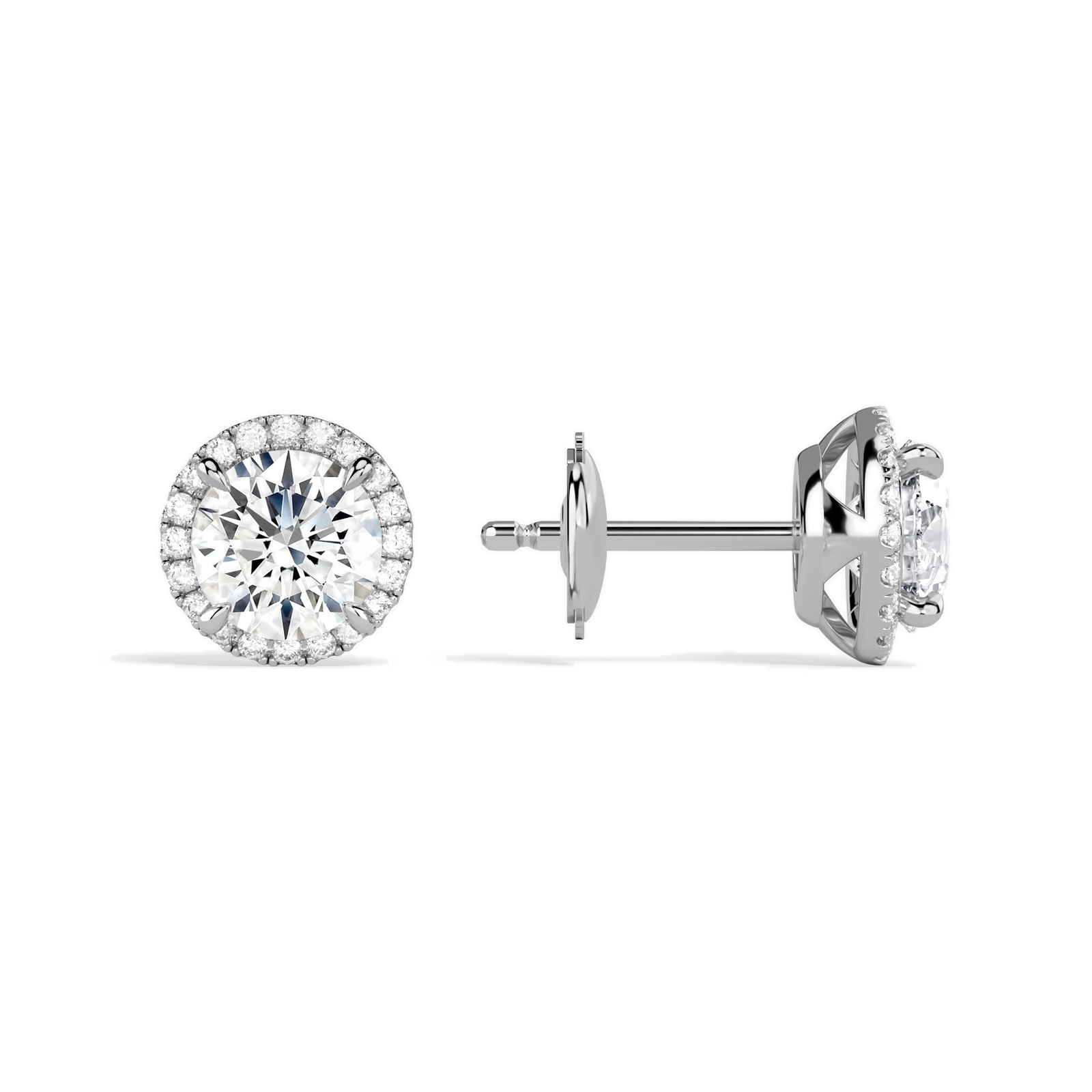


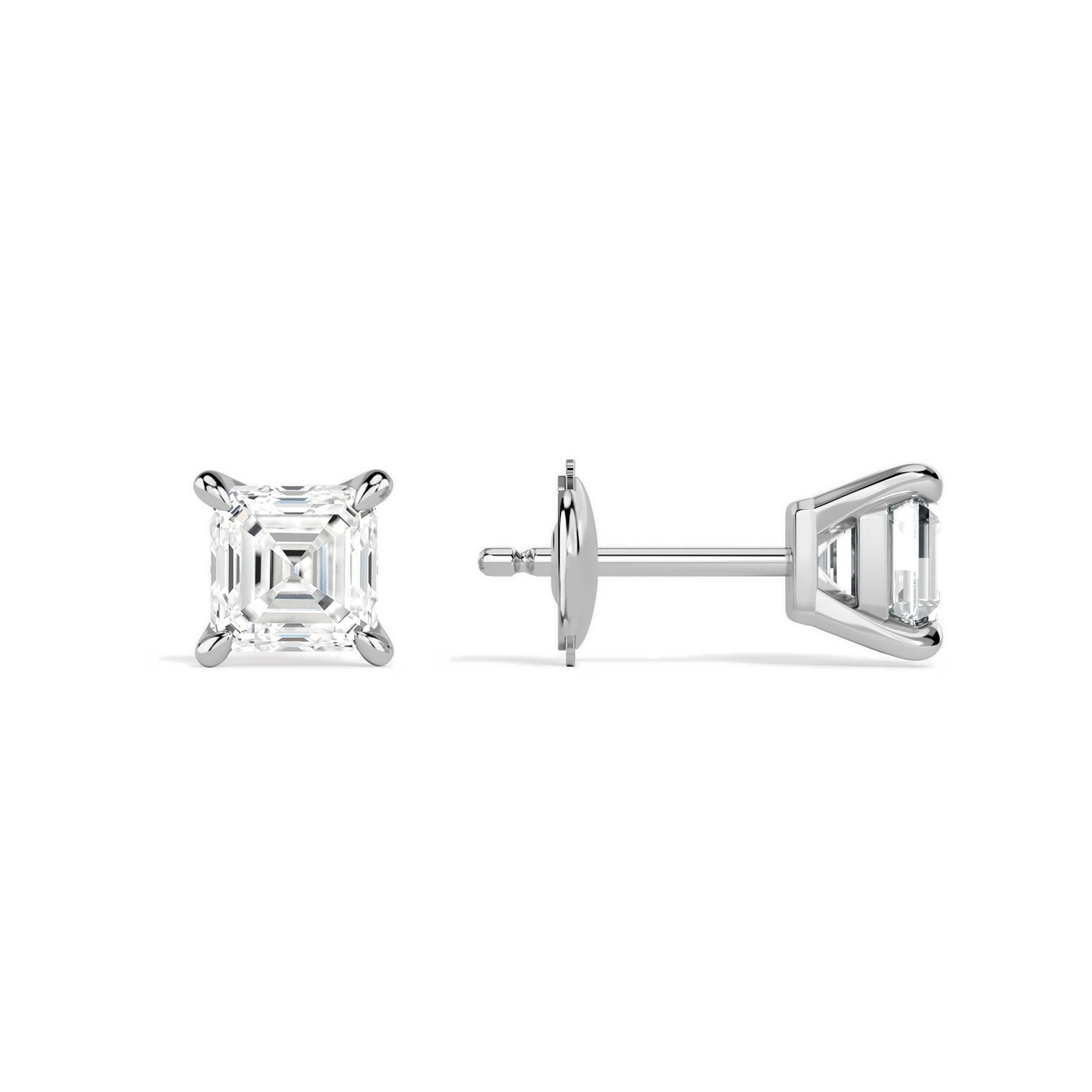


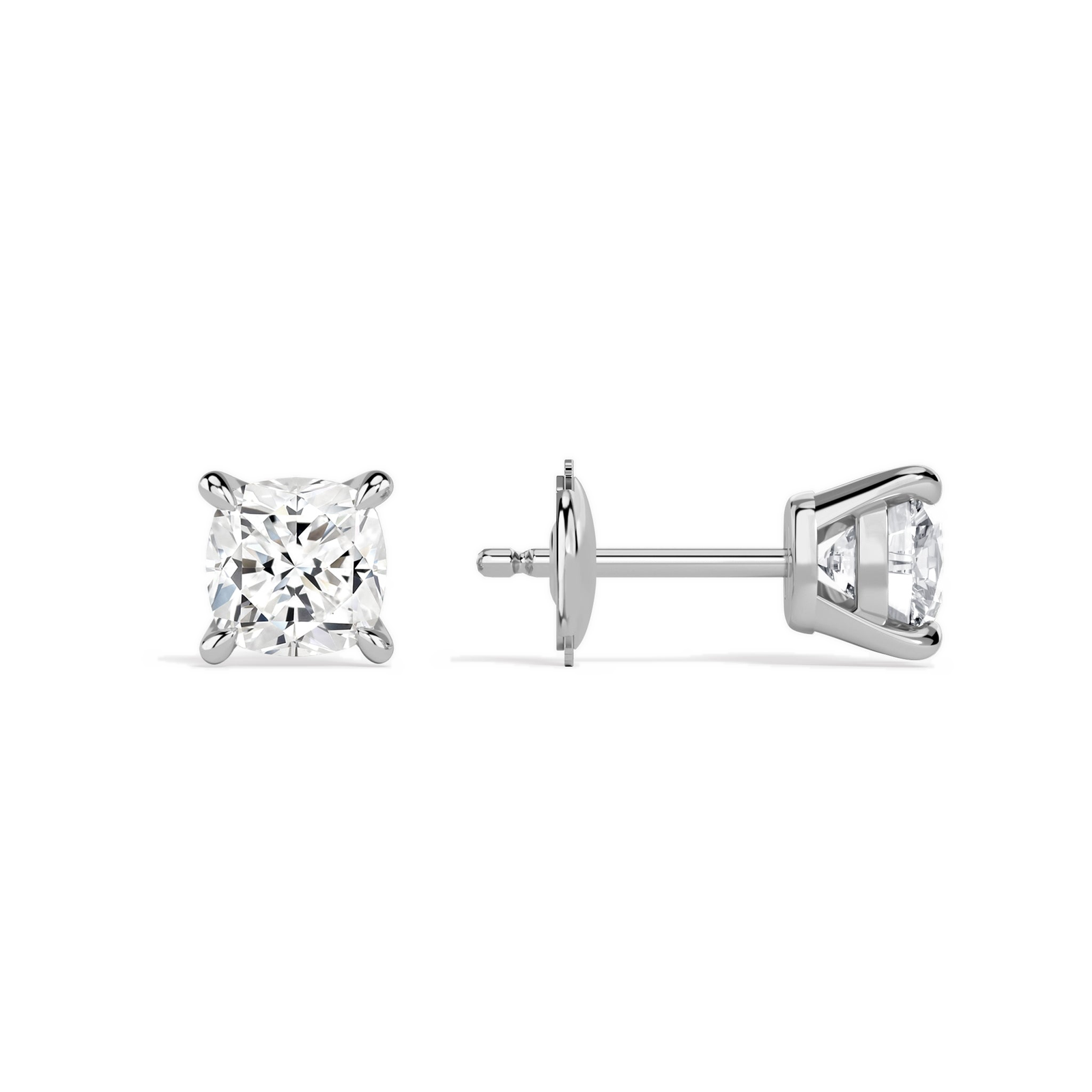

18K White Gold Stud Earrings: High-Karat Structure at Close Scale
An approximately 75% gold, white-toned framework can keep the close-set composition quiet while prong, bezel and halo structures remain legible. Ten designs in each family span ten shapes; the climber and graduated drop-stud are separate multi-stone exceptions. Material is the page's added value, not a replacement for each setting child's deeper structure.
Compare the Complete Pair
Shape, center dimensions, bezel edge, halo width, prong position, profile and orientation determine face-up scale. Carat is weight, not a guaranteed visual size. Pair calibration considers both earrings and how they meet potentially different piercing angles. Independent documentation applies only as stated and cannot be extended automatically to both centers or accents.
Confirm Finish and Mechanism
Karat does not establish one whiteness, rhodium finish, hardness, weight, or sensitivity outcome. Confirm the selected product. All 32 descriptions list secure lock backs and double-notched posts, yet no mechanism guarantees loss prevention or upright wear. Post length, backing engagement, anatomy, setting depth and condition determine position.
Maintain the Whole Architecture
Burvonti uses responsibly sourced lab-grown diamonds and supports technically feasible custom review of shape, scale, setting boundary, metal, post or back.
Pair matching should be read through complete dimensions, orientation, apparent color, setting execution and mechanism. A shared quality tier or carat label does not make two centers interchangeable, and a report applies only to the diamonds it identifies. White Gold continuity remains a visual relationship, not evidence that the setting disappears.
Within an ear composition, a prong stud can keep more outline open, a bezel can define a compact perimeter, and a halo can establish a wider anchor. The climber adds directional length and requires room beside neighboring pieces; rear clearance still matters when the front appears balanced. Gentle cleaning and separate storage protect both face and mechanism from avoidable contact. Inspect prongs, bezel or halo, post and back when a diamond moves, a pair no longer aligns, or engagement changes.
For a quieter composition, compare where metal remains visible: at isolated prong contacts, around the bezel perimeter, between halo stones, or through the profile and mechanism. That map is more useful than assuming White Gold is visually neutral. Product-specific finish information, complete dimensions and real ear placement should guide the final judgment, with feasible custom questions recorded before any specification is treated as confirmed.
Frequently Asked Questions
What does 18K White Gold add?
An approximately 75% gold quiet framework around close-set structures.
What families appear?
Ten prong, ten bezel, ten halo, plus two multi-stone exceptions.
Which shapes are included?
Ten shapes from Round through Heart and Asscher.
Does White Gold guarantee invisibility?
No; finish, spacing, profile and light affect appearance.
What setting changes the boundary?
Prongs open it, a bezel encloses it, and a halo expands it.
Does carat determine size?
No; dimensions, depth, shape and setting matter.
What is Center Stone CTW?
A pair-level center weight label within the stated scope.
What is TCW?
The combined weight covered by a multi-stone specification.
Are centers always individually certified?
Confirm the documents supplied for the selected pair.
What backs are listed?
Secure lock backs and double-notched posts.
Are they loss-proof?
No; engagement, condition, fit and inspection matter.
Will they remain upright?
Not universally; profile, scale, anatomy and backing affect position.
Does 18K define rhodium plating?
No. Confirm the selected product's finish.
Is 18K exactly 75% gold?
Conventionally approximately 75%, subject to applicable tolerances.
Can 18K White Gold cause sensitivity?
Sensitivity depends on complete alloy, finish and wearer.
Can studs work in multiple piercings?
Yes when front and rear clearance are checked.
What custom and care review applies?
Review setting, metal, post and back; clean gently and inspect all components.