
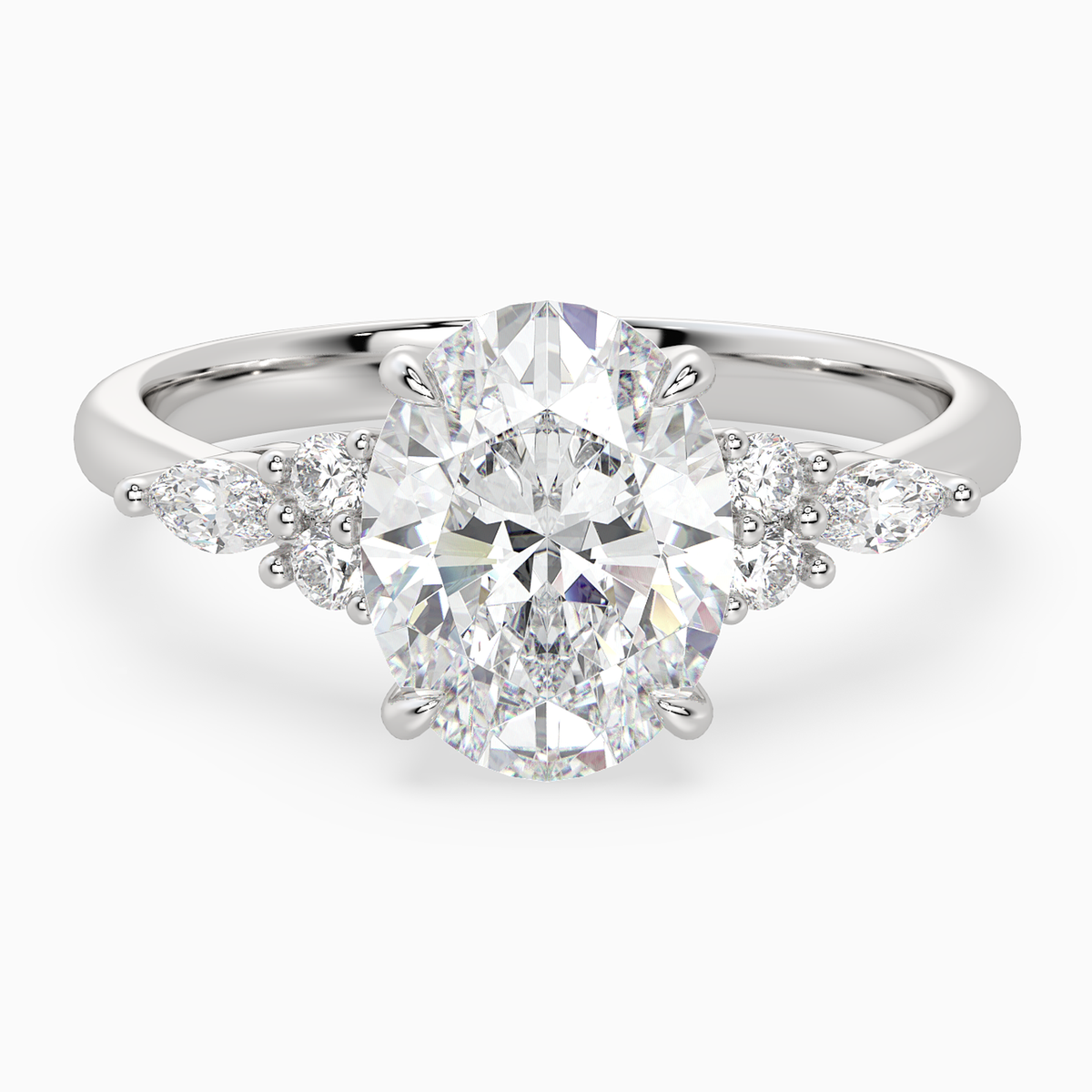


Lab Grown Diamond Fashion Necklaces
Style begins in the relationship between form and wearer. Explore necklaces through focal scale, line, movement and layered composition.


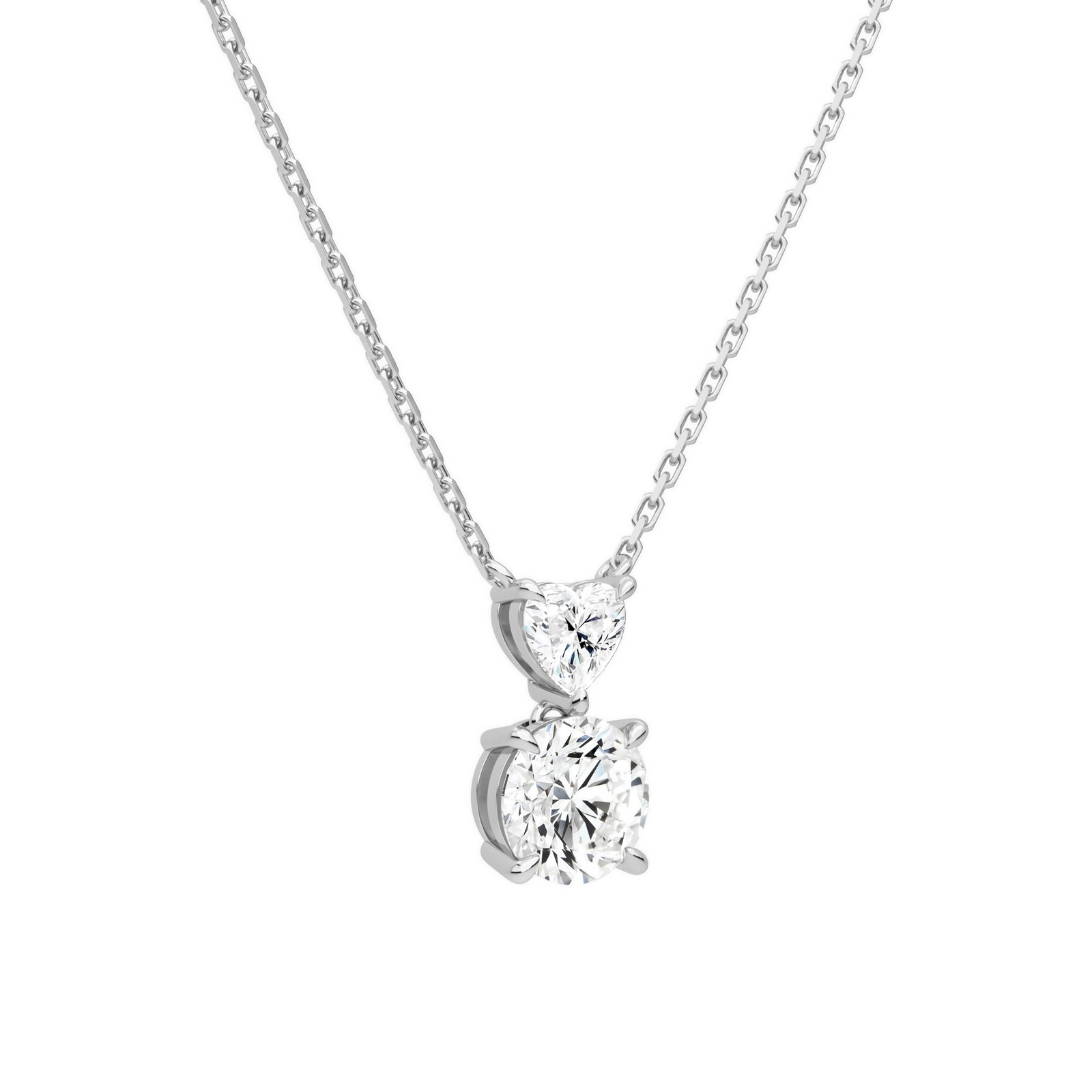


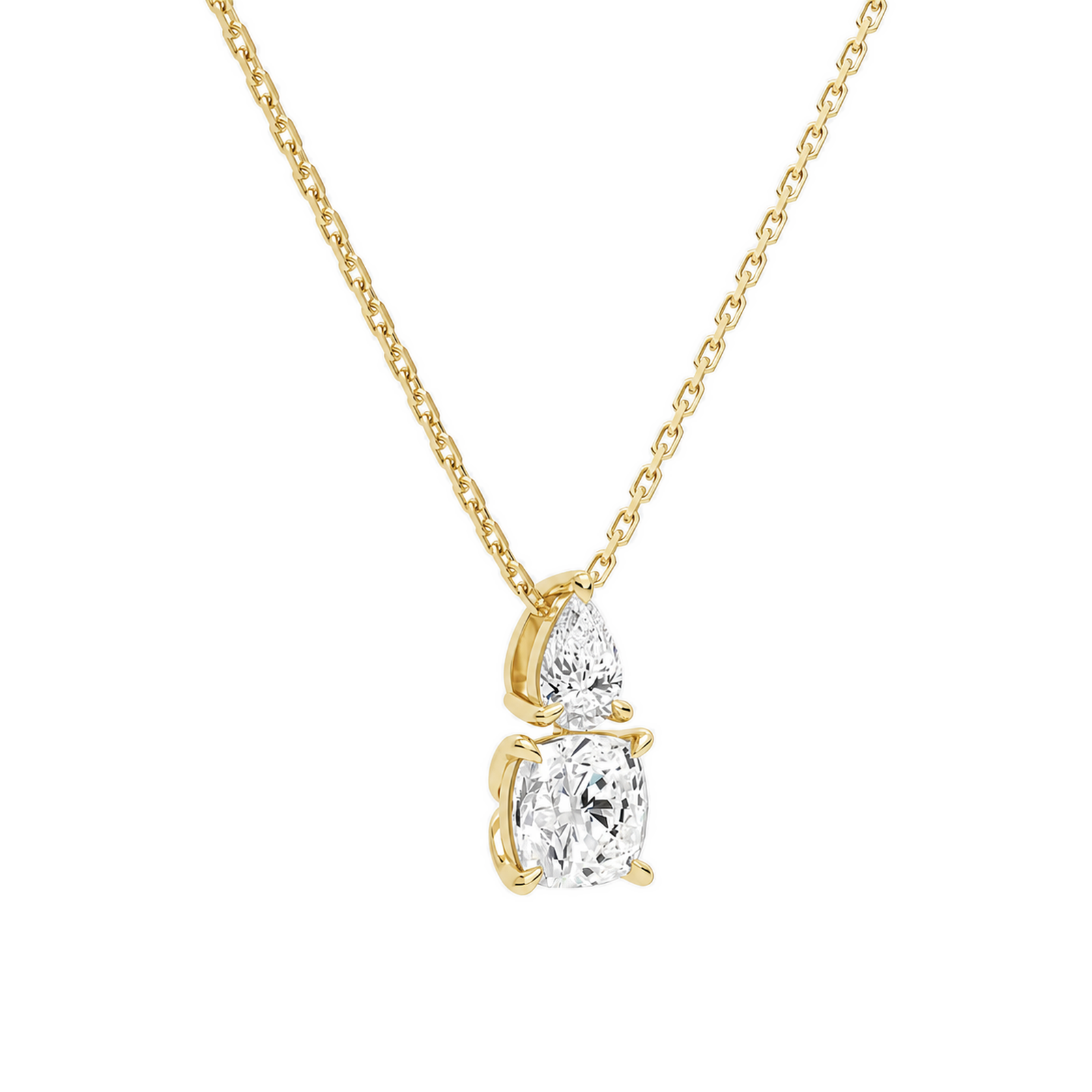


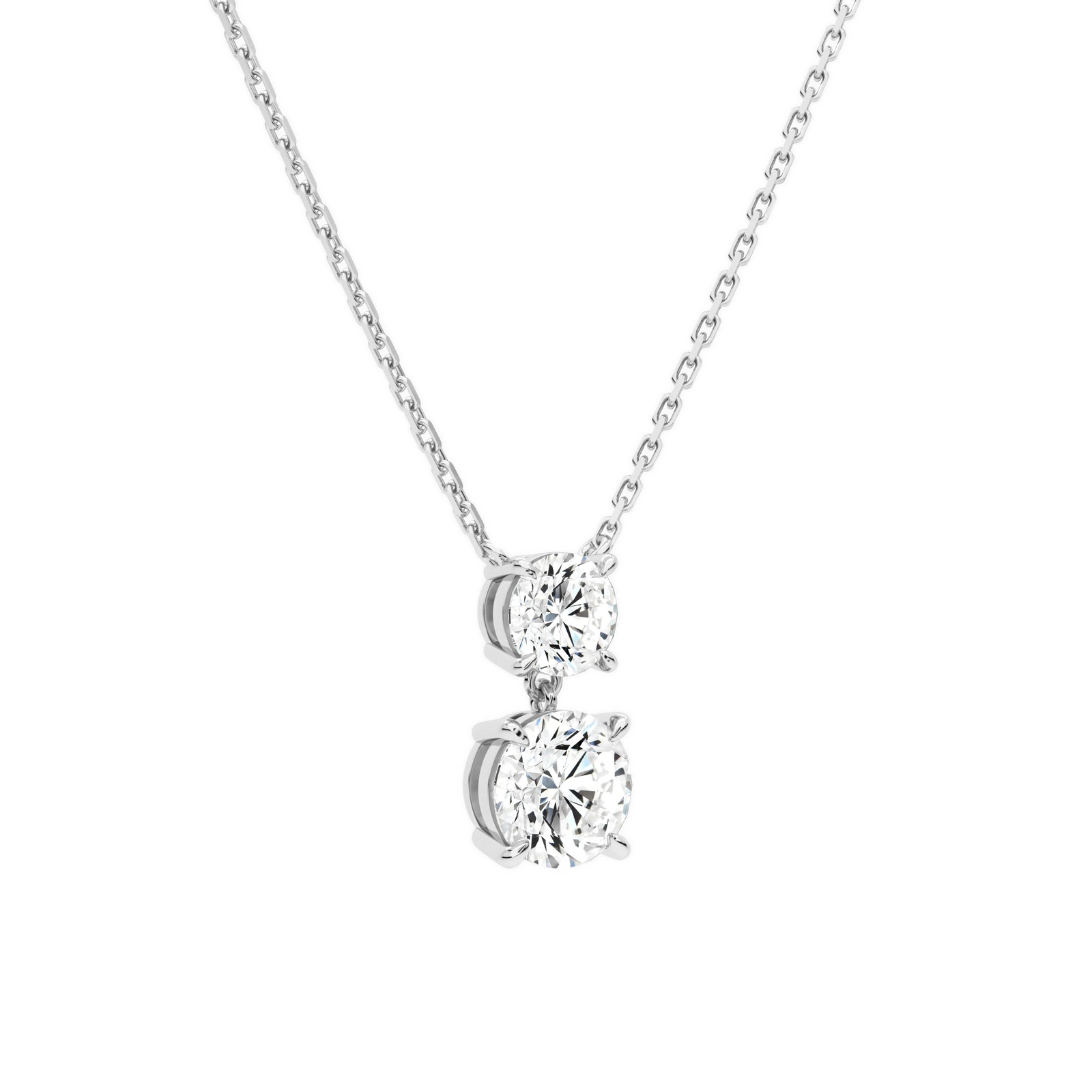


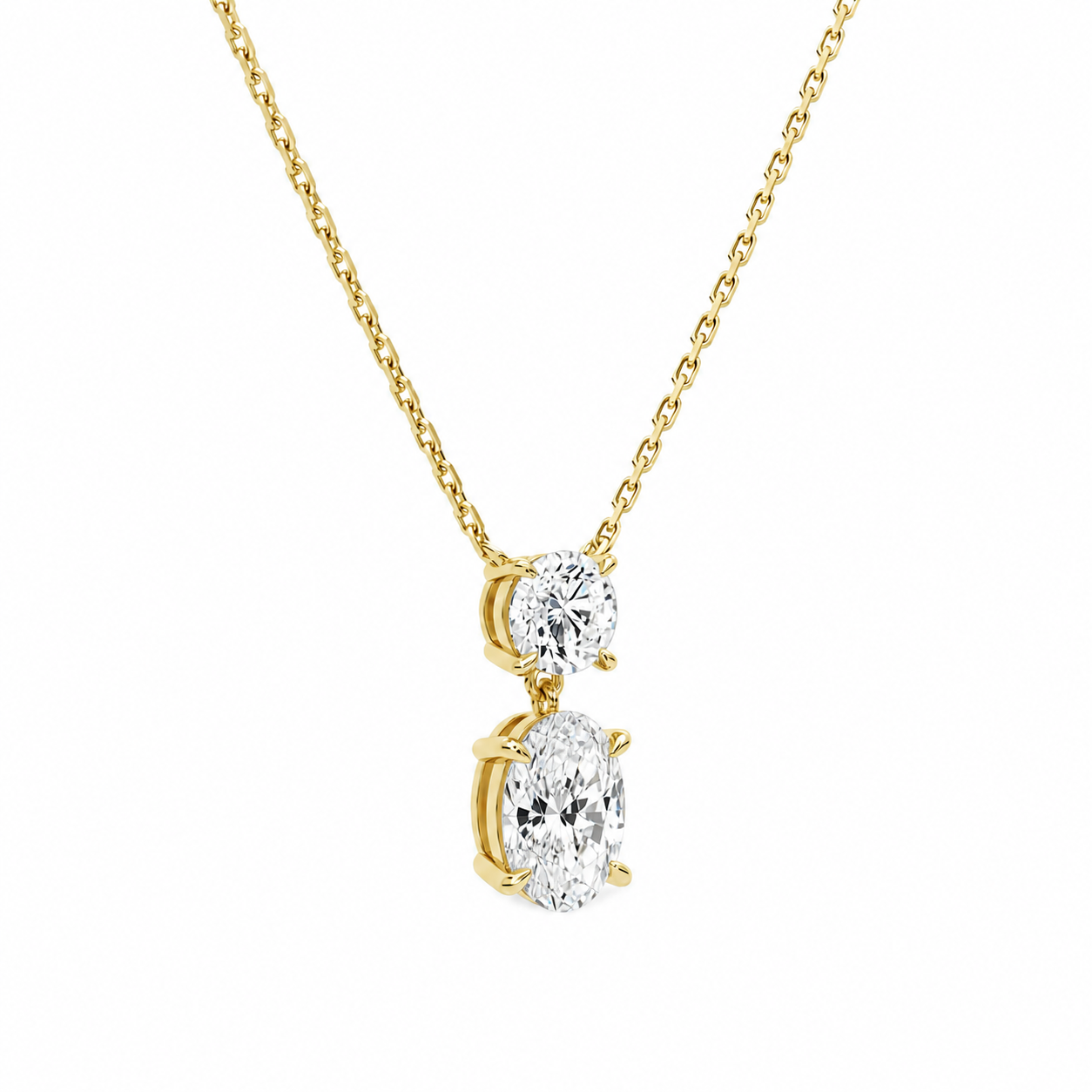


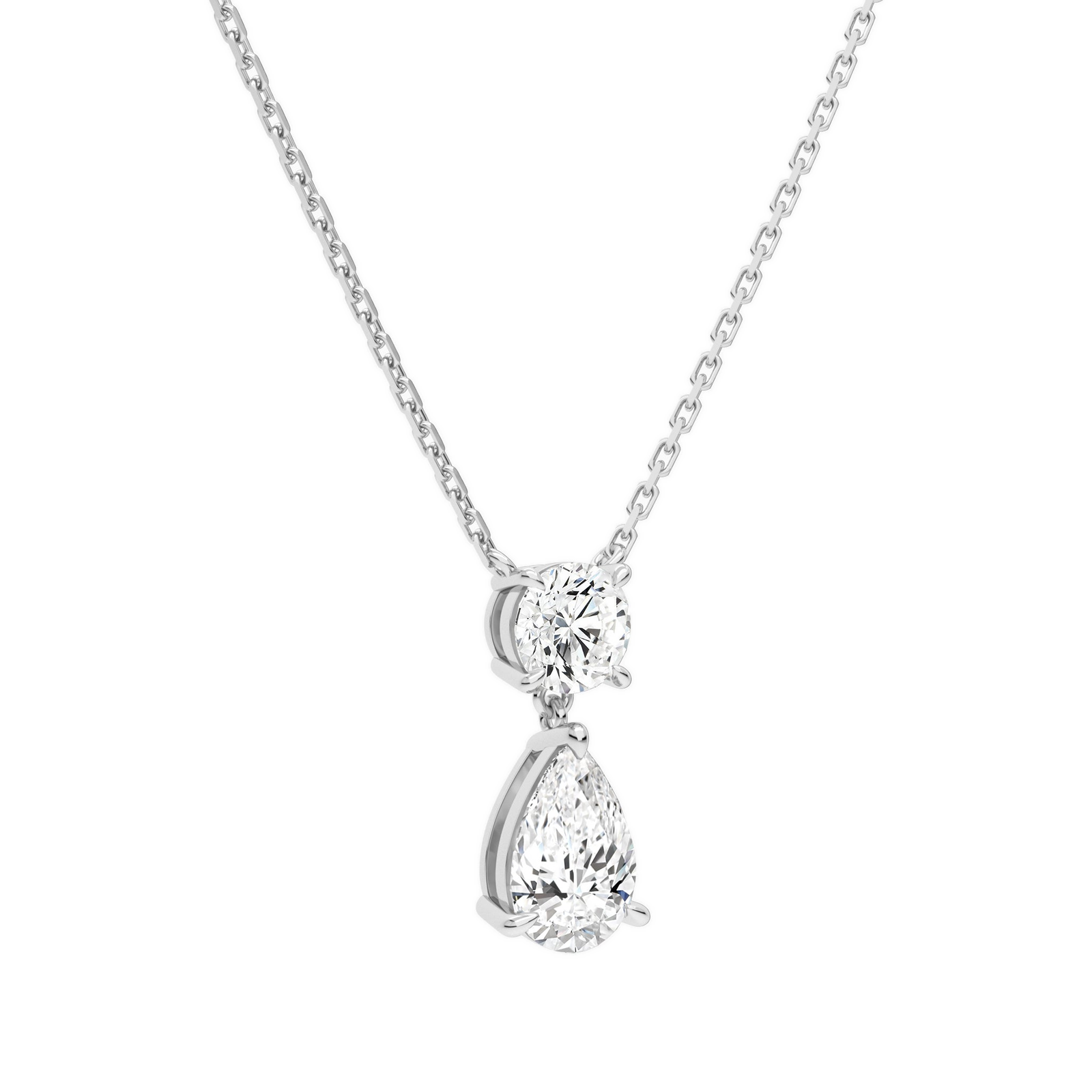


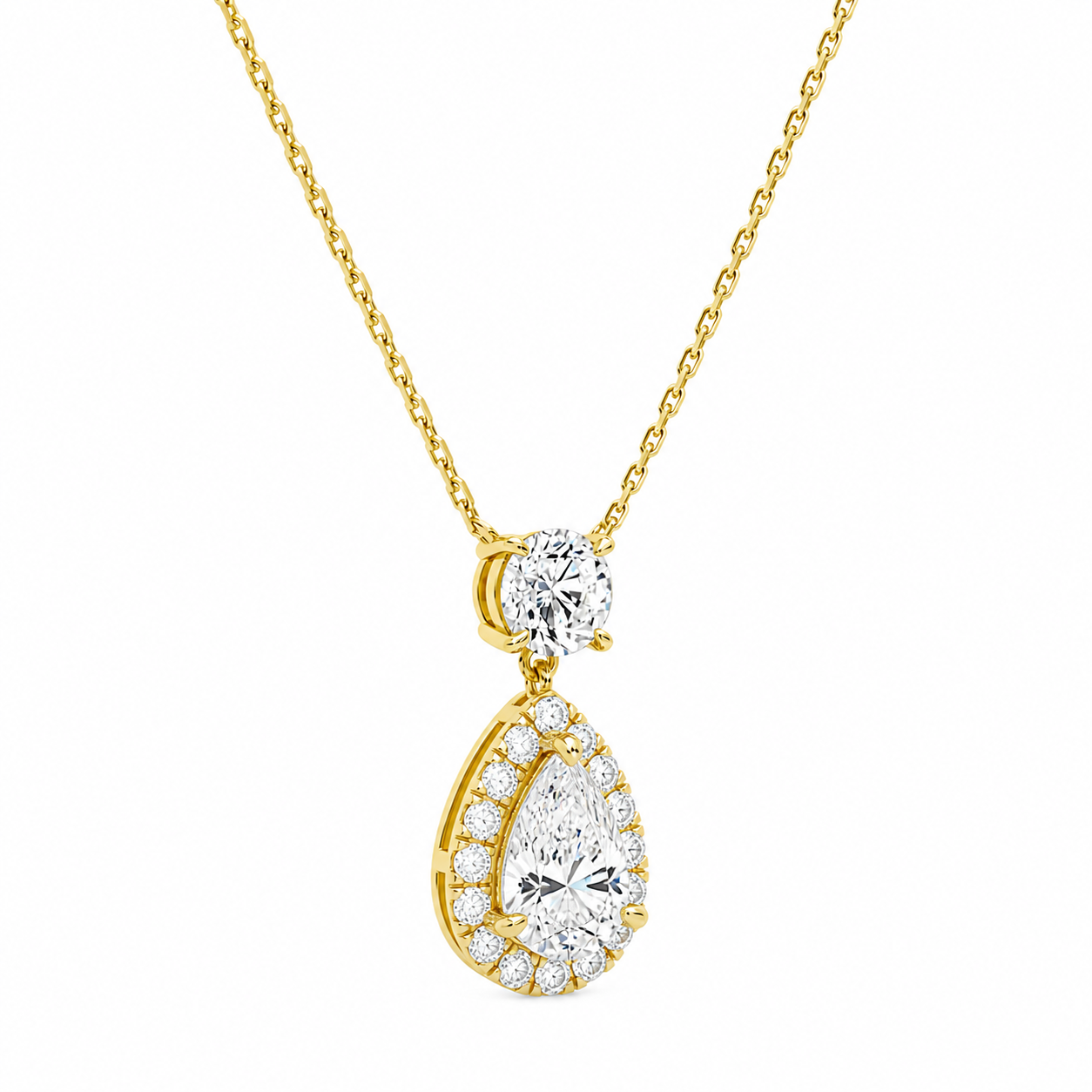

Personal Style, Resolved in Light
Fashion is not one setting, one silhouette, or one degree of visibility. It is the way a necklace enters a wardrobe and becomes specific to the person wearing it. A single center can act as a quiet point; a halo can widen the field of light; a cross can carry private or shared symbolism; a curved bar, link, circle, cluster, charm, twist, or tassel can establish a different line and rhythm.
Burvonti’s current public Fashion Necklace Collection contains the same 126 designs represented in the broader Lab-Grown Diamond Necklace Collection. That overlap matters. This page is a styling lens rather than a separate product construction: its value lies in comparing presence, line, movement, symbolism, and layering across the assortment. It should not imply that every design is trend-led, statement-scale, or exclusive to this edit.
Begin with the Role the Necklace Will Play
A necklace can lead a composition, support it, or create an interval between other pieces. For a singular focal point, compare solitaire, bezel, or halo designs through center shape, complete visible scale, and attachment. For a more graphic presence, look to cross, open-circle, link, curved-bar, cluster, charm, tassel, twist, or multi-diamond forms. The most expressive option is not automatically the largest or most detailed.
Consider what is already present: neckline, fabric, collar, earrings, eyewear, other chains, and the wearer’s preferred amount of contrast. A restrained form can become decisive against an open field; a more articulated form may need visual space. Style is a relationship among objects, not a label attached to one product, and it can change as the same necklace moves between settings.
Read Silhouette Before Sparkle
At conversational distance, outline and direction are often perceived before individual facets. Round and softened shapes create different edges from Asscher, Emerald, Princess, or Radiant centers. Pear and Marquise forms introduce a point and stronger axis. Crosses, curved bars, circles, links, tassels, and drops extend that geometry beyond a single center.
Compare complete width and height, negative space, vertical or horizontal direction, and the transition into the chain. A design can feel graphic through metal boundary, diamond arrangement, or spacing without becoming visually heavy. No shape or motif has one fixed gender, age, occasion, or personality.
Scale Includes the Whole Composition
Carat terminology changes across this assortment. Centerstone refers to a principal diamond; Total Carat Weight may combine several diamonds; Pendant Size may describe a motif rather than an individual stone. Halo accents, multiple principals, cross diamonds, or distributed elements can make two similar totals read very differently.
Compare the option label with center dimensions, complete setting dimensions, accent scope, spacing, chain, and product imagery. A wider halo, long drop, open circle, or horizontal bar may occupy more visual space than its carat number suggests. No universal scale rule can determine what is subtle, balanced, or bold for every wearer.
Layering Is an Exercise in Interval
All 126 current product descriptions list an adjustable 16–18-inch length, a 0.95 mm chain, and a lobster clasp. Those shared specifications do not make every necklace layer the same way. Focal height, width, weight, attachment, chain path, anatomy, neckline, and movement influence where each composition settles.
Build a layer through difference: a quiet point beside a longer graphic form, a rounded outline against a linear element, or warm metal used as a deliberate boundary. Leave enough vertical and lateral interval for each necklace to remain legible. Different nominal lengths do not guarantee separation, prevent tangling, or keep a focal point centered.
Metal Sets the Temperature of the Composition
Current cards represent 51 designs in 14K White Gold, 51 in 14K Yellow Gold, and 24 in 14K Rose Gold. White gold may visually recede around colorless-looking diamonds in some settings; yellow or rose gold can make an edge, prong, bail, or line more explicit. Exact effect depends on finish, proportions, rhodium plating, skin context, clothing, and neighboring jewelry.
Matching every metal is optional, not a rule. Repetition can create continuity; controlled contrast can make layering feel intentional. Metal does not prescribe gender, occasion, sensitivity, or level of formality. Exact alloy, finish, maintenance, and custom feasibility remain product-specific.
Symbols Should Keep Their Personal Meaning
The current assortment includes 18 cross designs alongside paired diamonds, circles, links, charms, clusters, and other compositions. A symbol may express faith, memory, relationship, identity, or simply an affinity for its geometry. Product copy should describe what is physically present without assigning a belief or story to the wearer.
For a gift, begin with the recipient’s existing jewelry, preferred scale, metal, neckline, and whether the intended form carries known meaning. Personal expression is strongest when it remains chosen rather than assumed. Custom possibilities may refine motif, scale, diamond arrangement, metal, attachment, chain, length, or clasp when technically feasible.
Style Still Depends on Construction and Care
A fashion-led decision does not replace technical review. Inspect front, side, and back views; identify setting points, attachment, chain path, clasp, accent scope, and documentation. Burvonti uses responsibly sourced lab-grown diamonds and supports independent grading and certification where applicable. Confirm which diamond a report identifies rather than assuming it covers every stone or the complete necklace.
Use gentle care suited to diamond, metal, setting, attachment, chain, and clasp. Store necklaces without knots or abrasive contact, and inspect the complete composition if a stone, link, bail, alignment, or movement changes. Frequent wear, effortless layering, perfect centering, and lifetime condition are never universal guarantees.
Frequently Asked Questions
What is a fashion diamond necklace?
It is a styling category rather than one construction. It may include focal, symbolic, linear, paired, framed, distributed, or moving compositions chosen for personal expression.
How is this page different from Lab-Grown Diamond Necklaces?
The current public membership is the same 126-product assortment. This page provides a styling lens; the parent page explains the complete necklace category.
Does fashion mean trendy or short-lived?
No. Here it describes how a necklace participates in personal style. A quiet solitaire, graphic cross, or articulated form can each serve that purpose.
Which necklace styles are currently represented?
Current forms include solitaire, bezel, halo, paired diamonds, duo drops, crosses, twists, curved bars, link, charm, cluster, circle, tassel, and other multi-diamond compositions.
How do I choose between a subtle and more visible necklace?
Compare complete dimensions, outline, diamond distribution, metal boundary, movement, neckline, and surrounding jewelry rather than relying on carat alone.
Which shapes are available?
Current center-led families represent Asscher, Cushion, Emerald, Heart, Marquise, Oval, Pear, Princess, Radiant, and Round, while other designs use mixed or distributed shapes.
Does a larger carat number always look bolder?
No. Centerstone, Total Carat Weight, and accent weight describe different scopes; dimensions, spacing, halo, motif, and direction also affect visible presence.
What is the difference between Centerstone and Total Carat Weight?
Centerstone identifies a principal diamond option. Total Carat Weight may combine multiple principals or accents and does not state each diamond’s individual weight.
Can fashion necklaces be layered?
Yes when length, focal width, direction, weight, and chain drape create enough interval. Different listed lengths do not guarantee no overlap or tangling.
How should I mix necklace shapes when layering?
Use repetition for continuity or contrast for definition, but leave enough space for each outline to remain legible. There is no required combination.
Do all current necklaces have the same length and chain?
All 126 current descriptions list adjustable 16–18 inches, a 0.95 mm chain, and a lobster clasp. Confirm the selected product before purchase.
Which metals are currently represented?
Current cards represent 14K White, Yellow, and Rose Gold. Exact alloy, finish, rhodium plating, sensitivity, and alternative-metal feasibility remain product-specific.
Can I mix white, yellow, and rose gold?
Yes. Repeated metal can create continuity, while controlled contrast can define separate layers. The choice is compositional rather than rule-based.
Are cross necklaces only religious pieces?
A cross may hold faith, memory, identity, or visual meaning. Burvonti describes the design without prescribing the wearer’s belief or reason.
Is a fashion necklace suitable as a gift?
It can be when the recipient’s preferred scale, metal, motif, neckline, and existing jewelry are considered. Avoid assigning a meaning they have not chosen.
Are all diamonds in a multi-stone necklace independently graded?
Do not assume one report covers every diamond. Confirm which stone or stones the selected documentation identifies and how accents are represented.
Can a fashion necklace be customized?
Motif, shape, scale, diamond arrangement, metal, attachment, chain, length, or clasp may be possible after technical review.
How should a detailed or layered necklace be cared for?
Use gentle care for every setting and connection, store without abrasion or knots, and inspect diamonds, motif, attachment, chain, and clasp if anything changes.