
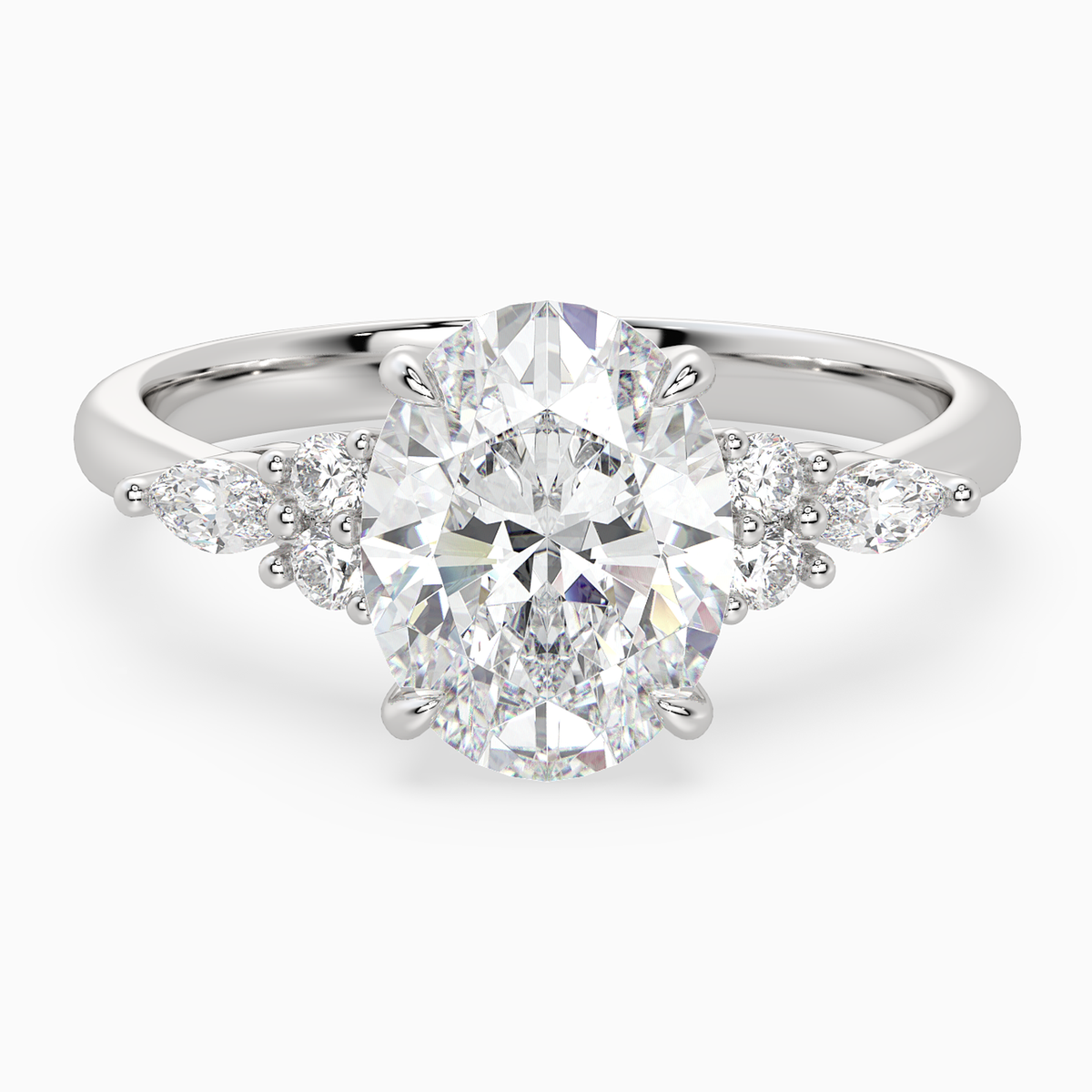


14K White Gold Engagement Rings
Bright without feeling cold. 14K white gold gives diamond shapes and setting lines a clean, neutral frame with an easy, balanced presence.


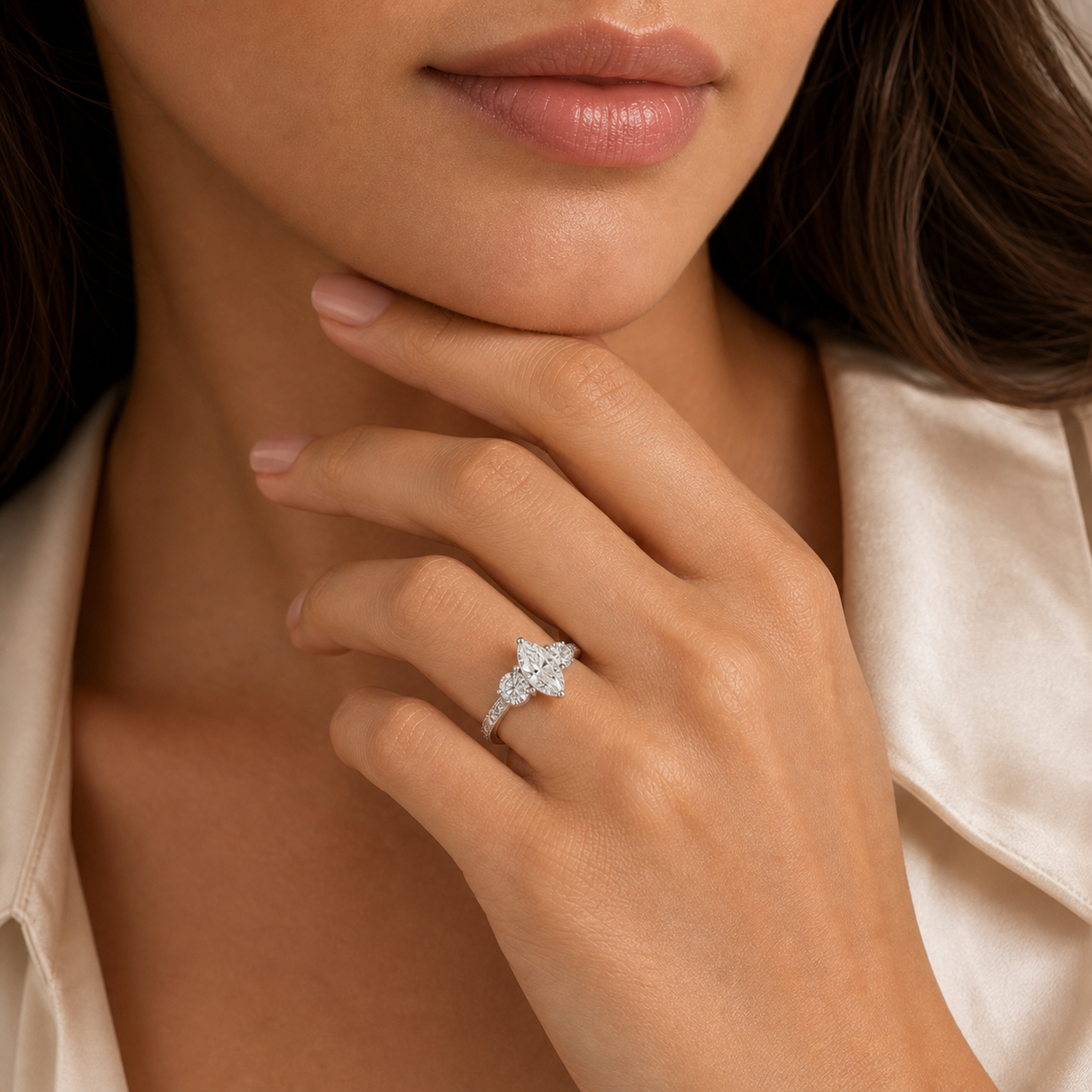


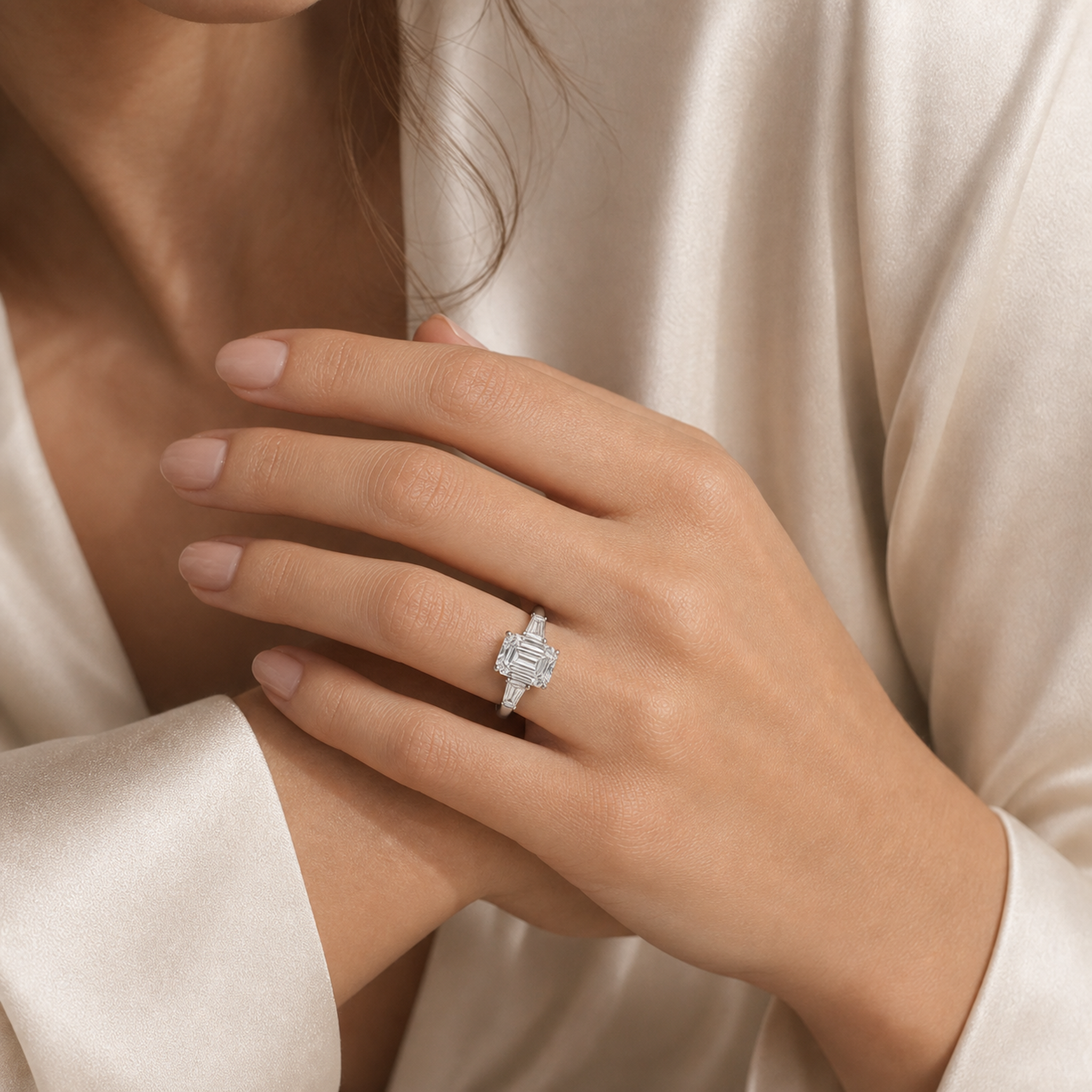


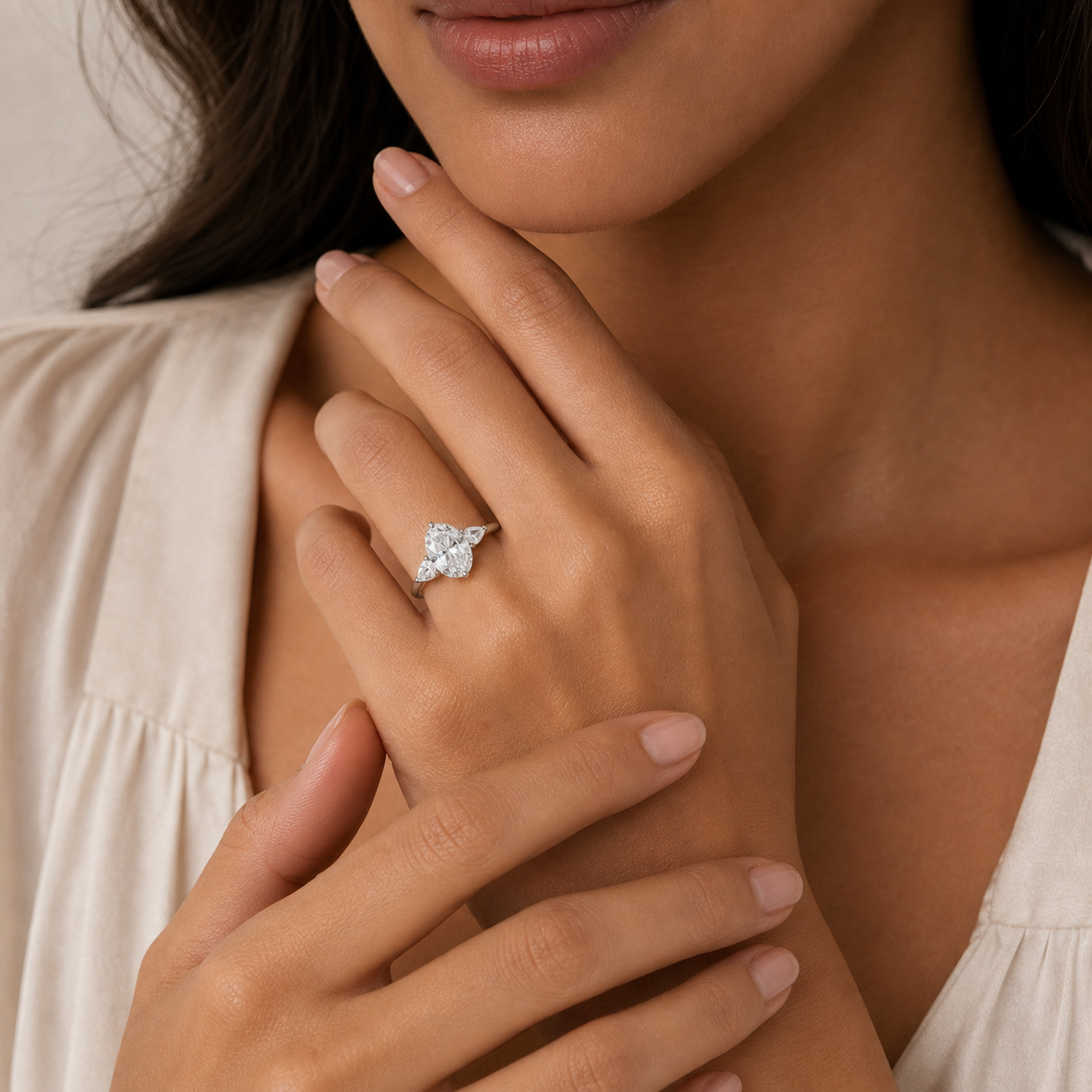


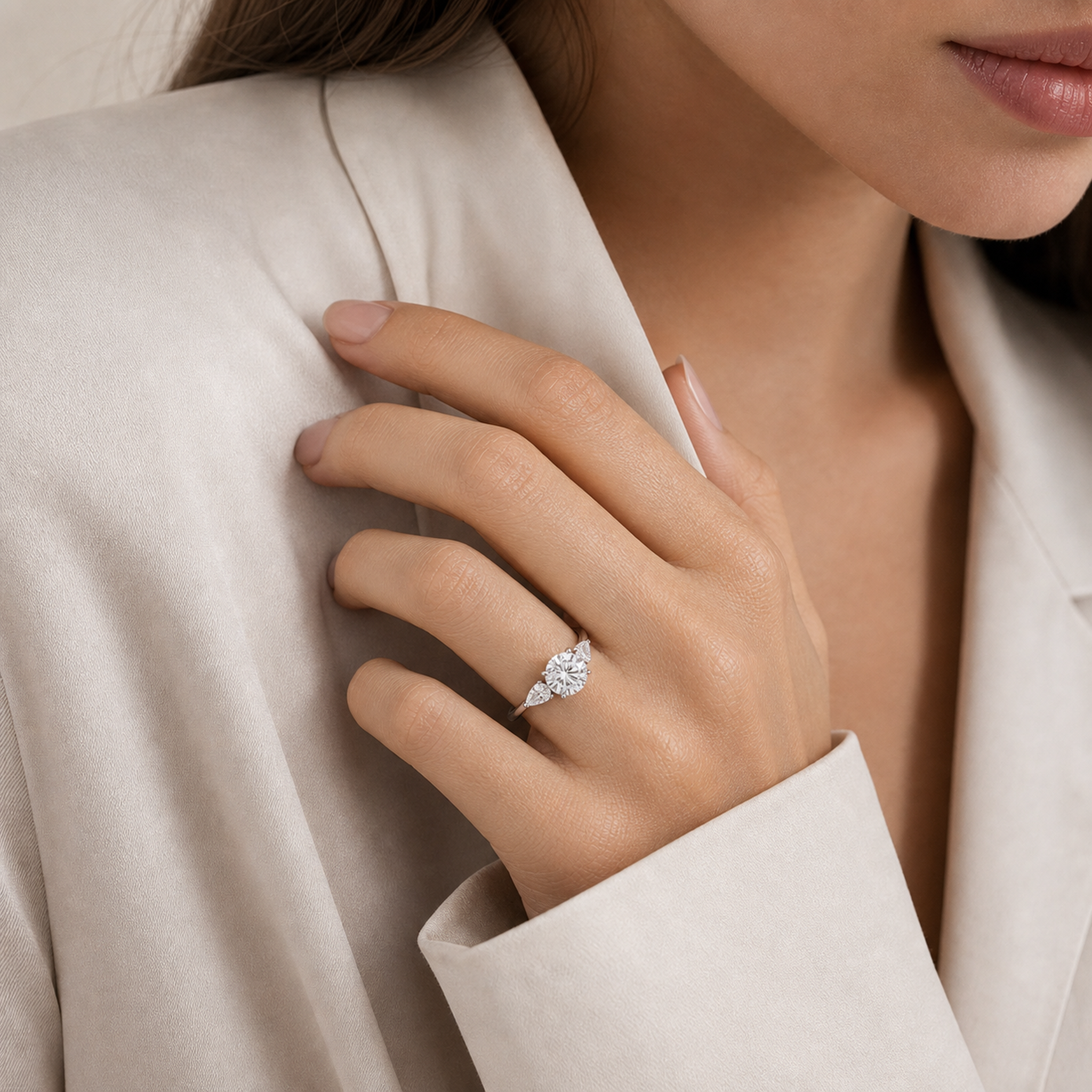


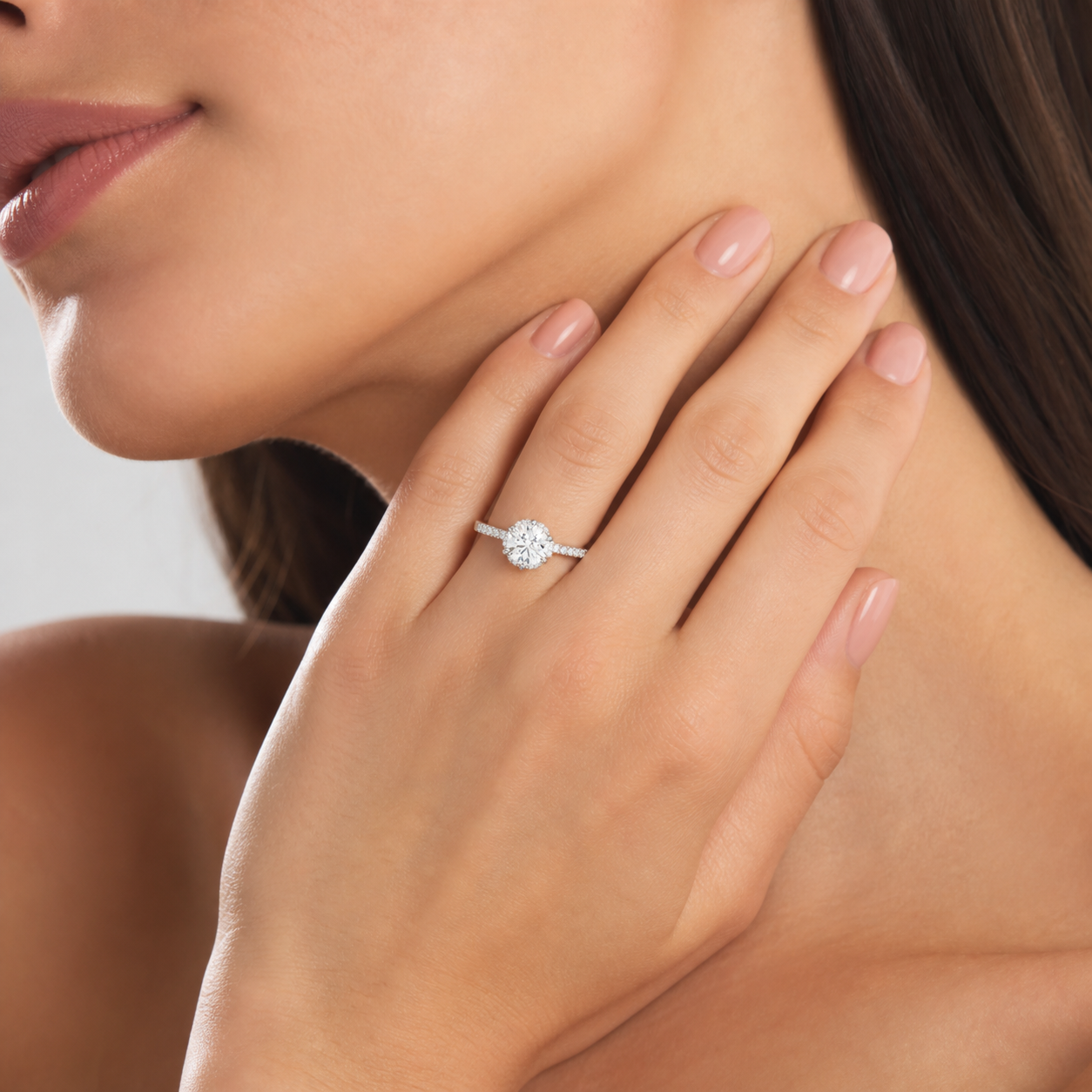


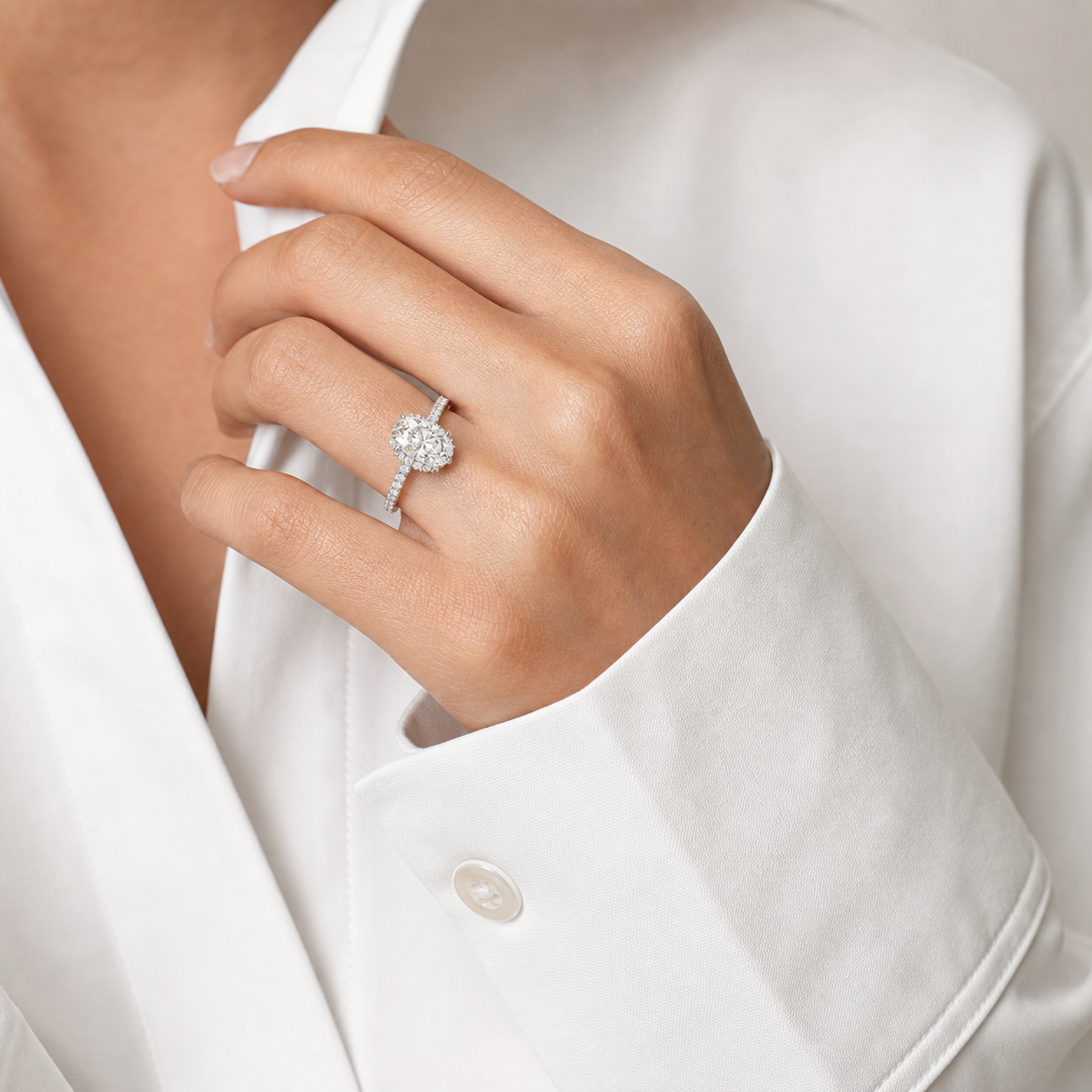


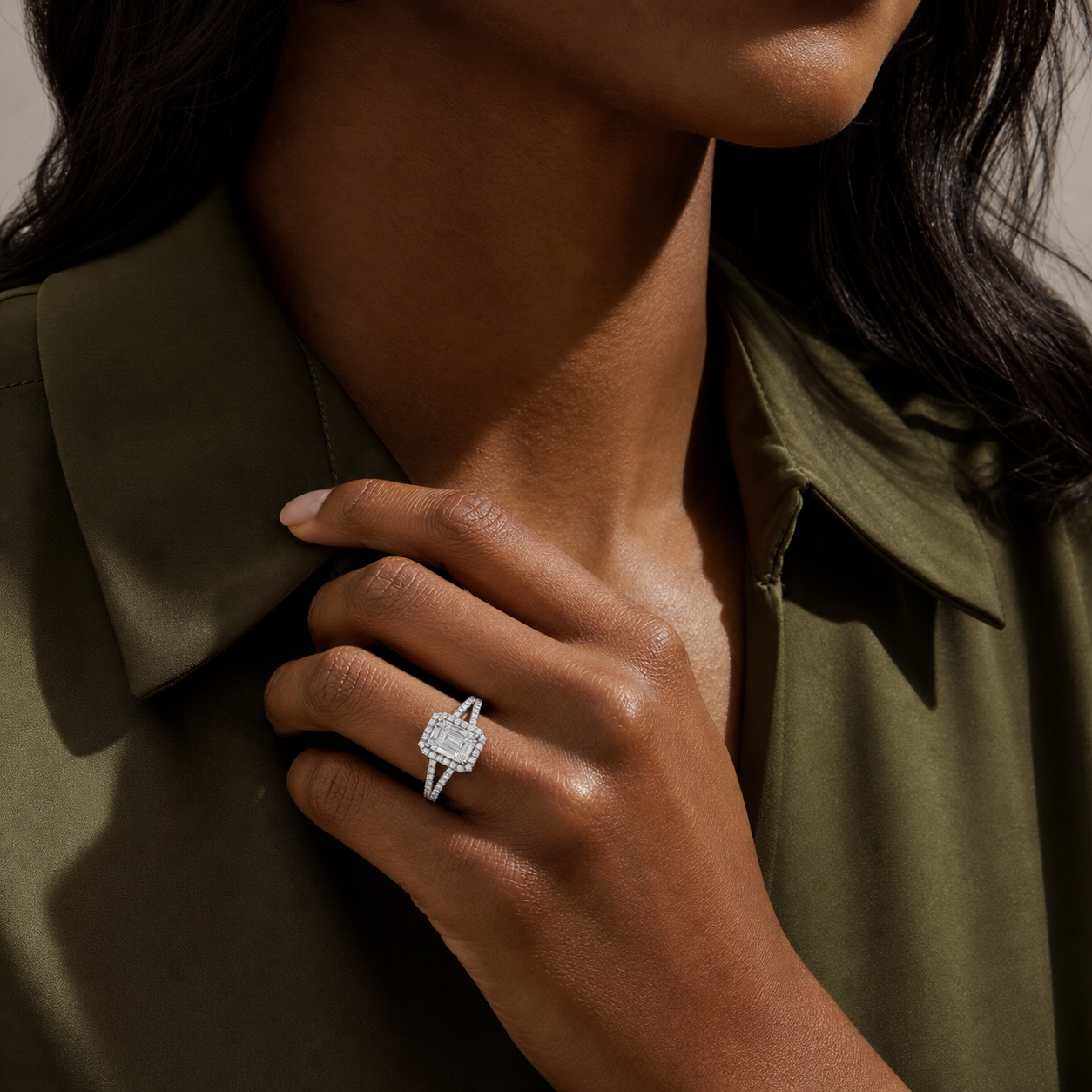

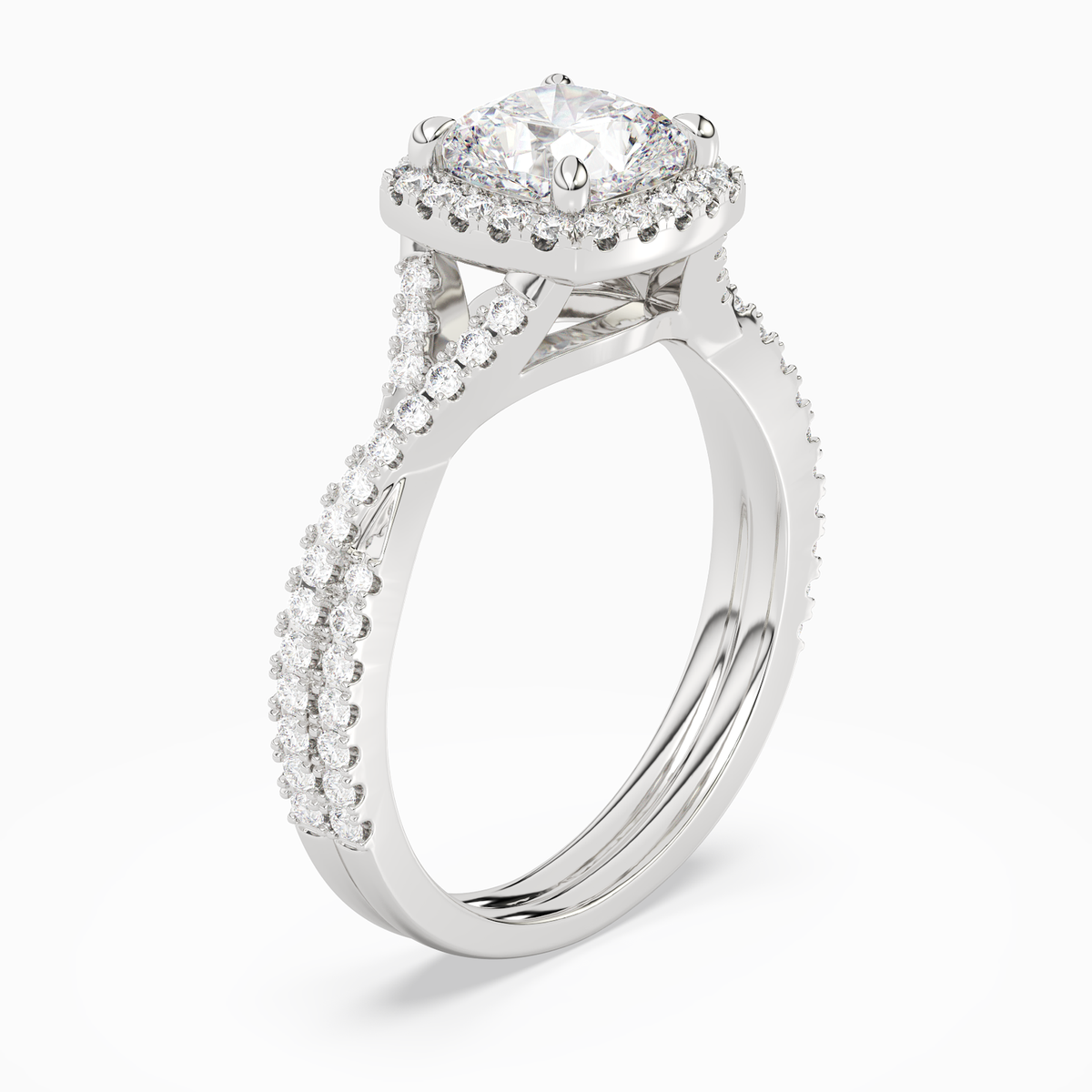
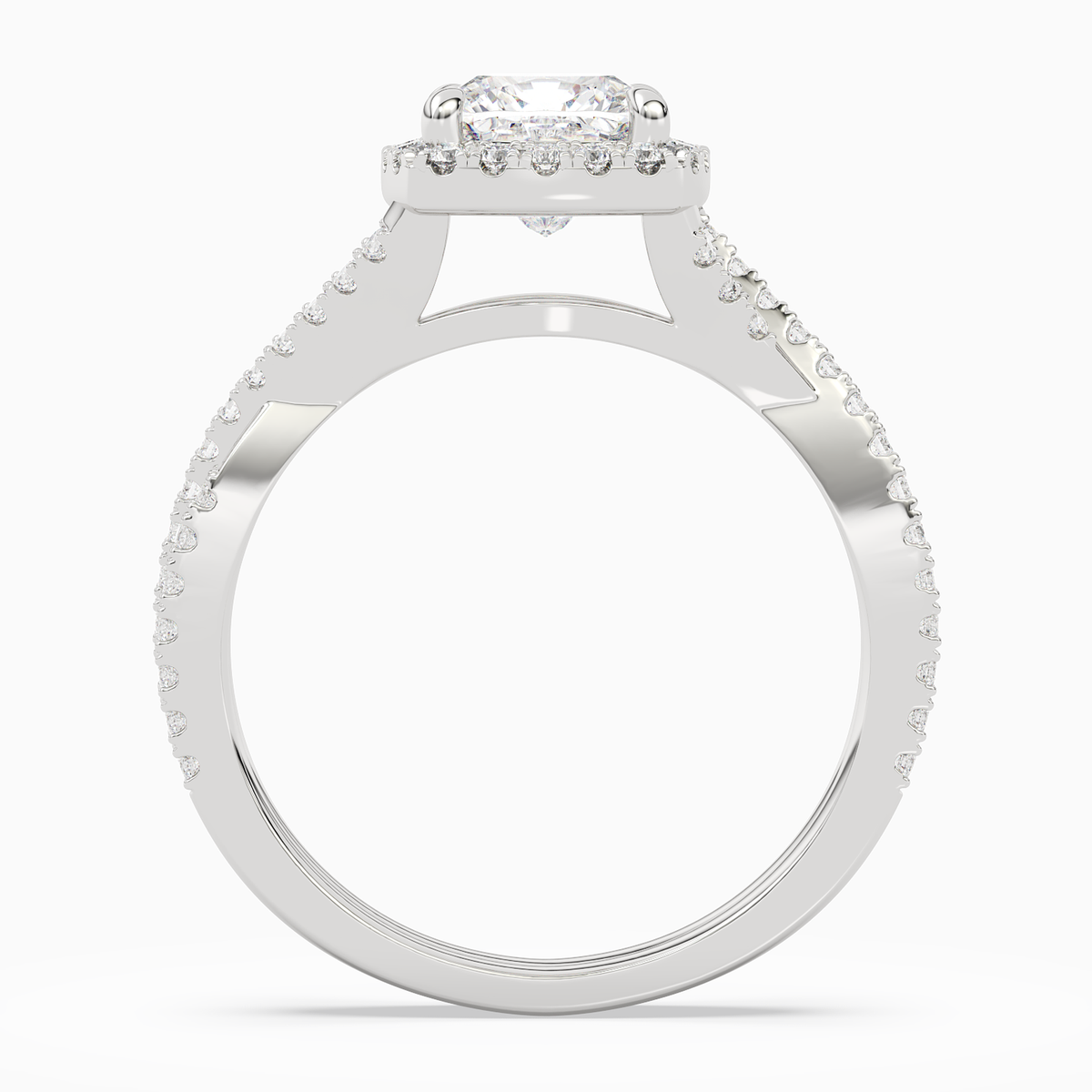
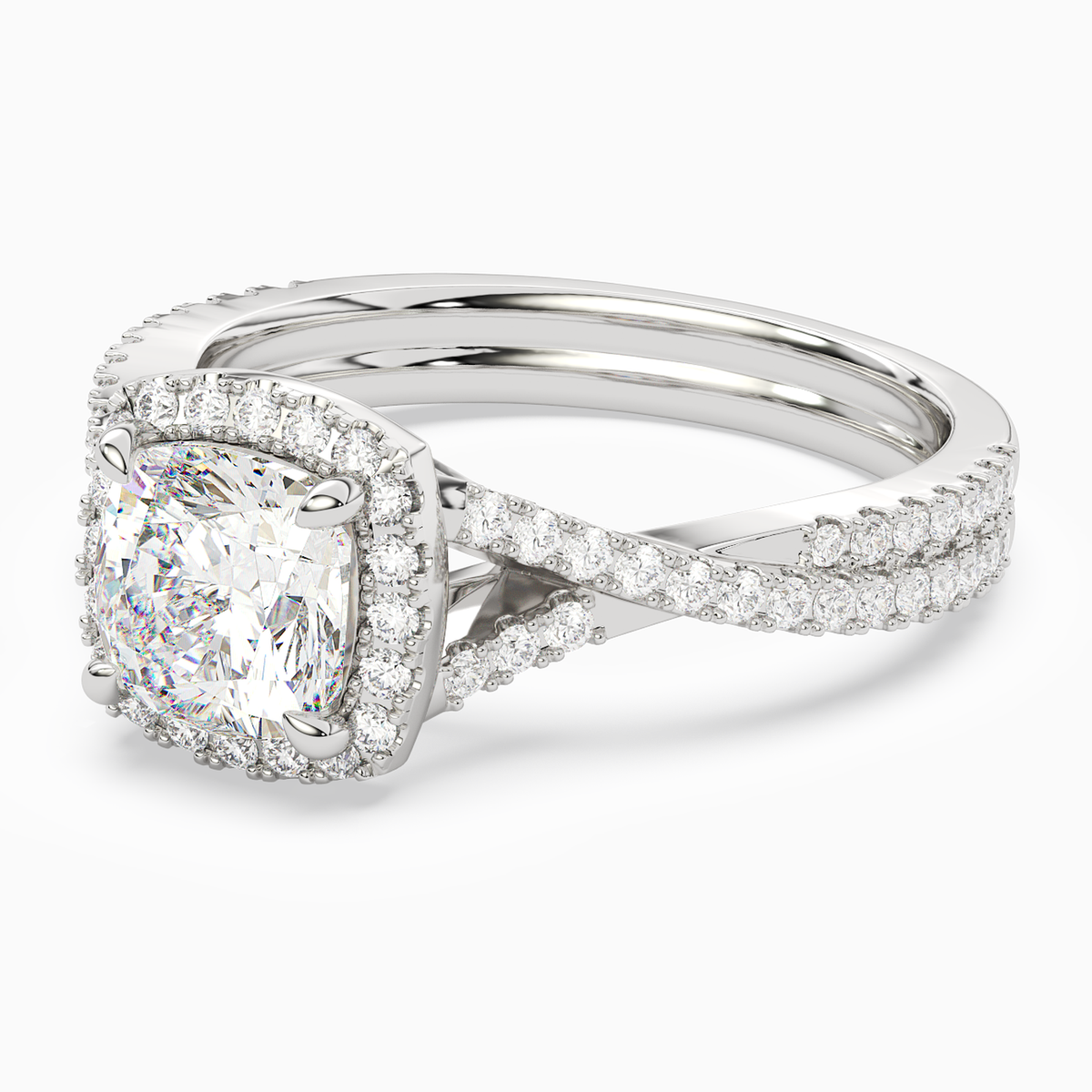
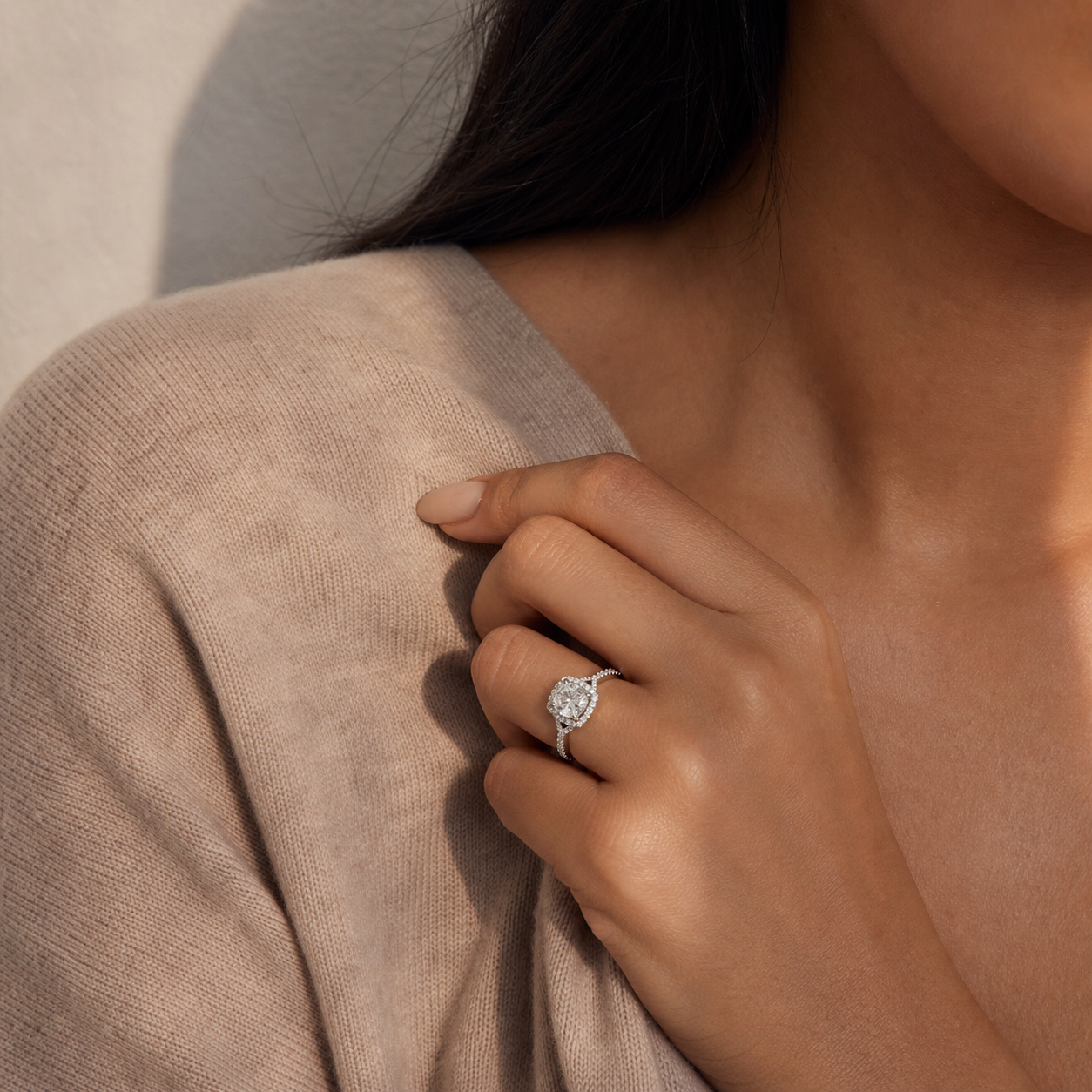


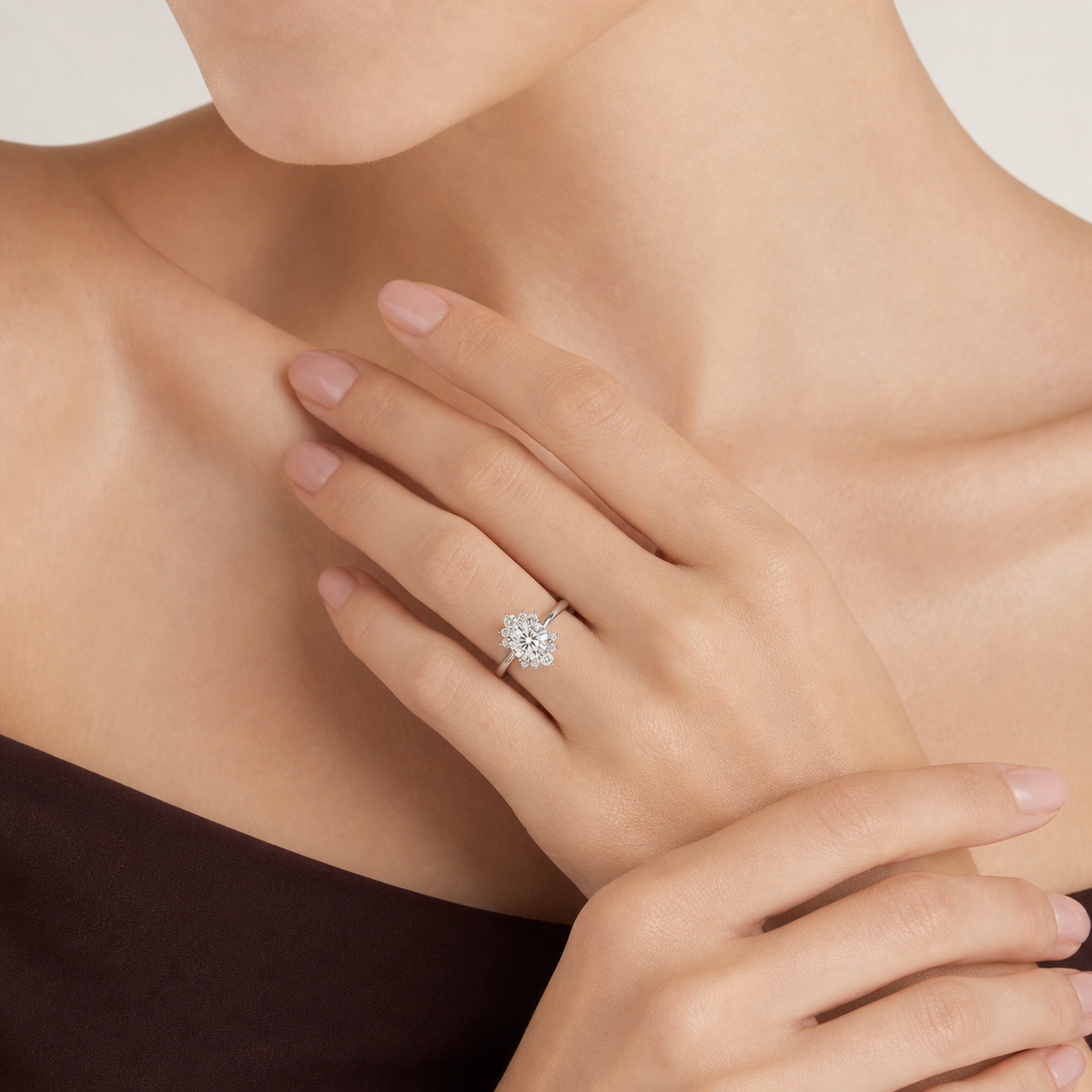


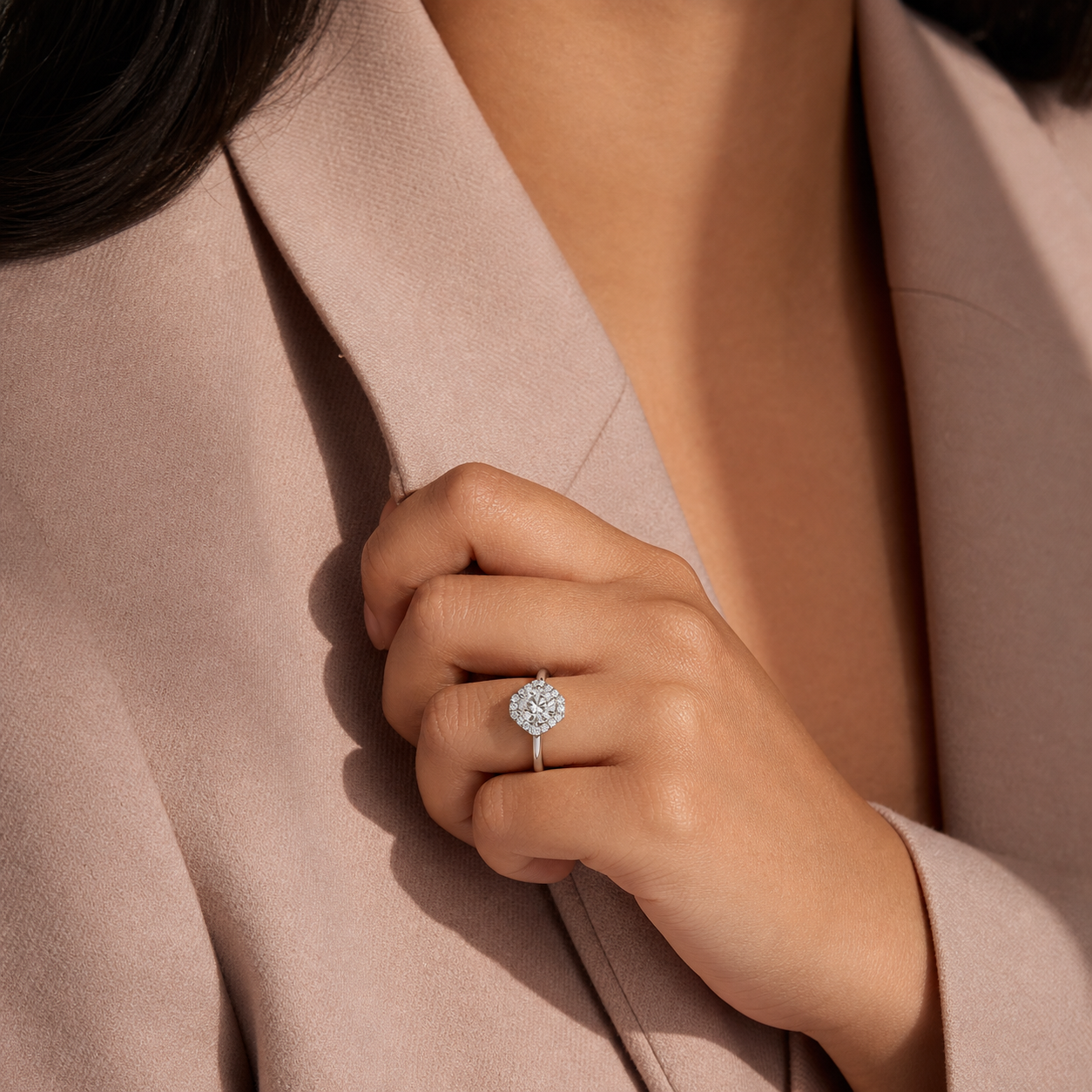





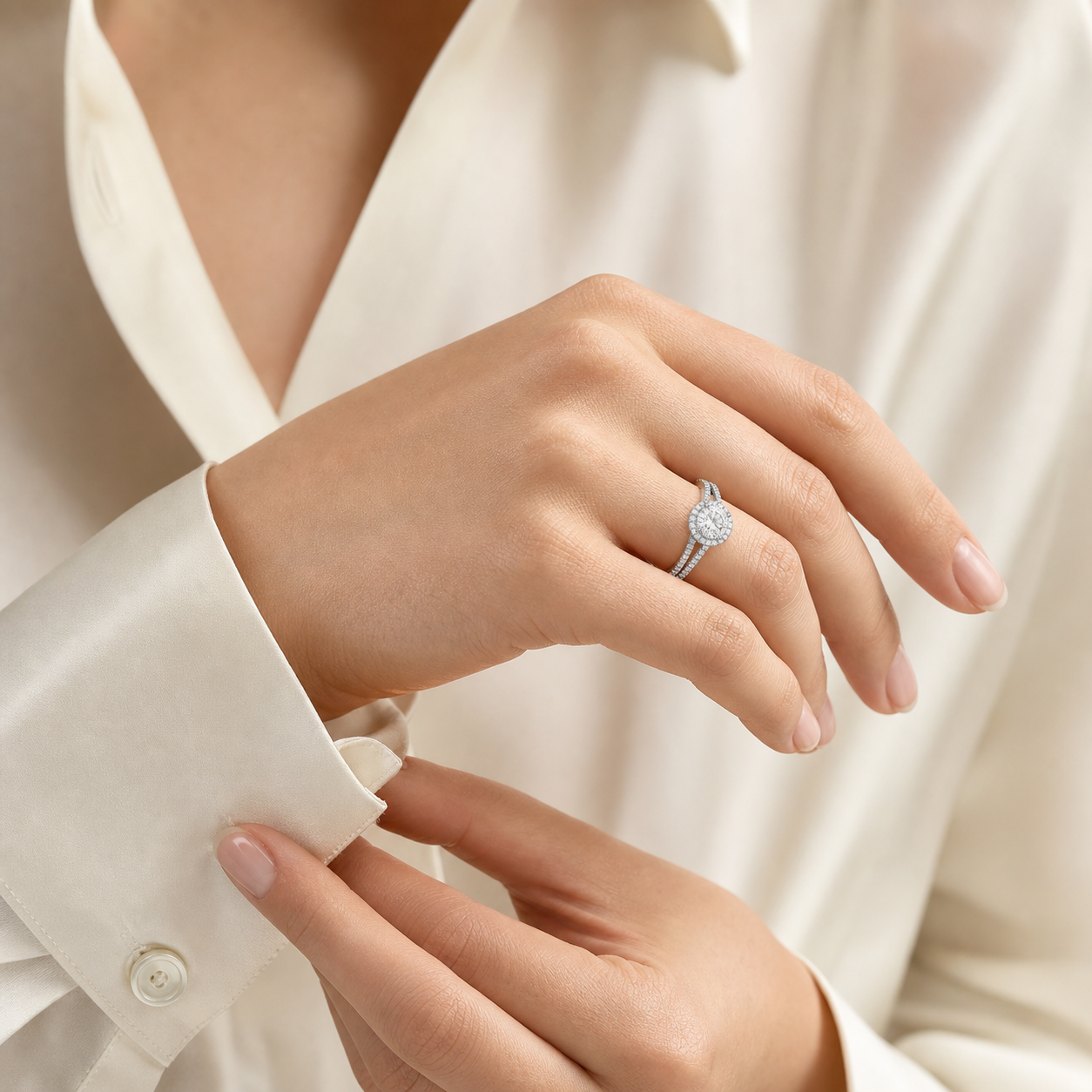
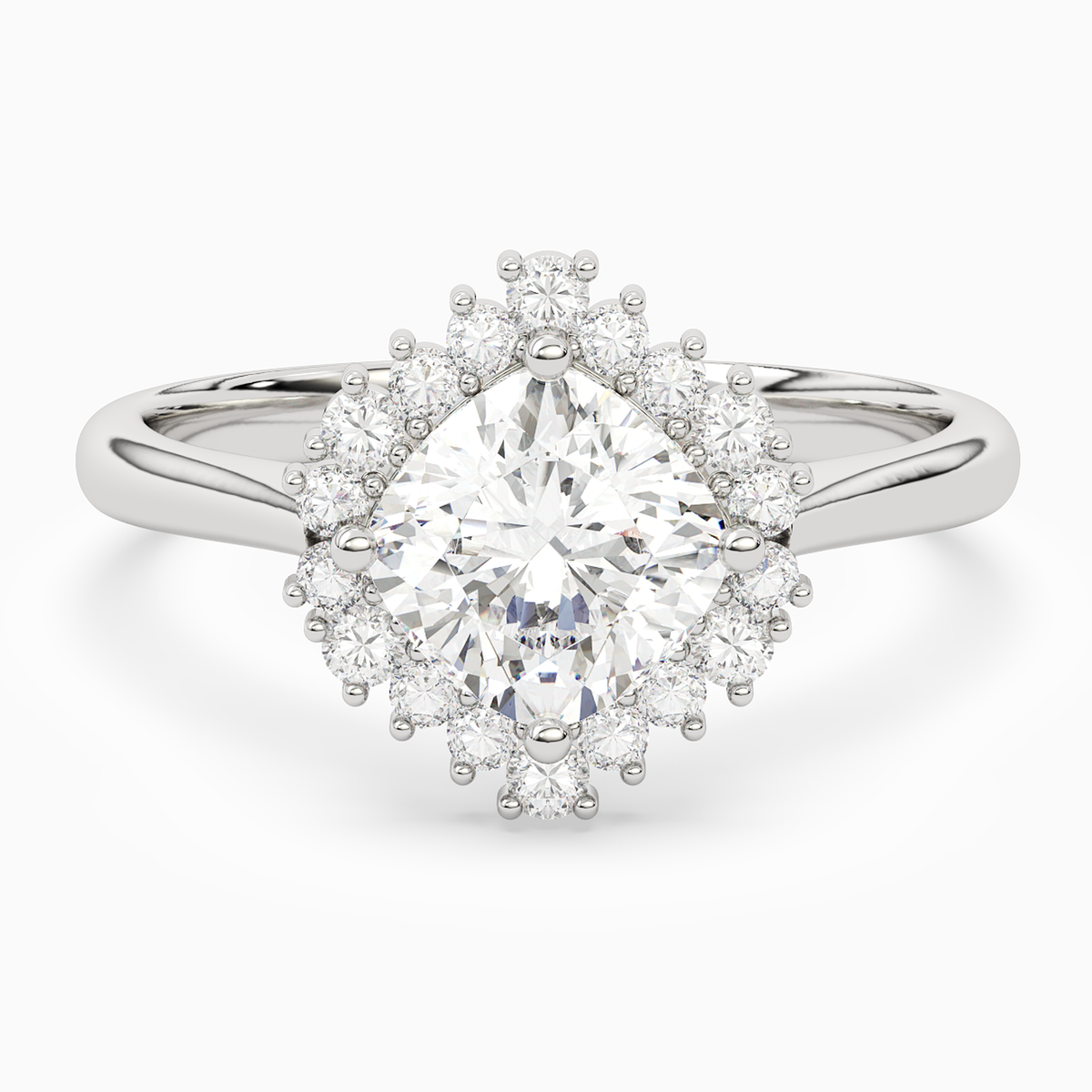
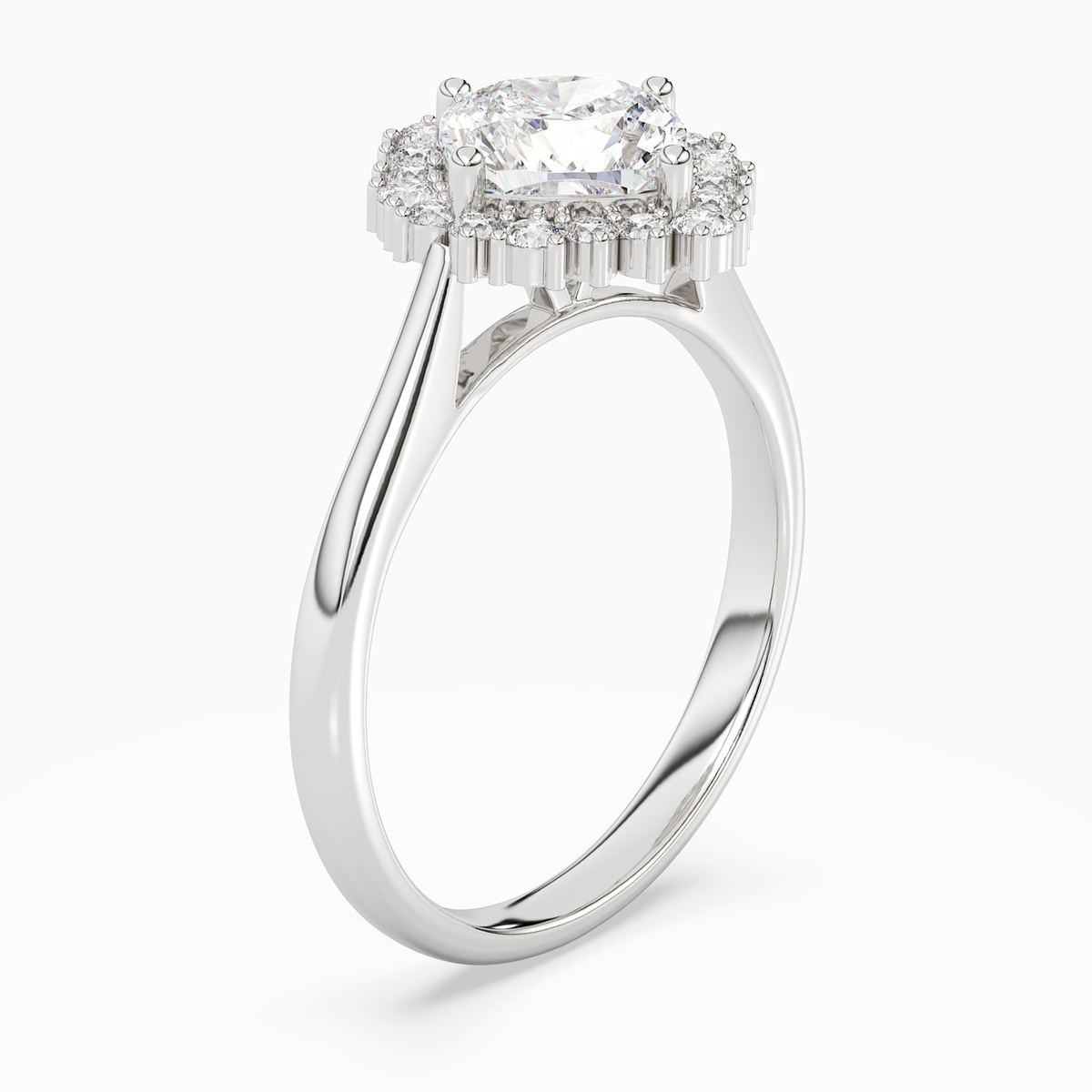

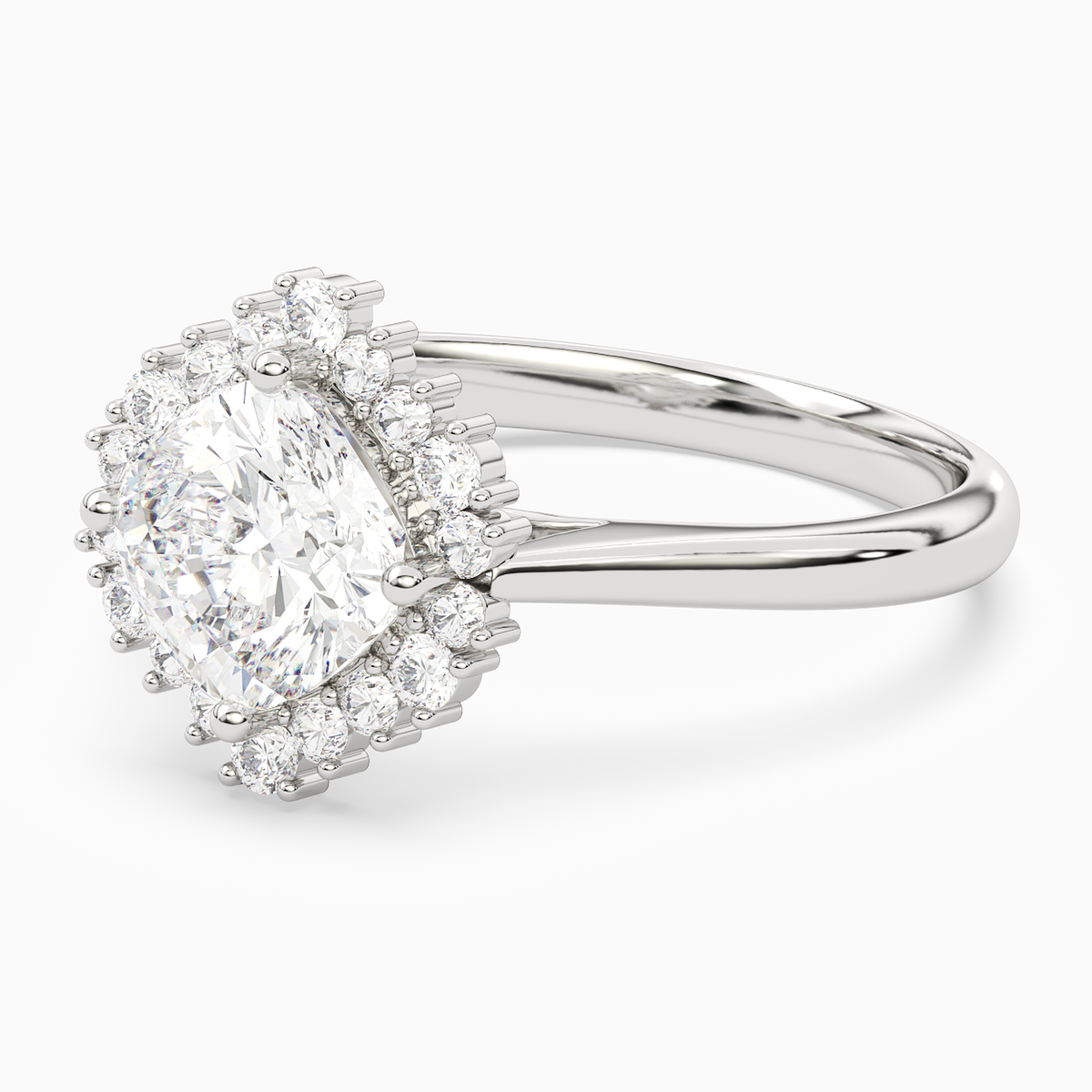
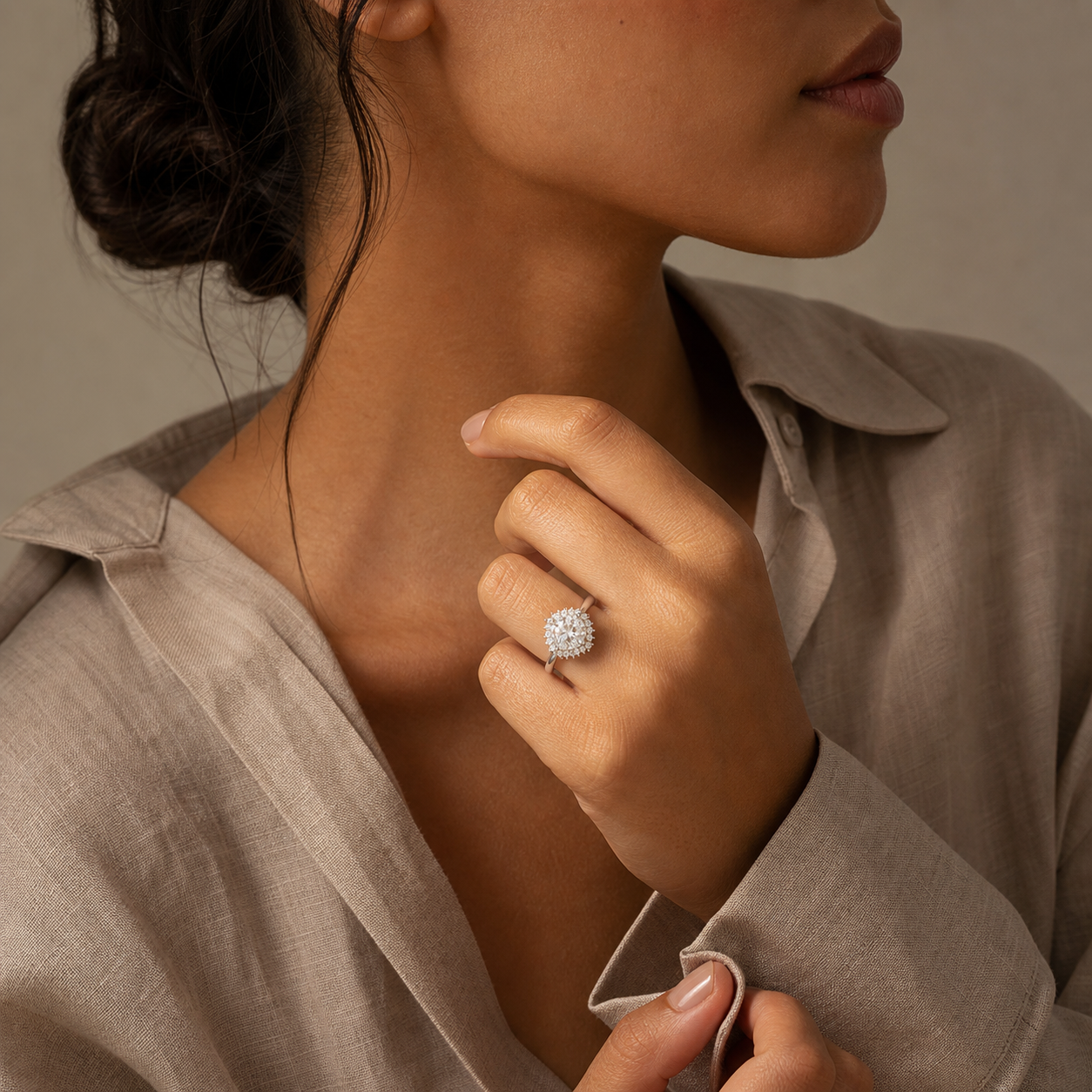


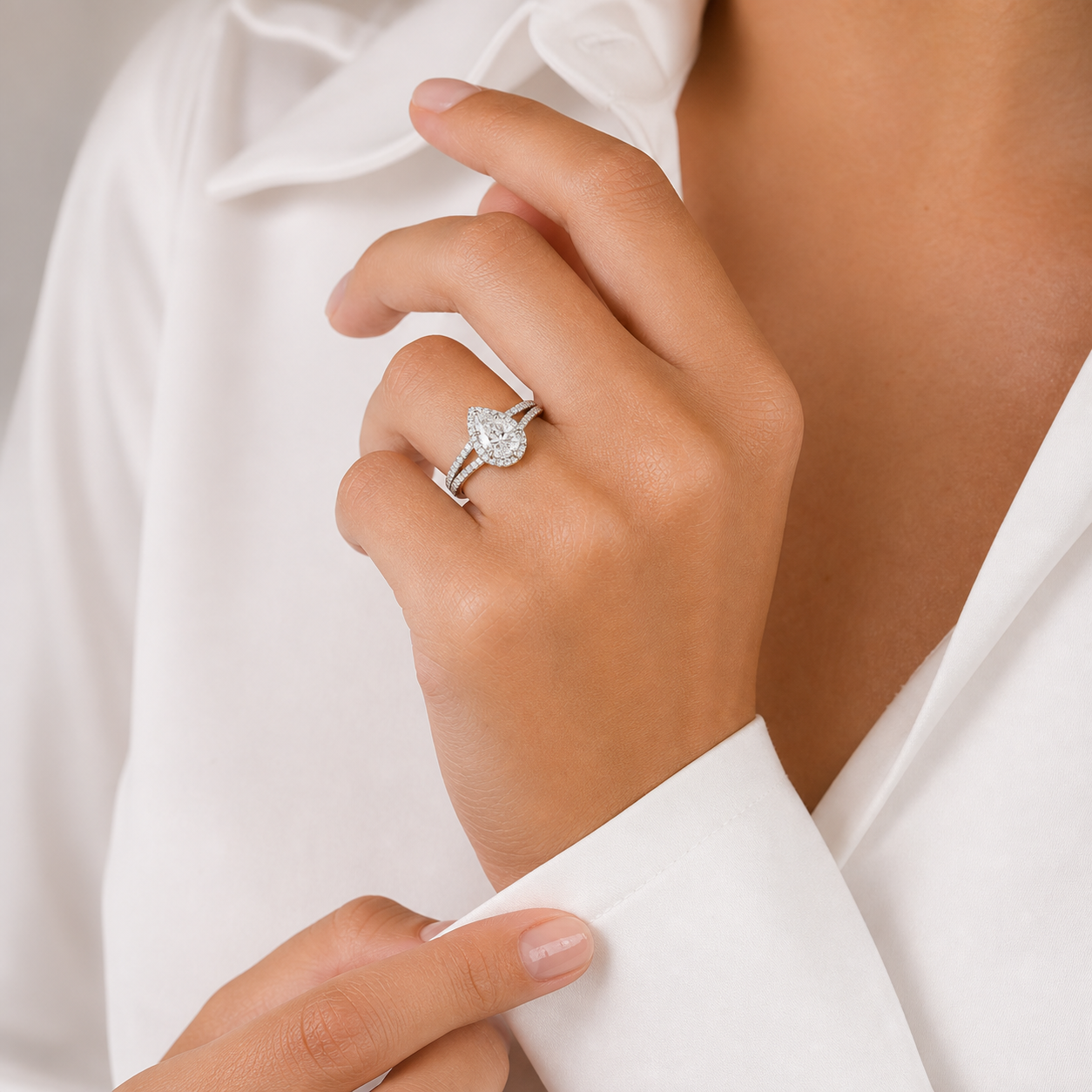


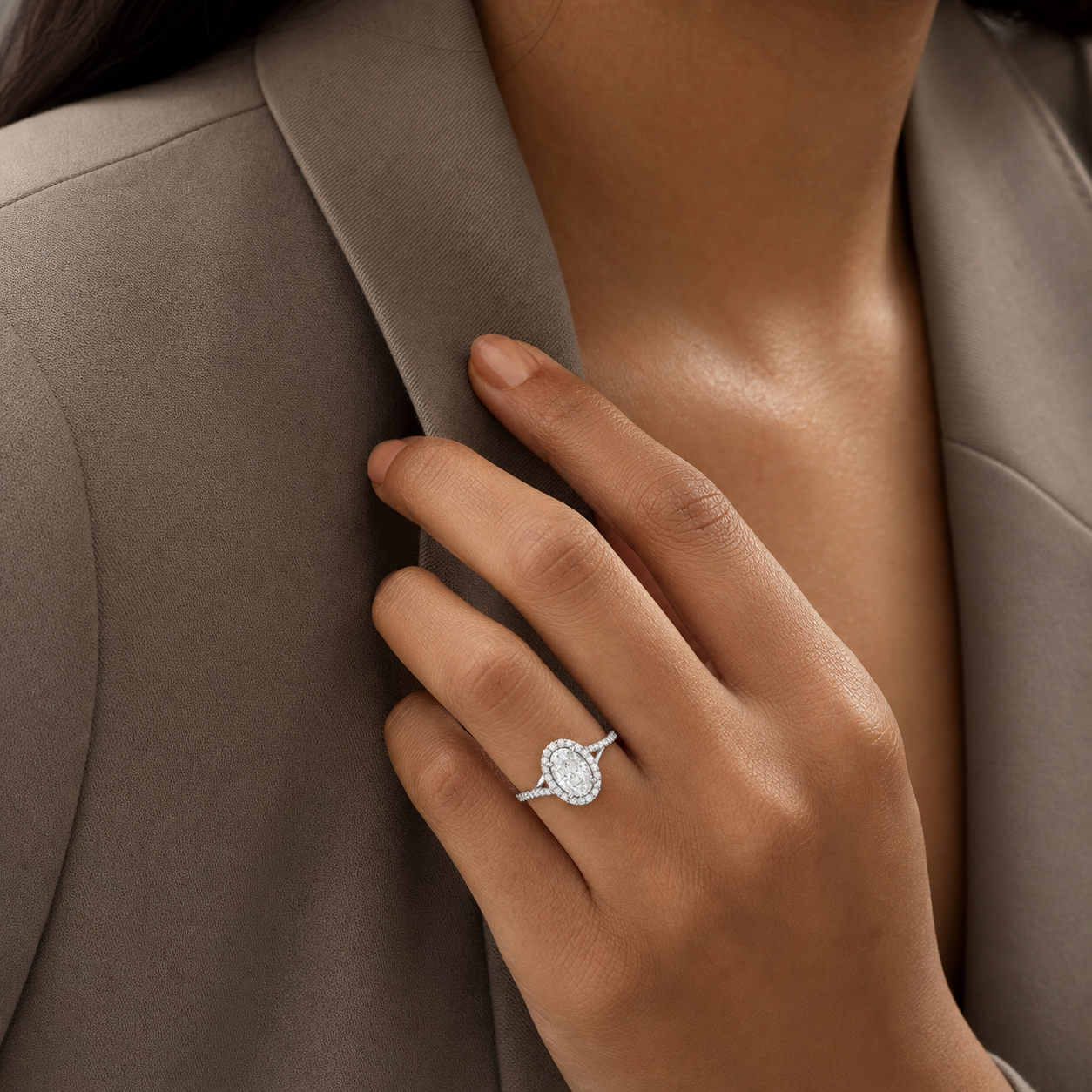


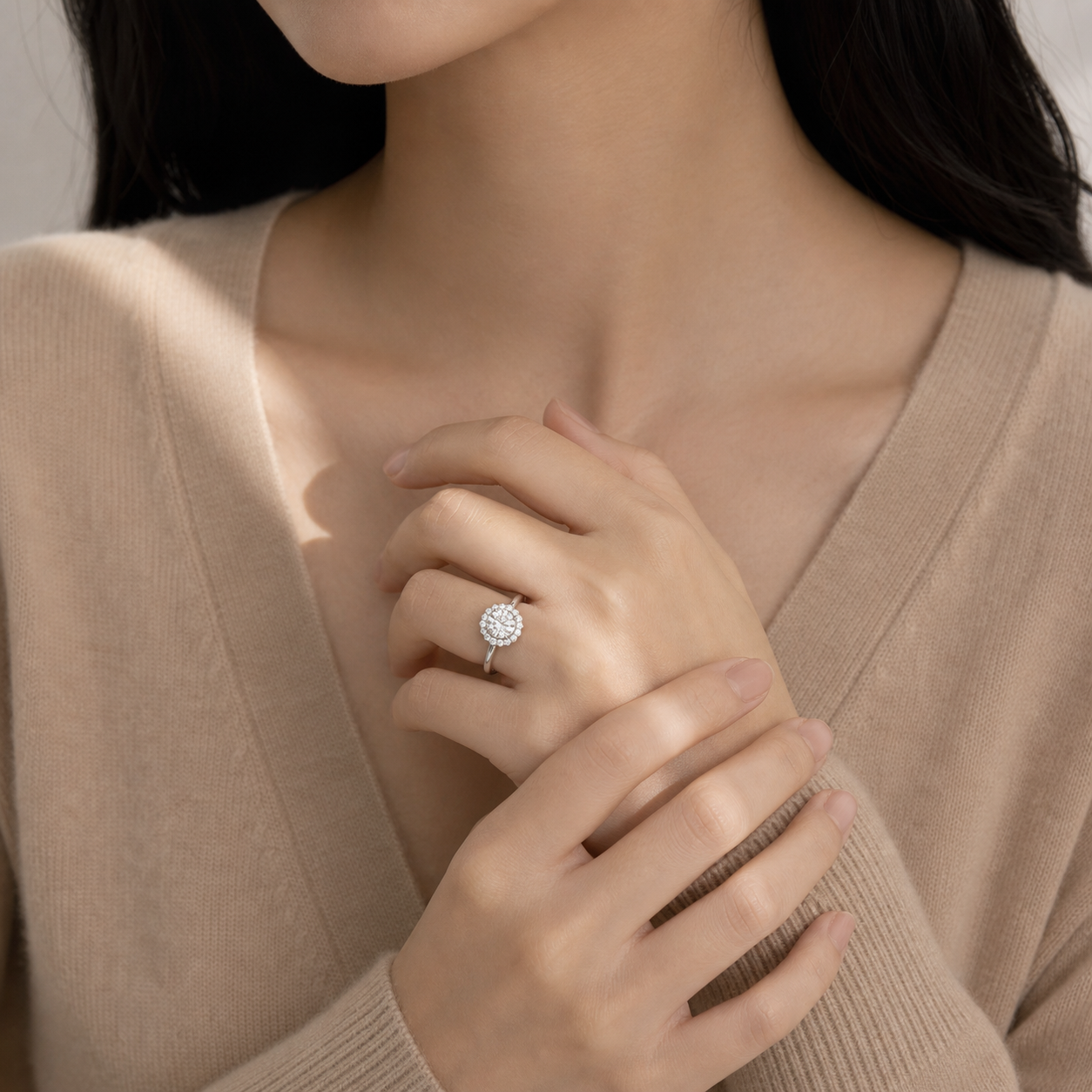


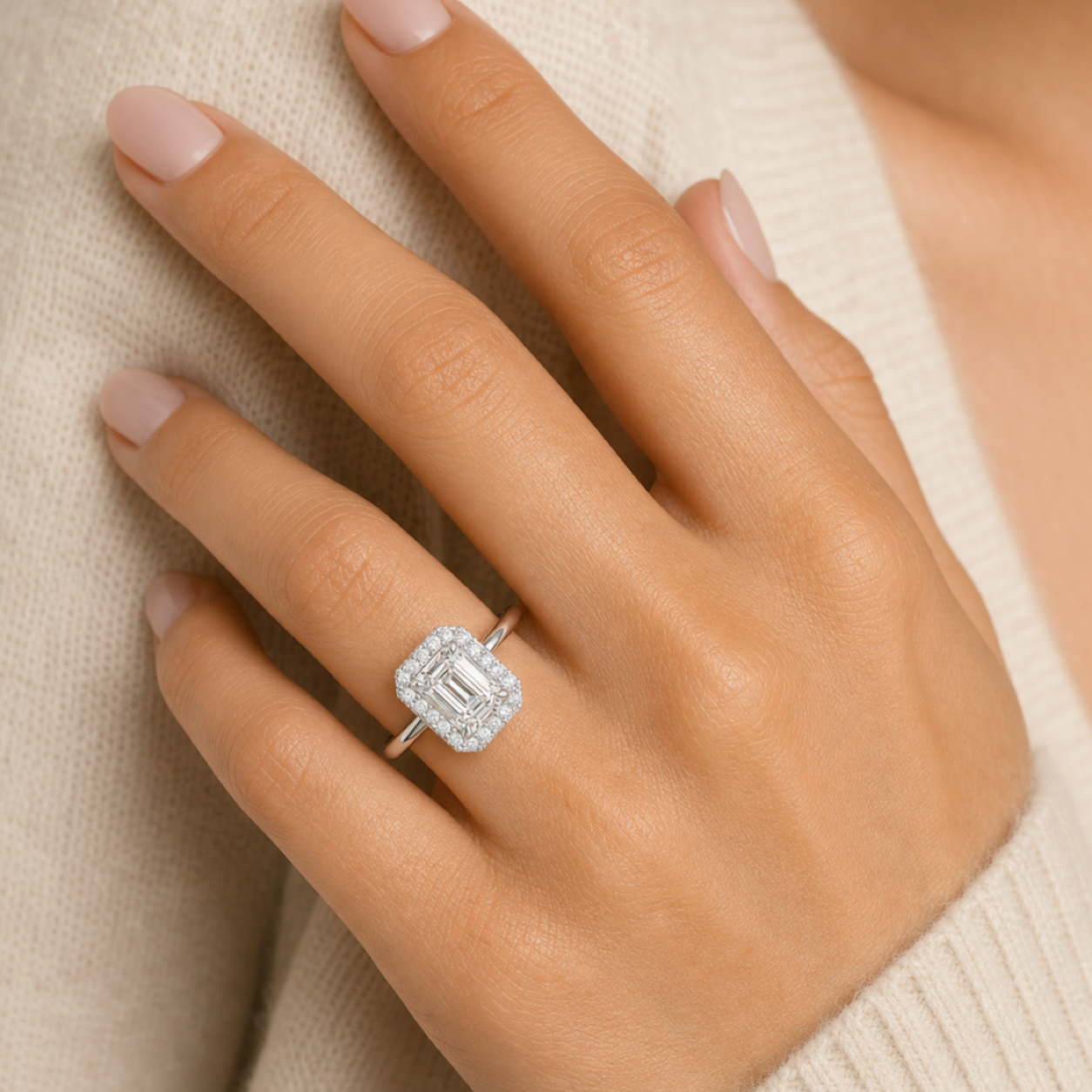
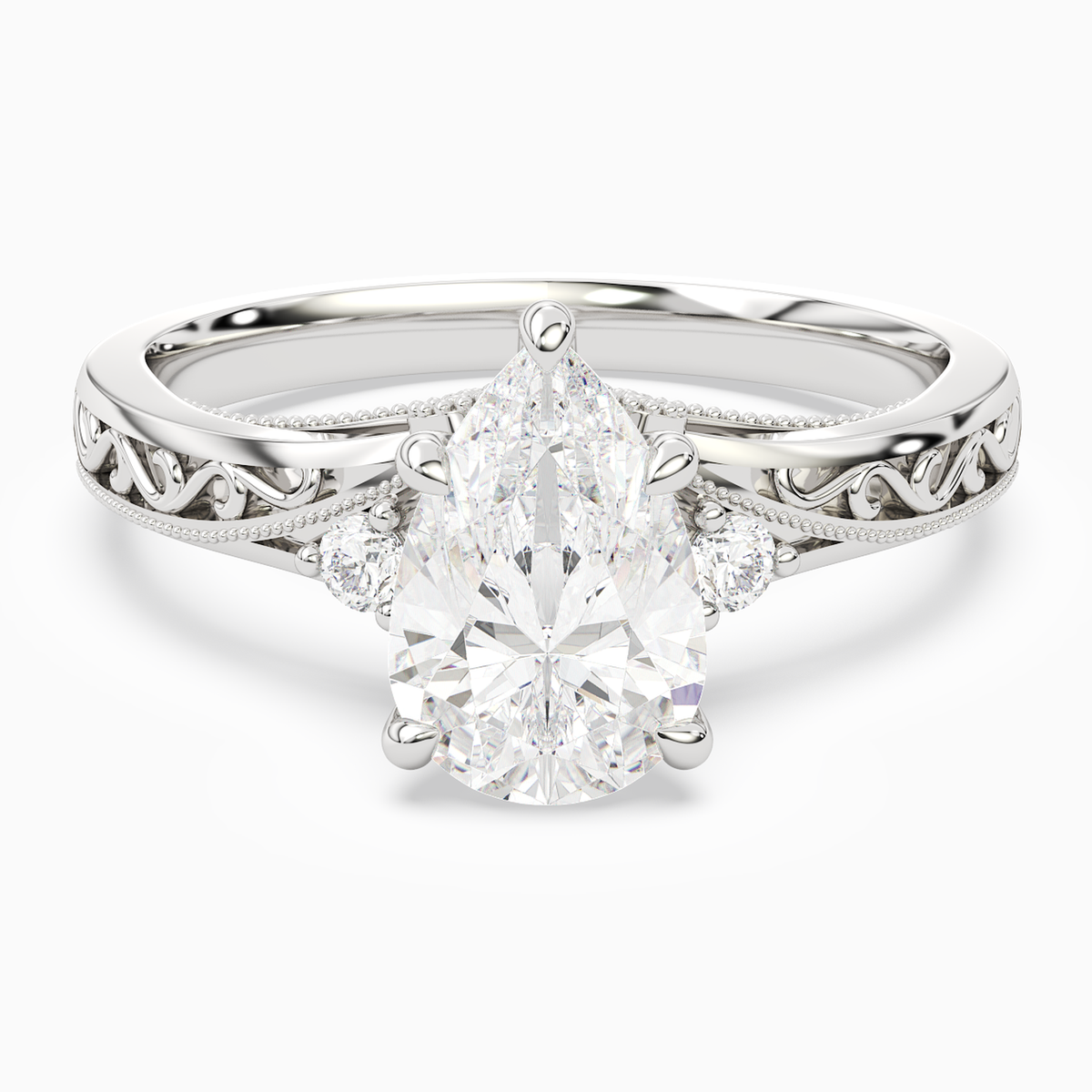
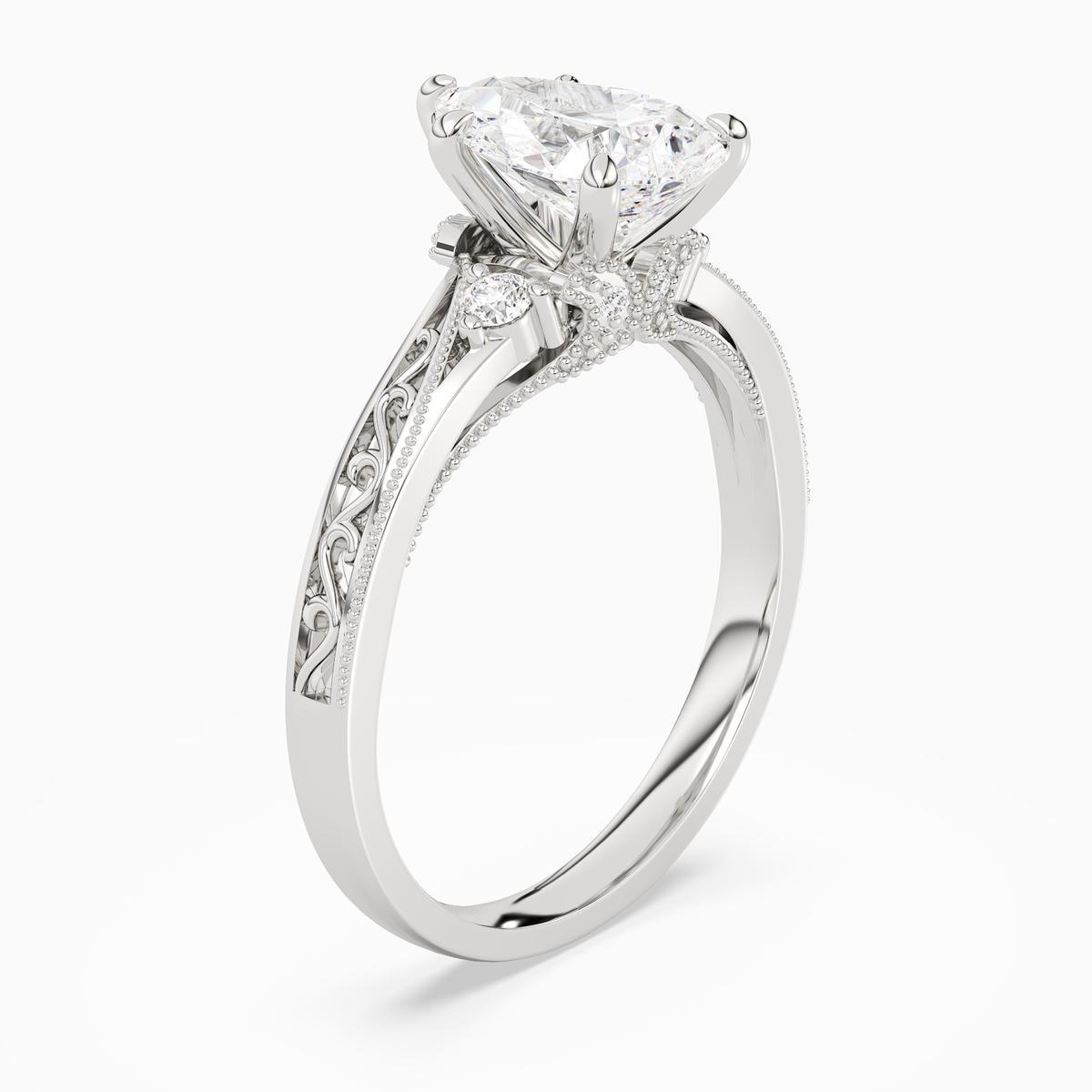
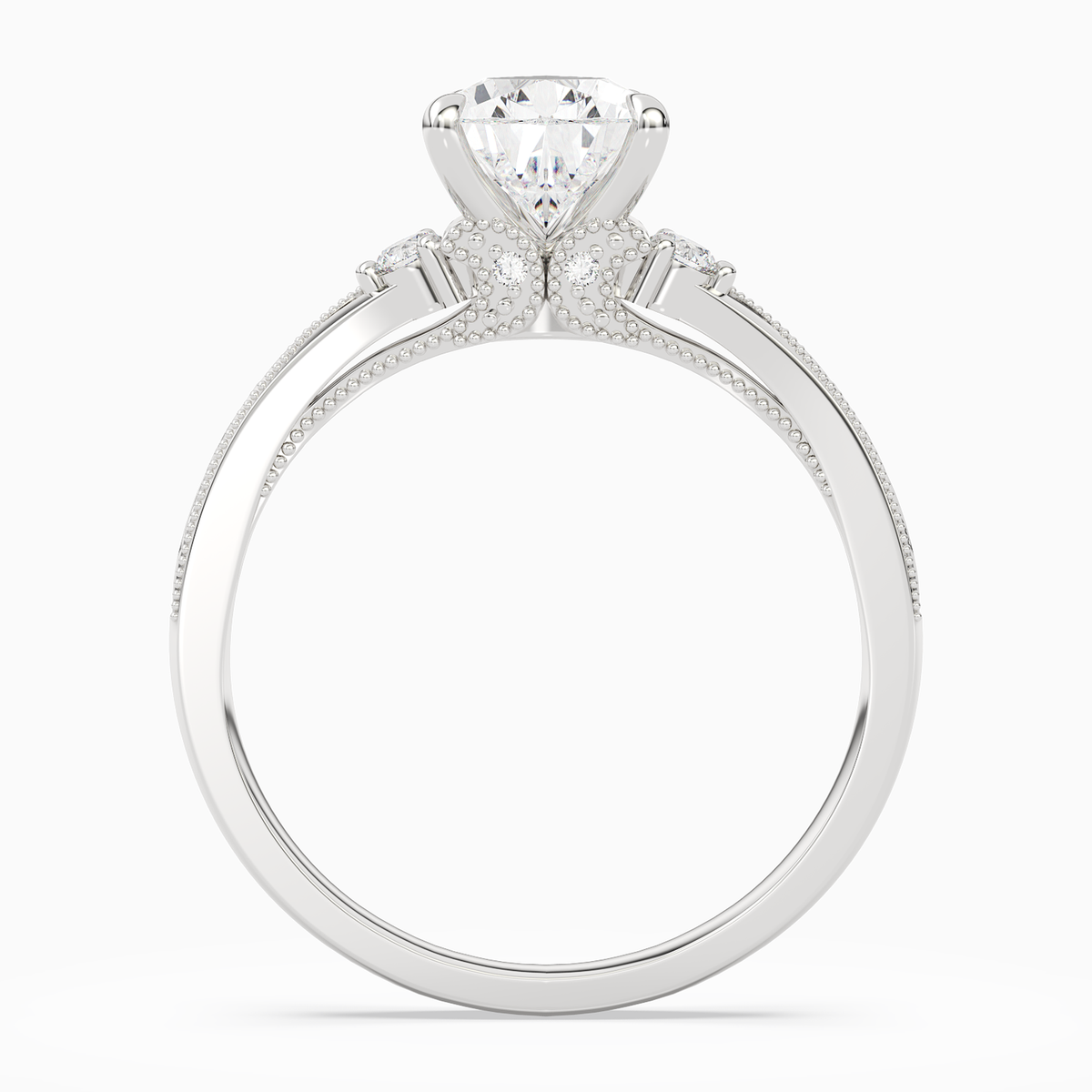
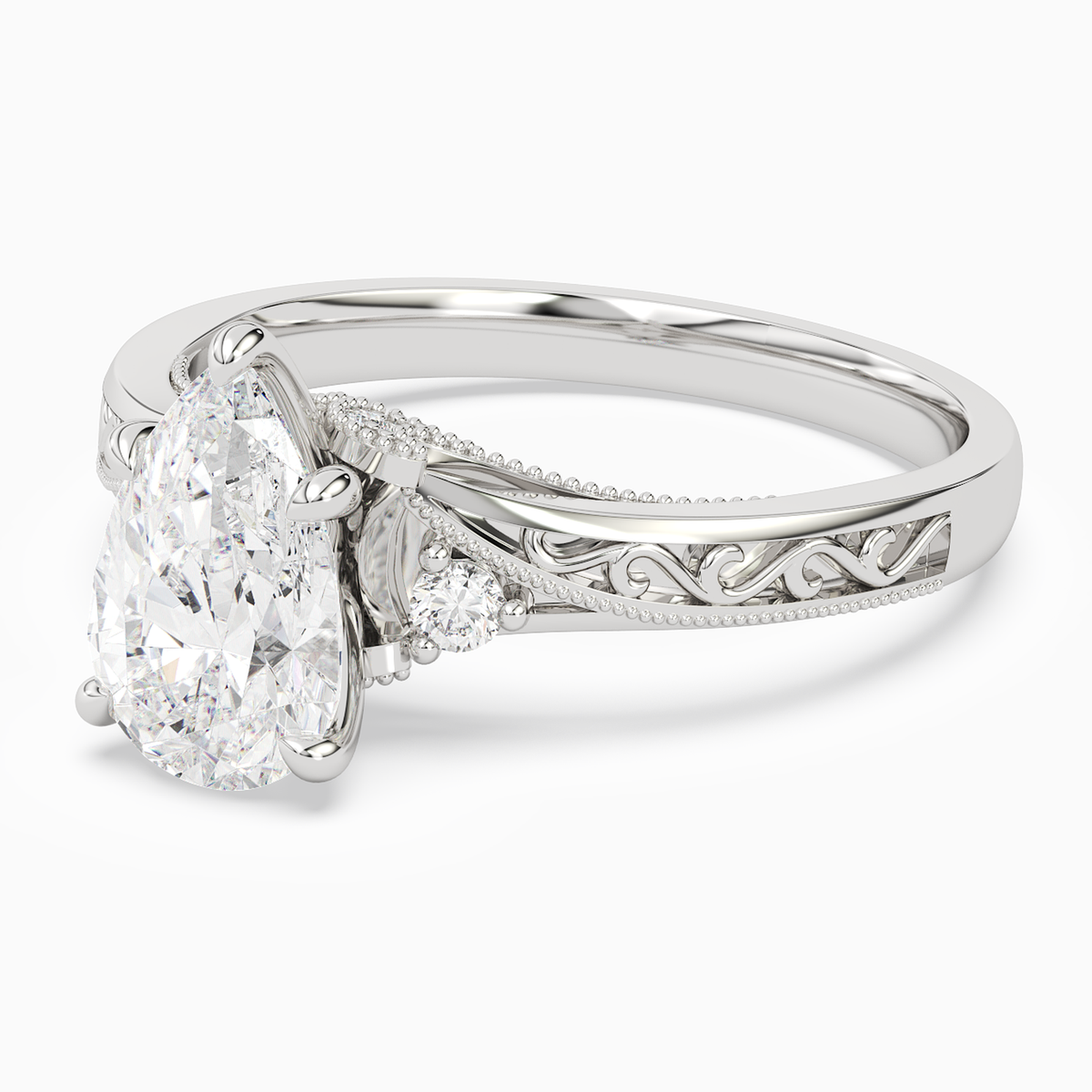
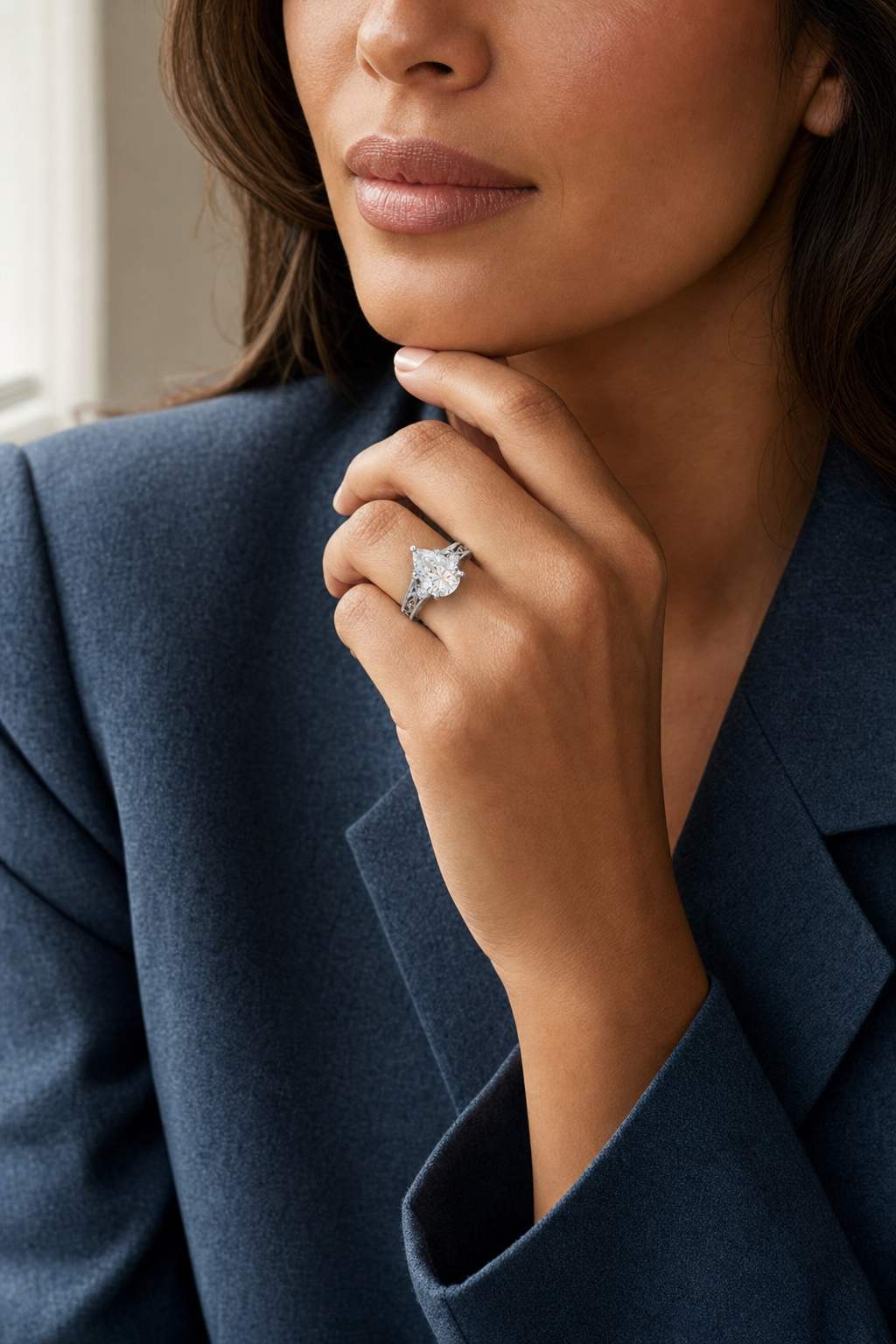


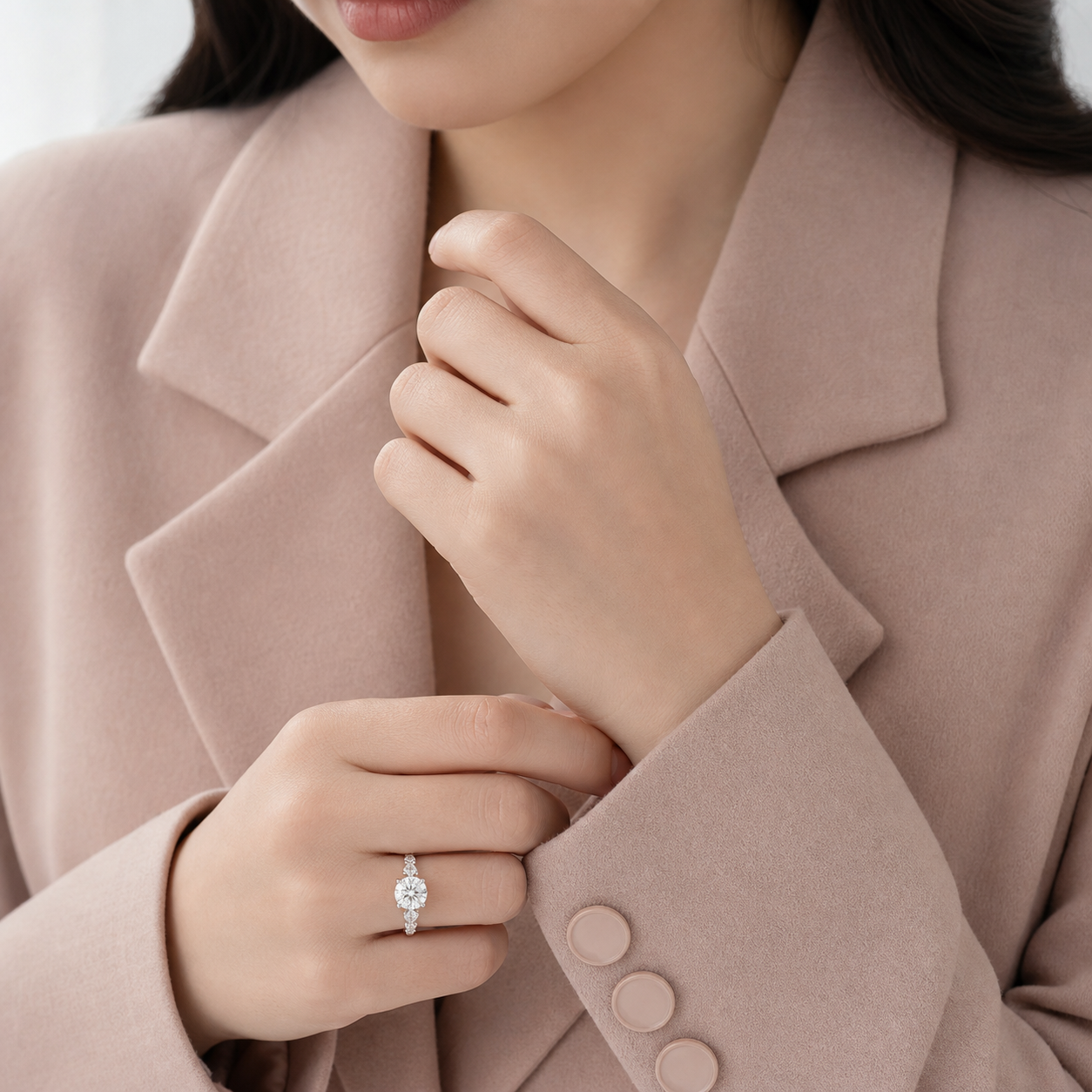


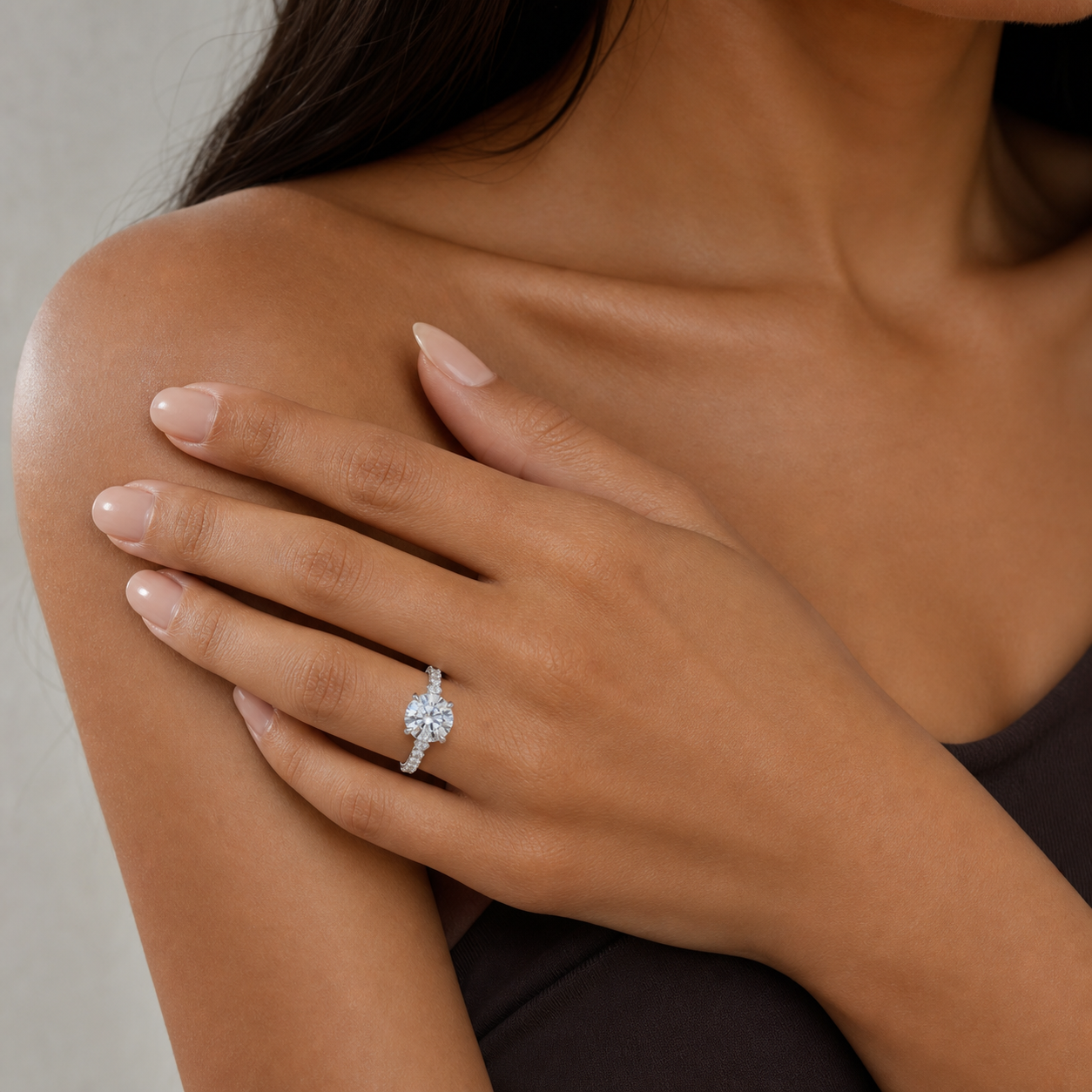


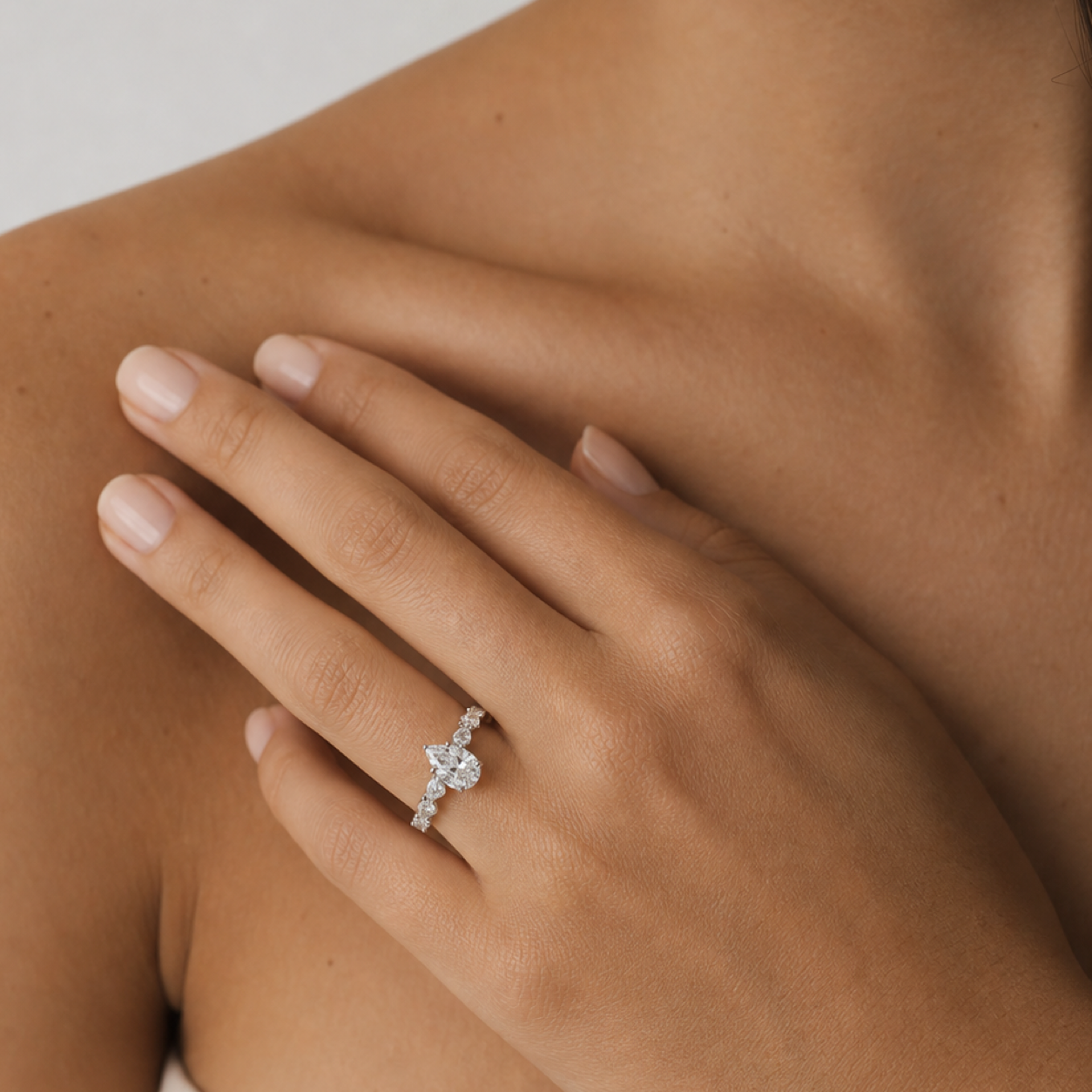


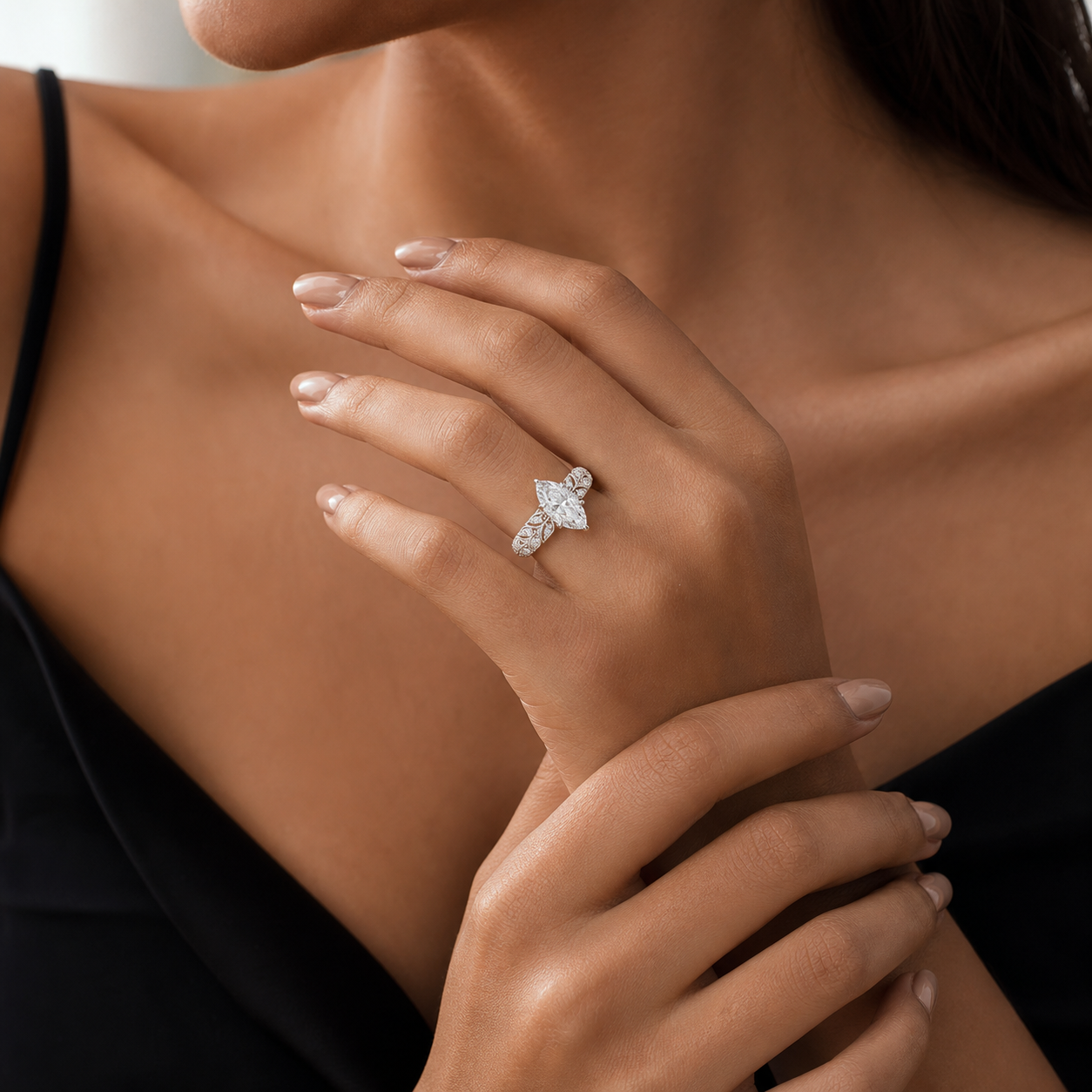
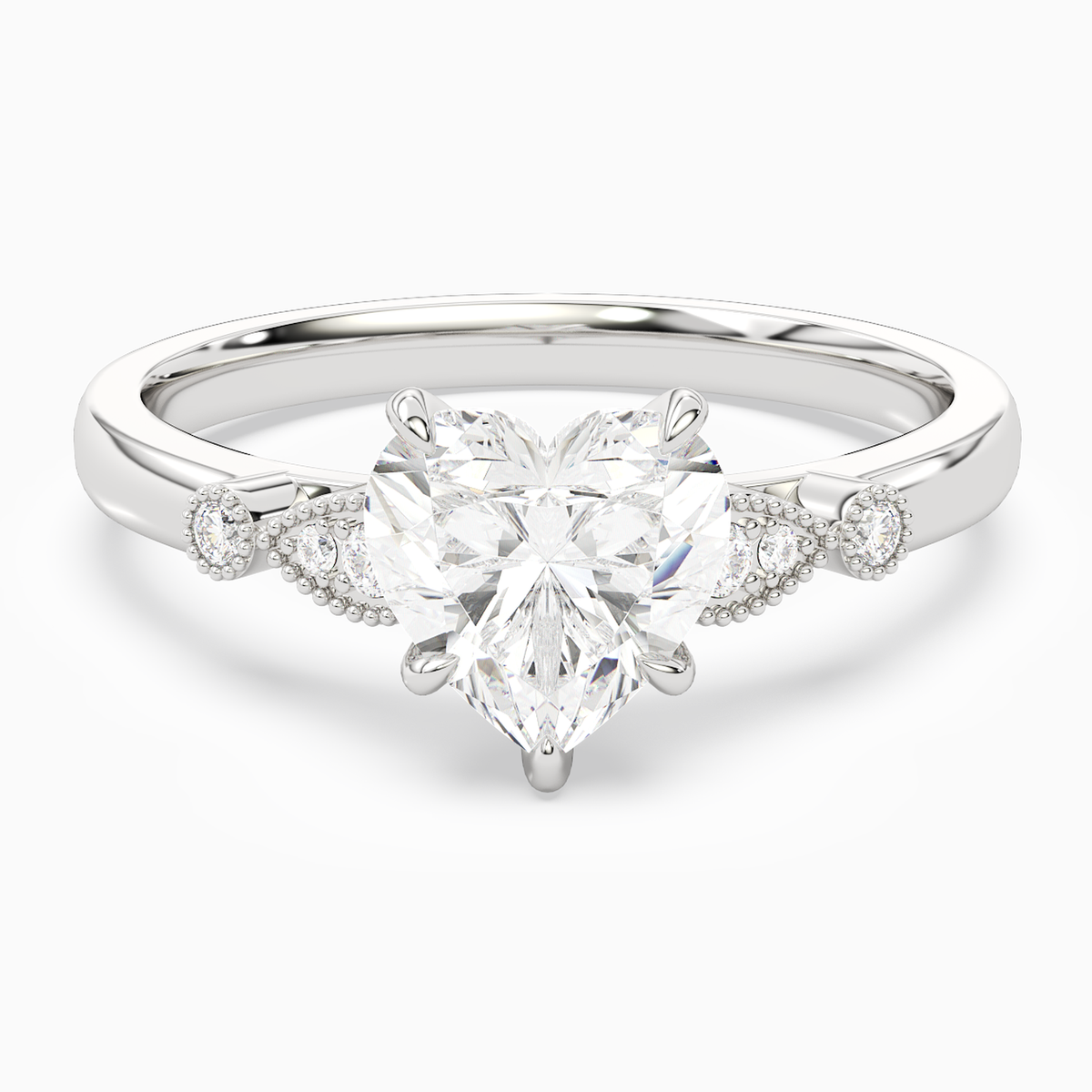
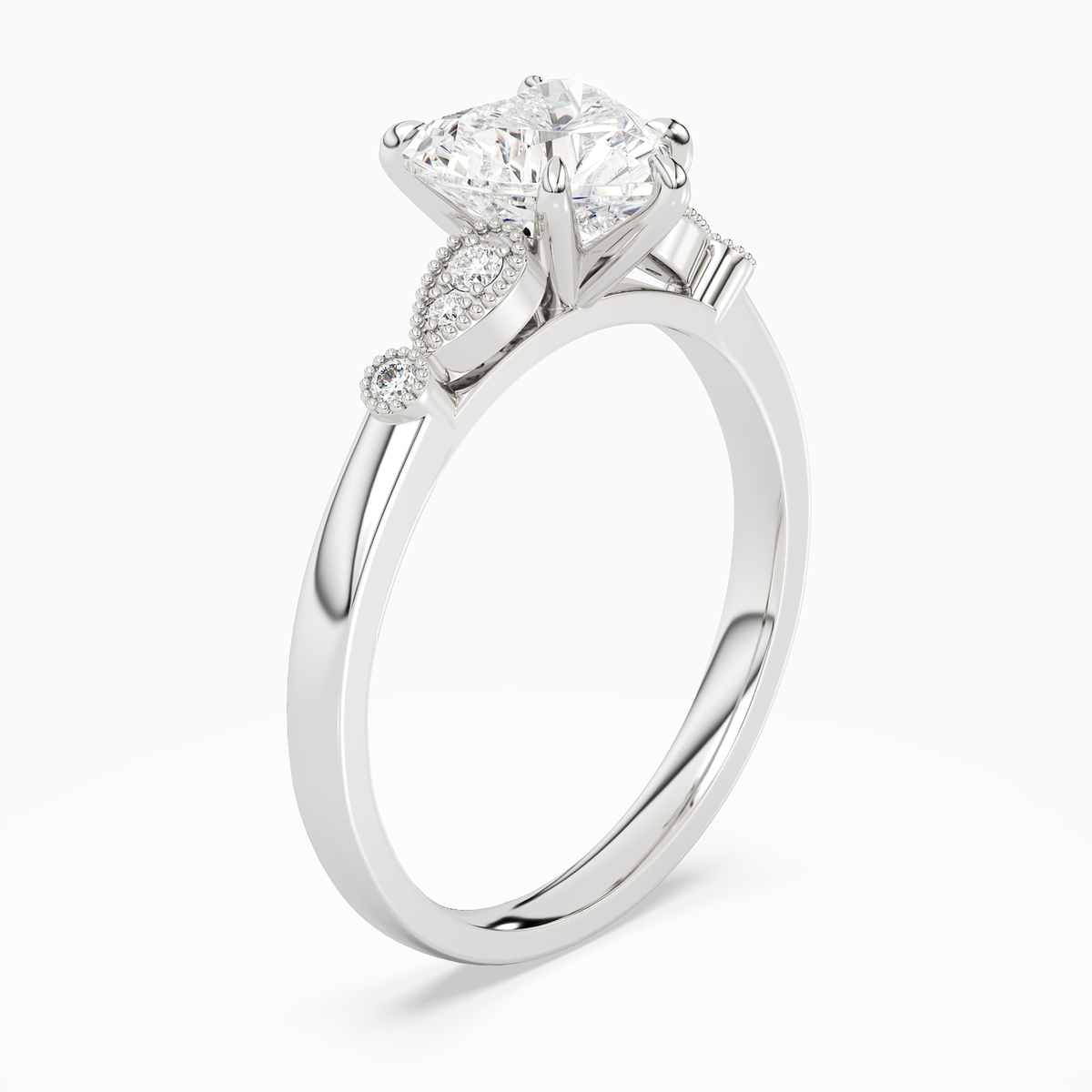
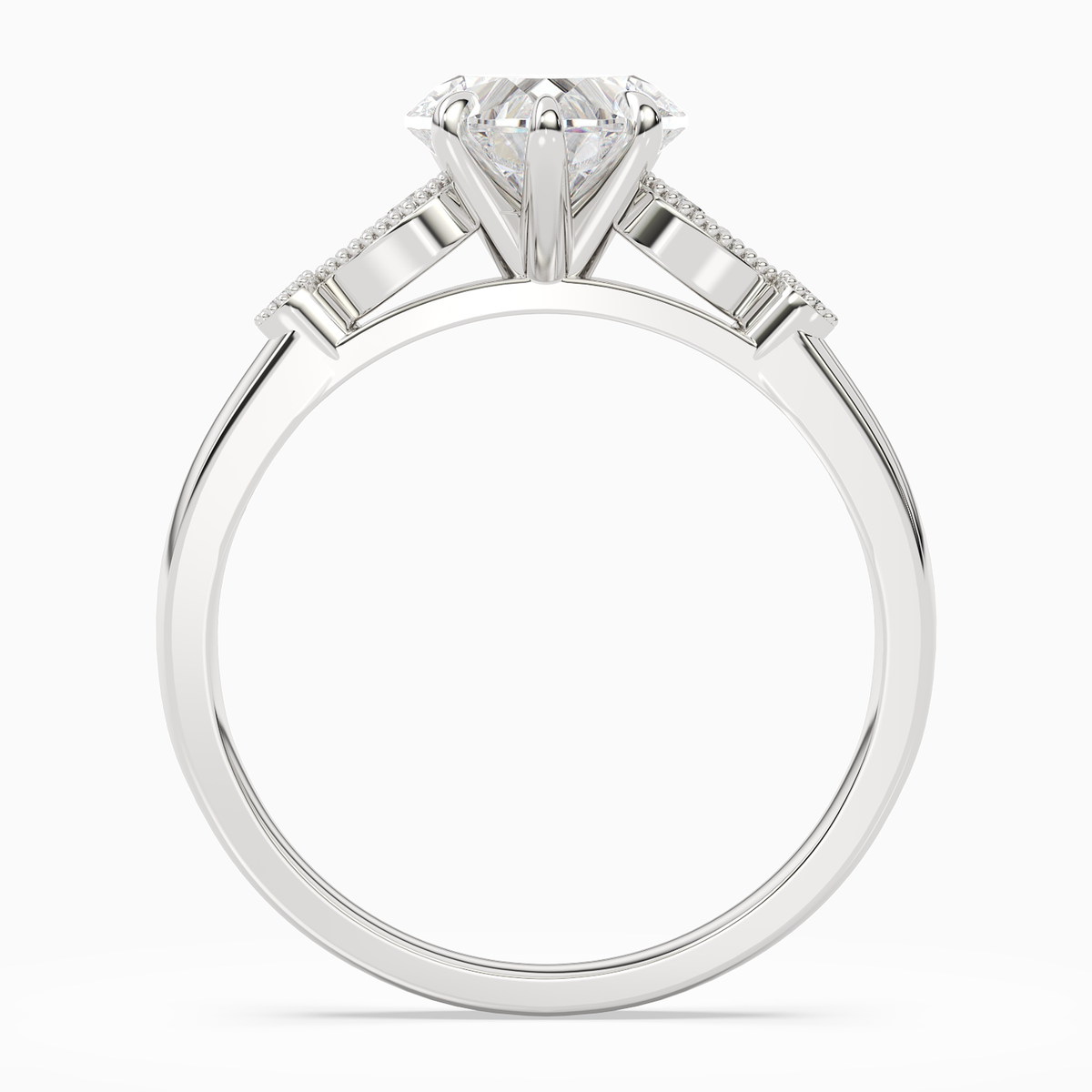
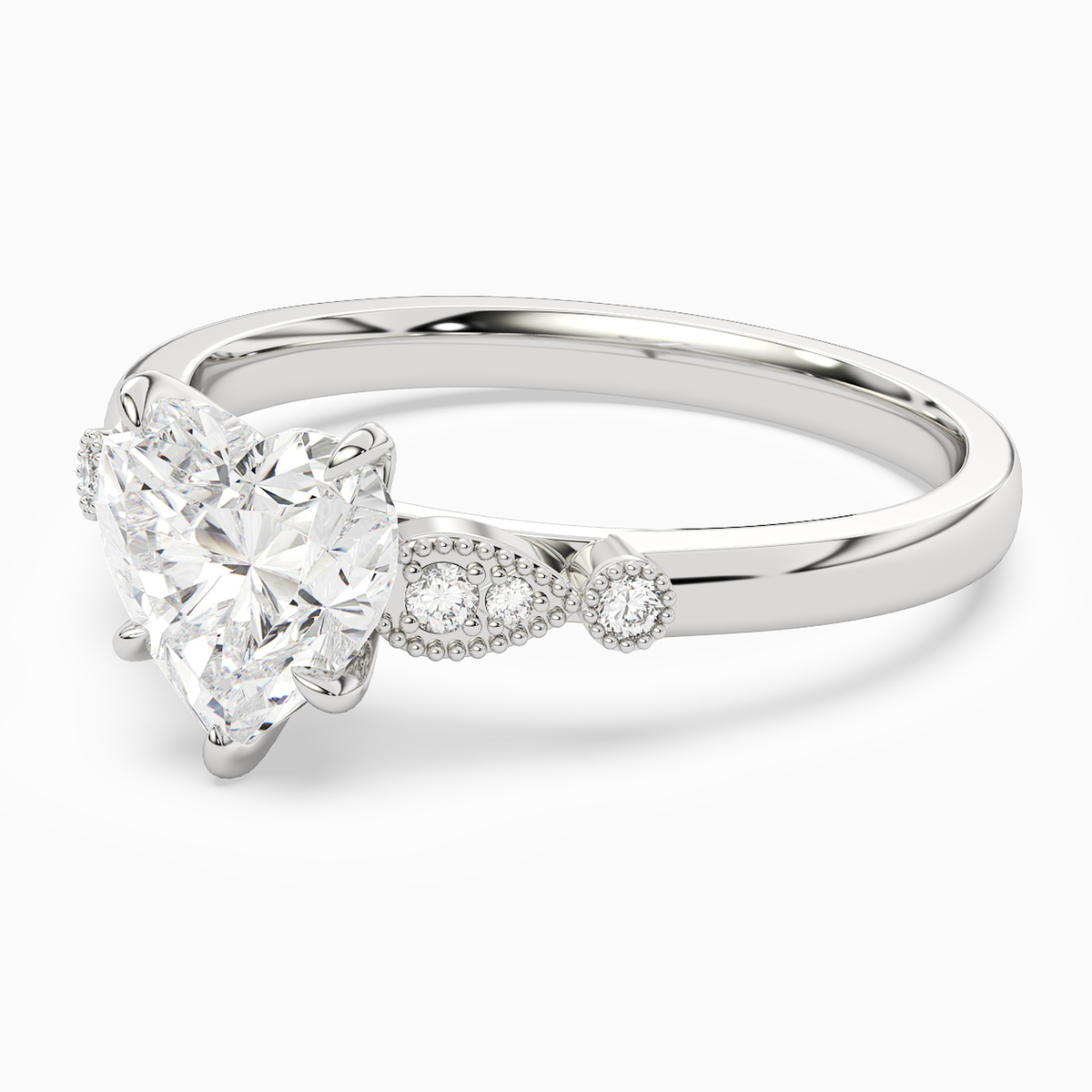
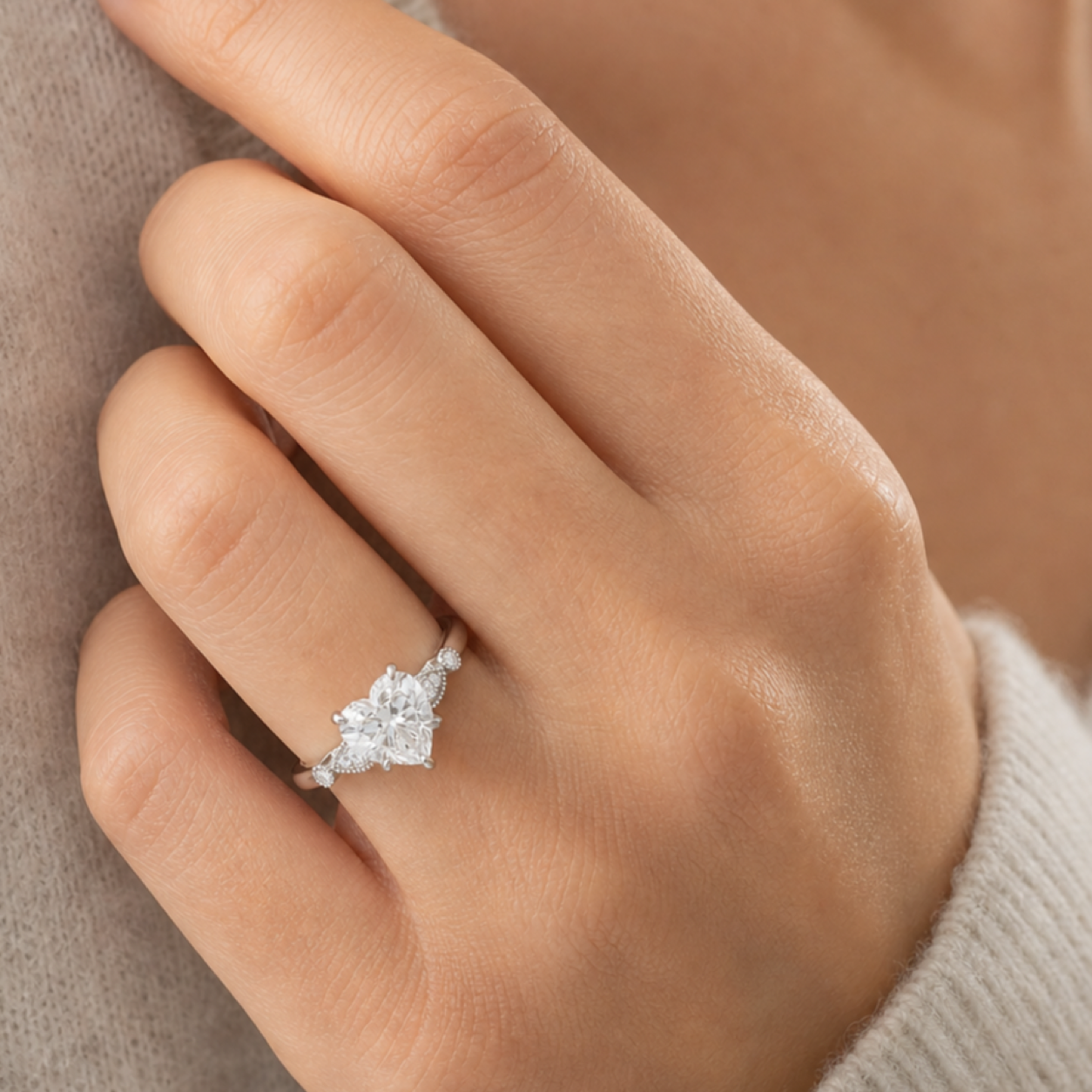


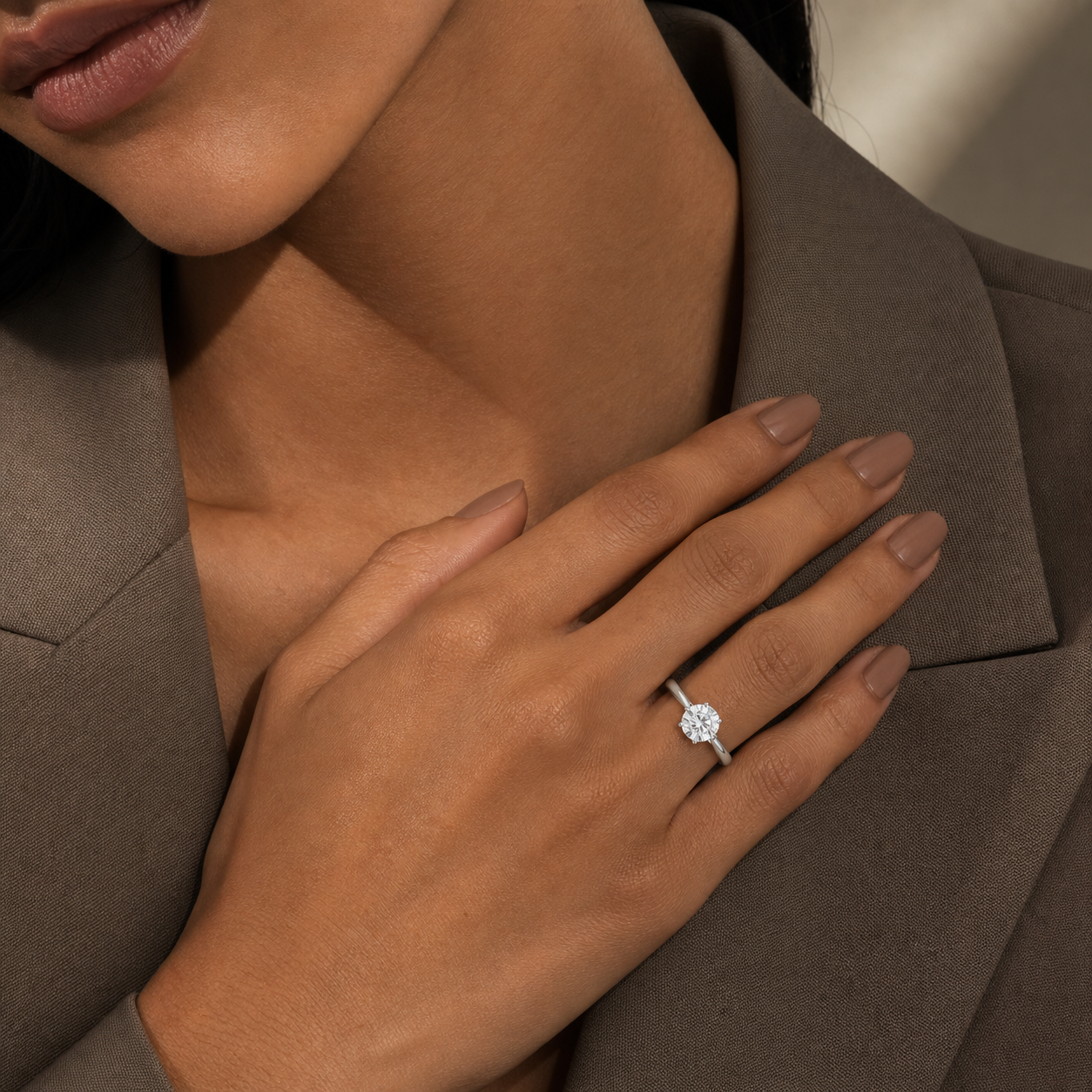
14K White Gold Engagement Rings: A Clear, Neutral Frame
White gold creates clarity through restraint. Its cool, bright appearance keeps the metal close in tone to a colorless diamond, allowing the eye to move from center stone to prongs and band with less interruption. In 14K, that visual neutrality is joined by an alloy composition suited to the fine lines, pavé surfaces, and setting structures used across modern engagement rings.
Burvonti’s 14K White Gold Engagement Rings collection presents the breadth of our engagement designs through that specific material lens. The value of the page is not simply that the rings are white. It is the opportunity to judge how a neutral metal changes outline, profile, contrast, and the balance between diamond and setting.
What 14K White Gold Brings to the Design
The 14K designation describes an alloy of 14 parts gold and 10 parts other metals. In White Gold, those additional metals create a paler base color and contribute to the alloy’s working and wear characteristics. Many white-gold rings also receive a rhodium finish for a brighter, cooler surface; the exact finish and future care should be confirmed for the individual piece rather than assumed from color alone.
That surface can make prongs appear quieter around the diamond and give pavé or halo structures a more continuous field of light. It also brings the architecture of the ring into focus: shoulder taper, gallery height, band width, and the spacing between diamonds remain visible even when the metal is not the first element the eye notices.
From Solitaire Restraint to Layered Detail
A Solitaire in 14K White Gold places almost all attention on the relationship between the center diamond and the band. Because color contrast is limited, proportion carries more of the expression. A narrow band can make the center feel more pronounced; a broader or more architectural profile gives the metal greater visual weight.
Halo, Hidden Halo, Side-Stone, and Three-Stone settings use the same neutral palette differently. A visible Halo expands the face-up composition, while a Hidden Halo leaves the center outline clear and shifts detail to the side. Multi-stone designs depend on calibrated transitions between diamonds, prongs, and band. White gold can unify those elements, but it cannot correct spacing or scale that has not been resolved.
Diamond Shape in a White-Metal Context
Round, Oval, Pear, Marquise, Cushion, and Radiant diamonds bring movement and scintillation to a white-gold setting. Emerald, Asscher, and Princess shapes make symmetry, corners, prong placement, and band alignment more explicit. The metal remains visually restrained, so the individual outline often becomes the clearest source of character.
You may begin with a setting you already prefer and then compare the diamond shapes that change its expression, or begin with a shape and consider which setting gives it the right degree of openness or support. Burvonti does not require one fixed sequence; every relationship still needs to be reviewed as a complete ring.
14K or 18K White Gold—or Platinum
The difference between 14K and 18K White Gold is not a hierarchy of good and better. 18K contains a higher proportion of gold; 14K contains a greater proportion of alloying metals. Their precise color and behavior depend on the alloy and finish, so two rings should be compared as actual pieces rather than by karat alone.
Platinum offers another white-metal context. It is naturally white and denser, producing a more substantial feel and a surface that develops differently with wear. White Gold remains a gold alloy and may involve rhodium-finish maintenance. The right choice depends on the physical presence, surface character, care expectations, and design you want—not on a universal ranking.
Wedding-Band Pairing and Daily Care
A matching White Gold wedding band can extend a bright, continuous palette across the stack. Yellow or Rose Gold introduces an intentional boundary between the rings. In either case, setting height, lower basket width, band curvature, and the points where the rings touch matter as much as color. A small space can feel deliberate; a flush fit is not the only successful composition.
For routine care, use mild soap, warm water, and a soft brush or cloth, avoiding abrasive products and harsh chemicals. Surface brightness and any rhodium finish will change according to wear, chemistry, and construction. Professional inspection should focus not only on polish but also on prongs, pavé, and the areas where two rings meet.
Burvonti Clarity, Resolved in White Gold
Applicable Burvonti center stones include independent grading or certification that documents cut, color, clarity, and carat weight, while our lab-grown diamond sourcing is approached responsibly. Those specifications establish the measurable foundation. Face-up dimensions, light behavior, setting fit, and the relationship between the diamond and a bright White Gold frame still require human judgment.
Custom possibilities can refine the center shape, setting profile, band width, prong language, wedding-band relationship, engraving, and selected details. Whether the starting point is a diamond outline or a setting already in the collection, the purpose of calibration is the same: to make every component read as one considered ring.
Frequently Asked Questions
What is 14K White Gold?
14K White Gold is an alloy containing 14 parts gold and 10 parts other metals selected to create a paler color and suitable working properties. The exact alloy recipe can vary, so color, finish, and sensitivity considerations should be confirmed for the specific ring.
Is 14K White Gold naturally bright white?
White Gold begins with a paler alloy color than Yellow Gold, but many pieces receive a rhodium finish to create a brighter, cooler surface. Because formulas and finishes vary, the appearance of the individual ring is more informative than the category name alone.
Does 14K White Gold need to be replated?
If a ring uses a rhodium finish, that layer can gradually change with wear and may eventually be refreshed. Timing is not universal; it depends on the original finish, frequency of wear, personal chemistry, and how bright you prefer the surface to look.
How is 14K White Gold different from 18K White Gold?
14K contains 58.3% gold, while 18K contains 75% gold. The remaining alloy composition and surface finish also influence color and wear, so karat alone does not describe the entire experience. Compare the actual design, finish, physical feel, and care expectations.
Is White Gold the same as Platinum?
No. White Gold is a gold alloy and may use a rhodium finish. Platinum is a distinct, naturally white metal with greater density and a different surface character as it is worn. Both offer a cool-toned setting, but they do not feel or age in exactly the same way.
Does 14K White Gold scratch?
Yes. Any precious-metal ring can collect surface marks through regular wear. The visibility of those marks depends on finish, band profile, daily activity, and contact with other jewelry. Professional polishing or finish renewal should be considered in relation to the ring’s details.
How should I clean a 14K White Gold engagement ring?
Use warm water, mild soap, and a soft cloth or soft-bristled brush, then rinse carefully and dry with a lint-free cloth. Avoid abrasive cleaners and harsh chemicals. Periodic professional inspection can also check the prongs, pavé, and surface finish.
Which engagement-ring settings work in 14K White Gold?
14K White Gold can frame Solitaire, Halo, Hidden Halo, Side-Stone, Three-Stone, Bezel, and other designs. Its neutral appearance often makes proportion, spacing, and setting architecture especially visible, so the individual structure matters more than a broad style label.
Which diamond shapes suit a White Gold setting?
All major diamond shapes can be set in White Gold. Brilliant shapes create a lively relationship with the bright metal, while step cuts make symmetry and prong placement more explicit. The setting should follow the corners, outline, and proportions of the individual diamond.
Will White Gold change how my diamond color looks?
A bright White Gold setting provides a cool, relatively neutral frame, which can reduce visible warm contrast around the diamond. It does not change the diamond’s actual color grade. Prong color, setting design, lighting, and neighboring diamonds can all affect perception.
Can a 14K White Gold engagement ring be resized?
Many can be resized, but the safe range depends on the design. Continuous pavé, eternity coverage, intricate galleries, engraving, and stone placement can limit what is advisable. The individual ring should be reviewed before a resizing decision.
Can I pair White Gold with a different-metal wedding band?
Yes. A matching White Gold band creates tonal continuity; Yellow or Rose Gold creates visible contrast. The rings should also be assessed where they touch, because profile, edge, setting height, and different wear characteristics affect the pairing over time.
Can a Burvonti 14K White Gold engagement ring be customized?
Yes. Custom possibilities may include diamond shape, setting profile, band width, prong language, wedding-band relationship, engraving, and selected details. Each request is reviewed for stone fit, proportion, structural compatibility, and overall visual balance.