
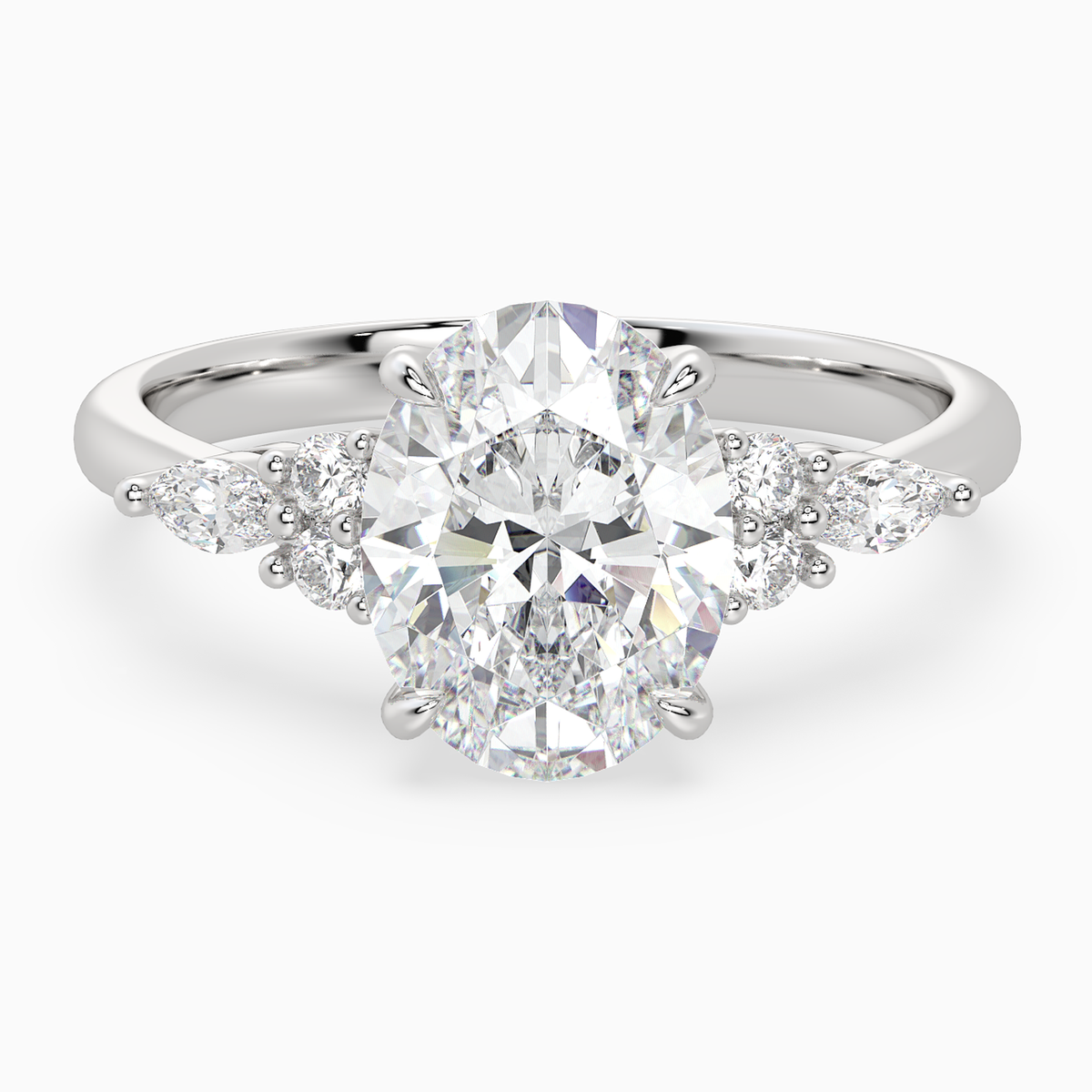


Lab-Grown Diamond 14K Rose Gold Engagement Rings
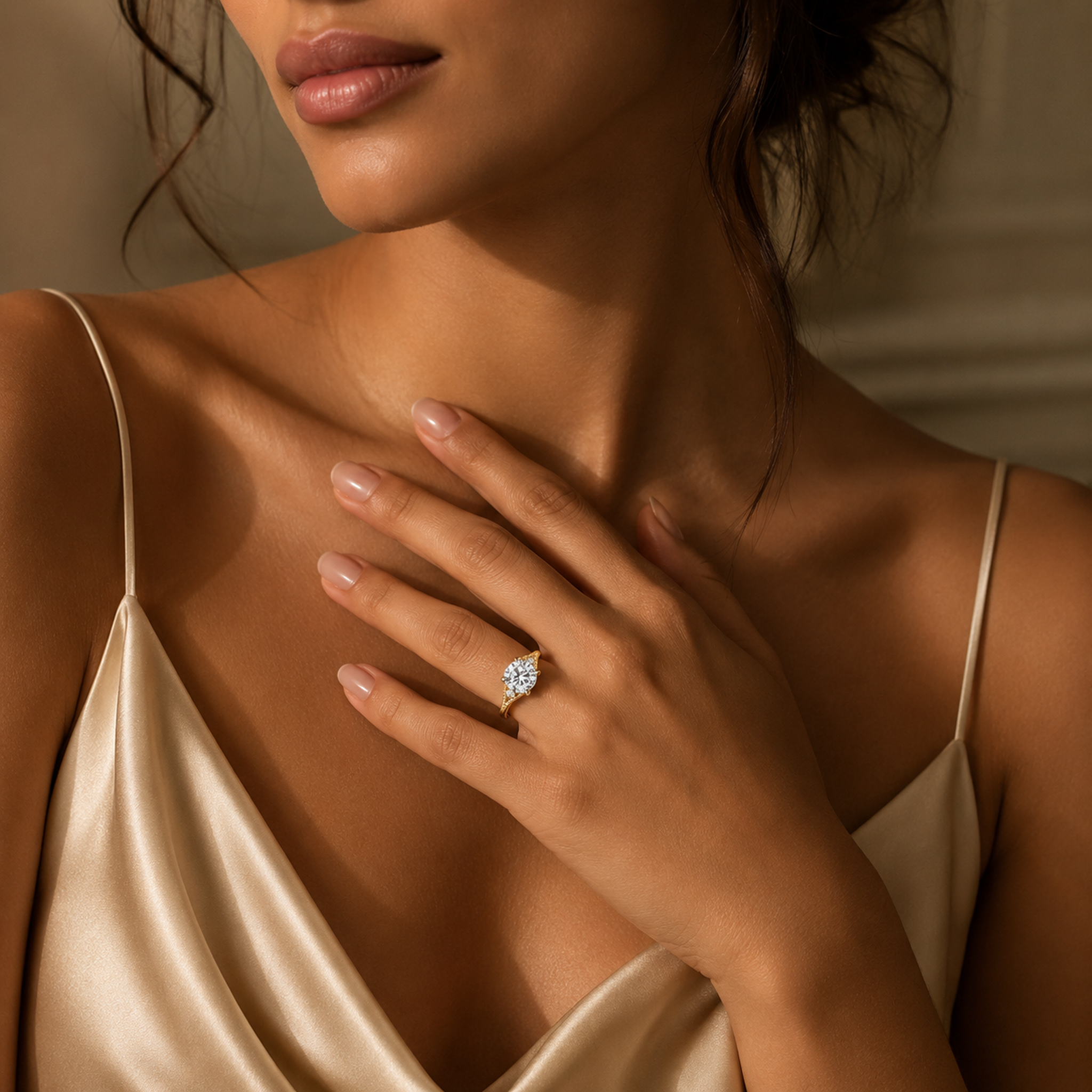
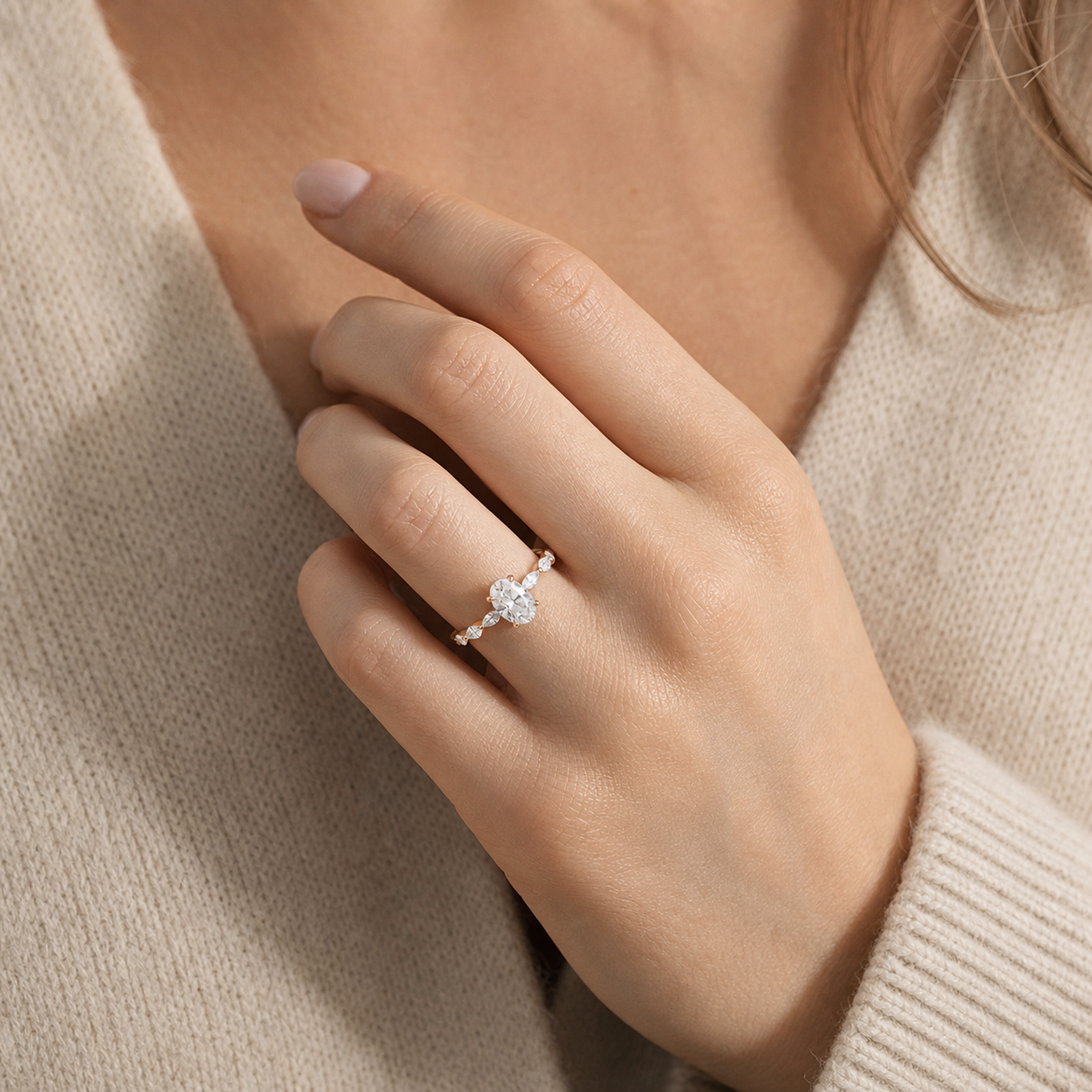
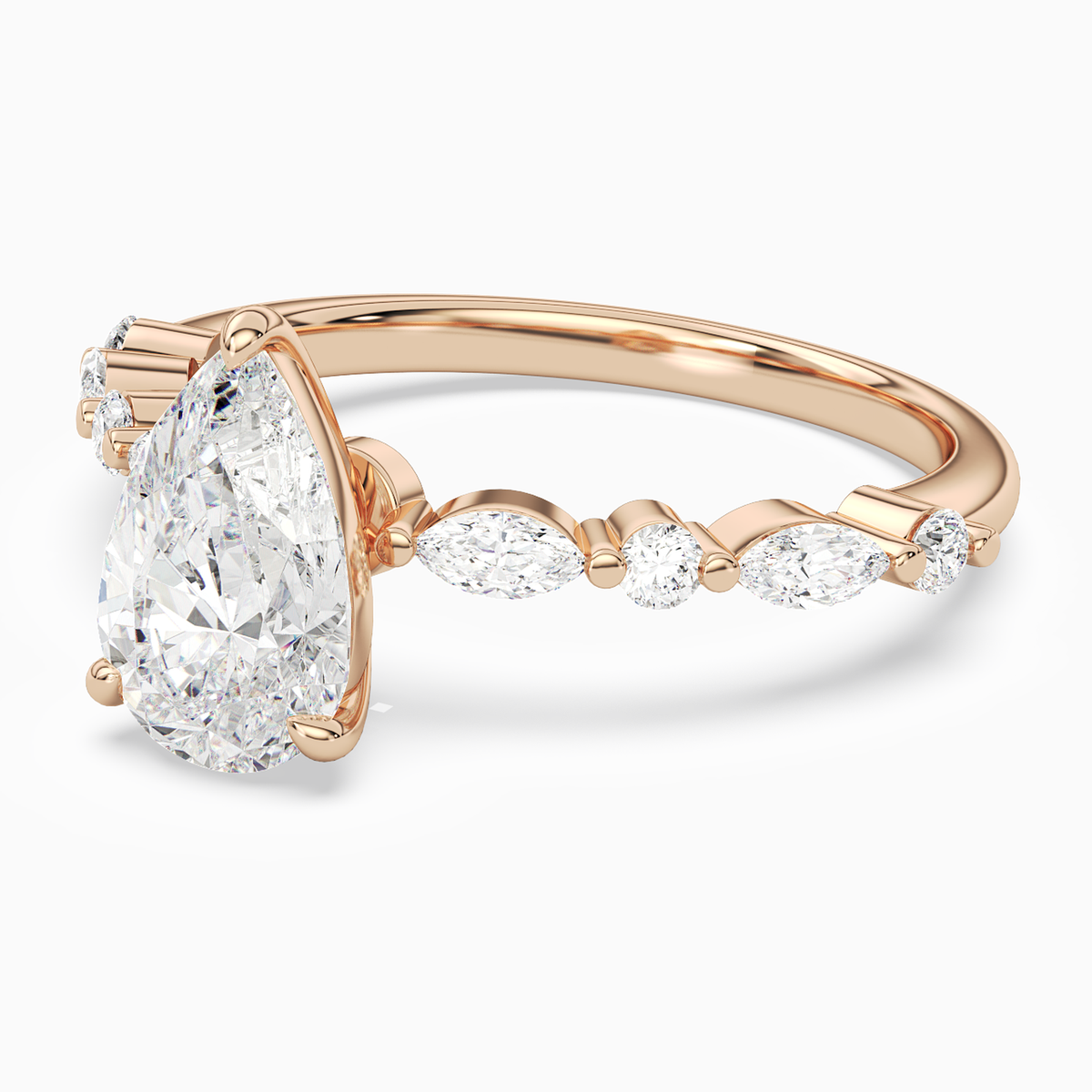
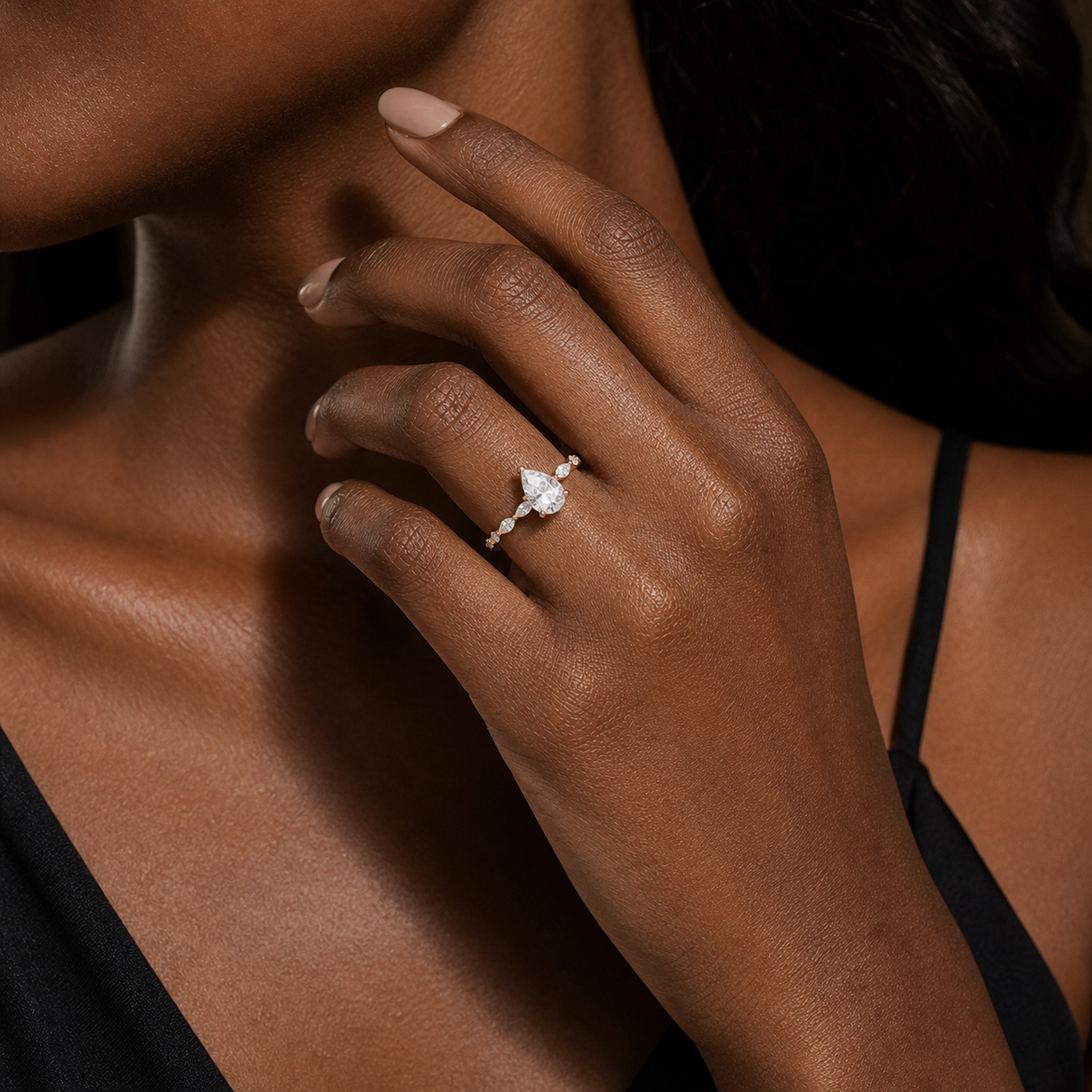
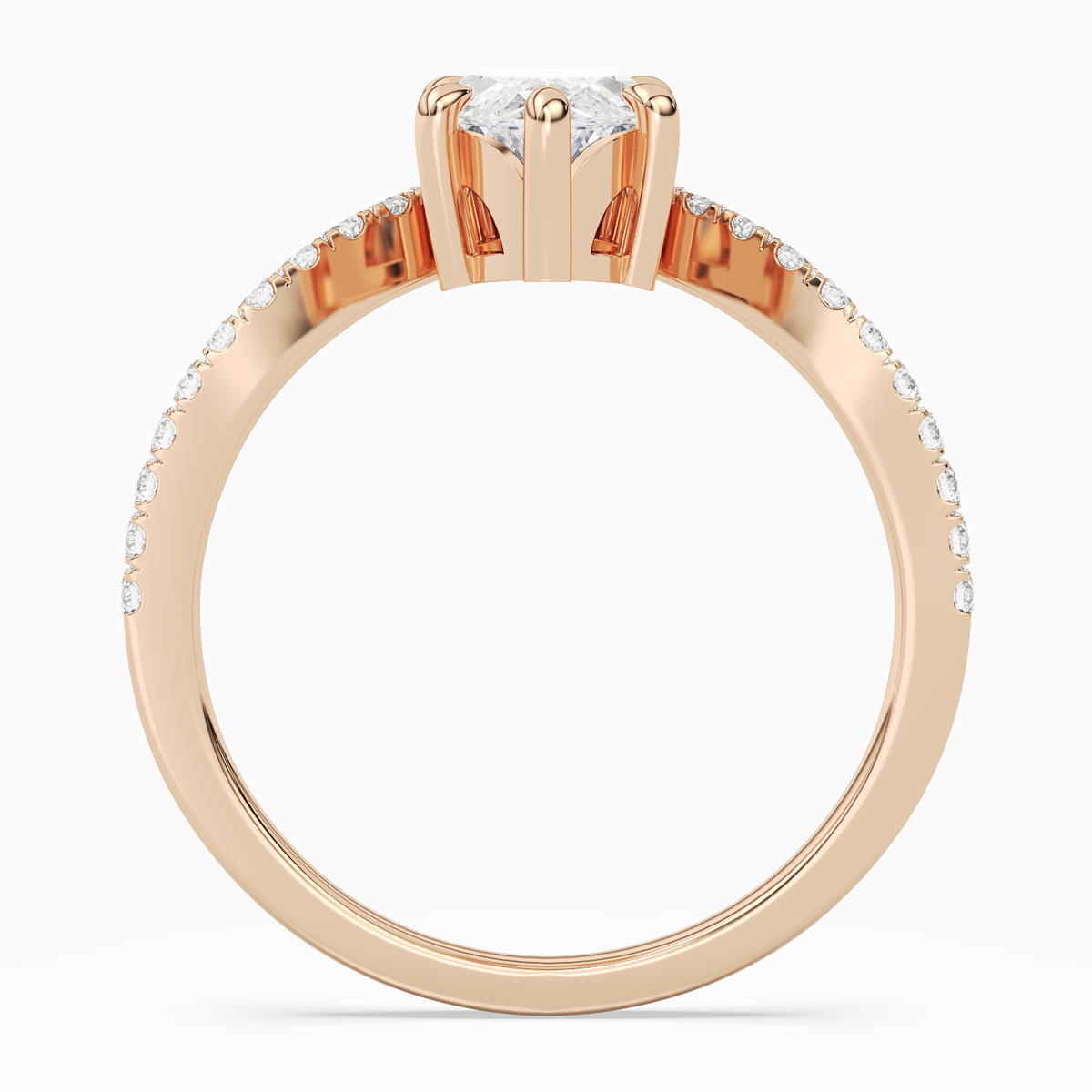
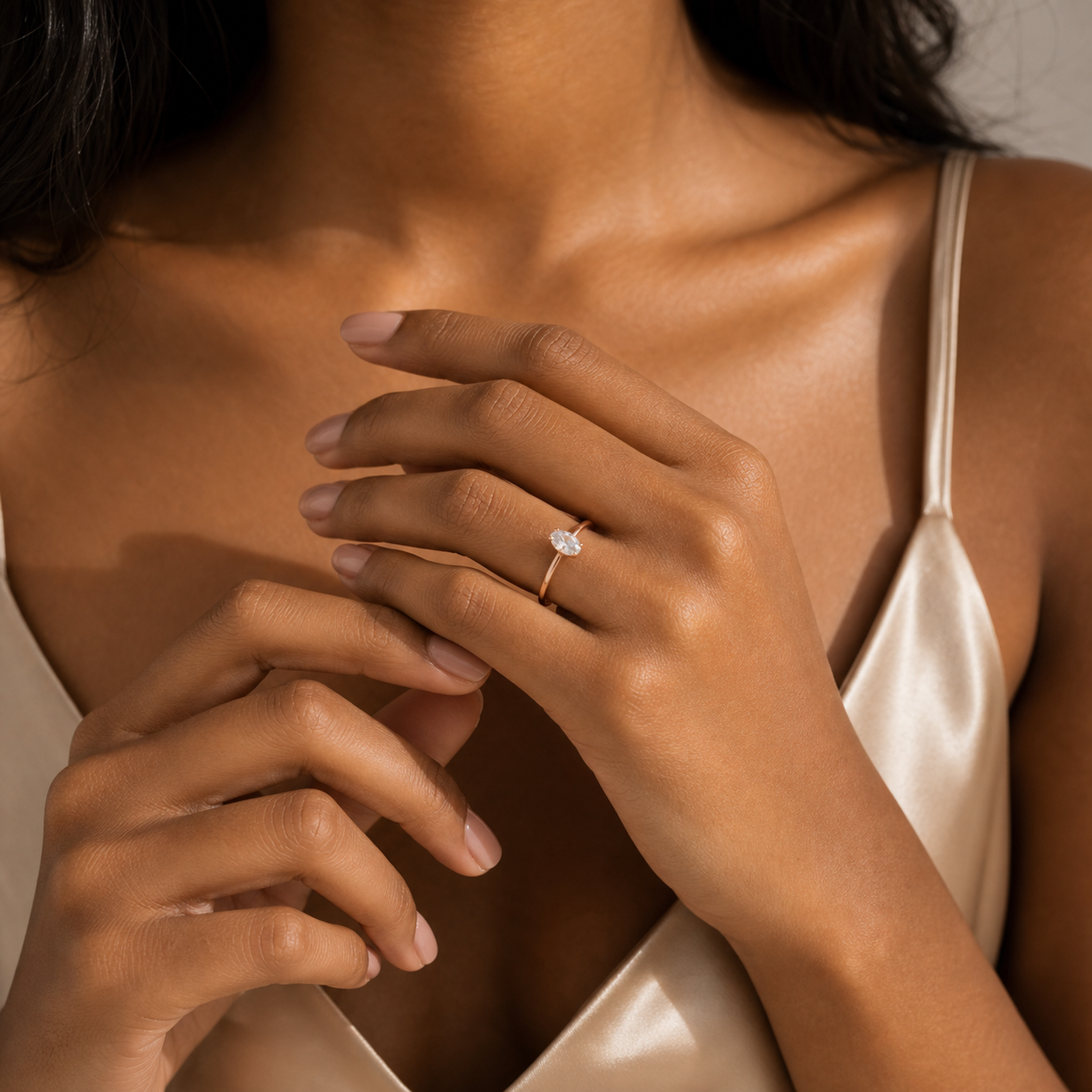
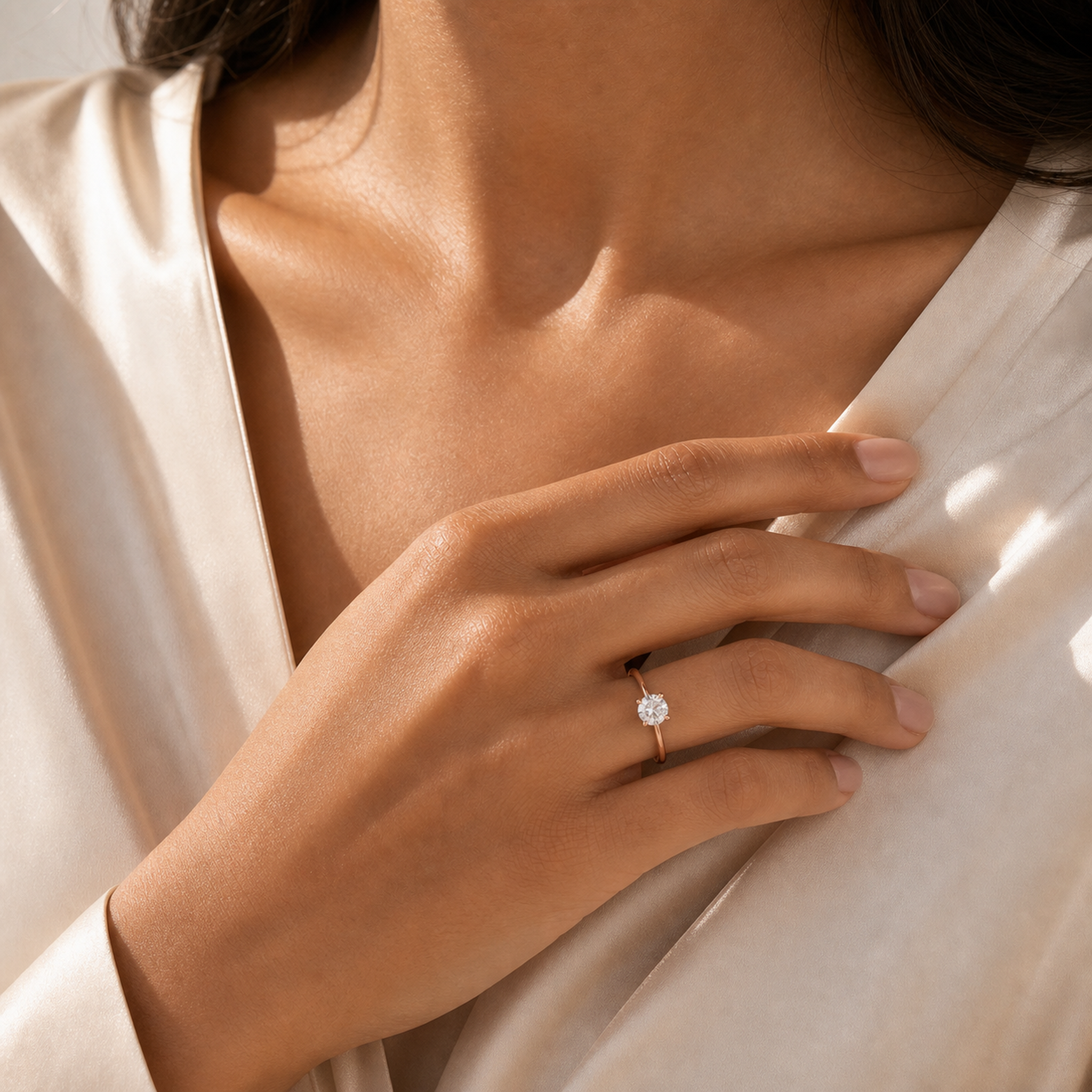
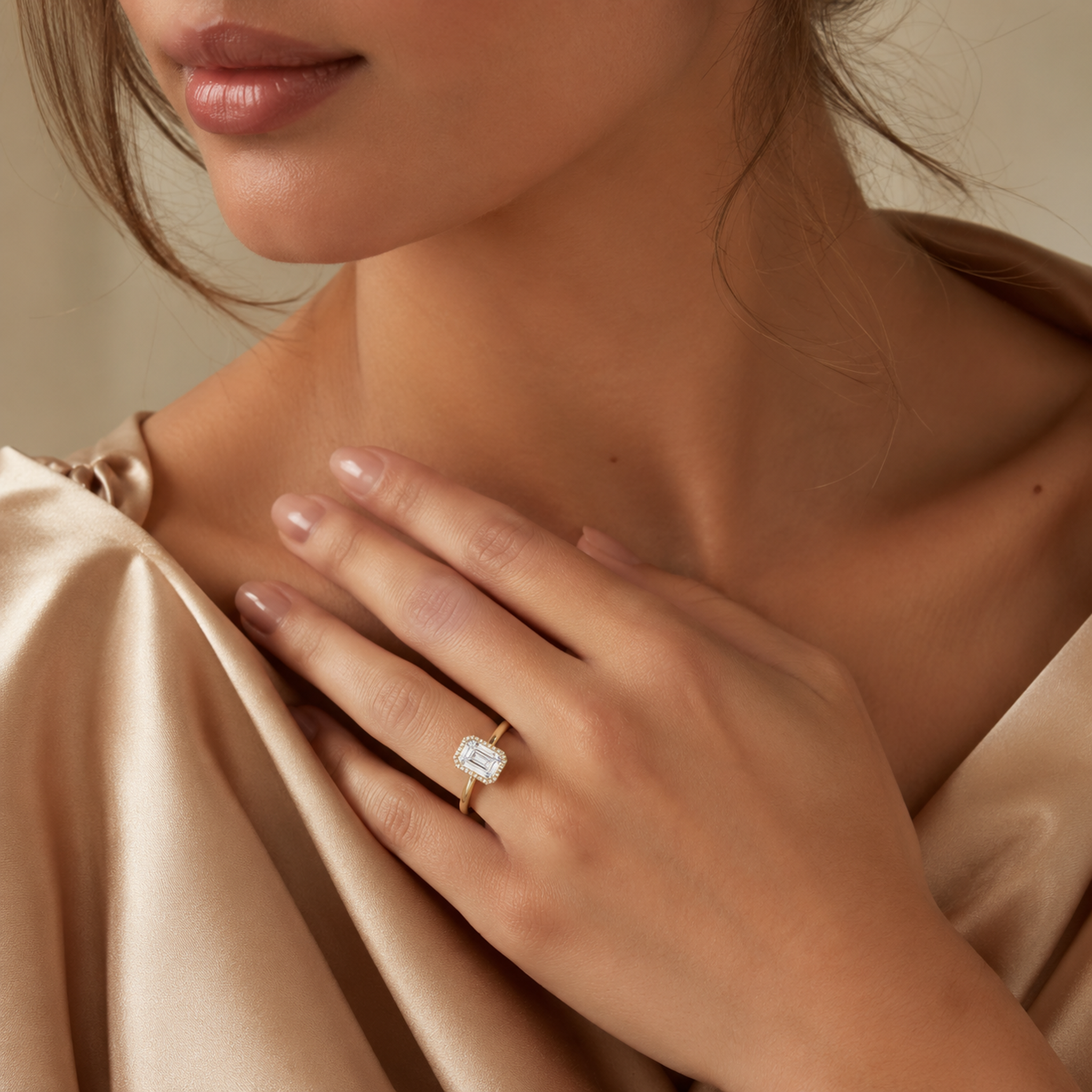
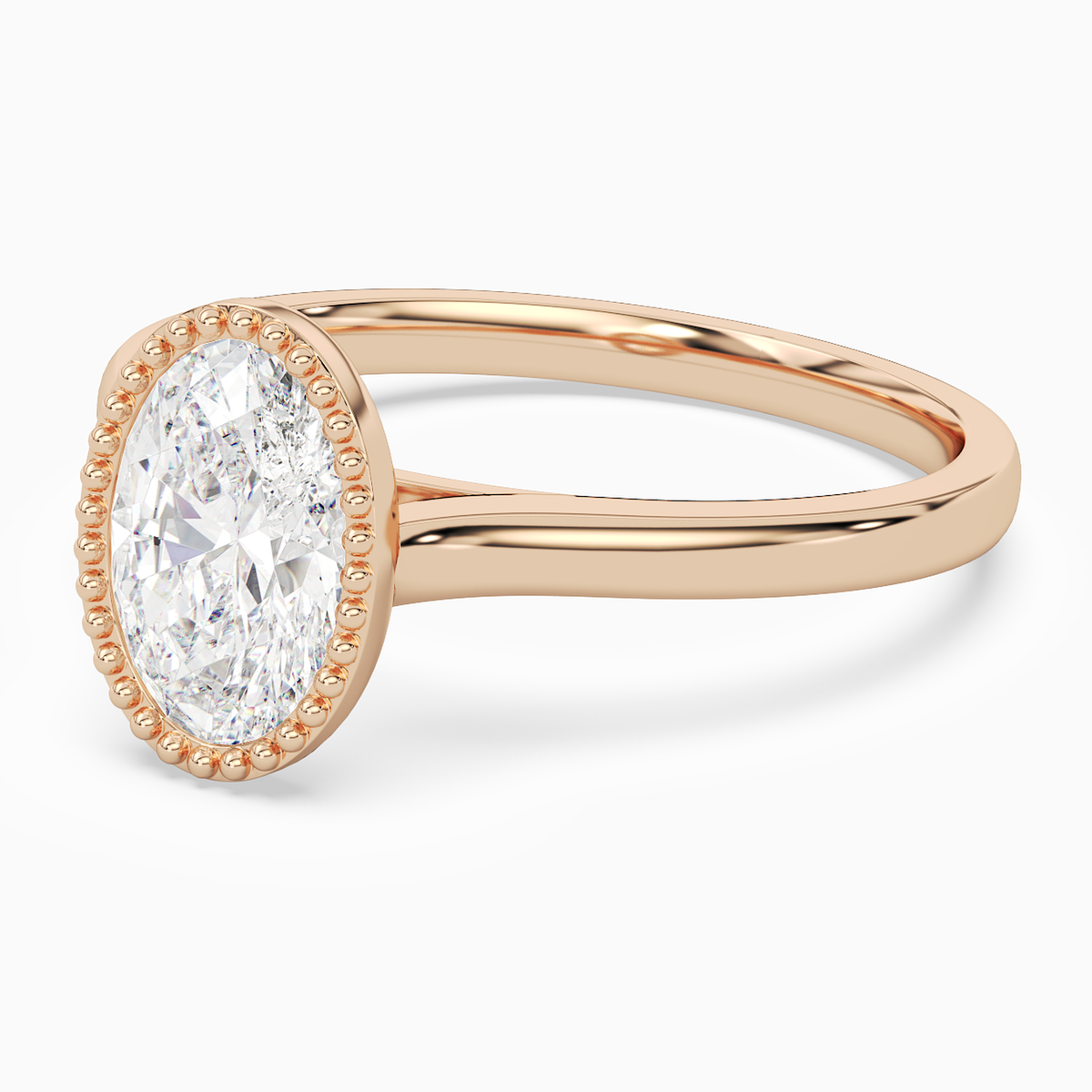
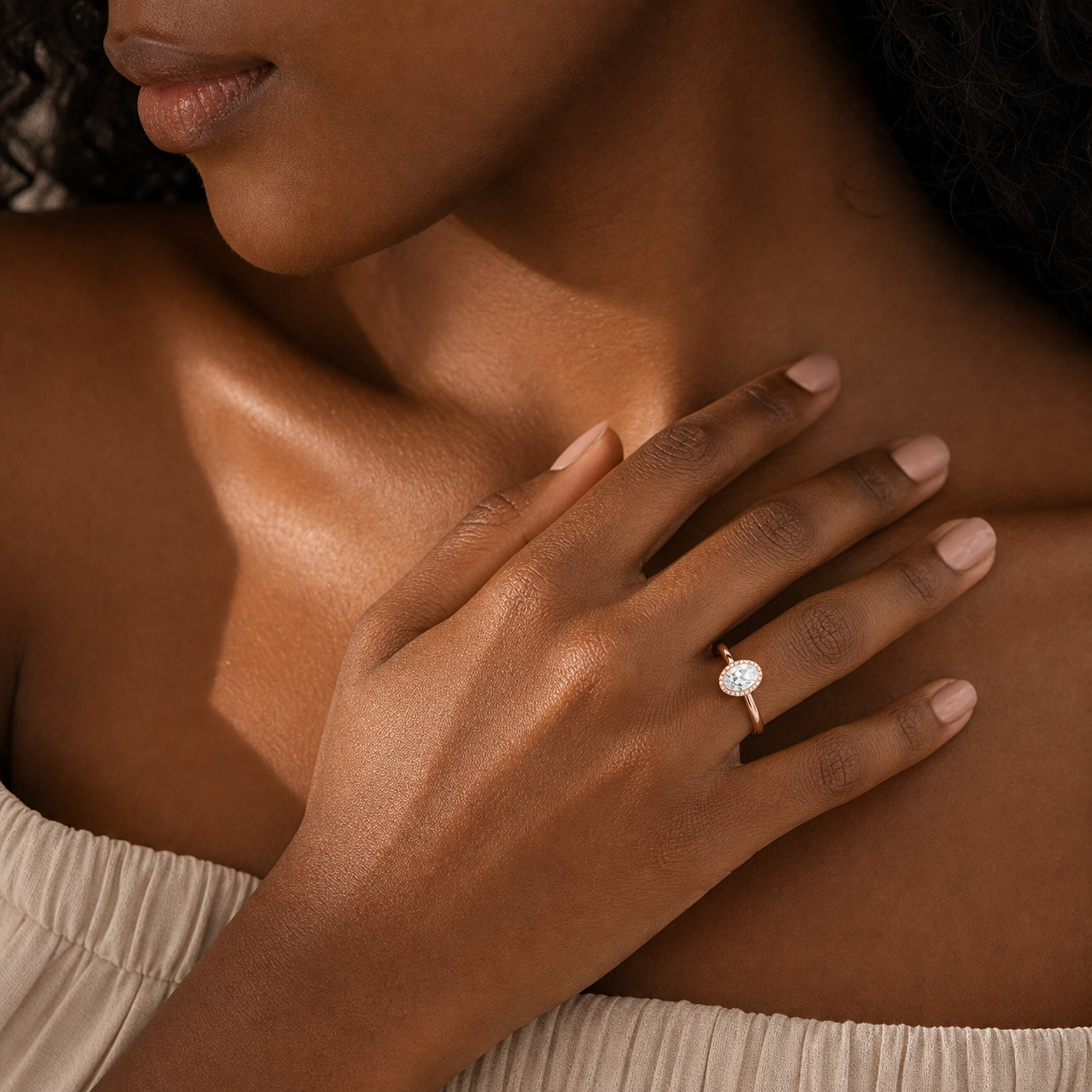
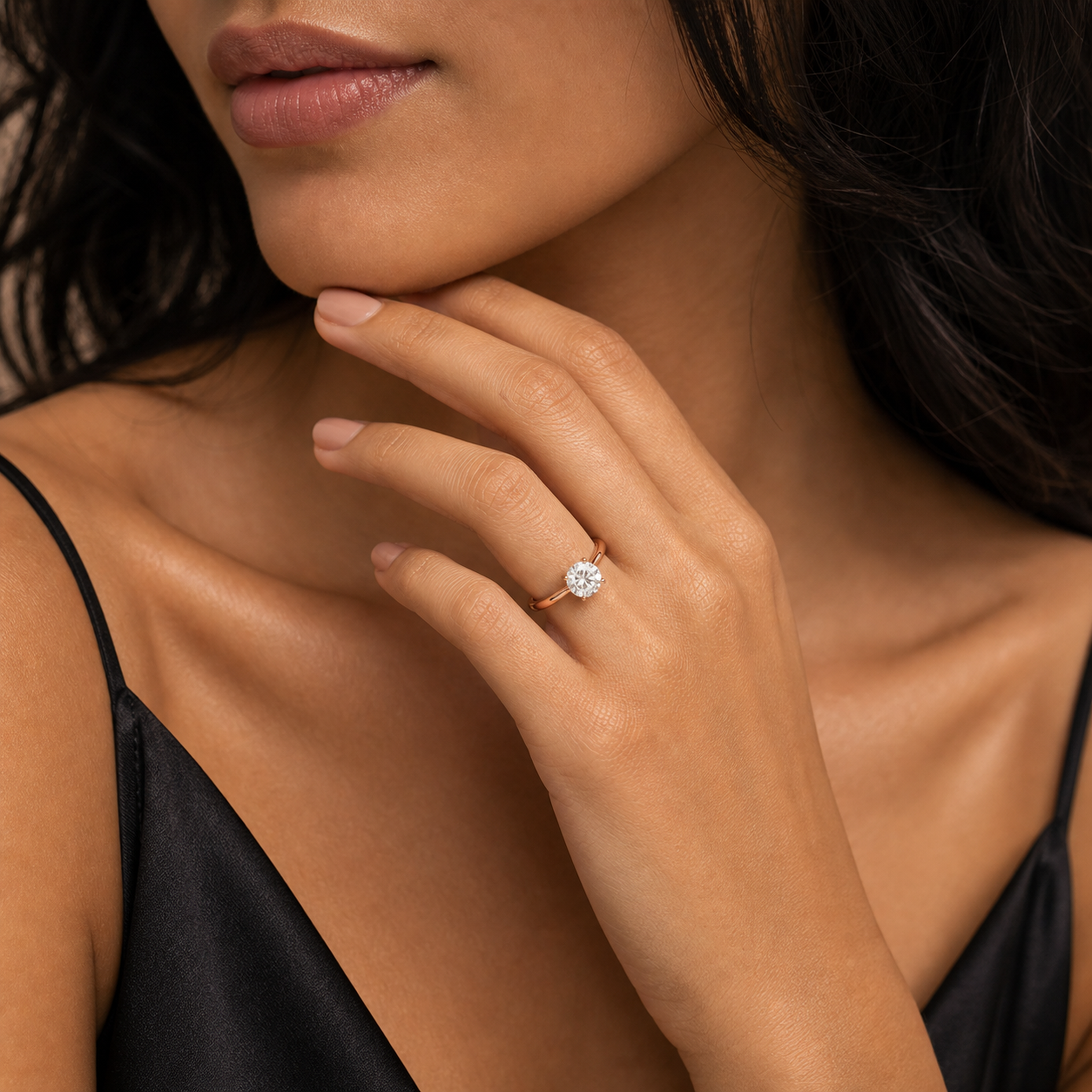
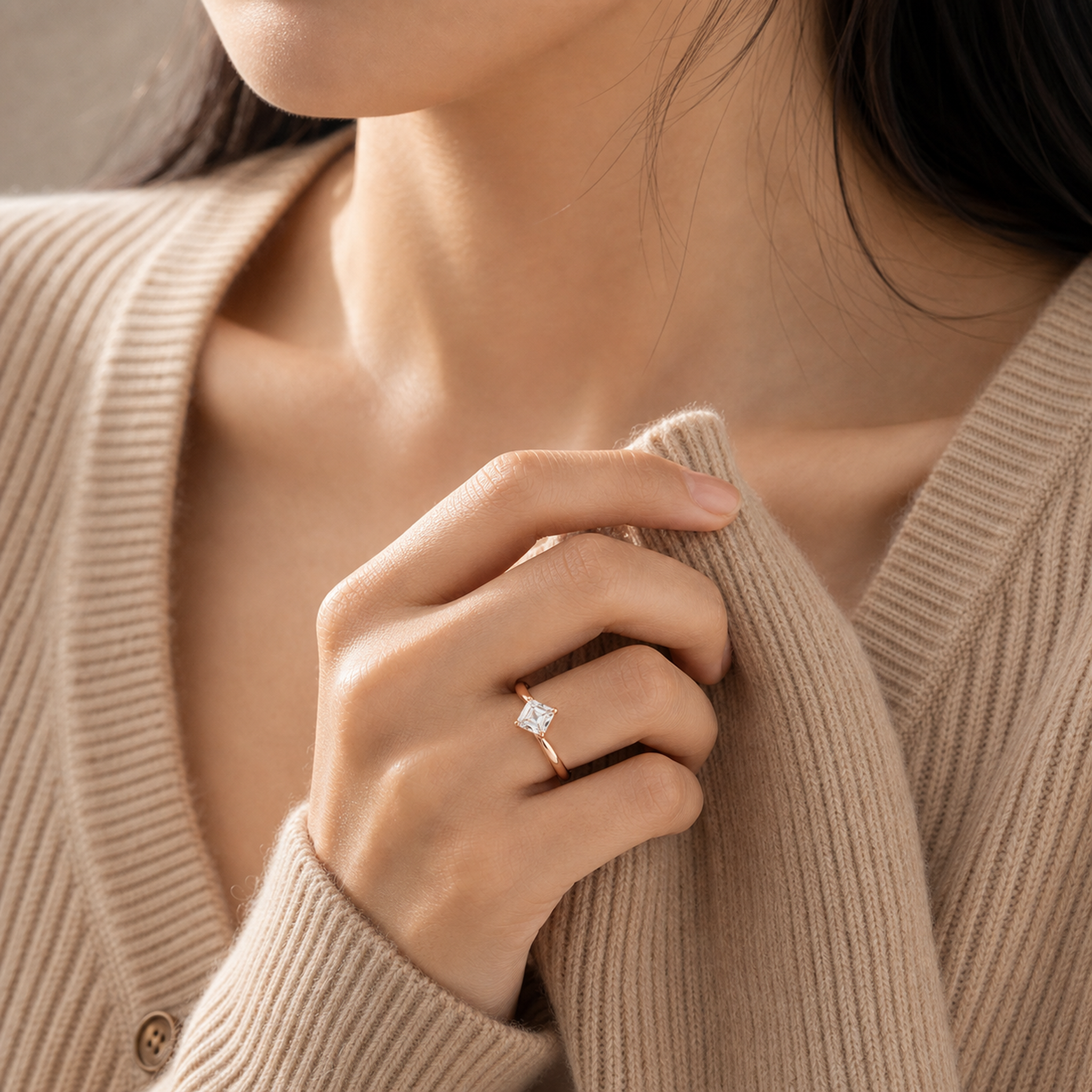
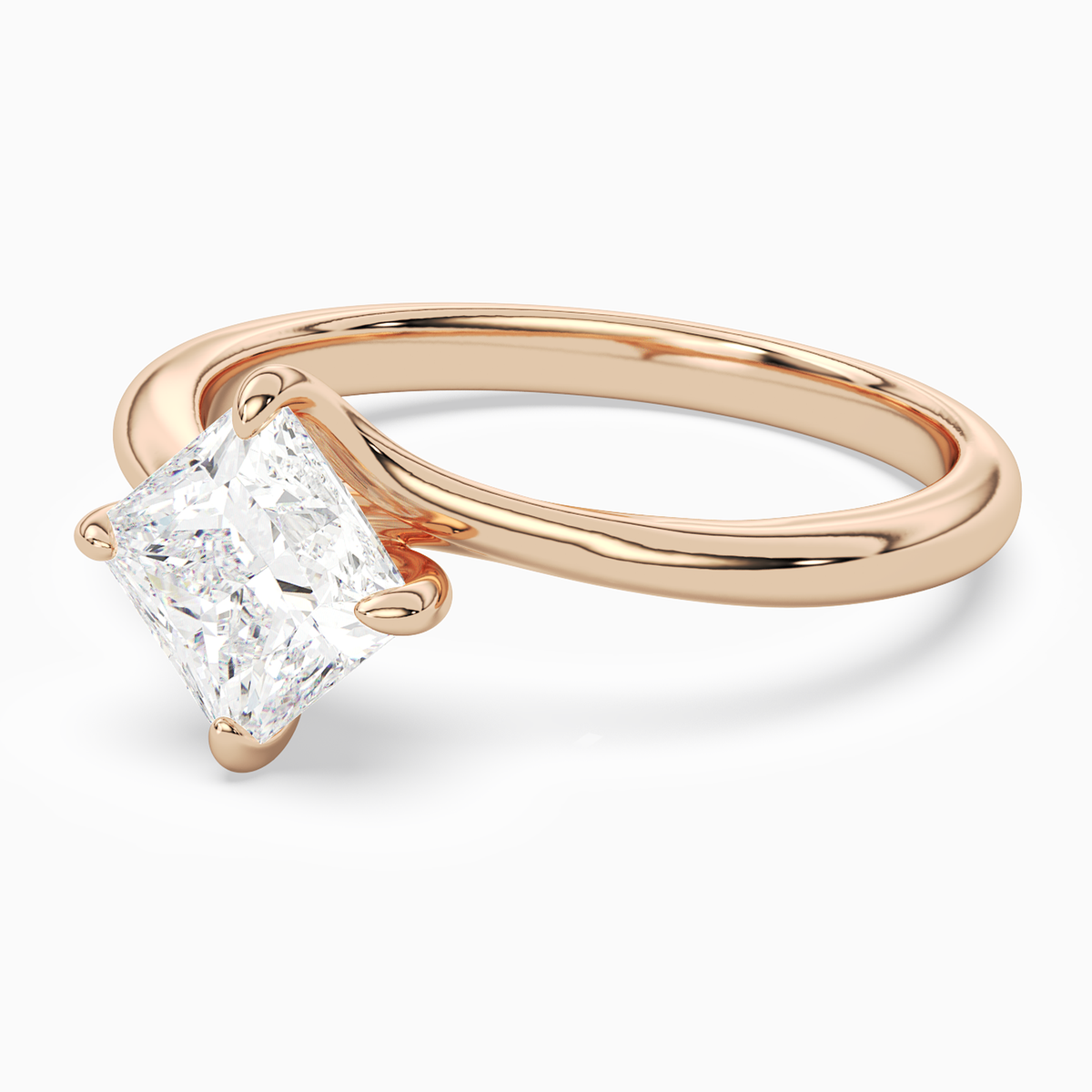
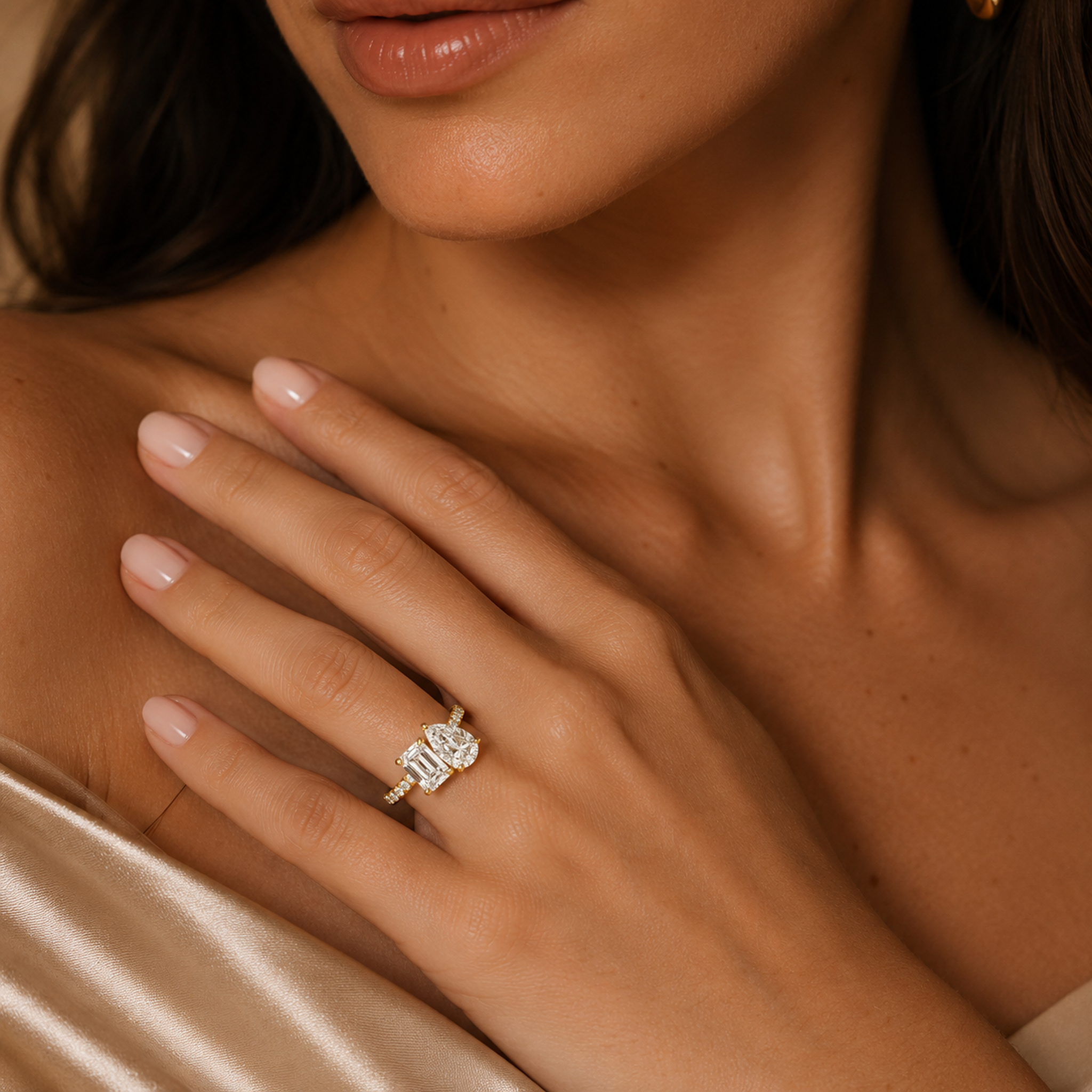
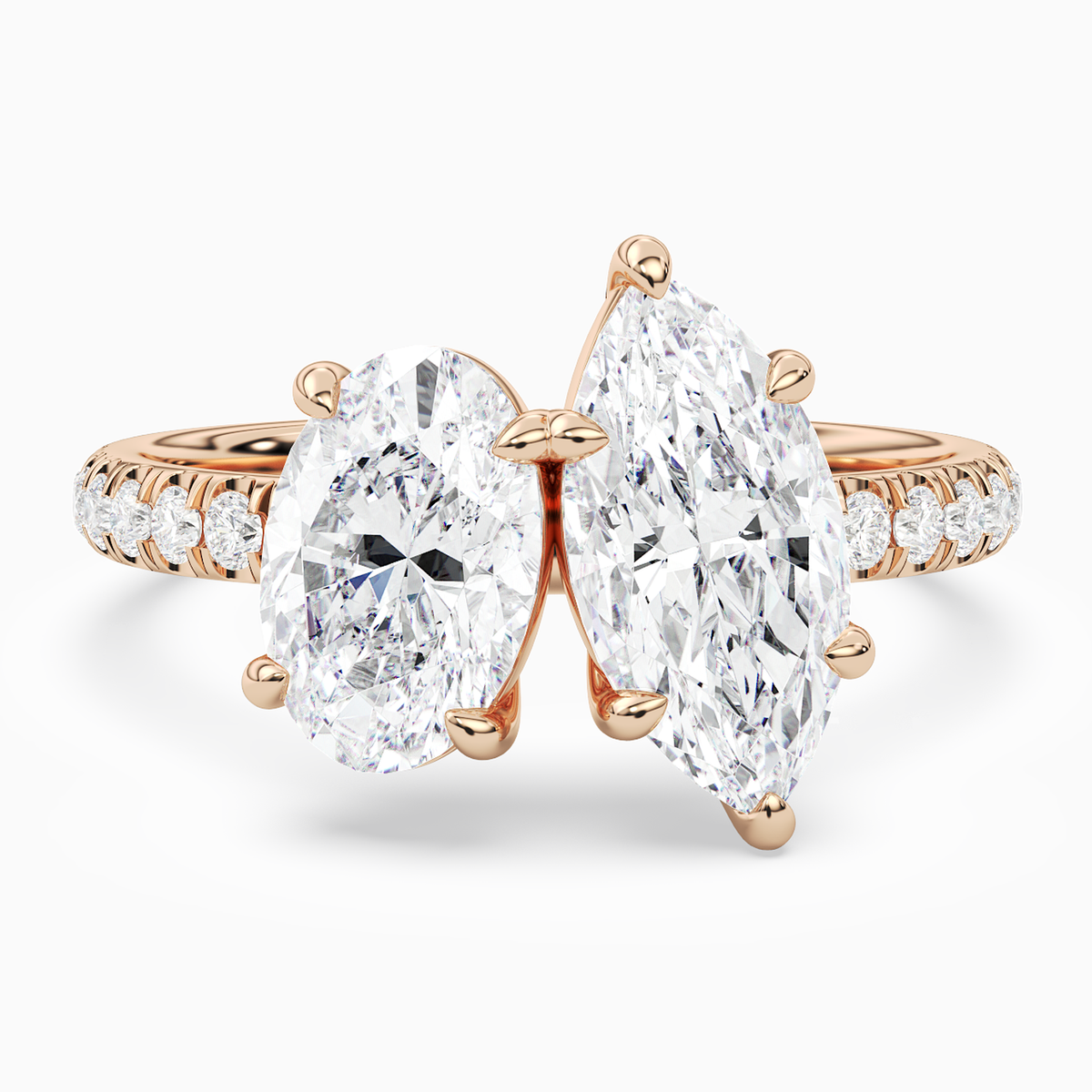
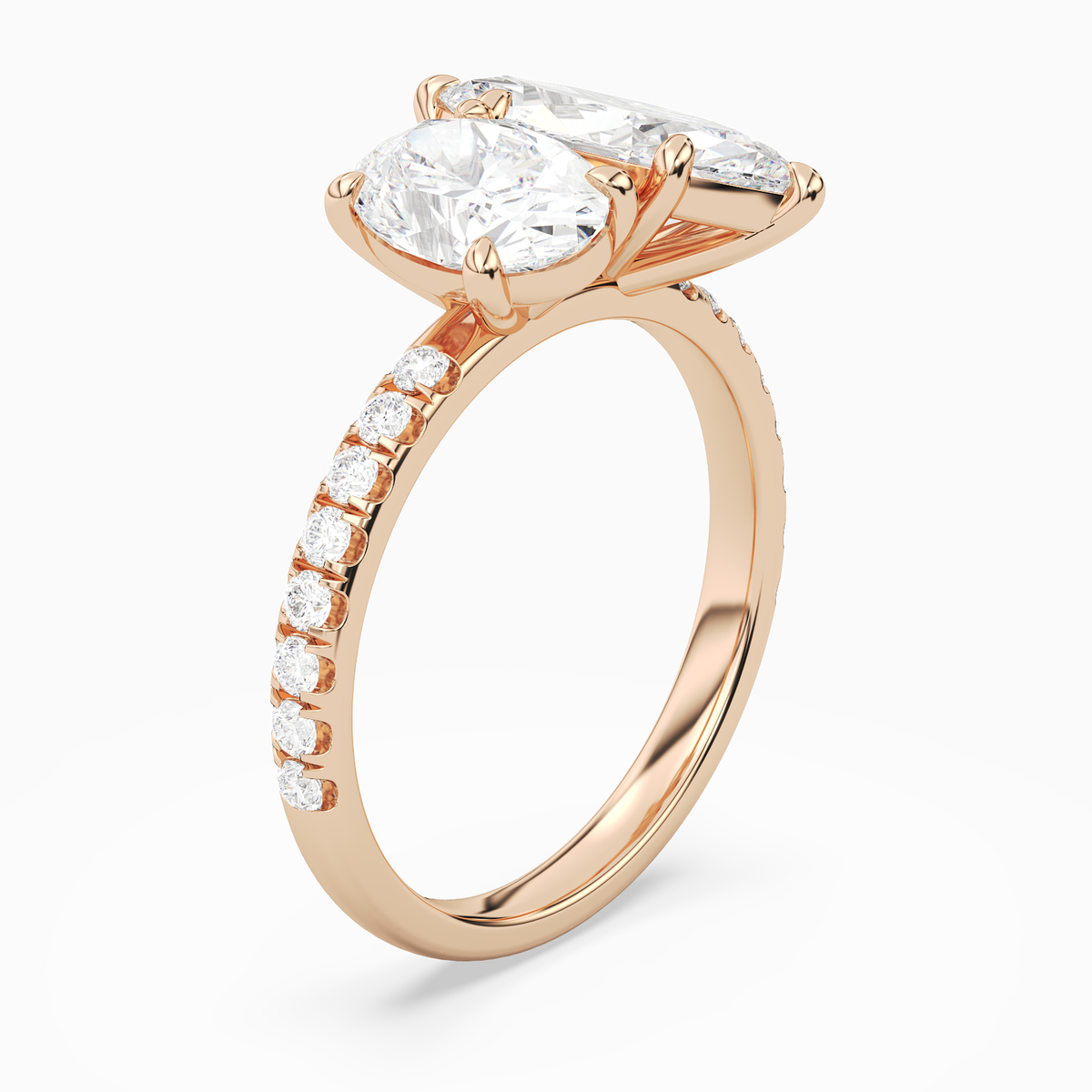
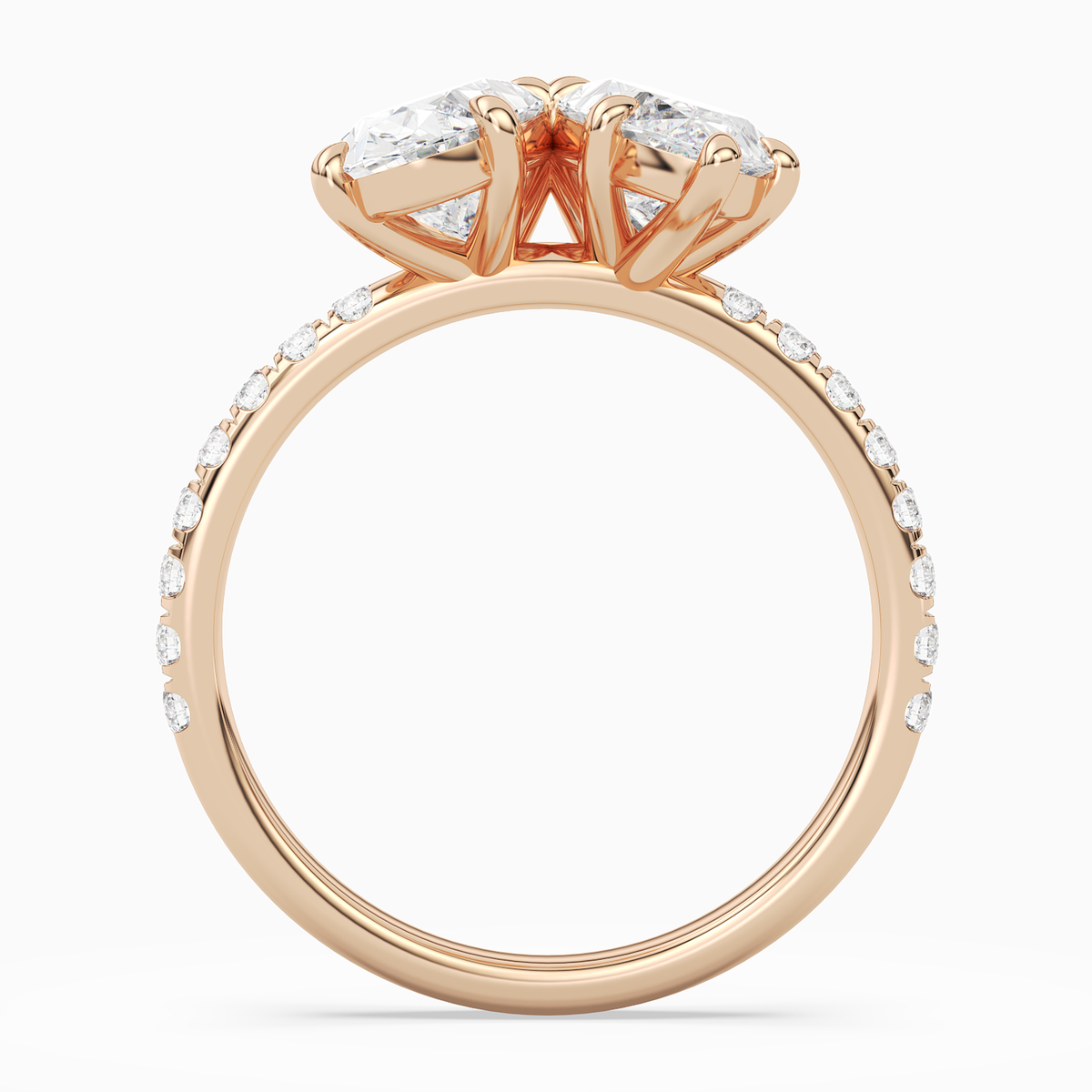
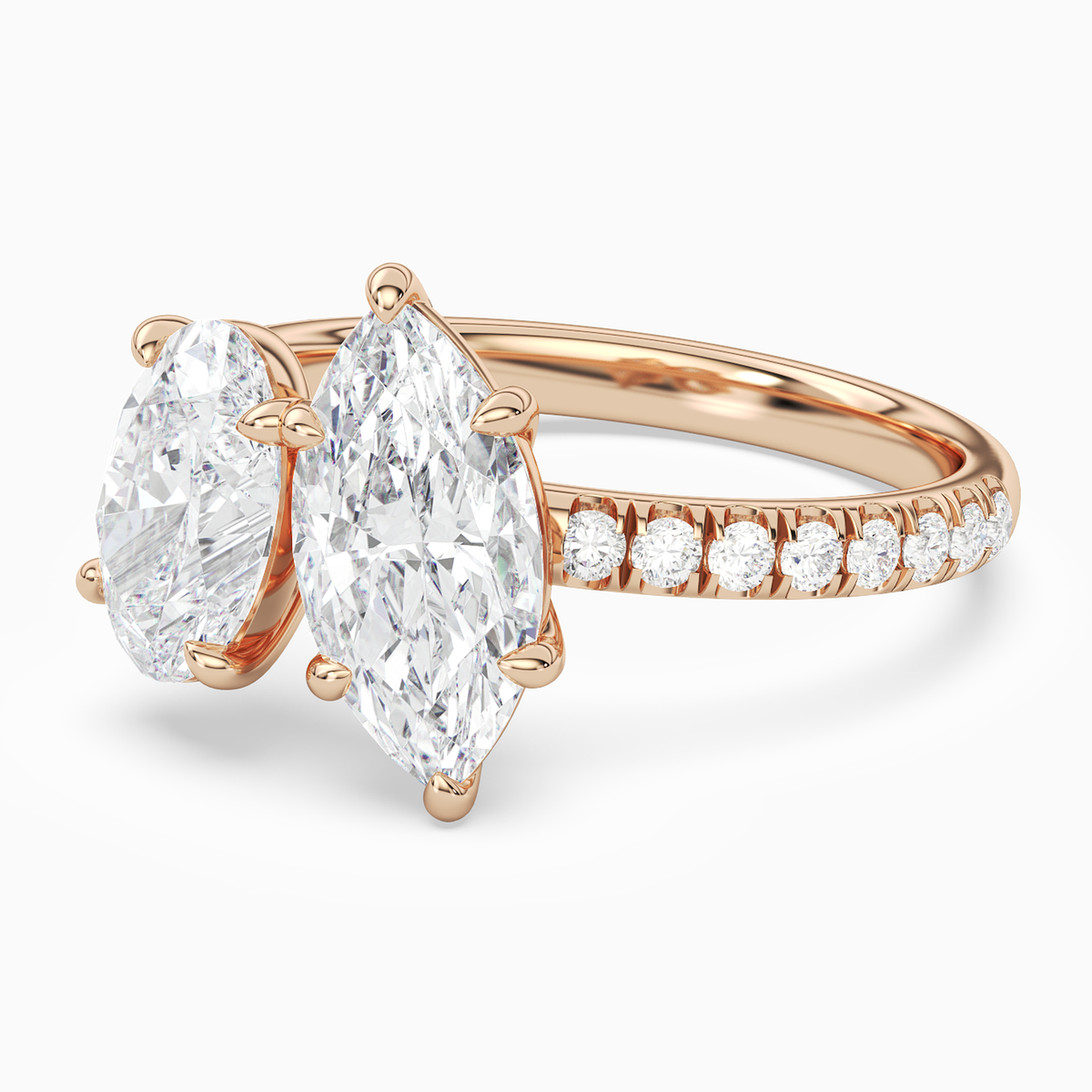
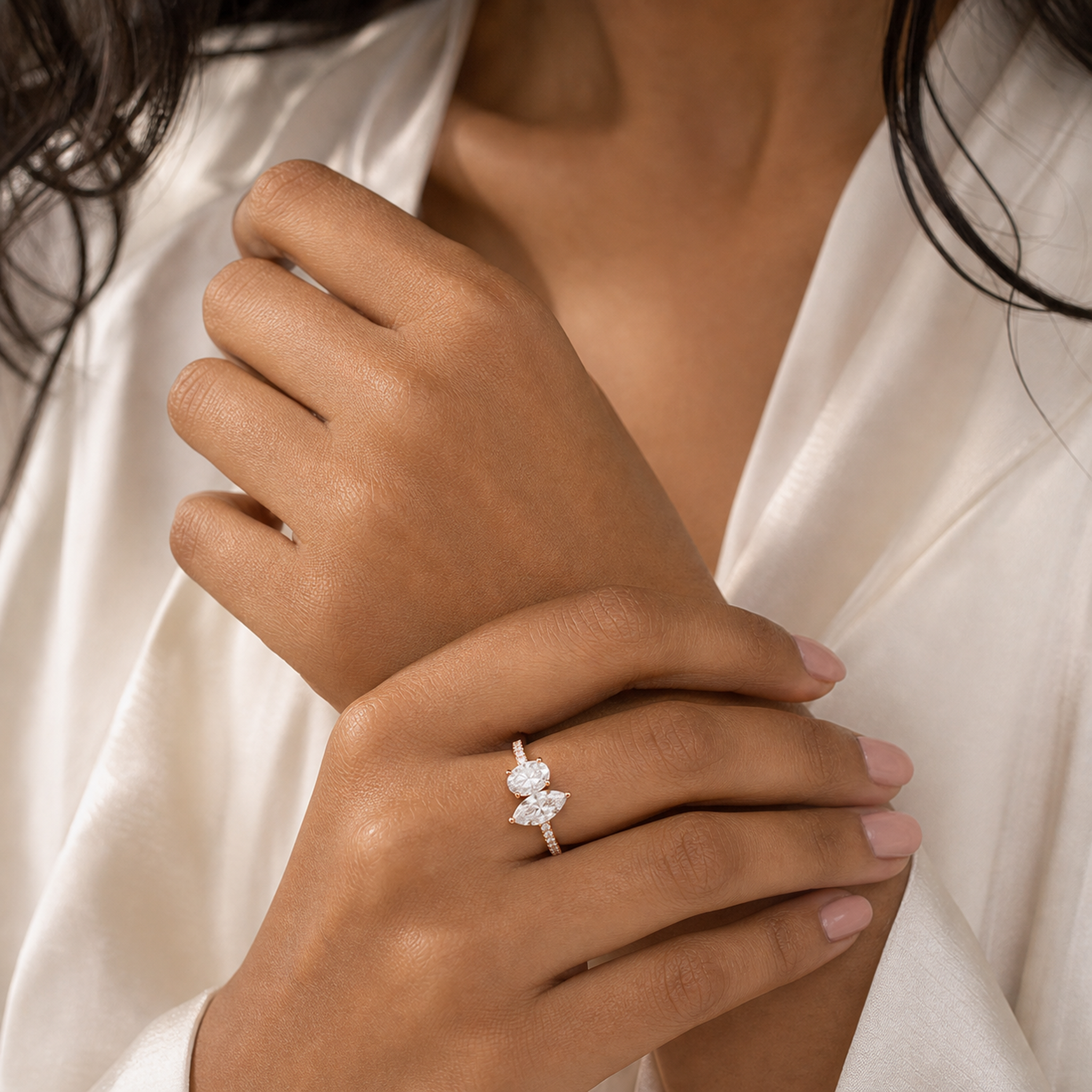
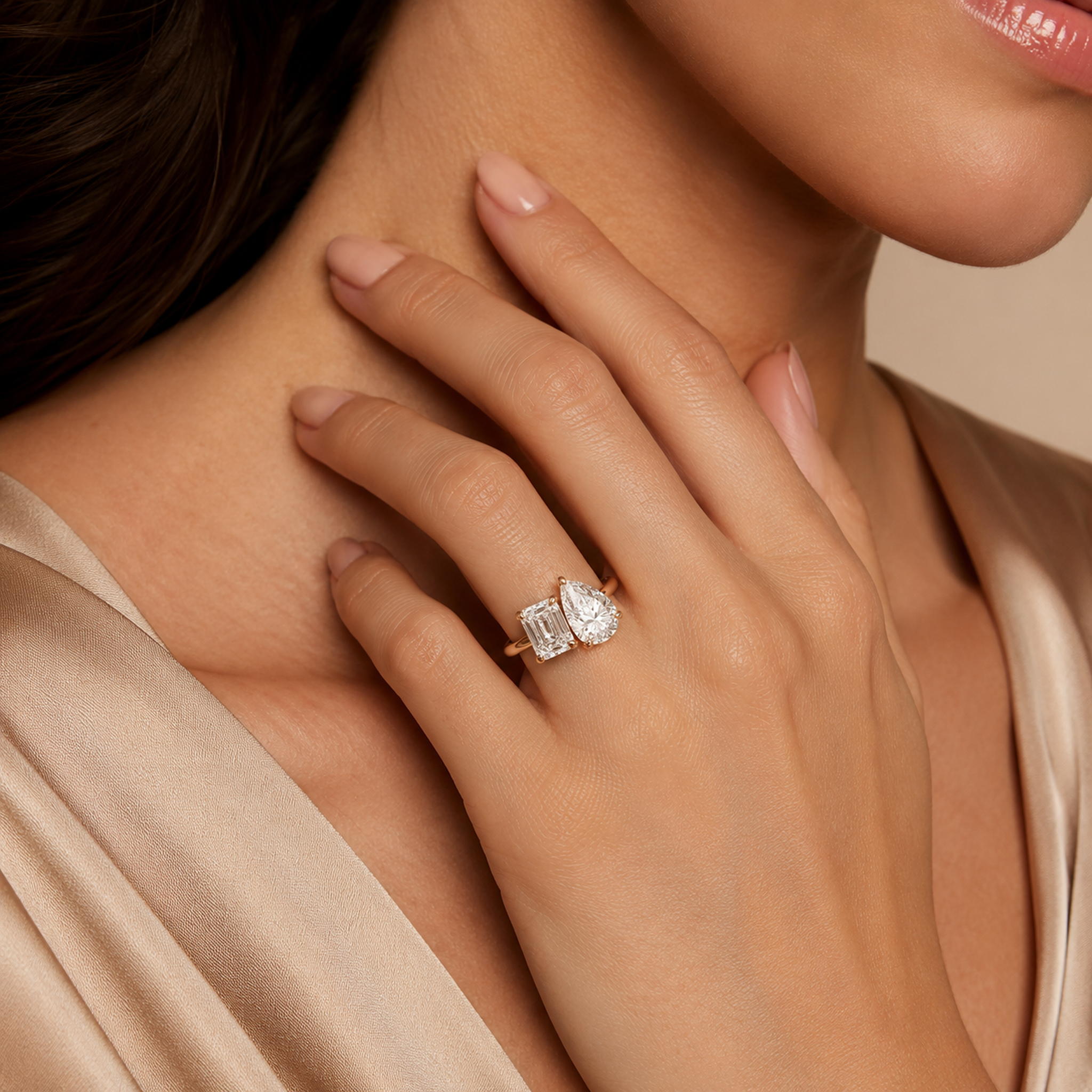
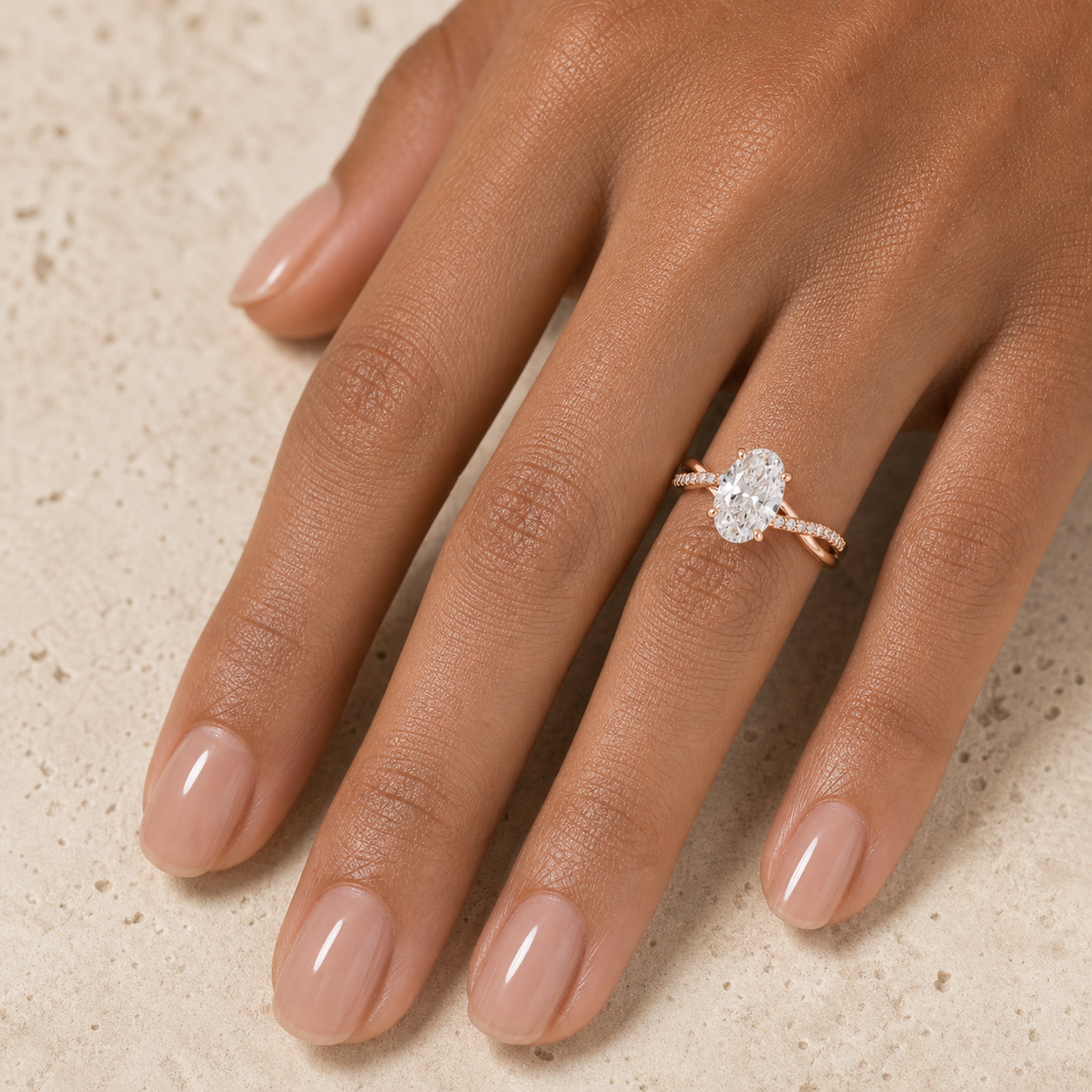
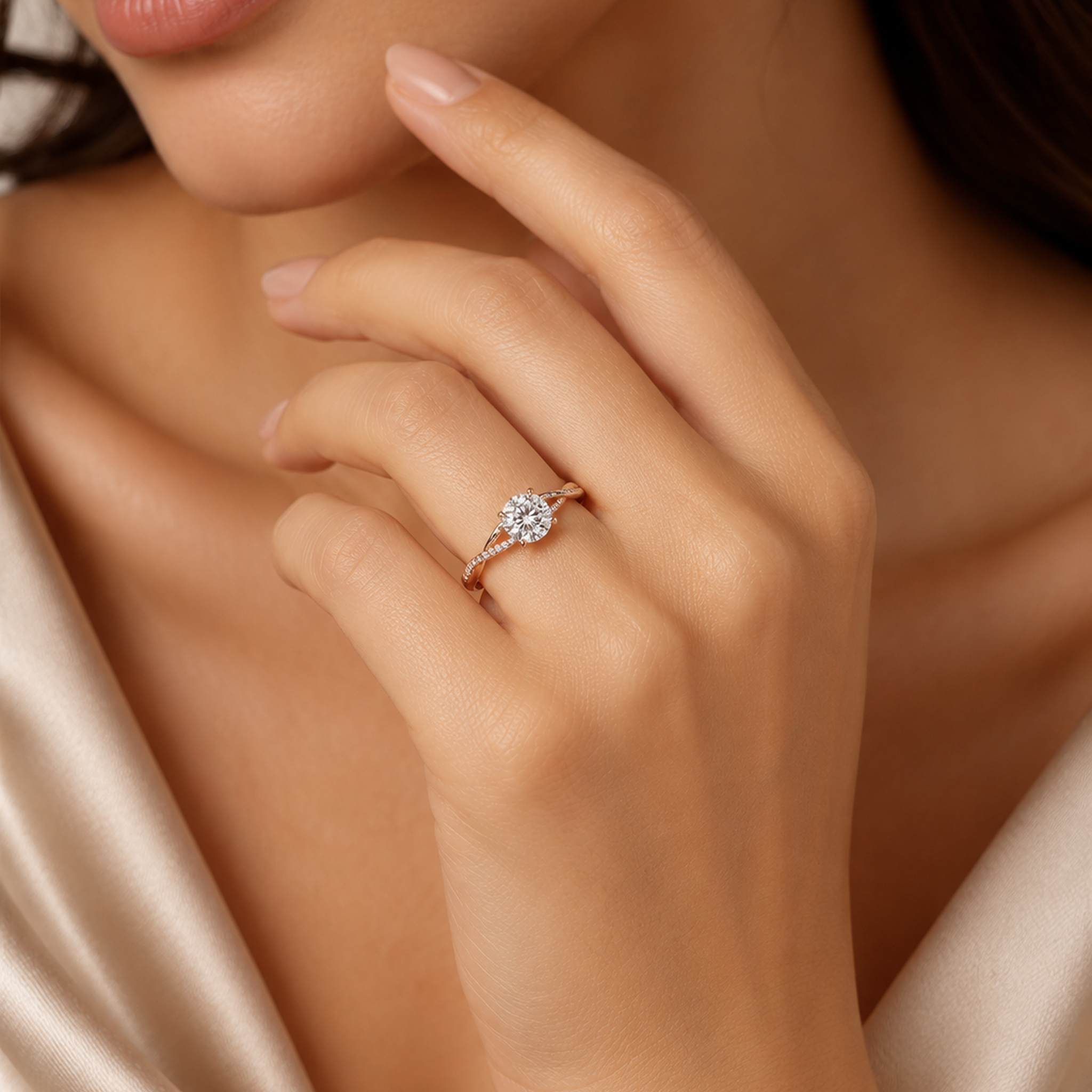
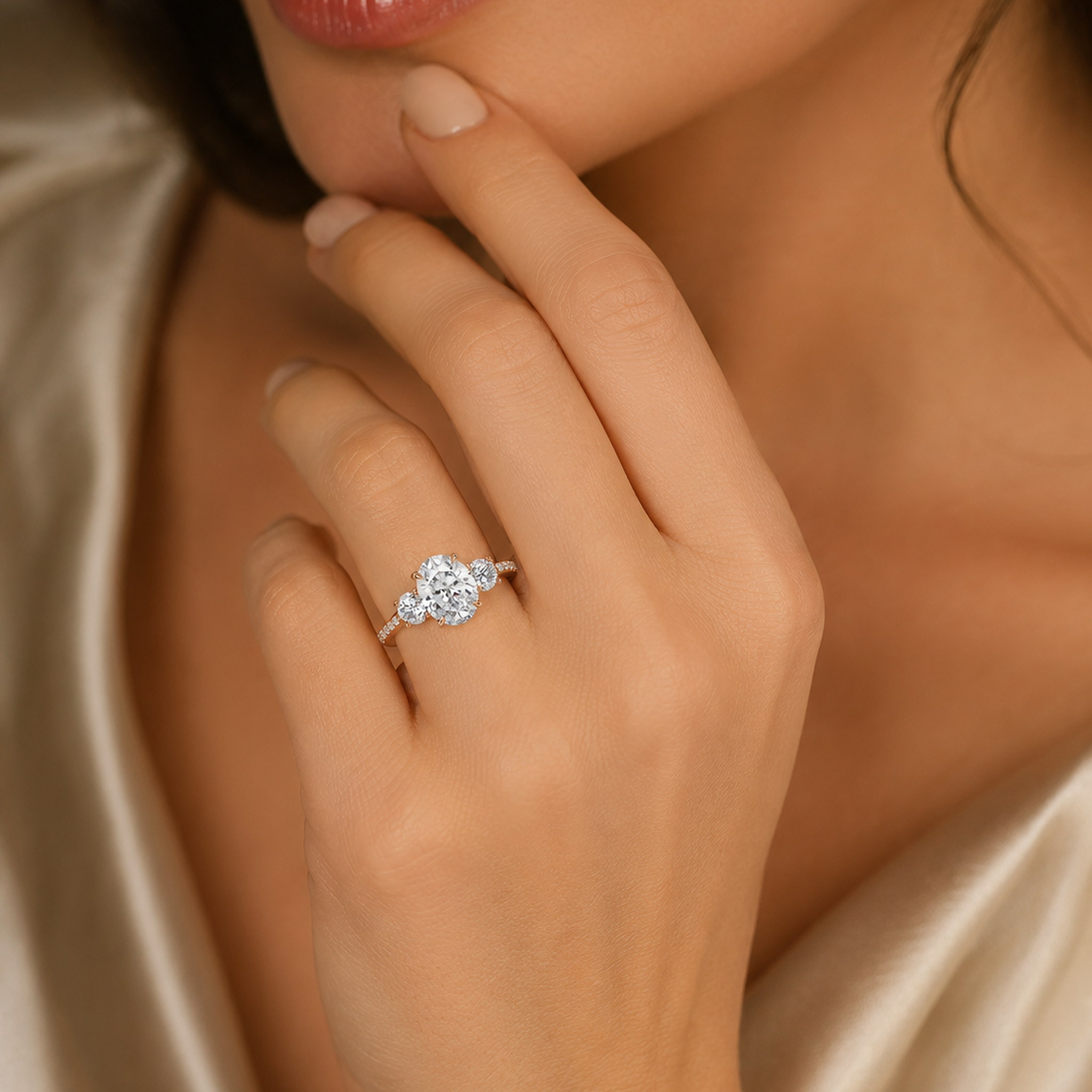
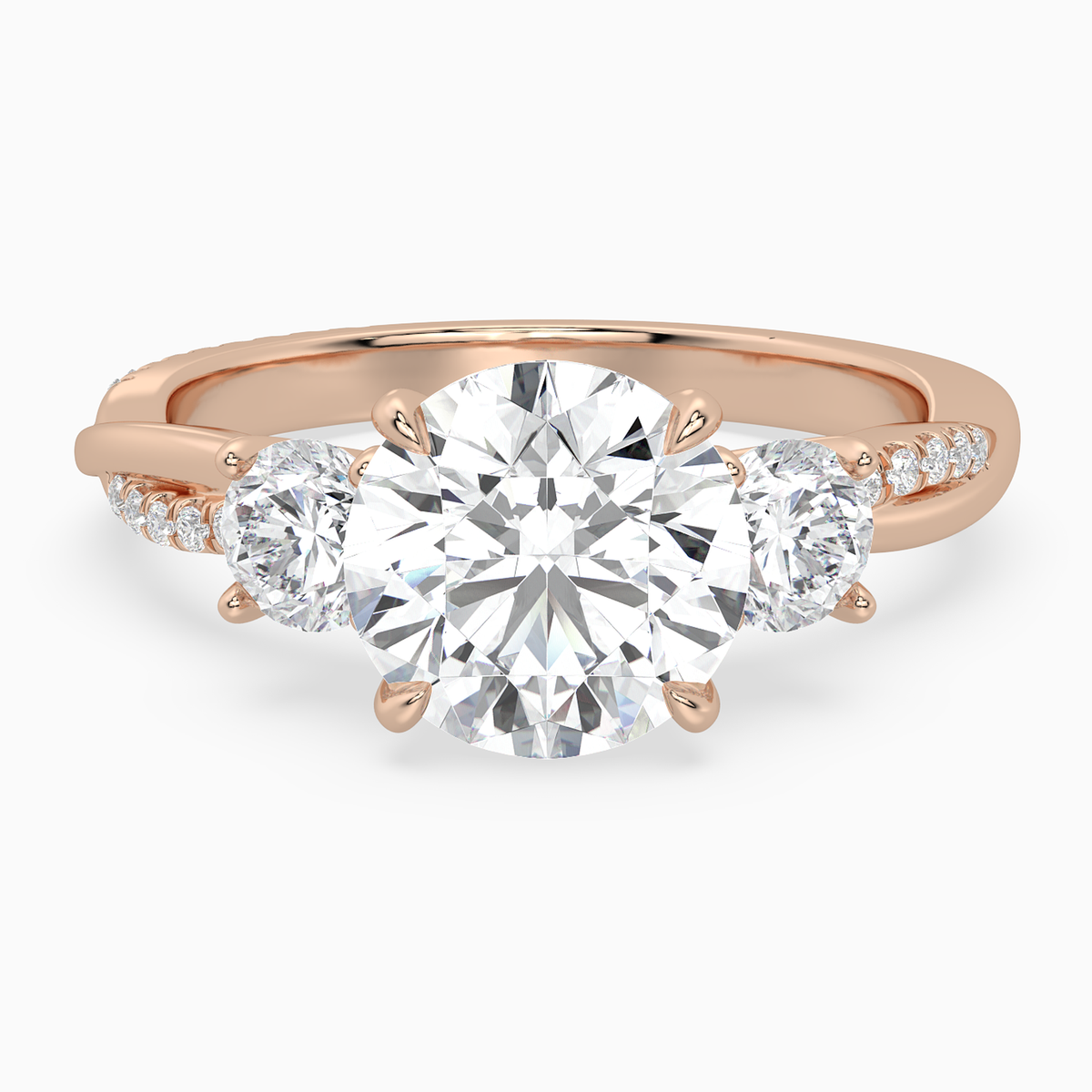
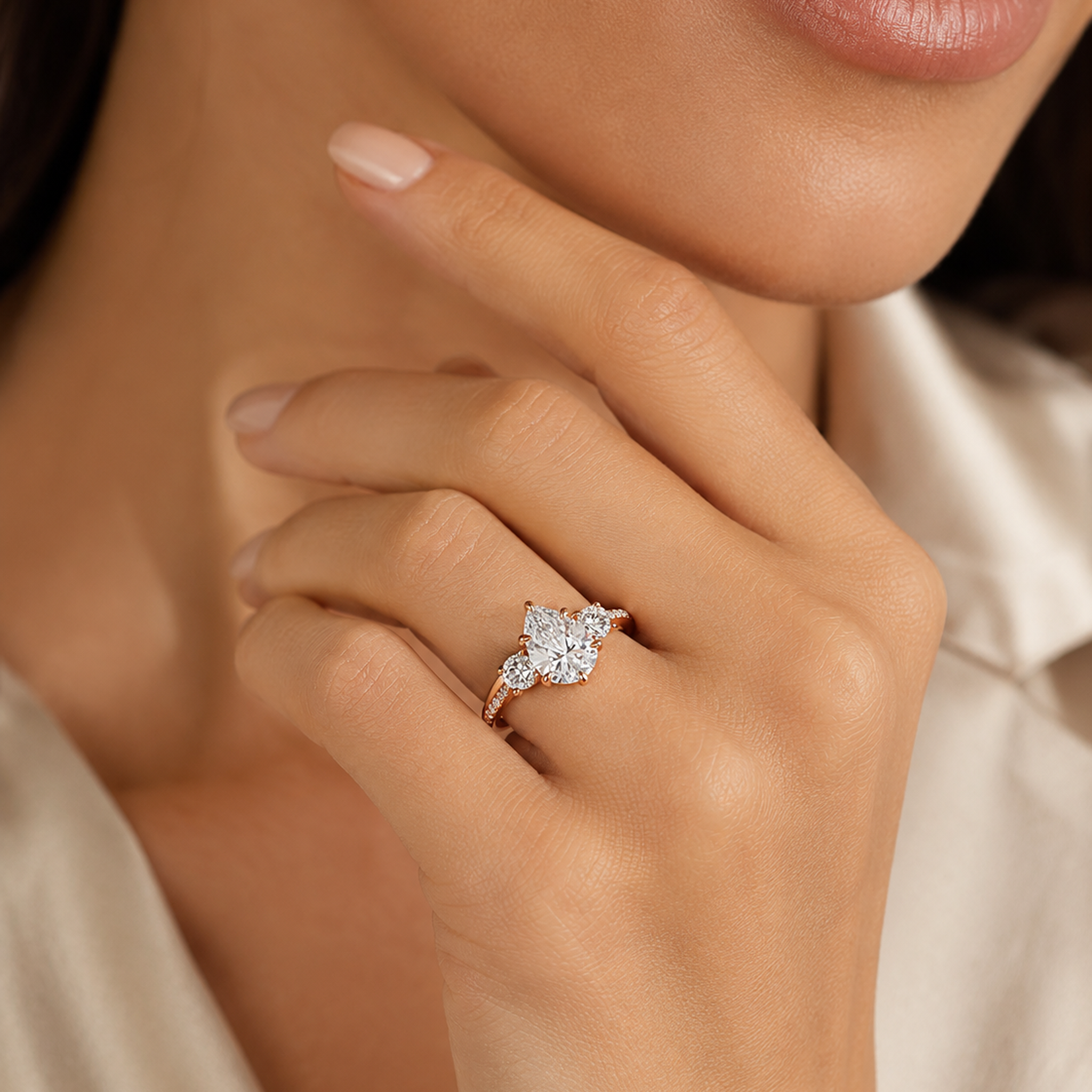
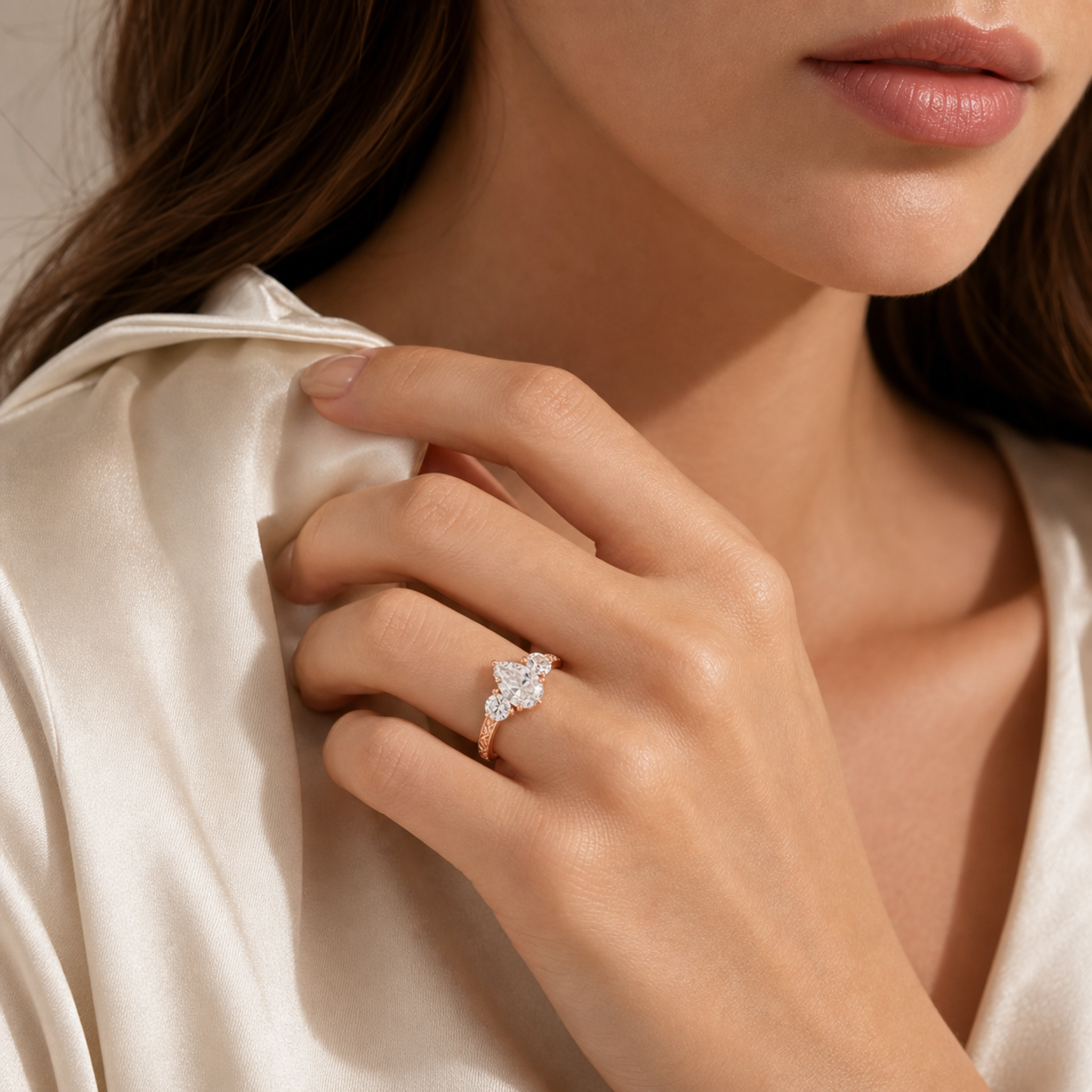
A measured blush, neither nostalgic nor sweet. 14K rose gold brings soft contrast to the diamond and warmth to the setting’s architecture.


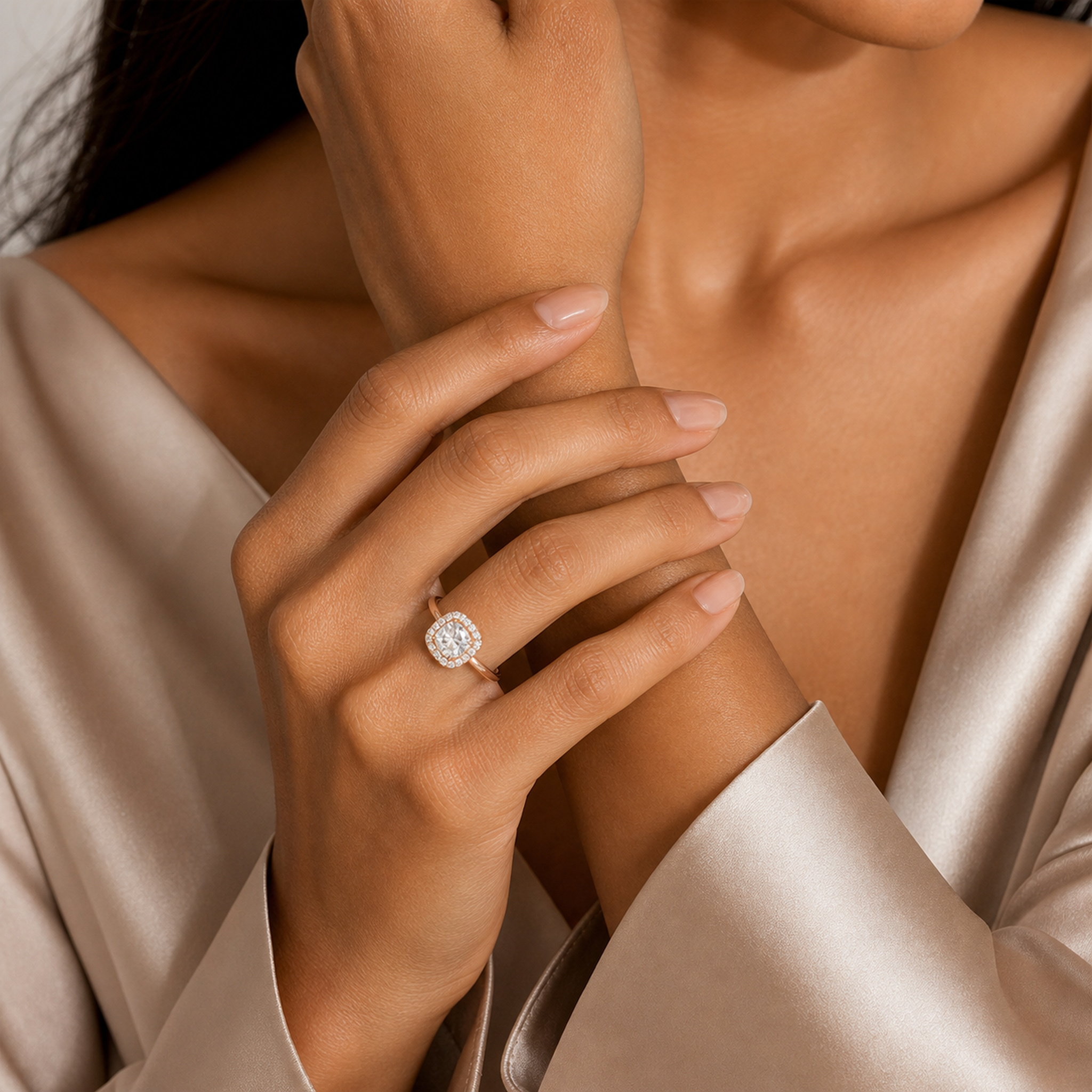


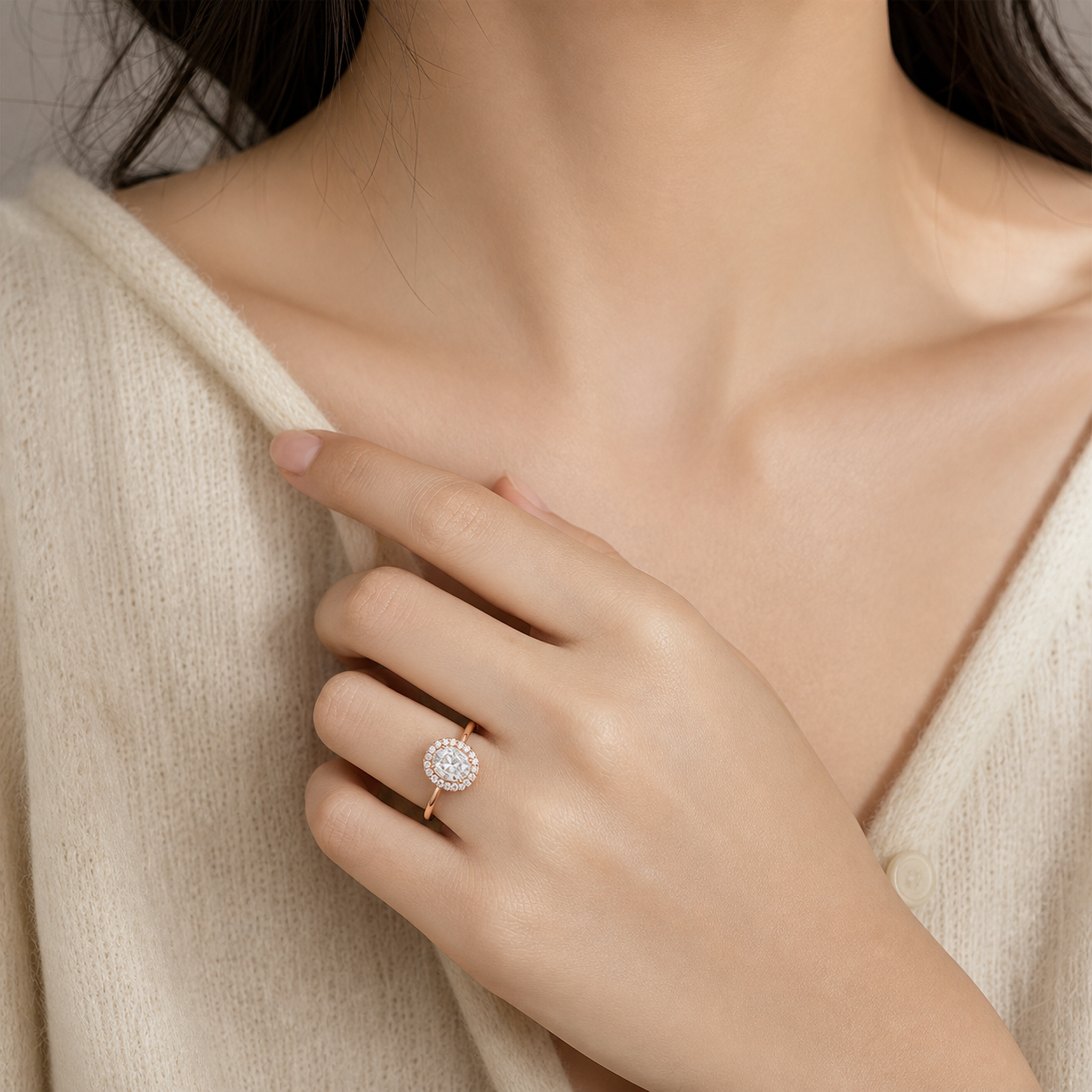

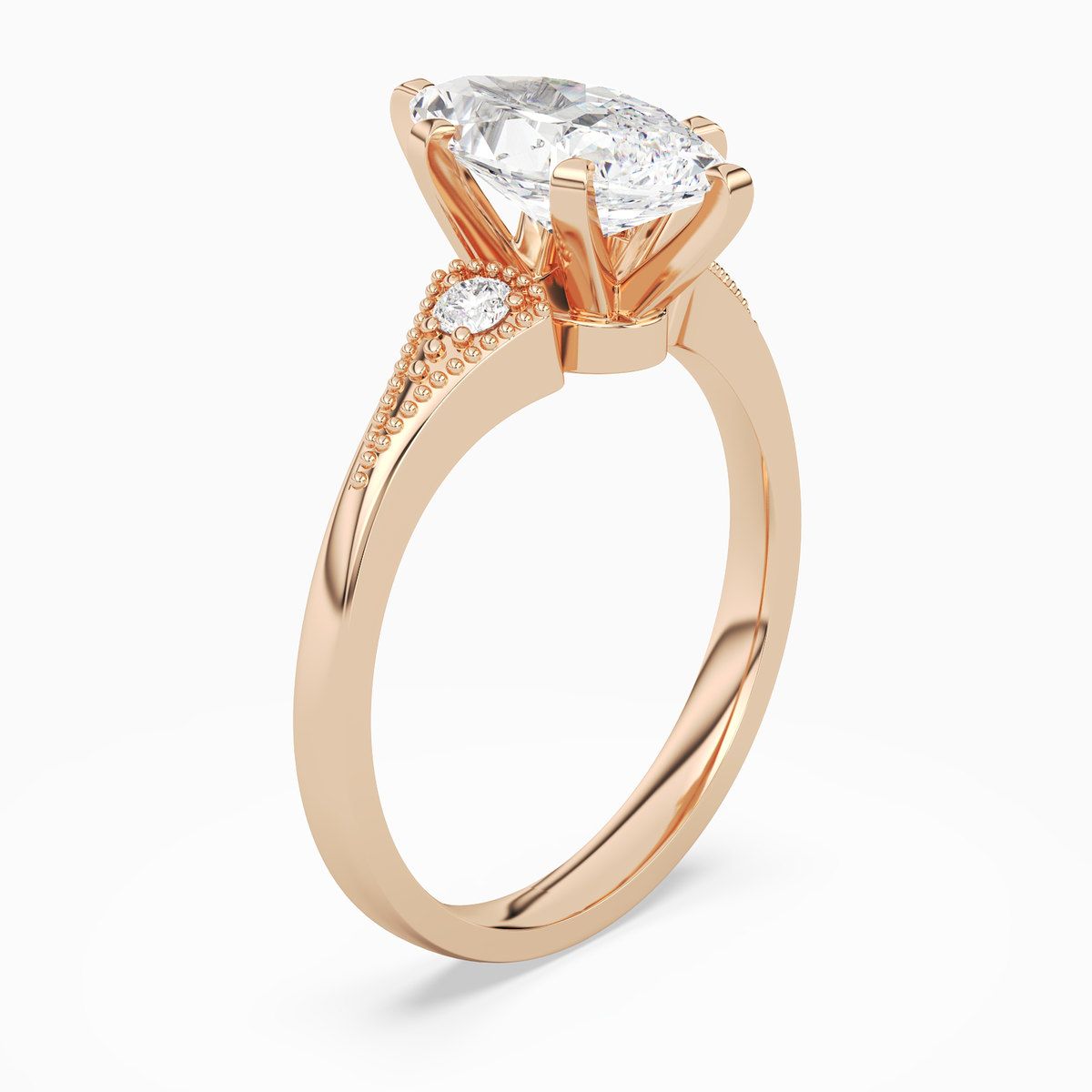






































- Free Express Shipping
- Free Resizing
- 60-Day Free Returns
- Lifetime Warranty
14K Rose Gold Engagement Rings: Blush, Precisely Drawn
Rose gold is often described through romance alone, but its design value is more exact. The blush tone sits between the clear contrast of Yellow Gold and the visual neutrality of White Gold. It gives the band color without overwhelming the diamond and can soften a geometric setting without obscuring its structure.
Burvonti’s 14K Rose Gold Engagement Rings collection presents our engagement designs through that balanced warmth. A ring can feel sculptural, minimal, botanical, or architectural in Rose Gold; the material does not require a vintage story or a traditionally feminine expression. Its character depends on how color, line, diamond shape, and setting profile are composed.
How Rose Gold Gets Its Color
Rose Gold is created by alloying gold with copper and, in many formulas, silver or other metals. In 14K, gold accounts for 58.3% of the alloy. The remaining composition influences whether the finished tone reads as pale blush, warmer rose, or a deeper copper-pink. Because recipes vary, the name Rose Gold does not describe one universal color.
That distinction matters when comparing a ring online or pairing it with another piece. The most reliable reference is the actual product finish under consistent light. A customer should not assume that every 14K Rose Gold ring—or every wedding band labeled Rose Gold—will be an exact tonal match.
Soft Color, Clear Structure
In a Solitaire, Rose Gold gives the band a gentle boundary against skin while leaving the diamond visually distinct. A fine taper can make the transition feel light; a broader profile allows the blush tone to become a more assertive part of the ring.
Nature-Inspired, vintage-referenced, and engraved designs naturally make use of warm metal detail, but Rose Gold is equally effective in clean Bezel, Hidden Halo, and restrained Three-Stone settings. The most contemporary results often come from disciplined geometry: measured band width, controlled pavé, and a gallery whose detail is revealed through movement rather than decoration alone.
Diamond Shape Against a Blush Frame
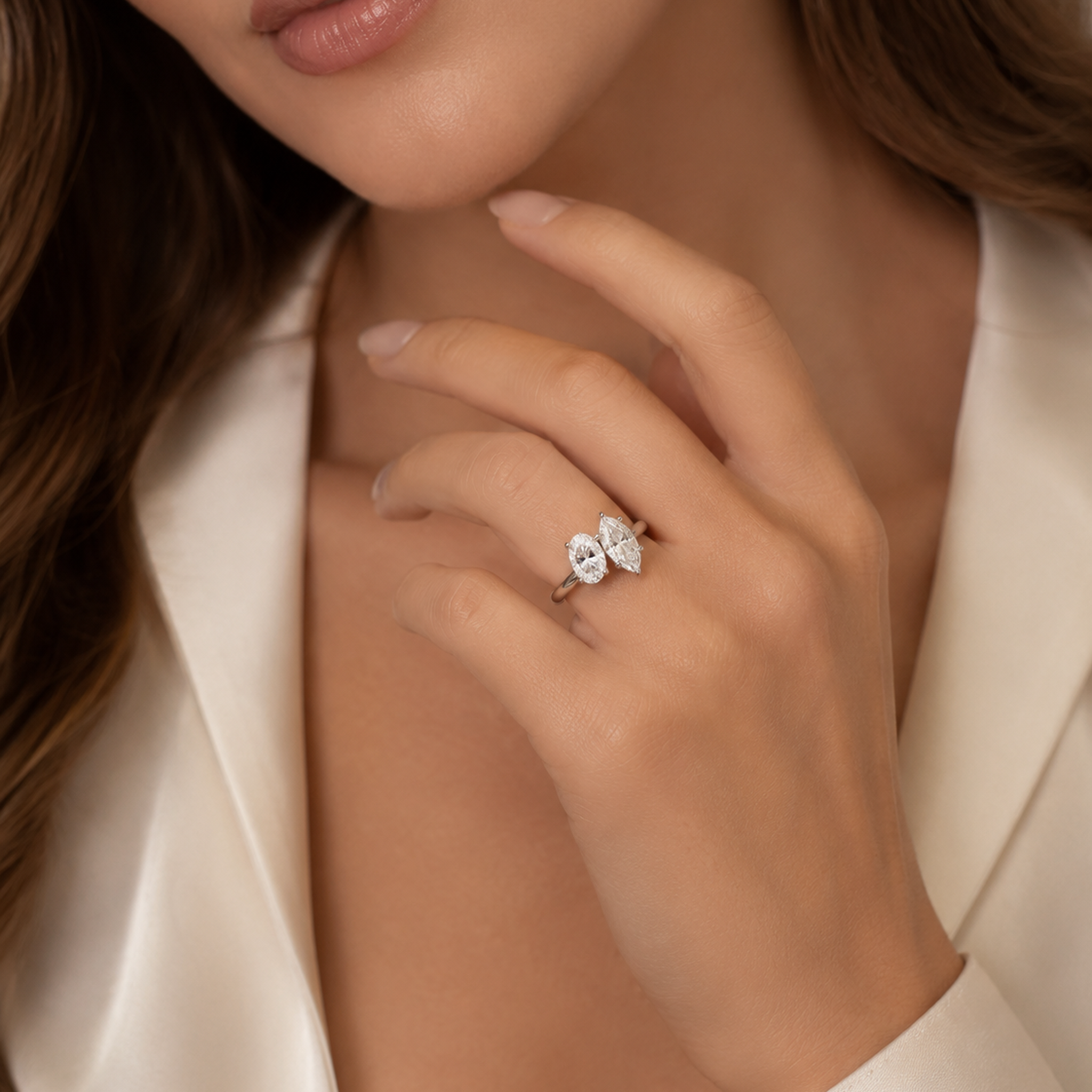
Round and Cushion diamonds create a softer rhythm with Rose Gold. Oval, Pear, and Marquise shapes make the contrast between elongated outline and warm band more apparent. Emerald, Asscher, Radiant, and Princess cuts can feel unexpectedly modern because their straight lines and corners resist the assumption that Rose Gold must be ornate.
Warm metal near the diamond may influence perceived color, but it does not change the stone’s documented grade. Prong color, basket openness, lighting, and accent diamonds all affect what the eye reads. The aim is not to promise that a diamond will appear whiter or pinker; it is to choose a transition between stone and metal that feels intentional.
Rose Gold Without the Clichés
Rose Gold can reference vintage jewelry, but it does not need milgrain, floral motifs, or elaborate pavé to feel complete. On a spare Solitaire, an East-West setting, or a clean Bezel, the color becomes the point of distinction and the structure remains modern.
Conversely, when the design is detailed, restraint becomes more important. Leaf forms, halos, engraving, and side stones should not all compete for attention. Burvonti treats the blush metal as one voice within the composition—sometimes leading, sometimes supporting, never used as shorthand for sentiment.
Color Pairing, Wear, and Care
A matching Rose Gold wedding band can create a continuous tonal stack, though exact hue should be compared rather than assumed. Yellow Gold produces a warmer, layered transition; White Gold or Platinum introduces a cleaner division. Where two rings meet, profile, edge, curvature, and surface contact remain as important as color.
Rose Gold does not typically depend on rhodium plating for its blush color. Like other gold alloys, it can scratch, collect residue, and change subtly in surface character. Clean with mild soap, warm water, and a soft brush or cloth; avoid harsh chemicals and abrasives. Copper sensitivity is also relevant for some wearers and should be considered when metal reactions are already known.
Burvonti Warm Precision in Rose Gold
Burvonti begins with responsibly sourced lab-grown diamonds. Independent grading or certification, where applicable, documents cut, color, clarity, and carat weight. Those facts remain stable even as the Rose Gold setting changes the visual relationship around the stone. Proportion, outline, setting fit, and color transition still require human judgment.
Custom possibilities can refine the diamond shape, Rose Gold tone within available material specifications, setting profile, band width, prong language, wedding-band relationship, engraving, and selected details. The purpose is not to make the ring more decorative. It is to make the warmth, structure, and diamond resolve into one point of view.
Frequently Asked Questions
What is 14K Rose Gold?
14K Rose Gold is a gold alloy containing 58.3% gold. Copper and often silver or other metals create its blush tone and influence its physical properties. Exact formulas vary, so Rose Gold can range from pale pink to a warmer copper-rose color.
Why do different Rose Gold rings have different colors?
The hue depends on the proportions of gold, copper, silver, and other alloying metals, as well as surface finish and lighting. Karat alone does not guarantee an exact tonal match between two rings.
Does Rose Gold need plating to stay pink?
Rose Gold generally derives its blush color from the alloy itself rather than a rhodium surface layer. Its polish and surface character can still change with wear, but maintaining the pink tone is not usually the same process as refreshing a White Gold rhodium finish.
Does Rose Gold tarnish or change color?
Gold alloys resist traditional tarnish, but Rose Gold can develop subtle surface and color changes through wear, polishing, and interaction with the environment. Its underlying blush comes from the alloy, while the exact appearance can deepen or soften over time.
Will Rose Gold make my diamond look pink?
It does not change the diamond’s actual color grade. Warm metal near the stone can influence perceived color depending on prongs, basket openness, lighting, and the diamond itself. Some settings create clear contrast; others allow a warmer transition.
Which engagement-ring styles work in Rose Gold?
Solitaire, Bezel, Hidden Halo, Halo, Side-Stone, Three-Stone, nature-inspired, engraved, and vintage-referenced settings can all work in Rose Gold. Clean geometry can feel distinctly modern, while detailed settings use the warm tone to reveal texture and depth.
Which diamond shapes suit a Rose Gold setting?
All major shapes can be set in Rose Gold. Rounded brilliant shapes create a softer relationship; elongated outlines emphasize direction; step cuts and square shapes create a sharper contrast with the blush metal. The prongs and basket should follow the individual stone.
Is 14K Rose Gold suitable for regular wear?
14K Rose Gold is commonly used for rings worn regularly. It can still scratch or dent, and detailed settings need appropriate care. Daily activity, band profile, contact with other rings, and the specific alloy all influence wear.
Can Rose Gold cause a metal sensitivity?
Rose Gold commonly contains copper and may contain other alloying metals. Someone with a known sensitivity should confirm the specific alloy before purchase and seek qualified medical guidance for any established allergy or skin reaction.
How should I clean a 14K Rose Gold engagement ring?
Use warm water, mild soap, and a soft cloth or soft-bristled brush, then rinse carefully and dry with a lint-free cloth. Avoid harsh chemicals, chlorine, and abrasive mixtures that may affect the surface or the ring’s gemstones.
Can Rose Gold be mixed with another metal in a wedding stack?
Yes. White metal creates a crisp contrast, while Yellow Gold creates a warmer tonal progression. Compare edge profile, curvature, contact points, and actual hue; two rings labeled Rose Gold may not be an exact color match.
Can a Burvonti 14K Rose Gold engagement ring be customized?
Yes. Custom possibilities may include diamond shape, setting profile, band width, prong language, wedding-band relationship, engraving, mixed-metal details, and selected design features, subject to available material specifications and structural review.