
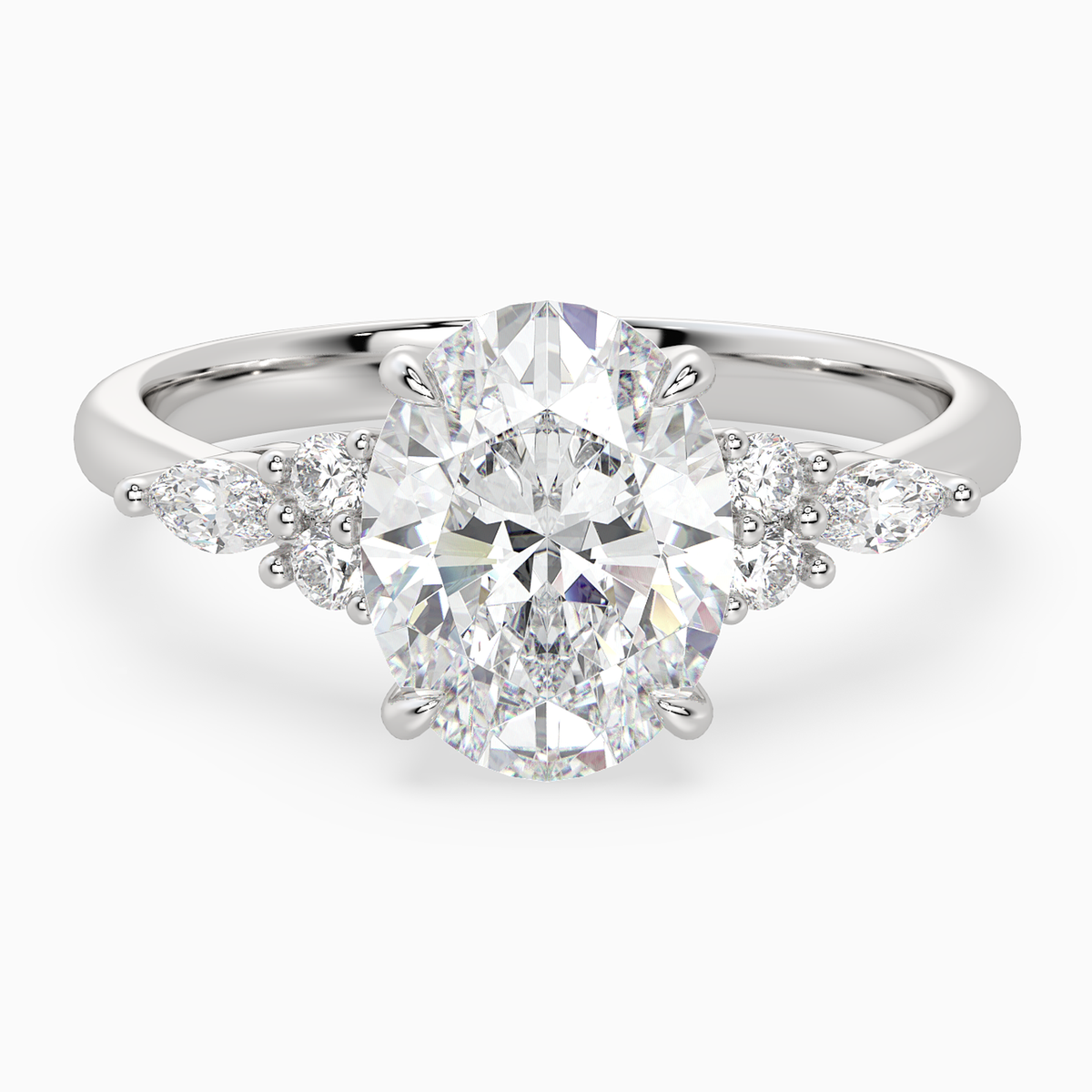


Which Hand Does an Engagement Ring Go On? Traditions, Meaning, and Modern Choices
In the United States, an engagement ring is most often worn on the ring finger of the left hand. That answer is useful, but it is not the whole story. Around the world, engagement rings may appear on the right hand, move hands during the wedding ceremony, or share space with a wedding band in different ways.
The most important rule is not a rule at all: the ring should fit your culture, your daily life, and the way you want to mark the commitment. Tradition can give you a starting point. Your hand, your work, your wedding band, and your shared meaning should finish the decision.
Quick Answer: Which Hand Does an Engagement Ring Go On?
In the U.S., U.K., Canada, and many Western traditions, an engagement ring is usually worn on the fourth finger of the left hand, often called the left ring finger. In some European, Latin American, and Orthodox Christian traditions, engagement rings or wedding rings may be worn on the right hand. Both choices can be meaningful.
- Most common in the U.S.: left ring finger before marriage.
- Common in some other cultures: right ring finger or a hand change after marriage.
- During the wedding ceremony: some people move the engagement ring temporarily so the wedding band can be placed first.
- After marriage: many wear the wedding band closest to the heart, with the engagement ring above it.
Why the Left Ring Finger Became Common
The left ring finger has a long symbolic history. A familiar explanation comes from the old belief that a vein in that finger connected directly to the heart. The anatomy is not accurate, but the idea shaped centuries of ring symbolism: the fourth finger became a visible place for commitment, affection, and public promise.
In modern U.S. engagement culture, the left ring finger remains the default. If someone asks where to wear an engagement ring, this is the answer most jewelers, family members, and friends will expect. It also makes wedding planning easier because the engagement ring and wedding band are usually designed to work together on that same finger.
Still, tradition is a reference point, not a requirement. A ring chosen with intention should make sense on the hand that wears it every day.
When Engagement Rings Are Worn on the Right Hand
In many cultures, the right hand carries its own symbolism. Some people wear engagement rings or wedding rings on the right hand because of family tradition, religion, national custom, or personal preference. You may see right-hand ring traditions in parts of Europe, Latin America, and communities influenced by Orthodox Christian customs.
Even within one country or family, practice can vary. Some couples wear the engagement ring on one hand before the wedding and move it afterward. Others keep the engagement ring on the right hand and reserve the left hand for the wedding band. Some people choose the right hand simply because it feels more comfortable or protects the ring better during work.
If you and your partner come from different backgrounds, this can be a meaningful conversation rather than a problem. The best choice is the one that respects the tradition you care about without forcing a ring into a role that does not fit your life.

Left Hand vs. Right Hand: What Changes?
The hand you choose can affect more than symbolism. It can change comfort, sizing, protection, and how the engagement ring pairs with a wedding band. Use this comparison as a practical guide.
| Question | Left Hand | Right Hand |
|---|---|---|
| What does tradition suggest? | Most common for engagement rings in the U.S. and several Western traditions. | Common in some European, Latin American, Orthodox Christian, and family traditions. |
| How does it affect sizing? | Usually sized for the left ring finger, which may be slightly different from the right. | Needs its own measurement. Do not assume the right ring finger matches the left. |
| What about daily comfort? | Comfort depends on whether the left hand is dominant and how often it is used. | May be more exposed if the right hand is dominant, but can be more comfortable for some wearers. |
| How does it pair with a wedding band? | Most wedding band sets are planned for left-hand stacking. | Can separate the engagement ring from the wedding band or create a different stacking tradition. |
| When is it a good choice? | When you want the most familiar U.S. engagement ring placement. | When culture, comfort, work, or personal meaning points to the right hand. |
Which Finger Should an Engagement Ring Go On?
Most engagement rings are worn on the ring finger, which is the fourth finger counted from the thumb. In the U.S., that usually means the fourth finger of the left hand. In right-hand traditions, it usually means the fourth finger of the right hand.
The ring finger matters because it affects fit and proportions. A ring that fits the middle finger will usually be too large for the ring finger. A ring borrowed from the right hand may not fit the left hand exactly. If you are choosing a surprise engagement ring, the hand and finger matter as much as the size number.
That is why sizing should be specific: left ring finger or right ring finger, narrow band or wide band, worn alone or stacked with a wedding band. A precise ring is not only beautiful. It is comfortable enough to become part of daily life.
How to Decide What Works for You
If you are not sure which hand to choose, start with tradition and then test it against real life. The ring should feel natural when the hand moves, rests, works, and carries everyday objects.
Consider Culture and Family Meaning
If one hand has strong family or cultural meaning, honor that first. A ring is often seen by other people, but it is worn by one person. The wearer should feel that the placement reflects their identity rather than a generic rule.
Think About the Dominant Hand
If the wearer is right-handed, a right-hand engagement ring may experience more contact with desks, tools, bags, and surfaces. If the wearer is left-handed, the opposite may be true. This does not make one hand wrong. It simply affects comfort and wear over time.
Account for Work and Hobbies
Healthcare, fitness, ceramics, climbing, cooking, childcare, and hands-on design work can all influence ring placement. Some people wear the ring on the traditional hand for special occasions and use a safer routine during work. Others choose a lower-profile setting or a separate wedding band for daily wear.
Plan the Wedding Band Early
If the engagement ring will be worn with a wedding band, think about both rings together before finalizing the setting. Height, band contour, stone shape, prongs, and ring width can all affect how the two pieces sit on the finger.

What Happens During the Wedding Ceremony?
During many Western wedding ceremonies, the wedding band is placed on the left ring finger first. Because of that, some people move the engagement ring to the right hand before the ceremony. Afterward, they move the engagement ring back above the wedding band.
Other people keep the engagement ring in place and let the wedding band sit above it during the ceremony, then rearrange the order later. Some do not wear the engagement ring at the ceremony at all. None of these choices changes the meaning of the rings. They simply solve the practical question of where each ring goes at the moment of exchange.
If you care about the traditional order, the common arrangement after the wedding is: wedding band first, closest to the palm, then engagement ring above it. The phrase "closest to the heart" is symbolic, not technical, but many couples like the meaning.
For the wider wedding-day styling context, continue with How to Choose Bridal Jewelry for Your Wedding Dress.
How to Wear an Engagement Ring and Wedding Band After Marriage
After marriage, the most common U.S. arrangement is to wear both rings on the left ring finger, with the wedding band closest to the hand and the engagement ring on top. This creates a clear bridal stack and keeps both symbols together.
But there are several good alternatives:
- Wear the wedding band on the left hand and the engagement ring on the right hand.
- Wear the engagement ring for special occasions and the wedding band daily.
- Choose a curved or contoured wedding band that fits around the engagement ring.
- Choose a straight band and leave a small gap if that feels more modern.
- Solder the two rings together only if the wearer is sure they always want them as one unit.
Planning the Ring and Band Together?
A wedding band should feel like a deliberate continuation of the engagement ring, not an afterthought. Compare proportions, metal tone, band width, and daily comfort before choosing the final pairing.
Explore wedding bands Start a custom designWhen It Makes Sense to Break Tradition
There are many valid reasons to wear an engagement ring differently. You may prefer the right hand because of culture. You may prefer the left because it feels familiar. You may switch hands for comfort, travel, pregnancy, climate, work, or swelling. You may wear a ring on a chain during certain activities. You may choose not to stack the engagement ring and wedding band at all.
The best ring placement is not the one that follows the loudest rule. It is the one that lets the ring be worn with confidence. That is especially true for a ring made around a specific diamond, setting, and decision. The placement should support the design, the fit, and the person wearing it.

Final Takeaway
So, which hand does an engagement ring go on? In the U.S., the classic answer is the left ring finger. In many other traditions, the right hand is just as meaningful. For modern couples, the strongest answer is the one that combines cultural respect, physical comfort, and intentional design.
If you are choosing an engagement ring now, decide more than the hand. Think about the wedding band, the ring profile, the wearer's daily routine, and the size of the specific finger. A ring is not only a symbol. It is a precise object meant to be worn, seen, and lived with.
Choose an Engagement Ring With Intention
Explore lab-grown diamond engagement rings, compare transparent diamond specifications, or book a consultation for help with setting proportions, ring sizing, and wedding band pairing.
Explore engagement rings Book a consultationFor a related guide, continue with How to Find Her Ring Size Without Her Knowing: A Surprise Proposal Guide.
Frequently Asked Questions
Which hand does an engagement ring go on in the U.S.?
In the U.S., an engagement ring is usually worn on the ring finger of the left hand. This is the most familiar placement before marriage and is often used when planning a wedding band stack.
Can you wear an engagement ring on the right hand?
Yes. Right-hand engagement rings are common in some cultures and can also be chosen for comfort, work, family meaning, or personal style. The right hand does not make the ring less meaningful.
What finger is the engagement ring finger?
The engagement ring finger is usually the fourth finger counted from the thumb. In the U.S. this typically means the left ring finger, while some traditions use the right ring finger.
Where does the engagement ring go during the wedding ceremony?
Many people move the engagement ring to the right hand before the ceremony so the wedding band can be placed first on the left ring finger. After the ceremony, the engagement ring is often moved back above the wedding band.
Which ring goes on first, the wedding band or engagement ring?
After marriage, many people wear the wedding band first, closest to the hand, with the engagement ring above it. This order is traditional, but comfort and design should guide the final arrangement.
Should the engagement ring and wedding band be designed together?
It is helpful to consider them together, especially if they will be stacked on the same finger. Band width, diamond shape, setting height, and contour can all affect comfort and appearance.