
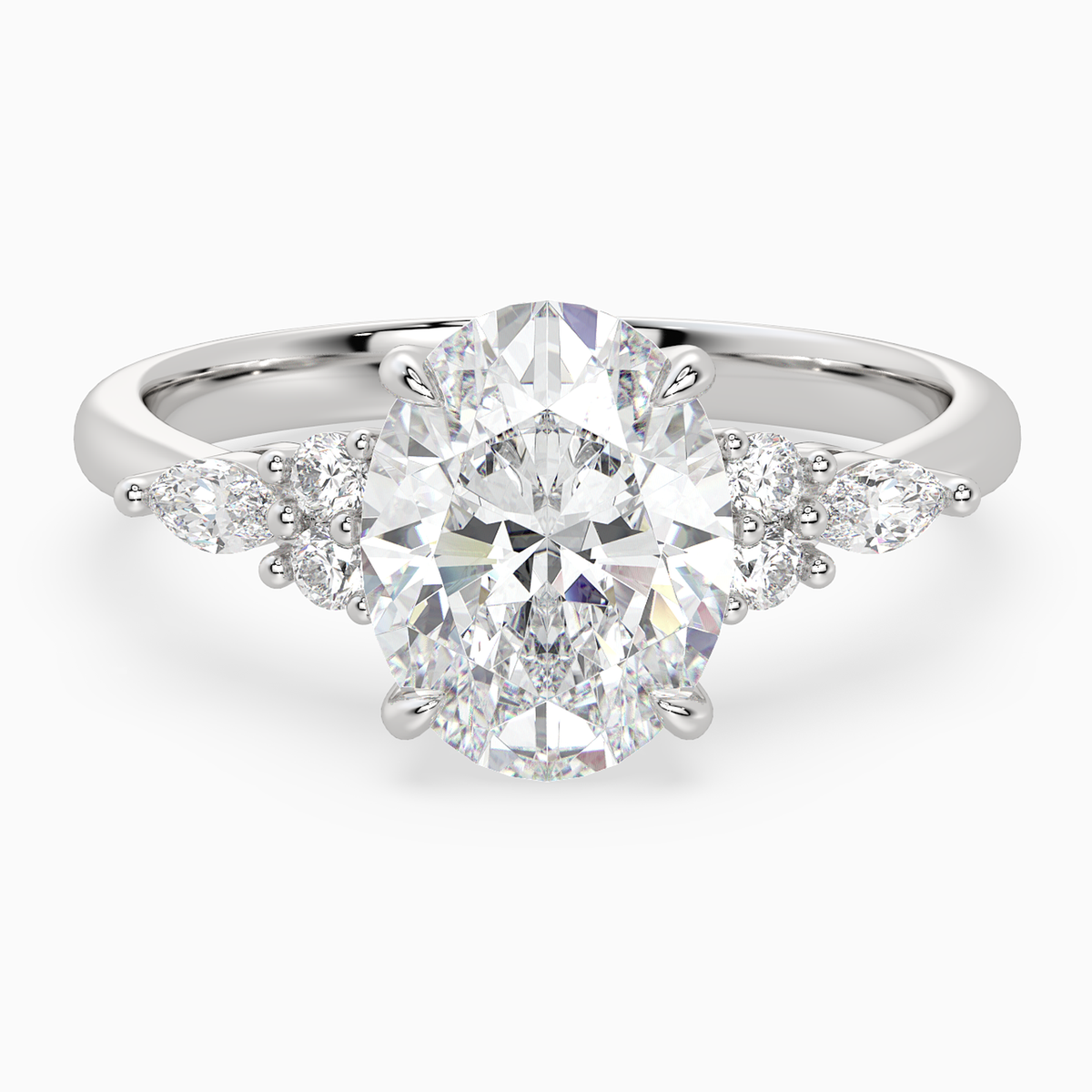


Do Lab-Grown Diamond Rings Last? Durability, Shine, and Daily Wear

Lab-grown diamond rings are often chosen for their clarity, value, and modern sourcing, but durability is still one of the most practical questions before purchase. A ring is worn with hands, not kept in a display case, so the answer needs to cover more than the diamond alone.
Lab-grown diamonds are real diamonds with the same crystal structure and hardness as mined diamonds. The diamond itself is highly durable and keeps its shine when it is cut well and kept clean. Long-term wear, however, also depends on the ring's setting, prongs, metal, stone proportions, cleaning habits, and routine inspections.
This guide explains what makes a lab-grown diamond ring durable, why sparkle can fade from residue rather than damage, which settings support daily wear, and what specifications are worth checking before you buy.
Are Lab-Grown Diamond Rings Durable?
Yes. A lab-grown diamond is diamond, not diamond simulant. It is made of carbon in a diamond crystal structure, so it has the same 10 ranking on the Mohs hardness scale as a mined diamond. In daily terms, that means the stone resists scratching better than almost every material it normally touches.
Durability still has two parts: the stone and the ring that holds it. The center diamond may be extremely hard, while the prongs, shank, pavé stones, hidden halo, or delicate gallery can still wear down with friction and impact. A durable ring is a complete construction decision, not just a stone decision.
Lab-grown diamonds are different from moissanite, cubic zirconia, glass, or other diamond alternatives. Those materials can be beautiful, but they are not chemically and physically the same as diamond.
What Actually Keeps a Lab-Grown Diamond Ring Shining
Shine is mostly about light performance and cleanliness. A well-cut lab-grown diamond reflects light through its facet pattern. When the stone is clean and the proportions are strong, the diamond can show brightness, fire, and scintillation just like a mined diamond.
Most dullness comes from everyday film rather than permanent damage. Lotion, soap, sunscreen, cooking oil, hand cream, and skin oils can settle on the pavilion and under the setting. That residue blocks light and makes the diamond look tired even though the stone itself is not worn out.
Cut quality matters more than origin
For sparkle, compare cut grade, table, depth, symmetry, polish, and the shape's overall proportions. A lab-grown diamond with strong cut quality will usually look livelier than a poorly cut diamond of any origin.
Daily Wear Risks: Usually the Setting, Not the Diamond
For engagement rings and fine rings, the most common daily wear concerns are setting-related. Prongs can catch on knitwear, loosen after a hit, or wear thinner over time. Pavé stones can be vulnerable if the ring is constantly knocked against hard surfaces. Very thin bands can bend more easily than sturdier shanks.

That is why a ring designed for daily wear should be evaluated as jewelry engineering. Ask how the stone is secured, whether the prongs protect vulnerable points, how high the diamond sits, and whether the band width fits your lifestyle. A ring that photographs delicately may not always be the best match for hands-on daily routines.
Durability Factors to Compare Before You Buy
When comparing lab-grown diamond rings, focus on the parts that affect both beauty and wear. The diamond's grading report matters, but the setting design and metal choice can have just as much influence on how the ring lives over time.
| Factor | Why it matters | What to look for |
|---|---|---|
| Cut and proportions | Controls how efficiently the diamond returns light. | Strong cut grade where applicable, balanced table and depth, good symmetry and polish. |
| Setting security | Protects the center stone from movement and accidental loss. | Well-formed prongs, stable basket or gallery, secure pavé work if small stones are used. |
| Metal choice | Affects long-term structure, maintenance, color, and resistance to bending. | Platinum or suitable gold alloy based on wear habits, design, and maintenance preference. |
| Band width and profile | Influences how the ring tolerates pressure from daily hand use. | A shank that feels balanced, not unnecessarily thin for the stone size. |
| Lifestyle fit | Determines how often the ring meets impact, chemicals, water, or tools. | A practical plan for removing the ring during high-risk activities. |
Best Setting Choices for Everyday Wear
The best everyday setting is the one that balances your aesthetic with how your hands actually move through the day. A classic solitaire can be very practical when the prongs are well made and the profile is not too exposed. A bezel setting offers more edge protection, especially for people who want a low-snag design.
Solitaire settings
Clean, timeless, and easy to inspect. Choose a secure basket and prongs sized appropriately for the diamond.
Bezel settings
Protect the diamond edge with a metal rim. Useful for active wearers who prefer a smoother profile.
Low-profile settings
Reduce snagging and impact exposure. Confirm that the wedding band pairing still fits your preference.
Pavé settings
Beautiful and bright, but more maintenance-sensitive. Inspect small stones and shared prongs regularly.
How to Care for a Lab-Grown Diamond Ring
Care is straightforward when it is consistent. The goal is to remove residue before it builds up, avoid unnecessary impact, and catch setting issues before they become loss risks.
- Remove the ring before weight training, gardening, heavy cleaning, swimming, or any work involving strong chemicals.
- Clean the ring at home with warm water, mild dish soap, and a soft brush, then rinse carefully.
- Dry with a lint-free cloth instead of a paper towel that can leave fibers or scratch softer metals.
- Store the ring separately so the diamond does not scratch other jewelry.
- Schedule professional inspections at least once or twice a year, especially for prongs and pavé settings.
A lab-grown diamond does not need special care because of its origin. It needs the same careful habits that support any fine diamond ring.
Compare Rings With Daily Wear in Mind
Explore ring styles, compare lab-grown diamond options, and keep learning before choosing the piece you will wear every day.
Shop Engagement Rings Read the JournalCertification and Specs Worth Checking
A grading report helps you confirm what you are buying. For a lab-grown diamond, review the report number, growth origin disclosure, carat weight, measurements, color, clarity, cut information, polish, symmetry, fluorescence, and any inscription details when available.
Certification does not replace visual review or setting quality, but it gives you a shared language for comparing options. Pair the report with clear images, transparent specifications, and a setting discussion that covers how the ring will be worn.
For a related guide, continue with Brilliant for Years: How to Care for a Lab-Grown Diamond Ring.
Frequently Asked Questions
Do lab-grown diamond rings last as long as mined diamond rings?
Yes. The diamond itself can last for generations because lab-grown diamonds are real diamonds. The setting still needs normal maintenance, just like any fine ring.
Can a lab-grown diamond lose its sparkle?
The stone does not lose sparkle because it is lab-grown, but residue can block light and make it appear dull. Regular cleaning restores most everyday brightness.
Are lab-grown diamonds easy to scratch?
No. Diamond is extremely scratch-resistant. Softer parts of the ring, including gold, platinum, prongs, and small setting details, need more care than the center diamond.
Which setting is most durable for daily wear?
A secure solitaire, bezel, or low-profile setting can work well for everyday wear. The best choice depends on stone shape, metal, hand activity, and maintenance expectations.
How often should I have a lab-grown diamond ring inspected?
Plan on a professional inspection once or twice a year. Inspect sooner if the ring is hit, catches on fabric, spins differently, or if a prong looks uneven.