
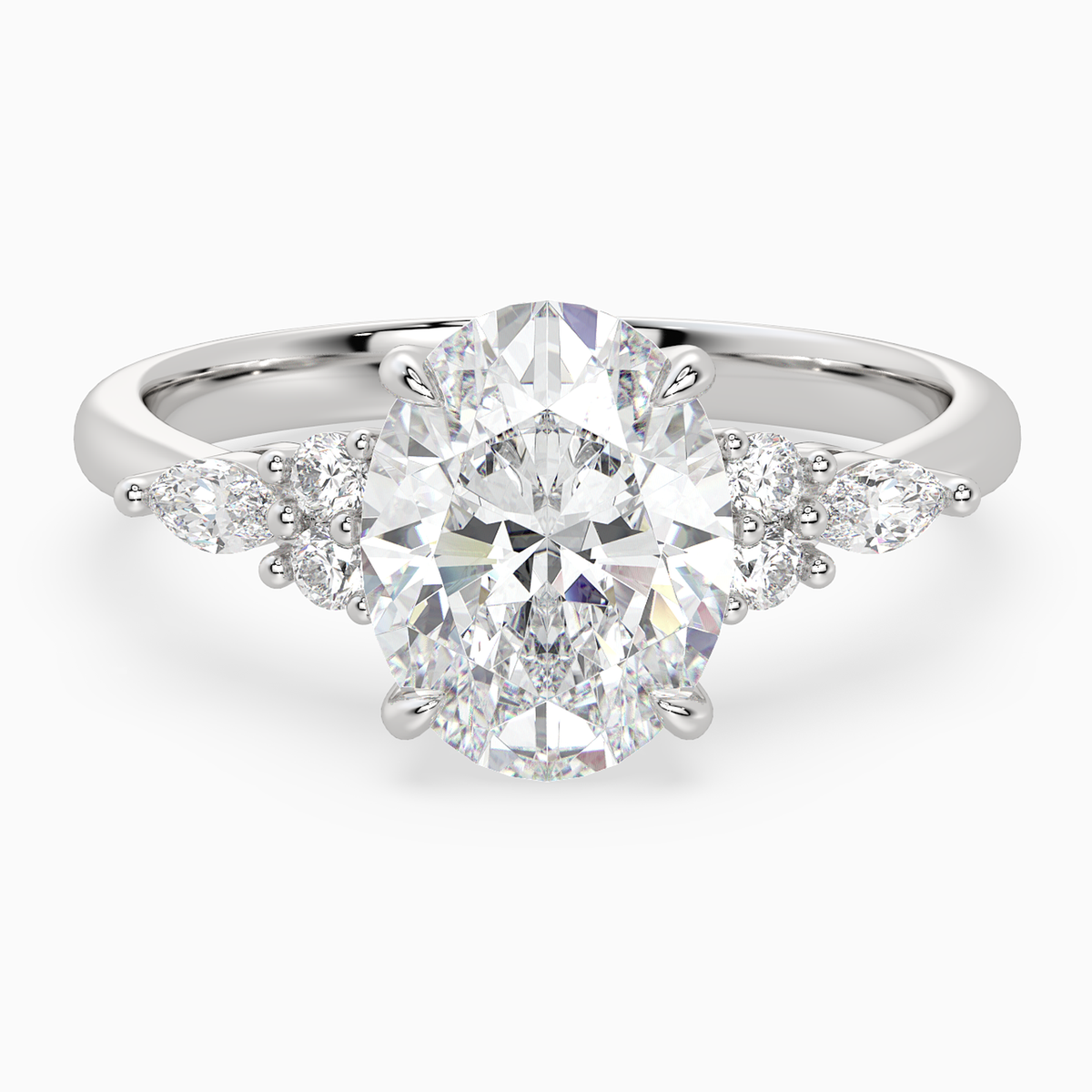


How to Clean Lab-Grown Diamonds at Home Without Dulling the Sparkle

Lab-grown diamonds do not need a complicated cleaning ritual. They are diamonds, and they can be cared for with the same practical habits used for diamond fine jewelry: gentle soap, warm water, a soft brush, careful drying, and periodic setting checks.
Soak the jewelry for a few minutes, brush gently around the diamond and setting, rinse carefully, and dry with a clean microfiber cloth. Avoid bleach, chlorine, toothpaste, abrasive cleaners, and harsh chemicals. If the setting feels loose or the jewelry still looks dull after cleaning, schedule professional inspection.
The diamond itself does not lose its sparkle over time, but everyday residue can hide it. Lotions, sunscreen, cooking oil, soap film, hair products, and dust can form a thin layer that changes how light enters and leaves the stone. Cleaning is less about changing the diamond and more about removing what is sitting on top of it.
Do Lab-Grown Diamonds Need Special Cleaning?
No. Lab-grown diamonds do not require special cleaners just because they are lab-grown. The cleaning routine is about the jewelry piece as a whole: the diamond, metal, prongs, side stones, chain, clasp, or earring post.
That distinction matters. A diamond may be durable, but a fine setting can still be delicate. Pave, halos, prongs, open galleries, and necklace chains all have small areas where lotion and dust collect. Cleaning should be gentle enough for the setting while still removing buildup from the diamond.
What You Need to Clean Lab-Grown Diamond Jewelry
Warm water
Use warm, not hot, water. Heat is unnecessary and can be uncomfortable when handling delicate jewelry.
Mild dish soap
A small drop is enough. Choose a simple formula without bleach, exfoliants, or heavy fragrance.
Soft jewelry brush
A purpose-made soft jewelry brush can reach under prongs, behind the stone, and around small setting details.
Lint-free cloth
Use microfiber or a clean lint-free cloth to dry the piece without leaving fibers behind.

How to Clean Lab-Grown Diamonds at Home
- Check the setting first. Before cleaning, look for bent prongs, a loose center stone, missing side stones, or a weak clasp. If anything feels unstable, do not scrub it. Have it inspected first.
- Prepare warm soapy water. Mix warm water with a small drop of mild dish soap in a clean bowl or cup.
- Soak briefly. Let the jewelry sit for about 10 to 20 minutes so oils and residue can loosen.
- Brush gently. Use a soft brush around the diamond, under the setting, behind the stone, and along the band or chain. Do not force bristles into fragile areas.
- Rinse carefully. Rinse with clean water while holding the jewelry securely. If using a sink, make sure the drain is closed or covered.
- Dry completely. Pat dry with a lint-free cloth, then let the piece air dry fully before storing it.
How Often Should You Clean Lab-Grown Diamonds?
For a ring worn every day, a gentle at-home clean once a week or every two weeks is usually enough to keep surface buildup from muting the sparkle. A quick wipe with a microfiber cloth after lotion, sunscreen, cooking, or heavy hand use can help between deeper cleans.
Pieces worn less often, such as tennis necklaces, studs, pendants, or special-occasion rings, can be cleaned as needed. The practical test is simple: if the diamond looks cloudy under normal light, clean it. If it still looks dull after cleaning, the issue may be setting shadow, residue under the stone, or a need for professional care.
What Not to Use on Lab-Grown Diamond Jewelry
Most cleaning mistakes come from trying to make the process stronger than it needs to be. Diamonds can handle more than many gemstones, but jewelry is not just the diamond. Harsh products can affect metal finishes, loosen residue into tiny setting gaps, or scratch softer materials nearby.
| Cleaner or habit | Why to avoid it | Better option |
|---|---|---|
| Bleach, chlorine, or harsh household cleaners | They can affect metal and are too aggressive for fine jewelry care. | Warm water with mild dish soap. |
| Toothpaste or abrasive pastes | Abrasives can scratch metal and leave residue in small details. | A soft brush and gentle soap. |
| Paper towels | They can leave fibers and may be rougher than needed for polished metal. | A microfiber or lint-free cloth. |
| Ultrasonic cleaners without inspection | Vibration can be risky if stones, prongs, or pave details are already loose. | Use professional cleaning or ask a jeweler first. |
| Leaving jewelry wet in storage | Moisture can collect around clasps, chains, and setting details. | Dry fully before storing separately. |
Care Tips by Jewelry Type
Engagement Rings
Rings collect the most residue because they touch lotion, soap, sunscreen, food oils, and daily surfaces. Pay attention to the underside of the center stone, the gallery, prongs, and pave details. Remove the ring before applying lotion or cleaning products whenever possible.
Diamond Earrings
Studs and hoops can collect hair product, skincare, and natural oils near the posts and backs. Clean both the diamond-facing side and the hardware. Dry the posts and backs fully before placing them in storage.
Necklaces and Tennis Jewelry
Chains, clasps, and tennis settings need a lighter touch. Brush gently and avoid pulling. Let necklaces dry flat before storing so moisture does not sit in links or under small stones.
If a piece has delicate pave, a hidden halo, a fine chain, or a complicated setting, treat cleaning as maintenance, not force. Gentle repetition is better than aggressive scrubbing.
When to Get Professional Cleaning or Inspection
At-home cleaning is ideal for normal buildup. Professional care is useful when jewelry is worn daily, when the setting has many small stones, or when the piece no longer looks bright after gentle cleaning.
Consider a professional cleaning and inspection every 6 to 12 months for daily-wear engagement rings. A jeweler can clean deeper areas, check prongs and clasps, and catch small setting issues before they become bigger problems.
How to Store Lab-Grown Diamond Jewelry After Cleaning
Diamonds can scratch other jewelry, including other diamonds. After cleaning and drying, store each piece separately in a soft-lined box, individual compartment, pouch, or travel case. Keep chains unclasped only if they are secured flat and will not tangle; otherwise clasp them and lay them gently in their own space.

Avoid storing diamond jewelry in a humid bathroom for long periods. A dry drawer or jewelry box is usually better than leaving pieces near sinks, heat, steam, or skincare products.
Care for the Diamond and the Design Around It
Clean diamonds shine more clearly, but secure settings matter just as much. If you are choosing a new piece, Burvonti can help you compare diamond shape, setting style, metal, and daily-wear care before you decide.
Compare engagement ringsFor a related guide, continue with Brilliant for Years: How to Care for a Lab-Grown Diamond Ring.
Lab-Grown Diamond Cleaning FAQs
What is the best way to clean lab-grown diamonds?
The best at-home method is warm water, mild dish soap, a soft brush, careful rinsing, and a lint-free cloth. It is simple, gentle, and effective for normal oil and residue buildup.
Can I use an ultrasonic cleaner on lab-grown diamonds?
Sometimes, but use caution. Ultrasonic vibration can be risky if prongs, pave stones, or settings are loose. For valuable or delicate jewelry, ask a jeweler before using one at home.
Do lab-grown diamonds lose sparkle over time?
No, the diamond itself does not lose brilliance with normal wear. It can look dull when oils, lotion, soap film, or dust collect on the surface or under the setting.
Can I clean lab-grown diamonds with toothpaste?
No. Toothpaste is too abrasive for fine jewelry care and can scratch metal or leave residue. Use mild soap and a soft brush instead.
How often should I clean my lab-grown diamond ring?
For a daily-wear ring, clean it gently once a week or every two weeks. Wipe it with a microfiber cloth after lotion, sunscreen, or cooking to reduce buildup between deeper cleans.
Should I clean a loose or damaged setting at home?
No. If a stone moves, a prong looks bent, or a clasp feels weak, avoid scrubbing or soaking the piece. Have it inspected by a professional jeweler first.
Final Thought
Cleaning lab-grown diamonds is not complicated. The best routine is consistent, gentle, and setting-aware: remove buildup, dry the piece fully, store it separately, and have daily-wear jewelry inspected regularly. That is how the sparkle stays visible and the design stays secure.