
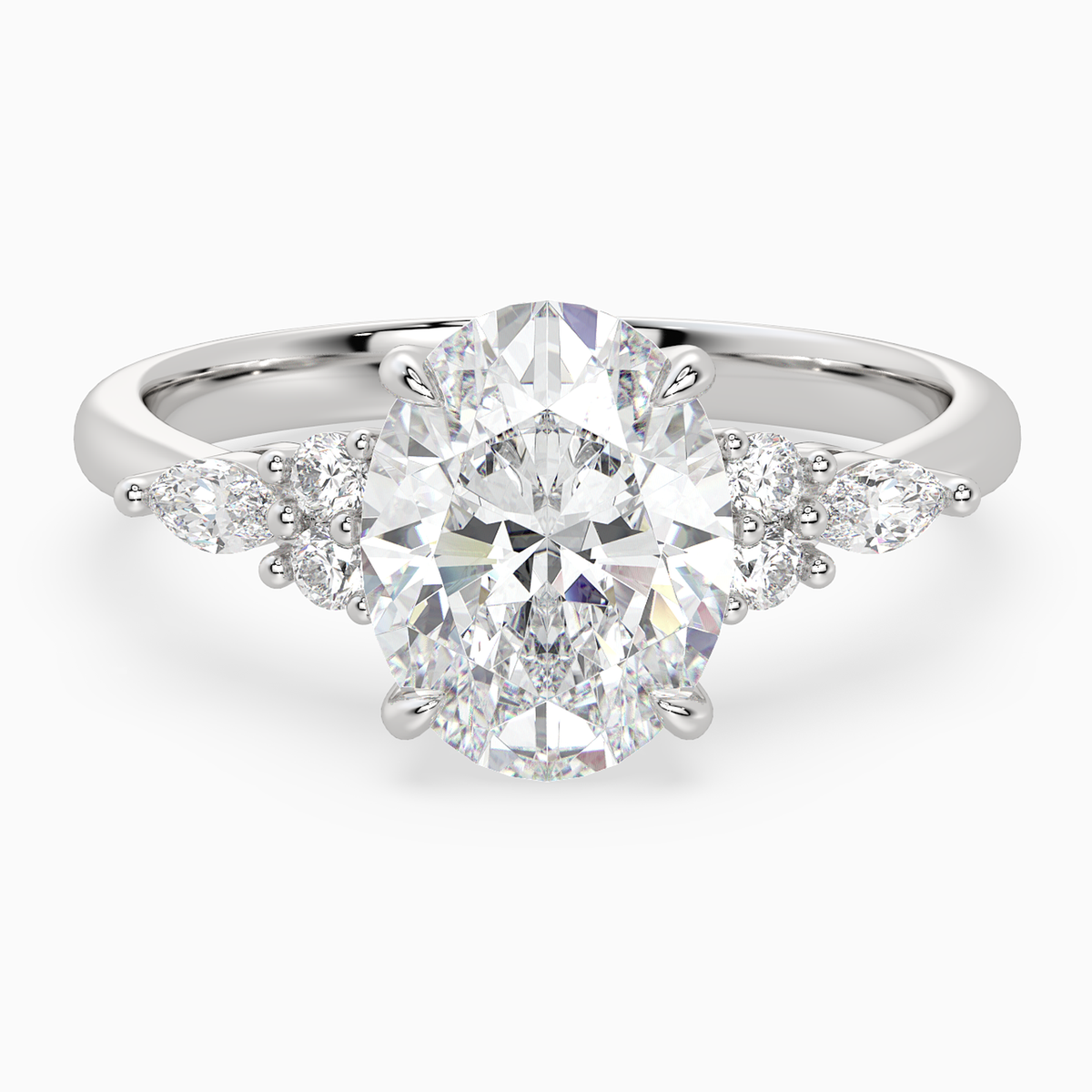


Lab Grown Diamond Jewelry in Platinum
Natural white tone meets material presence. Platinum gives each line, setting, connection, and movement a considered weight across the body.


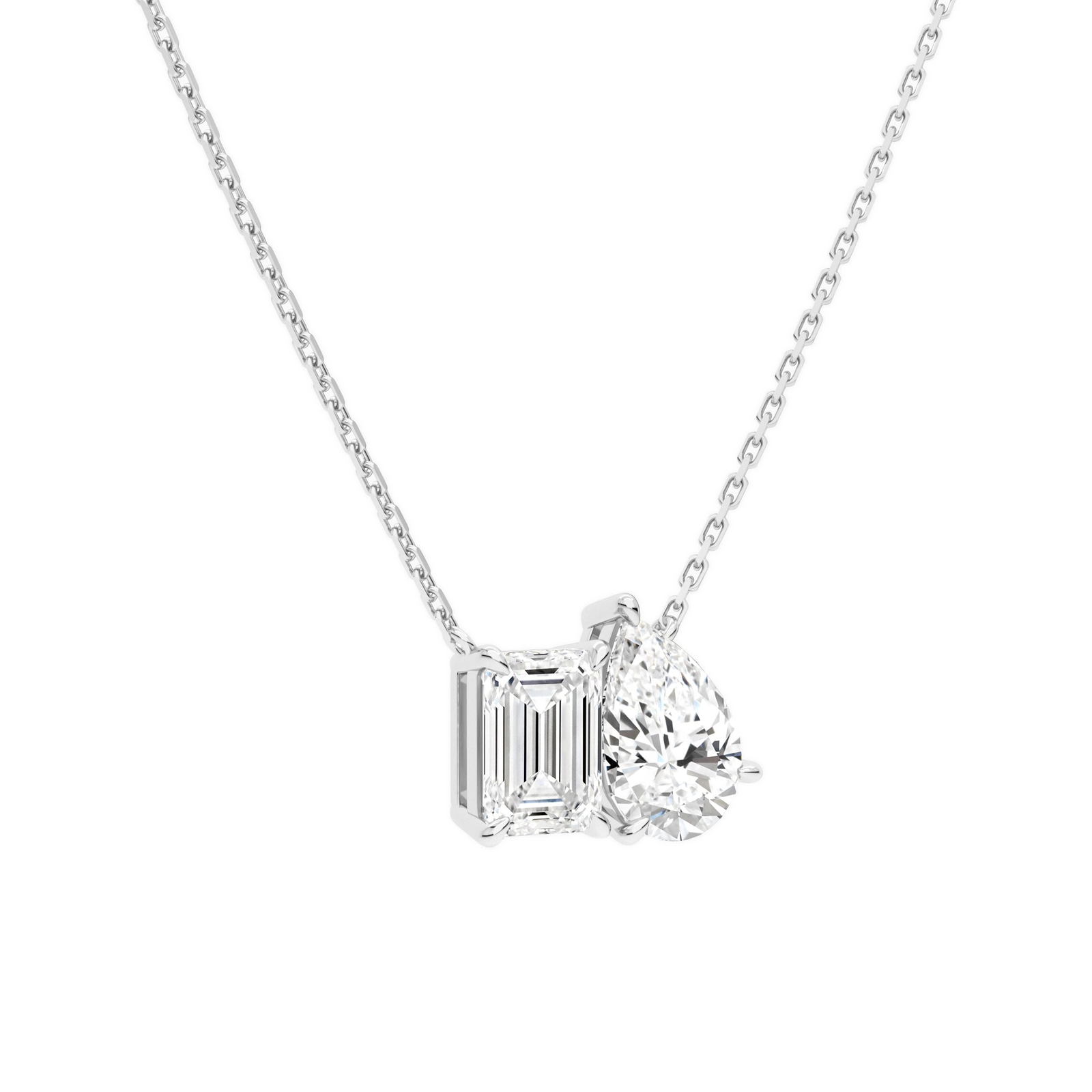

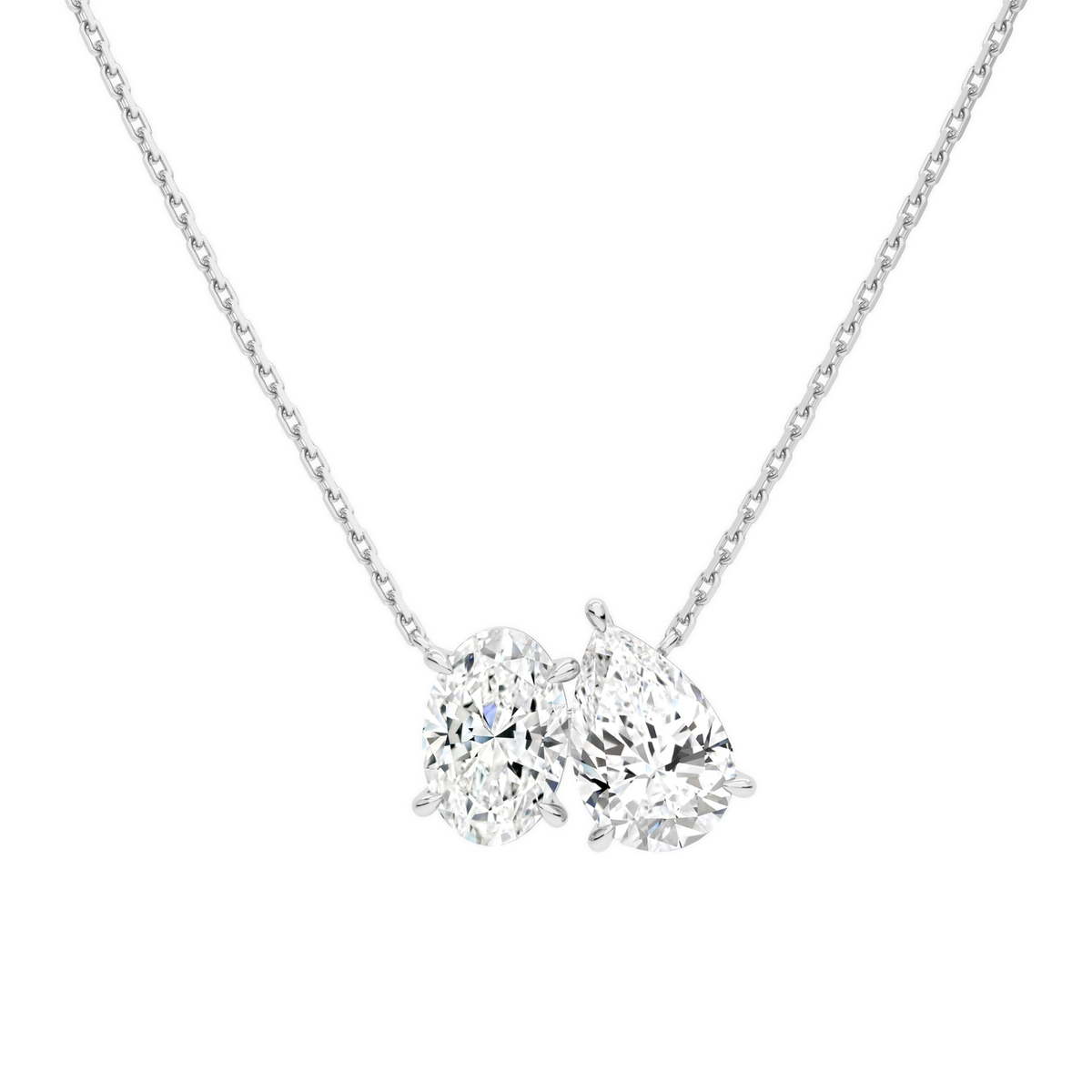
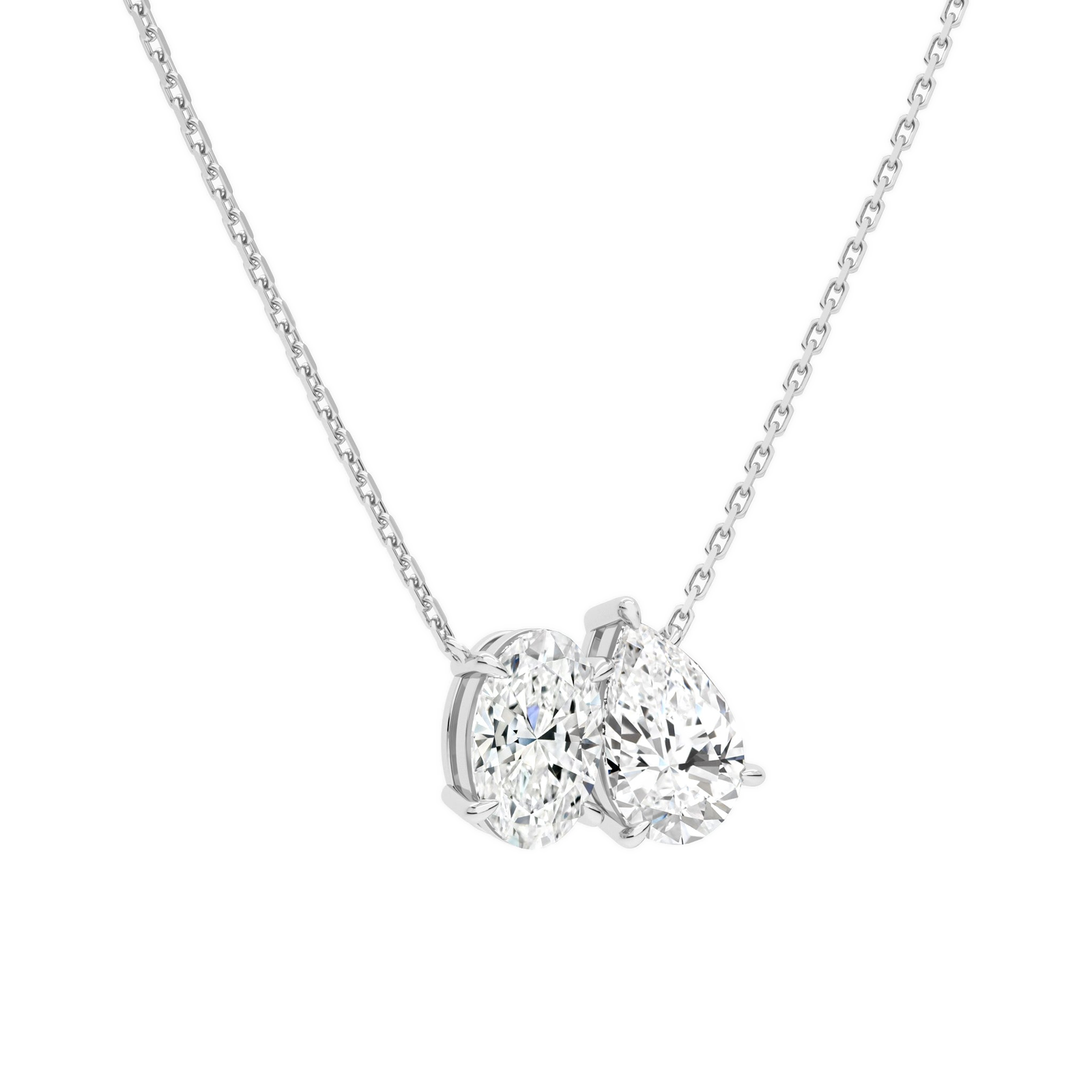

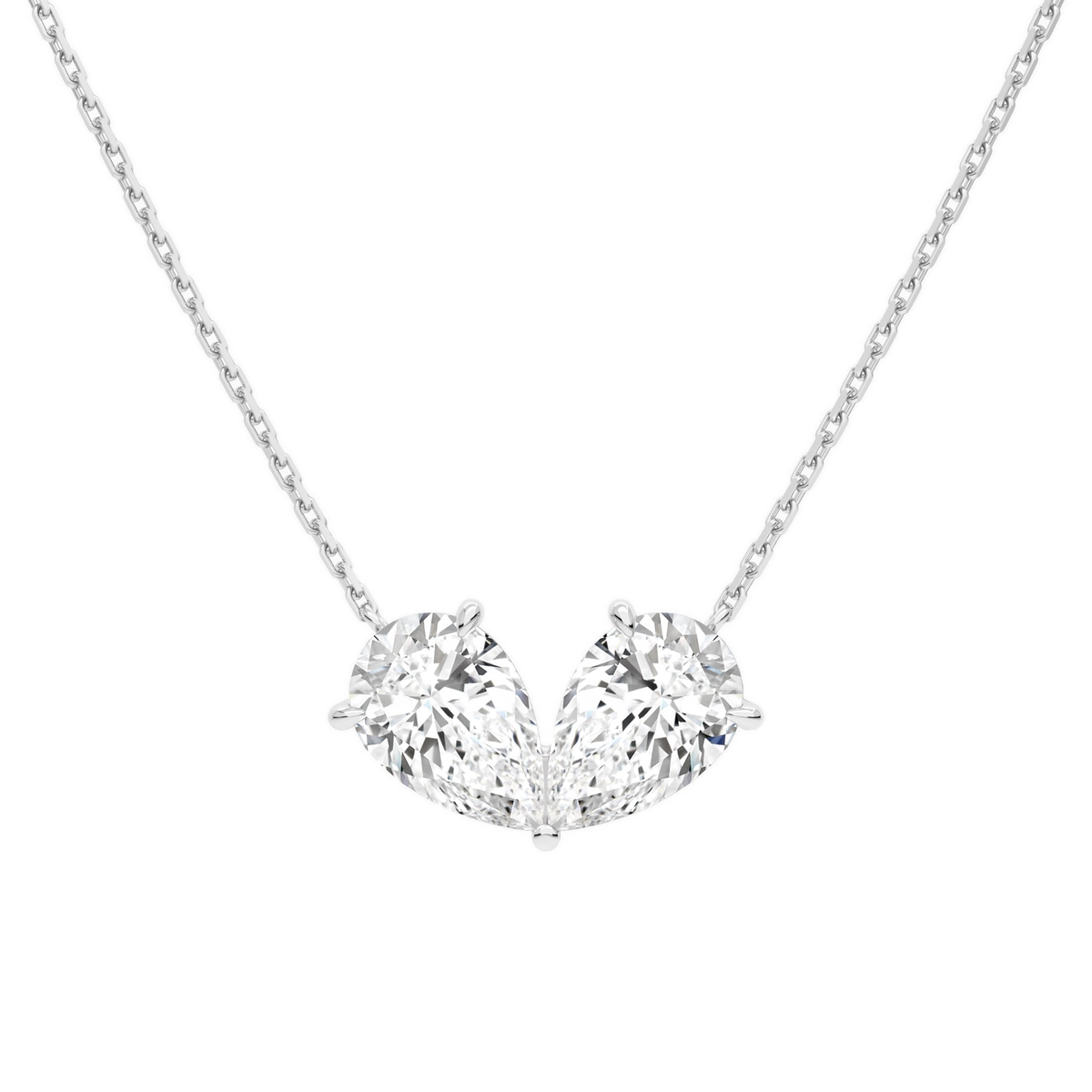
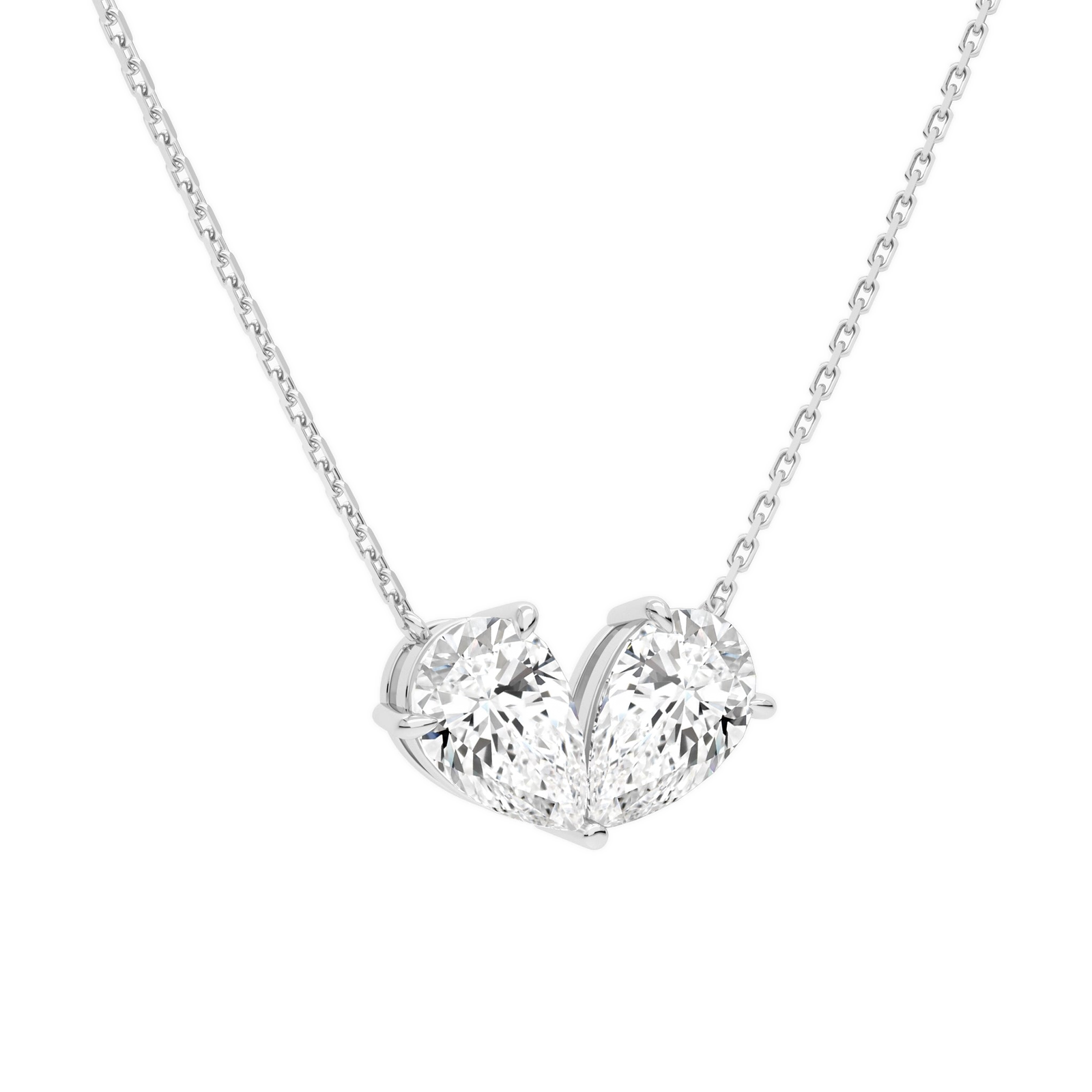

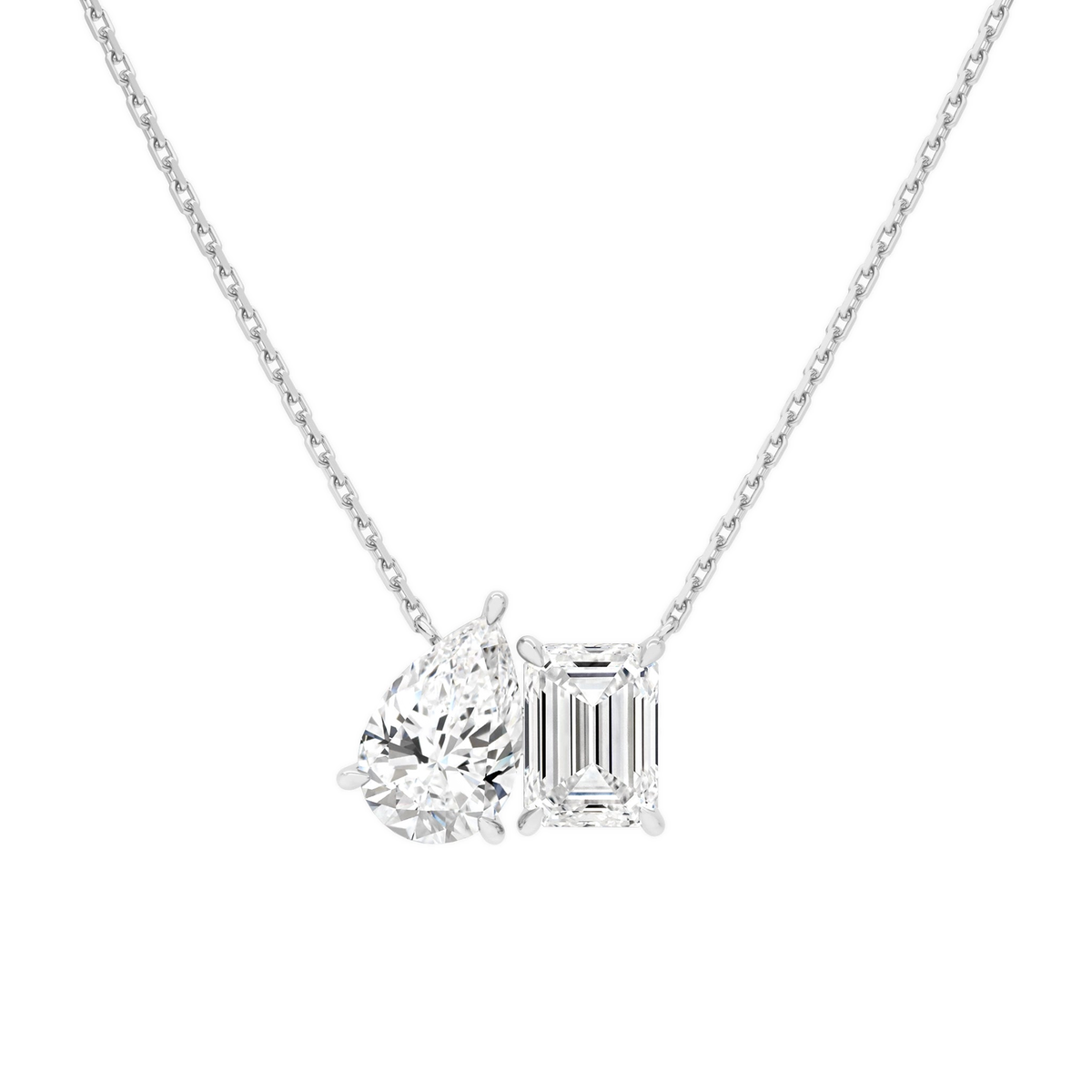
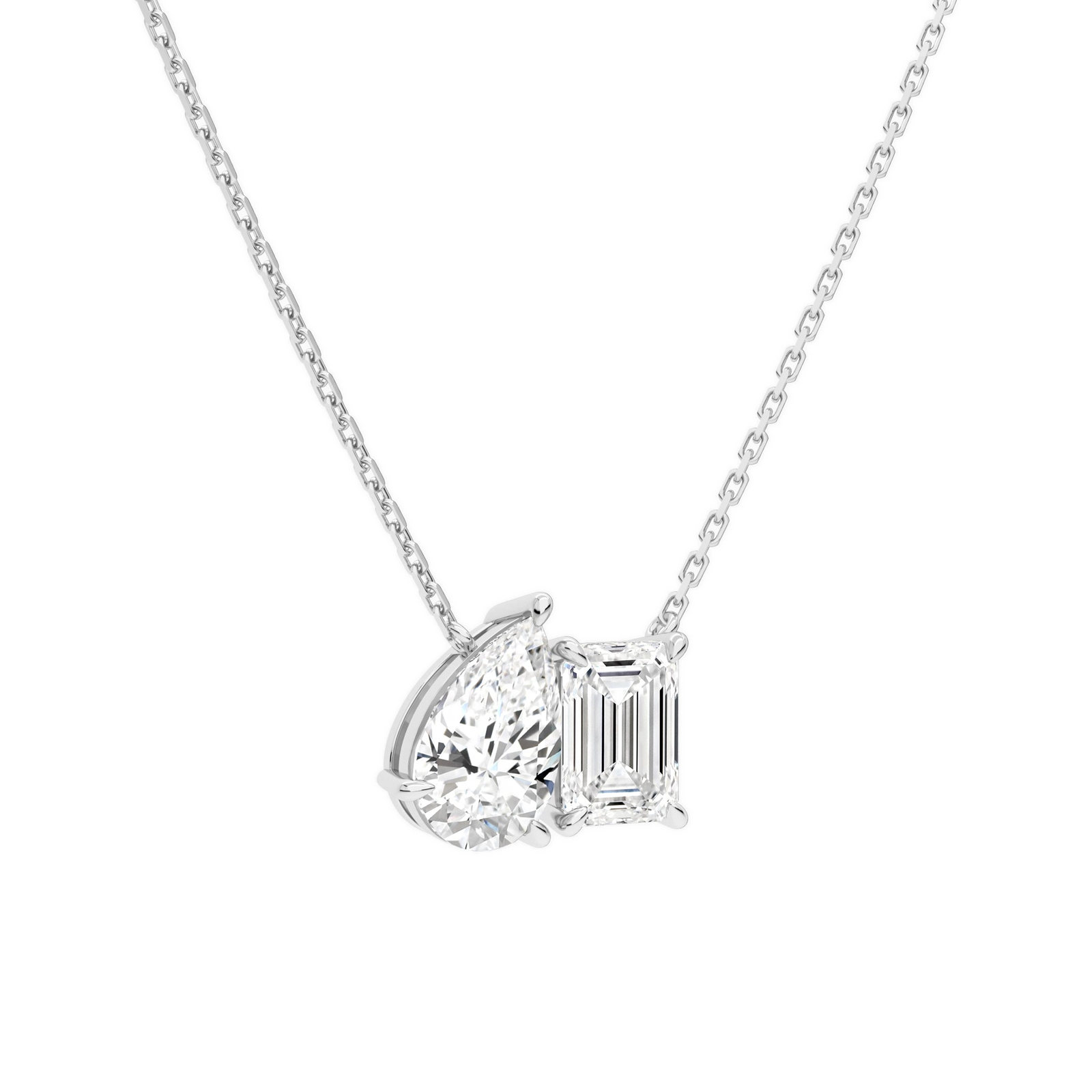
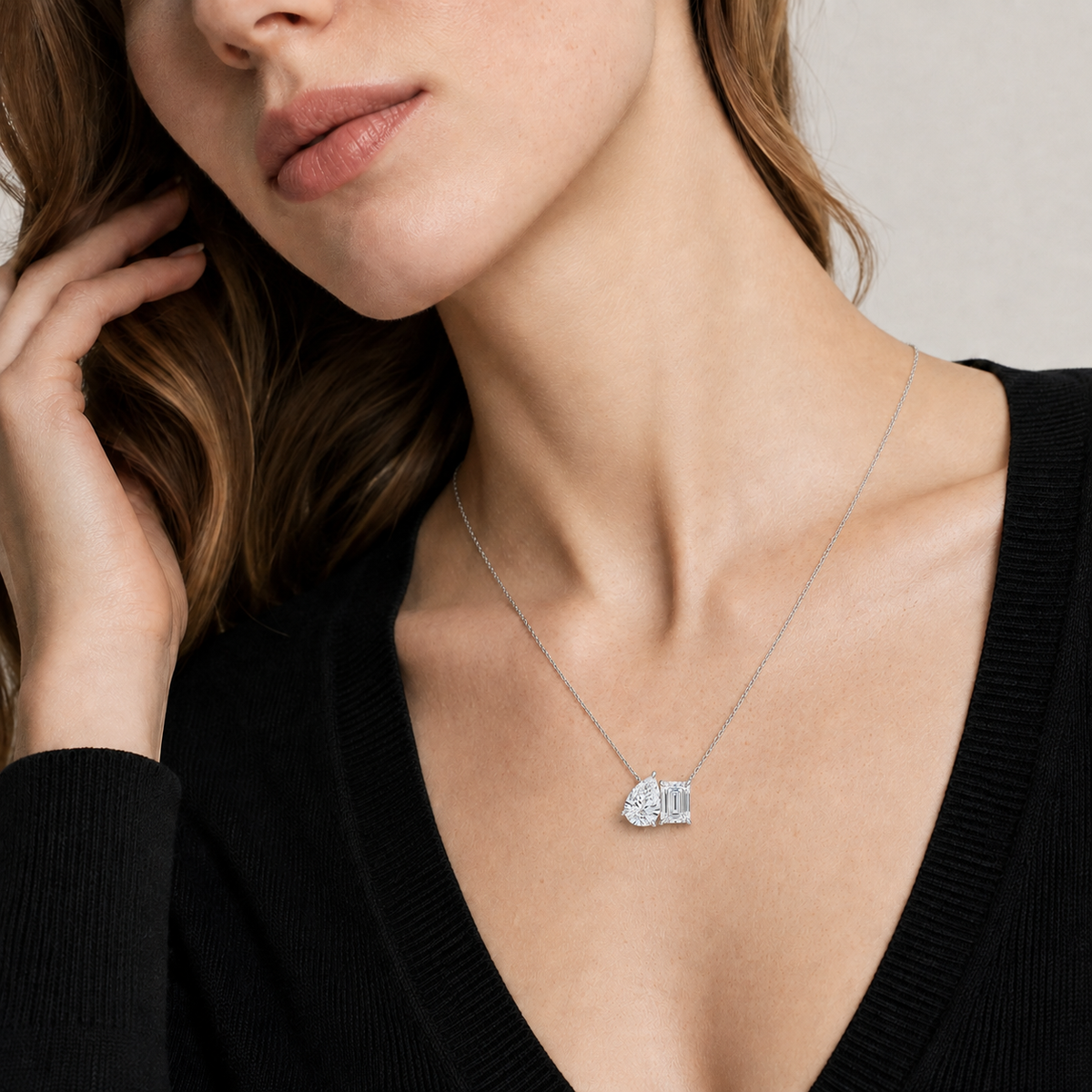
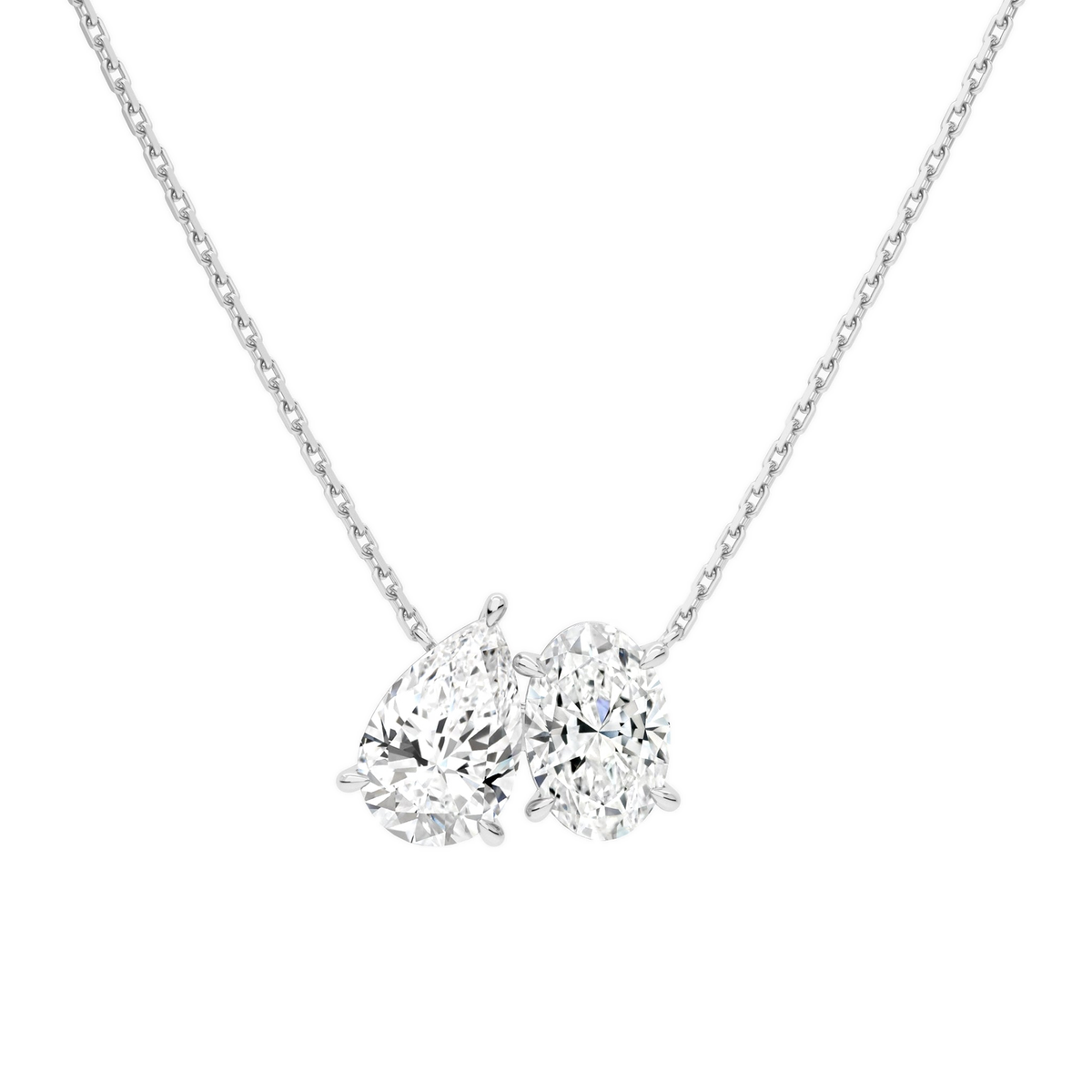
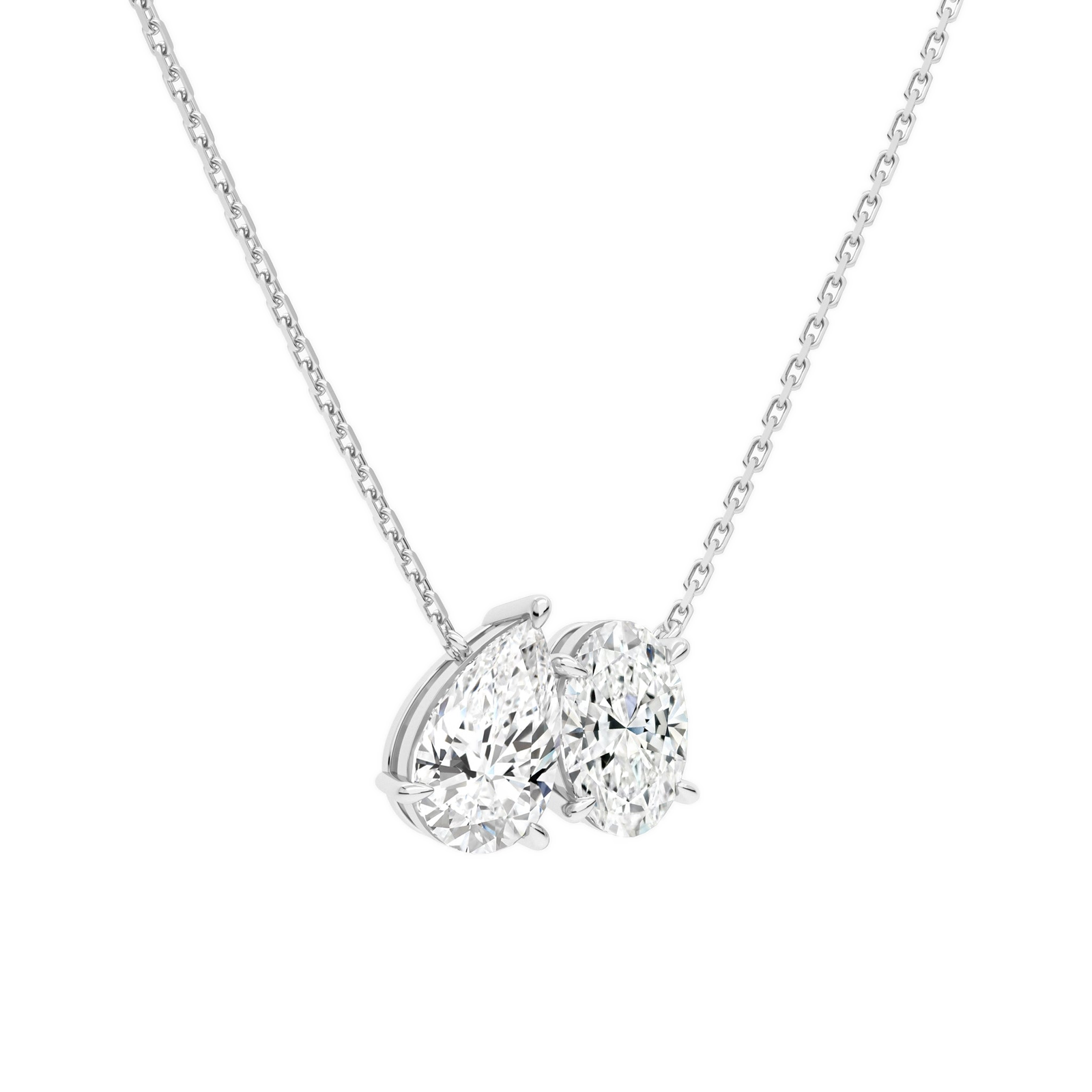
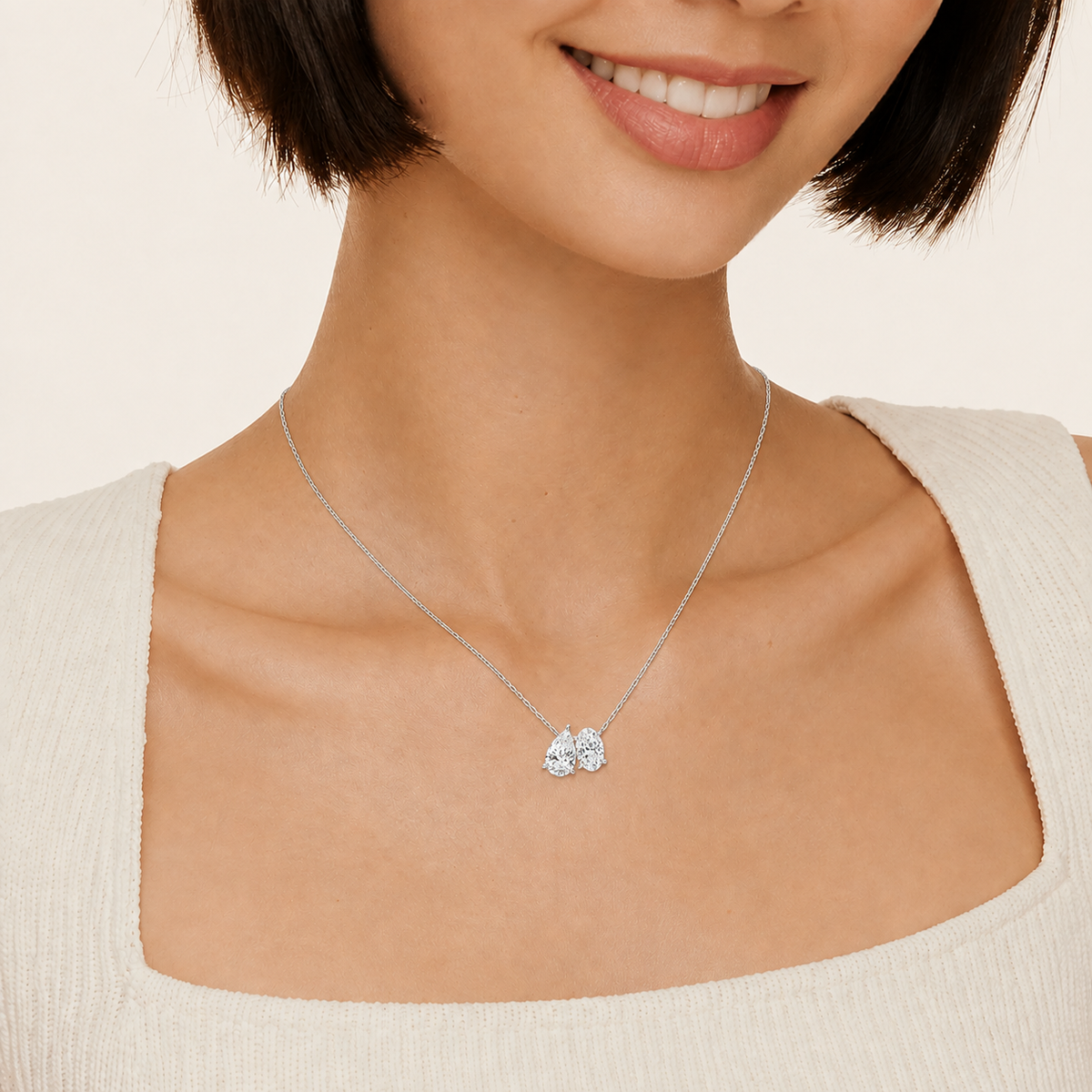
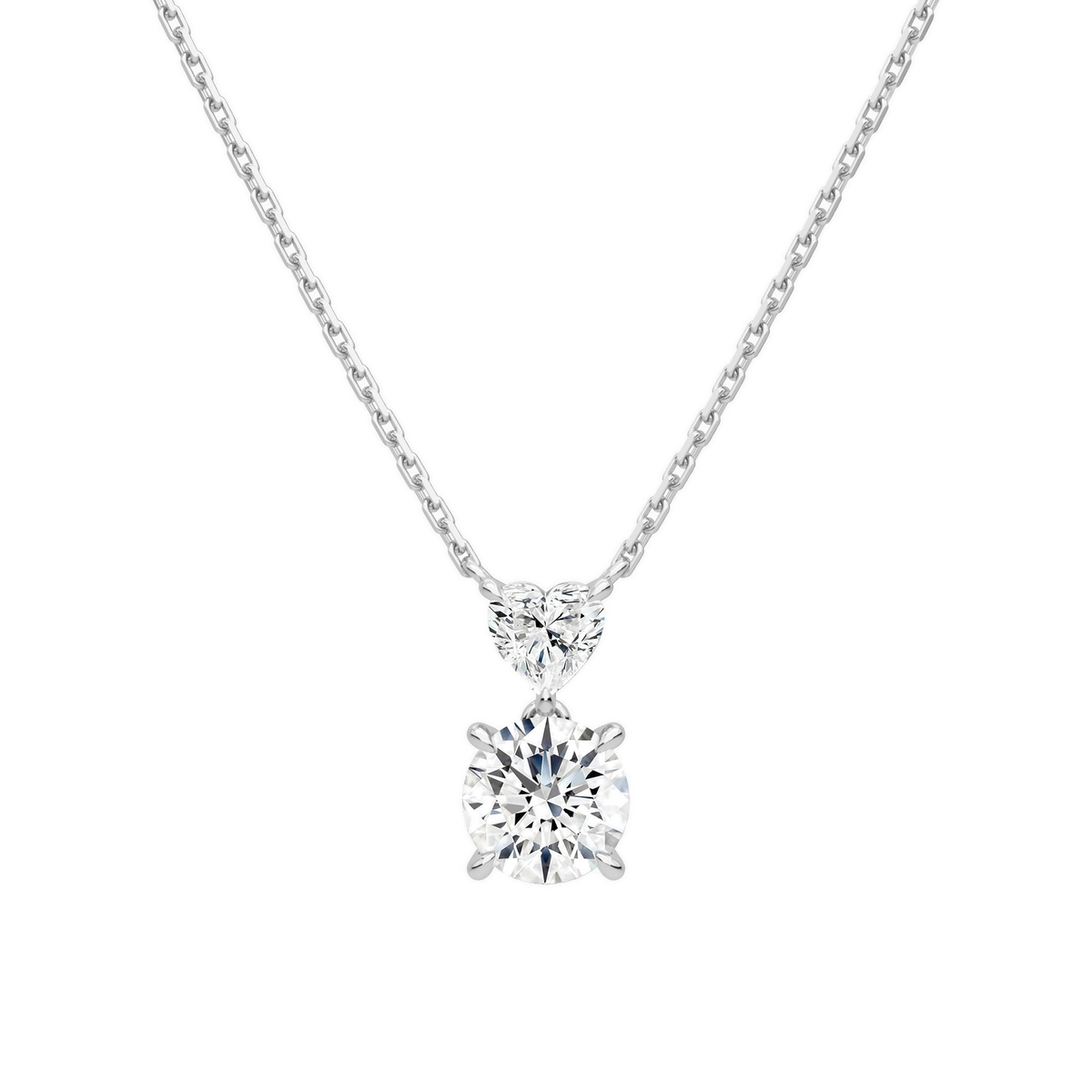
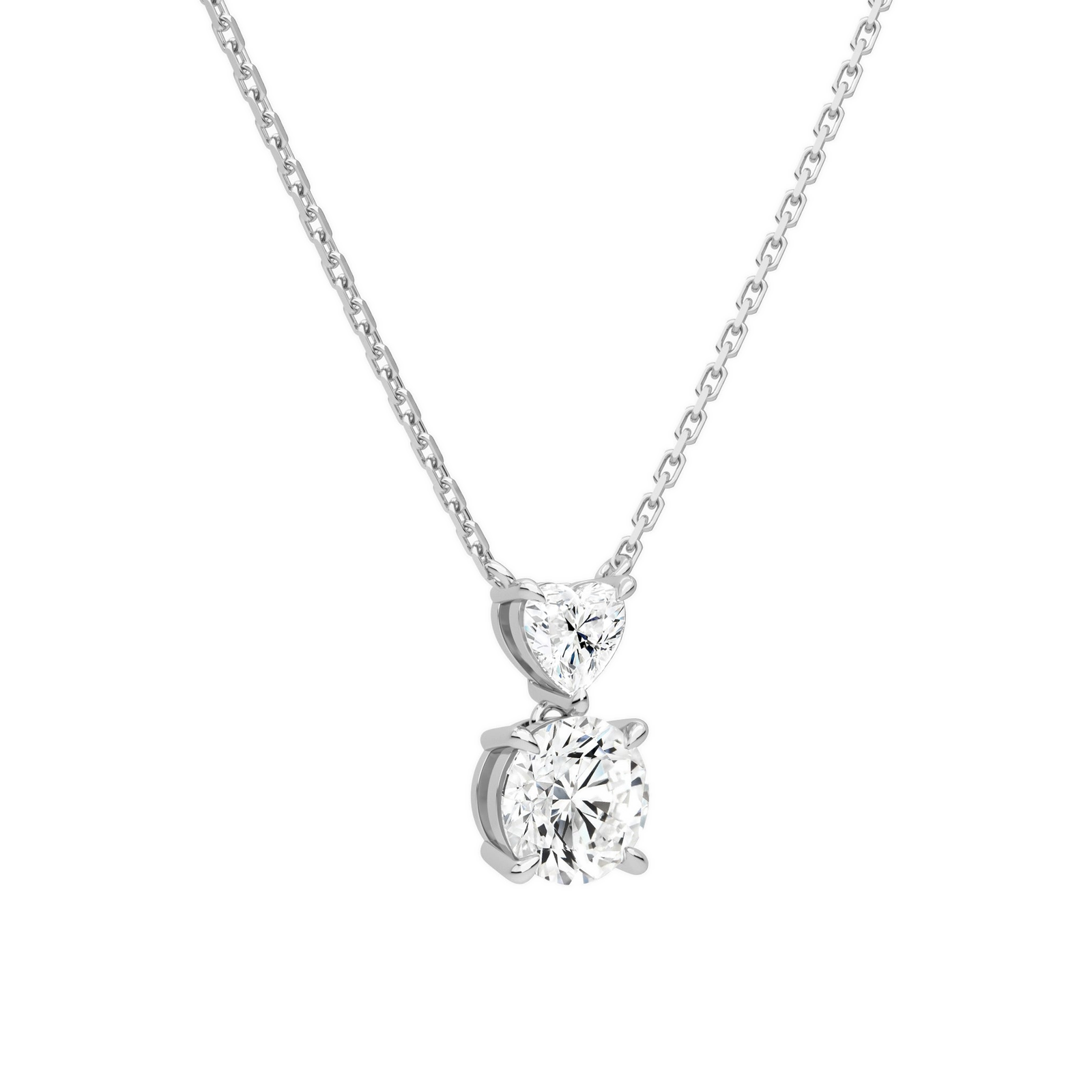
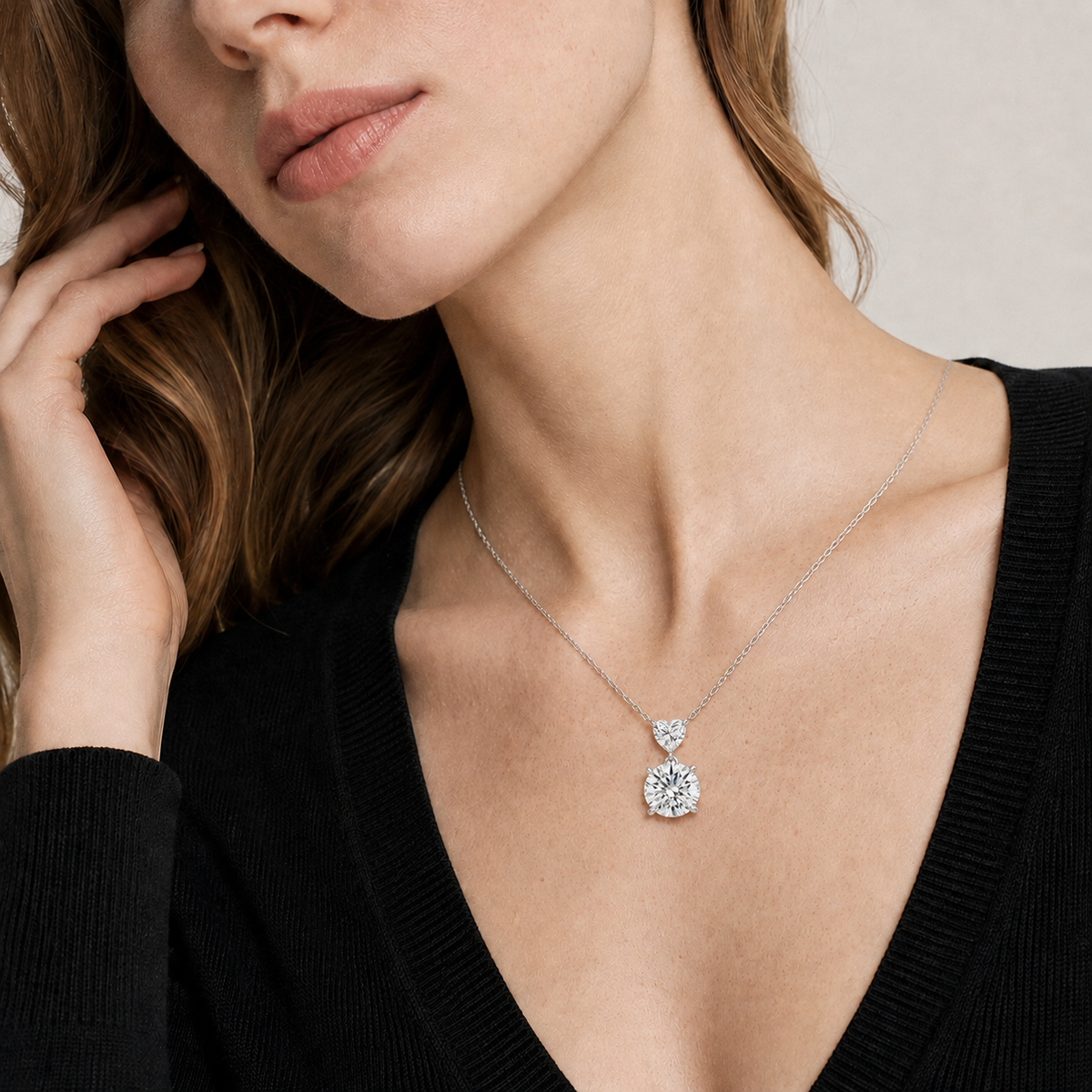
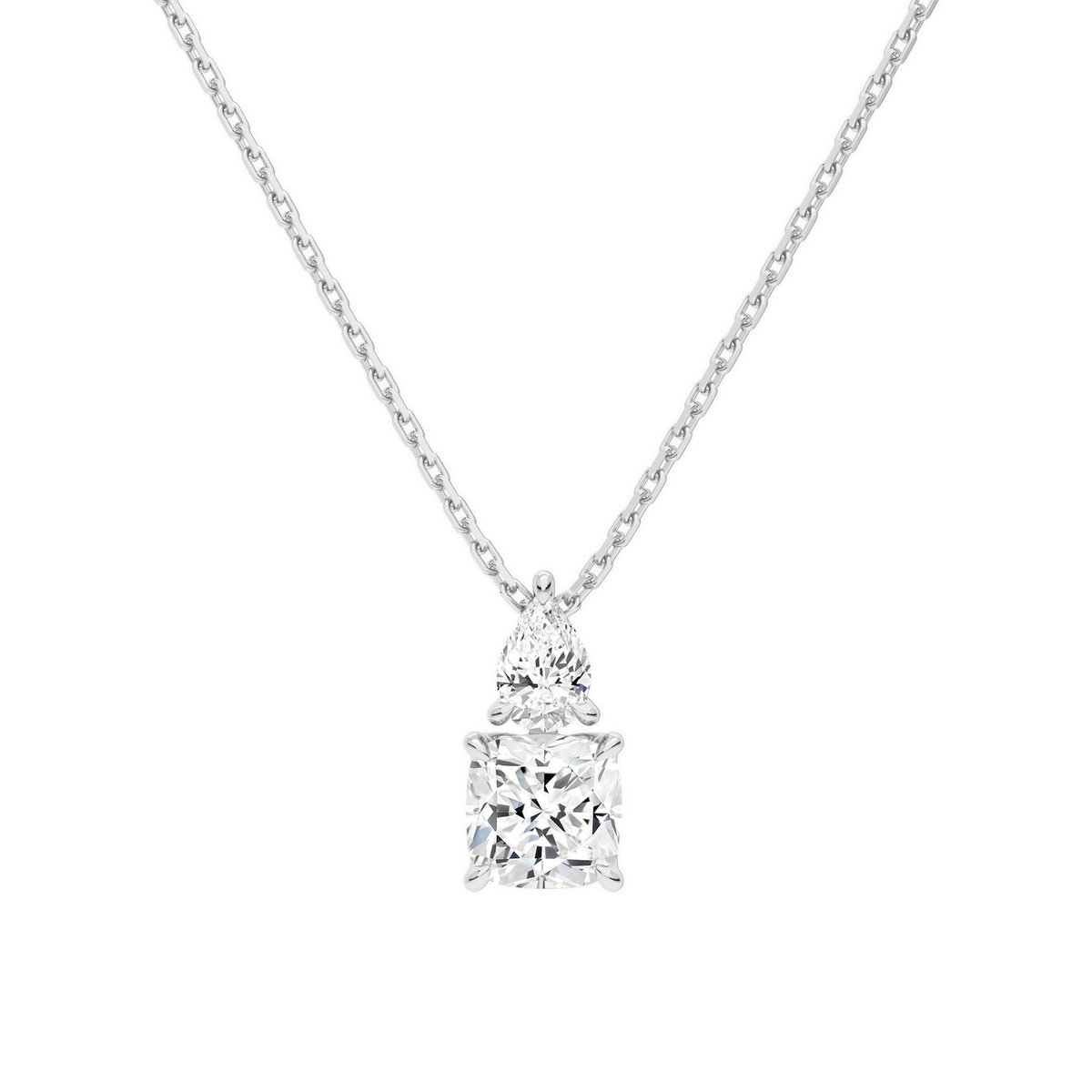
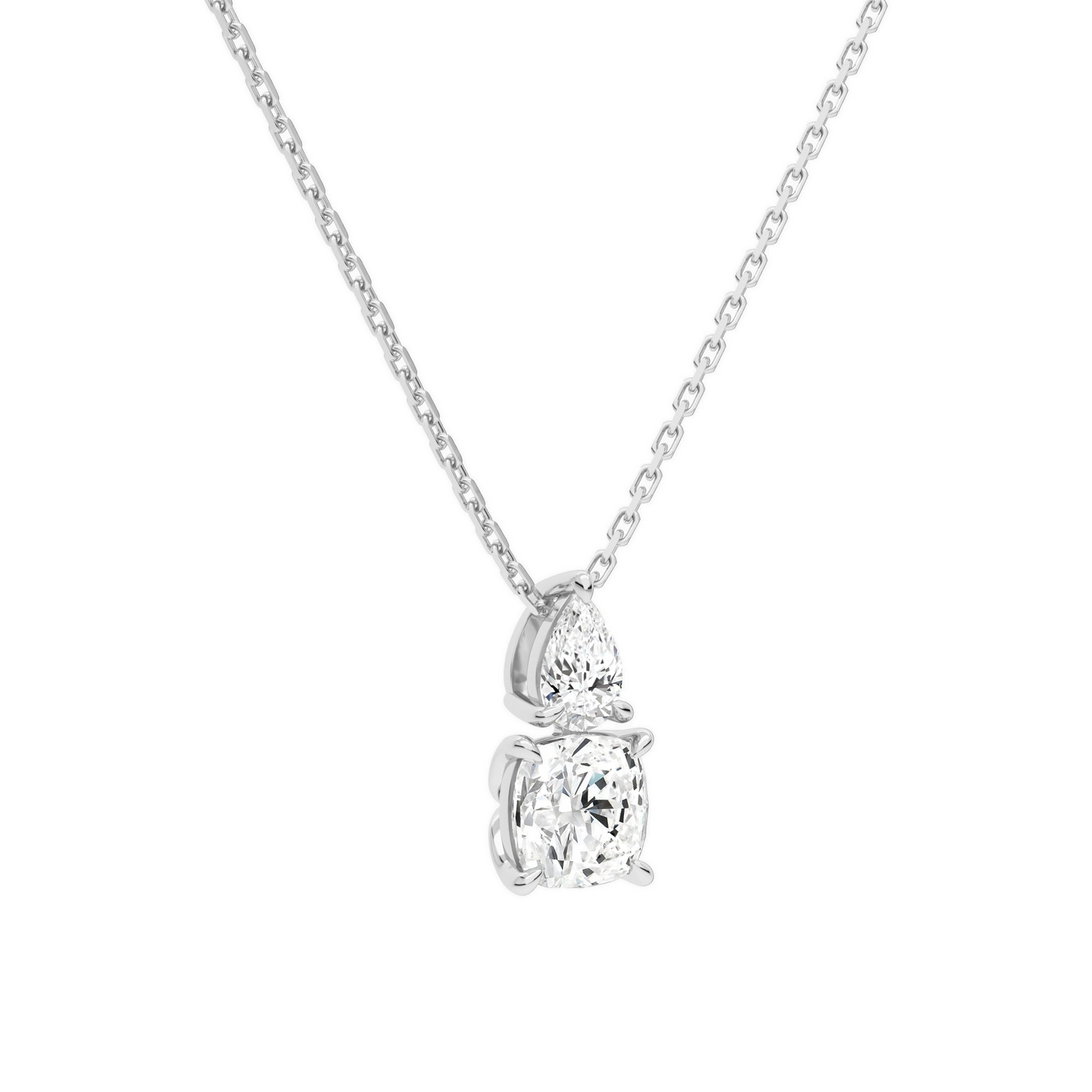
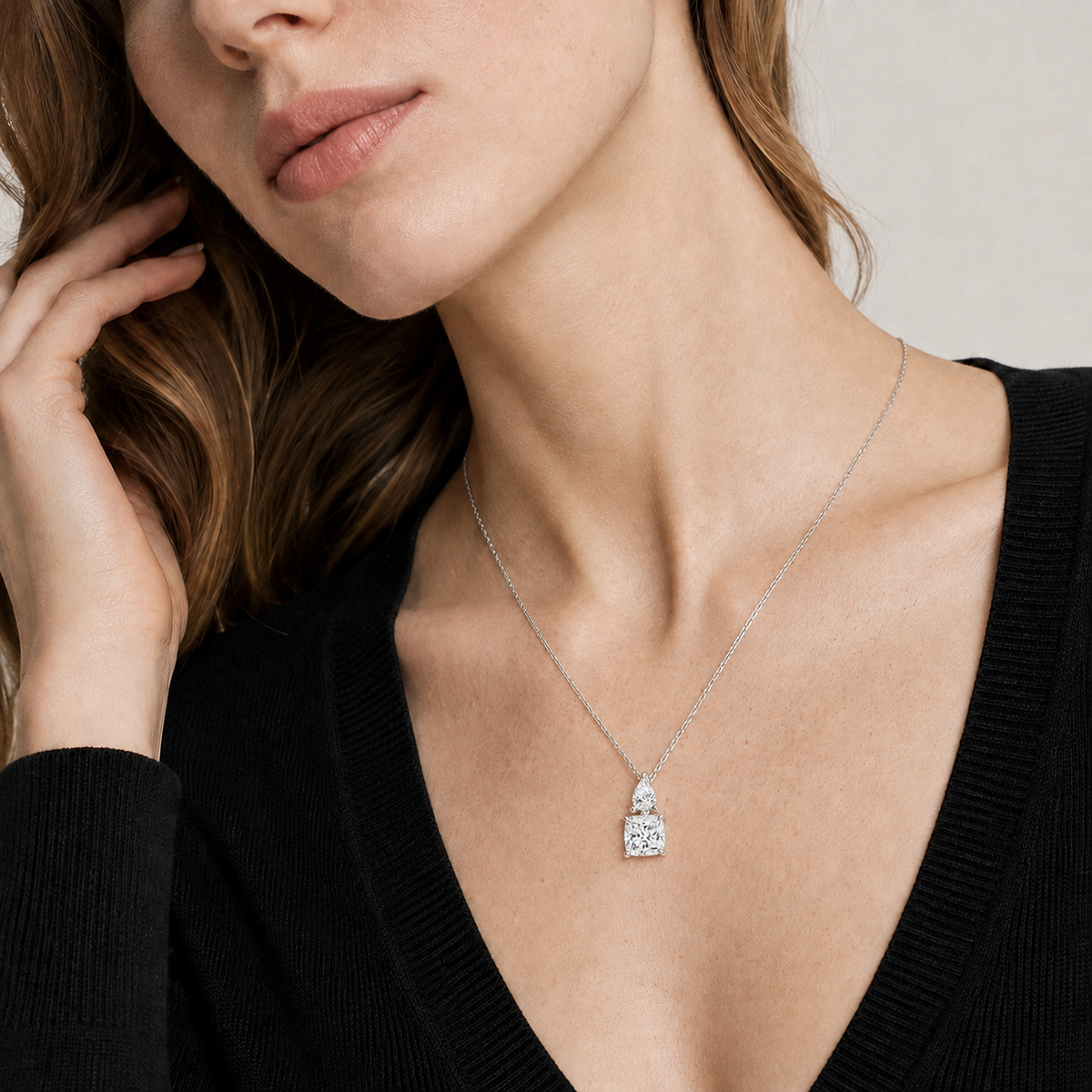
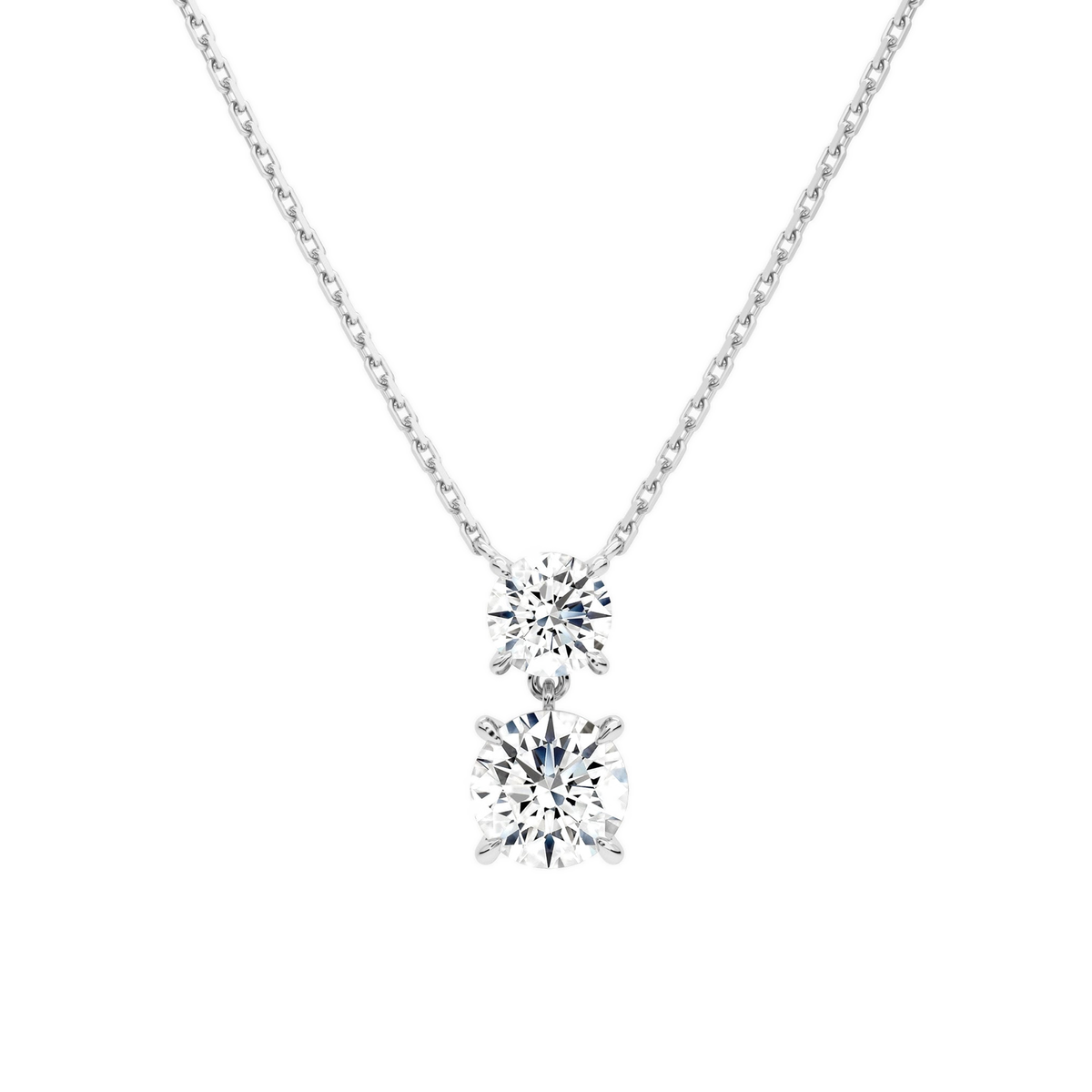
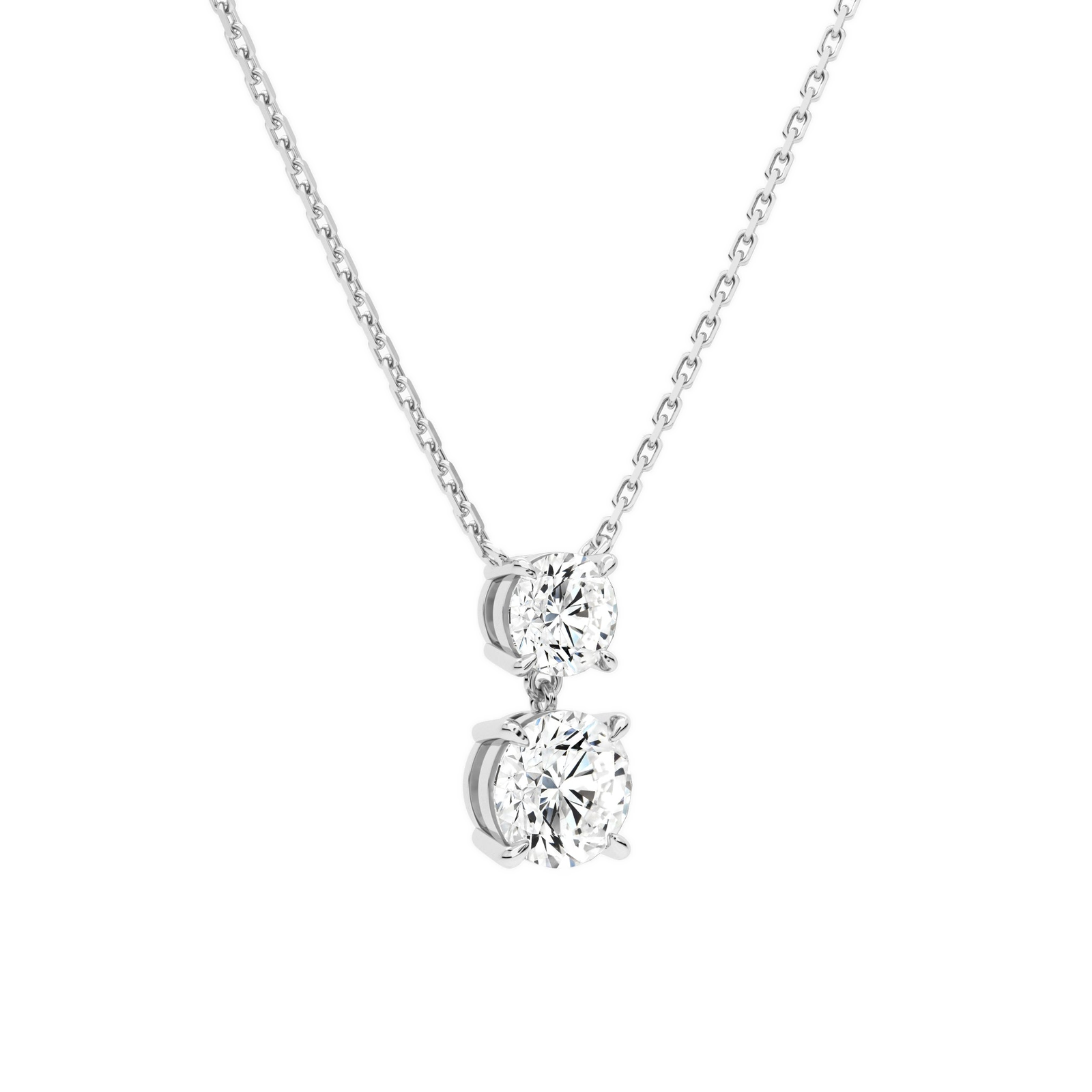
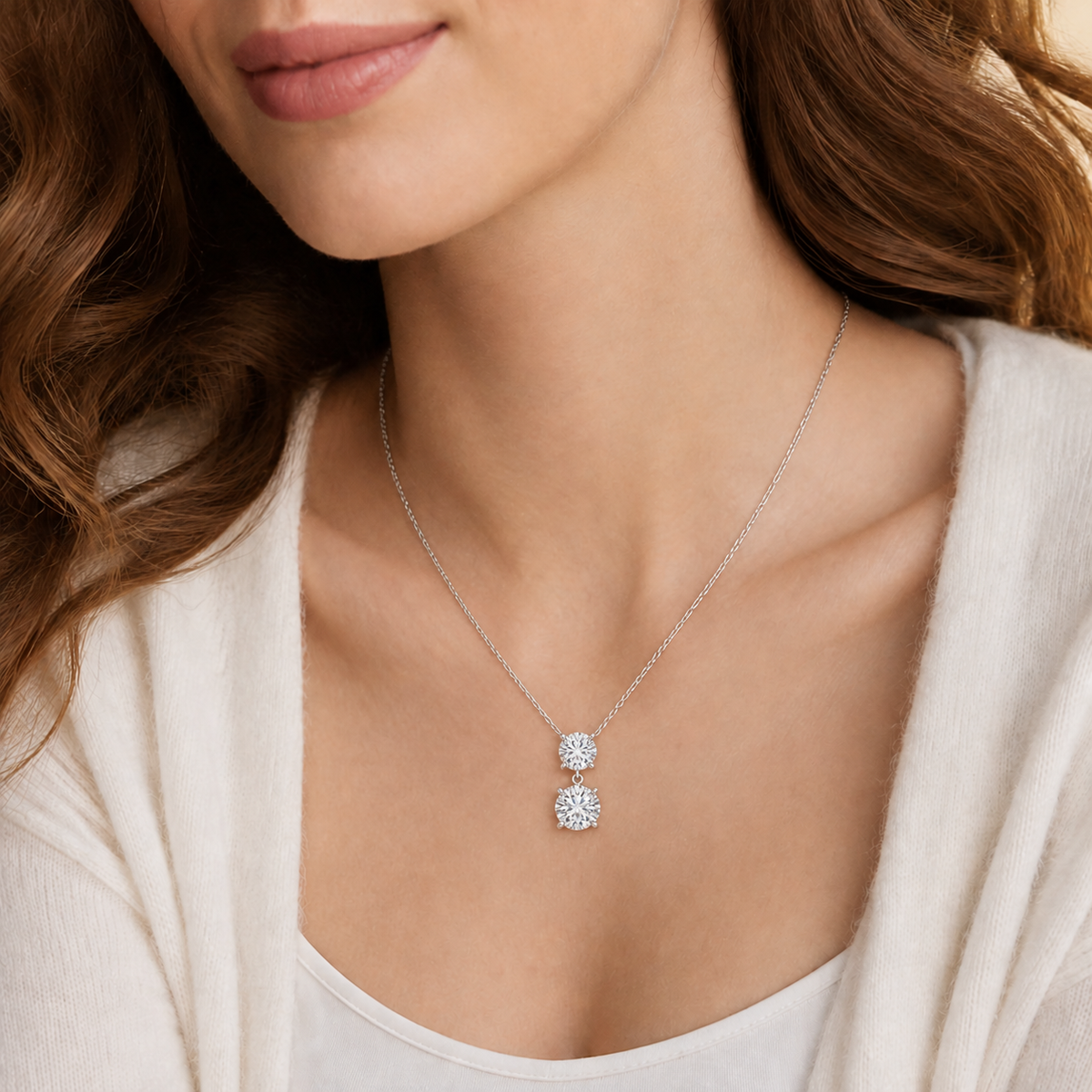
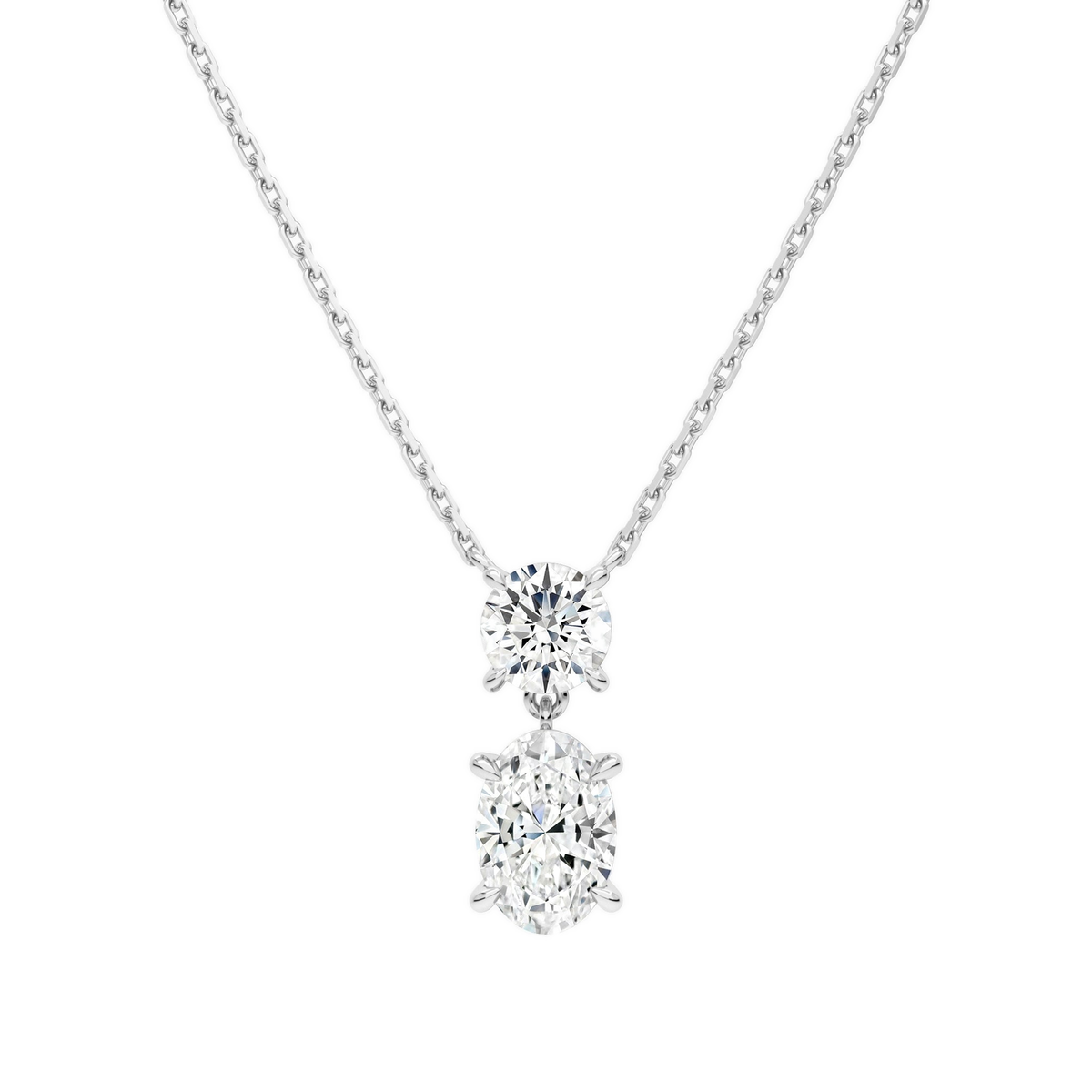
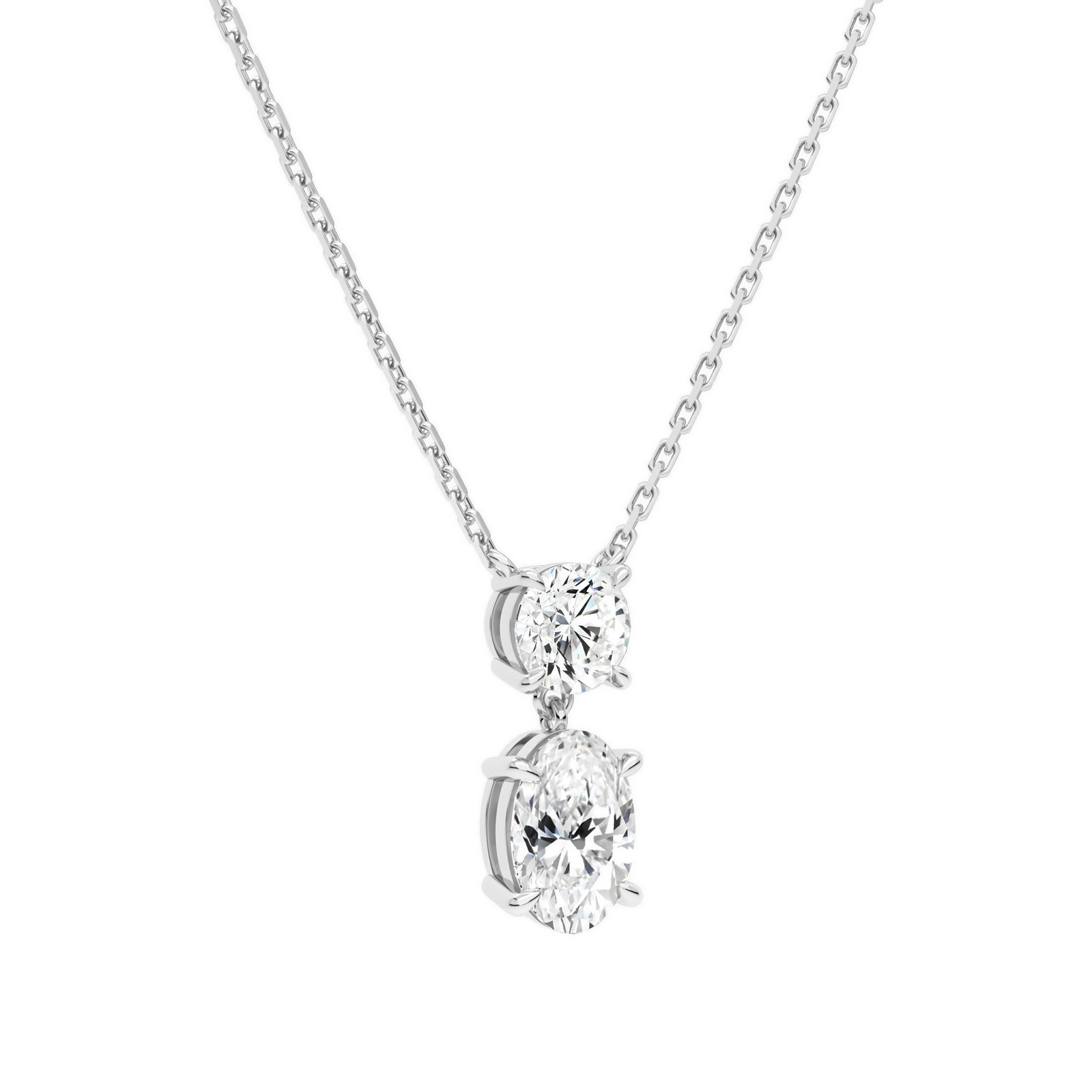
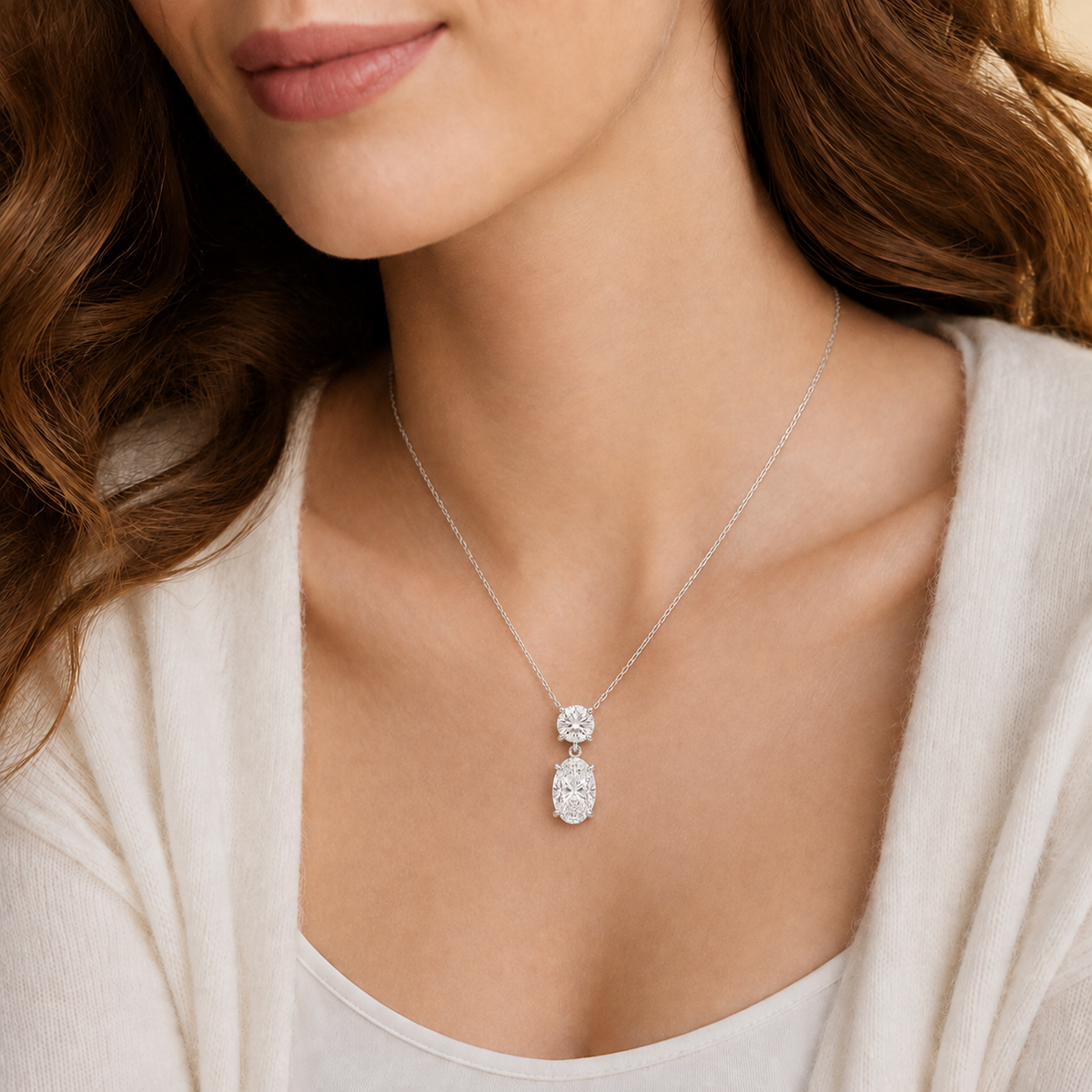
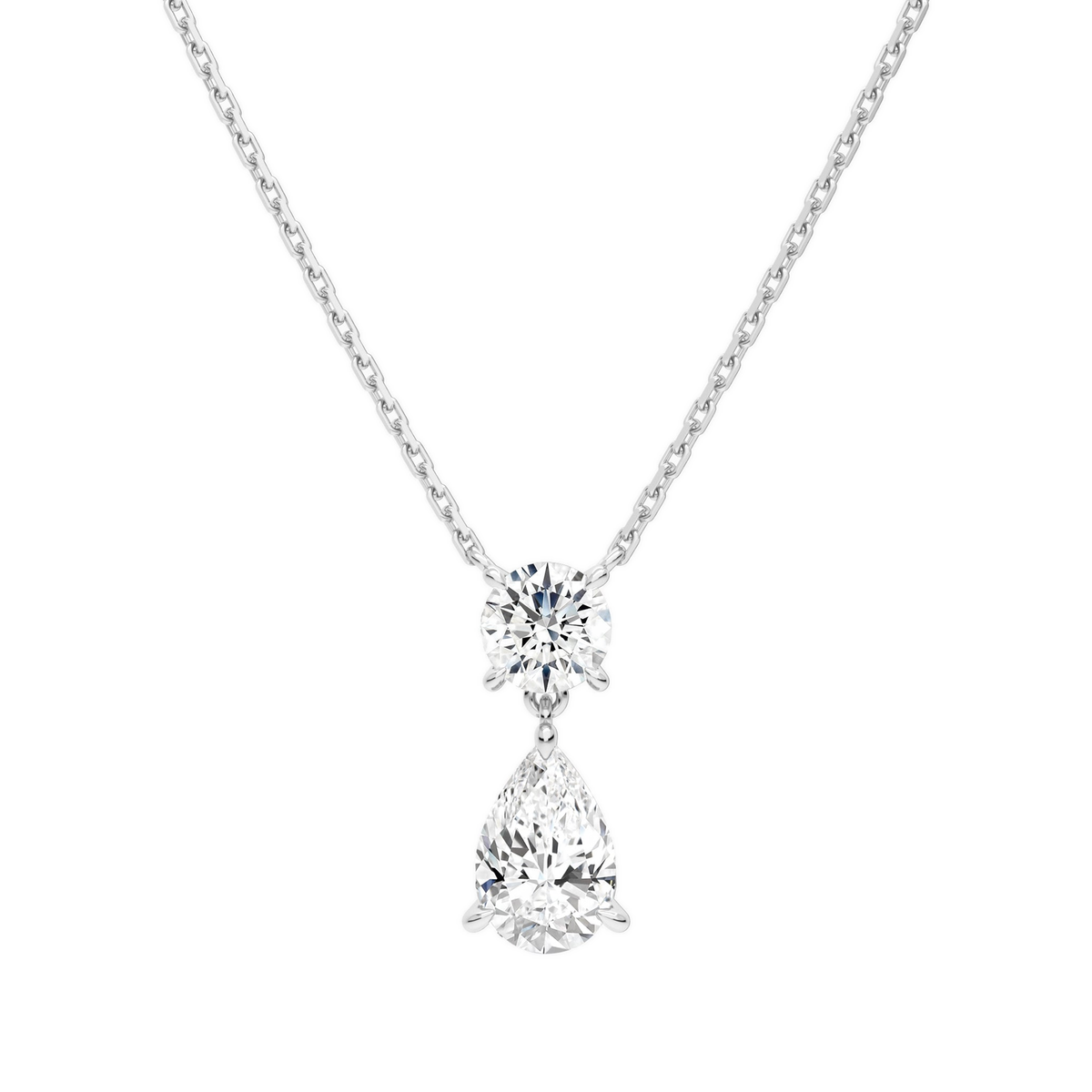
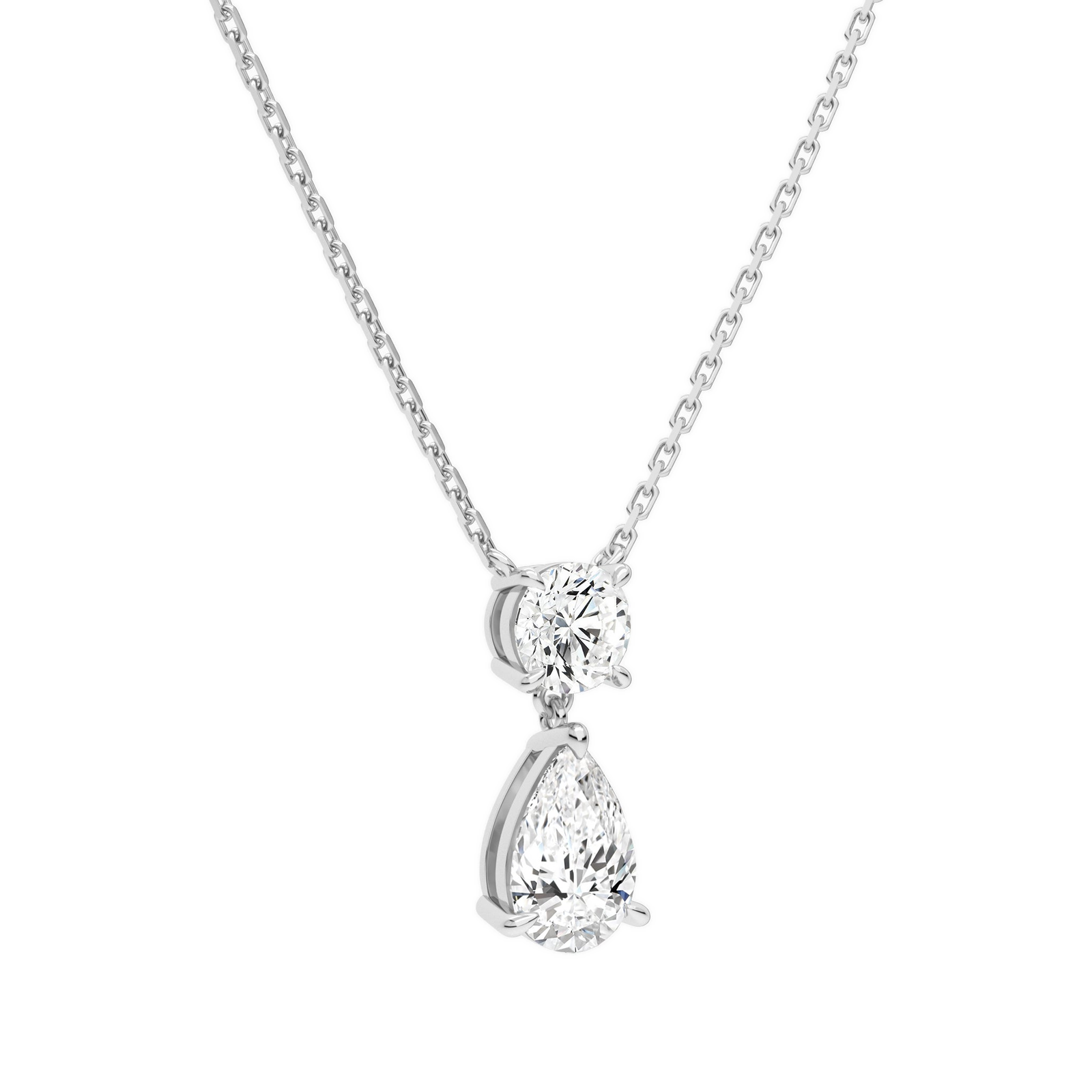
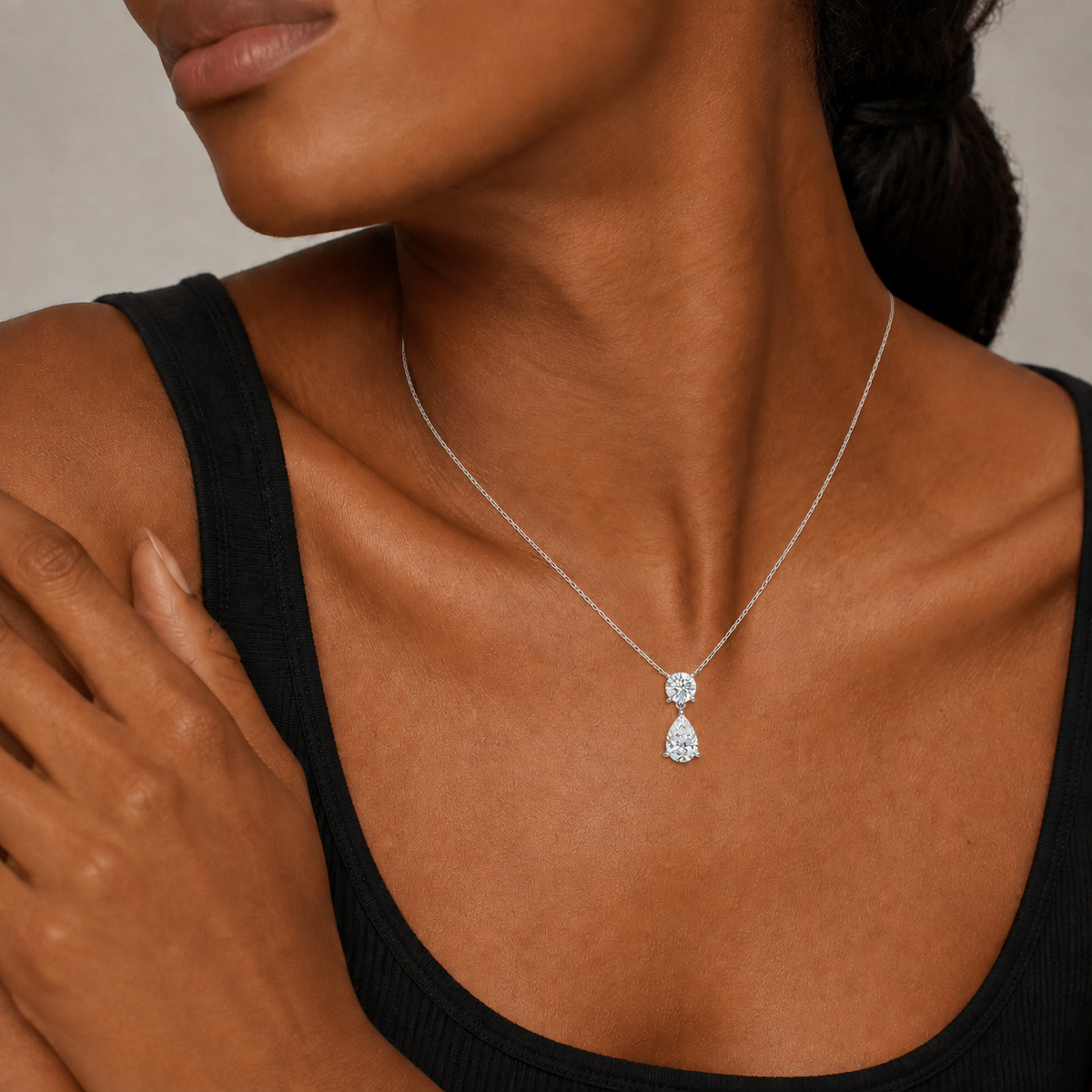

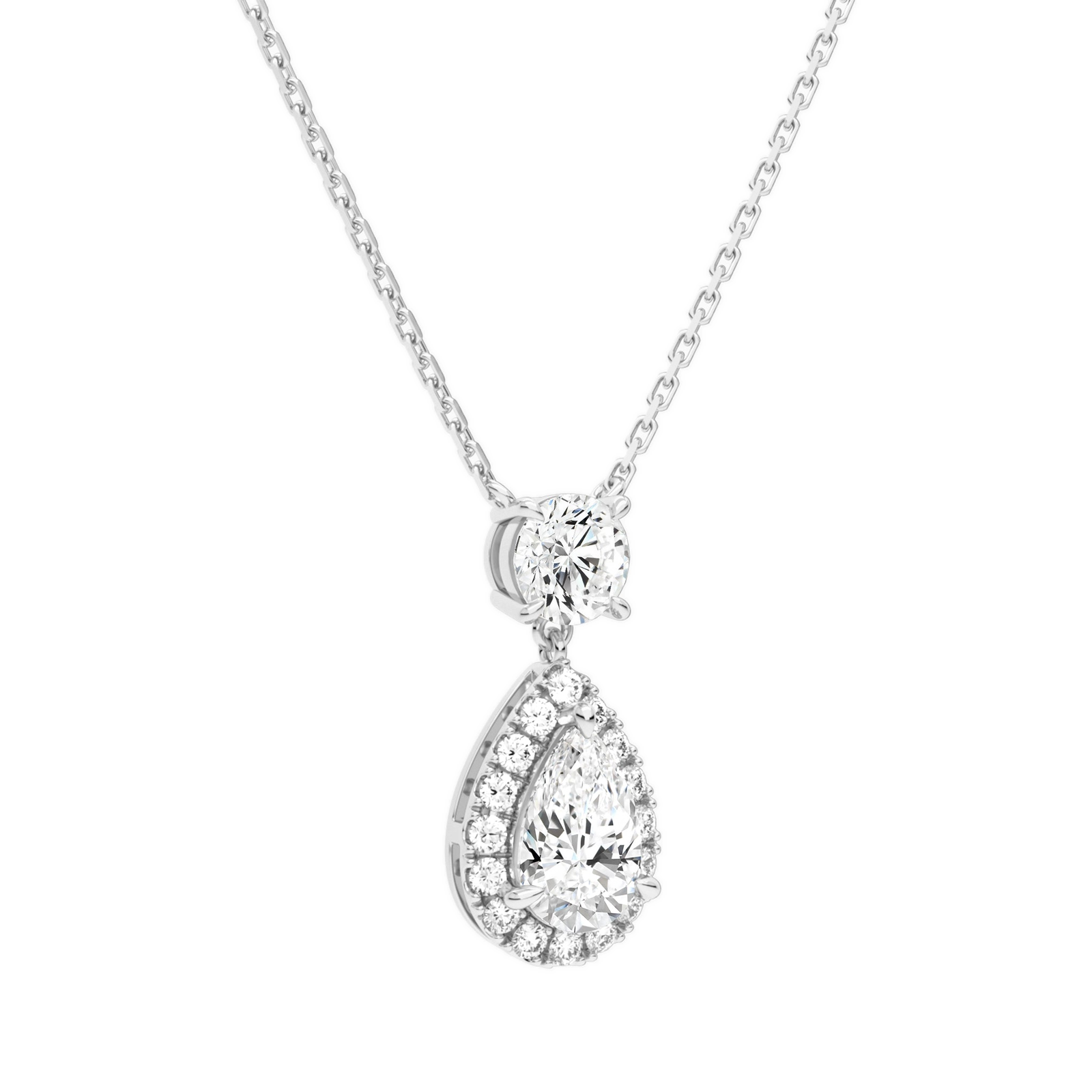
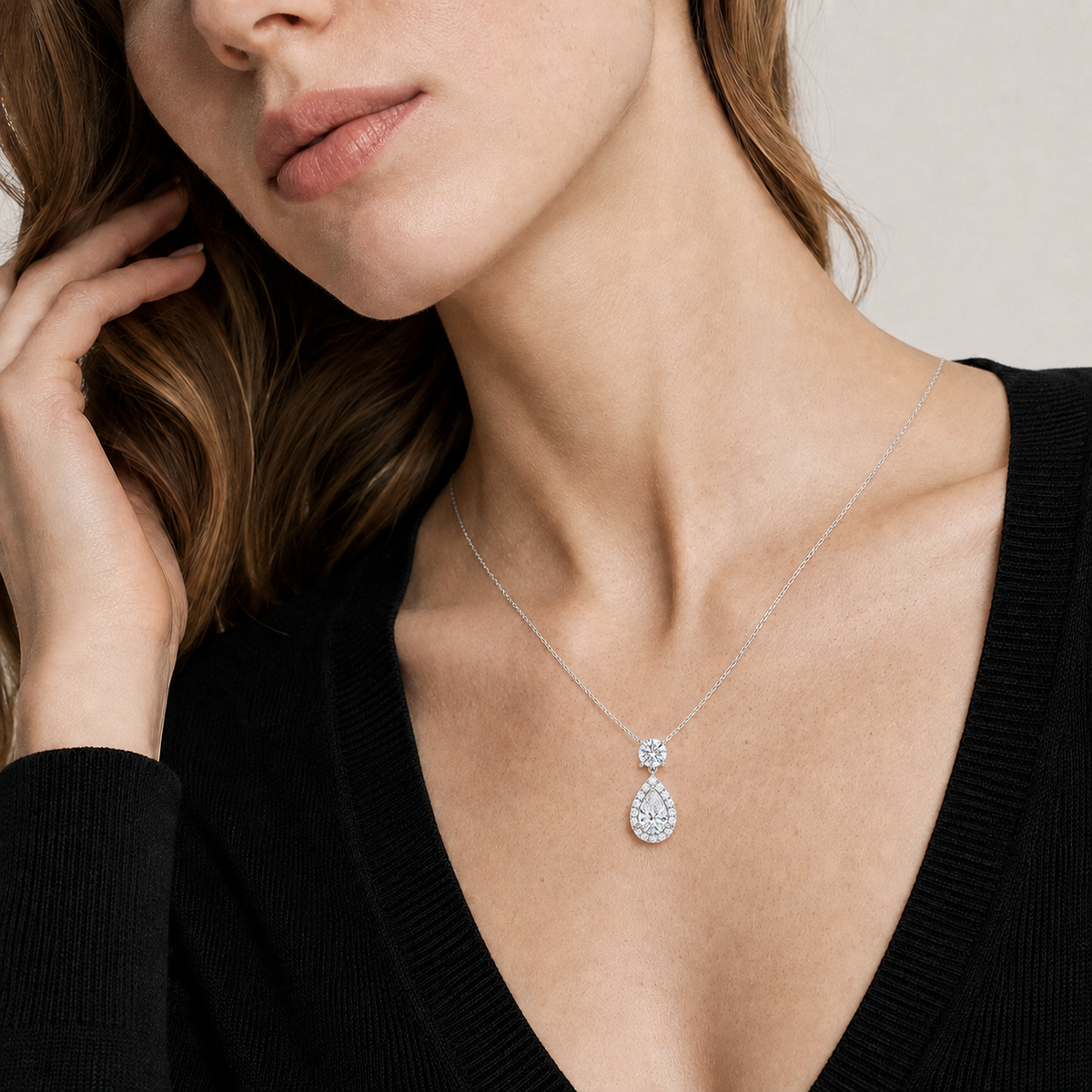
Platinum Lab-Grown Diamond Jewelry: Presence from Setting to Movement
Platinum is not experienced at one scale. In a ring, its material presence is concentrated around the hand and any neighboring bands. At the ear, weight distribution and attachment become immediate. A necklace spreads material through setting, connection, and chain; a bracelet adds articulation and repeated movement around the wrist.
Burvonti’s present 323-design set contains 97 rings, 87 earrings, 126 necklaces, and 13 bracelets. All normalized designs correspond to the parent Jewelry Collection, while current product IDs are distinct from its representative variants. The independent value is a Platinum selection and education layer, not exclusive design ownership.
Confirm Fineness and Complete Weight
Platinum is a metal family, not one guaranteed fineness or alloy formula. Confirm the selected product’s specification and hallmark where relevant. Density can contribute to material presence, but finished weight depends on metal volume, dimensions, settings, findings, chain or link construction, and size.
Natural white tone does not require a white-color plating claim, yet surface condition can evolve with wear. Patina describes accumulated surface change, not damage in every case and not an appearance every customer must prefer. Polishing or refinishing should be considered against exact dimensions, settings, details, and service guidance.
Read Security through Design, Not Metal Myth
Prongs, bezels, posts, backs, bails, chains, clasps, hinges, links, and joints each perform a specific job. Platinum does not make every construction equally secure, impact-proof, or maintenance-free. Setting geometry, material allocation, craftsmanship, fit, wear, and condition remain part of the answer.
The white material field may keep diamond and setting tonally close, but it cannot increase brilliance, improve grade, enlarge dimensions, or prevent loss. Inspect the exact connection points relevant to the product rather than relying on broad claims about strength or permanence.
Balance Presence across the Body
A Platinum ring should be considered through width, interior, profile, and stack contact. Earrings require dimensions, attachment, and front-to-back balance. Necklaces require length, attachment, orientation, and chain relationship. Bracelets require wrist allowance, articulation, closure, and exposure to nearby surfaces.
Coordination can come from shared natural white tone, but equal material is not required. Curve, setting, interval, or surface may connect pieces across scales. Total Carat Weight and grading documentation should be read within their stated scope, alongside diamond distribution and complete product dimensions.
A Precise Choice, without Absolutes
Choose Platinum when its tone, surface, weight distribution, and construction support the exact design. Do not reduce the decision to “best,” “forever,” or “strongest.” Customers may start with any ring, earring, necklace, or bracelet they find resolved, then compare the material facts and body-scale consequences.
Burvonti pairs responsibly sourced lab-grown diamonds with human calibration across hand, ear, neckline, and wrist. Custom possibilities may refine metal, dimensions, diamond arrangement, setting, or details when technically feasible. Clean and service according to complete construction, and inspect settings, backs, chains, clasps, links, and joints when condition changes.
The narrower Platinum pages turn material presence into product-level guidance. Rings own profile and adjacent contact; Earrings own attachment and balance; Necklaces own chain and orientation; Bracelets own articulation and closure. This page establishes the shared material questions, then directs customers to the physical details that decide how each piece will actually be worn.
Frequently Asked Questions
How is this page different from the main Jewelry Collection?
It focuses on Platinum tone, fineness, density, surface, weight distribution, and connections across four jewelry categories.
What platinum fineness does Burvonti use?
Confirm the selected product’s specification and hallmark; this Collection page should not assume one formula for every item.
Which jewelry types are currently included?
The present 323 designs include 97 rings, 87 earrings, 126 necklaces, and 13 bracelets.
Is the Platinum Collection evenly divided by category?
No. Necklaces currently form the largest group and bracelets the smallest; membership can change.
Is Platinum always heavier than gold jewelry?
Not necessarily as a finished piece. Density, metal volume, dimensions, settings, findings, chain or link structure, and size determine weight.
Does Platinum stay unchanged forever?
No. Surface condition evolves with wear, contact, care, and service.
What is Platinum patina?
It is accumulated surface change from wear; whether to retain or refinish it is an aesthetic and product-specific service decision.
Does Platinum make diamonds more secure?
Metal alone cannot guarantee security. Setting geometry, material allocation, craftsmanship, fit, wear, and condition all matter.
Does Platinum improve diamond brilliance or size?
No. It changes material context, not facet relationships, dimensions, or grading facts.
Is Platinum hypoallergenic?
No universal wearer outcome should be promised without confirming the complete alloy and individual concern.
How should Platinum weight be compared across categories?
Compare complete dimensions, metal volume, settings, findings, chain or link structure, and fit—not density alone.
Can Platinum jewelry be coordinated with white gold?
Yes as an aesthetic choice, while tone, surface, dimensions, finish, and physical contact are reviewed.
Can all Platinum rings be resized?
No. Coverage, setting, construction, symmetry, engraving, and requested change affect feasibility.
What should be checked on Platinum earrings?
Review dimensions, attachment, backing, weight distribution, movement, and the exact setting construction.
What should be checked on Platinum necklaces and bracelets?
Review connections, length or wrist fit, chain or link structure, clasp, articulation, orientation, and movement.
Can Burvonti customize Platinum jewelry?
Custom possibilities may include metal, dimensions, diamond arrangement, setting, or selected details, subject to feasibility.
How should Platinum diamond jewelry be cared for?
Follow product-specific guidance, clean gently, and inspect settings, backs, chains, clasps, links, joints, and moving parts.