
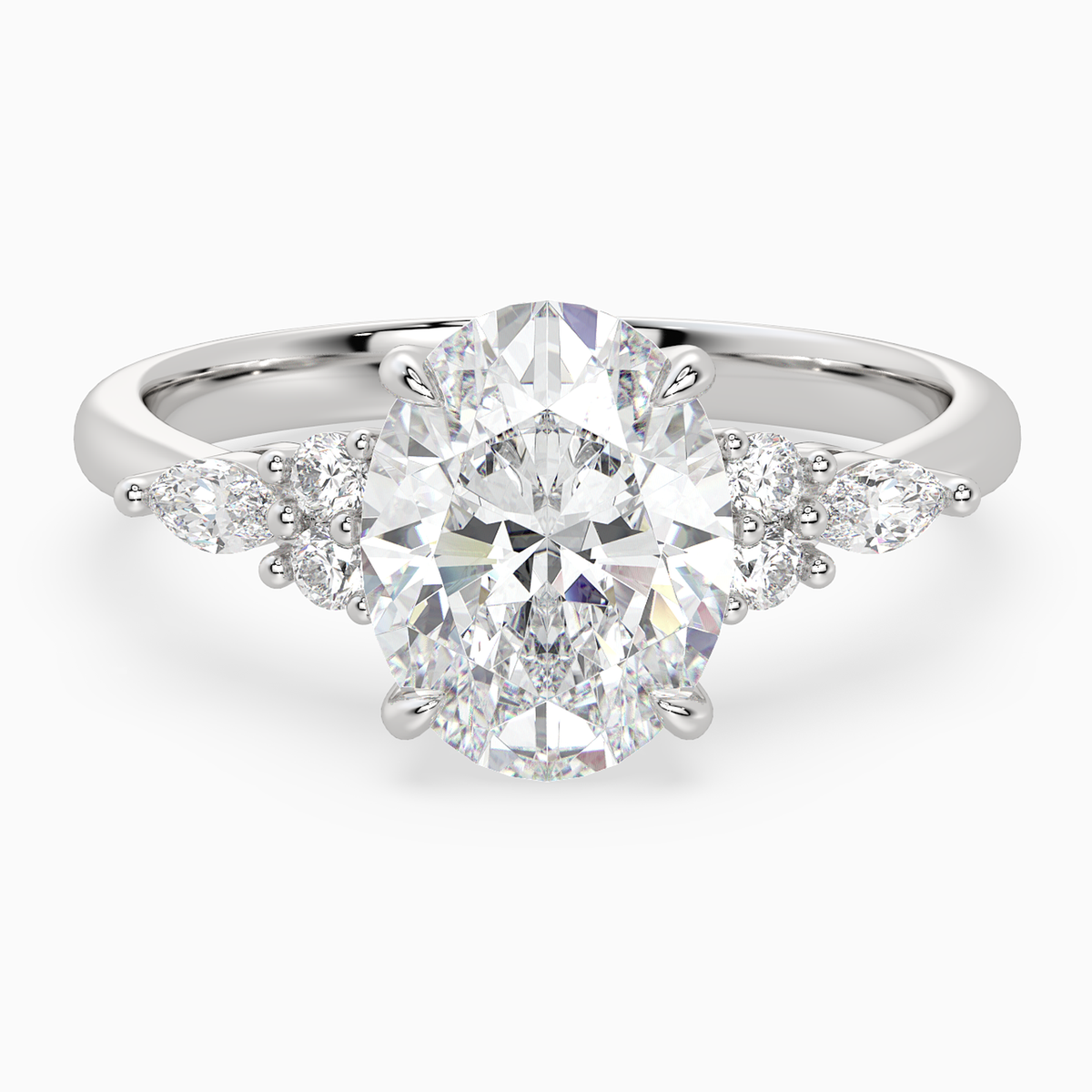


Lab Grown Diamond Jewelry in 14K Yellow Gold
Gold traces the body in different ways. 14K yellow gold makes ring edges, earring arcs, chains, and bracelet links distinctly visible.


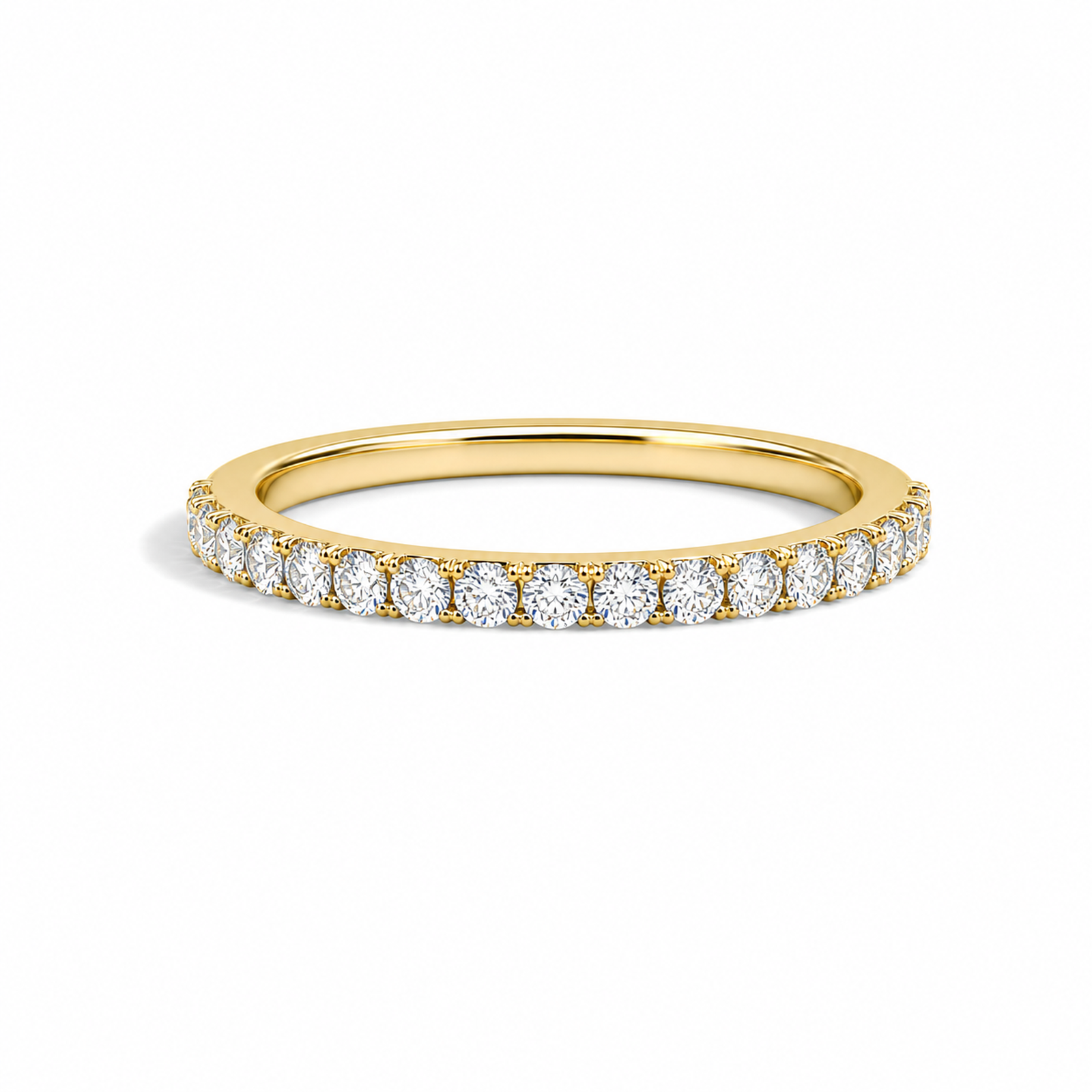


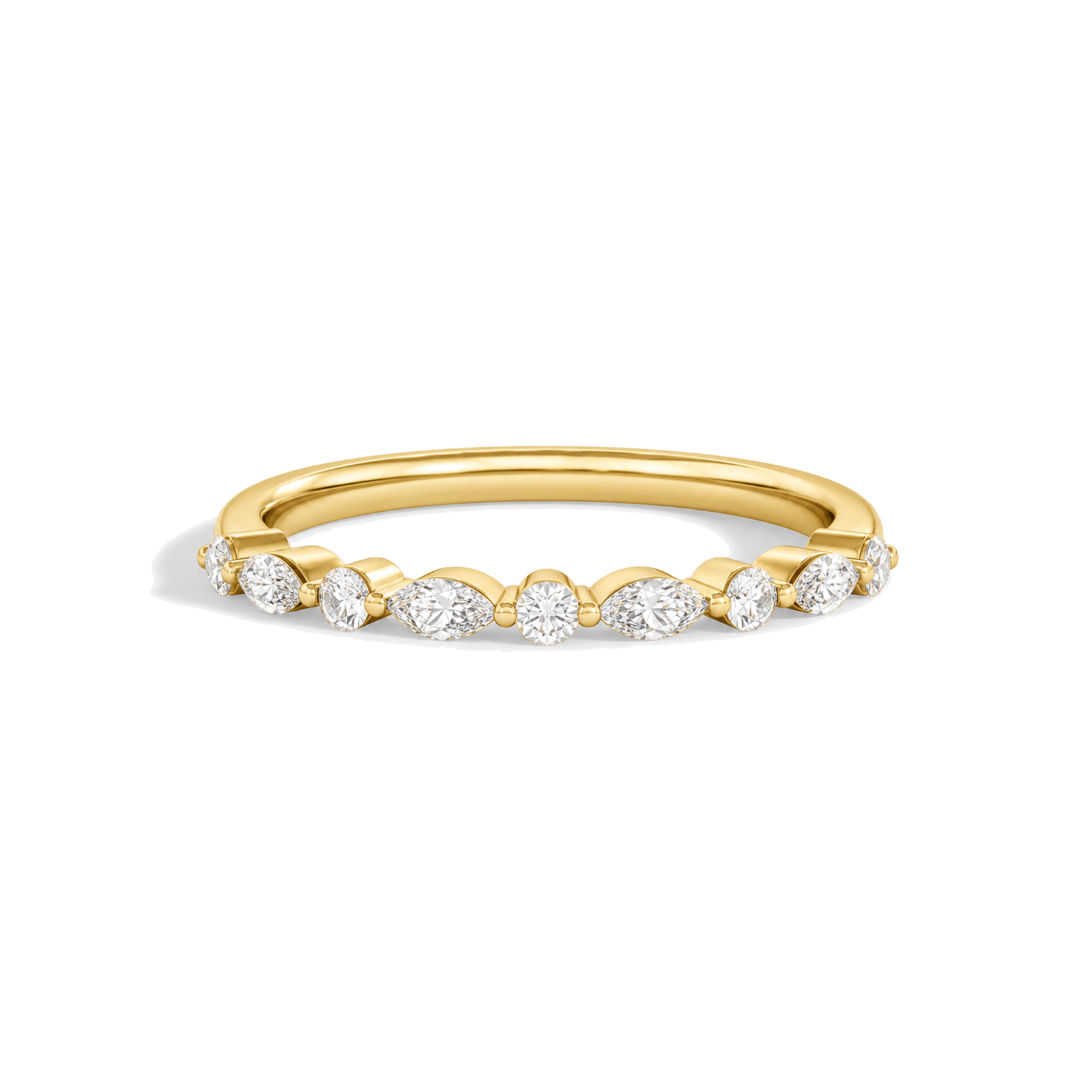


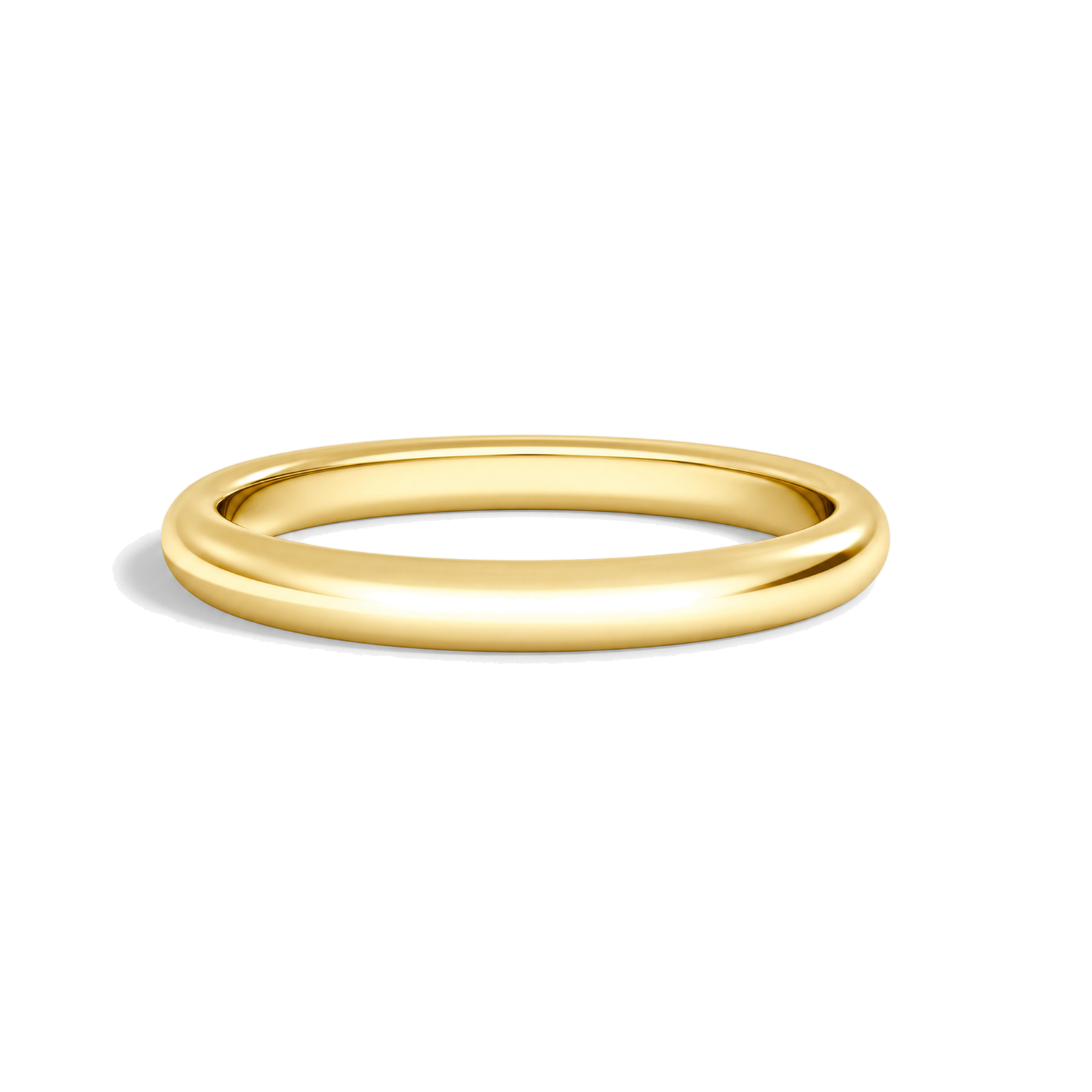
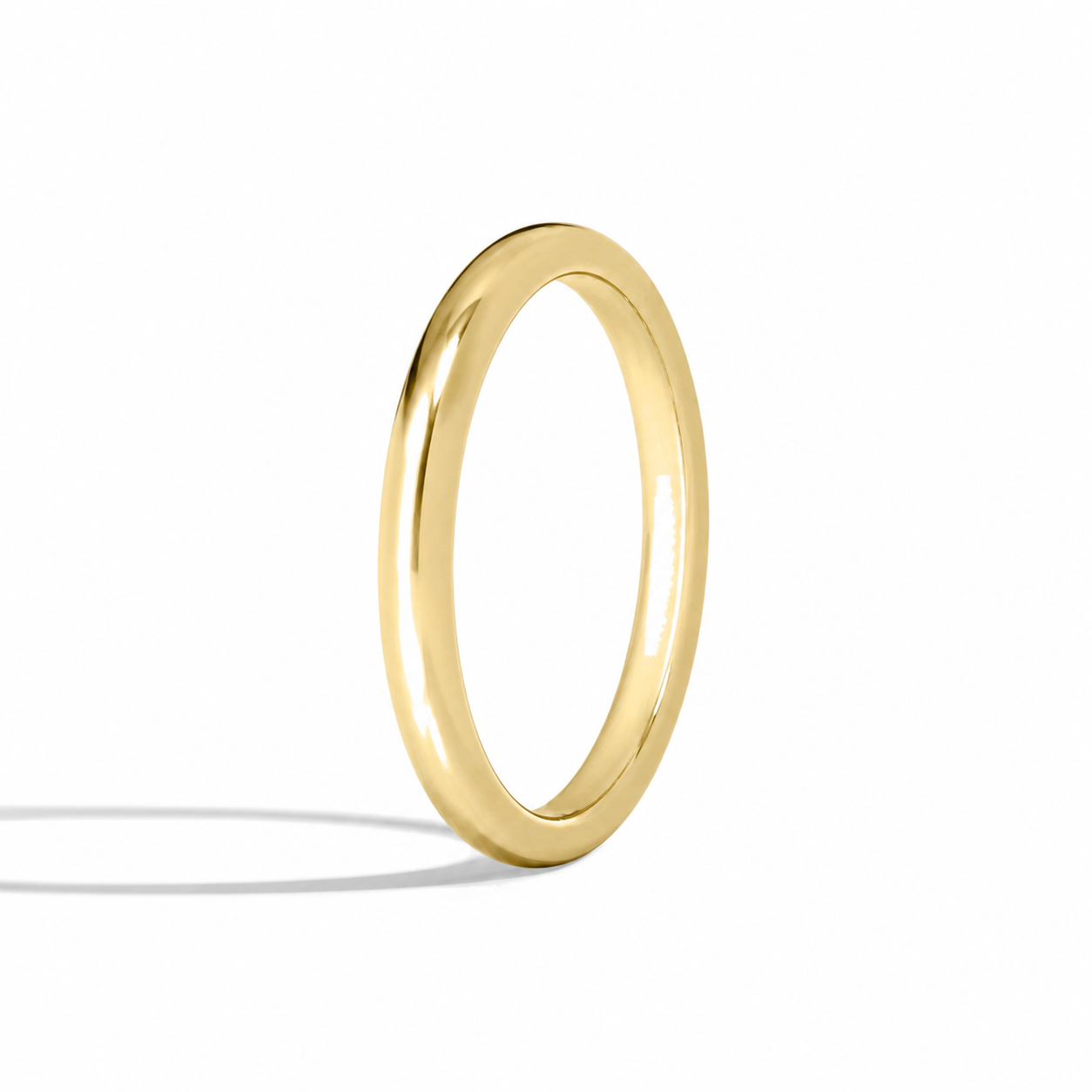

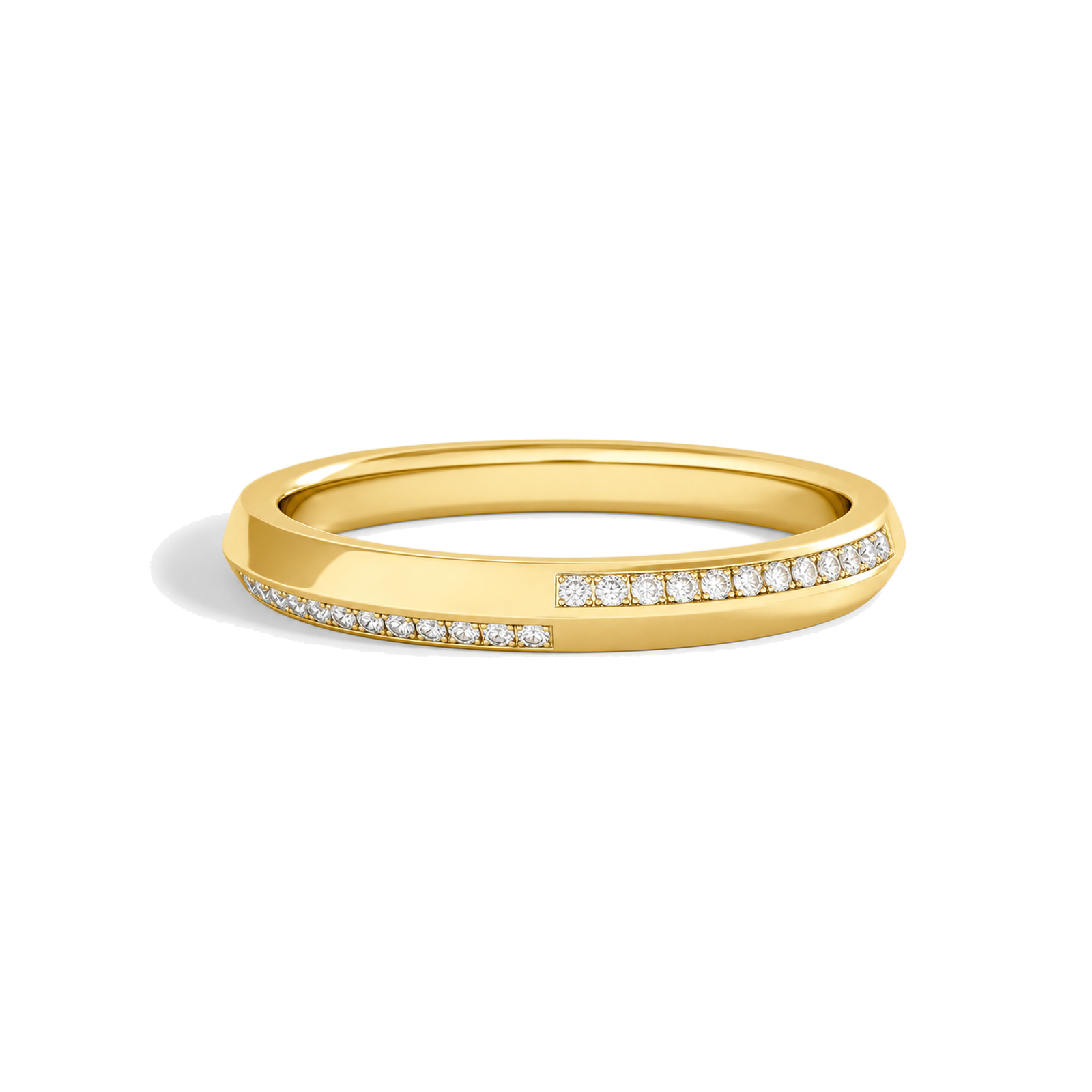
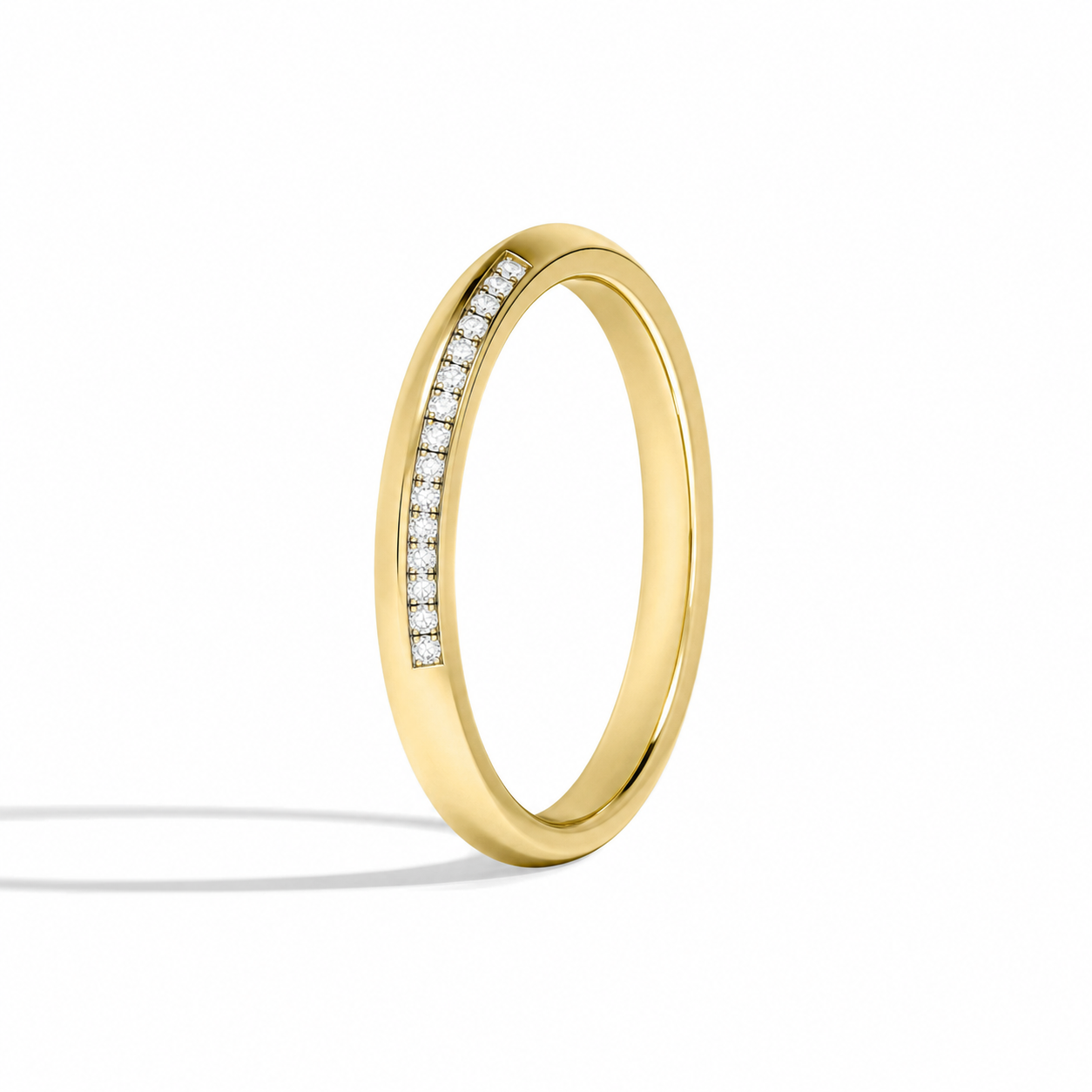

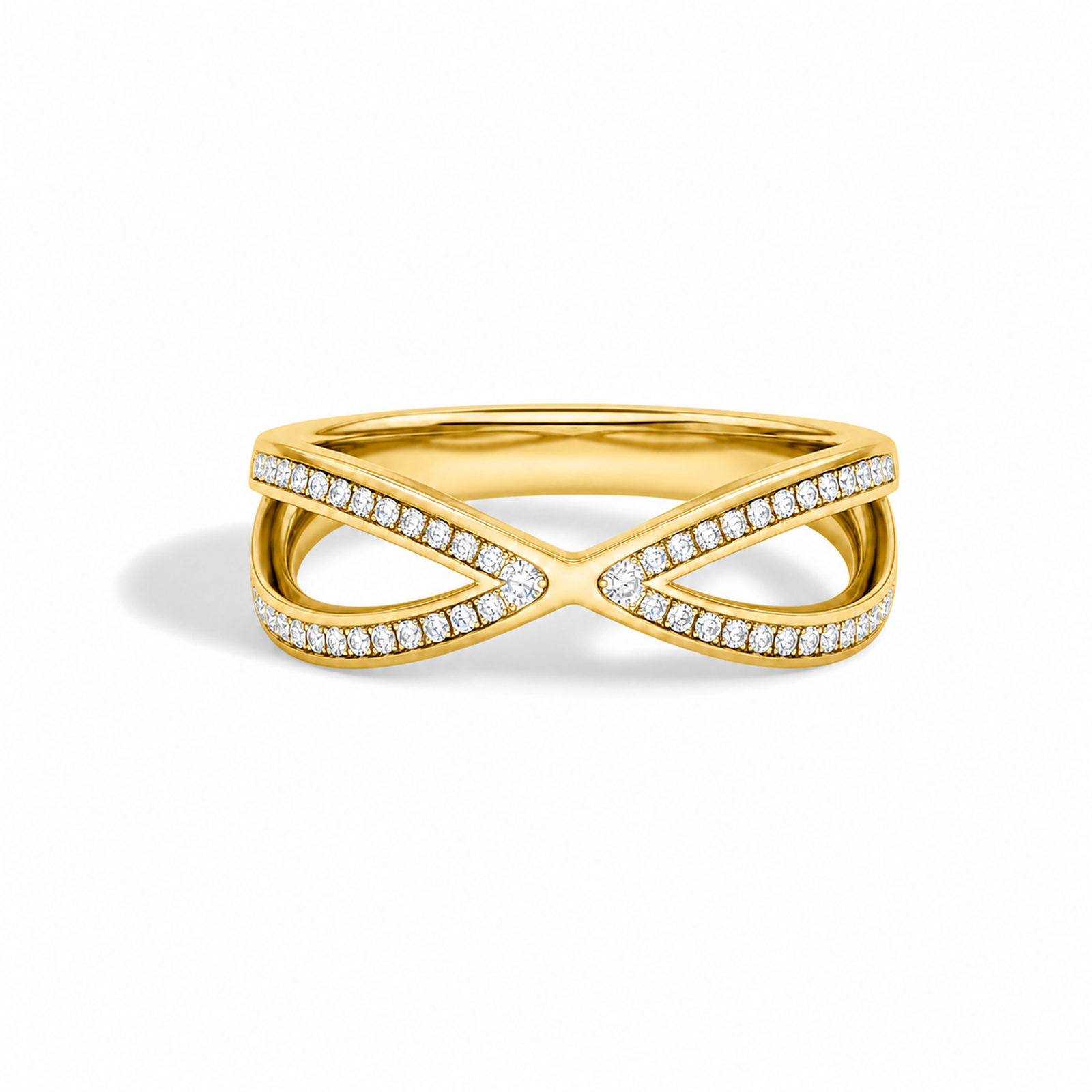


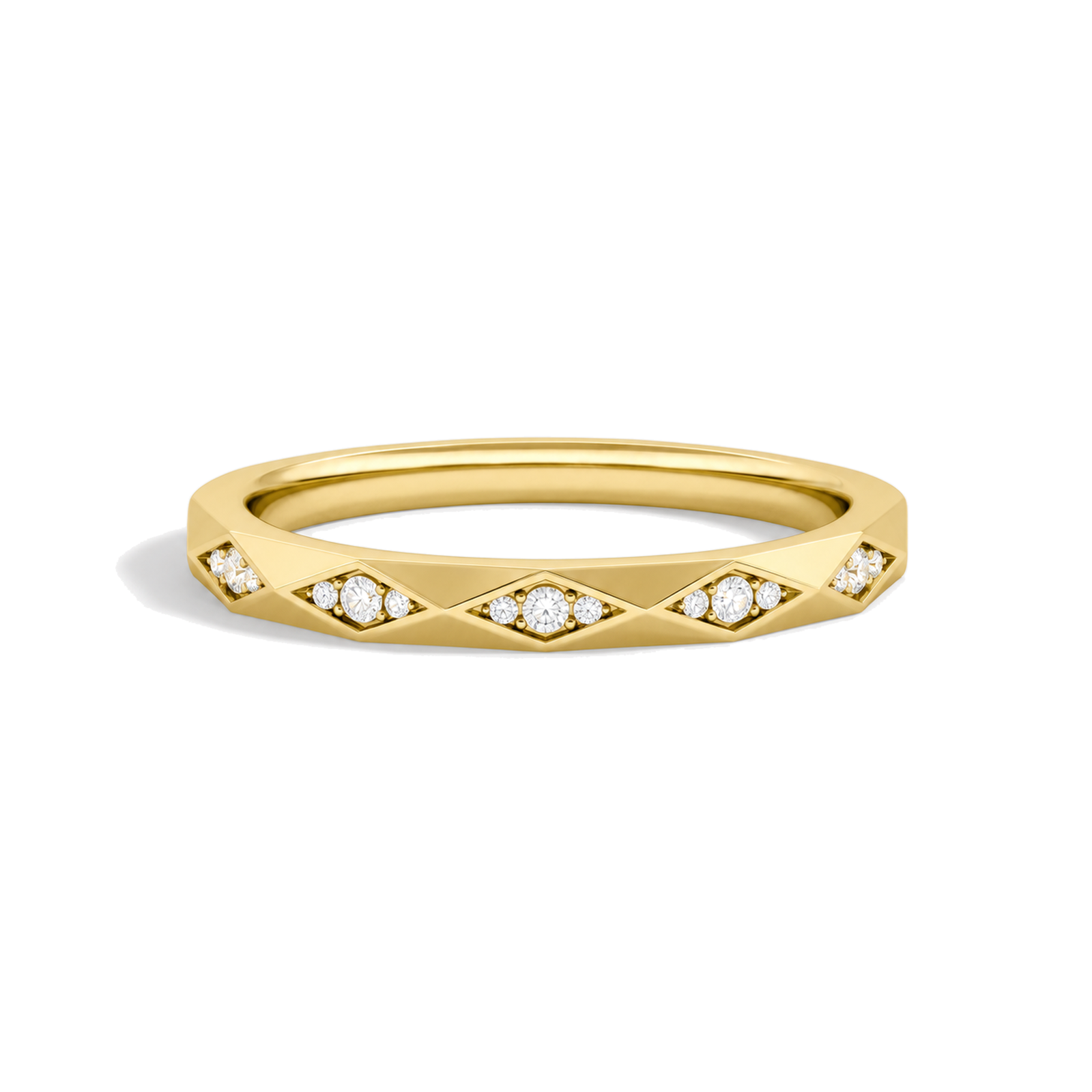


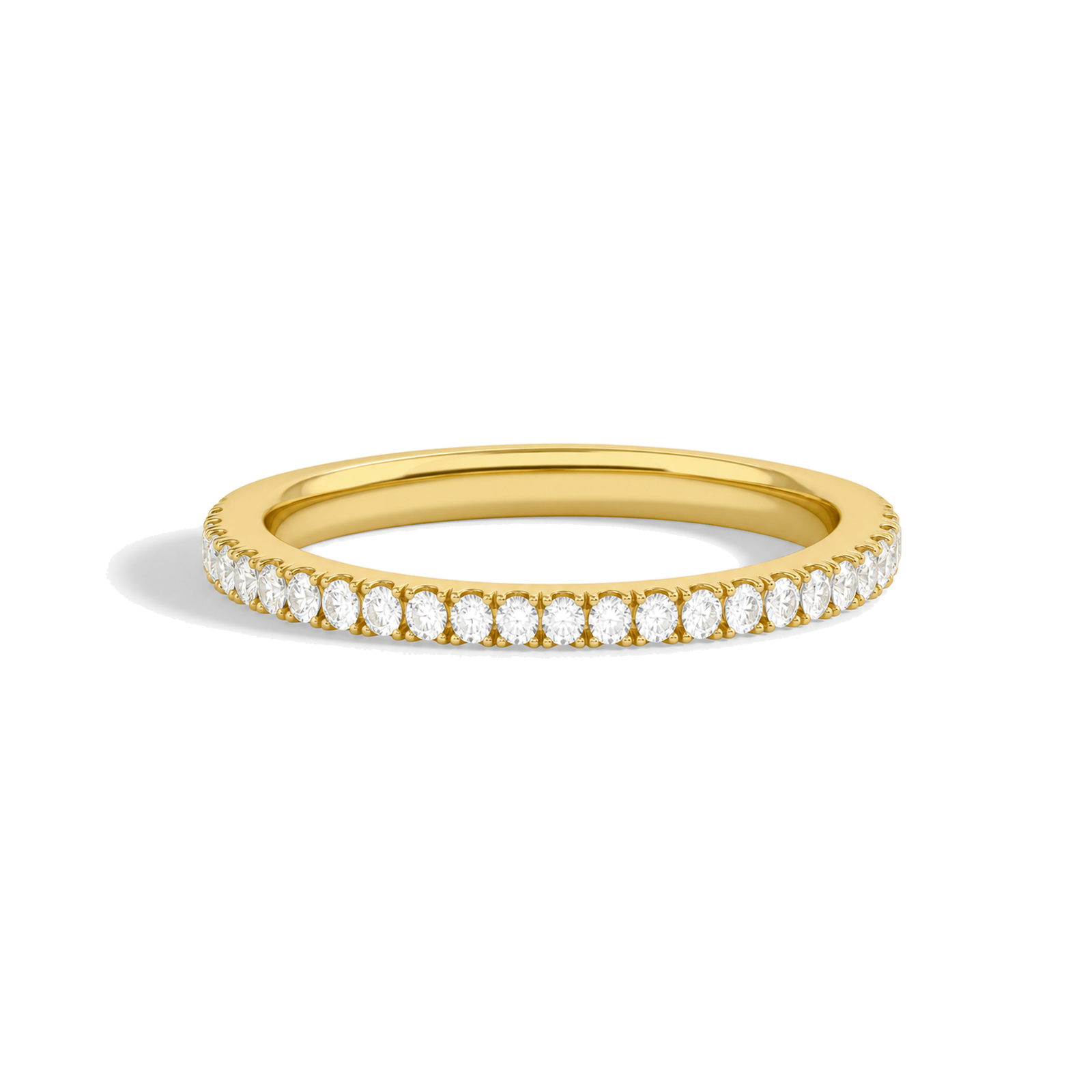


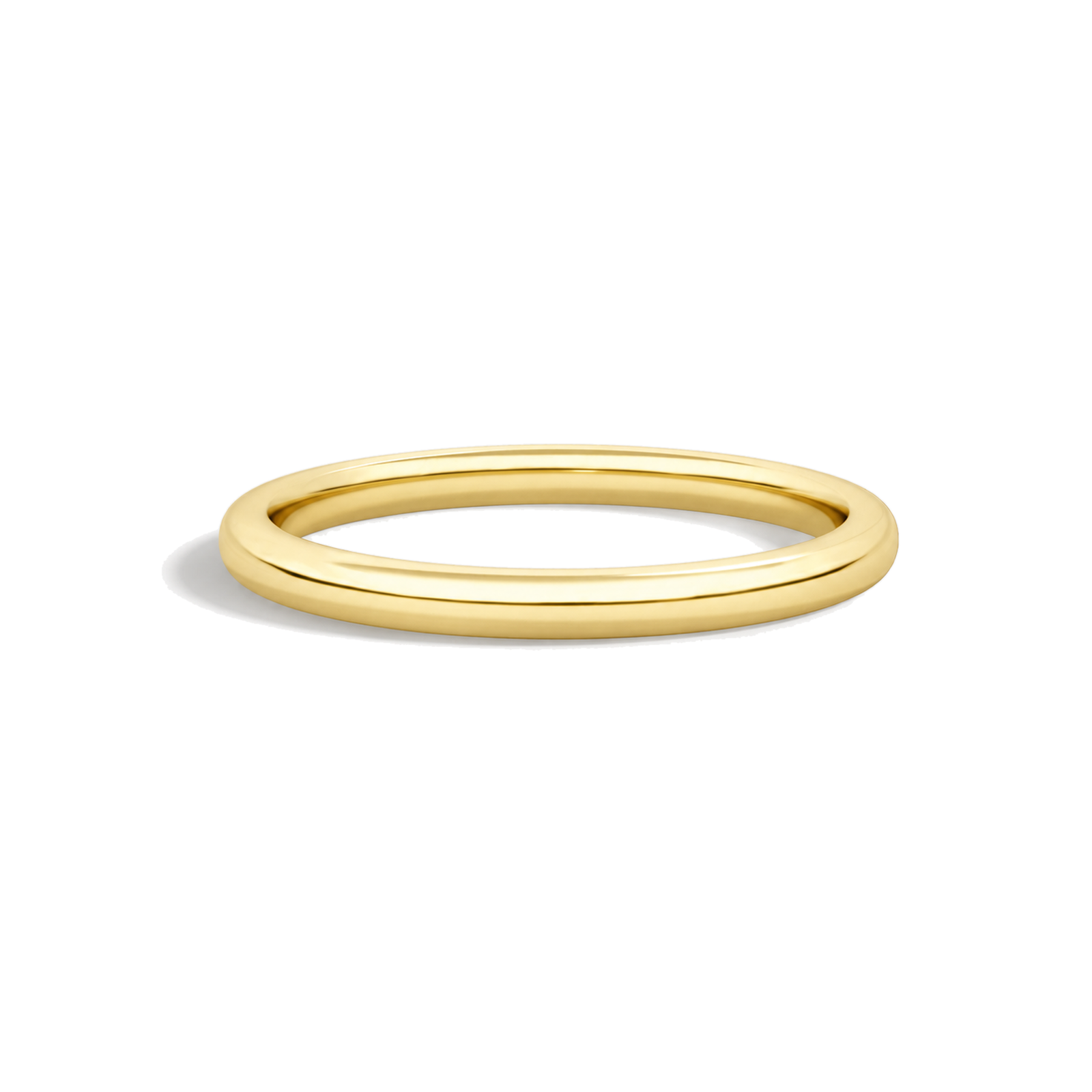
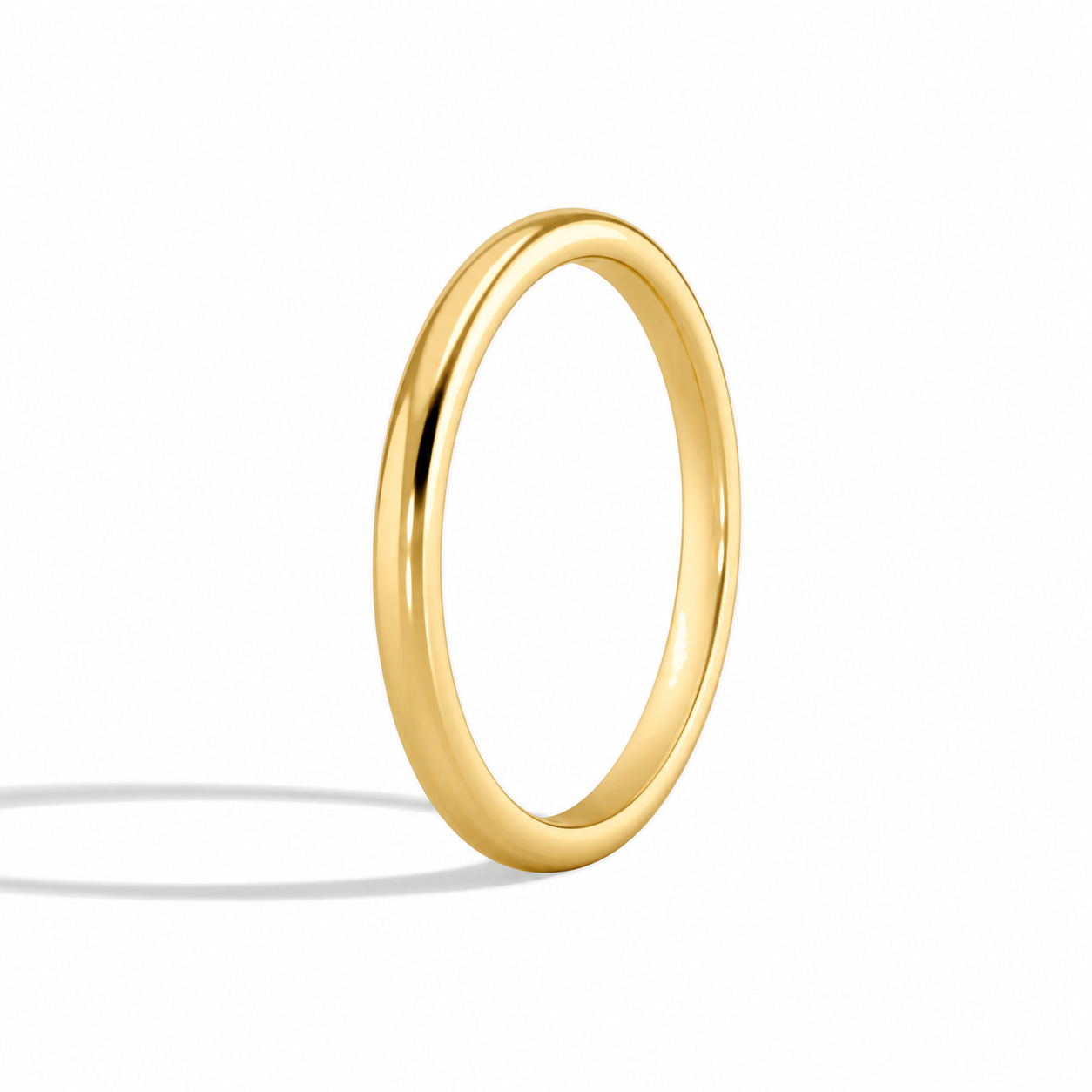

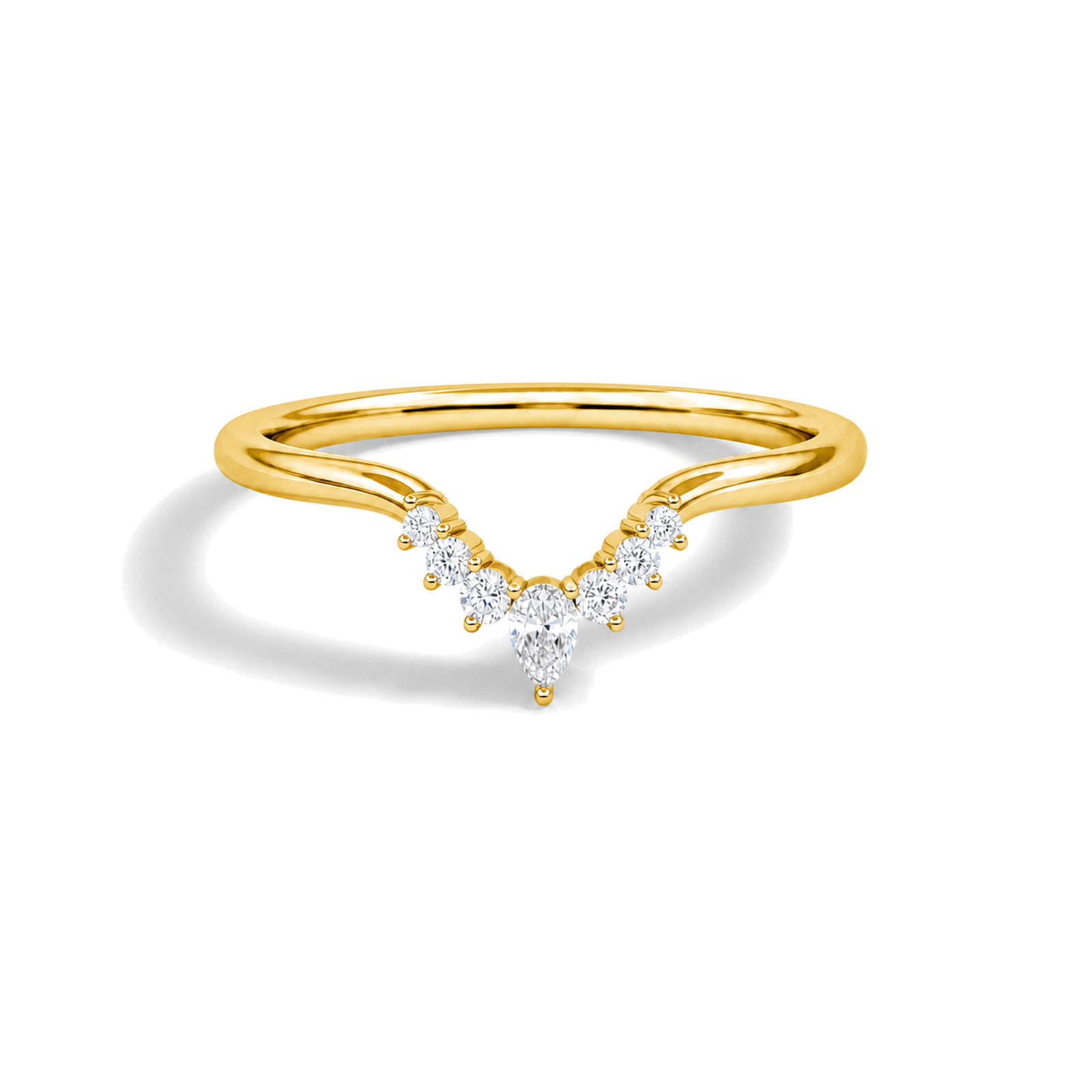
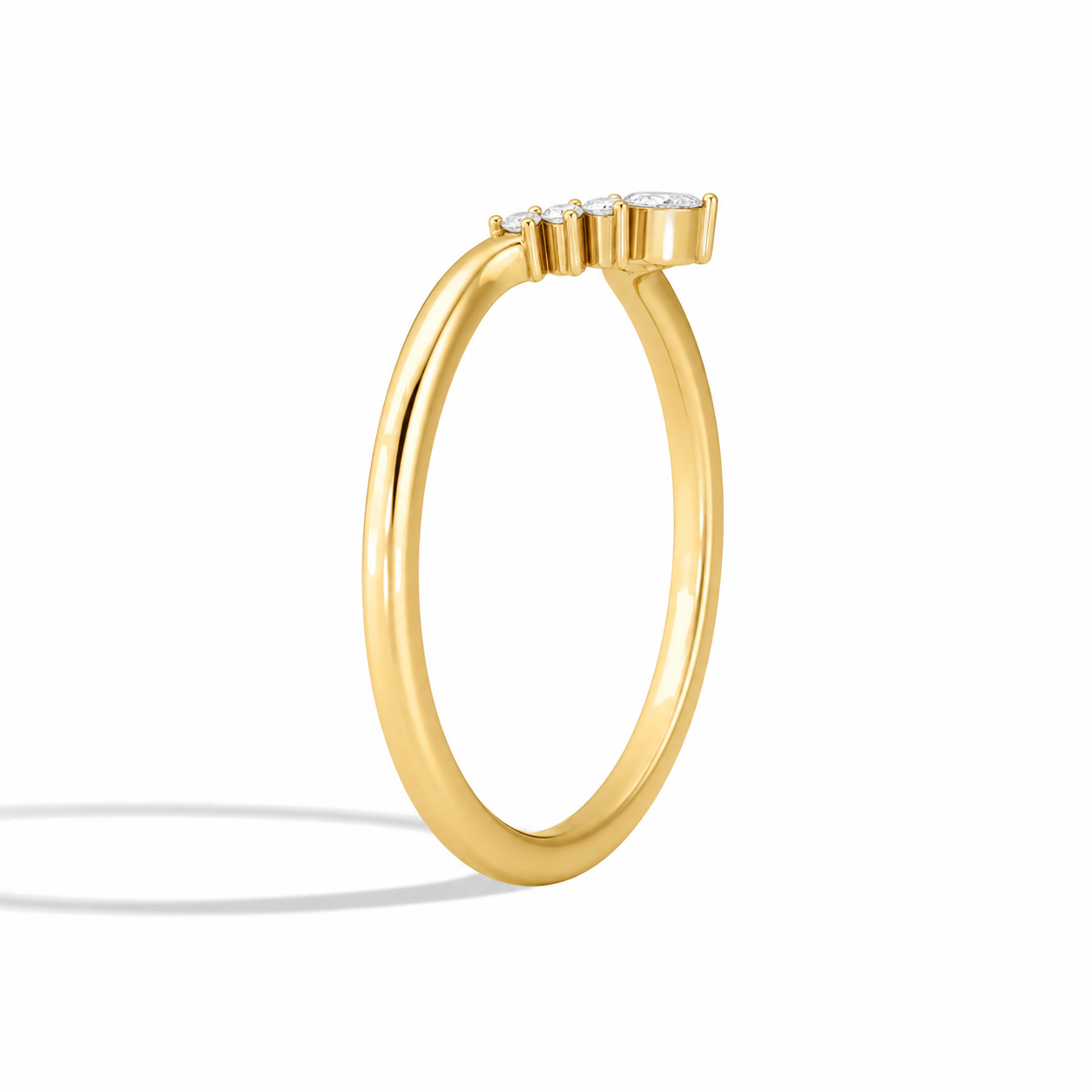
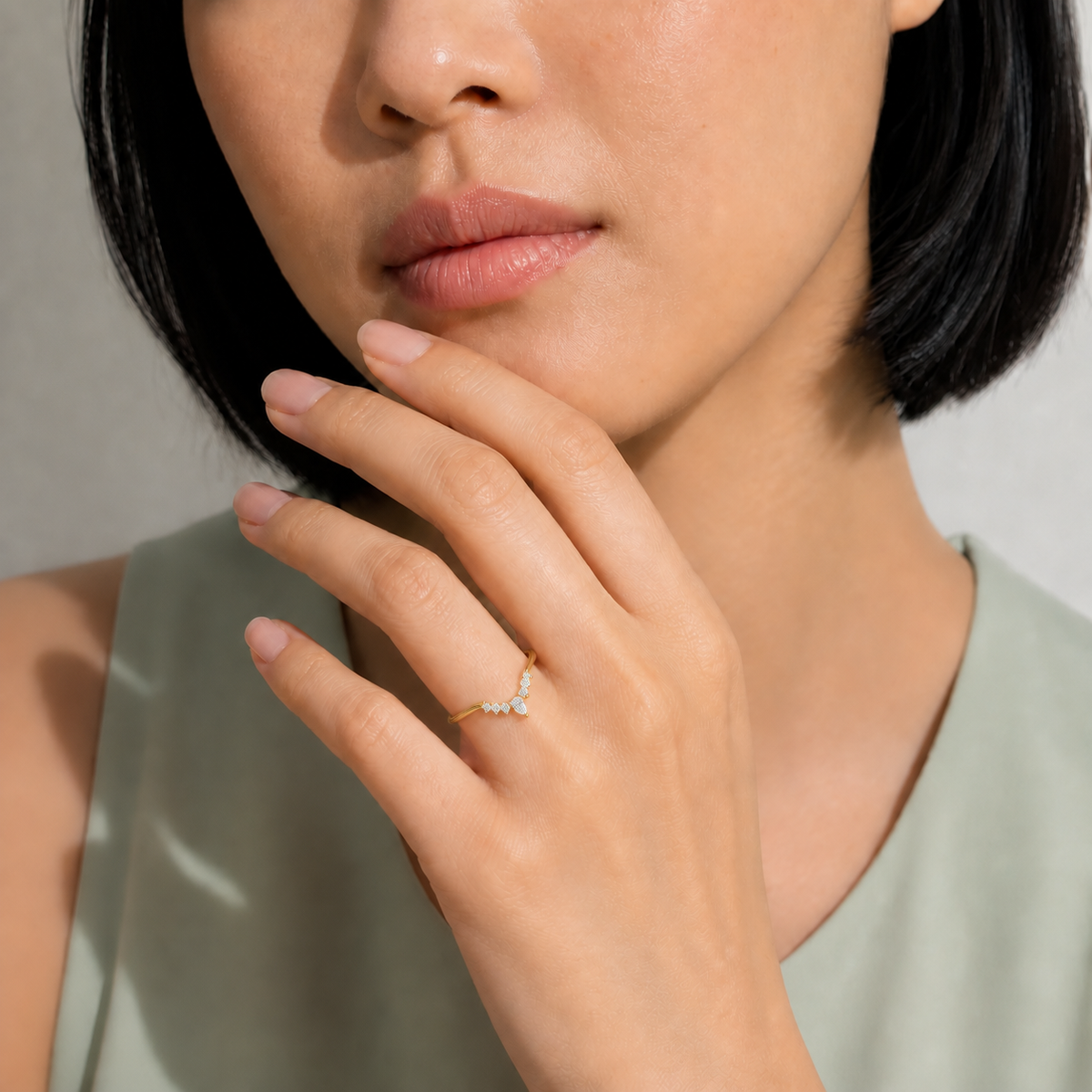
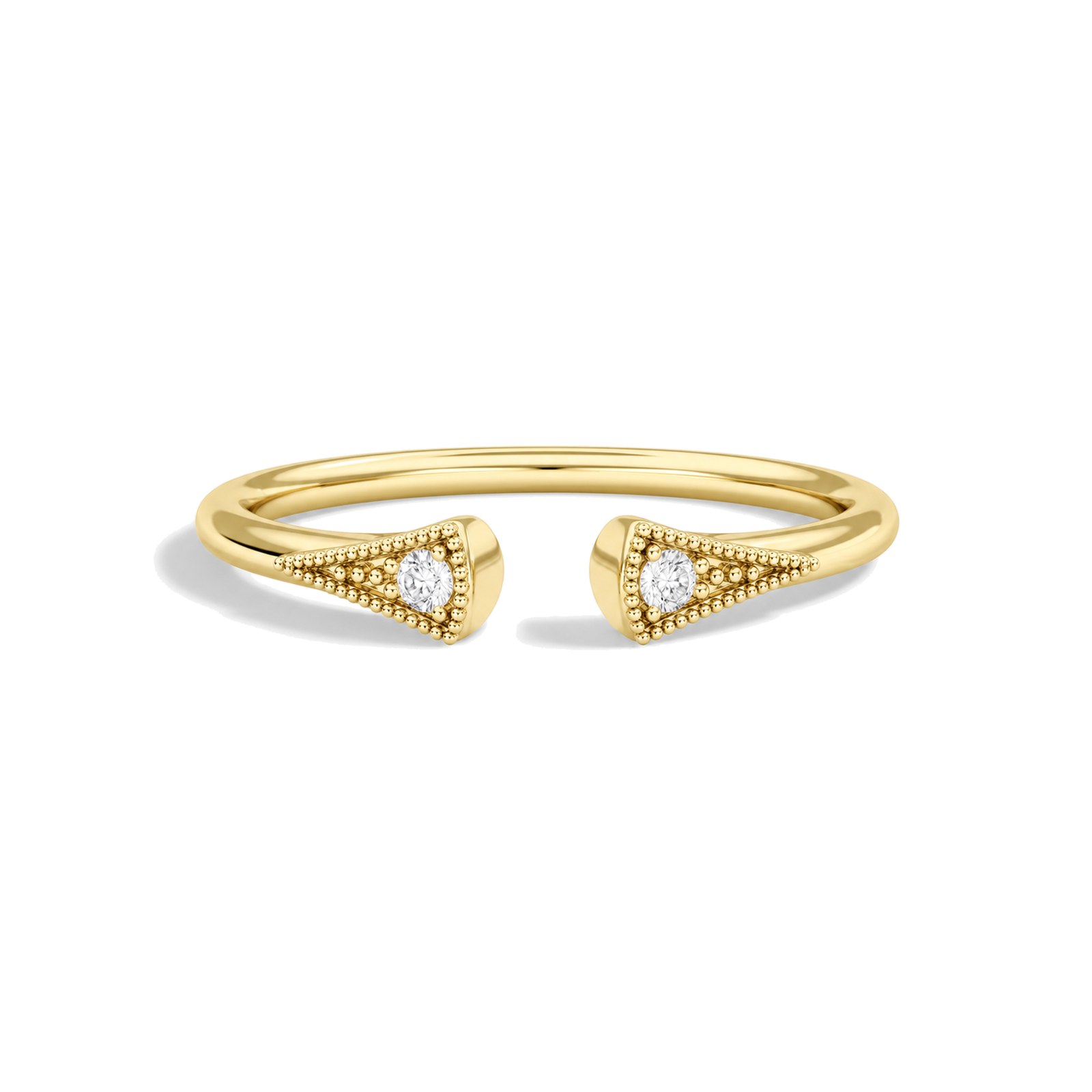


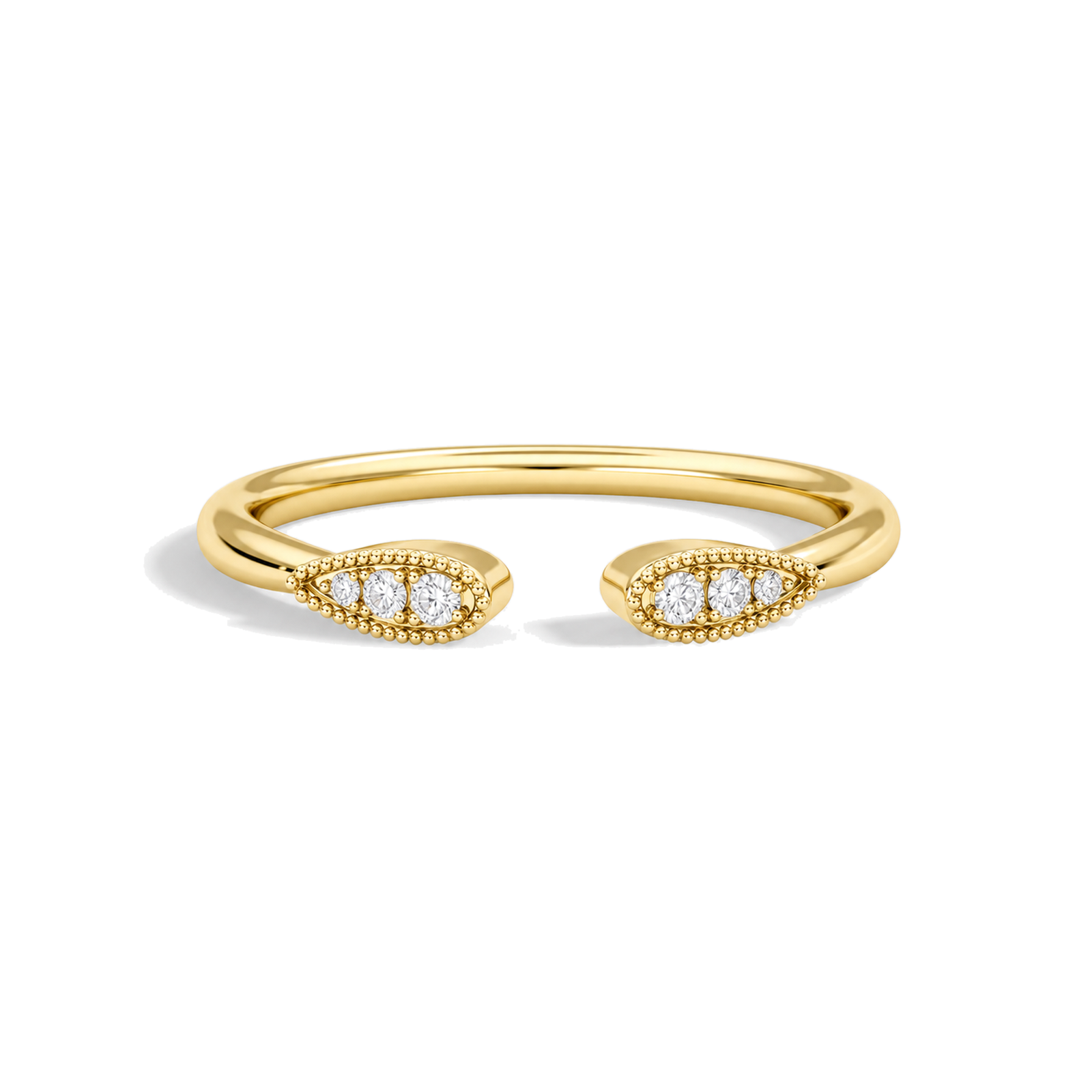
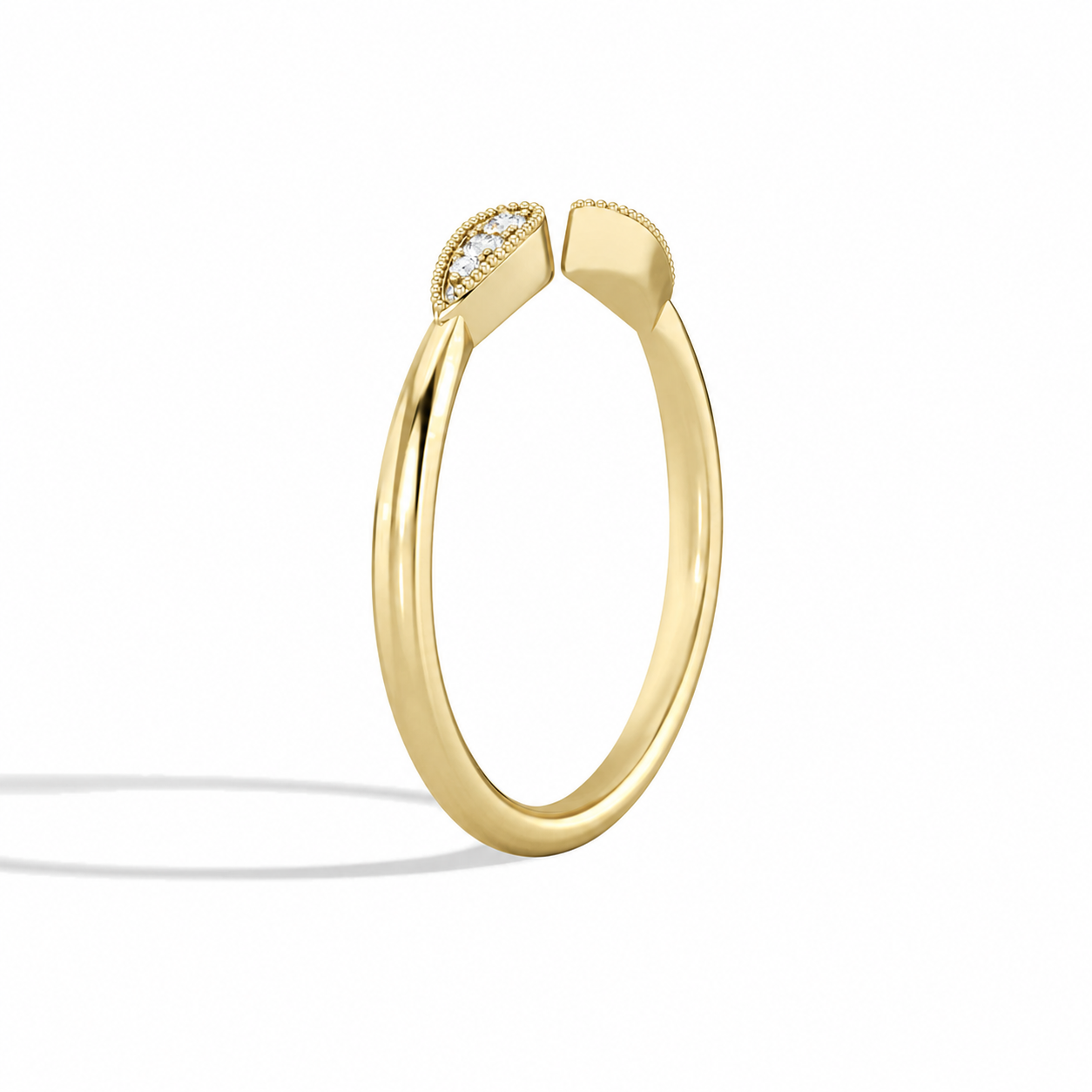
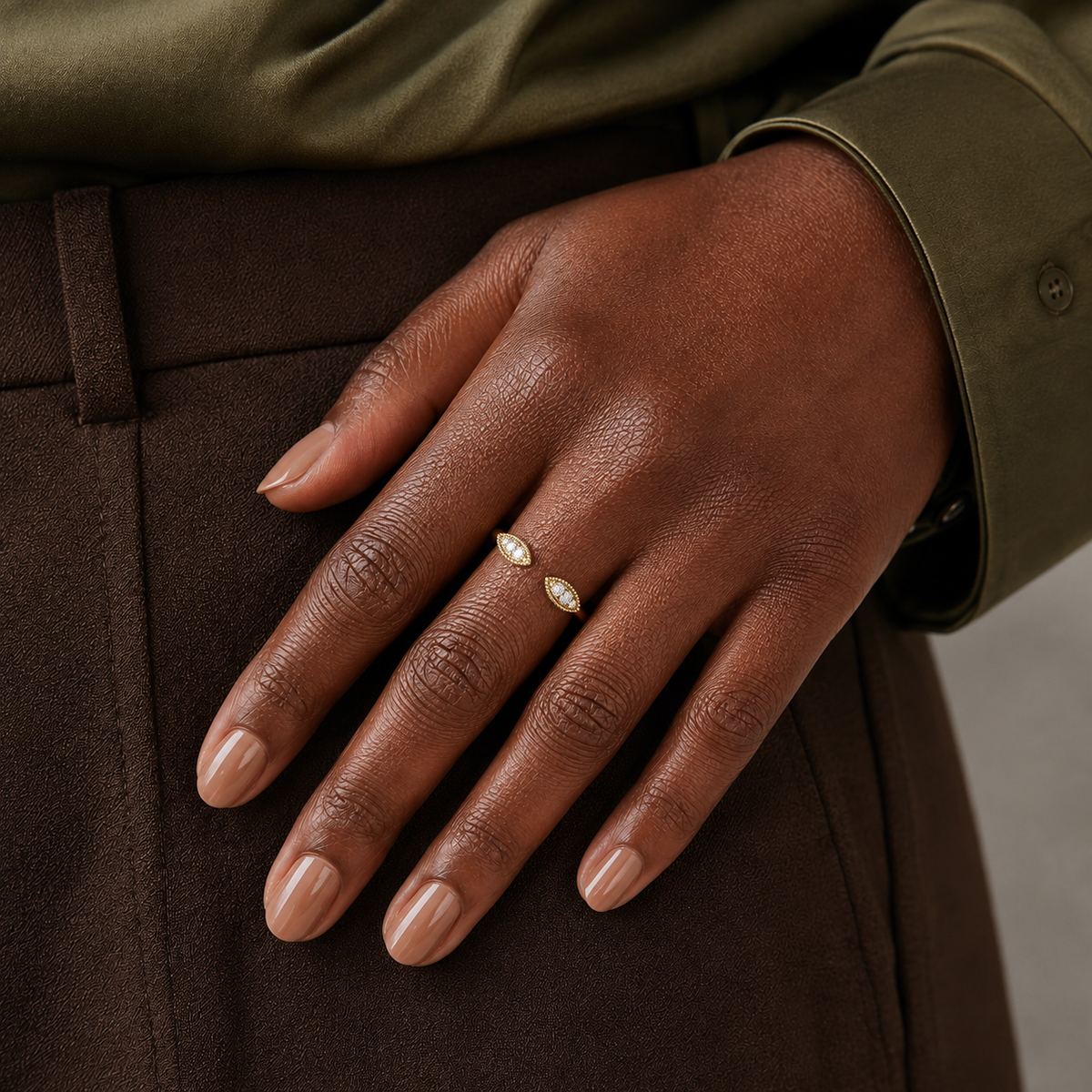


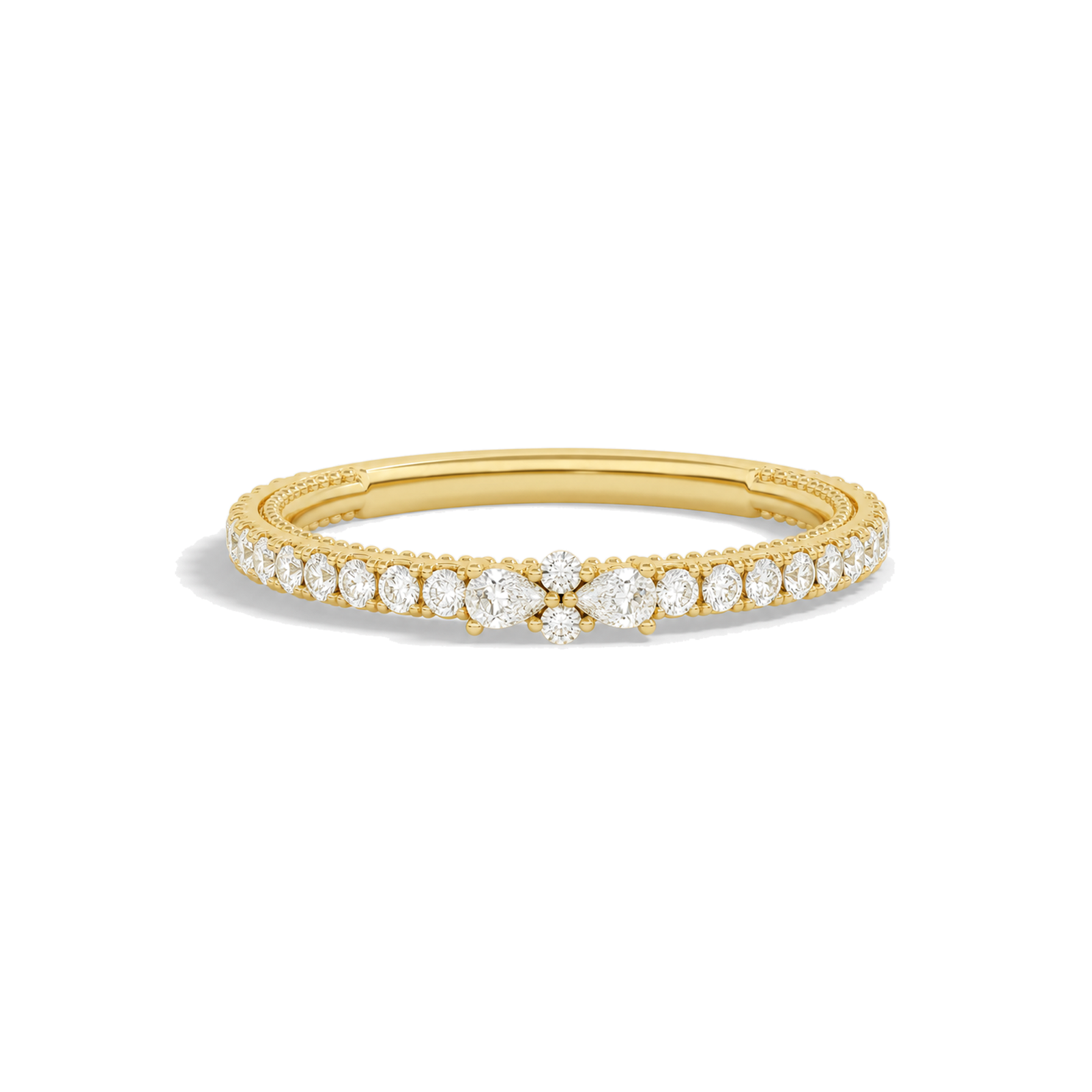
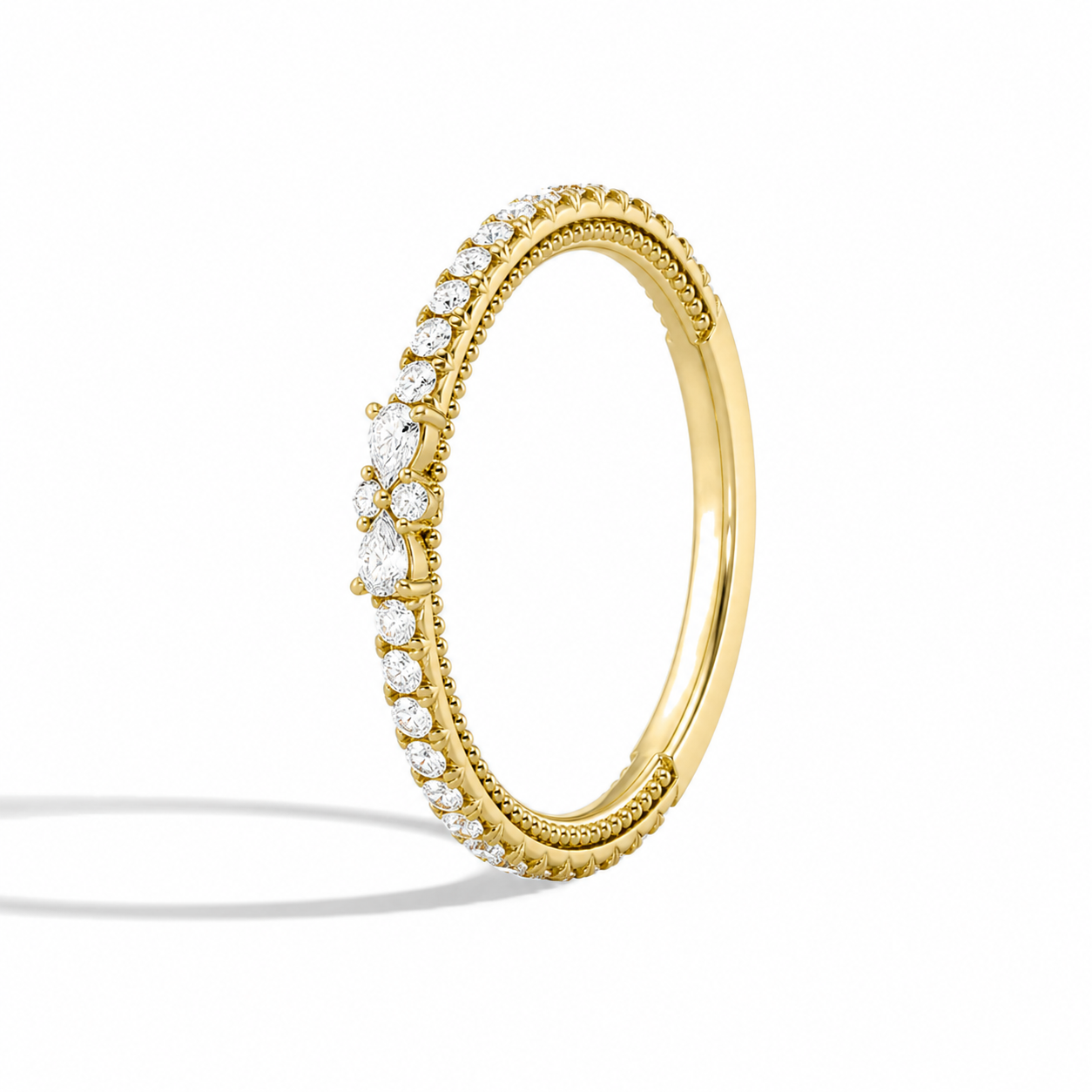

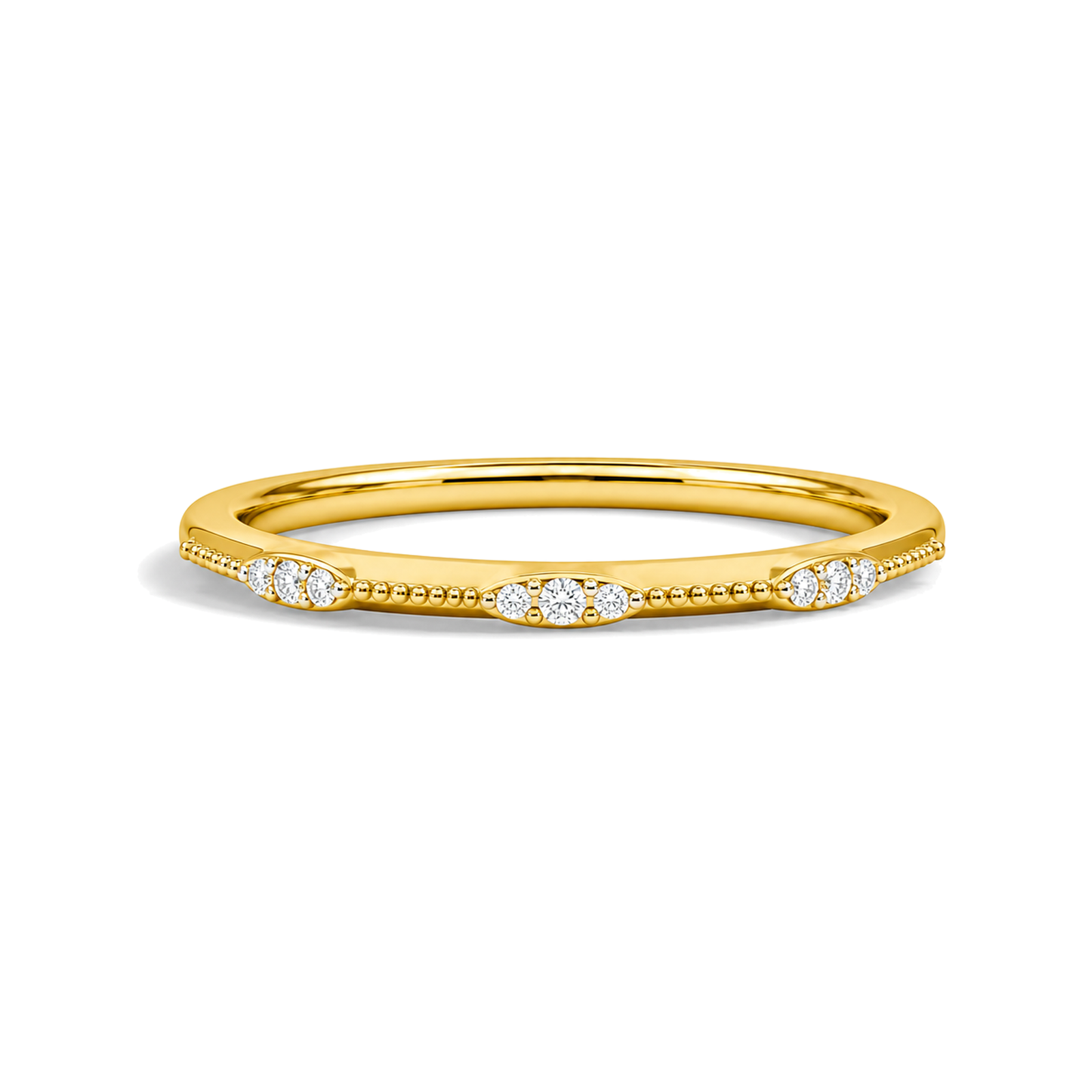


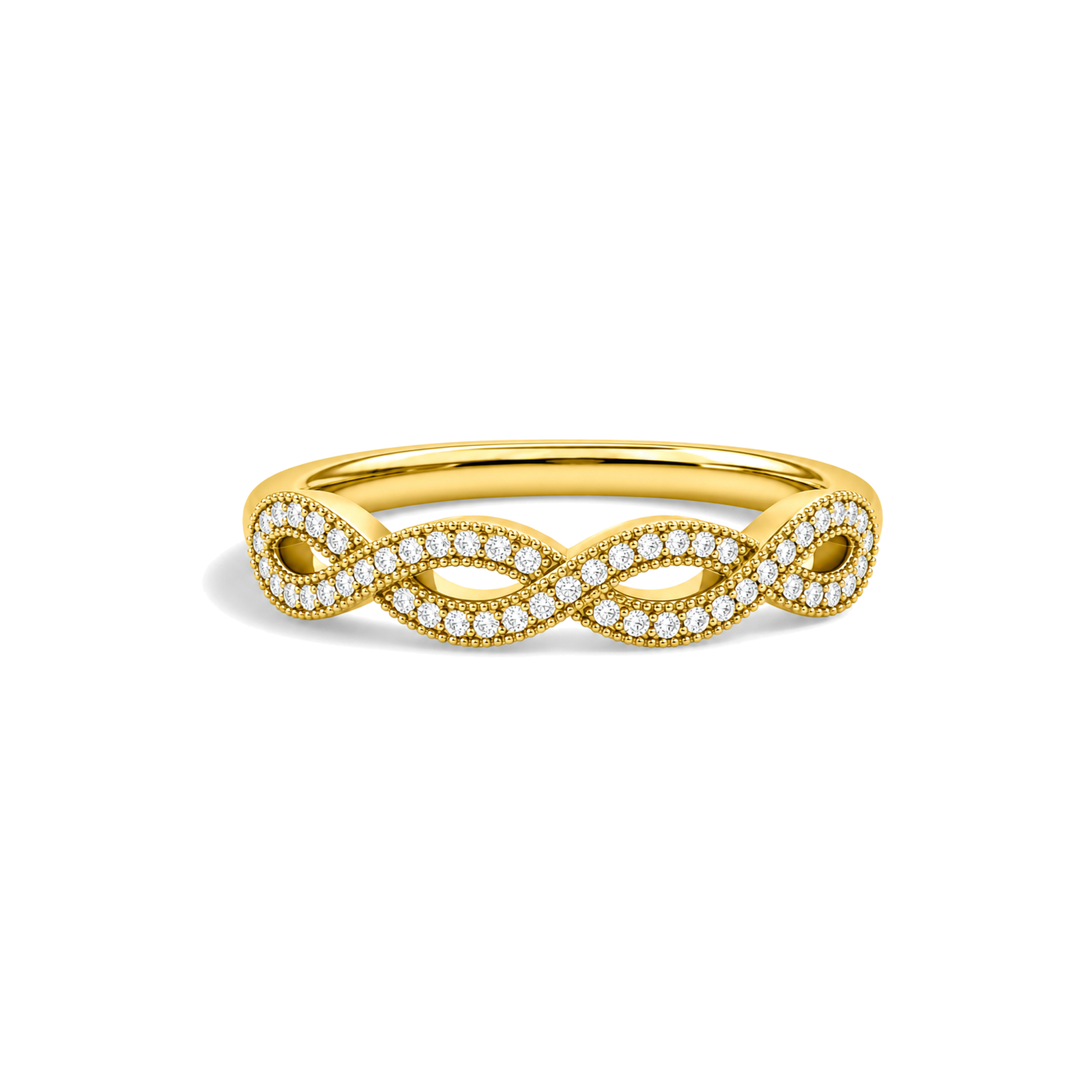
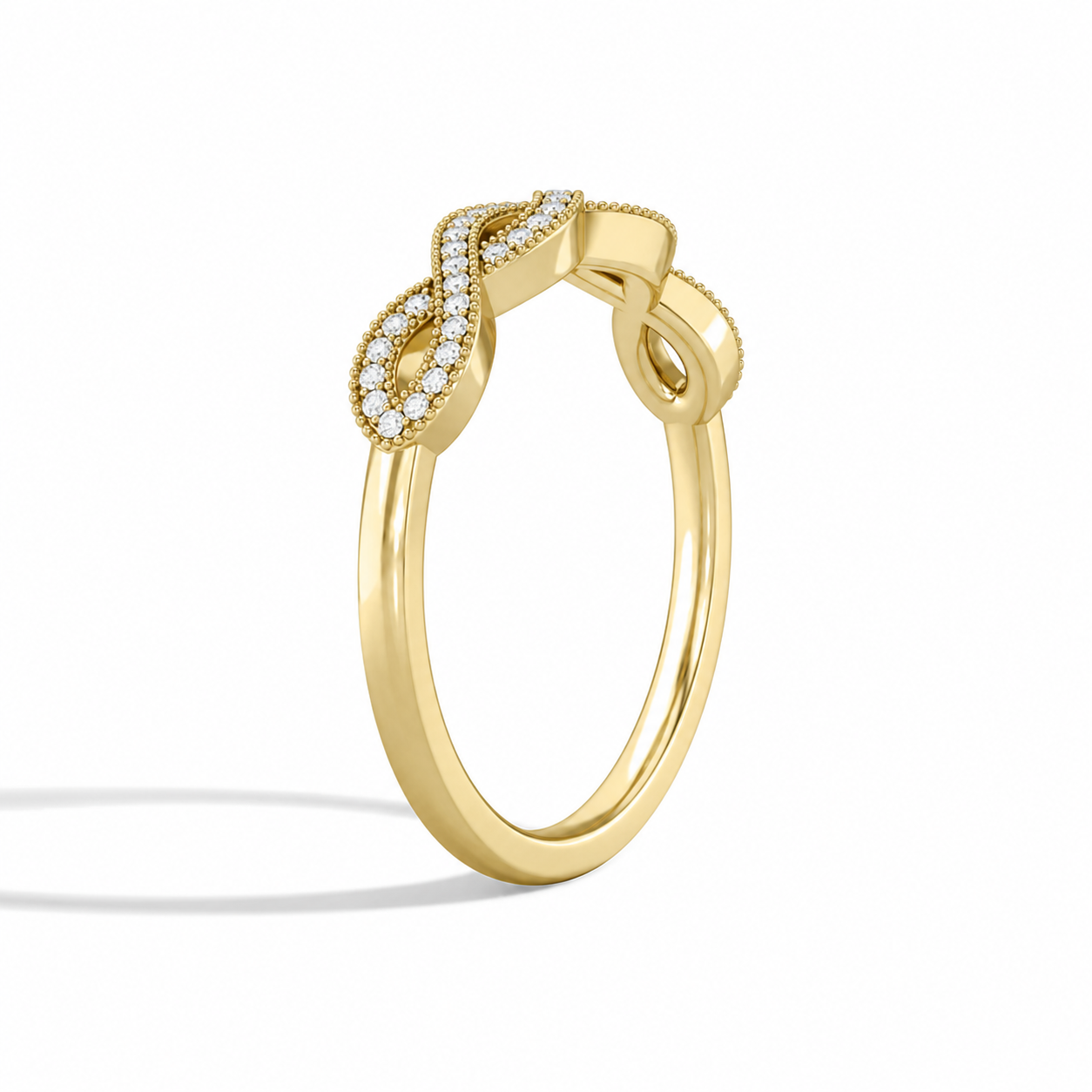


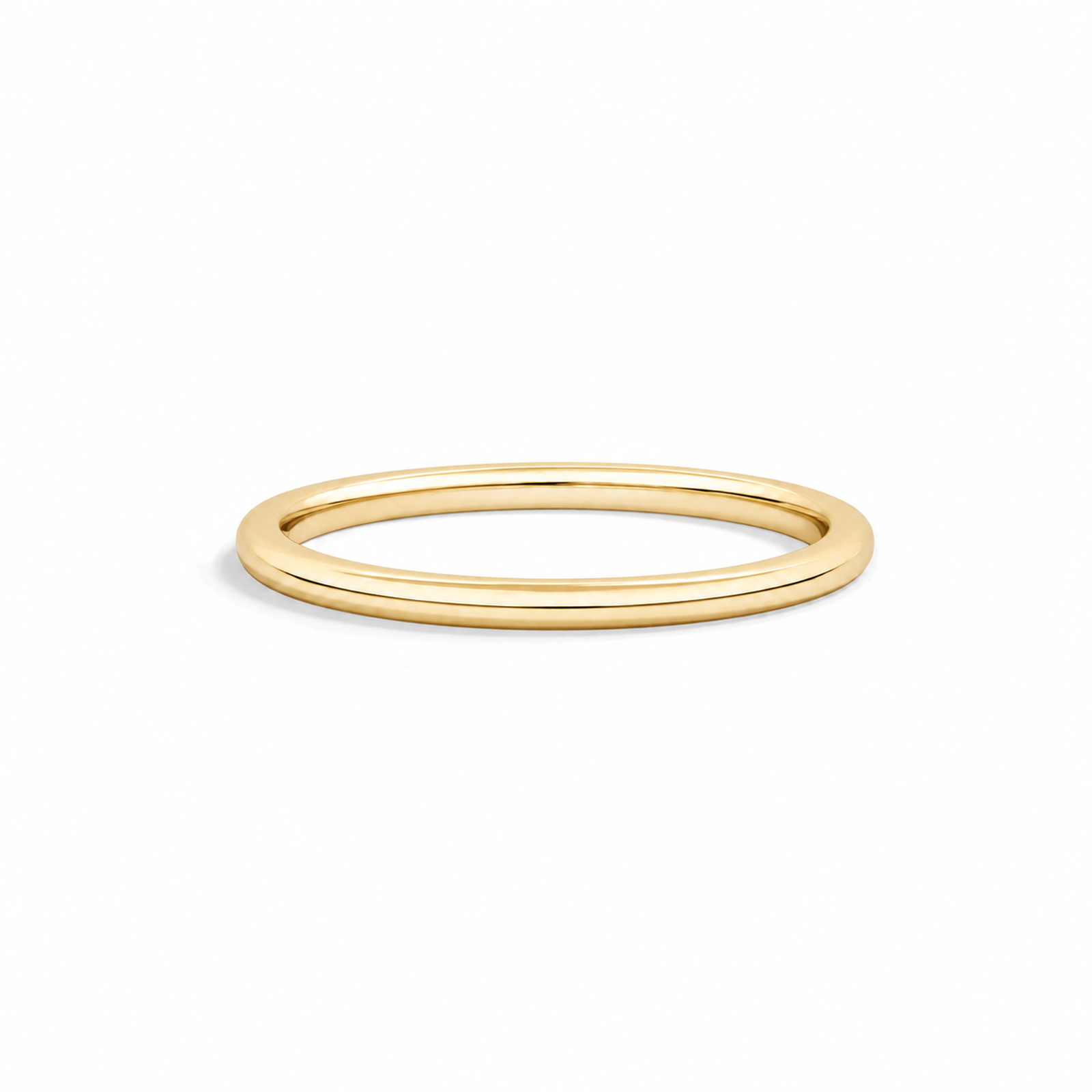
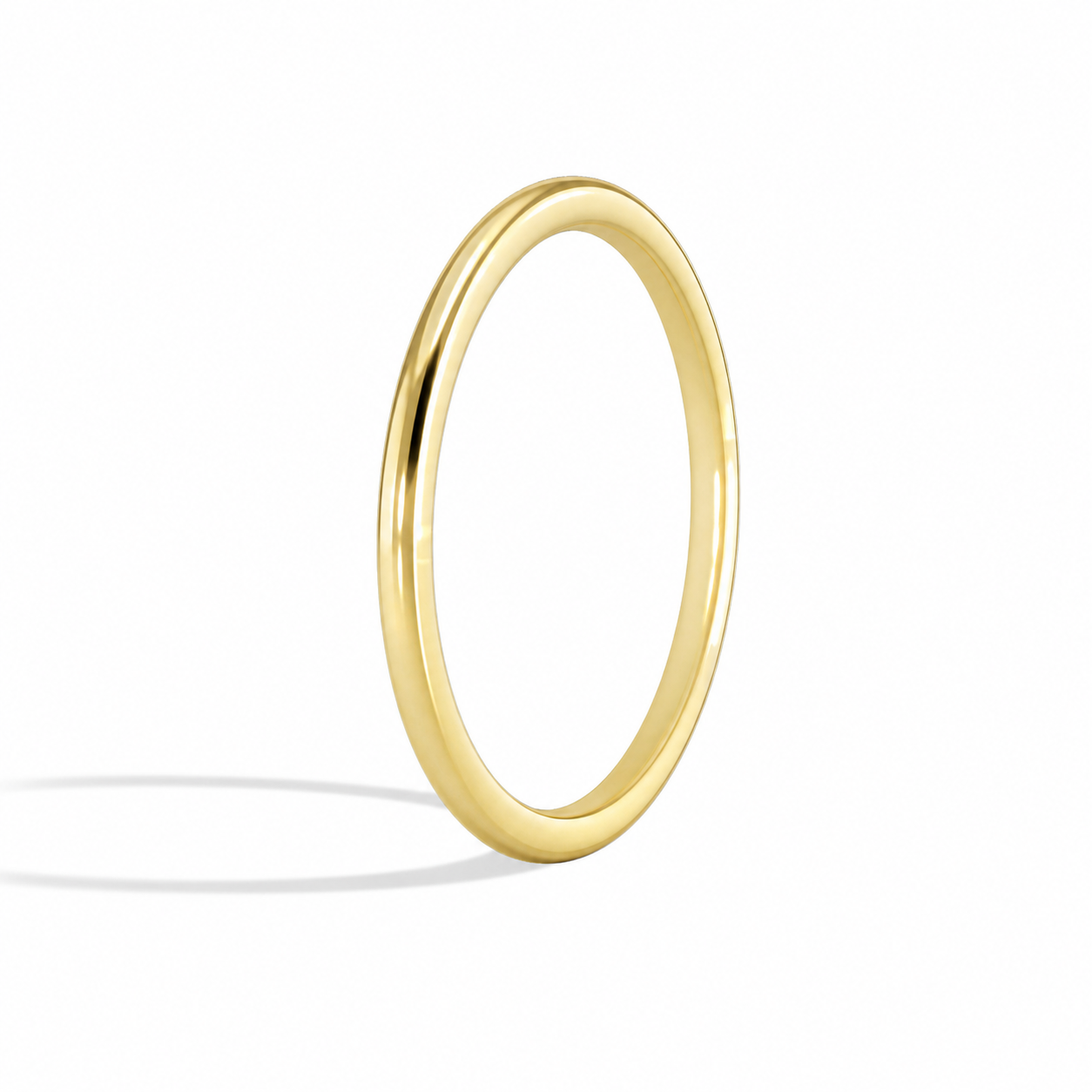

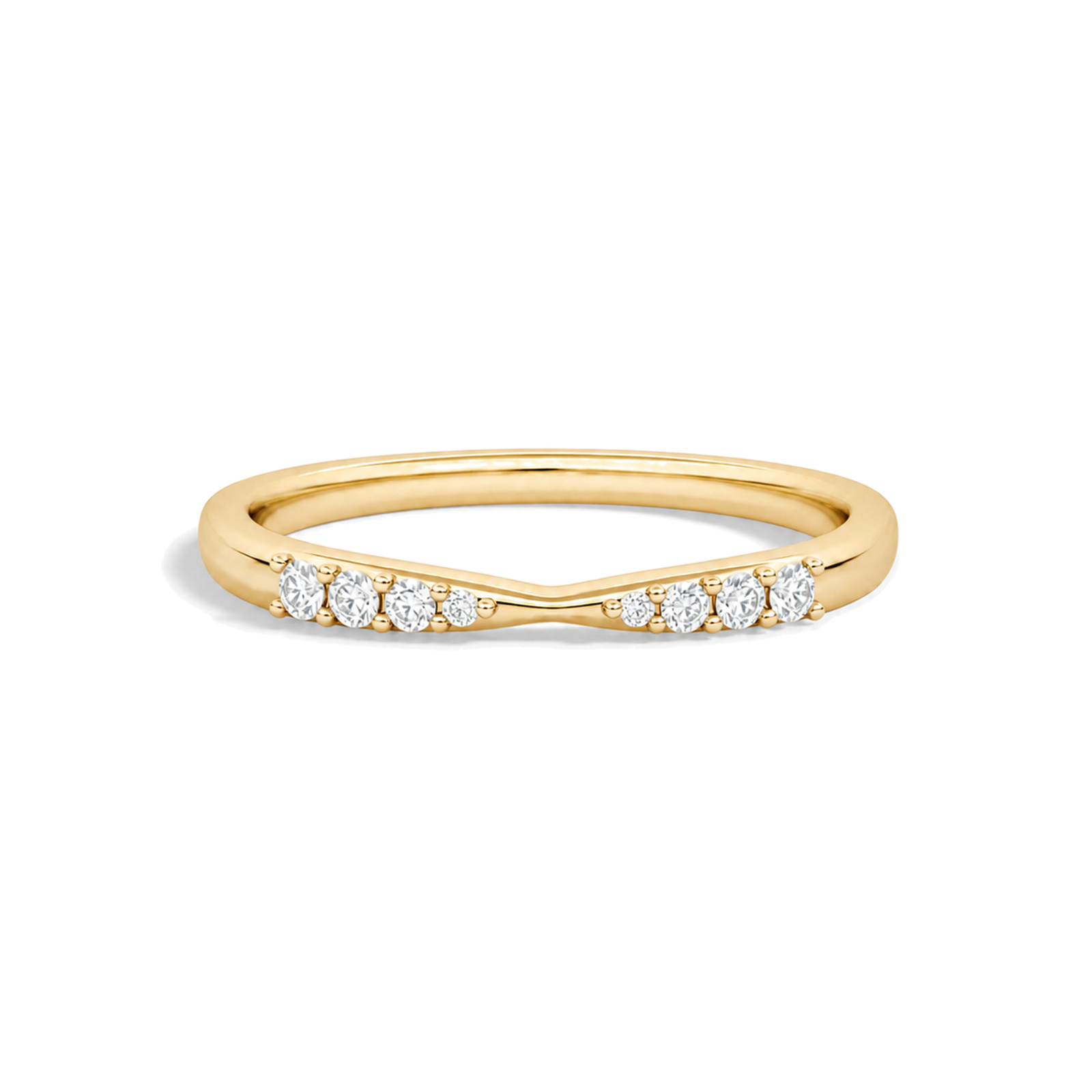
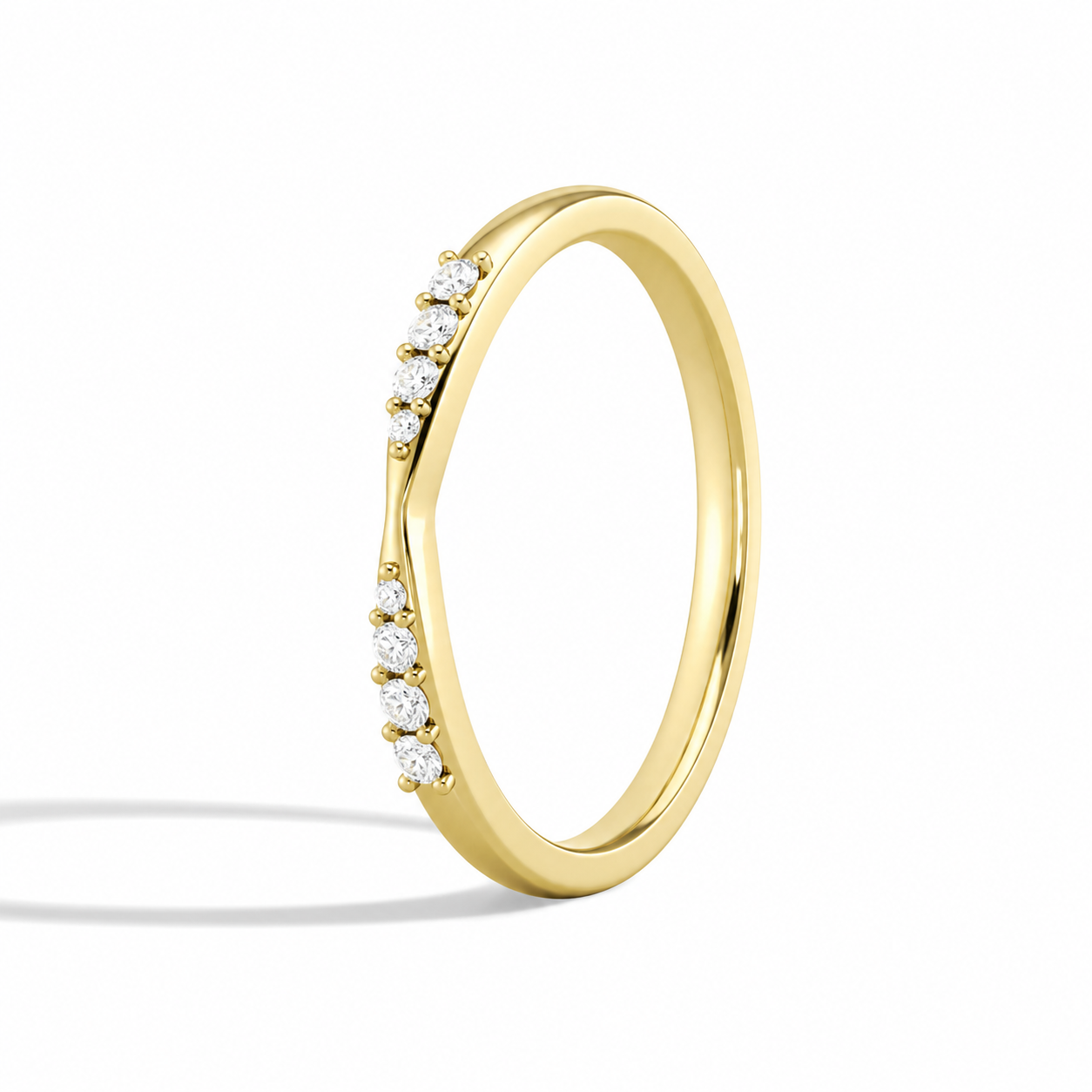

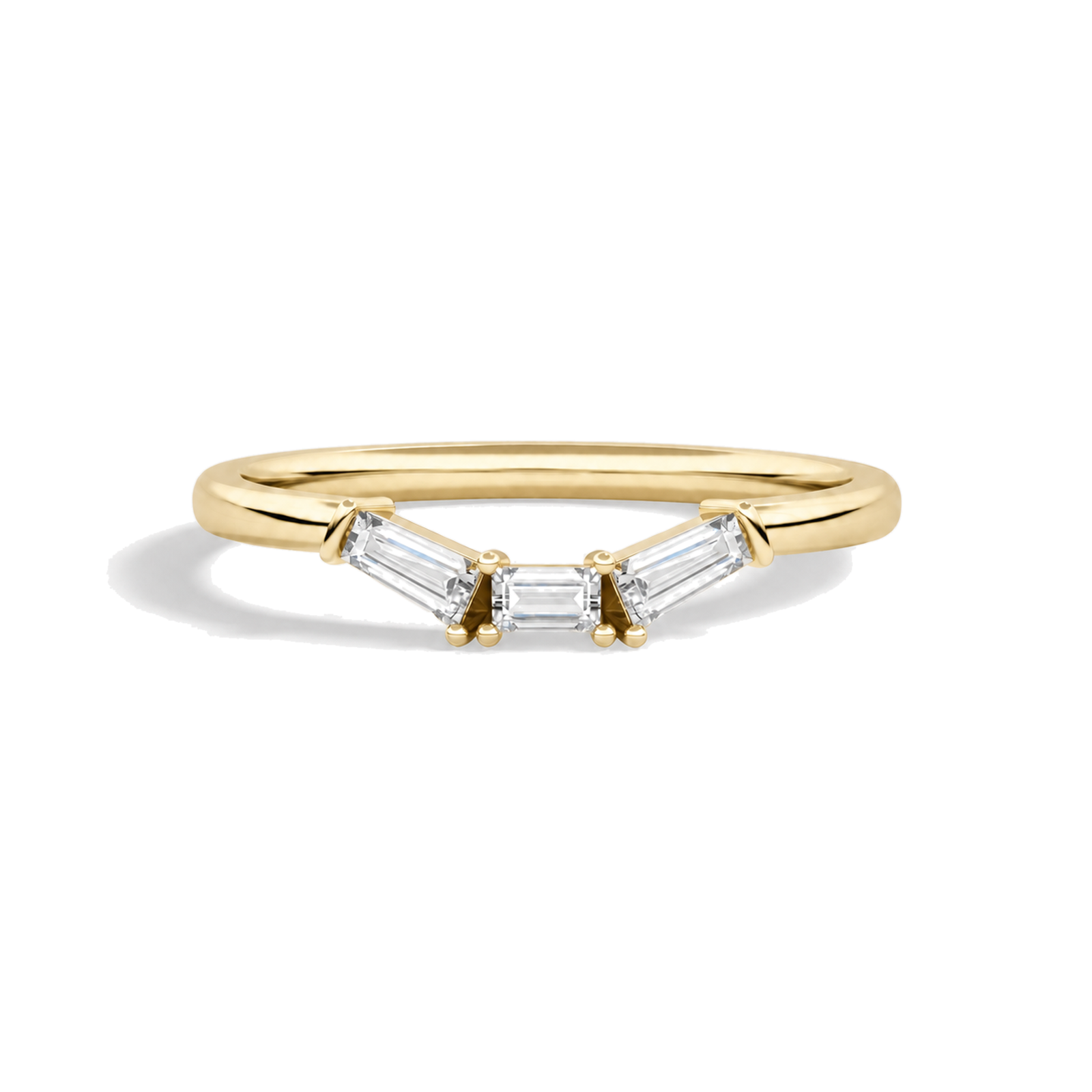


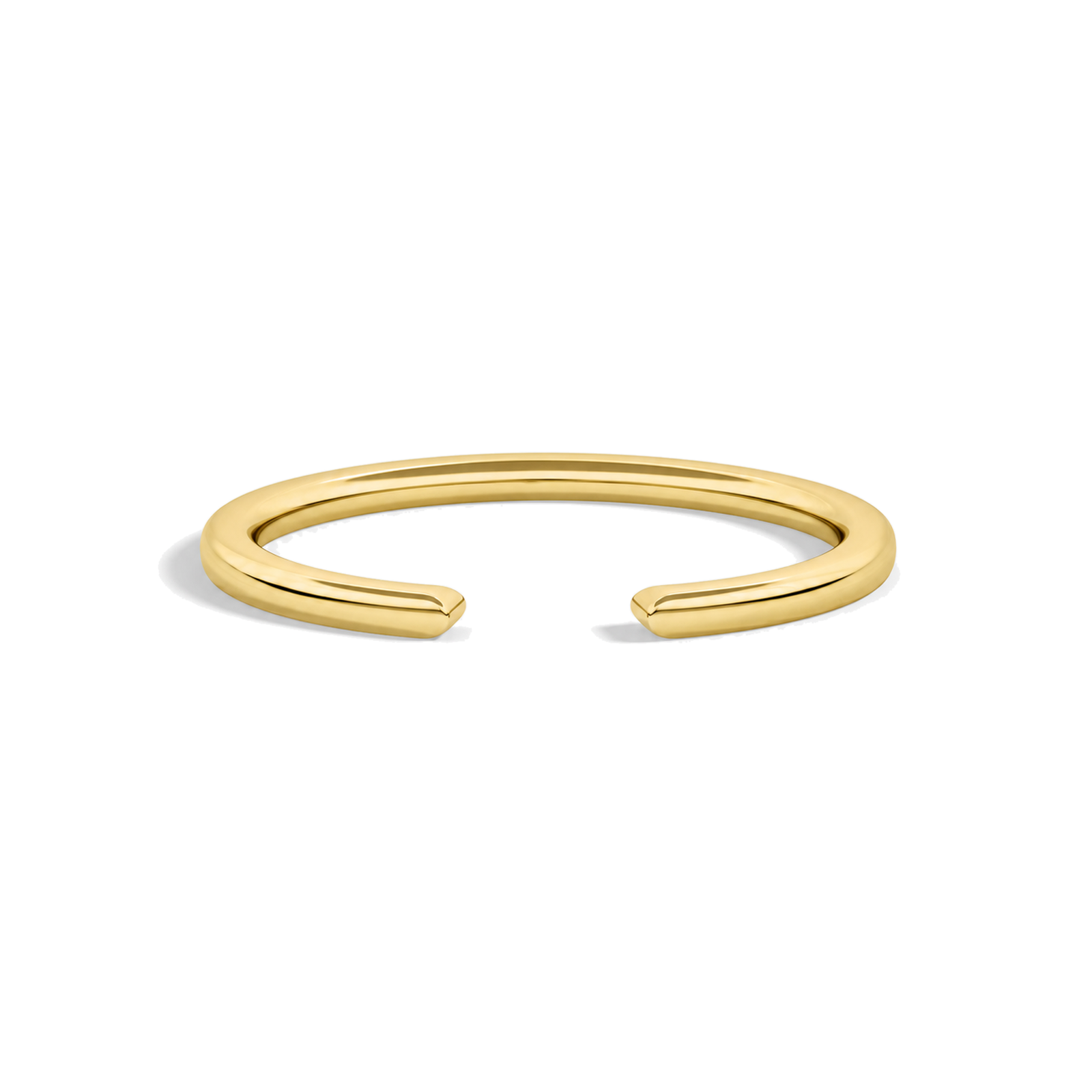


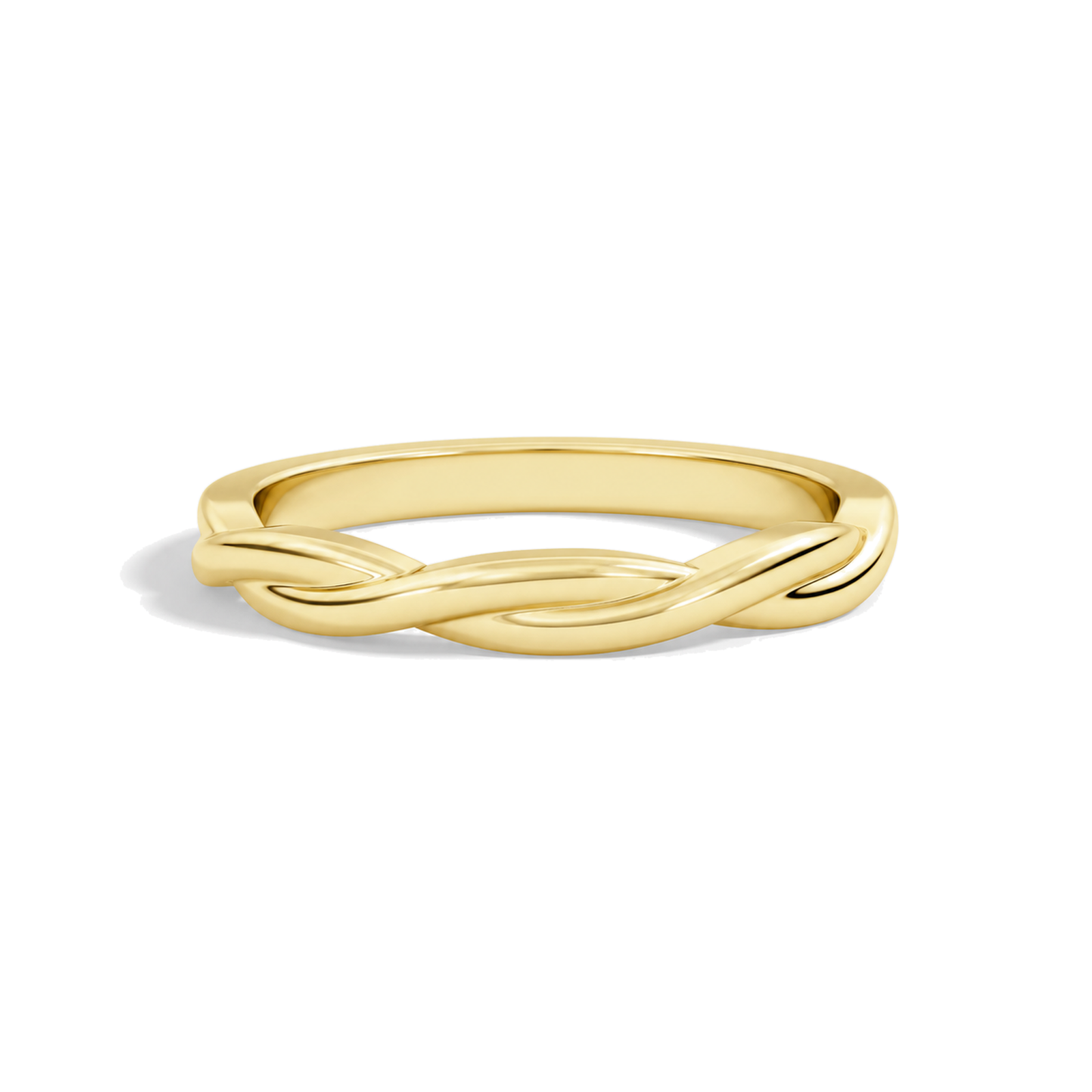
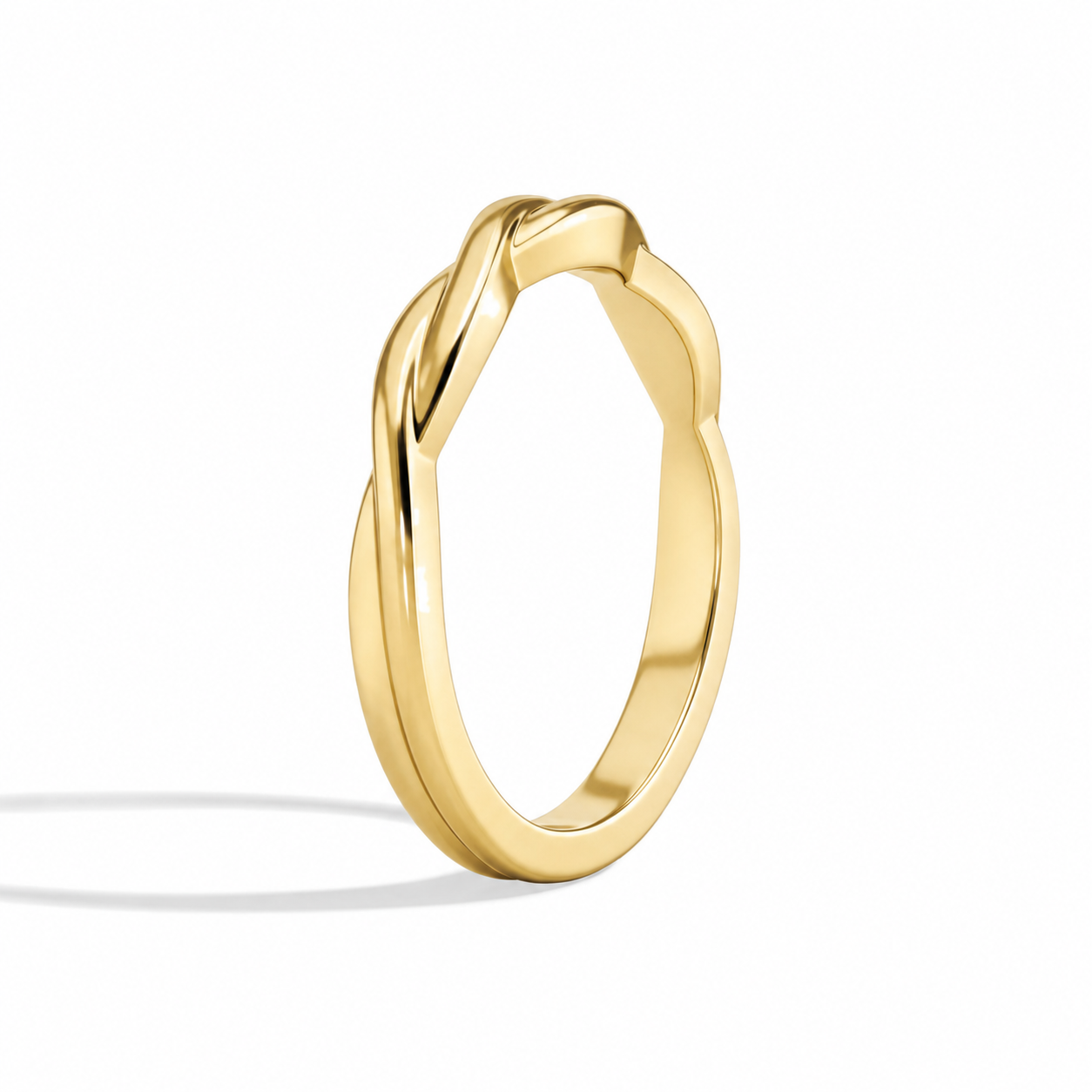

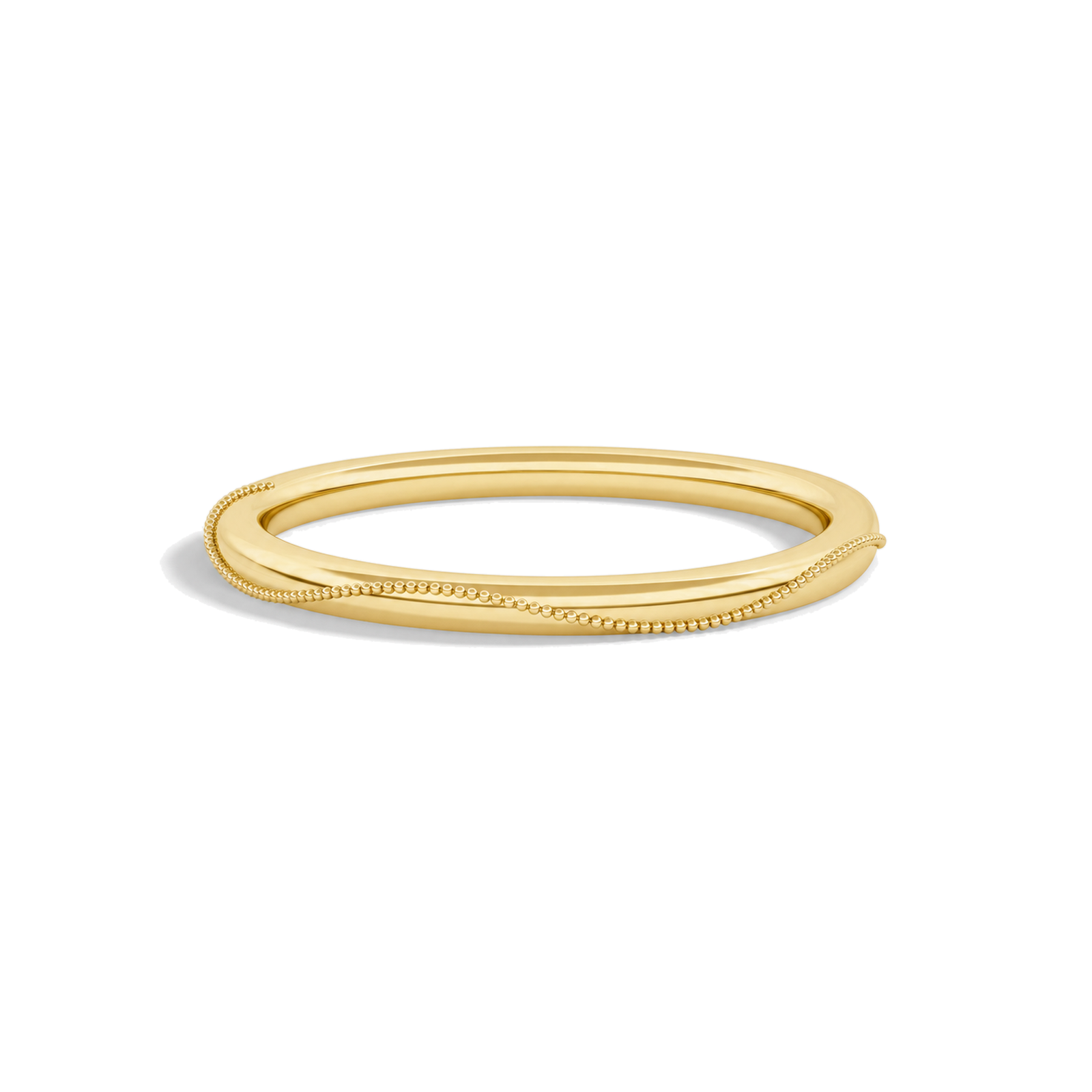
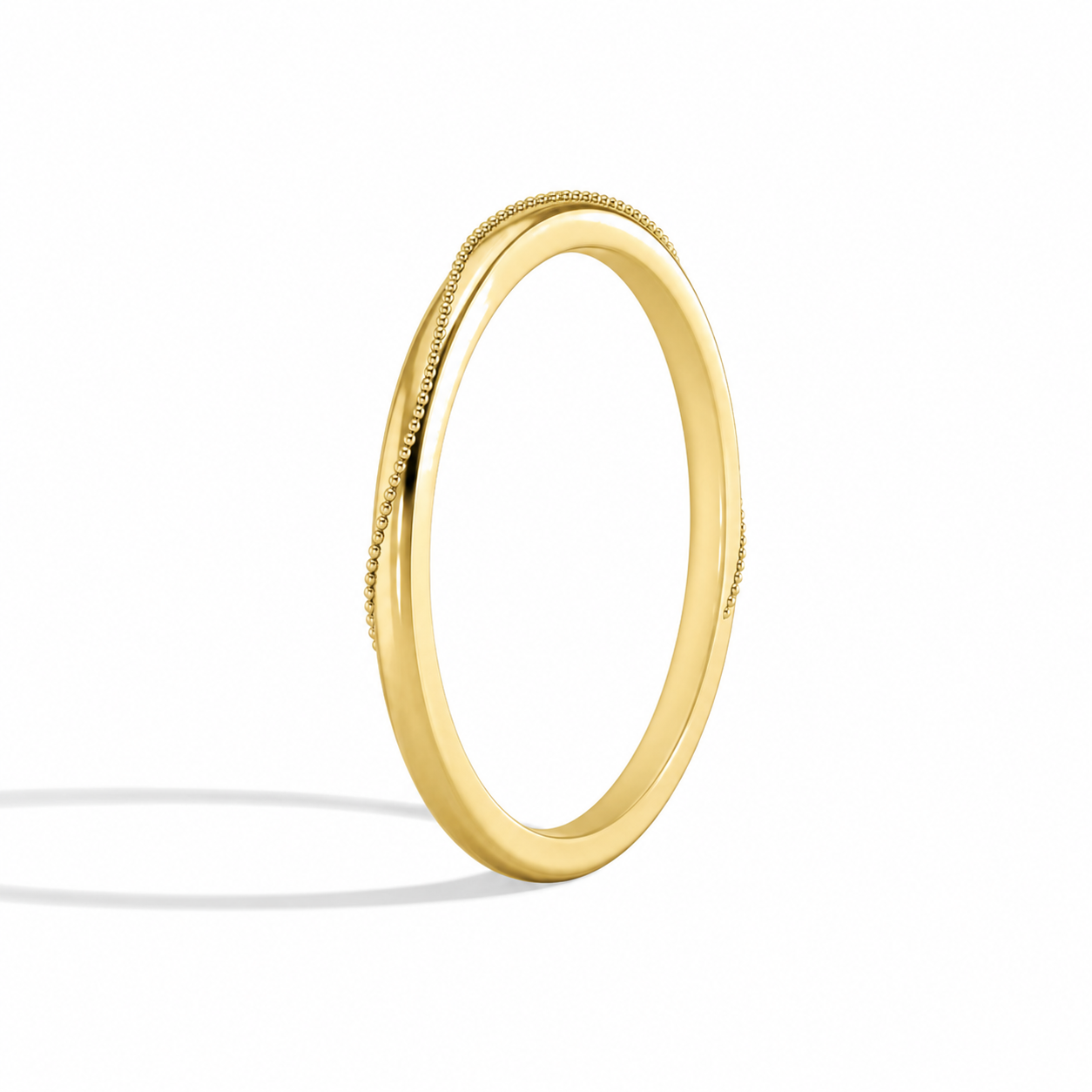


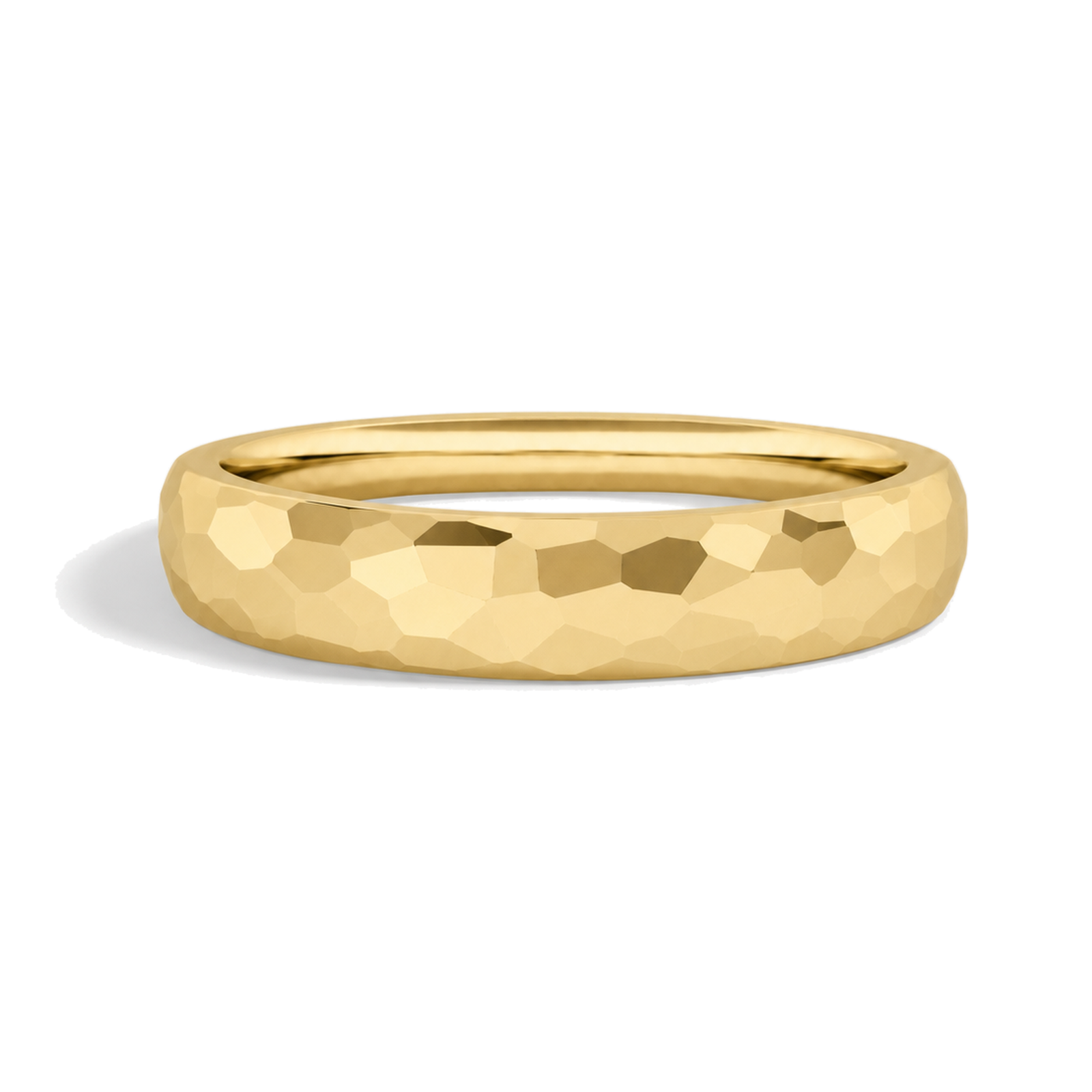
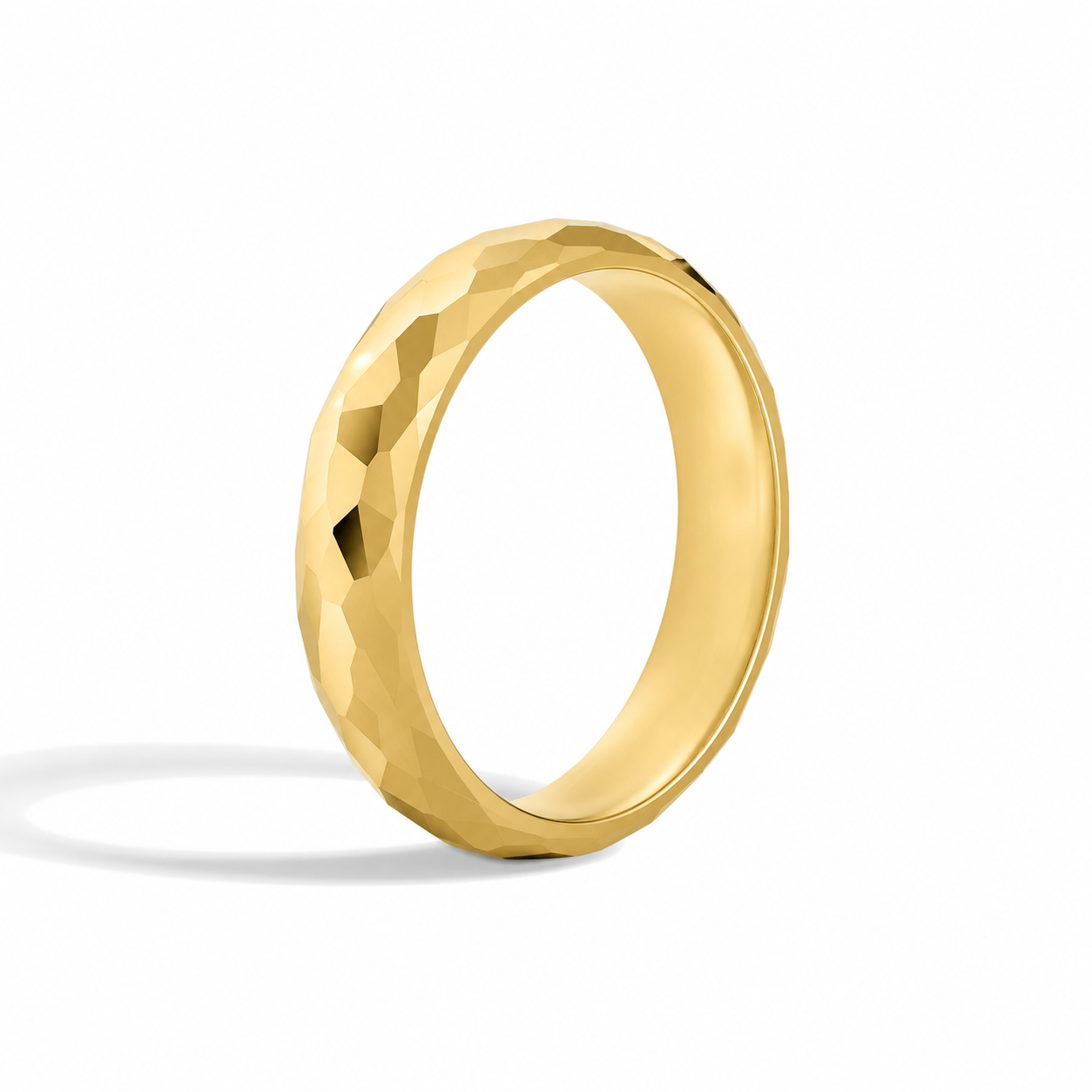

14K Yellow Gold Lab-Grown Diamond Jewelry: A Visible Line across the Body
Yellow Gold makes the route of a design easier to follow. Around the hand it defines edge and profile; at the ear it turns posts, hoops, and drops into visible geometry. Along the neckline it carries the eye from chain to center, while at the wrist it reveals how settings, links, intervals, and clasp create a moving whole.
The present 323-design set includes 97 rings, 87 earrings, 126 necklaces, and 13 bracelets, with complete normalized overlap with the parent Jewelry Collection. This is a material-specific navigation and education page, not an assertion that each category is equally represented or that the designs are exclusive to Yellow Gold.
Use Gold to Read Edge and Interval
A 14K alloy contains approximately 58.3% gold. Other alloying metals, finish, photography, lighting, and exposed surface affect the observed yellow tone. Karat does not determine one shade, hardness ranking, sensitivity result, or care schedule.
Prongs create small golden interruptions; bezels draw complete outlines; a hoop or polished band increases the material field; chains and bracelet links repeat it. Yellow Gold can make boundaries more explicit, but it cannot improve diamond brilliance, dimensions, color grade, or setting security.
Build Continuity without Making a Uniform
A considered group may repeat Yellow Gold while changing scale and structure. A ring’s bezel can answer a pendant’s perimeter; the interval between bracelet stones can echo the spacing of an earring drop. Continuity can also come from a curve, surface, or diamond rhythm when metals differ.
Compare pieces close up and at wearing distance. A broad polished surface reads differently from a fine chain or prong field even under the same metal label. Matching labels do not guarantee identical alloy, finish, age, color, or contact behavior.
Four Forms, Four Practical Questions
For rings, inspect width, interior, profile, adjacent contact, and alteration feasibility. For earrings, review dimensions, attachment, back, and balance. For necklaces, consider chain, bail, length, orientation, and layers. For bracelets, study articulation, wrist fit, closure, movement, and exposure to nearby surfaces.
Diamond count and Total Carat Weight must be read with distribution. The same total can appear as one center, a fine sequence, or multiple accents. Documentation applies within its stated scope and should not automatically be extended to every diamond, finding, chain, clasp, or completed piece.
A Material Choice, Not an Occasion Script
Yellow Gold does not prescribe vintage, traditional, formal, everyday, or celebratory use. Choose according to the exact relationship between diamond, metal, body scale, and movement. Customers may begin with a preferred design and then compare how its visible framework changes across shapes or categories; no fixed shopping sequence is required.
Burvonti pairs responsibly sourced lab-grown diamonds with human calibration of proportion and connection. Custom possibilities may refine dimensions, diamond arrangement, setting, metal, or selected details where feasible. Clean the complete construction gently and inspect settings, chains, backs, clasps, and moving links if condition changes.
Use the narrower Yellow Gold pages when the choice turns practical: Rings for profile and alteration, Earrings for backing and balance, Necklaces for chain and placement, and Bracelets for articulation and clasp. This page supplies the common golden framework; the child pages keep its details attached to real product behavior.
Frequently Asked Questions
How is this page different from the parent Jewelry Collection?
It focuses on 14K Yellow Gold’s visible edges, intervals, chains, and links across four jewelry categories.
How much gold is in 14K Yellow Gold?
Approximately 58.3%. Other alloying metals influence final shade and working behavior.
Are all 14K yellow gold pieces the same color?
No. Alloy formula, finish, lighting, photography, and exposed metal area affect appearance.
What jewelry types are represented?
The current 323 designs include 97 rings, 87 earrings, 126 necklaces, and 13 bracelets.
Is this Collection balanced equally by product type?
No. The current distribution is broader in necklaces and narrower in bracelets, and may change.
How does Yellow Gold affect setting visibility?
It can make prongs, bezel edges, metal intervals, chains, and links more explicit depending on exposed area.
Does Yellow Gold increase diamond brilliance?
No. It changes surrounding color and boundary, not facet relationships, dimensions, or grading facts.
Is Yellow Gold only for traditional styles or occasions?
No. Occasion and style should be determined by the complete design, not assigned by metal color alone.
How can Yellow Gold pieces be coordinated?
Repeat an edge, curve, setting, interval, surface, or diamond rhythm while allowing scale to change.
Can Yellow Gold be mixed with other metals?
Yes as an aesthetic choice. Review visual continuity and physical contact between the selected pieces.
How should Total Carat Weight be compared?
Read it with diamond count, dimensions, distribution, setting, and product scale rather than as a size guarantee.
Are all diamonds on the page certified?
Read product details and documentation for exact scope; one report should not be assumed to cover every accent or finished item.
Can Yellow Gold cause sensitivity?
Sensitivity depends on the complete alloy and wearer; the color name alone cannot establish a universal result.
Can every Yellow Gold ring be resized?
No. Construction, diamond coverage, channels, engraving, symmetry, and requested change affect feasibility.
Do Yellow Gold necklaces and bracelets require movement checks?
Yes. Length, attachment, articulation, clasp, fit, neighboring pieces, and use influence orientation and contact.
Can Burvonti personalize Yellow Gold jewelry?
Custom possibilities may include dimensions, diamond arrangement, setting, metal, or selected details, subject to feasibility.
How should 14K Yellow Gold jewelry be cared for?
Clean gently and inspect settings, posts, backs, chains, clasps, links, and other moving connections as condition changes.