
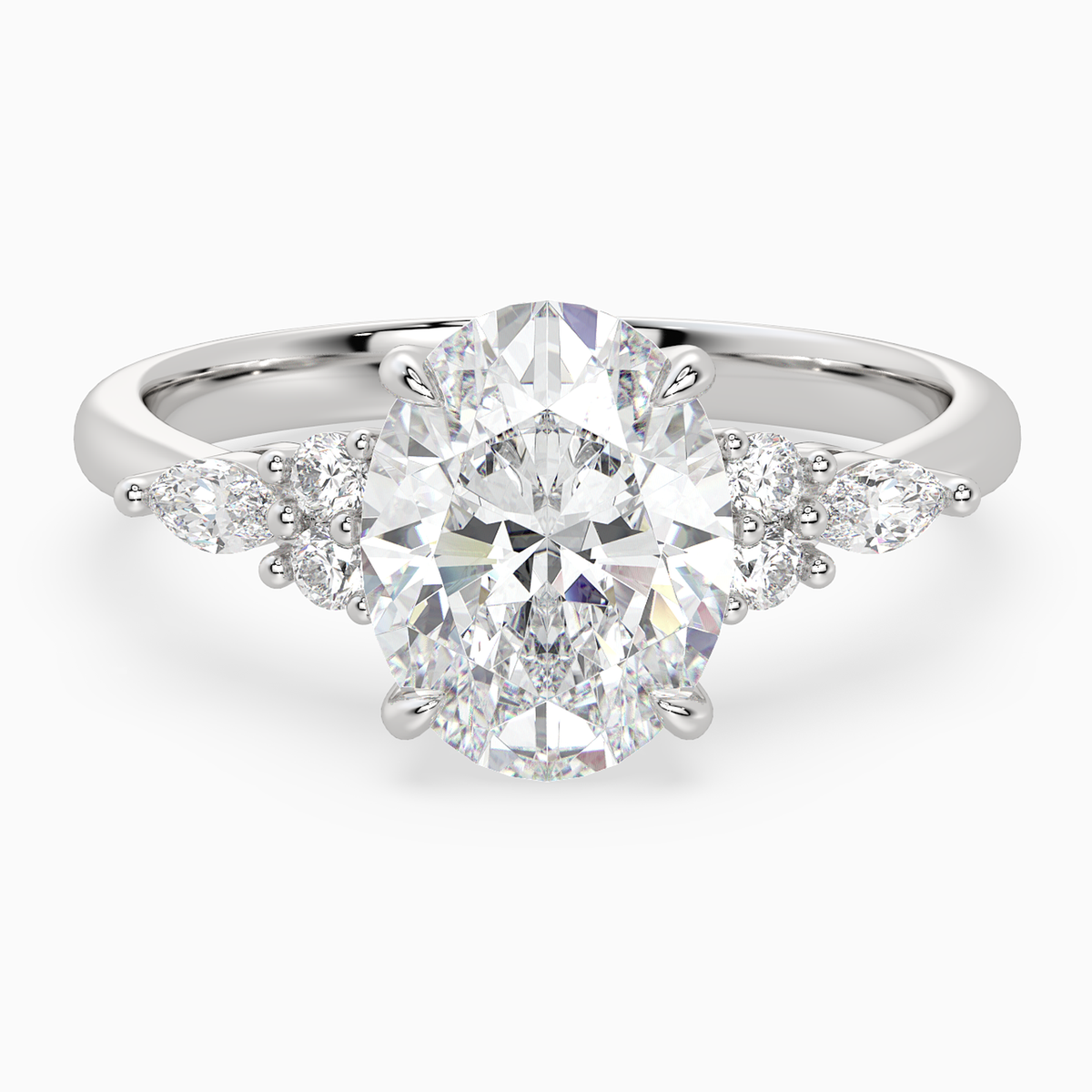


Classic Engagement Rings
Clarity that endures. Burvonti classic settings balance center stone, band and profile through disciplined proportion and quiet restraint.


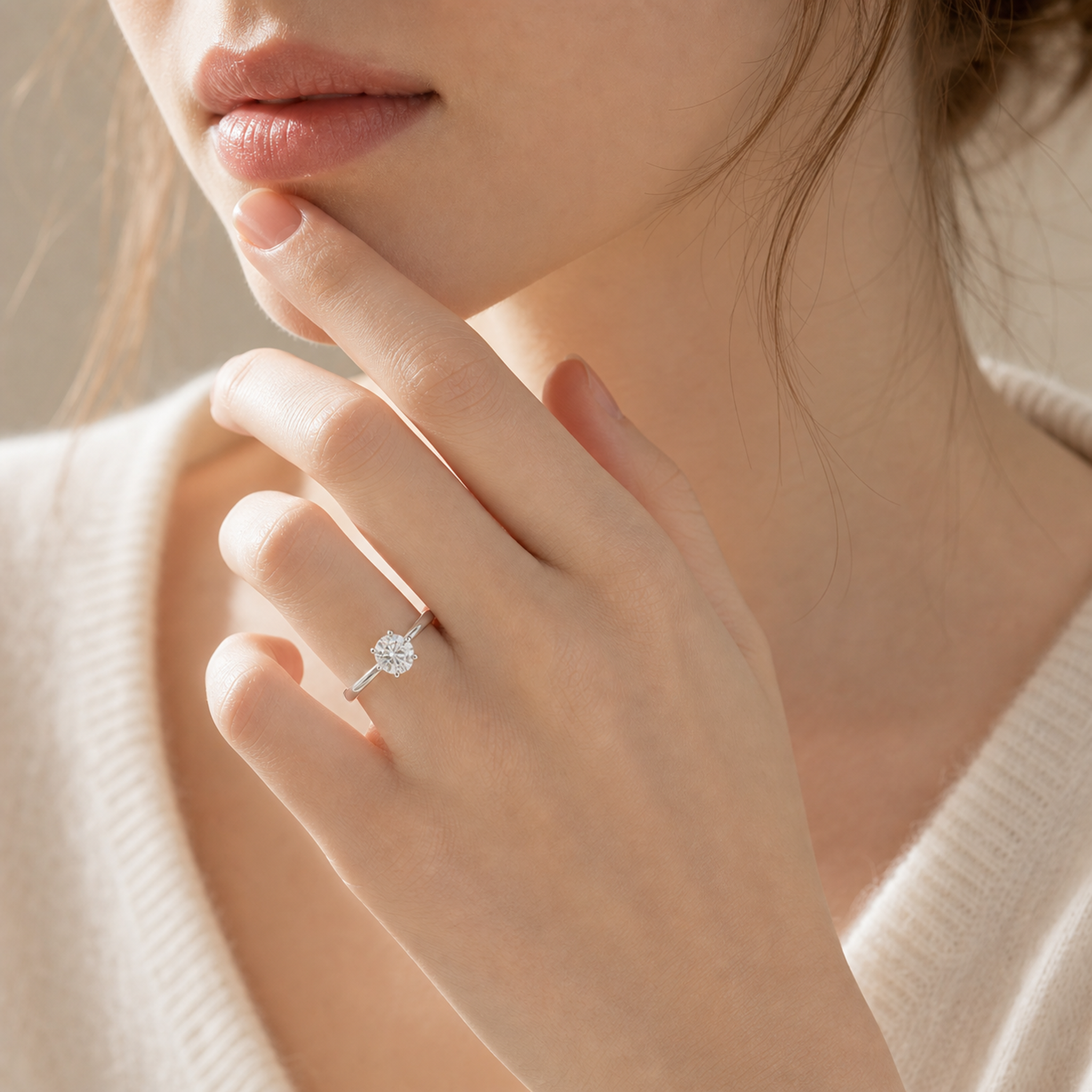














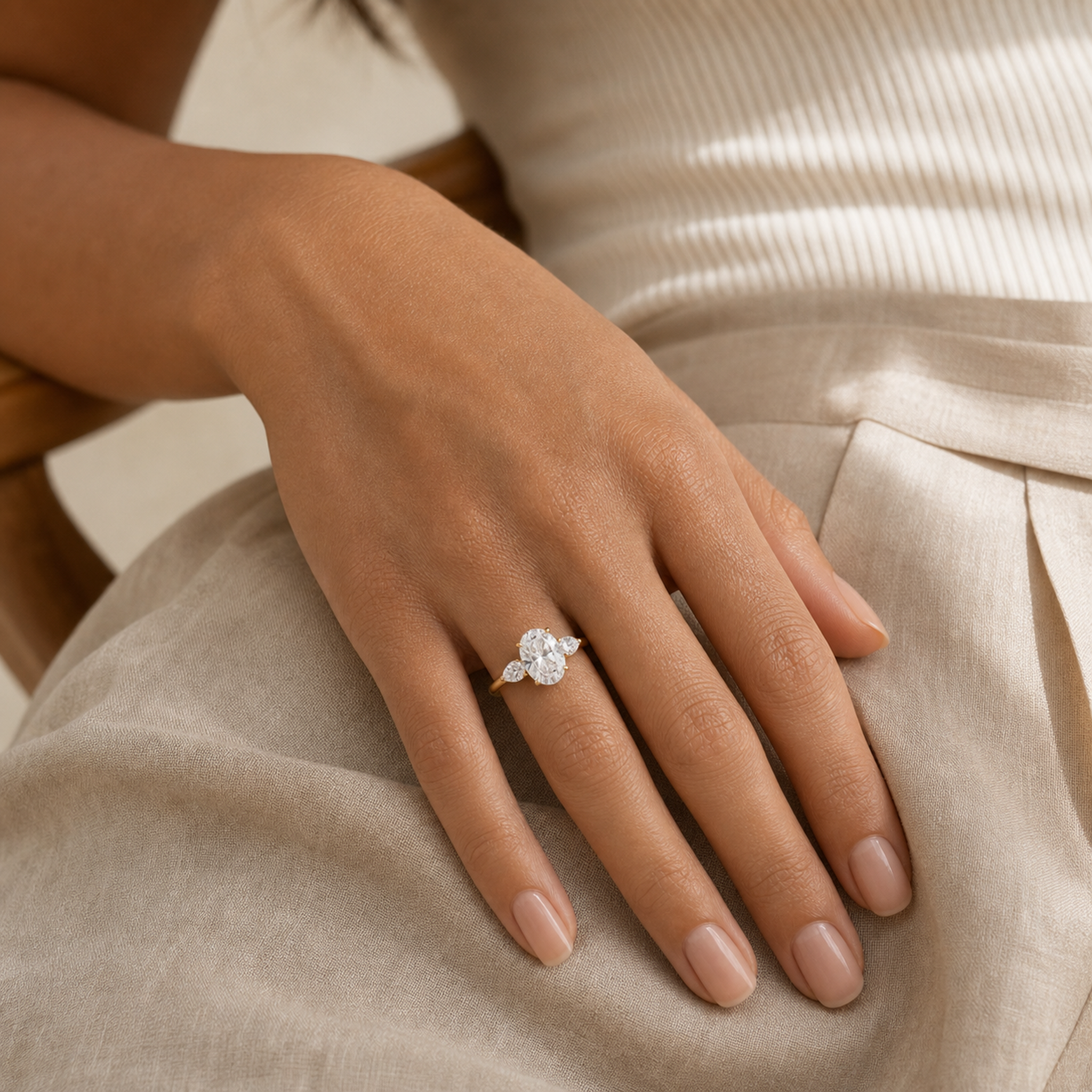


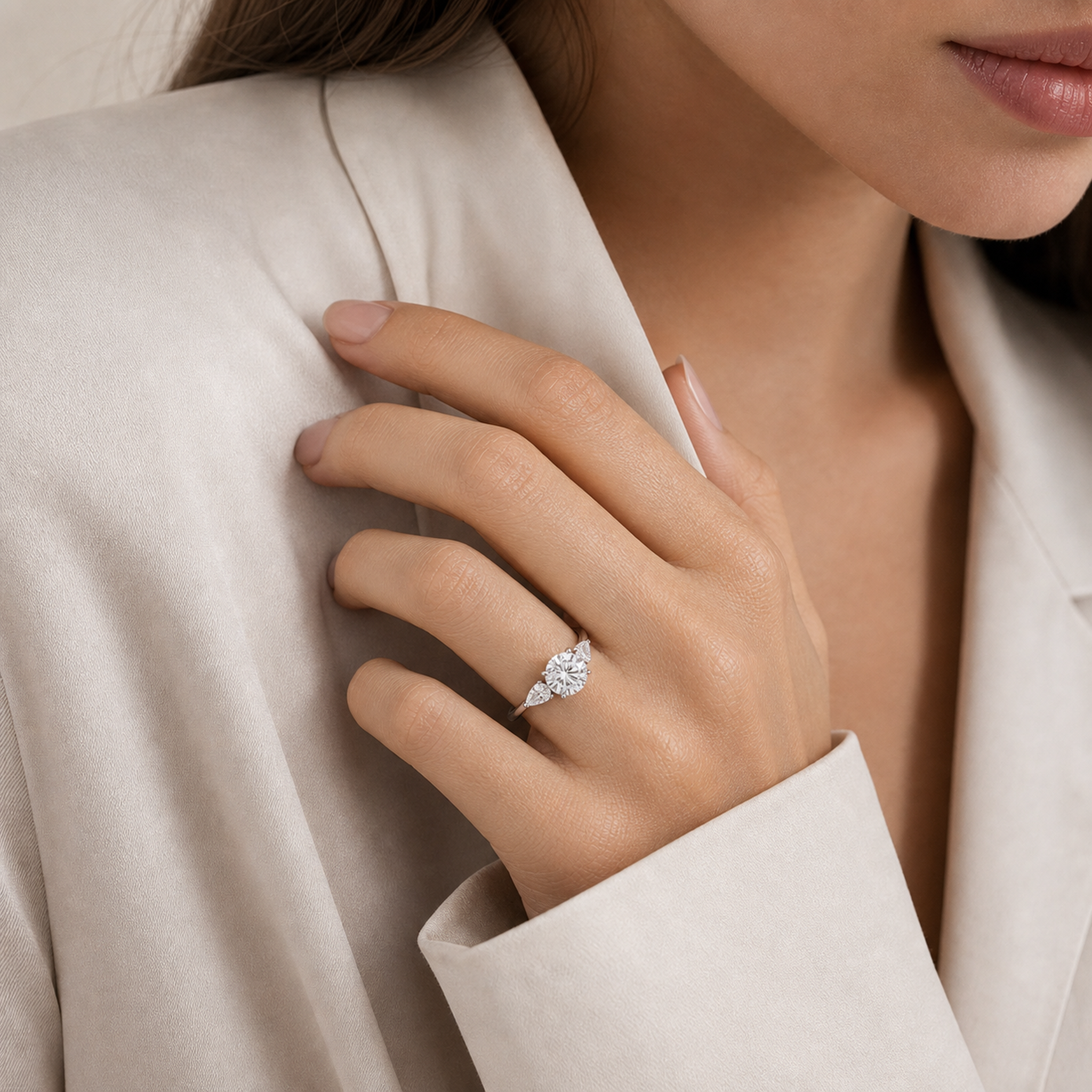


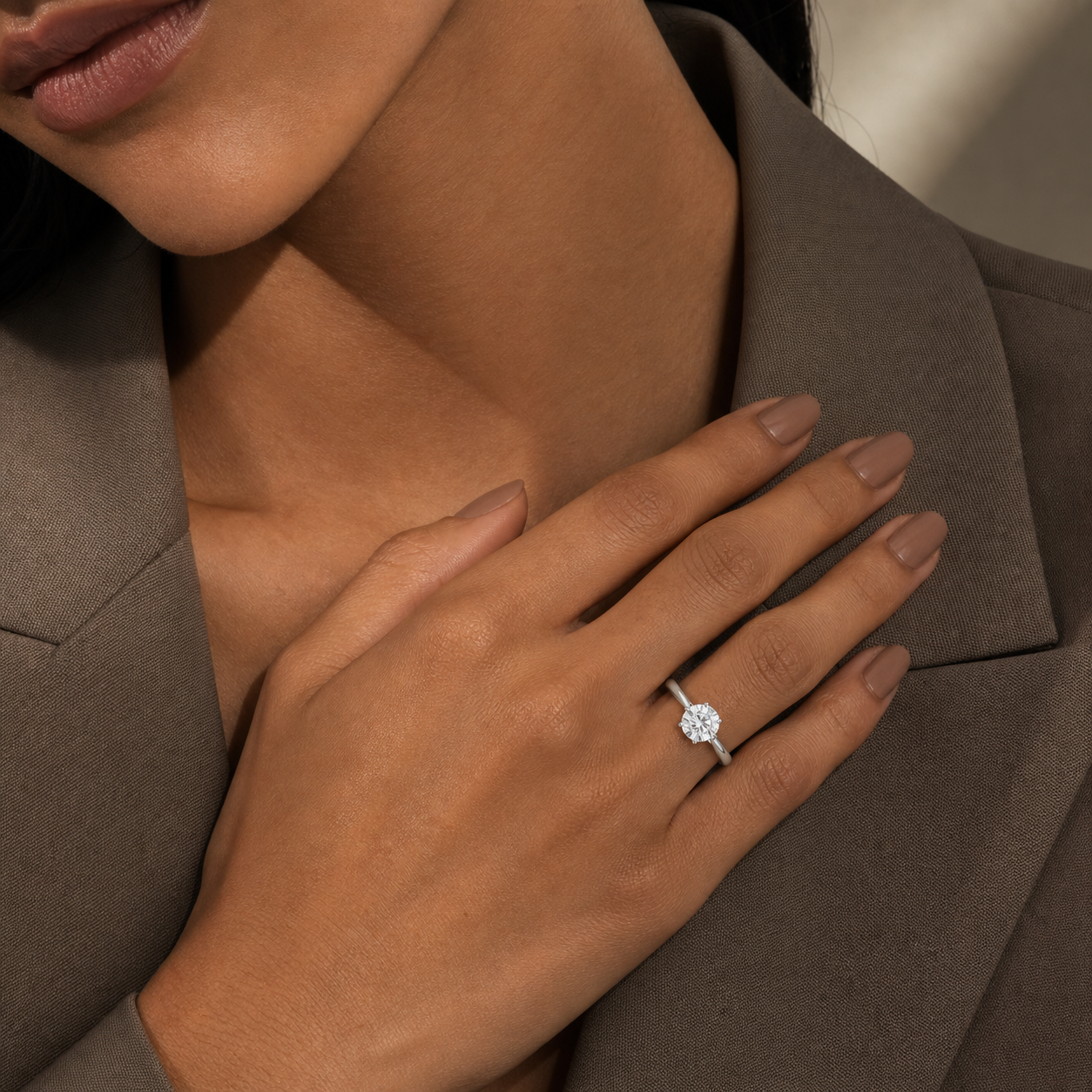








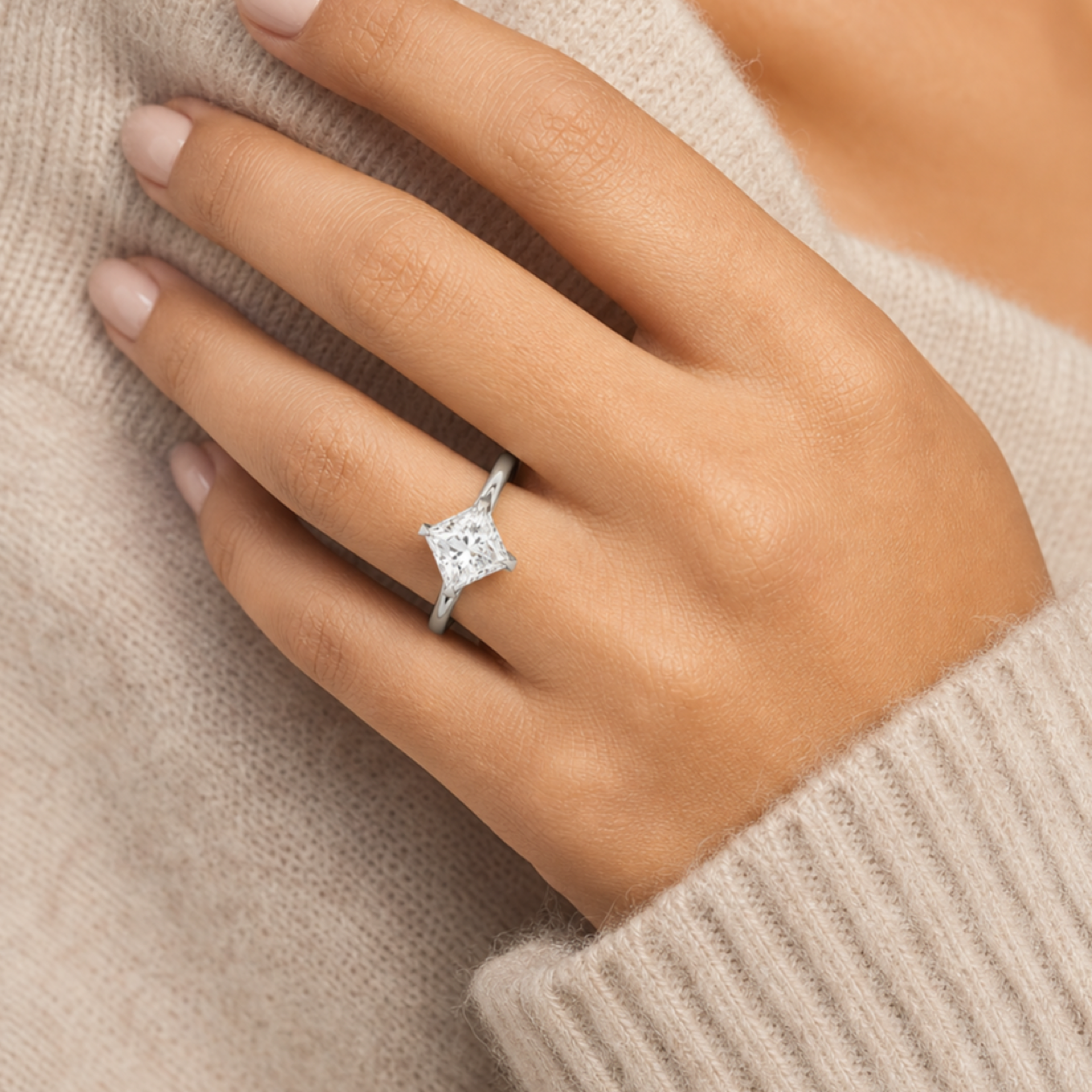


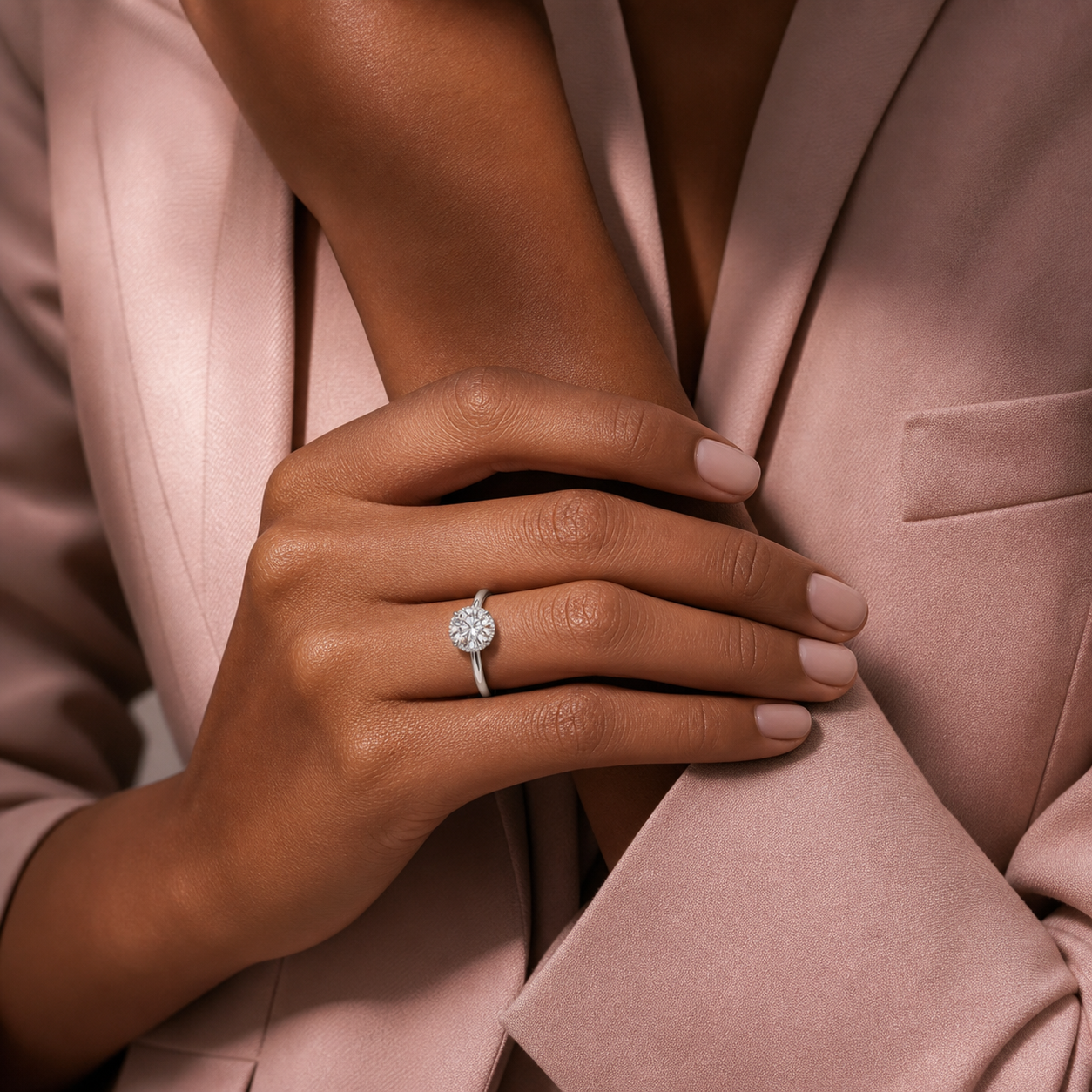


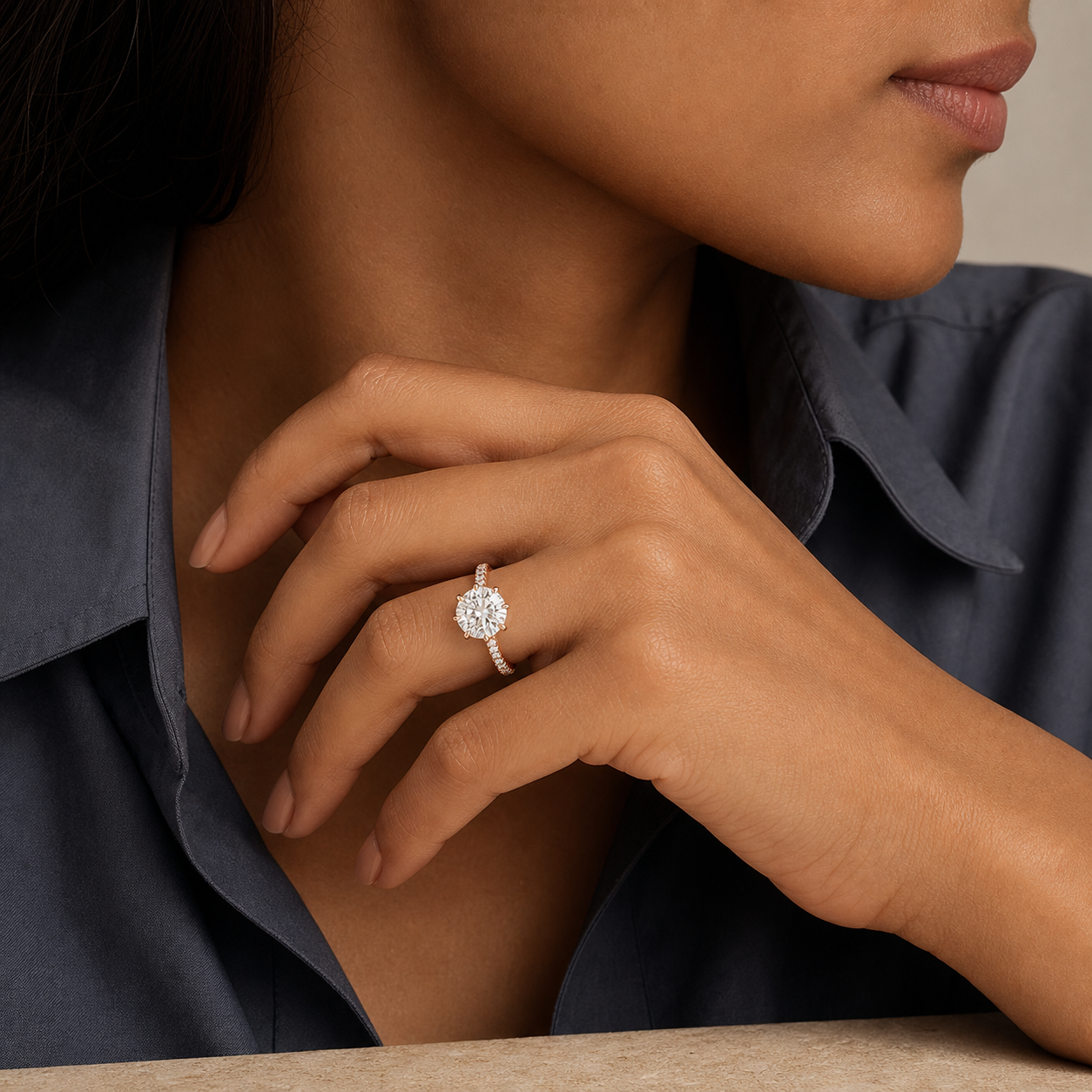


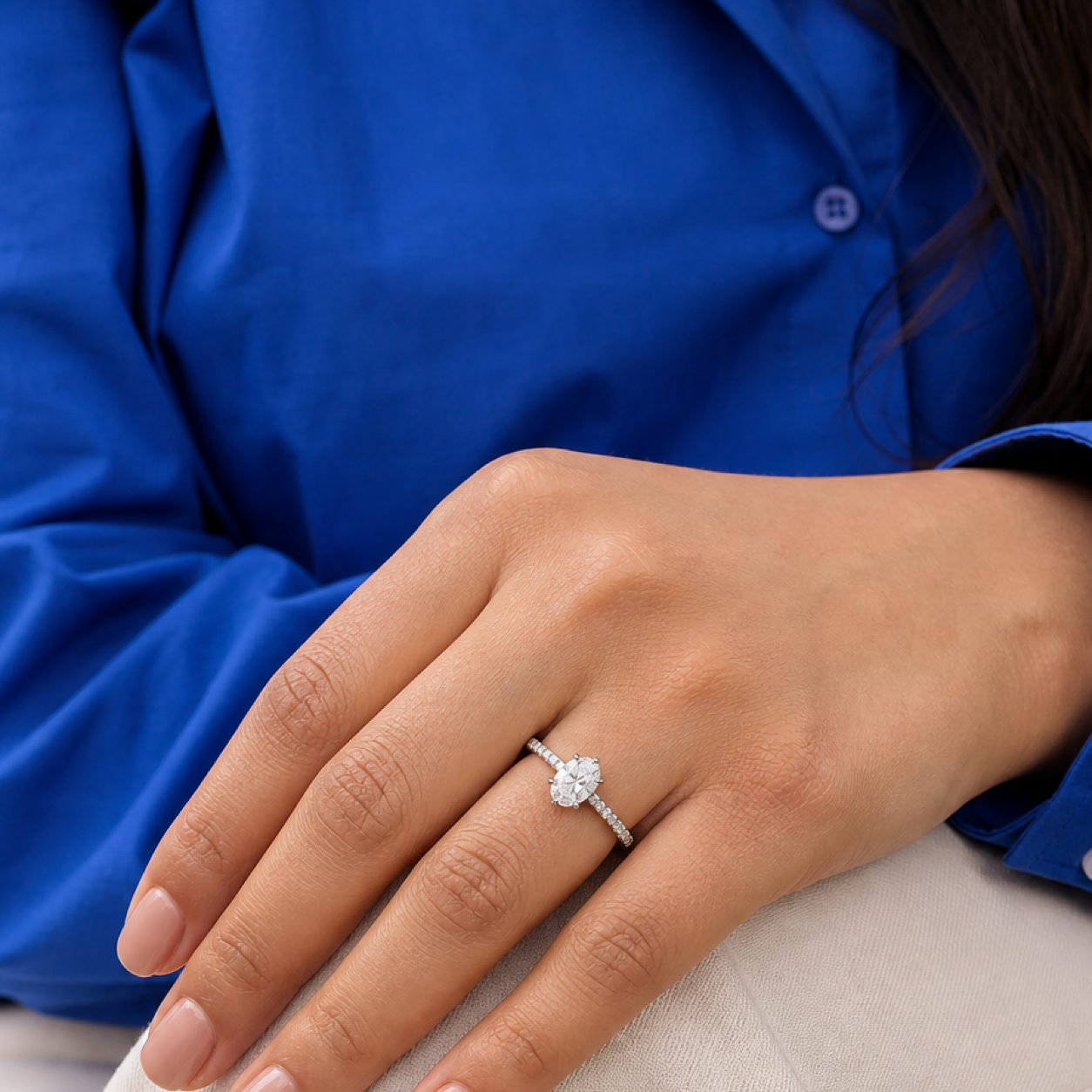


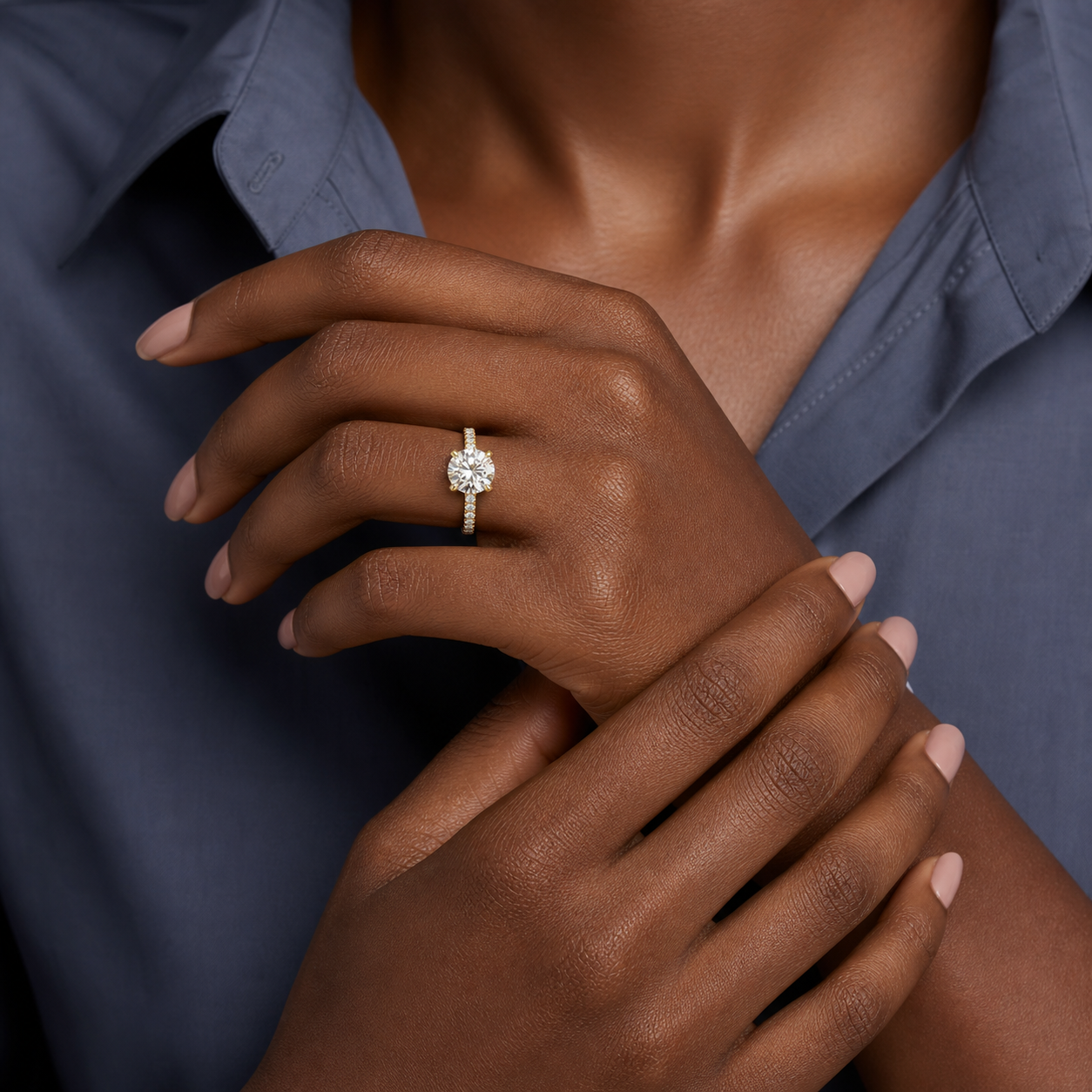


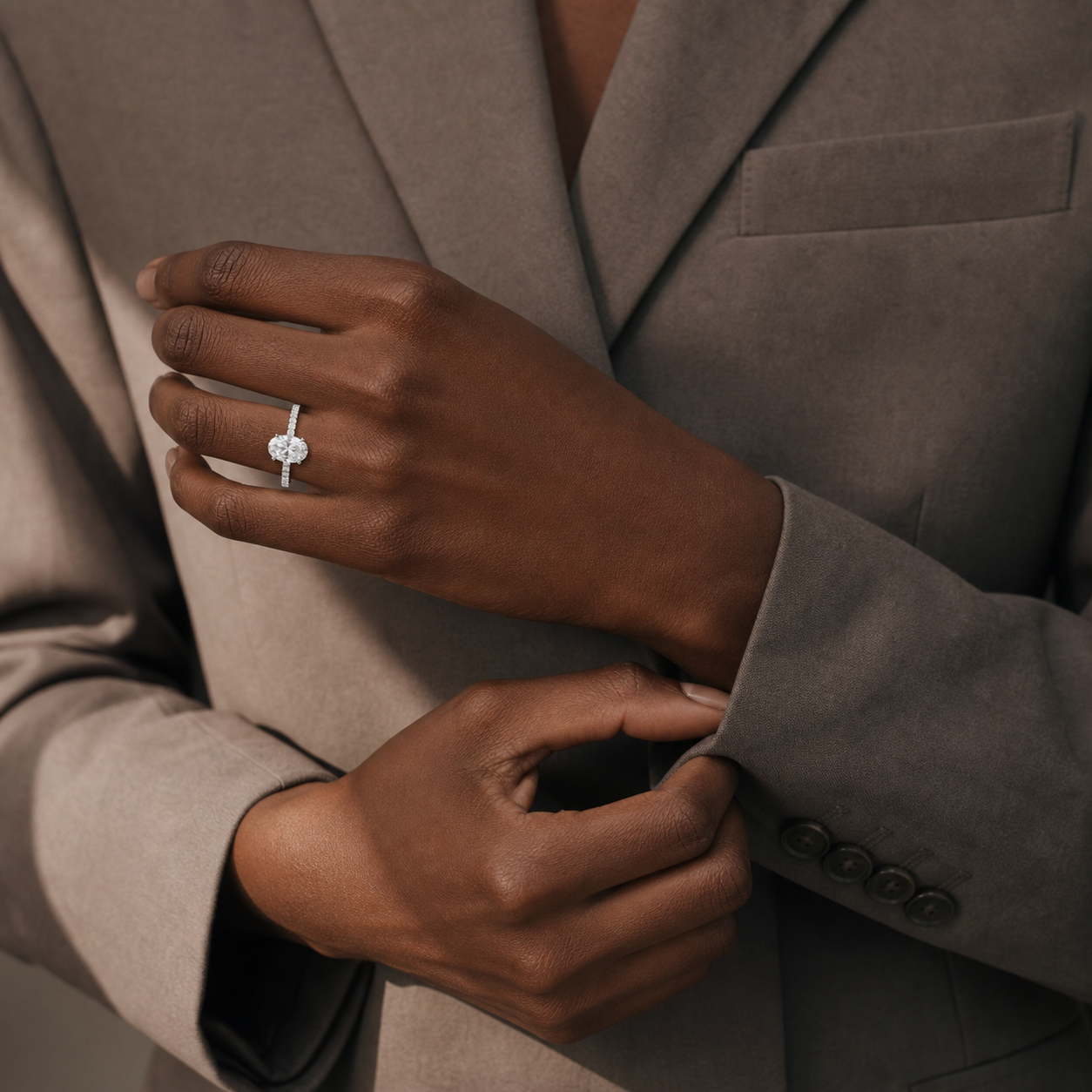





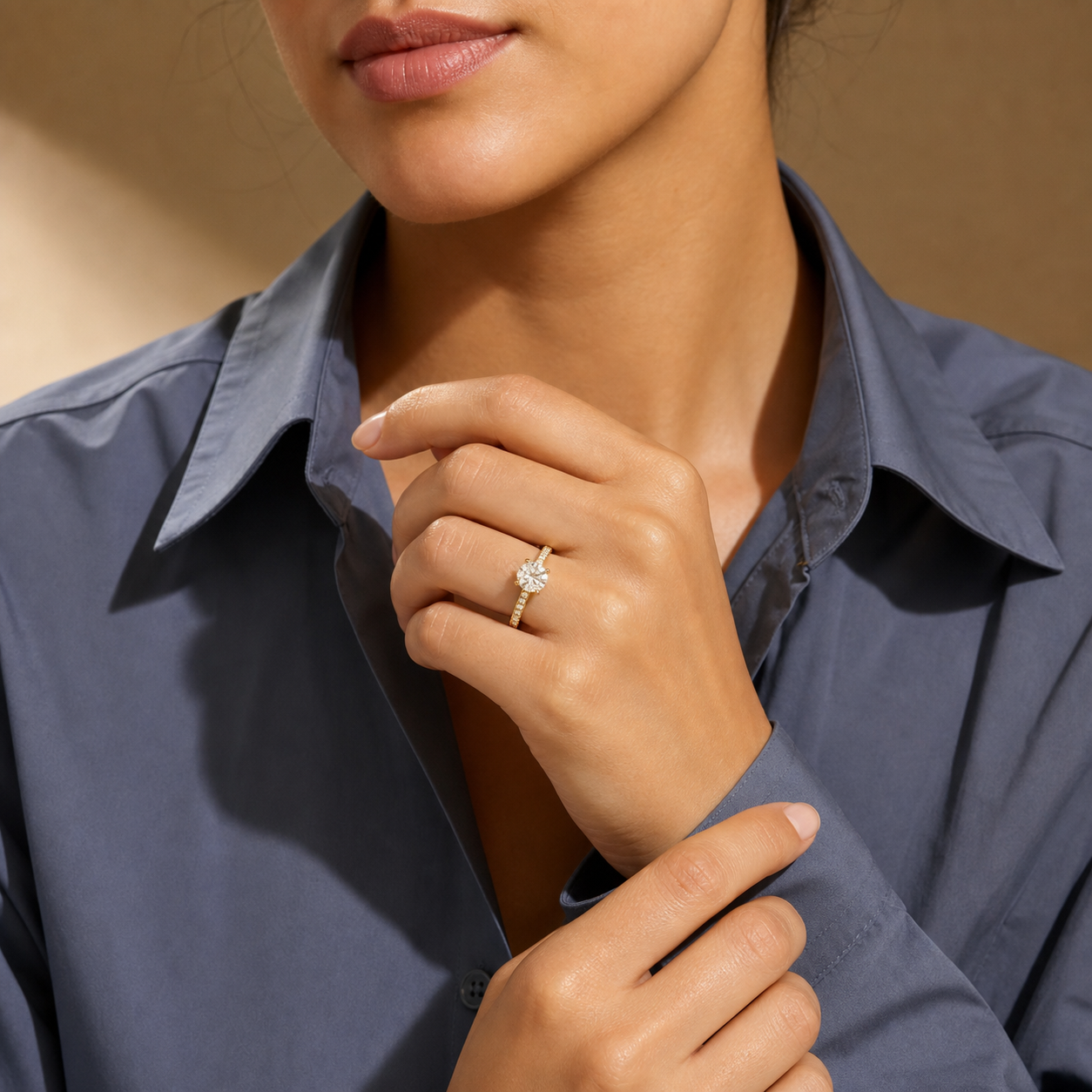


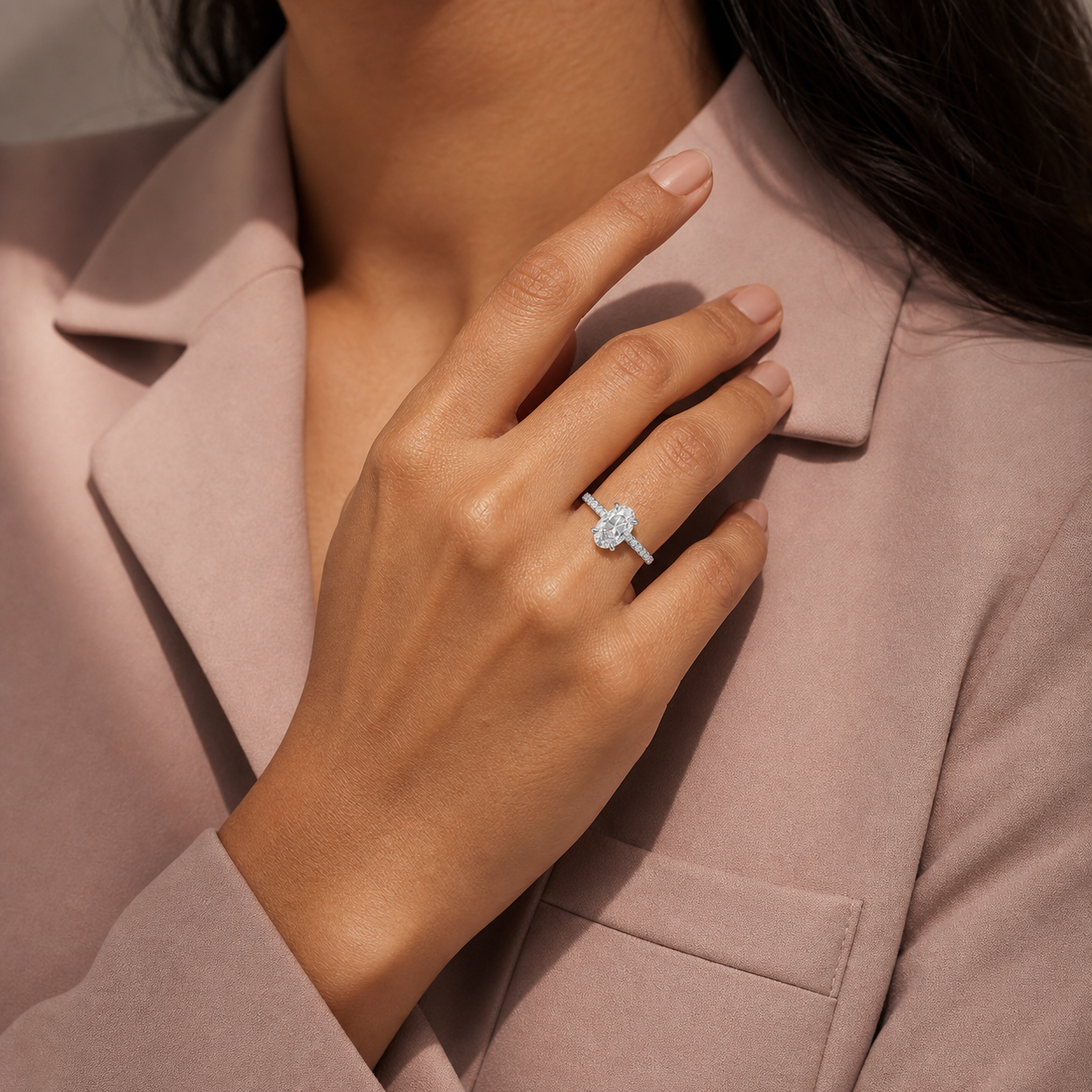


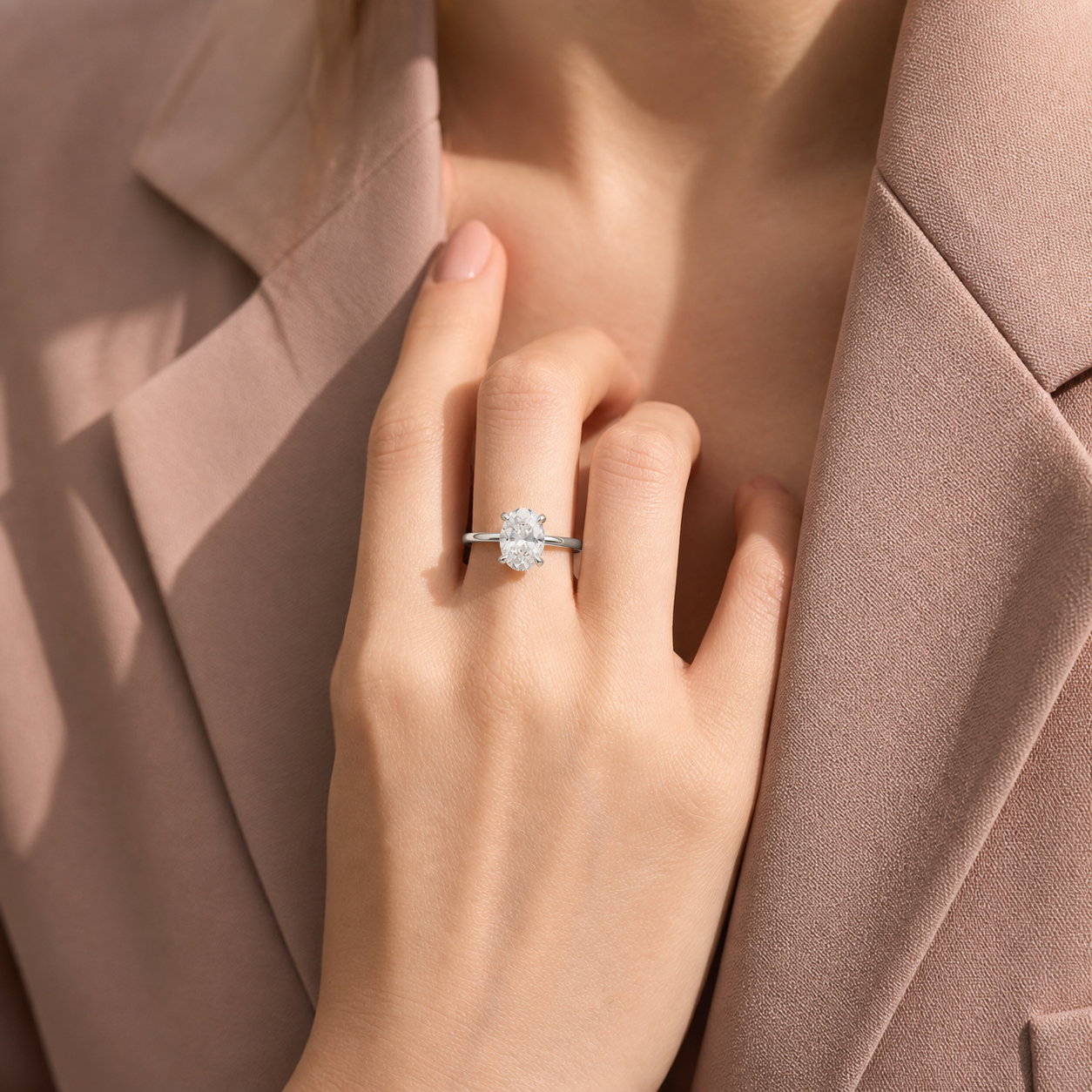


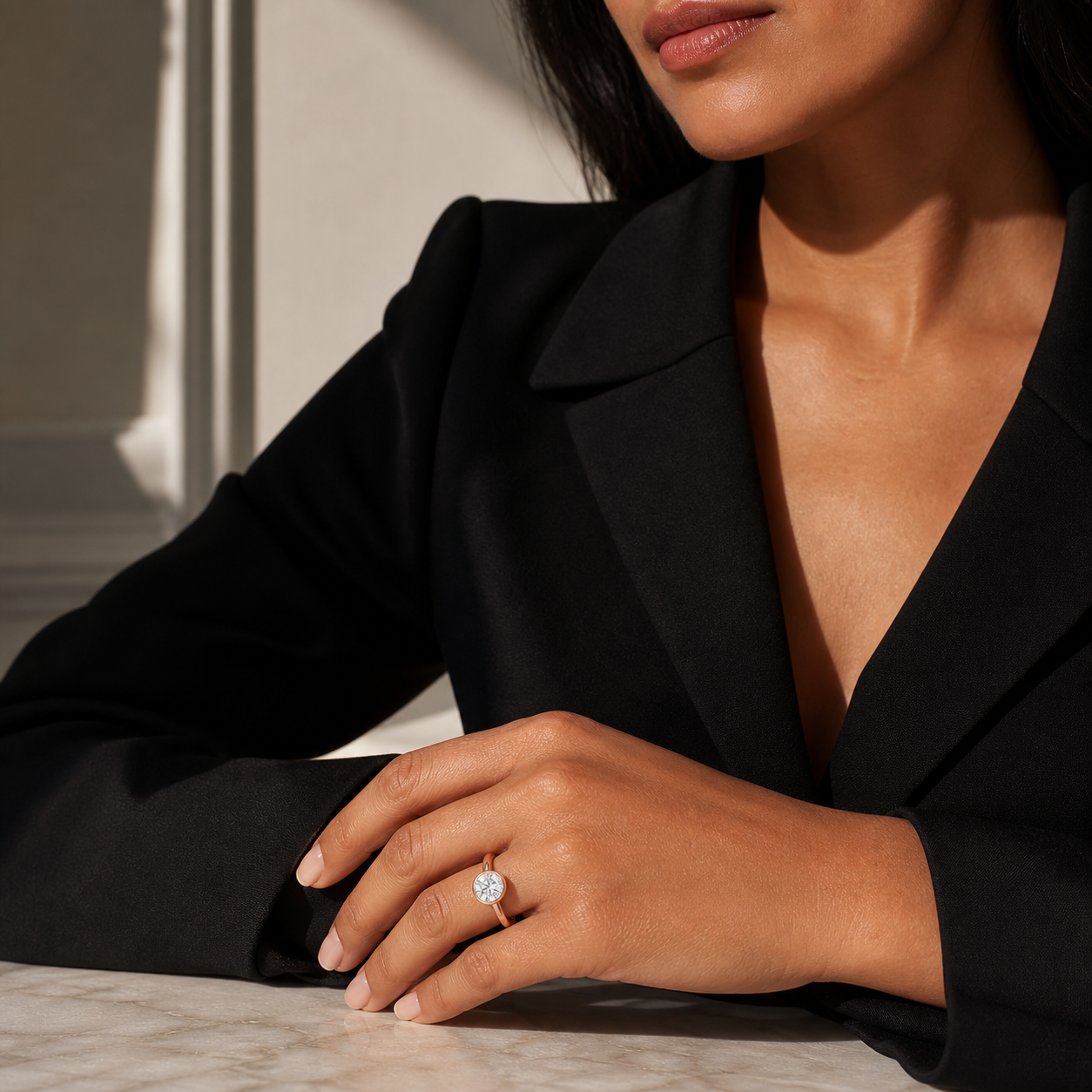
Classic Engagement Rings: The Discipline of Enduring Form
A classic engagement ring is not defined by having the fewest possible details. It is defined by clarity: the eye understands the center, the setting, and the band without having to untangle their relationship. Familiar forms play a part, but their staying power comes from proportion and restraint rather than familiarity alone.
Burvonti’s Classic Engagement Rings collection brings that discipline to a broad range of settings. Solitaires, bezels, halos, three-stone compositions, Toi et Moi rings, hidden halos, pavé details, and sculptural bands can all belong when their hierarchy remains legible. Classic, in this sense, is not one silhouette. It is the quality of a design that knows which element should speak first—and which should support it.
Classic Is a Way of Editing
Calling a ring classic should not mean predicting that taste will never change. It describes a more useful design judgment: the composition relies on resolved relationships rather than novelty alone. Prongs repeat with purpose. A halo follows or deliberately reframes the center. Side stones establish a measured transition. The band carries enough presence to support the head without taking over the ring.
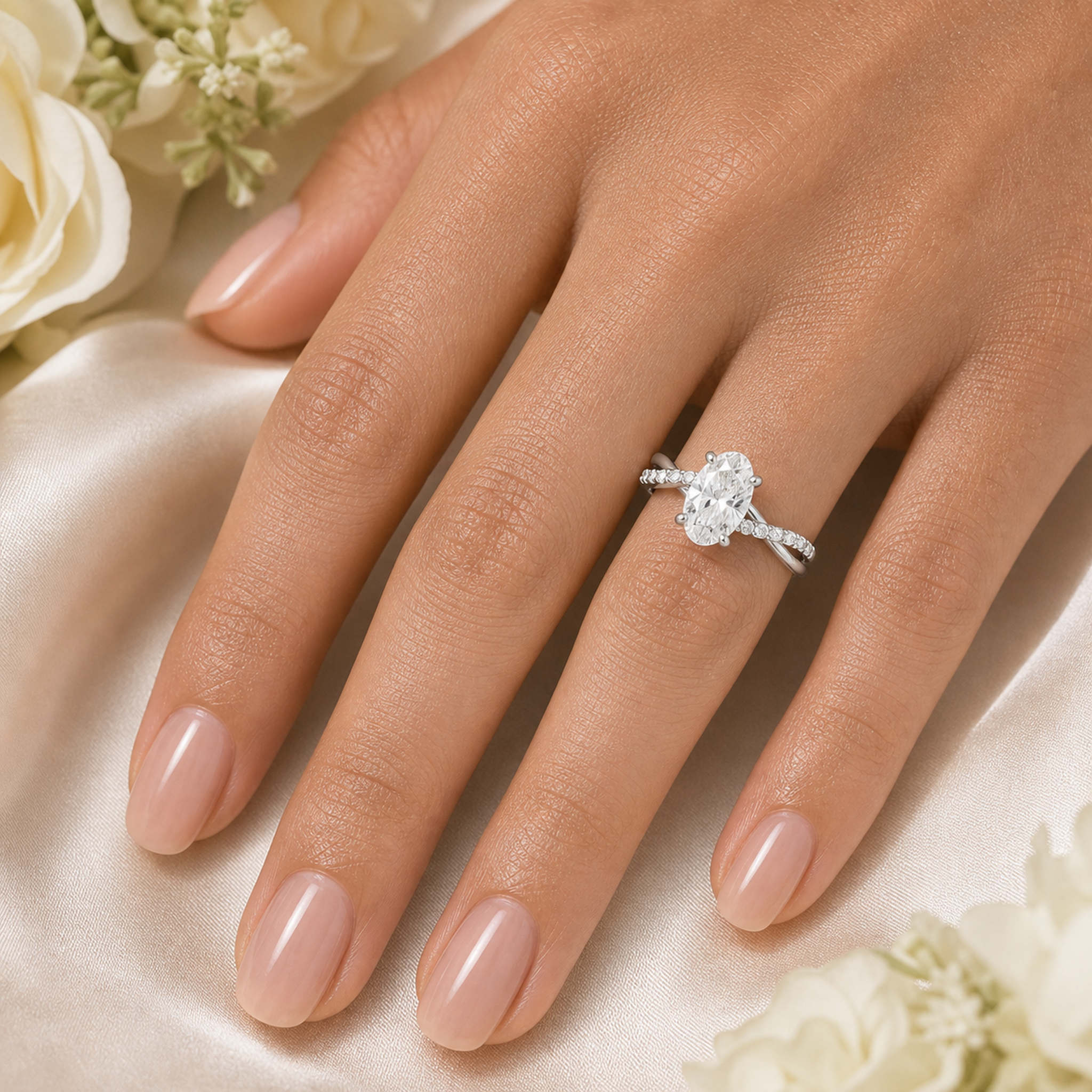
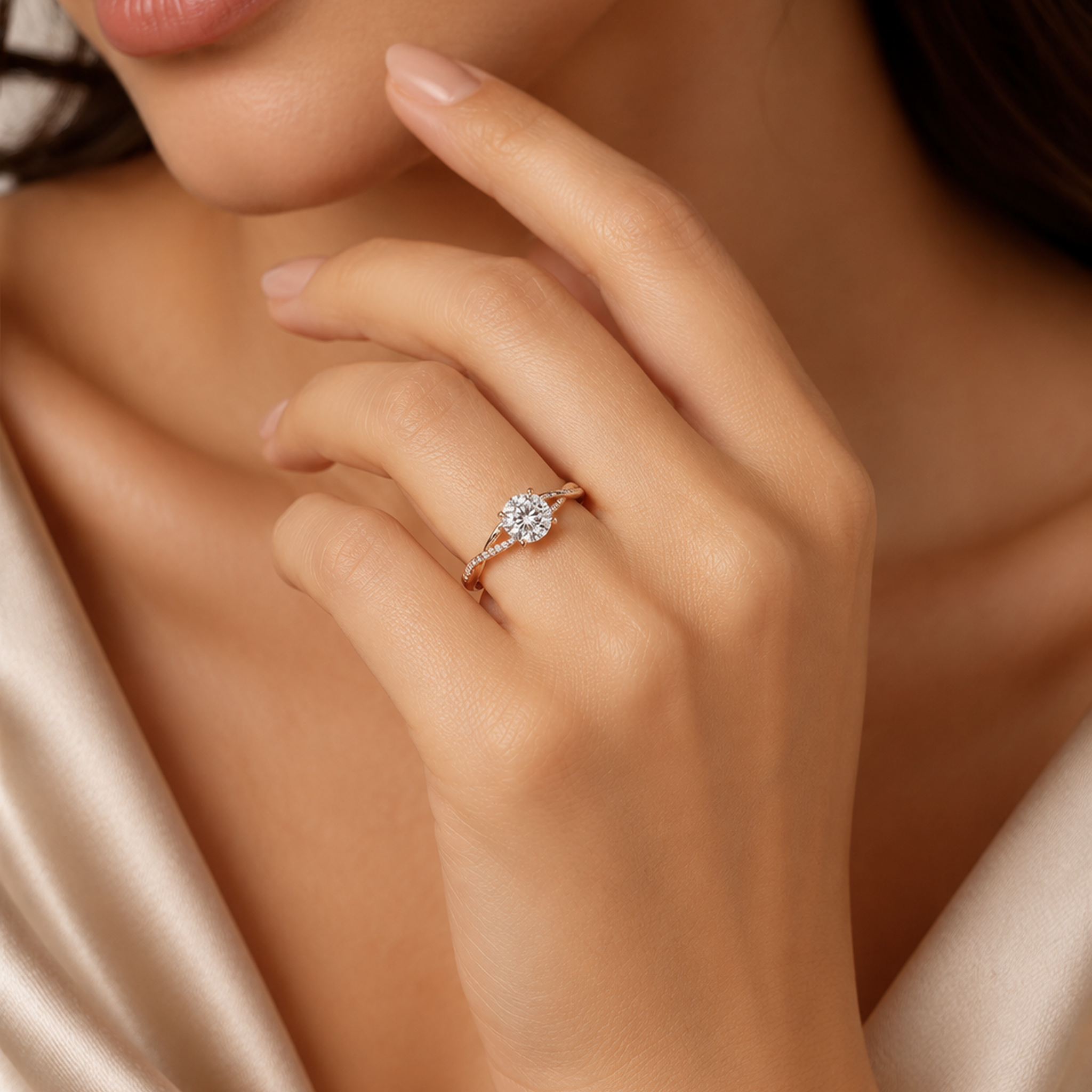
Restraint does not require a plain surface. A pavé basket, hidden halo, crossover line, knife edge, split shank, or second center stone can introduce character while the overall structure remains calm. The test is not whether the detail is traditional. It is whether each decision reinforces the whole rather than competing for a separate moment of attention.
Classic, Solitaire, and Vintage Are Not Synonyms
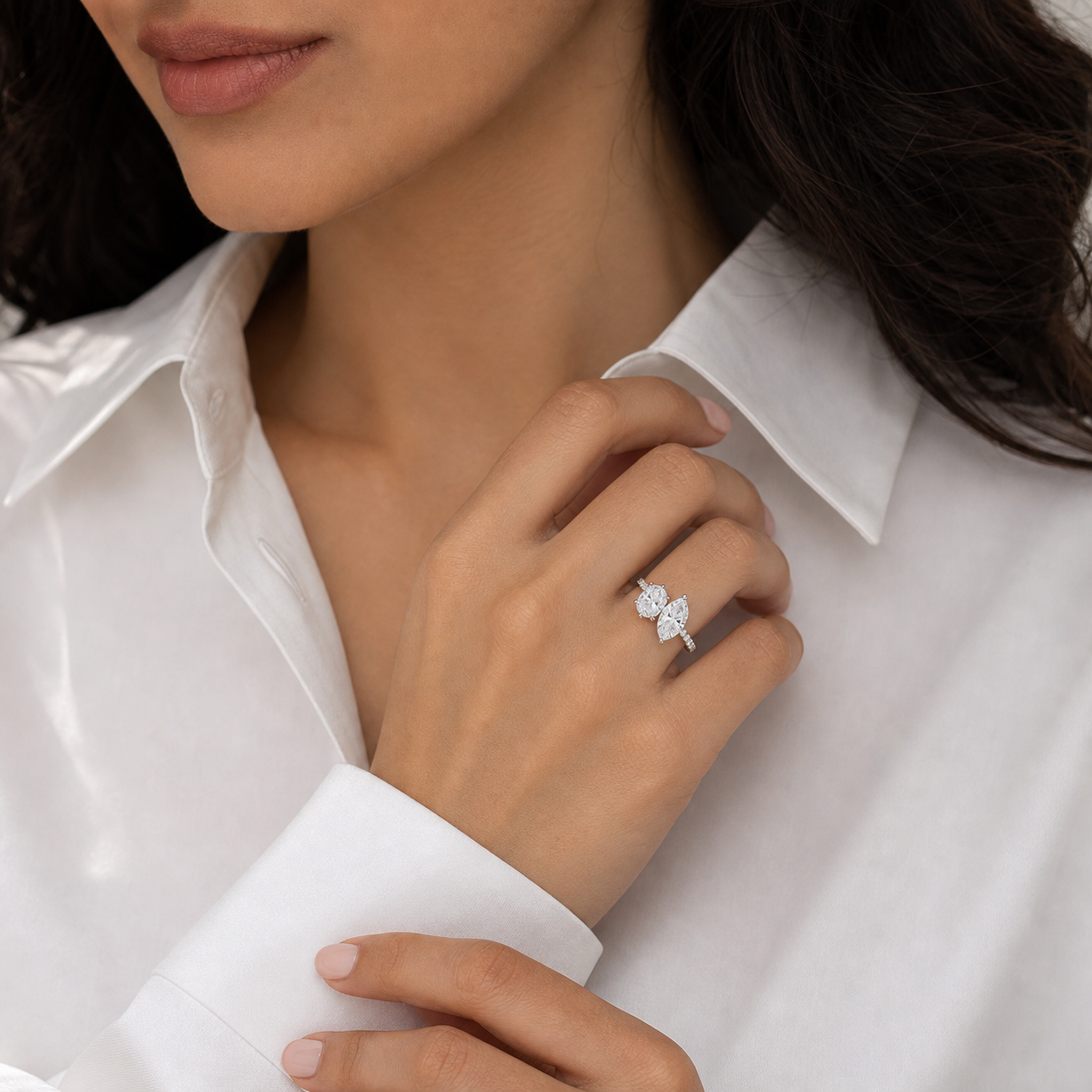
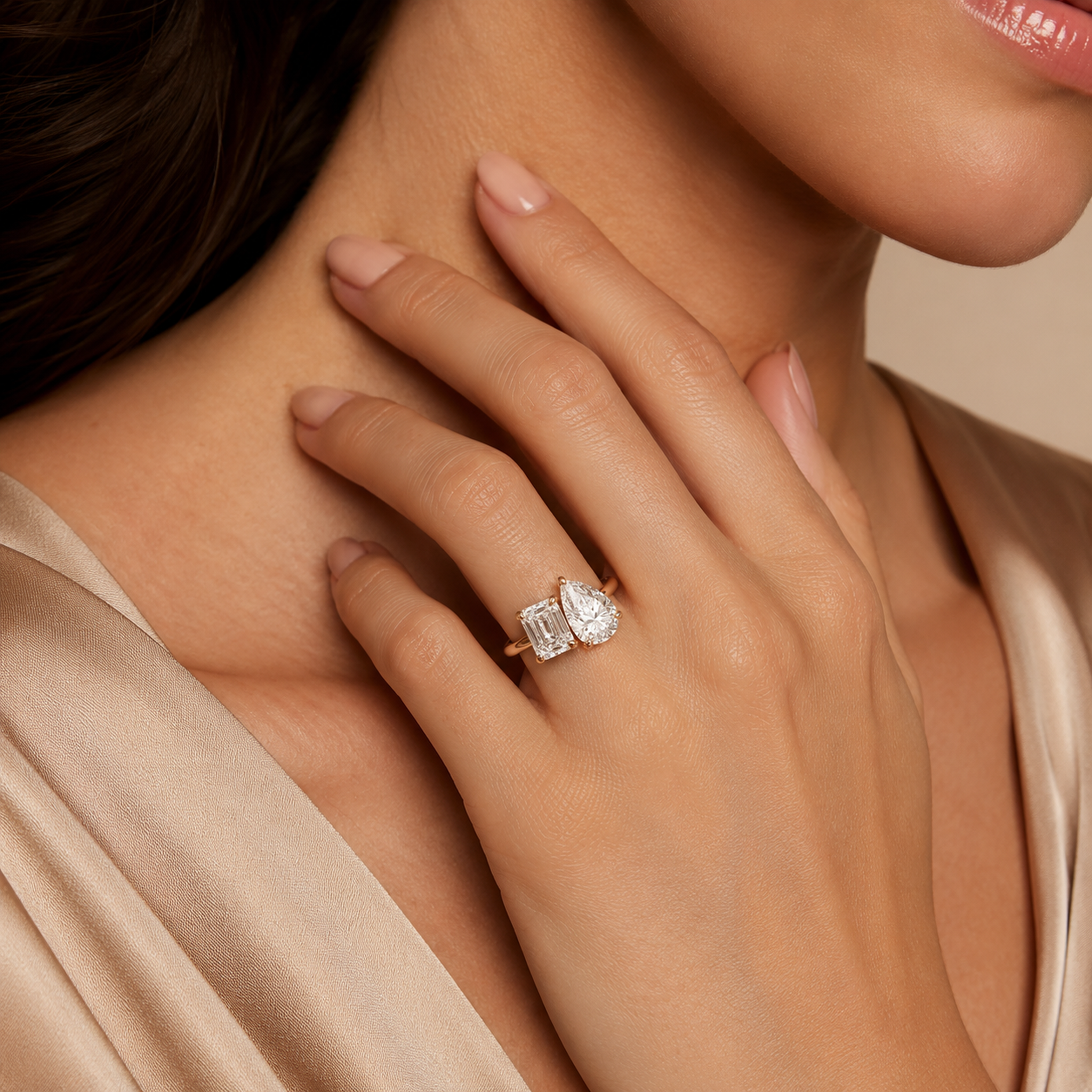
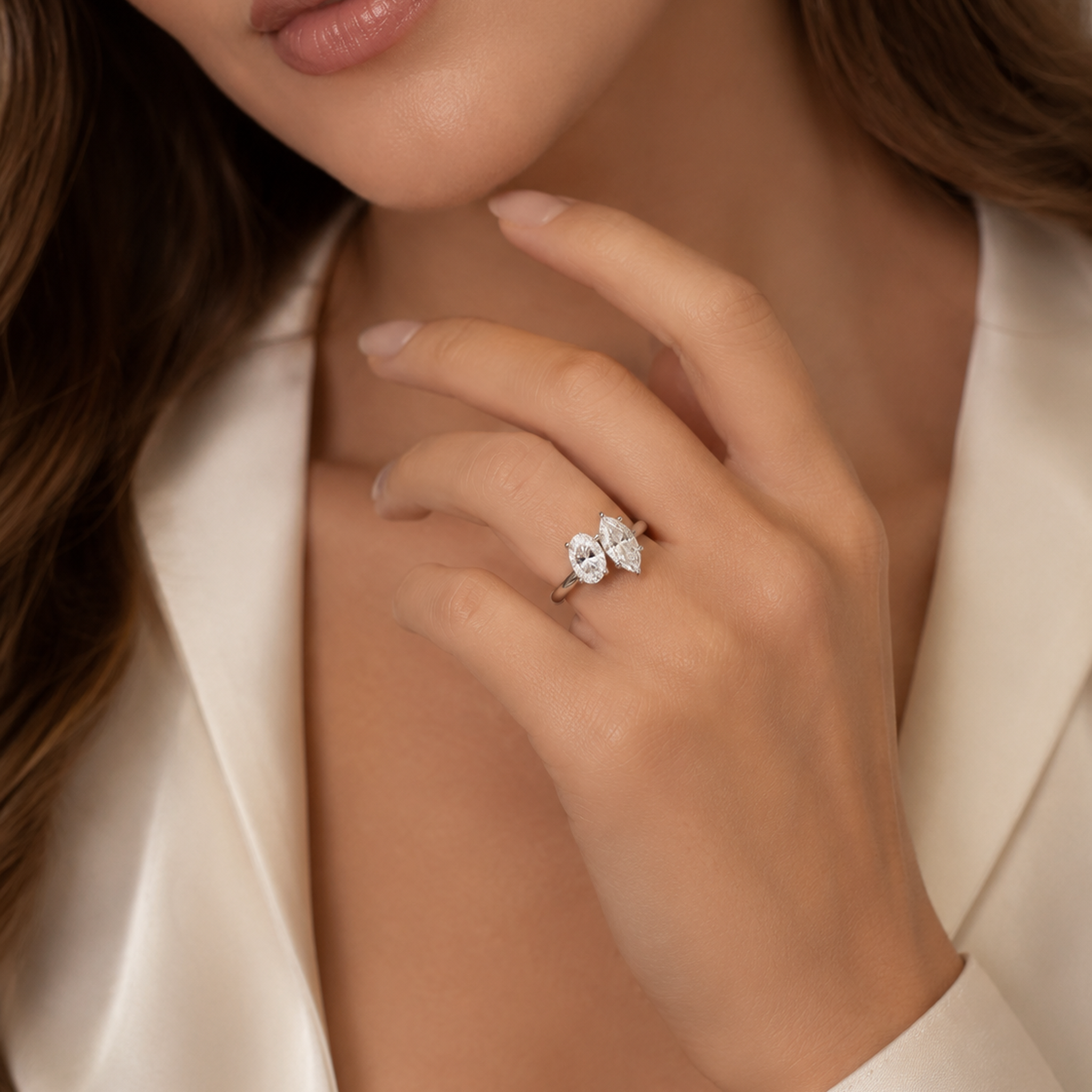
Solitaire names a face-up hierarchy led by one center stone. Classic describes the broader discipline with which a ring is composed, so it can include Solitaire but is not limited to it. A balanced halo or three-stone setting may feel equally established. Even a Toi et Moi design can enter this collection when the two centers and band are resolved as one controlled relationship.
Vintage-inspired rings use details that recall earlier jewelry languages: milgrain borders, engraving, openwork, botanical motifs, geometric frames, or period-informed profiles. A classic ring may borrow one of those elements, but it does not need historical reference. Burvonti’s current Classic and Vintage collections share only a small number of products, reinforcing that restraint and historic detail are different paths.
Proportion Makes Familiar Forms Feel Intentional
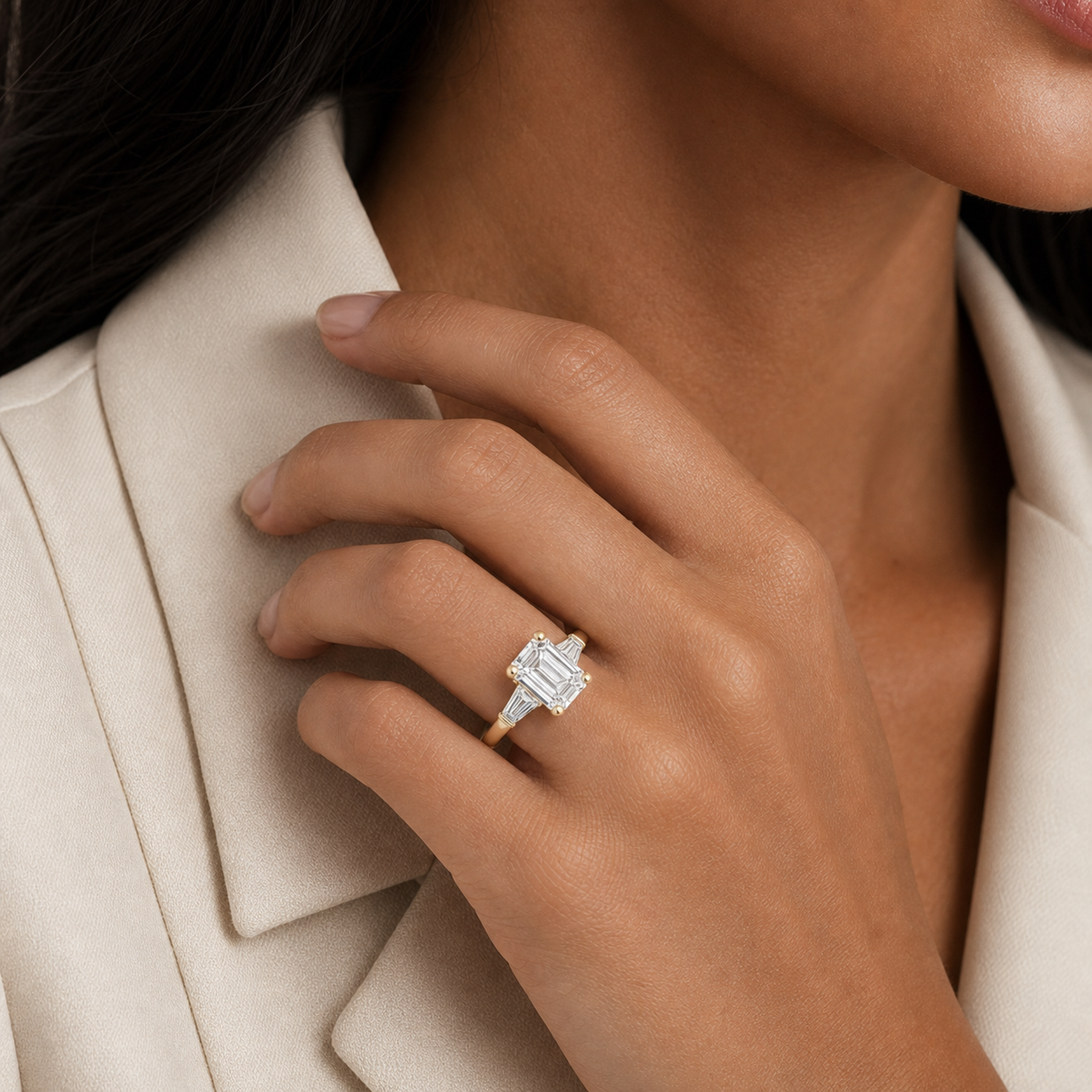
In a solitaire, proportion is read between center diamond, prongs, basket, and band. In a halo, it is read between the center outline and the scale of its frame. In a three-stone ring, it is the progression from center to flanking stones. In a Toi et Moi ring, two shapes must share the field without appearing accidental. Each architecture asks for a different balance, even when the final impression is equally composed.
Scale should be judged on the hand and in profile, not through carat weight alone. A fine band can heighten contrast around a center; a wider band can ground a larger or broader head. Setting height changes visual authority, daily movement, and the relationship with a wedding band. There is no single classic ratio. The lasting quality comes from calibration among the actual components.
Let Diamond Shape Enter the Structure
Round is often associated with classic engagement rings, but no shape owns the category. Oval and marquise diamonds extend the composition. Emerald and Asscher cuts introduce measured, architectural facets. Cushion shapes soften angular settings, while pear, radiant, and princess diamonds bring their own direction and edge conditions.
A classic setting does not neutralize those distinctions; it gives them an intelligible frame. Prong placement should respect the outline. Points and corners require appropriate protection. Band width and setting geometry should answer the diamond’s dimensions rather than a generic shape label. Begin with the design relationships that feel natural, then compare which available shape allows the complete ring to remain clear.
Metal, Band, and Profile Set the Register
Metal changes the tone without deciding whether a ring is classic. White Gold or Platinum can create a quieter visual transition around bright diamonds. Yellow Gold establishes warmth and clearer contrast. Rose Gold brings a softer interval between stone and skin. Alloy, finish, maintenance, and sensitivity considerations remain specific to the selected metal and product.
The band carries equal responsibility. Polished metal makes proportion especially visible; pavé introduces a measured secondary light; knife-edge, crossover, cathedral, split, or double-band structures add direction. Side profile determines how elevated the head feels and whether a straight wedding band can approach it. Classic does not guarantee flush fit or effortless stacking—the exact two rings must still be considered together.
Designed for Continuity, Cared for in Use
A clear design is still a physical object. Prongs and small diamond settings can wear, polished surfaces gather marks, and rings can shift or sustain impact through daily use. Care should respond to the actual setting: clean gently with methods appropriate to its diamonds and metal, remove it for forceful work or chemical exposure, and arrange inspection when a stone moves, a prong catches, or the ring has been struck.
Burvonti pairs responsibly sourced, independently graded lab-grown center diamonds with setting architecture calibrated through human judgment. Custom possibilities may refine shape, orientation, metal, band proportion, engraving, or another personal detail without losing the design’s essential clarity. Feasibility, sizing, setting changes, and wedding-band compatibility must be confirmed for the selected ring before the final specification.
Frequently Asked Questions
What is a classic engagement ring?
A classic engagement ring uses a clear hierarchy, established design language, and disciplined proportion. It may be simple or detailed, but the center, setting, and band remain easy to read as one resolved composition.
Does a classic engagement ring have to be a solitaire?
No. Solitaire is one classic architecture, but Burvonti’s Classic collection also includes bezel, halo, three-stone, Toi et Moi, hidden-halo, pavé, and sculptural designs whose proportions remain composed.
What is the difference between classic and solitaire engagement rings?
Solitaire describes one dominant center stone in the face-up composition. Classic describes a broader design quality—clarity, balance, and restraint—so a Solitaire can be classic, but Classic is not limited to Solitaire.
What is the difference between classic and vintage engagement rings?
Classic rings are selected for legible, balanced composition and do not require a historical reference. Vintage-inspired rings use details or profiles that recall earlier jewelry languages, such as milgrain, openwork, botanical motifs, or geometric frames.
Is a classic engagement ring the same as a minimalist ring?
Not always. Minimalism reduces visual elements; classic design organizes them. A detailed halo or three-stone ring can still feel classic when its hierarchy and proportions remain controlled.
Can a halo or three-stone engagement ring be classic?
Yes. A halo can feel classic when its frame is proportionate to the center, and a three-stone ring can feel classic when the center and flanking stones form a measured progression.
Can a Toi et Moi engagement ring be classic?
It can. The two-stone motif has historical precedent, but its inclusion here depends on composition: the two centers, their orientations, spacing, and band should read as one deliberate relationship.
Which diamond shape is most classic?
Round is strongly associated with classic rings, but no shape exclusively defines the category. Oval, emerald, cushion, pear, marquise, radiant, Asscher, and princess shapes can all feel classic in a setting calibrated to their outlines.
Does a classic setting make every diamond shape look the same?
No. A restrained setting makes shape easier to read; it does not erase differences in outline, facet pattern, depth, or face-up dimensions. The head and band should respond to the selected diamond.
What setting details suit a classic engagement ring?
Prongs, bezels, baskets, cathedral shoulders, pavé, hidden halos, and measured side stones can all suit a classic ring. The relevant question is whether each detail supports the primary composition without creating visual conflict.
What metal is best for a classic engagement ring?
There is no universal best metal. White metals create continuity around bright diamonds; Yellow Gold introduces warmth and contrast; Rose Gold creates a softer transition. Consider alloy, finish, upkeep, sensitivity, and the specific design.
Should a classic engagement ring have a thin or wide band?
Either can work. A fine band increases contrast around the head; a wider band can ground a larger or broader composition. Stability, comfort, center scale, setting structure, and visual proportion should guide the choice.
Will a wedding band sit flush with a classic engagement ring?
Not automatically. Basket width, setting height, bezel edge, side stones, crossover shoulders, and other details determine whether a straight band sits close or a contour or intentional gap is more appropriate.
Are classic engagement rings suitable for everyday wear?
They can be when the setting suits the wearer’s routine. Classic describes the design language, not a durability grade, so consider prongs, exposed edges, setting height, band dimensions, and the care required by the specific ring.
Can a Burvonti classic engagement ring be customized?
Custom possibilities may include diamond shape, orientation, metal, band proportion, engraving, or selected setting details. Availability and structural feasibility depend on the design and must be confirmed before final specification.