
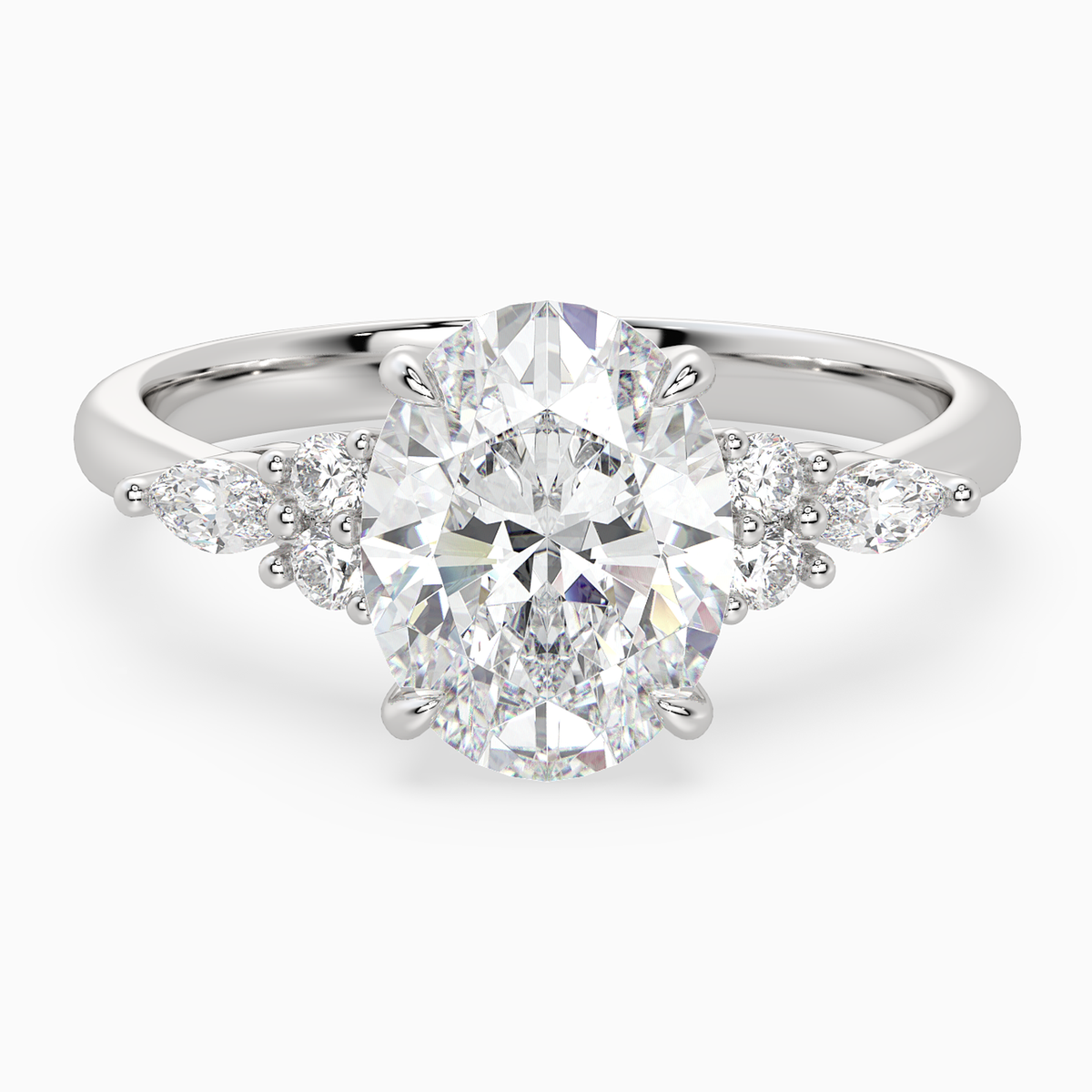


Classic Engagement Rings in Platinum
Natural white, shaped with discipline. Platinum gives classic settings tonal continuity, weight, and a quiet material presence on the hand.


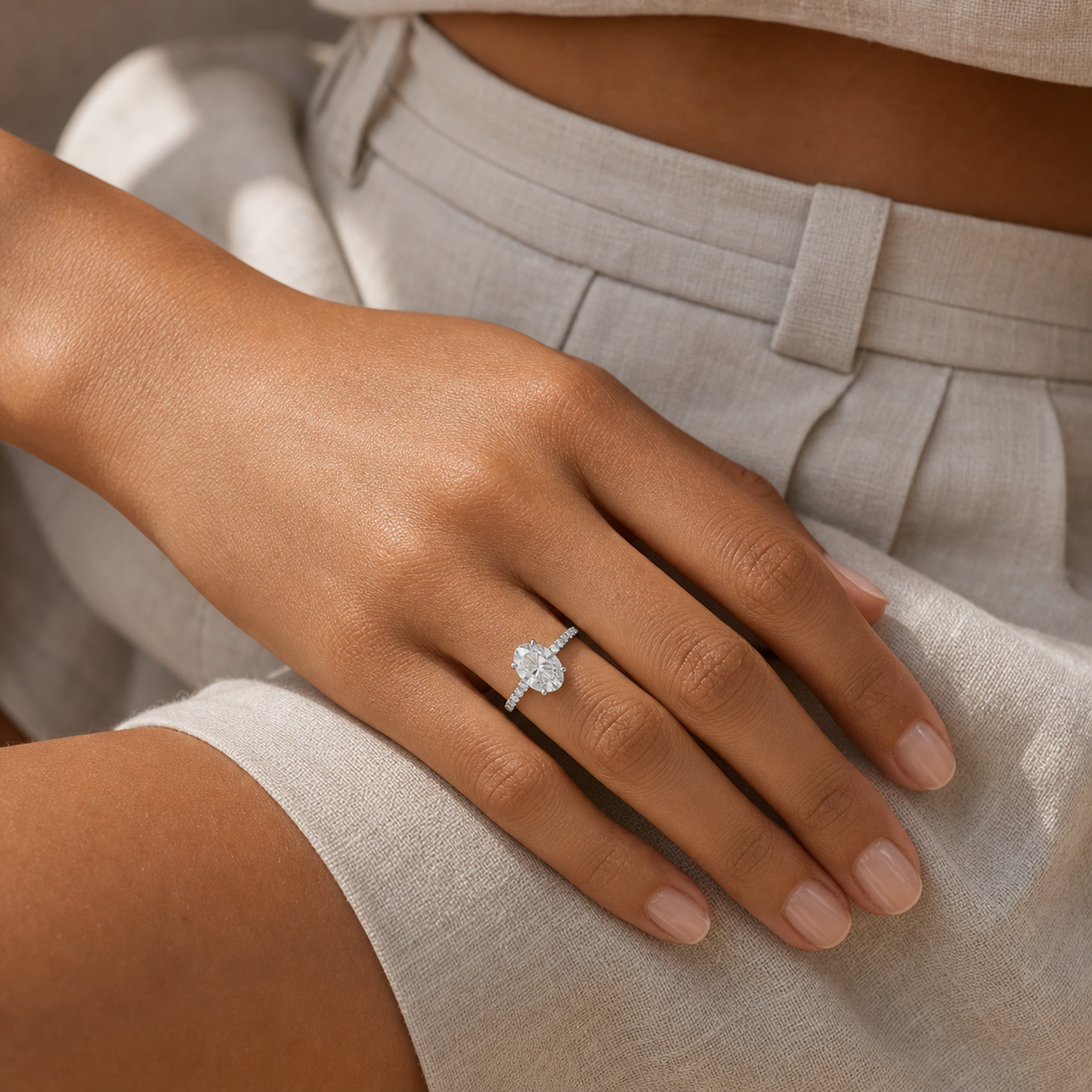


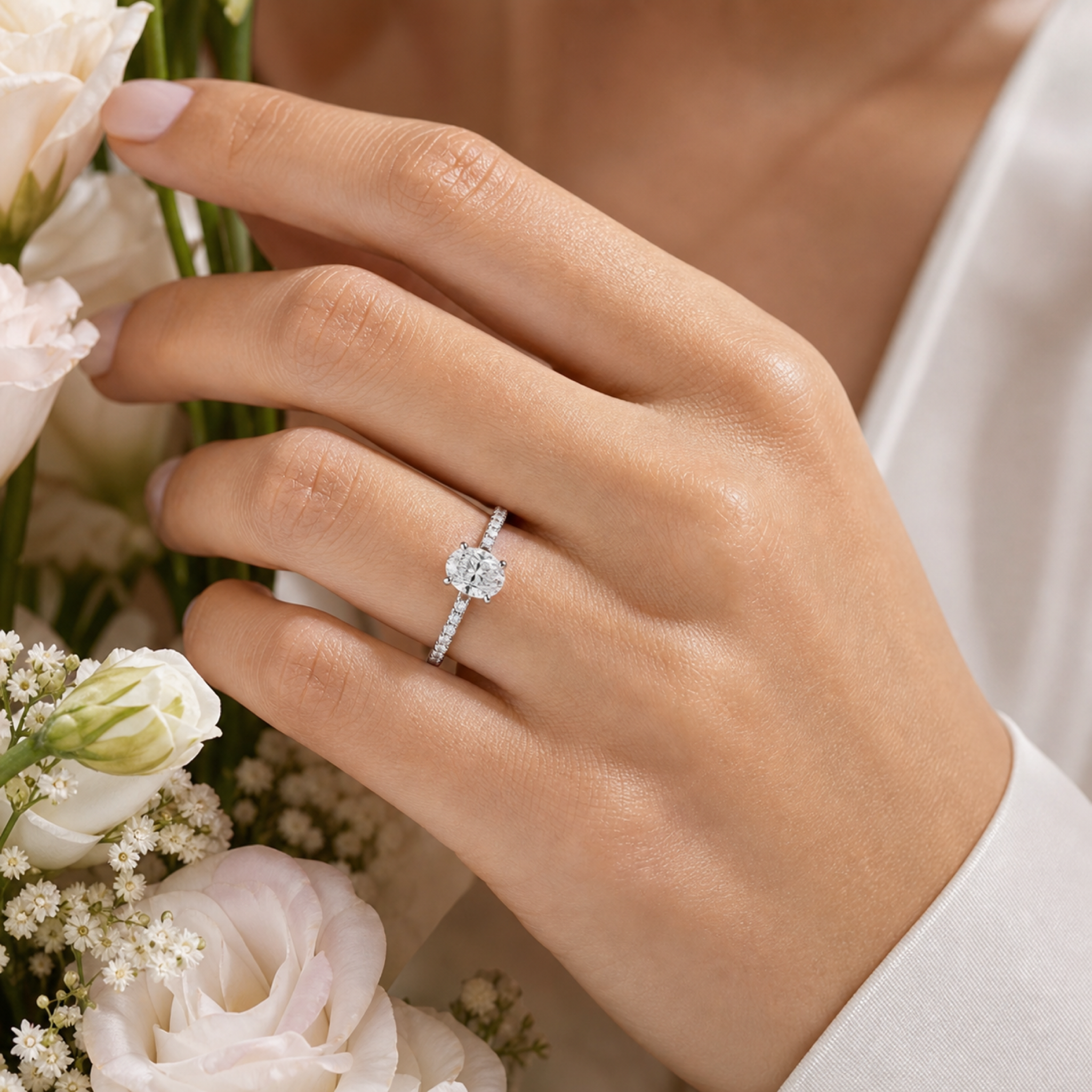


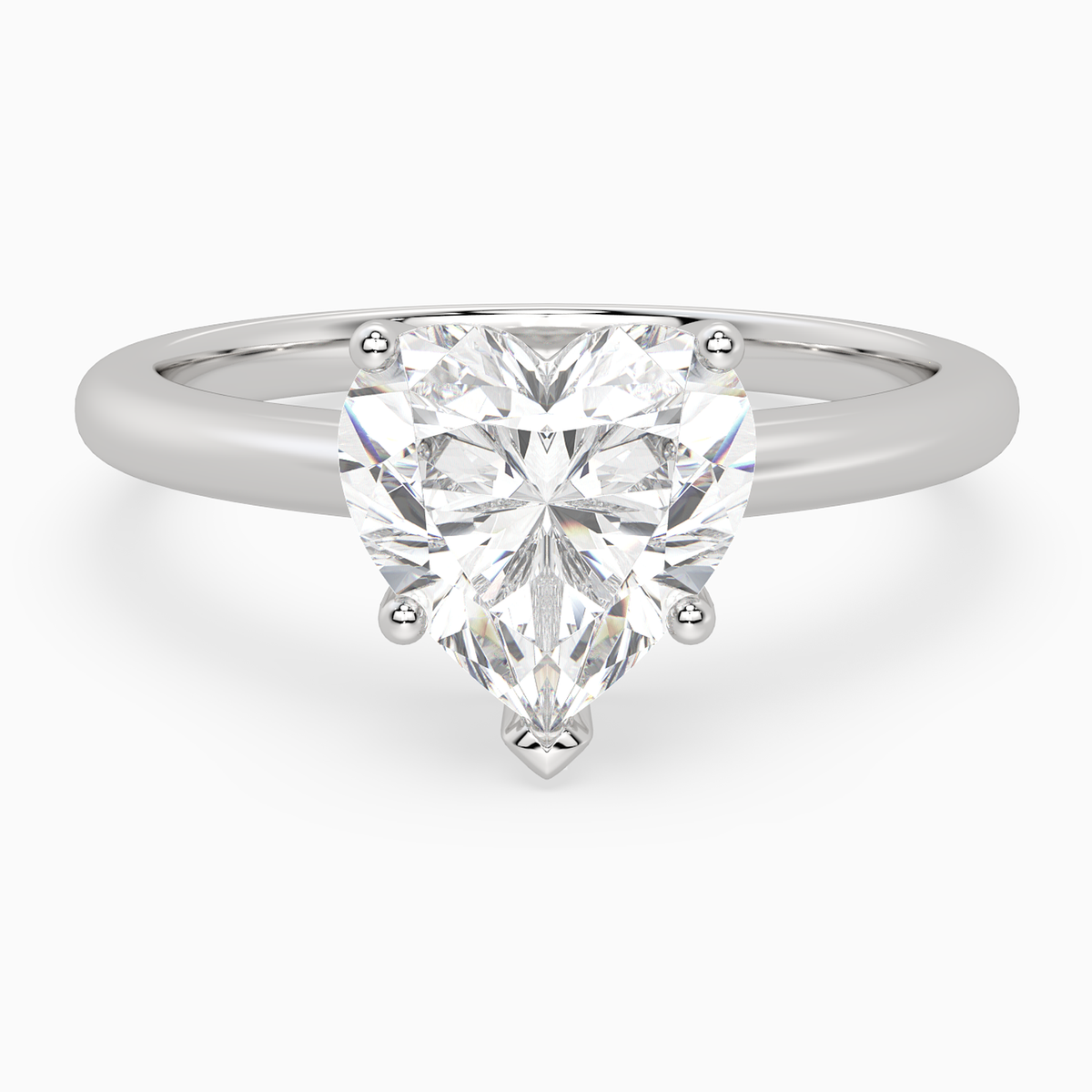








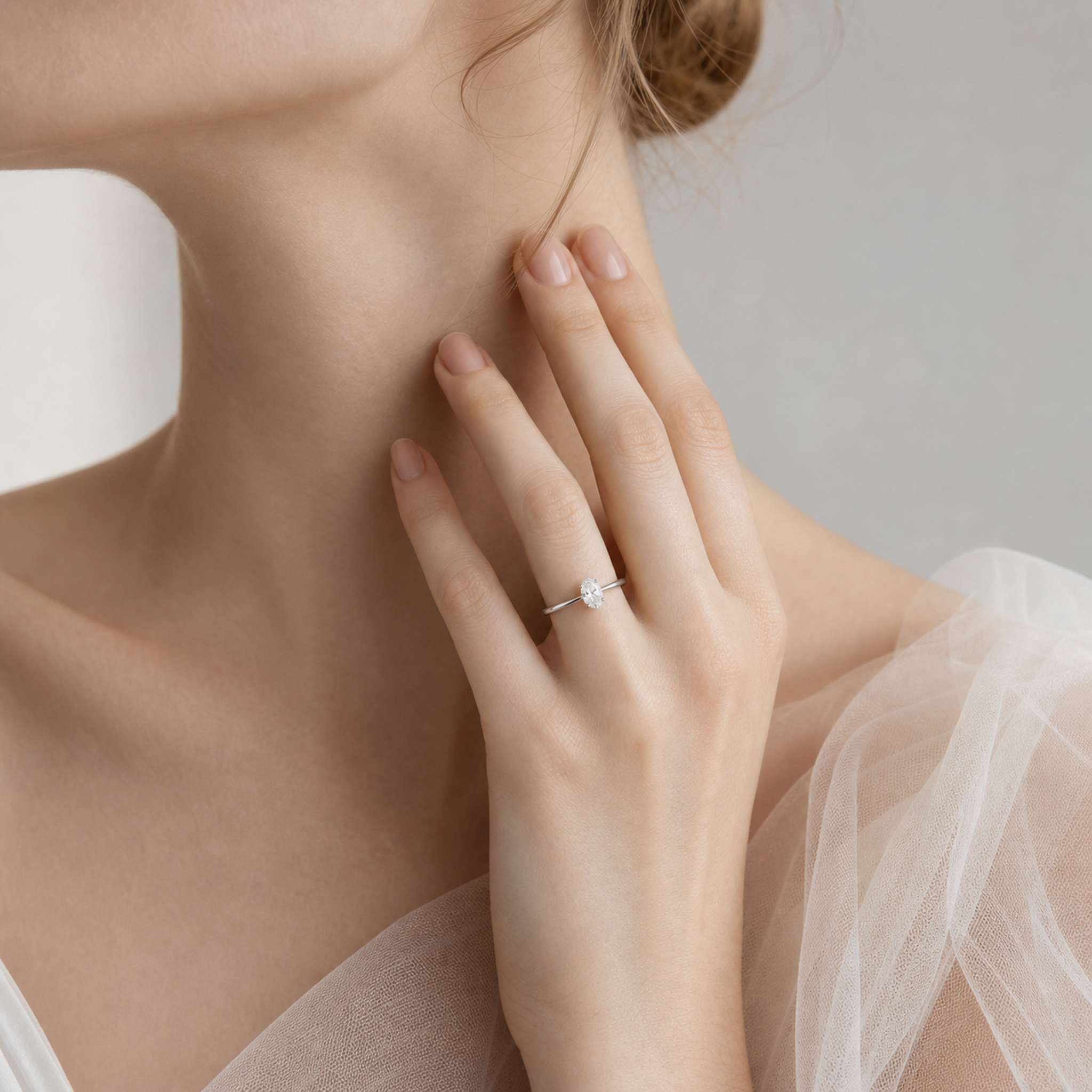


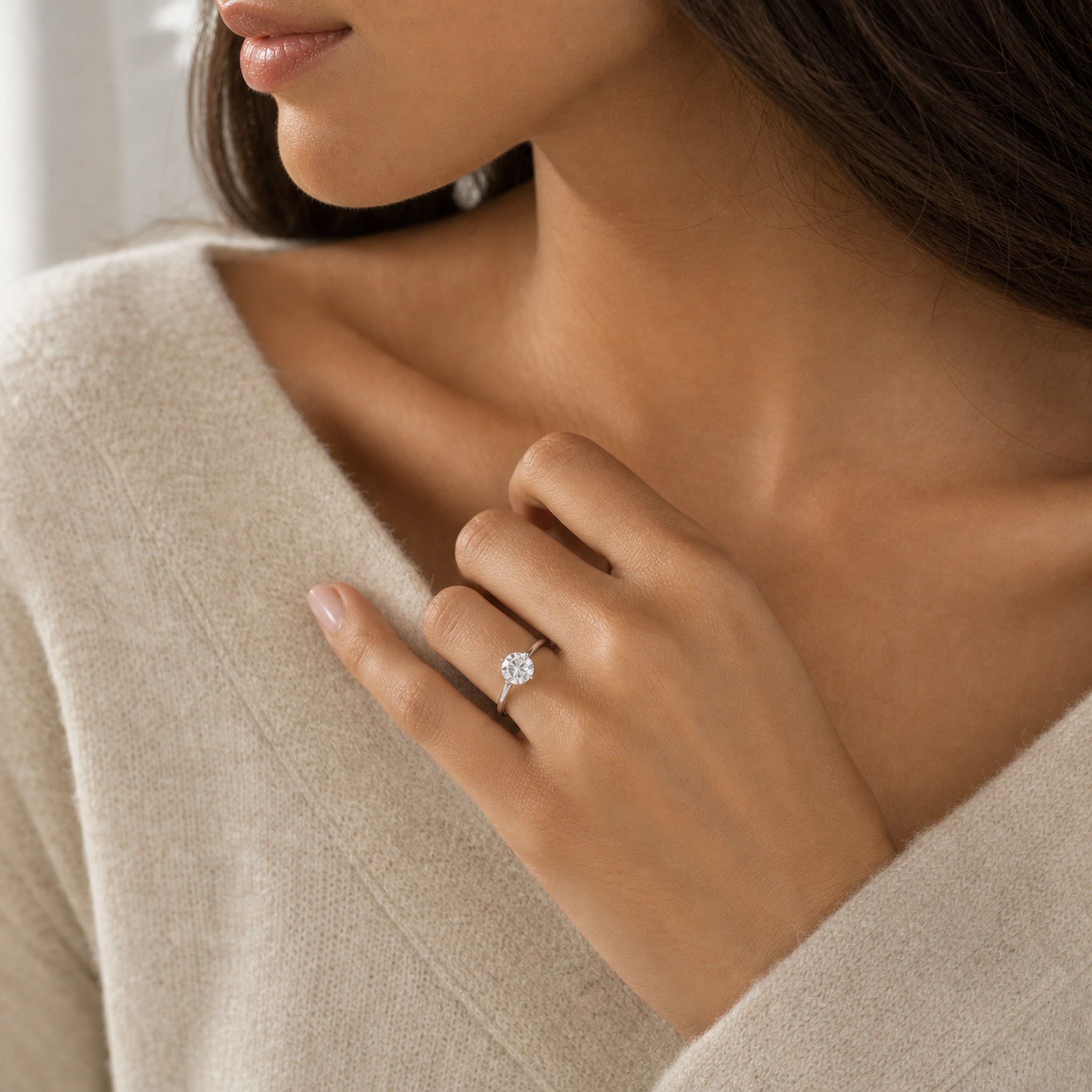
Platinum Classic Engagement Rings: Natural White, Disciplined Form
Platinum brings an unusual balance to classic design: quiet color and unmistakable physical presence. Its natural white tone can create continuity from band to prong, while its density gives the finished object a distinct sense of substance. Classic architecture determines how that material is distributed—concentrated in a fine solitaire, extended through a halo, or carried between several centers.
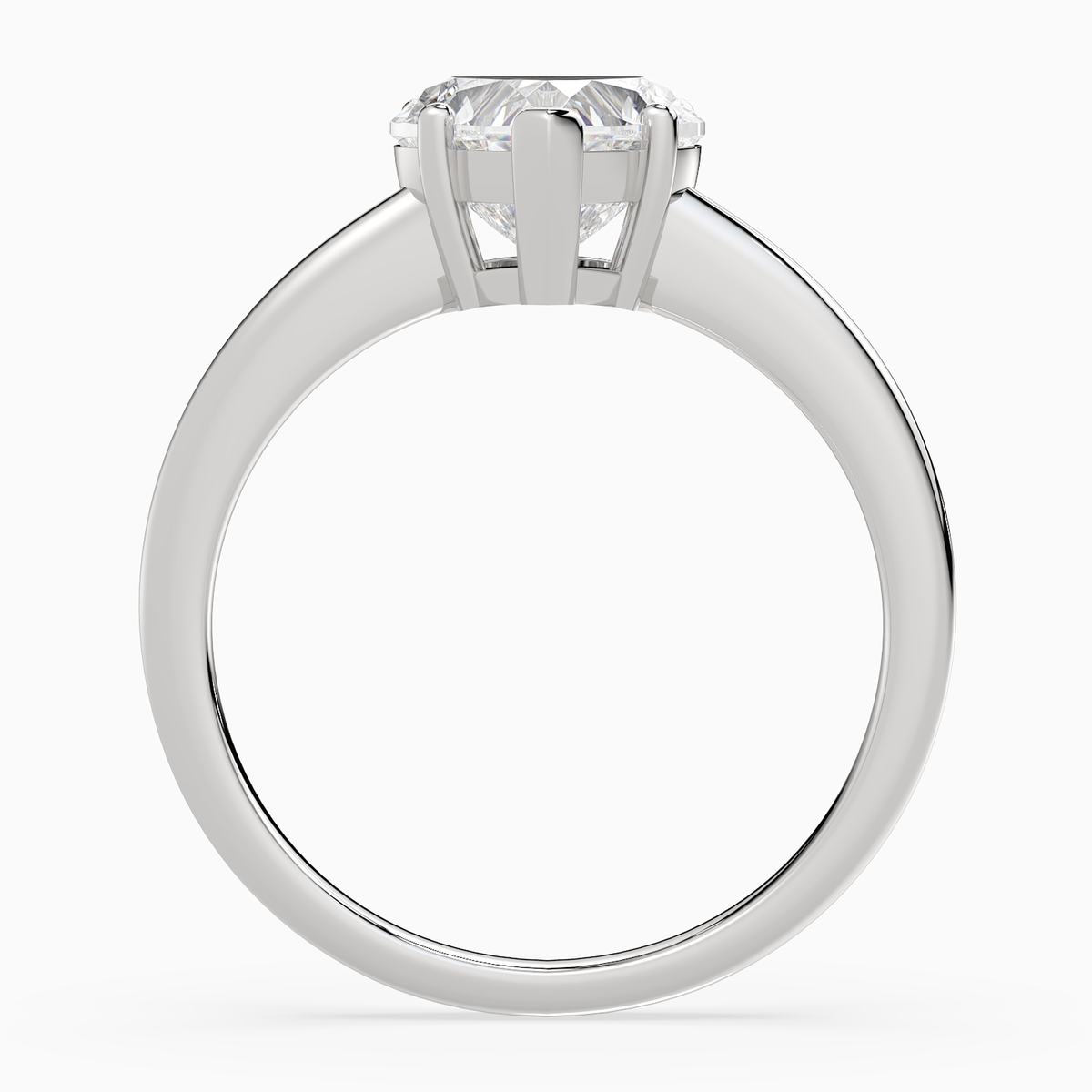
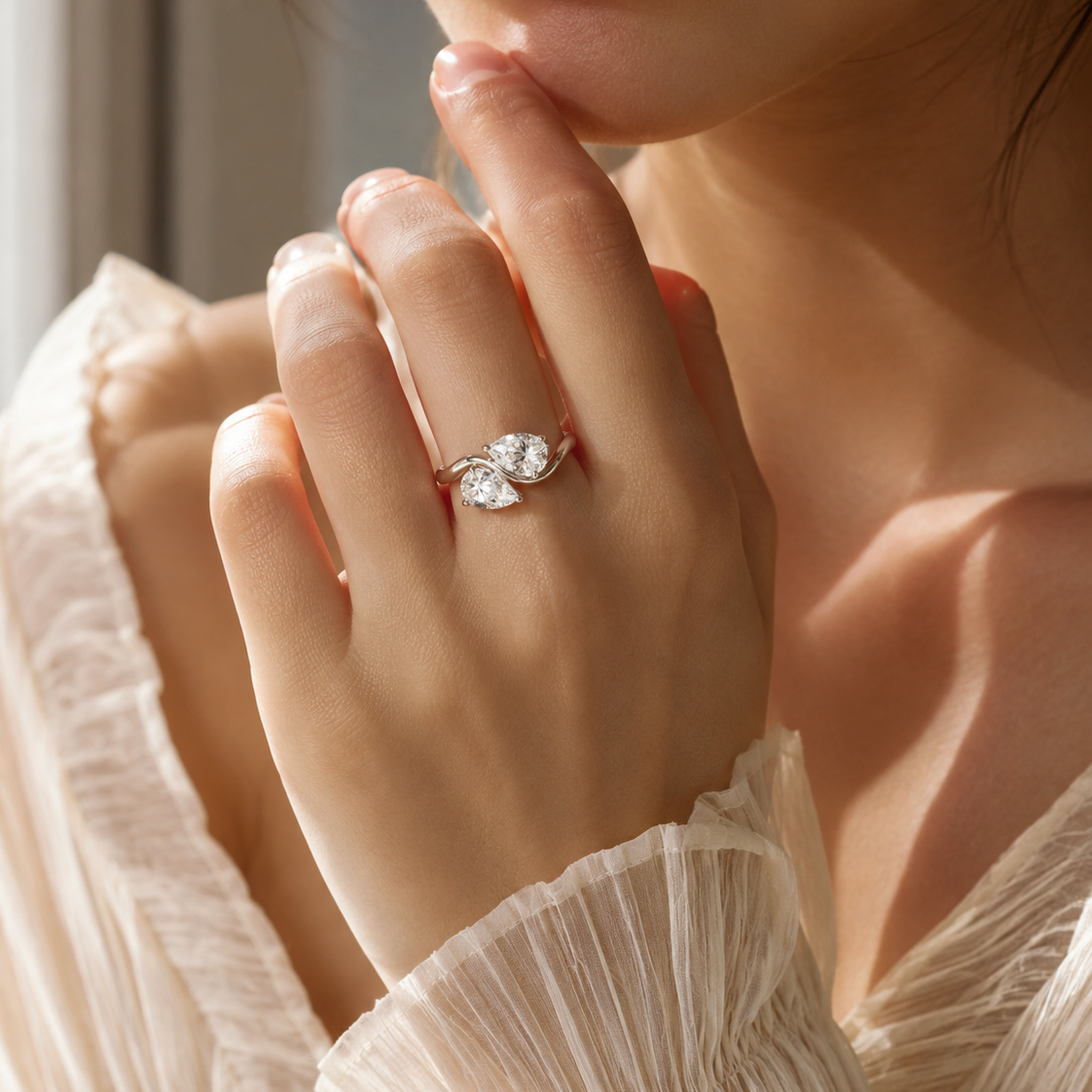
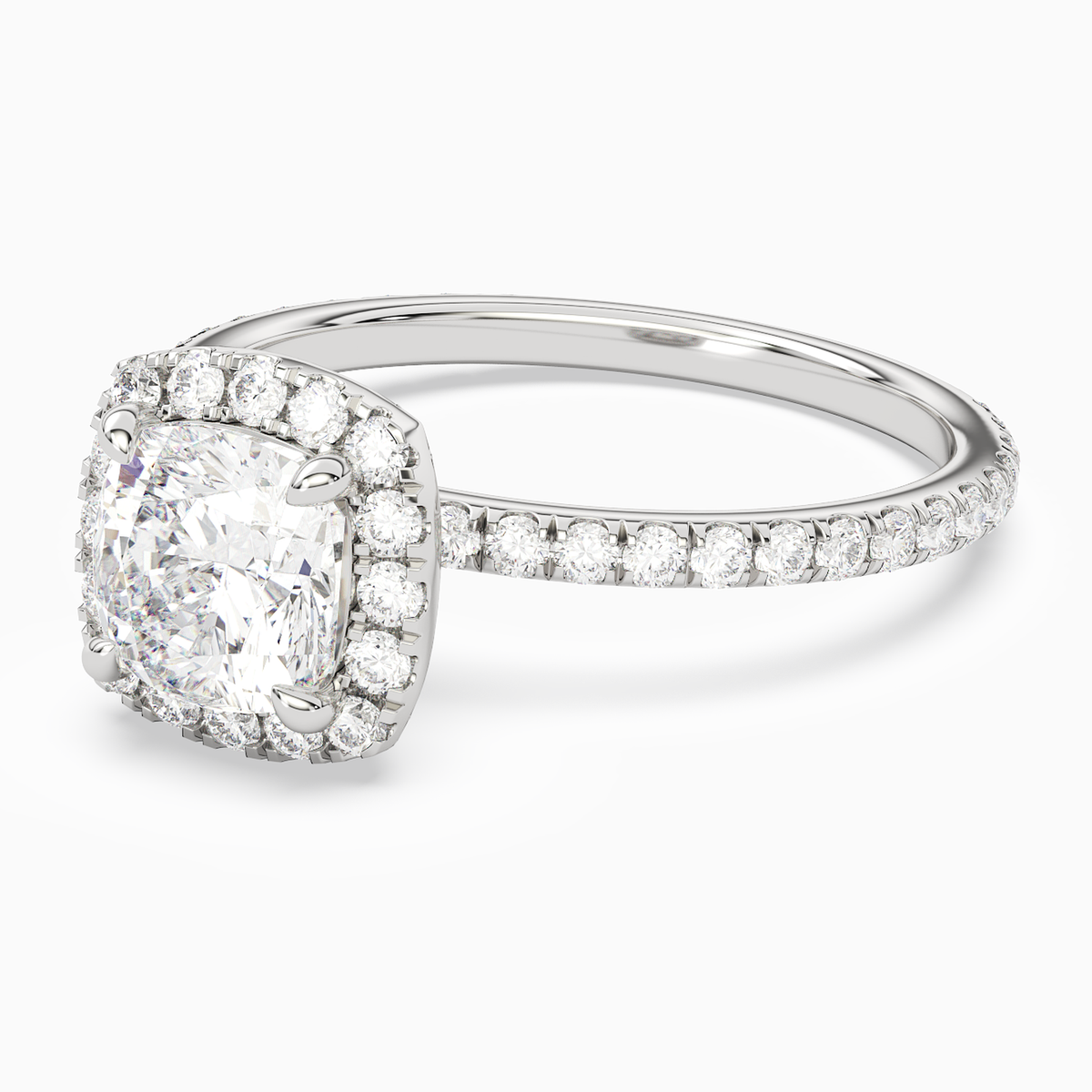
Burvonti's public collection contains 34 verified Platinum designs: 15 solitaire, six halo, two side-stone, six Toi et Moi, and five three-stone structures. Their common ground is not simplicity alone. It is the control of hierarchy, transition, profile, and negative space across markedly different forms.
Natural White Is Context, Not a Performance Claim
Platinum is naturally white rather than a gold alloy selected for a white appearance. It can create a close tonal relationship with bright diamonds, especially through prongs and shared settings. It does not alter diamond color grade, cut, clarity, size, or light performance, and it should not be described as making every stone more brilliant.
A bezel or halo makes the metal more visible than fine prongs. Cathedral shoulders extend its line upward; open baskets preserve more air below the center. Tonal continuity lets these changes feel composed, but the structure remains active. Quiet color should never be mistaken for absent design.
Density Gives Different Forms a Shared Presence
Platinum is notably dense, so comparable finished rings may feel more substantial than many gold-alloy versions. Actual weight depends on dimensions and construction. Density is not a guarantee of indestructibility, perfect security, scratch resistance, or maintenance-free wear; the complete ring must still be designed, worn, and inspected appropriately.
That physical presence can stabilize several visual registers. In a solitaire, it may be concentrated in band and head. In a halo or side-stone ring, it spreads across a broader field. Toi et Moi and three-stone compositions distribute material between centers, making spacing and balance important to both sight and feel.
Shape, Patina, and the Passage of Use
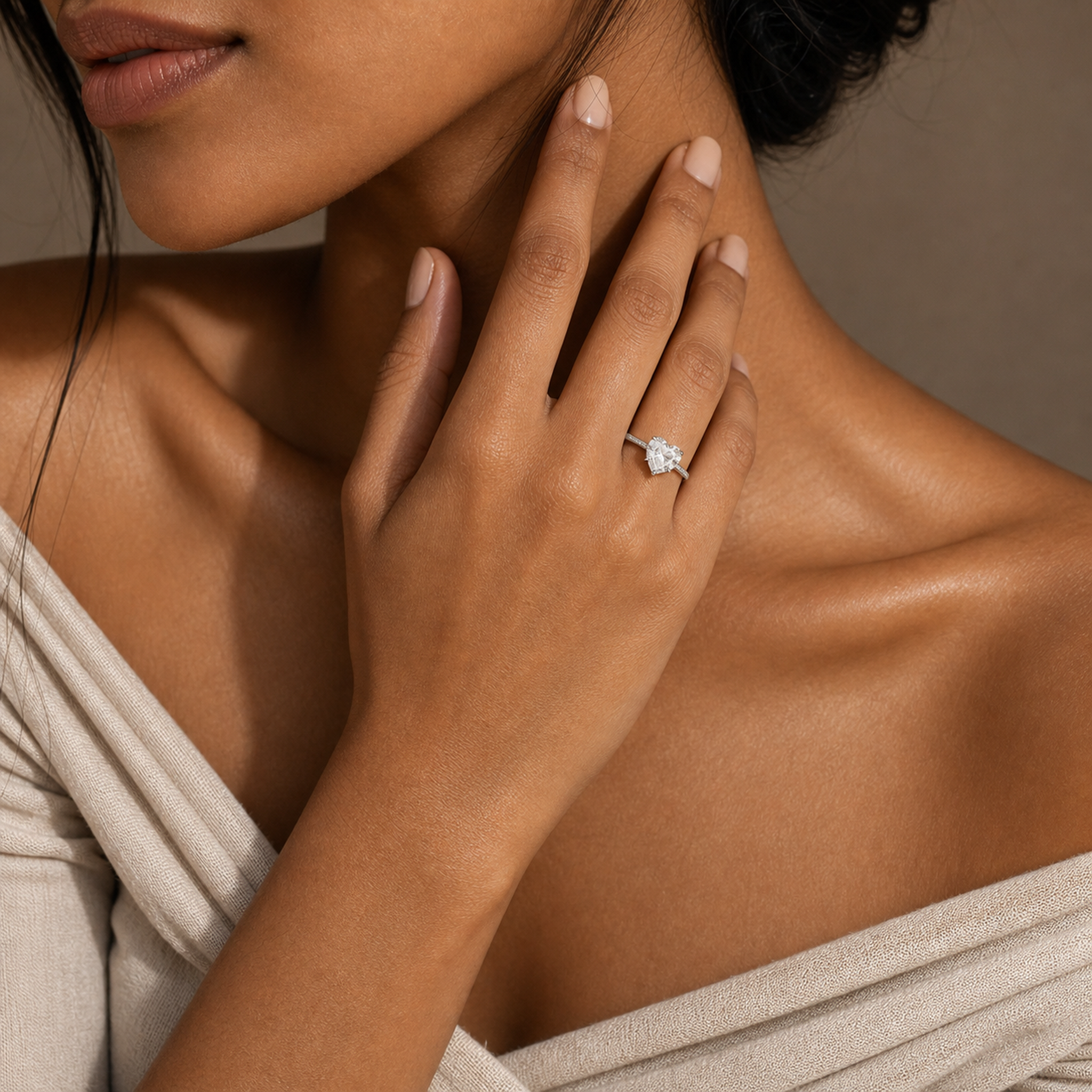
The assortment includes round, oval, cushion, pear, emerald, heart, and paired-shape designs. Curves create softer transitions through white metal; step cuts expose ordered corners; pointed shapes make prong placement more visible. Paired centers require distinct outlines to share one field without becoming visually unresolved.
With wear, Platinum develops fine surface changes often called patina. Some wearers value this quieter character; others choose professional refinishing. Neither preference is more authentic, and no universal schedule applies. Surface evolution is part of the material decision, not evidence that the design has ceased to be classic.
Compare White Metals Through the Whole Composition
White Gold is a gold alloy whose finished appearance may include a bright surface treatment. Platinum is naturally white and denser, with different surface behavior. The choice should consider color, weight, finish, care, ring architecture, and budget rather than a hierarchy of prestige or durability.
A Platinum wedding band can extend tonal and physical continuity, while another metal can create contrast. Fit still depends on halo edge, head width, cathedral rise, side-stone span, center arrangement, and contact points.
Clarity at Material Scale
Inspection and care should respond to the actual setting and how it is worn. Prongs, pavé, bezels, shared settings, and multi-stone heads distribute metal differently, so no single maintenance claim can cover the whole collection. Physical substance remains meaningful only when it is matched by precise construction and proportion. The same discipline should guide any future refinishing decision.
Burvonti pairs responsibly sourced, independently graded lab-grown diamonds with settings calibrated through human judgment. Custom possibilities may refine shape, orientation, metal, engraving, band dimension, or selected structure where feasible. Platinum becomes classic here through continuity, material presence, and a disciplined relationship among every visible element. Final dimensions and construction still belong to the selected ring.
Frequently Asked Questions
How does this page differ from Classic Engagement Rings?
The parent owns classic design across materials. This page focuses on Platinum's natural white tone, density, patina, and physical presence within those structures.
How does it differ from all Platinum Engagement Rings?
The main metal page spans all engagement styles. This intersection is limited to designs selected for disciplined hierarchy and composed proportion.
Is Platinum naturally white?
Yes. Its finished appearance still varies with polish, texture, lighting, wear, and design.
Is a Platinum ring always heavier?
Platinum is denser, so comparable designs may feel more substantial, but actual finished weight depends on dimensions and construction.
Is Platinum indestructible?
No. It can mark, deform, or require maintenance depending on design, wear, and impact.
Can halo and Toi et Moi rings be classic in Platinum?
Yes. Classic describes controlled hierarchy and proportion, not one setting type or number of centers.
Which shapes appear in this collection?
Round, oval, cushion, pear, emerald, heart, and several paired-shape combinations appear.
Does Platinum make diamonds more brilliant?
No. It does not change cut or light performance, though tonal continuity can affect the visible boundary around a stone.
What is Platinum patina?
It is the fine surface change that accumulates through wear. Some retain it; others choose professional refinishing.
How does Platinum differ from White Gold?
Platinum is naturally white and dense. White Gold is a gold alloy selected for a white appearance and may use a bright surface finish.
Is Platinum hypoallergenic?
A universal personal outcome should not be promised. Confirm complete product-specific composition if sensitivity is a concern.
Can Burvonti personalize a classic Platinum ring?
Custom possibilities may include shape, orientation, metal, engraving, band proportion, or selected setting details, subject to availability and structural feasibility.