
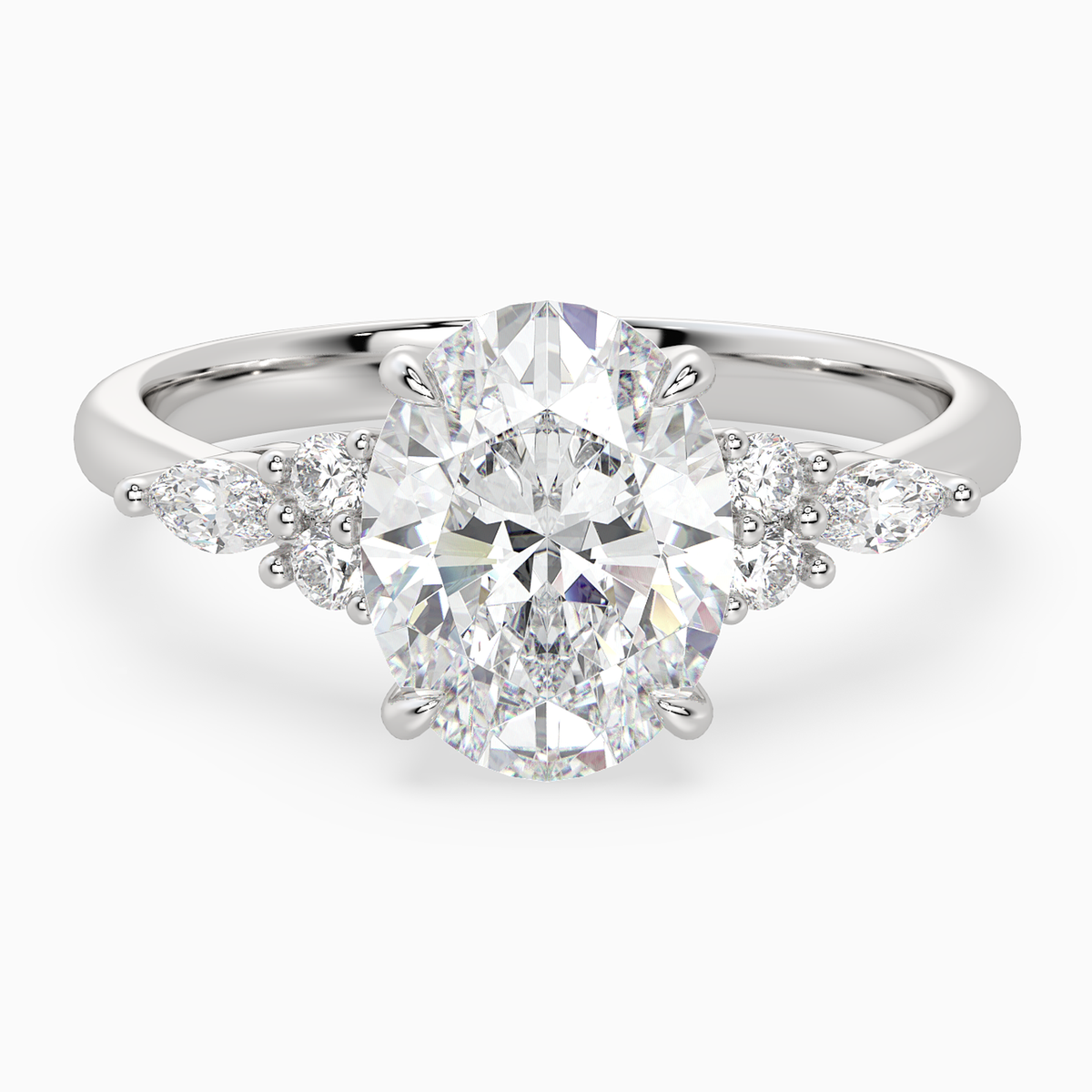


Classic Engagement Rings in 18K White Gold
Quiet color, considered substance. With 75% gold, 18K white gold gives classic settings room for line, proportion, and diamond shape.


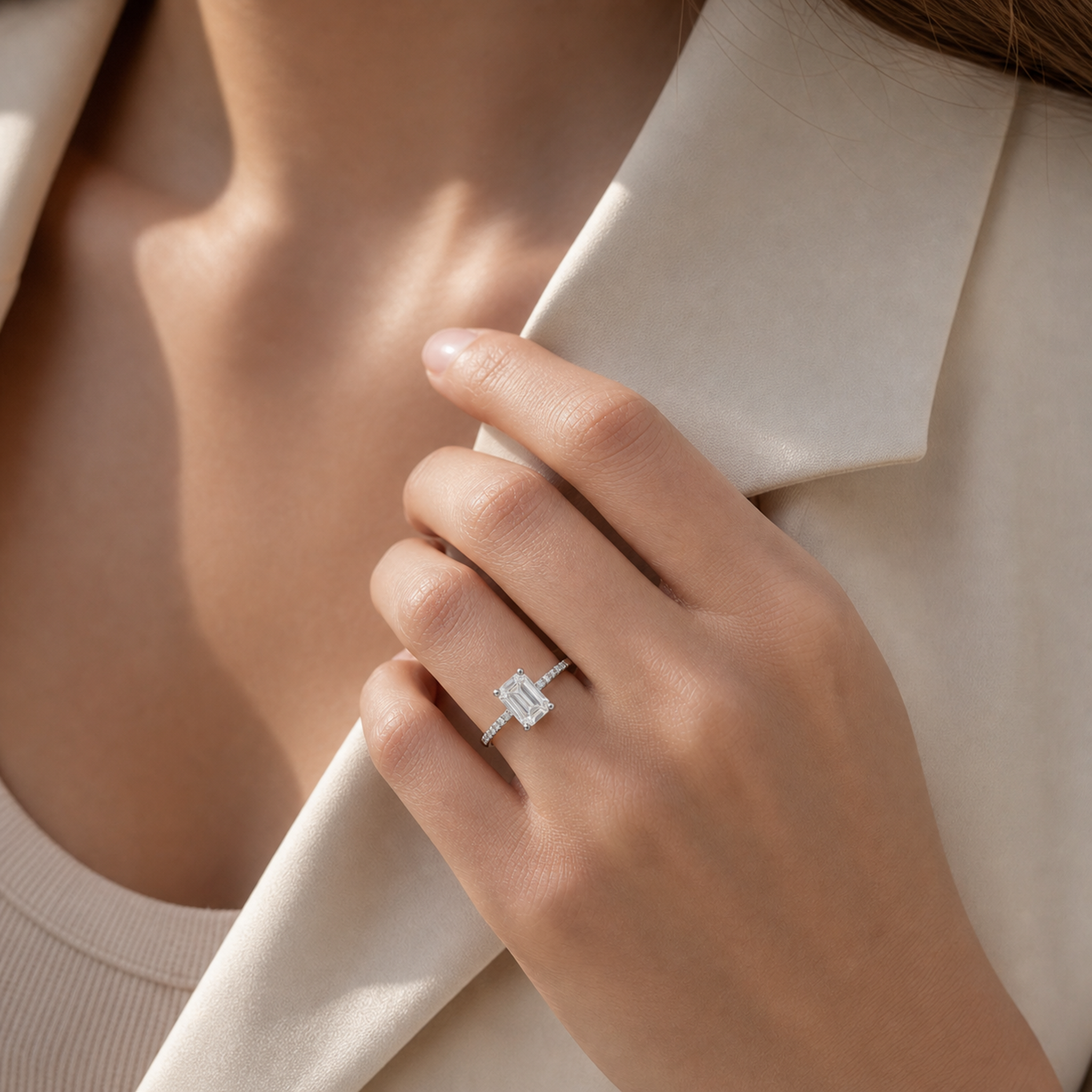


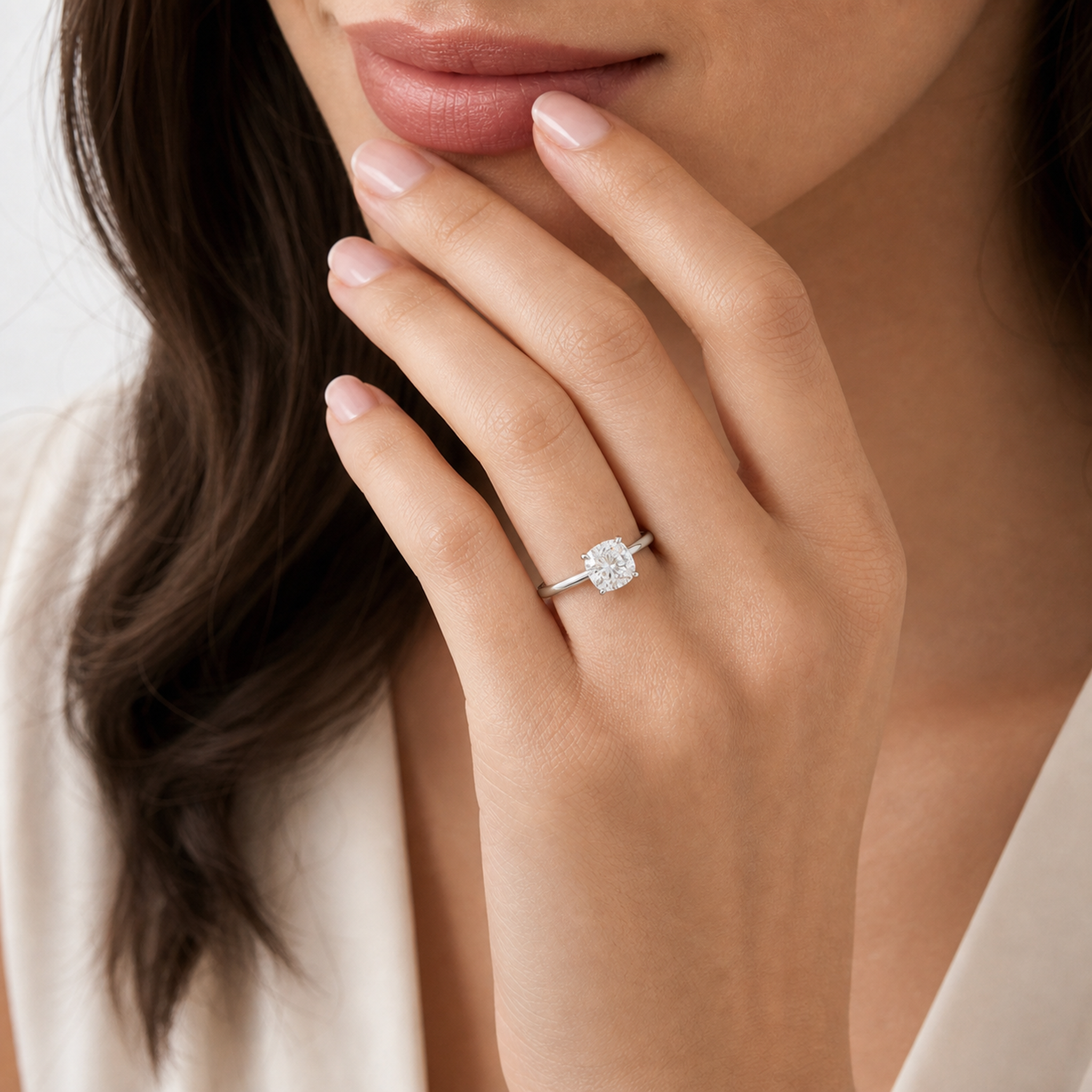


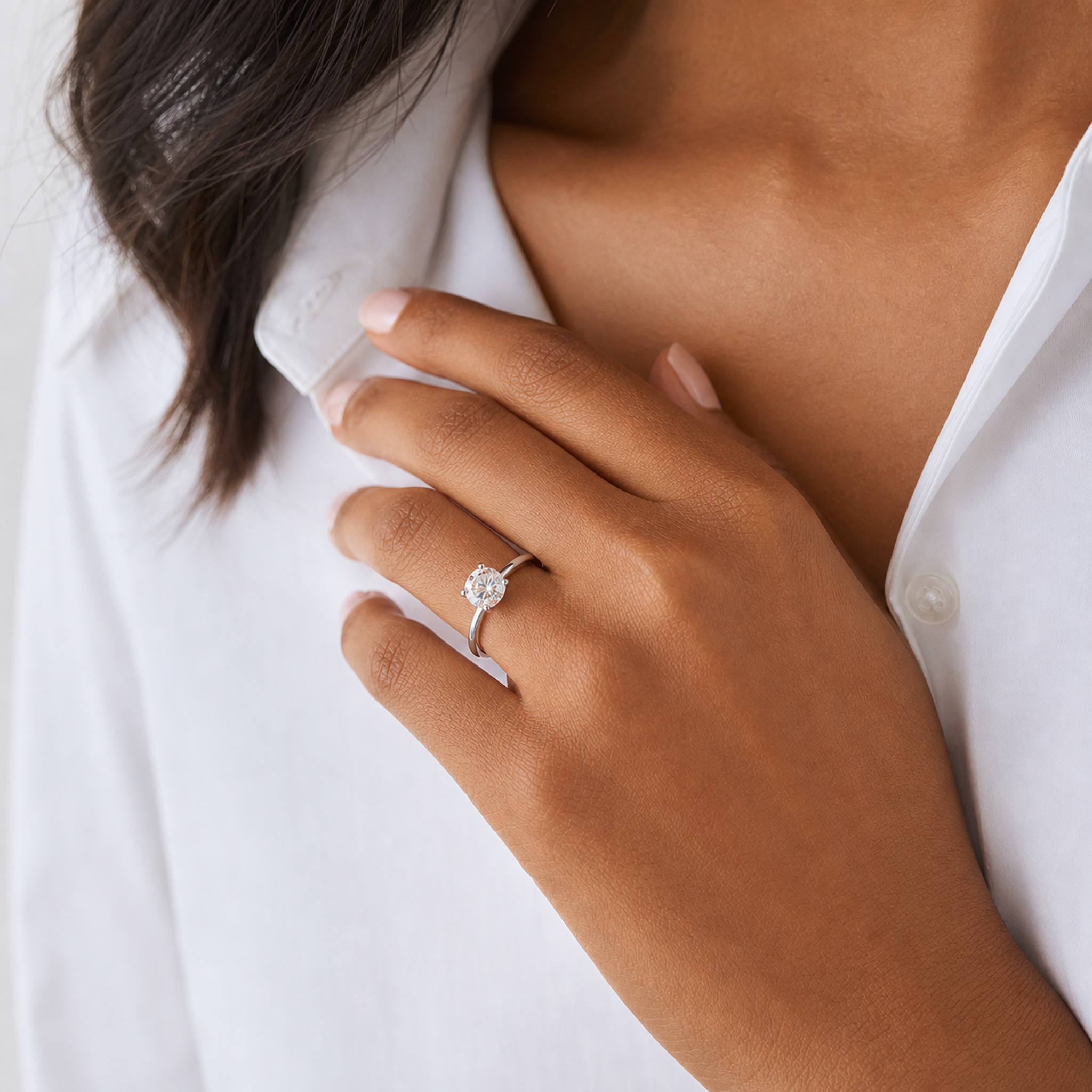


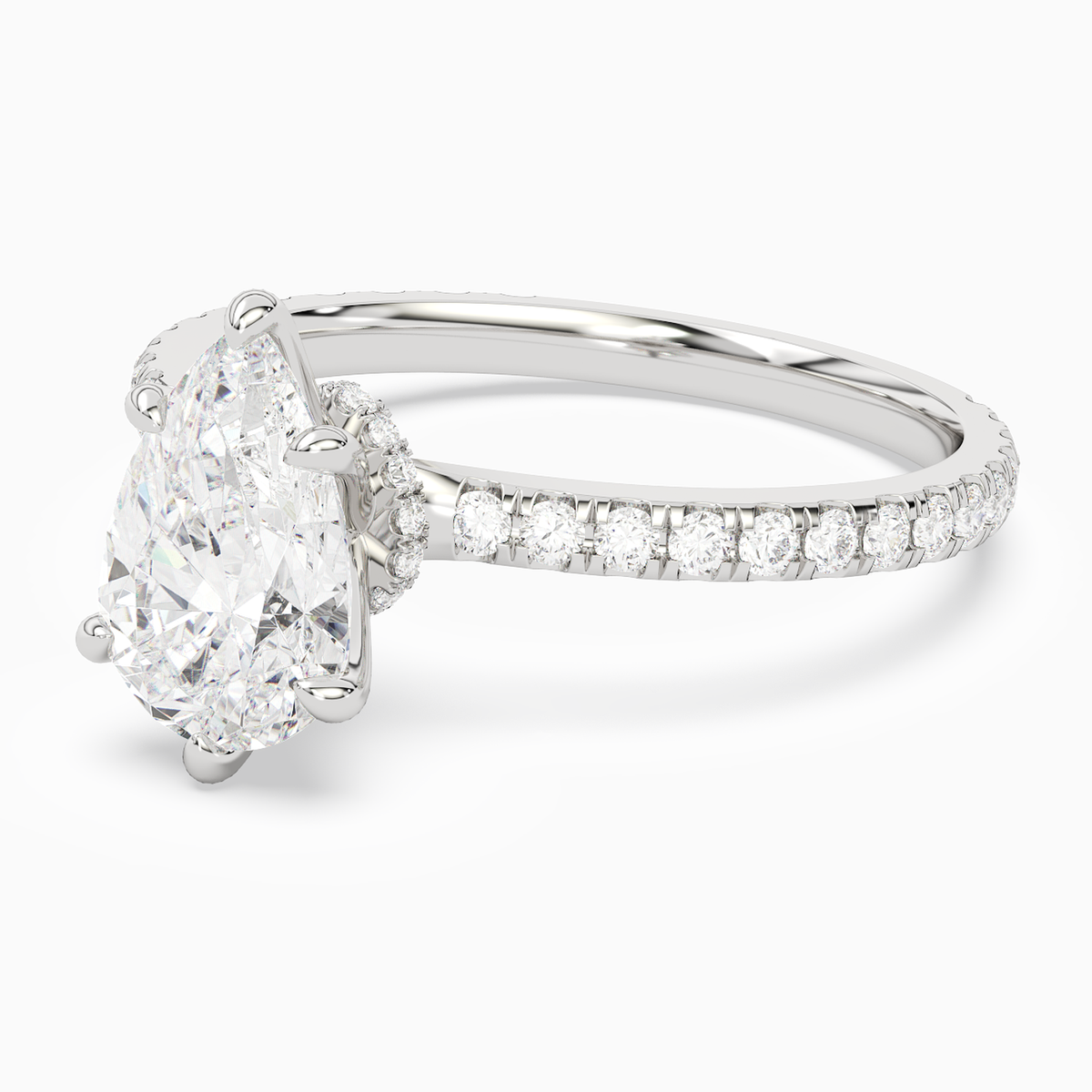
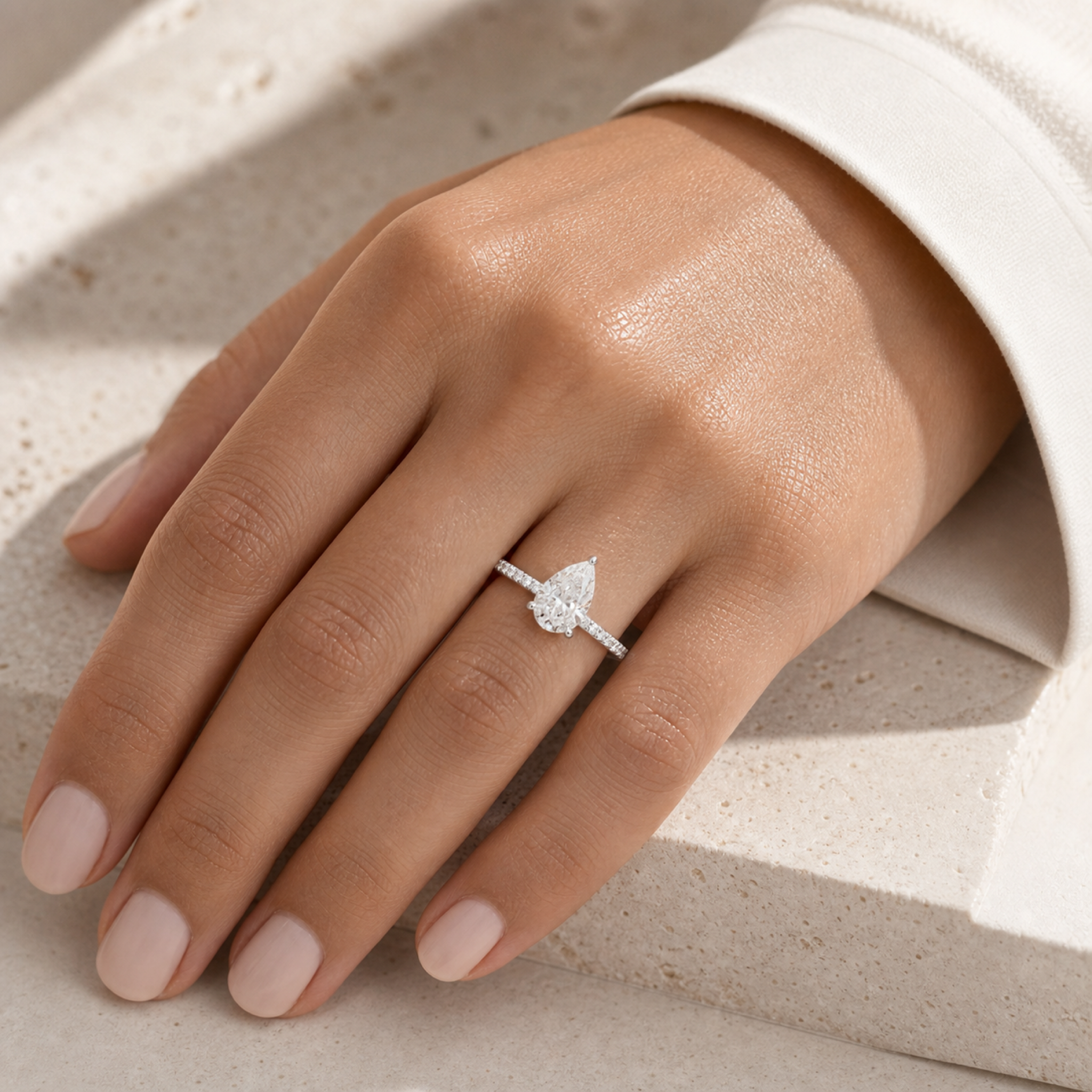


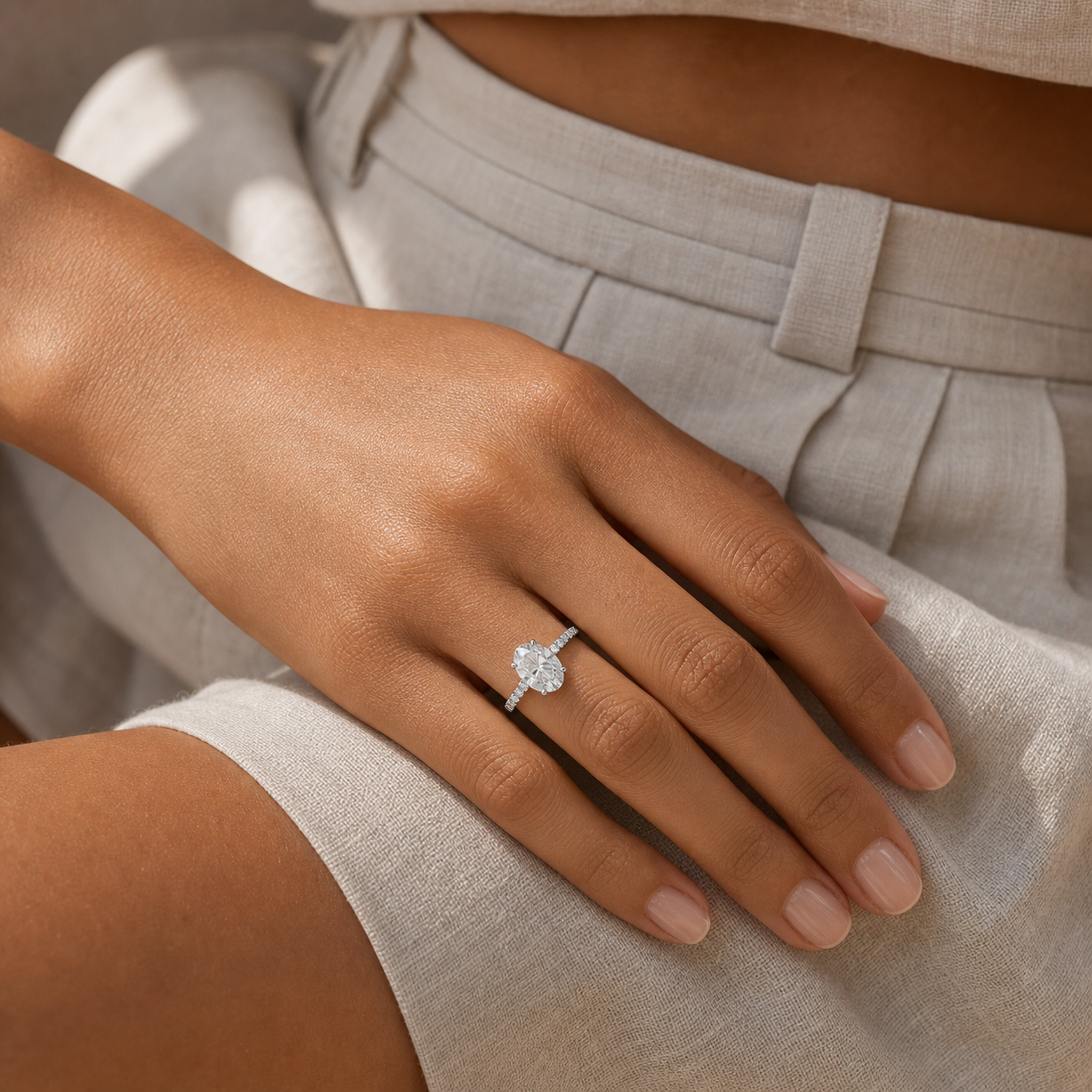


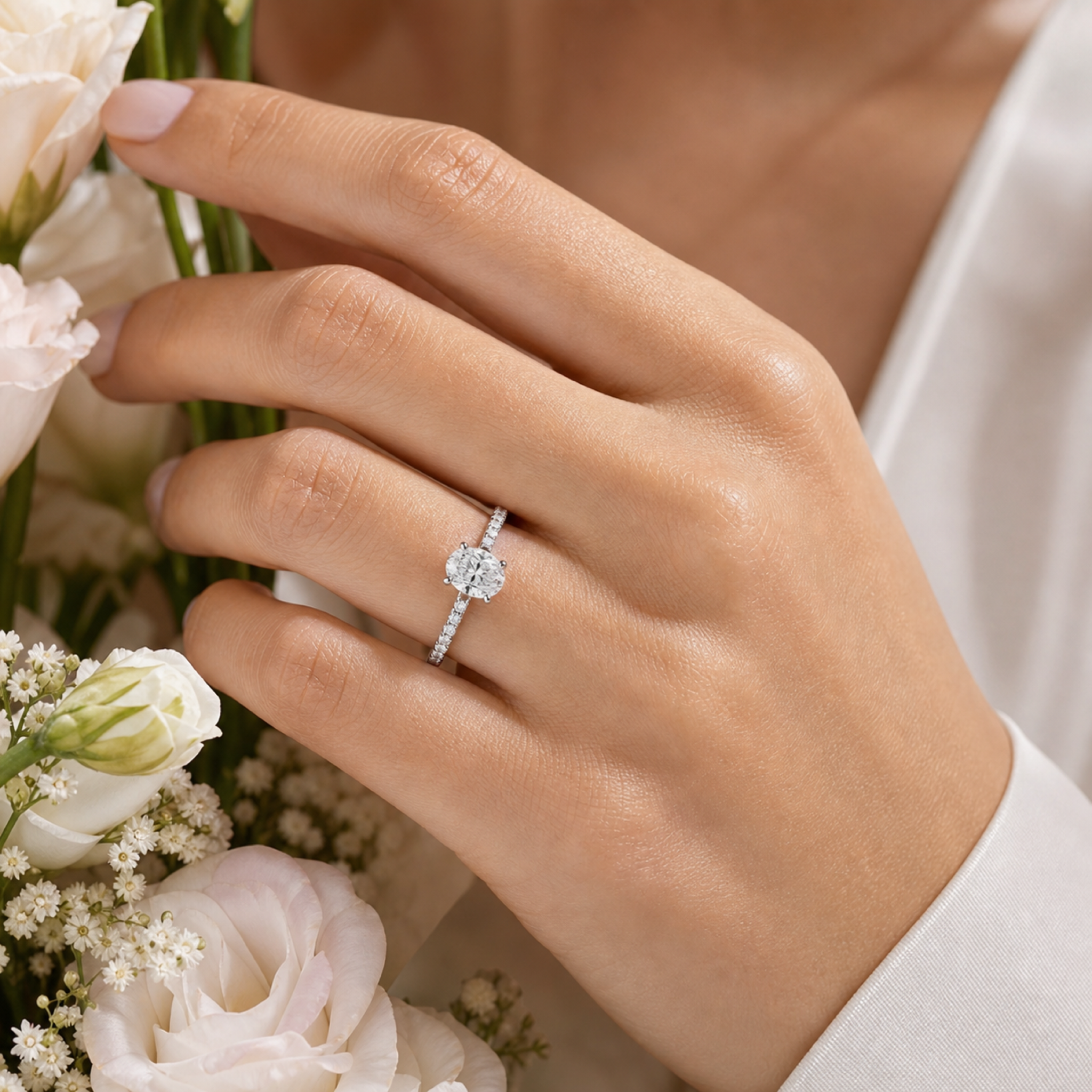


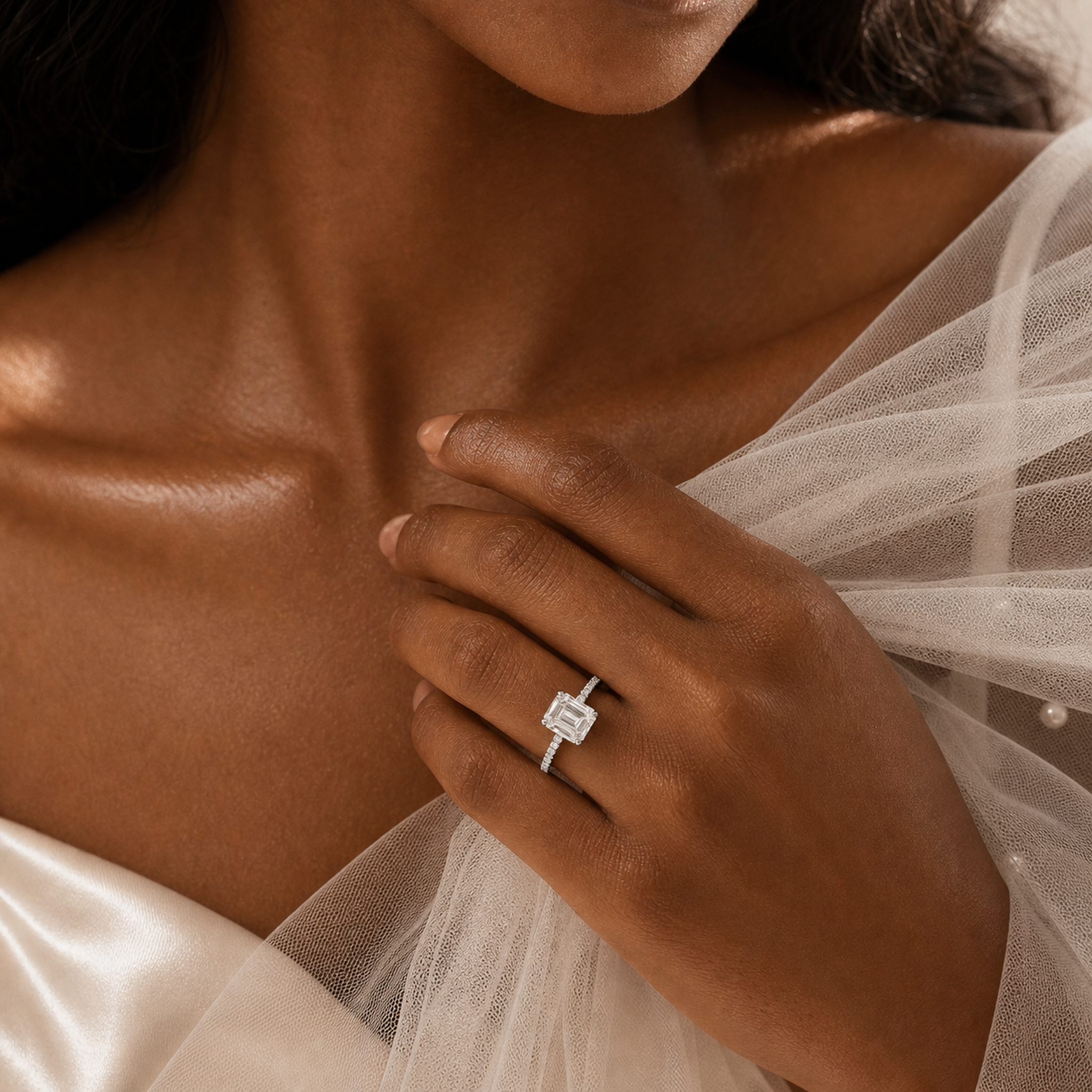


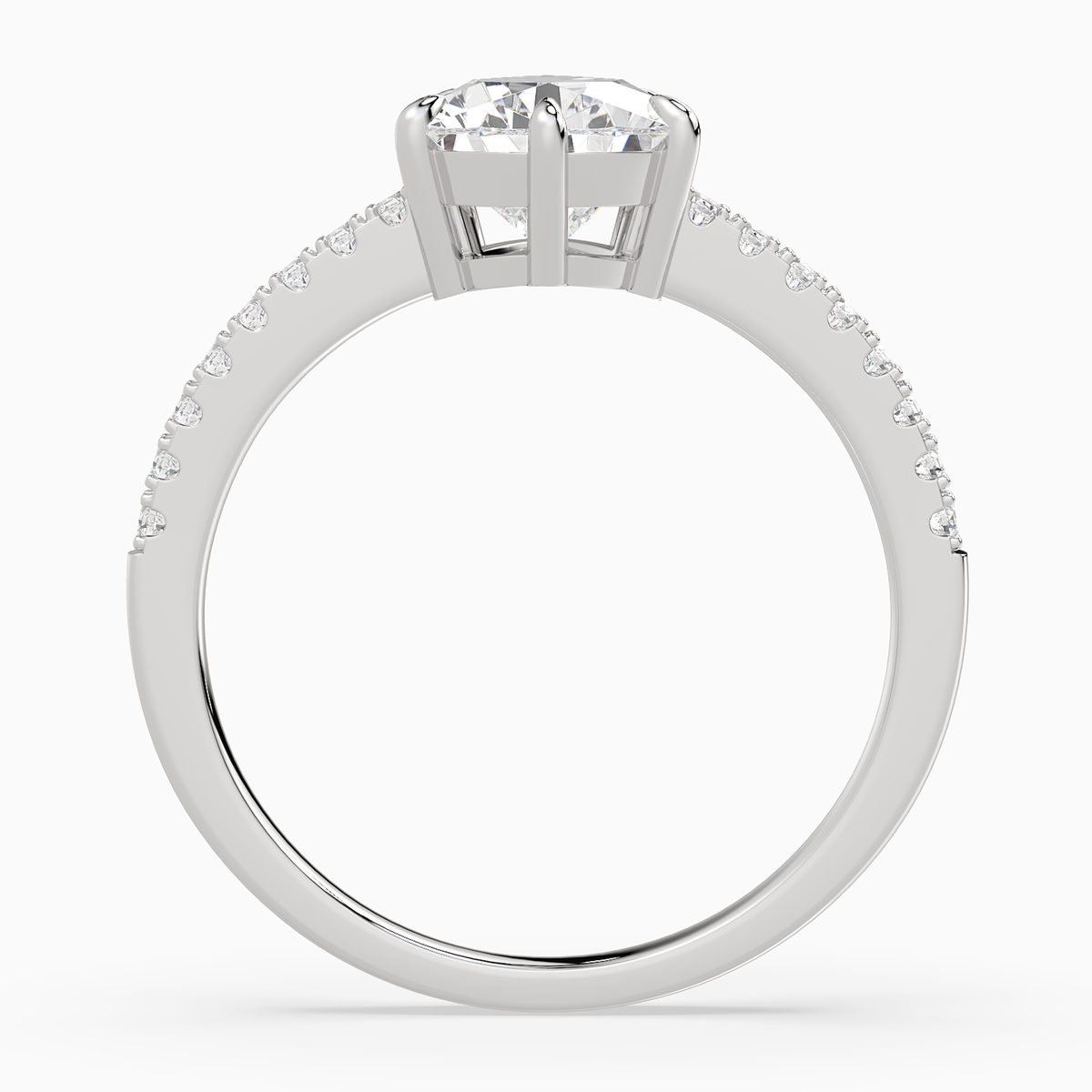

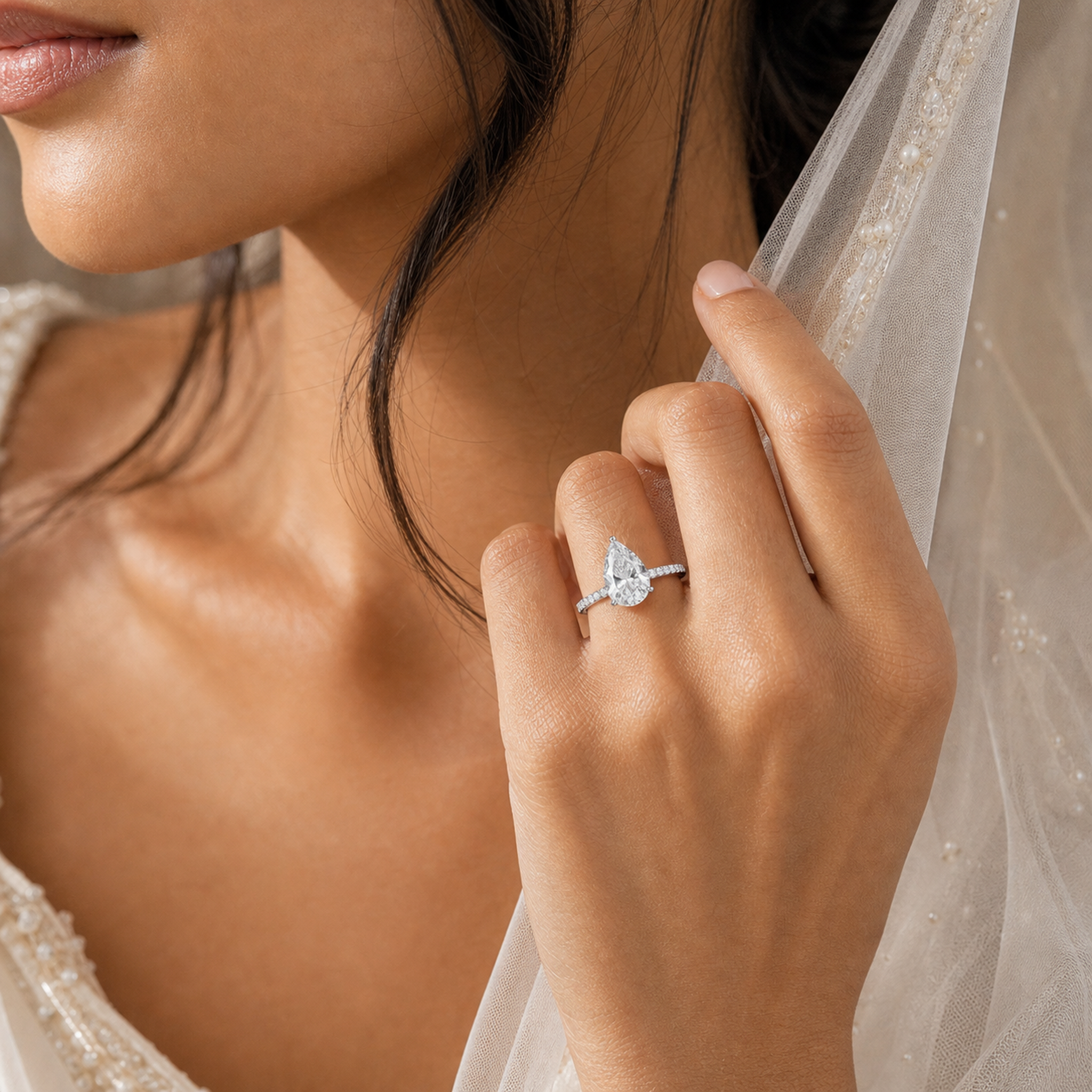


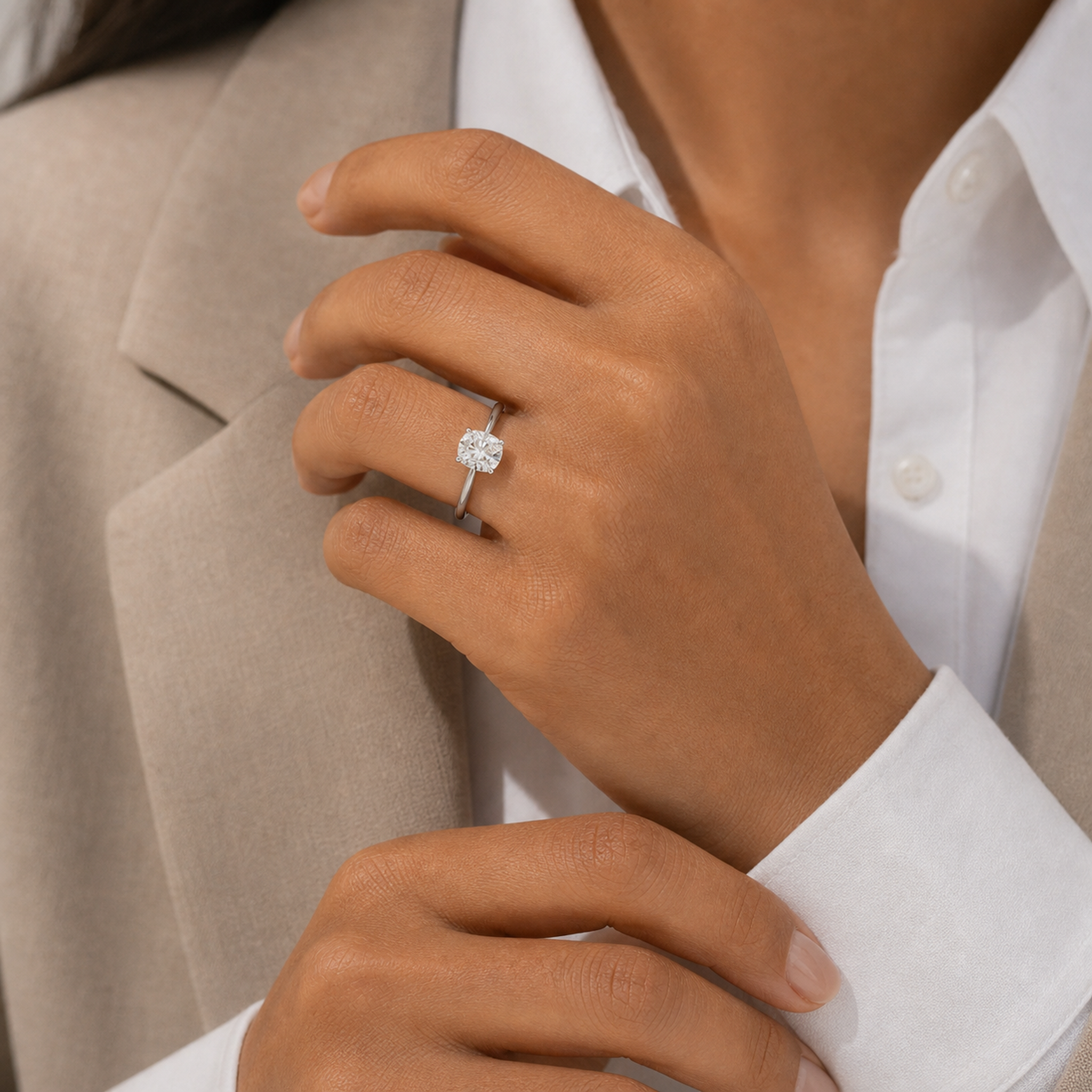


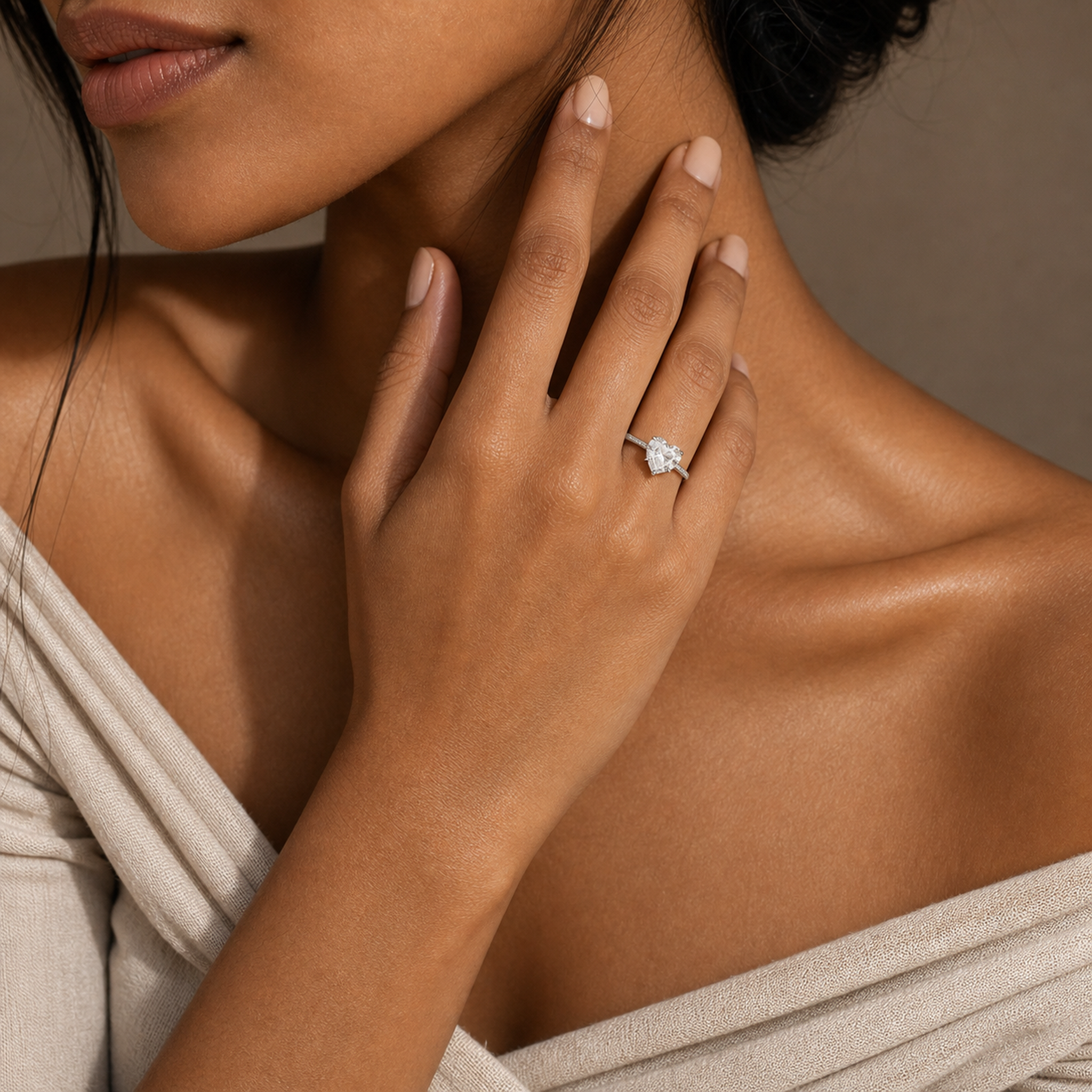


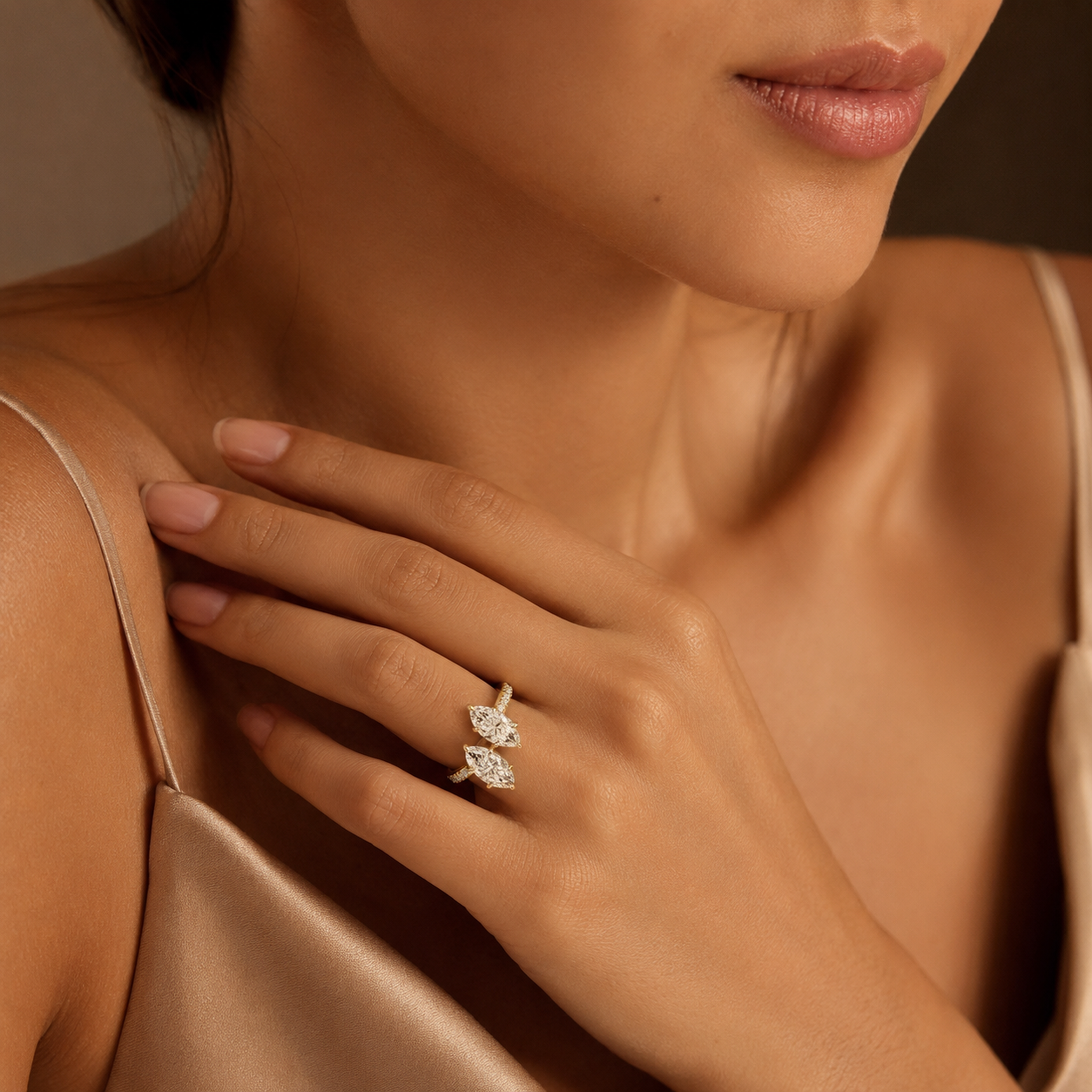

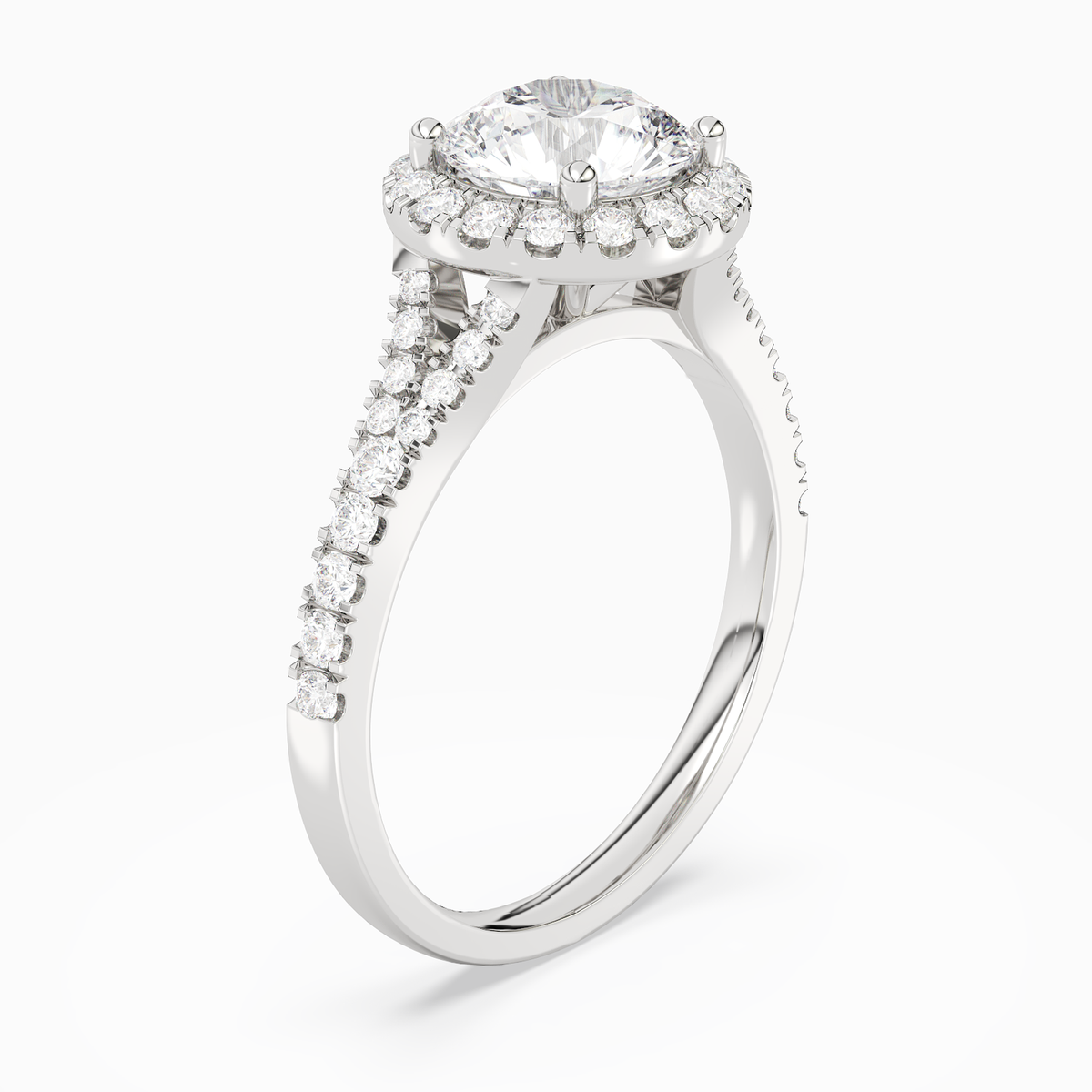


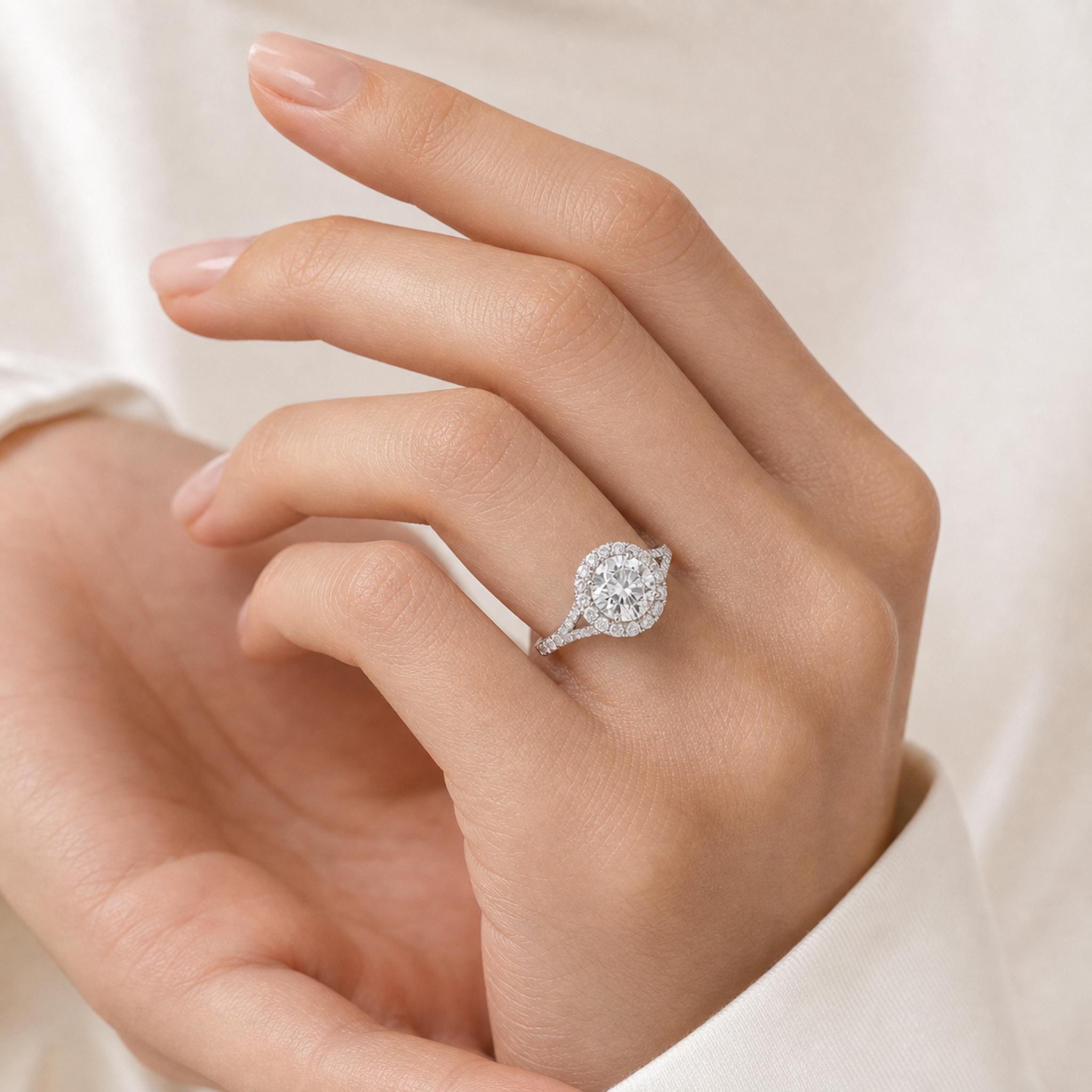




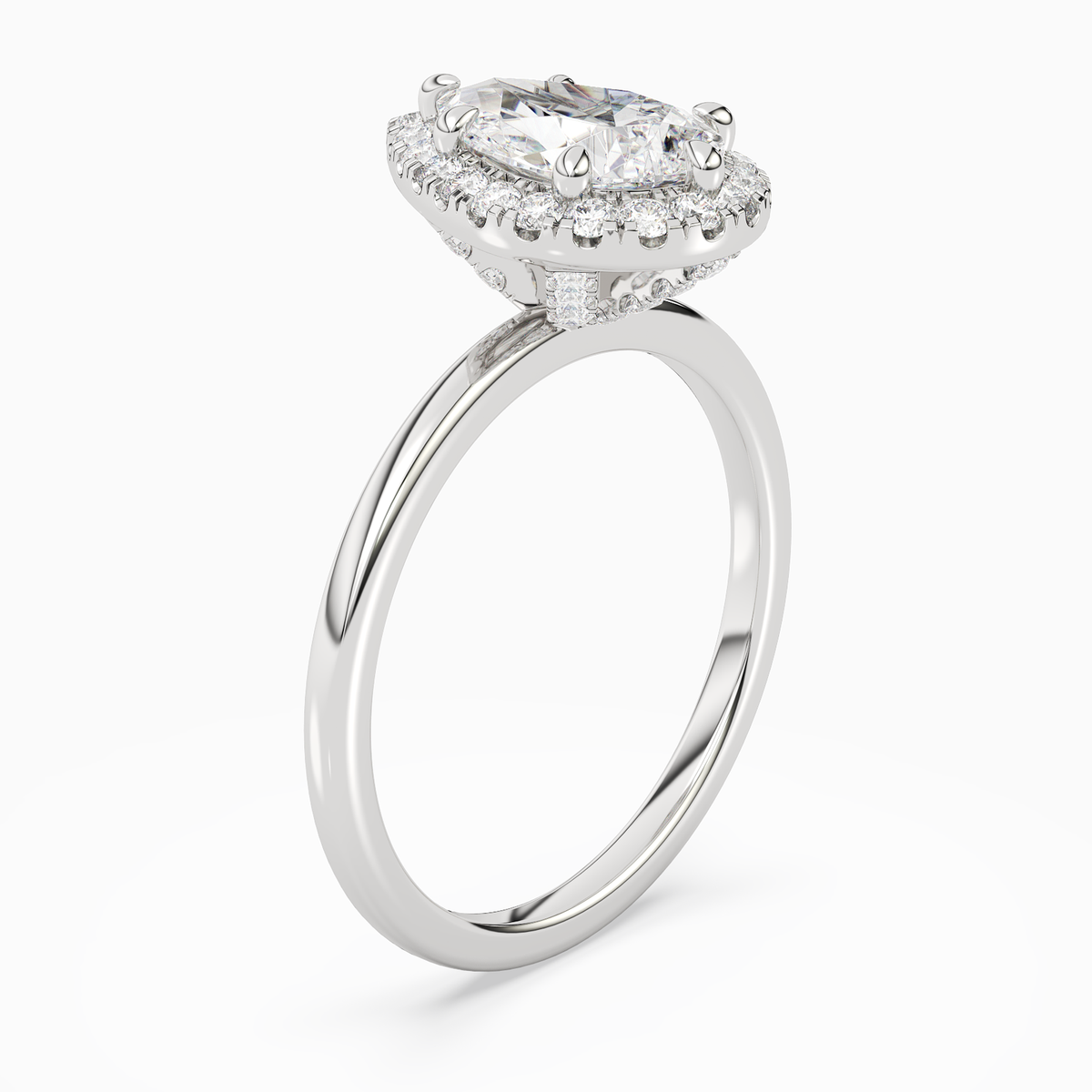
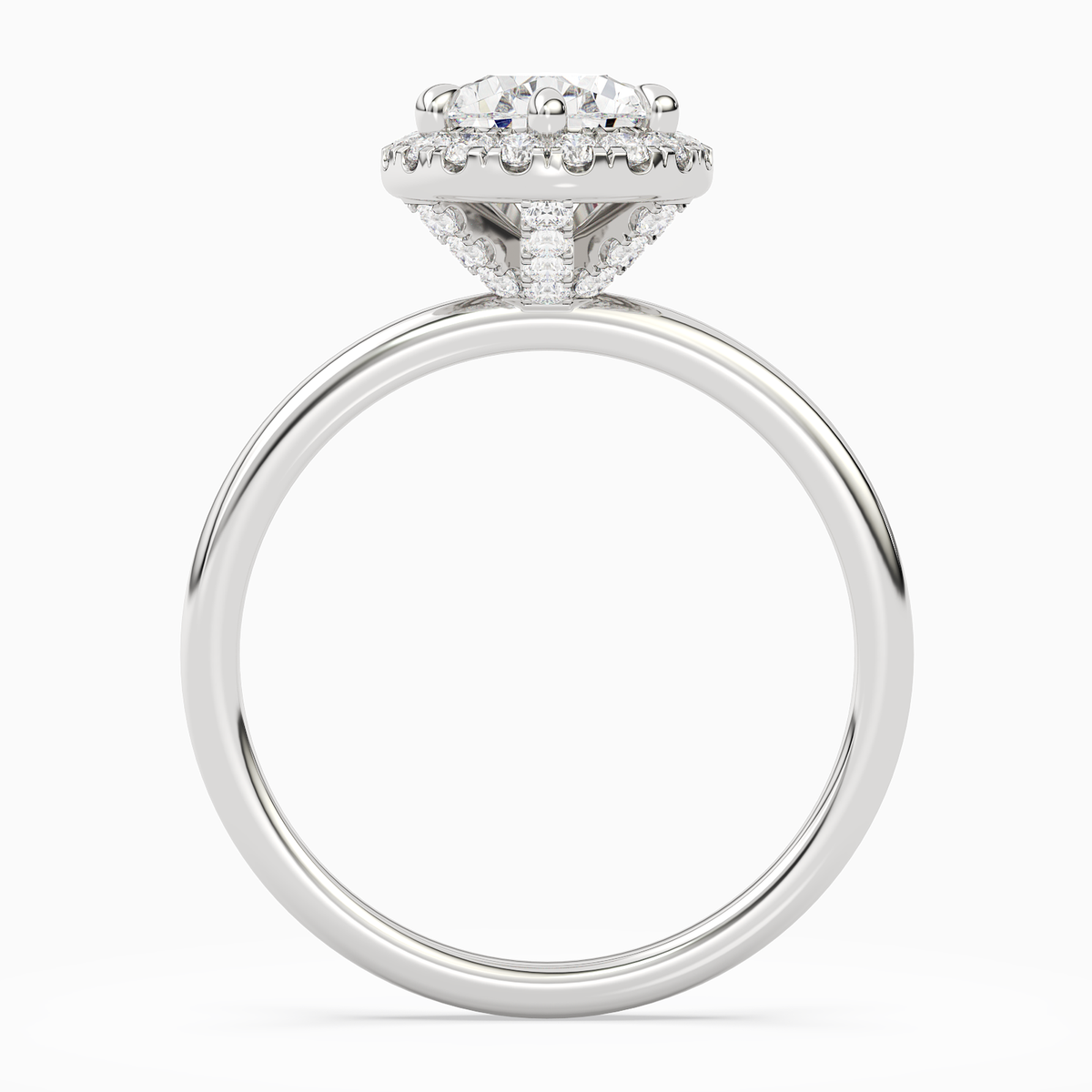
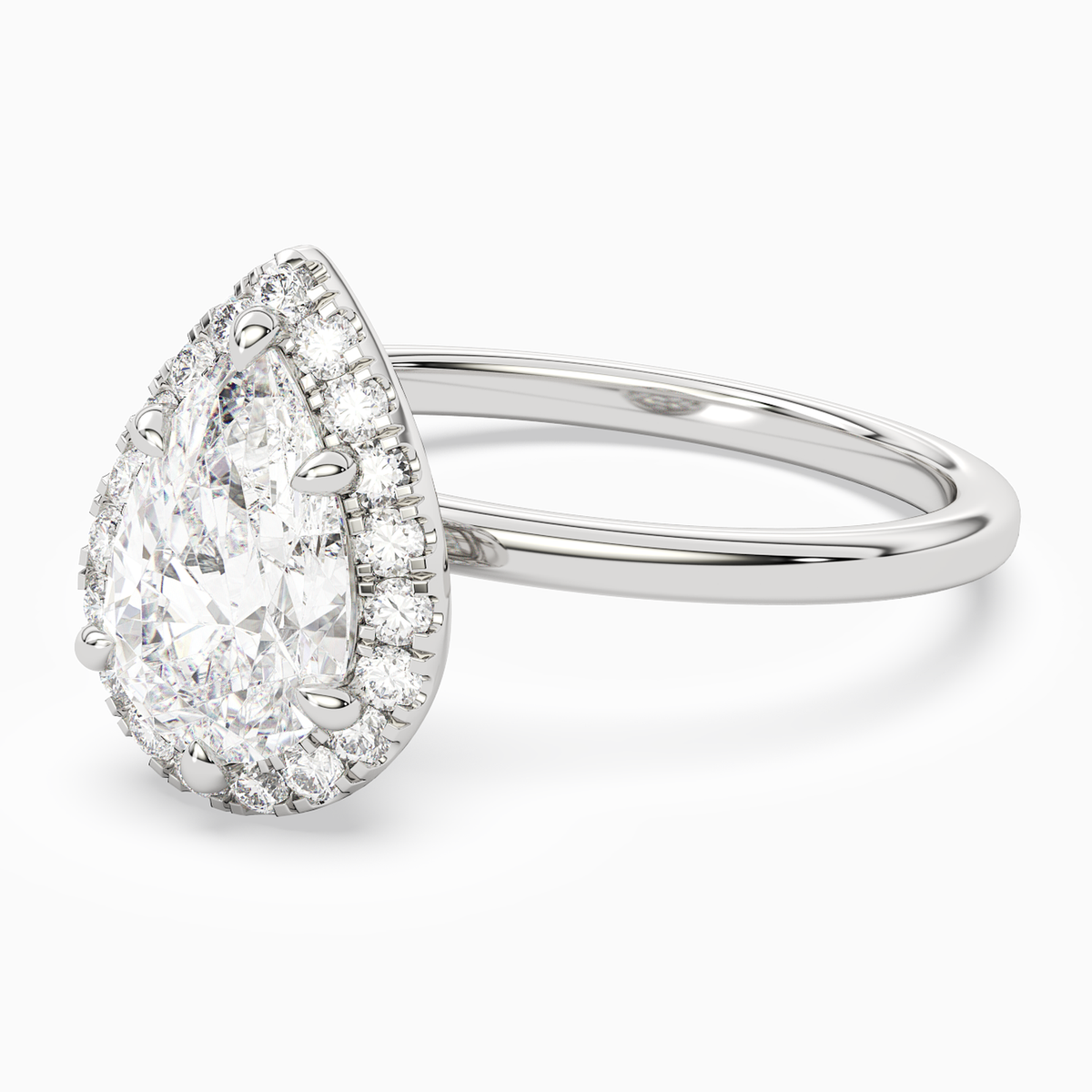
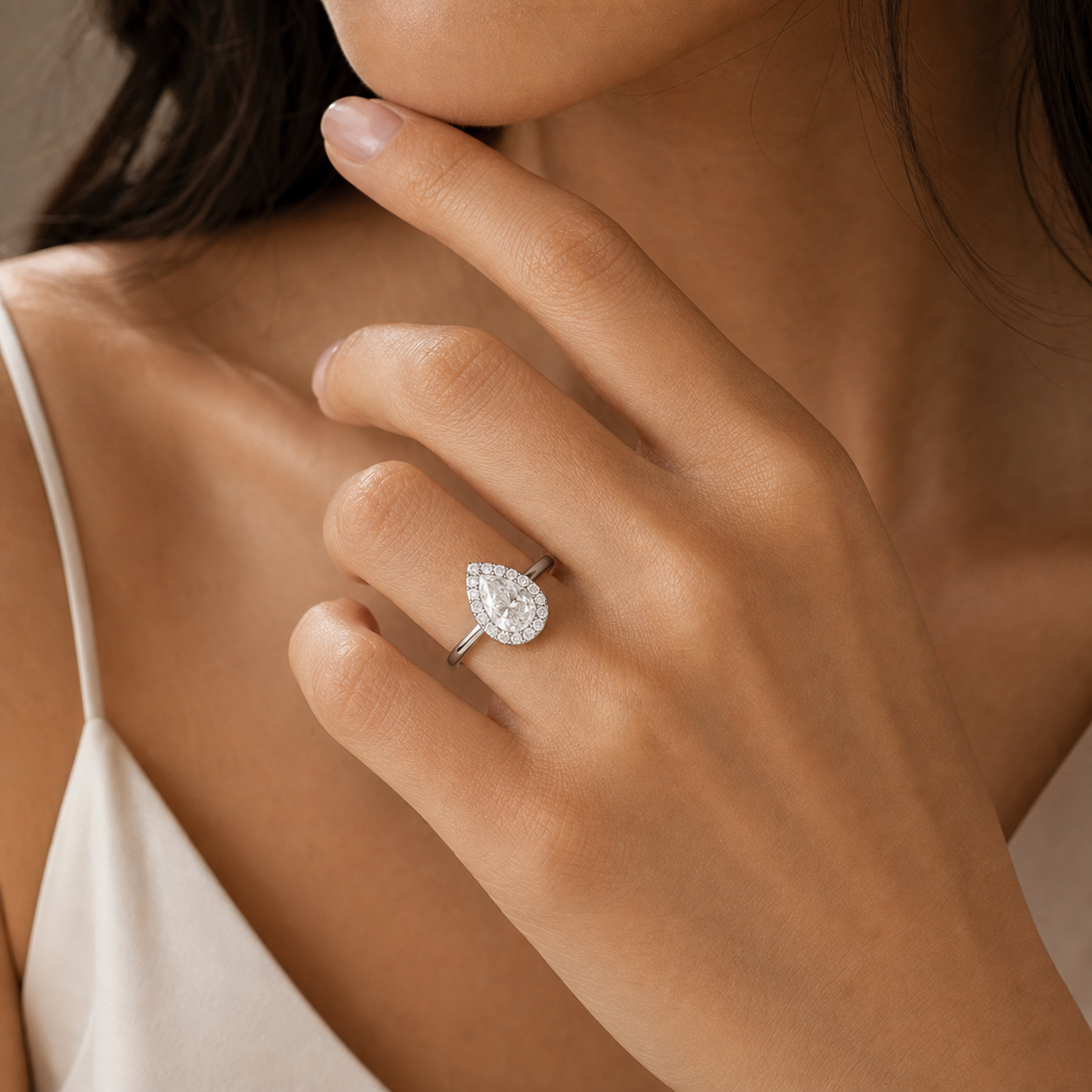


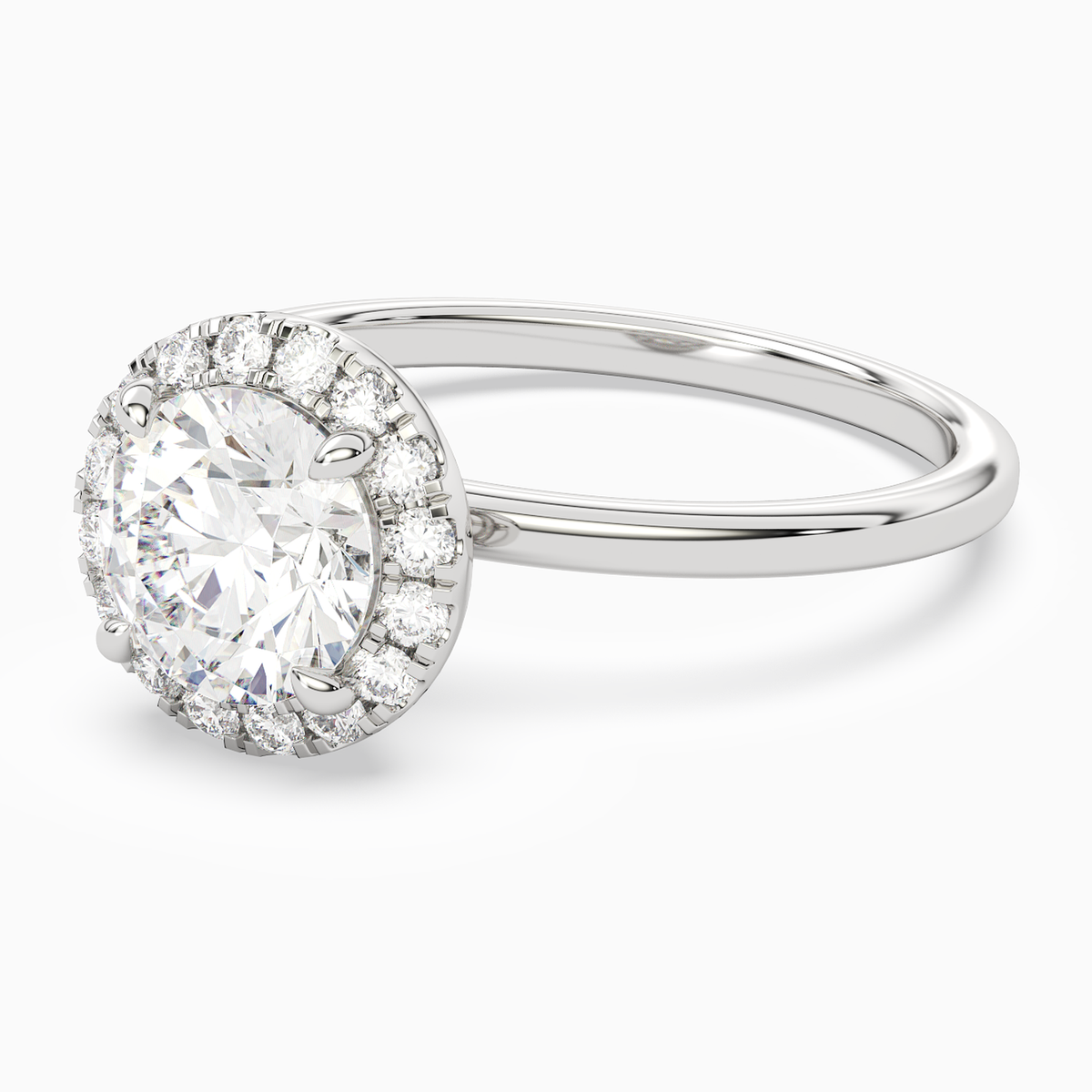
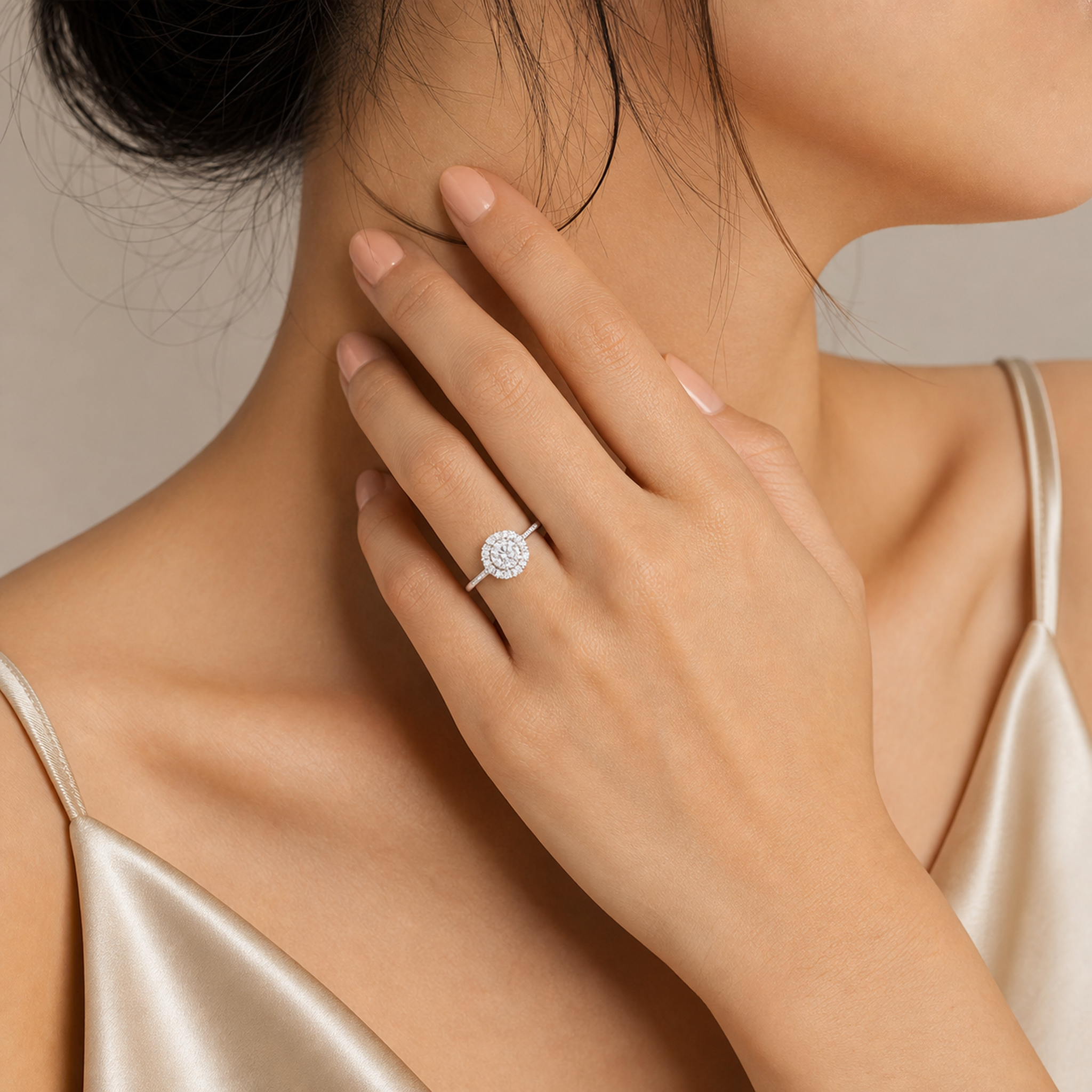


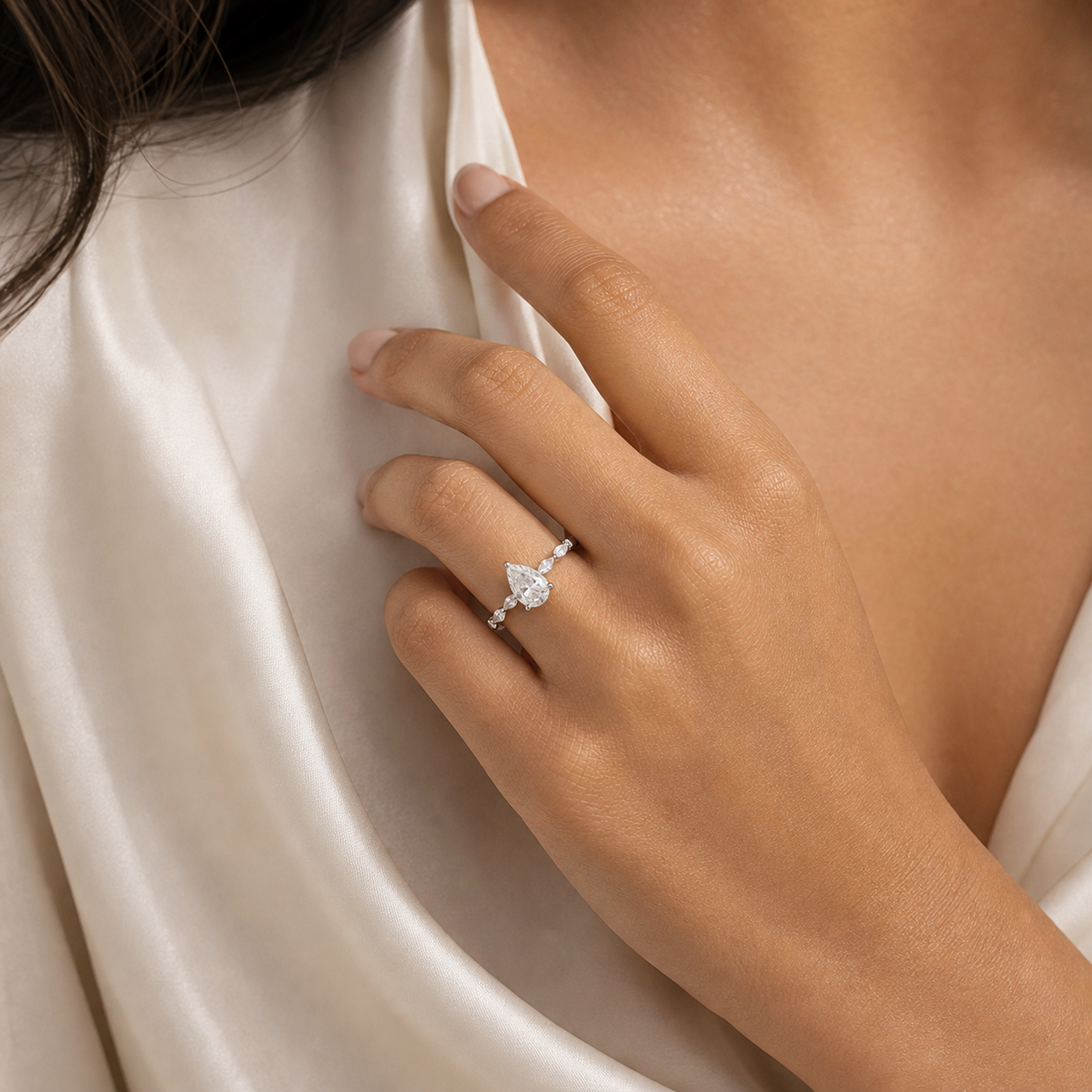

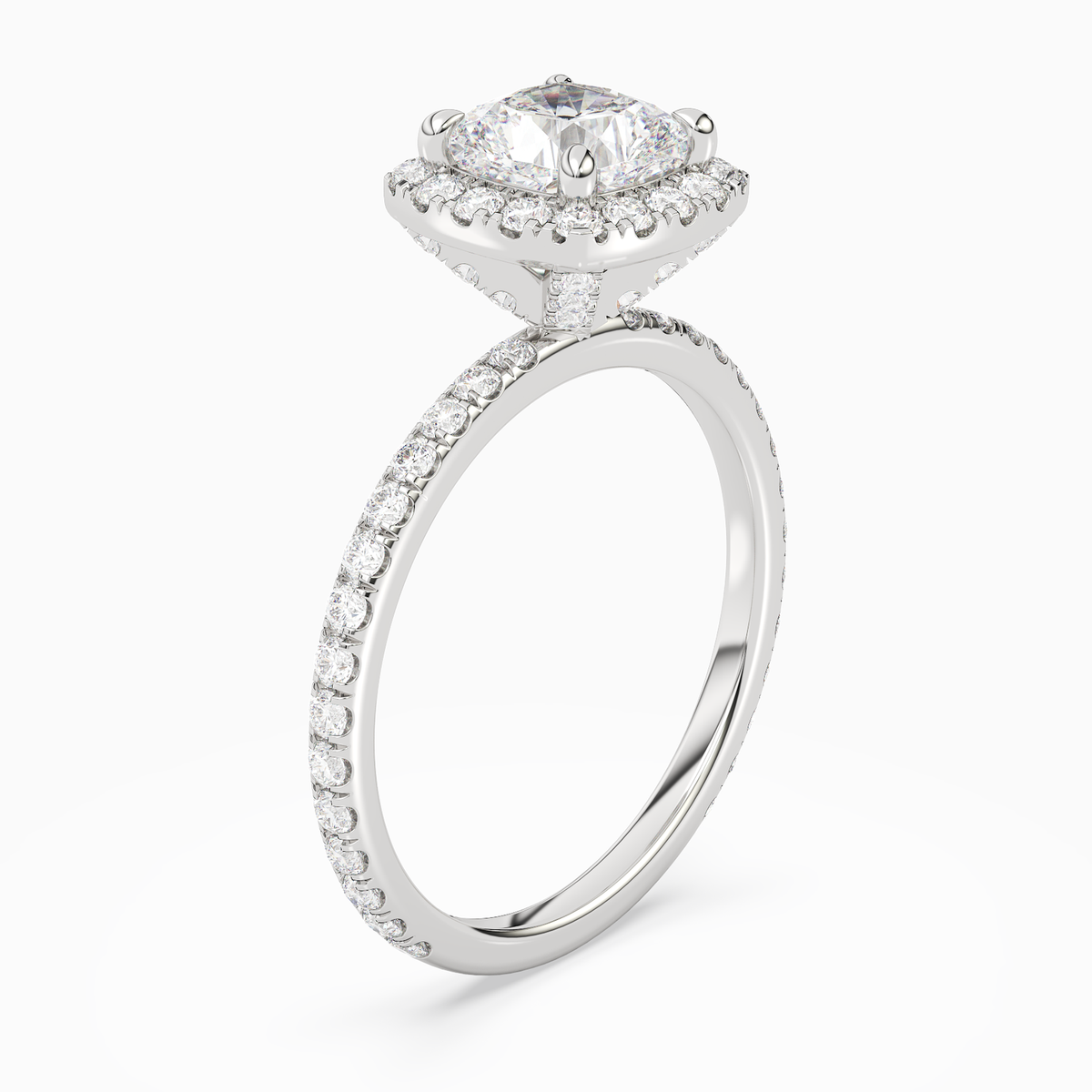
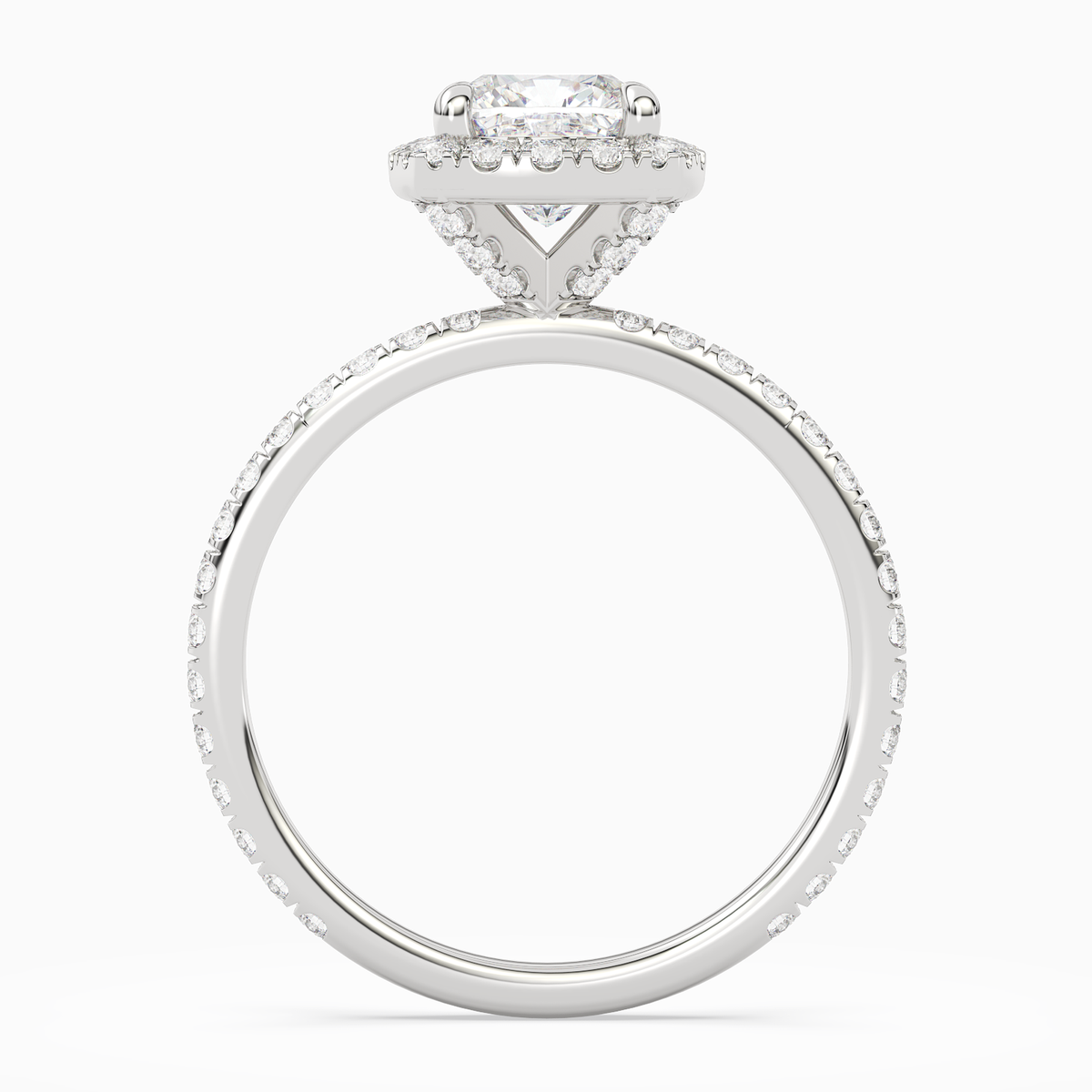

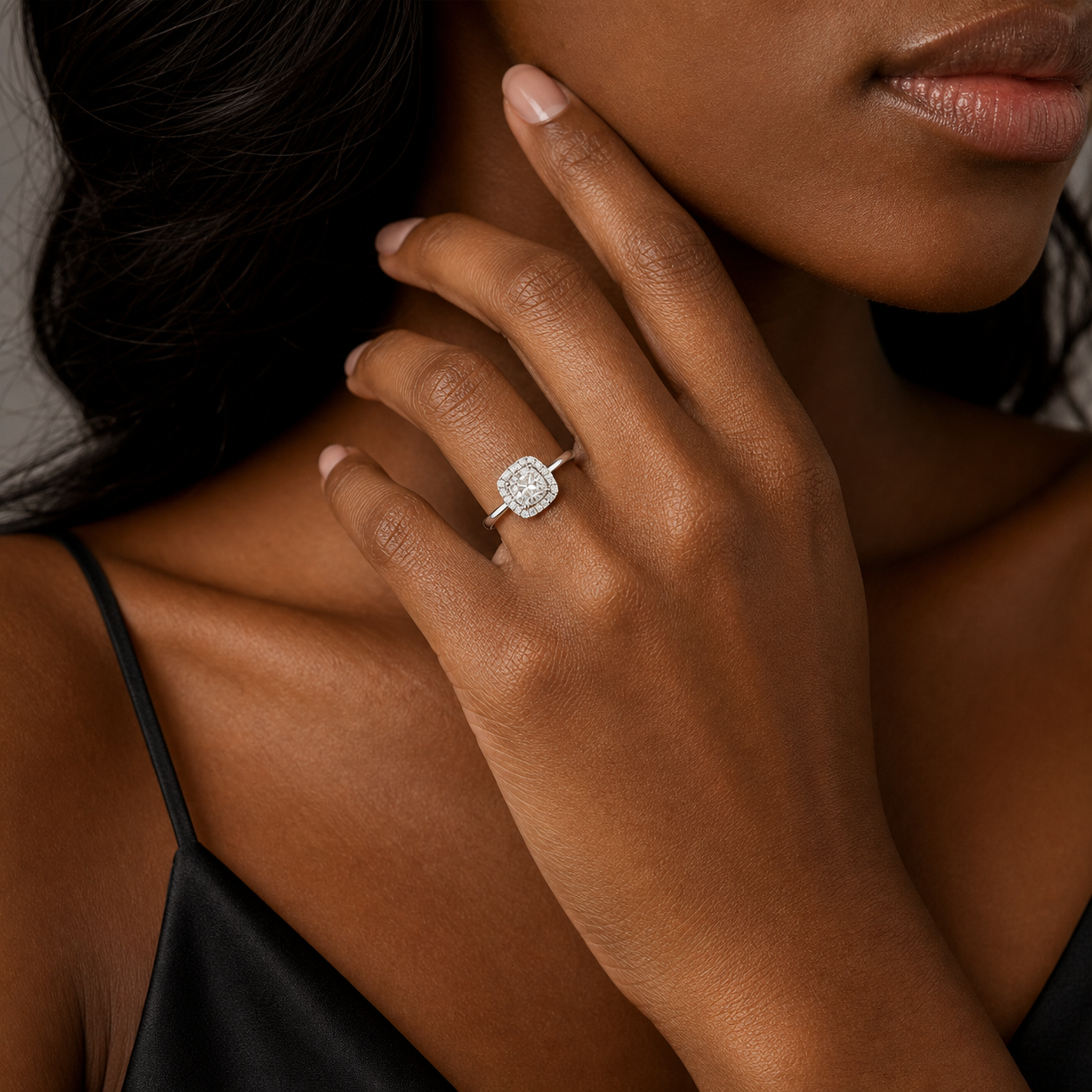


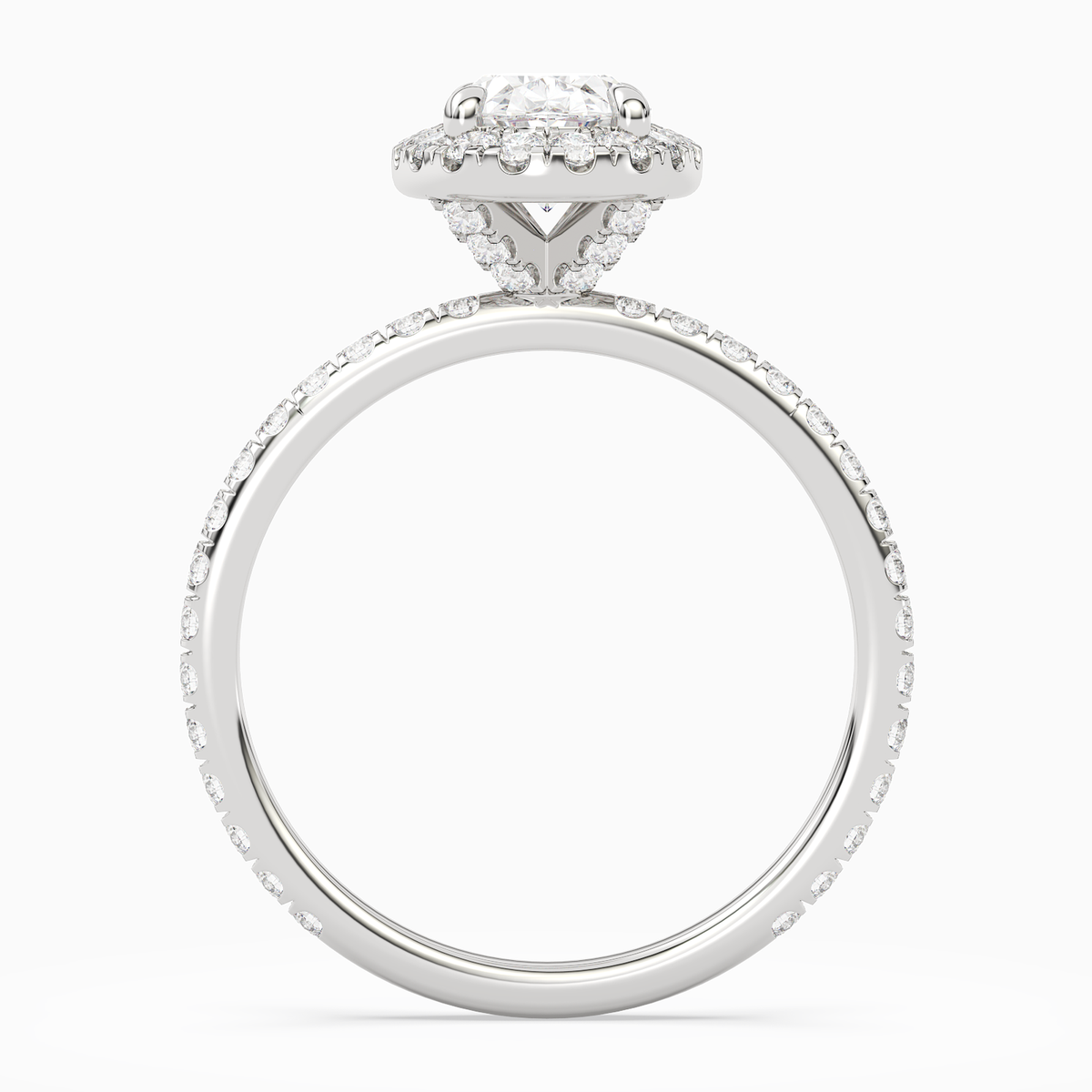

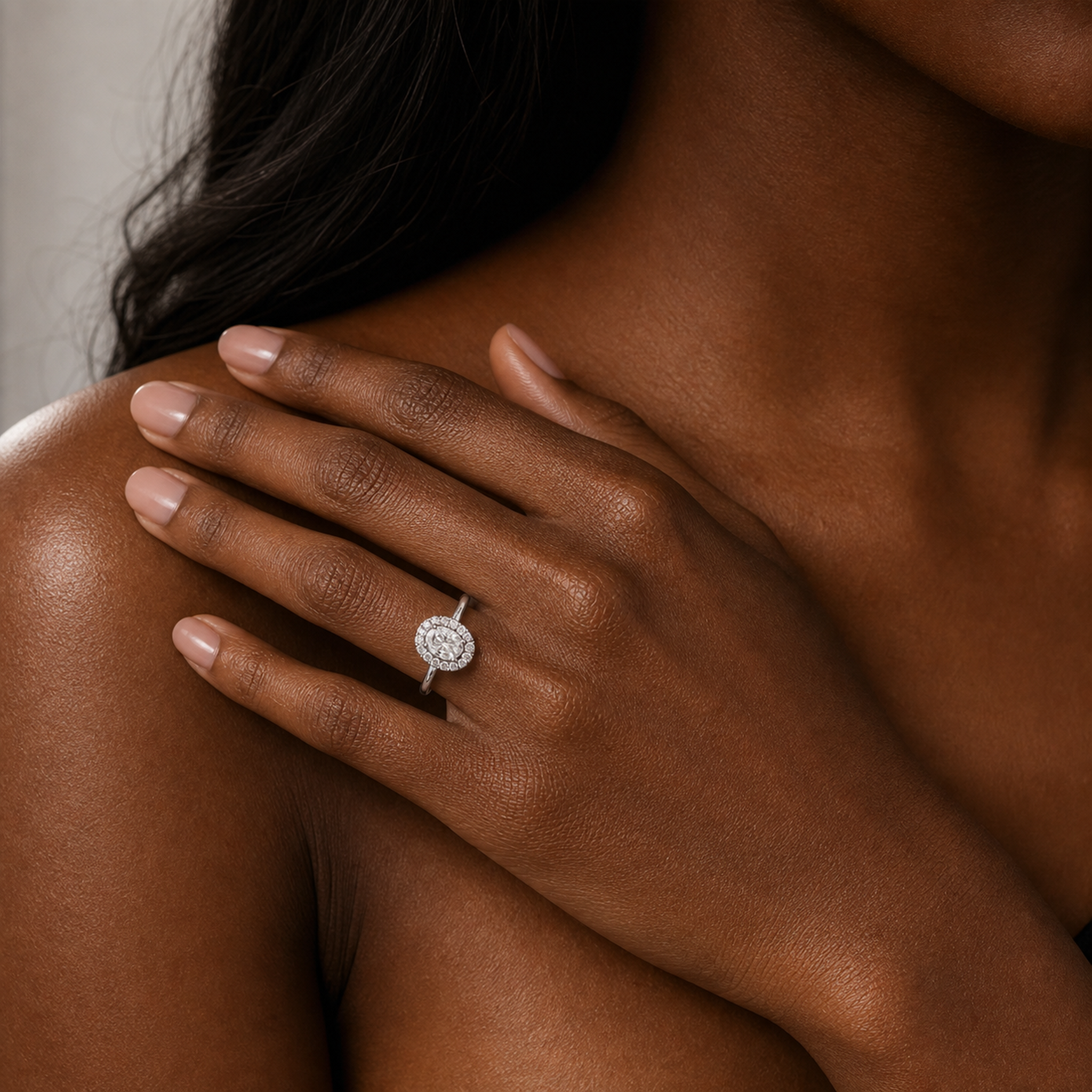


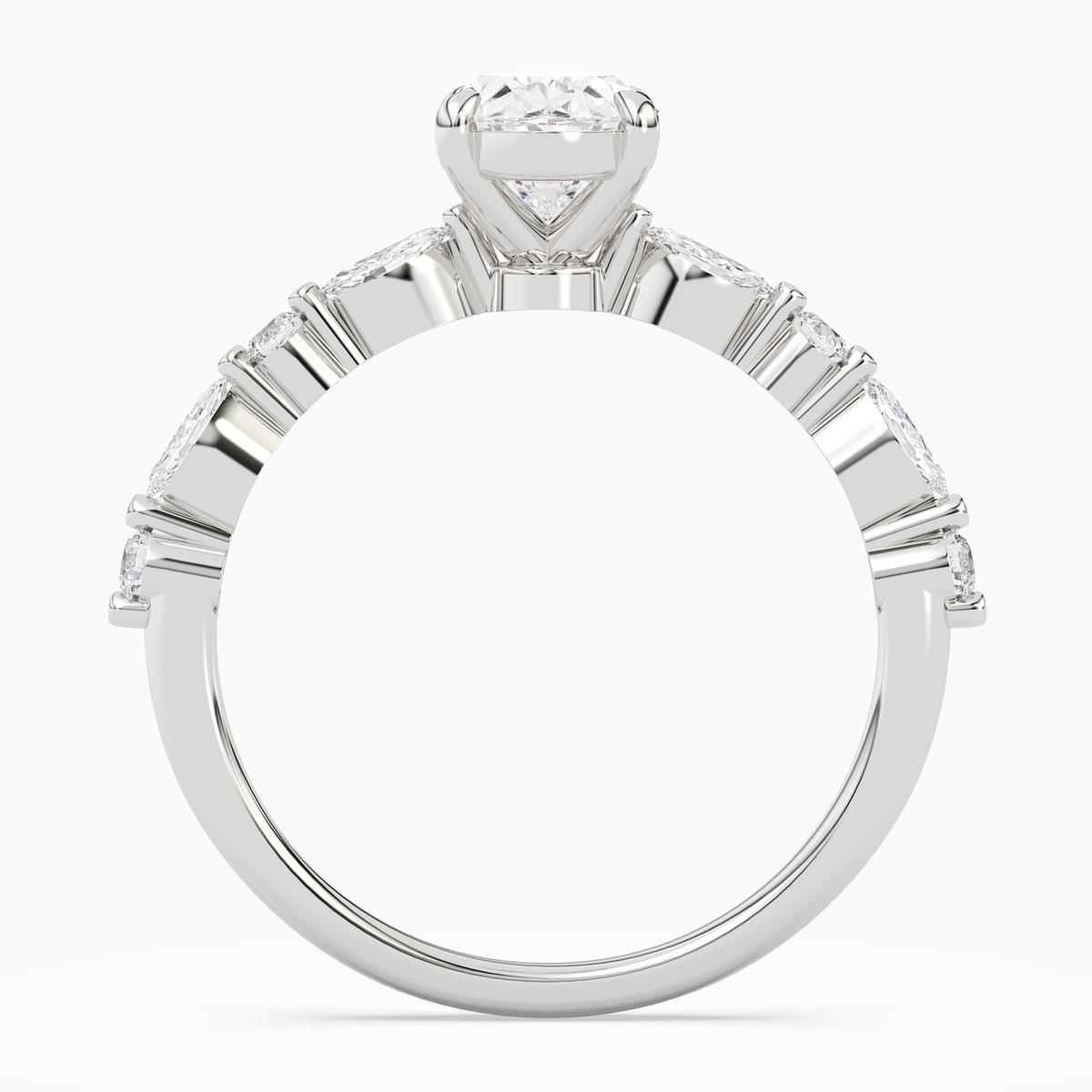

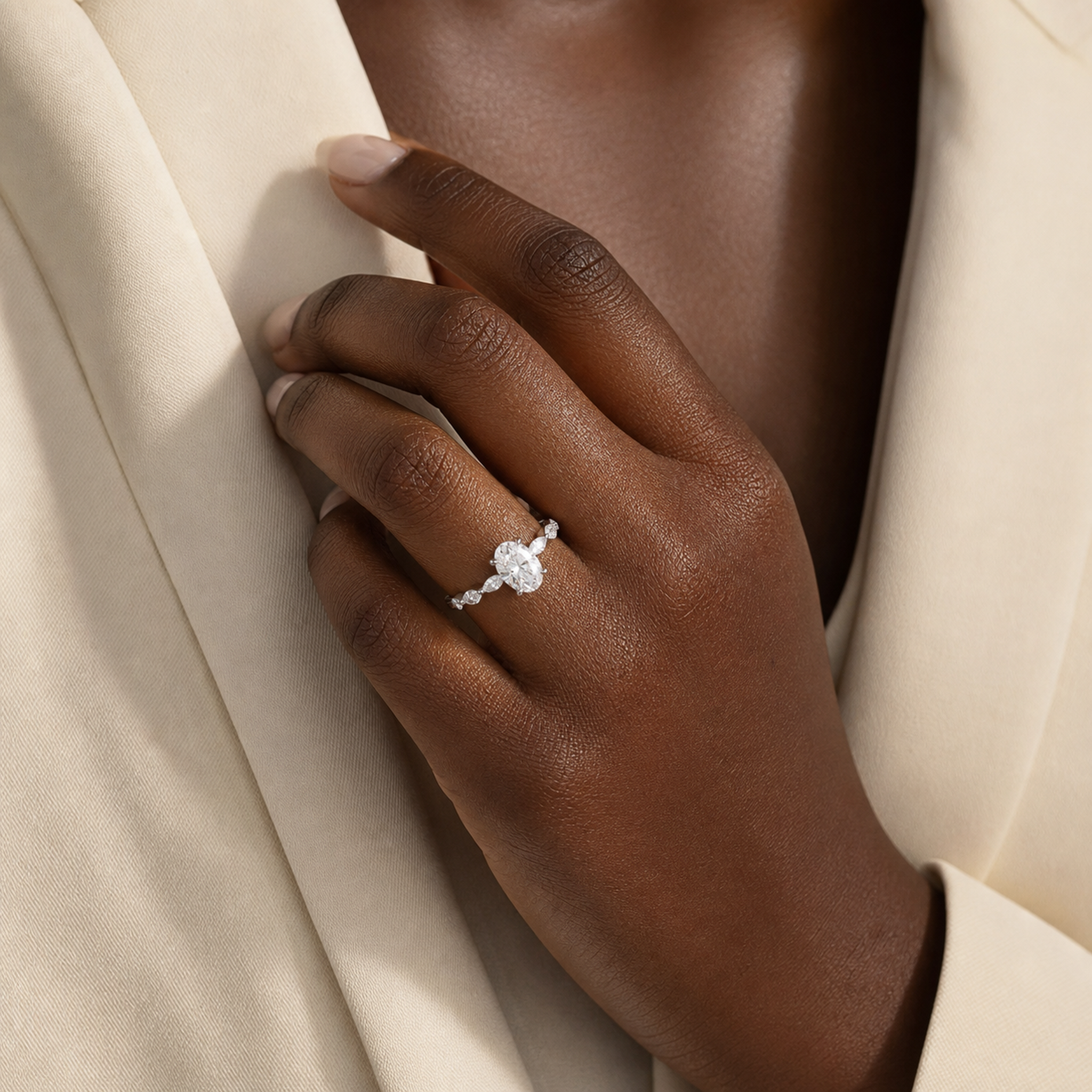


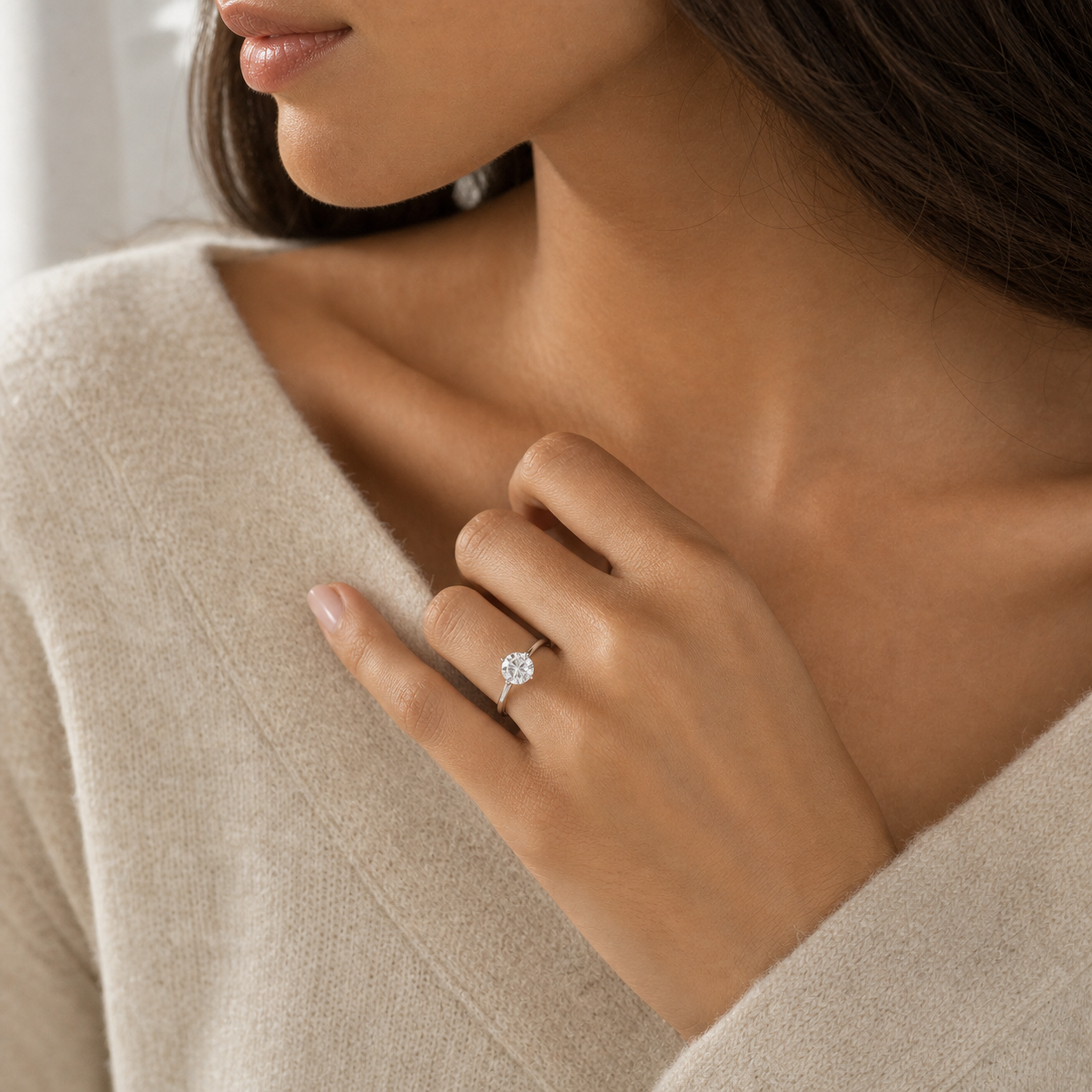


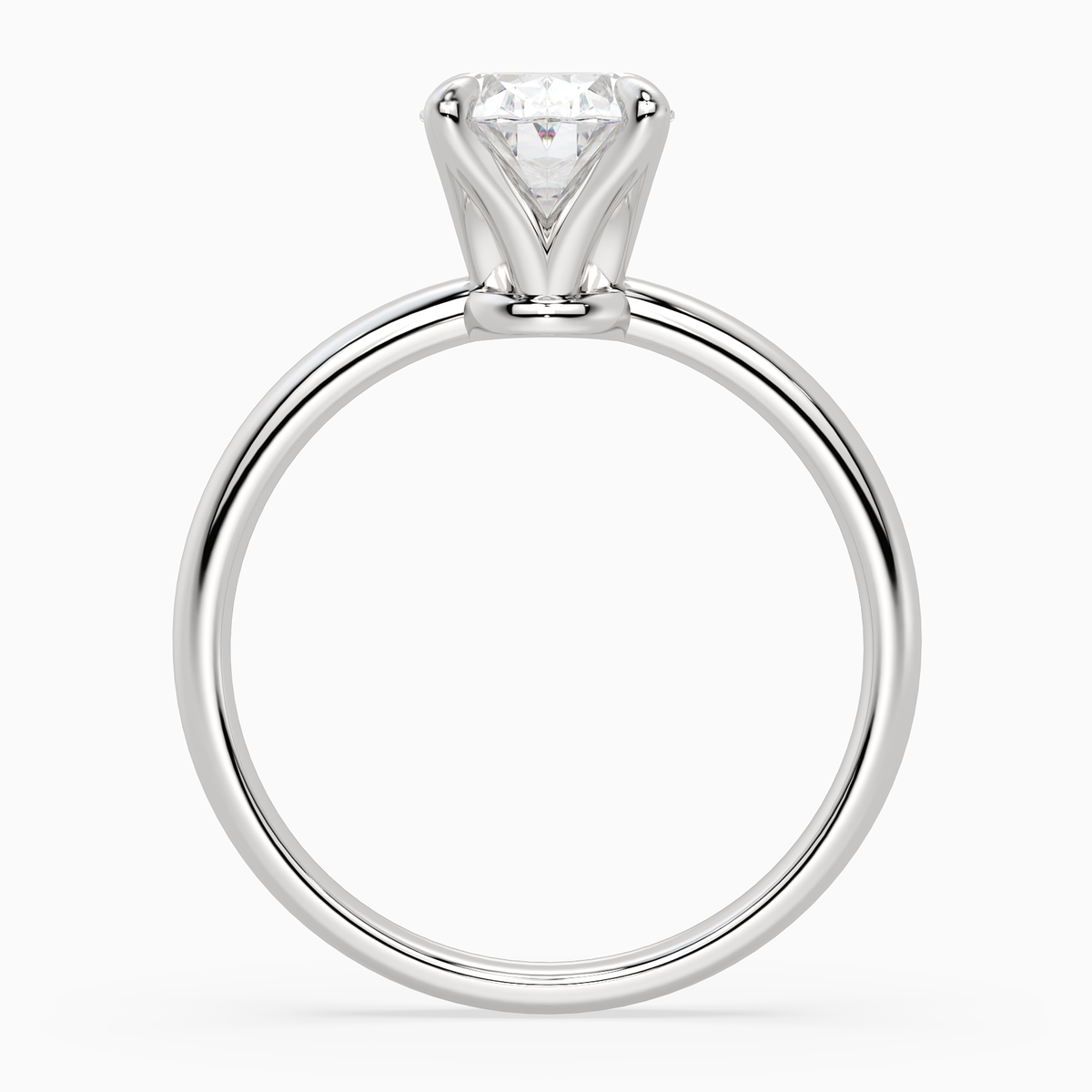
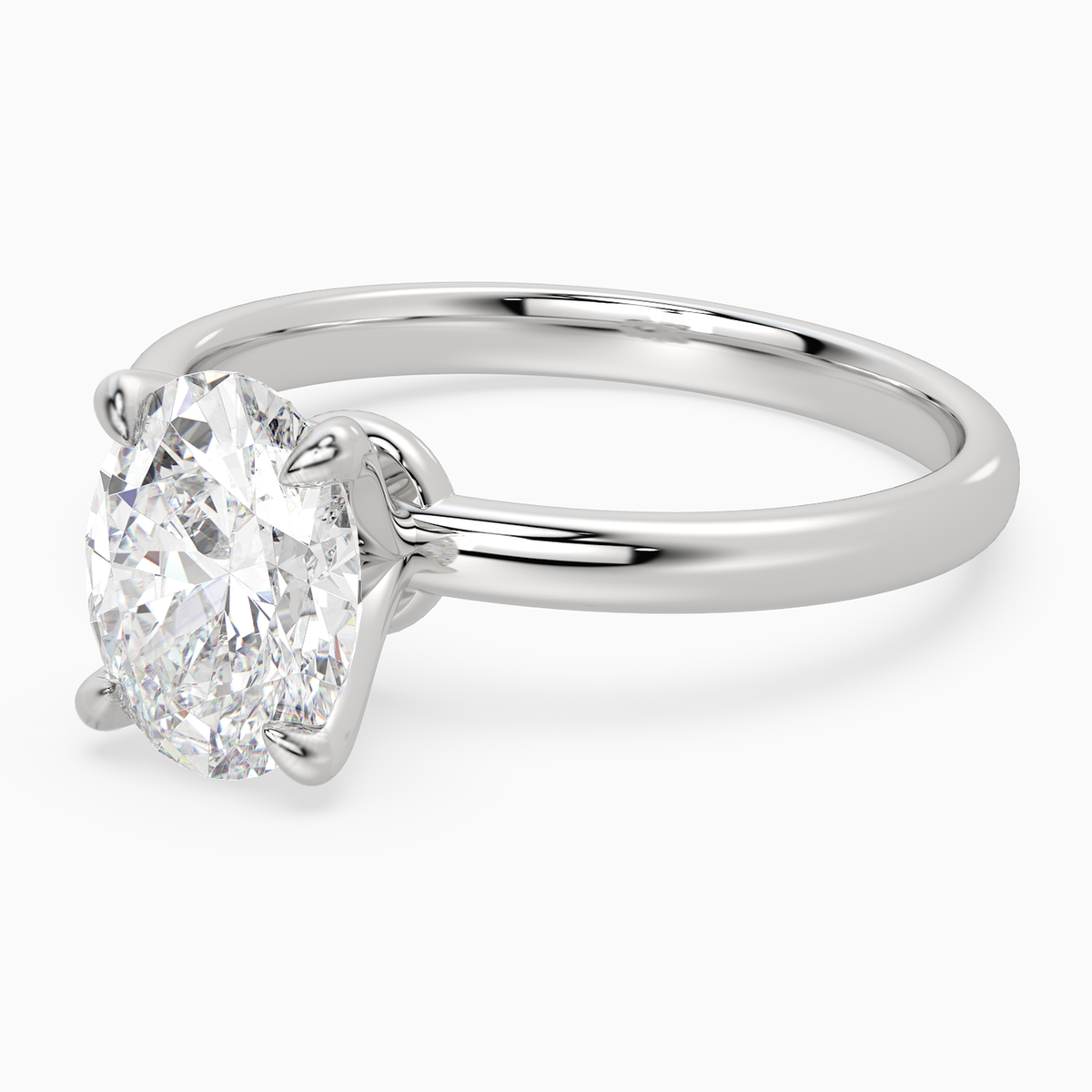
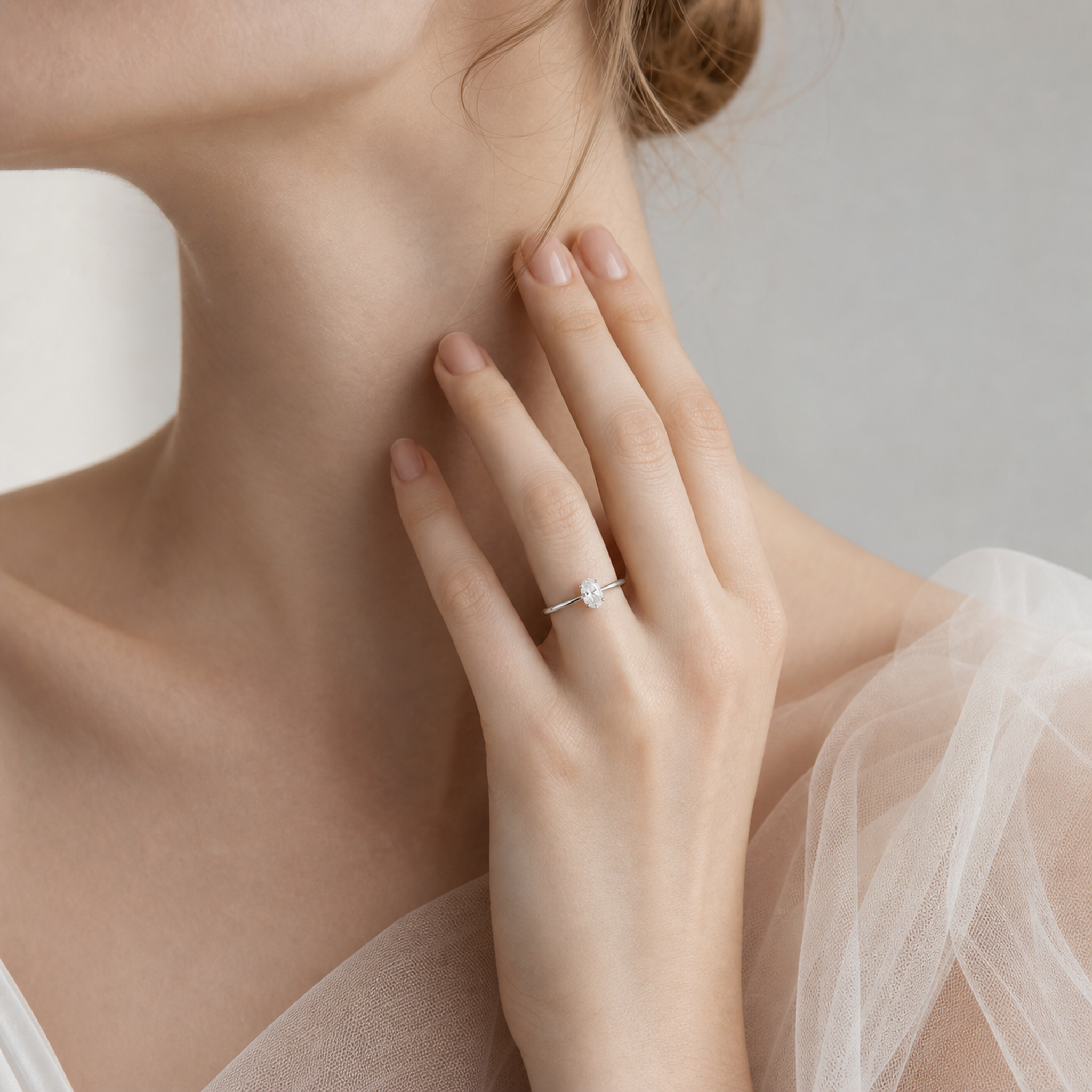


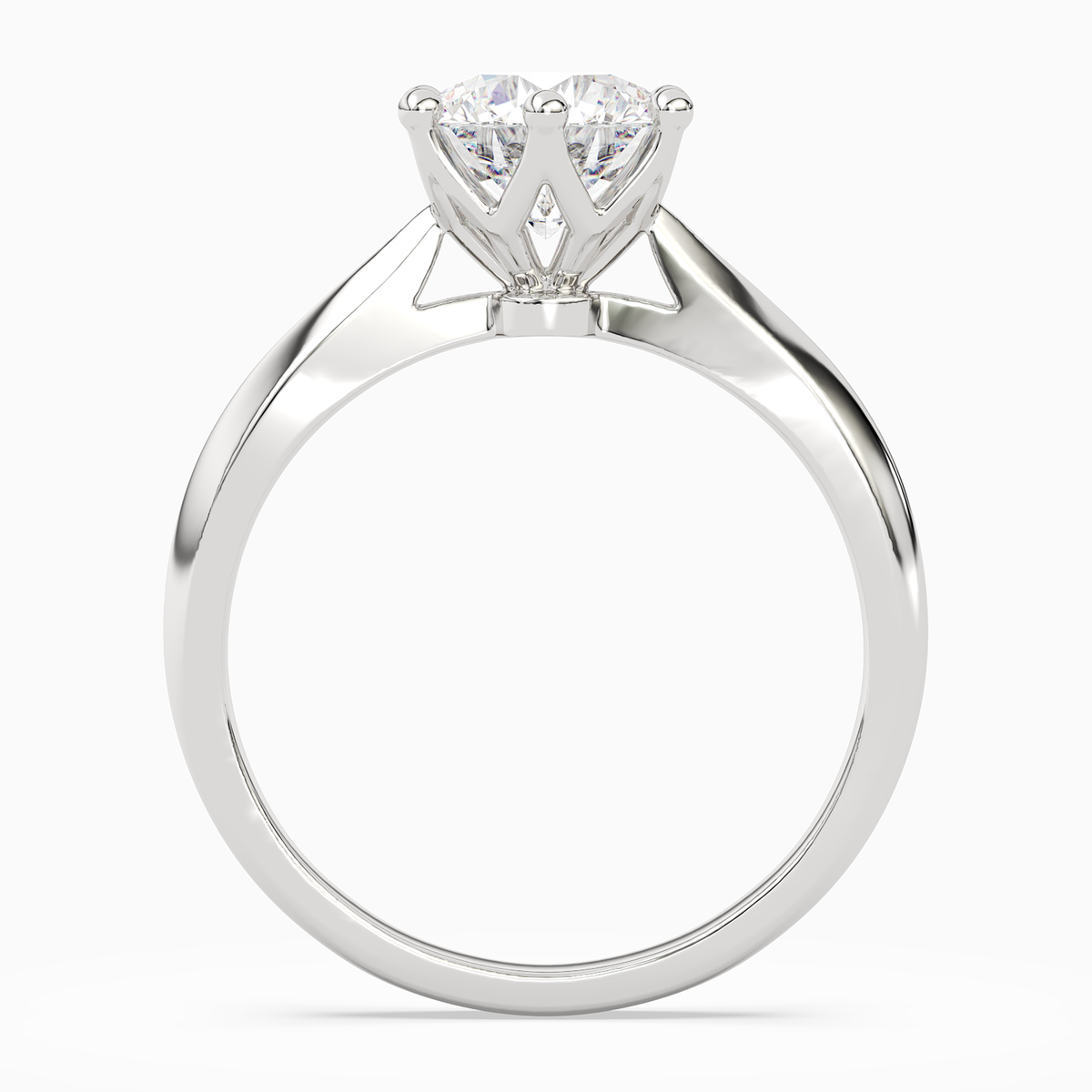

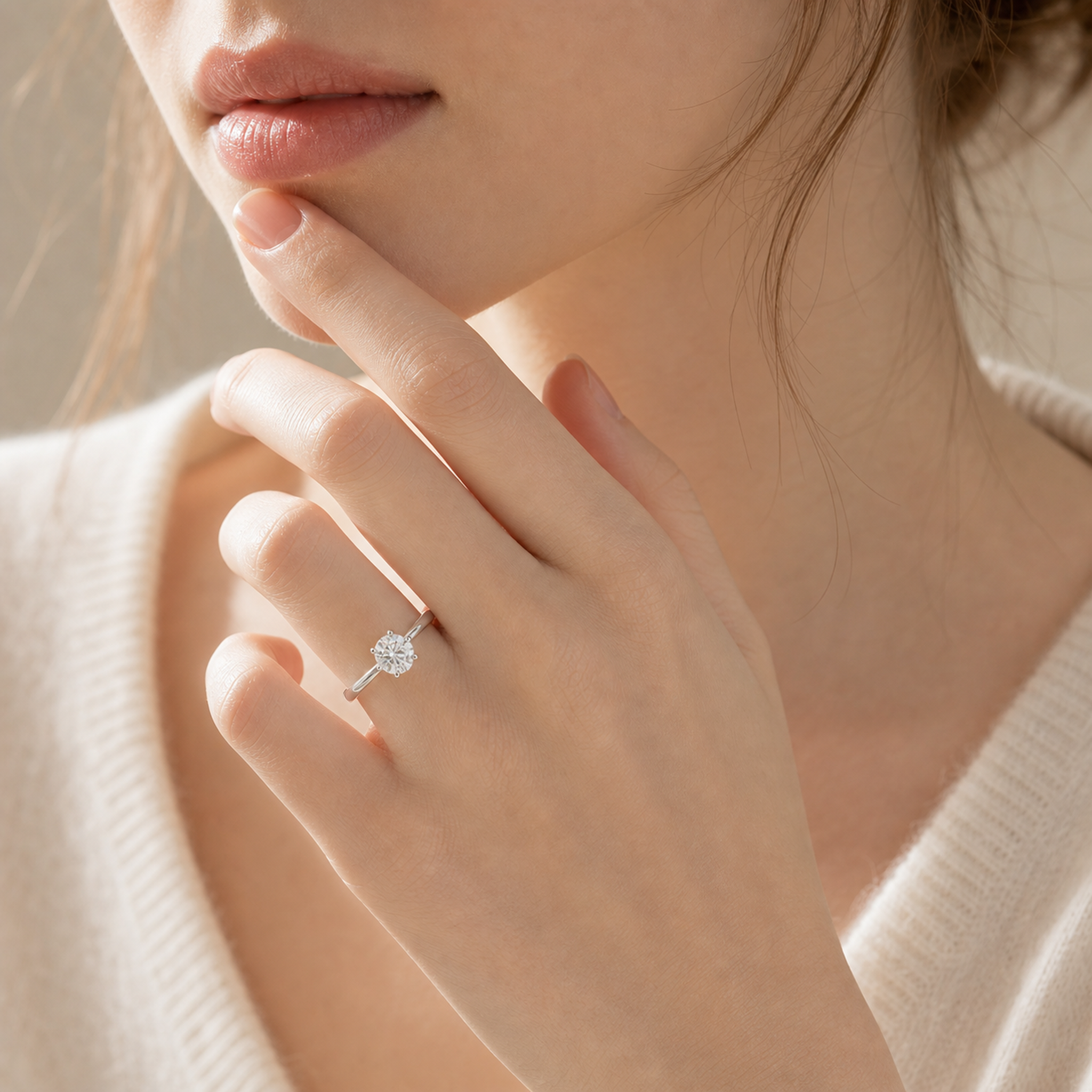


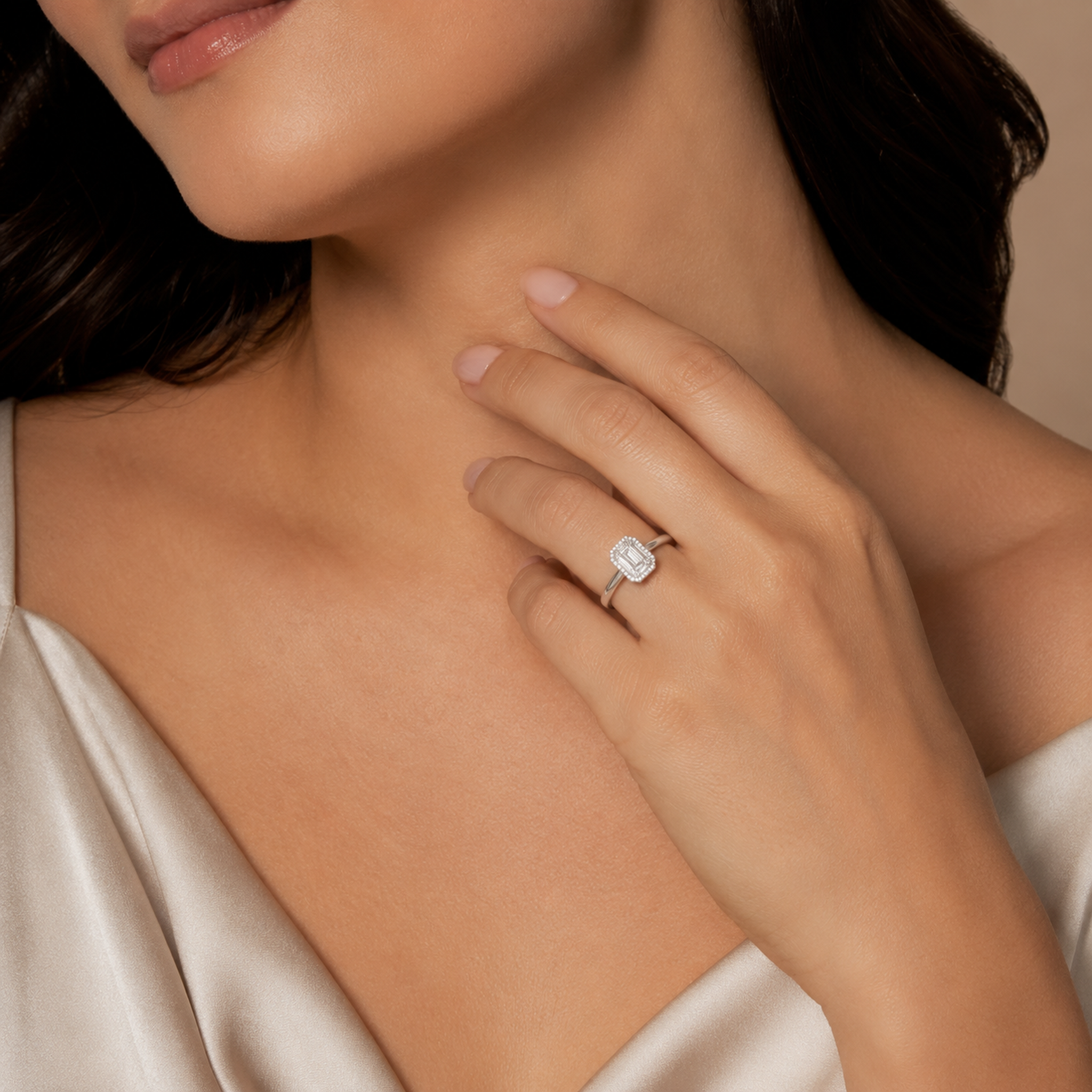
18K White Gold Classic Engagement Rings: Nuance Within a Clear Field
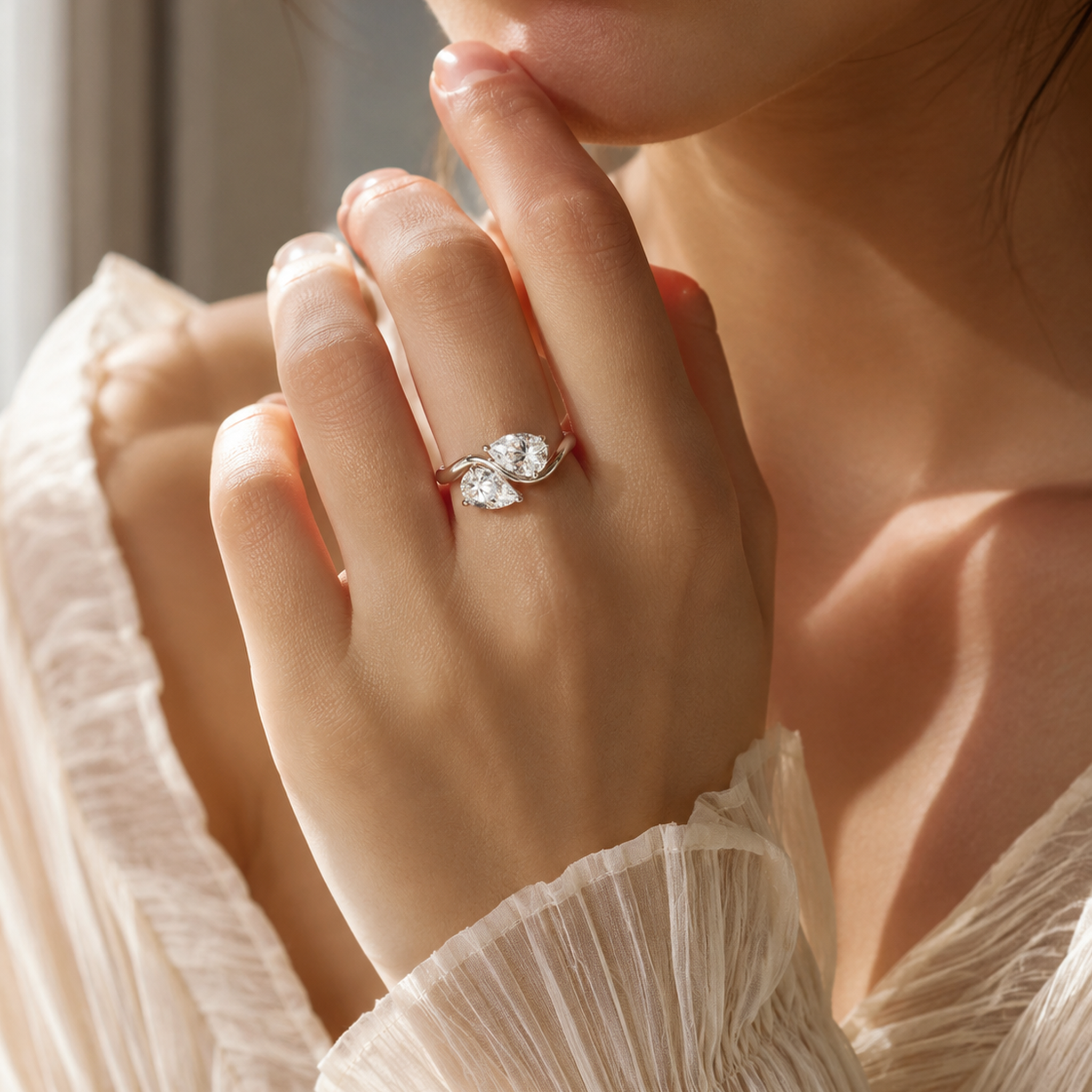
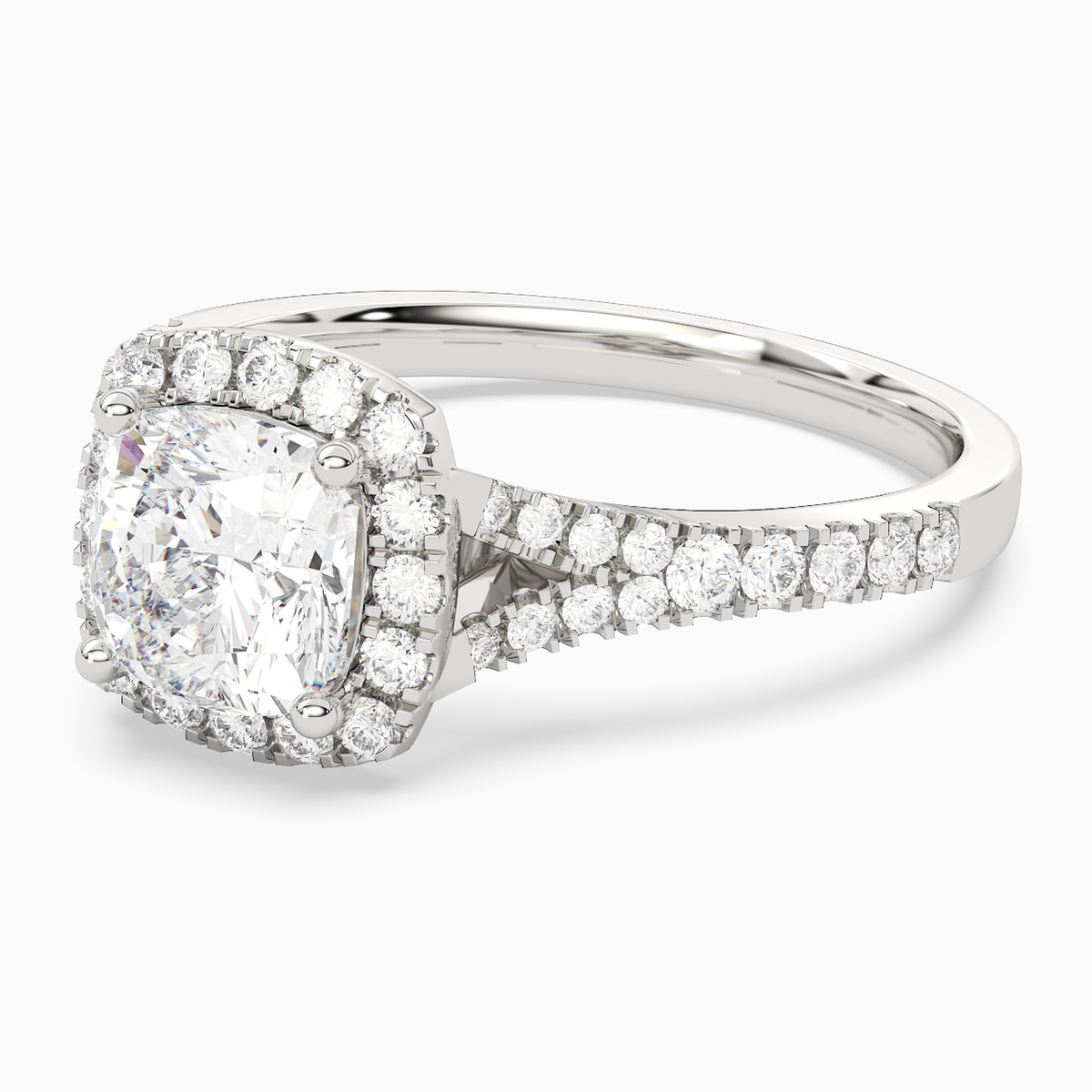
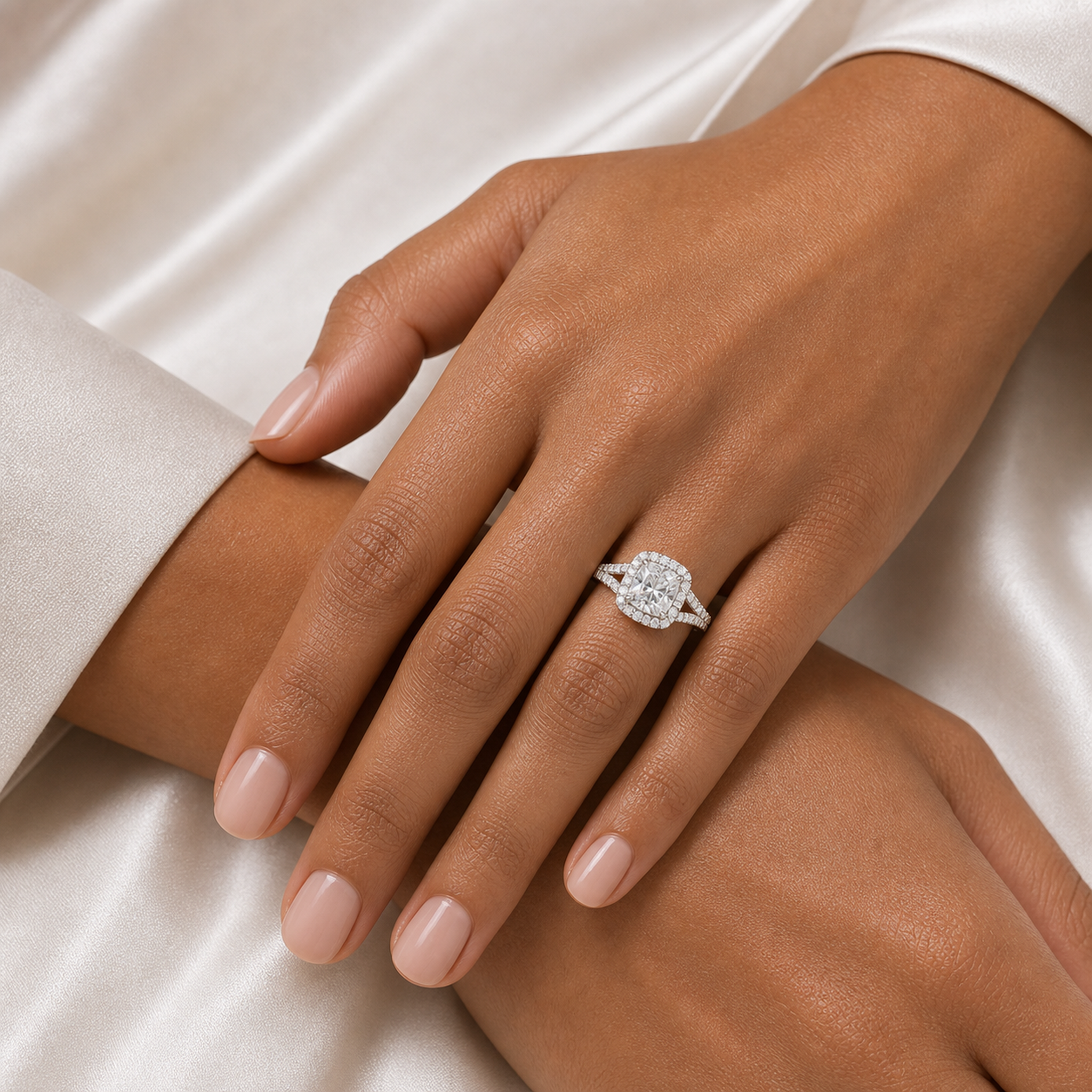
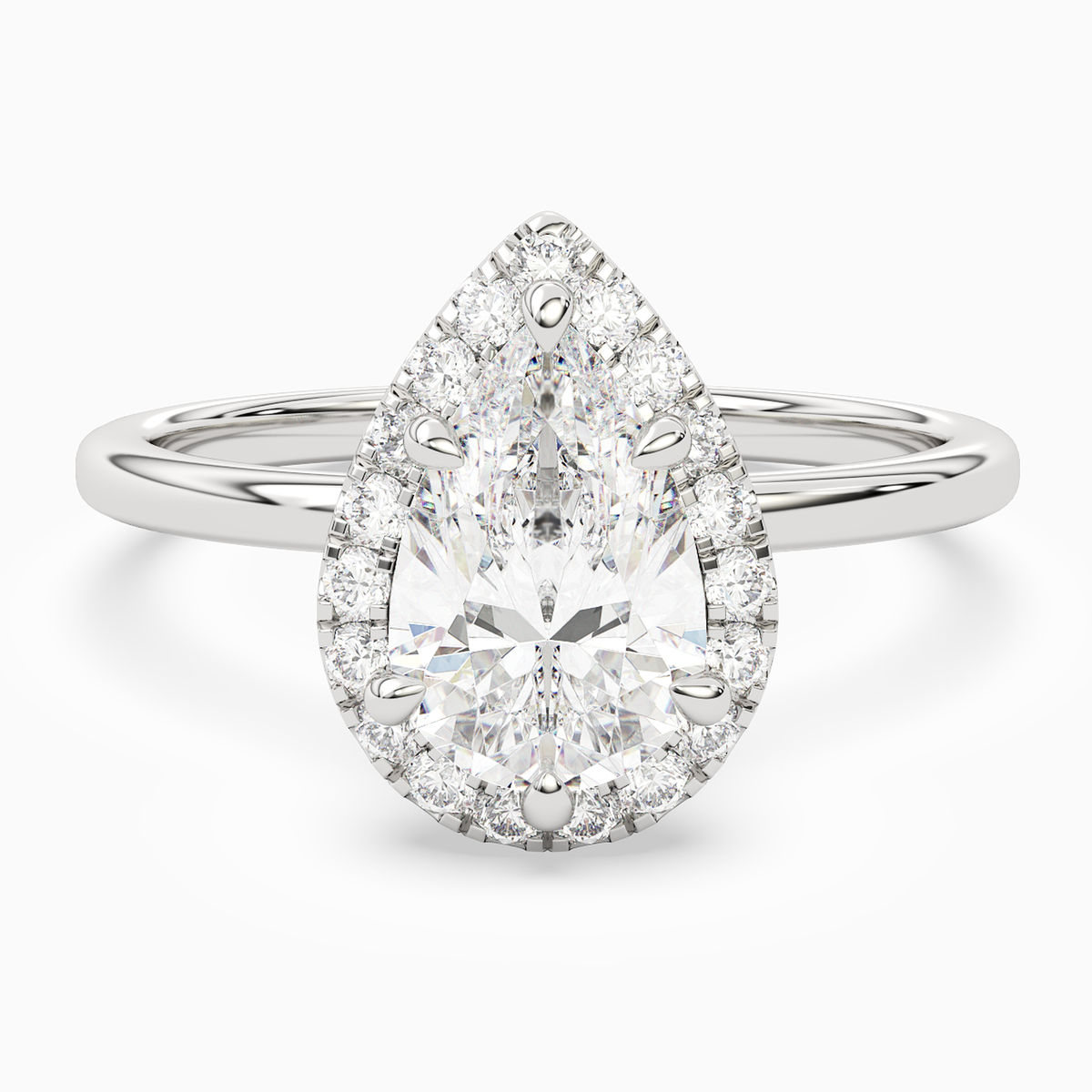
Classic design asks each element to justify its place. In 18K White Gold, the metal's restrained color allows that judgment to sit in line, proportion, and interval. A solitaire can be reduced to center, head, and band; a halo can extend the outline; side stones can create progression; two centers can share a field. The material unifies these forms without making them identical.
Burvonti's 34 current designs include 15 solitaire, six halo, two side-stone, six Toi et Moi, and five three-stone compositions. This breadth separates the page from a generic white-gold browse. Its subject is how a 75% gold alloy works inside settings selected for legibility and control.
Higher Gold Content, Precisely Bounded
An 18K alloy contains 75% gold. The remaining quarter consists of alloying metals that influence its white appearance and physical behavior. This fact does not reveal the exact recipe, rhodium finish, hardness, sensitivity profile, scratch resistance, or maintenance needs of a particular ring. Those details belong to the individual product specification.
The white surface may appear cool and bright, yet the material retains its higher-gold-content identity. That nuance is most visible when comparing equivalent designs and finishes. It should not be translated into claims that 18K is always whiter, better, more secure, or more luxurious than 14K White Gold.
Architecture Appears Through Repetition and Pause
Classic settings create order through repetition: prongs placed with purpose, halo stones scaled to the center, side diamonds stepping toward the band. They also use pause. Open baskets leave air beneath a stone; plain shoulders separate a detailed head from the hand; the gap between two Toi et Moi centers becomes an active part of the composition.
A close tonal relationship can make these intervals feel continuous, but the eye still notices imbalance. Hidden halos, pavé baskets, cathedral lines, and shaped frames should reinforce the principal reading rather than compete with it. White metal is a quiet field, not a substitute for calibrated structure.
Shape and Karat Need Separate Decisions
Round, oval, cushion, pear, emerald, heart, and paired forms are represented. Curves produce fluid transitions; step cuts expose alignment; pointed shapes make the relationship between corner and prong more explicit. In two-stone rings, unlike outlines must share scale and negative space without losing their individual direction.
The clearest distinction between 18K and 14K White Gold is gold content: 75% versus approximately 58.3%. Finished color may be close. Platinum introduces a naturally white, denser alternative with a different surface evolution. Compare material, finish, physical presence, care, design, and budget rather than arranging them in a universal hierarchy.
Surface and Sensitivity Belong to the Specification
White Gold can collect fine marks, and a surface finish may change with wear. There is no responsible universal refinishing schedule. Alloy sensitivity is equally product- and person-specific, so the exact composition should be confirmed when it matters rather than inferred from the 18K mark.
Care must also respond to setting architecture. Shared prongs, pavé, halos, bezels, and multi-stone heads create different cleaning and inspection needs. Classic visual order does not make every construction physically equivalent, and it should never be used as a durability grade. Product-level specifications remain decisive.
A Complete Ring, Then a Complete Pair
A wedding band adds another line to the composition. Matching 18K White Gold can preserve tonal continuity; another metal can create contrast. Fit depends on halo edge, basket width, cathedral rise, side-stone reach, paired-center arrangement, band thickness, and contact points. Metal matching does not guarantee proximity.
Burvonti pairs responsibly sourced, independently graded lab-grown diamonds with settings considered through proportion and human judgment. Custom possibilities may refine shape, orientation, metal, engraving, band dimension, or selected structure where feasible. The value of 18K White Gold here lies in material nuance disciplined by the whole design.
Frequently Asked Questions
How does this differ from the main Classic Collection?
The parent owns classic design principles across metals. This page focuses on 75% gold within a restrained white-metal field.
How does it differ from all 18K White Gold Engagement Rings?
The broader metal page spans many styles. This intersection is limited to settings selected for clear hierarchy and controlled proportion.
How much gold is in 18K White Gold?
It contains 75% gold. The remaining alloying metals influence color and behavior, and exact recipes vary.
Is all 18K White Gold rhodium finished?
No universal assumption should be made. Confirm the finish and care requirements for the selected ring.
Does 18K White Gold look whiter than 14K?
Not necessarily. Alloy and finish strongly affect appearance, and similarly finished rings may look close.
Can halo and Toi et Moi rings be classic?
Yes, when scale, spacing, center hierarchy, and band relationships are controlled. Classic is not limited to one center.
Which shapes are represented?
Round, oval, cushion, pear, emerald, heart, and paired-shape combinations appear in the current collection.
Does 75% gold improve diamond brilliance?
No. It does not change the diamond's cut, grade, dimensions, or light performance.
How does 18K White Gold compare with Platinum?
18K White Gold is a 75% gold alloy selected for a white appearance; Platinum is naturally white and denser, with different surface behavior.
Is 18K White Gold hypoallergenic?
That outcome cannot be inferred from karat. Confirm product-specific composition if sensitivity is a concern.
Will a wedding band sit flush?
Not automatically. The two ring profiles and their contact geometry determine fit.
Can Burvonti personalize this type of ring?
Custom possibilities may include shape, orientation, metal, engraving, band proportion, or selected details, subject to availability and feasibility.