
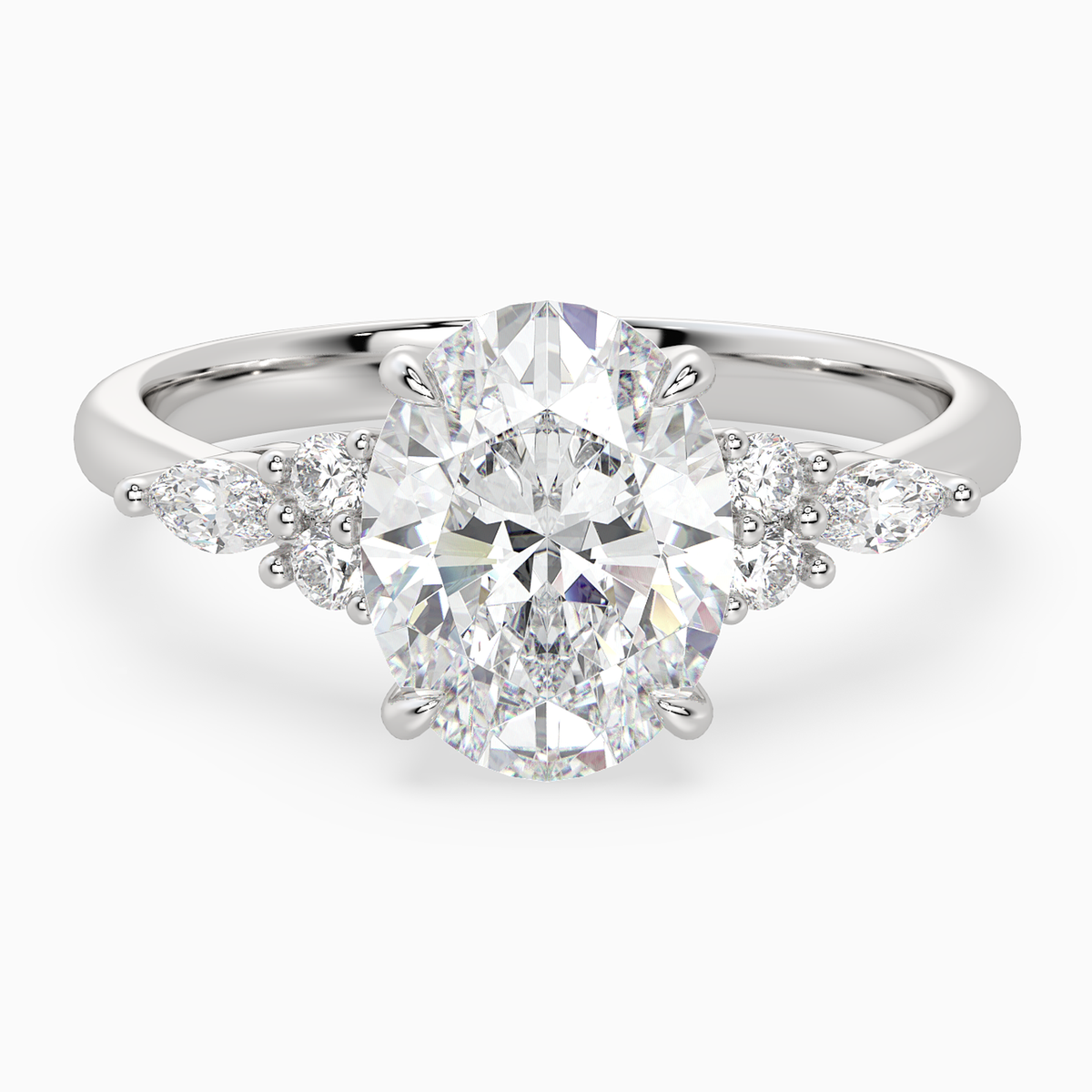


Classic Engagement Rings in 14K White Gold
Familiar forms in a quieter metal. 14K white gold lets classic halos, solitaires, and multi-stone settings keep a clear visual hierarchy.


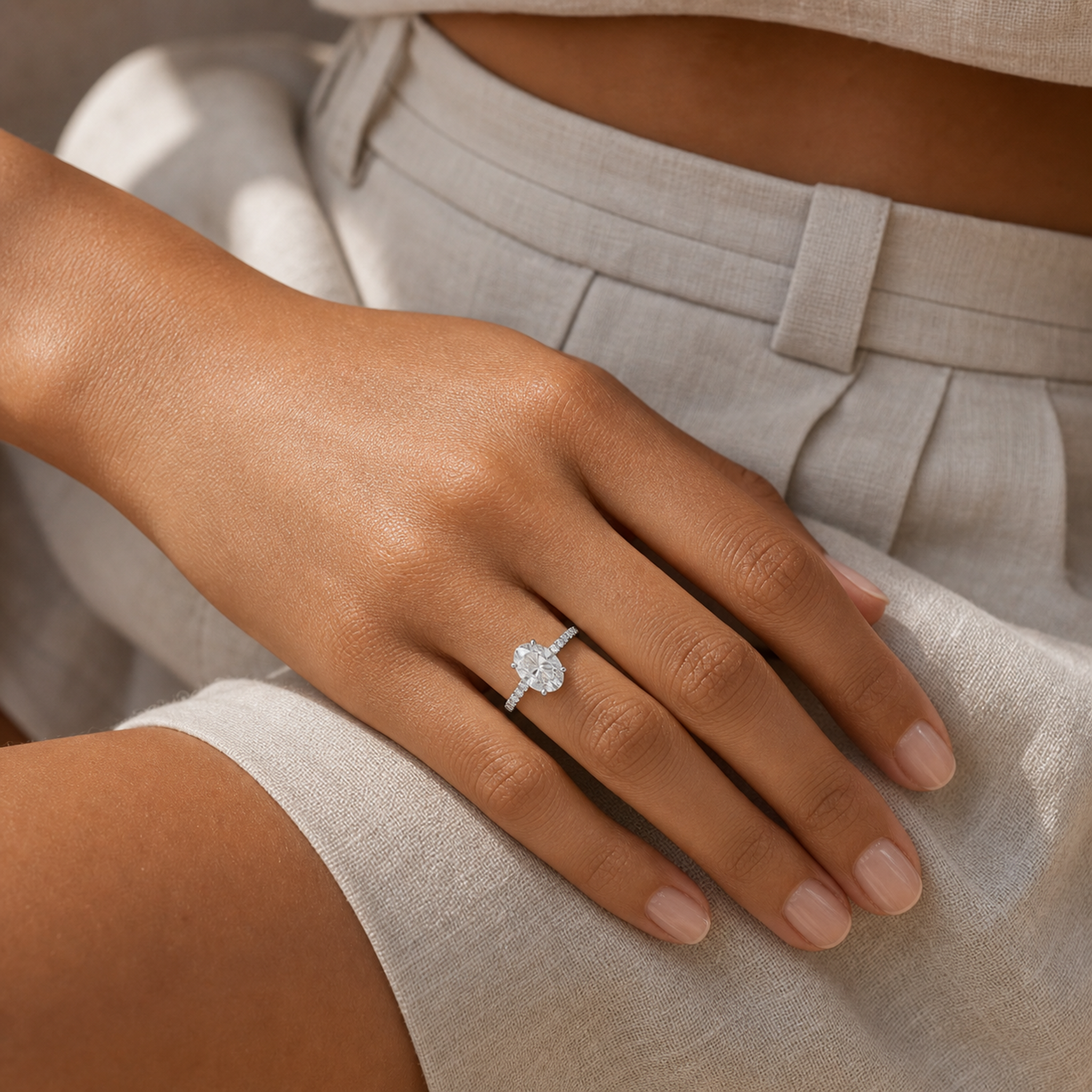


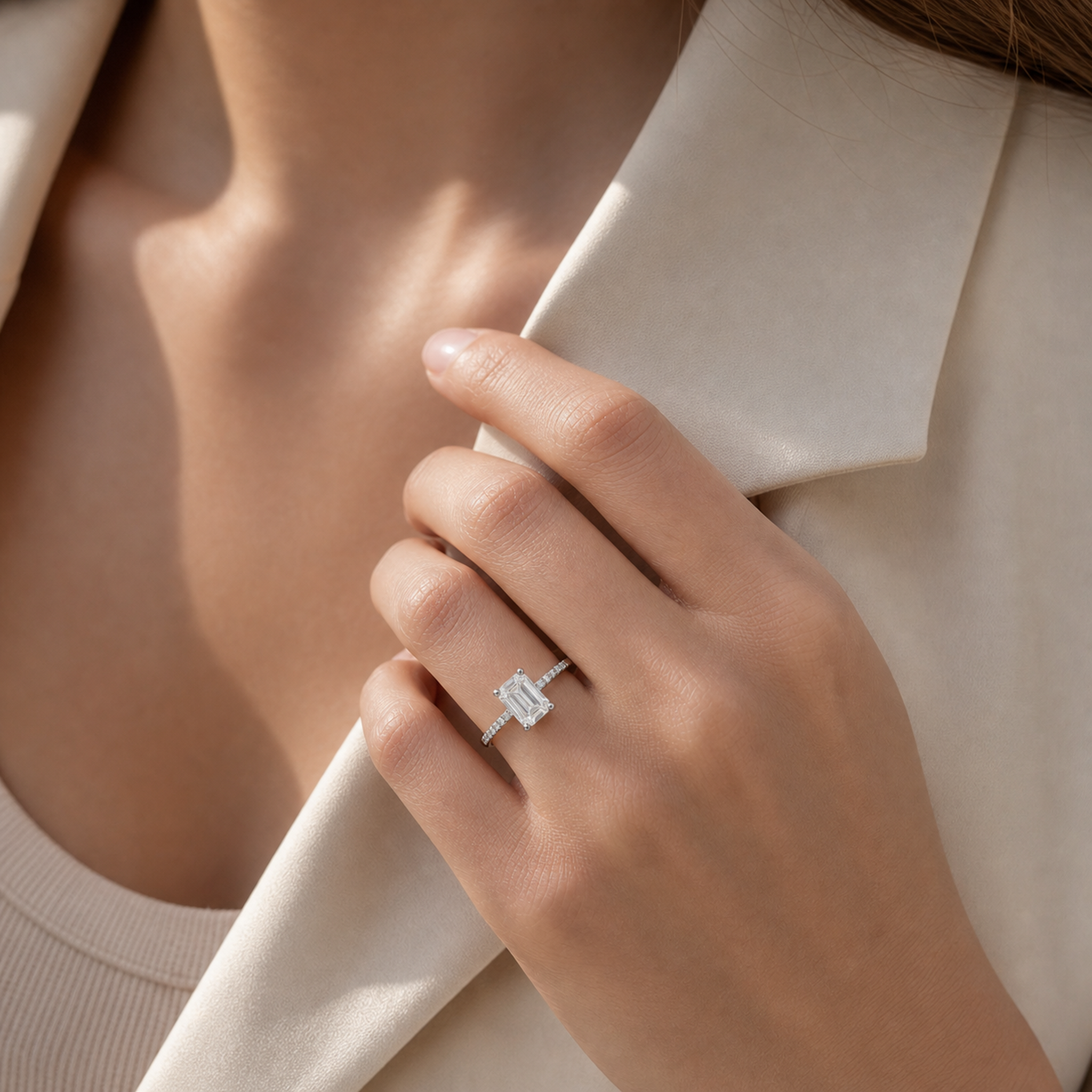


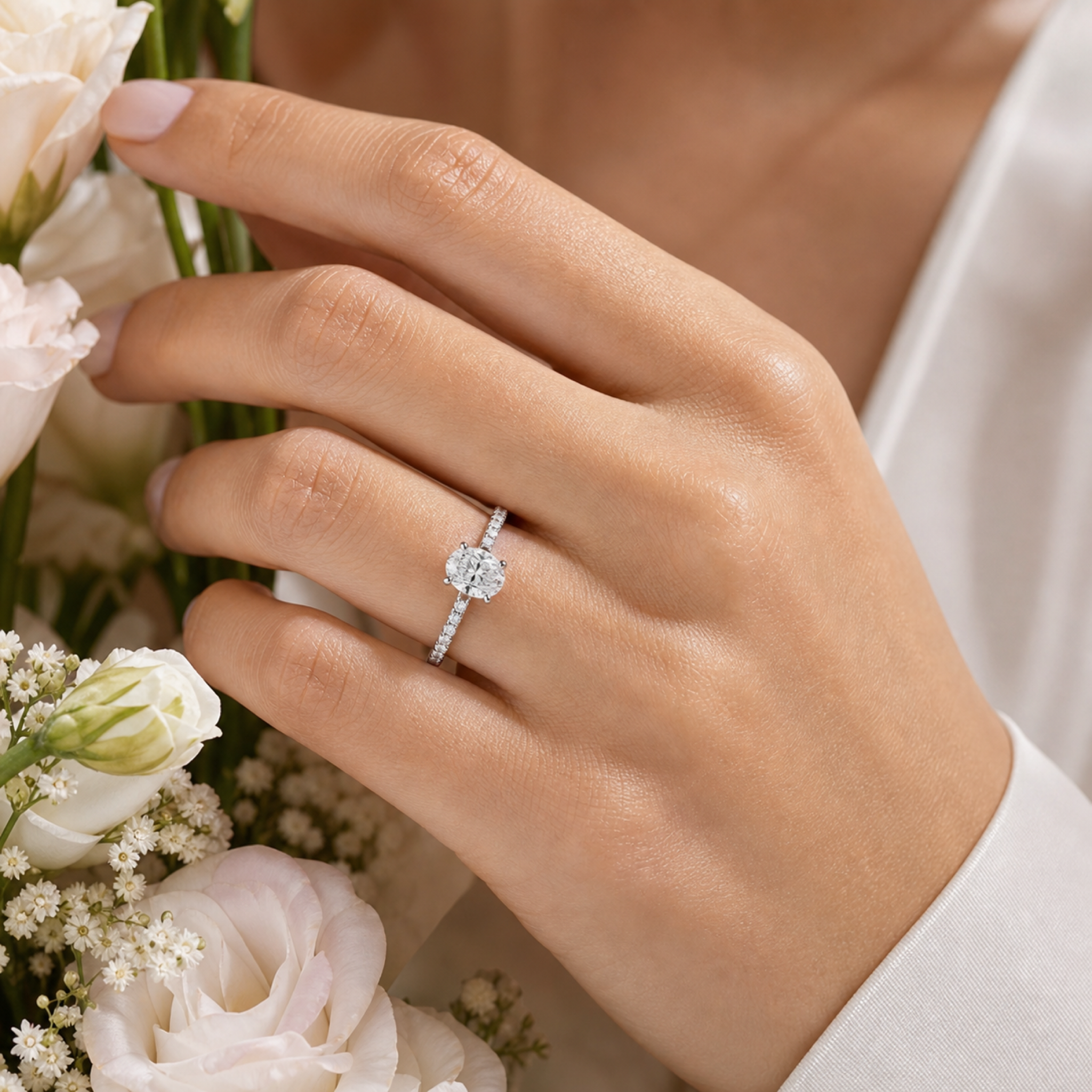


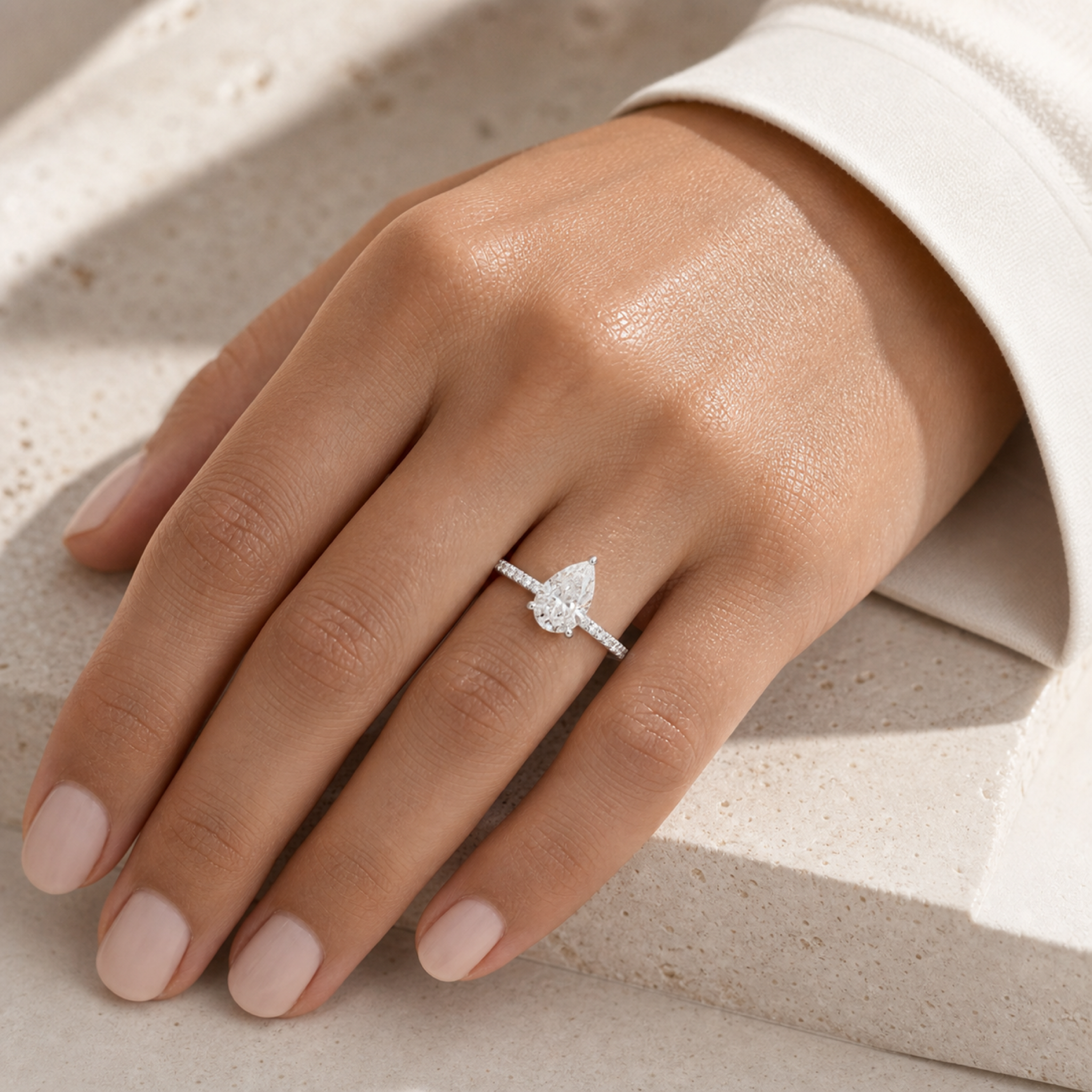


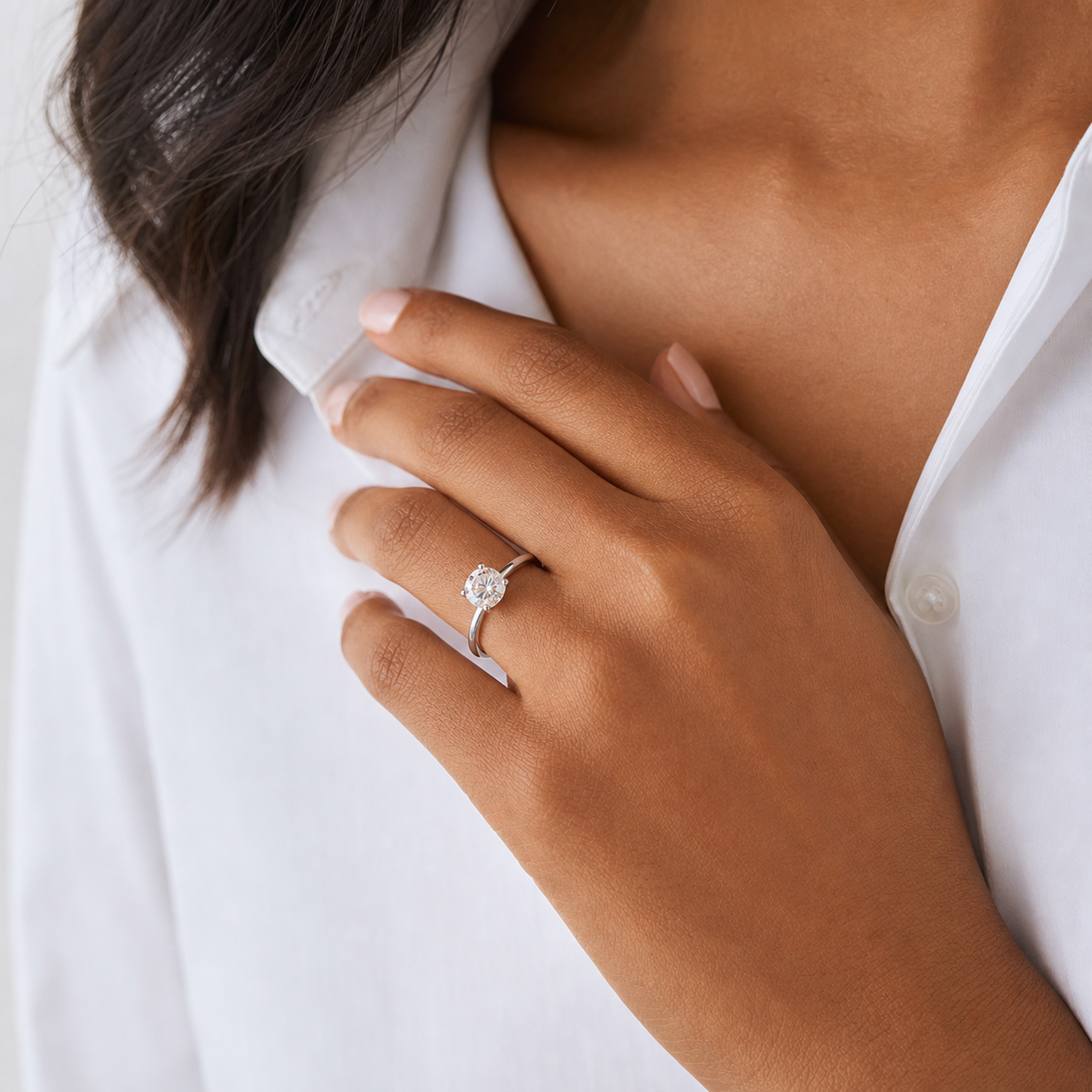


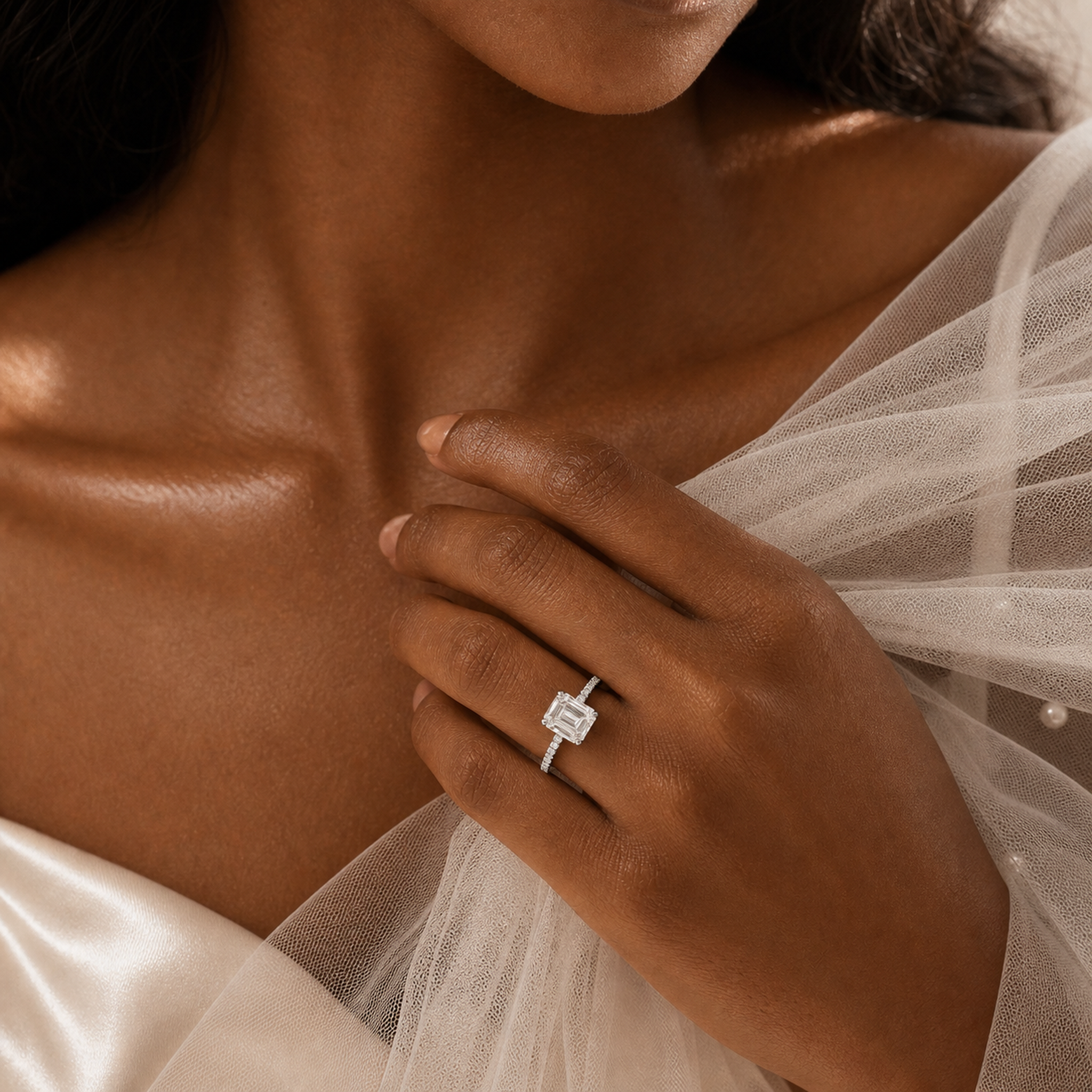


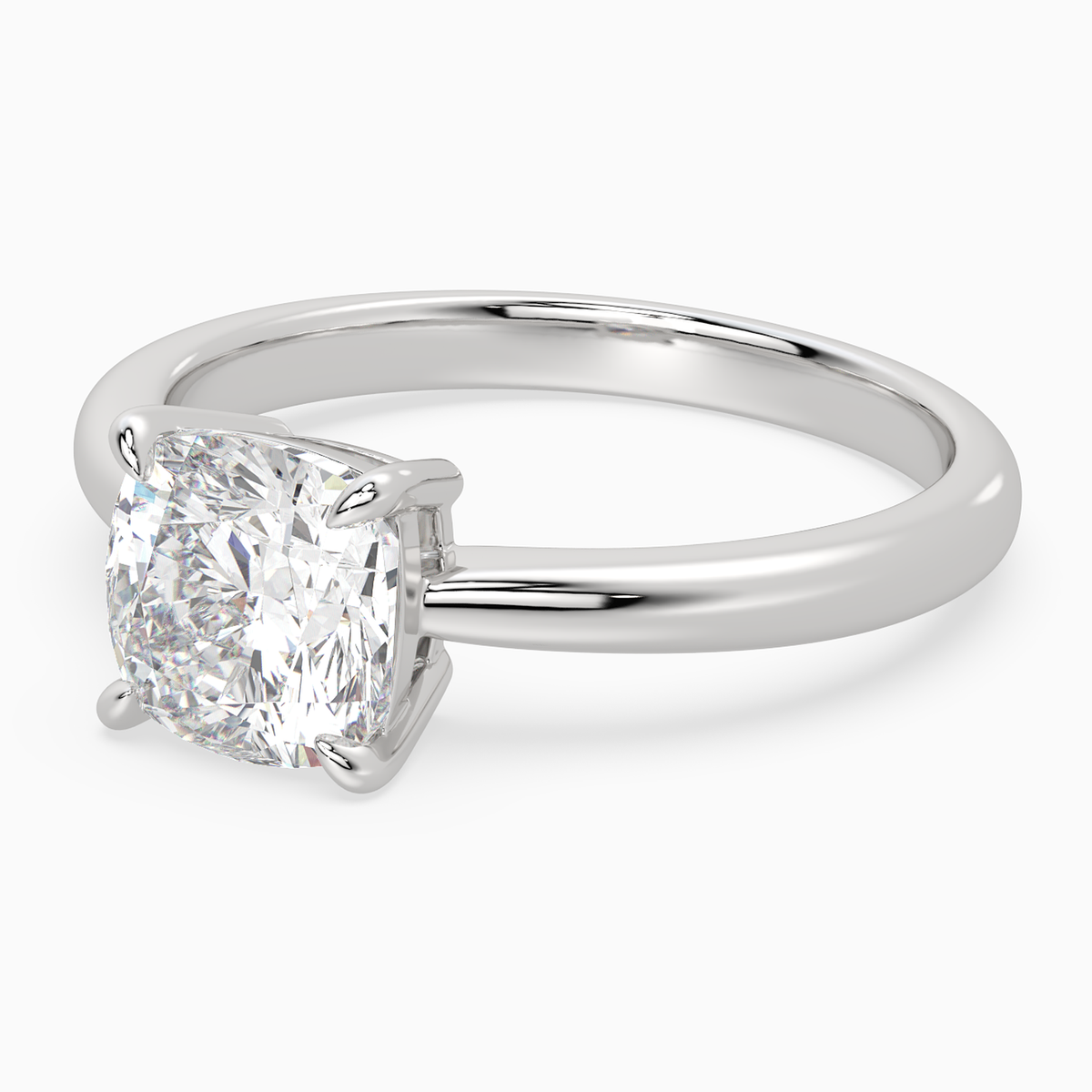


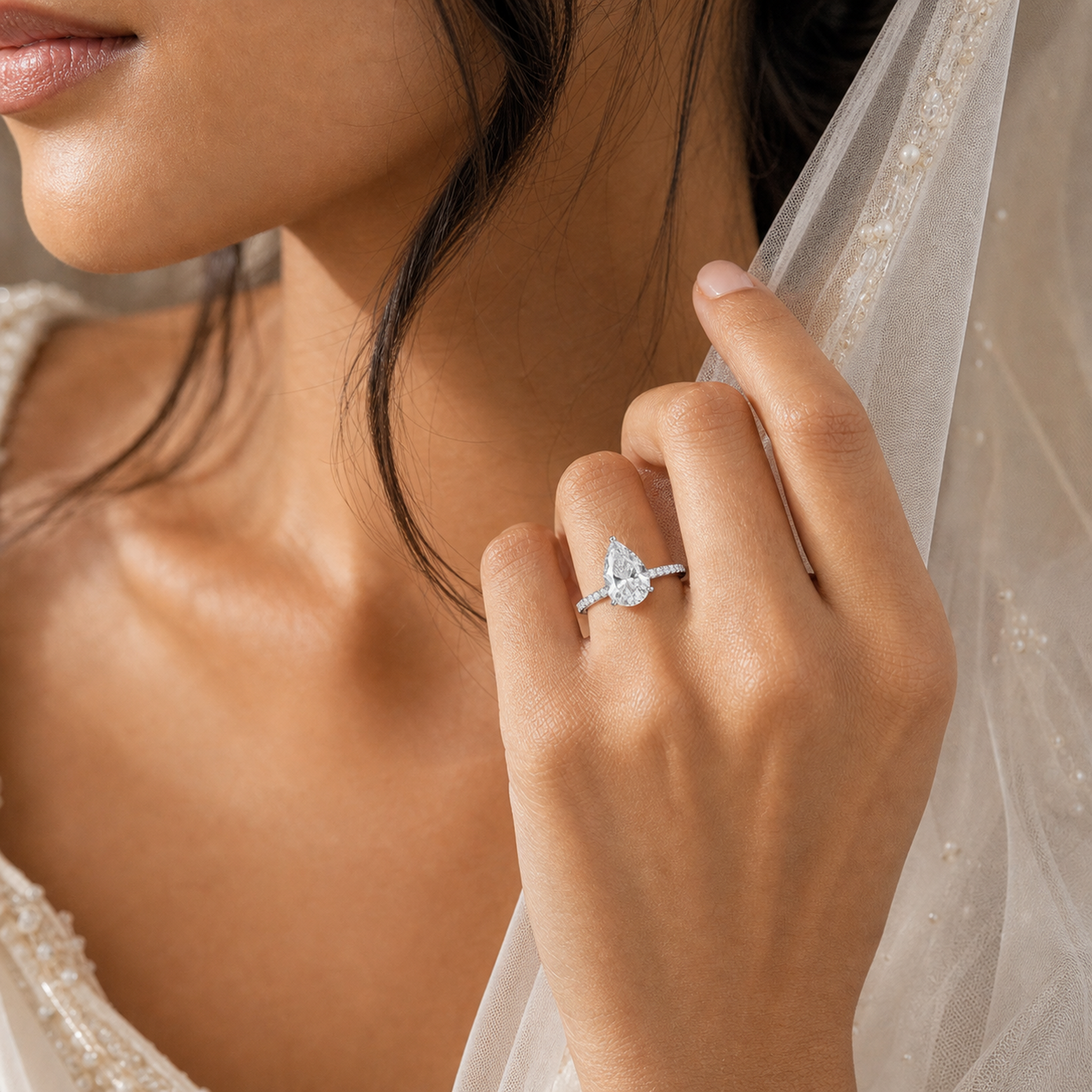


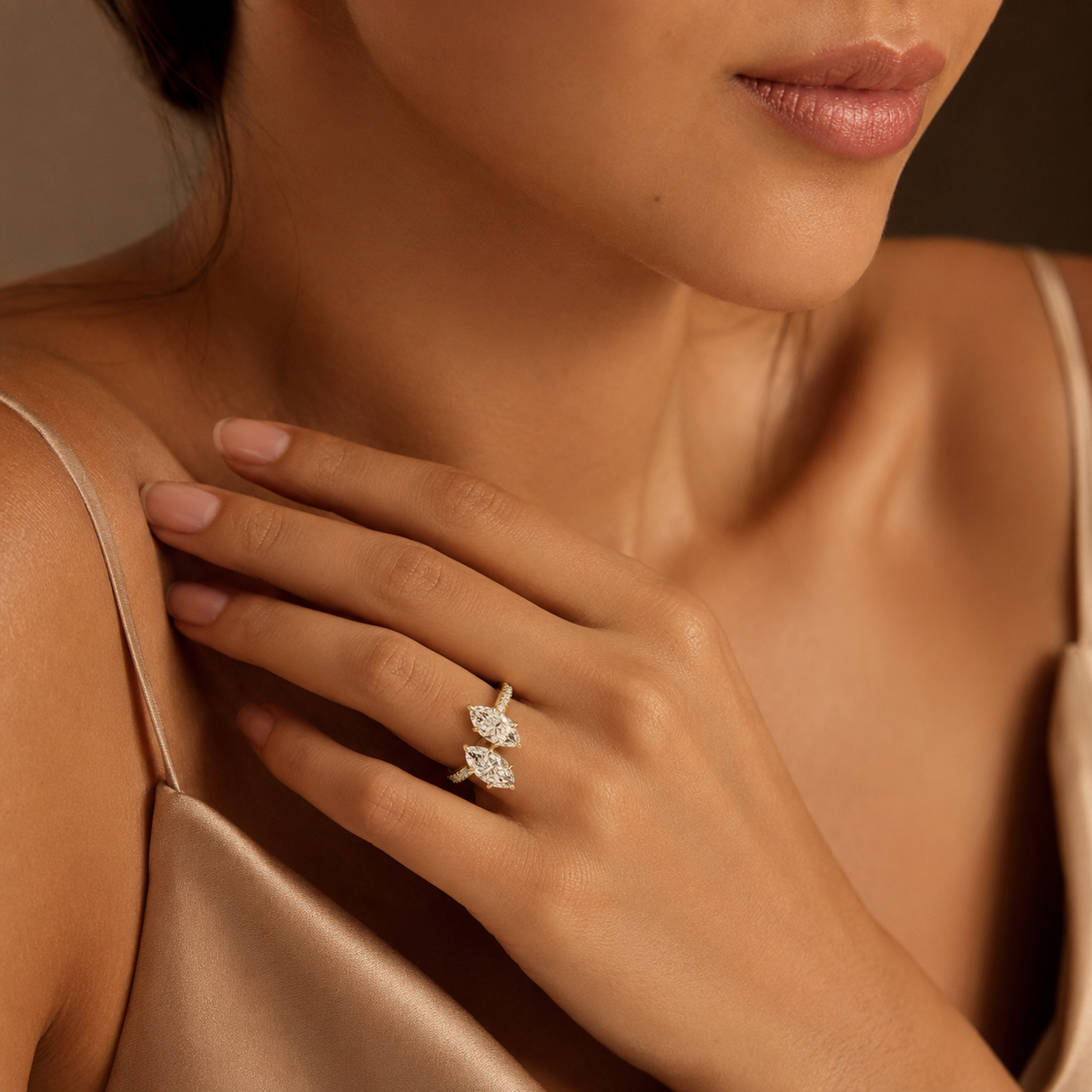


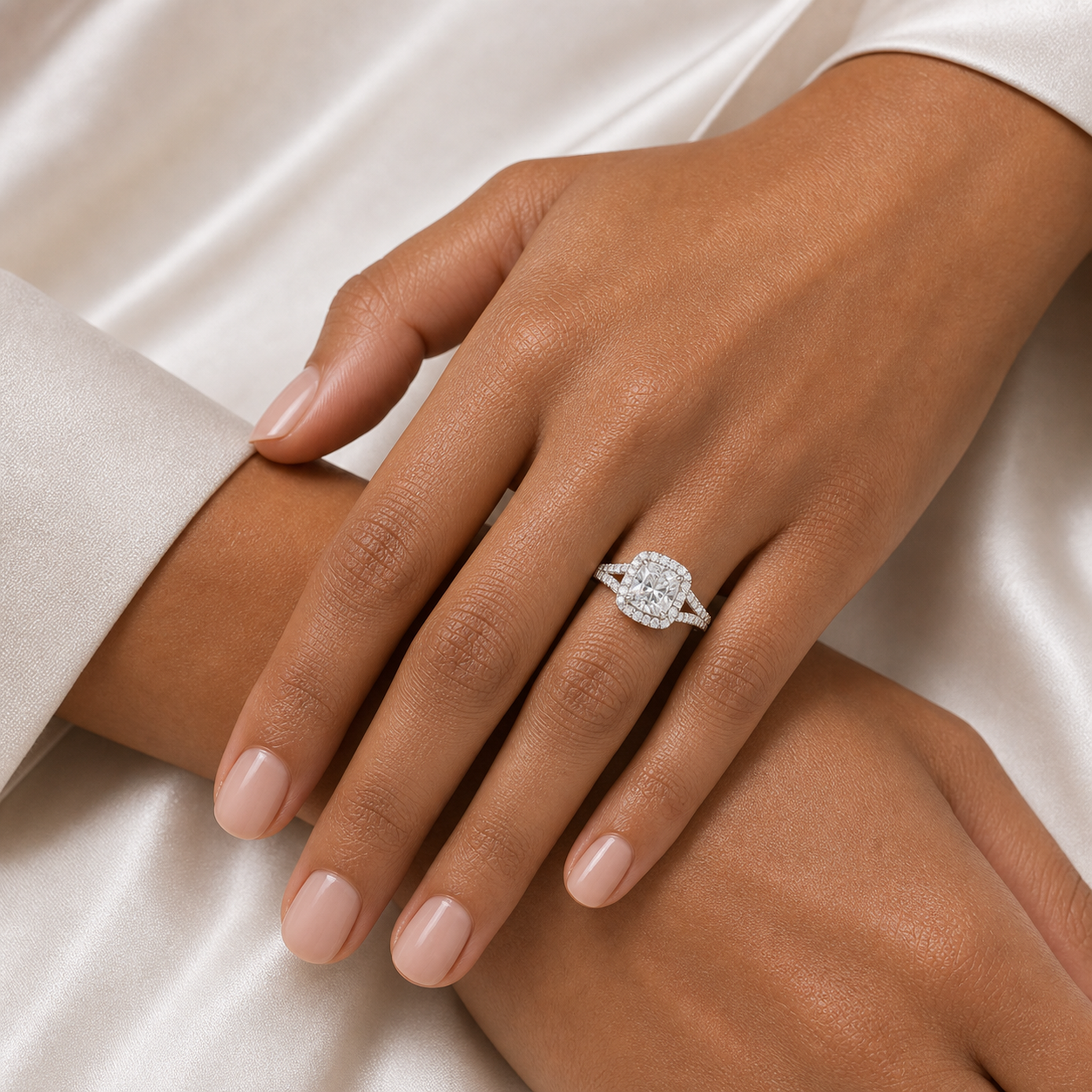


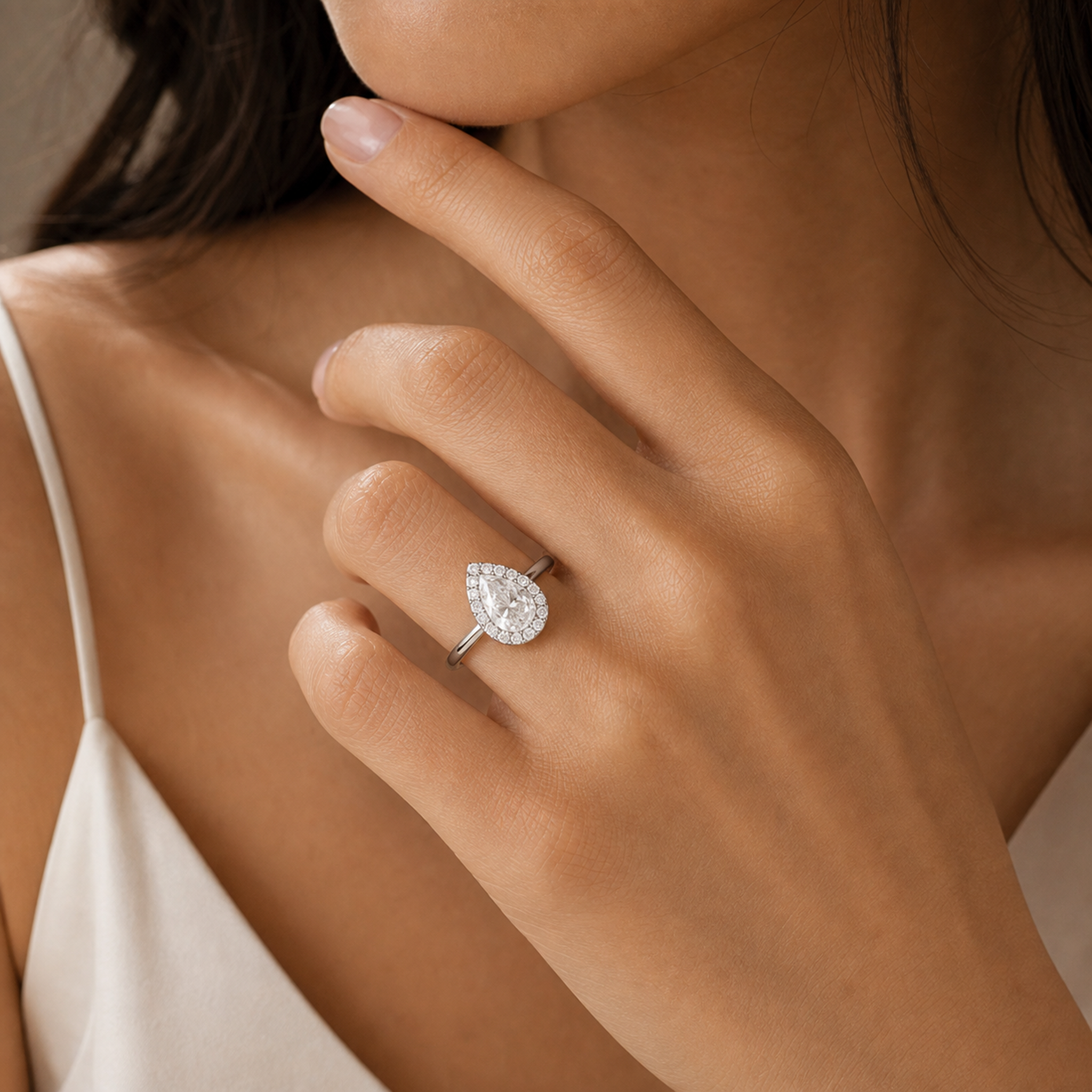


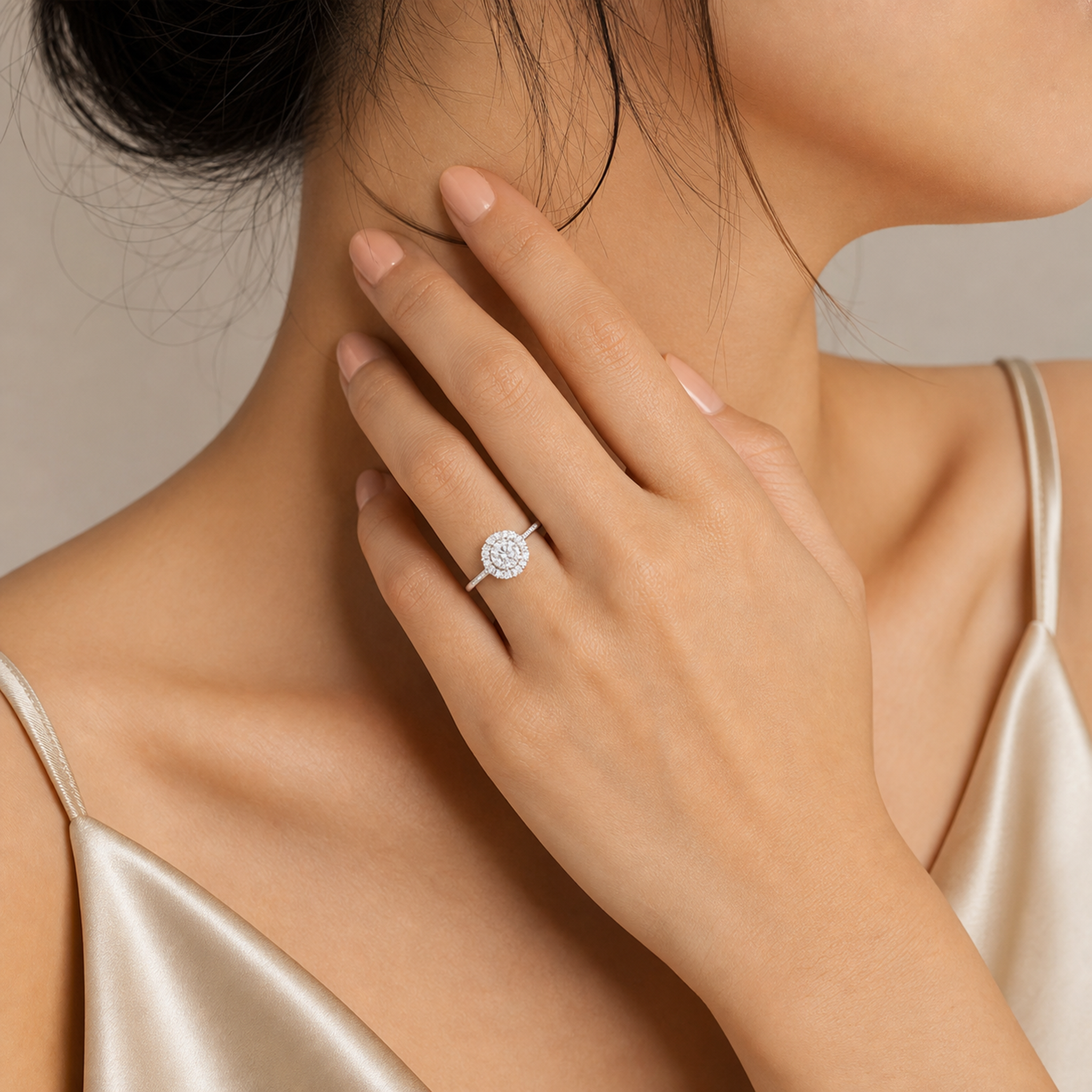


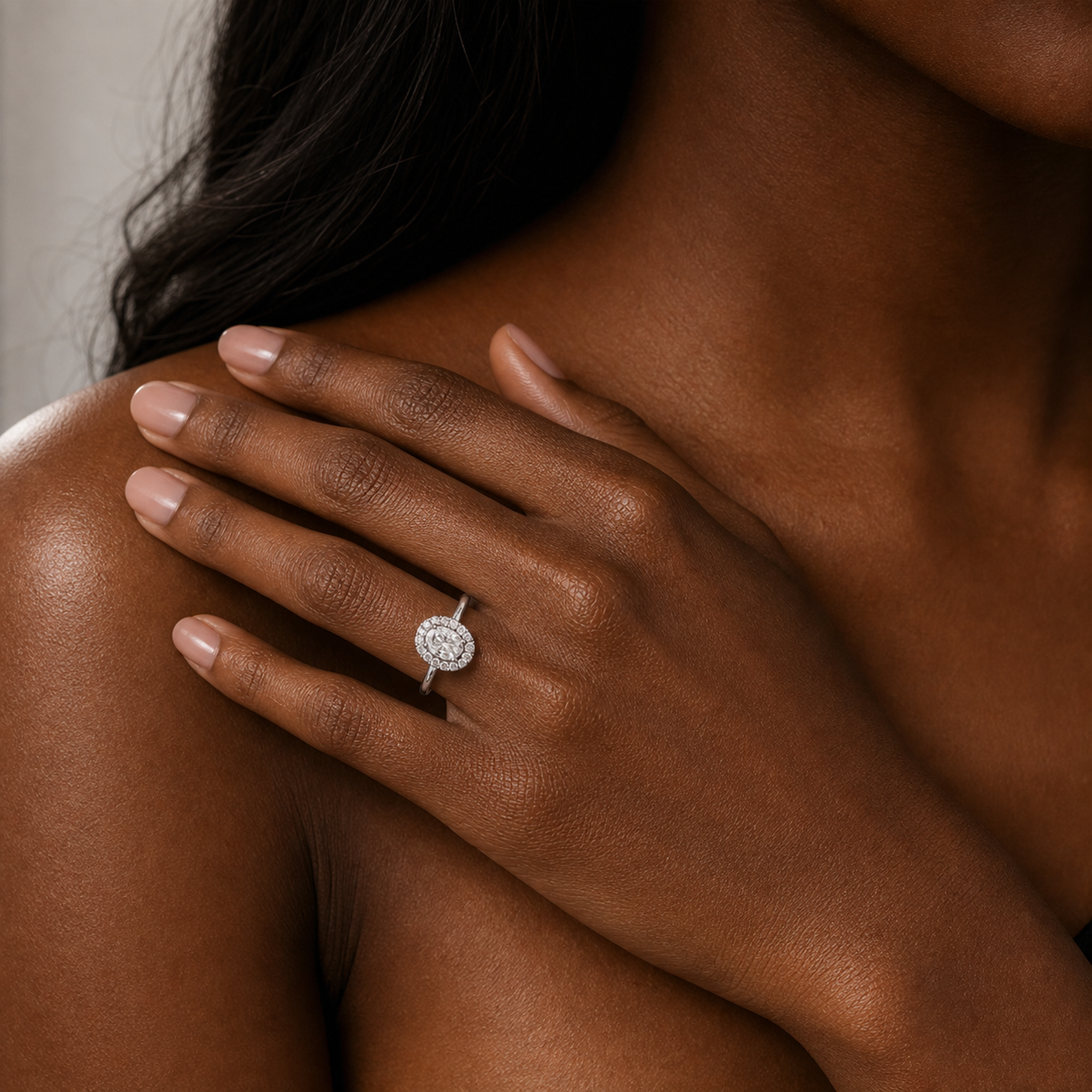


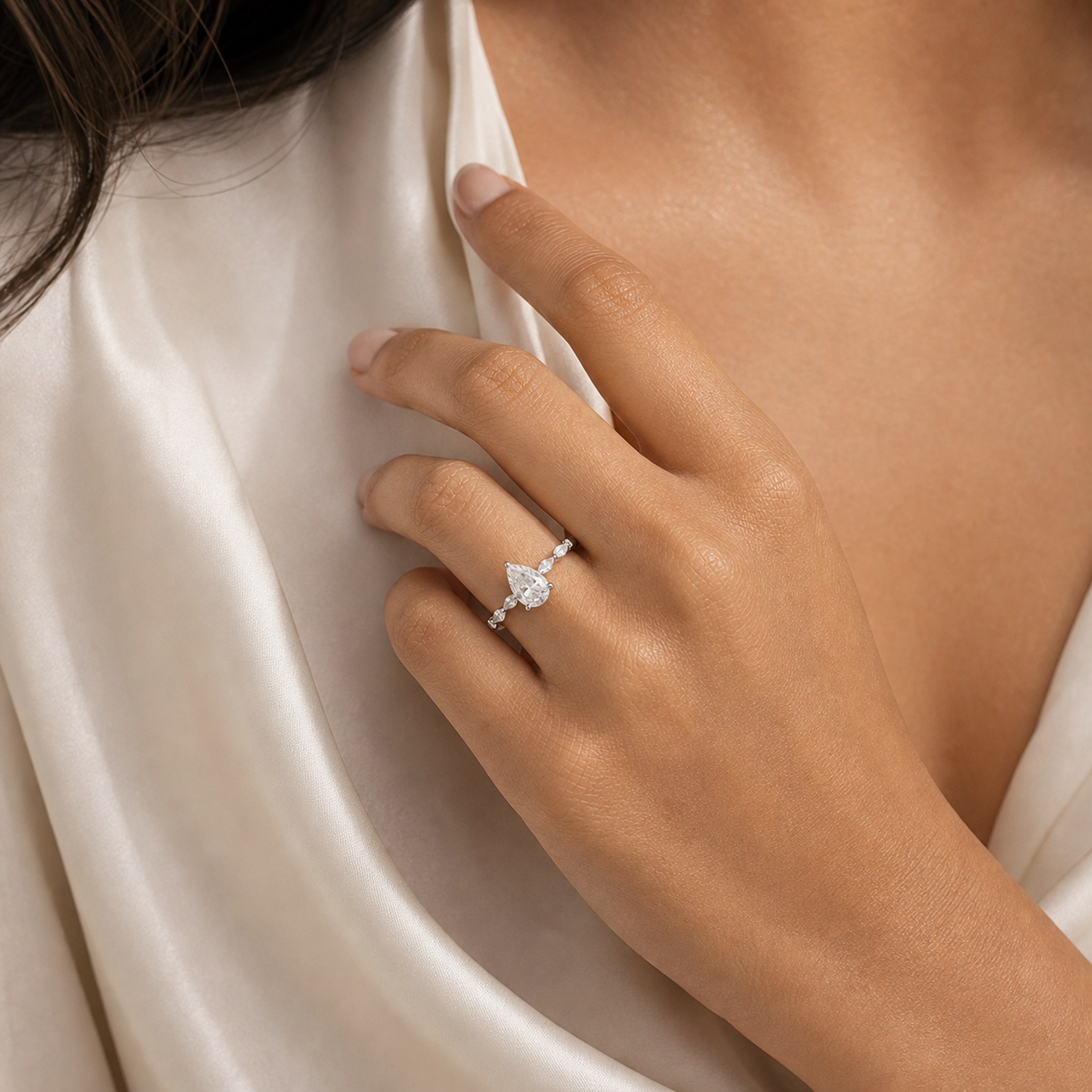


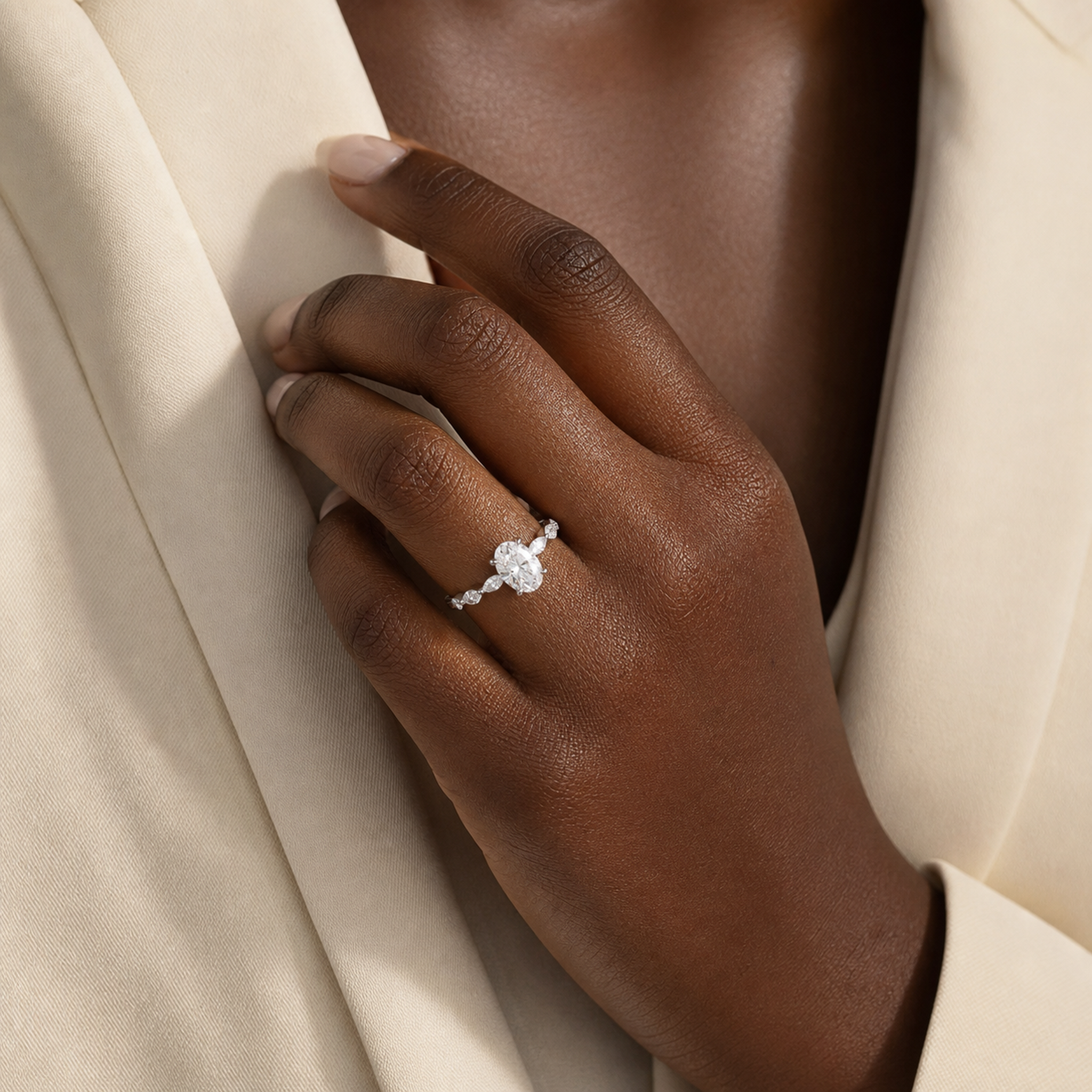





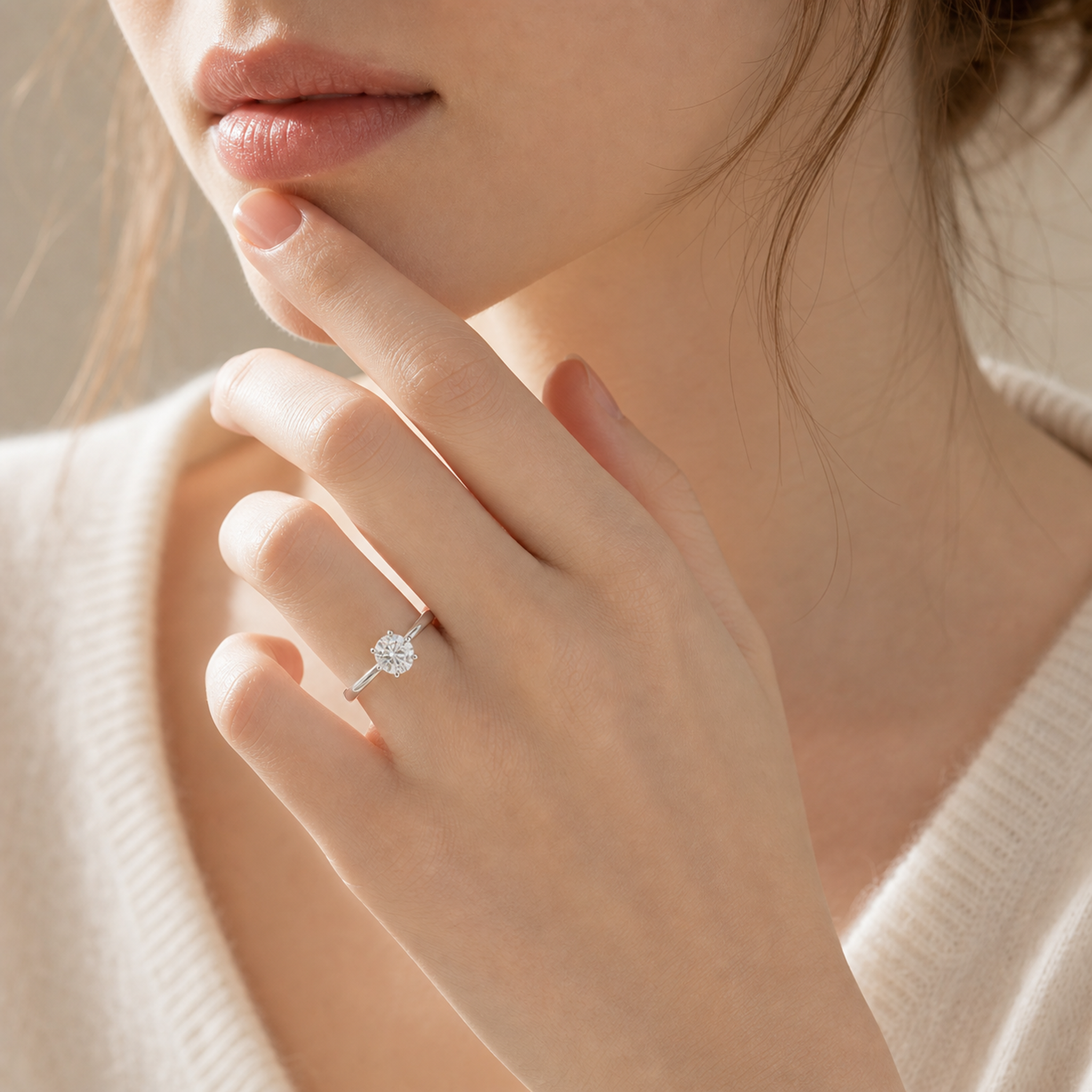


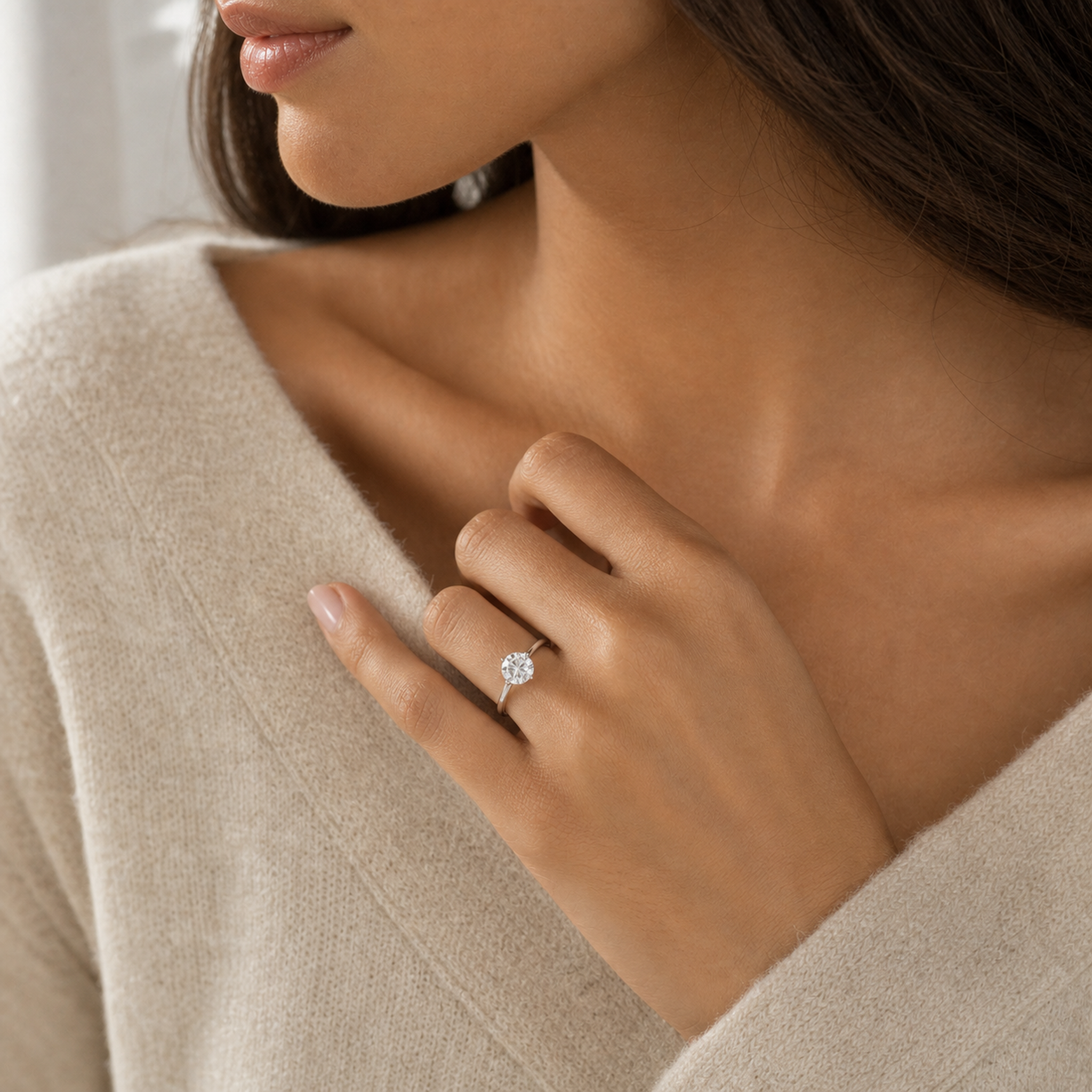


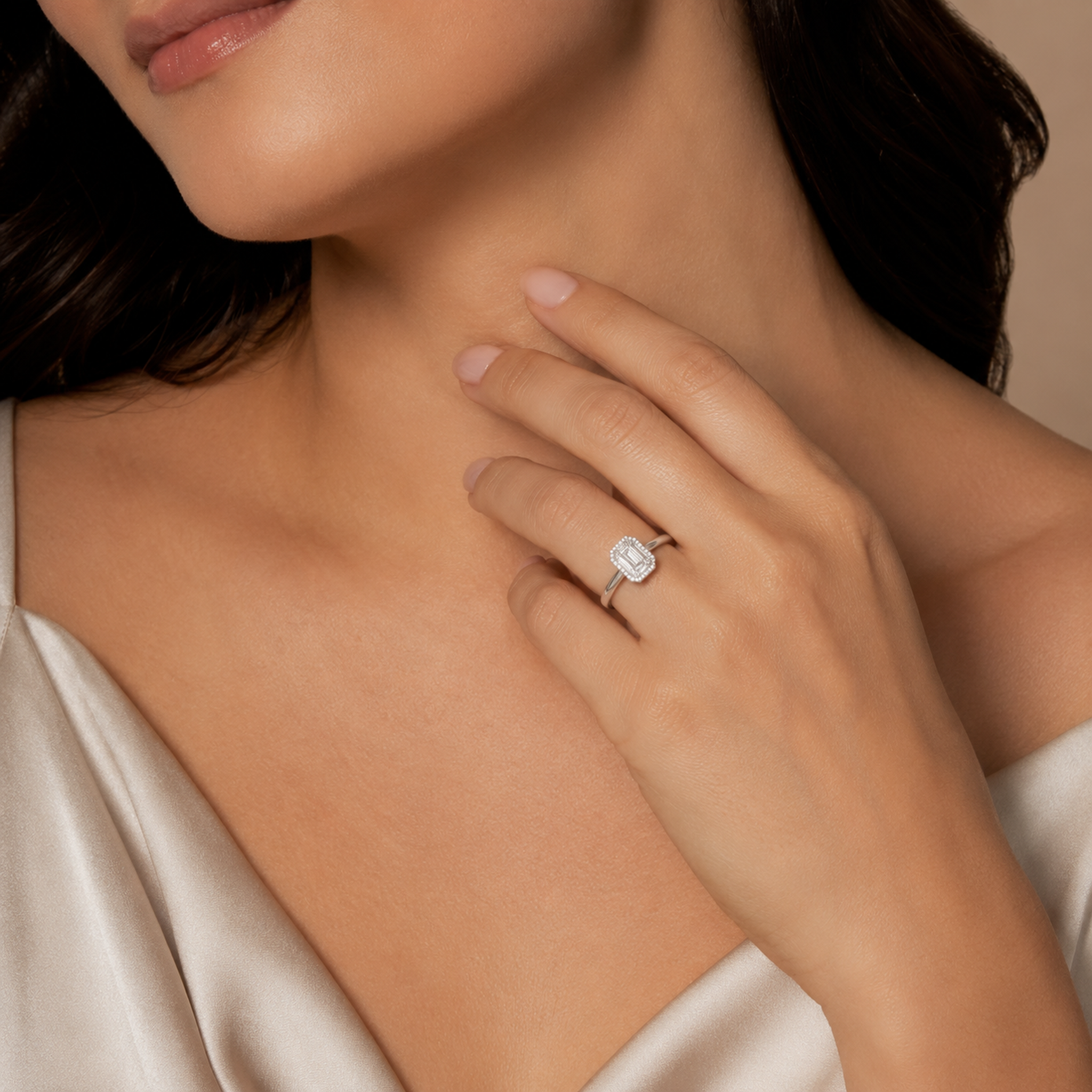
14K White Gold Classic Engagement Rings: Structure in a Quiet Register
A white-metal setting can appear to recede, but classic design is never structureless. Prongs decide where a center outline is interrupted. A halo controls the interval around it. Side stones create a transition toward the band, while two- and three-center compositions depend on scale and spacing. In 14K White Gold, reduced color contrast allows these relationships to carry the expression.
The current Burvonti collection includes 34 verified designs: 15 solitaire, six halo, two side-stone, six Toi et Moi, and five three-stone structures. They demonstrate that Classic is an editing principle rather than one historical silhouette. Details may vary widely while the order among center, support, band, and profile stays calm and understandable.
What the 14K Mark Explains
A 14K alloy contains approximately 58.3% gold. The rest of the formula influences its white appearance and physical behavior. Karat does not disclose the complete alloy, exact finished color, rhodium use, hardness, sensitivity profile, or maintenance needs. Many white-gold rings use a bright surface finish, but that must be confirmed for the selected product.
Because the color is quiet, finish and geometry become prominent. A polished knife edge catches light along a narrow ridge. A bezel presents a continuous band of metal. Pavé creates a secondary rhythm, while plain shoulders leave more visual pause. White Gold does not make these decisions disappear; it lets their proportions be examined without a strong colored border.
Read the Transitions Between Stones
Classic multi-stone design depends on transition. In a three-stone ring, side diamonds should step away from the center with deliberate scale. In a halo, the surrounding line must answer the center rather than blur it. Toi et Moi structures replace hierarchy with dialogue, asking two shapes and their shared negative space to feel intentional. White Gold can unify the field, but it cannot correct unresolved spacing.
The same applies to hidden details. A hidden halo or pavé basket changes the side view while leaving the principal outline calmer from above. Cathedral shoulders raise the eye toward the head; open baskets expose more of the pavilion. These are choices about rhythm and profile, not automatic marks of timelessness or superior performance.
Shape Remains Distinct Within Tonal Continuity
Round, oval, cushion, pear, emerald, heart, and paired outlines appear in the assortment. Curves move easily through a white field, while emerald geometry makes corner treatment and alignment more apparent. Mixed-shape pairings depend on orientation and the interval between centers. A quiet metal may connect them tonally, but each silhouette should remain legible.
Compared with 14K Yellow or Rose Gold, White Gold creates less color separation around bright diamonds. Compared with 18K White Gold, it has lower gold content. Compared with Platinum, it is a gold alloy rather than a naturally white, denser metal. None of those facts establishes a universal hierarchy; complete design, finish, care, feel, and budget remain relevant.
Continuity Beyond the Engagement Ring
A White Gold wedding band can extend the tonal field, while Yellow or Rose Gold can place a deliberate line beside it. Fit depends on head width, halo edge, cathedral rise, side-stone span, band thickness, and contact points. Matching metal cannot guarantee that two rings sit flush, and a visible interval can be either intentional or a sign that another profile should be considered.
White Gold surfaces also evolve through wear, and a bright finish may change differently from the underlying alloy. Inspection or refinishing should follow the selected ring's real condition and specification rather than an assumed universal calendar.
Burvonti pairs responsibly sourced, independently graded lab-grown diamonds with settings calibrated through proportion and human judgment. Custom possibilities may refine diamond shape, orientation, metal, engraving, band dimension, or selected structure where feasible. The aim is not a ring that looks neutral; it is one whose quiet material language makes every relationship more exact.
Frequently Asked Questions
What makes this different from the main Classic Engagement Rings page?
The parent owns Classic as a design discipline across materials. This page focuses on how 14K White Gold creates tonal continuity and exposes proportion across five represented setting families.
What makes it different from all 14K White Gold Engagement Rings?
The broader metal page covers many aesthetics. This collection is limited to designs selected for clear hierarchy, controlled detail, and composed transitions.
How much gold is in 14K White Gold?
A 14K alloy contains approximately 58.3% gold. The remaining metals influence color and working behavior, and exact formulas vary.
Is every 14K white gold ring rhodium plated?
No safe universal assumption should be made. Rhodium is common, but the actual finish and future care should be confirmed for the chosen Burvonti ring.
Can a Toi et Moi ring count as classic?
Yes, when its two centers, orientations, spacing, and band form a disciplined composition. Classic describes the quality of editing, not the number of center stones.
Does White Gold make diamonds look larger or brighter?
It does not change diamond dimensions, grade, or light performance. Tonal continuity can alter the visible boundary, but setting and viewing conditions shape the perception.
Which shapes are represented?
The current collection includes round, oval, cushion, pear, emerald, heart, and several paired-shape combinations.
Is 14K White Gold better than 18K White Gold?
Neither is universally better. They differ in gold content, while alloy, finish, construction, feel, care, and budget complete the decision.
How does 14K White Gold differ from Platinum?
14K White Gold is a gold alloy selected for a white appearance and may use a bright surface finish. Platinum is naturally white and denser, with a different surface evolution.
Can White Gold cause sensitivity?
Sensitivity depends on the exact alloy and wearer. Request product-specific composition when needed; karat alone cannot establish a hypoallergenic outcome.
Will a classic White Gold ring sit flush with a wedding band?
Not automatically. Basket, halo, cathedral, side-stone, band, and contact geometry determine the fit.
Can Burvonti personalize a classic 14K white gold ring?
Custom possibilities may include shape, orientation, metal, engraving, band proportion, or selected setting details, subject to design availability and structural feasibility.