
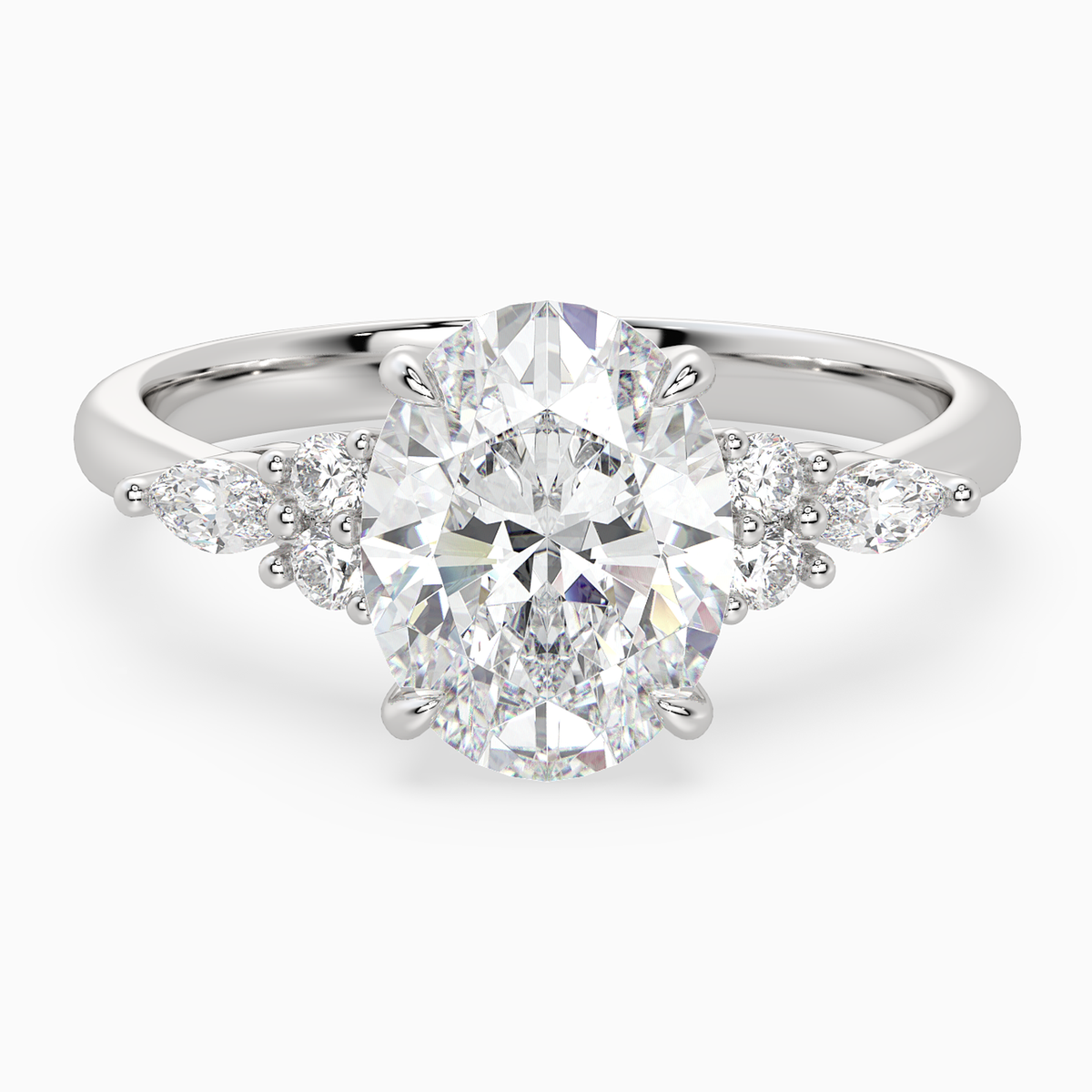


Men's Jewelry in Platinum
Natural white tone spans four positions. Platinum gives ring edge, stud setting, pendant bail, and wrist movement measured material weight.


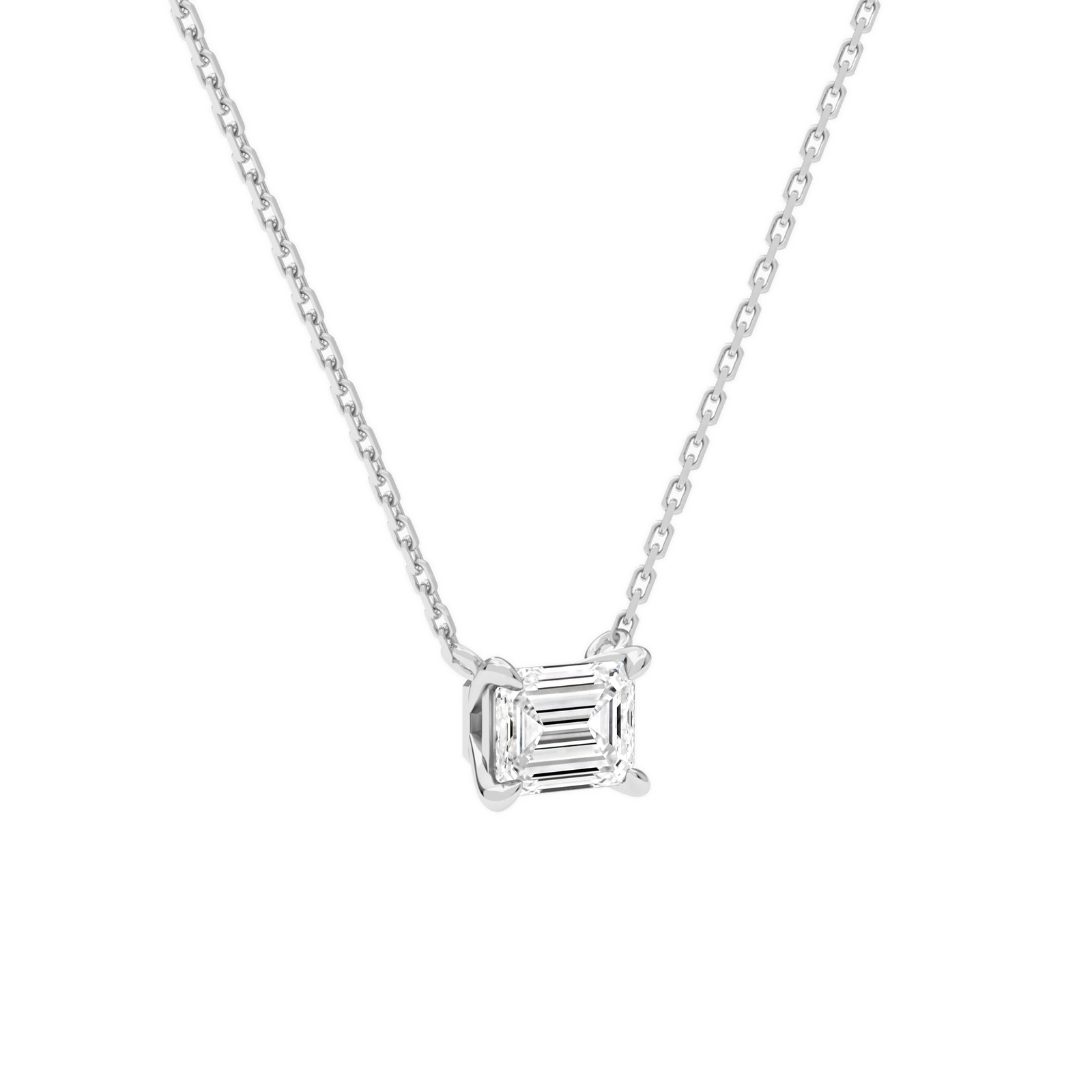


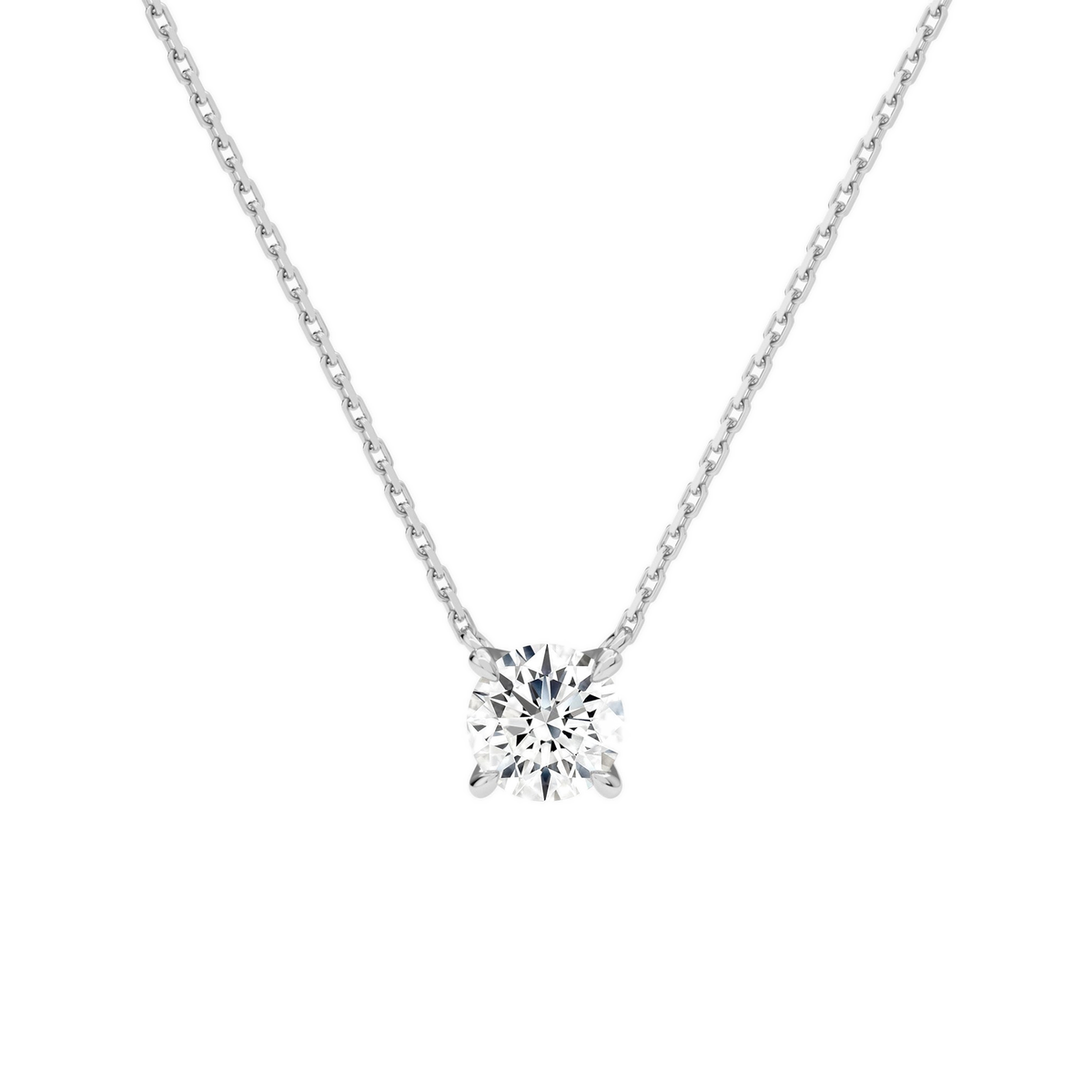


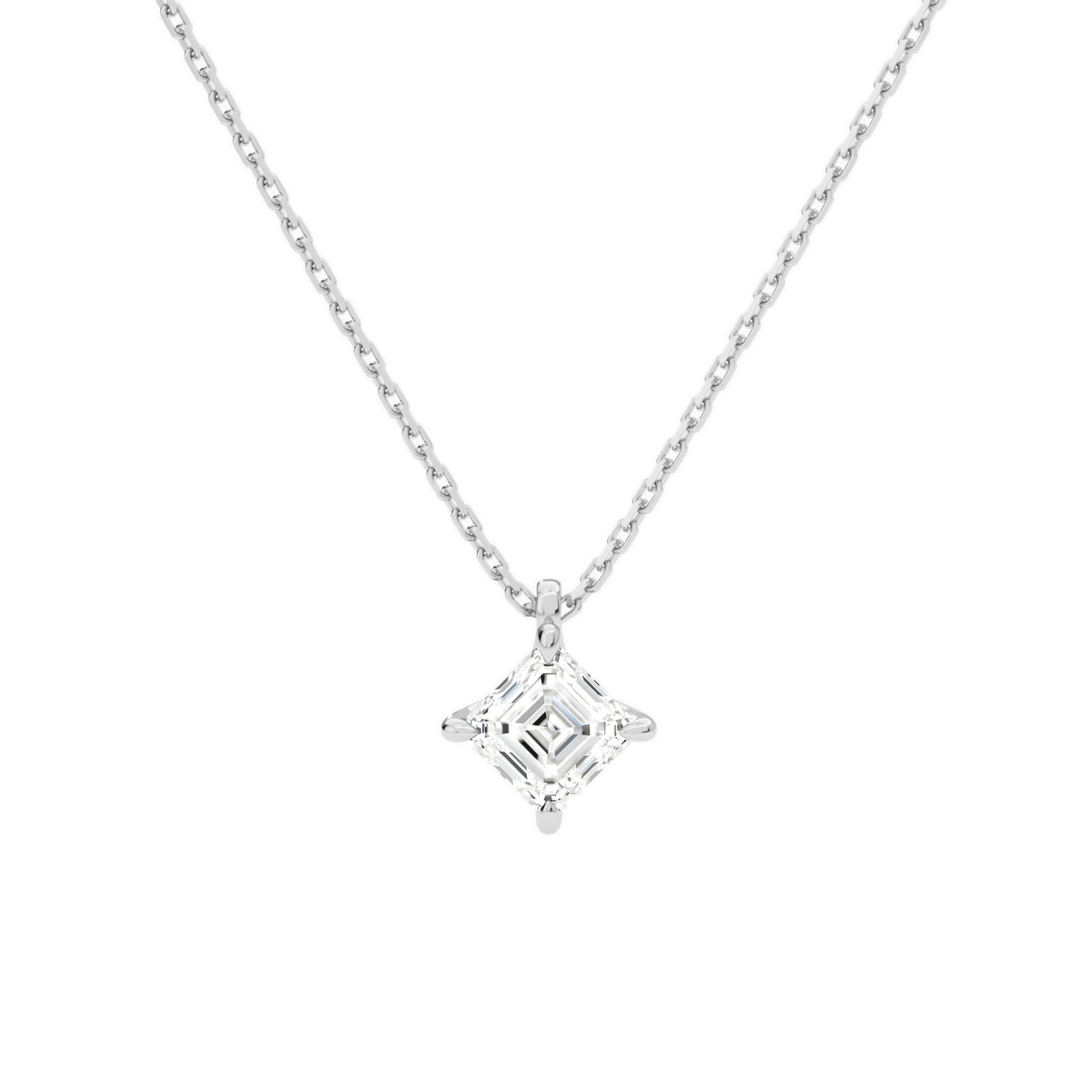
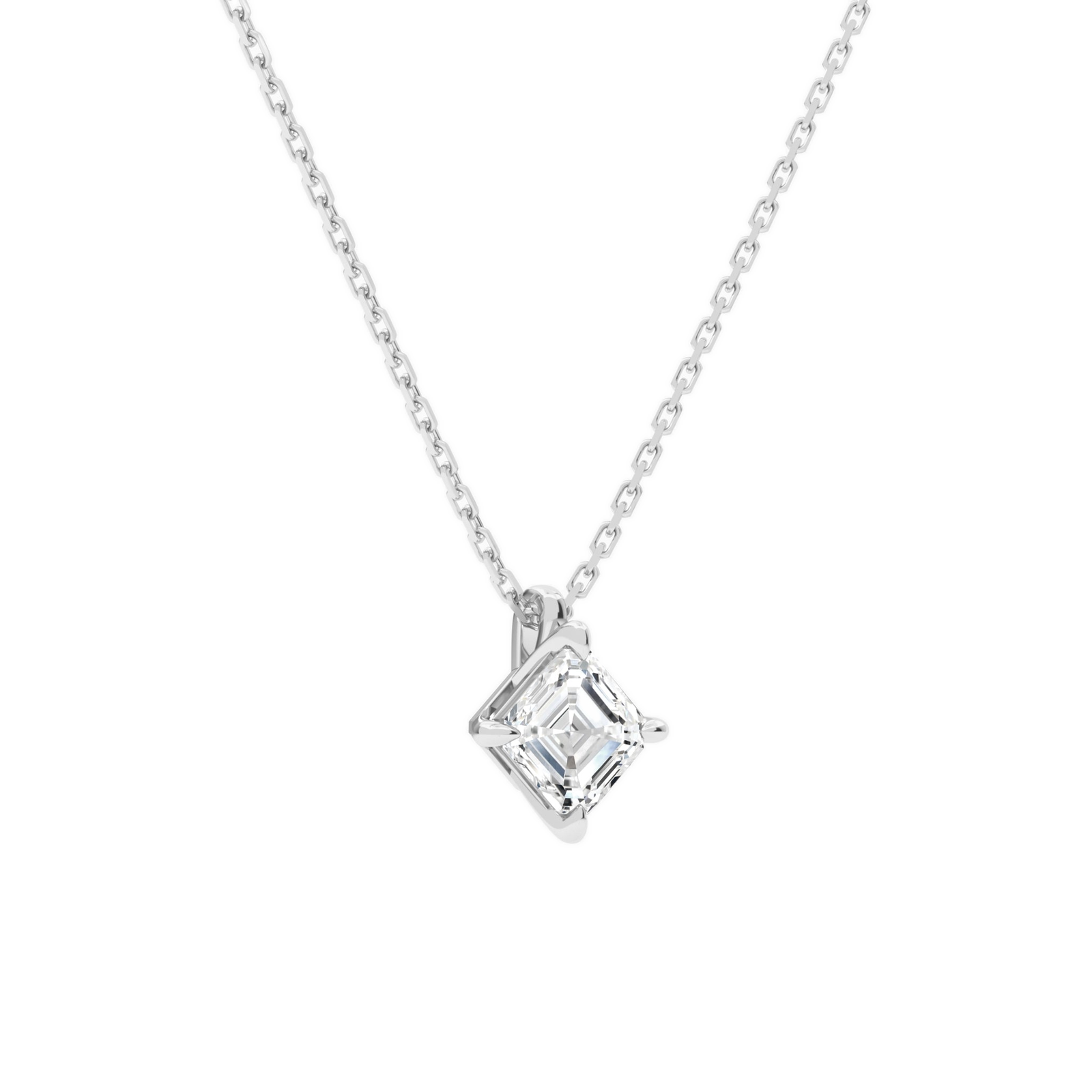
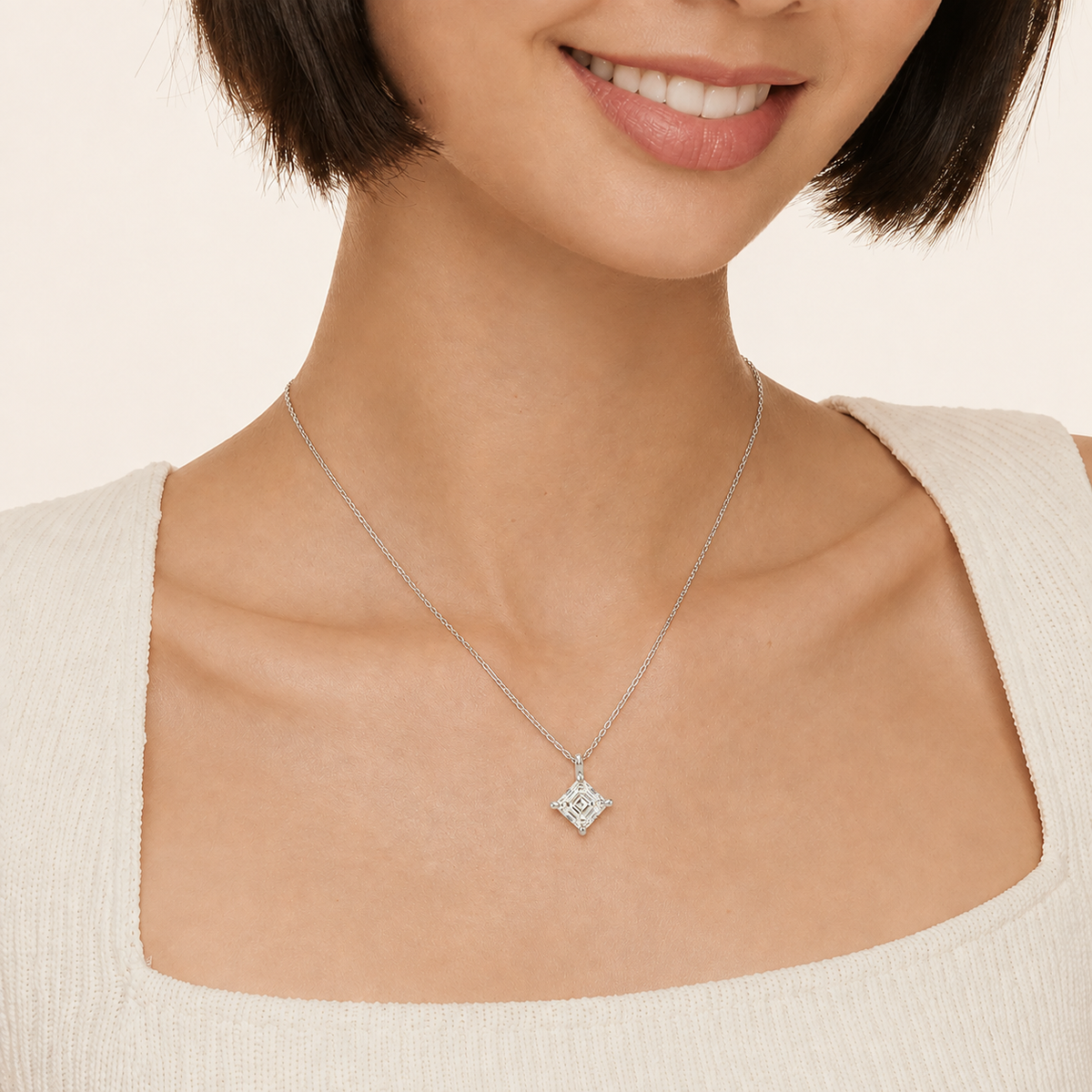

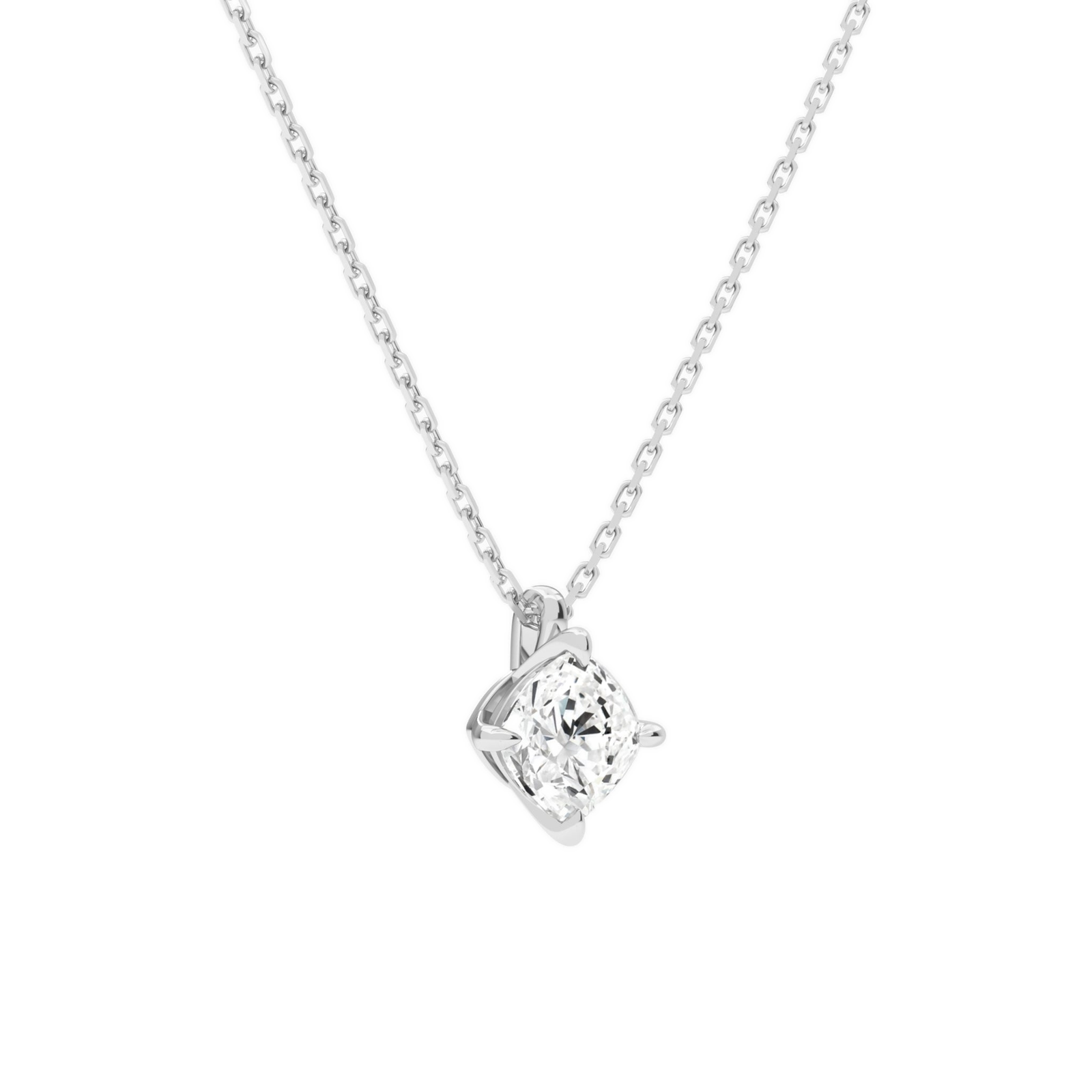


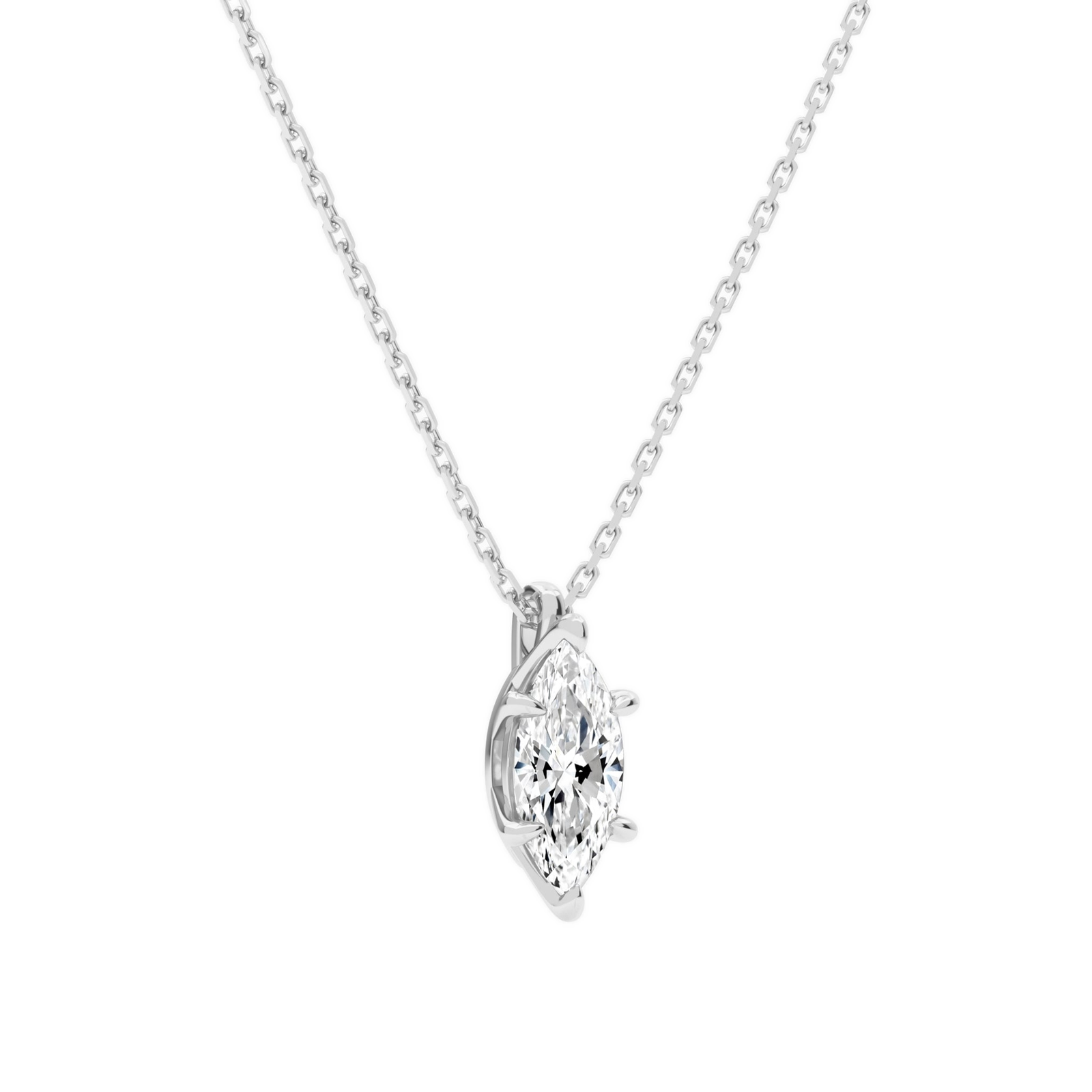
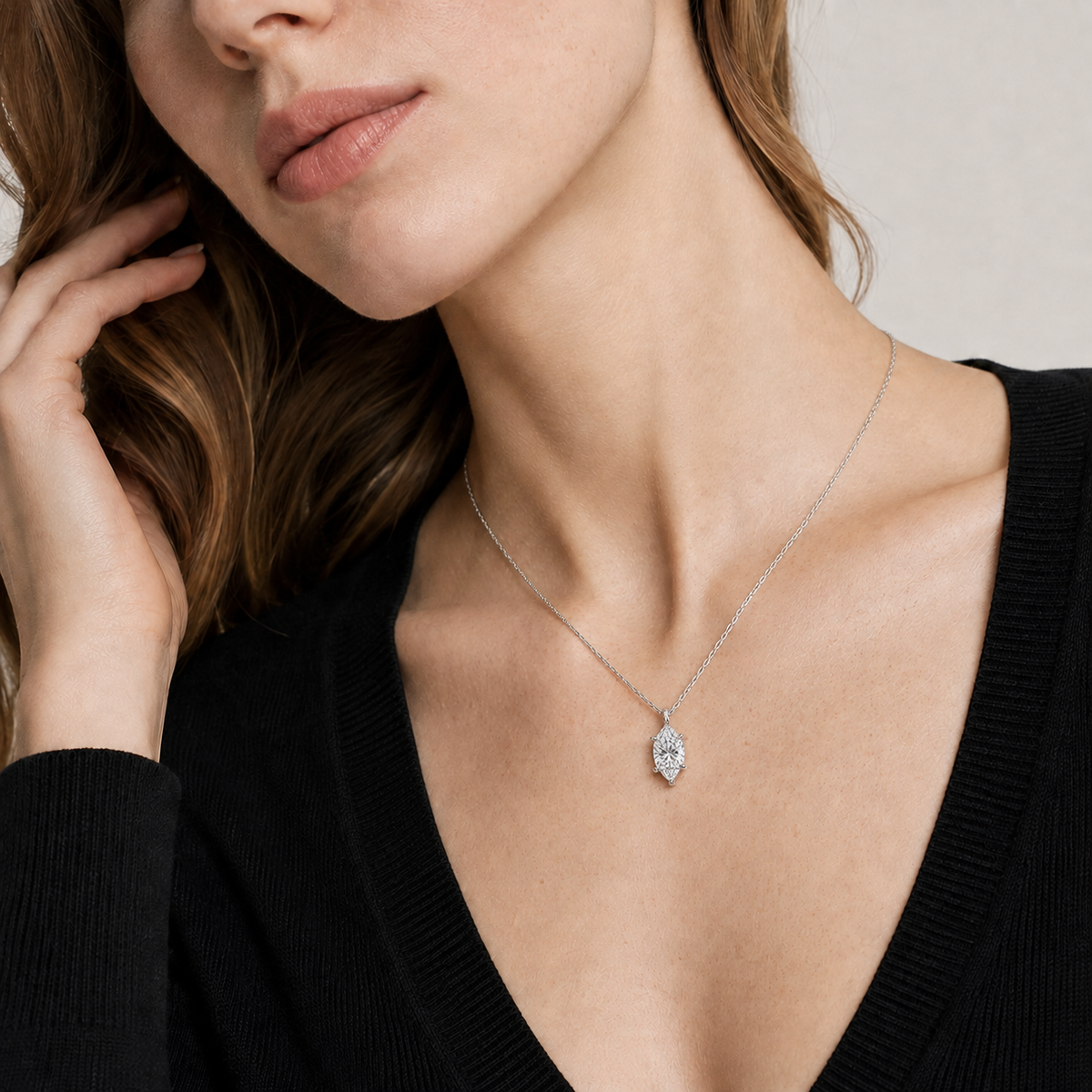

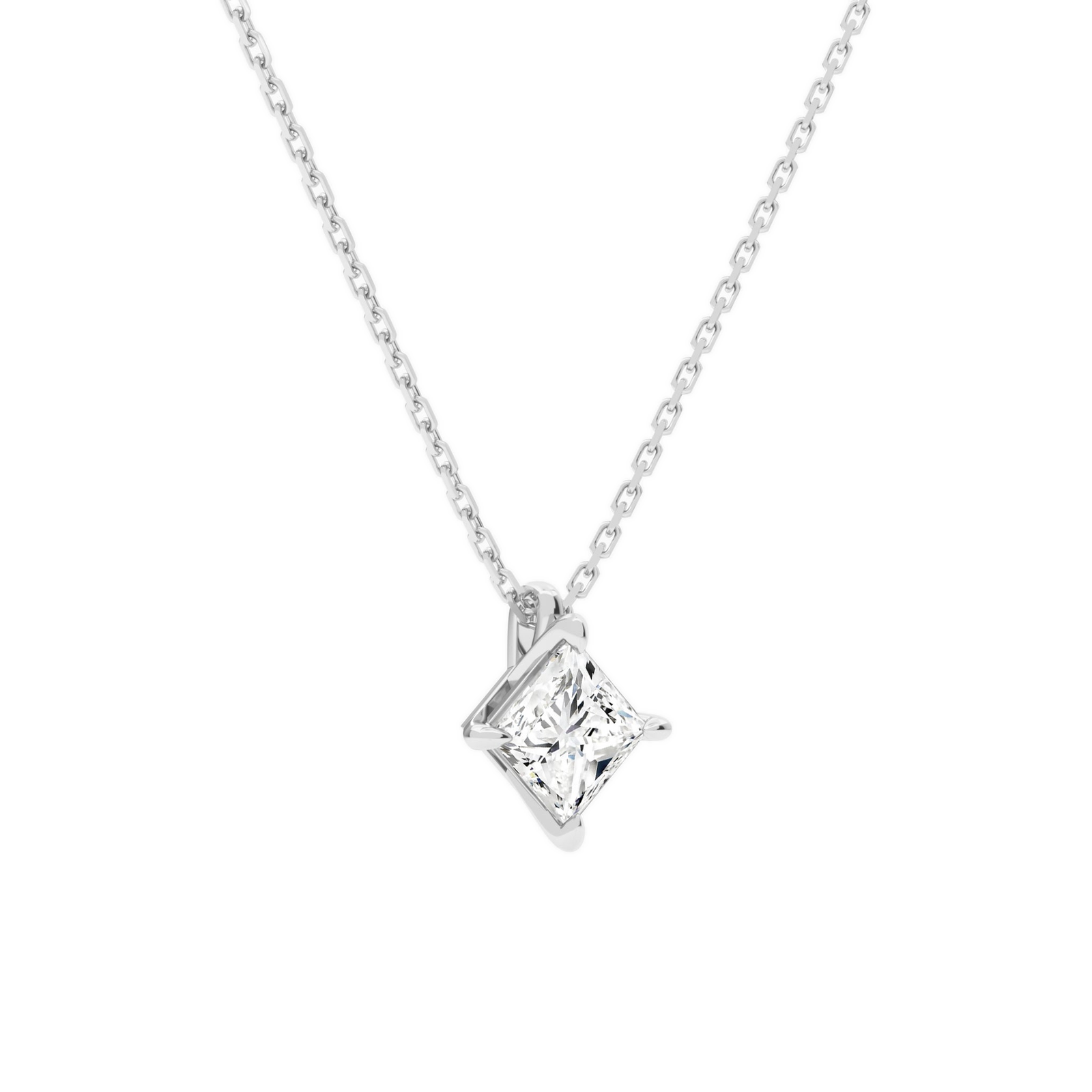


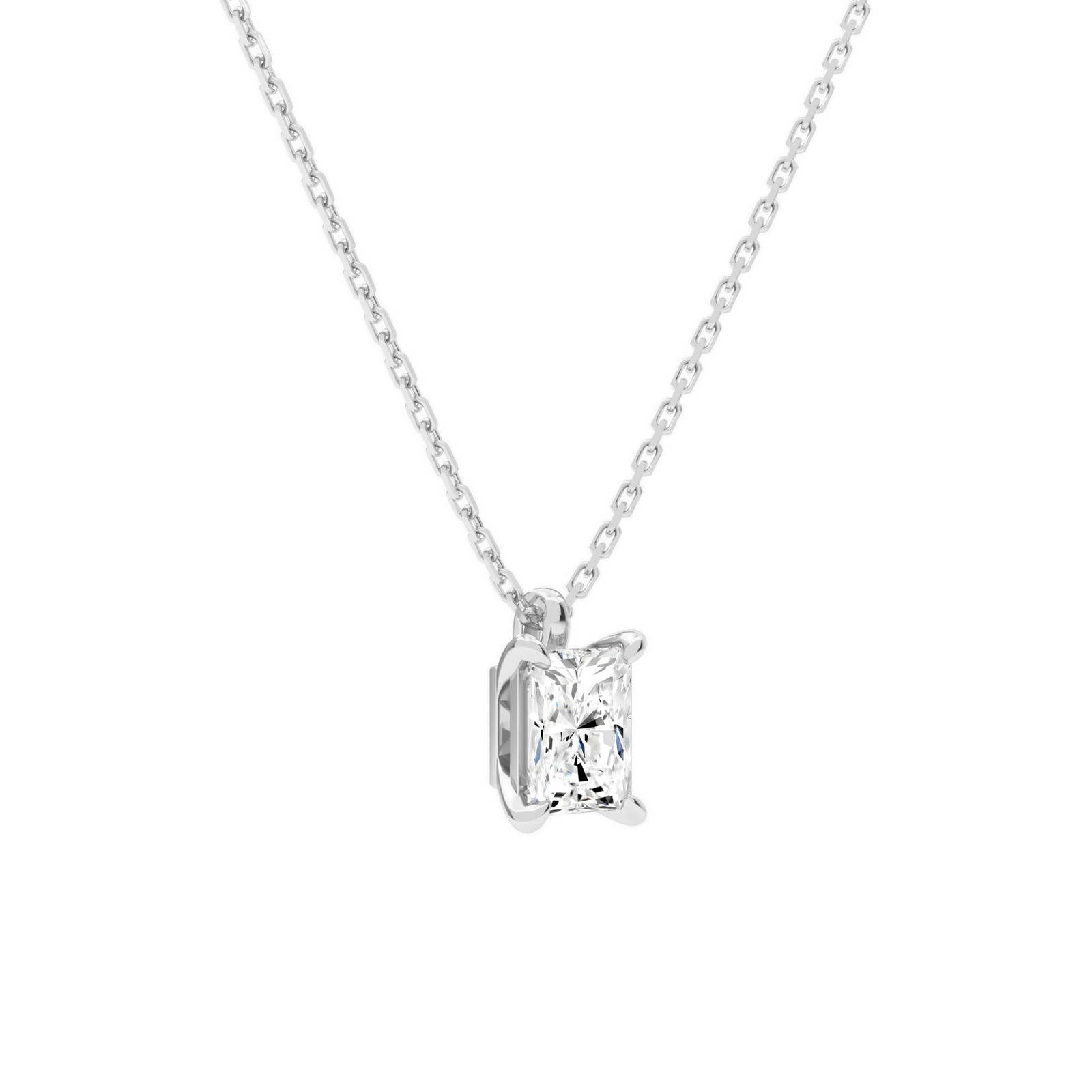

Men's Jewelry in Platinum: Natural White Tone across Four Positions
Platinum carries its natural white tone through the whole construction of a piece. In a ring, that means outer surface, edge, recess, inner profile, and diamond setting. In a stud, it includes the setting boundary and post. In a necklace, the material travels through pendant, bail, chain, and clasp. Around the wrist, its presence is distributed through settings, links, joints, arcs, and closure as the piece moves.
The current page contains 109 verified designs: 28 rings, 25 stud earrings, 51 necklaces, and 5 bracelets. Every normalized design appears in the parent Men's Jewelry Collection and across the reviewed metal variants. This child page owns the Platinum material comparison within that navigation route, not exclusive assortment and not a rule about who may wear it.
Separate Fineness and Density from Superlatives
Platinum jewelry is commonly made at high fineness, but the exact mark and alloy should be confirmed for the selected product. Platinum is denser than common gold alloys, yet finished weight depends on metal volume, dimensions, size, setting, chain, links, closure, and diamonds. Neither fineness nor density alone proves greater strength, permanence, comfort, security, scratch resistance, or value.
Natural white color does not require a color label to connect diamond and setting, but the construction remains visible. Prongs and bezels still create different perimeters; polished and brushed planes handle light differently; an edge, bail, post, link, or clasp still performs a specific job. Platinum changes the material context, not diamond grade, dimensions, or facet performance.
Assess Weight where the Piece Meets the Body
The 28 rings span 4 to 8 millimeters with flat, domed, beveled, knife-edge, concave, faceted, octagonal, polished, brushed, hammered, knurled, channel, and accented treatments. Width, profile, size, and metal volume influence hand-scale presence. The 25 studs span nine diamond shapes through prong, bezel, and halo structures, where setting scale, post, backing, and weight distribution should be assessed at the ear.
The 51 necklaces include bezel and prong solitaires, crosses, and halos; current descriptions list adjustable 16- to 18-inch, 0.95-millimeter chains with lobster clasps. The five bracelets include one bangle and four tennis-line designs. For neck and wrist pieces, density does not predict balance or comfort without exact pendant, chain, link, circumference, articulation, closure, and finished-weight facts.
Allow Surface to Record the Life of the Piece
Platinum surface can change with contact and wear, sometimes developing a patina, but timing and appearance vary with finish, construction, use, care, and wearer. A patina is not a Collection-wide promise, defect diagnosis, or maintenance schedule. Matching Platinum pieces may also show different surfaces because their geometry, finish, age, and contact histories differ.
Burvonti combines responsibly sourced lab-grown diamonds with measured proportion and calibration across each wearing position. Independent grading or certification applies within its document scope. Custom possibilities may refine material, shape, setting, width, length, finish, scale, or selected details where technically feasible. Confirm fineness mark, dimensions, finished weight, fit, documentation, alteration, and care for the exact piece.
Frequently Asked Questions
How is this page different from the parent Men's Jewelry Collection?
The parent owns the cross-metal, cross-position framework. This child focuses on Platinum tone, fineness, density, surface, and weight distribution.
How is it different from the full Platinum jewelry page?
The full material page covers the broader jewelry universe; this page narrows Platinum to the current Men's Jewelry navigation edit.
What types of jewelry are currently included?
The verified 109 designs comprise 28 rings, 25 stud earrings, 51 necklaces, and 5 bracelets.
What Platinum fineness is used?
Confirm the fineness mark and alloy for the selected product; no single mark should be assumed Collection-wide without product readback.
Is Platinum naturally white?
Yes, Platinum is naturally white, though alloy, finish, lighting, photography, and surface condition affect appearance.
Is Platinum jewelry always heavier than gold jewelry?
Not universally. Platinum is denser, but finished weight also depends on dimensions, size, metal volume, setting, chain, links, closure, and diamonds.
Is Platinum indestructible or scratch-proof?
No. Fineness and density do not make a complete piece immune to scratching, deformation, wear, or maintenance.
Is Platinum hypoallergenic?
No universal wearer outcome should be promised without confirming the exact alloy and the person's specific sensitivity.
What ring details should I compare?
Compare size, 4- to 8-millimeter width, profile, edge, surface, setting, inner fit, contact, and finished weight.
What stud options are represented?
Current studs cover nine diamond shapes through prong solitaire, bezel, and halo structures.
What necklace options are represented?
The 51 necklaces include 17 bezel solitaires, 14 prong solitaires, 13 crosses, and 7 halos.
What necklace chain details are currently listed?
Current descriptions list adjustable 16- to 18-inch, 0.95-millimeter chains with lobster clasps.
What bracelet options are represented?
The five current designs include one bangle and four tennis-line structures.
Does Platinum make diamonds more brilliant?
No. It changes the material context and boundary, not facets, dimensions, or grading facts.
Will every Platinum piece develop the same patina?
No. Surface change depends on finish, geometry, construction, contact, wear, care, and the individual piece.
Can Burvonti customize a Platinum piece?
Material, shape, setting, width, length, finish, scale, or selected details may be possible after technical review.
How should Platinum jewelry be cared for?
Clean gently and inspect settings, posts, backs, bails, chains, links, joints, and closures; seek product-specific review if condition changes.