
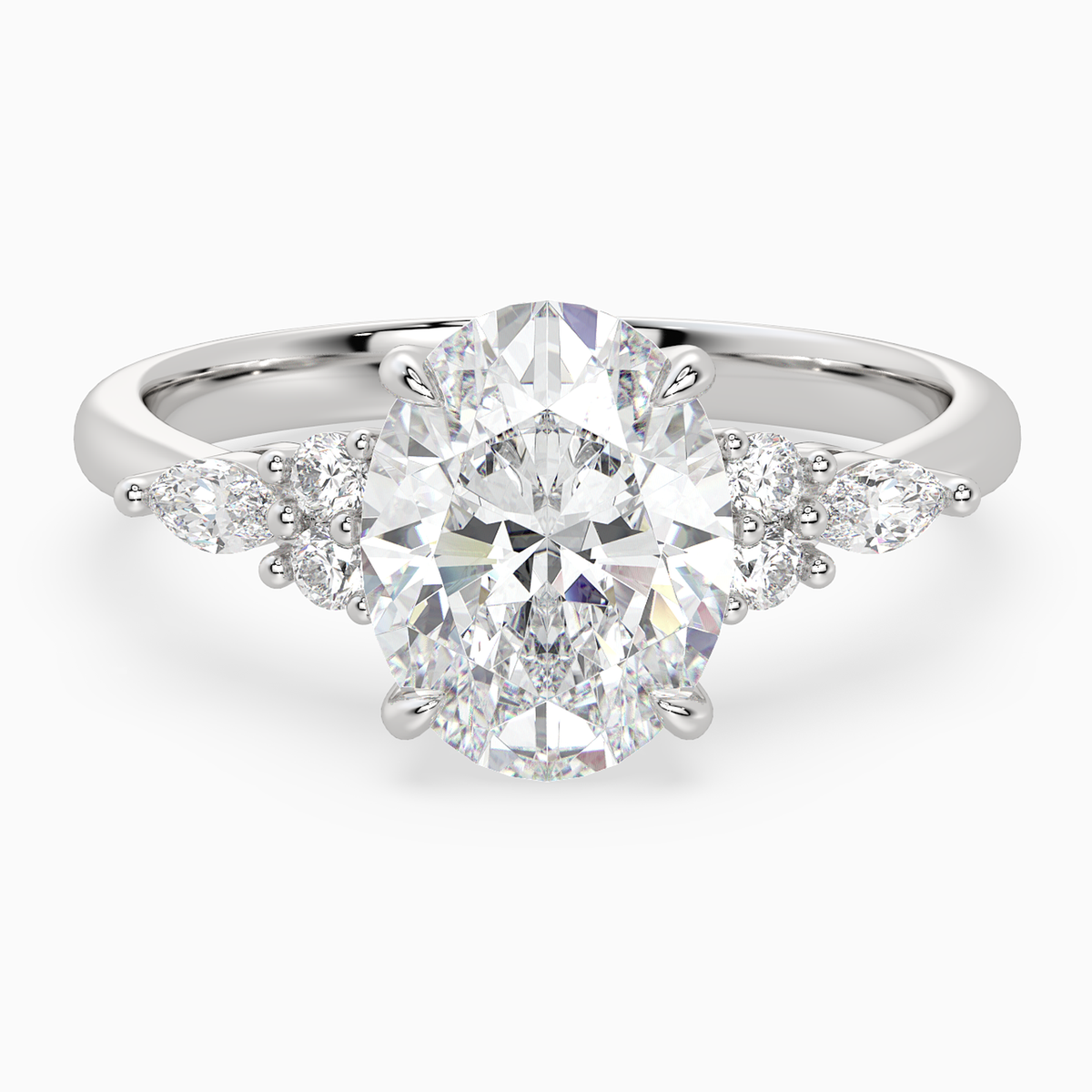


Men's Jewelry in 14K Yellow Gold
Gold makes placement legible across the body. 14K yellow gold defines ring edges, stud outlines, necklace axes, and bracelet rhythms.


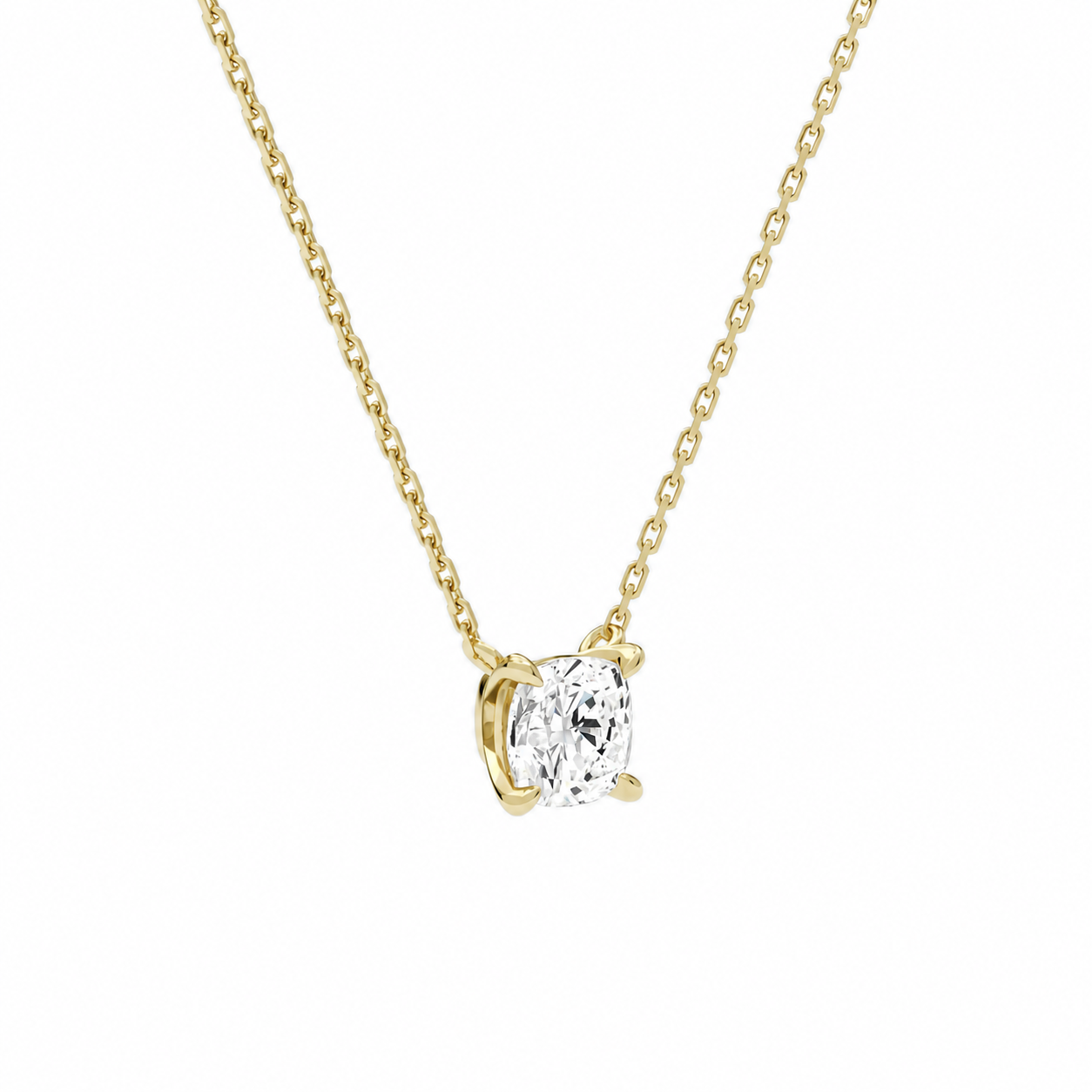


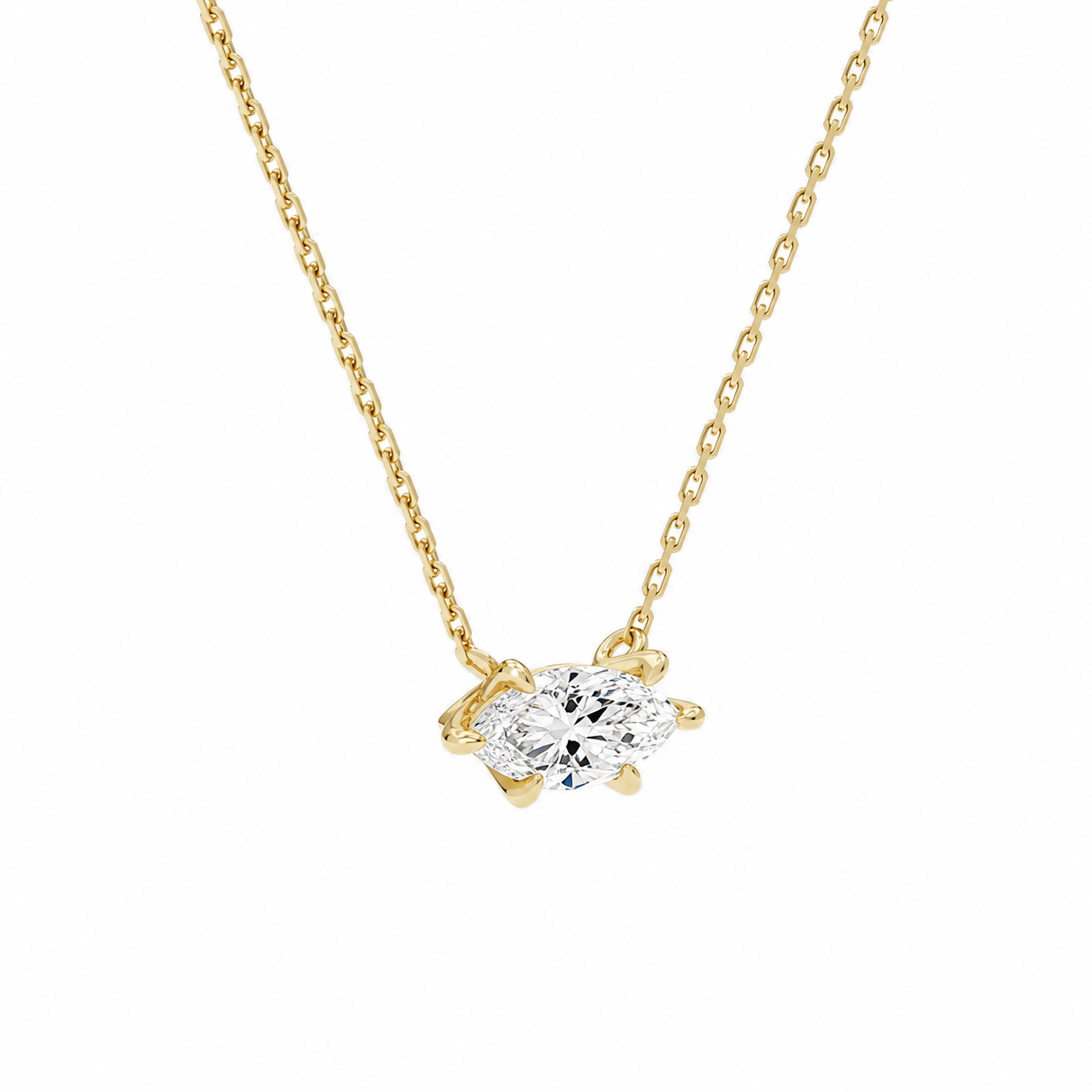


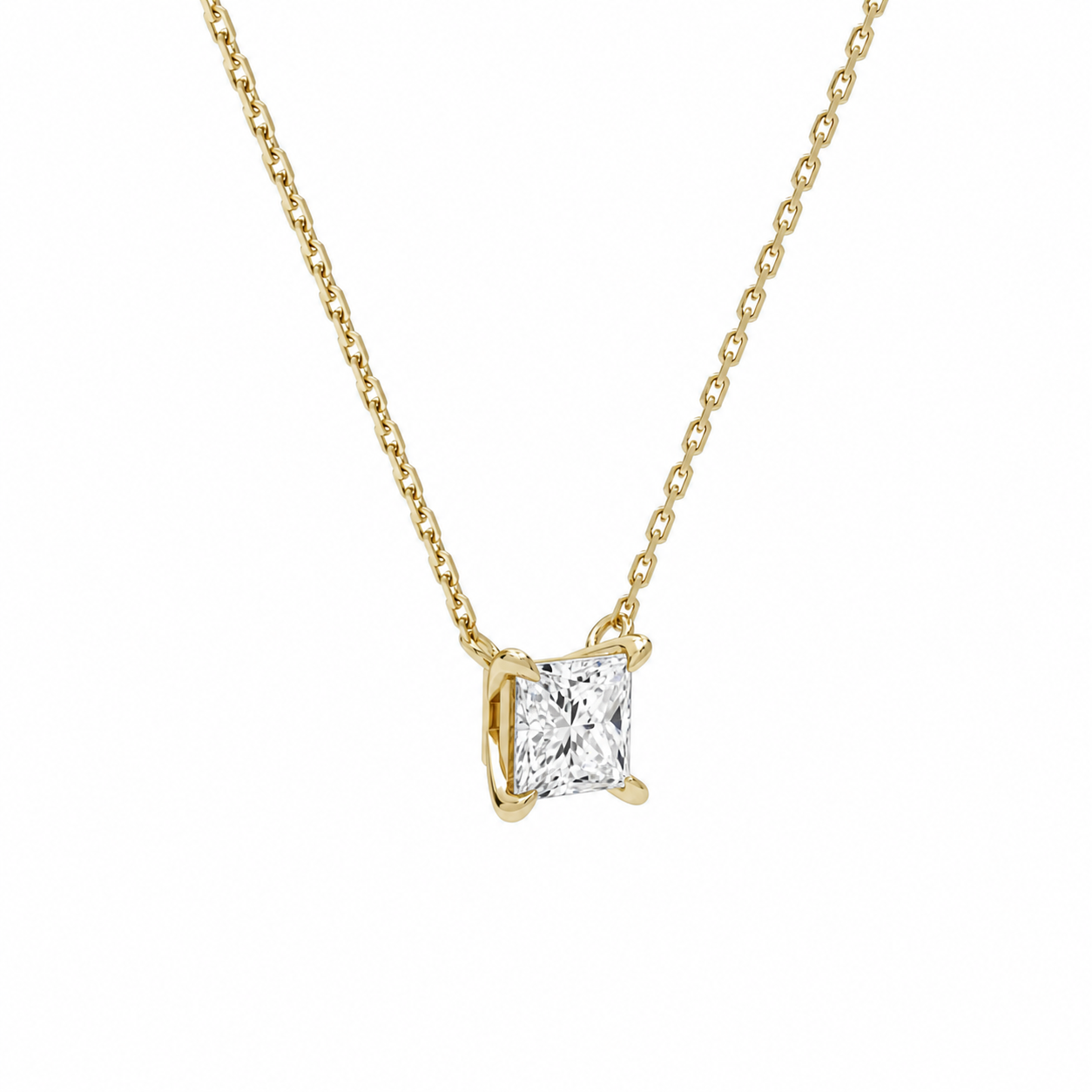


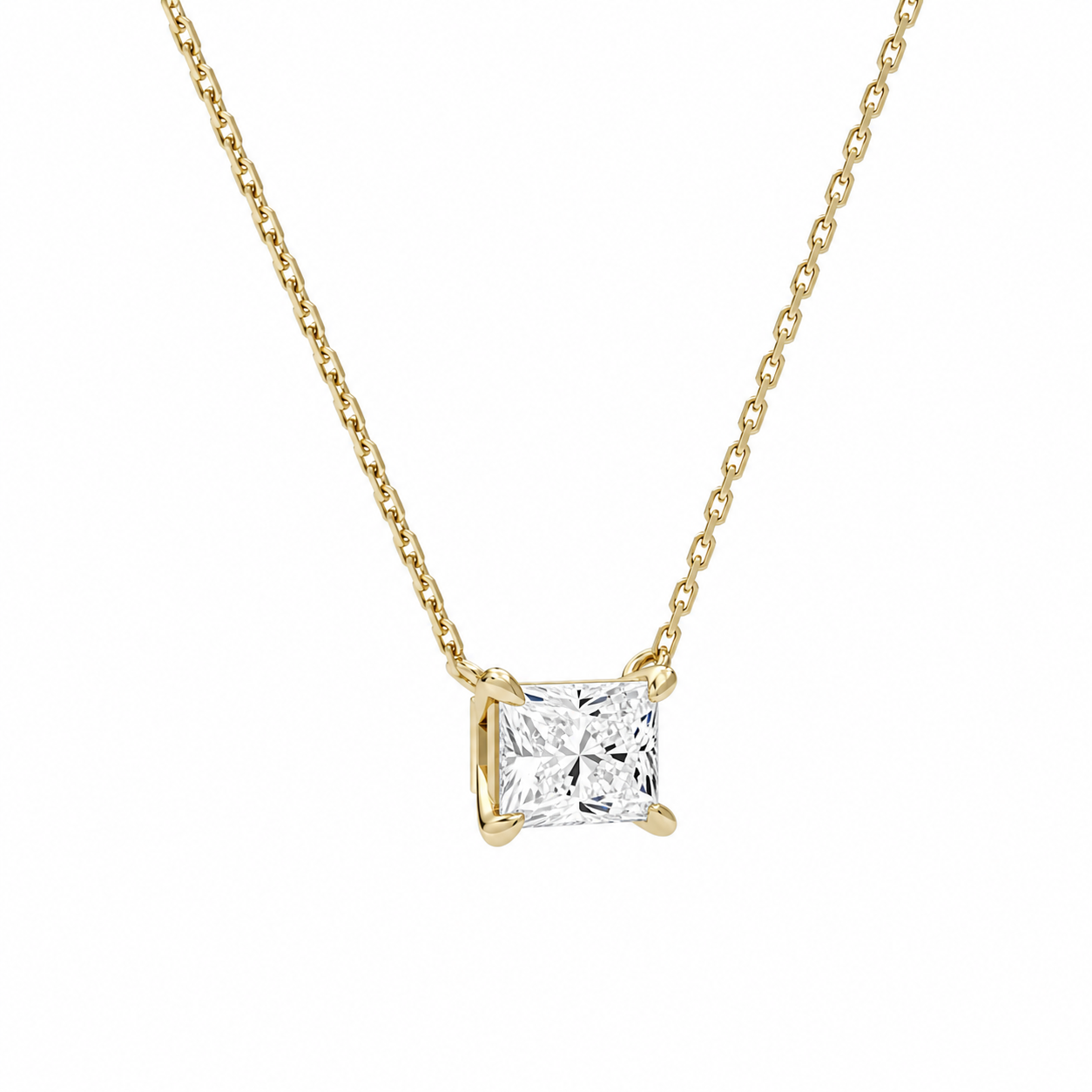


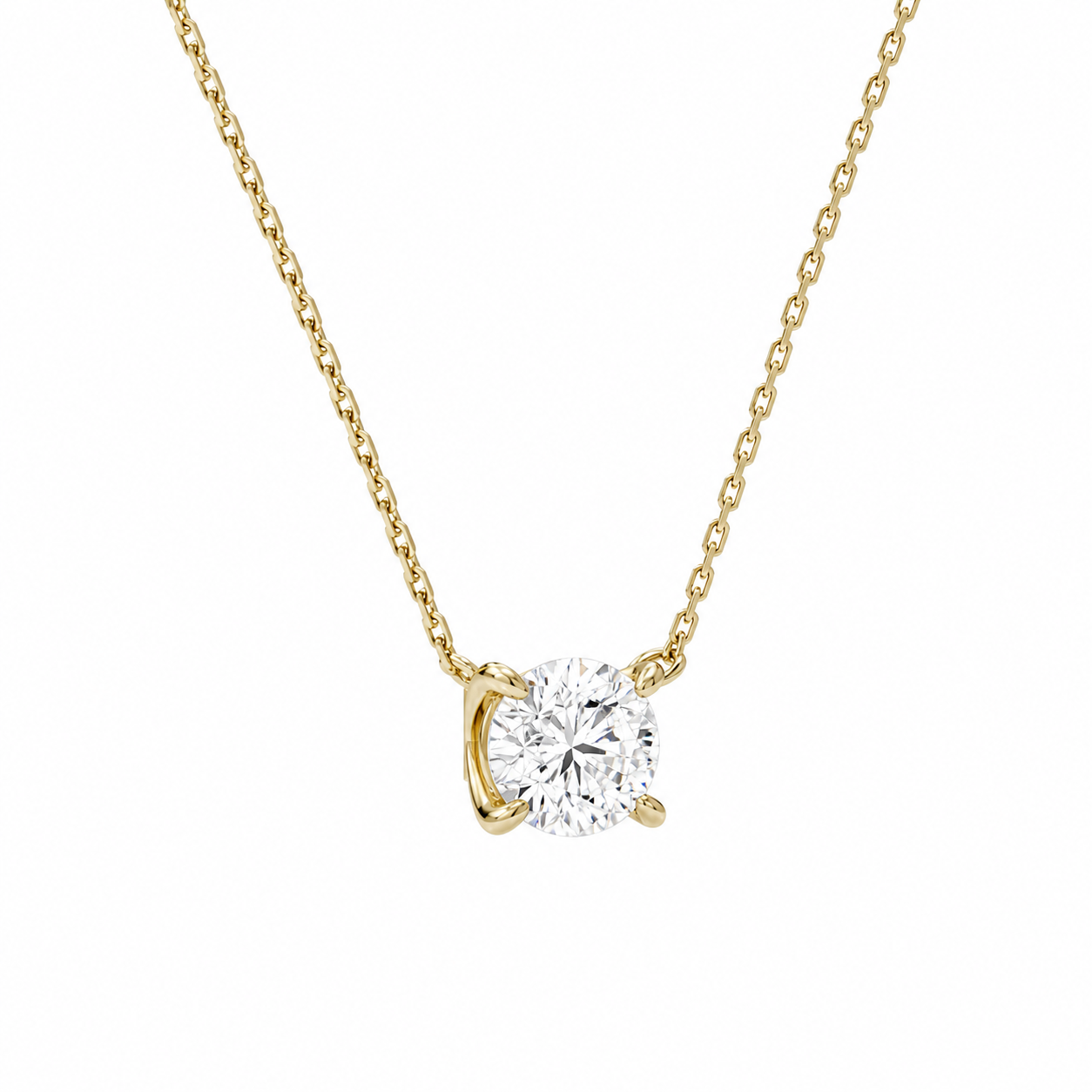


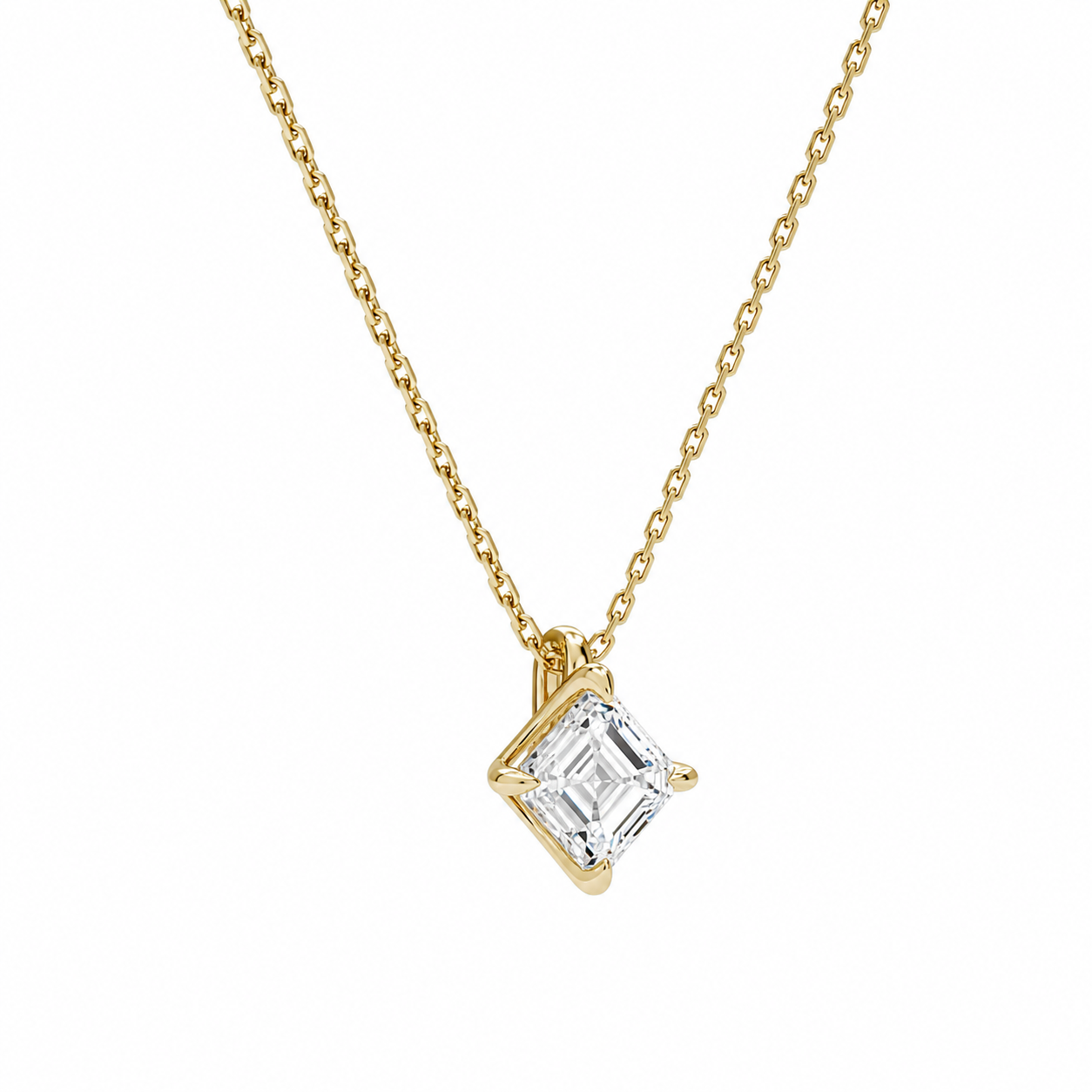


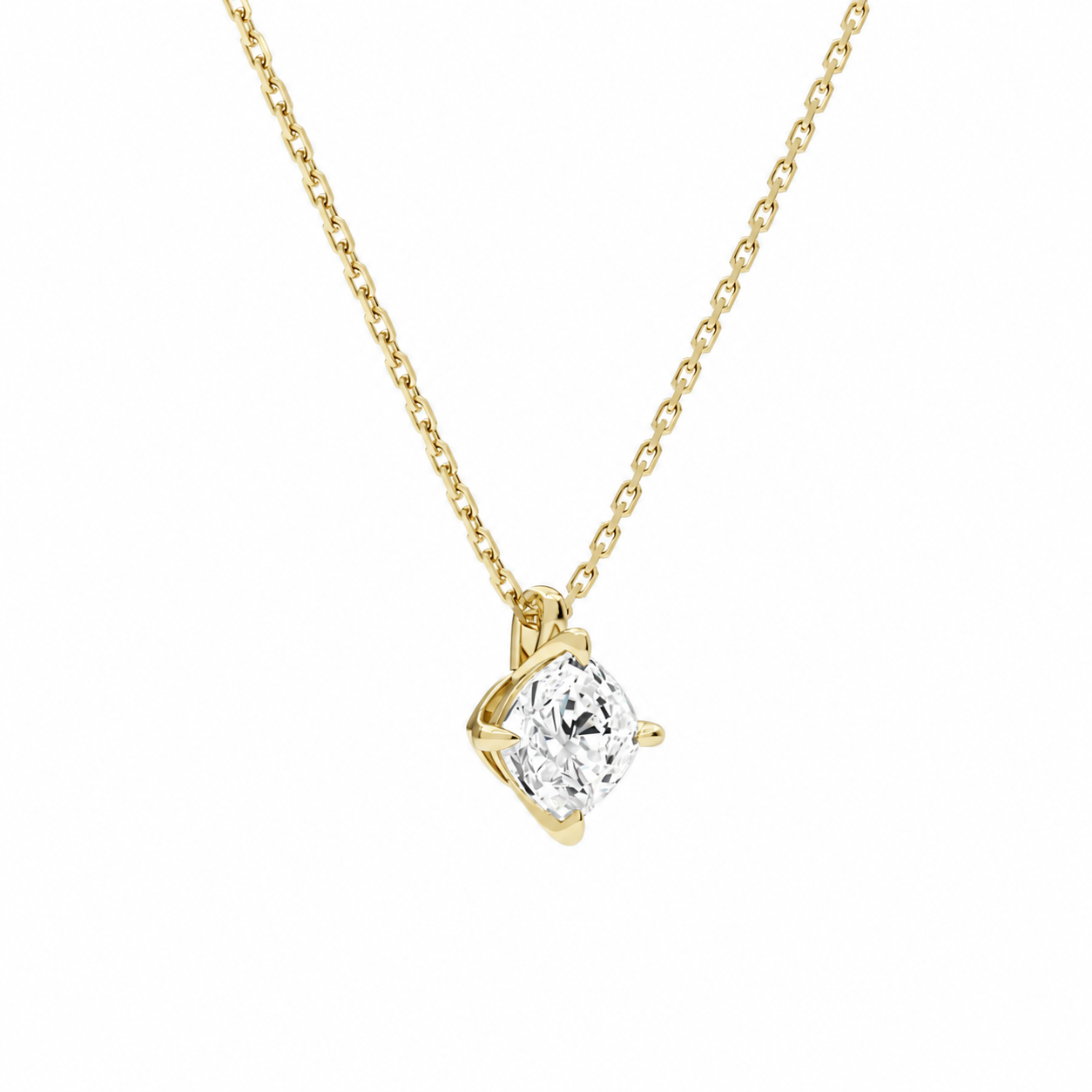


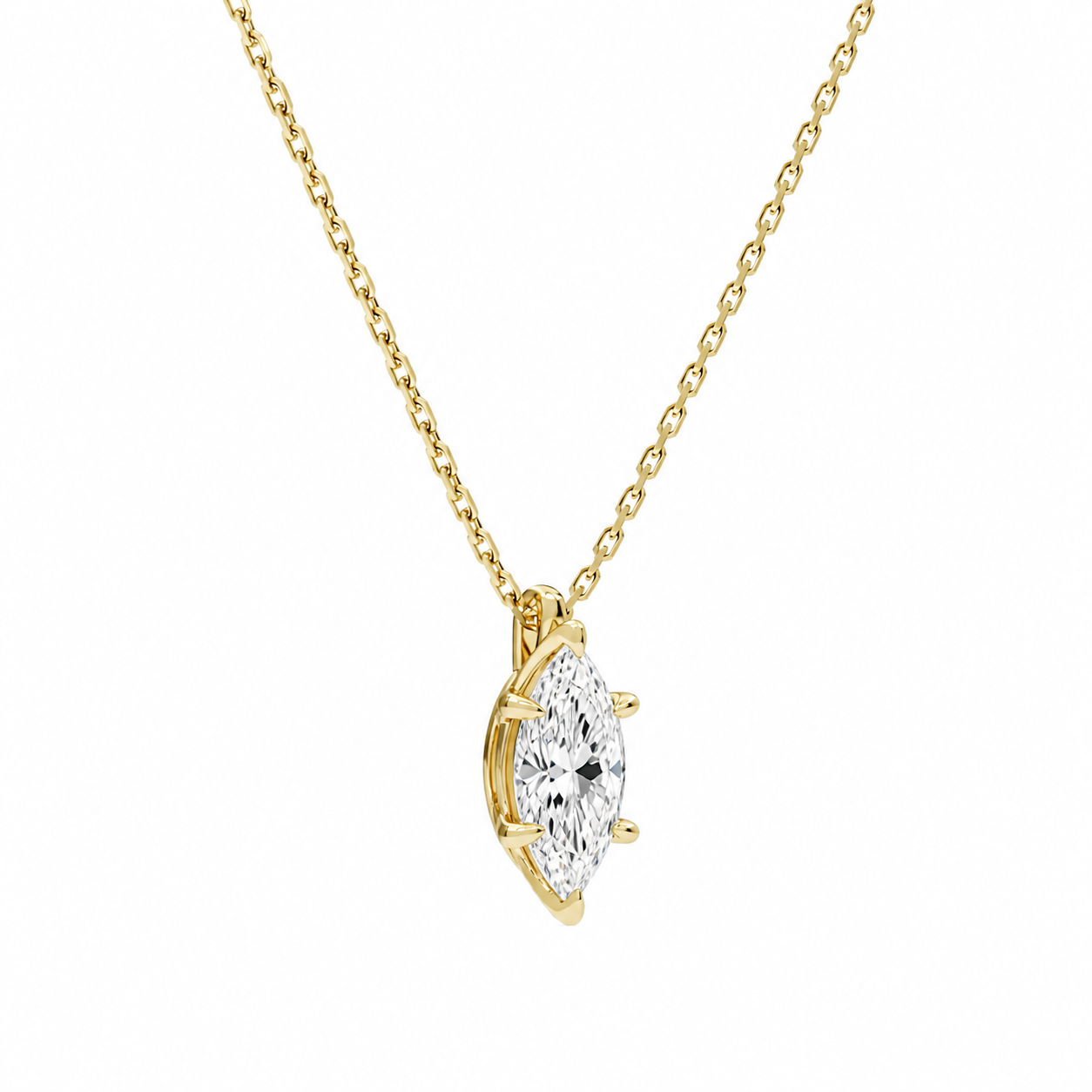

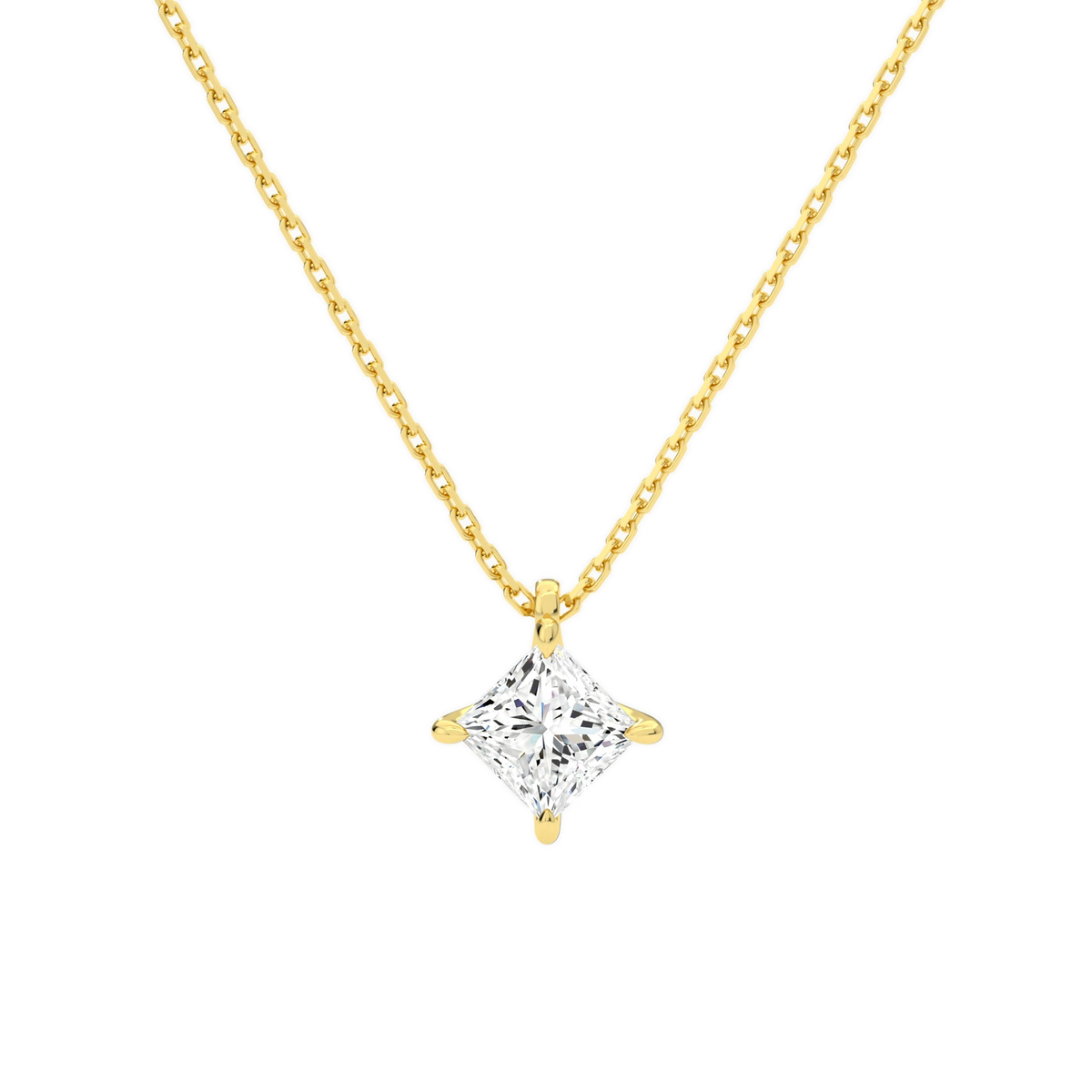
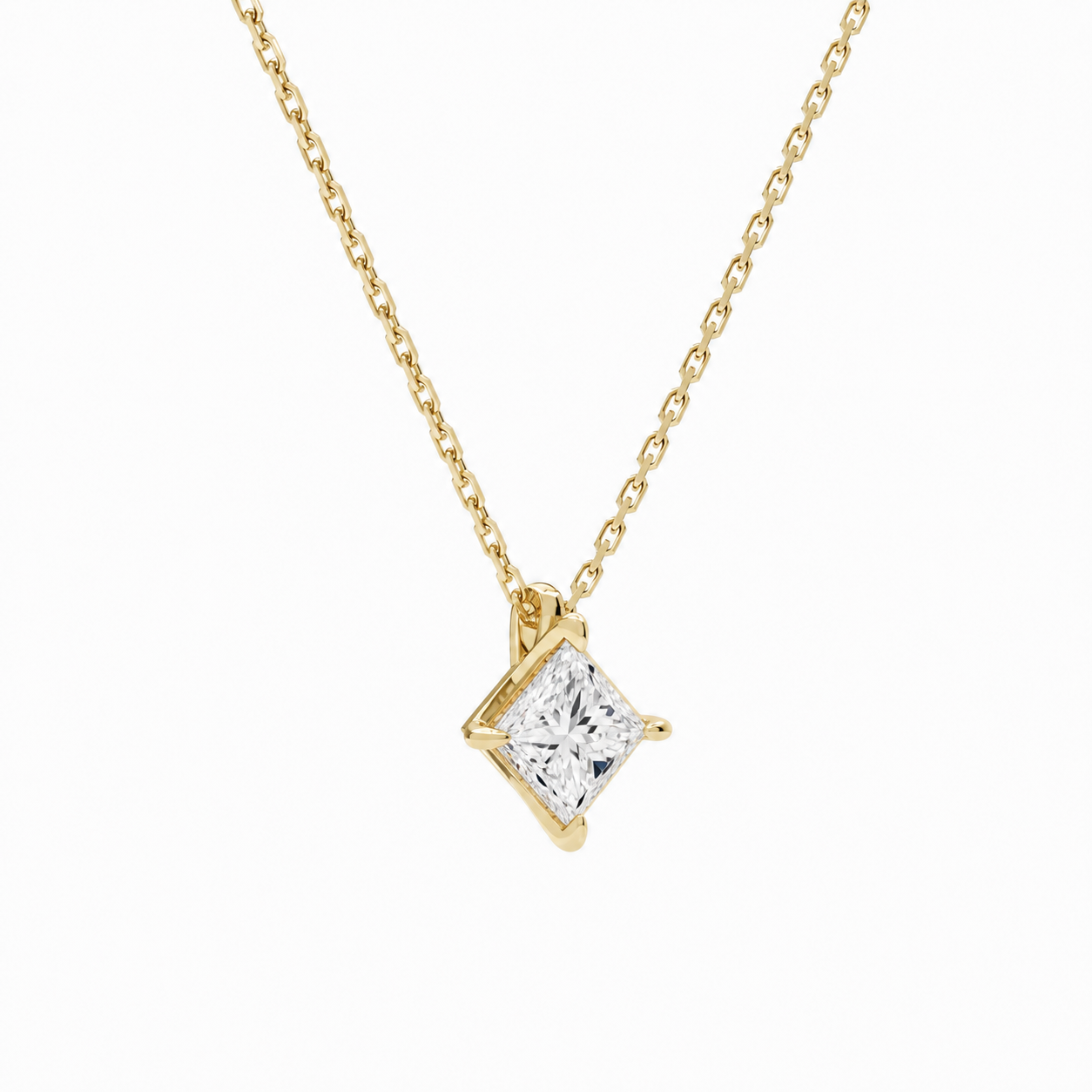


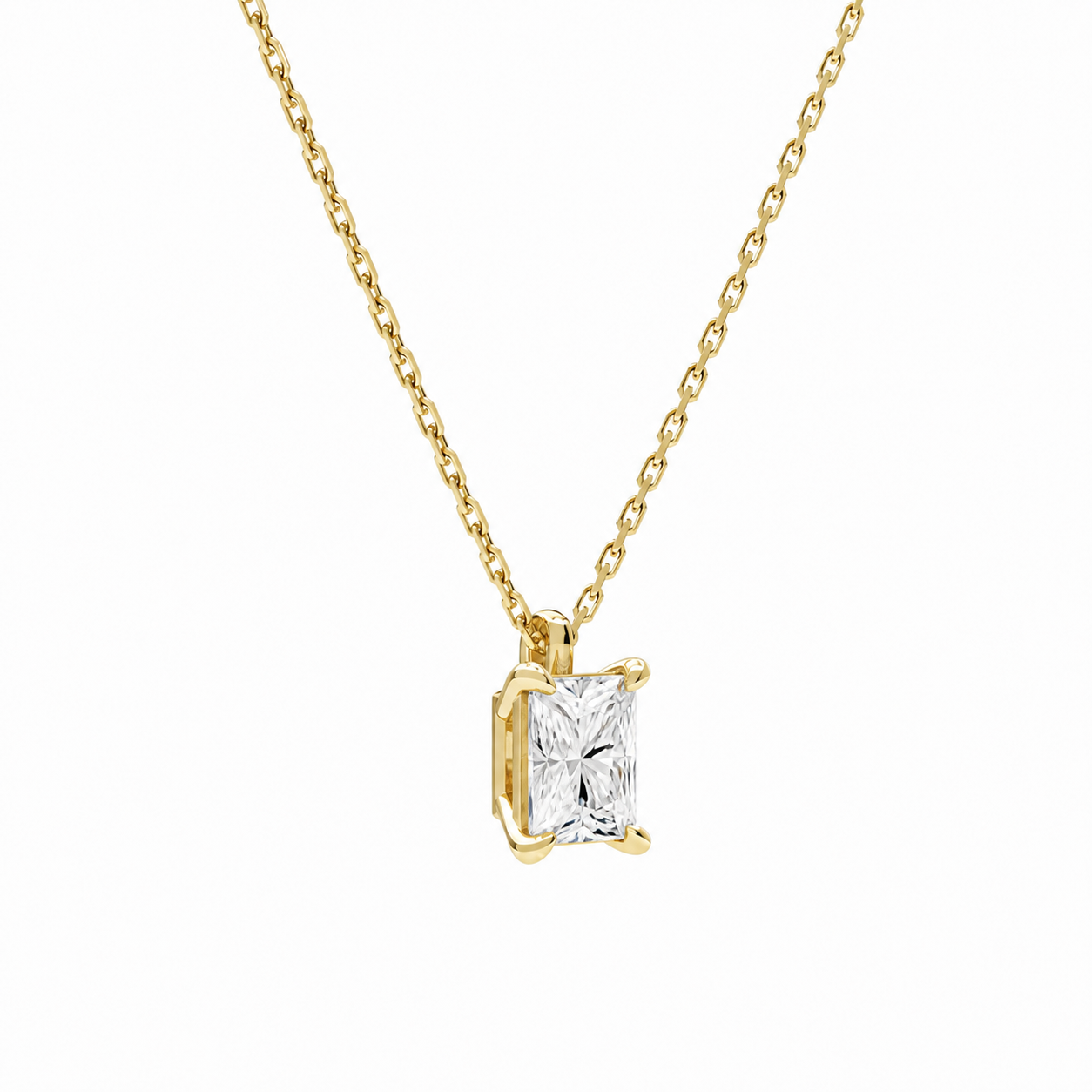

Men's Jewelry in 14K Yellow Gold: A Visible Framework across Four Positions
Yellow Gold allows the framework of a piece to remain visually explicit. Across a ring, the eye follows surface, edge, channel, and diamond interval. At the ear, gold traces the compact outline around a stud. On the neckline, it connects setting, bail, pendant axis, chain, and clasp. Around the wrist, it appears in the pauses between diamonds and through every link, arc, and closure.
The present 109-design edit includes 28 rings, 25 stud earrings, 51 necklaces, and 5 bracelets. Each normalized design is shared with the parent Men's Jewelry Collection and appears in the other verified metal versions. The value of this child is not separate design ownership; it is a focused way to compare where gold is visible and how that visibility changes with placement.
Read Gold as Part of the Construction
A 14K alloy contains approximately 58.3% gold. The balance of the alloy, finish, dimensions, lighting, photography, and exposed surface affect observed color and behavior. Karat does not establish a single shade, durability hierarchy, sensitivity result, care interval, or finished weight.
The ring assortment spans 4 to 8 millimeters and moves through flat, beveled, domed, knife-edge, concave, faceted, and octagonal profiles, with polished, brushed, hammered, knurled, channel, and diamond-accented surfaces. Yellow Gold can make each edge and recess more apparent. In studs, pendants, and bracelets, the same material instead appears as a perimeter, connector, chain, repeating interval, or articulated path.
Let Placement Set the Comparison
Choose the position before deciding which detail matters most. Rings require size, width, profile, inner fit, finish, and contact review. Studs require diamond shape, setting, face-up scale, post, and backing review. Necklaces require pendant orientation, chain gauge, length, attachment, and neckline review. Bracelets require circumference, width, flexibility, rotation, closure, and neighboring-piece review.
Current earrings cover nine diamond shapes through prong solitaire, bezel, and halo structures. The 51 necklaces divide into 17 bezel solitaires, 14 prong solitaires, 13 cross designs, and 7 halos; their current descriptions list adjustable 16- to 18-inch chains at 0.95 millimeters with lobster clasps. The wrist edit includes a bangle and four tennis-line designs. No category label replaces exact product facts.
Compose with Gold without Assigning a Role
Yellow Gold is not automatically traditional, formal, bold, warm for every skin tone, or intended for one gender. Its effect belongs to the complete piece: scale, exposed area, profile, surface, diamond distribution, placement, and the wearer. A group can feel connected through gold color, but it can also coordinate through repeated geometry, finish, or spacing across mixed metals.
Burvonti pairs responsibly sourced lab-grown diamonds with deliberate proportion and calibration. Independent grading or certification should be understood within document scope. Custom possibilities may refine metal, diamond shape, setting, width, length, scale, finish, or selected details when technically feasible. Confirm dimensions, fit, documentation, finish, alteration, and care at the selected-product level before treating the Collection as one specification.
Frequently Asked Questions
How is this page different from the parent Men's Jewelry Collection?
The parent owns the cross-metal, cross-position framework. This page focuses on how 14K Yellow Gold makes edges, outlines, axes, and intervals visible.
How is this page different from all 14K yellow gold jewelry?
The broad material page covers the full jewelry universe; this page narrows that material to the current Men's Jewelry navigation edit.
Which jewelry types are included?
The verified 109 designs include 28 rings, 25 stud earrings, 51 necklaces, and 5 bracelets.
How much gold is in 14K Yellow Gold?
Approximately 58.3%. Other alloying metals affect shade and working behavior.
Are all 14K yellow gold pieces the same color?
No. Alloy formula, finish, lighting, photography, dimensions, and exposed surface affect appearance.
Is Yellow Gold only a traditional or formal choice?
No. Style and occasion belong to the complete design and wearer, not the metal color alone.
Is this collection only for men?
No. The label is a navigation route, not a rule about who may wear the designs.
What should I compare in a Yellow Gold ring?
Compare size, 4- to 8-millimeter width, profile, edge, surface, diamond distribution, inner fit, and neighboring bands.
Which stud structures are represented?
The current earrings include prong solitaires, bezels, and halos across nine diamond shapes.
Which necklace structures are represented?
The set includes 17 bezel solitaires, 14 prong solitaires, 13 crosses, and 7 halos.
What chain details are currently listed?
Current necklace descriptions list adjustable 16- to 18-inch, 0.95-millimeter chains with lobster clasps.
Which bracelet structures are represented?
The current five include one bangle and four tennis-line designs with bezel, interlocking, box-link, and four-prong structures.
Does Yellow Gold improve diamond brilliance?
No. It changes the surrounding color and boundary, not diamond facets, dimensions, or grading facts.
Can Yellow Gold be mixed with other metals?
Yes aesthetically. Shared geometry, scale, interval, or finish can create continuity across different colors.
Can 14K Yellow Gold cause sensitivity?
Sensitivity depends on the complete alloy and wearer; the color label cannot establish a universal result.
Can Burvonti customize a Yellow Gold piece?
Metal, shape, setting, width, length, scale, finish, or selected details may be possible after technical review.
How should Yellow Gold jewelry be cared for?
Clean gently and inspect each complete construction, including settings, posts, backs, bails, chains, links, joints, and closures.