
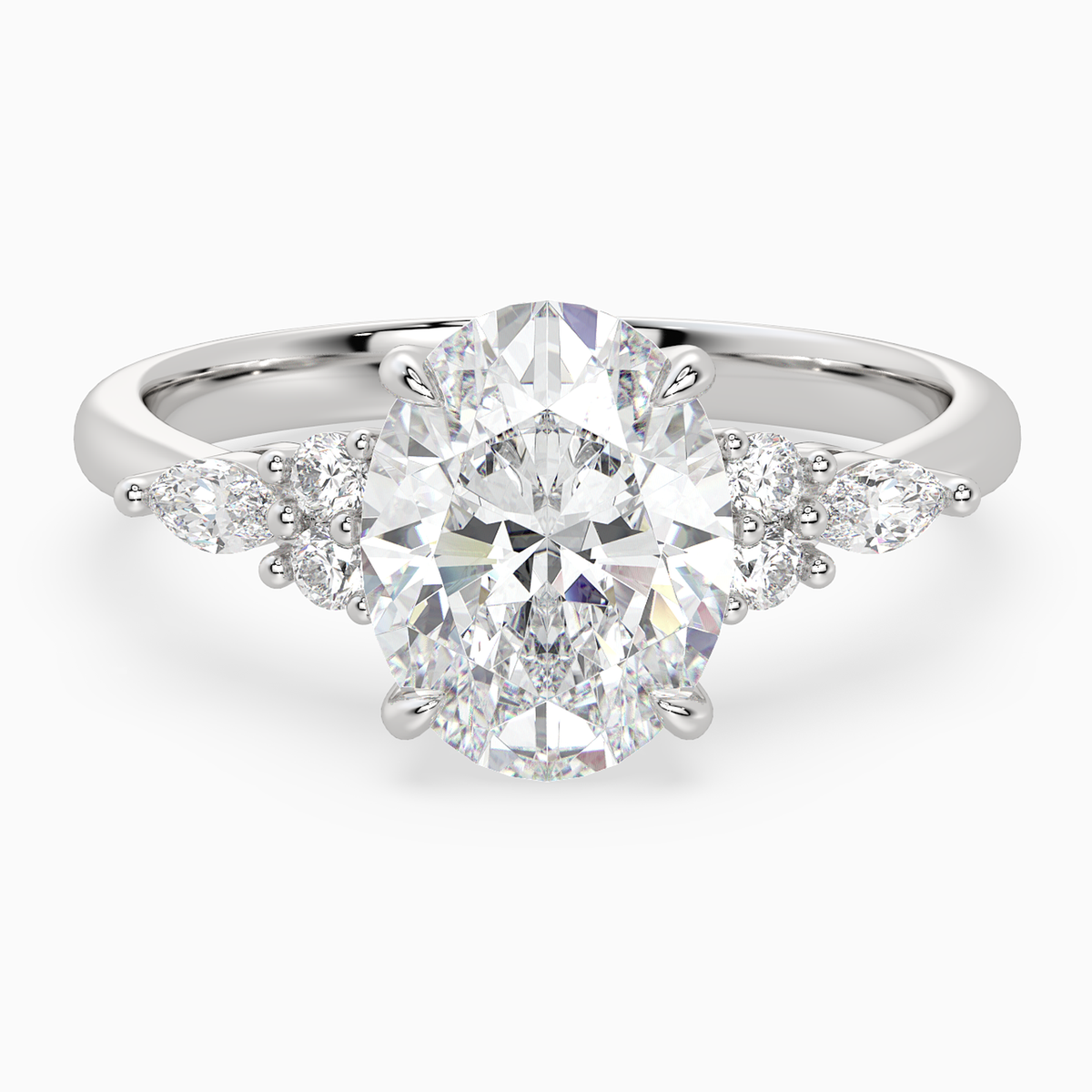


Lab Grown Diamond Stacking Rings
A ring stack becomes personal through order, not excess. Explore bands through hierarchy, interval, proportion, contrast and contact.


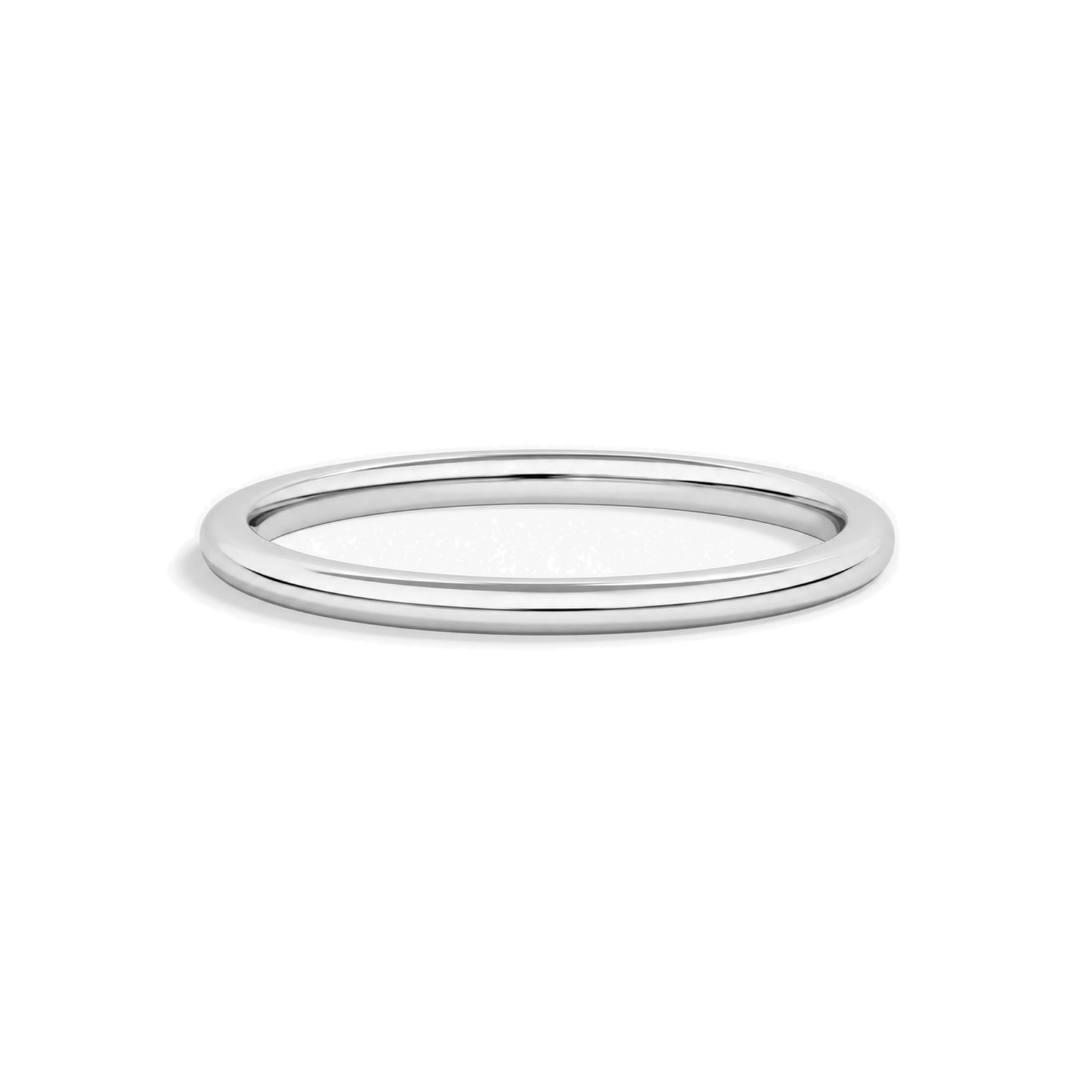
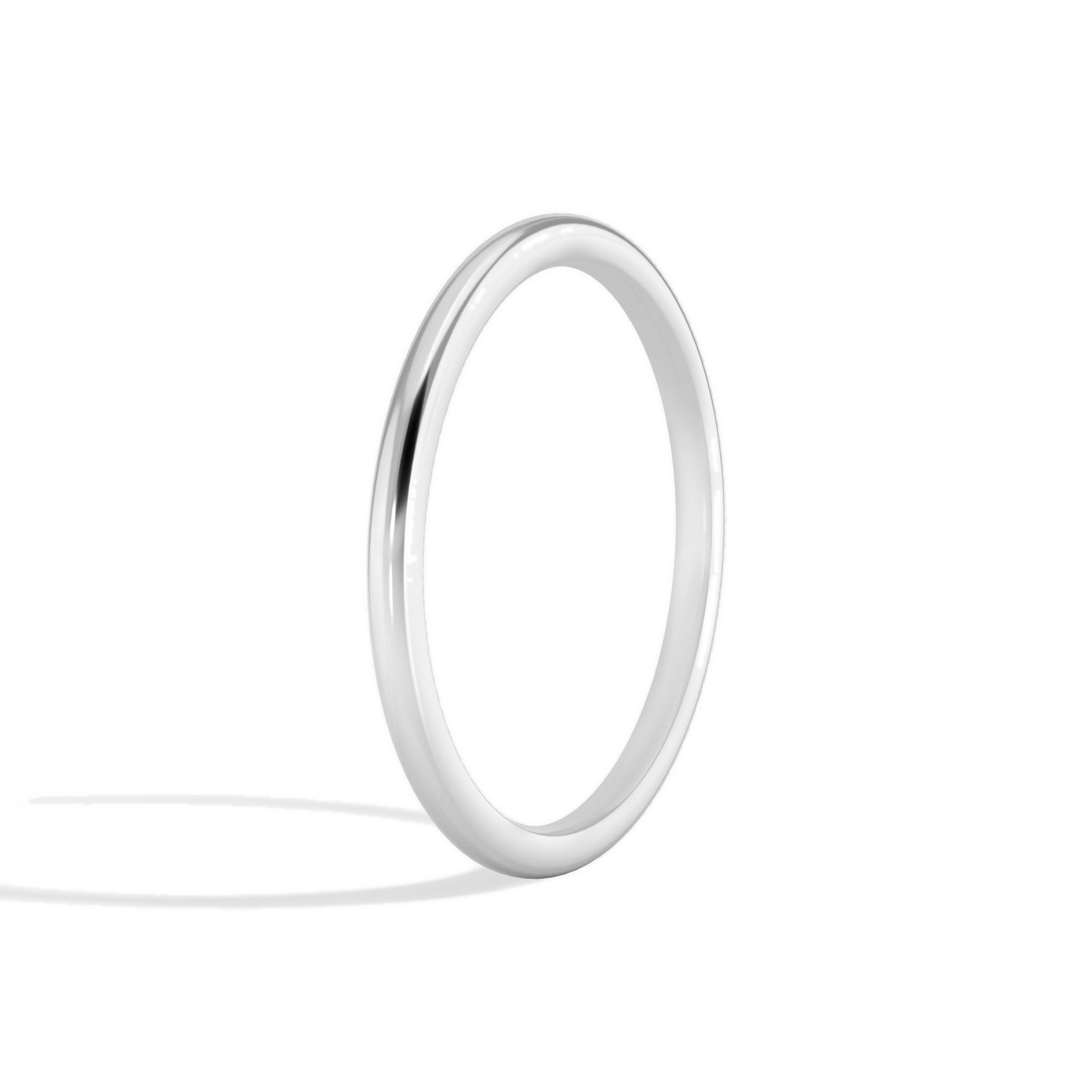

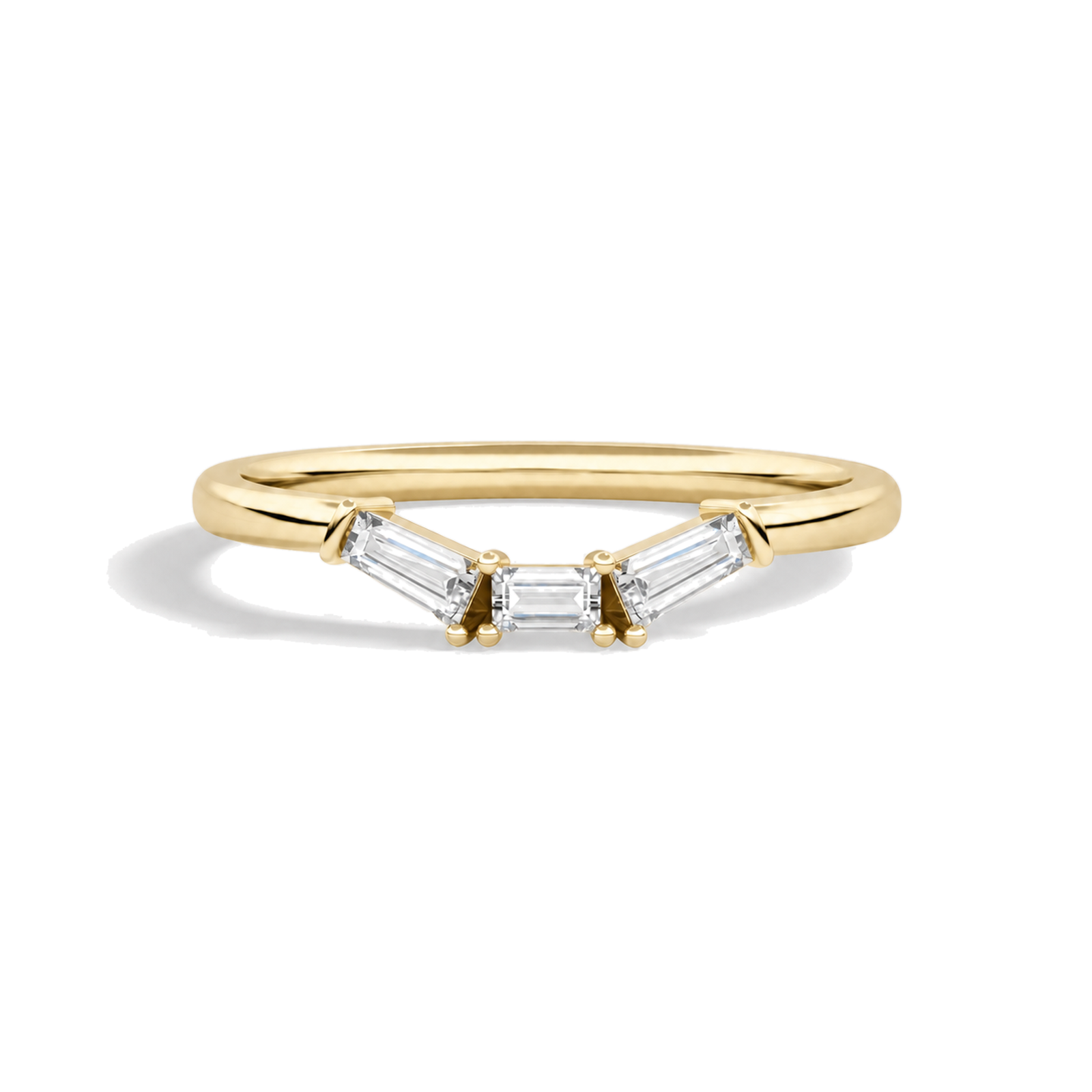


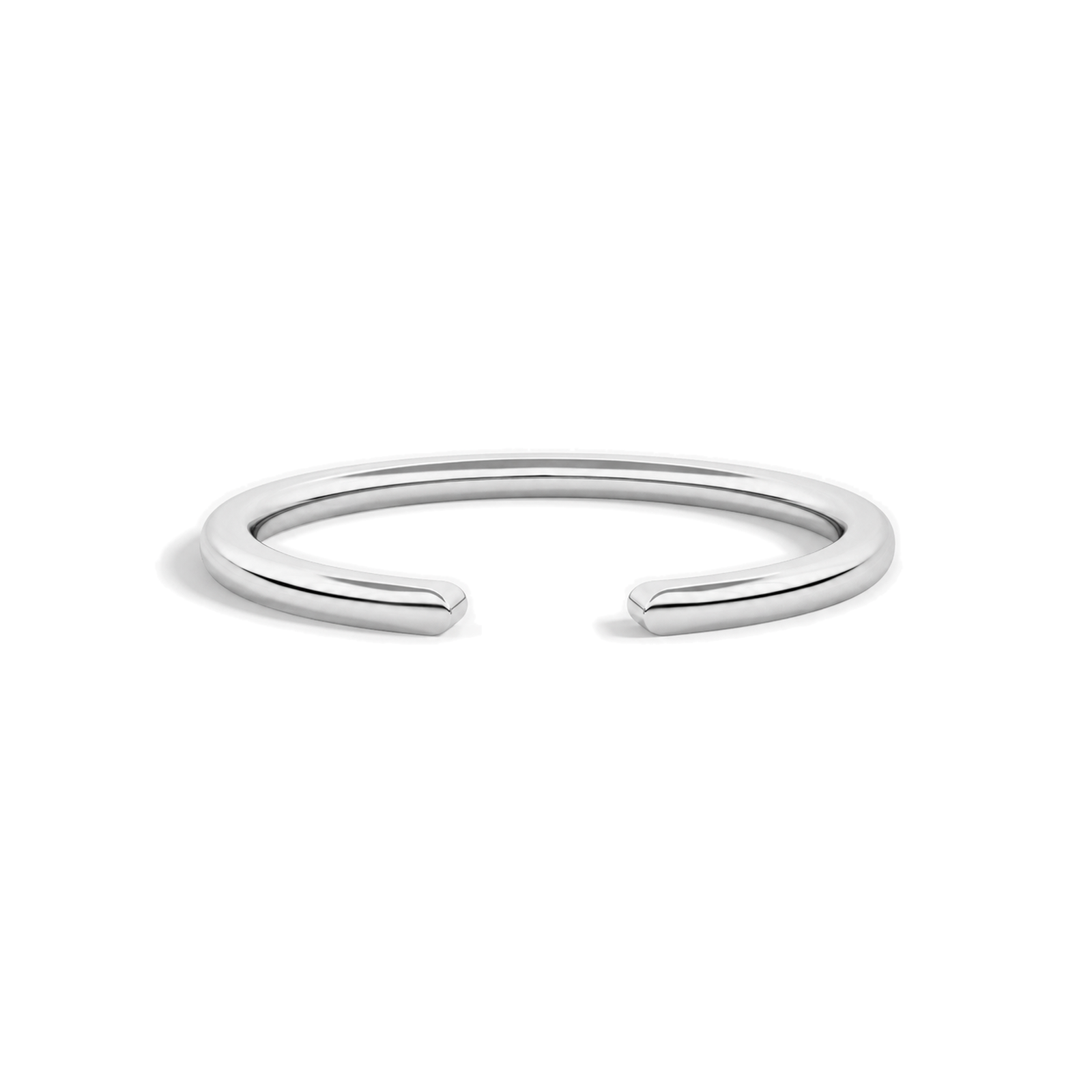


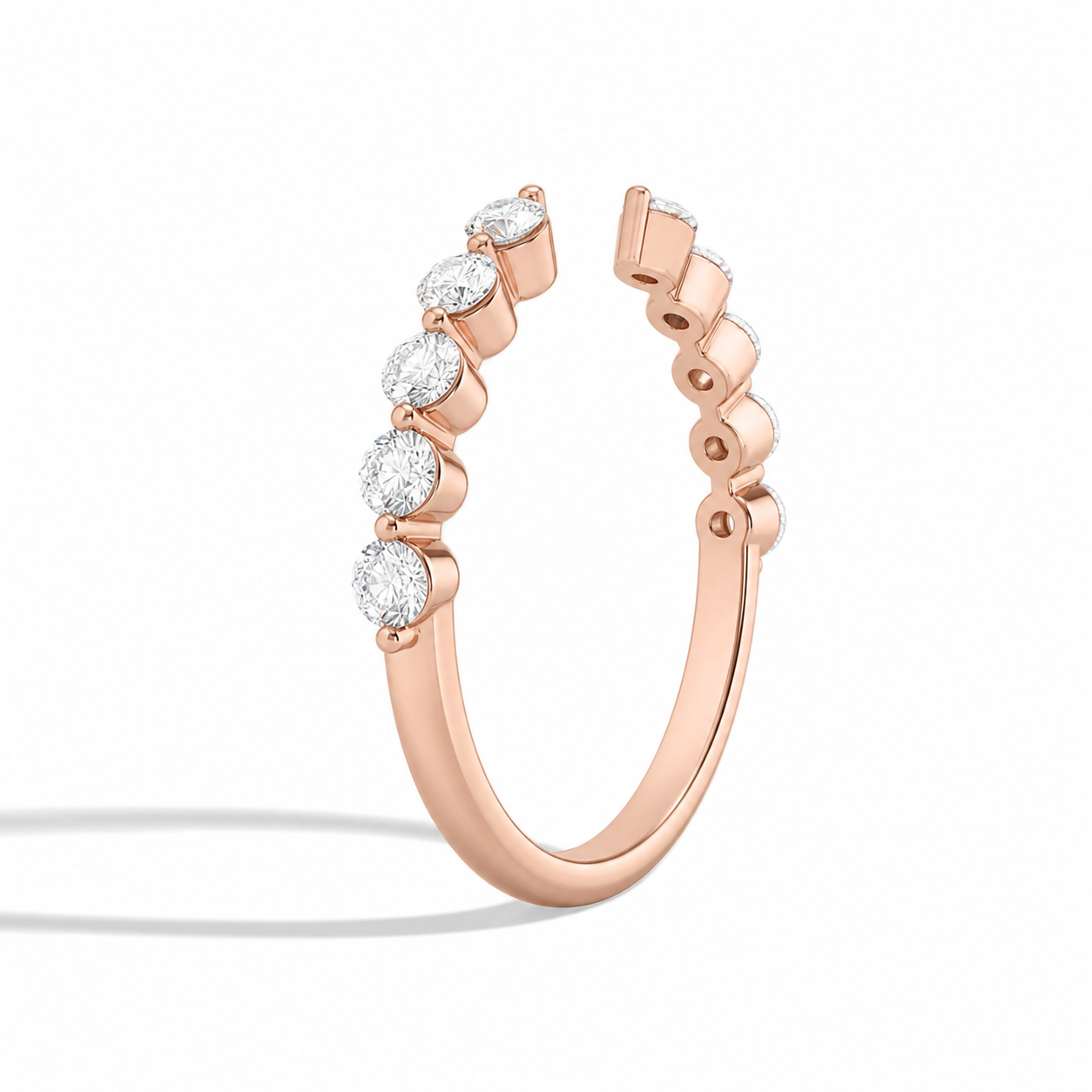

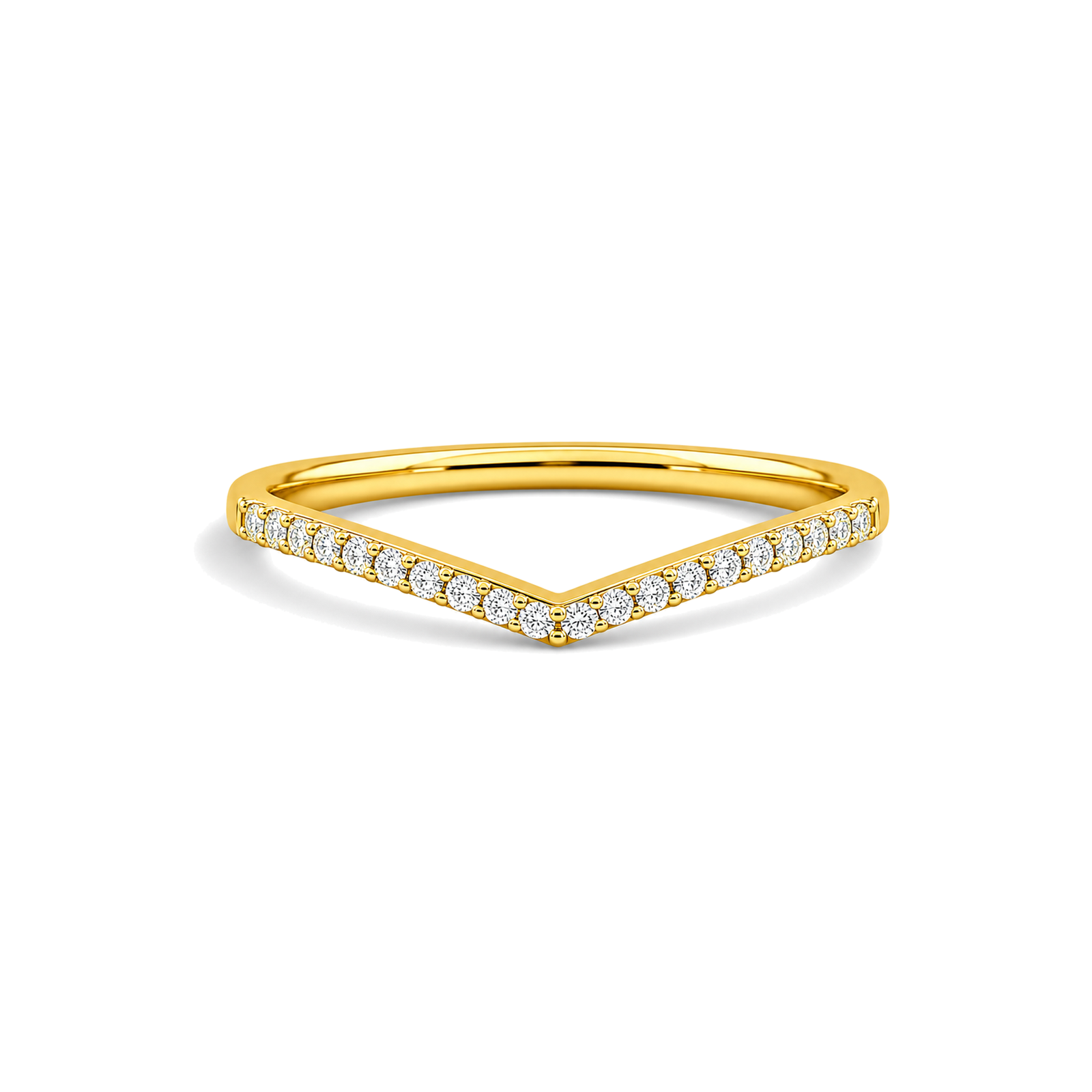
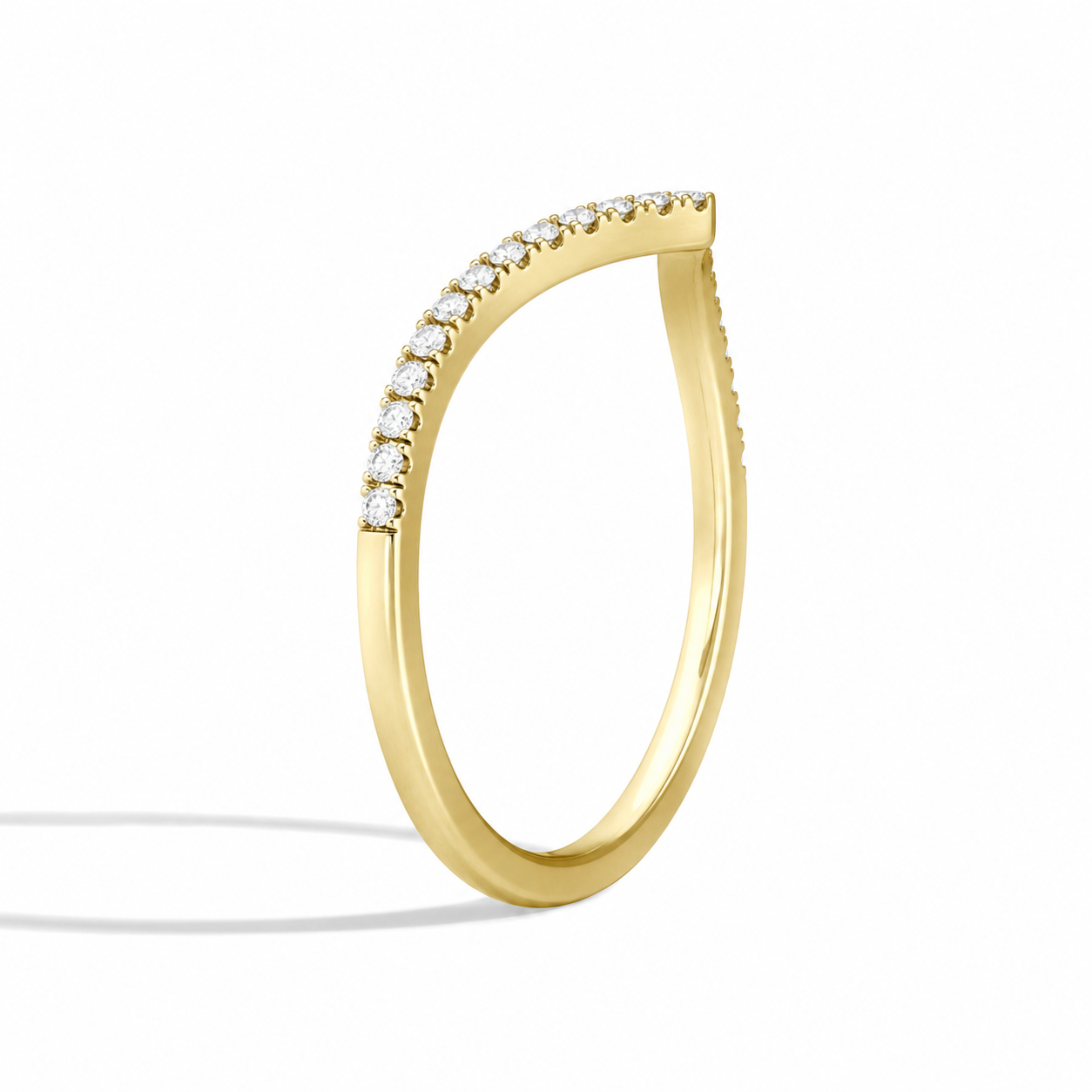

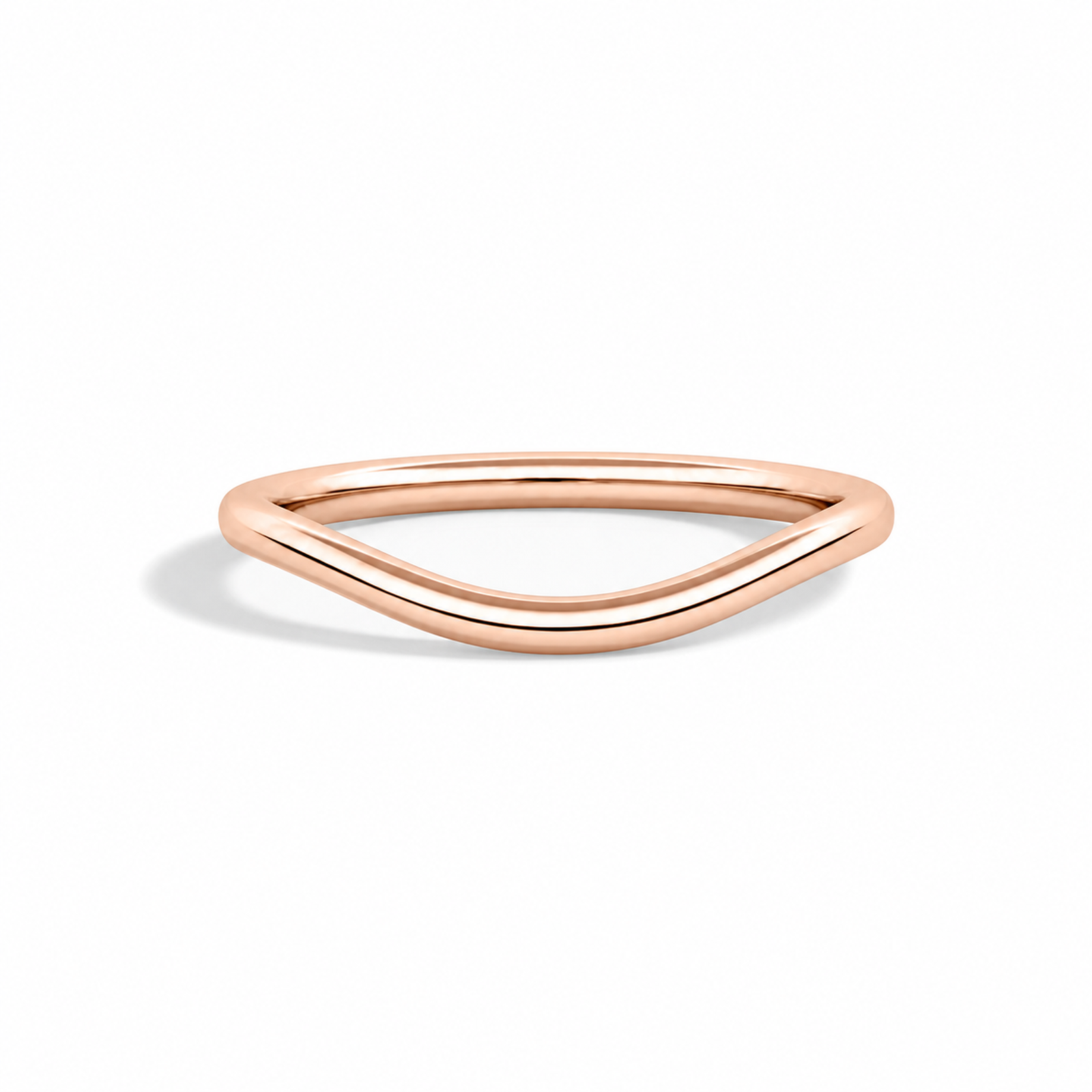
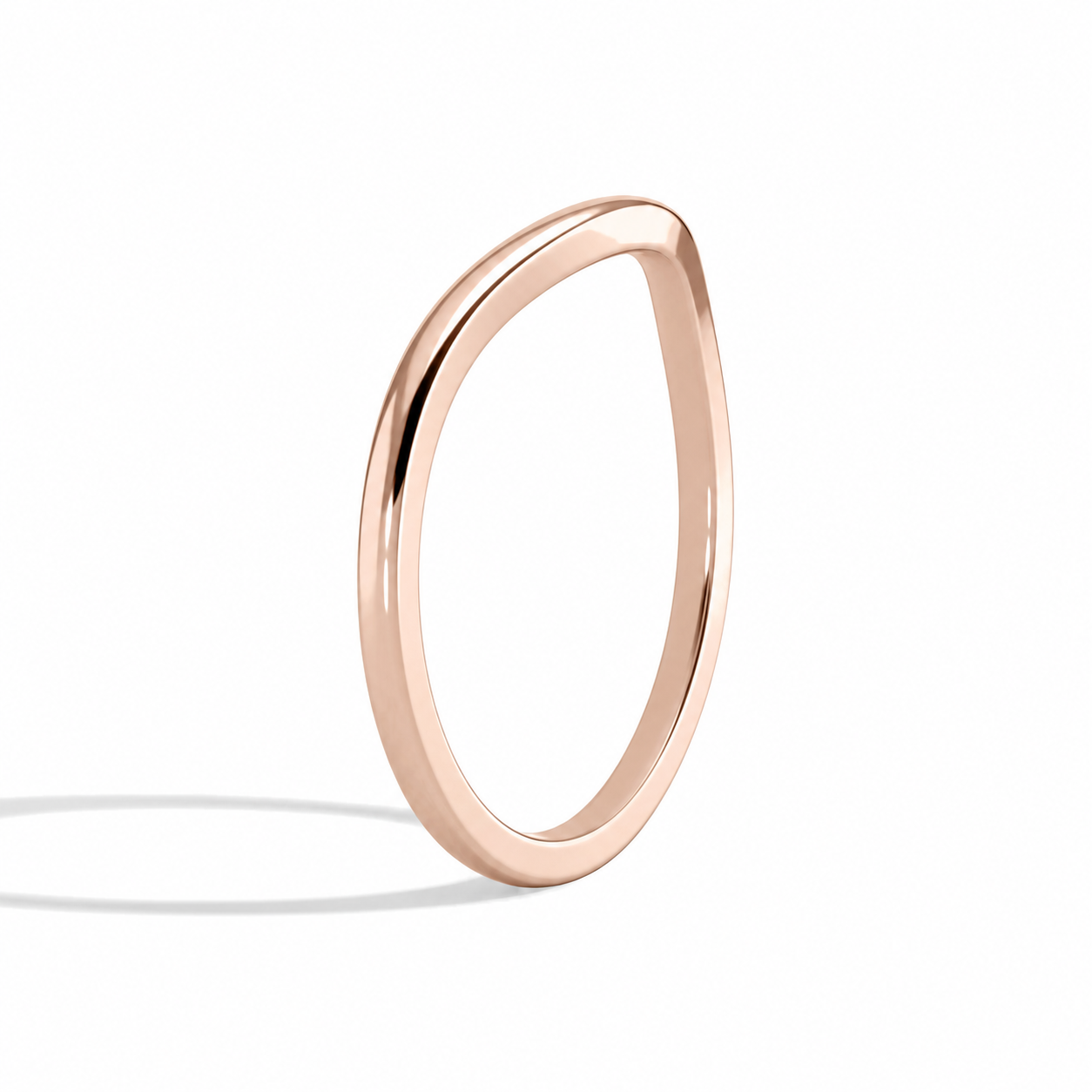

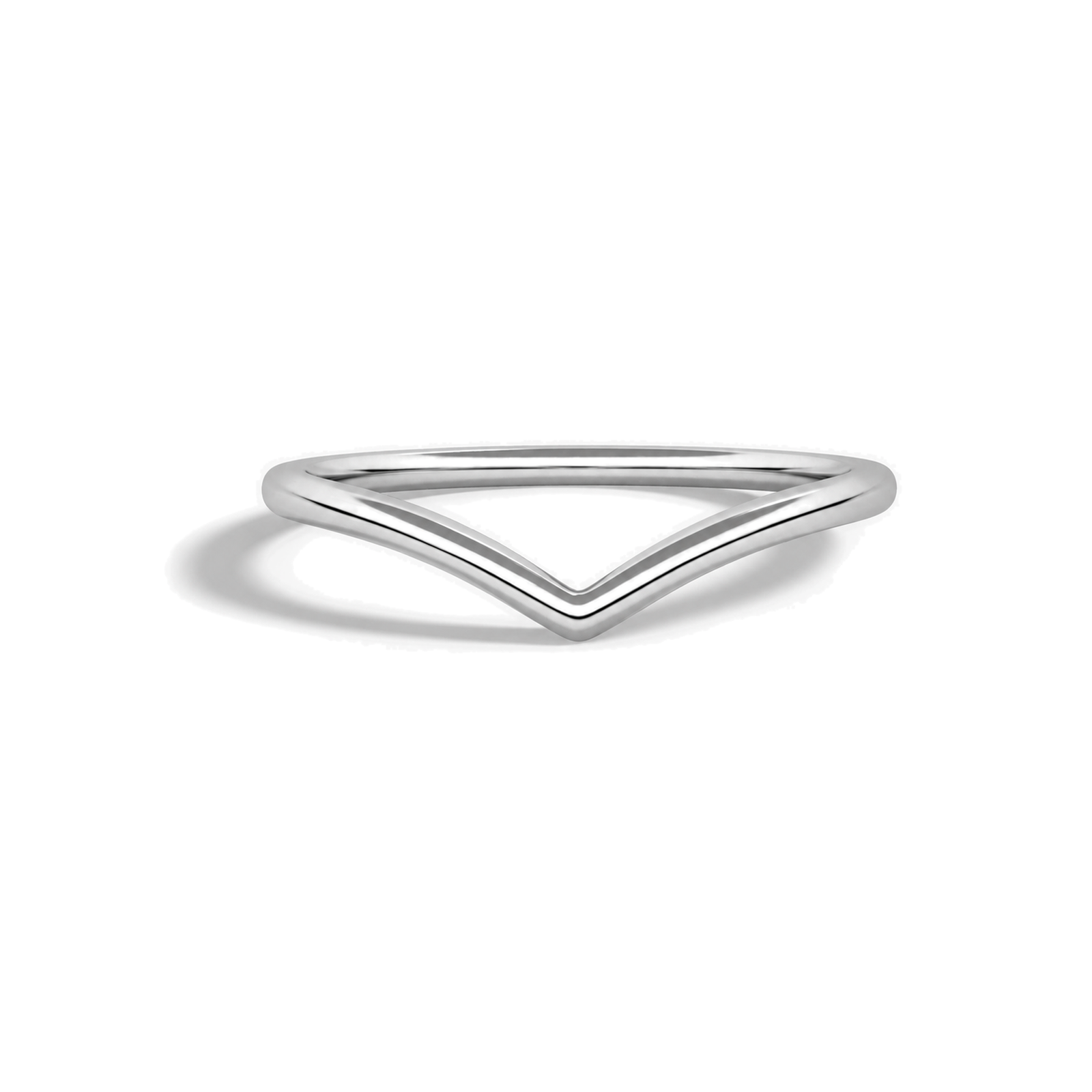
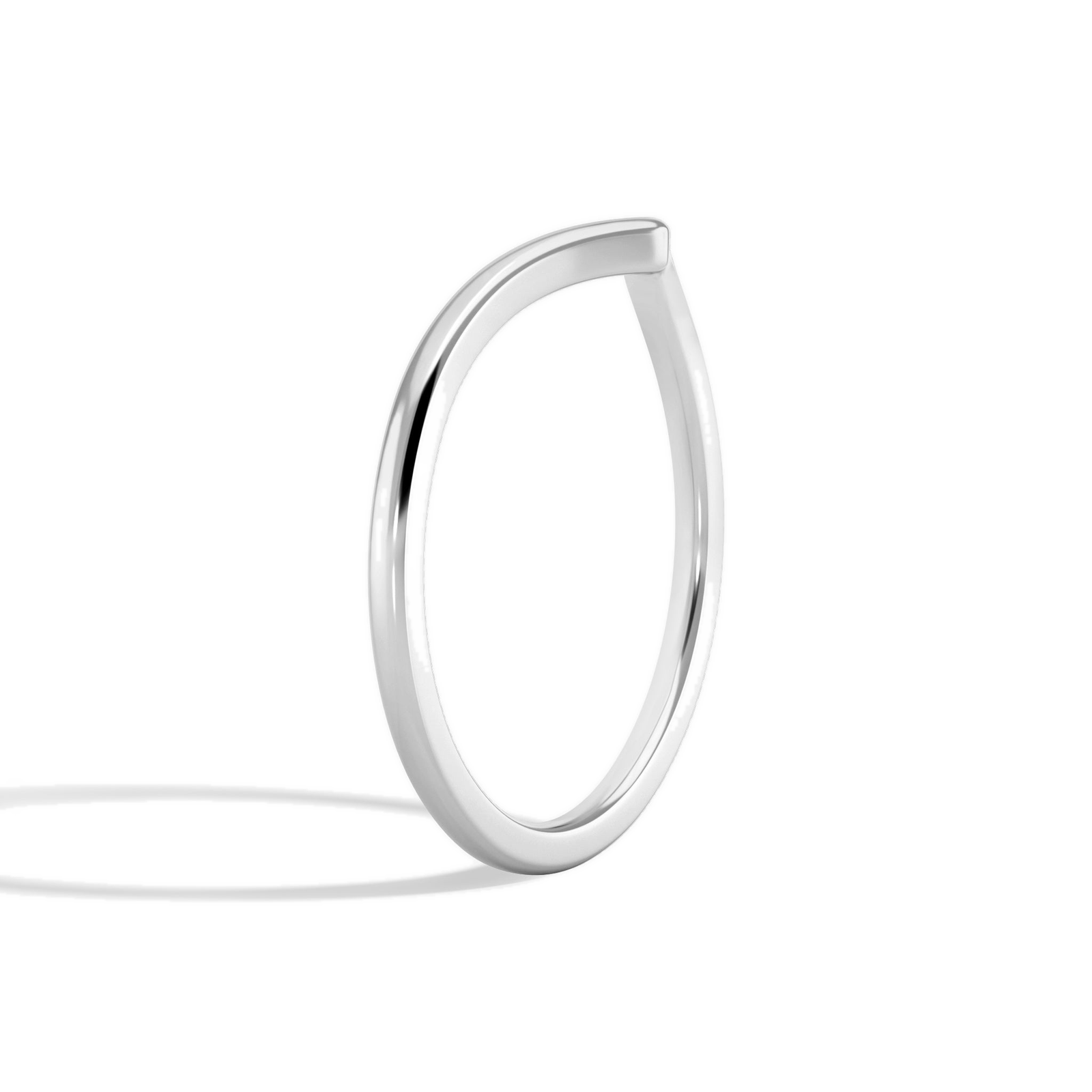

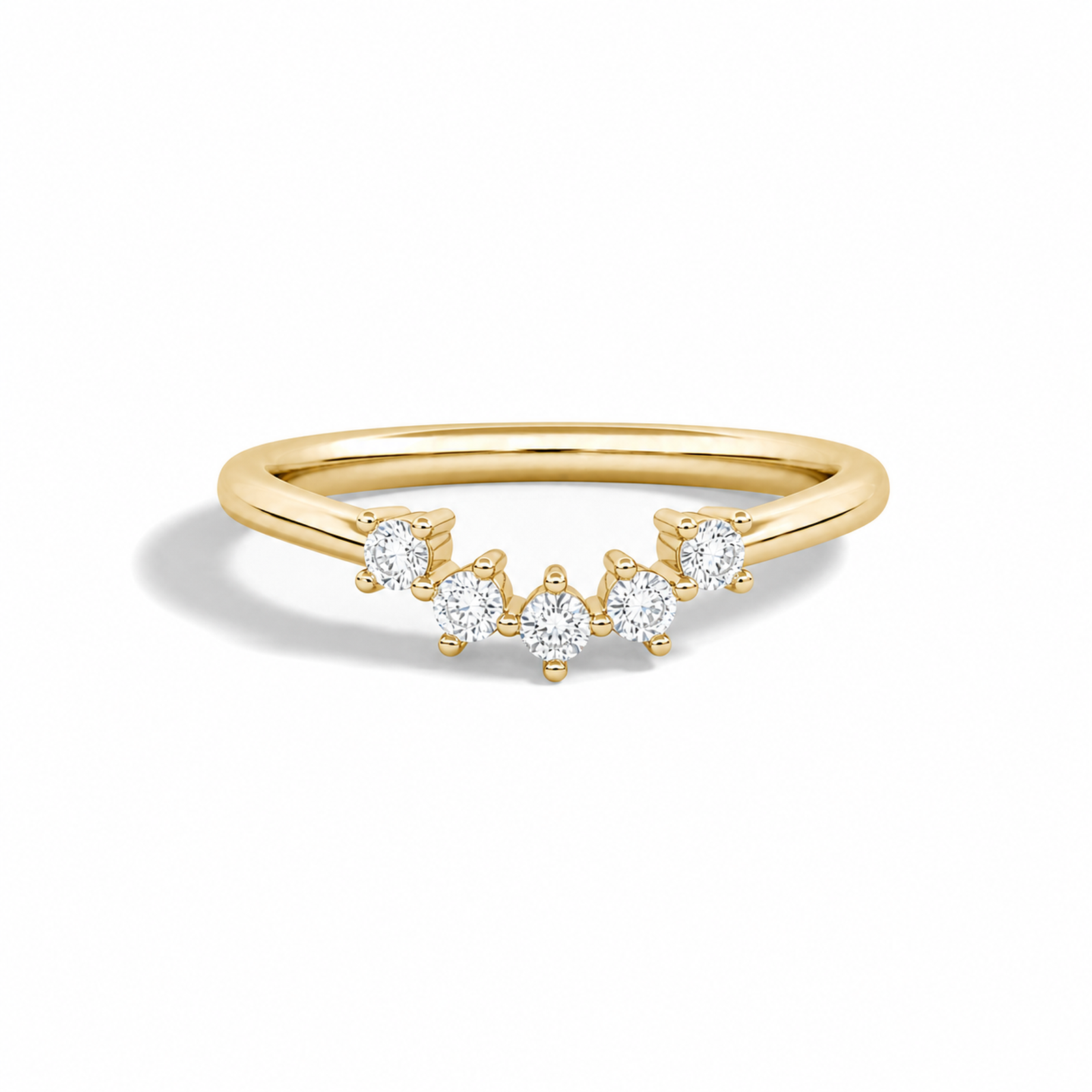


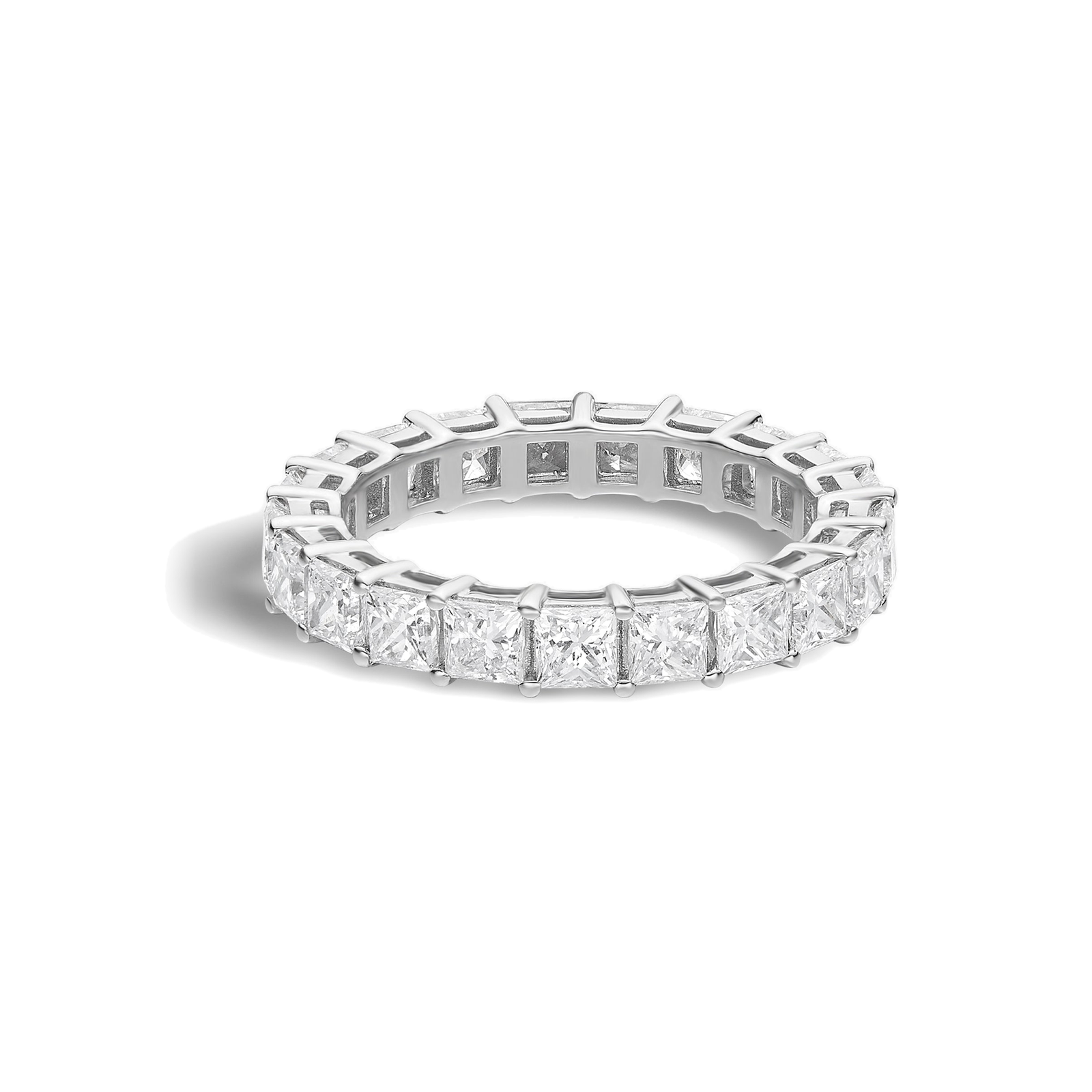
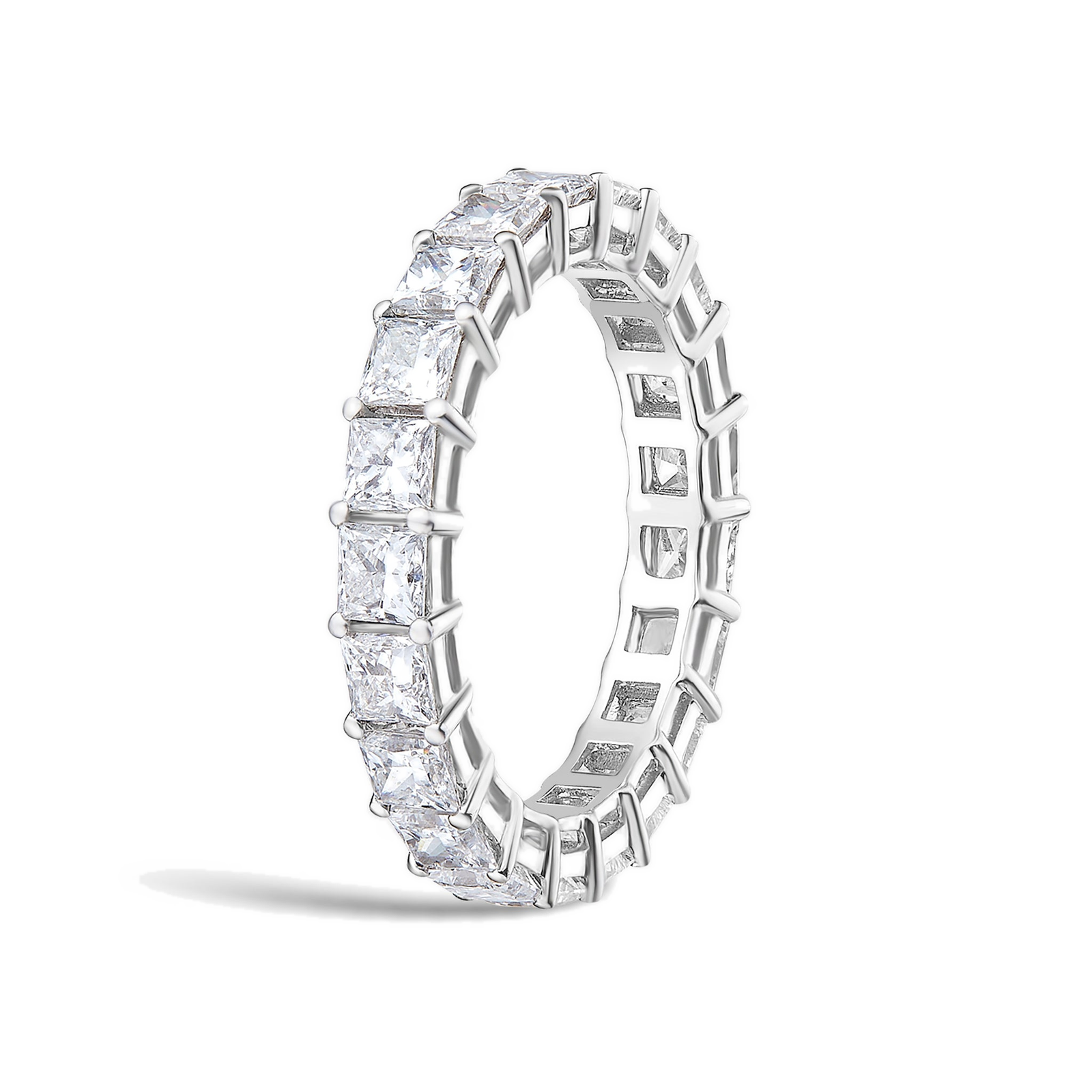

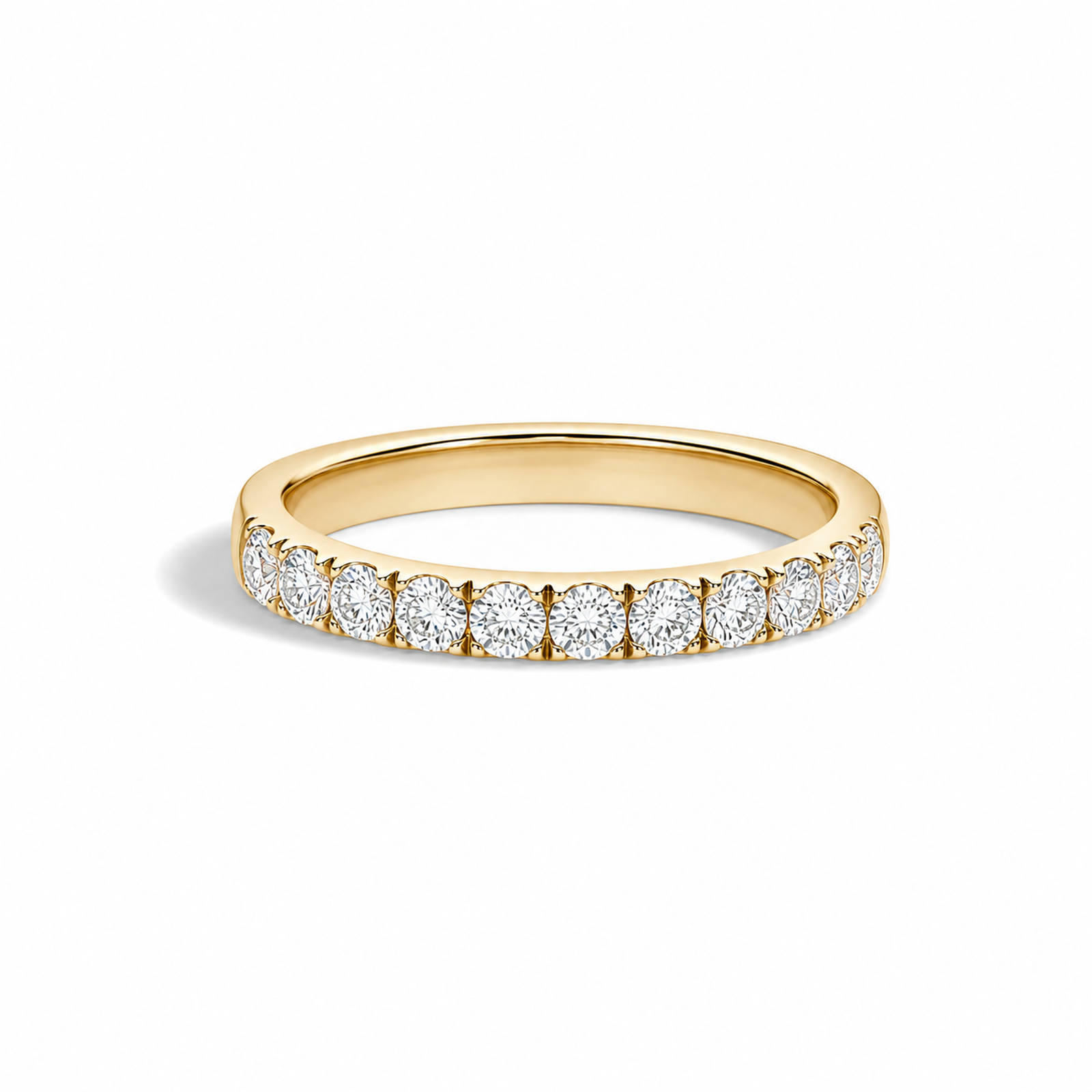
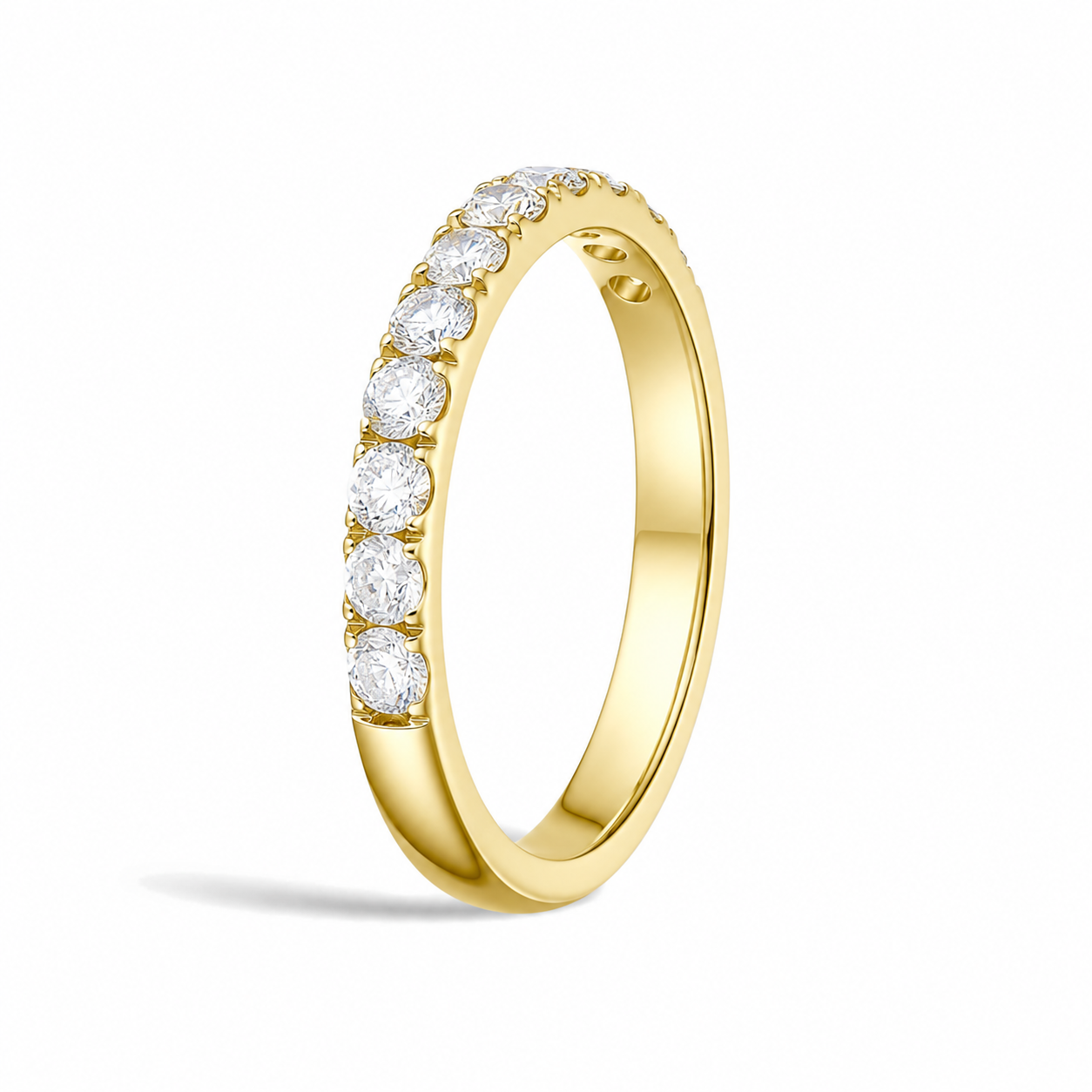


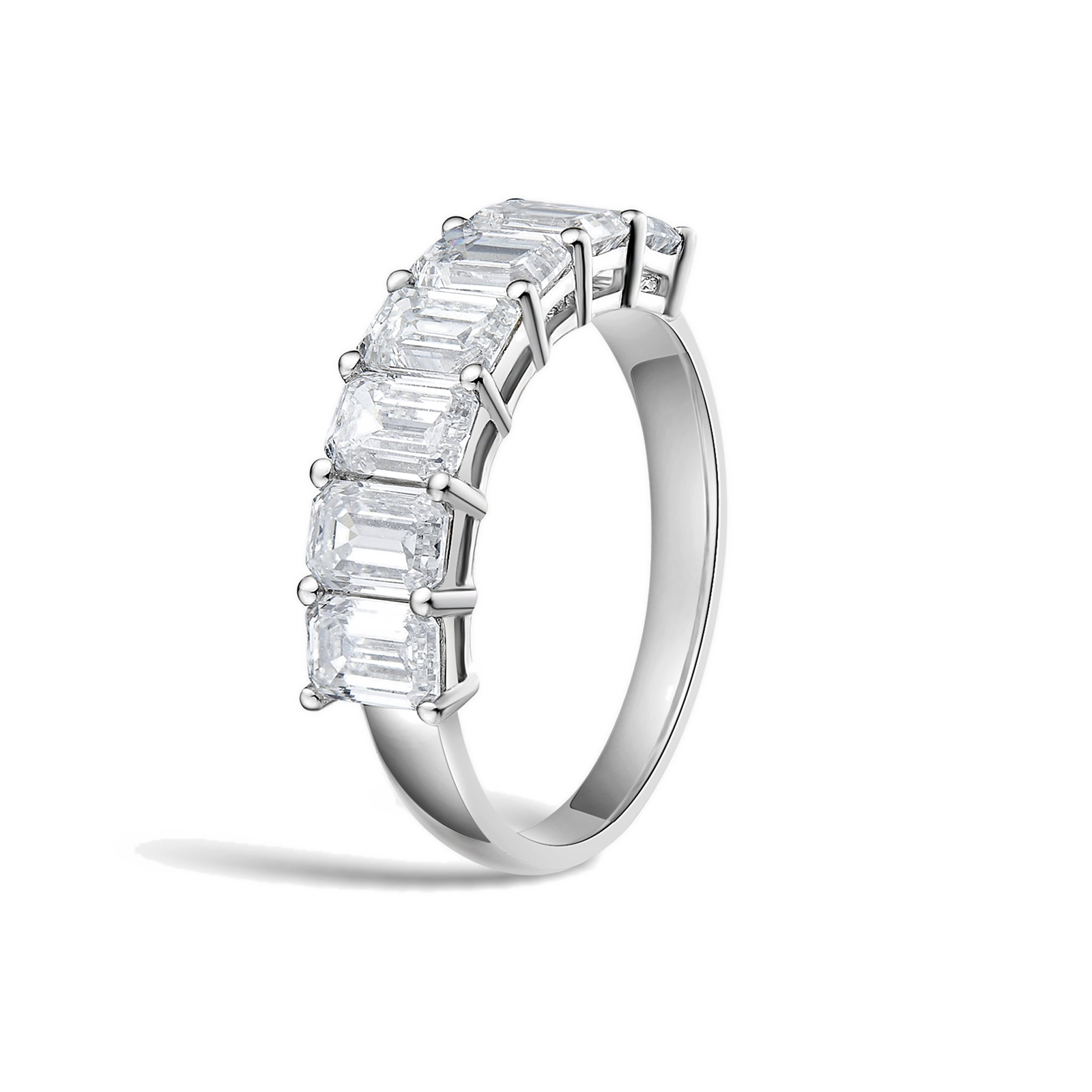

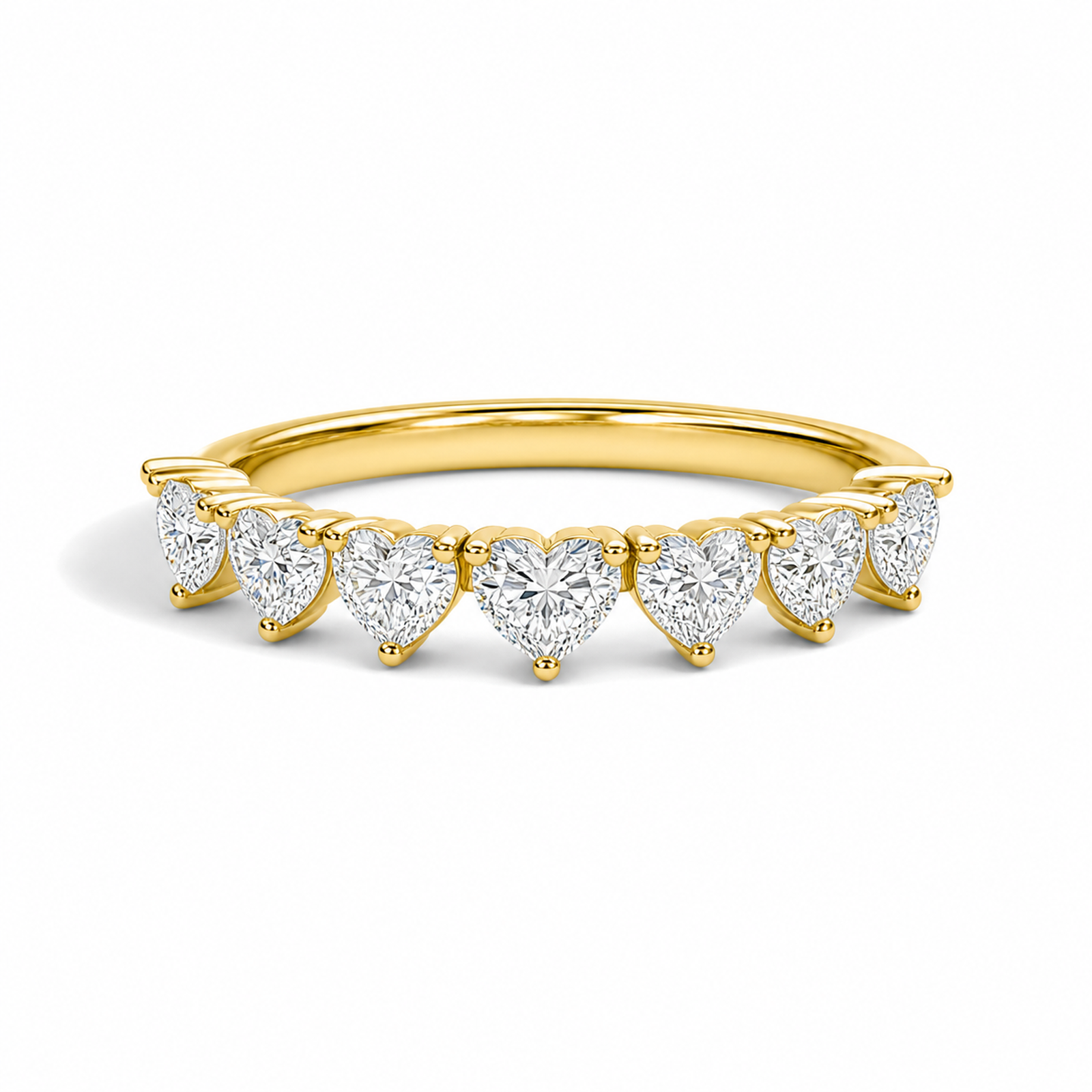
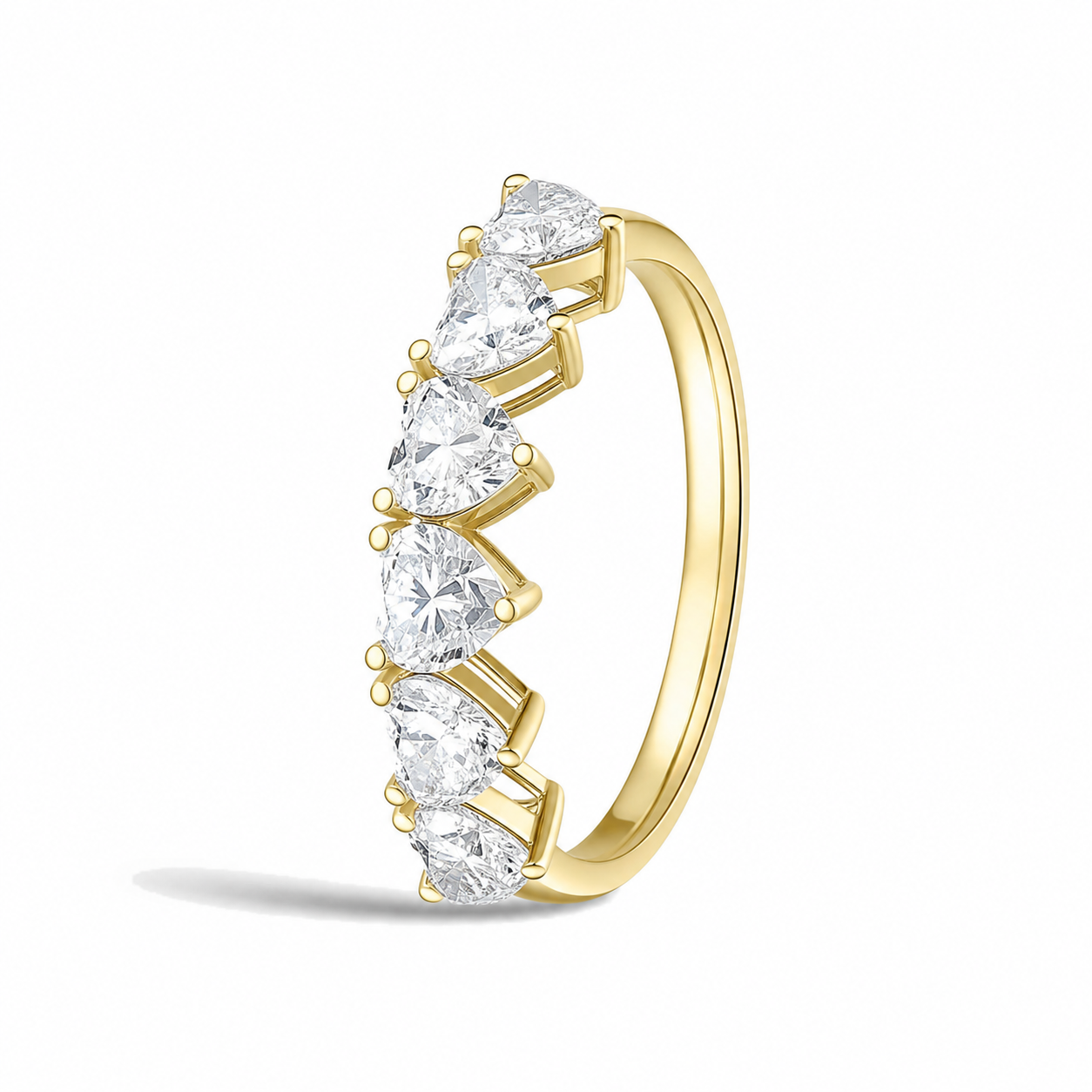

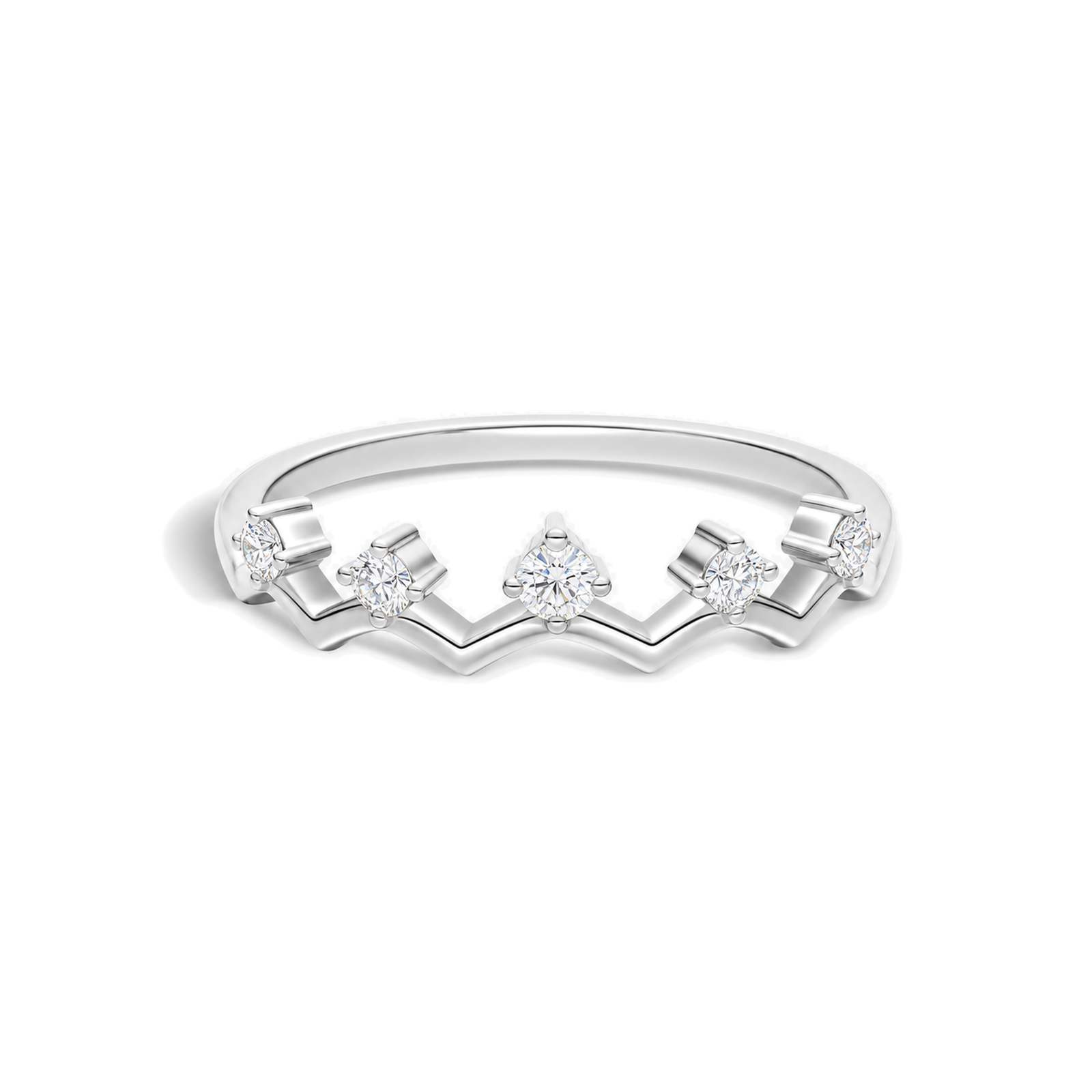
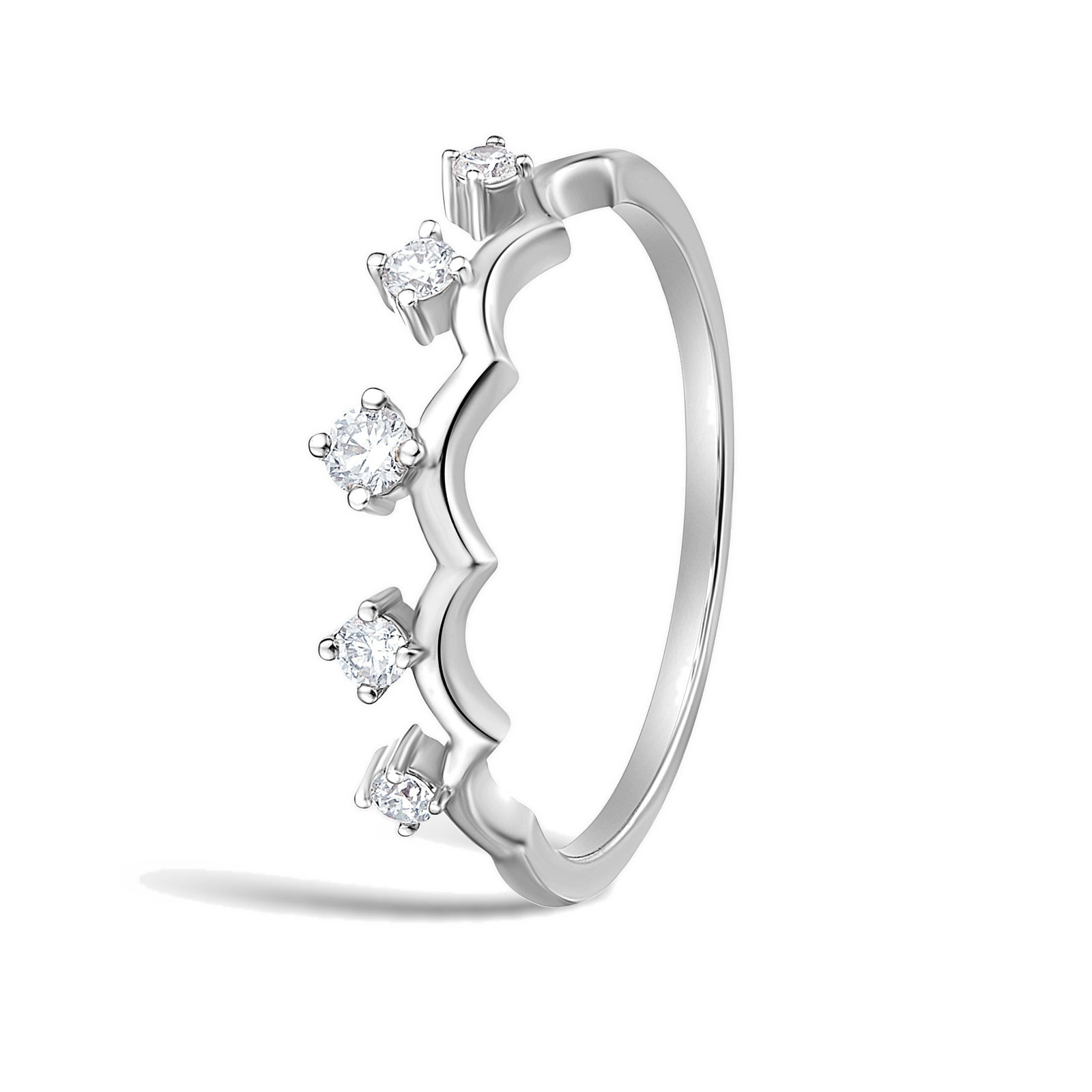
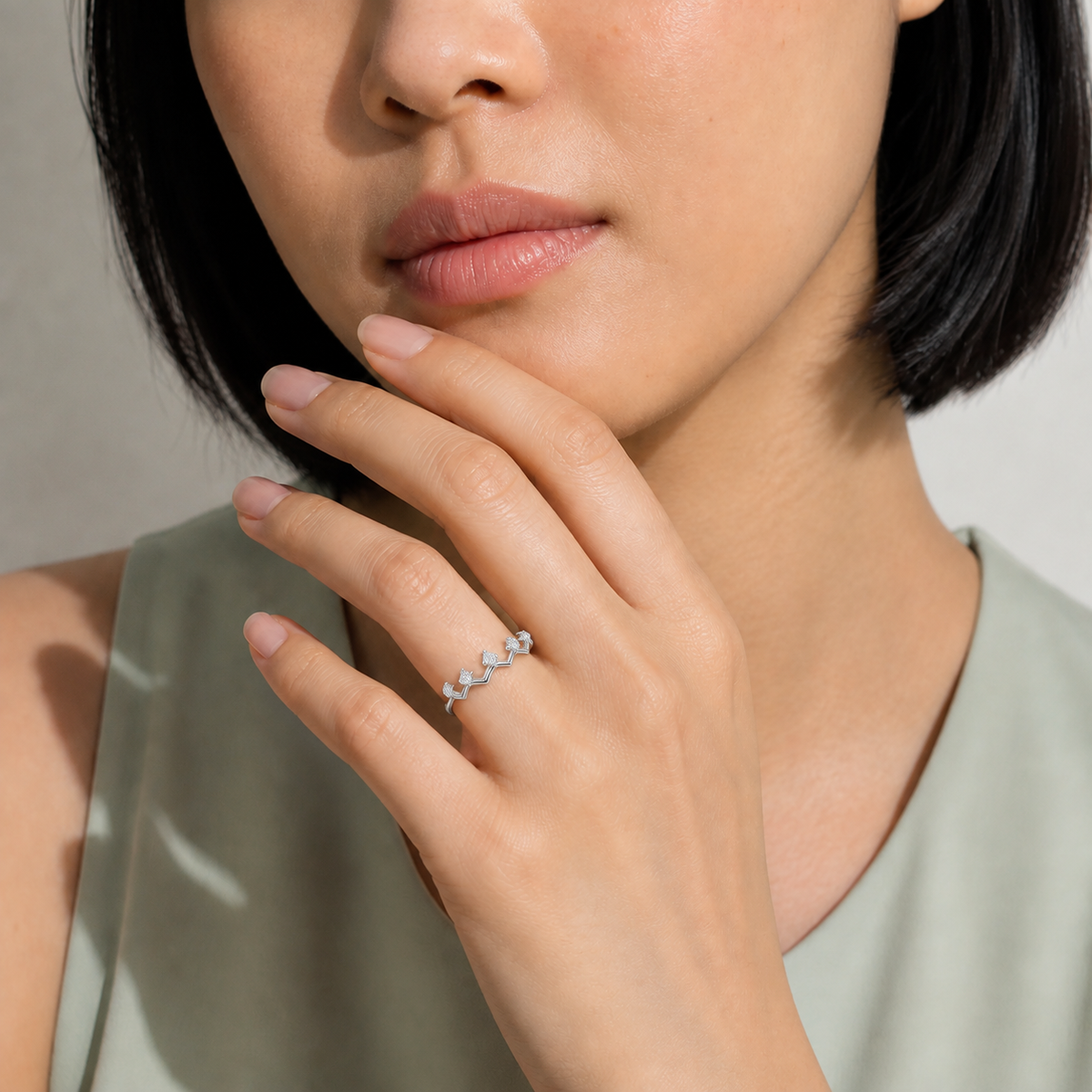
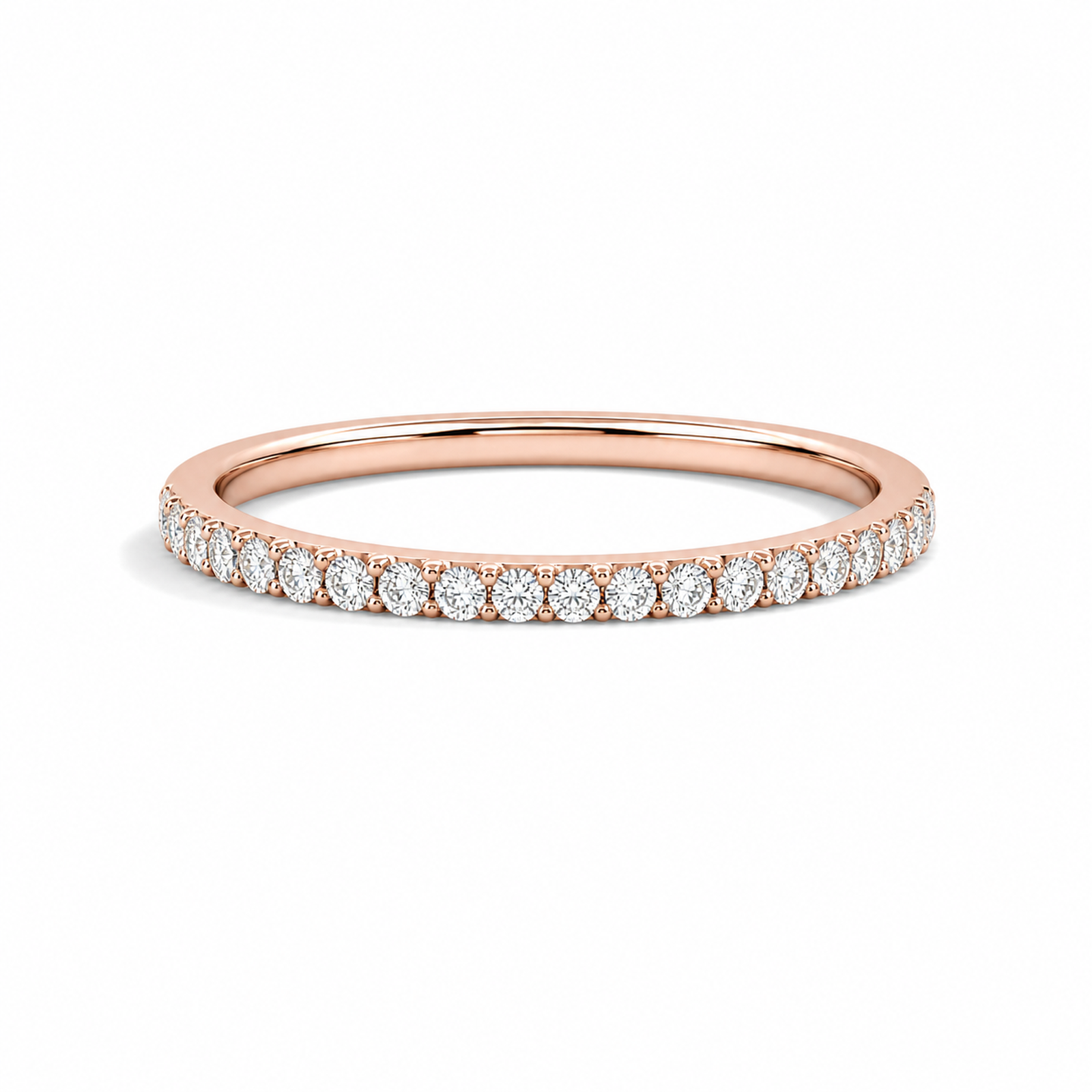
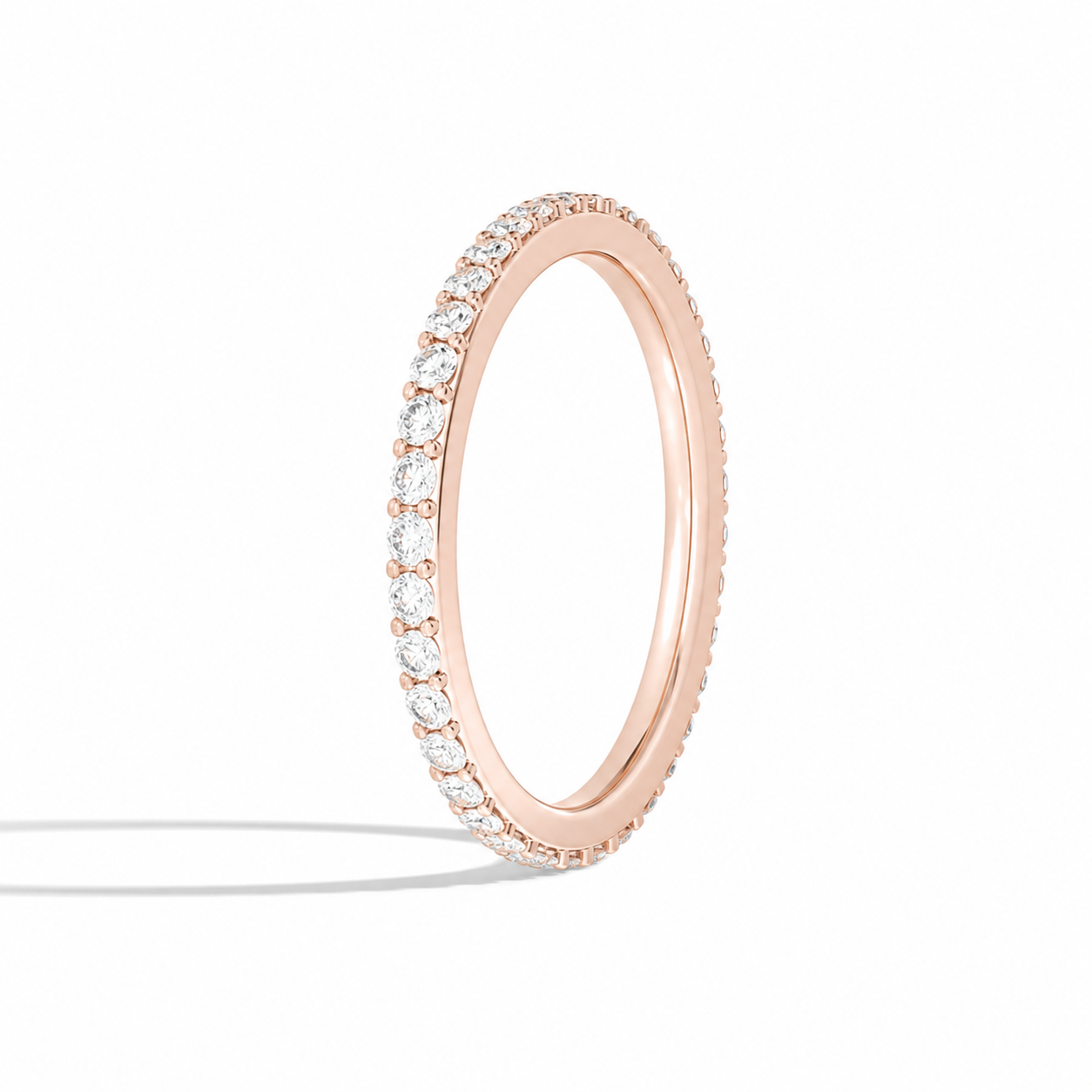

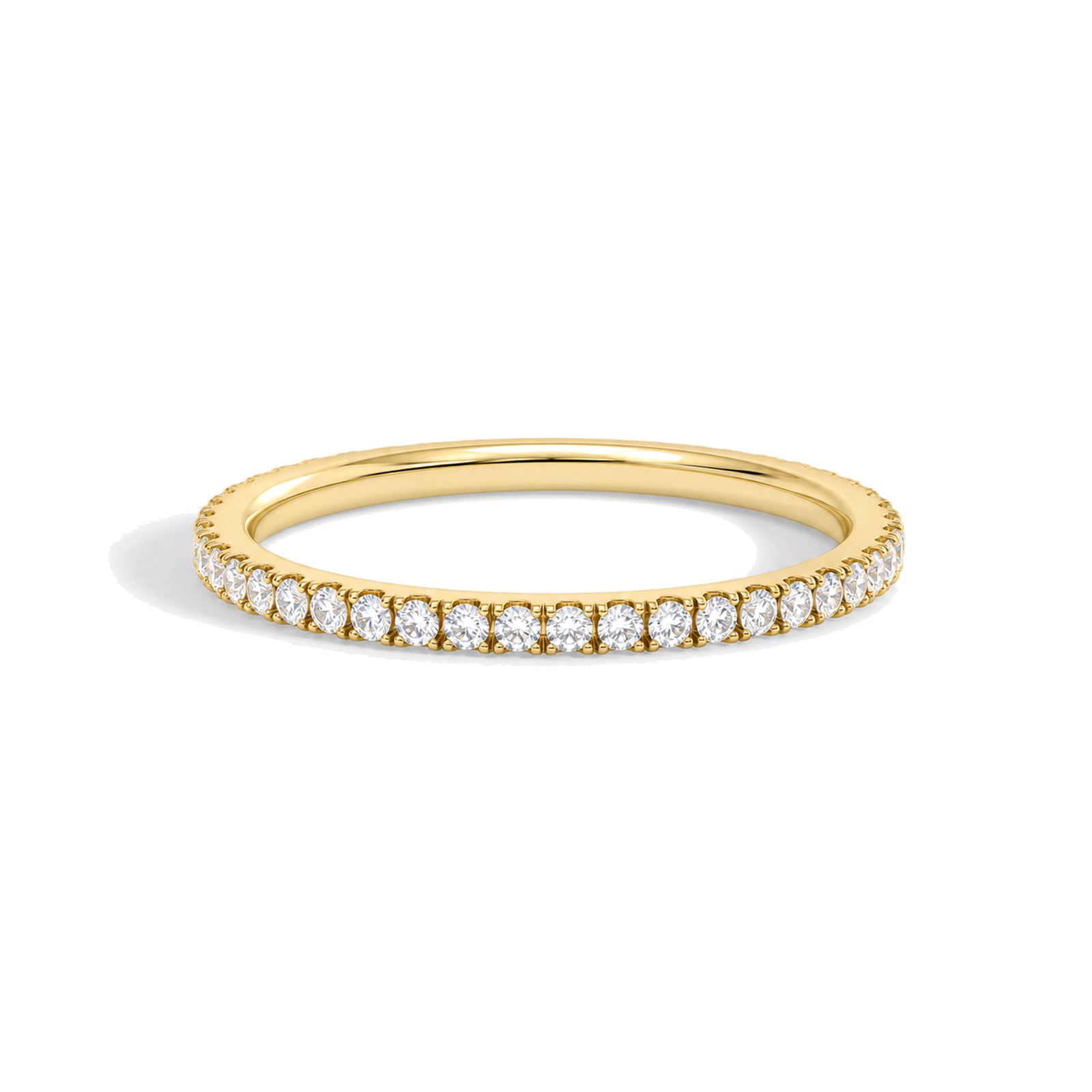
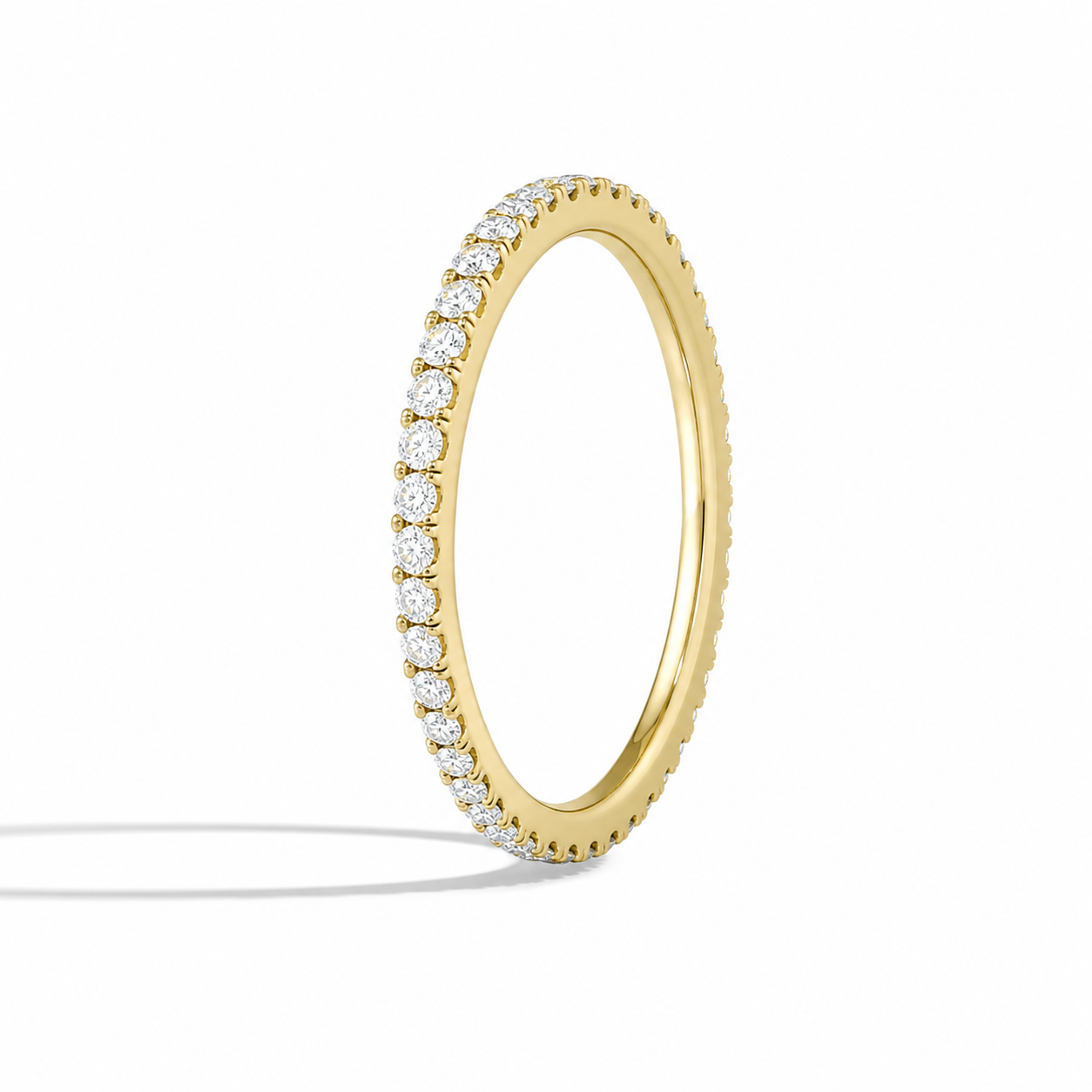

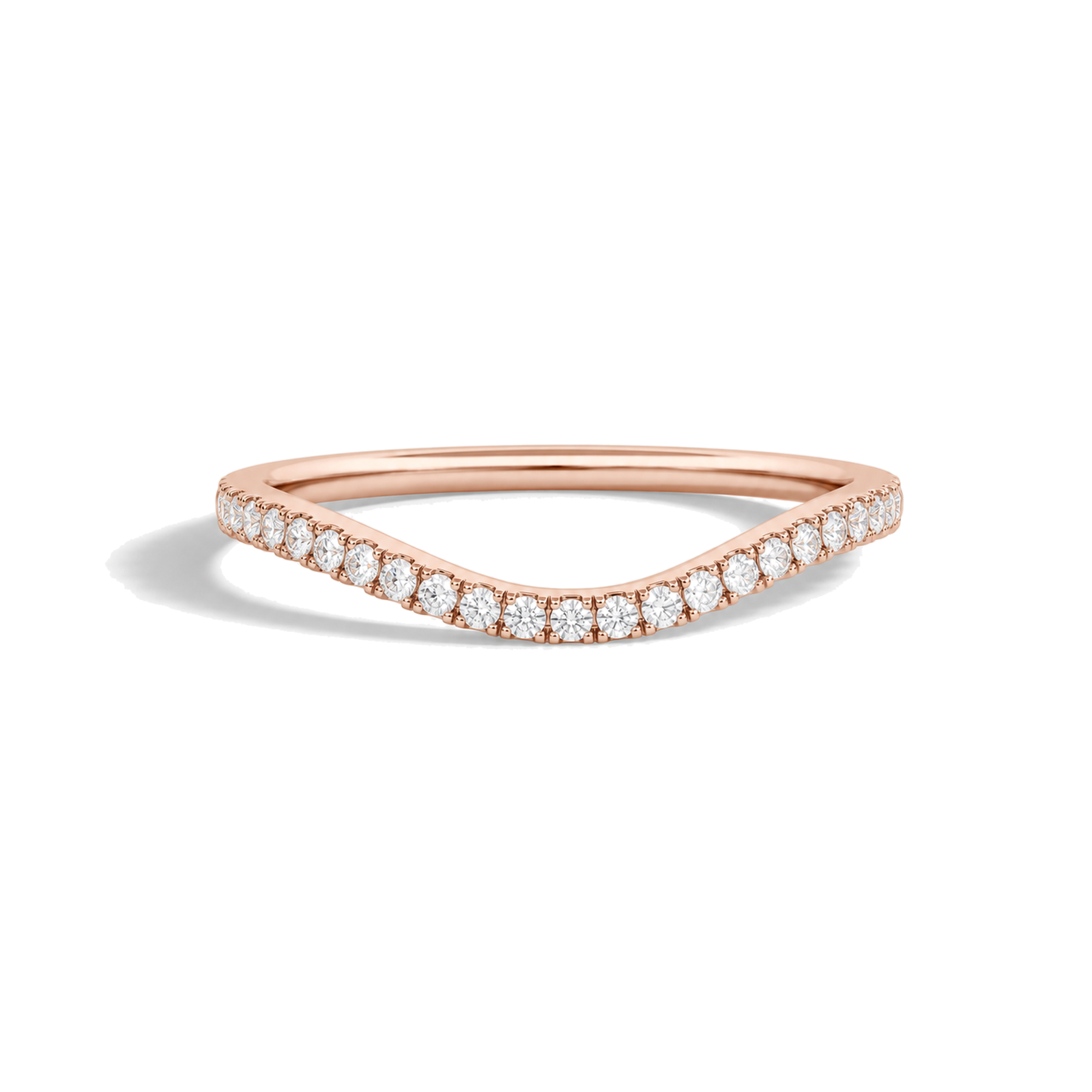
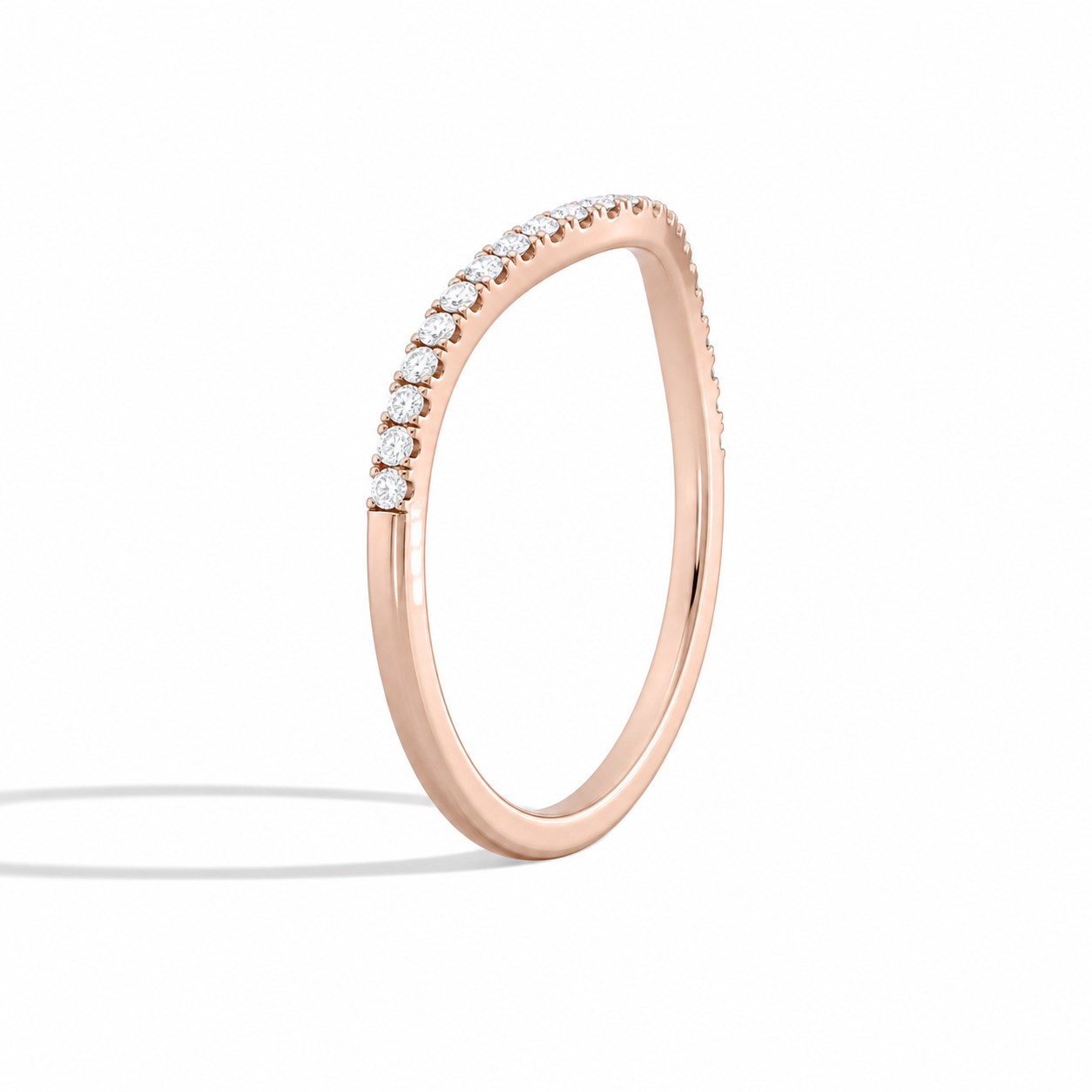
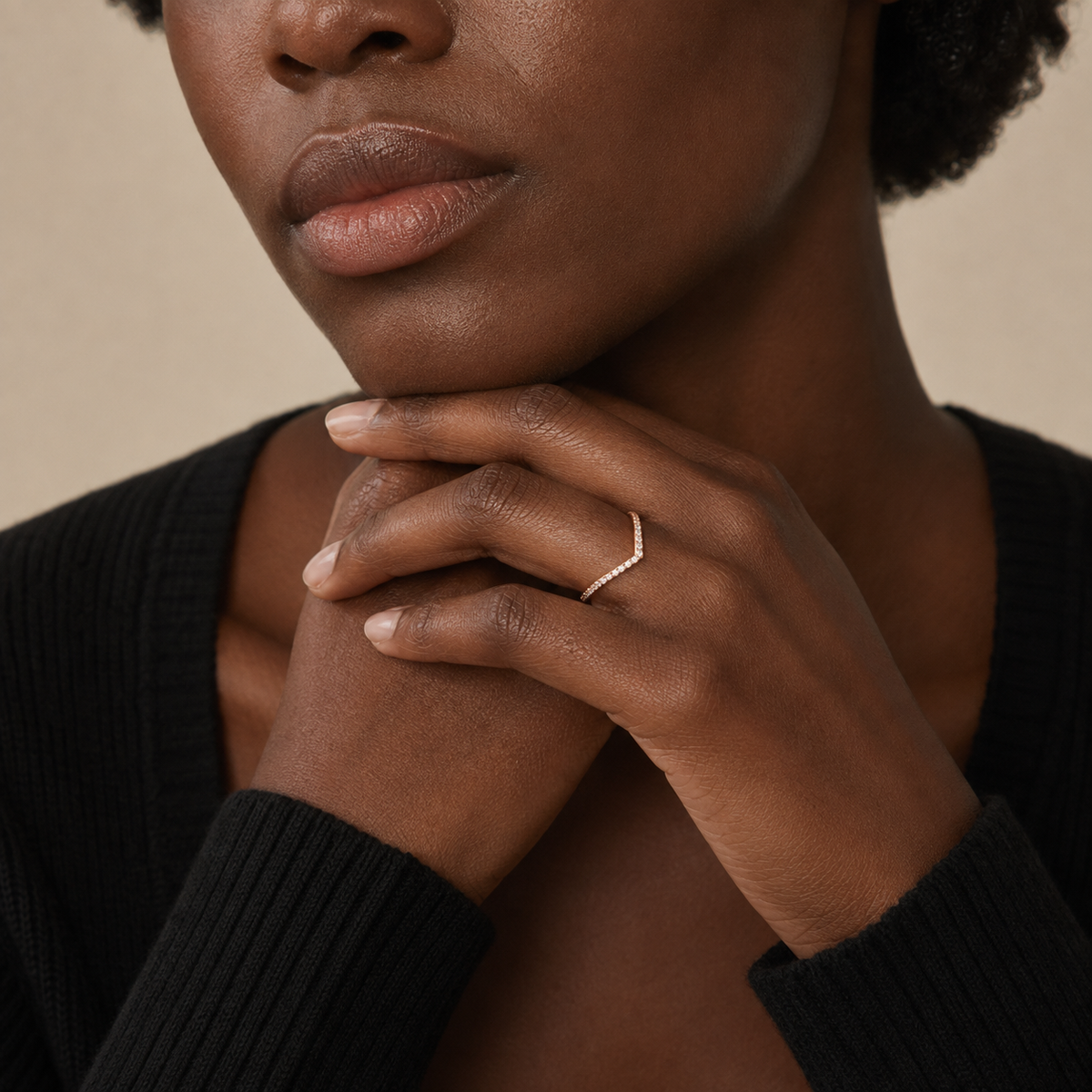
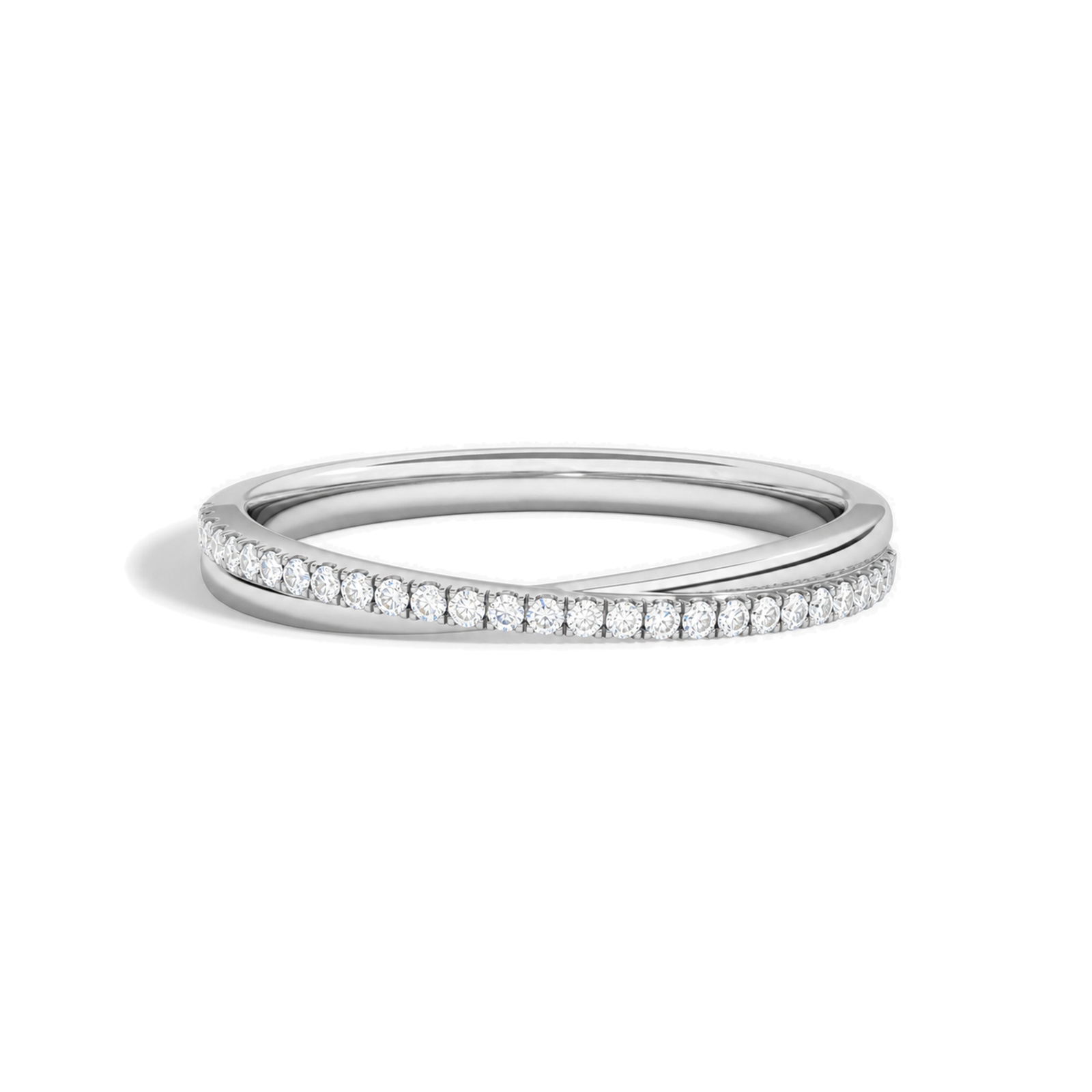
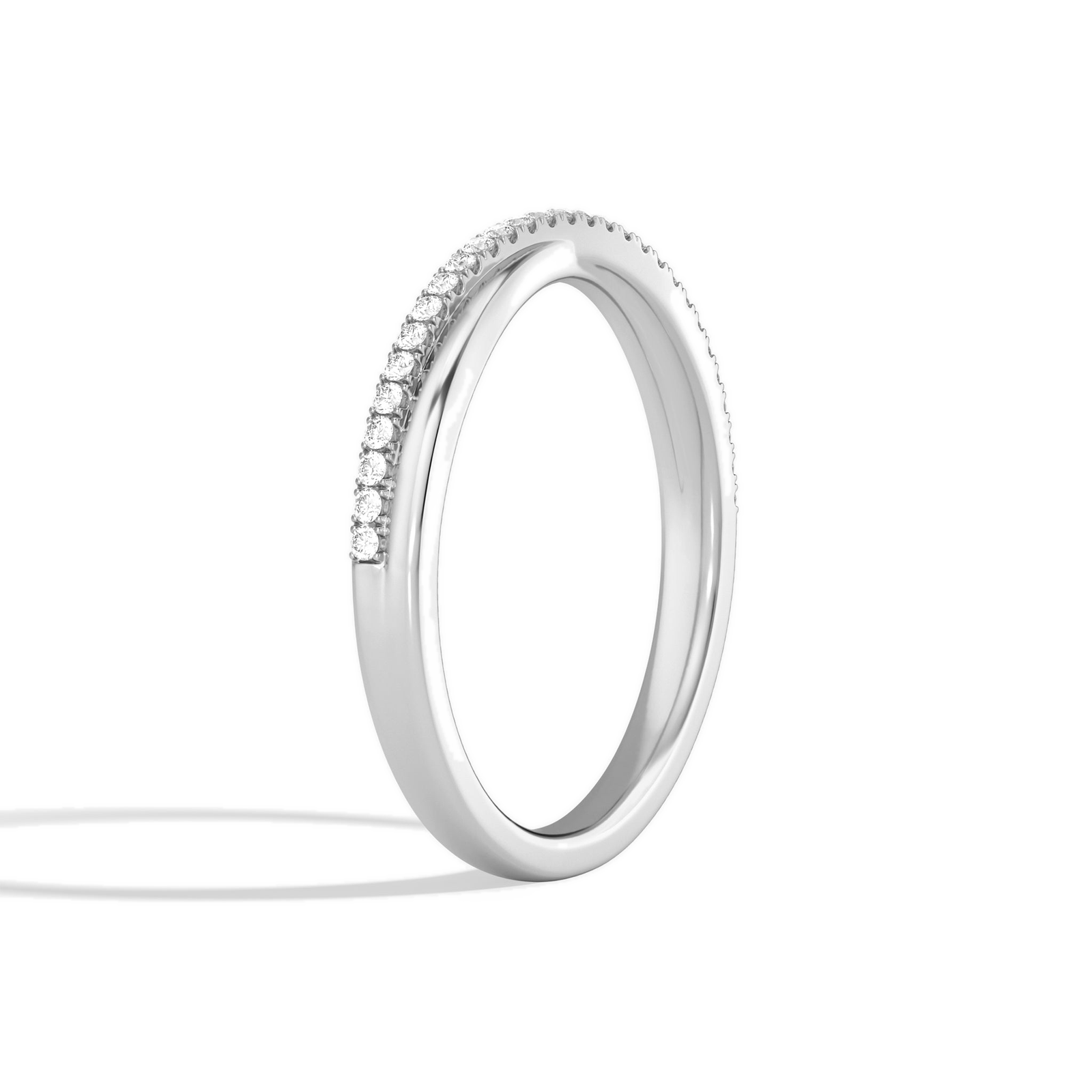

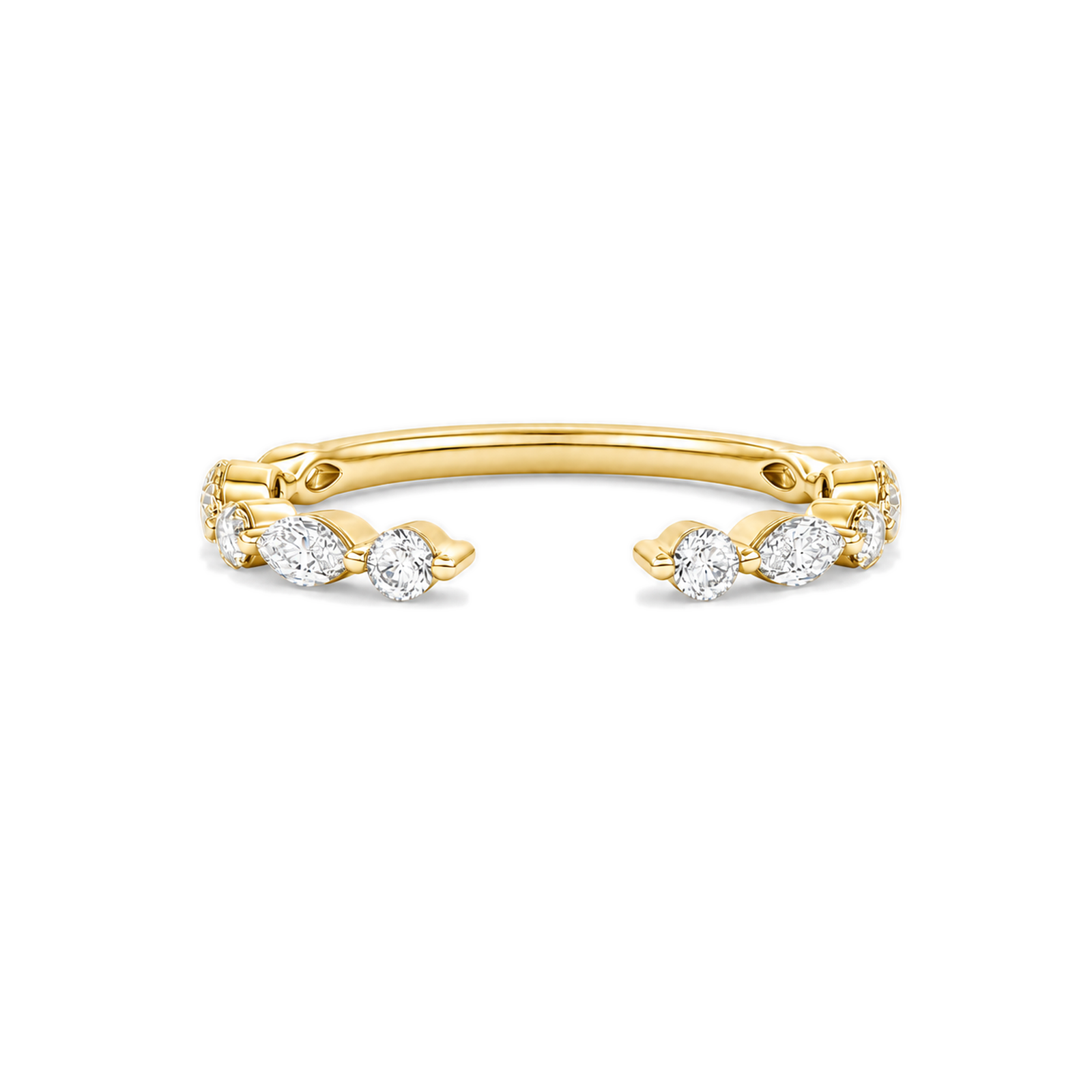


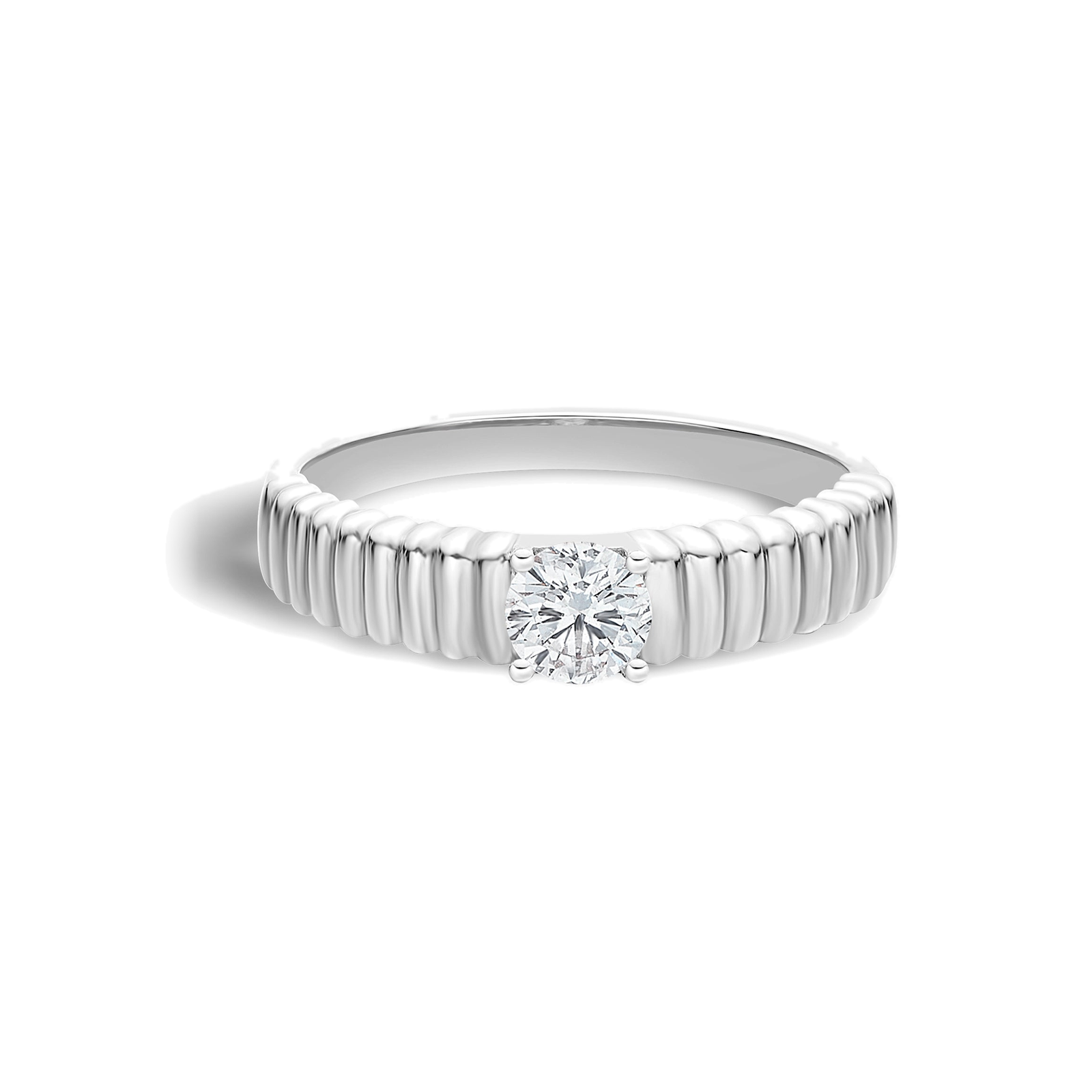
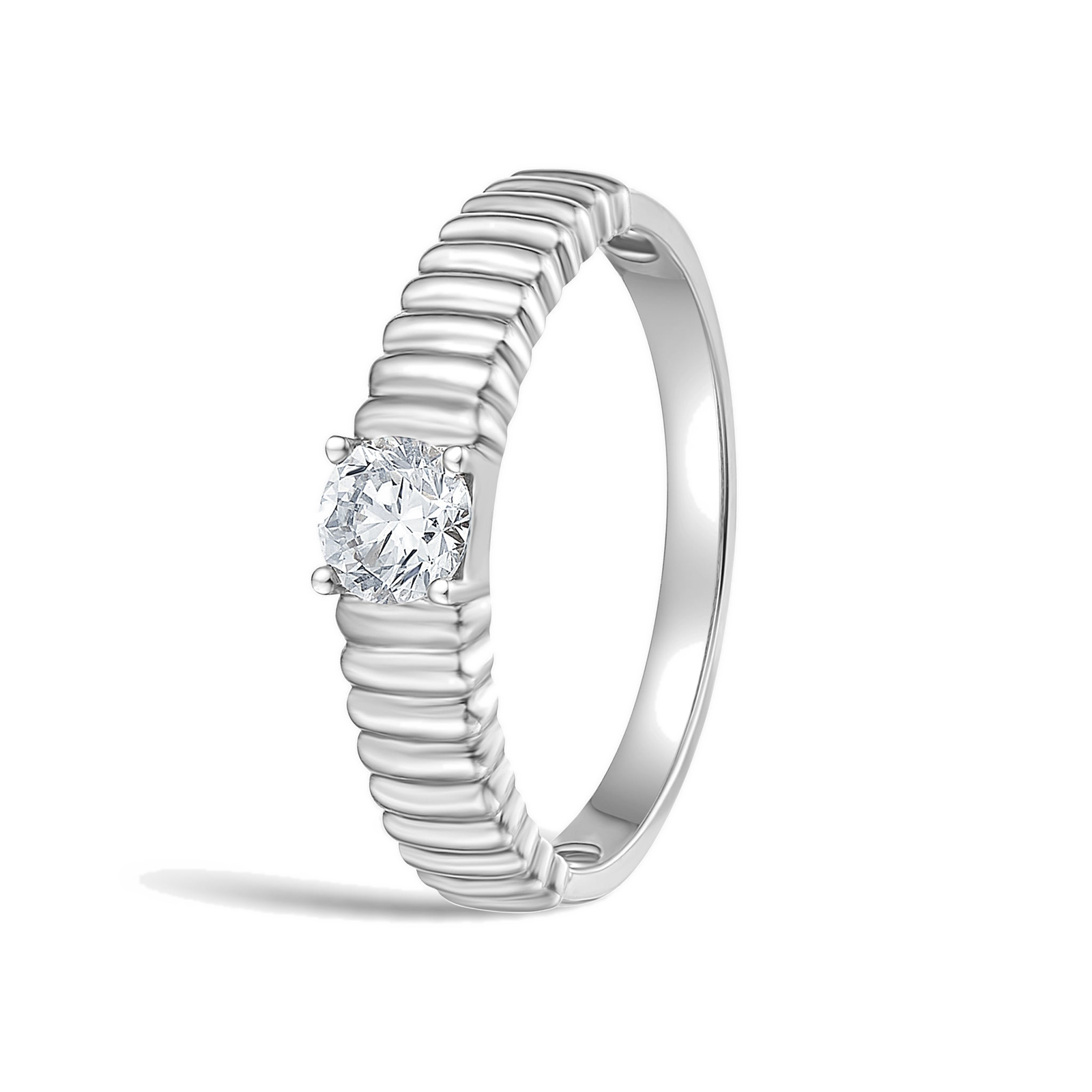

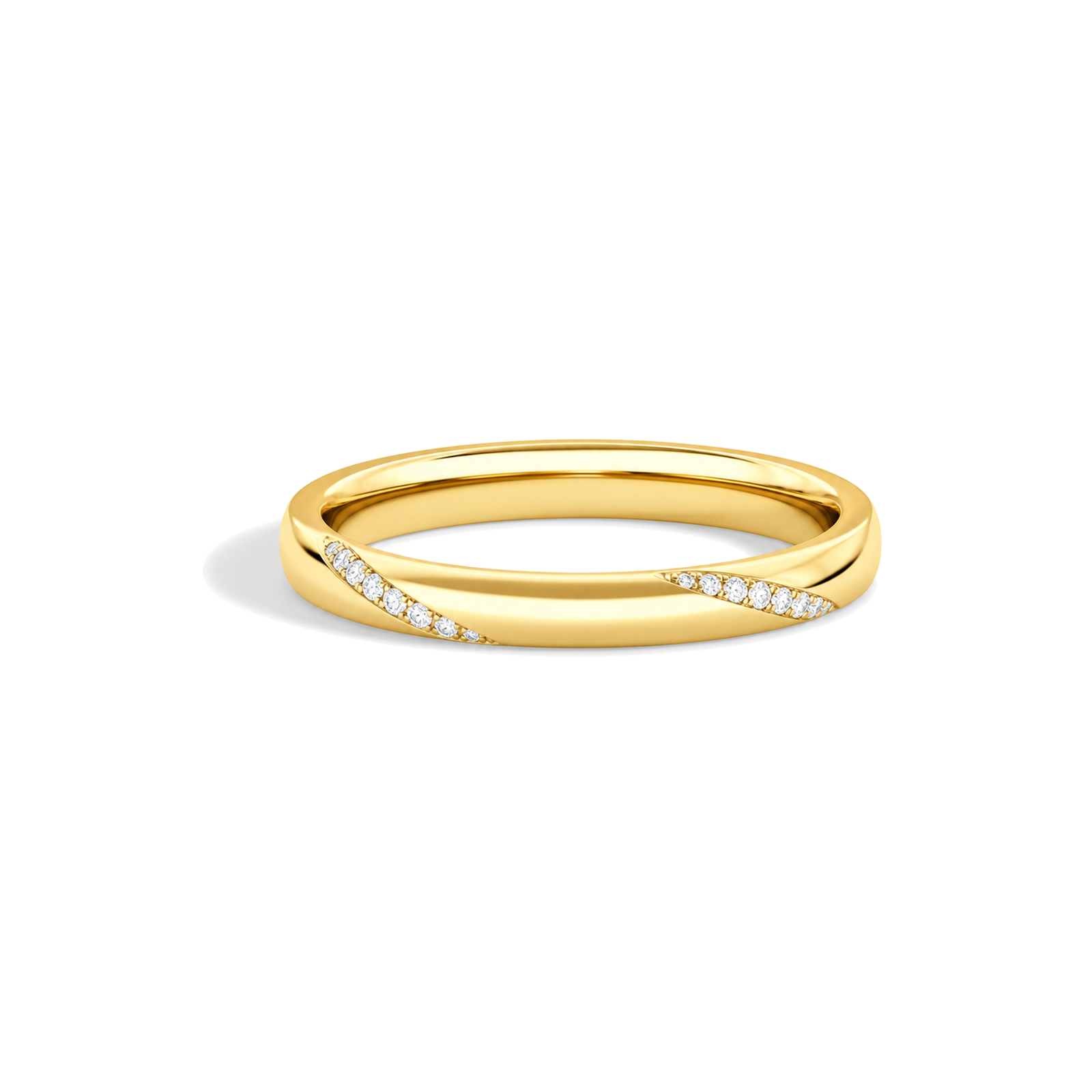
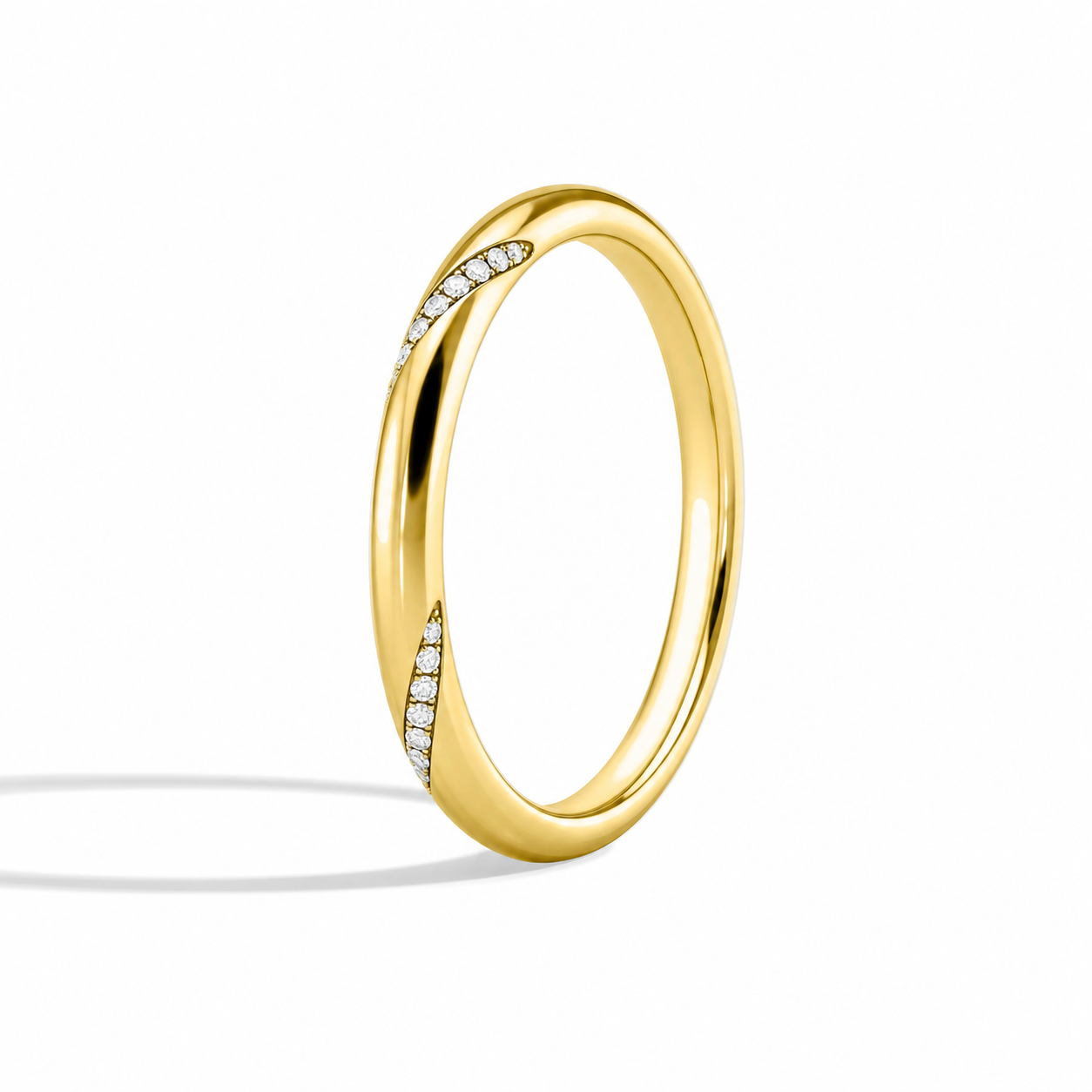

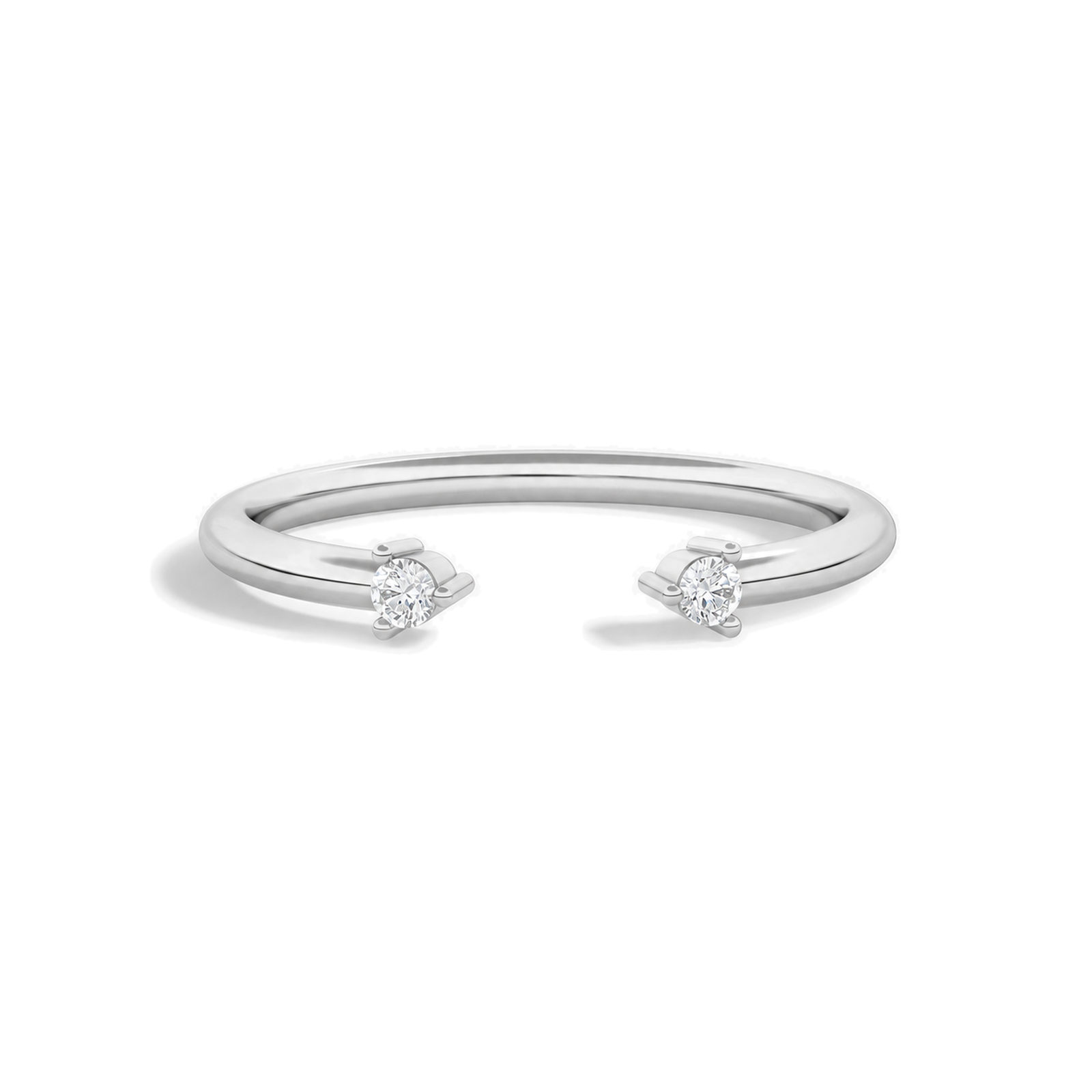
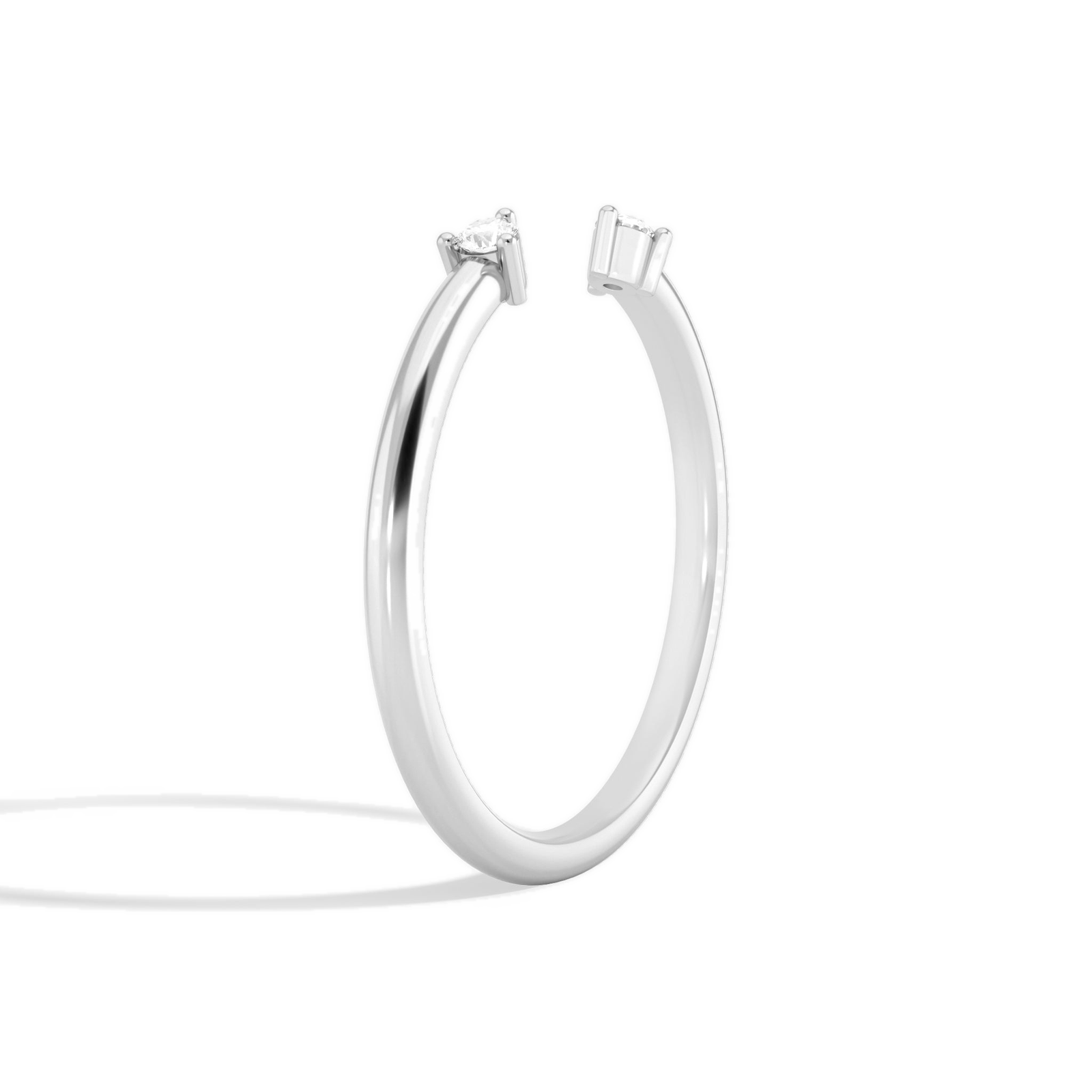

A Composition Built Over Time
A ring stack is not made intentional by quantity. It becomes a composition when each ring has a role: one may establish the line, another create an interval, a third hold the eye, and an older piece carry meaning that no new purchase can reproduce. The result can be symmetrical or unresolved, restrained or dense. What matters is that proportion, contact, and hierarchy have been considered together.
Burvonti’s current public Stacking Ring Collection contains 45 products, yet only two titles explicitly use Stackable or Stacking. The broader edit includes bezel, channel, open, curved, eternity, solitaire, crossover, wavy, comfort-fit, and diamond-band forms. All 45 have normalized counterparts in the parent Ring, Anniversary, Fashion Ring, and Wedding Band Collections. Stacking is therefore a way of composing these rings, not a claim that they share one slim profile or seamless-fit engineering standard.
Begin with the Ring That Already Matters
The anchor may be an engagement ring, wedding band, heirloom, anniversary ring, or simply the piece the wearer reaches for most. It need not be the widest or carry the greatest diamond weight. Its role is to establish what the surrounding rings should support, frame, contrast, or leave undisturbed.
Study that ring’s width, height, contour, setting, metal, movement, and emotional weight before adding another. A stack built around a projecting center setting asks different questions from one built around a straight band or open ring.
Hierarchy Creates Clarity
A readable stack usually gives the eye somewhere to begin. Hierarchy may come from scale, diamond shape, metal color, contour, negative space, or a directional setting—not only a large center stone. Repetition can reinforce the focal ring, while contrast can make a quieter piece newly visible.
No fixed base-to-top order is required. A focal ring can sit centrally, asymmetrically, or on another finger. The useful test is whether every added line strengthens the composition or merely increases density.
Interval Is as Important as the Rings
Straight bands can create a continuous ledger; curved or open rings introduce shaped pauses; alternating widths can establish cadence. A narrow metal edge between diamond fields may give both room to be read. Two adjacent diamond settings may instead create a denser surface, provided their profiles and contact remain workable.
Space is not failure, and flushness is not the only sign of intention. Rotation can open and close intervals as the hand moves. Treat those changes as part of the composition unless they create unwanted pressure, catching, or instability.
Width and Height Accumulate
Current published average widths span 1.4 to 3.0 mm, but a stack’s effective width is the sum of every ring plus any space between them. Combined width can change fit, limit finger flexion, and alter how rings pass over the knuckle. Side profile also accumulates: galleries, prongs, bezels, channels, and open ends can meet at different heights.
Do not apply a universal quarter-size or half-size increase based only on ring count. Measure the intended finger and assess the actual combination. Three narrow rings may fit differently from two broader or high-profile rings.
Structure Determines Which Edges Meet
The current edit spans bezel, channel, prong, open, curved, eternity, solitaire, crossover, wavy, and comfort-fit forms. Each creates different boundaries. A bezel presents a drawn metal edge; prongs create discrete points; channels frame a sequence; open and curved rings create directional gaps; wider comfort-fit bands change the base beneath neighboring pieces.
A ring marketed for stacking is not automatically compatible with every other ring. Inspect where diamonds, prongs, galleries, edges, and open ends can touch. No spacer, position, or setting type prevents all abrasion, impact, pressure, or catching.
Diamond Rhythm Can Repeat or Interrupt
Among current products with a named diamond shape, Round appears in 34 designs, with Trapezoid, Princess, Emerald, Heart, and Marquise appearing once each; six products do not name a shape in the same field. Repeated rounds can build continuity across different settings, while an elongated or angular shape can interrupt that rhythm deliberately.
Current TCW options run from 1/9 to 3 across the 39 products with that option; six show Default Title. Total Carat Weight should not be added across a stack as if it alone describes visual balance. Distribution, count, coverage, width, setting, and position determine how the combined light is read.
Metal Creates Continuity or a Deliberate Break
Current cards represent 19 14K White Gold, 18 14K Yellow Gold, and eight 14K Rose Gold designs. A single metal can hold varied structures together; a contrasting metal can mark an interval or distinguish a ring with separate meaning. There is no required dominant percentage or transition piece.
Color names do not establish identical alloy, finish, rhodium treatment, hardness, age, or maintenance. Mixed or matched metals can still wear against one another. Choose the visual relationship, then inspect real contact rather than assuming color coordination provides protection.
A Stack Can Change Without Losing Its Center
Some stacks are completed at once; others gather through anniversaries, commitments, inheritance, or self-purchase. Leaving visual and physical room for a future ring can be a deliberate decision. So can moving one band to another finger when the original arrangement becomes too dense.
A new ring does not need to match every existing detail. It may repeat one element—metal, curve, diamond rhythm, or width—while changing another. This measured continuity allows the composition to evolve without becoming a collection of unrelated accents.
Sizing, Custom Possibilities, Documentation, and Care
Size each ring for its intended finger and position, then reassess the combination as a whole. Resizing feasibility varies with eternity coverage, channels, open construction, symmetry, settings, engraving, and requested change. Custom possibilities may refine width, contour, sequence, metal, or relationship between selected rings when technically feasible.
Burvonti uses responsibly sourced lab-grown diamonds and supports independent grading and certification where applicable. Confirm what selected documentation covers. Clean rings separately when practical, inspect every contact point and setting, and store without abrasive contact. A thoughtful composition still requires maintenance.
Frequently Asked Questions
What is a stacking ring?
It is a ring selected to participate in a multi-ring composition. It need not be one fixed width, structure, setting, or title.
How many Stacking Rings are currently included?
The public Collection contains 45 products, while only two titles explicitly use Stackable or Stacking.
Are all current products exclusive to Stacking Rings?
No. All 45 have normalized counterparts in broader Ring, Anniversary, Fashion, and Wedding Band Collections.
How many rings should be in a stack?
There is no required number. Choose according to combined width, hierarchy, fit, movement, contact, finger proportion, and personal meaning.
Does a ring stack need an anchor ring?
Not necessarily, but identifying the ring that matters most can clarify which other lines should support, frame, contrast, or leave space around it.
Can rings not labeled stackable be stacked?
Possibly. Compatibility depends on width, profile, contour, settings, edges, size, movement, and contact rather than the product title alone.
Should stacking rings all be the same size?
Not automatically. Size depends on finger, position, combined width, inner profile, knuckle, swelling, and how each ring will be worn.
Should I size up for a ring stack?
Possibly, but no fixed increment applies. Measure with the intended combined width and evaluate the actual rings rather than using ring count alone.
Can I stack rings on different fingers?
Yes. One-finger and multi-finger compositions are both possible; fit and activity should be assessed for each intended position.
Should a stack be symmetrical?
No. Symmetry can frame a focal ring, while asymmetry can create direction or preserve negative space. Both require intentional proportion.
Is space between stacking rings acceptable?
Yes. Negative space can clarify silhouettes. Evaluate whether changing gaps, rotation, or contact create practical concerns.
Can curved rings be used in a stack?
Yes. They can frame another setting or introduce shaped space, but exact clearance and contact remain combination-specific.
Which structures are currently represented?
Current membership includes bezel, channel, prong, open, curved, eternity, solitaire, crossover, wavy, comfort-fit, and other diamond-band forms.
Which diamond shapes are currently represented?
Named details include Round, Trapezoid, Princess, Emerald, Heart, and Marquise. Six products do not name a shape in the same field.
What widths are currently represented?
Published average widths span 1.4 to 3.0 mm. Combined width and side profile matter more than any one measurement.
What Total Carat Weights are currently represented?
Thirty-nine products show options from 1/9 to 3 TCW; six show Default Title. Total alone does not establish stack balance.
Can I mix metals in a ring stack?
Yes as an aesthetic choice. There is no required ratio, and matching or mixed metals can still abrade at contact points.
How can I reduce rings rubbing together?
Review profile, edges, settings, fit, rotation, order, and contact; separating pieces may help, but no arrangement prevents all wear.
Can stacking rings be customized or resized?
Possibly after technical review. Coverage, channels, open construction, symmetry, settings, engraving, and requested changes affect feasibility.
How should stacking rings be cared for?
Clean separately when practical, inspect every diamond, setting, edge and contact point, and store without abrasive contact.