
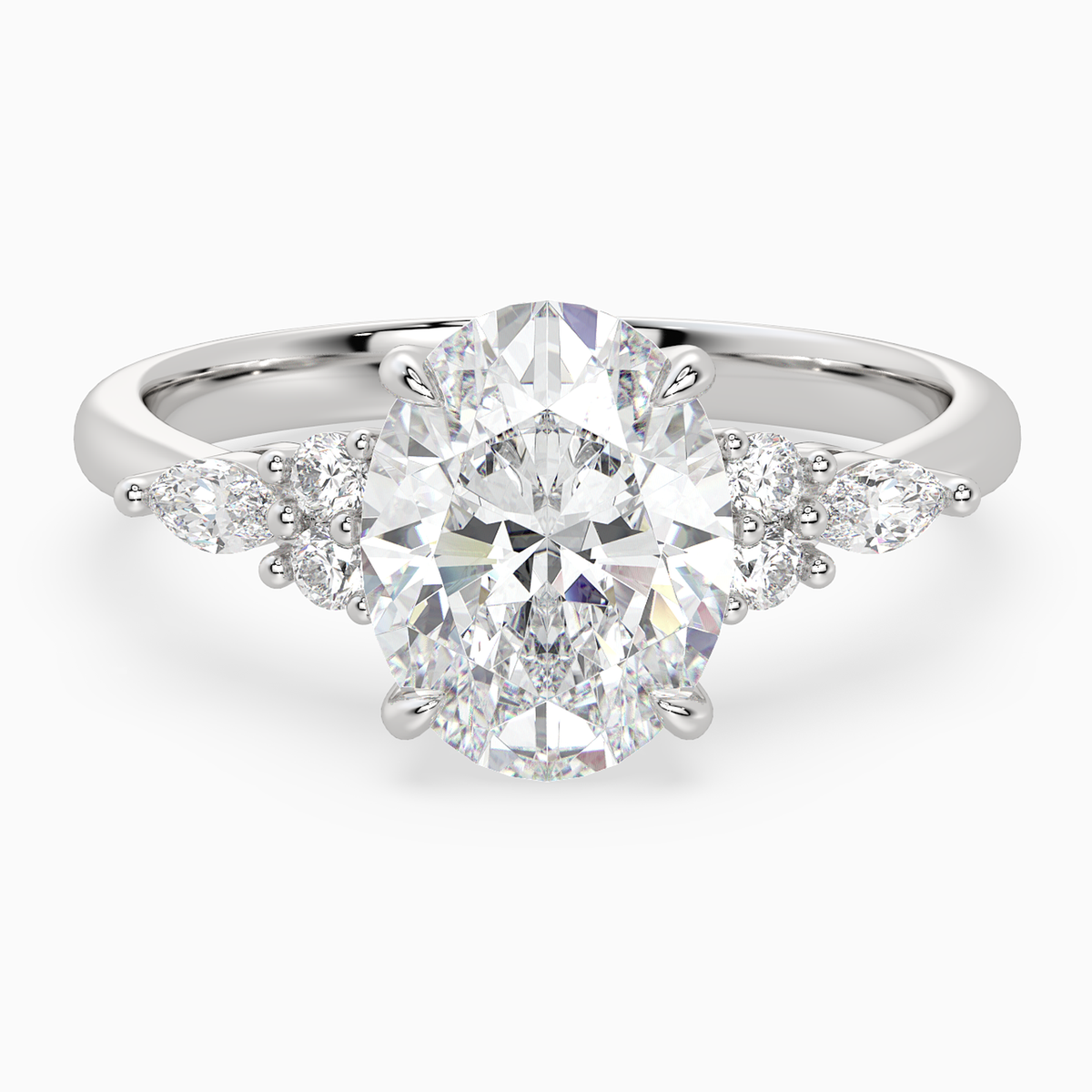


Lab Grown Diamond Jewelry in 14K White Gold
Quiet metal lets every form keep its character. 14K white gold connects rings, earrings, necklaces, and bracelets with visual clarity.


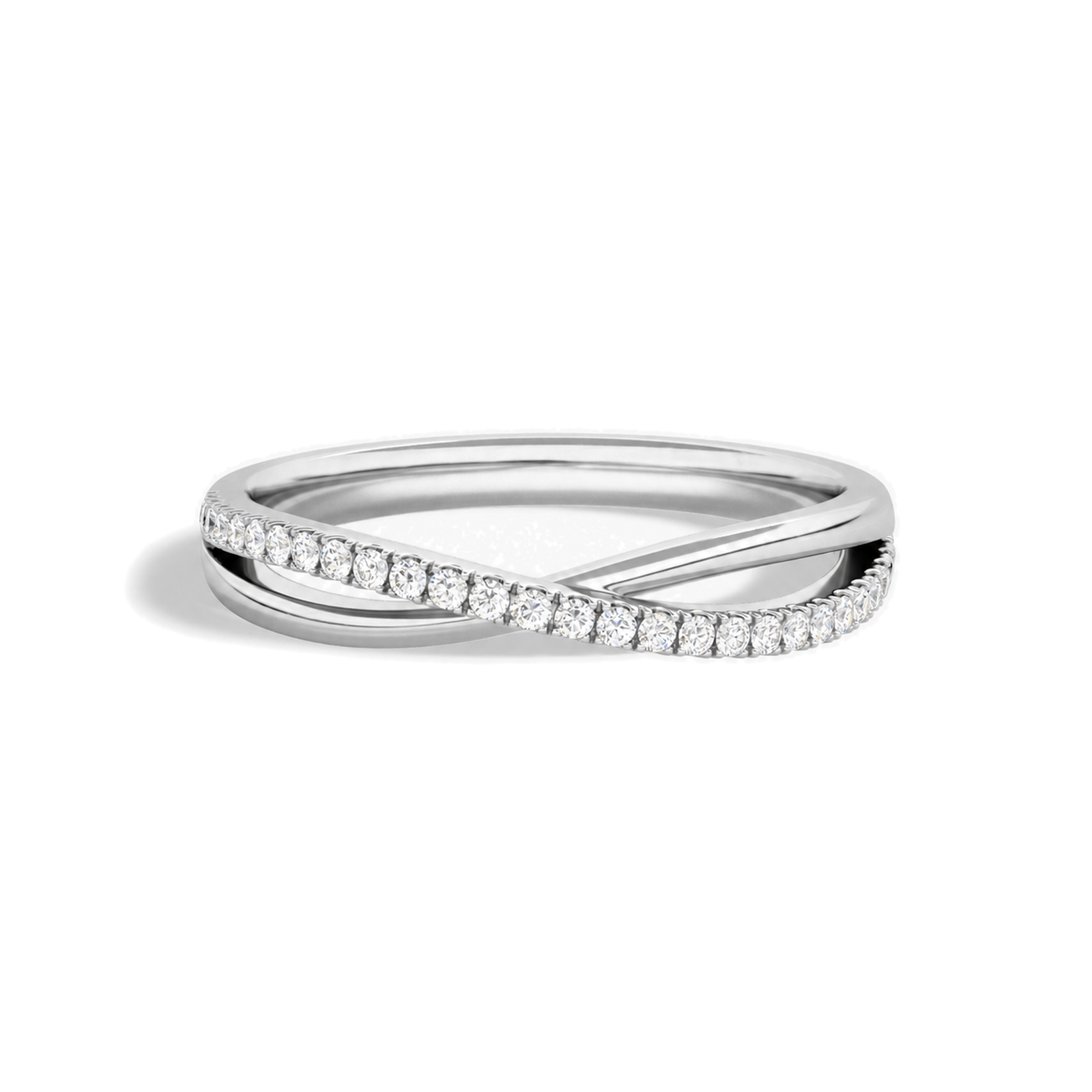
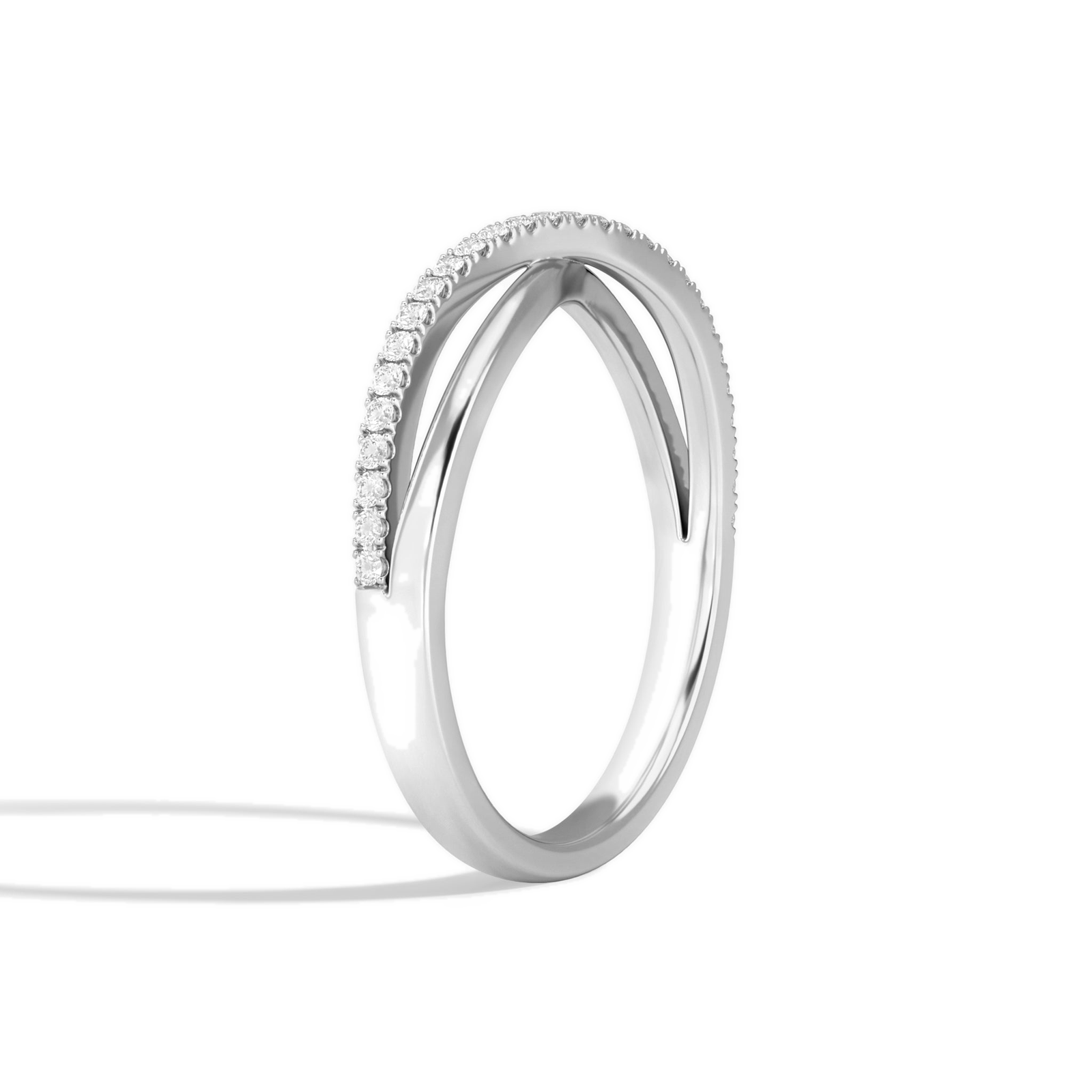

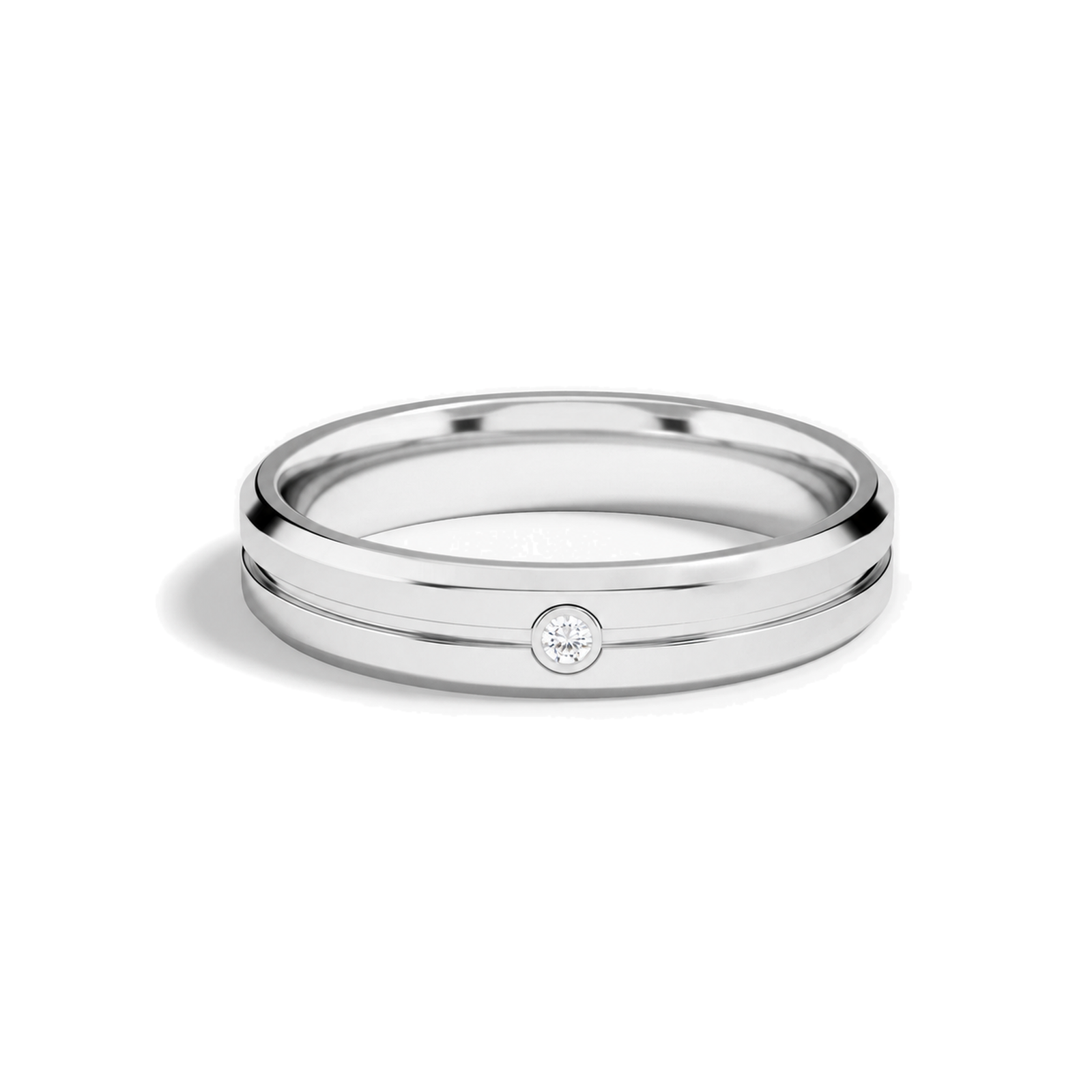


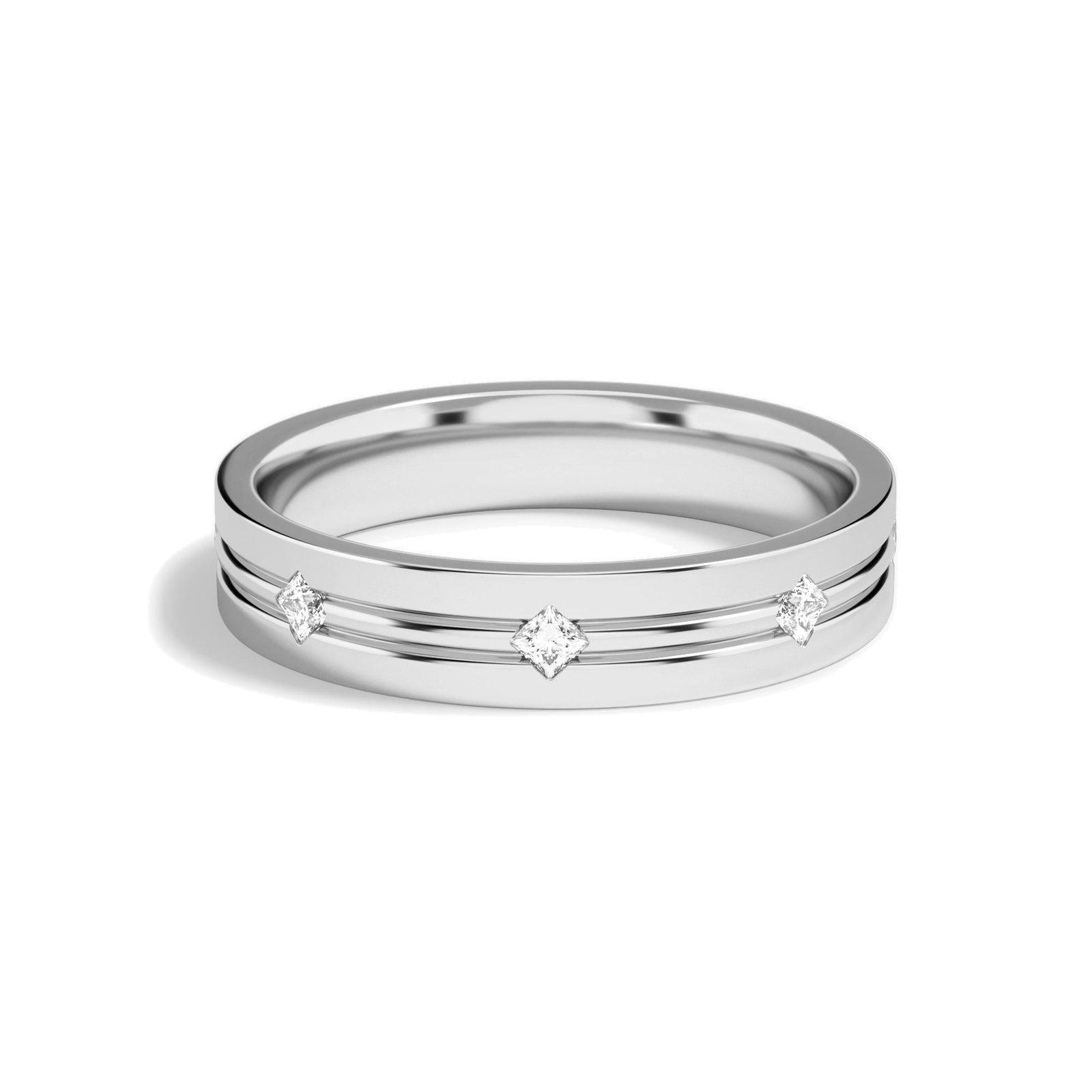


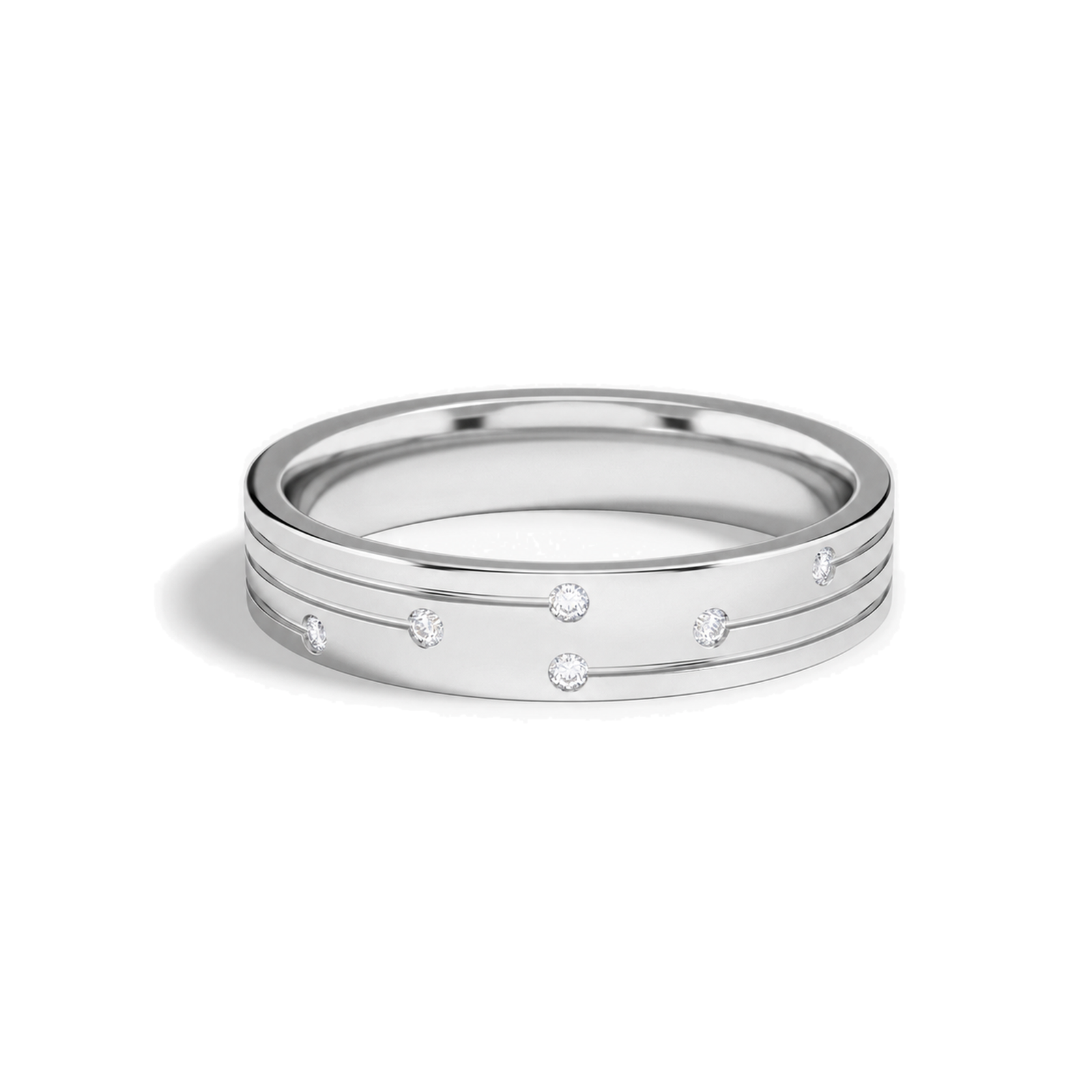
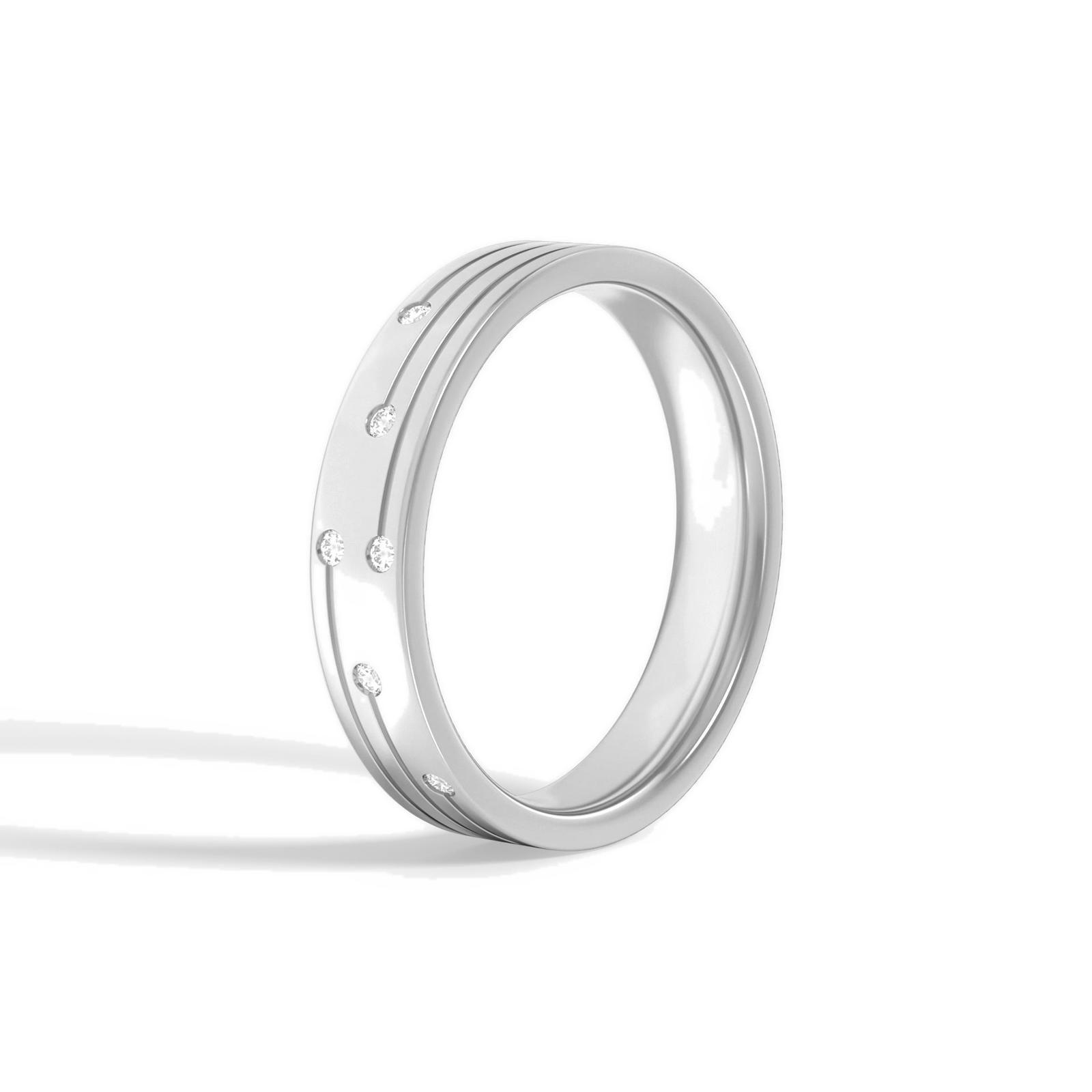

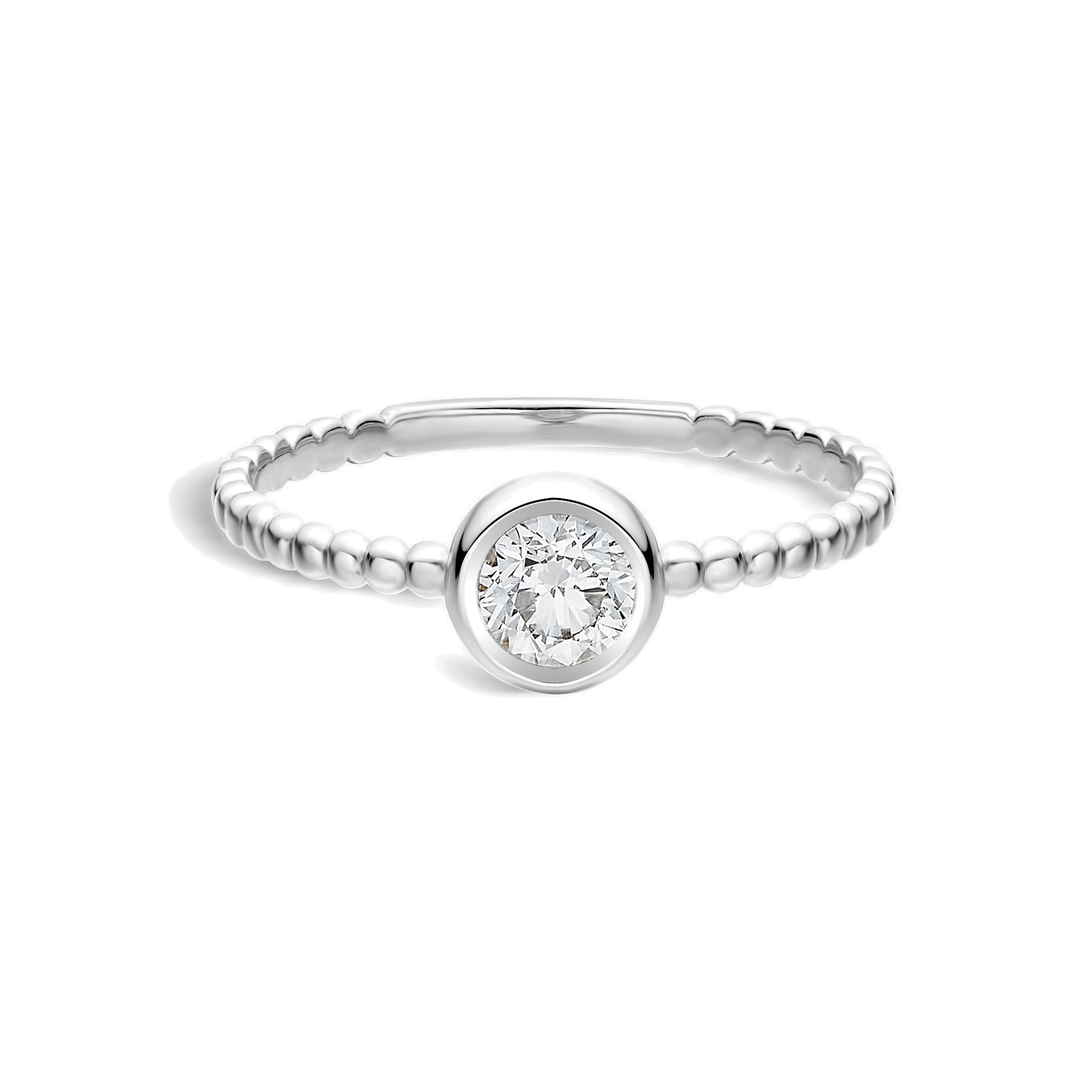
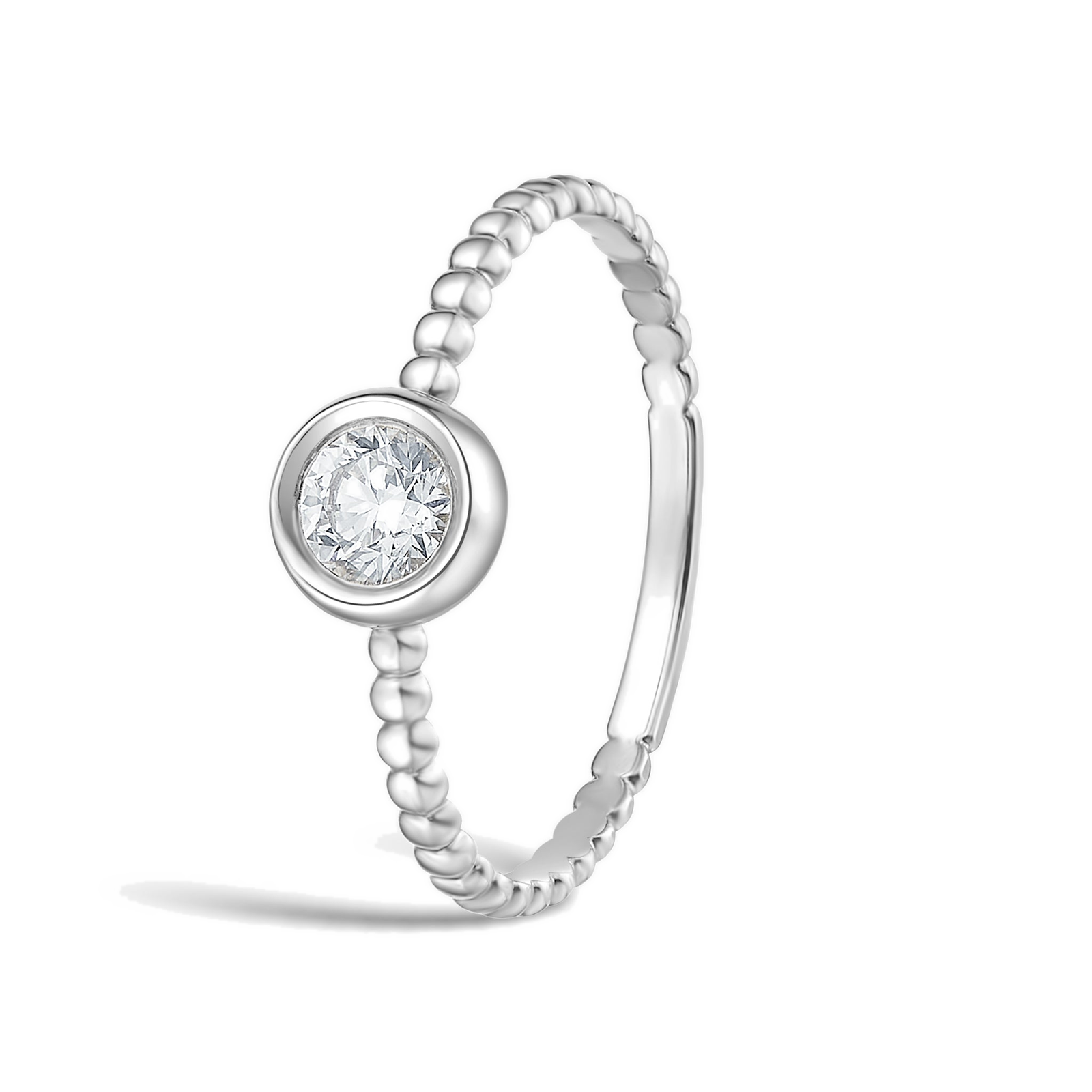

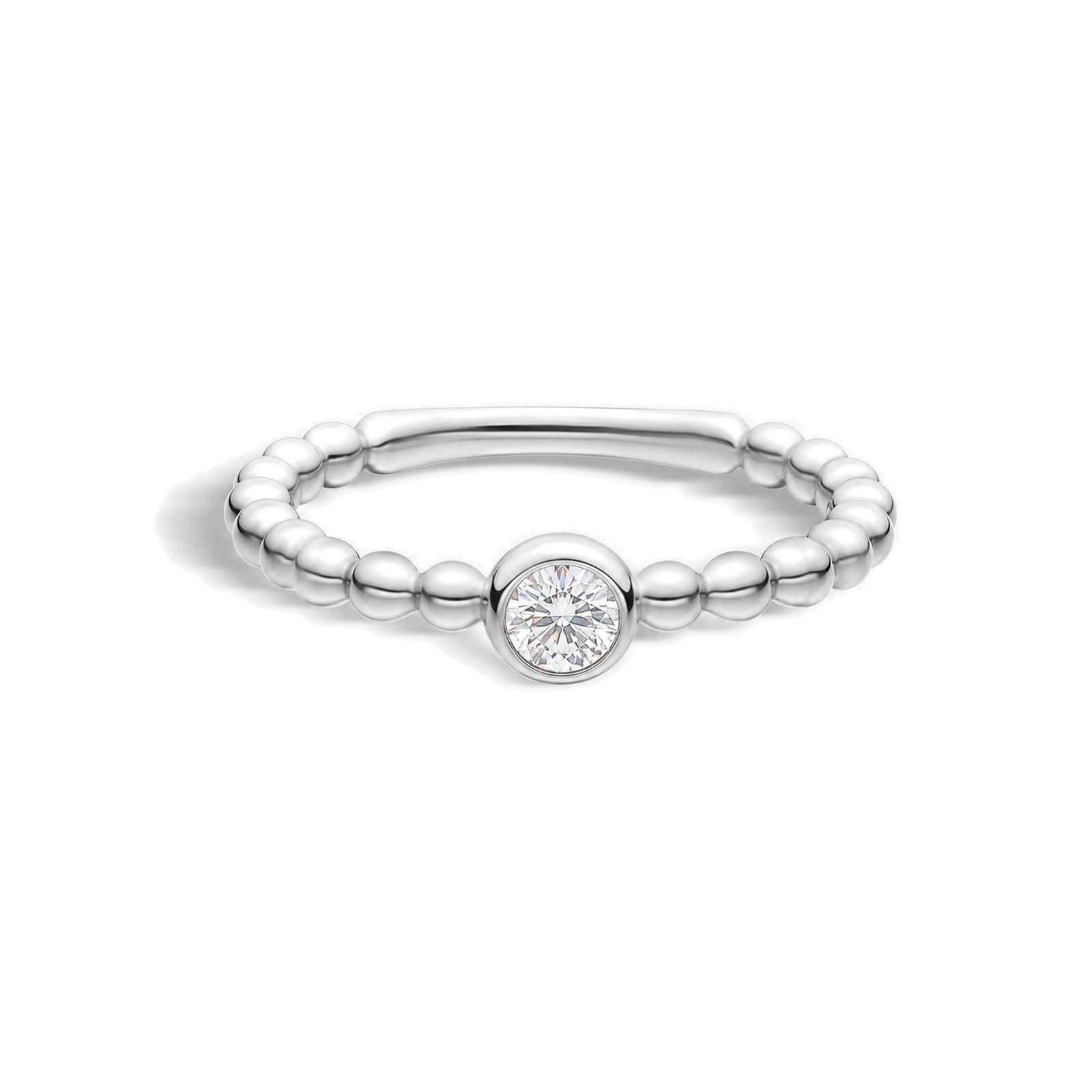
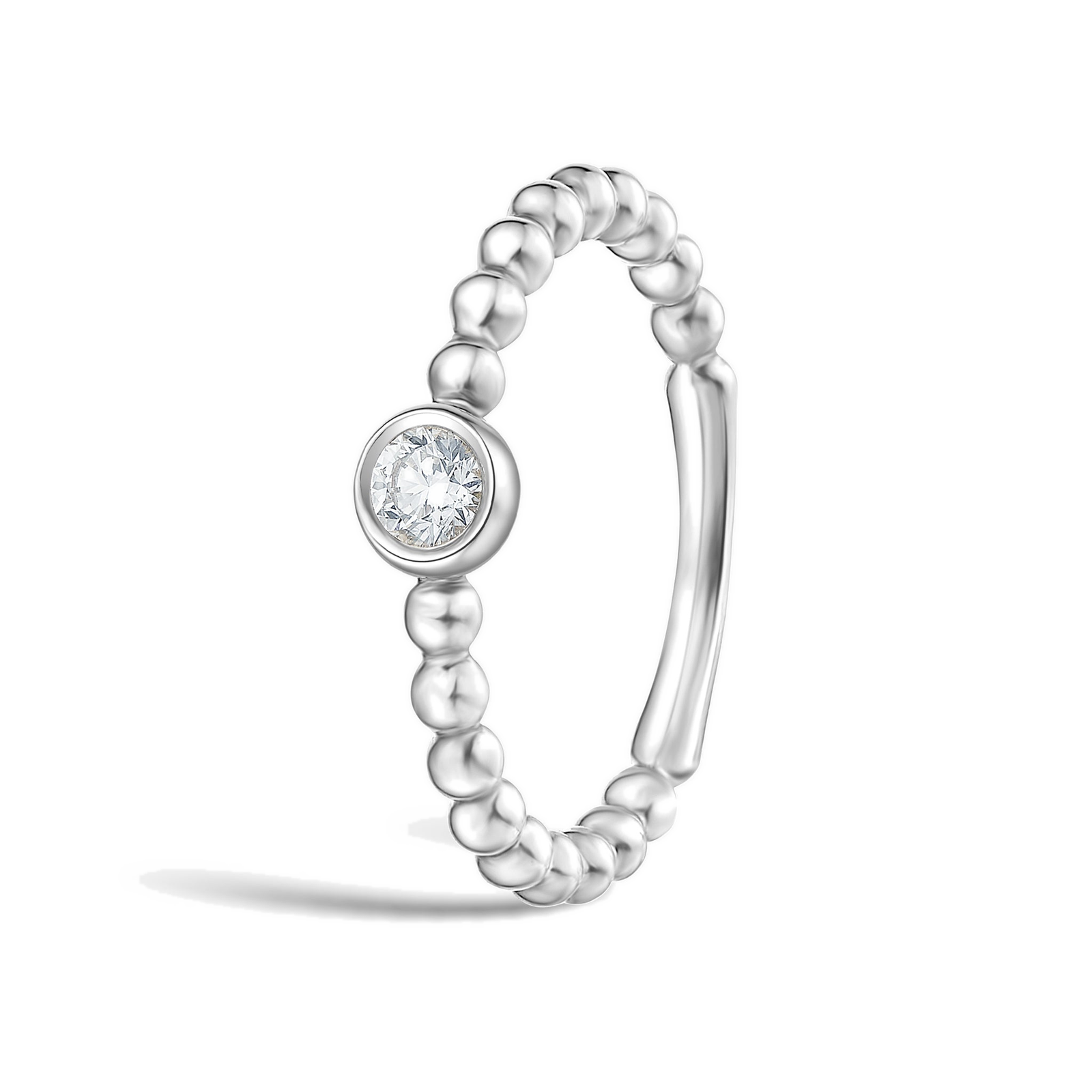

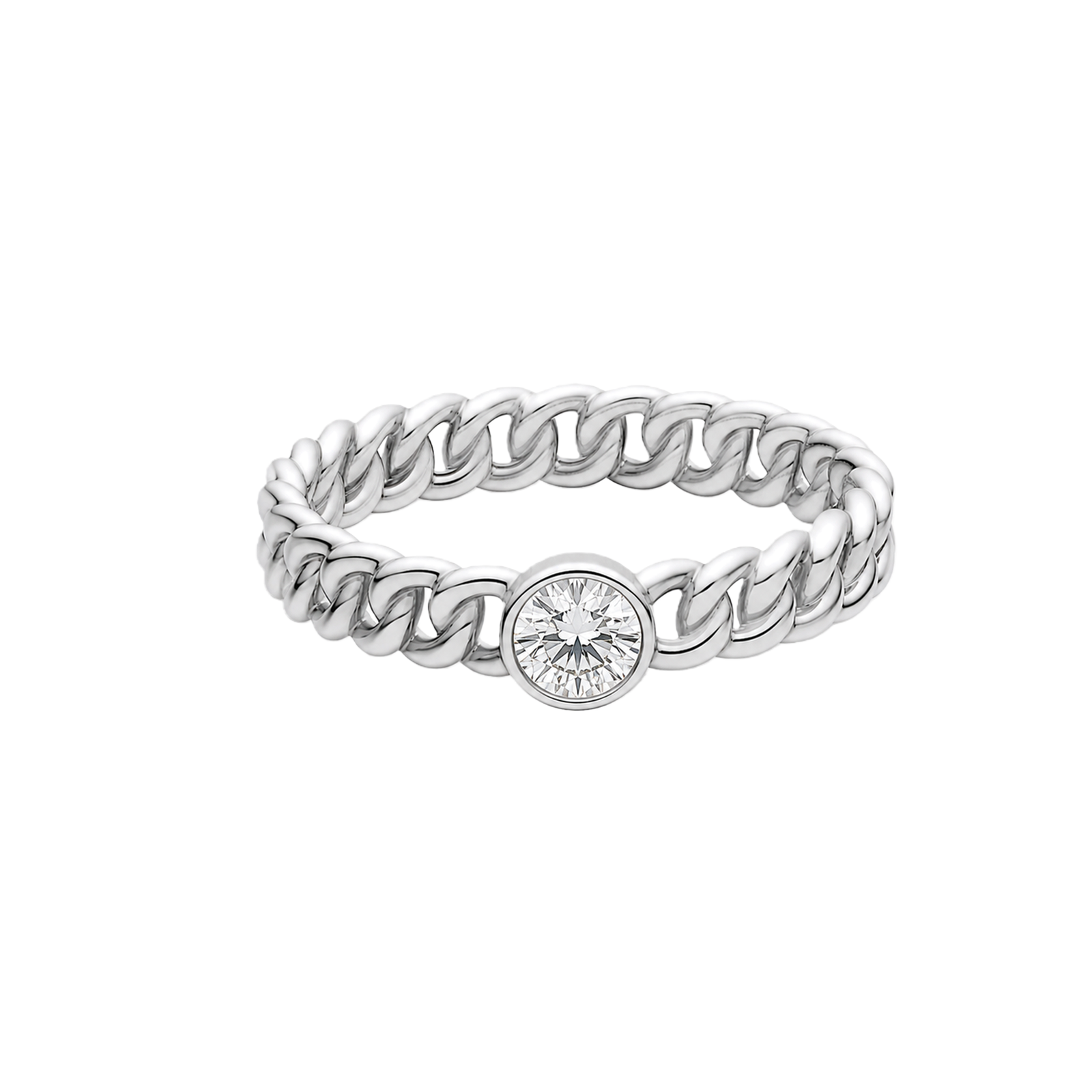
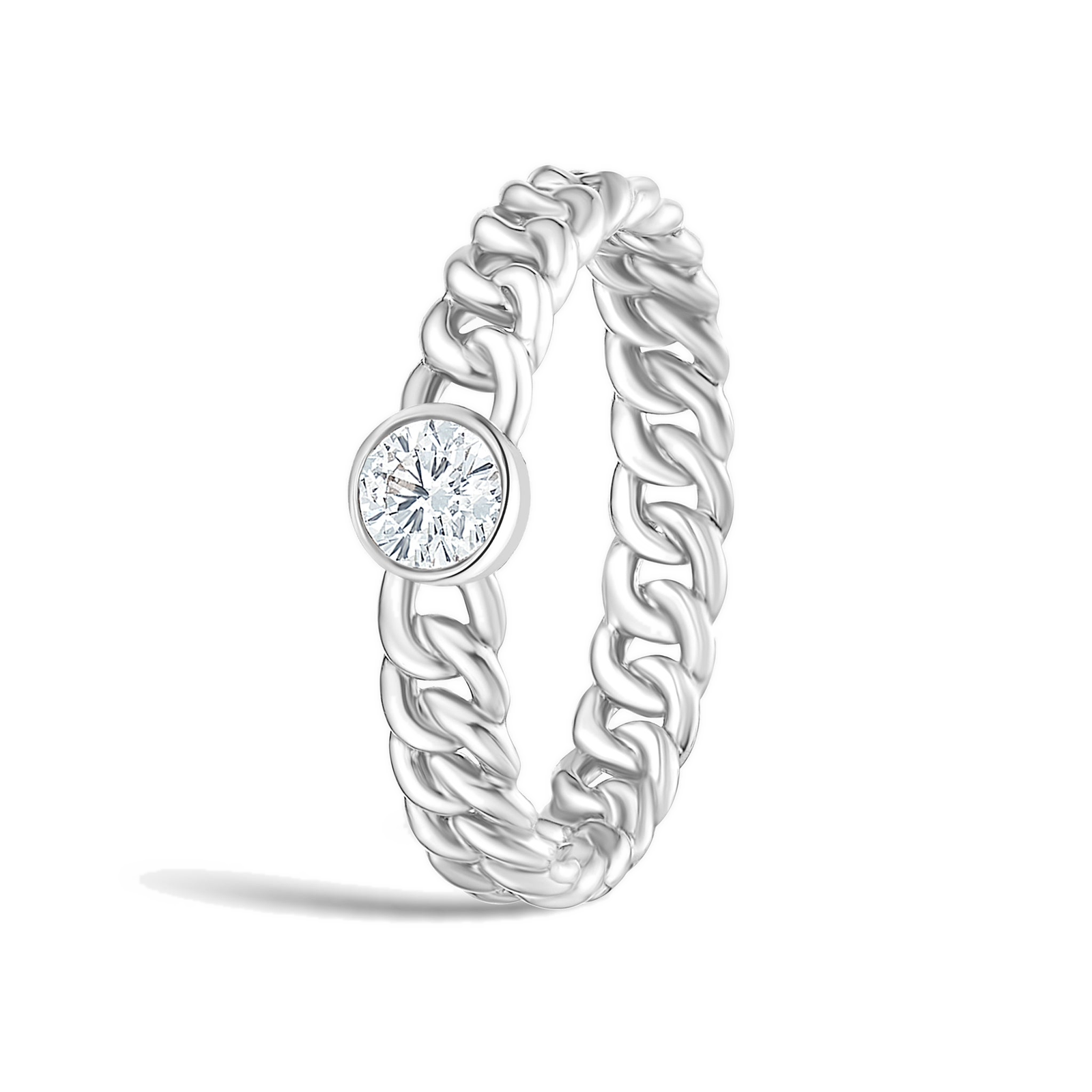

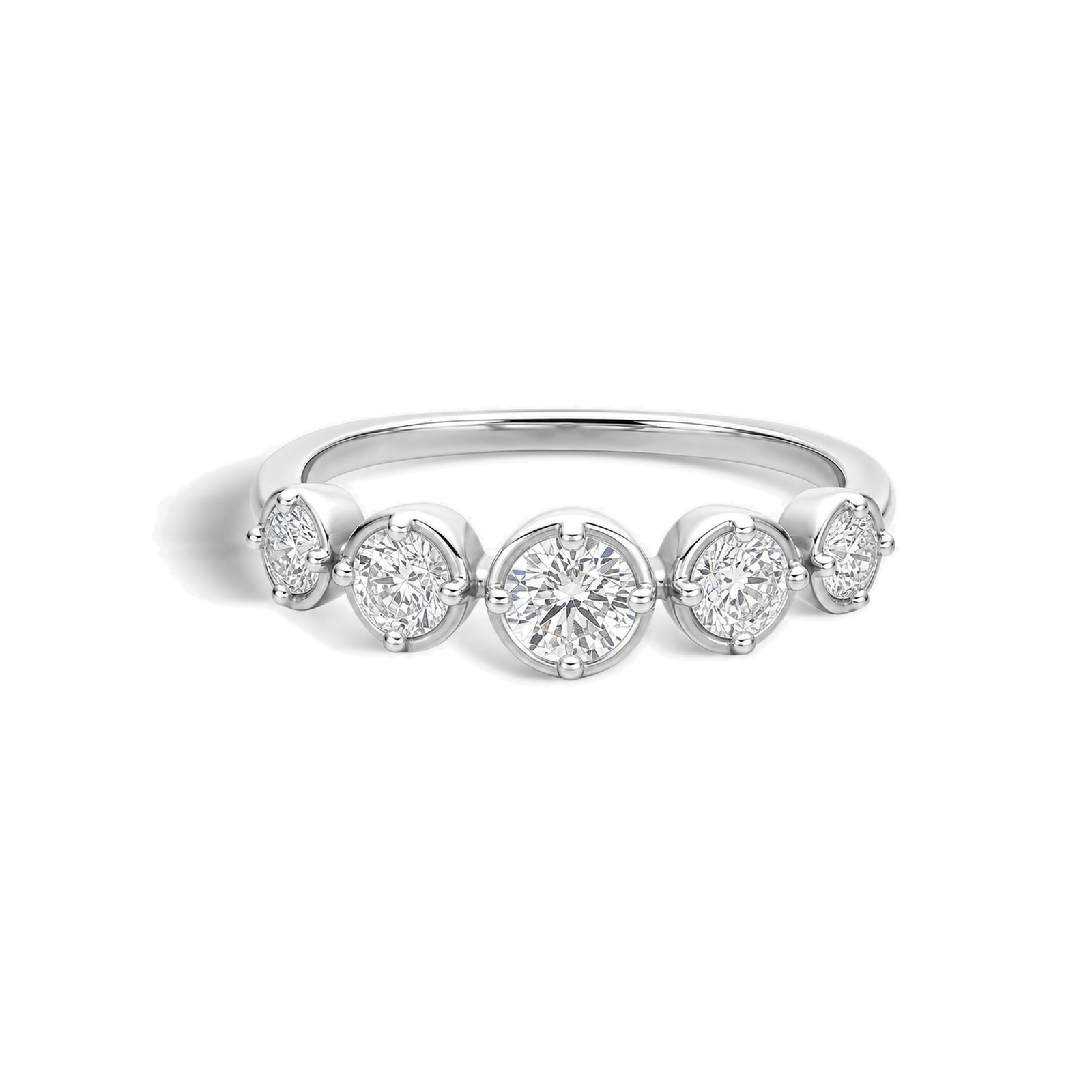
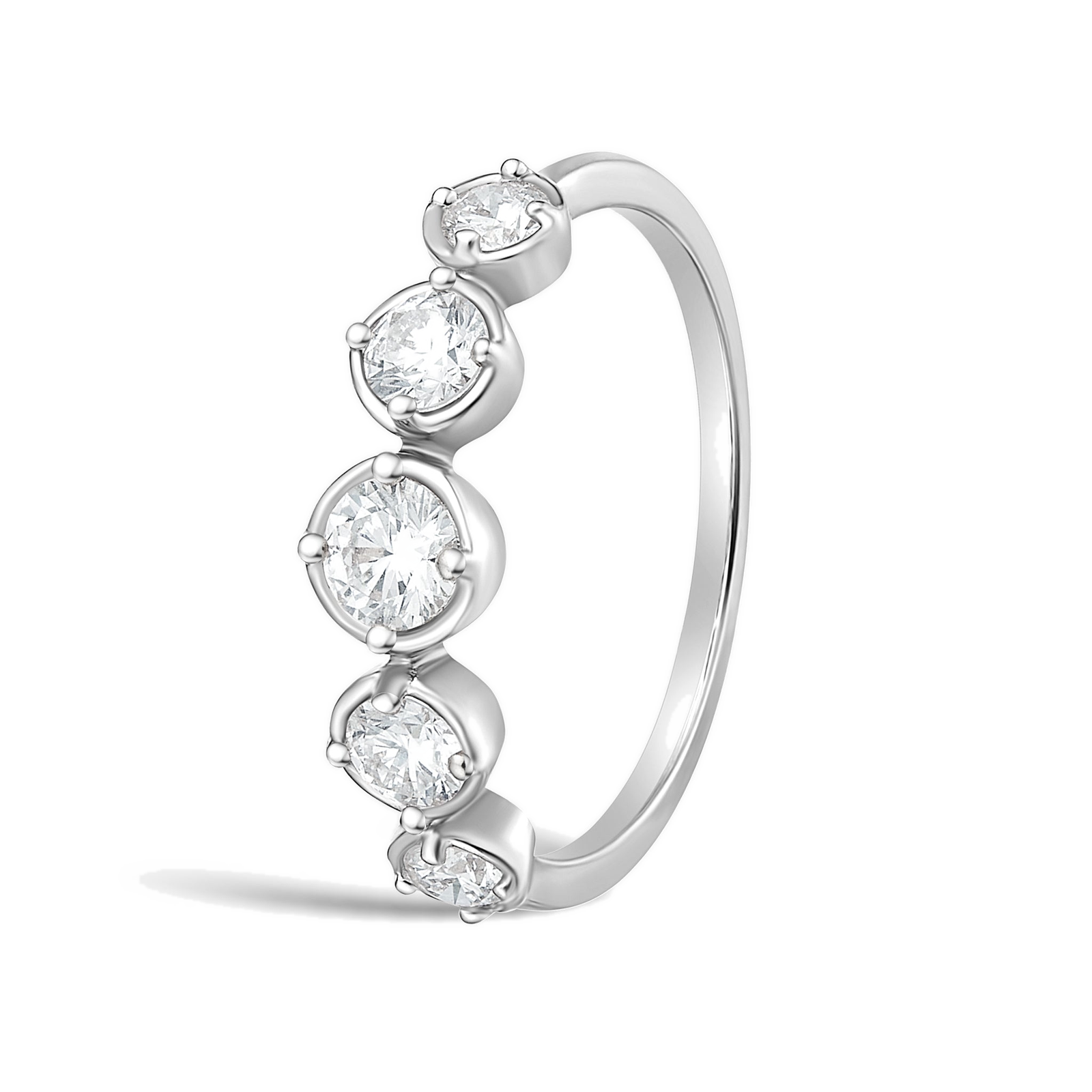


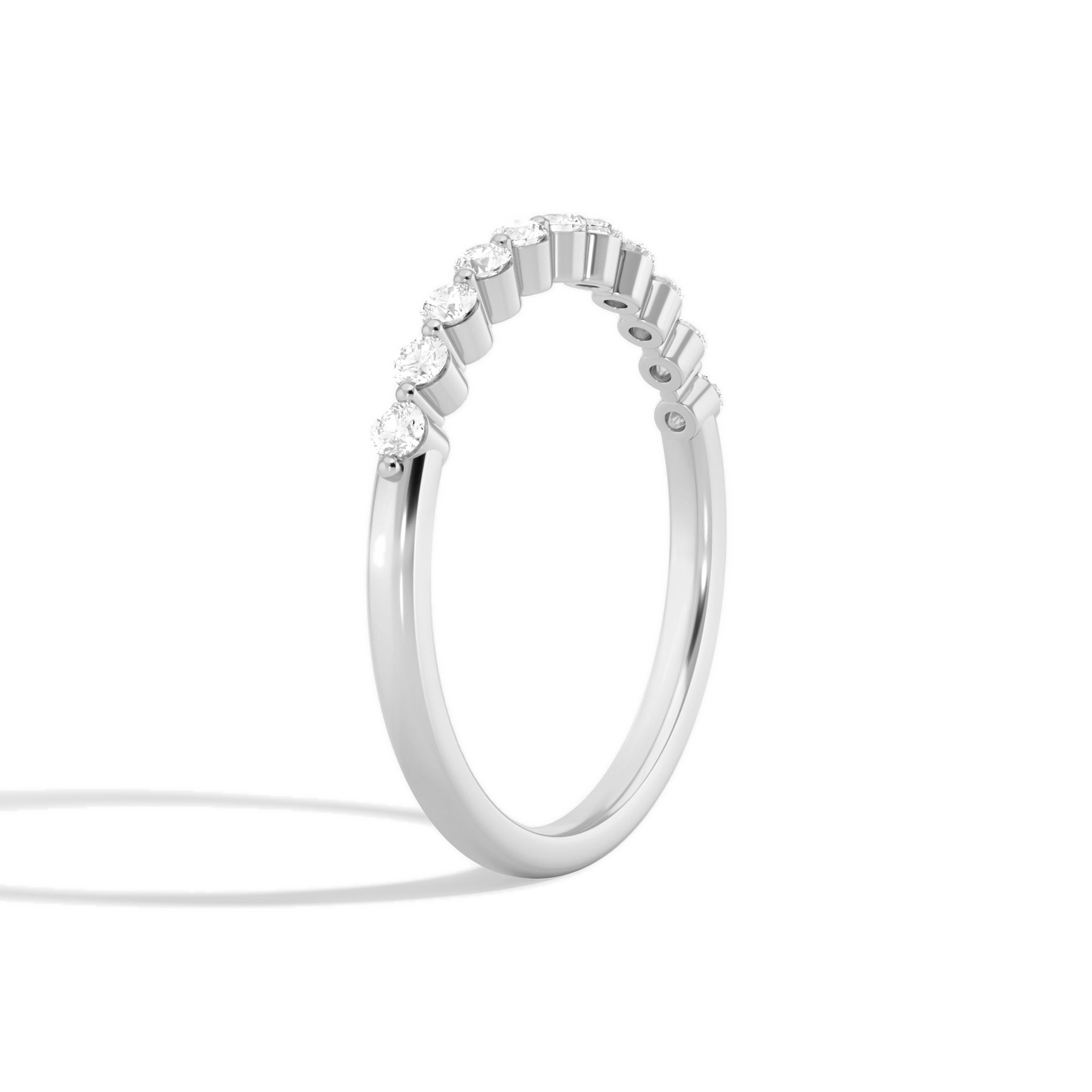

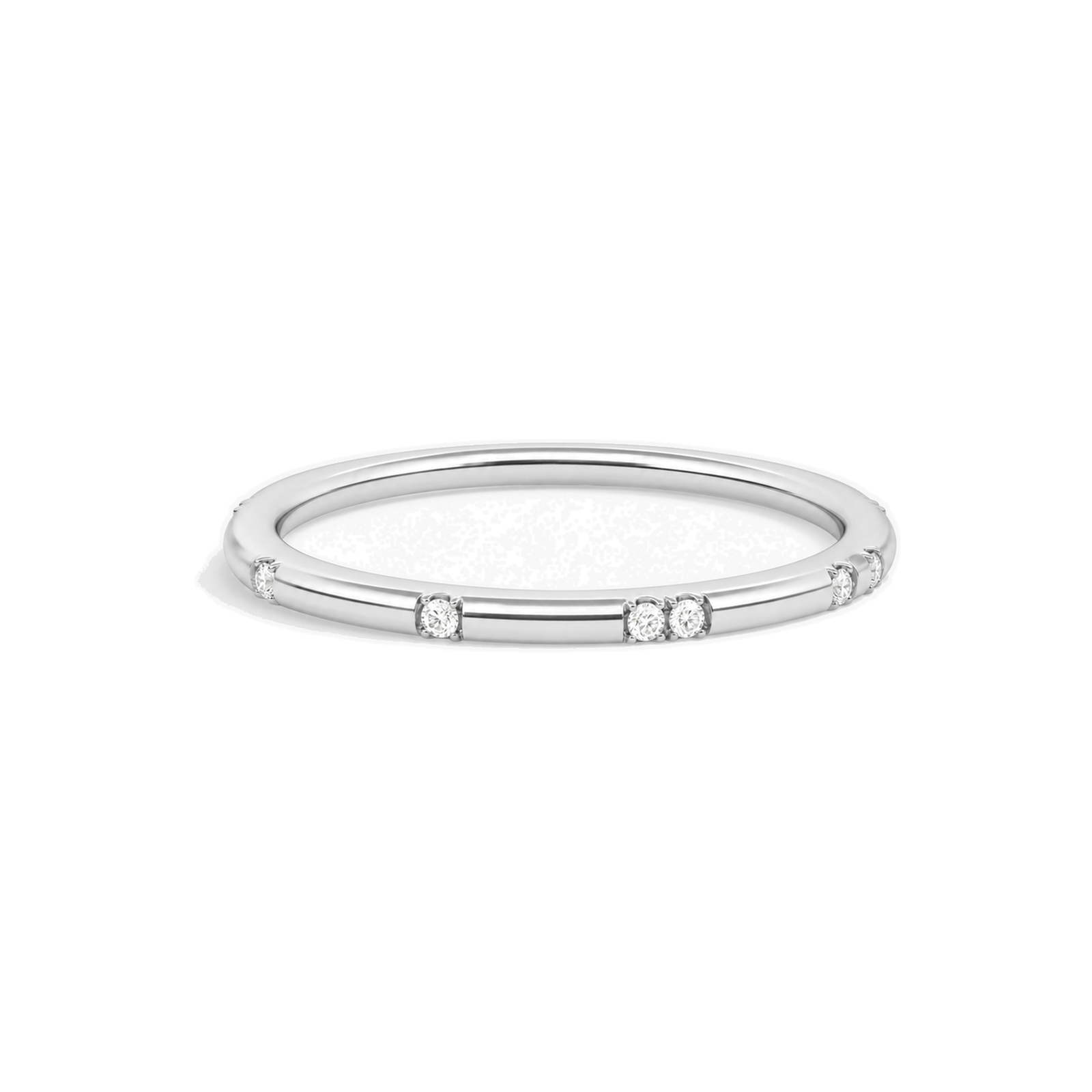


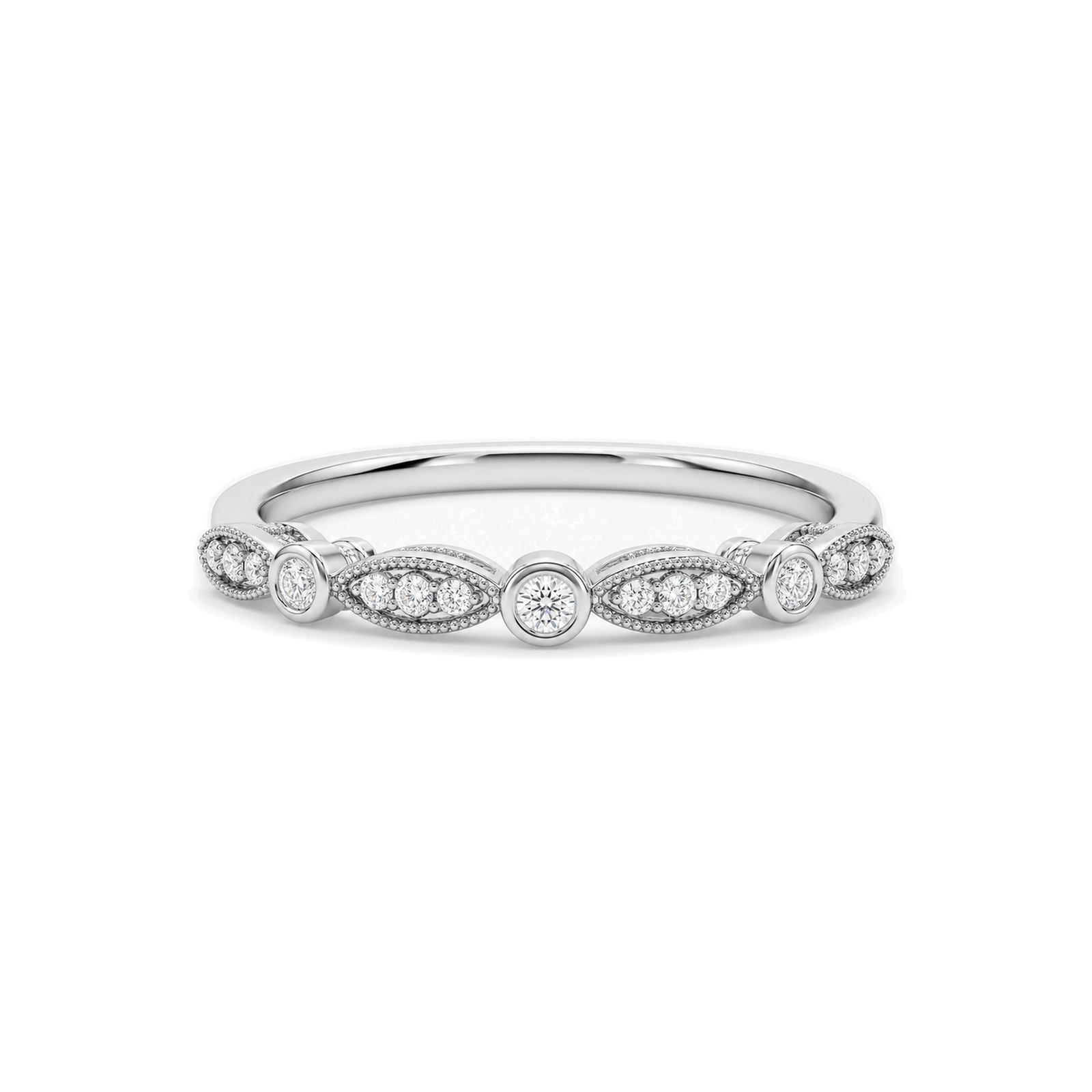
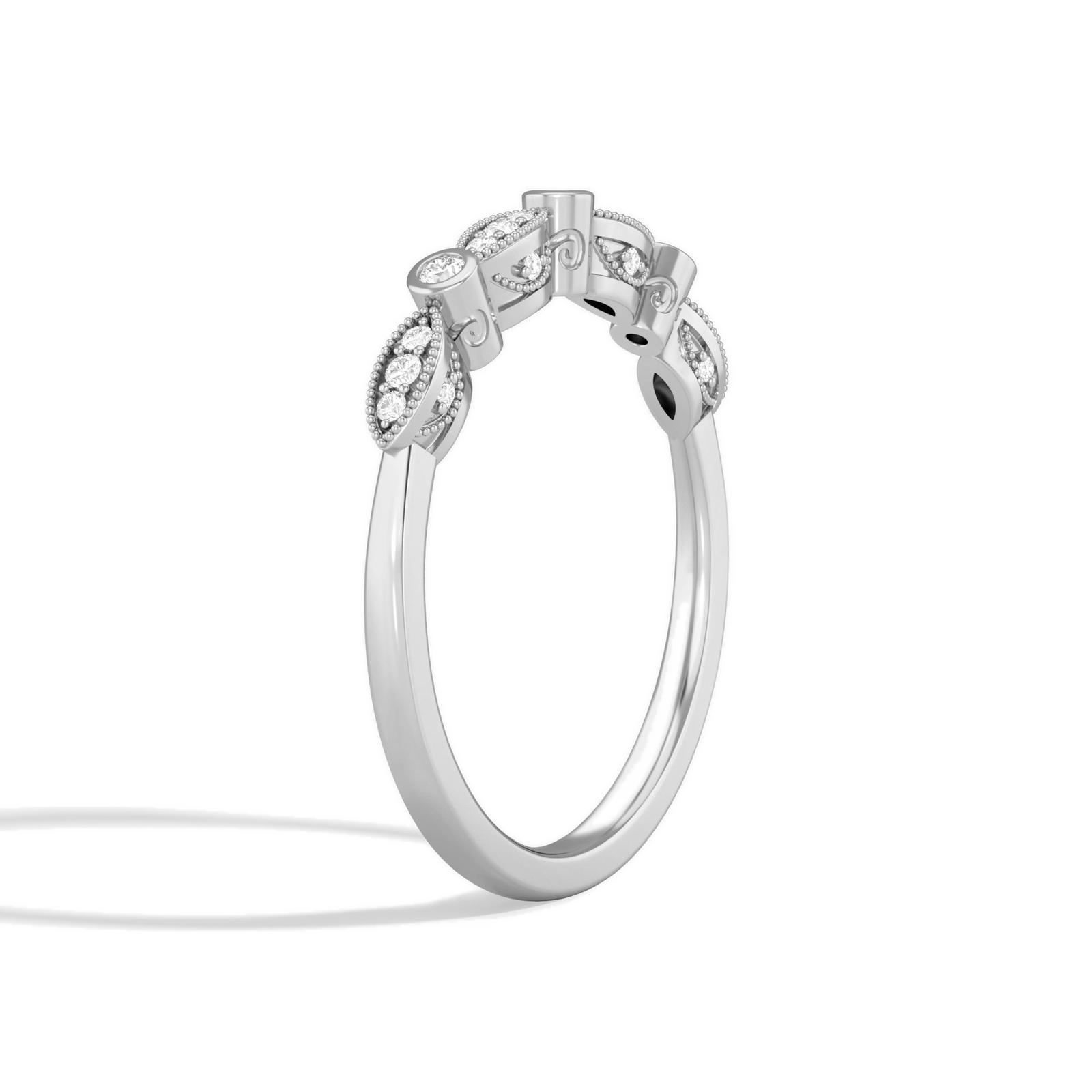

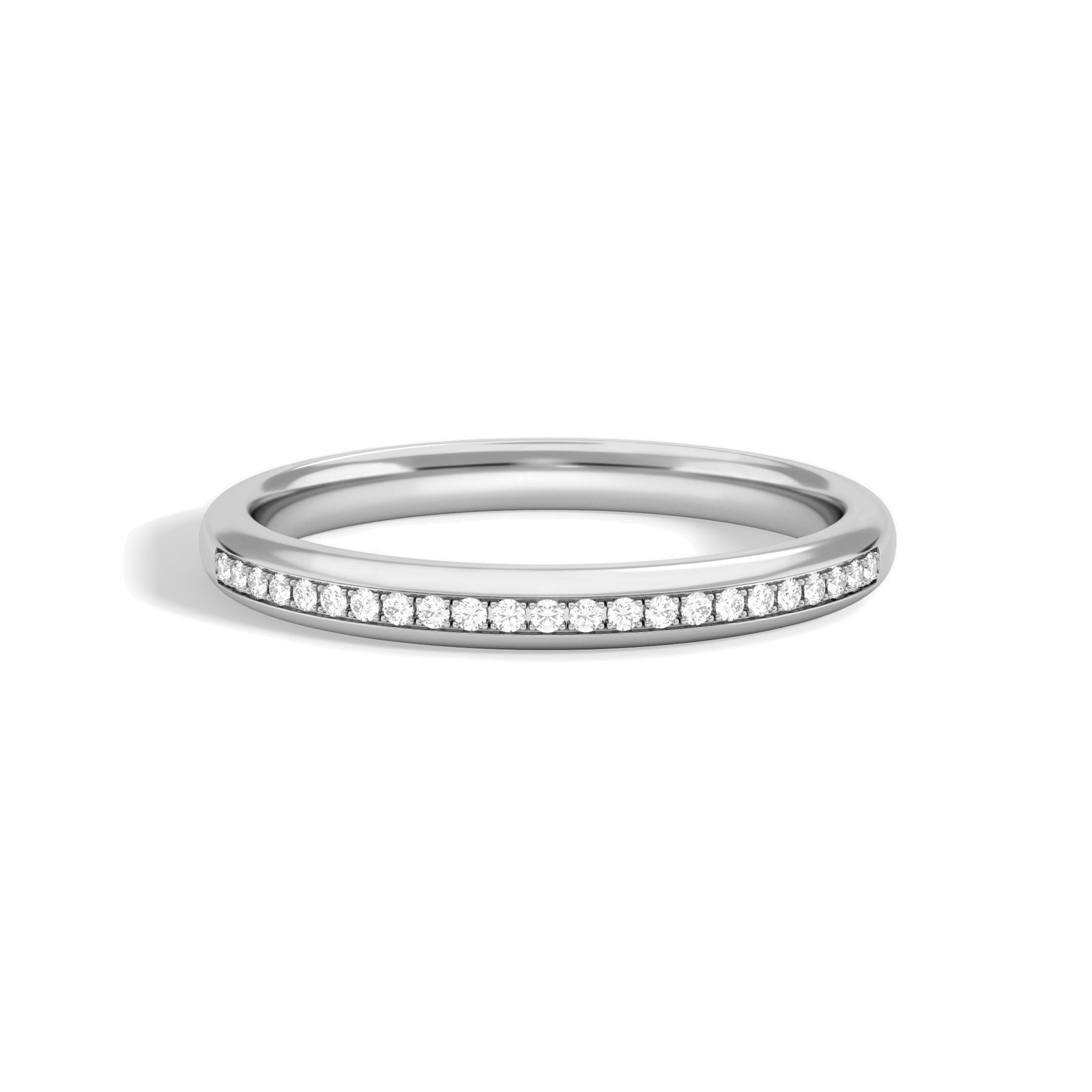
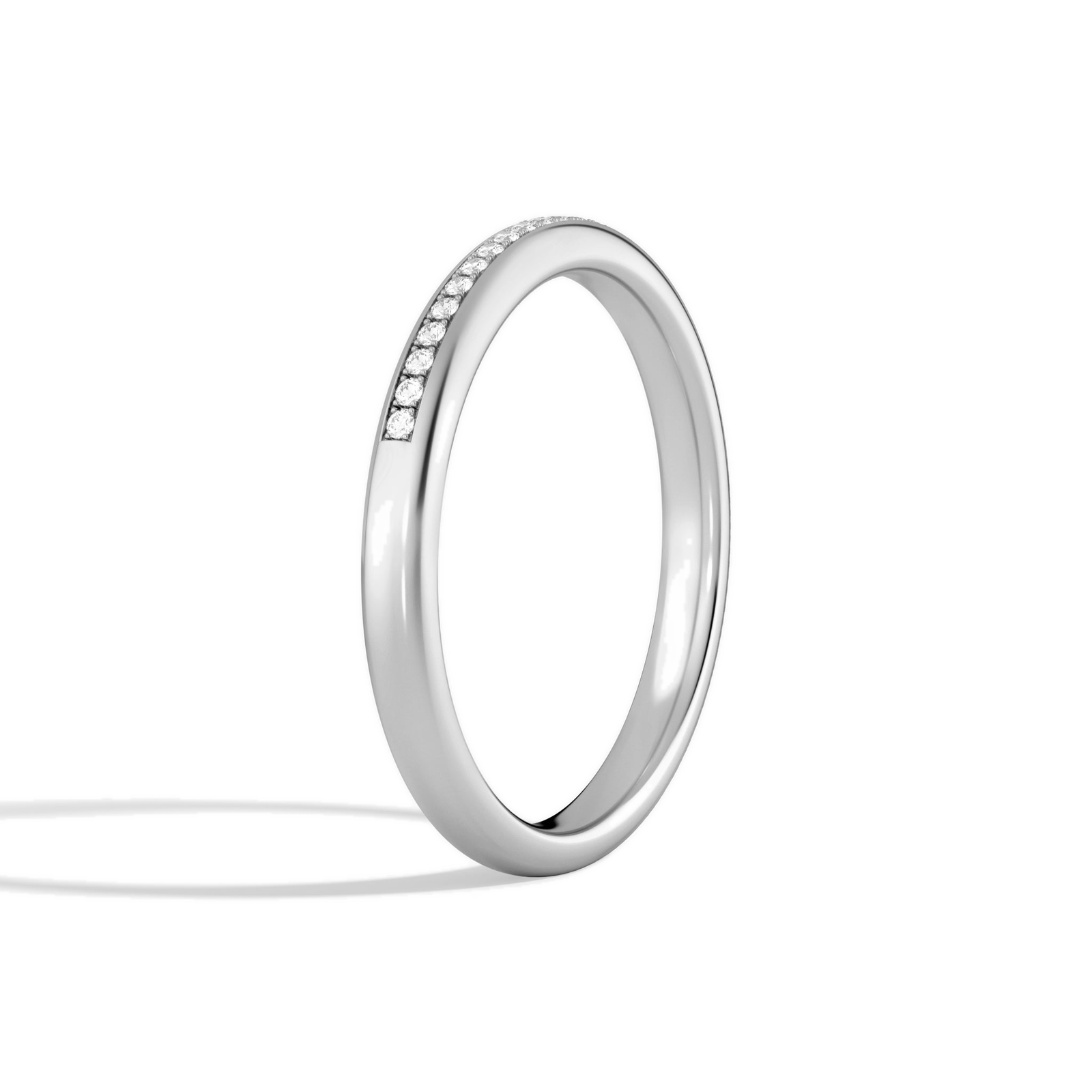

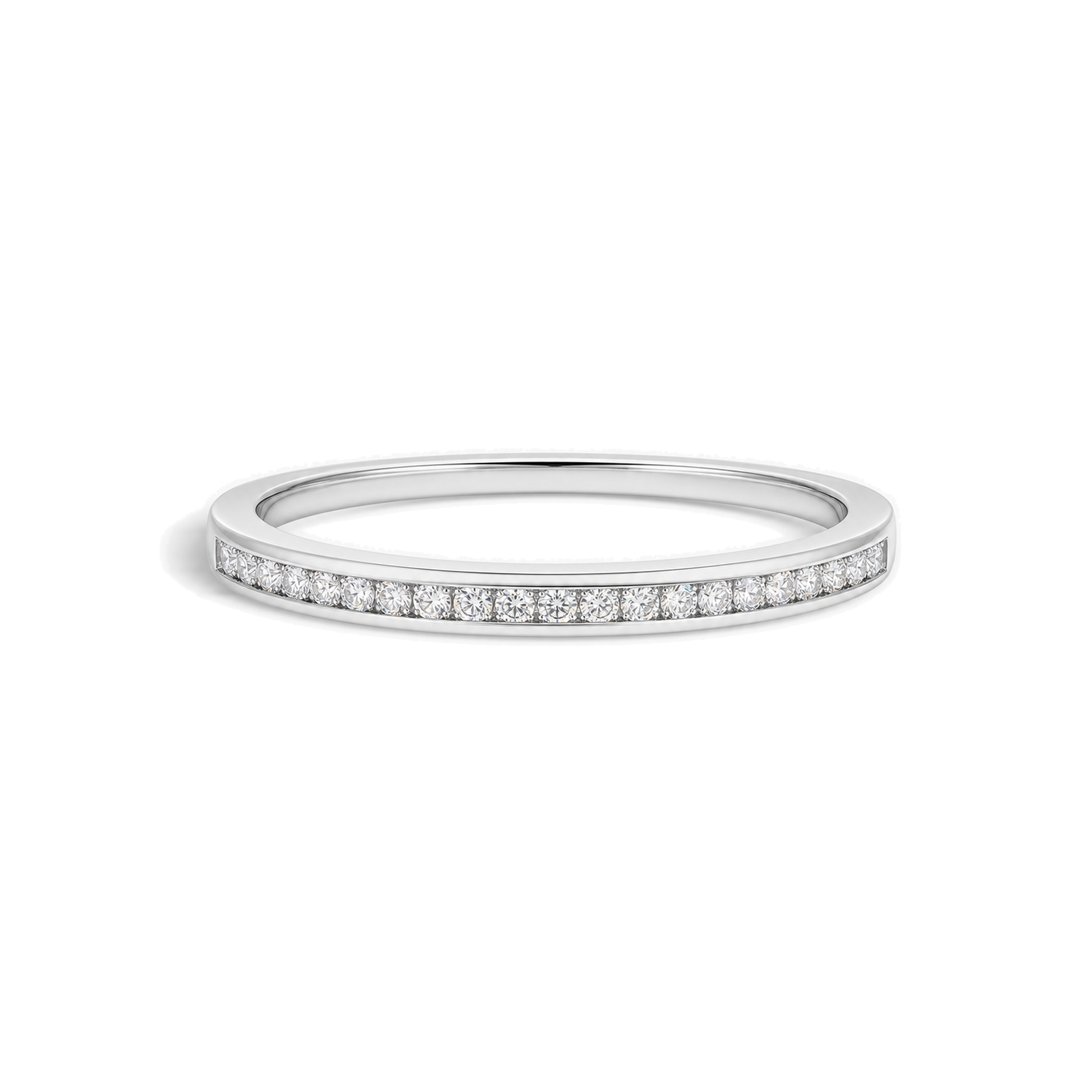


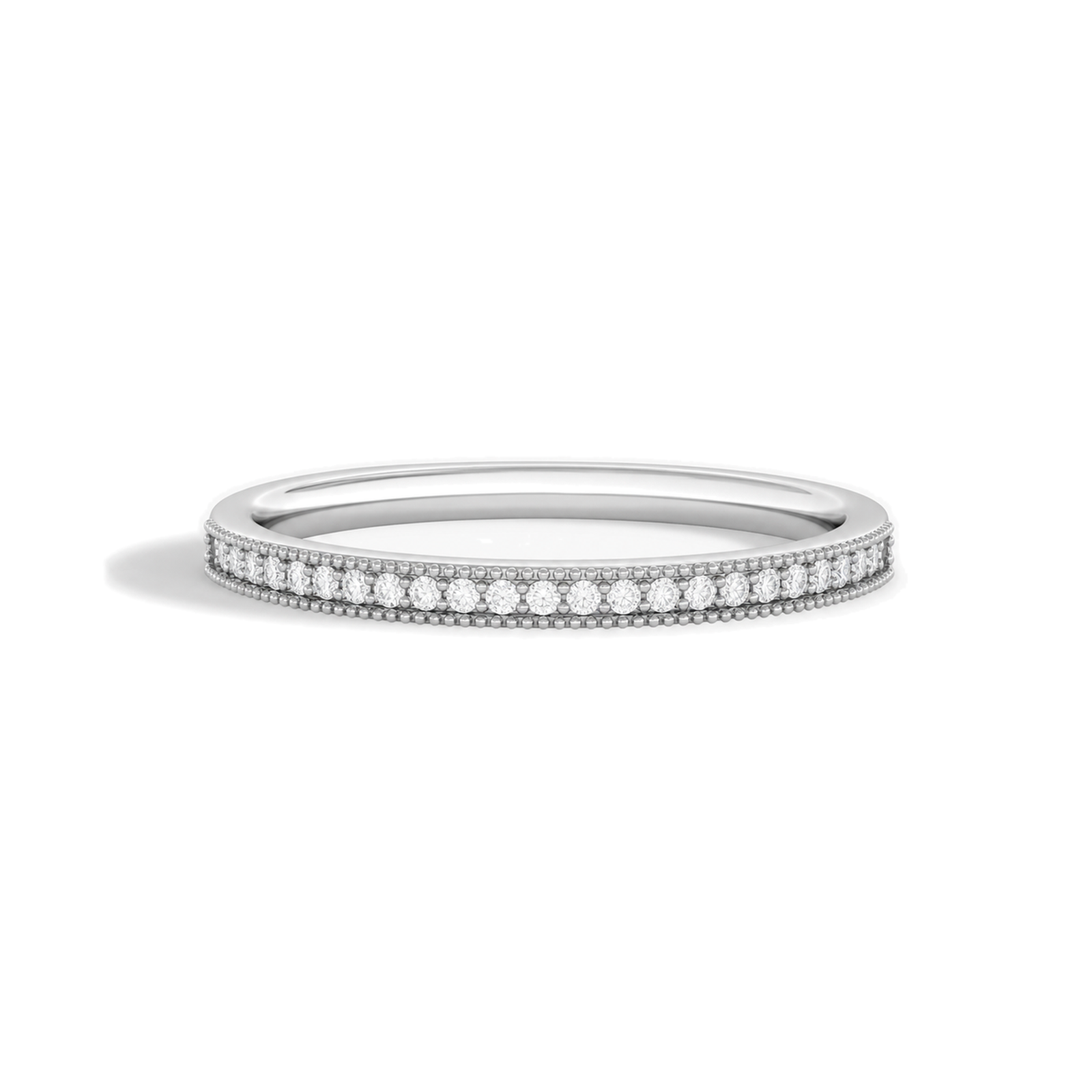
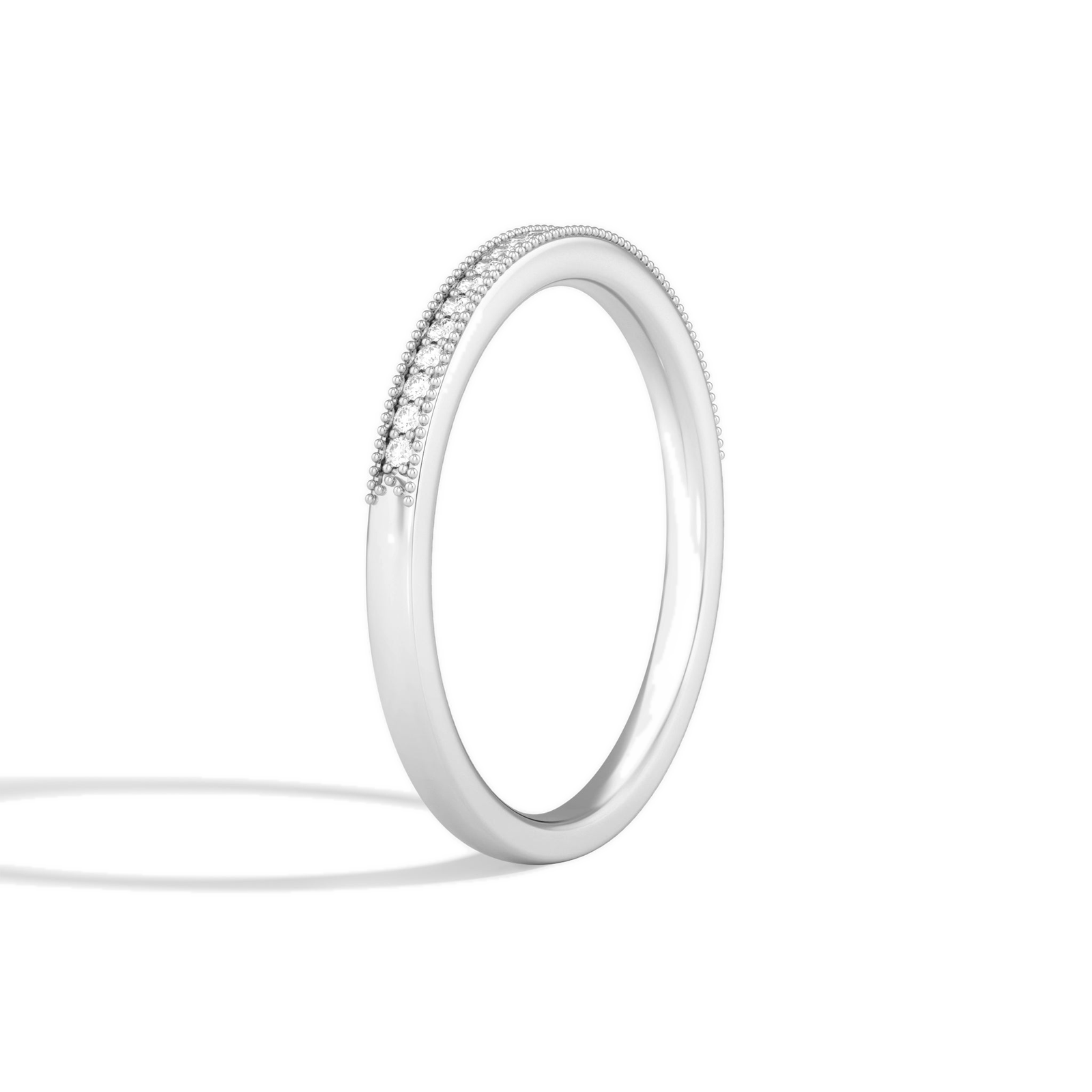


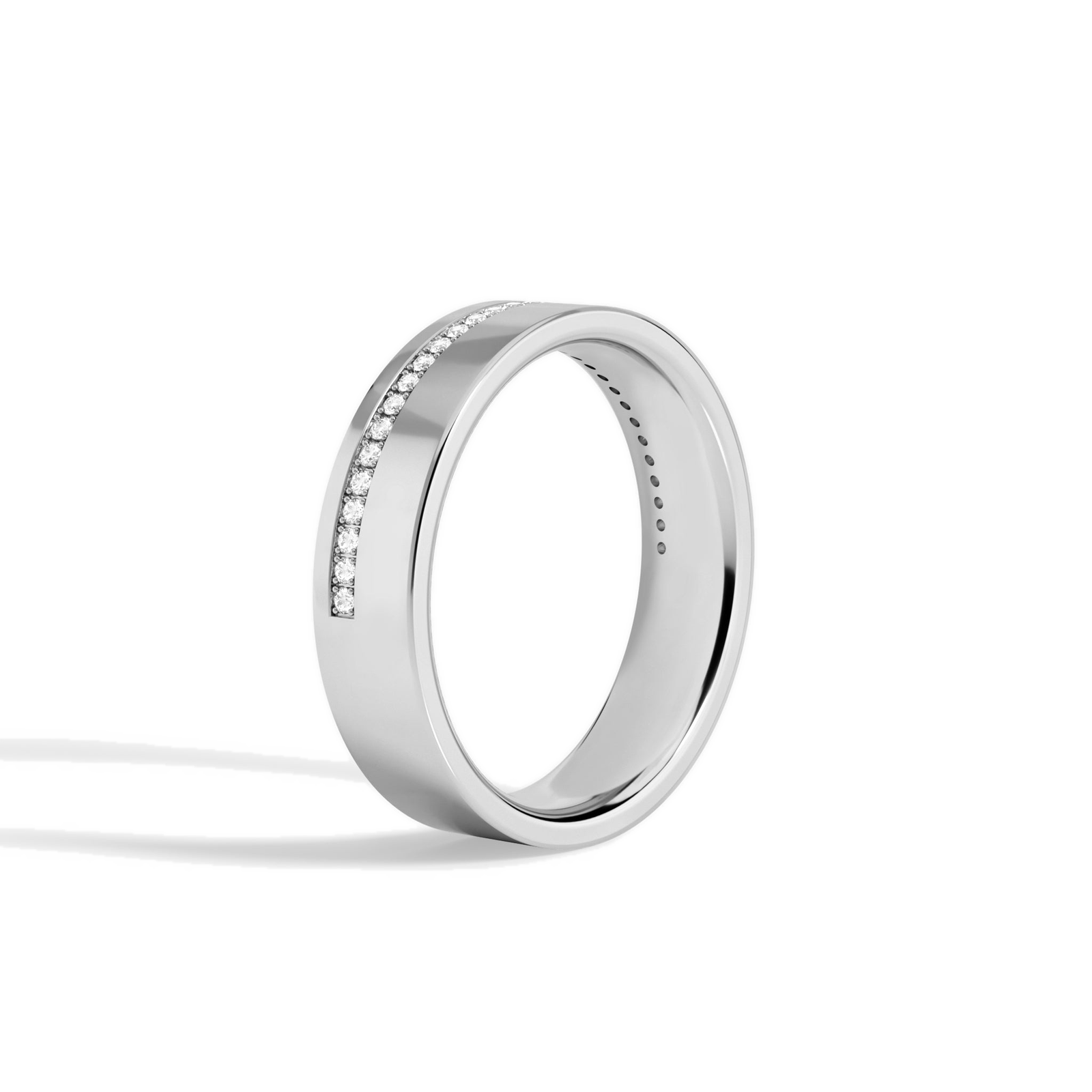

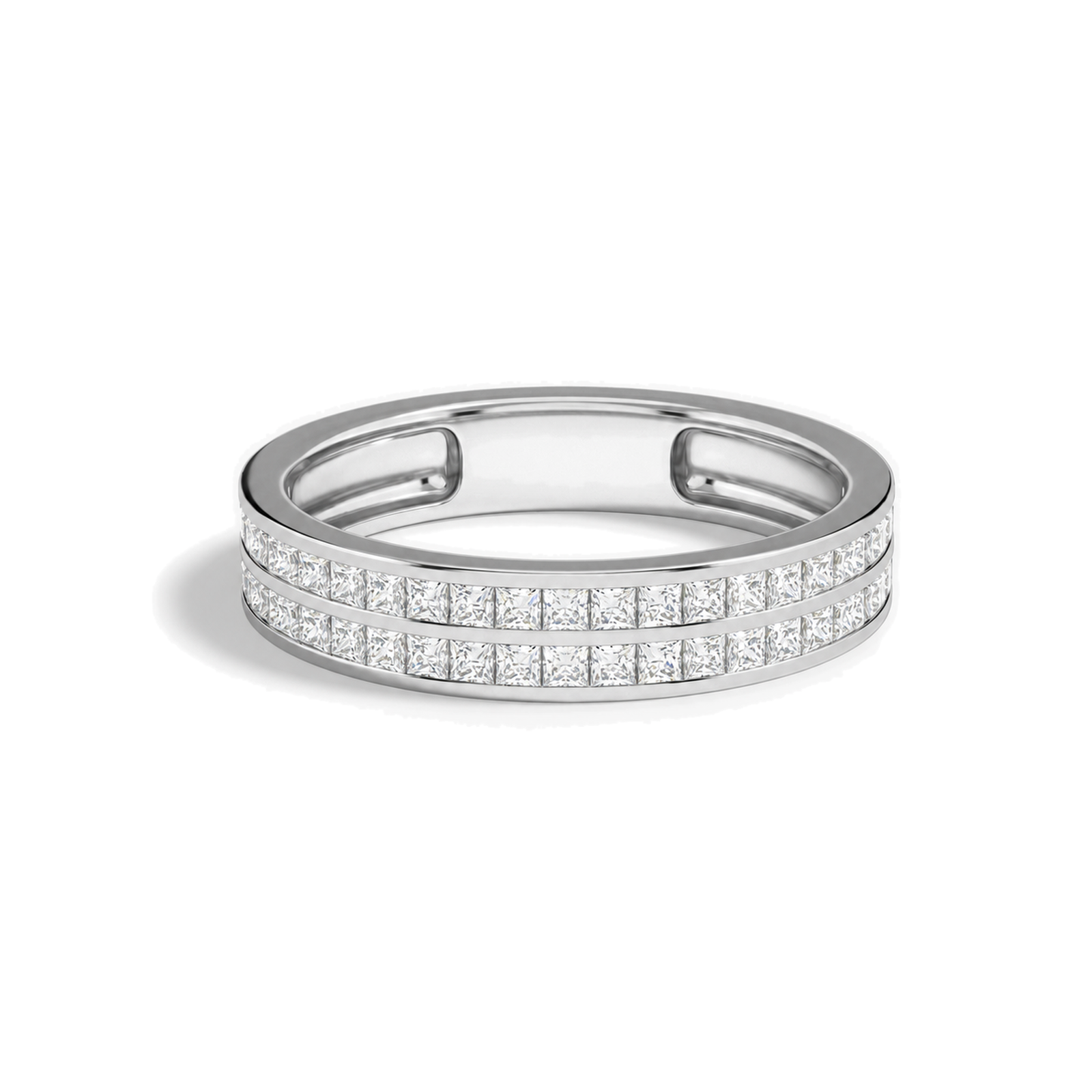


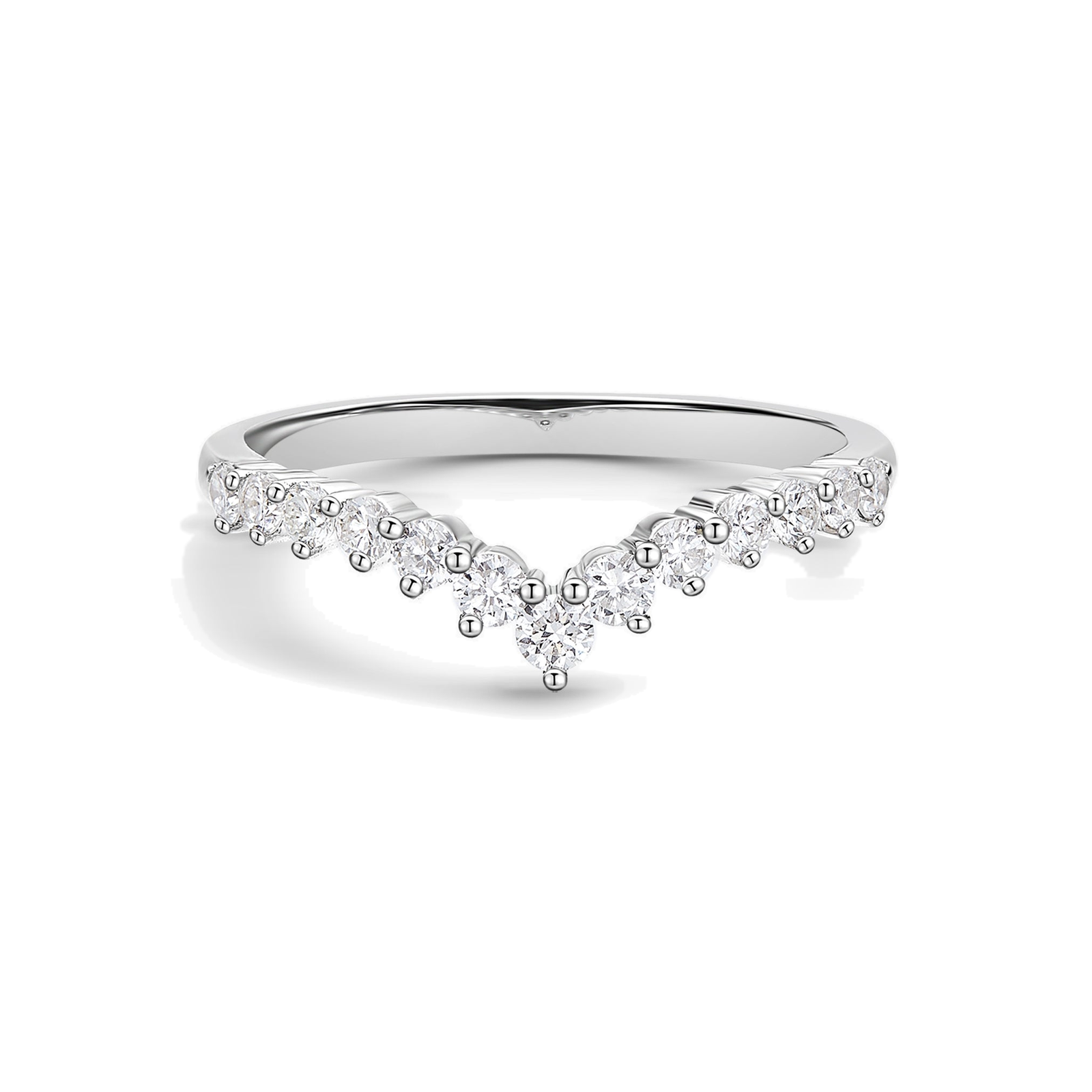
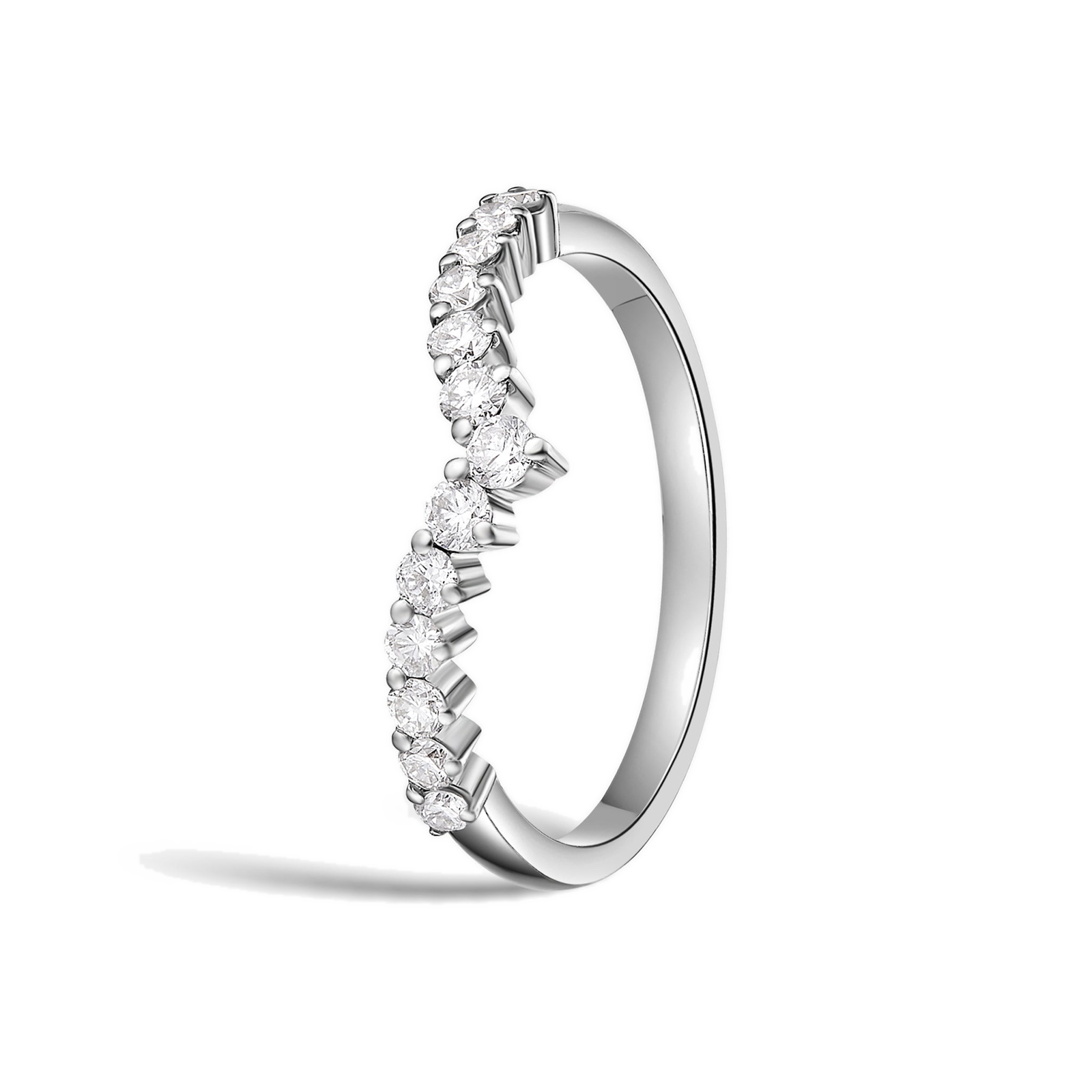

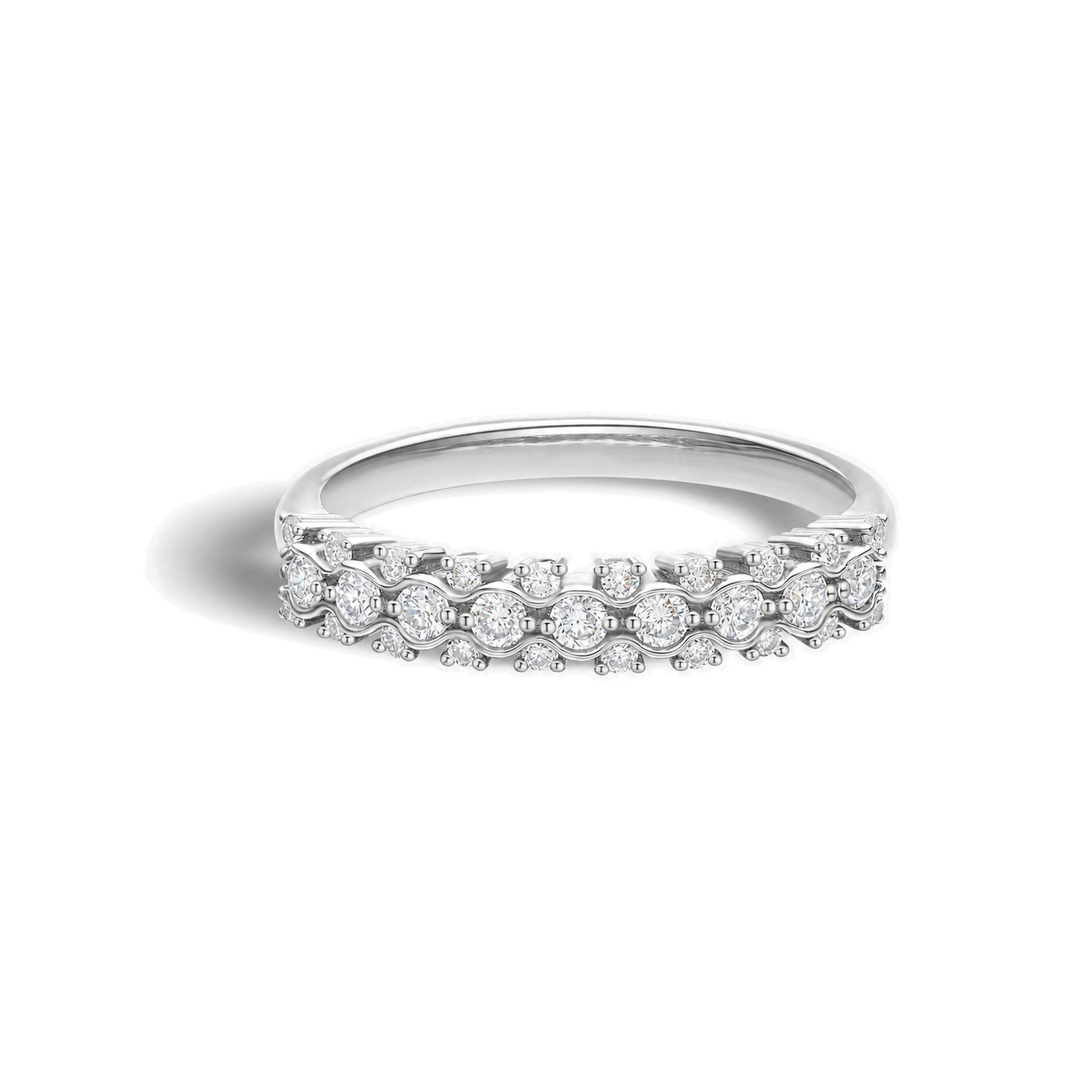
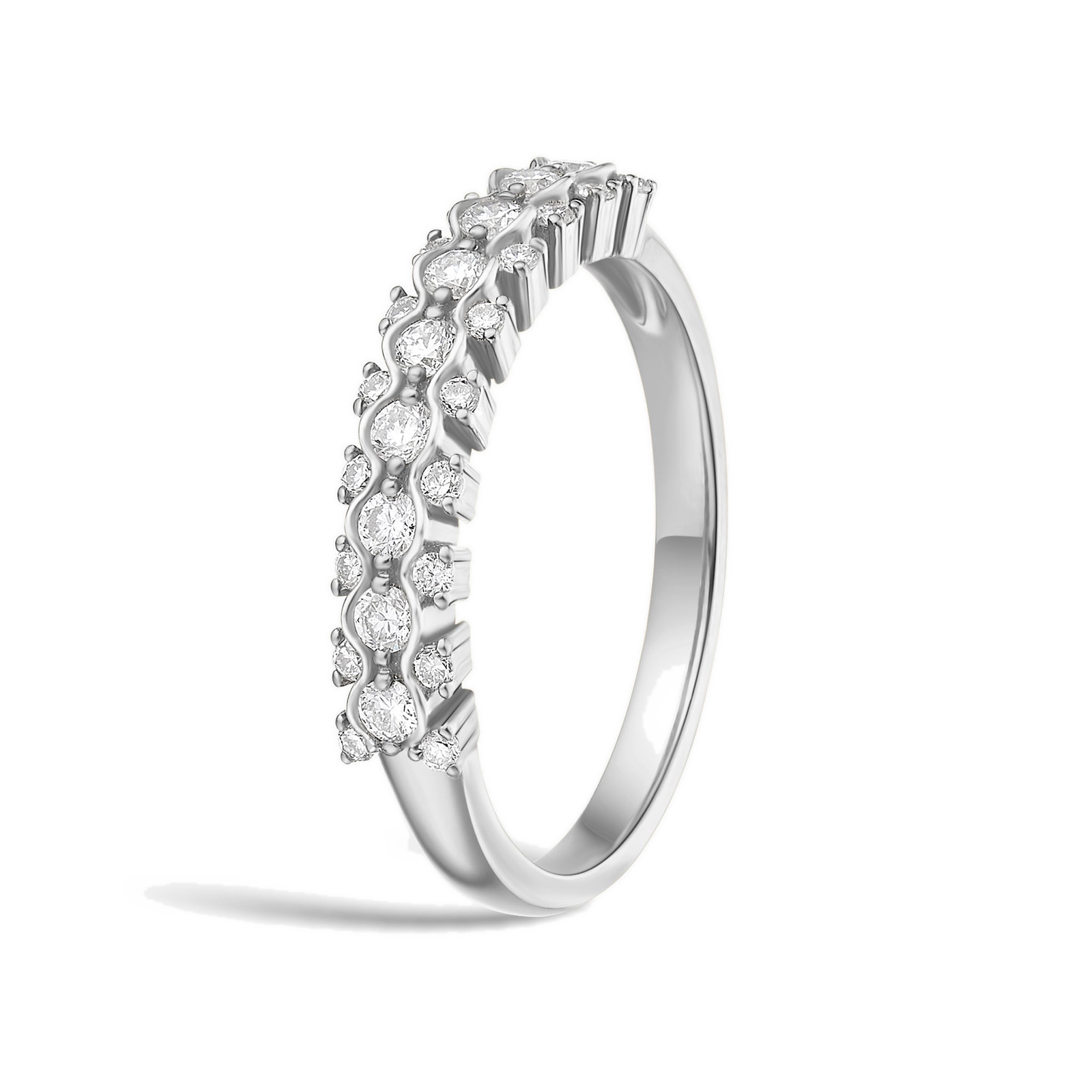

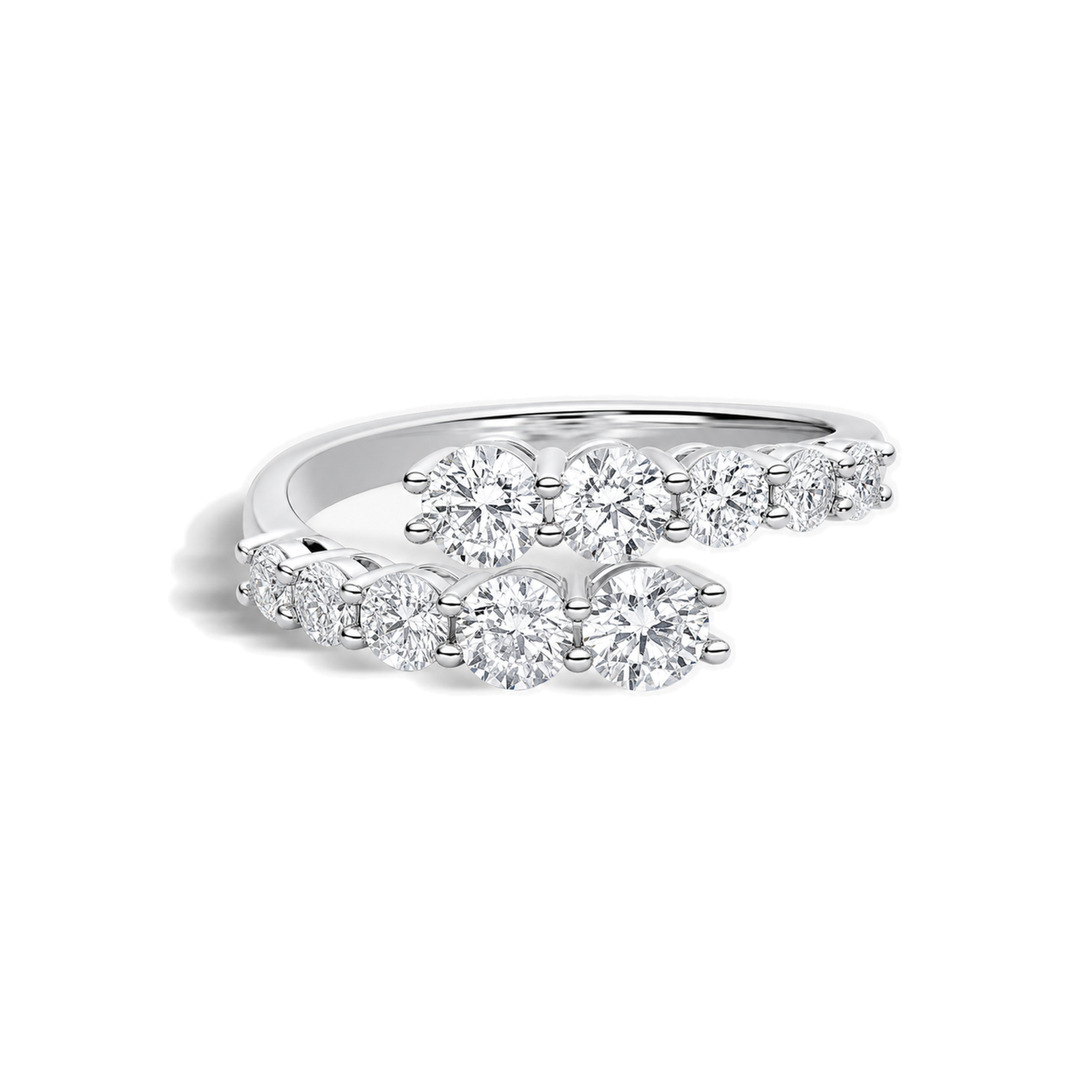
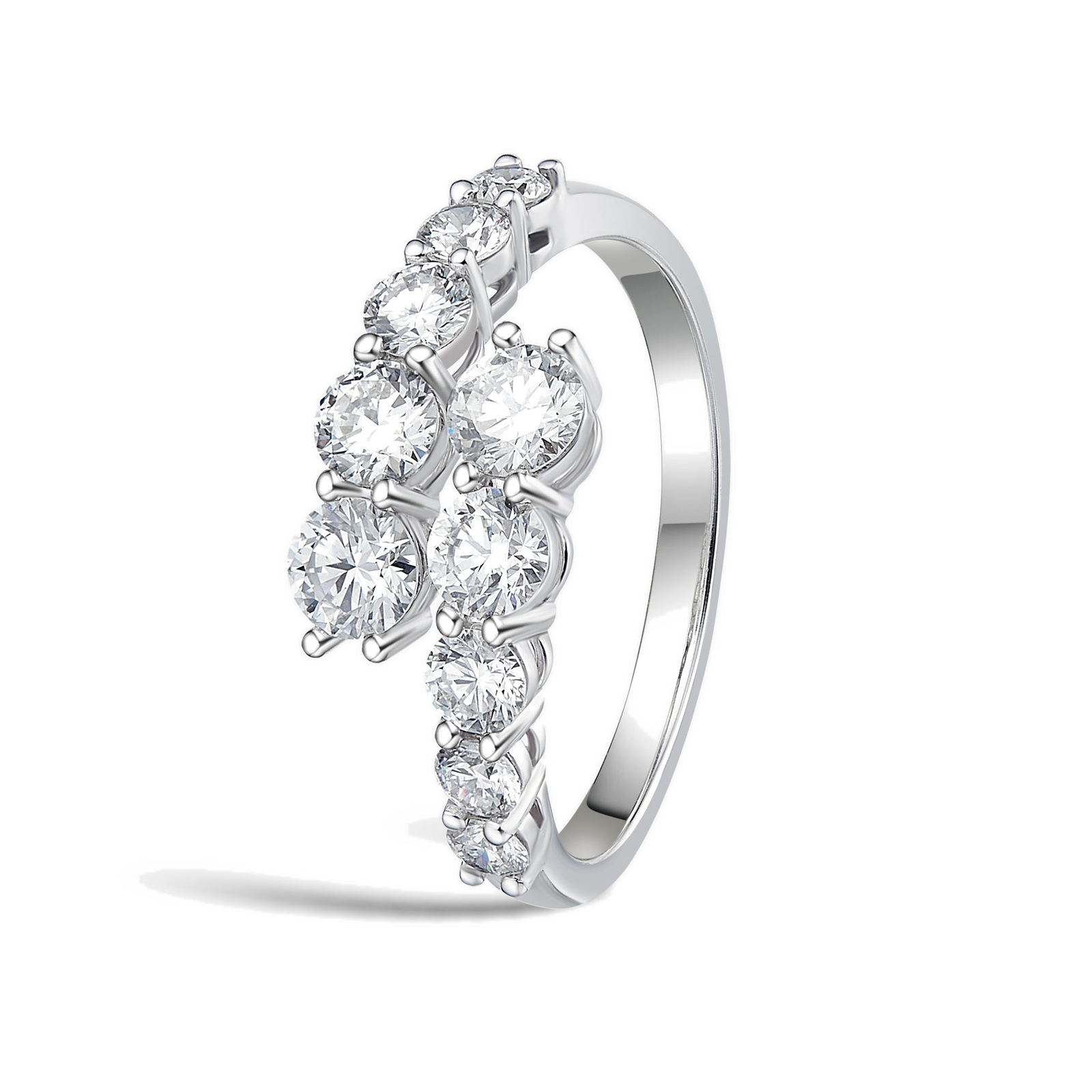

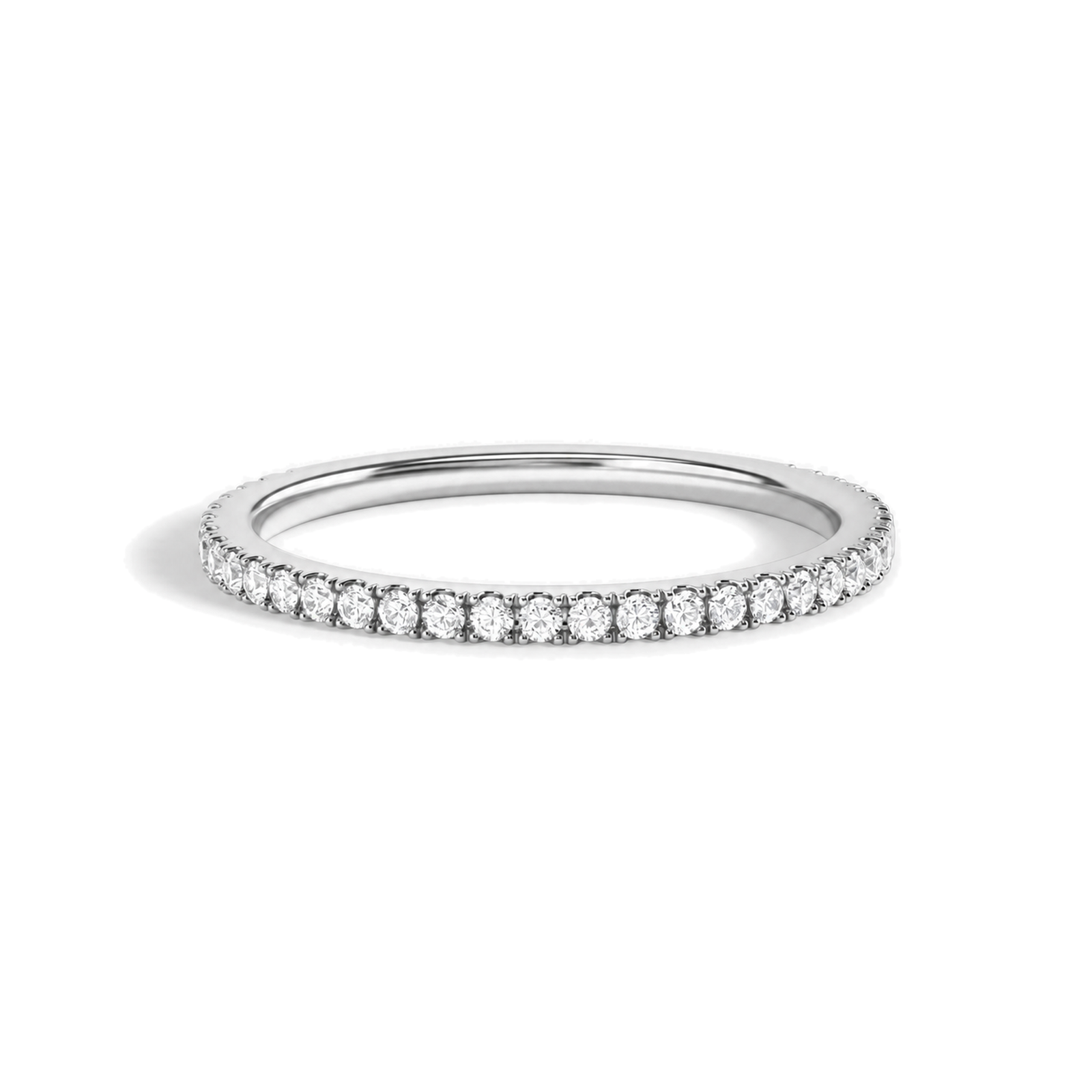
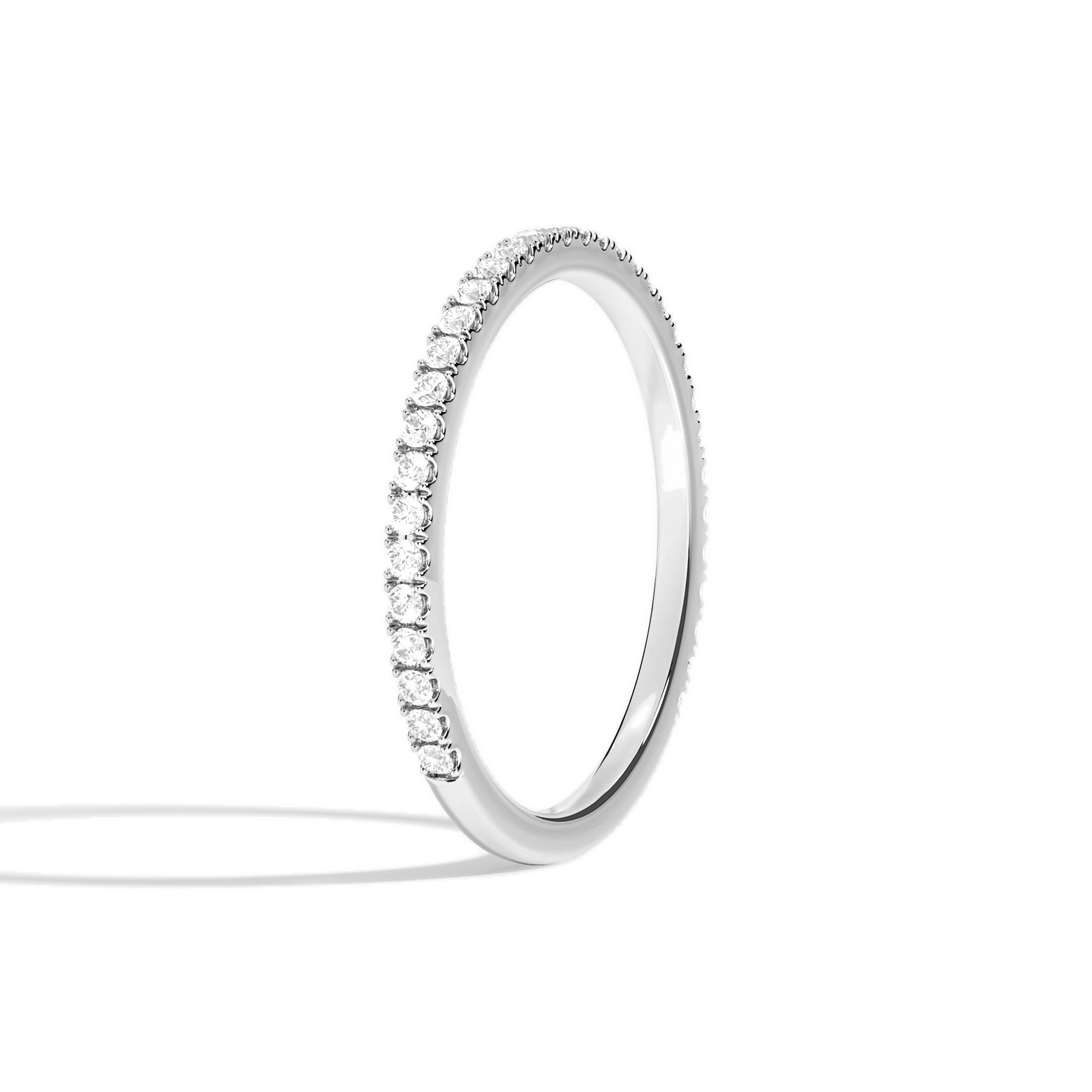

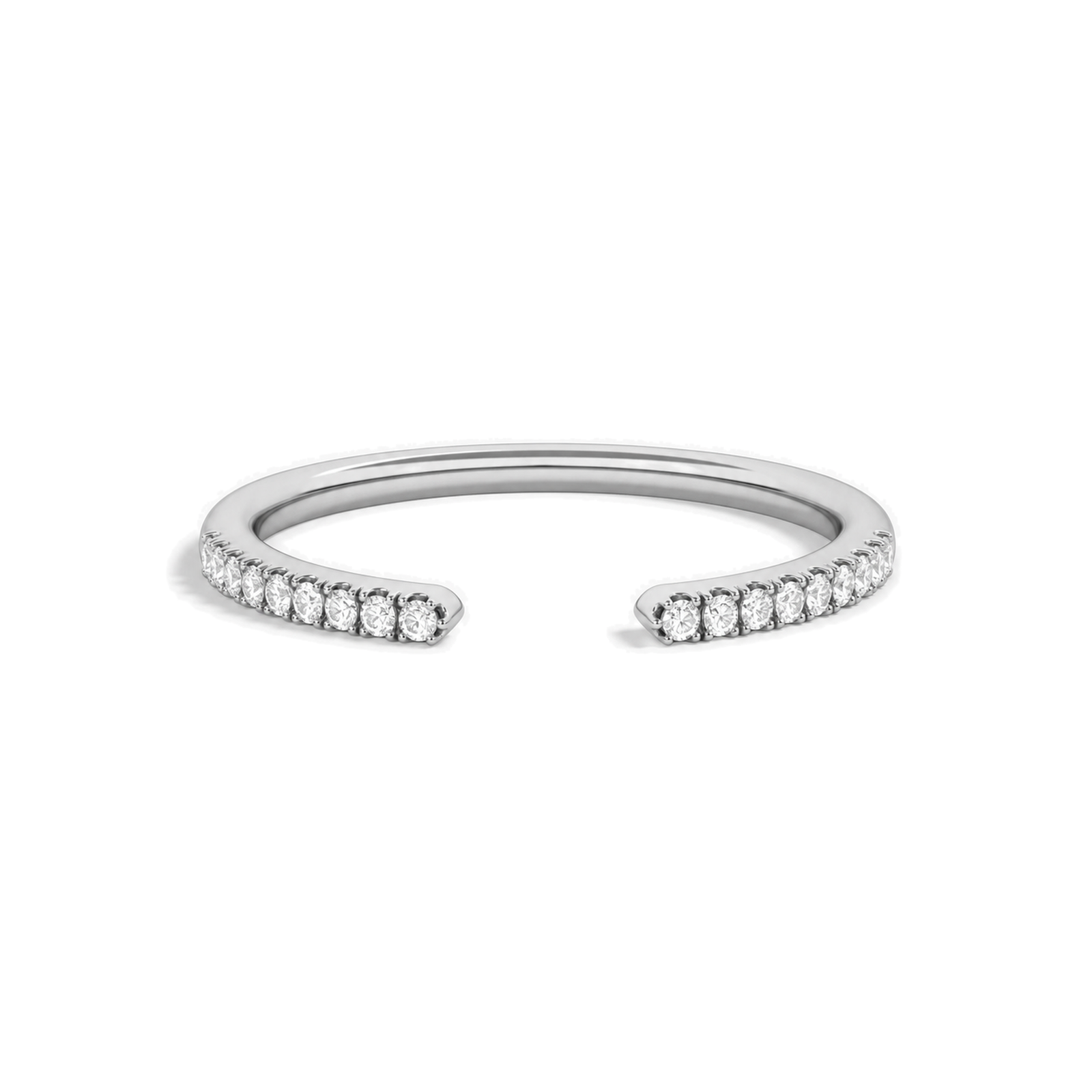


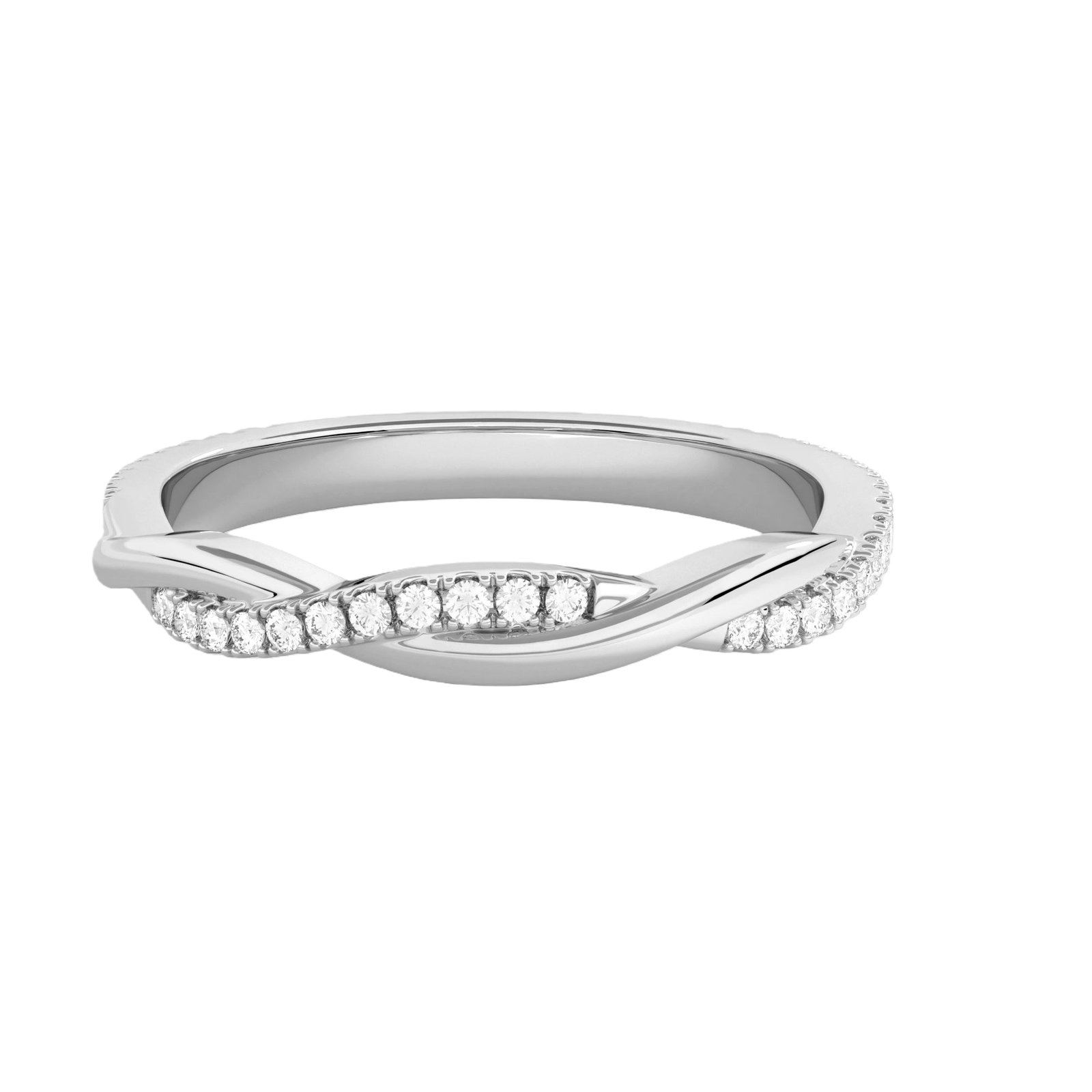


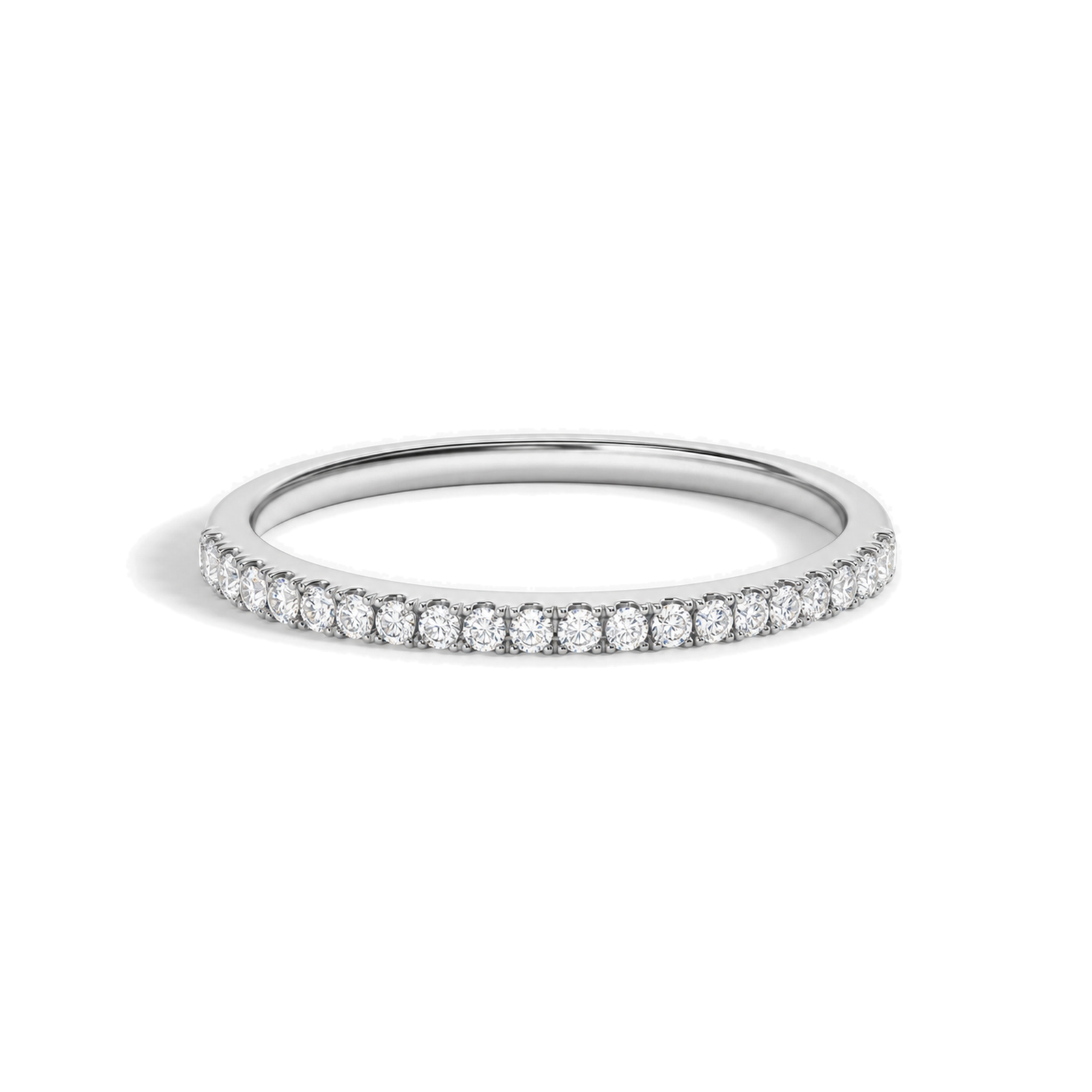
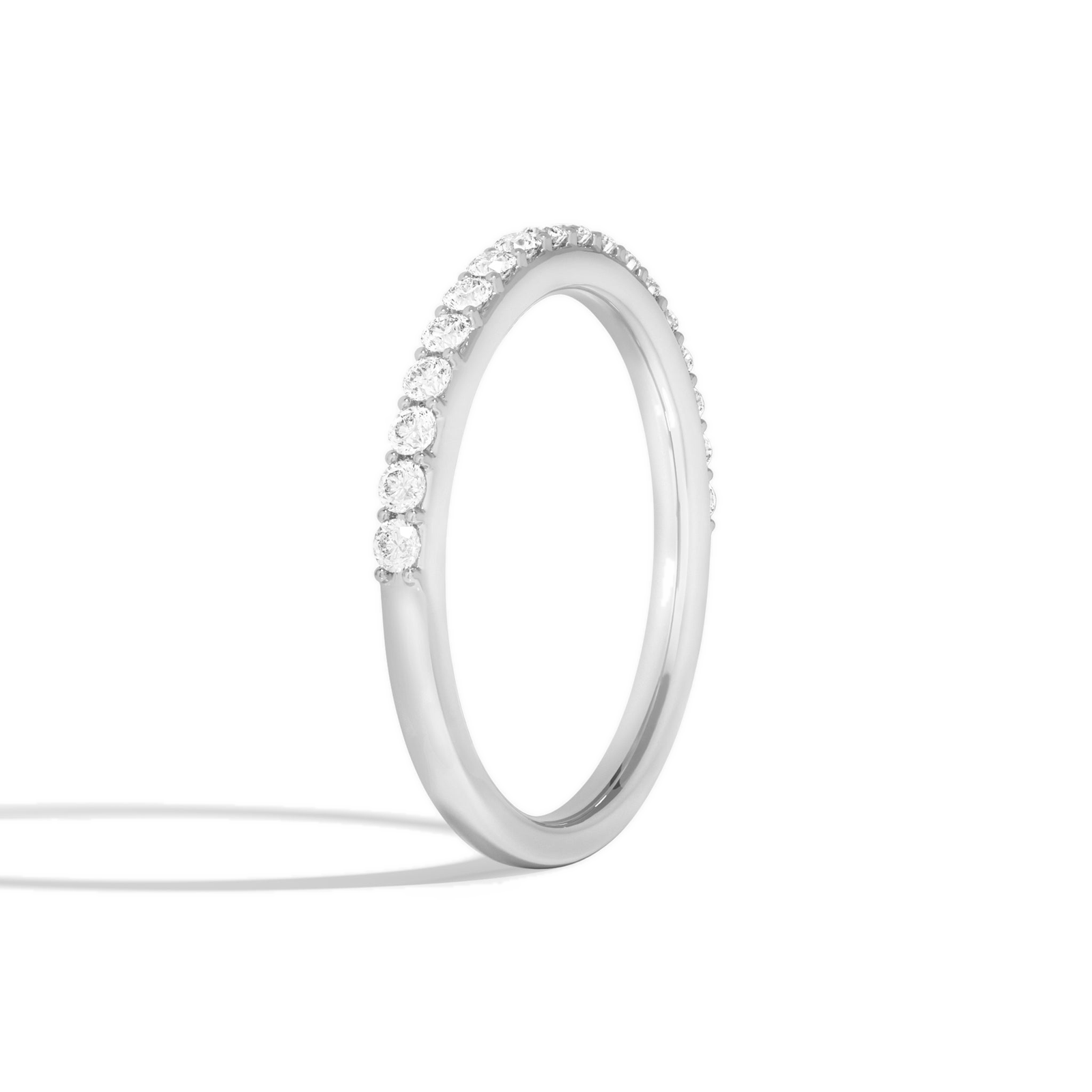

14K White Gold Lab-Grown Diamond Jewelry: Quiet Structure, Distinct Forms
White Gold can create tonal continuity around a diamond, yet the structure remains present. On a ring, prongs and profile define the hand-scale silhouette. At the ear, an outline is read from changing angles. A necklace extends that framework through attachment and chain, while a bracelet turns it into an articulated line around the wrist.
The current 323-design Collection comprises 97 rings, 87 earrings, 126 necklaces, and 13 bracelets. All have normalized counterparts in the parent Lab-Grown Diamond Jewelry Collection. Its independent purpose is a White Gold reading of the same design universe, not a claim of separate exclusivity or equal category depth.
Quiet Color Does Not Mean Invisible Construction
A 14K alloy contains approximately 58.3% gold. Other alloying metals and any finishing treatment affect tone and behavior. The karat label does not confirm one formula, rhodium finish, sensitivity result, scratch resistance, or service interval.
White prongs may recede tonally, but their number, scale, position, and profile still matter. Bezels draw continuous boundaries; chains, posts, backs, bails, hinges, and clasps remain functional parts of the composition. White Gold cannot increase diamond brilliance, color grade, size, or setting security.
Move from Silhouette to Connection
First read the whole shape: circular, linear, clustered, open, curved, or center-led. Then follow how diamond and metal connect. A ring may depend on shoulders and shank; an earring on post, hoop, or drop; a necklace on bail and chain; a bracelet on link, joint, and clasp. Similar color can reveal these differences when the edit stays restrained.
A coordinated group need not be identical. Repeating one setting edge, diamond interval, surface, or proportion can create continuity across different scales. Matching White Gold labels do not prove identical alloy, finish, age, or wear behavior, and mixed metals can remain coherent through another repeated element.
Keep Fit and Movement Product-Specific
Rings require size and profile review; earrings require dimensions, backing, and weight distribution; necklaces require length, attachment, orientation, and layering; bracelets require wrist fit, articulation, and clasp review. No shared metal resolves all four categories into one fit rule.
Total Carat Weight states combined diamond weight within the listed scope, not face-up dimensions or visual distribution. A certification or grading document should be understood according to its stated coverage. It should not be assumed to describe every accent, finding, chain, clasp, or finished piece.
Clarity through Calibration
Choose the form and relationship that answer the way a piece will be worn, then use White Gold to assess tonal continuity. This is guidance for seeing proportion, not a mandatory setting-first or category-first process. Customers may begin with any design that feels resolved and compare the remaining variables from there.
Burvonti combines responsibly sourced lab-grown diamonds with human calibration across hand, ear, neckline, and wrist scale. Custom possibilities may refine metal, dimensions, diamond arrangement, setting, or selected details when feasible. Confirm finish and care for the exact product; clean gently and inspect settings, closures, and moving connections when condition changes.
For a closer decision, continue by form rather than repeating a generic metal story. White Gold Ring pages own profile and adjacent contact; Earring pages own attachment and balance; Necklace pages own chain and orientation; Bracelet pages own articulation and closure. The hierarchy preserves useful differences while keeping one coherent material route.
Frequently Asked Questions
What does this page add beyond the main Jewelry Collection?
It focuses on 14K White Gold’s quiet material continuity across rings, earrings, necklaces, and bracelets.
How much gold is in 14K White Gold?
Approximately 58.3%. Other alloying metals influence final color and working behavior.
Is every 14K white gold piece rhodium plated?
That should not be assumed Collection-wide. Confirm the finish for the selected product.
Which jewelry types are included?
The current 323 designs include 97 rings, 87 earrings, 126 necklaces, and 13 bracelets.
Why are there fewer bracelets than necklaces?
That is the current assortment distribution, not an editorial ranking; availability and membership can change.
Do white prongs disappear around a diamond?
They may recede tonally, but their dimensions, position, profile, and support remain visible and important.
Does White Gold make diamonds brighter or larger?
No. It changes surrounding color and contrast, not diamond dimensions, grading facts, or facet relationships.
How can different White Gold jewelry forms feel connected?
Repeat a line, setting boundary, interval, surface, or proportion while allowing each body scale to remain distinct.
Can White Gold be mixed with yellow or rose metals?
Yes as an aesthetic choice. Review repeated design elements and any physical contact between the exact pieces.
What should I compare besides metal color?
Compare silhouette, diamond distribution, setting, dimensions, profile, connection, movement, and intended wear.
What does Total Carat Weight tell me?
It states combined diamond weight within the listed scope, not face-up size or equal distribution across the design.
Does one grading document cover every diamond?
Not necessarily. Read the document and product details for its exact scope.
Is 14K White Gold hypoallergenic?
No universal result should be promised without confirming the complete alloy and wearer-specific concern.
Can all White Gold rings be resized?
No. Coverage, channels, open construction, engraving, symmetry, and the requested change affect feasibility.
Will White Gold necklaces and bracelets stay in one position?
Not necessarily. Length, attachment, articulation, clasp, fit, neighboring pieces, and movement influence orientation.
Can Burvonti customize 14K White Gold jewelry?
Custom possibilities may include metal, dimensions, diamond arrangement, setting, or selected details, subject to feasibility.
How should 14K White Gold jewelry be cared for?
Confirm the finish, clean gently, and inspect settings, backs, clasps, links, and other connections when condition changes.